Visual abstracts
New randomized trials and meta-analyses from leading journals at a glance: who was studied, what was compared, and what was found. Every paper is free to read in full.
All specialtiesCardiology 4877Oncology 4138Gastroenterology & Hepatology 1942Infectious Disease 3837Neurology 1905Psychiatry & Mental Health 2273Pulmonology 2143Critical Care 1365Endocrinology & Diabetes 2580Pediatrics 2980Surgery 2559Orthopedics & Sports Medicine 931Neurosurgery 537Cardiothoracic & Vascular Surgery 674Plastic & Reconstructive Surgery 591Nephrology 1133Rheumatology 823Hematology 1109Dermatology 621Ophthalmology 543Obstetrics & Gynecology 1686Public & Global Health 1058Radiology & Imaging 648Anesthesiology 986Urology 764ENT (Otolaryngology) 503Emergency Medicine 511Allergy & Immunology 313Geriatrics 981Family Medicine & Primary Care 562Medical Genetics & Genomics 676Pathology & Laboratory Medicine 159Physical Medicine & Rehabilitation 757Palliative Care 444Nutrition 1588Digital Health & AI 2201General Medicine 321
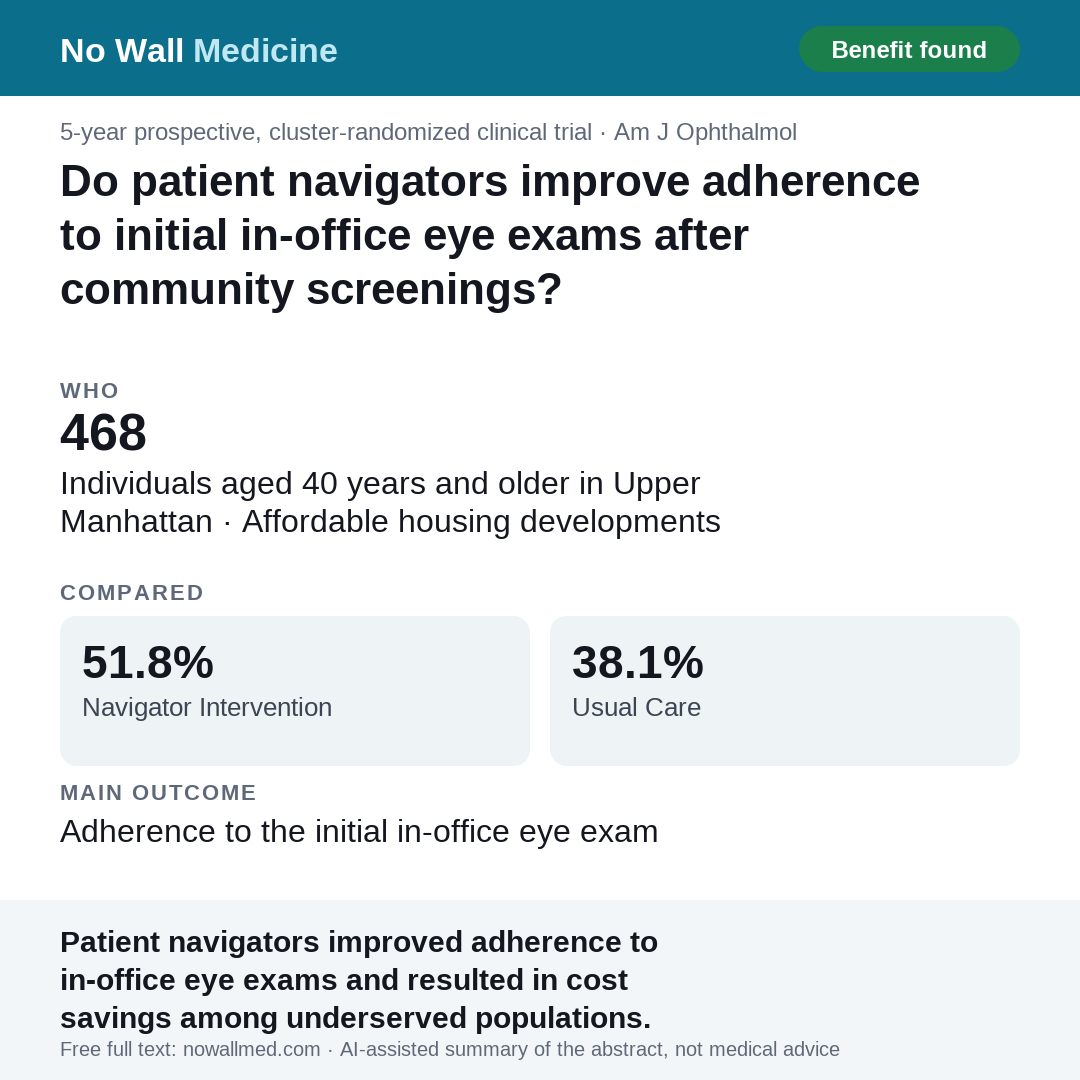
Patient Navigators Improve In-Office Eye Exam Adherence After Community Eye Screenings in a Randomized Clinical Trial: NYC-SIGHT Study
5-year prospective, cluster-randomized clinical trialBenefit found
Do patient navigators improve adherence to initial in-office eye exams after community screenings?
Who
468
Individuals aged 40 years and older in Upper Manhattan · Affordable housing developments and senior centers in Upper Manhattan
Compared
51.8%Navigator Intervention
38.1%Usual Care
Main outcome
Adherence to the initial in-office eye exam
Result: odds ratio 1.529 (95% CI 1.023, 2.285)
Bottom line: Patient navigators improved adherence to in-office eye exams and resulted in cost savings among underserved populations.
Am J Ophthalmol · 2025-02-26Download image
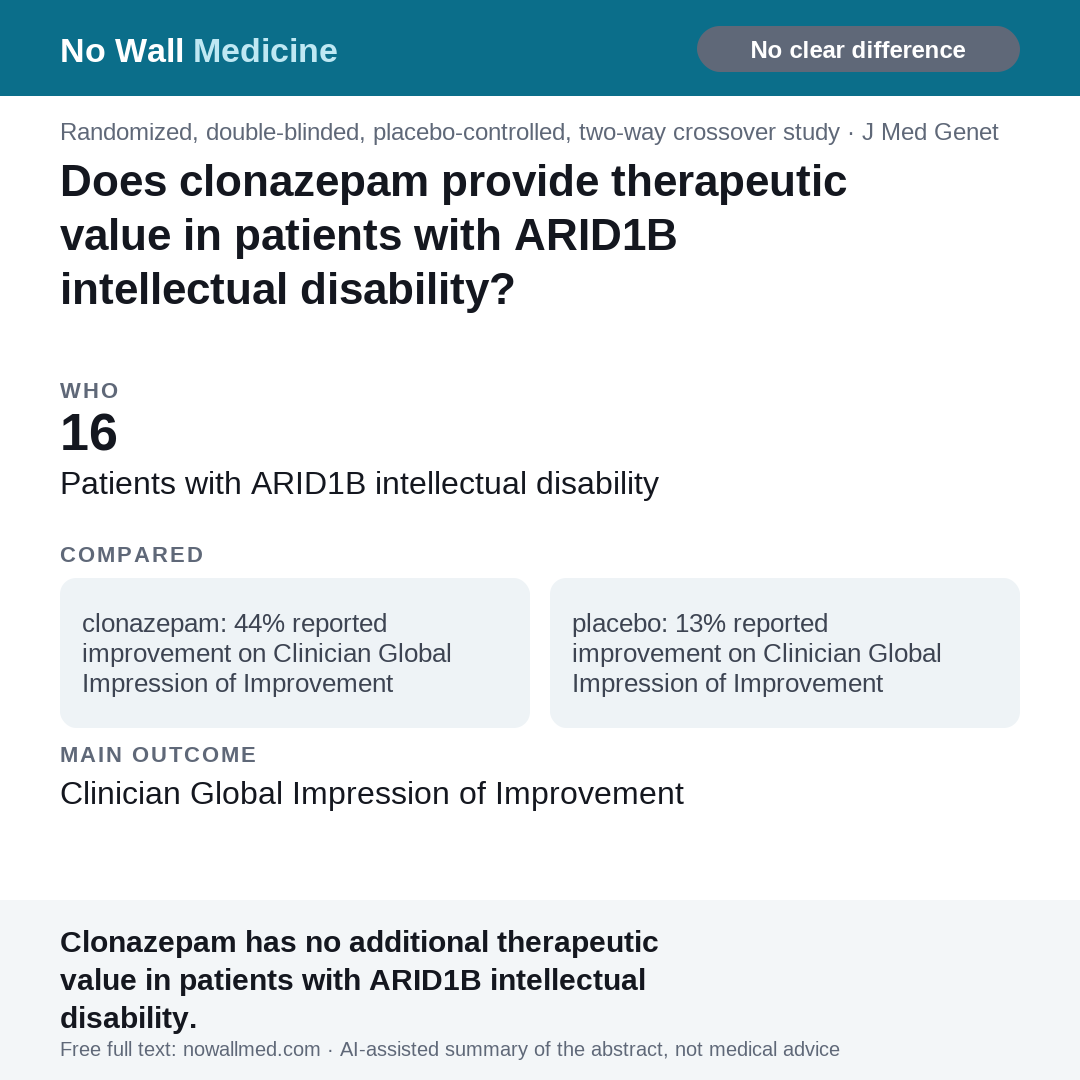
Clonazepam repurposing in ARID1B patients through conventional RCT and N-of-1 trials: an experimental strategy for orphan disease development
Randomized, double-blinded, placebo-controlled, two-way crossover studyNo clear difference
Does clonazepam provide therapeutic value in patients with ARID1B intellectual disability?
Who
16
Patients with ARID1B intellectual disability
Compared
clonazepam: 44% reported improvement on Clinician Global Impression of Improvement
placebo: 13% reported improvement on Clinician Global Impression of Improvement
Main outcome
Clinician Global Impression of Improvement
Bottom line: Clonazepam has no additional therapeutic value in patients with ARID1B intellectual disability.
Limitation: Low prevalence and patient phenotype variability in rare disorders.
J Med Genet · 2025-02-26Download image
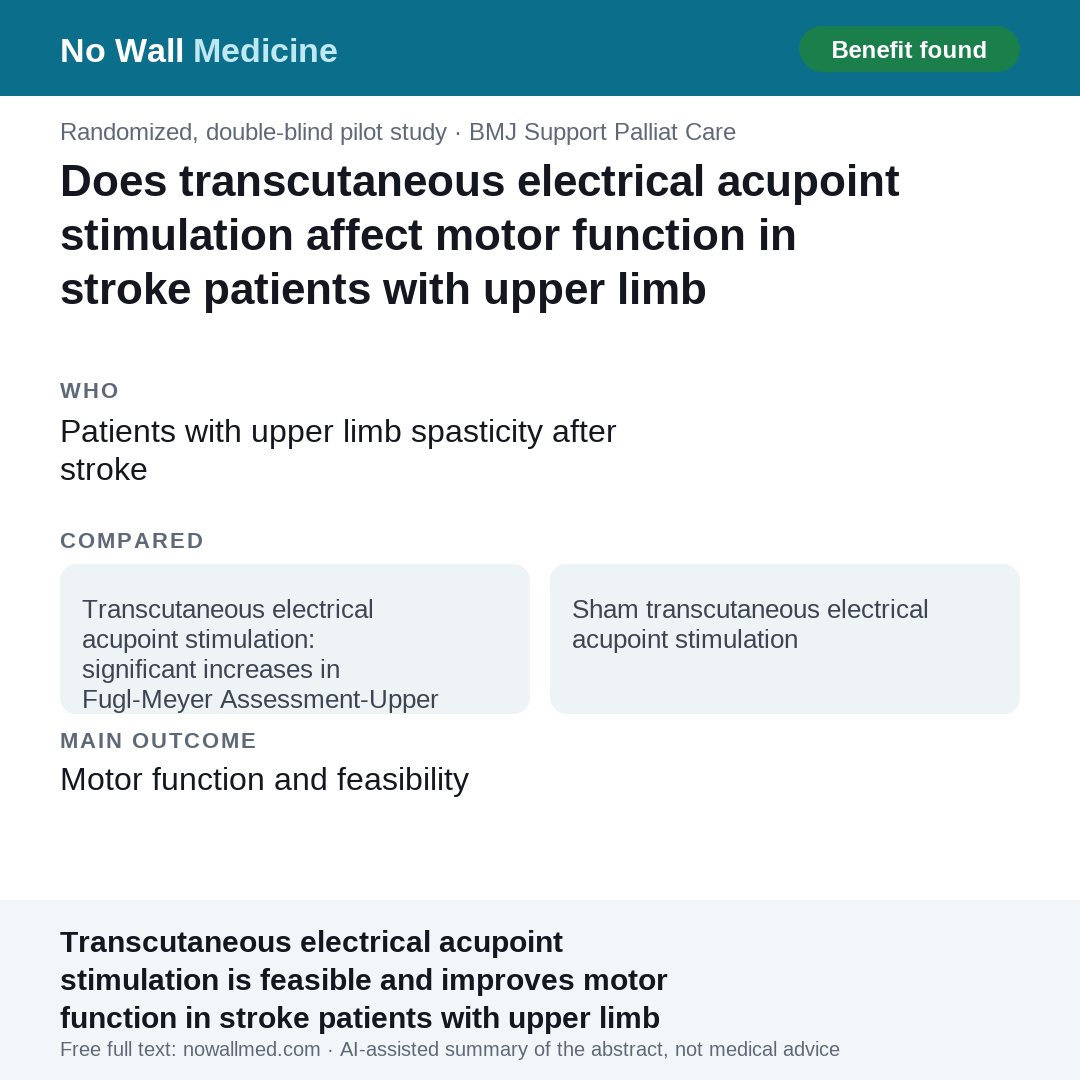
Transcutaneous electrical acupoint stimulation for upper limb spasticity after stroke: effect and feasibility-a randomised pilot study
Randomized, double-blind pilot studyBenefit found
Does transcutaneous electrical acupoint stimulation affect motor function in stroke patients with upper limb spasticity?
Who
Patients with upper limb spasticity after stroke
Compared
Transcutaneous electrical acupoint stimulation: significant increases in Fugl-Meyer Assessment-Upper Extremity score (P value=0.013)
Sham transcutaneous electrical acupoint stimulation
Main outcome
Motor function and feasibility
Bottom line: Transcutaneous electrical acupoint stimulation is feasible and improves motor function in stroke patients with upper limb spasticity.
Limitation: This was a pilot study
BMJ Support Palliat Care · 2025-02-26Download image
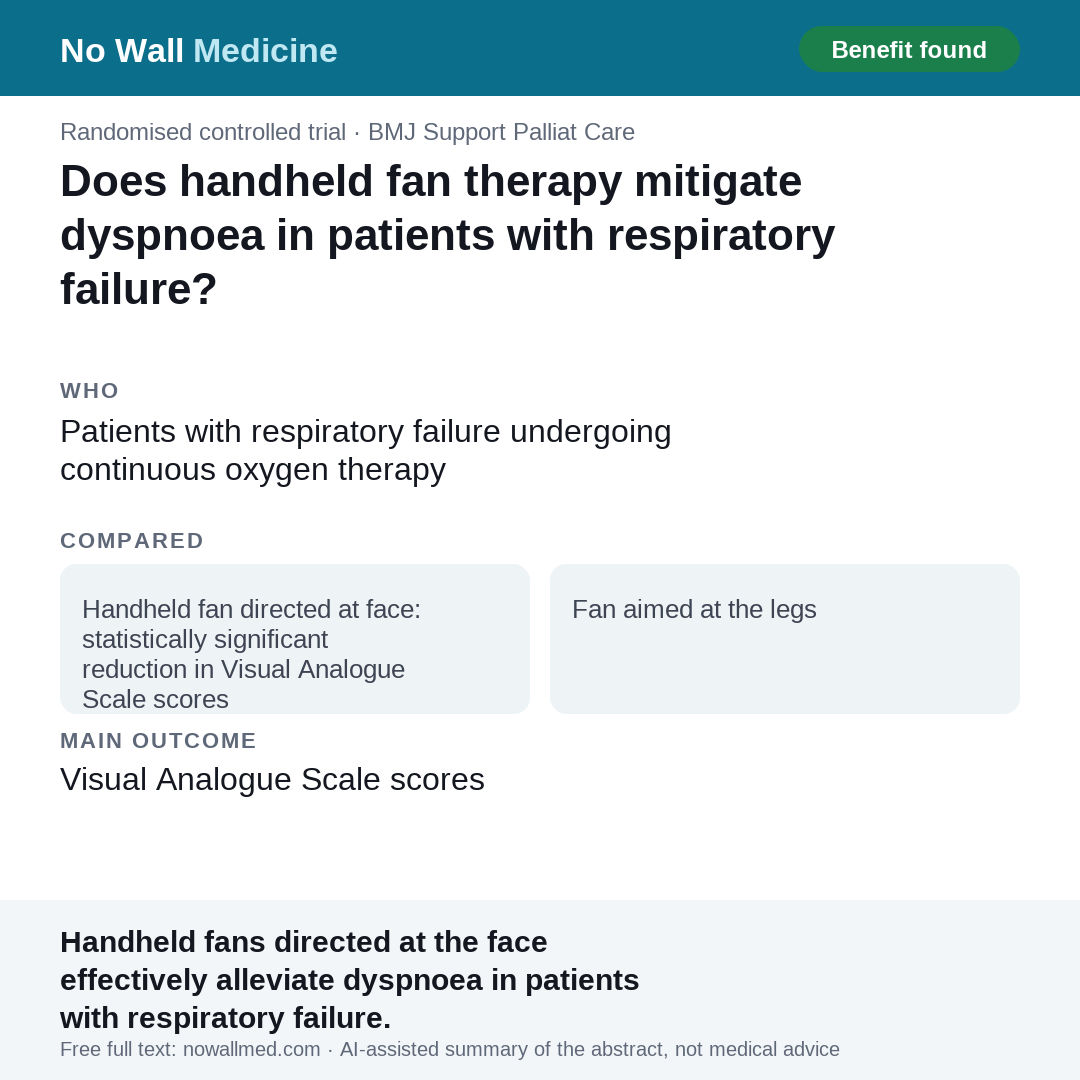
Handheld fans for dyspnoea in respiratory failure: randomised controlled trial
Randomised controlled trialBenefit found
Does handheld fan therapy mitigate dyspnoea in patients with respiratory failure?
Who
Patients with respiratory failure undergoing continuous oxygen therapy
Compared
Handheld fan directed at face: statistically significant reduction in Visual Analogue Scale scores
Fan aimed at the legs
Main outcome
Visual Analogue Scale scores
Bottom line: Handheld fans directed at the face effectively alleviate dyspnoea in patients with respiratory failure.
BMJ Support Palliat Care · 2025-02-26Download image
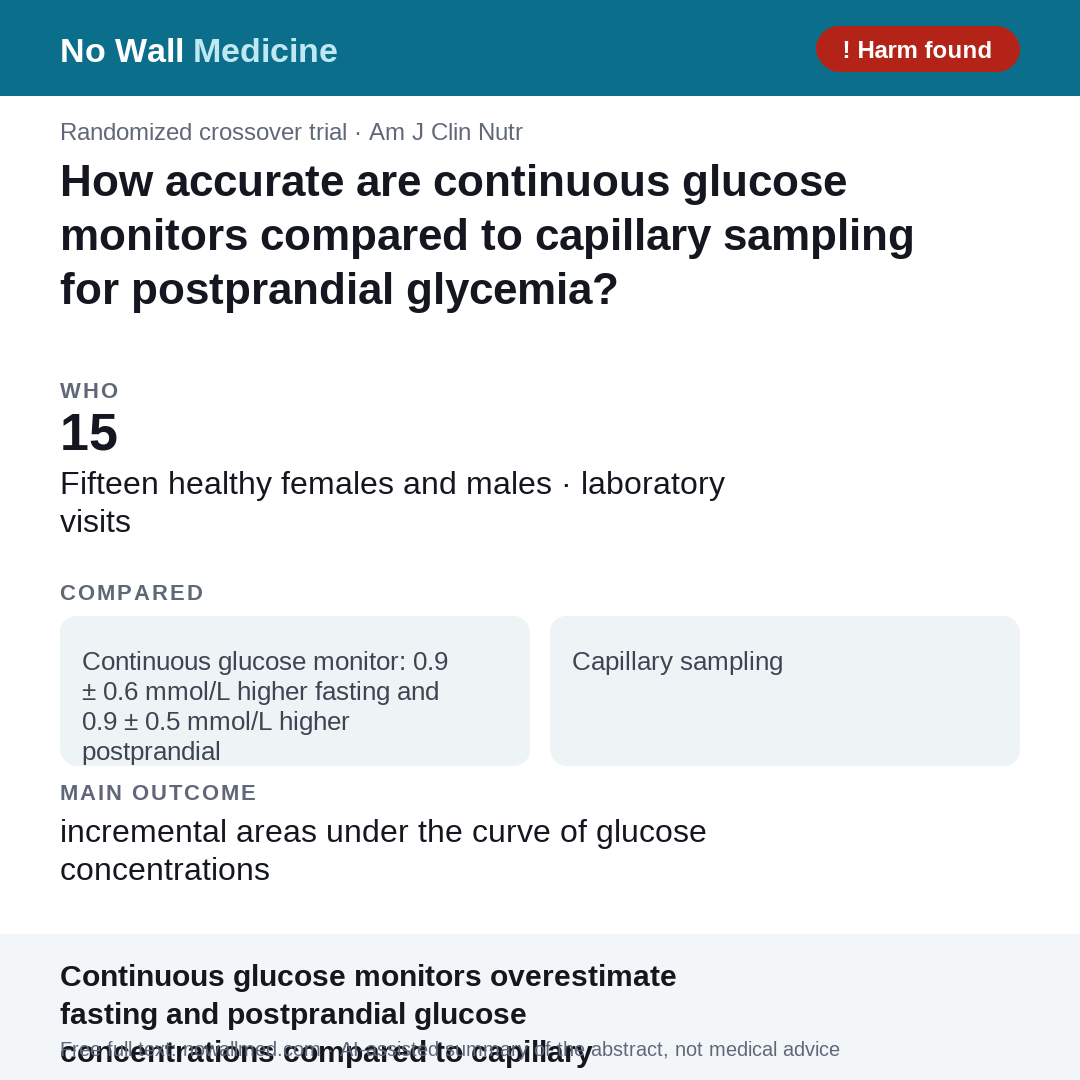
Continuous glucose monitor overestimates glycemia, with the magnitude of bias varying by postprandial test and individual - a randomized crossover trial
Randomized crossover trialHarm found
How accurate are continuous glucose monitors compared to capillary sampling for postprandial glycemia?
Who
15
Fifteen healthy females and males · laboratory visits
Compared
Continuous glucose monitor: 0.9 ± 0.6 mmol/L higher fasting and 0.9 ± 0.5 mmol/L higher postprandial
Capillary sampling
Main outcome
incremental areas under the curve of glucose concentrations
Bottom line: Continuous glucose monitors overestimate fasting and postprandial glucose concentrations compared to capillary sampling across various carbohydrate challenges.
Am J Clin Nutr · 2025-02-26Download image
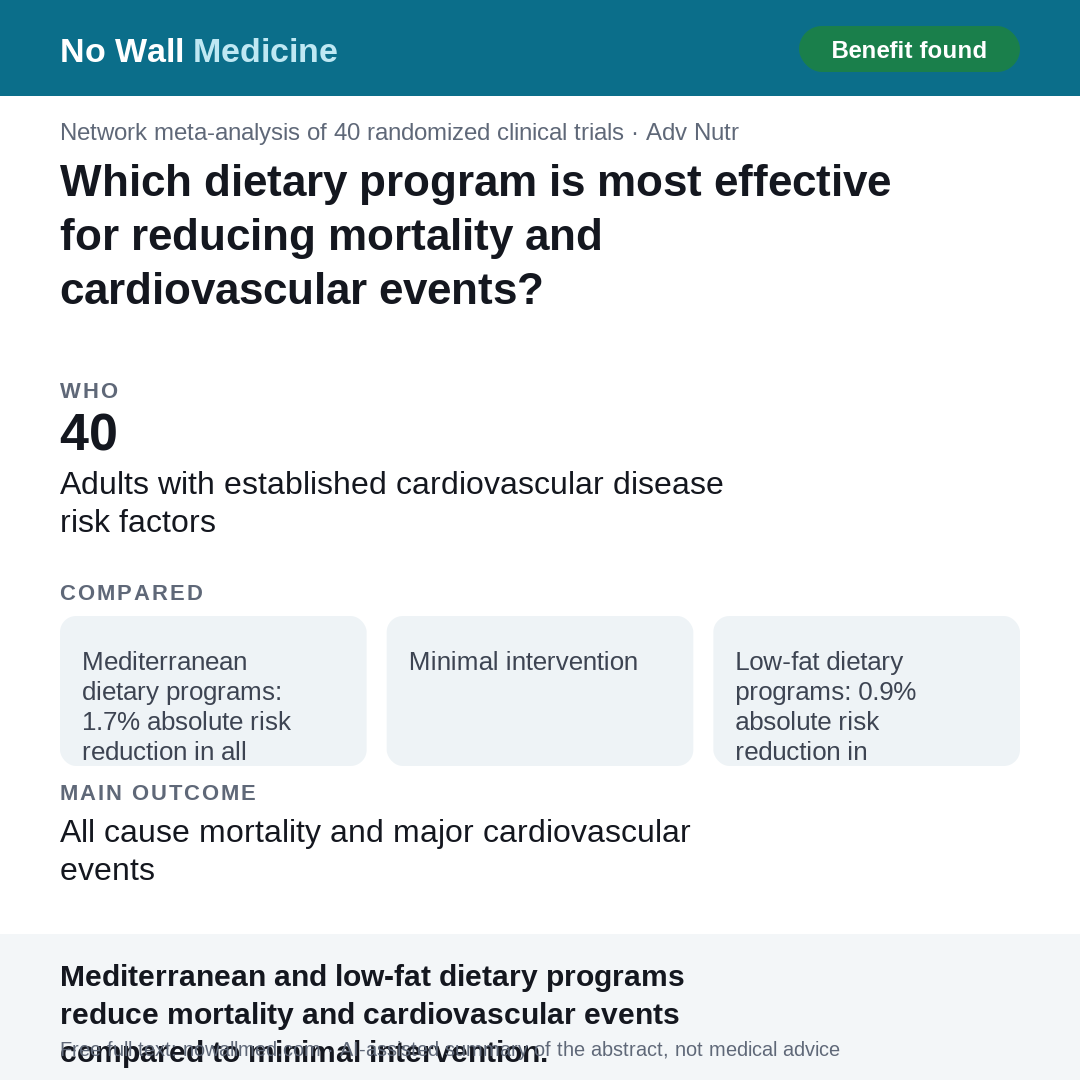
Medical Nutrition Therapy (MNT) Evidence Update: Comparative Effectiveness of Dietary Programs for Reducing Mortality and Cardiovascular Events in Adults with Increased Cardiovascular Disease Risk
Network meta-analysis of 40 randomized clinical trialsBenefit found
Which dietary program is most effective for reducing mortality and cardiovascular events?
Who
40
Adults with established cardiovascular disease risk factors
Compared
Mediterranean dietary programs: 1.7% absolute risk reduction in all cause mortality
Minimal intervention
Low-fat dietary programs: 0.9% absolute risk reduction in all-cause mortality
Main outcome
All cause mortality and major cardiovascular events
Bottom line: Mediterranean and low-fat dietary programs reduce mortality and cardiovascular events compared to minimal intervention.
Adv Nutr · 2025-02-26Download image
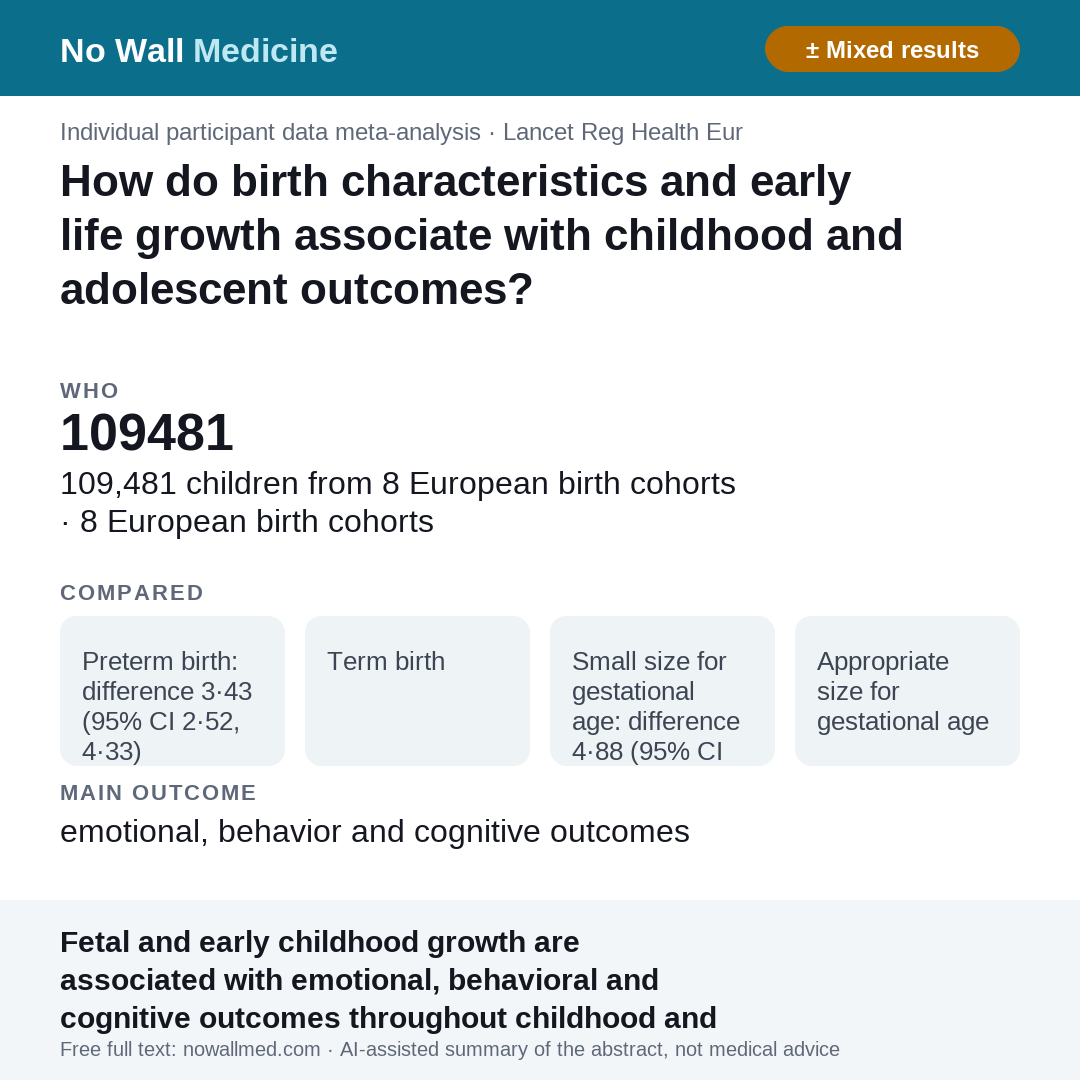
Early-life growth and emotional, behavior and cognitive outcomes in childhood and adolescence in the EU child cohort network: individual participant data meta-analysis of over 109,000 individuals
Individual participant data meta-analysisMixed results
How do birth characteristics and early life growth associate with childhood and adolescent outcomes?
Who
109481
109,481 children from 8 European birth cohorts · 8 European birth cohorts
Compared
Preterm birth: difference 3·43 (95% CI 2·52, 4·33) internalizing problems
Term birth
Small size for gestational age: difference 4·88 (95% CI 3·87, 5·90) ADHD symptoms
Appropriate size for gestational age
Main outcome
emotional, behavior and cognitive outcomes
Bottom line: Fetal and early childhood growth are associated with emotional, behavioral and cognitive outcomes throughout childhood and adolescence.
Funded by: European Union's Horizon 2020 research and innovation programme
Lancet Reg Health Eur · 2025-02-26Download image
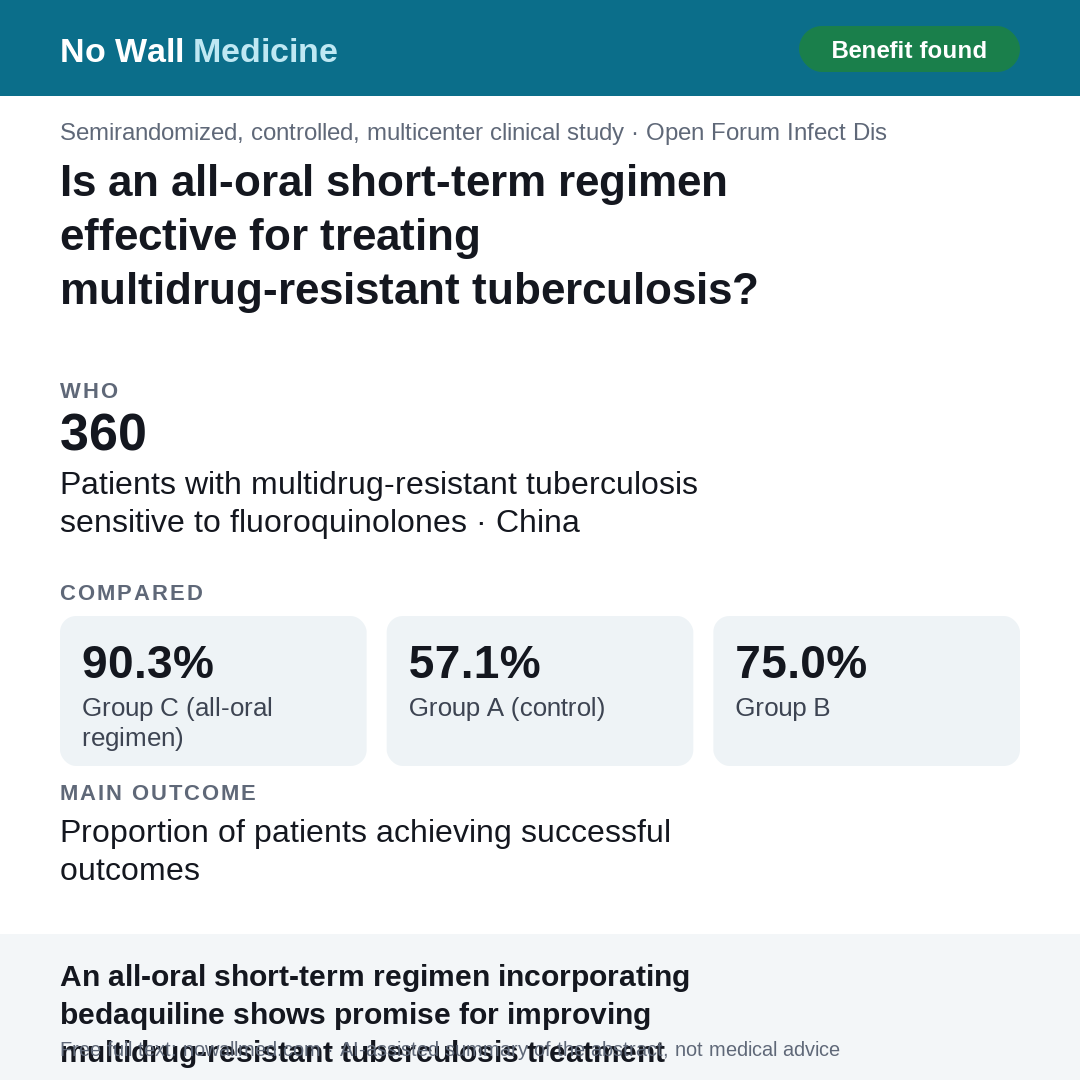
New All-Oral Short-term Regimen for Multidrug-Resistant Tuberculosis: A Semi-randomized Controlled Trial Conducted in China
Semirandomized, controlled, multicenter clinical studyBenefit found
Is an all-oral short-term regimen effective for treating multidrug-resistant tuberculosis?
Who
360
Patients with multidrug-resistant tuberculosis sensitive to fluoroquinolones · China
Compared
90.3%Group C (all-oral regimen)
57.1%Group A (control)
75.0%Group B
Main outcome
Proportion of patients achieving successful outcomes
Bottom line: An all-oral short-term regimen incorporating bedaquiline shows promise for improving multidrug-resistant tuberculosis treatment outcomes.
Open Forum Infect Dis · 2025-02-26Download image
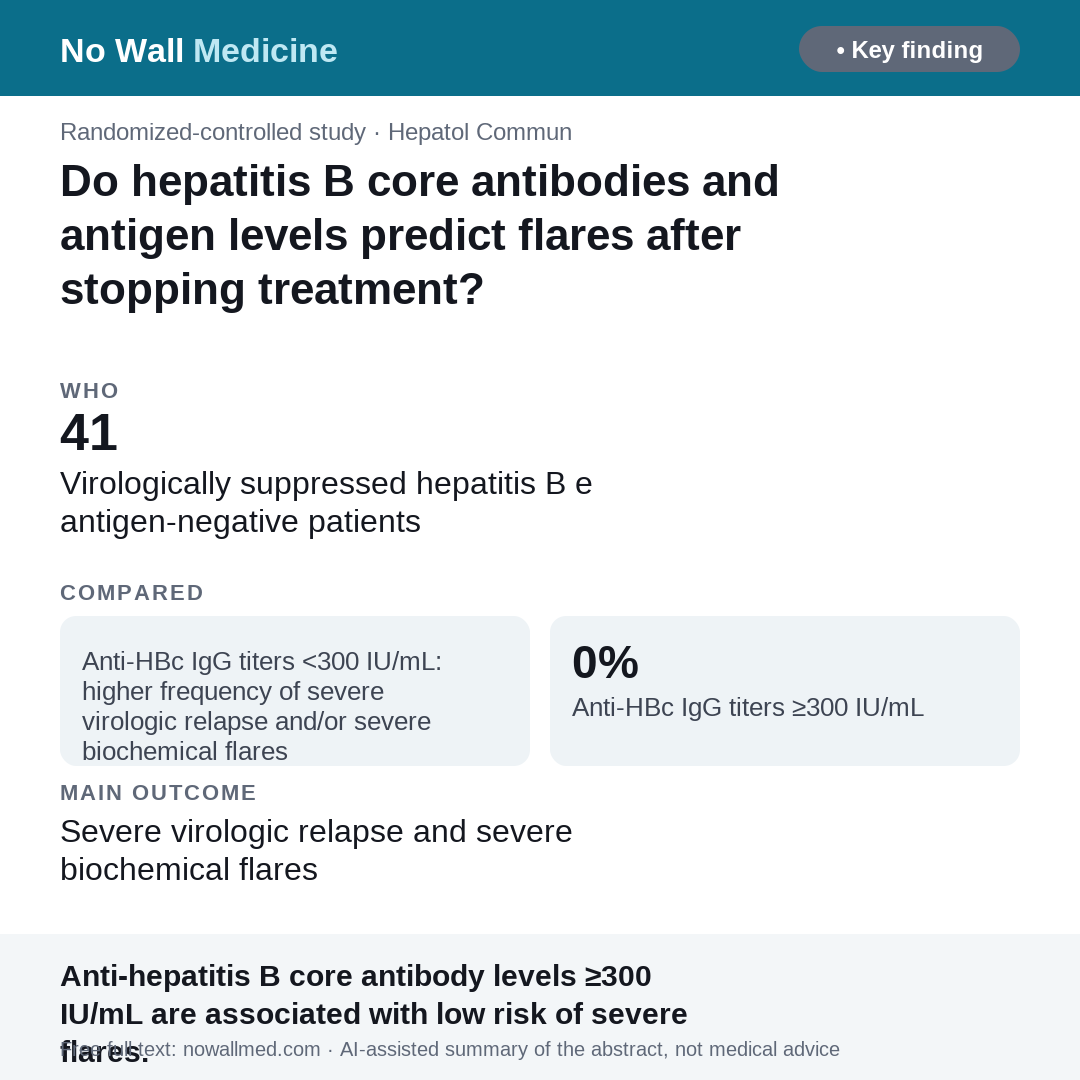
Serum levels of hepatitis B core antibodies and hepatitis B core-related antigen at the time of nucleos(t)ide analog cessation and risk of severe flares in patients with chronic hepatitis B
Randomized-controlled studyBenefit found
Do hepatitis B core antibodies and antigen levels predict flares after stopping treatment?
Who
41
Virologically suppressed hepatitis B e antigen-negative patients
Compared
Anti-HBc IgG titers <300 IU/mL: higher frequency of severe virologic relapse and/or severe biochemical flares
0%Anti-HBc IgG titers ≥300 IU/mL
Main outcome
Severe virologic relapse and severe biochemical flares
Bottom line: Anti-hepatitis B core antibody levels ≥300 IU/mL are associated with low risk of severe flares.
Hepatol Commun · 2025-02-26Download image
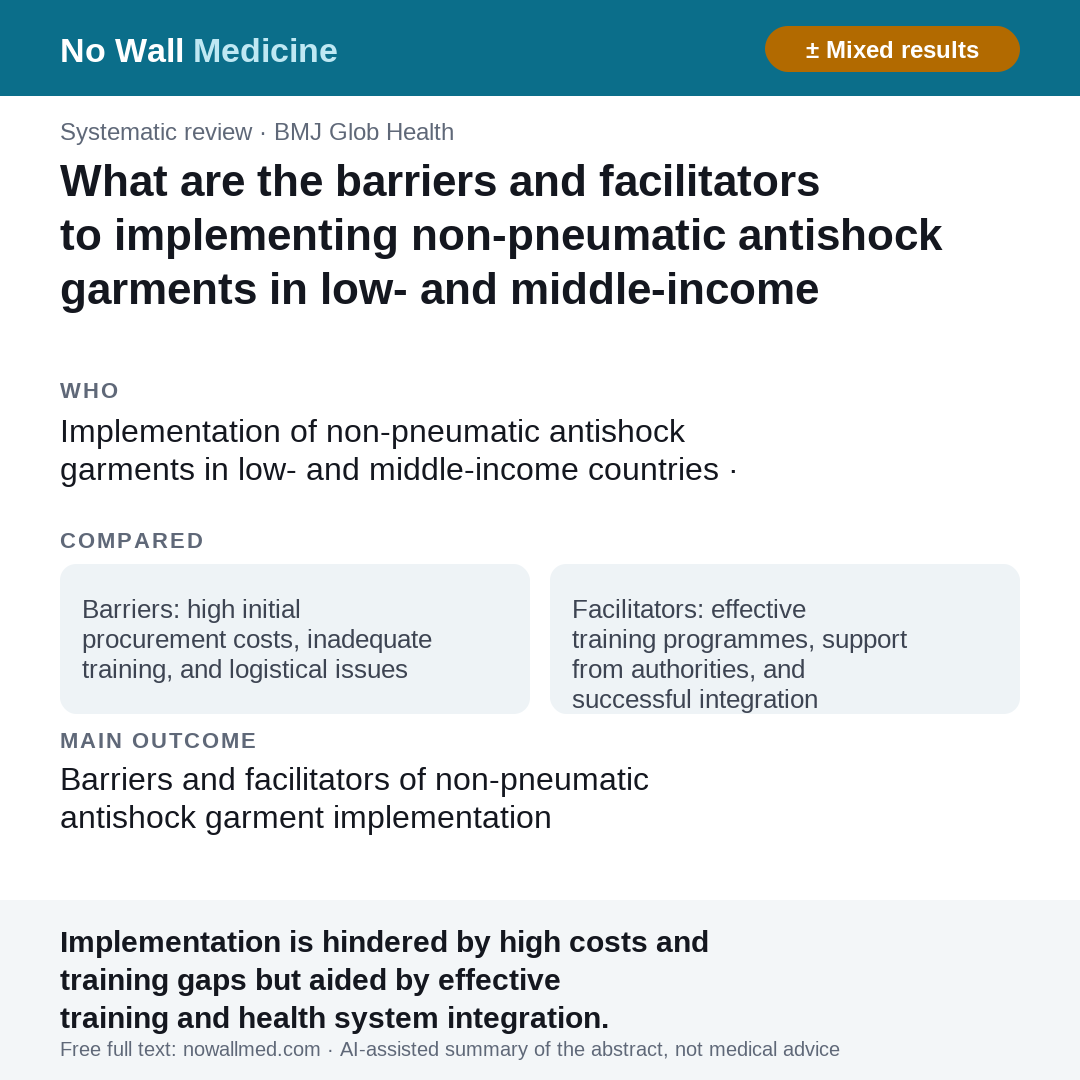
Systematic review of the barriers and facilitators to the implementation of non-pneumatic antishock garments in low- and middle-income countries: lessons for global health
Systematic reviewMixed results
What are the barriers and facilitators to implementing non-pneumatic antishock garments in low- and middle-income countries?
Who
17
Implementation of non-pneumatic antishock garments in low- and middle-income countries · low- and middle-income countries
Compared
Barriers: high initial procurement costs, inadequate training, and logistical issues
Facilitators: effective training programmes, support from authorities, and successful integration
Main outcome
Barriers and facilitators of non-pneumatic antishock garment implementation
Bottom line: Implementation is hindered by high costs and training gaps but aided by effective training and health system integration.
BMJ Glob Health · 2025-02-26Download image
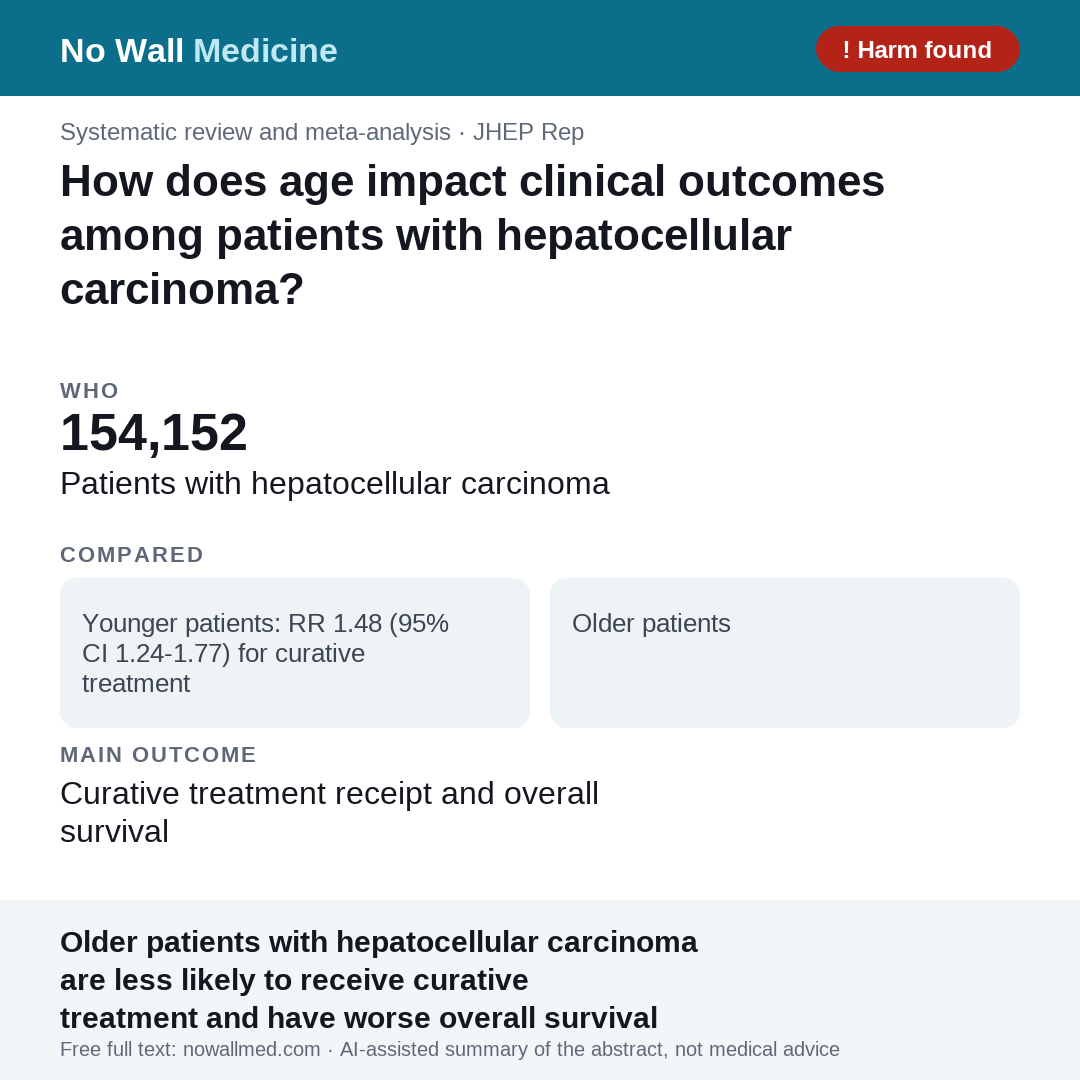
Impact of age on clinical outcomes among patients with hepatocellular carcinoma: A systematic review and meta-analysis
Systematic review and meta-analysisHarm found
How does age impact clinical outcomes among patients with hepatocellular carcinoma?
Who
154,152
Patients with hepatocellular carcinoma
Compared
Younger patients: RR 1.48 (95% CI 1.24-1.77) for curative treatment
Older patients
Main outcome
Curative treatment receipt and overall survival
Result: hazard ratio 0.87 (95% CI 0.83-0.92)
Bottom line: Older patients with hepatocellular carcinoma are less likely to receive curative treatment and have worse overall survival than younger patients.
Limitation: Few studies distinguish between liver and non-liver mortality.
JHEP Rep · 2025-02-26Download image
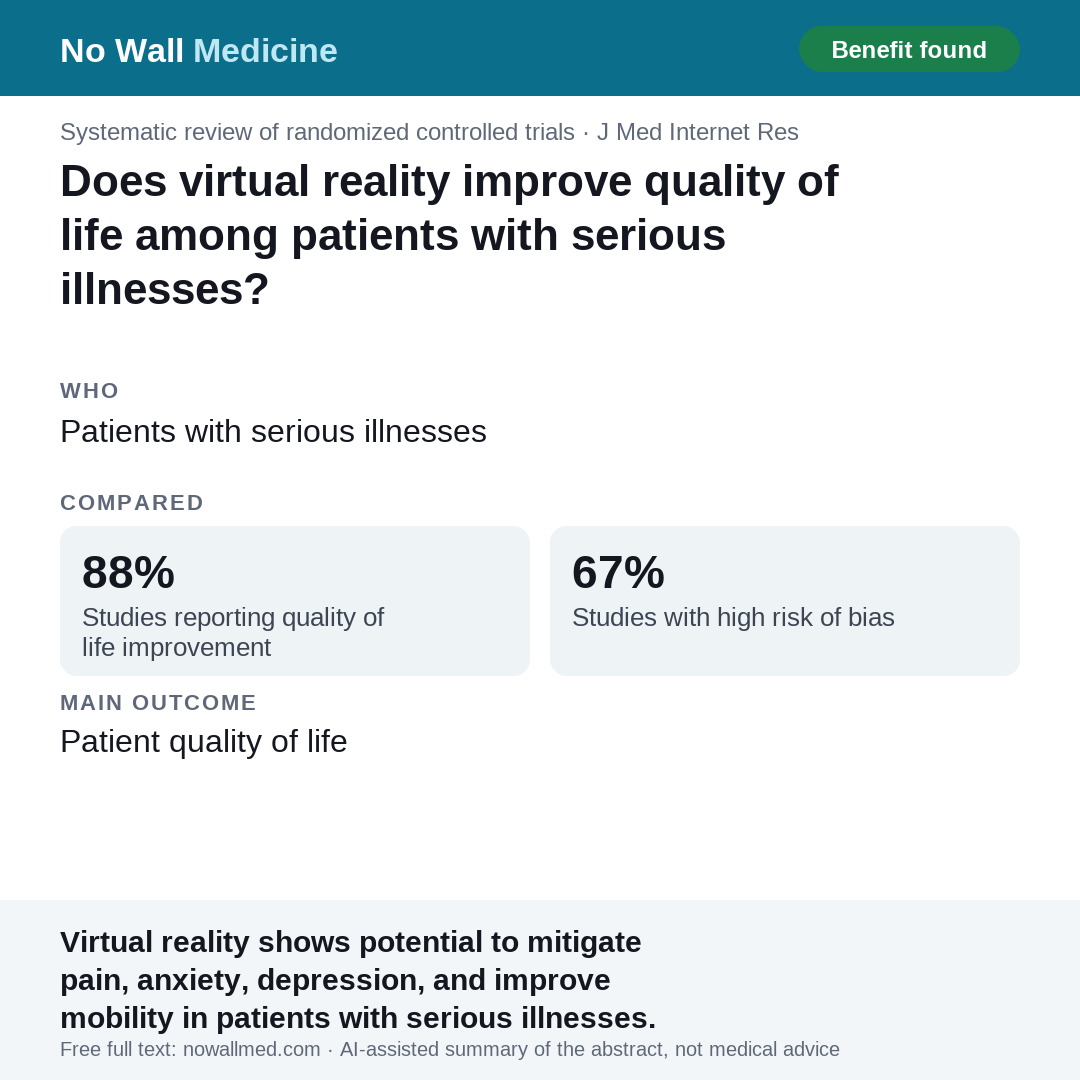
Using Virtual Reality to Improve Outcomes Related to Quality of Life Among Older Adults With Serious Illnesses: Systematic Review of Randomized Controlled Trials
Systematic review of randomized controlled trialsBenefit found
Does virtual reality improve quality of life among patients with serious illnesses?
Who
24
Patients with serious illnesses
Compared
88%Studies reporting quality of life improvement (21/24)
67%Studies with high risk of bias (16/24)
Main outcome
Patient quality of life
Bottom line: Virtual reality shows potential to mitigate pain, anxiety, depression, and improve mobility in patients with serious illnesses.
Limitation: Most studies did not provide detailed information about unassisted or assisted use.
J Med Internet Res · 2025-02-26Download image
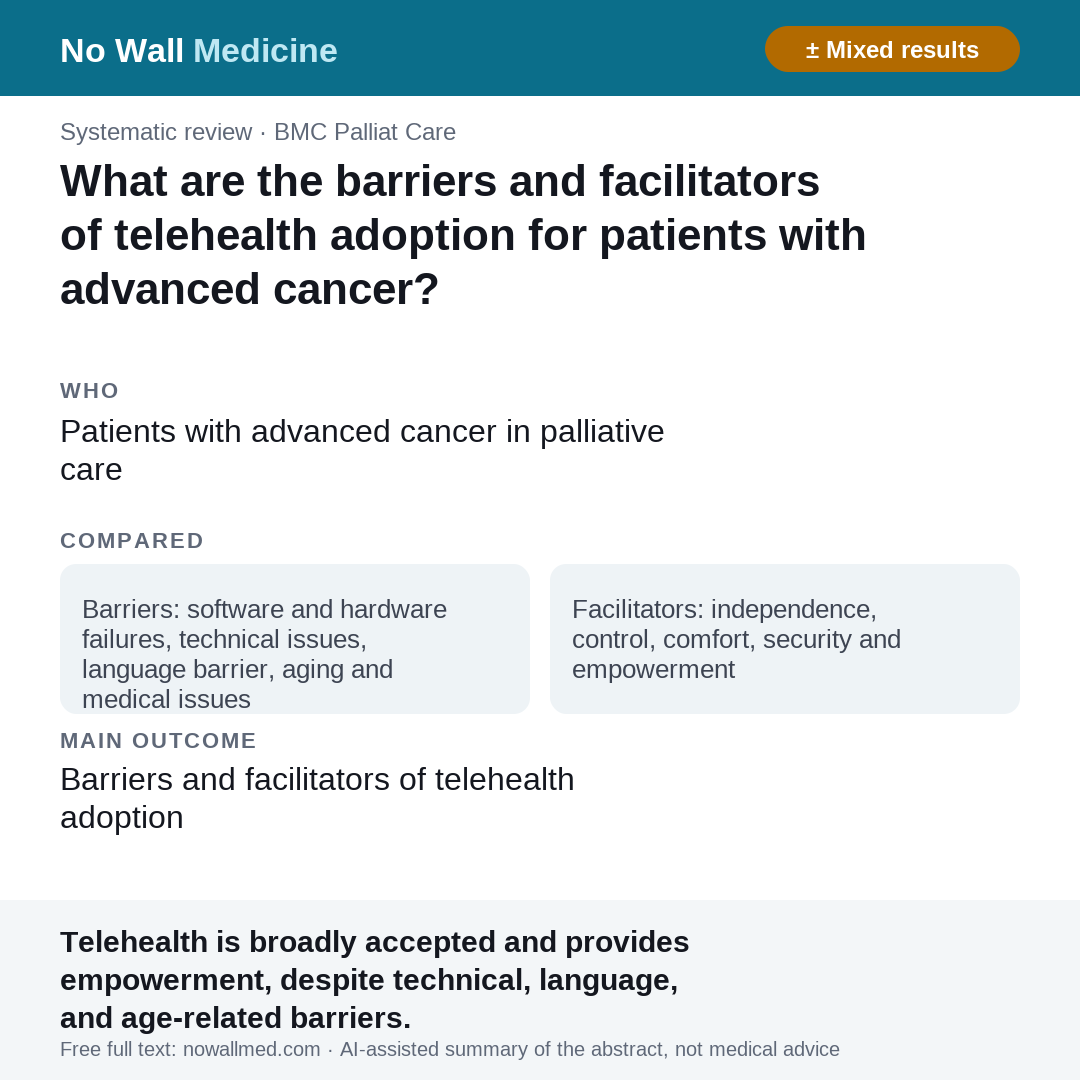
Telehealth adoption in palliative care: a systematic review of patient barriers and facilitators
Systematic reviewMixed results
What are the barriers and facilitators of telehealth adoption for patients with advanced cancer?
Who
Patients with advanced cancer in palliative care
Compared
Barriers: software and hardware failures, technical issues, language barrier, aging and medical issues
Facilitators: independence, control, comfort, security and empowerment
Main outcome
Barriers and facilitators of telehealth adoption
Bottom line: Telehealth is broadly accepted and provides empowerment, despite technical, language, and age-related barriers.
BMC Palliat Care · 2025-02-26Download image
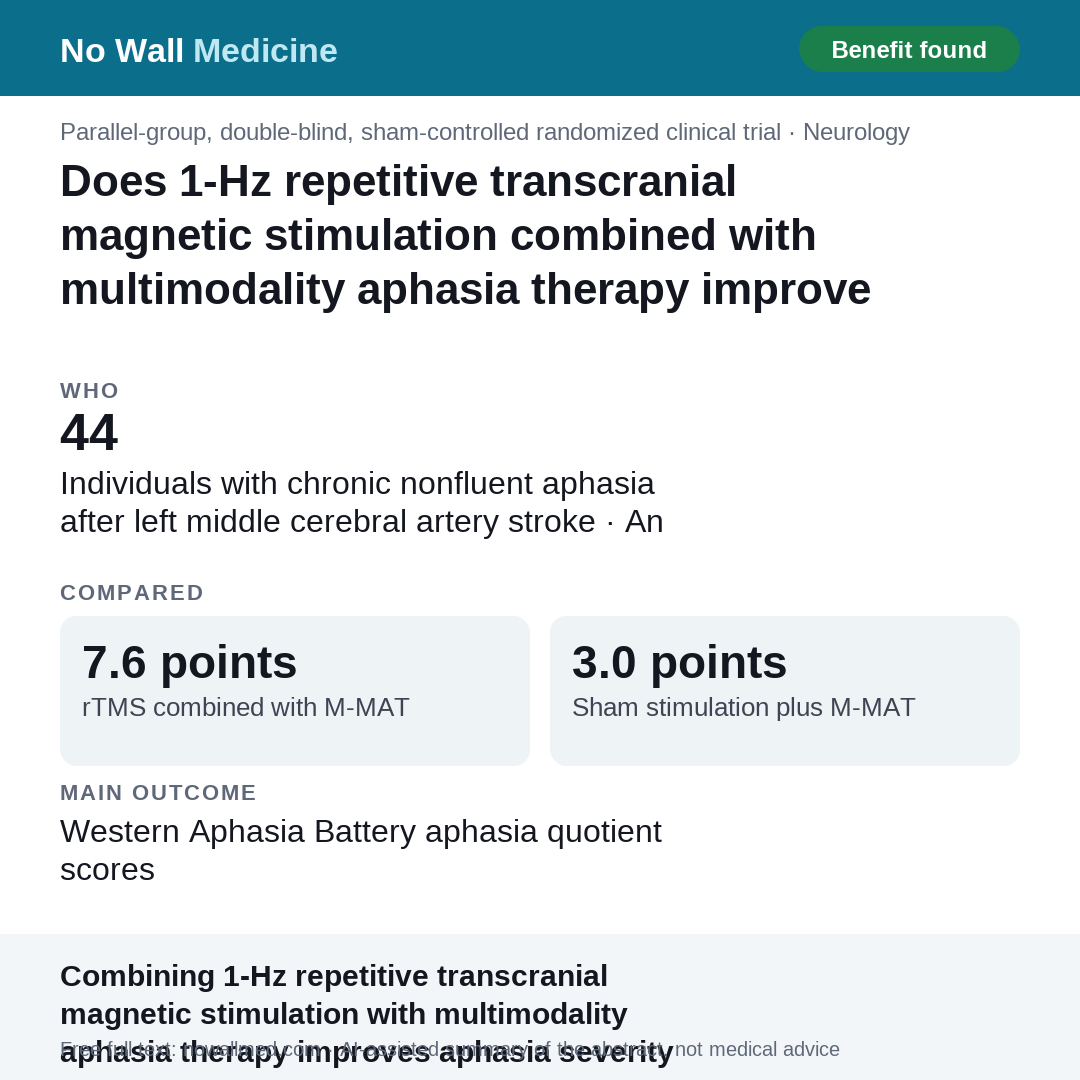
Transcranial Magnetic Stimulation Combined With Multimodality Aphasia Therapy for Chronic Poststroke Aphasia: A Randomized Clinical Trial
Parallel-group, double-blind, sham-controlled randomized clinical trialBenefit found
Does 1-Hz repetitive transcranial magnetic stimulation combined with multimodality aphasia therapy improve chronic poststroke aphasia?
Who
44
Individuals with chronic nonfluent aphasia after left middle cerebral artery stroke · An outpatient neurorehabilitation clinic
Compared
7.6 pointsrTMS combined with M-MAT (95% CI 4.1-11.1)
3.0 pointsSham stimulation plus M-MAT (95% CI -0.3 to 5.2)
Main outcome
Western Aphasia Battery aphasia quotient scores
Result: mean difference 4.6 points, 95% CI 0.6-8.6
Bottom line: Combining 1-Hz repetitive transcranial magnetic stimulation with multimodality aphasia therapy improves aphasia severity more than sham stimulation.
Neurology · 2025-02-25Download image
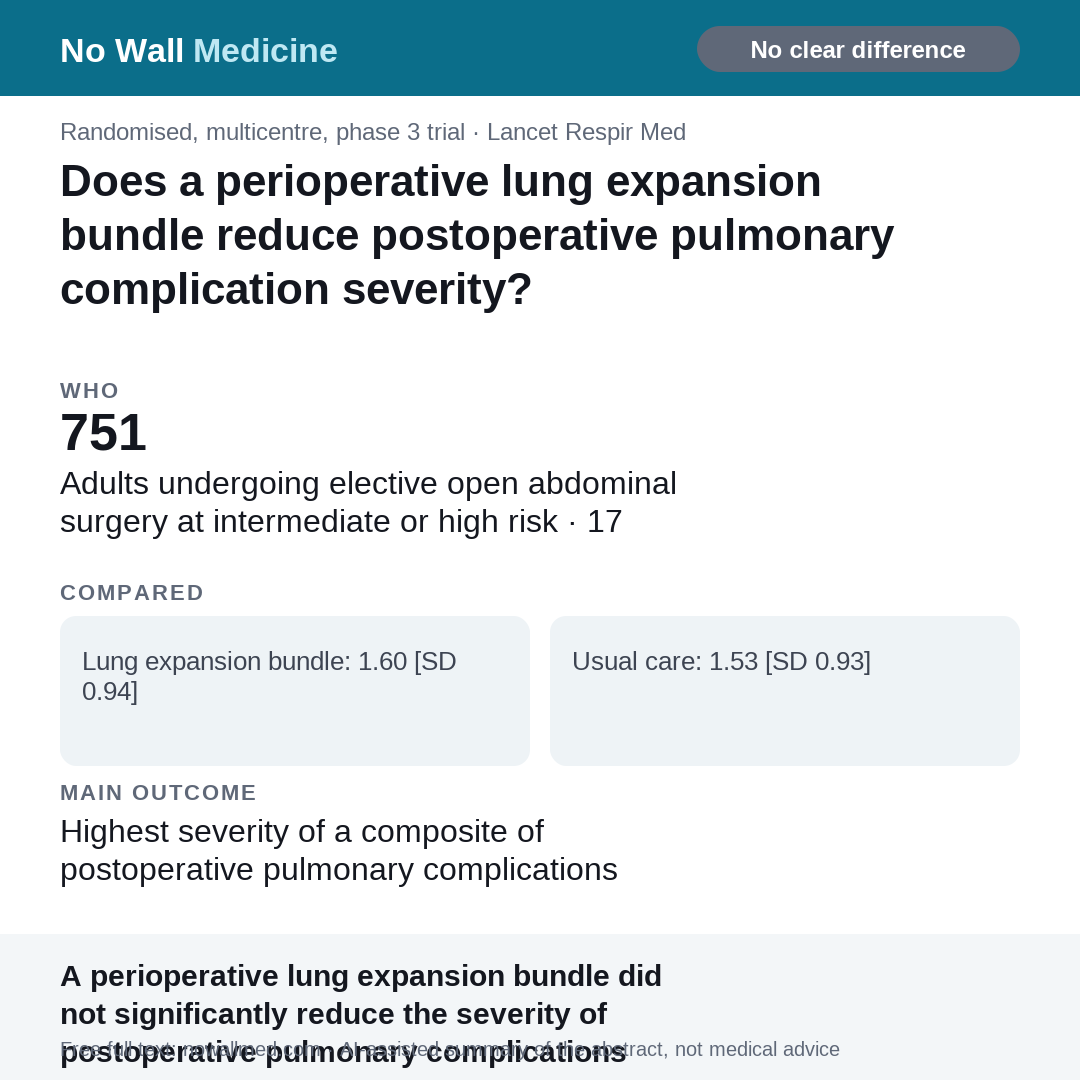
Perioperative lung expansion and pulmonary outcomes after open abdominal surgery versus usual care in the USA (PRIME-AIR): a multicentre, randomised, controlled, phase 3 trial
Randomised, multicentre, phase 3 trialNo clear difference
Does a perioperative lung expansion bundle reduce postoperative pulmonary complication severity?
Who
751
Adults undergoing elective open abdominal surgery at intermediate or high risk · 17 academic hospitals across ten states in the USA
Compared
Lung expansion bundle: 1.60 [SD 0.94]
Usual care: 1.53 [SD 0.93]
Main outcome
Highest severity of a composite of postoperative pulmonary complications
Result: mean difference 0.07 (95% CI -0.03 to 0.18)
Bottom line: A perioperative lung expansion bundle did not significantly reduce the severity of postoperative pulmonary complications compared to usual care.
Lancet Respir Med · 2025-02-25Download image
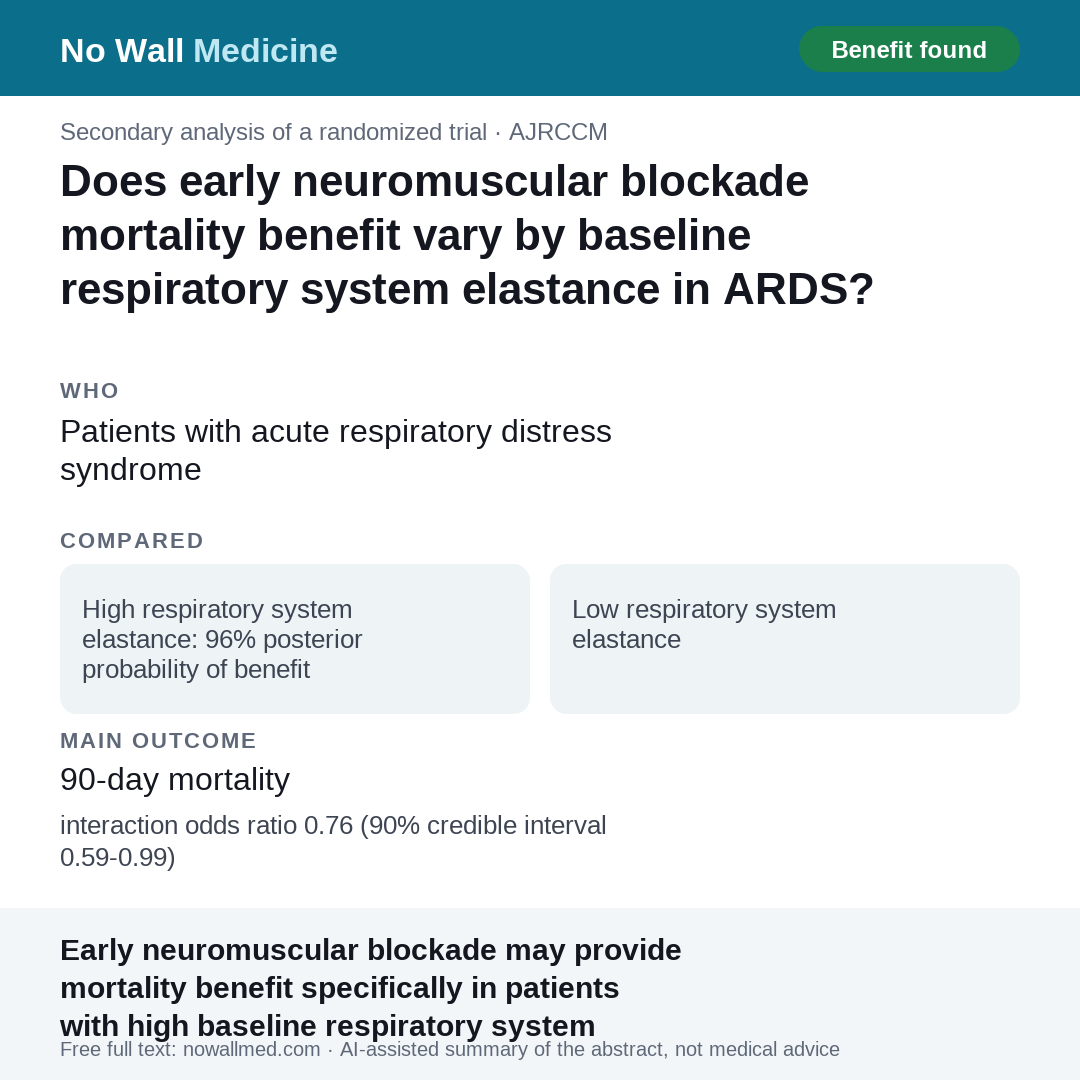
Elastance May Determine the Neuromuscular Blockade Effect on Mortality in Acute Respiratory Distress Syndrome
Secondary analysis of a randomized trialBenefit found
Does early neuromuscular blockade mortality benefit vary by baseline respiratory system elastance in ARDS?
Who
Patients with acute respiratory distress syndrome
Compared
High respiratory system elastance: 96% posterior probability of benefit
Low respiratory system elastance
Main outcome
90-day mortality
Result: interaction odds ratio 0.76 (90% credible interval 0.59-0.99)
Bottom line: Early neuromuscular blockade may provide mortality benefit specifically in patients with high baseline respiratory system elastance.
Limitation: This was a secondary analysis requiring future prospective testing to confirm benefit.
AJRCCM · 2025-02-25Download image
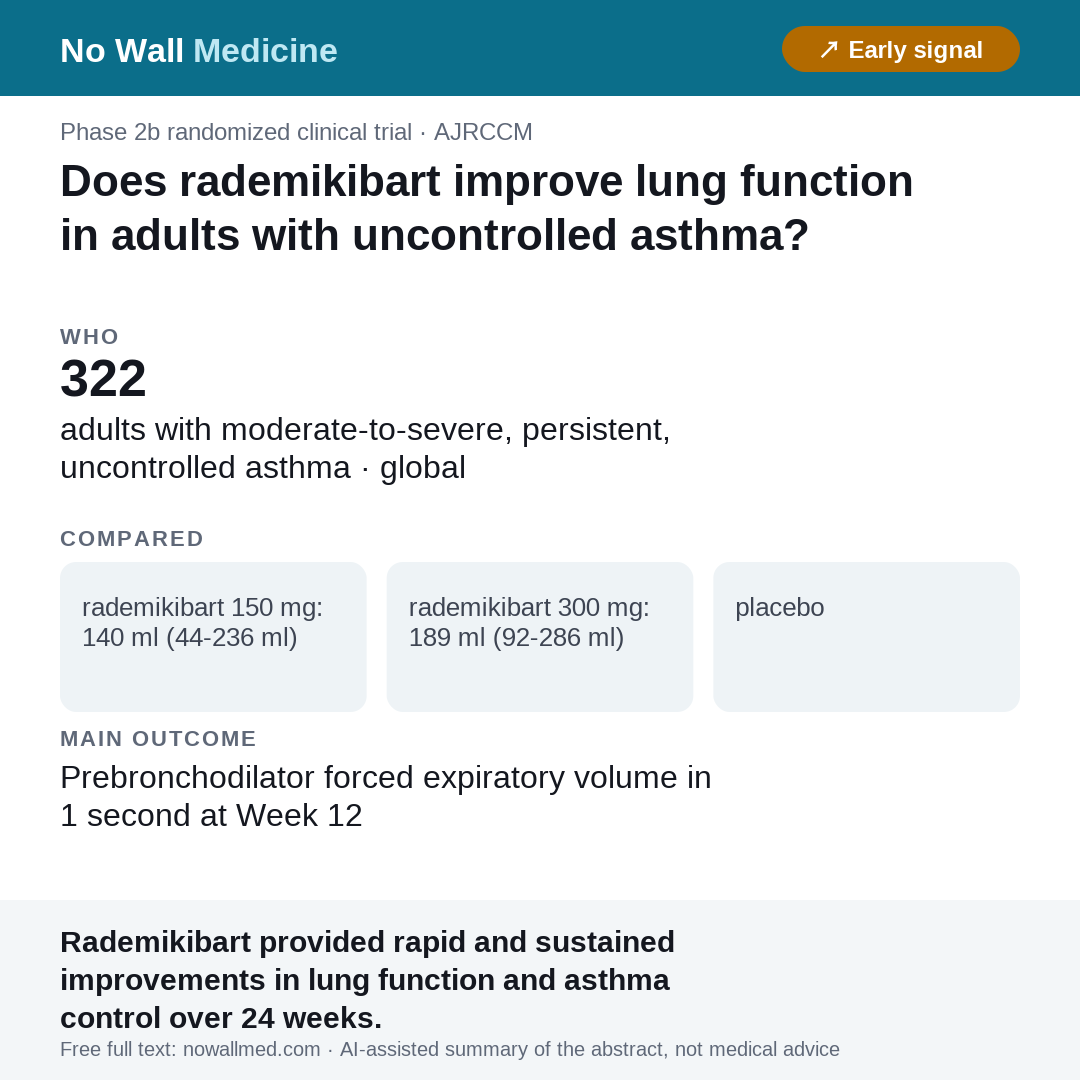
Rademikibart Treatment for Moderate-to-Severe Uncontrolled Asthma: A Phase 2B Randomized Clinical Trial
Phase 2b randomized clinical trialBenefit found
Does rademikibart improve lung function in adults with uncontrolled asthma?
Who
322
adults with moderate-to-severe, persistent, uncontrolled asthma · global
Compared
rademikibart 150 mg: 140 ml (44-236 ml)
rademikibart 300 mg: 189 ml (92-286 ml)
placebo
Main outcome
Prebronchodilator forced expiratory volume in 1 second at Week 12
Bottom line: Rademikibart provided rapid and sustained improvements in lung function and asthma control over 24 weeks.
AJRCCM · 2025-02-25Download image
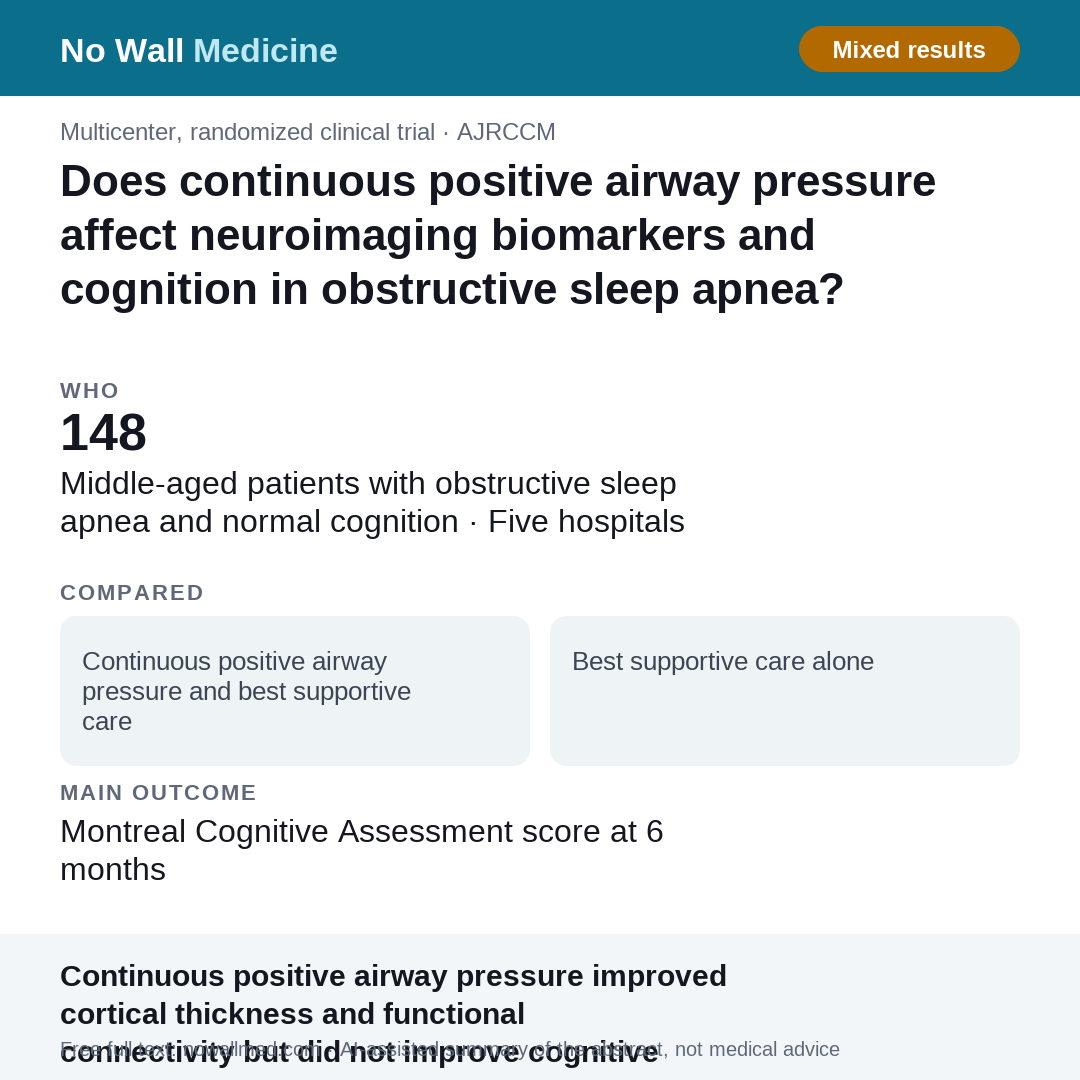
Effects of Continuous Positive Airway Pressure on Neuroimaging Biomarkers and Cognition in Adult Obstructive Sleep Apnea: A Randomized Controlled Trial
Multicenter, randomized clinical trialMixed results
Does continuous positive airway pressure affect neuroimaging biomarkers and cognition in obstructive sleep apnea?
Who
148
Middle-aged patients with obstructive sleep apnea and normal cognition · Five hospitals
Compared
Continuous positive airway pressure and best supportive care
Best supportive care alone
Main outcome
Montreal Cognitive Assessment score at 6 months
Result: difference, -0.04 (95% CI, -0.72 to 0.65)
Bottom line: Continuous positive airway pressure improved cortical thickness and functional connectivity but did not improve cognitive scores.
AJRCCM · 2025-02-25Download image
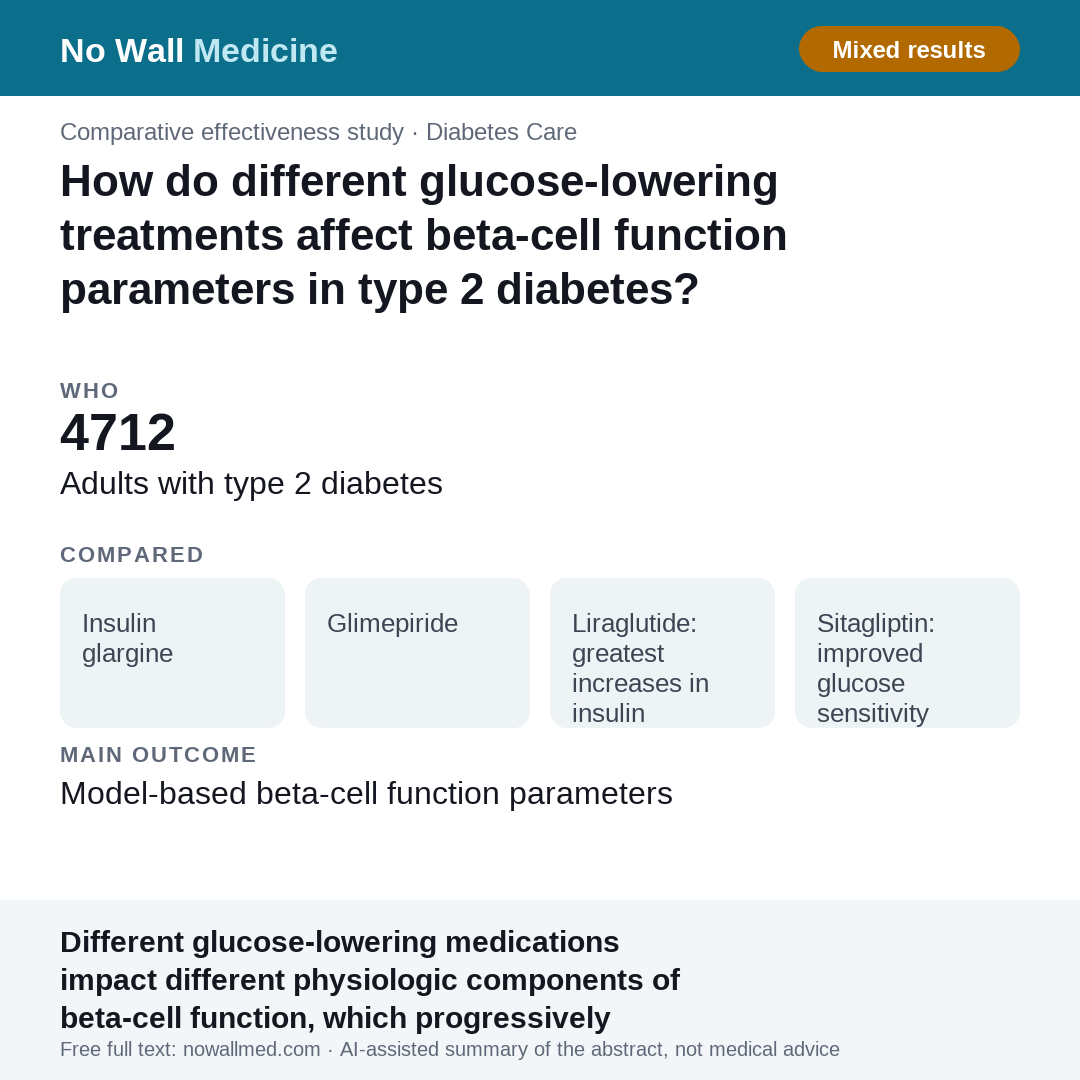
Differential Treatment Effects on β-Cell Function Using Model-Based Parameters in Type 2 Diabetes: Results From the Glycemia Reduction Approaches in Diabetes: A Comparative Effectiveness Study (GRADE)
Comparative effectiveness studyMixed results
How do different glucose-lowering treatments affect beta-cell function parameters in type 2 diabetes?
Who
4712
Adults with type 2 diabetes
Compared
Insulin glargine
Glimepiride
Liraglutide: greatest increases in insulin secretion rate, glucose sensitivity and potentiation
Sitagliptin: improved glucose sensitivity
Main outcome
Model-based beta-cell function parameters
Bottom line: Different glucose-lowering medications impact different physiologic components of beta-cell function, which progressively decline after initial improvement.
Diabetes Care · 2025-02-25Download image
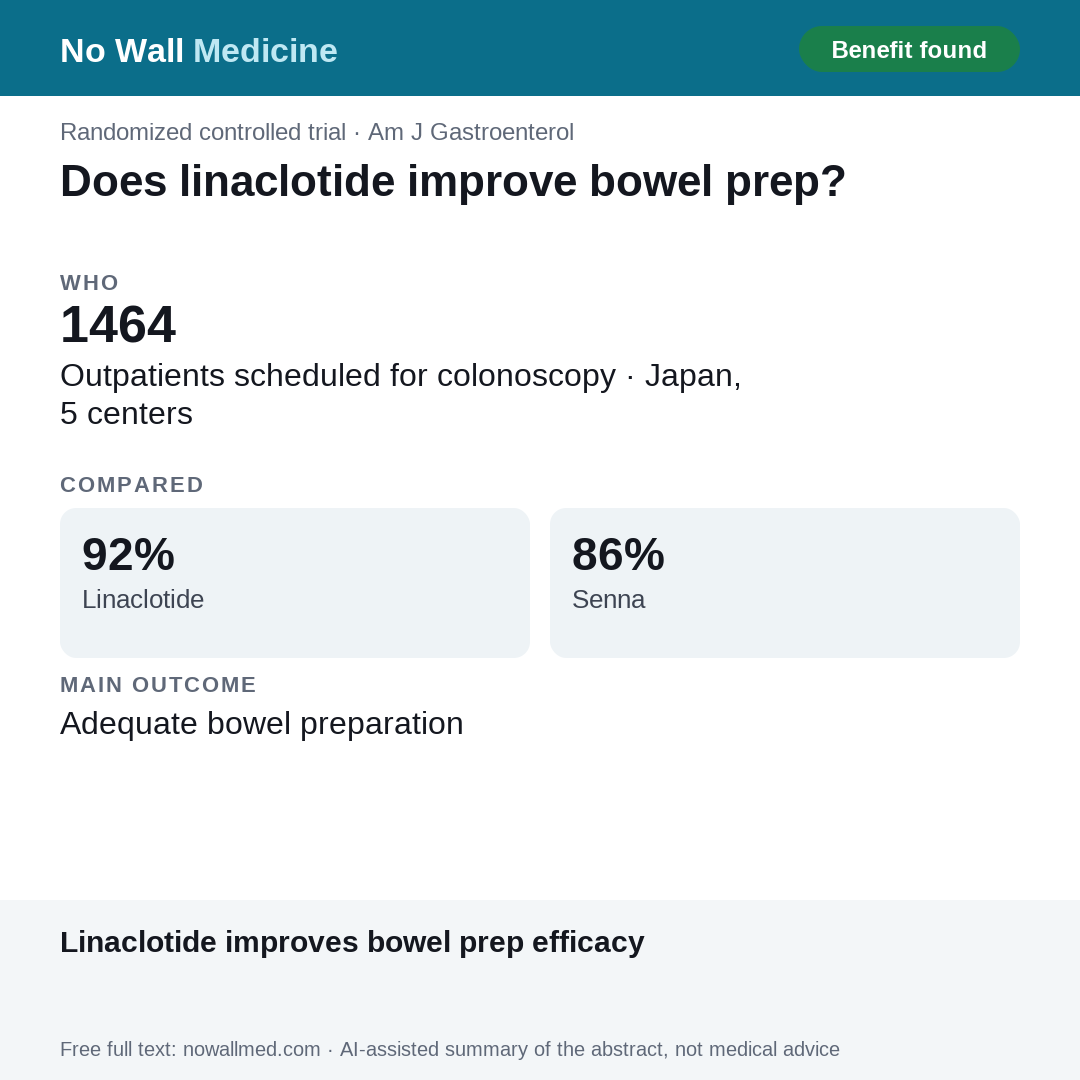
Efficacy of 1 L Polyethylene Glycol Plus Ascorbic Acid With Linaclotide Versus Senna for Bowel Preparation: A Multicenter, Endoscopist-Blinded, Randomized Controlled Trial (Apple Trial)
Randomized controlled trialBenefit found
Does linaclotide improve bowel prep?
Who
1464
Outpatients scheduled for colonoscopy · Japan, 5 centers
Compared
92%Linaclotide
86%Senna
Main outcome
Adequate bowel preparation
Bottom line: Linaclotide improves bowel prep efficacy
Am J Gastroenterol · 2025-02-25Download image