Visual abstracts
New randomized trials and meta-analyses from leading journals at a glance: who was studied, what was compared, and what was found. Every paper is free to read in full.
All specialtiesCardiology 1346Oncology 1208Gastroenterology & Hepatology 483Infectious Disease 882Neurology 556Psychiatry & Mental Health 671Pulmonology 579Critical Care 398Endocrinology & Diabetes 747Pediatrics 804Surgery 638Orthopedics & Sports Medicine 259Neurosurgery 182Cardiothoracic & Vascular Surgery 152Plastic & Reconstructive Surgery 212Nephrology 284Rheumatology 180Hematology 284Dermatology 142Ophthalmology 153Obstetrics & Gynecology 428Public & Global Health 263Radiology & Imaging 173Anesthesiology 257Urology 252ENT (Otolaryngology) 182Emergency Medicine 147Allergy & Immunology 90Geriatrics 283Family Medicine & Primary Care 171Medical Genetics & Genomics 144Pathology & Laboratory Medicine 41Physical Medicine & Rehabilitation 233Palliative Care 122Nutrition 354Digital Health & AI 696General Medicine 123
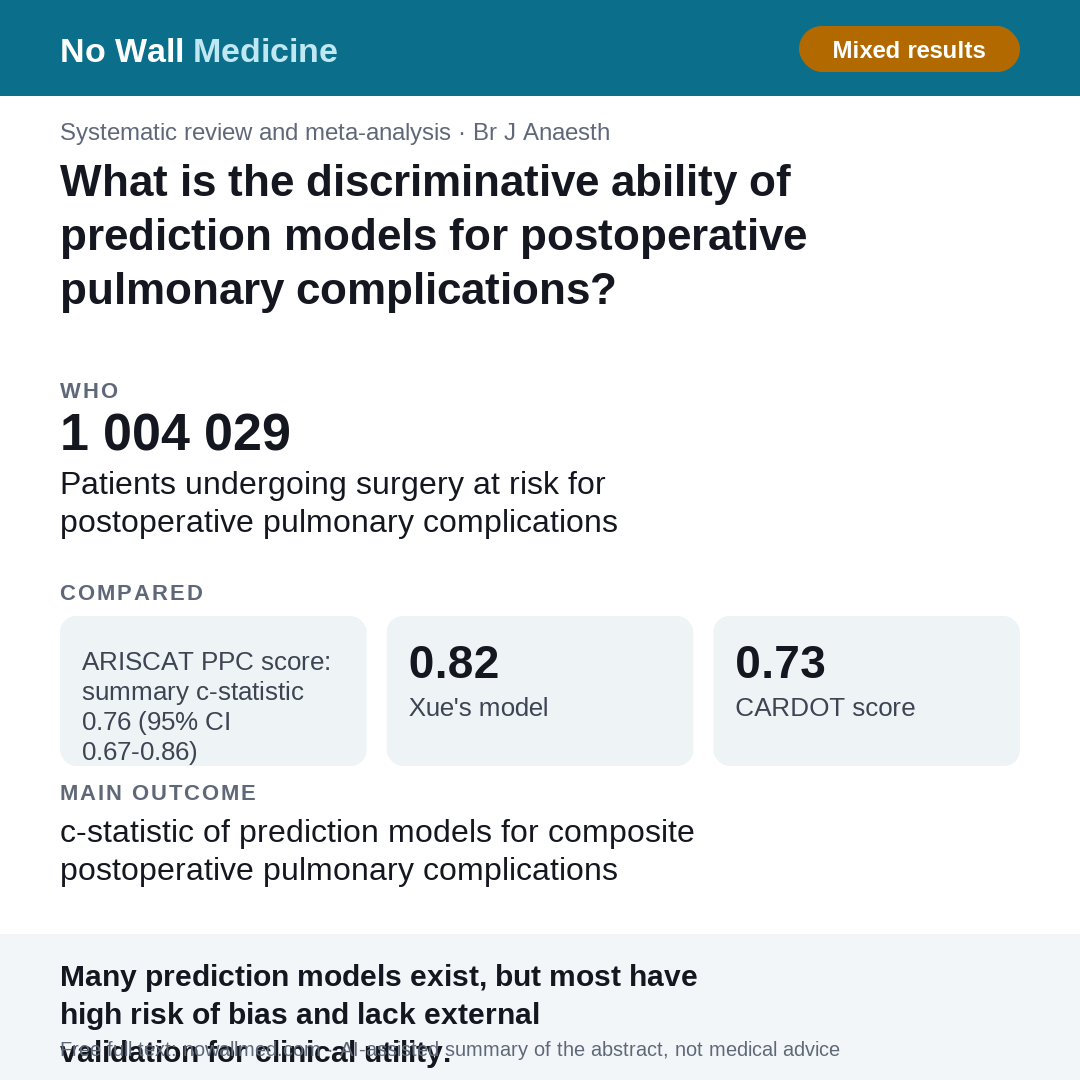
Prediction models for postoperative pulmonary complications: a systematic review and meta-analysis
Systematic review and meta-analysisMixed results
What is the discriminative ability of prediction models for postoperative pulmonary complications?
Who
1 004 029
Patients undergoing surgery at risk for postoperative pulmonary complications
Compared
ARISCAT PPC score: summary c-statistic 0.76 (95% CI 0.67-0.86)
0.82Xue's model (95% CI 0.75-0.89)
0.73CARDOT score (95% CI 0.61-0.85)
Main outcome
c-statistic of prediction models for composite postoperative pulmonary complications
Bottom line: Many prediction models exist, but most have high risk of bias and lack external validation for clinical utility.
Limitation: Reliability is limited by the lack of external validation cohorts and 90.2% of models had high risk of bias.
Br J Anaesth · 2025-06-04Download image
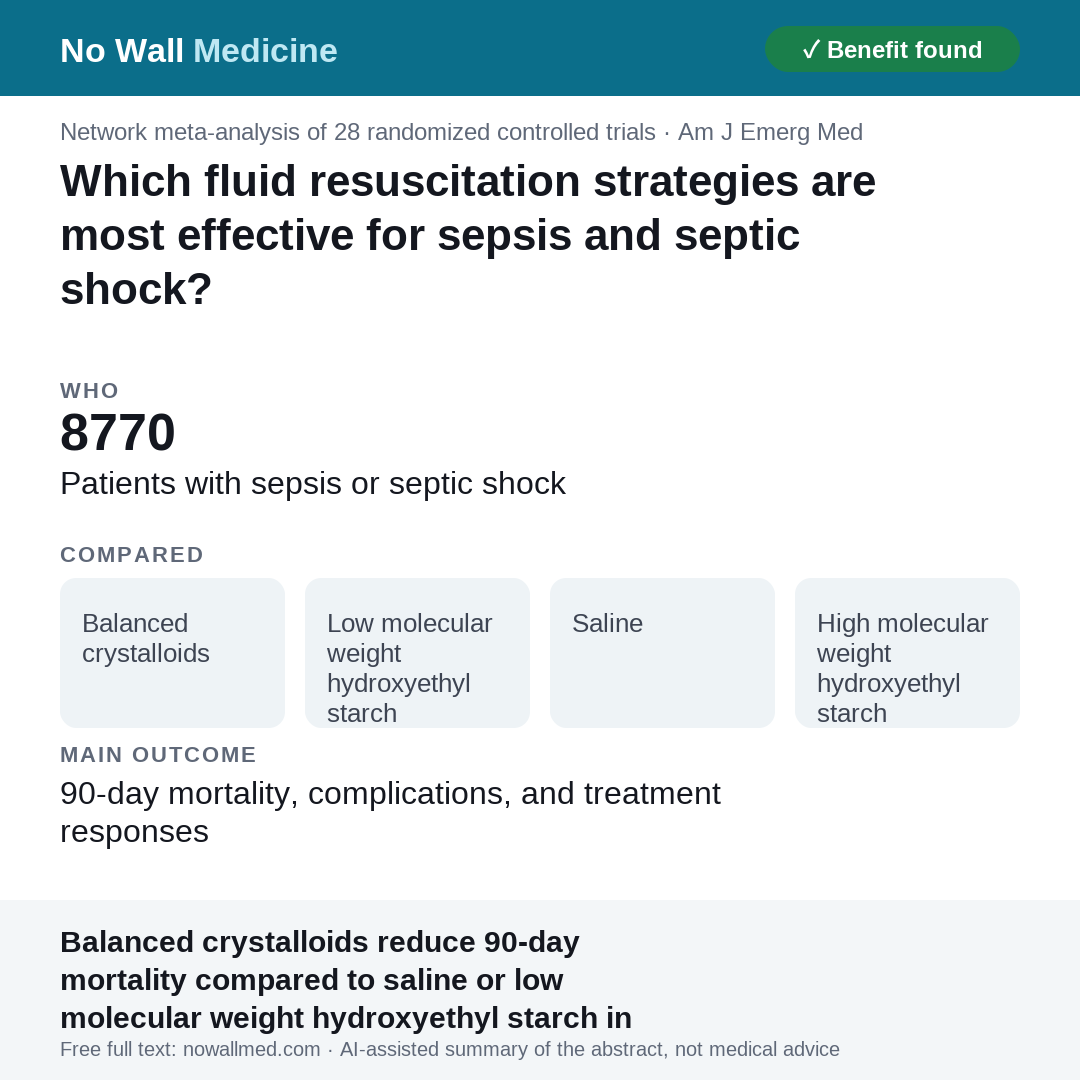
Fluid resuscitation management in patients with sepsis and septic shock: a network meta-analysis
Network meta-analysis of 28 randomized controlled trialsBenefit found
Which fluid resuscitation strategies are most effective for sepsis and septic shock?
Who
8770
Patients with sepsis or septic shock
Compared
Balanced crystalloids
Low molecular weight hydroxyethyl starch
Saline
High molecular weight hydroxyethyl starch
Main outcome
90-day mortality, complications, and treatment responses
Result: RR -0.84 (95 % CrI 0.75 to 0.95) for balanced crystalloids vs low molecular weight hydroxyethyl starch
Bottom line: Balanced crystalloids reduce 90-day mortality compared to saline or low molecular weight hydroxyethyl starch in sepsis patients.
Am J Emerg Med · 2025-06-04Download image
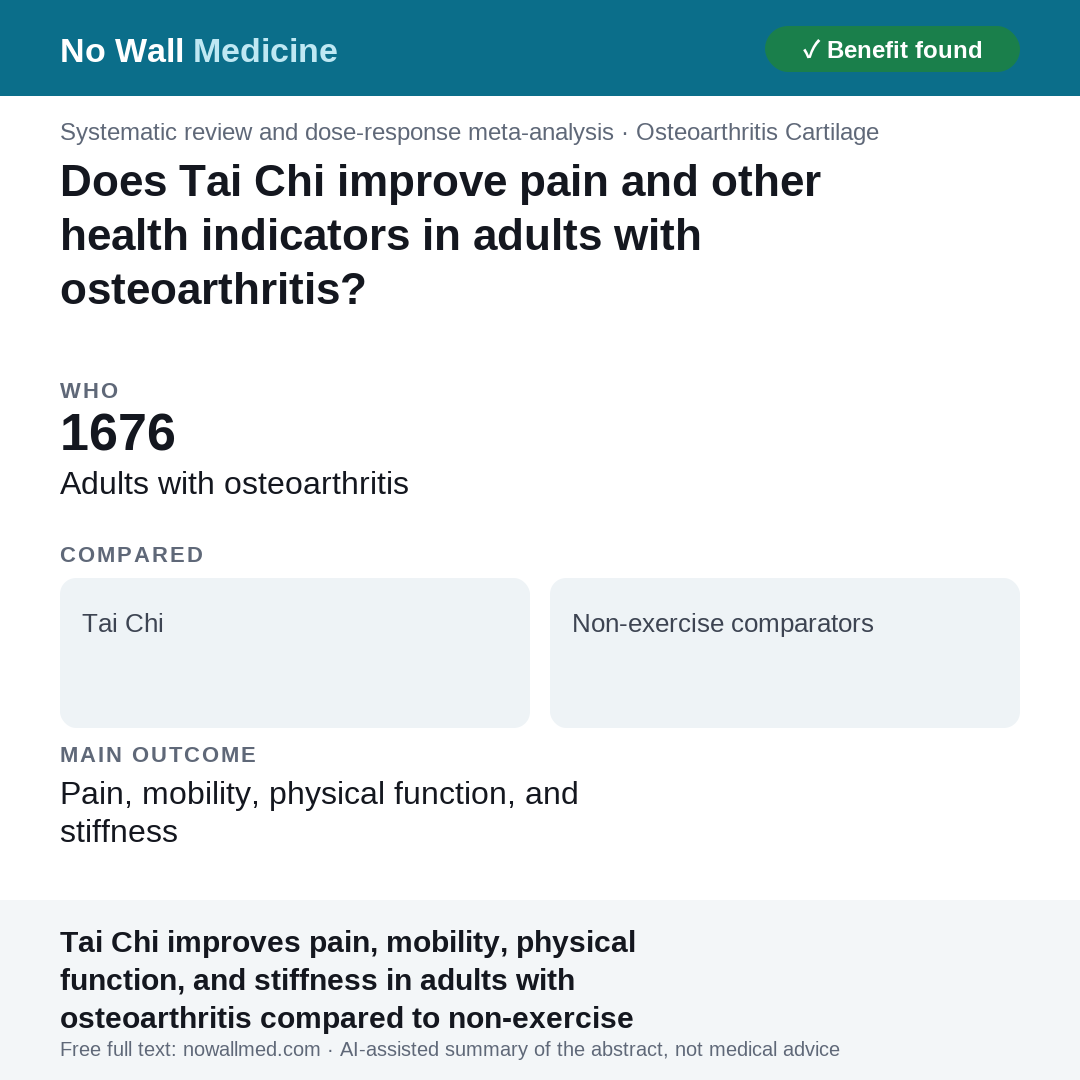
The effects of Tai Chi on pain and other health indicators in people with osteoarthritis: An updated systematic review and dose-response meta-analysis
Systematic review and dose-response meta-analysisBenefit found
Does Tai Chi improve pain and other health indicators in adults with osteoarthritis?
Who
1676
Adults with osteoarthritis
Compared
Tai Chi
Non-exercise comparators
Main outcome
Pain, mobility, physical function, and stiffness
Result: Cohen's d -0.64 (95% CI -0.96 to -0.34) for pain
Bottom line: Tai Chi improves pain, mobility, physical function, and stiffness in adults with osteoarthritis compared to non-exercise controls.
Osteoarthritis Cartilage · 2025-06-04Download image
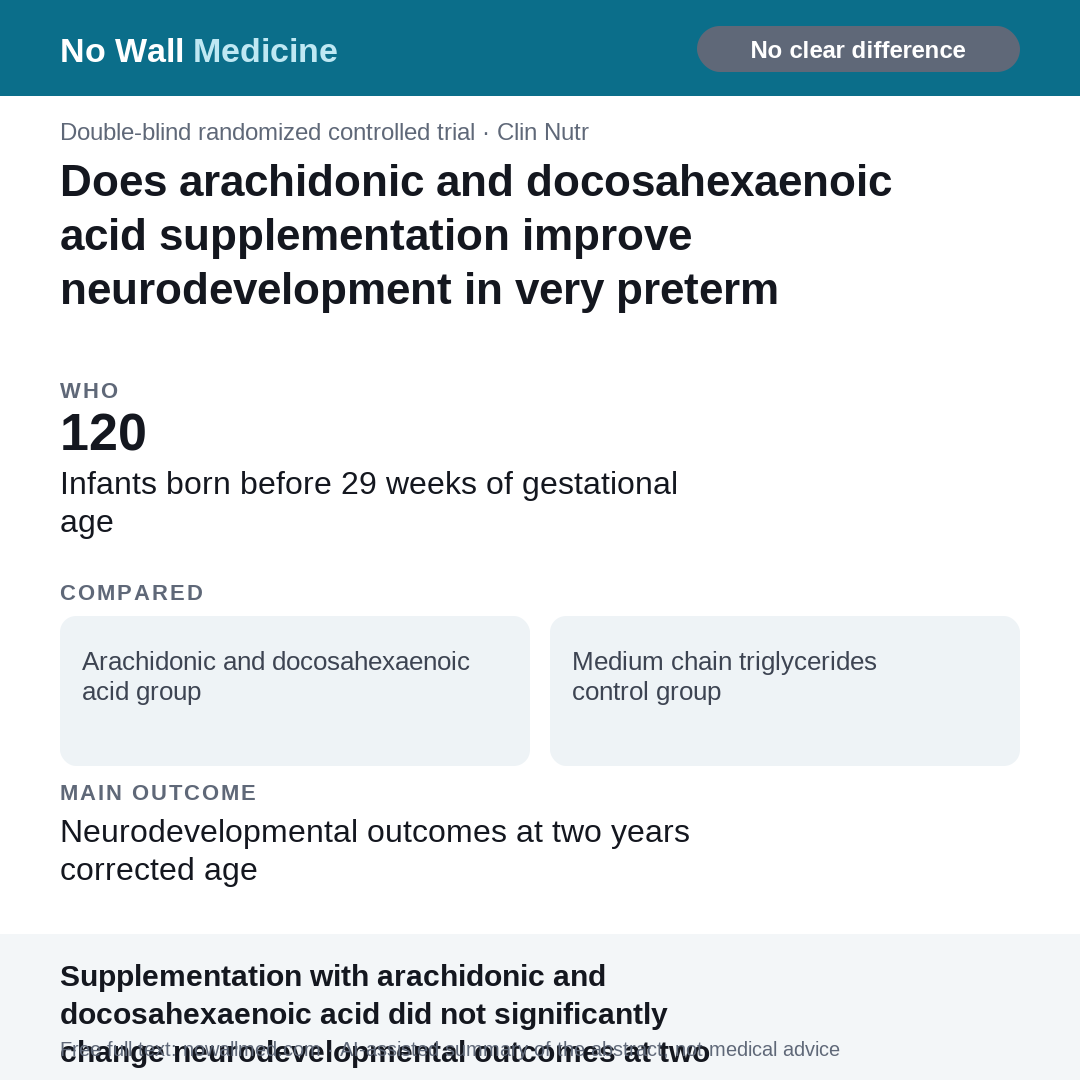
High dose arachidonic and docosahexaenoic acid in very preterm infants and neurodevelopment at 2 years - A double-blind randomized controlled trial
Double-blind randomized controlled trialNo clear difference
Does arachidonic and docosahexaenoic acid supplementation improve neurodevelopment in very preterm infants?
Who
120
Infants born before 29 weeks of gestational age
Compared
Arachidonic and docosahexaenoic acid group
Medium chain triglycerides control group
Main outcome
Neurodevelopmental outcomes at two years corrected age
Bottom line: Supplementation with arachidonic and docosahexaenoic acid did not significantly change neurodevelopmental outcomes at two years.
Clin Nutr · 2025-06-04Download image
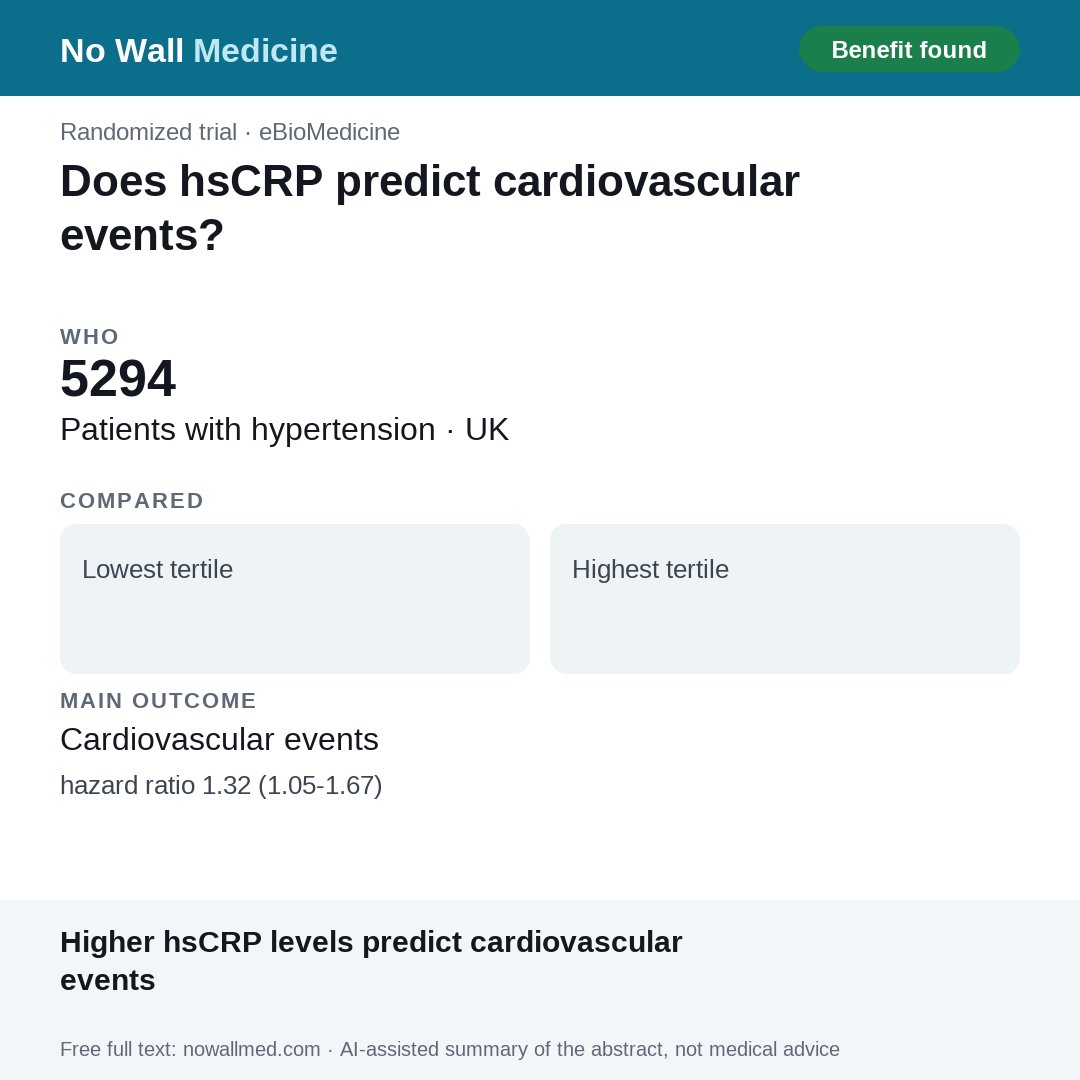
The relationship of baseline high-sensitivity C-reactive protein with incident cardiovascular events and all-cause mortality over 20 years
Randomized trialBenefit found
Does hsCRP predict cardiovascular events?
Who
5294
Patients with hypertension · UK
Compared
Lowest tertile
Highest tertile
Main outcome
Cardiovascular events
Result: hazard ratio 1.32 (1.05-1.67)
Bottom line: Higher hsCRP levels predict cardiovascular events
Funded by: British Heart Foundation
eBioMedicine · 2025-06-04Download image
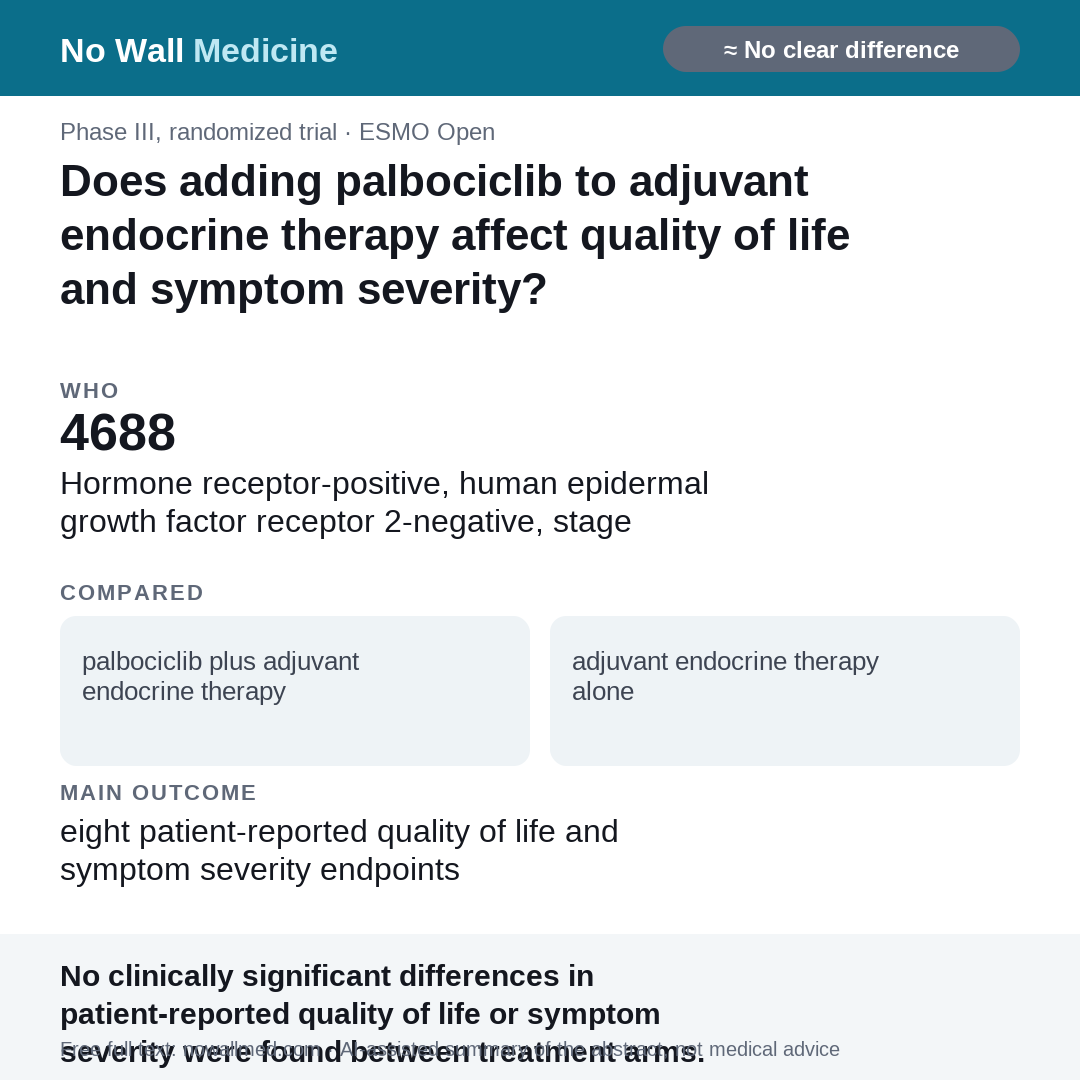
Quality-of-life and symptom severity in the PALLAS randomized trial of palbociclib with adjuvant endocrine therapy in early breast cancer (AFT-05, ABCSG-42, BIG-14-03, PrE0109)
Phase III, randomized trialNo clear difference
Does adding palbociclib to adjuvant endocrine therapy affect quality of life and symptom severity?
Who
4688
Hormone receptor-positive, human epidermal growth factor receptor 2-negative, stage II-III breast cancer patients
Compared
palbociclib plus adjuvant endocrine therapy
adjuvant endocrine therapy alone
Main outcome
eight patient-reported quality of life and symptom severity endpoints
Bottom line: No clinically significant differences in patient-reported quality of life or symptom severity were found between treatment arms.
Limitation: Differences in symptom worsening were observed by treatment regimen, race, and ethnicity.
ESMO Open · 2025-06-04Download image
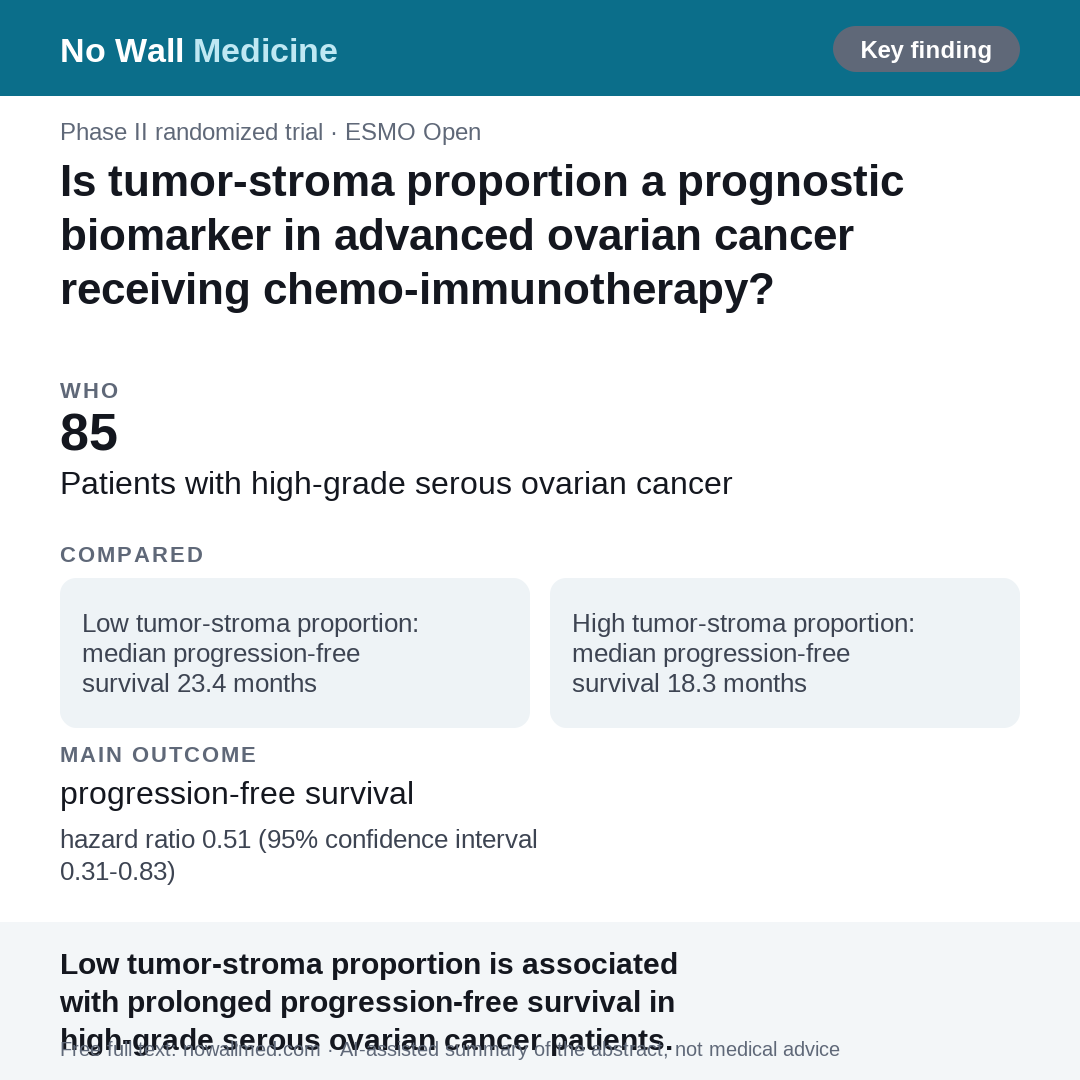
Tumor-stroma proportion on primary tumor as a prognostic biomarker in advanced ovarian cancer patients receiving chemo-immunotherapy as first-line therapy: analyses from the NeoPembrOV/GINECO phase II randomized trial
Phase II randomized trialBenefit found
Is tumor-stroma proportion a prognostic biomarker in advanced ovarian cancer receiving chemo-immunotherapy?
Who
85
Patients with high-grade serous ovarian cancer
Compared
Low tumor-stroma proportion: median progression-free survival 23.4 months
High tumor-stroma proportion: median progression-free survival 18.3 months
Main outcome
progression-free survival
Result: hazard ratio 0.51 (95% confidence interval 0.31-0.83)
Bottom line: Low tumor-stroma proportion is associated with prolonged progression-free survival in high-grade serous ovarian cancer patients.
ESMO Open · 2025-06-04Download image
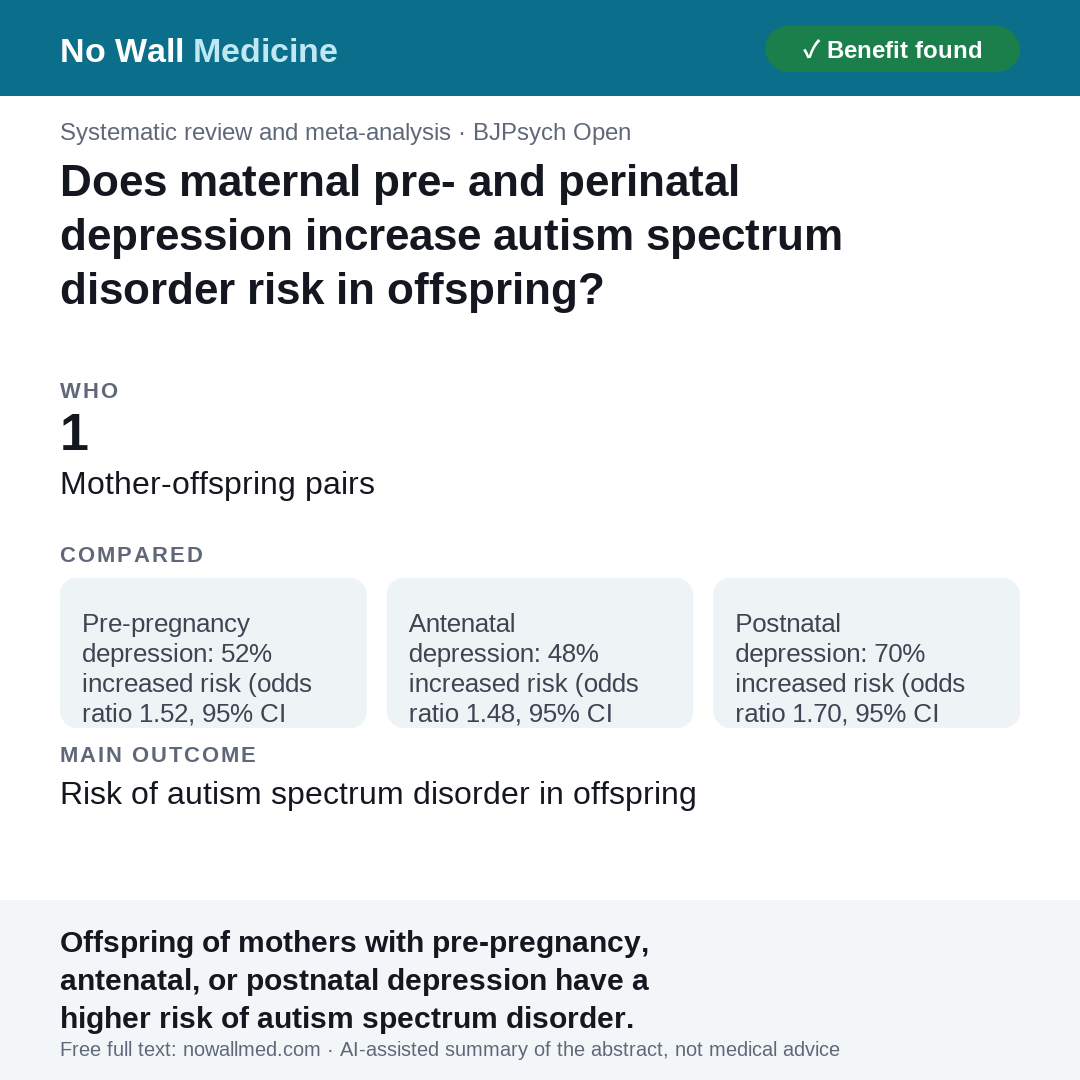
Maternal pre- and perinatal depression and the risk of autism spectrum disorders in offspring: systematic review and meta-analysis
Systematic review and meta-analysisBenefit found
Does maternal pre- and perinatal depression increase autism spectrum disorder risk in offspring?
Who
1
Mother-offspring pairs
Compared
Pre-pregnancy depression: 52% increased risk (odds ratio 1.52, 95% CI 1.13-1.90)
Antenatal depression: 48% increased risk (odds ratio 1.48, 95% CI 1.32-1.64)
Postnatal depression: 70% increased risk (odds ratio 1.70, 95% CI 1.41-1.99)
Main outcome
Risk of autism spectrum disorder in offspring
Bottom line: Offspring of mothers with pre-pregnancy, antenatal, or postnatal depression have a higher risk of autism spectrum disorder.
BJPsych Open · 2025-06-04Download image
Common neural patterns of substance use disorder: a seed-based resting-state functional connectivity meta-analysis
Meta-analysis of 53 studiesMixed results
Common neural patterns in substance use disorder
Who
1700, 1792
Substance use disorder patients and healthy controls
Compared
SUD patients
Healthy controls
Main outcome
Resting-state functional connectivity
Bottom line: Disrupted connectivity in brain's reward circuit found
Transl Psychiatry · 2025-06-04Download image

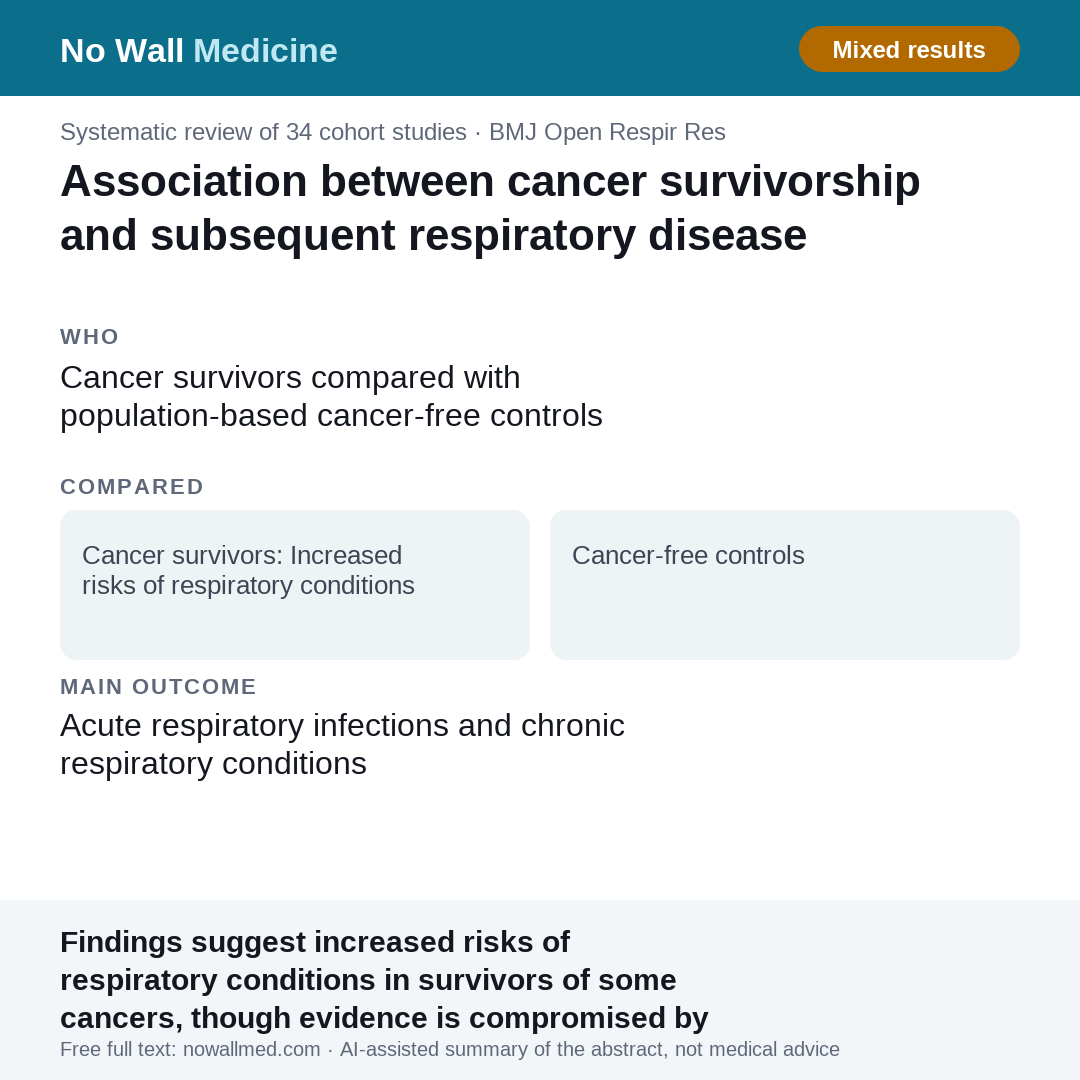
Associations between cancer survivorship and subsequent respiratory disease: a systematic literature review
Systematic literature review of cohort and case-control studiesBenefit found
Is there an association between cancer survivorship and subsequent respiratory disease?
Who
People with a history of cancer versus cancer-free controls
Compared
Cancer survivors
Cancer-free controls
Main outcome
Acute respiratory infections and chronic respiratory conditions
Bottom line: Cancer survivors face increased risks of acute respiratory infections and certain chronic respiratory conditions.
Limitation: Most studies were low quality due to lack of control for smoking.
BMJ Open Respir Res · 2025-06-04Download image
Knowledge Gain and the Impact of Stress in a Fully Immersive Virtual Reality-Based Medical Emergencies Training With Automated Feedback: Randomized Controlled Trial
Randomized, intraindividual crossover trialBenefit found
Does virtual reality training with automated feedback improve emergency medical competency compared to video seminars?
Who
72
72 senior medical students
Compared
Virtual reality training: mean 17.8%, SD 15.1%
Video seminars: mean 11.9%, SD 18%
Main outcome
Long-term knowledge gains
Result: difference: -5.9, 95% CI -11.5 to -0.4
Bottom line: Virtual reality training with automated feedback provides significantly higher long-term knowledge gains than traditional video seminars.
Limitation: Future research should investigate retention of practical skills and impact of repeated or team-based scenarios.
J Med Internet Res · 2025-06-04Download image

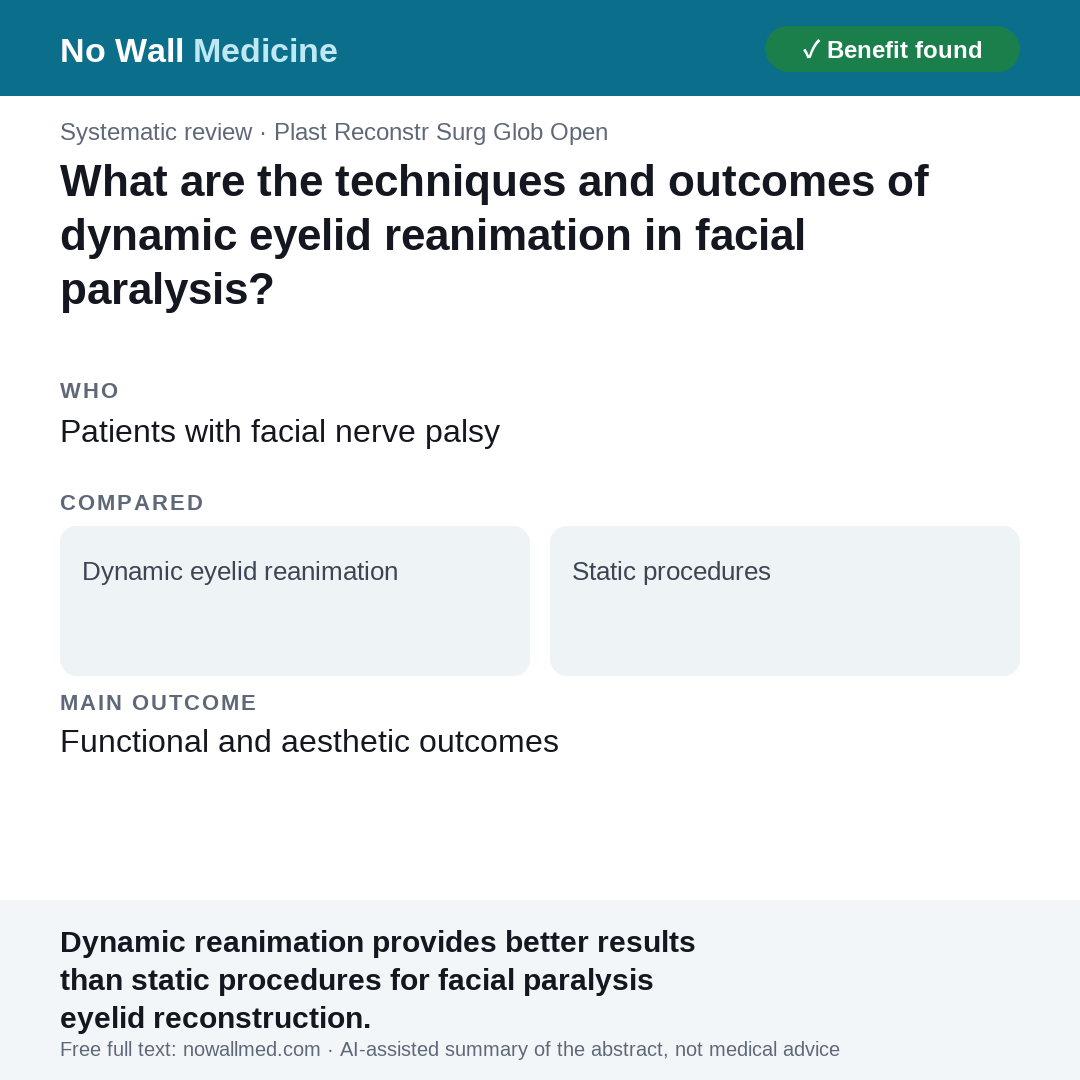
Dynamic Eyelid Reanimation in Facial Paralysis: A Systematic Review of Techniques and Outcomes
Systematic reviewBenefit found
What are the techniques and outcomes of dynamic eyelid reanimation in facial paralysis?
Who
Patients with facial nerve palsy
Compared
Dynamic eyelid reanimation
Static procedures
Main outcome
Functional and aesthetic outcomes
Bottom line: Dynamic reanimation provides better results than static procedures for facial paralysis eyelid reconstruction.
Plast Reconstr Surg Glob Open · 2025-06-04Download image
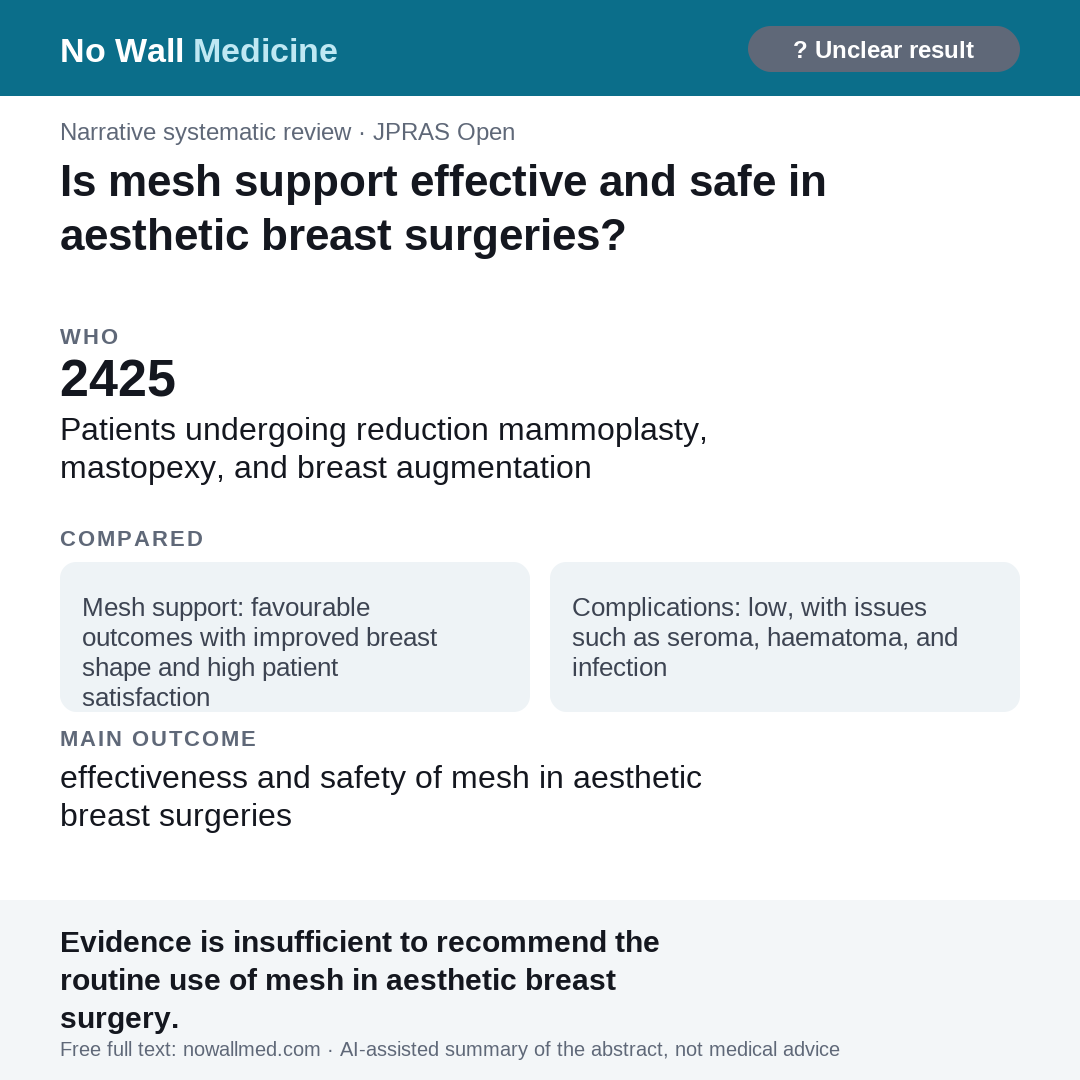
"A systematic review of mesh support of the breast in aesthetic breast surgery"
Narrative systematic reviewUnclear result
Is mesh support effective and safe in aesthetic breast surgeries?
Who
2425
Patients undergoing reduction mammoplasty, mastopexy, and breast augmentation
Compared
Mesh support: favourable outcomes with improved breast shape and high patient satisfaction
Complications: low, with issues such as seroma, haematoma, and infection
Main outcome
effectiveness and safety of mesh in aesthetic breast surgeries
Bottom line: Evidence is insufficient to recommend the routine use of mesh in aesthetic breast surgery.
Limitation: Studies were mostly retrospective case series and a few prospective observational studies.
JPRAS Open · 2025-06-04Download image
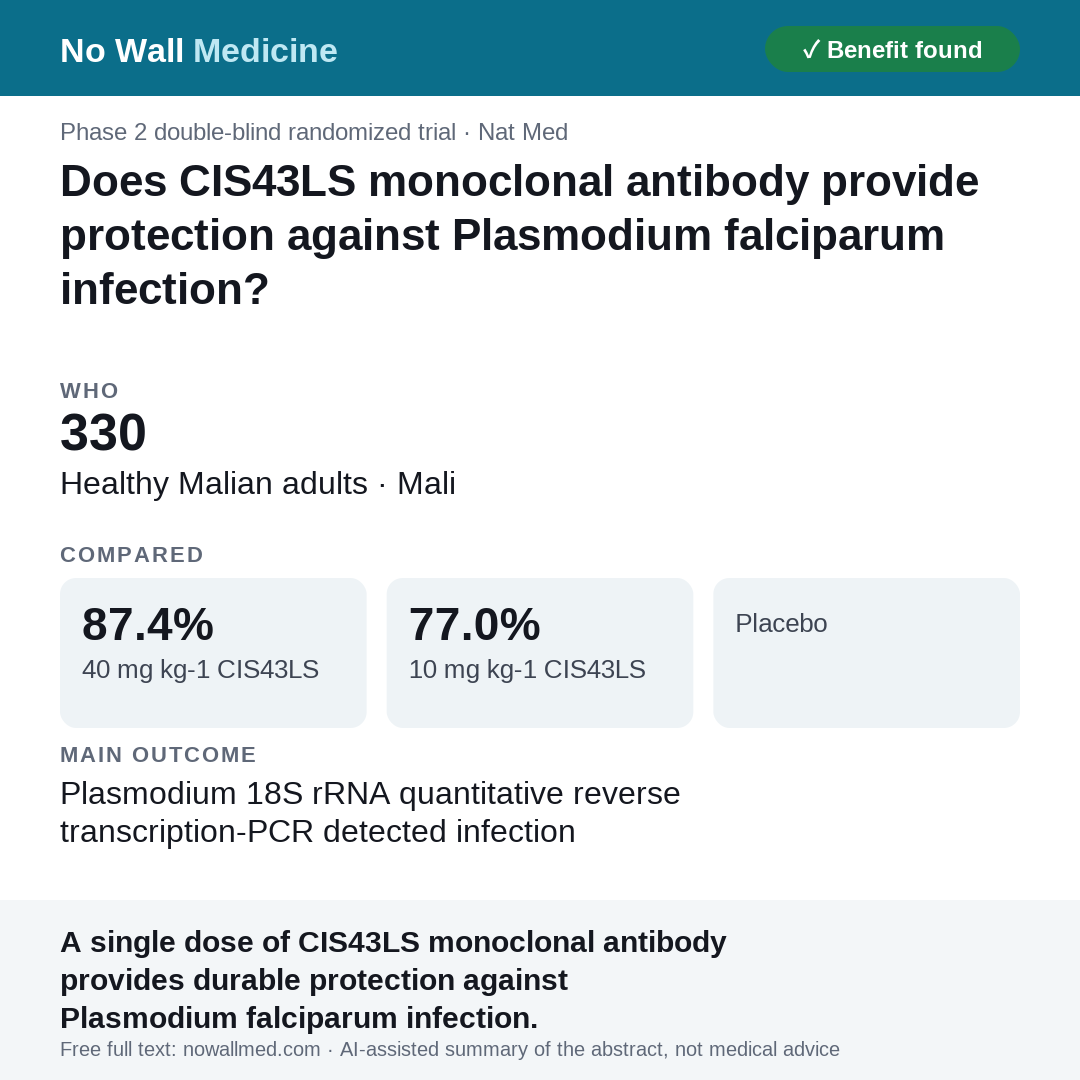
Anti-sporozoite monoclonal antibody for malaria prevention: secondary efficacy outcome of a phase 2 randomized trial
Phase 2 double-blind randomized trialBenefit found
Does CIS43LS monoclonal antibody provide protection against Plasmodium falciparum infection?
Who
330
Healthy Malian adults · Mali
Compared
87.4%40 mg kg-1 CIS43LS
77.0%10 mg kg-1 CIS43LS
Placebo
Main outcome
Plasmodium 18S rRNA quantitative reverse transcription-PCR detected infection
Result: 87.4% (adjusted 95% CI, 79.5-92.3) and 77.0% (adjusted 95% CI, 65.0-84.0)
Bottom line: A single dose of CIS43LS monoclonal antibody provides durable protection against Plasmodium falciparum infection.
Nat Med · 2025-06-03Download image
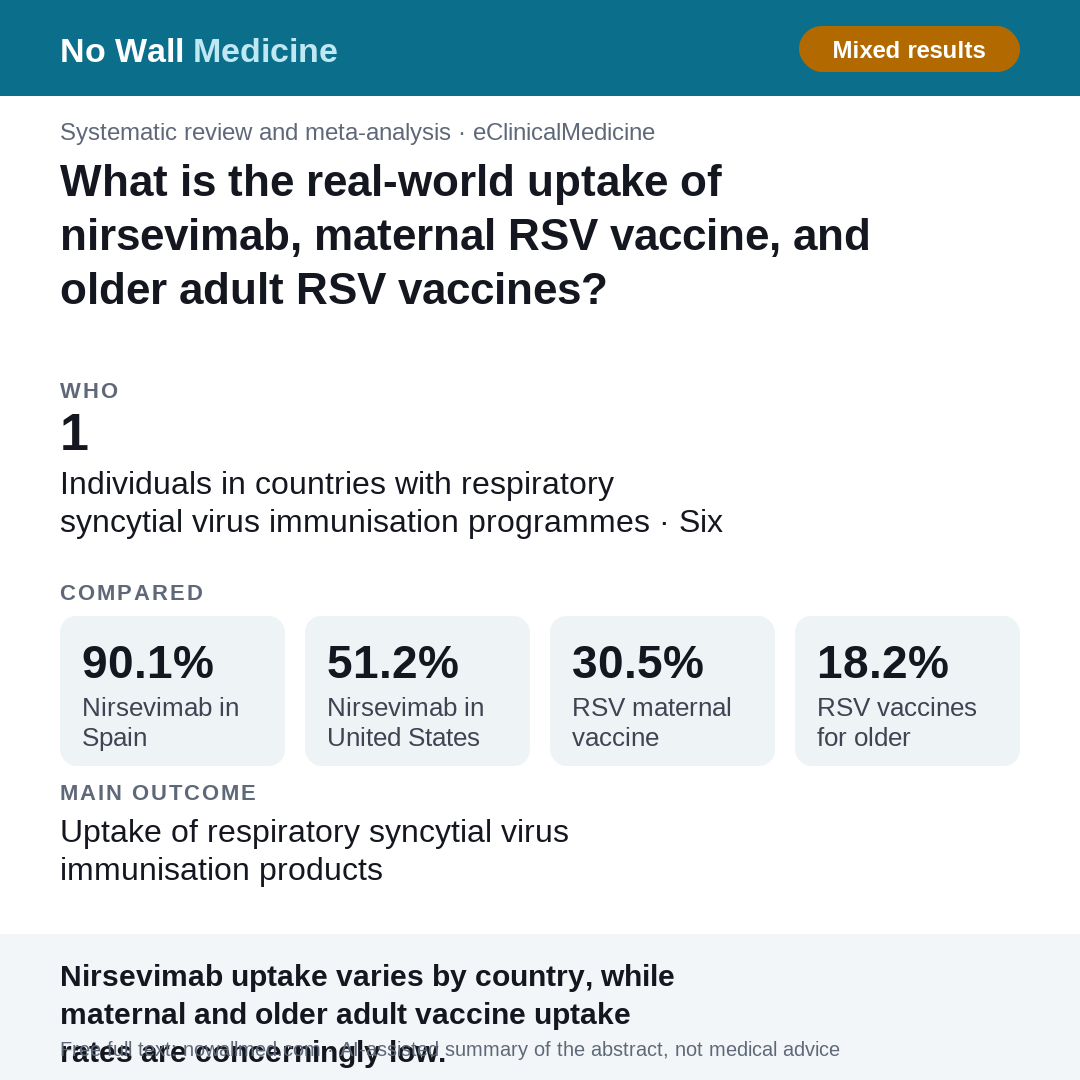
Real-world uptake of nirsevimab, RSV maternal vaccine, and RSV vaccines for older adults: a systematic review and meta-analysis
Systematic review and meta-analysisMixed results
What is the real-world uptake of nirsevimab, maternal RSV vaccine, and older adult RSV vaccines?
Who
1
Individuals in countries with respiratory syncytial virus immunisation programmes · Six countries
Compared
90.1%Nirsevimab in Spain (95% CI: 86.4-92.9)
51.2%Nirsevimab in United States (95% CI: 29.3-72.7)
30.5%RSV maternal vaccine (95% CI: 20.6-42.6)
18.2%RSV vaccines for older adults (95% CI: 10.8-28.9)
Main outcome
Uptake of respiratory syncytial virus immunisation products
Bottom line: Nirsevimab uptake varies by country, while maternal and older adult vaccine uptake rates are concerningly low.
Limitation: Limited number of studies and lack of more accurate data at national level
Funded by: Health Data Research UK, Inflammation and Immunity Driver Programme
eClinicalMedicine · 2025-06-03Download image
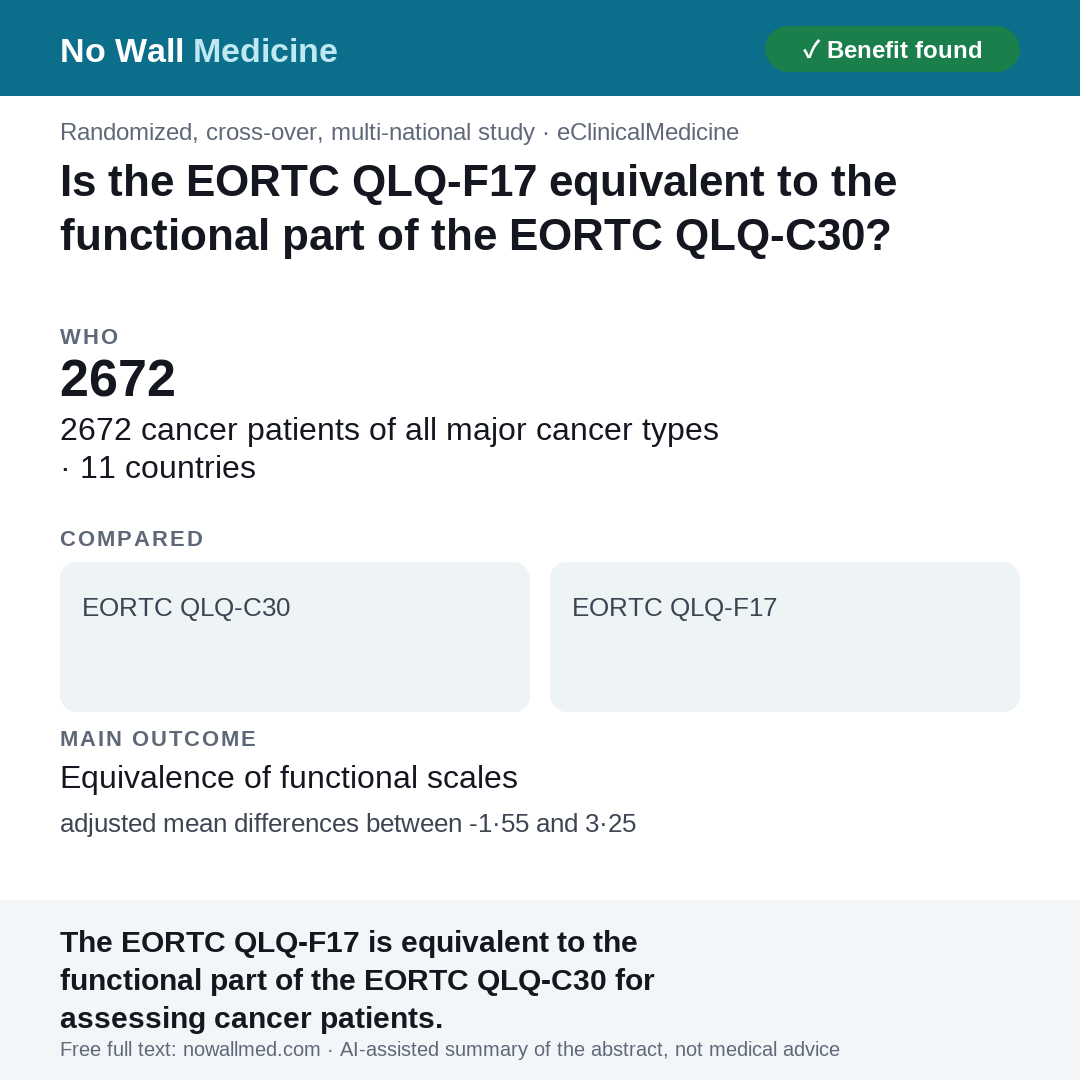
The EORTC QLQ-F17 as a shortened version of the EORTC QLQ-C30 to assess self-reported functioning in cancer patients: investigating equivalence and psychometric properties in a randomized cross-over trial
Randomized, cross-over, multi-national studyBenefit found
Is the EORTC QLQ-F17 equivalent to the functional part of the EORTC QLQ-C30?
Who
2672
2672 cancer patients of all major cancer types · 11 countries
Compared
EORTC QLQ-C30
EORTC QLQ-F17
Main outcome
Equivalence of functional scales
Result: adjusted mean differences between -1·55 and 3·25
Bottom line: The EORTC QLQ-F17 is equivalent to the functional part of the EORTC QLQ-C30 for assessing cancer patients.
Funded by: European Organisation for Research and Treatment of Cancer Quality of Life Group
eClinicalMedicine · 2025-06-03Download image
Robotic versus Electromagnetic Bronchoscopy for Peripheral Pulmonary Lesions: A Randomized Trial (RELIANT)
Cluster-randomized noninferiority trialBenefit found
Is robotic-assisted bronchoscopy noninferior to electromagnetic navigational bronchoscopy for peripheral pulmonary lesion evaluation?
Who
411
Patients undergoing diagnostic bronchoscopy for evaluation of a peripheral pulmonary lesion · Single-center
Compared
Robotic-assisted bronchoscopy: 158 of 203 (77.8%)
Electromagnetic navigational bronchoscopy: 157 of 208 (75.5%)
Main outcome
Diagnostic yield defined as proportion of cases yielding lesional tissue
Result: P value for noninferiority was 0.007
Bottom line: Robotic-assisted bronchoscopy was not inferior to electromagnetic navigation bronchoscopy for diagnostic yield in peripheral pulmonary lesions.
AJRCCM · 2025-06-03Download image

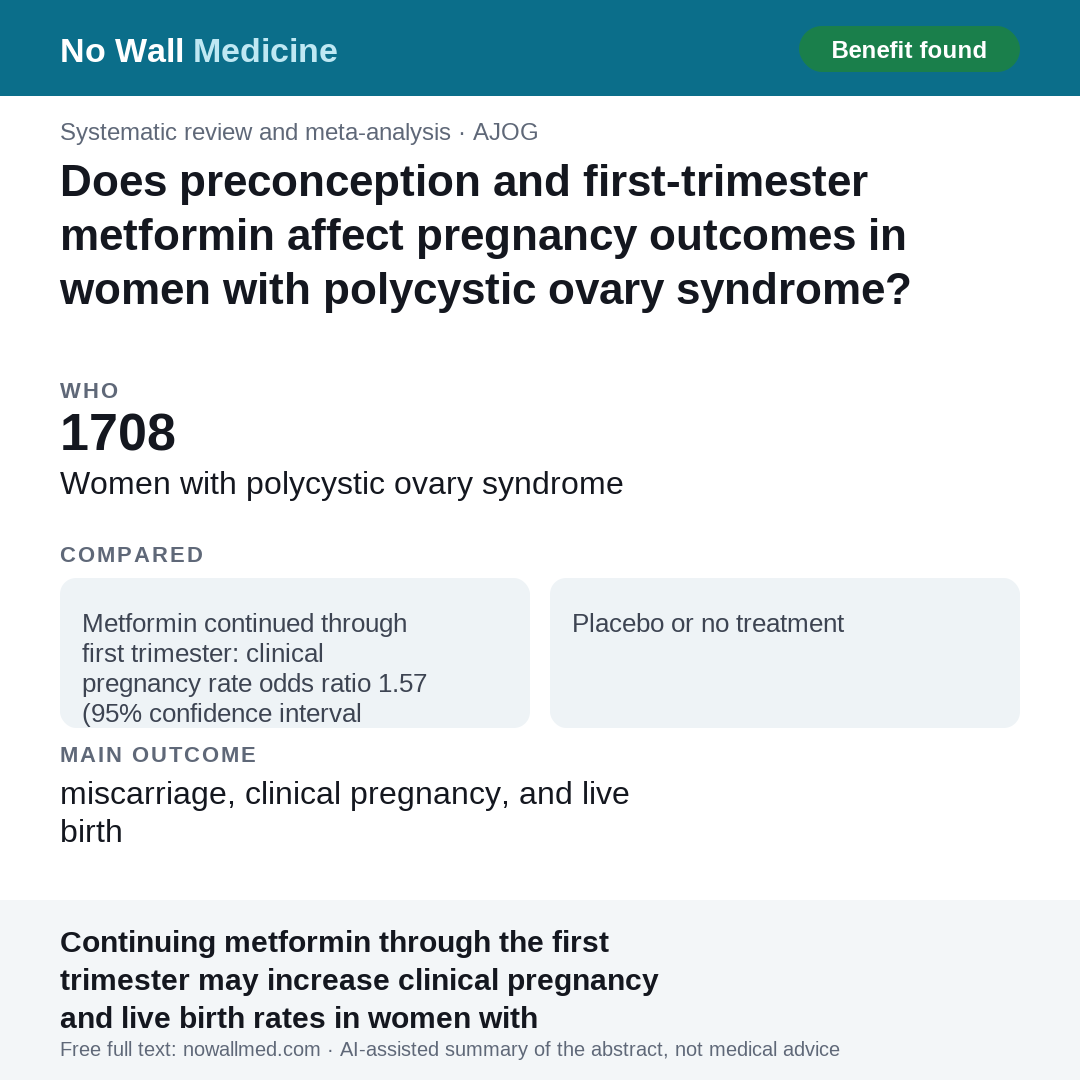
Preconception and first-trimester metformin on pregnancy outcomes in women with polycystic ovary syndrome: a systematic review and meta-analysis
Systematic review and meta-analysisBenefit found
Does preconception and first-trimester metformin affect pregnancy outcomes in women with polycystic ovary syndrome?
Who
1708
Women with polycystic ovary syndrome
Compared
Metformin continued through first trimester: clinical pregnancy rate odds ratio 1.57 (95% confidence interval 1.11-2.23)
Placebo or no treatment
Main outcome
miscarriage, clinical pregnancy, and live birth
Result: odds ratio 1.57 (95% confidence interval 1.11-2.23)
Bottom line: Continuing metformin through the first trimester may increase clinical pregnancy and live birth rates in women with polycystic ovary syndrome.
Limitation: All included studies were graded low to moderate quality.
AJOG · 2025-06-03Download image
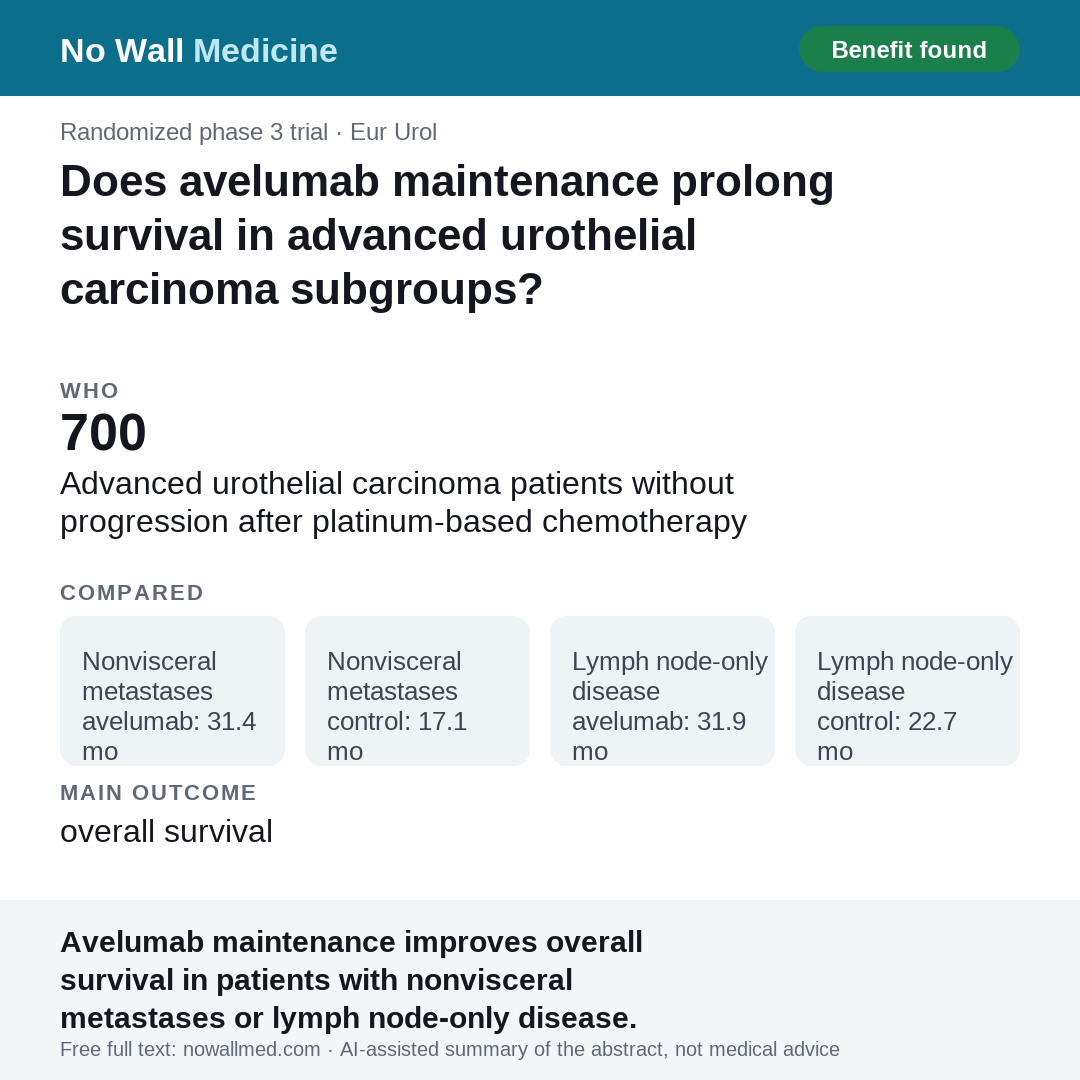
Avelumab First-line Maintenance for Advanced Urothelial Carcinoma: Long-term Outcomes from the JAVELIN Bladder 100 Trial in Patients with Nonvisceral or Lymph Node-only Disease
Randomized phase 3 trialBenefit found
Does avelumab maintenance prolong survival in advanced urothelial carcinoma subgroups?
Who
700
Advanced urothelial carcinoma patients without progression after platinum-based chemotherapy
Compared
Nonvisceral metastases avelumab: 31.4 mo
Nonvisceral metastases control: 17.1 mo
Lymph node-only disease avelumab: 31.9 mo
Lymph node-only disease control: 22.7 mo
Main outcome
overall survival
Result: hazard ratio 0.60 (95% CI 0.45-0.79) for nonvisceral metastases
Bottom line: Avelumab maintenance improves overall survival in patients with nonvisceral metastases or lymph node-only disease.
Limitation: Small sample sizes and the exploratory nature of analyses.
Eur Urol · 2025-06-03Download image
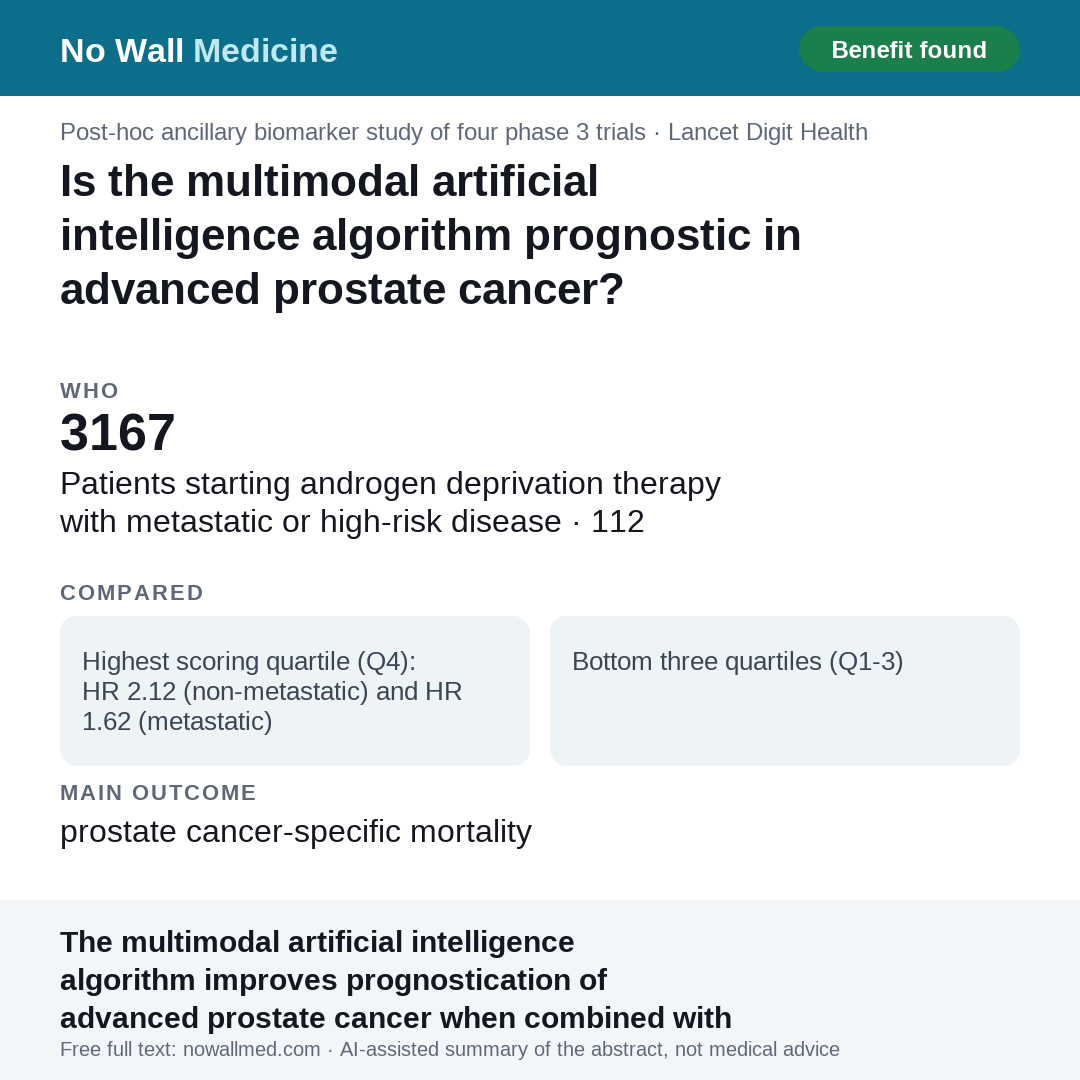
External validation of a digital pathology-based multimodal artificial intelligence-derived prognostic model in patients with advanced prostate cancer starting long-term androgen deprivation therapy: a post-hoc ancillary biomarker study of four phase 3 randomised controlled trials of the STAMPEDE platform protocol
Post-hoc ancillary biomarker study of four phase 3 trialsBenefit found
Is the multimodal artificial intelligence algorithm prognostic in advanced prostate cancer?
Who
3167
Patients starting androgen deprivation therapy with metastatic or high-risk disease · 112 sites
Compared
Highest scoring quartile (Q4): HR 2.12 (non-metastatic) and HR 1.62 (metastatic)
Bottom three quartiles (Q1-3)
Main outcome
prostate cancer-specific mortality
Result: hazard ratio 1.40 (95% CI 1.30-1.51)
Bottom line: The multimodal artificial intelligence algorithm improves prognostication of advanced prostate cancer when combined with disease burden.
Funded by: Prostate Cancer UK, UK Medical Research Council, Cancer Research UK
Lancet Digit Health · 2025-06-03Download image