Visual abstracts
New randomized trials and meta-analyses from leading journals at a glance: who was studied, what was compared, and what was found. Every paper is free to read in full.
All specialtiesCardiology 2639Oncology 2235Gastroenterology & Hepatology 1009Infectious Disease 1657Neurology 1049Psychiatry & Mental Health 1223Pulmonology 1109Critical Care 724Endocrinology & Diabetes 1364Pediatrics 1543Surgery 1343Orthopedics & Sports Medicine 482Neurosurgery 321Cardiothoracic & Vascular Surgery 286Plastic & Reconstructive Surgery 398Nephrology 547Rheumatology 399Hematology 572Dermatology 307Ophthalmology 305Obstetrics & Gynecology 858Public & Global Health 483Radiology & Imaging 366Anesthesiology 523Urology 437ENT (Otolaryngology) 316Emergency Medicine 293Allergy & Immunology 170Geriatrics 567Family Medicine & Primary Care 302Medical Genetics & Genomics 299Pathology & Laboratory Medicine 82Physical Medicine & Rehabilitation 434Palliative Care 227Nutrition 701Digital Health & AI 1270General Medicine 190
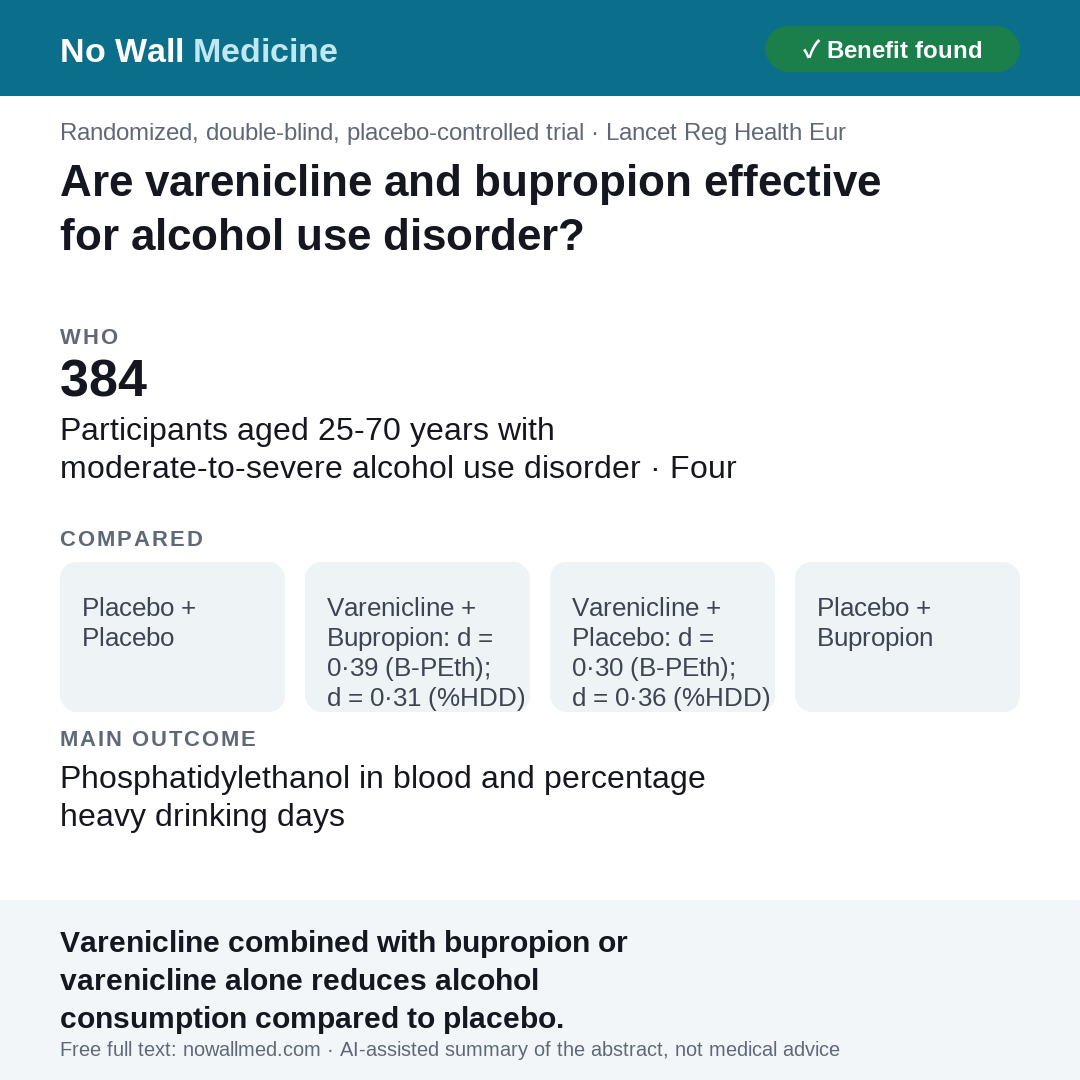
Predictive Value of Tumor Regression Grading on the Prognosis of Neoadjuvant Chemotherapy for Locally Advanced Gastric Cancer: A Systematic Review and Meta-Analysis
Systematic review and meta-analysisBenefit found
Does tumor regression grade influence prognosis in locally advanced gastric cancer patients?
Who
2733
Patients with locally advanced gastric cancer receiving neoadjuvant chemotherapy
Compared
Lower tumor regression grade
Higher tumor regression grade
Main outcome
disease-free survival and overall survival
Result: hazard ratio 0.53 (95% CI 0.32-0.88) for disease-free survival; hazard ratio 0.59 (95% CI 0.39-0.87) for overall survival
Bottom line: Lower tumor regression grade is associated with improved disease-free survival and overall survival in locally advanced gastric cancer.
Limitation: Publication bias was identified for overall survival.
Clin Transl Gastroenterol · 2025-05-14Download image
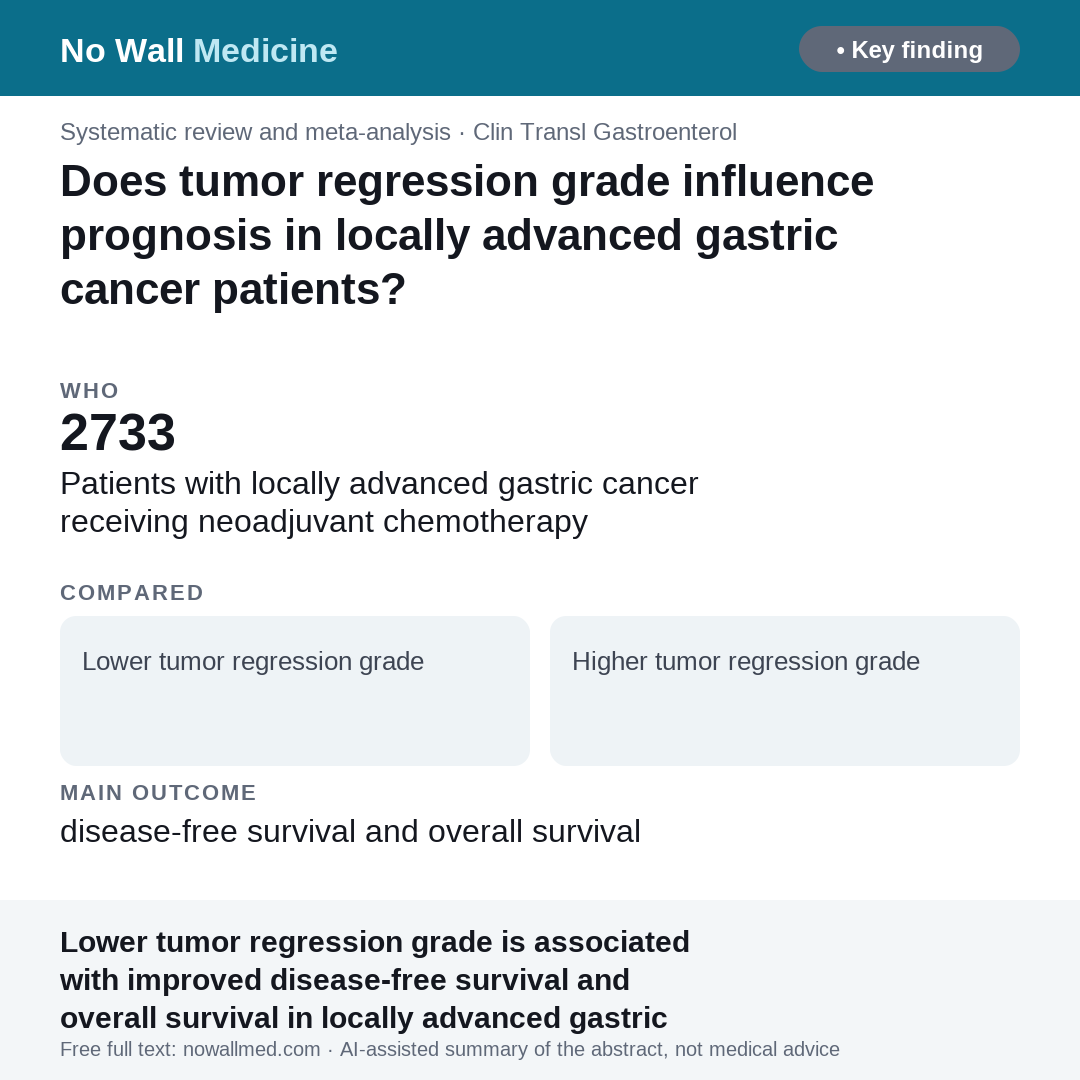
High flow nasal therapy versus noninvasive ventilation for AECOPD with acute hypercapnic respiratory failure: a meta-analysis of randomized controlled trials
Meta-analysis of 4 randomized controlled trialsNo clear difference
Is high flow nasal cannula noninferior to noninvasive ventilation for hypercapnic acute exacerbation of COPD?
Who
486
Patients with acute exacerbation of chronic obstructive pulmonary disease and hypercapnic acute respiratory failure
Compared
High flow nasal cannula
Noninvasive ventilation
Main outcome
All-cause mortality and tracheal intubation rate
Result: mortality RR 0.97 (95% CI 0.56 to 1.68), intubation rate RR 1.67 (95% CI 0.99 to 2.83)
Bottom line: High flow nasal cannula showed no significant difference in mortality or intubation rates compared to noninvasive ventilation.
Ann Intensive Care · 2025-05-14Download image
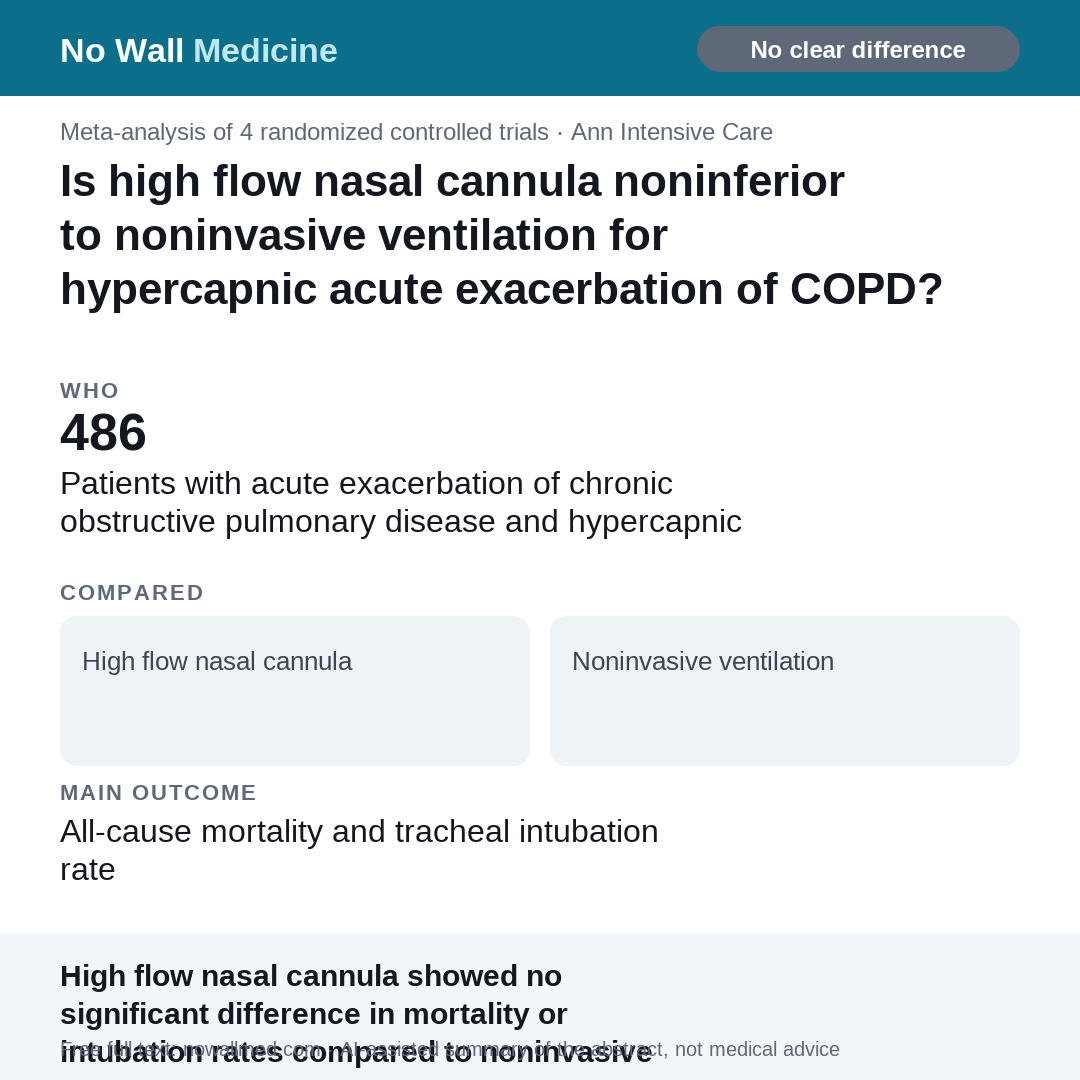
Automated oxygen control in preterm babies on respiratory support: protocol for a randomised crossover trial
Single-centre, non-blinded, randomised crossover trialUnclear result
Is automated oxygen control more effective than manual control in preterm babies?
Who
26
Preterm babies needing invasive or non-invasive respiratory support · Aga Khan University Hospital Karachi
Compared
Automated oxygen control
Manual oxygen control
Main outcome
Efficacy to keep oxygen saturation in target range
Bottom line: This is a study protocol to compare automated versus manual oxygen control in preterm babies.
BMJ Paediatr Open · 2025-05-14Download image
The feasibility and surgical outcomes of robotic vaginal natural orifice transluminal endoscopic single port hysterectomy for benign gynecologic diseases: a systematic review and meta-analysis
Meta-analysis of 10 studiesBenefit found
Is R-vNOTES feasible for benign gynecologic diseases
Who
patients with benign gynecologic diseases
Compared
R-vNOTES
RALH
Main outcome
surgical outcomes and safety
Result: R-vNOTES: shorter operation time and less blood loss
Bottom line: R-vNOTES is feasible with favorable safety profile
AJOG Glob Rep · 2025-05-14Download image

Context-Contingent Privacy Concerns and Exploration of the Privacy Paradox in the Age of AI, Augmented Reality, Big Data, and the Internet of Things: Systematic Review
Systematic reviewMixed results
How do context and emerging technologies influence privacy behaviors and psychological antecedents?
Who
179
Users of Internet of Things, artificial intelligence, augmented reality, and big data
Compared
Traditional privacy theories
Emerging technology contexts
Main outcome
Privacy behaviors, psychological antecedents, outcomes, and theoretical frameworks
Bottom line: Traditional privacy theories often fail to address the complexities of modern, context-dependent privacy behaviors in emerging technologies.
J Med Internet Res · 2025-05-14Download image

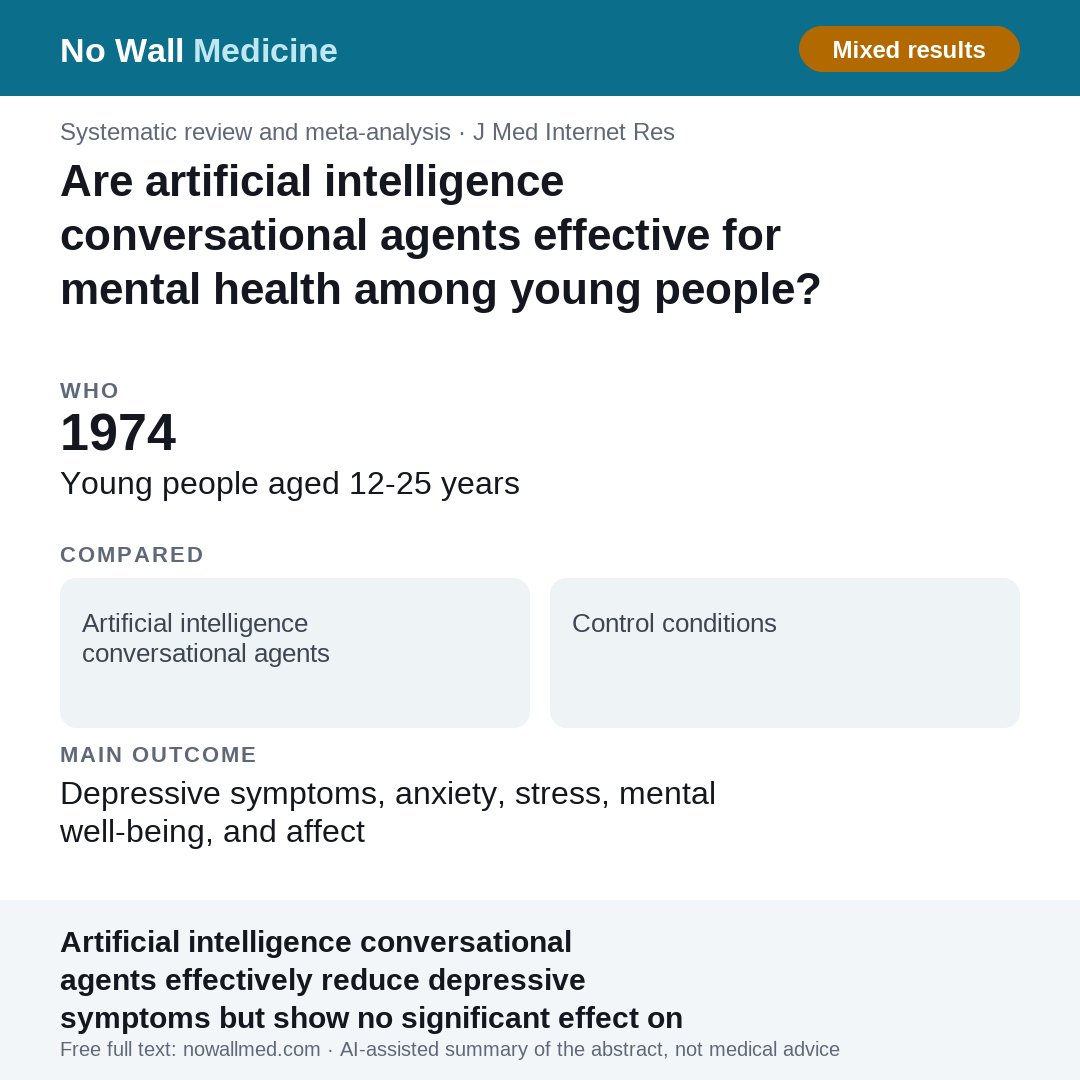
Effectiveness of AI-Driven Conversational Agents in Improving Mental Health Among Young People: Systematic Review and Meta-Analysis
Systematic review and meta-analysisMixed results
Are artificial intelligence conversational agents effective for mental health among young people?
Who
1974
Young people aged 12-25 years
Compared
Artificial intelligence conversational agents
Control conditions
Main outcome
Depressive symptoms, anxiety, stress, mental well-being, and affect
Result: Hedges g=0.61 (95% CI 0.35-0.86) for depressive symptoms
Bottom line: Artificial intelligence conversational agents effectively reduce depressive symptoms but show no significant effect on anxiety, stress, or well-being.
Limitation: Heterogeneity in therapeutic orientations and lack of follow-up measures.
J Med Internet Res · 2025-05-14Download image
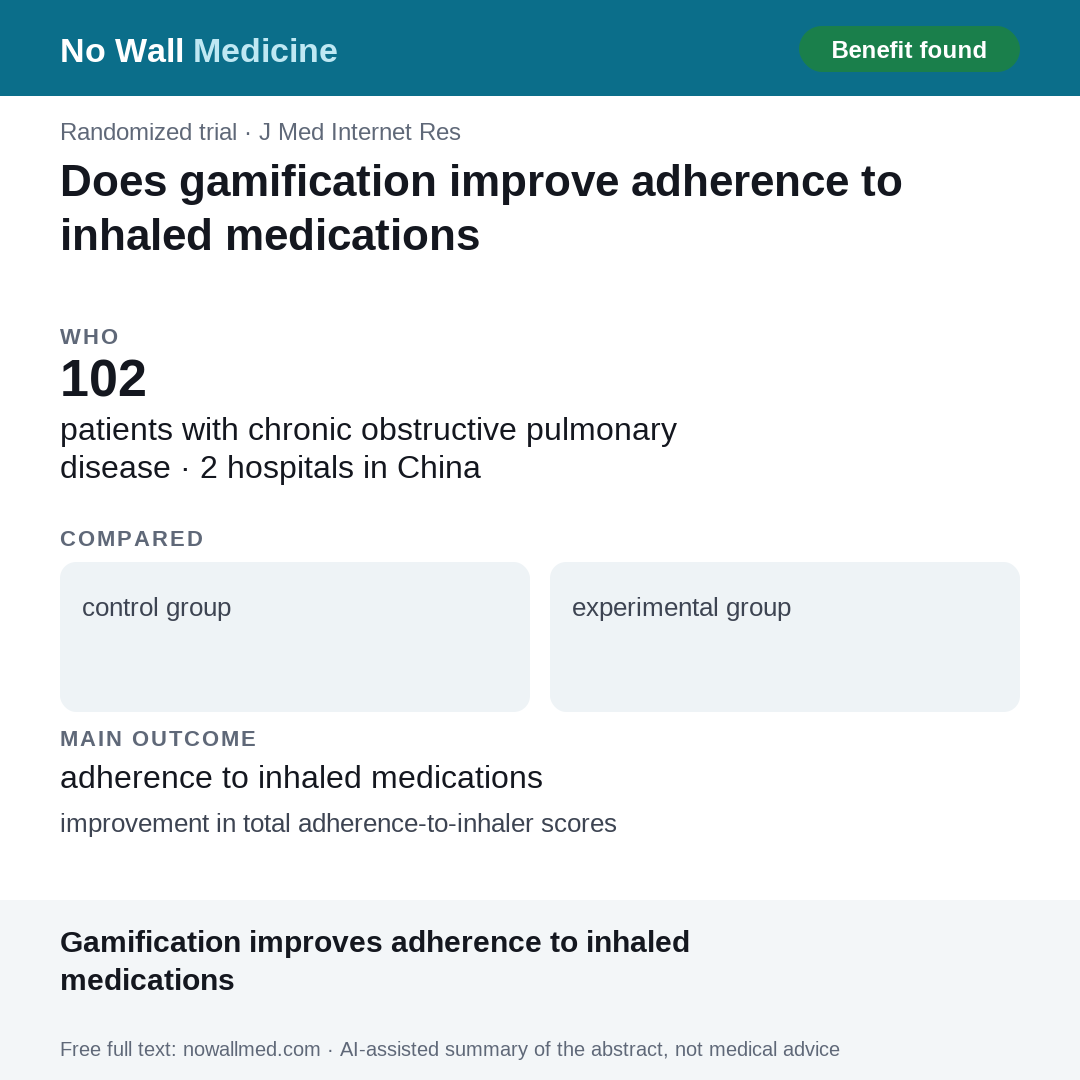
Effect of Gamification on Improved Adherence to Inhaled Medications in Chronic Obstructive Pulmonary Disease: Randomized Controlled Trial
Randomized trialBenefit found
Does gamification improve adherence to inhaled medications
Who
102
patients with chronic obstructive pulmonary disease · 2 hospitals in China
Compared
control group
experimental group
Main outcome
adherence to inhaled medications
Result: improvement in total adherence-to-inhaler scores
Bottom line: Gamification improves adherence to inhaled medications
J Med Internet Res · 2025-05-14Download image
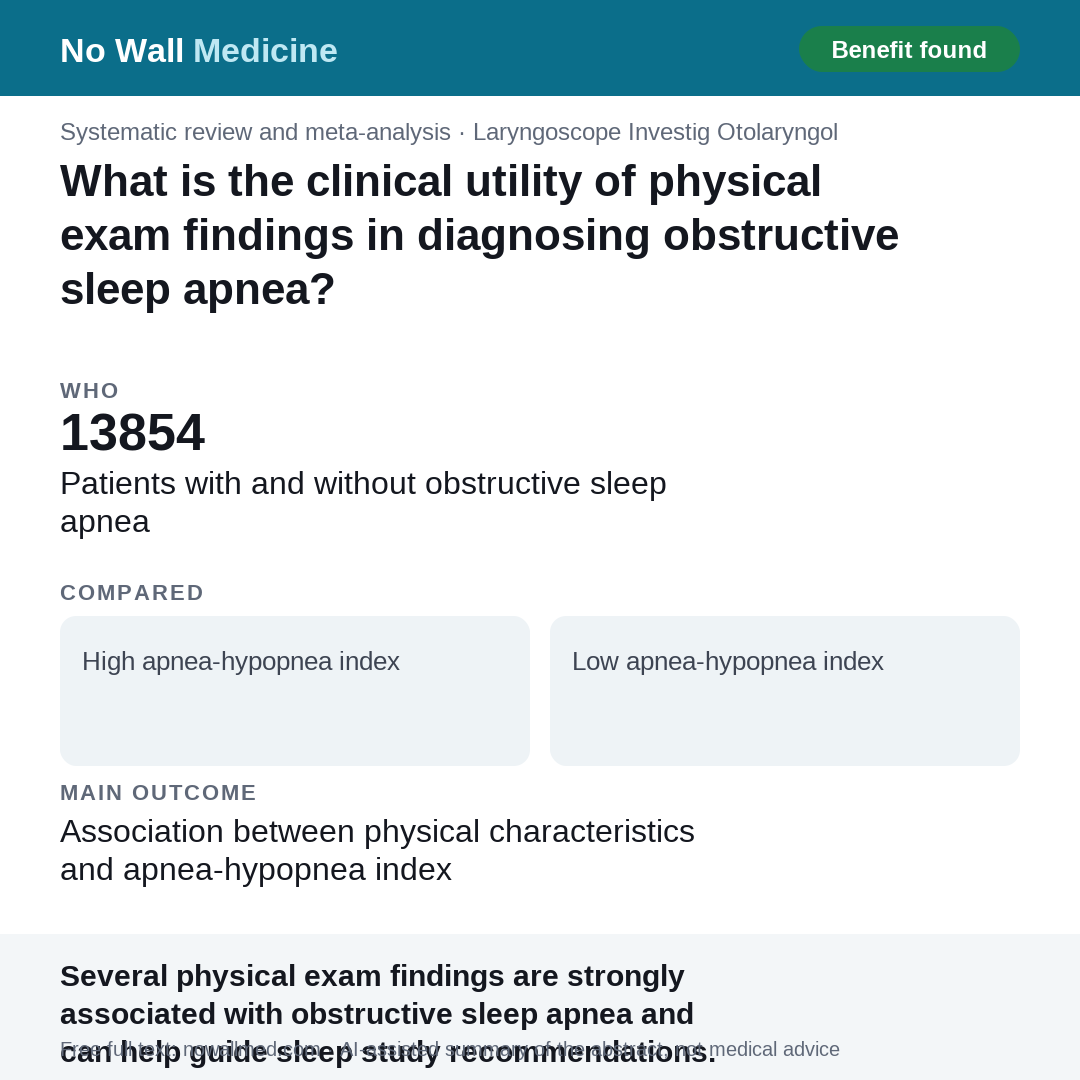
The Obstructive Sleep Apnea Physical Exam: A Systematic Review and Meta-Analysis
Systematic review and meta-analysisBenefit found
What is the clinical utility of physical exam findings in diagnosing obstructive sleep apnea?
Who
13854
Patients with and without obstructive sleep apnea
Compared
High apnea-hypopnea index
Low apnea-hypopnea index
Main outcome
Association between physical characteristics and apnea-hypopnea index
Bottom line: Several physical exam findings are strongly associated with obstructive sleep apnea and can help guide sleep study recommendations.
Laryngoscope Investig Otolaryngol · 2025-05-14Download image
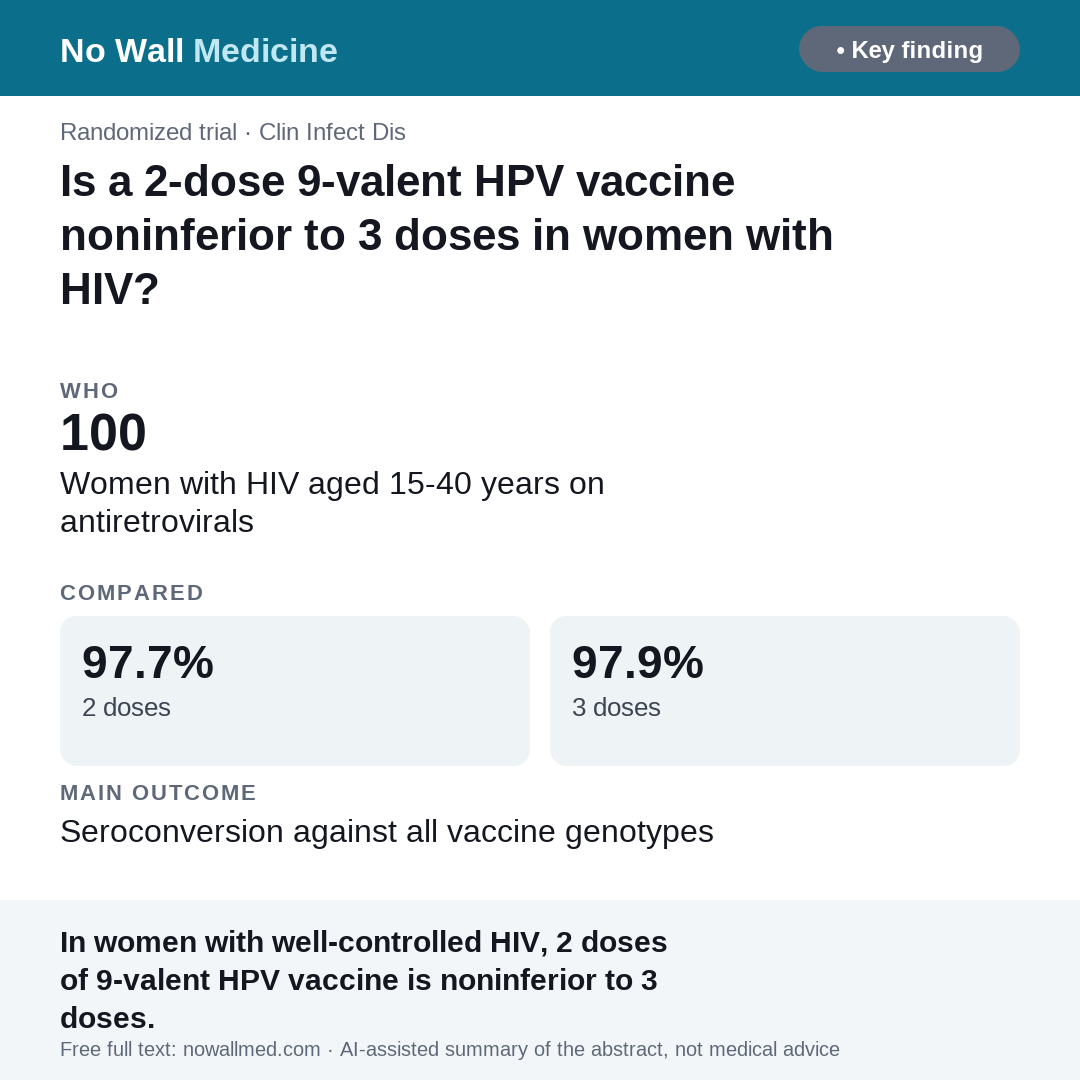
Immunogenicity and Safety of 2 Versus 3 Doses of 9-Valent Vaccine Against Human Papillomavirus in Women With Human Immunodeficiency Virus: The Papillon Randomized Trial
Randomized trialBenefit found
Is a 2-dose 9-valent HPV vaccine noninferior to 3 doses in women with HIV?
Who
100
Women with HIV aged 15-40 years on antiretrovirals
Compared
97.7%2 doses
97.9%3 doses
Main outcome
Seroconversion against all vaccine genotypes
Bottom line: In women with well-controlled HIV, 2 doses of 9-valent HPV vaccine is noninferior to 3 doses.
Clin Infect Dis · 2025-05-13Download image
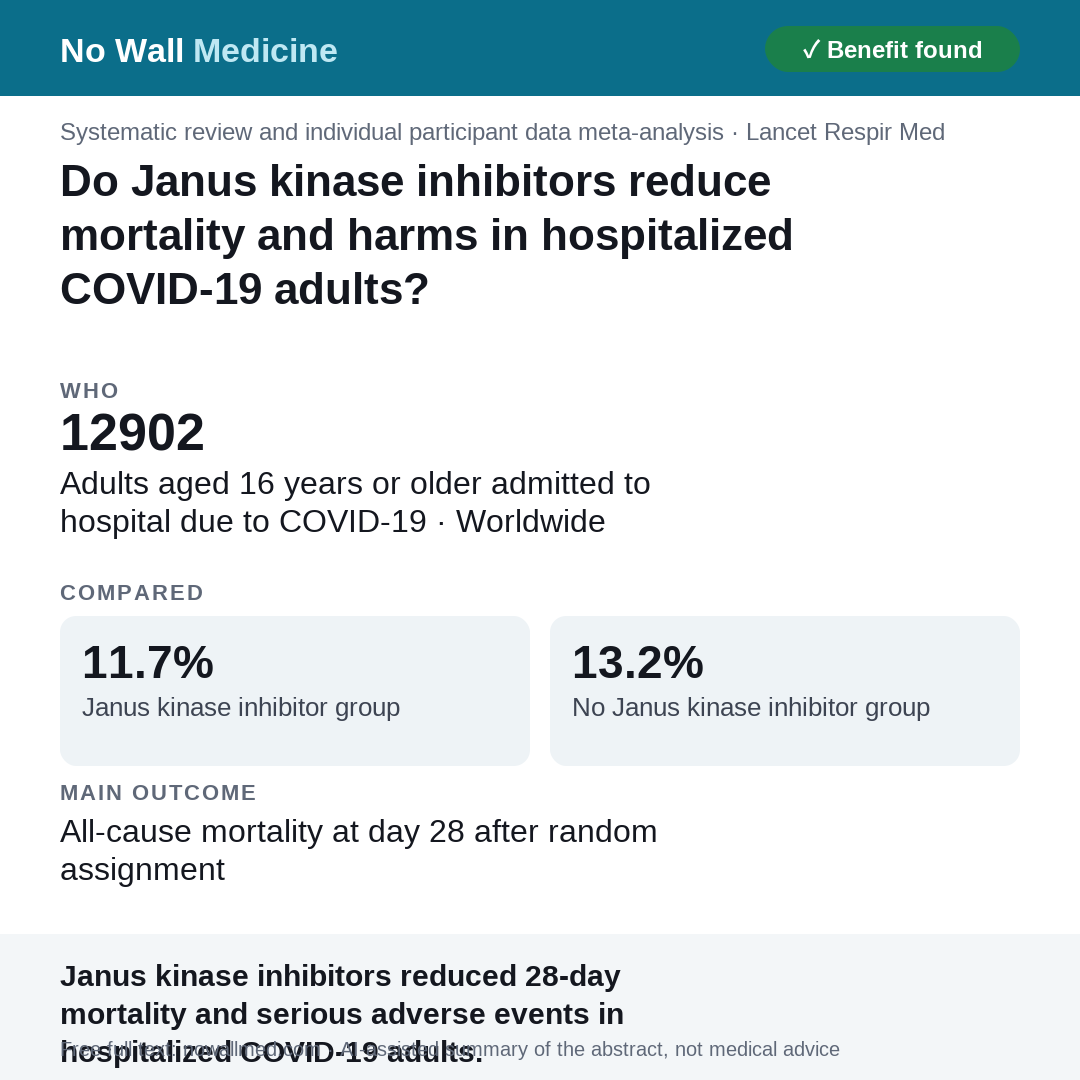
Effects of Janus kinase inhibitors in adults admitted to hospital due to COVID-19: a systematic review and individual participant data meta-analysis of randomised clinical trials
Systematic review and individual participant data meta-analysisBenefit found
Do Janus kinase inhibitors reduce mortality and harms in hospitalized COVID-19 adults?
Who
12902
Adults aged 16 years or older admitted to hospital due to COVID-19 · Worldwide
Compared
11.7%Janus kinase inhibitor group (755/6465)
13.2%No Janus kinase inhibitor group (805/6108)
Main outcome
All-cause mortality at day 28 after random assignment
Result: adjusted odds ratio 0.67 (95% CI 0.55 to 0.82)
Bottom line: Janus kinase inhibitors reduced 28-day mortality and serious adverse events in hospitalized COVID-19 adults.
Funded by: EU's Horizon 2020 research and innovation programme
Lancet Respir Med · 2025-05-13Download image
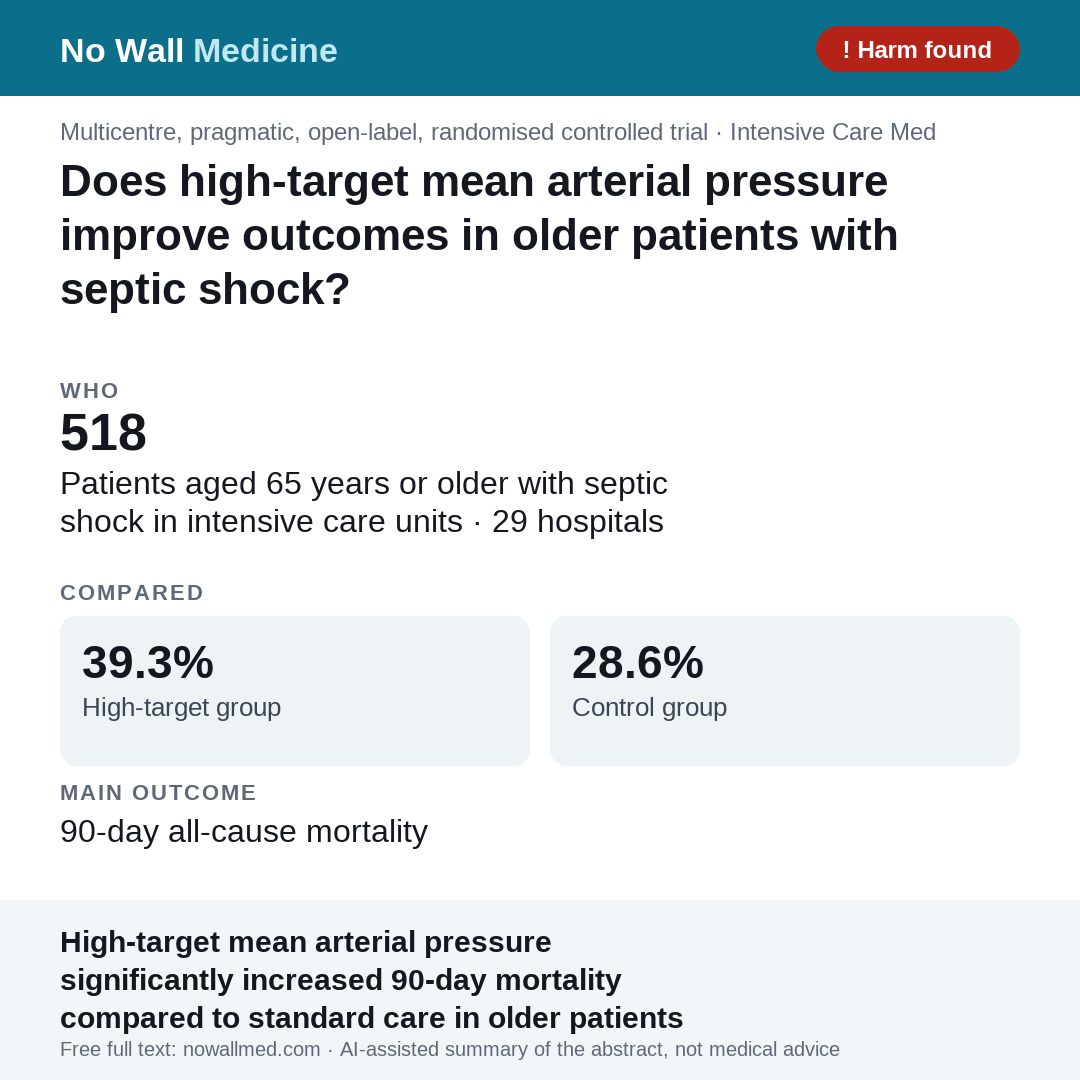
Efficacy of targeting high mean arterial pressure for older patients with septic shock (OPTPRESS): a multicentre, pragmatic, open-label, randomised controlled trial
Multicentre, pragmatic, open-label, randomised controlled trialHarm found
Does high-target mean arterial pressure improve outcomes in older patients with septic shock?
Who
518
Patients aged 65 years or older with septic shock in intensive care units · 29 hospitals in Japan
Compared
39.3%High-target group (101/258)
28.6%Control group (74/260)
Main outcome
90-day all-cause mortality
Result: risk difference = 10.7; 95% confidence interval, 2.6-18.9
Bottom line: High-target mean arterial pressure significantly increased 90-day mortality compared to standard care in older patients with septic shock.
Intensive Care Med · 2025-05-13Download image
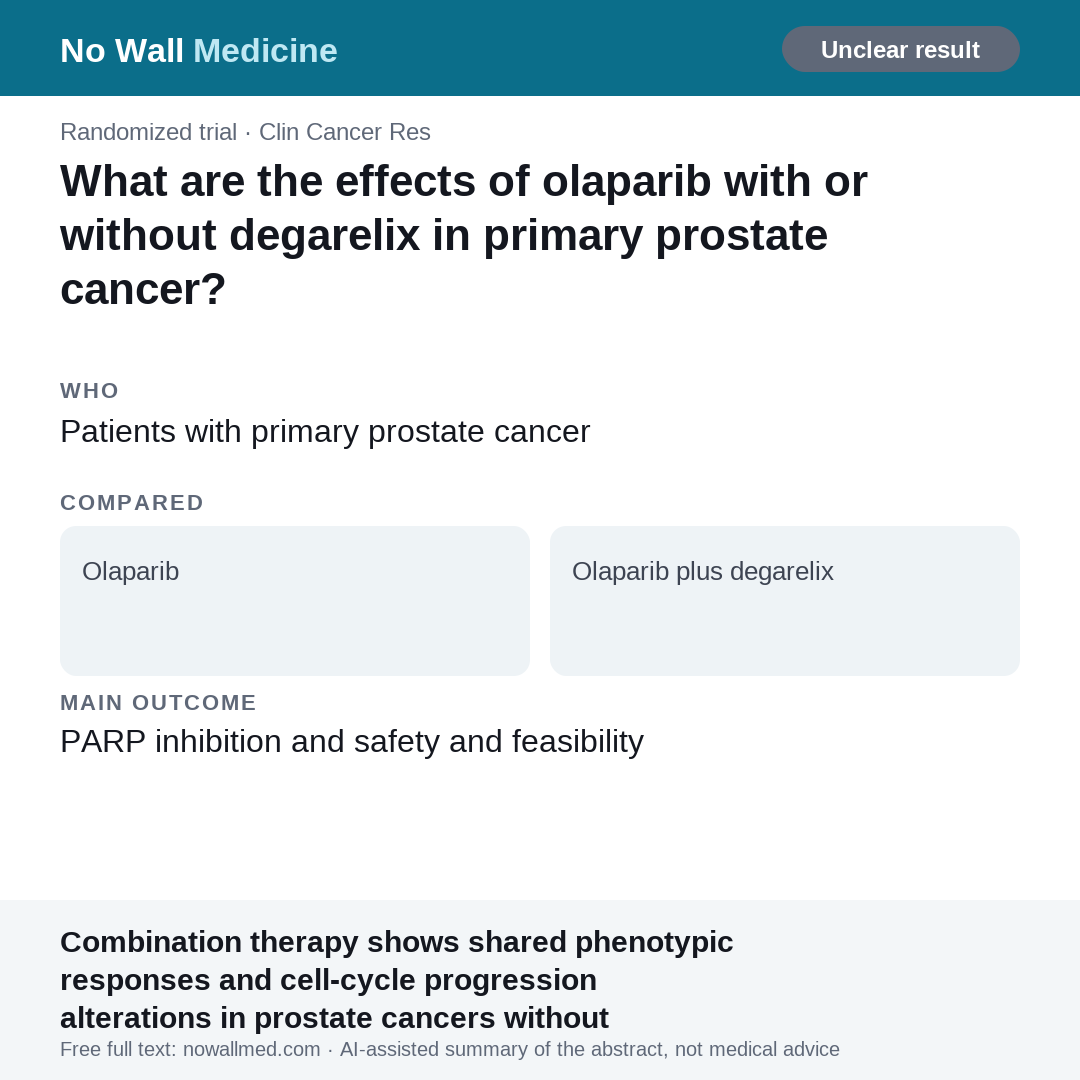
Cambridge Neoadjuvant Cancer of the Prostate (CANCAP03): A Window Study into the Effects of Olaparib ± Degarelix in Primary Prostate Cancer
Randomized trialUnclear result
What are the effects of olaparib with or without degarelix in primary prostate cancer?
Who
Patients with primary prostate cancer
Compared
Olaparib
Olaparib plus degarelix
Main outcome
PARP inhibition and safety and feasibility
Bottom line: Combination therapy shows shared phenotypic responses and cell-cycle progression alterations in prostate cancers without known repair gene mutations.
Clin Cancer Res · 2025-05-13Download image
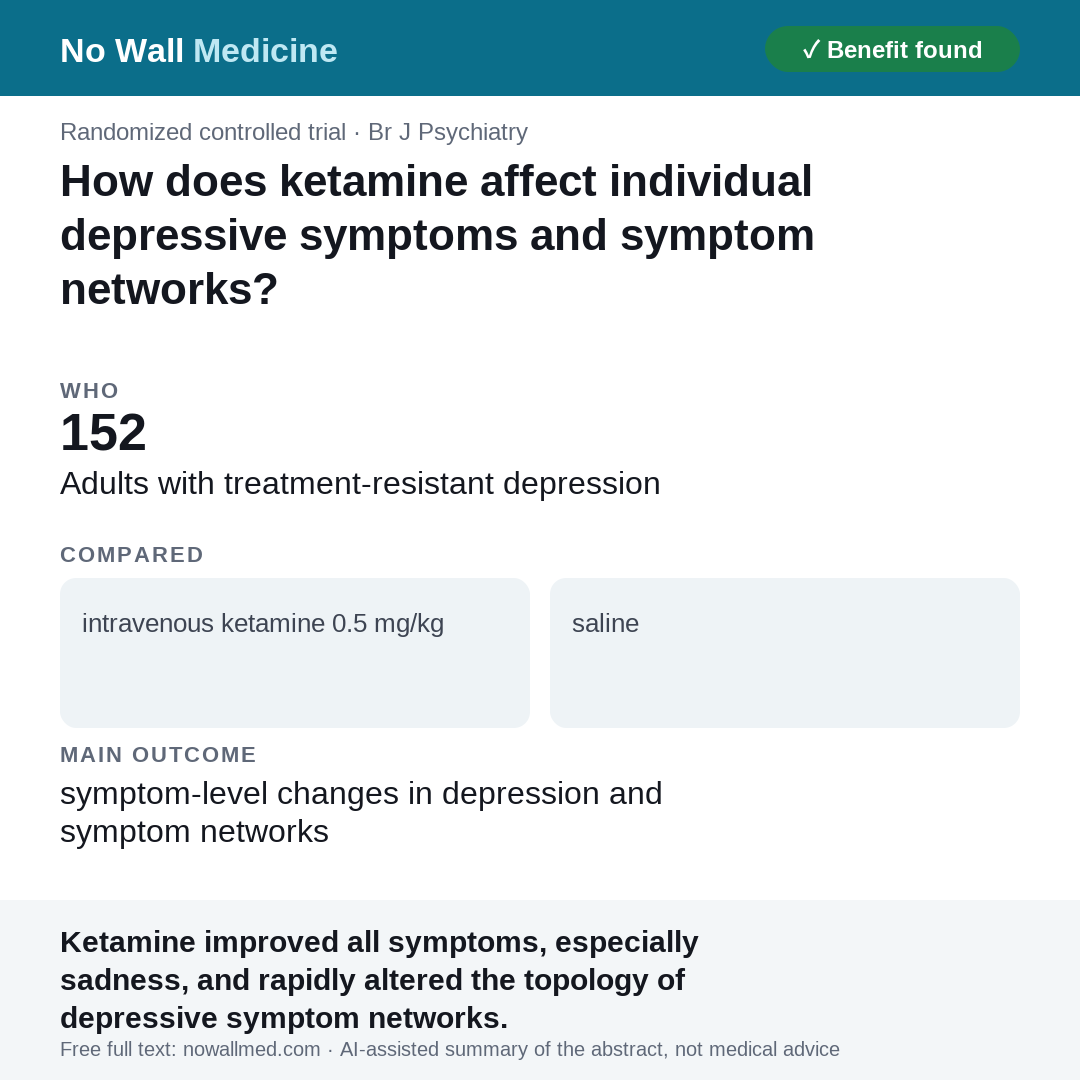
Effects of ketamine on individual symptoms and symptom networks of depression in a randomised controlled trial of ketamine for treatment-resistant depression
Randomized controlled trialBenefit found
How does ketamine affect individual depressive symptoms and symptom networks?
Who
152
Adults with treatment-resistant depression
Compared
intravenous ketamine 0.5 mg/kg
saline
Main outcome
symptom-level changes in depression and symptom networks
Bottom line: Ketamine improved all symptoms, especially sadness, and rapidly altered the topology of depressive symptom networks.
Br J Psychiatry · 2025-05-13Download image
Characterizing pleiotropy among bipolar disorder, schizophrenia, and major depression: a genome-wide cross-disorder meta-analysis
Meta-analysisUnclear result
Genetic mechanisms shared among disorders
Who
Patients with schizophrenia, bipolar disorder, major depression
Compared
Pleiotropic variants
Disorder-specific loci
Main outcome
Genetic mechanisms
Bottom line: Shared genetic mechanisms related to neuronal development
Psychol Med · 2025-05-13Download image

Brief psychological interventions for schizophrenia: a systematic review and meta-analysis
Systematic review and random effects meta-analysisBenefit found
Are brief individual psychological interventions effective for people with schizophrenia?
Who
1,382
People diagnosed with schizophrenia · Community settings
Compared
Brief psychological interventions
Control
Main outcome
Clinical outcomes including psychotic symptoms, paranoia, depression, and wellbeing
Result: SMD -0.285 (p < 0.01) for psychotic symptoms
Bottom line: Brief psychological interventions are effective for several key difficulties associated with schizophrenia.
Psychol Med · 2025-05-13Download image

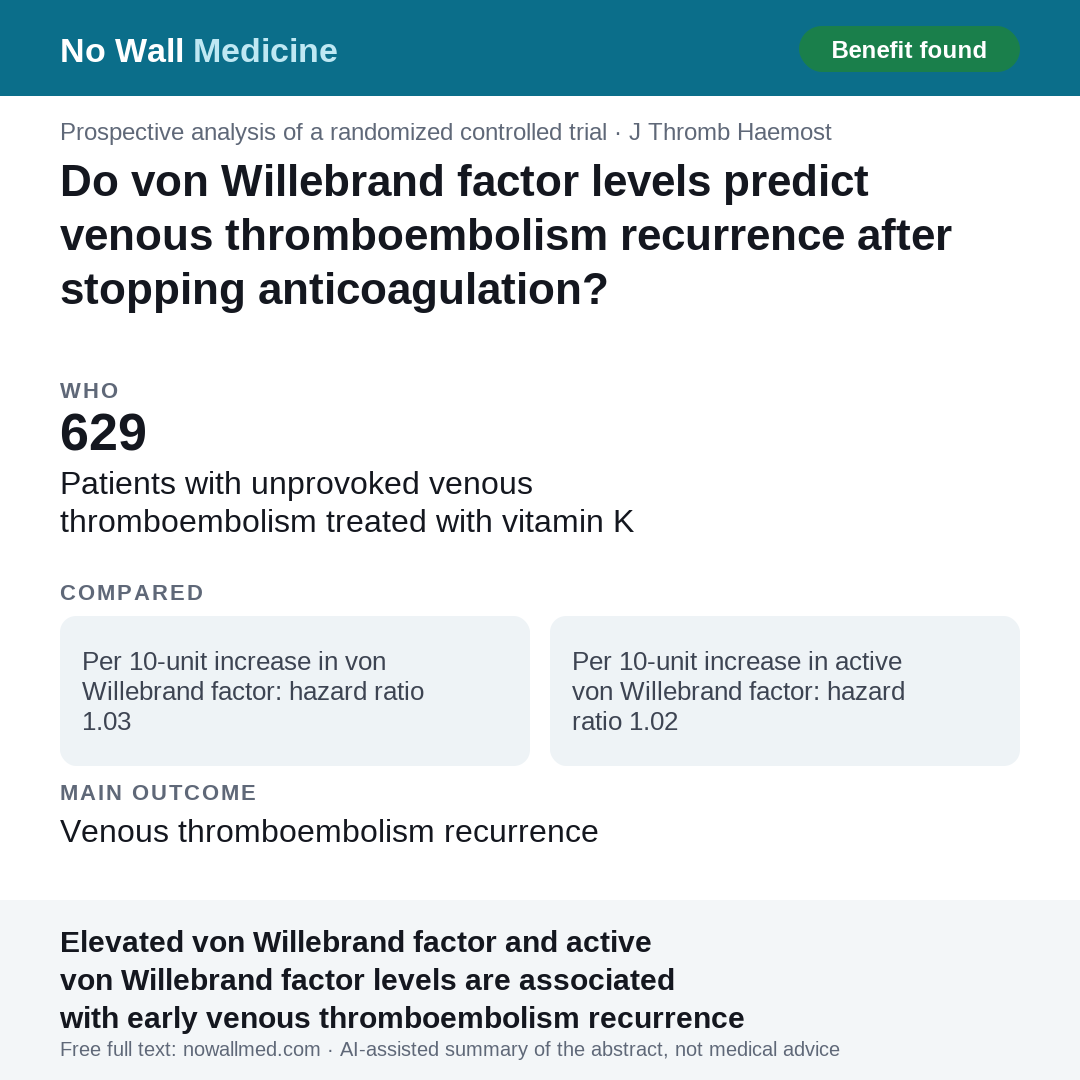
Elevated levels of (active) von Willebrand factor during anticoagulation are associated with early recurrence of venous thromboembolism
Prospective analysis of a randomized controlled trialBenefit found
Do von Willebrand factor levels predict venous thromboembolism recurrence after stopping anticoagulation?
Who
629
Patients with unprovoked venous thromboembolism treated with vitamin K antagonists · VISTA trial
Compared
Per 10-unit increase in von Willebrand factor: hazard ratio 1.03
Per 10-unit increase in active von Willebrand factor: hazard ratio 1.02
Main outcome
Venous thromboembolism recurrence
Result: von Willebrand factor: hazard ratio 1.03 (95% CI 1.01-1.06); active von Willebrand factor: hazard ratio 1.02 (95% CI 1.00-1.05)
Bottom line: Elevated von Willebrand factor and active von Willebrand factor levels are associated with early venous thromboembolism recurrence in men.
J Thromb Haemost · 2025-05-13Download image
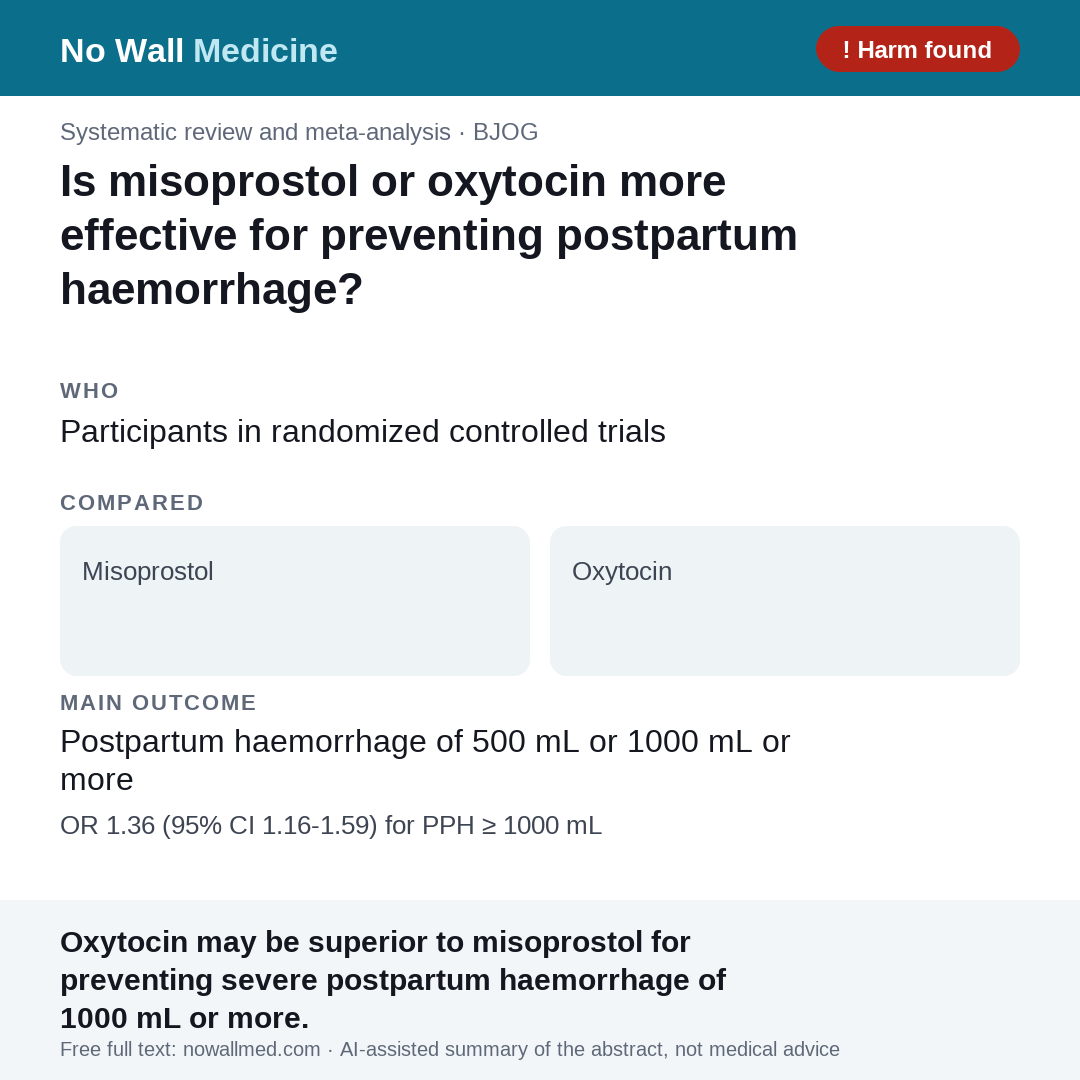
Misoprostol Versus Oxytocin for the Prevention of Postpartum Haemorrhage: A Systematic Review and Meta-Analysis Including Individual Participant Data
Systematic review and meta-analysisHarm found
Is misoprostol or oxytocin more effective for preventing postpartum haemorrhage?
Who
Participants in randomized controlled trials
Compared
Misoprostol
Oxytocin
Main outcome
Postpartum haemorrhage of 500 mL or 1000 mL or more
Result: OR 1.36 (95% CI 1.16-1.59) for PPH ≥ 1000 mL
Bottom line: Oxytocin may be superior to misoprostol for preventing severe postpartum haemorrhage of 1000 mL or more.
BJOG · 2025-05-13Download image
Benefits and barriers to broad implementation of genomic sequencing in the NICU
Systematic reviewMixed results
What are the benefits and barriers to implementing genomic and exome sequencing in the NICU?
Who
Infants in the neonatal intensive care unit
Compared
Benefits: high disease detection rates, timely results, and possible cost reduction
Barriers: personnel availability, cost coverage, genetics knowledge, and equitable access
Main outcome
Benefits, barriers, and components of successful implementation
Bottom line: Genomic sequencing offers high detection rates and timely results but faces barriers like cost, personnel, and equitable access.
Am J Hum Genet · 2025-05-13Download image

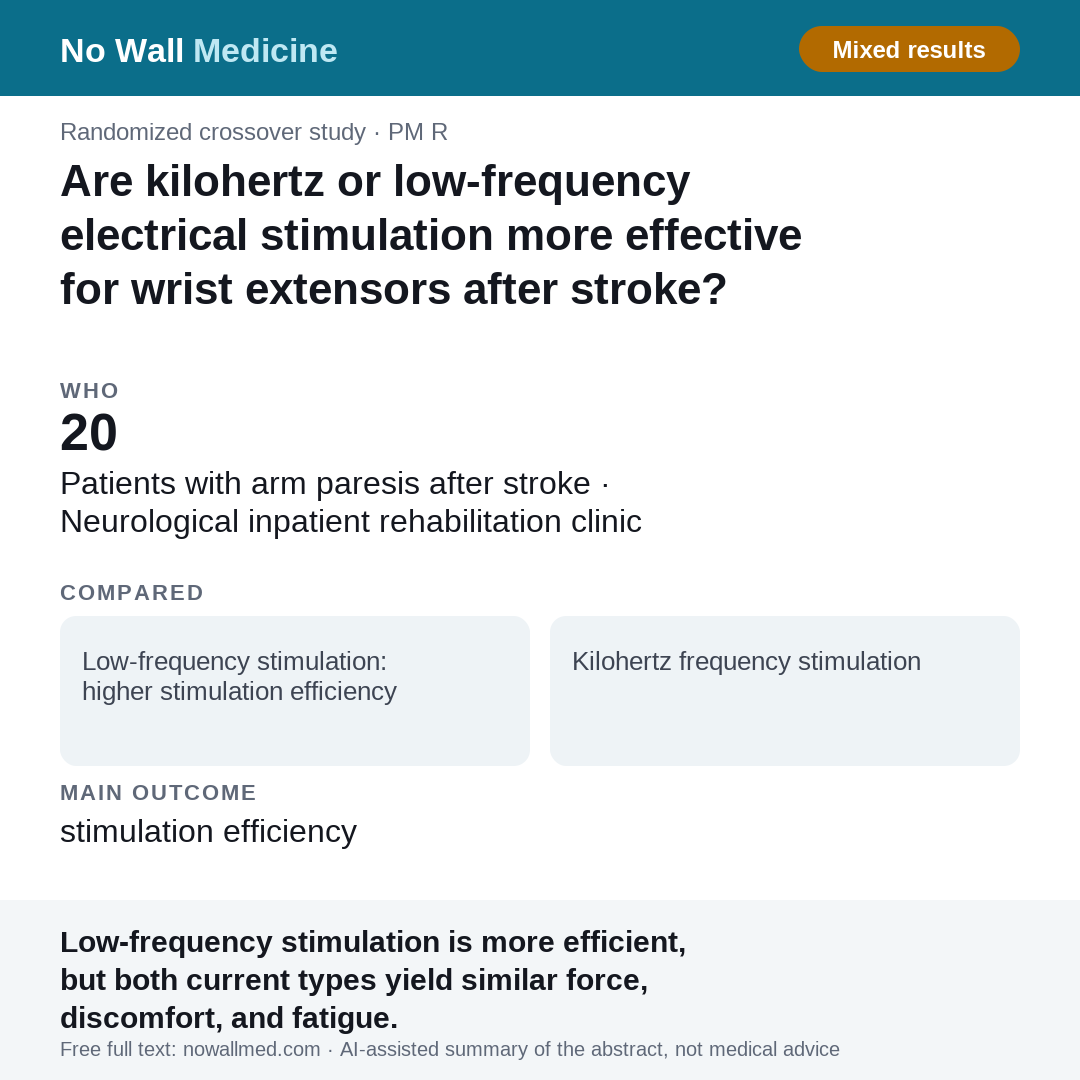
Effects of kilohertz versus low-frequency electrical stimulation of the wrist extensors in patients after stroke: A randomized crossover trial
Randomized crossover studyMixed results
Are kilohertz or low-frequency electrical stimulation more effective for wrist extensors after stroke?
Who
20
Patients with arm paresis after stroke · Neurological inpatient rehabilitation clinic in Germany
Compared
Low-frequency stimulation: higher stimulation efficiency
Kilohertz frequency stimulation
Main outcome
stimulation efficiency
Result: mean difference 0.14 (95% confidence interval, 0.01-0.27 N/mA)
Bottom line: Low-frequency stimulation is more efficient, but both current types yield similar force, discomfort, and fatigue.
Limitation: Further research on the long-term treatment effects of both current types is warranted.
PM R · 2025-05-13Download image
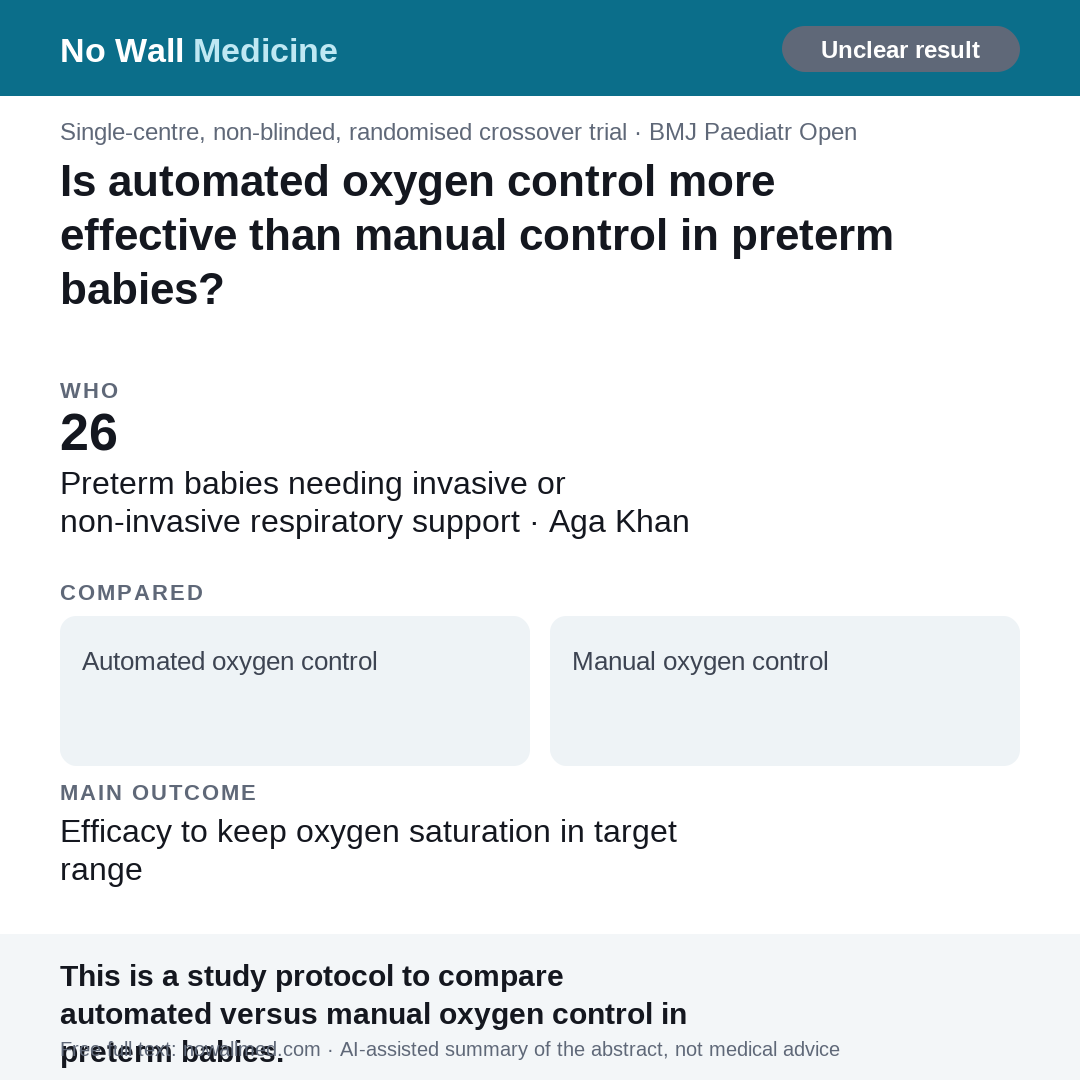
Efficacy and safety of varenicline and bupropion, in combination and alone, for alcohol use disorder: a randomized, double-blind, placebo-controlled multicentre trial
Randomized, double-blind, placebo-controlled trialBenefit found
Are varenicline and bupropion effective for alcohol use disorder?
Who
384
Participants aged 25-70 years with moderate-to-severe alcohol use disorder · Four outpatient clinics in Sweden
Compared
Placebo + Placebo
Varenicline + Bupropion: d = 0·39 (B-PEth); d = 0·31 (%HDD)
Varenicline + Placebo: d = 0·30 (B-PEth); d = 0·36 (%HDD)
Placebo + Bupropion
Main outcome
Phosphatidylethanol in blood and percentage heavy drinking days
Result: d = 0·39 (B-PEth, p = 0·004); d = 0·31 (%HDD, p = 0·008)
Bottom line: Varenicline combined with bupropion or varenicline alone reduces alcohol consumption compared to placebo.
Funded by: Swedish Research Council
Lancet Reg Health Eur · 2025-05-13Download image