Visual abstracts
New randomized trials and meta-analyses from leading journals at a glance: who was studied, what was compared, and what was found. Every paper is free to read in full.
All specialtiesCardiology 4260Oncology 3621Gastroenterology & Hepatology 1699Infectious Disease 3238Neurology 1694Psychiatry & Mental Health 2000Pulmonology 1850Critical Care 1207Endocrinology & Diabetes 2208Pediatrics 2577Surgery 2252Orthopedics & Sports Medicine 804Neurosurgery 479Cardiothoracic & Vascular Surgery 552Plastic & Reconstructive Surgery 556Nephrology 956Rheumatology 705Hematology 958Dermatology 539Ophthalmology 468Obstetrics & Gynecology 1467Public & Global Health 861Radiology & Imaging 571Anesthesiology 866Urology 677ENT (Otolaryngology) 454Emergency Medicine 451Allergy & Immunology 265Geriatrics 877Family Medicine & Primary Care 502Medical Genetics & Genomics 593Pathology & Laboratory Medicine 143Physical Medicine & Rehabilitation 653Palliative Care 383Nutrition 1320Digital Health & AI 1974General Medicine 294
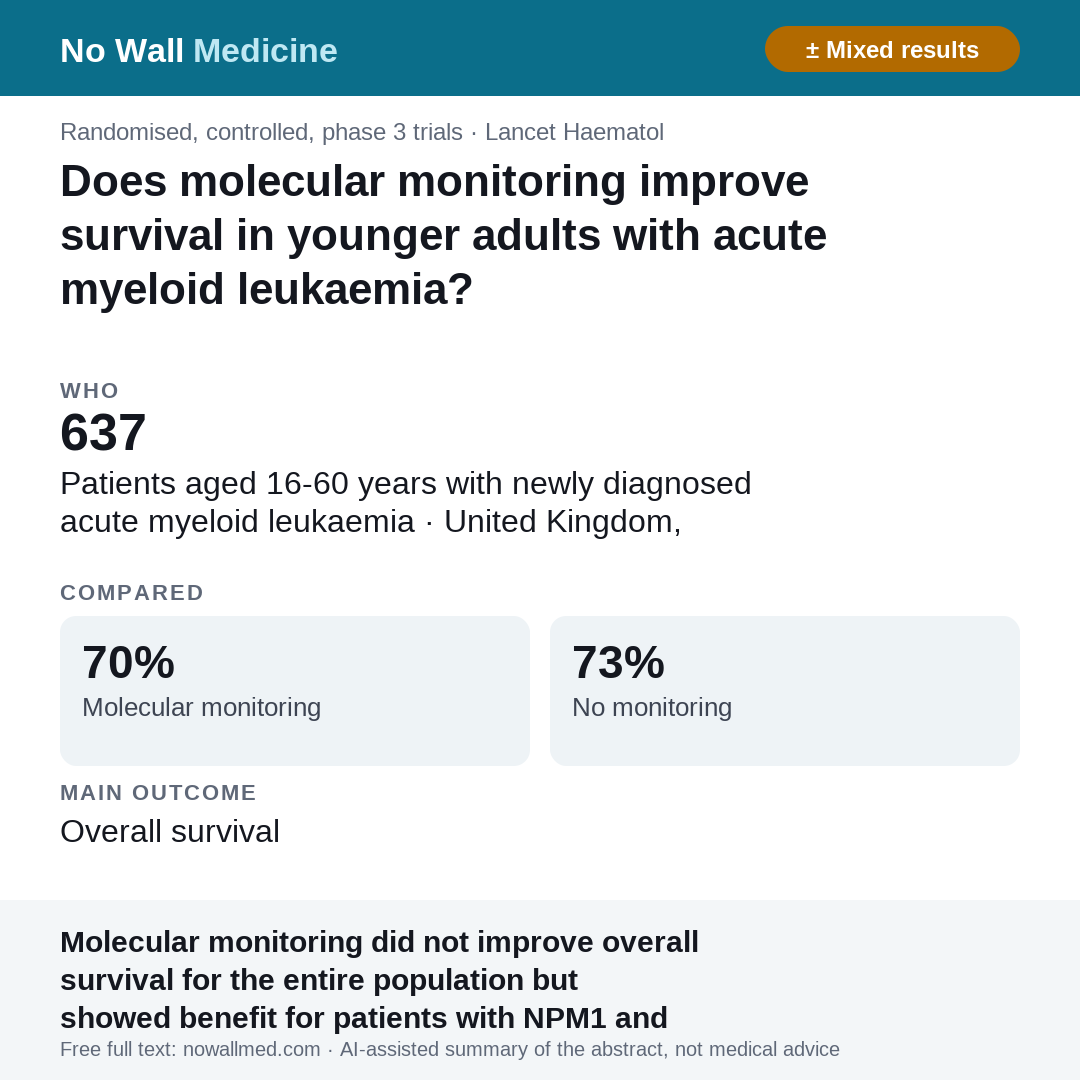
Molecular monitoring versus standard clinical care in younger adults with acute myeloid leukaemia: results from the UK NCRI AML17 and AML19 randomised, controlled, phase 3 trials
Randomised, controlled, phase 3 trialsMixed results
Does molecular monitoring improve survival in younger adults with acute myeloid leukaemia?
Who
637
Patients aged 16-60 years with newly diagnosed acute myeloid leukaemia · United Kingdom, Denmark, and New Zealand
Compared
70%Molecular monitoring (95% CI 66-75)
73%No monitoring (68-80)
Main outcome
Overall survival
Result: hazard ratio 1·11, 95% CI 0·83-1·49
Bottom line: Molecular monitoring did not improve overall survival for the entire population but showed benefit for patients with NPM1 and FLT3 mutations.
Funded by: National Institute for Health Research, Blood Cancer UK, and Cancer Research UK
Lancet Haematol · 2025-05-01Download image
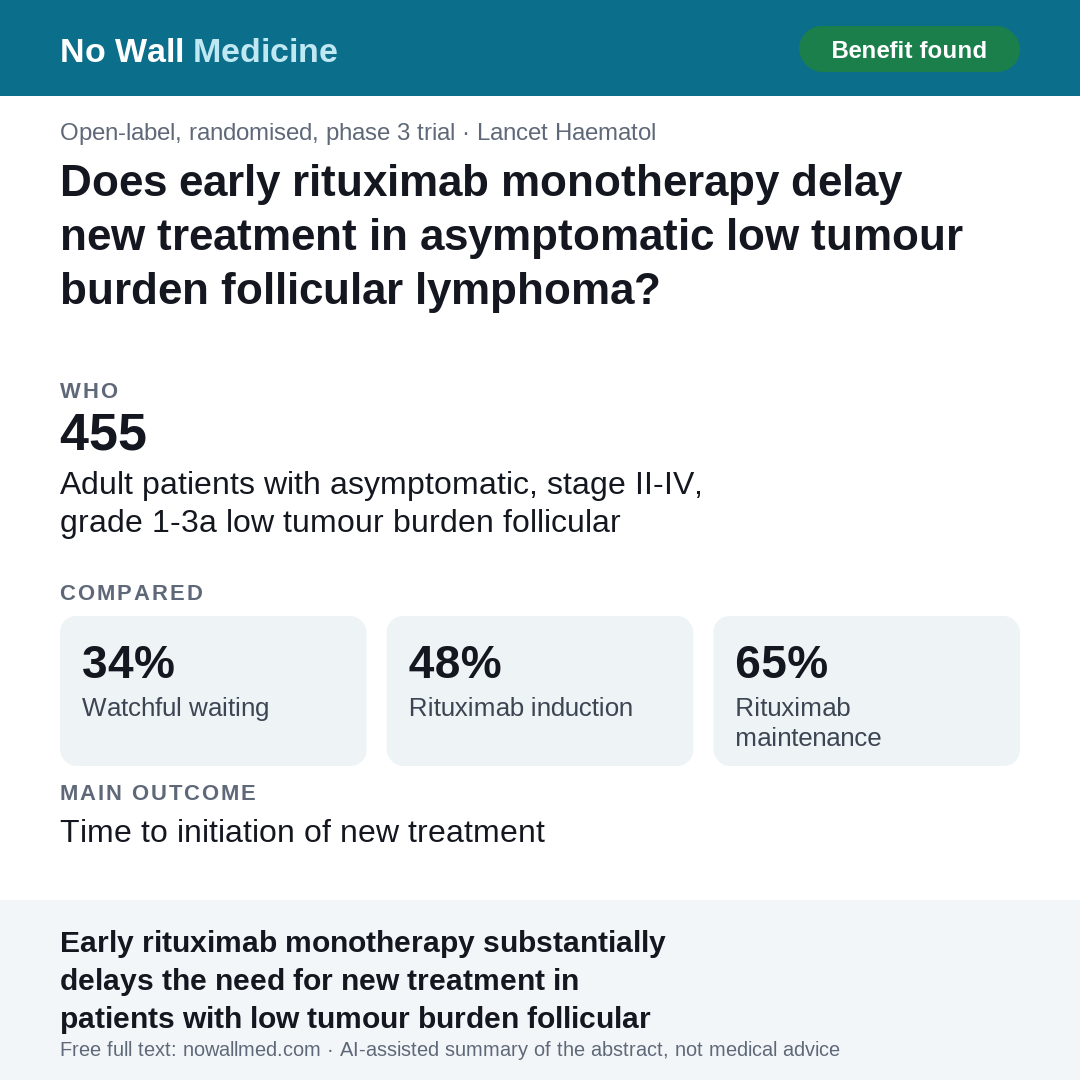
Early rituximab monotherapy versus watchful waiting for advanced stage, asymptomatic, low tumour burden follicular lymphoma: long-term results of a randomised, phase 3 trial
Open-label, randomised, phase 3 trialBenefit found
Does early rituximab monotherapy delay new treatment in asymptomatic low tumour burden follicular lymphoma?
Who
455
Adult patients with asymptomatic, stage II-IV, grade 1-3a low tumour burden follicular lymphoma · 118 centres in five countries
Compared
34%Watchful waiting (27-42)
48%Rituximab induction (36-60)
65%Rituximab maintenance (95% CI 56-72)
Main outcome
Time to initiation of new treatment
Result: hazard ratio 0·36 (95% CI 0·26-0·50) for maintenance vs watchful waiting
Bottom line: Early rituximab monotherapy substantially delays the need for new treatment in patients with low tumour burden follicular lymphoma.
Funded by: Cancer Research UK, Lymphoma Research Trust, Lymphoma Association, and Roche
Lancet Haematol · 2025-05-01Download image
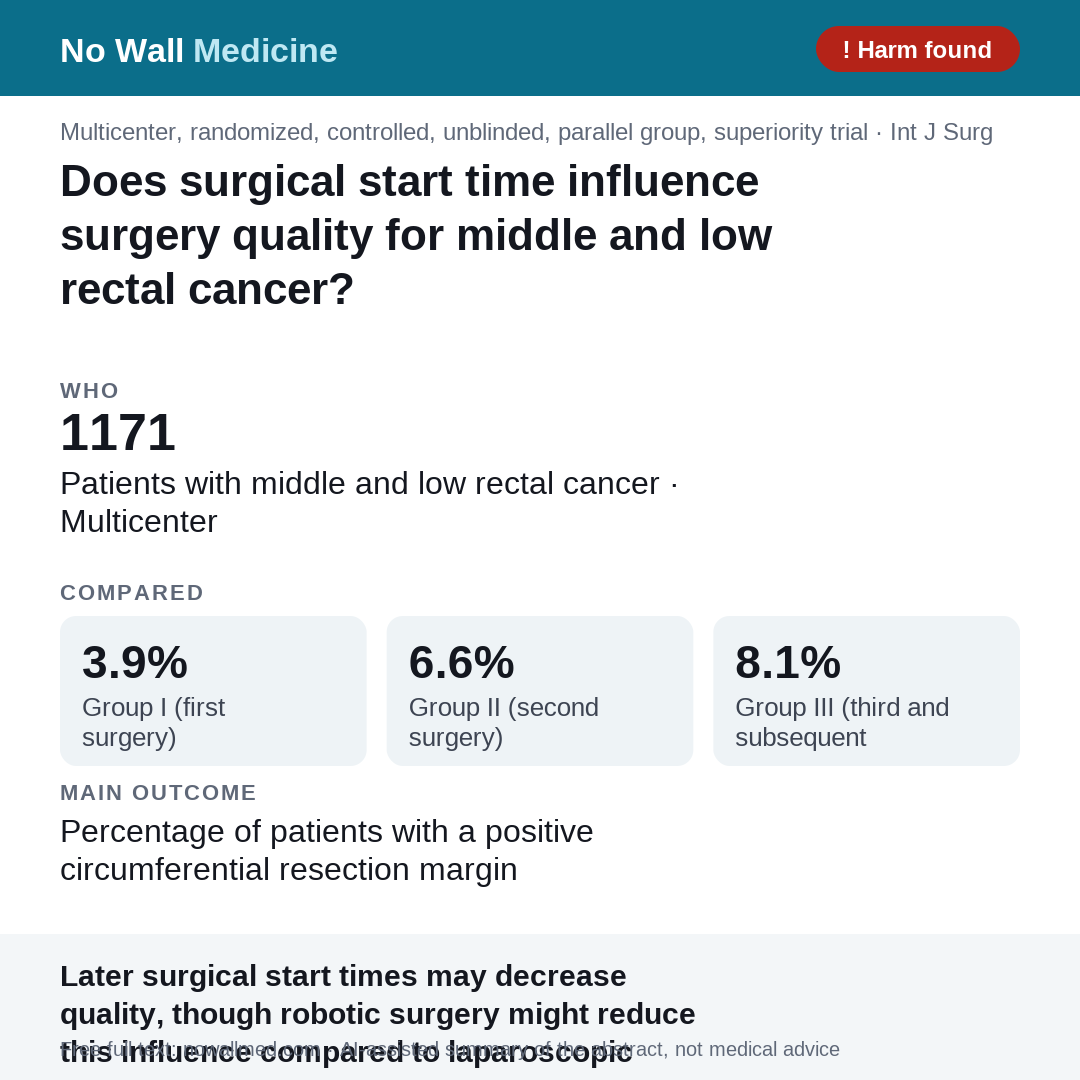
Influence of surgical start time on the quality of surgery for middle and low rectal cancer: a post hoc analysis of the real trial
Multicenter, randomized, controlled, unblinded, parallel group, superiority trialHarm found
Does surgical start time influence surgery quality for middle and low rectal cancer?
Who
1171
Patients with middle and low rectal cancer · Multicenter
Compared
3.9%Group I (first surgery)
6.6%Group II (second surgery)
8.1%Group III (third and subsequent surgeries)
Main outcome
Percentage of patients with a positive circumferential resection margin
Bottom line: Later surgical start times may decrease quality, though robotic surgery might reduce this influence compared to laparoscopic surgery.
Int J Surg · 2025-05-01Download image
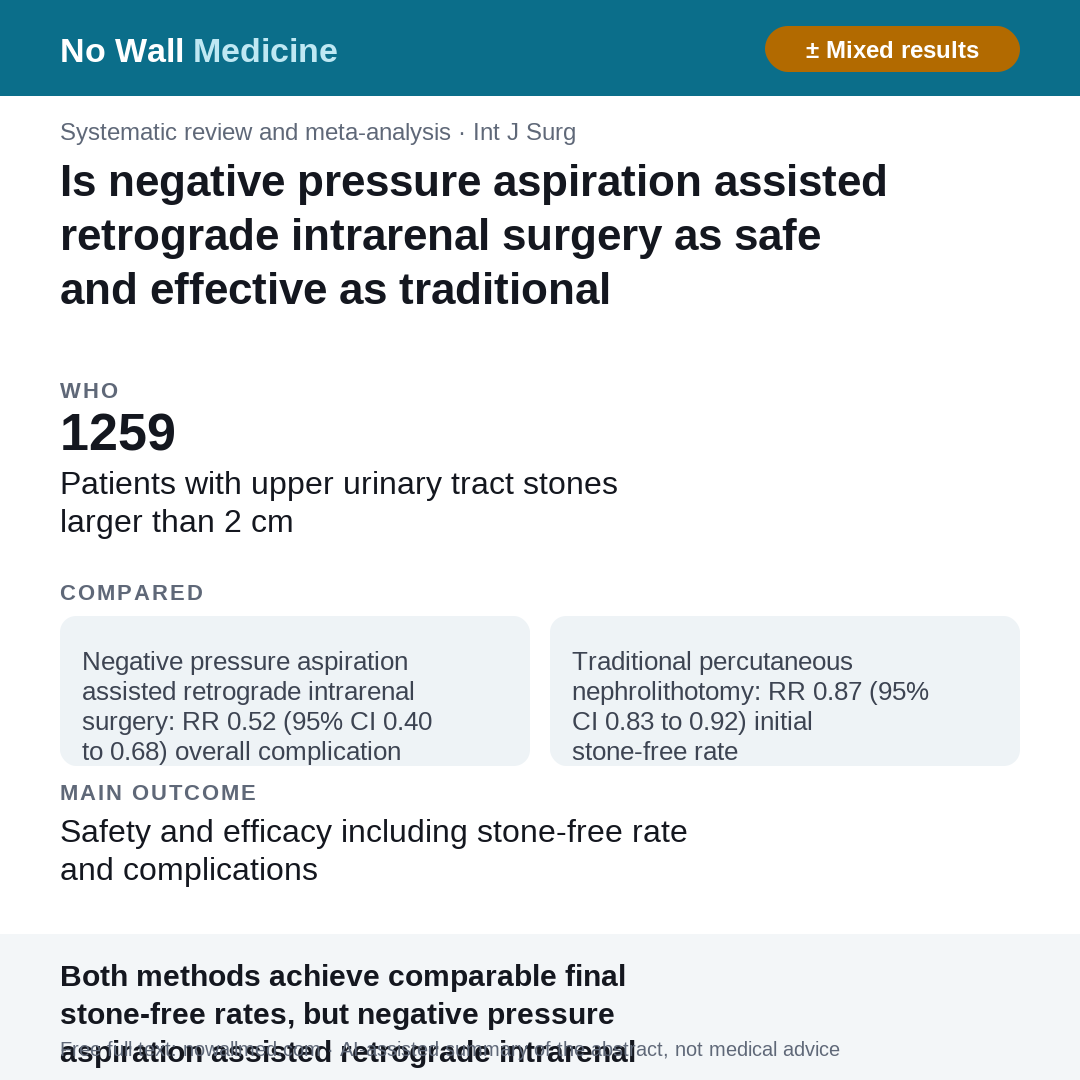
Comparison of safety and efficacy of negative pressure aspiration assisted retrograde intrarenal surgery and traditional percutaneous nephrolithotomy in the treatment of upper urinary tract stones larger than 2 cm: a systematic review and meta-analysis
Systematic review and meta-analysisMixed results
Is negative pressure aspiration assisted retrograde intrarenal surgery as safe and effective as traditional percutaneous nephrolithotomy?
Who
1259
Patients with upper urinary tract stones larger than 2 cm
Compared
Negative pressure aspiration assisted retrograde intrarenal surgery: RR 0.52 (95% CI 0.40 to 0.68) overall complication rate
Traditional percutaneous nephrolithotomy: RR 0.87 (95% CI 0.83 to 0.92) initial stone-free rate
Main outcome
Safety and efficacy including stone-free rate and complications
Result: final stone-free rate RR 0.98 (95% CI 0.94 to 1.01)
Bottom line: Both methods achieve comparable final stone-free rates, but negative pressure aspiration assisted retrograde intrarenal surgery reduces complications and blood transfusion.
Int J Surg · 2025-05-01Download image
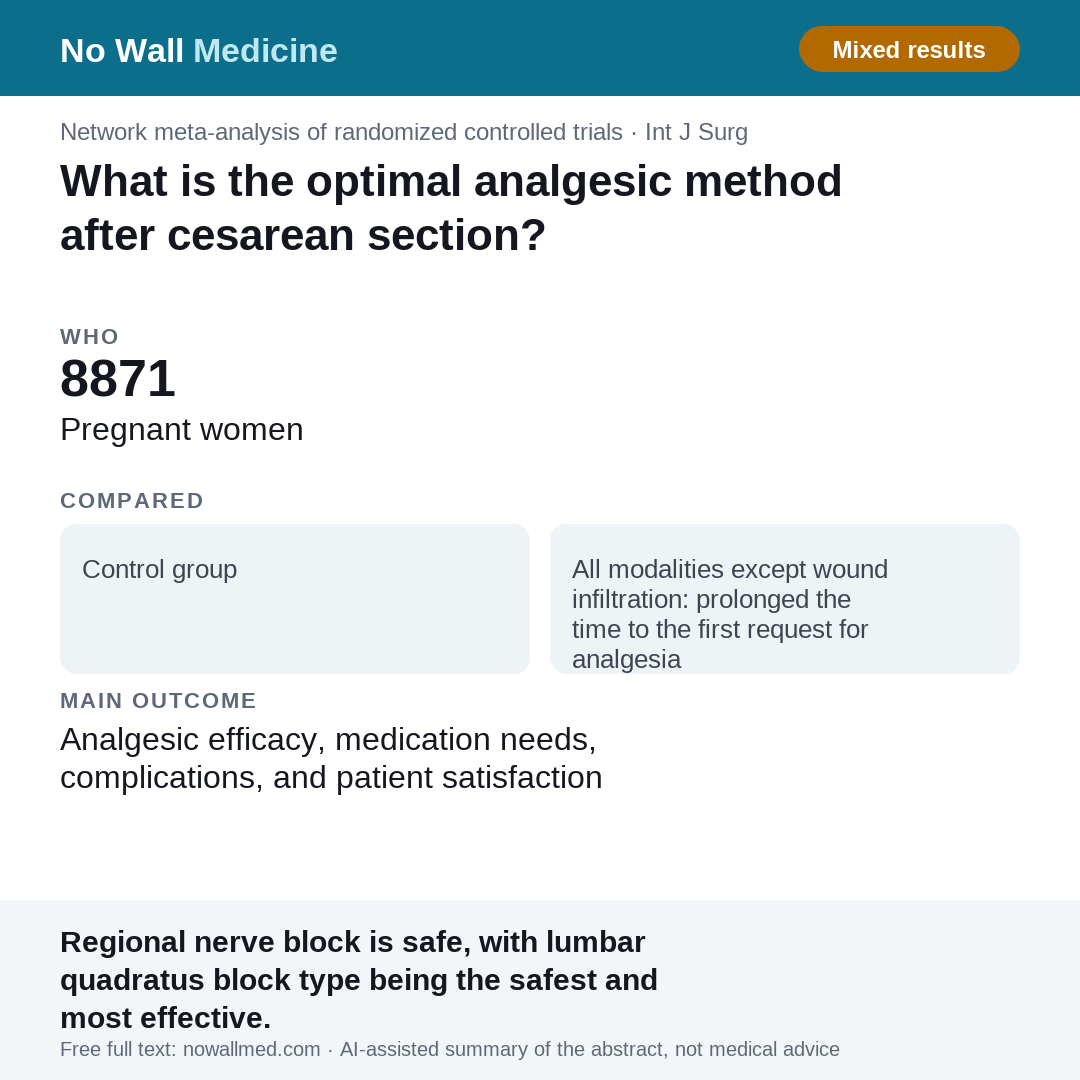
Comparison of analgesic modalities after cesarean section: a network meta-analysis and systematic review
Network meta-analysis of randomized controlled trialsMixed results
What is the optimal analgesic method after cesarean section?
Who
8871
Pregnant women
Compared
Control group
All modalities except wound infiltration: prolonged the time to the first request for analgesia
Main outcome
Analgesic efficacy, medication needs, complications, and patient satisfaction
Bottom line: Regional nerve block is safe, with lumbar quadratus block type being the safest and most effective.
Int J Surg · 2025-05-01Download image
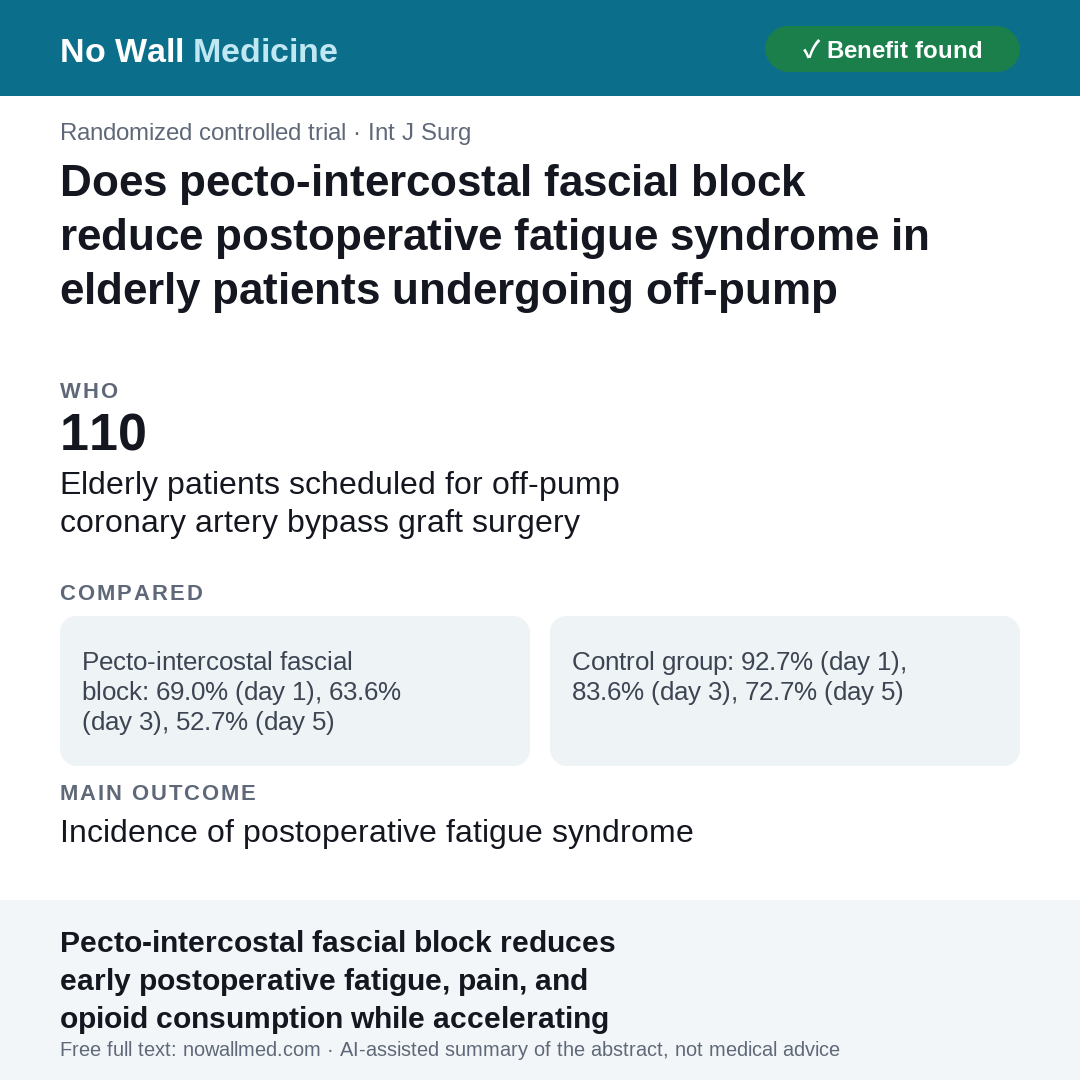
Impact of pecto-intercostal fascial block on postoperative fatigue in elderly patients undergoing off-pump coronary artery bypass grafting: a randomized clinical trial
Randomized controlled trialBenefit found
Does pecto-intercostal fascial block reduce postoperative fatigue syndrome in elderly patients undergoing off-pump coronary artery bypass grafting?
Who
110
Elderly patients scheduled for off-pump coronary artery bypass graft surgery
Compared
Pecto-intercostal fascial block: 69.0% (day 1), 63.6% (day 3), 52.7% (day 5)
Control group: 92.7% (day 1), 83.6% (day 3), 72.7% (day 5)
Main outcome
Incidence of postoperative fatigue syndrome
Bottom line: Pecto-intercostal fascial block reduces early postoperative fatigue, pain, and opioid consumption while accelerating recovery in elderly patients.
Int J Surg · 2025-05-01Download image
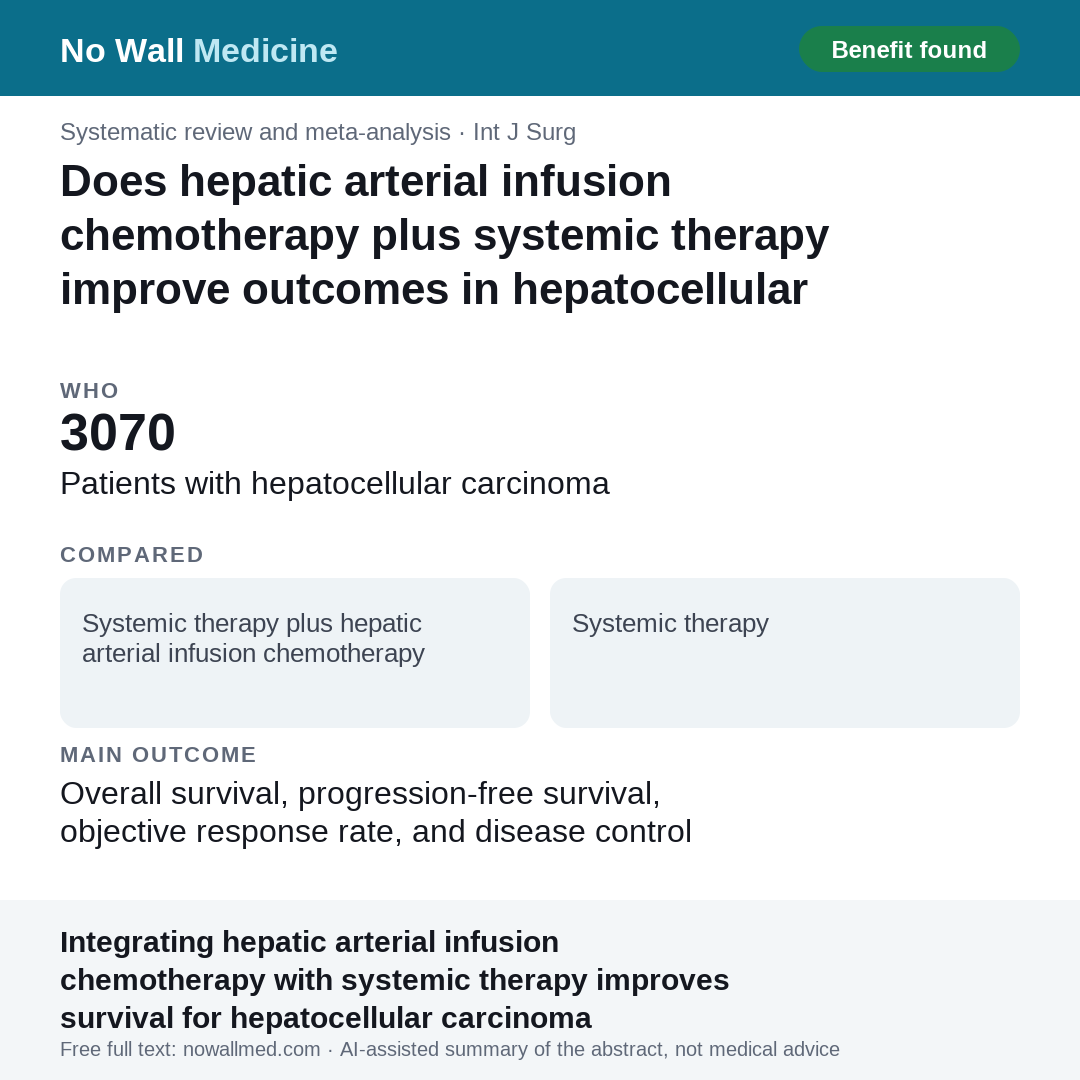
Systemic therapy plus HAIC versus systemic therapy for hepatocellular carcinoma: a systematic review and meta-analysis
Systematic review and meta-analysisBenefit found
Does hepatic arterial infusion chemotherapy plus systemic therapy improve outcomes in hepatocellular carcinoma?
Who
3070
Patients with hepatocellular carcinoma
Compared
Systemic therapy plus hepatic arterial infusion chemotherapy
Systemic therapy
Main outcome
Overall survival, progression-free survival, objective response rate, and disease control rate
Result: hazard ratio 0.52 (95% CI 0.48-0.58)
Bottom line: Integrating hepatic arterial infusion chemotherapy with systemic therapy improves survival for hepatocellular carcinoma patients with manageable toxicity.
Limitation: Further evidence is necessary to standardize integration with first-line systemic therapy.
Int J Surg · 2025-05-01Download image
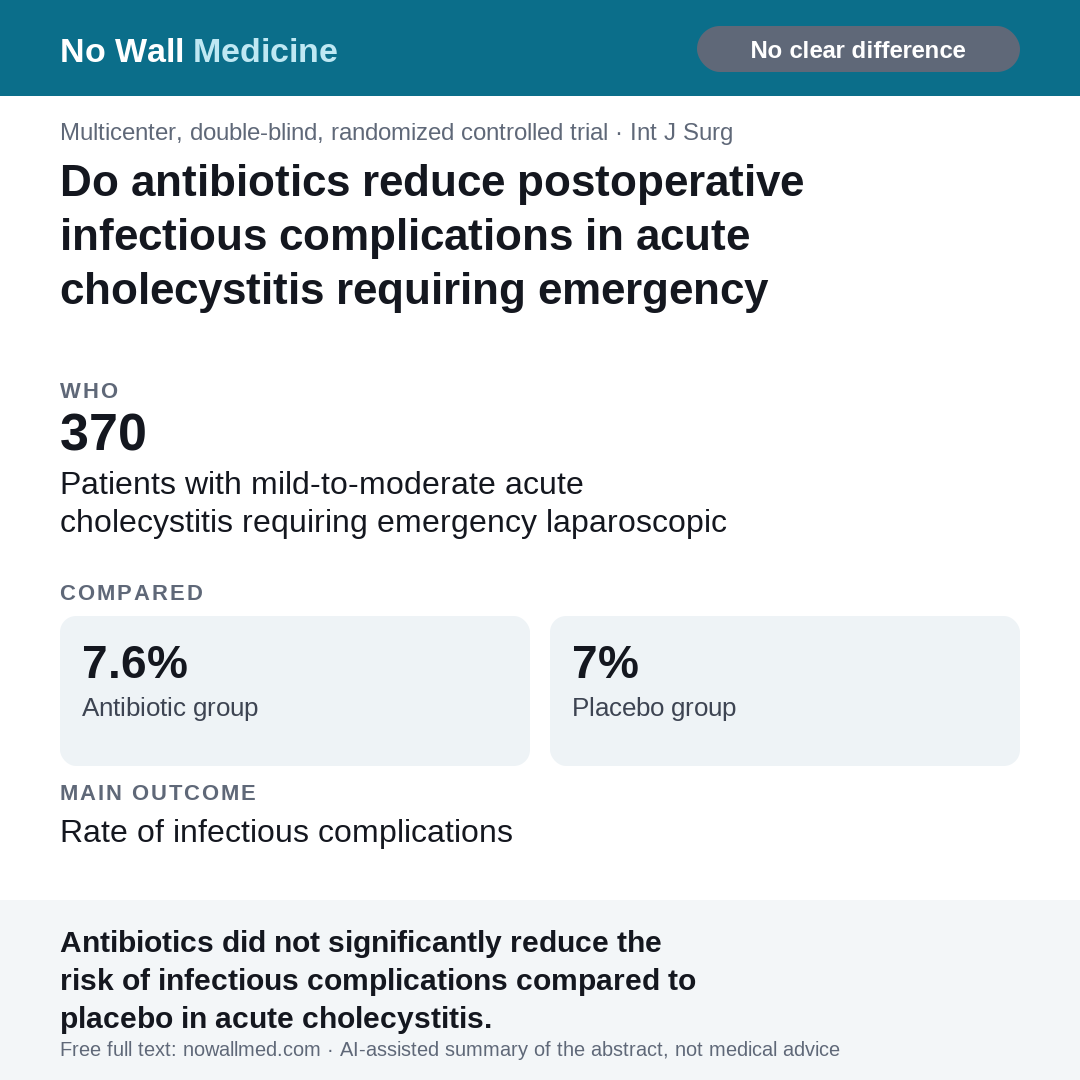
Assessing antibiotic effectiveness for reducing postoperative infectious complications in acute cholecystitis: a multicenter randomized controlled trial
Multicenter, double-blind, randomized controlled trialNo clear difference
Do antibiotics reduce postoperative infectious complications in acute cholecystitis requiring emergency laparoscopic cholecystectomy?
Who
370
Patients with mild-to-moderate acute cholecystitis requiring emergency laparoscopic cholecystectomy · Four centers
Compared
7.6%Antibiotic group (14 patients)
7%Placebo group (13 patients)
Main outcome
Rate of infectious complications
Bottom line: Antibiotics did not significantly reduce the risk of infectious complications compared to placebo in acute cholecystitis.
Int J Surg · 2025-05-01Download image
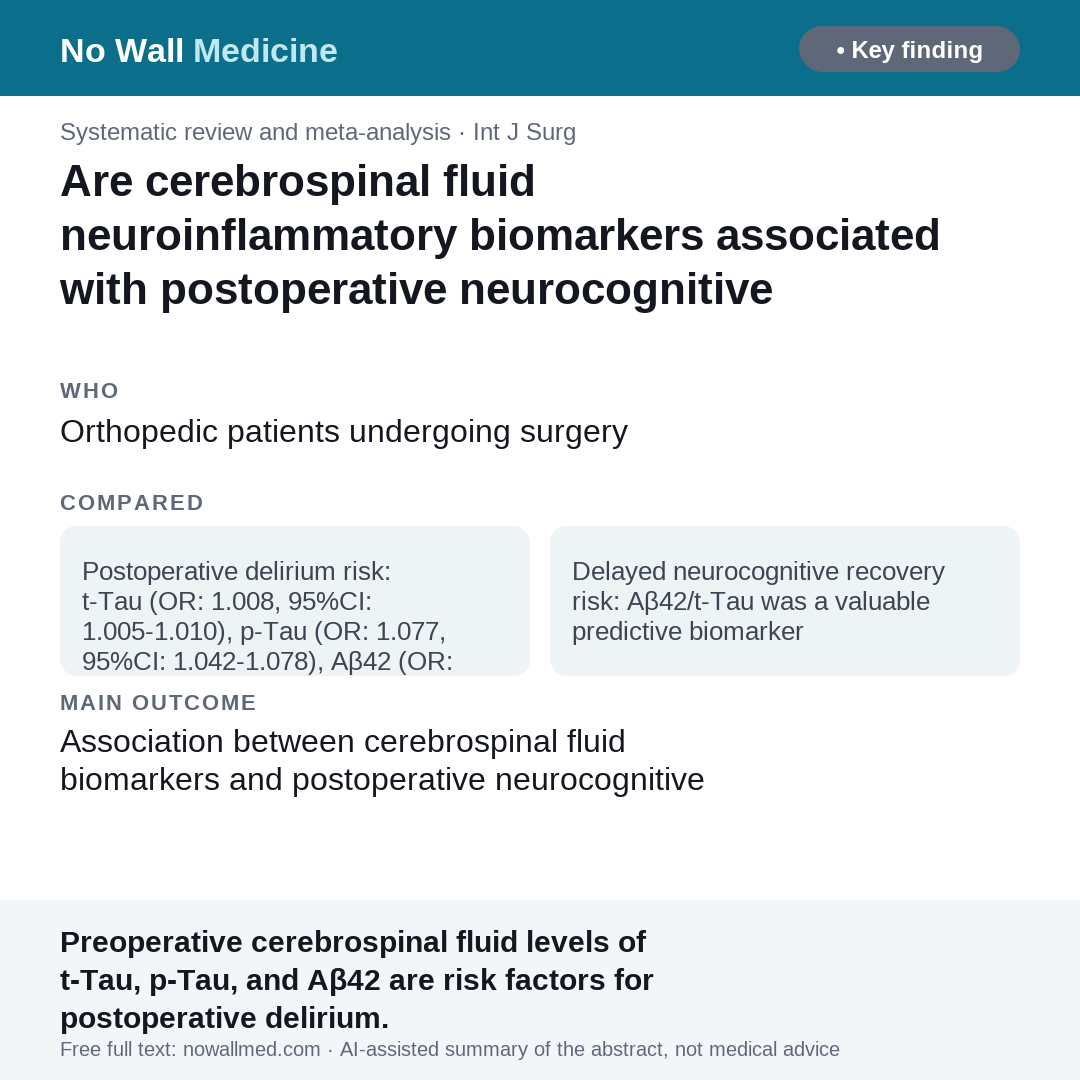
Cerebrospinal fluid biomarkers of neuroinflammation and postoperative neurocognitive disorders in patients undergoing orthopedic surgery: a systematic review and meta-analysis
Systematic review and meta-analysisBenefit found
Are cerebrospinal fluid neuroinflammatory biomarkers associated with postoperative neurocognitive disorders in orthopedic patients?
Who
27
Orthopedic patients undergoing surgery
Compared
Postoperative delirium risk: t-Tau (OR: 1.008, 95%CI: 1.005-1.010), p-Tau (OR: 1.077, 95%CI: 1.042-1.078), Aβ42 (OR: 0.998, 95% CI: 0.997-0.999)
Delayed neurocognitive recovery risk: Aβ42/t-Tau was a valuable predictive biomarker
Main outcome
Association between cerebrospinal fluid biomarkers and postoperative neurocognitive disorders
Bottom line: Preoperative cerebrospinal fluid levels of t-Tau, p-Tau, and Aβ42 are risk factors for postoperative delirium.
Limitation: Studies concerning delayed neurocognitive recovery and postoperative cognitive dysfunction are needed.
Int J Surg · 2025-05-01Download image
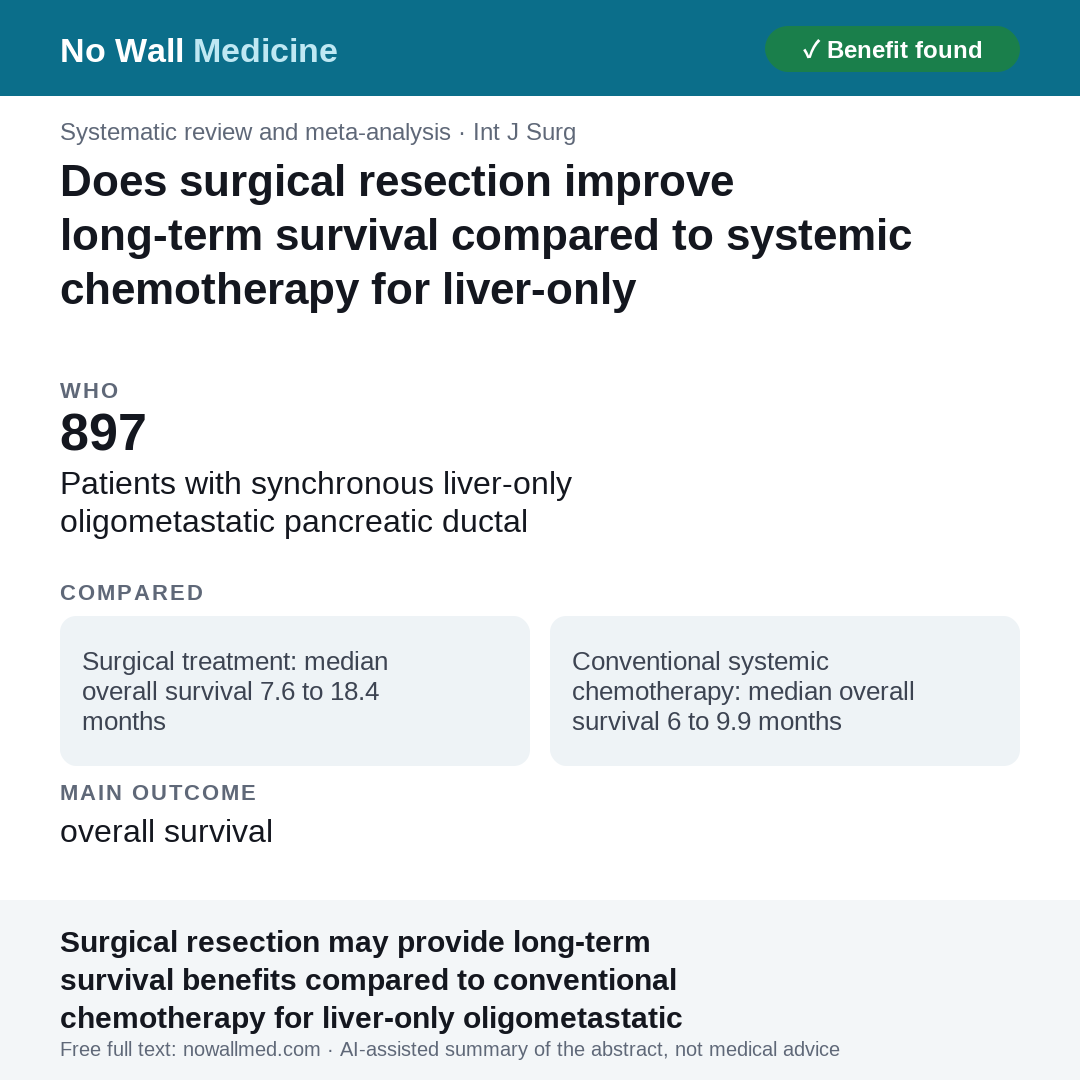
Surgical treatment of synchronous liver-only oligometastatic pancreatic adenocarcinoma: a systematic review and meta-analysis of long-term outcomes
Systematic review and meta-analysisBenefit found
Does surgical resection improve long-term survival compared to systemic chemotherapy for liver-only oligometastatic pancreatic adenocarcinoma?
Who
897
Patients with synchronous liver-only oligometastatic pancreatic ductal adenocarcinoma
Compared
Surgical treatment: median overall survival 7.6 to 18.4 months
Conventional systemic chemotherapy: median overall survival 6 to 9.9 months
Main outcome
overall survival
Result: OR: 0.286, 95% CI: 0.100-0.409
Bottom line: Surgical resection may provide long-term survival benefits compared to conventional chemotherapy for liver-only oligometastatic pancreatic adenocarcinoma.
Limitation: Prospective randomized trials are required to further validate these findings.
Int J Surg · 2025-05-01Download image
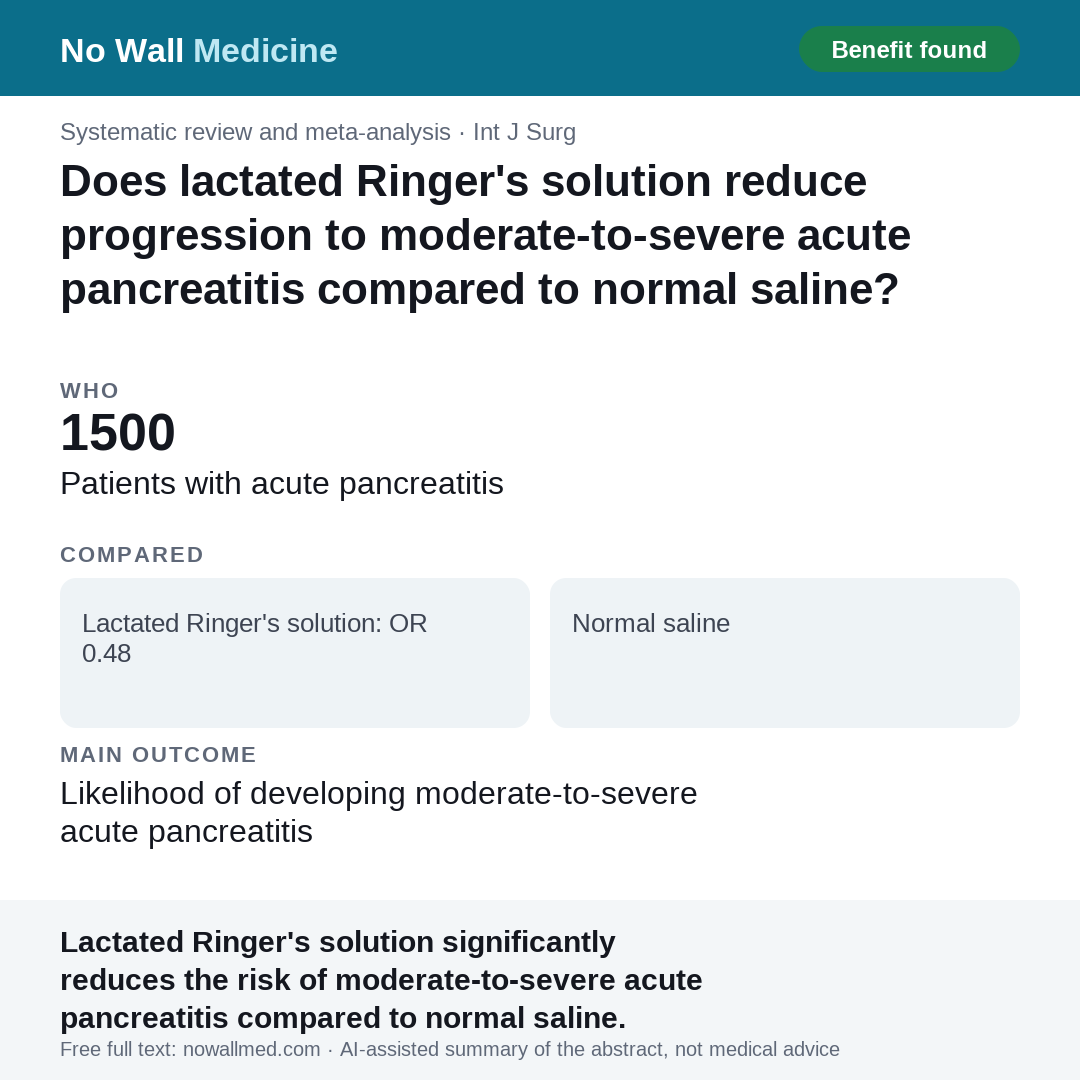
Lactated Ringer's solution versus saline fluid resuscitation for reducing progression to moderate-to-severe acute pancreatitis: a systematic review and meta-analysis
Systematic review and meta-analysisBenefit found
Does lactated Ringer's solution reduce progression to moderate-to-severe acute pancreatitis compared to normal saline?
Who
1500
Patients with acute pancreatitis
Compared
Lactated Ringer's solution: OR 0.48
Normal saline
Main outcome
Likelihood of developing moderate-to-severe acute pancreatitis
Result: OR 0.48 (95%CI 0.34 to 0.67)
Bottom line: Lactated Ringer's solution significantly reduces the risk of moderate-to-severe acute pancreatitis compared to normal saline.
Limitation: Subgroup analyses regarding pancreatic necrosis and other indices necessitate corroboration through extensive experimentation.
Int J Surg · 2025-05-01Download image
Effectiveness of ERAS program on postoperative recovery after gastric cancer surgery: a randomized clinical trial
Randomized, controlled, open-label trialBenefit found
Does an enhanced recovery after surgery program improve postoperative recovery after gastric cancer surgery?
Who
92
Adult patients undergoing elective laparoscopic or robotic distal gastrectomy · Single-center
Compared
Enhanced recovery after surgery
Conventional
Main outcome
Total Quality of Recovery-15 score
Result: mean difference: 16.0, 95% confidence interval: 8.9-23.0
Bottom line: The enhanced recovery after surgery program significantly improved early postoperative recovery quality after minimally invasive distal gastrectomy.
Int J Surg · 2025-05-01Download image

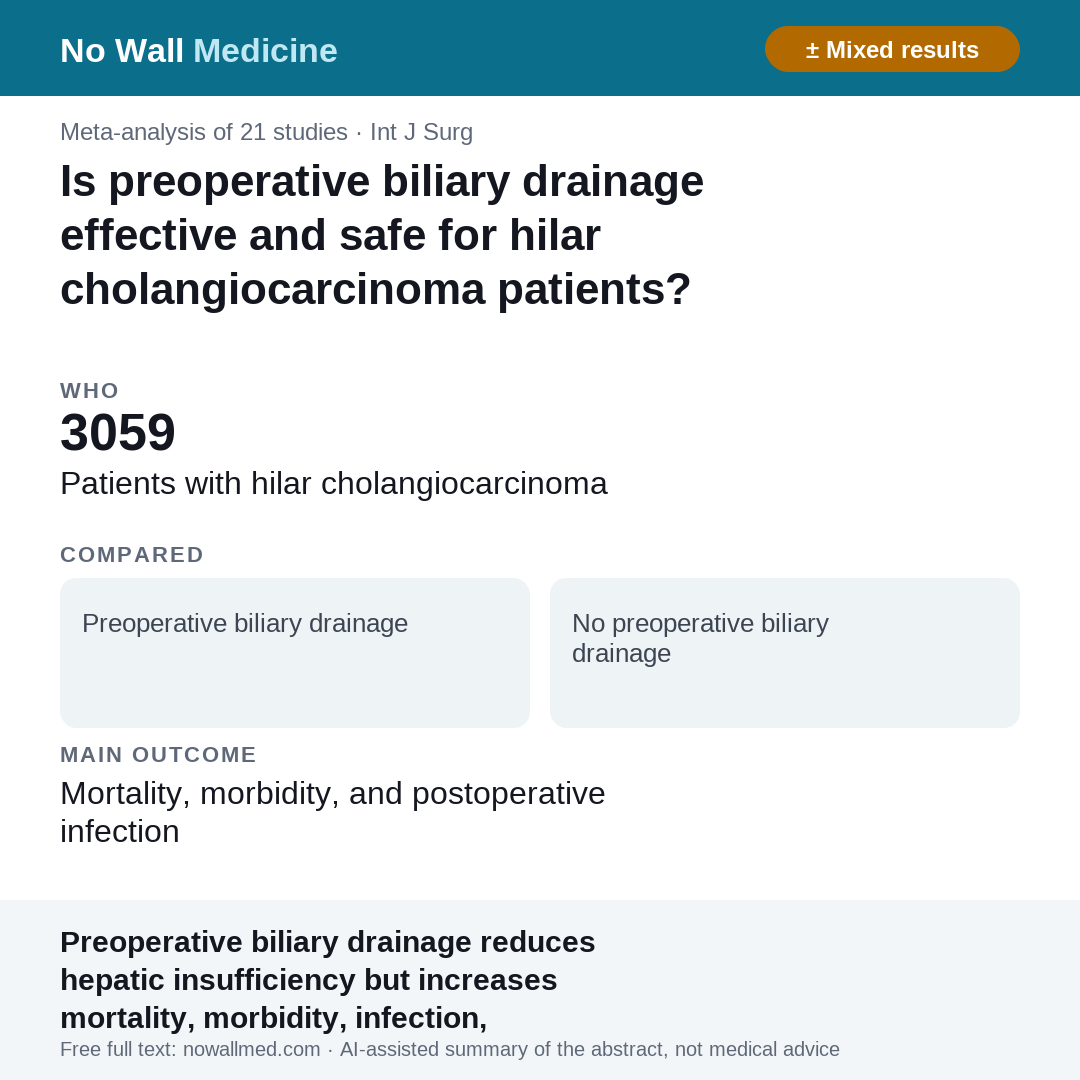
Efficacy and safety of preoperative biliary drainage in patients with Hilar Cholangiocarcinoma: a systematic review and meta-analysis
Meta-analysis of 21 studiesMixed results
Is preoperative biliary drainage effective and safe for hilar cholangiocarcinoma patients?
Who
3059
Patients with hilar cholangiocarcinoma
Compared
Preoperative biliary drainage
No preoperative biliary drainage
Main outcome
Mortality, morbidity, and postoperative infection
Result: OR 1.47 (95% CI 1.12-1.92) for morbidity
Bottom line: Preoperative biliary drainage reduces hepatic insufficiency but increases mortality, morbidity, infection, transfusion, leakage, cholangitis, and hospital stay.
Limitation: Further multicenter randomized studies are needed to identify clear patient selection criteria.
Int J Surg · 2025-05-01Download image
Efficacy of perioperative dexmedetomidine in postoperative pain and neurocognitive functions in orthopedic surgery: a systematic review and meta-analysis with trial sequential analysis of randomized controlled trials
Meta-analysis of 59 randomized controlled trialsBenefit found
Does perioperative dexmedetomidine improve postoperative pain and neurocognitive functions in orthopedic surgery?
Who
7713
Patients undergoing orthopedic surgery
Compared
Dexmedetomidine
Control
Main outcome
Pain, opioid consumption, postoperative cognitive dysfunction, and postoperative delirium
Result: mean difference -0.50 for VAS; mean difference -11.91 for opioid consumption; risk ratio 0.59 for postoperative cognitive dysfunction; risk ratio 0.49 for postoperative delirium
Bottom line: Intravenous dexmedetomidine significantly improves postoperative pain and neurocognitive functions in orthopedic surgery patients.
Int J Surg · 2025-05-01Download image

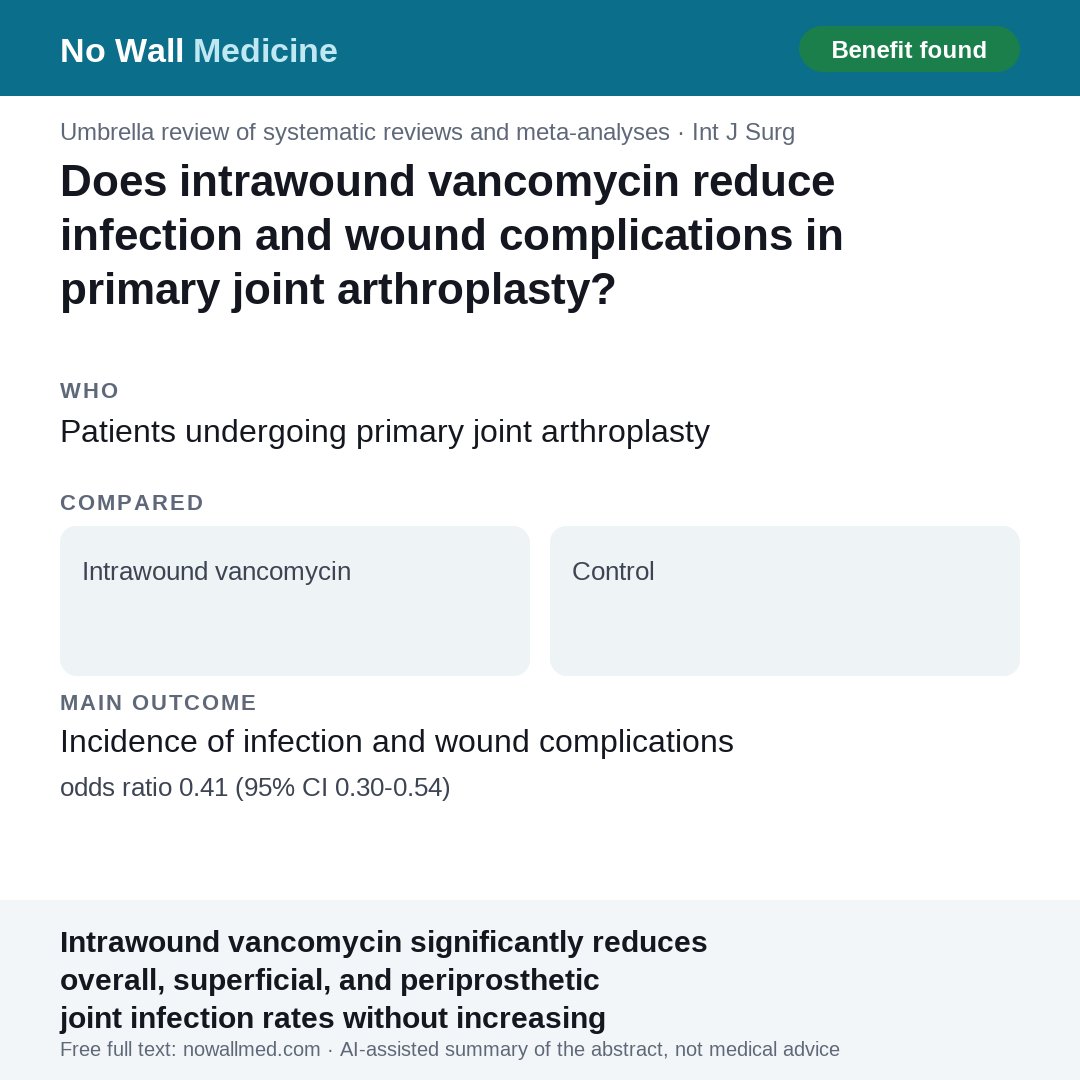
Intrawound vancomycin powder for prevention of surgical site infections in primary joint arthroplasty: an umbrella review of systematic reviews and meta-analyses
Umbrella review of systematic reviews and meta-analysesBenefit found
Does intrawound vancomycin reduce infection and wound complications in primary joint arthroplasty?
Who
Patients undergoing primary joint arthroplasty
Compared
Intrawound vancomycin
Control
Main outcome
Incidence of infection and wound complications
Result: odds ratio 0.41 (95% CI 0.30-0.54)
Bottom line: Intrawound vancomycin significantly reduces overall, superficial, and periprosthetic joint infection rates without increasing aseptic wound complications.
Limitation: Inclusion of studies with varying quality requires findings to be interpreted with caution.
Int J Surg · 2025-05-01Download image
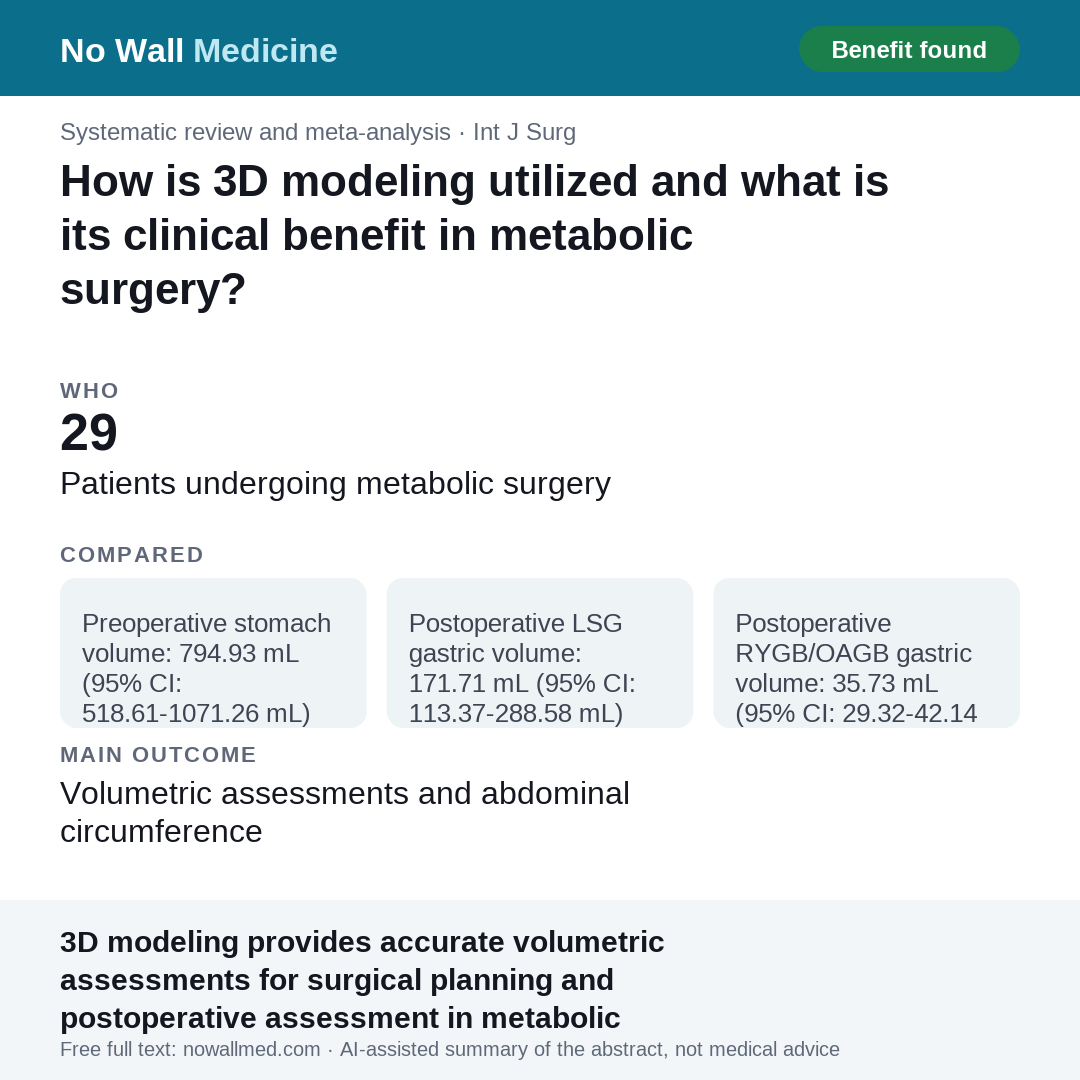
How is 3D modeling in metabolic surgery utilized and what is its clinical benefit: a systematic review and meta-analysis
Systematic review and meta-analysisBenefit found
How is 3D modeling utilized and what is its clinical benefit in metabolic surgery?
Who
29
Patients undergoing metabolic surgery
Compared
Preoperative stomach volume: 794.93 mL (95% CI: 518.61-1071.26 mL)
Postoperative LSG gastric volume: 171.71 mL (95% CI: 113.37-288.58 mL)
Postoperative RYGB/OAGB gastric volume: 35.73 mL (95% CI: 29.32-42.14 mL)
Main outcome
Volumetric assessments and abdominal circumference
Bottom line: 3D modeling provides accurate volumetric assessments for surgical planning and postoperative assessment in metabolic surgery.
Limitation: Potential benefits in augmented reality, 3D printing, or patient education remain underutilized.
Int J Surg · 2025-05-01Download image
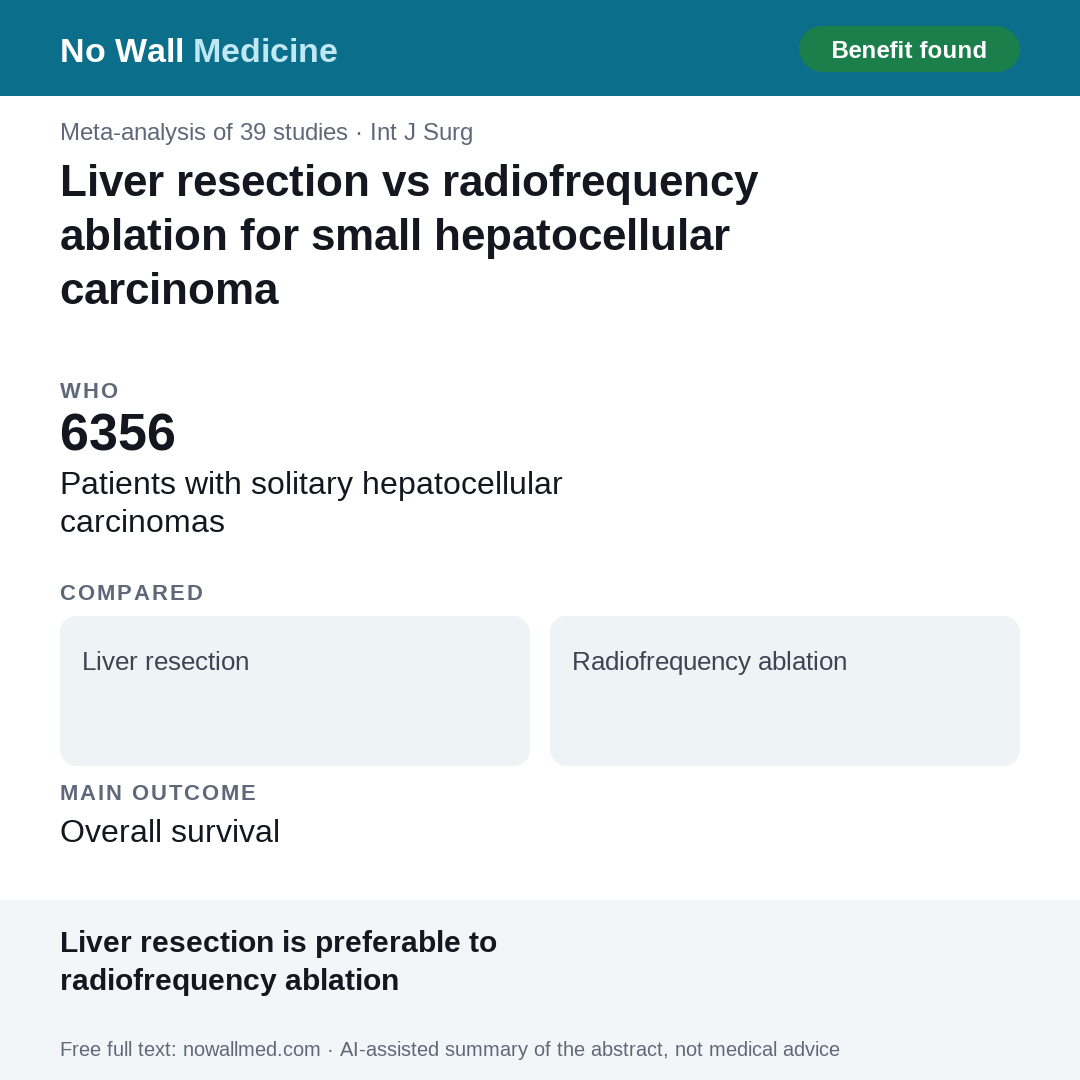
Liver resection versus radiofrequency ablation for solitary small hepatocellular carcinoma measuring ≤3 cm: a systematic review and meta-analysis
Meta-analysis of 39 studiesBenefit found
Liver resection vs radiofrequency ablation for small hepatocellular carcinoma
Who
6356
Patients with solitary hepatocellular carcinomas
Compared
Liver resection
Radiofrequency ablation
Main outcome
Overall survival
Result: hazard ratio 0.80 (95% CI: 0.68-0.93)
Bottom line: Liver resection is preferable to radiofrequency ablation
Limitation: Need for additional RCTs
Int J Surg · 2025-05-01Download image
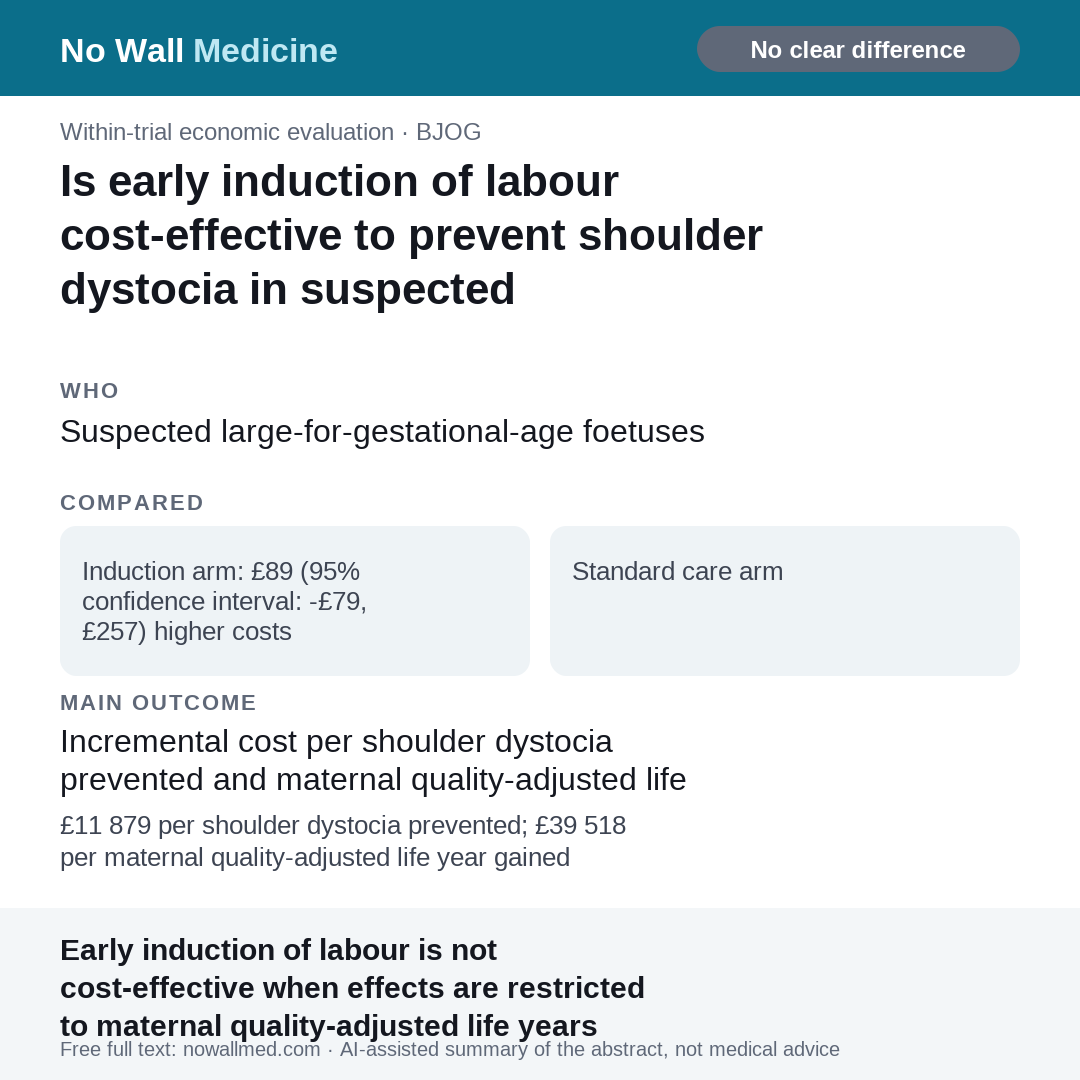
Is It Cost-Effective to Induce Labour Early to Prevent Shoulder Dystocia? Evidence From the Big Baby Trial
Within-trial economic evaluationNo clear difference
Is early induction of labour cost-effective to prevent shoulder dystocia in suspected large-for-gestational-age foetuses?
Who
Suspected large-for-gestational-age foetuses
Compared
Induction arm: £89 (95% confidence interval: -£79, £257) higher costs
Standard care arm
Main outcome
Incremental cost per shoulder dystocia prevented and maternal quality-adjusted life year gained
Result: £11 879 per shoulder dystocia prevented; £39 518 per maternal quality-adjusted life year gained
Bottom line: Early induction of labour is not cost-effective when effects are restricted to maternal quality-adjusted life years gained.
BJOG · 2025-05-01Download image
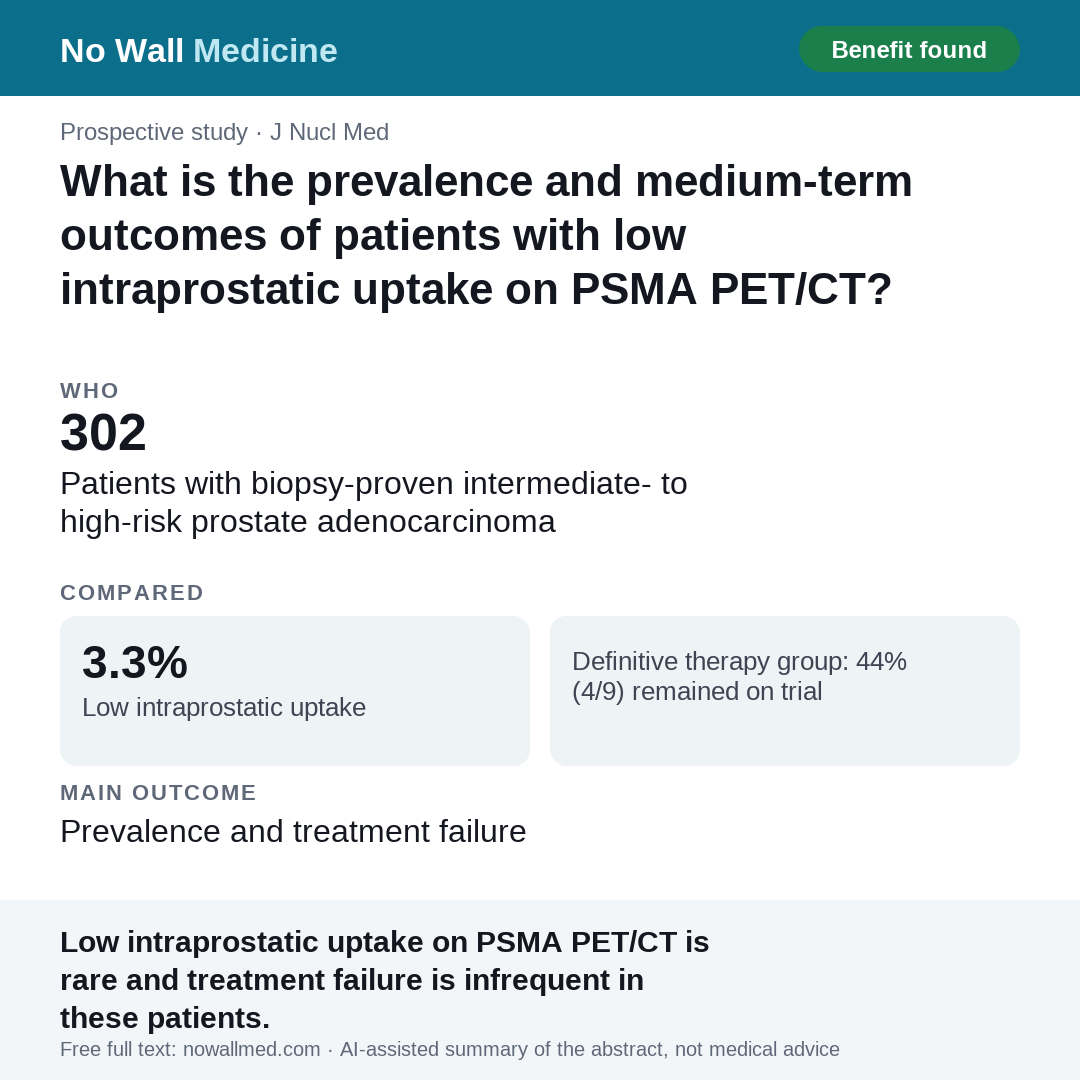
Prevalence and Medium-Term Outcomes of Patients with Biopsy-Proven Intermediate- to High-Risk Prostate Adenocarcinoma with Low Intraprostatic Uptake on [68Ga]Ga-PSMA-11 PET/CT in the proPSMA Study
Prospective studyBenefit found
What is the prevalence and medium-term outcomes of patients with low intraprostatic uptake on PSMA PET/CT?
Who
302
Patients with biopsy-proven intermediate- to high-risk prostate adenocarcinoma
Compared
3.3%Low intraprostatic uptake (10/302)
Definitive therapy group: 44% (4/9) remained on trial
Main outcome
Prevalence and treatment failure
Bottom line: Low intraprostatic uptake on PSMA PET/CT is rare and treatment failure is infrequent in these patients.
J Nucl Med · 2025-05-01Download image
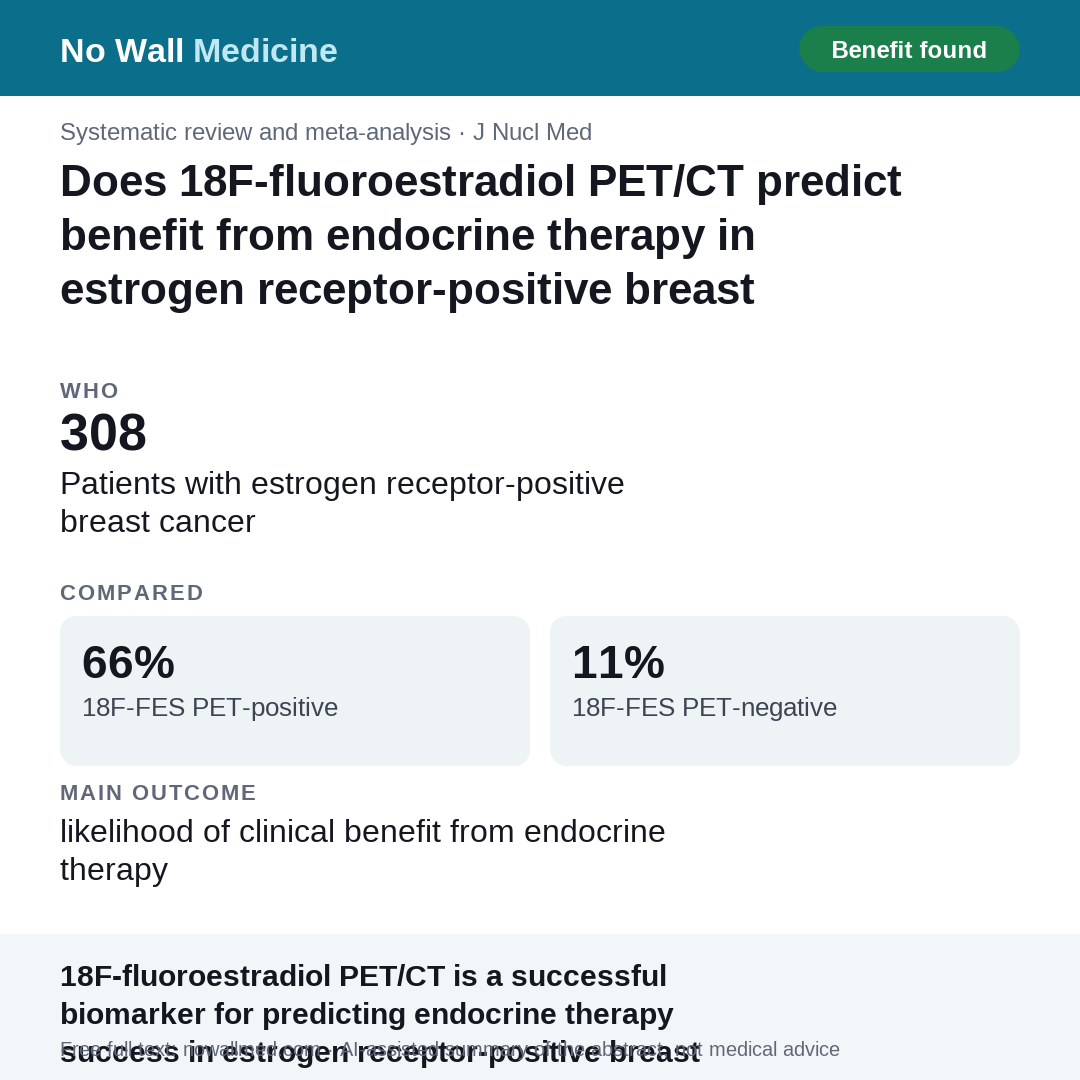
18F-Fluoroestradiol PET/CT for Predicting Benefit from Endocrine Therapy in Patients with Estrogen Receptor-Positive Breast Cancer: A Systematic Review and Metaanalysis
Systematic review and meta-analysisBenefit found
Does 18F-fluoroestradiol PET/CT predict benefit from endocrine therapy in estrogen receptor-positive breast cancer?
Who
308
Patients with estrogen receptor-positive breast cancer
Compared
66%18F-FES PET-positive (95% CI, 51%-79%)
11%18F-FES PET-negative (95% CI, 3.5%-22%)
Main outcome
likelihood of clinical benefit from endocrine therapy
Result: risk ratio 3.21 (95% CI, 1.96-5.25)
Bottom line: 18F-fluoroestradiol PET/CT is a successful biomarker for predicting endocrine therapy success in estrogen receptor-positive breast cancer.
J Nucl Med · 2025-05-01Download image