Visual abstracts
New randomized trials and meta-analyses from leading journals at a glance: who was studied, what was compared, and what was found. Every paper is free to read in full.
All specialtiesCardiology 4877Oncology 4138Gastroenterology & Hepatology 1942Infectious Disease 3837Neurology 1905Psychiatry & Mental Health 2273Pulmonology 2143Critical Care 1365Endocrinology & Diabetes 2580Pediatrics 2980Surgery 2559Orthopedics & Sports Medicine 931Neurosurgery 537Cardiothoracic & Vascular Surgery 674Plastic & Reconstructive Surgery 591Nephrology 1133Rheumatology 823Hematology 1109Dermatology 621Ophthalmology 543Obstetrics & Gynecology 1686Public & Global Health 1058Radiology & Imaging 648Anesthesiology 986Urology 764ENT (Otolaryngology) 503Emergency Medicine 511Allergy & Immunology 313Geriatrics 981Family Medicine & Primary Care 562Medical Genetics & Genomics 676Pathology & Laboratory Medicine 159Physical Medicine & Rehabilitation 757Palliative Care 444Nutrition 1588Digital Health & AI 2201General Medicine 321
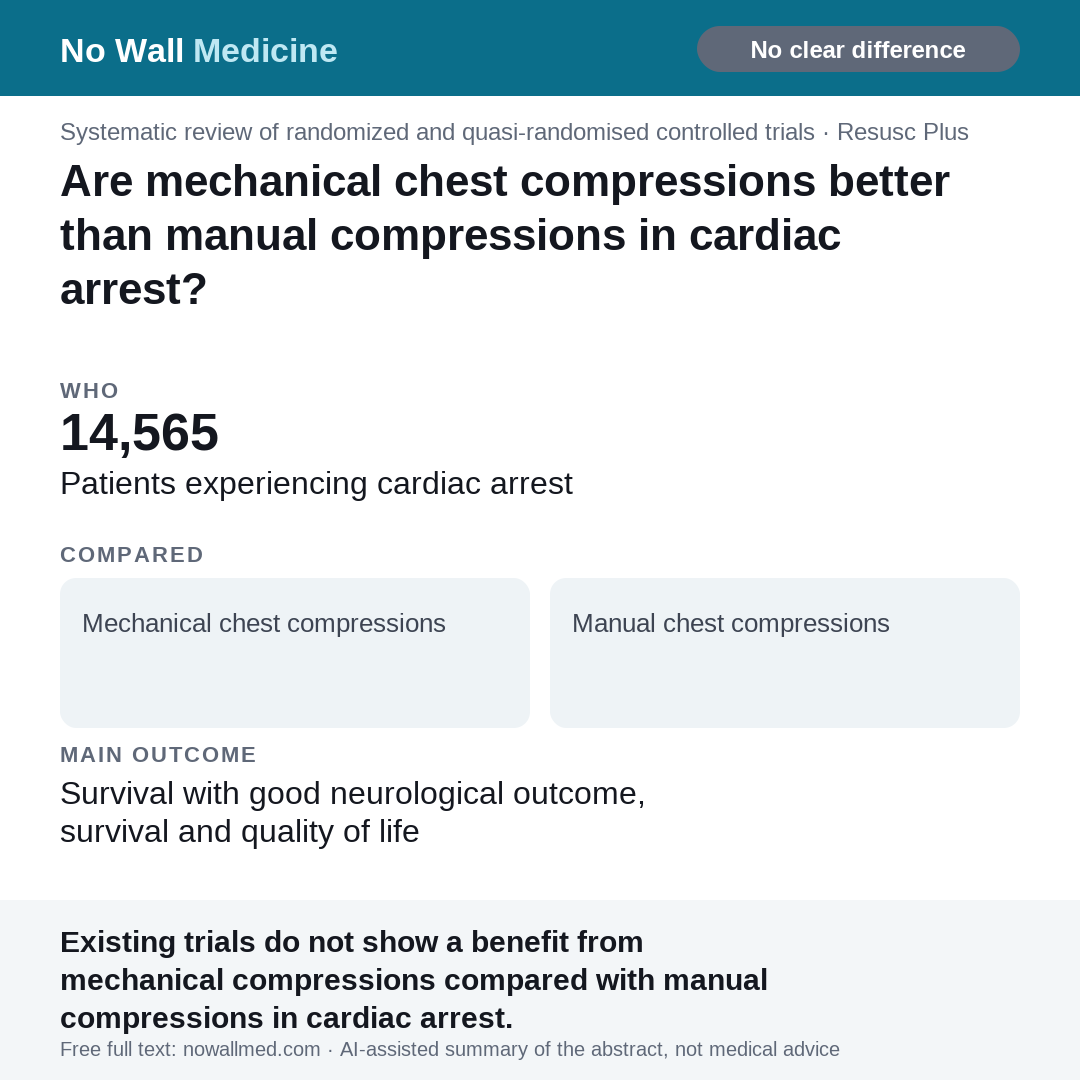
Mechanical versus manual chest compression in cardiac arrest: a systematic review
Systematic review of randomized and quasi-randomised controlled trialsNo clear difference
Are mechanical chest compressions better than manual compressions in cardiac arrest?
Who
14,565
Patients experiencing cardiac arrest
Compared
Mechanical chest compressions
Manual chest compressions
Main outcome
Survival with good neurological outcome, survival and quality of life
Bottom line: Existing trials do not show a benefit from mechanical compressions compared with manual compressions in cardiac arrest.
Limitation: Substantial methodological and clinical heterogeneity between the studies precluded meta-analysis.
Resusc Plus · 2026-04-01Download image
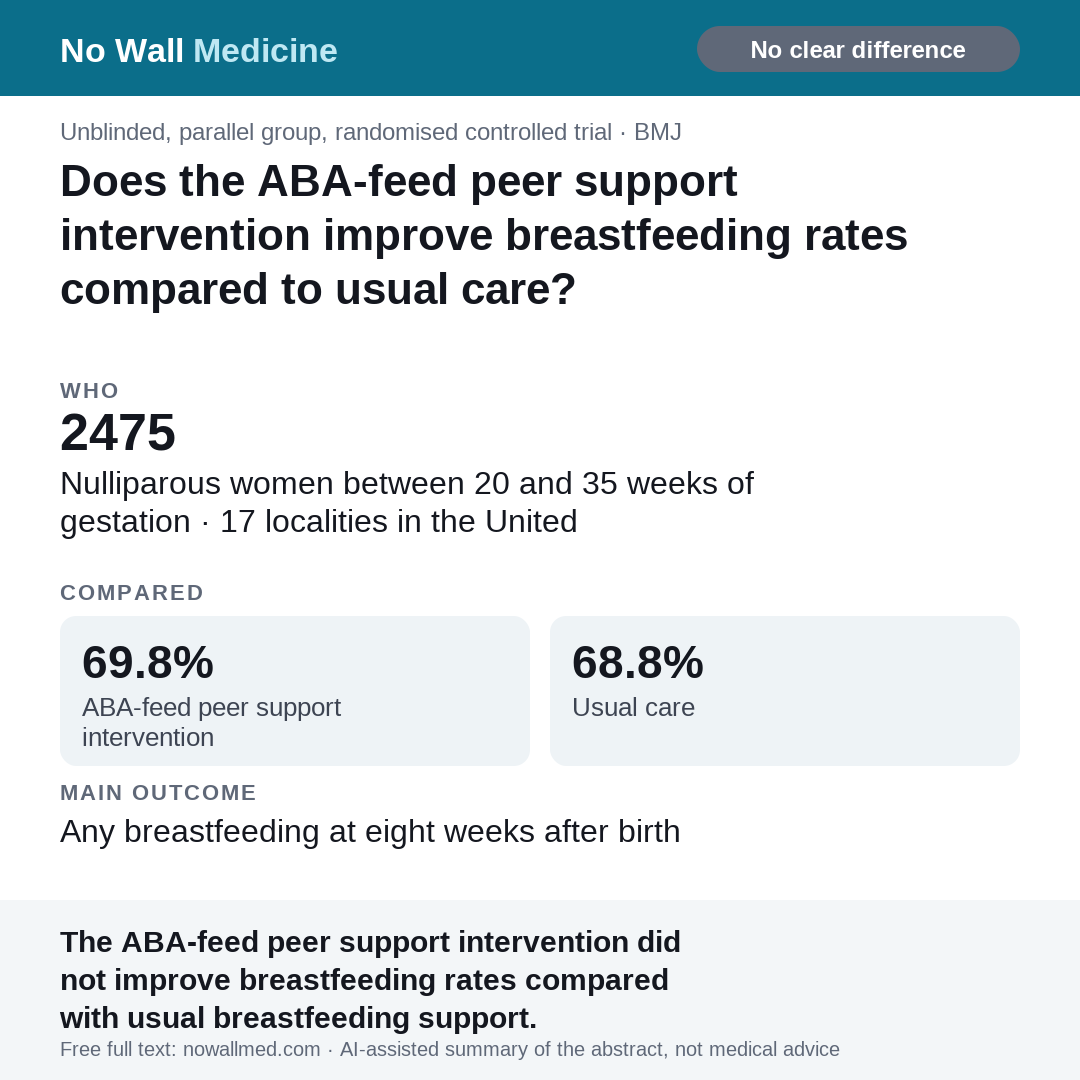
Peer support intervention (ABA-feed) to improve breastfeeding: UK based, multicentre, parallel group, randomised controlled trial
Unblinded, parallel group, randomised controlled trialNo clear difference
Does the ABA-feed peer support intervention improve breastfeeding rates compared to usual care?
Who
2475
Nulliparous women between 20 and 35 weeks of gestation · 17 localities in the United Kingdom
Compared
69.8%ABA-feed peer support intervention (1013/1452)
68.8%Usual care (698/1015)
Main outcome
Any breastfeeding at eight weeks after birth
Result: adjusted risk difference 0.01, 95% confidence interval -0.03 to 0.04
Bottom line: The ABA-feed peer support intervention did not improve breastfeeding rates compared with usual breastfeeding support.
BMJ · 2026-03-31Download image
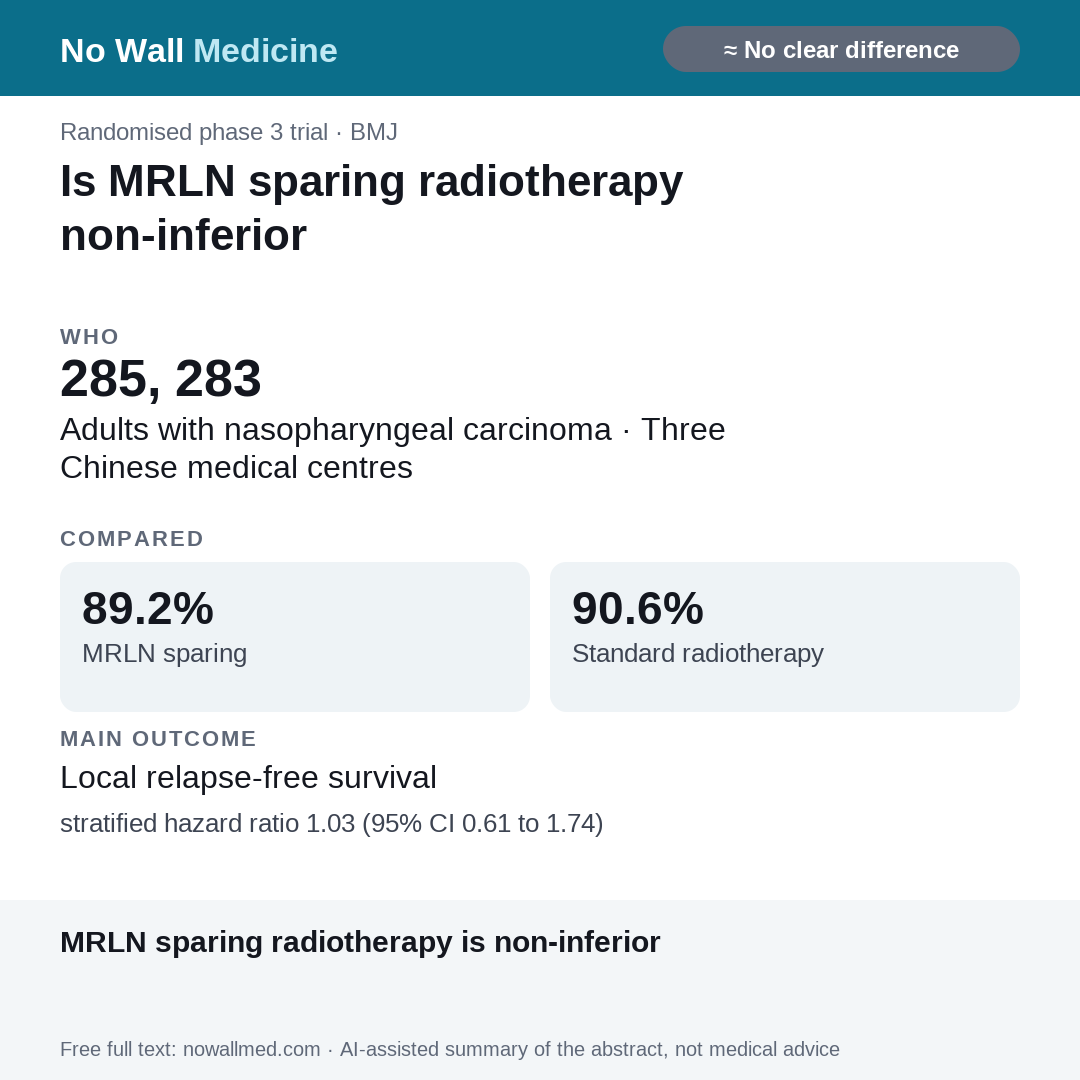
Medial retropharyngeal nodal region sparing radiotherapy in nasopharyngeal carcinoma: five year analysis of open label, non-inferiority, multicentre, randomised phase 3 trial
Randomised phase 3 trialNo clear difference
Is MRLN sparing radiotherapy non-inferior
Who
285, 283
Adults with nasopharyngeal carcinoma · Three Chinese medical centres
Compared
89.2%MRLN sparing (95% CI 85% to 92%)
90.6%Standard radiotherapy (87% to 94%)
Main outcome
Local relapse-free survival
Result: stratified hazard ratio 1.03 (95% CI 0.61 to 1.74)
Bottom line: MRLN sparing radiotherapy is non-inferior
BMJ · 2026-03-31Download image
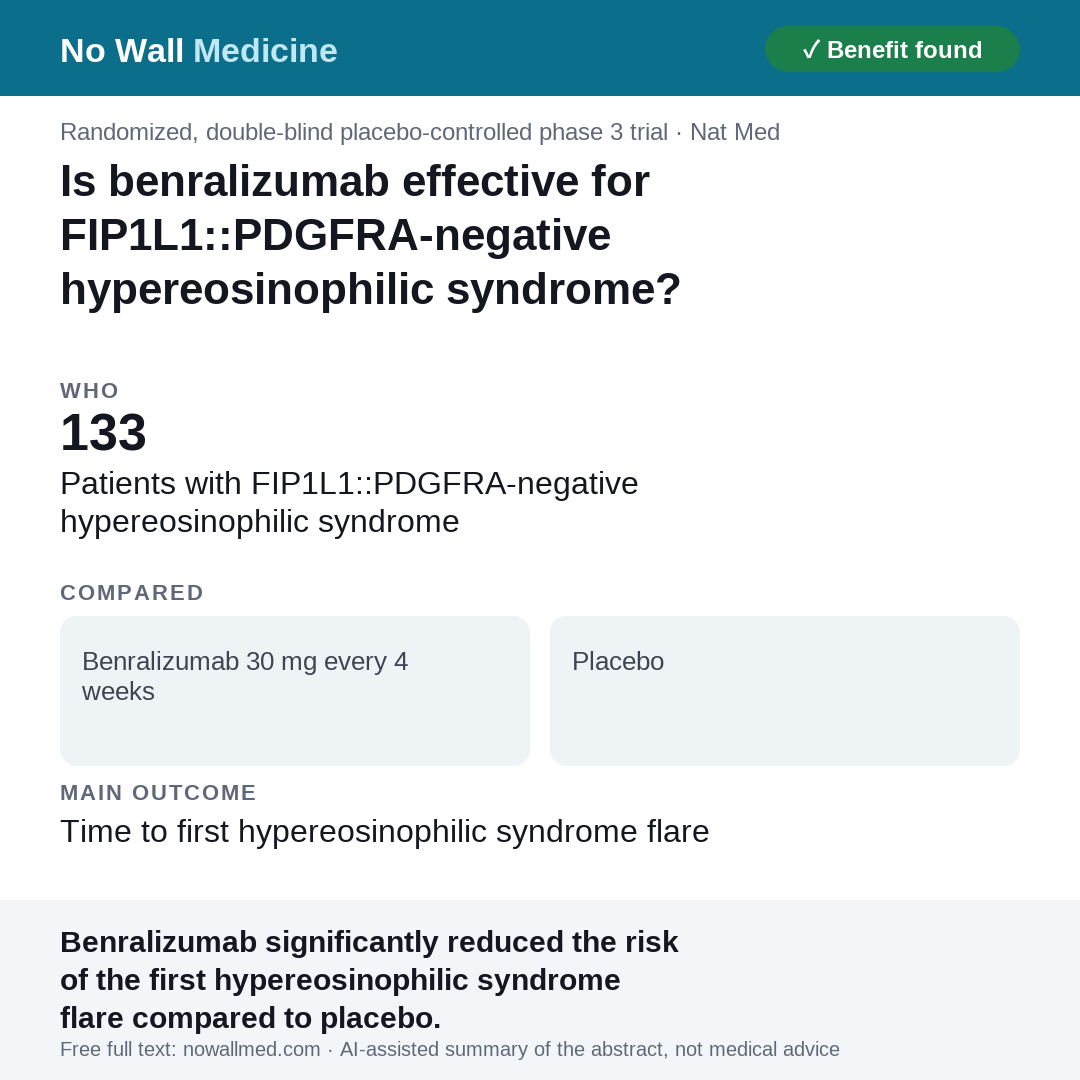
Benralizumab versus placebo for hypereosinophilic syndrome: a randomized, placebo-controlled phase 3 trial
Randomized, double-blind placebo-controlled phase 3 trialBenefit found
Is benralizumab effective for FIP1L1::PDGFRA-negative hypereosinophilic syndrome?
Who
133
Patients with FIP1L1::PDGFRA-negative hypereosinophilic syndrome
Compared
Benralizumab 30 mg every 4 weeks
Placebo
Main outcome
Time to first hypereosinophilic syndrome flare
Result: hazard ratio 0.35 (95% CI 0.18 to 0.69)
Bottom line: Benralizumab significantly reduced the risk of the first hypereosinophilic syndrome flare compared to placebo.
Nat Med · 2026-03-31Download image
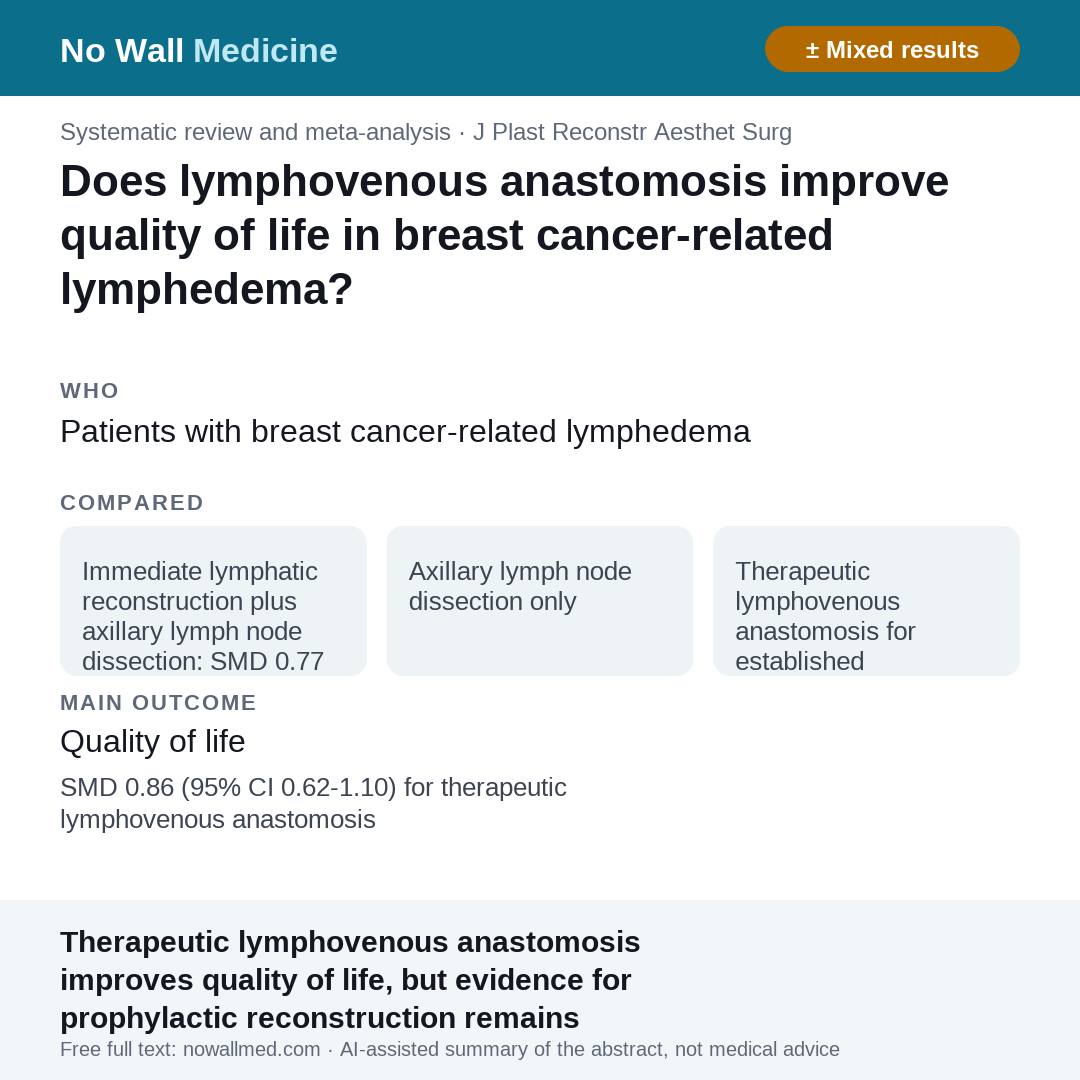
Quality-of-life impact of lymphovenous anastomosis in breast cancer-related lymphedema: A systematic review and meta-analysis
Systematic review and meta-analysisMixed results
Does lymphovenous anastomosis improve quality of life in breast cancer-related lymphedema?
Who
Patients with breast cancer-related lymphedema
Compared
Immediate lymphatic reconstruction plus axillary lymph node dissection: SMD 0.77 (95% CI -1.17 to 2.70)
Axillary lymph node dissection only
Therapeutic lymphovenous anastomosis for established lymphedema: SMD 0.86 (95% CI 0.62-1.10)
Main outcome
Quality of life
Result: SMD 0.86 (95% CI 0.62-1.10) for therapeutic lymphovenous anastomosis
Bottom line: Therapeutic lymphovenous anastomosis improves quality of life, but evidence for prophylactic reconstruction remains insufficient.
Limitation: Few studies, substantial heterogeneity, and inclusion of all axillary lymph node dissection patients.
J Plast Reconstr Aesthet Surg · 2026-03-31Download image
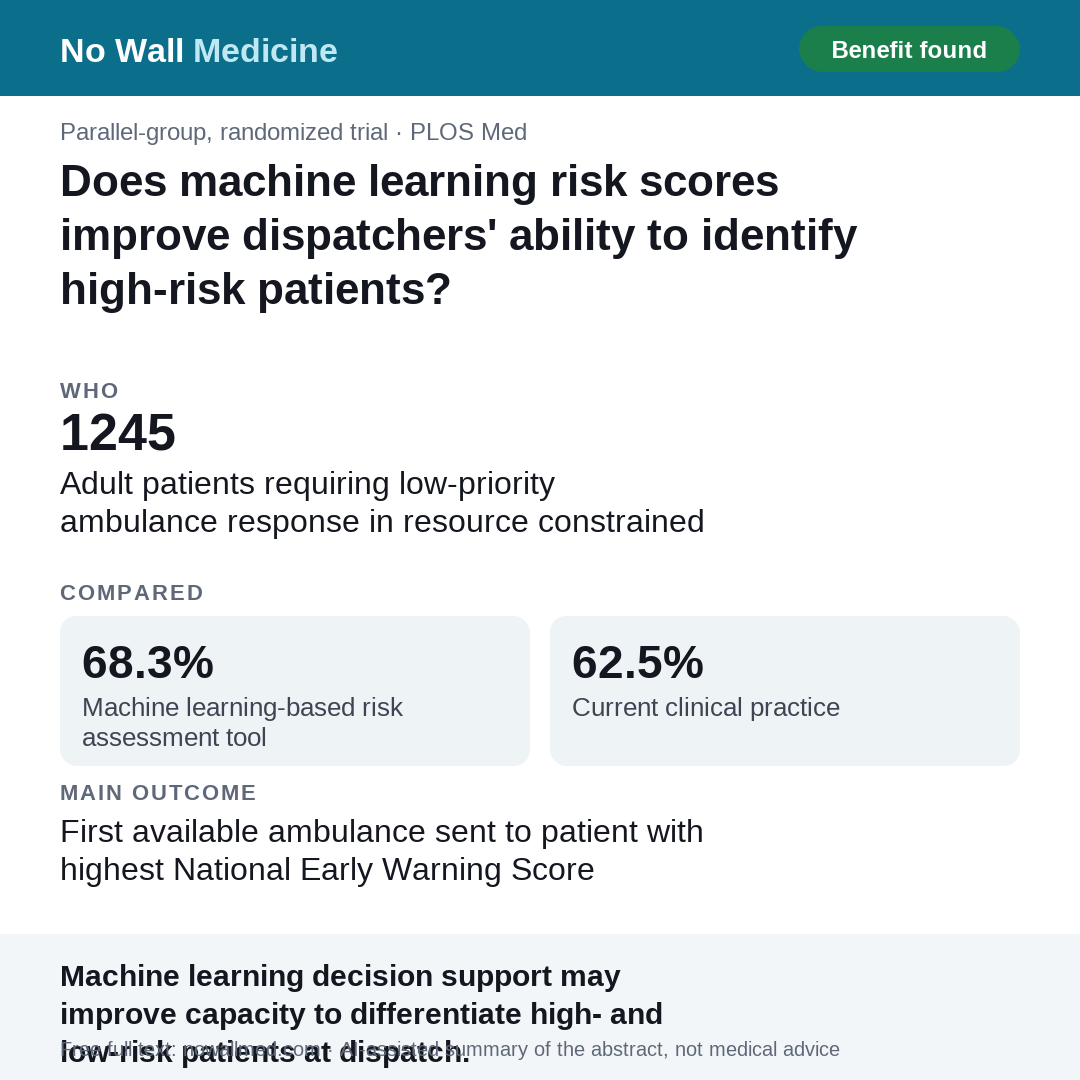
Machine learning assisted differentiation of low acuity patients at dispatch: The MADLAD randomized controlled trial
Parallel-group, randomized trialBenefit found
Does machine learning risk scores improve dispatchers' ability to identify high-risk patients?
Who
1245
Adult patients requiring low-priority ambulance response in resource constrained situations · Two study sites in Sweden
Compared
68.3%Machine learning-based risk assessment tool
62.5%Current clinical practice
Main outcome
First available ambulance sent to patient with highest National Early Warning Score
Result: odds ratio 1.28 (95% CI 1.00 to 1.63)
Bottom line: Machine learning decision support may improve capacity to differentiate high- and low-risk patients at dispatch.
Limitation: Limited to low-priority ambulance response in two Swedish regions and underpowered due to small sample size.
PLOS Med · 2026-03-31Download image
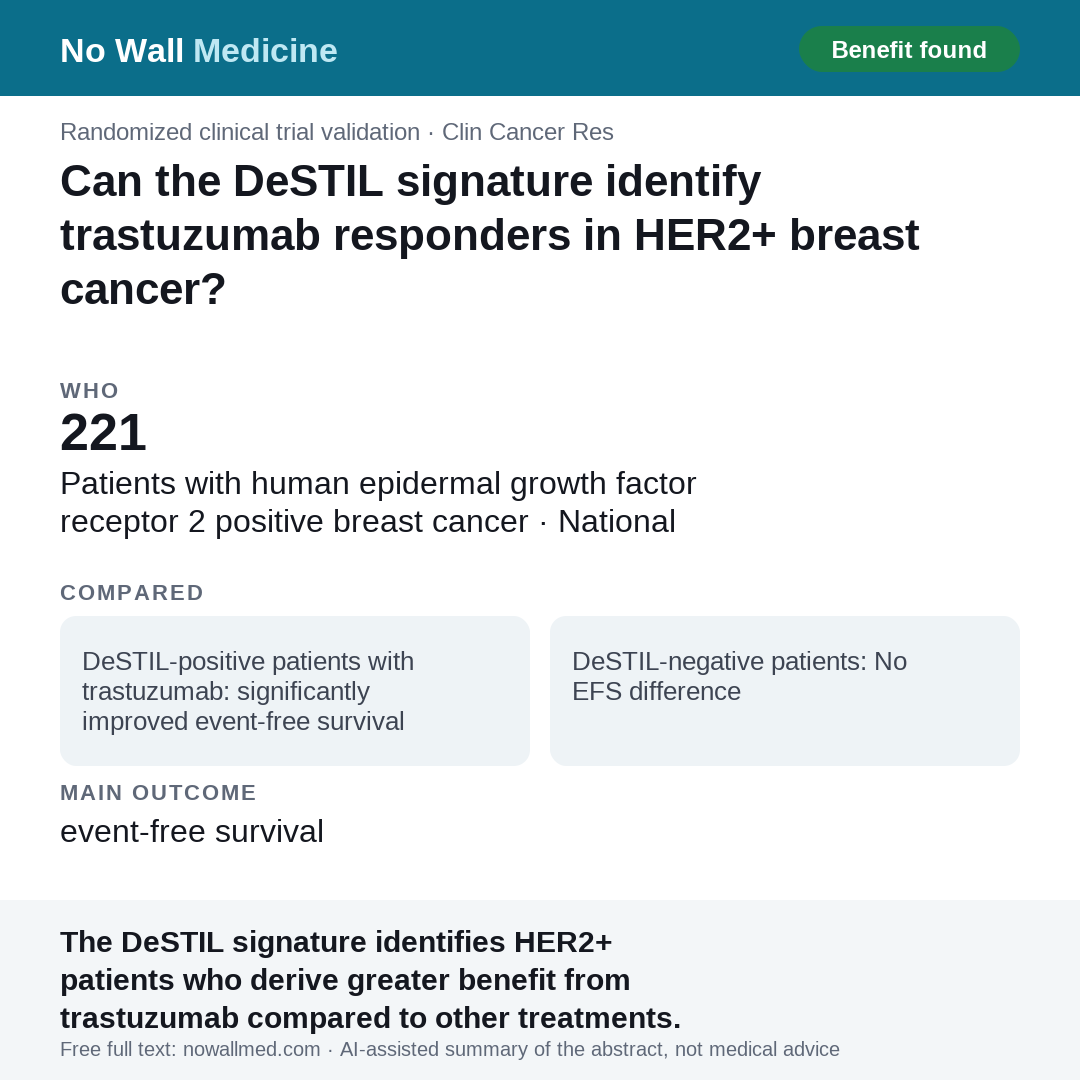
Computationally Derived Spatial Immune Signature Identifies Trastuzumab Responders in HER2+ Breast Cancer: NSABP B-41 Clinical Trial Validation
Randomized clinical trial validationBenefit found
Can the DeSTIL signature identify trastuzumab responders in HER2+ breast cancer?
Who
221
Patients with human epidermal growth factor receptor 2 positive breast cancer · National Surgical Adjuvant Breast and Bowel Project
Compared
DeSTIL-positive patients with trastuzumab: significantly improved event-free survival
DeSTIL-negative patients: No EFS difference
Main outcome
event-free survival
Result: hazard ratio 0.09 (95% CI 0.01-0.77)
Bottom line: The DeSTIL signature identifies HER2+ patients who derive greater benefit from trastuzumab compared to other treatments.
Clin Cancer Res · 2026-03-31Download image
Extrapolation of oritavancin PK/PD targets to inform therapeutic drug monitoring: a systematic review
Systematic reviewMixed results
What is the most relevant pharmacokinetics/pharmacodynamics target for oritavancin dose optimization?
Who
In vitro, in vivo, and human studies
Compared
In vitro and in vivo models: fCmax/MIC > 6 to 14
Human daily repeated doses: %fT > MIC
Main outcome
Pharmacokinetics/pharmacodynamics targets for microbiological and clinical success
Bottom line: Both concentration-dependent indices and time above minimum inhibitory concentration are relevant for oritavancin success.
Limitation: Only one identified human daily repeated doses study was available.
J Antimicrob Chemother · 2026-03-31Download image
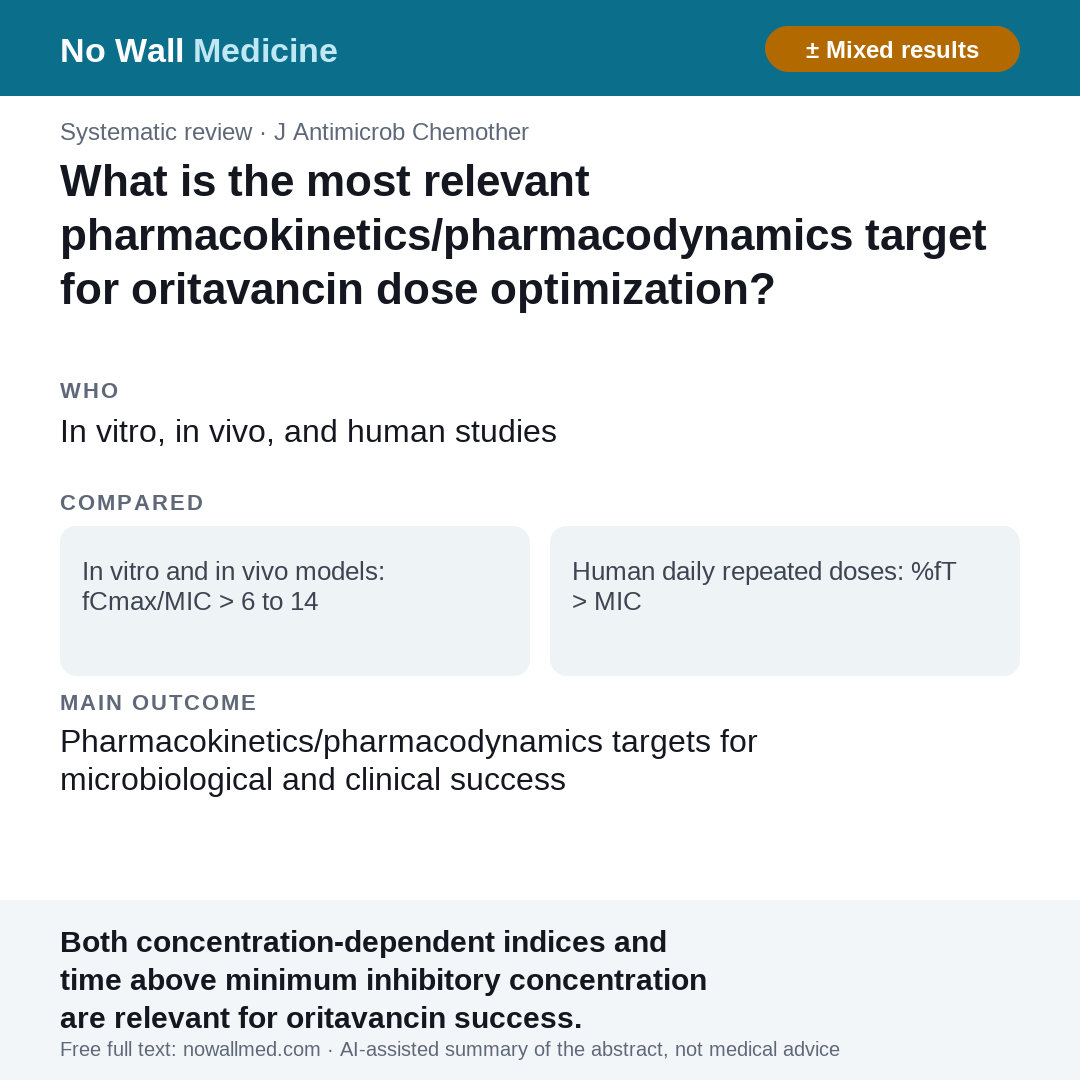
Lidocaine combined with low-dose esketamine for movement-evoked pain after hepatectomy: a double-blind randomised controlled trial
Double-blind randomised controlled trialBenefit found
Does lidocaine combined with low-dose esketamine reduce movement-evoked pain after hepatectomy?
Who
304
Patients having elective hepatic resections
Compared
3Lidocaine-esketamine (2-4 [1-6])
4Placebo (3-5 [1-9])
Main outcome
Median pain scores with movement at 24 hours
Bottom line: Lidocaine and esketamine reduced movement-evoked pain and opioid consumption, but treatment effects were clinically modest.
Limitation: Treatment effects were modest and of limited clinical importance.
Anaesthesia · 2026-03-31Download image
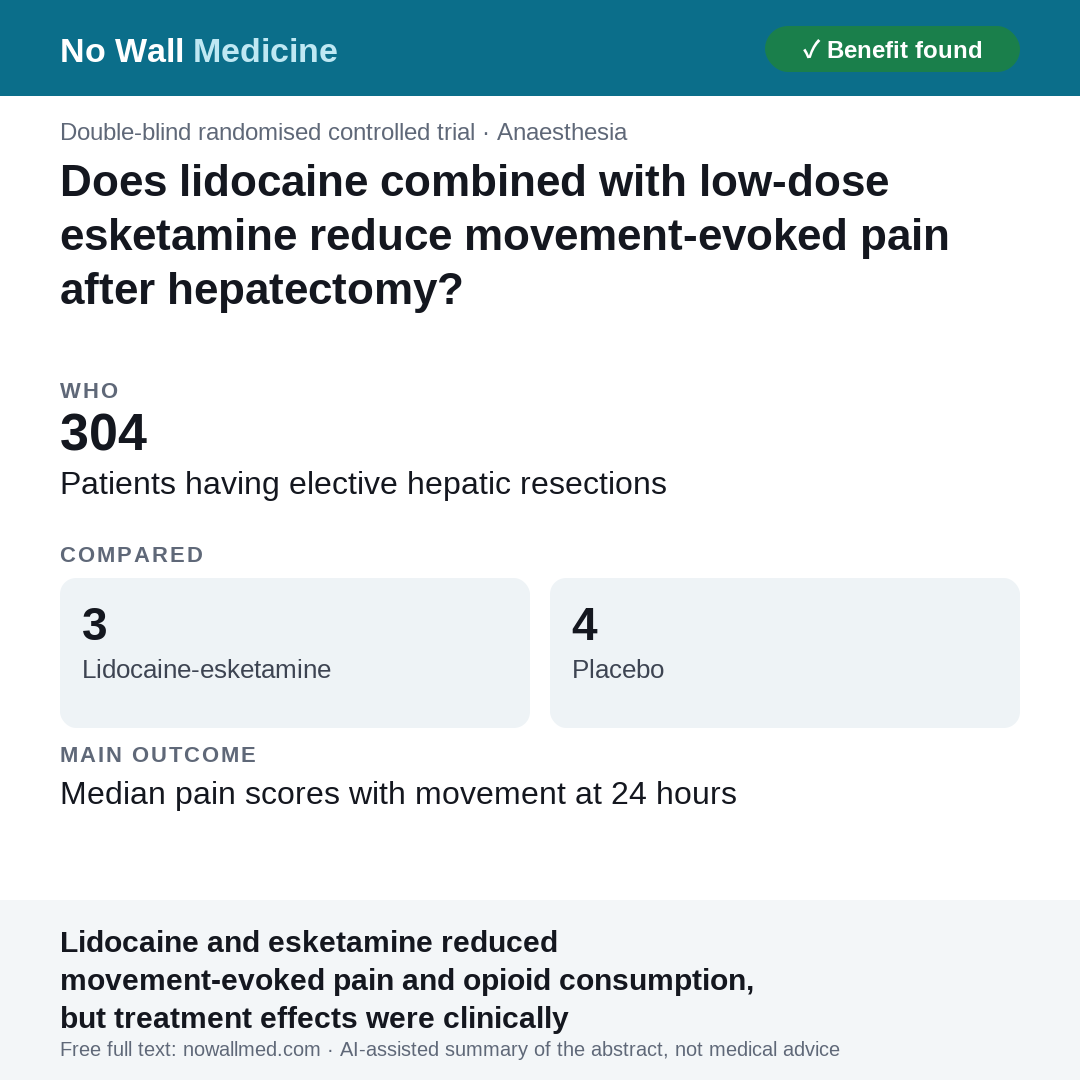
Hemodynamic effects of plain versus hyperbaric bupivacaine during spinal anesthesia for total knee arthroplasty: a randomized clinical trial
Prospective, double-blinded, single-center randomized controlled superiority trialNo clear difference
Do plain or hyperbaric bupivacaine cause different early hemodynamic effects during spinal anesthesia?
Who
60
Adult patients undergoing elective total knee arthroplasty under spinal anesthesia · Single-center
Compared
33.1%Hyperbaric bupivacaine (13.3)
33.1%Plain bupivacaine (11.5)
Main outcome
Maximal relative decrease in mean arterial pressure within 1 hour
Bottom line: Plain and hyperbaric bupivacaine resulted in similar maximal relative decreases in mean arterial pressure during spinal anesthesia.
Reg Anesth Pain Med · 2026-03-31Download image
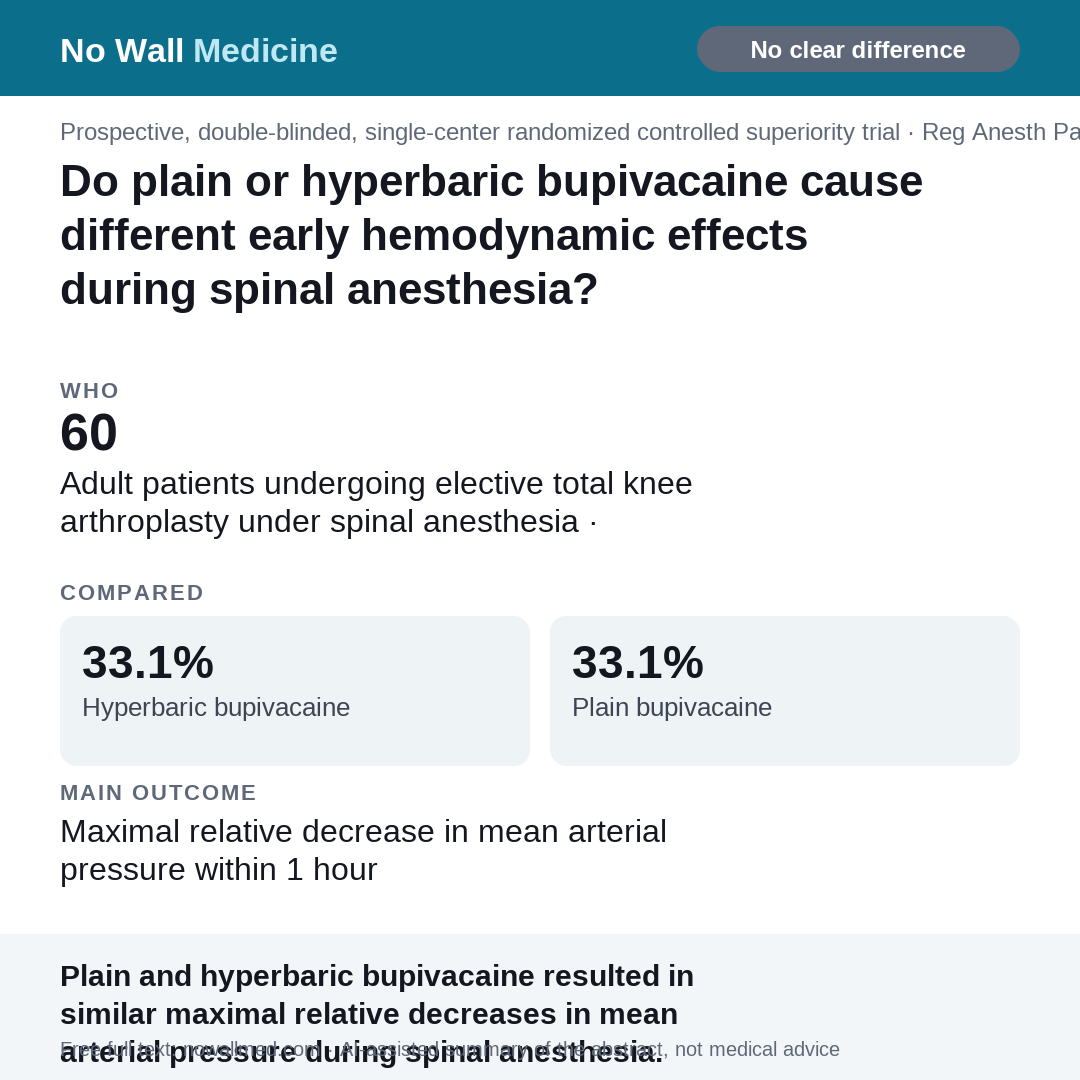
Comparison of staff workload between percutaneous nephrolithotomy with and without intraoperative cone-beam CT: an 18-month postoperative analysis
Retrospective study of a randomised controlled trialBenefit found
Does hybrid cone-beam computed tomography percutaneous nephrolithotomy reduce overall staff demands?
Who
160
Patients undergoing percutaneous nephrolithotomy · A tertiary Dutch urolithiasis centre
Compared
Hybrid cone-beam computed tomography percutaneous nephrolithotomy: 36.3 staff hours per patient
Standard percutaneous nephrolithotomy: 43.1 h
Main outcome
Overall staff demands from preoperative assessment through 18 months
Result: 19% reduction
Bottom line: Hybrid cone-beam computed tomography percutaneous nephrolithotomy reduces staff workload and unplanned care compared to standard percutaneous nephrolithotomy.
BJU Int · 2026-03-31Download image
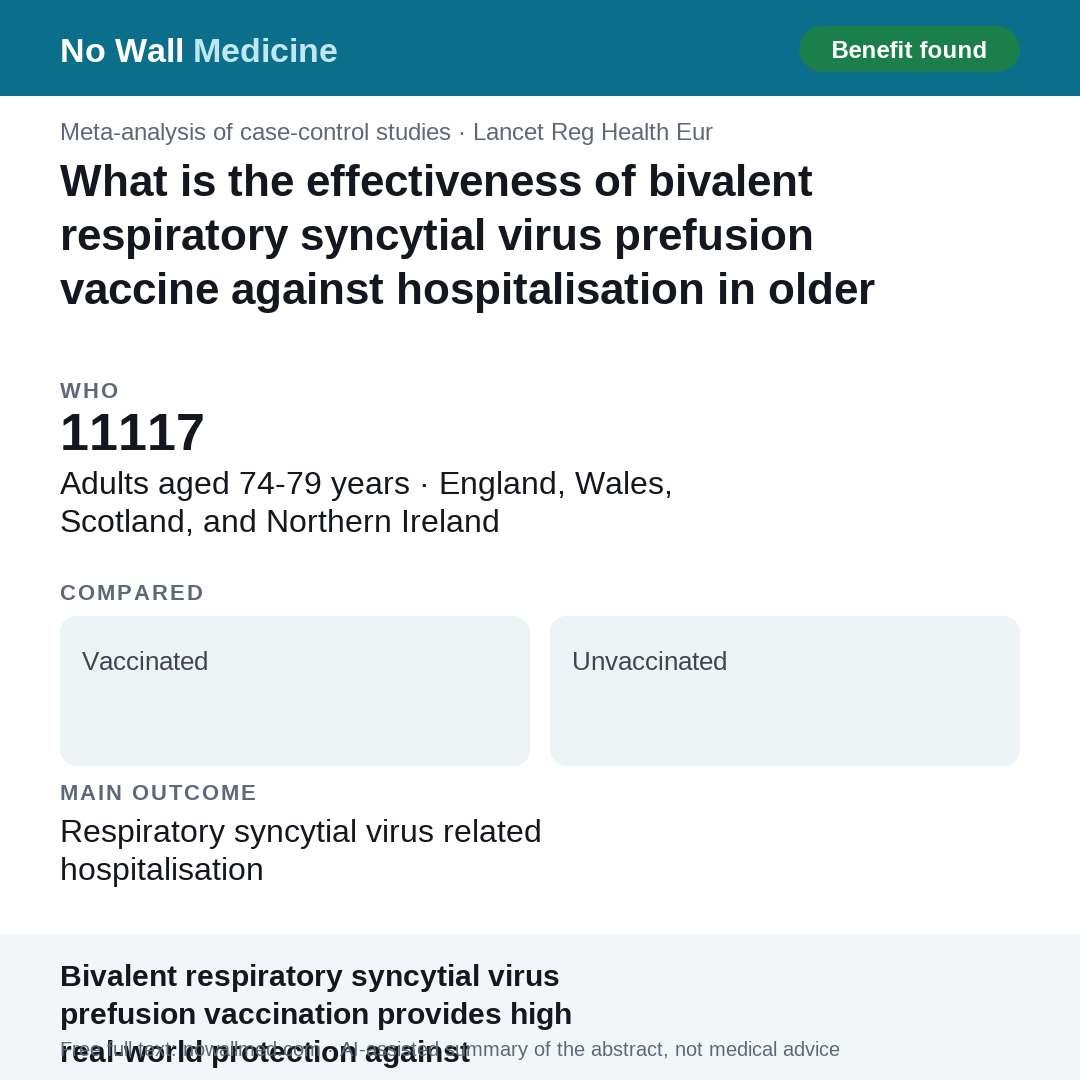
Bivalent RSV prefusion vaccine effectiveness against hospitalisation in older adults: meta-analysis of case-control studies in England, Wales, Scotland, and Northern Ireland
Meta-analysis of case-control studiesBenefit found
What is the effectiveness of bivalent respiratory syncytial virus prefusion vaccine against hospitalisation in older adults?
Who
11117
Adults aged 74-79 years · England, Wales, Scotland, and Northern Ireland
Compared
Vaccinated
Unvaccinated
Main outcome
Respiratory syncytial virus related hospitalisation
Result: 75% (95% CI 69-80)
Bottom line: Bivalent respiratory syncytial virus prefusion vaccination provides high real-world protection against hospitalisation in older adults.
Lancet Reg Health Eur · 2026-03-31Download image
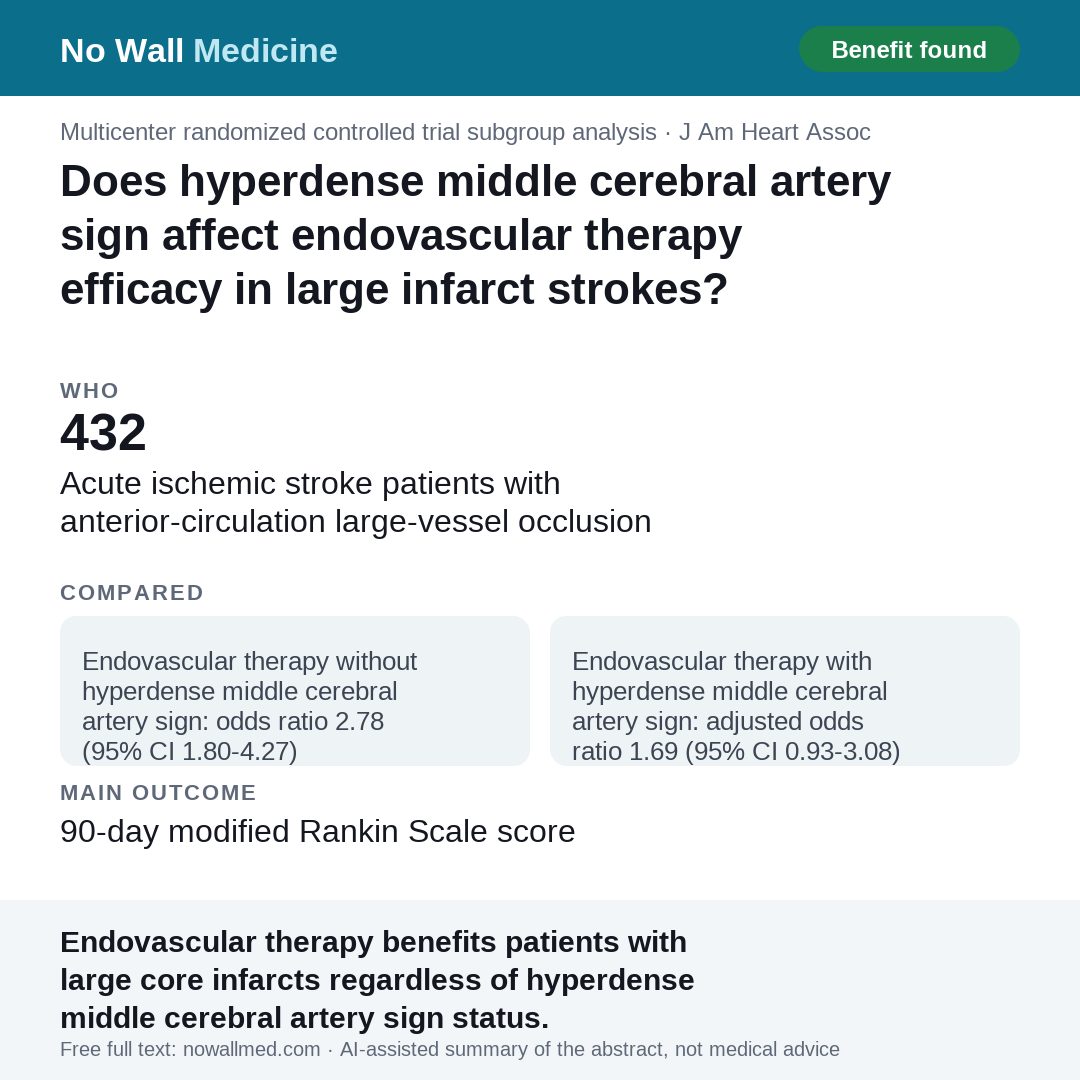
Effects of Computed Tomography Hyperdense Middle Cerebral Artery Sign on the Efficacy of Endovascular Therapy in Acute Ischemic Stroke With Large Infarcts: A Subgroup Analysis of the ANGEL-ASPECT Trial
Multicenter randomized controlled trial subgroup analysisBenefit found
Does hyperdense middle cerebral artery sign affect endovascular therapy efficacy in large infarct strokes?
Who
432
Acute ischemic stroke patients with anterior-circulation large-vessel occlusion and large infarct cores · China
Compared
Endovascular therapy without hyperdense middle cerebral artery sign: odds ratio 2.78 (95% CI 1.80-4.27)
Endovascular therapy with hyperdense middle cerebral artery sign: adjusted odds ratio 1.69 (95% CI 0.93-3.08)
Main outcome
90-day modified Rankin Scale score
Result: no significant interaction between hyperdense middle cerebral artery sign and treatment (P=0.19)
Bottom line: Endovascular therapy benefits patients with large core infarcts regardless of hyperdense middle cerebral artery sign status.
J Am Heart Assoc · 2026-03-31Download image
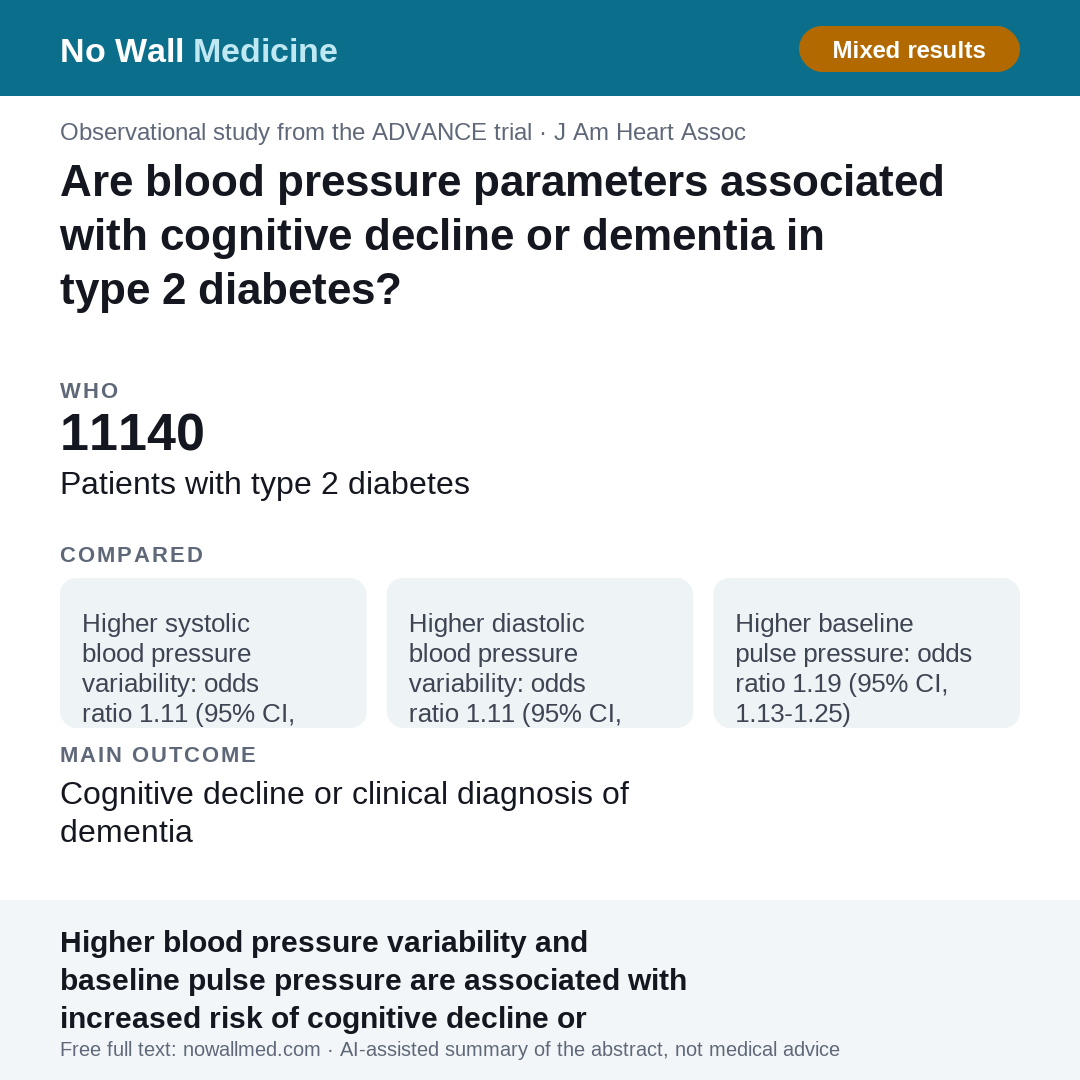
Blood Pressure Parameters and Risk of Cognitive Decline and Dementia in Type 2 Diabetes: Results From the ADVANCE Trial
Observational study from the ADVANCE trialMixed results
Are blood pressure parameters associated with cognitive decline or dementia in type 2 diabetes?
Who
11140
Patients with type 2 diabetes
Compared
Higher systolic blood pressure variability: odds ratio 1.11 (95% CI, 1.05-1.17)
Higher diastolic blood pressure variability: odds ratio 1.11 (95% CI, 1.05-1.17)
Higher baseline pulse pressure: odds ratio 1.19 (95% CI, 1.13-1.25)
Main outcome
Cognitive decline or clinical diagnosis of dementia
Result: baseline pulse pressure odds ratio 1.19 (95% CI, 1.13-1.25)
Bottom line: Higher blood pressure variability and baseline pulse pressure are associated with increased risk of cognitive decline or dementia.
J Am Heart Assoc · 2026-03-31Download image
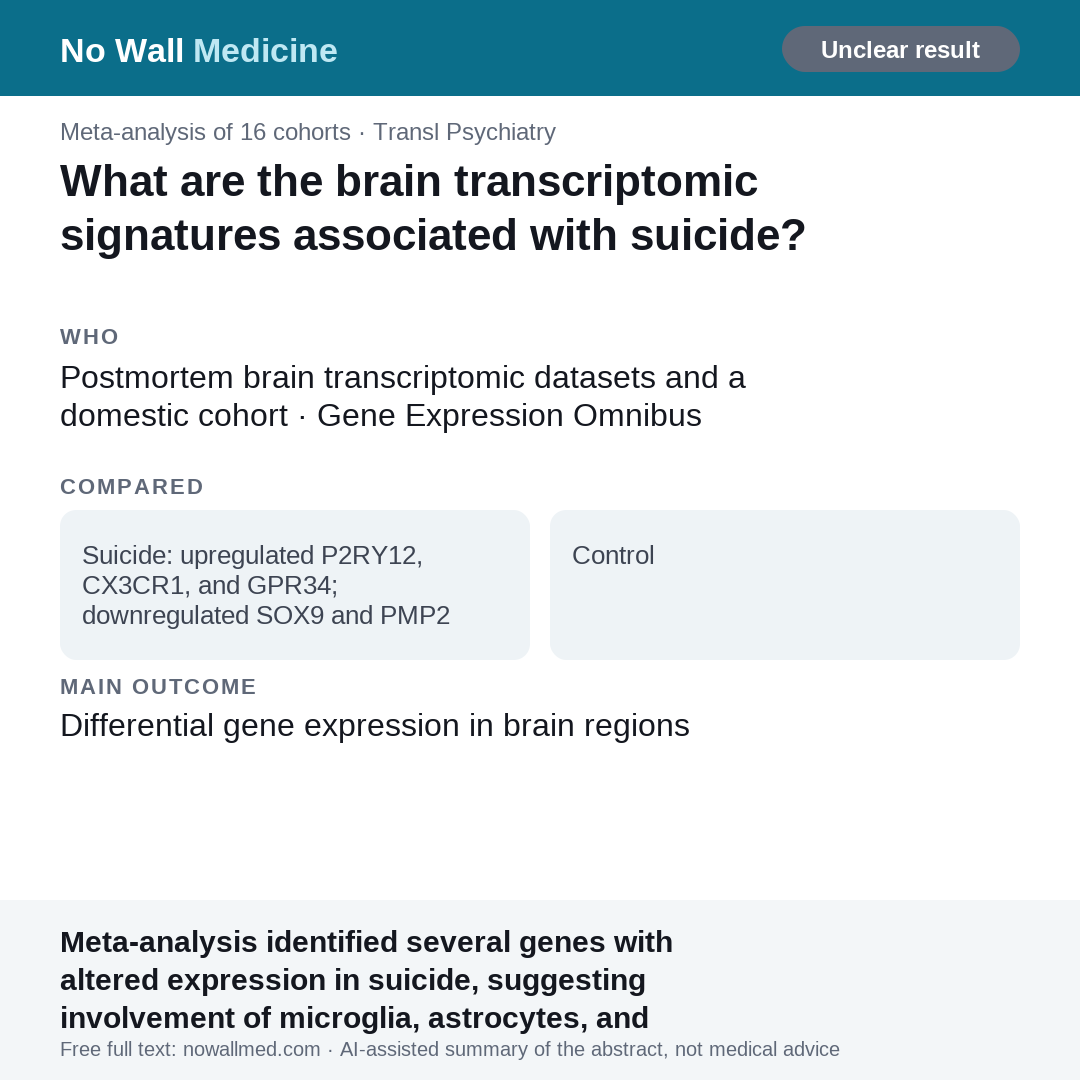
Identification of suicide brain transcriptomic signatures using meta-analysis of multiple cohorts
Meta-analysis of 16 cohortsUnclear result
What are the brain transcriptomic signatures associated with suicide?
Who
Postmortem brain transcriptomic datasets and a domestic cohort · Gene Expression Omnibus repository and domestic cohort
Compared
Suicide: upregulated P2RY12, CX3CR1, and GPR34; downregulated SOX9 and PMP2
Control
Main outcome
Differential gene expression in brain regions
Bottom line: Meta-analysis identified several genes with altered expression in suicide, suggesting involvement of microglia, astrocytes, and immune responses.
Transl Psychiatry · 2026-03-31Download image
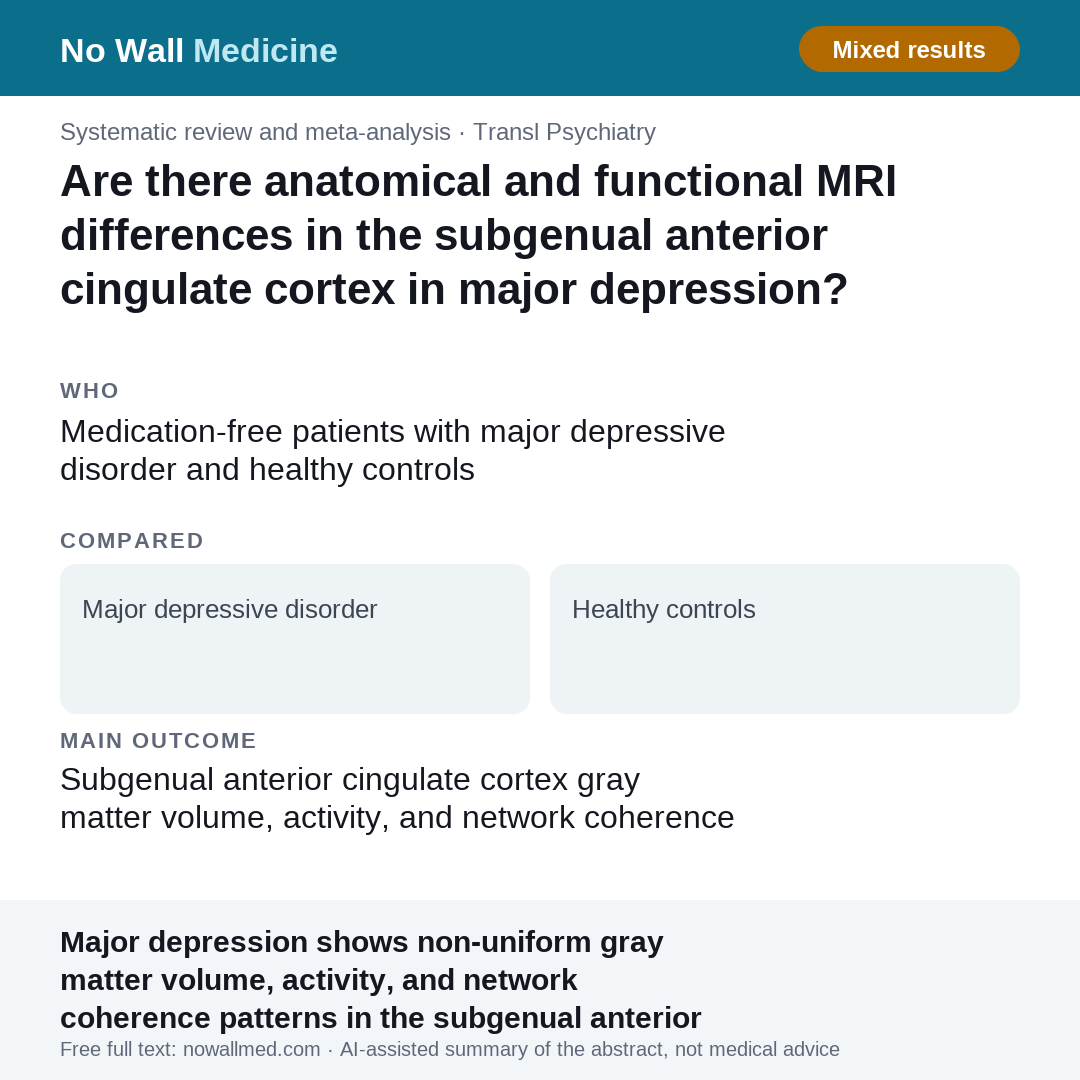
Subgenual anterior cingulate cortex in major depression: a systematic review and meta-analysis of MRI studies with patients and healthy controls
Systematic review and meta-analysisMixed results
Are there anatomical and functional MRI differences in the subgenual anterior cingulate cortex in major depression?
Who
Medication-free patients with major depressive disorder and healthy controls
Compared
Major depressive disorder
Healthy controls
Main outcome
Subgenual anterior cingulate cortex gray matter volume, activity, and network coherence
Bottom line: Major depression shows non-uniform gray matter volume, activity, and network coherence patterns in the subgenual anterior cingulate cortex.
Transl Psychiatry · 2026-03-31Download image
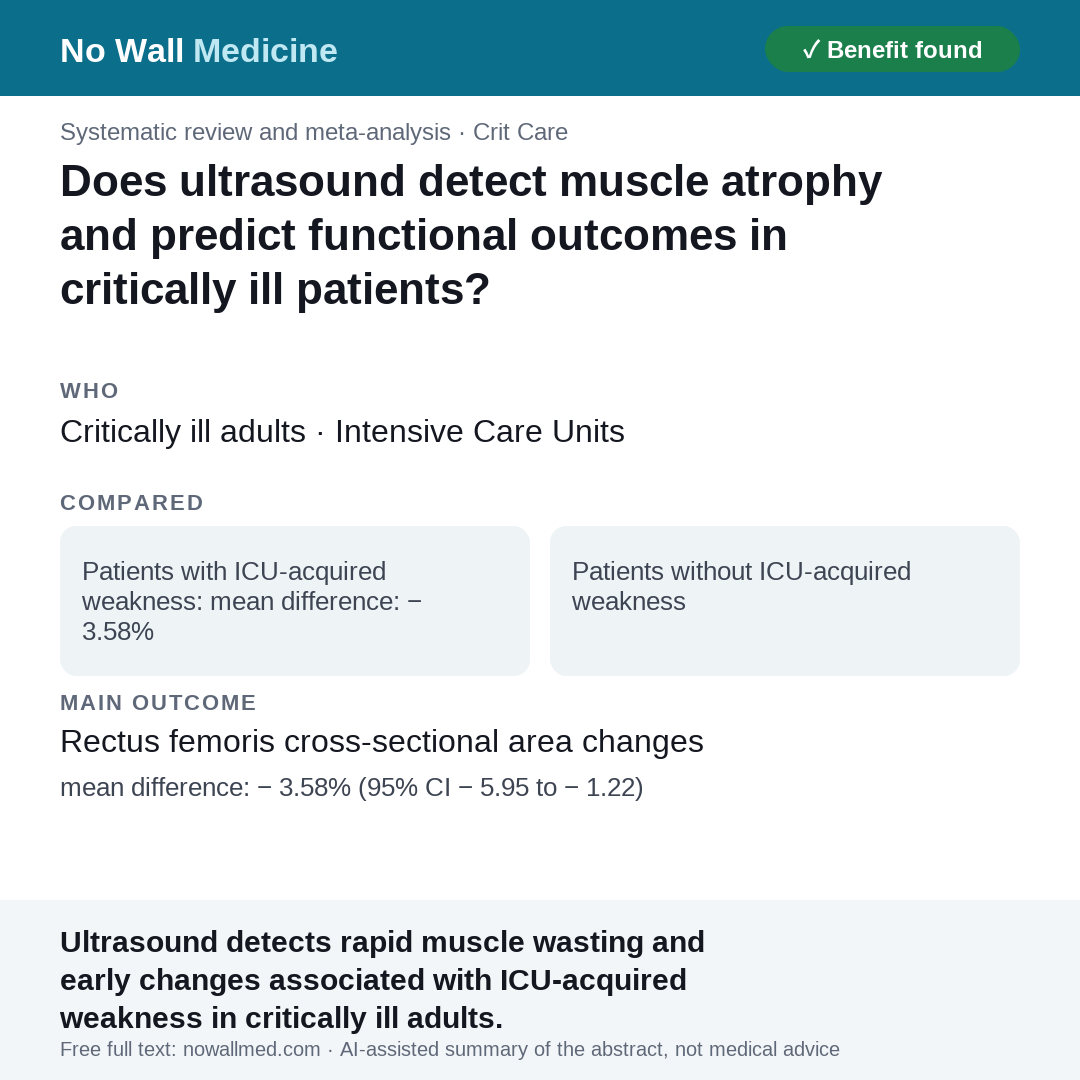
Ultrasound assessment of muscle atrophy and its association with functional outcomes in critically ill patients: a systematic review and meta-analysis
Systematic review and meta-analysisBenefit found
Does ultrasound detect muscle atrophy and predict functional outcomes in critically ill patients?
Who
Critically ill adults · Intensive Care Units
Compared
Patients with ICU-acquired weakness: mean difference: − 3.58%
Patients without ICU-acquired weakness
Main outcome
Rectus femoris cross-sectional area changes
Result: mean difference: − 3.58% (95% CI − 5.95 to − 1.22)
Bottom line: Ultrasound detects rapid muscle wasting and early changes associated with ICU-acquired weakness in critically ill adults.
Limitation: Very low certainty of evidence due to heterogeneity and methodological limitations.
Crit Care · 2026-03-31Download image
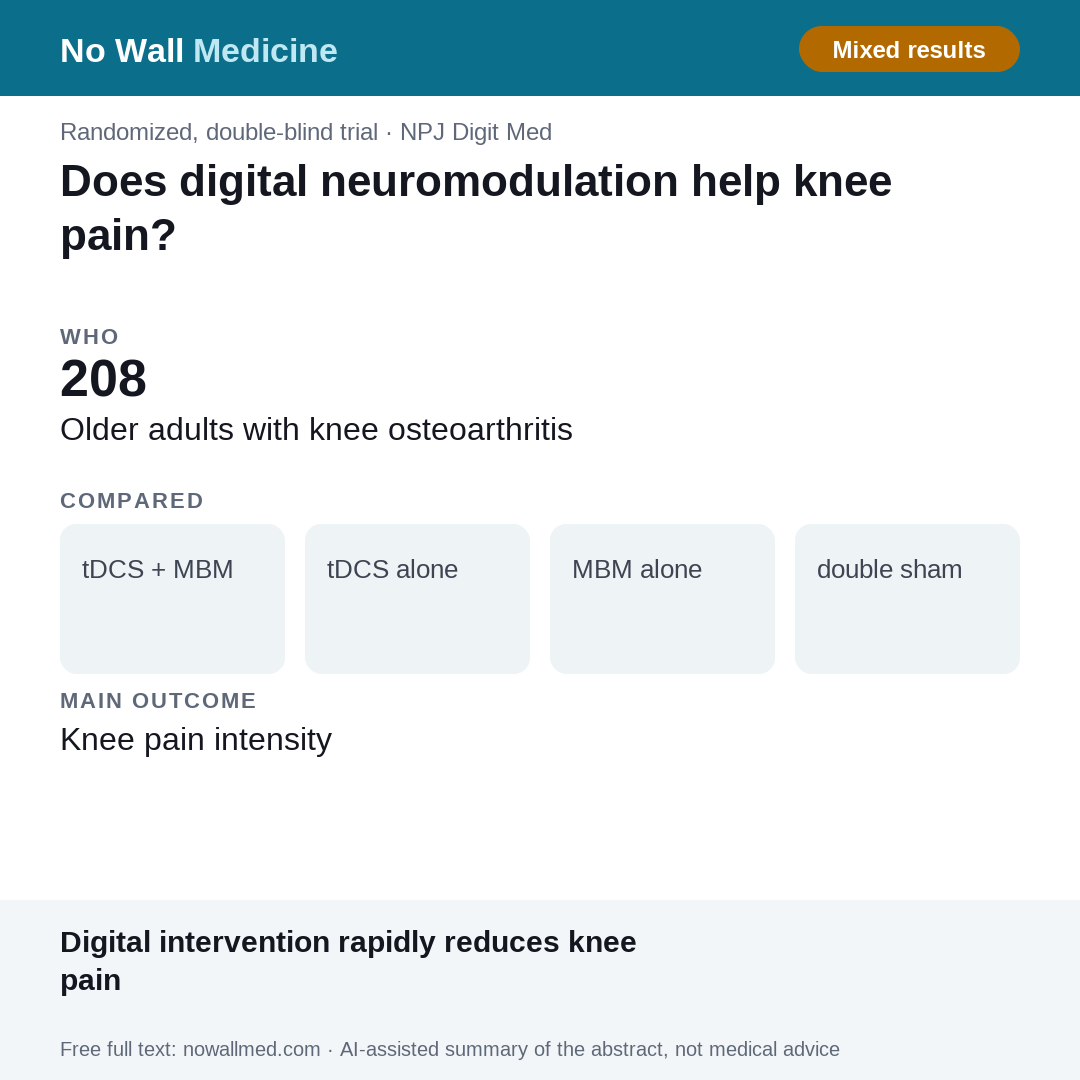
A randomized trial of a digitally delivered, home-based neuromodulation and mindfulness intervention for pain management in older adults with knee osteoarthritis
Randomized, double-blind trialMixed results
Does digital neuromodulation help knee pain?
Who
208
Older adults with knee osteoarthritis
Compared
tDCS + MBM
tDCS alone
MBM alone
double sham
Main outcome
Knee pain intensity
Bottom line: Digital intervention rapidly reduces knee pain
Limitation: Benefits not sustained at 3 months
NPJ Digit Med · 2026-03-31Download image
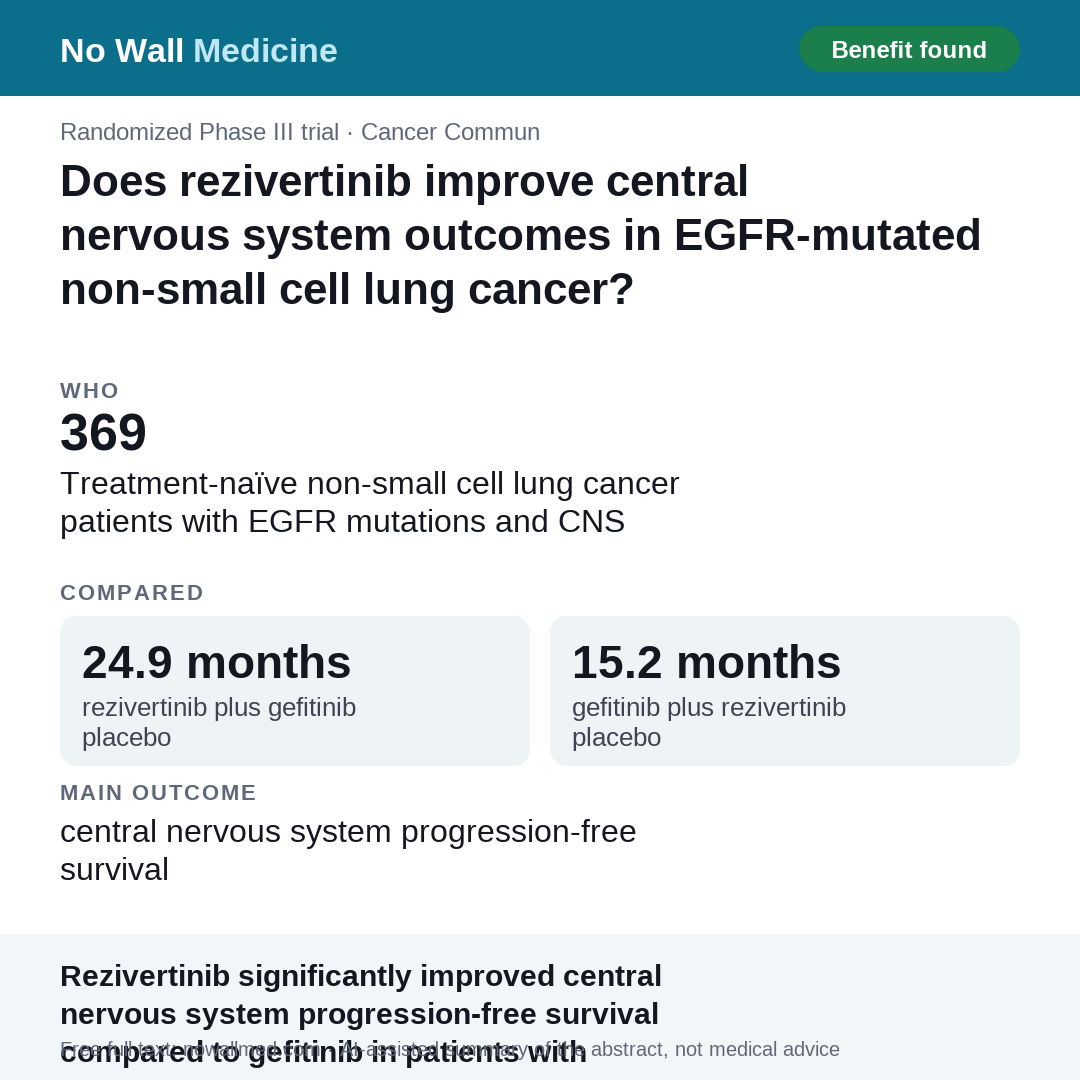
Rezivertinib in EGFR-Mutated Non-Small Cell Lung Cancer Patients with Central Nervous System Metastasis: Central Nervous System Efficacy from the Phase III REZOR Study
Randomized Phase III trialBenefit found
Does rezivertinib improve central nervous system outcomes in EGFR-mutated non-small cell lung cancer?
Who
369
Treatment-naïve non-small cell lung cancer patients with EGFR mutations and CNS metastases
Compared
24.9 monthsrezivertinib plus gefitinib placebo
15.2 monthsgefitinib plus rezivertinib placebo
Main outcome
central nervous system progression-free survival
Result: hazard ratio 0.58 (95% CI, 0.34 to 0.99)
Bottom line: Rezivertinib significantly improved central nervous system progression-free survival compared to gefitinib in patients with EGFR-mutated lung cancer.
Cancer Commun · 2026-03-31Download image
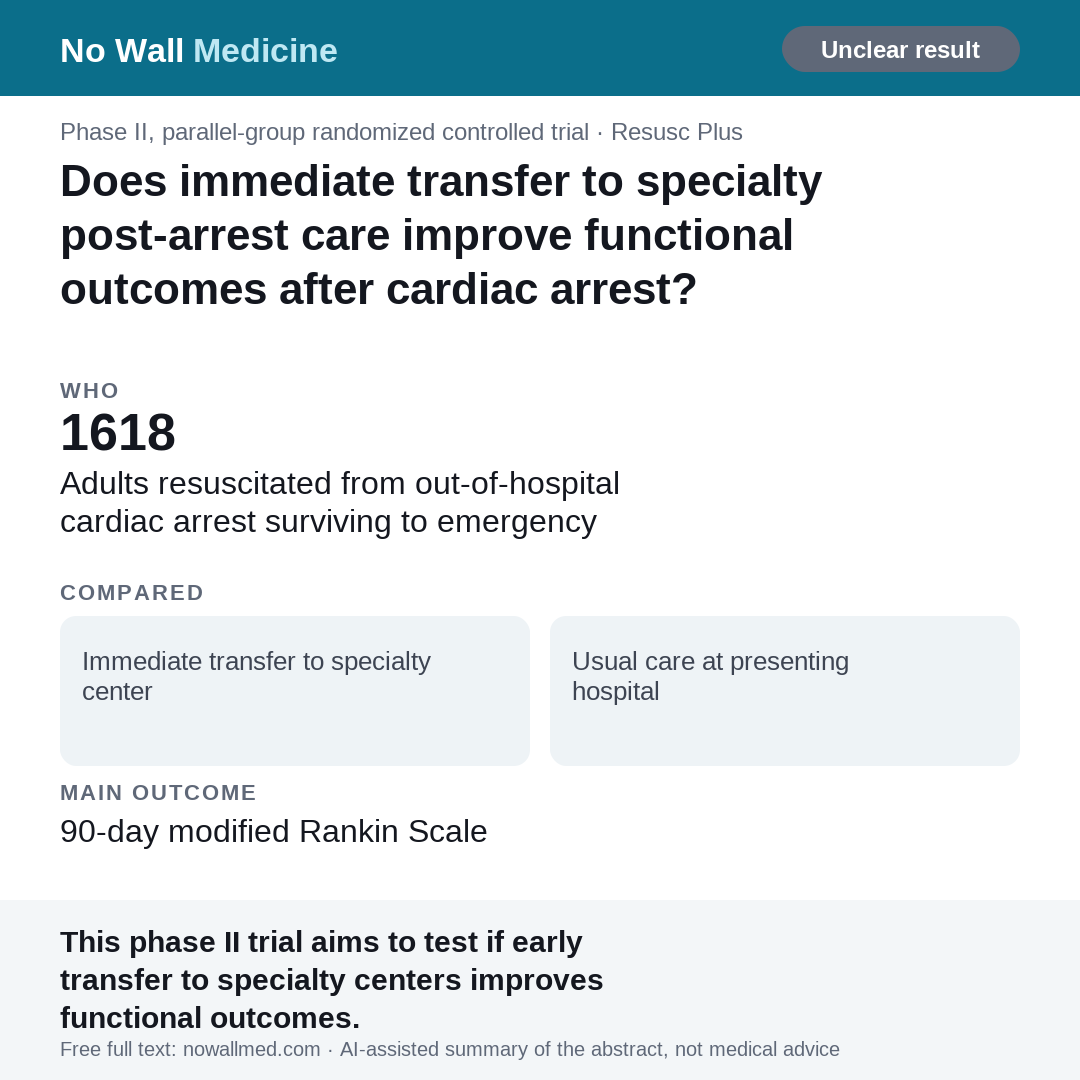
Design and rationale of the SPARC trial: a phase II, single-system randomized controlled trial of immediate transfer to specialty post-arrest care
Phase II, parallel-group randomized controlled trialUnclear result
Does immediate transfer to specialty post-arrest care improve functional outcomes after cardiac arrest?
Who
1618
Adults resuscitated from out-of-hospital cardiac arrest surviving to emergency department care · Single United States health system
Compared
Immediate transfer to specialty center
Usual care at presenting hospital
Main outcome
90-day modified Rankin Scale
Bottom line: This phase II trial aims to test if early transfer to specialty centers improves functional outcomes.
Resusc Plus · 2026-03-31Download image