Visual abstracts
New randomized trials and meta-analyses from leading journals at a glance: who was studied, what was compared, and what was found. Every paper is free to read in full.
All specialtiesCardiology 4877Oncology 4138Gastroenterology & Hepatology 1942Infectious Disease 3837Neurology 1905Psychiatry & Mental Health 2273Pulmonology 2143Critical Care 1365Endocrinology & Diabetes 2580Pediatrics 2980Surgery 2559Orthopedics & Sports Medicine 931Neurosurgery 537Cardiothoracic & Vascular Surgery 674Plastic & Reconstructive Surgery 591Nephrology 1133Rheumatology 823Hematology 1109Dermatology 621Ophthalmology 543Obstetrics & Gynecology 1686Public & Global Health 1058Radiology & Imaging 648Anesthesiology 986Urology 764ENT (Otolaryngology) 503Emergency Medicine 511Allergy & Immunology 313Geriatrics 981Family Medicine & Primary Care 562Medical Genetics & Genomics 676Pathology & Laboratory Medicine 159Physical Medicine & Rehabilitation 757Palliative Care 444Nutrition 1588Digital Health & AI 2201General Medicine 321
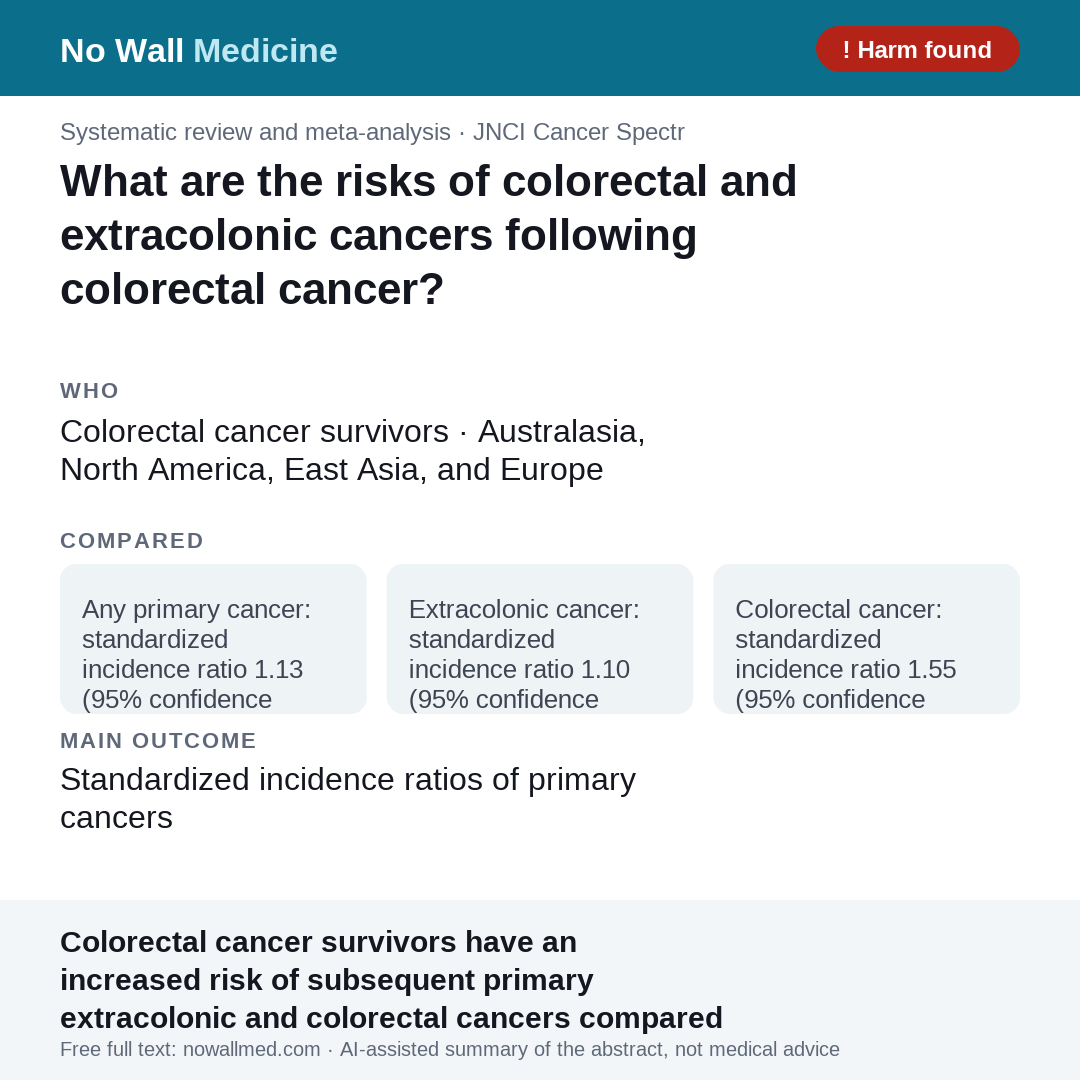
Risks of colorectal and extracolonic cancers following colorectal cancer: a systematic review and meta-analysis
Systematic review and meta-analysisHarm found
What are the risks of colorectal and extracolonic cancers following colorectal cancer?
Who
Colorectal cancer survivors · Australasia, North America, East Asia, and Europe
Compared
Any primary cancer: standardized incidence ratio 1.13 (95% confidence interval 1.06 to 1.20)
Extracolonic cancer: standardized incidence ratio 1.10 (95% confidence interval 1.03 to 1.17)
Colorectal cancer: standardized incidence ratio 1.55 (95% confidence interval 1.33 to 1.77)
Main outcome
Standardized incidence ratios of primary cancers
Result: standardized incidence ratio 1.13 (95% confidence interval 1.06 to 1.20)
Bottom line: Colorectal cancer survivors have an increased risk of subsequent primary extracolonic and colorectal cancers compared to the general population.
JNCI Cancer Spectr · 2025-03-21Download image
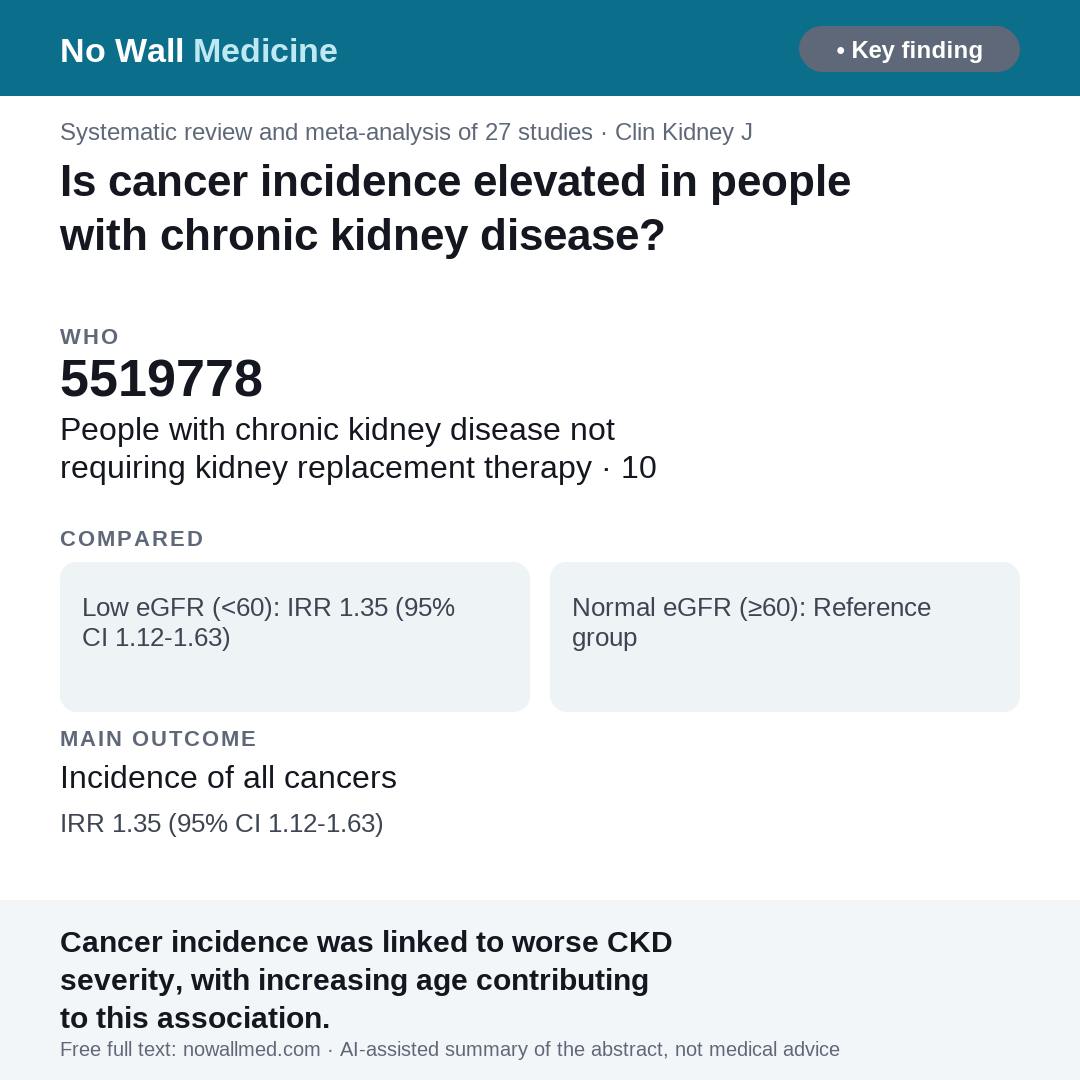
Incidence of cancer in people with CKD not requiring kidney replacement therapy: a systematic review and meta-analysis
Systematic review and meta-analysisBenefit found
Is there an elevated incidence of cancer in people with chronic kidney disease?
Who
5519778
People with chronic kidney disease not requiring kidney replacement therapy · 10 countries
Compared
estimated glomerular filtration rate <60
estimated glomerular filtration rate ≥60
Main outcome
Incidence rates of cancer
Result: incidence rate ratio 1.35 (95% CI 1.12-1.63)
Bottom line: People with chronic kidney disease have an elevated incidence of cancer, especially as age increases.
Clin Kidney J · 2025-03-21Download image
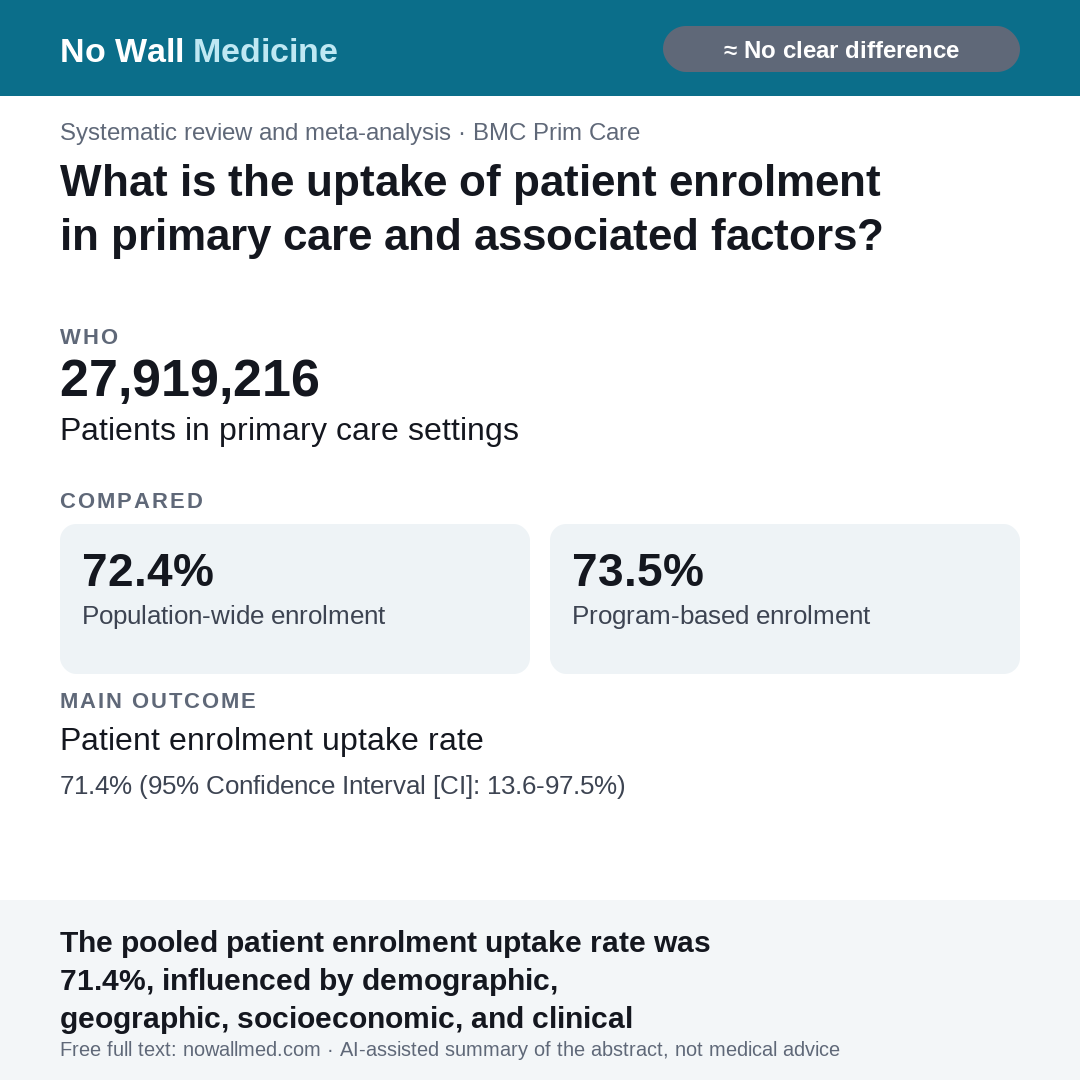
Uptake of patient enrolment in primary care and associated factors: a systematic review and meta-analysis
Systematic review and meta-analysisNo clear difference
What is the uptake of patient enrolment in primary care and associated factors?
Who
27,919,216
Patients in primary care settings
Compared
72.4%Population-wide enrolment
73.5%Program-based enrolment
Main outcome
Patient enrolment uptake rate
Result: 71.4% (95% Confidence Interval [CI]: 13.6-97.5%)
Bottom line: The pooled patient enrolment uptake rate was 71.4%, influenced by demographic, geographic, socioeconomic, and clinical factors.
BMC Prim Care · 2025-03-21Download image
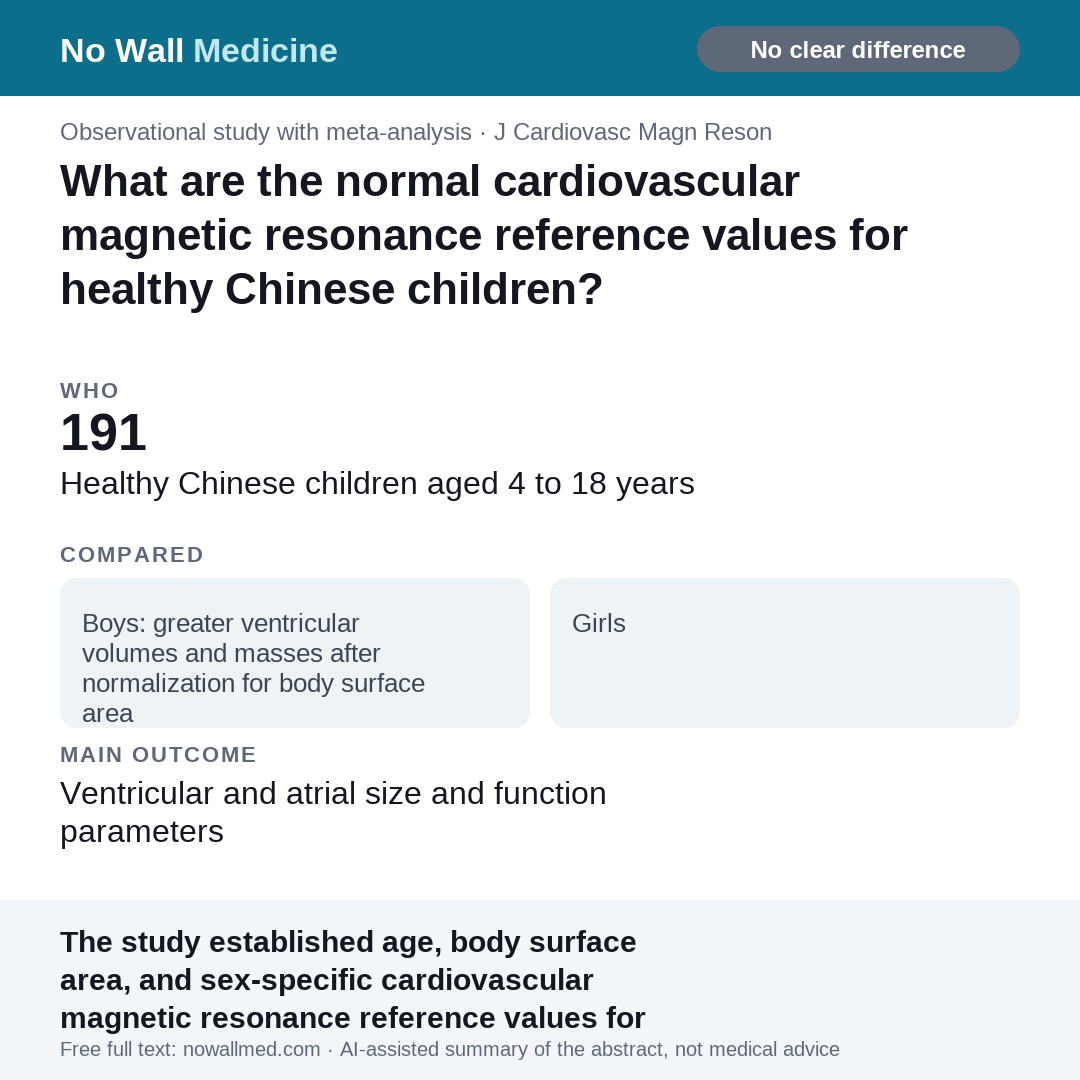
Age-, body surface area-, and sex-specific reference values for cardiovascular magnetic resonance imaging derived ventricular and atrial size and function for Chinese healthy children
Observational study with meta-analysisNo clear difference
What are the normal cardiovascular magnetic resonance reference values for healthy Chinese children?
Who
191
Healthy Chinese children aged 4 to 18 years
Compared
Boys: greater ventricular volumes and masses after normalization for body surface area
Girls
Main outcome
Ventricular and atrial size and function parameters
Bottom line: The study established age, body surface area, and sex-specific cardiovascular magnetic resonance reference values for Chinese children.
J Cardiovasc Magn Reson · 2025-03-21Download image
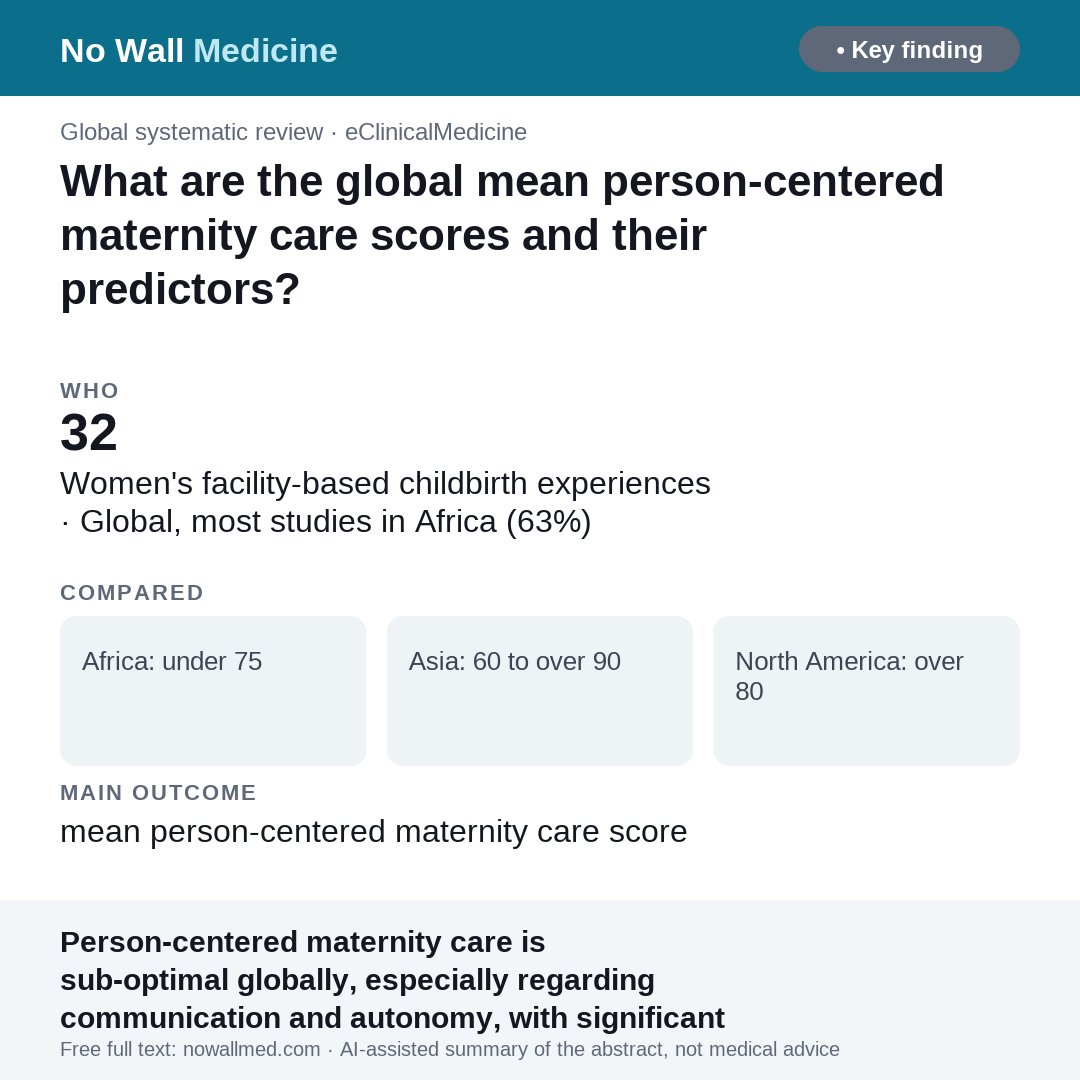
Assessment of the person-centered maternity care scale: a global systematic review
Global systematic reviewHarm found
What are the global mean person-centered maternity care scores and their predictors?
Who
32
Women's facility-based childbirth experiences · Global, most studies in Africa (63%)
Compared
Africa: under 75
Asia: 60 to over 90
North America: over 80
Main outcome
mean person-centered maternity care score
Bottom line: Person-centered maternity care is sub-optimal globally, especially regarding communication and autonomy, with significant sociodemographic inequities.
eClinicalMedicine · 2025-03-20Download image
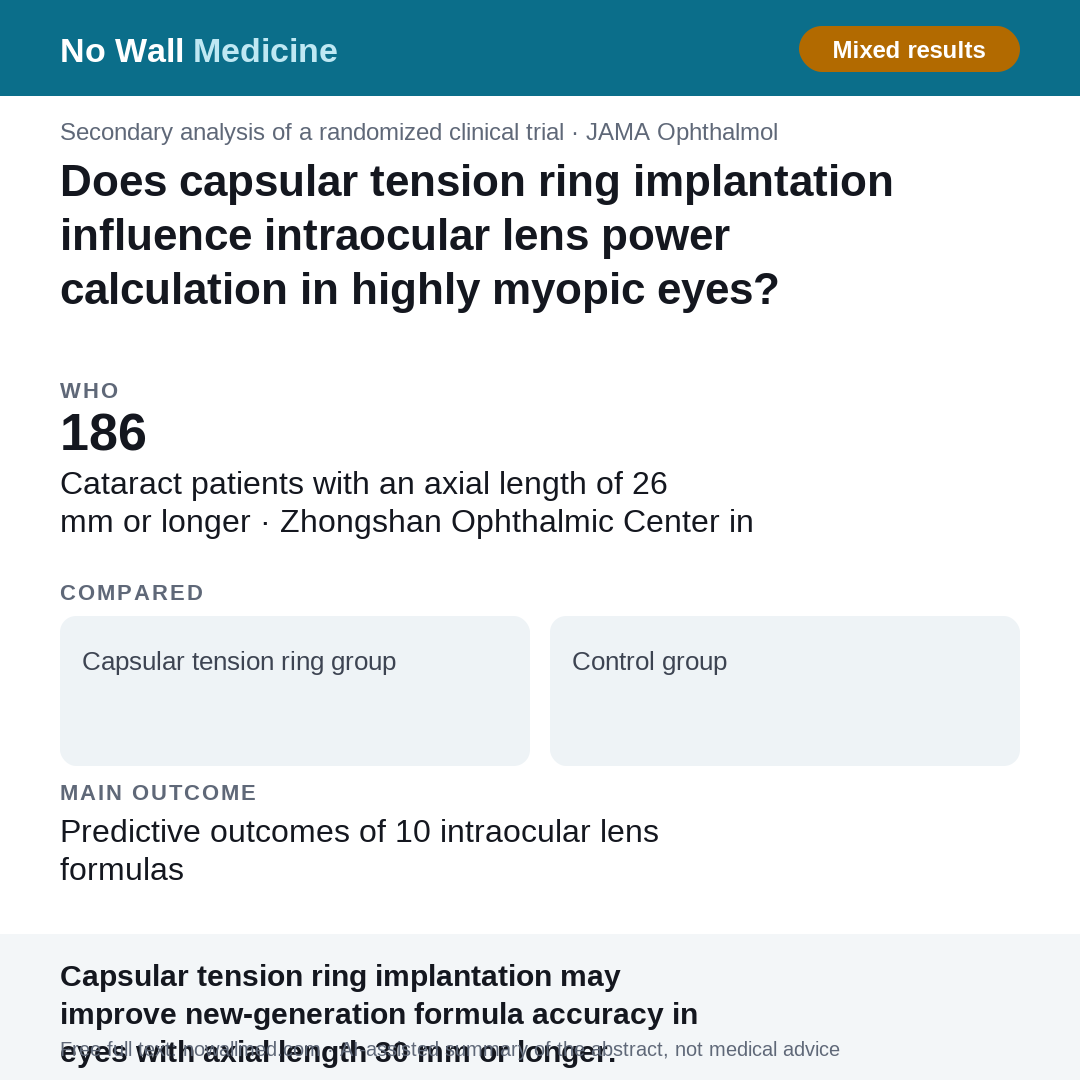
Capsular Tension Ring Implantation for Intraocular Lens Power Calculation in Highly Myopic Eyes: Secondary Analysis of a Randomized Clinical Trial
Secondary analysis of a randomized clinical trialMixed results
Does capsular tension ring implantation influence intraocular lens power calculation in highly myopic eyes?
Who
186
Cataract patients with an axial length of 26 mm or longer · Zhongshan Ophthalmic Center in Guangzhou, China
Compared
Capsular tension ring group
Control group
Main outcome
Predictive outcomes of 10 intraocular lens formulas
Bottom line: Capsular tension ring implantation may improve new-generation formula accuracy in eyes with axial length 30 mm or longer.
Limitation: This is a prespecified secondary analysis of outcomes from a randomized clinical trial.
JAMA Ophthalmol · 2025-03-20Download image
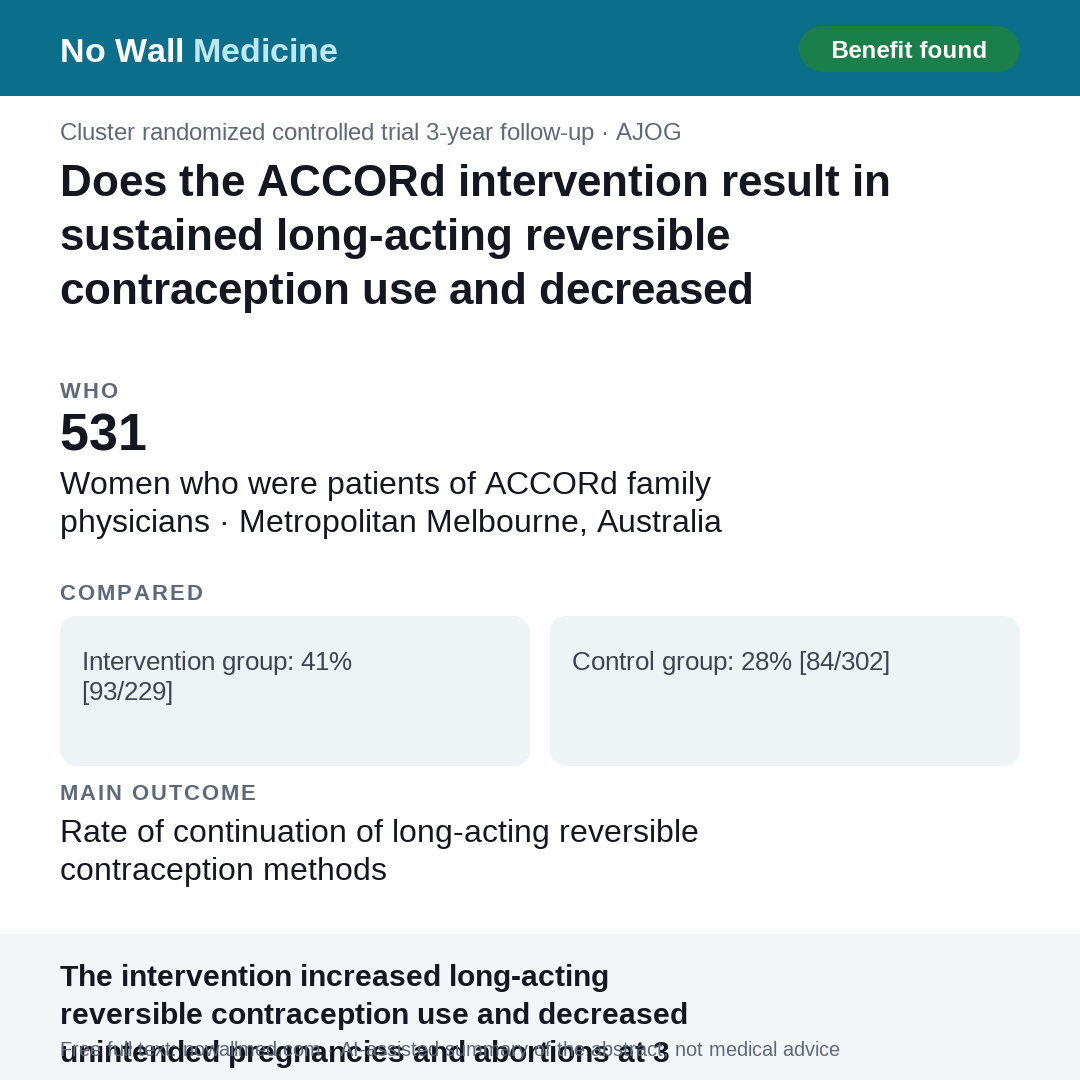
Increasing the uptake of long-acting reversible contraception through family practice: the Australian Contraceptive ChOice pRoject (ACCORd) cluster randomized controlled trial 3-year follow-up
Cluster randomized controlled trial 3-year follow-upBenefit found
Does the ACCORd intervention result in sustained long-acting reversible contraception use and decreased unplanned pregnancies?
Who
531
Women who were patients of ACCORd family physicians · Metropolitan Melbourne, Australia
Compared
Intervention group: 41% [93/229]
Control group: 28% [84/302]
Main outcome
Rate of continuation of long-acting reversible contraception methods
Result: odds ratio 0.38 [95% confidence interval, 0.16-0.86]
Bottom line: The intervention increased long-acting reversible contraception use and decreased unintended pregnancies and abortions at 3 years.
AJOG · 2025-03-20Download image
Effectiveness of interventions to support person-centered contraceptive care for adolescents and young adults: a systematic review
Systematic reviewBenefit found
Do interventions to support person-centered contraceptive counseling improve patient and clinician outcomes?
Who
Females assigned at birth under 25 years old
Compared
Interventions
Control
Main outcome
Patient and clinician outcomes related to person-centered contraceptive counseling
Bottom line: Interventions like coaching and decision aids may improve short and medium term patient and clinician outcomes.
Limitation: No studies directly measured person-centered contraceptive counseling or assessed reproductive autonomy.
AJOG · 2025-03-20Download image

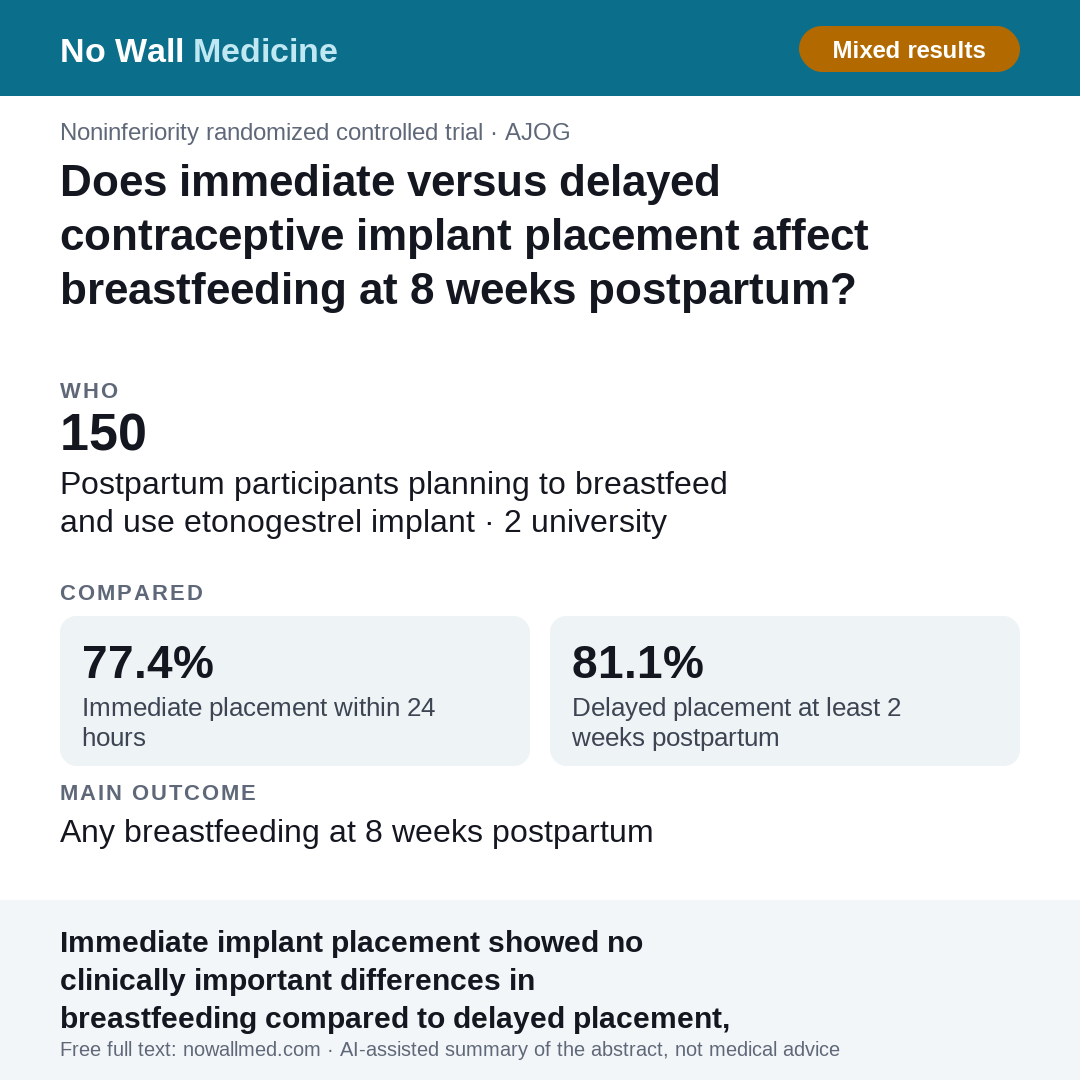
Breastfeeding after immediate vs delayed postpartum contraceptive implant placement: a noninferiority randomized controlled trial
Noninferiority randomized controlled trialMixed results
Does immediate versus delayed contraceptive implant placement affect breastfeeding at 8 weeks postpartum?
Who
150
Postpartum participants planning to breastfeed and use etonogestrel implant · 2 university hospitals in the Mountain West
Compared
77.4%Immediate placement within 24 hours (48/62)
81.1%Delayed placement at least 2 weeks postpartum (43/53)
Main outcome
Any breastfeeding at 8 weeks postpartum
Result: -3.7% difference, 95% confidence interval lower limit -16%
Bottom line: Immediate implant placement showed no clinically important differences in breastfeeding compared to delayed placement, despite exceeding the noninferiority margin.
Limitation: The primary outcome exceeded the predefined noninferiority margin in the per protocol analysis.
AJOG · 2025-03-20Download image
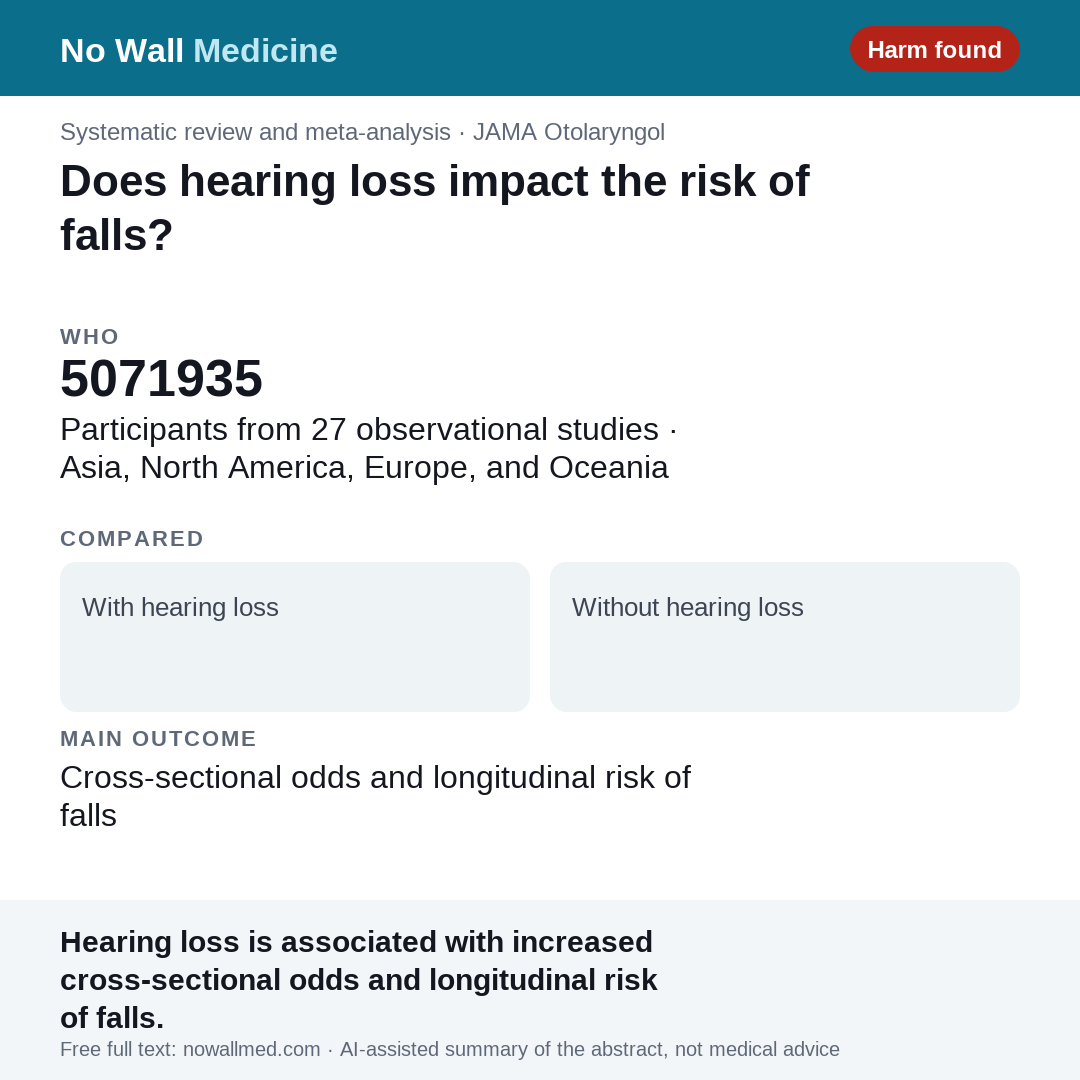
Hearing Loss and Falls: A Systematic Review and Meta-Analysis
Systematic review and meta-analysisHarm found
Does hearing loss impact the risk of falls?
Who
5071935
Participants from 27 observational studies · Asia, North America, Europe, and Oceania
Compared
With hearing loss
Without hearing loss
Main outcome
Cross-sectional odds and longitudinal risk of falls
Result: odds ratio 1.51 (95% CI 1.37-1.67); risk ratio 1.17 (95% CI 1.06-1.29)
Bottom line: Hearing loss is associated with increased cross-sectional odds and longitudinal risk of falls.
Limitation: Further randomized clinical trials are needed to elucidate benefit of treating hearing loss.
JAMA Otolaryngol · 2025-03-20Download image
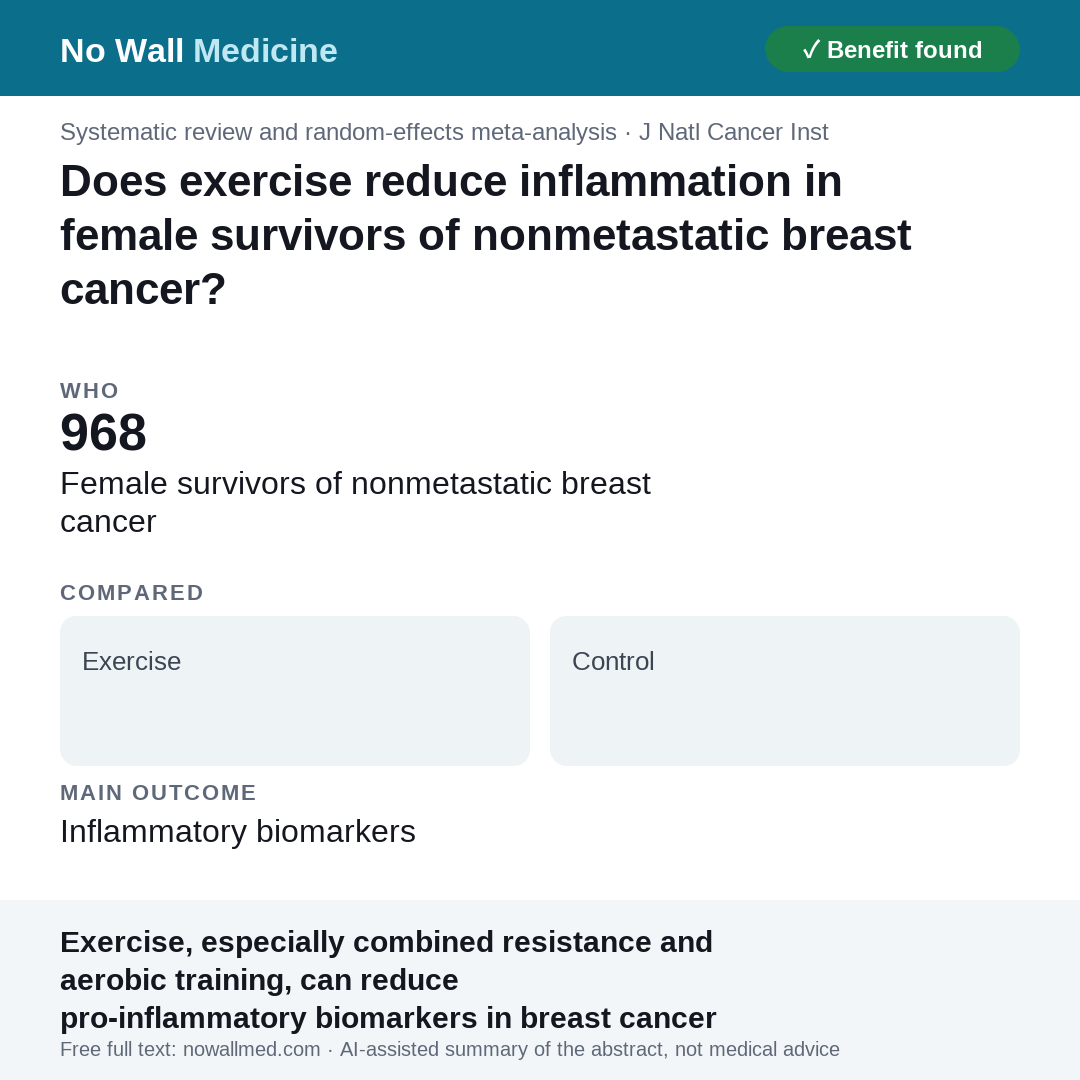
Effects of exercise on inflammation in female survivors of nonmetastatic breast cancer: a systematic review and meta-analysis
Systematic review and random-effects meta-analysisBenefit found
Does exercise reduce inflammation in female survivors of nonmetastatic breast cancer?
Who
968
Female survivors of nonmetastatic breast cancer
Compared
Exercise
Control
Main outcome
Inflammatory biomarkers
Result: interleukin 6 SMD -0.85 (95% CI -1.68 to -0.02); tumor necrosis factor alpha SMD -0.40 (95% CI -0.81 to 0.01)
Bottom line: Exercise, especially combined resistance and aerobic training, can reduce pro-inflammatory biomarkers in breast cancer survivors.
Limitation: Further research is needed to investigate exercise mode and program duration effects.
J Natl Cancer Inst · 2025-03-20Download image
The role of regional and practice trial sites in nonrepresentative randomized cancer trial enrollment
Observational study using patient-level dataHarm found
How do trial-enrolling regions and practices impact representativeness in cancer drug trials?
Who
People aged 65 years and older with lung, breast, pancreatic, or renal cancer · Surveillance, Epidemiology, and End Results-Medicare cohort
Compared
Black patients: 45% fewer than expected
Hispanic and rural patients: more than 50% underenrollment
Main outcome
Representativeness of enrollment by age, sex, race, ethnicity, and rural residence
Bottom line: Choice of region and practice contributes to over 50% of underenrollment for Black, Hispanic, and rural patients.
J Natl Cancer Inst · 2025-03-20Download image

Optimizing mealtime care and outcomes for people with dementia and their caregivers: A systematic review and meta-analysis of intervention studies
Systematic review and meta-analysisMixed results
Do non-pharmacological interventions optimize mealtime care and outcomes for people with dementia?
Who
33
People with dementia and their caregivers
Compared
Resident training/therapy: decreased eating difficulties and increased food intake
Nutritional supplement: improved cognition and depression
Environmental/food modification: increased food intake
Main outcome
Mealtime care and outcomes
Bottom line: Specific non-pharmacological interventions show potential benefits for mealtime care, but evidence quality remains mostly low to very low.
Alzheimers Dement · 2025-03-20Download image

Multimorbidity and analgesic-related harms: a systematic review
Systematic reviewHarm found
What are the risks of adverse outcomes from opioids, nonsteroidal anti-inflammatory drugs, and gabapentinoids in adults with multimorbidity?
Who
2 671 958
Adults with multimorbidity
Compared
Opioid use: increased mortality
Non-use
Main outcome
analgesic-related harms
Bottom line: Opioid use in adults with multimorbidity is associated with increased mortality, overdose, and death.
Limitation: Studies were heterogenous, with variable quality (high risk of bias, n=11).
Br J Anaesth · 2025-03-20Download image

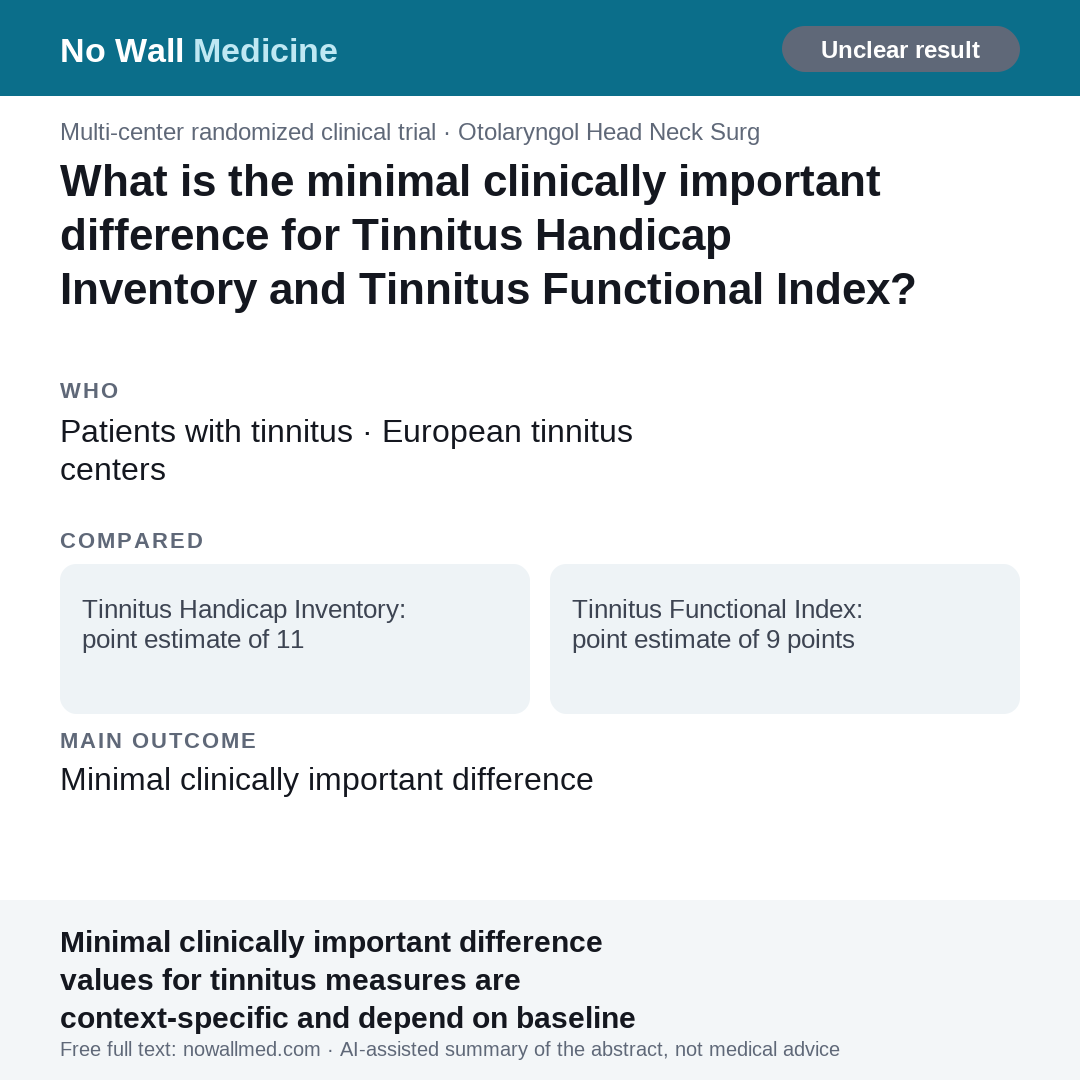
Estimation of Minimal Clinically Important Difference for Tinnitus Handicap Inventory and Tinnitus Functional Index
Multi-center randomized clinical trialUnclear result
What is the minimal clinically important difference for Tinnitus Handicap Inventory and Tinnitus Functional Index?
Who
Patients with tinnitus · European tinnitus centers
Compared
Tinnitus Handicap Inventory: point estimate of 11
Tinnitus Functional Index: point estimate of 9 points
Main outcome
Minimal clinically important difference
Bottom line: Minimal clinically important difference values for tinnitus measures are context-specific and depend on baseline severity and time.
Otolaryngol Head Neck Surg · 2025-03-20Download image
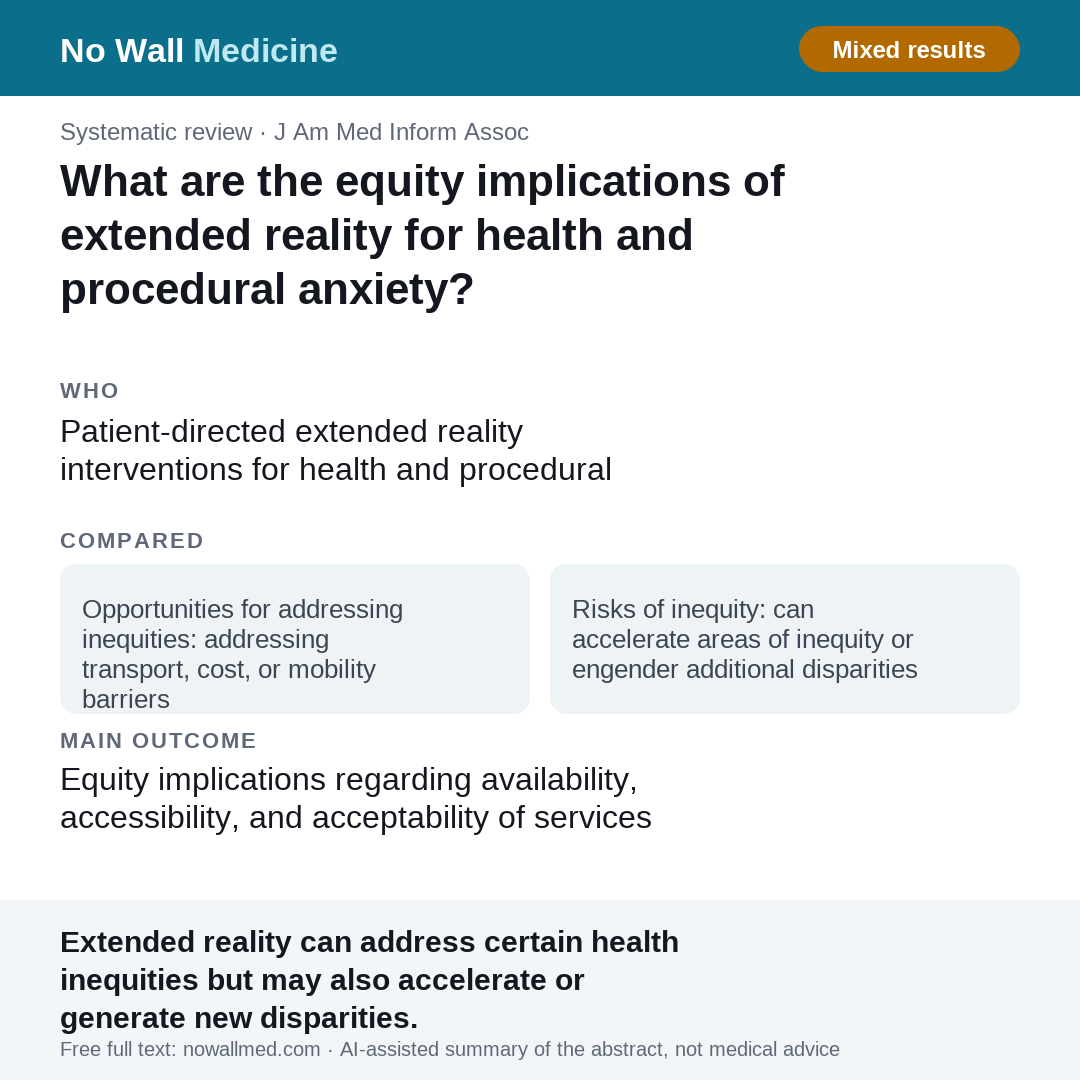
Equity implications of extended reality technologies for health and procedural anxiety: a systematic review and implementation-focused framework
Systematic reviewMixed results
What are the equity implications of extended reality for health and procedural anxiety?
Who
Patient-directed extended reality interventions for health and procedural anxiety
Compared
Opportunities for addressing inequities: addressing transport, cost, or mobility barriers
Risks of inequity: can accelerate areas of inequity or engender additional disparities
Main outcome
Equity implications regarding availability, accessibility, and acceptability of services
Bottom line: Extended reality can address certain health inequities but may also accelerate or generate new disparities.
J Am Med Inform Assoc · 2025-03-20Download image
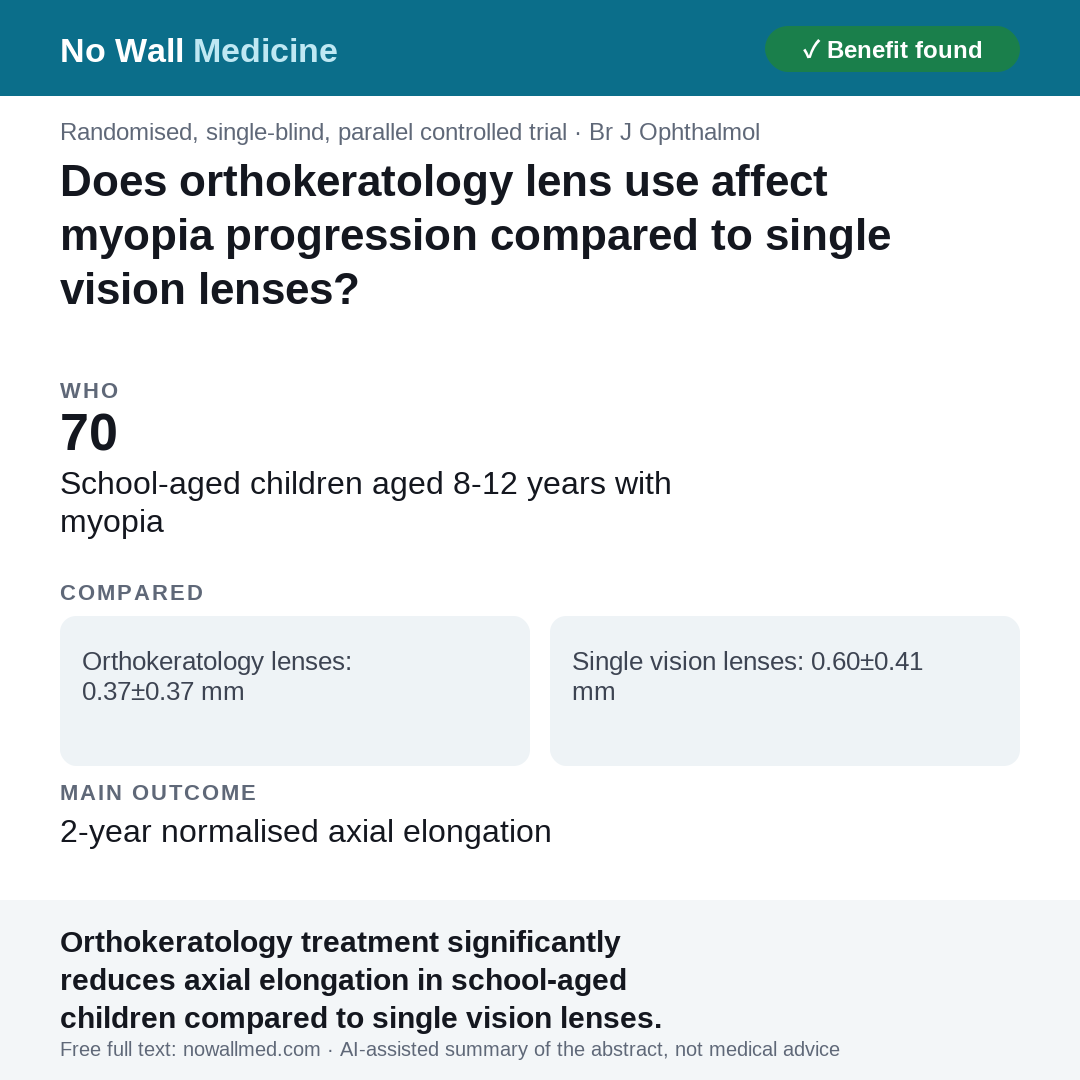
Interaction of retinal electrophysiology and novel orthokeratology lens use on myopia control efficacy in children
Randomised, single-blind, parallel controlled trialBenefit found
Does orthokeratology lens use affect myopia progression compared to single vision lenses?
Who
70
School-aged children aged 8-12 years with myopia
Compared
Orthokeratology lenses: 0.37±0.37 mm
Single vision lenses: 0.60±0.41 mm
Main outcome
2-year normalised axial elongation
Bottom line: Orthokeratology treatment significantly reduces axial elongation in school-aged children compared to single vision lenses.
Br J Ophthalmol · 2025-03-20Download image
AI in radiological imaging of soft-tissue and bone tumours: a systematic review evaluating against CLAIM and FUTURE-AI guidelines
Systematic reviewMixed results
How do artificial intelligence methods for soft-tissue and bone tumours align with reporting guidelines?
Who
325
Radiology-based artificial intelligence studies for primary soft-tissue and bone tumours
Compared
Checklist for Artificial Intelligence in Medical Imaging: average score of 28.9 ± 7.5 out of 53
FUTURE-AI international consensus guidelines: average score of 5.1 ± 2.1 out of 30
Main outcome
Alignment with CLAIM and FUTURE-AI guidelines
Bottom line: Artificial intelligence tools for these tumours show moderate alignment with CLAIM but poor alignment with FUTURE-AI guidelines.
Funded by: Hanarth Fonds, ICAI Lab, NIHR, EuCanImage
eBioMedicine · 2025-03-20Download image

Haloperidol in treating delirium, reducing mortality, and preventing delirium occurrence: Bayesian and frequentist meta-analyses
Bayesian and frequentist meta-analysis of randomized controlled trialsMixed results
Is haloperidol effective for treating and preventing delirium in intensive care unit patients?
Who
Adult intensive care unit patients
Compared
Haloperidol
Placebo
Main outcome
All-cause mortality, incident delirium, and serious adverse events
Bottom line: Haloperidol may treat delirium and reduce rescue benzodiazepine use, but it is not effective for delirium prevention.
Crit Care · 2025-03-20Download image

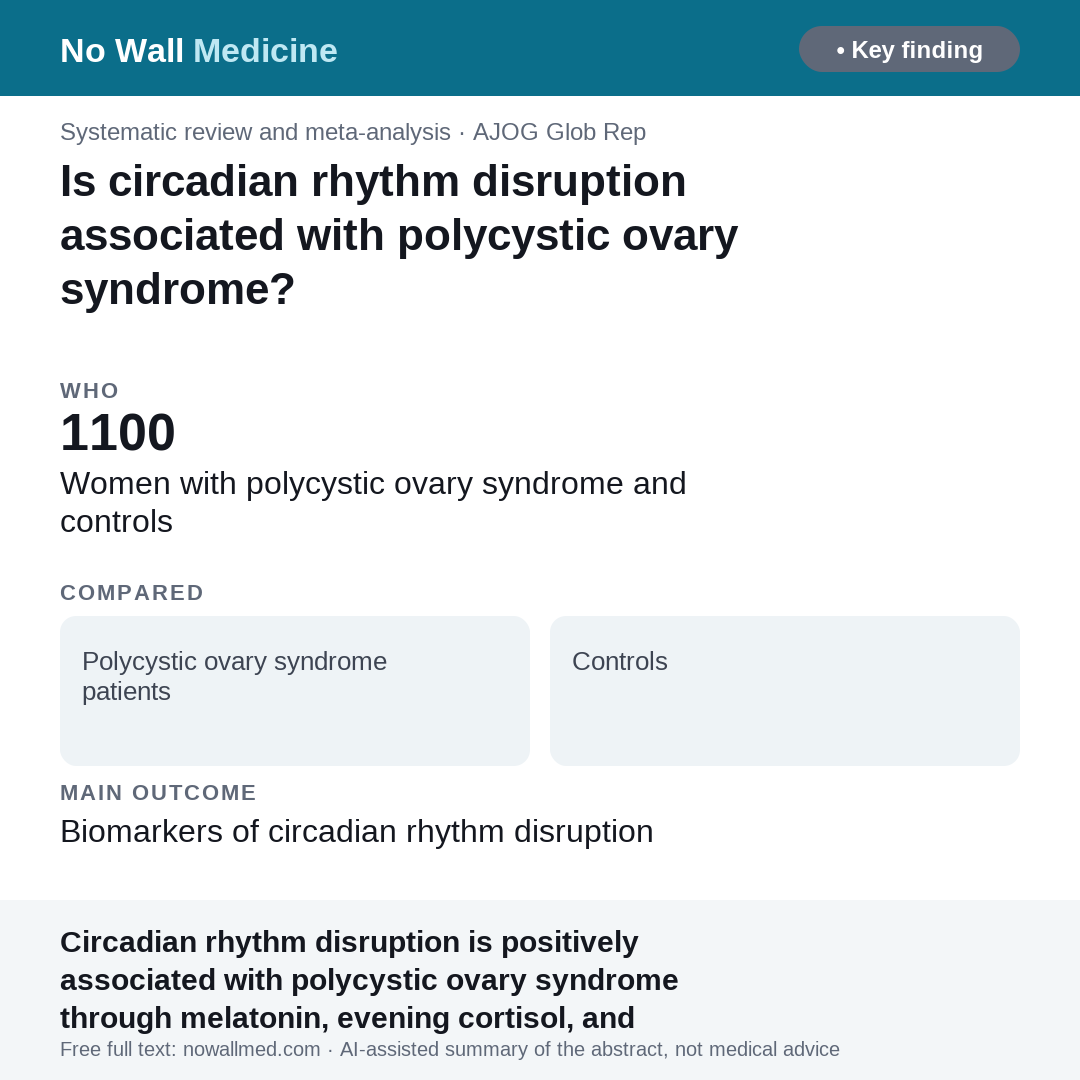
Circadian rhythm disruption and polycystic ovary syndrome: a systematic review and meta-analysis
Systematic review and meta-analysisBenefit found
Is circadian rhythm disruption associated with polycystic ovary syndrome?
Who
1100
Women with polycystic ovary syndrome and controls
Compared
Polycystic ovary syndrome patients
Controls
Main outcome
Biomarkers of circadian rhythm disruption
Result: melatonin difference 14.294 pg/mL, 95% CI [6.895, 21.693]
Bottom line: Circadian rhythm disruption is positively associated with polycystic ovary syndrome through melatonin, evening cortisol, and sleep efficiency differences.
AJOG Glob Rep · 2025-03-20Download image