Visual abstracts
New randomized trials and meta-analyses from leading journals at a glance: who was studied, what was compared, and what was found. Every paper is free to read in full.
All specialtiesCardiology 3229Oncology 2752Gastroenterology & Hepatology 1265Infectious Disease 2169Neurology 1301Psychiatry & Mental Health 1532Pulmonology 1361Critical Care 908Endocrinology & Diabetes 1626Pediatrics 1935Surgery 1723Orthopedics & Sports Medicine 581Neurosurgery 380Cardiothoracic & Vascular Surgery 375Plastic & Reconstructive Surgery 460Nephrology 684Rheumatology 503Hematology 711Dermatology 396Ophthalmology 361Obstetrics & Gynecology 1083Public & Global Health 611Radiology & Imaging 457Anesthesiology 662Urology 545ENT (Otolaryngology) 352Emergency Medicine 353Allergy & Immunology 202Geriatrics 679Family Medicine & Primary Care 370Medical Genetics & Genomics 396Pathology & Laboratory Medicine 106Physical Medicine & Rehabilitation 507Palliative Care 289Nutrition 924Digital Health & AI 1539General Medicine 224
Cost-effectiveness of prehabilitation for elderly (pre-)frail patients prior to elective surgery compared to standard care - an economic evaluation from a societal perspective
Multicentre randomised controlled outcome assessor-blinded trialMixed results
Is prehabilitation cost-effective for elderly (pre-)frail patients undergoing elective surgery?
Who
Elderly (pre-)frail patients undergoing elective surgery · Germany
Compared
Prehabilitation
Standard care
Main outcome
Quality-adjusted life years and deterioration in care dependency level
Result: ICER 45,547 EUR per QALY gained
Bottom line: Prehabilitation was more effective but more costly than standard care, showing potential cost-effectiveness in outpatient settings.
BMC Med · 2026-05-21Download image

Peripheral Measurable Residual Disease Activity Assessment by MALDI-TOF Mass Spectrometry in Patients With Newly Diagnosed Multiple Myeloma in the Phase III GMMG-HD7 Trial
Phase III trial analysisBenefit found
Does mass spectrometry detect measurable residual disease activity in newly diagnosed multiple myeloma?
Who
617
Patients with newly diagnosed multiple myeloma · GMMG-HD7 trial
Compared
Mass spectrometry negative: superior progression-free survival
Mass spectrometry positive
Main outcome
progression-free survival
Result: hazard ratio 0.25 (95% CI 0.15 to 0.43)
Bottom line: Serum mass spectrometry is a sensitive biomarker where negativity is associated with superior progression-free survival.
J Clin Oncol · 2026-05-21Download image

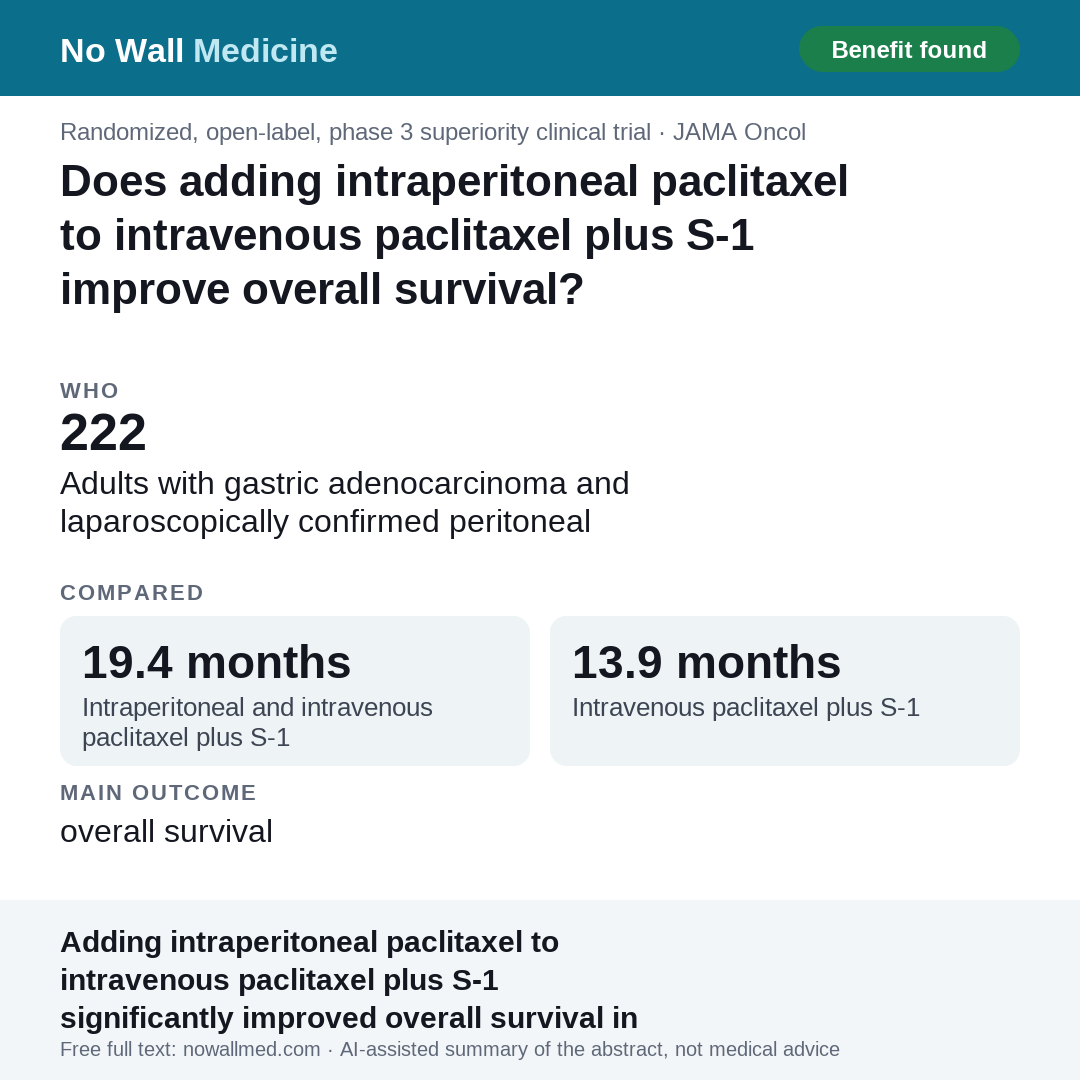
Intraperitoneal and Intravenous Paclitaxel Plus S-1 for Gastric Cancer With Peritoneal Metastasis: A Phase 3 Randomized Clinical Trial
Randomized, open-label, phase 3 superiority clinical trialBenefit found
Does adding intraperitoneal paclitaxel to intravenous paclitaxel plus S-1 improve overall survival?
Who
222
Adults with gastric adenocarcinoma and laparoscopically confirmed peritoneal metastasis · 9 hospitals in China
Compared
19.4 monthsIntraperitoneal and intravenous paclitaxel plus S-1 (95% CI, 17.1-22.9)
13.9 monthsIntravenous paclitaxel plus S-1 (95% CI, 10.3-16.1)
Main outcome
overall survival
Result: hazard ratio 0.67 (95% CI 0.50-0.90)
Bottom line: Adding intraperitoneal paclitaxel to intravenous paclitaxel plus S-1 significantly improved overall survival in gastric cancer with peritoneal metastasis.
JAMA Oncol · 2026-05-21Download image
Distinct proteomic signatures of urinary extracellular vesicles link to albuminuria and treatment responses in diabetic kidney disease
Crossover trial with quantitative proteomicsBenefit found
How do albuminuria and antialbuminuric therapies impact the urinary extracellular vesicle proteome?
Who
20
Patients with diabetes and albuminuria
Compared
Telmisartan: 86 differentially abundant urinary extracellular vesicle proteins
Empagliflozin: 313 differentially abundant urinary extracellular vesicle proteins
Linagliptin: 80 differentially abundant urinary extracellular vesicle proteins
Baricitinib: 47 differentially abundant urinary extracellular vesicle proteins
Main outcome
Urinary extracellular vesicle proteomic signatures
Bottom line: Urinary extracellular vesicles show distinct proteomic signatures linked to albuminuria and specific responses to four different treatments.
Kidney Int · 2026-05-21Download image

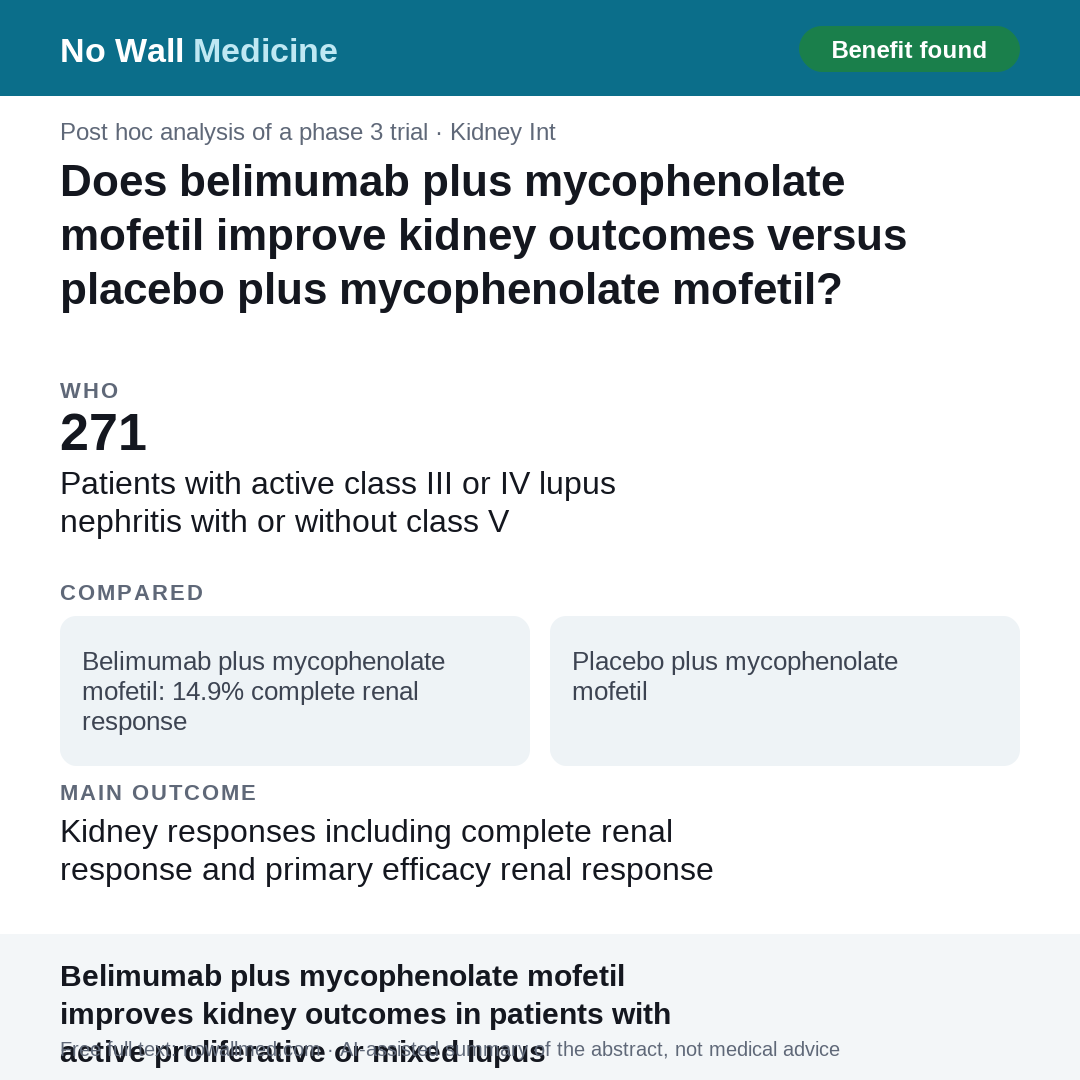
A post hoc analysis of BLISS-LN found Belimumab plus mycophenolate mofetil improves kidney outcomes versus placebo plus mycophenolate mofetil in active lupus nephritis
Post hoc analysis of a phase 3 trialBenefit found
Does belimumab plus mycophenolate mofetil improve kidney outcomes versus placebo plus mycophenolate mofetil?
Who
271
Patients with active class III or IV lupus nephritis with or without class V
Compared
Belimumab plus mycophenolate mofetil: 14.9% complete renal response
Placebo plus mycophenolate mofetil
Main outcome
Kidney responses including complete renal response and primary efficacy renal response
Bottom line: Belimumab plus mycophenolate mofetil improves kidney outcomes in patients with active proliferative or mixed lupus nephritis.
Kidney Int · 2026-05-21Download image
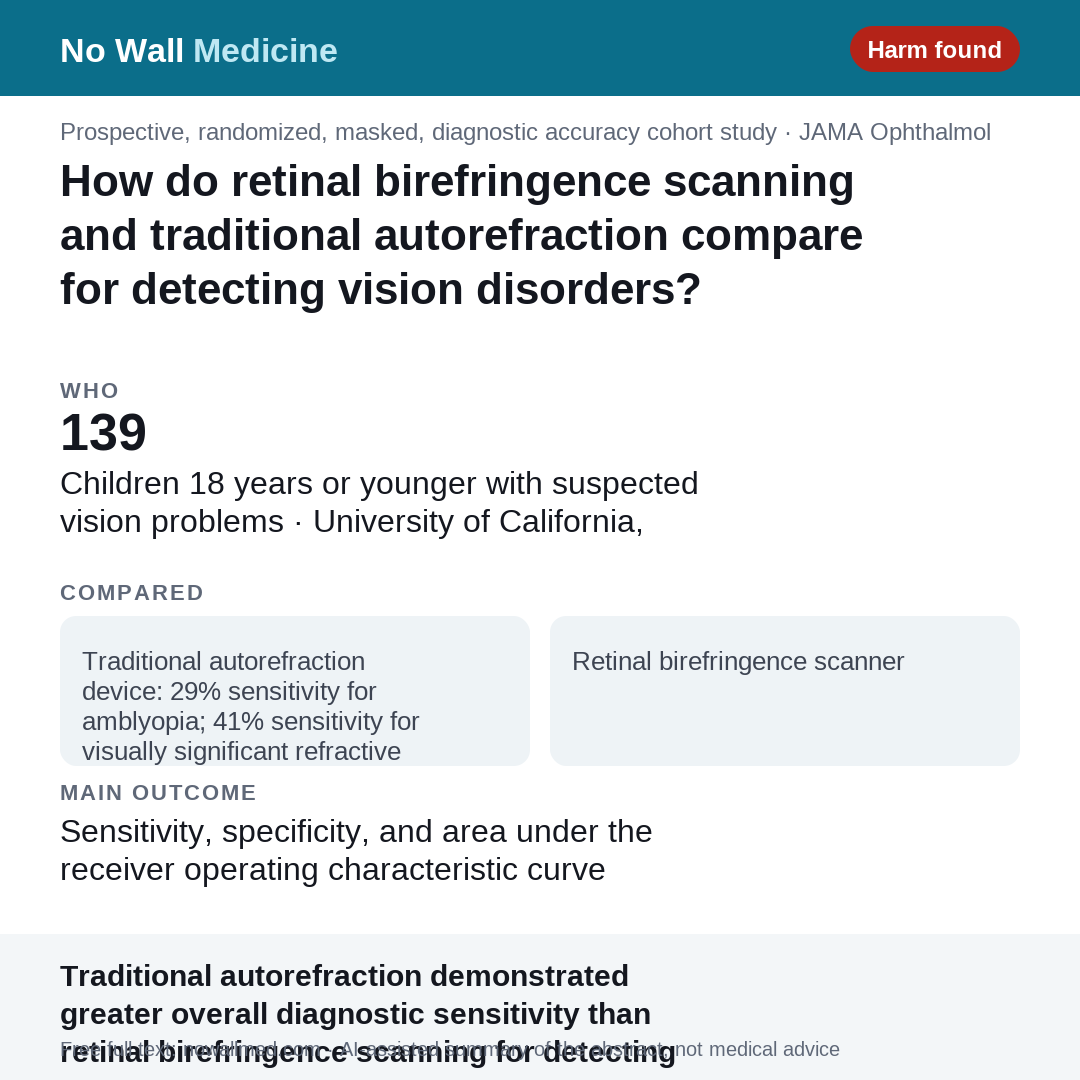
Diagnostic Accuracy of a Retinal Birefringence Scanning Device Compared With a Traditional Autorefraction Device
Prospective, randomized, masked, diagnostic accuracy cohort studyHarm found
How do retinal birefringence scanning and traditional autorefraction compare for detecting vision disorders?
Who
139
Children 18 years or younger with suspected vision problems · University of California, San Francisco, pediatric ophthalmology clinic
Compared
Traditional autorefraction device: 29% sensitivity for amblyopia; 41% sensitivity for visually significant refractive error
Retinal birefringence scanner
Main outcome
Sensitivity, specificity, and area under the receiver operating characteristic curve
Result: AUROC for retinal birefringence scanner was lower, particularly for amblyopia (-0.13; 95% CI, -0.23 to -0.03)
Bottom line: Traditional autorefraction demonstrated greater overall diagnostic sensitivity than retinal birefringence scanning for detecting amblyopia and refractive errors.
JAMA Ophthalmol · 2026-05-21Download image
Pelvic floor symptoms after second-degree tear or episiotomy and the consequences of healing complications: long-term follow-up after the REPAIR study
Long-term follow-up of a randomized trialHarm found
Do women with wound complications have more pelvic floor symptoms 9 to 12 months postpartum?
Who
442
Women with a second-degree perineal tear or episiotomy · Single-center university hospital in Denmark
Compared
51Women with wound complications (12%)
Women without wound complications
Main outcome
Pelvic floor symptoms and clinical examination findings
Bottom line: Women with postpartum wound complications reported more pelvic floor symptoms, particularly regarding sexual function, prolapse, and body image.
AJOG · 2026-05-21Download image

Serum Virus-Neutralizing Antibody Titers in Clinical Trial Participants With and Without Immunocompromise Receiving Pemivibart, a Long-Acting Monoclonal Antibody for COVID-19
Randomized trialBenefit found
Pemivibart effect on COVID-19 antibody titers
Who
Participants with and without immunocompromise
Compared
Cohort A
Cohort B
Main outcome
Serum virus-neutralizing antibody titers
Bottom line: Pemivibart increased protective titers against COVID-19
J Infect Dis · 2026-05-21Download image

White matter microstructure in relatives of people with schizophrenia or bipolar disorder: an ENIGMA meta-analysis
Meta-analysis of 11 samplesMixed results
Does white matter microstructure differ in first-degree relatives of people with bipolar or psychotic disorders?
Who
First-degree relatives and controls of people with bipolar or psychotic disorders · 9 institutions
Compared
First-degree relatives of bipolar disorder: higher FA in the posterior limb of the internal capsule
First-degree relatives of psychotic disorder: no FA differences from controls
Controls
Main outcome
Mean fractional anisotropy in white matter microstructure
Bottom line: First-degree relatives of bipolar disorder showed higher fractional anisotropy in the internal capsule, but psychotic disorder relatives did not.
Mol Psychiatry · 2026-05-21Download image

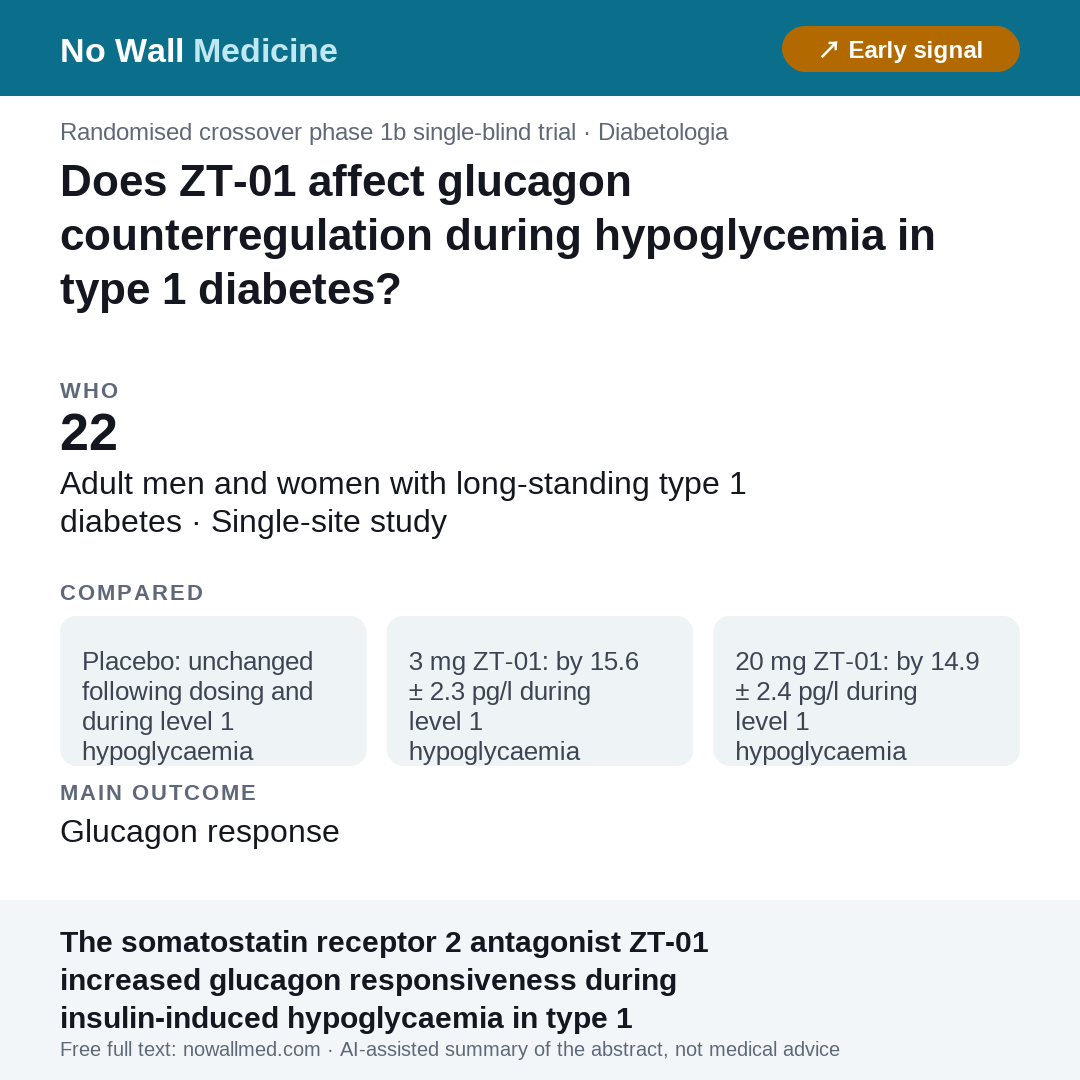
Effect of somatostatin receptor 2 antagonism on glucagon counterregulation during a hyperinsulinaemic euglycaemic-hypoglycaemic glucose clamp in adult men and women with long-standing type 1 diabetes: a randomised crossover phase 1 study
Randomised crossover phase 1b single-blind trialBenefit found
Does ZT-01 affect glucagon counterregulation during hypoglycemia in type 1 diabetes?
Who
22
Adult men and women with long-standing type 1 diabetes · Single-site study
Compared
Placebo: unchanged following dosing and during level 1 hypoglycaemia
3 mg ZT-01: by 15.6 ± 2.3 pg/l during level 1 hypoglycaemia
20 mg ZT-01: by 14.9 ± 2.4 pg/l during level 1 hypoglycaemia
Main outcome
Glucagon response
Bottom line: The somatostatin receptor 2 antagonist ZT-01 increased glucagon responsiveness during insulin-induced hypoglycaemia in type 1 diabetes.
Diabetologia · 2026-05-21Download image
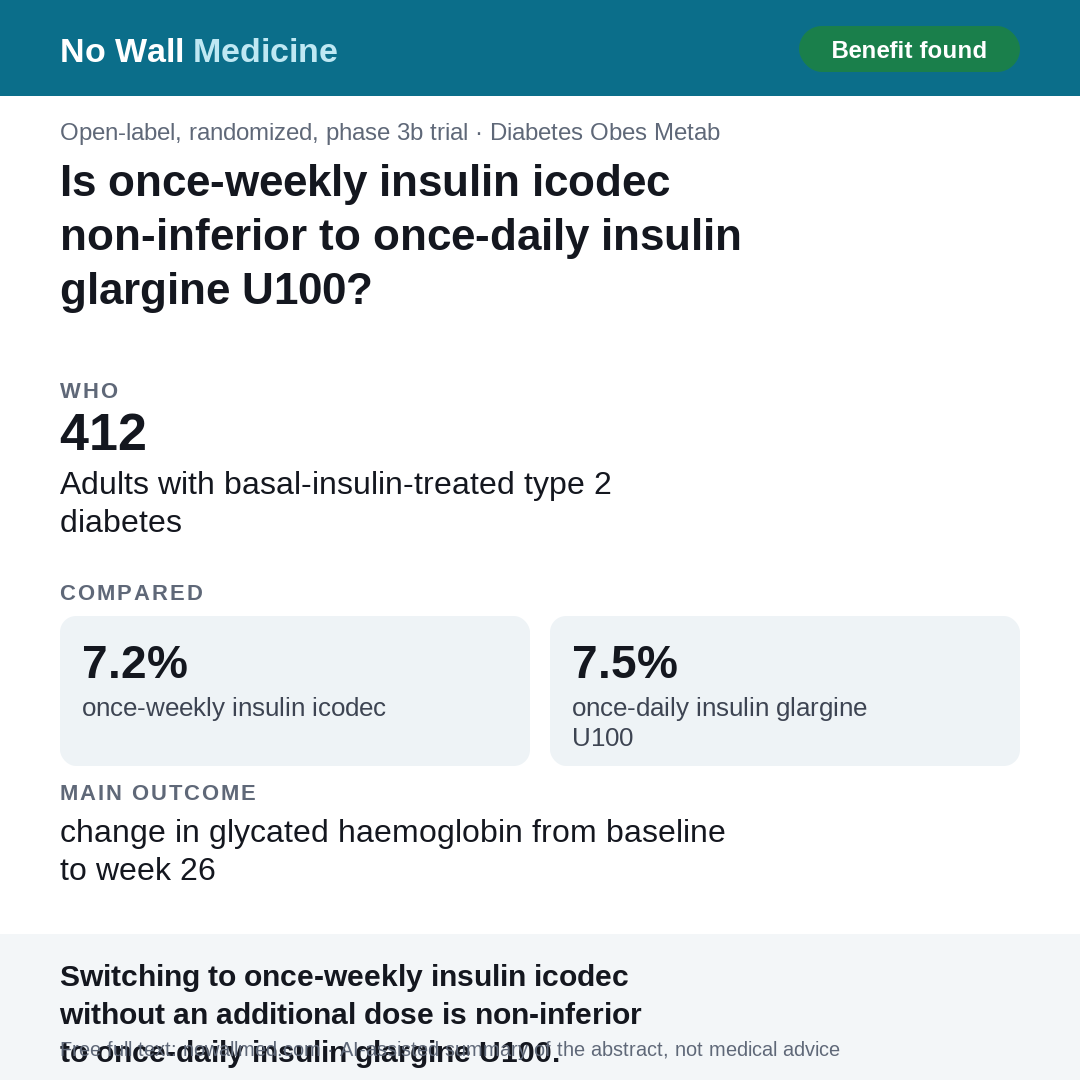
Simplified Switching to Once-Weekly Insulin Icodec Without an Initial One-Time Additional Dose Versus Once-Daily Insulin Glargine U100 in Basal Insulin-Treated Type 2 Diabetes (ONWARDS 10): A Randomised Controlled Trial
Open-label, randomized, phase 3b trialBenefit found
Is once-weekly insulin icodec non-inferior to once-daily insulin glargine U100?
Who
412
Adults with basal-insulin-treated type 2 diabetes
Compared
7.2%once-weekly insulin icodec
7.5%once-daily insulin glargine U100
Main outcome
change in glycated haemoglobin from baseline to week 26
Result: -0.2%-points (95% CI: -0.4, -0.1)
Bottom line: Once-weekly insulin icodec without an initial additional dose is non-inferior to once-daily insulin glargine U100 for glycemic control.
Diabetes Obes Metab · 2026-05-21Download image
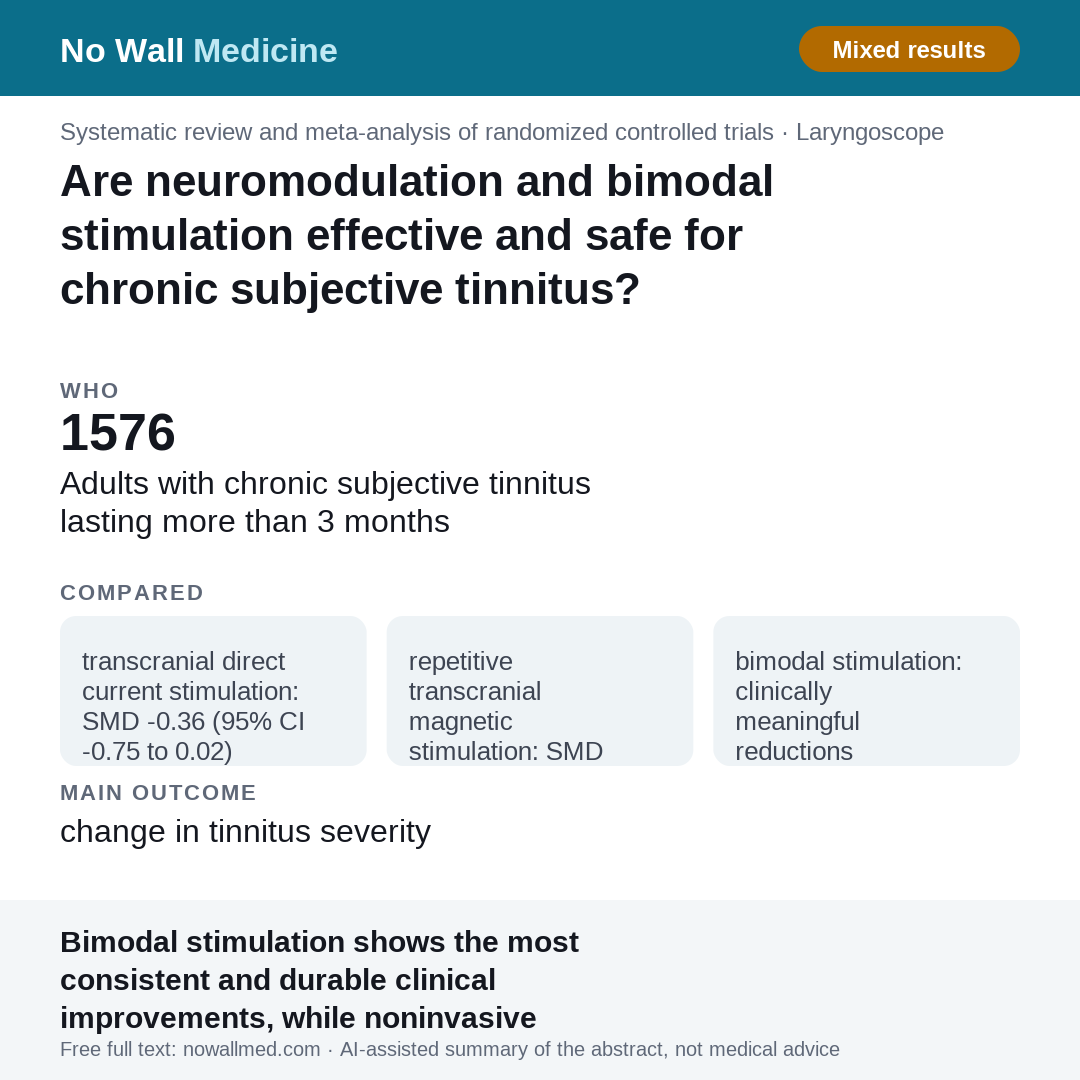
Neuromodulation for Subjective Tinnitus: A Systematic Review and Meta-Analysis of Randomized Trials
Systematic review and meta-analysis of randomized controlled trialsMixed results
Are neuromodulation and bimodal stimulation effective and safe for chronic subjective tinnitus?
Who
1576
Adults with chronic subjective tinnitus lasting more than 3 months
Compared
transcranial direct current stimulation: SMD -0.36 (95% CI -0.75 to 0.02)
repetitive transcranial magnetic stimulation: SMD -0.15 (95% CI -0.37 to 0.07)
bimodal stimulation: clinically meaningful reductions
Main outcome
change in tinnitus severity
Bottom line: Bimodal stimulation shows the most consistent and durable clinical improvements, while noninvasive neuromodulation appears safe with average benefits.
Limitation: Standardized, adequately powered randomized controlled trials with harmonized protocols and long-term follow-up are needed.
Laryngoscope · 2026-05-21Download image
Cholecalciferol and muscle strength in hemodialysis patients: results from the randomized VITADIAL trial
Prospective open-labeled randomized trialNo clear difference
Does cholecalciferol supplementation improve handgrip strength in vitamin D-deficient hemodialysis patients?
Who
143
Chronic hemodialysis patients with 25-hydroxyvitamin D concentrations ≤50 nmol/L · 10 hemodialysis centers in France
Compared
cholecalciferol group: 0.07 ± 3.40 kg
control group: -0.19 ± 3.35 kg
Main outcome
handgrip strength
Bottom line: Cholecalciferol supplementation did not significantly improve handgrip strength in vitamin D-deficient hemodialysis patients over six months.
Clin Kidney J · 2026-05-21Download image

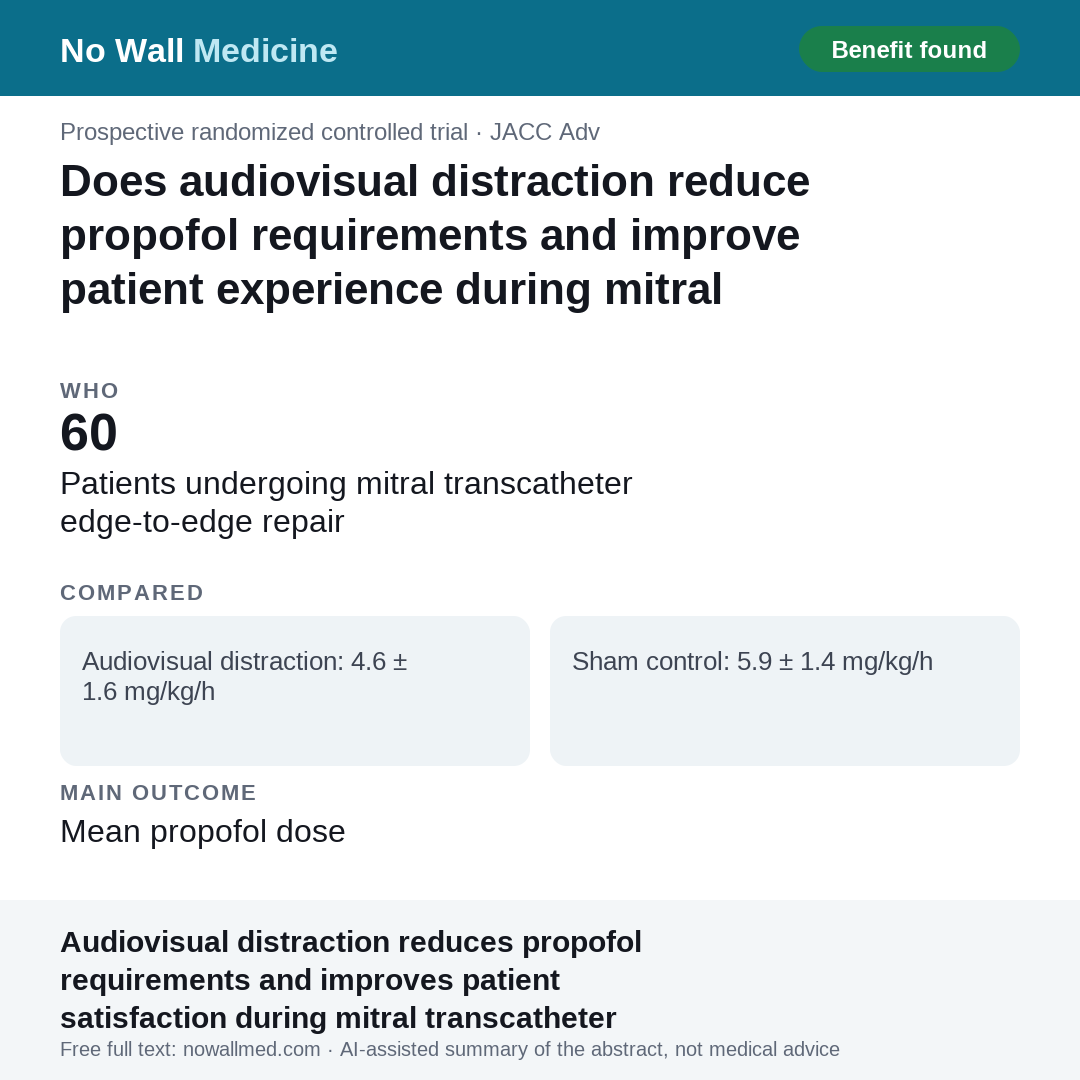
Audiovisual Distraction During Mitral Transcatheter Edge-to-Edge Repair: A Sedation-Sparing Randomized Trial
Prospective randomized controlled trialBenefit found
Does audiovisual distraction reduce propofol requirements and improve patient experience during mitral transcatheter edge-to-edge repair?
Who
60
Patients undergoing mitral transcatheter edge-to-edge repair
Compared
Audiovisual distraction: 4.6 ± 1.6 mg/kg/h
Sham control: 5.9 ± 1.4 mg/kg/h
Main outcome
Mean propofol dose
Bottom line: Audiovisual distraction reduces propofol requirements and improves patient satisfaction during mitral transcatheter edge-to-edge repair.
JACC Adv · 2026-05-21Download image
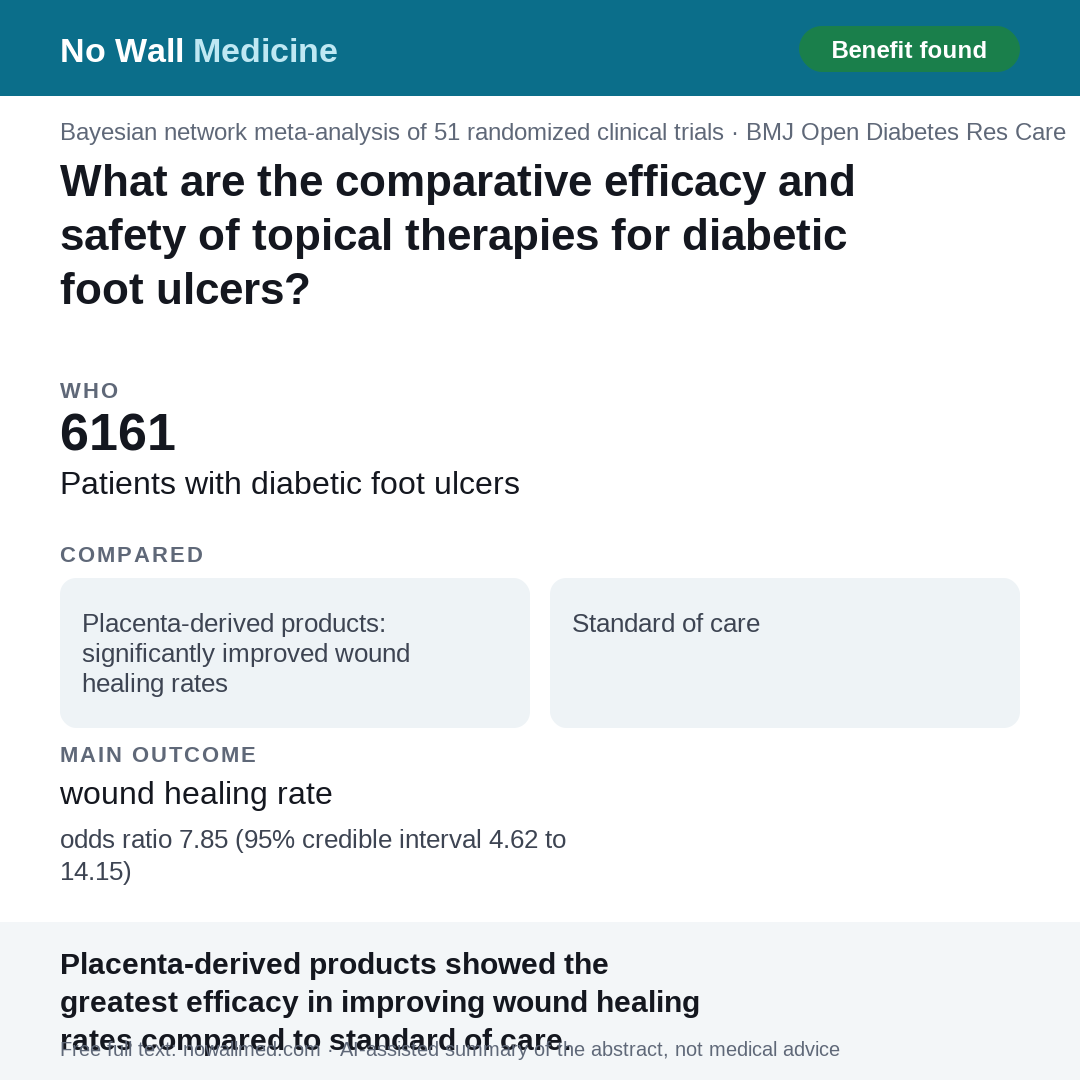
Topical therapies for diabetic foot ulcers: a systematic review and network meta-analysis
Bayesian network meta-analysis of 51 randomized clinical trialsBenefit found
What are the comparative efficacy and safety of topical therapies for diabetic foot ulcers?
Who
6161
Patients with diabetic foot ulcers
Compared
Placenta-derived products: significantly improved wound healing rates
Standard of care
Main outcome
wound healing rate
Result: odds ratio 7.85 (95% credible interval 4.62 to 14.15)
Bottom line: Placenta-derived products showed the greatest efficacy in improving wound healing rates compared to standard of care.
Limitation: the certainty of evidence for most comparisons remains in the low-to-moderate range
BMJ Open Diabetes Res Care · 2026-05-21Download image
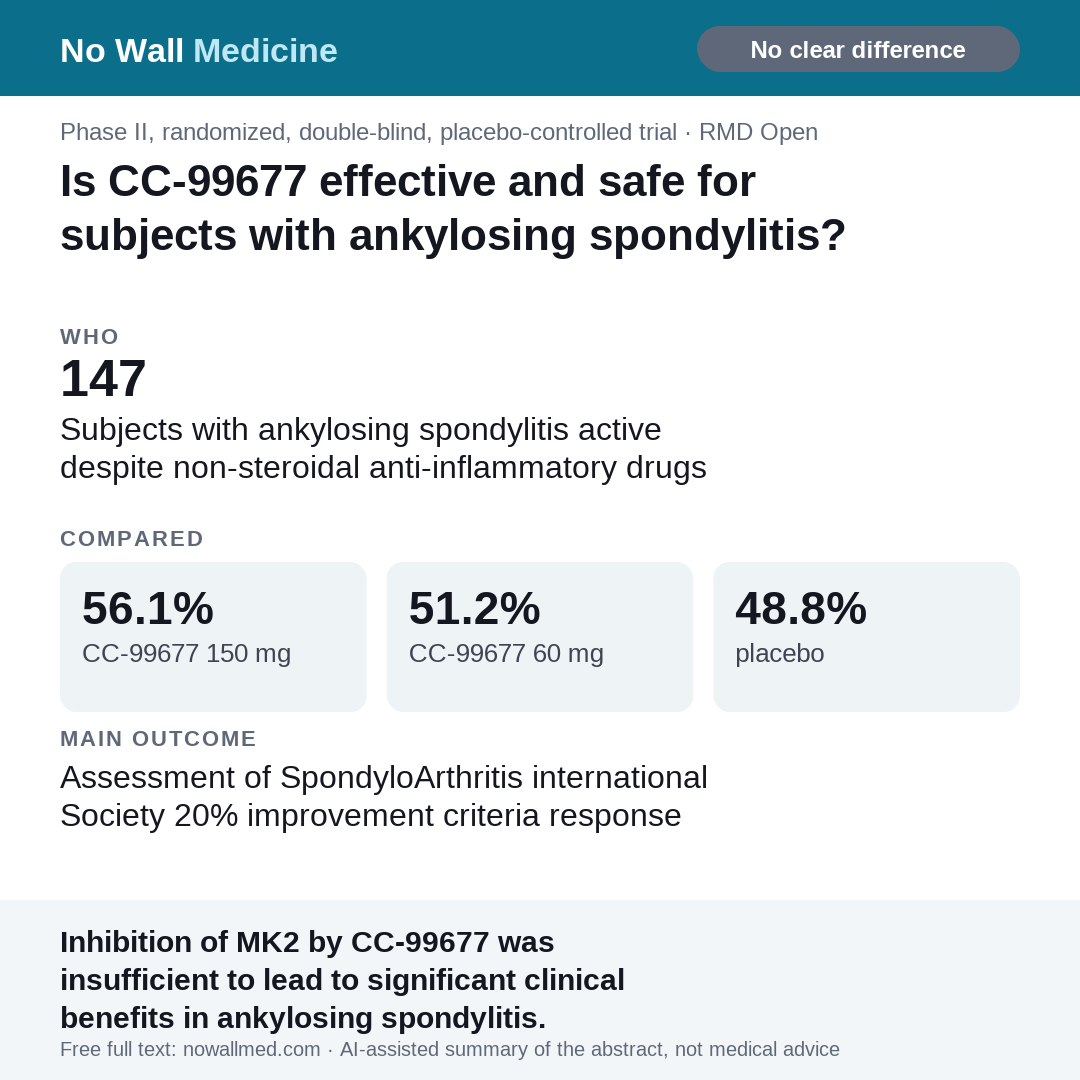
Phase II randomised, placebo-controlled study to evaluate the efficacy and safety of an MK2 inhibitor in ankylosing spondylitis
Phase II, randomized, double-blind, placebo-controlled trialNo clear difference
Is CC-99677 effective and safe for subjects with ankylosing spondylitis?
Who
147
Subjects with ankylosing spondylitis active despite non-steroidal anti-inflammatory drugs · multicentre
Compared
56.1%CC-99677 150 mg
51.2%CC-99677 60 mg
48.8%placebo
Main outcome
Assessment of SpondyloArthritis international Society 20% improvement criteria response
Bottom line: Inhibition of MK2 by CC-99677 was insufficient to lead to significant clinical benefits in ankylosing spondylitis.
RMD Open · 2026-05-21Download image
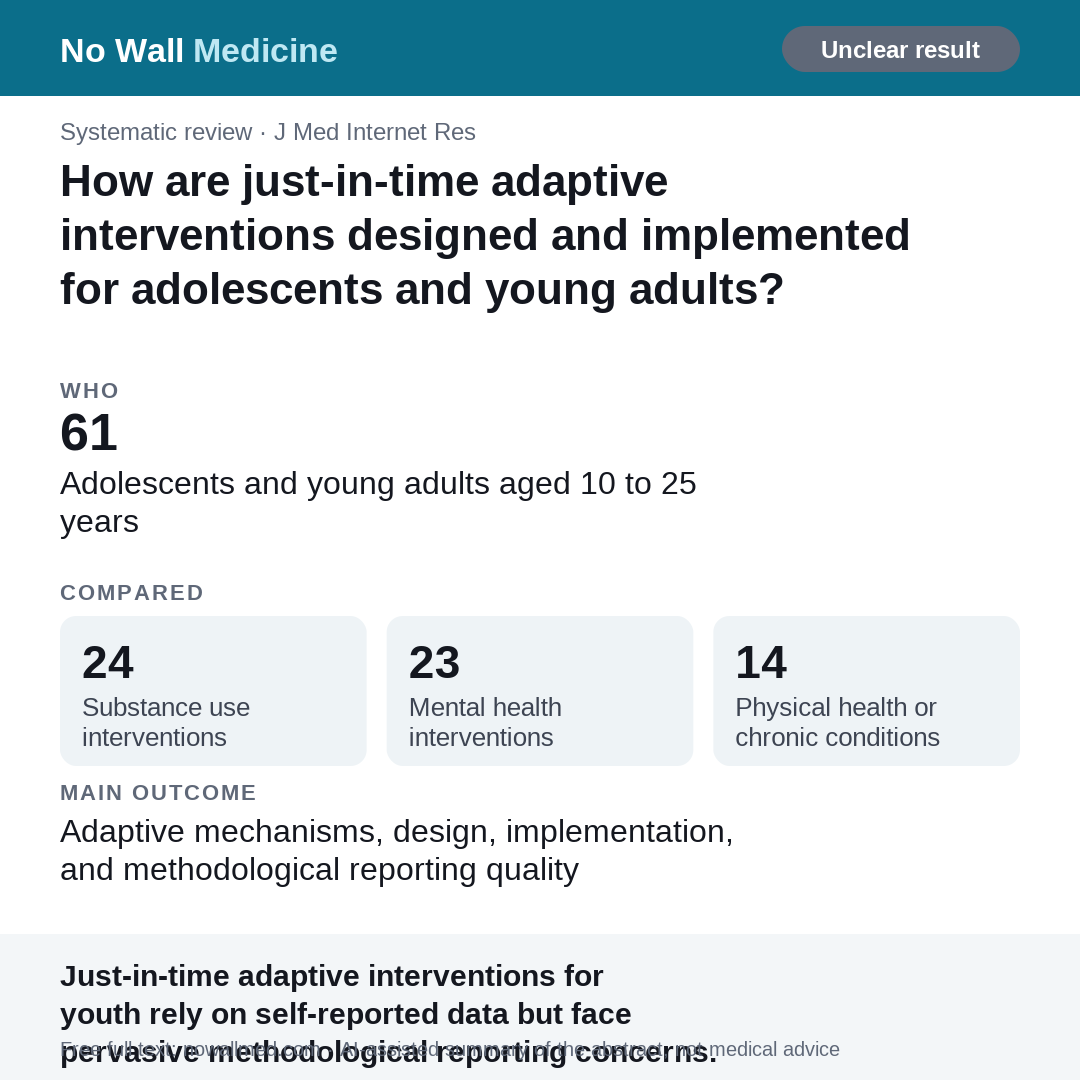
Toward Participatory Precision Health With Co-Designed Recommendations: Systematic Review of Just-in-Time Adaptive Interventions in Adolescents and Young Adults
Systematic reviewUnclear result
How are just-in-time adaptive interventions designed and implemented for adolescents and young adults?
Who
61
Adolescents and young adults aged 10 to 25 years
Compared
24Substance use interventions (39.3%)
23Mental health interventions (37.7%)
14Physical health or chronic conditions (23%)
Main outcome
Adaptive mechanisms, design, implementation, and methodological reporting quality
Bottom line: Just-in-time adaptive interventions for youth rely on self-reported data but face pervasive methodological reporting concerns.
Limitation: Substantial heterogeneity in populations, interventions, mechanisms, comparators, and outcomes prevented meta-analysis.
J Med Internet Res · 2026-05-21Download image
Large Language Models in Colorectal Cancer Care and Clinical Decision Support: Systematic Review
Systematic reviewBenefit found
What are the applications and performance of large language models in colorectal cancer care?
Who
37
Large language models applied to colorectal cancer tasks · China and the United States
Compared
General-purpose models
Domain-specific and multimodal models: showed advantages over general-purpose models in certain tasks
Main outcome
Applications, performance determinants, and clinical implications across the colorectal cancer care continuum
Bottom line: Large language models show clinical potential in data extraction, patient education, diagnosis, and decision-making, despite low overall evidence quality.
Limitation: Low overall evidence quality, lack of blinded assessment, and substantial heterogeneity across tasks and models.
J Med Internet Res · 2026-05-21Download image

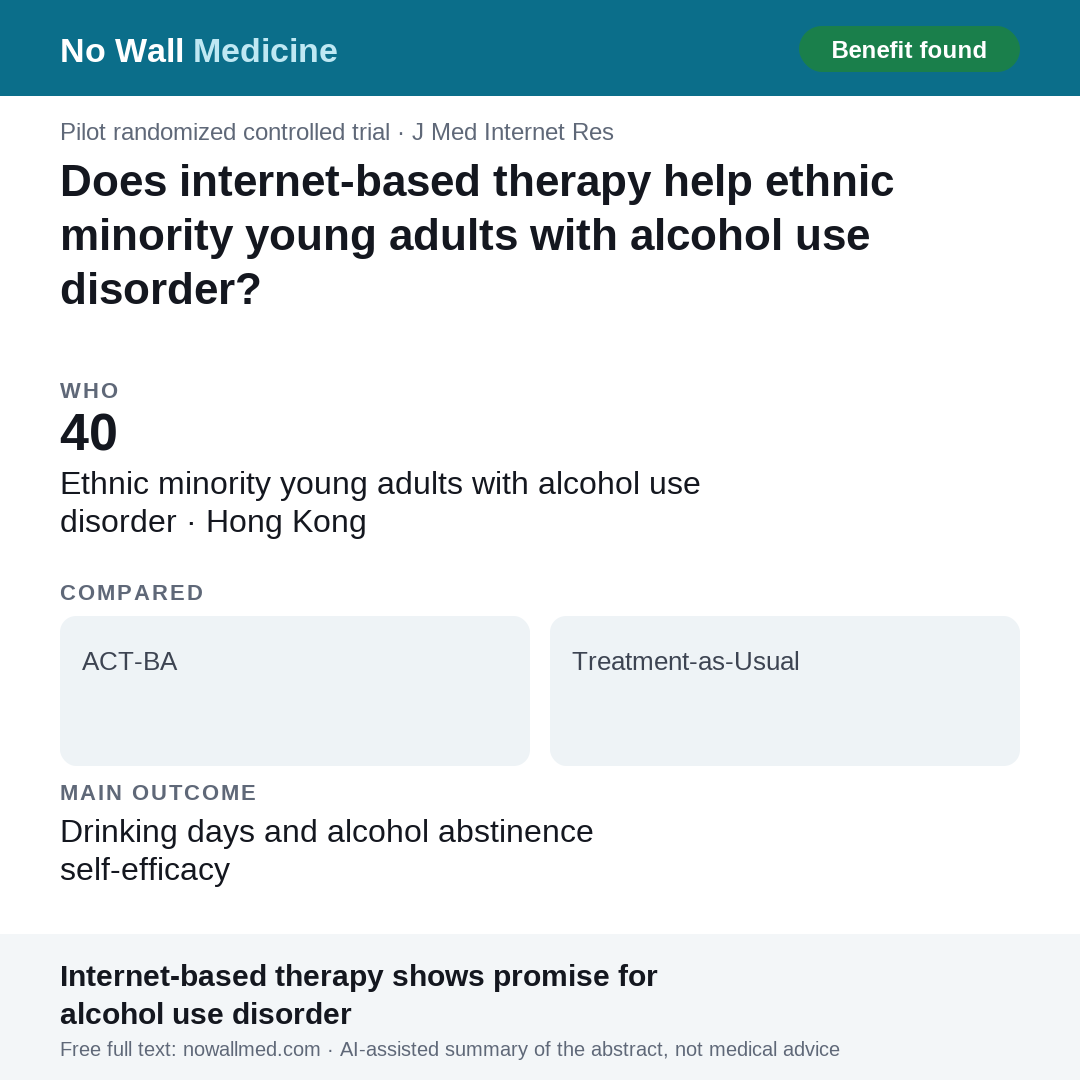
Effect of Integrated Internet-Based Acceptance and Commitment Therapy and Behavioral Activation Among Ethnic Minority Young Adults With Alcohol Use Disorder in Hong Kong: Pilot Randomized Controlled Trial
Pilot randomized controlled trialBenefit found
Does internet-based therapy help ethnic minority young adults with alcohol use disorder?
Who
40
Ethnic minority young adults with alcohol use disorder · Hong Kong
Compared
ACT-BA
Treatment-as-Usual
Main outcome
Drinking days and alcohol abstinence self-efficacy
Result: B=-4.12 (95% CI -8.10 to -0.13) for drinking days
Bottom line: Internet-based therapy shows promise for alcohol use disorder
Limitation: small sample size
J Med Internet Res · 2026-05-21Download image
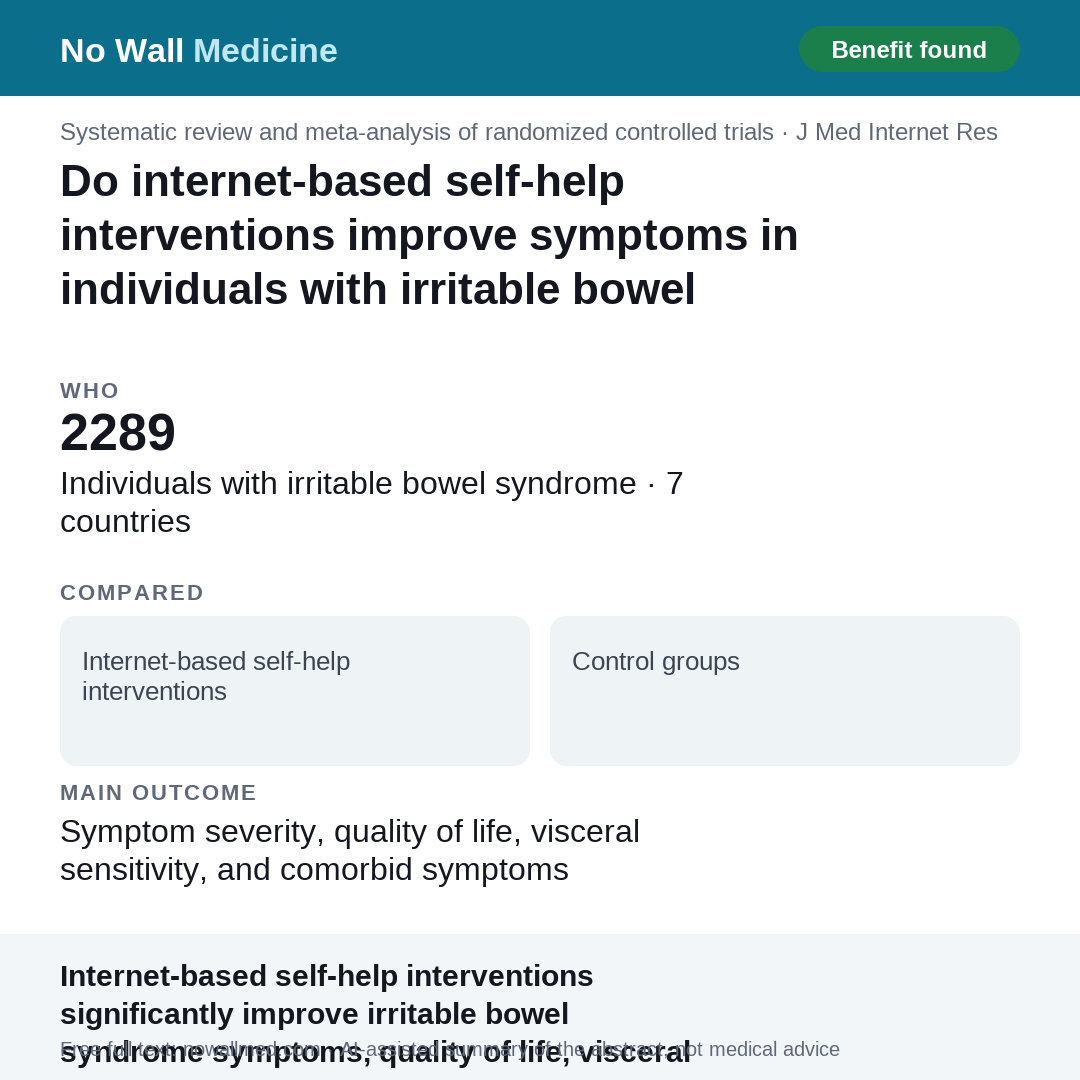
Efficacy of Internet-Based Self-Help Interventions for Irritable Bowel Syndrome: Systematic Review and Meta-Analysis of Randomized Controlled Trials
Systematic review and meta-analysis of randomized controlled trialsBenefit found
Do internet-based self-help interventions improve symptoms in individuals with irritable bowel syndrome?
Who
2289
Individuals with irritable bowel syndrome · 7 countries
Compared
Internet-based self-help interventions
Control groups
Main outcome
Symptom severity, quality of life, visceral sensitivity, and comorbid symptoms
Result: SMD -0.52 (95% CI -0.78 to -0.26) for symptom severity
Bottom line: Internet-based self-help interventions significantly improve irritable bowel syndrome symptoms, quality of life, visceral sensitivity, and depressive symptoms.
Limitation: Moderate bias risk, high heterogeneity, and moderate to very low certainty of evidence.
J Med Internet Res · 2026-05-21Download image