Visual abstracts
New randomized trials and meta-analyses from leading journals at a glance: who was studied, what was compared, and what was found. Every paper is free to read in full.
All specialtiesCardiology 4763Oncology 4042Gastroenterology & Hepatology 1902Infectious Disease 3756Neurology 1872Psychiatry & Mental Health 2214Pulmonology 2042Critical Care 1319Endocrinology & Diabetes 2544Pediatrics 2889Surgery 2479Orthopedics & Sports Medicine 917Neurosurgery 525Cardiothoracic & Vascular Surgery 656Plastic & Reconstructive Surgery 574Nephrology 1107Rheumatology 810Hematology 1090Dermatology 611Ophthalmology 532Obstetrics & Gynecology 1645Public & Global Health 1037Radiology & Imaging 617Anesthesiology 957Urology 745ENT (Otolaryngology) 494Emergency Medicine 481Allergy & Immunology 309Geriatrics 972Family Medicine & Primary Care 533Medical Genetics & Genomics 659Pathology & Laboratory Medicine 156Physical Medicine & Rehabilitation 734Palliative Care 421Nutrition 1560Digital Health & AI 2133General Medicine 318
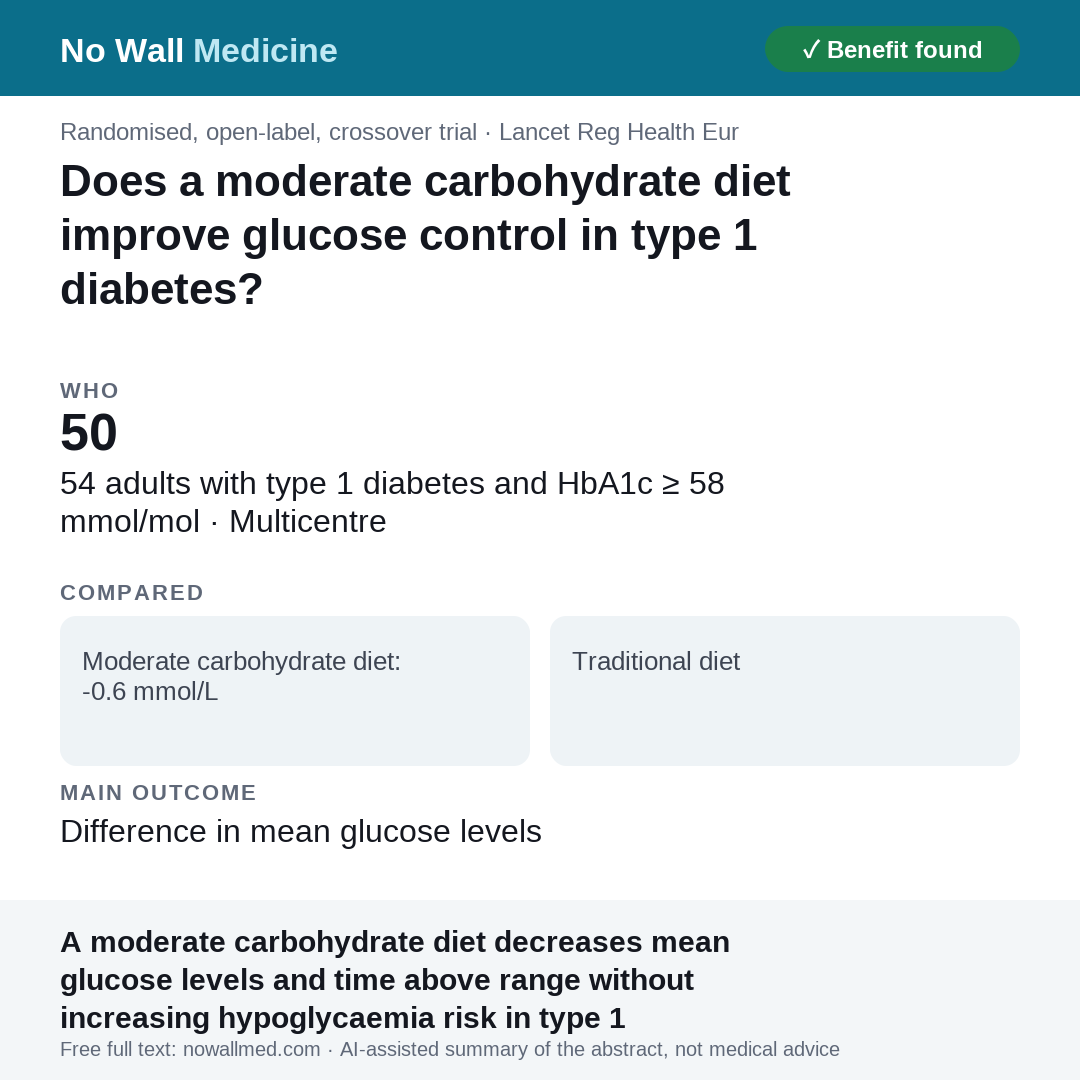
The effect of carbohydrate intake on glycaemic control in individuals with type 1 diabetes: a randomised, open-label, crossover trial
Randomised, open-label, crossover trialBenefit found
Does a moderate carbohydrate diet improve glucose control in type 1 diabetes?
Who
50
54 adults with type 1 diabetes and HbA1c ≥ 58 mmol/mol · Multicentre
Compared
Moderate carbohydrate diet: -0.6 mmol/L
Traditional diet
Main outcome
Difference in mean glucose levels
Result: -0.6 mmol/L, 95% CI -0.9 to -0.3
Bottom line: A moderate carbohydrate diet decreases mean glucose levels and time above range without increasing hypoglycaemia risk in type 1 diabetes.
Funded by: The Healthcare Board, Region Västra Götaland, Dr P Håkansson Foundation
Lancet Reg Health Eur · 2023-12-19Download image
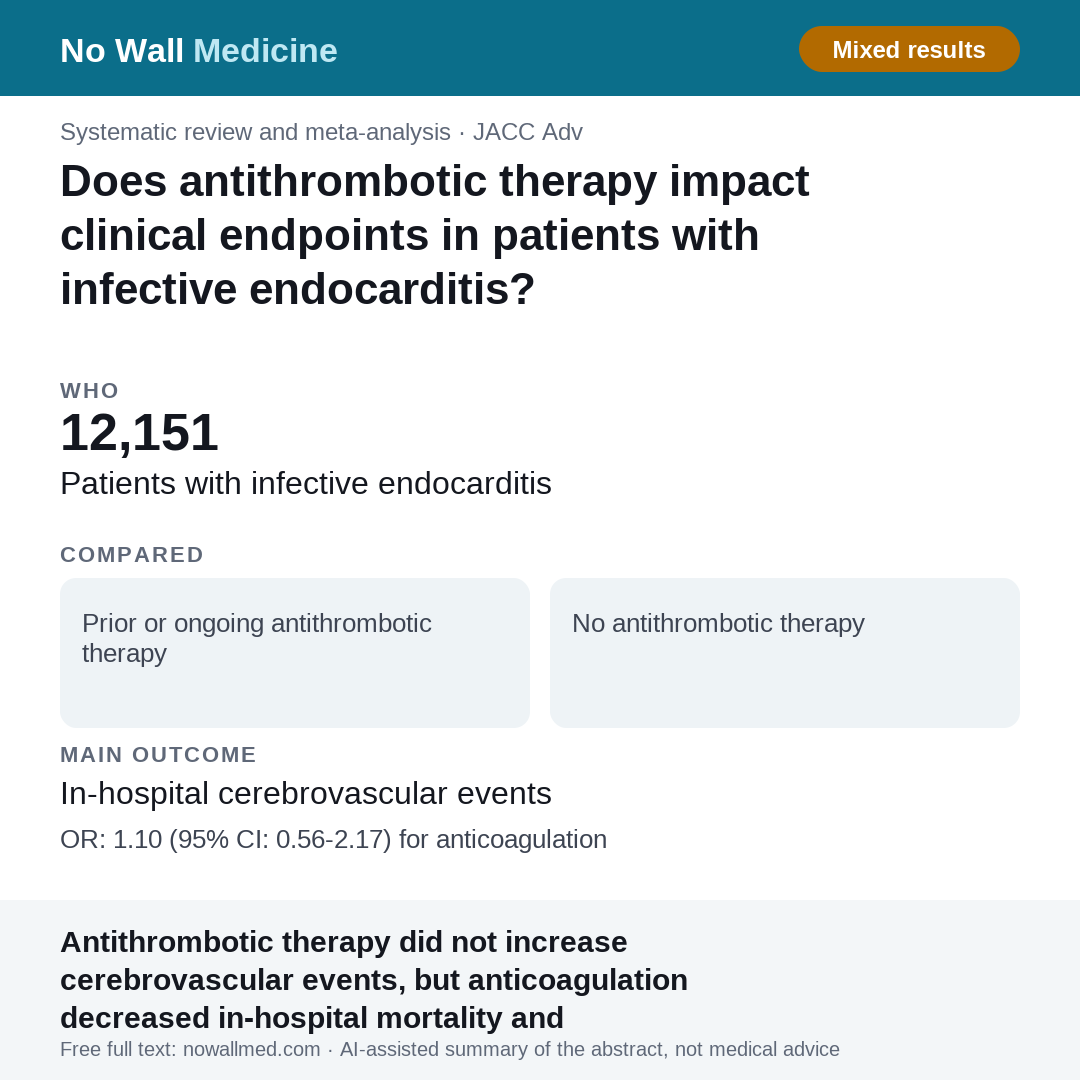
Antithrombotic Therapy in Patients With Infective Endocarditis: A Systematic Review and Meta-Analysis
Systematic review and meta-analysisMixed results
Does antithrombotic therapy impact clinical endpoints in patients with infective endocarditis?
Who
12,151
Patients with infective endocarditis
Compared
Prior or ongoing antithrombotic therapy
No antithrombotic therapy
Main outcome
In-hospital cerebrovascular events
Result: OR: 1.10 (95% CI: 0.56-2.17) for anticoagulation
Bottom line: Antithrombotic therapy did not increase cerebrovascular events, but anticoagulation decreased in-hospital mortality and antiplatelets decreased systemic thromboembolism.
Limitation: Results should be interpreted cautiously showing the necessity of a randomized setup.
JACC Adv · 2023-12-19Download image
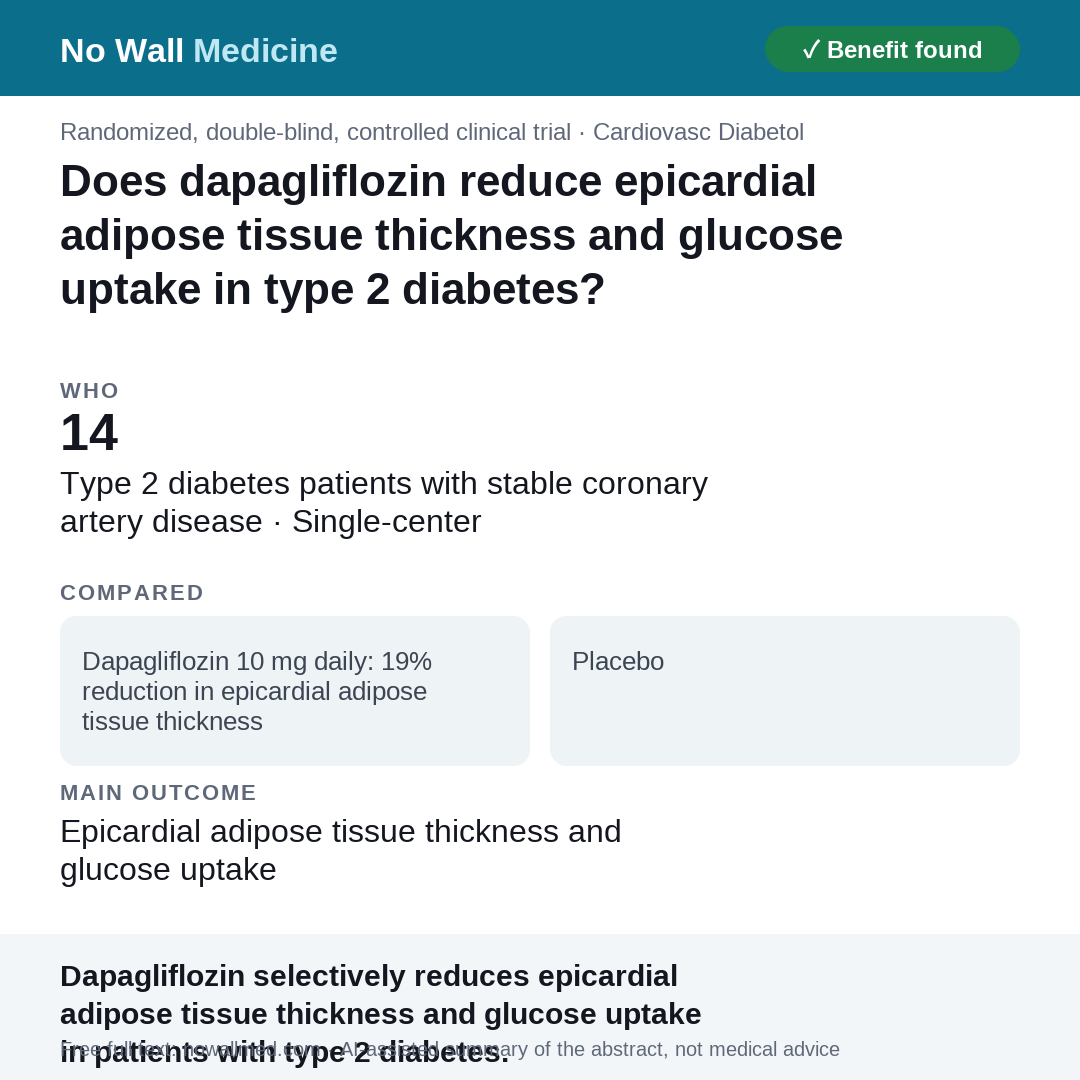
Dapagliflozin treatment is associated with a reduction of epicardial adipose tissue thickness and epicardial glucose uptake in human type 2 diabetes
Randomized, double-blind, controlled clinical trialBenefit found
Does dapagliflozin reduce epicardial adipose tissue thickness and glucose uptake in type 2 diabetes?
Who
14
Type 2 diabetes patients with stable coronary artery disease · Single-center
Compared
Dapagliflozin 10 mg daily: 19% reduction in epicardial adipose tissue thickness
Placebo
Main outcome
Epicardial adipose tissue thickness and glucose uptake
Result: 21.6% reduction in epicardial adipose tissue glucose uptake (p = 0.014)
Bottom line: Dapagliflozin selectively reduces epicardial adipose tissue thickness and glucose uptake in patients with type 2 diabetes.
Cardiovasc Diabetol · 2023-12-19Download image
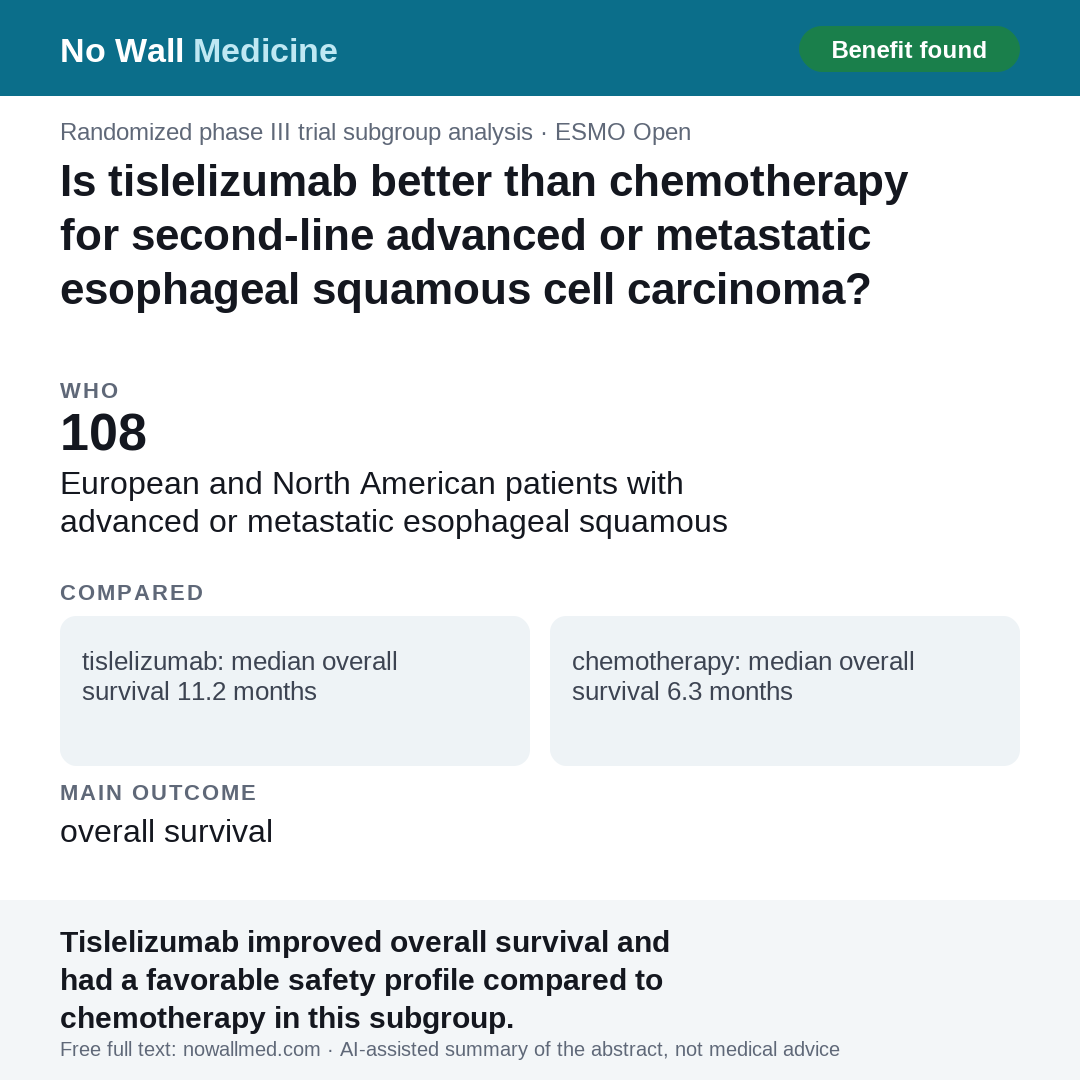
Tislelizumab versus chemotherapy as second-line treatment for European and North American patients with advanced or metastatic esophageal squamous cell carcinoma: a subgroup analysis of the randomized phase III RATIONALE-302 study
Randomized phase III trial subgroup analysisBenefit found
Is tislelizumab better than chemotherapy for second-line advanced or metastatic esophageal squamous cell carcinoma?
Who
108
European and North American patients with advanced or metastatic esophageal squamous cell carcinoma · Europe and North America
Compared
tislelizumab: median overall survival 11.2 months
chemotherapy: median overall survival 6.3 months
Main outcome
overall survival
Result: hazard ratio 0.55 (95% CI 0.35-0.87)
Bottom line: Tislelizumab improved overall survival and had a favorable safety profile compared to chemotherapy in this subgroup.
ESMO Open · 2023-12-19Download image
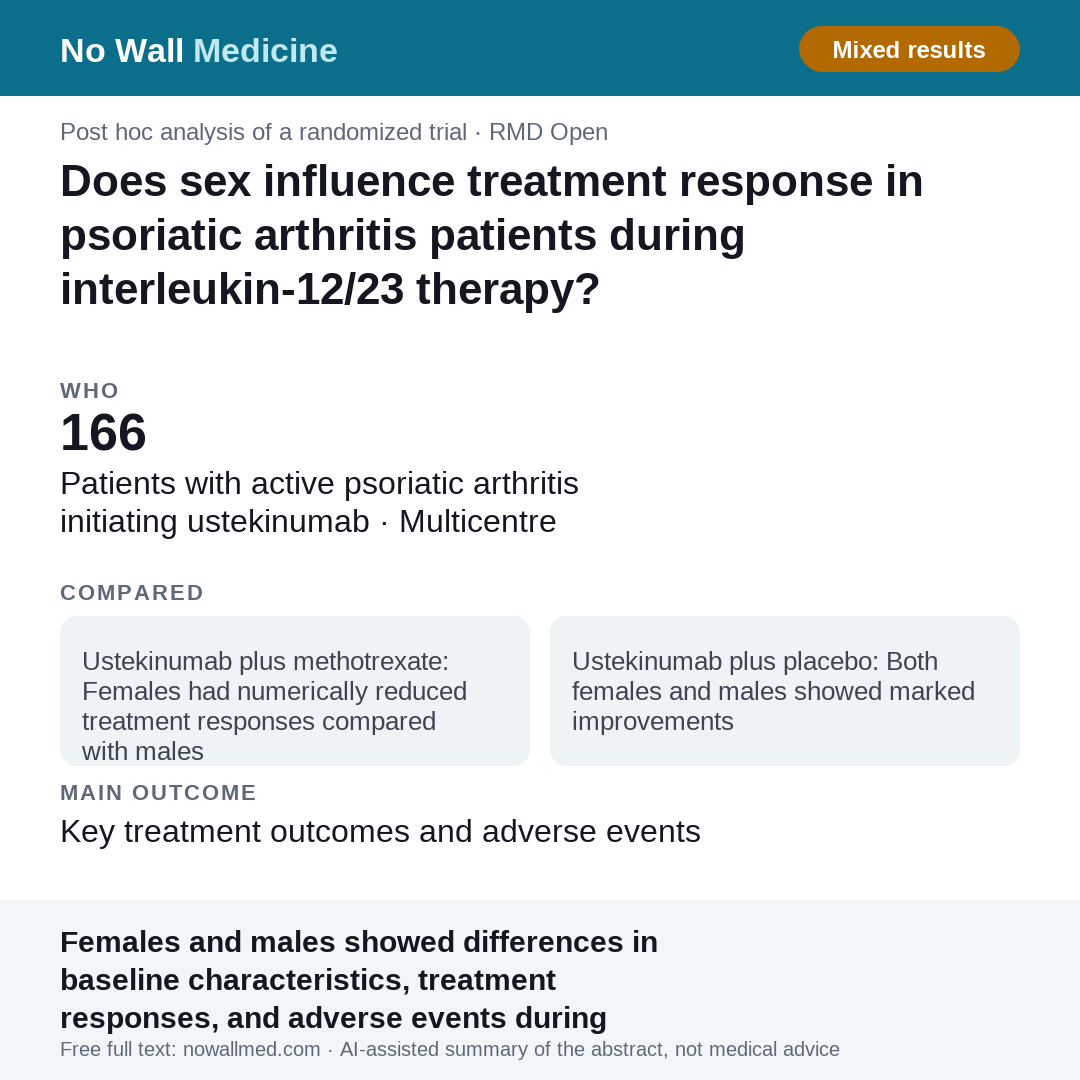
Differences in treatment response between female and male psoriatic arthritis patients during IL-12/23 therapy with or without methotrexate: post hoc analysis of results from the randomised MUST trial
Post hoc analysis of a randomized trialMixed results
Does sex influence treatment response in psoriatic arthritis patients during interleukin-12/23 therapy?
Who
166
Patients with active psoriatic arthritis initiating ustekinumab · Multicentre
Compared
Ustekinumab plus methotrexate: Females had numerically reduced treatment responses compared with males
Ustekinumab plus placebo: Both females and males showed marked improvements
Main outcome
Key treatment outcomes and adverse events
Bottom line: Females and males showed differences in baseline characteristics, treatment responses, and adverse events during therapy.
RMD Open · 2023-12-19Download image
Systematic review and meta-analysis of AI-based conversational agents for promoting mental health and well-being
Systematic review and meta-analysisMixed results
Are artificial intelligence based conversational agents effective for mental health and well-being?
Who
People with mental illnesses and psychological well-being
Compared
Artificial intelligence based conversational agents
Control
Main outcome
Symptoms of depression, distress, and psychological well-being
Result: Hedge's g 0.64 (95% CI 0.17-1.12) for depression; Hedge's g 0.7 (95% CI 0.18-1.22) for distress
Bottom line: Artificial intelligence conversational agents significantly reduce depression and distress but show no significant improvement in overall psychological well-being.
Limitation: Future research needs to investigate underlying mechanisms, long-term effects, and safe large language model integration.
NPJ Digit Med · 2023-12-19Download image

Comparing Web-Based and Blended Training for Coping With Challenges of Flexible Work Designs: Randomized Controlled Trial
Randomized controlled trialBenefit found
Are web-based or blended training more effective for workers with flexible work designs?
Who
373
Workers with flexible work designs
Compared
Web-based intervention group
Blended intervention group
Waitlist control group
Main outcome
Psychological detachment, satisfaction with work-life balance, and well-being
Bottom line: Both web-based and blended training effectively improve recovery, work-life balance, and well-being for flexible workers.
J Med Internet Res · 2023-12-19Download image

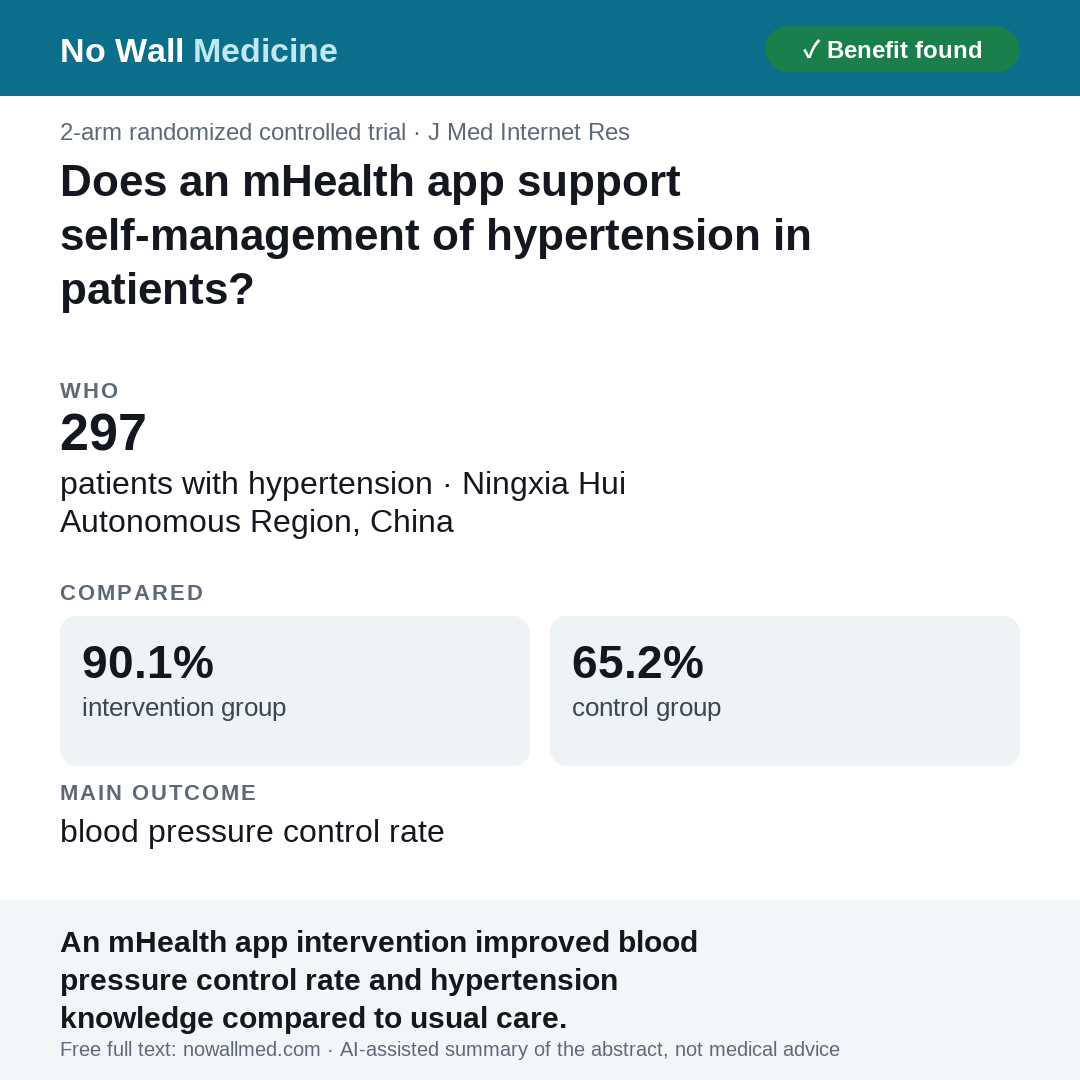
Efficacy of an mHealth App to Support Patients' Self-Management of Hypertension: Randomized Controlled Trial
2-arm randomized controlled trialBenefit found
Does an mHealth app support self-management of hypertension in patients?
Who
297
patients with hypertension · Ningxia Hui Autonomous Region, China
Compared
90.1%intervention group (100/111)
65.2%control group (75/115)
Main outcome
blood pressure control rate
Bottom line: An mHealth app intervention improved blood pressure control rate and hypertension knowledge compared to usual care.
Limitation: Further research is still needed to verify the specific effects of these interventions.
J Med Internet Res · 2023-12-19Download image
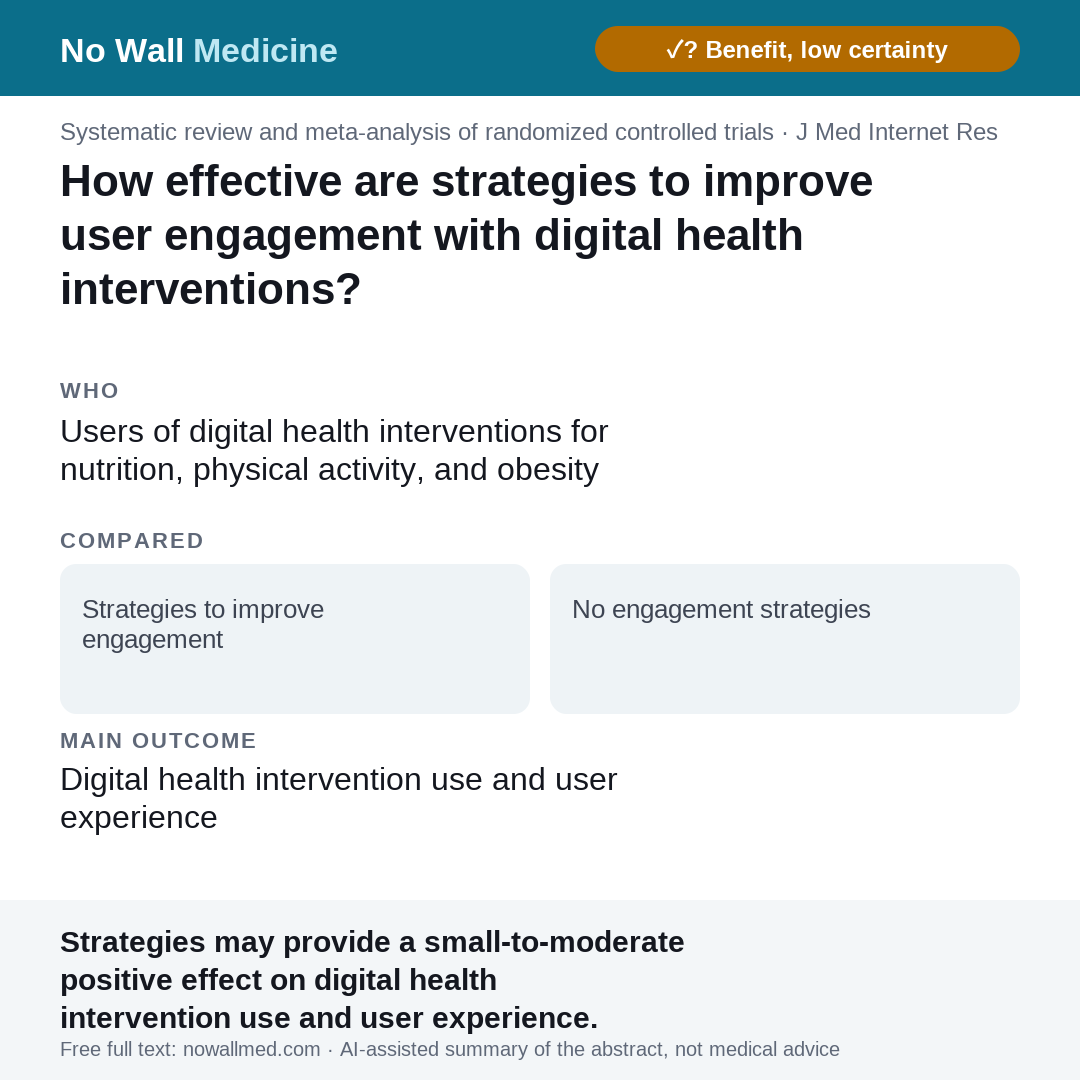
The Effectiveness of Strategies to Improve User Engagement With Digital Health Interventions Targeting Nutrition, Physical Activity, and Overweight and Obesity: Systematic Review and Meta-Analysis
Systematic review and meta-analysis of randomized controlled trialsBenefit, low certainty
How effective are strategies to improve user engagement with digital health interventions?
Who
Users of digital health interventions for nutrition, physical activity, and obesity
Compared
Strategies to improve engagement
No engagement strategies
Main outcome
Digital health intervention use and user experience
Result: standardized mean difference 0.33 (95% CI 0.20-0.46) for use; 0.29 (95% CI 0.07-0.52) for user experience
Bottom line: Strategies may provide a small-to-moderate positive effect on digital health intervention use and user experience.
Limitation: The true effect is unknown because of the low quality of evidence.
J Med Internet Res · 2023-12-19Download image
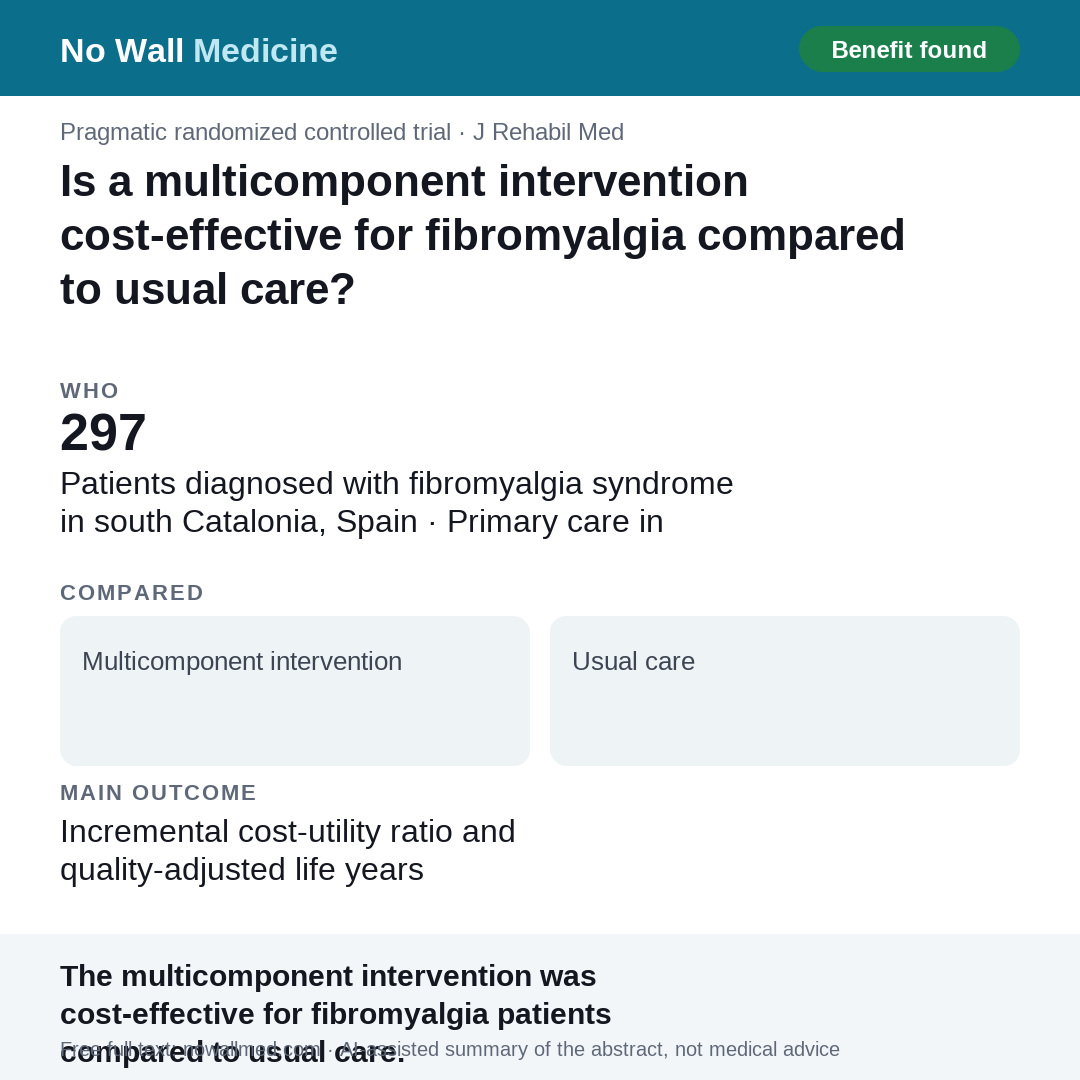
Cost-utility of a multicomponent intervention for fibromyalgia versus usual care: a pragmatic randomised controlled trial
Pragmatic randomized controlled trialBenefit found
Is a multicomponent intervention cost-effective for fibromyalgia compared to usual care?
Who
297
Patients diagnosed with fibromyalgia syndrome in south Catalonia, Spain · Primary care in south Catalonia, Spain
Compared
Multicomponent intervention
Usual care
Main outcome
Incremental cost-utility ratio and quality-adjusted life years
Result: adjusted ratio of € 851.67
Bottom line: The multicomponent intervention was cost-effective for fibromyalgia patients compared to usual care.
J Rehabil Med · 2023-12-19Download image
Virtual reality applications based on instrumental activities of daily living (iADLs) for cognitive intervention in older adults: a systematic review
Systematic reviewBenefit found
Do virtual reality applications based on instrumental activities of daily living improve cognitive functions?
Who
590
Healthy adults, people with mild cognitive impairment, and different types of dementia
Compared
instrumental activities of daily living virtual reality: generally greater improvements
control group
Main outcome
cognitive functions
Bottom line: Virtual reality interventions based on daily activities may improve cognitive functions in older adults and those with dementia.
Limitation: Transfer to the real world needs confirmation with larger, homogeneous samples and longer follow-up.
J Neuroeng Rehabil · 2023-12-19Download image

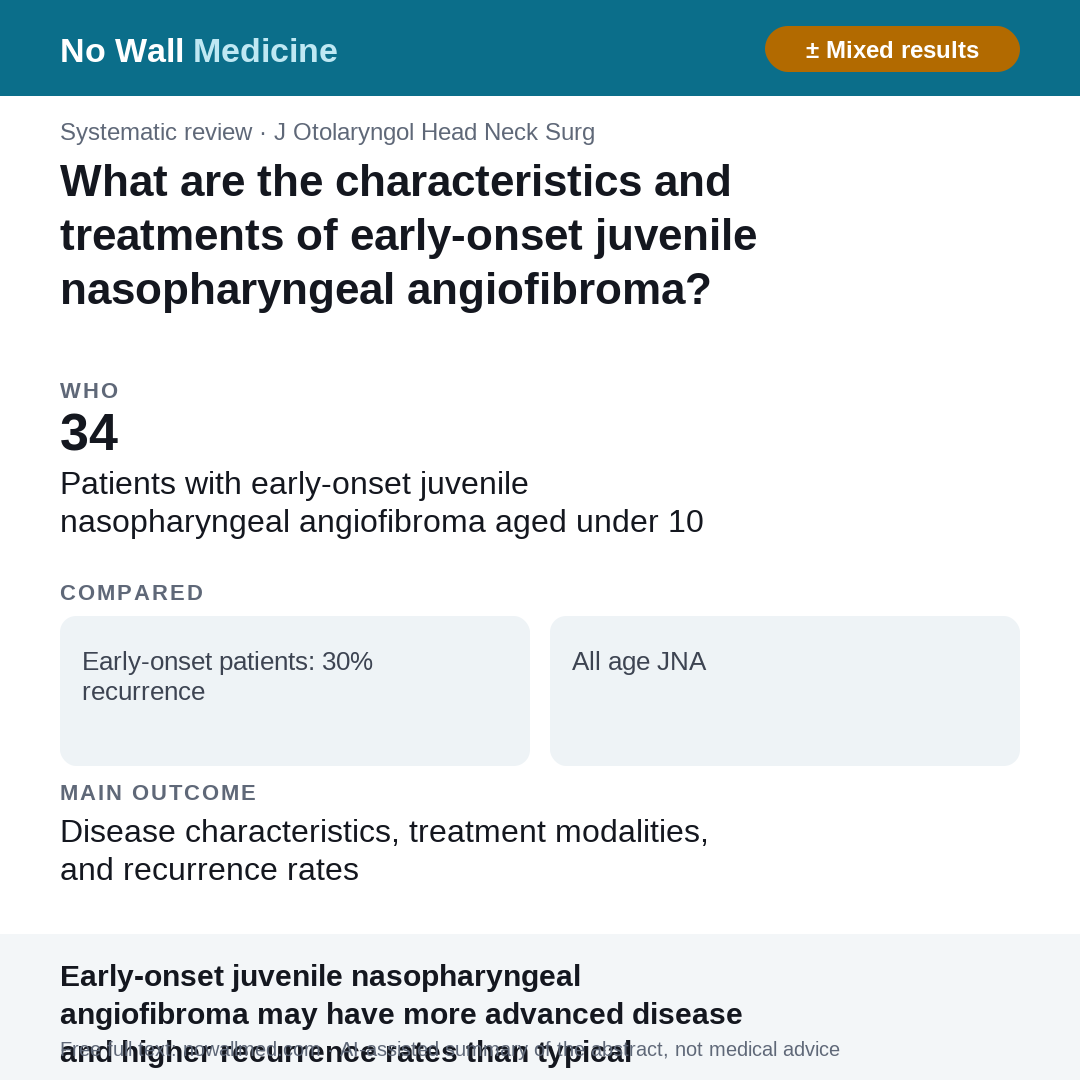
Early-onset juvenile nasopharyngeal angiofibroma (JNA): a systematic review
Systematic reviewMixed results
What are the characteristics and treatments of early-onset juvenile nasopharyngeal angiofibroma?
Who
34
Patients with early-onset juvenile nasopharyngeal angiofibroma aged under 10 years
Compared
Early-onset patients: 30% recurrence
All age JNA
Main outcome
Disease characteristics, treatment modalities, and recurrence rates
Bottom line: Early-onset juvenile nasopharyngeal angiofibroma may have more advanced disease and higher recurrence rates than typical cases.
Limitation: A more powered statistical analysis is needed as more cases are reported.
J Otolaryngol Head Neck Surg · 2023-12-19Download image
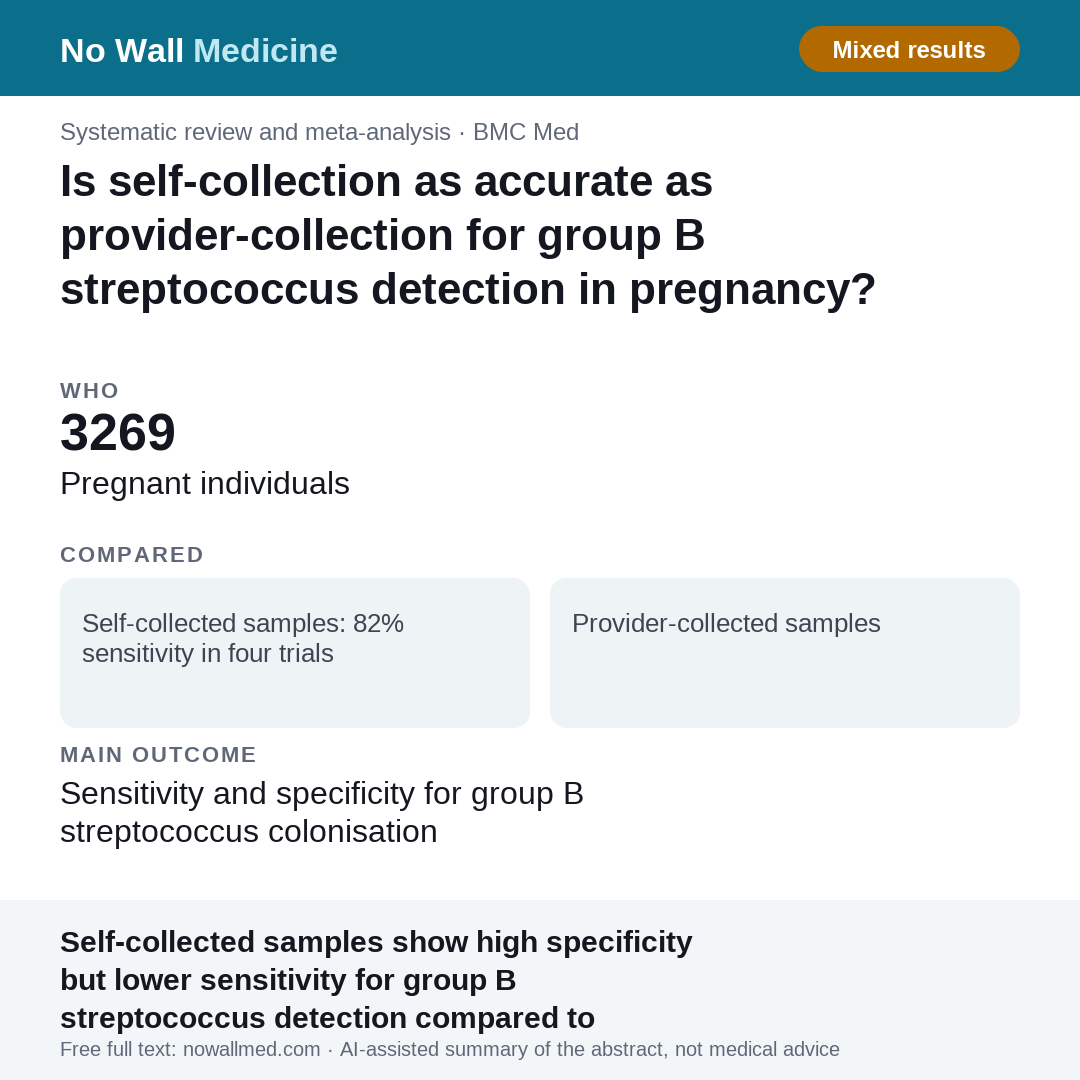
Self-collection of samples for group B streptococcus testing during pregnancy: a systematic review and meta-analysis
Systematic review and meta-analysisMixed results
Is self-collection as accurate as provider-collection for group B streptococcus detection in pregnancy?
Who
3269
Pregnant individuals
Compared
Self-collected samples: 82% sensitivity in four trials
Provider-collected samples
Main outcome
Sensitivity and specificity for group B streptococcus colonisation
Result: sensitivity 82% (95% CI: 66-91%) in trials
Bottom line: Self-collected samples show high specificity but lower sensitivity for group B streptococcus detection compared to provider-collection.
Limitation: All studies had high or unclear risk of bias.
BMC Med · 2023-12-18Download image
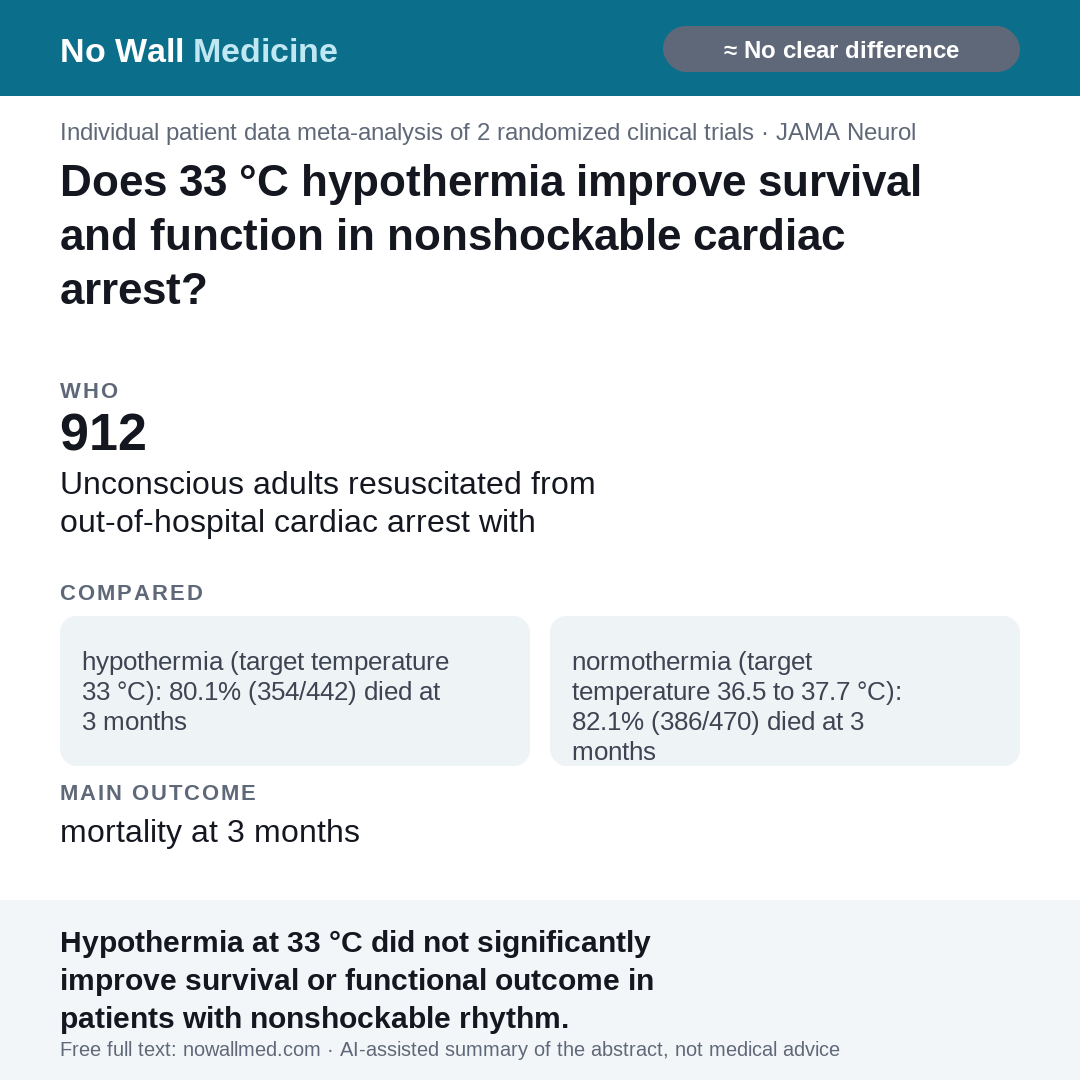
Hypothermia vs Normothermia in Patients With Cardiac Arrest and Nonshockable Rhythm: A Meta-Analysis
Individual patient data meta-analysis of 2 randomized clinical trialsNo clear difference
Does 33 °C hypothermia improve survival and function in nonshockable cardiac arrest?
Who
912
Unconscious adults resuscitated from out-of-hospital cardiac arrest with nonshockable rhythm
Compared
hypothermia (target temperature 33 °C): 80.1% (354/442) died at 3 months
normothermia (target temperature 36.5 to 37.7 °C): 82.1% (386/470) died at 3 months
Main outcome
mortality at 3 months
Result: relative risk 1.04 (95% CI, 0.89-1.20)
Bottom line: Hypothermia at 33 °C did not significantly improve survival or functional outcome in patients with nonshockable rhythm.
JAMA Neurol · 2023-12-18Download image
Bisphosphonates in Glucocorticoid-Treated Patients With Duchenne Muscular Dystrophy: A Systematic Review and Grading of the Evidence
Systematic review and grading of evidenceBenefit found
Do bisphosphonates benefit glucocorticoid-treated patients with Duchenne muscular dystrophy?
Who
1,010
Glucocorticoid-treated patients with Duchenne muscular dystrophy · 12 countries across all inhabited continents except South America
Compared
Bisphosphonates
Control
Main outcome
areal lumbar spine bone mineral density Z score
Bottom line: High-quality evidence supports bisphosphonates to increase lumbar spine bone mineral density in these patients.
Limitation: Evidence for fracture risks was inconclusive or low quality due to lack of controlled data.
Neurology · 2023-12-18Download image

Preventing posttraumatic stress disorder following childbirth: a systematic review and meta-analysis
Systematic review and meta-analysisBenefit found
Can psychological therapies prevent or treat childbirth-related posttraumatic stress disorder?
Who
Women experiencing or at risk for childbirth-related posttraumatic stress disorder
Compared
Secondary prevention interventions
Usual treatment
Main outcome
childbirth-related posttraumatic stress disorder symptoms
Result: standardized mean difference -0.67 (95% CI -0.92 to -0.42)
Bottom line: Brief psychological therapies delivered early after traumatic childbirth effectively reduce posttraumatic stress disorder symptoms.
Limitation: Other treatment approaches warrant more research and antepartum educational approaches have insufficient empirical evidence.
AJOG · 2023-12-18Download image

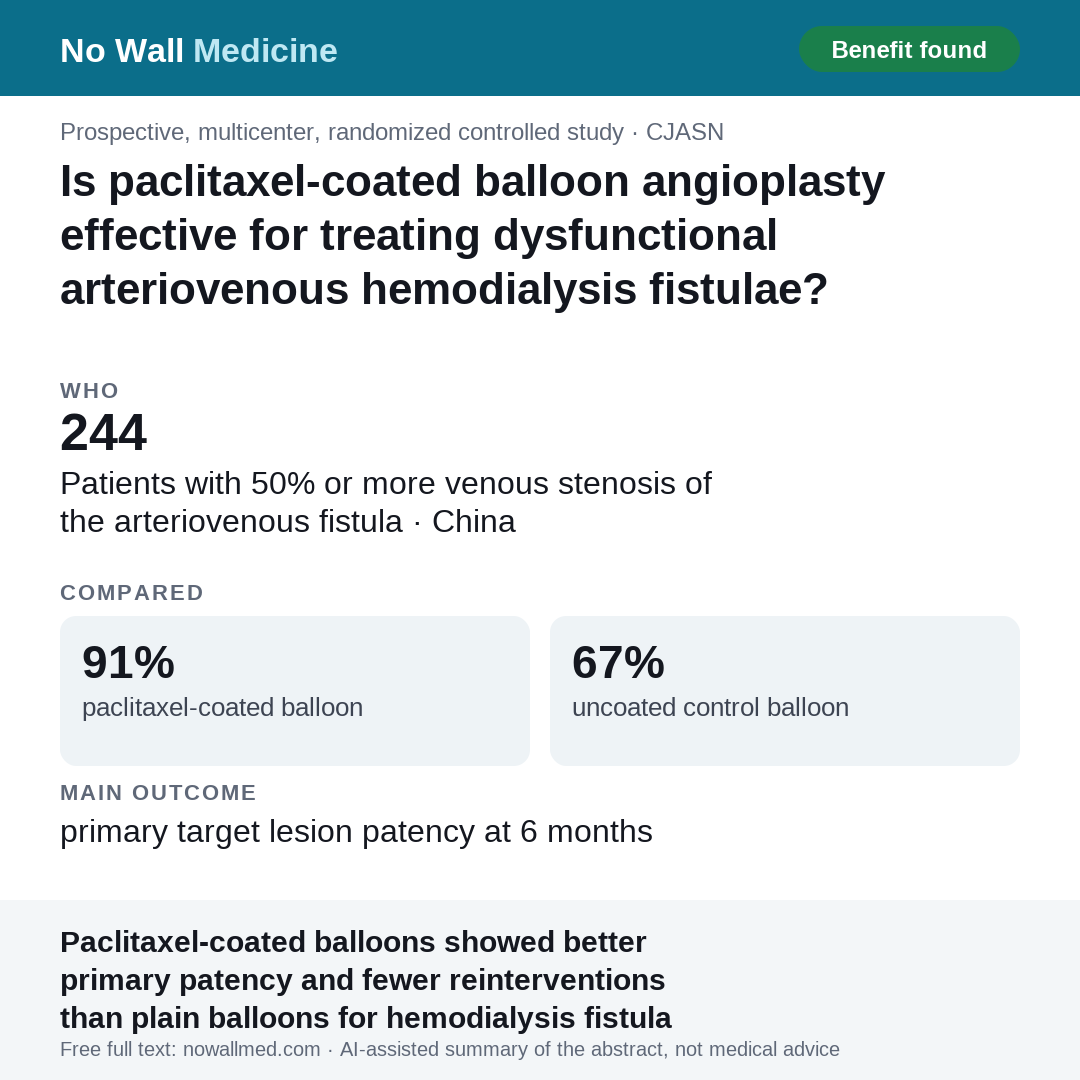
Drug-Coated Balloon Angioplasty for Dysfunctional Arteriovenous Hemodialysis Fistulae: A Randomized Controlled Trial
Prospective, multicenter, randomized controlled studyBenefit found
Is paclitaxel-coated balloon angioplasty effective for treating dysfunctional arteriovenous hemodialysis fistulae?
Who
244
Patients with 50% or more venous stenosis of the arteriovenous fistula · China
Compared
91%paclitaxel-coated balloon (106/116)
67%uncoated control balloon (79/118)
Main outcome
primary target lesion patency at 6 months
Result: difference of 24.63% (95% confidence interval, 14.68 to 34.58)
Bottom line: Paclitaxel-coated balloons showed better primary patency and fewer reinterventions than plain balloons for hemodialysis fistula stenosis.
CJASN · 2023-12-18Download image
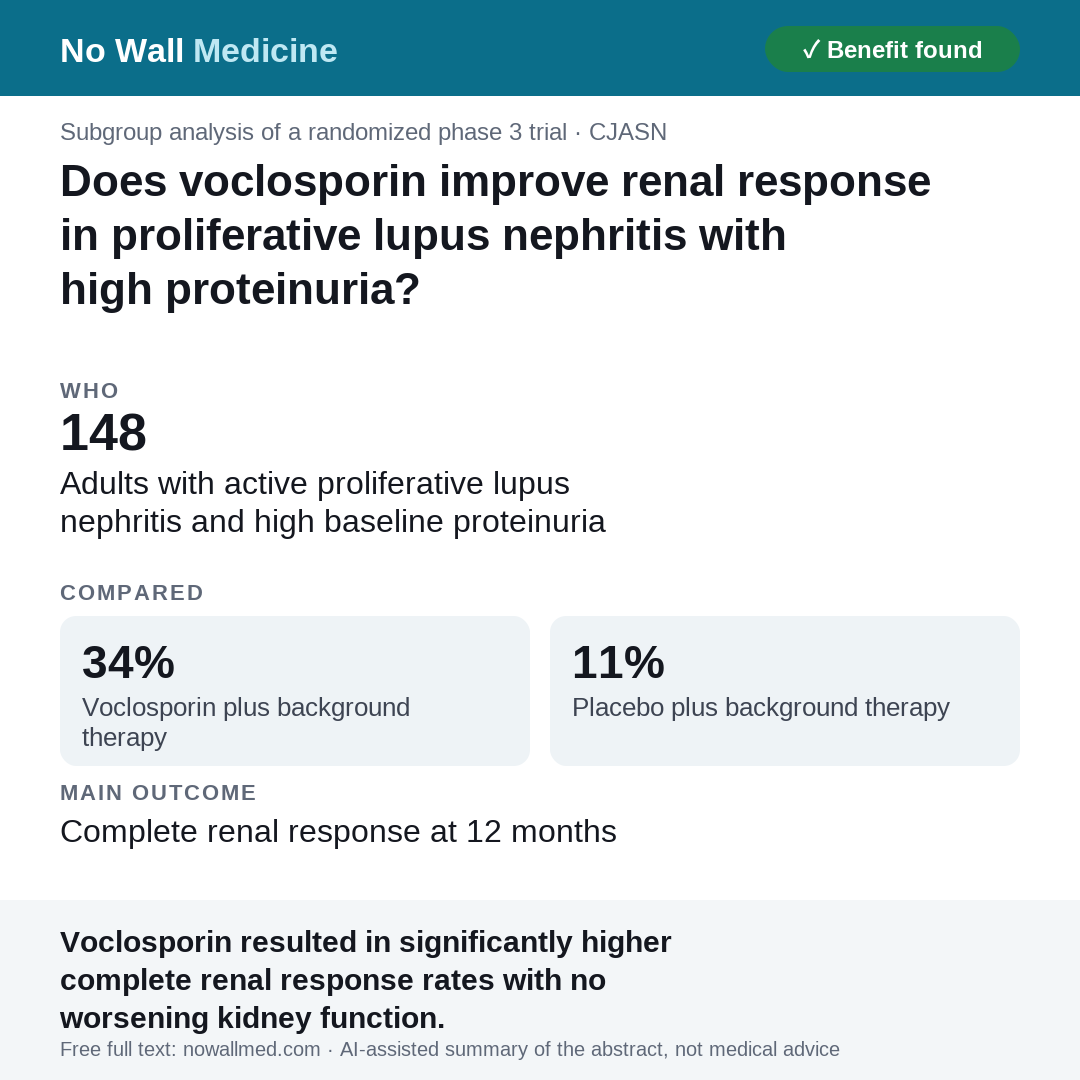
Efficacy of Voclosporin in Proliferative Lupus Nephritis with High Levels of Proteinuria
Subgroup analysis of a randomized phase 3 trialBenefit found
Does voclosporin improve renal response in proliferative lupus nephritis with high proteinuria?
Who
148
Adults with active proliferative lupus nephritis and high baseline proteinuria
Compared
34%Voclosporin plus background therapy
11%Placebo plus background therapy
Main outcome
Complete renal response at 12 months
Result: odds ratio, 4.43; 95% confidence interval [CI], 1.78 to >9.99
Bottom line: Voclosporin resulted in significantly higher complete renal response rates with no worsening kidney function.
CJASN · 2023-12-18Download image
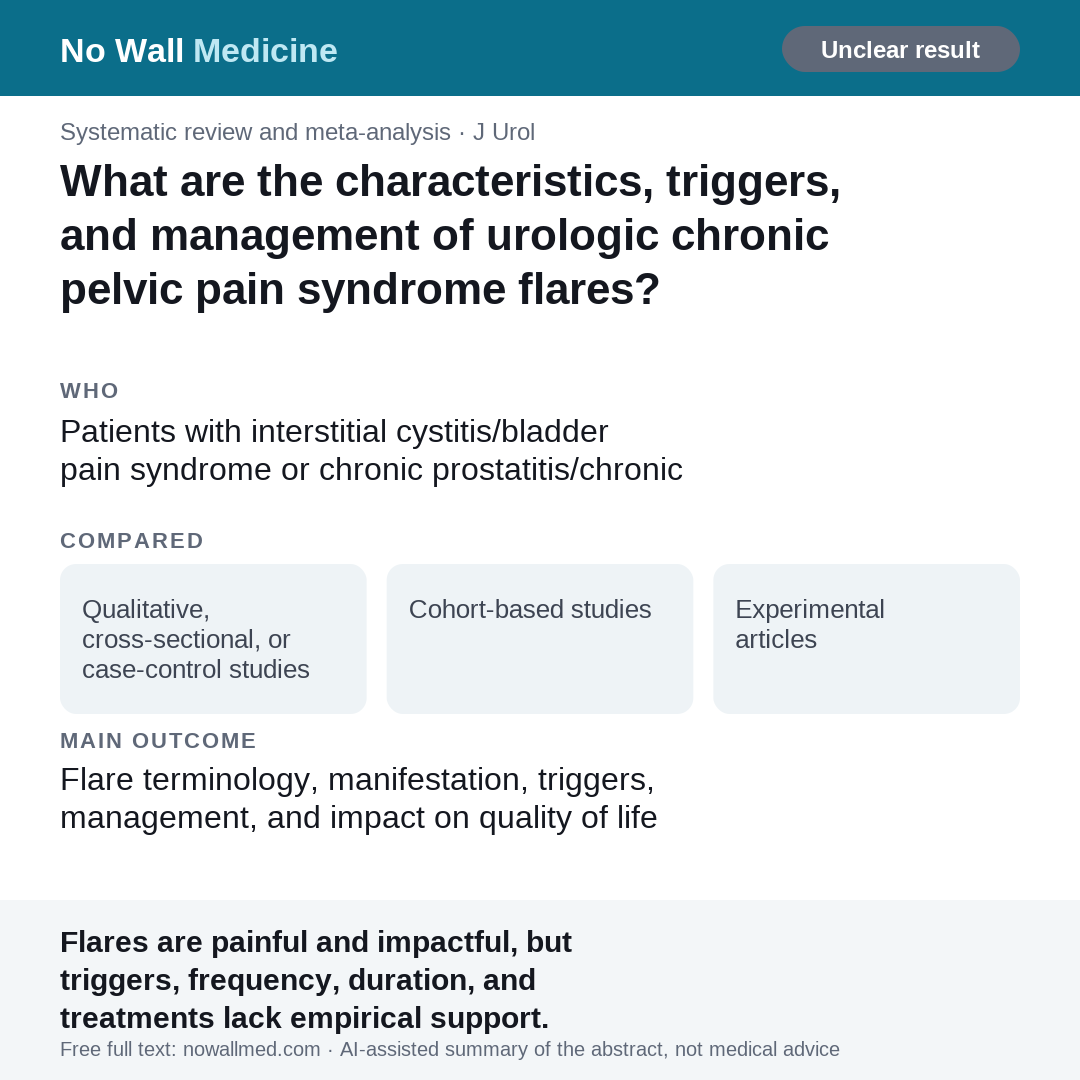
Urologic Chronic Pelvic Pain Syndrome Flares: A Comprehensive, Systematic Review and Meta-Analysis of the Peer-Reviewed Flare Literature
Systematic review and meta-analysisUnclear result
What are the characteristics, triggers, and management of urologic chronic pelvic pain syndrome flares?
Who
Patients with interstitial cystitis/bladder pain syndrome or chronic prostatitis/chronic pelvic pain syndrome · North America
Compared
Qualitative, cross-sectional, or case-control studies
Cohort-based studies
Experimental articles
Main outcome
Flare terminology, manifestation, triggers, management, and impact on quality of life
Bottom line: Flares are painful and impactful, but triggers, frequency, duration, and treatments lack empirical support.
J Urol · 2023-12-18Download image
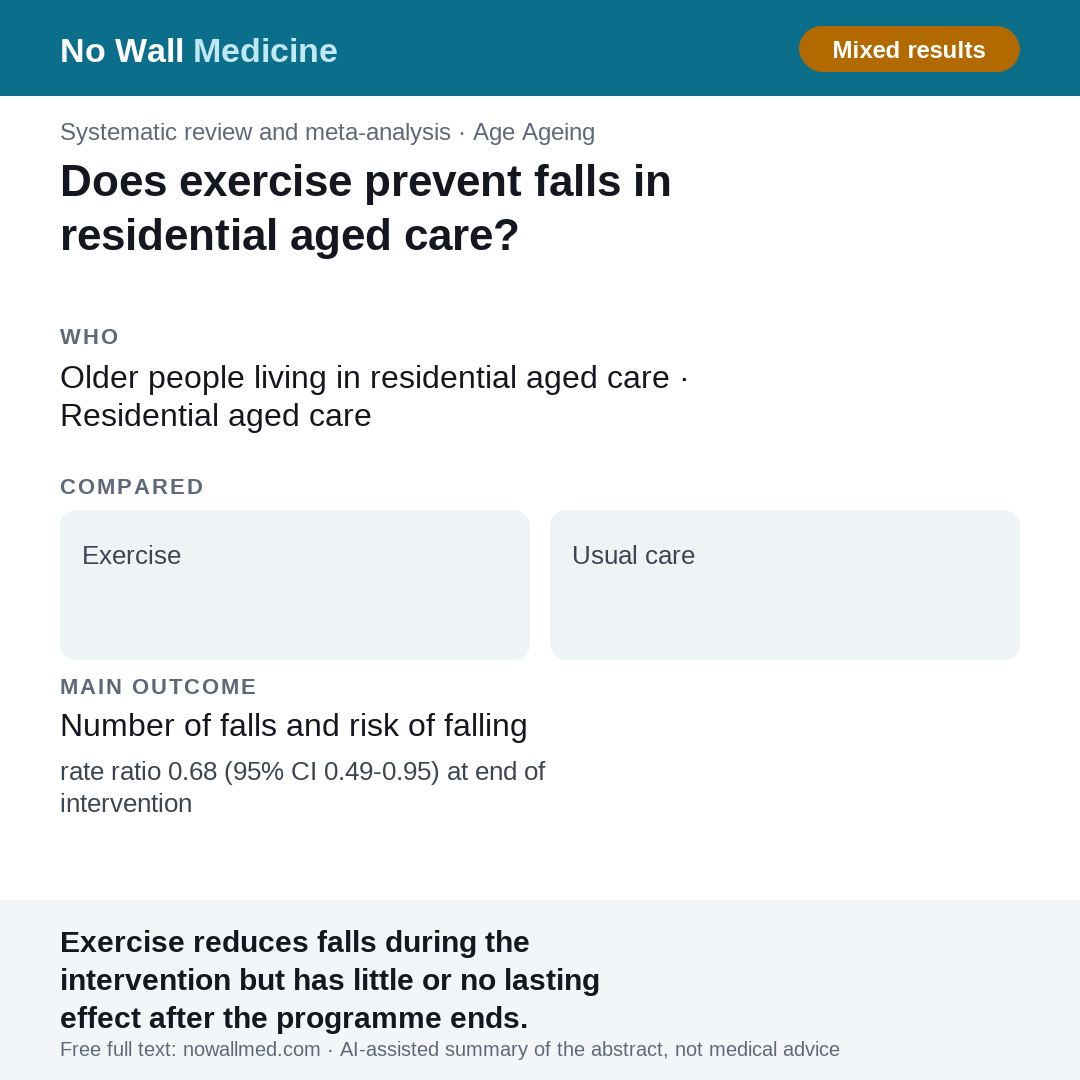
Exercise for falls prevention in aged care: systematic review and trial endpoint meta-analyses
Systematic review and meta-analysisMixed results
Does exercise prevent falls in residential aged care?
Who
Older people living in residential aged care · Residential aged care
Compared
Exercise
Usual care
Main outcome
Number of falls and risk of falling
Result: rate ratio 0.68 (95% CI 0.49-0.95) at end of intervention
Bottom line: Exercise reduces falls during the intervention but has little or no lasting effect after the programme ends.
Age Ageing · 2023-12-18Download image