Visual abstracts
New randomized trials and meta-analyses from leading journals at a glance: who was studied, what was compared, and what was found. Every paper is free to read in full.
All specialtiesCardiology 4877Oncology 4138Gastroenterology & Hepatology 1942Infectious Disease 3837Neurology 1905Psychiatry & Mental Health 2273Pulmonology 2143Critical Care 1365Endocrinology & Diabetes 2580Pediatrics 2980Surgery 2559Orthopedics & Sports Medicine 931Neurosurgery 537Cardiothoracic & Vascular Surgery 674Plastic & Reconstructive Surgery 591Nephrology 1133Rheumatology 823Hematology 1109Dermatology 621Ophthalmology 543Obstetrics & Gynecology 1686Public & Global Health 1058Radiology & Imaging 648Anesthesiology 986Urology 764ENT (Otolaryngology) 503Emergency Medicine 511Allergy & Immunology 313Geriatrics 981Family Medicine & Primary Care 562Medical Genetics & Genomics 676Pathology & Laboratory Medicine 159Physical Medicine & Rehabilitation 757Palliative Care 444Nutrition 1588Digital Health & AI 2201General Medicine 321
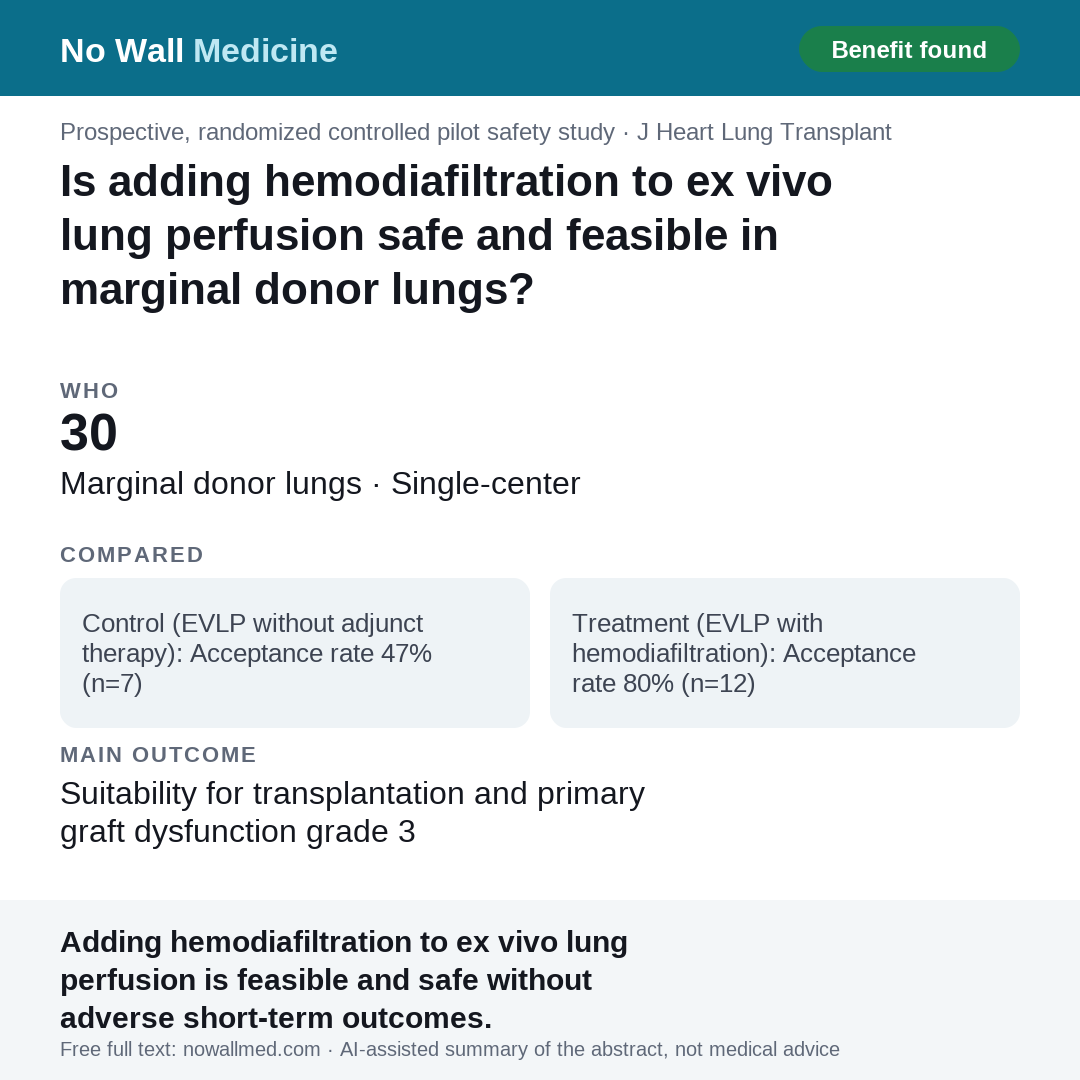
FILONEX - A prospective, randomized controlled pilot safety study evaluating the addition of hemodiafiltration to EVLP in marginal donor lungs
Prospective, randomized controlled pilot safety studyBenefit found
Is adding hemodiafiltration to ex vivo lung perfusion safe and feasible in marginal donor lungs?
Who
30
Marginal donor lungs · Single-center
Compared
Control (EVLP without adjunct therapy): Acceptance rate 47% (n=7)
Treatment (EVLP with hemodiafiltration): Acceptance rate 80% (n=12)
Main outcome
Suitability for transplantation and primary graft dysfunction grade 3
Bottom line: Adding hemodiafiltration to ex vivo lung perfusion is feasible and safe without adverse short-term outcomes.
J Heart Lung Transplant · 2026-04-22Download image
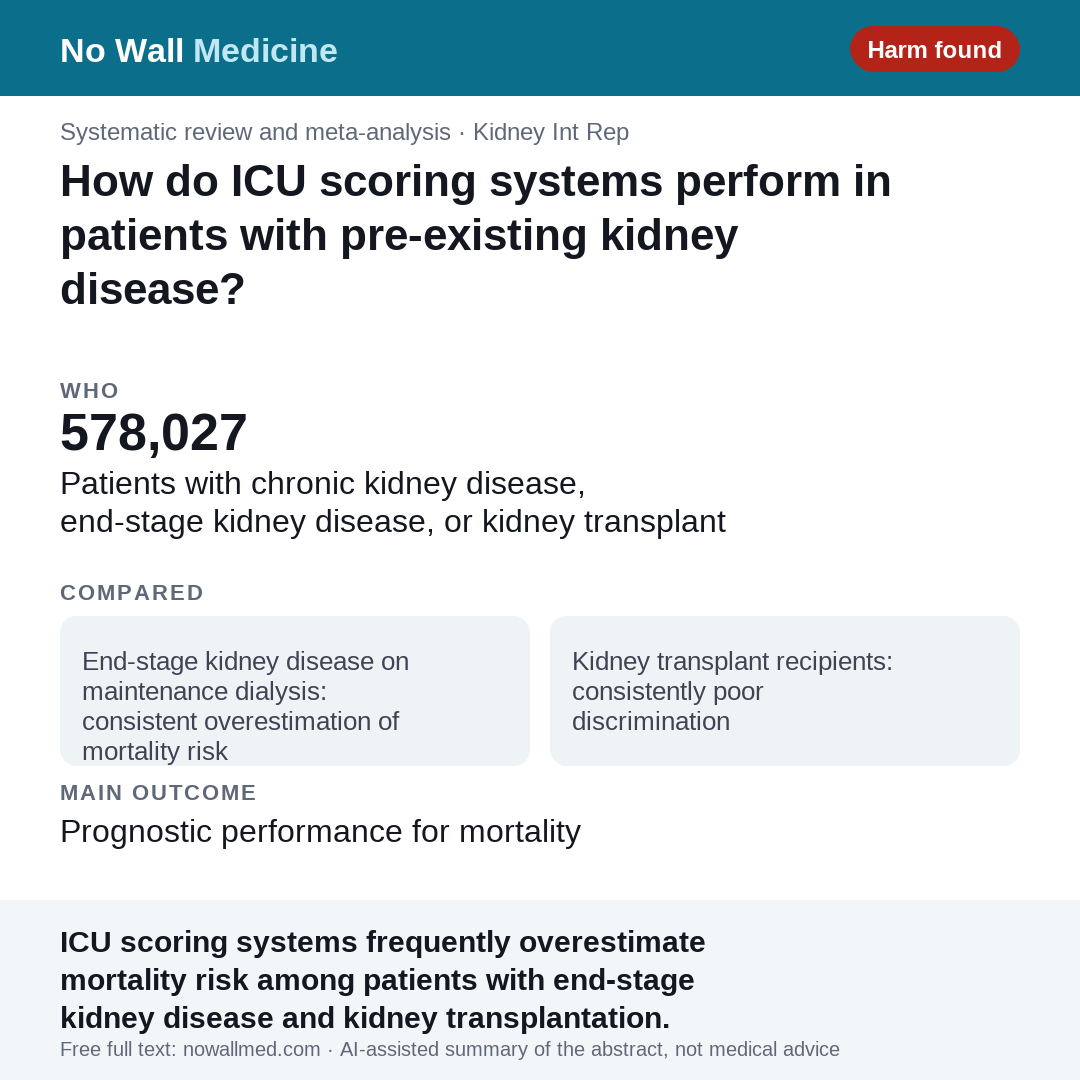
Systematic Review and Meta-Analysis of Intensive Care Unit Scoring Systems' Performance in Patients with Pre-Existing Kidney Disease
Systematic review and meta-analysisHarm found
How do ICU scoring systems perform in patients with pre-existing kidney disease?
Who
578,027
Patients with chronic kidney disease, end-stage kidney disease, or kidney transplant recipients
Compared
End-stage kidney disease on maintenance dialysis: consistent overestimation of mortality risk
Kidney transplant recipients: consistently poor discrimination
Main outcome
Prognostic performance for mortality
Bottom line: ICU scoring systems frequently overestimate mortality risk among patients with end-stage kidney disease and kidney transplantation.
Limitation: Data on patients with nondialysis chronic kidney disease were very limited.
Kidney Int Rep · 2026-04-22Download image
Ascorbic acid as an adjunct therapy for anemia in erythropoietin-treated hemodialysis patients: a systematic review and meta-analysis
Systematic review and meta-analysis of 14 studiesBenefit found
Does ascorbic acid improve hematologic and iron parameters in anemic hemodialysis patients?
Who
Adult anemic patients undergoing maintenance hemodialysis
Compared
Ascorbic acid
Control
Main outcome
Hemoglobin, ferritin, serum iron, transferrin saturation and total iron-binding capacity
Result: mean difference 0.94 g/dL (95% CI 0.57 to 1.31) for hemoglobin
Bottom line: Ascorbic acid supplementation may modestly improve hemoglobin, transferrin saturation, and reduce weight-adjusted erythropoietin requirements in hemodialysis patients.
Limitation: The certainty of evidence is low and long-term safety is unestablished.
Clin Kidney J · 2026-04-22Download image

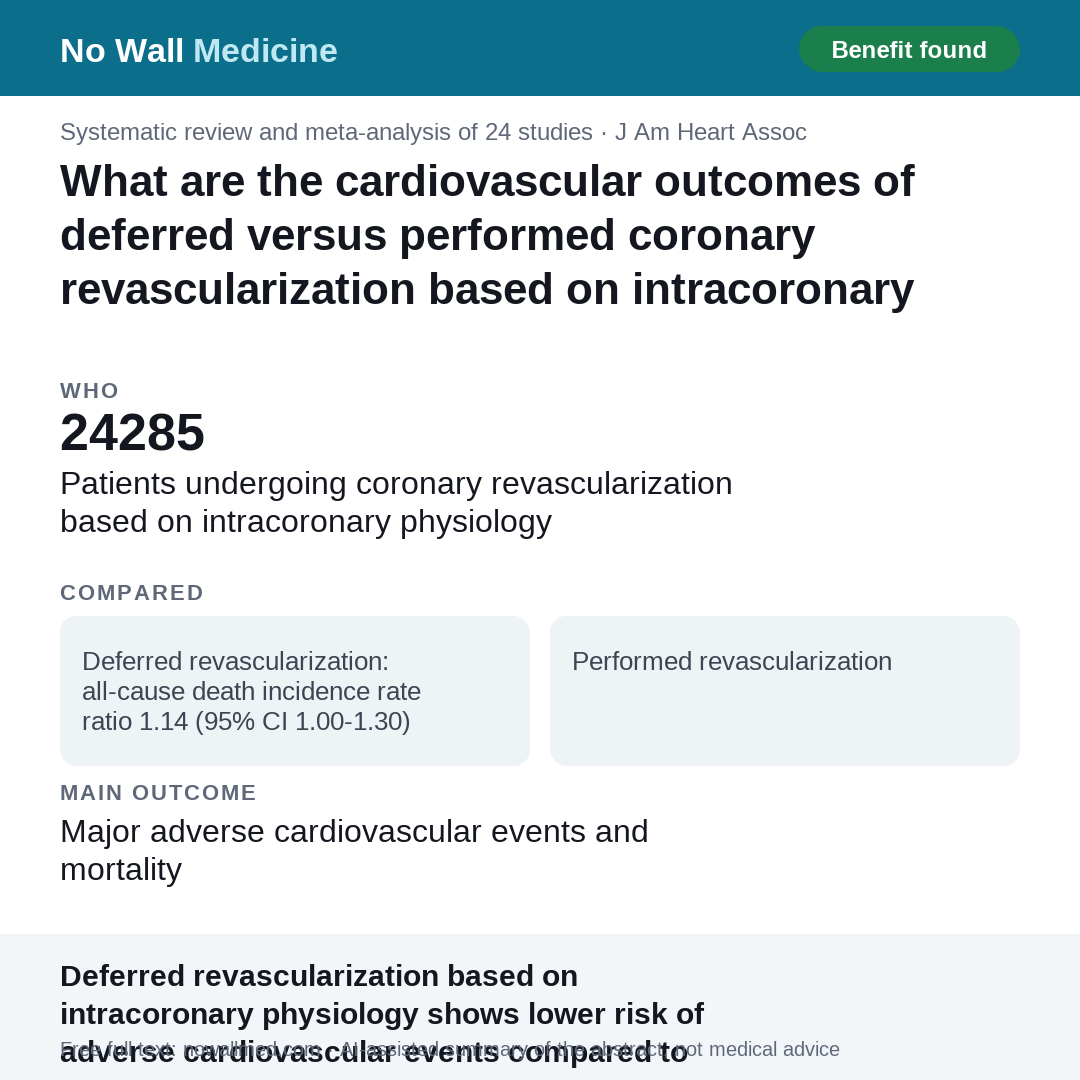
Cardiovascular Outcomes in Patients With Deferred and Performed Coronary Revascularization Based on Intracoronary Physiology: A Systematic Review and Meta-Analysis
Systematic review and meta-analysis of 24 studiesBenefit found
What are the cardiovascular outcomes of deferred versus performed coronary revascularization based on intracoronary physiology?
Who
24285
Patients undergoing coronary revascularization based on intracoronary physiology
Compared
Deferred revascularization: all-cause death incidence rate ratio 1.14 (95% CI 1.00-1.30)
Performed revascularization
Main outcome
Major adverse cardiovascular events and mortality
Result: incidence rate ratio 1.15 (95% CI 0.99-1.34) for major adverse cardiovascular events
Bottom line: Deferred revascularization based on intracoronary physiology shows lower risk of adverse cardiovascular events compared to performed revascularization.
J Am Heart Assoc · 2026-04-22Download image
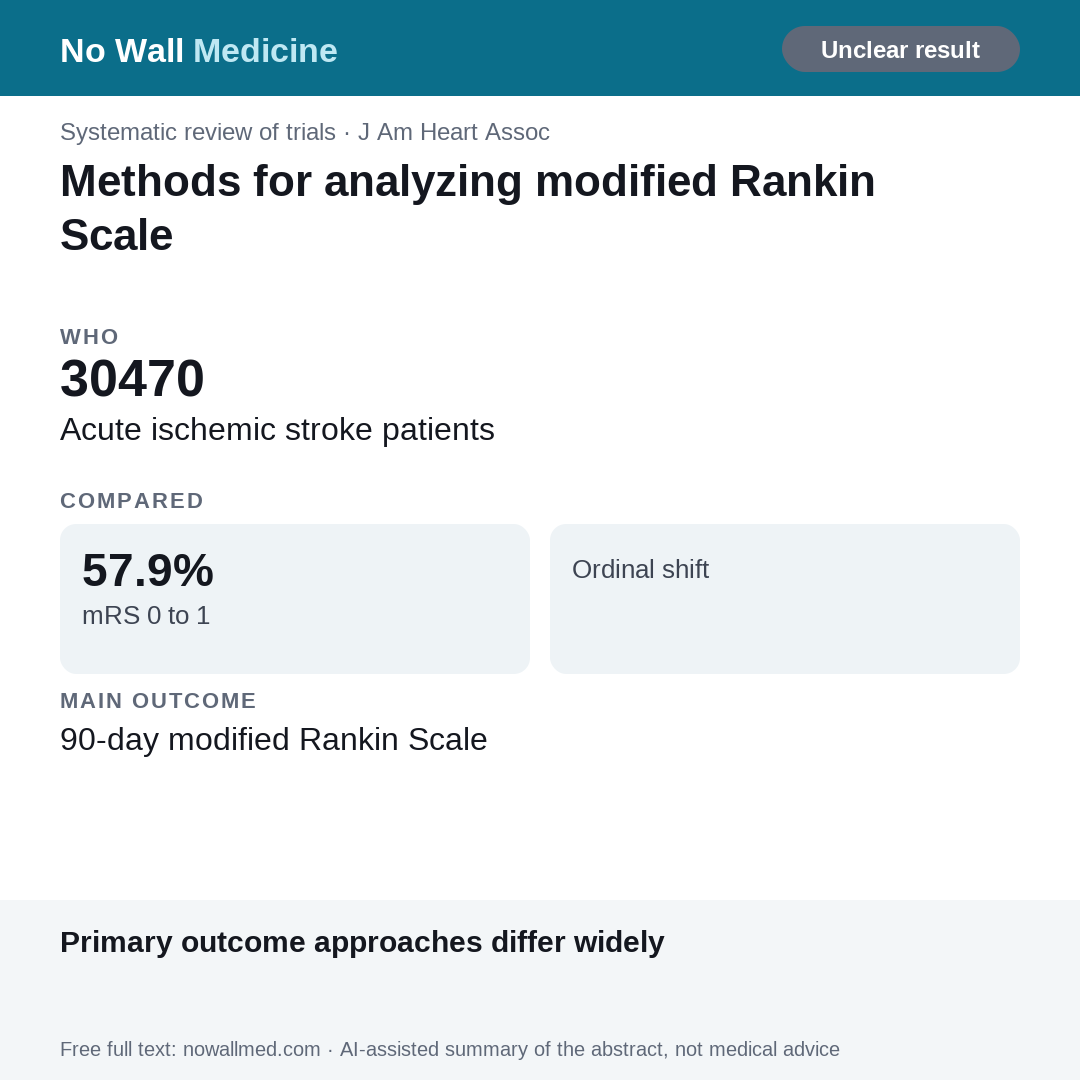
Methods for Analyzing the Modified Rankin Scale in Stroke Thrombolysis Trials: A Systematic Review and Methodological Framework
Systematic review of trialsUnclear result
Methods for analyzing modified Rankin Scale
Who
30470
Acute ischemic stroke patients
Compared
57.9%mRS 0 to 1
Ordinal shift
Main outcome
90-day modified Rankin Scale
Bottom line: Primary outcome approaches differ widely
J Am Heart Assoc · 2026-04-22Download image
Novel OGTT metrics do not provide incremental predictive value beyond conventional glycemic criteria for remission of prediabetes in individuals with impaired fasting glucose: results from the PREVIEW trial
Post-hoc analysis of a randomized trialNo clear difference
Do novel oral glucose tolerance test metrics predict prediabetes remission better than conventional metrics?
Who
1187
Adults with overweight or obesity and predominantly impaired fasting glucose · Multinational
Compared
Conventional metrics
Novel oral glucose tolerance test metrics
Main outcome
Prediabetes remission at 1, 2, and 3 years
Bottom line: Novel oral glucose tolerance test metrics do not provide incremental predictive value for prediabetes remission beyond conventional glycemic criteria.
Cardiovasc Diabetol · 2026-04-22Download image
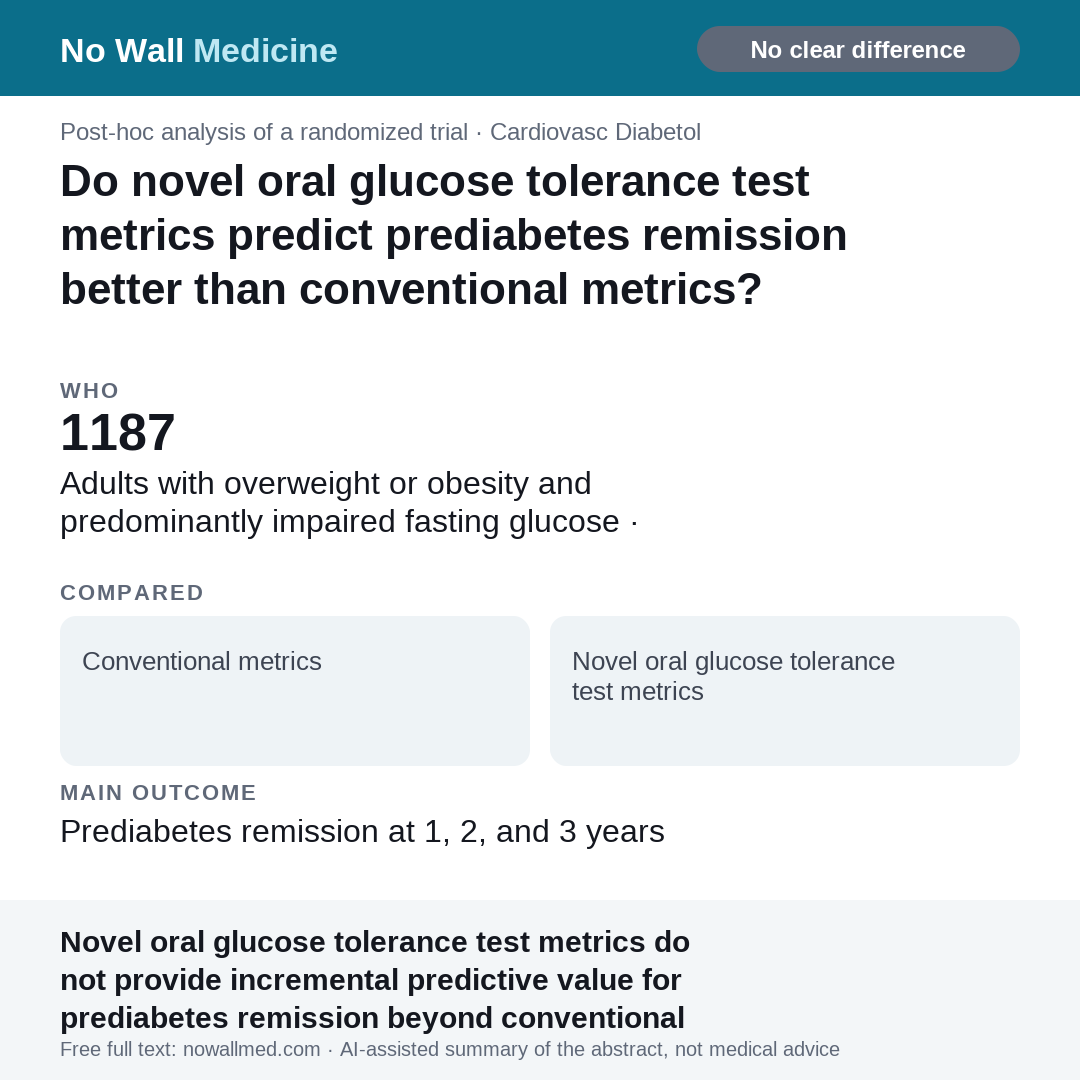
Single-cell dissection of persistent tumor antigens in non-responders reveals opportunities for TAA-targeted vaccination after neoadjuvant therapy in esophageal squamous cell carcinoma
Prospective multicenter phase 3 clinical trialMixed results
How do immune cell and antigen changes relate to response in neoadjuvant therapy?
Who
55
Patients with locally advanced esophageal squamous cell carcinoma · Multicenter
Compared
Neoadjuvant chemotherapy
Chemoimmunotherapy
Main outcome
Pathological response and tumor microenvironment changes
Bottom line: Non-responders display persistent tumor-associated antigens and dysfunctional T cells, suggesting opportunities for targeted vaccination.
J Immunother Cancer · 2026-04-22Download image
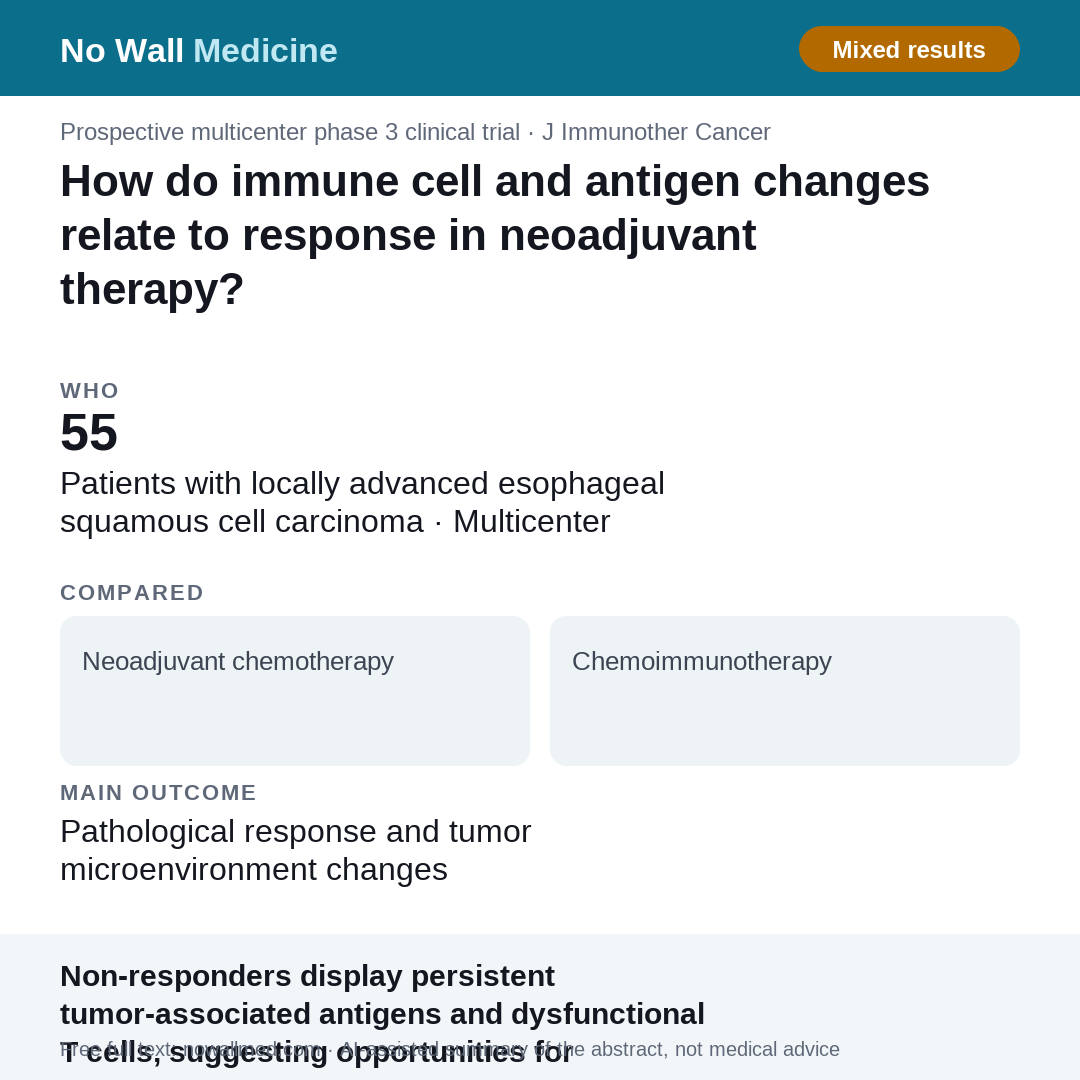
Alternative net ultrafiltration rate strategies in acute kidney injury: a feasibility randomized clinical trial
Stepped-wedge cluster-randomized trialNo clear difference
Is it feasible to use restrictive versus liberal net ultrafiltration rate strategies?
Who
97
Patients in ten intensive care units receiving continuous kidney replacement therapy · Ten intensive care units across two healthcare systems
Compared
Liberal strategy: 2.05 [0.83] mL/kg/h
Restrictive strategy: 1.81 [0.86] mL/kg/h
Main outcome
Mean delivered net ultrafiltration rate
Result: 2.05 [0.83] vs. 1.81 [0.86] mL/kg/h; adjusted P = 0.4
Bottom line: Both strategies were feasible, but minimal separation in delivered net ultrafiltration rates was achieved between groups.
Crit Care · 2026-04-22Download image
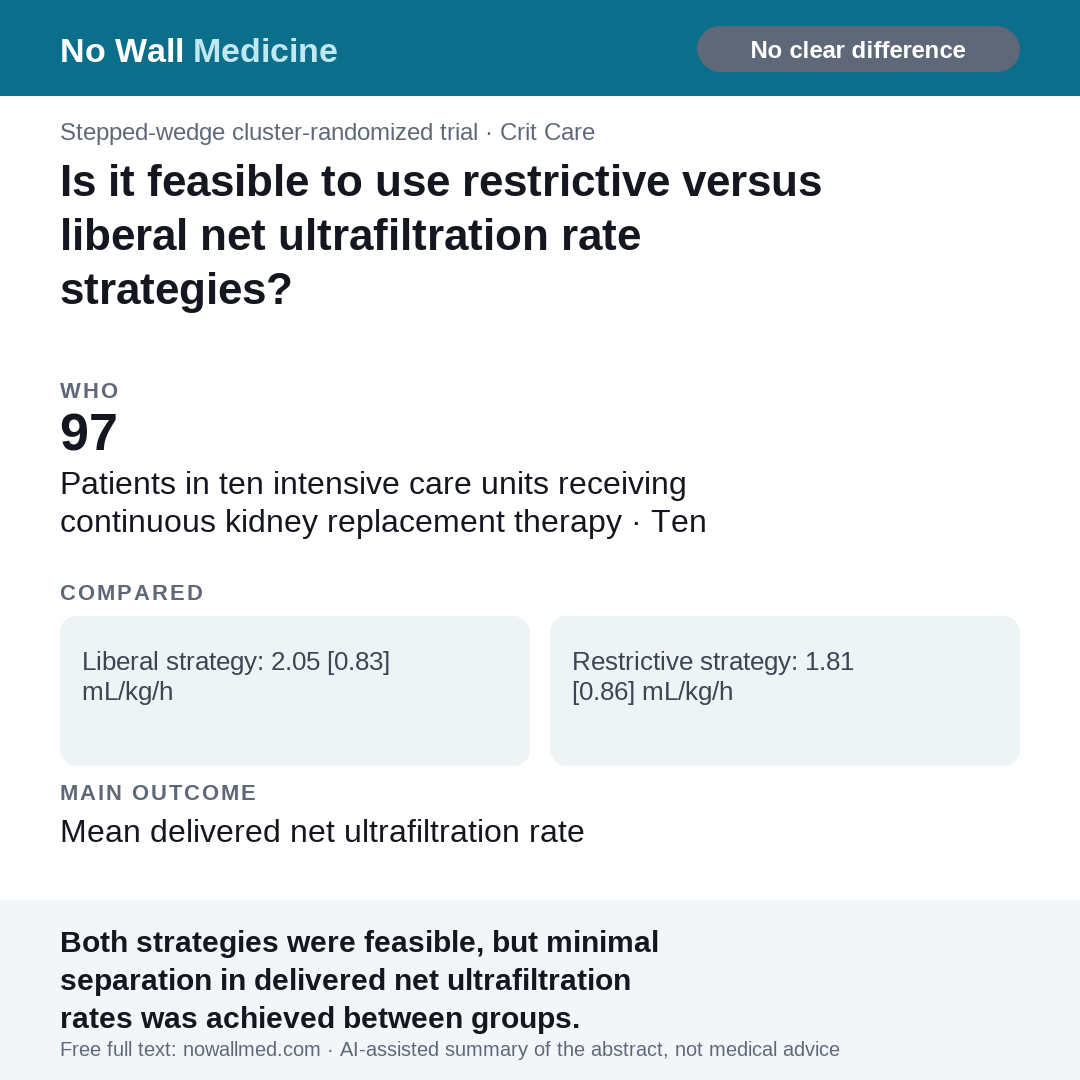
Evaluating the outcomes of a community-based health literacy intervention for hypertension and diabetes in Harare, Zimbabwe: a cluster randomized controlled trial
Cluster randomized controlled trialBenefit found
Does a community health worker health literacy intervention improve outcomes for diabetes and hypertension?
Who
643
Diabetes and hypertension patients in Harare, Zimbabwe · Six clinics in Harare, Zimbabwe
Compared
Intervention: 59% medication adherence
Control: 36% medication adherence
Main outcome
Adherence to lifestyle modifications, medication adherence, and blood pressure control
Bottom line: Community health worker interventions improved lifestyle modification adherence, medication adherence, and blood pressure control.
BMC Prim Care · 2026-04-22Download image
Reconstructive Techniques and Outcomes for Large (≥4 cm) Peripheral Nerve Defects: A Meta-analysis
Meta-analysis of 24 trialsNo clear difference
Best technique for large nerve defects
Who
patients with peripheral nerve defects
Compared
various techniques
control
Main outcome
motor or sensory recovery
Bottom line: No technique is superior
Plast Reconstr Surg Glob Open · 2026-04-22Download image

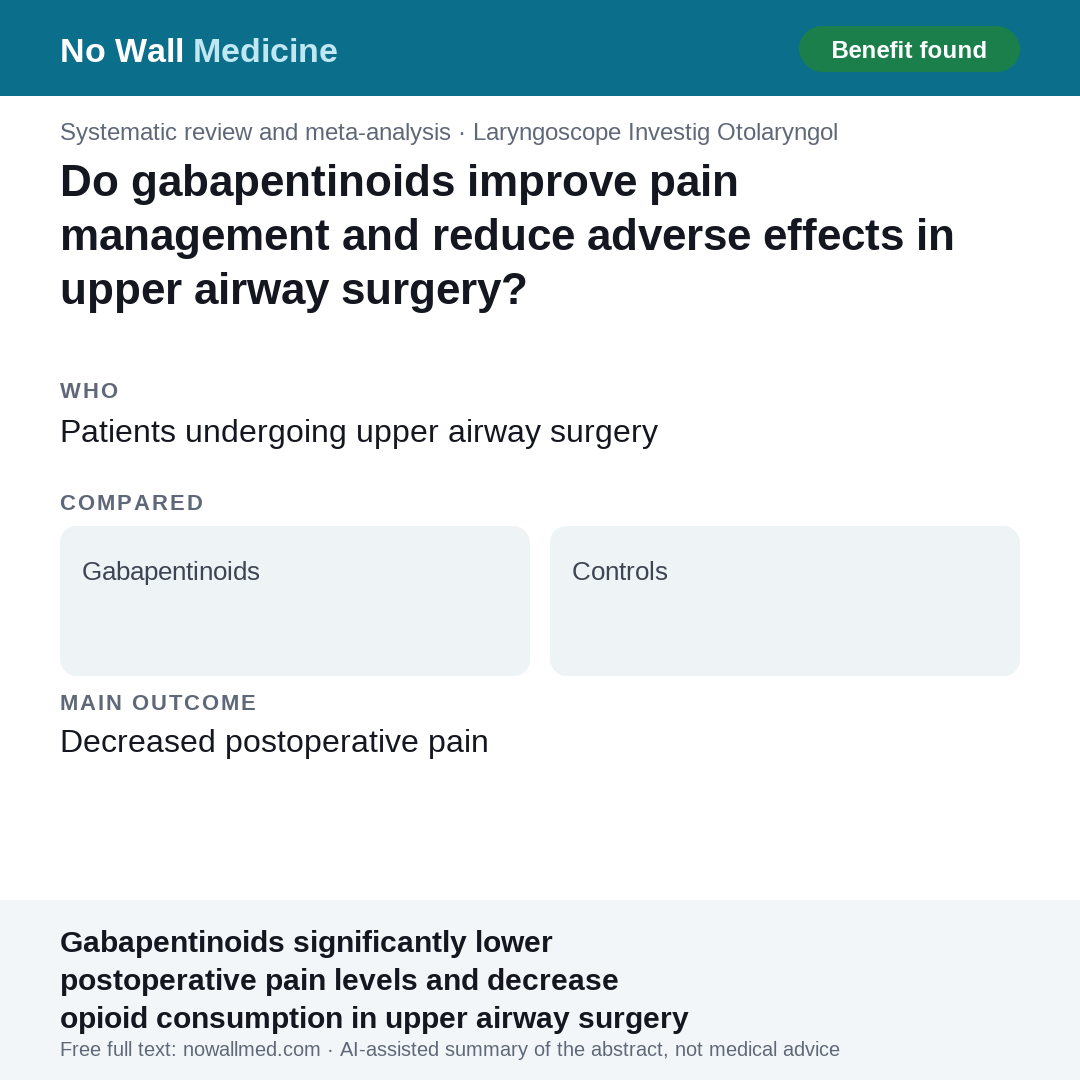
Gabapentinoids for Upper Airway Surgery Pain Management: Systematic Review and Meta-Analysis
Systematic review and meta-analysisBenefit found
Do gabapentinoids improve pain management and reduce adverse effects in upper airway surgery?
Who
Patients undergoing upper airway surgery
Compared
Gabapentinoids
Controls
Main outcome
Decreased postoperative pain
Bottom line: Gabapentinoids significantly lower postoperative pain levels and decrease opioid consumption in upper airway surgery patients.
Limitation: Need for larger cohorts, standardized protocols, and better blinding and objective measurements.
Laryngoscope Investig Otolaryngol · 2026-04-22Download image
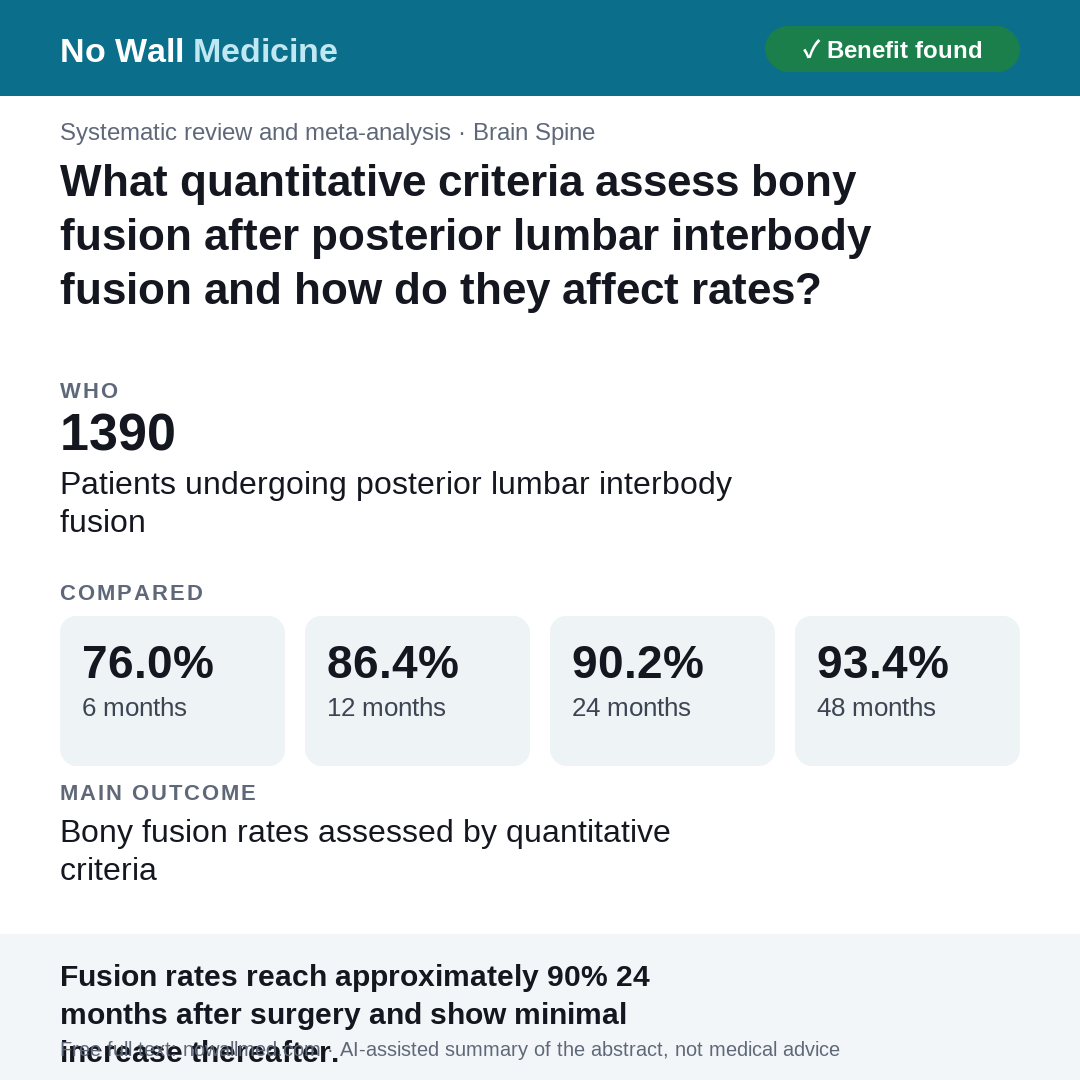
Evaluation of bony fusion after posterior lumbar interbody fusion: a systematic review and meta-analysis
Systematic review and meta-analysisBenefit found
What quantitative criteria assess bony fusion after posterior lumbar interbody fusion and how do they affect rates?
Who
1390
Patients undergoing posterior lumbar interbody fusion
Compared
76.0%6 months
86.4%12 months
90.2%24 months
93.4%48 months
Main outcome
Bony fusion rates assessed by quantitative criteria
Bottom line: Fusion rates reach approximately 90% 24 months after surgery and show minimal increase thereafter.
Brain Spine · 2026-04-22Download image
Using Serious Games to Increase the Implementation of Trauma Triage Guidelines: A Randomized Clinical Trial
Randomized clinical trialBenefit found
Does a serious game improve emergency physician adherence to trauma triage guidelines for older adults?
Who
800
Emergency physicians at nontrauma centers in the US · 1147 hospitals in the US
Compared
49%Game-based training (402/819)
57%Usual education (527/919)
Main outcome
Undertriage of severely injured older adults
Result: -7% (95% CI, -13% to -0.8%)
Bottom line: A theory-based serious game decreased the proportion of severely injured older adults who were undertriaged.
JAMA · 2026-04-21Download image

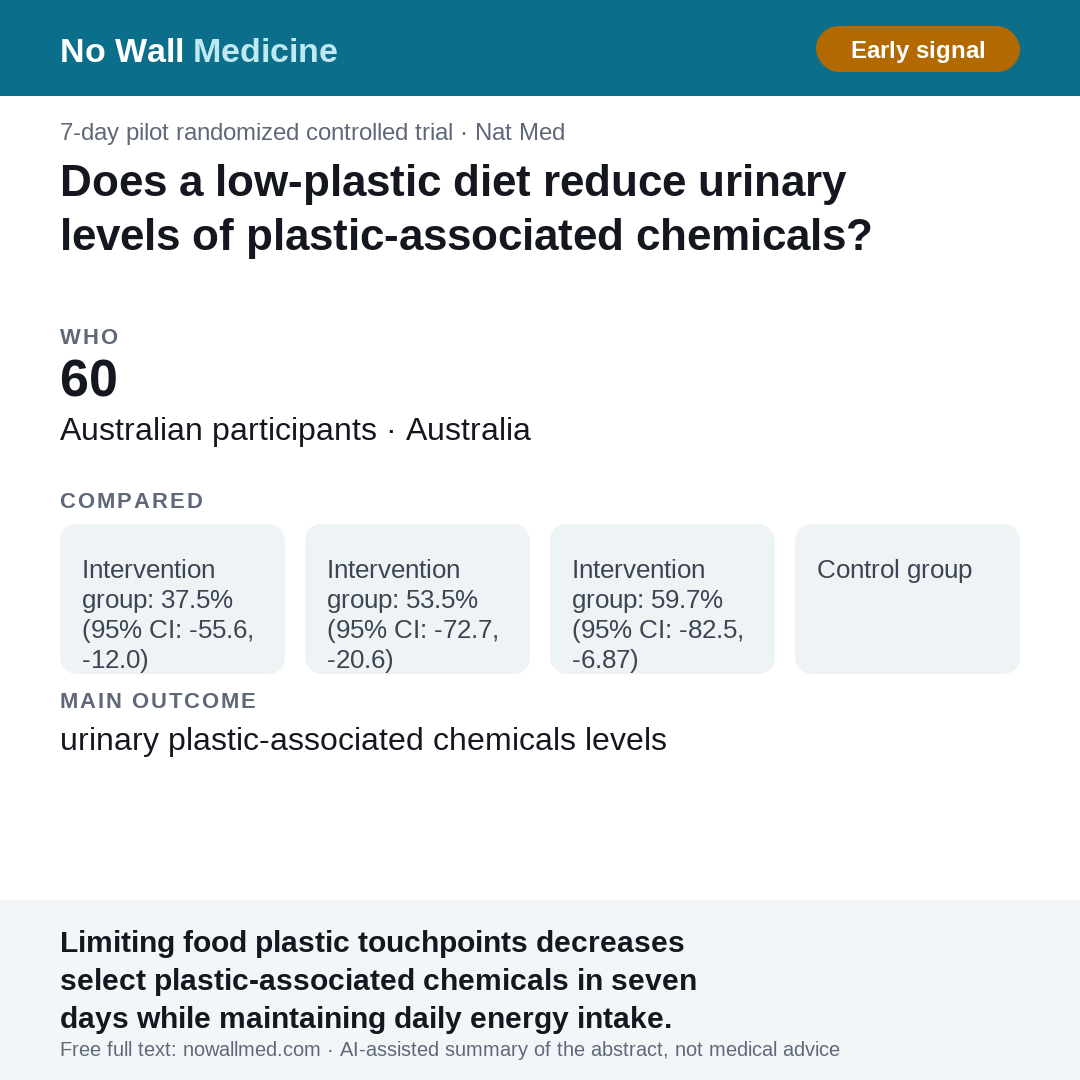
Low-plastic diet and urinary levels of plastic-associated phthalates and bisphenols: the randomized controlled PERTH Trial
7-day pilot randomized controlled trialBenefit found
Does a low-plastic diet reduce urinary levels of plastic-associated chemicals?
Who
60
Australian participants · Australia
Compared
Intervention group: 37.5% (95% CI: -55.6, -12.0) reduction in mono-n-butyl phthalate
Intervention group: 53.5% (95% CI: -72.7, -20.6) reduction in monobenzyl phthalate
Intervention group: 59.7% (95% CI: -82.5, -6.87) reduction in bisphenol A
Control group
Main outcome
urinary plastic-associated chemicals levels
Bottom line: Limiting food plastic touchpoints decreases select plastic-associated chemicals in seven days while maintaining daily energy intake.
Nat Med · 2026-04-21Download image
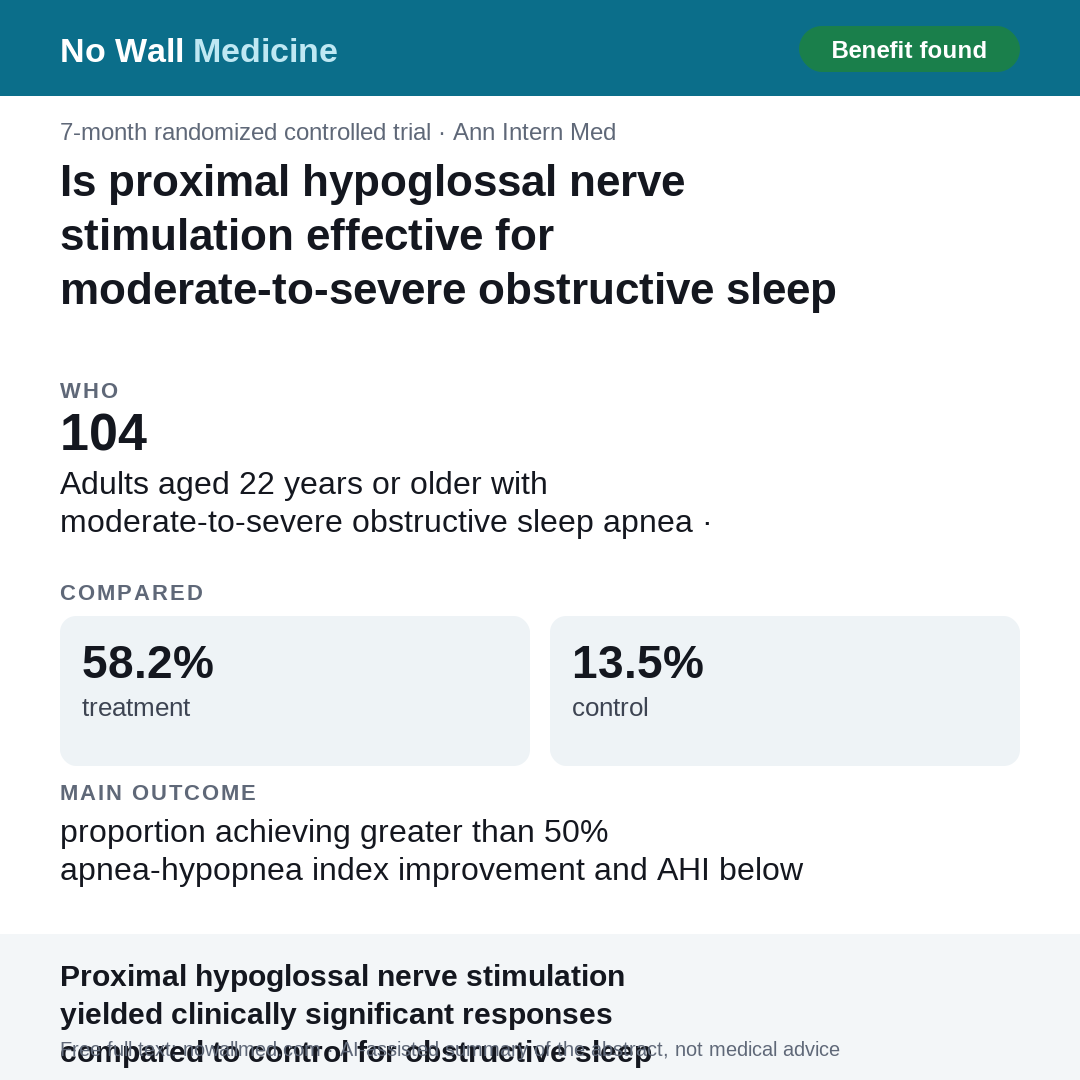
Proximal Hypoglossal Nerve Stimulation for Obstructive Sleep Apnea in the OSPREY Study : A Randomized Controlled Trial
7-month randomized controlled trialBenefit found
Is proximal hypoglossal nerve stimulation effective for moderate-to-severe obstructive sleep apnea?
Who
104
Adults aged 22 years or older with moderate-to-severe obstructive sleep apnea · 23 U.S. health centers
Compared
58.2%treatment (95% CI, 45.5% to 70.2%)
13.5%control (CI, 4.5% to 28.8%)
Main outcome
proportion achieving greater than 50% apnea-hypopnea index improvement and AHI below 20
Bottom line: Proximal hypoglossal nerve stimulation yielded clinically significant responses compared to control for obstructive sleep apnea at month 7.
Limitation: Lack of blinding, small sample size, and short follow-up.
Funded by: LivaNova PLC
Ann Intern Med · 2026-04-21Download image
Duration and association with protection of NANP-repeat-specific and C-terminus-specific anti-circumsporozoite protein IgG responses following RTS,S/AS01E vaccination: an observational ancillary immunological study of a phase 3 clinical trial
Observational ancillary immunological studyBenefit found
How do antibody responses to circumsporozoite protein relate to malaria protection?
Who
1292
Children aged 5-17 months · Six African countries
Compared
C-terminus IgG: geometric mean fold change 0·099 [95% CI 0·089-0·110]
NANP-repeat IgG: geometric mean fold change 0·055 [0·048-0·062]
Main outcome
Circumsporozoite protein IgG levels and malaria risk
Result: hazard ratio 0·60, 95% CI 0·43-0·83
Bottom line: C-terminus antibodies are more durable than NANP-repeat antibodies and remain independently protective against malaria.
Funded by: National Institute of Allergy and Infectious Diseases and others
Lancet Infect Dis · 2026-04-21Download image

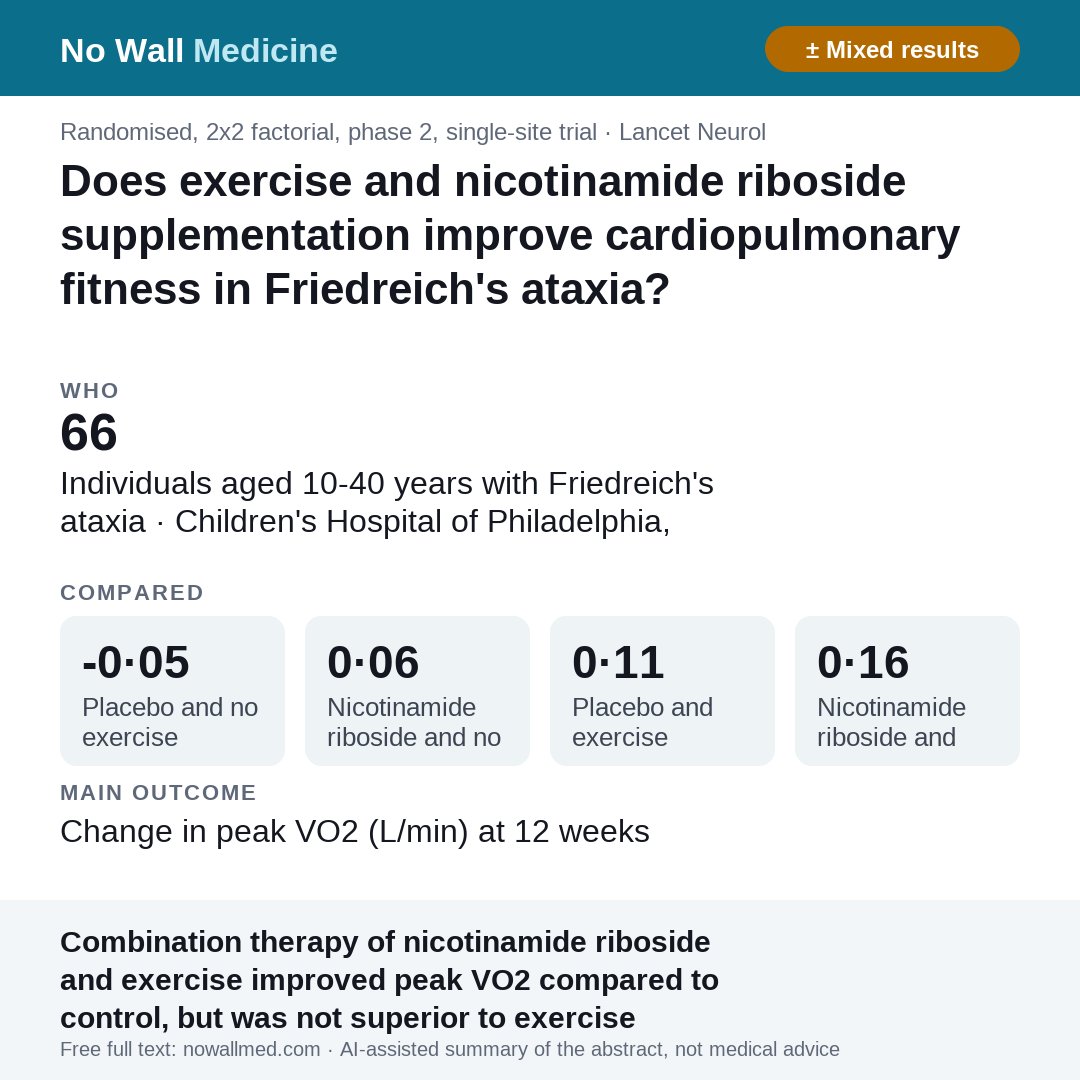
Safety and efficacy of individualised exercise and NAD+ precursor supplementation in patients with Friedreich's ataxia in the USA: a single-centre, 2 × 2 factorial, randomised controlled trial
Randomised, 2x2 factorial, phase 2, single-site trialMixed results
Does exercise and nicotinamide riboside supplementation improve cardiopulmonary fitness in Friedreich's ataxia?
Who
66
Individuals aged 10-40 years with Friedreich's ataxia · Children's Hospital of Philadelphia, USA
Compared
-0·05Placebo and no exercise (95% CI -0·16 to 0·06)
0·06Nicotinamide riboside and no exercise (-0·05 to 0·17)
0·11Placebo and exercise (0·00 to 0·22)
0·16Nicotinamide riboside and exercise (0·05 to 0·27)
Main outcome
Change in peak VO2 (L/min) at 12 weeks
Result: 0·21 (95% CI 0.05 to 0.36) for combination vs control
Bottom line: Combination therapy of nicotinamide riboside and exercise improved peak VO2 compared to control, but was not superior to exercise alone.
Lancet Neurol · 2026-04-21Download image
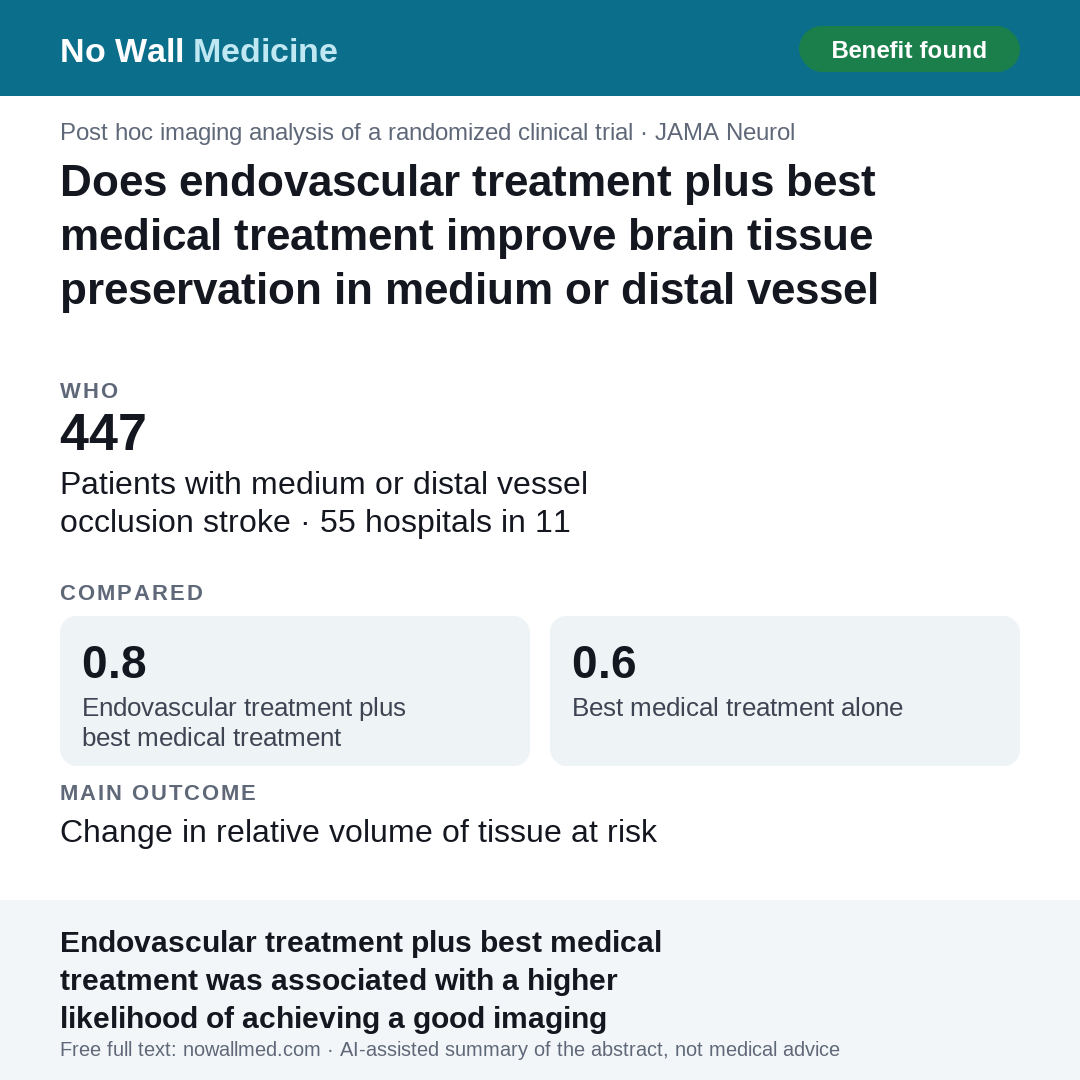
Mechanical Thrombectomy and Final Infarct Volume in Medium or Distal Vessel Occlusion Stroke: A Post Hoc Analysis of a Randomized Clinical Trial
Post hoc imaging analysis of a randomized clinical trialBenefit found
Does endovascular treatment plus best medical treatment improve brain tissue preservation in medium or distal vessel occlusion stroke?
Who
447
Patients with medium or distal vessel occlusion stroke · 55 hospitals in 11 countries
Compared
0.8Endovascular treatment plus best medical treatment (0.2-1.0)
0.6Best medical treatment alone (0-0.9)
Main outcome
Change in relative volume of tissue at risk
Result: adjusted odds ratio 1.6 (95% CI 1.1-2.3)
Bottom line: Endovascular treatment plus best medical treatment was associated with a higher likelihood of achieving a good imaging outcome.
JAMA Neurol · 2026-04-21Download image
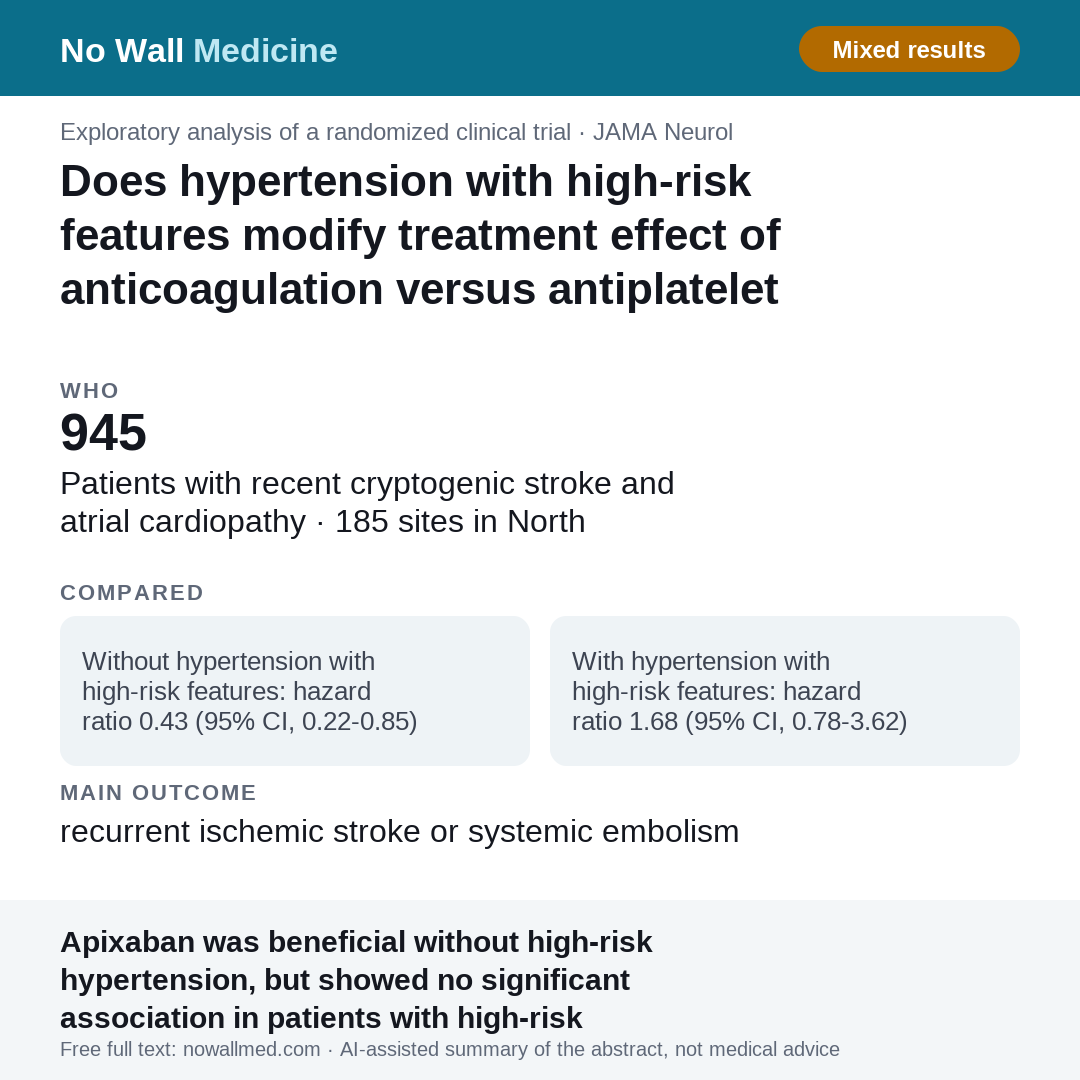
Hypertension With High-Risk Features in Cryptogenic Stroke: An Exploratory Analysis of the ARCADIA Randomized Clinical Trial
Exploratory analysis of a randomized clinical trialMixed results
Does hypertension with high-risk features modify treatment effect of anticoagulation versus antiplatelet therapy?
Who
945
Patients with recent cryptogenic stroke and atrial cardiopathy · 185 sites in North America
Compared
Without hypertension with high-risk features: hazard ratio 0.43 (95% CI, 0.22-0.85)
With hypertension with high-risk features: hazard ratio 1.68 (95% CI, 0.78-3.62)
Main outcome
recurrent ischemic stroke or systemic embolism
Result: hazard ratio 0.43 (95% CI, 0.22-0.85) vs hazard ratio 1.68 (95% CI, 0.78-3.62)
Bottom line: Apixaban was beneficial without high-risk hypertension, but showed no significant association in patients with high-risk hypertension features.
Limitation: This was an exploratory analysis of a randomized clinical trial.
JAMA Neurol · 2026-04-21Download image
Brain Imaging Biomarkers and Cognitive Outcomes in a Multidomain Lifestyle Intervention: The POINTER Imaging Ancillary Study
Randomized, single-blind clinical trialNo clear difference
Does a multidomain lifestyle intervention affect brain imaging biomarkers and cognitive outcomes?
Who
983
Sedentary adults aged 60 to 79 with suboptimal diet · 5 clinical sites in the United States
Compared
Structured intervention
Self-guided intervention
Main outcome
Global cognitive composite and four primary imaging outcomes
Bottom line: The lifestyle intervention did not affect brain biomarker trajectories or longitudinal cognitive outcomes in the study population.
JAMA Neurol · 2026-04-21Download image