Visual abstracts
New randomized trials and meta-analyses from leading journals at a glance: who was studied, what was compared, and what was found. Every paper is free to read in full.
All specialtiesCardiology 4763Oncology 4042Gastroenterology & Hepatology 1902Infectious Disease 3756Neurology 1872Psychiatry & Mental Health 2214Pulmonology 2042Critical Care 1319Endocrinology & Diabetes 2544Pediatrics 2889Surgery 2479Orthopedics & Sports Medicine 917Neurosurgery 525Cardiothoracic & Vascular Surgery 656Plastic & Reconstructive Surgery 574Nephrology 1107Rheumatology 810Hematology 1090Dermatology 611Ophthalmology 532Obstetrics & Gynecology 1645Public & Global Health 1037Radiology & Imaging 617Anesthesiology 957Urology 745ENT (Otolaryngology) 494Emergency Medicine 481Allergy & Immunology 309Geriatrics 972Family Medicine & Primary Care 533Medical Genetics & Genomics 659Pathology & Laboratory Medicine 156Physical Medicine & Rehabilitation 734Palliative Care 421Nutrition 1560Digital Health & AI 2133General Medicine 318
Effectiveness of Seizure Dogs for People With Severe Refractory Epilepsy: Results From the EPISODE Study
Stepped-wedge randomized controlled trialBenefit found
Do people with severe medically refractory epilepsy benefit from a seizure dog?
Who
25
Adults with daily to weekly seizures and medically refractory epilepsy · The Netherlands
Compared
Usual care: 115 (SD 164) seizures per 28-day period
Intervention: 73 (SD 131) seizures per 28-day period
Main outcome
Seizure frequency
Result: 3.1% decrease in seizure frequency per 28-day period (0.969, 95% CI 0.960-0.977)
Bottom line: Seizure dogs reduce seizure frequency, increase seizure-free days, and improve quality of life for people with severe refractory epilepsy.
Limitation: Early discontinuation of seizure dog partnerships suggests this intervention is not suitable for all.
Neurology · 2024-02-28Download image

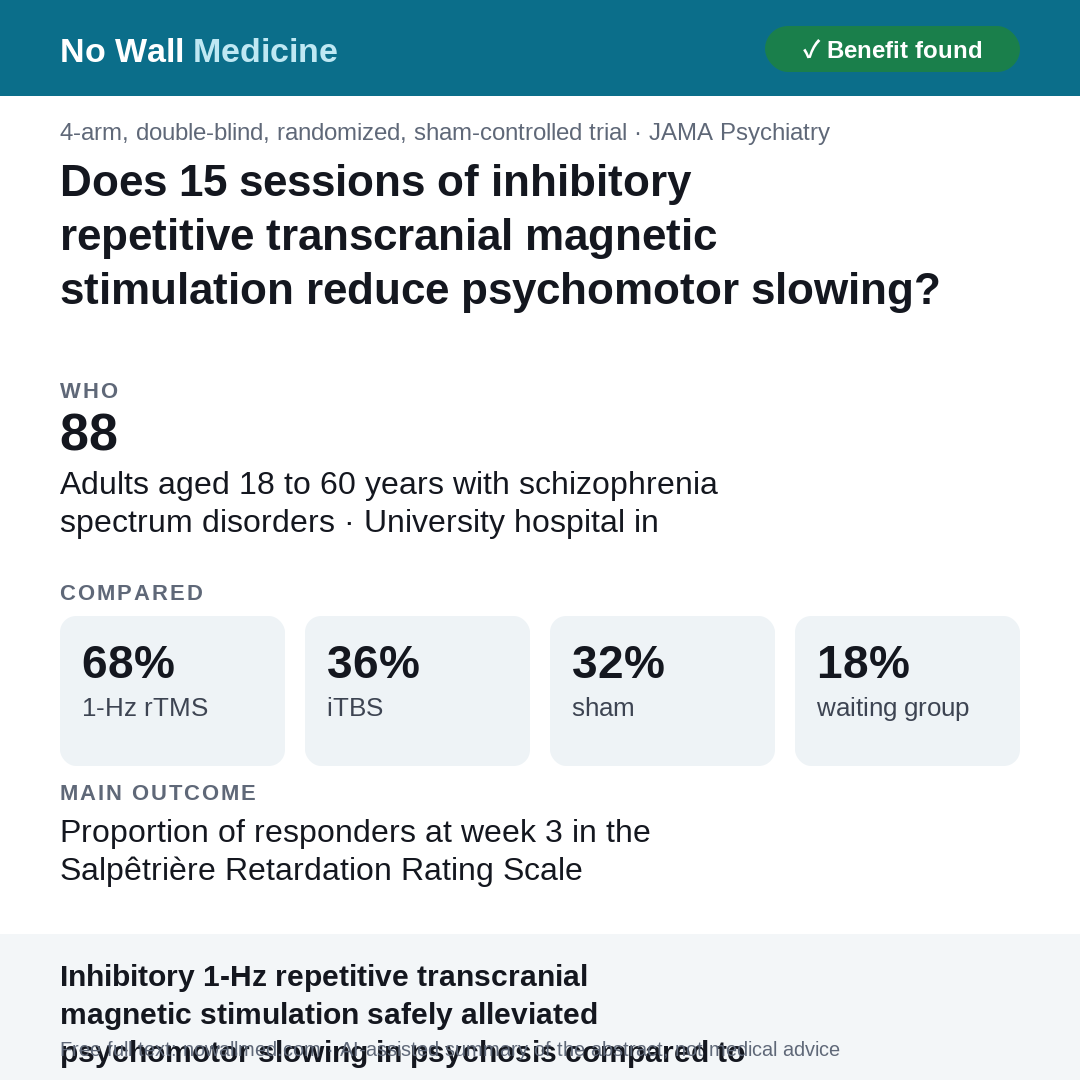
Psychomotor Slowing in Psychosis and Inhibitory Repetitive Transcranial Magnetic Stimulation: A Randomized Clinical Trial
4-arm, double-blind, randomized, sham-controlled trialBenefit found
Does 15 sessions of inhibitory repetitive transcranial magnetic stimulation reduce psychomotor slowing?
Who
88
Adults aged 18 to 60 years with schizophrenia spectrum disorders · University hospital in Switzerland
Compared
68%1-Hz rTMS
36%iTBS
32%sham
18%waiting group
Main outcome
Proportion of responders at week 3 in the Salpêtrière Retardation Rating Scale
Result: odds ratio 0.13 (95% CI, 0.02-0.65)
Bottom line: Inhibitory 1-Hz repetitive transcranial magnetic stimulation safely alleviated psychomotor slowing in psychosis compared to iTBS, sham, or no treatment.
JAMA Psychiatry · 2024-02-28Download image
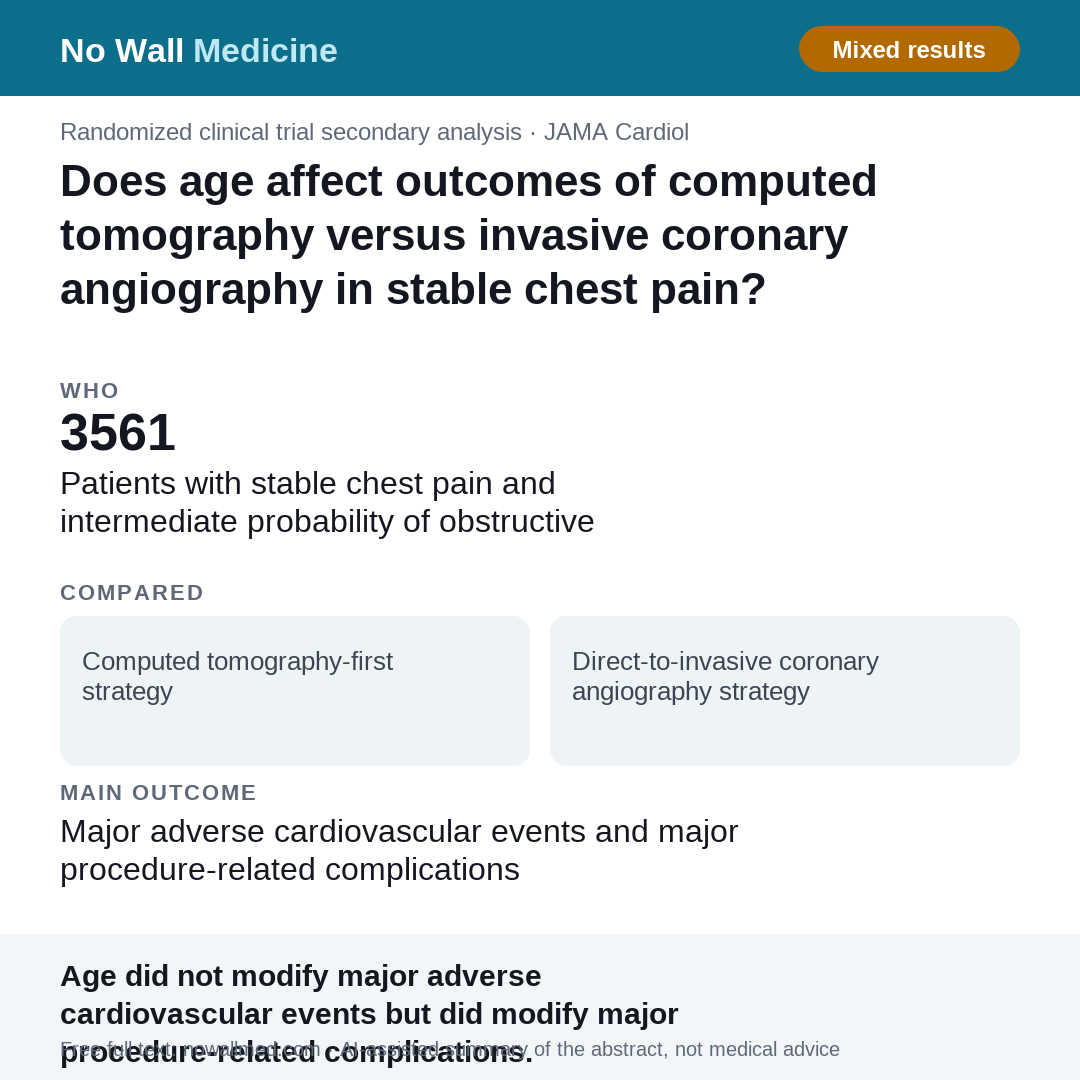
Age and Computed Tomography and Invasive Coronary Angiography in Stable Chest Pain: A Prespecified Secondary Analysis of the DISCHARGE Randomized Clinical Trial
Randomized clinical trial secondary analysisMixed results
Does age affect outcomes of computed tomography versus invasive coronary angiography in stable chest pain?
Who
3561
Patients with stable chest pain and intermediate probability of obstructive coronary artery disease · 26 European centers
Compared
Computed tomography-first strategy
Direct-to-invasive coronary angiography strategy
Main outcome
Major adverse cardiovascular events and major procedure-related complications
Result: hazard ratio 1.02 (95% CI 0.98-1.07)
Bottom line: Age did not modify major adverse cardiovascular events but did modify major procedure-related complications.
JAMA Cardiol · 2024-02-28Download image
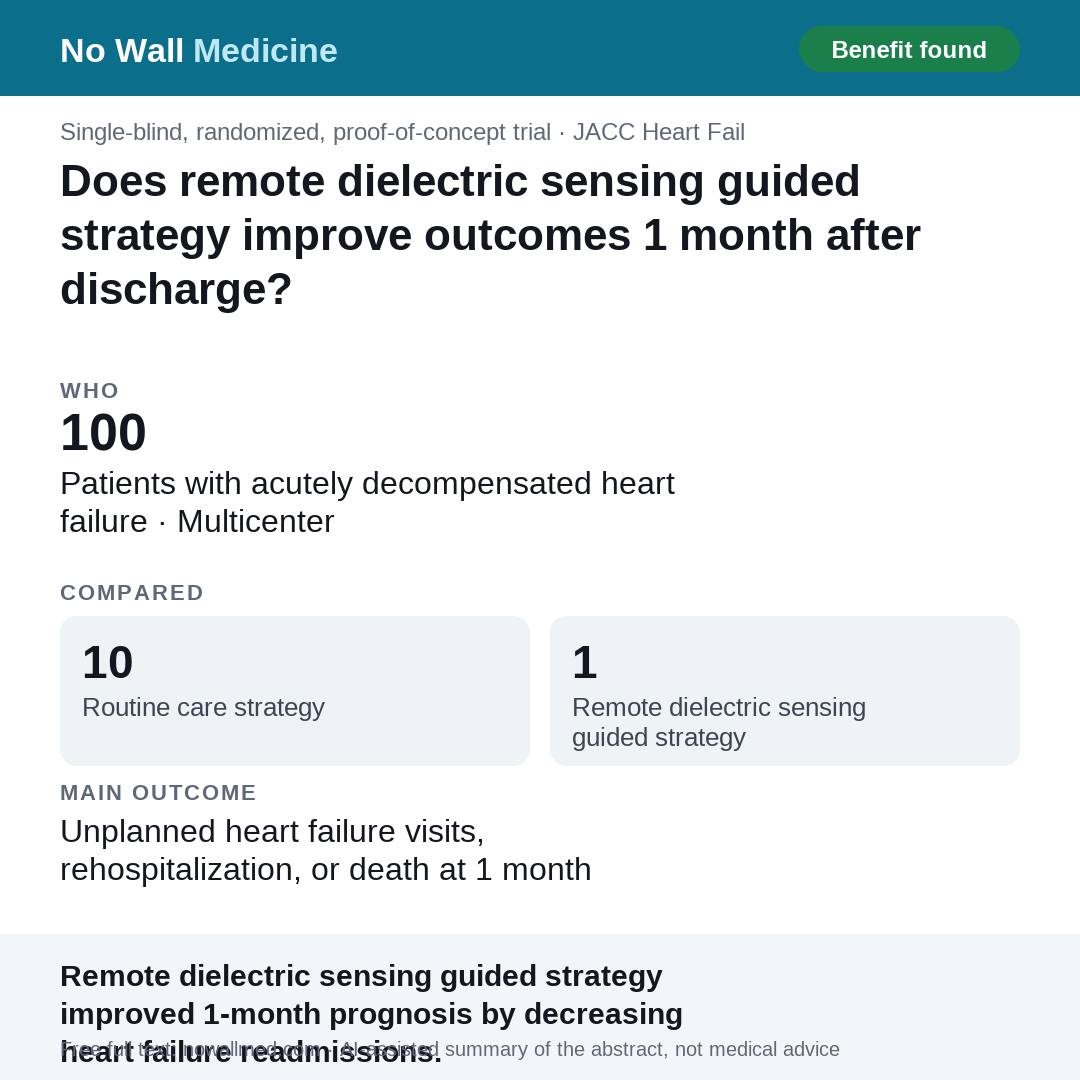
Remote Dielectric Sensing Before and After Discharge in Patients With ADHF: The ReDS-SAFE HF Trial
Single-blind, randomized, proof-of-concept trialBenefit found
Does remote dielectric sensing guided strategy improve outcomes 1 month after discharge?
Who
100
Patients with acutely decompensated heart failure · Multicenter
Compared
10Routine care strategy (20%)
1Remote dielectric sensing guided strategy (2%)
Main outcome
Unplanned heart failure visits, rehospitalization, or death at 1 month
Result: hazard ratio 0.094 (95% CI: 0.012-0.731)
Bottom line: Remote dielectric sensing guided strategy improved 1-month prognosis by decreasing heart failure readmissions.
JACC Heart Fail · 2024-02-28Download image
Early prediction of endocrine responsiveness in ER+/HER2-negative metastatic breast cancer (MBC): pilot study with 18F-fluoroestradiol (18F-FES) CT/PET
Randomized pilot studyNo clear difference
Is 18F-fluoroestradiol PET/CT predictive of endocrine therapy response in metastatic breast cancer?
Who
147
Estrogen receptor-positive/human epidermal growth factor receptor 2-negative metastatic breast cancer patients
Compared
12.4 monthsSUV < 2 endocrine therapy
23.0 monthsSUV < 2 chemotherapy
Main outcome
median progression-free survival
Result: hazard ratio 0.71 (95% CI 0.3-1.7 months)
Bottom line: In patients with low 18F-fluoroestradiol uptake, chemotherapy showed longer progression-free survival than endocrine therapy.
Ann Oncol · 2024-02-28Download image
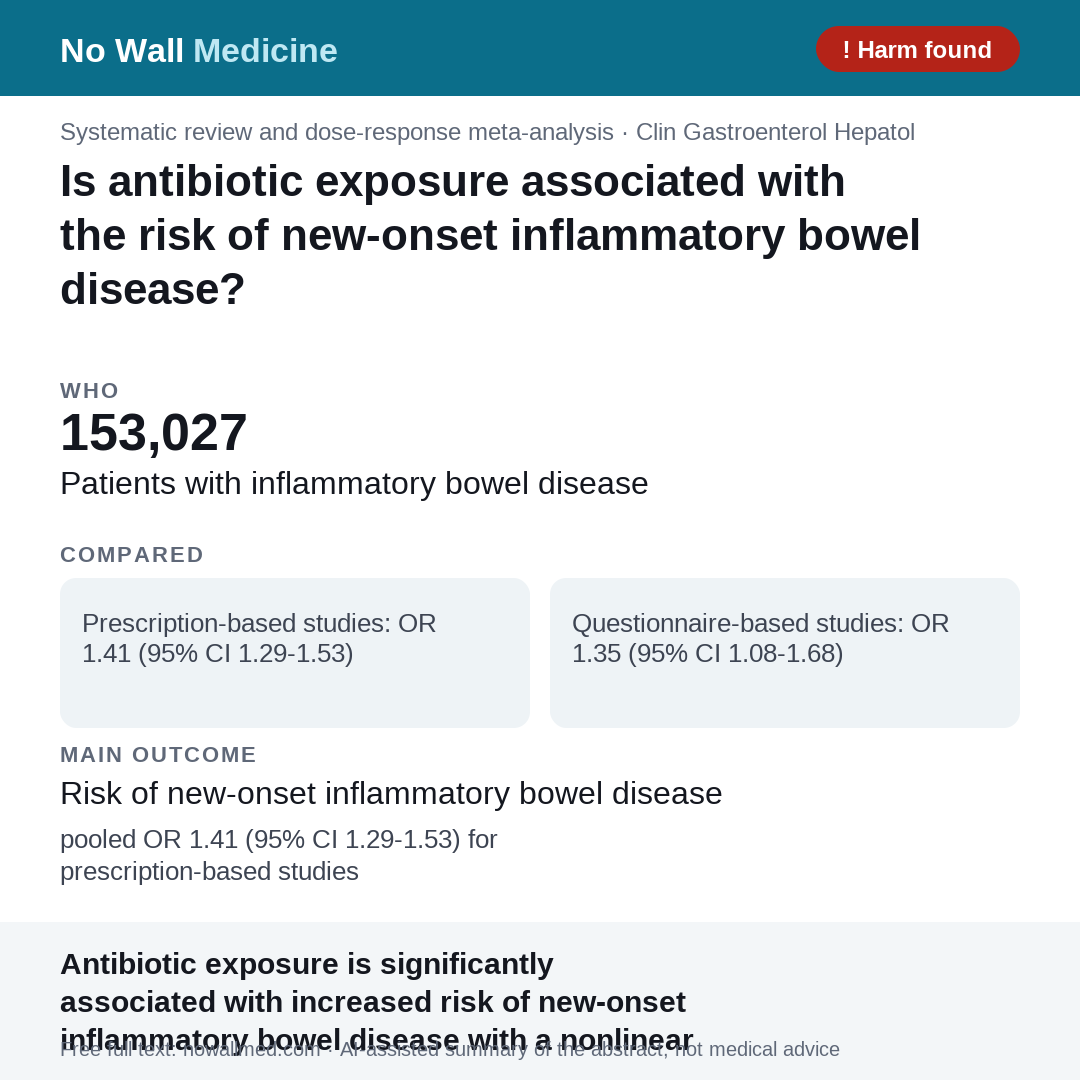
Antibiotic Exposure and Risk of New-Onset Inflammatory Bowel Disease: A Systematic Review and Dose-Response Meta-Analysis
Systematic review and dose-response meta-analysisHarm found
Is antibiotic exposure associated with the risk of new-onset inflammatory bowel disease?
Who
153,027
Patients with inflammatory bowel disease
Compared
Prescription-based studies: OR 1.41 (95% CI 1.29-1.53)
Questionnaire-based studies: OR 1.35 (95% CI 1.08-1.68)
Main outcome
Risk of new-onset inflammatory bowel disease
Result: pooled OR 1.41 (95% CI 1.29-1.53) for prescription-based studies
Bottom line: Antibiotic exposure is significantly associated with increased risk of new-onset inflammatory bowel disease with a nonlinear dose-response relationship.
Clin Gastroenterol Hepatol · 2024-02-28Download image
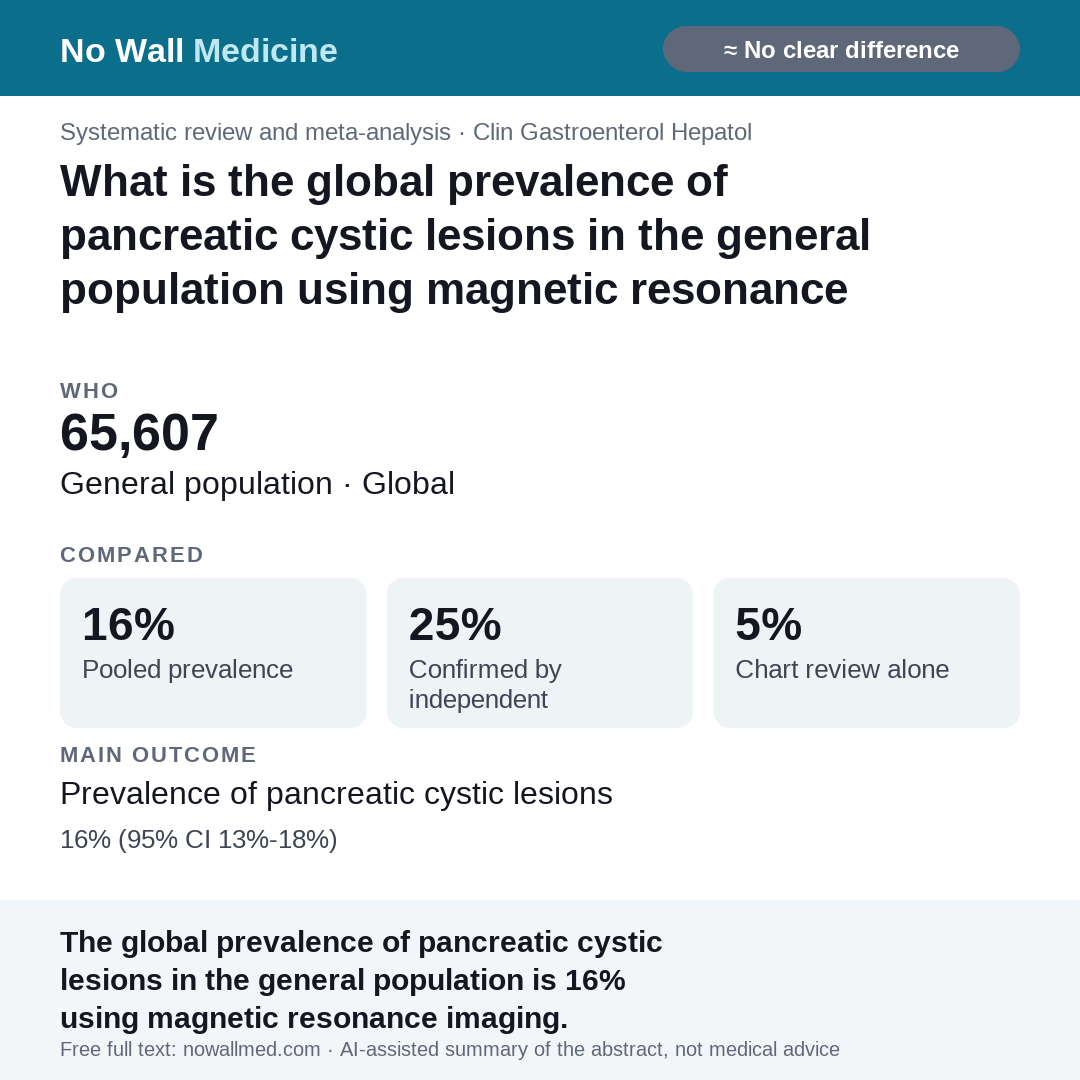
Global Prevalence of Pancreatic Cystic Lesions in the General Population on Magnetic Resonance Imaging: A Systematic Review and Meta-analysis
Systematic review and meta-analysisNo clear difference
What is the global prevalence of pancreatic cystic lesions in the general population using magnetic resonance imaging?
Who
65,607
General population · Global
Compared
16%Pooled prevalence (95% CI 13%-18%)
25%Confirmed by independent radiologist (95% CI 16%-33%)
5%Chart review alone (95% CI 4%-7%)
Main outcome
Prevalence of pancreatic cystic lesions
Result: 16% (95% CI 13%-18%)
Bottom line: The global prevalence of pancreatic cystic lesions in the general population is 16% using magnetic resonance imaging.
Clin Gastroenterol Hepatol · 2024-02-28Download image
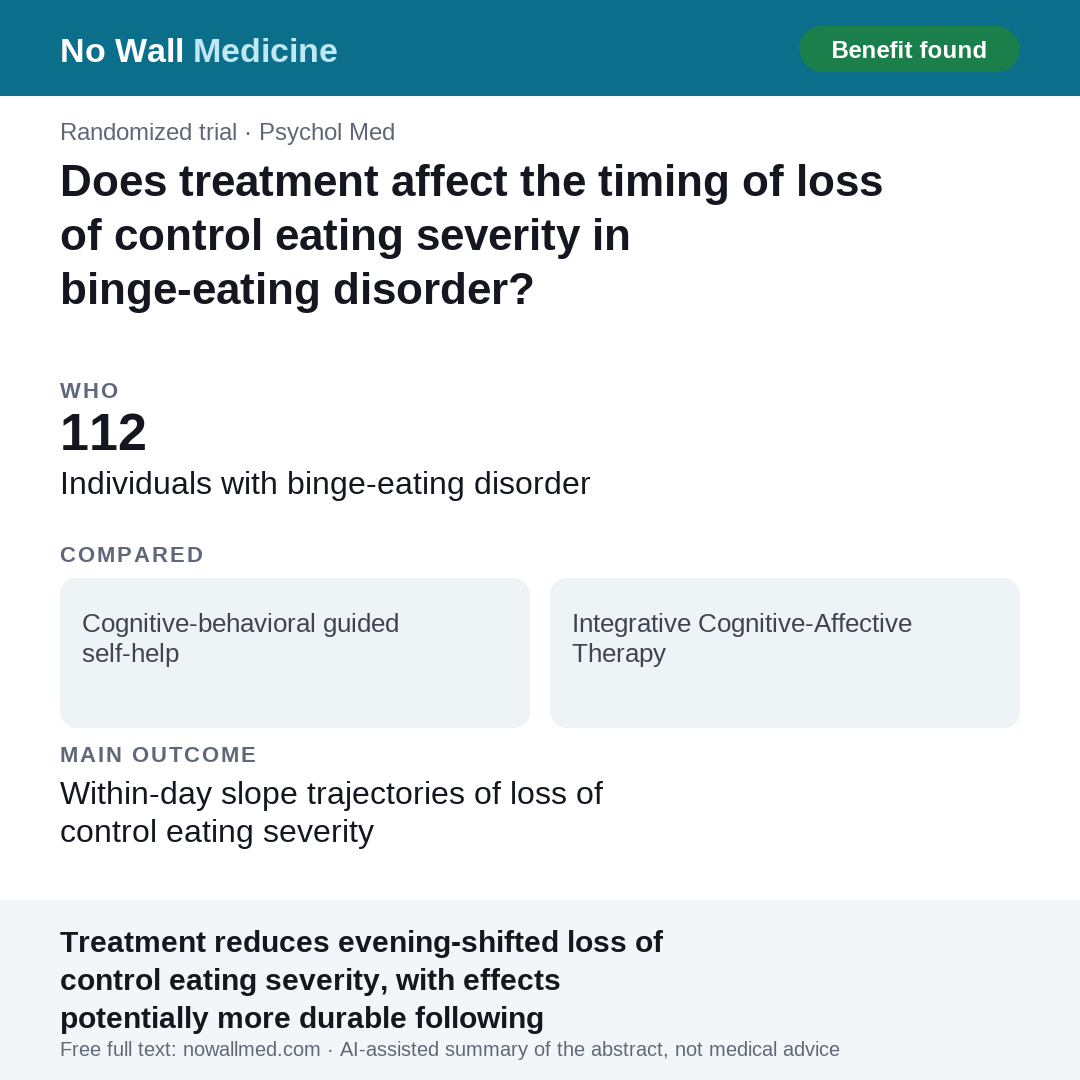
Changes in evening-shifted loss of control eating severity following treatment for binge-eating disorder
Randomized trialBenefit found
Does treatment affect the timing of loss of control eating severity in binge-eating disorder?
Who
112
Individuals with binge-eating disorder
Compared
Cognitive-behavioral guided self-help
Integrative Cognitive-Affective Therapy
Main outcome
Within-day slope trajectories of loss of control eating severity
Bottom line: Treatment reduces evening-shifted loss of control eating severity, with effects potentially more durable following Integrative Cognitive-Affective Therapy.
Psychol Med · 2024-02-28Download image
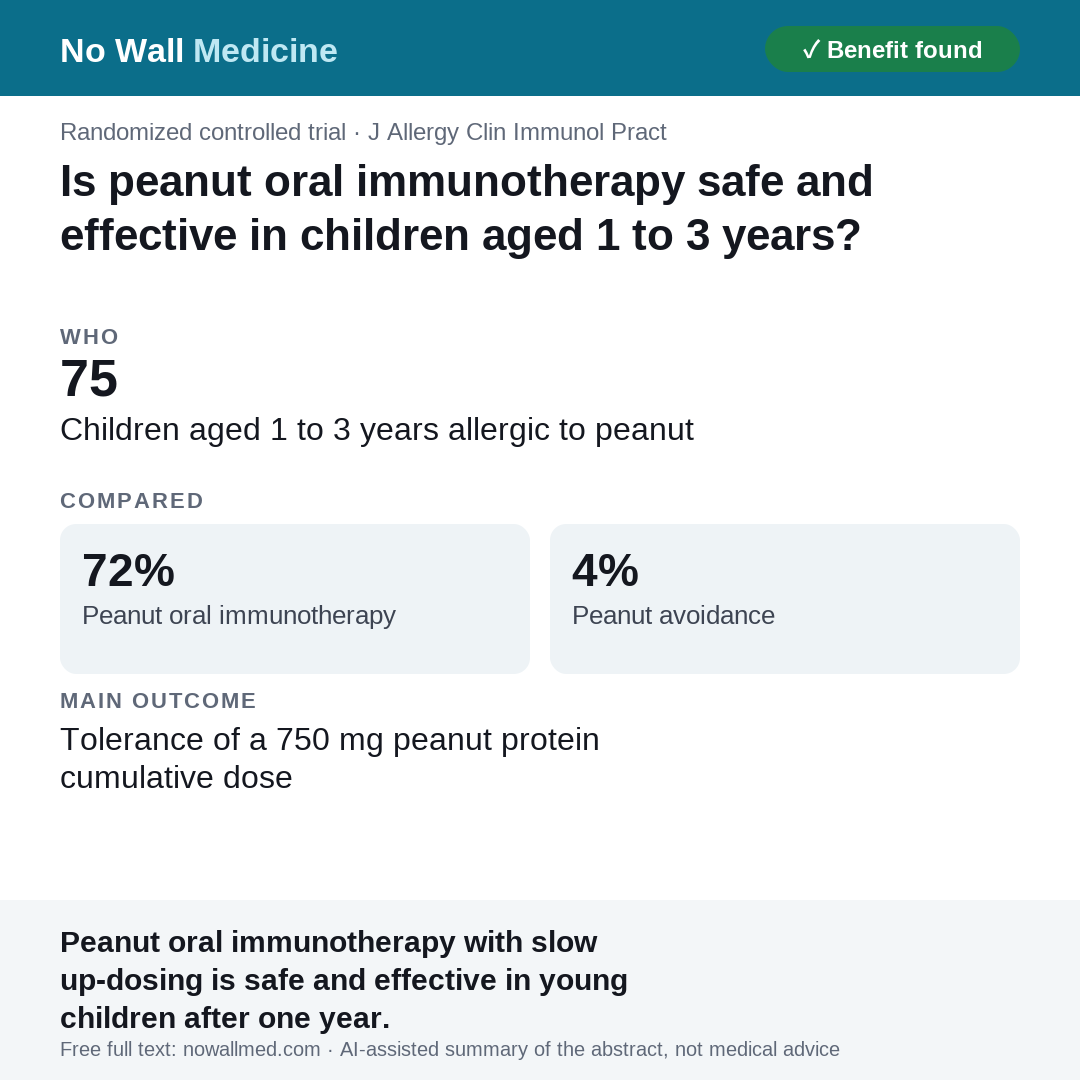
High Degree of Desensitization After 1 Year of Early-Life Peanut Oral Immunotherapy: Small Children Oral Immunotherapy (SmaChO) Randomized Controlled Trial
Randomized controlled trialBenefit found
Is peanut oral immunotherapy safe and effective in children aged 1 to 3 years?
Who
75
Children aged 1 to 3 years allergic to peanut
Compared
72%Peanut oral immunotherapy (36 of 50 children)
4%Peanut avoidance (1 of 25)
Main outcome
Tolerance of a 750 mg peanut protein cumulative dose
Bottom line: Peanut oral immunotherapy with slow up-dosing is safe and effective in young children after one year.
J Allergy Clin Immunol Pract · 2024-02-28Download image
Neuropathic pain in burn patients - A common problem with little literature: A systematic review
Systematic reviewUnclear result
What is the prevalence, management, and treatment efficacy of neuropathic pain in burn patients?
Who
4366
Burn patients · 11 different countries
Compared
Pharmacologic treatments
Non-pharmacologic treatments: demonstrated promise
Main outcome
Incidence and management of neuropathic pain
Bottom line: There is insufficient evidence regarding the efficacy of various therapies for neuropathic pain in burn patients.
Burns · 2024-02-28Download image

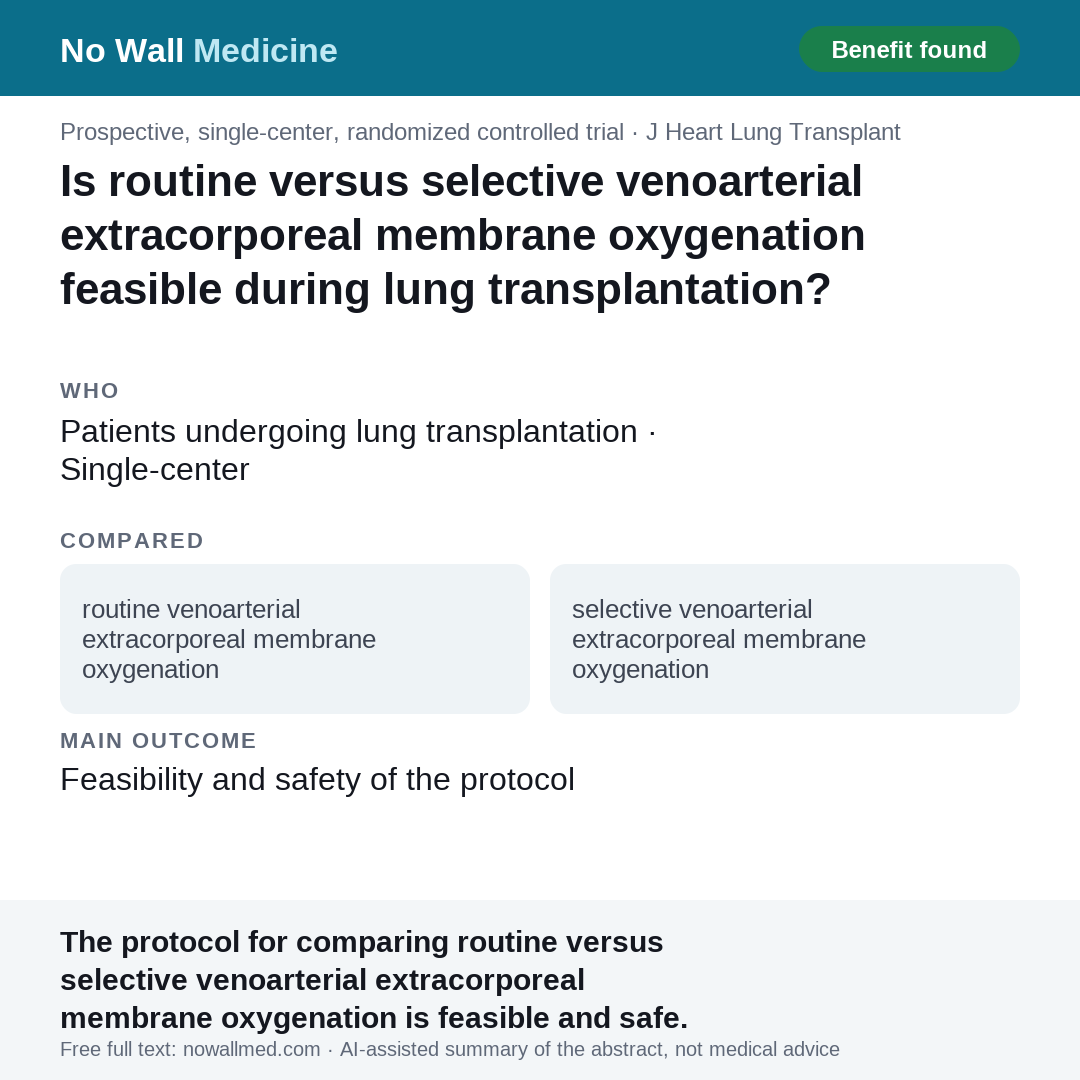
Randomized trial of routine versus on-demand intraoperative extracorporeal membrane oxygenation in lung transplantation: A feasibility study
Prospective, single-center, randomized controlled trialEarly signal
Is routine versus selective venoarterial extracorporeal membrane oxygenation feasible during lung transplantation?
Who
Patients undergoing lung transplantation · Single-center
Compared
routine venoarterial extracorporeal membrane oxygenation
selective venoarterial extracorporeal membrane oxygenation
Main outcome
Feasibility and safety of the protocol
Bottom line: The protocol for comparing routine versus selective venoarterial extracorporeal membrane oxygenation is feasible and safe.
Limitation: This was a feasibility study to assess protocol practicality.
J Heart Lung Transplant · 2024-02-28Download image
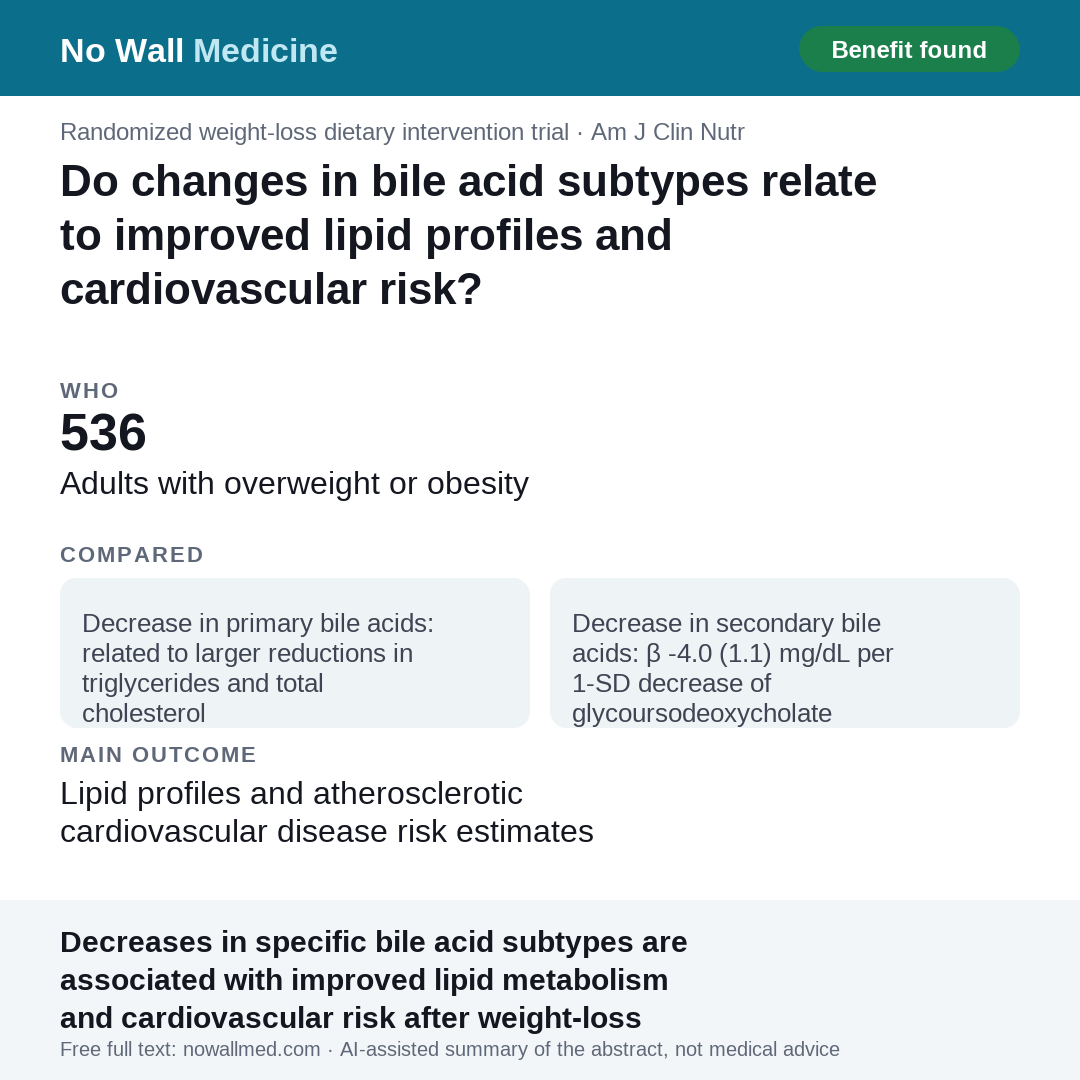
Changes in bile acid subtypes and improvements in lipid metabolism and atherosclerotic cardiovascular disease risk: the Preventing Overweight Using Novel Dietary Strategies (POUNDS Lost) trial
Randomized weight-loss dietary intervention trialBenefit found
Do changes in bile acid subtypes relate to improved lipid profiles and cardiovascular risk?
Who
536
Adults with overweight or obesity
Compared
Decrease in primary bile acids: related to larger reductions in triglycerides and total cholesterol
Decrease in secondary bile acids: β -4.0 (1.1) mg/dL per 1-SD decrease of glycoursodeoxycholate
Main outcome
Lipid profiles and atherosclerotic cardiovascular disease risk estimates
Bottom line: Decreases in specific bile acid subtypes are associated with improved lipid metabolism and cardiovascular risk after weight-loss interventions.
Am J Clin Nutr · 2024-02-28Download image
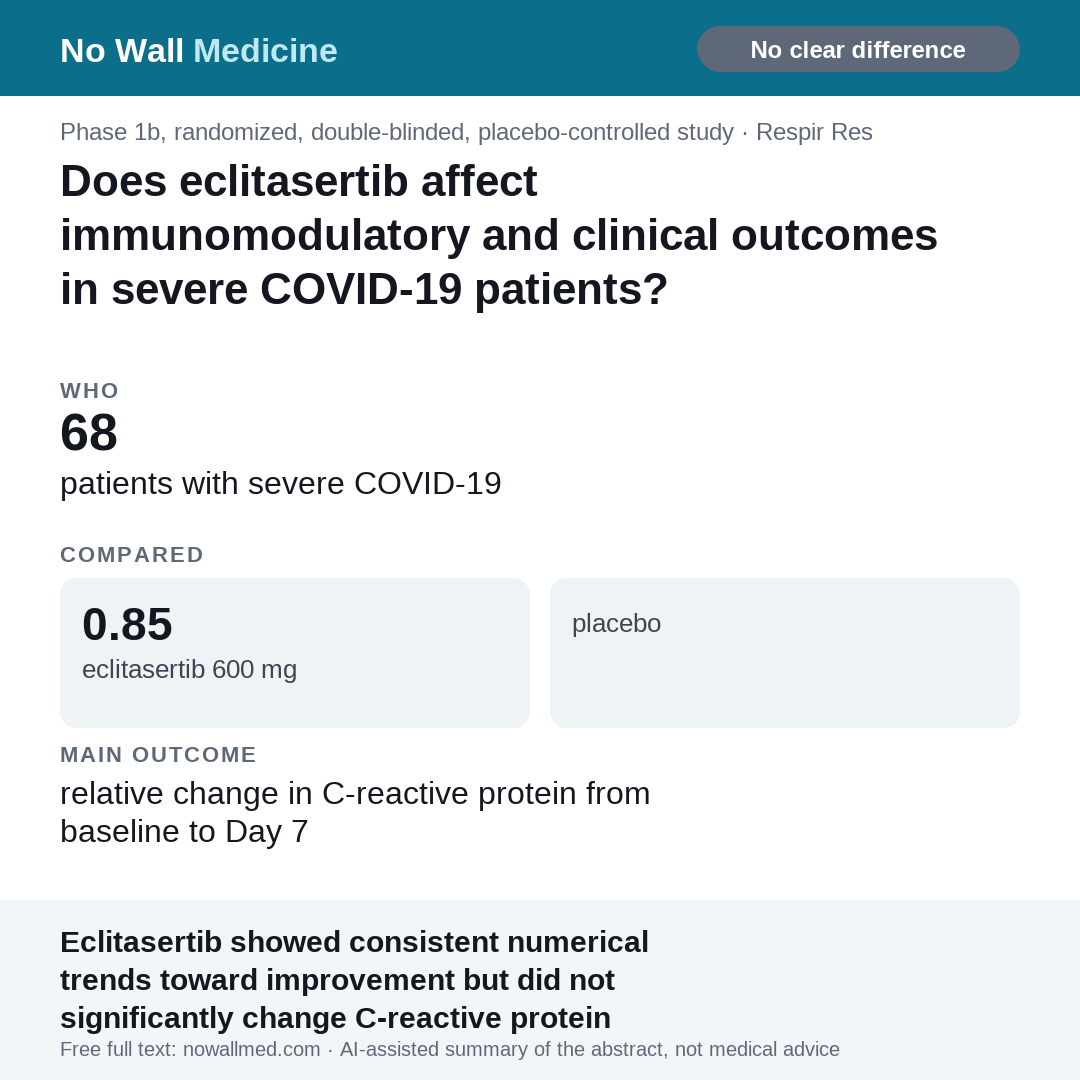
Immunomodulatory and clinical effects of receptor-interacting protein kinase 1 (RIPK1) inhibitor eclitasertib (SAR443122) in patients with severe COVID-19: a phase 1b, randomized, double-blinded, placebo-controlled study
Phase 1b, randomized, double-blinded, placebo-controlled studyNo clear difference
Does eclitasertib affect immunomodulatory and clinical outcomes in severe COVID-19 patients?
Who
68
patients with severe COVID-19
Compared
0.85eclitasertib 600 mg (90% CI 0.49-1.45)
placebo
Main outcome
relative change in C-reactive protein from baseline to Day 7
Result: geometric mean ratio 0.85 (90% CI 0.49-1.45)
Bottom line: Eclitasertib showed consistent numerical trends toward improvement but did not significantly change C-reactive protein levels.
Respir Res · 2024-02-28Download image
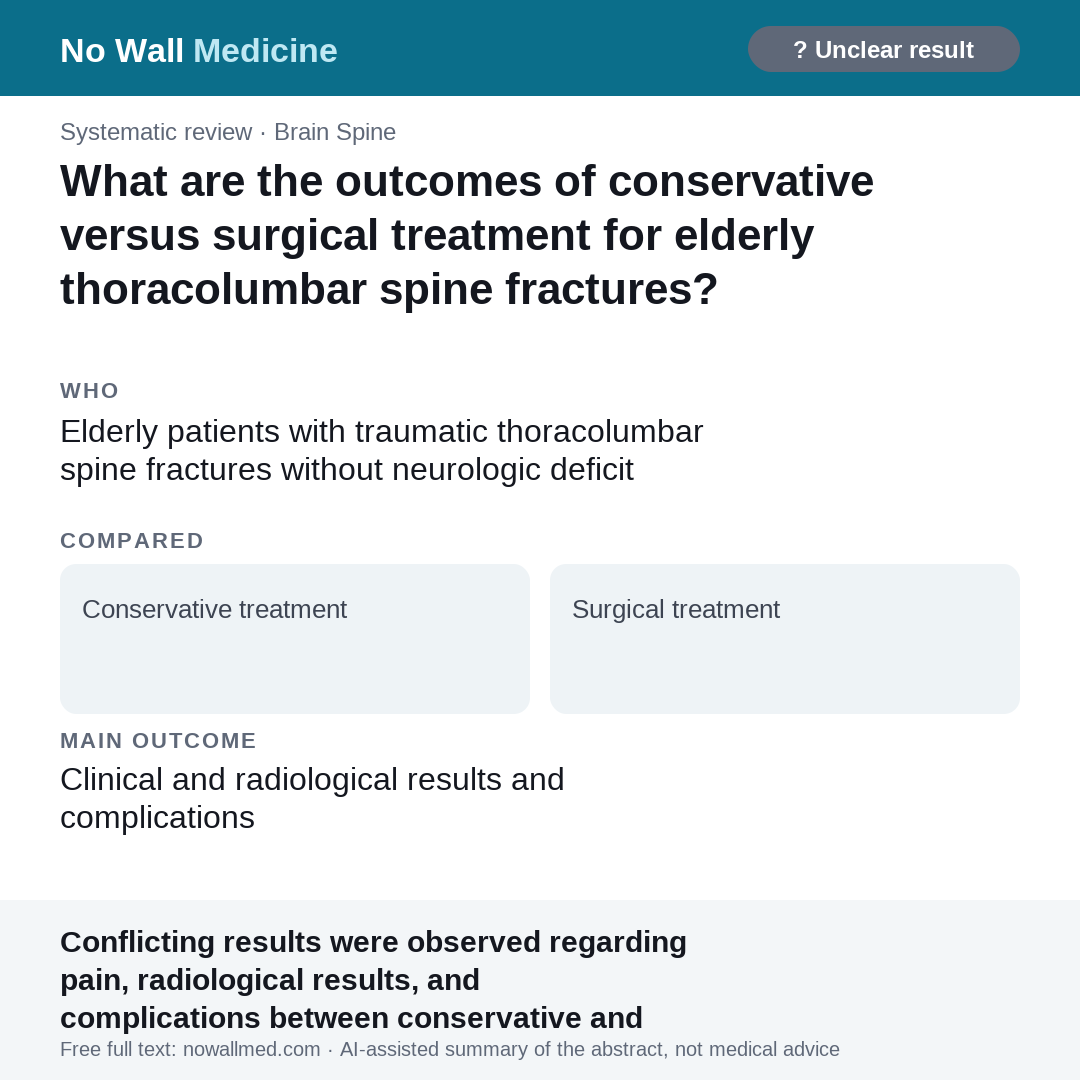
Outcome of traumatic thoracolumbar spine fractures in elderly: A systematic review
Systematic reviewUnclear result
What are the outcomes of conservative versus surgical treatment for elderly thoracolumbar spine fractures?
Who
Elderly patients with traumatic thoracolumbar spine fractures without neurologic deficit
Compared
Conservative treatment
Surgical treatment
Main outcome
Clinical and radiological results and complications
Bottom line: Conflicting results were observed regarding pain, radiological results, and complications between conservative and surgical treatments.
Limitation: Conflicting results were observed across the included studies.
Brain Spine · 2024-02-28Download image
The investigation of the efficiency of basic life support education among high school students: Protocol, design and implementation of an interventional, prospective longitudinal, individually randomised, parallel 1:1 grouped trial
Individually randomised, assessor blinded, parallel group trialUnclear result
Does instructor feedback or software-based feedback improve basic life support skill retention?
Who
360
High school students in Hungary · Hungary
Compared
Instructor feedback
Software-based feedback
Main outcome
Basic life support skill retention
Bottom line: This protocol study aims to compare instructor feedback versus software-based feedback for basic life support training.
Resusc Plus · 2024-02-28Download image

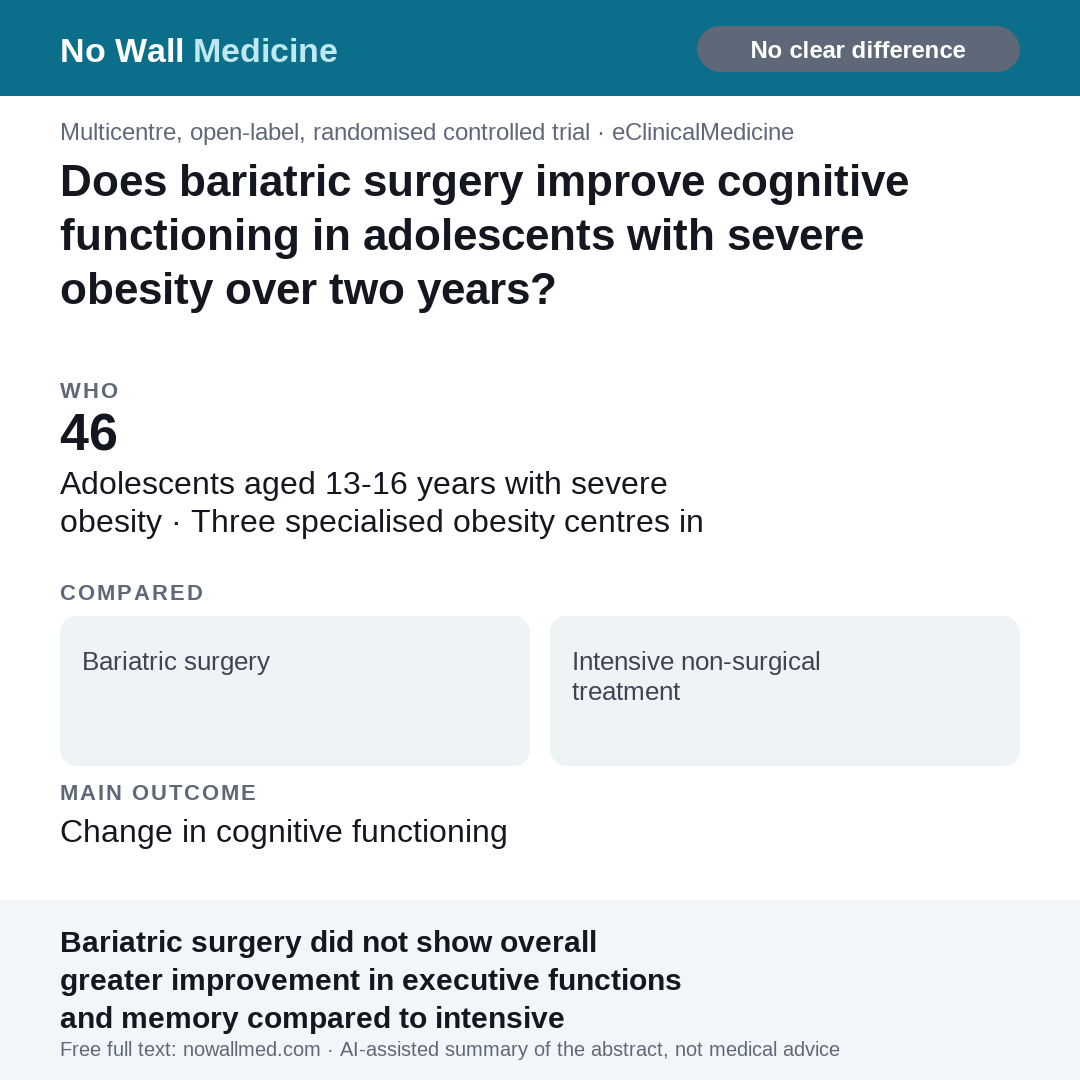
Cognitive functioning in adolescents with severe obesity undergoing bariatric surgery or intensive non-surgical treatment in Sweden (AMOS2): a multicentre, open-label, randomised controlled trial
Multicentre, open-label, randomised controlled trialNo clear difference
Does bariatric surgery improve cognitive functioning in adolescents with severe obesity over two years?
Who
46
Adolescents aged 13-16 years with severe obesity · Three specialised obesity centres in Sweden
Compared
Bariatric surgery
Intensive non-surgical treatment
Main outcome
Change in cognitive functioning
Bottom line: Bariatric surgery did not show overall greater improvement in executive functions and memory compared to intensive non-surgical treatment.
Limitation: Lack of statistical power is a potential limitation.
Funded by: Sweden's innovation agency (VINNOVA) and others
eClinicalMedicine · 2024-02-27Download image
Viral hepatitis testing and treatment in community pharmacies: a systematic review and meta-analysis
Systematic review and meta-analysisBenefit found
How effective are community pharmacy programs for hepatitis B and C testing and treatment?
Who
People undergoing hepatitis B or C testing and treatment interventions · Community pharmacies
Compared
32.5%Targeted recruitment (95% CI 24.8%-40.6%)
4.0%Non-targeted or other recruitment (95% CI 2.1%-6.5%)
92.7%Pharmacy pre-treatment assessment attendance (95% CI 79.1%-99.9%)
53.5%Non-pharmacy referral pre-treatment assessment attendance (95% CI 36.5%-70.1%)
Main outcome
Proportions testing positive and reaching stages in the cascade
Bottom line: Community pharmacies support effective hepatitis C testing, especially when targeting high-risk individuals, and show higher pre-treatment assessment attendance rates.
Limitation: Few comparative studies and high degrees of statistical heterogeneity were important limitations.
eClinicalMedicine · 2024-02-27Download image

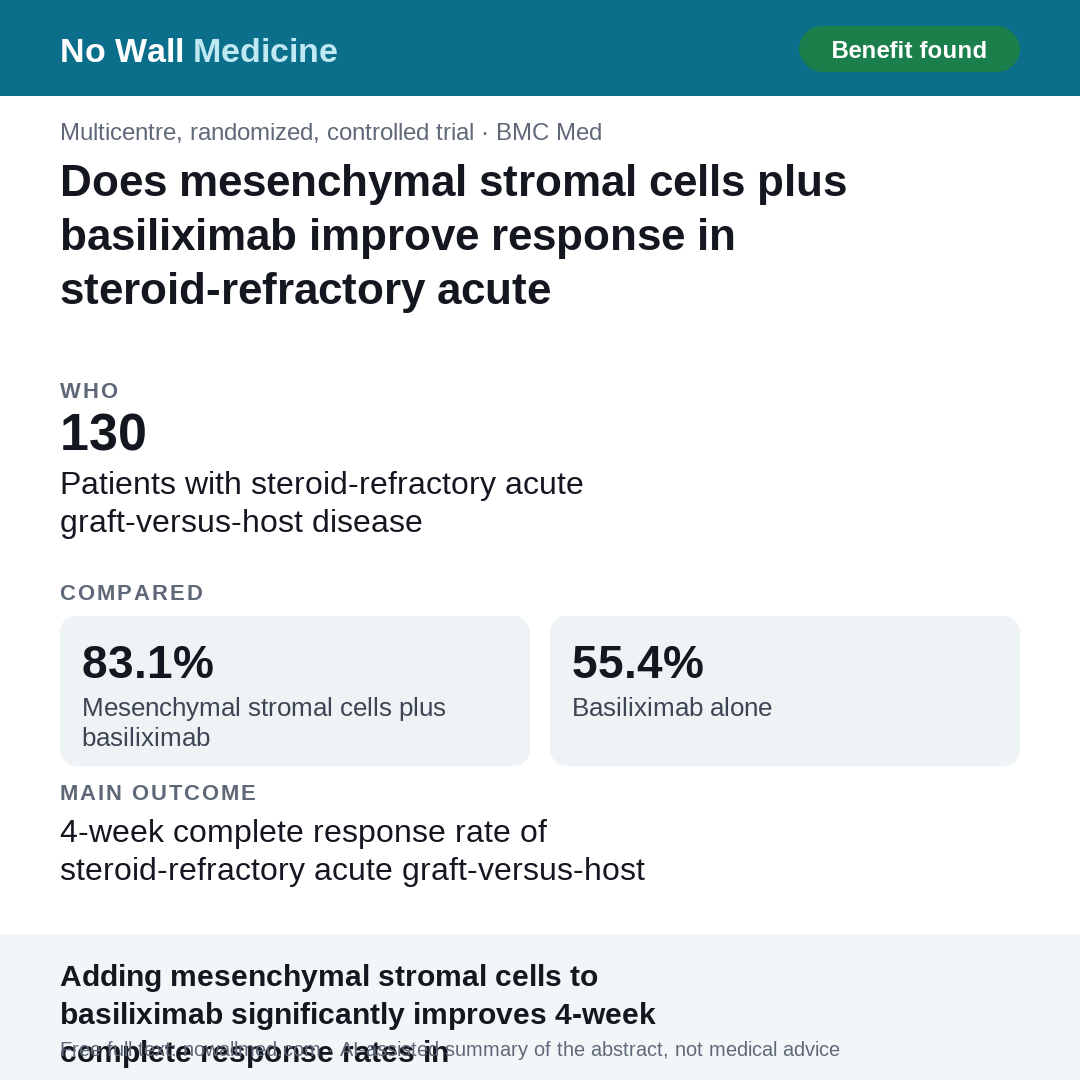
Mesenchymal stromal cells plus basiliximab improve the response of steroid-refractory acute graft-versus-host disease as a second-line therapy: a multicentre, randomized, controlled trial
Multicentre, randomized, controlled trialBenefit found
Does mesenchymal stromal cells plus basiliximab improve response in steroid-refractory acute graft-versus-host disease?
Who
130
Patients with steroid-refractory acute graft-versus-host disease
Compared
83.1%Mesenchymal stromal cells plus basiliximab
55.4%Basiliximab alone
Main outcome
4-week complete response rate of steroid-refractory acute graft-versus-host disease
Bottom line: Adding mesenchymal stromal cells to basiliximab significantly improves 4-week complete response rates in steroid-refractory acute graft-versus-host disease.
BMC Med · 2024-02-27Download image
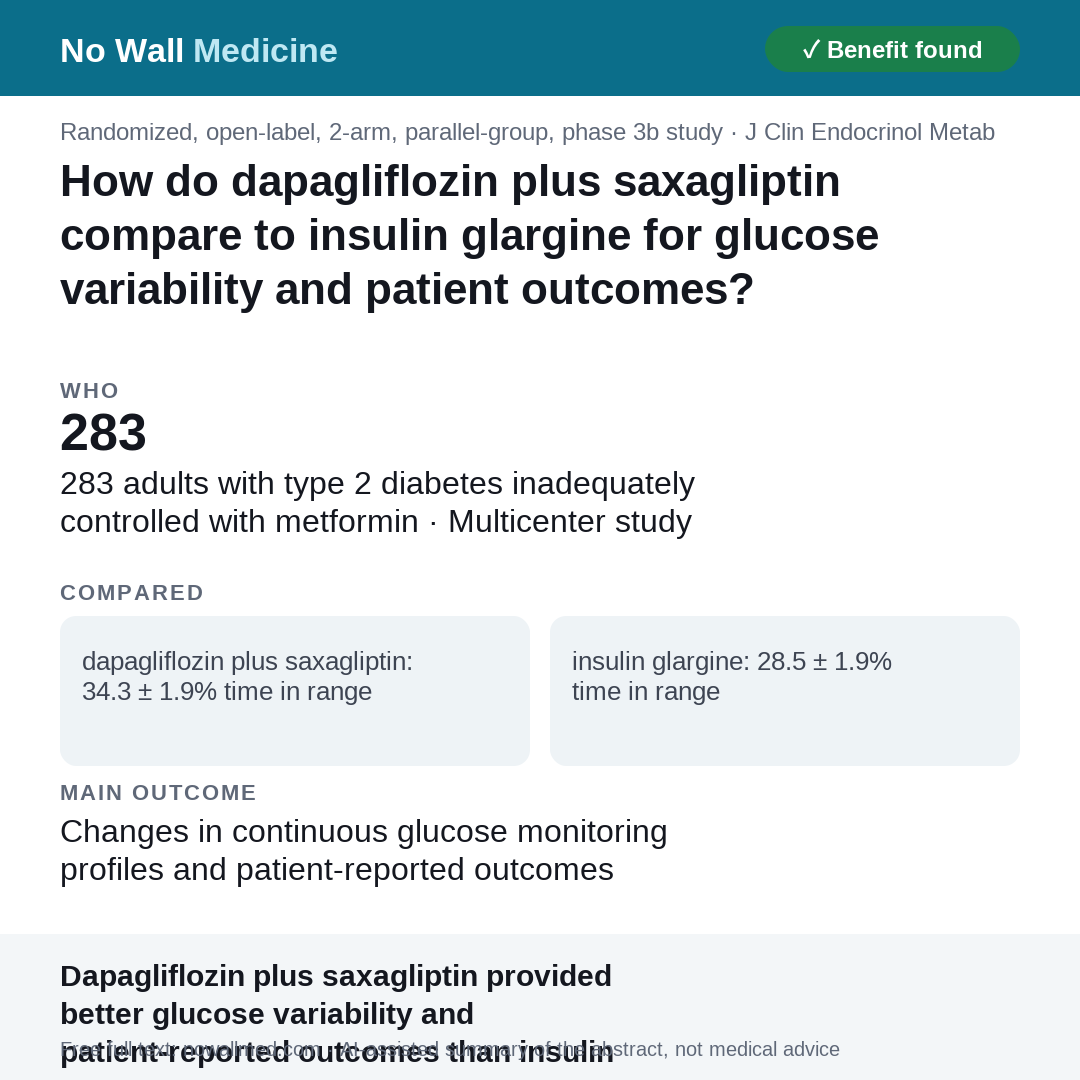
Continuous Glucose Monitoring Profiles and Health Outcomes After Dapagliflozin Plus Saxagliptin vs Insulin Glargine
Randomized, open-label, 2-arm, parallel-group, phase 3b studyBenefit found
How do dapagliflozin plus saxagliptin compare to insulin glargine for glucose variability and patient outcomes?
Who
283
283 adults with type 2 diabetes inadequately controlled with metformin · Multicenter study in 11 countries
Compared
dapagliflozin plus saxagliptin: 34.3 ± 1.9% time in range
insulin glargine: 28.5 ± 1.9% time in range
Main outcome
Changes in continuous glucose monitoring profiles and patient-reported outcomes
Result: mean difference in HbA1c decreases -0.12% (95% CI -0.37 to 0.12%)
Bottom line: Dapagliflozin plus saxagliptin provided better glucose variability and patient-reported outcomes than insulin glargine despite similar HbA1c reduction.
J Clin Endocrinol Metab · 2024-02-27Download image
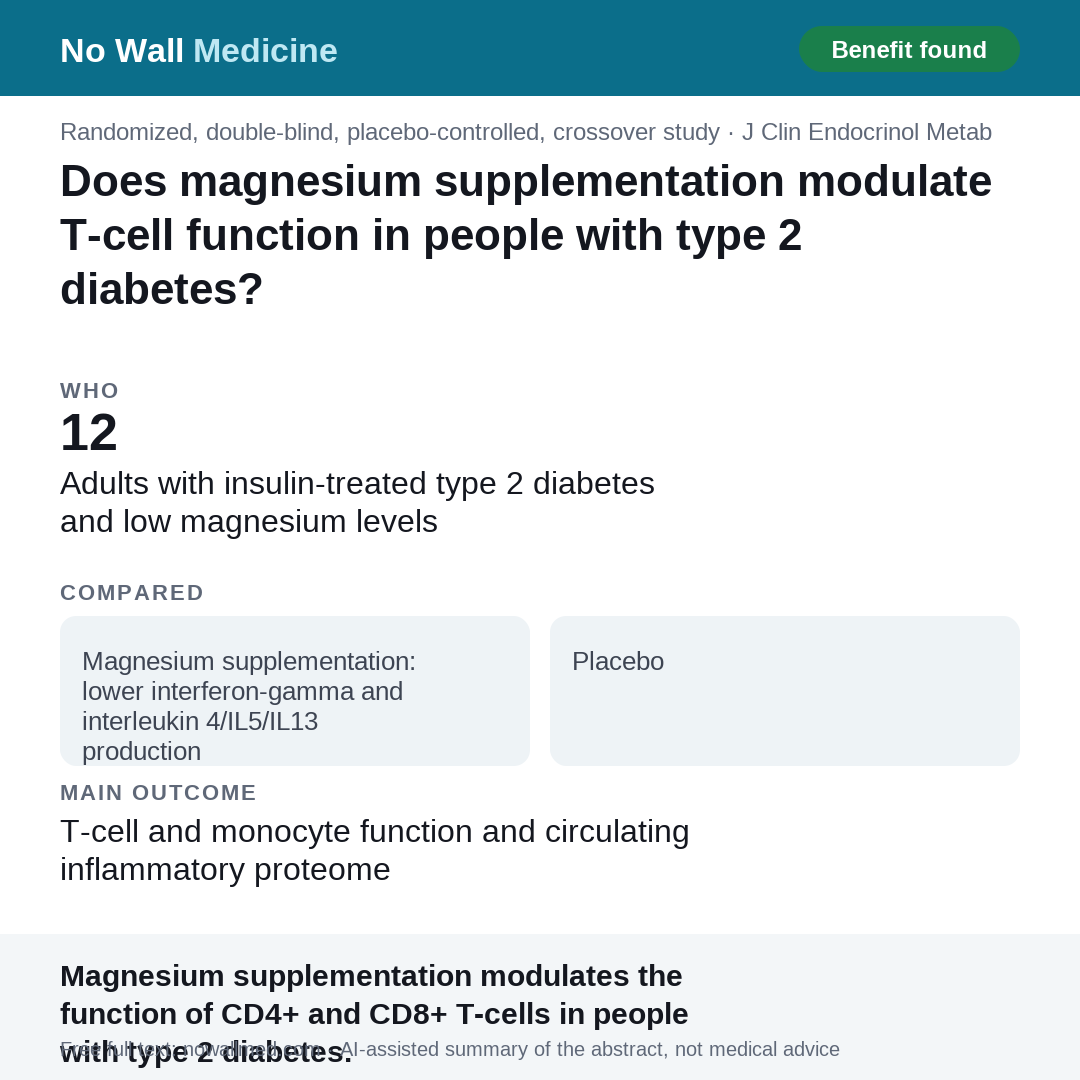
Magnesium Supplementation Modulates T-cell Function in People with Type 2 Diabetes and Low Serum Magnesium Levels
Randomized, double-blind, placebo-controlled, crossover studyBenefit found
Does magnesium supplementation modulate T-cell function in people with type 2 diabetes?
Who
12
Adults with insulin-treated type 2 diabetes and low magnesium levels
Compared
Magnesium supplementation: lower interferon-gamma and interleukin 4/IL5/IL13 production
Placebo
Main outcome
T-cell and monocyte function and circulating inflammatory proteome
Bottom line: Magnesium supplementation modulates the function of CD4+ and CD8+ T-cells in people with type 2 diabetes.
J Clin Endocrinol Metab · 2024-02-27Download image