Visual abstracts
New randomized trials and meta-analyses from leading journals at a glance: who was studied, what was compared, and what was found. Every paper is free to read in full.
All specialtiesCardiology 4656Oncology 3931Gastroenterology & Hepatology 1857Infectious Disease 3649Neurology 1815Psychiatry & Mental Health 2169Pulmonology 2056Critical Care 1305Endocrinology & Diabetes 2440Pediatrics 2820Surgery 2440Orthopedics & Sports Medicine 873Neurosurgery 508Cardiothoracic & Vascular Surgery 622Plastic & Reconstructive Surgery 581Nephrology 1048Rheumatology 780Hematology 1059Dermatology 597Ophthalmology 513Obstetrics & Gynecology 1621Public & Global Health 984Radiology & Imaging 615Anesthesiology 944Urology 730ENT (Otolaryngology) 487Emergency Medicine 485Allergy & Immunology 300Geriatrics 947Family Medicine & Primary Care 538Medical Genetics & Genomics 646Pathology & Laboratory Medicine 153Physical Medicine & Rehabilitation 722Palliative Care 424Nutrition 1489Digital Health & AI 2107General Medicine 307
Round Versus Anatomical Implants in Breast Reconstruction: A Systematic Review and Meta-analysis
Systematic review and comparative meta-analysisNo clear difference
Do round or anatomical implants differ in postoperative outcomes and aesthetic satisfaction?
Who
2535
Patients undergoing implant-based breast reconstruction
Compared
round implants
anatomical implants
Main outcome
overall complication rate
Result: odds ratio 0.46 (95% CI 0.14-1.48)
Bottom line: Round and anatomical implants have similar complication rates and aesthetic results in breast reconstruction.
Plast Reconstr Surg Glob Open · 2026-07-24Download image

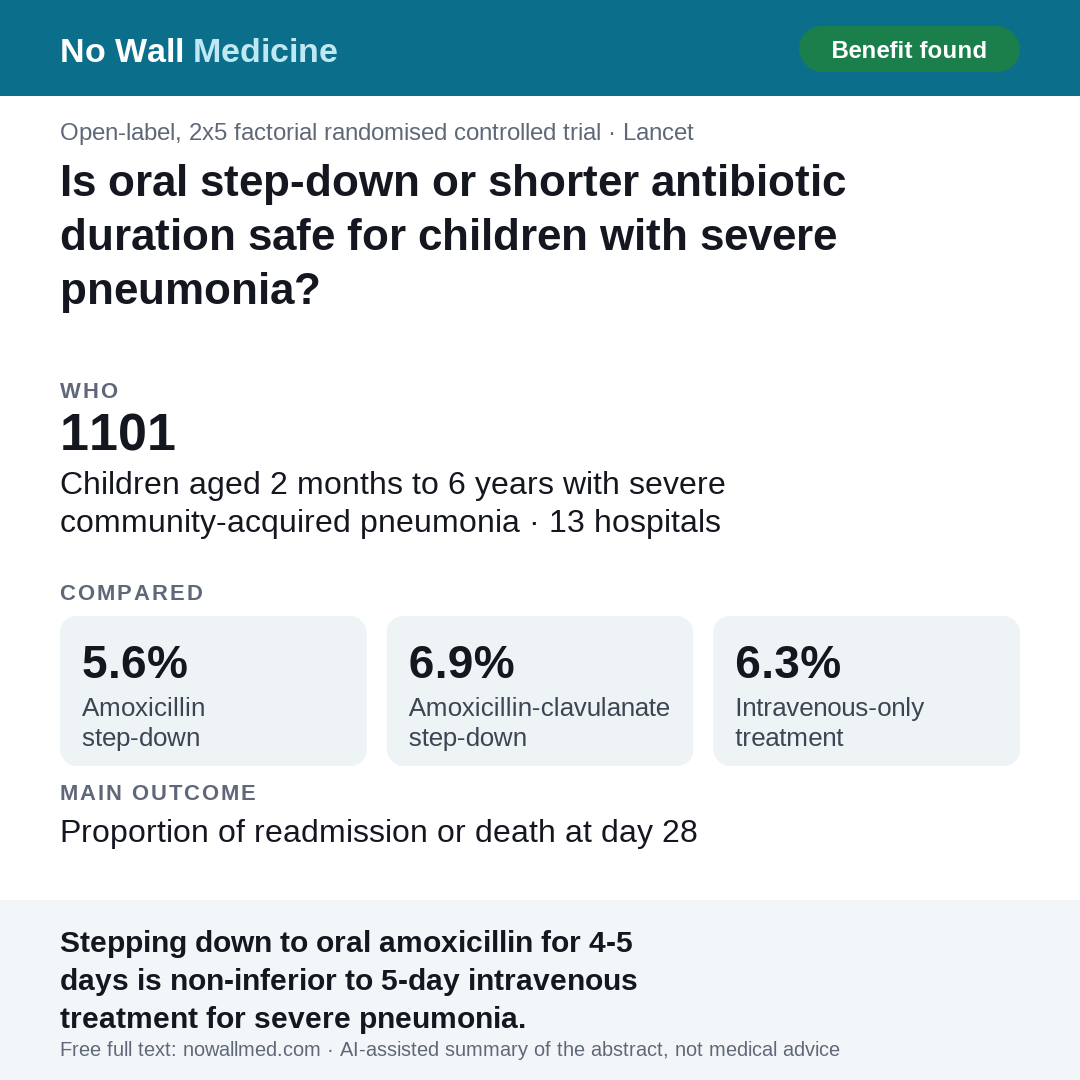
Oral step-down, optimal drug, and total duration of antibiotic treatment in African children hospitalised with severe community-acquired pneumonia (PediCAP): a factorial randomised controlled trial
Open-label, 2x5 factorial randomised controlled trialBenefit found
Is oral step-down or shorter antibiotic duration safe for children with severe pneumonia?
Who
1101
Children aged 2 months to 6 years with severe community-acquired pneumonia · 13 hospitals across five sub-Saharan African countries
Compared
5.6%Amoxicillin step-down (27/484)
6.9%Amoxicillin-clavulanate step-down (33/475)
6.3%Intravenous-only treatment (6/96)
Main outcome
Proportion of readmission or death at day 28
Result: adjusted risk difference 1.3% (95% CI -1.8 to 4.4)
Bottom line: Stepping down to oral amoxicillin for 4-5 days is non-inferior to 5-day intravenous treatment for severe pneumonia.
Funded by: Second European and Developing Countries Clinical Trials Partnership
Lancet · 2026-07-23Download image
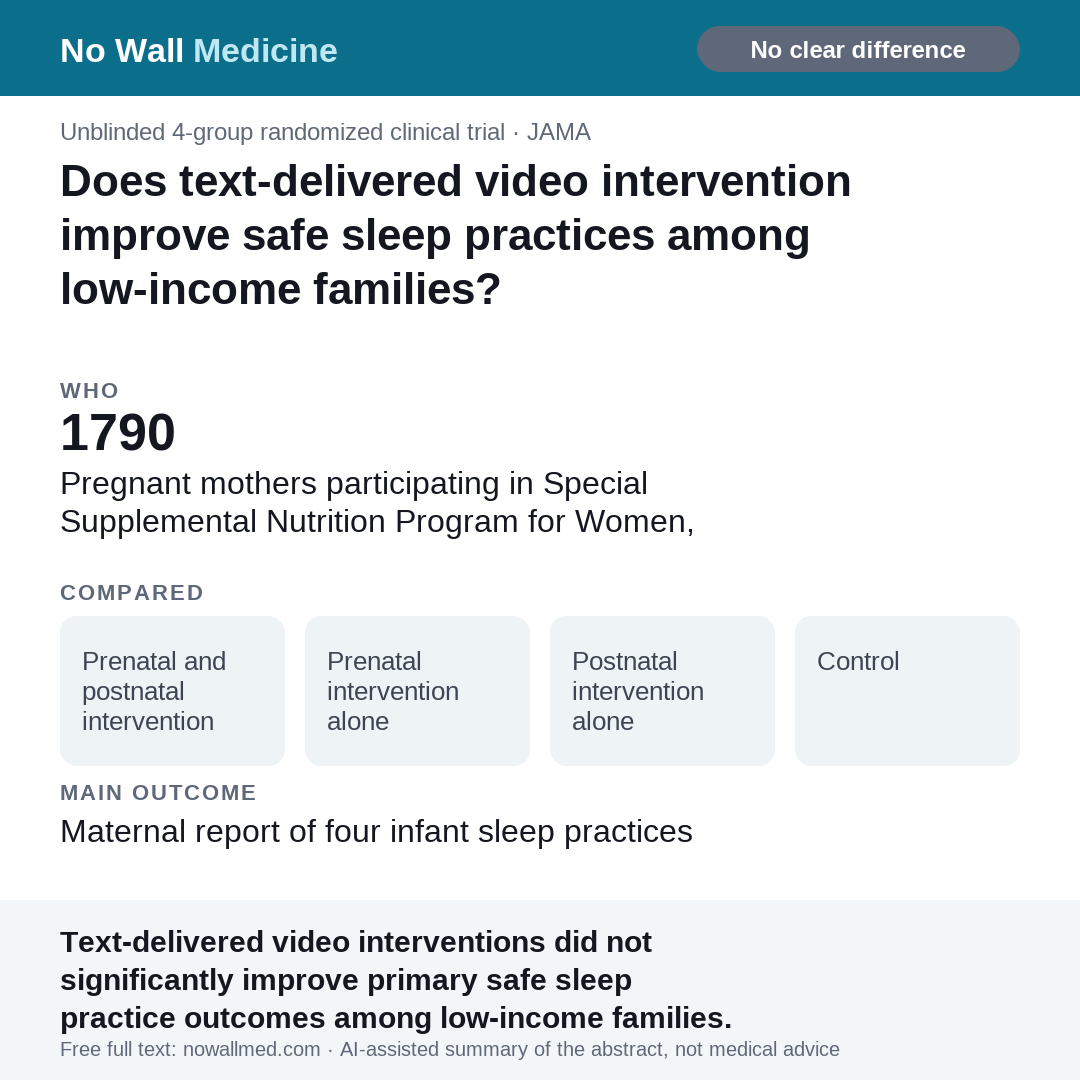
Safe Sleep Video Intervention via Text Messaging to Low-Income Families: The SMARTER Randomized Clinical Trial
Unblinded 4-group randomized clinical trialNo clear difference
Does text-delivered video intervention improve safe sleep practices among low-income families?
Who
1790
Pregnant mothers participating in Special Supplemental Nutrition Program for Women, Infants, and Children · WIC and Federally Qualified Health Centers in 18 states
Compared
Prenatal and postnatal intervention
Prenatal intervention alone
Postnatal intervention alone
Control
Main outcome
Maternal report of four infant sleep practices
Bottom line: Text-delivered video interventions did not significantly improve primary safe sleep practice outcomes among low-income families.
JAMA · 2026-07-23Download image
Minimal detectable change of the Patient Health Questionnaire-9, Patient Health Questionnaire-8, and Patient Health Questionnaire-2: individual patient data meta-analysis
Individual participant data meta-analysisUnclear result
What is the minimal detectable change for PHQ-9, PHQ-8, and PHQ-2?
Who
44085
Adults with major depressive disorder or episode in non-psychiatric settings · Non-psychiatric settings
Compared
5.72 pointsPatient Health Questionnaire-9 (95% CI 5.54 to 5.90)
5.51 pointsPatient Health Questionnaire-8 (95% CI 5.33 to 5.68)
2.26 pointsPatient Health Questionnaire-2 (95% CI 2.15 to 2.37)
Main outcome
Minimal detectable change for PHQ versions
Bottom line: A six point difference on the PHQ-9 may be an appropriate minimal detectable change threshold in general practice.
BMJ · 2026-07-23Download image

Hepatitis B virus outcomes in people with HIV after cessation of tenofovir-containing antiretroviral therapy: a systematic review and meta-analysis
Systematic review and meta-analysisHarm found
What are the risks of hepatitis B outcomes after tenofovir cessation in people with HIV?
Who
22
People with HIV discontinuing tenofovir-containing antiretroviral therapy
Compared
Resolved HBV with active surveillance: 3.79/100 person-years
Resolved HBV without active monitoring: 0.35/100 person-years
Susceptible to HBV: 1.63/100 person-years
Main outcome
Incidence of hepatitis B reactivation and new infection
Result: 3.79/100 person-years (95% CI 1.98-7.23)
Bottom line: Tenofovir-sparing antiretroviral therapy is associated with risks of hepatitis B reactivation and new infection in people with HIV.
Limitation: Higher quality prospective studies are needed in people with HIV who stop tenofovir.
Funded by: National Institutes of Health and Harvard University
eClinicalMedicine · 2026-07-23Download image

Tolerability, safety, and efficacy of atogepant versus topiramate in adults with migraine (TEMPLE): a randomised, head-to-head, phase 3b trial
Randomised, double-dummy, active-controlled trialBenefit found
Is atogepant more tolerable and effective than topiramate for adults with migraine?
Who
540
Adults with a history of migraine and 4 migraine days per month · 12 countries
Compared
atogepant: 12% (33/273) discontinuation due to adverse events
topiramate: 30% (79/267) discontinuation due to adverse events
Main outcome
Discontinuation owing to treatment-emergent adverse events
Result: relative risk 0·4 (95% CI 0·3 to 0·6)
Bottom line: Atogepant 60 mg once daily showed better tolerability and efficacy compared with topiramate in adults with migraine.
Lancet Neurol · 2026-07-23Download image

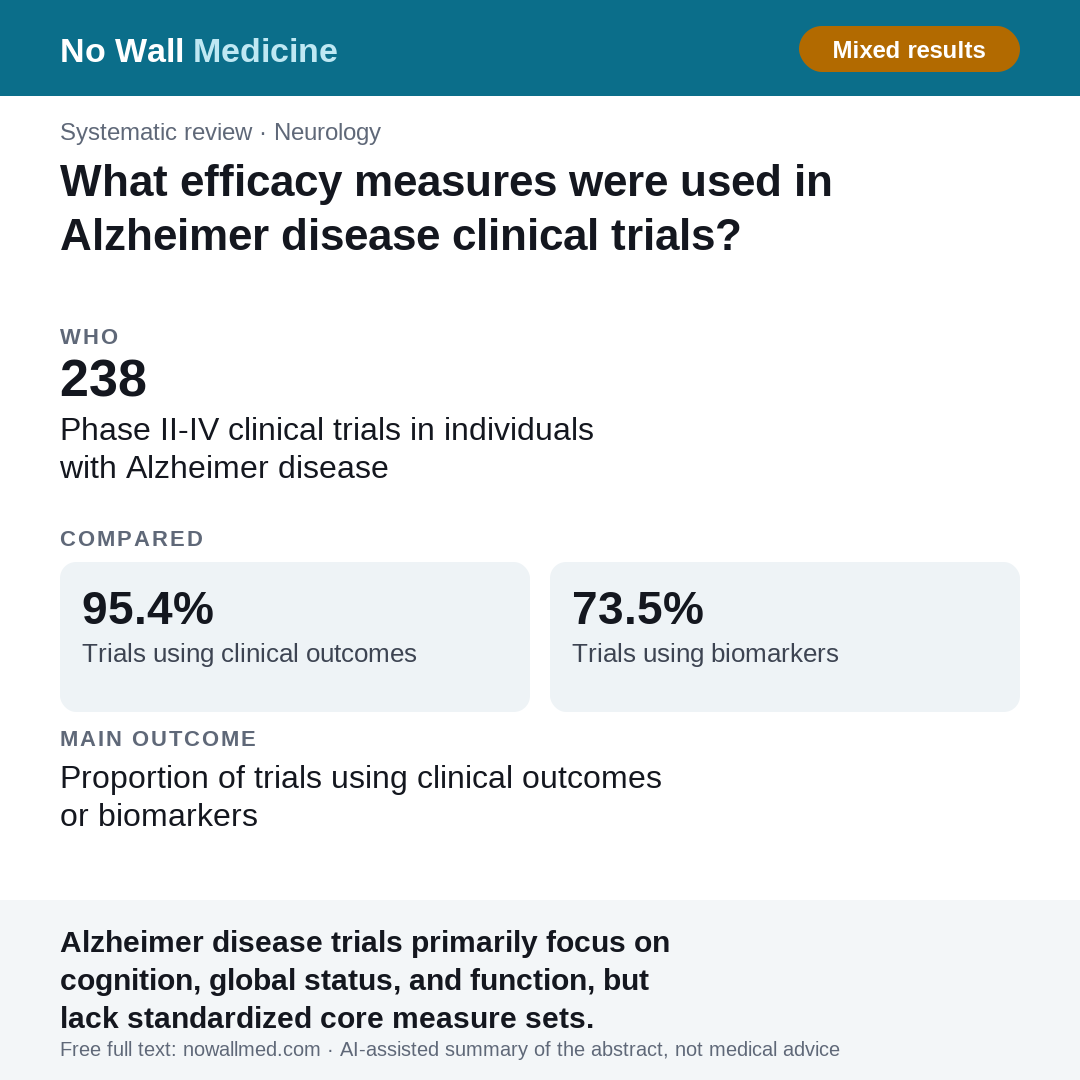
Efficacy Measures Used in Alzheimer Disease Clinical Trials Between 2015 and 2025: A Systematic Review
Systematic reviewMixed results
What efficacy measures were used in Alzheimer disease clinical trials?
Who
238
Phase II-IV clinical trials in individuals with Alzheimer disease
Compared
95.4%Trials using clinical outcomes (227/238)
73.5%Trials using biomarkers (175/238)
Main outcome
Proportion of trials using clinical outcomes or biomarkers
Bottom line: Alzheimer disease trials primarily focus on cognition, global status, and function, but lack standardized core measure sets.
Limitation: Substantial heterogeneity in efficacy measure use limits comparability across trials.
Neurology · 2026-07-23Download image
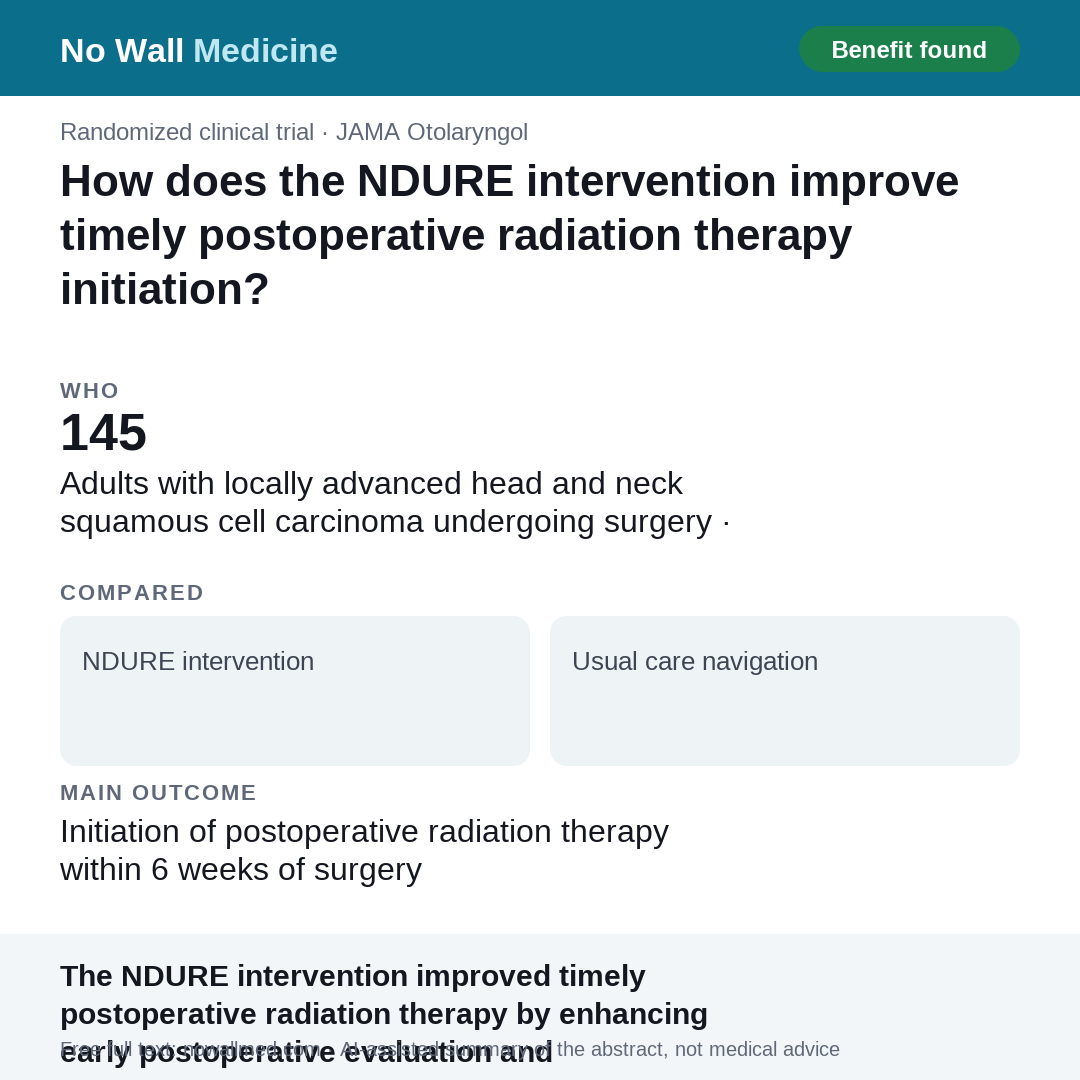
Mechanisms Underlying an Enhanced Navigation-Based Intervention to Improve Timely Adjuvant Therapy: A Secondary Analysis of the NDURE Randomized Clinical Trial
Randomized clinical trialBenefit found
How does the NDURE intervention improve timely postoperative radiation therapy initiation?
Who
145
Adults with locally advanced head and neck squamous cell carcinoma undergoing surgery · Single US academic medical center
Compared
NDURE intervention
Usual care navigation
Main outcome
Initiation of postoperative radiation therapy within 6 weeks of surgery
Bottom line: The NDURE intervention improved timely postoperative radiation therapy by enhancing early postoperative evaluation and completion of care steps.
JAMA Otolaryngol · 2026-07-23Download image
Clinical Trial: Multi-Strain Probiotic Improves Bile Acid Profile, Microbiome, and Metabolomic Parameters in Patients With History of Bile Acid Malabsorption-A Randomized, Controlled Trial
Randomized, double-blind, placebo-controlled trialBenefit found
Does a multi-strain probiotic improve bile acid profile and microbiome in bile acid malabsorption patients?
Who
22
Patients previously diagnosed with bile acid malabsorption
Compared
De Simone formulation 8-strain probiotic: median change from baseline -5.7 [IQR -10.3, 0.9]%
Placebo: 9.8 [IQR 0.2, 20.6]%
Main outcome
percentage of faecal primary bile acids
Result: p = 0.012
Bottom line: The probiotic induced microbiome changes and decreased faecal primary bile acids in patients with bile acid malabsorption.
Aliment Pharmacol Ther · 2026-07-23Download image

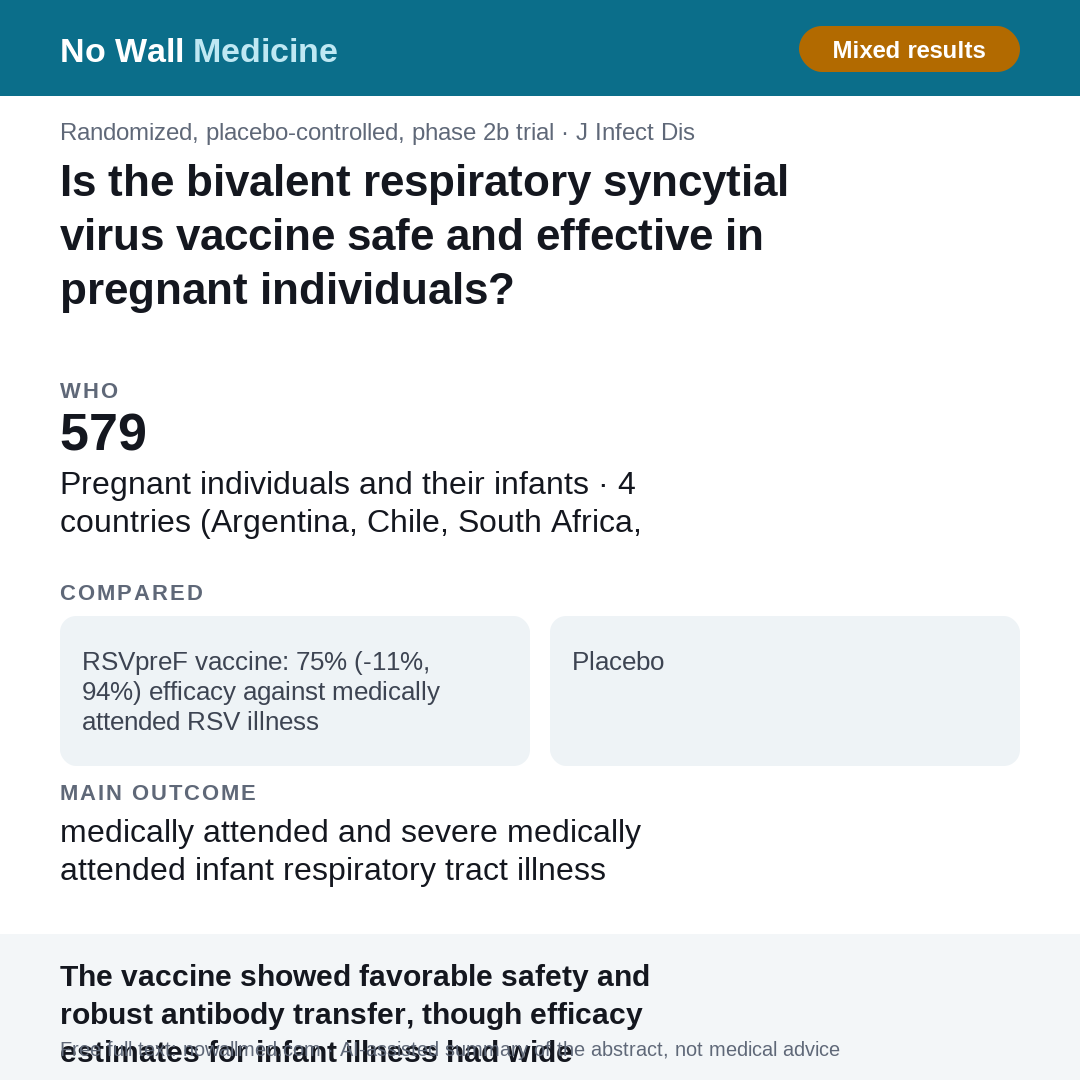
Phase 2 Randomized Bivalent RSVpreF Maternal Vaccine Trial: Final Safety, Antibody Persistence and Efficacy
Randomized, placebo-controlled, phase 2b trialMixed results
Is the bivalent respiratory syncytial virus vaccine safe and effective in pregnant individuals?
Who
579
Pregnant individuals and their infants · 4 countries (Argentina, Chile, South Africa, United States)
Compared
RSVpreF vaccine: 75% (-11%, 94%) efficacy against medically attended RSV illness
Placebo
Main outcome
medically attended and severe medically attended infant respiratory tract illness
Result: 75% (-11%, 94%) for medically attended; 83% (-48%, 99%) for severe
Bottom line: The vaccine showed favorable safety and robust antibody transfer, though efficacy estimates for infant illness had wide confidence intervals.
J Infect Dis · 2026-07-23Download image
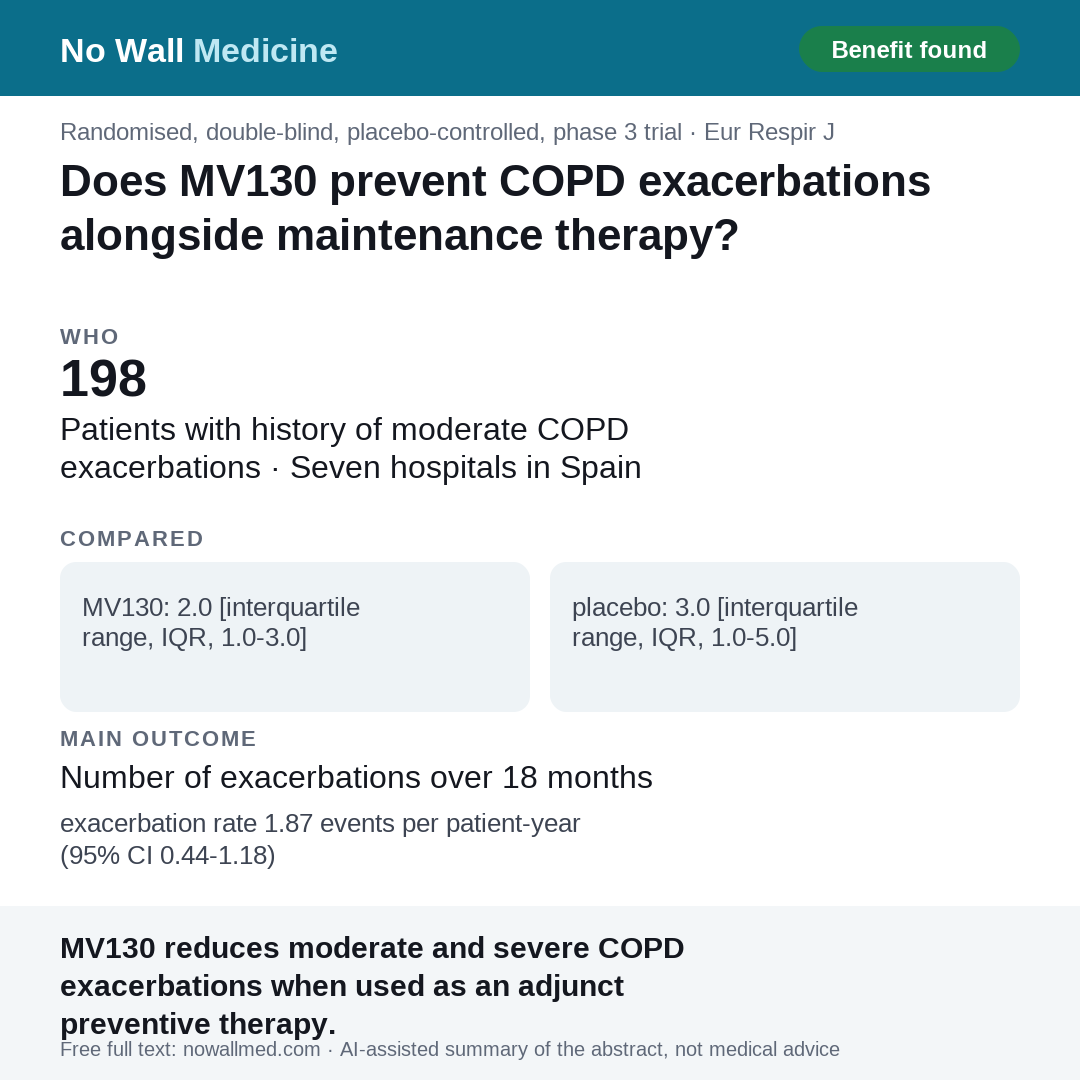
Prevention of COPD exacerbations with a mucosal trained immunity-based vaccine (MV130): a randomised phase 3 trial
Randomised, double-blind, placebo-controlled, phase 3 trialBenefit found
Does MV130 prevent COPD exacerbations alongside maintenance therapy?
Who
198
Patients with history of moderate COPD exacerbations · Seven hospitals in Spain
Compared
MV130: 2.0 [interquartile range, IQR, 1.0-3.0]
placebo: 3.0 [interquartile range, IQR, 1.0-5.0]
Main outcome
Number of exacerbations over 18 months
Result: exacerbation rate 1.87 events per patient-year (95% CI 0.44-1.18)
Bottom line: MV130 reduces moderate and severe COPD exacerbations when used as an adjunct preventive therapy.
Eur Respir J · 2026-07-23Download image
Safety and effectiveness of an in situ-forming hydrogel barrier in preventing intrauterine adhesions after adhesiogenic hysteroscopic procedures: a multicenter, randomized, controlled trial
Randomized, multicenter, subject- and evaluator-blinded trialBenefit found
Does an in situ-forming hydrogel barrier prevent intrauterine adhesions after hysteroscopic procedures?
Who
150
Premenopausal women undergoing hysteroscopic adhesiolysis or myomectomy · 15 U.S. sites
Compared
68.7%hydrogel barrier
51.4%no barrier
Main outcome
proportion of participants without intrauterine adhesions at second-look hysteroscopy
Result: odds ratio 3.19 (95% CI 1.29-7.90) in adhesiolysis subgroup
Bottom line: An in situ-forming hydrogel barrier increased the proportion of participants without intrauterine adhesions after hysteroscopic procedures.
Limitation: The leiomyoma subgroup treatment effect was imprecise due to limited sample size.
Fertil Steril · 2026-07-23Download image

Clinical characteristics and prognosis of SDHD pathogenic variant carriers: a systematic review and meta-analysis
Systematic review and meta-analysisBenefit found
What are the penetrance, multifocality, metastatic risk, and mortality in SDHD pathogenic variant carriers?
Who
Carriers of succinate dehydrogenase subunit D pathogenic variants
Compared
20%Age-specific penetrance at 20 years (95% CI 16% to 25%)
58%Age-specific penetrance at 40 years (95% CI 48% to 67%)
82%Age-specific penetrance at 60 years (95% CI 75% to 90%)
Affected carriers: 75% (95% CI 72% to 79%) multifocal tumours
Main outcome
Penetrance, multifocality, metastatic disease, and mortality
Bottom line: SDHD carriers show increasing age-specific penetrance and high multifocality, but low metastatic disease and mortality rates.
Limitation: Evidence linking specific variants to these phenotypes is limited.
J Med Genet · 2026-07-23Download image

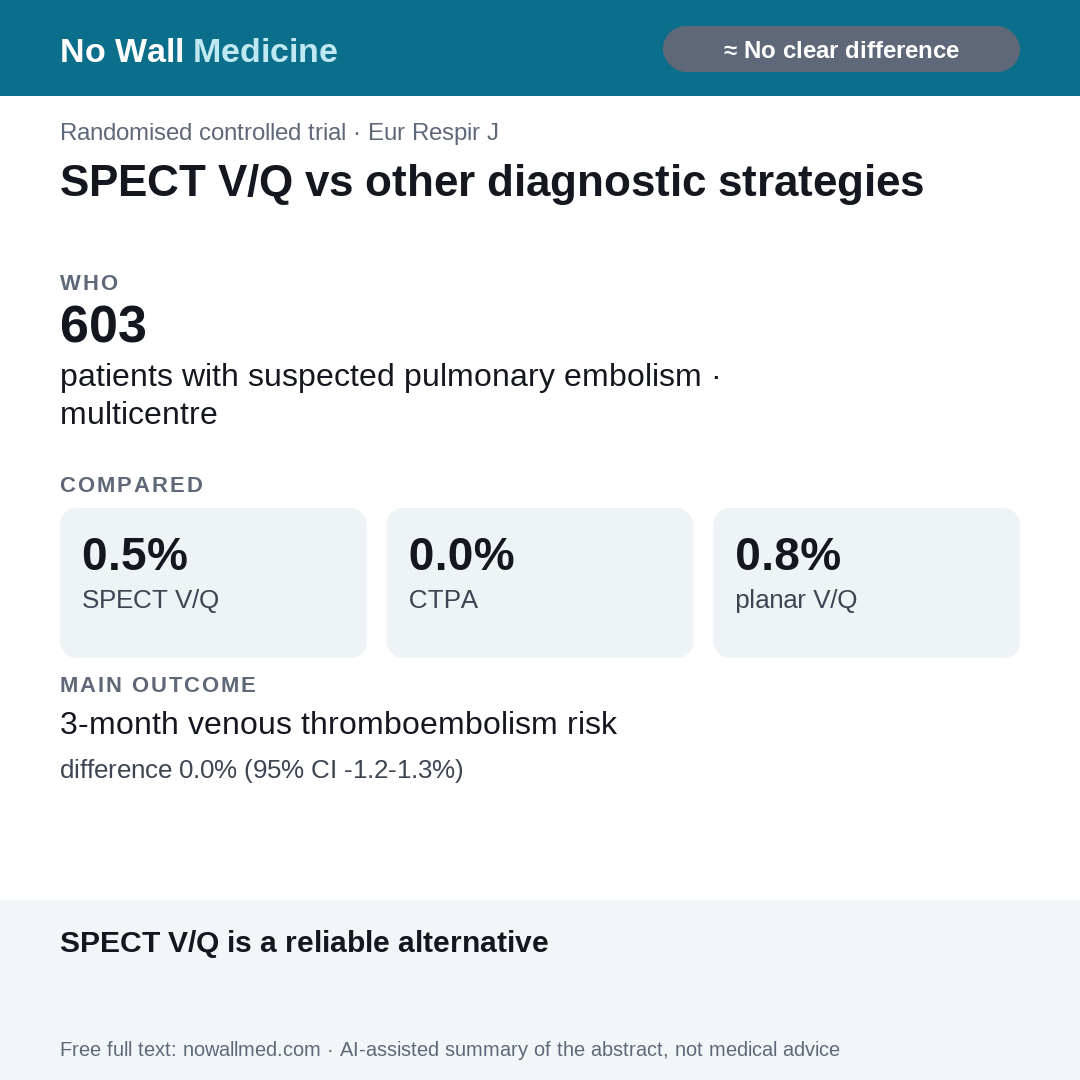
Comparison of three diagnostic strategies for suspicion of pulmonary embolism: planar ventilation/perfusion scan, CT pulmonary angiography and single-photon emission CT ventilation/perfusion scan - a multicentre, non-inferiority randomised controlled trial
Randomised controlled trialNo clear difference
SPECT V/Q vs other diagnostic strategies
Who
603
patients with suspected pulmonary embolism · multicentre
Compared
0.5%SPECT V/Q (1/221)
0.0%CTPA (0/107)
0.8%planar V/Q (1/118)
Main outcome
3-month venous thromboembolism risk
Result: difference 0.0% (95% CI -1.2-1.3%)
Bottom line: SPECT V/Q is a reliable alternative
Limitation: slow recruitment and funding limitations
Eur Respir J · 2026-07-23Download image
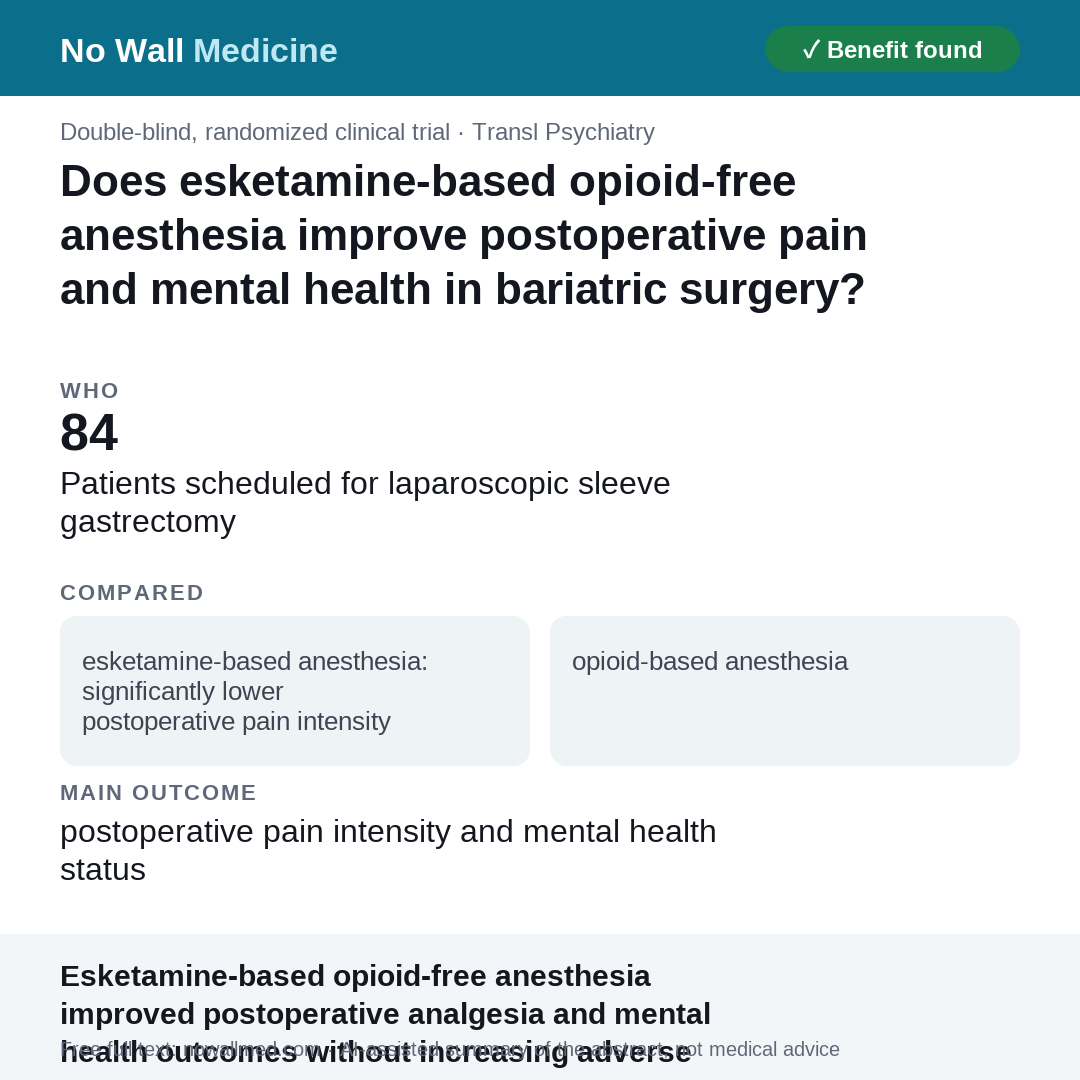
Dual benefit of esketamine-based opioid-free anesthesia on postoperative pain and mental health outcomes in patients undergoing bariatric surgery: a randomized controlled trial
Double-blind, randomized clinical trialBenefit found
Does esketamine-based opioid-free anesthesia improve postoperative pain and mental health in bariatric surgery?
Who
84
Patients scheduled for laparoscopic sleeve gastrectomy
Compared
esketamine-based anesthesia: significantly lower postoperative pain intensity
opioid-based anesthesia
Main outcome
postoperative pain intensity and mental health status
Bottom line: Esketamine-based opioid-free anesthesia improved postoperative analgesia and mental health outcomes without increasing adverse events.
Transl Psychiatry · 2026-07-23Download image
Small Interfering RNA for LDL-Cholesterol Reduction: A Systematic Review and Meta-Analysis of Randomized Controlled Trials
Meta-analysis of 9 randomized controlled trialsBenefit found
Does inclisiran reduce low-density lipoprotein cholesterol compared to placebo?
Who
6355
Diverse patient populations
Compared
Inclisiran
Placebo
Main outcome
mean percent change in low-density lipoprotein cholesterol from baseline
Result: -48.77% (95% CI: -54.26 to -43.27)
Bottom line: Inclisiran achieves substantial reductions in low-density lipoprotein cholesterol across diverse patient populations.
JACC Adv · 2026-07-23Download image

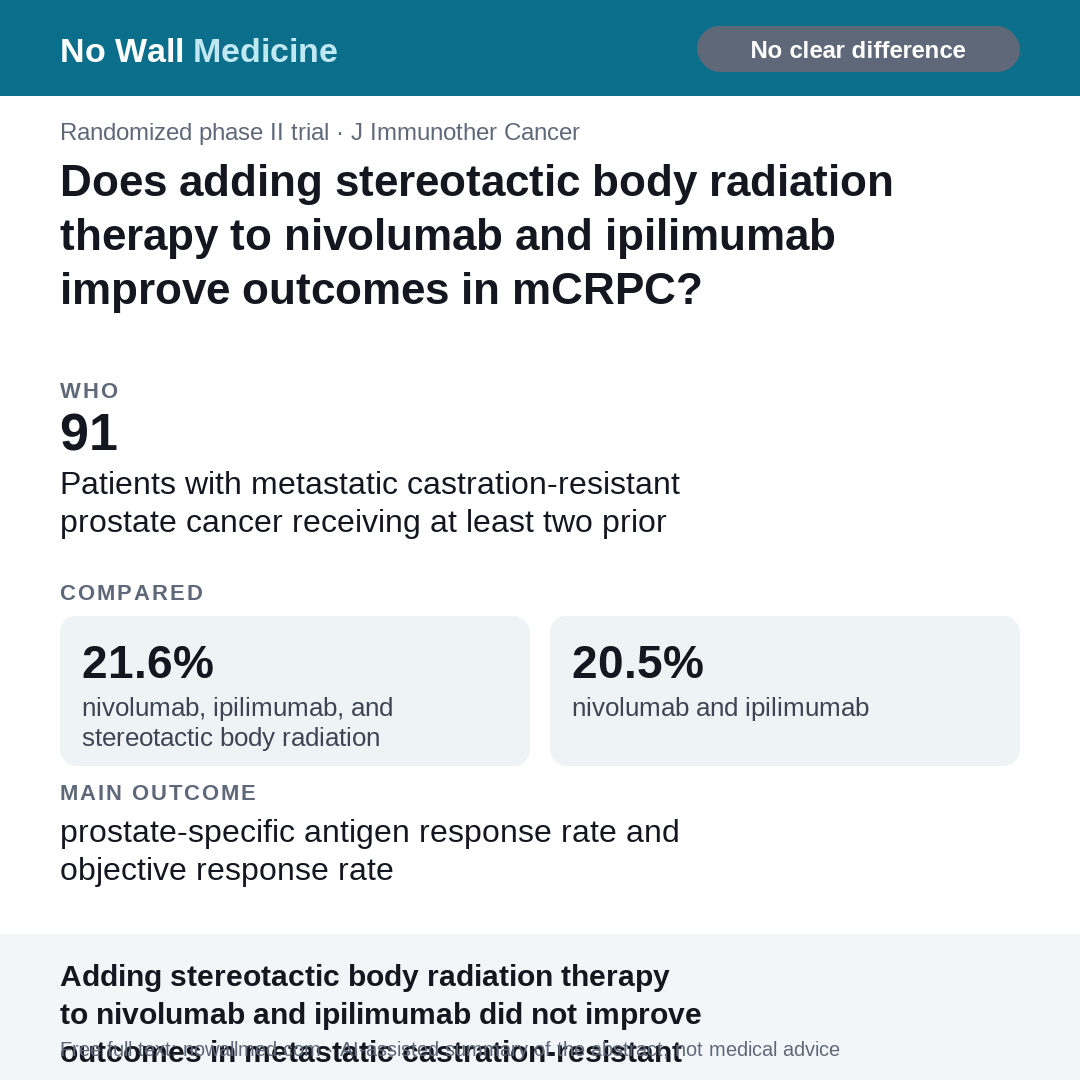
Randomized phase II trial of nivolumab and ipilimumab with or without stereotactic body radiation therapy in patients with metastatic castration-resistant prostate cancer: the CheckPRO, CA209-8TY trial
Randomized phase II trialNo clear difference
Does adding stereotactic body radiation therapy to nivolumab and ipilimumab improve outcomes in mCRPC?
Who
91
Patients with metastatic castration-resistant prostate cancer receiving at least two prior therapies
Compared
21.6%nivolumab, ipilimumab, and stereotactic body radiation therapy (95% CI 9.8% to 38.2%)
20.5%nivolumab and ipilimumab (95% CI 9.8% to 35.3%)
Main outcome
prostate-specific antigen response rate and objective response rate
Bottom line: Adding stereotactic body radiation therapy to nivolumab and ipilimumab did not improve outcomes in metastatic castration-resistant prostate cancer.
Limitation: Explorative translational research is needed to identify possible biomarkers of response.
J Immunother Cancer · 2026-07-23Download image
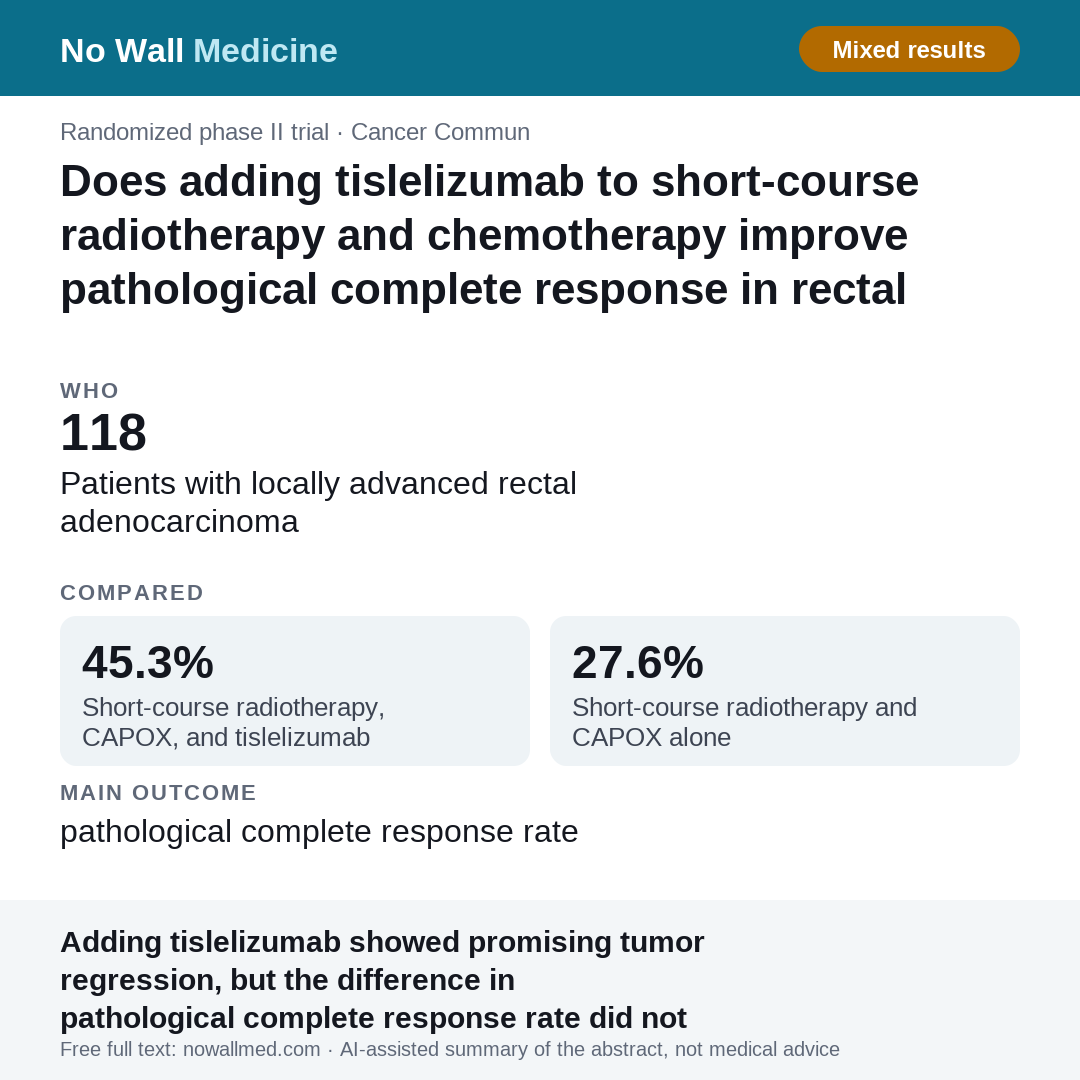
Short-Course Radiotherapy-Based Total Neoadjuvant Therapy plus Tislelizumab for Locally Advanced Rectal Cancer (Neo-STAR): Early Outcomes of a Randomized Phase II Trial
Randomized phase II trialMixed results
Does adding tislelizumab to short-course radiotherapy and chemotherapy improve pathological complete response in rectal cancer?
Who
118
Patients with locally advanced rectal adenocarcinoma
Compared
45.3%Short-course radiotherapy, CAPOX, and tislelizumab (95% CI, 31.5% to 59.8%)
27.6%Short-course radiotherapy and CAPOX alone (95% CI, 16.6% to 40.8%)
Main outcome
pathological complete response rate
Result: odds ratio = 2.17; 95% CI, 0.99 to 4.79
Bottom line: Adding tislelizumab showed promising tumor regression, but the difference in pathological complete response rate did not reach statistical significance.
Limitation: This phase II study provides preliminary evidence warranting further validation in phase III trials.
Cancer Commun · 2026-07-23Download image
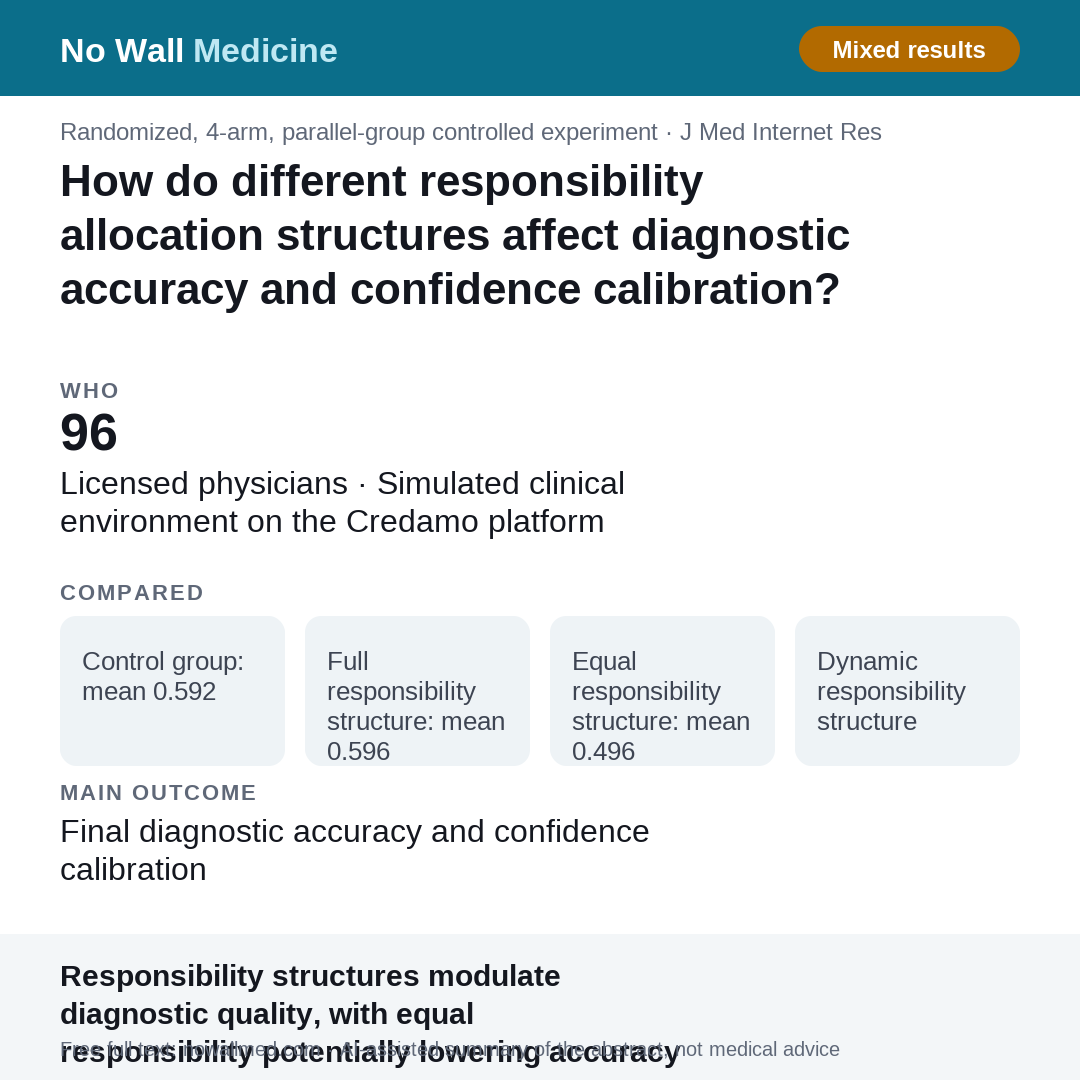
Impact of Responsibility Allocation Structures on Diagnostic Quality in AI-Assisted Diagnosis: Randomized Controlled Experiment
Randomized, 4-arm, parallel-group controlled experimentBenefit found
How do responsibility allocation structures affect diagnostic accuracy and confidence calibration?
Who
96
96 licensed physicians · Simulated clinical environment on the Credamo platform
Compared
Control group: mean 0.592
Full responsibility: mean 0.596
Equal responsibility: mean 0.496
Dynamic responsibility: mean 0.717
Main outcome
final diagnostic accuracy and confidence calibration
Result: mean difference 0.125 (95% CI 0.043 to 0.207) for accuracy
Bottom line: Dynamic responsibility structure significantly improved diagnostic accuracy and reduced confidence calibration compared to the control group.
J Med Internet Res · 2026-07-23Download image
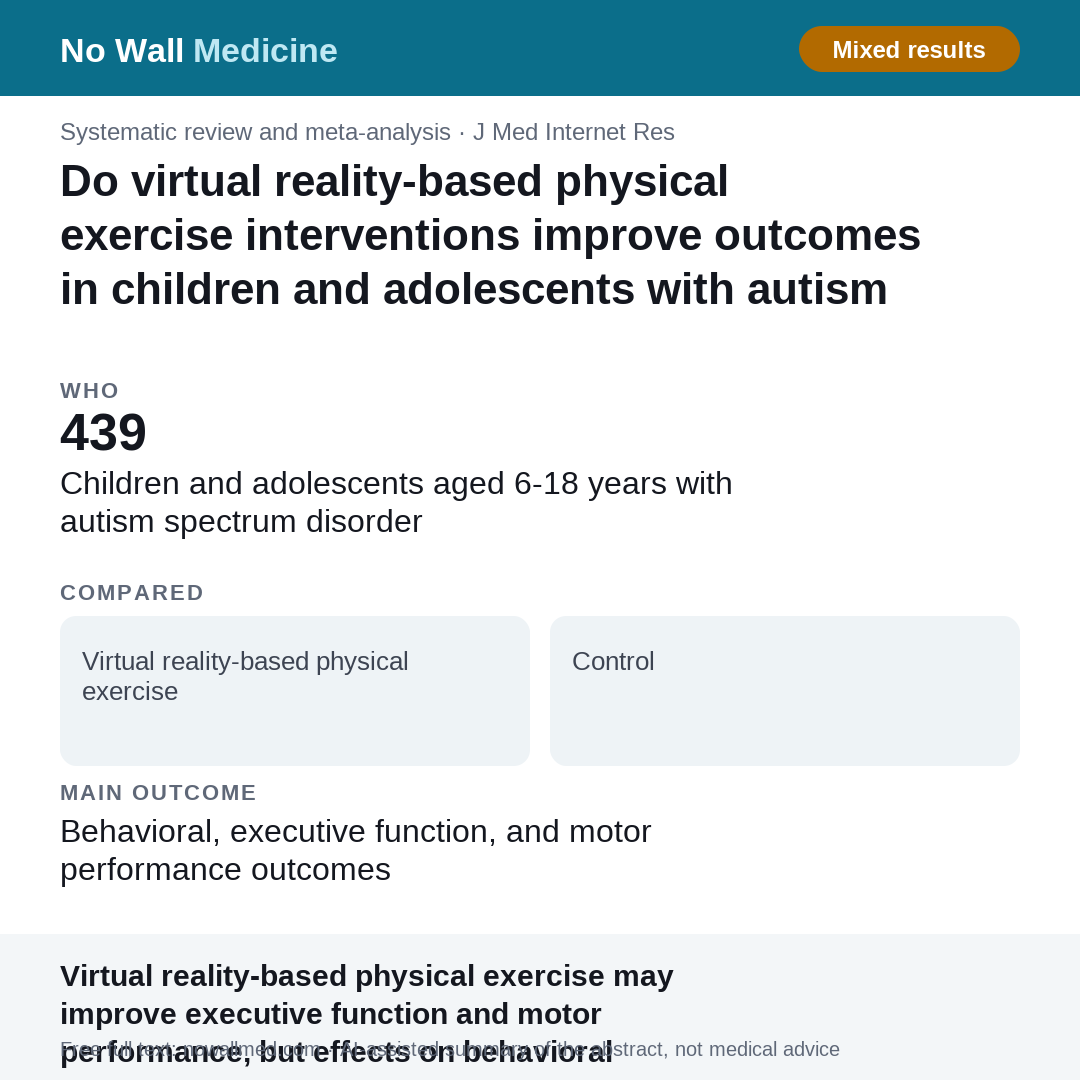
Effects of Virtual Reality-Based Physical Exercise Interventions on Behavioral, Executive Function, and Motor Outcomes in Children and Adolescents With Autism Spectrum Disorder: Systematic Review and Meta-Analysis
Systematic review and meta-analysisMixed results
Do virtual reality-based physical exercise interventions improve outcomes in children and adolescents with autism spectrum disorder?
Who
439
Children and adolescents aged 6-18 years with autism spectrum disorder
Compared
Virtual reality-based physical exercise
Control
Main outcome
Behavioral, executive function, and motor performance outcomes
Result: executive function SMD 0.75 (95% CI 0.32-1.18); motor performance SMD 1.08 (95% CI 0.08-2.08)
Bottom line: Virtual reality-based physical exercise may improve executive function and motor performance, but effects on behavioral outcomes remain inconsistent.
Limitation: Substantial heterogeneity in study designs, assessment instruments, and wide prediction intervals suggest uncertainty.
J Med Internet Res · 2026-07-23Download image