Visual abstracts
New randomized trials and meta-analyses from leading journals at a glance: who was studied, what was compared, and what was found. Every paper is free to read in full.
All specialtiesCardiology 394Oncology 311Gastroenterology & Hepatology 156Infectious Disease 313Neurology 179Psychiatry & Mental Health 258Pulmonology 180Critical Care 124Endocrinology & Diabetes 236Pediatrics 185Surgery 128Orthopedics & Sports Medicine 74Neurosurgery 24Cardiothoracic & Vascular Surgery 47Plastic & Reconstructive Surgery 79Nephrology 77Rheumatology 81Hematology 92Dermatology 42Ophthalmology 62Obstetrics & Gynecology 119Public & Global Health 118Radiology & Imaging 36Anesthesiology 68Urology 91ENT (Otolaryngology) 48Emergency Medicine 41Allergy & Immunology 49Geriatrics 113Family Medicine & Primary Care 67Medical Genetics & Genomics 36Pathology & Laboratory Medicine 6Physical Medicine & Rehabilitation 96Palliative Care 59Nutrition 135Digital Health & AI 336General Medicine 46
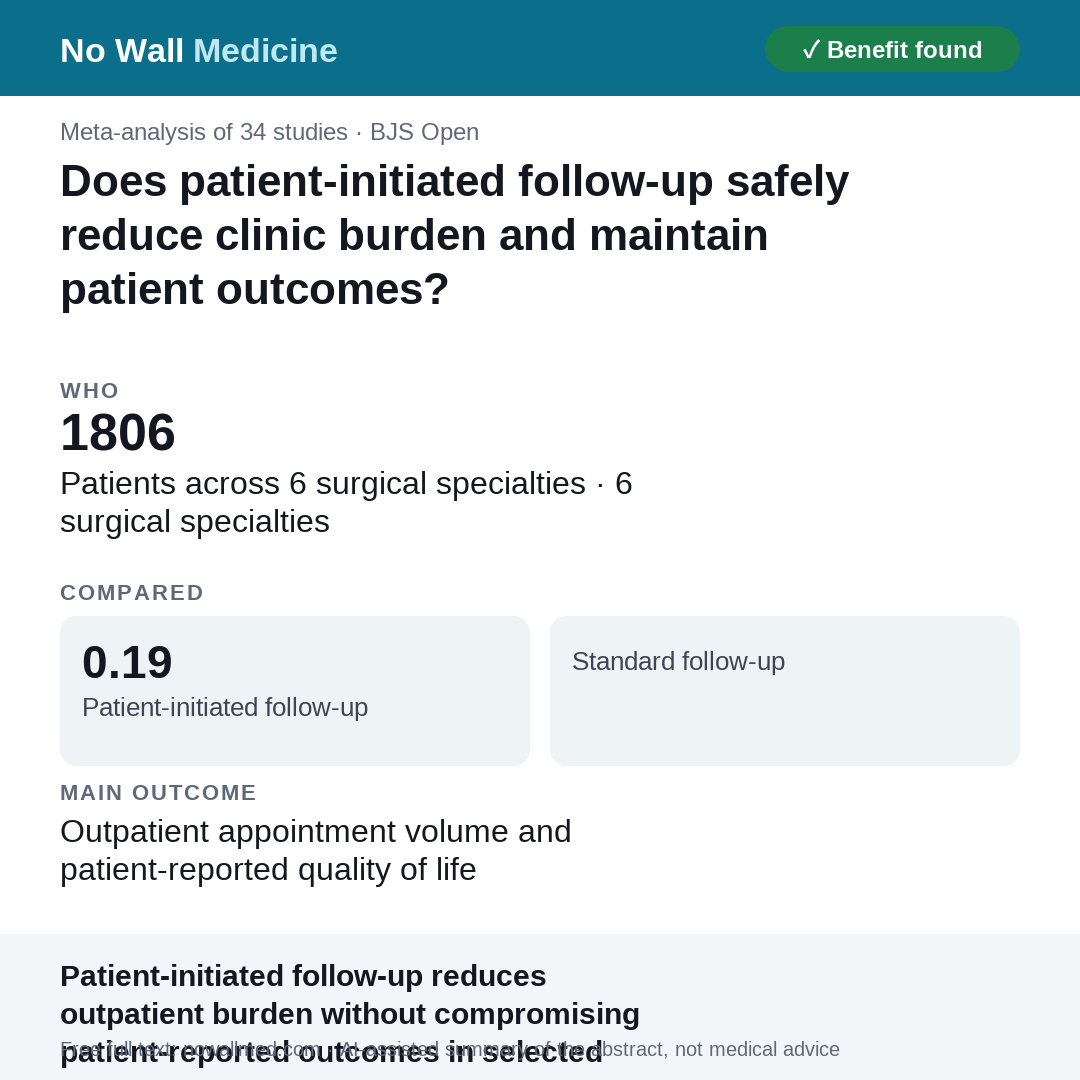
Patient-initiated follow-up in surgical specialties: meta-analysis and meta-regression
Meta-analysis of 34 studiesBenefit found
Does patient-initiated follow-up safely reduce clinic burden and maintain patient outcomes?
Who
1806
Patients across 6 surgical specialties · 6 surgical specialties
Compared
0.19Patient-initiated follow-up (95% confidence interval 0.09 to 0.36)
Standard follow-up
Main outcome
Outpatient appointment volume and patient-reported quality of life
Result: 0.19 (95% confidence interval 0.09 to 0.36)
Bottom line: Patient-initiated follow-up reduces outpatient burden without compromising patient-reported outcomes in selected surgical populations.
Limitation: Effects are dependent on the clinical context and pathway design.
BJS Open · 2026-09-21Download image
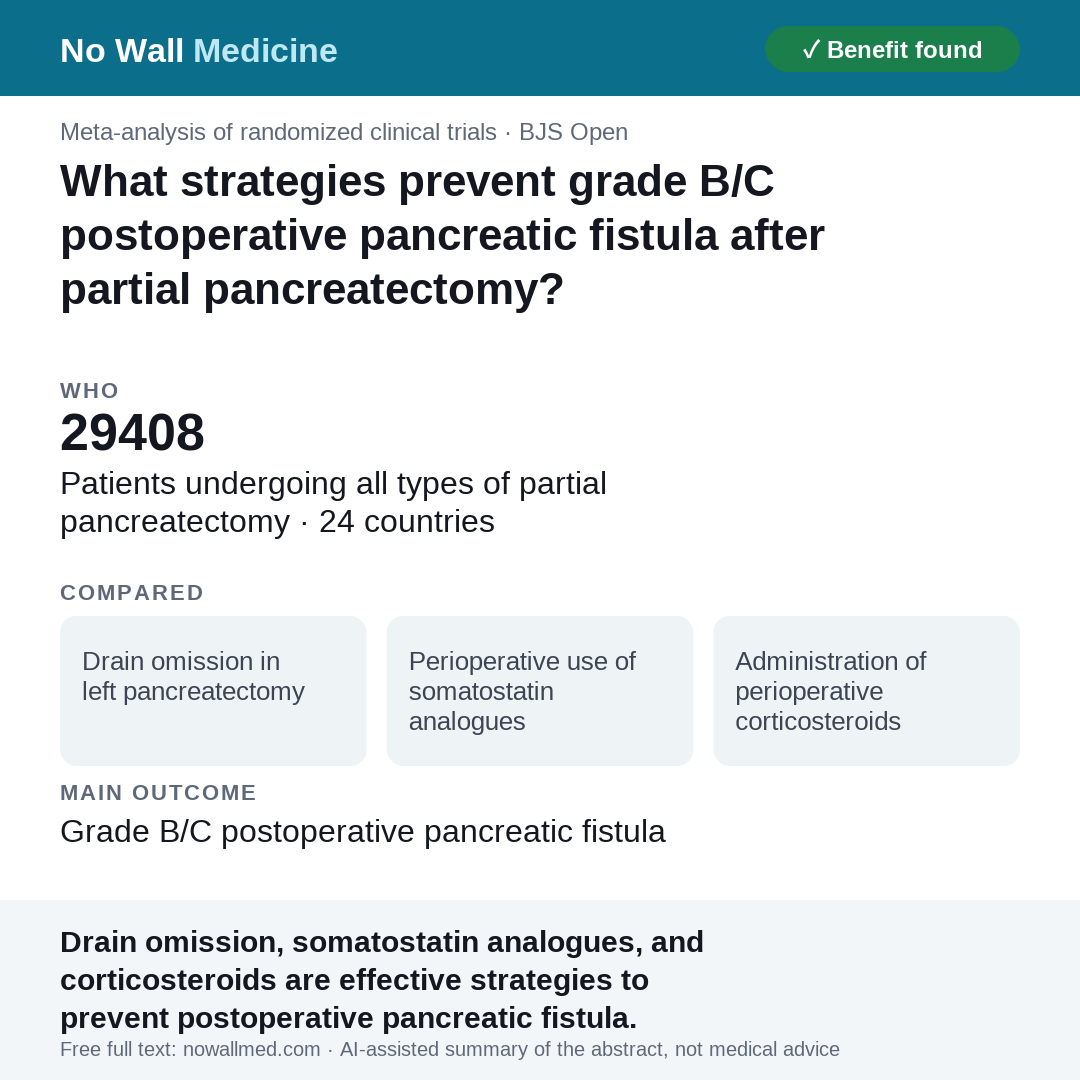
Preventing pancreatic fistula following pancreatectomy: meta-analysis of randomized clinical trials
Meta-analysis of randomized clinical trialsBenefit found
What strategies prevent grade B/C postoperative pancreatic fistula after partial pancreatectomy?
Who
29408
Patients undergoing all types of partial pancreatectomy · 24 countries
Compared
Drain omission in left pancreatectomy
Perioperative use of somatostatin analogues
Administration of perioperative corticosteroids
Main outcome
Grade B/C postoperative pancreatic fistula
Bottom line: Drain omission, somatostatin analogues, and corticosteroids are effective strategies to prevent postoperative pancreatic fistula.
Limitation: Current evidence remains immature and further randomized clinical trials are warranted.
BJS Open · 2026-09-21Download image
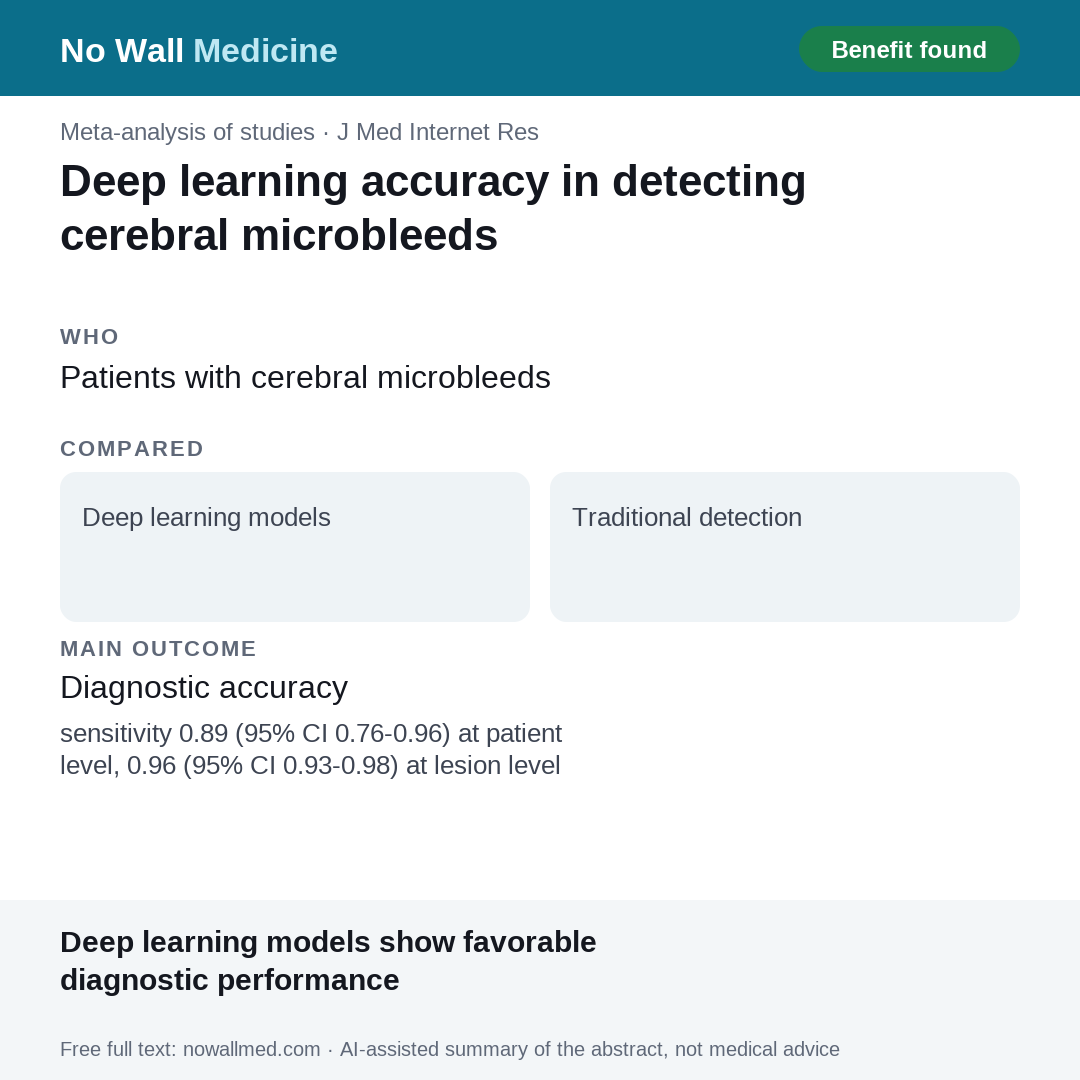
Accuracy of Deep Learning in Detecting Cerebral Microbleeds: Systematic Review and Meta-Analysis
Meta-analysis of studiesBenefit found
Deep learning accuracy in detecting cerebral microbleeds
Who
Patients with cerebral microbleeds
Compared
Deep learning models
Traditional detection
Main outcome
Diagnostic accuracy
Result: sensitivity 0.89 (95% CI 0.76-0.96) at patient level, 0.96 (95% CI 0.93-0.98) at lesion level
Bottom line: Deep learning models show favorable diagnostic performance
Limitation: small number of included studies
J Med Internet Res · 2026-09-21Download image
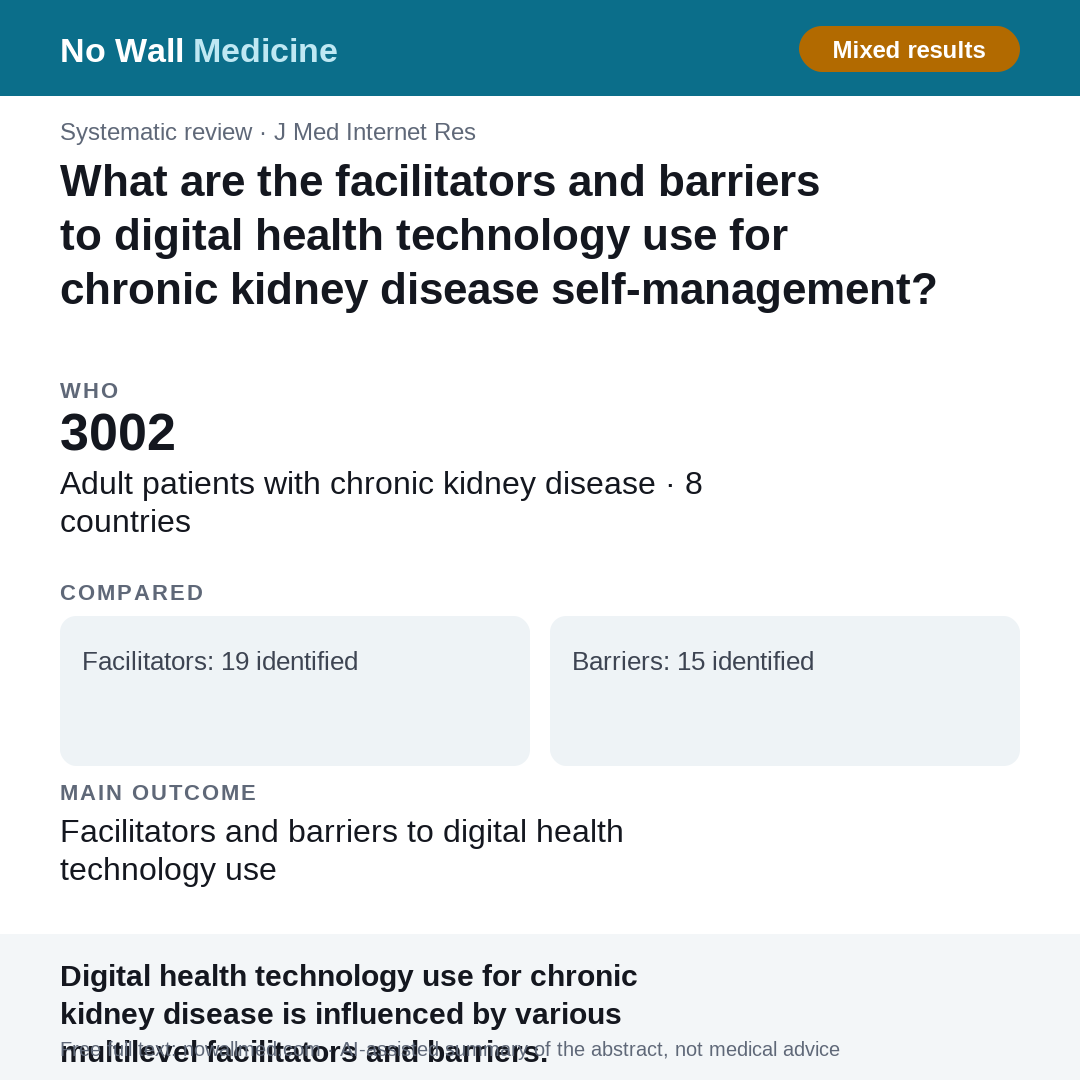
Facilitators and Barriers to Digital Health Technologies for Self-Management in Patients With Chronic Kidney Disease: Systematic Review Based on the Updated CFIR 2.0 Framework
Systematic reviewMixed results
What are the facilitators and barriers to digital health technology use for chronic kidney disease self-management?
Who
3002
Adult patients with chronic kidney disease · 8 countries
Compared
Facilitators: 19 identified
Barriers: 15 identified
Main outcome
Facilitators and barriers to digital health technology use
Bottom line: Digital health technology use for chronic kidney disease is influenced by various multilevel facilitators and barriers.
Limitation: Predominance of mixed methods, lack of longitudinal studies, and concentration in high-income countries.
J Med Internet Res · 2026-09-21Download image
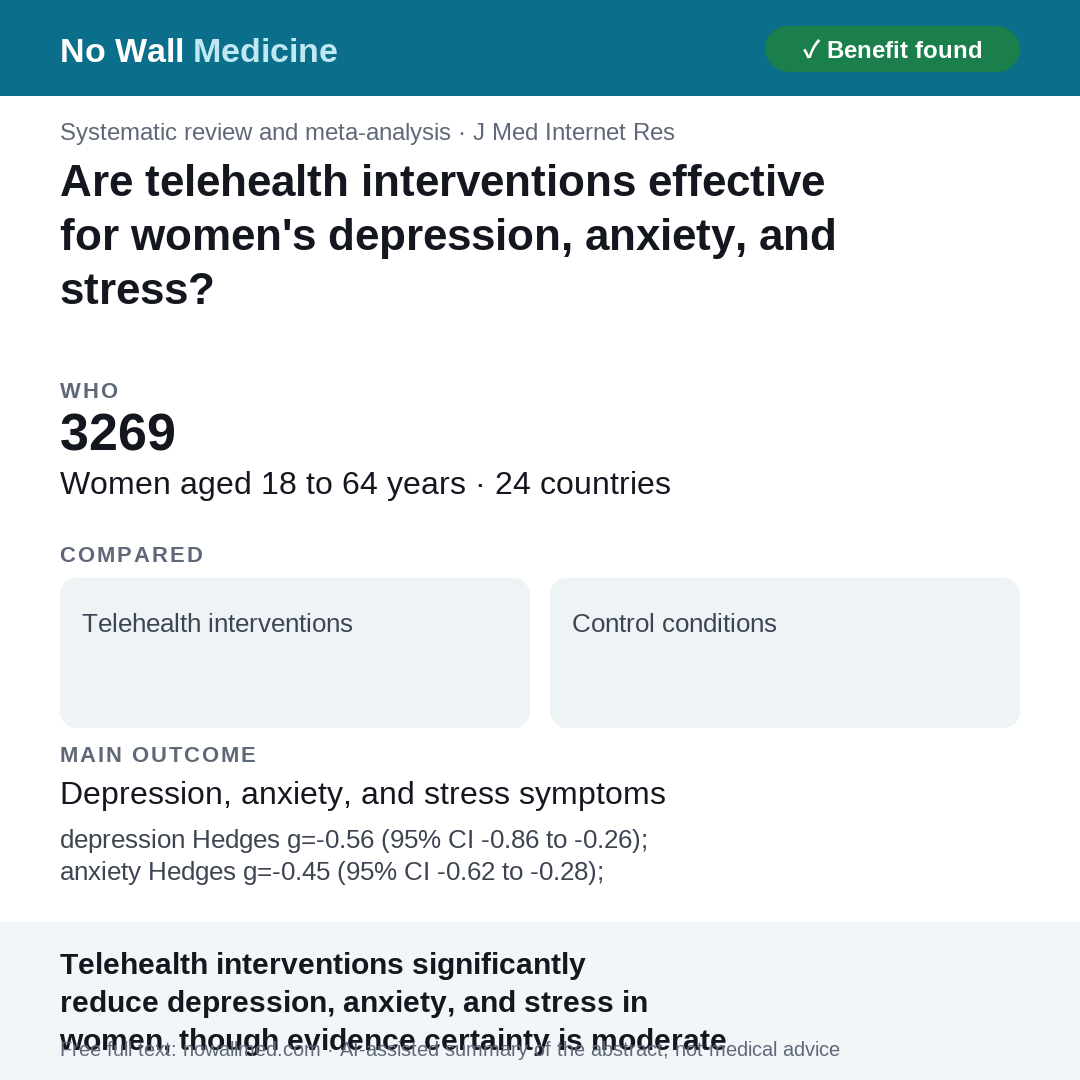
Effectiveness of Telehealth Care Interventions for Women's Mental Health During and After the COVID-19 Pandemic: Systematic Review and Meta-Analysis
Systematic review and meta-analysisBenefit found
Are telehealth interventions effective for women's depression, anxiety, and stress?
Who
3269
Women aged 18 to 64 years · 24 countries
Compared
Telehealth interventions
Control conditions
Main outcome
Depression, anxiety, and stress symptoms
Result: depression Hedges g=-0.56 (95% CI -0.86 to -0.26); anxiety Hedges g=-0.45 (95% CI -0.62 to -0.28); stress Hedges g=-0.25 (95% CI -0.47 to -0.04)
Bottom line: Telehealth interventions significantly reduce depression, anxiety, and stress in women, though evidence certainty is moderate due to heterogeneity.
Limitation: Evidence certainty was downgraded due to heterogeneity, risk of bias, and methodological limitations.
J Med Internet Res · 2026-09-21Download image
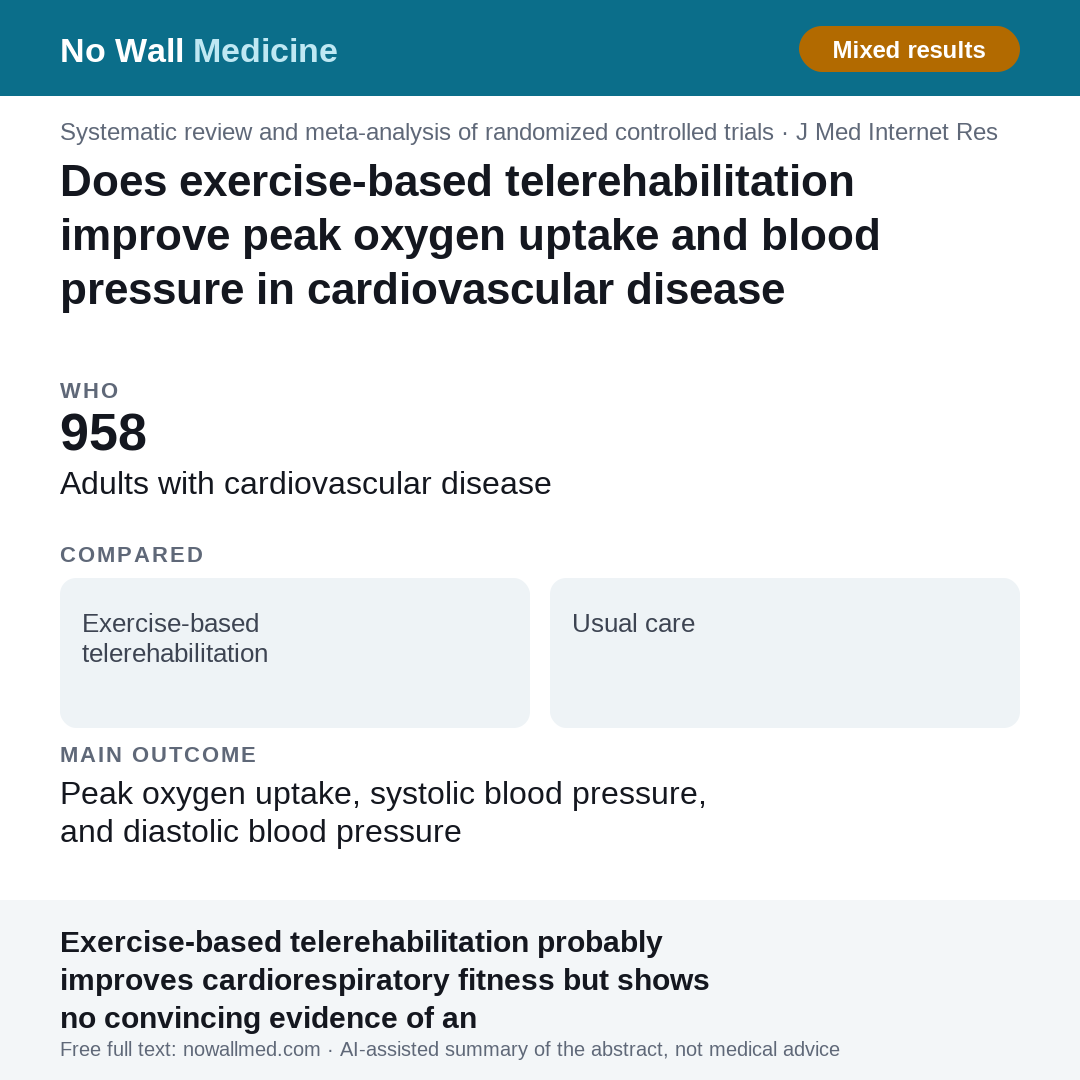
Effects of Telerehabilitation With Exercise as the Core Component on Peak Oxygen Uptake and Blood Pressure in Patients With Cardiovascular Disease: Systematic Review and Meta-Analysis
Systematic review and meta-analysis of randomized controlled trialsMixed results
Does exercise-based telerehabilitation improve peak oxygen uptake and blood pressure in cardiovascular disease patients?
Who
958
Adults with cardiovascular disease
Compared
Exercise-based telerehabilitation
Usual care
Main outcome
Peak oxygen uptake, systolic blood pressure, and diastolic blood pressure
Result: mean difference 2.58 mL/kg/min (95% CI 1.16 to 4.00) for peak oxygen uptake
Bottom line: Exercise-based telerehabilitation probably improves cardiorespiratory fitness but shows no convincing evidence of an antihypertensive effect.
Limitation: GRADE certainty was very low across all outcomes and possible small-study effects were detected.
J Med Internet Res · 2026-09-21Download image
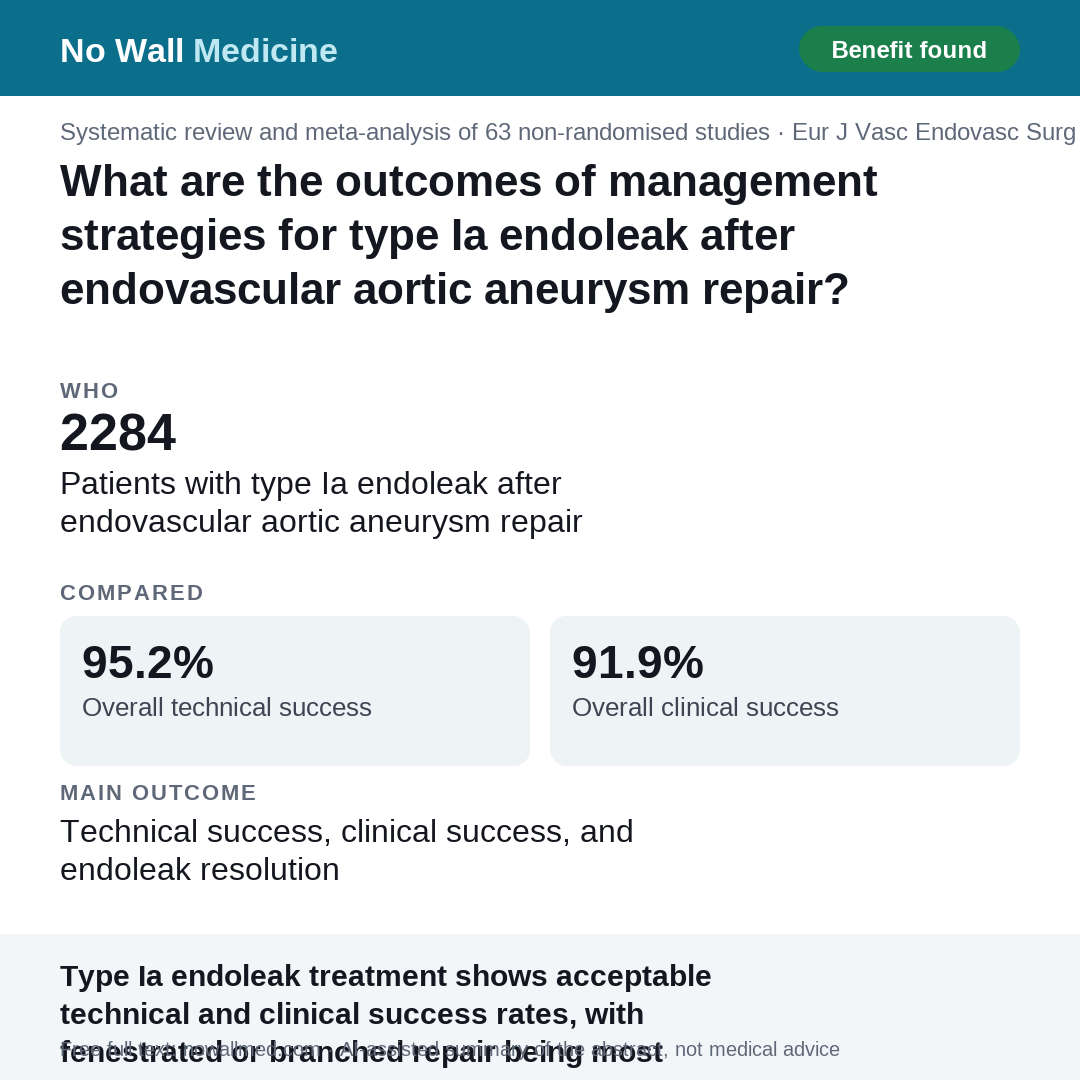
Type Ia Endoleak Management Strategy Outcomes after Endovascular Abdominal Aortic Aneurysm Repair: A Systematic Review and Meta-analysis
Systematic review and meta-analysis of 63 non-randomised studiesBenefit found
What are the outcomes of management strategies for type Ia endoleak after endovascular aortic aneurysm repair?
Who
2284
Patients with type Ia endoleak after endovascular aortic aneurysm repair
Compared
95.2%Overall technical success (95% CI 93.9 - 96.4%)
91.9%Overall clinical success (95% CI 90.0 - 93.8%)
Main outcome
Technical success, clinical success, and endoleak resolution
Bottom line: Type Ia endoleak treatment shows acceptable technical and clinical success rates, with fenestrated or branched repair being most frequent.
Limitation: The overall quality of evidence for all outcomes was very low.
Eur J Vasc Endovasc Surg · 2026-09-20Download image
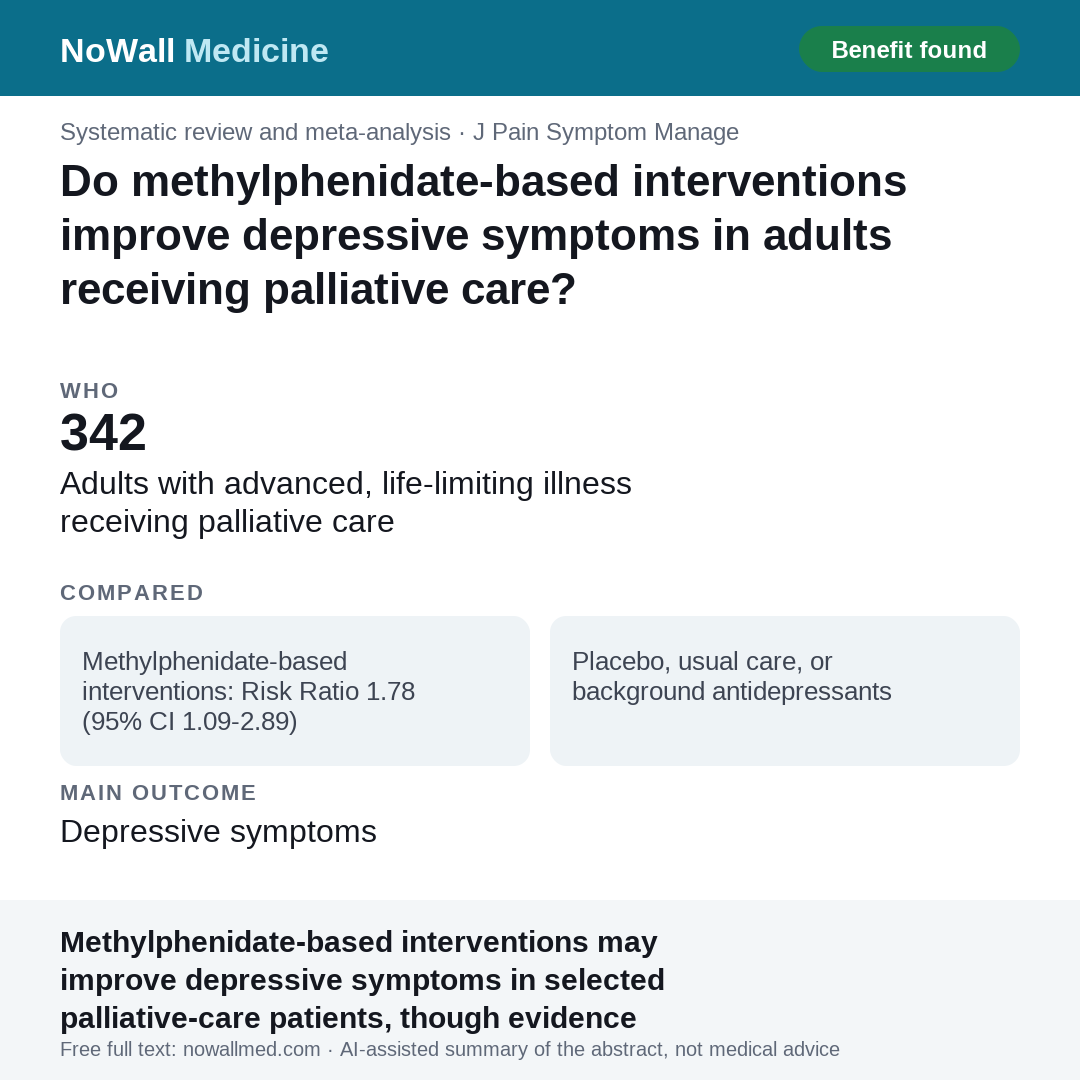
Methylphenidate-Based Interventions for Depressive Symptoms in Palliative Care: A Systematic Review and Meta-analysis
Systematic review and meta-analysisBenefit found
Do methylphenidate-based interventions improve depressive symptoms in adults receiving palliative care?
Who
342
Adults with advanced, life-limiting illness receiving palliative care
Compared
Methylphenidate-based interventions: Risk Ratio 1.78 (95% CI 1.09-2.89)
Placebo, usual care, or background antidepressants
Main outcome
Depressive symptoms
Result: standardized mean difference -0.47 (95% CI -0.81 to -0.13)
Bottom line: Methylphenidate-based interventions may improve depressive symptoms in selected palliative-care patients, though evidence certainty is very low to low.
Limitation: Small samples, heterogeneity, and indirectness resulted in very low to low evidence certainty.
J Pain Symptom Manage · 2026-09-19Download image
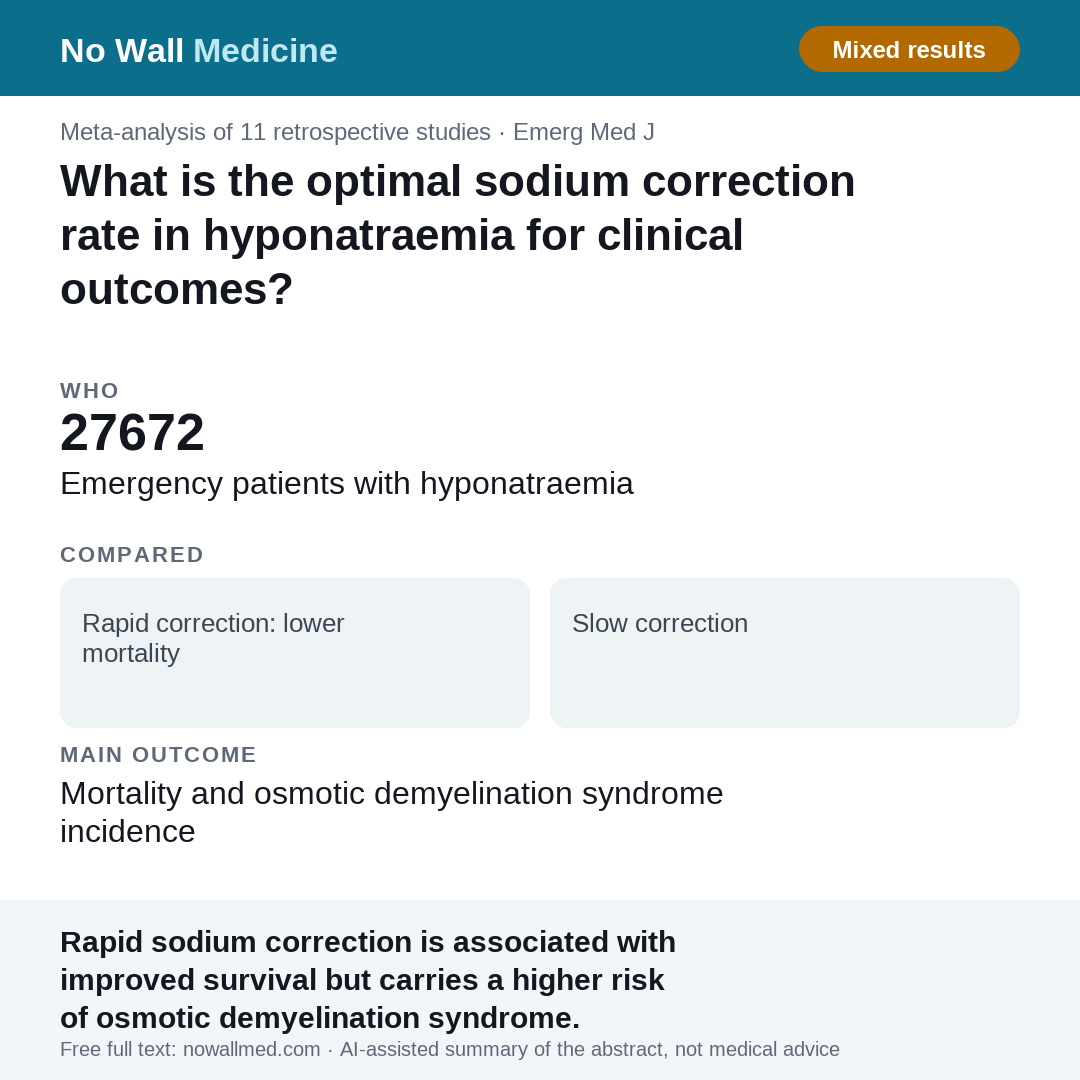
On the optimal sodium correction rate in hyponatraemia and clinical outcome: a meta-analysis
Meta-analysis of 11 retrospective studiesMixed results
What is the optimal sodium correction rate in hyponatraemia for clinical outcomes?
Who
27672
Emergency patients with hyponatraemia
Compared
Rapid correction: lower mortality
Slow correction
Main outcome
Mortality and osmotic demyelination syndrome incidence
Result: OR: 0.398, p<0.001; OR: 0.489, p<0.001; OR: 0.57, p<0.001
Bottom line: Rapid sodium correction is associated with improved survival but carries a higher risk of osmotic demyelination syndrome.
Limitation: No causal relation can be concluded
Emerg Med J · 2026-09-18Download image
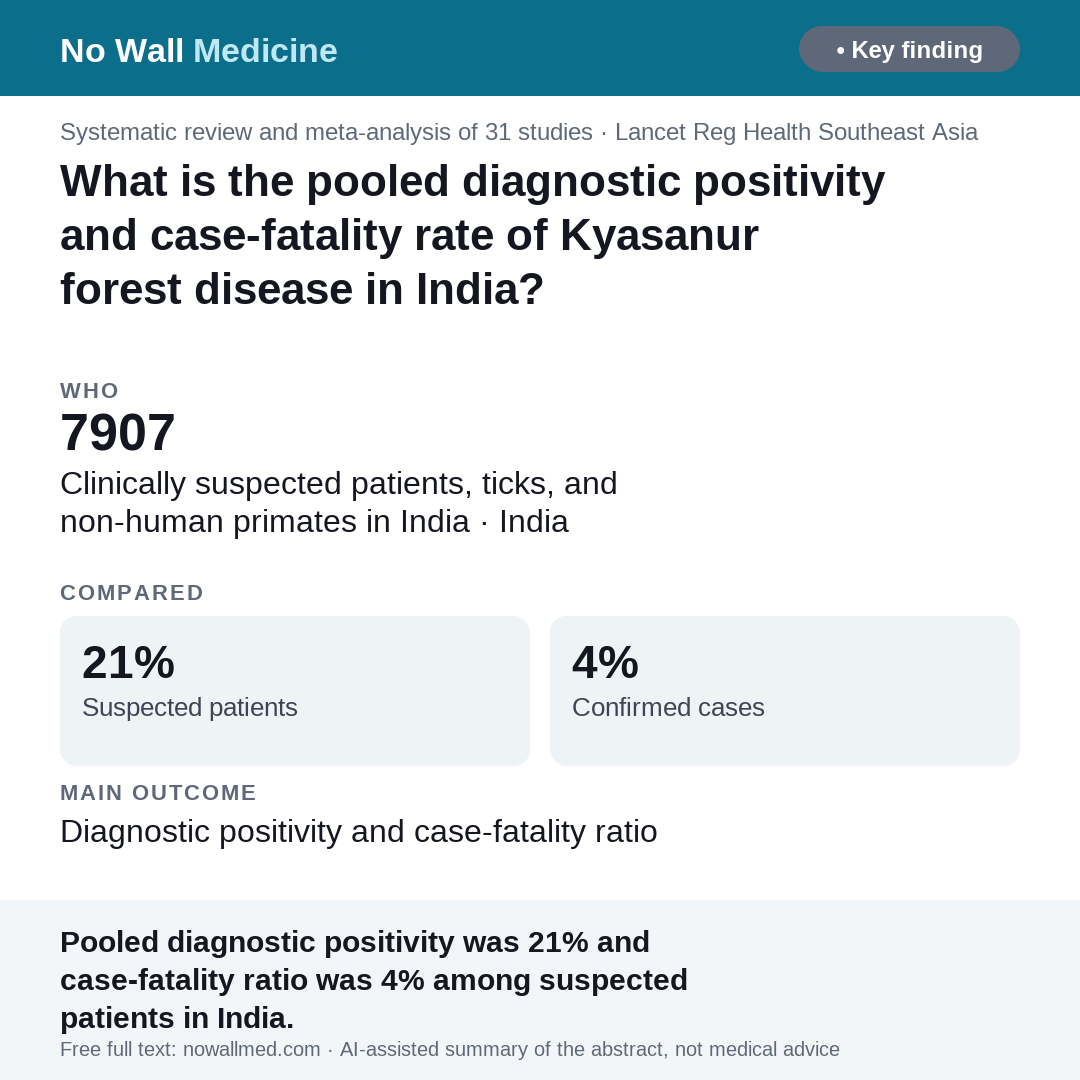
Epidemiology of Kyasanur forest disease in India, 2000-2025: a systematic review and meta-analysis
Systematic review and meta-analysisUnclear result
What are the pooled Kyasanur forest disease positivity and case-fatality rates in India?
Who
7907
Clinically suspected Kyasanur forest disease patients in India · India
Compared
Suspected patients: 21% (1431/7907) positivity rate
Cumulative cases: 4% case-fatality ratio
Main outcome
Diagnostic positivity and case-fatality ratio
Result: positivity 21% (95% CI: 14-30); case fatality ratio 4% (95% CI: 2-8)
Bottom line: Kyasanur forest disease shows a 21% diagnostic positivity rate and a 4% case-fatality ratio across India.
Limitation: Positivity varied substantially by district.
Lancet Reg Health Southeast Asia · 2026-09-18Download image
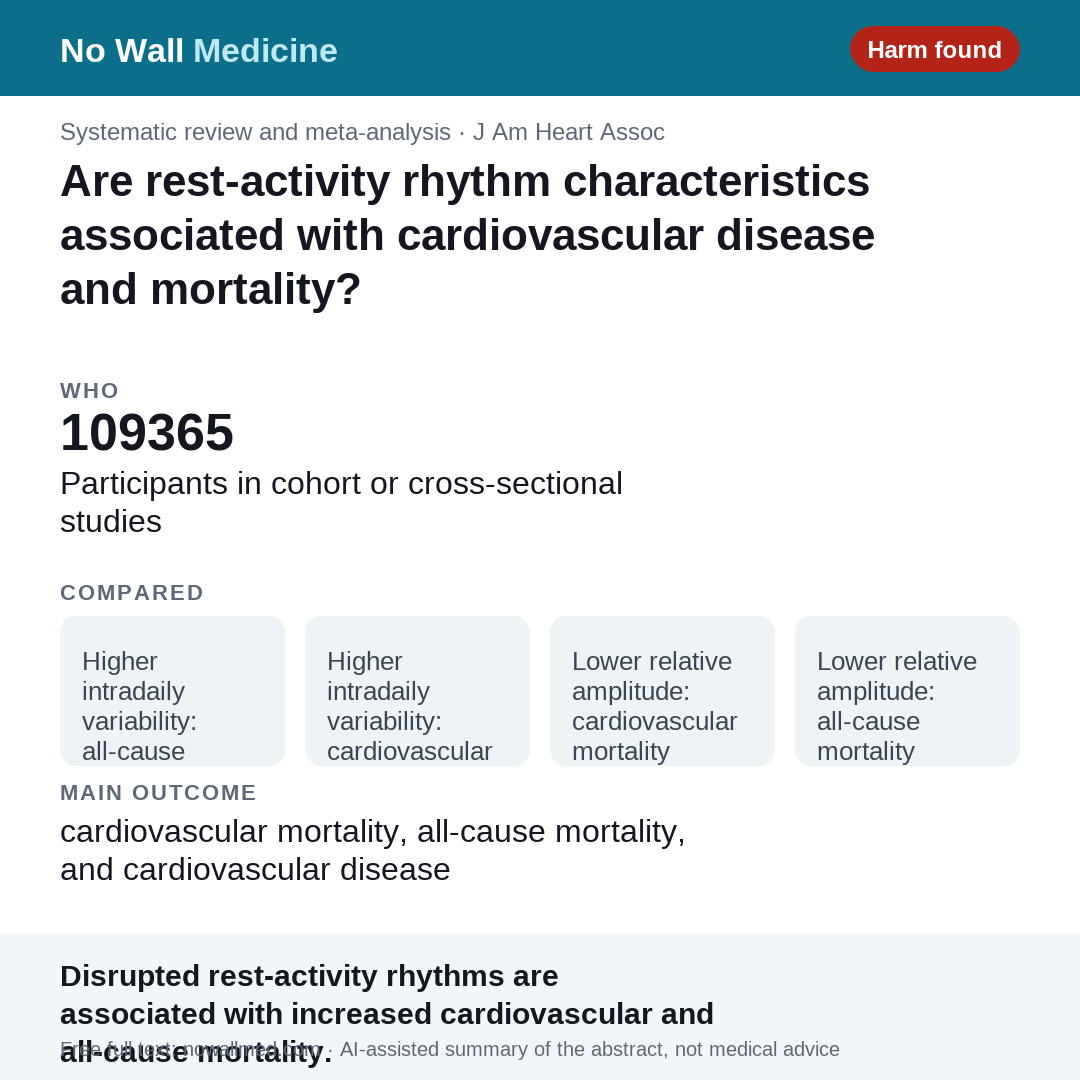
Association Between Rest-Activity Rhythm and Cardiovascular Disease, Cardiovascular Mortality, and All-Cause Mortality: A Systematic Review and Meta-Analysis
Systematic review and meta-analysisHarm found
Are rest-activity rhythm characteristics associated with cardiovascular disease and mortality?
Who
109365
Participants in cohort or cross-sectional studies
Compared
Higher intradaily variability: all-cause mortality hazard ratio 1.05 (95% CI 1.02-1.09)
Higher intradaily variability: cardiovascular disease prevalence odds ratio 1.73 (95% CI 1.21-2.47)
Lower relative amplitude: cardiovascular mortality hazard ratio 1.50 (95% CI 1.13-1.98)
Lower relative amplitude: all-cause mortality hazard ratio 1.46 (95% CI 1.27-1.68)
Main outcome
cardiovascular mortality, all-cause mortality, and cardiovascular disease
Bottom line: Disrupted rest-activity rhythms are associated with increased cardiovascular and all-cause mortality.
J Am Heart Assoc · 2026-09-18Download image
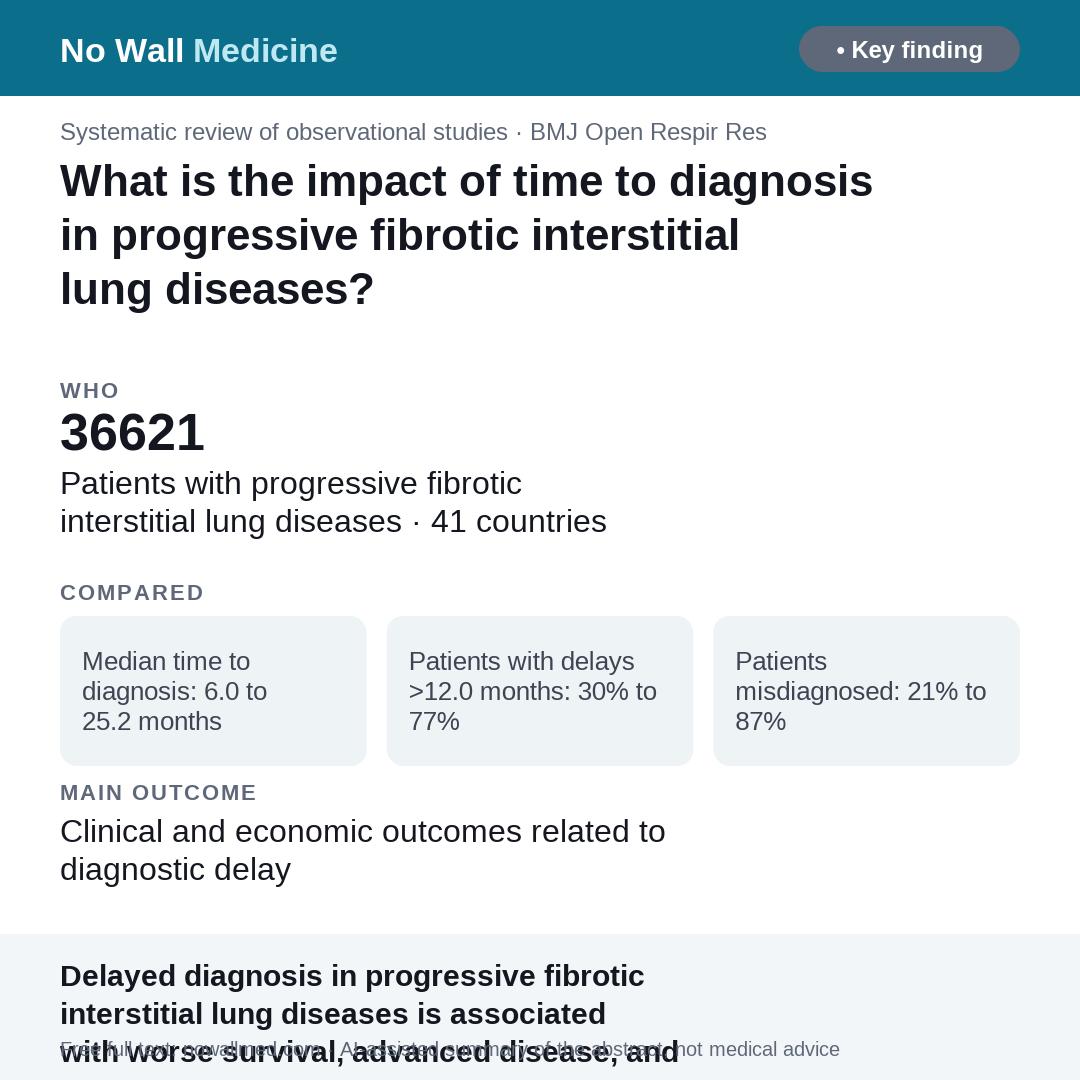
Impact of time to diagnosis in patients with progressive fibrotic ILD: a systematic review
Systematic review of observational studiesHarm found
What is the impact of time to diagnosis in progressive fibrotic interstitial lung diseases?
Who
36621
Patients with progressive fibrotic interstitial lung diseases · 41 countries
Compared
Median time to diagnosis: 6.0 to 25.2 months
Patients with delays >12.0 months: 30% to 77%
Patients misdiagnosed: 21% to 87%
Main outcome
Clinical and economic outcomes related to diagnostic delay
Bottom line: Delayed diagnosis in progressive fibrotic interstitial lung diseases is associated with worse survival, advanced disease, and increased hospitalisation.
Limitation: Direct economic burden resulting from delayed diagnosis is currently poorly understood.
BMJ Open Respir Res · 2026-09-18Download image
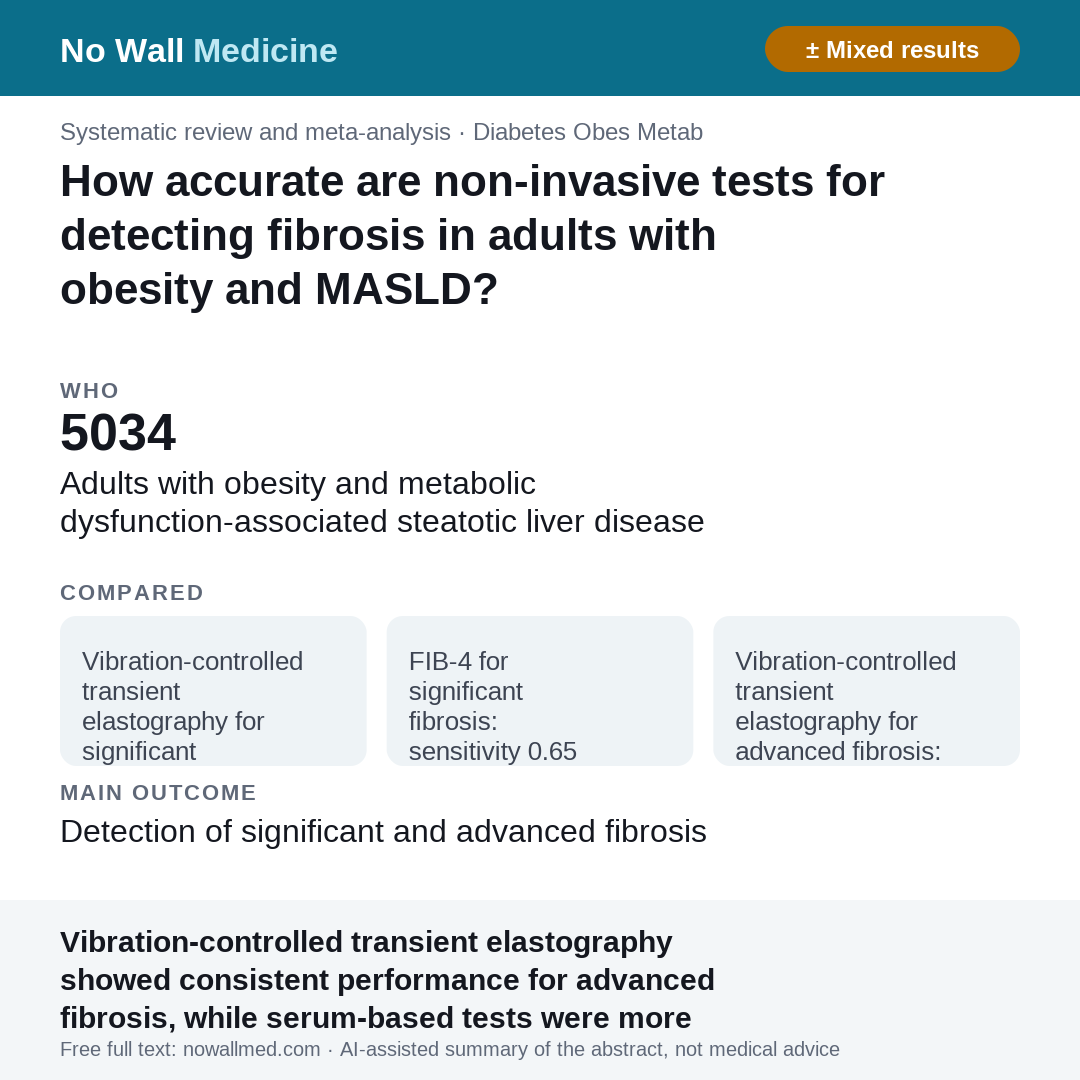
Non-Invasive Fibrosis Testing in Adults With Obesity and MASLD: A Systematic Review and Meta-Analysis
Systematic review and meta-analysisMixed results
How accurate are non-invasive tests for detecting fibrosis in adults with obesity and MASLD?
Who
5034
Adults with obesity and metabolic dysfunction-associated steatotic liver disease
Compared
Vibration-controlled transient elastography for significant fibrosis: sensitivity 0.64 (95% CI, 0.49-0.77)
FIB-4 for significant fibrosis: sensitivity 0.65 (95% CI, 0.53-0.75)
Vibration-controlled transient elastography for advanced fibrosis: sensitivity 0.77 (95% CI, 0.67-0.85)
Main outcome
Detection of significant and advanced fibrosis
Bottom line: Vibration-controlled transient elastography showed consistent performance for advanced fibrosis, while serum-based tests were more variable.
Diabetes Obes Metab · 2026-09-17Download image
RSV Vaccination in Systemic Autoimmune Rheumatic Diseases: A Systematic Review
Systematic reviewBenefit found
What are the epidemiology, effectiveness, immunogenicity, and safety of RSV vaccination in SARDs?
Who
Adults with systemic autoimmune rheumatic diseases
Compared
Immunocompromised adults: 60-73% first-season effectiveness
Immunocompetent populations
Main outcome
vaccine effectiveness, immunogenicity, and safety
Bottom line: RSV vaccination appears effective and safe in immunocompromised populations, though protection may wane more rapidly.
Limitation: No study evaluated vaccine effectiveness stratified by disease-modifying antirheumatic drugs class.
Rheumatology · 2026-09-17Download image

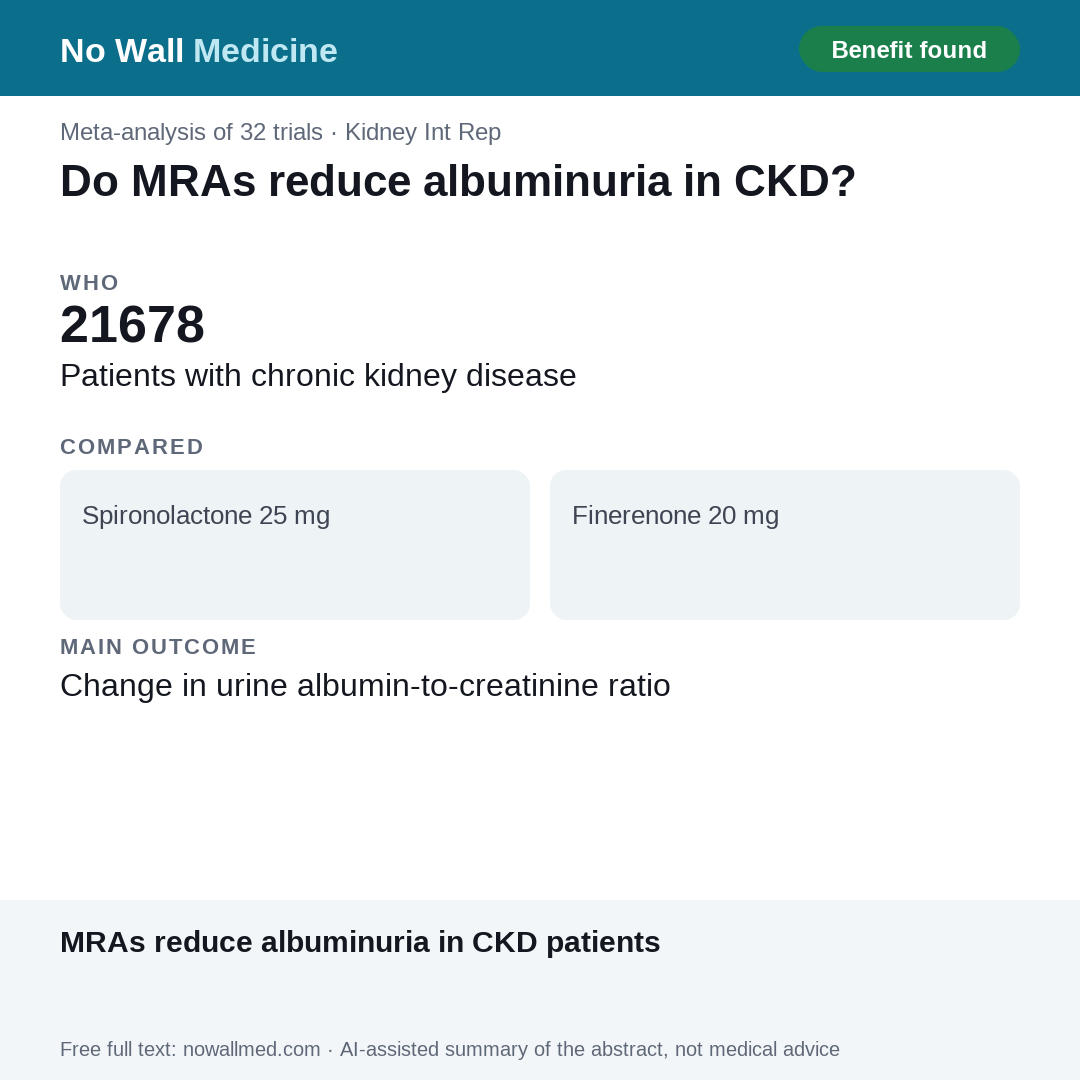
Dose-Specific Network Meta-Analysis of Mineralocorticoid Receptor Antagonists in CKD
Meta-analysis of 32 trialsBenefit found
Do MRAs reduce albuminuria in CKD?
Who
21678
Patients with chronic kidney disease
Compared
Spironolactone 25 mg
Finerenone 20 mg
Main outcome
Change in urine albumin-to-creatinine ratio
Bottom line: MRAs reduce albuminuria in CKD patients
Limitation: Short-term studies informed eGFR results
Kidney Int Rep · 2026-09-17Download image
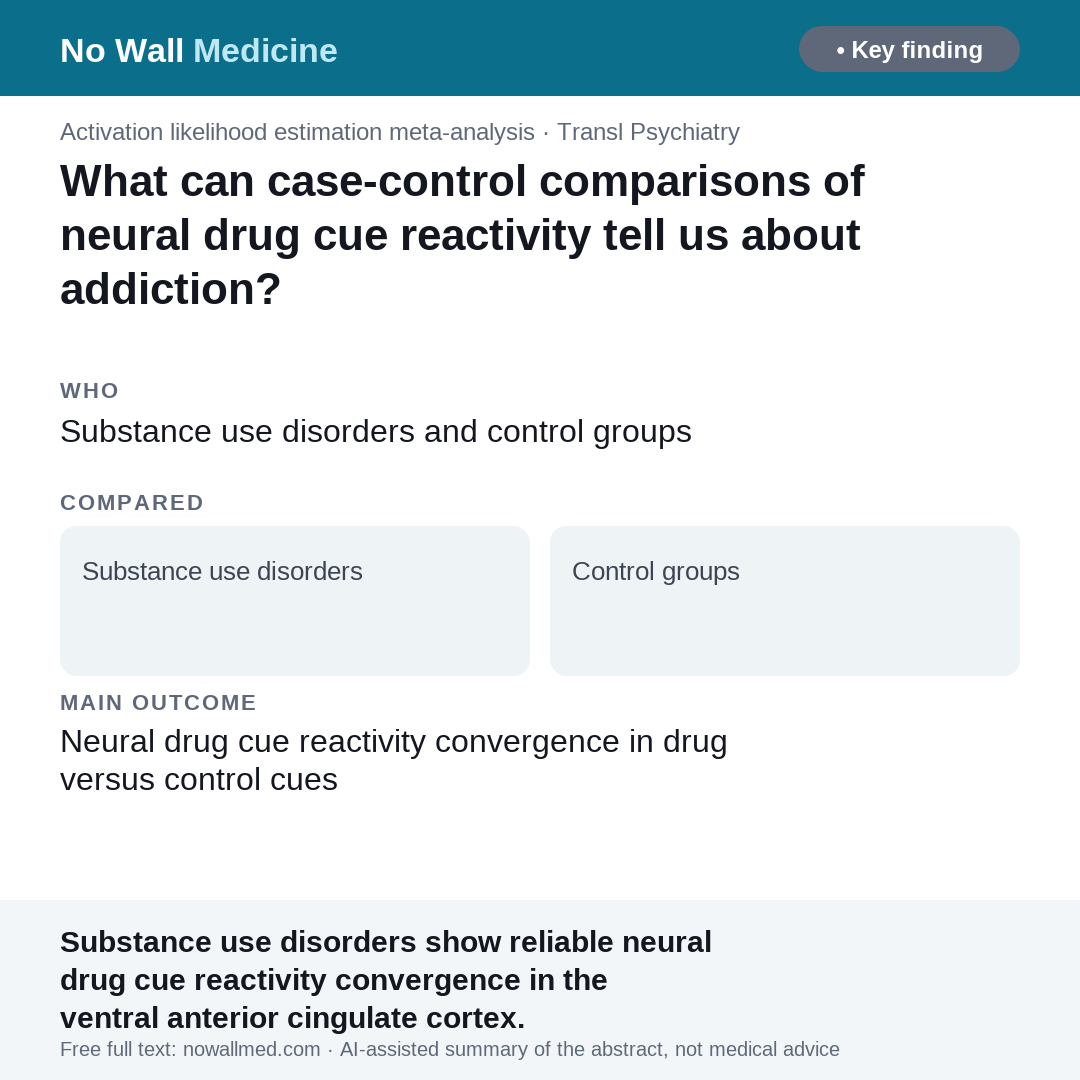
What can case-control comparisons of neural drug cue reactivity tell us about addiction? A neuroimaging meta-analysis
Activation likelihood estimation meta-analysisBenefit found
What can case-control comparisons of neural drug cue reactivity tell us about addiction?
Who
Substance use disorders and control groups
Compared
Substance use disorders
Control groups
Main outcome
Neural drug cue reactivity convergence in drug versus control cues
Bottom line: Substance use disorders show reliable neural drug cue reactivity convergence in the ventral anterior cingulate cortex.
Limitation: Results were sensitive to matching conditions for human content.
Transl Psychiatry · 2026-09-17Download image
Fine-Tuning, Retrieval-Augmented Generation, and Hybrid Adaptation of Language Models for Clinical Decision-Making in Health Care: Systematic Review
Systematic reviewMixed results
How do fine-tuning, retrieval-augmented generation, and hybrid strategies compare for clinical decision-making?
Who
35
Transformer-based language models for clinical decision support and diagnosis
Compared
Fine-tuning: area under the receiver operating characteristic curve up to 0.912
Retrieval-augmented generation: increases from 71.1% to 92.1%
Hybrid approaches: external validation accuracies exceeding 90%
Main outcome
Performance in clinical diagnosis and decision-support tasks
Bottom line: Adaptation strategies should align with task needs, but current evidence is largely retrospective or benchmark-based.
Limitation: Substantial methodological limitations including inadequate external validation and lack of calibration assessment.
J Med Internet Res · 2026-09-17Download image

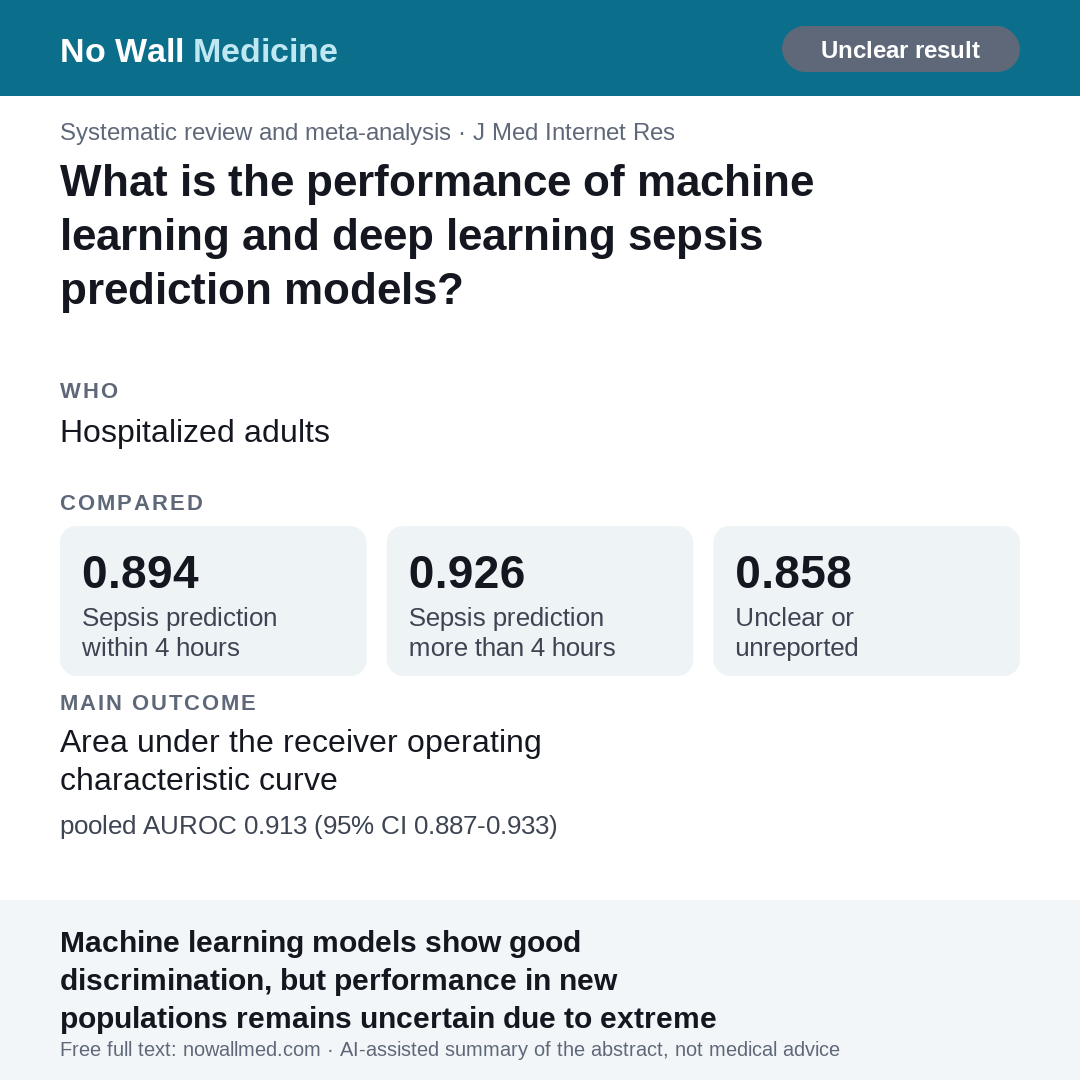
AI-Based Sepsis Prediction in Hospitalized Adults: Systematic Review, Subgroup Meta-Analysis, and Contextual Analysis of Clinical Burden
Systematic review and meta-analysisUnclear result
What is the performance of machine learning and deep learning sepsis prediction models?
Who
34
Hospitalized adults
Compared
0.894Sepsis prediction within 4 hours (95% CI 0.829-0.936)
0.926Sepsis prediction more than 4 hours before onset (95% CI 0.897-0.948)
0.858Unclear or unreported prediction windows (95% CI 0.581-0.964)
Main outcome
Area under the receiver operating characteristic curve
Result: pooled AUROC 0.913 (95% CI 0.887-0.933)
Bottom line: Machine learning models show good discrimination, but performance in new populations remains uncertain due to extreme heterogeneity and limited prospective evaluation.
Limitation: Extreme heterogeneity, overlapping public data, inconsistent reporting, and limited prospective evaluation.
J Med Internet Res · 2026-09-17Download image
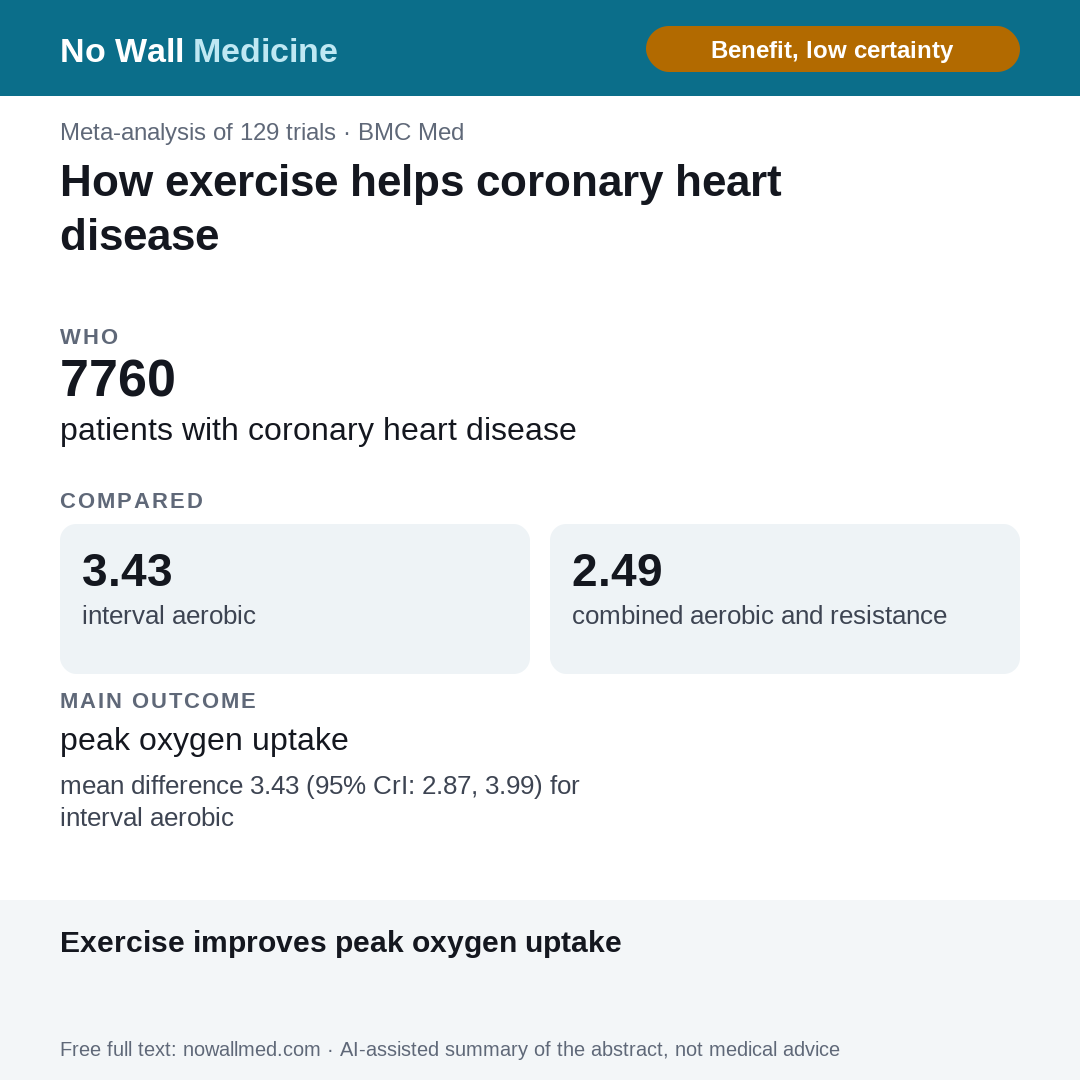
Exercise-based management of patients with coronary heart disease: an integrated network meta-analysis and machine learning exploration
Meta-analysis of 129 trialsBenefit found
How exercise helps coronary heart disease
Who
7760
patients with coronary heart disease
Compared
3.43interval aerobic
2.49combined aerobic and resistance
Main outcome
peak oxygen uptake
Result: mean difference 3.43 (95% CrI: 2.87, 3.99) for interval aerobic
Bottom line: Exercise improves peak oxygen uptake
Limitation: low-certainty evidence
BMC Med · 2026-09-16Download image
Impact of Botulinum Toxin on Ocular Surface Parameters in Patients With Orbicularis Spasm: A Systematic Review and Meta-Analysis
Systematic review and meta-analysisBenefit found
What is the impact of botulinum toxin on ocular surface parameters in orbicularis spasm?
Who
820
Patients with blepharospasm and hemifacial spasm
Compared
Pre-treatment
Post-treatment: OSDI scores improved at 1 to 4 weeks (MD, -11.77)
Main outcome
Ocular surface parameters and corneal metrics
Result: OSDI MD, -11.77 (95% CI, -19.93 to -0.28)
Bottom line: Botulinum toxin improves ocular surface symptoms and tear film stability in patients with orbicularis oculi spasm.
Limitation: Effects may be due to reduced involuntary eyelid contractions rather than direct biologic effects.
Am J Ophthalmol · 2026-09-16Download image