Visual abstracts
New randomized trials and meta-analyses from leading journals at a glance: who was studied, what was compared, and what was found. Every paper is free to read in full.
All specialtiesCardiology 4688Oncology 3947Gastroenterology & Hepatology 1865Infectious Disease 3666Neurology 1824Psychiatry & Mental Health 2175Pulmonology 2064Critical Care 1313Endocrinology & Diabetes 2455Pediatrics 2838Surgery 2451Orthopedics & Sports Medicine 883Neurosurgery 509Cardiothoracic & Vascular Surgery 627Plastic & Reconstructive Surgery 581Nephrology 1051Rheumatology 786Hematology 1064Dermatology 600Ophthalmology 517Obstetrics & Gynecology 1627Public & Global Health 994Radiology & Imaging 620Anesthesiology 947Urology 736ENT (Otolaryngology) 489Emergency Medicine 489Allergy & Immunology 301Geriatrics 950Family Medicine & Primary Care 544Medical Genetics & Genomics 648Pathology & Laboratory Medicine 153Physical Medicine & Rehabilitation 726Palliative Care 427Nutrition 1509Digital Health & AI 2111General Medicine 307
Utility of respiratory viral testing in the risk stratification of young febrile infants presenting to emergency care settings: a protocol for systematic review and meta-analysis
Protocol for systematic review and meta-analysisUnclear result
Does positive respiratory viral testing add value to invasive bacterial infection risk stratification?
Who
Young febrile infants under 3 months of age · Emergency care settings
Compared
Positive respiratory viral test
Negative respiratory viral test
Main outcome
Ability of a positive respiratory viral test to identify invasive bacterial infection risk
Bottom line: This is a study protocol to evaluate if respiratory viral testing aids risk stratification.
BMJ Paediatr Open · 2024-10-04Download image

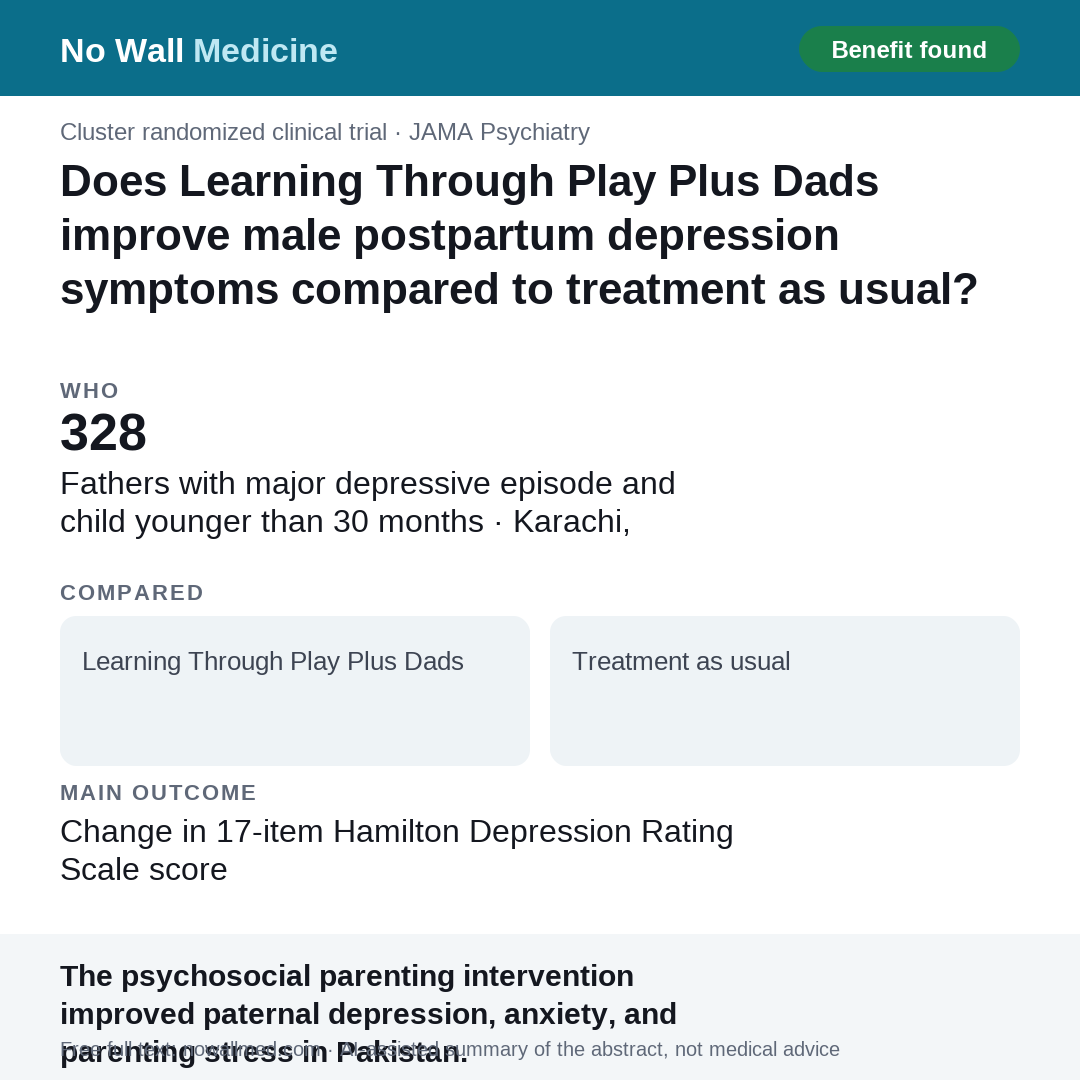
A Group Parenting Intervention for Male Postpartum Depression: A Cluster Randomized Clinical Trial
Cluster randomized clinical trialBenefit found
Does Learning Through Play Plus Dads improve male postpartum depression symptoms compared to treatment as usual?
Who
328
Fathers with major depressive episode and child younger than 30 months · Karachi, Pakistan
Compared
Learning Through Play Plus Dads
Treatment as usual
Main outcome
Change in 17-item Hamilton Depression Rating Scale score
Result: group difference ratio 0.66 (95% CI 0.47 to 0.91)
Bottom line: The psychosocial parenting intervention improved paternal depression, anxiety, and parenting stress in Pakistan.
Limitation: Further studies in other populations and with longer follow-up are warranted.
JAMA Psychiatry · 2024-10-02Download image
Preventive Medications in Pediatric Migraine: A Network Meta-Analysis
Network meta-analysis of 45 trialsBenefit found
What is the efficacy and safety of oral pharmacological interventions for pediatric migraine prophylaxis?
Who
3771
Pediatric patients with a migraine diagnosis
Compared
Oral pharmacological interventions
Placebo
Main outcome
Migraine frequency (number of attacks per month)
Result: pregabalin ratio of means 0.38 (95% CI, 0.18-0.79)
Bottom line: Several oral medications reduce migraine frequency and intensity, but none improved quality of life or attack duration.
Limitation: More studies are required for a robust conclusion regarding some drugs.
JAMA Netw Open · 2024-10-01Download image

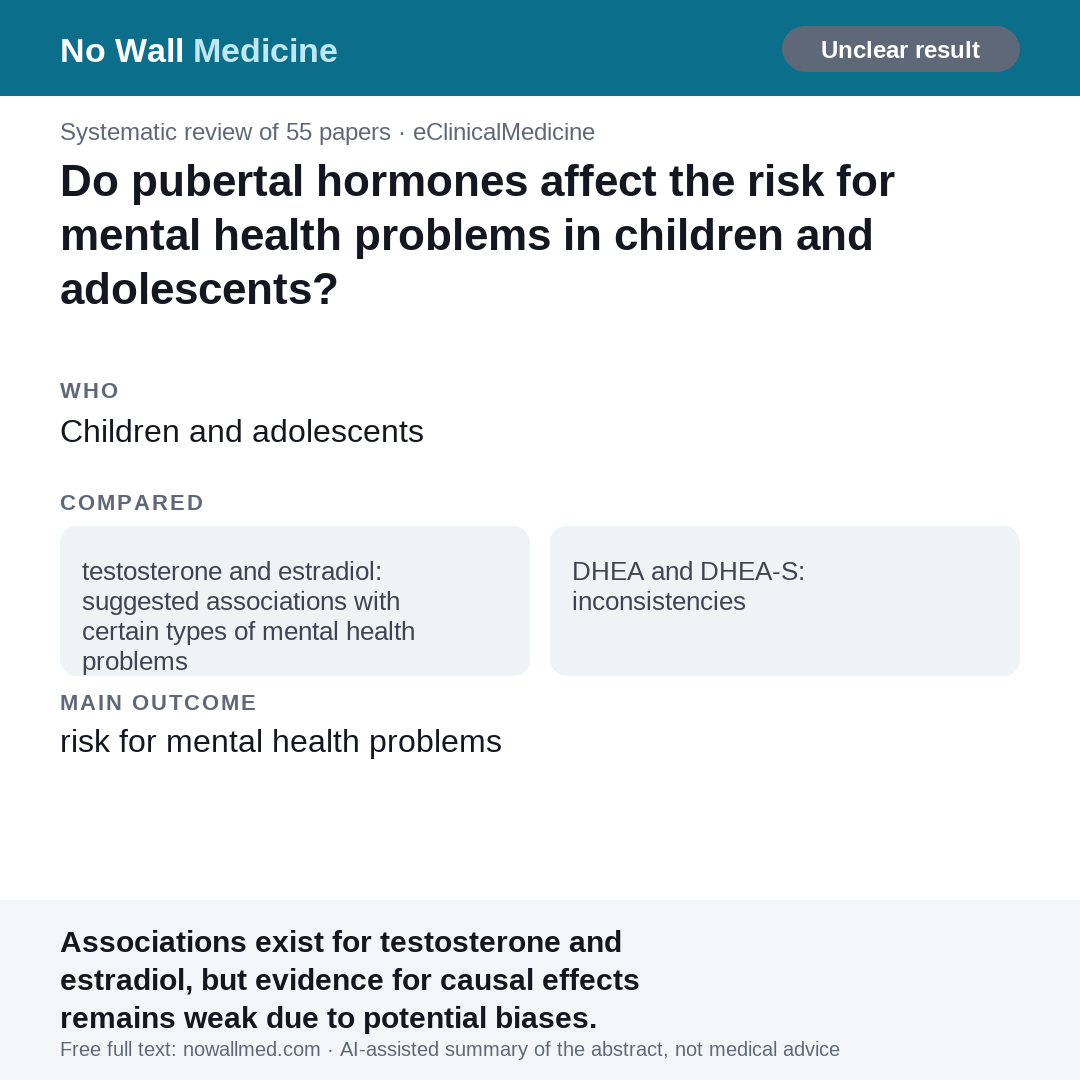
Pubertal hormones and mental health problems in children and adolescents: a systematic review of population-based studies
Systematic review of 55 papersUnclear result
Do pubertal hormones affect the risk for mental health problems in children and adolescents?
Who
Children and adolescents
Compared
testosterone and estradiol: suggested associations with certain types of mental health problems
DHEA and DHEA-S: inconsistencies
Main outcome
risk for mental health problems
Bottom line: Associations exist for testosterone and estradiol, but evidence for causal effects remains weak due to potential biases.
Limitation: Weak evidence for causal effects due to confounding, measurement error, selection bias, and missingness.
eClinicalMedicine · 2024-10-01Download image
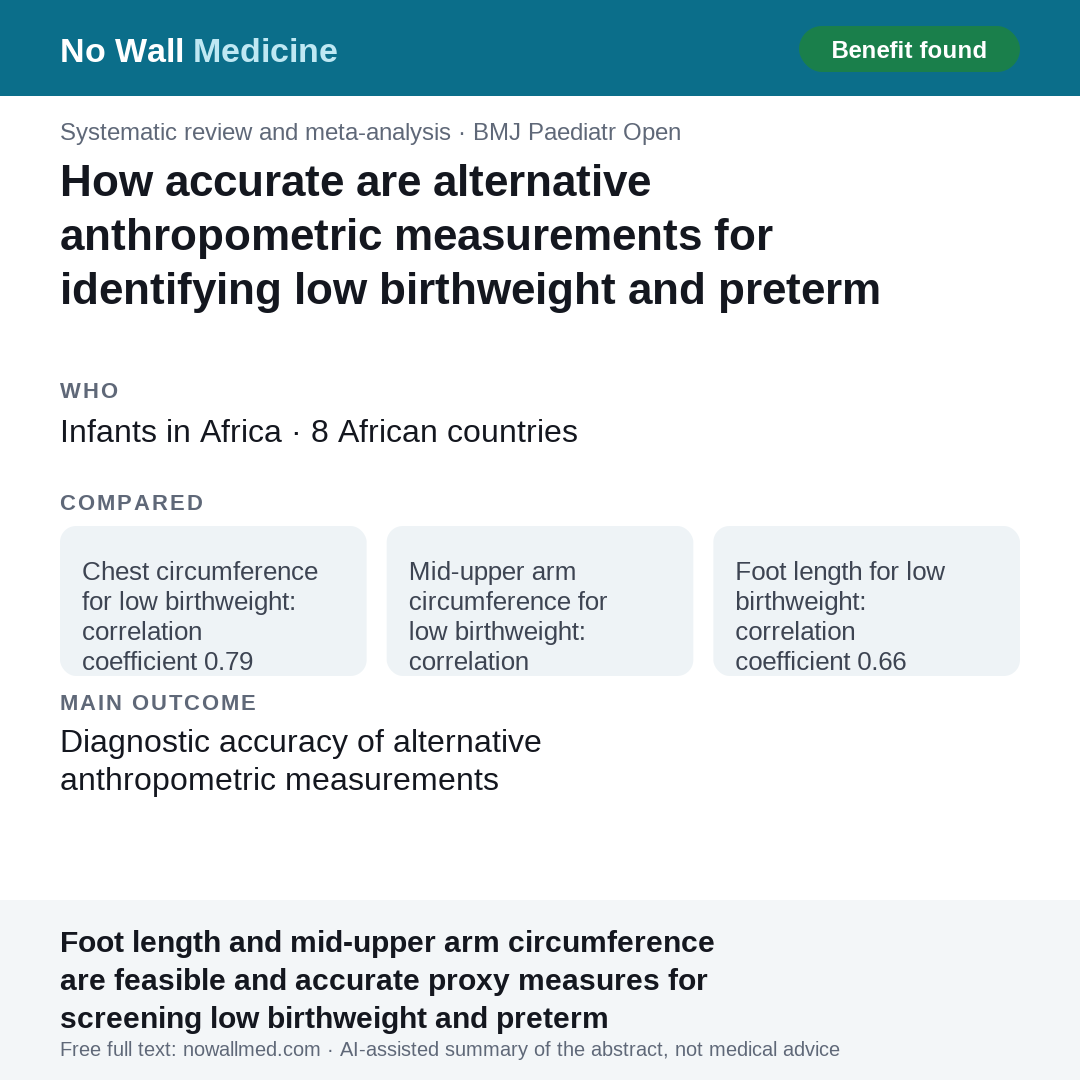
Feasibility and diagnostic accuracy of neonatal anthropometric measurements in identifying low birthweight and preterm infants in Africa: a systematic review and meta-analysis
Systematic review and meta-analysisBenefit found
How accurate are alternative anthropometric measurements for identifying low birthweight and preterm infants in Africa?
Who
Infants in Africa · 8 African countries
Compared
Chest circumference for low birthweight: correlation coefficient 0.79 (95% CI 0.70 to 0.85)
Mid-upper arm circumference for low birthweight: correlation coefficient 0.71 (95% CI 0.62 to 0.78)
Foot length for low birthweight: correlation coefficient 0.66 (95% CI 0.59 to 0.73)
Main outcome
Diagnostic accuracy of alternative anthropometric measurements
Bottom line: Foot length and mid-upper arm circumference are feasible and accurate proxy measures for screening low birthweight and preterm infants.
BMJ Paediatr Open · 2024-10-01Download image
Treatment methods for oesophageal strictures in paediatric patients with epidermolysis bullosa: a systematic review
Systematic reviewUnclear result
What are the treatment methods for oesophageal strictures in paediatric patients with epidermolysis bullosa?
Who
Paediatric patients with epidermolysis bullosa and oesophageal strictures
Compared
Fluoroscopic dilation
Endoscopic balloon dilation
Main outcome
Management of oesophageal strictures and recurrence rates
Bottom line: Fluoroscopic and endoscopic balloon dilation are used, but high-quality randomised controlled trials are needed to determine superiority.
Limitation: The current evidence is notably limited.
BMJ Paediatr Open · 2024-10-01Download image

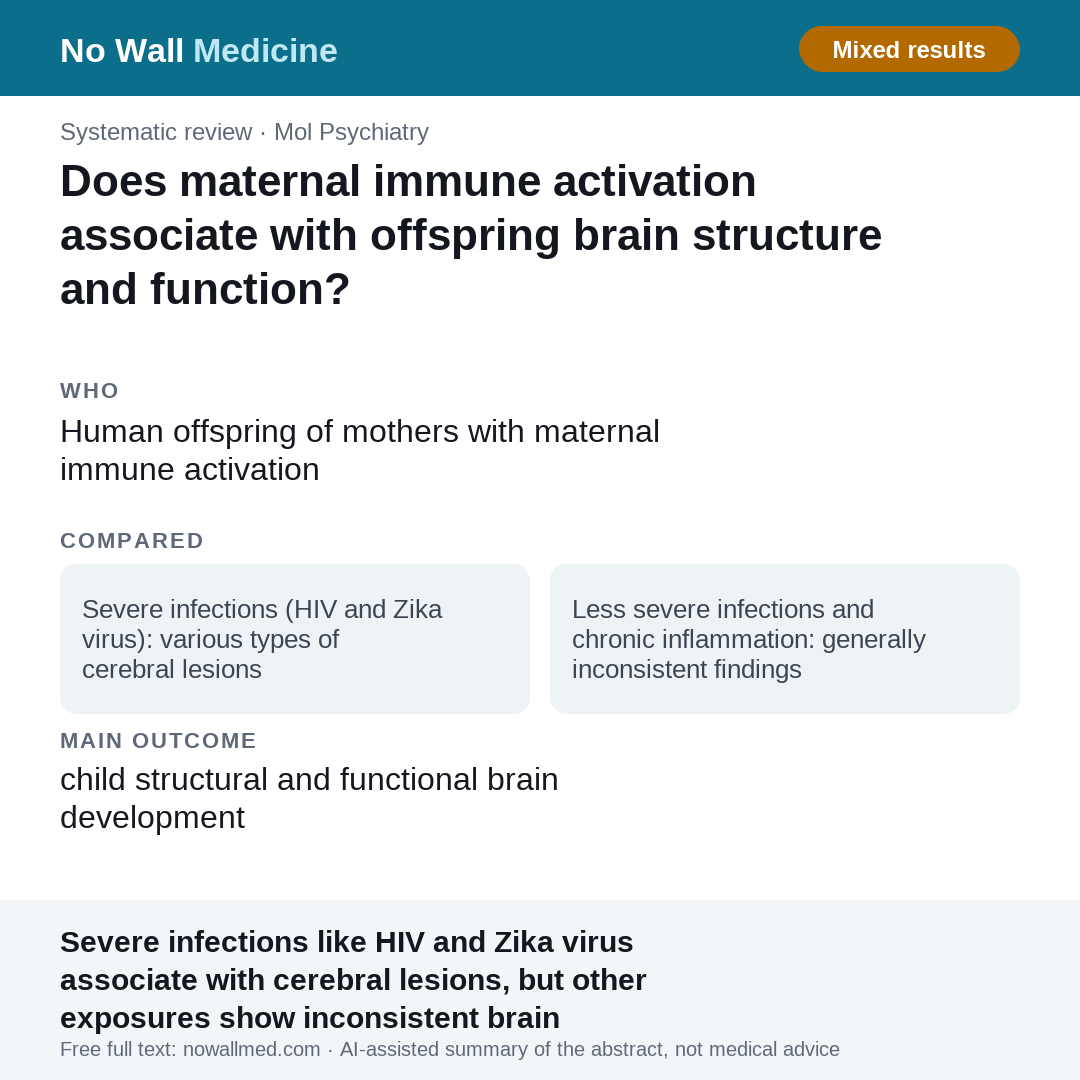
The association between maternal immune activation and brain structure and function in human offspring: a systematic review
Systematic reviewMixed results
Does maternal immune activation associate with offspring brain structure and function?
Who
Human offspring of mothers with maternal immune activation
Compared
Severe infections (HIV and Zika virus): various types of cerebral lesions
Less severe infections and chronic inflammation: generally inconsistent findings
Main outcome
child structural and functional brain development
Bottom line: Severe infections like HIV and Zika virus associate with cerebral lesions, but other exposures show inconsistent brain development findings.
Mol Psychiatry · 2024-09-28Download image
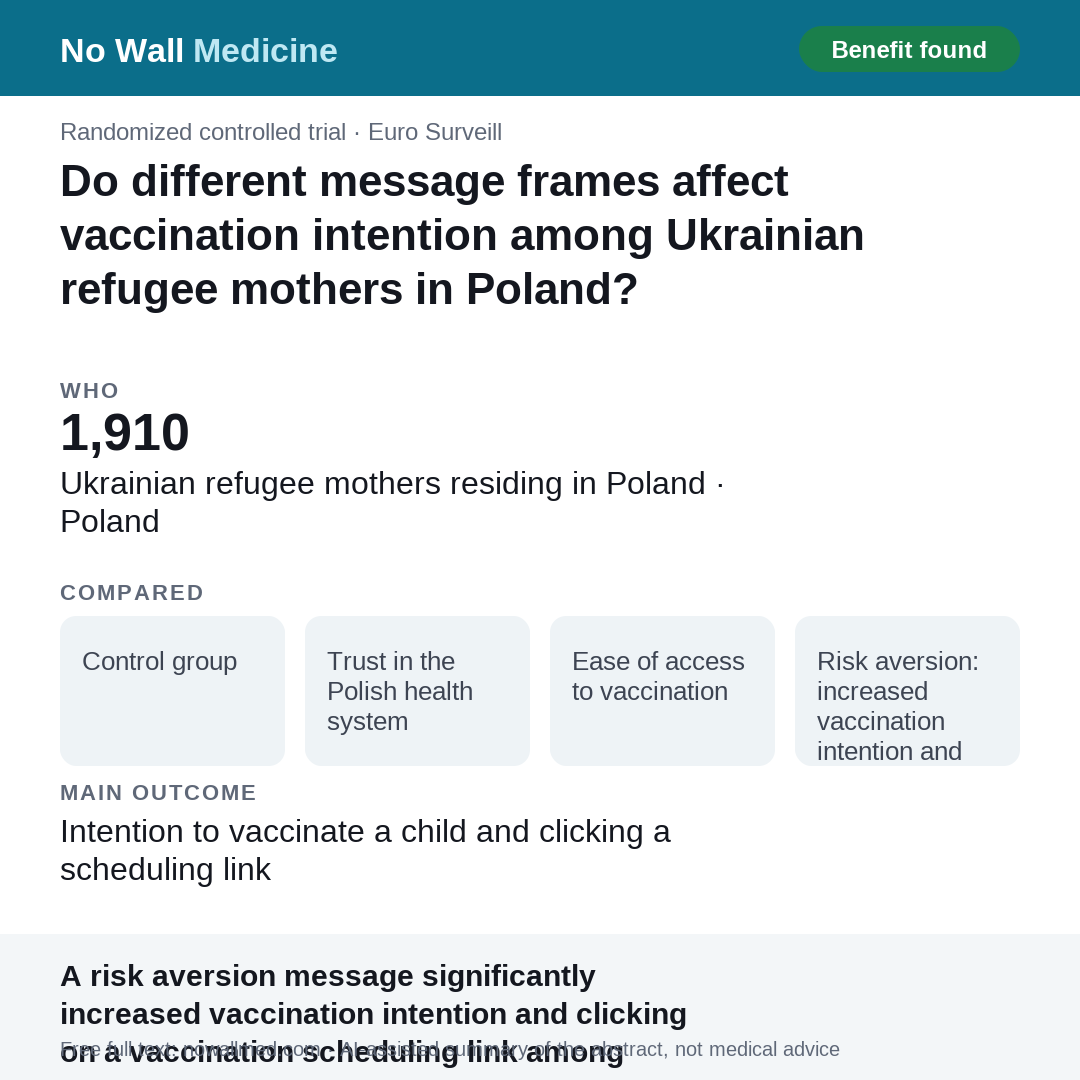
"Vaccinating your child during an emergency is more important than ever": a randomised controlled trial on message framing among Ukrainian refugees in Poland, 2023
Randomized controlled trialBenefit found
Do different message frames affect vaccination intention among Ukrainian refugee mothers in Poland?
Who
1,910
Ukrainian refugee mothers residing in Poland · Poland
Compared
Control group
Trust in the Polish health system
Ease of access to vaccination
Risk aversion: increased vaccination intention and clicking on the vaccine scheduling link
Main outcome
Intention to vaccinate a child and clicking a scheduling link
Result: adjusted odds ratio 2.35 (95% confidence interval 1.25-4.42)
Bottom line: A risk aversion message significantly increased vaccination intention and clicking on a vaccination scheduling link among Ukrainian refugee mothers.
Euro Surveill · 2024-09-27Download image
A systematic review of antibiotic drug shortages and the strategies employed for managing these shortages
Systematic reviewMixed results
What are the patterns, causes, effects, and management strategies of antibiotic shortages?
Who
74
Healthcare workers and patient populations affected by antibiotic shortages · Global, 82.4% in high-income countries
Compared
Piperacillin-tazobactam shortages: 21/74 (28.4%)
WHO Watch category antibiotics: 27/54 (51%)
Main outcome
Patterns, causes, health system effects, and management strategies
Bottom line: Antibiotic shortages cause increased hospital stays and treatment failure, but clinical outcome data remains limited.
Limitation: Robust economic impact analysis of shortages is unavailable.
Clin Microbiol Infect · 2024-09-26Download image

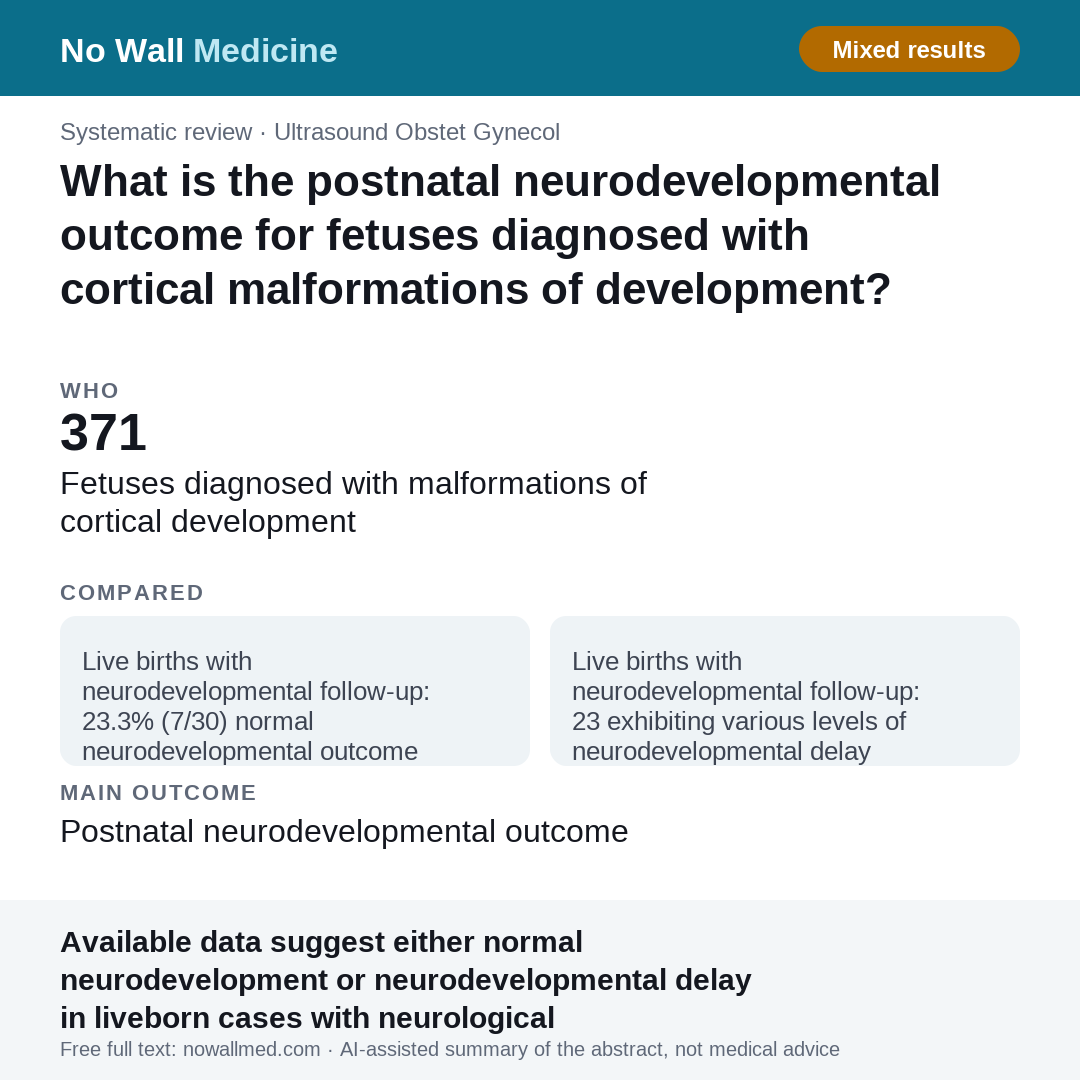
Postnatal outcome of fetal cortical malformations: systematic review
Systematic reviewMixed results
What is the postnatal neurodevelopmental outcome for fetuses diagnosed with cortical malformations of development?
Who
371
Fetuses diagnosed with malformations of cortical development
Compared
Live births with neurodevelopmental follow-up: 23.3% (7/30) normal neurodevelopmental outcome
Live births with neurodevelopmental follow-up: 23 exhibiting various levels of neurodevelopmental delay
Main outcome
Postnatal neurodevelopmental outcome
Bottom line: Available data suggest either normal neurodevelopment or neurodevelopmental delay in liveborn cases with neurological follow-up.
Limitation: There is a paucity of data on postnatal neurological development in fetuses diagnosed with malformations of cortical development.
Ultrasound Obstet Gynecol · 2024-09-26Download image
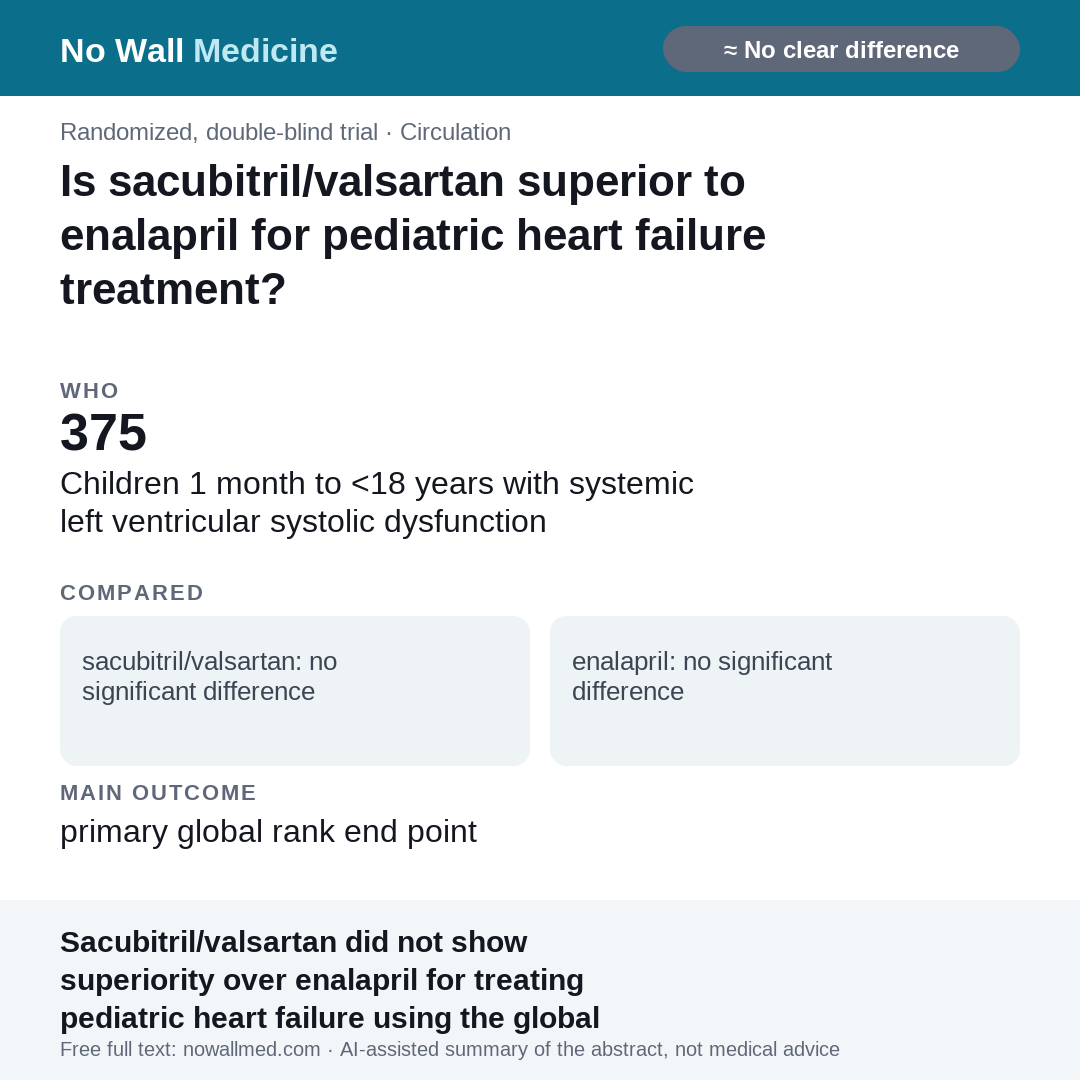
Sacubitril/Valsartan in Pediatric Heart Failure (PANORAMA-HF): A Randomized, Multicenter, Double-Blind Trial
Randomized, double-blind trialNo clear difference
Is sacubitril/valsartan superior to enalapril for pediatric heart failure treatment?
Who
375
Children 1 month to <18 years with systemic left ventricular systolic dysfunction
Compared
sacubitril/valsartan: no significant difference
enalapril: no significant difference
Main outcome
primary global rank end point
Result: Mann-Whitney odds, 0.91 (95% CI 0.72 to 1.14)
Bottom line: Sacubitril/valsartan did not show superiority over enalapril for treating pediatric heart failure using the global rank end point.
Circulation · 2024-09-25Download image
Neonatal encephalopathy: a systematic review of reported treatment outcomes
Systematic reviewUnclear result
outcomes in neonatal encephalopathy treatment
Who
neonates with encephalopathy
Compared
randomised trials
systematic reviews
Main outcome
reported treatment outcomes
Bottom line: heterogeneity in reported outcomes
Limitation: heterogeneity in outcomes
BMJ Paediatr Open · 2024-09-25Download image
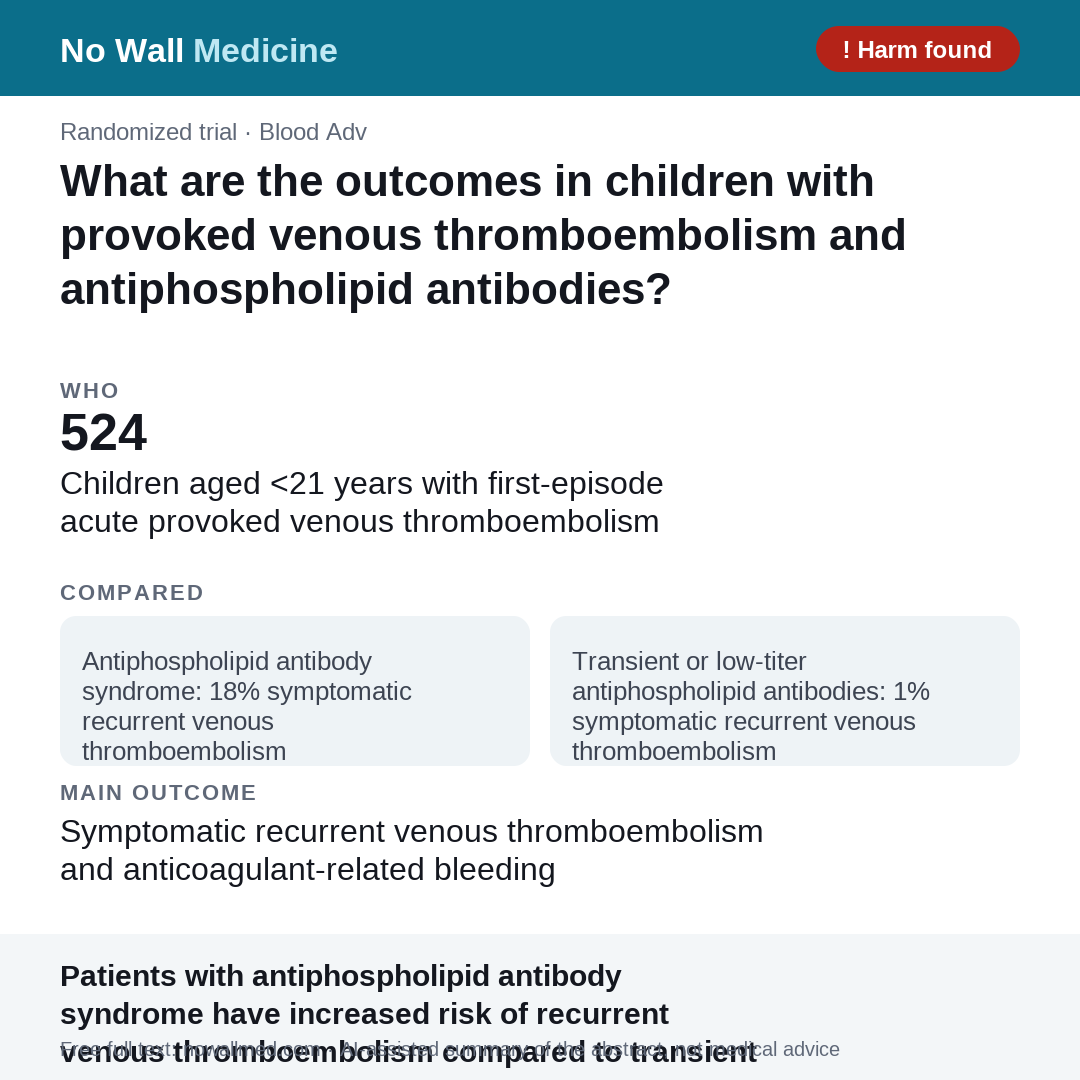
Outcomes in children with provoked venous thrombosis and antiphospholipid antibodies: findings from the Kids-DOTT trial
Randomized trialHarm found
What are the outcomes in children with provoked venous thromboembolism and antiphospholipid antibodies?
Who
524
Children aged <21 years with first-episode acute provoked venous thromboembolism
Compared
Antiphospholipid antibody syndrome: 18% symptomatic recurrent venous thromboembolism
Transient or low-titer antiphospholipid antibodies: 1% symptomatic recurrent venous thromboembolism
Main outcome
Symptomatic recurrent venous thromboembolism and anticoagulant-related bleeding
Result: odds ratio 12.2 (95% confidence interval 1.4-108)
Bottom line: Patients with antiphospholipid antibody syndrome have increased risk of recurrent venous thromboembolism compared to transient or low-titer groups.
Blood Adv · 2024-09-25Download image
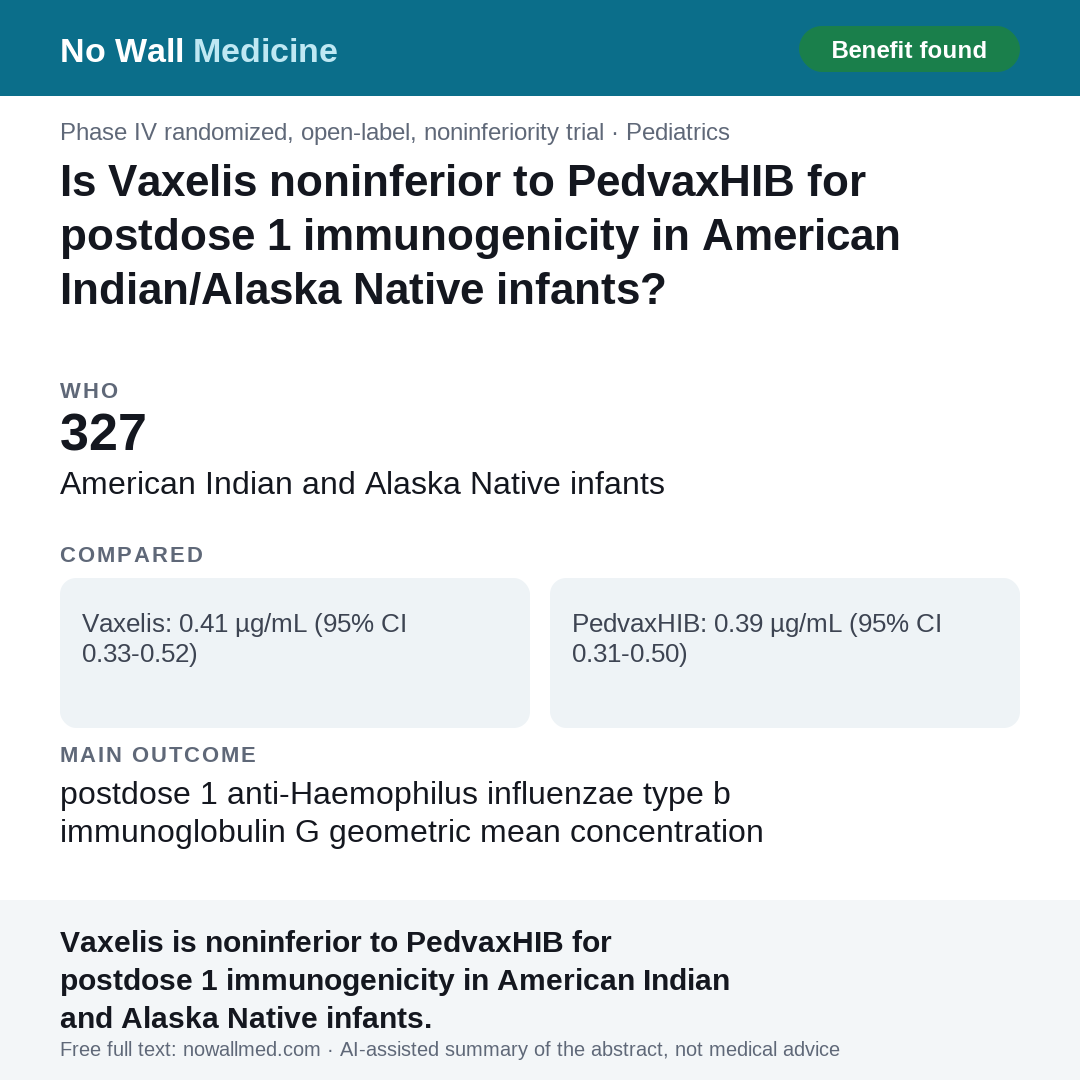
Haemophilus influenzae Type b Vaccine Immunogenicity in American Indian/Alaska Native Infants
Phase IV randomized, open-label, noninferiority trialBenefit found
Is Vaxelis noninferior to PedvaxHIB for postdose 1 immunogenicity in American Indian/Alaska Native infants?
Who
327
American Indian and Alaska Native infants
Compared
Vaxelis: 0.41 µg/mL (95% CI 0.33-0.52)
PedvaxHIB: 0.39 µg/mL (95% CI 0.31-0.50)
Main outcome
postdose 1 anti-Haemophilus influenzae type b immunoglobulin G geometric mean concentration
Result: geometric mean concentration ratio 1.03 (95% CI 0.76-1.39)
Bottom line: Vaxelis is noninferior to PedvaxHIB for postdose 1 immunogenicity in American Indian and Alaska Native infants.
Pediatrics · 2024-09-24Download image
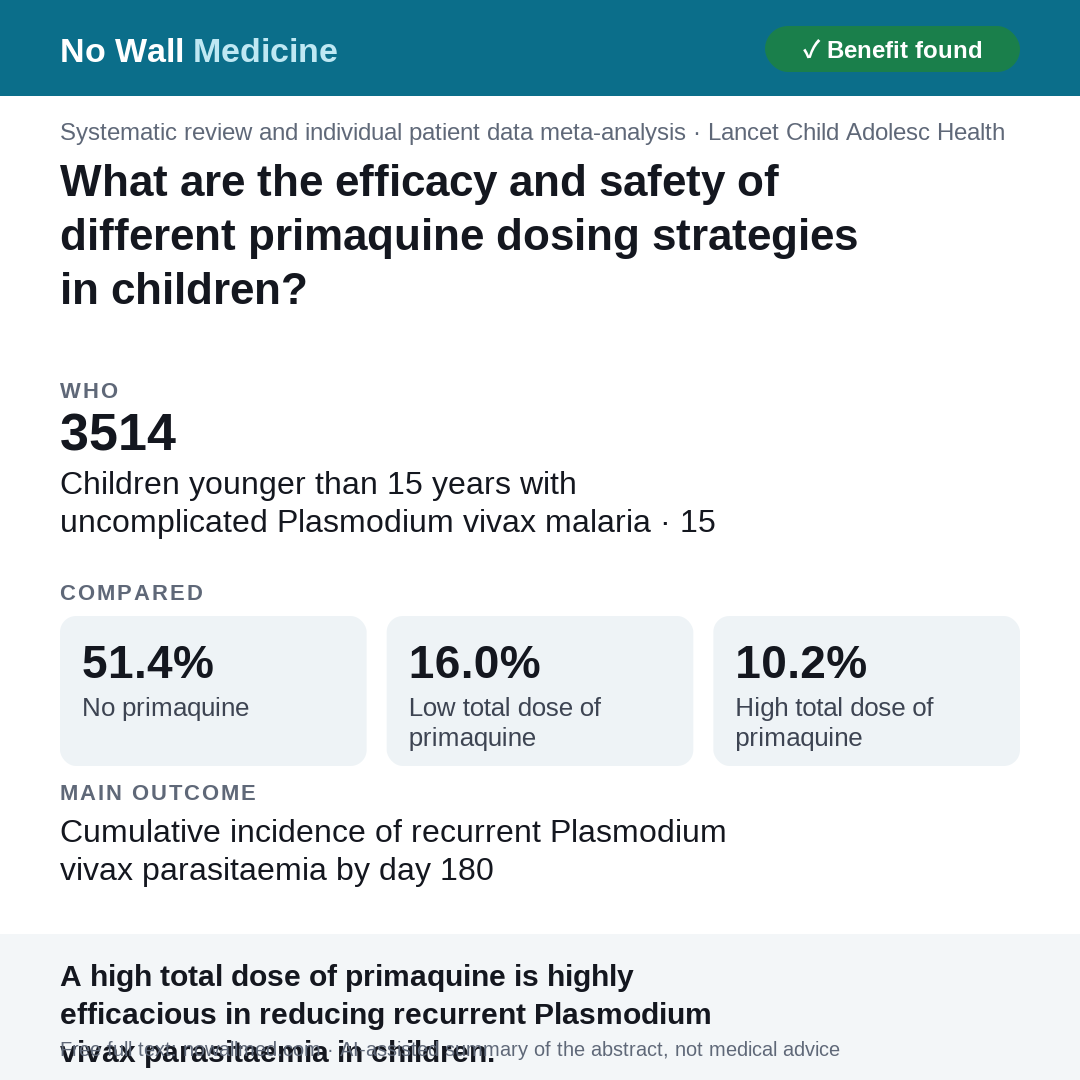
Primaquine for uncomplicated Plasmodium vivax malaria in children younger than 15 years: a systematic review and individual patient data meta-analysis
Systematic review and individual patient data meta-analysisBenefit found
What are the efficacy and safety of different primaquine dosing strategies in children?
Who
3514
Children younger than 15 years with uncomplicated Plasmodium vivax malaria · 15 countries
Compared
51.4%No primaquine (95% CI 47.0-55.9)
16.0%Low total dose of primaquine (12.4-20.3)
10.2%High total dose of primaquine (8.4-12.3)
Main outcome
Cumulative incidence of recurrent Plasmodium vivax parasitaemia by day 180
Result: adjusted hazard ratio 0.09 (95% CI 0.07-0.12) for high total dose
Bottom line: A high total dose of primaquine is highly efficacious in reducing recurrent Plasmodium vivax parasitaemia in children.
Lancet Child Adolesc Health · 2024-09-24Download image
Global age-stratified seroprevalence of enterovirus D68: a systematic literature review
Systematic literature reviewMixed results
What is the global age-stratified seroprevalence of enterovirus D68?
Who
Global populations across different age groups · Six countries
Compared
Age under 20 years: roughly 100%
Adulthood: no sign of decline
Main outcome
Age-stratified seroprevalence of enterovirus D68
Bottom line: Enterovirus D68 seroprevalence increases with age, reaching approximately 100% by age 20 with increasing global transmission.
Lancet Microbe · 2024-09-24Download image

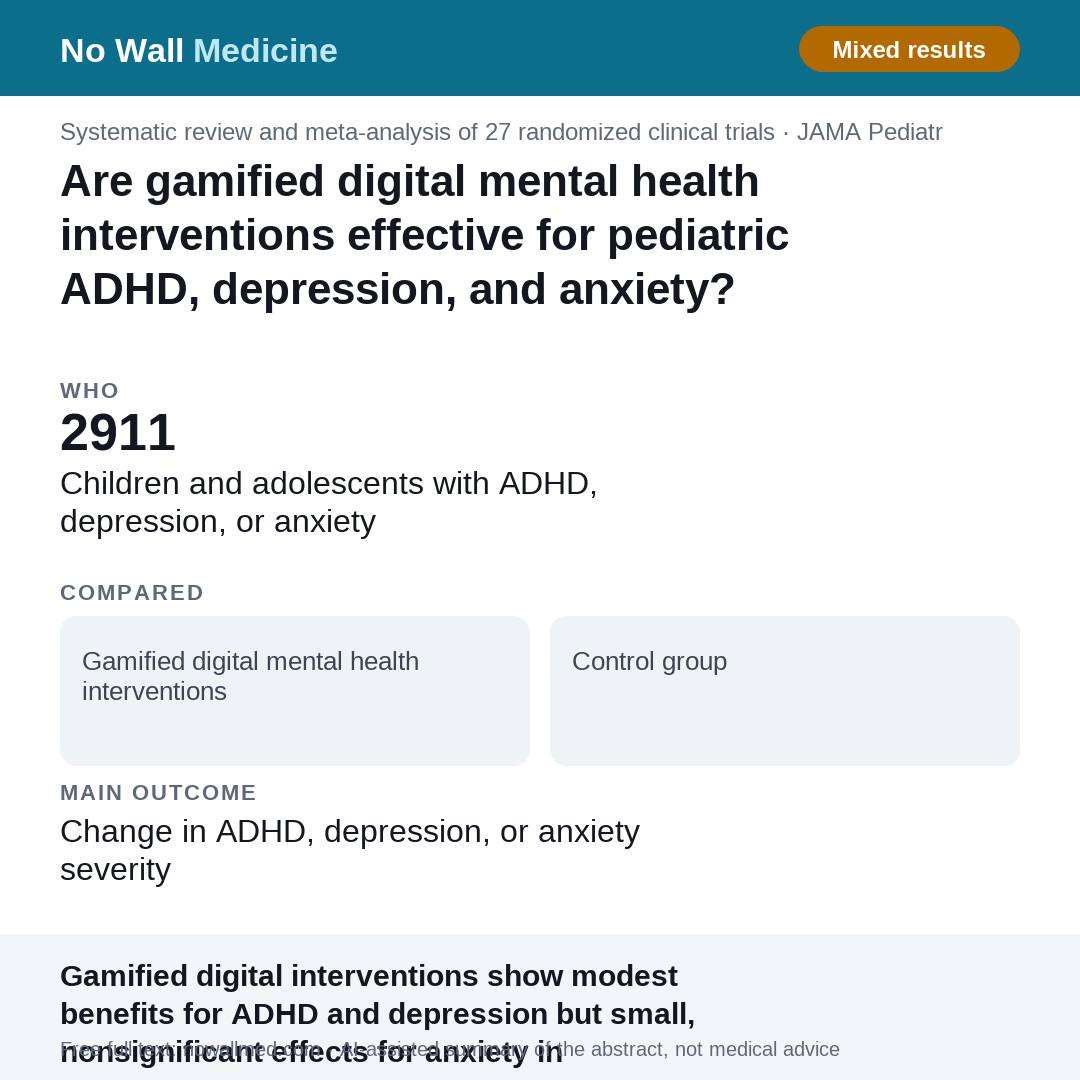
Efficacy of Gamified Digital Mental Health Interventions for Pediatric Mental Health Conditions: A Systematic Review and Meta-Analysis
Systematic review and meta-analysis of 27 randomized clinical trialsMixed results
Are gamified digital mental health interventions effective for pediatric ADHD, depression, and anxiety?
Who
2911
Children and adolescents with ADHD, depression, or anxiety
Compared
Gamified digital mental health interventions
Control group
Main outcome
Change in ADHD, depression, or anxiety severity
Result: ADHD g 0.28 (95% CI 0.09 to 0.48), depression g 0.28 (95% CI 0.08 to 0.47), anxiety g 0.07 (95% CI -0.02 to 0.17)
Bottom line: Gamified digital interventions show modest benefits for ADHD and depression but small, nonsignificant effects for anxiety in children.
JAMA Pediatr · 2024-09-23Download image
Tribal Identity, Pain Interference, and Substance Use Among American Indian and Alaska Native Adolescents
Cross-sectional studyBenefit found
Does Tribal identity moderate the association between pain interference and substance use?
Who
514
American Indian and Alaska Native 10th-grade students · 20 high schools on or near Cherokee Nation Reservation
Compared
High Tribal identity
Low Tribal identity
Main outcome
past 30-day alcohol use, marijuana use, and prescription opioid misuse
Result: coefficient, -0.13 (95% CI, -0.23 to -0.02)
Bottom line: High Tribal identity attenuates the adverse association between pain interference and alcohol use among American Indian and Alaska Native adolescents.
JAMA Pediatr · 2024-09-23Download image

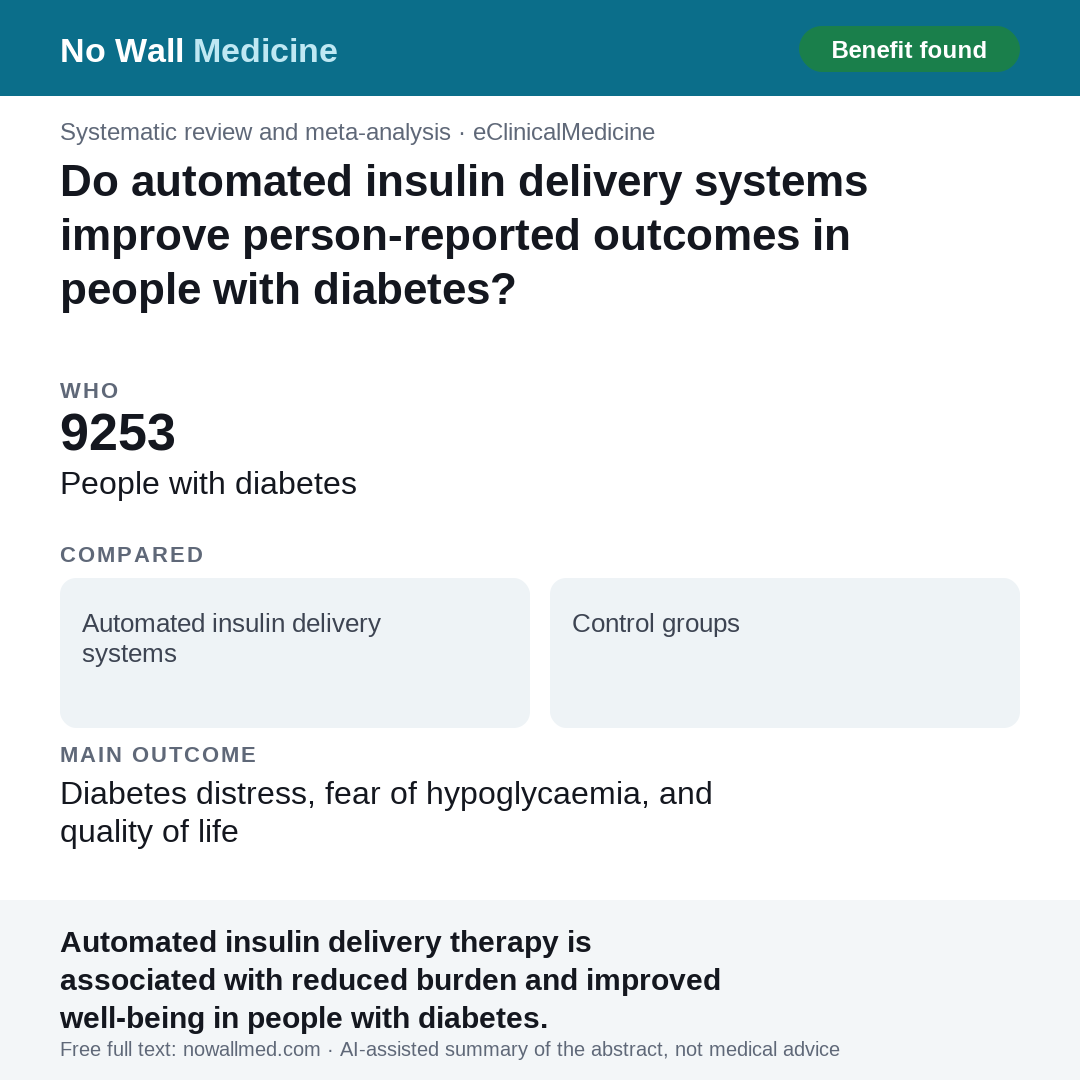
Effect of automated insulin delivery systems on person-reported outcomes in people with diabetes: a systematic review and meta-analysis
Systematic review and meta-analysisBenefit found
Do automated insulin delivery systems improve person-reported outcomes in people with diabetes?
Who
9253
People with diabetes
Compared
Automated insulin delivery systems
Control groups
Main outcome
Diabetes distress, fear of hypoglycaemia, and quality of life
Result: standardised mean difference [-0.159 (-0.309, -0.010) to 0.347 (0.134, 0.560)]
Bottom line: Automated insulin delivery therapy is associated with reduced burden and improved well-being in people with diabetes.
Limitation: Limited number of studies pooled for some outcomes and large heterogeneity in questionnaires used.
eClinicalMedicine · 2024-09-21Download image
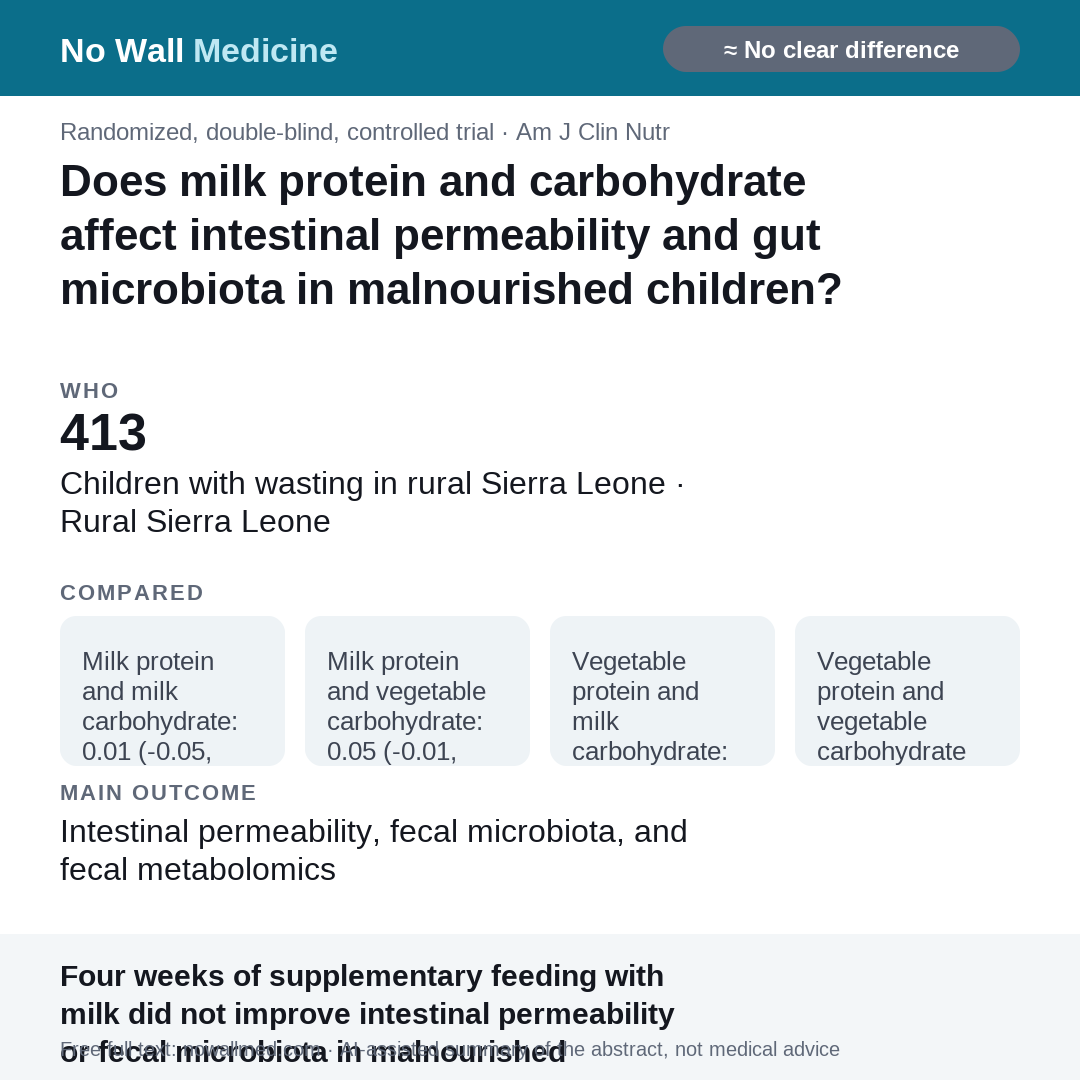
The Impact of Milk on Gut Permeability, Fecal 16S rRNA Gene Microbiota Profiling, and Fecal Metabolomics in Children with Moderate Malnutrition in Sierra Leone: A Double-Blind, Randomized Controlled Trial
Randomized, double-blind, controlled trialNo clear difference
Does milk protein and carbohydrate affect intestinal permeability and gut microbiota in malnourished children?
Who
413
Children with wasting in rural Sierra Leone · Rural Sierra Leone
Compared
Milk protein and milk carbohydrate: 0.01 (-0.05, 0.07) %L excretion
Milk protein and vegetable carbohydrate: 0.05 (-0.01, 0.11) %L excretion
Vegetable protein and milk carbohydrate: 0.01 (-0.05, 0.07) %L excretion
Vegetable protein and vegetable carbohydrate
Main outcome
Intestinal permeability, fecal microbiota, and fecal metabolomics
Bottom line: Four weeks of supplementary feeding with milk did not improve intestinal permeability or fecal microbiota in malnourished children.
Am J Clin Nutr · 2024-09-21Download image