Visual abstracts
New randomized trials and meta-analyses from leading journals at a glance: who was studied, what was compared, and what was found. Every paper is free to read in full.
All specialtiesCardiology 4877Oncology 4138Gastroenterology & Hepatology 1942Infectious Disease 3837Neurology 1905Psychiatry & Mental Health 2273Pulmonology 2143Critical Care 1365Endocrinology & Diabetes 2580Pediatrics 2980Surgery 2559Orthopedics & Sports Medicine 931Neurosurgery 537Cardiothoracic & Vascular Surgery 674Plastic & Reconstructive Surgery 591Nephrology 1133Rheumatology 823Hematology 1109Dermatology 621Ophthalmology 543Obstetrics & Gynecology 1686Public & Global Health 1058Radiology & Imaging 648Anesthesiology 986Urology 764ENT (Otolaryngology) 503Emergency Medicine 511Allergy & Immunology 313Geriatrics 981Family Medicine & Primary Care 562Medical Genetics & Genomics 676Pathology & Laboratory Medicine 159Physical Medicine & Rehabilitation 757Palliative Care 444Nutrition 1588Digital Health & AI 2201General Medicine 321
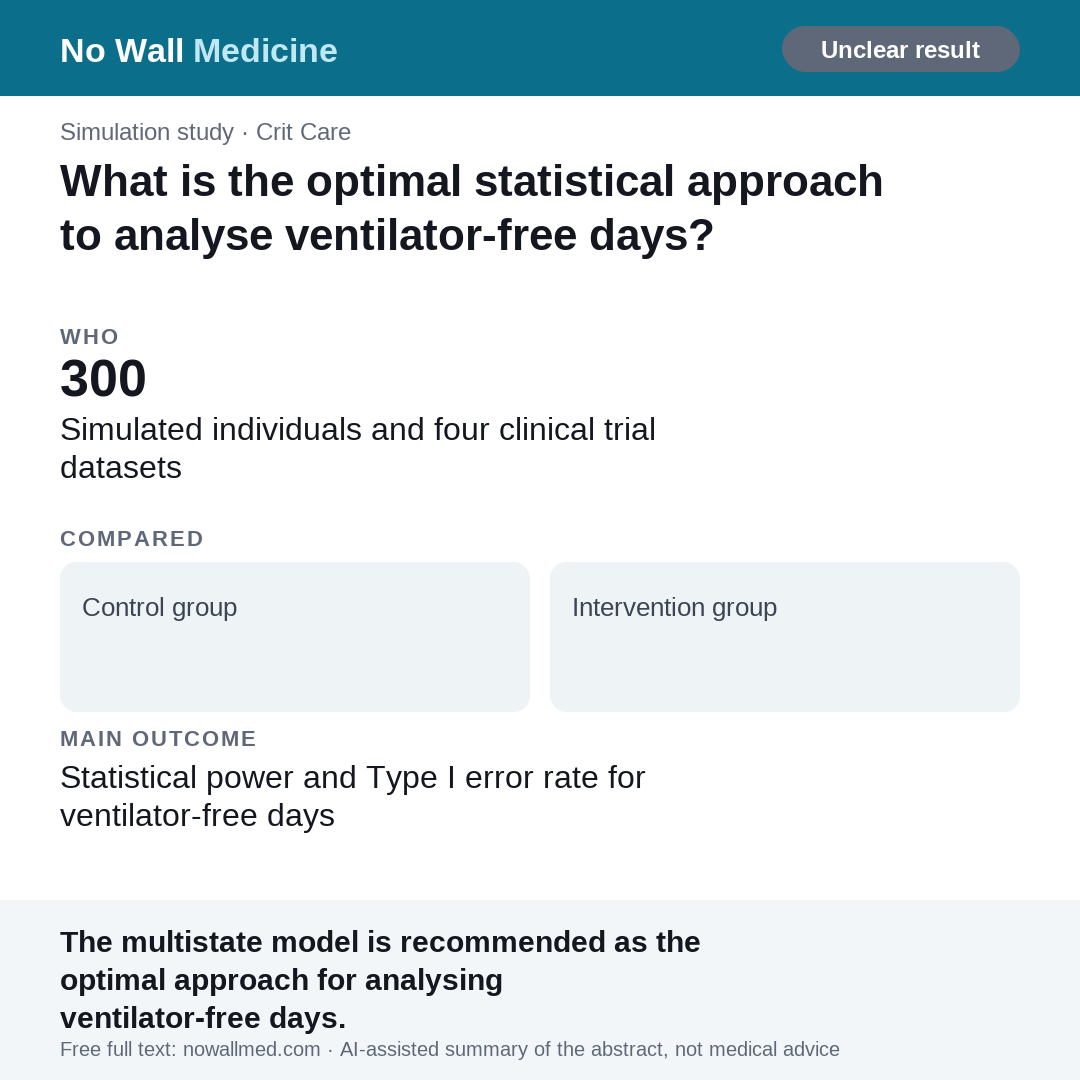
What is the optimal approach to analyse ventilator-free days? A simulation study
Simulation studyUnclear result
What is the optimal statistical approach to analyse ventilator-free days?
Who
300
Simulated individuals and four clinical trial datasets
Compared
Control group
Intervention group
Main outcome
Statistical power and Type I error rate for ventilator-free days
Bottom line: The multistate model is recommended as the optimal approach for analysing ventilator-free days.
Crit Care · 2025-06-19Download image
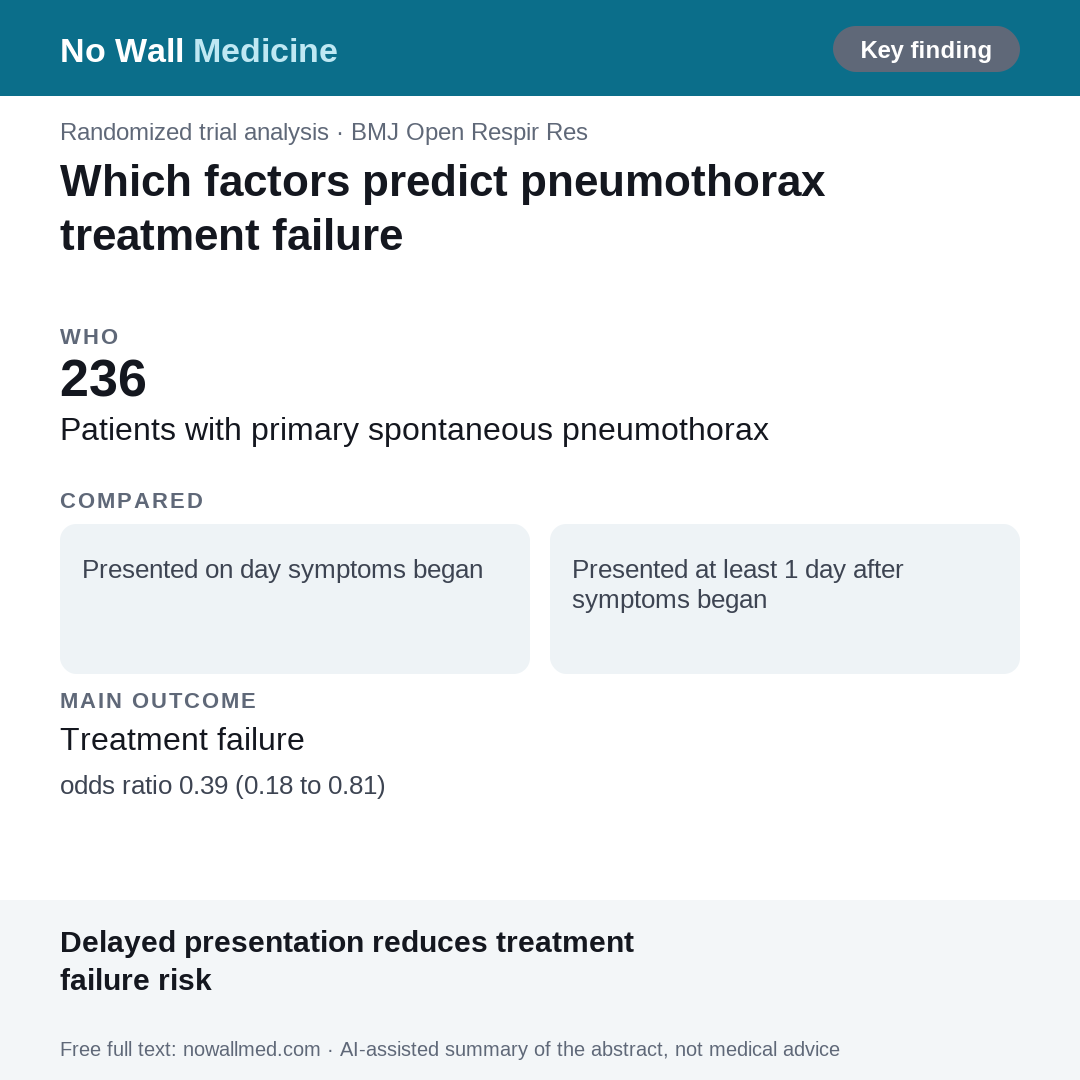
Which clinical factors are predictive of outcome in primary spontaneous pneumothorax management?
Randomized trial analysisBenefit found
Which factors predict pneumothorax treatment failure
Who
236
Patients with primary spontaneous pneumothorax
Compared
Presented on day symptoms began
Presented at least 1 day after symptoms began
Main outcome
Treatment failure
Result: odds ratio 0.39 (0.18 to 0.81)
Bottom line: Delayed presentation reduces treatment failure risk
BMJ Open Respir Res · 2025-06-19Download image
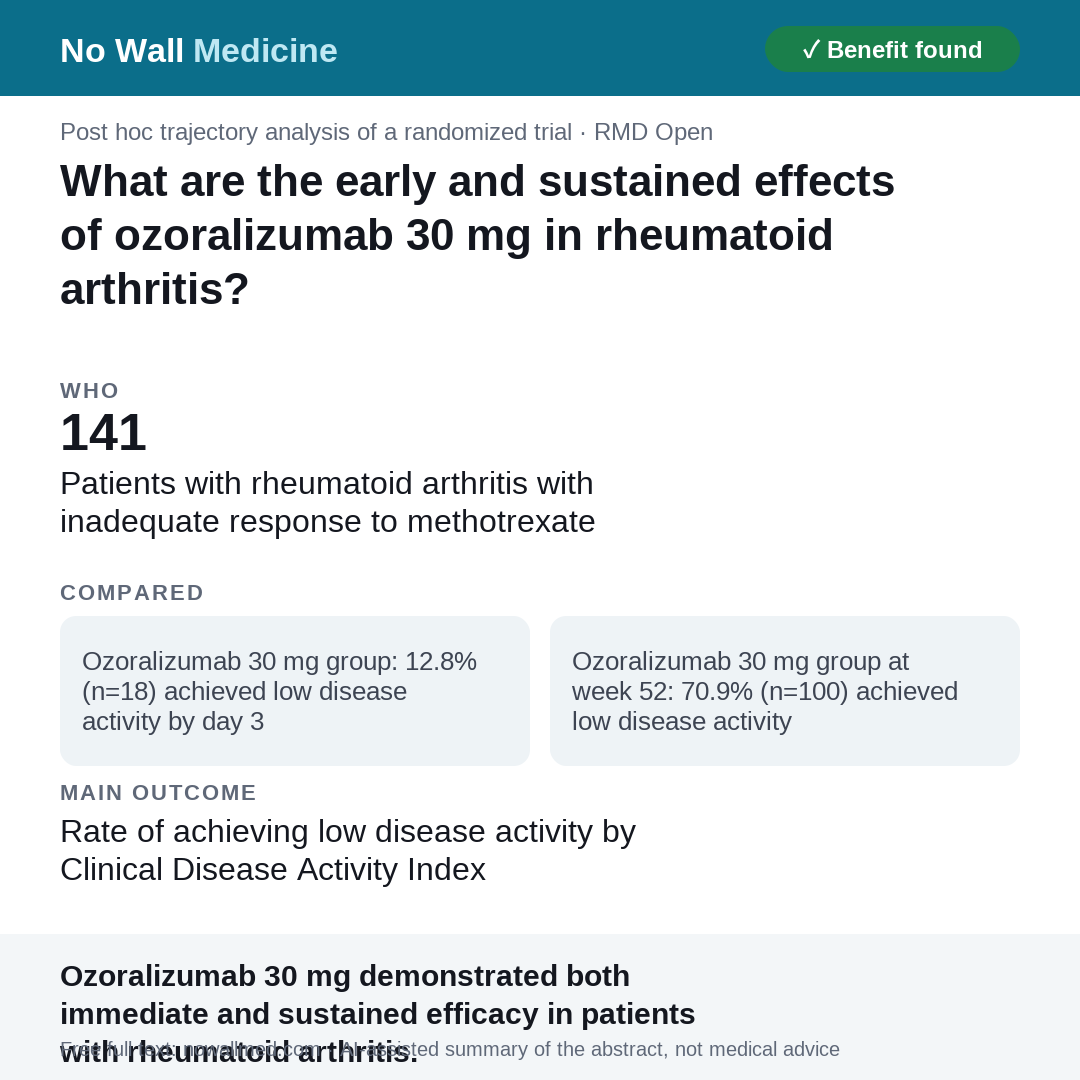
Early effects of ozoralizumab 30 mg in patients with rheumatoid arthritis and inadequate response to methotrexate: a post hoc trajectory analysis of the phase II/III OHZORA trial
Post hoc trajectory analysis of a randomized trialBenefit found
What are the early and sustained effects of ozoralizumab 30 mg in rheumatoid arthritis?
Who
141
Patients with rheumatoid arthritis with inadequate response to methotrexate
Compared
Ozoralizumab 30 mg group: 12.8% (n=18) achieved low disease activity by day 3
Ozoralizumab 30 mg group at week 52: 70.9% (n=100) achieved low disease activity
Main outcome
Rate of achieving low disease activity by Clinical Disease Activity Index
Bottom line: Ozoralizumab 30 mg demonstrated both immediate and sustained efficacy in patients with rheumatoid arthritis.
Limitation: Residual confounding due to baseline disease activity cannot be completely excluded.
RMD Open · 2025-06-19Download image
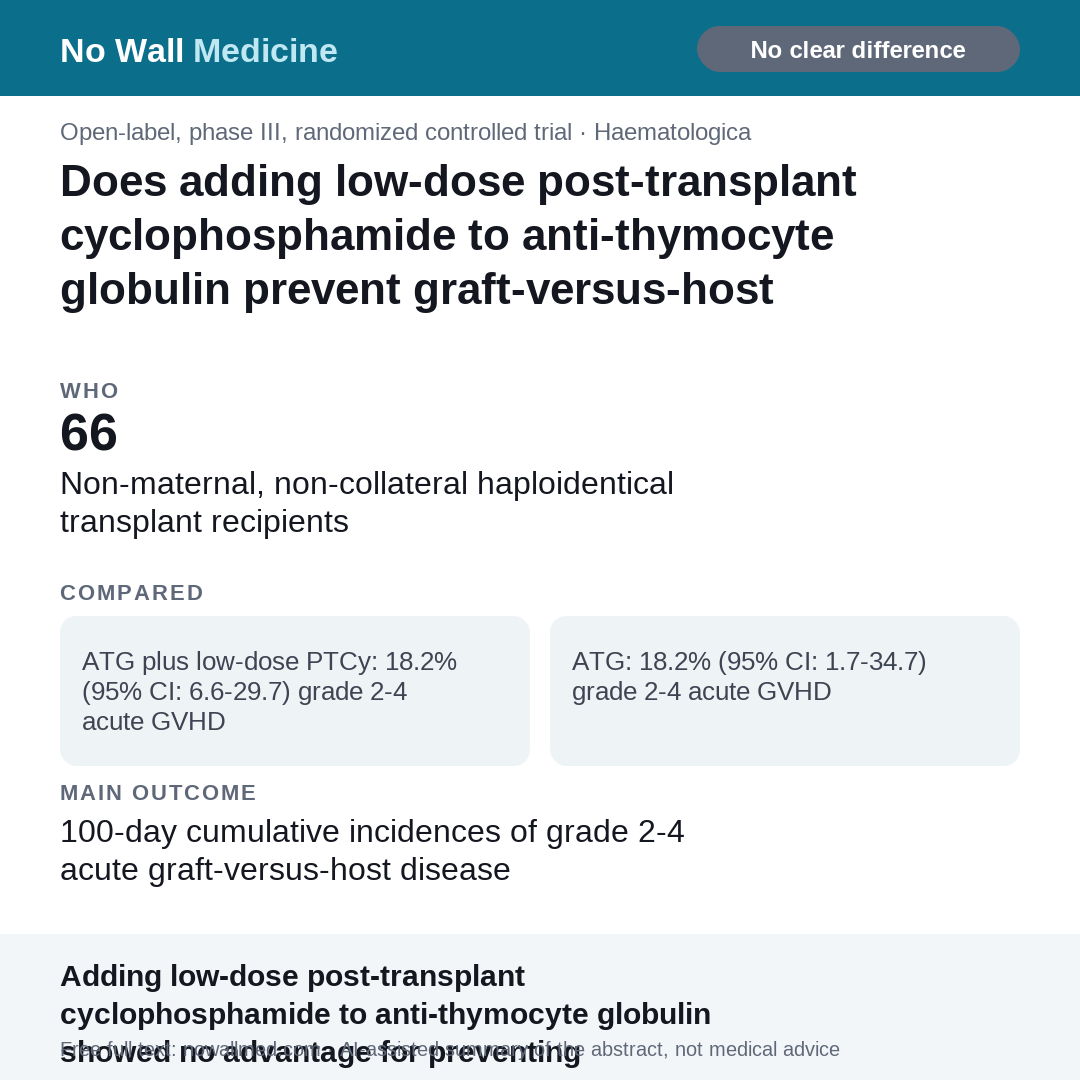
Randomized trial of anti-thymocyte globulin plus lowdose post-transplant cyclophosphamide to prevent graft-versus- host disease in haploidentical transplantation
Open-label, phase III, randomized controlled trialNo clear difference
Does adding low-dose post-transplant cyclophosphamide to anti-thymocyte globulin prevent graft-versus-host disease?
Who
66
Non-maternal, non-collateral haploidentical transplant recipients
Compared
ATG plus low-dose PTCy: 18.2% (95% CI: 6.6-29.7) grade 2-4 acute GVHD
ATG: 18.2% (95% CI: 1.7-34.7) grade 2-4 acute GVHD
Main outcome
100-day cumulative incidences of grade 2-4 acute graft-versus-host disease
Bottom line: Adding low-dose post-transplant cyclophosphamide to anti-thymocyte globulin showed no advantage for preventing graft-versus-host disease in this population.
Haematologica · 2025-06-19Download image
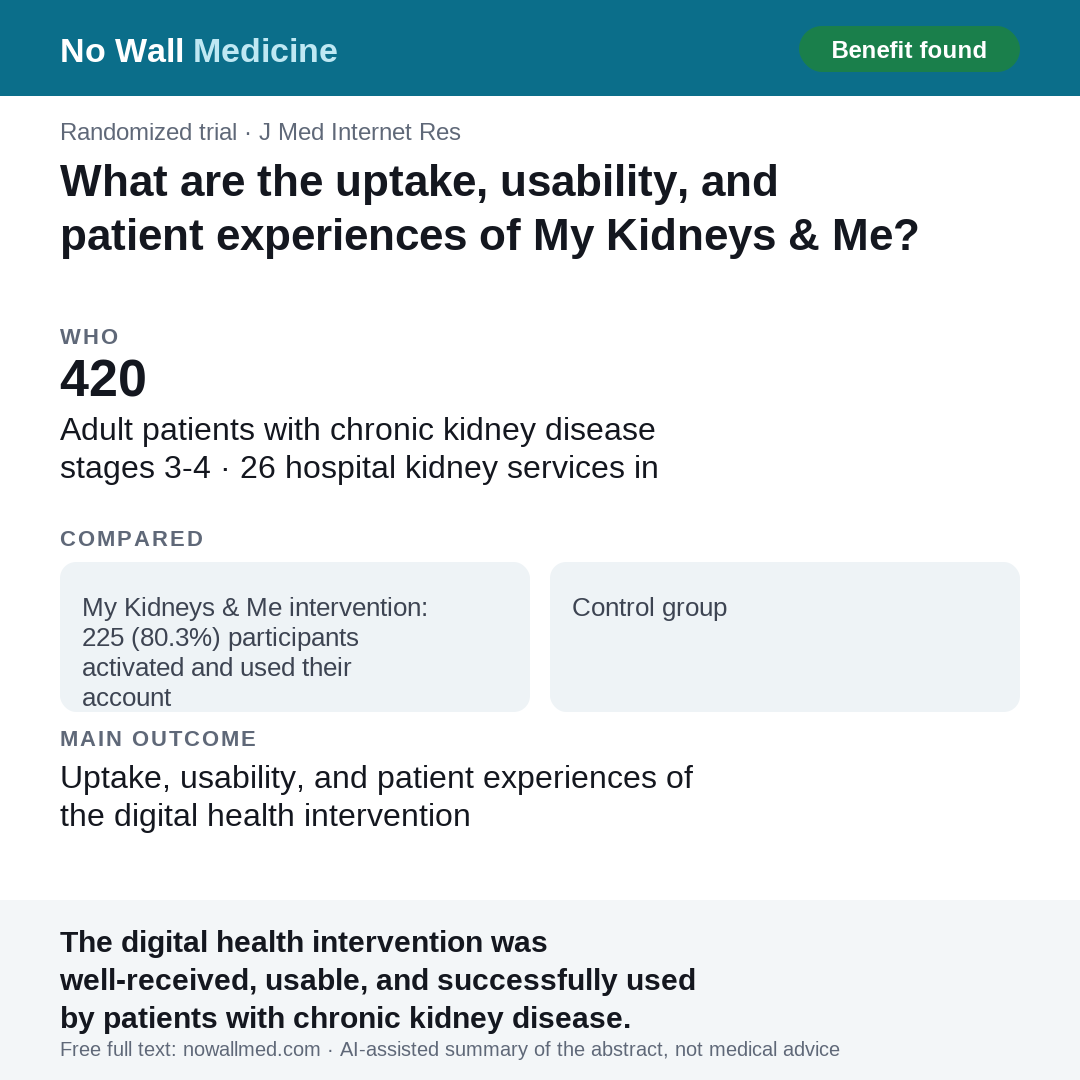
Use, Usability, and Experience Testing of a Digital Health Intervention to Support Chronic Kidney Disease Self-Management: Mixed Methods Study
Randomized trialBenefit found
What are the uptake, usability, and patient experiences of My Kidneys & Me?
Who
420
Adult patients with chronic kidney disease stages 3-4 · 26 hospital kidney services in England
Compared
My Kidneys & Me intervention: 225 (80.3%) participants activated and used their account
Control group
Main outcome
Uptake, usability, and patient experiences of the digital health intervention
Bottom line: The digital health intervention was well-received, usable, and successfully used by patients with chronic kidney disease.
Limitation: Participants highlighted not having enough time to engage with all the content during the study period.
J Med Internet Res · 2025-06-19Download image
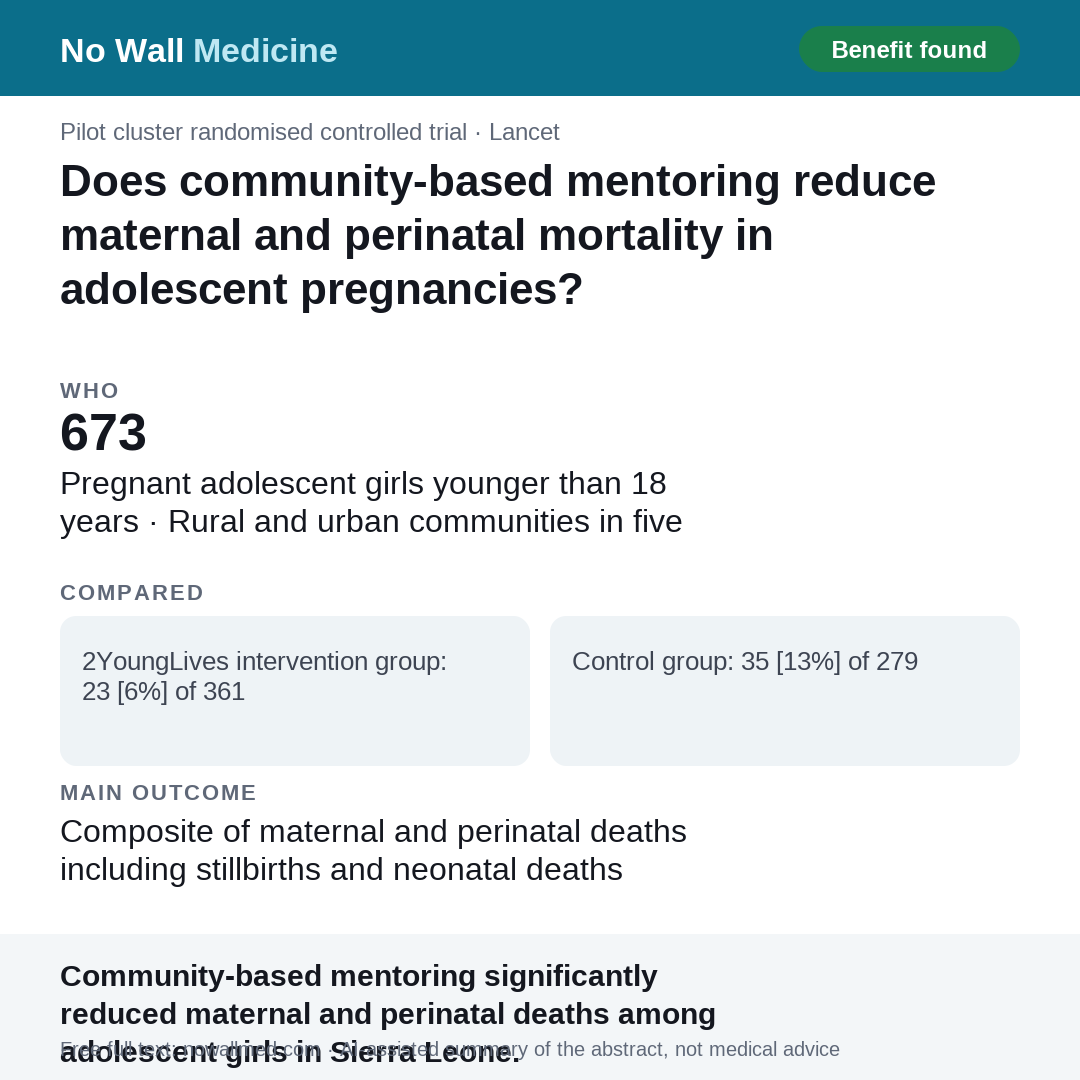
Community-based mentoring to reduce maternal and perinatal mortality in adolescent pregnancies in Sierra Leone (2YoungLives): a pilot cluster-randomised controlled trial
Pilot cluster randomised controlled trialBenefit found
Does community-based mentoring reduce maternal and perinatal mortality in adolescent pregnancies?
Who
673
Pregnant adolescent girls younger than 18 years · Rural and urban communities in five districts of Sierra Leone
Compared
2YoungLives intervention group: 23 [6%] of 361
Control group: 35 [13%] of 279
Main outcome
Composite of maternal and perinatal deaths including stillbirths and neonatal deaths
Result: adjusted risk ratio 0·52, 95% CI 0·34 to 0·81
Bottom line: Community-based mentoring significantly reduced maternal and perinatal deaths among adolescent girls in Sierra Leone.
Funded by: UK National Institute for Health and Care Research
Lancet · 2025-06-18Download image
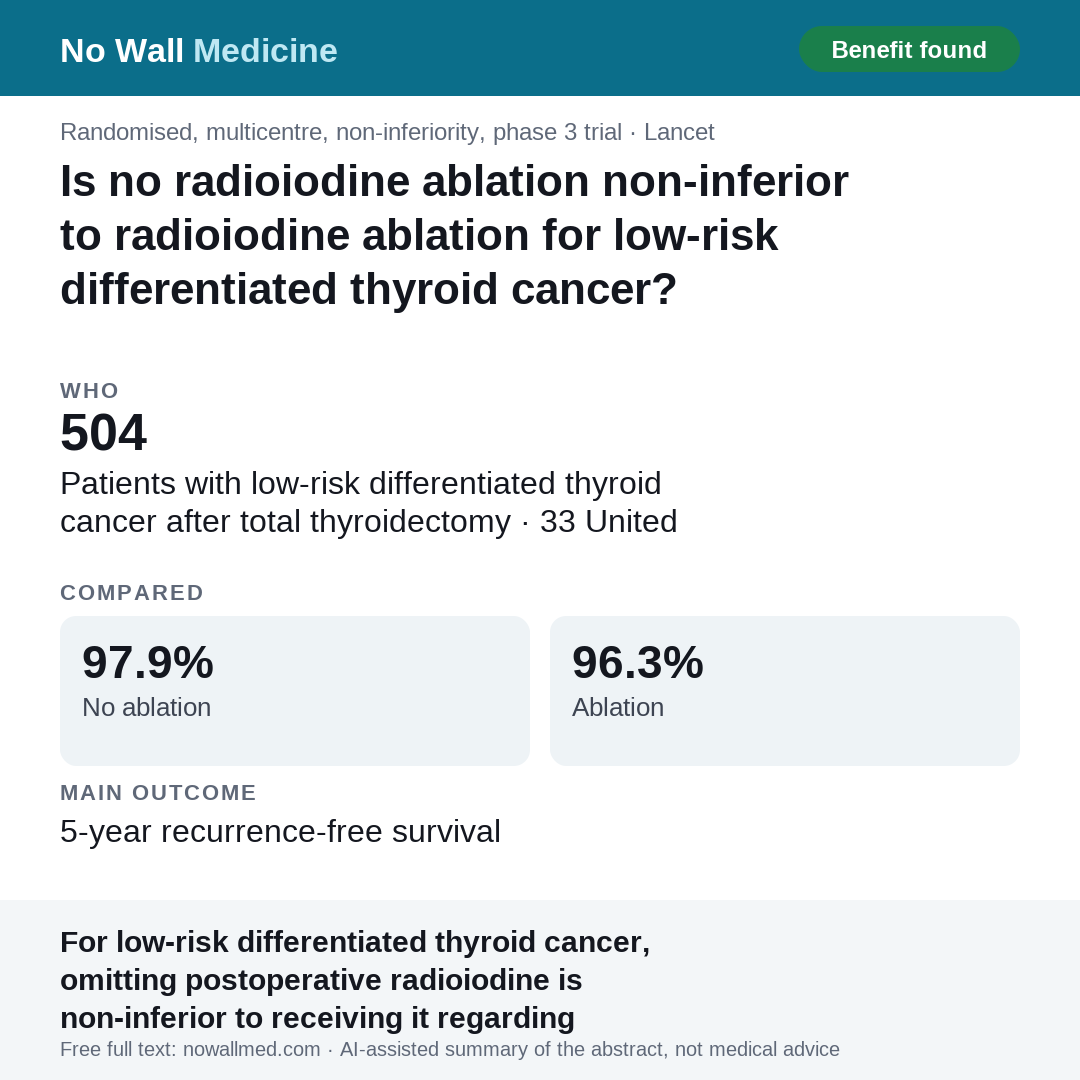
Thyroidectomy with or without postoperative radioiodine for patients with low-risk differentiated thyroid cancer in the UK (IoN): a randomised, multicentre, non-inferiority trial
Randomised, multicentre, non-inferiority, phase 3 trialBenefit found
Is no radioiodine ablation non-inferior to radioiodine ablation for low-risk differentiated thyroid cancer?
Who
504
Patients with low-risk differentiated thyroid cancer after total thyroidectomy · 33 United Kingdom cancer centres
Compared
97.9%No ablation (95% CI 96.1-99.7)
96.3%Ablation (93.9-98.7)
Main outcome
5-year recurrence-free survival
Result: absolute risk difference 0.5 percentage points (95% CI -2.2 to 3.2)
Bottom line: For low-risk differentiated thyroid cancer, omitting postoperative radioiodine is non-inferior to receiving it regarding 5-year recurrence-free survival.
Funded by: Cancer Research UK
Lancet · 2025-06-18Download image
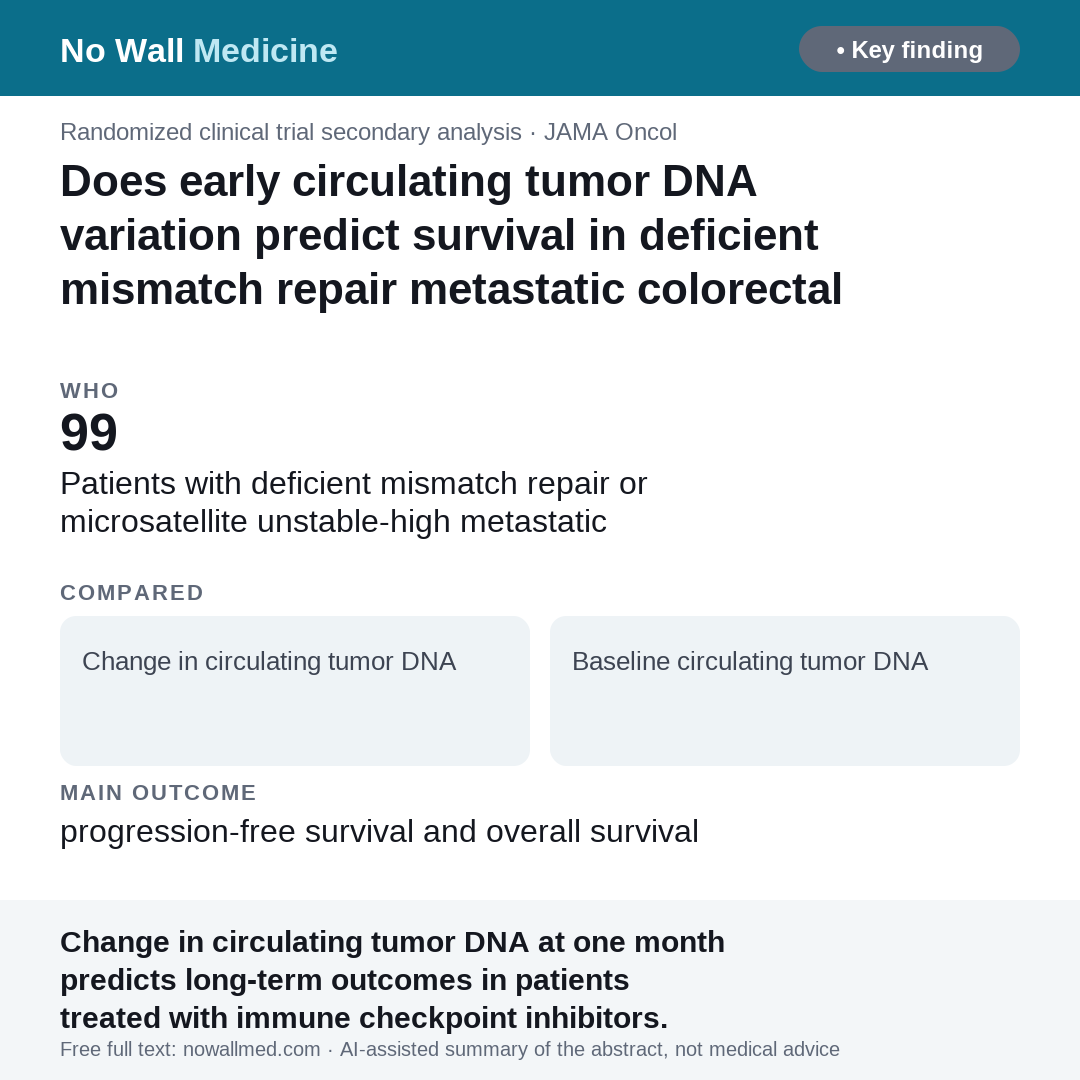
Early ctDNA and Survival in Metastatic Colorectal Cancer Treated With Immune Checkpoint Inhibitors: A Secondary Analysis of the SAMCO-PRODIGE 54 Randomized Clinical Trial
Randomized clinical trial secondary analysisBenefit found
Does early circulating tumor DNA variation predict survival in deficient mismatch repair metastatic colorectal cancer?
Who
99
Patients with deficient mismatch repair or microsatellite unstable-high metastatic colorectal cancer · 49 sites in France
Compared
Change in circulating tumor DNA
Baseline circulating tumor DNA
Main outcome
progression-free survival and overall survival
Result: hazard ratio 2.98 (95% CI 1.77 to 5.01) for progression-free survival
Bottom line: Change in circulating tumor DNA at one month predicts long-term outcomes in patients treated with immune checkpoint inhibitors.
JAMA Oncol · 2025-06-18Download image
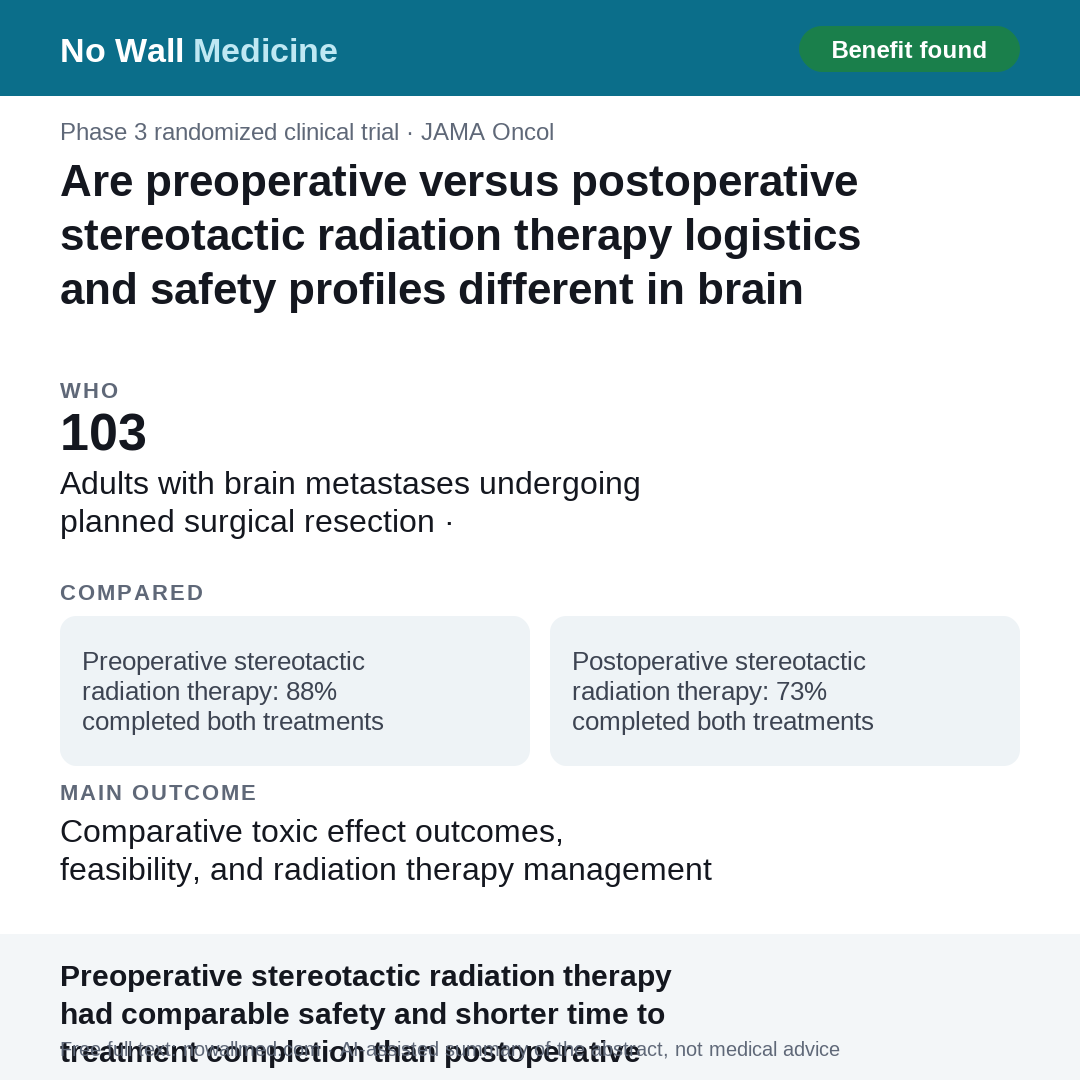
Therapy, Safety, and Logistics of Preoperative vs Postoperative Stereotactic Radiation Therapy: A Preliminary Analysis of a Randomized Clinical Trial
Phase 3 randomized clinical trialBenefit found
Are preoperative versus postoperative stereotactic radiation therapy logistics and safety profiles different in brain metastases?
Who
103
Adults with brain metastases undergoing planned surgical resection · Single-institution
Compared
Preoperative stereotactic radiation therapy: 88% completed both treatments
Postoperative stereotactic radiation therapy: 73% completed both treatments
Main outcome
Comparative toxic effect outcomes, feasibility, and radiation therapy management
Bottom line: Preoperative stereotactic radiation therapy had comparable safety and shorter time to treatment completion than postoperative stereotactic radiation therapy.
JAMA Oncol · 2025-06-18Download image
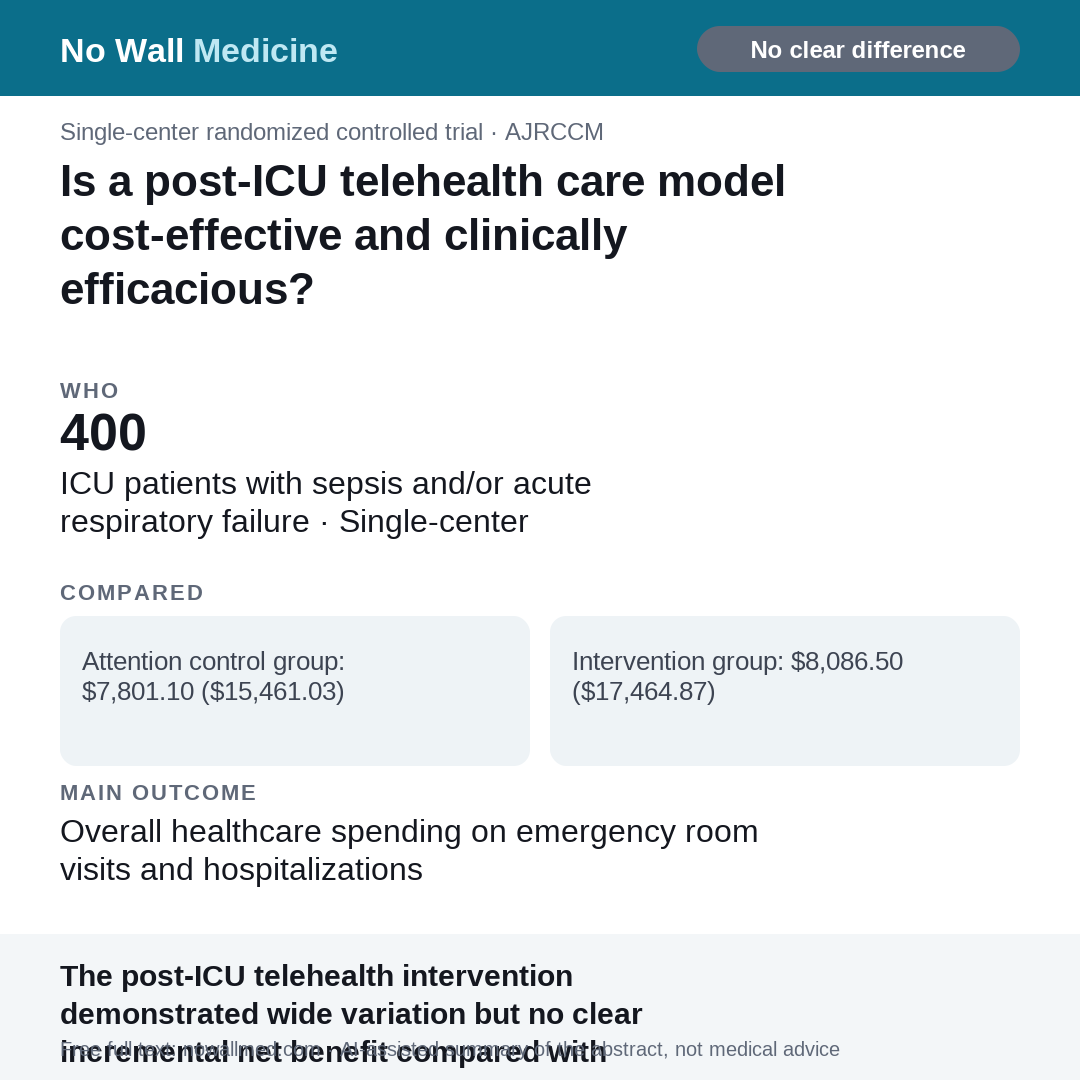
A Randomized Controlled Trial of a Post-ICU Telehealth Care Model (WFIT)
Single-center randomized controlled trialNo clear difference
Is a post-ICU telehealth care model cost-effective and clinically efficacious?
Who
400
ICU patients with sepsis and/or acute respiratory failure · Single-center
Compared
Attention control group: $7,801.10 ($15,461.03)
Intervention group: $8,086.50 ($17,464.87)
Main outcome
Overall healthcare spending on emergency room visits and hospitalizations
Result: incremental net benefit of $1,958.29 (-$5,779.56 to $9,696.14)
Bottom line: The post-ICU telehealth intervention demonstrated wide variation but no clear incremental net benefit compared with standard care.
AJRCCM · 2025-06-18Download image
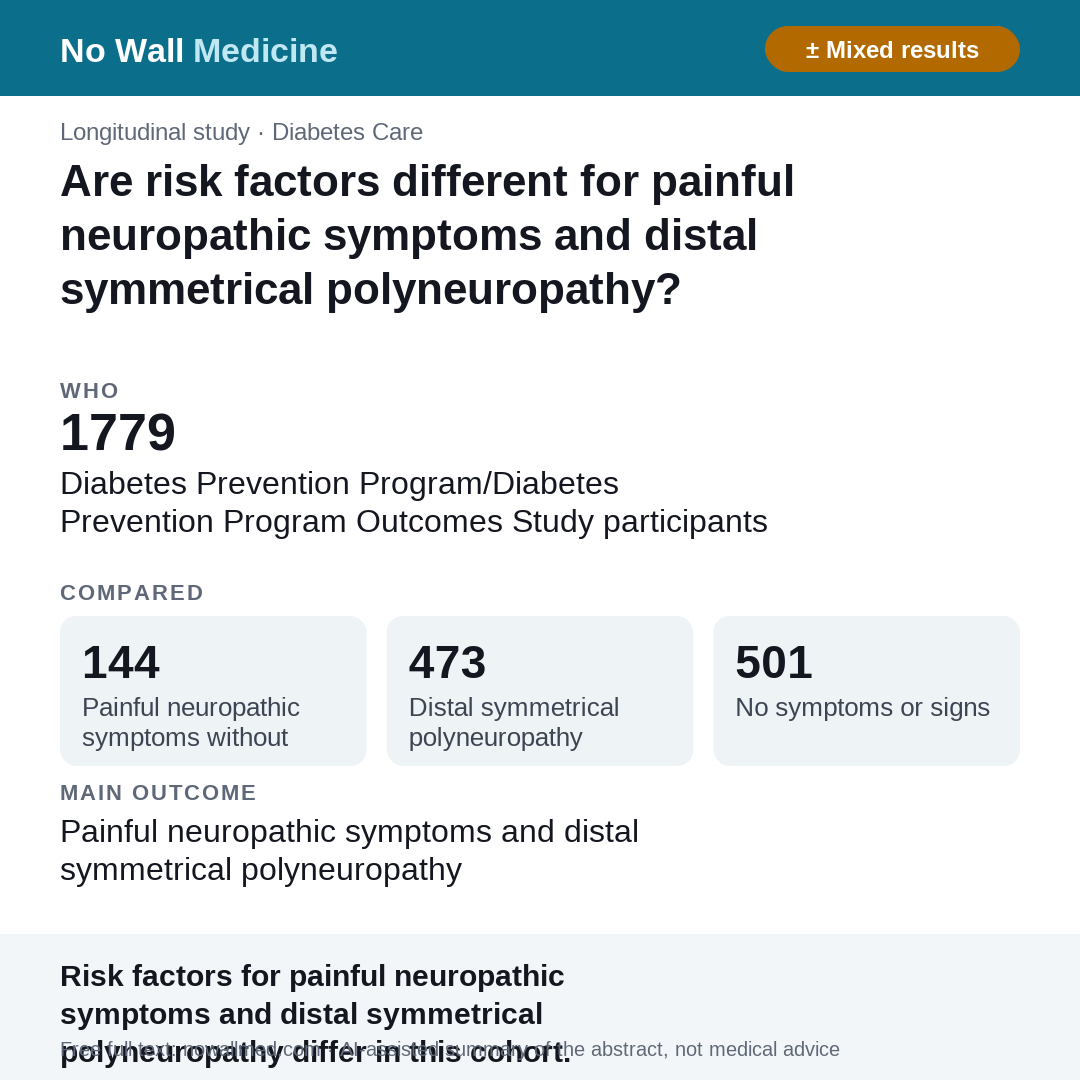
Nonglycemic and Glycemic Risk Factors for Painful Neuropathic Symptoms and for Distal Symmetrical Polyneuropathy (DSPN) in the Diabetes Prevention Program/Diabetes Prevention Program Outcomes Study
Longitudinal studyMixed results
Are risk factors different for painful neuropathic symptoms and distal symmetrical polyneuropathy?
Who
1779
Diabetes Prevention Program/Diabetes Prevention Program Outcomes Study participants
Compared
144Painful neuropathic symptoms without signs (8%)
473Distal symmetrical polyneuropathy (27%)
501No symptoms or signs (28%)
Main outcome
Painful neuropathic symptoms and distal symmetrical polyneuropathy
Bottom line: Risk factors for painful neuropathic symptoms and distal symmetrical polyneuropathy differ in this cohort.
Diabetes Care · 2025-06-18Download image
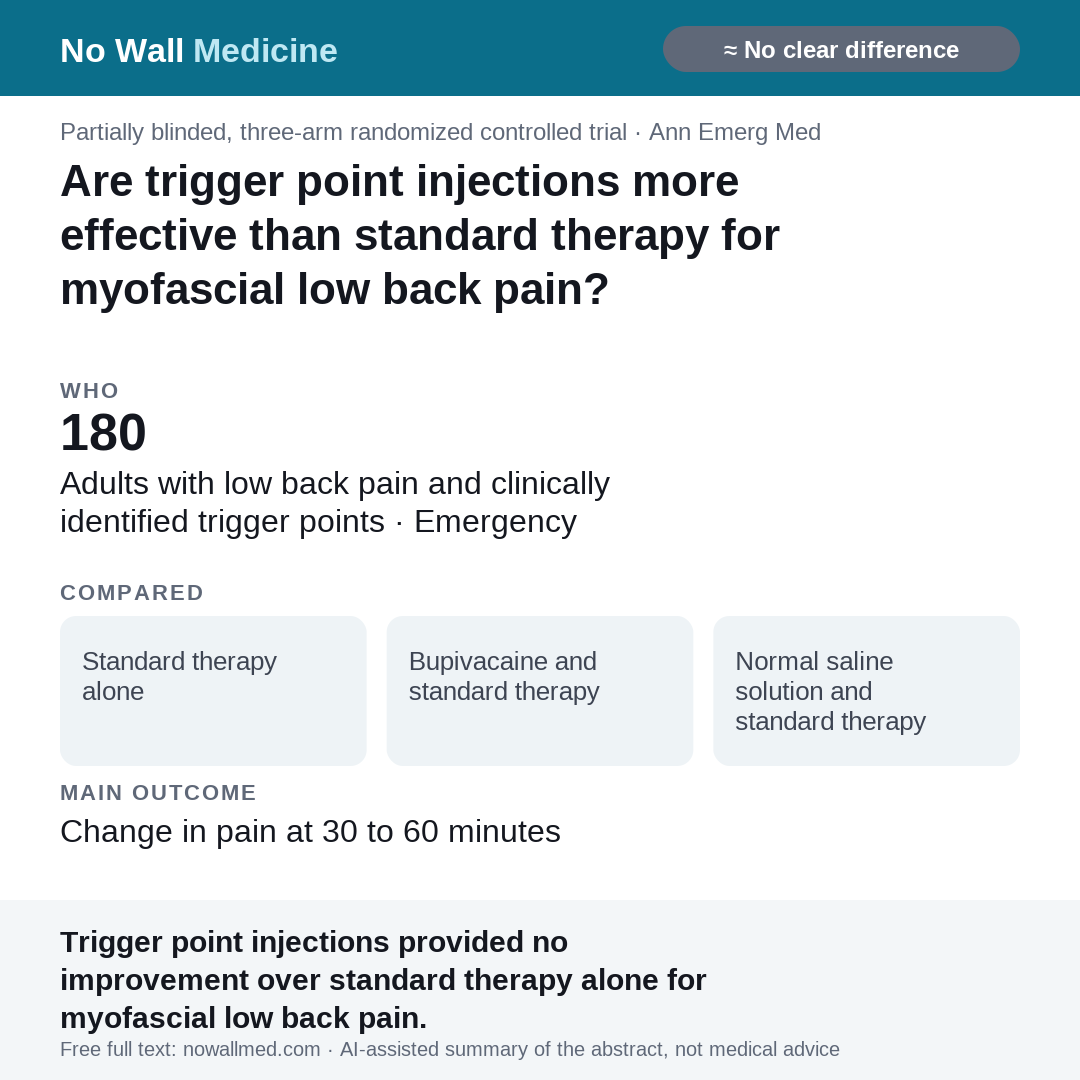
Trigger Point Injection for Myofascial Pain Syndrome of the Low Back: A Partially Blinded Three-Arm Randomized Controlled Trial
Partially blinded, three-arm randomized controlled trialNo clear difference
Are trigger point injections more effective than standard therapy for myofascial low back pain?
Who
180
Adults with low back pain and clinically identified trigger points · Emergency department
Compared
Standard therapy alone
Bupivacaine and standard therapy
Normal saline solution and standard therapy
Main outcome
Change in pain at 30 to 60 minutes
Result: 0.55 (95% CI -0.19 to 1.28) for bupivacaine; 0.71 (95% CI 0.00 to 1.43) for normal saline
Bottom line: Trigger point injections provided no improvement over standard therapy alone for myofascial low back pain.
Ann Emerg Med · 2025-06-18Download image
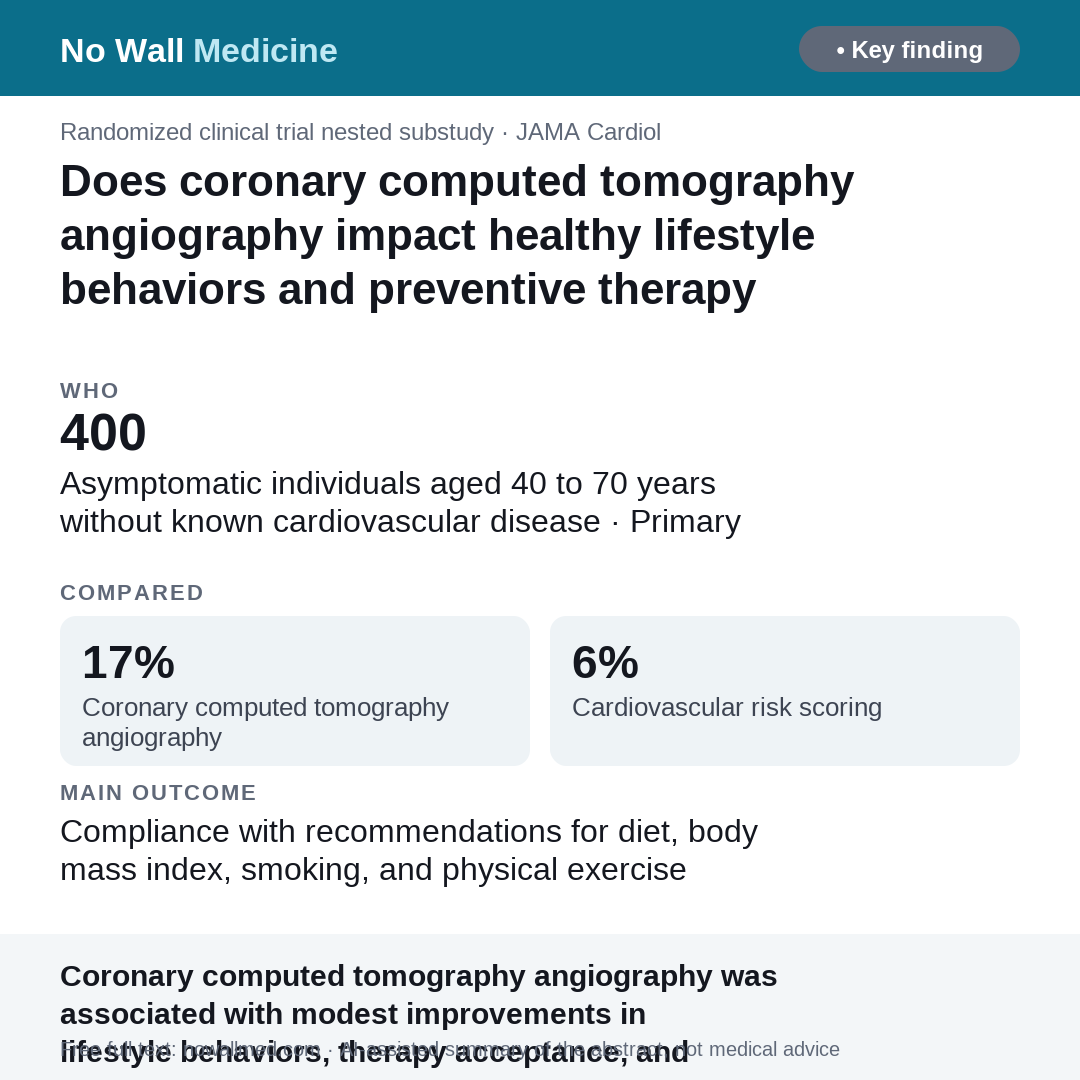
CT Angiography, Healthy Lifestyle Behaviors, and Preventive Therapy: A Nested Substudy of the SCOT-HEART 2 Randomized Clinical Trial
Randomized clinical trial nested substudyBenefit found
Does coronary computed tomography angiography impact healthy lifestyle behaviors and preventive therapy acceptance?
Who
400
Asymptomatic individuals aged 40 to 70 years without known cardiovascular disease · Primary care-based screening in Scotland
Compared
17%Coronary computed tomography angiography (33 of 194 participants)
6%Cardiovascular risk scoring (10 of 177 participants)
Main outcome
Compliance with recommendations for diet, body mass index, smoking, and physical exercise
Result: odds ratio 3.42 (95% CI 1.63-6.94)
Bottom line: Coronary computed tomography angiography was associated with modest improvements in lifestyle behaviors, therapy acceptance, and risk factor modification.
JAMA Cardiol · 2025-06-18Download image
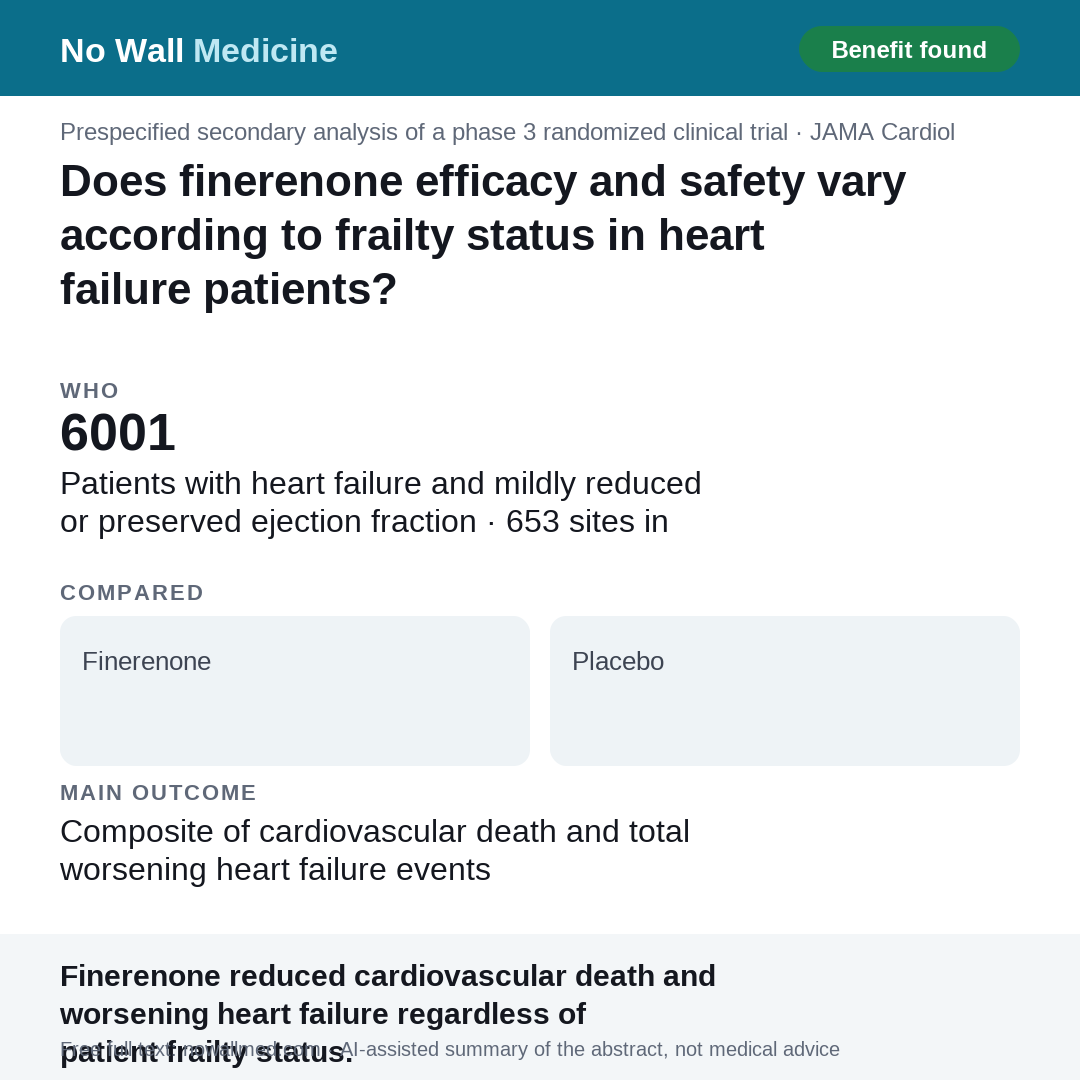
Finerenone According to Frailty in Heart Failure: A Prespecified Analysis of the FINEARTS-HF Randomized Clinical Trial
Prespecified secondary analysis of a phase 3 randomized clinical trialBenefit found
Does finerenone efficacy and safety vary according to frailty status in heart failure patients?
Who
6001
Patients with heart failure and mildly reduced or preserved ejection fraction · 653 sites in 37 countries
Compared
Finerenone
Placebo
Main outcome
Composite of cardiovascular death and total worsening heart failure events
Result: class I: RR, 1.07 (95% CI 0.77-1.49); class II: RR, 0.66 (95% CI 0.52-0.83); class III: RR, 0.91 (95% CI 0.76-1.07)
Bottom line: Finerenone reduced cardiovascular death and worsening heart failure regardless of patient frailty status.
JAMA Cardiol · 2025-06-18Download image
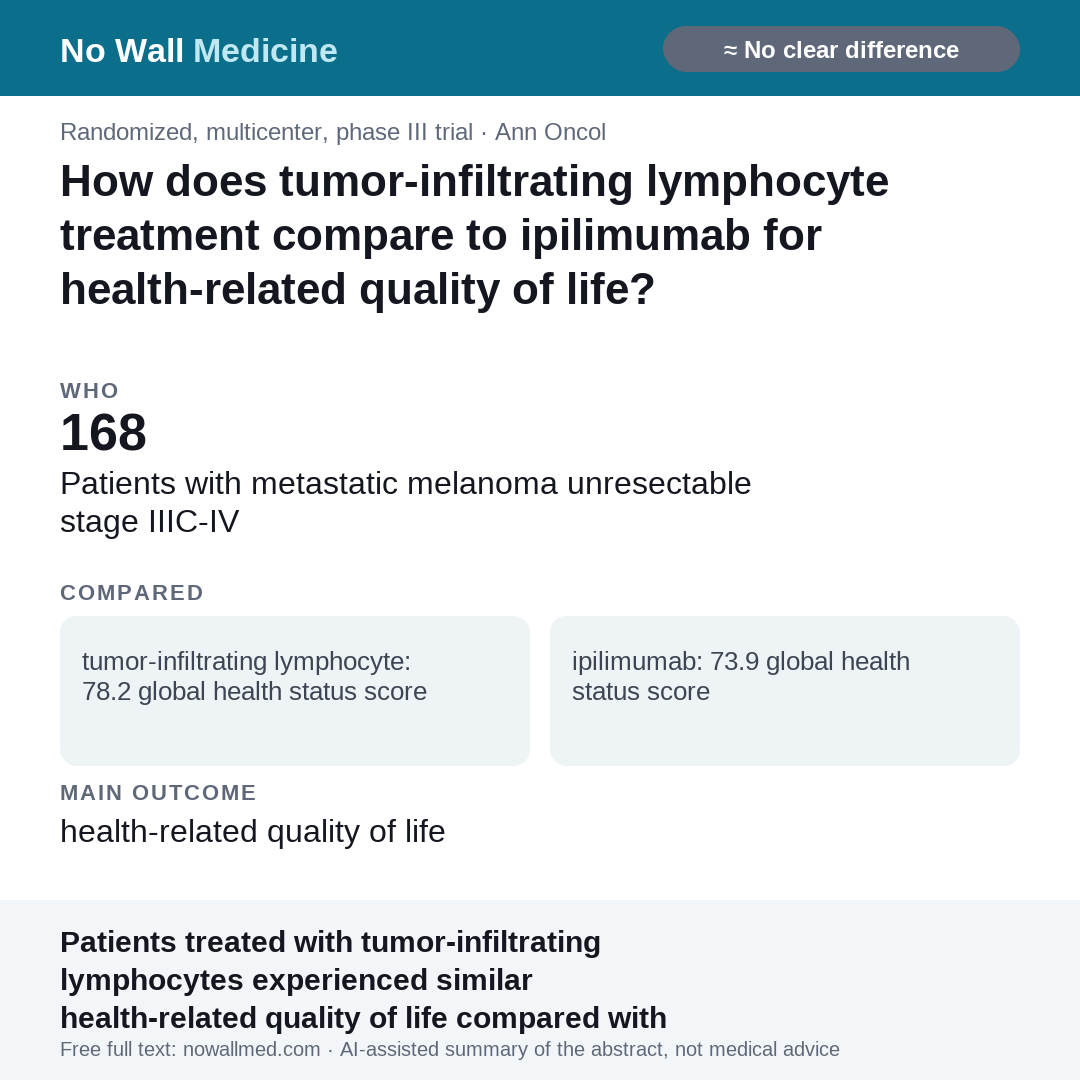
Health-related quality of life of patients with metastatic melanoma treated with tumor-infiltrating lymphocytes compared with ipilimumab in a randomized phase III trial
Randomized, multicenter, phase III trialNo clear difference
How does tumor-infiltrating lymphocyte treatment compare to ipilimumab for health-related quality of life?
Who
168
Patients with metastatic melanoma unresectable stage IIIC-IV
Compared
tumor-infiltrating lymphocyte: 78.2 global health status score
ipilimumab: 73.9 global health status score
Main outcome
health-related quality of life
Bottom line: Patients treated with tumor-infiltrating lymphocytes experienced similar health-related quality of life compared with ipilimumab monotherapy.
Limitation: Ongoing follow-up is essential to assess longer-term quality of life and generalizability.
Ann Oncol · 2025-06-18Download image
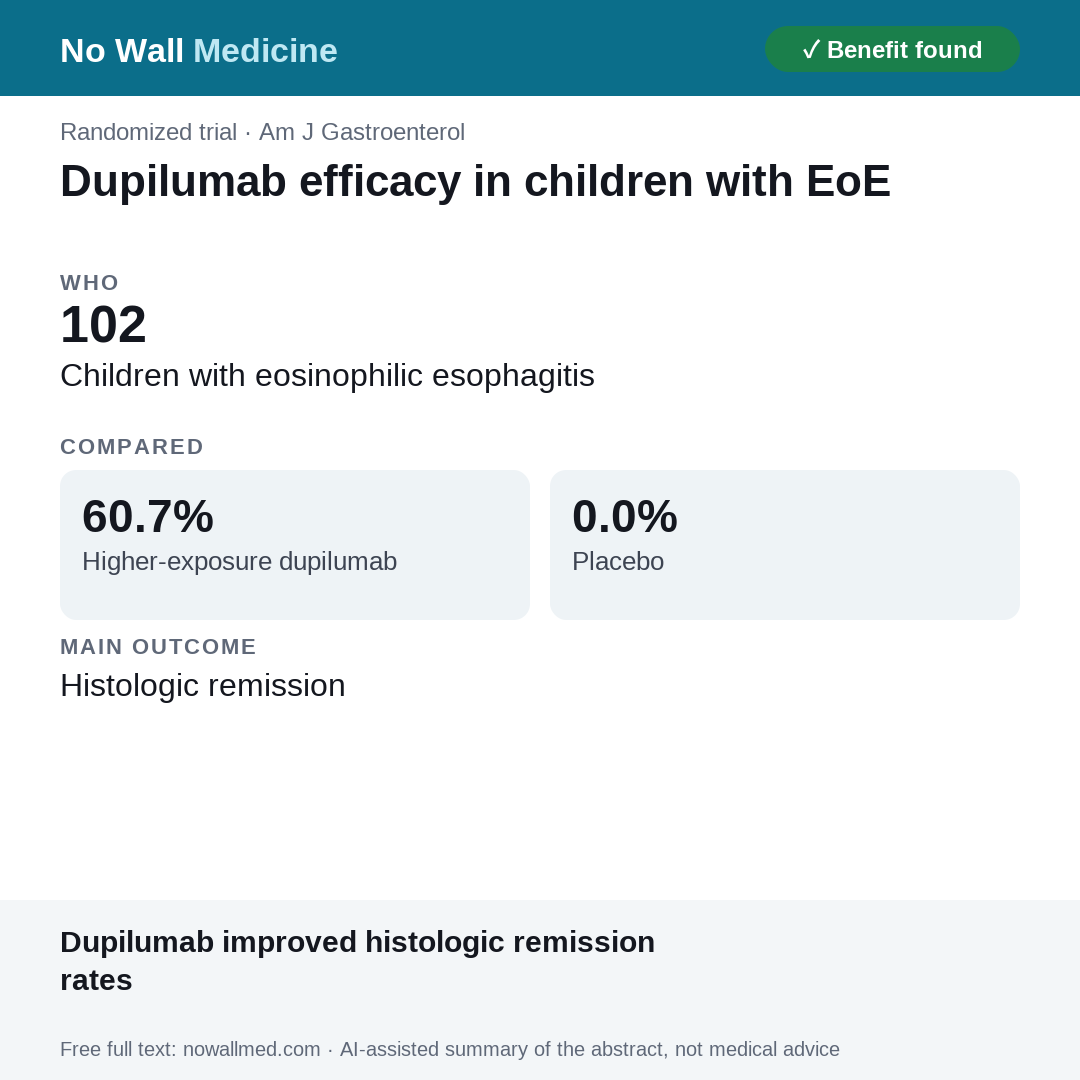
Dupilumab Efficacy in Children With Eosinophilic Esophagitis With Prior Swallowed Topical Corticosteroid Use: A Subgroup Analysis
Randomized trialBenefit found
Dupilumab efficacy in children with EoE
Who
102
Children with eosinophilic esophagitis
Compared
60.7%Higher-exposure dupilumab
0.0%Placebo
Main outcome
Histologic remission
Bottom line: Dupilumab improved histologic remission rates
Am J Gastroenterol · 2025-06-18Download image
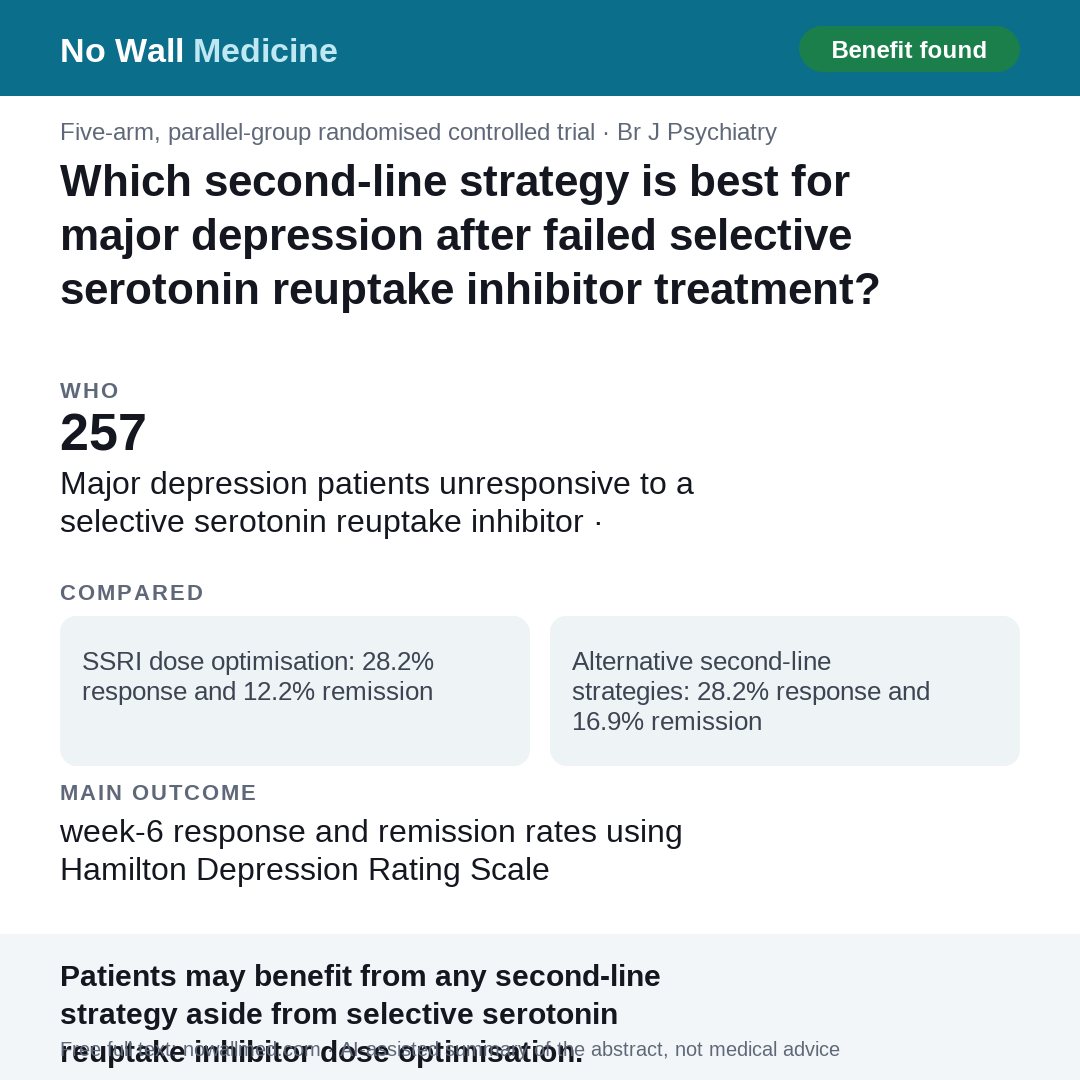
The DEPRE'5 study: pragmatic, multicentre, five-arm, parallel-group randomised controlled trial with blinded assessment to compare treatment strategies in major depression after a failed selective serotonin reuptake inhibitor treatment
Five-arm, parallel-group randomised controlled trialBenefit found
Which second-line strategy is best for major depression after failed selective serotonin reuptake inhibitor treatment?
Who
257
Major depression patients unresponsive to a selective serotonin reuptake inhibitor · multicentre
Compared
SSRI dose optimisation: 28.2% response and 12.2% remission
Alternative second-line strategies: 28.2% response and 16.9% remission
Main outcome
week-6 response and remission rates using Hamilton Depression Rating Scale
Result: odds ratio = 2.36 (95% CI 1.0-5.6)
Bottom line: Patients may benefit from any second-line strategy aside from selective serotonin reuptake inhibitor dose optimisation.
Limitation: limited statistical power
Br J Psychiatry · 2025-06-18Download image
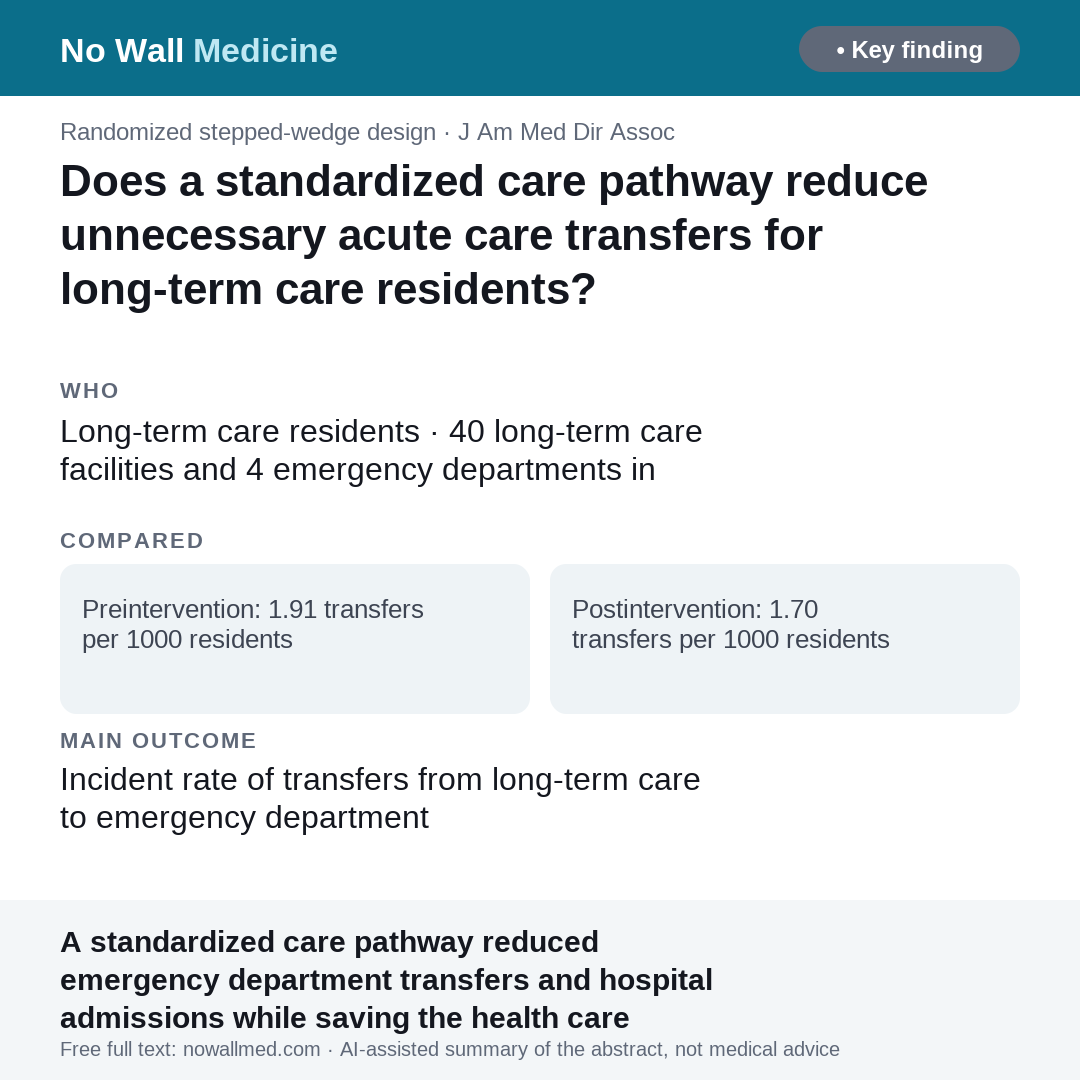
A Better Way to Care for Long-Term Care Residents in Times of Medical Urgency: An Implementation Intervention Using a Stepped-Wedge Design to Reduce Unnecessary Acute Care Transfers
Randomized stepped-wedge designBenefit found
Does a standardized care pathway reduce unnecessary acute care transfers for long-term care residents?
Who
Long-term care residents · 40 long-term care facilities and 4 emergency departments in Calgary, Canada
Compared
Preintervention: 1.91 transfers per 1000 residents
Postintervention: 1.70 transfers per 1000 residents
Main outcome
Incident rate of transfers from long-term care to emergency department
Bottom line: A standardized care pathway reduced emergency department transfers and hospital admissions while saving the health care system CAD$7.9 million.
J Am Med Dir Assoc · 2025-06-18Download image
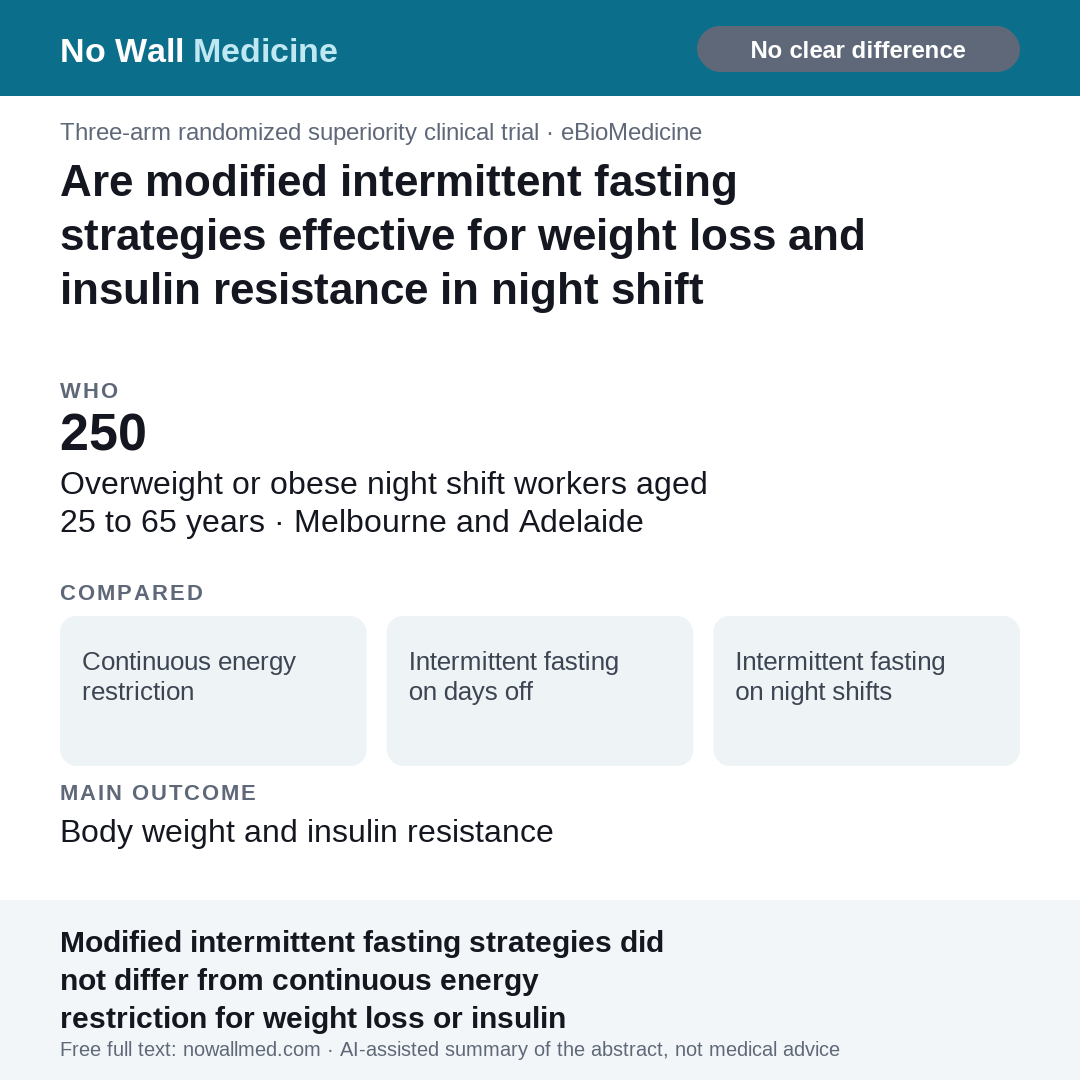
Intermittent fasting for weight loss in night shift workers: a three-arm, superiority randomised clinical trial
Three-arm randomized superiority clinical trialNo clear difference
Are modified intermittent fasting strategies effective for weight loss and insulin resistance in night shift workers?
Who
250
Overweight or obese night shift workers aged 25 to 65 years · Melbourne and Adelaide
Compared
Continuous energy restriction
Intermittent fasting on days off
Intermittent fasting on night shifts
Main outcome
Body weight and insulin resistance
Result: MD = -0.2 kg (95% CI -6.4 to 5.9) and MD = -0.6 kg (95% CI -6.8 to 5.6)
Bottom line: Modified intermittent fasting strategies did not differ from continuous energy restriction for weight loss or insulin resistance.
Funded by: National Health and Medical Research Council
eBioMedicine · 2025-06-18Download image
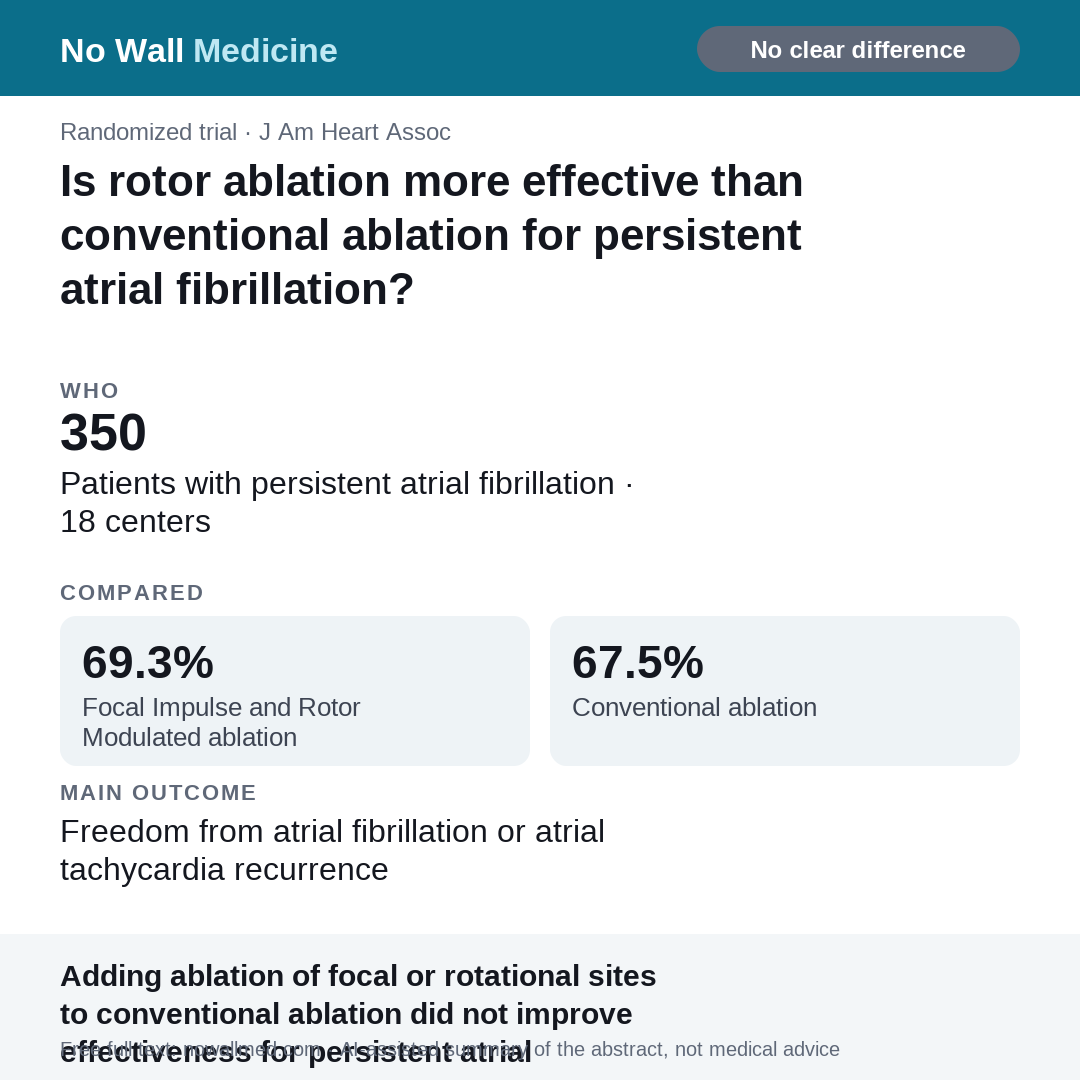
Prospective Randomized Trial of Rotor Ablation vs Conventional Ablation for Persistent Atrial Fibrillation: REAFFIRM Trial
Randomized trialNo clear difference
Is rotor ablation more effective than conventional ablation for persistent atrial fibrillation?
Who
350
Patients with persistent atrial fibrillation · 18 centers
Compared
69.3%Focal Impulse and Rotor Modulated ablation
67.5%Conventional ablation
Main outcome
Freedom from atrial fibrillation or atrial tachycardia recurrence
Bottom line: Adding ablation of focal or rotational sites to conventional ablation did not improve effectiveness for persistent atrial fibrillation.
J Am Heart Assoc · 2025-06-18Download image