Visual abstracts
New randomized trials and meta-analyses from leading journals at a glance: who was studied, what was compared, and what was found. Every paper is free to read in full.
All specialtiesCardiology 4763Oncology 4042Gastroenterology & Hepatology 1902Infectious Disease 3756Neurology 1872Psychiatry & Mental Health 2214Pulmonology 2042Critical Care 1319Endocrinology & Diabetes 2544Pediatrics 2889Surgery 2479Orthopedics & Sports Medicine 917Neurosurgery 525Cardiothoracic & Vascular Surgery 656Plastic & Reconstructive Surgery 574Nephrology 1107Rheumatology 810Hematology 1090Dermatology 611Ophthalmology 532Obstetrics & Gynecology 1645Public & Global Health 1037Radiology & Imaging 617Anesthesiology 957Urology 745ENT (Otolaryngology) 494Emergency Medicine 481Allergy & Immunology 309Geriatrics 972Family Medicine & Primary Care 533Medical Genetics & Genomics 659Pathology & Laboratory Medicine 156Physical Medicine & Rehabilitation 734Palliative Care 421Nutrition 1560Digital Health & AI 2133General Medicine 318
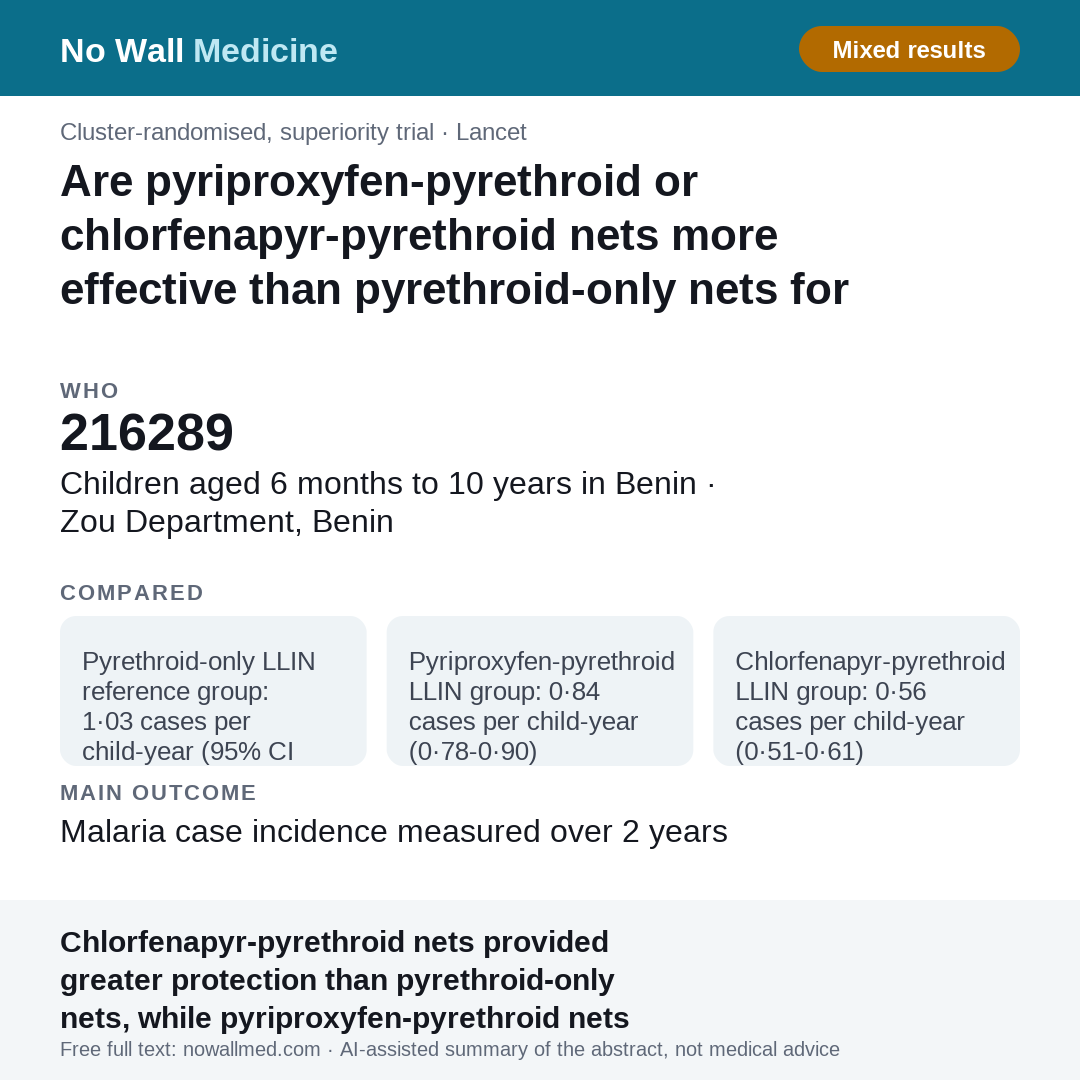
Efficacy of pyriproxyfen-pyrethroid long-lasting insecticidal nets (LLINs) and chlorfenapyr-pyrethroid LLINs compared with pyrethroid-only LLINs for malaria control in Benin: a cluster-randomised, superiority trial
Cluster-randomised, superiority trialMixed results
Are pyriproxyfen-pyrethroid or chlorfenapyr-pyrethroid nets more effective than pyrethroid-only nets for malaria control?
Who
216289
Children aged 6 months to 10 years in Benin · Zou Department, Benin
Compared
Pyrethroid-only LLIN reference group: 1·03 cases per child-year (95% CI 0·96-1·09)
Pyriproxyfen-pyrethroid LLIN group: 0·84 cases per child-year (0·78-0·90)
Chlorfenapyr-pyrethroid LLIN group: 0·56 cases per child-year (0·51-0·61)
Main outcome
Malaria case incidence measured over 2 years
Result: hazard ratio 0·54 (95% CI 0·42-0·70) for chlorfenapyr-pyrethroid
Bottom line: Chlorfenapyr-pyrethroid nets provided greater protection than pyrethroid-only nets, while pyriproxyfen-pyrethroid nets conferred similar protection.
Funded by: UNITAID, The Global Fund
Lancet · 2023-01-24Download image
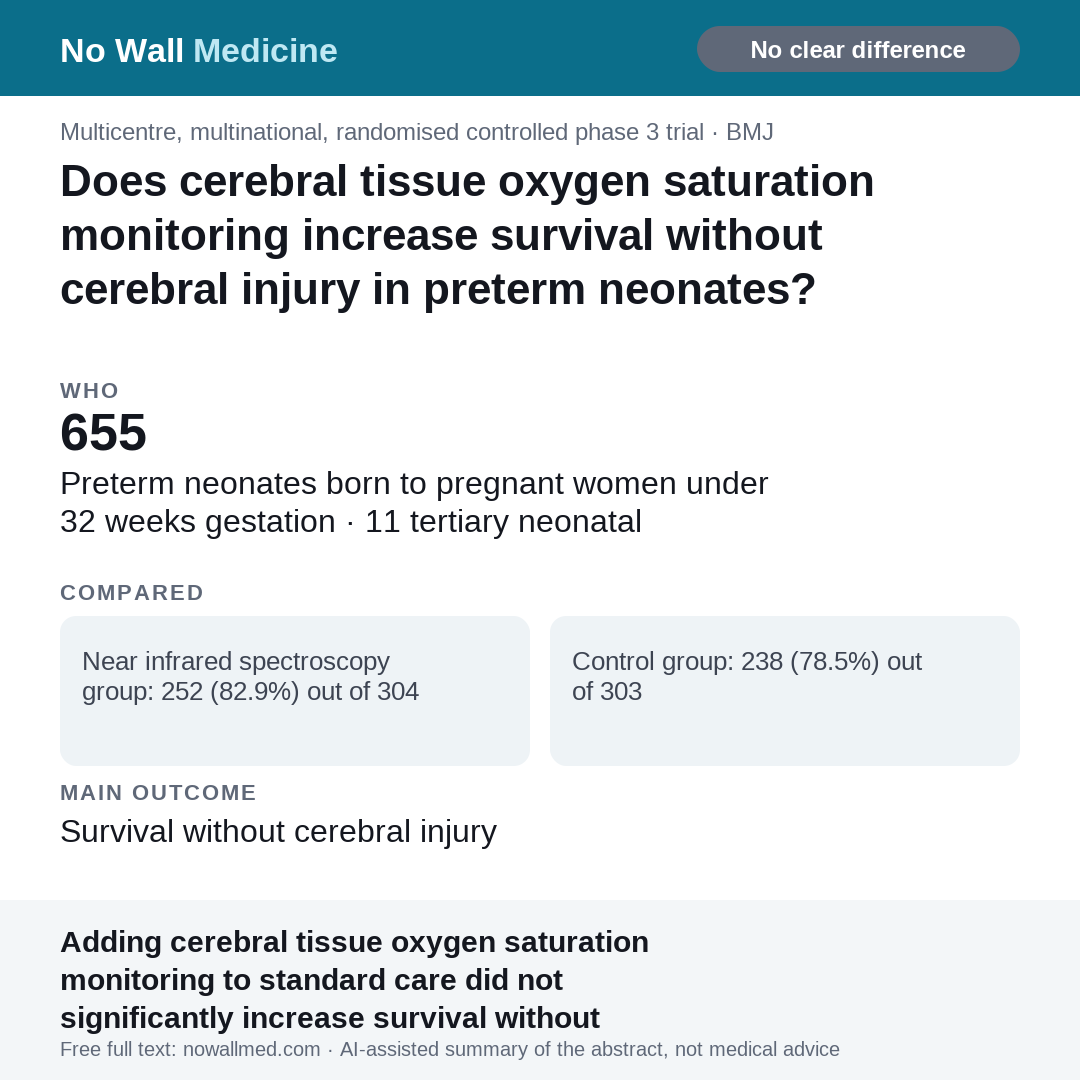
Cerebral regional tissue Oxygen Saturation to Guide Oxygen Delivery in preterm neonates during immediate transition after birth (COSGOD III): multicentre randomised phase 3 clinical trial
Multicentre, multinational, randomised controlled phase 3 trialNo clear difference
Does cerebral tissue oxygen saturation monitoring increase survival without cerebral injury in preterm neonates?
Who
655
Preterm neonates born to pregnant women under 32 weeks gestation · 11 tertiary neonatal intensive care units in six countries
Compared
Near infrared spectroscopy group: 252 (82.9%) out of 304
Control group: 238 (78.5%) out of 303
Main outcome
Survival without cerebral injury
Result: relative risk 1.06 (95% confidence interval 0.98 to 1.14)
Bottom line: Adding cerebral tissue oxygen saturation monitoring to standard care did not significantly increase survival without cerebral injury in preterm neonates.
BMJ · 2023-01-24Download image
School-age outcomes among IVF-conceived children: A population-wide cohort study
Population-wide cohort study emulating a randomized clinical trialNo clear difference
Does in vitro fertilisation conception affect school-age developmental and educational outcomes?
Who
412713
Singleton infants born in Victoria, Australia between 2005 and 2014 · Victoria, Australia
Compared
In vitro fertilisation conception
Spontaneous conception
Main outcome
Childhood developmental vulnerability and educational z-score
Result: adjusted risk difference -0.3% (95% CI -3.7% to 3.1%)
Bottom line: School-age developmental and educational outcomes for children conceived by in vitro fertilisation are equivalent to spontaneously conceived children.
Limitation: Use of observational data, potential unmeasured confounding, missing data, and restriction to children attending school.
PLOS Med · 2023-01-24Download image

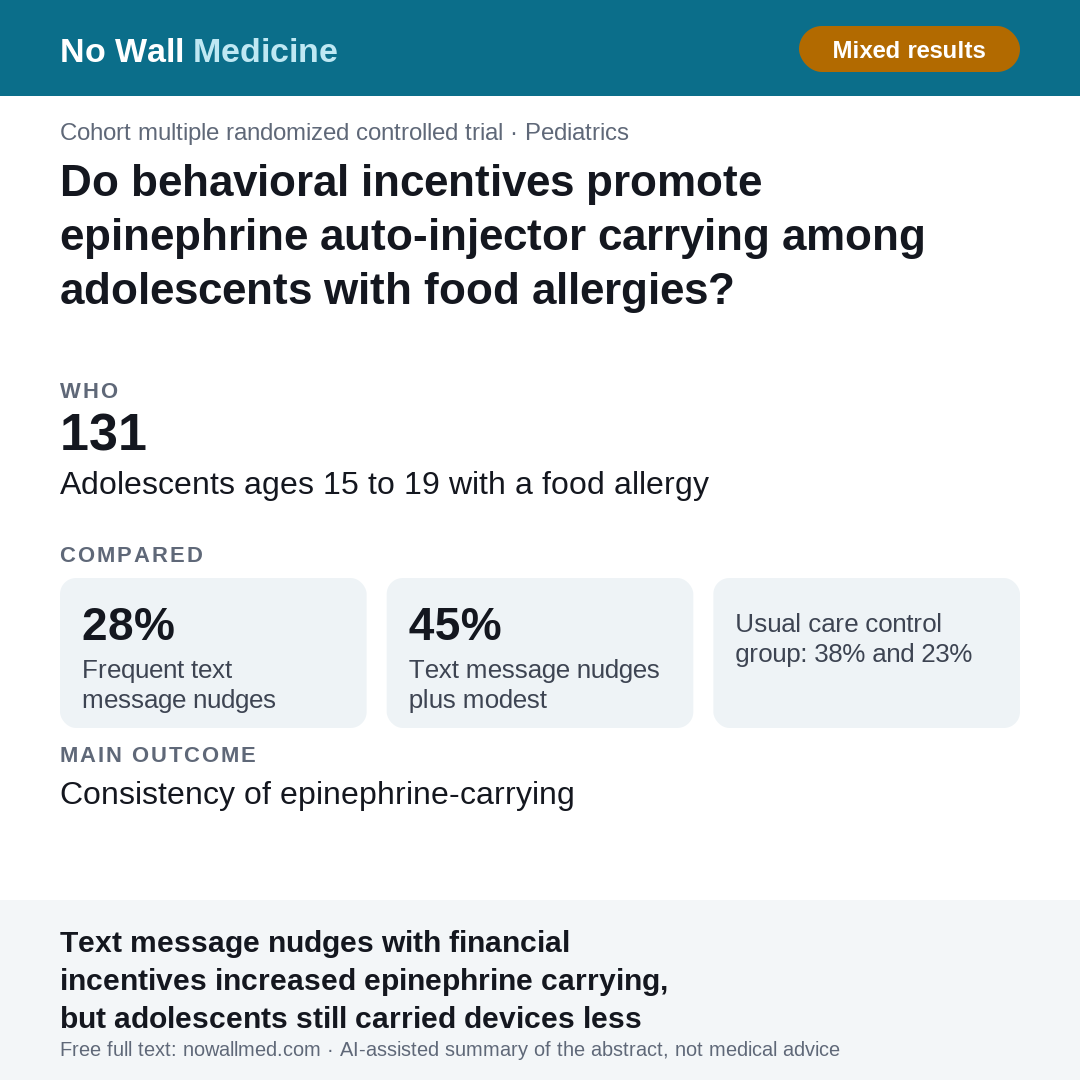
Food Allergy Management for Adolescents Using Behavioral Incentives: A Randomized Trial
Cohort multiple randomized controlled trialMixed results
Do behavioral incentives promote epinephrine auto-injector carrying among adolescents with food allergies?
Who
131
Adolescents ages 15 to 19 with a food allergy
Compared
28%Frequent text message nudges
45%Text message nudges plus modest financial incentives
Usual care control group: 38% and 23%
Main outcome
Consistency of epinephrine-carrying
Bottom line: Text message nudges with financial incentives increased epinephrine carrying, but adolescents still carried devices less than 50% of the time.
Pediatrics · 2023-01-24Download image
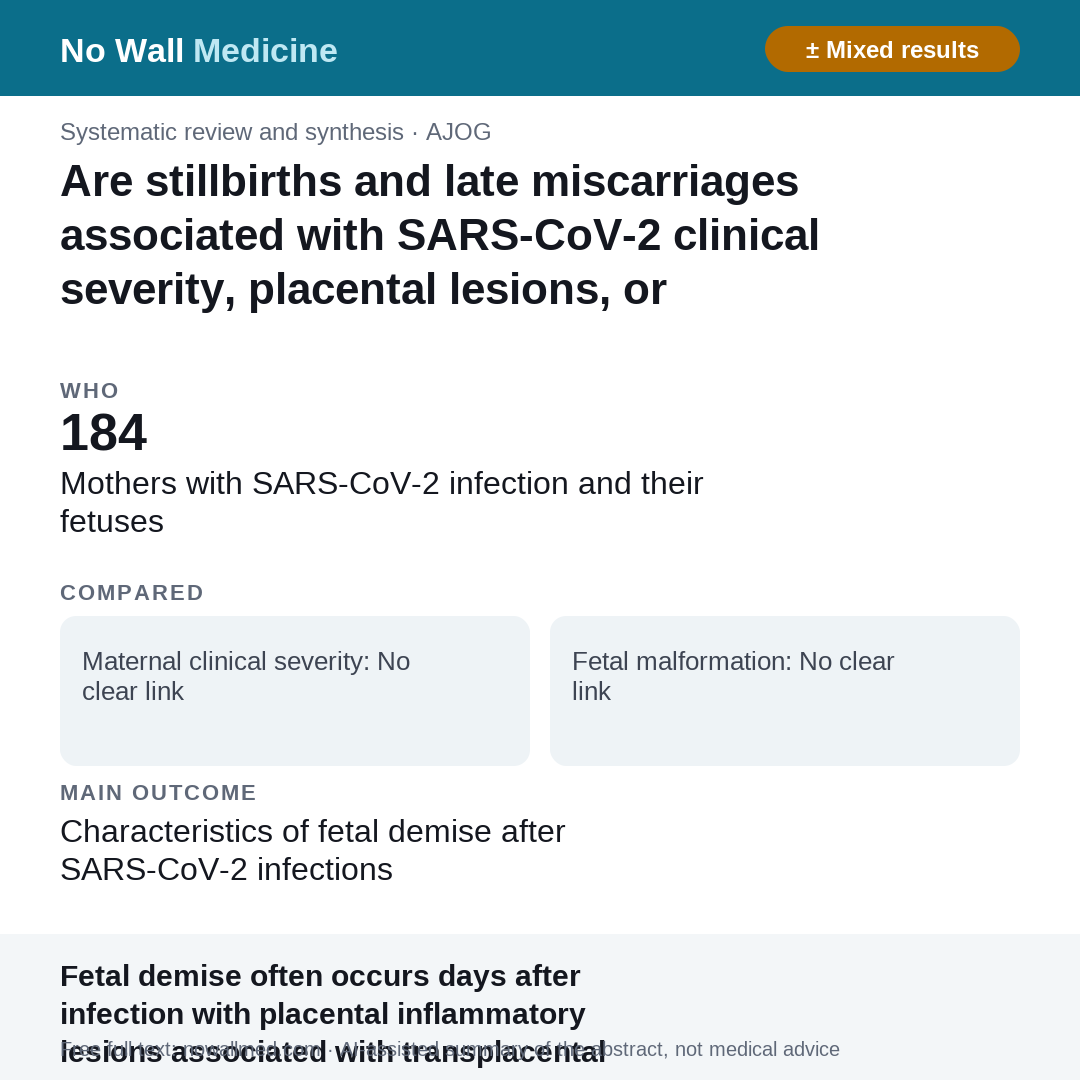
Systematic review and synthesis of stillbirths and late miscarriages following SARS-CoV-2 infections
Systematic review and synthesisMixed results
Are stillbirths and late miscarriages associated with SARS-CoV-2 clinical severity, placental lesions, or malformations?
Who
184
Mothers with SARS-CoV-2 infection and their fetuses
Compared
Maternal clinical severity: No clear link
Fetal malformation: No clear link
Main outcome
Characteristics of fetal demise after SARS-CoV-2 infections
Bottom line: Fetal demise often occurs days after infection with placental inflammatory lesions associated with transplacental SARS-CoV-2 transmission.
AJOG · 2023-01-24Download image
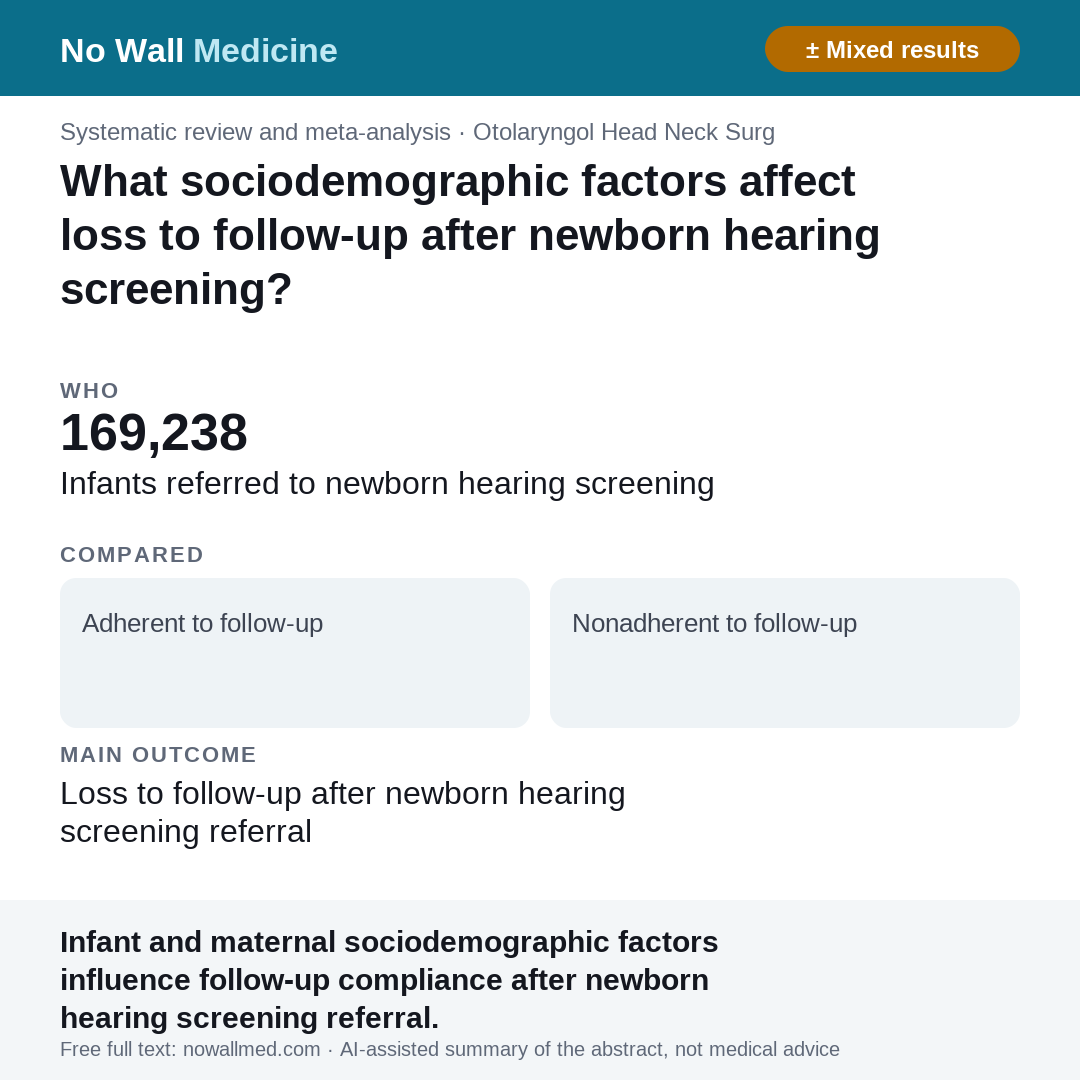
Sociodemographic Factors Affecting Loss to Follow-Up After Newborn Hearing Screening: A Systematic Review and Meta-Analysis
Systematic review and meta-analysisMixed results
What sociodemographic factors affect loss to follow-up after newborn hearing screening?
Who
169,238
Infants referred to newborn hearing screening
Compared
Adherent to follow-up
Nonadherent to follow-up
Main outcome
Loss to follow-up after newborn hearing screening referral
Bottom line: Infant and maternal sociodemographic factors influence follow-up compliance after newborn hearing screening referral.
Otolaryngol Head Neck Surg · 2023-01-24Download image
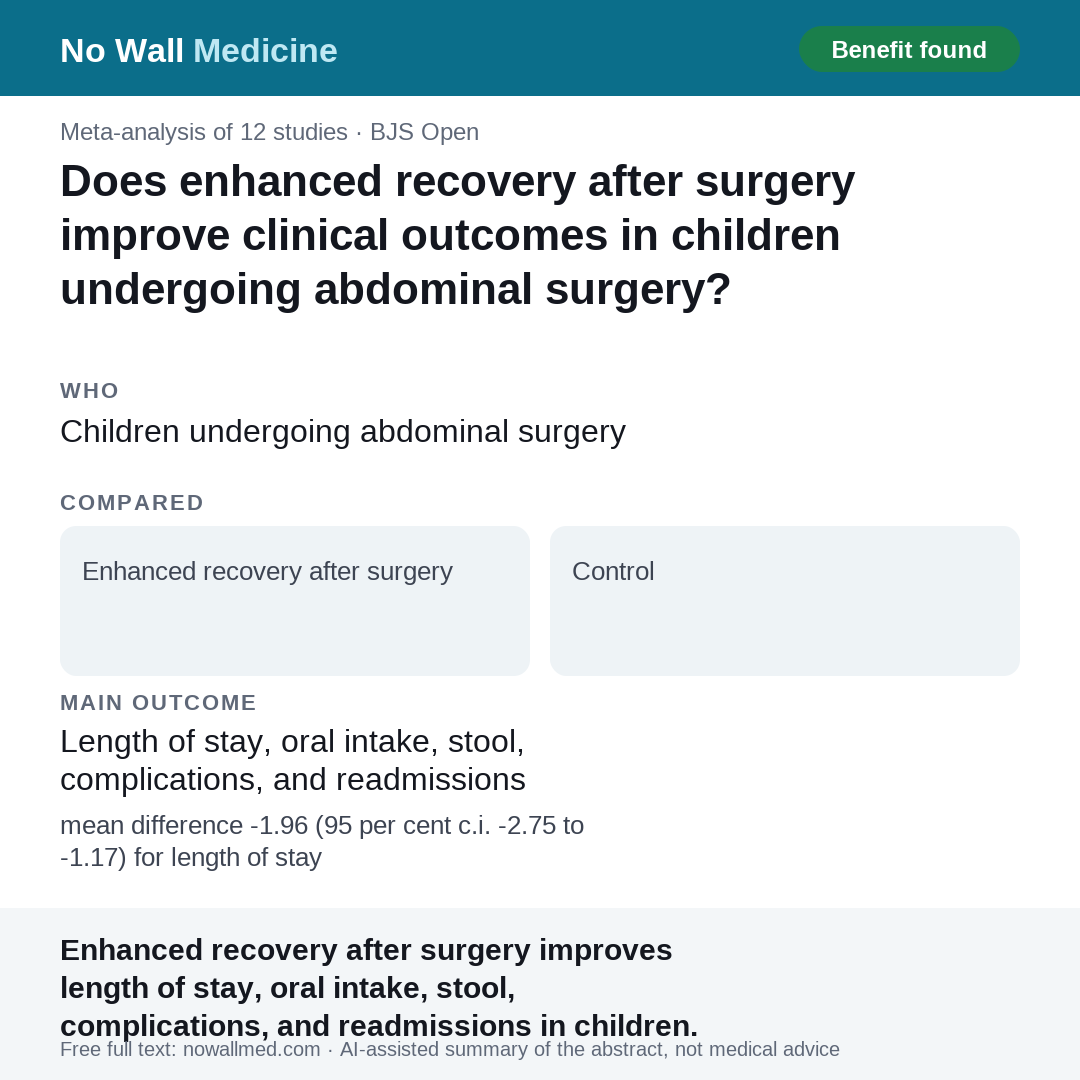
Enhanced recovery after surgery in children undergoing abdominal surgery: meta-analysis
Meta-analysis of 12 studiesBenefit found
Does enhanced recovery after surgery improve clinical outcomes in children undergoing abdominal surgery?
Who
Children undergoing abdominal surgery
Compared
Enhanced recovery after surgery
Control
Main outcome
Length of stay, oral intake, stool, complications, and readmissions
Result: mean difference -1.96 (95 per cent c.i. -2.75 to -1.17) for length of stay
Bottom line: Enhanced recovery after surgery improves length of stay, oral intake, stool, complications, and readmissions in children.
BJS Open · 2023-01-20Download image
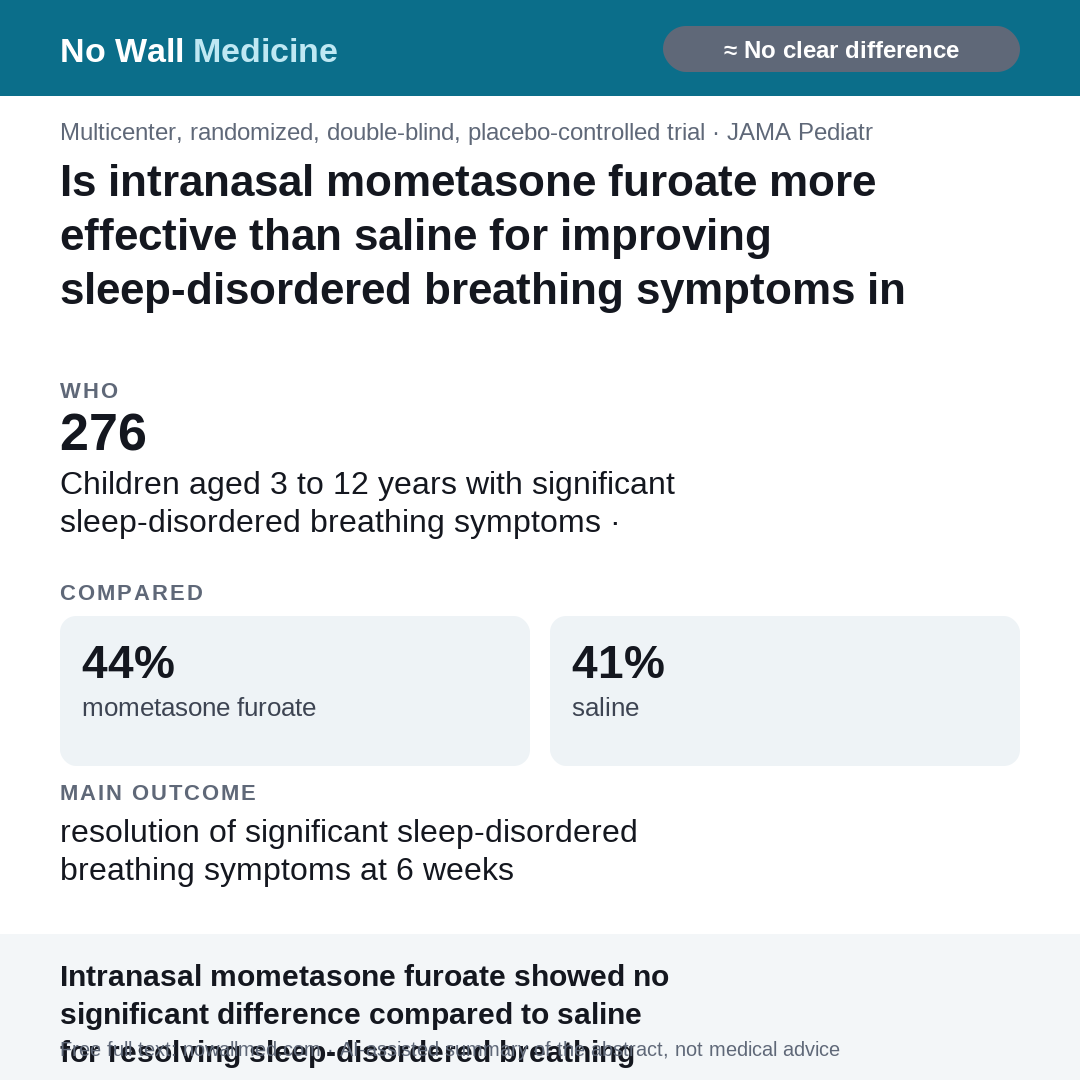
Effectiveness of Intranasal Mometasone Furoate vs Saline for Sleep-Disordered Breathing in Children: A Randomized Clinical Trial
Multicenter, randomized, double-blind, placebo-controlled trialNo clear difference
Is intranasal mometasone furoate more effective than saline for improving sleep-disordered breathing symptoms in children?
Who
276
Children aged 3 to 12 years with significant sleep-disordered breathing symptoms · Multicenter
Compared
44%mometasone furoate (56/127)
41%saline (50/123)
Main outcome
resolution of significant sleep-disordered breathing symptoms at 6 weeks
Result: risk difference, 4%; 95% CI, -8% to 16%
Bottom line: Intranasal mometasone furoate showed no significant difference compared to saline for resolving sleep-disordered breathing symptoms in children.
Limitation: 26 participants were lost to follow-up
JAMA Pediatr · 2023-01-18Download image
A Systematic Review and Meta-analysis of the Effect of Active Video Games on Postural Balance
Systematic review and meta-analysisBenefit found
Do active video games improve postural balance across all ages and populations?
Who
6407
People with and without neurologic impairments, ages 3 to 99 years
Compared
Active video games vs passive controls: Hedges' g=0.627 (95% CI 0.466 to 0.788)
Active video games vs conventional treatment: Hedges' g=0.389 (95% CI 0.311 to 0.468)
Main outcome
postural balance
Result: Hedges' g=0.469 (95% CI 0.407 to 0.531)
Bottom line: Active video games significantly improve postural balance across all clinical and healthy populations.
Limitation: The overall study quality was relatively low.
Arch Phys Med Rehabil · 2023-01-18Download image

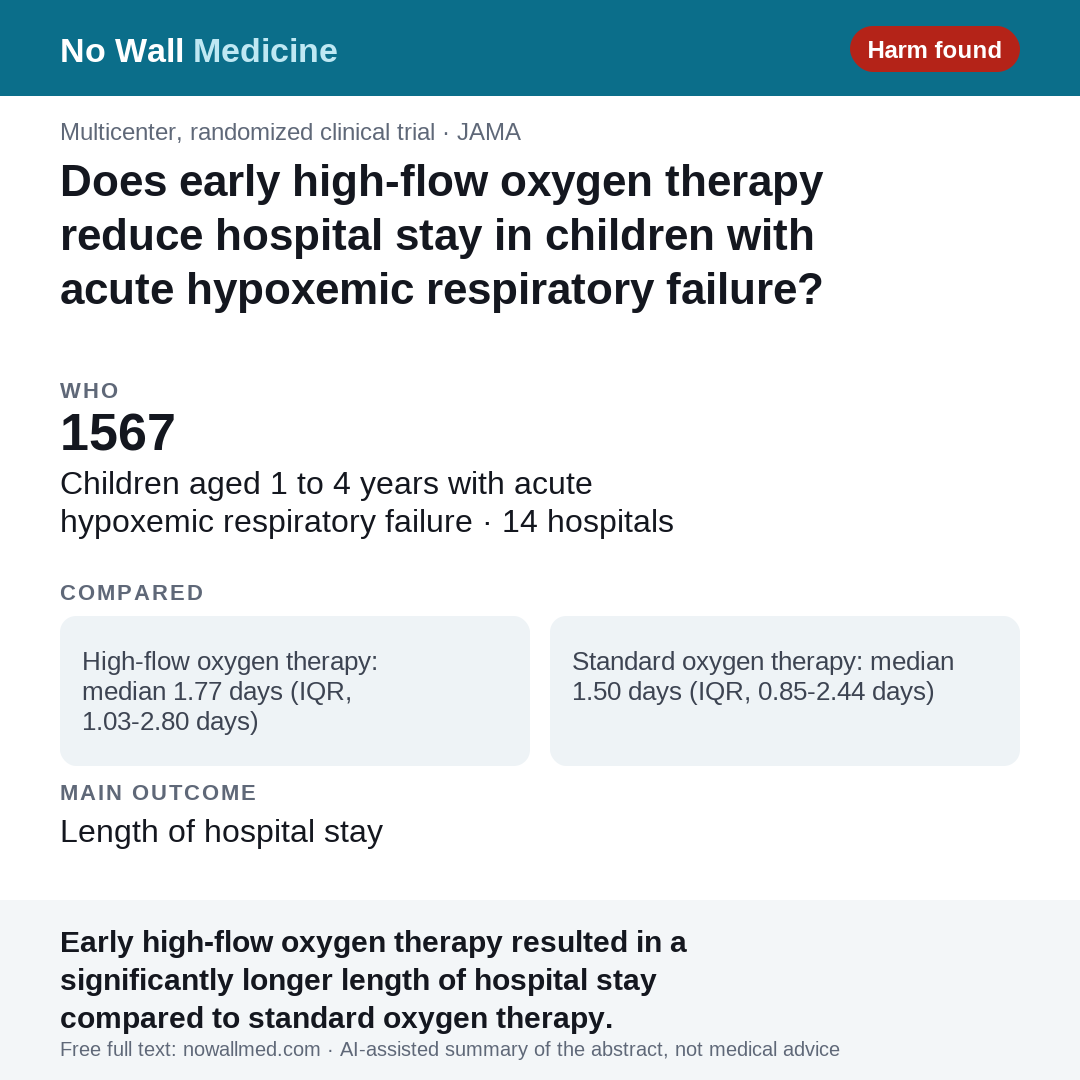
Effect of Early High-Flow Nasal Oxygen vs Standard Oxygen Therapy on Length of Hospital Stay in Hospitalized Children With Acute Hypoxemic Respiratory Failure: The PARIS-2 Randomized Clinical Trial
Multicenter, randomized clinical trialHarm found
Does early high-flow oxygen therapy reduce hospital stay in children with acute hypoxemic respiratory failure?
Who
1567
Children aged 1 to 4 years with acute hypoxemic respiratory failure · 14 hospitals in Australia and New Zealand
Compared
High-flow oxygen therapy: median 1.77 days (IQR, 1.03-2.80 days)
Standard oxygen therapy: median 1.50 days (IQR, 0.85-2.44 days)
Main outcome
Length of hospital stay
Result: adjusted hazard ratio, 0.83 (95% CI, 0.75-0.92)
Bottom line: Early high-flow oxygen therapy resulted in a significantly longer length of hospital stay compared to standard oxygen therapy.
JAMA · 2023-01-17Download image
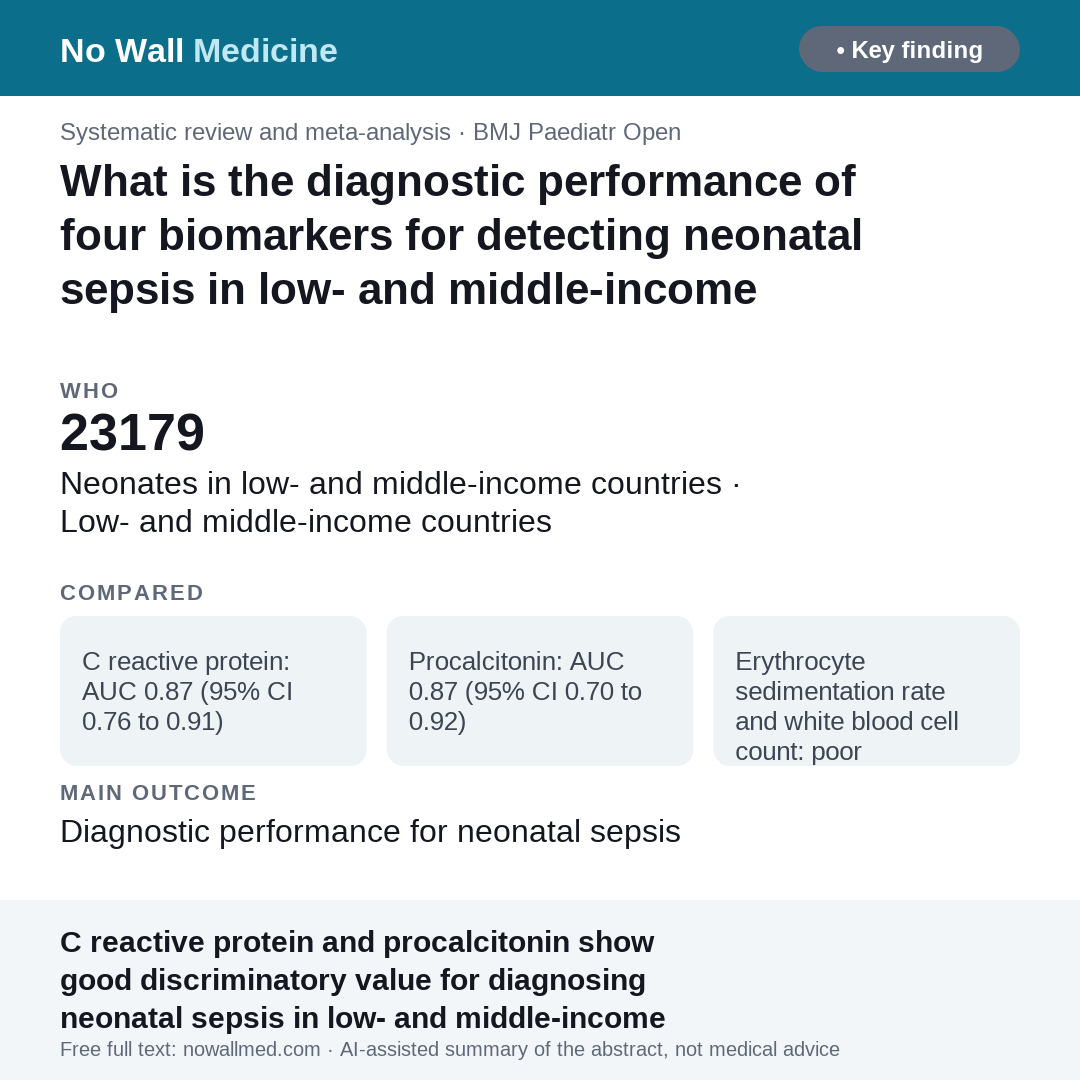
Systematic review and meta-analysis of the diagnostic value of four biomarkers in detecting neonatal sepsis in low- and middle-income countries
Systematic review and meta-analysisKey finding
What is the diagnostic performance of four biomarkers for detecting neonatal sepsis in low- and middle-income countries?
Who
23179
Neonates in low- and middle-income countries · Low- and middle-income countries
Compared
C reactive protein: AUC 0.87 (95% CI 0.76 to 0.91)
Procalcitonin: AUC 0.87 (95% CI 0.70 to 0.92)
Erythrocyte sedimentation rate and white blood cell count: poor discrimination
Main outcome
Diagnostic performance for neonatal sepsis
Bottom line: C reactive protein and procalcitonin show good discriminatory value for diagnosing neonatal sepsis in low- and middle-income countries.
BMJ Paediatr Open · 2023-01-17Download image
Systematic review of outbreaks of COVID-19 within households in the European region when the child is the index case
Systematic reviewMixed results
What are the secondary attack rates when children are the index cases in European households?
Who
Humans in European households in contact with paediatric index cases · European region
Compared
Overall secondary attack rate: 13% to 75%
One study: no evidence of secondary transmission
Main outcome
secondary attack rate or probability of onward infection
Bottom line: Secondary transmission from paediatric index cases in European households ranged from 0% to 75%.
BMJ Paediatr Open · 2023-01-17Download image

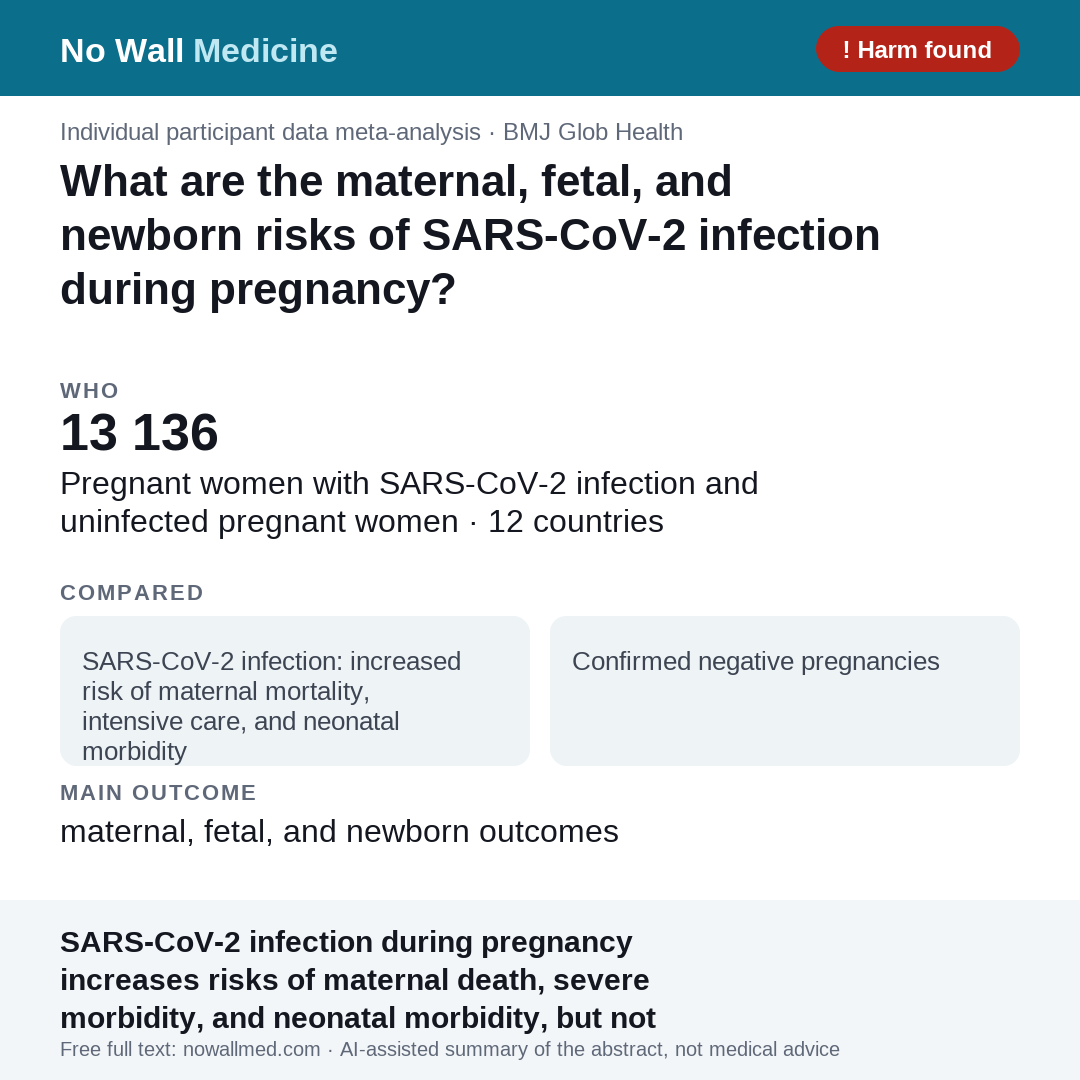
Adverse maternal, fetal, and newborn outcomes among pregnant women with SARS-CoV-2 infection: an individual participant data meta-analysis
Individual participant data meta-analysisHarm found
What are the maternal, fetal, and newborn risks of SARS-CoV-2 infection during pregnancy?
Who
13 136
Pregnant women with SARS-CoV-2 infection and uninfected pregnant women · 12 countries
Compared
SARS-CoV-2 infection: increased risk of maternal mortality, intensive care, and neonatal morbidity
Confirmed negative pregnancies
Main outcome
maternal, fetal, and newborn outcomes
Result: maternal mortality RR 7.68 (95% CI 1.70 to 34.61)
Bottom line: SARS-CoV-2 infection during pregnancy increases risks of maternal death, severe morbidity, and neonatal morbidity, but not stillbirth.
BMJ Glob Health · 2023-01-16Download image
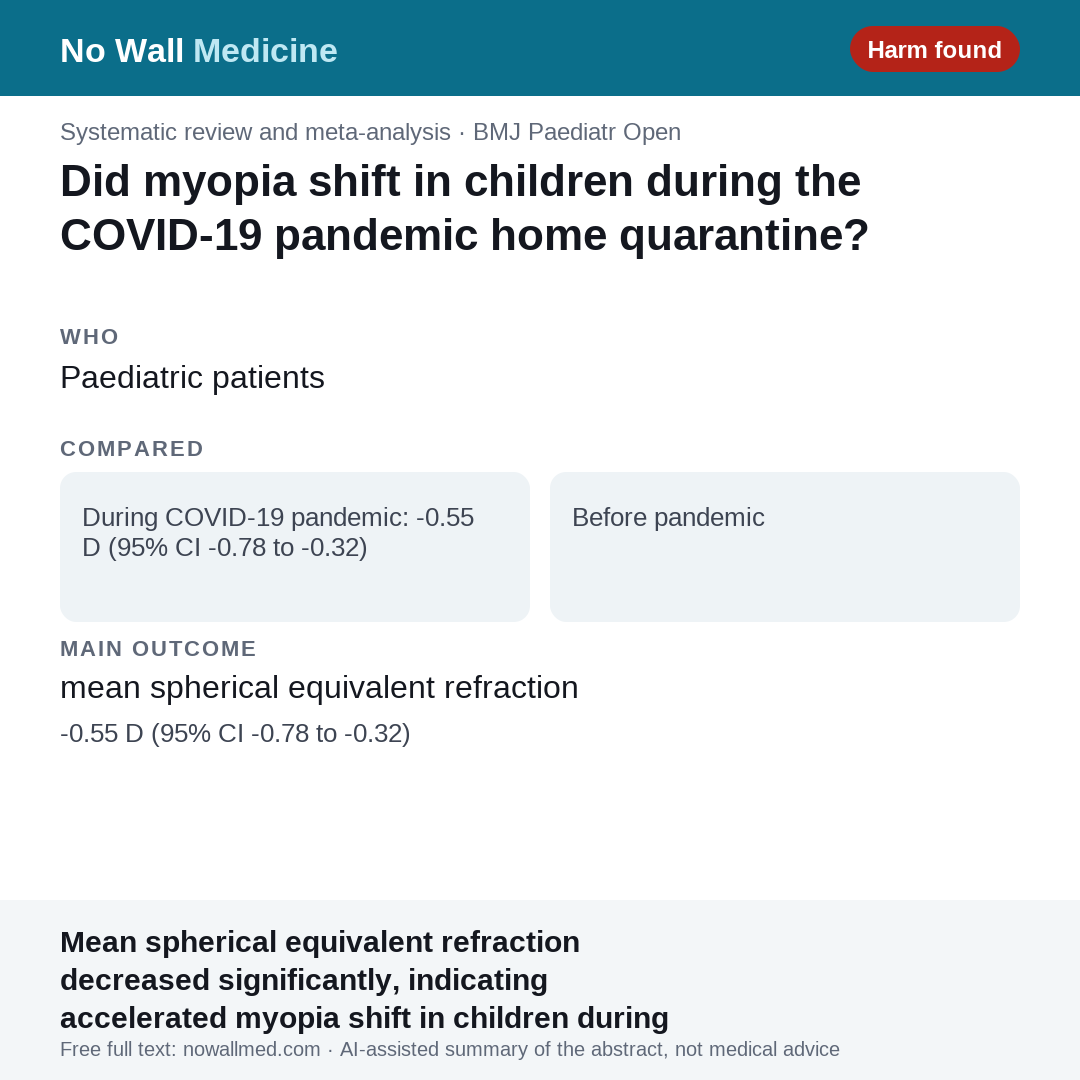
Paediatric myopia shift during the COVID-19 pandemic home quarantine: a systematic review and meta-analysis
Systematic review and meta-analysisHarm found
Did myopia shift in children during the COVID-19 pandemic home quarantine?
Who
Paediatric patients
Compared
During COVID-19 pandemic: -0.55 D (95% CI -0.78 to -0.32)
Before pandemic
Main outcome
mean spherical equivalent refraction
Result: -0.55 D (95% CI -0.78 to -0.32)
Bottom line: Mean spherical equivalent refraction decreased significantly, indicating accelerated myopia shift in children during the COVID-19 pandemic.
BMJ Paediatr Open · 2023-01-16Download image
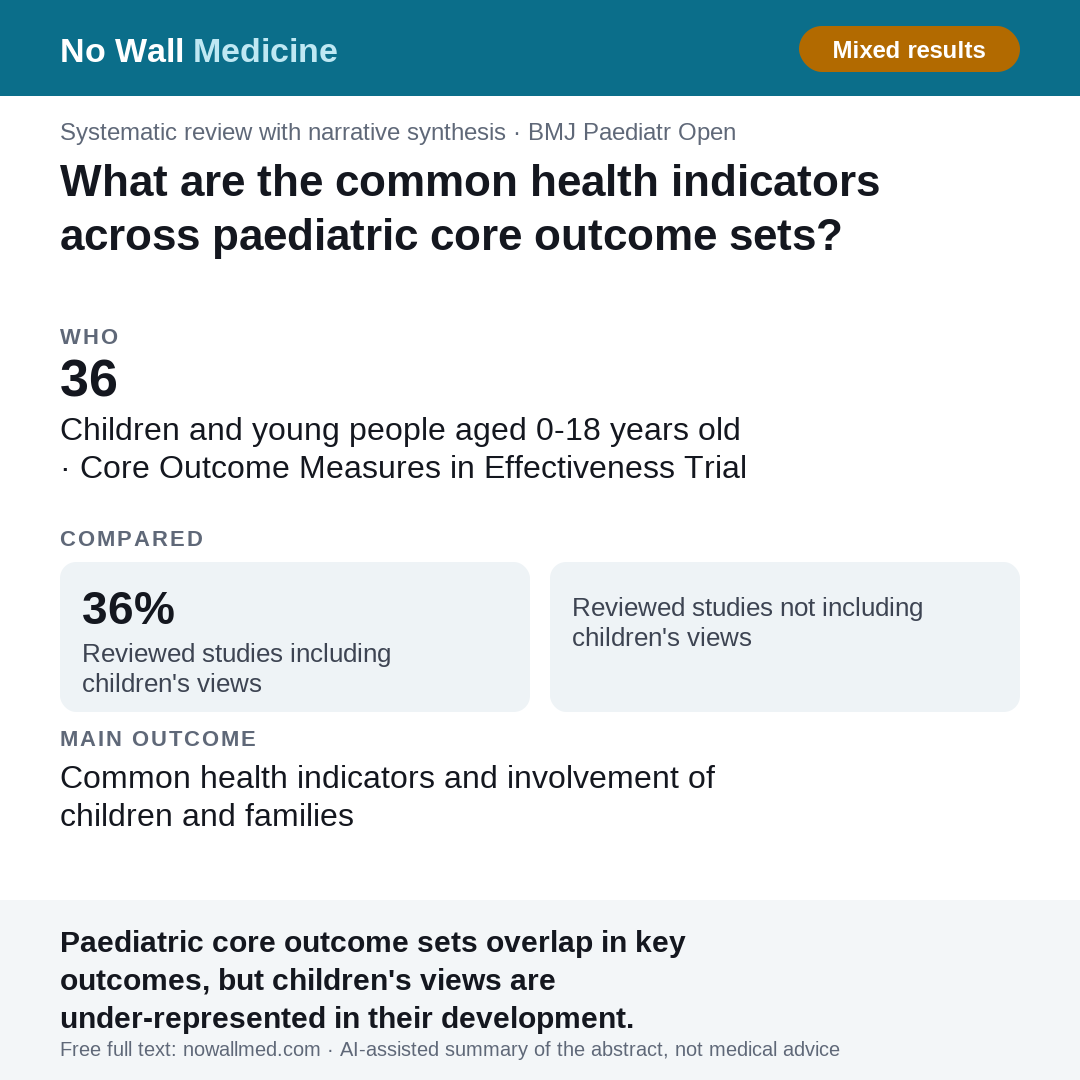
Identifying common health indicators from paediatric core outcome sets: a systematic review with narrative synthesis using the WHO International Classification of Functioning, Health and Disability
Systematic review with narrative synthesisMixed results
What are the common health indicators across paediatric core outcome sets?
Who
36
Children and young people aged 0-18 years old · Core Outcome Measures in Effectiveness Trial register
Compared
36%Reviewed studies including children's views
Reviewed studies not including children's views
Main outcome
Common health indicators and involvement of children and families
Bottom line: Paediatric core outcome sets overlap in key outcomes, but children's views are under-represented in their development.
BMJ Paediatr Open · 2023-01-16Download image
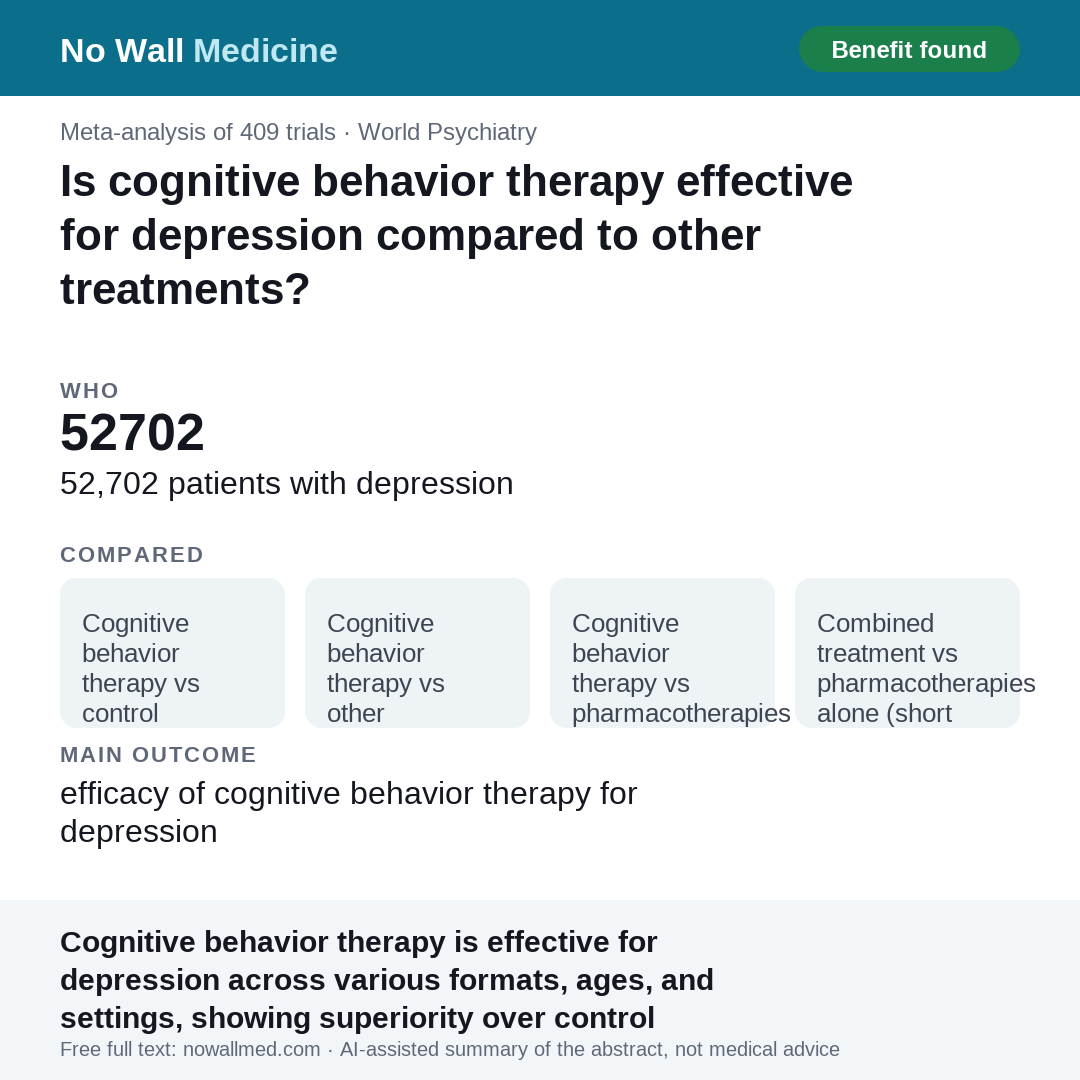
Cognitive behavior therapy vs. control conditions, other psychotherapies, pharmacotherapies and combined treatment for depression: a comprehensive meta-analysis including 409 trials with 52,702 patients
Meta-analysis of 409 trialsBenefit found
Is cognitive behavior therapy effective for depression compared to other treatments?
Who
52702
52,702 patients with depression
Compared
Cognitive behavior therapy vs control conditions: g=0.79
Cognitive behavior therapy vs other psychotherapies: g=0.06
Cognitive behavior therapy vs pharmacotherapies (6-12 month): g=0.34
Combined treatment vs pharmacotherapies alone (short term): g=0.51
Main outcome
efficacy of cognitive behavior therapy for depression
Result: g=0.79 (95% CI: 0.70-0.89) vs control
Bottom line: Cognitive behavior therapy is effective for depression across various formats, ages, and settings, showing superiority over control conditions.
Limitation: The difference between cognitive behavior therapy and other psychotherapies did not emerge clearly.
World Psychiatry · 2023-01-14Download image
Candidate diagnostic biomarkers for neurodevelopmental disorders in children and adolescents: a systematic review
Systematic reviewNo clear difference
Biomarkers for neurodevelopmental disorders
Who
120000
Children and adolescents
Compared
Cases
Controls
Main outcome
Sensitivity and specificity
Bottom line: No valid biomarkers found
Limitation: Small sample sizes, heterogeneous approaches
World Psychiatry · 2023-01-14Download image
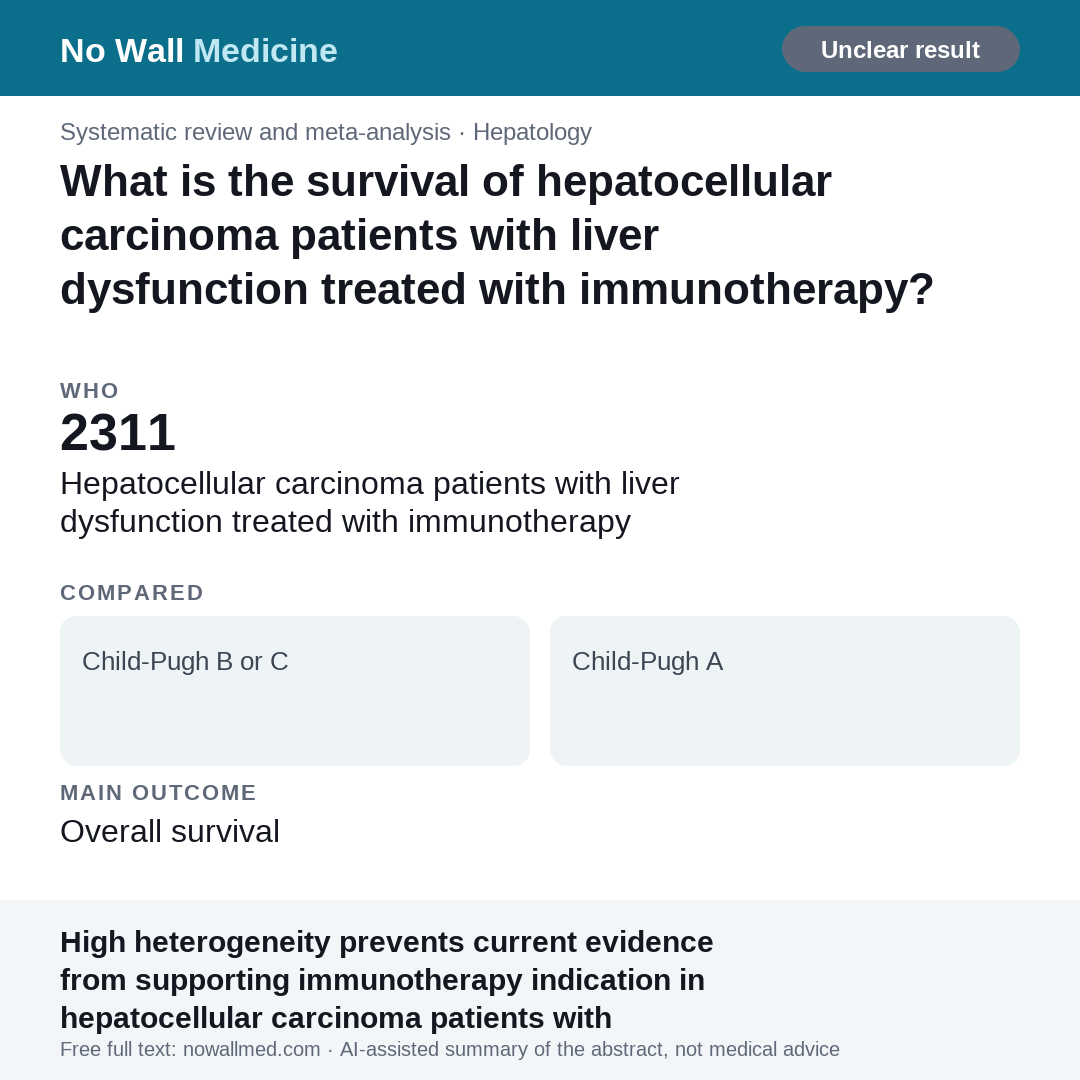
Outcome of patients with HCC and liver dysfunction under immunotherapy: a systematic review and meta-analysis
Systematic review and meta-analysisUnclear result
What is the survival of hepatocellular carcinoma patients with liver dysfunction treated with immunotherapy?
Who
2311
Hepatocellular carcinoma patients with liver dysfunction treated with immunotherapy
Compared
Child-Pugh B or C
Child-Pugh A
Main outcome
Overall survival
Result: hazard ratio 1.65 (95% CI 1.45-1.84)
Bottom line: High heterogeneity prevents current evidence from supporting immunotherapy indication in hepatocellular carcinoma patients with relevant liver dysfunction.
Limitation: High heterogeneity across studies and lack of complementary information beyond Child-Pugh classification.
Hepatology · 2023-01-13Download image
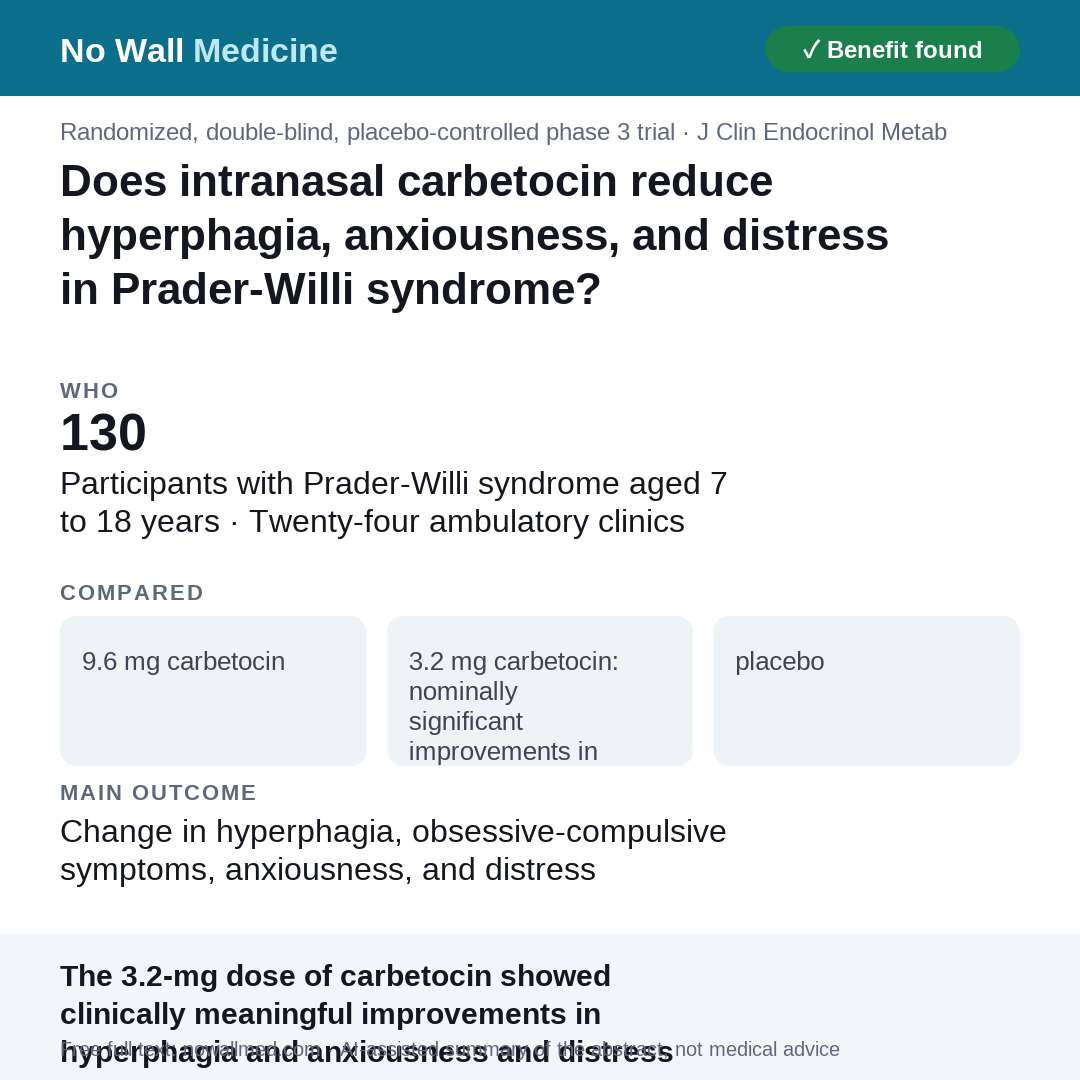
Intranasal Carbetocin Reduces Hyperphagia, Anxiousness, and Distress in Prader-Willi Syndrome: CARE-PWS Phase 3 Trial
Randomized, double-blind, placebo-controlled phase 3 trialBenefit found
Does intranasal carbetocin reduce hyperphagia, anxiousness, and distress in Prader-Willi syndrome?
Who
130
Participants with Prader-Willi syndrome aged 7 to 18 years · Twenty-four ambulatory clinics at academic medical centers
Compared
9.6 mg carbetocin
3.2 mg carbetocin: nominally significant improvements in HQ-CT, PADQ, and CGI-C
placebo
Main outcome
Change in hyperphagia, obsessive-compulsive symptoms, anxiousness, and distress
Bottom line: The 3.2-mg dose of carbetocin showed clinically meaningful improvements in hyperphagia and anxiousness and distress behaviors.
Limitation: Enrollment was stopped prematurely because of the onset of the COVID-19 pandemic.
J Clin Endocrinol Metab · 2023-01-13Download image
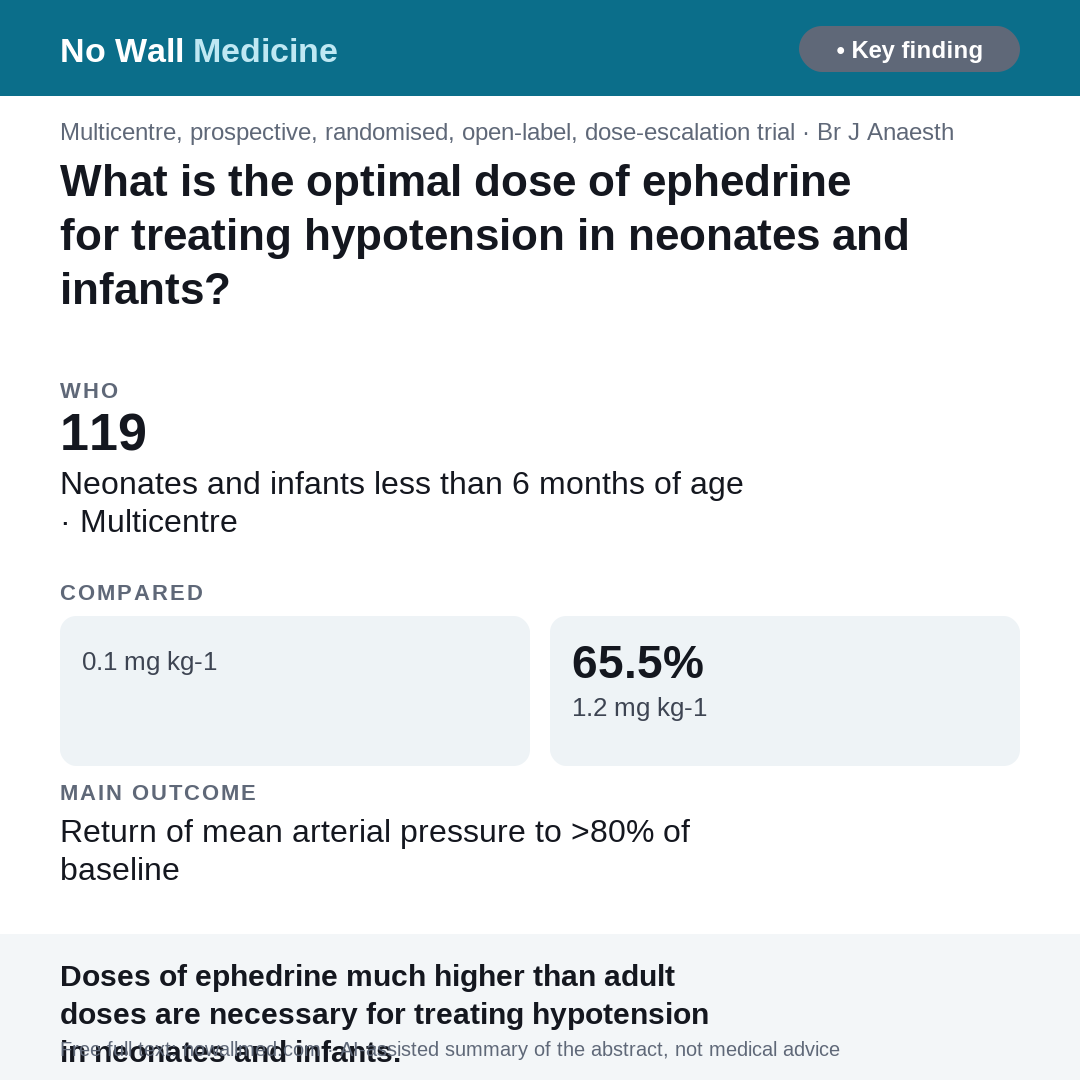
Effective dose of ephedrine for treatment of hypotension after induction of general anaesthesia in neonates and infants less than 6 months of age: a multicentre randomised, controlled, open label, dose escalation trial
Multicentre, prospective, randomised, open-label, dose-escalation trialKey finding
What is the optimal dose of ephedrine for treating hypotension in neonates and infants?
Who
119
Neonates and infants less than 6 months of age · Multicentre
Compared
0.1 mg kg-1
65.5%1.2 mg kg-1 (95% confidence interval, 35.6-86.4)
Main outcome
Return of mean arterial pressure to >80% of baseline
Bottom line: Doses of ephedrine much higher than adult doses are necessary for treating hypotension in neonates and infants.
Br J Anaesth · 2023-01-12Download image