Visual abstracts
New randomized trials and meta-analyses from leading journals at a glance: who was studied, what was compared, and what was found. Every paper is free to read in full.
All specialtiesCardiology 4832Oncology 4114Gastroenterology & Hepatology 1934Infectious Disease 3824Neurology 1899Psychiatry & Mental Health 2256Pulmonology 2082Critical Care 1345Endocrinology & Diabetes 2572Pediatrics 2940Surgery 2525Orthopedics & Sports Medicine 926Neurosurgery 534Cardiothoracic & Vascular Surgery 671Plastic & Reconstructive Surgery 591Nephrology 1124Rheumatology 823Hematology 1104Dermatology 620Ophthalmology 543Obstetrics & Gynecology 1684Public & Global Health 1056Radiology & Imaging 641Anesthesiology 962Urology 754ENT (Otolaryngology) 503Emergency Medicine 489Allergy & Immunology 313Geriatrics 981Family Medicine & Primary Care 541Medical Genetics & Genomics 675Pathology & Laboratory Medicine 157Physical Medicine & Rehabilitation 751Palliative Care 424Nutrition 1580Digital Health & AI 2195General Medicine 321
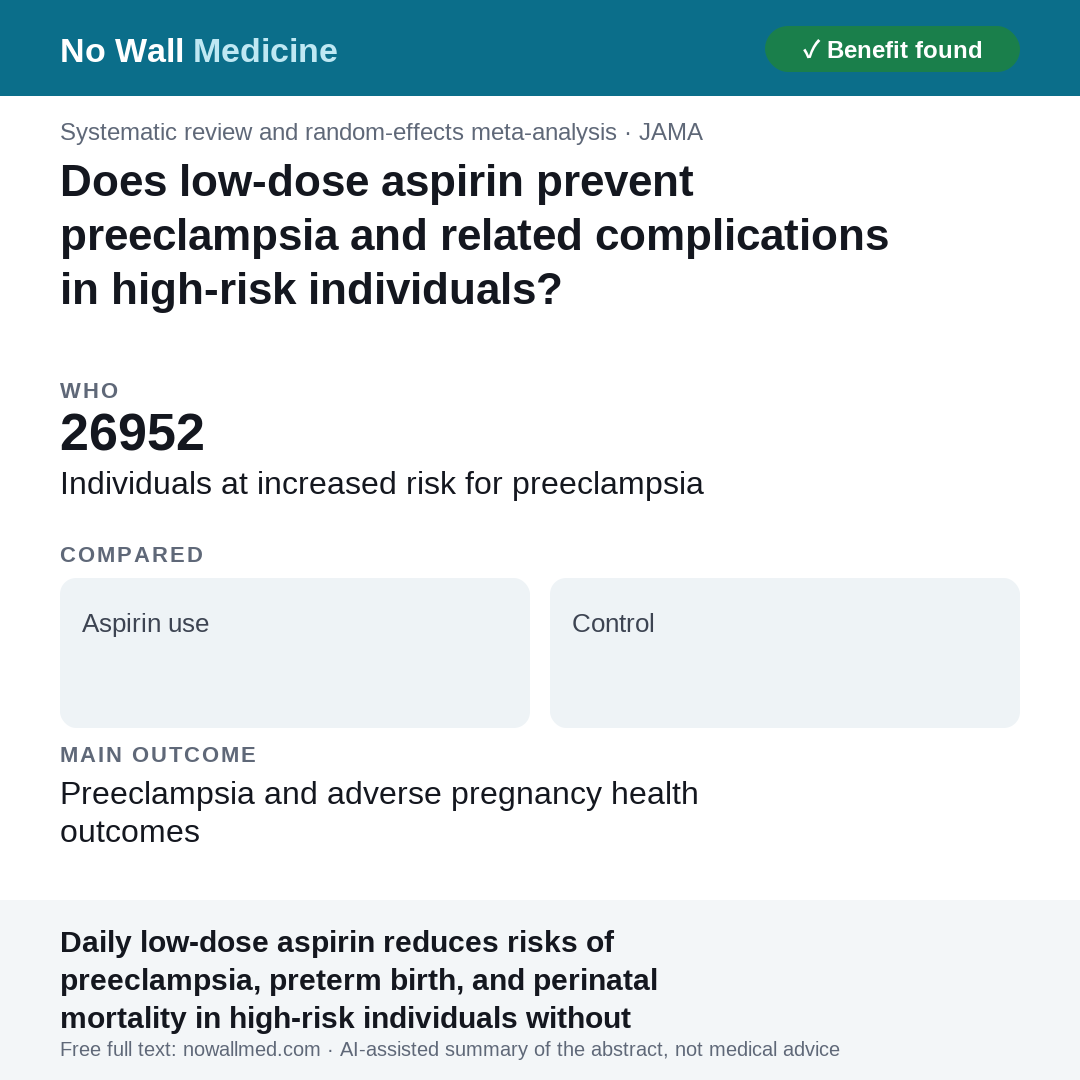
Aspirin Use to Prevent Preeclampsia and Related Morbidity and Mortality: Updated Evidence Report and Systematic Review for the US Preventive Services Task Force
Systematic review and random-effects meta-analysisBenefit found
Does low-dose aspirin prevent preeclampsia and related complications in high-risk individuals?
Who
26952
Individuals at increased risk for preeclampsia
Compared
Aspirin use
Control
Main outcome
Preeclampsia and adverse pregnancy health outcomes
Result: relative risk 0.85 (95% CI 0.75-0.95)
Bottom line: Daily low-dose aspirin reduces risks of preeclampsia, preterm birth, and perinatal mortality in high-risk individuals without evident harms.
Limitation: Absolute risk reductions were greater in smaller trials.
JAMA · 2021-09-28Download image
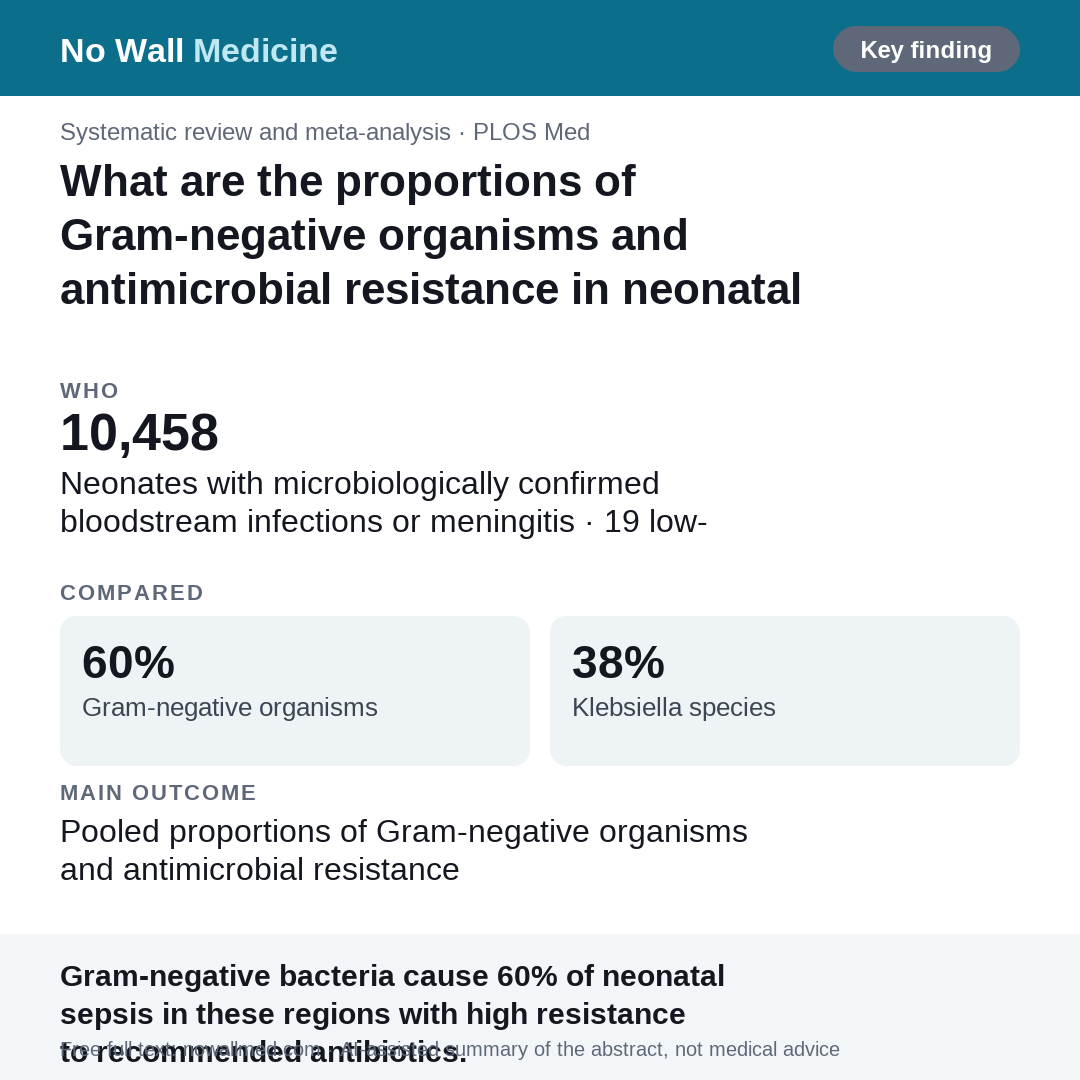
Gram-negative neonatal sepsis in low- and lower-middle-income countries and WHO empirical antibiotic recommendations: A systematic review and meta-analysis
Systematic review and meta-analysisHarm found
What are the proportions of Gram-negative organisms and antimicrobial resistance in neonatal sepsis?
Who
10,458
Neonates with microbiologically confirmed bloodstream infections or meningitis · 19 low- and lower-middle-income countries in Africa and Asia
Compared
60%Gram-negative organisms (95% CI 55% to 65%)
38%Klebsiella species (95% CI 33% to 43%)
Main outcome
Pooled proportions of Gram-negative organisms and antimicrobial resistance
Bottom line: Gram-negative bacteria cause 60% of neonatal sepsis in these regions with high resistance to recommended antibiotics.
Limitation: Significant heterogeneity, exclusion of upper-middle-income countries, and potential sampling bias from tertiary hospital settings.
PLOS Med · 2021-09-28Download image
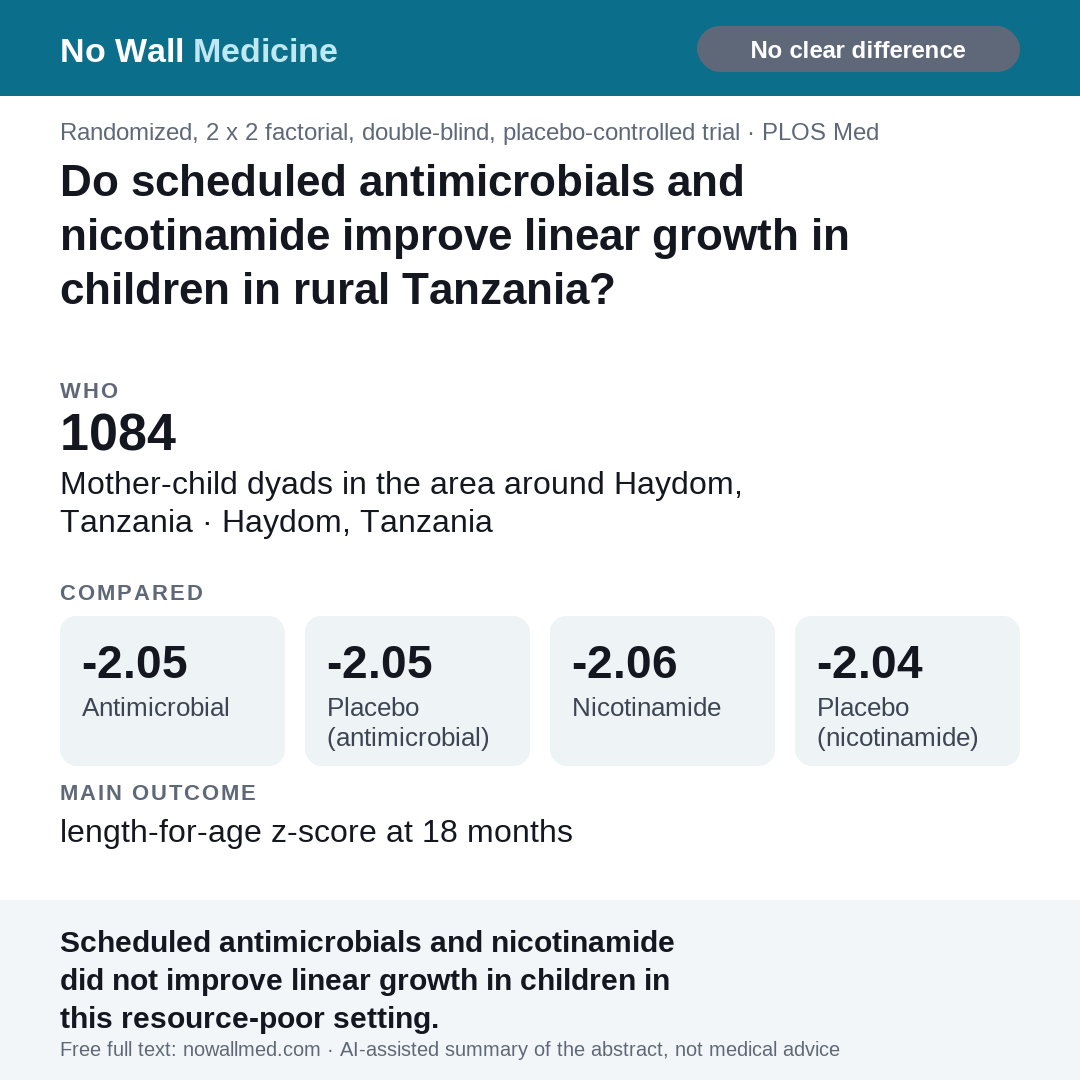
Effect of scheduled antimicrobial and nicotinamide treatment on linear growth in children in rural Tanzania: A factorial randomized, double-blind, placebo-controlled trial
Randomized, 2 x 2 factorial, double-blind, placebo-controlled trialNo clear difference
Do scheduled antimicrobials and nicotinamide improve linear growth in children in rural Tanzania?
Who
1084
Mother-child dyads in the area around Haydom, Tanzania · Haydom, Tanzania
Compared
-2.05Antimicrobial (95% CI -2.13, -1.96)
-2.05Placebo (antimicrobial) (95% CI -2.14, -1.97)
-2.06Nicotinamide (95% CI -2.13, -1.95)
-2.04Placebo (nicotinamide) (95% CI -2.14, -1.98)
Main outcome
length-for-age z-score at 18 months
Result: mean difference 0.01 (95% CI -0.13, 0.11) for antimicrobial; 0.03 (95% CI -0.15, 0.09) for nicotinamide
Bottom line: Scheduled antimicrobials and nicotinamide did not improve linear growth in children in this resource-poor setting.
Limitation: Absence of laboratory measures of pathogen carriage and nicotinamide metabolism to provide context.
PLOS Med · 2021-09-28Download image
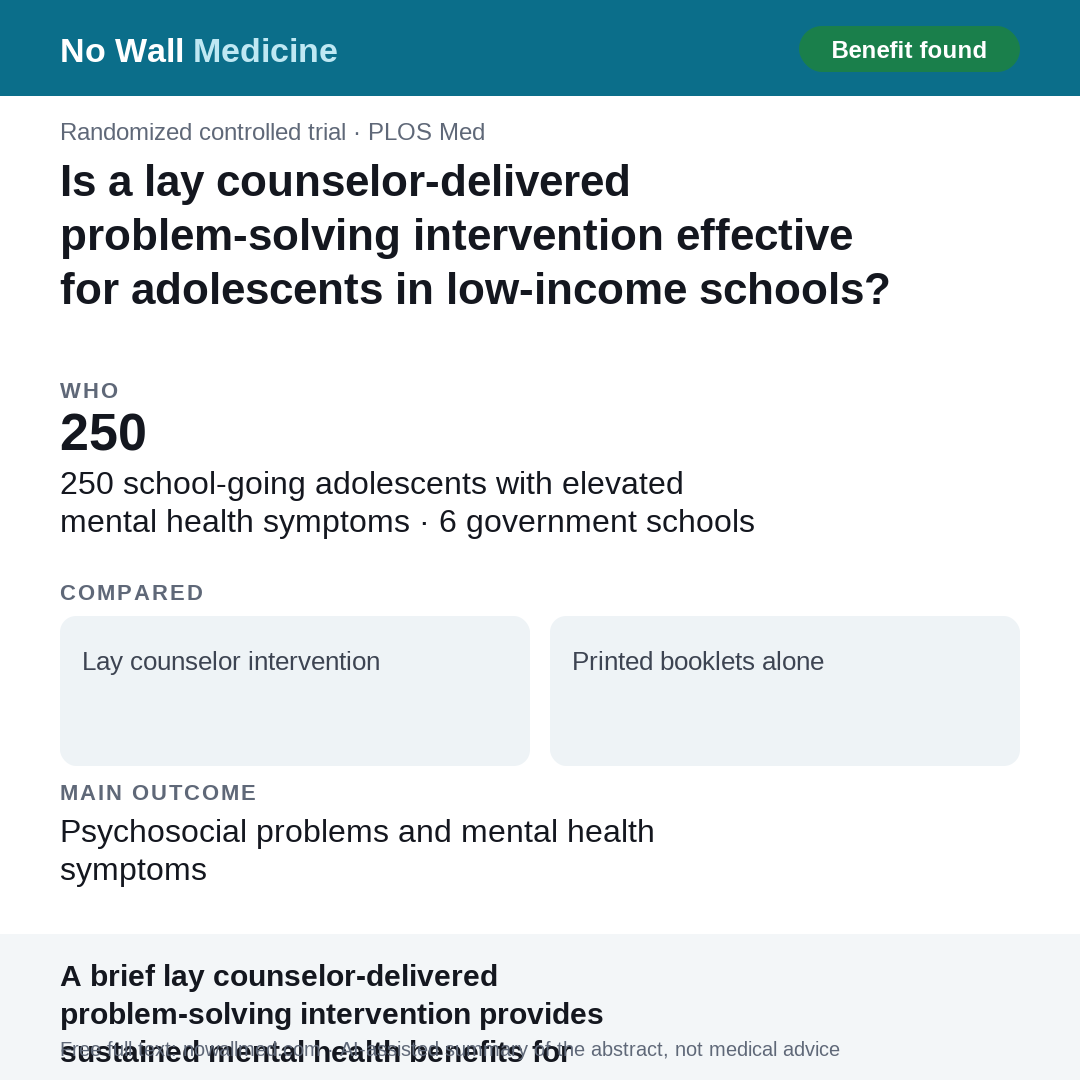
Effectiveness and costs associated with a lay counselor-delivered, brief problem-solving mental health intervention for adolescents in urban, low-income schools in India: 12-month outcomes of a randomized controlled trial
Randomized controlled trialBenefit found
Is a lay counselor-delivered problem-solving intervention effective for adolescents in low-income schools?
Who
250
250 school-going adolescents with elevated mental health symptoms · 6 government schools in New Delhi, India
Compared
Lay counselor intervention
Printed booklets alone
Main outcome
Psychosocial problems and mental health symptoms
Result: YTP: adjusted mean difference -0.75 (95% CI -1.47, -0.03); SDQ Total Difficulties: adjusted mean difference -1.73 (95% CI -3.47, 0.02)
Bottom line: A brief lay counselor-delivered problem-solving intervention provides sustained mental health benefits for adolescents over 12 months.
Limitation: Lack of sample size calculations for 12-month follow-up and absence of cost-effectiveness analyses.
PLOS Med · 2021-09-28Download image
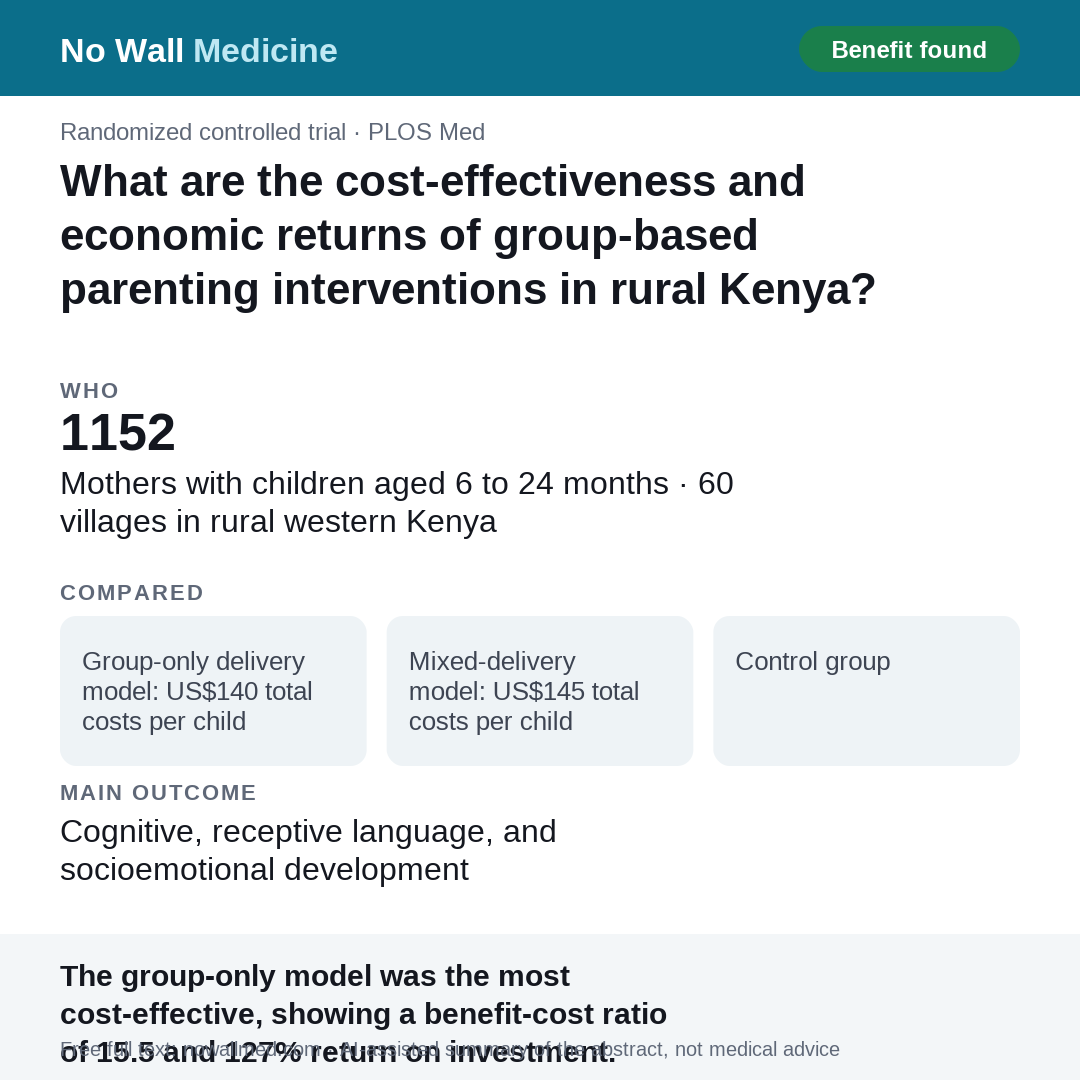
Cost-effectiveness and economic returns of group-based parenting interventions to promote early childhood development: Results from a randomized controlled trial in rural Kenya
Randomized controlled trialBenefit found
What are the cost-effectiveness and economic returns of group-based parenting interventions in rural Kenya?
Who
1152
Mothers with children aged 6 to 24 months · 60 villages in rural western Kenya
Compared
Group-only delivery model: US$140 total costs per child
Mixed-delivery model: US$145 total costs per child
Control group
Main outcome
Cognitive, receptive language, and socioemotional development
Result: ICER of 0.37 standard deviation improvement in cognition per US$100 invested
Bottom line: The group-only model was the most cost-effective, showing a benefit-cost ratio of 15.5 and 127% return on investment.
Limitation: Estimates make assumptions about discount rates, income tax rates, and future wages and schooling.
PLOS Med · 2021-09-28Download image
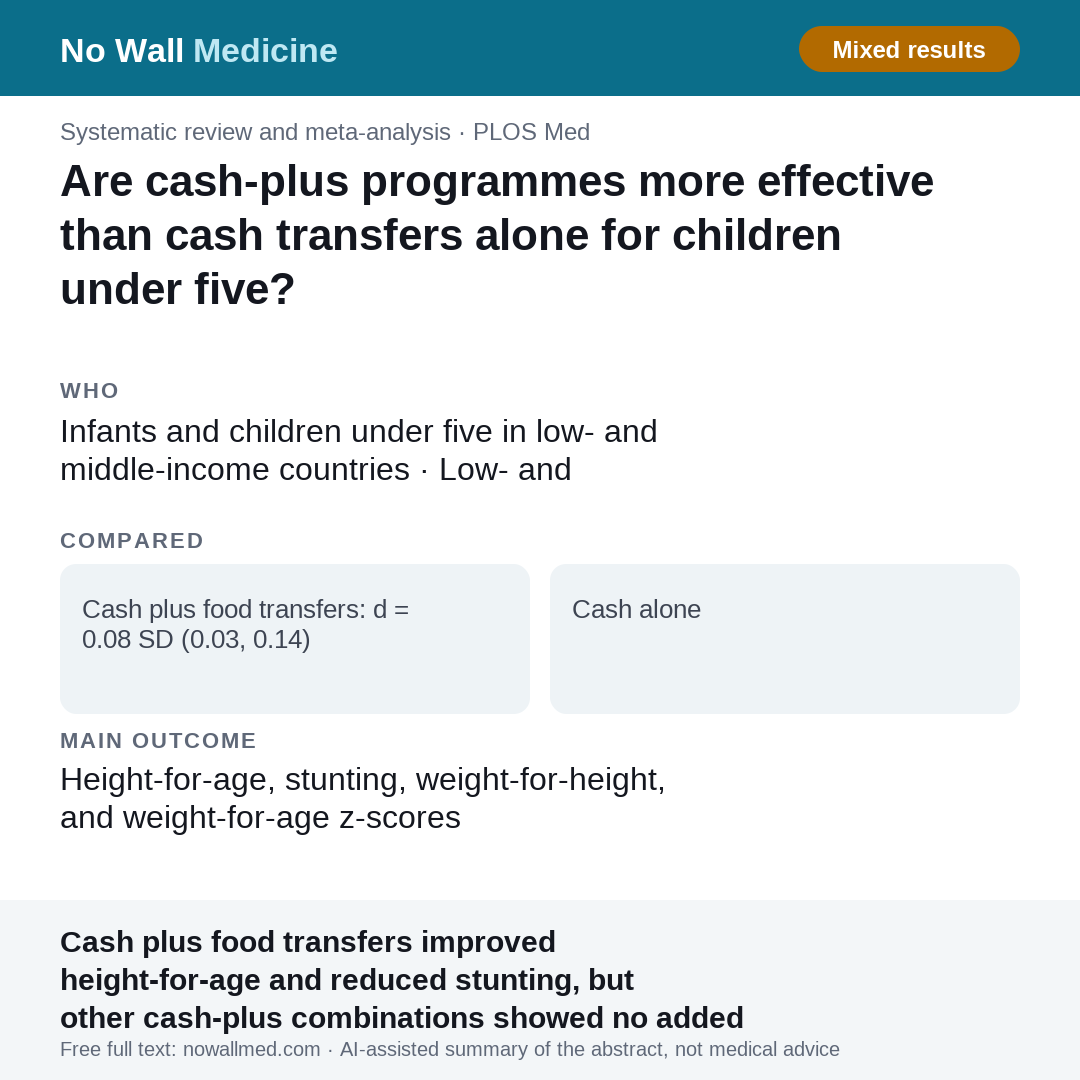
Effectiveness of cash-plus programmes on early childhood outcomes compared to cash transfers alone: A systematic review and meta-analysis in low- and middle-income countries
Systematic review and meta-analysisMixed results
Are cash-plus programmes more effective than cash transfers alone for children under five?
Who
Infants and children under five in low- and middle-income countries · Low- and middle-income countries
Compared
Cash plus food transfers: d = 0.08 SD (0.03, 0.14)
Cash alone
Main outcome
Height-for-age, stunting, weight-for-height, and weight-for-age z-scores
Result: OR = 0.82 (0.74, 0.92)
Bottom line: Cash plus food transfers improved height-for-age and reduced stunting, but other cash-plus combinations showed no added impact.
Limitation: Few studies compared cash-plus against cash alone and potentially high heterogeneity between findings.
PLOS Med · 2021-09-28Download image
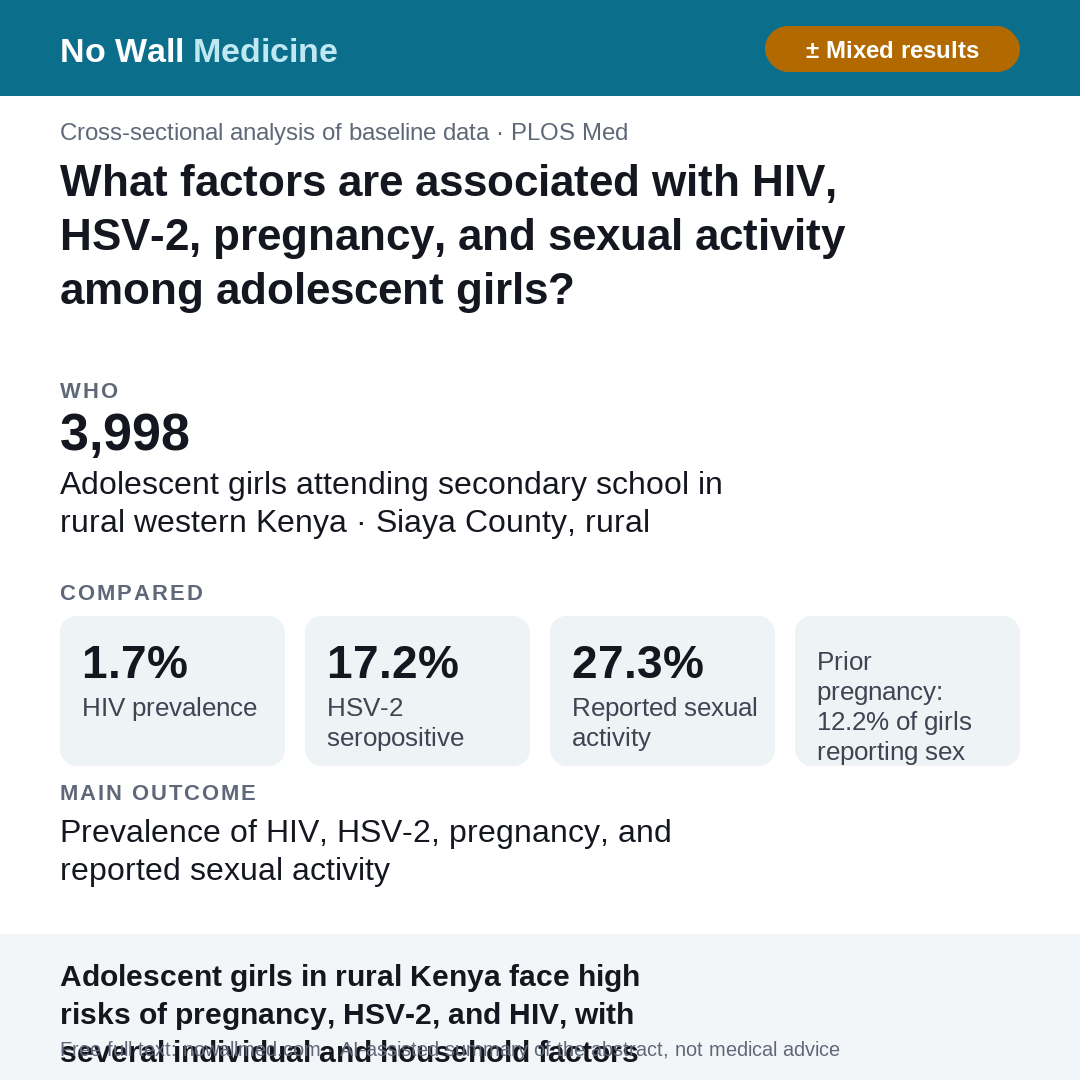
Factors associated with the prevalence of HIV, HSV-2, pregnancy, and reported sexual activity among adolescent girls in rural western Kenya: A cross-sectional analysis of baseline data in a cluster randomized controlled trial
Cross-sectional analysis of baseline dataMixed results
What factors are associated with HIV, HSV-2, pregnancy, and sexual activity among adolescent girls?
Who
3,998
Adolescent girls attending secondary school in rural western Kenya · Siaya County, rural western Kenya
Compared
1.7%HIV prevalence (n = 66)
17.2%HSV-2 seropositive (n = 686)
27.3%Reported sexual activity (n = 1,090)
Prior pregnancy: 12.2% of girls reporting sex (n = 133)
Main outcome
Prevalence of HIV, HSV-2, pregnancy, and reported sexual activity
Bottom line: Adolescent girls in rural Kenya face high risks of pregnancy, HSV-2, and HIV, with several individual and household factors associated with these outcomes.
Limitation: Cross-sectional design limits causal interpretation and self-reported exposure may lead to underreporting of risk factors.
PLOS Med · 2021-09-28Download image
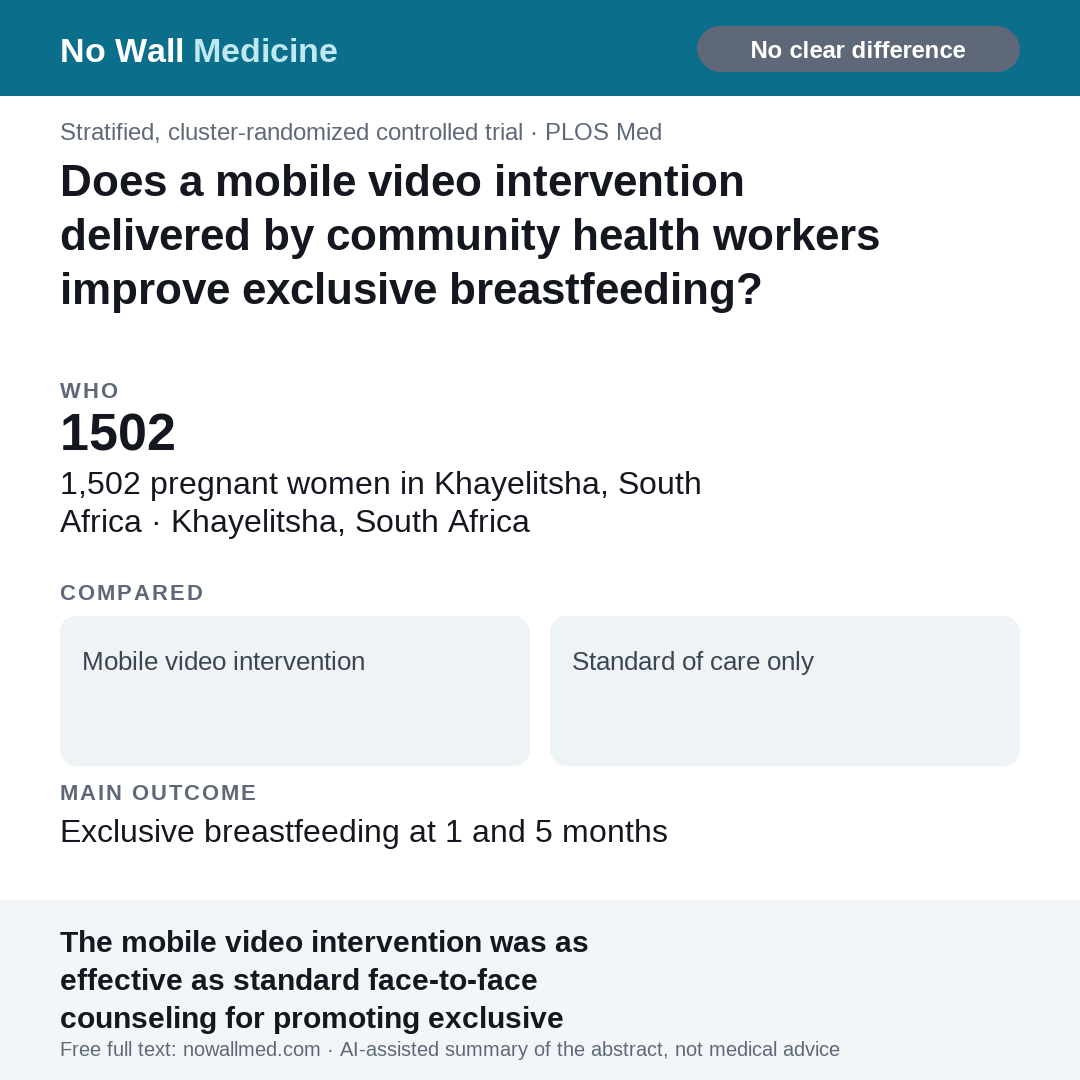
Evaluation of a community-based mobile video breastfeeding intervention in Khayelitsha, South Africa: The Philani MOVIE cluster-randomized controlled trial
Stratified, cluster-randomized controlled trialNo clear difference
Does a mobile video intervention delivered by community health workers improve exclusive breastfeeding?
Who
1502
1,502 pregnant women in Khayelitsha, South Africa · Khayelitsha, South Africa
Compared
Mobile video intervention
Standard of care only
Main outcome
Exclusive breastfeeding at 1 and 5 months
Result: RR 0.93 (95% CI 0.86 to 1.01) at 1 month
Bottom line: The mobile video intervention was as effective as standard face-to-face counseling for promoting exclusive breastfeeding.
Limitation: High loss to follow-up at 5 months due to COVID-19 pandemic and service changes.
PLOS Med · 2021-09-28Download image
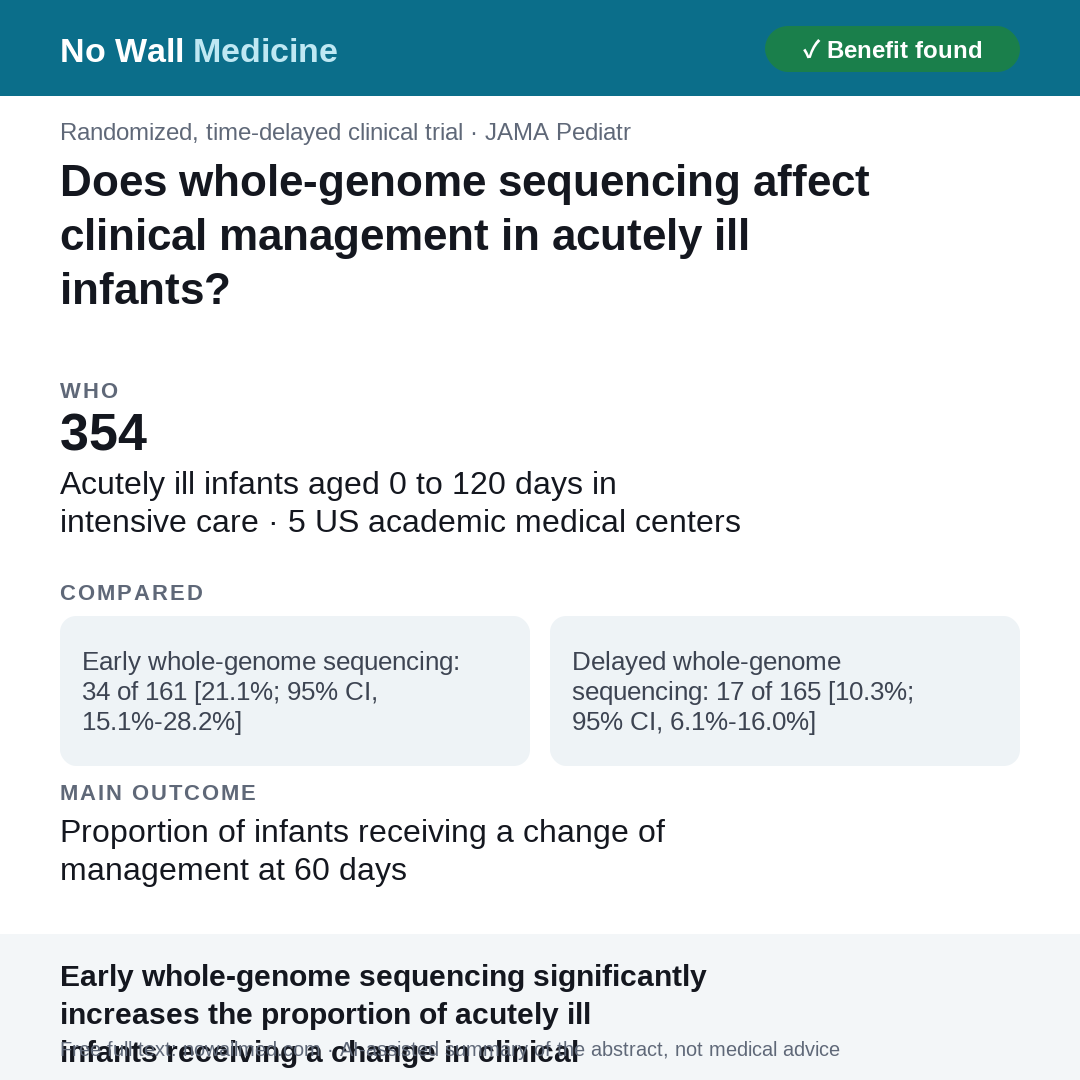
Effect of Whole-Genome Sequencing on the Clinical Management of Acutely Ill Infants With Suspected Genetic Disease: A Randomized Clinical Trial
Randomized, time-delayed clinical trialBenefit found
Does whole-genome sequencing affect clinical management in acutely ill infants?
Who
354
Acutely ill infants aged 0 to 120 days in intensive care · 5 US academic medical centers and affiliated children's hospitals
Compared
Early whole-genome sequencing: 34 of 161 [21.1%; 95% CI, 15.1%-28.2%]
Delayed whole-genome sequencing: 17 of 165 [10.3%; 95% CI, 6.1%-16.0%]
Main outcome
Proportion of infants receiving a change of management at 60 days
Result: odds ratio, 2.3; 95% CI, 1.22-4.32
Bottom line: Early whole-genome sequencing significantly increases the proportion of acutely ill infants receiving a change in clinical management.
JAMA Pediatr · 2021-09-28Download image
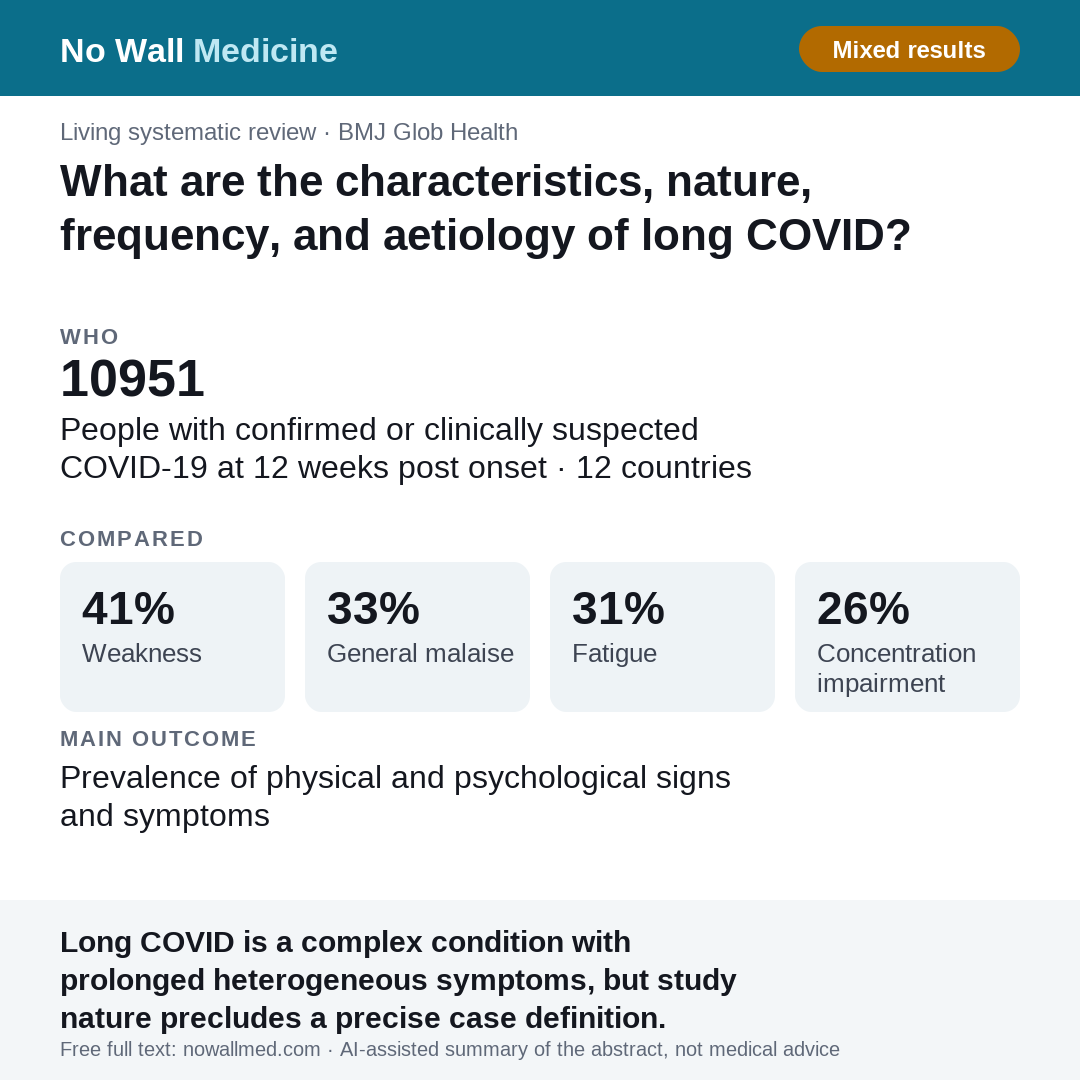
Characterising long COVID: a living systematic review
Living systematic reviewMixed results
What are the characteristics, nature, frequency, and aetiology of long COVID?
Who
10951
People with confirmed or clinically suspected COVID-19 at 12 weeks post onset · 12 countries
Compared
41%Weakness (95% CI 25% to 59%)
33%General malaise (95% CI 15% to 57%)
31%Fatigue (95% CI 24% to 39%)
26%Concentration impairment (95% CI 21% to 32%)
Main outcome
Prevalence of physical and psychological signs and symptoms
Bottom line: Long COVID is a complex condition with prolonged heterogeneous symptoms, but study nature precludes a precise case definition.
Limitation: Most studies showed high or moderate risk of bias and few included children.
BMJ Glob Health · 2021-09-28Download image
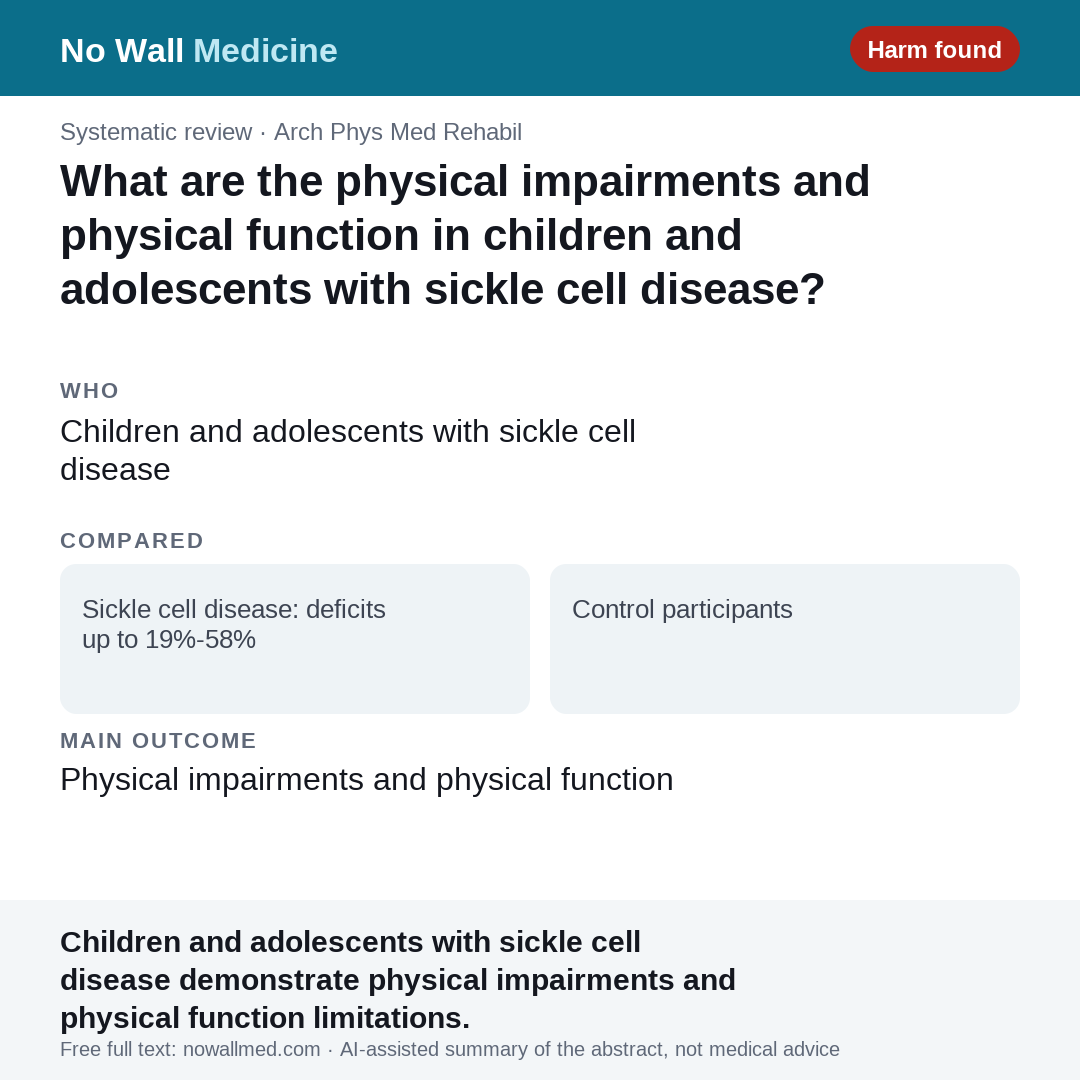
Physical Impairment and Function in Children and Adolescents With Sickle Cell Disease: A Systematic Review
Systematic reviewHarm found
What are the physical impairments and physical function in children and adolescents with sickle cell disease?
Who
Children and adolescents with sickle cell disease
Compared
Sickle cell disease: deficits up to 19%-58%
Control participants
Main outcome
Physical impairments and physical function
Bottom line: Children and adolescents with sickle cell disease demonstrate physical impairments and physical function limitations.
Arch Phys Med Rehabil · 2021-09-27Download image
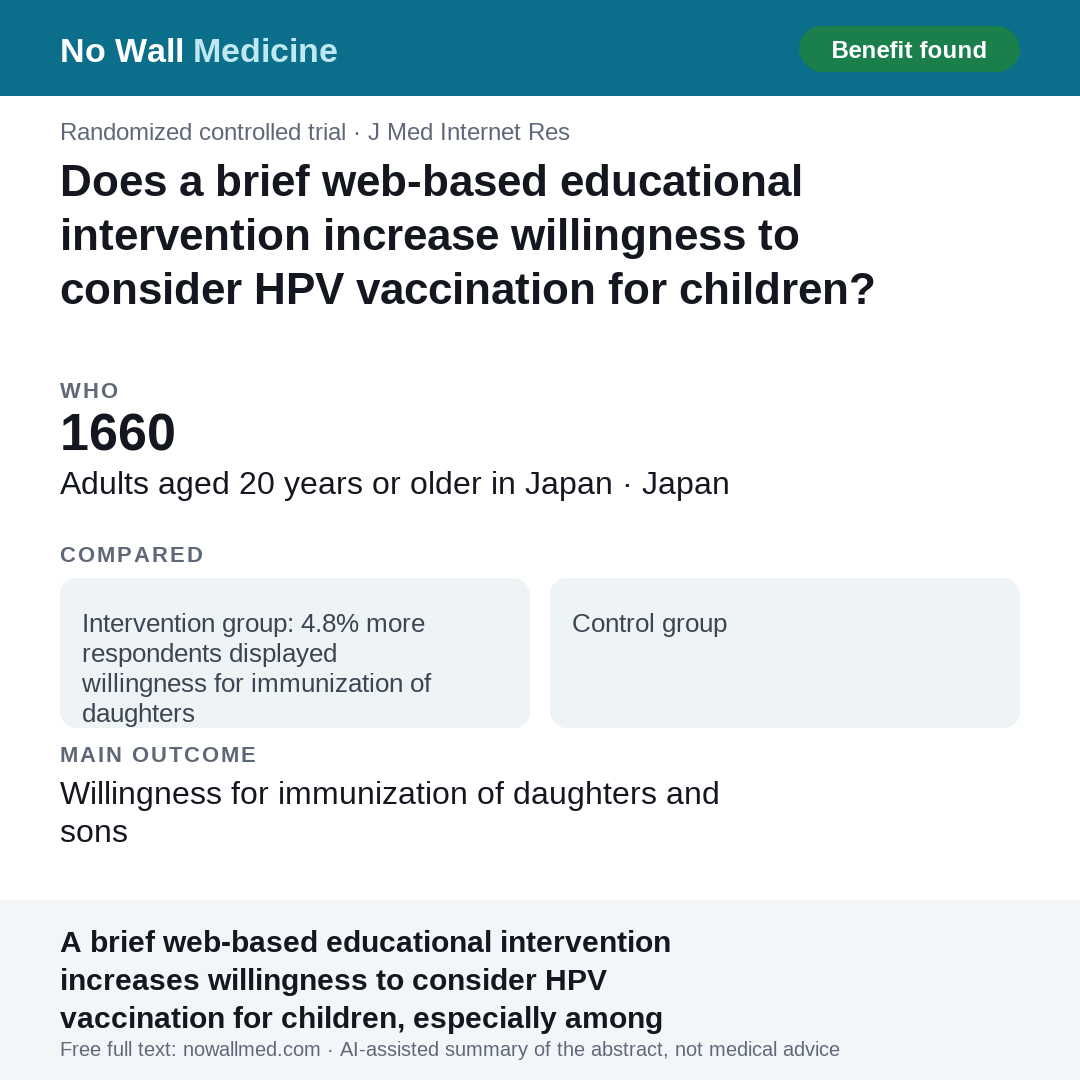
Effect of a Brief Web-Based Educational Intervention on Willingness to Consider Human Papillomavirus Vaccination for Children in Japan: Randomized Controlled Trial
Randomized controlled trialBenefit found
Does a brief web-based educational intervention increase willingness to consider HPV vaccination for children?
Who
1660
Adults aged 20 years or older in Japan · Japan
Compared
Intervention group: 4.8% more respondents displayed willingness for immunization of daughters
Control group
Main outcome
Willingness for immunization of daughters and sons
Result: adjusted odds ratio 1.32 (95% CI 1.04-1.69)
Bottom line: A brief web-based educational intervention increases willingness to consider HPV vaccination for children, especially among men.
J Med Internet Res · 2021-09-27Download image
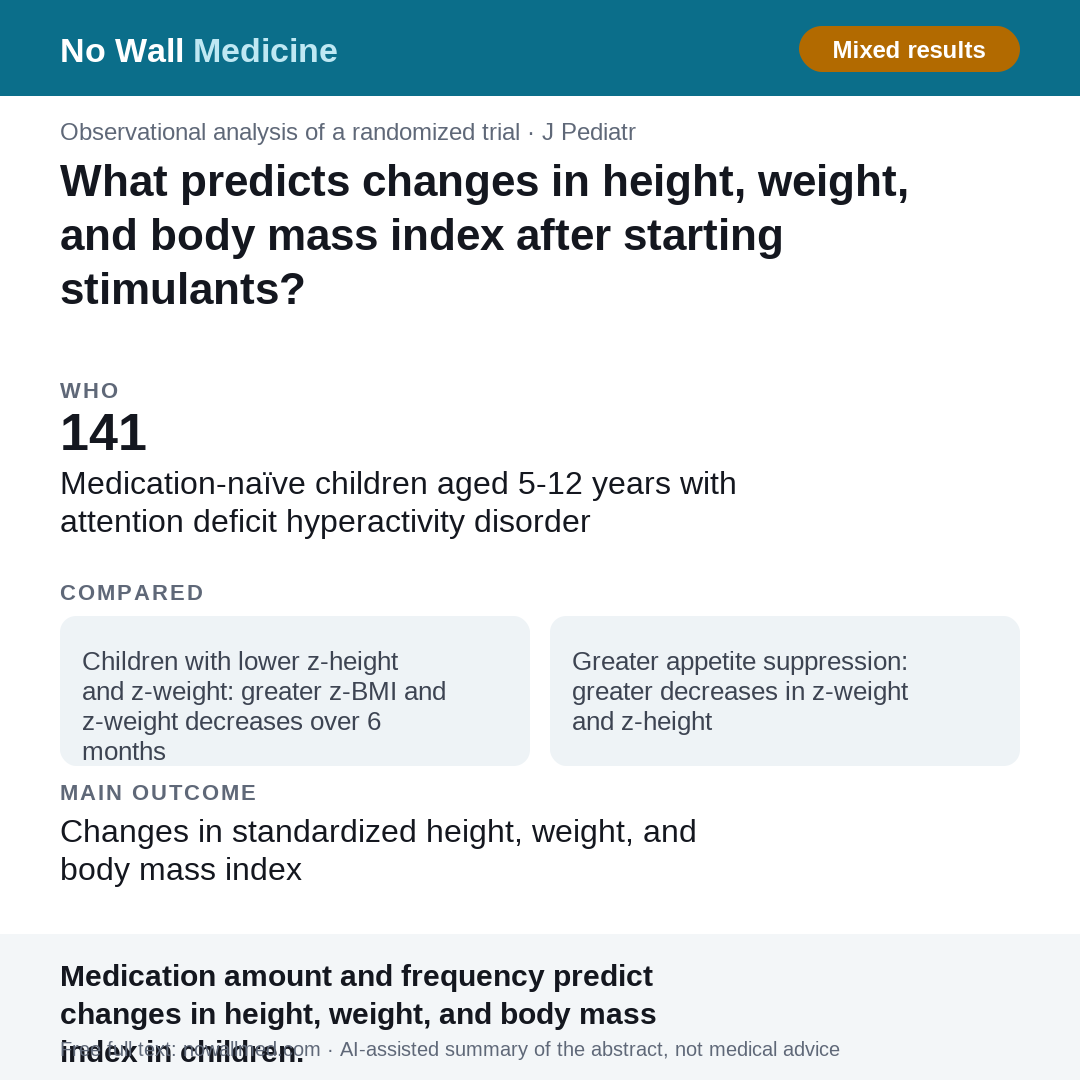
Predictors of Changes in Height, Weight, and Body Mass Index After Initiation of Central Nervous System Stimulants in Children with Attention Deficit Hyperactivity Disorder
Observational analysis of a randomized trialMixed results
What predicts changes in height, weight, and body mass index after starting stimulants?
Who
141
Medication-naïve children aged 5-12 years with attention deficit hyperactivity disorder
Compared
Children with lower z-height and z-weight: greater z-BMI and z-weight decreases over 6 months
Greater appetite suppression: greater decreases in z-weight and z-height
Main outcome
Changes in standardized height, weight, and body mass index
Bottom line: Medication amount and frequency predict changes in height, weight, and body mass index in children.
J Pediatr · 2021-09-25Download image
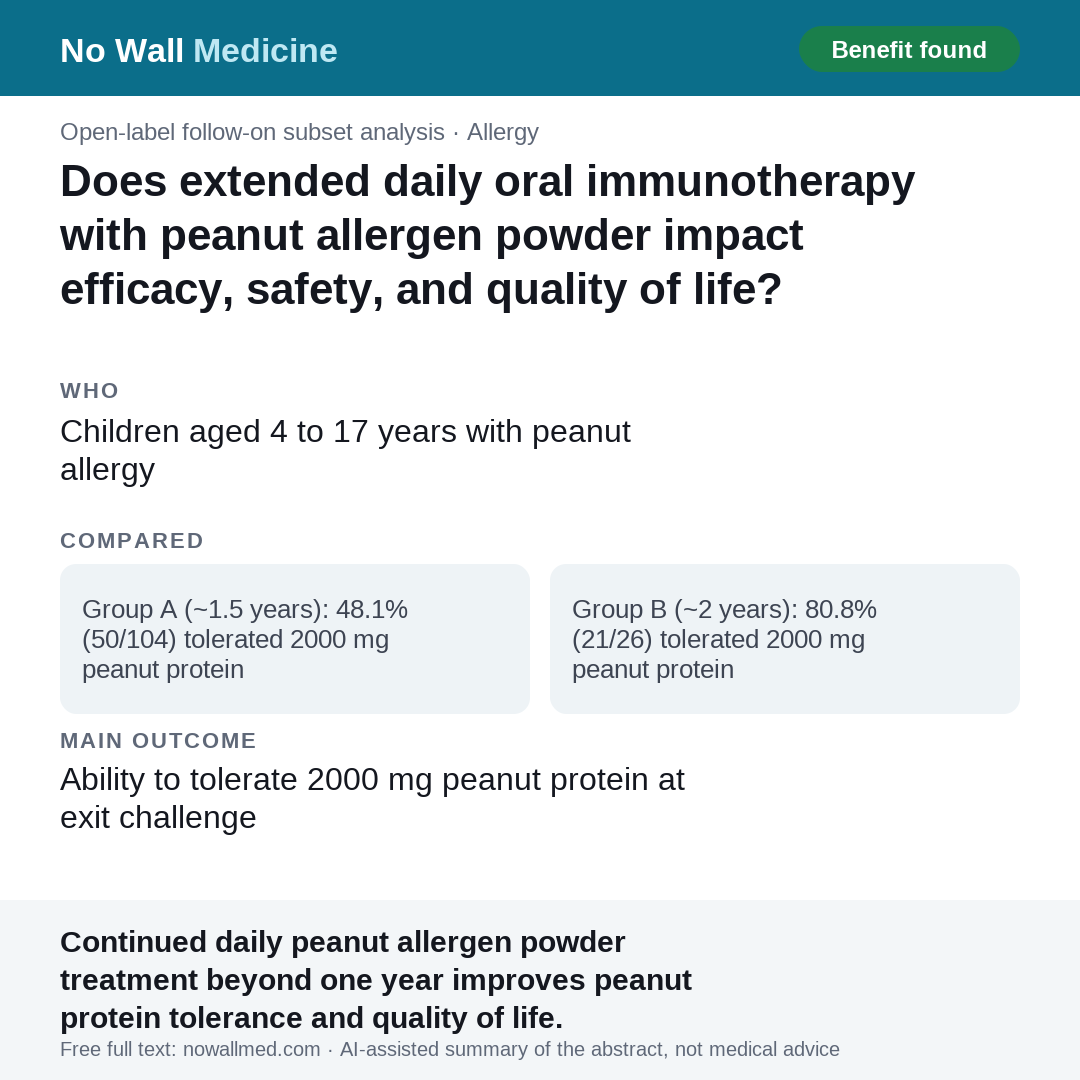
Open-label follow-on study evaluating the efficacy, safety, and quality of life with extended daily oral immunotherapy in children with peanut allergy
Open-label follow-on subset analysisBenefit found
Does extended daily oral immunotherapy with peanut allergen powder impact efficacy, safety, and quality of life?
Who
Children aged 4 to 17 years with peanut allergy
Compared
Group A (~1.5 years): 48.1% (50/104) tolerated 2000 mg peanut protein
Group B (~2 years): 80.8% (21/26) tolerated 2000 mg peanut protein
Main outcome
Ability to tolerate 2000 mg peanut protein at exit challenge
Bottom line: Continued daily peanut allergen powder treatment beyond one year improves peanut protein tolerance and quality of life.
Limitation: This is a subset analysis of the PALISADE-ARC004 participants.
Allergy · 2021-09-24Download image
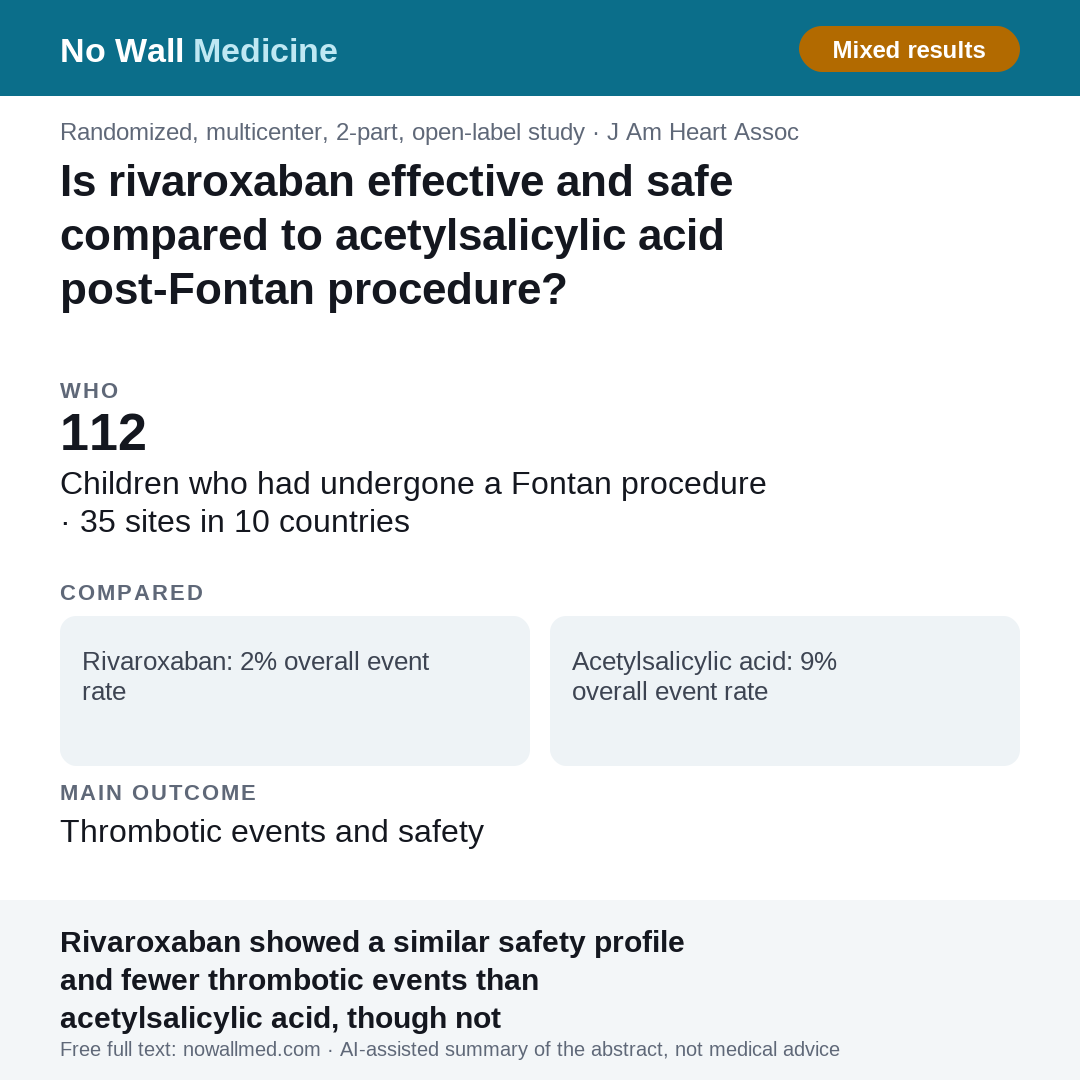
Thromboprophylaxis for Children Post-Fontan Procedure: Insights From the UNIVERSE Study
Randomized, multicenter, 2-part, open-label studyMixed results
Is rivaroxaban effective and safe compared to acetylsalicylic acid post-Fontan procedure?
Who
112
Children who had undergone a Fontan procedure · 35 sites in 10 countries
Compared
Rivaroxaban: 2% overall event rate
Acetylsalicylic acid: 9% overall event rate
Main outcome
Thrombotic events and safety
Bottom line: Rivaroxaban showed a similar safety profile and fewer thrombotic events than acetylsalicylic acid, though not statistically significant.
J Am Heart Assoc · 2021-09-24Download image
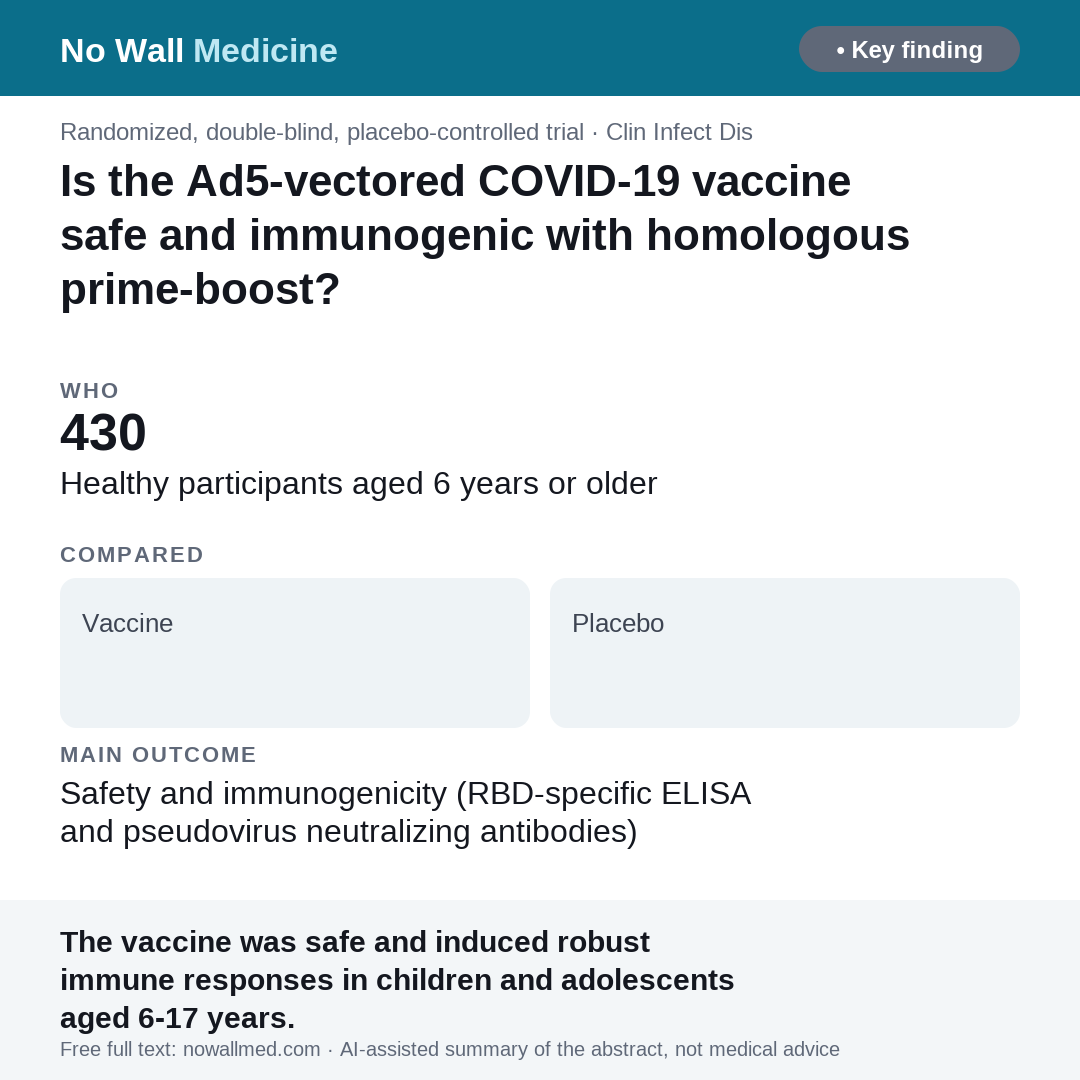
Safety and Immunogenicity of a Recombinant Adenovirus Type-5-Vectored Coronavirus Disease 2019 (COVID-19) Vaccine With a Homologous Prime-Boost Regimen in Healthy Participants Aged ≥6 Years: A Randomized, Double-Blind, Placebo-Controlled, Phase 2b Trial
Randomized, double-blind, placebo-controlled trialBenefit found
Is the Ad5-vectored COVID-19 vaccine safe and immunogenic with homologous prime-boost?
Who
430
Healthy participants aged 6 years or older
Compared
Vaccine
Placebo
Main outcome
Safety and immunogenicity (RBD-specific ELISA and pseudovirus neutralizing antibodies)
Bottom line: The vaccine was safe and induced robust immune responses in children and adolescents aged 6-17 years.
Limitation: The boosting effect of the homologous prime-boost regimen given 56 days apart was limited.
Clin Infect Dis · 2021-09-23Download image
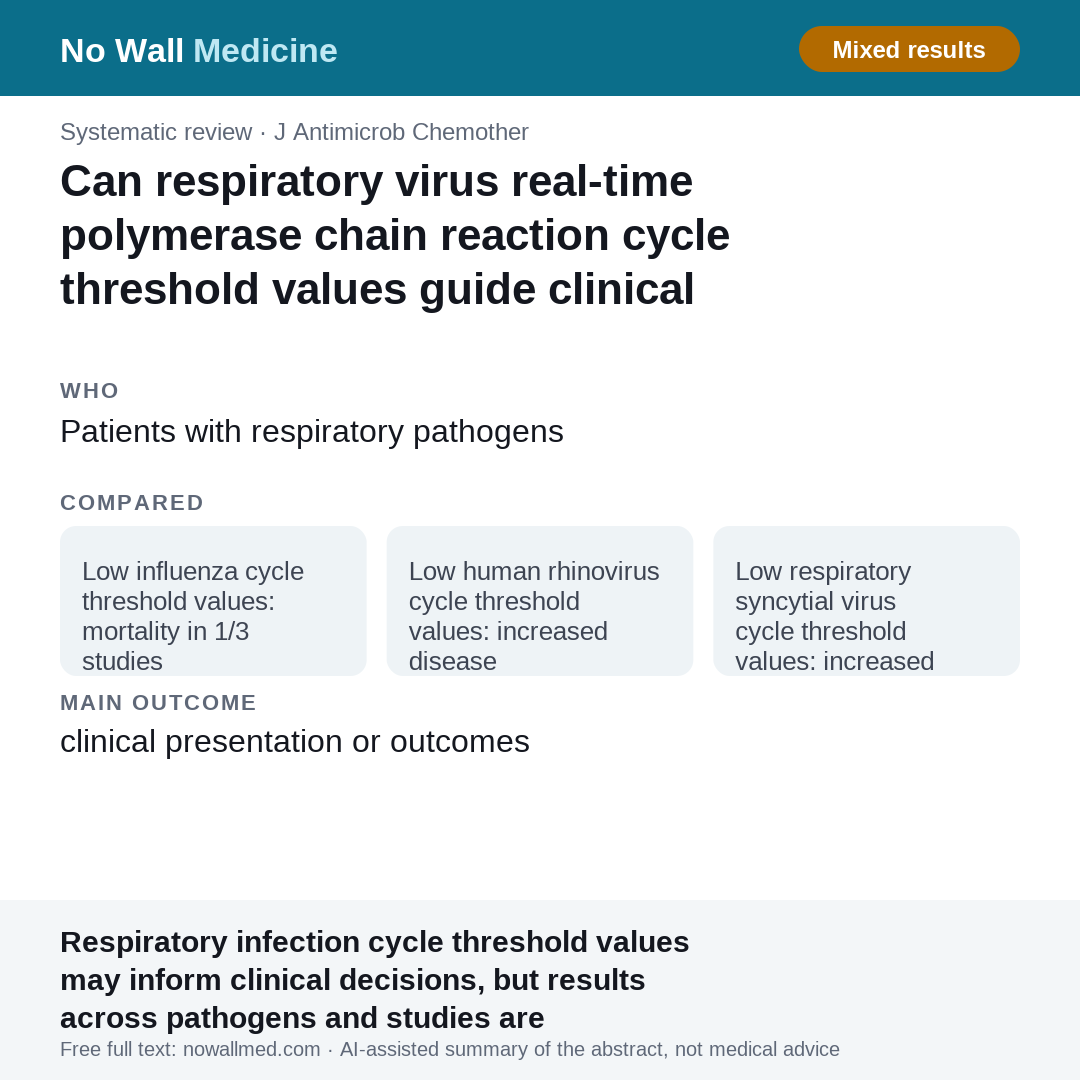
Systematic review on the association between respiratory virus real-time PCR cycle threshold values and clinical presentation or outcomes
Systematic reviewMixed results
Can respiratory virus real-time polymerase chain reaction cycle threshold values guide clinical decisions?
Who
Patients with respiratory pathogens
Compared
Low influenza cycle threshold values: mortality in 1/3 studies
Low human rhinovirus cycle threshold values: increased disease severity/duration or ICU admission in 3/10 studies
Low respiratory syncytial virus cycle threshold values: increased hospitalization or length of hospital stay in 4/4
Main outcome
clinical presentation or outcomes
Bottom line: Respiratory infection cycle threshold values may inform clinical decisions, but results across pathogens and studies are inconsistent.
Limitation: The study heterogeneity observed highlights the need for standardized workflows.
J Antimicrob Chemother · 2021-09-23Download image
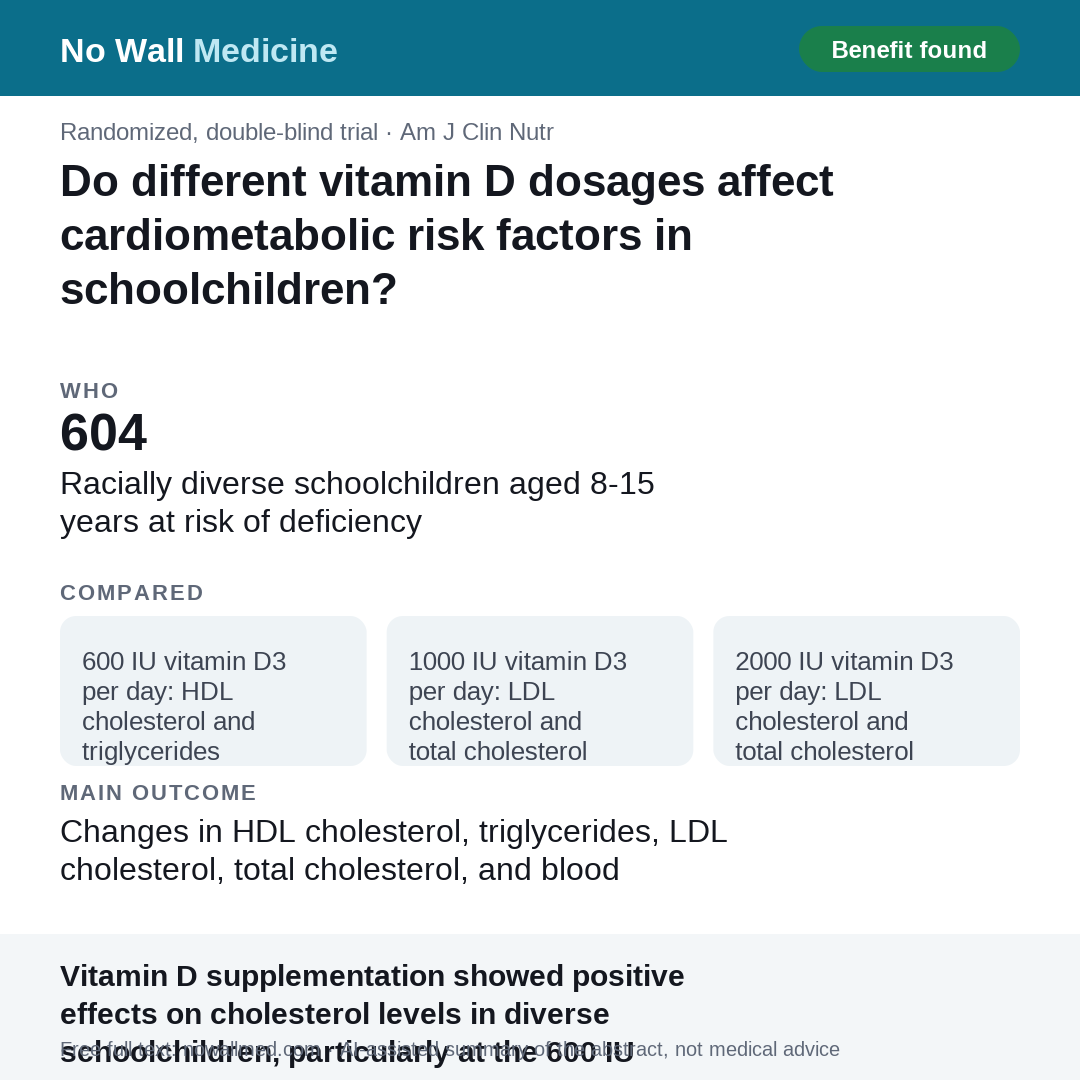
Vitamin D supplementation and cardiometabolic risk factors among diverse schoolchildren: a randomized clinical trial
Randomized, double-blind trialBenefit found
Do different vitamin D dosages affect cardiometabolic risk factors in schoolchildren?
Who
604
Racially diverse schoolchildren aged 8-15 years at risk of deficiency
Compared
600 IU vitamin D3 per day: HDL cholesterol and triglycerides increased
1000 IU vitamin D3 per day: LDL cholesterol and total cholesterol decreased
2000 IU vitamin D3 per day: LDL cholesterol and total cholesterol decreased
Main outcome
Changes in HDL cholesterol, triglycerides, LDL cholesterol, total cholesterol, and blood glucose
Bottom line: Vitamin D supplementation showed positive effects on cholesterol levels in diverse schoolchildren, particularly at the 600 IU dosage.
Am J Clin Nutr · 2021-09-23Download image
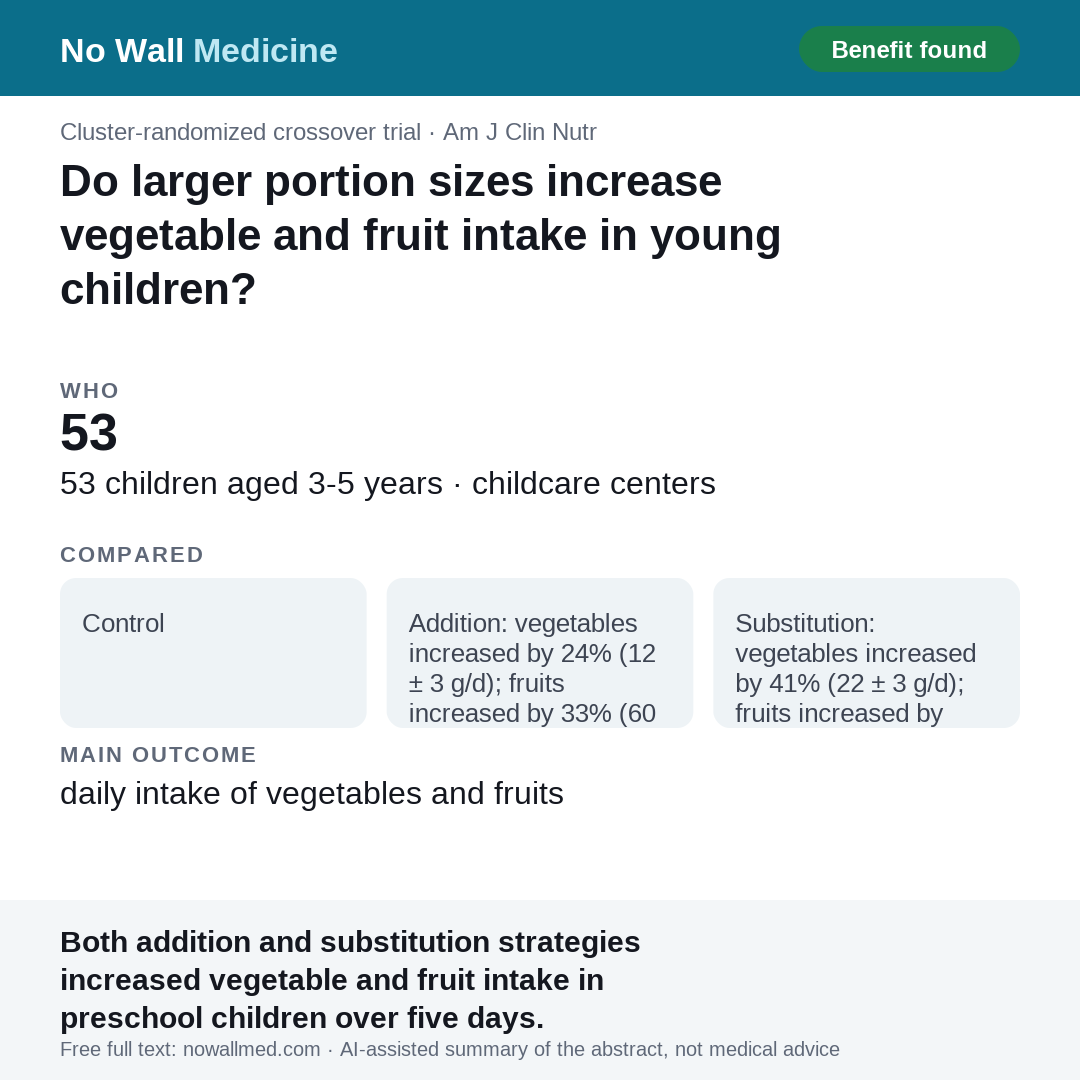
Portion size can be used strategically to increase intake of vegetables and fruits in young children over multiple days: a cluster-randomized crossover trial
Cluster-randomized crossover trialBenefit found
Do larger portion sizes increase vegetable and fruit intake in young children?
Who
53
53 children aged 3-5 years · childcare centers
Compared
Control
Addition: vegetables increased by 24% (12 ± 3 g/d); fruits increased by 33% (60 ± 6 g/d)
Substitution: vegetables increased by 41% (22 ± 3 g/d); fruits increased by 38% (69 ± 8 g/d)
Main outcome
daily intake of vegetables and fruits
Bottom line: Both addition and substitution strategies increased vegetable and fruit intake in preschool children over five days.
Am J Clin Nutr · 2021-09-23Download image
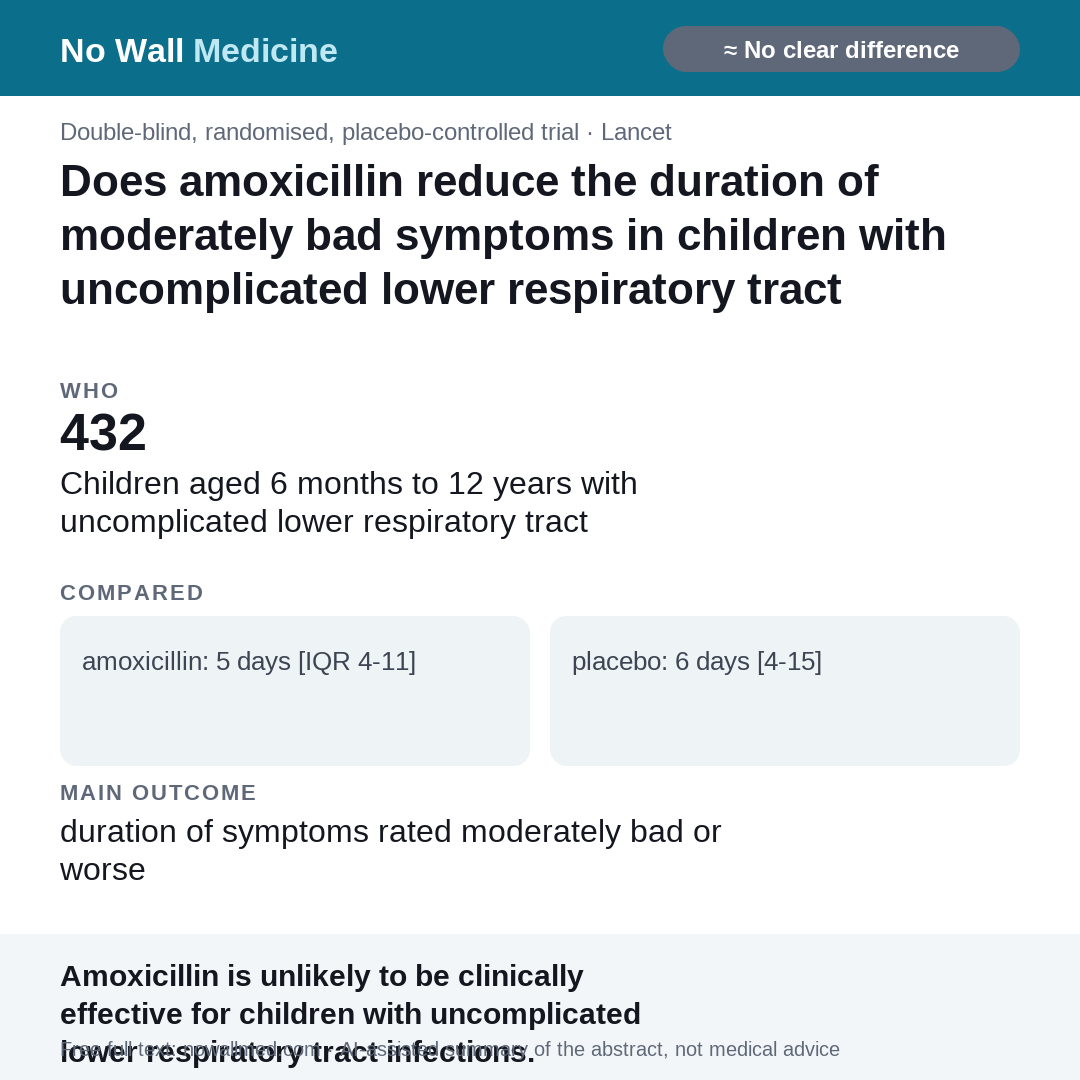
Antibiotics for lower respiratory tract infection in children presenting in primary care in England (ARTIC PC): a double-blind, randomised, placebo-controlled trial
Double-blind, randomised, placebo-controlled trialNo clear difference
Does amoxicillin reduce the duration of moderately bad symptoms in children with uncomplicated lower respiratory tract infections?
Who
432
Children aged 6 months to 12 years with uncomplicated lower respiratory tract infections · 56 general practices in England
Compared
amoxicillin: 5 days [IQR 4-11]
placebo: 6 days [4-15]
Main outcome
duration of symptoms rated moderately bad or worse
Result: hazard ratio 1·13 (95% CI 0·90-1·42)
Bottom line: Amoxicillin is unlikely to be clinically effective for children with uncomplicated lower respiratory tract infections.
Funded by: National Institute for Health Research
Lancet · 2021-09-22Download image