Visual abstracts
New randomized trials and meta-analyses from leading journals at a glance: who was studied, what was compared, and what was found. Every paper is free to read in full.
All specialtiesCardiology 394Oncology 314Gastroenterology & Hepatology 158Infectious Disease 313Neurology 179Psychiatry & Mental Health 258Pulmonology 180Critical Care 125Endocrinology & Diabetes 236Pediatrics 188Surgery 128Orthopedics & Sports Medicine 75Neurosurgery 24Cardiothoracic & Vascular Surgery 47Plastic & Reconstructive Surgery 79Nephrology 77Rheumatology 81Hematology 92Dermatology 42Ophthalmology 64Obstetrics & Gynecology 120Public & Global Health 119Radiology & Imaging 36Anesthesiology 68Urology 91ENT (Otolaryngology) 48Emergency Medicine 41Allergy & Immunology 49Geriatrics 113Family Medicine & Primary Care 67Medical Genetics & Genomics 36Pathology & Laboratory Medicine 6Physical Medicine & Rehabilitation 96Palliative Care 60Nutrition 135Digital Health & AI 337General Medicine 46
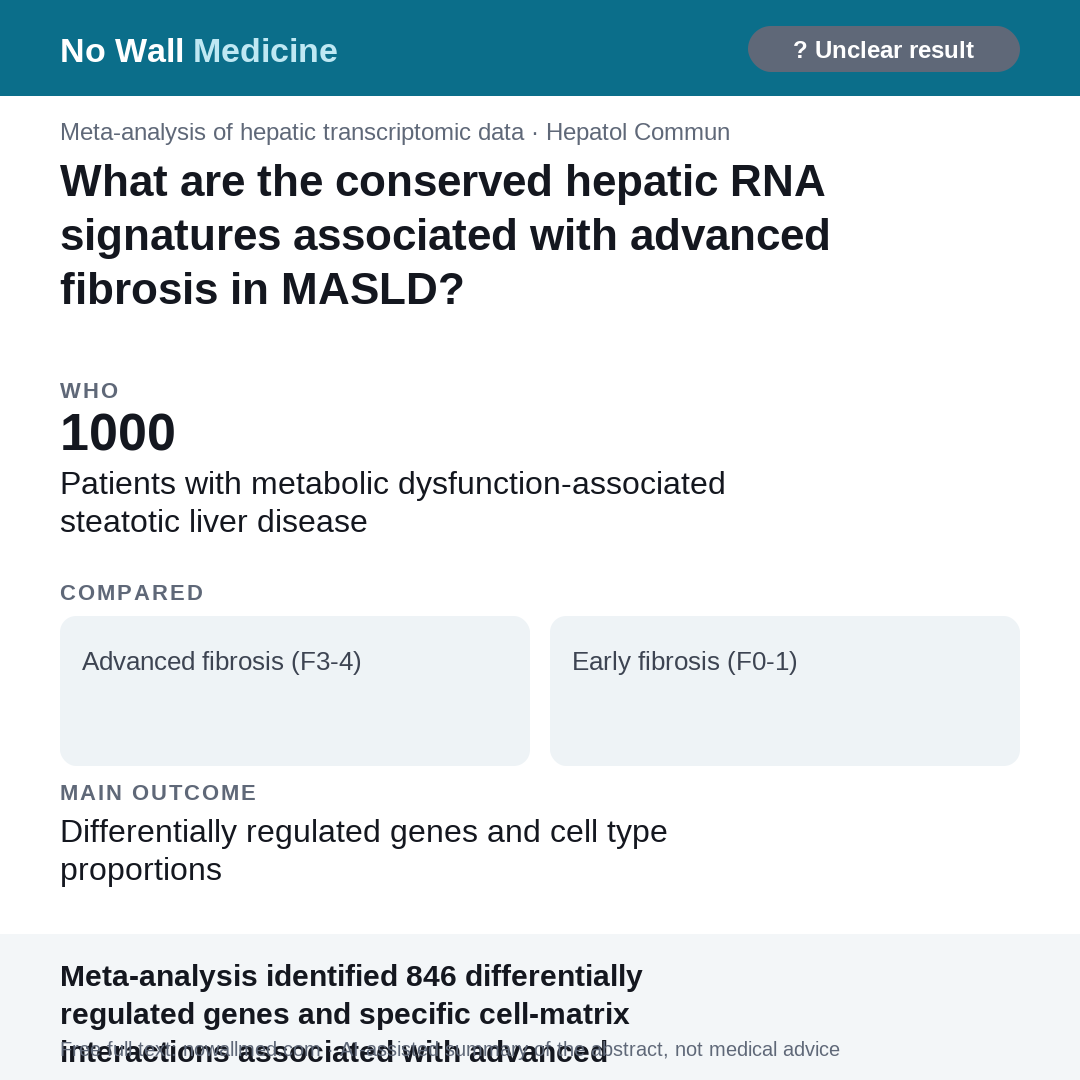
Conserved hepatic RNA signatures across multiple cohorts reveal novel mechanistic clues for advanced fibrosis in human MASLD
Meta-analysis of hepatic transcriptomic dataUnclear result
What are the conserved hepatic RNA signatures associated with advanced fibrosis in MASLD?
Who
1000
Patients with metabolic dysfunction-associated steatotic liver disease
Compared
Advanced fibrosis (F3-4)
Early fibrosis (F0-1)
Main outcome
Differentially regulated genes and cell type proportions
Bottom line: Meta-analysis identified 846 differentially regulated genes and specific cell-matrix interactions associated with advanced fibrosis.
Limitation: Interstudy heterogeneity and limited sample size hinder identification of consistent mechanisms.
Hepatol Commun · 2026-09-16Download image
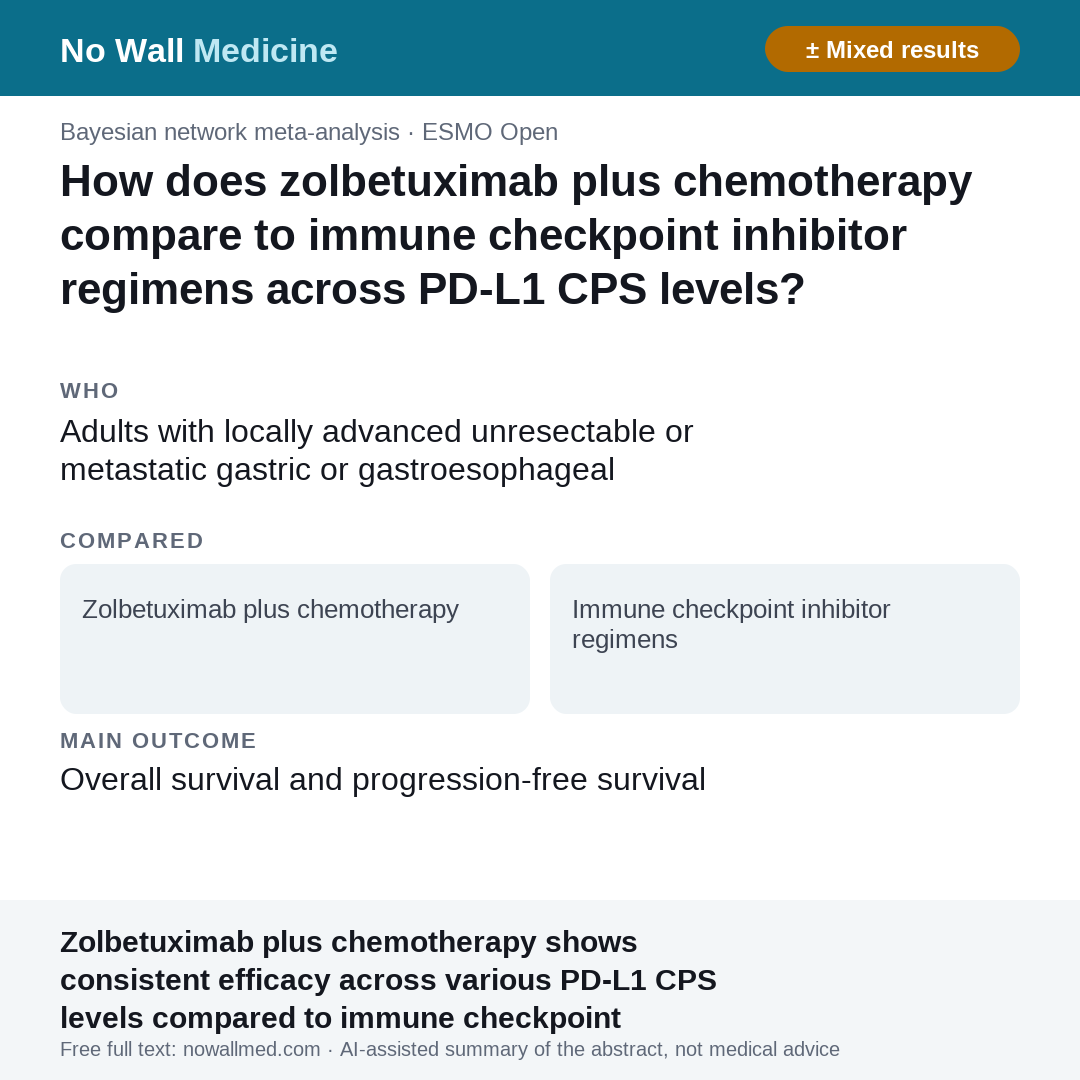
Zolbetuximab plus chemotherapy versus immune checkpoint inhibitor regimens by programmed death-ligand 1 combined positive score in locally advanced or metastatic gastric or gastroesophageal junction adenocarcinoma: a Bayesian network meta-analysis
Bayesian network meta-analysisMixed results
How does zolbetuximab plus chemotherapy compare to immune checkpoint inhibitor regimens across PD-L1 CPS levels?
Who
Adults with locally advanced unresectable or metastatic gastric or gastroesophageal junction adenocarcinoma · Global trials
Compared
Zolbetuximab plus chemotherapy
Immune checkpoint inhibitor regimens
Main outcome
Overall survival and progression-free survival
Bottom line: Zolbetuximab plus chemotherapy shows consistent efficacy across various PD-L1 CPS levels compared to immune checkpoint inhibitors.
Limitation: Results should be interpreted cautiously given these are indirect comparisons.
ESMO Open · 2026-09-16Download image
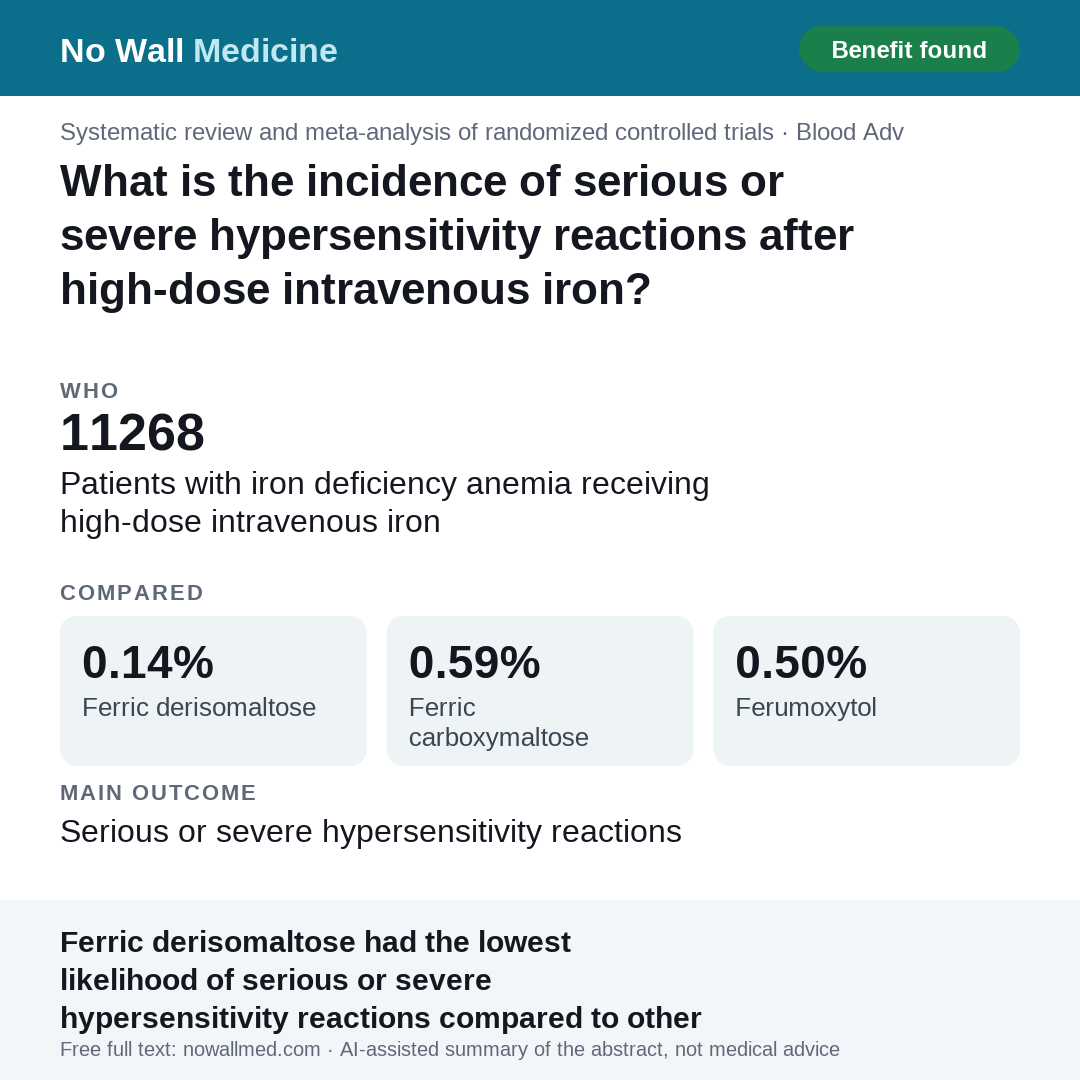
Systematic review and meta-analysis of hypersensitivity reactions after high-dose IV iron
Systematic review and meta-analysis of randomized controlled trialsBenefit found
What is the incidence of serious or severe hypersensitivity reactions after high-dose intravenous iron?
Who
11268
Patients with iron deficiency anemia receiving high-dose intravenous iron
Compared
0.14%Ferric derisomaltose
0.59%Ferric carboxymaltose
0.50%Ferumoxytol
Main outcome
Serious or severe hypersensitivity reactions
Result: FDI vs FCM 0.21 (95% CrI 0.03-1.73); FDI vs FER 0.07 (95% CrI 0.00-1.93)
Bottom line: Ferric derisomaltose had the lowest likelihood of serious or severe hypersensitivity reactions compared to other high-dose intravenous iron formulations.
Blood Adv · 2026-09-16Download image
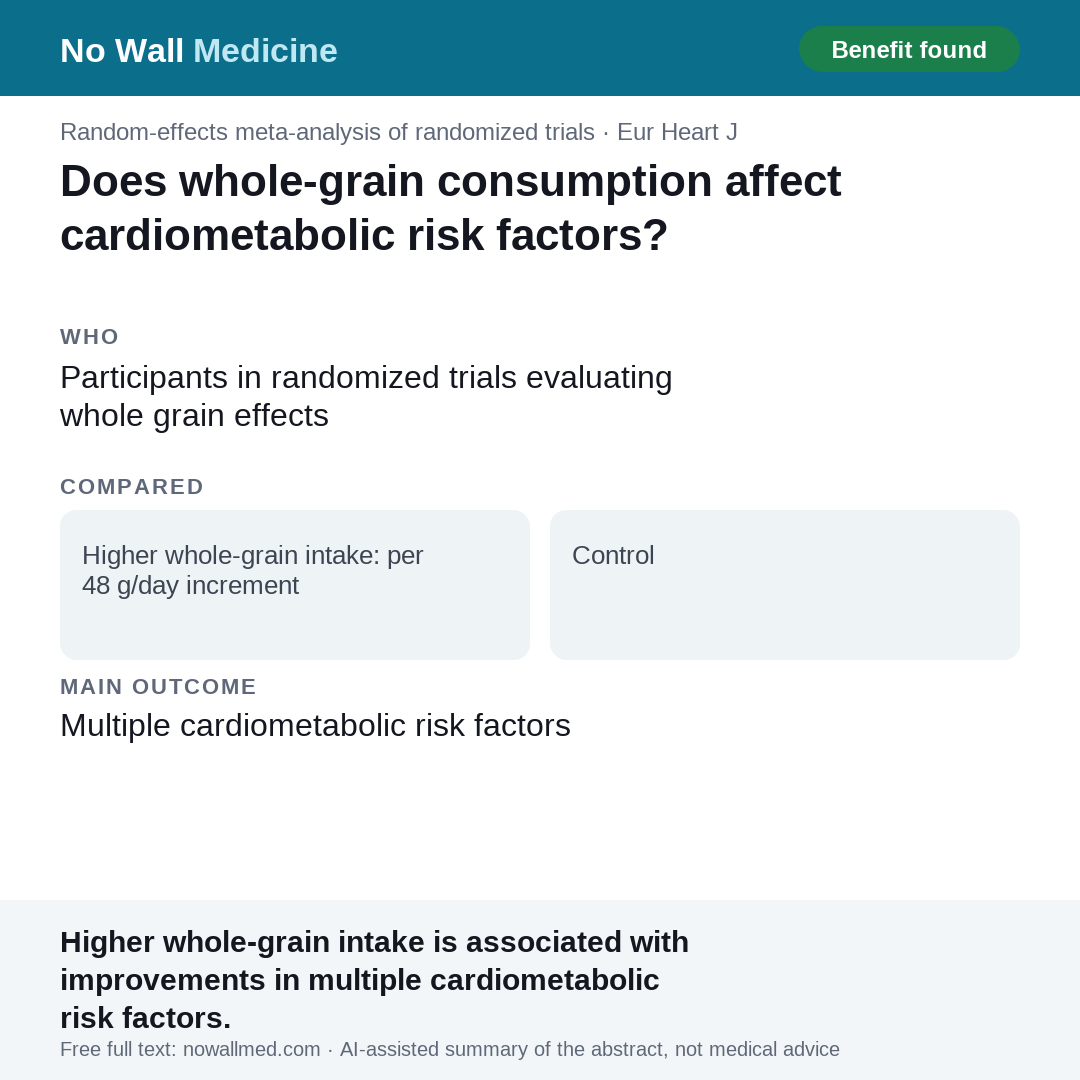
Whole-grain consumption and cardiometabolic risk: a meta-analysis of randomized trials
Random-effects meta-analysis of randomized trialsBenefit found
Does whole-grain consumption affect cardiometabolic risk factors?
Who
Participants in randomized trials evaluating whole grain effects
Compared
Higher whole-grain intake: per 48 g/day increment
Control
Main outcome
Multiple cardiometabolic risk factors
Bottom line: Higher whole-grain intake is associated with improvements in multiple cardiometabolic risk factors.
Limitation: Sparse data at higher intake levels limit firm conclusions regarding dose thresholds.
Eur Heart J · 2026-09-15Download image
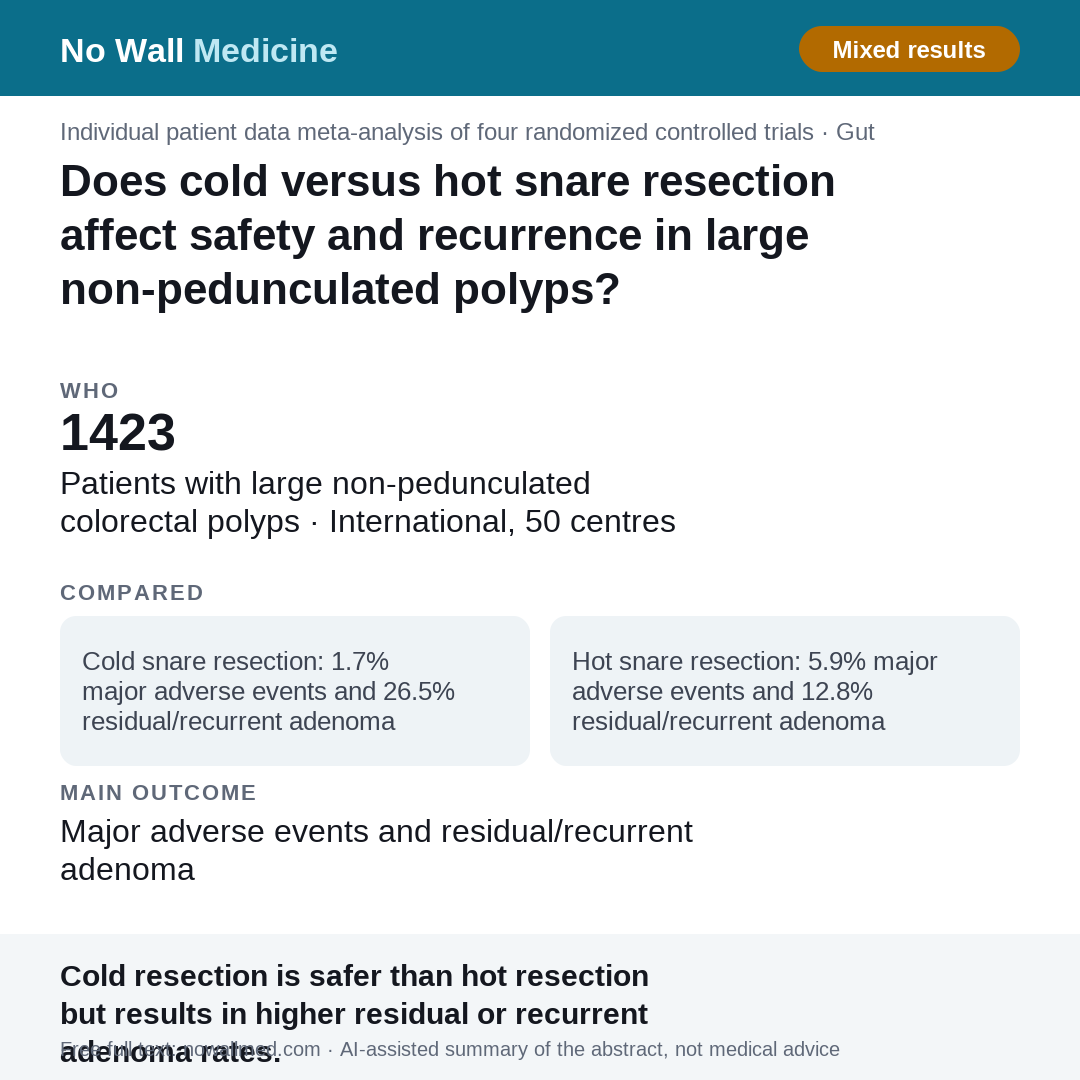
Patient-level predictors of safety and recurrence after cold versus hot snare resection of large, non-pedunculated colorectal polyps: an individual patient data meta-analysis of four randomised-controlled trials
Individual patient data meta-analysis of four randomized controlled trialsMixed results
Does cold versus hot snare resection affect safety and recurrence in large non-pedunculated polyps?
Who
1423
Patients with large non-pedunculated colorectal polyps · International, 50 centres
Compared
Cold snare resection: 1.7% major adverse events and 26.5% residual/recurrent adenoma
Hot snare resection: 5.9% major adverse events and 12.8% residual/recurrent adenoma
Main outcome
Major adverse events and residual/recurrent adenoma
Result: OR 0.26 for major adverse events; OR 2.61 for residual/recurrent adenoma
Bottom line: Cold resection is safer than hot resection but results in higher residual or recurrent adenoma rates.
Gut · 2026-09-15Download image
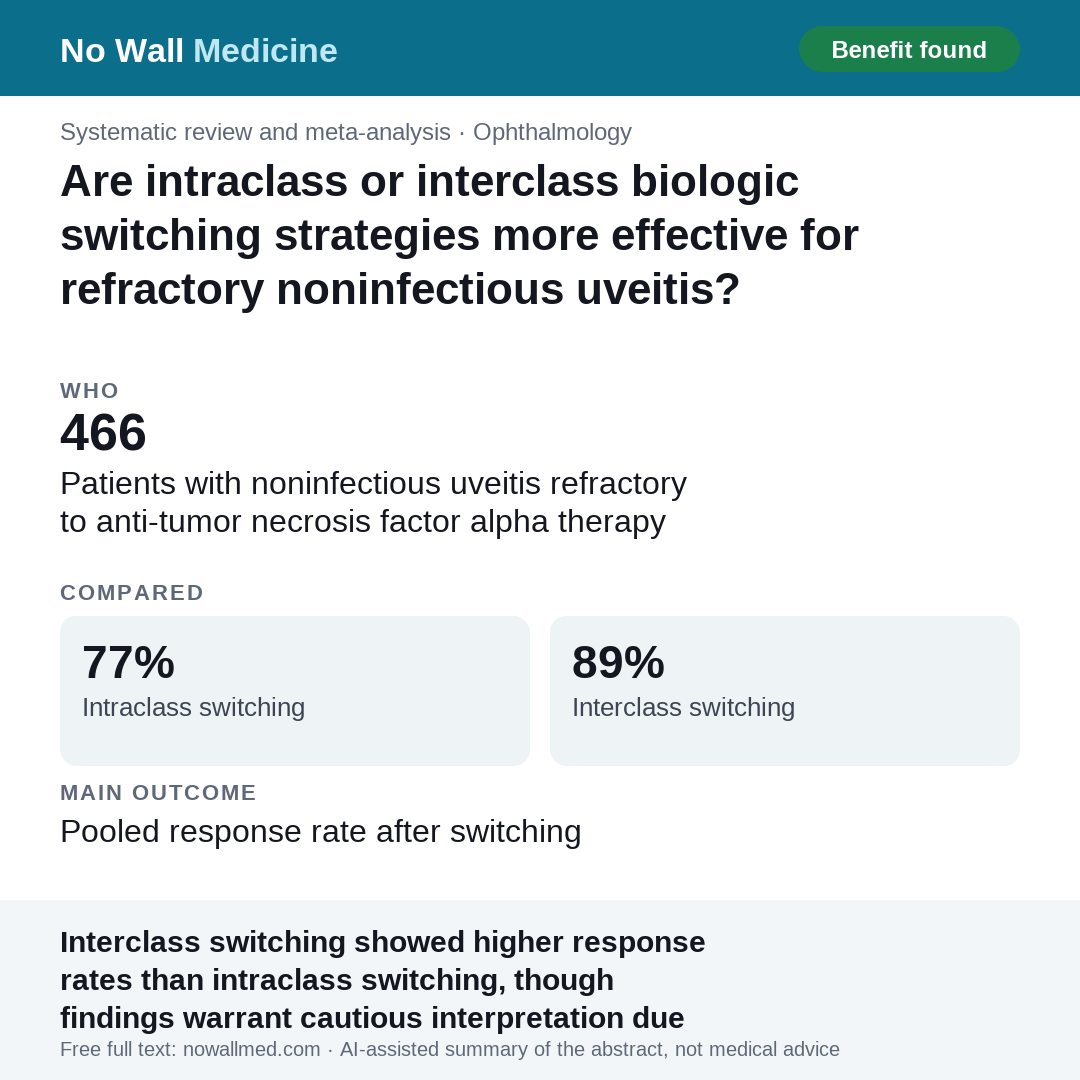
Biologic Switching Strategies for Anti-Tumor Necrosis Factor Alpha Refractory Noninfectious Uveitis: Systematic Review and Meta-Analysis of Clinical Approach
Systematic review and meta-analysisBenefit found
Are intraclass or interclass biologic switching strategies more effective for refractory noninfectious uveitis?
Who
466
Patients with noninfectious uveitis refractory to anti-tumor necrosis factor alpha therapy
Compared
77%Intraclass switching (95% CI: 65%-87%)
89%Interclass switching (95% CI: 80%-96%)
Main outcome
Pooled response rate after switching
Result: P = 0.0995
Bottom line: Interclass switching showed higher response rates than intraclass switching, though findings warrant cautious interpretation due to low certainty.
Limitation: The certainty of evidence was graded as low for the overall pooled response rate.
Ophthalmology · 2026-09-15Download image
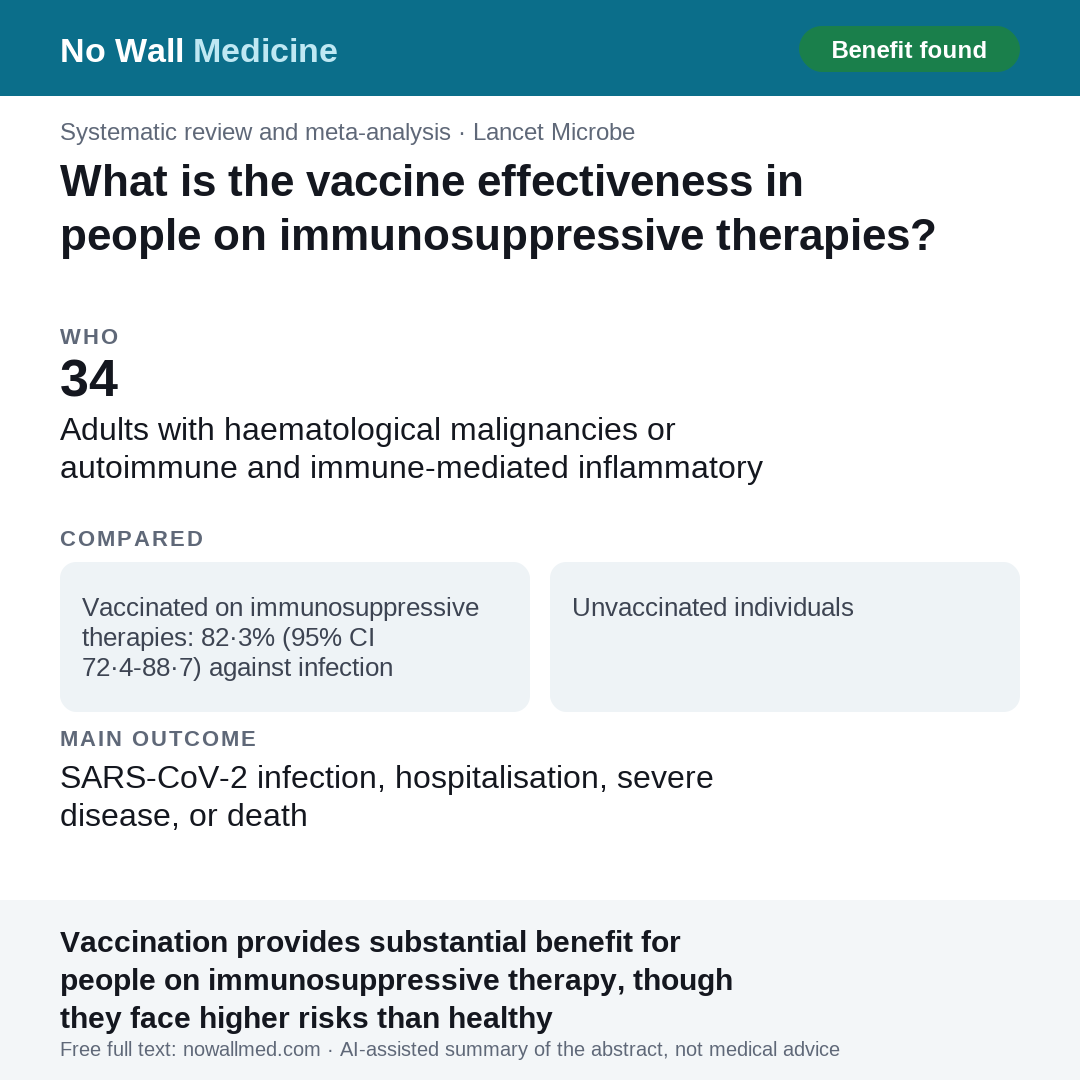
COVID-19 vaccine effectiveness in people on immunosuppressive therapies: a systematic review and meta-analysis
Systematic review and meta-analysisBenefit found
What is the vaccine effectiveness in people on immunosuppressive therapies?
Who
34
Adults with haematological malignancies or autoimmune and immune-mediated inflammatory disorders
Compared
Vaccinated on immunosuppressive therapies: 82·3% (95% CI 72·4-88·7) against infection
Unvaccinated individuals
Main outcome
SARS-CoV-2 infection, hospitalisation, severe disease, or death
Result: relative risk 1·57 (95% CI 1·25-1·96) for SARS-CoV-2 infection
Bottom line: Vaccination provides substantial benefit for people on immunosuppressive therapy, though they face higher risks than healthy vaccinated individuals.
Limitation: Assessing booster effectiveness against current circulating variants remains a priority.
Funded by: National Health and Medical Research Council (Australia)
Lancet Microbe · 2026-09-15Download image
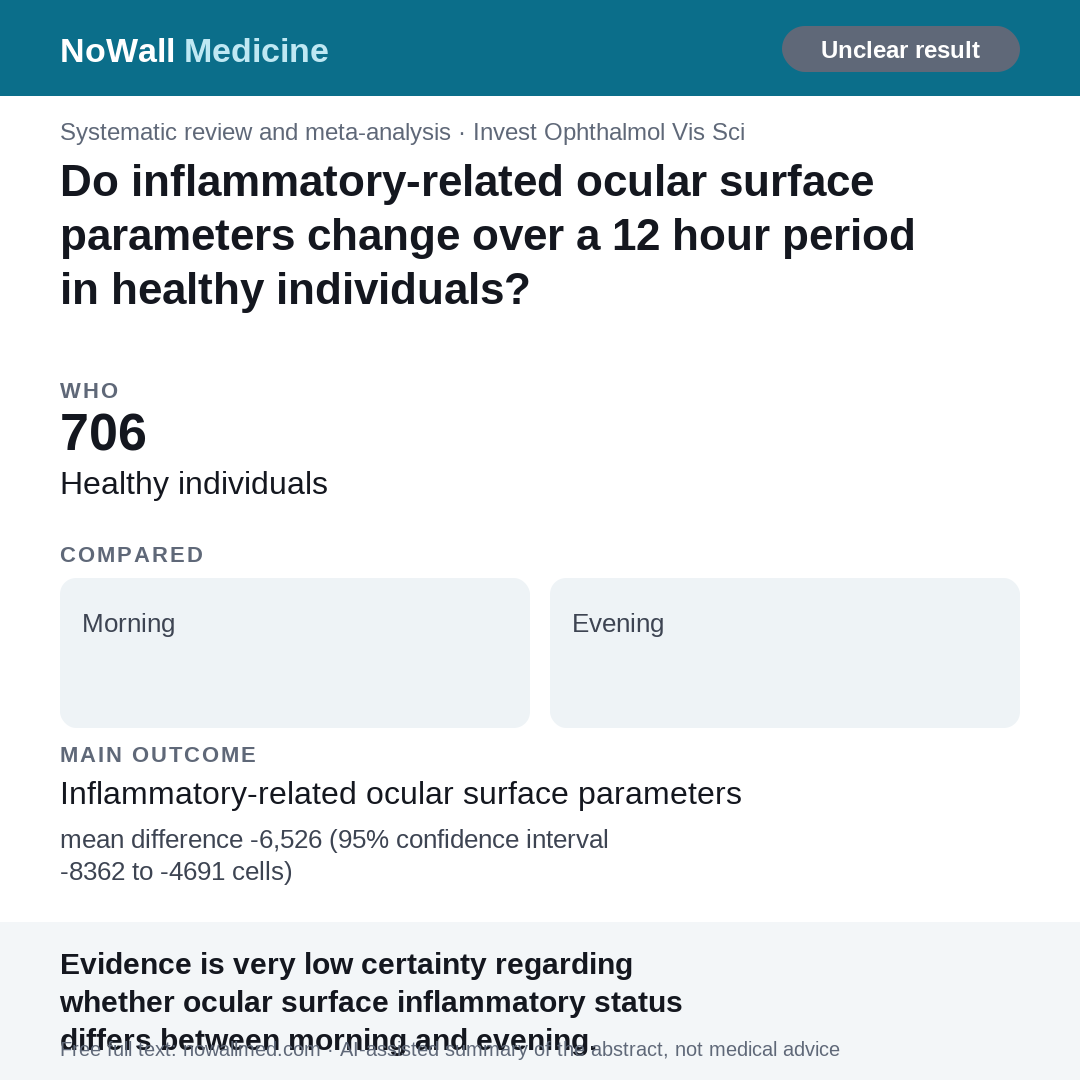
Temporal Variations in Inflammatory-Related Ocular Surface Parameters: A Systematic Review and Meta-Analysis
Systematic review and meta-analysisUnclear result
Do inflammatory-related ocular surface parameters change over a 12 hour period in healthy individuals?
Who
706
Healthy individuals
Compared
Morning
Evening
Main outcome
Inflammatory-related ocular surface parameters
Result: mean difference -6,526 (95% confidence interval -8362 to -4691 cells)
Bottom line: Evidence is very low certainty regarding whether ocular surface inflammatory status differs between morning and evening.
Limitation: Very low certainty of evidence due to risk-of-bias, insufficient studies, and low sample sizes.
Invest Ophthalmol Vis Sci · 2026-09-14Download image
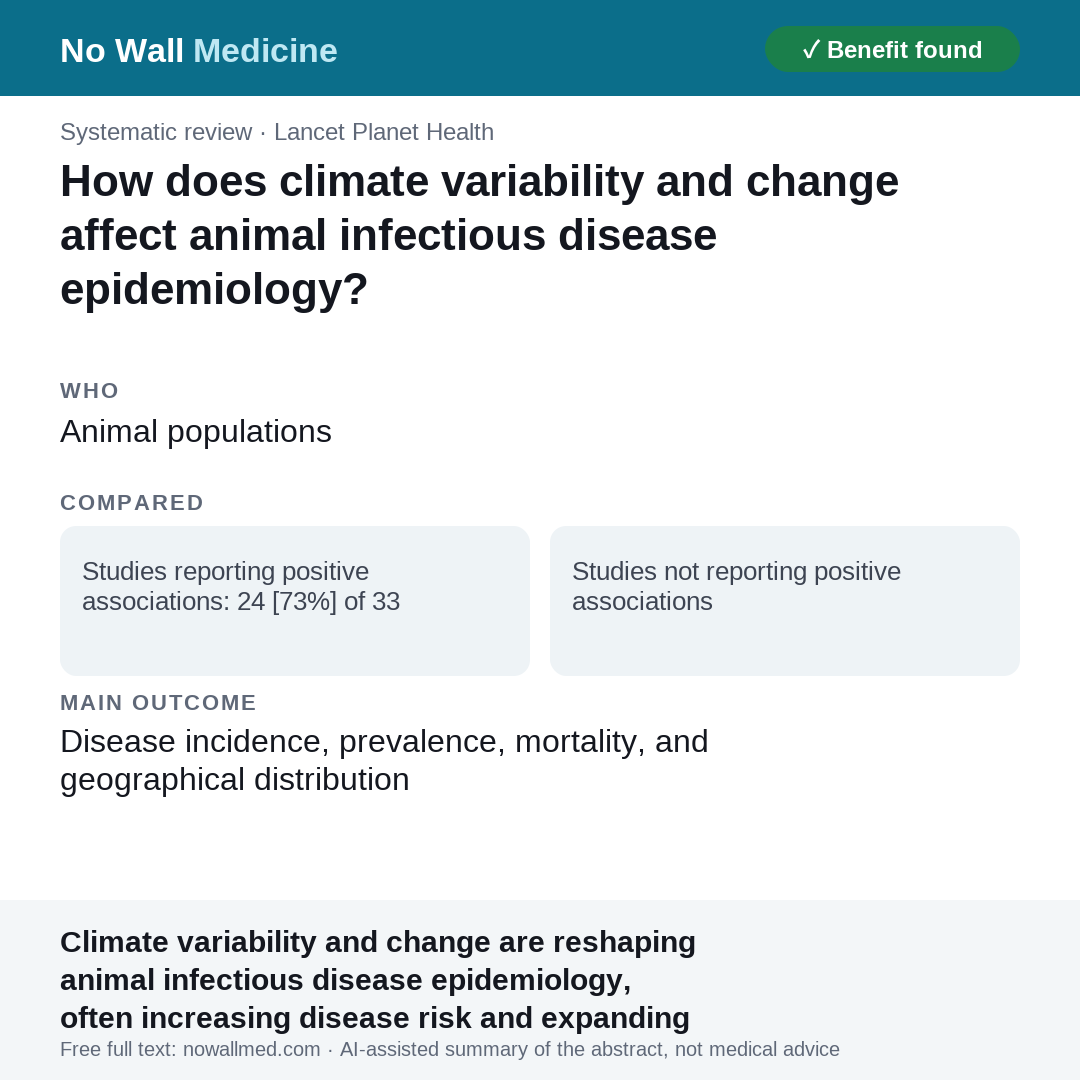
Climate change and animal infectious diseases: a systematic review of emerging evidence
Systematic reviewBenefit found
How does climate variability and change affect animal infectious disease epidemiology?
Who
33
Animal populations
Compared
Studies reporting positive associations: 24 [73%] of 33
Studies not reporting positive associations
Main outcome
Disease incidence, prevalence, mortality, and geographical distribution
Bottom line: Climate variability and change are reshaping animal infectious disease epidemiology, often increasing disease risk and expanding ranges.
Limitation: Scarcity of longitudinal empirical disease data linked to long-term climate changes.
Lancet Planet Health · 2026-09-14Download image
Minor role of endogenous opioids for acute pain regulation in humans: a systematic review and meta-analysis of placebo-controlled antagonist studies
Systematic review and meta-analysisBenefit found
Do pharmacological opioid receptor blockades increase pain in healthy volunteers?
Who
2706
Healthy volunteers
Compared
Opioid antagonist
Placebo
Main outcome
Pain intensity, tolerance, unpleasantness, and threshold
Result: Hedges' g 0.18 (95% CI 0.11 to 0.25)
Bottom line: Opioid blockade was associated with a slight increase in pain, indicating a minor role for endogenous opioids in pain regulation.
Limitation: Evidence of reporting bias suggested the effect size was slightly overestimated and residual heterogeneity was substantial.
Pain · 2026-09-14Download image

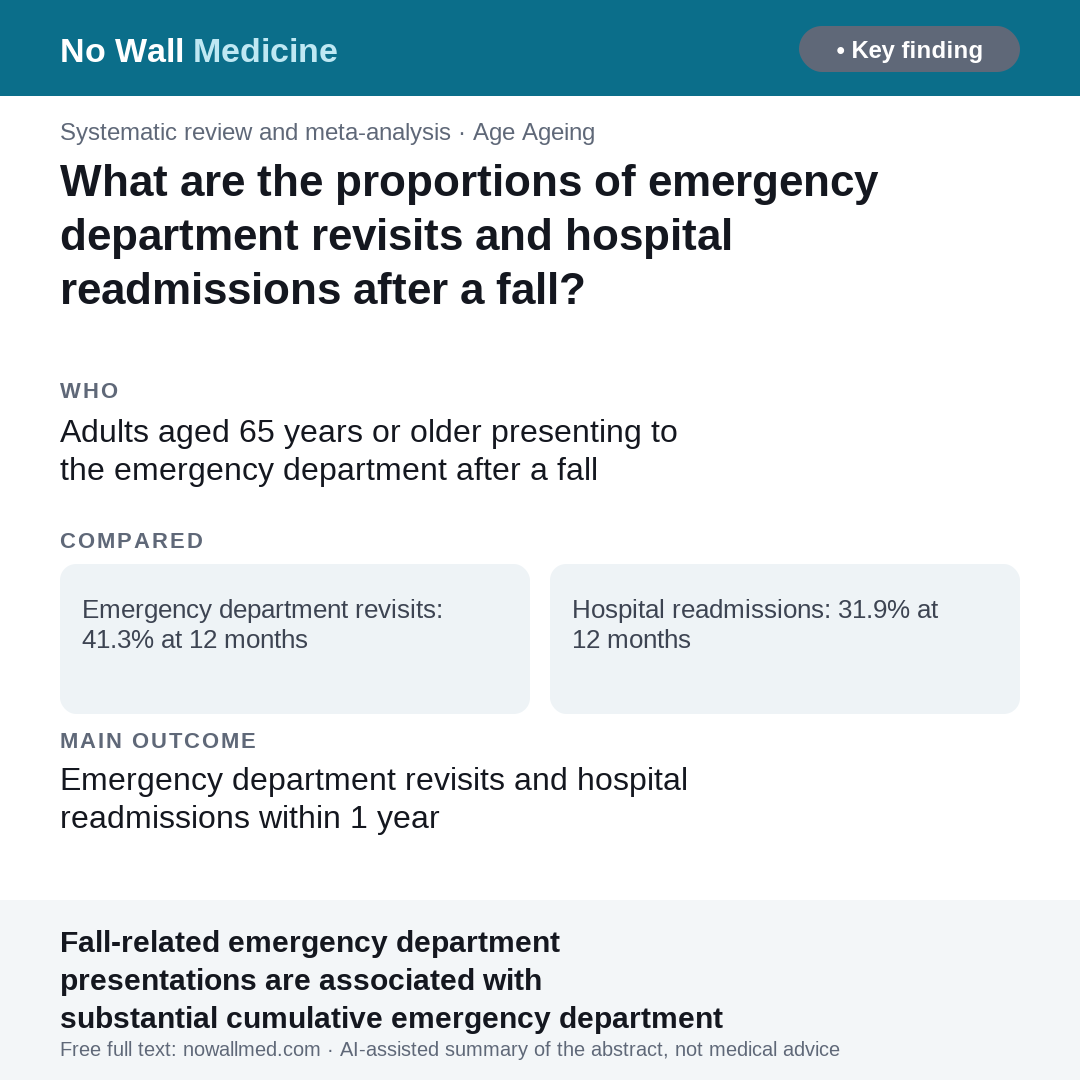
Emergency department revisits and hospital readmissions following a fall-related emergency department presentation in older adults: a systematic review and meta-analysis
Systematic review and meta-analysisBenefit found
What are the proportions of emergency department revisits and hospital readmissions after a fall?
Who
Adults aged 65 years or older presenting to the emergency department after a fall
Compared
Emergency department revisits: 41.3% at 12 months
Hospital readmissions: 31.9% at 12 months
Main outcome
Emergency department revisits and hospital readmissions within 1 year
Bottom line: Fall-related emergency department presentations are associated with substantial cumulative emergency department revisits and hospital readmissions over one year.
Limitation: Substantial heterogeneity was observed across several pooled analyses.
Age Ageing · 2026-09-14Download image
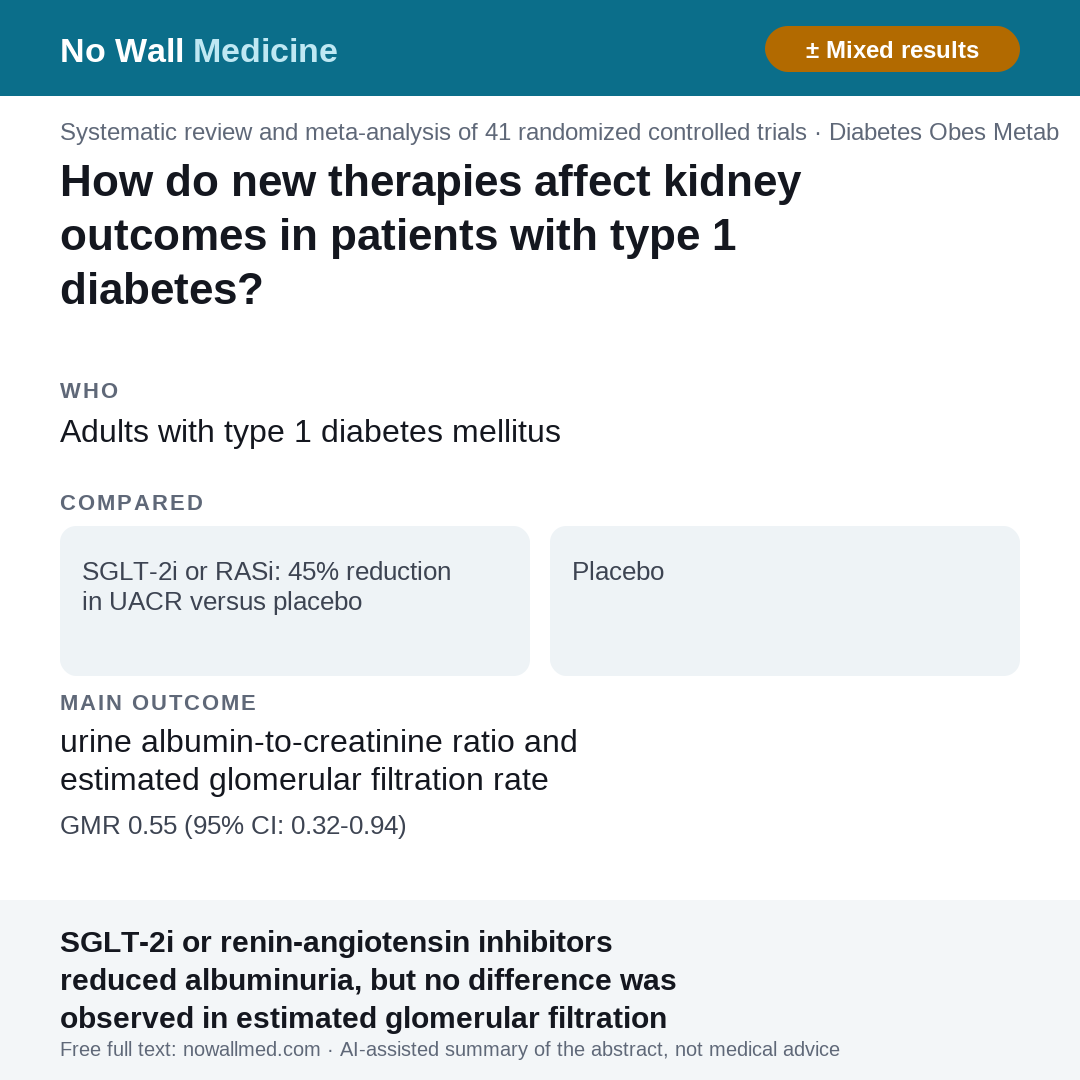
Effects of Renin-Angiotensin Inhibitors, Sodium-Glucose Cotransporter 2 Inhibitors, Mineralocorticoid Receptor Antagonists and Glucagon-Like Peptide 1 Receptor Agonists on Kidney Outcomes in Patients With Type 1 Diabetes: A Systematic Review and Meta-Analysis
Systematic review and meta-analysis of 41 randomized controlled trialsMixed results
How do new therapies affect kidney outcomes in patients with type 1 diabetes?
Who
Adults with type 1 diabetes mellitus
Compared
SGLT-2i or RASi: 45% reduction in UACR versus placebo
Placebo
Main outcome
urine albumin-to-creatinine ratio and estimated glomerular filtration rate
Result: GMR 0.55 (95% CI: 0.32-0.94)
Bottom line: SGLT-2i or renin-angiotensin inhibitors reduced albuminuria, but no difference was observed in estimated glomerular filtration rate change.
Limitation: Reduction in albuminuria was driven predominantly by SGLT-2i studies with limited evidence for renin-angiotensin inhibitors.
Diabetes Obes Metab · 2026-09-13Download image
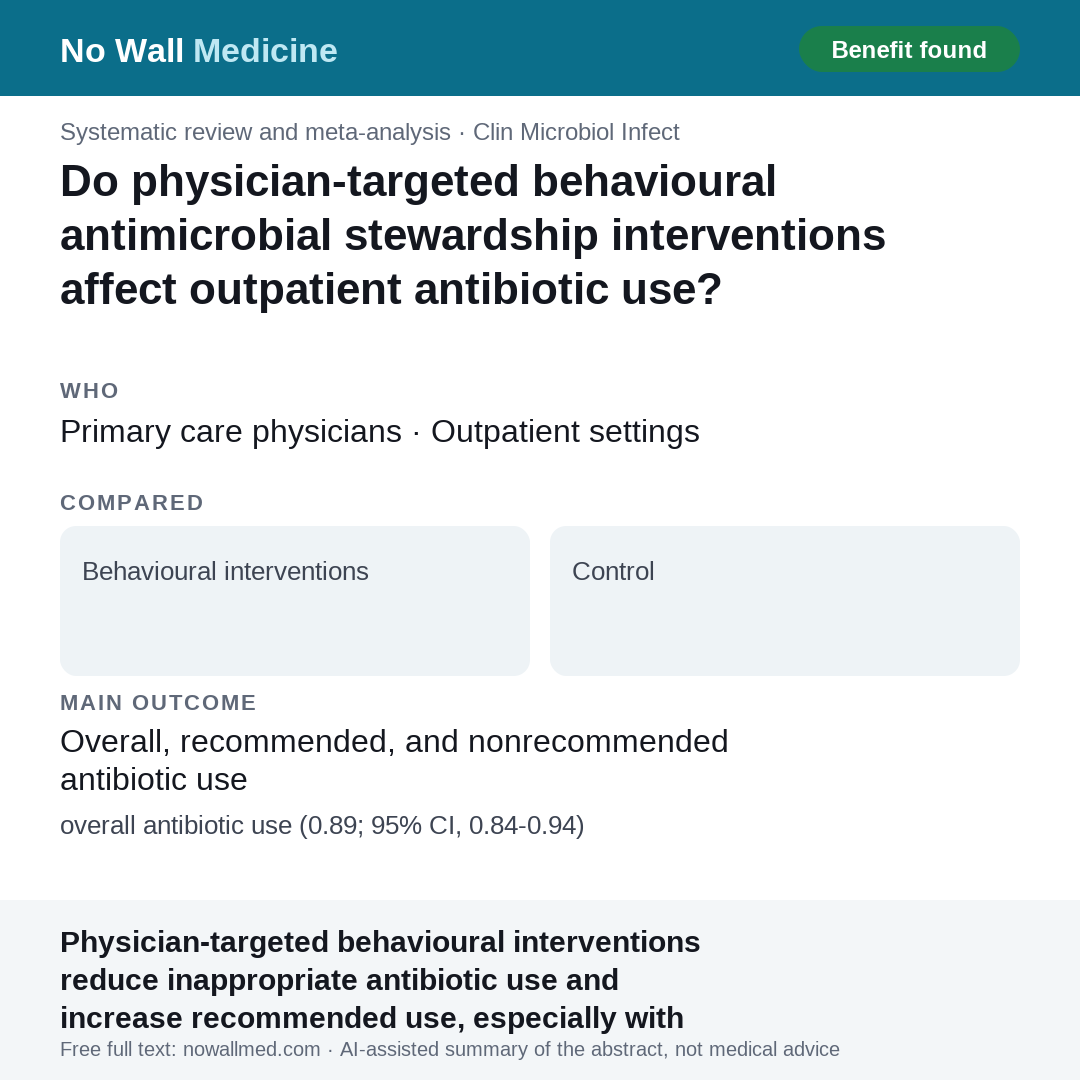
Behavioural antimicrobial stewardship interventions in outpatient settings: a systematic review and meta-analysis of physician-targeted approaches
Systematic review and meta-analysisBenefit found
Do physician-targeted behavioural antimicrobial stewardship interventions affect outpatient antibiotic use?
Who
Primary care physicians · Outpatient settings
Compared
Behavioural interventions
Control
Main outcome
Overall, recommended, and nonrecommended antibiotic use
Result: overall antibiotic use (0.89; 95% CI, 0.84-0.94)
Bottom line: Physician-targeted behavioural interventions reduce inappropriate antibiotic use and increase recommended use, especially with more intervention components.
Clin Microbiol Infect · 2026-09-12Download image
Endothelial Keratoplasty in Eyes With Previous Glaucoma Surgery: A Systematic Review and Meta-Analysis Stratified by Graft Technique
Systematic review and meta-analysisMixed results
What are the outcomes of endothelial keratoplasty in eyes with previous glaucoma surgery?
Who
943
Eyes with prior glaucoma surgery undergoing endothelial keratoplasty
Compared
57%Overall cohort (95% CI, 48%-66%)
50%Eyes with prior glaucoma drainage device implantation (95% CI, 42%-57%)
Main outcome
36-month graft survival
Bottom line: Only half of eyes with prior glaucoma drainage device implantation retain a functioning graft at 36 months.
Am J Ophthalmol · 2026-09-12Download image

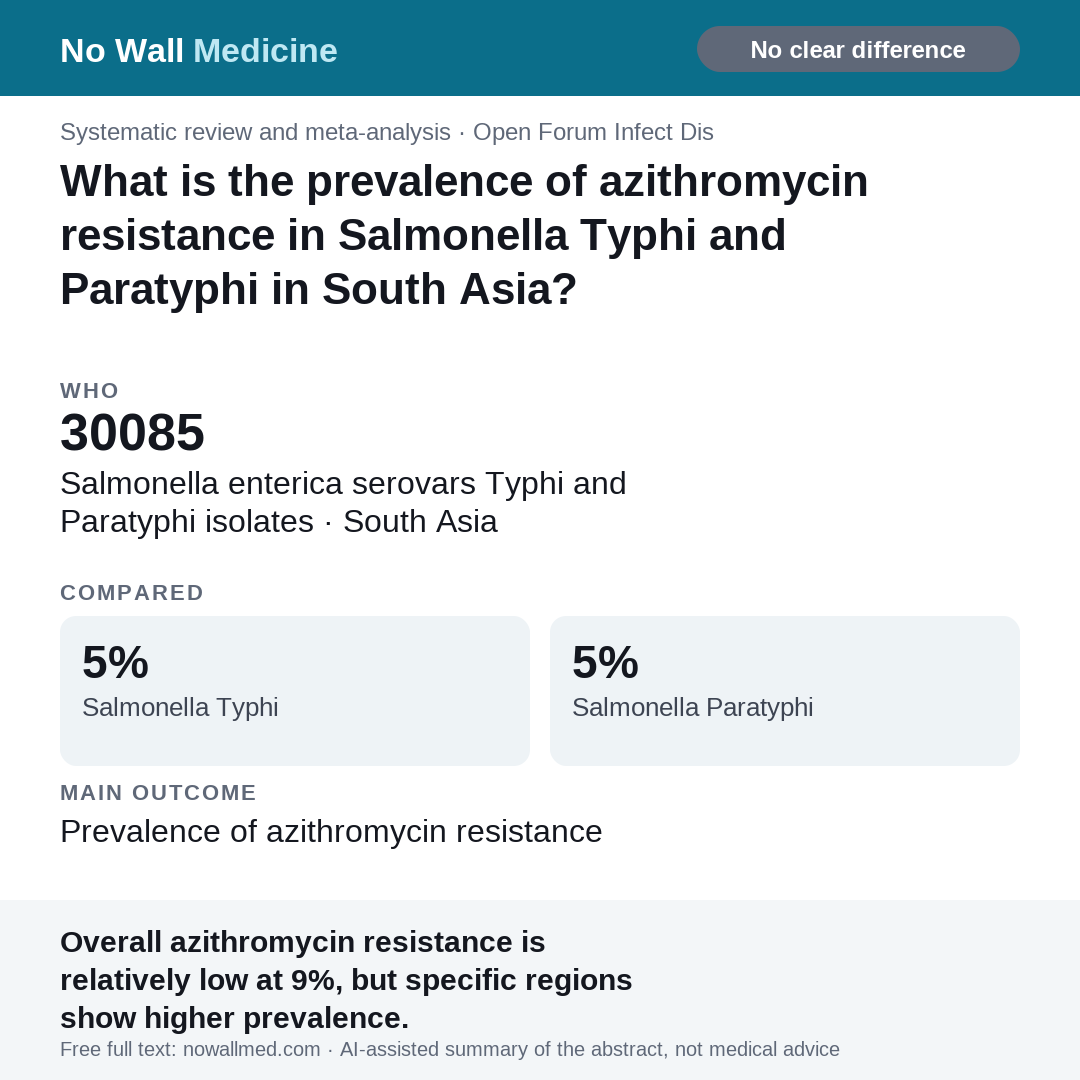
Azithromycin Resistance in Salmonella Typhi and Paratyphi Across South Asia: A Systematic Review and Meta-Analysis
Systematic review and meta-analysisNo clear difference
What is the prevalence of azithromycin resistance in Salmonella Typhi and Paratyphi in South Asia?
Who
30085
Salmonella enterica serovars Typhi and Paratyphi isolates · South Asia
Compared
5%Salmonella Typhi (95% CI: 4%-5%)
5%Salmonella Paratyphi (95% CI: 0%-9%)
Main outcome
Prevalence of azithromycin resistance
Result: 9% (95% CI: 3%-14%)
Bottom line: Overall azithromycin resistance is relatively low at 9%, but specific regions show higher prevalence.
Limitation: Interpretive criteria used by individual study authors were acknowledged.
Open Forum Infect Dis · 2026-09-12Download image
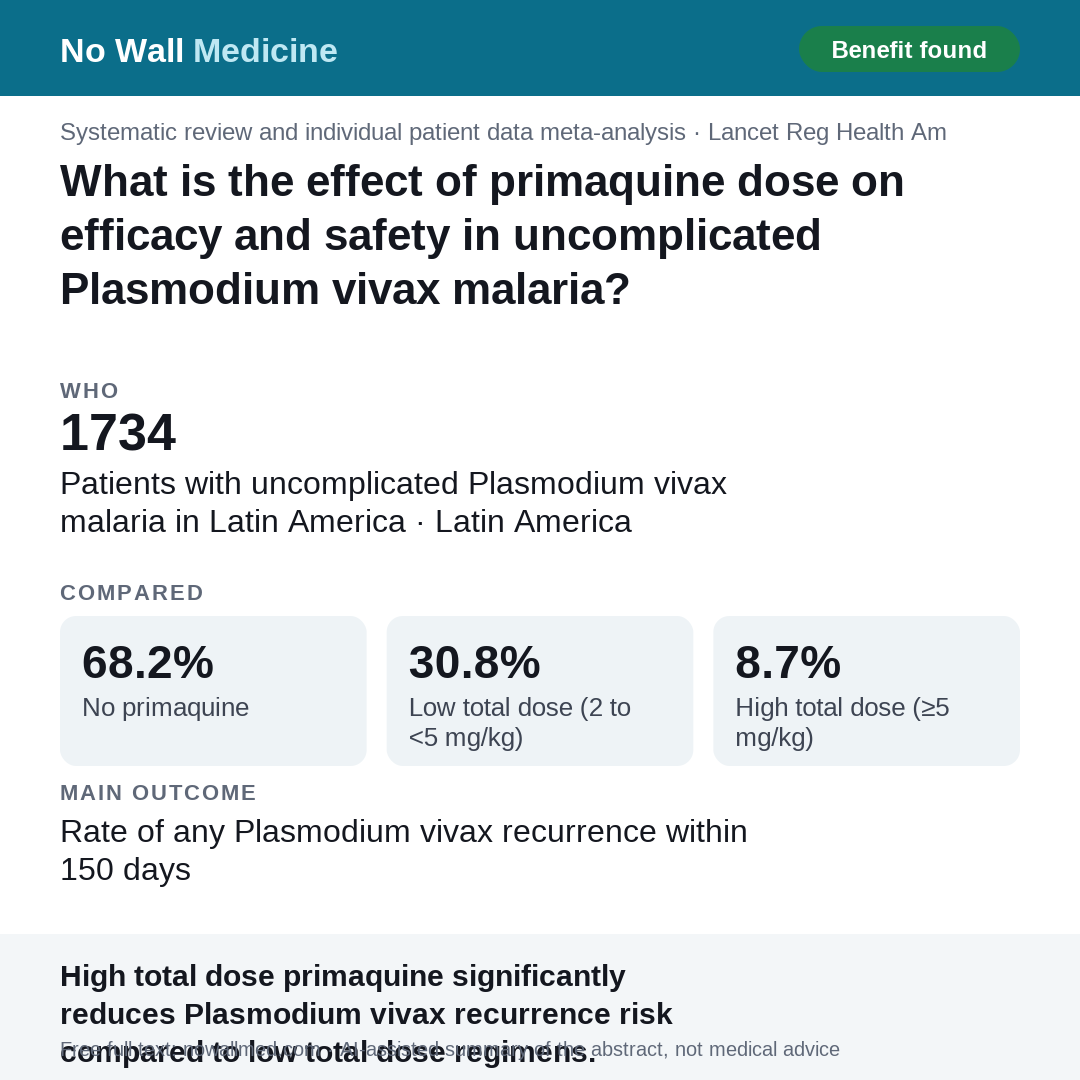
A systematic review and individual patient data meta-analysis to determine the effect of primaquine dose on efficacy, tolerability and safety in uncomplicated Plasmodium vivax malaria in Latin America
Systematic review and individual patient data meta-analysisBenefit found
What is the effect of primaquine dose on efficacy and safety in uncomplicated Plasmodium vivax malaria?
Who
1734
Patients with uncomplicated Plasmodium vivax malaria in Latin America · Latin America
Compared
68.2%No primaquine (95% CI 59.5-76.6)
30.8%Low total dose (2 to <5 mg/kg) (27.0-35.0)
8.7%High total dose (≥5 mg/kg) (5.6-13.2)
Main outcome
Rate of any Plasmodium vivax recurrence within 150 days
Result: adjusted hazard ratio 0.36 (95% CI 0.21-0.62)
Bottom line: High total dose primaquine significantly reduces Plasmodium vivax recurrence risk compared to low total dose regimens.
Lancet Reg Health Am · 2026-09-12Download image
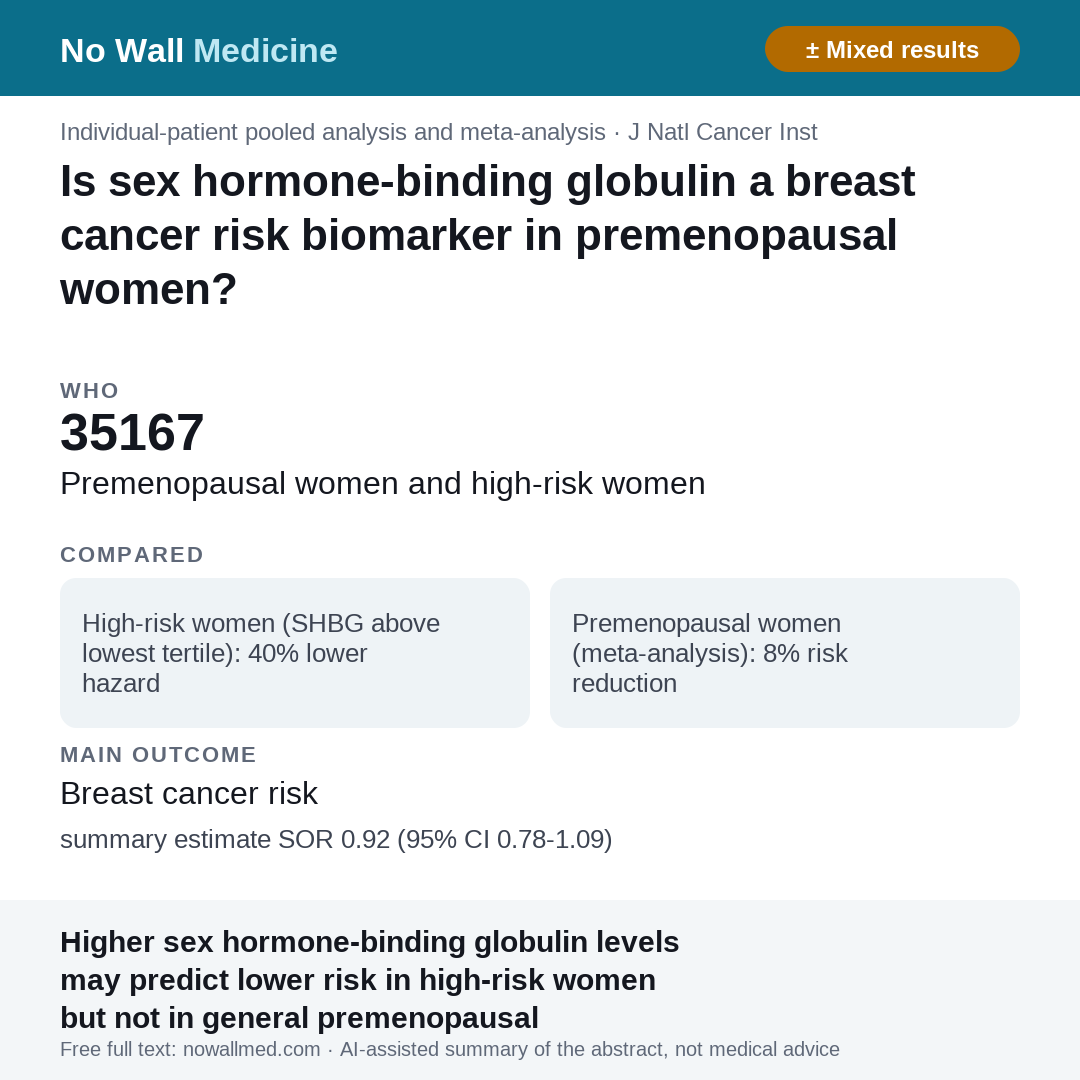
SHBG as a breast cancer risk biomarker in premenopausal women? Results from an individual patient's pooled analysis and a meta-analysis
Individual-patient pooled analysis and meta-analysisMixed results
Is sex hormone-binding globulin a breast cancer risk biomarker in premenopausal women?
Who
35167
Premenopausal women and high-risk women
Compared
High-risk women (SHBG above lowest tertile): 40% lower hazard
Premenopausal women (meta-analysis): 8% risk reduction
Main outcome
Breast cancer risk
Result: summary estimate SOR 0.92 (95% CI 0.78-1.09)
Bottom line: Higher sex hormone-binding globulin levels may predict lower risk in high-risk women but not in general premenopausal populations.
J Natl Cancer Inst · 2026-09-11Download image
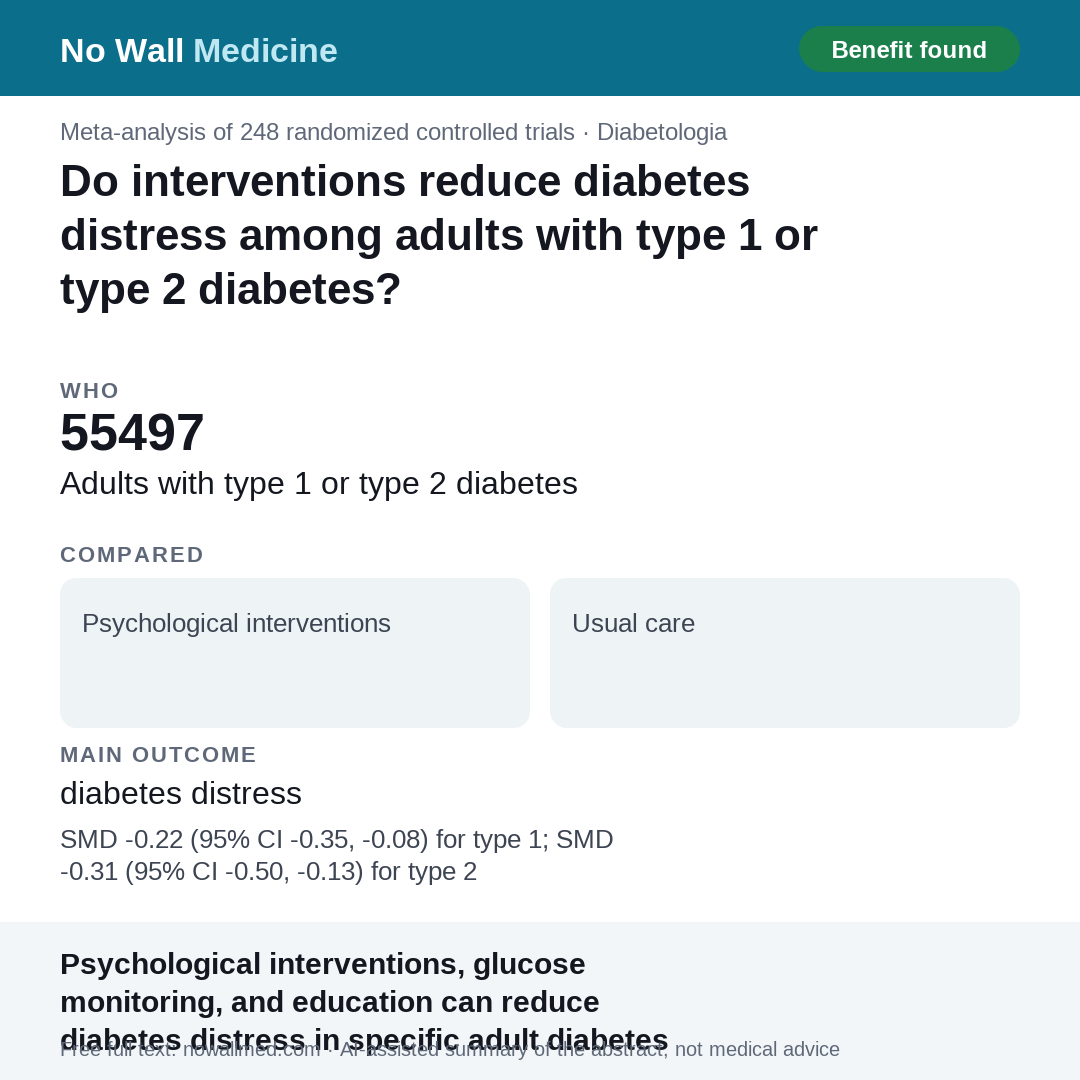
Interventions to reduce diabetes-related distress among adults with type 1 or type 2 diabetes: a systematic review and meta-analysis of randomised controlled trials
Meta-analysis of 248 randomized controlled trialsBenefit found
Do interventions reduce diabetes distress among adults with type 1 or type 2 diabetes?
Who
55497
Adults with type 1 or type 2 diabetes
Compared
Psychological interventions
Usual care
Main outcome
diabetes distress
Result: SMD -0.22 (95% CI -0.35, -0.08) for type 1; SMD -0.31 (95% CI -0.50, -0.13) for type 2
Bottom line: Psychological interventions, glucose monitoring, and education can reduce diabetes distress in specific adult diabetes populations.
Limitation: Many analyzed trials had some concerns or high risk of bias.
Funded by: European Association for the Study of Diabetes
Diabetologia · 2026-09-11Download image
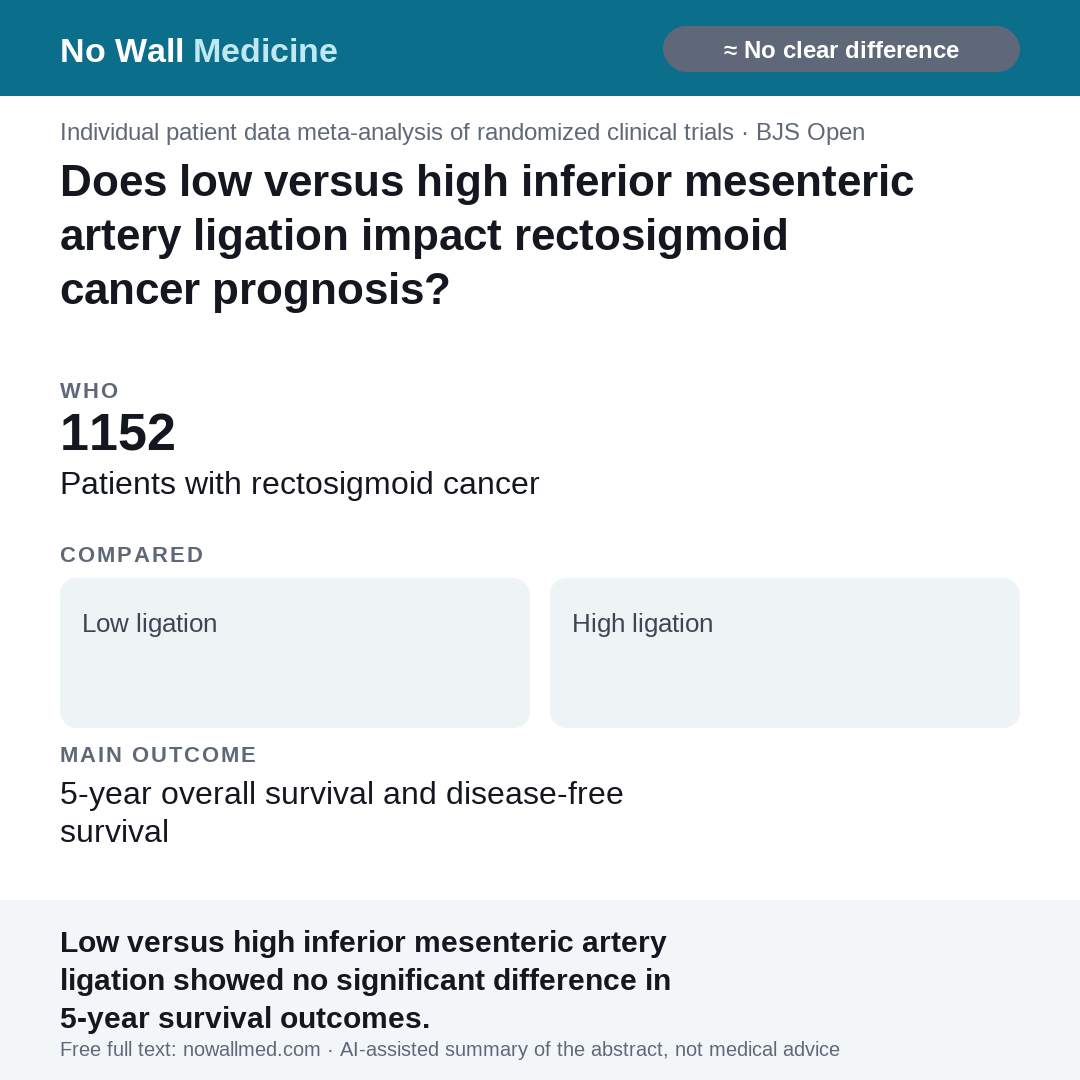
Prognostic impact of low versus high inferior mesenteric artery ligation in rectosigmoid cancer: individual patient data meta-analysis of randomized trials
Individual patient data meta-analysis of randomized clinical trialsNo clear difference
Does low versus high inferior mesenteric artery ligation impact rectosigmoid cancer prognosis?
Who
1152
Patients with rectosigmoid cancer
Compared
Low ligation
High ligation
Main outcome
5-year overall survival and disease-free survival
Result: overall survival difference 1.40 months (95% c.i. -0.18 to 2.98)
Bottom line: Low versus high inferior mesenteric artery ligation showed no significant difference in 5-year survival outcomes.
BJS Open · 2026-09-11Download image
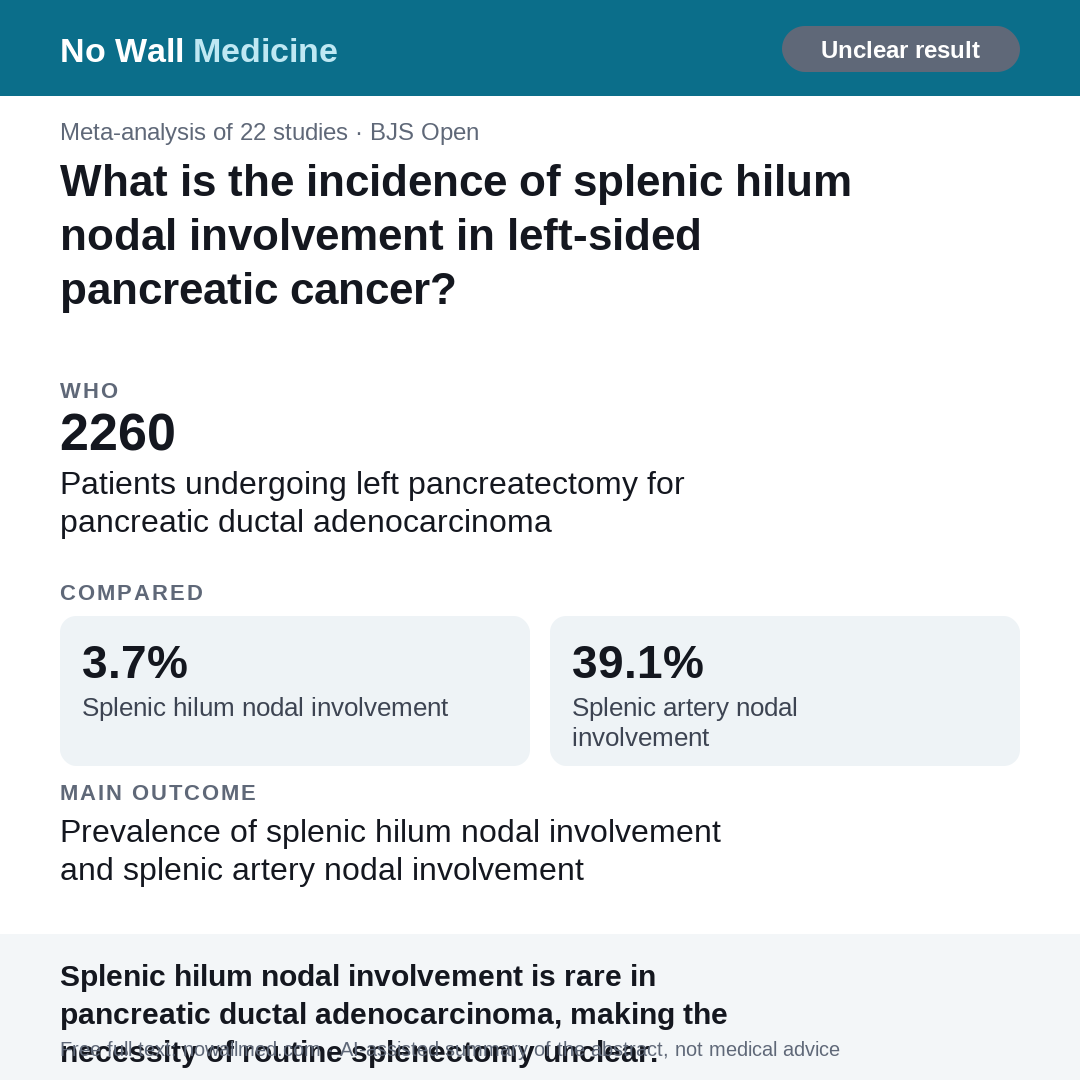
Splenic hilum nodal involvement in resected left-sided pancreatic cancer: meta-analysis
Meta-analysis of 22 studiesUnclear result
What is the incidence of splenic hilum nodal involvement in left-sided pancreatic cancer?
Who
2260
Patients undergoing left pancreatectomy for pancreatic ductal adenocarcinoma
Compared
3.7%Splenic hilum nodal involvement (95% confidence interval 2.2% to 6.2%)
39.1%Splenic artery nodal involvement (95% confidence interval 25.1% to 55.1%)
Main outcome
Prevalence of splenic hilum nodal involvement and splenic artery nodal involvement
Result: hazard ratio 2.05 (95% c.i. 0.89% to 4.72)
Bottom line: Splenic hilum nodal involvement is rare in pancreatic ductal adenocarcinoma, making the necessity of routine splenectomy unclear.
Limitation: The quality of current evidence is low.
BJS Open · 2026-09-11Download image