Visual abstracts
New randomized trials and meta-analyses from leading journals at a glance: who was studied, what was compared, and what was found. Every paper is free to read in full.
All specialtiesCardiology 4763Oncology 4043Gastroenterology & Hepatology 1903Infectious Disease 3756Neurology 1872Psychiatry & Mental Health 2216Pulmonology 2044Critical Care 1319Endocrinology & Diabetes 2544Pediatrics 2889Surgery 2480Orthopedics & Sports Medicine 917Neurosurgery 525Cardiothoracic & Vascular Surgery 656Plastic & Reconstructive Surgery 574Nephrology 1107Rheumatology 810Hematology 1090Dermatology 611Ophthalmology 532Obstetrics & Gynecology 1645Public & Global Health 1037Radiology & Imaging 619Anesthesiology 958Urology 745ENT (Otolaryngology) 494Emergency Medicine 481Allergy & Immunology 309Geriatrics 972Family Medicine & Primary Care 534Medical Genetics & Genomics 659Pathology & Laboratory Medicine 156Physical Medicine & Rehabilitation 734Palliative Care 421Nutrition 1560Digital Health & AI 2137General Medicine 318
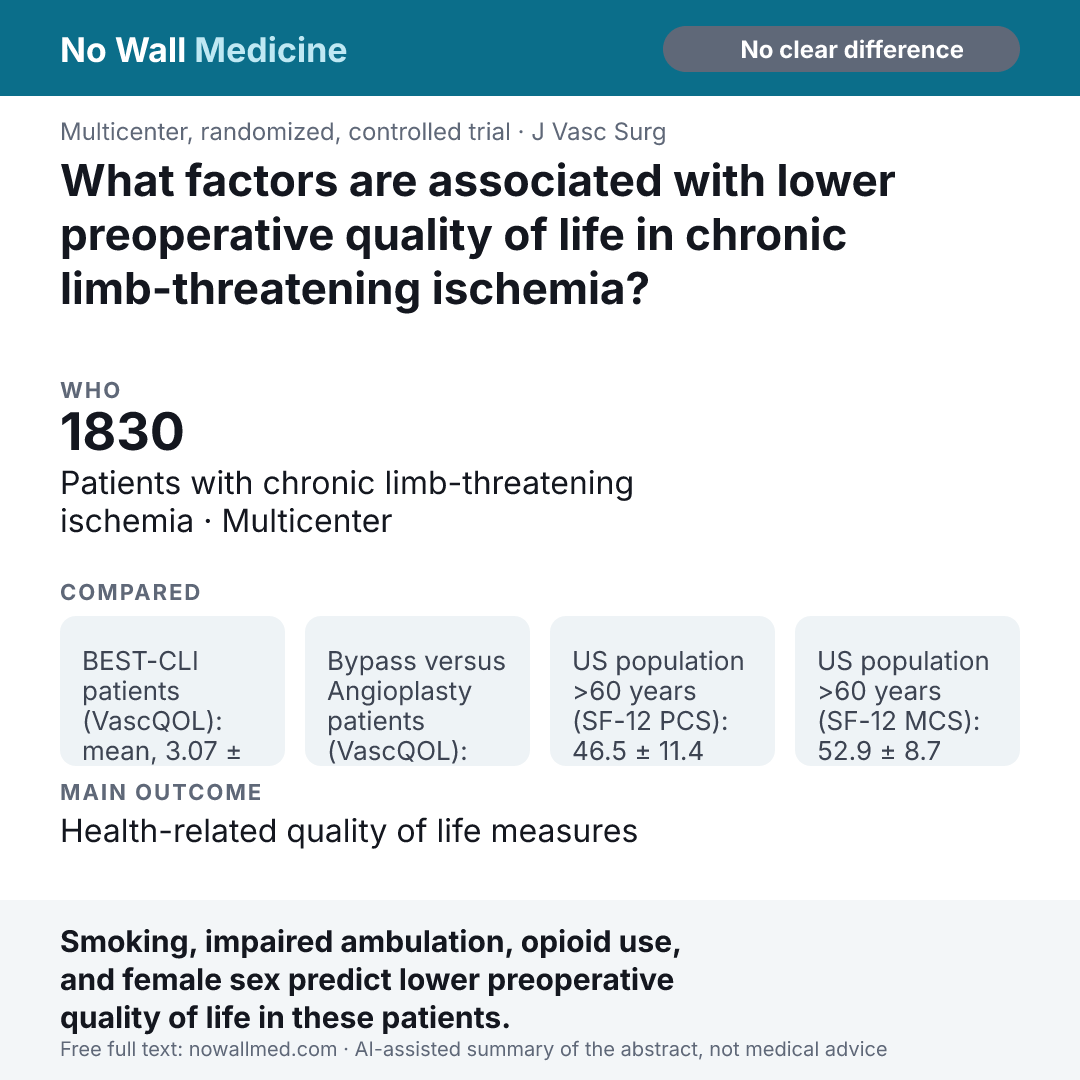
Factors associated with lower preoperative quality of life in patients with chronic limb-threatening ischemia in the BEST-CLI trial
Multicenter, randomized, controlled trialNo clear difference
What factors are associated with lower preoperative quality of life in chronic limb-threatening ischemia?
Who
1830
Patients with chronic limb-threatening ischemia · Multicenter
Compared
BEST-CLI patients (VascQOL): mean, 3.07 ± 1.2
Bypass versus Angioplasty patients (VascQOL): mean, 2.9 ± 1.1
US population >60 years (SF-12 PCS): 46.5 ± 11.4
US population >60 years (SF-12 MCS): 52.9 ± 8.7
Main outcome
Health-related quality of life measures
Bottom line: Smoking, impaired ambulation, opioid use, and female sex predict lower preoperative quality of life in these patients.
Funded by: National Institutes of Health
J Vasc Surg · 2022-06-14 · Save PNG
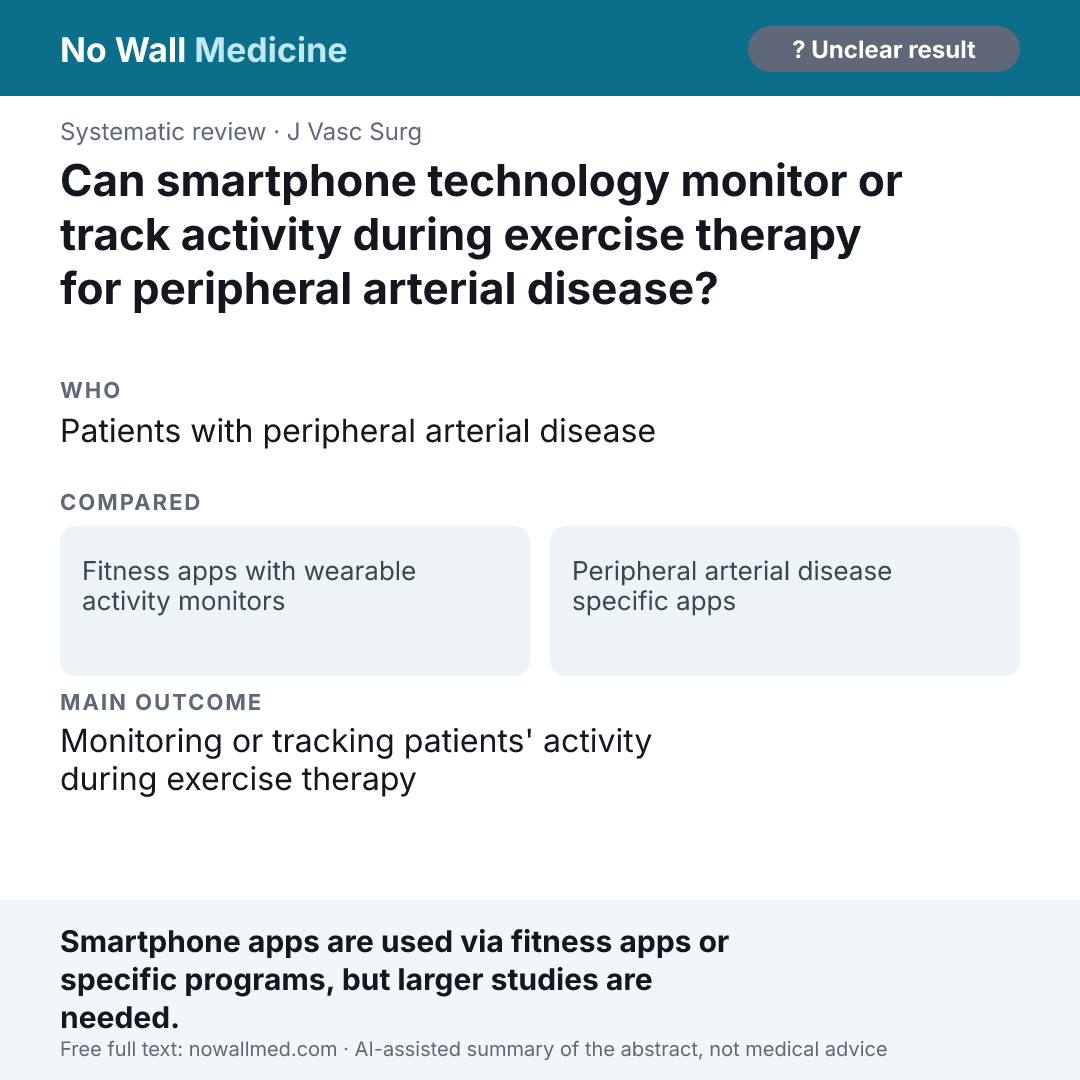
A systematic review on smartphone use for activity monitoring during exercise therapy in intermittent claudication
Systematic reviewUnclear result
Can smartphone technology monitor or track activity during exercise therapy for peripheral arterial disease?
Who
Patients with peripheral arterial disease
Compared
Fitness apps with wearable activity monitors
Peripheral arterial disease specific apps
Main outcome
Monitoring or tracking patients' activity during exercise therapy
Bottom line: Smartphone apps are used via fitness apps or specific programs, but larger studies are needed.
Limitation: Peripheral arterial disease specific apps are scarce.
J Vasc Surg · 2022-06-14 · Save PNG
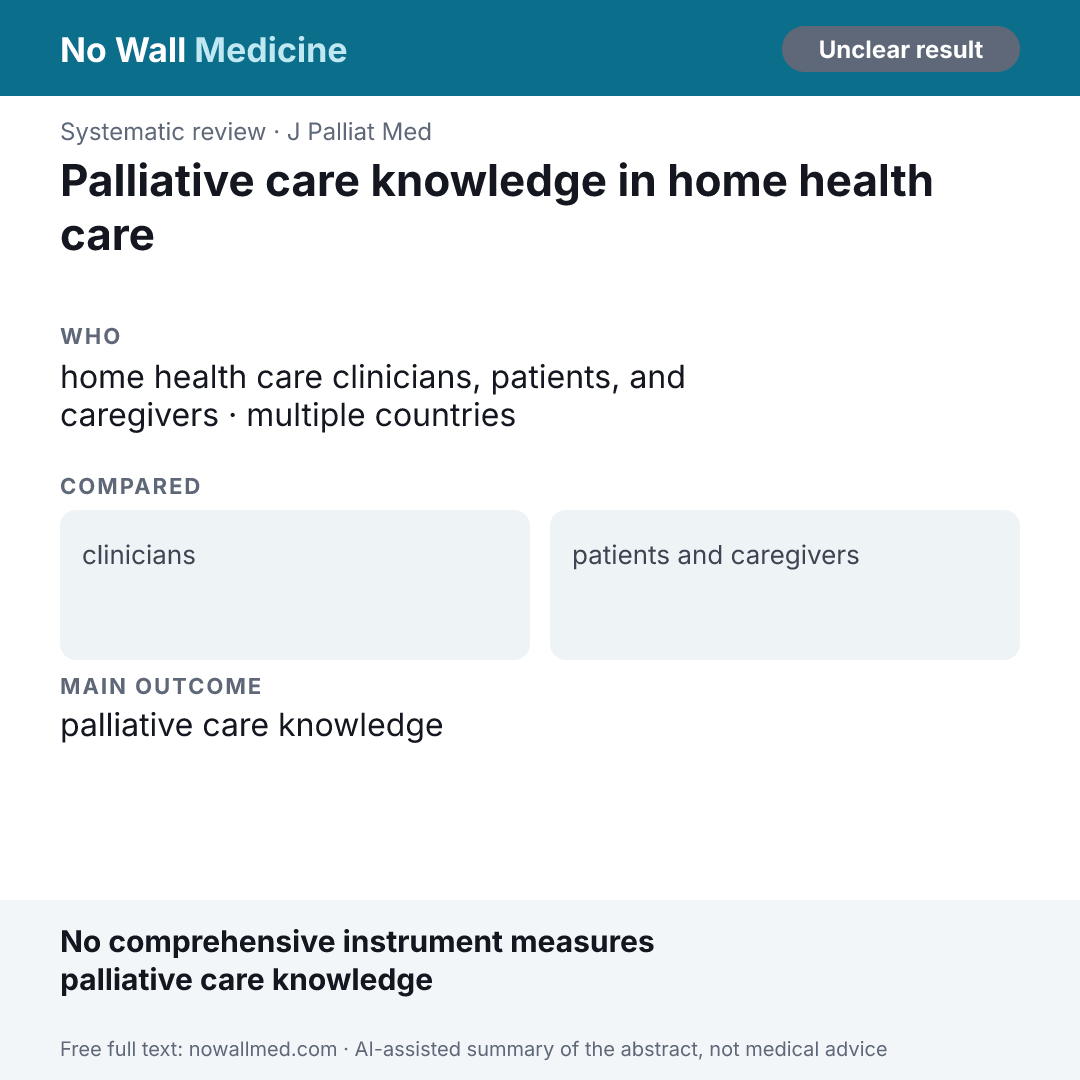
Measuring Palliative Care-Related Knowledge, Attitudes, and Confidence in Home Health Care Clinicians, Patients, and Caregivers: A Systematic Review
Systematic reviewUnclear result
Palliative care knowledge in home health care
Who
home health care clinicians, patients, and caregivers · multiple countries
Compared
clinicians
patients and caregivers
Main outcome
palliative care knowledge
Bottom line: No comprehensive instrument measures palliative care knowledge
J Palliat Med · 2022-06-14 · Save PNG
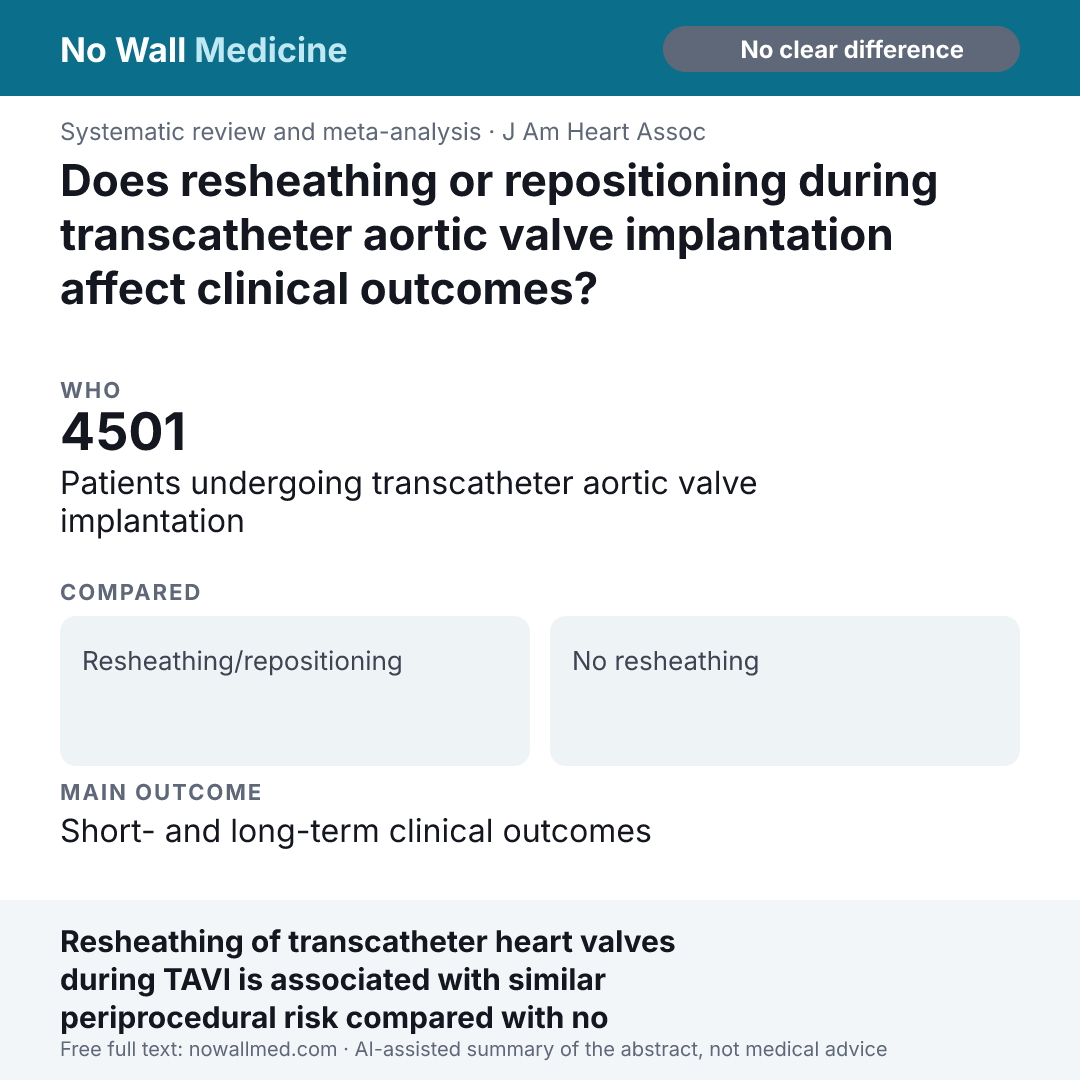
Transcatheter Aortic Valve Implantation With and Without Resheathing and Repositioning: A Systematic Review and Meta-analysis
Systematic review and meta-analysisNo clear difference
Does resheathing or repositioning during transcatheter aortic valve implantation affect clinical outcomes?
Who
4501
Patients undergoing transcatheter aortic valve implantation
Compared
Resheathing/repositioning
No resheathing
Main outcome
Short- and long-term clinical outcomes
Result: no significant differences identified
Bottom line: Resheathing of transcatheter heart valves during TAVI is associated with similar periprocedural risk compared with no resheathing.
J Am Heart Assoc · 2022-06-14 · Save PNG
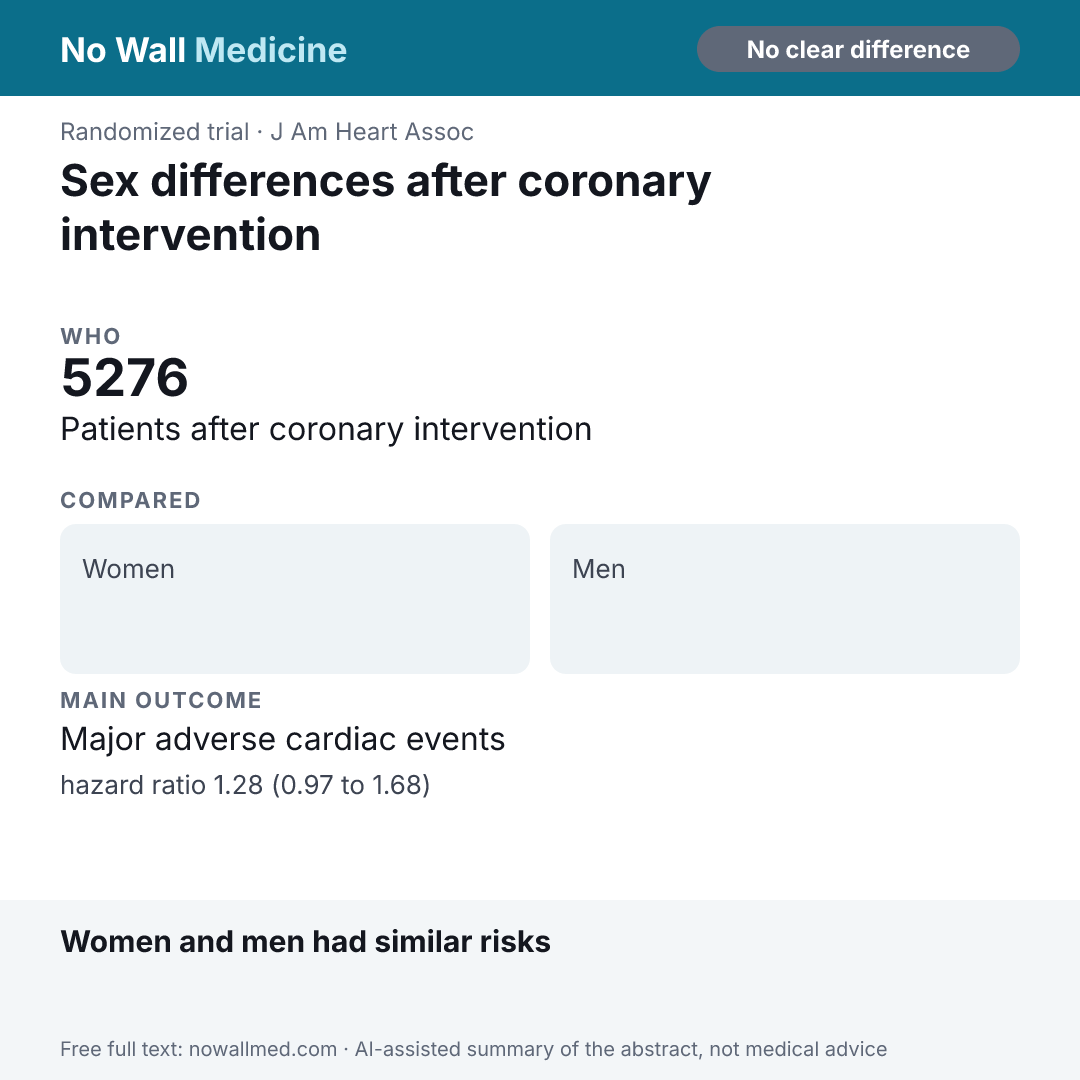
Sex-Specific Differences in Clinical Outcomes After Percutaneous Coronary Intervention: Insights from the TAILOR-PCI Trial
Randomized trialNo clear difference
Sex differences after coronary intervention
Who
5276
Patients after coronary intervention
Compared
Women
Men
Main outcome
Major adverse cardiac events
Result: hazard ratio 1.28 (0.97 to 1.68)
Bottom line: Women and men had similar risks
J Am Heart Assoc · 2022-06-14 · Save PNG
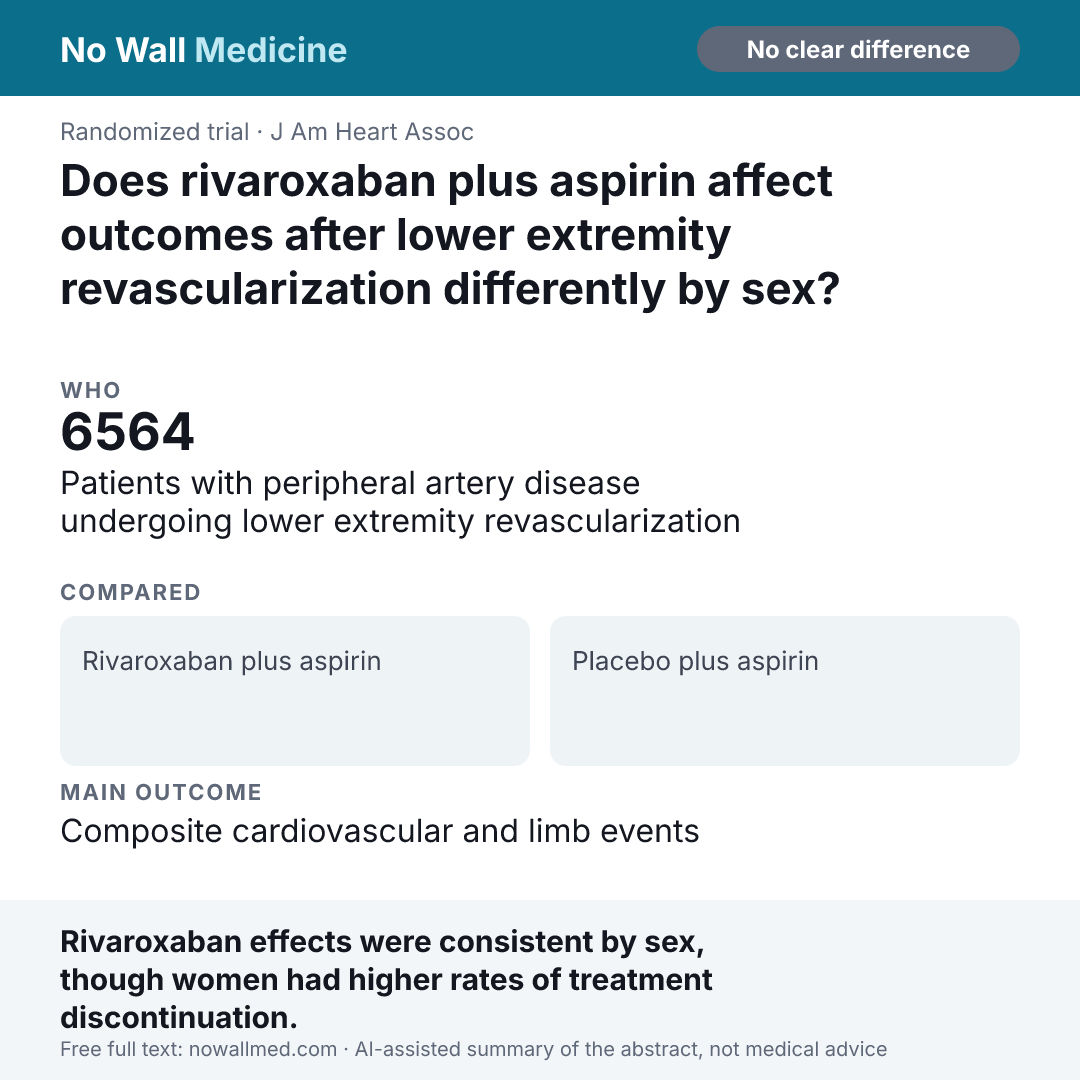
Sex-Based Differences in Outcomes Following Peripheral Artery Revascularization: Insights From VOYAGER PAD
Randomized trialNo clear difference
Does rivaroxaban plus aspirin affect outcomes after lower extremity revascularization differently by sex?
Who
6564
Patients with peripheral artery disease undergoing lower extremity revascularization
Compared
Rivaroxaban plus aspirin
Placebo plus aspirin
Main outcome
Composite cardiovascular and limb events
Bottom line: Rivaroxaban effects were consistent by sex, though women had higher rates of treatment discontinuation.
J Am Heart Assoc · 2022-06-14 · Save PNG
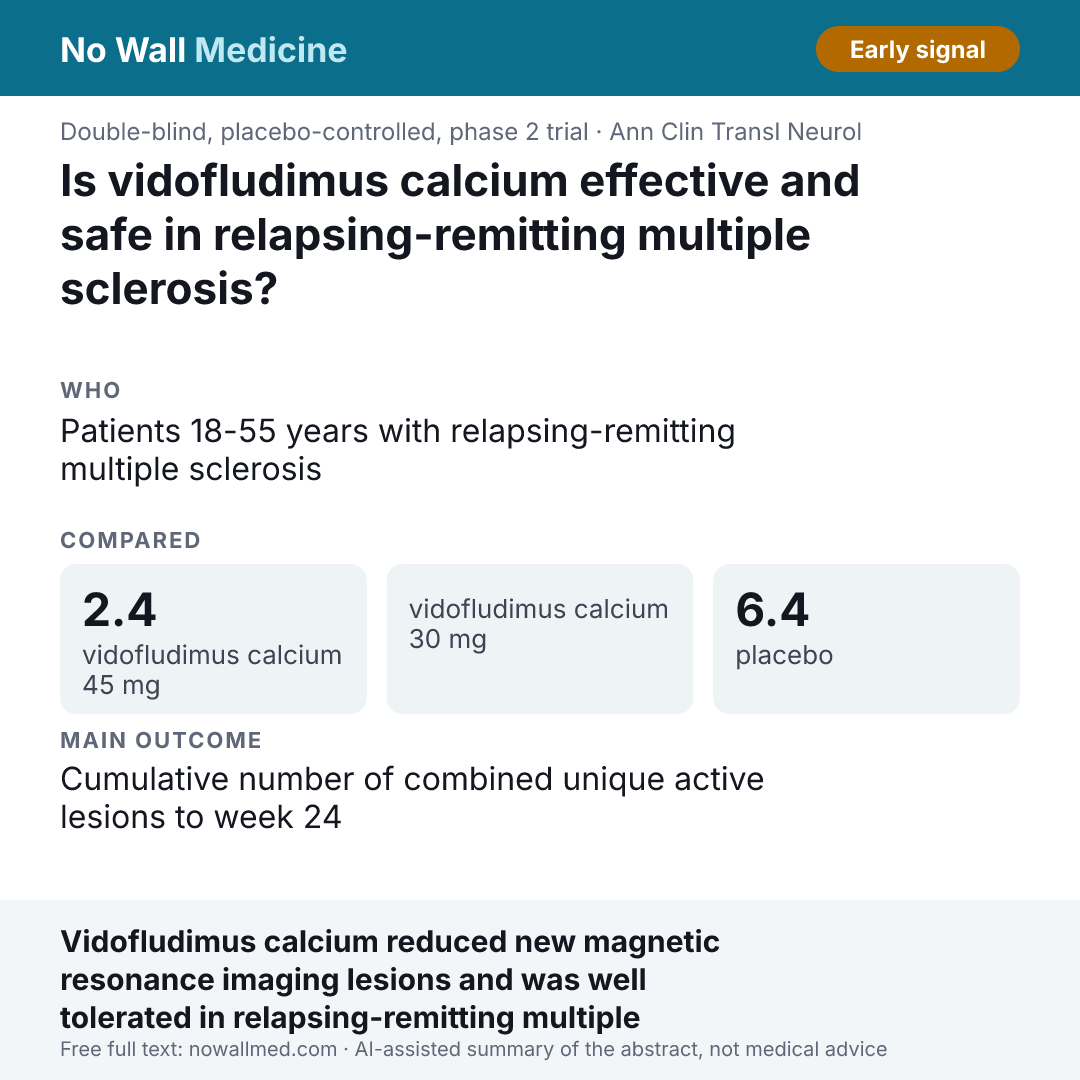
A double-blind, randomized, placebo-controlled phase 2 trial evaluating the selective dihydroorotate dehydrogenase inhibitor vidofludimus calcium in relapsing-remitting multiple sclerosis
Double-blind, placebo-controlled, phase 2 trialEarly signal
Is vidofludimus calcium effective and safe in relapsing-remitting multiple sclerosis?
Who
Patients 18-55 years with relapsing-remitting multiple sclerosis
Compared
2.4vidofludimus calcium 45 mg (95% CI: 1.1-4.9)
vidofludimus calcium 30 mg
6.4placebo (95% CI: 2.8-13.9)
Main outcome
Cumulative number of combined unique active lesions to week 24
Result: rate ratio 0.38 (95% CI: 0.22-0.64)
Bottom line: Vidofludimus calcium reduced new magnetic resonance imaging lesions and was well tolerated in relapsing-remitting multiple sclerosis.
Ann Clin Transl Neurol · 2022-06-14 · Save PNG
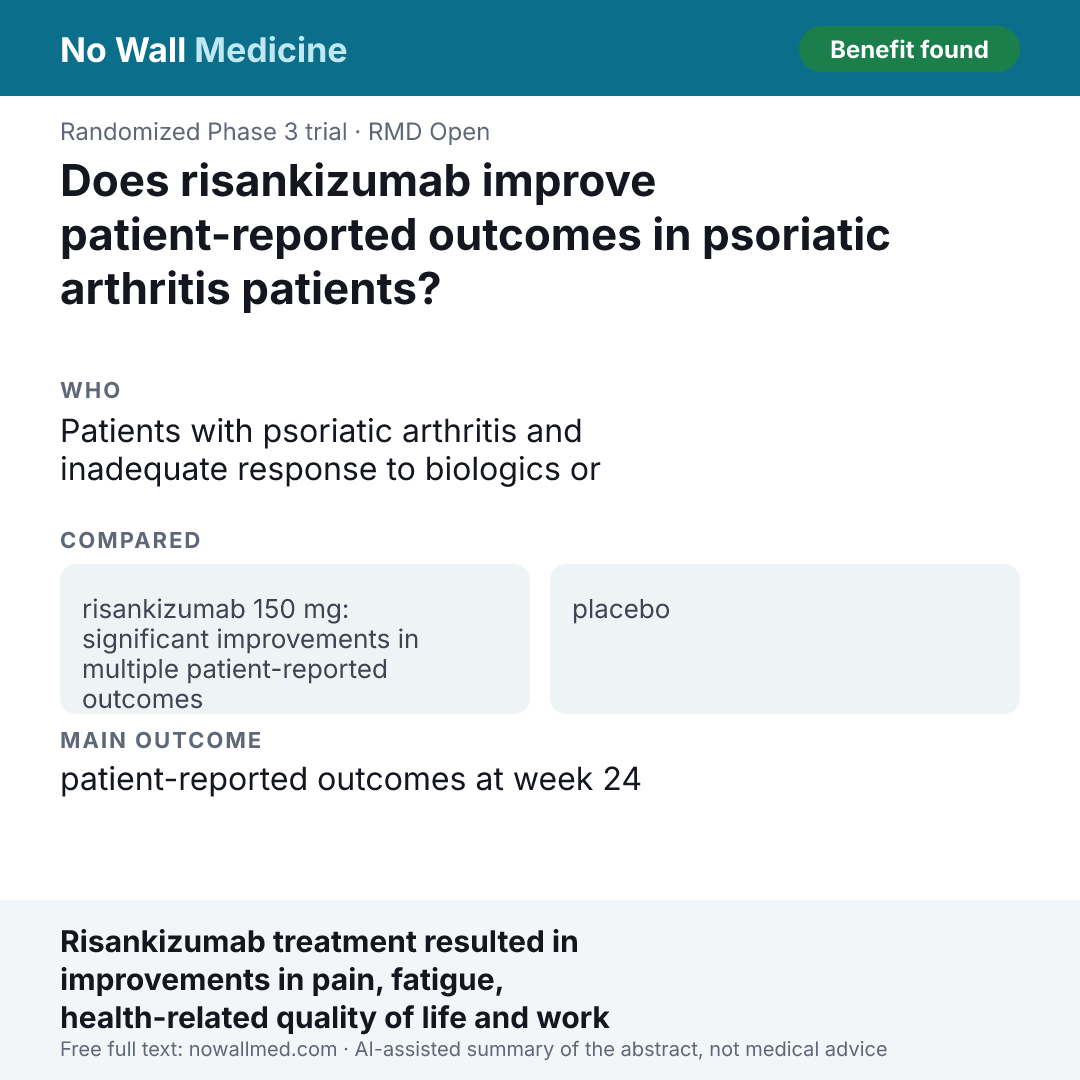
Improved patient-reported outcomes in patients with psoriatic arthritis treated with risankizumab: analysis of the Phase 3 trial KEEPsAKE 2
Randomized Phase 3 trialBenefit found
Does risankizumab improve patient-reported outcomes in psoriatic arthritis patients?
Who
Patients with psoriatic arthritis and inadequate response to biologics or conventional synthetic disease-modifying antirheumatic drugs
Compared
risankizumab 150 mg: significant improvements in multiple patient-reported outcomes
placebo
Main outcome
patient-reported outcomes at week 24
Bottom line: Risankizumab treatment resulted in improvements in pain, fatigue, health-related quality of life and work ability.
RMD Open · 2022-06-14 · Save PNG
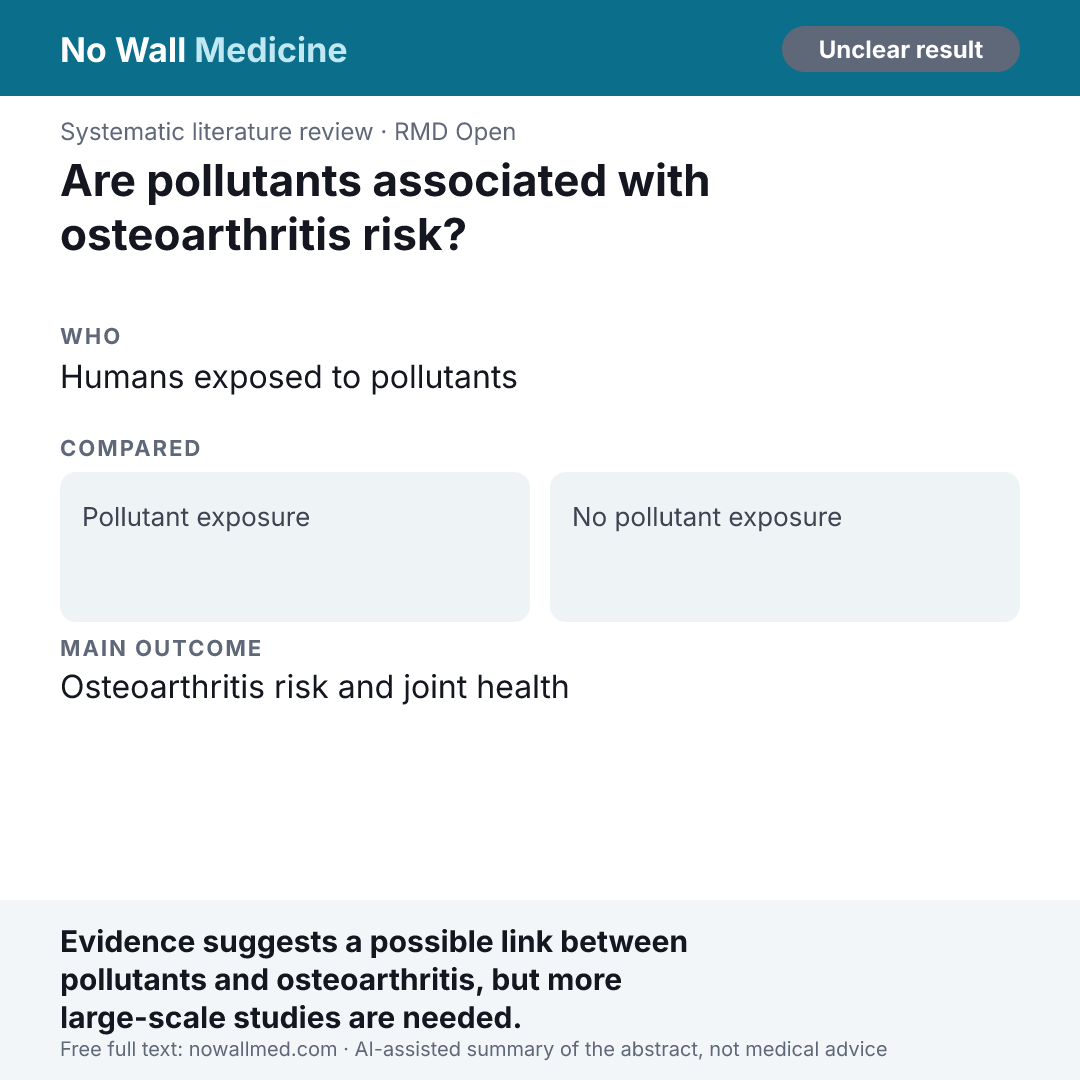
Pollutants: a candidate as a new risk factor for osteoarthritis-results from a systematic literature review
Systematic literature reviewUnclear result
Are pollutants associated with osteoarthritis risk?
Who
Humans exposed to pollutants
Compared
Pollutant exposure
No pollutant exposure
Main outcome
Osteoarthritis risk and joint health
Bottom line: Evidence suggests a possible link between pollutants and osteoarthritis, but more large-scale studies are needed.
Limitation: The level of knowledge currently remains low.
RMD Open · 2022-06-14 · Save PNG
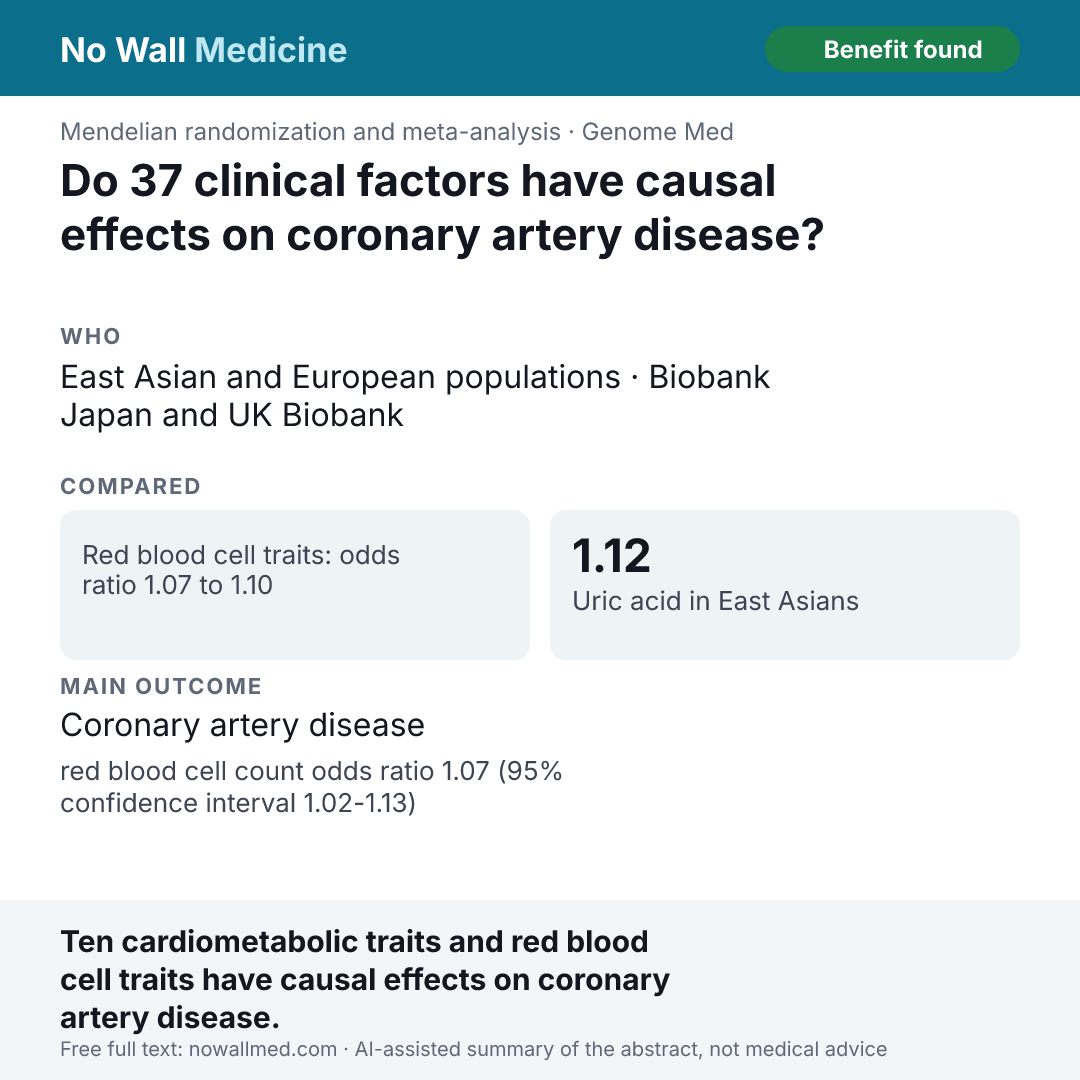
Mendelian randomization analysis of 37 clinical factors and coronary artery disease in East Asian and European populations
Mendelian randomization and meta-analysisBenefit found
Do 37 clinical factors have causal effects on coronary artery disease?
Who
East Asian and European populations · Biobank Japan and UK Biobank
Compared
Red blood cell traits: odds ratio 1.07 to 1.10
1.12Uric acid in East Asians
Main outcome
Coronary artery disease
Result: red blood cell count odds ratio 1.07 (95% confidence interval 1.02-1.13)
Bottom line: Ten cardiometabolic traits and red blood cell traits have causal effects on coronary artery disease.
Genome Med · 2022-06-14 · Save PNG
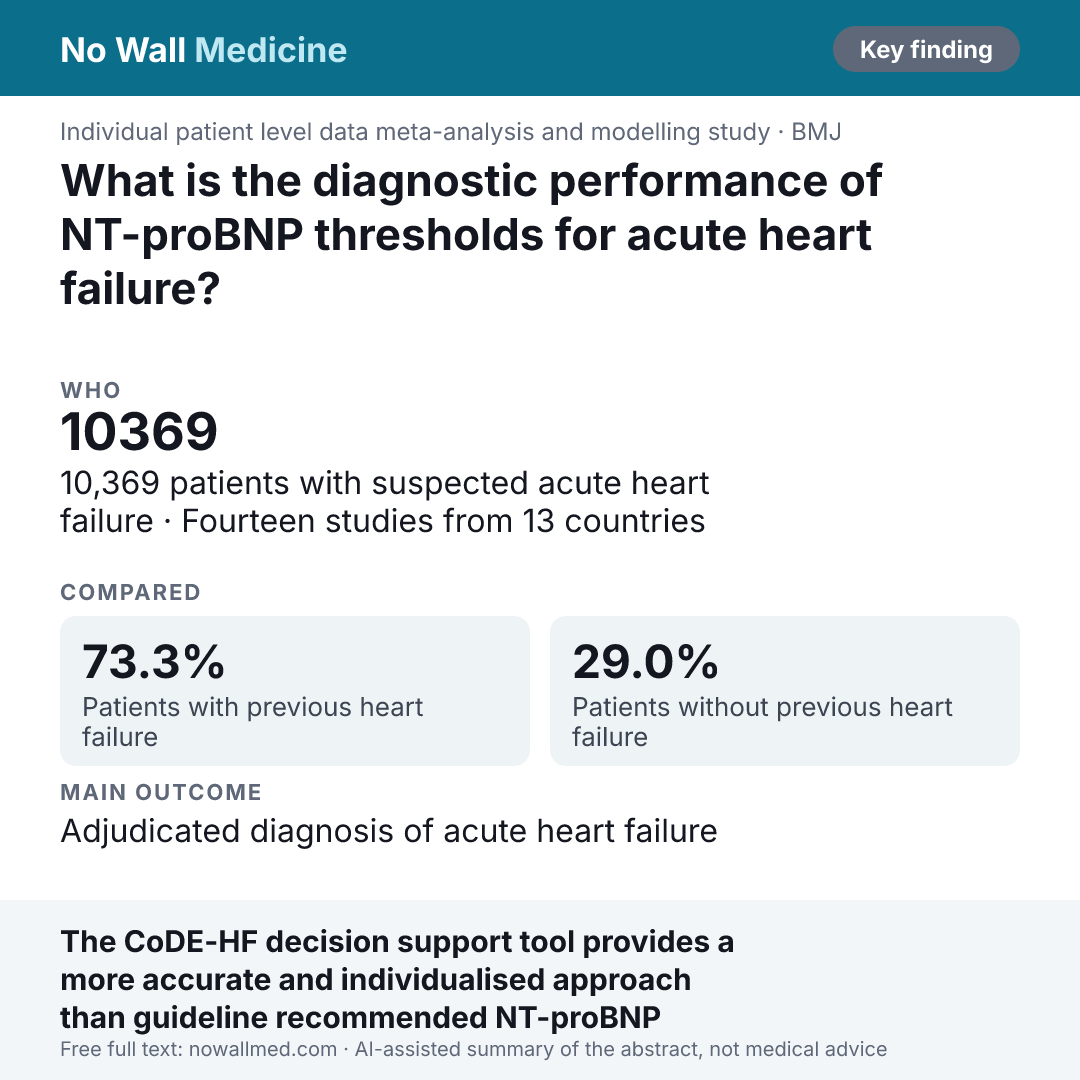
Development and validation of a decision support tool for the diagnosis of acute heart failure: systematic review, meta-analysis, and modelling study
Individual patient level data meta-analysis and modelling studyKey finding
What is the diagnostic performance of NT-proBNP thresholds for acute heart failure?
Who
10369
10,369 patients with suspected acute heart failure · Fourteen studies from 13 countries
Compared
73.3%Patients with previous heart failure (2286/3119)
29.0%Patients without previous heart failure (1802/6208)
Main outcome
Adjudicated diagnosis of acute heart failure
Bottom line: The CoDE-HF decision support tool provides a more accurate and individualised approach than guideline recommended NT-proBNP thresholds.
BMJ · 2022-06-13 · Save PNG
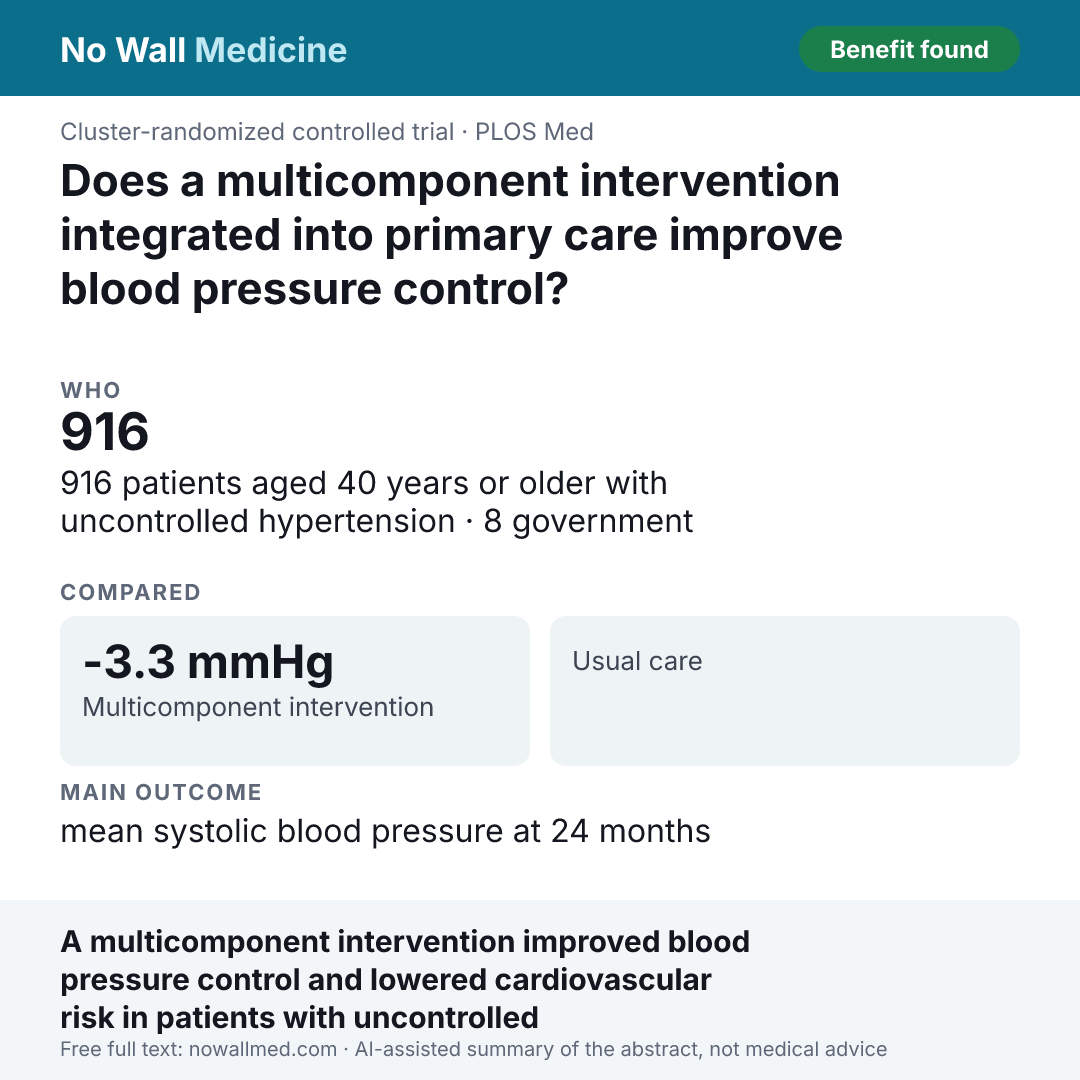
Integration of a multicomponent intervention for hypertension into primary healthcare services in Singapore-A cluster randomized controlled trial
Cluster-randomized controlled trialBenefit found
Does a multicomponent intervention integrated into primary care improve blood pressure control?
Who
916
916 patients aged 40 years or older with uncontrolled hypertension · 8 government clinics in Singapore
Compared
-3.3 mmHgMulticomponent intervention
Usual care
Main outcome
mean systolic blood pressure at 24 months
Result: -3.3 mmHg; 95% CI: -6.34, -0.32
Bottom line: A multicomponent intervention improved blood pressure control and lowered cardiovascular risk in patients with uncontrolled hypertension.
Limitation: The main limitation was no masking in the trial.
PLOS Med · 2022-06-13 · Save PNG
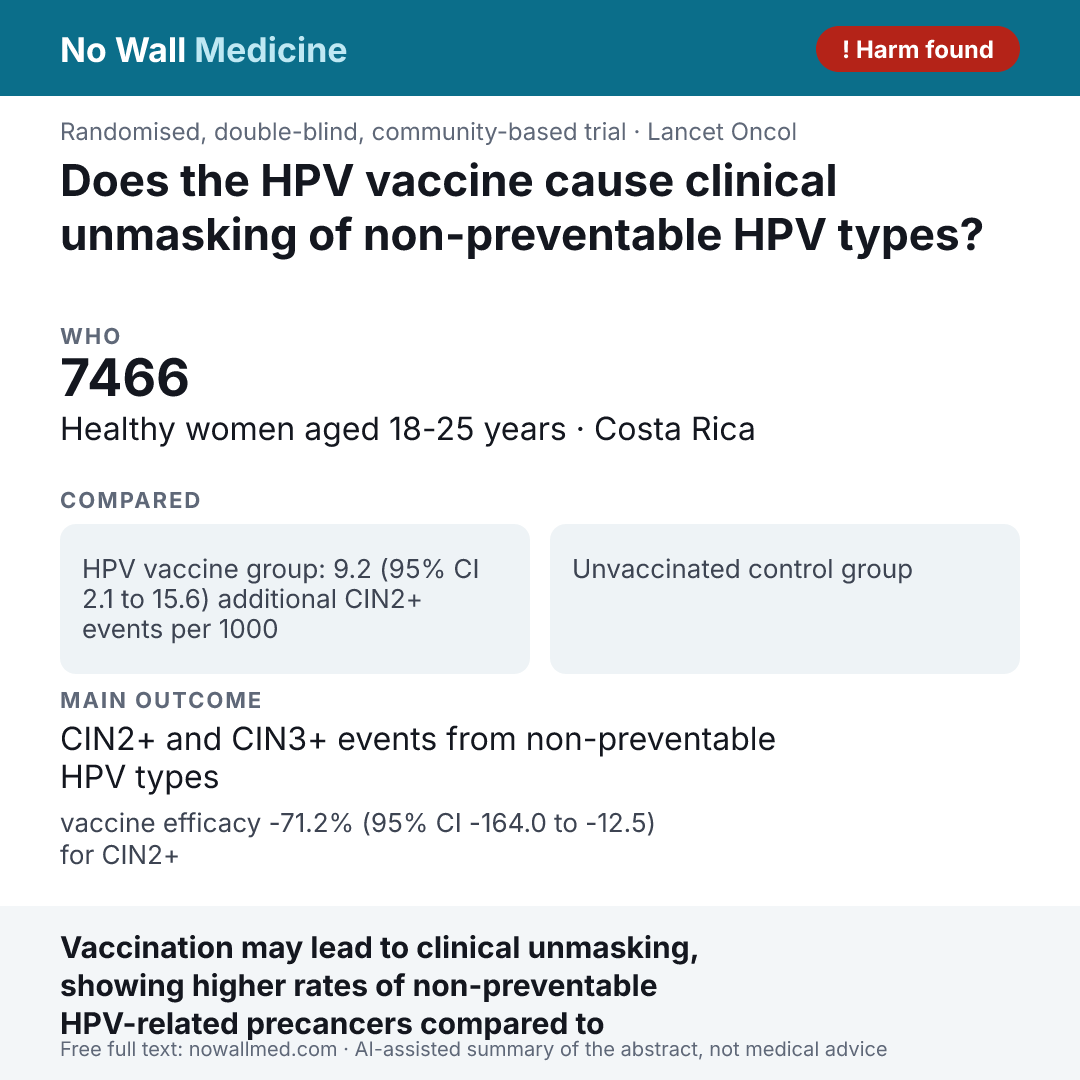
Precancerous cervical lesions caused by non-vaccine-preventable HPV types after vaccination with the bivalent AS04-adjuvanted HPV vaccine: an analysis of the long-term follow-up study from the randomised Costa Rica HPV Vaccine Trial
Randomised, double-blind, community-based trialHarm found
Does the HPV vaccine cause clinical unmasking of non-preventable HPV types?
Who
7466
Healthy women aged 18-25 years · Costa Rica
Compared
HPV vaccine group: 9.2 (95% CI 2.1 to 15.6) additional CIN2+ events per 1000
Unvaccinated control group
Main outcome
CIN2+ and CIN3+ events from non-preventable HPV types
Result: vaccine efficacy -71.2% (95% CI -164.0 to -12.5) for CIN2+
Bottom line: Vaccination may lead to clinical unmasking, showing higher rates of non-preventable HPV-related precancers compared to unvaccinated women.
Lancet Oncol · 2022-06-13 · Save PNG
A Systematic Review Supporting the Endocrine Society Clinical Practice Guideline for the Management of Hyperglycemia in Adults Hospitalized for Noncritical Illness or Undergoing Elective Surgical Procedures
Systematic review and meta-analysisMixed results
How should hyperglycemia be managed in adults hospitalized for noncritical illness or elective surgery?
Who
135 553
Adults hospitalized for noncritical illness or undergoing elective surgical procedures
Compared
Continuous glucose monitoring: increased hypoglycemia and decreased mean daily blood glucose
Capillary blood glucose
NPH and basal-bolus insulin: lower mean blood glucose
Basal-bolus insulin alone
Main outcome
Management of hyperglycemia in hospitalized adults
Bottom line: Evidence certainty is low for many management decisions, emphasizing the importance of shared decision-making with patients.
J Clin Endocrinol Metab · 2022-06-13 · Save PNG

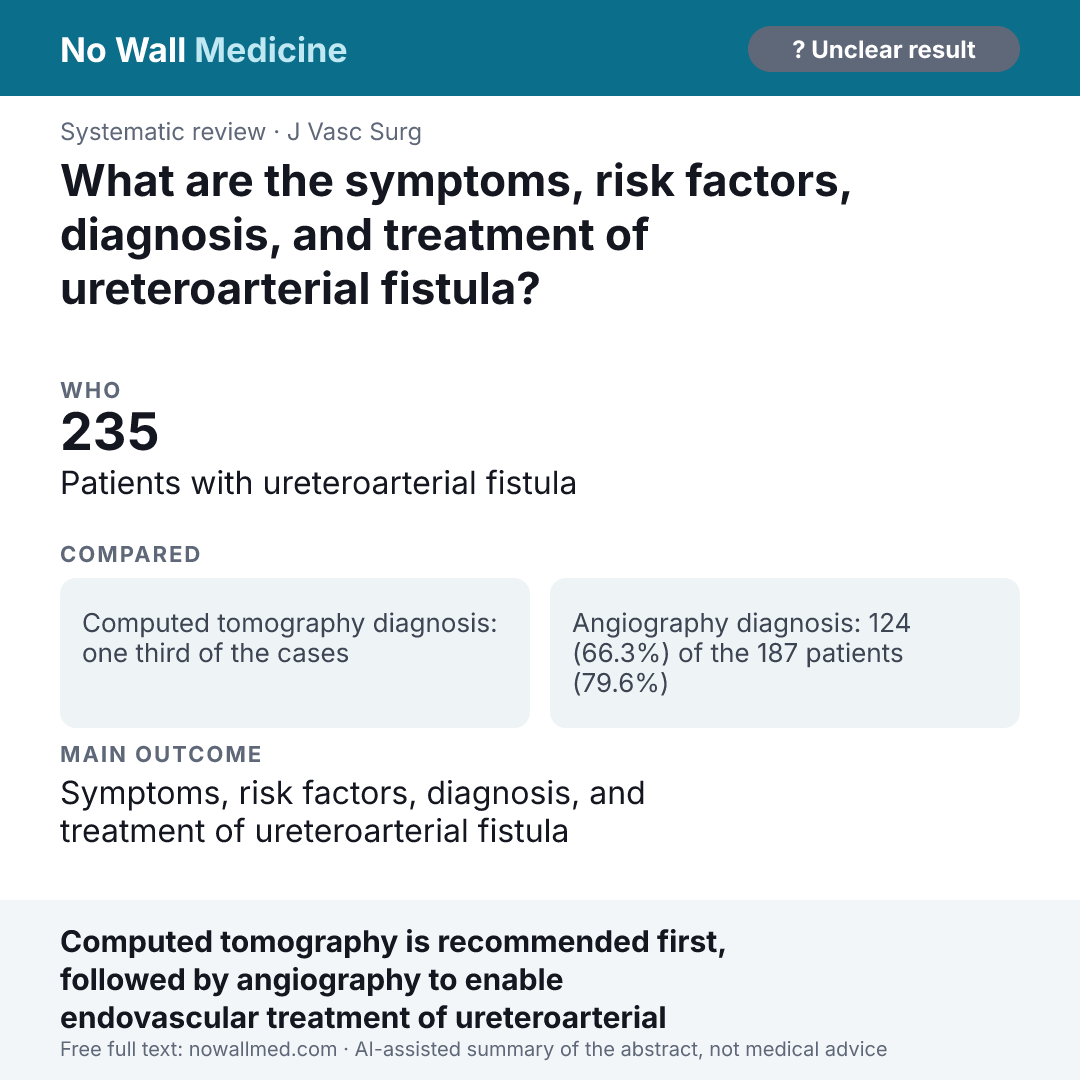
A systematic review of management of ureteroarterial fistula
Systematic reviewUnclear result
What are the symptoms, risk factors, diagnosis, and treatment of ureteroarterial fistula?
Who
235
Patients with ureteroarterial fistula
Compared
Computed tomography diagnosis: one third of the cases
Angiography diagnosis: 124 (66.3%) of the 187 patients (79.6%)
Main outcome
Symptoms, risk factors, diagnosis, and treatment of ureteroarterial fistula
Bottom line: Computed tomography is recommended first, followed by angiography to enable endovascular treatment of ureteroarterial fistula.
J Vasc Surg · 2022-06-13 · Save PNG
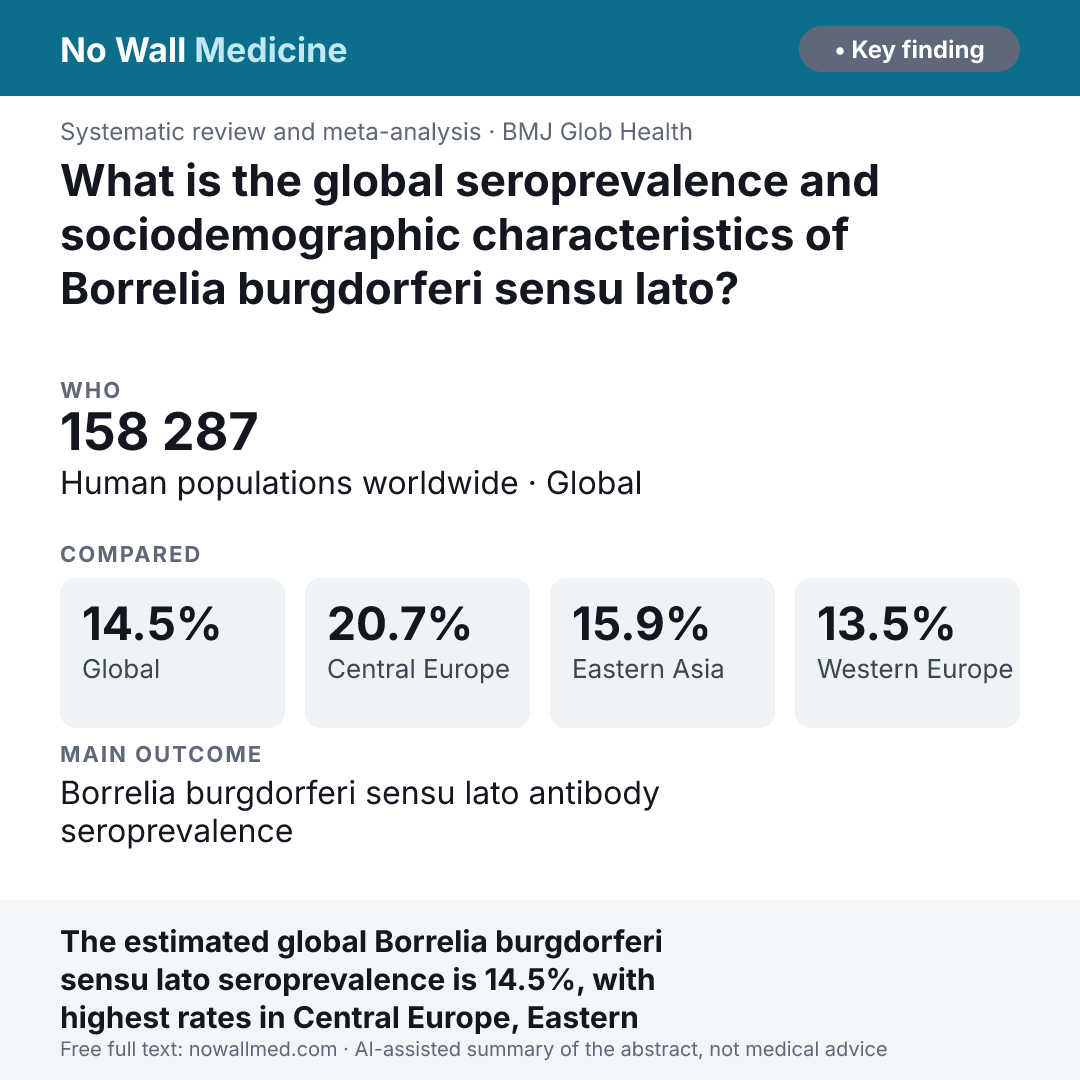
Global seroprevalence and sociodemographic characteristics of Borrelia burgdorferi sensu lato in human populations: a systematic review and meta-analysis
Systematic review and meta-analysisKey finding
What is the global seroprevalence and sociodemographic characteristics of Borrelia burgdorferi sensu lato?
Who
158 287
Human populations worldwide · Global
Compared
14.5%Global (95% CI 12.8% to 16.3%)
20.7%Central Europe (95% CI 13.8% to 28.6%)
15.9%Eastern Asia (95% CI 6.6% to 28.3%)
13.5%Western Europe (95% CI 9.5% to 18.0%)
Main outcome
Borrelia burgdorferi sensu lato antibody seroprevalence
Bottom line: The estimated global Borrelia burgdorferi sensu lato seroprevalence is 14.5%, with highest rates in Central Europe, Eastern Asia, and Western Europe.
Limitation: Methods lacking western blotting confirmation increased the risk of false-positive detection.
BMJ Glob Health · 2022-06-13 · Save PNG
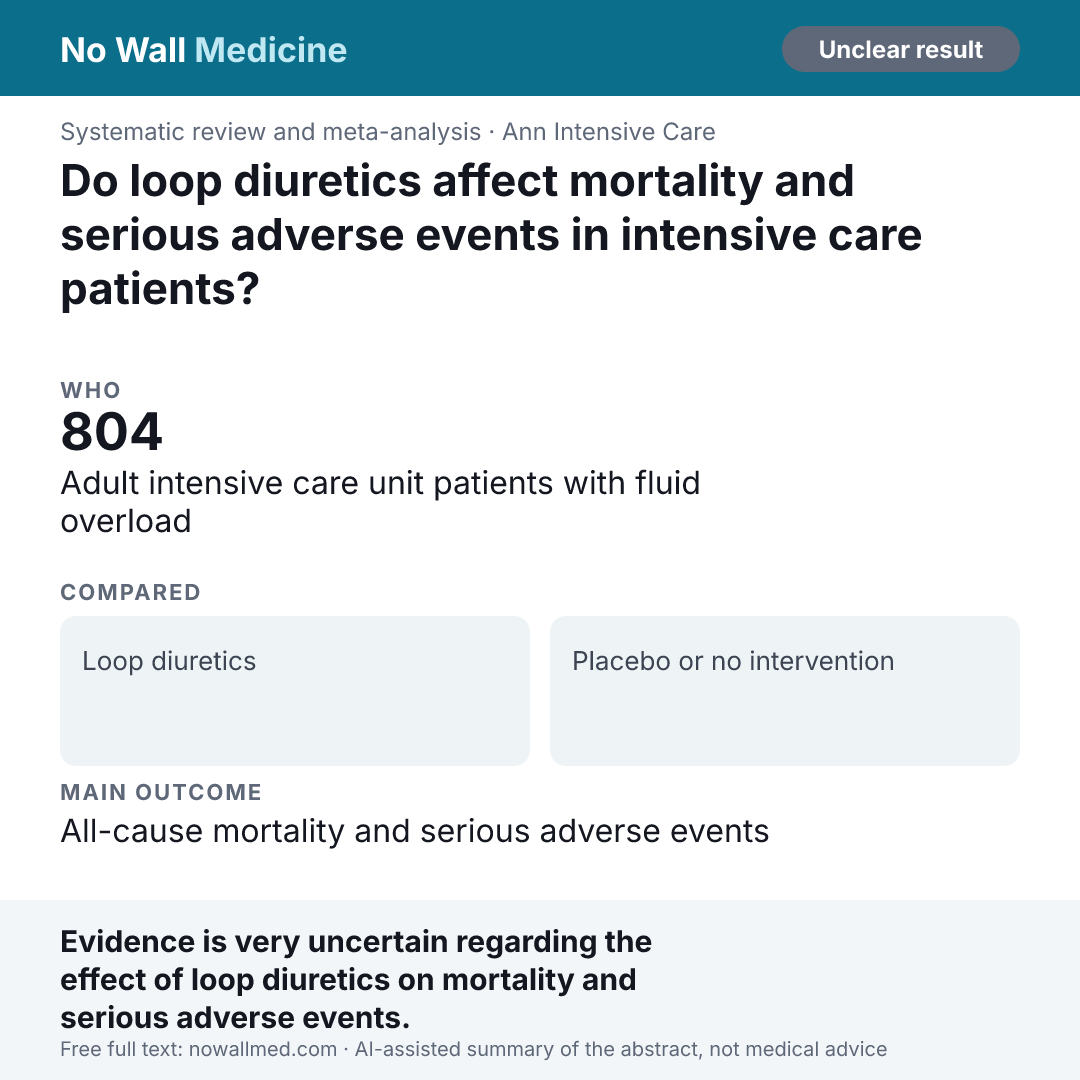
Loop diuretics in adult intensive care patients with fluid overload: a systematic review of randomised clinical trials with meta-analysis and trial sequential analysis
Systematic review and meta-analysisUnclear result
Do loop diuretics affect mortality and serious adverse events in intensive care patients?
Who
804
Adult intensive care unit patients with fluid overload
Compared
Loop diuretics
Placebo or no intervention
Main outcome
All-cause mortality and serious adverse events
Result: relative risk 0.72 (95% CI 0.49-1.06) for mortality
Bottom line: Evidence is very uncertain regarding the effect of loop diuretics on mortality and serious adverse events.
Limitation: All included trials were at overall high risk of bias.
Ann Intensive Care · 2022-06-13 · Save PNG
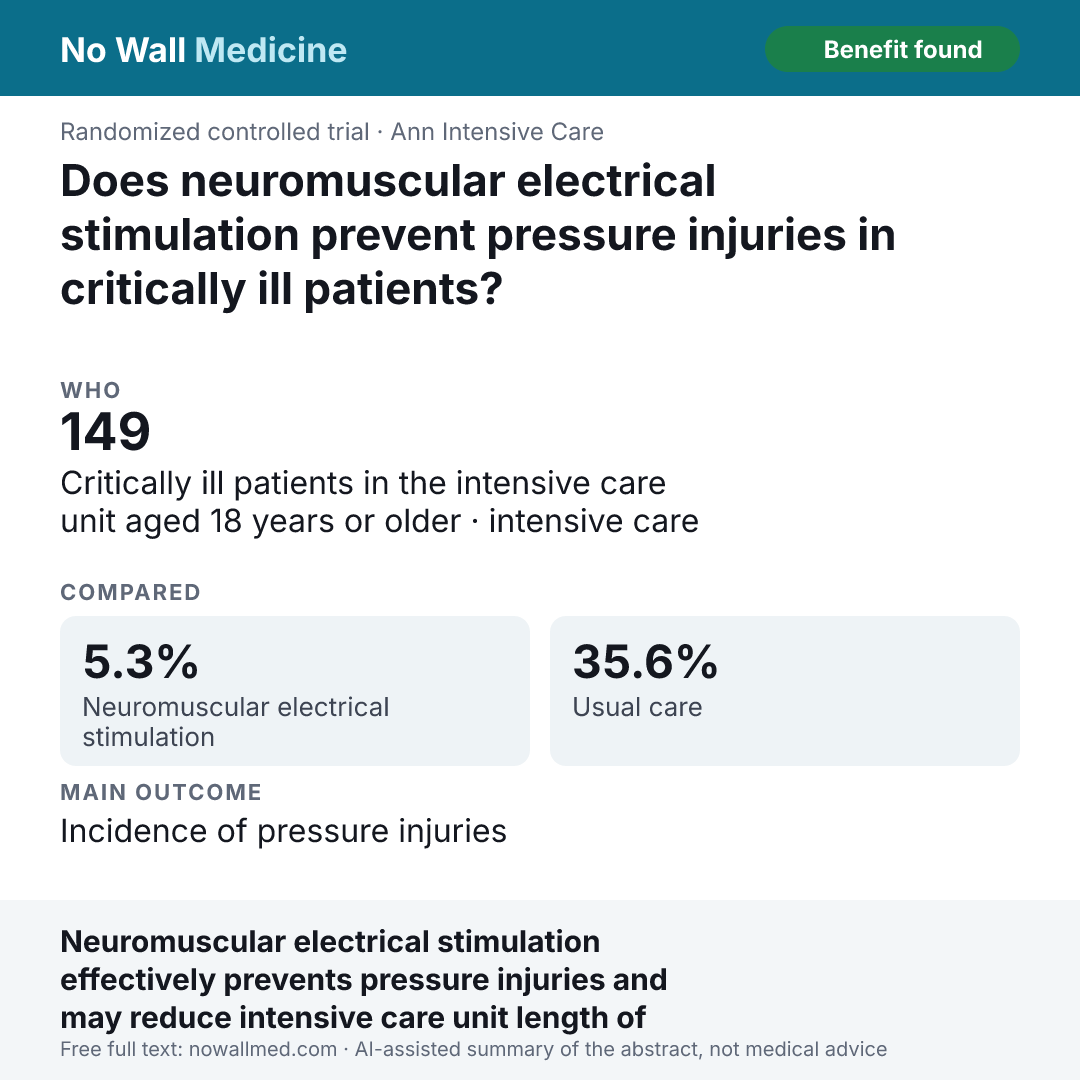
Efficacy and safety of neuromuscular electrical stimulation in the prevention of pressure injuries in critically ill patients: a randomized controlled trial
Randomized controlled trialBenefit found
Does neuromuscular electrical stimulation prevent pressure injuries in critically ill patients?
Who
149
Critically ill patients in the intensive care unit aged 18 years or older · intensive care unit
Compared
5.3%Neuromuscular electrical stimulation
35.6%Usual care
Main outcome
Incidence of pressure injuries
Result: relative risk 0.15 (95% CI 0.05-0.40)
Bottom line: Neuromuscular electrical stimulation effectively prevents pressure injuries and may reduce intensive care unit length of stay in critically ill patients.
Ann Intensive Care · 2022-06-13 · Save PNG
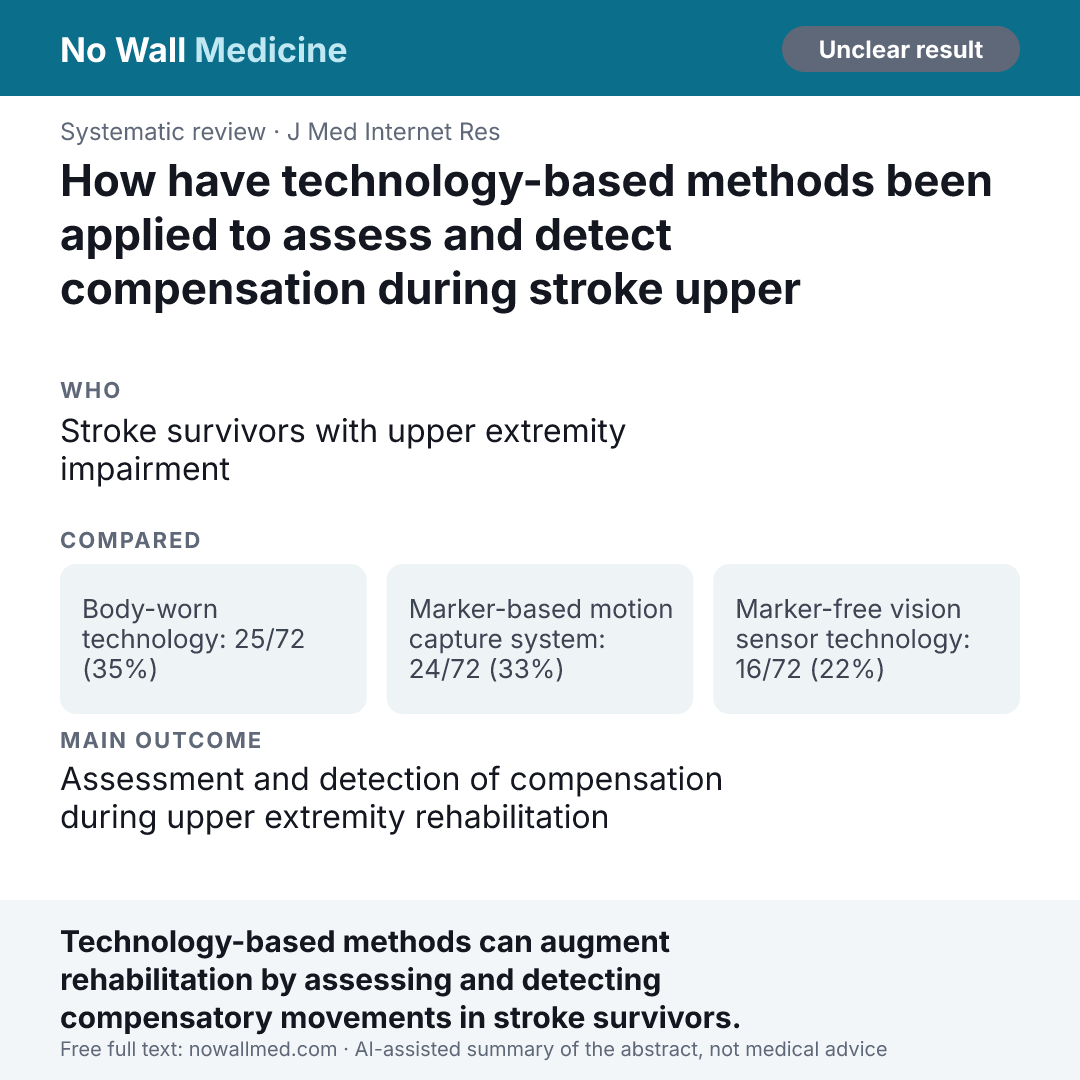
Technology-Based Compensation Assessment and Detection of Upper Extremity Activities of Stroke Survivors: Systematic Review
Systematic reviewUnclear result
How have technology-based methods been applied to assess and detect compensation during stroke upper extremity rehabilitation?
Who
Stroke survivors with upper extremity impairment
Compared
Body-worn technology: 25/72 (35%)
Marker-based motion capture system: 24/72 (33%)
Marker-free vision sensor technology: 16/72 (22%)
Main outcome
Assessment and detection of compensation during upper extremity rehabilitation
Bottom line: Technology-based methods can augment rehabilitation by assessing and detecting compensatory movements in stroke survivors.
Limitation: The review discusses drawbacks of each sensor in compensation assessment and detection.
J Med Internet Res · 2022-06-13 · Save PNG
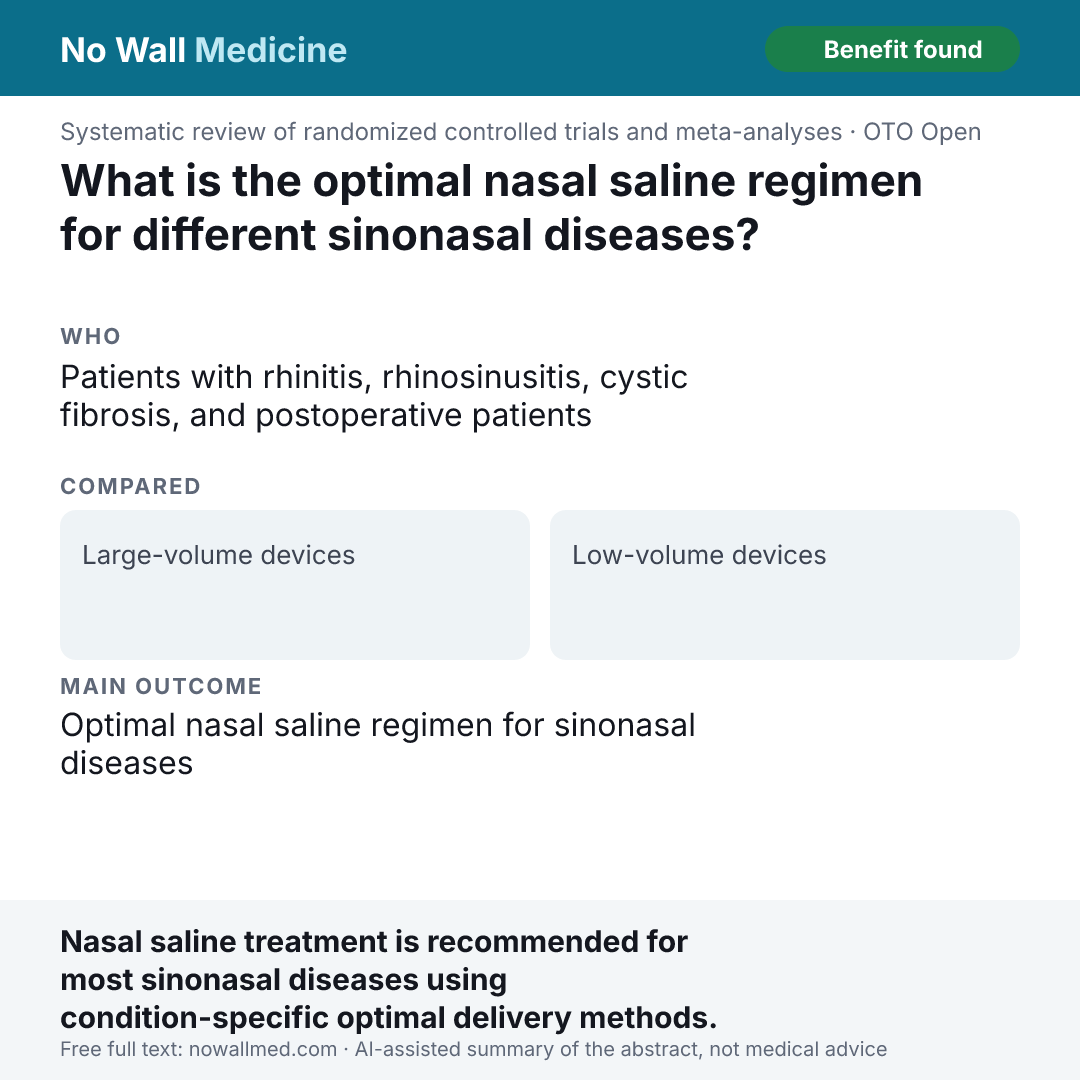
Optimal Device and Regimen of Nasal Saline Treatment for Sinonasal Diseases: Systematic Review
Systematic review of randomized controlled trials and meta-analysesBenefit found
What is the optimal nasal saline regimen for different sinonasal diseases?
Who
Patients with rhinitis, rhinosinusitis, cystic fibrosis, and postoperative patients
Compared
Large-volume devices
Low-volume devices
Main outcome
Optimal nasal saline regimen for sinonasal diseases
Bottom line: Nasal saline treatment is recommended for most sinonasal diseases using condition-specific optimal delivery methods.
Limitation: Data for cystic fibrosis and nonallergic rhinitis were limited.
OTO Open · 2022-06-13 · Save PNG