Visual abstracts
New randomized trials and meta-analyses from leading journals at a glance: who was studied, what was compared, and what was found. Every paper is free to read in full.
All specialtiesCardiology 4763Oncology 4043Gastroenterology & Hepatology 1903Infectious Disease 3756Neurology 1872Psychiatry & Mental Health 2216Pulmonology 2044Critical Care 1319Endocrinology & Diabetes 2544Pediatrics 2889Surgery 2480Orthopedics & Sports Medicine 917Neurosurgery 525Cardiothoracic & Vascular Surgery 656Plastic & Reconstructive Surgery 574Nephrology 1107Rheumatology 810Hematology 1090Dermatology 611Ophthalmology 532Obstetrics & Gynecology 1645Public & Global Health 1037Radiology & Imaging 619Anesthesiology 958Urology 745ENT (Otolaryngology) 494Emergency Medicine 481Allergy & Immunology 309Geriatrics 972Family Medicine & Primary Care 534Medical Genetics & Genomics 659Pathology & Laboratory Medicine 156Physical Medicine & Rehabilitation 734Palliative Care 421Nutrition 1560Digital Health & AI 2137General Medicine 318
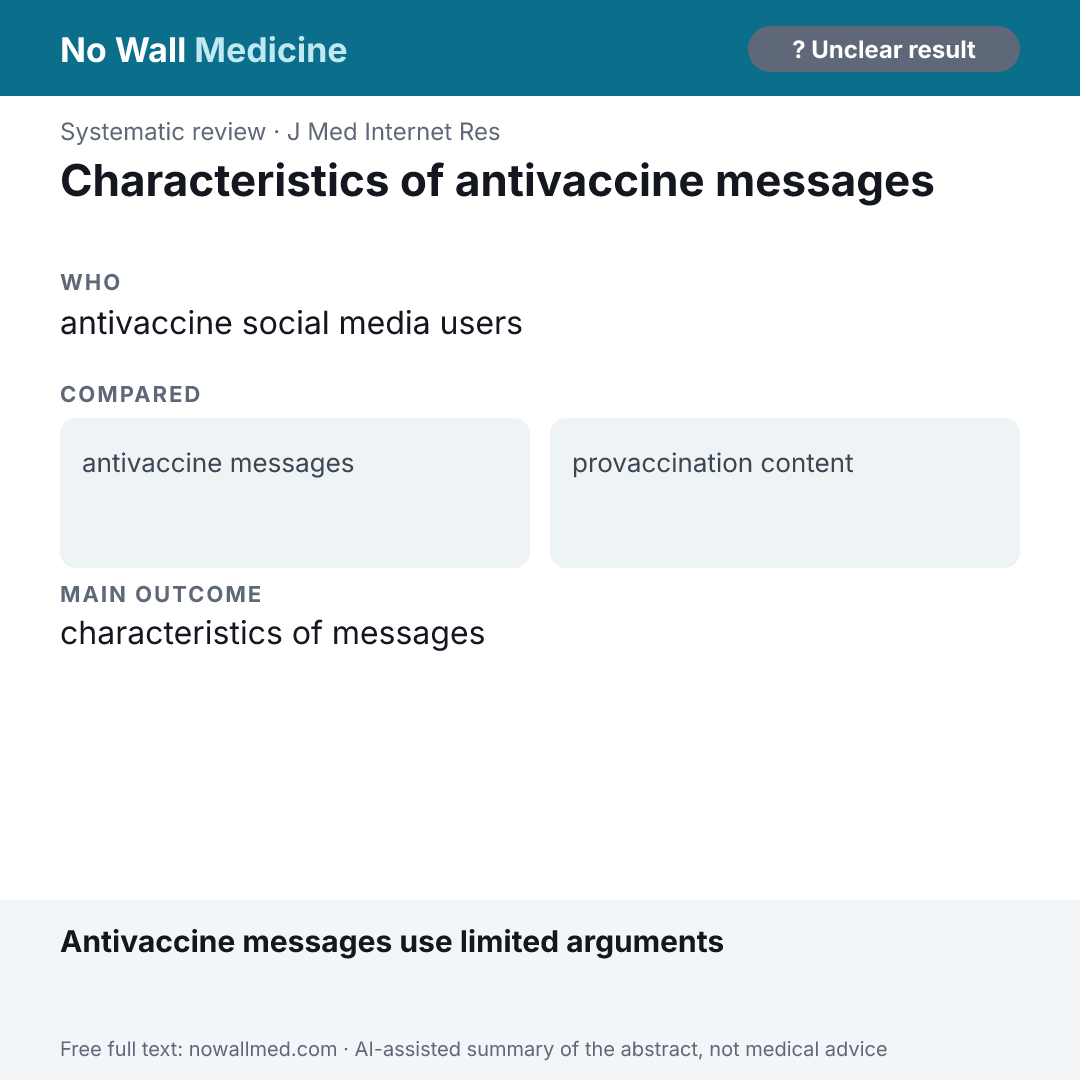
Characteristics of Antivaccine Messages on Social Media: Systematic Review
Systematic reviewUnclear result
Characteristics of antivaccine messages
Who
antivaccine social media users
Compared
antivaccine messages
provaccination content
Main outcome
characteristics of messages
Bottom line: Antivaccine messages use limited arguments
J Med Internet Res · 2021-06-04 · Save PNG
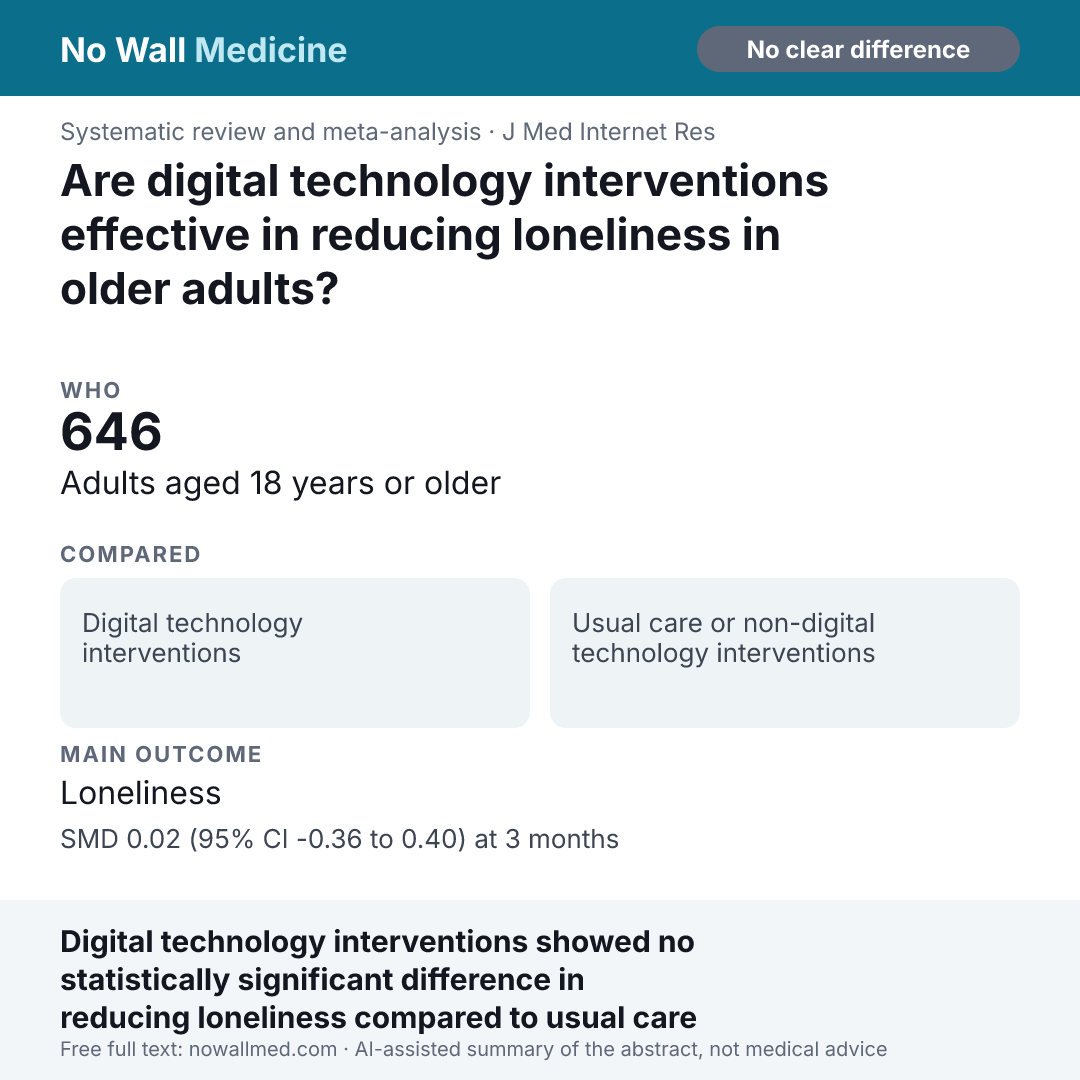
Evaluation of the Effectiveness of Digital Technology Interventions to Reduce Loneliness in Older Adults: Systematic Review and Meta-analysis
Systematic review and meta-analysisNo clear difference
Are digital technology interventions effective in reducing loneliness in older adults?
Who
646
Adults aged 18 years or older
Compared
Digital technology interventions
Usual care or non-digital technology interventions
Main outcome
Loneliness
Result: SMD 0.02 (95% CI -0.36 to 0.40) at 3 months
Bottom line: Digital technology interventions showed no statistically significant difference in reducing loneliness compared to usual care at follow-up.
Limitation: The quality of evidence was very low to moderate in these trials.
J Med Internet Res · 2021-06-04 · Save PNG
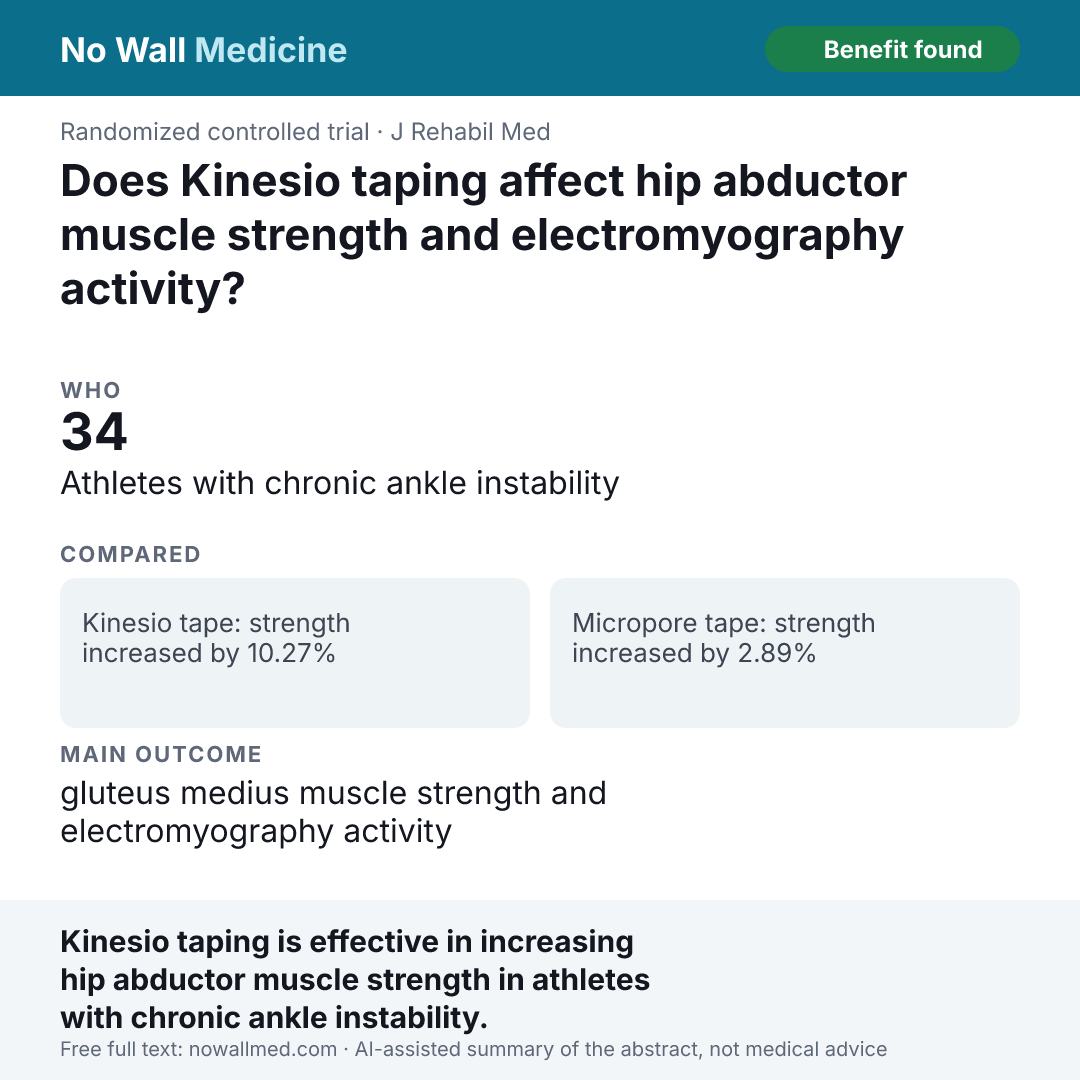
Effects of kinesio taping on hip abductor muscle strength and electromyography activity in athletes with chronic ankle instability: A randomized controlled trial
Randomized controlled trialBenefit found
Does Kinesio taping affect hip abductor muscle strength and electromyography activity?
Who
34
Athletes with chronic ankle instability
Compared
Kinesio tape: strength increased by 10.27%
Micropore tape: strength increased by 2.89%
Main outcome
gluteus medius muscle strength and electromyography activity
Bottom line: Kinesio taping is effective in increasing hip abductor muscle strength in athletes with chronic ankle instability.
J Rehabil Med · 2021-06-04 · Save PNG
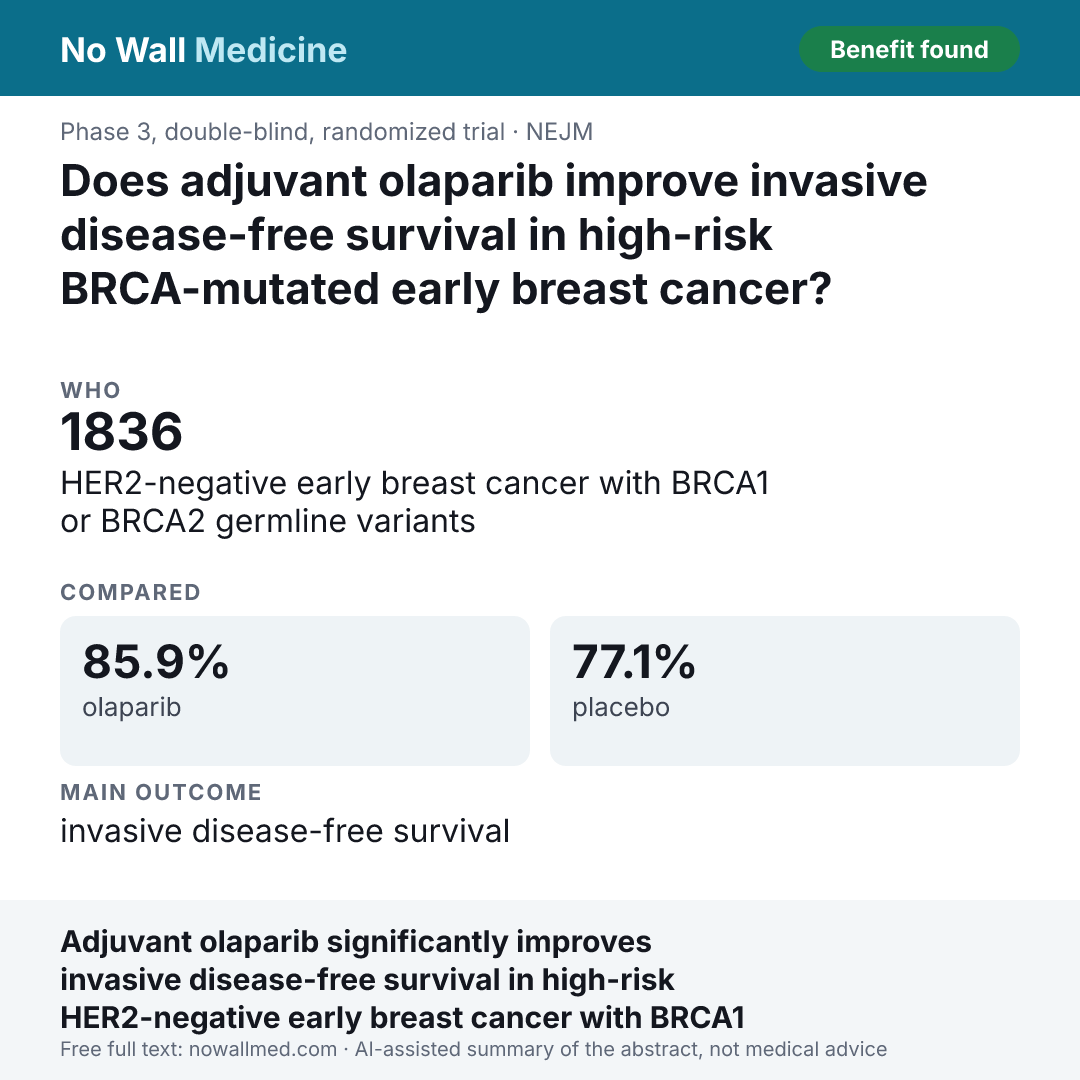
Adjuvant Olaparib for Patients with BRCA1- or BRCA2-Mutated Breast Cancer
Phase 3, double-blind, randomized trialBenefit found
Does adjuvant olaparib improve invasive disease-free survival in high-risk BRCA-mutated early breast cancer?
Who
1836
HER2-negative early breast cancer with BRCA1 or BRCA2 germline variants
Compared
85.9%olaparib
77.1%placebo
Main outcome
invasive disease-free survival
Result: hazard ratio 0.58 (99.5% CI, 0.41 to 0.82)
Bottom line: Adjuvant olaparib significantly improves invasive disease-free survival in high-risk HER2-negative early breast cancer with BRCA1 or BRCA2 mutations.
Limitation: Olaparib had limited effects on global patient-reported quality of life.
Funded by: National Cancer Institute and AstraZeneca
NEJM · 2021-06-03 · Save PNG
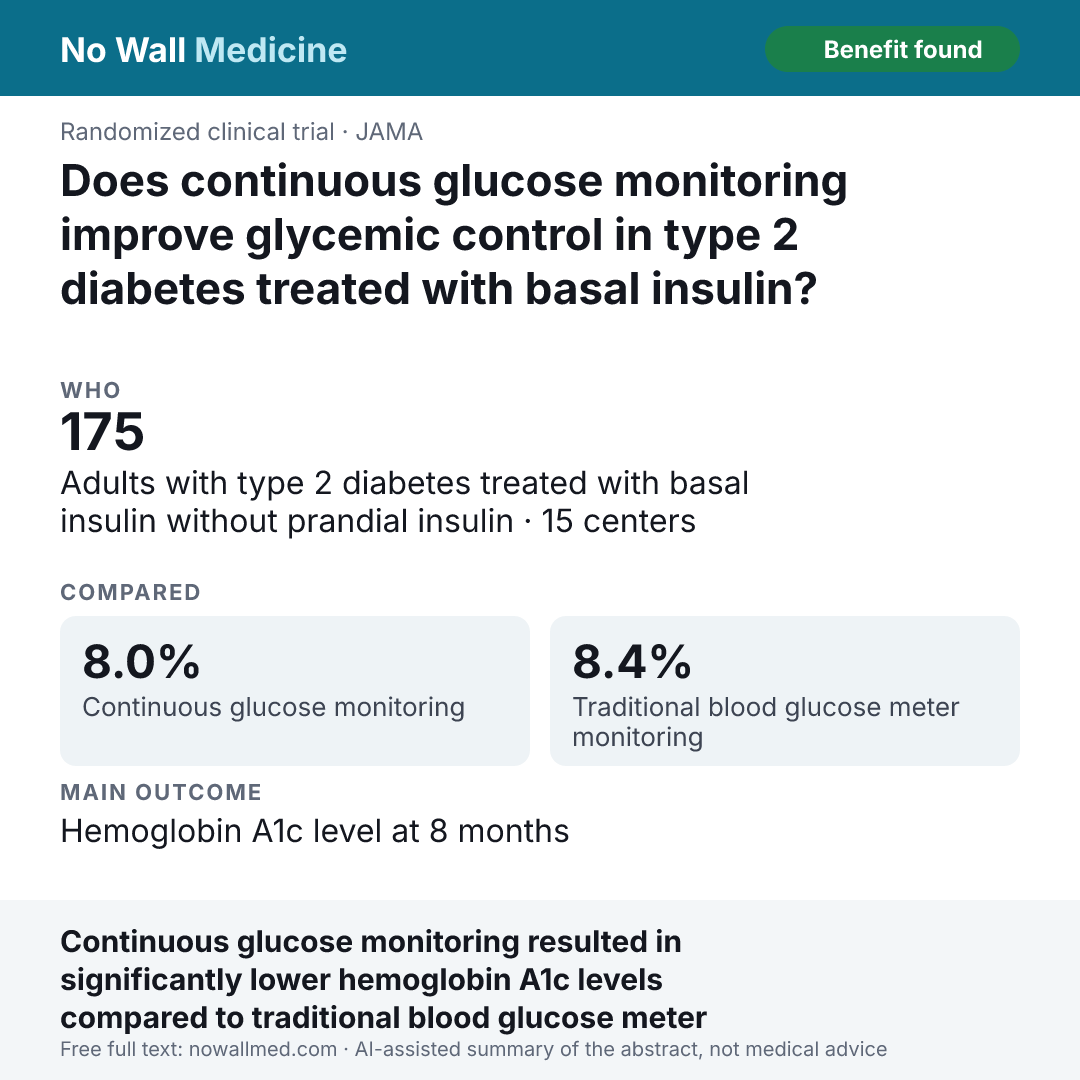
Effect of Continuous Glucose Monitoring on Glycemic Control in Patients With Type 2 Diabetes Treated With Basal Insulin: A Randomized Clinical Trial
Randomized clinical trialBenefit found
Does continuous glucose monitoring improve glycemic control in type 2 diabetes treated with basal insulin?
Who
175
Adults with type 2 diabetes treated with basal insulin without prandial insulin · 15 centers in the US
Compared
8.0%Continuous glucose monitoring
8.4%Traditional blood glucose meter monitoring
Main outcome
Hemoglobin A1c level at 8 months
Result: adjusted difference, -0.4% (95% CI, -0.8% to -0.1%)
Bottom line: Continuous glucose monitoring resulted in significantly lower hemoglobin A1c levels compared to traditional blood glucose meter monitoring.
JAMA · 2021-06-03 · Save PNG
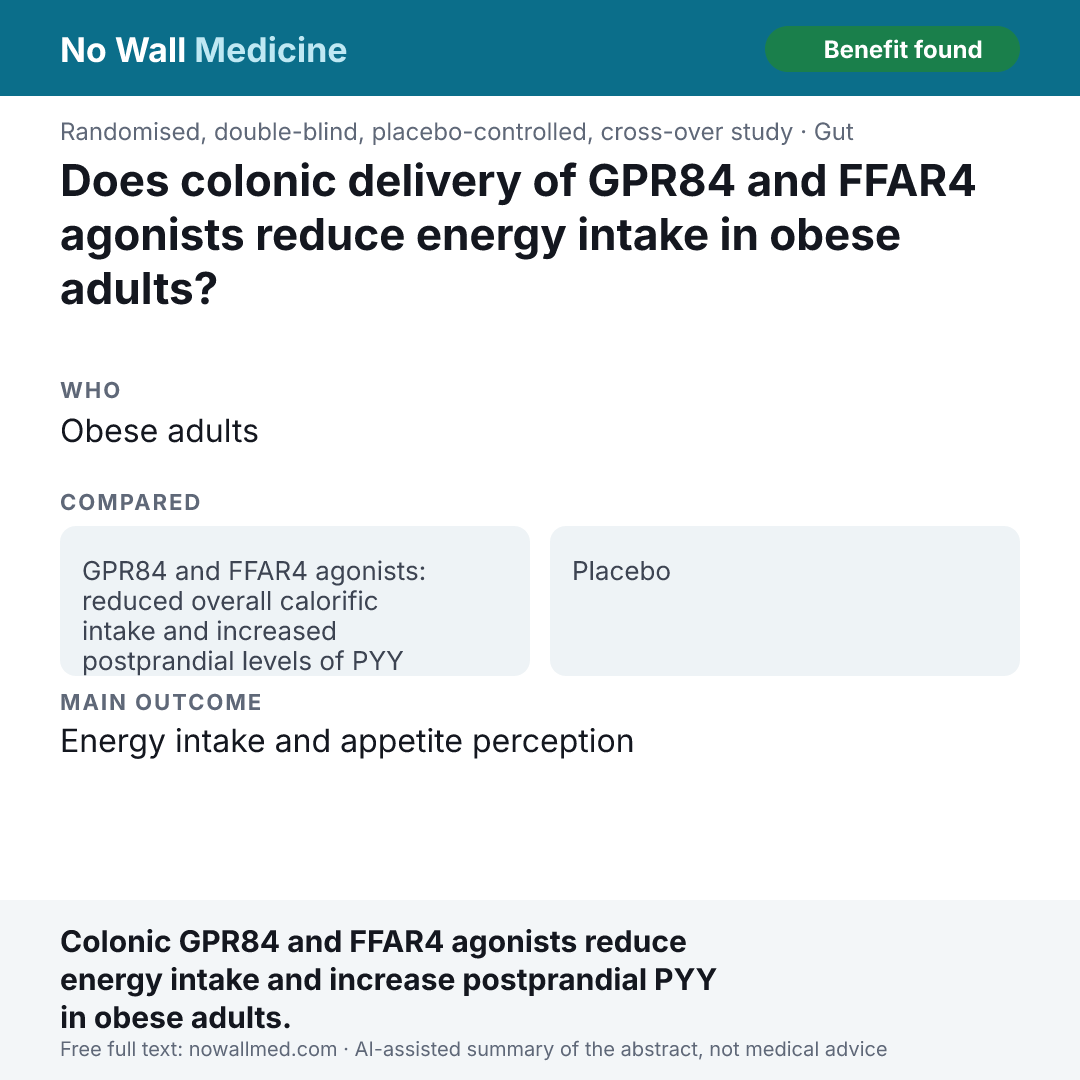
Decoy bypass for appetite suppression in obese adults: role of synergistic nutrient sensing receptors GPR84 and FFAR4 on colonic endocrine cells
Randomised, double-blind, placebo-controlled, cross-over studyBenefit found
Does colonic delivery of GPR84 and FFAR4 agonists reduce energy intake in obese adults?
Who
Obese adults
Compared
GPR84 and FFAR4 agonists: reduced overall calorific intake and increased postprandial levels of PYY
Placebo
Main outcome
Energy intake and appetite perception
Bottom line: Colonic GPR84 and FFAR4 agonists reduce energy intake and increase postprandial PYY in obese adults.
Gut · 2021-06-03 · Save PNG
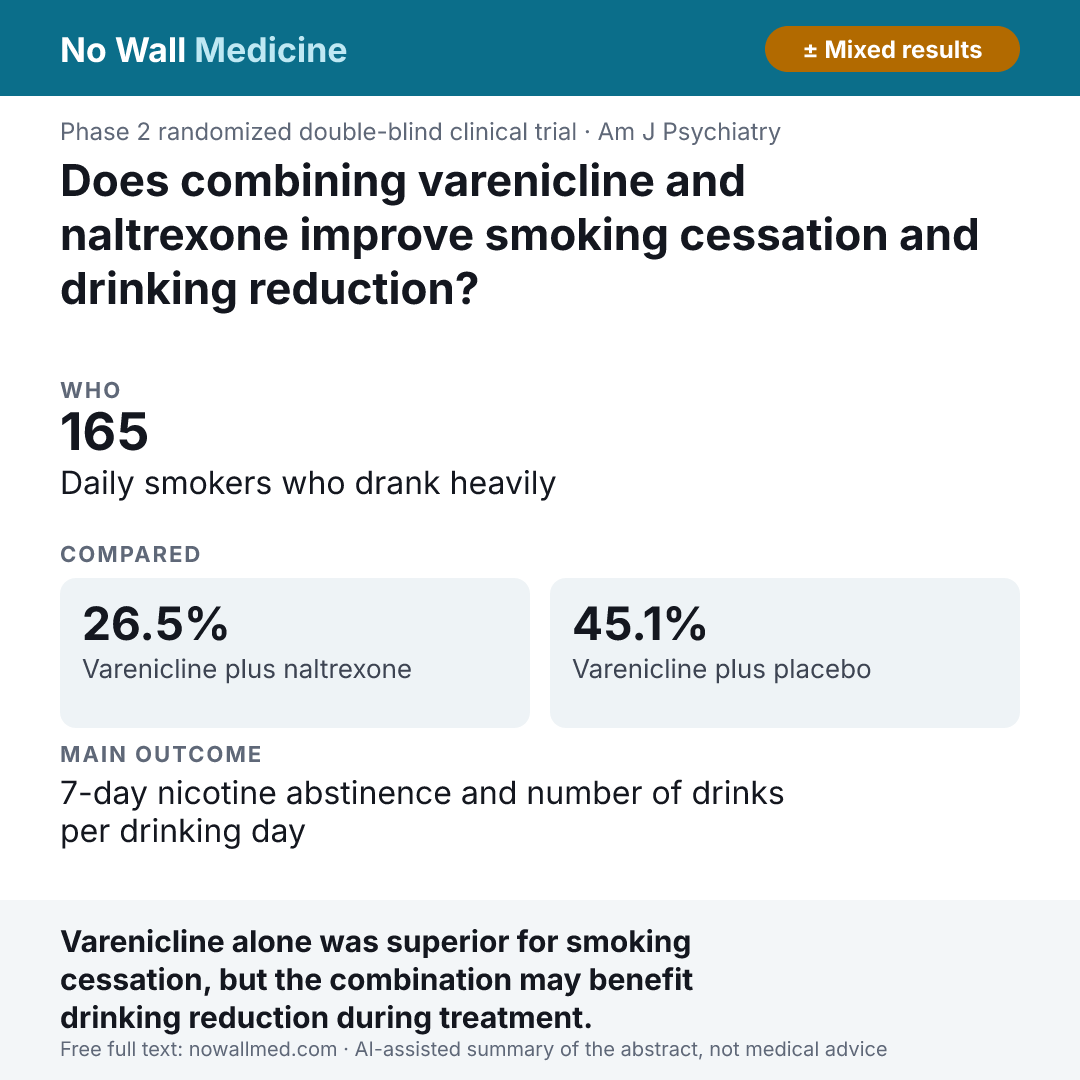
Efficacy of Combining Varenicline and Naltrexone for Smoking Cessation and Drinking Reduction: A Randomized Clinical Trial
Phase 2 randomized double-blind clinical trialMixed results
Does combining varenicline and naltrexone improve smoking cessation and drinking reduction?
Who
165
Daily smokers who drank heavily
Compared
26.5%Varenicline plus naltrexone
45.1%Varenicline plus placebo
Main outcome
7-day nicotine abstinence and number of drinks per drinking day
Bottom line: Varenicline alone was superior for smoking cessation, but the combination may benefit drinking reduction during treatment.
Am J Psychiatry · 2021-06-03 · Save PNG
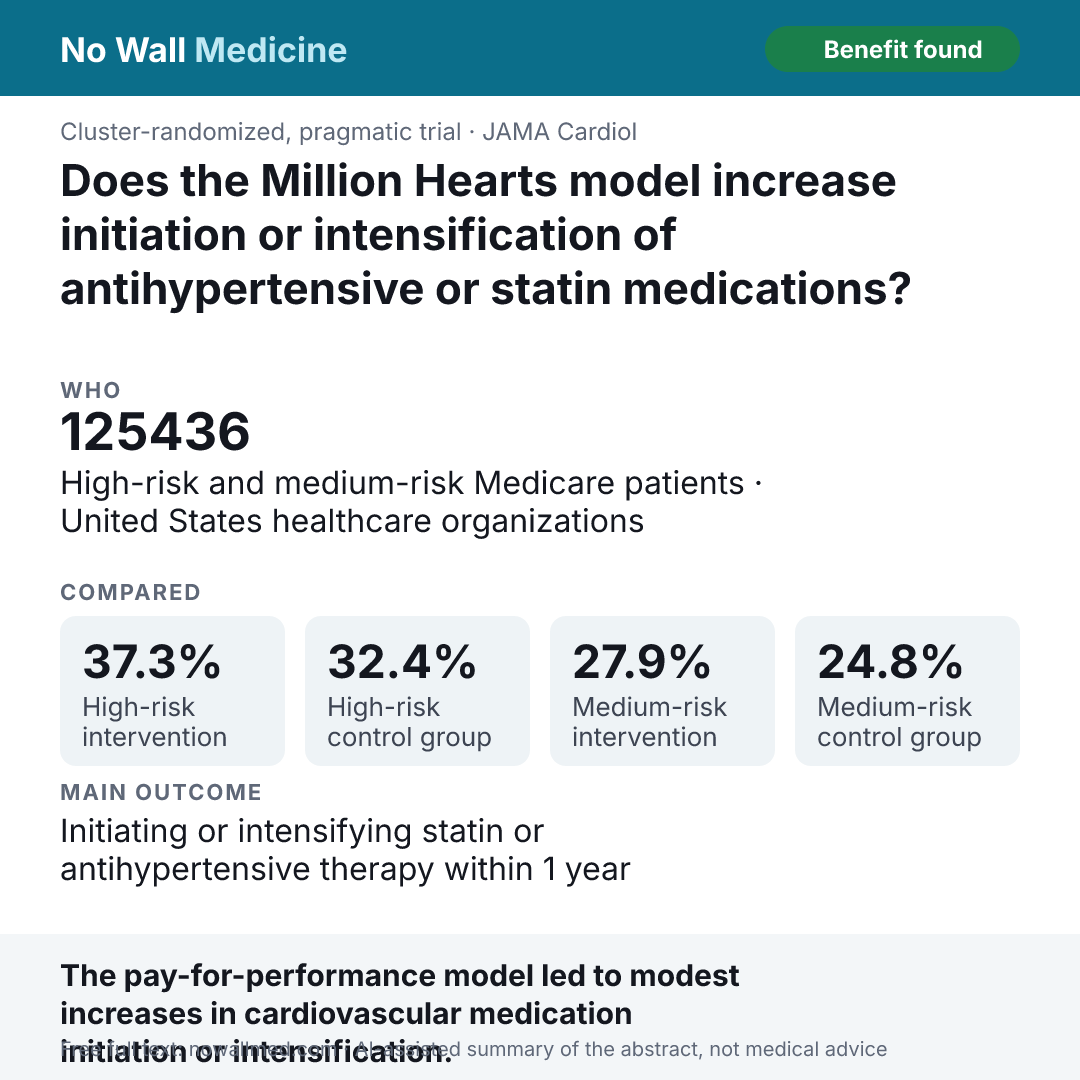
Effect of the Million Hearts Cardiovascular Disease Risk Reduction Model on Initiating and Intensifying Medications: A Prespecified Secondary Analysis of a Randomized Clinical Trial
Cluster-randomized, pragmatic trialBenefit found
Does the Million Hearts model increase initiation or intensification of antihypertensive or statin medications?
Who
125436
High-risk and medium-risk Medicare patients · United States healthcare organizations
Compared
37.3%High-risk intervention group
32.4%High-risk control group
27.9%Medium-risk intervention group
24.8%Medium-risk control group
Main outcome
Initiating or intensifying statin or antihypertensive therapy within 1 year
Result: adjusted difference in percentage points, 4.8; 95% CI, 2.9-6.7
Bottom line: The pay-for-performance model led to modest increases in cardiovascular medication initiation or intensification.
JAMA Cardiol · 2021-06-03 · Save PNG
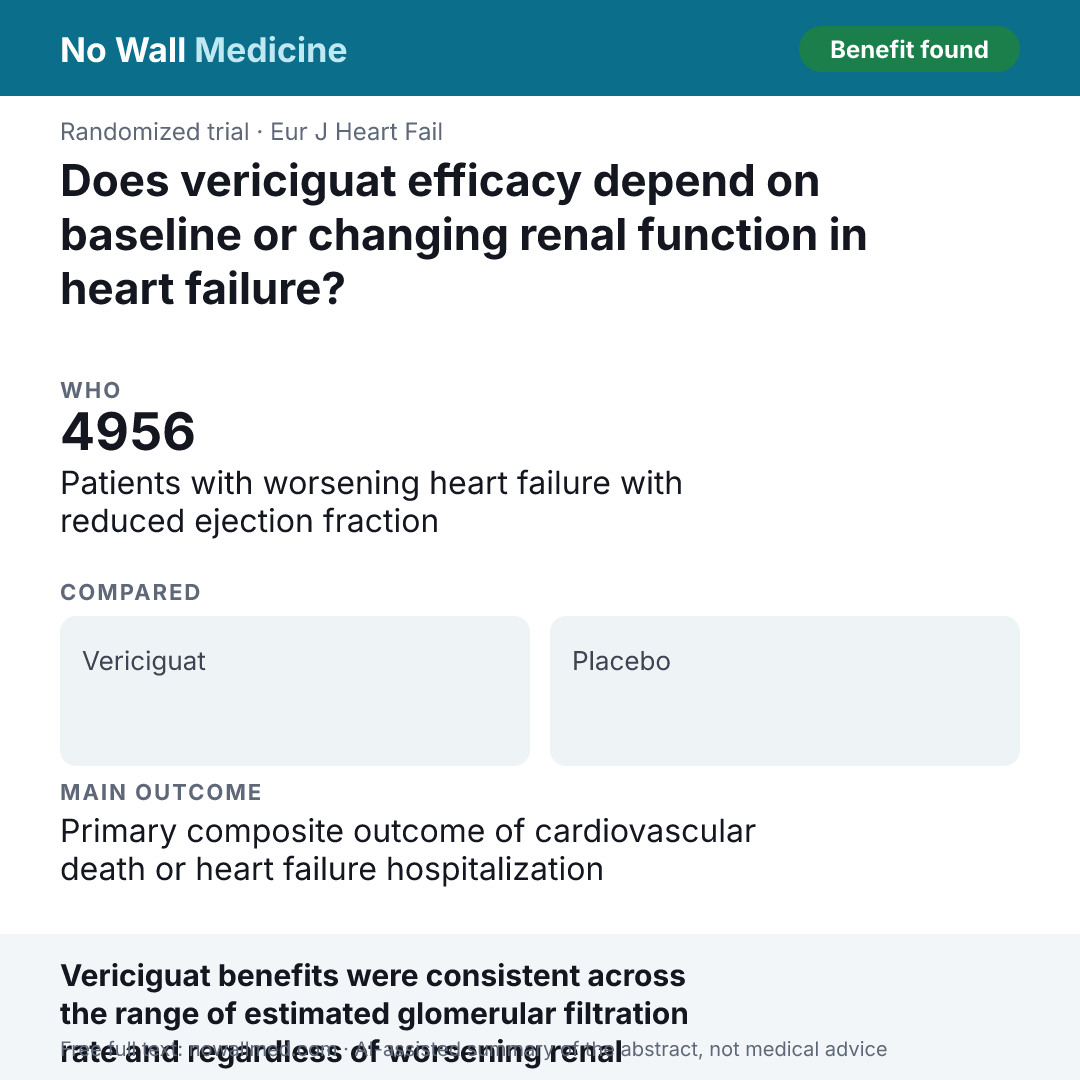
Renal function and the effects of vericiguat in patients with worsening heart failure with reduced ejection fraction: insights from the VICTORIA (Vericiguat Global Study in Subjects with HFrEF) trial
Randomized trialBenefit found
Does vericiguat efficacy depend on baseline or changing renal function in heart failure?
Who
4956
Patients with worsening heart failure with reduced ejection fraction
Compared
Vericiguat
Placebo
Main outcome
Primary composite outcome of cardiovascular death or heart failure hospitalization
Bottom line: Vericiguat benefits were consistent across the range of estimated glomerular filtration rate and regardless of worsening renal function.
Eur J Heart Fail · 2021-06-03 · Save PNG
Clinical Value of Consensus Molecular Subtypes in Colorectal Cancer: A Systematic Review and Meta-Analysis
Systematic review and random-effect meta-analysisBenefit found
What is the clinical value of consensus molecular subtypes in colorectal cancer?
Who
Patients with colorectal cancer
Compared
CMS4 in local disease: worse overall survival
CMS1 in local disease
CMS2 in local disease
Main outcome
prognostic and predictive value of consensus molecular subtypes
Result: hazard ratio 3.28 (95% confidence interval 1.27 to 8.47)
Bottom line: Consensus molecular subtypes predict prognosis and response to systemic therapy in colorectal cancer patients.
J Natl Cancer Inst · 2021-06-03 · Save PNG

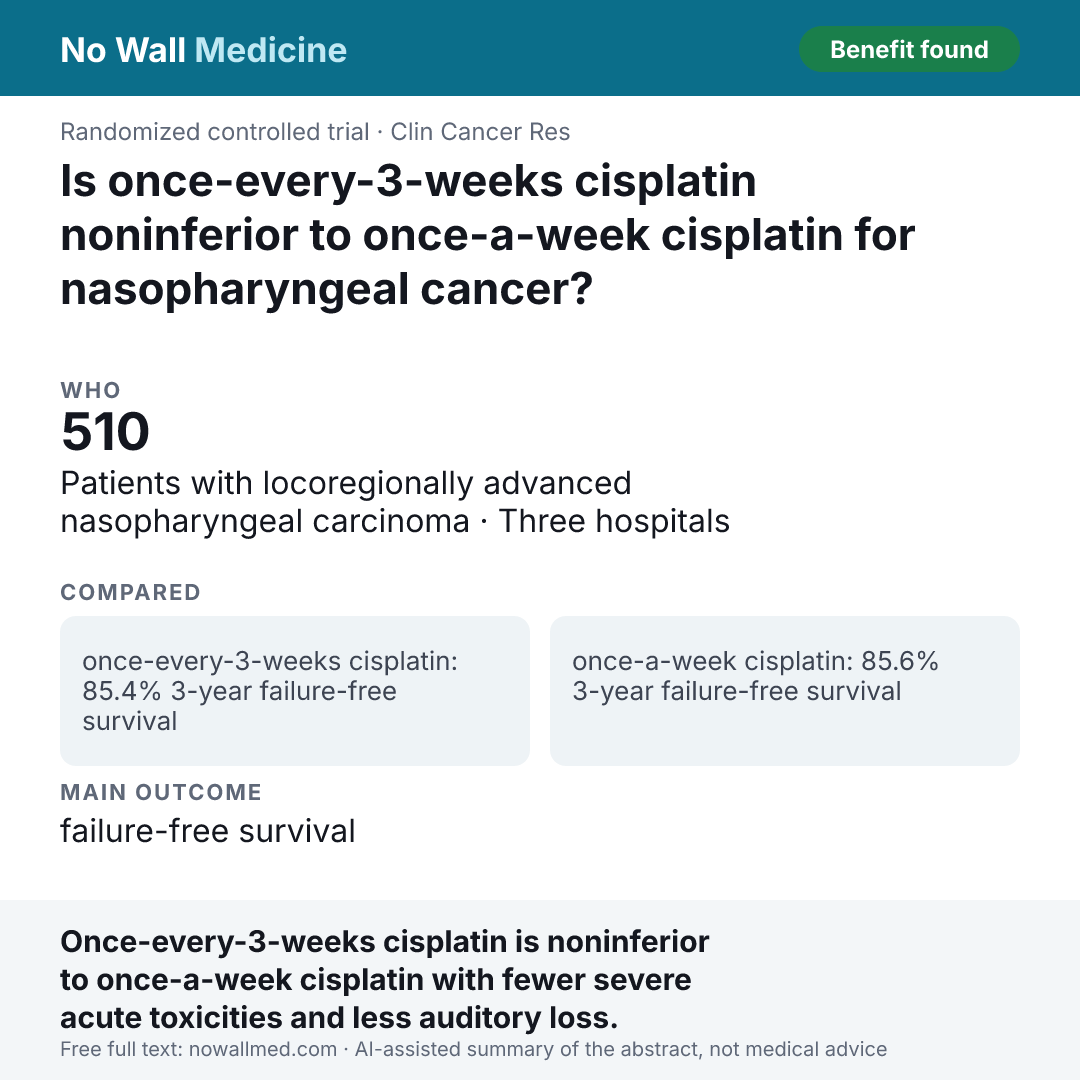
A Randomized Controlled Trial Comparing Two Different Schedules for Cisplatin Treatment in Patients with Locoregionally Advanced Nasopharyngeal Cancer
Randomized controlled trialBenefit found
Is once-every-3-weeks cisplatin noninferior to once-a-week cisplatin for nasopharyngeal cancer?
Who
510
Patients with locoregionally advanced nasopharyngeal carcinoma · Three hospitals
Compared
once-every-3-weeks cisplatin: 85.4% 3-year failure-free survival
once-a-week cisplatin: 85.6% 3-year failure-free survival
Main outcome
failure-free survival
Result: absolute difference of -0.2% (95% confidence interval, -6.3 to 5.9)
Bottom line: Once-every-3-weeks cisplatin is noninferior to once-a-week cisplatin with fewer severe acute toxicities and less auditory loss.
Clin Cancer Res · 2021-06-03 · Save PNG
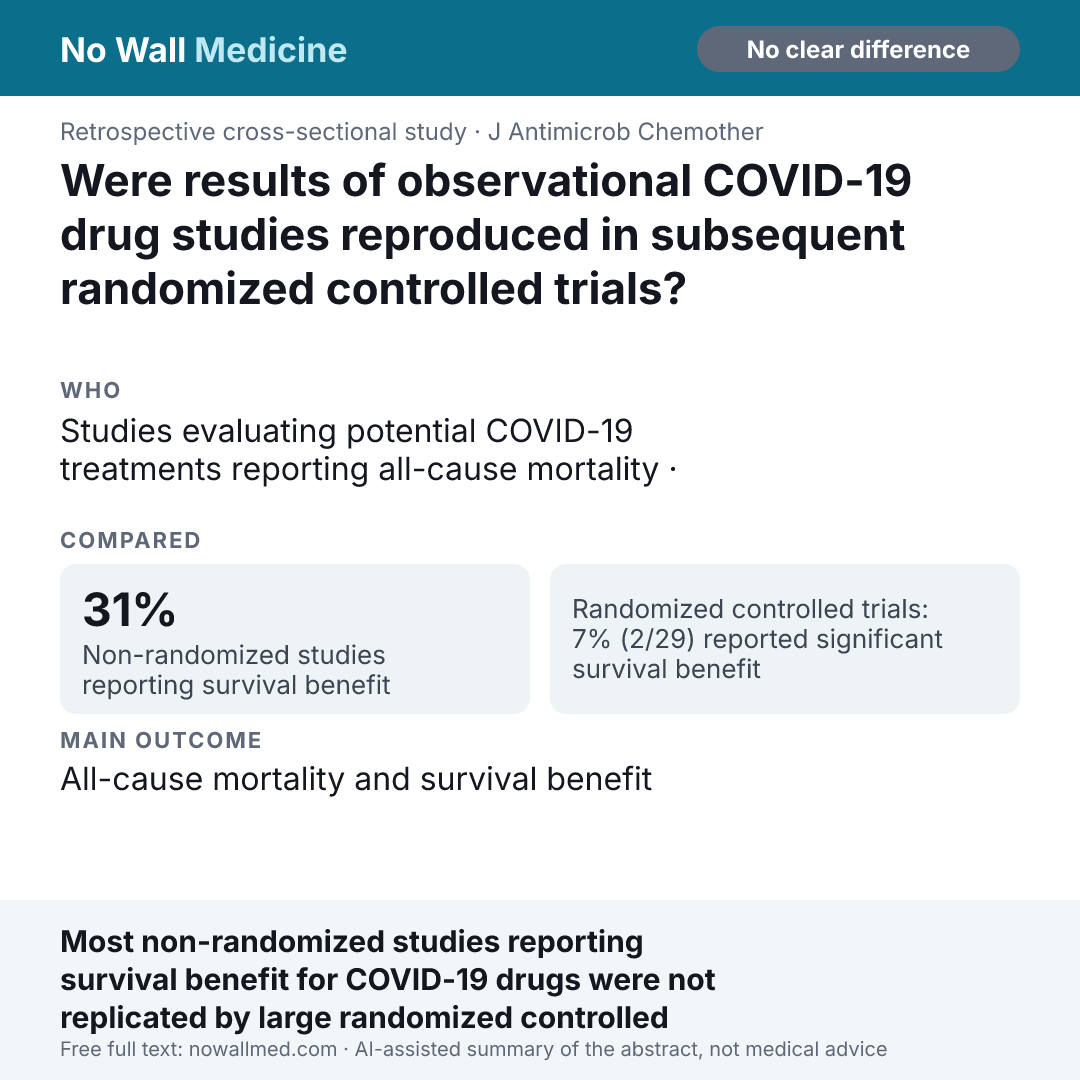
Concordance between the results of randomized and non-randomized interventional clinical trials assessing the efficacy of drugs for COVID-19: a cross-sectional study
Retrospective cross-sectional studyNo clear difference
Were results of observational COVID-19 drug studies reproduced in subsequent randomized controlled trials?
Who
Studies evaluating potential COVID-19 treatments reporting all-cause mortality · Studies published online
Compared
31%Non-randomized studies reporting survival benefit (32/104)
Randomized controlled trials: 7% (2/29) reported significant survival benefit
Main outcome
All-cause mortality and survival benefit
Bottom line: Most non-randomized studies reporting survival benefit for COVID-19 drugs were not replicated by large randomized controlled trials.
J Antimicrob Chemother · 2021-06-03 · Save PNG
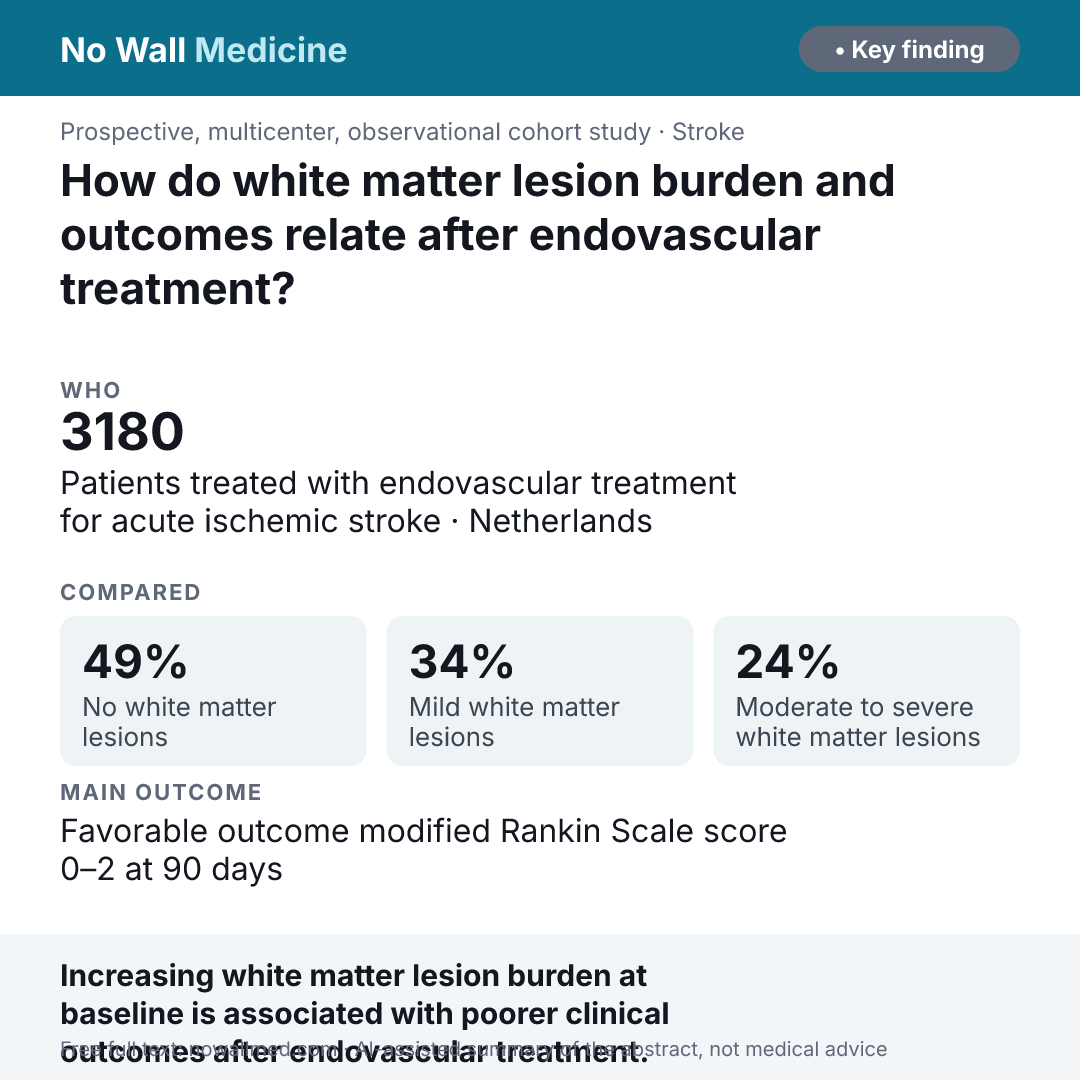
White Matter Lesions and Outcomes After Endovascular Treatment for Acute Ischemic Stroke: MR CLEAN Registry Results
Prospective, multicenter, observational cohort studyKey finding
How do white matter lesion burden and outcomes relate after endovascular treatment?
Who
3180
Patients treated with endovascular treatment for acute ischemic stroke · Netherlands
Compared
49%No white matter lesions
34%Mild white matter lesions
24%Moderate to severe white matter lesions
Main outcome
Favorable outcome modified Rankin Scale score 0–2 at 90 days
Result: adjusted common odds ratio 1.67 (95% CI 1.39 to 2.01) for moderate-to-severe
Bottom line: Increasing white matter lesion burden at baseline is associated with poorer clinical outcomes after endovascular treatment.
Stroke · 2021-06-03 · Save PNG
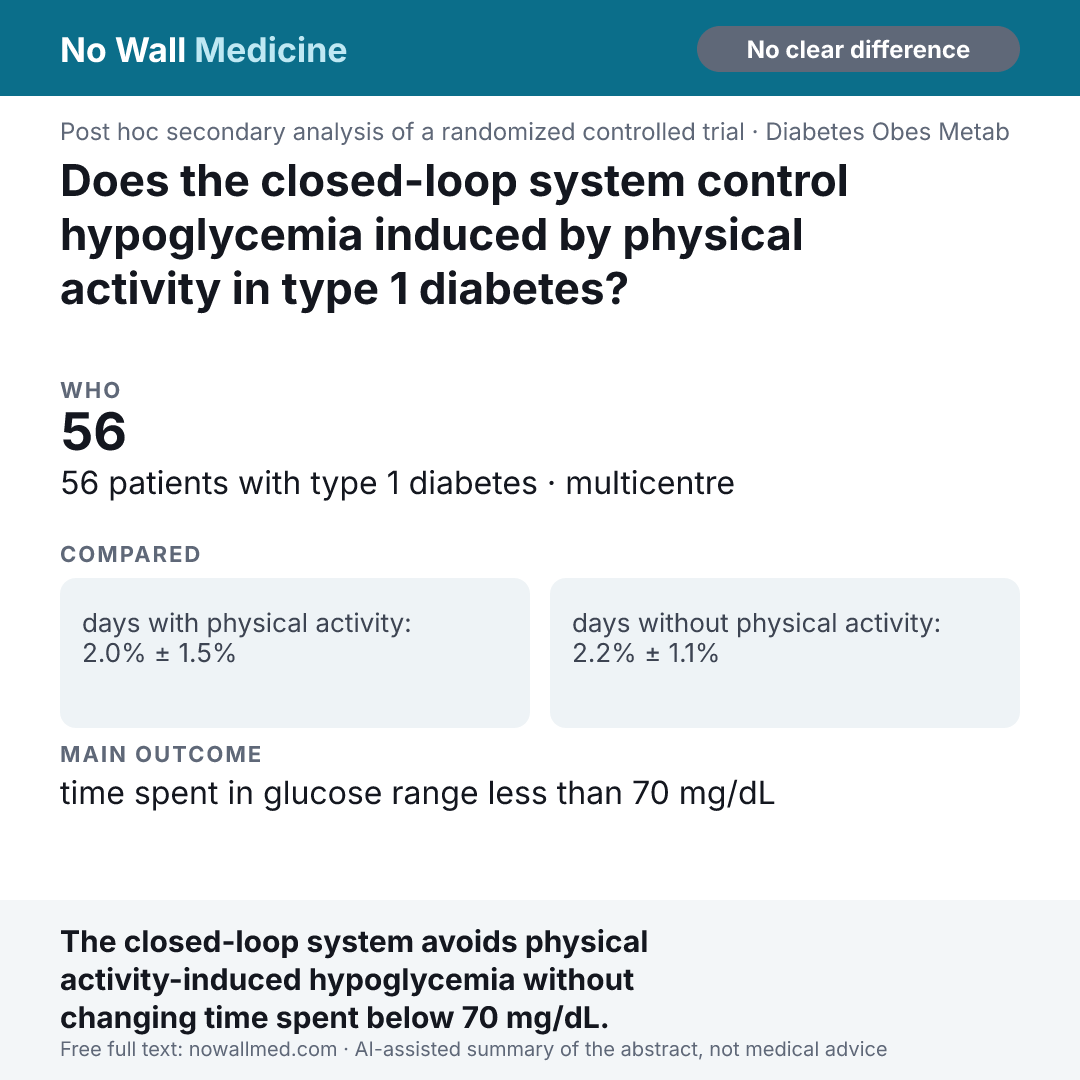
No more hypoglycaemia on days with physical activity and unrestricted diet when using a closed-loop system for 12 weeks: A post hoc secondary analysis of the multicentre, randomized controlled Diabeloop WP7 trial
Post hoc secondary analysis of a randomized controlled trialNo clear difference
Does the closed-loop system control hypoglycemia induced by physical activity in type 1 diabetes?
Who
56
56 patients with type 1 diabetes · multicentre
Compared
days with physical activity: 2.0% ± 1.5%
days without physical activity: 2.2% ± 1.1%
Main outcome
time spent in glucose range less than 70 mg/dL
Bottom line: The closed-loop system avoids physical activity-induced hypoglycemia without changing time spent below 70 mg/dL.
Diabetes Obes Metab · 2021-06-03 · Save PNG
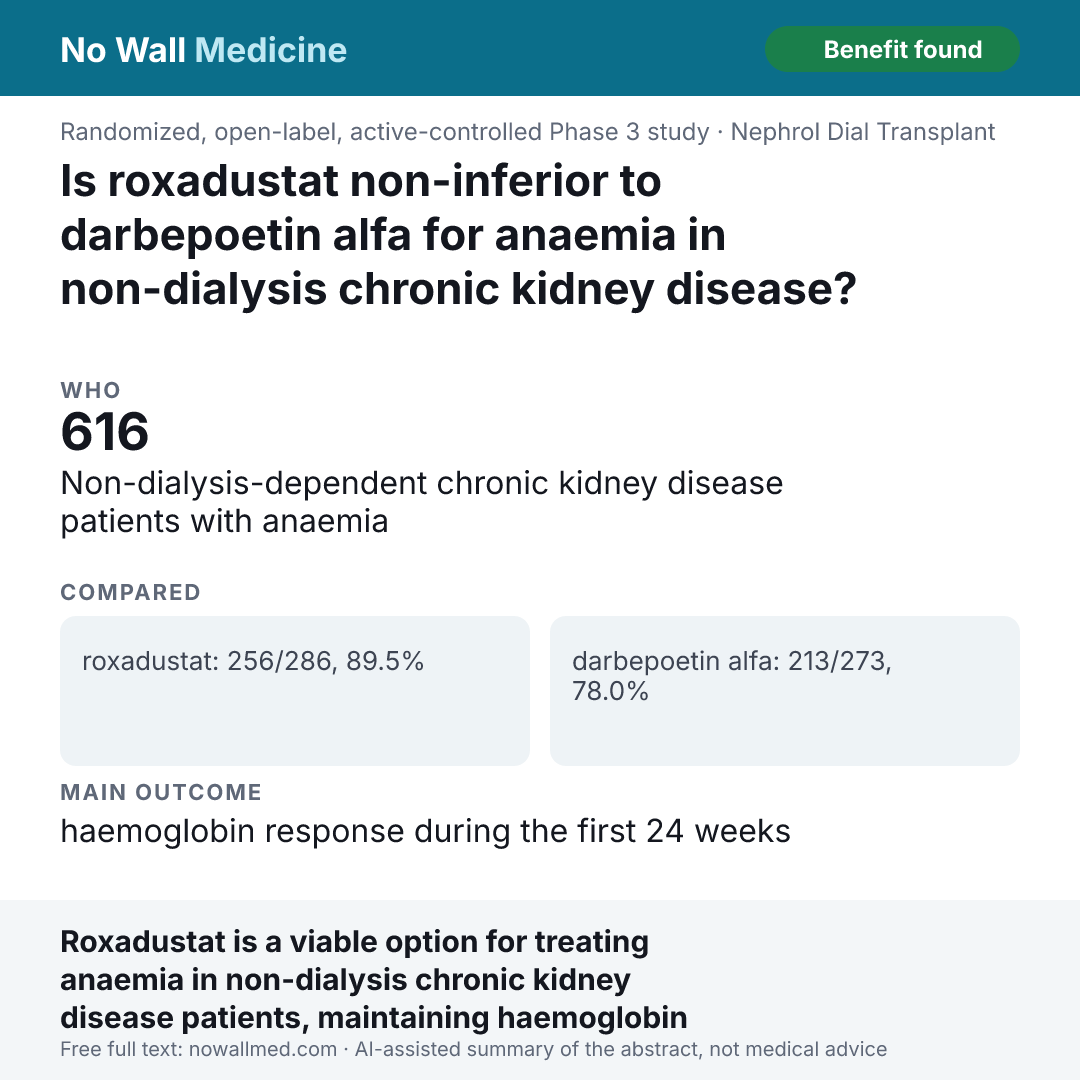
Roxadustat for the treatment of anaemia in chronic kidney disease patients not on dialysis: a Phase 3, randomized, open-label, active-controlled study (DOLOMITES)
Randomized, open-label, active-controlled Phase 3 studyBenefit found
Is roxadustat non-inferior to darbepoetin alfa for anaemia in non-dialysis chronic kidney disease?
Who
616
Non-dialysis-dependent chronic kidney disease patients with anaemia
Compared
roxadustat: 256/286, 89.5%
darbepoetin alfa: 213/273, 78.0%
Main outcome
haemoglobin response during the first 24 weeks
Result: difference 11.51%, 95% confidence interval 5.66-17.36%
Bottom line: Roxadustat is a viable option for treating anaemia in non-dialysis chronic kidney disease patients, maintaining haemoglobin for up to 104 weeks.
Nephrol Dial Transplant · 2021-06-03 · Save PNG
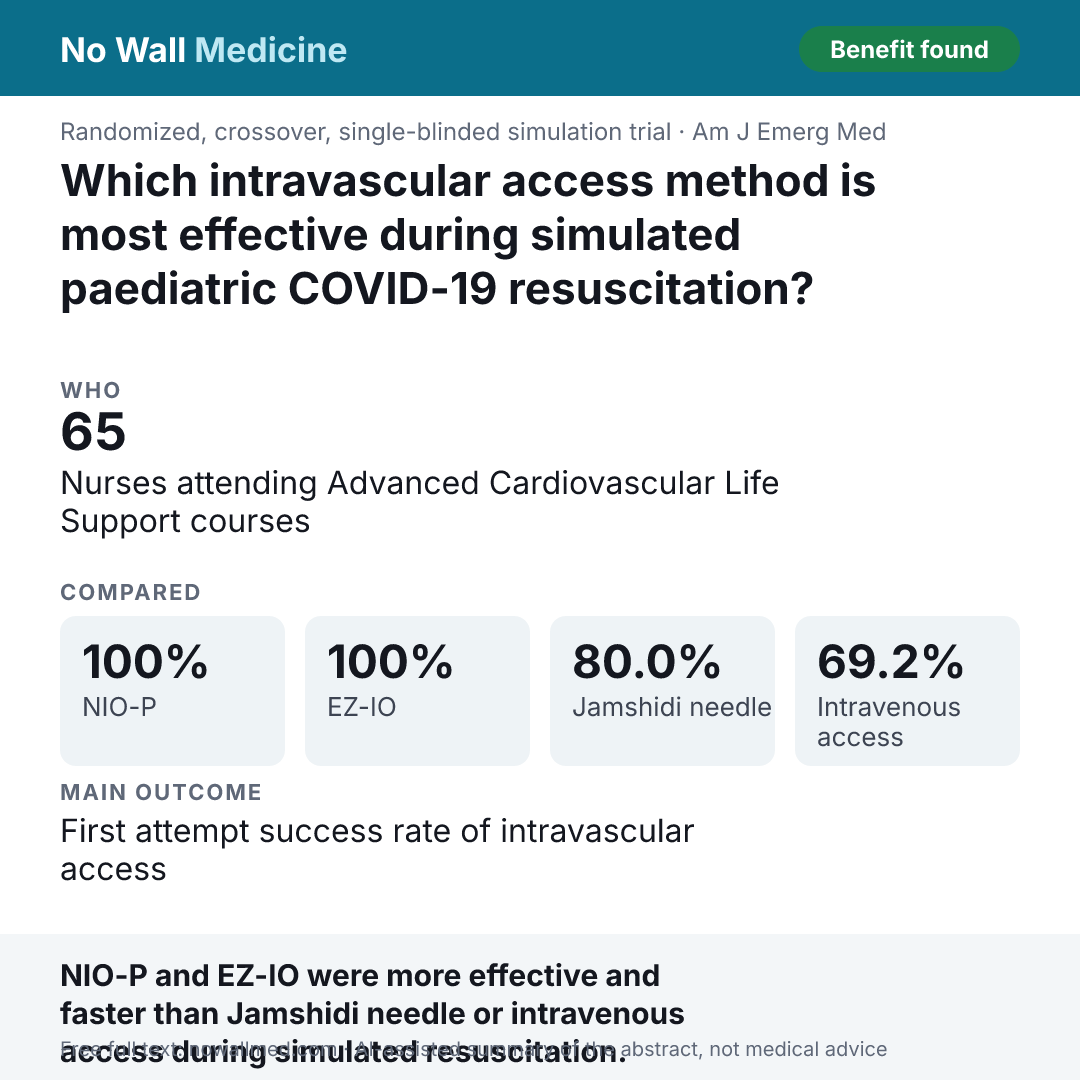
Comparison of intravascular access methods applied by nurses wearing personal protective equipment in simulated COVID-19 resuscitation: A randomized crossover simulation trial
Randomized, crossover, single-blinded simulation trialBenefit found
Which intravascular access method is most effective during simulated paediatric COVID-19 resuscitation?
Who
65
Nurses attending Advanced Cardiovascular Life Support courses
Compared
100%NIO-P
100%EZ-IO
80.0%Jamshidi needle
69.2%Intravenous access
Main outcome
First attempt success rate of intravascular access
Bottom line: NIO-P and EZ-IO were more effective and faster than Jamshidi needle or intravenous access during simulated resuscitation.
Am J Emerg Med · 2021-06-03 · Save PNG
Revision Surgery and Progression to Total Hip Arthroplasty After Surgical Correction of Femoroacetabular Impingement: A Systematic Review
Systematic reviewMixed results
What factors associate with revision surgery and progression to total hip arthroplasty after femoroacetabular impingement surgery?
Who
9357
Patients undergoing surgical correction for femoroacetabular impingement
Compared
5.29%Overall revision rate (351 of 6641 patients)
3.78%Overall progression to total hip arthroplasty (263 of 6966 patients)
Main outcome
Rate of revision and progression to total hip arthroplasty
Bottom line: Higher body mass index, pathologic acetabular index, and labral debridement are associated with increased risk of total hip arthroplasty.
Am J Sports Med · 2021-06-03 · Save PNG

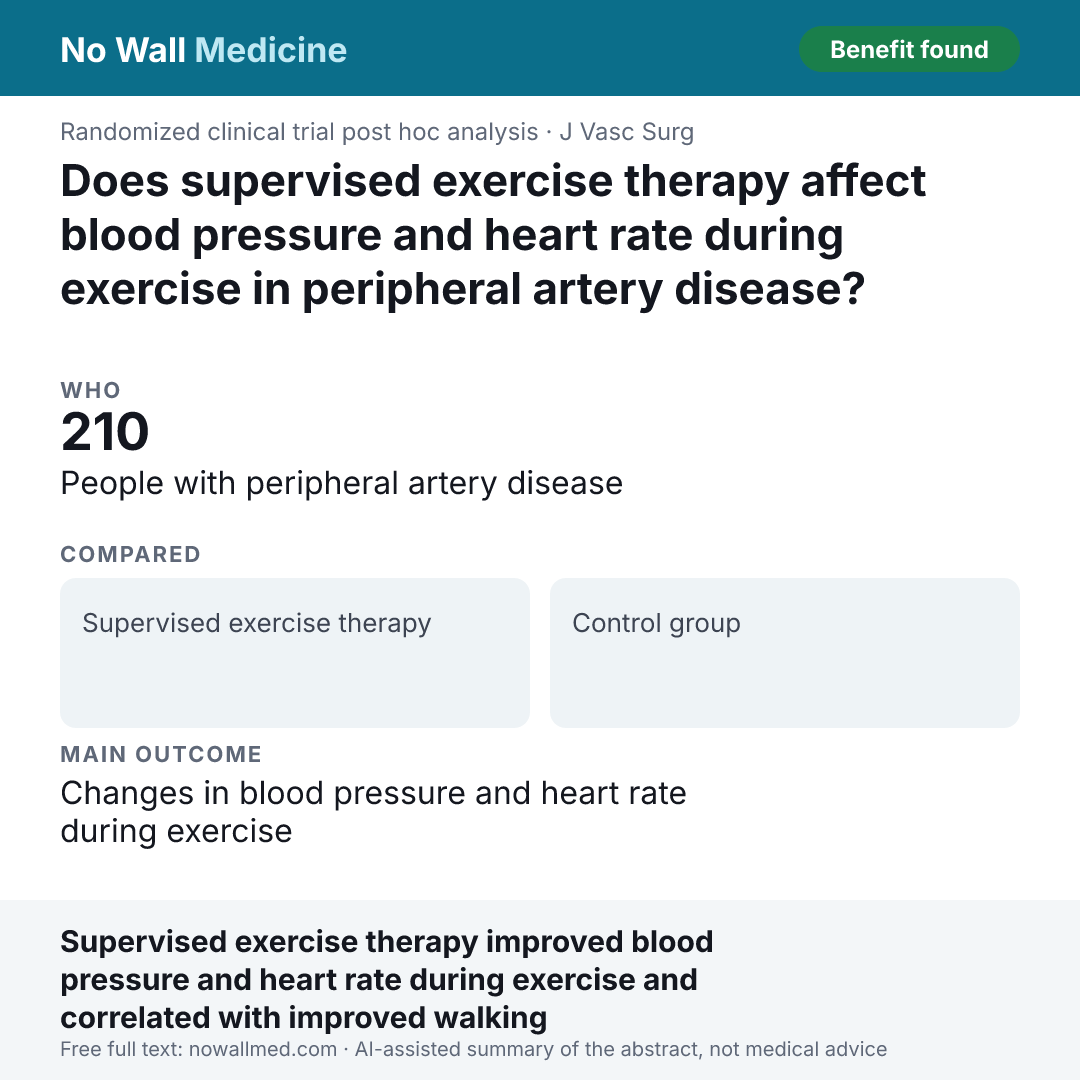
Effects of supervised exercise therapy on blood pressure and heart rate during exercise, and associations with improved walking performance in peripheral artery disease: Results of a randomized clinical trial
Randomized clinical trial post hoc analysisBenefit found
Does supervised exercise therapy affect blood pressure and heart rate during exercise in peripheral artery disease?
Who
210
People with peripheral artery disease
Compared
Supervised exercise therapy
Control group
Main outcome
Changes in blood pressure and heart rate during exercise
Bottom line: Supervised exercise therapy improved blood pressure and heart rate during exercise and correlated with improved walking performance.
J Vasc Surg · 2021-06-03 · Save PNG
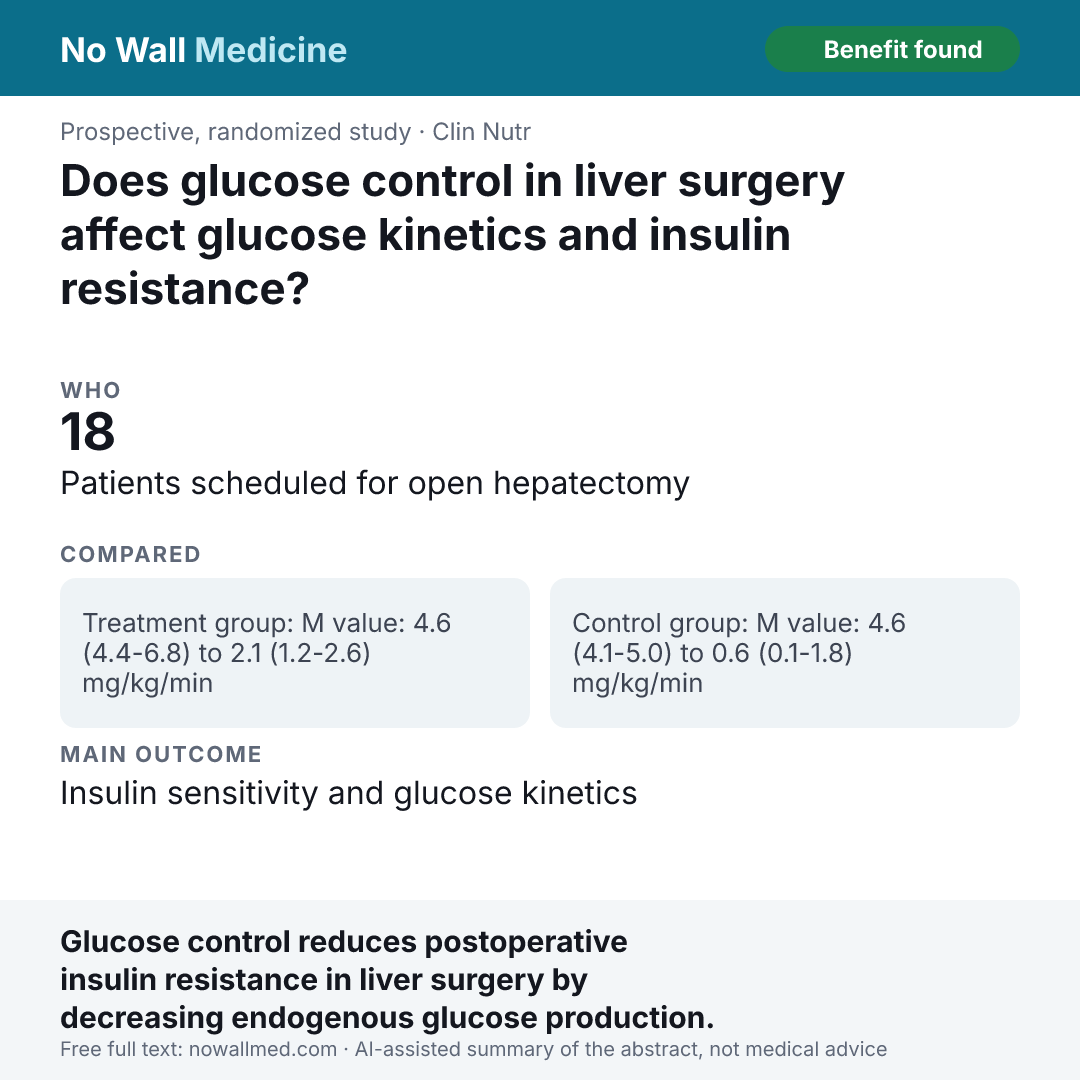
The effect of glucose control in liver surgery on glucose kinetics and insulin resistance
Prospective, randomized studyBenefit found
Does glucose control in liver surgery affect glucose kinetics and insulin resistance?
Who
18
Patients scheduled for open hepatectomy
Compared
Treatment group: M value: 4.6 (4.4-6.8) to 2.1 (1.2-2.6) mg/kg/min
Control group: M value: 4.6 (4.1-5.0) to 0.6 (0.1-1.8) mg/kg/min
Main outcome
Insulin sensitivity and glucose kinetics
Bottom line: Glucose control reduces postoperative insulin resistance in liver surgery by decreasing endogenous glucose production.
Clin Nutr · 2021-06-03 · Save PNG
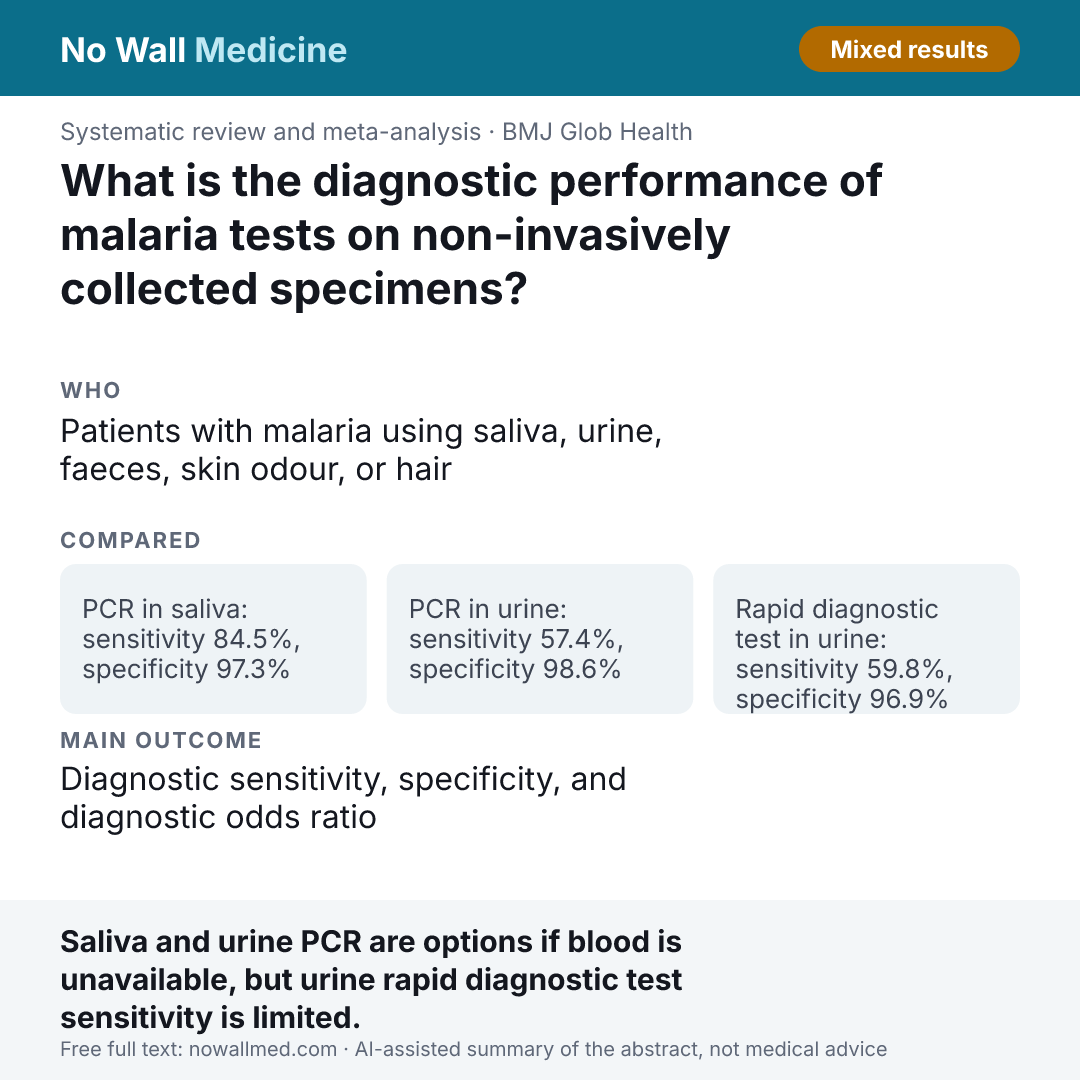
Accuracy of malaria diagnostic tests performed on non-invasively collected samples: a systematic review and meta-analysis
Systematic review and meta-analysisMixed results
What is the diagnostic performance of malaria tests on non-invasively collected specimens?
Who
Patients with malaria using saliva, urine, faeces, skin odour, or hair
Compared
PCR in saliva: sensitivity 84.5%, specificity 97.3%
PCR in urine: sensitivity 57.4%, specificity 98.6%
Rapid diagnostic test in urine: sensitivity 59.8%, specificity 96.9%
Main outcome
Diagnostic sensitivity, specificity, and diagnostic odds ratio
Bottom line: Saliva and urine PCR are options if blood is unavailable, but urine rapid diagnostic test sensitivity is limited.
Limitation: Malaria testing on non-invasively collected specimen still needs substantial improvement.
BMJ Glob Health · 2021-06-03 · Save PNG