Visual abstracts
New randomized trials and meta-analyses from leading journals at a glance: who was studied, what was compared, and what was found. Every paper is free to read in full.
All specialtiesCardiology 4877Oncology 4138Gastroenterology & Hepatology 1942Infectious Disease 3837Neurology 1905Psychiatry & Mental Health 2273Pulmonology 2143Critical Care 1365Endocrinology & Diabetes 2580Pediatrics 2980Surgery 2559Orthopedics & Sports Medicine 931Neurosurgery 537Cardiothoracic & Vascular Surgery 674Plastic & Reconstructive Surgery 591Nephrology 1133Rheumatology 823Hematology 1109Dermatology 621Ophthalmology 543Obstetrics & Gynecology 1686Public & Global Health 1058Radiology & Imaging 648Anesthesiology 986Urology 764ENT (Otolaryngology) 503Emergency Medicine 511Allergy & Immunology 313Geriatrics 981Family Medicine & Primary Care 562Medical Genetics & Genomics 676Pathology & Laboratory Medicine 159Physical Medicine & Rehabilitation 757Palliative Care 444Nutrition 1588Digital Health & AI 2201General Medicine 321
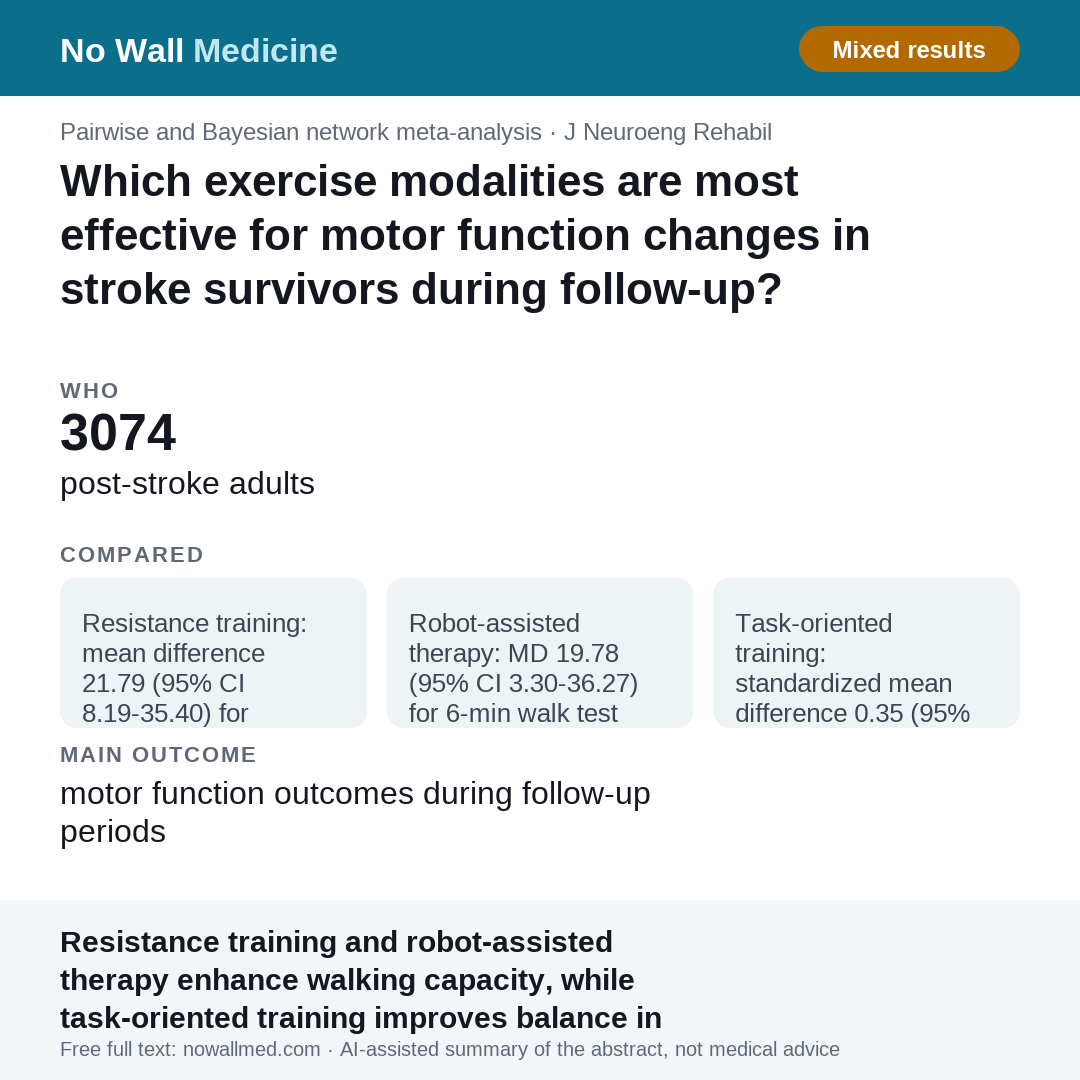
Optimal exercise modalities for post-intervention motor function changes in stroke survivors: a pairwise and network meta-analysis
Pairwise and Bayesian network meta-analysisMixed results
Which exercise modalities are most effective for motor function changes in stroke survivors during follow-up?
Who
3074
post-stroke adults
Compared
Resistance training: mean difference 21.79 (95% CI 8.19-35.40) for 6-min walk test
Robot-assisted therapy: MD 19.78 (95% CI 3.30-36.27) for 6-min walk test
Task-oriented training: standardized mean difference 0.35 (95% CI 0.07-0.64) for balance
Main outcome
motor function outcomes during follow-up periods
Bottom line: Resistance training and robot-assisted therapy enhance walking capacity, while task-oriented training improves balance in stroke survivors.
Limitation: Evidence for upper and lower limb recovery remains inconclusive due to small trial numbers.
J Neuroeng Rehabil · 2025-10-29Download image
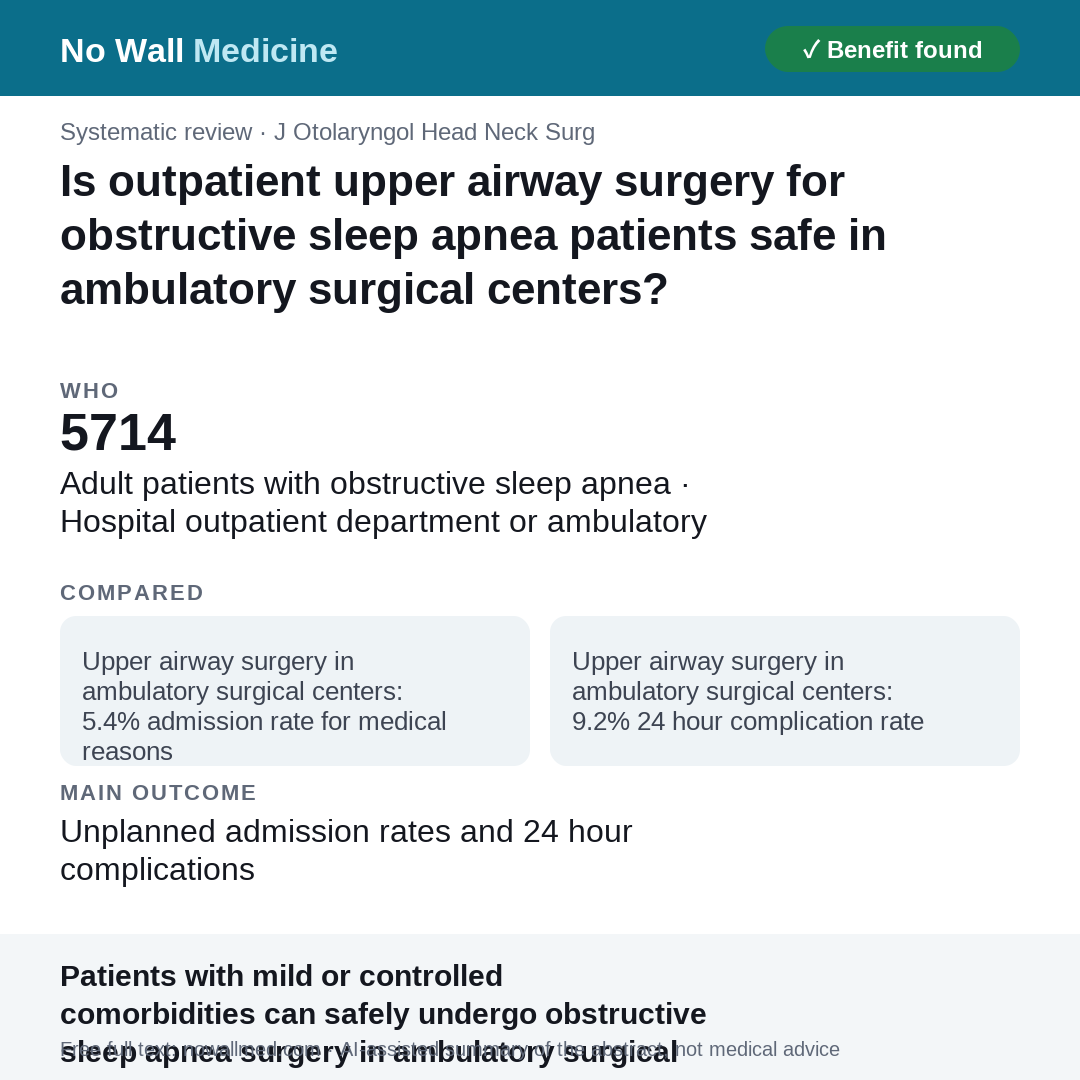
Systematic Review on the Safety of Outpatient Upper Airway Surgery for Obstructive Sleep Apnea Patients in Ambulatory Surgical Centers
Systematic reviewBenefit found
Is outpatient upper airway surgery for obstructive sleep apnea patients safe in ambulatory surgical centers?
Who
5714
Adult patients with obstructive sleep apnea · Hospital outpatient department or ambulatory surgical center
Compared
Upper airway surgery in ambulatory surgical centers: 5.4% admission rate for medical reasons
Upper airway surgery in ambulatory surgical centers: 9.2% 24 hour complication rate
Main outcome
Unplanned admission rates and 24 hour complications
Bottom line: Patients with mild or controlled comorbidities can safely undergo obstructive sleep apnea surgery in ambulatory surgical centers.
Limitation: Future studies should use larger populations and prospective study designs.
J Otolaryngol Head Neck Surg · 2025-10-29Download image
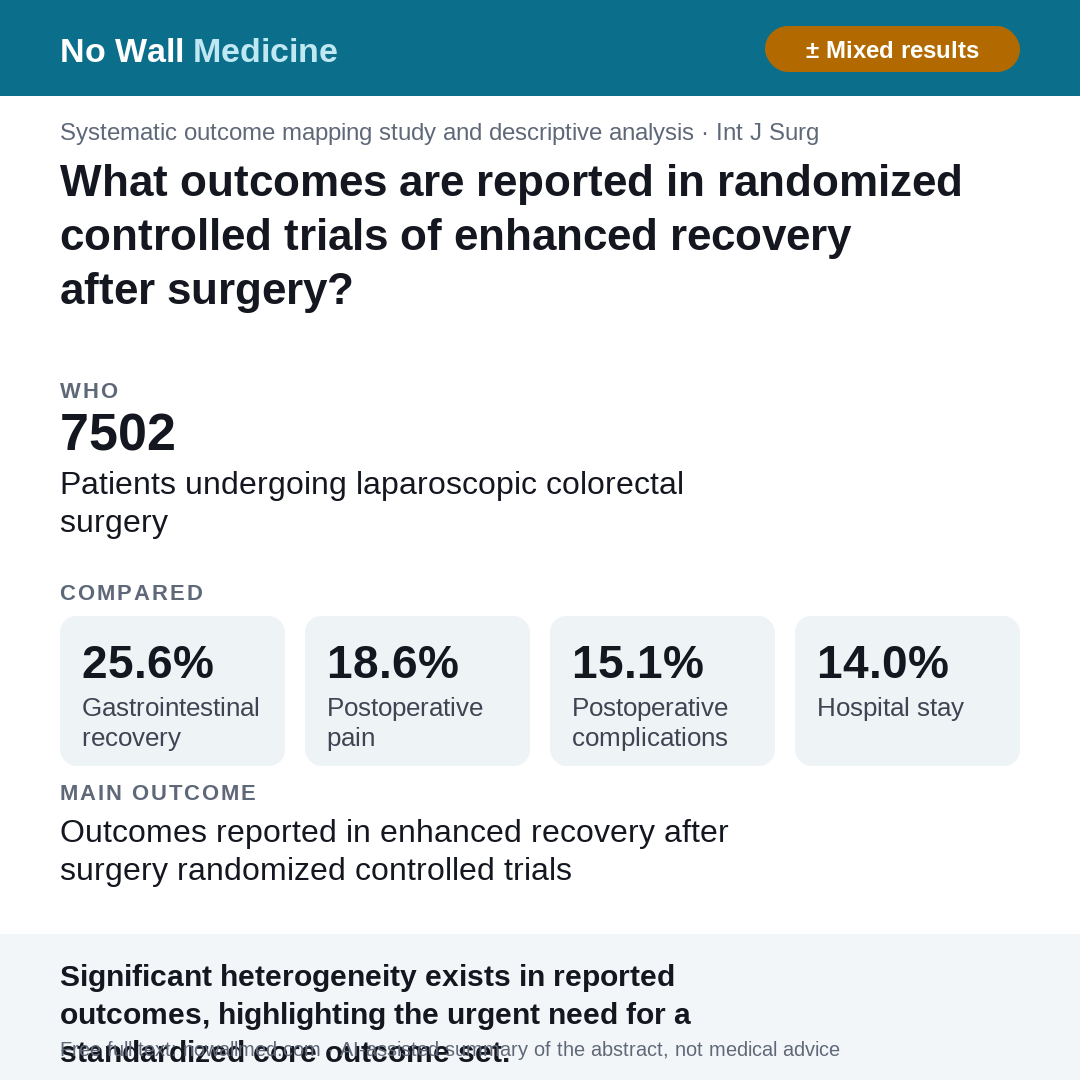
Outcomes of enhanced recovery after surgery in laparoscopic colorectal surgery: a systematic outcome mapping study and descriptive analysis to inform a core outcome set
Systematic outcome mapping study and descriptive analysisMixed results
What outcomes are reported in randomized controlled trials of enhanced recovery after surgery?
Who
7502
Patients undergoing laparoscopic colorectal surgery
Compared
25.6%Gastrointestinal recovery
18.6%Postoperative pain
15.1%Postoperative complications
14.0%Hospital stay
Main outcome
Outcomes reported in enhanced recovery after surgery randomized controlled trials
Bottom line: Significant heterogeneity exists in reported outcomes, highlighting the urgent need for a standardized core outcome set.
Limitation: Outcome definitions and measurement tools varied widely with no consistent standardization.
Int J Surg · 2025-10-28Download image
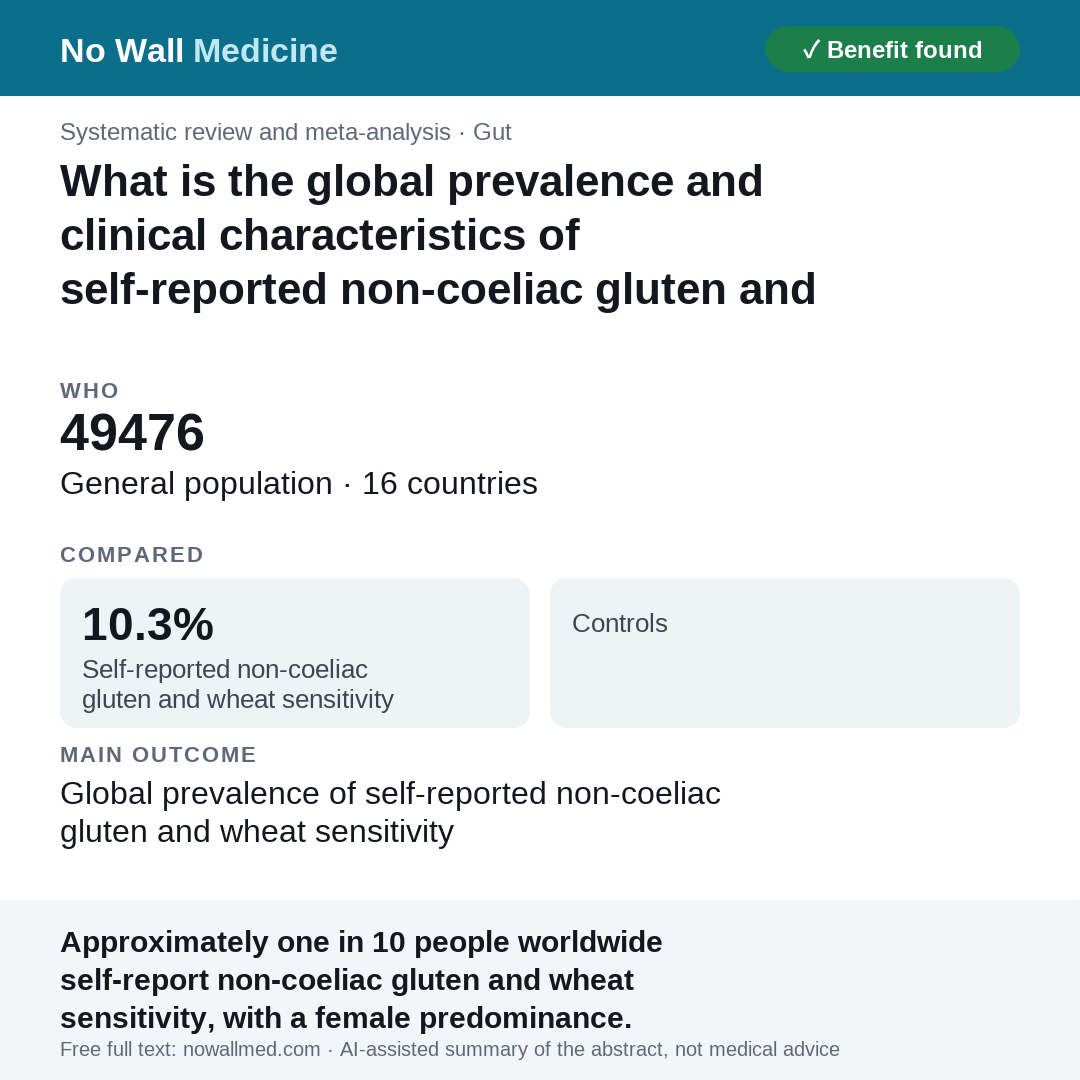
Global prevalence of self-reported non-coeliac gluten and wheat sensitivity: a systematic review and meta-analysis
Systematic review and meta-analysisBenefit found
What is the global prevalence and clinical characteristics of self-reported non-coeliac gluten and wheat sensitivity?
Who
49476
General population · 16 countries
Compared
10.3%Self-reported non-coeliac gluten and wheat sensitivity (95% CI 7.0% to 14.0%)
Controls
Main outcome
Global prevalence of self-reported non-coeliac gluten and wheat sensitivity
Bottom line: Approximately one in 10 people worldwide self-report non-coeliac gluten and wheat sensitivity, with a female predominance.
Gut · 2025-10-28Download image
Psychometric properties of the NIH Toolbox Cognition Battery composites in older adults at risk for Alzheimer's disease and related dementias: A systematic review
Systematic reviewBenefit found
What are the psychometric properties of the National Institutes of Health Toolbox Cognition Battery composites?
Who
Older adults with and without Alzheimer's disease and related dementias
Compared
Crystallized composite: proficient psychometric evidence
Fluid composite: developing due to limited data
Main outcome
Psychometric performance of composite scores
Bottom line: The National Institutes of Health Toolbox Cognition Battery shows general psychometric robustness in older adults.
Limitation: Limited research focuses on these composites in older adult and Alzheimer's populations.
Alzheimers Dement · 2025-10-28Download image

Sleep dysregulation in ADHD children: a systematic review and meta-analysis
Meta-analysis of 44 studiesHarm found
Do ADHD children have sleep differences
Who
2239, 57181
ADHD children and typically developing children
Compared
ADHD children
Typically developing children
Main outcome
sleep metrics
Bottom line: ADHD children have impaired sleep
Psychol Med · 2025-10-28Download image

Comparison of the renal outcomes of novel antidiabetic agents in patients with type 2 diabetes with chronic kidney disease: A systematic review and network meta-analysis of randomized controlled trials
Network meta-analysis of randomized controlled trialsBenefit found
What are the renal outcomes of novel antidiabetic agents in type 2 diabetes with chronic kidney disease?
Who
80,670
Patients with type 2 diabetes mellitus and chronic renal disease
Compared
SGLT-2 inhibitors
Placebo
Main outcome
Composite renal outcome, estimated glomerular filtration rate, and urinary albumin-to-creatinine ratio
Result: dapagliflozin 10 mg OR 0.55 (95% CI 0.42-0.72)
Bottom line: SGLT-2 inhibitors provide the most consistent renal protection, with dapagliflozin 10 mg showing the greatest efficacy.
Diabetes Obes Metab · 2025-10-28Download image

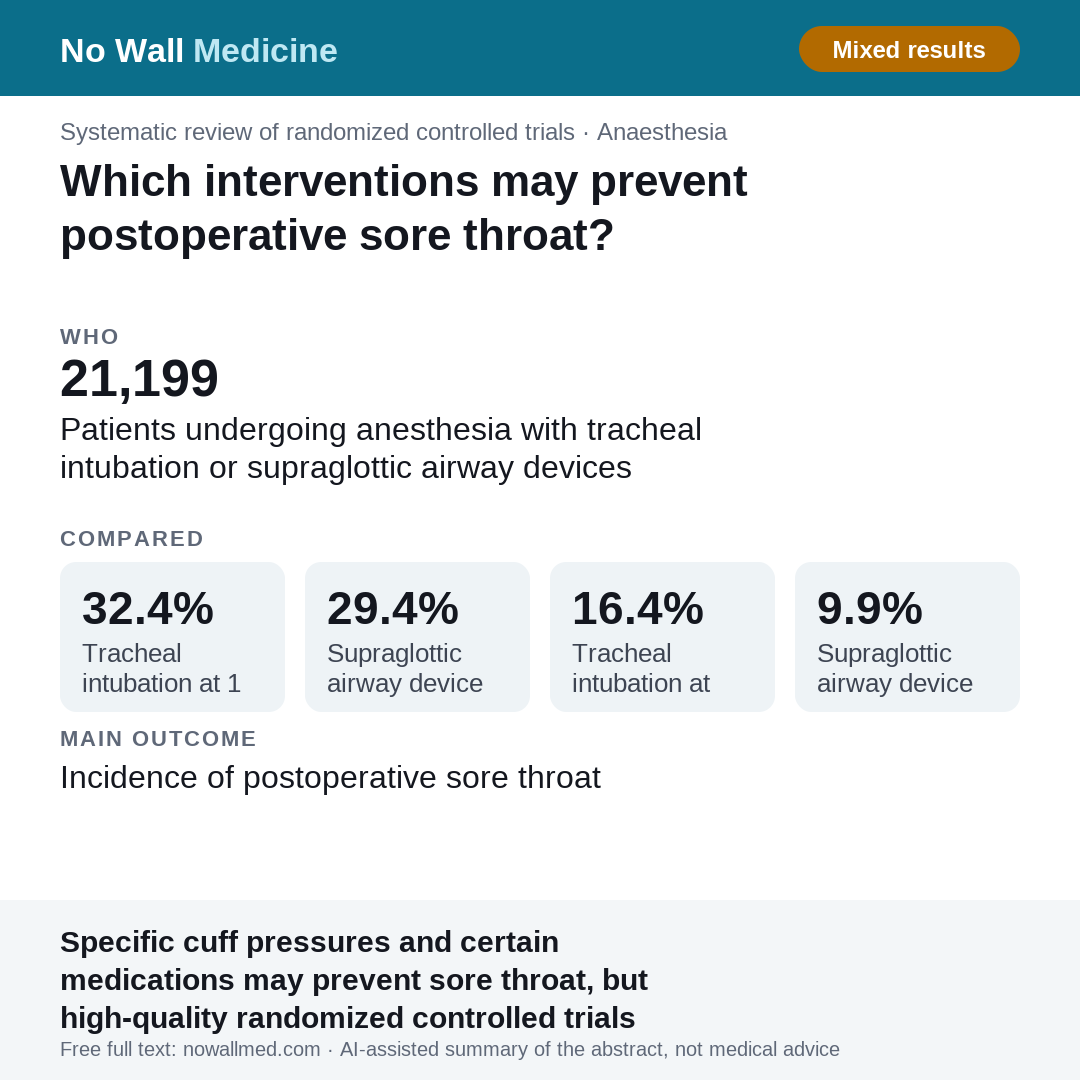
Postoperative sore throat: a systematic review
Systematic review of randomized controlled trialsMixed results
Which interventions may prevent postoperative sore throat?
Who
21,199
Patients undergoing anesthesia with tracheal intubation or supraglottic airway devices
Compared
32.4%Tracheal intubation at 1 hour (95%CI 26.9-38.5%)
29.4%Supraglottic airway device at 1 hour (95%CI 20.5-40.2%)
16.4%Tracheal intubation at 24 hours (95%CI 13.6-19.8%)
9.9%Supraglottic airway device at 24 hours (95%CI 6.7-14.4%)
Main outcome
Incidence of postoperative sore throat
Bottom line: Specific cuff pressures and certain medications may prevent sore throat, but high-quality randomized controlled trials are lacking.
Limitation: Extensive methodological heterogeneity and a lack of high-quality randomized controlled trials.
Anaesthesia · 2025-10-28Download image
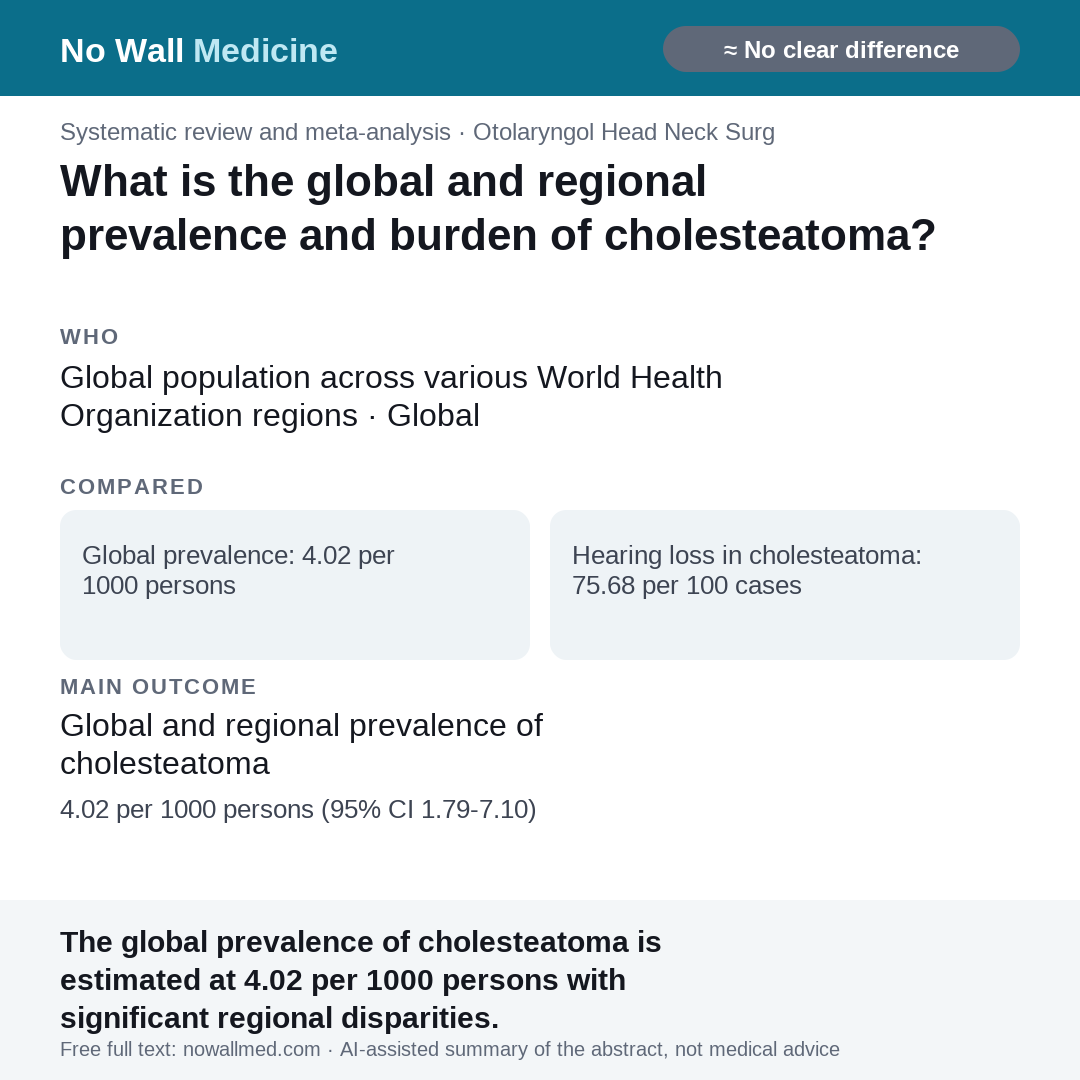
The Global Burden of Cholesteatoma: A Systematic Review and Meta-analysis
Systematic review and meta-analysisNo clear difference
What is the global and regional prevalence and burden of cholesteatoma?
Who
Global population across various World Health Organization regions · Global
Compared
Global prevalence: 4.02 per 1000 persons
Hearing loss in cholesteatoma: 75.68 per 100 cases
Main outcome
Global and regional prevalence of cholesteatoma
Result: 4.02 per 1000 persons (95% CI 1.79-7.10)
Bottom line: The global prevalence of cholesteatoma is estimated at 4.02 per 1000 persons with significant regional disparities.
Otolaryngol Head Neck Surg · 2025-10-28Download image
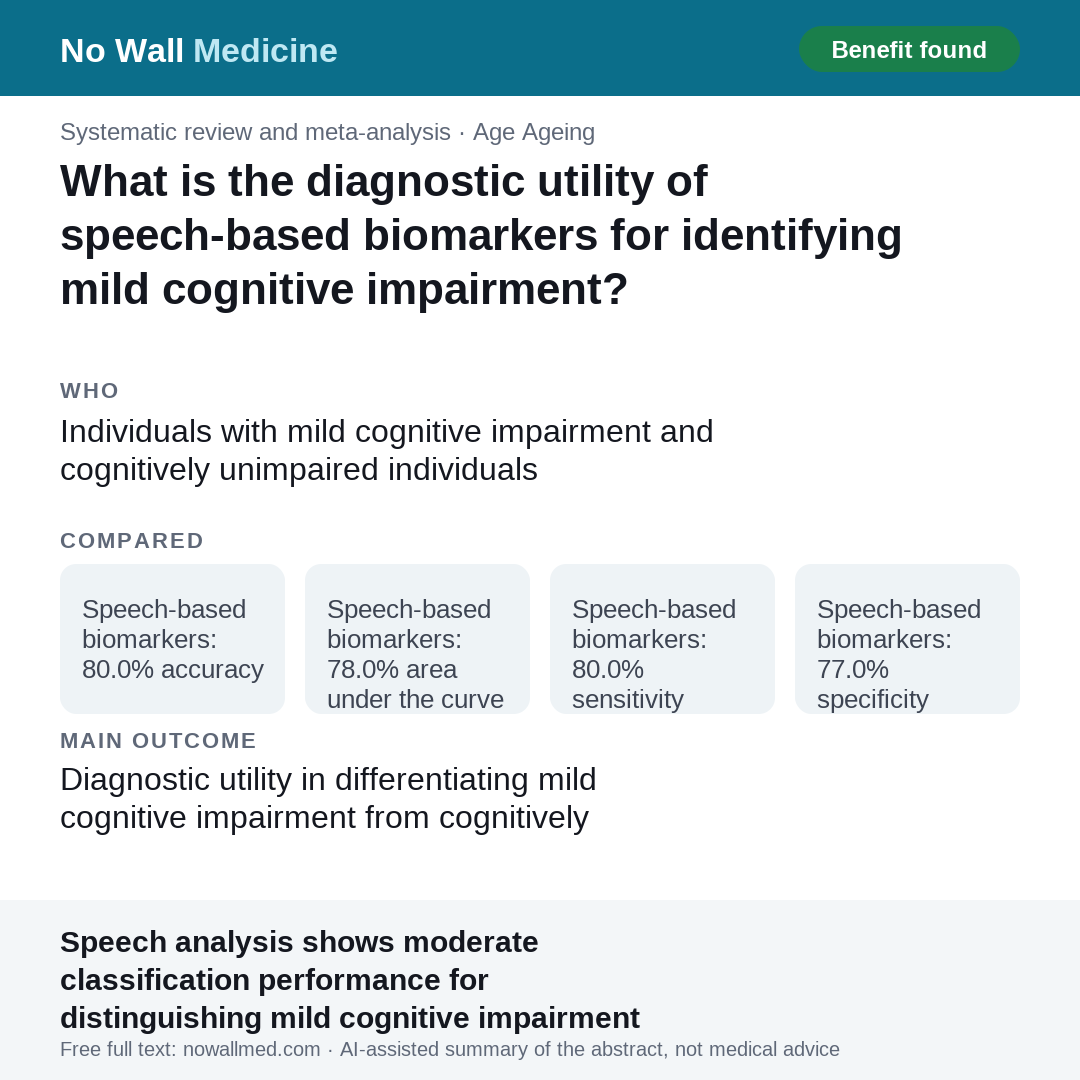
Diagnostic utility of speech-based biomarkers in mild cognitive impairment: a systematic review and meta-analysis
Systematic review and meta-analysisBenefit found
What is the diagnostic utility of speech-based biomarkers for identifying mild cognitive impairment?
Who
Individuals with mild cognitive impairment and cognitively unimpaired individuals
Compared
Speech-based biomarkers: 80.0% accuracy
Speech-based biomarkers: 78.0% area under the curve
Speech-based biomarkers: 80.0% sensitivity
Speech-based biomarkers: 77.0% specificity
Main outcome
Diagnostic utility in differentiating mild cognitive impairment from cognitively unimpaired individuals
Result: 80.0% accuracy (95% CI 70.0%-89.0%)
Bottom line: Speech analysis shows moderate classification performance for distinguishing mild cognitive impairment from cognitively unimpaired individuals.
Limitation: Variations in study methodologies, speech analysis protocols, and need for validation in diverse populations.
Age Ageing · 2025-10-28Download image
Adverse health outcomes among migrant workers and transnational families in the Asia-Pacific: a systematic review and meta-analysis
Systematic review and meta-analysisHarm found
What is the health status of migrant workers and transnational families in the Asia-Pacific?
Who
86620
Migrant workers and their transnational families in the Asia-Pacific · 17 Asia-Pacific countries
Compared
Migrant workers: 37% prevalence of at least one work-related morbidity
Local workers
Main outcome
Work-related morbidity and mortality
Result: relative risk 1.29 (95% CI 1.10-1.52)
Bottom line: Migrant workers in the Asia-Pacific face higher risks of work-related morbidity compared to local workers.
Funded by: Ministry of Education, Taiwan; Wellcome Trust; UK Medical Research Council; NIHR; la Caixa Foundation
Lancet Reg Health West Pac · 2025-10-28Download image

Cardiovascular Health of Single Mothers: A Systematic Review
Systematic review of observational studiesHarm found
What is the cardiovascular health of single mothers and the role of social drivers?
Who
36
Parous single mothers aged greater than 18 years
Compared
Single mothers: worse cardiovascular health behaviors and factors
Partnered mothers
Main outcome
American Heart Association-defined cardiovascular health factors or behaviors
Bottom line: Single mothers have worse cardiovascular health behaviors and factors compared with partnered mothers.
Limitation: Social drivers of health influences were rarely examined.
J Am Heart Assoc · 2025-10-28Download image

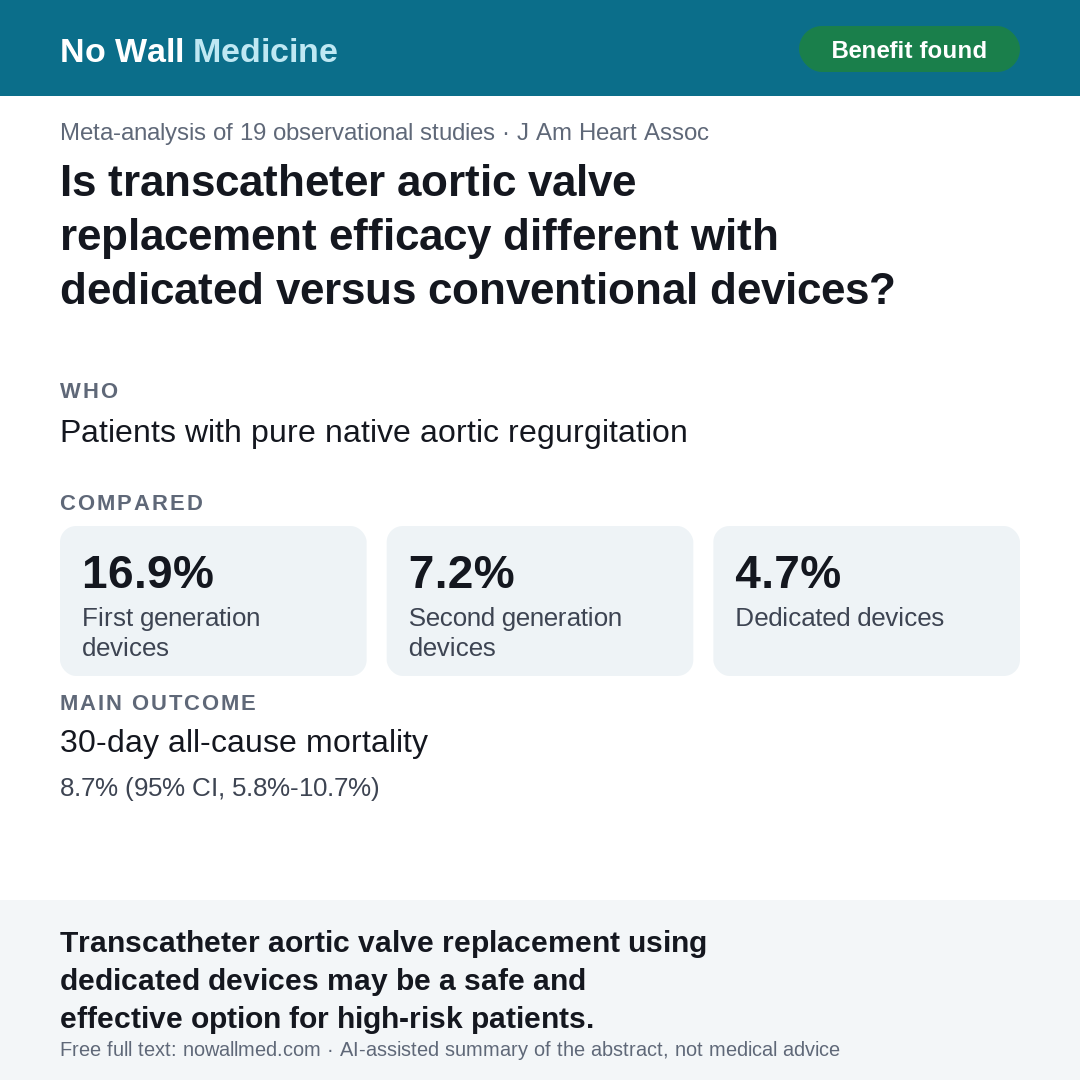
Dedicated Versus Conventional Devices in Patients With Pure Native Aortic Regurgitation: A Systematic Review and Meta-Analysis
Meta-analysis of 19 observational studiesBenefit found
Is transcatheter aortic valve replacement efficacy different with dedicated versus conventional devices?
Who
Patients with pure native aortic regurgitation
Compared
16.9%First generation devices (95% CI, 13.2%-18.9%)
7.2%Second generation devices (95% CI, 6.1%-9.2%)
4.7%Dedicated devices (95% CI, 1.8%-8.9%)
Main outcome
30-day all-cause mortality
Result: 8.7% (95% CI, 5.8%-10.7%)
Bottom line: Transcatheter aortic valve replacement using dedicated devices may be a safe and effective option for high-risk patients.
Limitation: Observational design, lack of patient-level data, device heterogeneity, and potential publication bias.
J Am Heart Assoc · 2025-10-28Download image
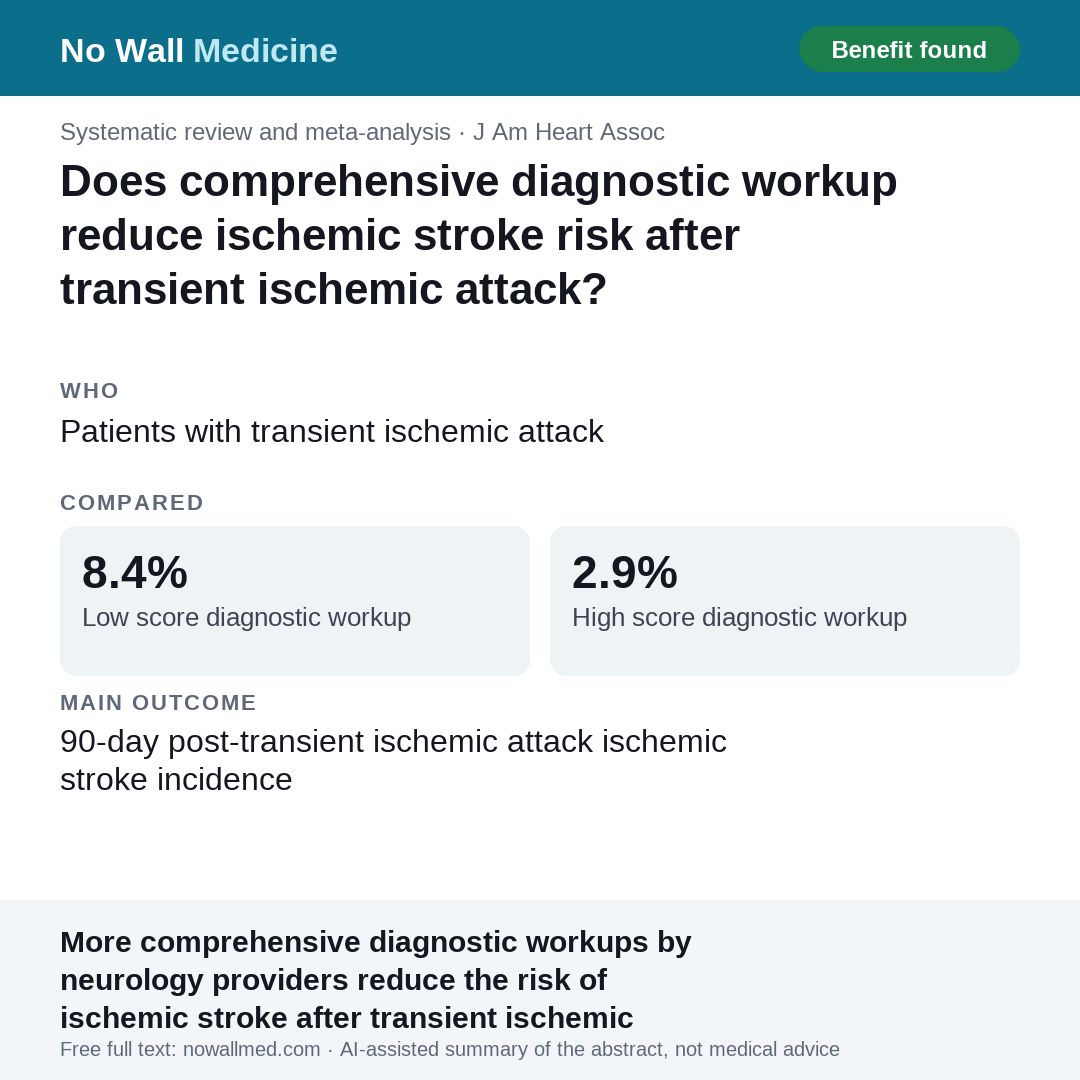
Risk of Ischemic Stroke After Transient Ischemic Attack in Patients Receiving Comprehensive Versus Noncomprehensive Diagnostic Workup: A Systematic Review and Meta-Analysis
Systematic review and meta-analysisBenefit found
Does comprehensive diagnostic workup reduce ischemic stroke risk after transient ischemic attack?
Who
Patients with transient ischemic attack
Compared
8.4%Low score diagnostic workup (95% CI, 6.4%-10.8%)
2.9%High score diagnostic workup (95% CI: 2.7%-3.2%)
Main outcome
90-day post-transient ischemic attack ischemic stroke incidence
Bottom line: More comprehensive diagnostic workups by neurology providers reduce the risk of ischemic stroke after transient ischemic attack.
J Am Heart Assoc · 2025-10-28Download image
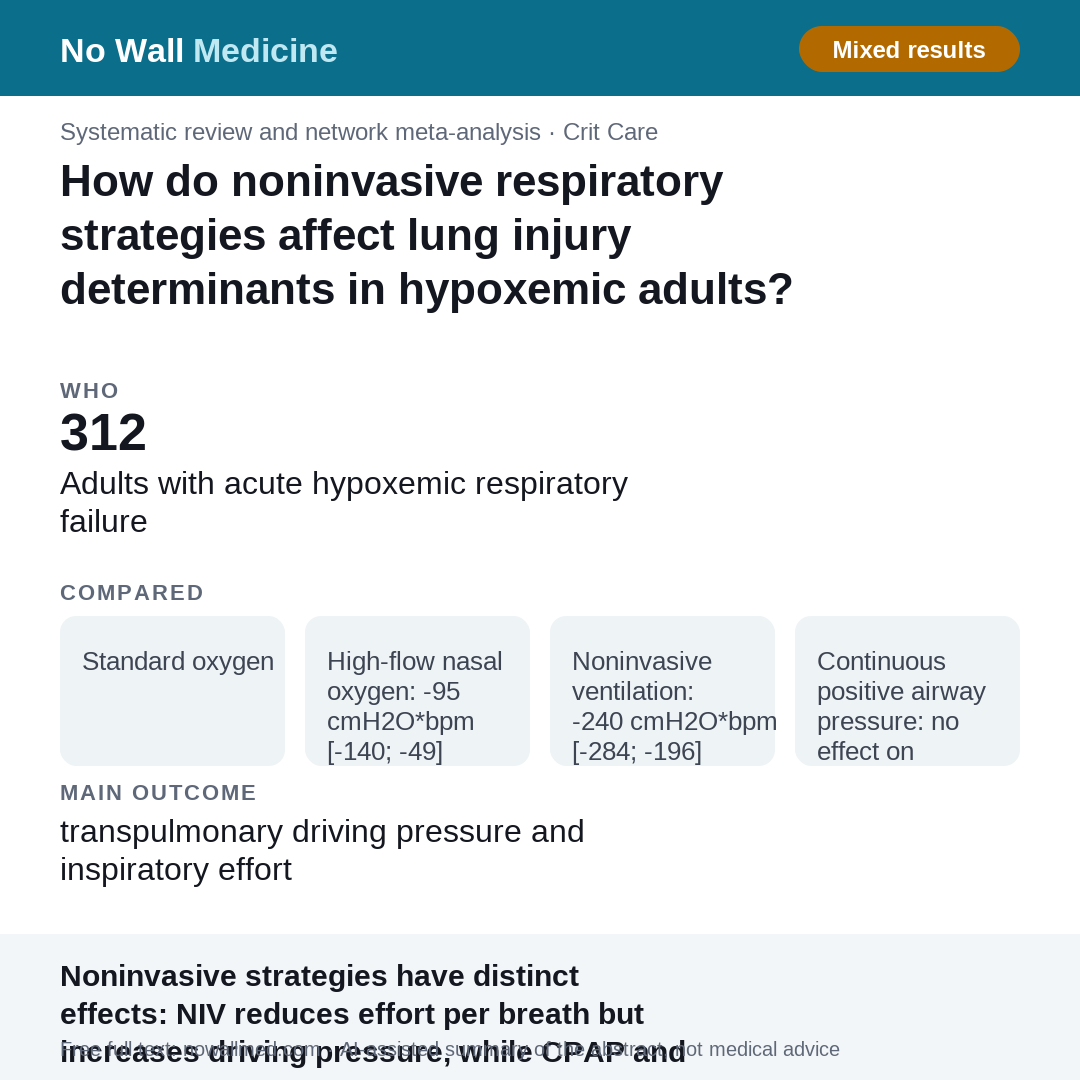
Physiological effects of noninvasive respiratory support strategies in adults with acute hypoxemic respiratory failure: a systematic review and network meta-analysis
Systematic review and network meta-analysisMixed results
How do noninvasive respiratory strategies affect lung injury determinants in hypoxemic adults?
Who
312
Adults with acute hypoxemic respiratory failure
Compared
Standard oxygen
High-flow nasal oxygen: -95 cmH2O*bpm [-140; -49] effort per minute
Noninvasive ventilation: -240 cmH2O*bpm [-284; -196] effort per minute
Continuous positive airway pressure: no effect on effort per minute
Main outcome
transpulmonary driving pressure and inspiratory effort
Bottom line: Noninvasive strategies have distinct effects: NIV reduces effort per breath but increases driving pressure, while CPAP and NIV improve oxygenation more than high-flow nasal oxygen.
Crit Care · 2025-10-28Download image
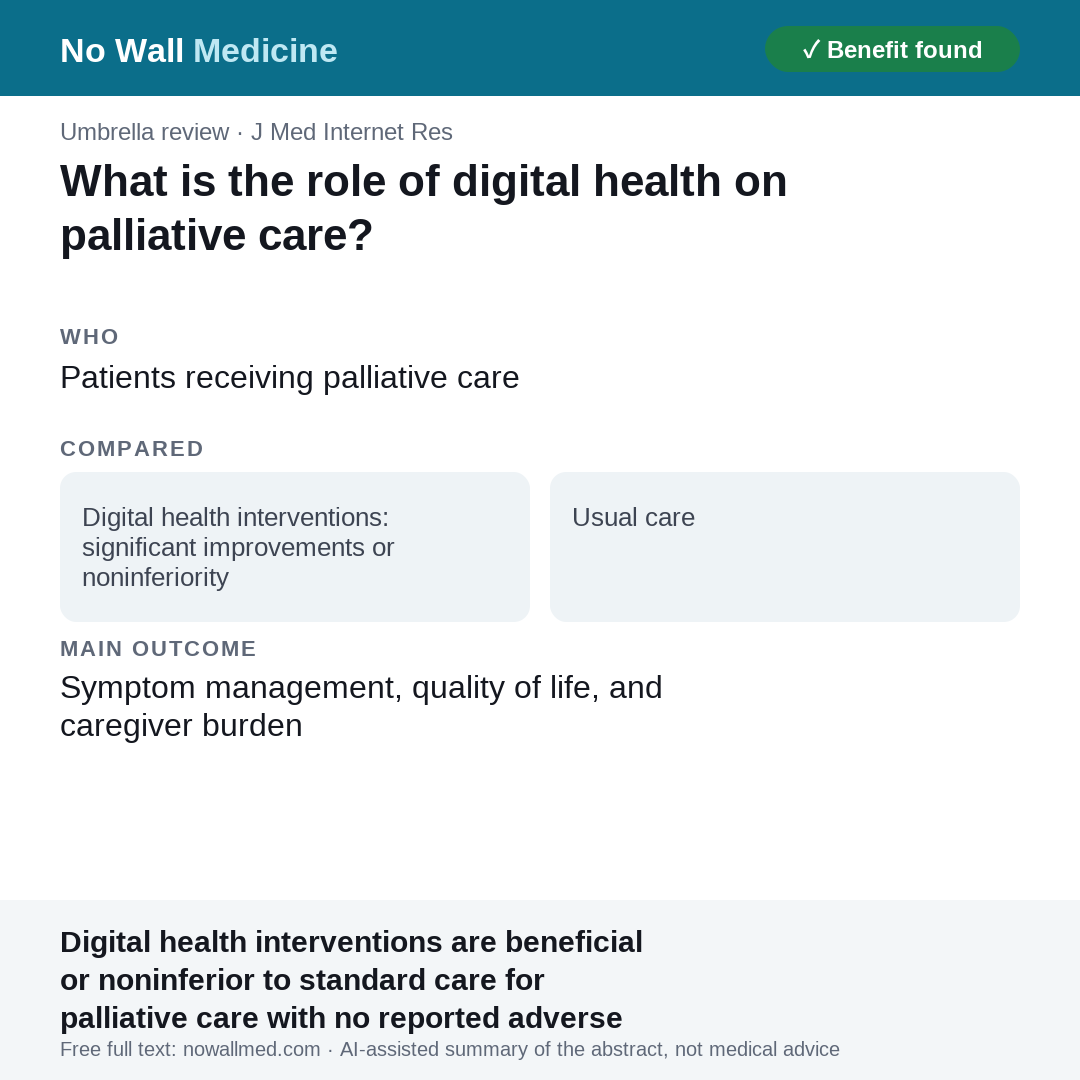
Role of Digital Health on Palliative Care: Umbrella Review
Umbrella reviewBenefit found
What is the role of digital health on palliative care?
Who
Patients receiving palliative care
Compared
Digital health interventions: significant improvements or noninferiority
Usual care
Main outcome
Symptom management, quality of life, and caregiver burden
Bottom line: Digital health interventions are beneficial or noninferior to standard care for palliative care with no reported adverse effects.
Limitation: Inconsistent conclusions in previous reviews due to methodological limitations and variable quality of primary studies.
J Med Internet Res · 2025-10-28Download image
Indications for the evaluation and supplementation of hypophosphatemia: an umbrella systematic review of reviews and guidelines
Umbrella systematic review of reviews and guidelinesMixed results
What are the indications for evaluating and supplementing hypophosphatemia in adults?
Who
Adults outside intensive care settings
Compared
Chronic hypophosphatemia
Acute hypophosphatemia
Main outcome
Indications for phosphate testing and supplementation
Bottom line: Recommendations for phosphate testing and supplementation vary due to high heterogeneity across clinical contexts.
BMC Med · 2025-10-27Download image

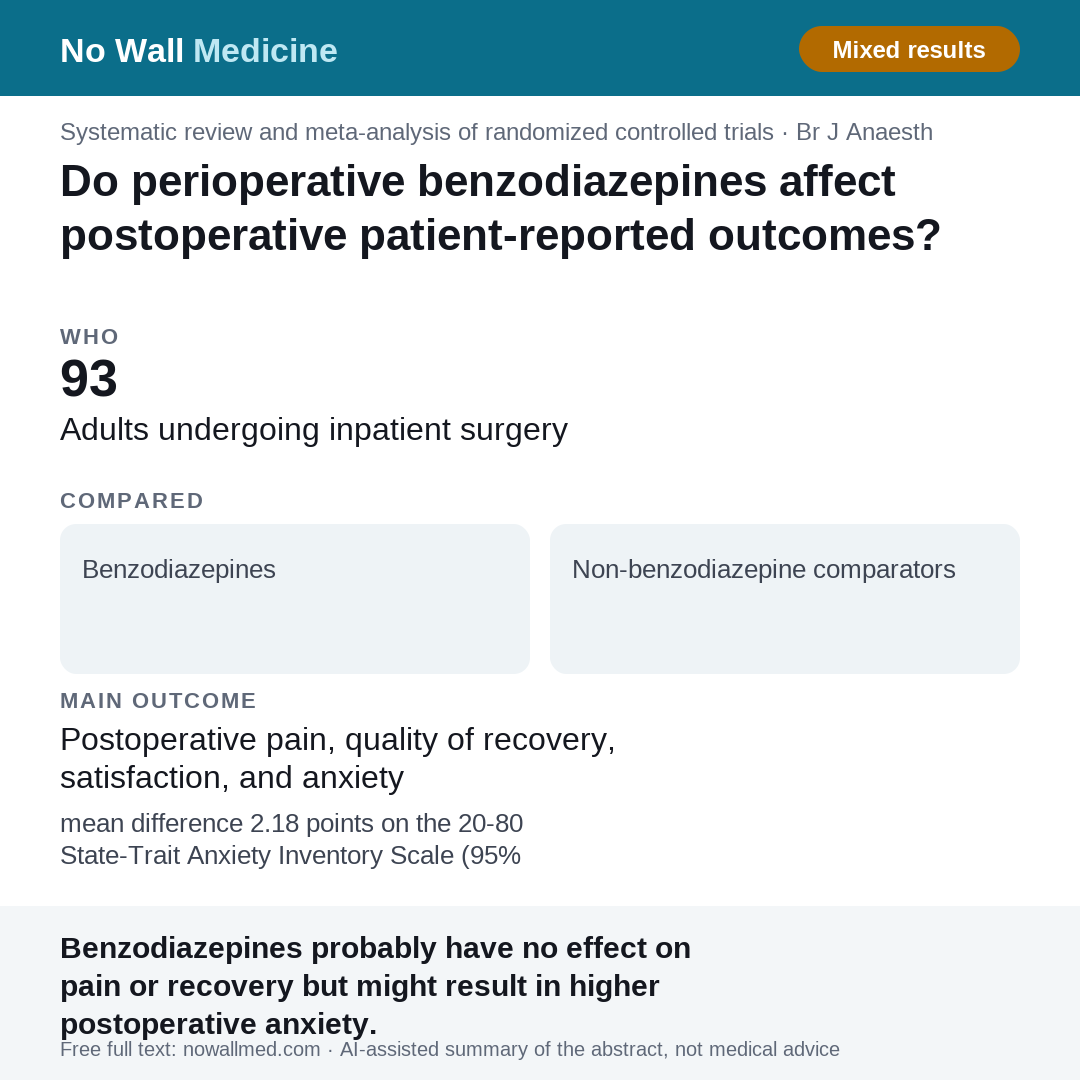
Effects of perioperative benzodiazepine administration on postoperative patient-reported outcomes: a systematic review and meta-analysis of randomised controlled trials
Systematic review and meta-analysis of randomized controlled trialsMixed results
Do perioperative benzodiazepines affect postoperative patient-reported outcomes?
Who
93
Adults undergoing inpatient surgery
Compared
Benzodiazepines
Non-benzodiazepine comparators
Main outcome
Postoperative pain, quality of recovery, satisfaction, and anxiety
Result: mean difference 2.18 points on the 20-80 State-Trait Anxiety Inventory Scale (95% confidence interval, 1.05-3.30)
Bottom line: Benzodiazepines probably have no effect on pain or recovery but might result in higher postoperative anxiety.
Limitation: Low and very low certainty evidence for some outcomes.
Br J Anaesth · 2025-10-27Download image
International Stereotactic Radiosurgery Society (ISRS) practice guidelines for radiosurgery in recurrent high-grade glioma
Literature review and meta-analysisBenefit found
What are the clinical practice recommendations for salvage radiosurgery in recurrent high-grade glioma?
Who
2640
Patients with recurrent high-grade glioma
Compared
Stereotactic radiosurgery: 7% neurological toxicity
Hypofractionated radiosurgery: 4% neurological toxicity
Main outcome
Neurological toxicity rates
Bottom line: Hypofractionated radiosurgery resulted in lower neurological toxicity rates compared to single fraction stereotactic radiosurgery.
Limitation: Limited prospective data
Neuro Oncol · 2025-10-27Download image

Integra® versus Novosorb® biodegradable temporizing matrix for burn wounds: a comparative systematic review and meta analysis
Systematic review and meta-analysisMixed results
How do Integra and Novosorb Biodegradable Temporizing Matrix compare for burn wounds?
Who
Patients treated with artificial dermal matrices for burn wounds
Compared
Integra: 18.4 days integration time
Novosorb Biodegradable Temporizing Matrix: 32.11 days integration time
Main outcome
Integration time, skin graft take, infection rate, and wound closure
Bottom line: Novosorb Biodegradable Temporizing Matrix had longer integration time and higher infection rates but improved skin graft take.
Limitation: Very low-quality evidence and majority of studies were non-comparative case series.
Burns · 2025-10-27Download image