Visual abstracts
New randomized trials and meta-analyses from leading journals at a glance: who was studied, what was compared, and what was found. Every paper is free to read in full.
All specialtiesCardiology 4763Oncology 4043Gastroenterology & Hepatology 1903Infectious Disease 3756Neurology 1872Psychiatry & Mental Health 2216Pulmonology 2044Critical Care 1319Endocrinology & Diabetes 2544Pediatrics 2889Surgery 2480Orthopedics & Sports Medicine 917Neurosurgery 525Cardiothoracic & Vascular Surgery 656Plastic & Reconstructive Surgery 574Nephrology 1107Rheumatology 810Hematology 1090Dermatology 611Ophthalmology 532Obstetrics & Gynecology 1645Public & Global Health 1037Radiology & Imaging 619Anesthesiology 958Urology 745ENT (Otolaryngology) 494Emergency Medicine 481Allergy & Immunology 309Geriatrics 972Family Medicine & Primary Care 534Medical Genetics & Genomics 659Pathology & Laboratory Medicine 156Physical Medicine & Rehabilitation 734Palliative Care 421Nutrition 1560Digital Health & AI 2137General Medicine 318
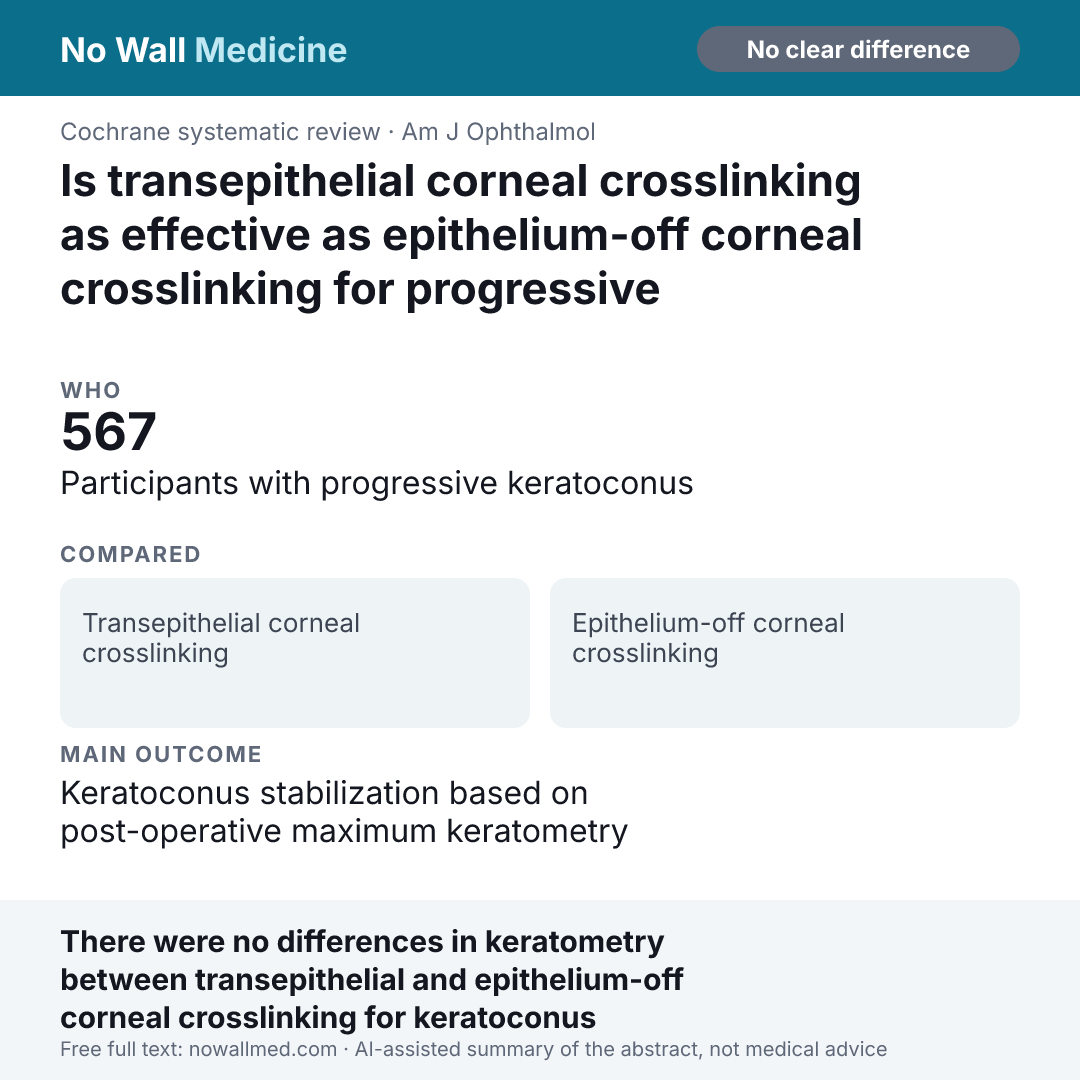
Transepithelial Versus Epithelium-Off Corneal Crosslinking for Progressive Keratoconus: Findings From a Cochrane Systematic Review
Cochrane systematic reviewNo clear difference
Is transepithelial corneal crosslinking as effective as epithelium-off corneal crosslinking for progressive keratoconus?
Who
567
Participants with progressive keratoconus
Compared
Transepithelial corneal crosslinking
Epithelium-off corneal crosslinking
Main outcome
Keratoconus stabilization based on post-operative maximum keratometry
Result: mean difference 0.99 diopter (95% confidence interval -0.11 to 2.09)
Bottom line: There were no differences in keratometry between transepithelial and epithelium-off corneal crosslinking for keratoconus stabilization.
Limitation: Small sample sizes, indeterminate risk of bias, and inconsistent outcome reporting.
Am J Ophthalmol · 2021-05-25 · Save PNG
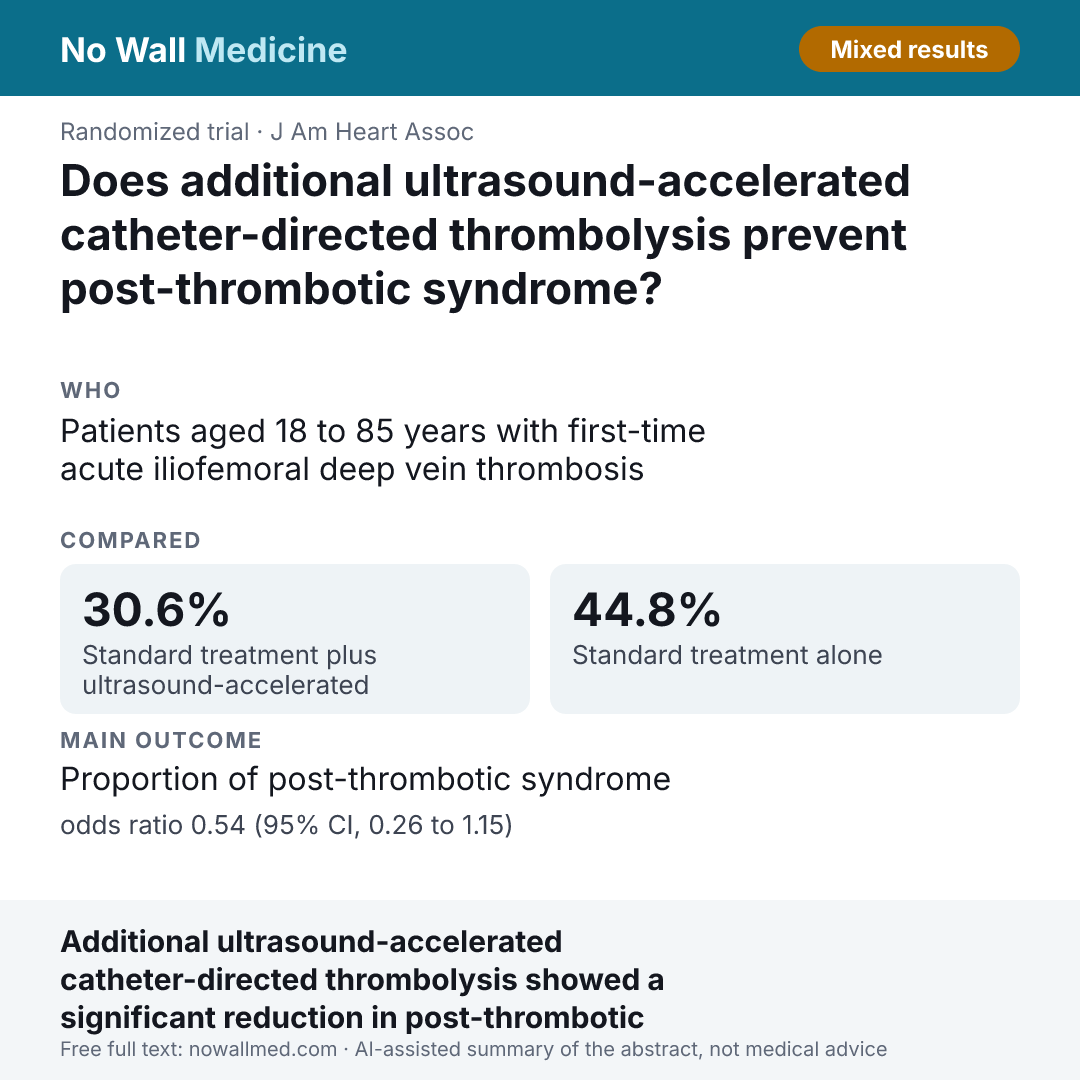
CAVA (Ultrasound-Accelerated Catheter-Directed Thrombolysis on Preventing Post-Thrombotic Syndrome) Trial: Long-Term Follow-Up Results
Randomized trialMixed results
Does additional ultrasound-accelerated catheter-directed thrombolysis prevent post-thrombotic syndrome?
Who
Patients aged 18 to 85 years with first-time acute iliofemoral deep vein thrombosis
Compared
30.6%Standard treatment plus ultrasound-accelerated catheter-directed thrombolysis
44.8%Standard treatment alone
Main outcome
Proportion of post-thrombotic syndrome
Result: odds ratio 0.54 (95% CI, 0.26 to 1.15)
Bottom line: Additional ultrasound-accelerated catheter-directed thrombolysis showed a significant reduction in post-thrombotic syndrome using the International Society on Thrombosis and Haemostasis definition.
Limitation: This study was limited by its sample size
J Am Heart Assoc · 2021-05-25 · Save PNG
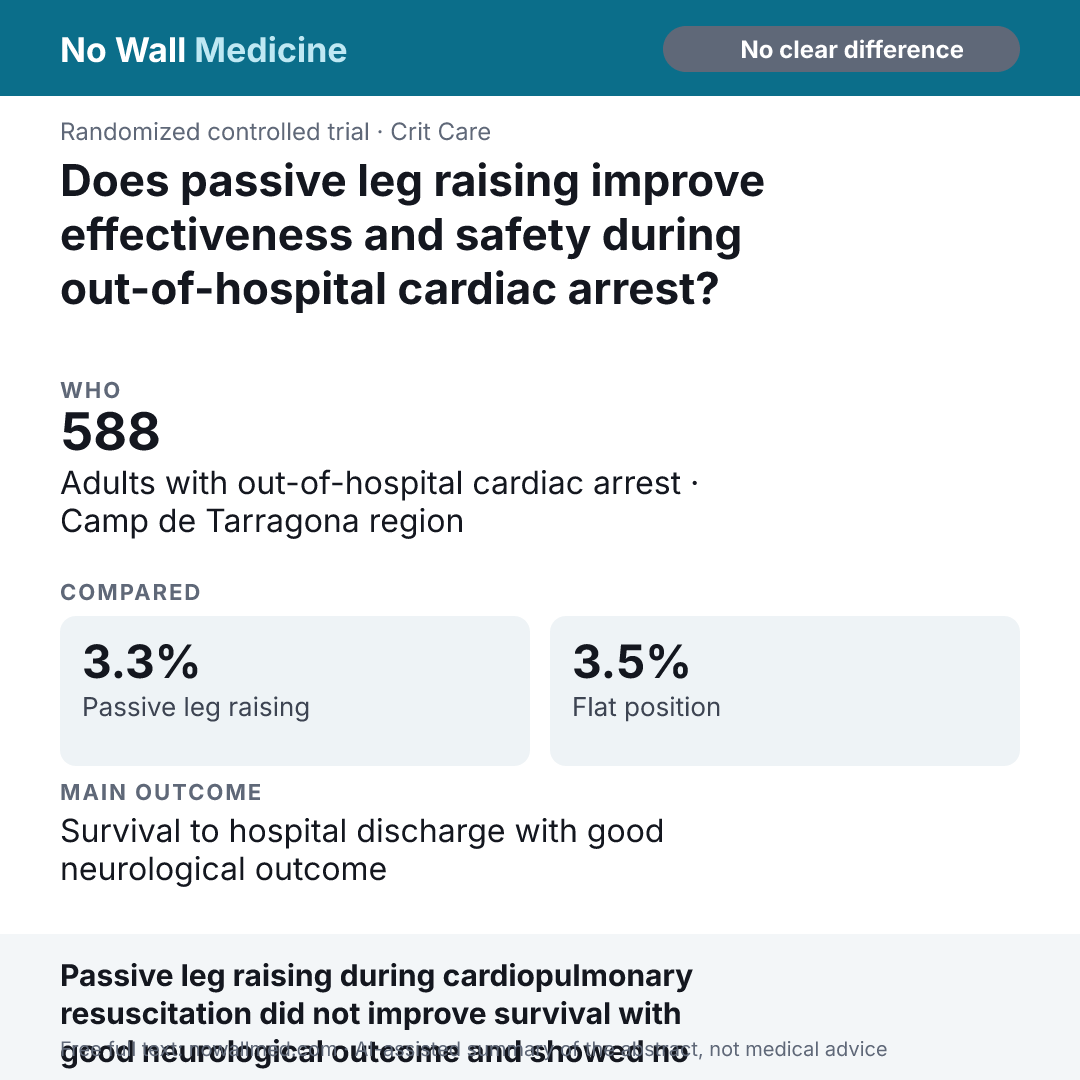
Clinical outcomes and safety of passive leg raising in out-of-hospital cardiac arrest: a randomized controlled trial
Randomized controlled trialNo clear difference
Does passive leg raising improve effectiveness and safety during out-of-hospital cardiac arrest?
Who
588
Adults with out-of-hospital cardiac arrest · Camp de Tarragona region
Compared
3.3%Passive leg raising
3.5%Flat position
Main outcome
Survival to hospital discharge with good neurological outcome
Result: odds ratio 0.9 (95% CI 0.4-2.3)
Bottom line: Passive leg raising during cardiopulmonary resuscitation did not improve survival with good neurological outcome and showed no adverse effects.
Crit Care · 2021-05-25 · Save PNG
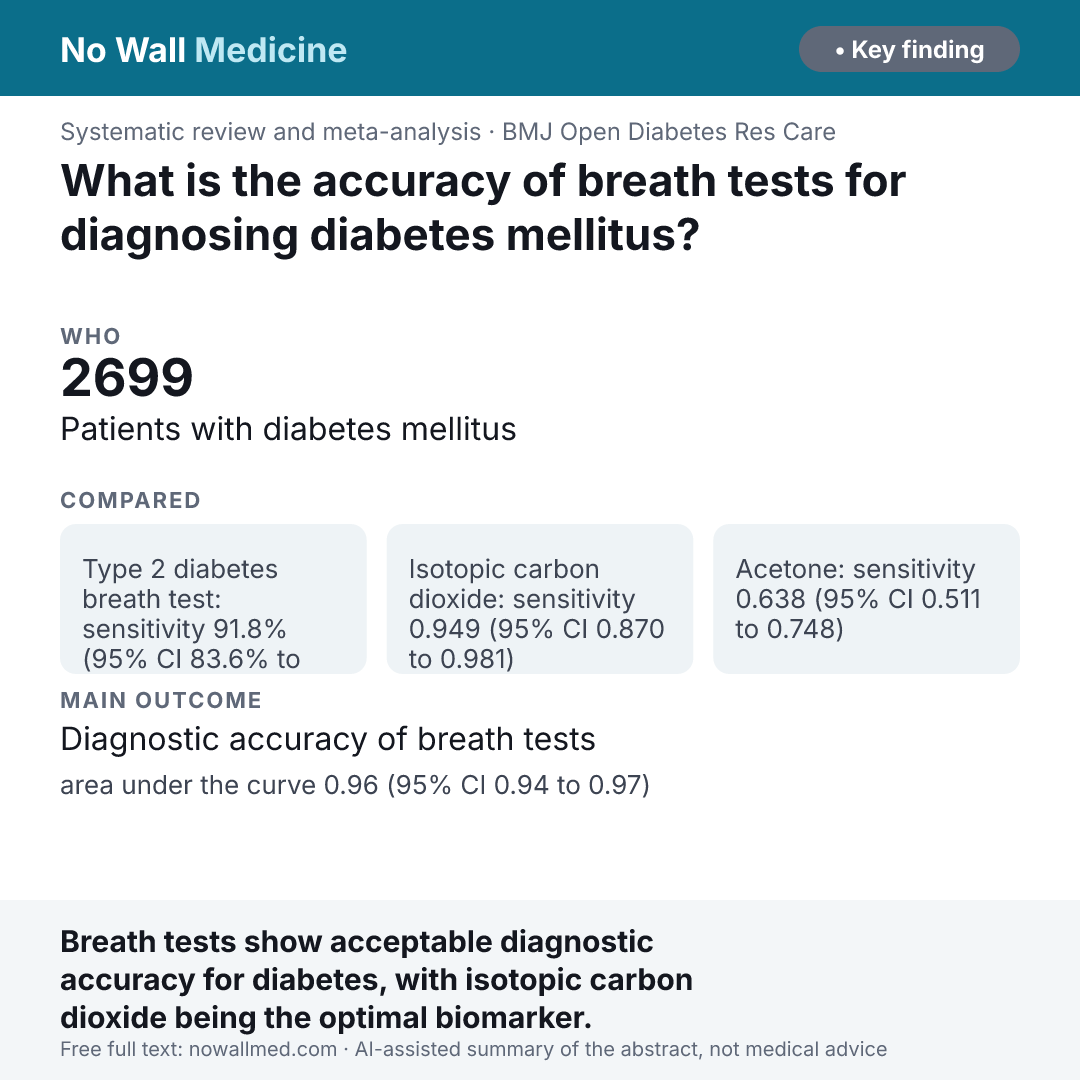
Accuracy of breath test for diabetes mellitus diagnosis: a systematic review and meta-analysis
Systematic review and meta-analysisKey finding
What is the accuracy of breath tests for diagnosing diabetes mellitus?
Who
2699
Patients with diabetes mellitus
Compared
Type 2 diabetes breath test: sensitivity 91.8% (95% CI 83.6% to 96.1%)
Isotopic carbon dioxide: sensitivity 0.949 (95% CI 0.870 to 0.981)
Acetone: sensitivity 0.638 (95% CI 0.511 to 0.748)
Main outcome
Diagnostic accuracy of breath tests
Result: area under the curve 0.96 (95% CI 0.94 to 0.97)
Bottom line: Breath tests show acceptable diagnostic accuracy for diabetes, with isotopic carbon dioxide being the optimal biomarker.
BMJ Open Diabetes Res Care · 2021-05-25 · Save PNG
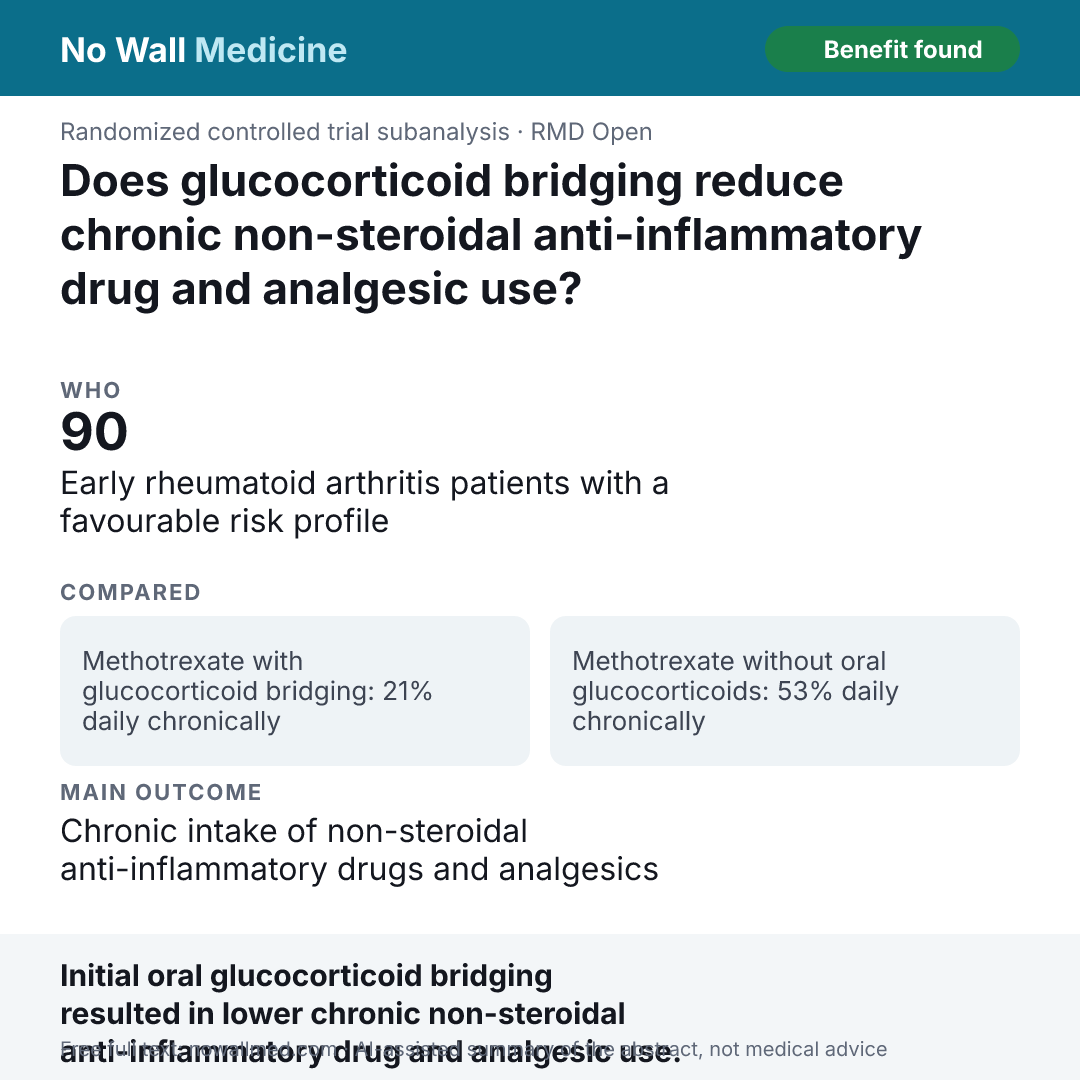
Short-term glucocorticoids reduce risk of chronic NSAID and analgesic use in early methotrexate-treated rheumatoid arthritis patients with favourable prognosis: subanalysis of the CareRA randomised controlled trial
Randomized controlled trial subanalysisBenefit found
Does glucocorticoid bridging reduce chronic non-steroidal anti-inflammatory drug and analgesic use?
Who
90
Early rheumatoid arthritis patients with a favourable risk profile
Compared
Methotrexate with glucocorticoid bridging: 21% daily chronically
Methotrexate without oral glucocorticoids: 53% daily chronically
Main outcome
Chronic intake of non-steroidal anti-inflammatory drugs and analgesics
Bottom line: Initial oral glucocorticoid bridging resulted in lower chronic non-steroidal anti-inflammatory drug and analgesic use.
RMD Open · 2021-05-25 · Save PNG
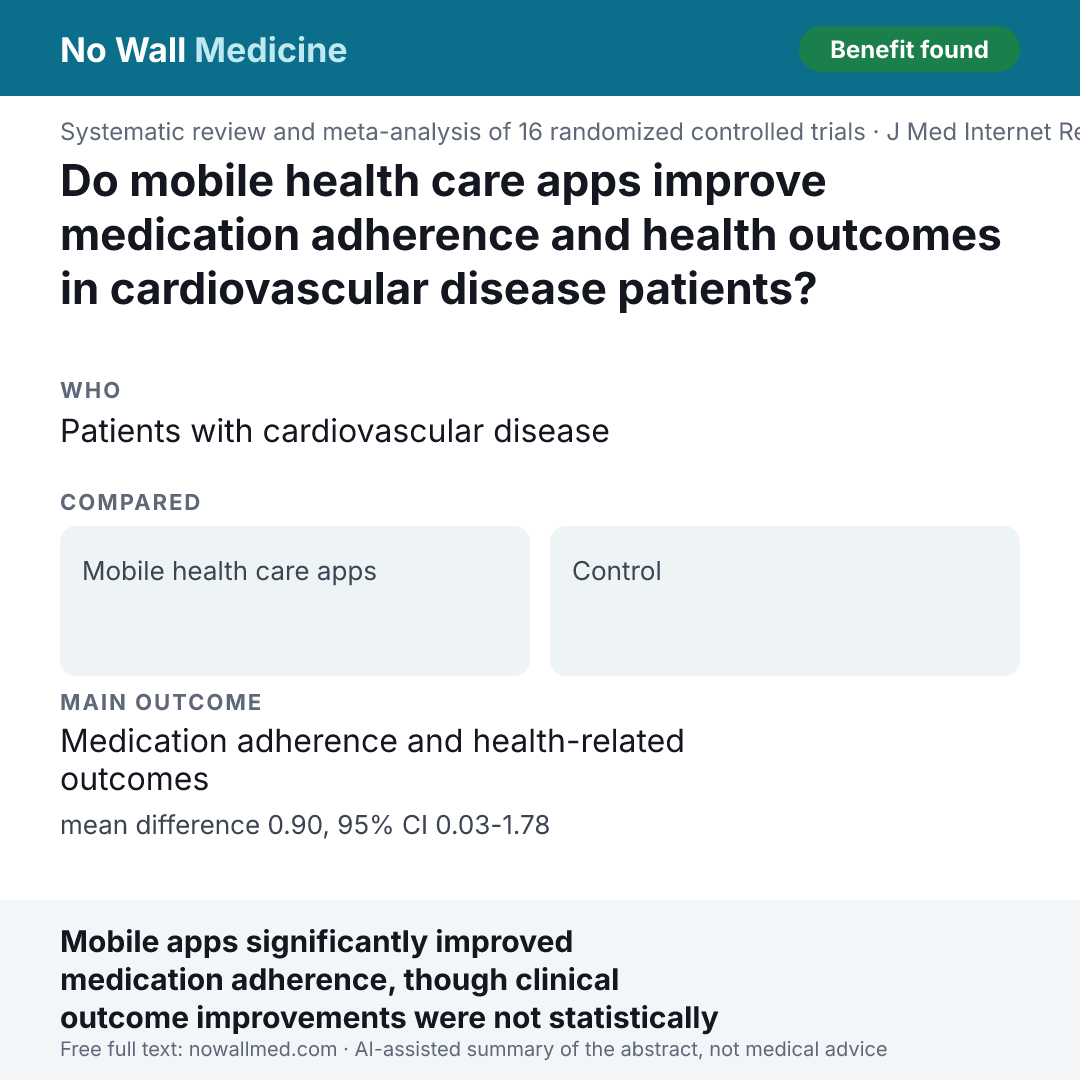
Mobile Apps to Improve Medication Adherence in Cardiovascular Disease: Systematic Review and Meta-analysis
Systematic review and meta-analysis of 16 randomized controlled trialsBenefit found
Do mobile health care apps improve medication adherence and health outcomes in cardiovascular disease patients?
Who
Patients with cardiovascular disease
Compared
Mobile health care apps
Control
Main outcome
Medication adherence and health-related outcomes
Result: mean difference 0.90, 95% CI 0.03-1.78
Bottom line: Mobile apps significantly improved medication adherence, though clinical outcome improvements were not statistically significant.
Limitation: High statistical heterogeneity and wide variation in app characteristics, design, and content.
J Med Internet Res · 2021-05-25 · Save PNG
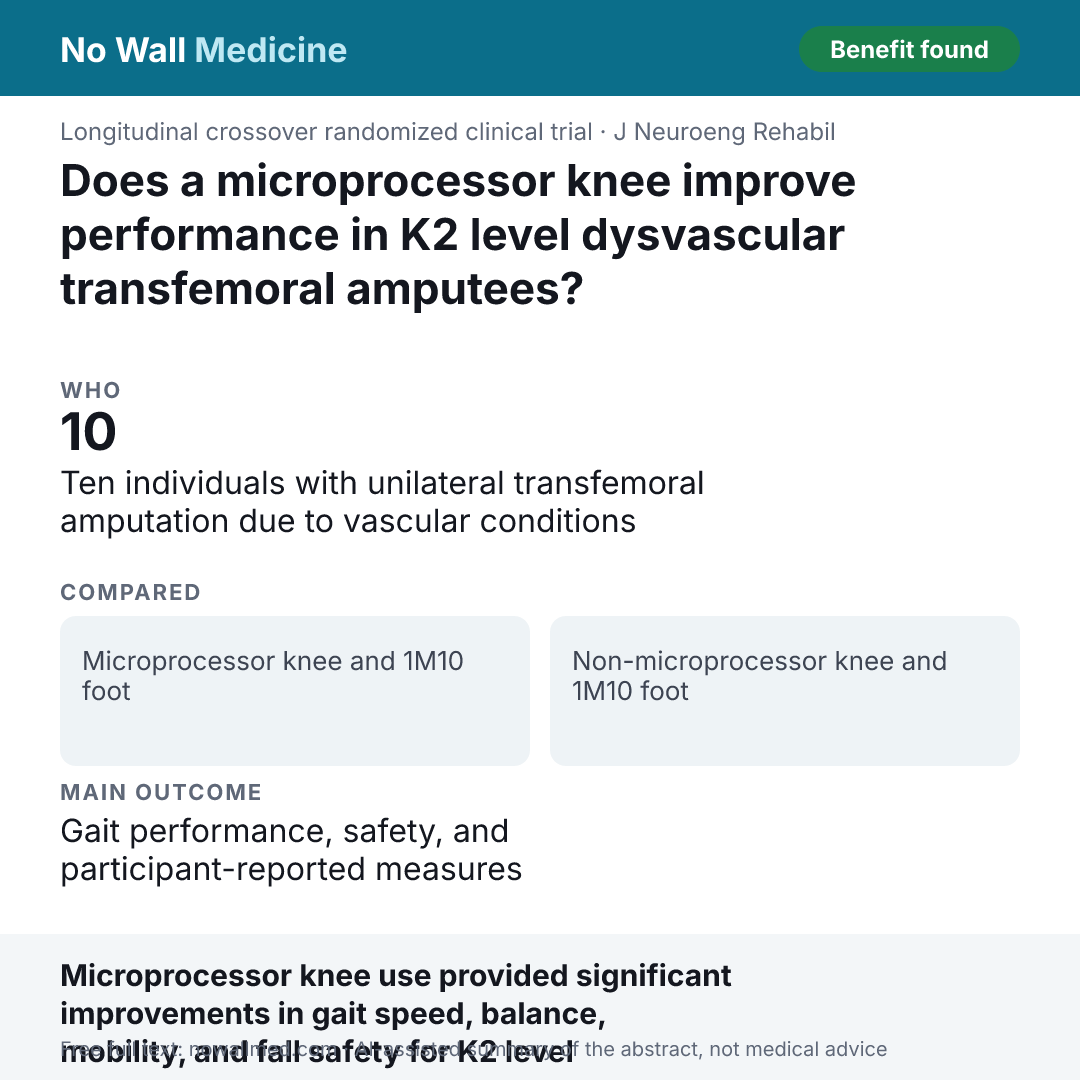
Using a microprocessor knee (C-Leg) with appropriate foot transitioned individuals with dysvascular transfemoral amputations to higher performance levels: a longitudinal randomized clinical trial
Longitudinal crossover randomized clinical trialBenefit found
Does a microprocessor knee improve performance in K2 level dysvascular transfemoral amputees?
Who
10
Ten individuals with unilateral transfemoral amputation due to vascular conditions
Compared
Microprocessor knee and 1M10 foot
Non-microprocessor knee and 1M10 foot
Main outcome
Gait performance, safety, and participant-reported measures
Bottom line: Microprocessor knee use provided significant improvements in gait speed, balance, mobility, and fall safety for K2 level individuals.
J Neuroeng Rehabil · 2021-05-25 · Save PNG
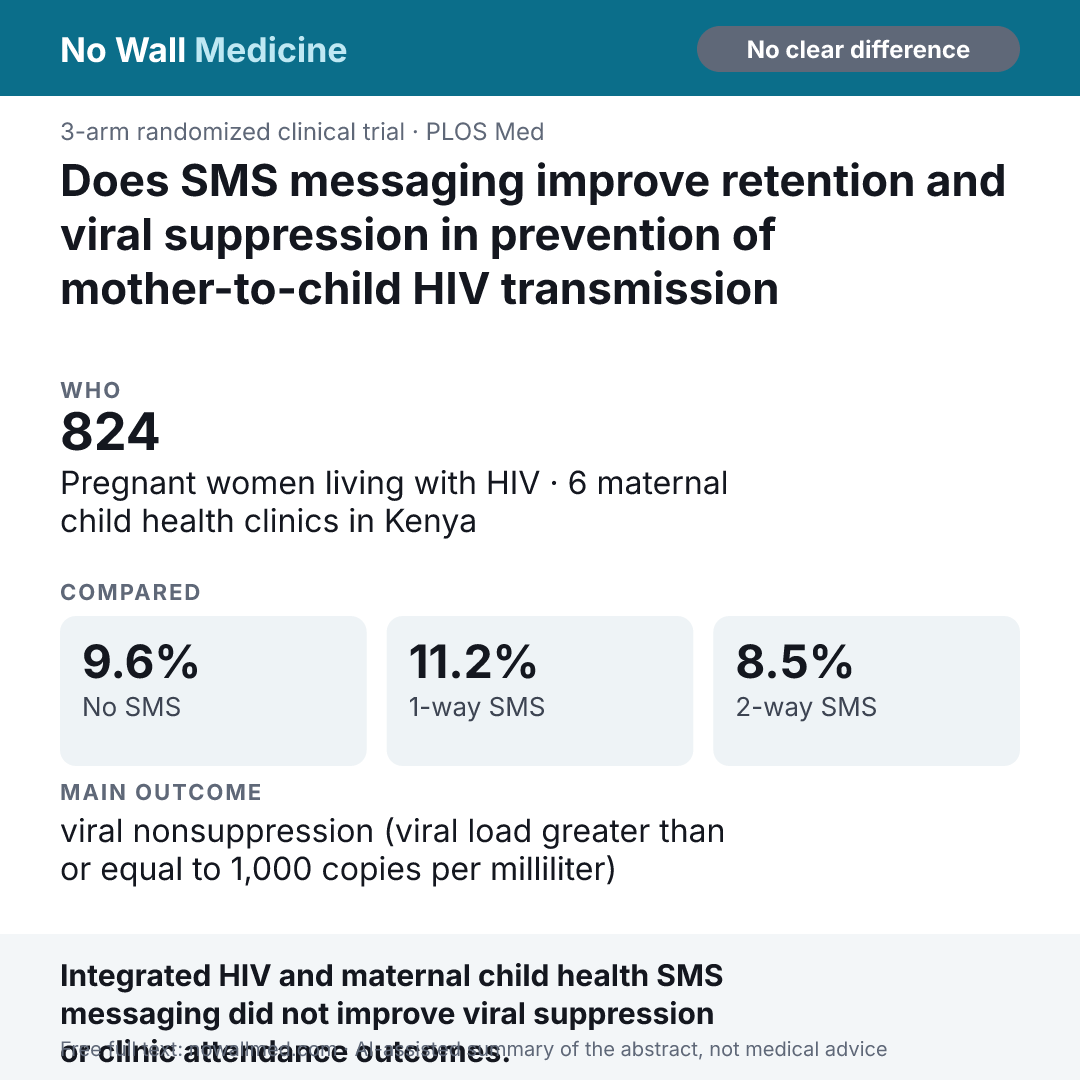
SMS messaging to improve retention and viral suppression in prevention of mother-to-child HIV transmission (PMTCT) programs in Kenya: A 3-arm randomized clinical trial
3-arm randomized clinical trialNo clear difference
Does SMS messaging improve retention and viral suppression in prevention of mother-to-child HIV transmission programs?
Who
824
Pregnant women living with HIV · 6 maternal child health clinics in Kenya
Compared
9.6%No SMS
11.2%1-way SMS
8.5%2-way SMS
Main outcome
viral nonsuppression (viral load greater than or equal to 1,000 copies per milliliter)
Result: adjusted risk ratio 1.02 (95% CI 0.67 to 1.54) for 1-way versus control; adjusted risk ratio 0.80 (95% CI 0.52 to 1.23) for 2-way versus control
Bottom line: Integrated HIV and maternal child health SMS messaging did not improve viral suppression or clinic attendance outcomes.
Limitation: Limited ability to detect improvement due to high viral suppression and visit attendance and imperfect synchronization of reminders.
PLOS Med · 2021-05-24 · Save PNG
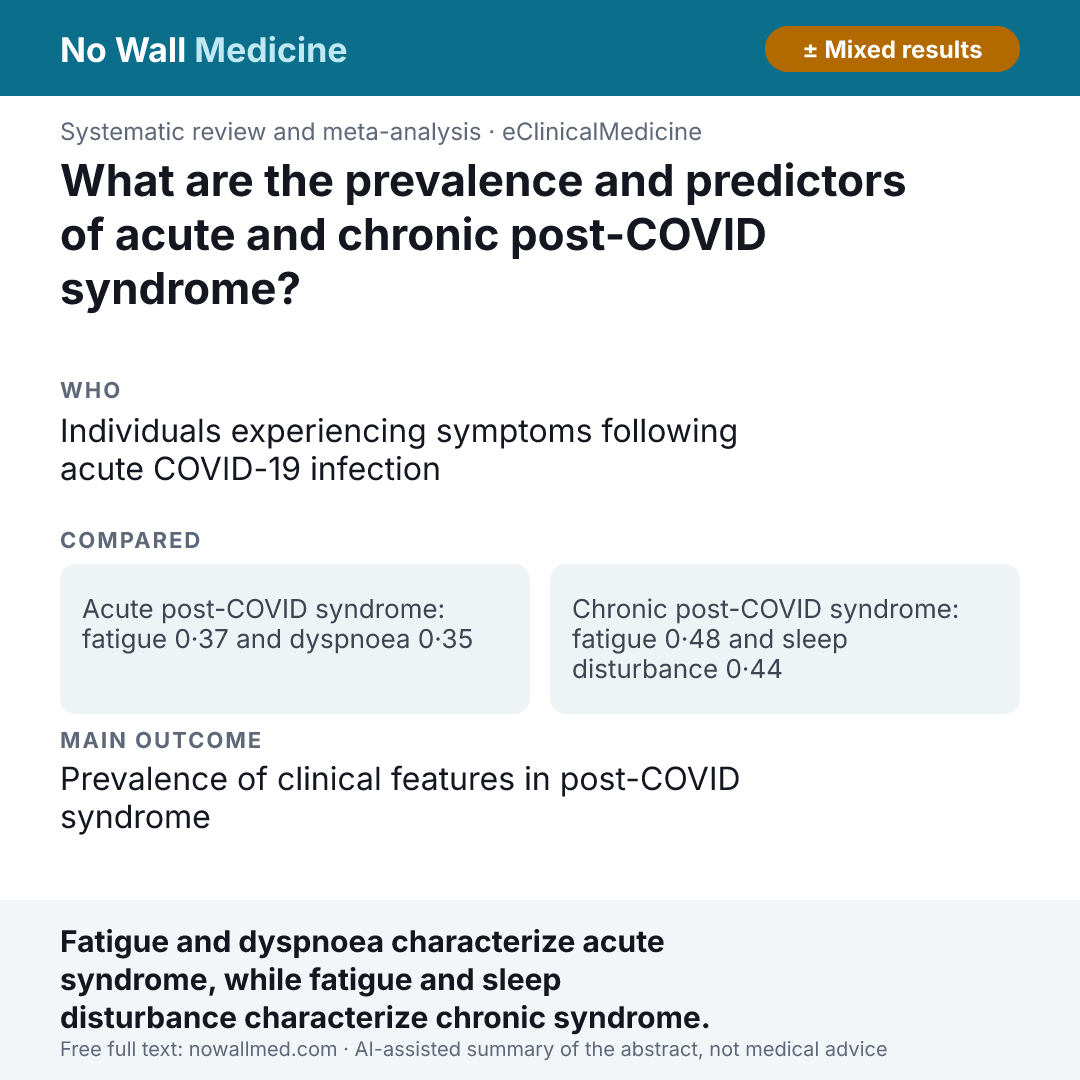
Characteristics and predictors of acute and chronic post-COVID syndrome: A systematic review and meta-analysis
Systematic review and meta-analysisMixed results
What are the prevalence and predictors of acute and chronic post-COVID syndrome?
Who
Individuals experiencing symptoms following acute COVID-19 infection
Compared
Acute post-COVID syndrome: fatigue 0·37 and dyspnoea 0·35
Chronic post-COVID syndrome: fatigue 0·48 and sleep disturbance 0·44
Main outcome
Prevalence of clinical features in post-COVID syndrome
Bottom line: Fatigue and dyspnoea characterize acute syndrome, while fatigue and sleep disturbance characterize chronic syndrome.
Limitation: Evidence is generally of poor quality with considerable risk of bias and observational design.
eClinicalMedicine · 2021-05-24 · Save PNG
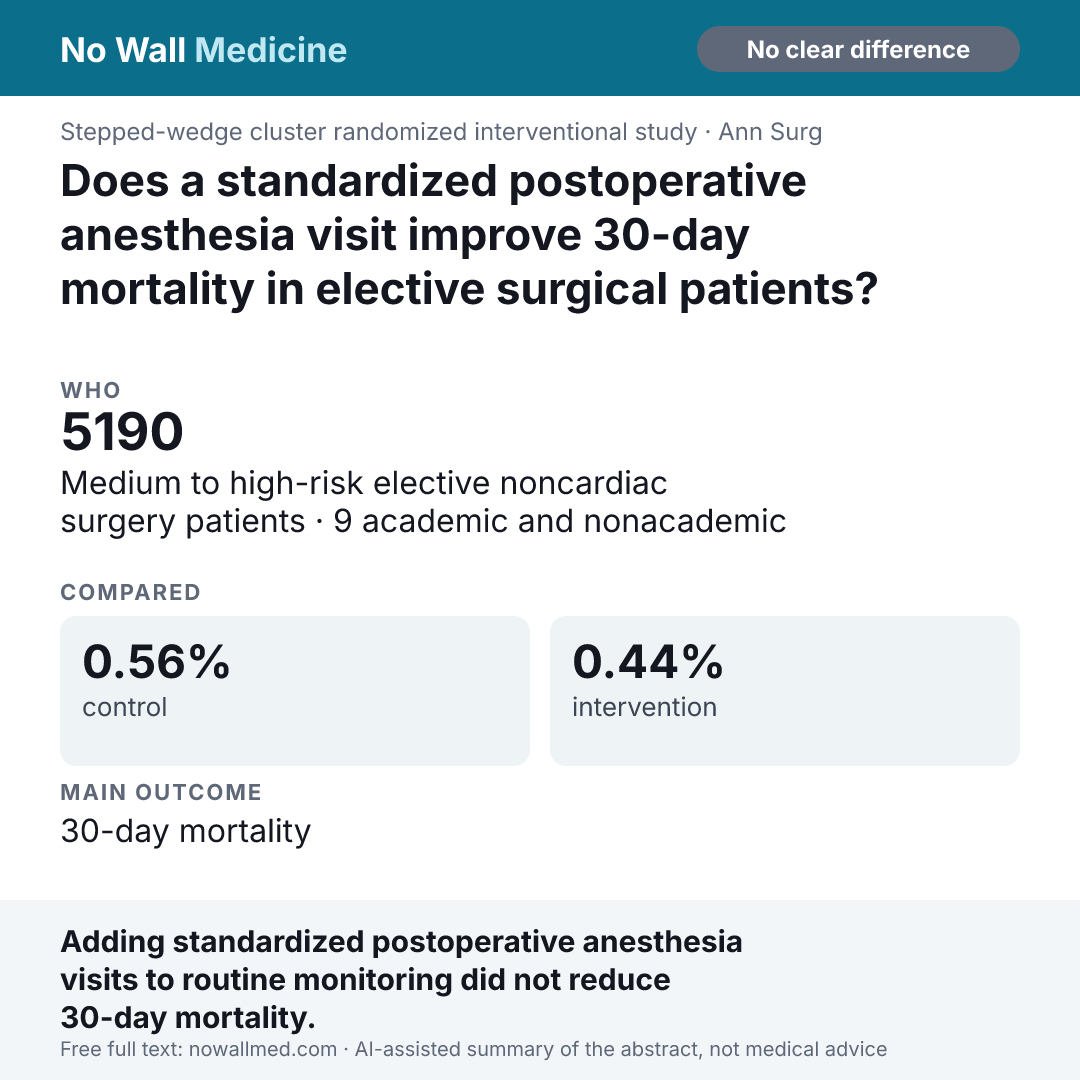
Routine Postsurgical Anesthesia Visit to Improve 30-day Morbidity and Mortality: A Multicenter, Stepped-wedge Cluster Randomized Interventional Study (The TRACE Study)
Stepped-wedge cluster randomized interventional studyNo clear difference
Does a standardized postoperative anesthesia visit improve 30-day mortality in elective surgical patients?
Who
5190
Medium to high-risk elective noncardiac surgery patients · 9 academic and nonacademic hospitals in the Netherlands
Compared
0.56%control (n = 14)
0.44%intervention (n = 12)
Main outcome
30-day mortality
Result: odds ratio 0.74, 95% Confidence interval 0.34-1.62
Bottom line: Adding standardized postoperative anesthesia visits to routine monitoring did not reduce 30-day mortality.
Ann Surg · 2021-05-24 · Save PNG
A randomized pilot clinical trial of pravastatin versus placebo in pregnant patients at high risk of preeclampsia
Pilot, multicenter, blinded, placebo-controlled, randomized trialEarly signal
Is 20 mg pravastatin safe and effective for high-risk pregnant women?
Who
20
Pregnant women with previous preeclampsia at high risk · Multicenter
Compared
20 mg pravastatin: favorable pregnancy and neonatal outcomes
Placebo
Main outcome
maternal-fetal safety and pharmacokinetic parameters
Bottom line: Pravastatin 20 mg was safe and showed favorable pregnancy outcomes in high-risk women, justifying larger efficacy trials.
AJOG · 2021-05-24 · Save PNG

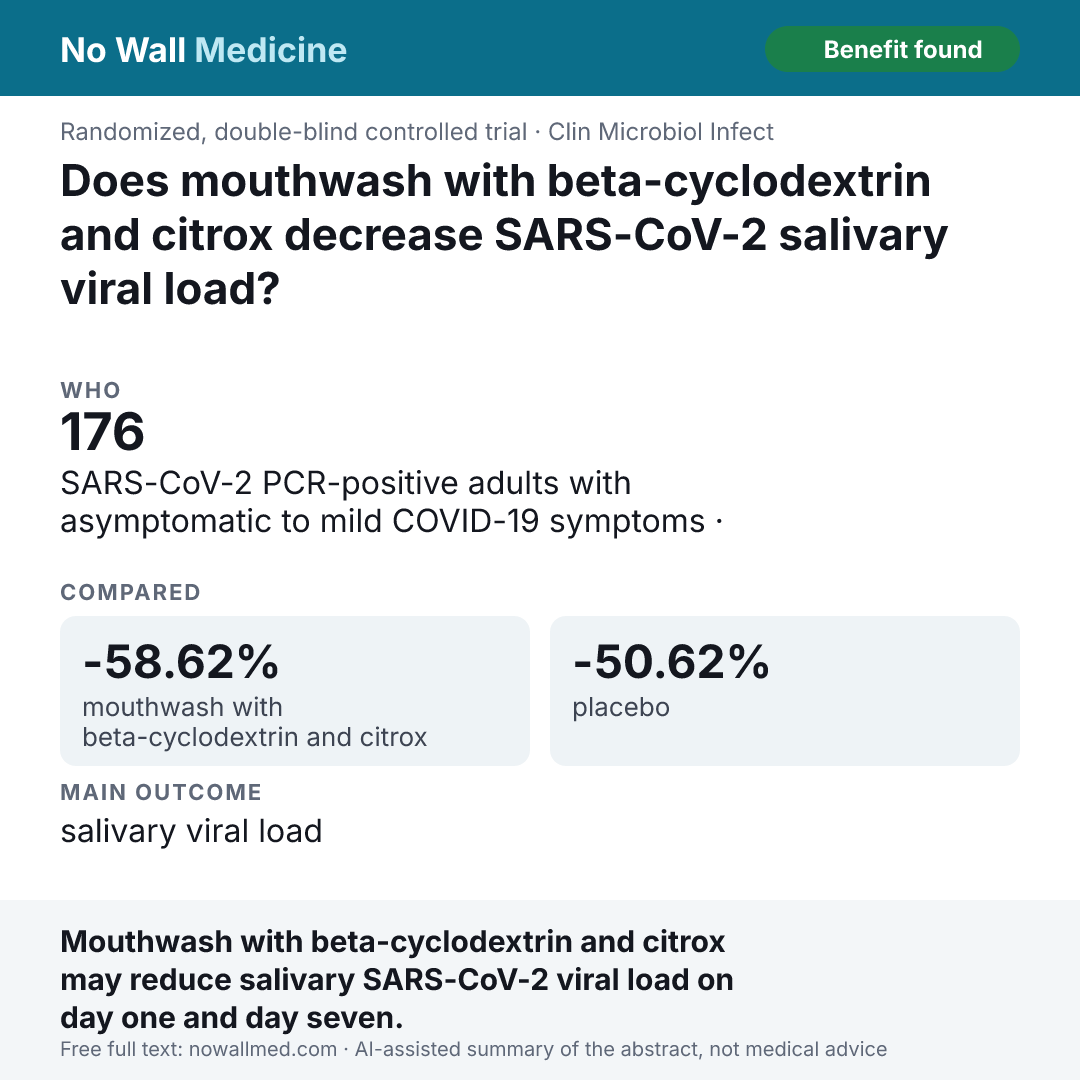
Use of an antiviral mouthwash as a barrier measure in the SARS-CoV-2 transmission in adults with asymptomatic to mild COVID-19: a multicentre, randomized, double-blind controlled trial
Randomized, double-blind controlled trialBenefit found
Does mouthwash with beta-cyclodextrin and citrox decrease SARS-CoV-2 salivary viral load?
Who
176
SARS-CoV-2 PCR-positive adults with asymptomatic to mild COVID-19 symptoms · multicentre
Compared
-58.62%mouthwash with beta-cyclodextrin and citrox (IQR -100% to -34.36%)
-50.62%placebo (IQR -100% to -27.66%)
Main outcome
salivary viral load
Bottom line: Mouthwash with beta-cyclodextrin and citrox may reduce salivary SARS-CoV-2 viral load on day one and day seven.
Clin Microbiol Infect · 2021-05-24 · Save PNG
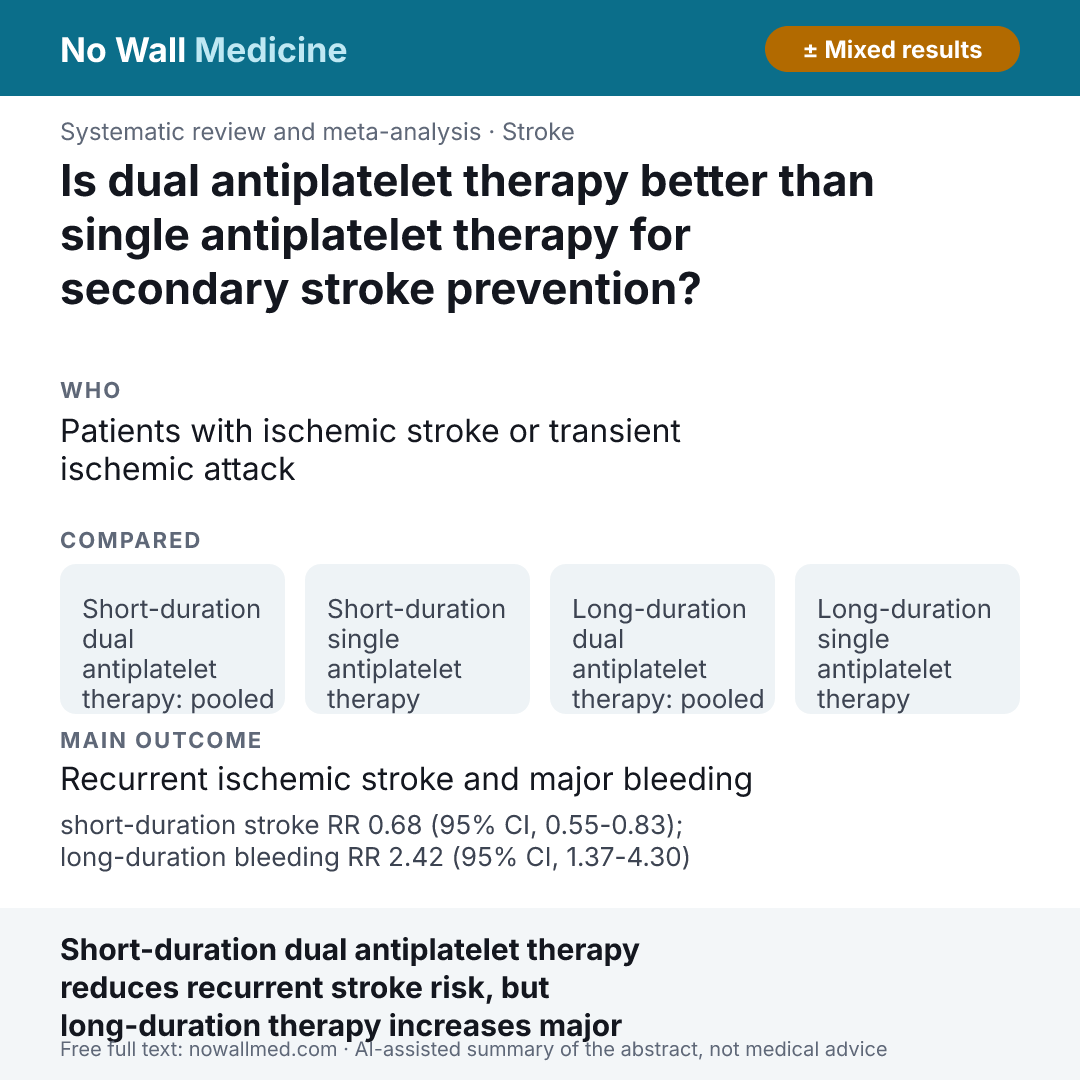
Benefits and Risks of Dual Versus Single Antiplatelet Therapy for Secondary Stroke Prevention: A Systematic Review for the 2021 Guideline for the Prevention of Stroke in Patients With Stroke and Transient Ischemic Attack
Systematic review and meta-analysisMixed results
Is dual antiplatelet therapy better than single antiplatelet therapy for secondary stroke prevention?
Who
Patients with ischemic stroke or transient ischemic attack
Compared
Short-duration dual antiplatelet therapy: pooled relative risk 0.68 (95% CI, 0.55-0.83)
Short-duration single antiplatelet therapy
Long-duration dual antiplatelet therapy: pooled relative risk 2.42 (95% CI, 1.37-4.30)
Long-duration single antiplatelet therapy
Main outcome
Recurrent ischemic stroke and major bleeding
Result: short-duration stroke RR 0.68 (95% CI, 0.55-0.83); long-duration bleeding RR 2.42 (95% CI, 1.37-4.30)
Bottom line: Short-duration dual antiplatelet therapy reduces recurrent stroke risk, but long-duration therapy increases major bleeding risk without reducing stroke.
Stroke · 2021-05-24 · Save PNG
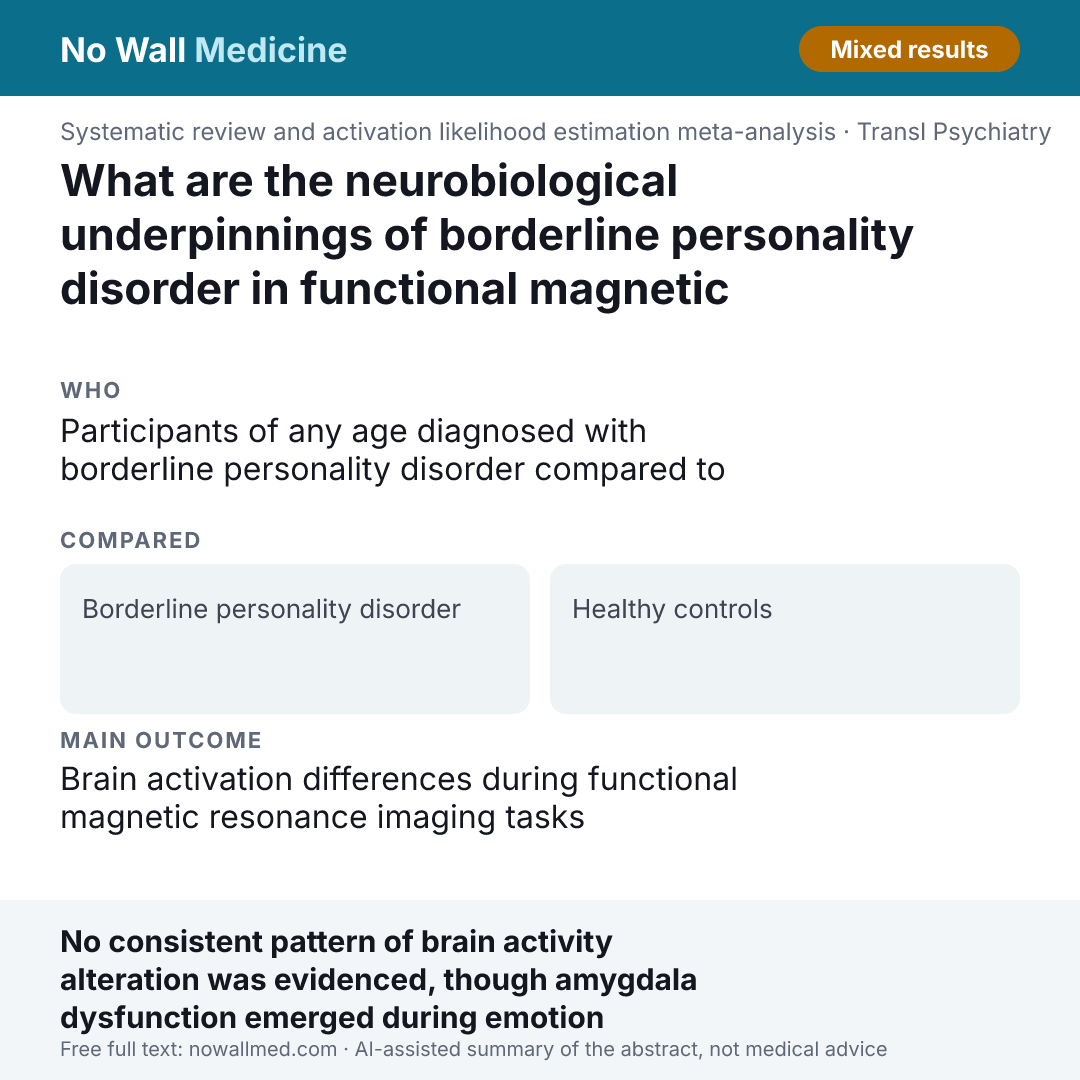
Parsing variability in borderline personality disorder: a meta-analysis of neuroimaging studies
Systematic review and activation likelihood estimation meta-analysisMixed results
What are the neurobiological underpinnings of borderline personality disorder in functional magnetic resonance imaging?
Who
Participants of any age diagnosed with borderline personality disorder compared to healthy controls
Compared
Borderline personality disorder
Healthy controls
Main outcome
Brain activation differences during functional magnetic resonance imaging tasks
Bottom line: No consistent pattern of brain activity alteration was evidenced, though amygdala dysfunction emerged during emotion processing tasks.
Transl Psychiatry · 2021-05-24 · Save PNG
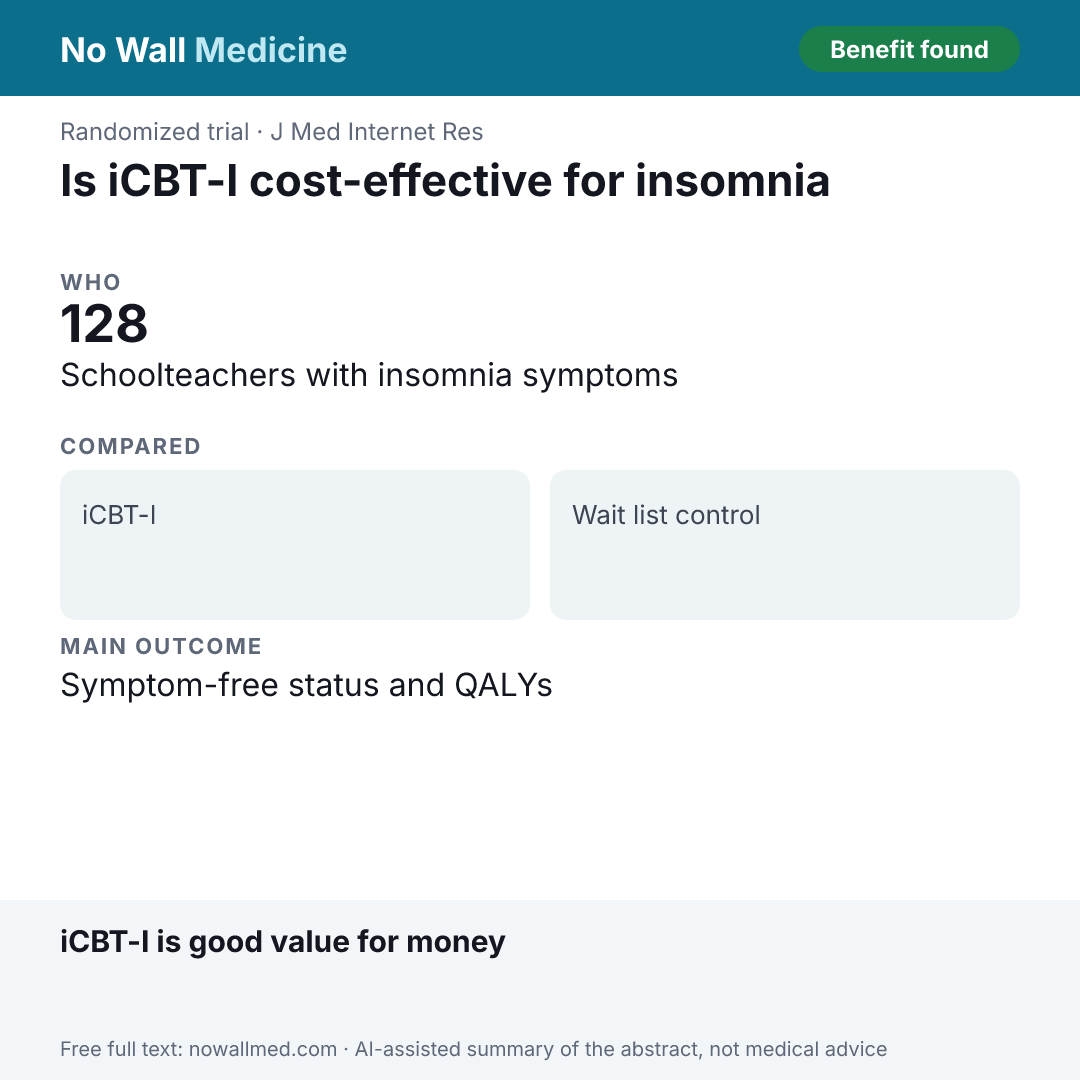
Guided Internet-Based Cognitive Behavioral Therapy for Insomnia: Health-Economic Evaluation From the Societal and Public Health Care Perspective Alongside a Randomized Controlled Trial
Randomized trialBenefit found
Is iCBT-I cost-effective for insomnia
Who
128
Schoolteachers with insomnia symptoms
Compared
iCBT-I
Wait list control
Main outcome
Symptom-free status and QALYs
Bottom line: iCBT-I is good value for money
J Med Internet Res · 2021-05-24 · Save PNG
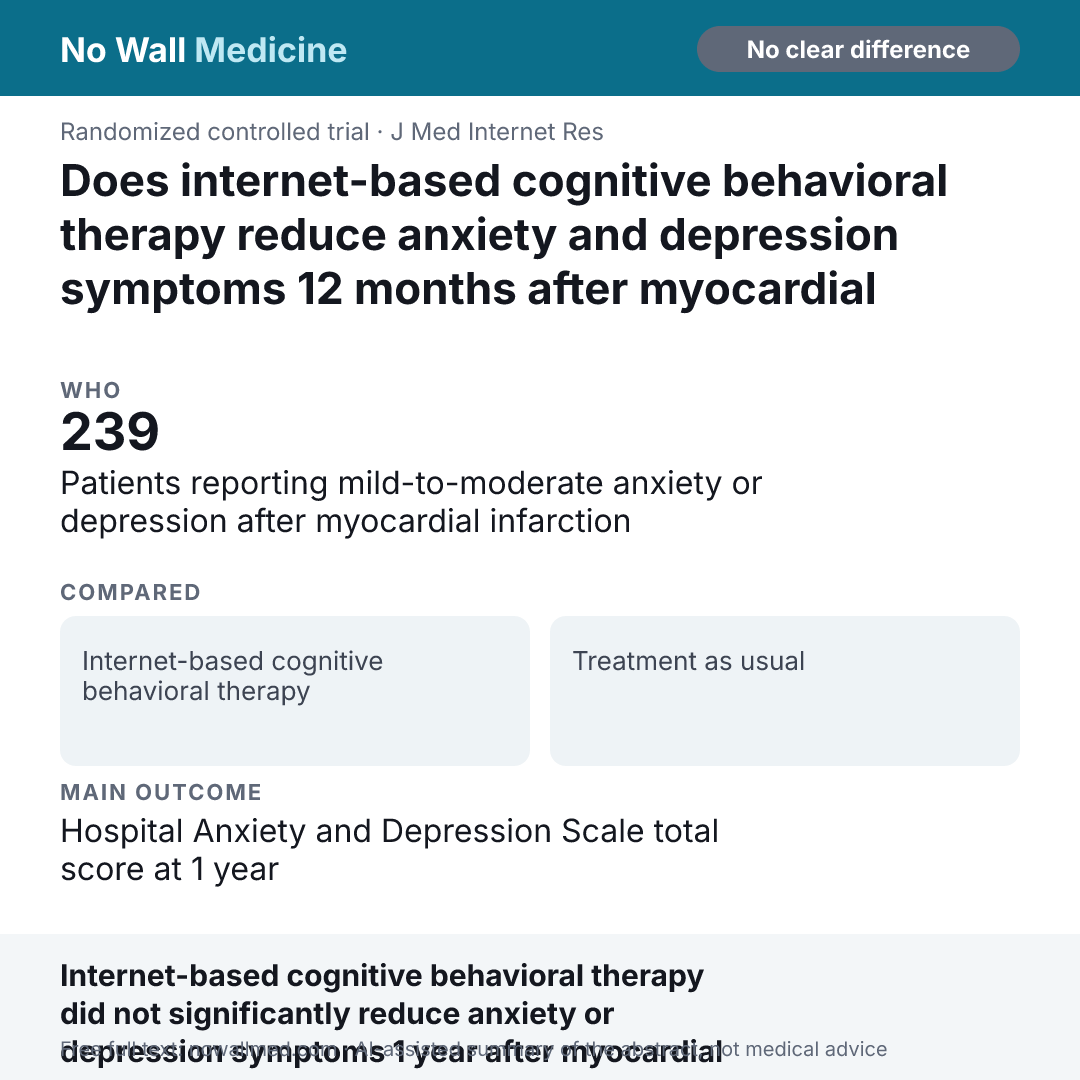
Internet-Based Cognitive Behavioral Therapy for Patients Reporting Symptoms of Anxiety and Depression After Myocardial Infarction: U-CARE Heart Randomized Controlled Trial Twelve-Month Follow-up
Randomized controlled trialNo clear difference
Does internet-based cognitive behavioral therapy reduce anxiety and depression symptoms 12 months after myocardial infarction?
Who
239
Patients reporting mild-to-moderate anxiety or depression after myocardial infarction
Compared
Internet-based cognitive behavioral therapy
Treatment as usual
Main outcome
Hospital Anxiety and Depression Scale total score at 1 year
Result: β=-1.14, 95% CI -2.73 to 0.45
Bottom line: Internet-based cognitive behavioral therapy did not significantly reduce anxiety or depression symptoms 1 year after myocardial infarction.
J Med Internet Res · 2021-05-24 · Save PNG
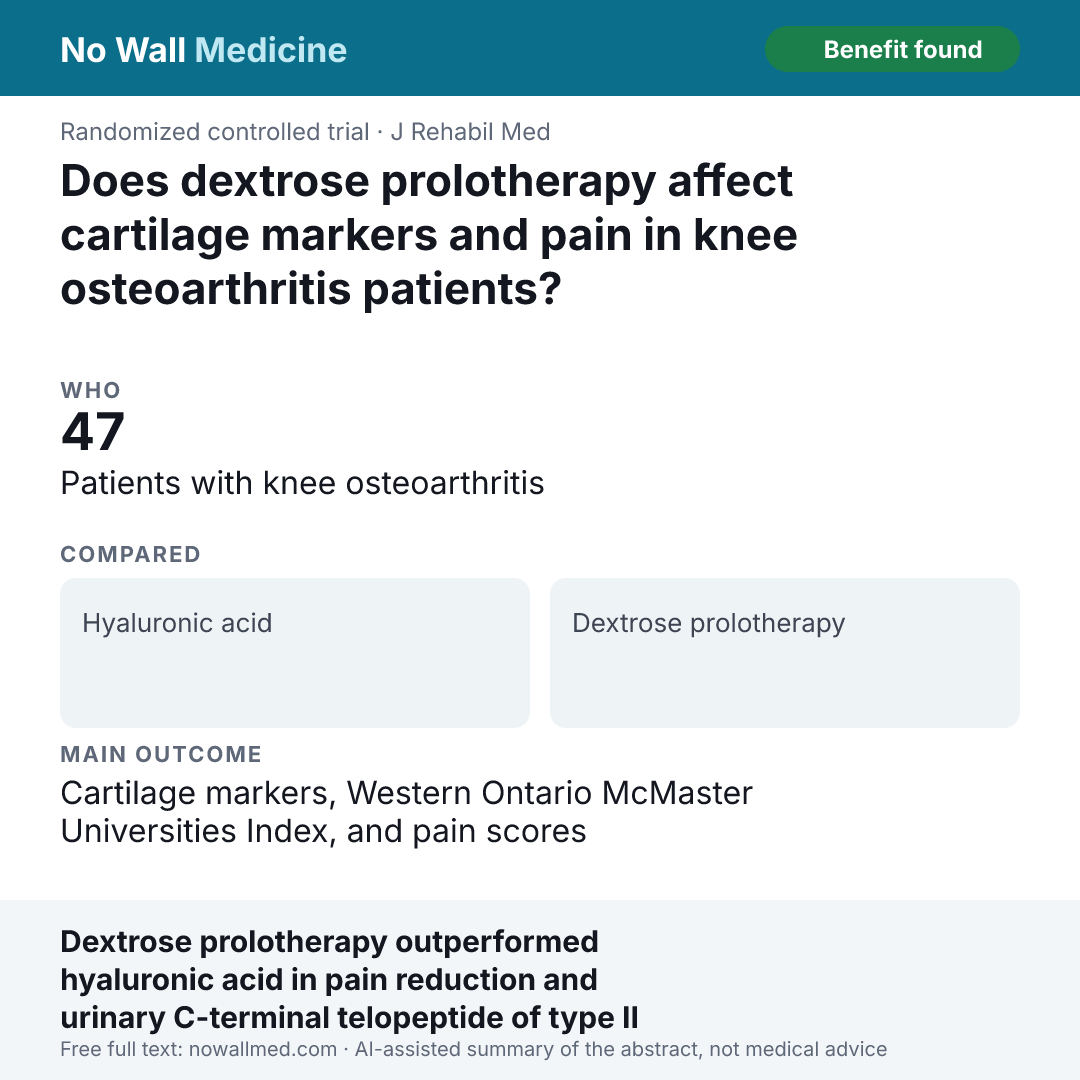
Changes in levels of cartilage oligomeric proteinase and urinary C-terminal telopeptide of type II collagen in subjects with knee osteoarthritis after dextrose prolotherapy: A randomized controlled trial
Randomized controlled trialBenefit found
Does dextrose prolotherapy affect cartilage markers and pain in knee osteoarthritis patients?
Who
47
Patients with knee osteoarthritis
Compared
Hyaluronic acid
Dextrose prolotherapy
Main outcome
Cartilage markers, Western Ontario McMaster Universities Index, and pain scores
Bottom line: Dextrose prolotherapy outperformed hyaluronic acid in pain reduction and urinary C-terminal telopeptide of type II collagen levels.
J Rehabil Med · 2021-05-24 · Save PNG
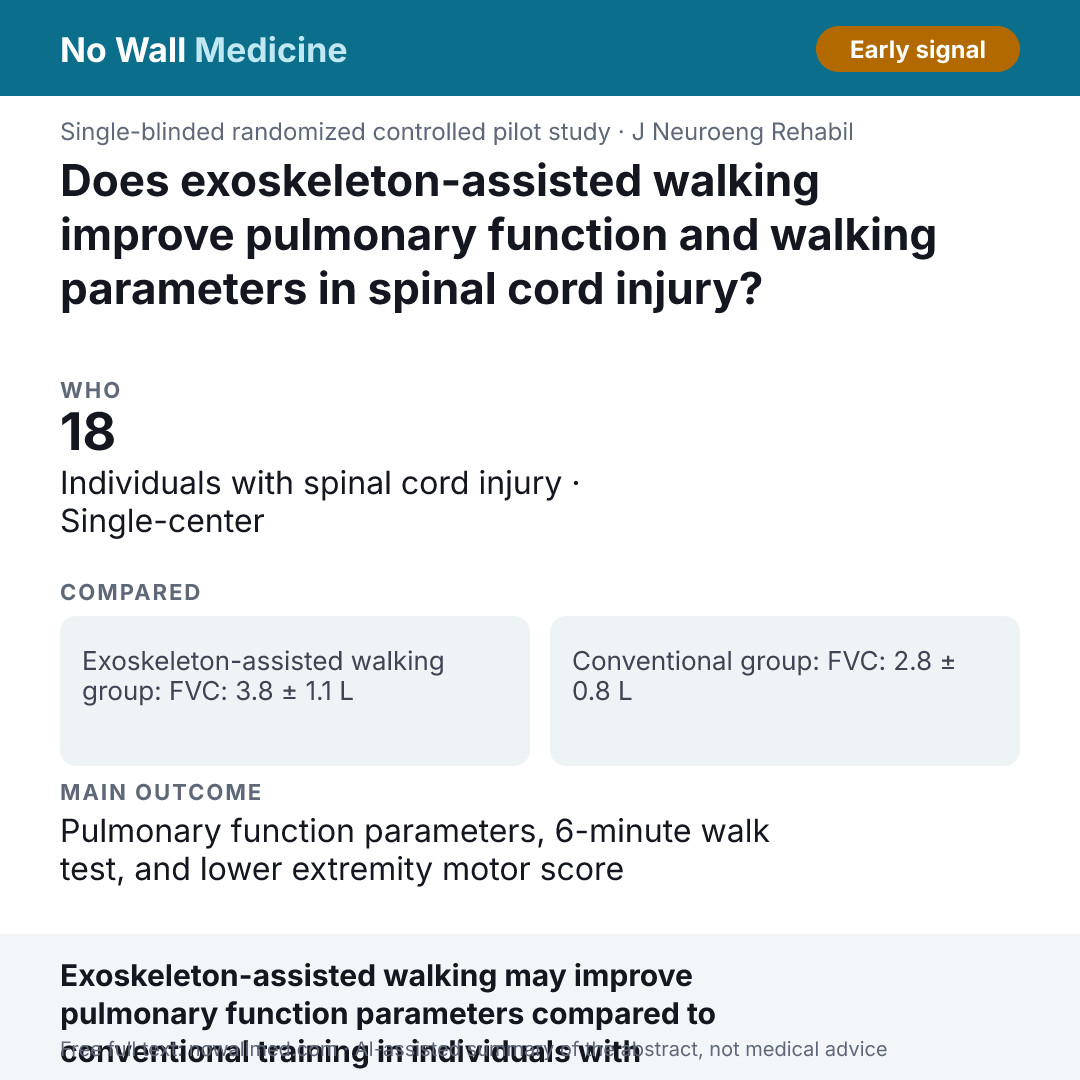
Exoskeleton-assisted walking improves pulmonary function and walking parameters among individuals with spinal cord injury: a randomized controlled pilot study
Single-blinded randomized controlled pilot studyEarly signal
Does exoskeleton-assisted walking improve pulmonary function and walking parameters in spinal cord injury?
Who
18
Individuals with spinal cord injury · Single-center
Compared
Exoskeleton-assisted walking group: FVC: 3.8 ± 1.1 L
Conventional group: FVC: 2.8 ± 0.8 L
Main outcome
Pulmonary function parameters, 6-minute walk test, and lower extremity motor score
Bottom line: Exoskeleton-assisted walking may improve pulmonary function parameters compared to conventional training in individuals with spinal cord injury.
Limitation: Pilot study
J Neuroeng Rehabil · 2021-05-24 · Save PNG
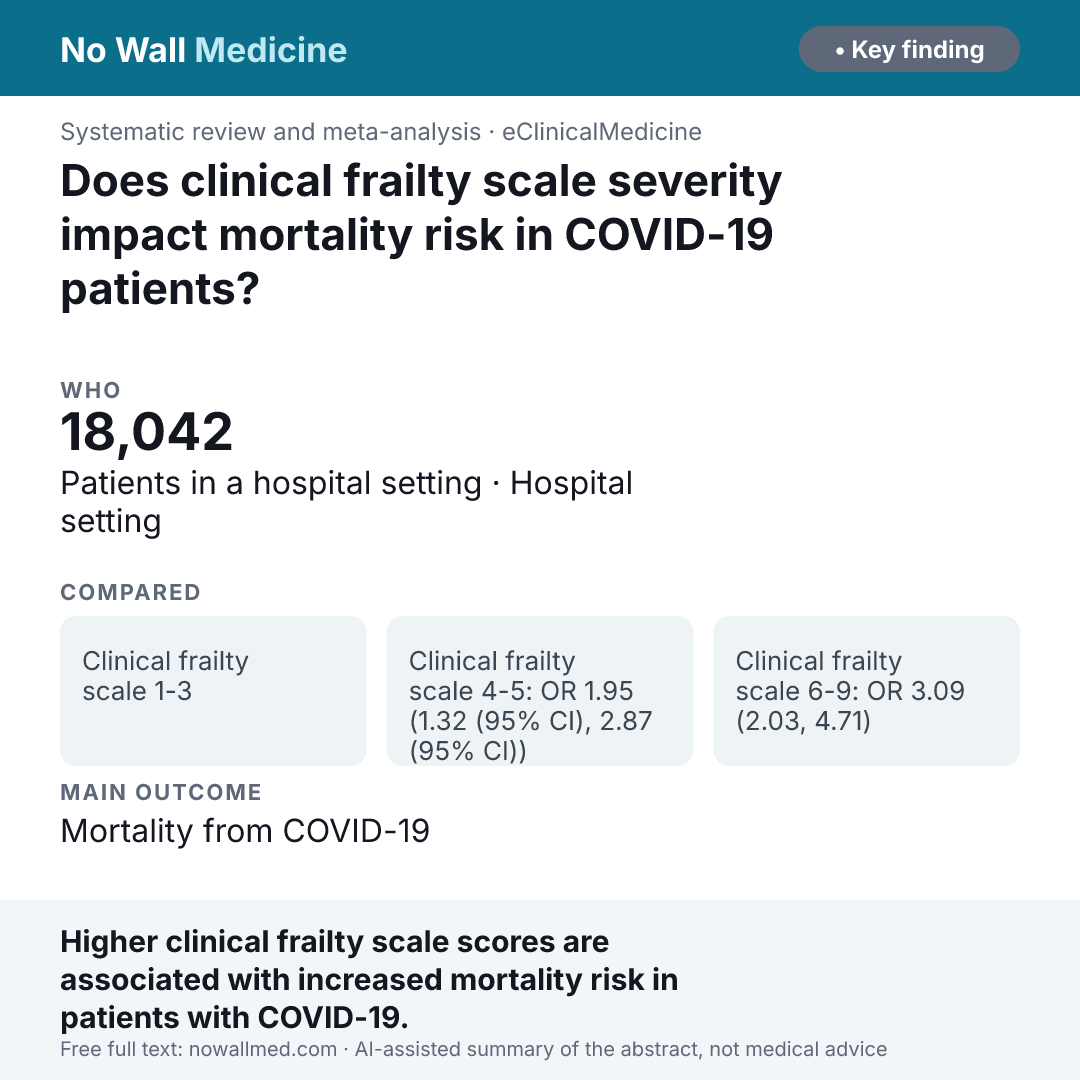
Clinical frailty scale as a point of care prognostic indicator of mortality in COVID-19: a systematic review and meta-analysis
Systematic review and meta-analysisKey finding
Does clinical frailty scale severity impact mortality risk in COVID-19 patients?
Who
18,042
Patients in a hospital setting · Hospital setting
Compared
Clinical frailty scale 1-3
Clinical frailty scale 4-5: OR 1.95 (1.32 (95% CI), 2.87 (95% CI))
Clinical frailty scale 6-9: OR 3.09 (2.03, 4.71)
Main outcome
Mortality from COVID-19
Bottom line: Higher clinical frailty scale scores are associated with increased mortality risk in patients with COVID-19.
eClinicalMedicine · 2021-05-23 · Save PNG
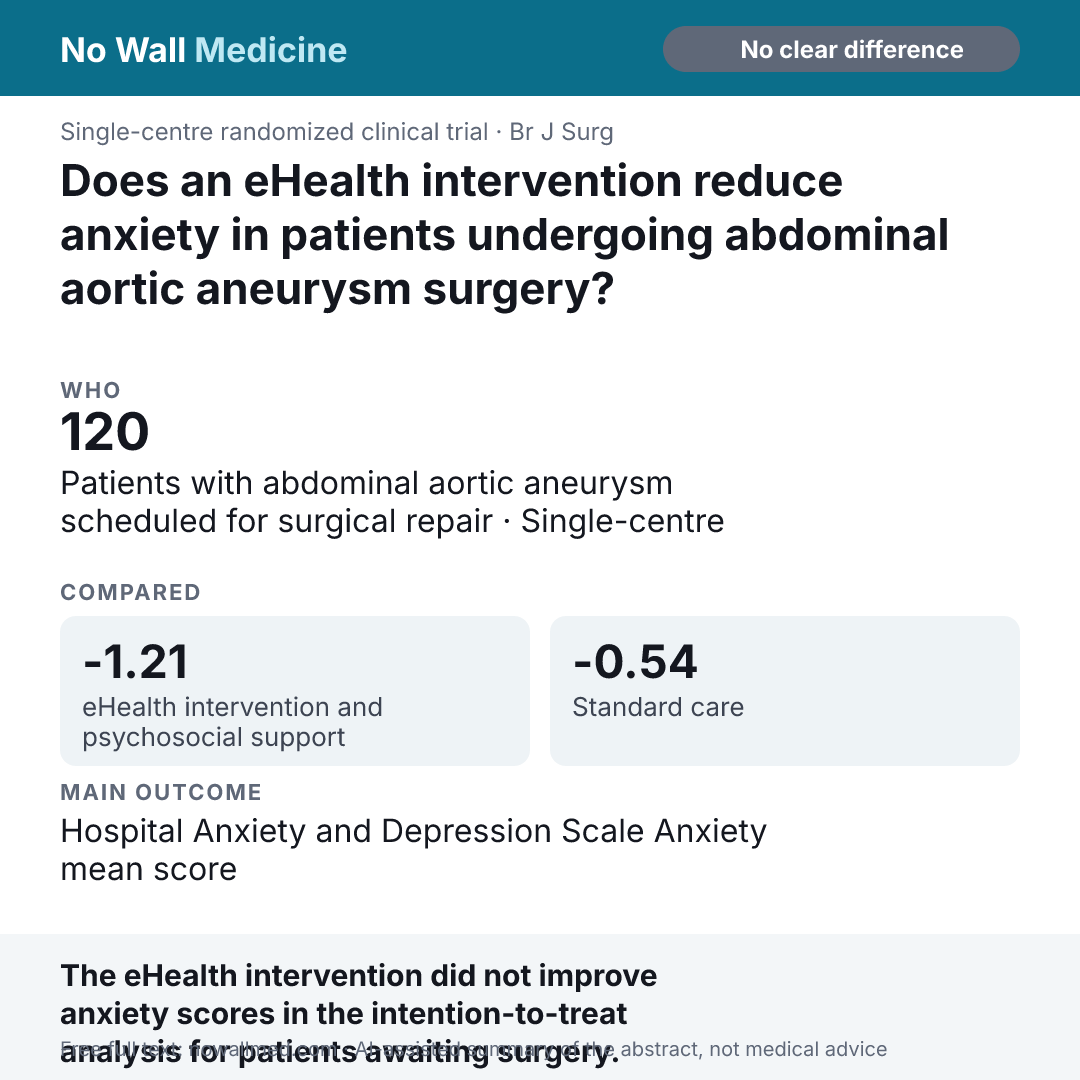
A randomized clinical trial of an eHealth intervention on anxiety in patients undergoing abdominal aortic aneurysm surgery
Single-centre randomized clinical trialNo clear difference
Does an eHealth intervention reduce anxiety in patients undergoing abdominal aortic aneurysm surgery?
Who
120
Patients with abdominal aortic aneurysm scheduled for surgical repair · Single-centre
Compared
-1.21eHealth intervention and psychosocial support
-0.54Standard care
Main outcome
Hospital Anxiety and Depression Scale Anxiety mean score
Bottom line: The eHealth intervention did not improve anxiety scores in the intention-to-treat analysis for patients awaiting surgery.
Br J Surg · 2021-05-23 · Save PNG