Visual abstracts
New randomized trials and meta-analyses from leading journals at a glance: who was studied, what was compared, and what was found. Every paper is free to read in full.
All specialtiesCardiology 4763Oncology 4042Gastroenterology & Hepatology 1902Infectious Disease 3756Neurology 1872Psychiatry & Mental Health 2214Pulmonology 2042Critical Care 1319Endocrinology & Diabetes 2544Pediatrics 2889Surgery 2479Orthopedics & Sports Medicine 917Neurosurgery 525Cardiothoracic & Vascular Surgery 656Plastic & Reconstructive Surgery 574Nephrology 1107Rheumatology 810Hematology 1090Dermatology 611Ophthalmology 532Obstetrics & Gynecology 1645Public & Global Health 1037Radiology & Imaging 617Anesthesiology 957Urology 745ENT (Otolaryngology) 494Emergency Medicine 481Allergy & Immunology 309Geriatrics 972Family Medicine & Primary Care 533Medical Genetics & Genomics 659Pathology & Laboratory Medicine 156Physical Medicine & Rehabilitation 734Palliative Care 421Nutrition 1560Digital Health & AI 2133General Medicine 318
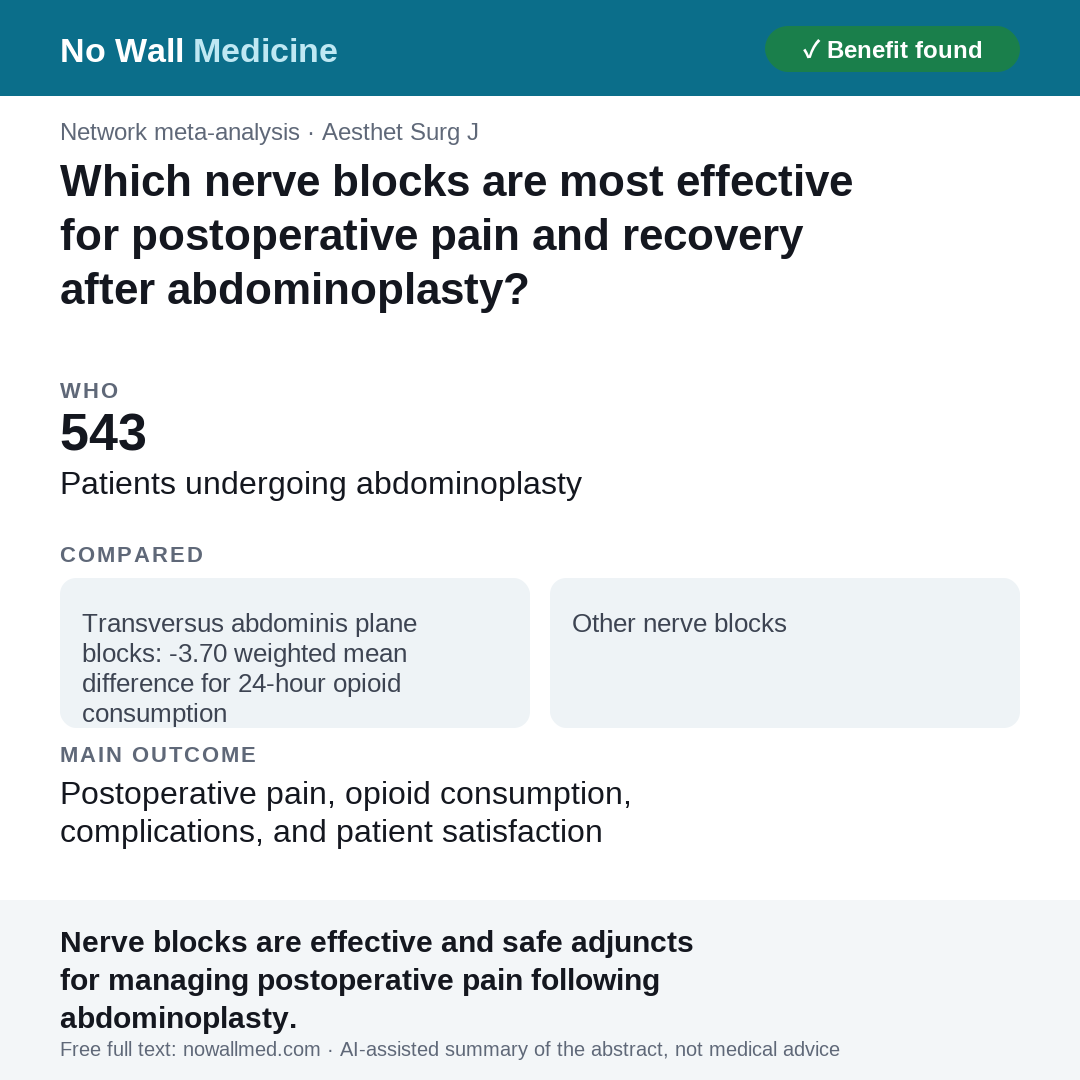
The Efficacy of Different Nerve Blocks on Postoperative Pain and Sequelae in Patients Undergoing Abdominoplasty: A Network Meta-Analysis
Network meta-analysisBenefit found
Which nerve blocks are most effective for postoperative pain and recovery after abdominoplasty?
Who
543
Patients undergoing abdominoplasty
Compared
Transversus abdominis plane blocks: -3.70 weighted mean difference for 24-hour opioid consumption
Other nerve blocks
Main outcome
Postoperative pain, opioid consumption, complications, and patient satisfaction
Bottom line: Nerve blocks are effective and safe adjuncts for managing postoperative pain following abdominoplasty.
Aesthet Surg J · 2022-12-07Download image
Palliative and end-of-life care needs, experiences, and preferences of LGBTQ+ individuals with serious illness: A systematic mixed-methods review
Systematic mixed-methods reviewMixed results
What are the palliative and end-of-life care needs, experiences, and preferences of LGBTQ+ individuals?
Who
13
Lesbian, gay, bisexual, transgender, and queer/questioning individuals with serious illness · North America
Compared
Needs: social support, institutional safety, economic and legal supports, and advocacy
Experiences: fear, worry, discrimination, stigma, hetero/cisnormative assumptions, homophobia, transphobia, and isolation
Preferences: inclusion of chosen families, identity disclosure, and maintaining autonomy
Main outcome
Needs, experiences, and preferences for palliative and end-of-life care
Bottom line: LGBTQ+ individuals face discrimination and require inclusive policies and cultural sensitivity training to ensure dignified end-of-life care.
Palliat Med · 2022-12-07Download image

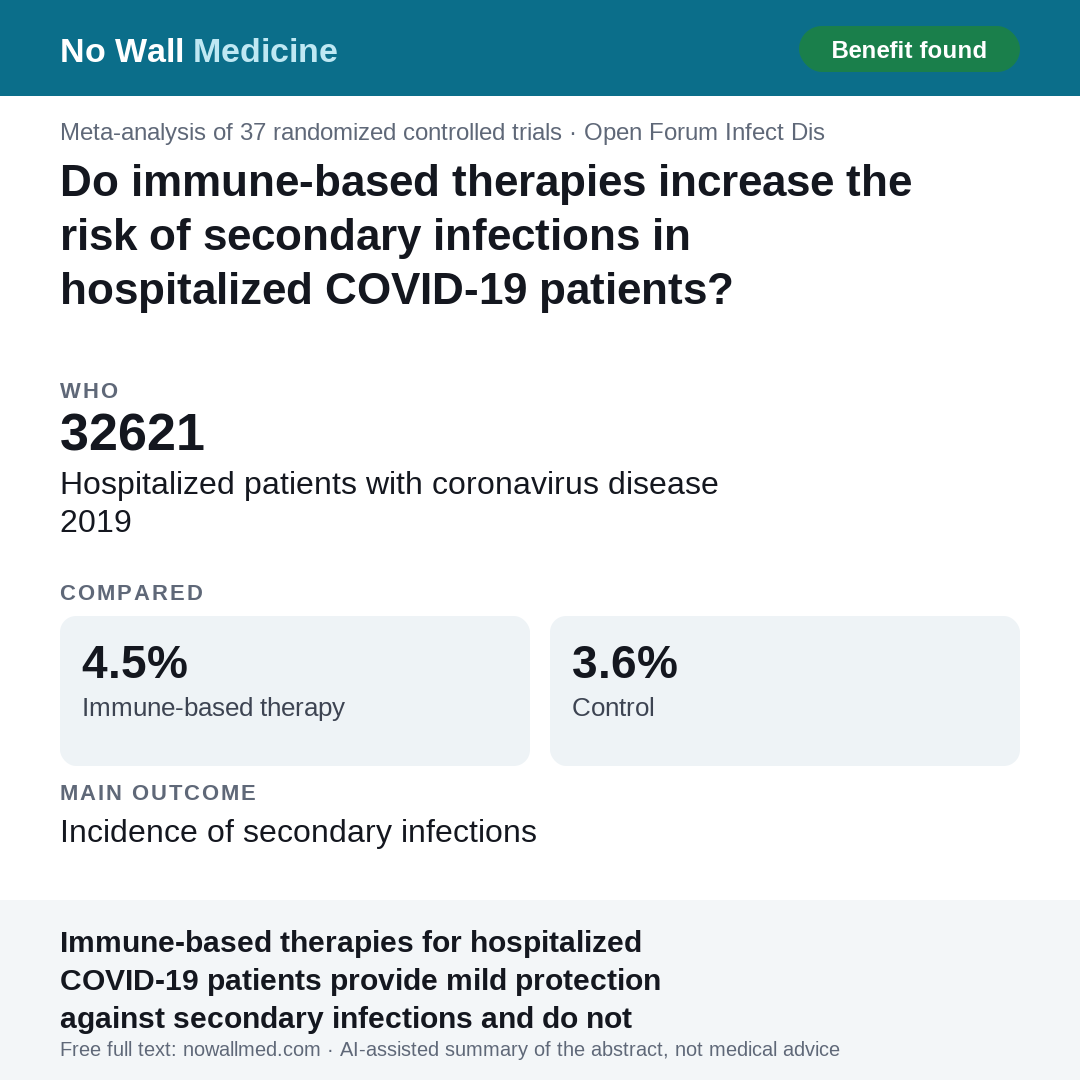
Immune-Based Therapy for Hospitalized Patients With COVID-19 and Risk of Secondary Infections: A Systematic Review and Meta-analysis
Meta-analysis of 37 randomized controlled trialsBenefit found
Do immune-based therapies increase the risk of secondary infections in hospitalized COVID-19 patients?
Who
32621
Hospitalized patients with coronavirus disease 2019
Compared
4.5%Immune-based therapy (711/15721)
3.6%Control (616/16900)
Main outcome
Incidence of secondary infections
Result: risk ratio 0.82 (95% CI 0.71-0.95)
Bottom line: Immune-based therapies for hospitalized COVID-19 patients provide mild protection against secondary infections and do not increase risk.
Open Forum Infect Dis · 2022-12-07Download image
The Surgical Apgar Score: A Systematic Review of Its Discriminatory Performance
Systematic review of 36 observational studiesKey finding
What is the discriminatory performance of the Surgical Apgar Score?
Who
Various surgical populations across multiple disciplines · Multiple countries
Compared
Postoperative morbidity: area under the receiver operating characteristic curve or concordance-statistic ranged from 0.59 to 0.872
Mortality: area under the receiver operating characteristic curve or concordance-statistic ranged from 0.63 to 0.92
Main outcome
discrimination for postoperative morbidity and mortality
Bottom line: The Surgical Apgar Score provides moderate and consistent discrimination for postoperative morbidity and mortality across surgical disciplines.
Ann Surg Open · 2022-12-07Download image

Inhibition of bone erosion, determined by high-resolution peripheral quantitative computed tomography (HR-pQCT), in rheumatoid arthritis patients receiving a conventional synthetic disease-modifying anti-rheumatic drug (csDMARD) plus denosumab vs csDMARD therapy alone: an open-label, randomized, parallel-group study
Open-label, randomized, parallel-group studyNo clear difference
Does adding denosumab to conventional synthetic disease-modifying anti-rheumatic drugs inhibit bone erosion progression?
Who
43
Rheumatoid arthritis patients undergoing treatment with a conventional synthetic disease-modifying anti-rheumatic drug
Compared
Conventional synthetic disease-modifying anti-rheumatic drugs plus denosumab: -0.57 mm (-1.52, 0.39 mm)
Conventional synthetic disease-modifying anti-rheumatic drugs therapy alone: -0.22 mm (-0.97, 0.53 mm)
Main outcome
Change from baseline in the depth of bone erosion
Result: -0.35 mm [-1.00, 0.31]
Bottom line: Adding denosumab to conventional synthetic disease-modifying anti-rheumatic drugs did not significantly improve bone erosion depth after 6 months.
Arthritis Res Ther · 2022-12-07Download image

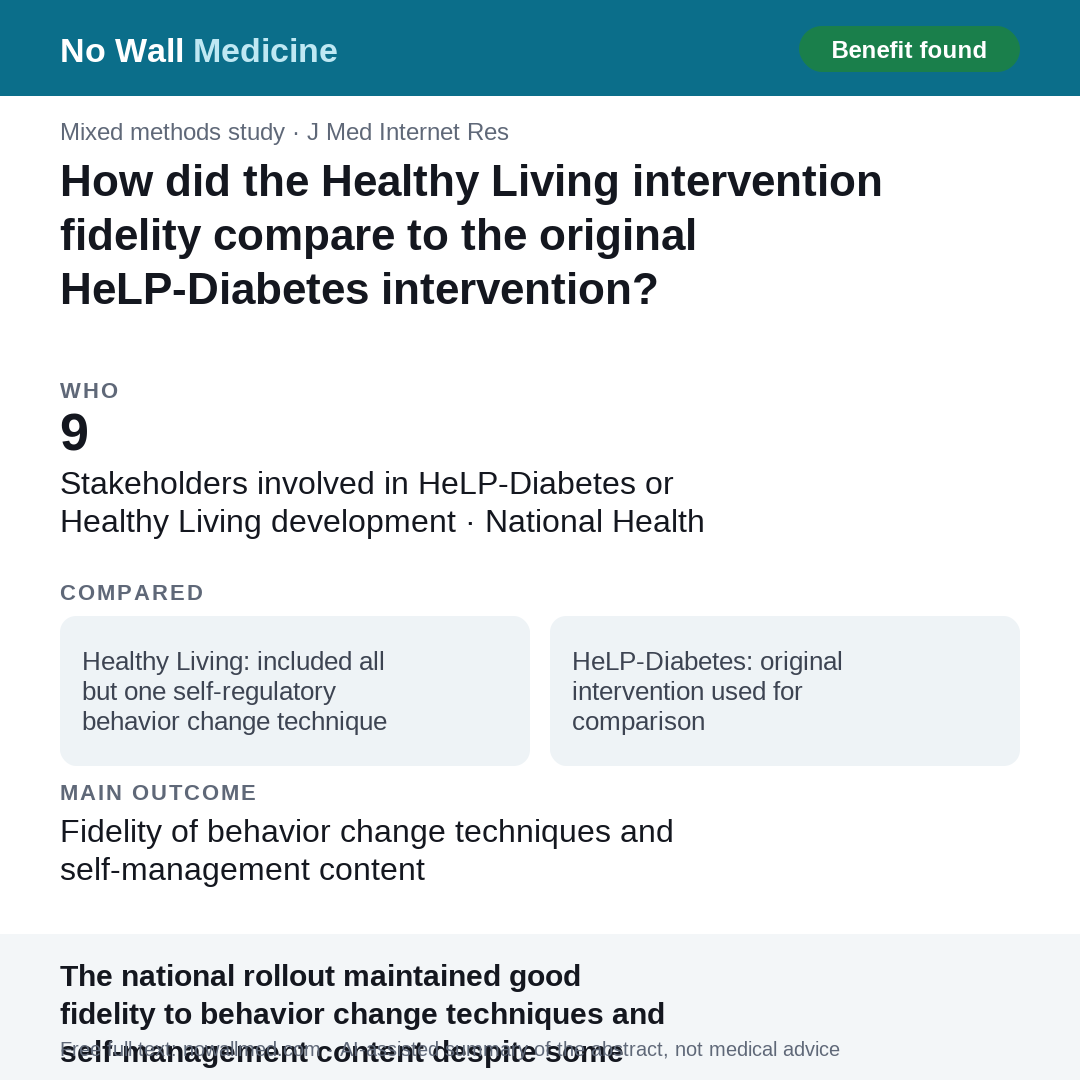
Changes in a Digital Type 2 Diabetes Self-management Intervention During National Rollout: Mixed Methods Study of Fidelity
Mixed methods studyBenefit found
How did the Healthy Living intervention fidelity compare to the original HeLP-Diabetes intervention?
Who
9
Stakeholders involved in HeLP-Diabetes or Healthy Living development · National Health Service England
Compared
Healthy Living: included all but one self-regulatory behavior change technique
HeLP-Diabetes: original intervention used for comparison
Main outcome
Fidelity of behavior change techniques and self-management content
Bottom line: The national rollout maintained good fidelity to behavior change techniques and self-management content despite some implementation changes.
Limitation: Changes were attributable to fewer resources in practice and time elapsed since the original trial.
J Med Internet Res · 2022-12-07Download image
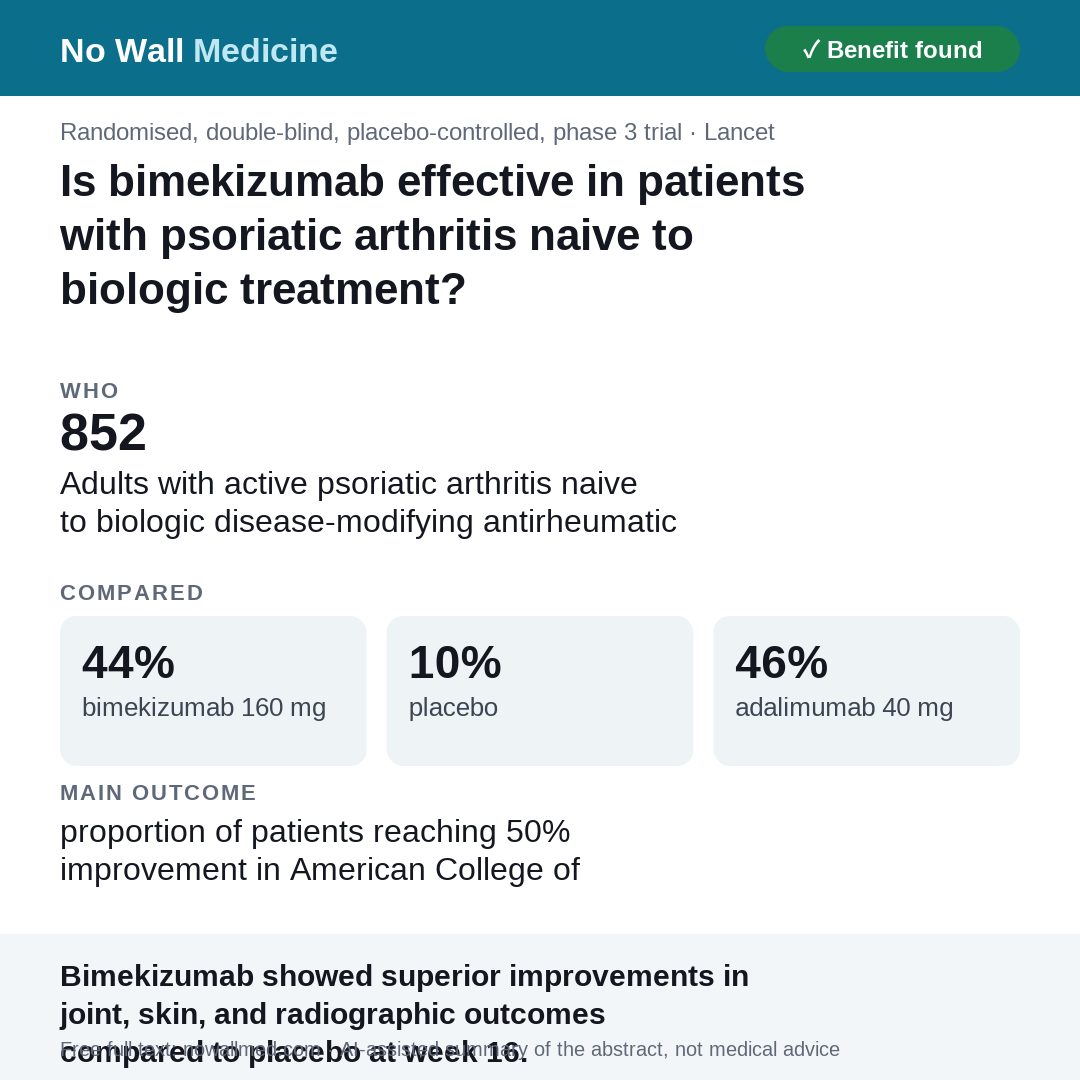
Bimekizumab in patients with psoriatic arthritis, naive to biologic treatment: a randomised, double-blind, placebo-controlled, phase 3 trial (BE OPTIMAL)
Randomised, double-blind, placebo-controlled, phase 3 trialBenefit found
Is bimekizumab effective in patients with psoriatic arthritis naive to biologic treatment?
Who
852
Adults with active psoriatic arthritis naive to biologic disease-modifying antirheumatic drugs · 135 sites in 14 countries
Compared
44%bimekizumab 160 mg (189/431)
10%placebo (28/281)
46%adalimumab 40 mg (64/140)
Main outcome
proportion of patients reaching 50% improvement in American College of Rheumatology criteria
Result: odds ratio 7·1 (95% CI 4·6-10·9)
Bottom line: Bimekizumab showed superior improvements in joint, skin, and radiographic outcomes compared to placebo at week 16.
Funded by: UCB Pharma
Lancet · 2022-12-06Download image
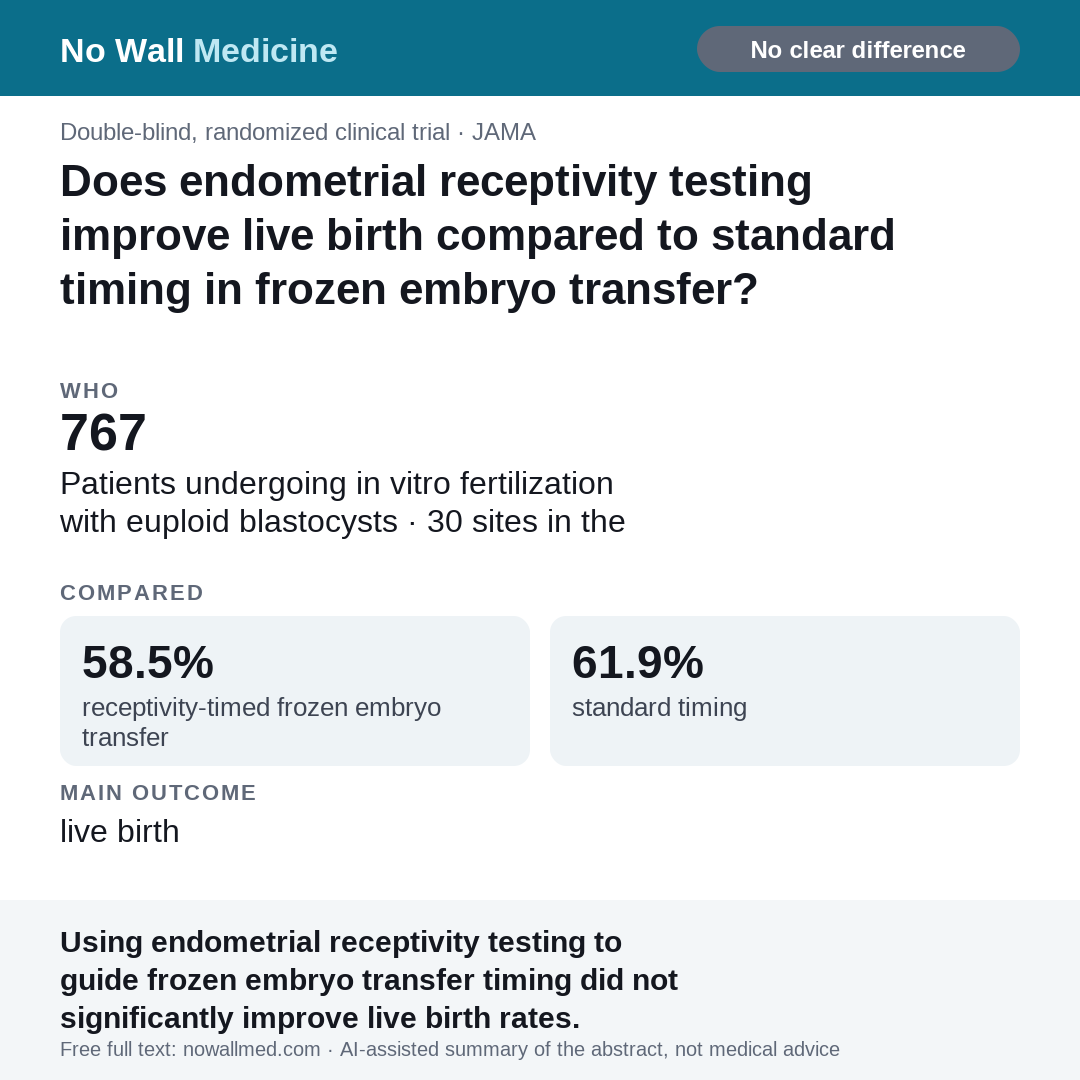
Effect of Timing by Endometrial Receptivity Testing vs Standard Timing of Frozen Embryo Transfer on Live Birth in Patients Undergoing In Vitro Fertilization: A Randomized Clinical Trial
Double-blind, randomized clinical trialNo clear difference
Does endometrial receptivity testing improve live birth compared to standard timing in frozen embryo transfer?
Who
767
Patients undergoing in vitro fertilization with euploid blastocysts · 30 sites in the Eastern United States
Compared
58.5%receptivity-timed frozen embryo transfer (223/381)
61.9%standard timing (239/386)
Main outcome
live birth
Result: rate ratio 0.95 (95% CI 0.79 to 1.13)
Bottom line: Using endometrial receptivity testing to guide frozen embryo transfer timing did not significantly improve live birth rates.
JAMA · 2022-12-06Download image
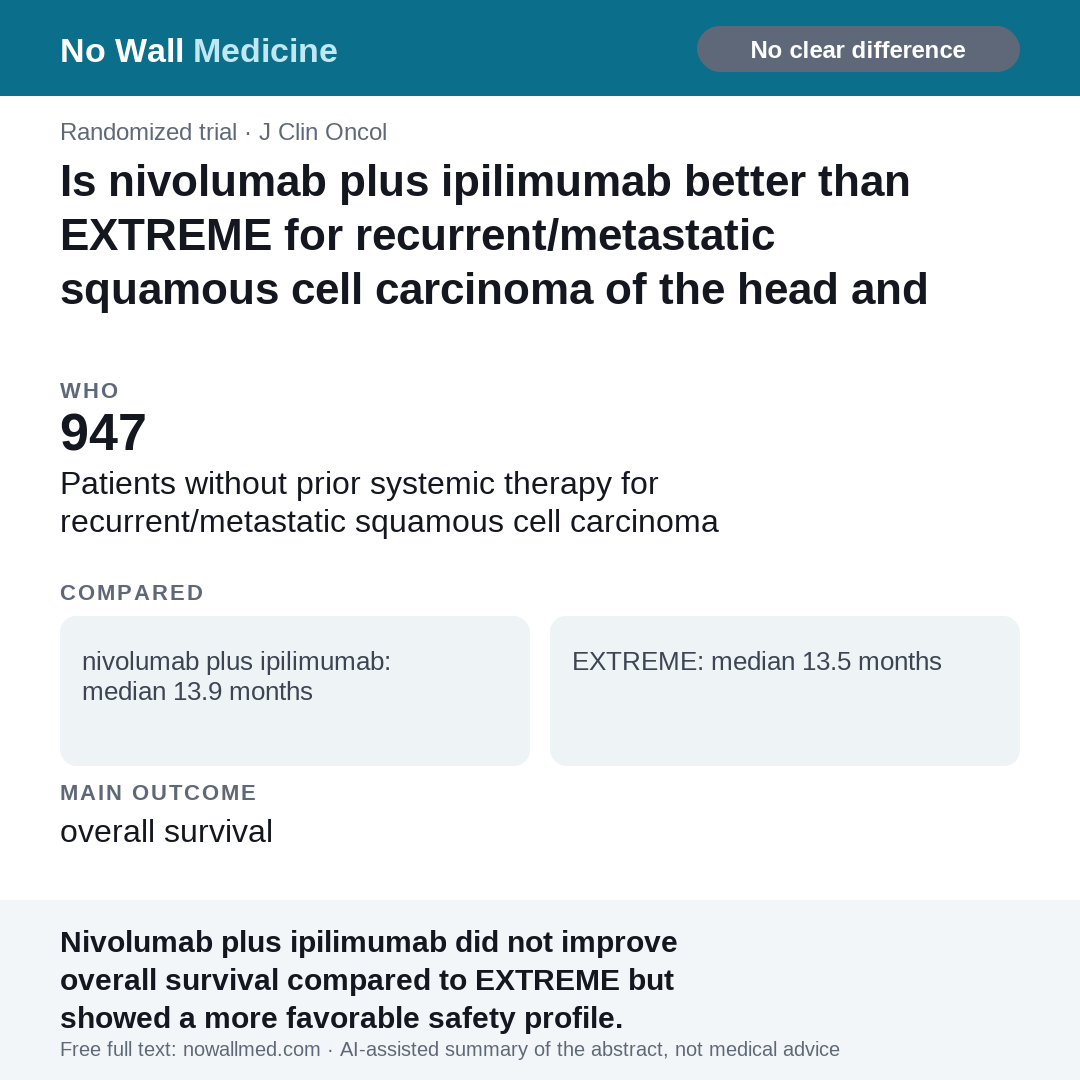
Nivolumab Plus Ipilimumab Versus EXTREME Regimen as First-Line Treatment for Recurrent/Metastatic Squamous Cell Carcinoma of the Head and Neck: The Final Results of CheckMate 651
Randomized trialNo clear difference
Is nivolumab plus ipilimumab better than EXTREME for recurrent/metastatic squamous cell carcinoma of the head and neck?
Who
947
Patients without prior systemic therapy for recurrent/metastatic squamous cell carcinoma of the head and neck
Compared
nivolumab plus ipilimumab: median 13.9 months
EXTREME: median 13.5 months
Main outcome
overall survival
Result: hazard ratio 0.95 (97.9% CI 0.80 to 1.13)
Bottom line: Nivolumab plus ipilimumab did not improve overall survival compared to EXTREME but showed a more favorable safety profile.
J Clin Oncol · 2022-12-06Download image
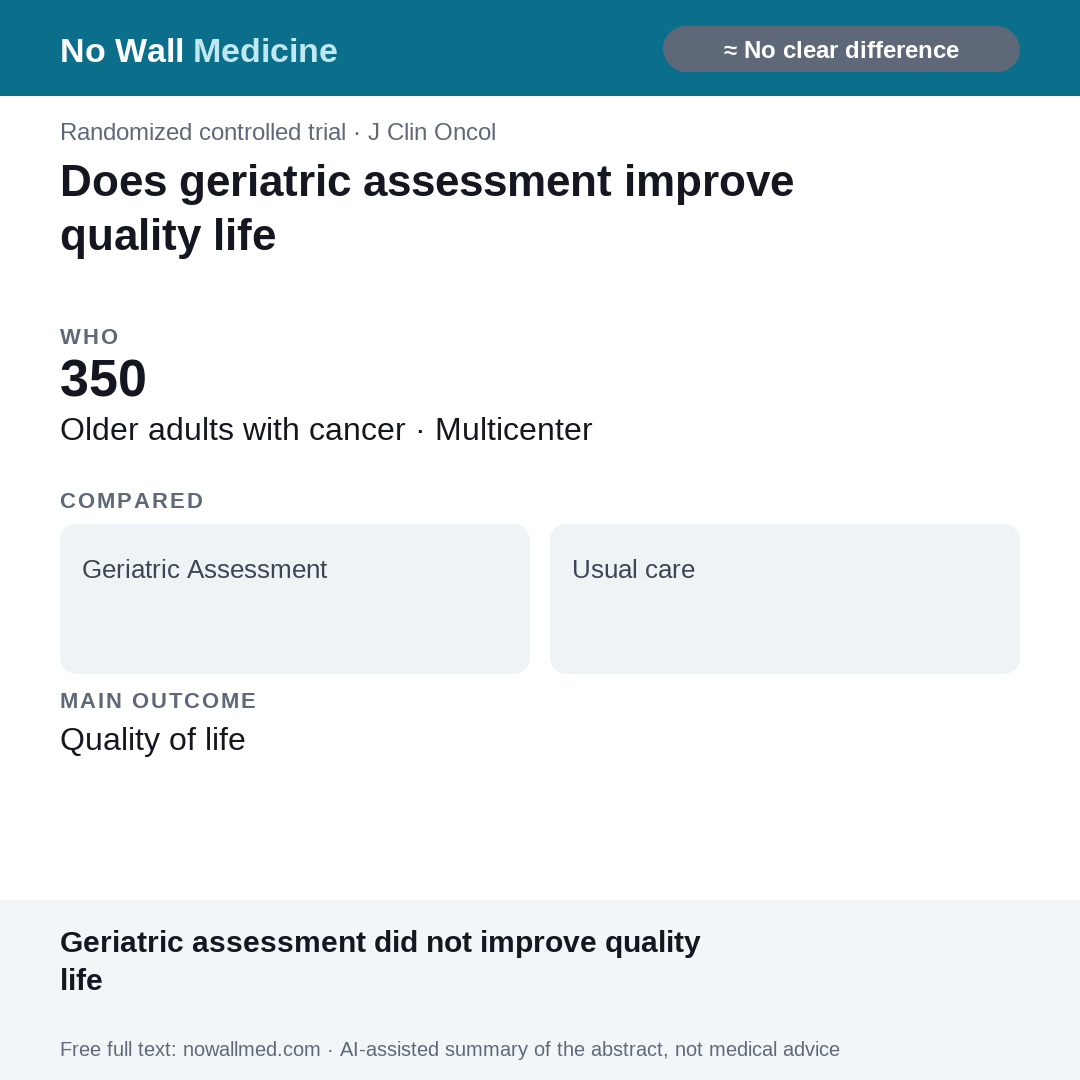
Impact of Geriatric Assessment and Management on Quality of Life, Unplanned Hospitalizations, Toxicity, and Survival for Older Adults With Cancer: The Randomized 5C Trial
Randomized controlled trialNo clear difference
Does geriatric assessment improve quality life
Who
350
Older adults with cancer · Multicenter
Compared
Geriatric Assessment
Usual care
Main outcome
Quality of life
Bottom line: Geriatric assessment did not improve quality life
J Clin Oncol · 2022-12-06Download image
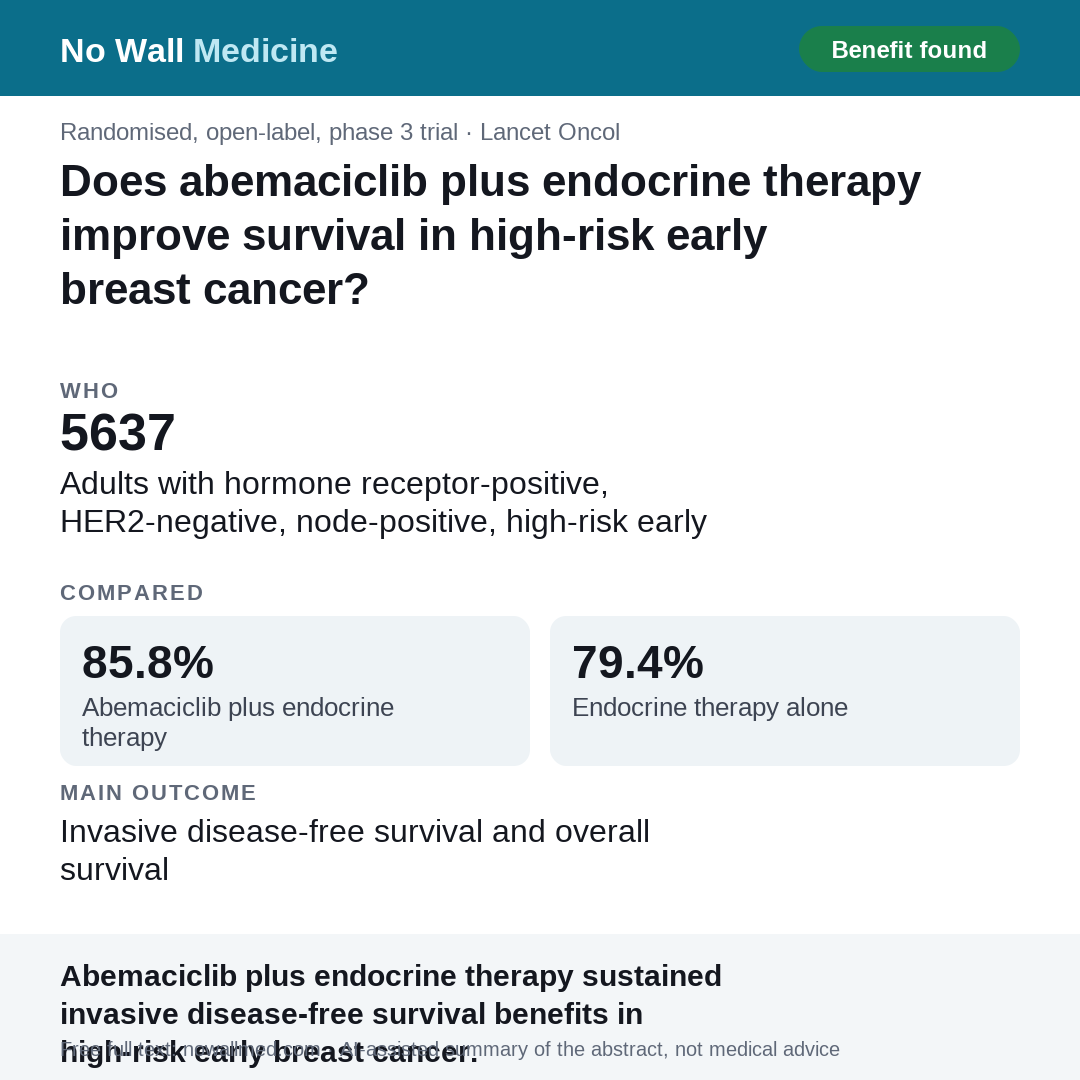
Abemaciclib plus endocrine therapy for hormone receptor-positive, HER2-negative, node-positive, high-risk early breast cancer (monarchE): results from a preplanned interim analysis of a randomised, open-label, phase 3 trial
Randomised, open-label, phase 3 trialBenefit found
Does abemaciclib plus endocrine therapy improve survival in high-risk early breast cancer?
Who
5637
Adults with hormone receptor-positive, HER2-negative, node-positive, high-risk early breast cancer · 603 sites in 38 countries
Compared
85.8%Abemaciclib plus endocrine therapy (95% CI 84.2-87.3)
79.4%Endocrine therapy alone (77.5-81.1%)
Main outcome
Invasive disease-free survival and overall survival
Result: hazard ratio 0.664 (95% CI 0.578-0.762)
Bottom line: Abemaciclib plus endocrine therapy sustained invasive disease-free survival benefits in high-risk early breast cancer.
Lancet Oncol · 2022-12-06Download image
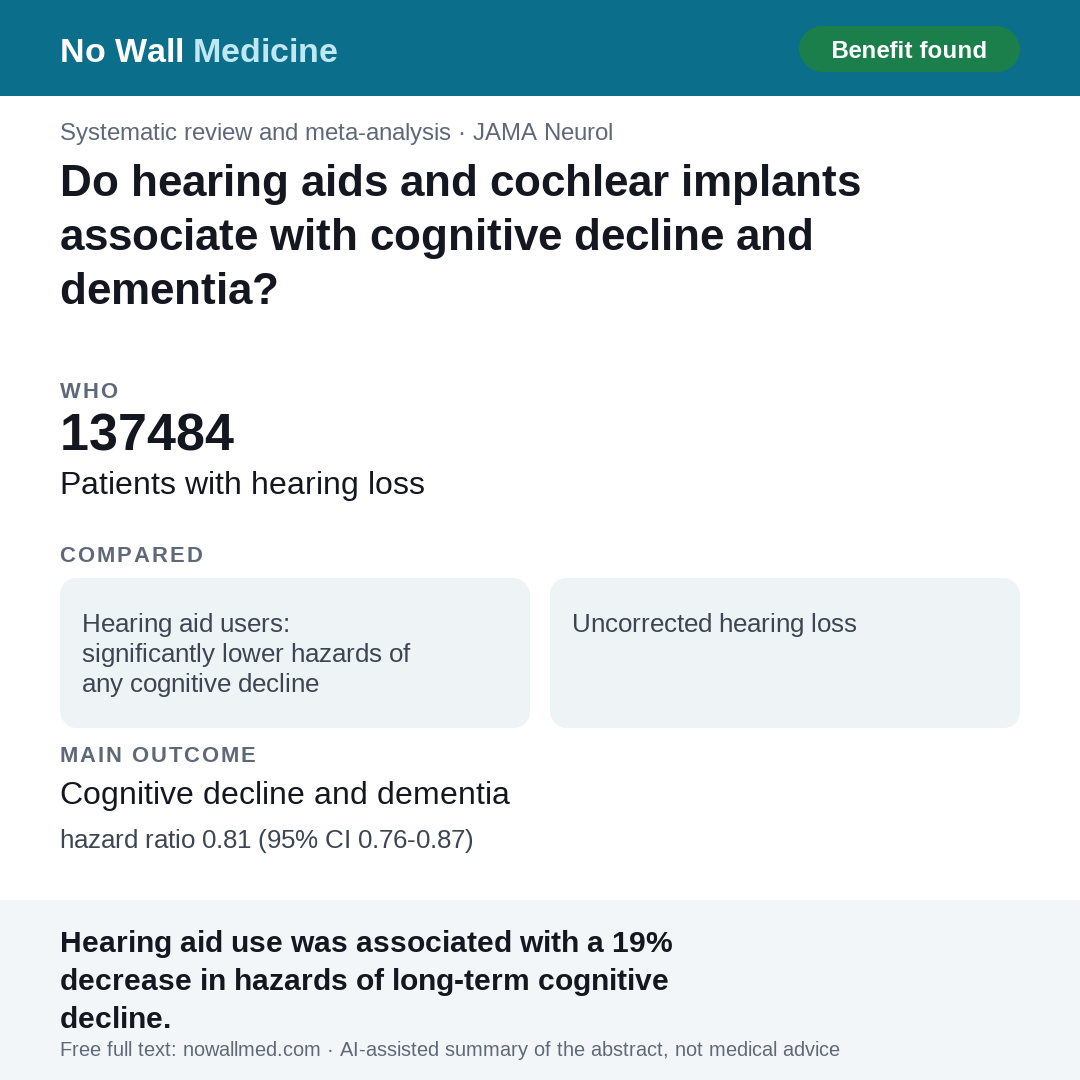
Association of Hearing Aids and Cochlear Implants With Cognitive Decline and Dementia: A Systematic Review and Meta-analysis
Systematic review and meta-analysisBenefit found
Do hearing aids and cochlear implants associate with cognitive decline and dementia?
Who
137484
Patients with hearing loss
Compared
Hearing aid users: significantly lower hazards of any cognitive decline
Uncorrected hearing loss
Main outcome
Cognitive decline and dementia
Result: hazard ratio 0.81 (95% CI 0.76-0.87)
Bottom line: Hearing aid use was associated with a 19% decrease in hazards of long-term cognitive decline.
Limitation: A cognitive benefit of hearing restorative devices should be further investigated in randomized trials.
JAMA Neurol · 2022-12-06Download image
A randomized clinical trial of isolated ambulatory phlebectomy versus saphenous thermal ablation with concomitant phlebectomy (SAPTAP Trial)
Multicentre, non-inferiority randomized clinical trialBenefit found
Is isolated ambulatory phlebectomy non-inferior to thermal endovenous ablation with concomitant phlebectomy?
Who
464
Patients with incompetent great saphenous vein or anterior accessory saphenous vein · Multicentre
Compared
Single ambulatory phlebectomy: VEINES-QOL score 52.7 (95 per cent c.i. 51.9 to 53.9)
Thermal endovenous ablation with concomitant phlebectomy: VEINES-QOL score 53.8 (53.3 to 55.1)
Main outcome
Venous Insufficiency Epidemiological and Economic Study Quality of Life/Symptoms score
Bottom line: Single ambulatory phlebectomy provided non-inferior quality of life and was a cost-effective alternative to thermal endovenous ablation.
Br J Surg · 2022-12-06Download image

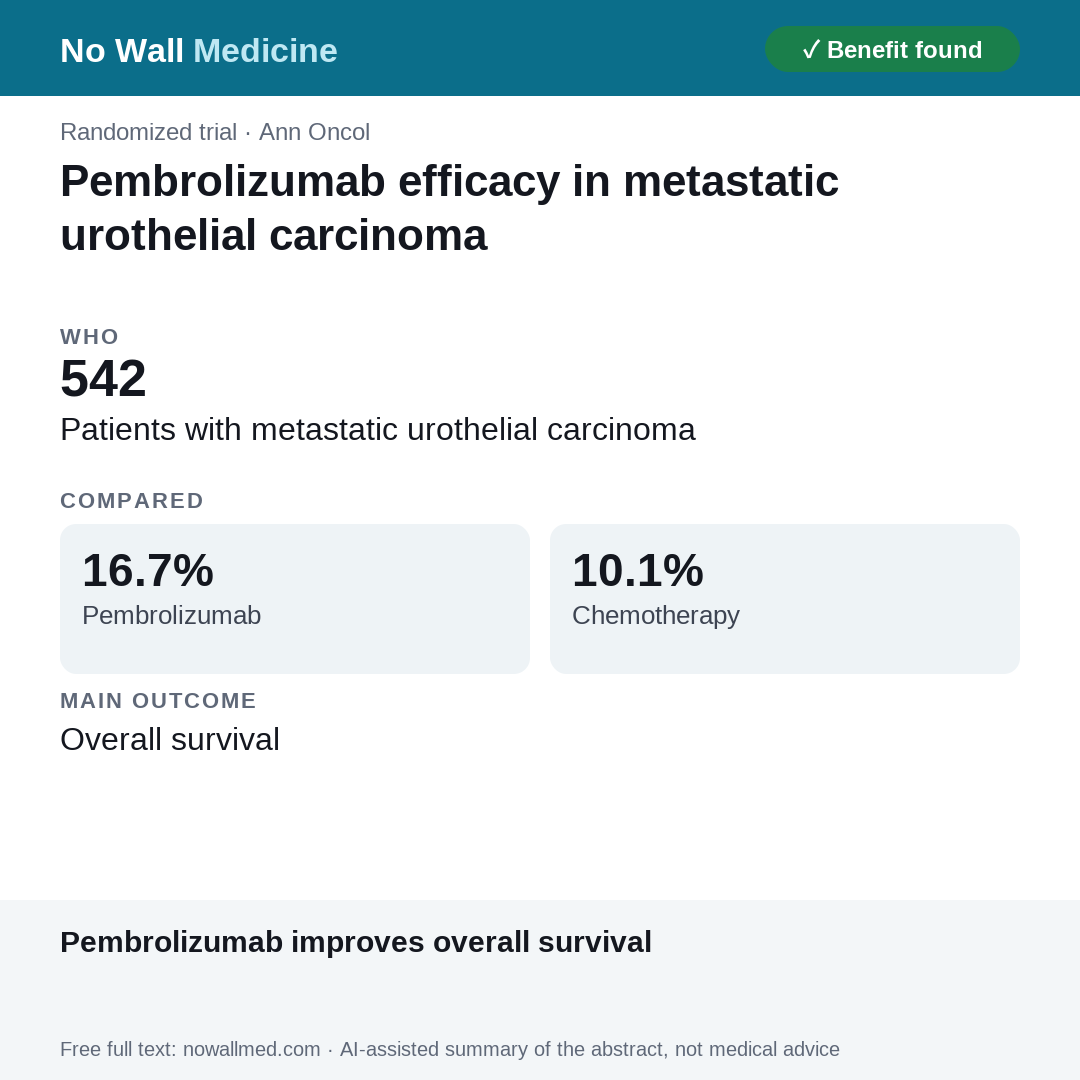
Efficacy and safety of pembrolizumab in metastatic urothelial carcinoma: results from KEYNOTE-045 and KEYNOTE-052 after up to 5 years of follow-up
Randomized trialBenefit found
Pembrolizumab efficacy in metastatic urothelial carcinoma
Who
542
Patients with metastatic urothelial carcinoma
Compared
16.7%Pembrolizumab
10.1%Chemotherapy
Main outcome
Overall survival
Bottom line: Pembrolizumab improves overall survival
Ann Oncol · 2022-12-06Download image
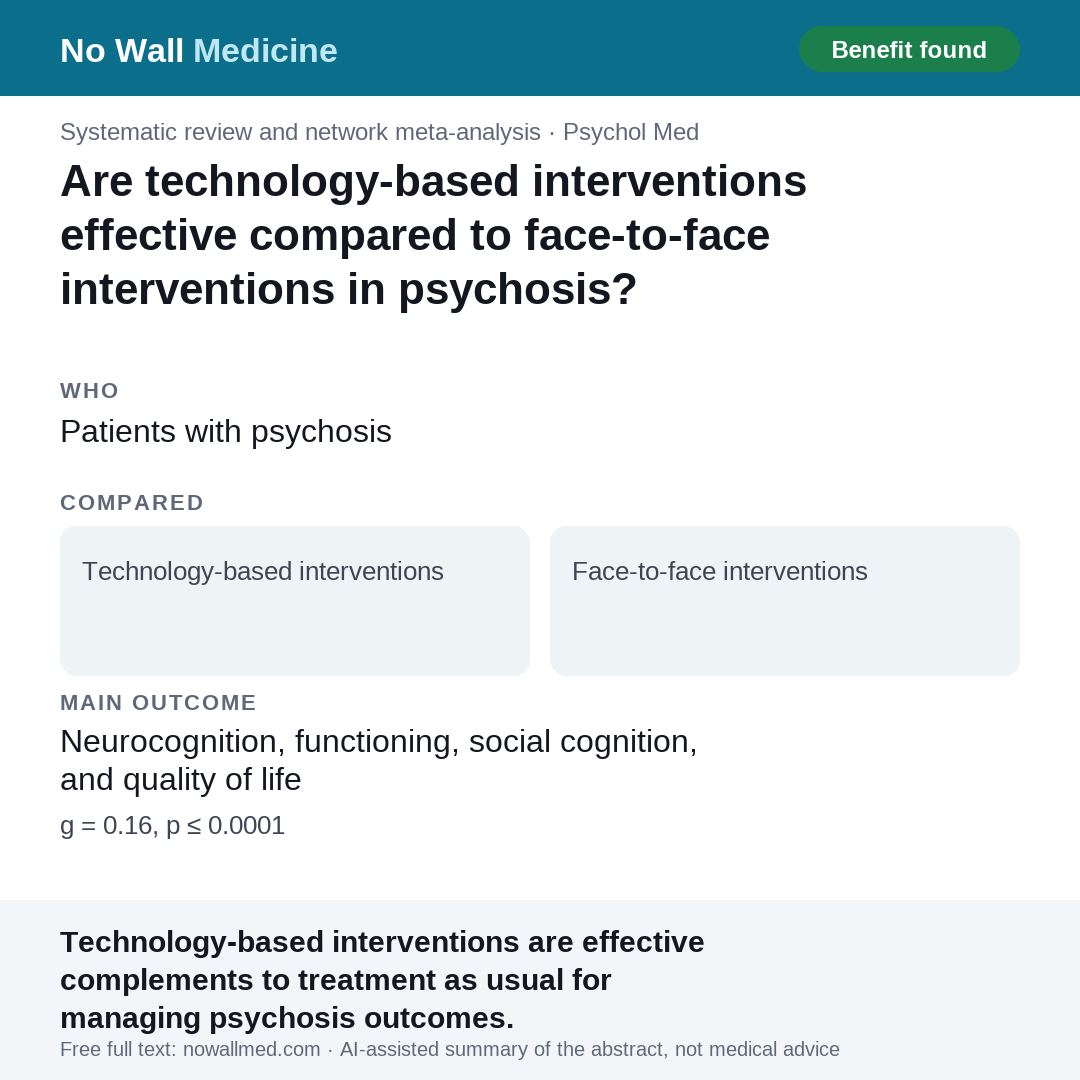
Efficacy of technology-based interventions in psychosis: a systematic review and network meta-analysis
Systematic review and network meta-analysisBenefit found
Are technology-based interventions effective compared to face-to-face interventions in psychosis?
Who
Patients with psychosis
Compared
Technology-based interventions
Face-to-face interventions
Main outcome
Neurocognition, functioning, social cognition, and quality of life
Result: g = 0.16, p ≤ 0.0001
Bottom line: Technology-based interventions are effective complements to treatment as usual for managing psychosis outcomes.
Psychol Med · 2022-12-06Download image
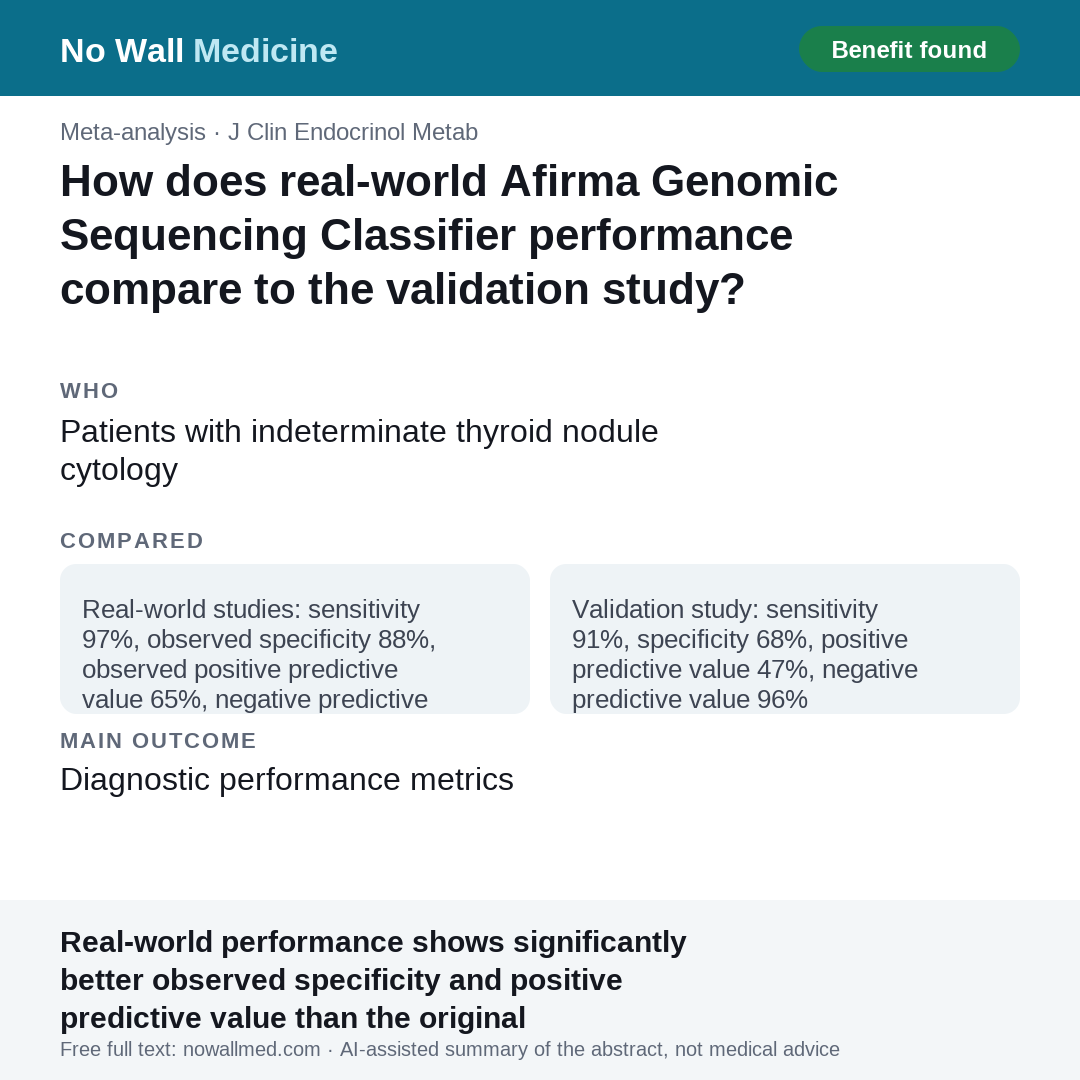
Real-World Performance of the Afirma Genomic Sequencing Classifier (GSC)-A Meta-analysis
Meta-analysisBenefit found
How does real-world Afirma Genomic Sequencing Classifier performance compare to the validation study?
Who
Patients with indeterminate thyroid nodule cytology
Compared
Real-world studies: sensitivity 97%, observed specificity 88%, observed positive predictive value 65%, negative predictive value 99%
Validation study: sensitivity 91%, specificity 68%, positive predictive value 47%, negative predictive value 96%
Main outcome
Diagnostic performance metrics
Bottom line: Real-world performance shows significantly better observed specificity and positive predictive value than the original validation study.
J Clin Endocrinol Metab · 2022-12-06Download image
Thoracic Outlet Syndrome Part II: Consensus on the Management of Neurogenic Thoracic Outlet Syndrome by the European Association of Neurosurgical Societies' Section of Peripheral Nerve Surgery
Consensus statementUnclear result
Management of neurogenic thoracic outlet syndrome
Who
patients with neurogenic thoracic outlet syndrome
Compared
nonsurgical treatment
surgical therapy
Main outcome
management outcomes
Bottom line: Consensus on management of neurogenic thoracic outlet syndrome
Neurosurgery · 2022-12-06Download image

What improves access to primary healthcare services in rural communities? A systematic review
Systematic reviewMixed results
What improves rural access to healthcare
Who
rural communities · international
Compared
Community programs
Telemedicine
Main outcome
access to primary healthcare
Bottom line: Ten strategies improve rural access
BMC Prim Care · 2022-12-06Download image

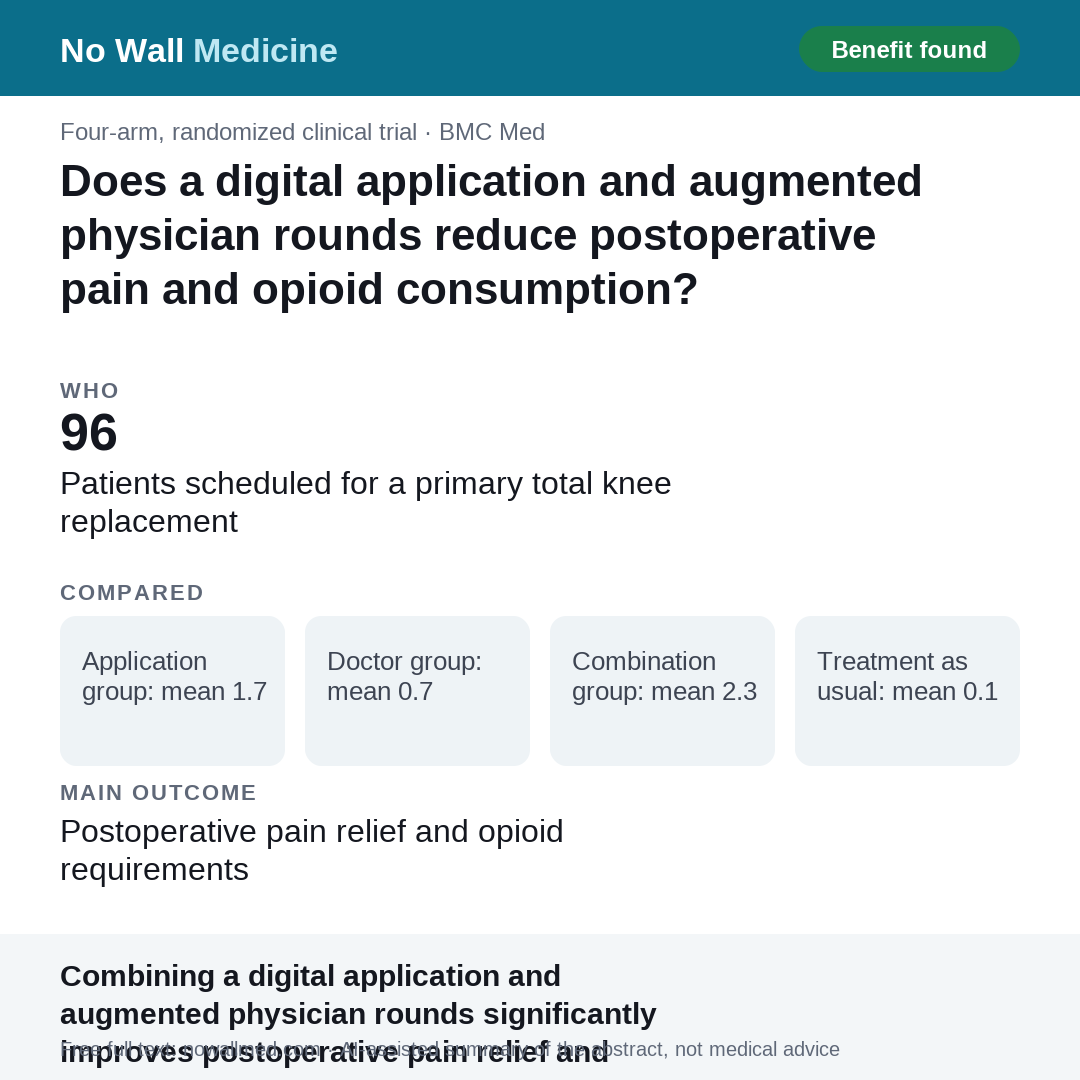
A digital application and augmented physician rounds reduce postoperative pain and opioid consumption after primary total knee replacement (TKR): a randomized clinical trial
Four-arm, randomized clinical trialBenefit found
Does a digital application and augmented physician rounds reduce postoperative pain and opioid consumption?
Who
96
Patients scheduled for a primary total knee replacement
Compared
Application group: mean 1.7
Doctor group: mean 0.7
Combination group: mean 2.3
Treatment as usual: mean 0.1
Main outcome
Postoperative pain relief and opioid requirements
Bottom line: Combining a digital application and augmented physician rounds significantly improves postoperative pain relief and reduces oxycodone consumption.
BMC Med · 2022-12-05Download image
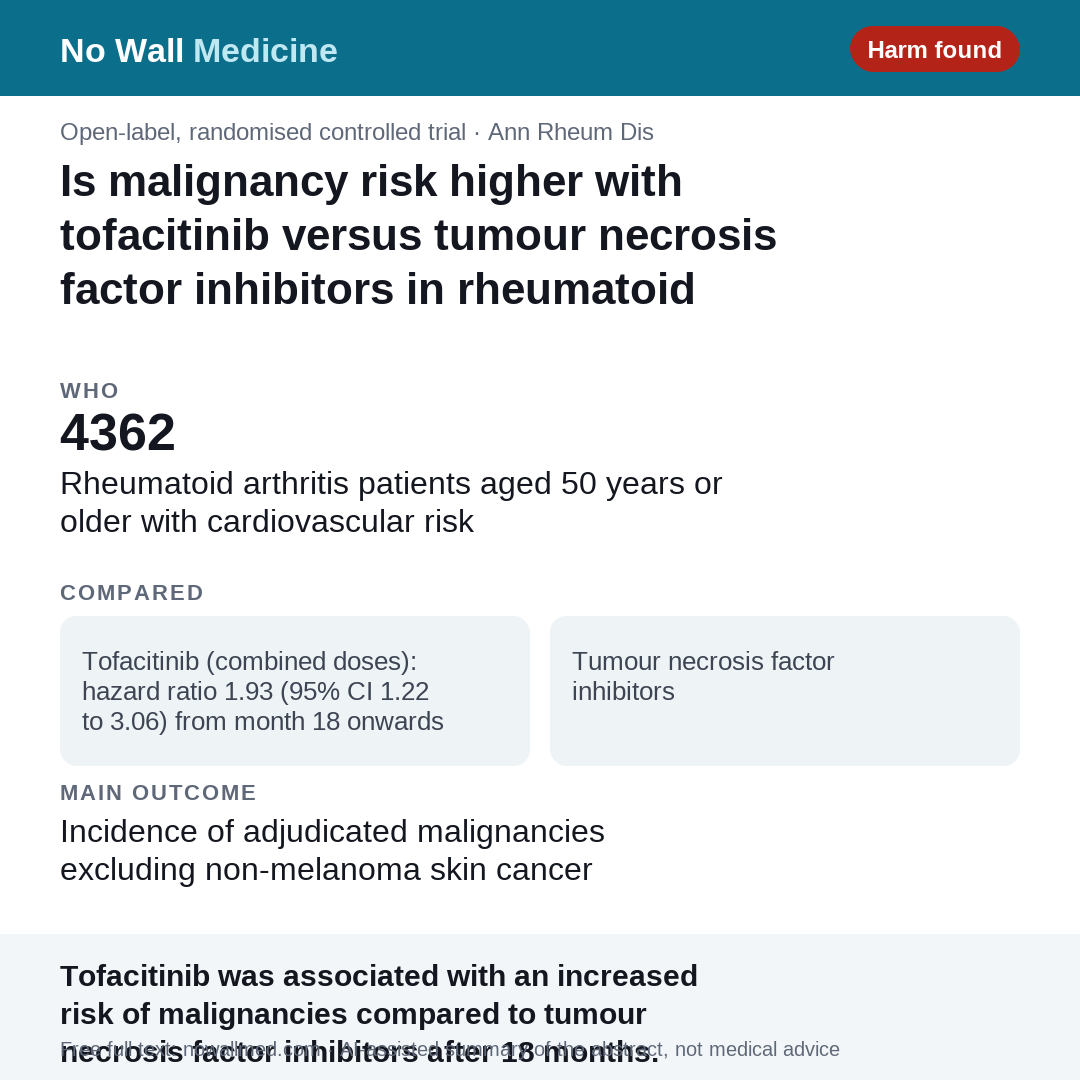
Malignancy risk with tofacitinib versus TNF inhibitors in rheumatoid arthritis: results from the open-label, randomised controlled ORAL Surveillance trial
Open-label, randomised controlled trialHarm found
Is malignancy risk higher with tofacitinib versus tumour necrosis factor inhibitors in rheumatoid arthritis?
Who
4362
Rheumatoid arthritis patients aged 50 years or older with cardiovascular risk
Compared
Tofacitinib (combined doses): hazard ratio 1.93 (95% CI 1.22 to 3.06) from month 18 onwards
Tumour necrosis factor inhibitors
Main outcome
Incidence of adjudicated malignancies excluding non-melanoma skin cancer
Result: hazard ratio 1.93 (95% CI 1.22 to 3.06) from month 18 onwards
Bottom line: Tofacitinib was associated with an increased risk of malignancies compared to tumour necrosis factor inhibitors after 18 months.
Ann Rheum Dis · 2022-12-05Download image