Visual abstracts
New randomized trials and meta-analyses from leading journals at a glance: who was studied, what was compared, and what was found. Every paper is free to read in full.
All specialtiesCardiology 4877Oncology 4138Gastroenterology & Hepatology 1942Infectious Disease 3837Neurology 1905Psychiatry & Mental Health 2273Pulmonology 2143Critical Care 1365Endocrinology & Diabetes 2580Pediatrics 2980Surgery 2559Orthopedics & Sports Medicine 931Neurosurgery 537Cardiothoracic & Vascular Surgery 674Plastic & Reconstructive Surgery 591Nephrology 1133Rheumatology 823Hematology 1109Dermatology 621Ophthalmology 543Obstetrics & Gynecology 1686Public & Global Health 1058Radiology & Imaging 648Anesthesiology 986Urology 764ENT (Otolaryngology) 503Emergency Medicine 511Allergy & Immunology 313Geriatrics 981Family Medicine & Primary Care 562Medical Genetics & Genomics 676Pathology & Laboratory Medicine 159Physical Medicine & Rehabilitation 757Palliative Care 444Nutrition 1588Digital Health & AI 2201General Medicine 321
Evaluation of safety of preoperative GLP-1 receptor agonists in patients undergoing elective surgery: a systematic review, meta-analysis and meta-regression
Systematic review and meta-analysisNo clear difference
Is preoperative glucagon-like peptide-1 receptor agonist therapy safe for elective surgery patients?
Who
97059
Adults undergoing elective surgery · High-income countries
Compared
Glucagon-like peptide-1 receptor agonist users
Non-users
Main outcome
Perioperative safety defined as any complication within 90 days
Result: odds ratio 0.78 (95% CI 0.59-1.05)
Bottom line: Preoperative glucagon-like peptide-1 receptor agonist therapy shows no increased perioperative risk, though evidence certainty is very low.
Limitation: Most studies were observational in design and the certainty of evidence was very low.
Funded by: NIHR Doctoral Research Fellowship and NIHR Exeter Biomedical Research Centre
eClinicalMedicine · 2025-08-12Download image

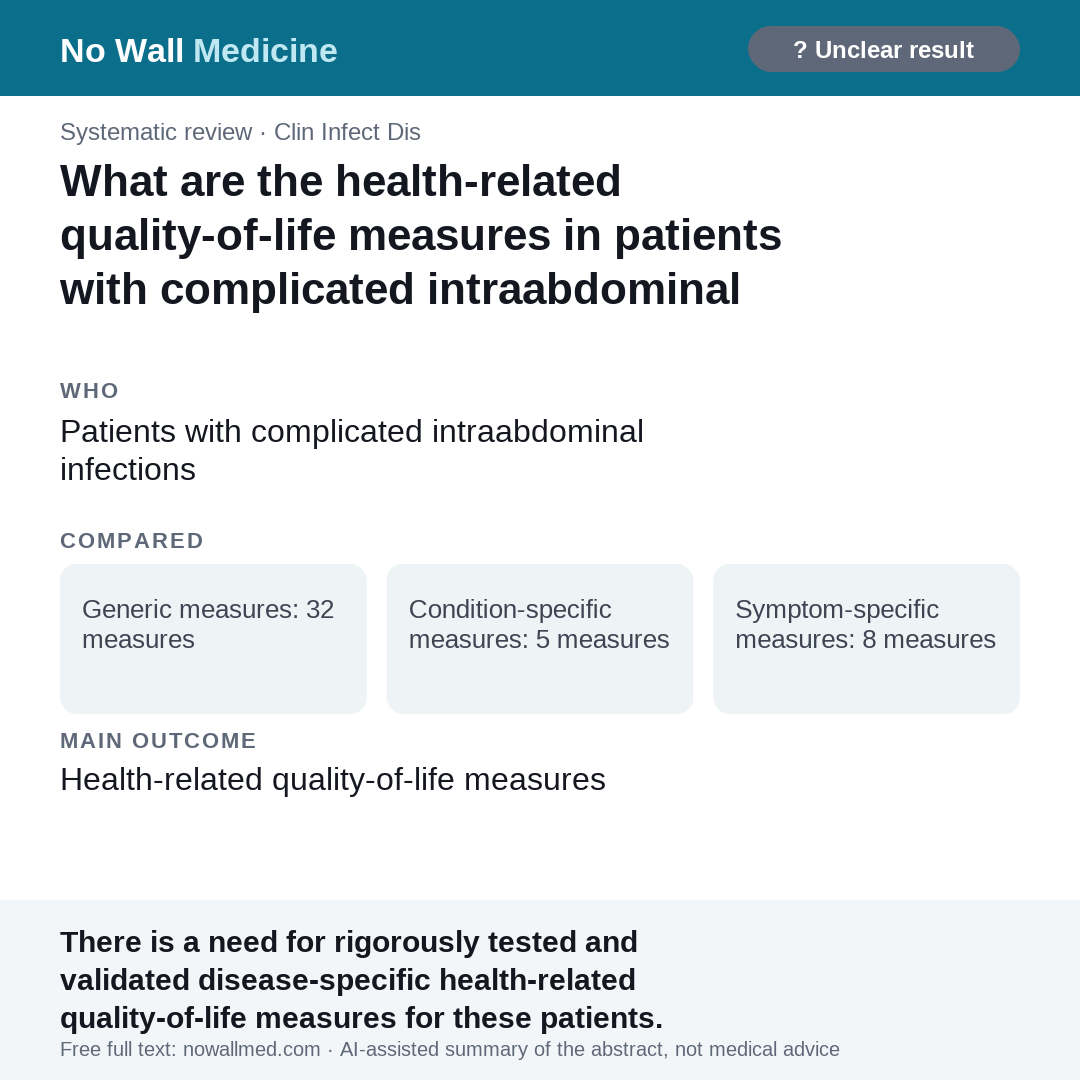
A Systematic Review of Health-Related Quality-of-Life Measurement in Patients With Complicated Intraabdominal Infections
Systematic reviewUnclear result
What are the health-related quality-of-life measures in patients with complicated intraabdominal infections?
Who
Patients with complicated intraabdominal infections
Compared
Generic measures: 32 measures
Condition-specific measures: 5 measures
Symptom-specific measures: 8 measures
Main outcome
Health-related quality-of-life measures
Bottom line: There is a need for rigorously tested and validated disease-specific health-related quality-of-life measures for these patients.
Clin Infect Dis · 2025-08-12Download image
A Systematic Review of Health-Related Quality-of-Life Measurement in Patients With Acute Bacterial Skin and Skin Structure Infections
Systematic reviewUnclear result
How has health-related quality of life been measured in patients with acute bacterial skin infections?
Who
Patients with acute bacterial skin and skin structure infections
Compared
26Generic measures
14Condition-specific measures
2Author-developed questionnaires
Main outcome
Health-related quality of life measurement methods
Bottom line: No repurposed or novel tool was identified that best captures health-related quality of life in these patients.
Clin Infect Dis · 2025-08-12Download image

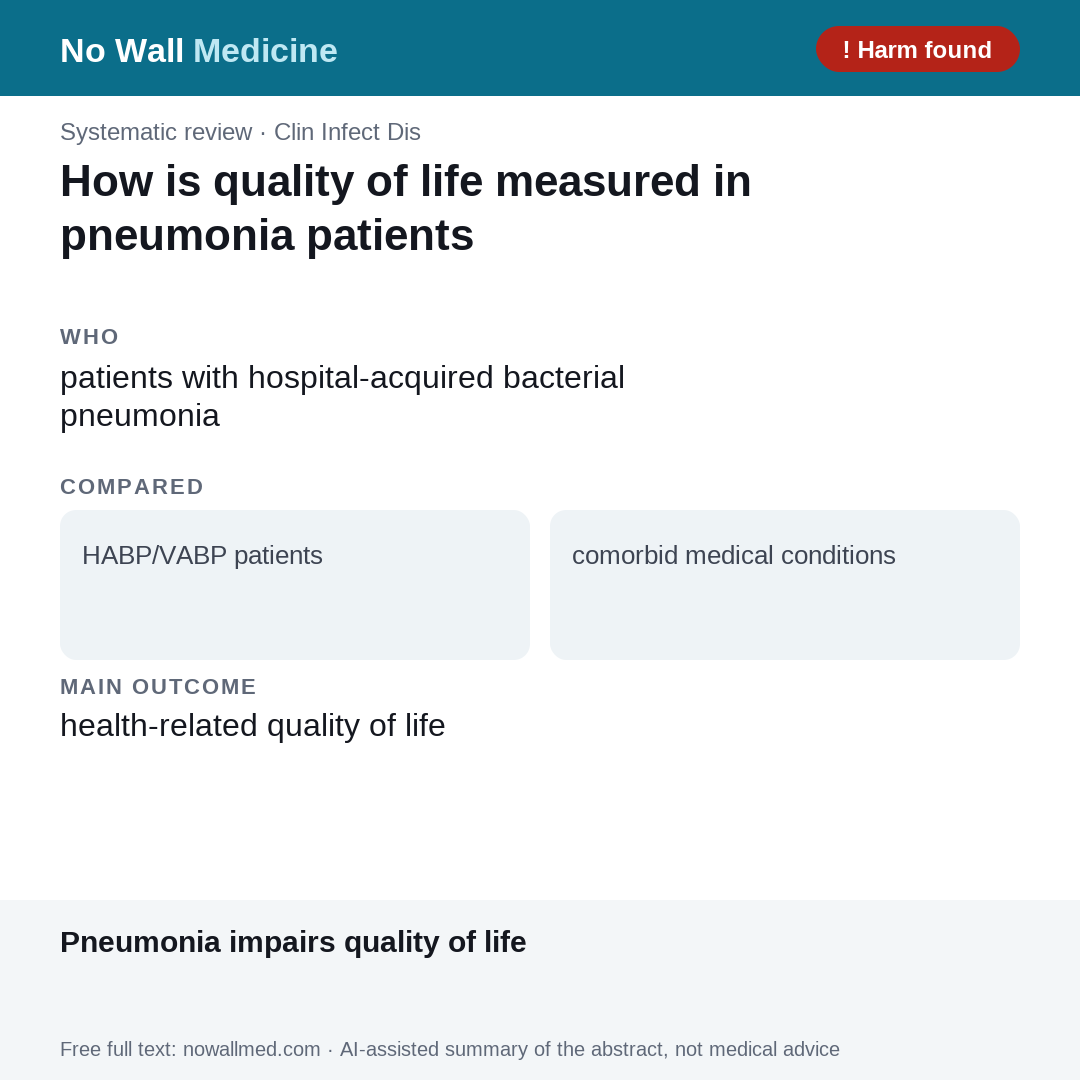
A Systematic Review of Health-Related Quality-of-Life Measurement in Patients With Hospital-Acquired/Ventilator-Associated Bacterial Pneumonia
Systematic reviewHarm found
How is quality of life measured in pneumonia patients
Who
patients with hospital-acquired bacterial pneumonia
Compared
HABP/VABP patients
comorbid medical conditions
Main outcome
health-related quality of life
Bottom line: Pneumonia impairs quality of life
Limitation: limited measurement of quality of life
Clin Infect Dis · 2025-08-12Download image
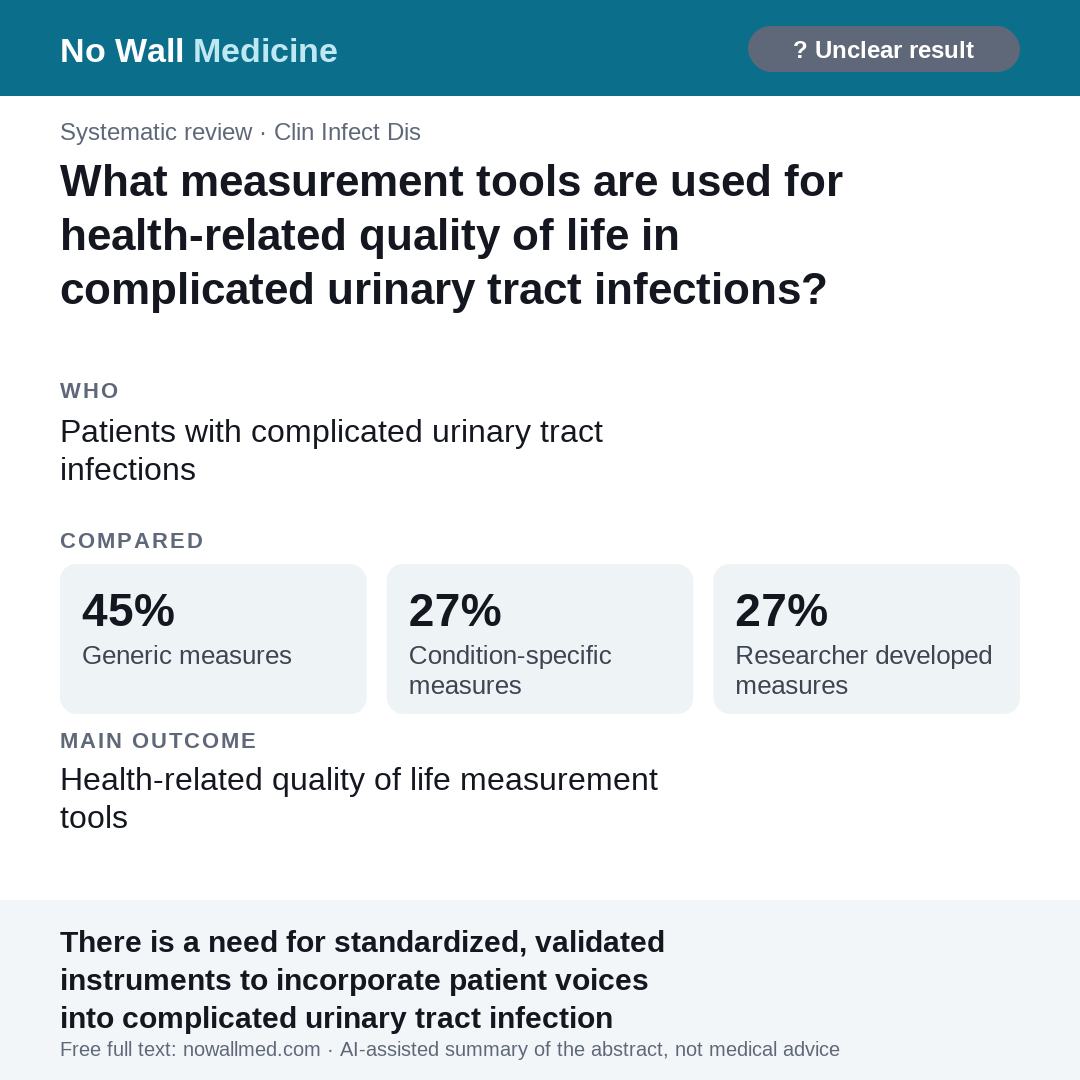
A Systematic Review of Health-Related Quality-of-Life Measurement in Patients With Complicated Urinary Tract Infections
Systematic reviewUnclear result
What measurement tools are used for health-related quality of life in complicated urinary tract infections?
Who
Patients with complicated urinary tract infections
Compared
45%Generic measures
27%Condition-specific measures
27%Researcher developed measures
Main outcome
Health-related quality of life measurement tools
Bottom line: There is a need for standardized, validated instruments to incorporate patient voices into complicated urinary tract infection trials.
Clin Infect Dis · 2025-08-12Download image
The Association Between Patient-Ventilator Asynchrony and Clinical Outcomes in Mechanically Ventilated Patients: A Systematic Review
Systematic review and meta-analysisHarm found
Is patient-ventilator asynchrony associated with clinical outcomes in mechanically ventilated patients?
Who
2672
Mechanically ventilated patients
Compared
Patient-ventilator asynchrony
No asynchrony
Main outcome
mechanical ventilation duration, ICU length of stay, and mortality
Result: mean difference 3.29 d (95% CI 0.13-6.44 d) for ventilation duration
Bottom line: Patient-ventilator asynchrony is associated with longer mechanical ventilation and longer intensive care unit stay.
Crit Care Med · 2025-08-12Download image

Intensive care after vascular surgery: systematic review
Systematic reviewHarm found
Does intensive care admission impact clinical outcomes and costs after vascular surgery?
Who
157 932
Patients undergoing elective and emergency vascular surgery
Compared
Intensive care unit admission: OR 4.14 (95% c.i. 1.65 to 10.41)
Intermediary or ward-based care
Main outcome
30-day or in-hospital mortality
Result: odds ratio 4.14 (95% c.i. 1.65 to 10.41)
Bottom line: Intensive care admission was associated with higher mortality and adverse events after vascular surgery without clear clinical benefit.
Limitation: Potential residual confounding and insufficient risk stratification.
Br J Surg · 2025-08-12Download image

Systematic Review: The Relationship Between the Faecal Microbiome and Colorectal Neoplasia in Shotgun Metagenomic Studies
Systematic review of shotgun metagenomic studiesMixed results
What is the relationship between the faecal microbiome and colorectal neoplasia?
Who
Patients with colorectal neoplasia and control populations · Asia, Europe, and North America
Compared
Colorectal cancer patients: significant enrichment of Fusobacterium nucleatum and Parvimonas micra
Controls
Main outcome
Association between gut microbiome organisms and colorectal neoplasia
Bottom line: Fusobacterium nucleatum and Parvimonas micra are enriched in colorectal cancer, but findings require caution due to heterogeneity.
Limitation: Poor quality appraisal regarding selection of cases and controls and varied control definitions.
Aliment Pharmacol Ther · 2025-08-12Download image

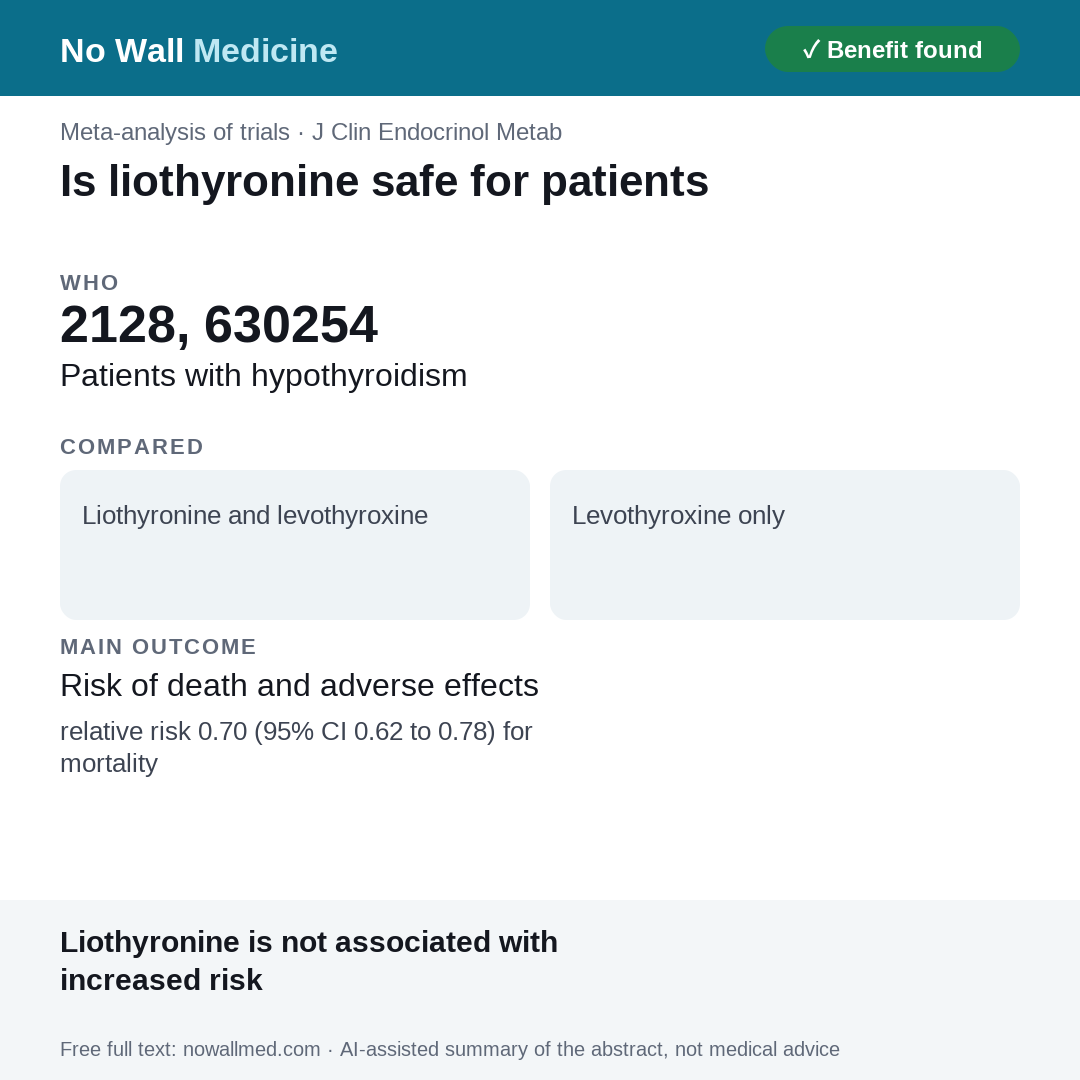
Risk of Death and Adverse Effects in Patients on Liothyronine: A Multisource Systematic Review and Meta-analysis
Meta-analysis of trialsBenefit found
Is liothyronine safe for patients
Who
2128, 630254
Patients with hypothyroidism
Compared
Liothyronine and levothyroxine
Levothyroxine only
Main outcome
Risk of death and adverse effects
Result: relative risk 0.70 (95% CI 0.62 to 0.78) for mortality
Bottom line: Liothyronine is not associated with increased risk
J Clin Endocrinol Metab · 2025-08-12Download image
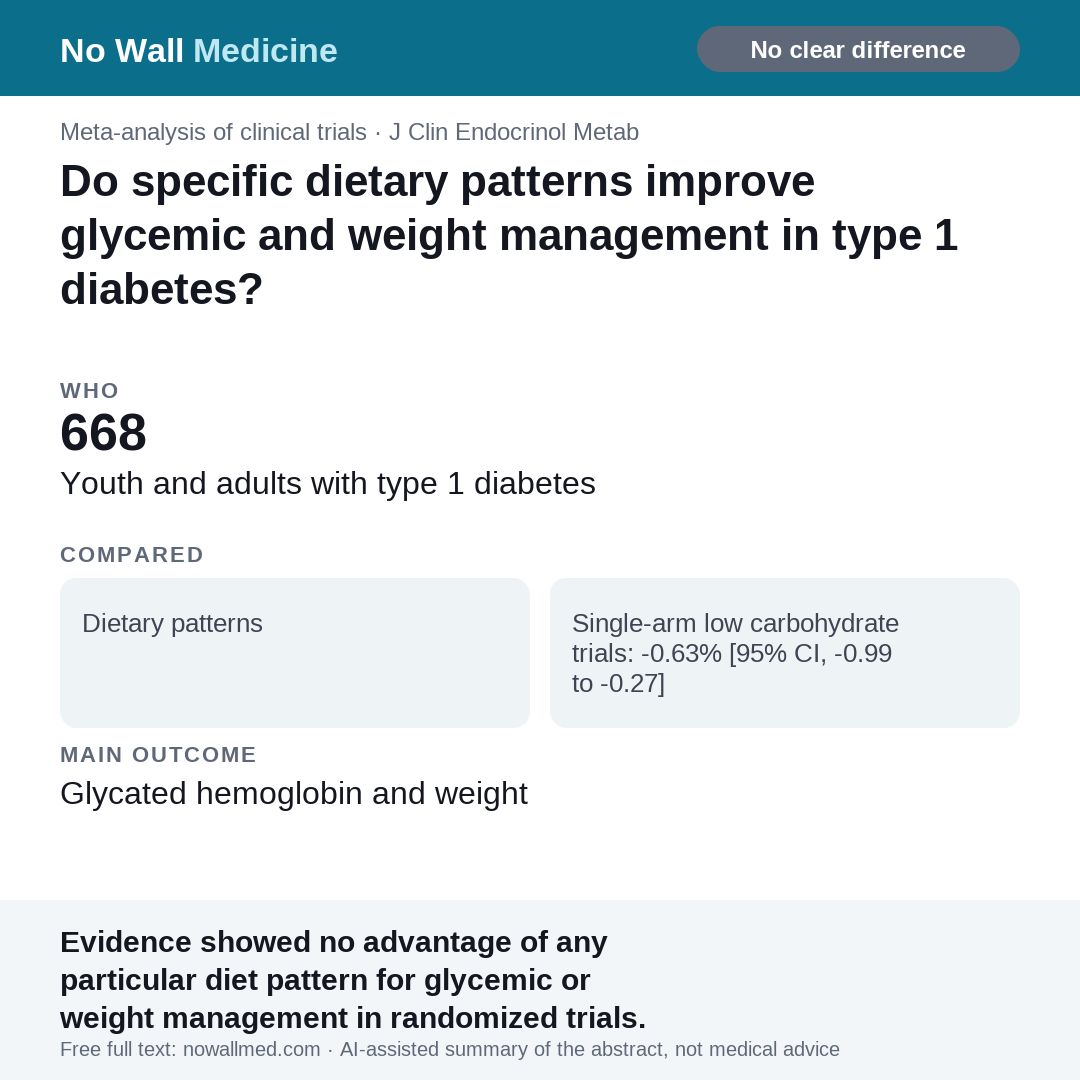
Dietary Patterns for Weight and Glycemic Management in Persons With Type 1 Diabetes: A Meta-analysis of Clinical Trials
Meta-analysis of clinical trialsNo clear difference
Do specific dietary patterns improve glycemic and weight management in type 1 diabetes?
Who
668
Youth and adults with type 1 diabetes
Compared
Dietary patterns
Single-arm low carbohydrate trials: -0.63% [95% CI, -0.99 to -0.27]
Main outcome
Glycated hemoglobin and weight
Bottom line: Evidence showed no advantage of any particular diet pattern for glycemic or weight management in randomized trials.
Limitation: Limited evidence precluded subgroup analyses to inform precision nutrition approaches.
J Clin Endocrinol Metab · 2025-08-12Download image
Treatment strategies for patients with ischemic mitral regurgitation: a systematic review and meta-analysis
Systematic review and meta-analysisMixed results
What are the outcomes of different treatment strategies for ischemic mitral regurgitation?
Who
3001
Patients with ischemic mitral regurgitation
Compared
Coronary artery bypass grafting plus mitral valve replacement: 37.5% five-year mortality
Percutaneous coronary intervention alone: 41.8% five-year mortality
Percutaneous coronary intervention plus transcatheter edge-to-edge repair: 13.8% (95% CI 3.9%-31.7%) in-hospital/30-day mortality
Main outcome
In-hospital, 30-day, and long-term mortality and complications
Bottom line: Coronary artery bypass grafting plus mitral valve replacement showed superior long-term survival but higher perioperative risks than percutaneous coronary intervention.
Limitation: Robust comparative trials are needed to optimize ischemic mitral regurgitation management.
Int J Surg · 2025-08-12Download image

Circulating tumor DNA as a biomarker for progression and survival in esophageal cancer after neoadjuvant therapy and esophagectomy: a systematic review and meta-analysis
Systematic review and meta-analysisBenefit found
Does circulating tumor DNA predict survival and pathologic complete response in esophageal cancer?
Who
334
Esophageal cancer patients undergoing neoadjuvant therapy and esophagectomy
Compared
ctDNA detection post-neoadjuvant therapy: HR 3.81 (95% CI: 2.19-6.64) for progression-free survival
ctDNA detection post-surgery: HR 4.17 (95% CI: 2.17-8.04) for progression-free survival
Main outcome
progression-free survival, overall survival, and pathologic complete response
Result: HR 3.81 (95% CI: 2.19-6.64) for progression-free survival post-neoadjuvant therapy
Bottom line: Circulating tumor DNA detection after neoadjuvant therapy or surgery predicts worse survival and lower pathologic complete response rates.
Limitation: Further standardization of circulating tumor DNA detection methods is essential.
Int J Surg · 2025-08-12Download image

Treatment and prognostic factors in PMR: a systematic literature review informing German, Austrian and Swiss guidelines
Systematic literature reviewBenefit found
What are the effective therapeutic interventions and prognostic factors in polymyalgia rheumatica?
Who
Patients with pure polymyalgia rheumatica · Not specified
Compared
Interleukin-6 receptor inhibitors: higher remission rates and reduced glucocorticoid use
Rituximab and tofacitinib: indicated benefit
Methotrexate: showed limited efficacy
Main outcome
therapeutic interventions and prognostic factors
Bottom line: Interleukin-6 receptor inhibitors are effective glucocorticoid-sparing agents in polymyalgia rheumatica.
Limitation: Studies on prognostic factors were of variable quality and yielded inconclusive results.
Rheumatology · 2025-08-12Download image

Plant-based diets and risk of type 2 diabetes: systematic review and dose-response meta-analysis
Systematic review and dose-response meta-analysisBenefit found
Do plant-based, vegetarian, or vegan diets affect type 2 diabetes risk?
Who
Adult subjects
Compared
Vegan diet: RR = 0·65 (95 % CI 0·42, 1·00)
Lacto-ovo-vegetarian diet: RR = 0·68 (0·57, 0·82)
Healthy plant-based index: RR = 0·76 (0·69, 0·82)
Unhealthy plant-based index: RR = 1·13 (0·98, 1·30)
Main outcome
Type 2 diabetes risk
Bottom line: Vegetarian and healthy plant-based diets may reduce type 2 diabetes risk, while unhealthy plant-based diets may increase it.
Limitation: The association for the vegan diet was statistically imprecise.
Br J Nutr · 2025-08-12Download image

Dietary Patterns and Diet Quality before and/or during Pregnancy and How These Affect Birth Outcomes: A Systematic Review and Meta-analysis
Systematic review and meta-analysisBenefit found
Does diet quality before and during pregnancy affect preterm birth and low birthweight risk?
Who
7367
Pregnant women in randomized controlled trials
Compared
Improved diet quality
Usual diet or placebo
Main outcome
low birthweight and preterm birth risk
Result: risk ratio 0.53 (95% CI 0.37 to 0.77) for low birthweight
Bottom line: Improved diet quality reduces low birthweight risk, especially when started in the first trimester.
Limitation: low certainty of evidence
Adv Nutr · 2025-08-12Download image

The Proportion of Treponema pallidum Polymerase Chain Reaction-Positive Primary Syphilis Infections That Are Seronegative for Syphilis: A Systematic Review and Meta-analysis
Meta-analysis of 8 studiesBenefit found
Proportion of syphilis infections missed by serology
Who
758
Patients with primary syphilis
Compared
10%PCR-positive, seronegative (73/758)
4%Lowest estimate (4/108)
20%Highest estimate (14/71)
Main outcome
Proportion of seronegative infections
Result: pooled estimate 10% (95% CI, 6%-13%)
Bottom line: 10% of syphilis cases missed by serology alone
Open Forum Infect Dis · 2025-08-12Download image

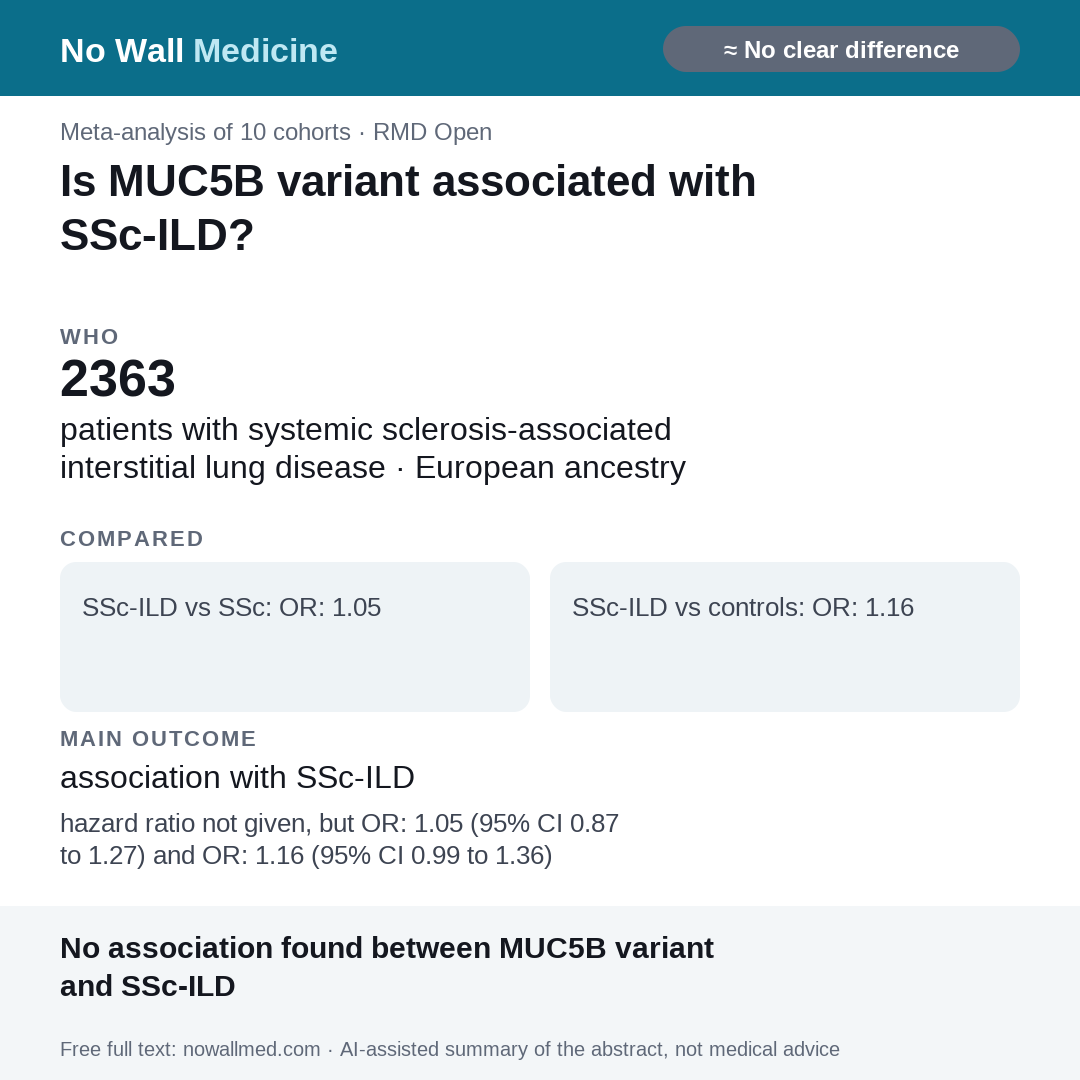
Assessing the MUC5B promoter variant in a large cohort of systemic sclerosis-associated interstitial lung disease
Meta-analysis of 10 cohortsNo clear difference
Is MUC5B variant associated with SSc-ILD?
Who
2363
patients with systemic sclerosis-associated interstitial lung disease · European ancestry
Compared
SSc-ILD vs SSc: OR: 1.05
SSc-ILD vs controls: OR: 1.16
Main outcome
association with SSc-ILD
Result: hazard ratio not given, but OR: 1.05 (95% CI 0.87 to 1.27) and OR: 1.16 (95% CI 0.99 to 1.36)
Bottom line: No association found between MUC5B variant and SSc-ILD
RMD Open · 2025-08-12Download image
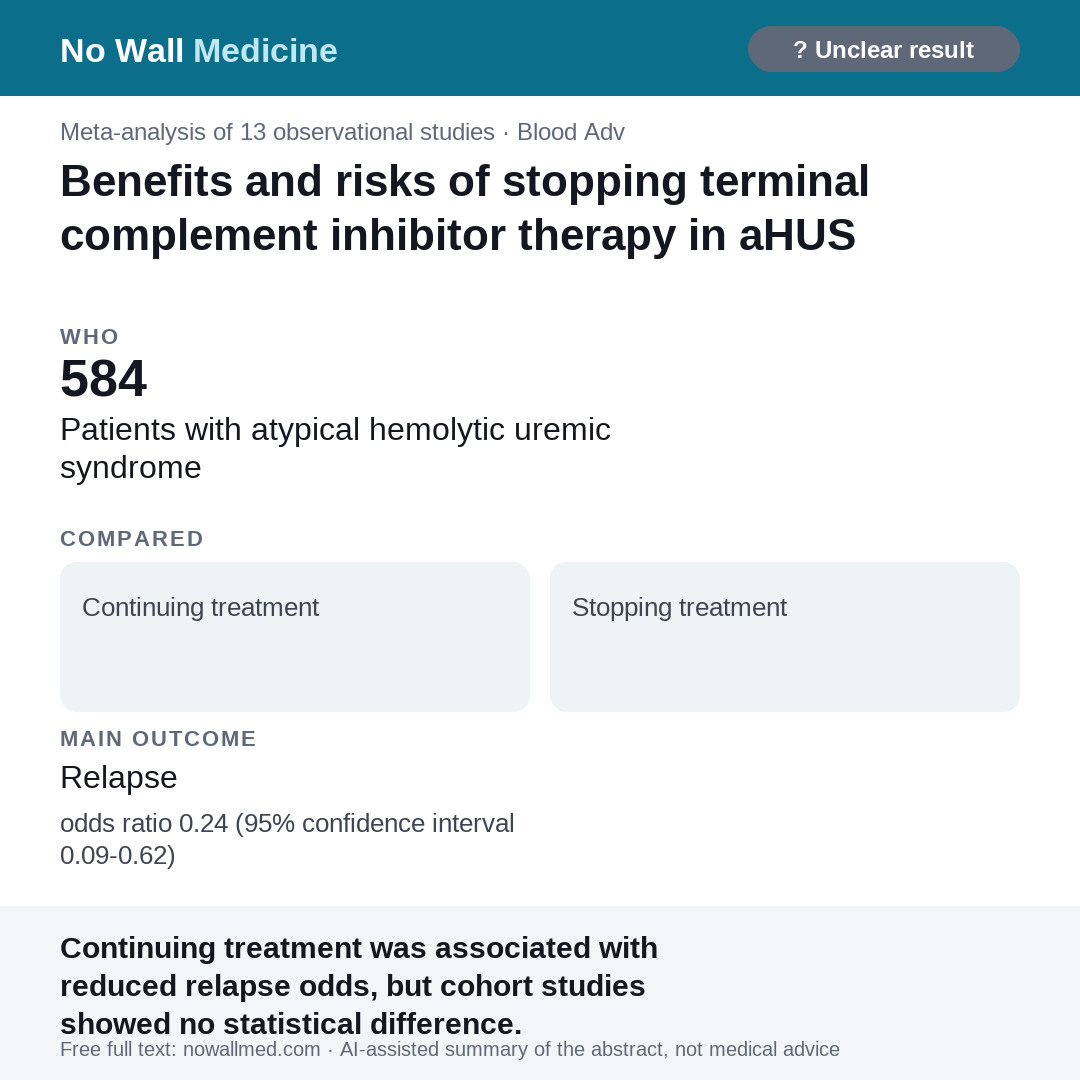
Efficacy of eculizumab discontinuation in atypical hemolytic uremic syndrome: a systematic review and meta-analysis
Systematic review and meta-analysisUnclear result
Is stopping terminal complement inhibitor therapy safe in atypical hemolytic uremic syndrome?
Who
584
Patients with atypical hemolytic uremic syndrome
Compared
Continuing treatment
Stopping anticomplement treatment
Main outcome
Odds of relapse
Result: odds ratio 0.24 (95% confidence interval 0.09-0.62)
Bottom line: Continuing treatment reduced relapse odds, but higher-quality cohort studies showed no statistical difference between therapies.
Blood Adv · 2025-08-12Download image
Global evidence on the effectiveness of task-shifting and task-sharing strategies for managing individuals with multimorbidity: systematic review and meta-analysis
Systematic review and meta-analysisBenefit found
Are task-shifting and task-sharing strategies effective for managing individuals with multimorbidity?
Who
20989
Individuals with multimorbidity · 14 countries
Compared
Task-shifting and task-sharing
Control
Main outcome
Core health outcomes in multimorbidity management
Result: OR: 0.73, 95% CI: 0.55 to 0.97
Bottom line: Task-shifting and task-sharing interventions reduced mortality and improved quality of life and depression symptoms in individuals with multimorbidity.
Limitation: Evidence remains scarce in low-income and middle-income countries.
Fam Med Community Health · 2025-08-12Download image

Using game performance measure to assess upper limb motor function in children with neuromotor disorders: a systematic review
Systematic reviewUnclear result
Can game metrics assess upper limb function
Who
443
Children with neuromotor disorders
Compared
Children with cerebral palsy
Control participants
Main outcome
Upper limb function
Bottom line: Game metrics lack validation for assessing upper limb function
J Neuroeng Rehabil · 2025-08-12Download image