Visual abstracts
New randomized trials and meta-analyses from leading journals at a glance: who was studied, what was compared, and what was found. Every paper is free to read in full.
All specialtiesCardiology 4877Oncology 4138Gastroenterology & Hepatology 1942Infectious Disease 3837Neurology 1905Psychiatry & Mental Health 2273Pulmonology 2143Critical Care 1365Endocrinology & Diabetes 2580Pediatrics 2980Surgery 2559Orthopedics & Sports Medicine 931Neurosurgery 537Cardiothoracic & Vascular Surgery 674Plastic & Reconstructive Surgery 591Nephrology 1133Rheumatology 823Hematology 1109Dermatology 621Ophthalmology 543Obstetrics & Gynecology 1686Public & Global Health 1058Radiology & Imaging 648Anesthesiology 986Urology 764ENT (Otolaryngology) 503Emergency Medicine 511Allergy & Immunology 313Geriatrics 981Family Medicine & Primary Care 562Medical Genetics & Genomics 676Pathology & Laboratory Medicine 159Physical Medicine & Rehabilitation 757Palliative Care 444Nutrition 1588Digital Health & AI 2201General Medicine 321
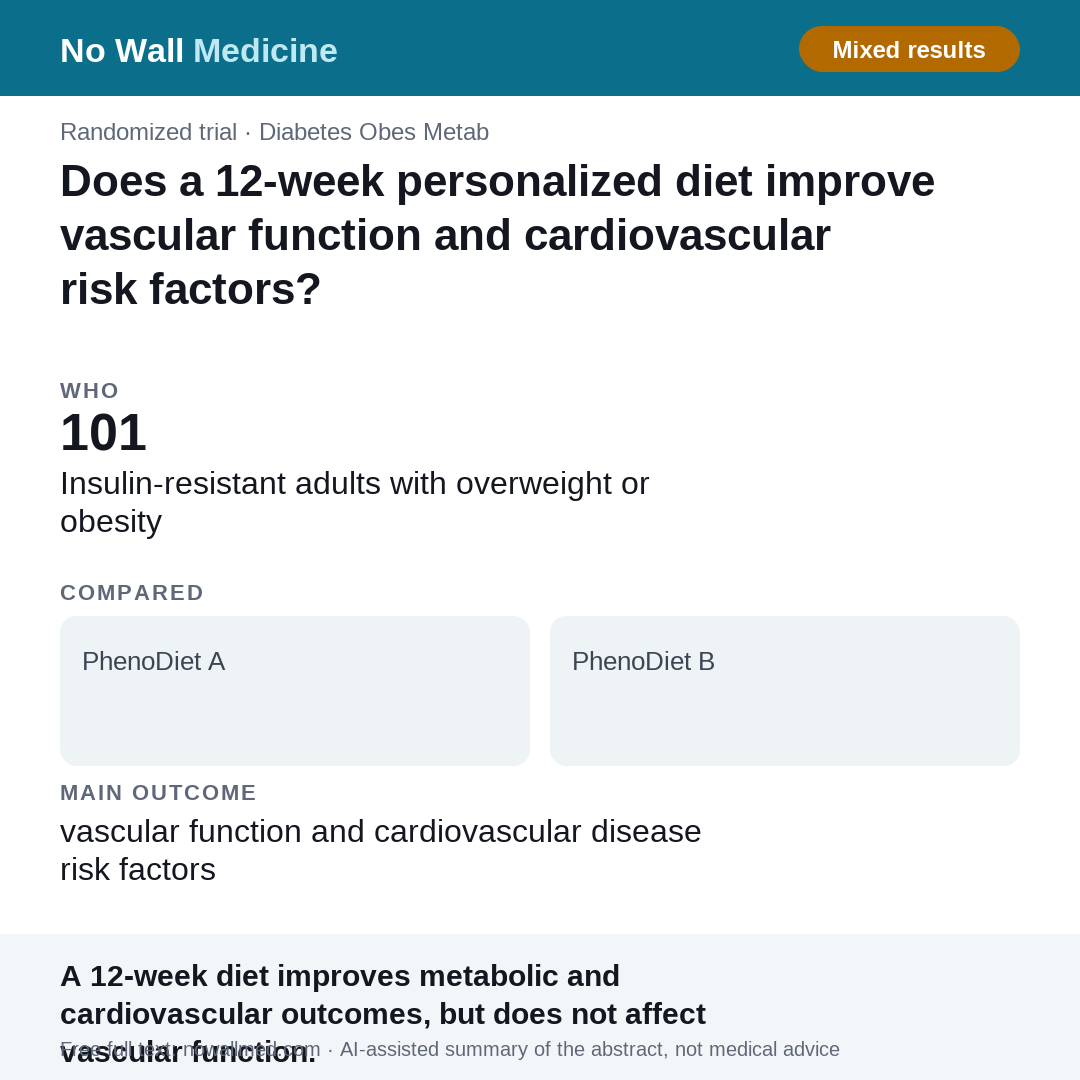
Impact of a 12-week personalized dietary intervention on vascular function and cardiovascular risk factors
Randomized trialMixed results
Does a 12-week personalized diet improve vascular function and cardiovascular risk factors?
Who
101
Insulin-resistant adults with overweight or obesity
Compared
PhenoDiet A
PhenoDiet B
Main outcome
vascular function and cardiovascular disease risk factors
Bottom line: A 12-week diet improves metabolic and cardiovascular outcomes, but does not affect vascular function.
Diabetes Obes Metab · 2025-02-27Download image
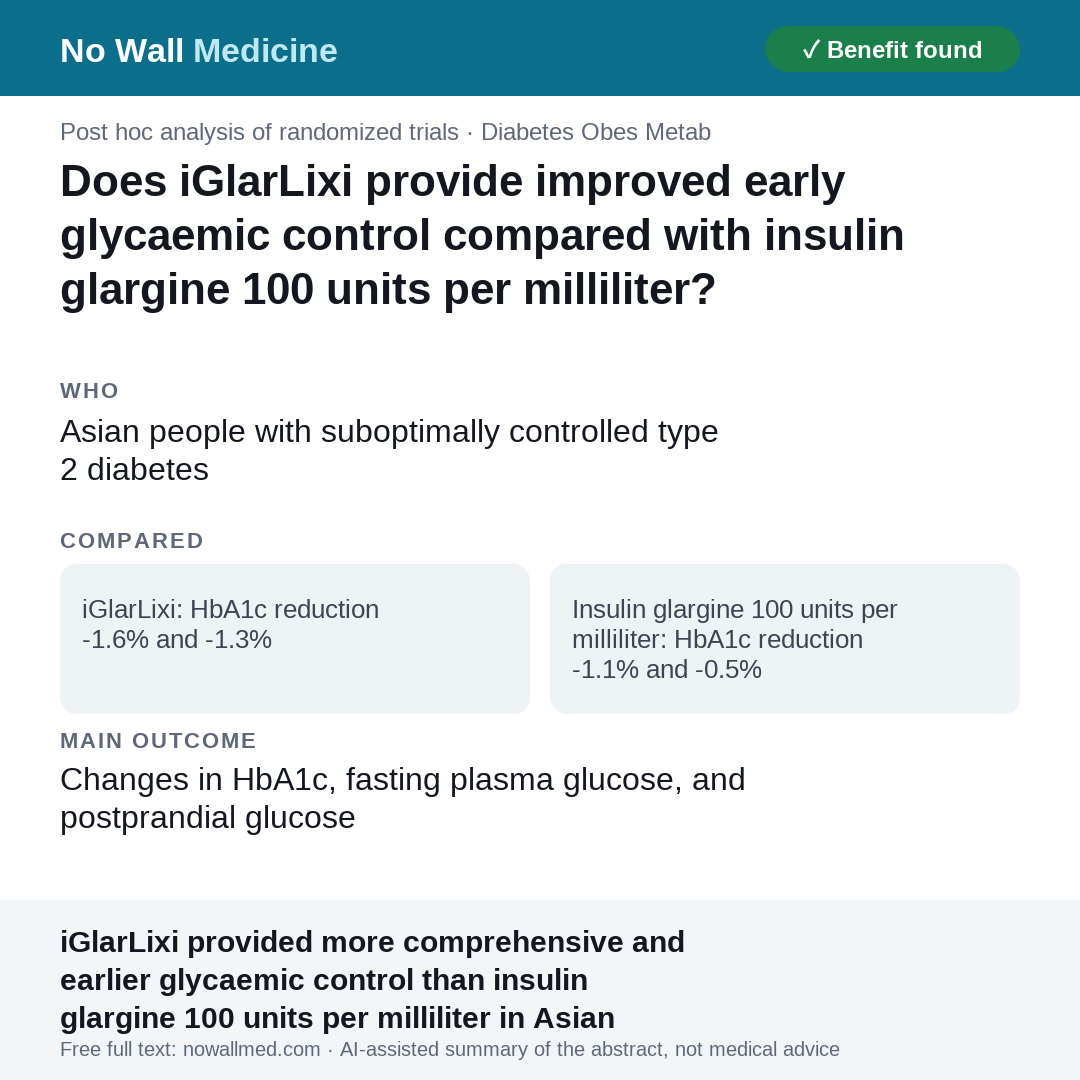
iGlarLixi provides improved early glycaemic control after 12 weeks of treatment compared with basal insulin in Asian people with type 2 diabetes: A post hoc analysis of the LixiLan-O-AP and LixiLan-L-CN studies
Post hoc analysis of randomized trialsBenefit found
Does iGlarLixi provide improved early glycaemic control compared with insulin glargine 100 units per milliliter?
Who
Asian people with suboptimally controlled type 2 diabetes
Compared
iGlarLixi: HbA1c reduction -1.6% and -1.3%
Insulin glargine 100 units per milliliter: HbA1c reduction -1.1% and -0.5%
Main outcome
Changes in HbA1c, fasting plasma glucose, and postprandial glucose
Bottom line: iGlarLixi provided more comprehensive and earlier glycaemic control than insulin glargine 100 units per milliliter in Asian patients.
Diabetes Obes Metab · 2025-02-27Download image
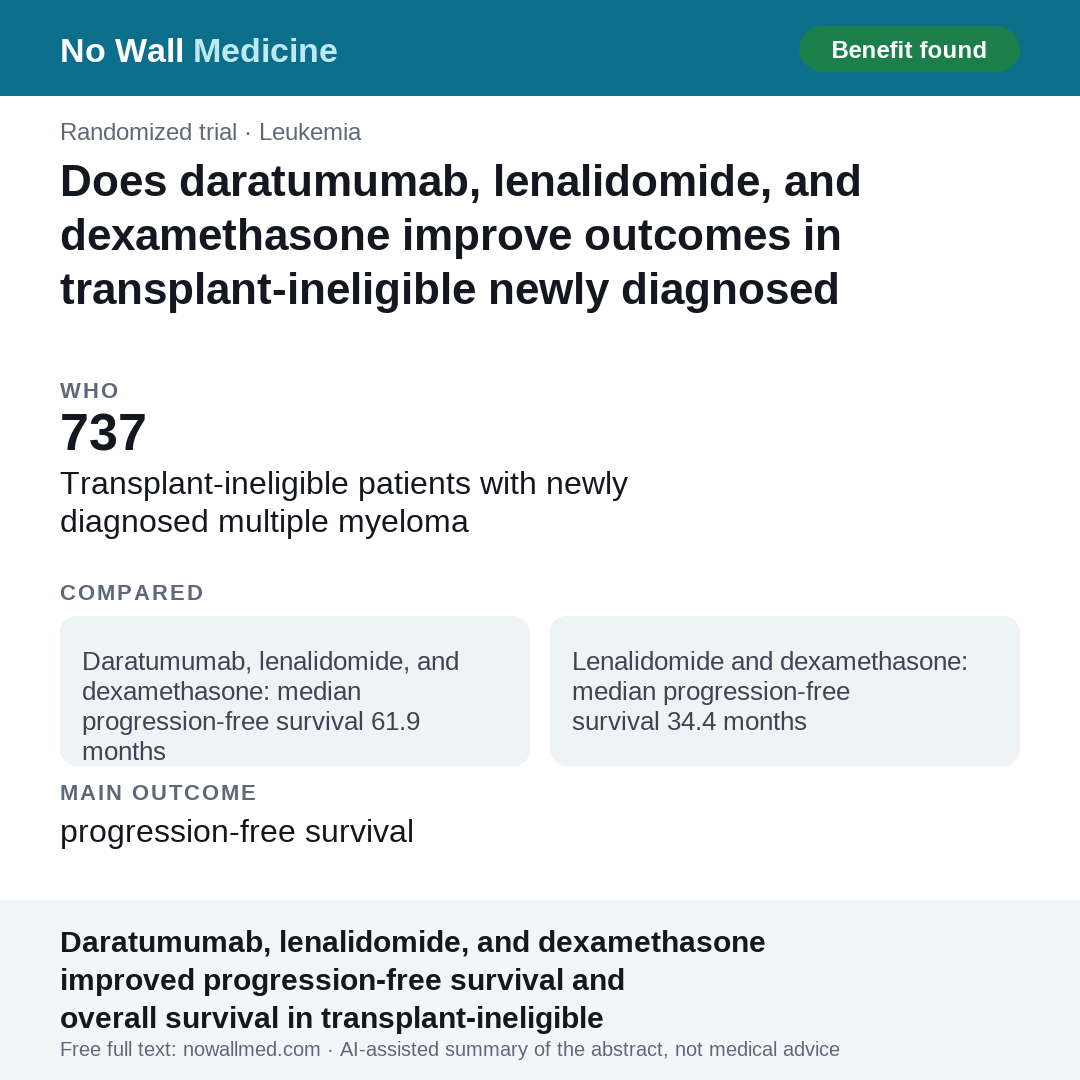
Daratumumab/lenalidomide/dexamethasone in transplant-ineligible newly diagnosed myeloma: MAIA long-term outcomes
Randomized trialBenefit found
Does daratumumab, lenalidomide, and dexamethasone improve outcomes in transplant-ineligible newly diagnosed multiple myeloma?
Who
737
Transplant-ineligible patients with newly diagnosed multiple myeloma
Compared
Daratumumab, lenalidomide, and dexamethasone: median progression-free survival 61.9 months
Lenalidomide and dexamethasone: median progression-free survival 34.4 months
Main outcome
progression-free survival
Result: hazard ratio 0.55 (95% CI 0.45-0.67)
Bottom line: Daratumumab, lenalidomide, and dexamethasone improved progression-free survival and overall survival in transplant-ineligible patients.
Leukemia · 2025-02-27Download image
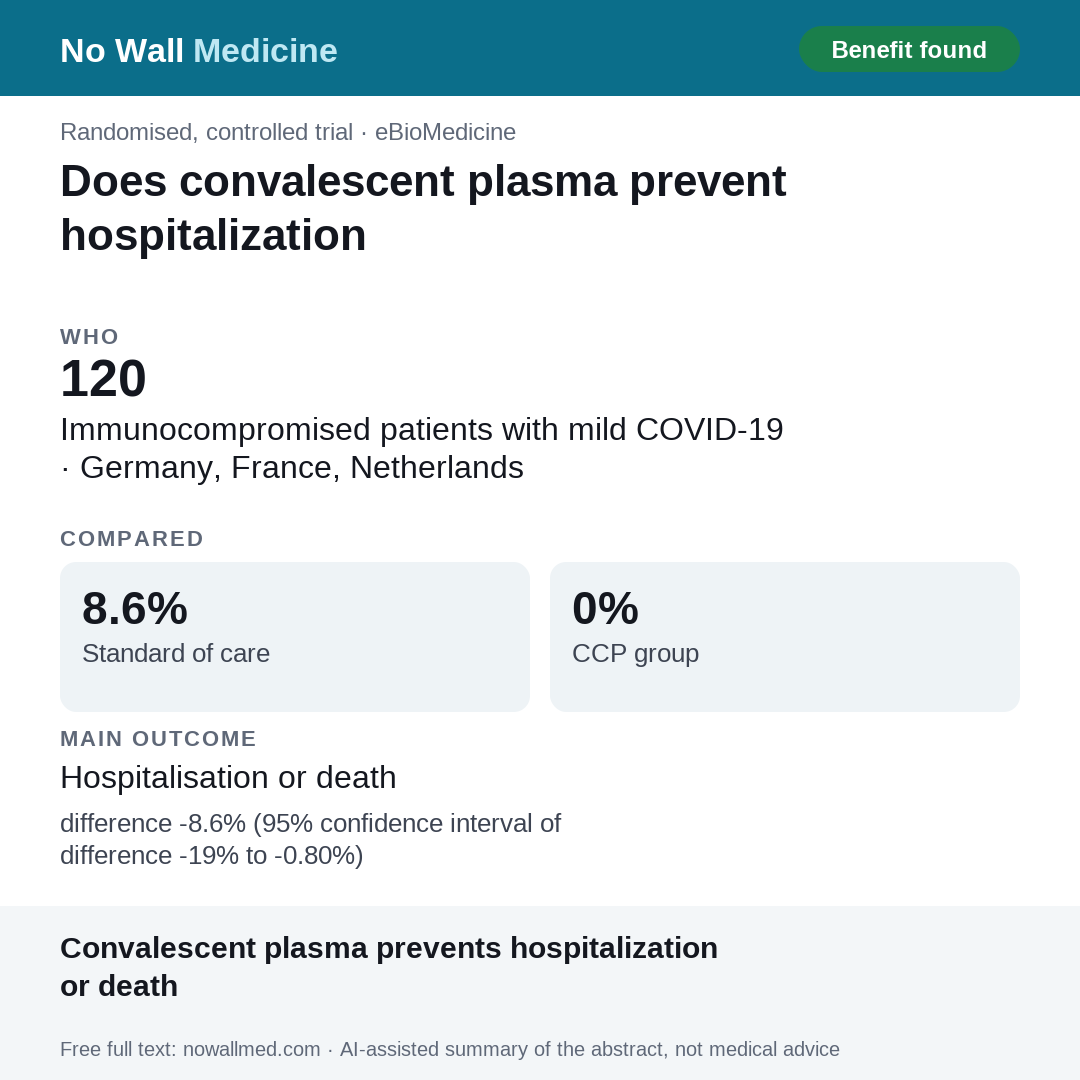
Early, very high-titre convalescent plasma therapy in clinically vulnerable individuals with mild COVID-19: an international, randomised, open-label trial
Randomised, controlled trialBenefit found
Does convalescent plasma prevent hospitalization
Who
120
Immunocompromised patients with mild COVID-19 · Germany, France, Netherlands
Compared
8.6%Standard of care (5/58)
0%CCP group (0/59)
Main outcome
Hospitalisation or death
Result: difference -8.6% (95% confidence interval of difference -19% to -0.80%)
Bottom line: Convalescent plasma prevents hospitalization or death
Funded by: European Union's Horizon 2020 Programme
eBioMedicine · 2025-02-27Download image
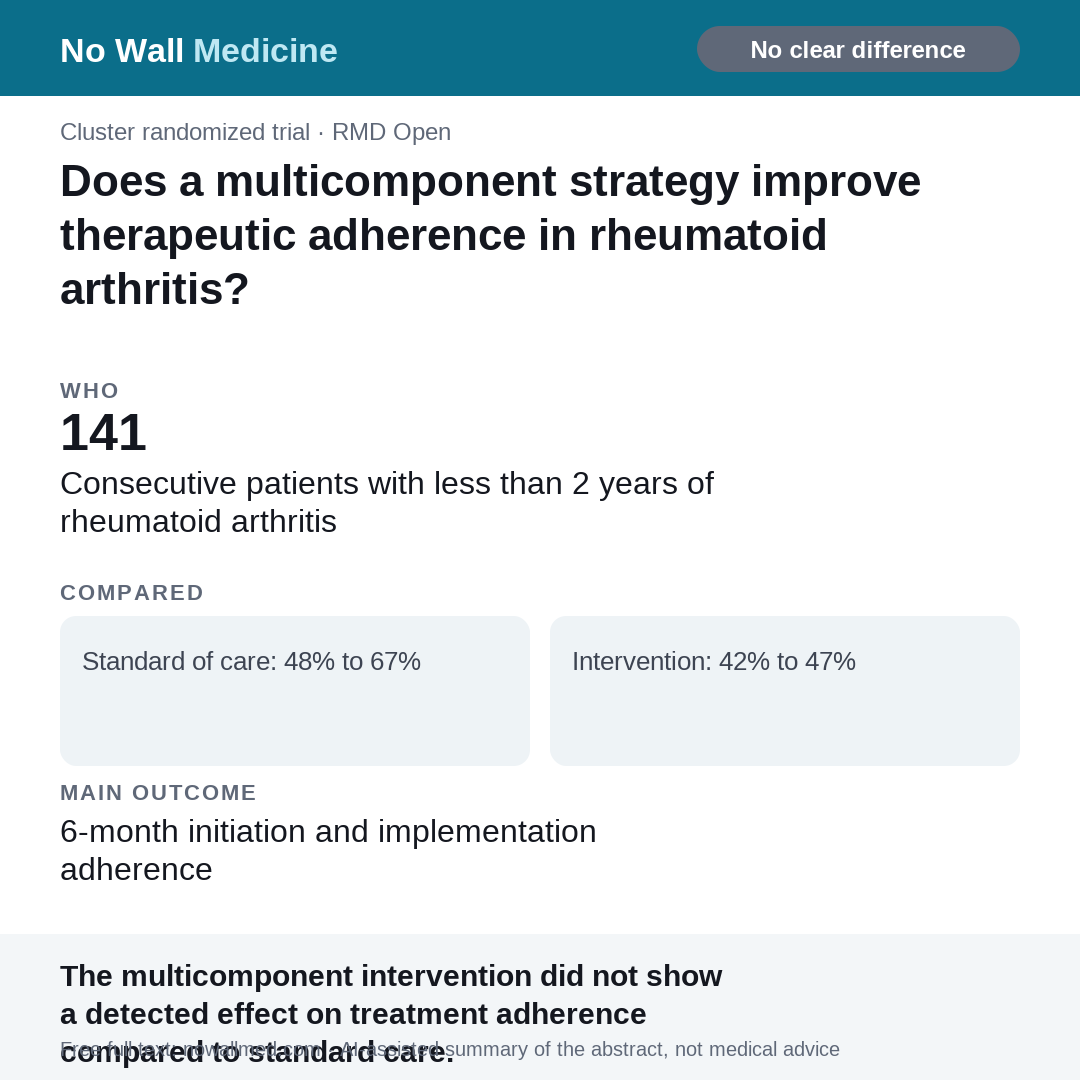
EducAR: implementing a multicomponent strategy to improve therapeutic adherence in rheumatoid arthritis
Cluster randomized trialNo clear difference
Does a multicomponent strategy improve therapeutic adherence in rheumatoid arthritis?
Who
141
Consecutive patients with less than 2 years of rheumatoid arthritis
Compared
Standard of care: 48% to 67%
Intervention: 42% to 47%
Main outcome
6-month initiation and implementation adherence
Bottom line: The multicomponent intervention did not show a detected effect on treatment adherence compared to standard care.
Limitation: Low implementation due to lack of time and inadequate focus.
RMD Open · 2025-02-27Download image
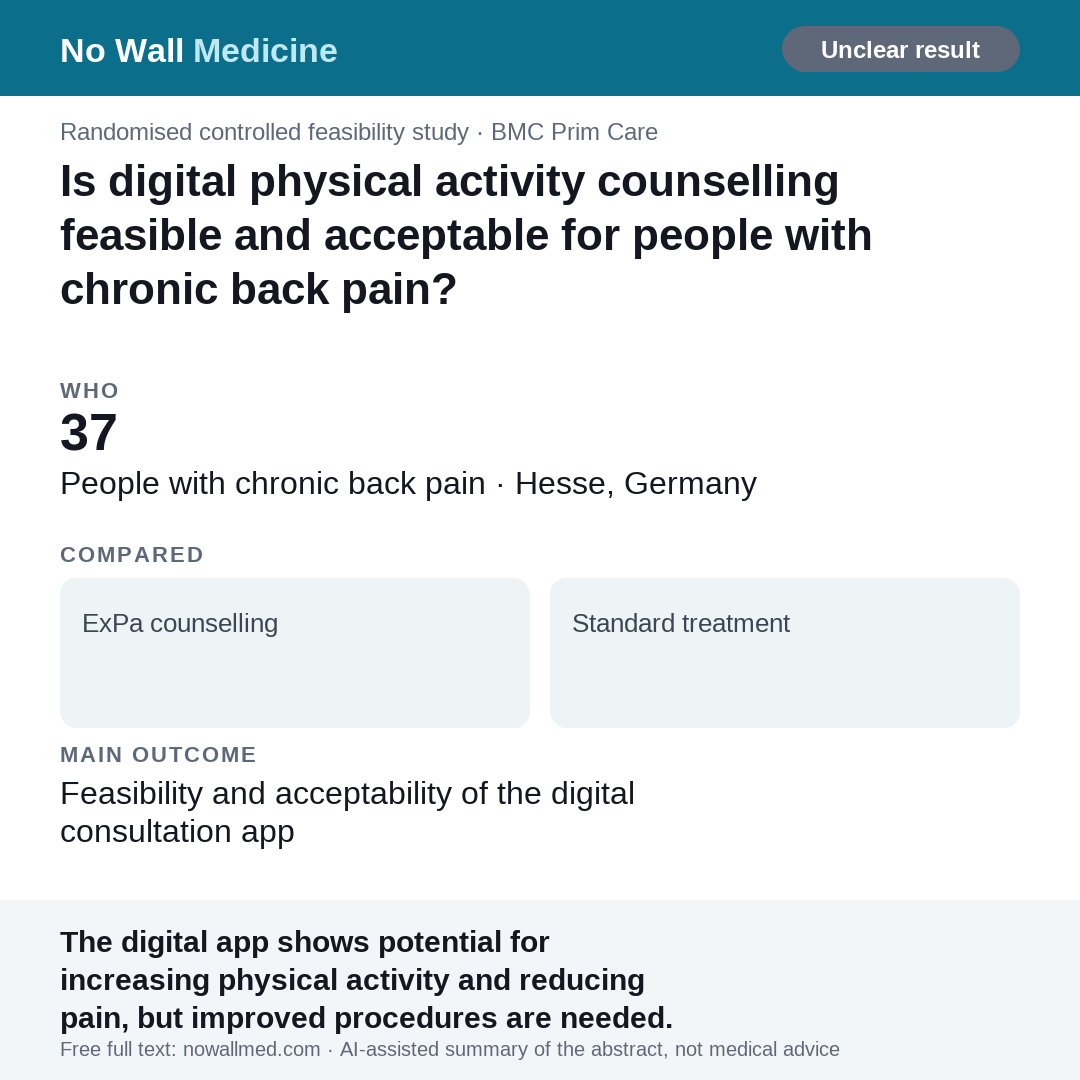
Digitally supported physical activity counselling for people with chronic back pain: a randomised controlled parallel feasibility study
Randomised controlled feasibility studyUnclear result
Is digital physical activity counselling feasible and acceptable for people with chronic back pain?
Who
37
People with chronic back pain · Hesse, Germany
Compared
ExPa counselling
Standard treatment
Main outcome
Feasibility and acceptability of the digital consultation app
Bottom line: The digital app shows potential for increasing physical activity and reducing pain, but improved procedures are needed.
Limitation: Study procedures took more time and dropouts as well as missing data presented challenges.
BMC Prim Care · 2025-02-27Download image
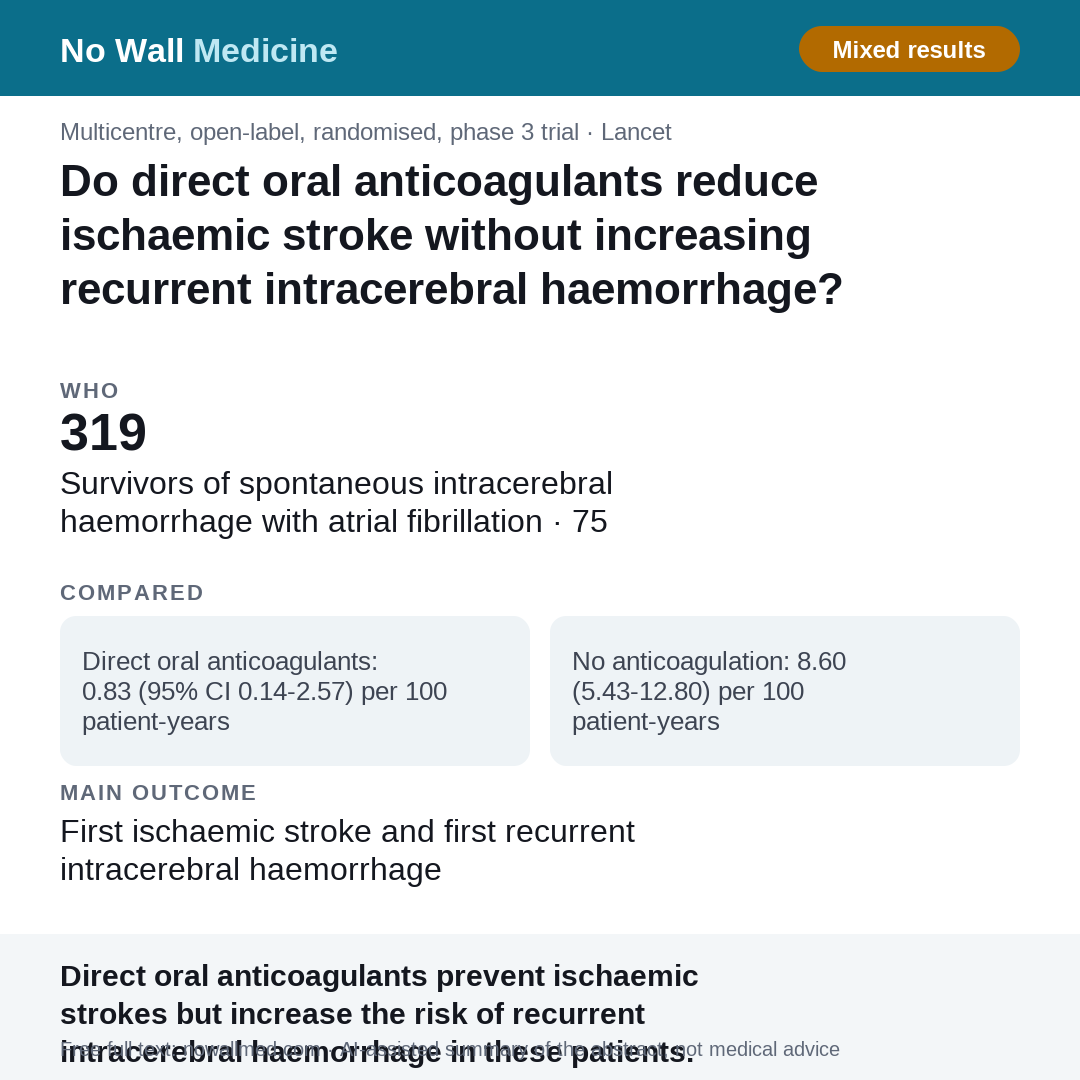
Direct oral anticoagulants versus no anticoagulation for the prevention of stroke in survivors of intracerebral haemorrhage with atrial fibrillation (PRESTIGE-AF): a multicentre, open-label, randomised, phase 3 trial
Multicentre, open-label, randomised, phase 3 trialMixed results
Do direct oral anticoagulants reduce ischaemic stroke without increasing recurrent intracerebral haemorrhage?
Who
319
Survivors of spontaneous intracerebral haemorrhage with atrial fibrillation · 75 hospitals in six European countries
Compared
Direct oral anticoagulants: 0.83 (95% CI 0.14-2.57) per 100 patient-years
No anticoagulation: 8.60 (5.43-12.80) per 100 patient-years
Main outcome
First ischaemic stroke and first recurrent intracerebral haemorrhage
Result: hazard ratio 0.05 (95% CI 0.01-0.36)
Bottom line: Direct oral anticoagulants prevent ischaemic strokes but increase the risk of recurrent intracerebral haemorrhage in these patients.
Funded by: European Commission
Lancet · 2025-02-26Download image
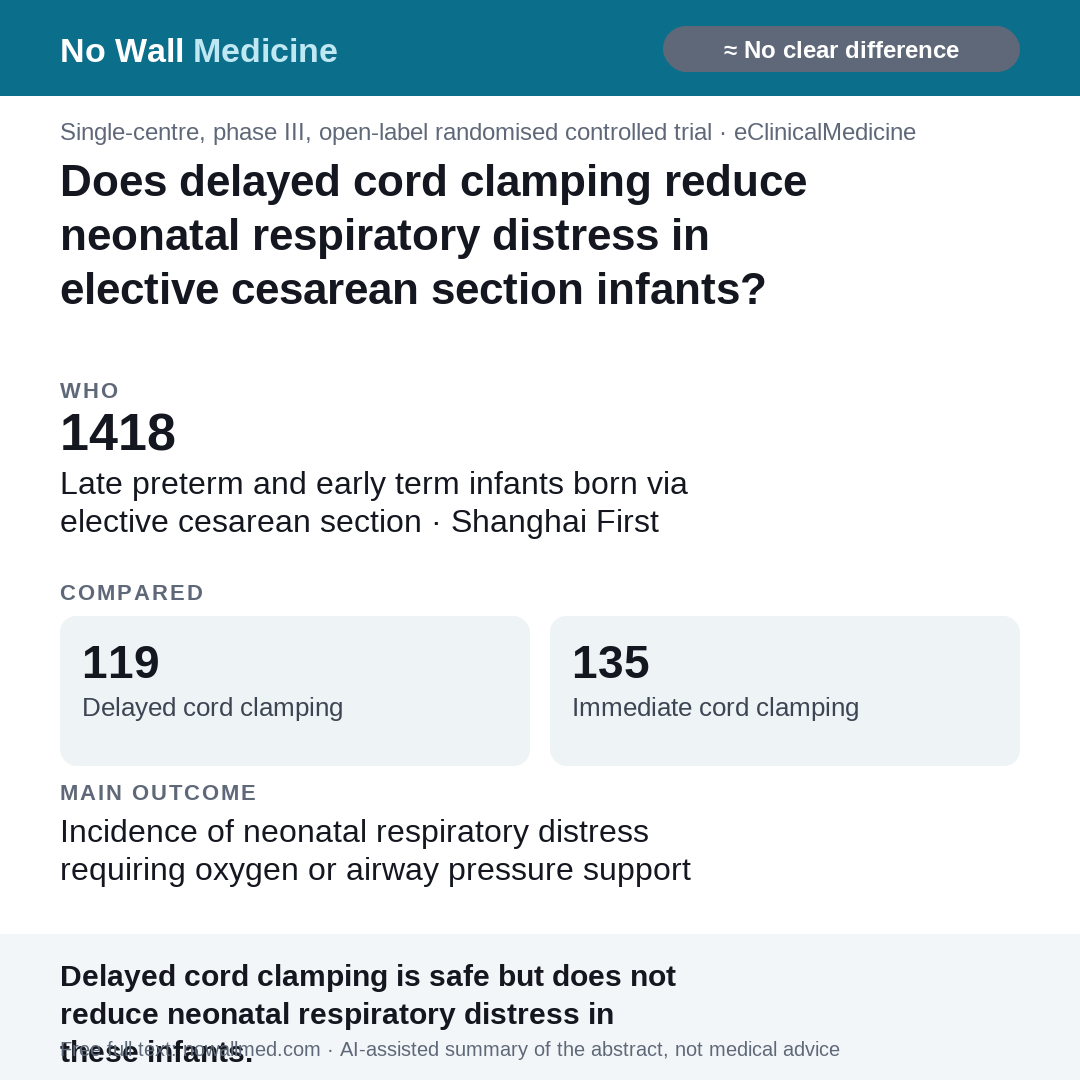
Impact of delayed cord clamping on respiratory distress in late preterm and early term infants in elective cesarean section: a single centre, phase Ⅲ, randomised controlled trial
Single-centre, phase III, open-label randomised controlled trialNo clear difference
Does delayed cord clamping reduce neonatal respiratory distress in elective cesarean section infants?
Who
1418
Late preterm and early term infants born via elective cesarean section · Shanghai First Maternity and Infant Hospital
Compared
119Delayed cord clamping (8.4%)
135Immediate cord clamping (9.5%)
Main outcome
Incidence of neonatal respiratory distress requiring oxygen or airway pressure support
Result: adjusted relative risk 0.93 (95% CI 0.75-1.14)
Bottom line: Delayed cord clamping is safe but does not reduce neonatal respiratory distress in these infants.
Funded by: Shanghai Municipal Health Commission and National Natural Science Foundation of China
eClinicalMedicine · 2025-02-26Download image
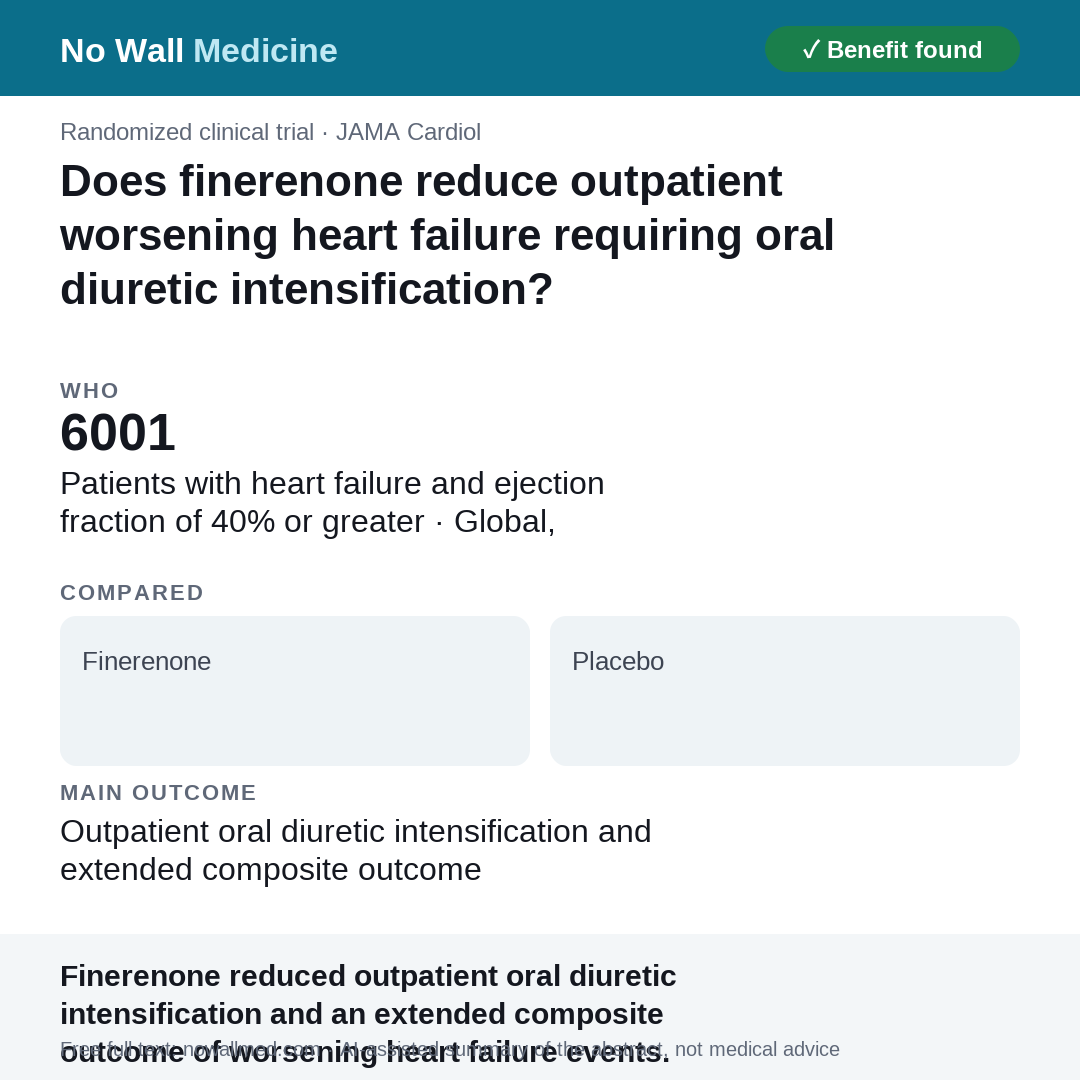
Finerenone and Outpatient Worsening Heart Failure With Mildly Reduced or Preserved Ejection Fraction: A Secondary Analysis of the FINEARTS-HF Randomized Clinical Trial
Randomized clinical trialBenefit found
Does finerenone reduce outpatient worsening heart failure requiring oral diuretic intensification?
Who
6001
Patients with heart failure and ejection fraction of 40% or greater · Global, multicenter
Compared
Finerenone
Placebo
Main outcome
Outpatient oral diuretic intensification and extended composite outcome
Result: hazard ratio 0.85 (95% CI 0.78 to 0.92)
Bottom line: Finerenone reduced outpatient oral diuretic intensification and an extended composite outcome of worsening heart failure events.
JAMA Cardiol · 2025-02-26Download image
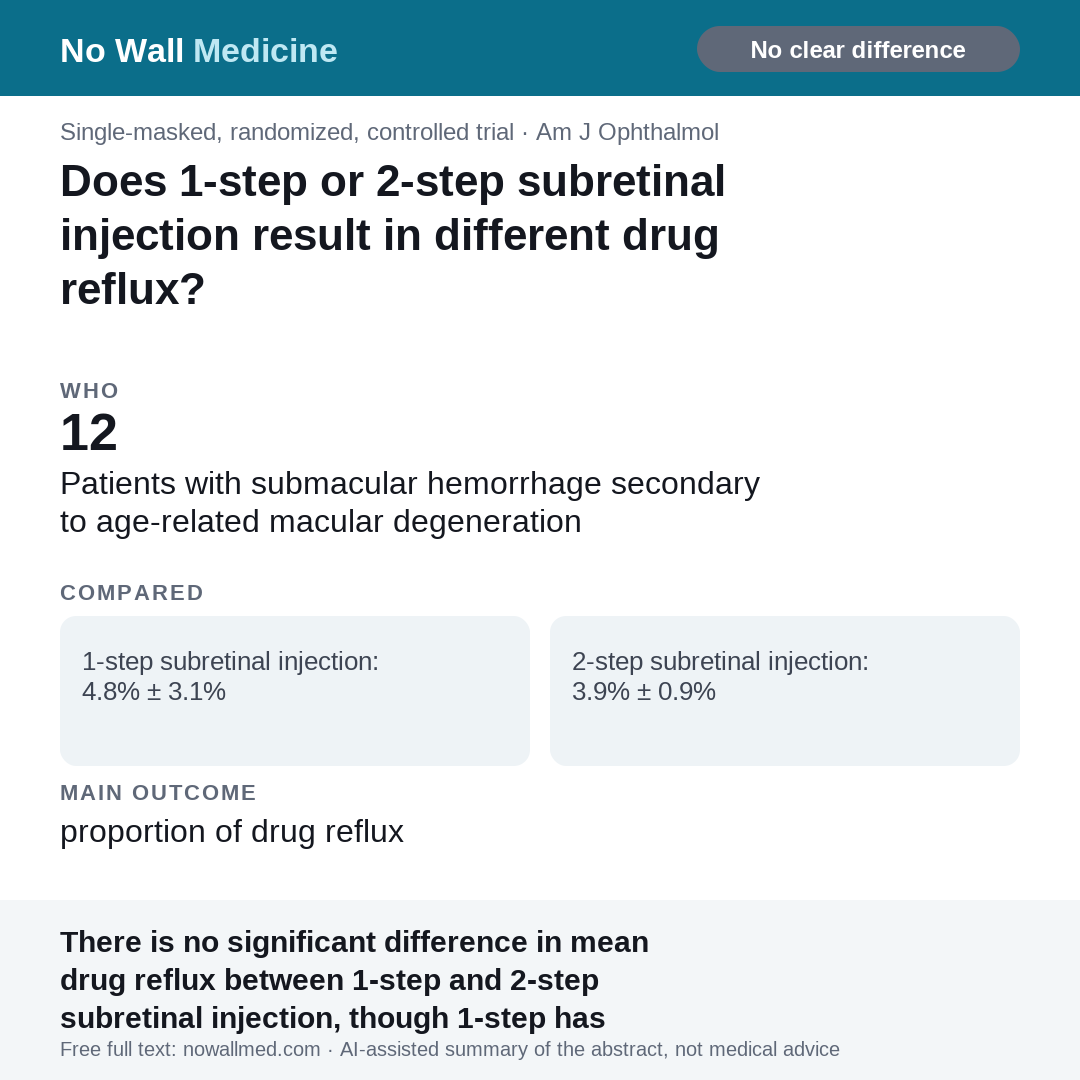
The 1-Step Versus 2-Step Subretinal Injection Trial (1,2-SIT)-A Randomized Controlled Trial to Compare Drug Reflux Following Subretinal Injection
Single-masked, randomized, controlled trialNo clear difference
Does 1-step or 2-step subretinal injection result in different drug reflux?
Who
12
Patients with submacular hemorrhage secondary to age-related macular degeneration
Compared
1-step subretinal injection: 4.8% ± 3.1%
2-step subretinal injection: 3.9% ± 0.9%
Main outcome
proportion of drug reflux
Bottom line: There is no significant difference in mean drug reflux between 1-step and 2-step subretinal injection, though 1-step has greater variability.
Am J Ophthalmol · 2025-02-26Download image
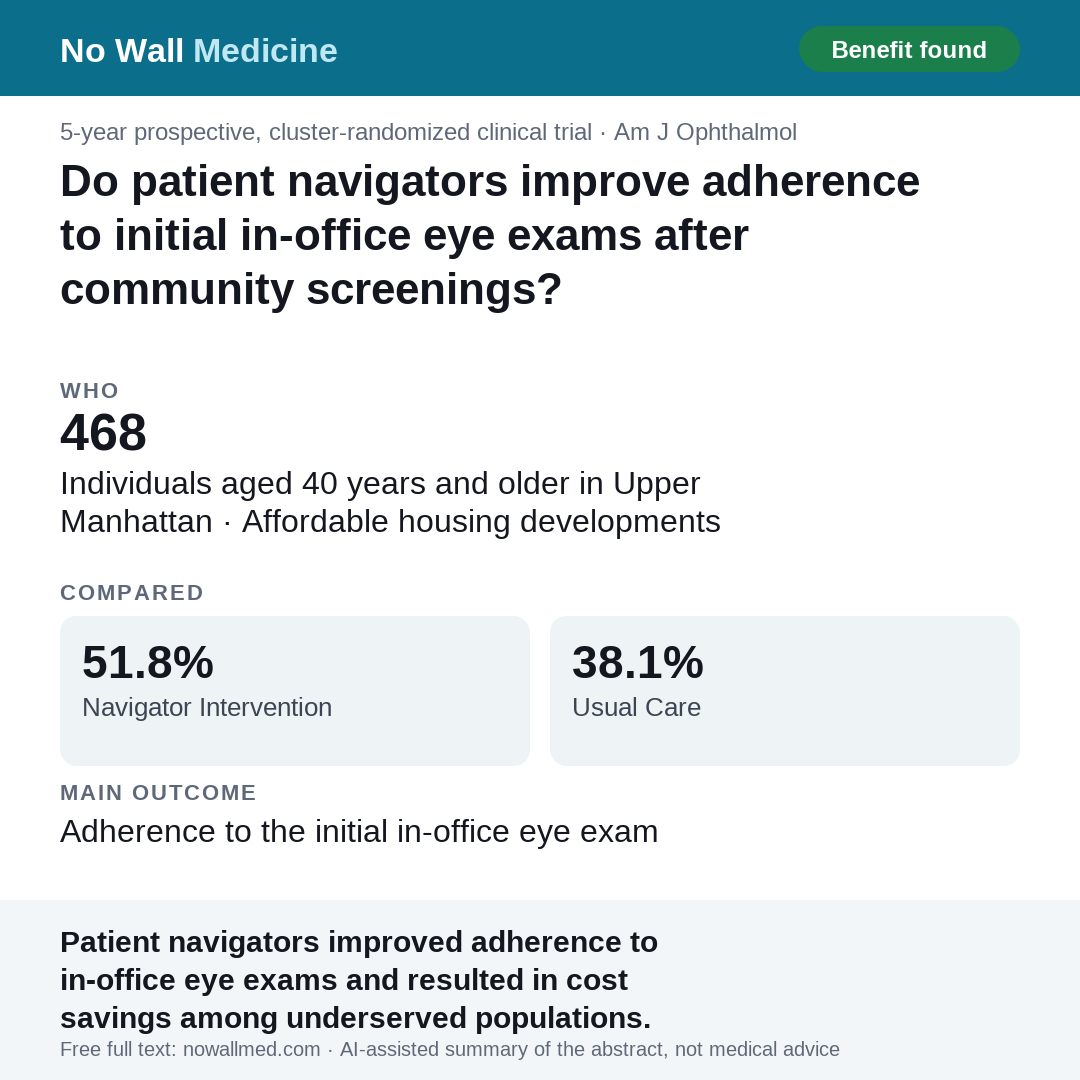
Patient Navigators Improve In-Office Eye Exam Adherence After Community Eye Screenings in a Randomized Clinical Trial: NYC-SIGHT Study
5-year prospective, cluster-randomized clinical trialBenefit found
Do patient navigators improve adherence to initial in-office eye exams after community screenings?
Who
468
Individuals aged 40 years and older in Upper Manhattan · Affordable housing developments and senior centers in Upper Manhattan
Compared
51.8%Navigator Intervention
38.1%Usual Care
Main outcome
Adherence to the initial in-office eye exam
Result: odds ratio 1.529 (95% CI 1.023, 2.285)
Bottom line: Patient navigators improved adherence to in-office eye exams and resulted in cost savings among underserved populations.
Am J Ophthalmol · 2025-02-26Download image
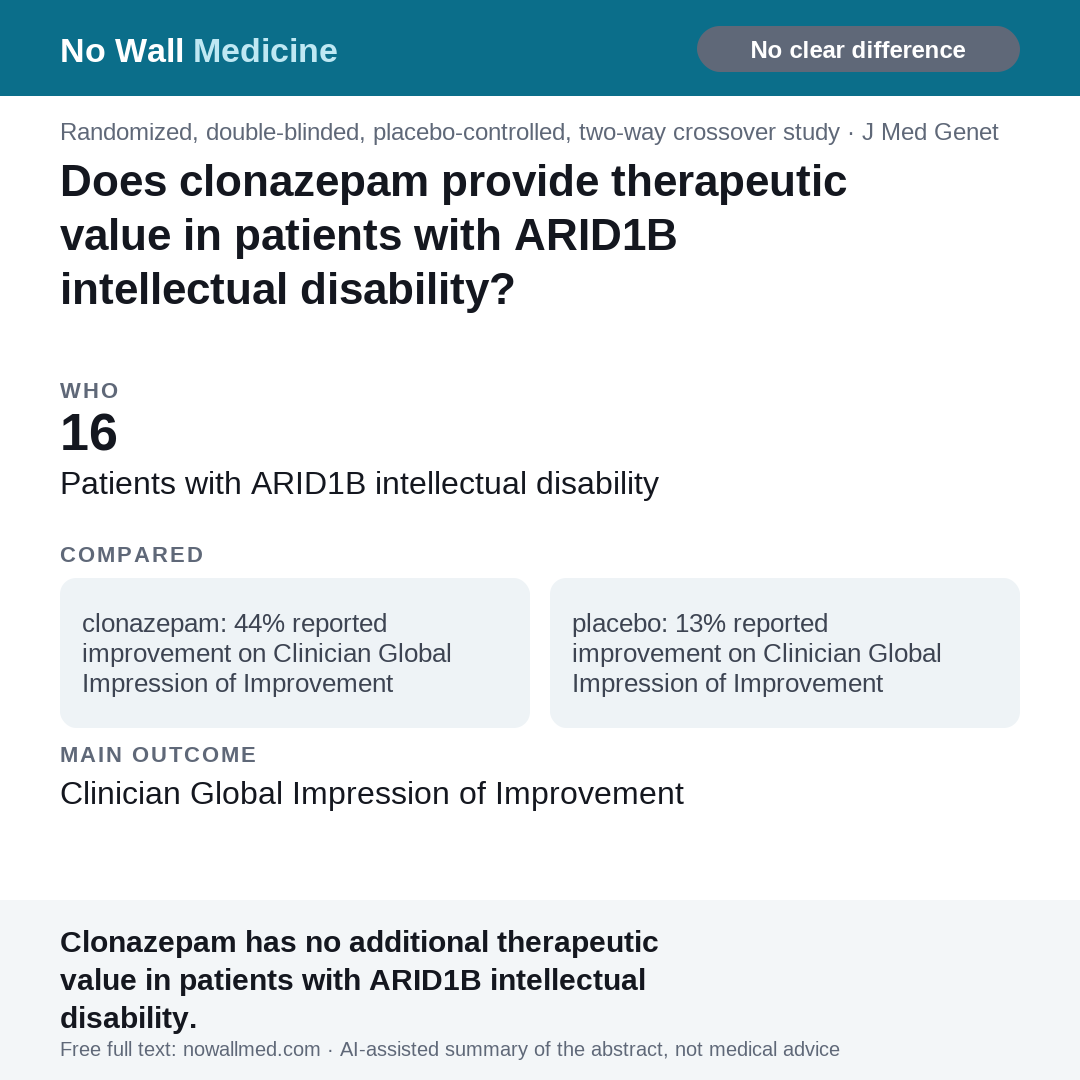
Clonazepam repurposing in ARID1B patients through conventional RCT and N-of-1 trials: an experimental strategy for orphan disease development
Randomized, double-blinded, placebo-controlled, two-way crossover studyNo clear difference
Does clonazepam provide therapeutic value in patients with ARID1B intellectual disability?
Who
16
Patients with ARID1B intellectual disability
Compared
clonazepam: 44% reported improvement on Clinician Global Impression of Improvement
placebo: 13% reported improvement on Clinician Global Impression of Improvement
Main outcome
Clinician Global Impression of Improvement
Bottom line: Clonazepam has no additional therapeutic value in patients with ARID1B intellectual disability.
Limitation: Low prevalence and patient phenotype variability in rare disorders.
J Med Genet · 2025-02-26Download image
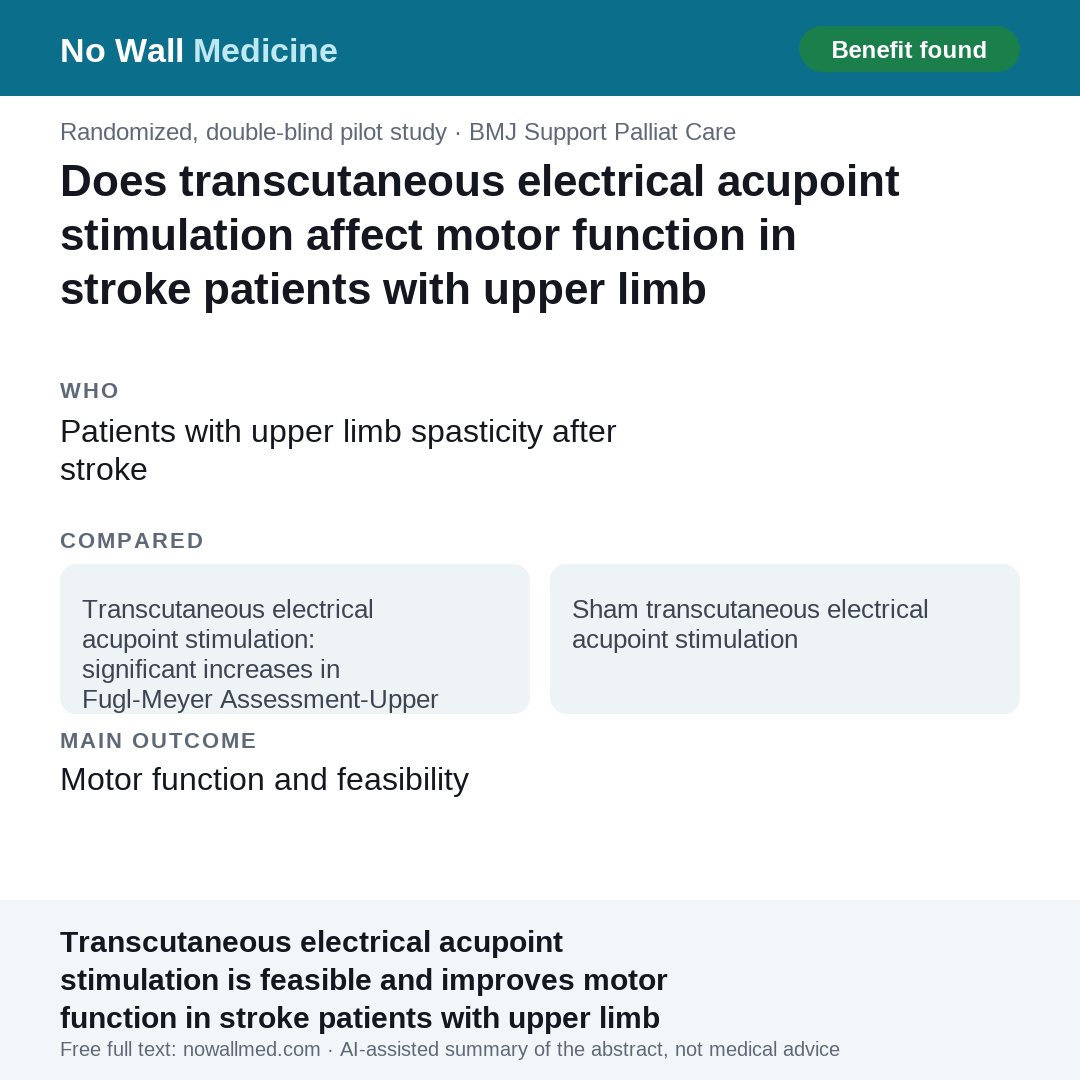
Transcutaneous electrical acupoint stimulation for upper limb spasticity after stroke: effect and feasibility-a randomised pilot study
Randomized, double-blind pilot studyBenefit found
Does transcutaneous electrical acupoint stimulation affect motor function in stroke patients with upper limb spasticity?
Who
Patients with upper limb spasticity after stroke
Compared
Transcutaneous electrical acupoint stimulation: significant increases in Fugl-Meyer Assessment-Upper Extremity score (P value=0.013)
Sham transcutaneous electrical acupoint stimulation
Main outcome
Motor function and feasibility
Bottom line: Transcutaneous electrical acupoint stimulation is feasible and improves motor function in stroke patients with upper limb spasticity.
Limitation: This was a pilot study
BMJ Support Palliat Care · 2025-02-26Download image
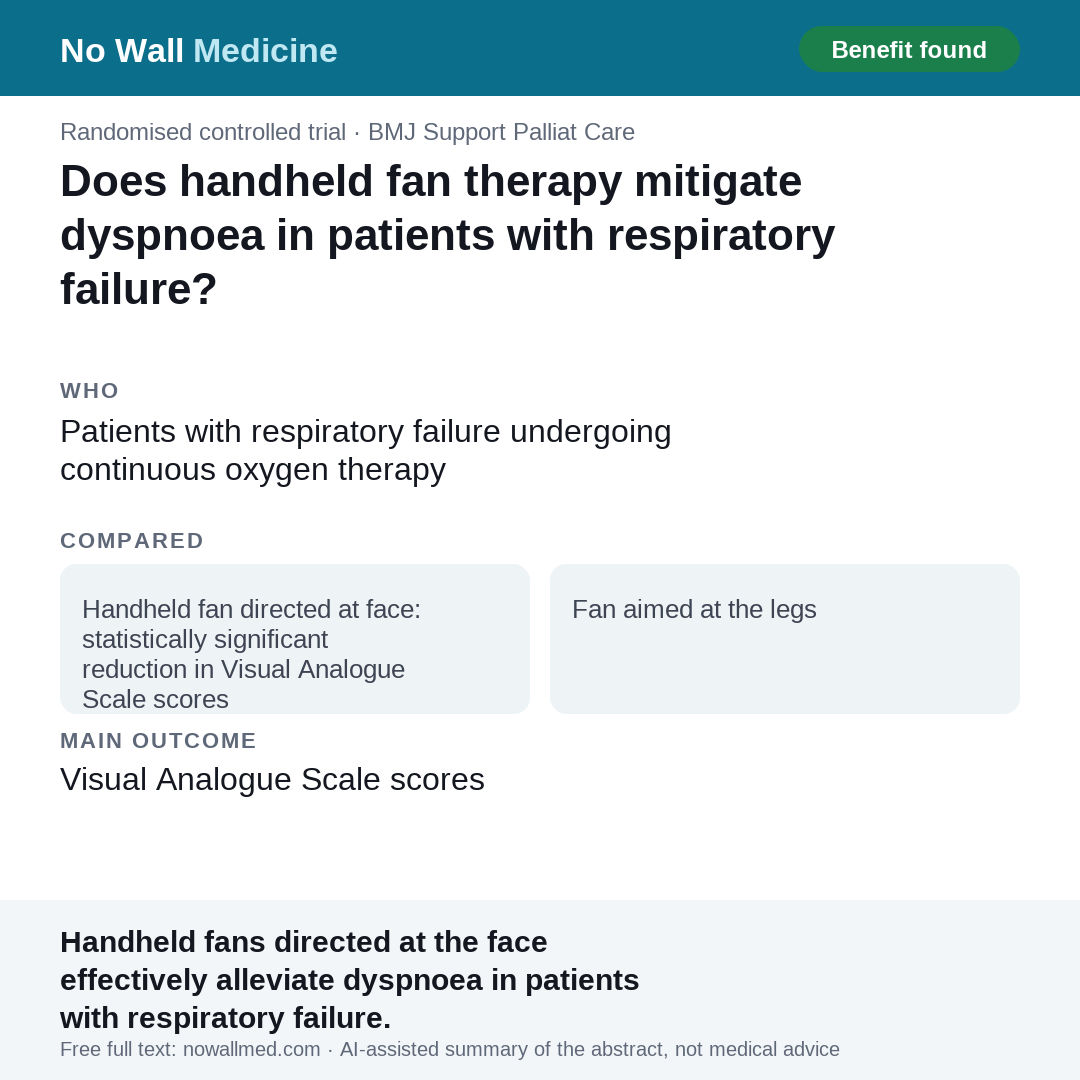
Handheld fans for dyspnoea in respiratory failure: randomised controlled trial
Randomised controlled trialBenefit found
Does handheld fan therapy mitigate dyspnoea in patients with respiratory failure?
Who
Patients with respiratory failure undergoing continuous oxygen therapy
Compared
Handheld fan directed at face: statistically significant reduction in Visual Analogue Scale scores
Fan aimed at the legs
Main outcome
Visual Analogue Scale scores
Bottom line: Handheld fans directed at the face effectively alleviate dyspnoea in patients with respiratory failure.
BMJ Support Palliat Care · 2025-02-26Download image
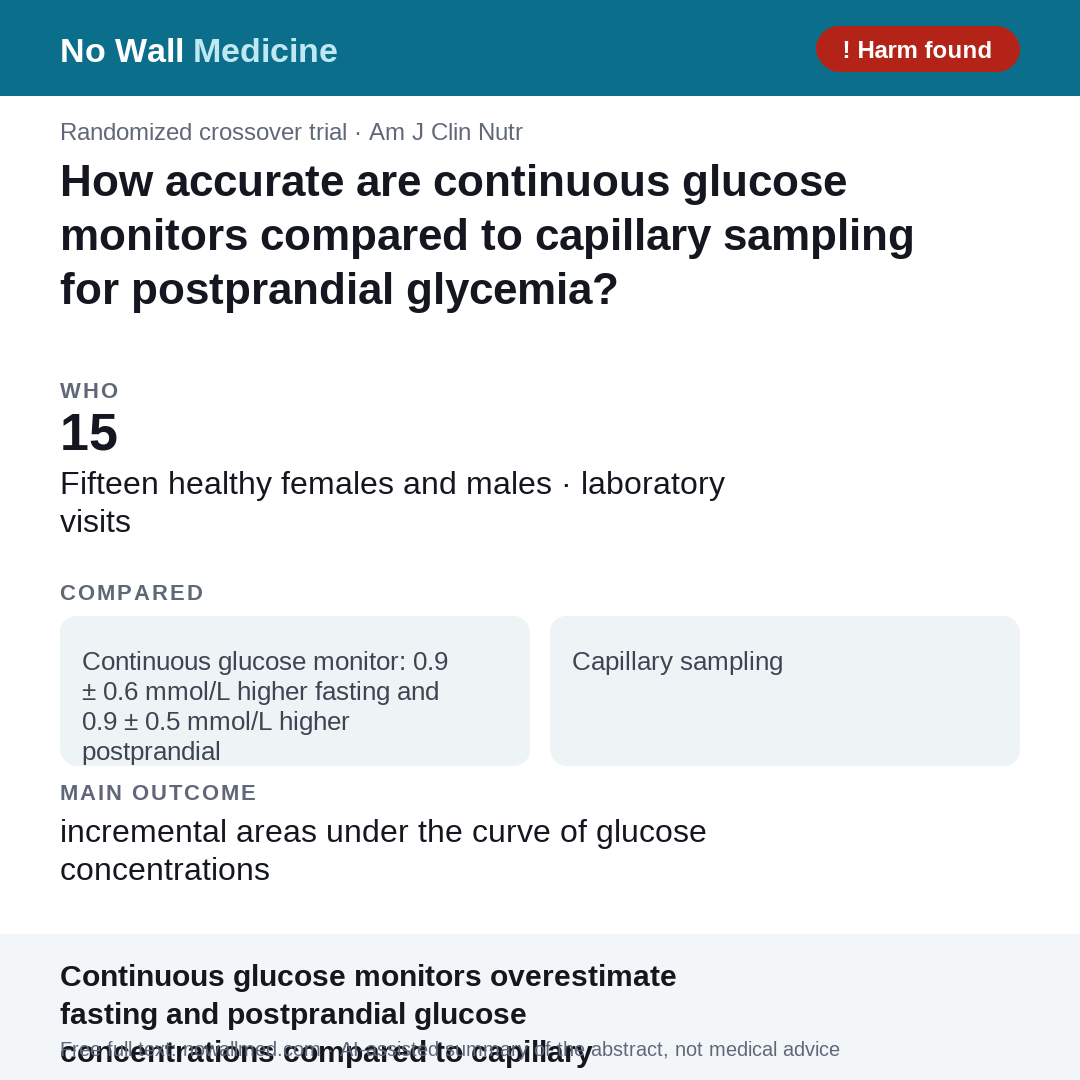
Continuous glucose monitor overestimates glycemia, with the magnitude of bias varying by postprandial test and individual - a randomized crossover trial
Randomized crossover trialHarm found
How accurate are continuous glucose monitors compared to capillary sampling for postprandial glycemia?
Who
15
Fifteen healthy females and males · laboratory visits
Compared
Continuous glucose monitor: 0.9 ± 0.6 mmol/L higher fasting and 0.9 ± 0.5 mmol/L higher postprandial
Capillary sampling
Main outcome
incremental areas under the curve of glucose concentrations
Bottom line: Continuous glucose monitors overestimate fasting and postprandial glucose concentrations compared to capillary sampling across various carbohydrate challenges.
Am J Clin Nutr · 2025-02-26Download image
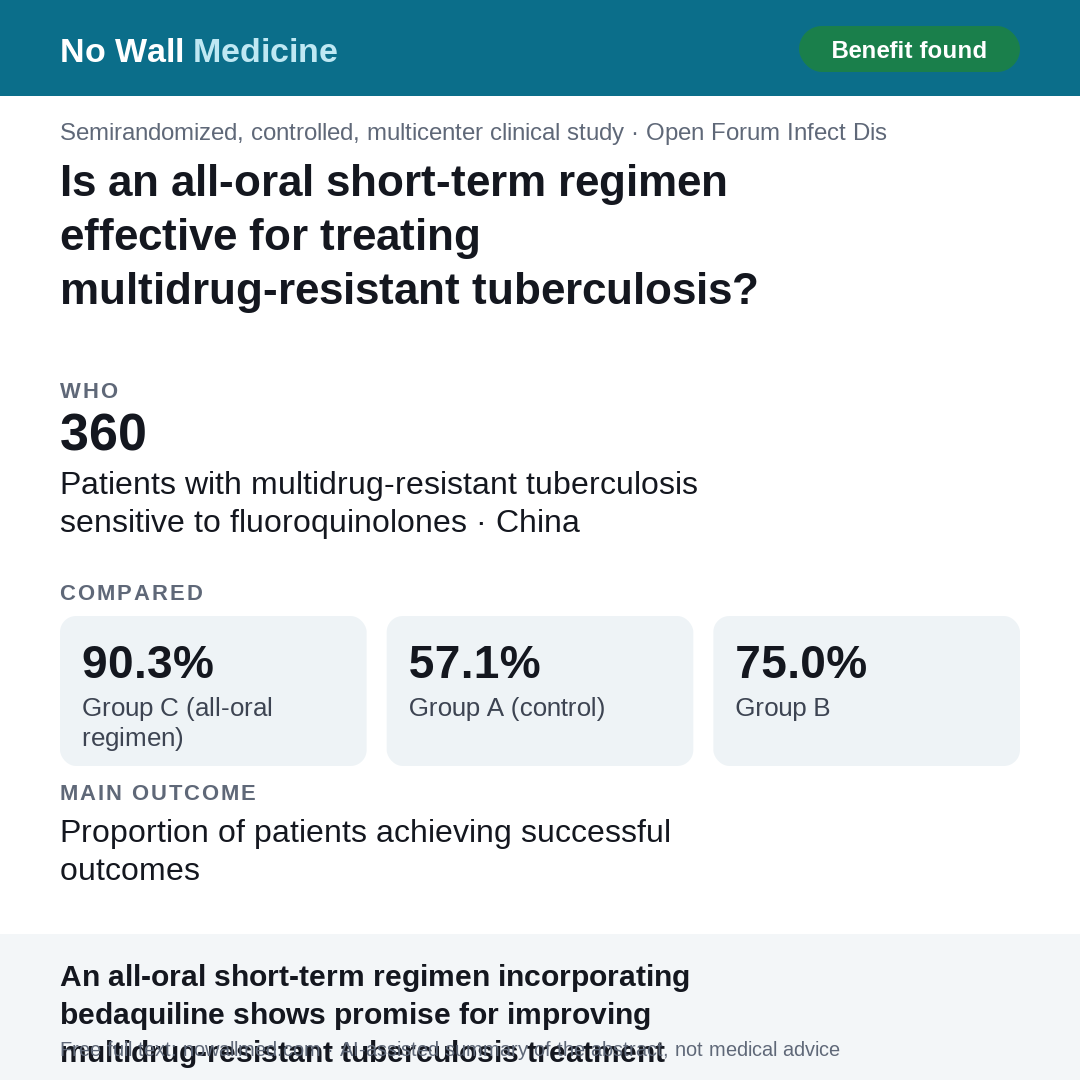
New All-Oral Short-term Regimen for Multidrug-Resistant Tuberculosis: A Semi-randomized Controlled Trial Conducted in China
Semirandomized, controlled, multicenter clinical studyBenefit found
Is an all-oral short-term regimen effective for treating multidrug-resistant tuberculosis?
Who
360
Patients with multidrug-resistant tuberculosis sensitive to fluoroquinolones · China
Compared
90.3%Group C (all-oral regimen)
57.1%Group A (control)
75.0%Group B
Main outcome
Proportion of patients achieving successful outcomes
Bottom line: An all-oral short-term regimen incorporating bedaquiline shows promise for improving multidrug-resistant tuberculosis treatment outcomes.
Open Forum Infect Dis · 2025-02-26Download image
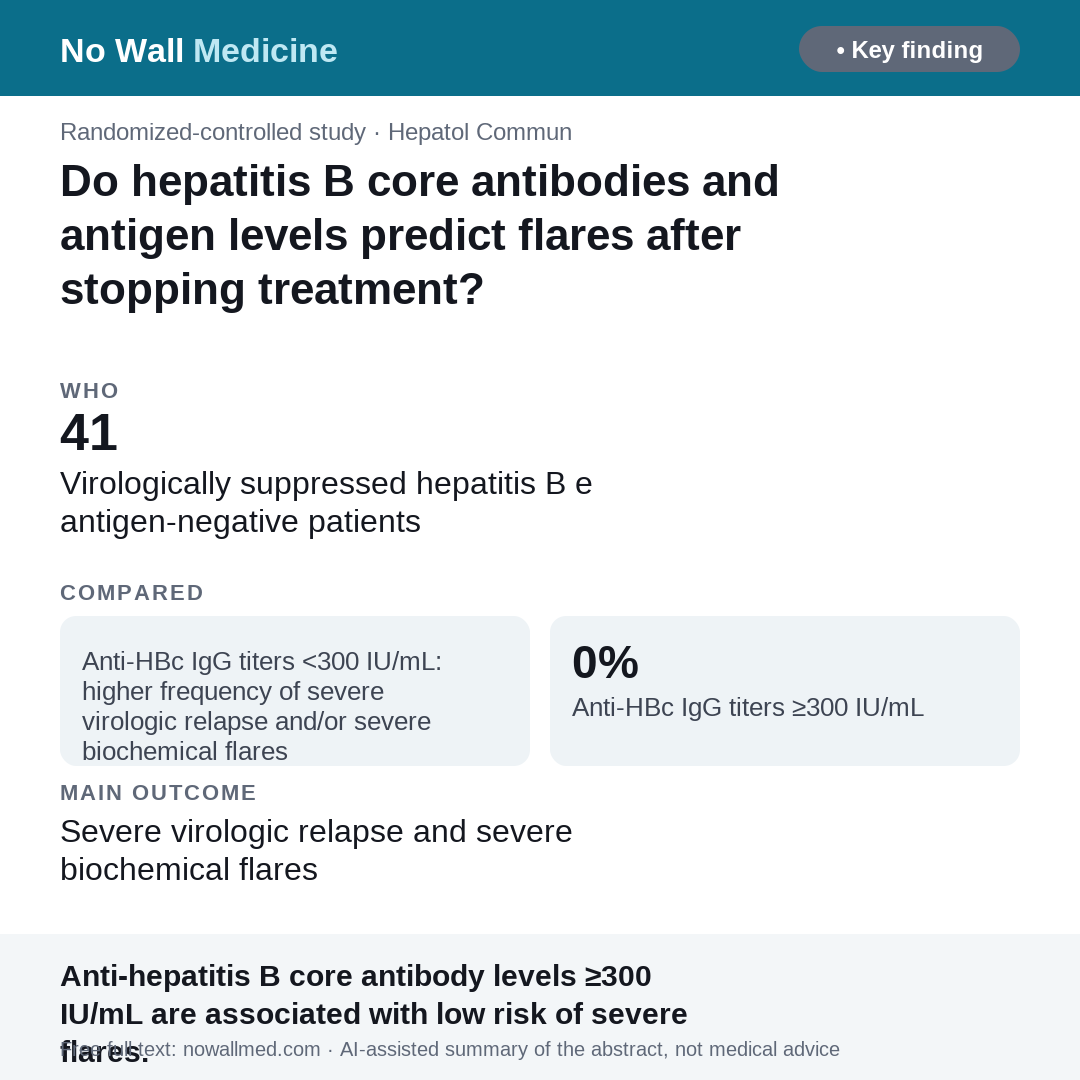
Serum levels of hepatitis B core antibodies and hepatitis B core-related antigen at the time of nucleos(t)ide analog cessation and risk of severe flares in patients with chronic hepatitis B
Randomized-controlled studyBenefit found
Do hepatitis B core antibodies and antigen levels predict flares after stopping treatment?
Who
41
Virologically suppressed hepatitis B e antigen-negative patients
Compared
Anti-HBc IgG titers <300 IU/mL: higher frequency of severe virologic relapse and/or severe biochemical flares
0%Anti-HBc IgG titers ≥300 IU/mL
Main outcome
Severe virologic relapse and severe biochemical flares
Bottom line: Anti-hepatitis B core antibody levels ≥300 IU/mL are associated with low risk of severe flares.
Hepatol Commun · 2025-02-26Download image
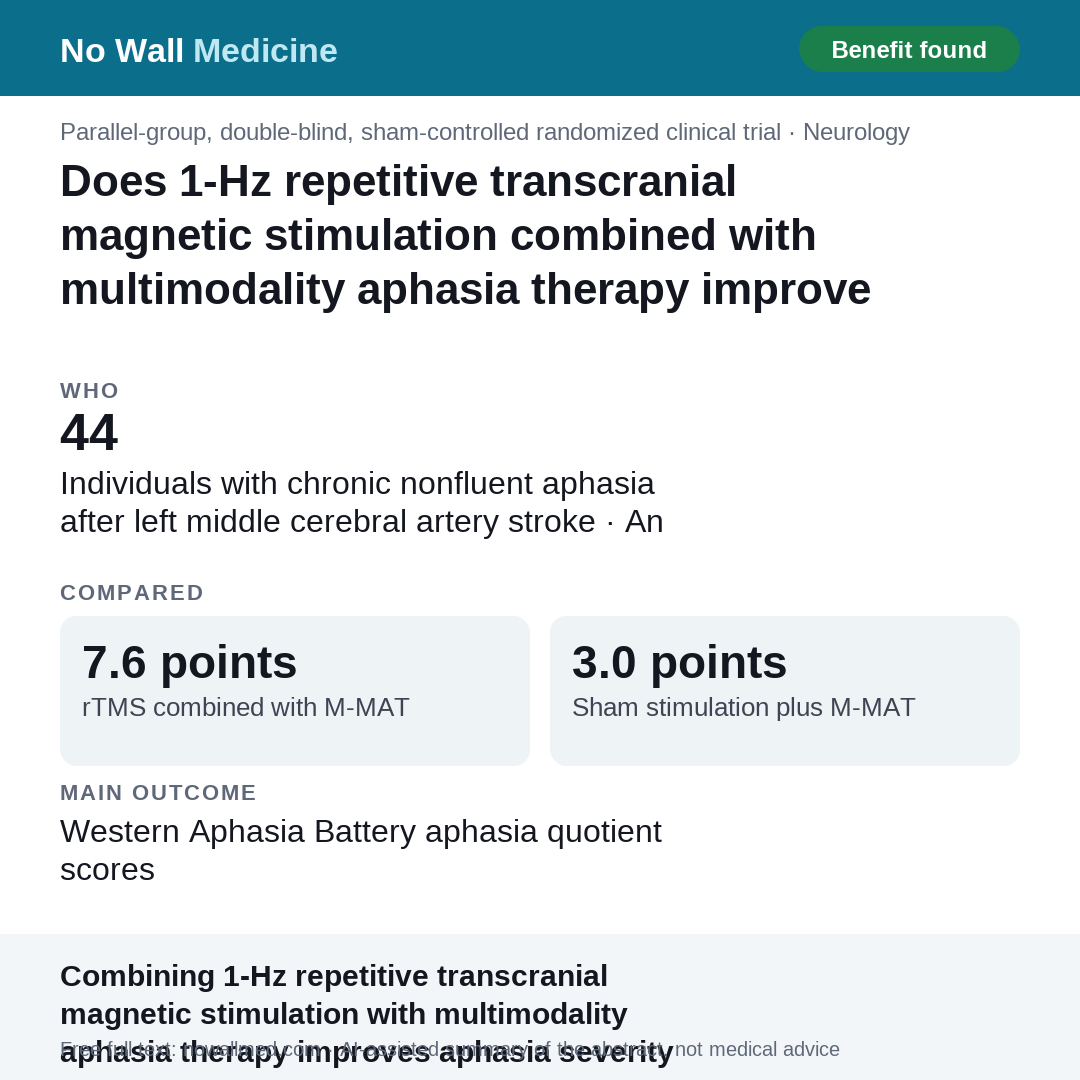
Transcranial Magnetic Stimulation Combined With Multimodality Aphasia Therapy for Chronic Poststroke Aphasia: A Randomized Clinical Trial
Parallel-group, double-blind, sham-controlled randomized clinical trialBenefit found
Does 1-Hz repetitive transcranial magnetic stimulation combined with multimodality aphasia therapy improve chronic poststroke aphasia?
Who
44
Individuals with chronic nonfluent aphasia after left middle cerebral artery stroke · An outpatient neurorehabilitation clinic
Compared
7.6 pointsrTMS combined with M-MAT (95% CI 4.1-11.1)
3.0 pointsSham stimulation plus M-MAT (95% CI -0.3 to 5.2)
Main outcome
Western Aphasia Battery aphasia quotient scores
Result: mean difference 4.6 points, 95% CI 0.6-8.6
Bottom line: Combining 1-Hz repetitive transcranial magnetic stimulation with multimodality aphasia therapy improves aphasia severity more than sham stimulation.
Neurology · 2025-02-25Download image
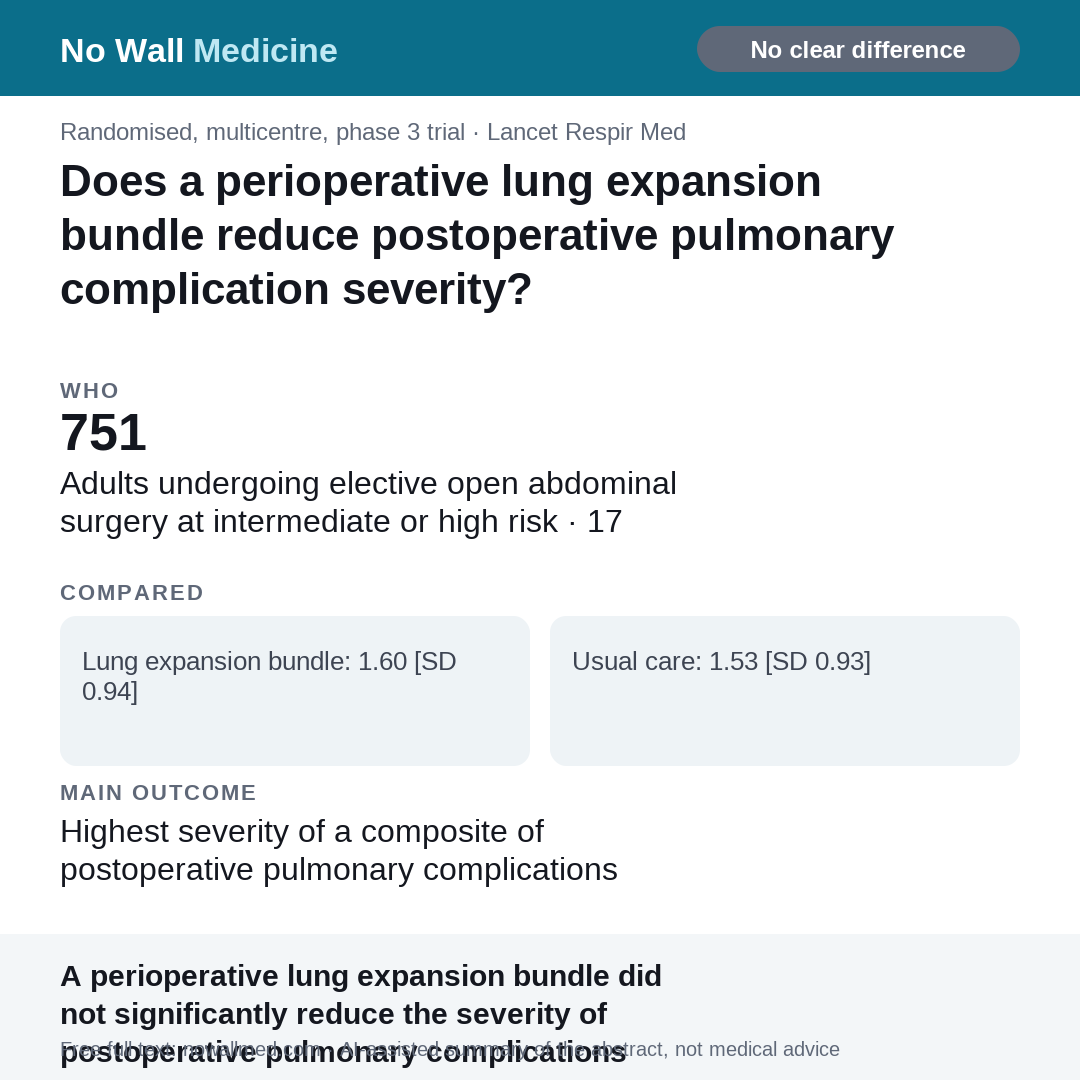
Perioperative lung expansion and pulmonary outcomes after open abdominal surgery versus usual care in the USA (PRIME-AIR): a multicentre, randomised, controlled, phase 3 trial
Randomised, multicentre, phase 3 trialNo clear difference
Does a perioperative lung expansion bundle reduce postoperative pulmonary complication severity?
Who
751
Adults undergoing elective open abdominal surgery at intermediate or high risk · 17 academic hospitals across ten states in the USA
Compared
Lung expansion bundle: 1.60 [SD 0.94]
Usual care: 1.53 [SD 0.93]
Main outcome
Highest severity of a composite of postoperative pulmonary complications
Result: mean difference 0.07 (95% CI -0.03 to 0.18)
Bottom line: A perioperative lung expansion bundle did not significantly reduce the severity of postoperative pulmonary complications compared to usual care.
Lancet Respir Med · 2025-02-25Download image
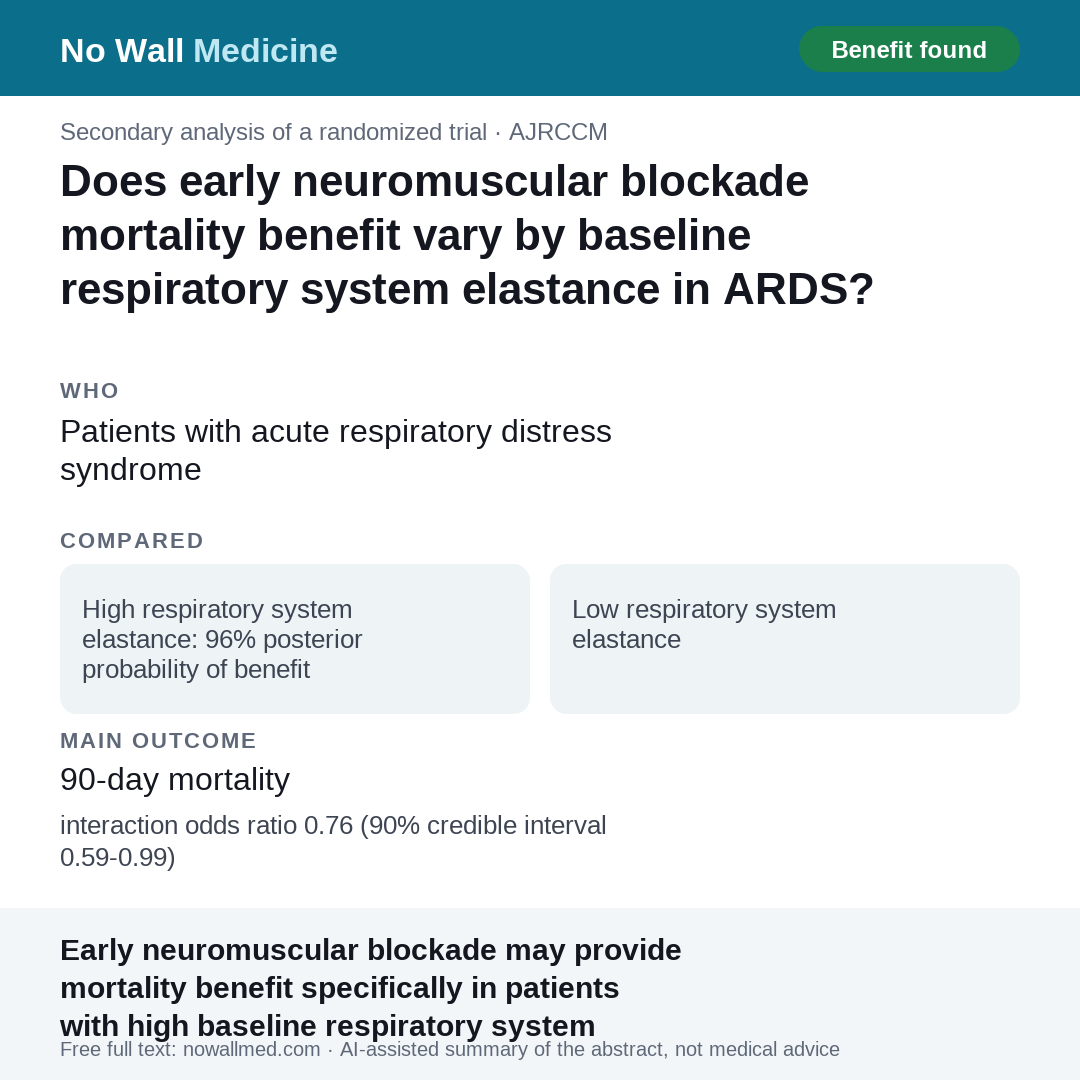
Elastance May Determine the Neuromuscular Blockade Effect on Mortality in Acute Respiratory Distress Syndrome
Secondary analysis of a randomized trialBenefit found
Does early neuromuscular blockade mortality benefit vary by baseline respiratory system elastance in ARDS?
Who
Patients with acute respiratory distress syndrome
Compared
High respiratory system elastance: 96% posterior probability of benefit
Low respiratory system elastance
Main outcome
90-day mortality
Result: interaction odds ratio 0.76 (90% credible interval 0.59-0.99)
Bottom line: Early neuromuscular blockade may provide mortality benefit specifically in patients with high baseline respiratory system elastance.
Limitation: This was a secondary analysis requiring future prospective testing to confirm benefit.
AJRCCM · 2025-02-25Download image