Visual abstracts
New randomized trials and meta-analyses from leading journals at a glance: who was studied, what was compared, and what was found. Every paper is free to read in full.
All specialtiesCardiology 405Oncology 327Gastroenterology & Hepatology 165Infectious Disease 327Neurology 186Psychiatry & Mental Health 277Pulmonology 186Critical Care 126Endocrinology & Diabetes 248Pediatrics 194Surgery 137Orthopedics & Sports Medicine 83Neurosurgery 25Cardiothoracic & Vascular Surgery 48Plastic & Reconstructive Surgery 82Nephrology 78Rheumatology 83Hematology 100Dermatology 42Ophthalmology 71Obstetrics & Gynecology 129Public & Global Health 128Radiology & Imaging 39Anesthesiology 75Urology 94ENT (Otolaryngology) 51Emergency Medicine 41Allergy & Immunology 49Geriatrics 118Family Medicine & Primary Care 71Medical Genetics & Genomics 38Pathology & Laboratory Medicine 6Physical Medicine & Rehabilitation 102Palliative Care 61Nutrition 139Digital Health & AI 358General Medicine 50
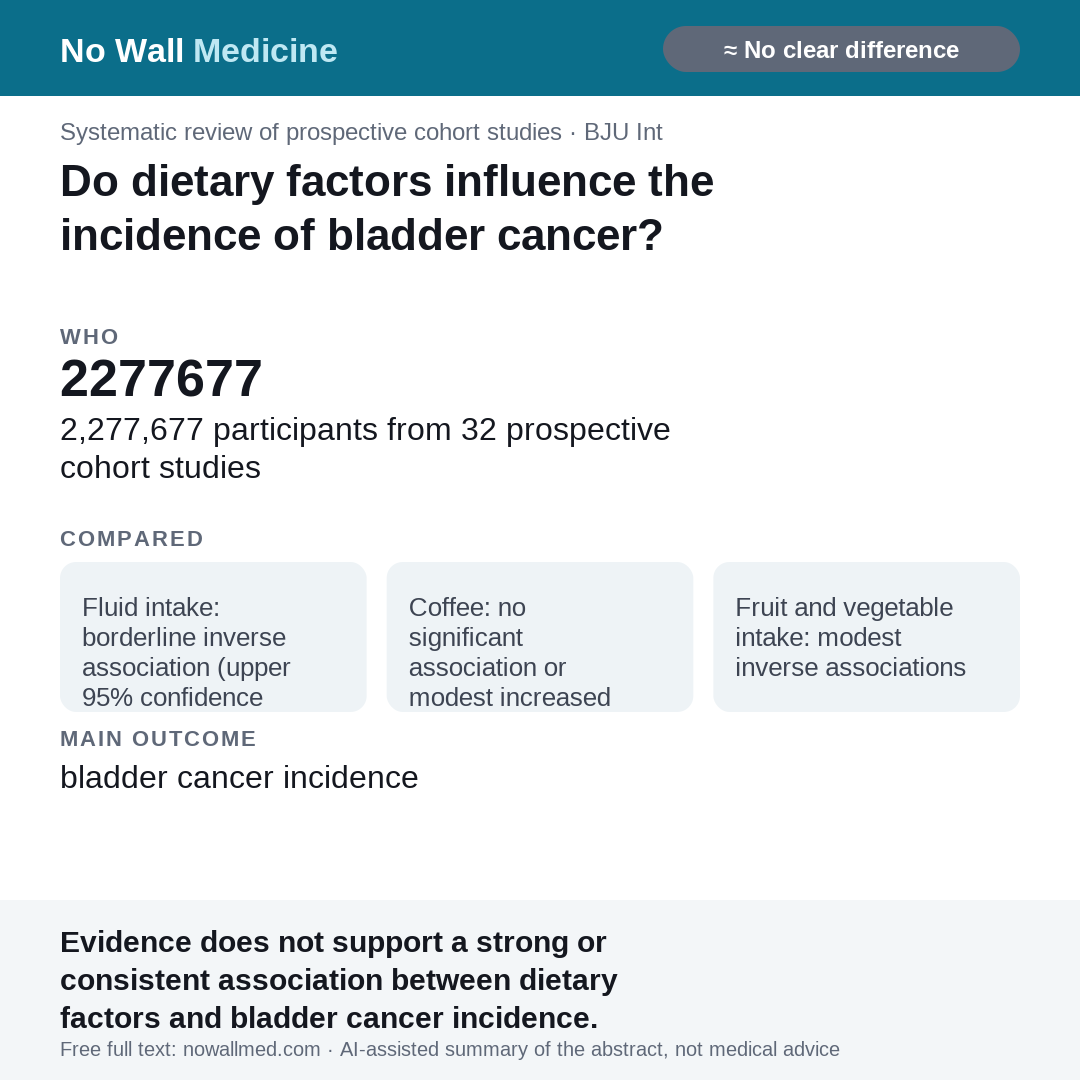
Diet and risk of bladder cancer: a systematic review of epidemiological evidence
Systematic review of prospective cohort studiesNo clear difference
Do dietary factors influence the incidence of bladder cancer?
Who
2277677
2,277,677 participants from 32 prospective cohort studies
Compared
Fluid intake: borderline inverse association (upper 95% confidence interval >0.95)
Coffee: no significant association or modest increased risk
Fruit and vegetable intake: modest inverse associations
Main outcome
bladder cancer incidence
Bottom line: Evidence does not support a strong or consistent association between dietary factors and bladder cancer incidence.
Limitation: Residual confounding, particularly by smoking, remains a concern.
BJU Int · 2026-08-23Download image
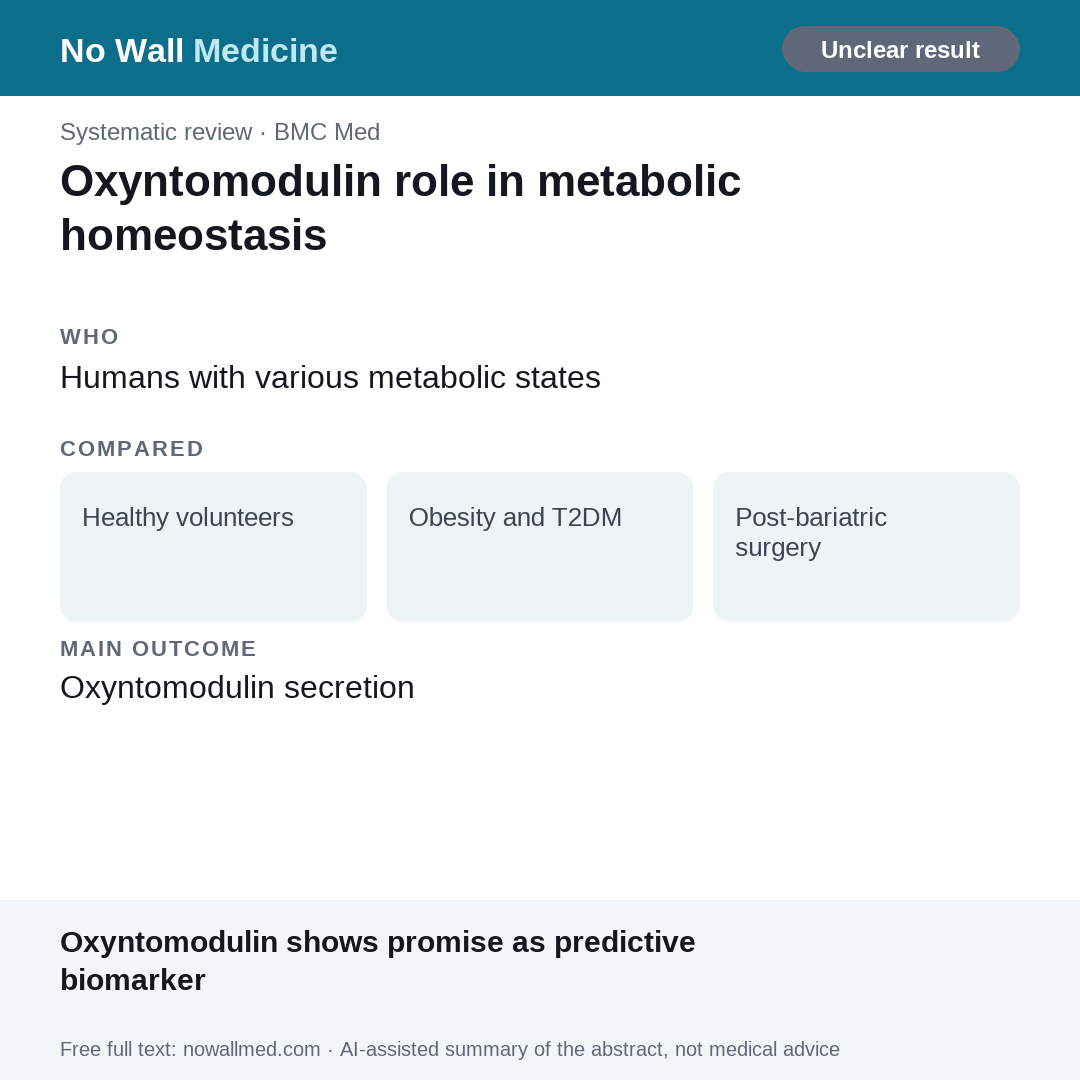
Endogenous oxyntomodulin in metabolic homeostasis and clinical utility as a prognostic biomarker: a systematic review
Systematic reviewUnclear result
Oxyntomodulin role in metabolic homeostasis
Who
Humans with various metabolic states
Compared
Healthy volunteers
Obesity and T2DM
Post-bariatric surgery
Main outcome
Oxyntomodulin secretion
Bottom line: Oxyntomodulin shows promise as predictive biomarker
BMC Med · 2026-08-22Download image
The impact of cannabis on clinical outcomes in burn patients: A systematic review
Systematic reviewMixed results
How does cannabis exposure impact clinical outcomes in burn patients?
Who
Hospitalized burn patients of any age · North America and Europe
Compared
Cannabis exposure
No cannabis exposure
Main outcome
Mortality, infection, graft success, thromboembolism, and length of stay
Bottom line: Cannabis exposure does not appear to worsen survival but may increase infectious, respiratory, and thromboembolic complications.
Limitation: Retrospective design, inconsistent exposure definitions, and confounding from polysubstance use.
Burns · 2026-08-22Download image

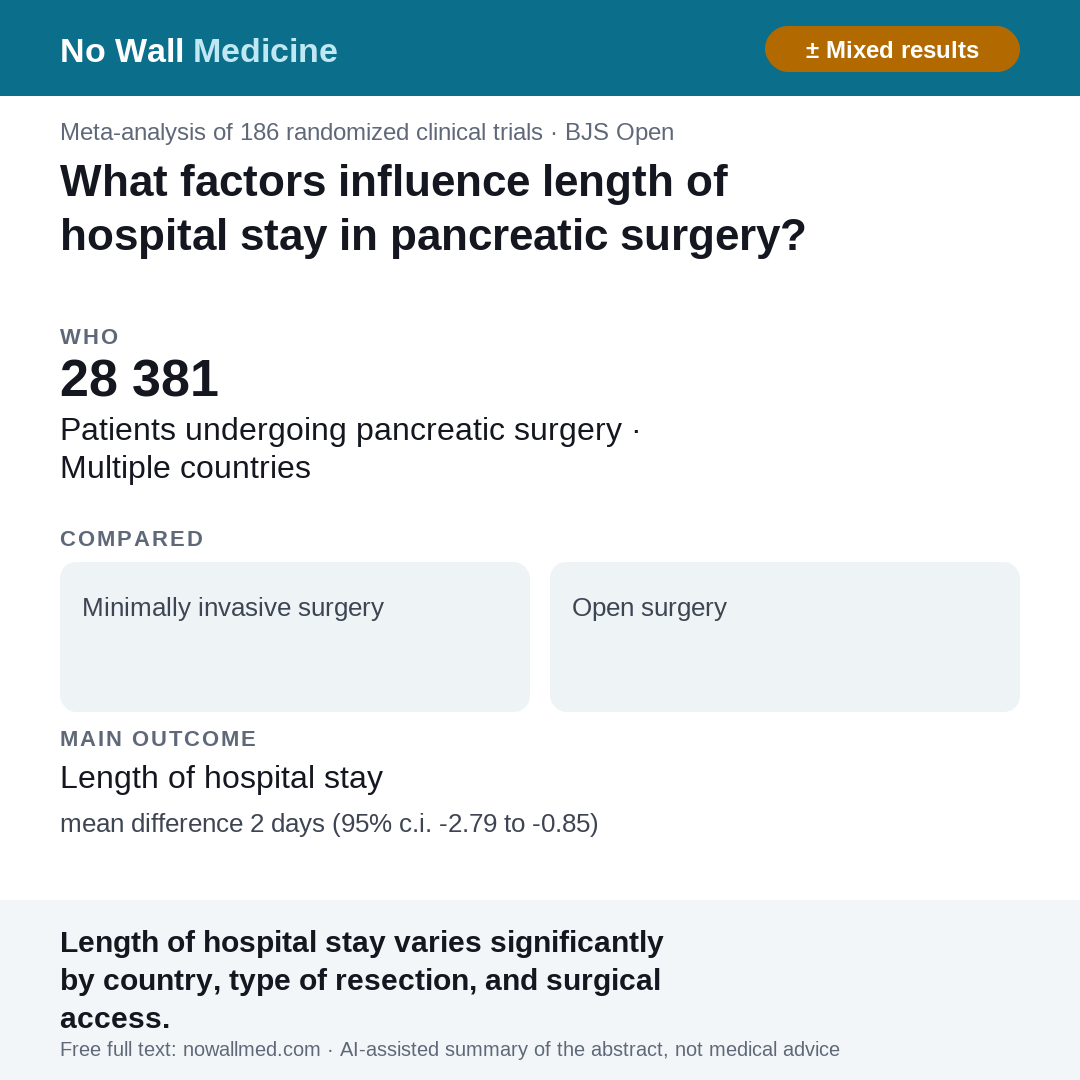
Pancreatic surgery and length of hospital stay: meta-analysis of randomized clinical trials
Meta-analysis of 186 randomized clinical trialsMixed results
What factors influence length of hospital stay in pancreatic surgery?
Who
28 381
Patients undergoing pancreatic surgery · Multiple countries
Compared
Minimally invasive surgery
Open surgery
Main outcome
Length of hospital stay
Result: mean difference 2 days (95% c.i. -2.79 to -0.85)
Bottom line: Length of hospital stay varies significantly by country, type of resection, and surgical access.
Limitation: Substantial statistical heterogeneity based on country, operation type, and access.
BJS Open · 2026-08-22Download image
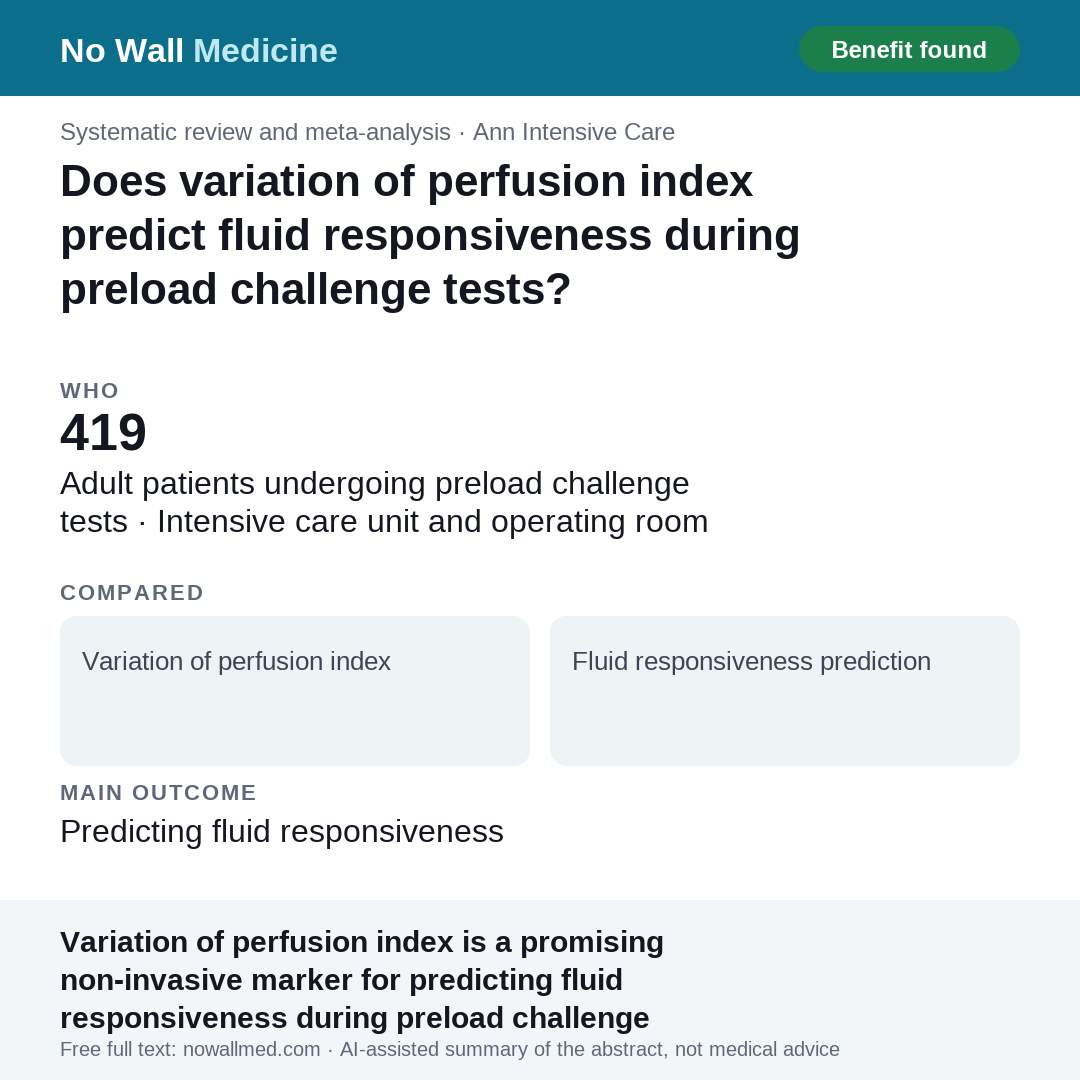
Variation of perfusion index to evaluate fluid responsiveness during the preload challenge tests: a systematic review and meta-analysis
Systematic review and meta-analysisBenefit found
Does variation of perfusion index predict fluid responsiveness during preload challenge tests?
Who
419
Adult patients undergoing preload challenge tests · Intensive care unit and operating room
Compared
Variation of perfusion index
Fluid responsiveness prediction
Main outcome
Predicting fluid responsiveness
Result: AUROC 0.88 (95% CI 0.85 to 0.90)
Bottom line: Variation of perfusion index is a promising non-invasive marker for predicting fluid responsiveness during preload challenge tests.
Limitation: The current evidence base remains limited, heterogeneous, and at risk of bias.
Ann Intensive Care · 2026-08-21Download image
Psychosocial coping with intensive care delirium: a mixed-methods systematic review of patient and family perspectives
Mixed-methods systematic reviewMixed results
What psychosocial coping strategies do intensive care unit patients and families use during delirium?
Who
Intensive care unit patients and their family caregivers · Seven countries
Compared
Patients: problem-focused, emotion-focused, and meaning-based strategies
Families: supporting patients and managing their own distress
Main outcome
Psychosocial coping strategies employed during intensive care unit delirium
Bottom line: Patients and families use diverse coping strategies, with families serving as a primary resource for patients.
Crit Care · 2026-08-21Download image

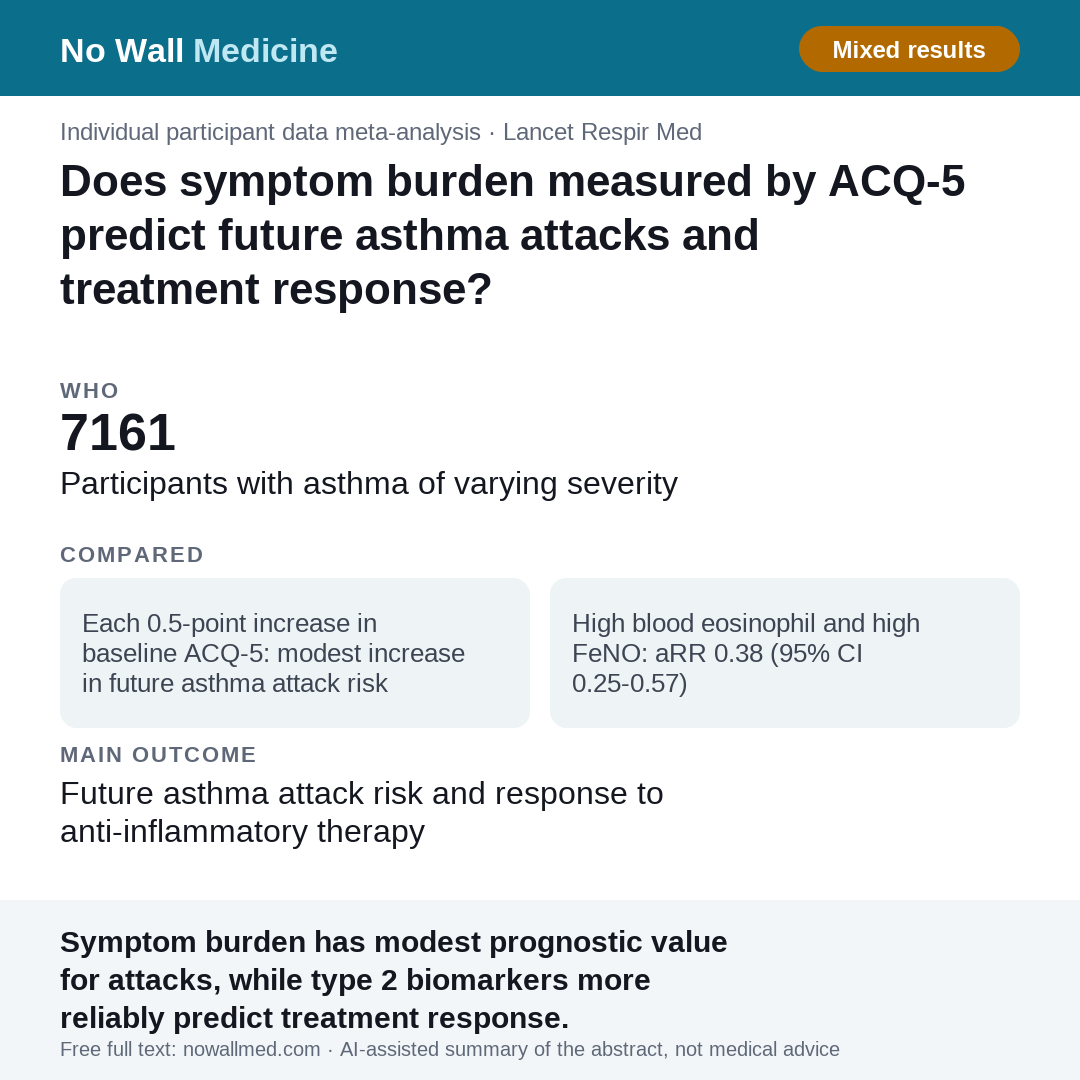
Symptom burden to characterise, predict, and prevent asthma attacks: a patient-level meta-analysis of randomised trials and translational prospective studies
Individual participant data meta-analysisMixed results
Does symptom burden measured by ACQ-5 predict future asthma attacks and treatment response?
Who
7161
Participants with asthma of varying severity
Compared
Each 0.5-point increase in baseline ACQ-5: modest increase in future asthma attack risk
High blood eosinophil and high FeNO: aRR 0.38 (95% CI 0.25-0.57)
Main outcome
Future asthma attack risk and response to anti-inflammatory therapy
Result: adjusted rate ratio 1.09 (95% CI 1.06-1.12)
Bottom line: Symptom burden has modest prognostic value for attacks, while type 2 biomarkers more reliably predict treatment response.
Funded by: National Institute for Health and Care Research and others
Lancet Respir Med · 2026-08-20Download image
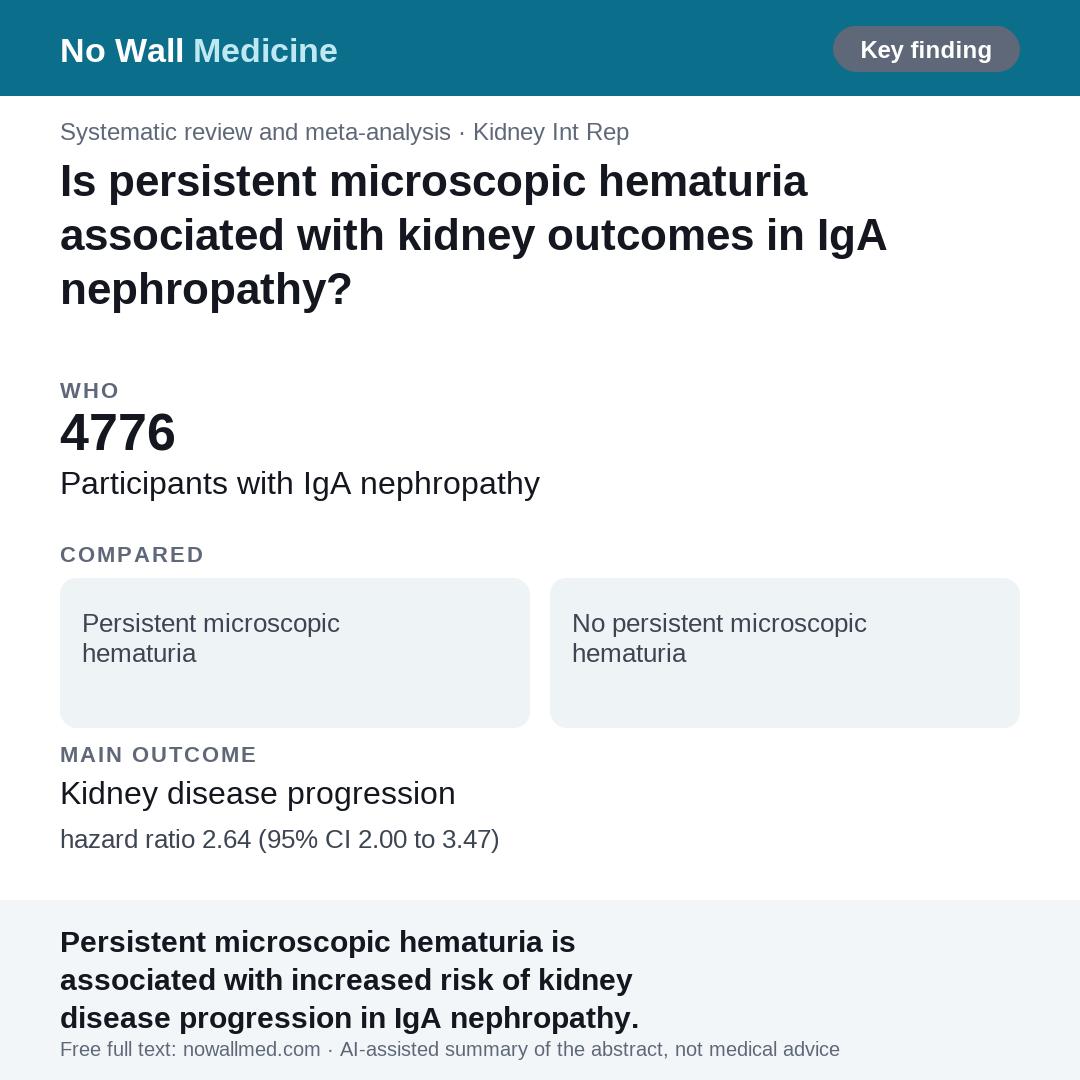
Systematic Review of Persistent Microscopic Hematuria and Kidney Outcomes in IgAN
Systematic review and meta-analysisBenefit found
Is persistent microscopic hematuria associated with kidney outcomes in IgA nephropathy?
Who
4776
Participants with IgA nephropathy
Compared
Persistent microscopic hematuria
No persistent microscopic hematuria
Main outcome
Kidney disease progression
Result: hazard ratio 2.64 (95% CI 2.00 to 3.47)
Bottom line: Persistent microscopic hematuria is associated with increased risk of kidney disease progression in IgA nephropathy.
Kidney Int Rep · 2026-08-20Download image
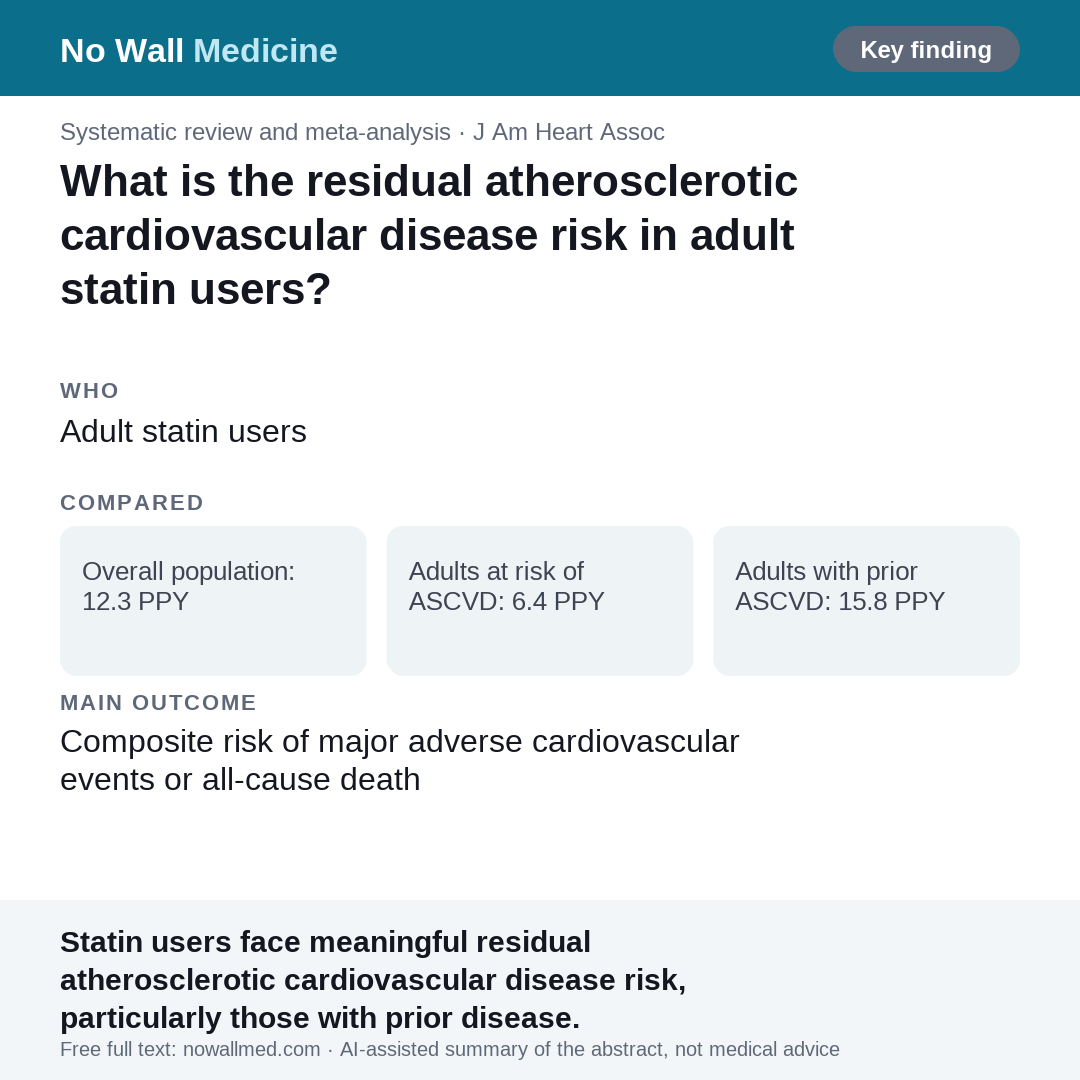
Residual Atherosclerotic Cardiovascular Disease Risk in Statin Users: A Systematic Review and Meta-Analysis
Systematic review and meta-analysisHarm found
What is the residual atherosclerotic cardiovascular disease risk in adult statin users?
Who
Adult statin users
Compared
Overall population: 12.3 PPY
Adults at risk of ASCVD: 6.4 PPY
Adults with prior ASCVD: 15.8 PPY
Main outcome
Composite risk of major adverse cardiovascular events or all-cause death
Bottom line: Statin users face meaningful residual atherosclerotic cardiovascular disease risk, particularly those with prior disease.
Limitation: substantial between-study variability
J Am Heart Assoc · 2026-08-20Download image
Systematic Review on Noncomputed Tomography-Based Technologies for Prehospital Stroke Diagnosis
Systematic reviewUnclear result
What are the current noncomputed tomography-based technologies for prehospital stroke diagnosis?
Who
Patients requiring prehospital stroke diagnosis
Compared
Individual technologies
Combined modalities
Main outcome
Prehospital stroke diagnosis and differentiation of stroke types
Bottom line: No single noncomputed tomography technology can currently differentiate between ischemic and hemorrhagic stroke effectively.
Limitation: No single technology provides capabilities similar to computed tomography for stroke differentiation.
J Am Heart Assoc · 2026-08-20Download image

Redo-Transcatheter Aortic Valve Implantation Versus Surgical Explantation in Patients With Previous Transcatheter Aortic Valve Implantation: A Systematic Review and Meta-Analysis
Meta-analysis of 8 observational studiesBenefit found
Is redo-transcatheter aortic valve implantation better than surgical explantation after valve failure?
Who
6166
Patients with previous transcatheter aortic valve implantation failure
Compared
Redo-transcatheter aortic valve implantation
Surgical transcatheter heart valve explantation
Main outcome
All-cause mortality (in-hospital, 30-day, and 1-year)
Result: 1-year mortality odds ratio 0.70 (95% CI 0.62-0.80)
Bottom line: Redo-transcatheter aortic valve implantation is associated with lower mortality, less bleeding, and shorter hospitalization than surgical explantation.
J Am Heart Assoc · 2026-08-20Download image

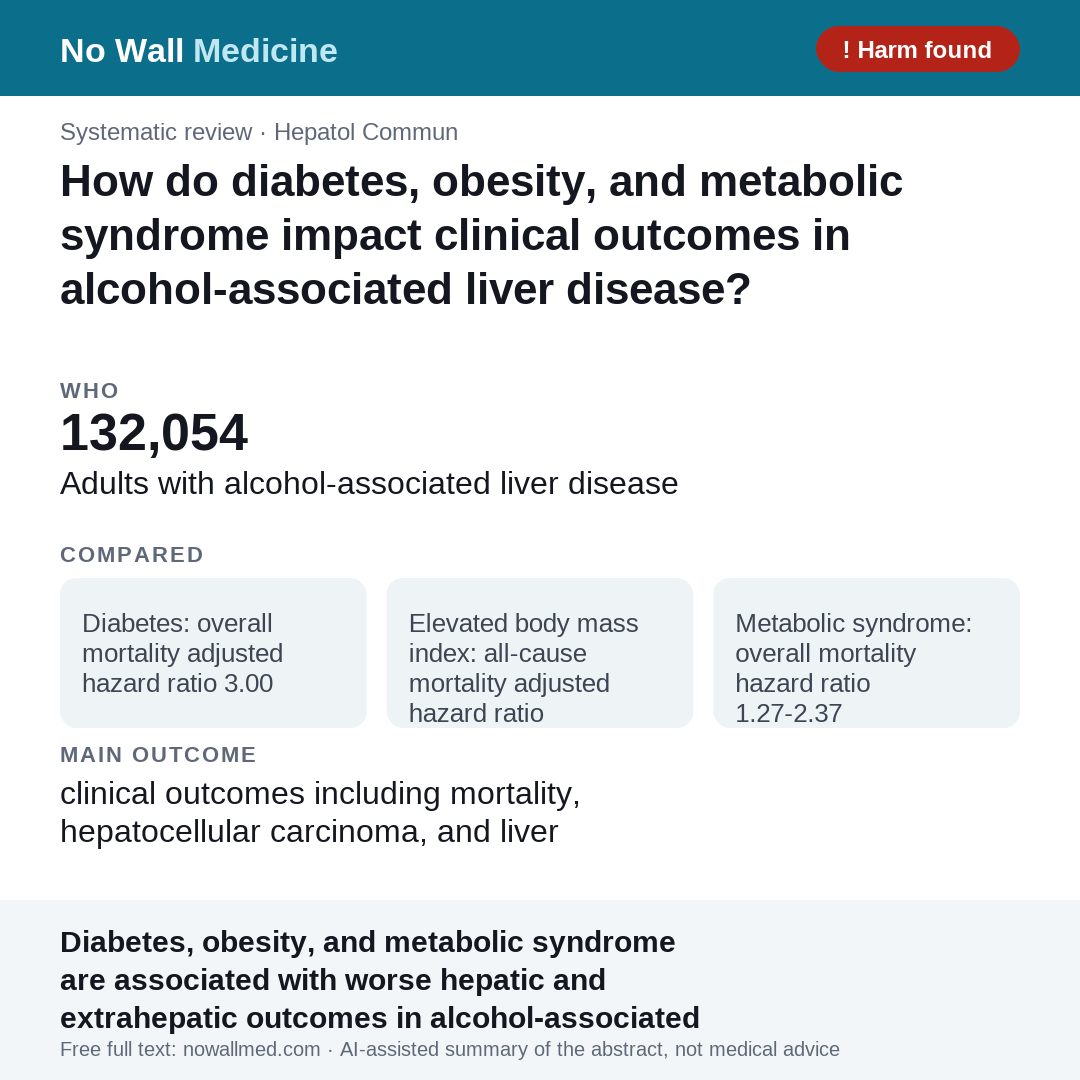
Effects of diabetes, obesity, and metabolic syndrome on alcohol-associated liver disease: A systematic review
Systematic reviewHarm found
How do diabetes, obesity, and metabolic syndrome impact clinical outcomes in alcohol-associated liver disease?
Who
132,054
Adults with alcohol-associated liver disease
Compared
Diabetes: overall mortality adjusted hazard ratio 3.00
Elevated body mass index: all-cause mortality adjusted hazard ratio 1.16-1.58
Metabolic syndrome: overall mortality hazard ratio 1.27-2.37
Main outcome
clinical outcomes including mortality, hepatocellular carcinoma, and liver transplantation
Bottom line: Diabetes, obesity, and metabolic syndrome are associated with worse hepatic and extrahepatic outcomes in alcohol-associated liver disease.
Hepatol Commun · 2026-08-20Download image
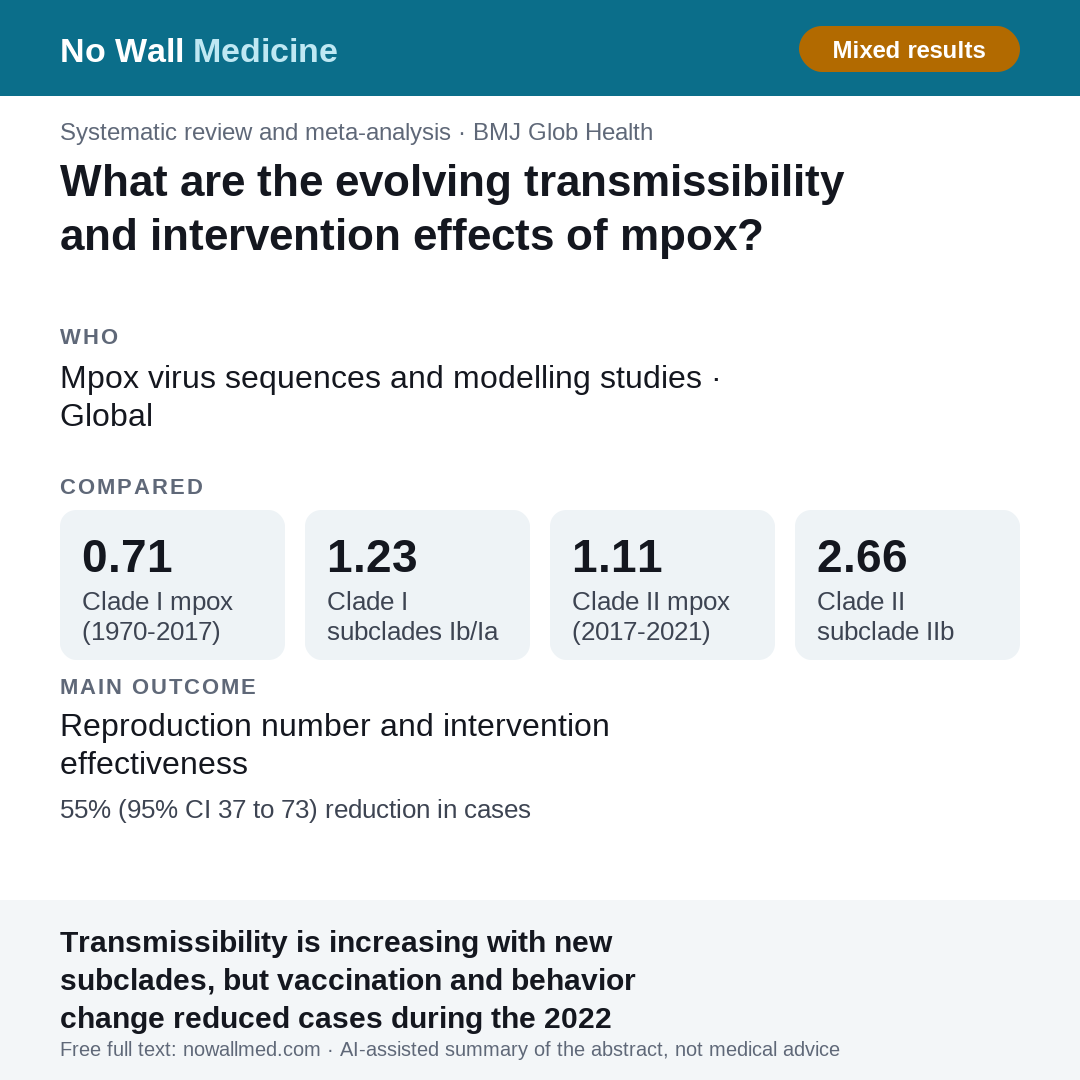
Dynamics of global mpox epidemics, 1970-2025: a systematic review and meta-analysis of evolving transmissibility and intervention effects
Systematic review and meta-analysisMixed results
What are the evolving transmissibility and intervention effects of mpox?
Who
Mpox virus sequences and modelling studies · Global
Compared
0.71Clade I mpox (1970-2017) (95% CI 0.26 to 1.17)
1.23Clade I subclades Ib/Ia (after 2023) (1.12-1.33)
1.11Clade II mpox (2017-2021) (0.90-1.32)
2.66Clade II subclade IIb (2022-2023) (2.31-3.00)
Main outcome
Reproduction number and intervention effectiveness
Result: 55% (95% CI 37 to 73) reduction in cases
Bottom line: Transmissibility is increasing with new subclades, but vaccination and behavior change reduced cases during the 2022 outbreak.
Limitation: Effect sizes varied across settings according to behavior change and vaccine rollout timing.
BMJ Glob Health · 2026-08-20Download image
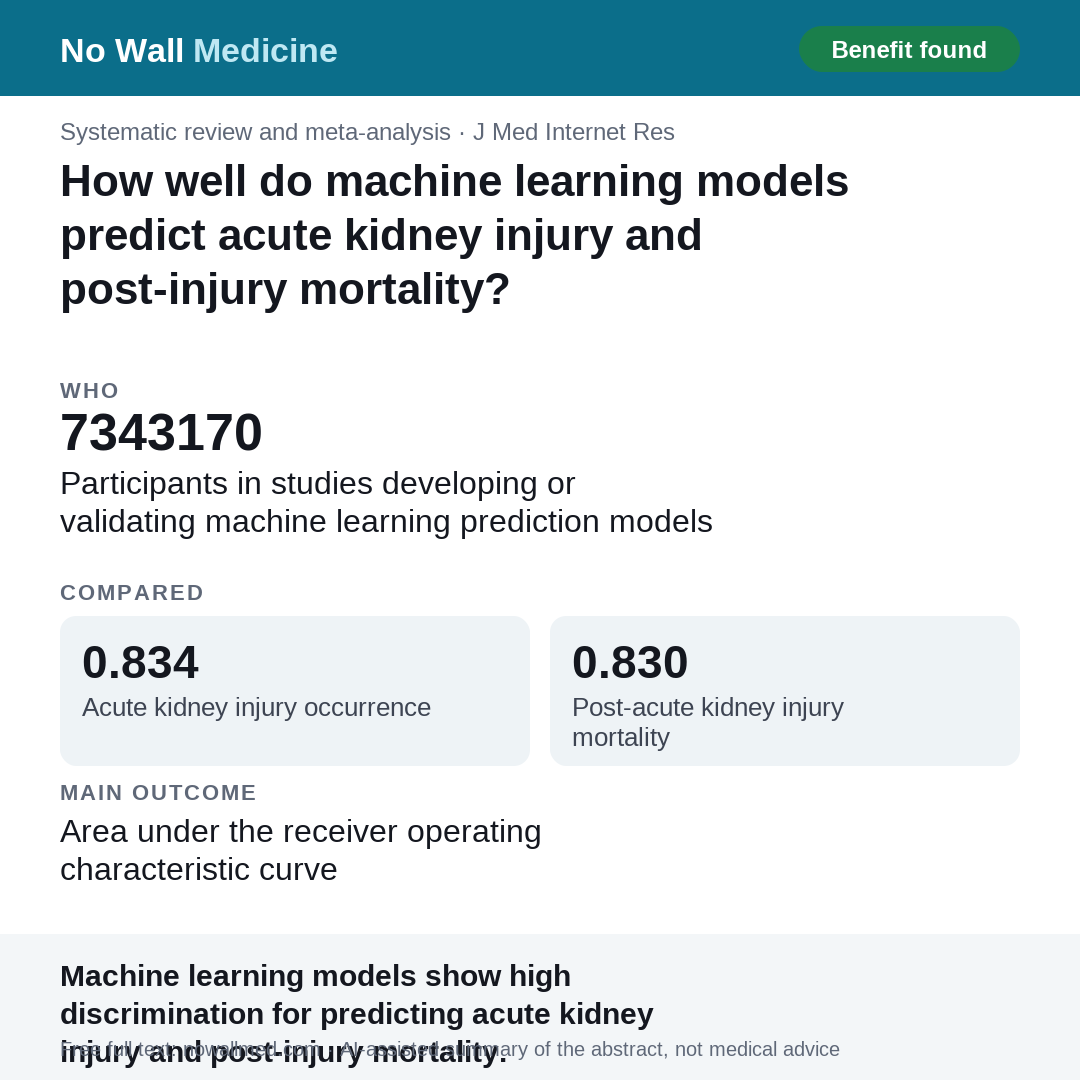
AI Models for Predicting Acute Kidney Injury (AKI) and Post-AKI Mortality: Systematic Review and Meta-Analysis
Systematic review and meta-analysisBenefit found
How well do machine learning models predict acute kidney injury and post-injury mortality?
Who
7343170
Participants in studies developing or validating machine learning prediction models
Compared
0.834Acute kidney injury occurrence (95% CI 0.821-0.846)
0.830Post-acute kidney injury mortality (95% CI 0.807-0.851)
Main outcome
Area under the receiver operating characteristic curve
Bottom line: Machine learning models show high discrimination for predicting acute kidney injury and post-injury mortality.
Limitation: High heterogeneity, limited external or prospective validation, and inconsistent reporting of calibration and clinical utility.
J Med Internet Res · 2026-08-20Download image
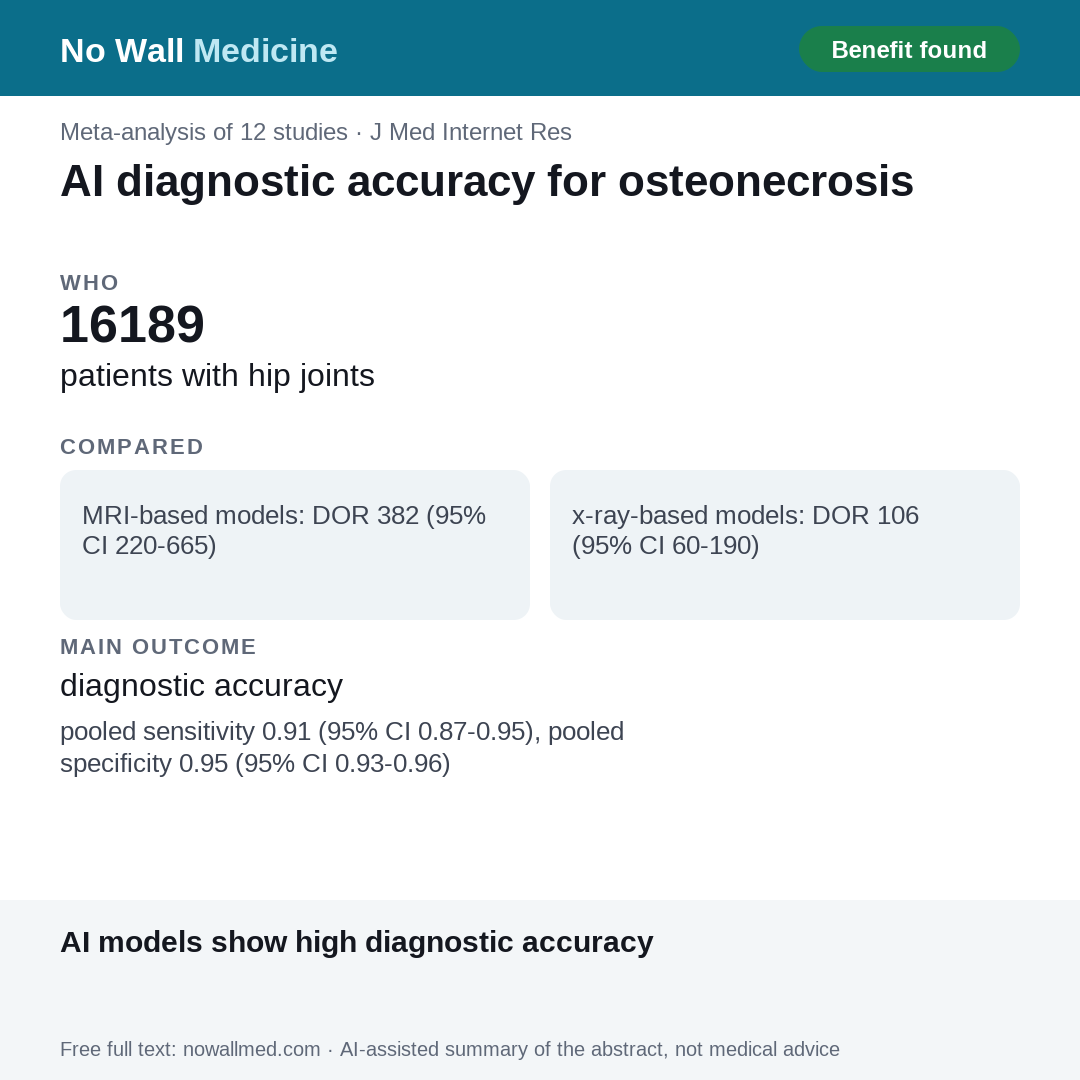
Diagnostic Accuracy of Medical Imaging-Based Artificial Intelligence for Osteonecrosis of the Femoral Head: Systematic Review and Meta-Analysis
Meta-analysis of 12 studiesBenefit found
AI diagnostic accuracy for osteonecrosis
Who
16189
patients with hip joints
Compared
MRI-based models: DOR 382 (95% CI 220-665)
x-ray-based models: DOR 106 (95% CI 60-190)
Main outcome
diagnostic accuracy
Result: pooled sensitivity 0.91 (95% CI 0.87-0.95), pooled specificity 0.95 (95% CI 0.93-0.96)
Bottom line: AI models show high diagnostic accuracy
Limitation: limited studies and retrospective designs
J Med Internet Res · 2026-08-20Download image
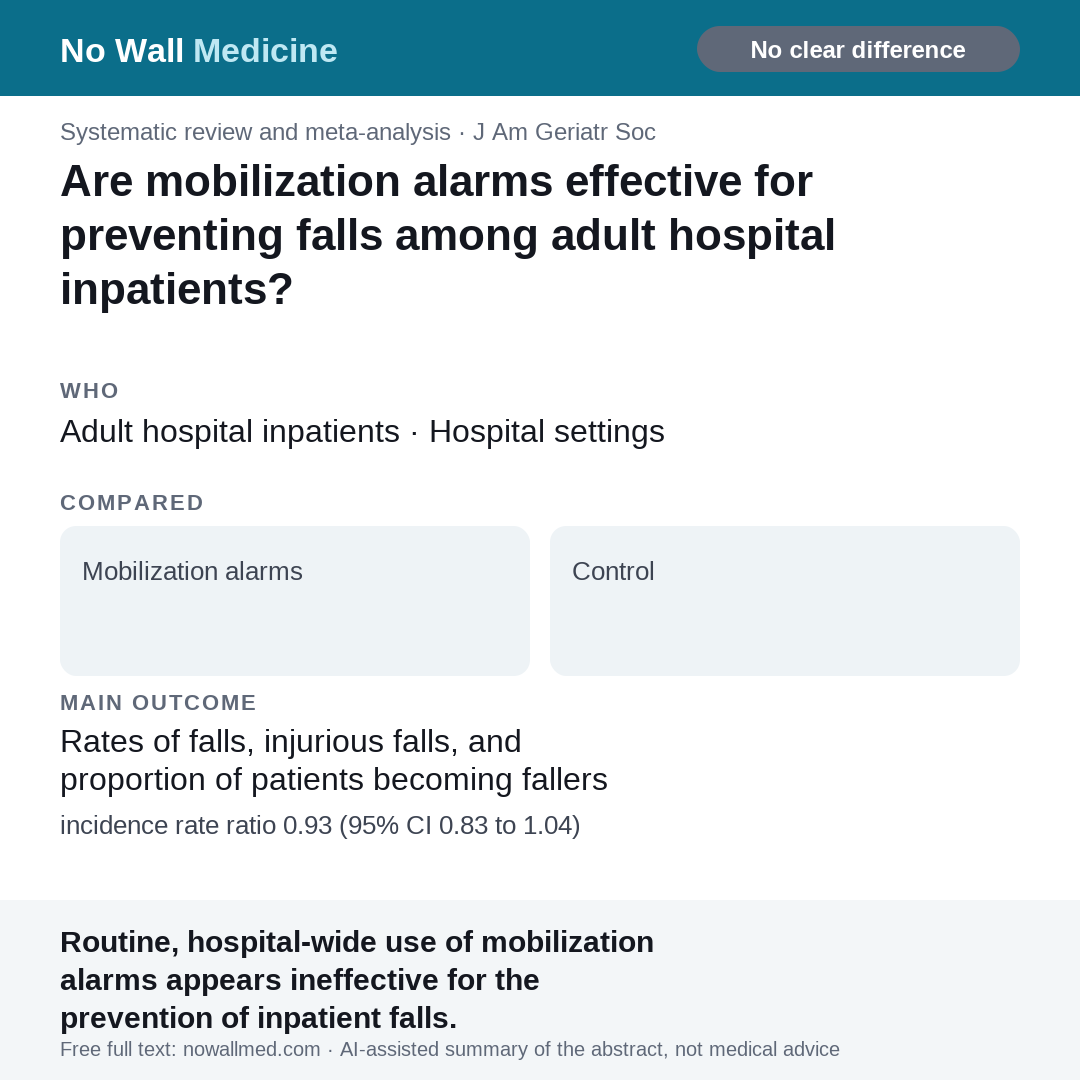
Systematic Review and Meta-Analyses of Mobilization Alarms for Prevention of Falls in Hospital
Systematic review and meta-analysisNo clear difference
Are mobilization alarms effective for preventing falls among adult hospital inpatients?
Who
Adult hospital inpatients · Hospital settings
Compared
Mobilization alarms
Control
Main outcome
Rates of falls, injurious falls, and proportion of patients becoming fallers
Result: incidence rate ratio 0.93 (95% CI 0.83 to 1.04)
Bottom line: Routine, hospital-wide use of mobilization alarms appears ineffective for the prevention of inpatient falls.
Limitation: Prospective registration was the most protective factor against studies reporting over-optimistic results.
J Am Geriatr Soc · 2026-08-19Download image
The effectiveness of training programs on nurse's shared decision making: a systematic review
Systematic review of 6 studiesBenefit found
Do training programs improve nurses' shared decision making?
Who
nurses in healthcare settings
Compared
SDM training
no training
Main outcome
nurses' shared decision making competencies
Bottom line: Training programs improve nurses' shared decision making
Limitation: small number of studies and heterogeneity
BMC Prim Care · 2026-08-19Download image

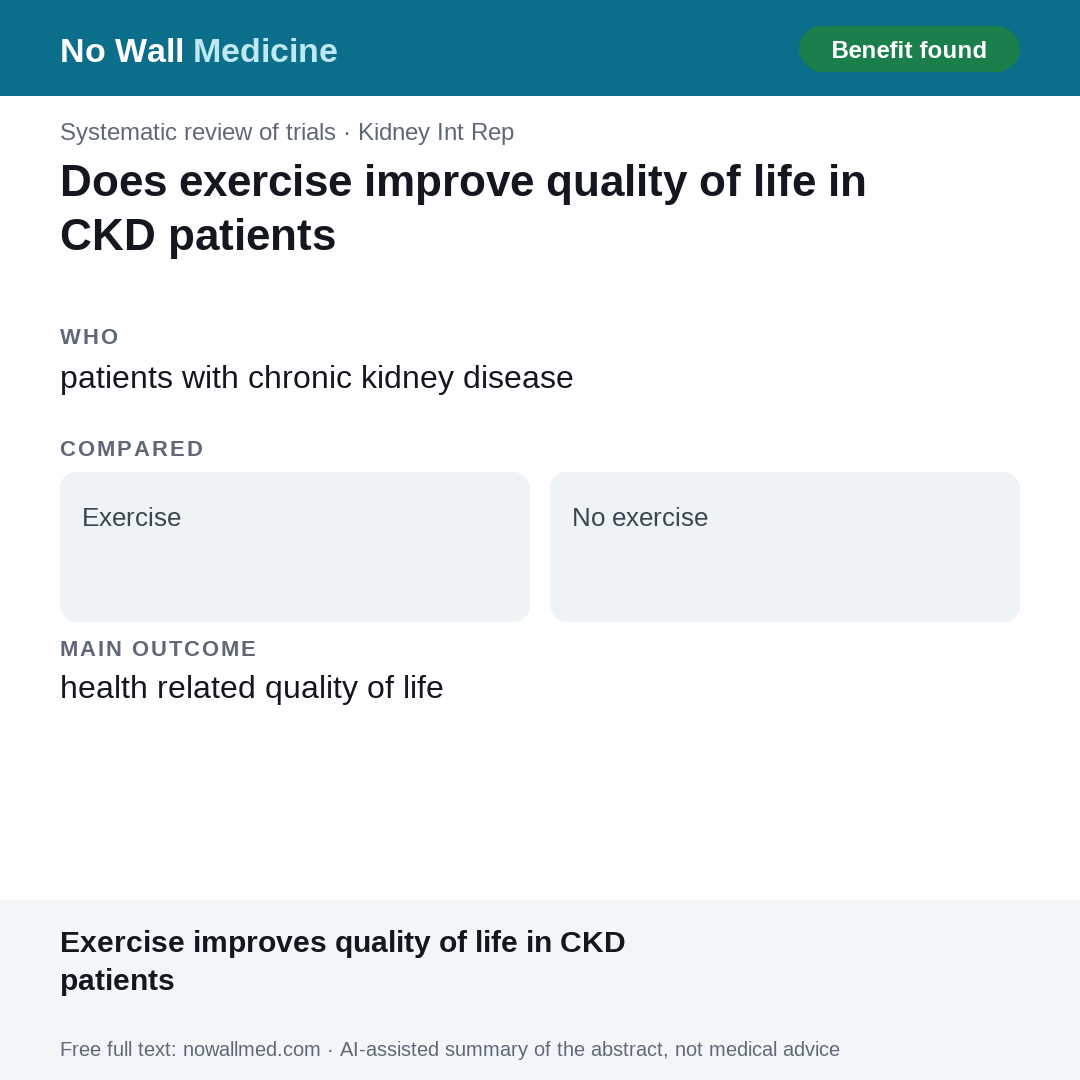
Systematic Review of Exercise Interventions and HRQOL in Predialysis CKD
Systematic review of trialsBenefit found
Does exercise improve quality of life in CKD patients
Who
patients with chronic kidney disease
Compared
Exercise
No exercise
Main outcome
health related quality of life
Bottom line: Exercise improves quality of life in CKD patients
Kidney Int Rep · 2026-08-19Download image
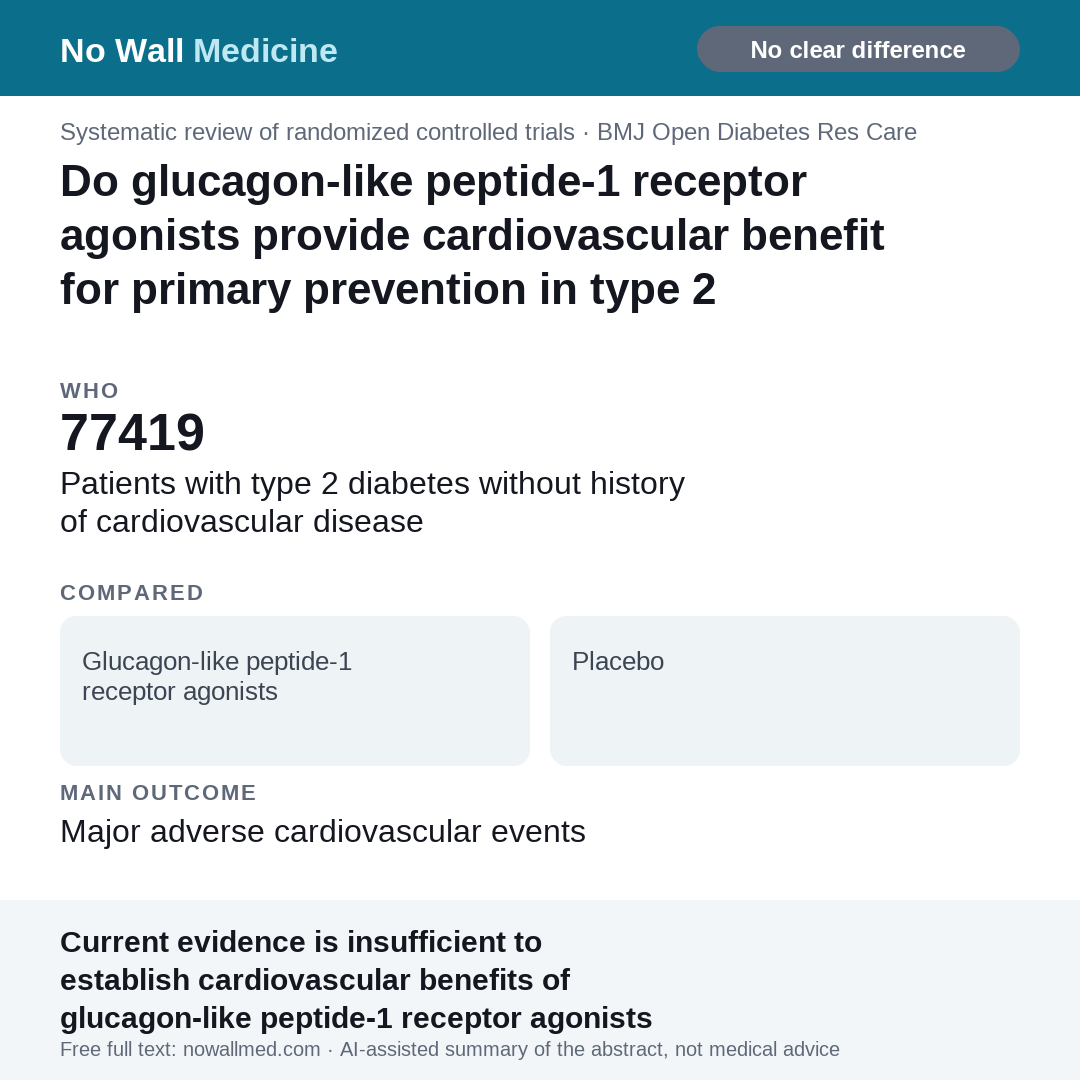
Glucagon-like peptide-1 receptor agonists for primary cardiovascular disease prevention in type 2 diabetes, a systematic review
Systematic review of randomized controlled trialsNo clear difference
Do glucagon-like peptide-1 receptor agonists provide cardiovascular benefit for primary prevention in type 2 diabetes?
Who
77419
Patients with type 2 diabetes without history of cardiovascular disease
Compared
Glucagon-like peptide-1 receptor agonists
Placebo
Main outcome
Major adverse cardiovascular events
Result: hazard ratio 0.88 (95% CI 0.74 to 1.05)
Bottom line: Current evidence is insufficient to establish cardiovascular benefits of glucagon-like peptide-1 receptor agonists for primary prevention in type 2 diabetes.
Limitation: Subgroup analyses of aggregated data from studies not powered for primary prevention alone.
Funded by: Drug manufacturer-funded trials
BMJ Open Diabetes Res Care · 2026-08-19Download image
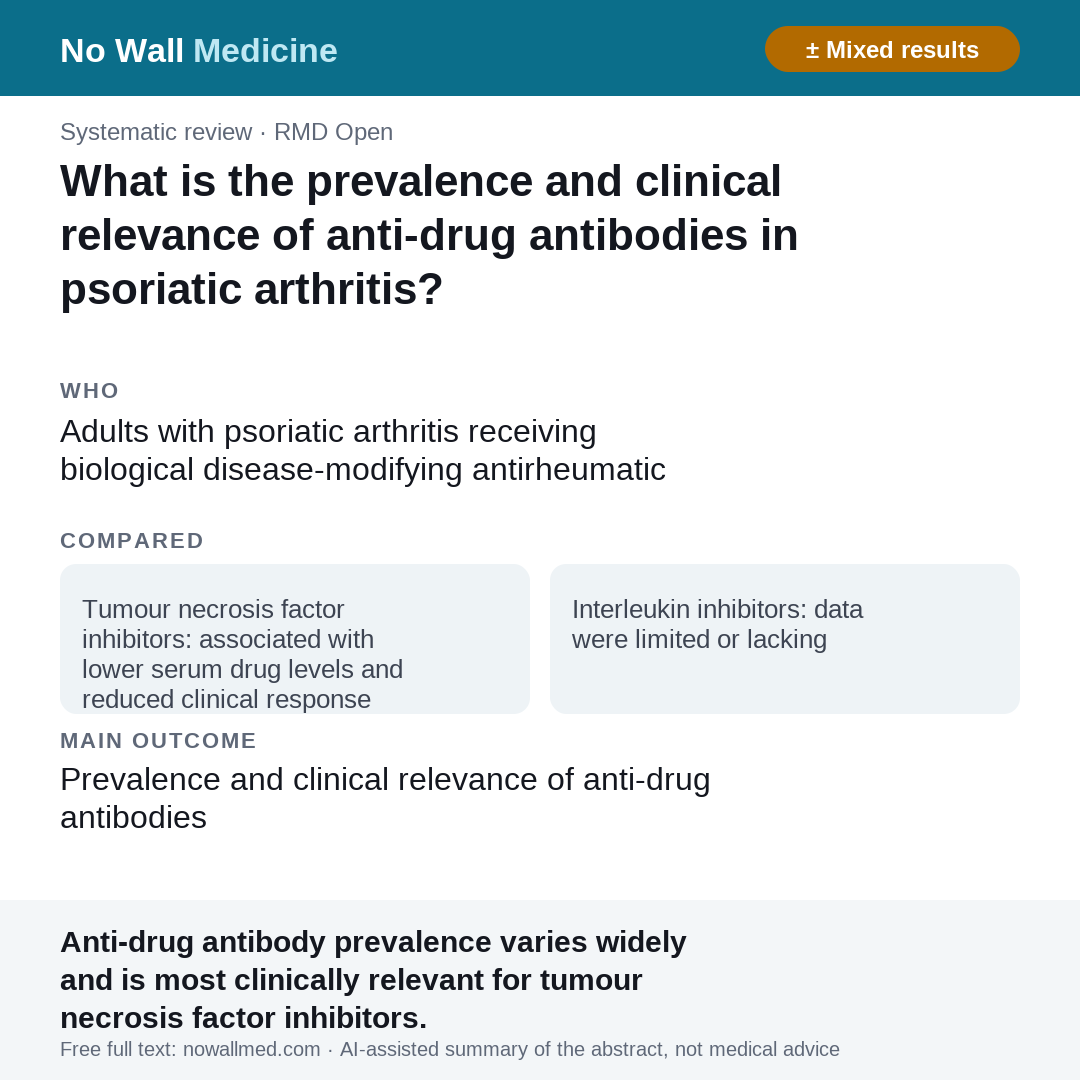
Prevalence and clinical relevance of anti-drug antibodies in psoriatic arthritis: a systematic review
Systematic reviewMixed results
What is the prevalence and clinical relevance of anti-drug antibodies in psoriatic arthritis?
Who
28
Adults with psoriatic arthritis receiving biological disease-modifying antirheumatic drugs
Compared
Tumour necrosis factor inhibitors: associated with lower serum drug levels and reduced clinical response
Interleukin inhibitors: data were limited or lacking
Main outcome
Prevalence and clinical relevance of anti-drug antibodies
Bottom line: Anti-drug antibody prevalence varies widely and is most clinically relevant for tumour necrosis factor inhibitors.
Limitation: Immunoassay heterogeneity limits comparability between studies.
RMD Open · 2026-08-19Download image