Visual abstracts
New randomized trials and meta-analyses from leading journals at a glance: who was studied, what was compared, and what was found. Every paper is free to read in full.
All specialtiesCardiology 4877Oncology 4138Gastroenterology & Hepatology 1942Infectious Disease 3837Neurology 1905Psychiatry & Mental Health 2273Pulmonology 2143Critical Care 1365Endocrinology & Diabetes 2580Pediatrics 2980Surgery 2559Orthopedics & Sports Medicine 931Neurosurgery 537Cardiothoracic & Vascular Surgery 674Plastic & Reconstructive Surgery 591Nephrology 1133Rheumatology 823Hematology 1109Dermatology 621Ophthalmology 543Obstetrics & Gynecology 1686Public & Global Health 1058Radiology & Imaging 648Anesthesiology 986Urology 764ENT (Otolaryngology) 503Emergency Medicine 511Allergy & Immunology 313Geriatrics 981Family Medicine & Primary Care 562Medical Genetics & Genomics 676Pathology & Laboratory Medicine 159Physical Medicine & Rehabilitation 757Palliative Care 444Nutrition 1588Digital Health & AI 2201General Medicine 321
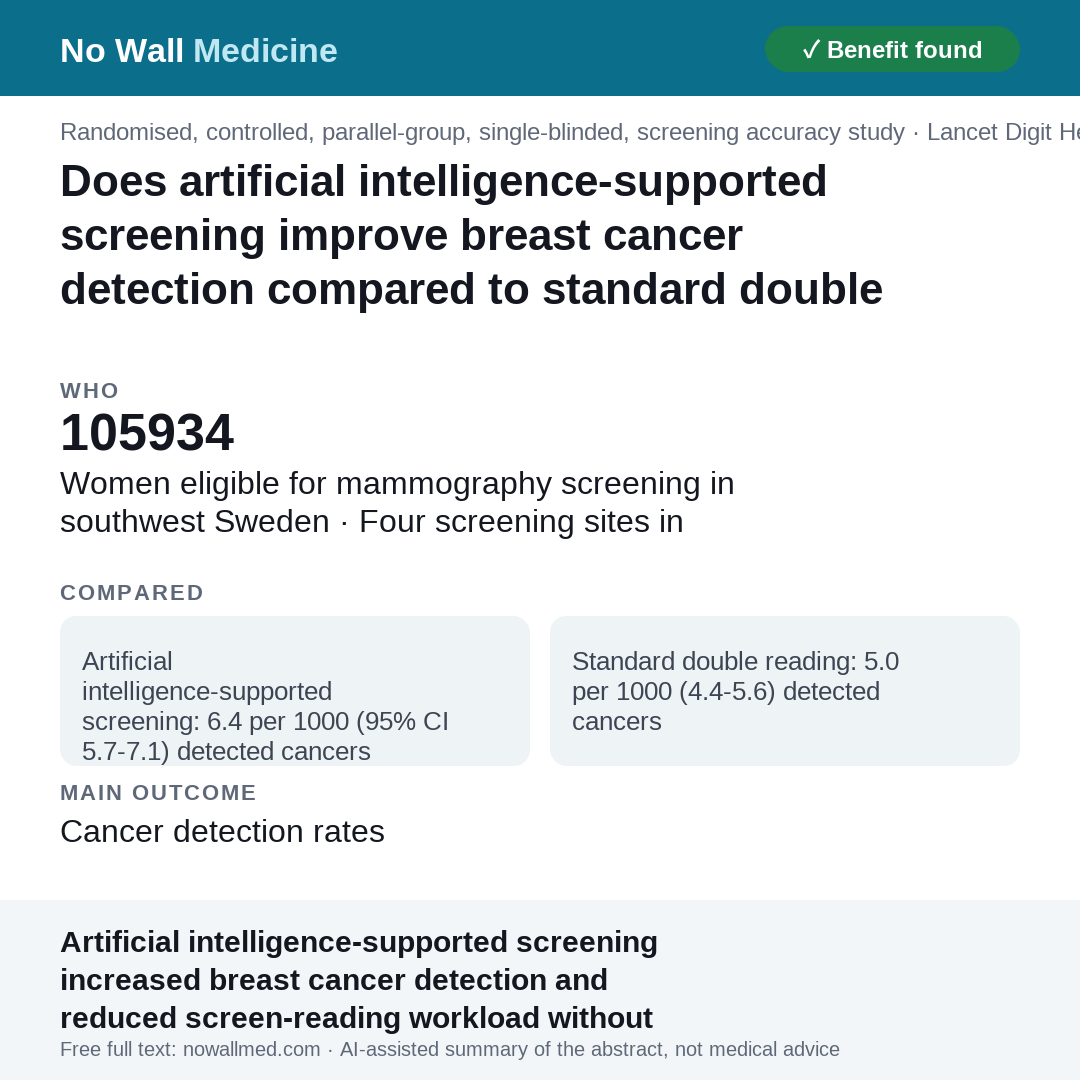
Screening performance and characteristics of breast cancer detected in the Mammography Screening with Artificial Intelligence trial (MASAI): a randomised, controlled, parallel-group, non-inferiority, single-blinded, screening accuracy study
Randomised, controlled, parallel-group, single-blinded, screening accuracy studyBenefit found
Does artificial intelligence-supported screening improve breast cancer detection compared to standard double reading?
Who
105934
Women eligible for mammography screening in southwest Sweden · Four screening sites in southwest Sweden
Compared
Artificial intelligence-supported screening: 6.4 per 1000 (95% CI 5.7-7.1) detected cancers
Standard double reading: 5.0 per 1000 (4.4-5.6) detected cancers
Main outcome
Cancer detection rates
Result: ratio of 1.29 (95% CI 1.09-1.51; p=0.0021)
Bottom line: Artificial intelligence-supported screening increased breast cancer detection and reduced screen-reading workload without increasing false positives.
Funded by: Swedish Cancer Society, Confederation of Regional Cancer Centres, and Swedish governmental funding
Lancet Digit Health · 2025-02-03Download image
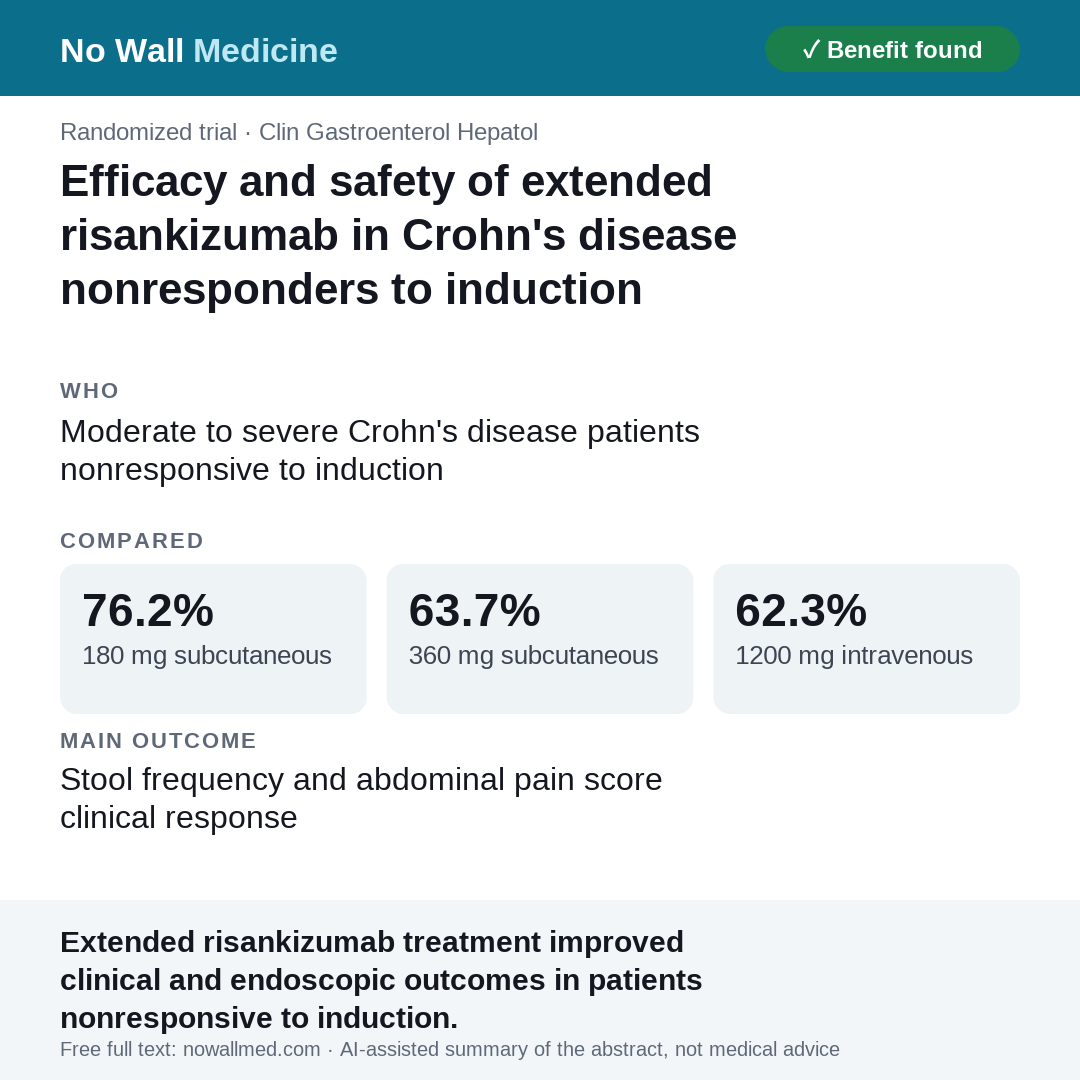
Extended Risankizumab Treatment in Patients With Crohn's Disease Who Did Not Achieve Clinical Response to Induction Treatment
Randomized trialBenefit found
Efficacy and safety of extended risankizumab in Crohn's disease nonresponders to induction
Who
Moderate to severe Crohn's disease patients nonresponsive to induction
Compared
76.2%180 mg subcutaneous
63.7%360 mg subcutaneous
62.3%1200 mg intravenous
Main outcome
Stool frequency and abdominal pain score clinical response
Bottom line: Extended risankizumab treatment improved clinical and endoscopic outcomes in patients nonresponsive to induction.
Clin Gastroenterol Hepatol · 2025-02-03Download image
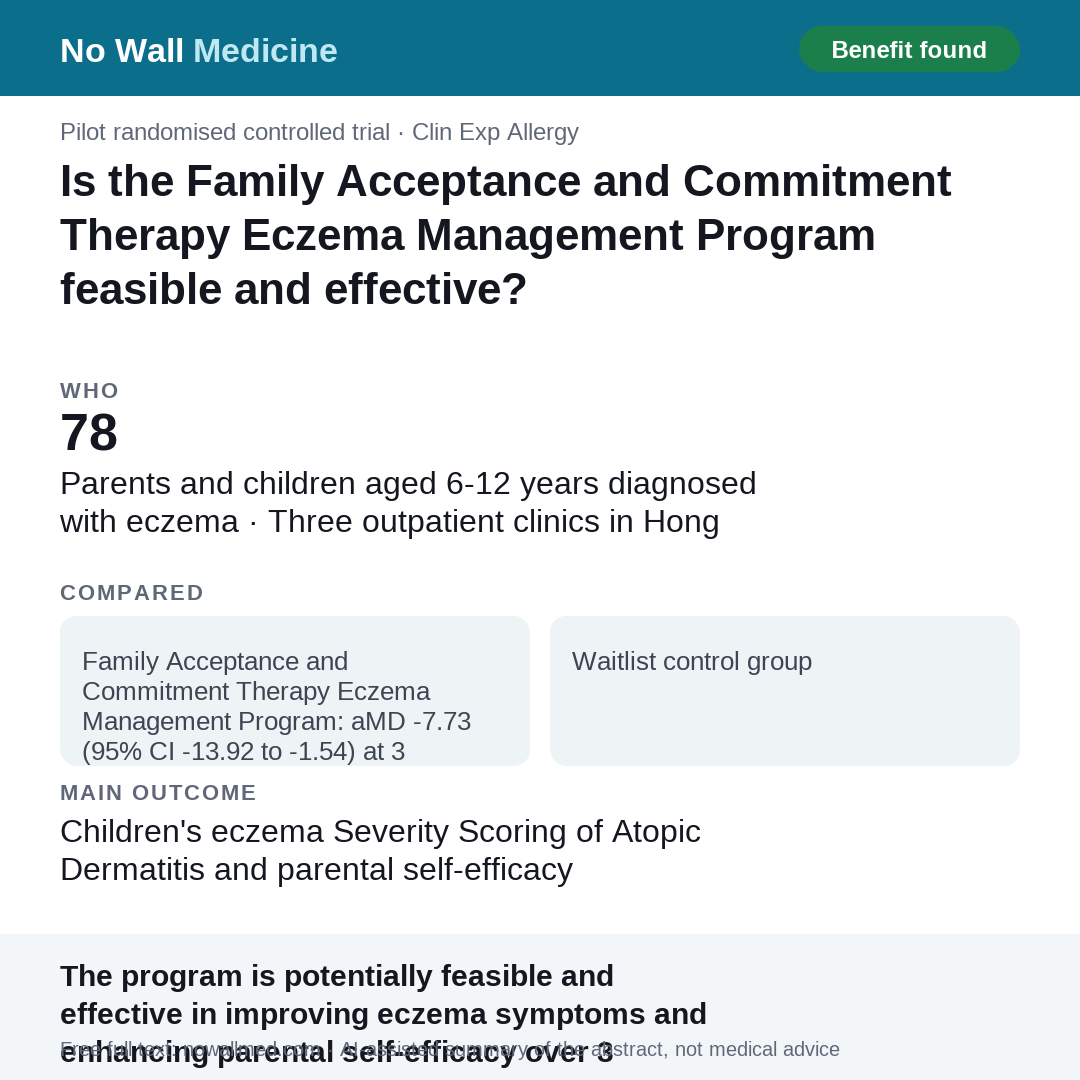
Acceptance and Commitment Therapy Eczema Management Program for Children With Eczema: A Pilot Randomised Controlled Trial
Pilot randomised controlled trialBenefit found
Is the Family Acceptance and Commitment Therapy Eczema Management Program feasible and effective?
Who
78
Parents and children aged 6-12 years diagnosed with eczema · Three outpatient clinics in Hong Kong
Compared
Family Acceptance and Commitment Therapy Eczema Management Program: aMD -7.73 (95% CI -13.92 to -1.54) at 3 months
Waitlist control group
Main outcome
Children's eczema Severity Scoring of Atopic Dermatitis and parental self-efficacy
Result: aMD -7.73 (95% CI -13.92 to -1.54)
Bottom line: The program is potentially feasible and effective in improving eczema symptoms and enhancing parental self-efficacy over 3 months.
Clin Exp Allergy · 2025-02-03Download image
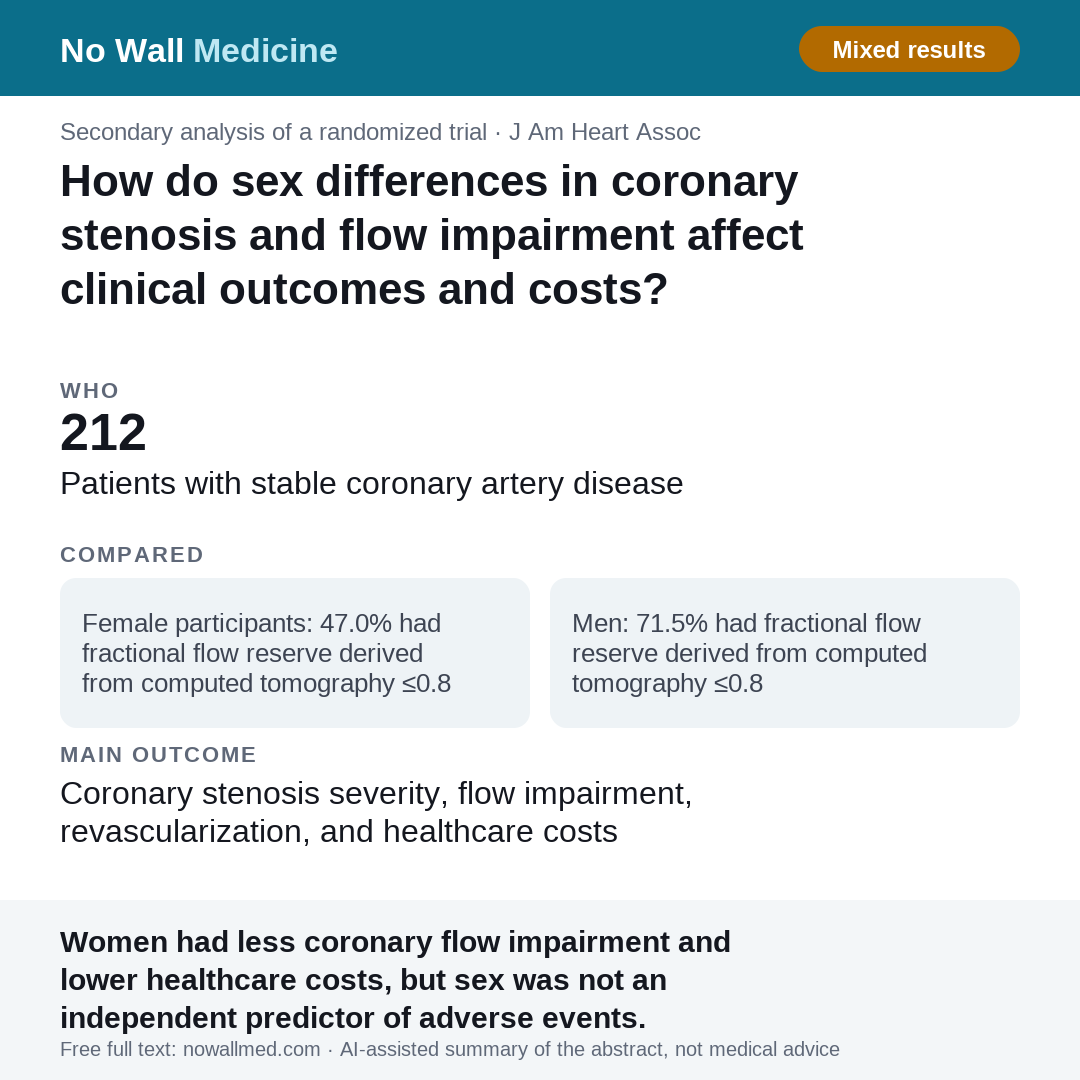
Sex Differences in Computed Tomography Coronary Stenosis Severity Versus Flow Impairment and Impact on Revascularization, Clinical Events and Health Care Costs: A FORECAST Substudy
Secondary analysis of a randomized trialMixed results
How do sex differences in coronary stenosis and flow impairment affect clinical outcomes and costs?
Who
212
Patients with stable coronary artery disease
Compared
Female participants: 47.0% had fractional flow reserve derived from computed tomography ≤0.8
Men: 71.5% had fractional flow reserve derived from computed tomography ≤0.8
Main outcome
Coronary stenosis severity, flow impairment, revascularization, and healthcare costs
Bottom line: Women had less coronary flow impairment and lower healthcare costs, but sex was not an independent predictor of adverse events.
J Am Heart Assoc · 2025-02-03Download image
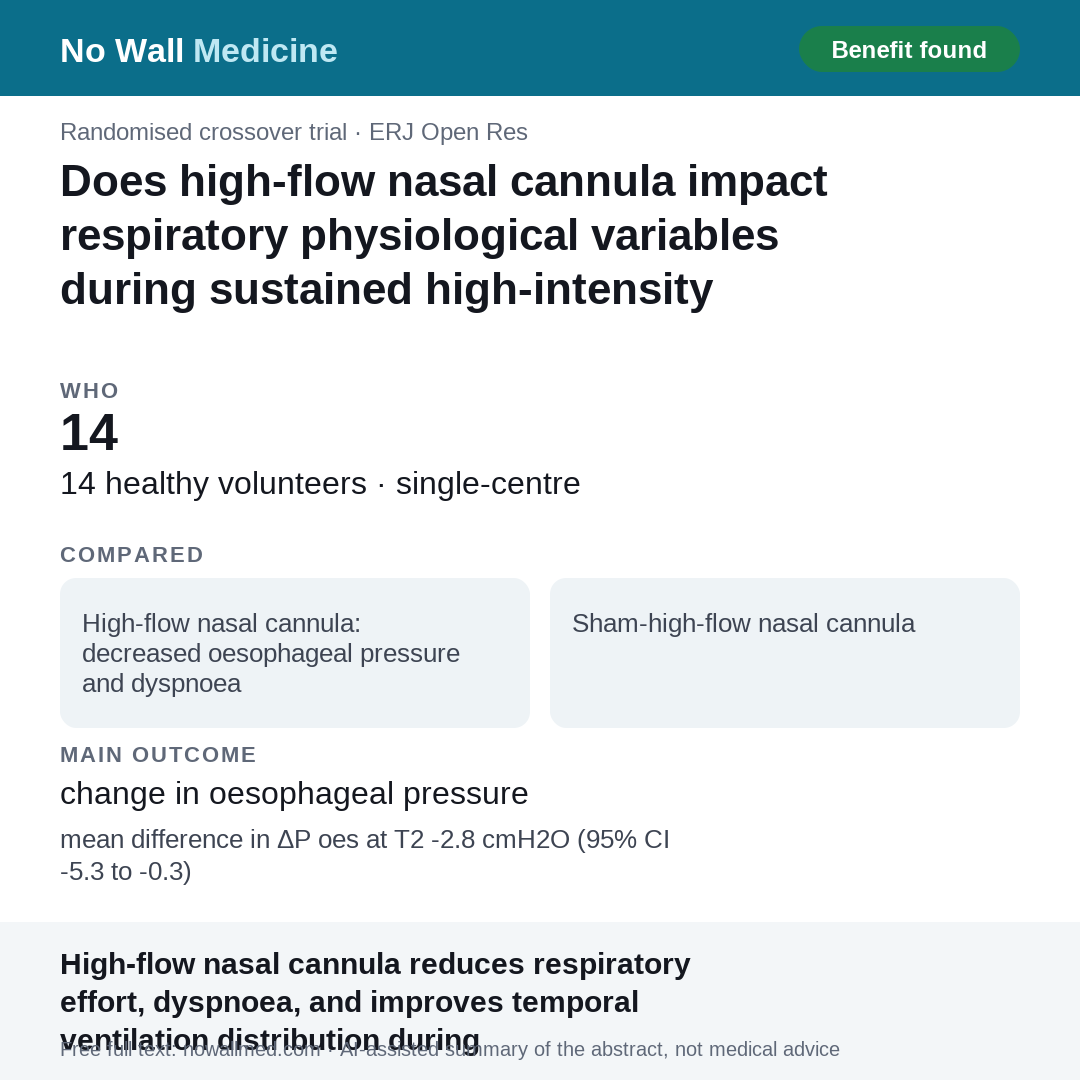
Physiological effects of high-flow nasal cannula during sustained high-intensity exercise in healthy volunteers: a randomised crossover trial
Randomised crossover trialBenefit found
Does high-flow nasal cannula impact respiratory physiological variables during sustained high-intensity exercise?
Who
14
14 healthy volunteers · single-centre
Compared
High-flow nasal cannula: decreased oesophageal pressure and dyspnoea
Sham-high-flow nasal cannula
Main outcome
change in oesophageal pressure
Result: mean difference in ΔP oes at T2 -2.8 cmH2O (95% CI -5.3 to -0.3)
Bottom line: High-flow nasal cannula reduces respiratory effort, dyspnoea, and improves temporal ventilation distribution during high-intensity exercise.
ERJ Open Res · 2025-02-03Download image
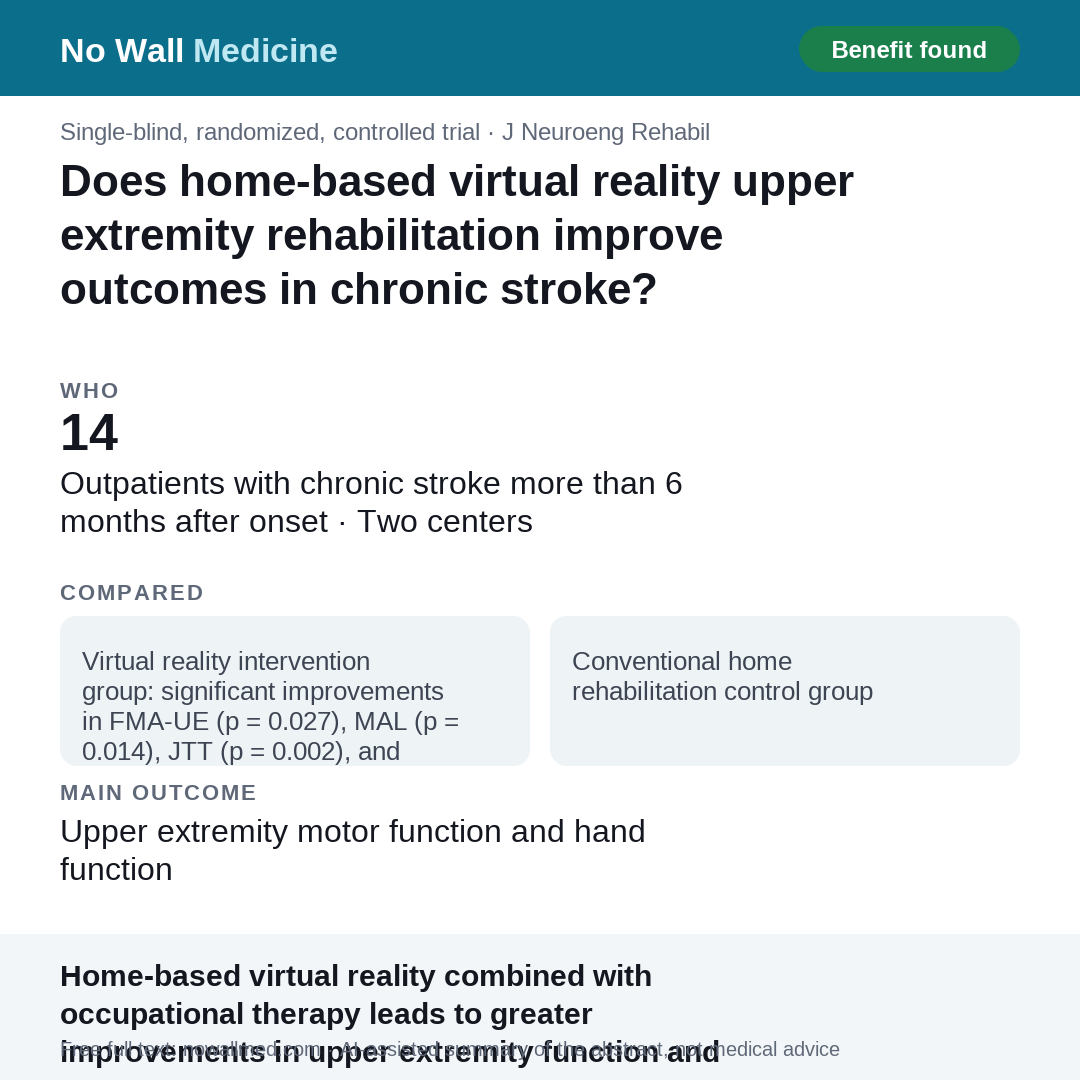
Effects of home-based virtual reality upper extremity rehabilitation in persons with chronic stroke: a randomized controlled trial
Single-blind, randomized, controlled trialBenefit found
Does home-based virtual reality upper extremity rehabilitation improve outcomes in chronic stroke?
Who
14
Outpatients with chronic stroke more than 6 months after onset · Two centers
Compared
Virtual reality intervention group: significant improvements in FMA-UE (p = 0.027), MAL (p = 0.014), JTT (p = 0.002), and BBT (p = 0.014)
Conventional home rehabilitation control group
Main outcome
Upper extremity motor function and hand function
Bottom line: Home-based virtual reality combined with occupational therapy leads to greater improvements in upper extremity function and paretic hand use.
J Neuroeng Rehabil · 2025-02-03Download image
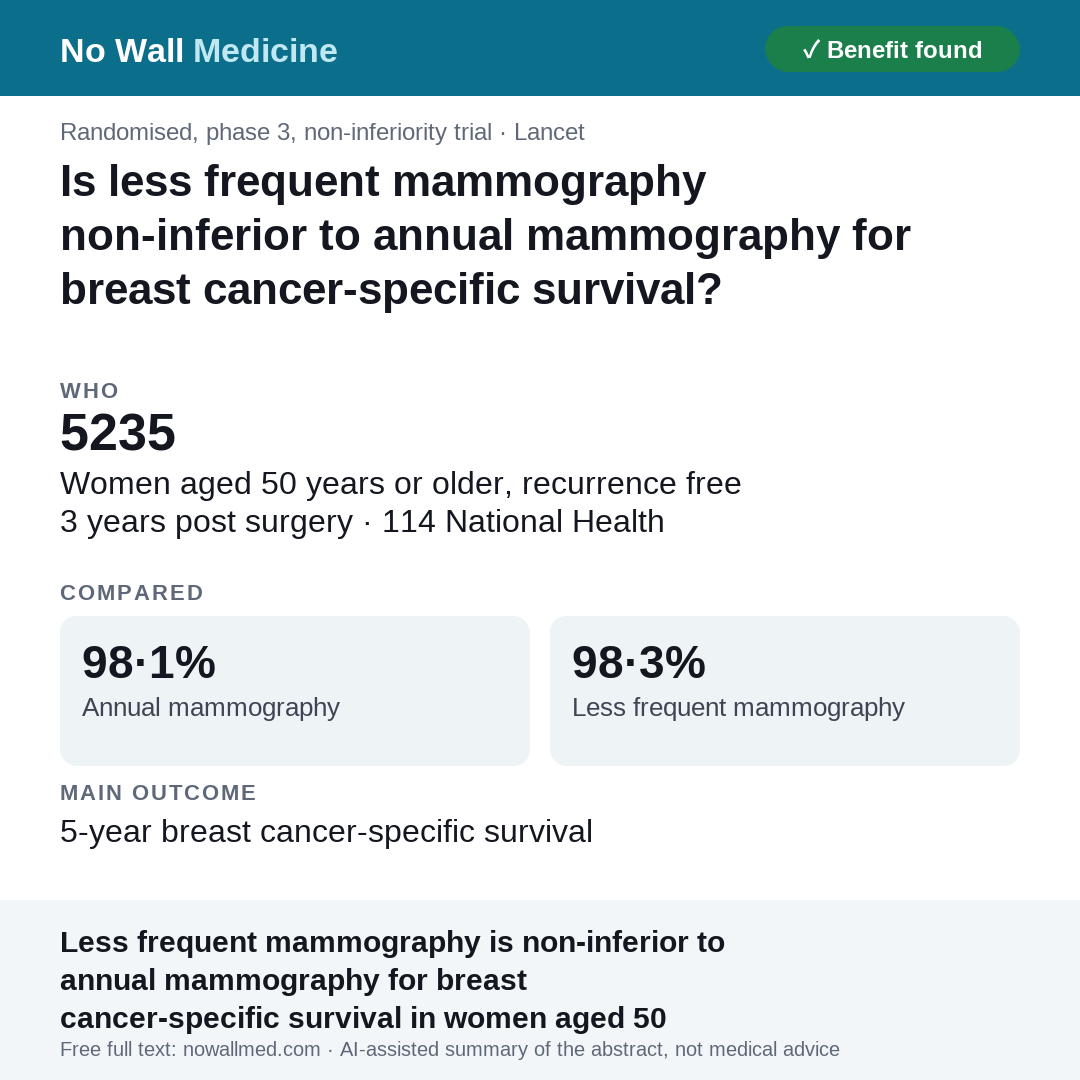
Annual versus less frequent mammographic surveillance in people with breast cancer aged 50 years and older in the UK (Mammo-50): a multicentre, randomised, phase 3, non-inferiority trial
Randomised, phase 3, non-inferiority trialBenefit found
Is less frequent mammography non-inferior to annual mammography for breast cancer-specific survival?
Who
5235
Women aged 50 years or older, recurrence free 3 years post surgery · 114 National Health Service hospitals in the UK
Compared
98·1%Annual mammography (95% CI 97·5-98·6)
98·3%Less frequent mammography (97·8-98·8)
Main outcome
5-year breast cancer-specific survival
Result: hazard ratio 0·92, 95% CI 0·64-1·32
Bottom line: Less frequent mammography is non-inferior to annual mammography for breast cancer-specific survival in women aged 50 years or older.
Funded by: National Institute for Health Research Health Technology Assessment programme
Lancet · 2025-02-02Download image
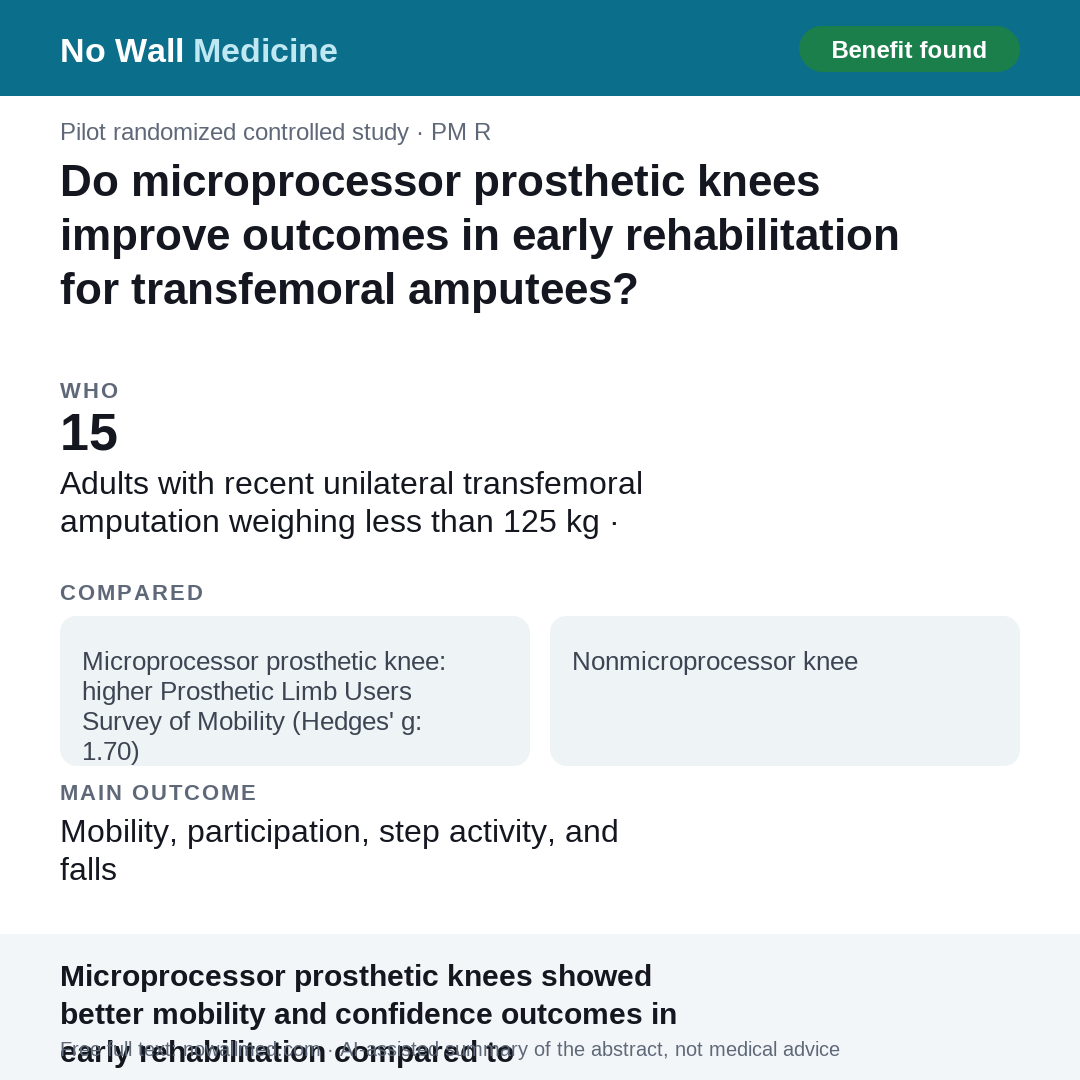
The effects of microprocessor prosthetic knee use in early rehabilitation: A pilot randomized controlled trial
Pilot randomized controlled studyBenefit found
Do microprocessor prosthetic knees improve outcomes in early rehabilitation for transfemoral amputees?
Who
15
Adults with recent unilateral transfemoral amputation weighing less than 125 kg · Institutional laboratory
Compared
Microprocessor prosthetic knee: higher Prosthetic Limb Users Survey of Mobility (Hedges' g: 1.70)
Nonmicroprocessor knee
Main outcome
Mobility, participation, step activity, and falls
Bottom line: Microprocessor prosthetic knees showed better mobility and confidence outcomes in early rehabilitation compared to nonmicroprocessor knees.
Limitation: Small sample size and heterogeneity within groups
PM R · 2025-02-02Download image
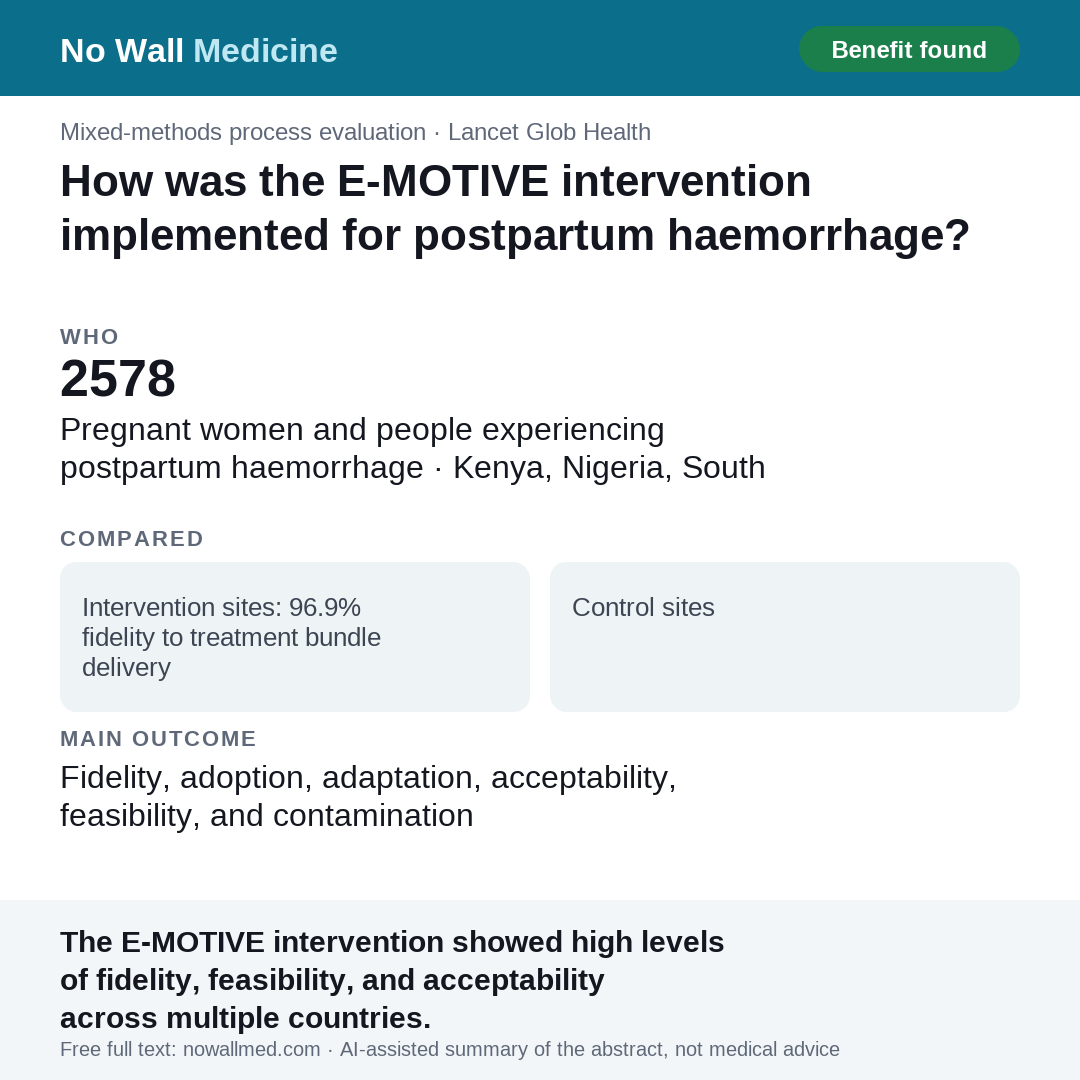
Early detection and a treatment bundle strategy for postpartum haemorrhage: a mixed-methods process evaluation
Mixed-methods process evaluationBenefit found
How was the E-MOTIVE intervention implemented for postpartum haemorrhage?
Who
2578
Pregnant women and people experiencing postpartum haemorrhage · Kenya, Nigeria, South Africa, and Tanzania
Compared
Intervention sites: 96.9% fidelity to treatment bundle delivery
Control sites
Main outcome
Fidelity, adoption, adaptation, acceptability, feasibility, and contamination
Bottom line: The E-MOTIVE intervention showed high levels of fidelity, feasibility, and acceptability across multiple countries.
Limitation: Barriers to pregnant women's and people's acceptability were reported by health workers.
Funded by: Bill and Melinda Gates Foundation and WHO co-sponsored programme
Lancet Glob Health · 2025-02-01Download image
Durability of immunogenicity at 5 years after a single dose of human papillomavirus vaccine compared with two doses in Tanzanian girls aged 9-14 years: results of the long-term extension of the DoRIS randomised trial
Open-label, randomised controlled trialMixed results
Is one dose of HPV vaccine as durable as two doses after 5 years?
Who
930
Tanzanian schoolgirls aged 9-14 years · Tanzania
Compared
one dose: more than 99% (HPV16 seropositivity)
two doses: non-inferior (HPV16 seropositivity)
Main outcome
seropositivity specific to human papillomavirus 16 or 18
Bottom line: One dose provides stable HPV16 immune responses, but non-inferiority for HPV18 seropositivity was not met.
Limitation: ongoing surveillance for potential waning immunity after a single dose is needed
Funded by: UK government, Wellcome Trust, and Bill & Melinda Gates Foundation
Lancet Glob Health · 2025-02-01Download image

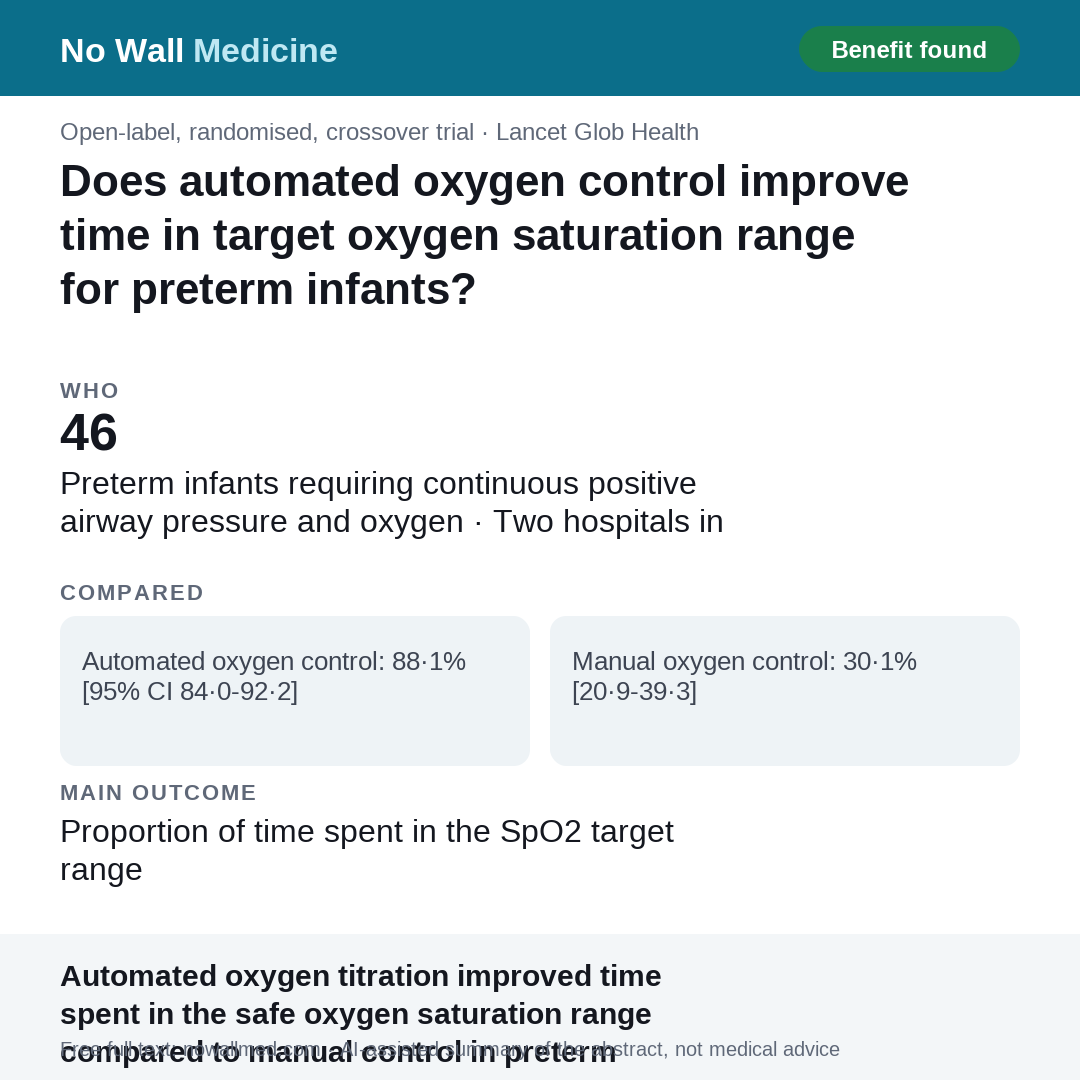
Automated oxygen control for preterm infants receiving continuous positive airway pressure in southwest Nigeria: an open-label, randomised, crossover trial
Open-label, randomised, crossover trialBenefit found
Does automated oxygen control improve time in target oxygen saturation range for preterm infants?
Who
46
Preterm infants requiring continuous positive airway pressure and oxygen · Two hospitals in southwest Nigeria
Compared
Automated oxygen control: 88·1% [95% CI 84·0-92·2]
Manual oxygen control: 30·1% [20·9-39·3]
Main outcome
Proportion of time spent in the SpO2 target range
Result: adjusted mean difference 58·0% [95% CI 48·0-67·9]
Bottom line: Automated oxygen titration improved time spent in the safe oxygen saturation range compared to manual control in preterm infants.
Funded by: National Health and Medical Research Council Australia and University of Tasmania
Lancet Glob Health · 2025-02-01Download image
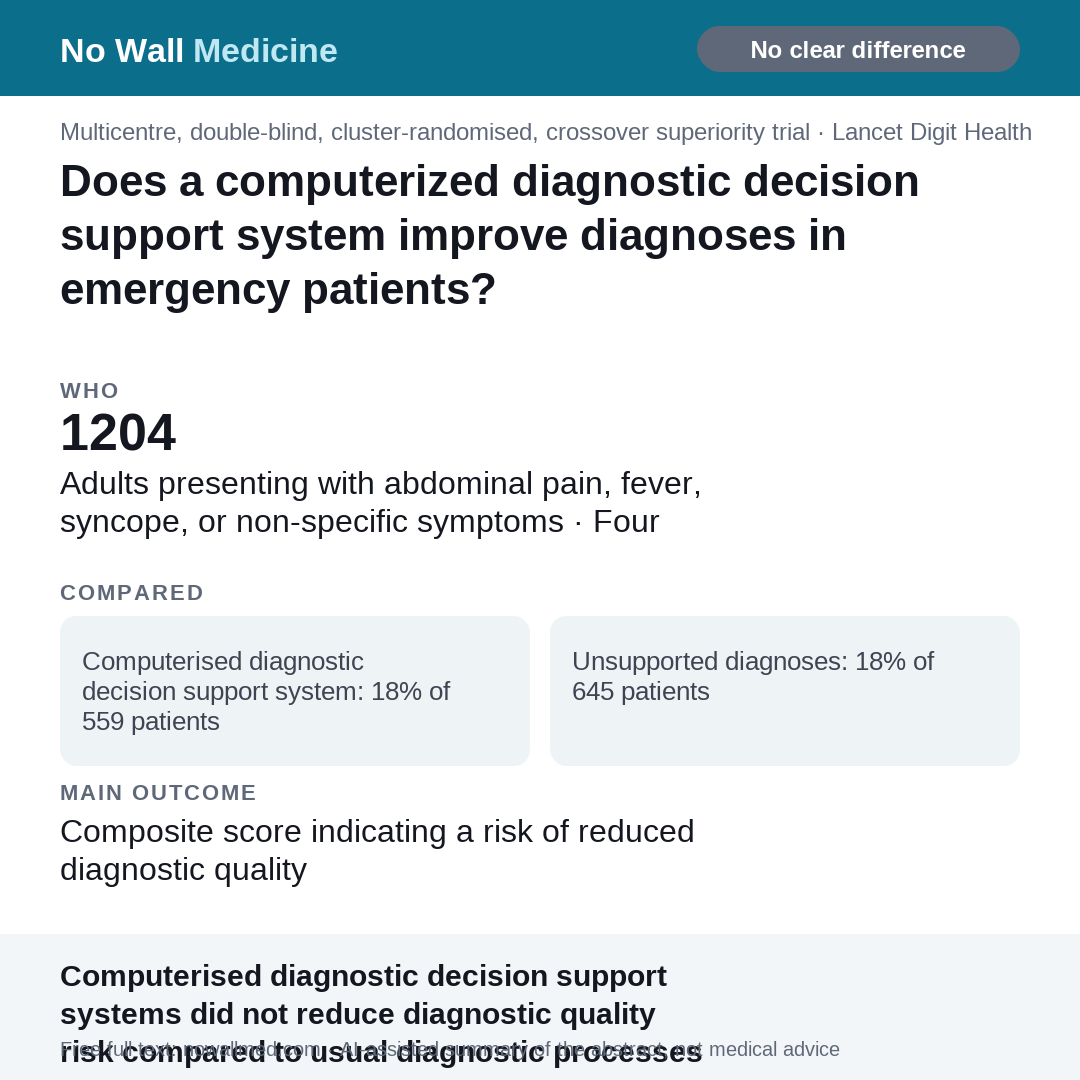
Diagnoses supported by a computerised diagnostic decision support system versus conventional diagnoses in emergency patients (DDX-BRO): a multicentre, multiple-period, double-blind, cluster-randomised, crossover superiority trial
Multicentre, double-blind, cluster-randomised, crossover superiority trialNo clear difference
Does a computerized diagnostic decision support system improve diagnoses in emergency patients?
Who
1204
Adults presenting with abdominal pain, fever, syncope, or non-specific symptoms · Four emergency departments in Switzerland
Compared
Computerised diagnostic decision support system: 18% of 559 patients
Unsupported diagnoses: 18% of 645 patients
Main outcome
Composite score indicating a risk of reduced diagnostic quality
Result: adjusted odds ratio 0·96 (95% CI 0·71-1·3)
Bottom line: Computerised diagnostic decision support systems did not reduce diagnostic quality risk compared to usual diagnostic processes in emergency departments.
Funded by: Swiss National Science Foundation and University Hospital Bern
Lancet Digit Health · 2025-02-01Download image
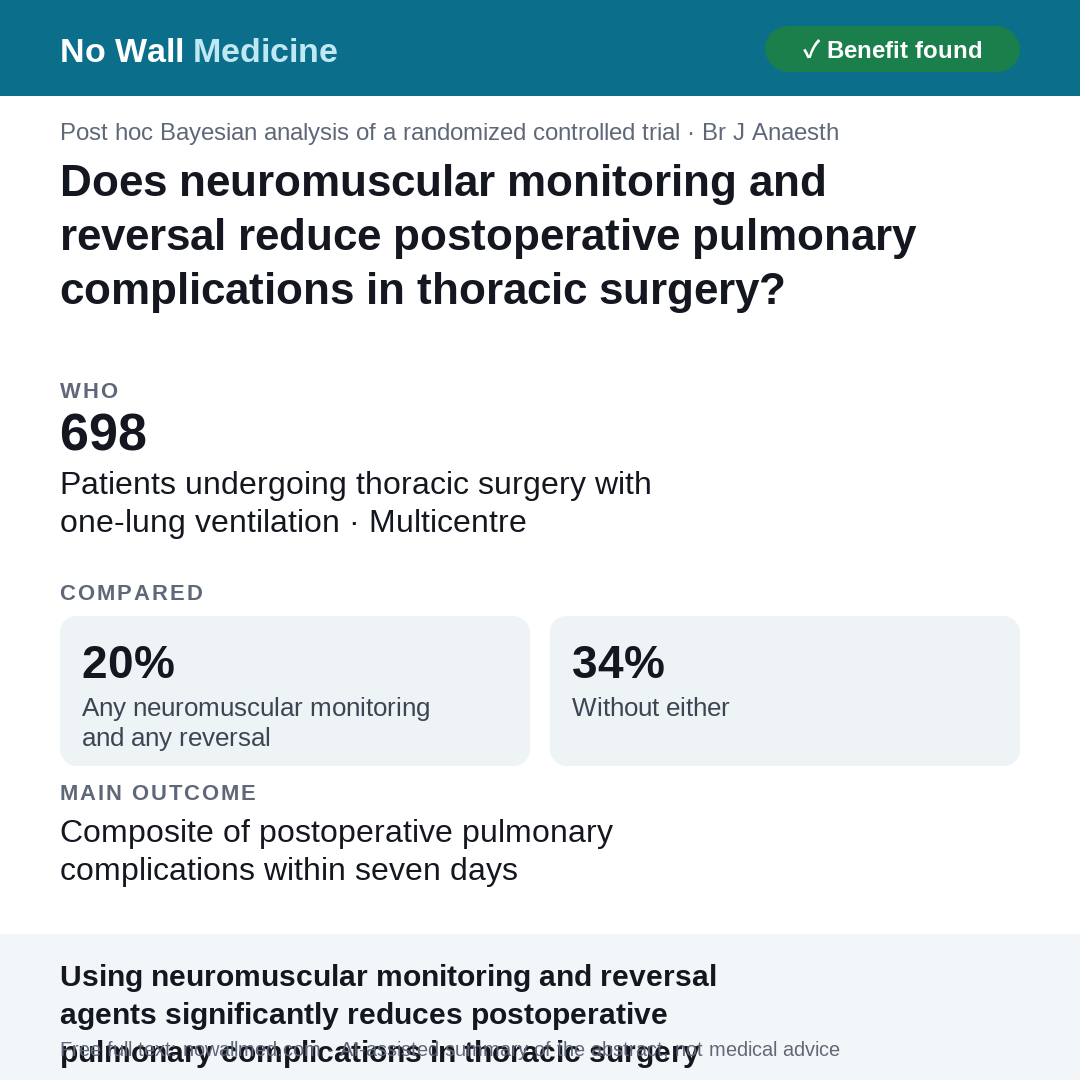
Impact of neuromuscular block monitoring and reversal on postoperative pulmonary complications in thoracic surgery: a Bayesian analysis of the iPROVE-OLV trial
Post hoc Bayesian analysis of a randomized controlled trialBenefit found
Does neuromuscular monitoring and reversal reduce postoperative pulmonary complications in thoracic surgery?
Who
698
Patients undergoing thoracic surgery with one-lung ventilation · Multicentre
Compared
20%Any neuromuscular monitoring and any reversal
34%Without either
Main outcome
Composite of postoperative pulmonary complications within seven days
Result: odds ratio 0.67 (95% credibility interval 0.39 to 1.11) to 0.84 (95% credibility interval 0.48 to 1.37)
Bottom line: Using neuromuscular monitoring and reversal agents significantly reduces postoperative pulmonary complications in thoracic surgery patients.
Br J Anaesth · 2025-02-01Download image
Healthy Lifestyle and Metabolic Dysfunction-Associated Steatotic Liver Disease: A Study of the Efficacy of Fatty Liver Regression
Randomized trialBenefit found
Does healthy lifestyle management effectively promote fatty liver grade regression in MASLD patients?
Who
150
Patients with metabolic dysfunction-associated steatotic liver disease · Health Management Center of one hospital
Compared
Traditional treatment control group
Healthy lifestyle observation group
Main outcome
Change in fatty liver grade
Bottom line: Healthy lifestyle management effectively promotes fatty liver grade reduction and improves lipid metabolism and inflammatory responses.
Clin Transl Gastroenterol · 2025-02-01Download image
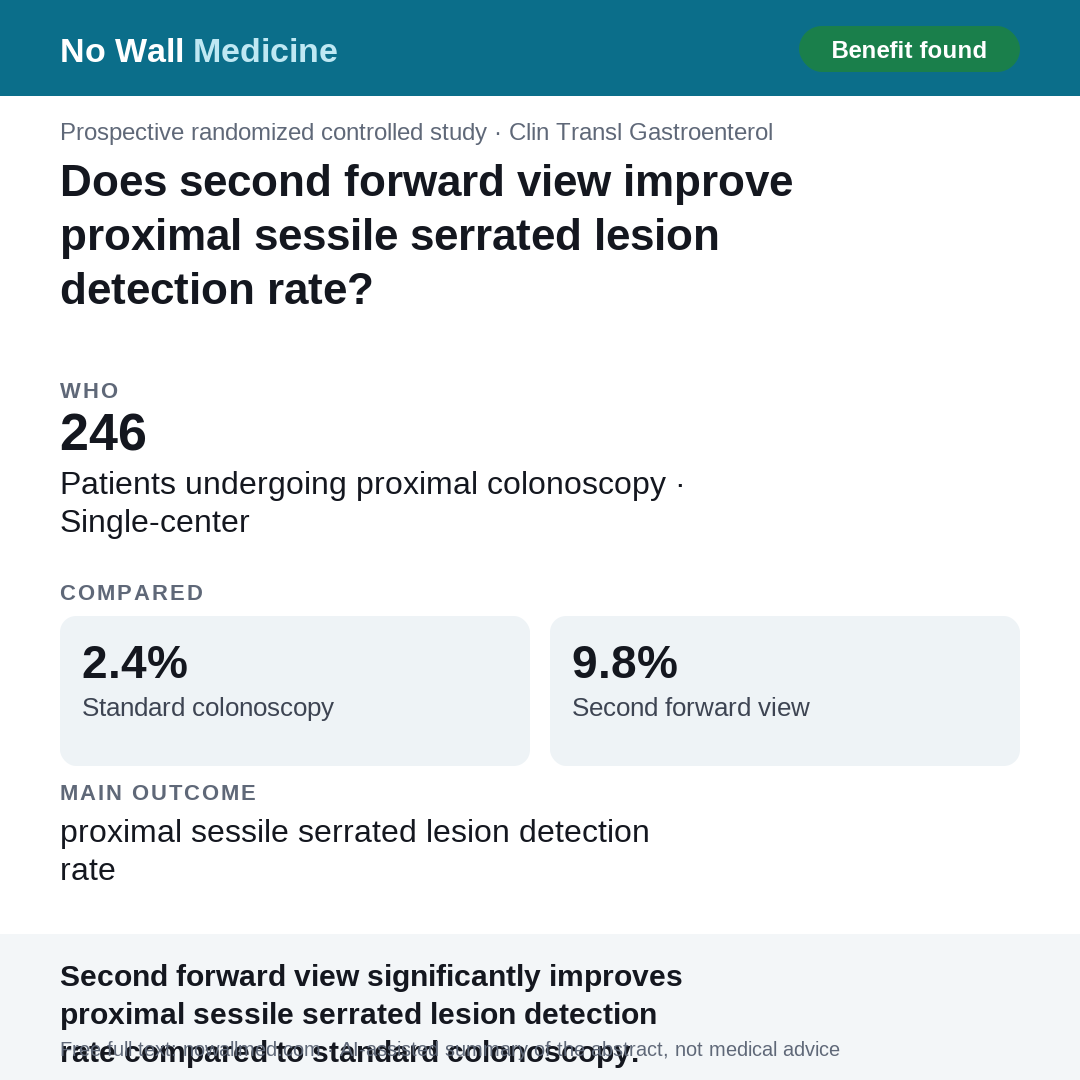
The Effect of the Second Forward View on the Detection Rate of Sessile Serrated Lesions in the Proximal Colon: A Single-Center Prospective Randomized Controlled Study
Prospective randomized controlled studyBenefit found
Does second forward view improve proximal sessile serrated lesion detection rate?
Who
246
Patients undergoing proximal colonoscopy · Single-center
Compared
2.4%Standard colonoscopy
9.8%Second forward view
Main outcome
proximal sessile serrated lesion detection rate
Result: odds ratio 7.70 (95% confidence interval 1.58 to 37.59)
Bottom line: Second forward view significantly improves proximal sessile serrated lesion detection rate compared to standard colonoscopy.
Clin Transl Gastroenterol · 2025-02-01Download image
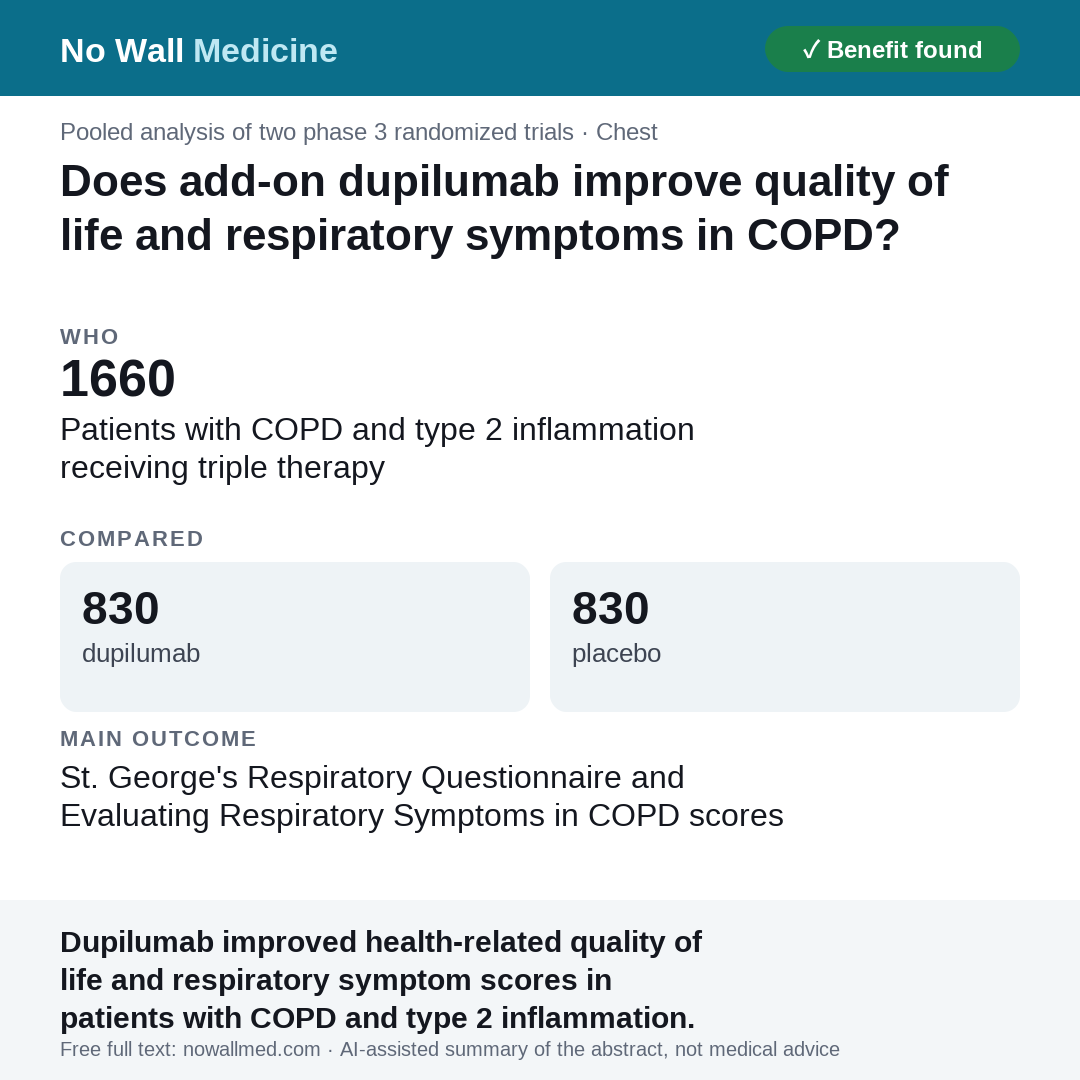
Effect of Dupilumab on Health-Related Quality of Life and Respiratory Symptoms in Patients With COPD and Type 2 Inflammation: BOREAS and NOTUS
Pooled analysis of two phase 3 randomized trialsBenefit found
Does add-on dupilumab improve quality of life and respiratory symptoms in COPD?
Who
1660
Patients with COPD and type 2 inflammation receiving triple therapy
Compared
830dupilumab
830placebo
Main outcome
St. George's Respiratory Questionnaire and Evaluating Respiratory Symptoms in COPD scores
Result: SGRQ difference -3.4 (95% CI -5.0 to -1.8); E-RS:COPD difference -0.9 (95% CI -1.4 to -0.4)
Bottom line: Dupilumab improved health-related quality of life and respiratory symptom scores in patients with COPD and type 2 inflammation.
Chest · 2025-01-31Download image
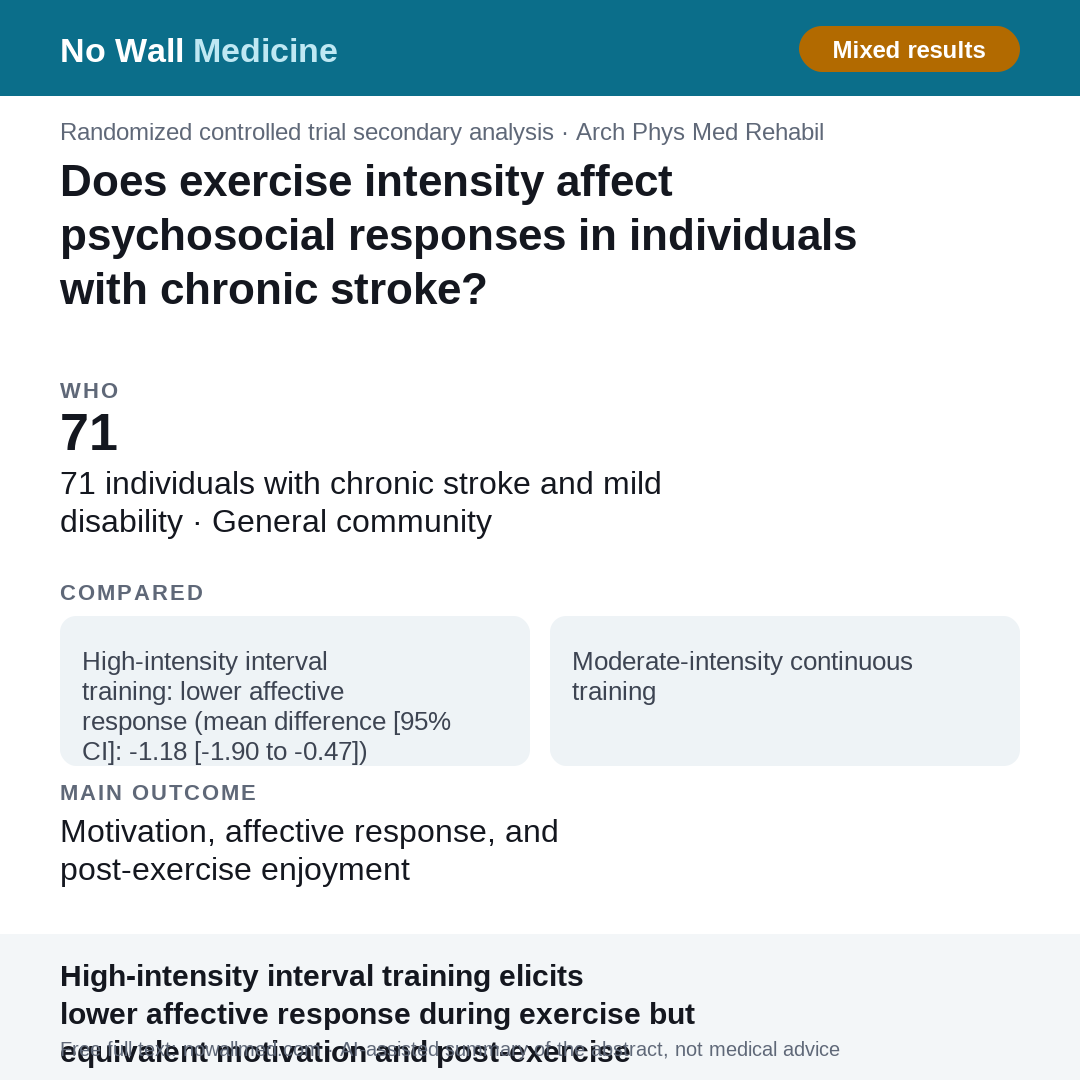
Psychosocial Responses to a Cardiovascular Exercise Randomized Controlled Trial: Does Intensity Matter for Individuals Post-stroke?
Randomized controlled trial secondary analysisMixed results
Does exercise intensity affect psychosocial responses in individuals with chronic stroke?
Who
71
71 individuals with chronic stroke and mild disability · General community
Compared
High-intensity interval training: lower affective response (mean difference [95% CI]: -1.18 [-1.90 to -0.47])
Moderate-intensity continuous training
Main outcome
Motivation, affective response, and post-exercise enjoyment
Result: mean difference [95% CI]: -1.18 [-1.90 to -0.47]
Bottom line: High-intensity interval training elicits lower affective response during exercise but equivalent motivation and post-exercise enjoyment compared to moderate-intensity continuous training.
Arch Phys Med Rehabil · 2025-01-31Download image
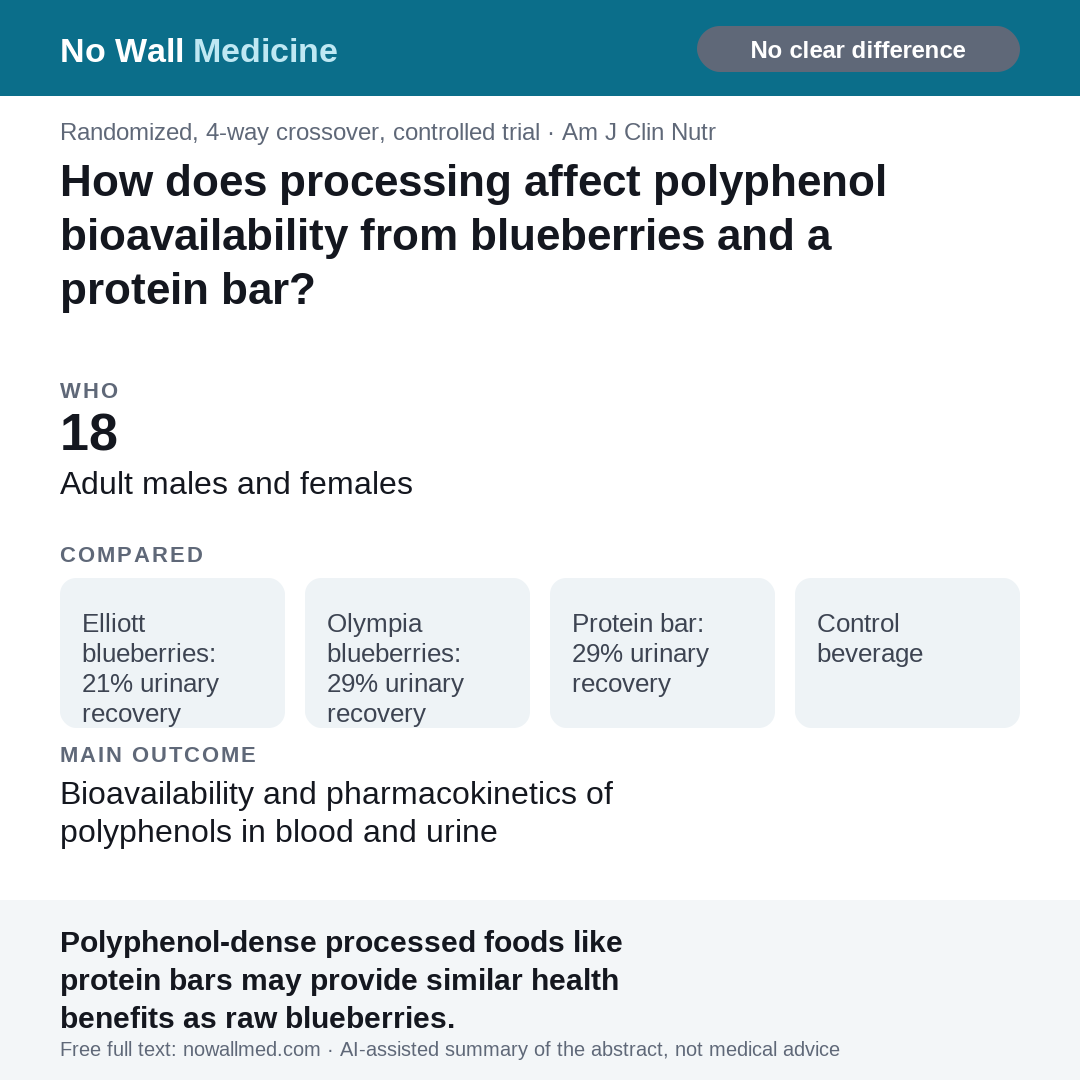
Bioavailability and pharmacokinetics of (poly)phenols following consumption of selected blueberries and a blueberry-rich protein bar by adult males and females: a randomized, crossover, controlled trial
Randomized, 4-way crossover, controlled trialNo clear difference
How does processing affect polyphenol bioavailability from blueberries and a protein bar?
Who
18
Adult males and females
Compared
Elliott blueberries: 21% urinary recovery
Olympia blueberries: 29% urinary recovery
Protein bar: 29% urinary recovery
Control beverage
Main outcome
Bioavailability and pharmacokinetics of polyphenols in blood and urine
Bottom line: Polyphenol-dense processed foods like protein bars may provide similar health benefits as raw blueberries.
Am J Clin Nutr · 2025-01-31Download image
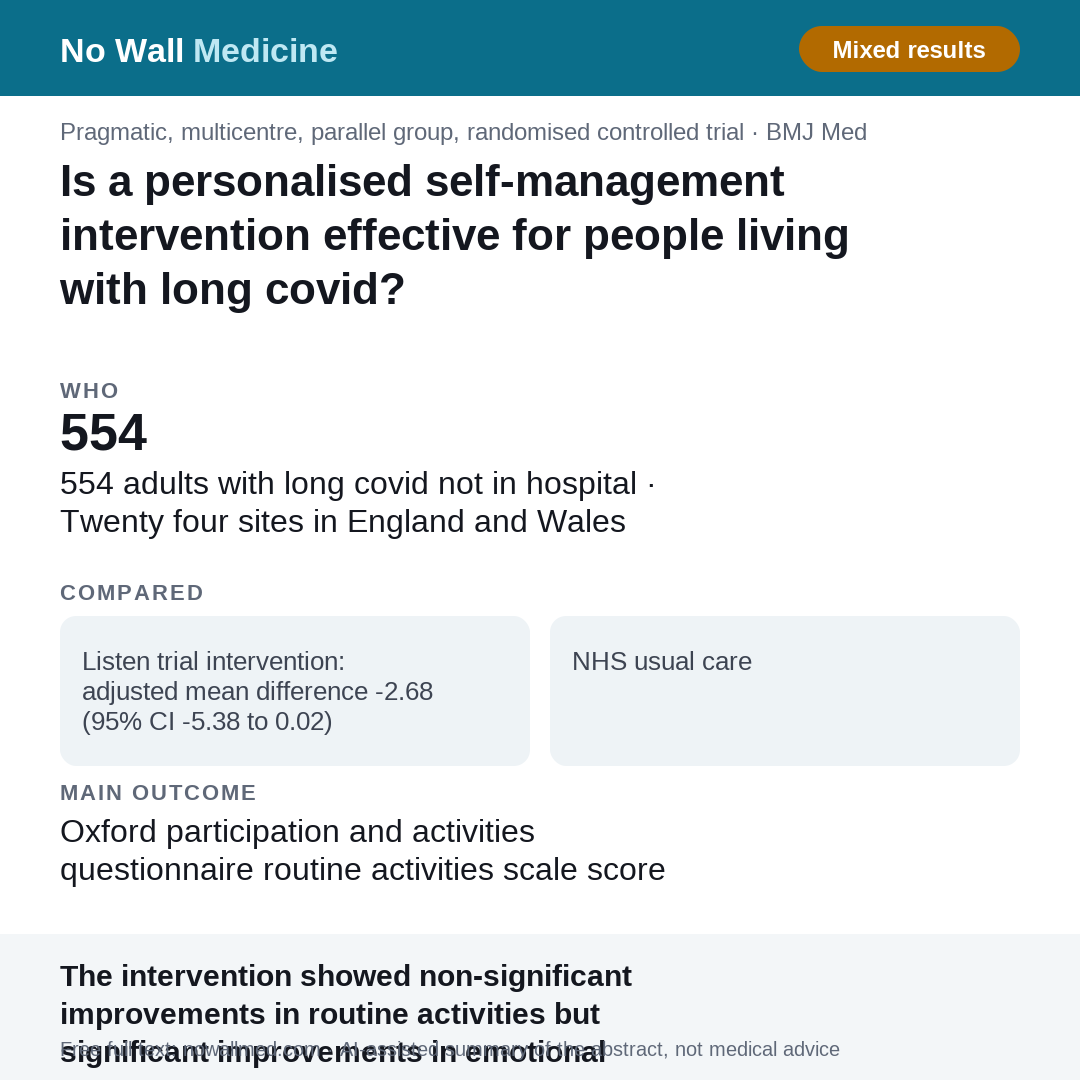
Effectiveness of a personalised self-management intervention for people living with long covid (Listen trial): pragmatic, multicentre, parallel group, randomised controlled trial
Pragmatic, multicentre, parallel group, randomised controlled trialMixed results
Is a personalised self-management intervention effective for people living with long covid?
Who
554
554 adults with long covid not in hospital · Twenty four sites in England and Wales
Compared
Listen trial intervention: adjusted mean difference -2.68 (95% CI -5.38 to 0.02)
NHS usual care
Main outcome
Oxford participation and activities questionnaire routine activities scale score
Result: adjusted mean difference -2.68 (95% CI -5.38 to 0.02)
Bottom line: The intervention showed non-significant improvements in routine activities but significant improvements in emotional wellbeing, fatigue, and self-efficacy.
Limitation: Unblinded design, self-referral recruitment, and variable usual care may have introduced unintended bias.
BMJ Med · 2025-01-31Download image
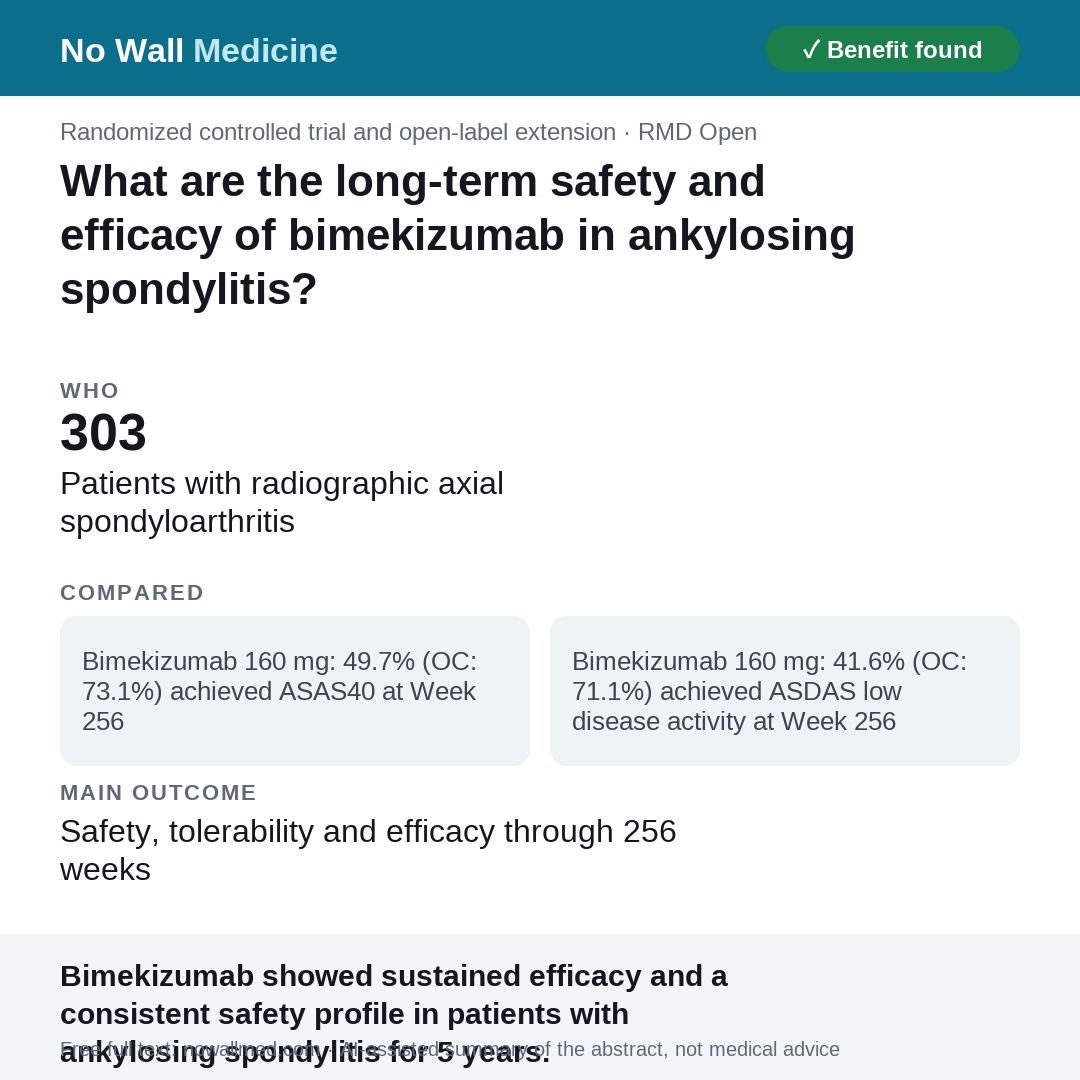
Long-term safety and sustained efficacy of bimekizumab in patients with ankylosing spondylitis (radiographic axial spondyloarthritis): 5-year results from BE AGILE (phase 2b) and its open-label extension
Randomized controlled trial and open-label extensionBenefit found
What are the long-term safety and efficacy of bimekizumab in ankylosing spondylitis?
Who
303
Patients with radiographic axial spondyloarthritis
Compared
Bimekizumab 160 mg: 49.7% (OC: 73.1%) achieved ASAS40 at Week 256
Bimekizumab 160 mg: 41.6% (OC: 71.1%) achieved ASDAS low disease activity at Week 256
Main outcome
Safety, tolerability and efficacy through 256 weeks
Bottom line: Bimekizumab showed sustained efficacy and a consistent safety profile in patients with ankylosing spondylitis for 5 years.
RMD Open · 2025-01-31Download image