Visual abstracts
New randomized trials and meta-analyses from leading journals at a glance: who was studied, what was compared, and what was found. Every paper is free to read in full.
All specialtiesCardiology 4780Oncology 4080Gastroenterology & Hepatology 1914Infectious Disease 3775Neurology 1883Psychiatry & Mental Health 2238Pulmonology 2058Critical Care 1331Endocrinology & Diabetes 2550Pediatrics 2908Surgery 2496Orthopedics & Sports Medicine 922Neurosurgery 532Cardiothoracic & Vascular Surgery 662Plastic & Reconstructive Surgery 584Nephrology 1111Rheumatology 812Hematology 1095Dermatology 617Ophthalmology 537Obstetrics & Gynecology 1656Public & Global Health 1041Radiology & Imaging 637Anesthesiology 958Urology 751ENT (Otolaryngology) 497Emergency Medicine 484Allergy & Immunology 310Geriatrics 973Family Medicine & Primary Care 538Medical Genetics & Genomics 662Pathology & Laboratory Medicine 156Physical Medicine & Rehabilitation 744Palliative Care 422Nutrition 1564Digital Health & AI 2188General Medicine 318
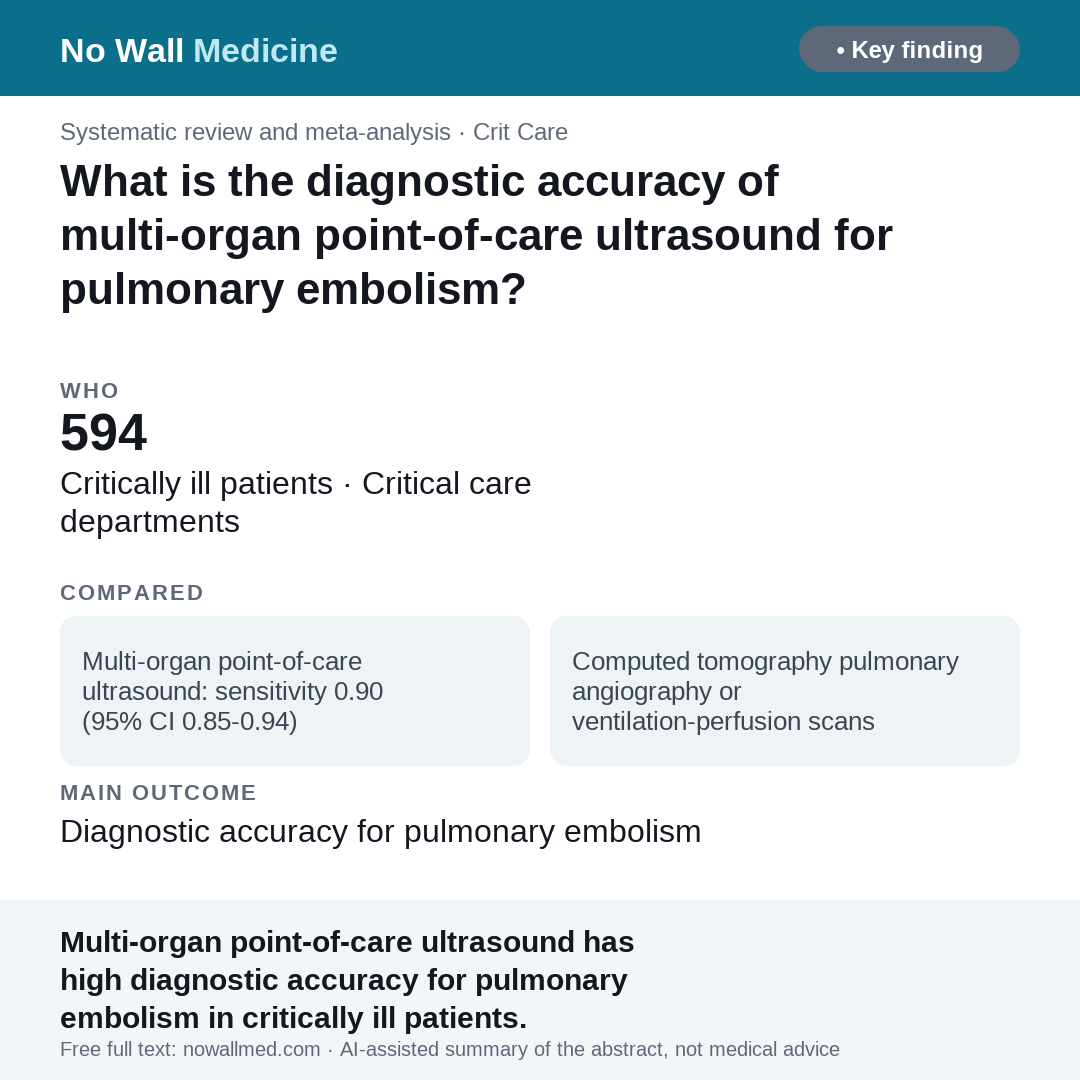
Diagnostic accuracy of multi-organ point-of-care ultrasound for pulmonary embolism in critically ill patients: a systematic review and meta-analysis
Systematic review and meta-analysisKey finding
What is the diagnostic accuracy of multi-organ point-of-care ultrasound for pulmonary embolism?
Who
594
Critically ill patients · Critical care departments
Compared
Multi-organ point-of-care ultrasound: sensitivity 0.90 (95% CI 0.85-0.94)
Computed tomography pulmonary angiography or ventilation-perfusion scans
Main outcome
Diagnostic accuracy for pulmonary embolism
Result: sensitivity 0.90 (95% CI 0.85-0.94); specificity 0.69 (95% CI 0.42-0.87)
Bottom line: Multi-organ point-of-care ultrasound has high diagnostic accuracy for pulmonary embolism in critically ill patients.
Limitation: Further research is needed to validated these findings across different patient populations.
Crit Care · 2025-04-23Download image
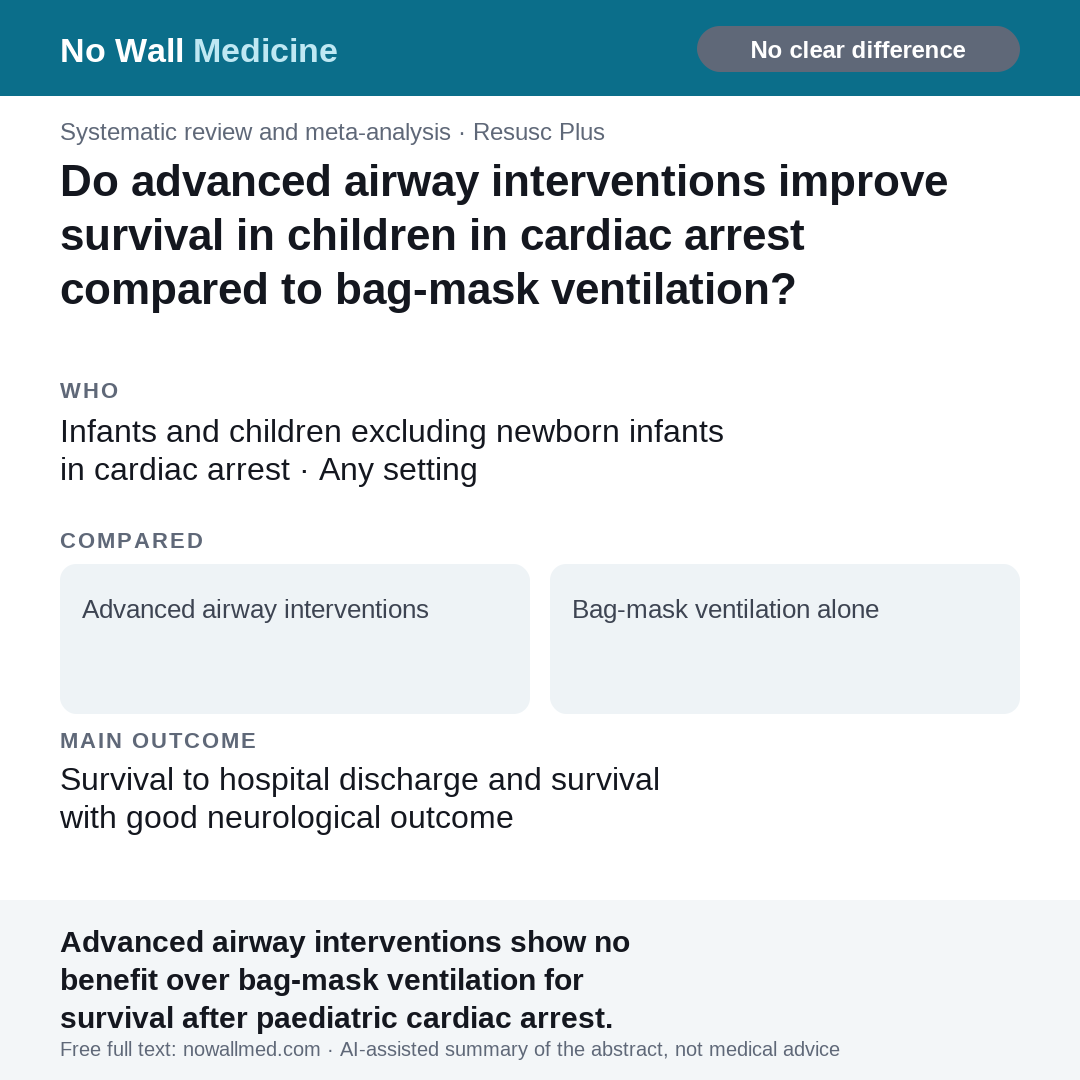
Advanced airway interventions for paediatric cardiac arrest: updated systematic review and meta-analysis
Systematic review and meta-analysisNo clear difference
Do advanced airway interventions improve survival in children in cardiac arrest compared to bag-mask ventilation?
Who
Infants and children excluding newborn infants in cardiac arrest · Any setting
Compared
Advanced airway interventions
Bag-mask ventilation alone
Main outcome
Survival to hospital discharge and survival with good neurological outcome
Bottom line: Advanced airway interventions show no benefit over bag-mask ventilation for survival after paediatric cardiac arrest.
Limitation: The overall certainty of evidence was low to very low.
Resusc Plus · 2025-04-23Download image
The aetiologies, mortality, and disability of non-traumatic coma in African children: a systematic review and meta-analysis
Systematic review and meta-analysisMixed results
What are the causes, mortality, and disability of non-traumatic coma in African children?
Who
35027
Children aged 1 month to 16 years with non-traumatic coma · 30 African countries
Compared
Cerebral malaria: 17% (16-19) mortality
Unknown encephalopathy: 37% (20-55) mortality
Acute bacterial meningitis: 45% (34-55) mortality
Main outcome
Prevalence of causes, mortality, and morbidity
Bottom line: Cerebral malaria, unknown encephalopathy, and bacterial meningitis are major causes of non-traumatic coma with high mortality in African children.
Funded by: Wellcome Trust
Lancet Glob Health · 2025-04-22Download image

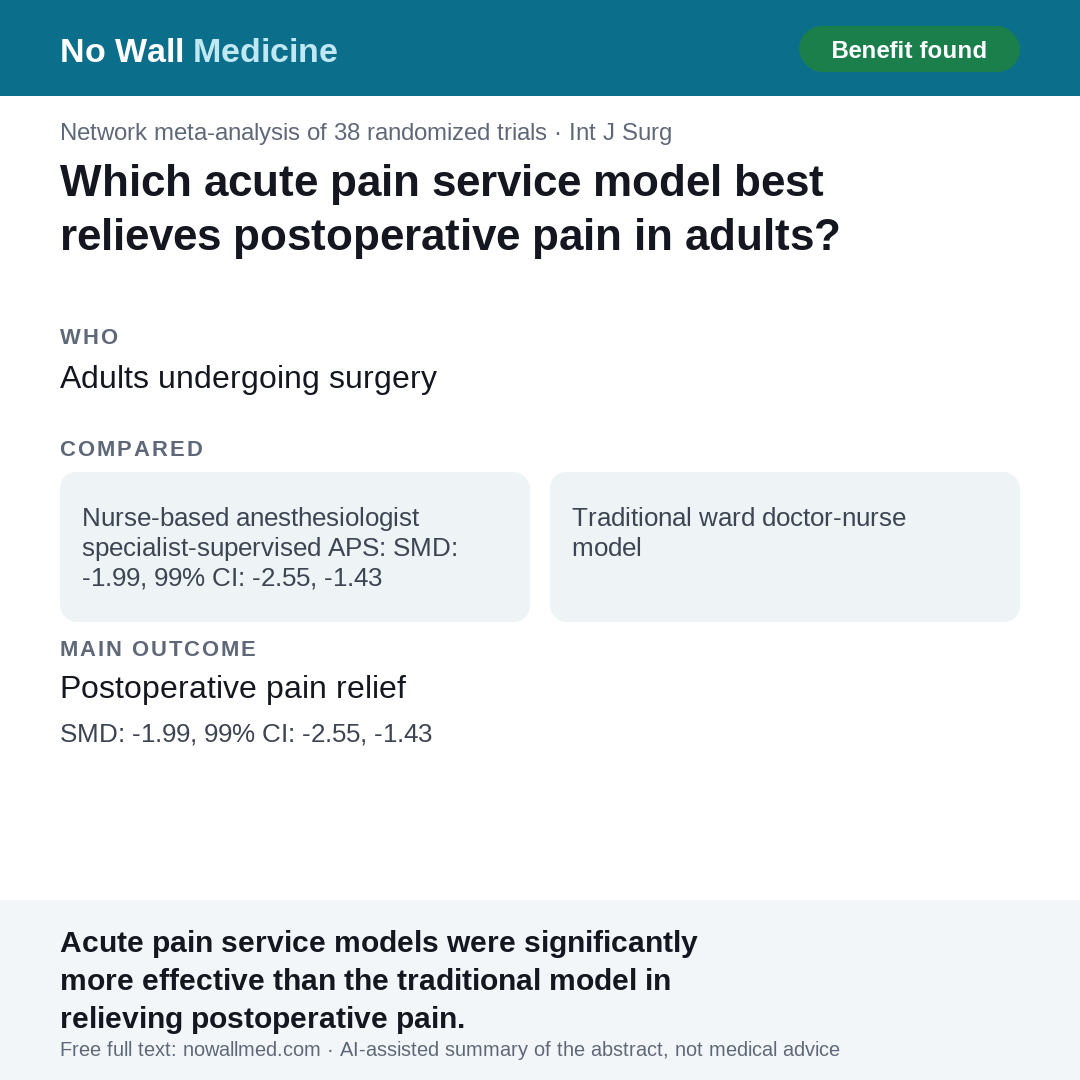
Acute pain service for postoperative pain in adults: a network meta-analysis
Network meta-analysis of 38 randomized controlled trialsBenefit found
Which acute pain service models are most effective for alleviating postoperative pain?
Who
Adult patients undergoing surgery
Compared
Traditional ward doctor-nurse model
Nurse-based anesthesiologist specialist-supervised acute pain service: SMD: -1.99
Nurse-based anesthesiologist-supervised acute pain service: SMD: -1.44
Pain management multidisciplinary team: SMD: -1.31
Main outcome
Alleviation of postoperative pain
Bottom line: All acute pain service models are more effective than traditional models, with nurse-based anesthesiologist specialist-supervised services being most promising.
Int J Surg · 2025-04-22Download image
Application of Biomaterials for the Prevention of Pharyngeal Fistulae: A Systematic Review
Systematic reviewBenefit found
Can biomaterials prevent pharyngocutaneous fistulae after pharyngeal surgery?
Who
Patients undergoing pharyngeal surgery
Compared
Biomaterial to cover mucosal sutures
Biomaterial to replace mucosal defect
Main outcome
Pharyngocutaneous fistulae rate
Bottom line: Biomaterials can decrease pharyngocutaneous fistulae rates when used to cover pharyngeal sutures.
Head Neck · 2025-04-22Download image

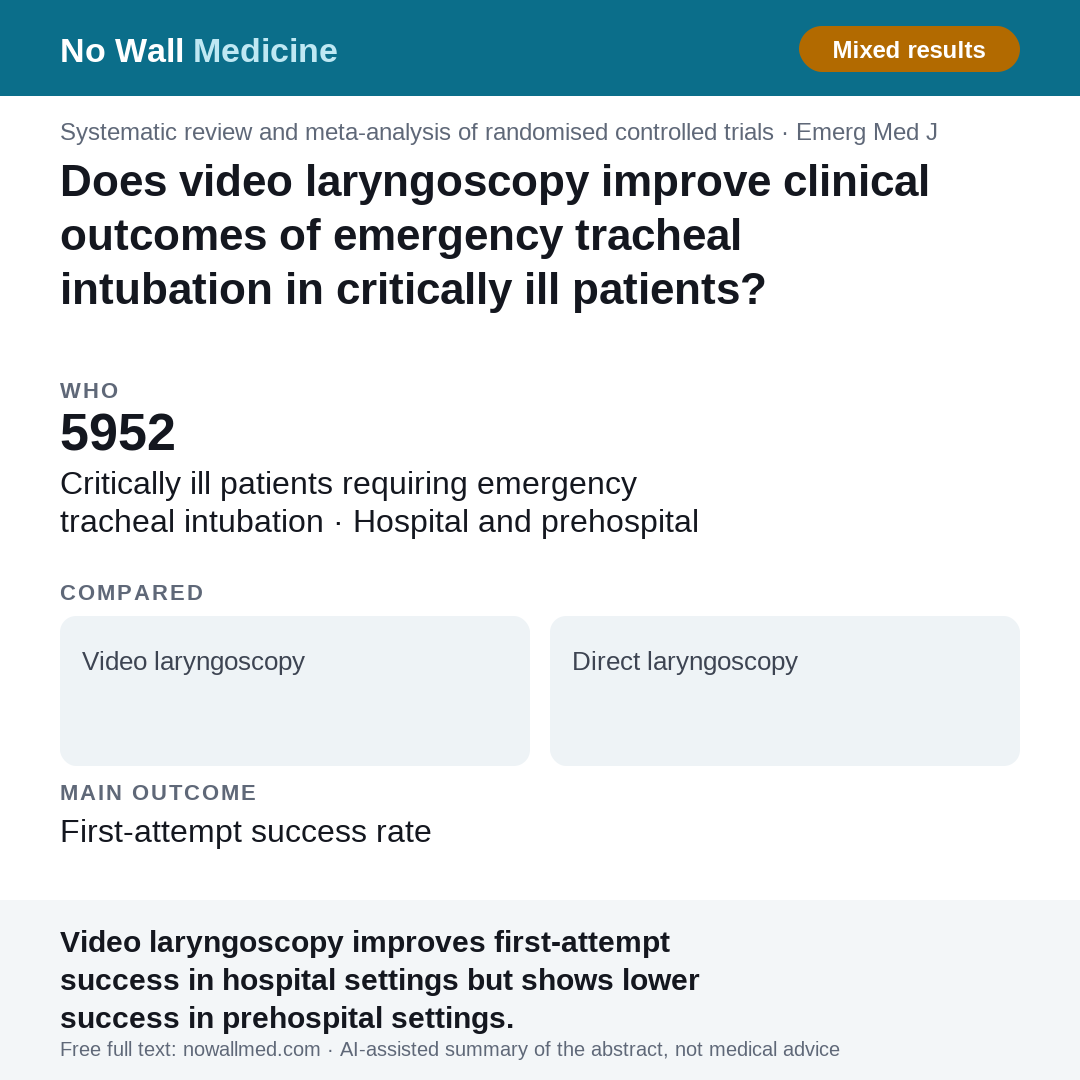
Video laryngoscopy may improve the intubation outcomes in critically ill patients: a systematic review and meta-analysis of randomised controlled trials
Systematic review and meta-analysis of randomised controlled trialsMixed results
Does video laryngoscopy improve clinical outcomes of emergency tracheal intubation in critically ill patients?
Who
5952
Critically ill patients requiring emergency tracheal intubation · Hospital and prehospital settings
Compared
Video laryngoscopy
Direct laryngoscopy
Main outcome
First-attempt success rate
Result: RR 1.05, 95% CI 0.97 to 1.13
Bottom line: Video laryngoscopy improves first-attempt success in hospital settings but shows lower success in prehospital settings.
Limitation: High heterogeneity was observed in several outcomes (I2 up to 95%).
Emerg Med J · 2025-04-22Download image
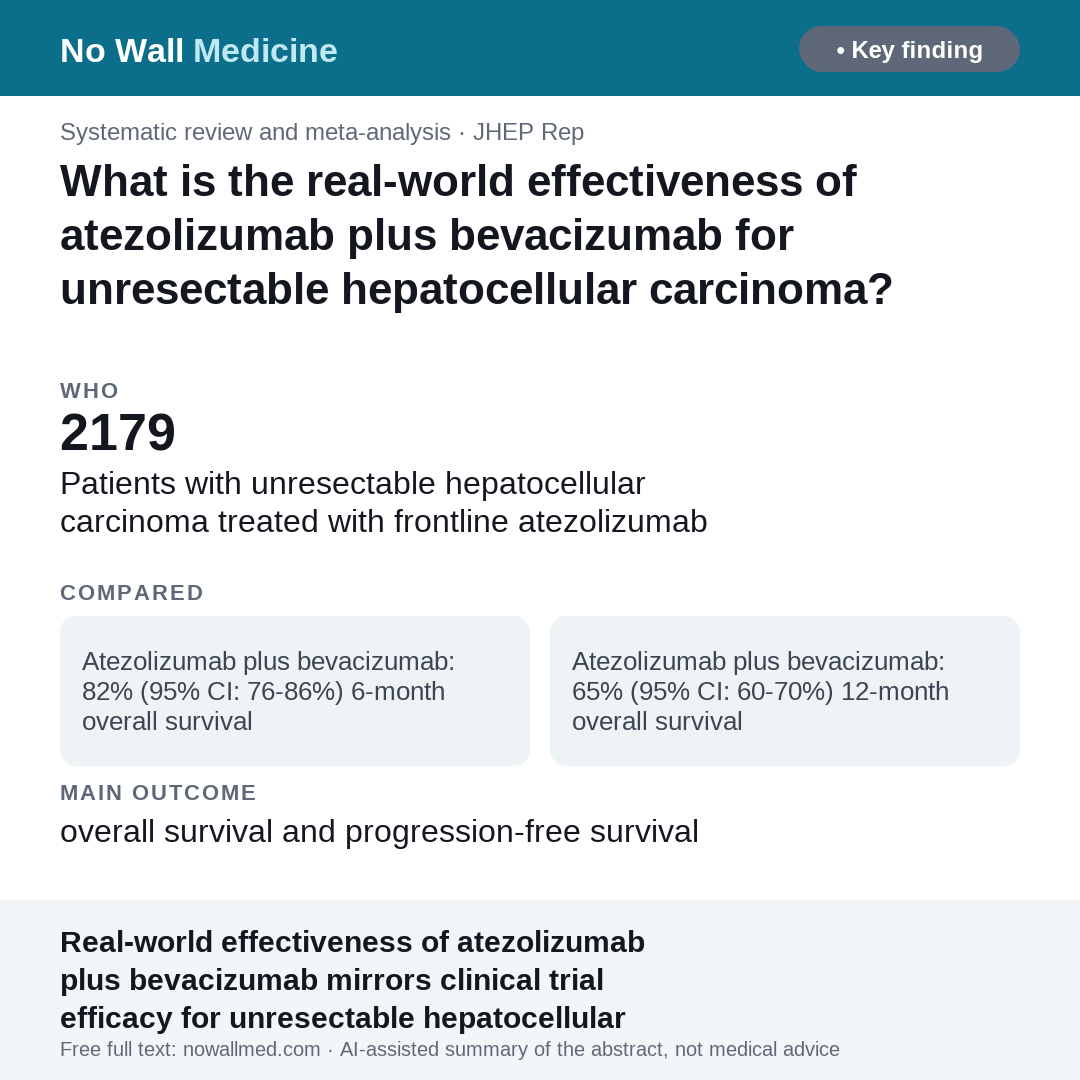
Efficacy of atezolizumab plus bevacizumab for unresectable HCC: Systematic review and meta-analysis of real-world evidence
Systematic review and meta-analysisBenefit found
What is the real-world effectiveness of atezolizumab plus bevacizumab for unresectable hepatocellular carcinoma?
Who
2179
Patients with unresectable hepatocellular carcinoma treated with frontline atezolizumab plus bevacizumab
Compared
Atezolizumab plus bevacizumab: 82% (95% CI: 76-86%) 6-month overall survival
Atezolizumab plus bevacizumab: 65% (95% CI: 60-70%) 12-month overall survival
Main outcome
overall survival and progression-free survival
Bottom line: Real-world effectiveness of atezolizumab plus bevacizumab mirrors clinical trial efficacy for unresectable hepatocellular carcinoma.
Limitation: results should be interpreted with caution because of potential variability in patient populations.
JHEP Rep · 2025-04-22Download image
Metacognitive training for psychosis (MCT): a systematic meta-review of its effectiveness
Systematic meta-reviewBenefit found
Is metacognitive training effective for core symptom features in schizophrenia?
Who
People with schizophrenia
Compared
Metacognitive training
Control
Main outcome
Positive symptoms, delusions, hallucinations, negative symptoms, and overall psychotic symptoms
Bottom line: Metacognitive training shows consistent evidence for ameliorating positive symptoms and delusions in schizophrenia.
Limitation: None of the meta-analyses met criteria for suggestive or convincing evidence or moderate to high methodological quality.
Transl Psychiatry · 2025-04-22Download image

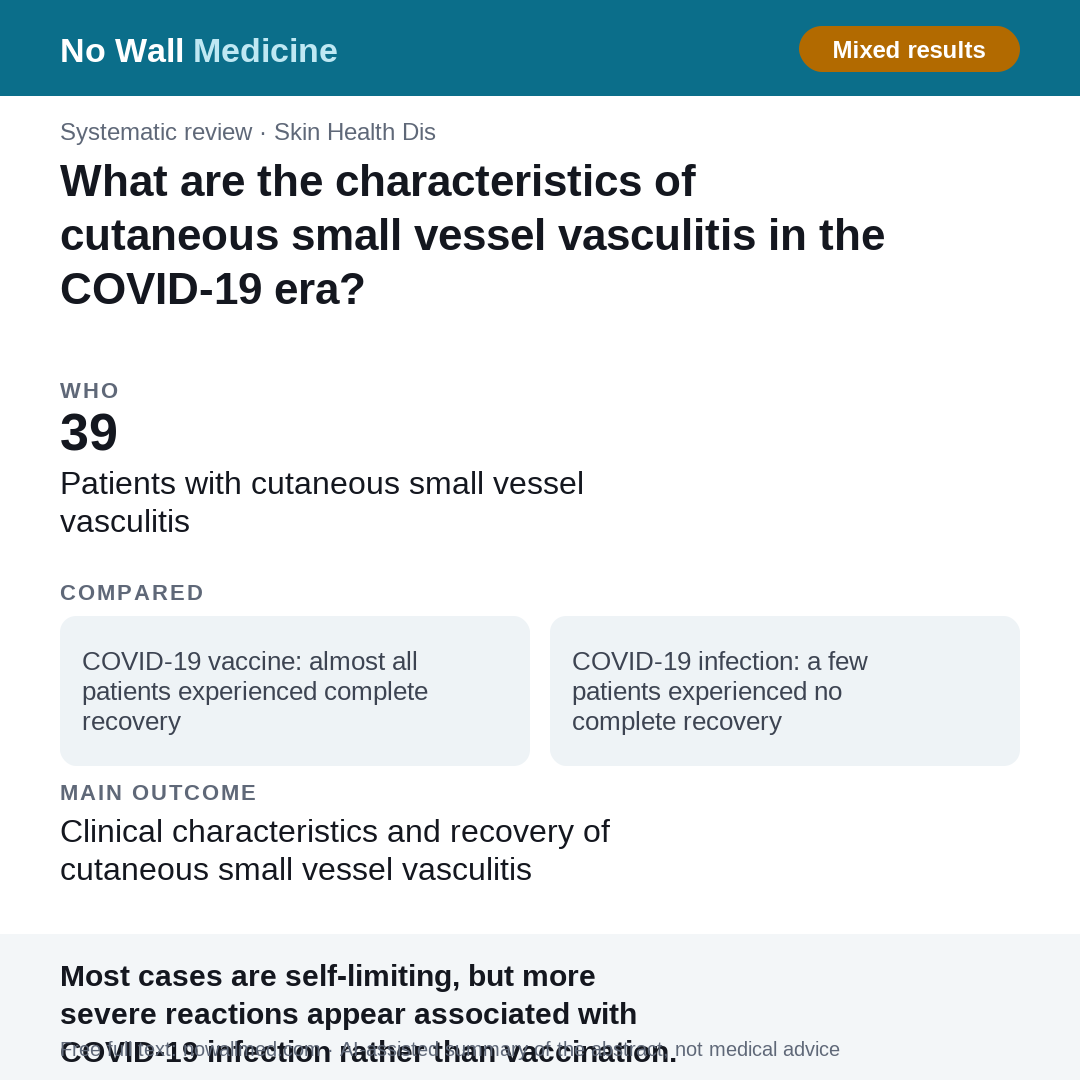
Cutaneous small vessel vasculitis in the COVID-19 era: a systematic review
Systematic reviewMixed results
What are the characteristics of cutaneous small vessel vasculitis in the COVID-19 era?
Who
39
Patients with cutaneous small vessel vasculitis
Compared
COVID-19 vaccine: almost all patients experienced complete recovery
COVID-19 infection: a few patients experienced no complete recovery
Main outcome
Clinical characteristics and recovery of cutaneous small vessel vasculitis
Bottom line: Most cases are self-limiting, but more severe reactions appear associated with COVID-19 infection rather than vaccination.
Limitation: Included only case reports, case series, correspondence articles, and letters to the editor.
Skin Health Dis · 2025-04-22Download image
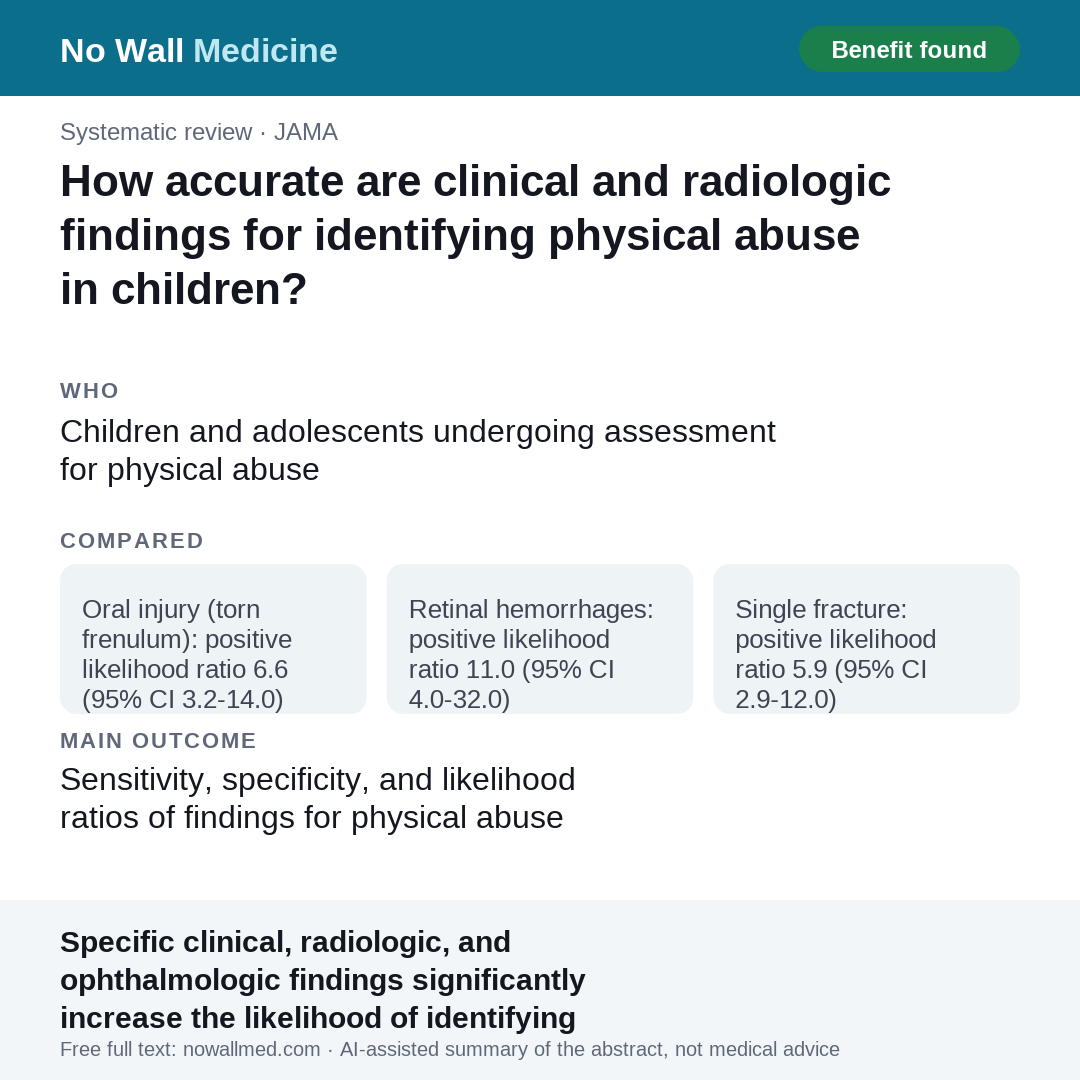
Has This Child Experienced Physical Abuse?: The Rational Clinical Examination Systematic Review
Systematic reviewBenefit found
How accurate are clinical and radiologic findings for identifying physical abuse in children?
Who
Children and adolescents undergoing assessment for physical abuse
Compared
Oral injury (torn frenulum): positive likelihood ratio 6.6 (95% CI 3.2-14.0)
Retinal hemorrhages: positive likelihood ratio 11.0 (95% CI 4.0-32.0)
Single fracture: positive likelihood ratio 5.9 (95% CI 2.9-12.0)
Main outcome
Sensitivity, specificity, and likelihood ratios of findings for physical abuse
Bottom line: Specific clinical, radiologic, and ophthalmologic findings significantly increase the likelihood of identifying physical abuse in children.
JAMA · 2025-04-21Download image
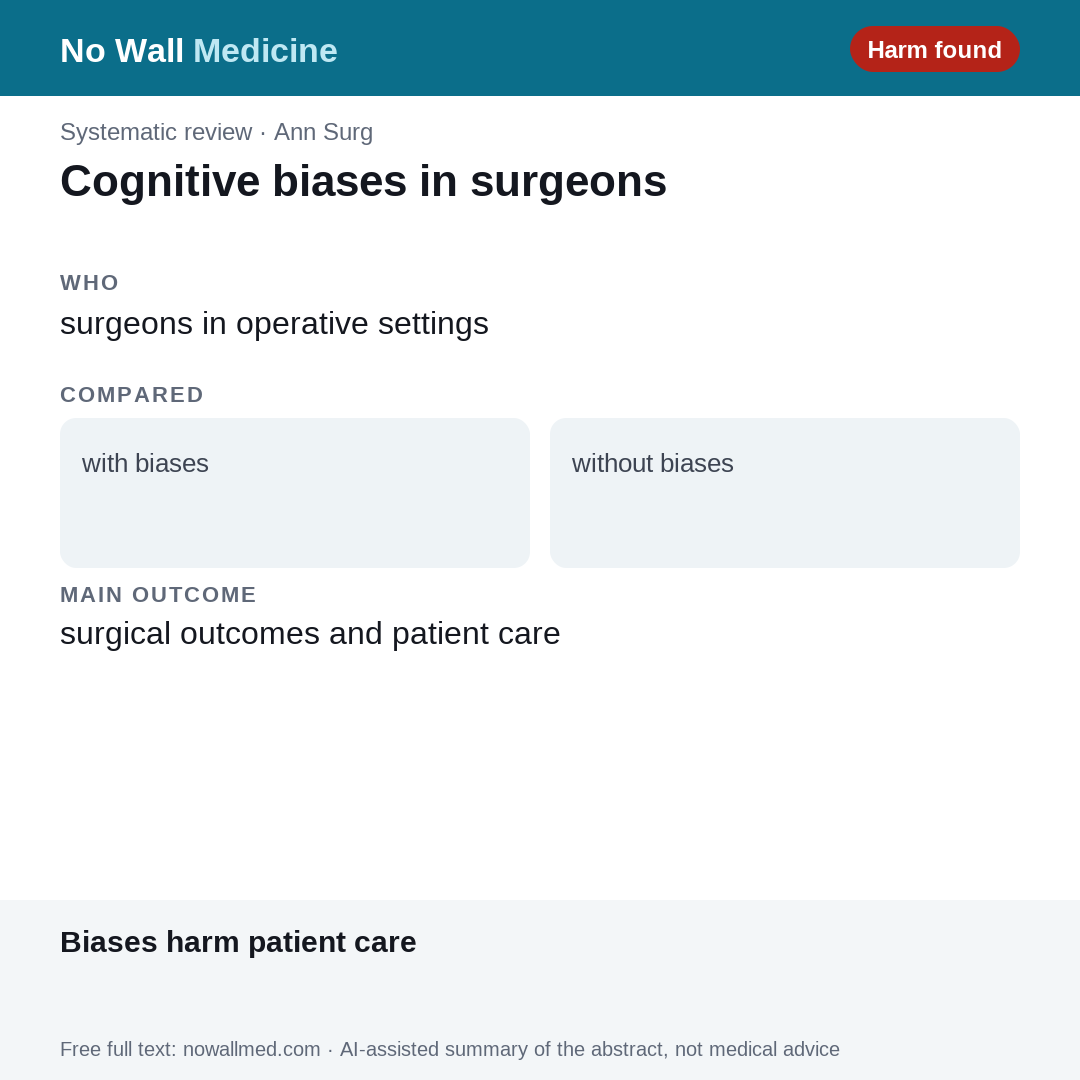
Cognitive Biases and Heuristics in Surgical Settings: A Systematic Review
Systematic reviewHarm found
Cognitive biases in surgeons
Who
surgeons in operative settings
Compared
with biases
without biases
Main outcome
surgical outcomes and patient care
Bottom line: Biases harm patient care
Limitation: moderate risk of bias
Ann Surg · 2025-04-21Download image
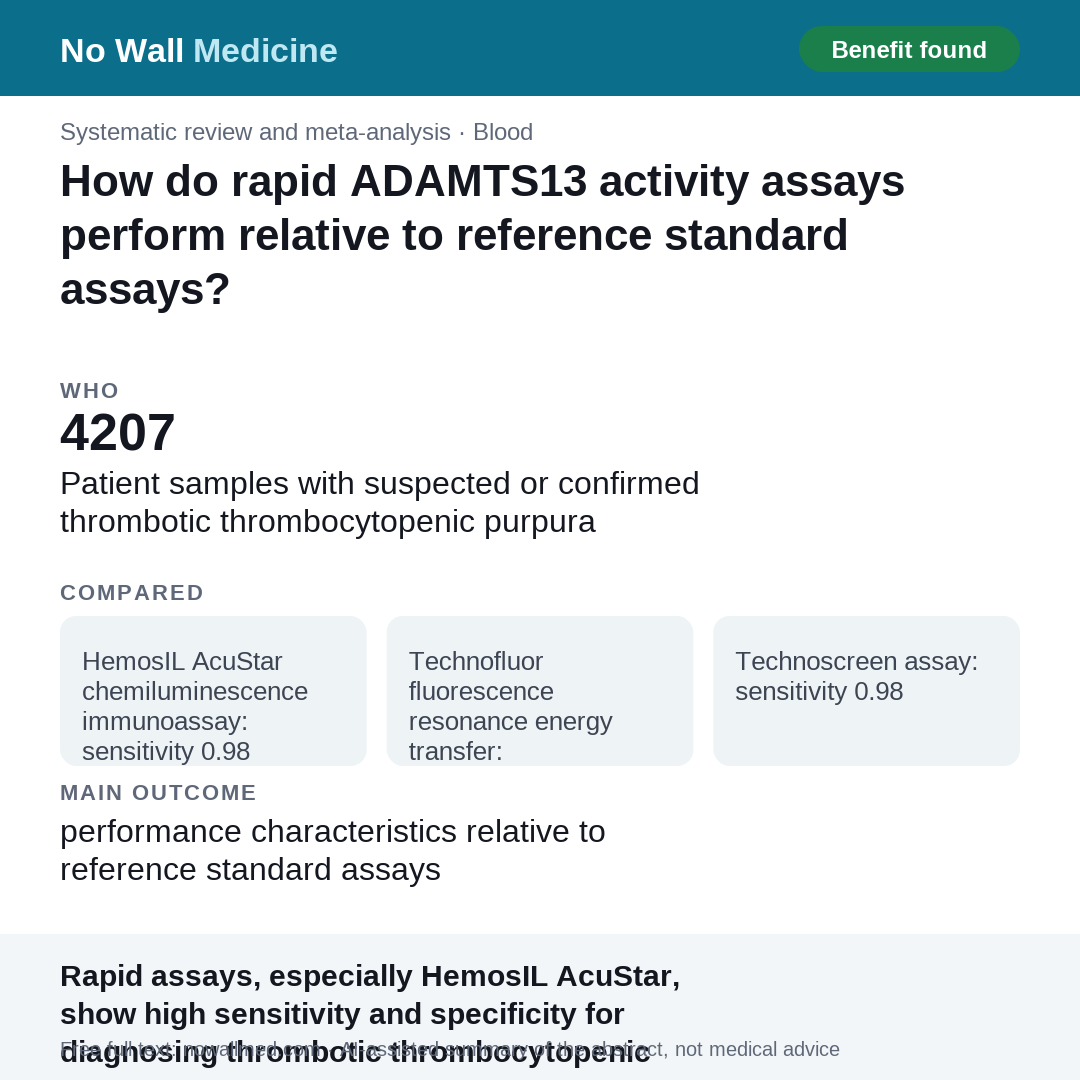
Rapid ADAMTS13 activity assays for thrombotic thrombocytopenic purpura: a systematic review and meta-analysis
Systematic review and meta-analysisBenefit found
How do rapid ADAMTS13 activity assays perform relative to reference standard assays?
Who
4207
Patient samples with suspected or confirmed thrombotic thrombocytopenic purpura
Compared
HemosIL AcuStar chemiluminescence immunoassay: sensitivity 0.98
Technofluor fluorescence resonance energy transfer: sensitivity 0.93
Technoscreen assay: sensitivity 0.98
Main outcome
performance characteristics relative to reference standard assays
Bottom line: Rapid assays, especially HemosIL AcuStar, show high sensitivity and specificity for diagnosing thrombotic thrombocytopenic purpura.
Blood · 2025-04-21Download image
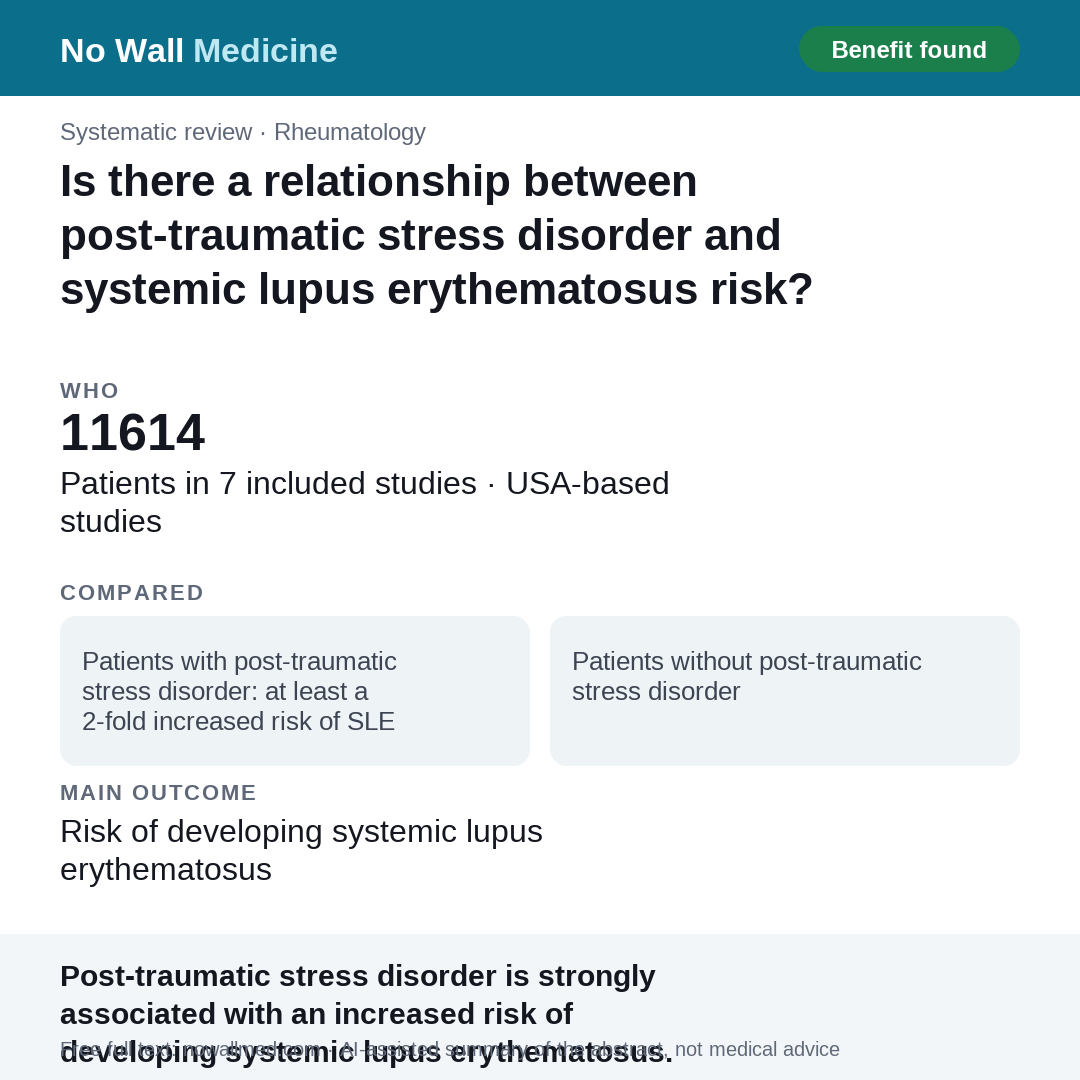
Post-traumatic stress disorder and systemic lupus erythematosus: insights from a systematic review
Systematic reviewBenefit found
Is there a relationship between post-traumatic stress disorder and systemic lupus erythematosus risk?
Who
11614
Patients in 7 included studies · USA-based studies
Compared
Patients with post-traumatic stress disorder: at least a 2-fold increased risk of SLE
Patients without post-traumatic stress disorder
Main outcome
Risk of developing systemic lupus erythematosus
Bottom line: Post-traumatic stress disorder is strongly associated with an increased risk of developing systemic lupus erythematosus.
Rheumatology · 2025-04-21Download image
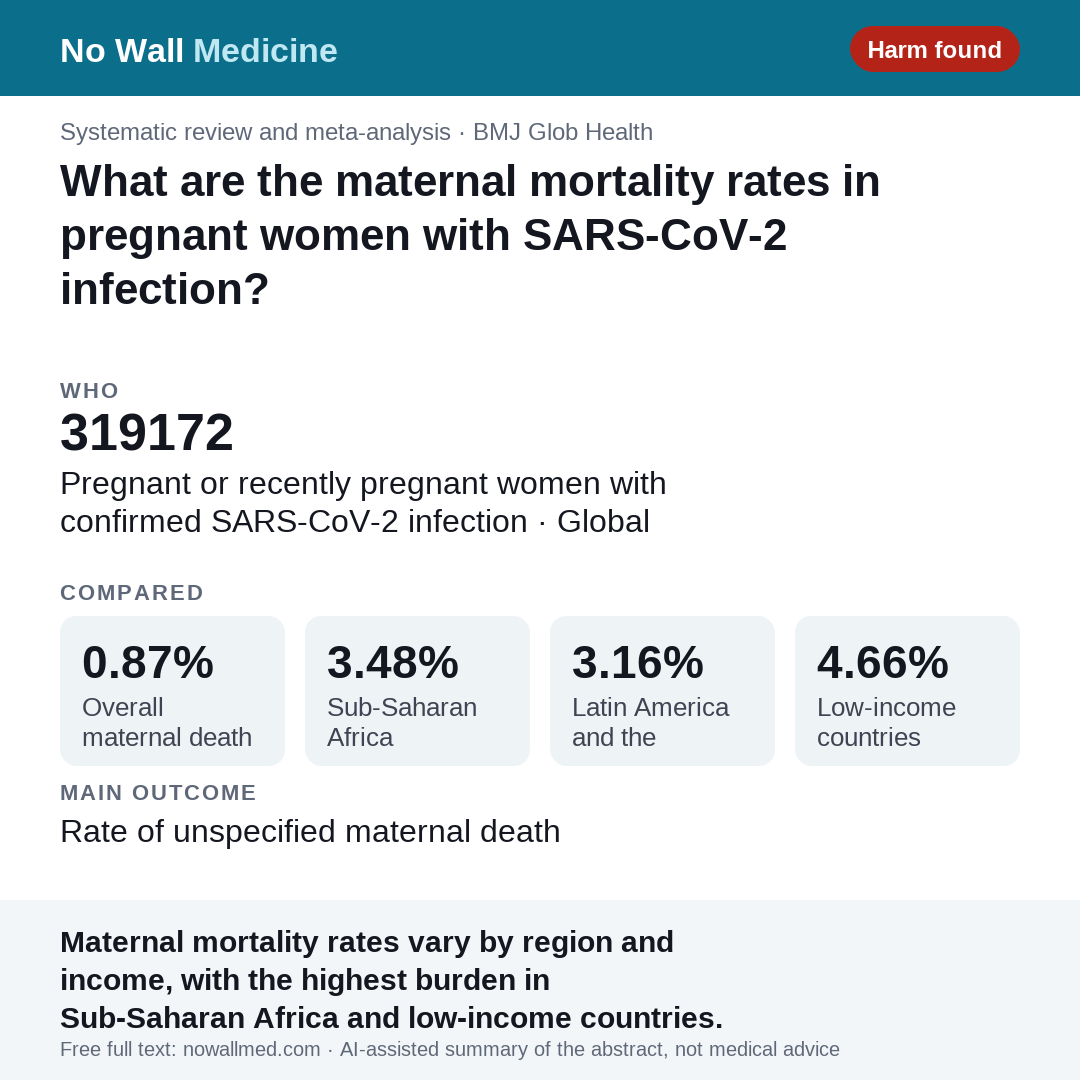
Global maternal mortality associated with SARS-CoV-2 infection: a systematic review and meta-analysis
Systematic review and meta-analysisHarm found
What are the maternal mortality rates in pregnant women with SARS-CoV-2 infection?
Who
319172
Pregnant or recently pregnant women with confirmed SARS-CoV-2 infection · Global
Compared
0.87%Overall maternal death rate (95% CI 0.64% to 1.16%)
3.48%Sub-Saharan Africa (95% CI 0.66% to 16.42%)
3.16%Latin America and the Caribbean (95% CI 1.53% to 6.43%)
4.66%Low-income countries (95% CI 0.75% to 24.07%)
Main outcome
Rate of unspecified maternal death
Bottom line: Maternal mortality rates vary by region and income, with the highest burden in Sub-Saharan Africa and low-income countries.
BMJ Glob Health · 2025-04-21Download image
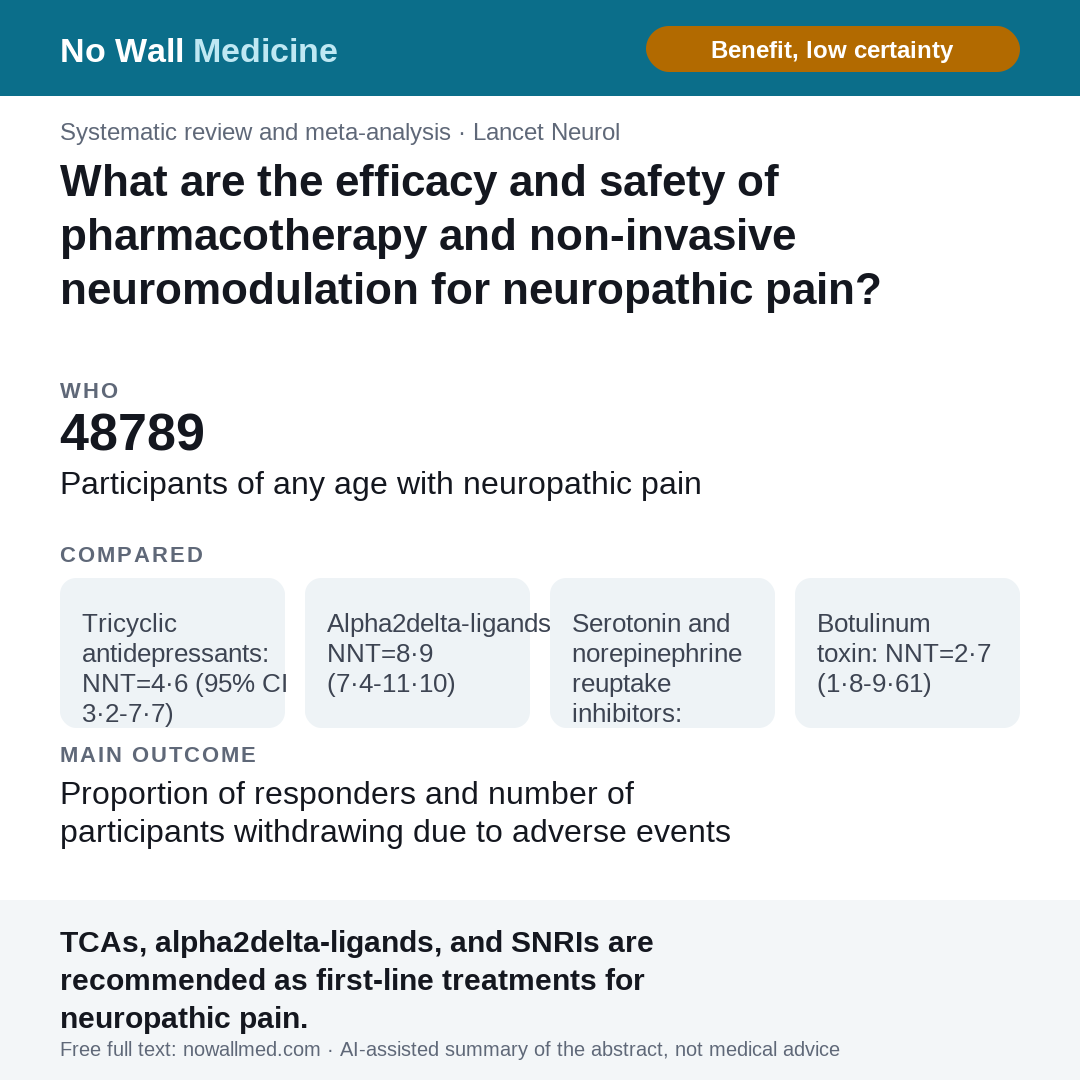
Pharmacotherapy and non-invasive neuromodulation for neuropathic pain: a systematic review and meta-analysis
Systematic review and meta-analysisBenefit found
What are the efficacy and safety of pharmacotherapy and non-invasive neuromodulation for neuropathic pain?
Who
48789
Participants of any age with neuropathic pain
Compared
Tricyclic antidepressants: NNT=4·6 (95% CI 3·2-7·7)
Alpha2delta-ligands: NNT=8·9 (7·4-11·10)
Serotonin and norepinephrine reuptake inhibitors: NNT=7·4 (5·6-10·9)
Botulinum toxin: NNT=2·7 (1·8-9·61)
Main outcome
Proportion of responders and number of participants withdrawing due to adverse events
Bottom line: TCAs, alpha2delta-ligands, and SNRIs are recommended as first-line treatments for neuropathic pain.
Lancet Neurol · 2025-04-20Download image
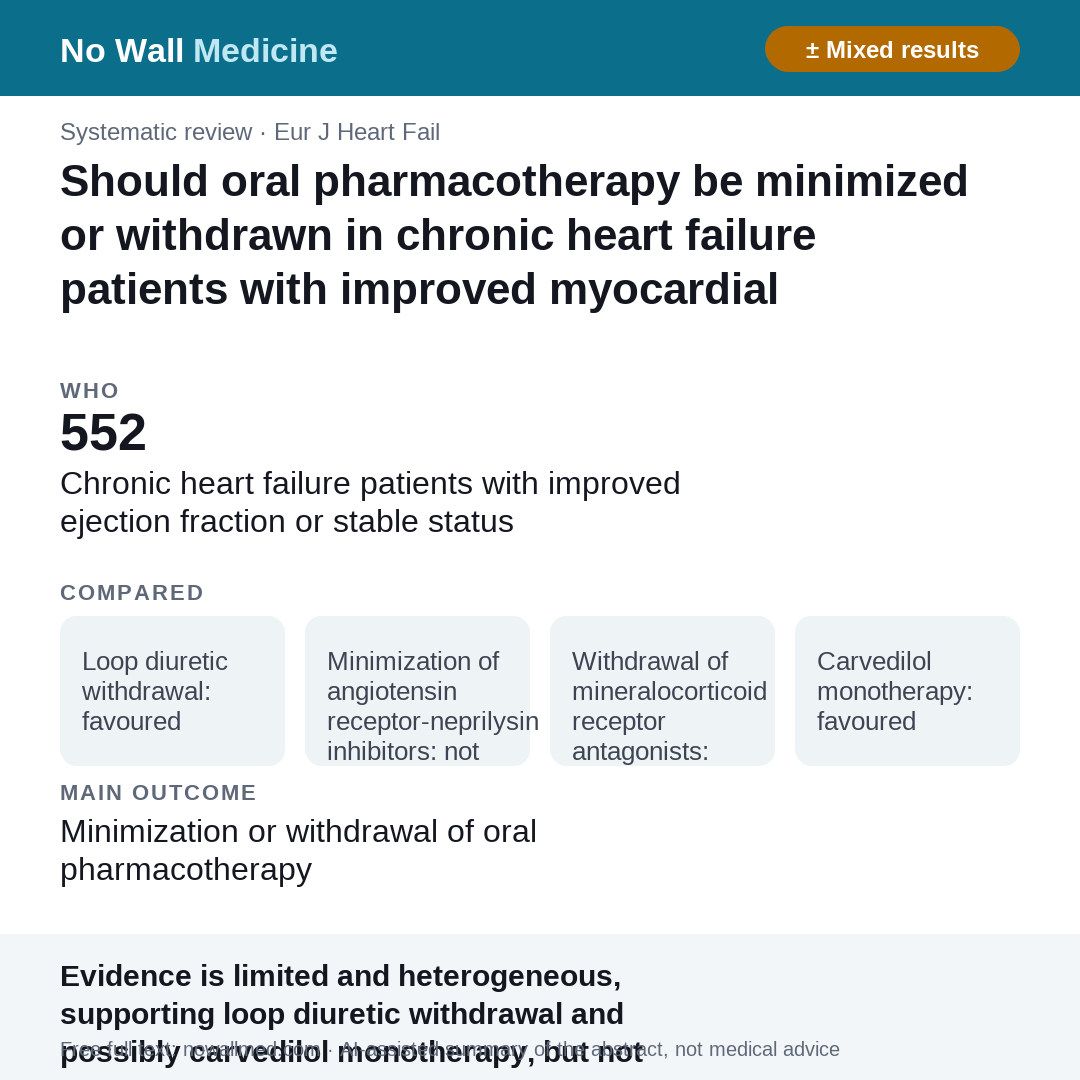
Minimization or withdrawal of oral pharmacotherapy in chronic heart failure patients with improved myocardial function: A systematic review
Systematic reviewMixed results
Should oral pharmacotherapy be minimized or withdrawn in chronic heart failure patients with improved myocardial function?
Who
552
Chronic heart failure patients with improved ejection fraction or stable status
Compared
Loop diuretic withdrawal: favoured
Minimization of angiotensin receptor-neprilysin inhibitors: not favourable
Withdrawal of mineralocorticoid receptor antagonists: not favourable
Carvedilol monotherapy: favoured
Main outcome
Minimization or withdrawal of oral pharmacotherapy
Bottom line: Evidence is limited and heterogeneous, supporting loop diuretic withdrawal and possibly carvedilol monotherapy, but not renin-angiotensin system inhibitors or mineralocorticoid receptor antagonists.
Limitation: Findings were heterogeneous due to variations in study design and protocols.
Eur J Heart Fail · 2025-04-20Download image
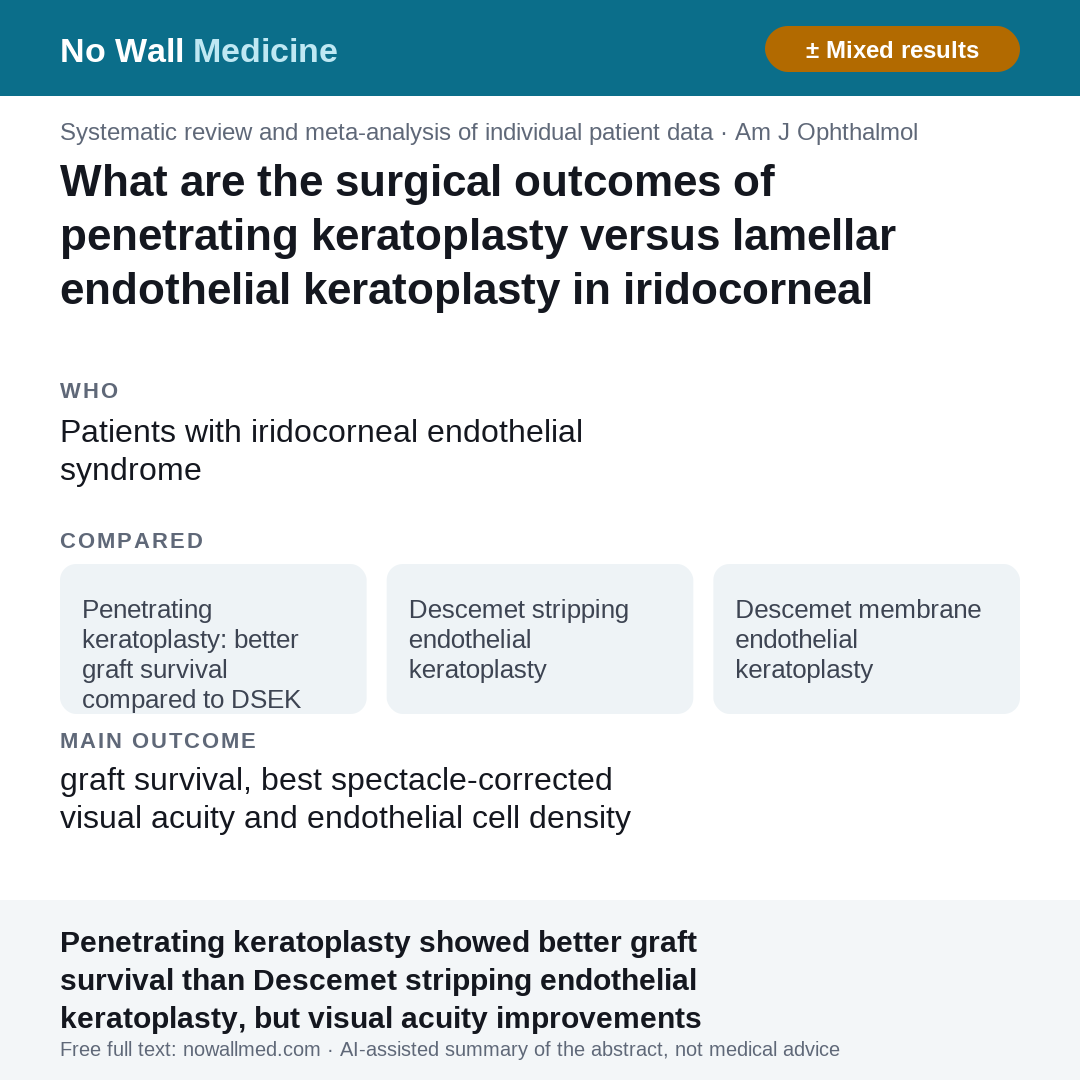
Outcomes of Penetrating Keratoplasty Versus Lamellar Endothelial Keratoplasty in Iridocorneal Endothelial Syndrome: A Systematic Review and Meta-Analysis
Systematic review and meta-analysis of individual patient dataMixed results
What are the surgical outcomes of penetrating keratoplasty versus lamellar endothelial keratoplasty in iridocorneal endothelial syndrome?
Who
Patients with iridocorneal endothelial syndrome
Compared
Penetrating keratoplasty: better graft survival compared to DSEK
Descemet stripping endothelial keratoplasty
Descemet membrane endothelial keratoplasty
Main outcome
graft survival, best spectacle-corrected visual acuity and endothelial cell density
Bottom line: Penetrating keratoplasty showed better graft survival than Descemet stripping endothelial keratoplasty, but visual acuity improvements were comparable across all procedures.
Limitation: further research and additional evidence are needed to draw more definitive conclusions
Am J Ophthalmol · 2025-04-19Download image
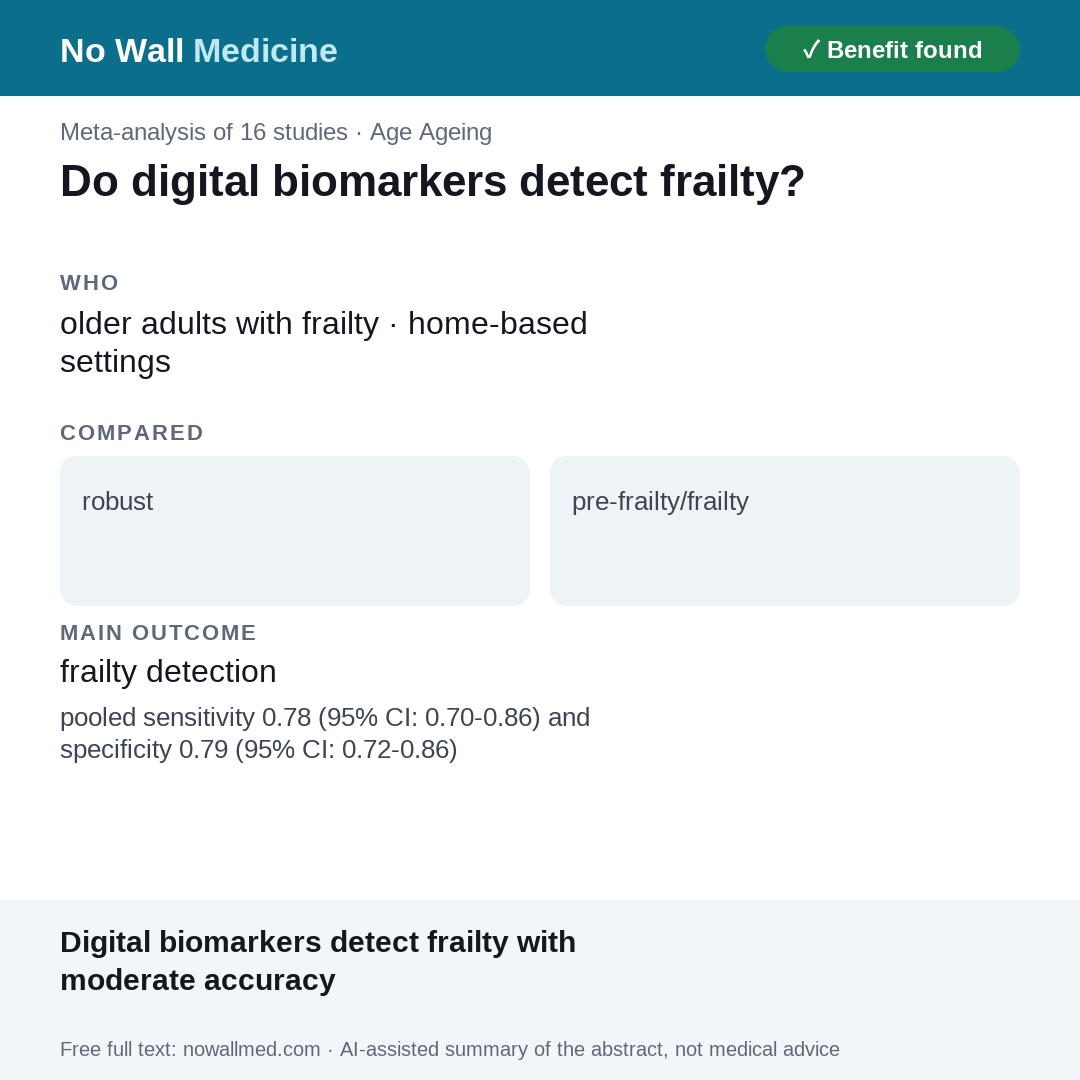
Digital biomarkers for real-life, home-based monitoring of frailty: a systematic review and meta-analysis
Meta-analysis of 16 studiesBenefit found
Do digital biomarkers detect frailty?
Who
older adults with frailty · home-based settings
Compared
robust
pre-frailty/frailty
Main outcome
frailty detection
Result: pooled sensitivity 0.78 (95% CI: 0.70-0.86) and specificity 0.79 (95% CI: 0.72-0.86)
Bottom line: Digital biomarkers detect frailty with moderate accuracy
Limitation: high or unclear risk of bias
Age Ageing · 2025-04-19Download image
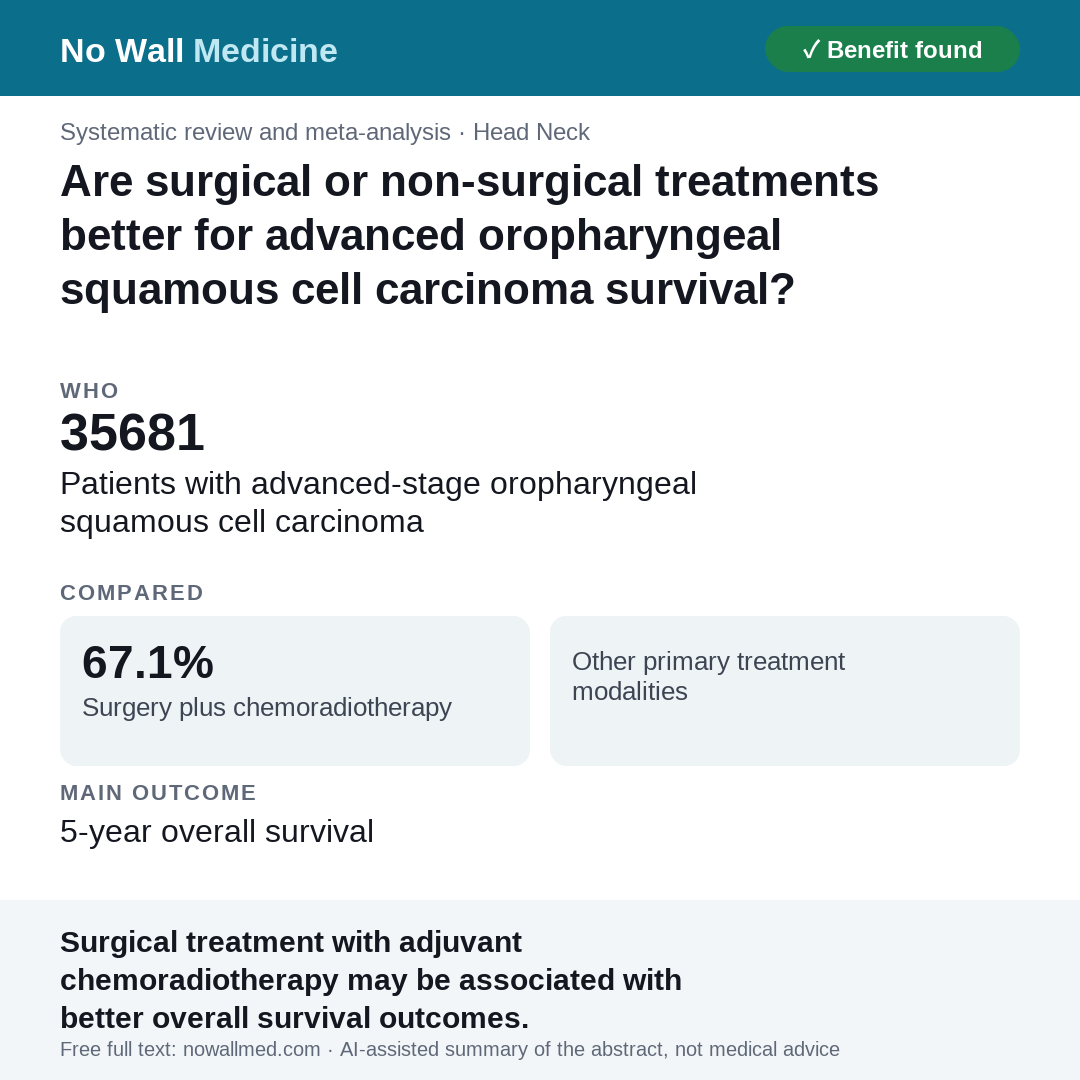
Surgical Versus Non-Surgical Treatment of Advanced Oropharyngeal Squamous Cell Carcinoma: A Systematic Review and Meta-Analysis
Systematic review and meta-analysisBenefit found
Are surgical or non-surgical treatments better for advanced oropharyngeal squamous cell carcinoma survival?
Who
35681
Patients with advanced-stage oropharyngeal squamous cell carcinoma
Compared
67.1%Surgery plus chemoradiotherapy (95% CI 55.6-77.6)
Other primary treatment modalities
Main outcome
5-year overall survival
Bottom line: Surgical treatment with adjuvant chemoradiotherapy may be associated with better overall survival outcomes.
Head Neck · 2025-04-19Download image
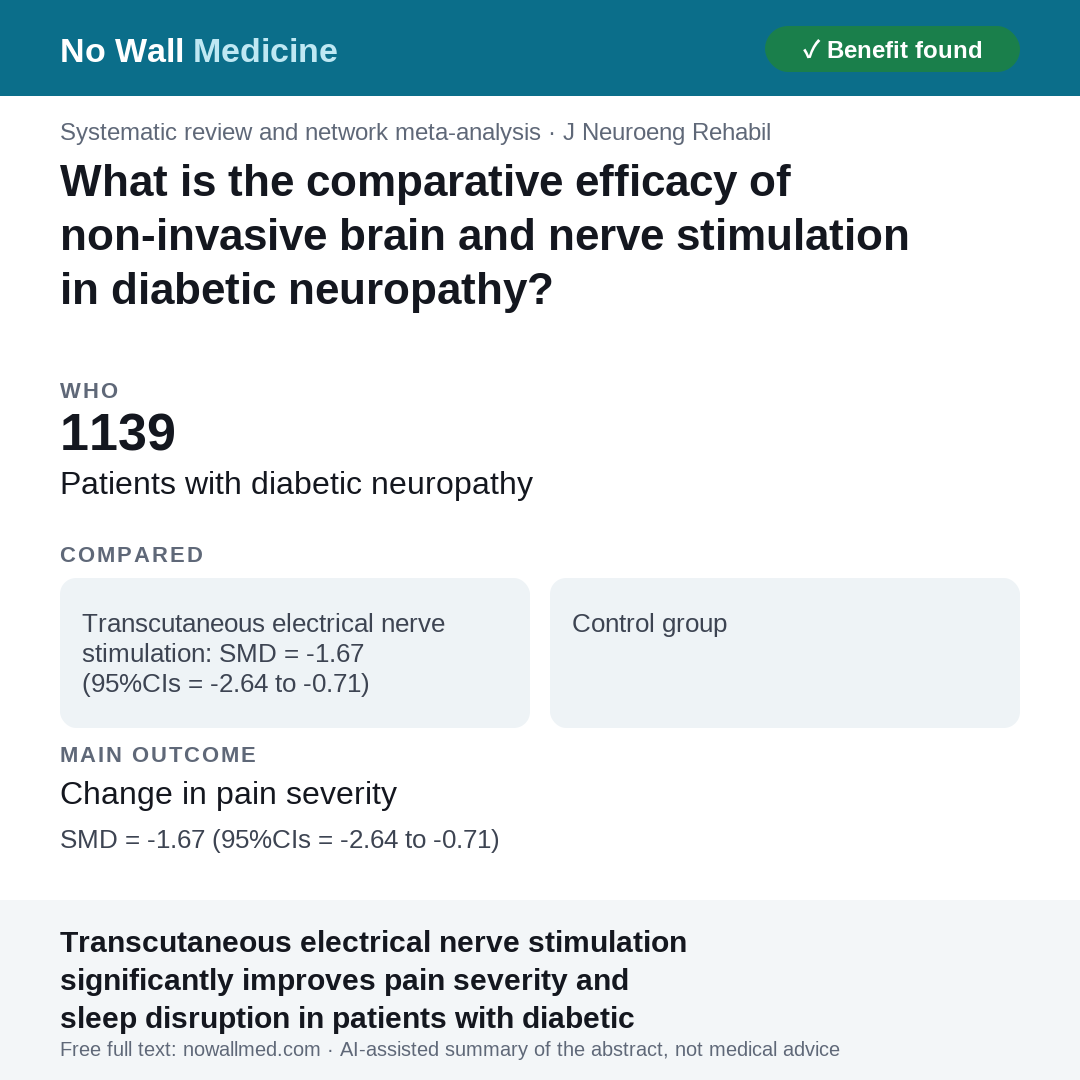
The comparative evidence of efficacy of non-invasive brain and nerve stimulation in diabetic neuropathy: a systematic review and network meta-analysis
Systematic review and network meta-analysisBenefit found
What is the comparative efficacy of non-invasive brain and nerve stimulation in diabetic neuropathy?
Who
1139
Patients with diabetic neuropathy
Compared
Transcutaneous electrical nerve stimulation: SMD = -1.67 (95%CIs = -2.64 to -0.71)
Control group
Main outcome
Change in pain severity
Result: SMD = -1.67 (95%CIs = -2.64 to -0.71)
Bottom line: Transcutaneous electrical nerve stimulation significantly improves pain severity and sleep disruption in patients with diabetic neuropathy.
Limitation: Future well-designed randomized controlled trials with longer treatment durations are recommended.
J Neuroeng Rehabil · 2025-04-19Download image