Visual abstracts
New randomized trials and meta-analyses from leading journals at a glance: who was studied, what was compared, and what was found. Every paper is free to read in full.
All specialtiesCardiology 4763Oncology 4042Gastroenterology & Hepatology 1902Infectious Disease 3756Neurology 1872Psychiatry & Mental Health 2214Pulmonology 2042Critical Care 1319Endocrinology & Diabetes 2544Pediatrics 2889Surgery 2479Orthopedics & Sports Medicine 917Neurosurgery 525Cardiothoracic & Vascular Surgery 656Plastic & Reconstructive Surgery 574Nephrology 1107Rheumatology 810Hematology 1090Dermatology 611Ophthalmology 532Obstetrics & Gynecology 1645Public & Global Health 1037Radiology & Imaging 617Anesthesiology 957Urology 745ENT (Otolaryngology) 494Emergency Medicine 481Allergy & Immunology 309Geriatrics 972Family Medicine & Primary Care 533Medical Genetics & Genomics 659Pathology & Laboratory Medicine 156Physical Medicine & Rehabilitation 734Palliative Care 421Nutrition 1560Digital Health & AI 2133General Medicine 318
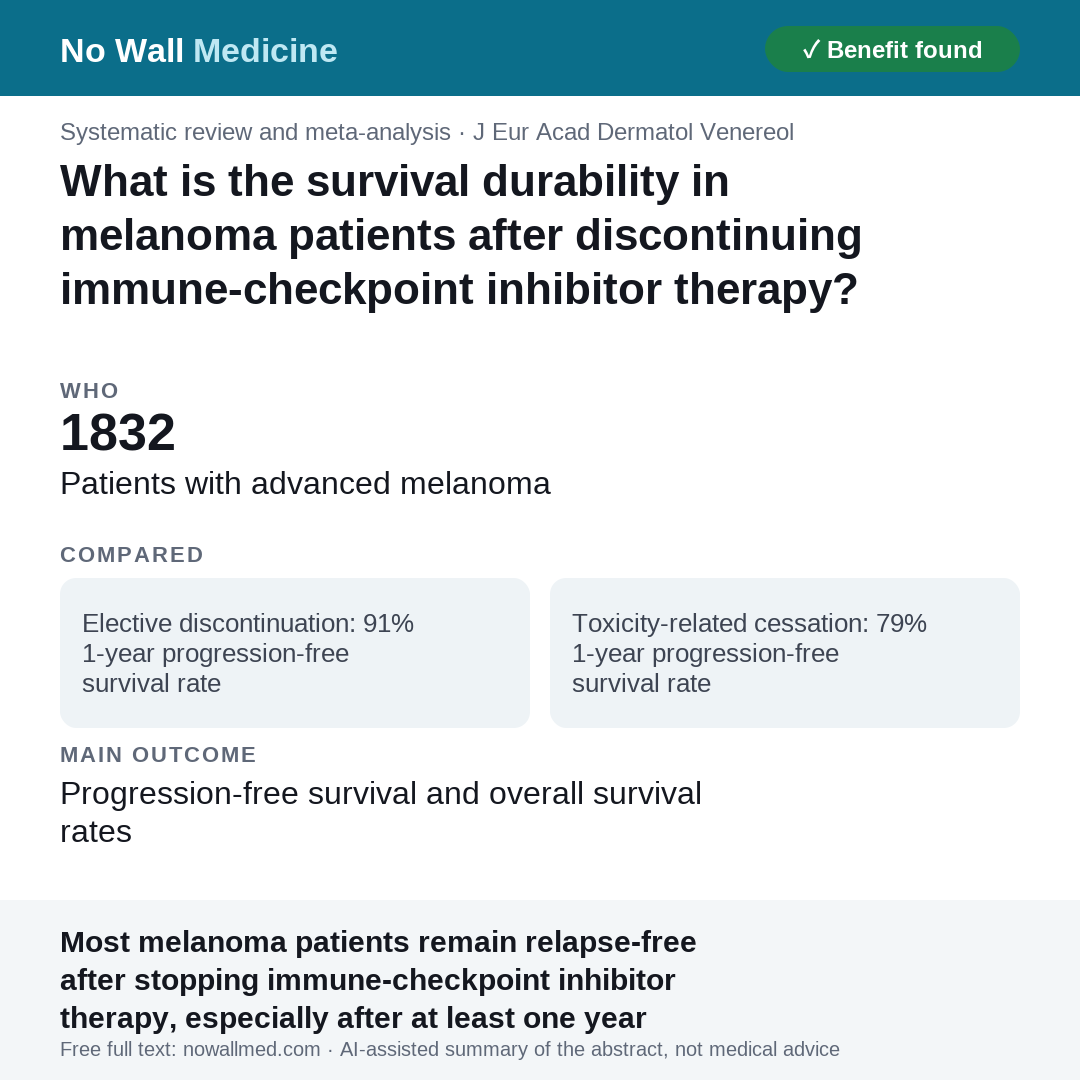
Survival after cessation of immunotherapies in melanoma: A systematic review and meta-analysis
Systematic review and meta-analysisBenefit found
What is the survival durability in melanoma patients after discontinuing immune-checkpoint inhibitor therapy?
Who
1832
Patients with advanced melanoma
Compared
Elective discontinuation: 91% 1-year progression-free survival rate
Toxicity-related cessation: 79% 1-year progression-free survival rate
Main outcome
Progression-free survival and overall survival rates
Result: 1-year progression-free survival 86% (95% CI 80%-91%)
Bottom line: Most melanoma patients remain relapse-free after stopping immune-checkpoint inhibitor therapy, especially after at least one year of treatment.
J Eur Acad Dermatol Venereol · 2025-04-04Download image
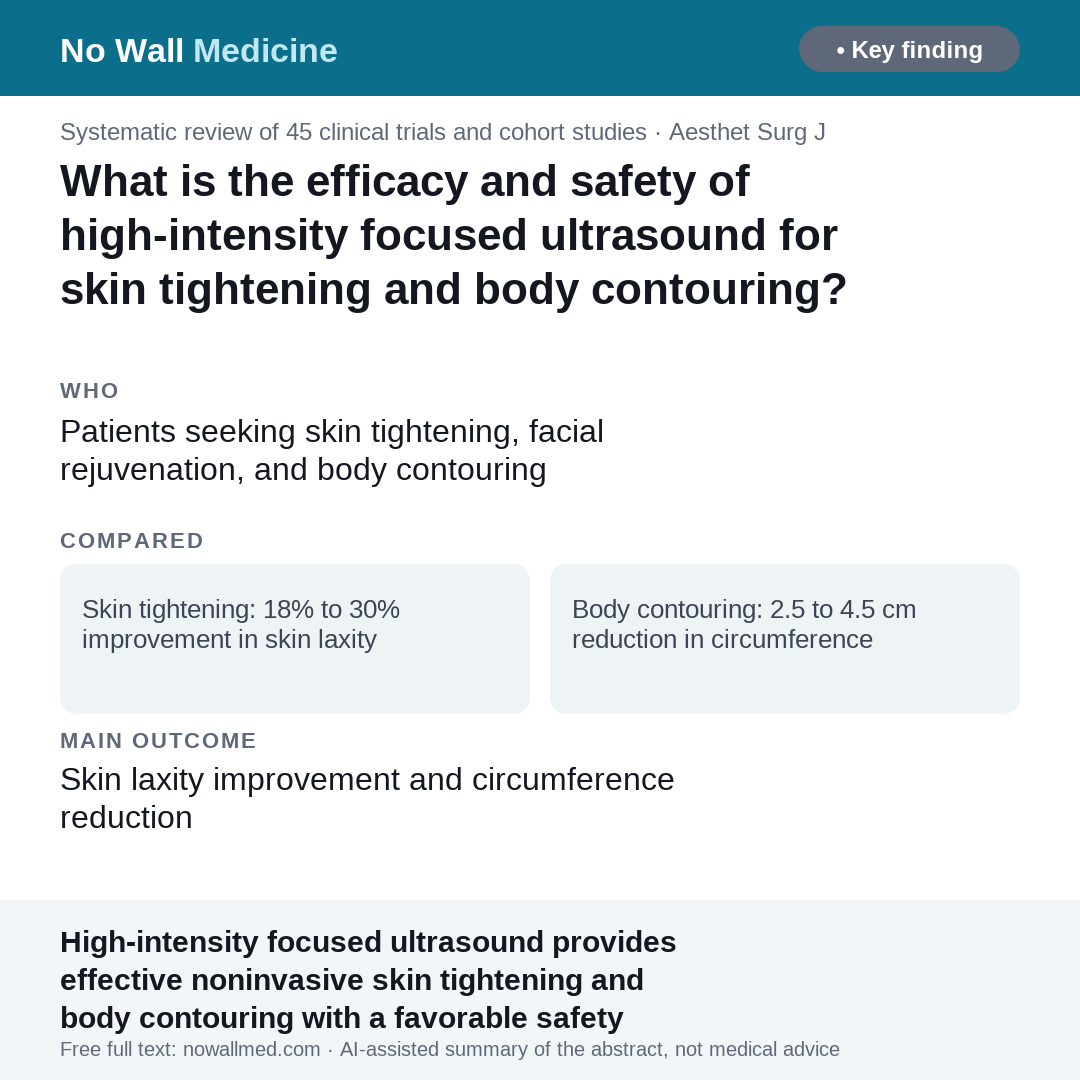
A Systematic Review of High-Intensity Focused Ultrasound in Skin Tightening and Body Contouring
Systematic review of 45 clinical trials and cohort studiesKey finding
What is the efficacy and safety of high-intensity focused ultrasound for skin tightening and body contouring?
Who
Patients seeking skin tightening, facial rejuvenation, and body contouring
Compared
Skin tightening: 18% to 30% improvement in skin laxity
Body contouring: 2.5 to 4.5 cm reduction in circumference
Main outcome
Skin laxity improvement and circumference reduction
Bottom line: High-intensity focused ultrasound provides effective noninvasive skin tightening and body contouring with a favorable safety profile.
Aesthet Surg J · 2025-04-04Download image
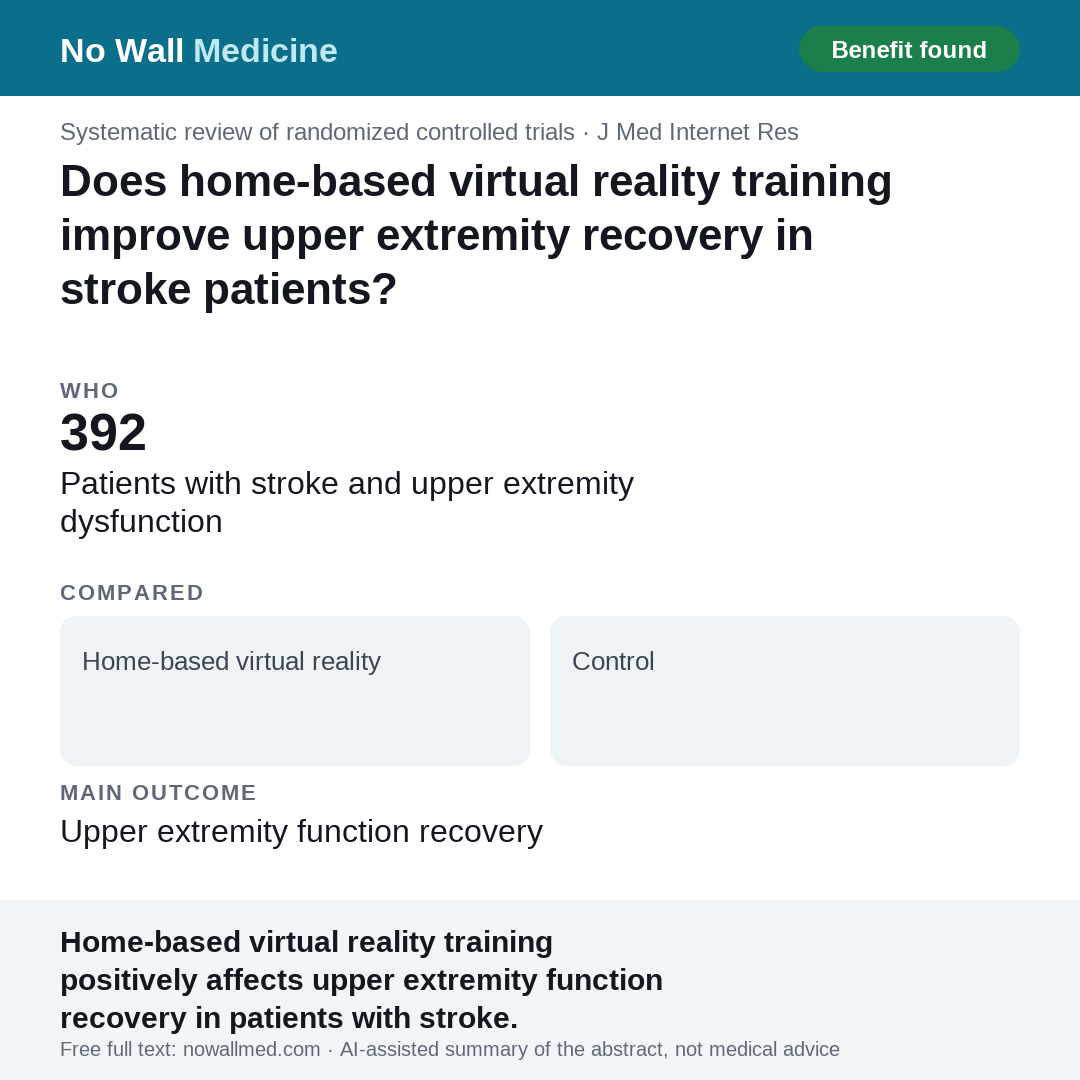
Effect of Home-Based Virtual Reality Training on Upper Extremity Recovery in Patients With Stroke: Systematic Review
Systematic review of randomized controlled trialsBenefit found
Does home-based virtual reality training improve upper extremity recovery in stroke patients?
Who
392
Patients with stroke and upper extremity dysfunction
Compared
Home-based virtual reality
Control
Main outcome
Upper extremity function recovery
Bottom line: Home-based virtual reality training positively affects upper extremity function recovery in patients with stroke.
Limitation: Heterogeneity in study design and differences in outcome measures affect reliability.
J Med Internet Res · 2025-04-04Download image
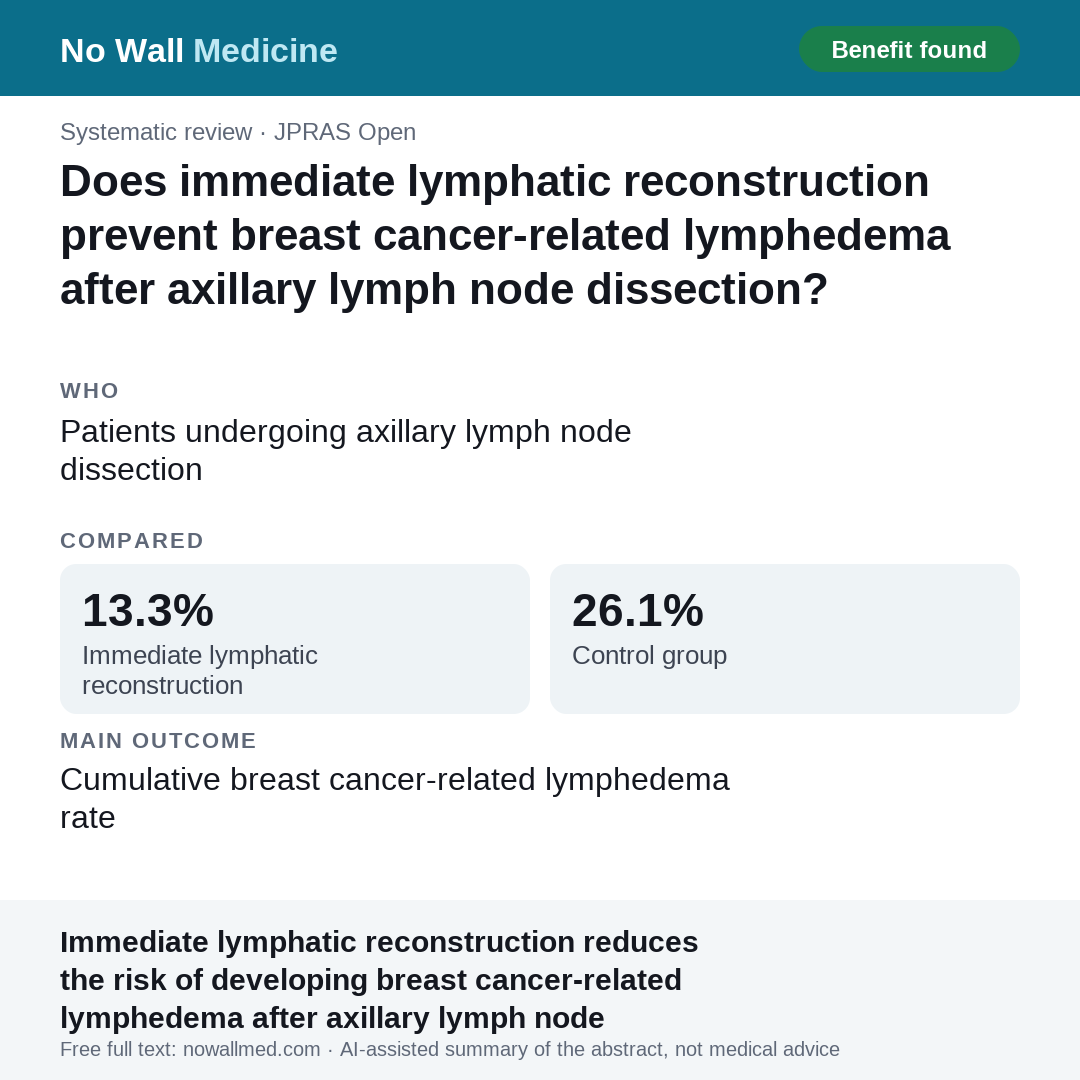
Immediate lymphatic reconstruction for breast cancer-related lymphedema prevention: A systematic review
Systematic reviewBenefit found
Does immediate lymphatic reconstruction prevent breast cancer-related lymphedema after axillary lymph node dissection?
Who
Patients undergoing axillary lymph node dissection
Compared
13.3%Immediate lymphatic reconstruction
26.1%Control group
Main outcome
Cumulative breast cancer-related lymphedema rate
Result: relative risk 0.51
Bottom line: Immediate lymphatic reconstruction reduces the risk of developing breast cancer-related lymphedema after axillary lymph node dissection.
JPRAS Open · 2025-04-04Download image
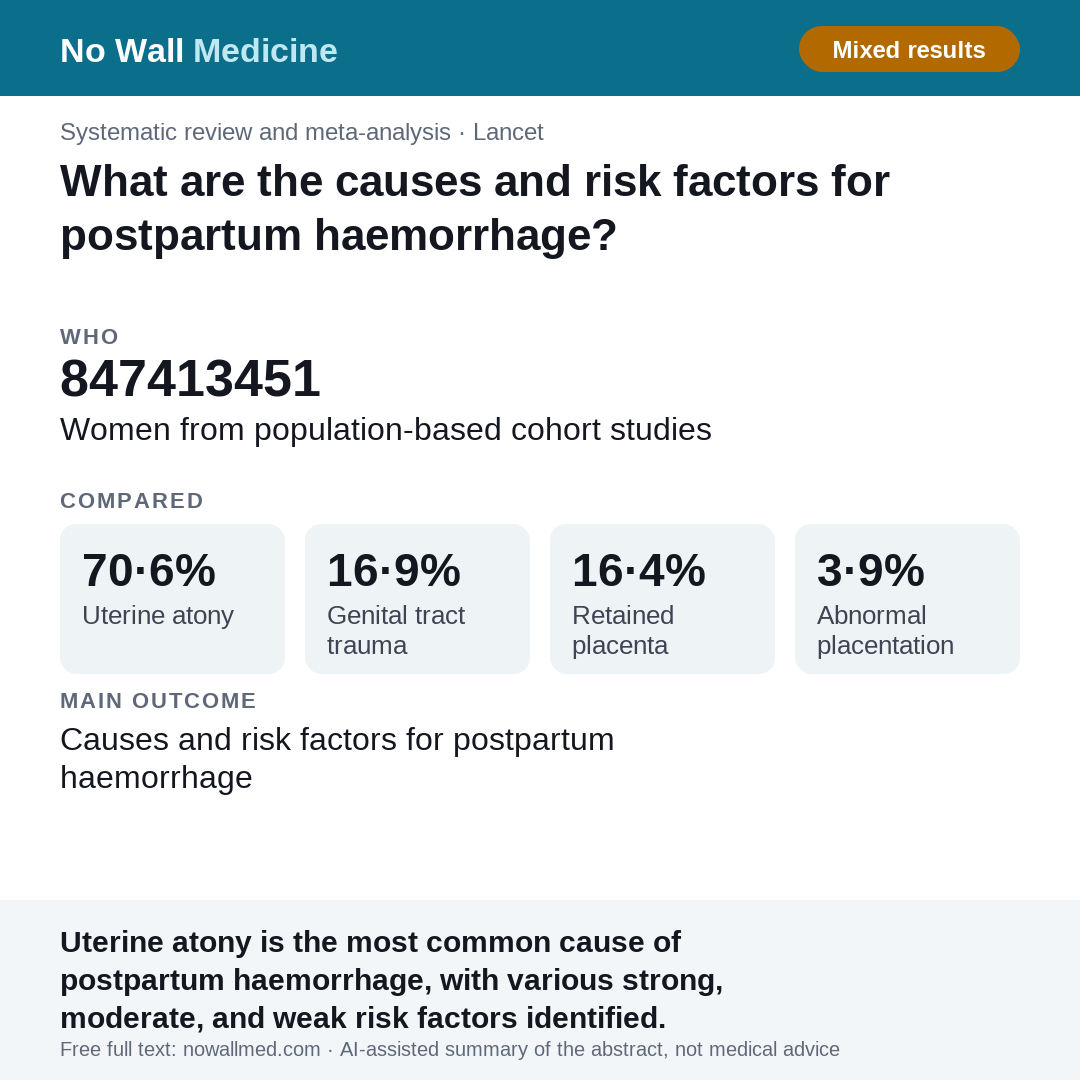
Causes of and risk factors for postpartum haemorrhage: a systematic review and meta-analysis
Systematic review and meta-analysisMixed results
What are the causes and risk factors for postpartum haemorrhage?
Who
847413451
Women from population-based cohort studies
Compared
70·6%Uterine atony (95% CI 63·9-77·3)
16·9%Genital tract trauma (9·3-24·6)
16·4%Retained placenta (12·3-20·5)
3·9%Abnormal placentation (0·1-7·6)
Main outcome
Causes and risk factors for postpartum haemorrhage
Bottom line: Uterine atony is the most common cause of postpartum haemorrhage, with various strong, moderate, and weak risk factors identified.
Funded by: Gates Foundation
Lancet · 2025-04-03Download image
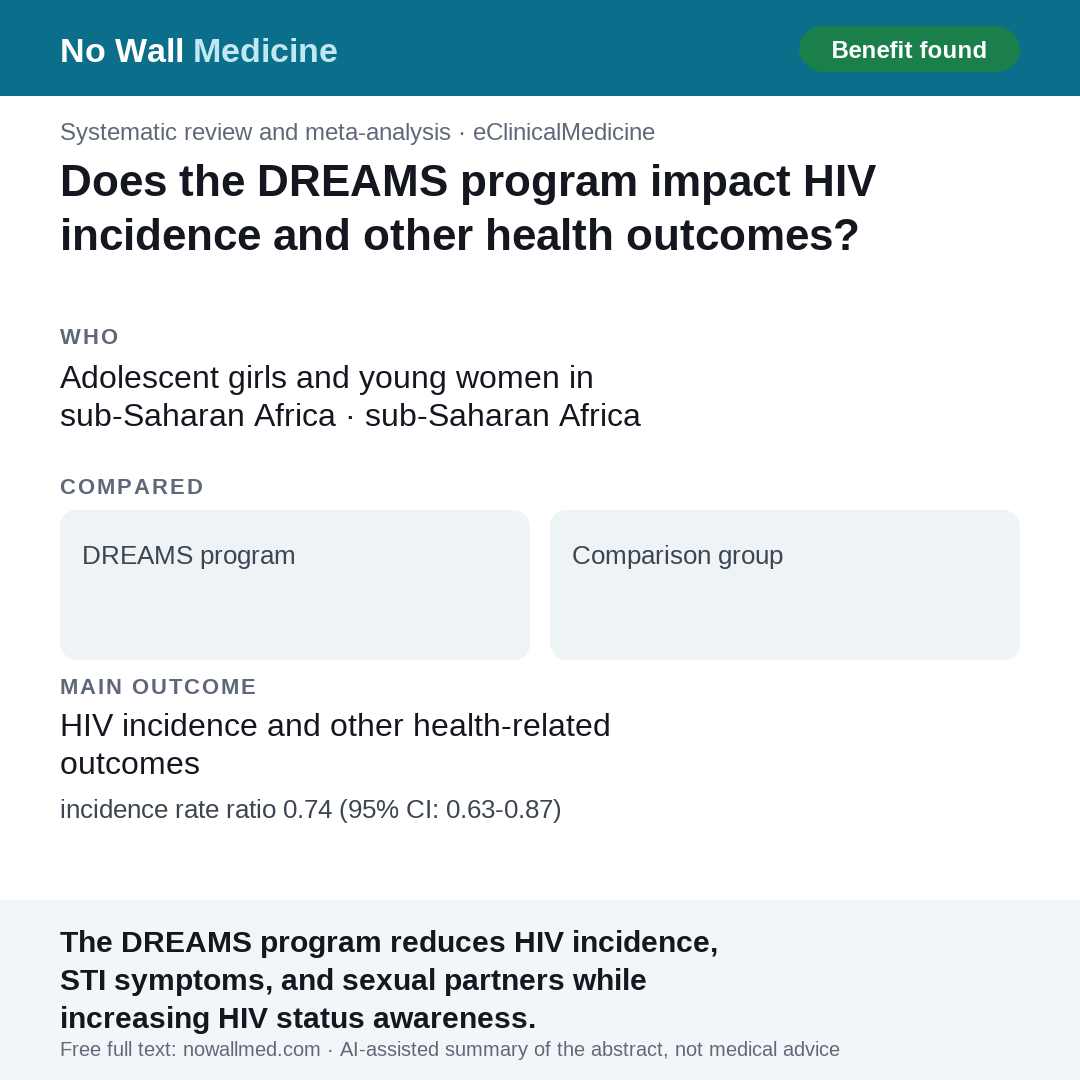
The effects of the Determined, Resilient, Empowered, AIDS-free, Mentored, and Safe (DREAMS) program on HIV incidence and other health-related outcomes among adolescent girls and young women: a systematic review and meta-analysis
Systematic review and meta-analysisBenefit found
Does the DREAMS program impact HIV incidence and other health outcomes?
Who
Adolescent girls and young women in sub-Saharan Africa · sub-Saharan Africa
Compared
DREAMS program
Comparison group
Main outcome
HIV incidence and other health-related outcomes
Result: incidence rate ratio 0.74 (95% CI: 0.63-0.87)
Bottom line: The DREAMS program reduces HIV incidence, STI symptoms, and sexual partners while increasing HIV status awareness.
Limitation: Developing a unified and granular evaluation framework would be beneficial for advancing research.
eClinicalMedicine · 2025-04-03Download image
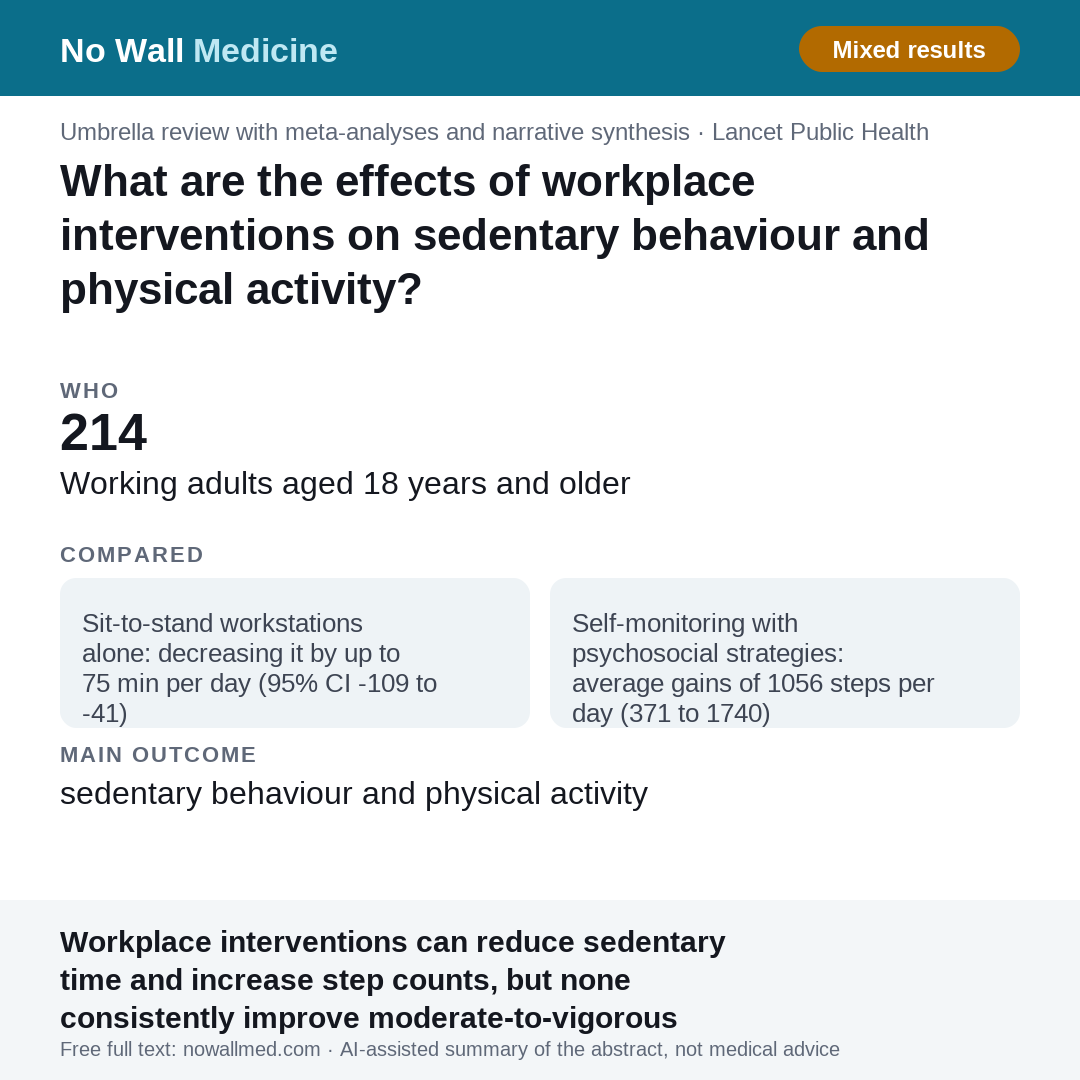
Effects of workplace interventions on sedentary behaviour and physical activity: an umbrella review with meta-analyses and narrative synthesis
Umbrella review with meta-analyses and narrative synthesisMixed results
What are the effects of workplace interventions on sedentary behaviour and physical activity?
Who
Working adults aged 18 years and older
Compared
Sit-to-stand workstations alone: decreasing it by up to 75 min per day (95% CI -109 to -41)
Self-monitoring with psychosocial strategies: average gains of 1056 steps per day (371 to 1740)
Main outcome
sedentary behaviour and physical activity
Bottom line: Workplace interventions can reduce sedentary time and increase step counts, but none consistently improve moderate-to-vigorous physical activity.
Limitation: High heterogeneity (I2=84·80%) and potential publication bias in environmental-level interventions.
Lancet Public Health · 2025-04-03Download image
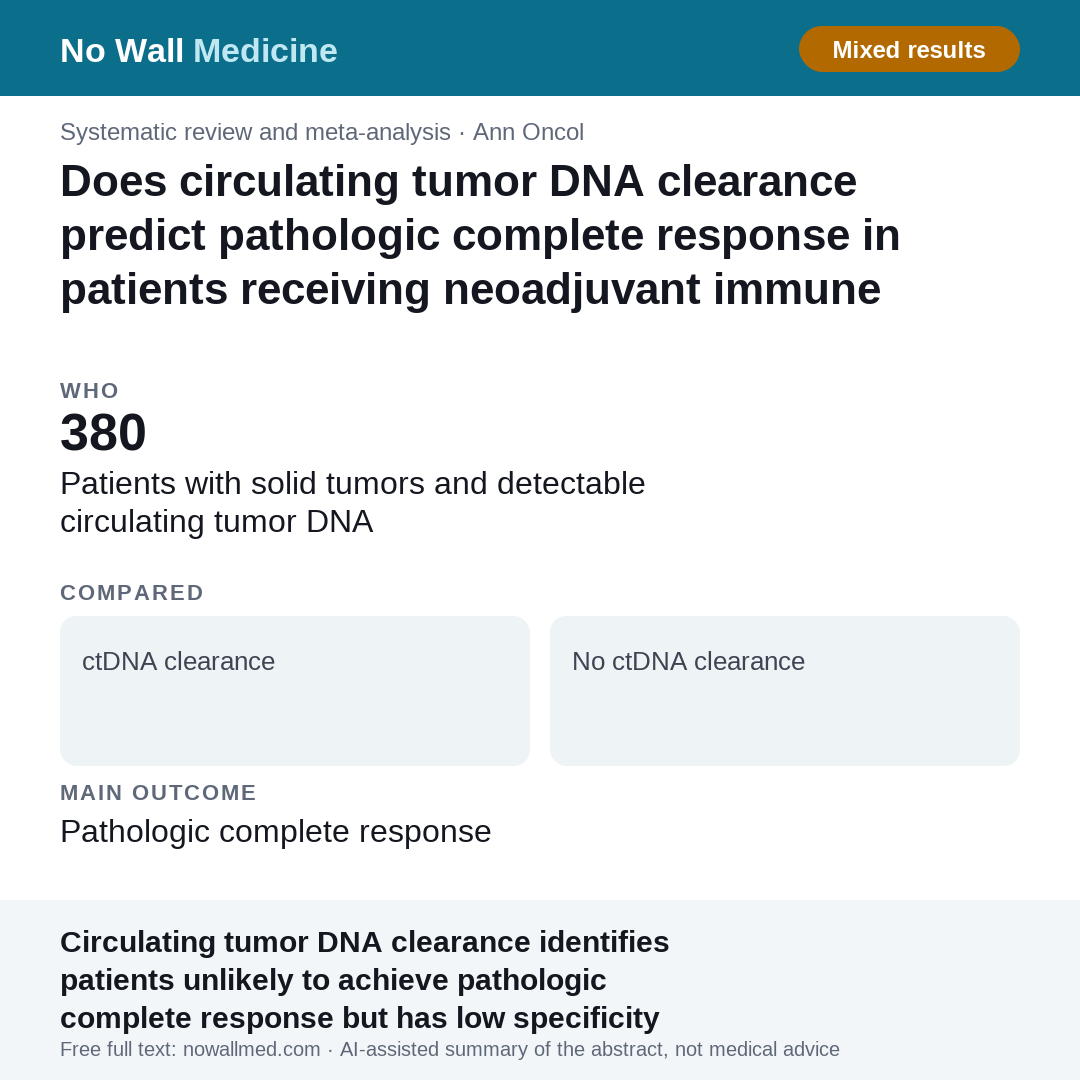
Circulating tumor DNA clearance as a predictive biomarker of pathologic complete response in patients with solid tumors treated with neoadjuvant immune checkpoint inhibitors: a systematic review and meta-analysis
Systematic review and meta-analysisMixed results
Does circulating tumor DNA clearance predict pathologic complete response in patients receiving neoadjuvant immune checkpoint inhibitors?
Who
380
Patients with solid tumors and detectable circulating tumor DNA
Compared
ctDNA clearance
No ctDNA clearance
Main outcome
Pathologic complete response
Result: sensitivity 0.98 (95% CI 0.86-1.00), specificity 0.53 (95% CI 0.37-0.69)
Bottom line: Circulating tumor DNA clearance identifies patients unlikely to achieve pathologic complete response but has low specificity for confirmation.
Limitation: Significant heterogeneity and variability in the diagnostic performance of assays.
Ann Oncol · 2025-04-03Download image
Measles Seroprevalence in Infants Under 9 Months of Age in Low- and Middle-Income Countries: A Systematic Review and Meta-analysis
Systematic review and meta-analysisKey finding
What is the measles seroprevalence in infants under 9 months in low- and middle-income countries?
Who
8230
Infants under 9 months of age in low- and middle-income countries · Low- and middle-income countries
Compared
81%At birth (95% CI, 75%-88%)
30%By 4 months (95% CI, 24%-35%)
18%At 7 months (95% CI, 0%-41%)
Main outcome
Measles antibody seroprevalence
Bottom line: Seventy percent of infants are seronegative by 4 months old and unprotected from measles before their first vaccine dose.
Limitation: High interstudy heterogeneity
J Infect Dis · 2025-04-03Download image

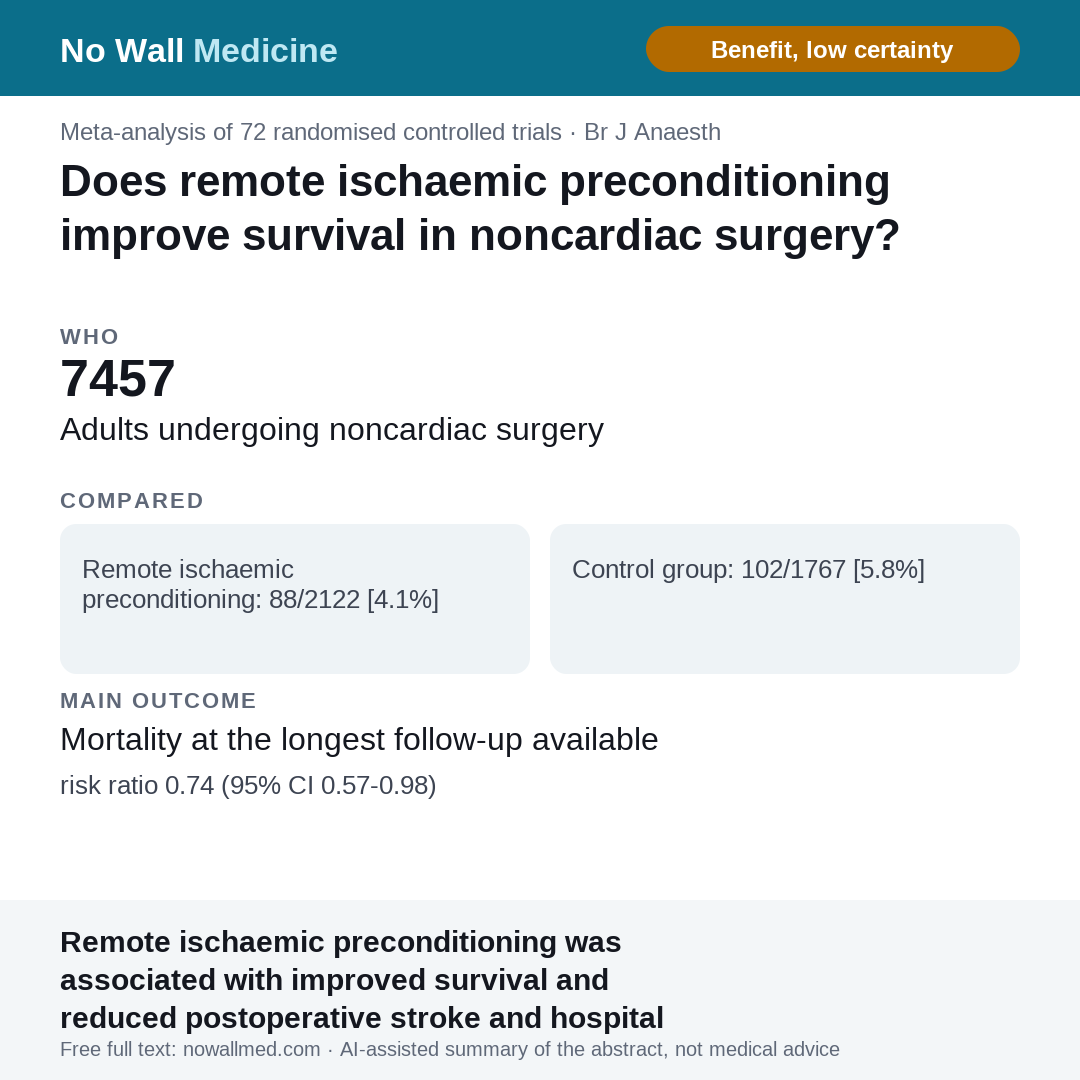
Remote ischaemic preconditioning and survival in noncardiac surgery: a meta-analysis of randomised trials
Meta-analysis of 72 randomised controlled trialsBenefit, low certainty
Does remote ischaemic preconditioning improve survival in noncardiac surgery?
Who
7457
Adults undergoing noncardiac surgery
Compared
Remote ischaemic preconditioning: 88/2122 [4.1%]
Control group: 102/1767 [5.8%]
Main outcome
Mortality at the longest follow-up available
Result: risk ratio 0.74 (95% CI 0.57-0.98)
Bottom line: Remote ischaemic preconditioning was associated with improved survival and reduced postoperative stroke and hospital stay in noncardiac surgery.
Br J Anaesth · 2025-04-03Download image
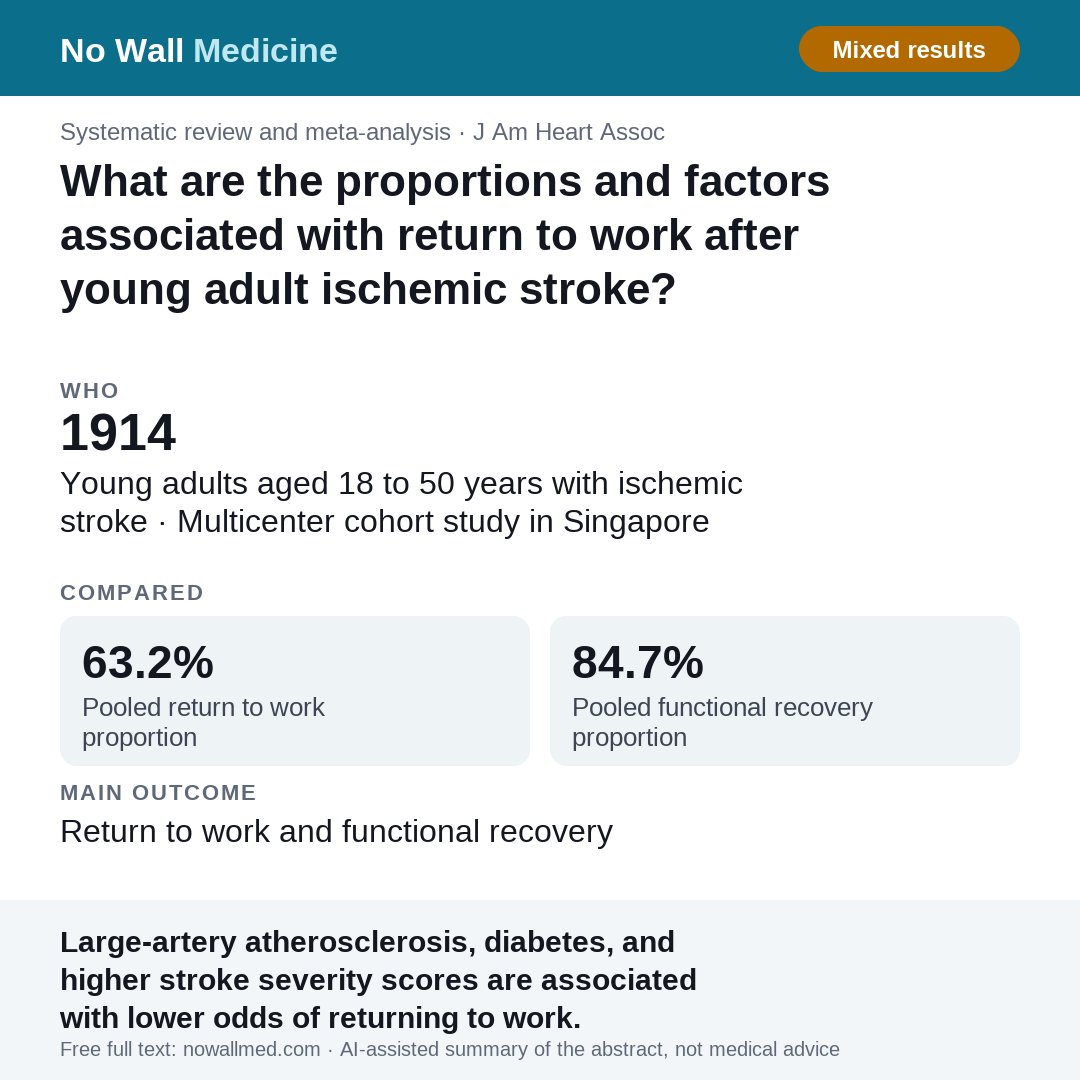
Return to Work After Ischemic Stroke in Young Adults: A Multicenter Cohort Study, Systematic Review, and Meta-Analysis
Systematic review and meta-analysisMixed results
What are the proportions and factors associated with return to work after young adult ischemic stroke?
Who
1914
Young adults aged 18 to 50 years with ischemic stroke · Multicenter cohort study in Singapore
Compared
63.2%Pooled return to work proportion (984/1574 [95% CI, 56.0-69.9])
84.7%Pooled functional recovery proportion (719/846 [95% CI, 81.1-87.8])
Main outcome
Return to work and functional recovery
Bottom line: Large-artery atherosclerosis, diabetes, and higher stroke severity scores are associated with lower odds of returning to work.
J Am Heart Assoc · 2025-04-03Download image
Neighborhood Safety and Hypertension Risk: A Systematic Review
Systematic reviewKey finding
Does neighborhood safety impact blood pressure and hypertension risk?
Who
General population in various residential environments · Not specified
Compared
Safe neighborhood: lower blood pressure outcomes
Unsafe neighborhood: increase blood pressure and hypertension risk
Main outcome
blood pressure and hypertension risk
Bottom line: Living in safe neighborhoods is associated with lower blood pressure, particularly in longitudinal studies.
J Am Heart Assoc · 2025-04-03Download image

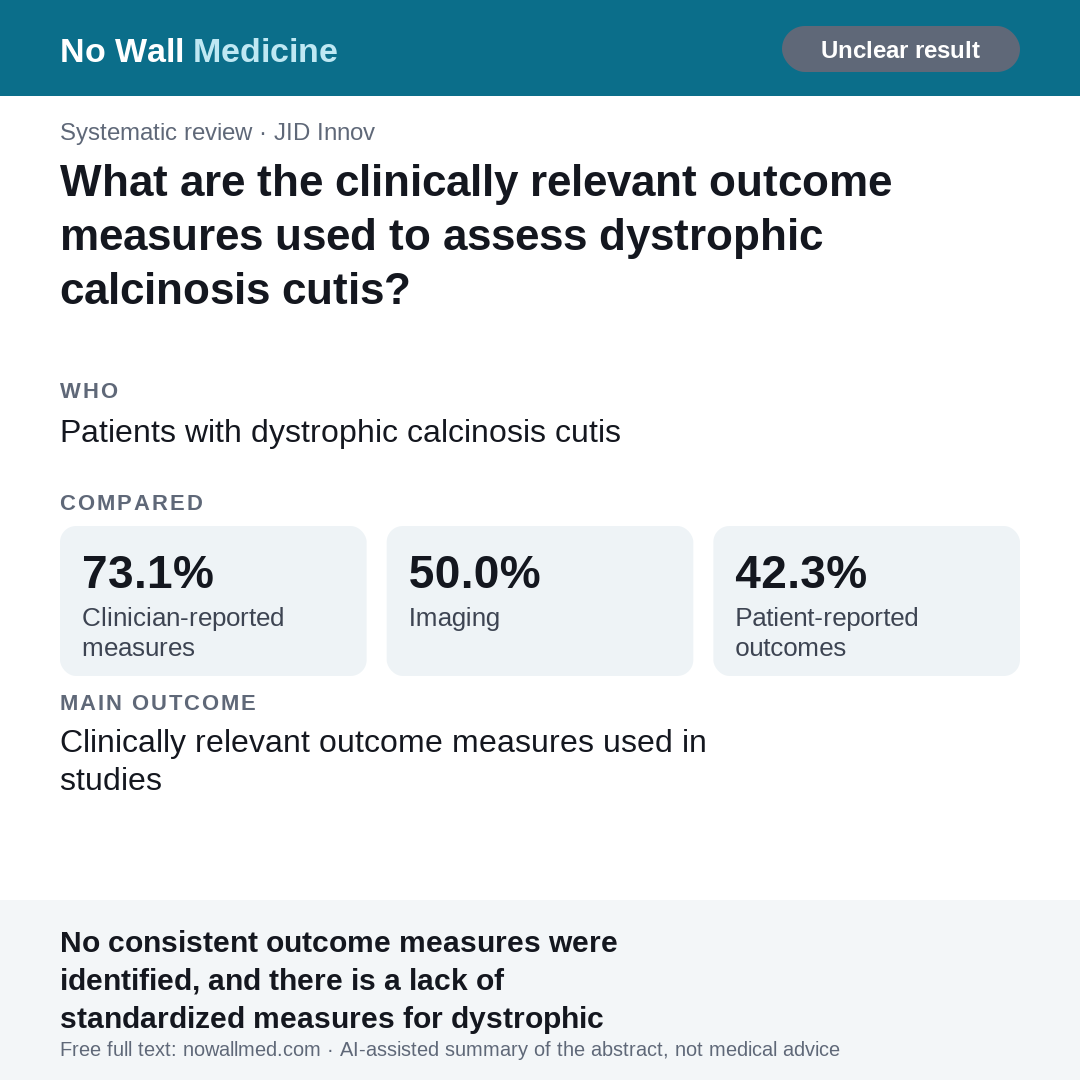
Outcome Measures in Dystrophic Calcinosis Cutis: A Systematic Review
Systematic reviewUnclear result
What are the clinically relevant outcome measures used to assess dystrophic calcinosis cutis?
Who
Patients with dystrophic calcinosis cutis
Compared
73.1%Clinician-reported measures
50.0%Imaging
42.3%Patient-reported outcomes
Main outcome
Clinically relevant outcome measures used in studies
Bottom line: No consistent outcome measures were identified, and there is a lack of standardized measures for dystrophic calcinosis cutis.
Limitation: The majority of included studies were retrospective observational studies.
JID Innov · 2025-04-03Download image
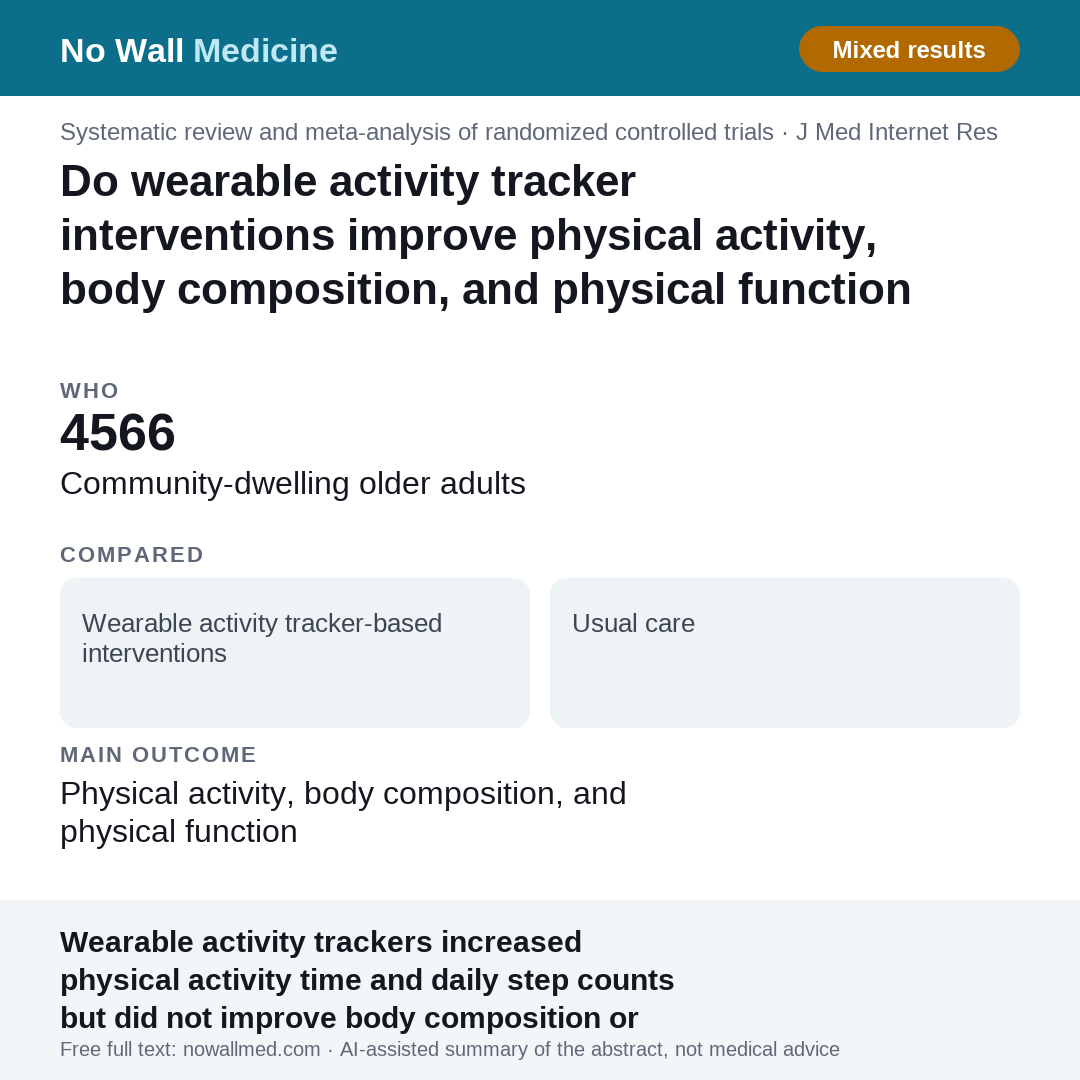
Wearable Activity Tracker-Based Interventions for Physical Activity, Body Composition, and Physical Function Among Community-Dwelling Older Adults: Systematic Review and Meta-Analysis of Randomized Controlled Trials
Systematic review and meta-analysis of randomized controlled trialsMixed results
Do wearable activity tracker interventions improve physical activity, body composition, and physical function in older adults?
Who
4566
Community-dwelling older adults
Compared
Wearable activity tracker-based interventions
Usual care
Main outcome
Physical activity, body composition, and physical function
Result: standardized mean difference 0.28 (95% CI 0.10 to 0.47) for physical activity time
Bottom line: Wearable activity trackers increased physical activity time and daily step counts but did not improve body composition or physical function.
Limitation: low- to moderate-certainty evidence
J Med Internet Res · 2025-04-03Download image
Can motion capture improve task-based fMRI studies of motor function post-stroke? A systematic review
Systematic literature reviewBenefit found
Can motion capture improve task-based functional magnetic resonance imaging studies of motor function post-stroke?
Who
23
Post-stroke individuals
Compared
Studies using kinematic information
Studies without kinematic coupling
Main outcome
Understanding of motor function and cortico-kinematic relationships
Bottom line: Coupling functional magnetic resonance imaging and kinematics may provide valuable insight into cortico-kinematic relationships post-stroke.
J Neuroeng Rehabil · 2025-04-03Download image

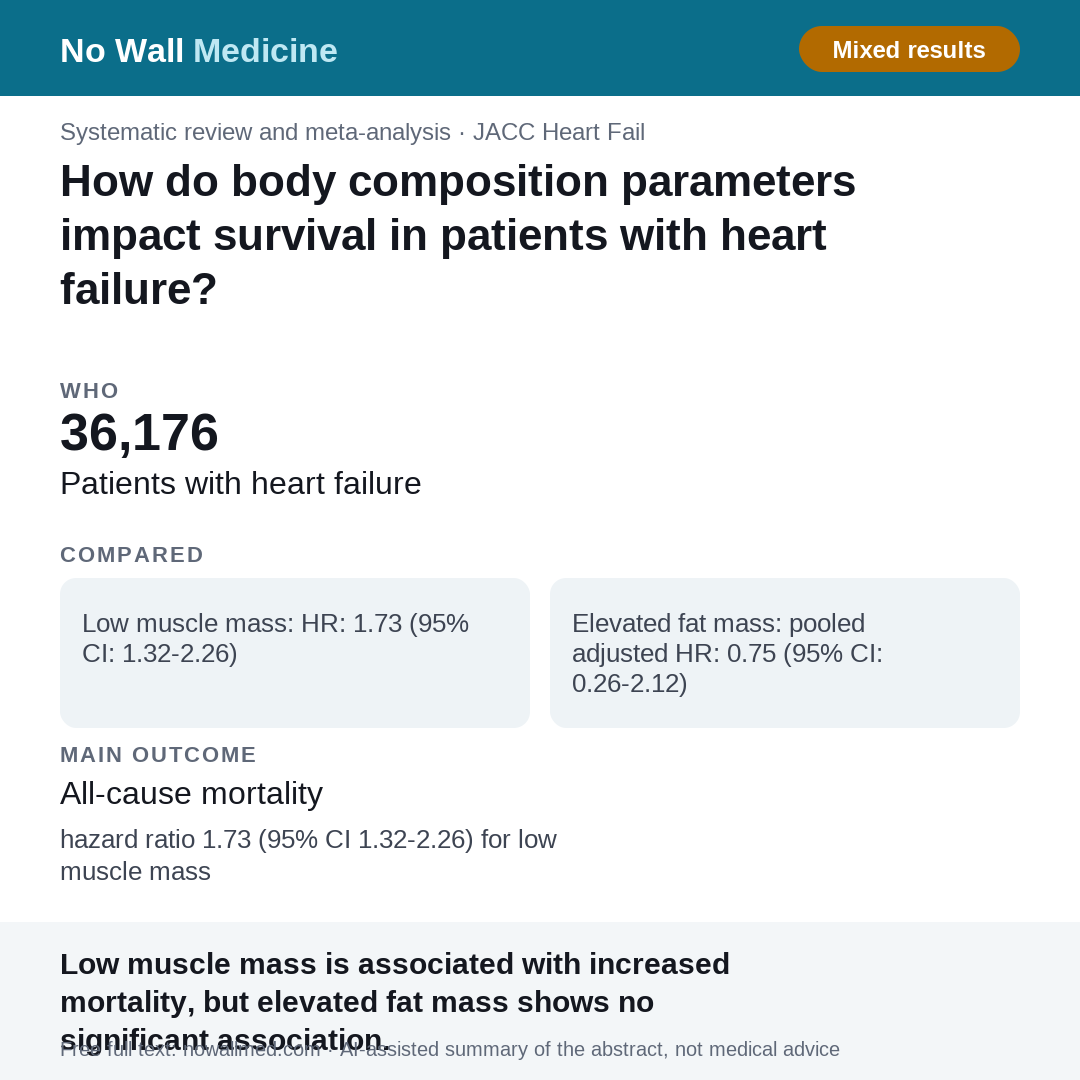
Body Composition and Survival in Patients With Heart Failure: A Systematic Review and Meta-Analysis
Systematic review and meta-analysisMixed results
How do body composition parameters impact survival in patients with heart failure?
Who
36,176
Patients with heart failure
Compared
Low muscle mass: HR: 1.73 (95% CI: 1.32-2.26)
Elevated fat mass: pooled adjusted HR: 0.75 (95% CI: 0.26-2.12)
Main outcome
All-cause mortality
Result: hazard ratio 1.73 (95% CI 1.32-2.26) for low muscle mass
Bottom line: Low muscle mass is associated with increased mortality, but elevated fat mass shows no significant association.
JACC Heart Fail · 2025-04-02Download image
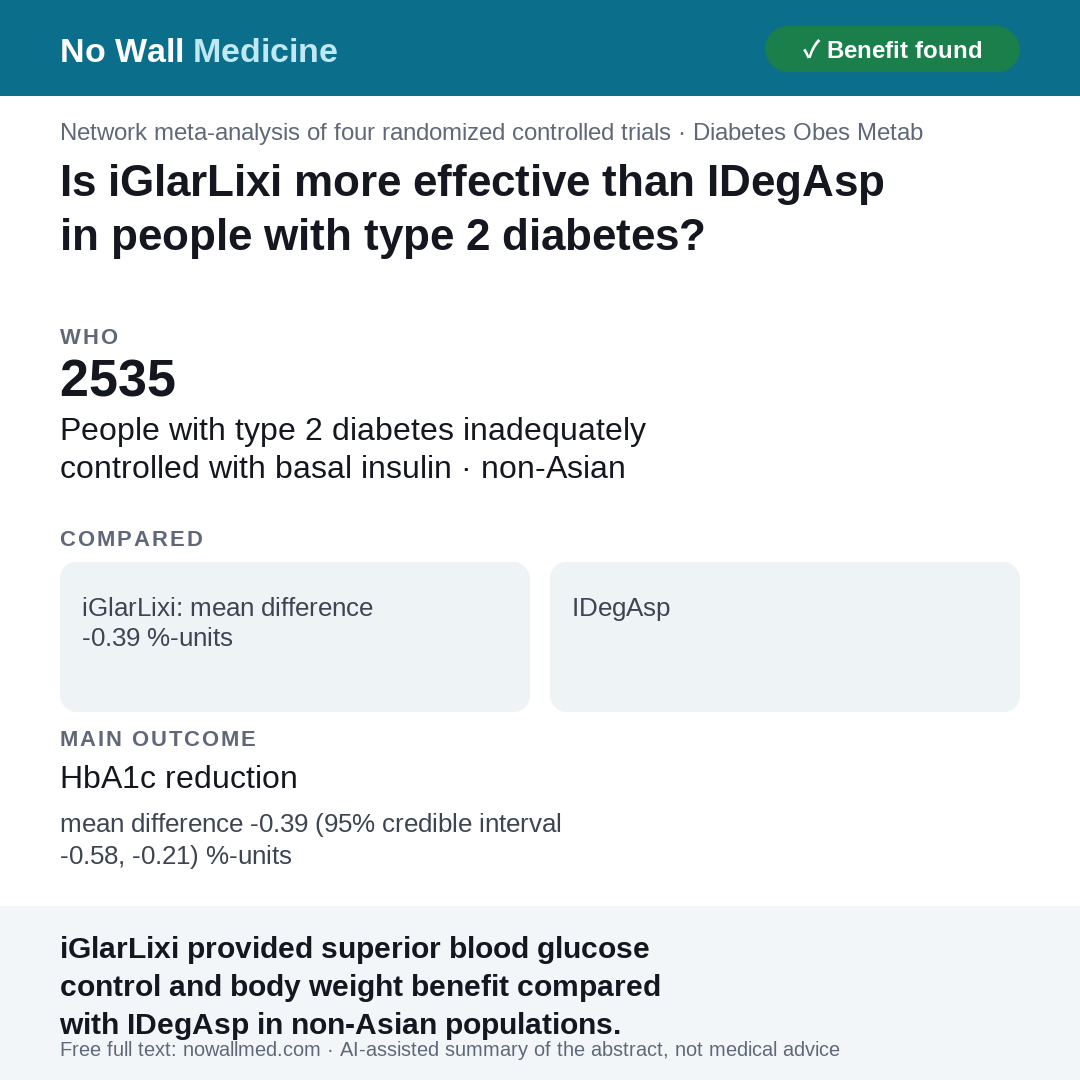
Efficacy and safety of iGlarLixi versus IDegAsp in people with type 2 diabetes inadequately controlled with basal insulin: A systematic literature review and network meta-analysis of non-Asian studies
Network meta-analysis of four randomized controlled trialsBenefit found
Is iGlarLixi more effective than IDegAsp in people with type 2 diabetes?
Who
2535
People with type 2 diabetes inadequately controlled with basal insulin · non-Asian studies
Compared
iGlarLixi: mean difference -0.39 %-units
IDegAsp
Main outcome
HbA1c reduction
Result: mean difference -0.39 (95% credible interval -0.58, -0.21) %-units
Bottom line: iGlarLixi provided superior blood glucose control and body weight benefit compared with IDegAsp in non-Asian populations.
Diabetes Obes Metab · 2025-04-02Download image
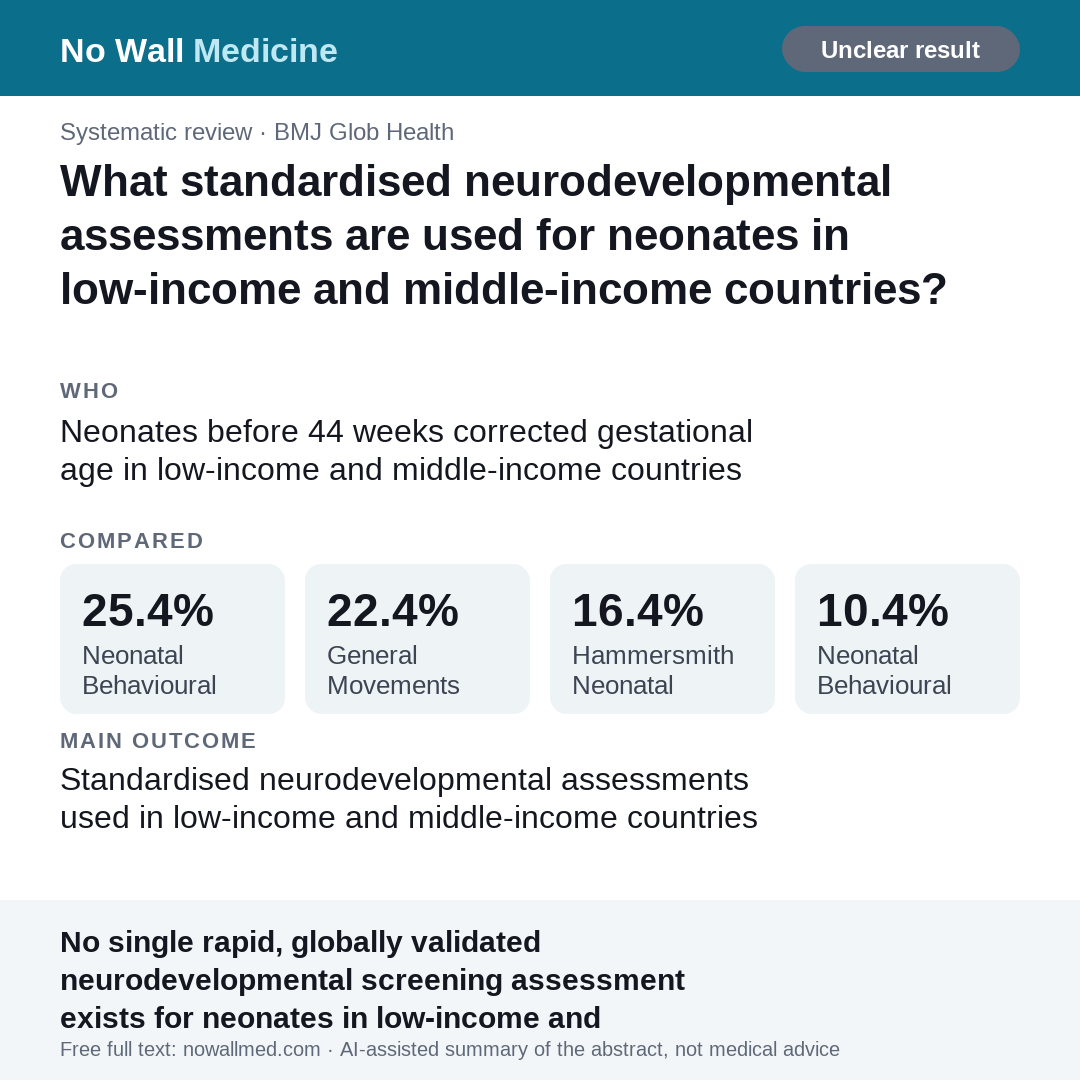
Neurodevelopmental screening for neonates less than 44 weeks gestation in low-income and middle-income countries: a systematic review
Systematic reviewUnclear result
What standardised neurodevelopmental assessments are used for neonates in low-income and middle-income countries?
Who
Neonates before 44 weeks corrected gestational age in low-income and middle-income countries · Low-income and middle-income countries
Compared
25.4%Neonatal Behavioural Neurological Assessment
22.4%General Movements Assessment
16.4%Hammersmith Neonatal Neurological Examination/Dubowitz
10.4%Neonatal Behavioural Assessment Scale
Main outcome
Standardised neurodevelopmental assessments used in low-income and middle-income countries
Bottom line: No single rapid, globally validated neurodevelopmental screening assessment exists for neonates in low-income and middle-income countries.
BMJ Glob Health · 2025-04-02Download image
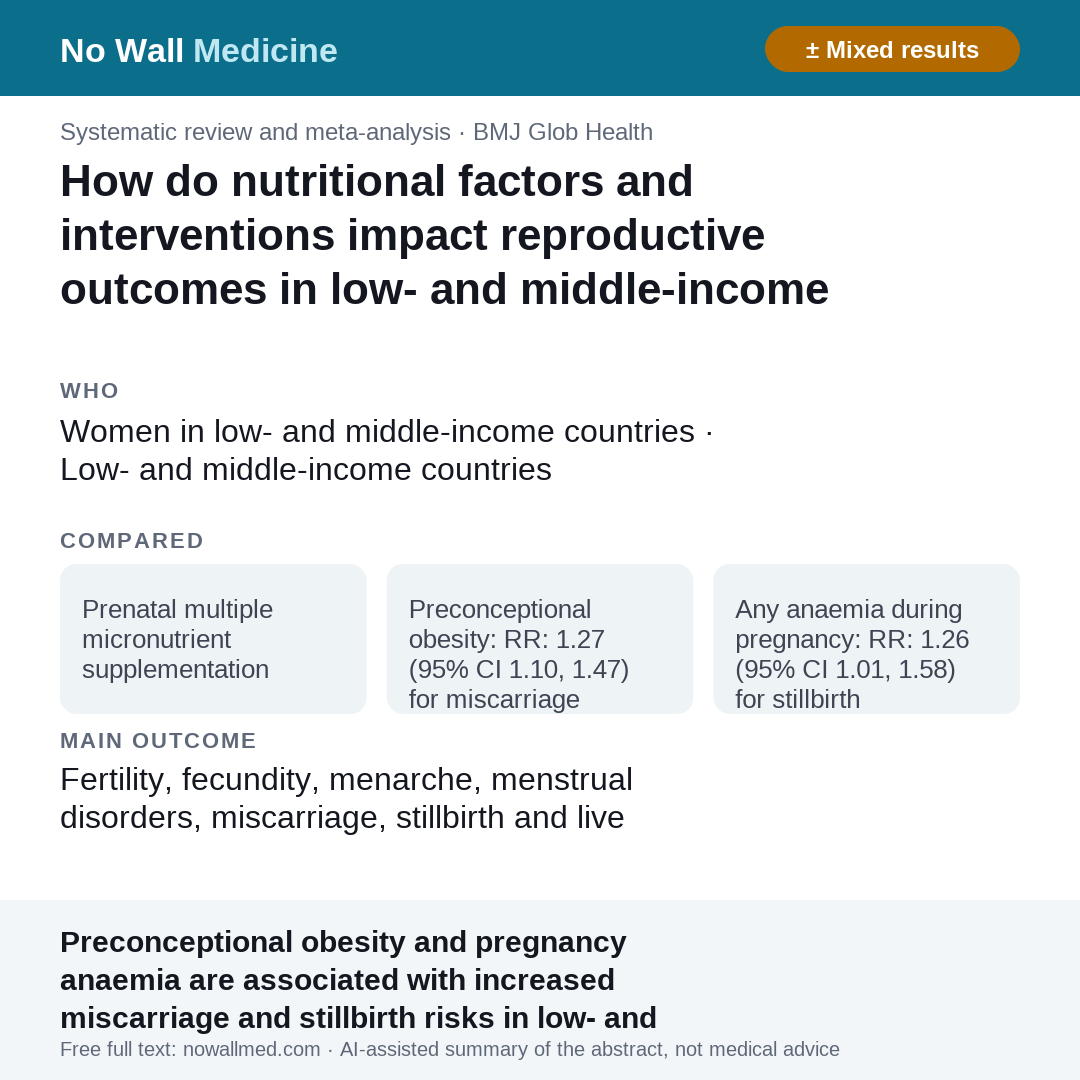
Nutrition and reproductive potential of women in low- and middle-income countries: a systematic review and meta-analysis
Systematic review and meta-analysisMixed results
How do nutritional factors and interventions impact reproductive outcomes in low- and middle-income countries?
Who
Women in low- and middle-income countries · Low- and middle-income countries
Compared
Prenatal multiple micronutrient supplementation
Preconceptional obesity: RR: 1.27 (95% CI 1.10, 1.47) for miscarriage
Any anaemia during pregnancy: RR: 1.26 (95% CI 1.01, 1.58) for stillbirth
Main outcome
Fertility, fecundity, menarche, menstrual disorders, miscarriage, stillbirth and live birth
Bottom line: Preconceptional obesity and pregnancy anaemia are associated with increased miscarriage and stillbirth risks in low- and middle-income countries.
Limitation: The review calls for more randomised controlled trials to evaluate preconceptional and prenatal interventions.
BMJ Glob Health · 2025-04-02Download image
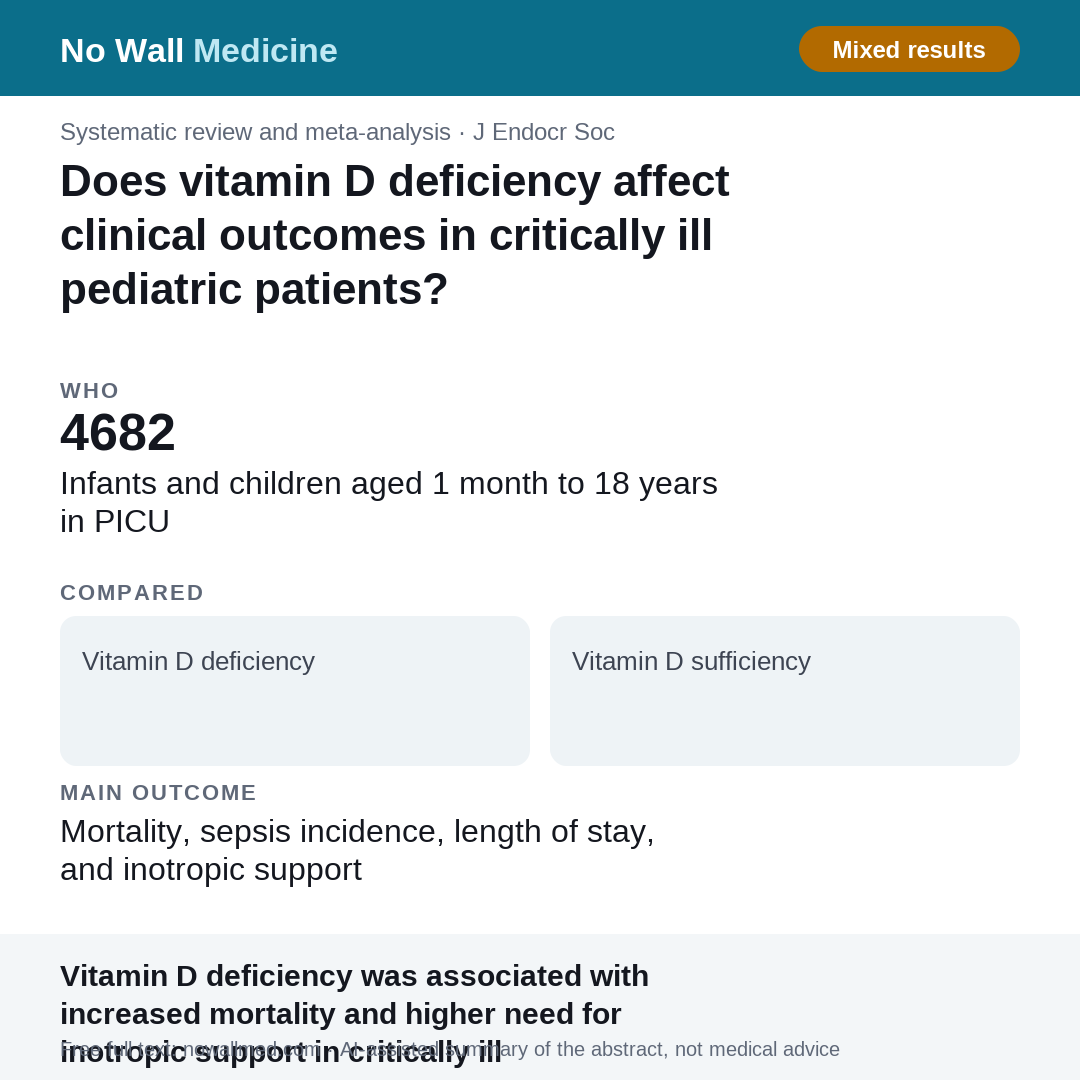
Vitamin D Deficiency and Clinical Outcomes in Critically Ill Pediatric Patients: A Systematic Review and Meta-Analysis
Systematic review and meta-analysisMixed results
Does vitamin D deficiency affect clinical outcomes in critically ill pediatric patients?
Who
4682
Infants and children aged 1 month to 18 years in PICU
Compared
Vitamin D deficiency
Vitamin D sufficiency
Main outcome
Mortality, sepsis incidence, length of stay, and inotropic support
Result: odds ratio 2.05 (95% CI 1.21-3.48) for mortality
Bottom line: Vitamin D deficiency was associated with increased mortality and higher need for inotropic support in critically ill children.
J Endocr Soc · 2025-04-02Download image