Visual abstracts
New randomized trials and meta-analyses from leading journals at a glance: who was studied, what was compared, and what was found. Every paper is free to read in full.
All specialtiesCardiology 4877Oncology 4138Gastroenterology & Hepatology 1942Infectious Disease 3837Neurology 1905Psychiatry & Mental Health 2273Pulmonology 2143Critical Care 1365Endocrinology & Diabetes 2580Pediatrics 2980Surgery 2559Orthopedics & Sports Medicine 931Neurosurgery 537Cardiothoracic & Vascular Surgery 674Plastic & Reconstructive Surgery 591Nephrology 1133Rheumatology 823Hematology 1109Dermatology 621Ophthalmology 543Obstetrics & Gynecology 1686Public & Global Health 1058Radiology & Imaging 648Anesthesiology 986Urology 764ENT (Otolaryngology) 503Emergency Medicine 511Allergy & Immunology 313Geriatrics 981Family Medicine & Primary Care 562Medical Genetics & Genomics 676Pathology & Laboratory Medicine 159Physical Medicine & Rehabilitation 757Palliative Care 444Nutrition 1588Digital Health & AI 2201General Medicine 321
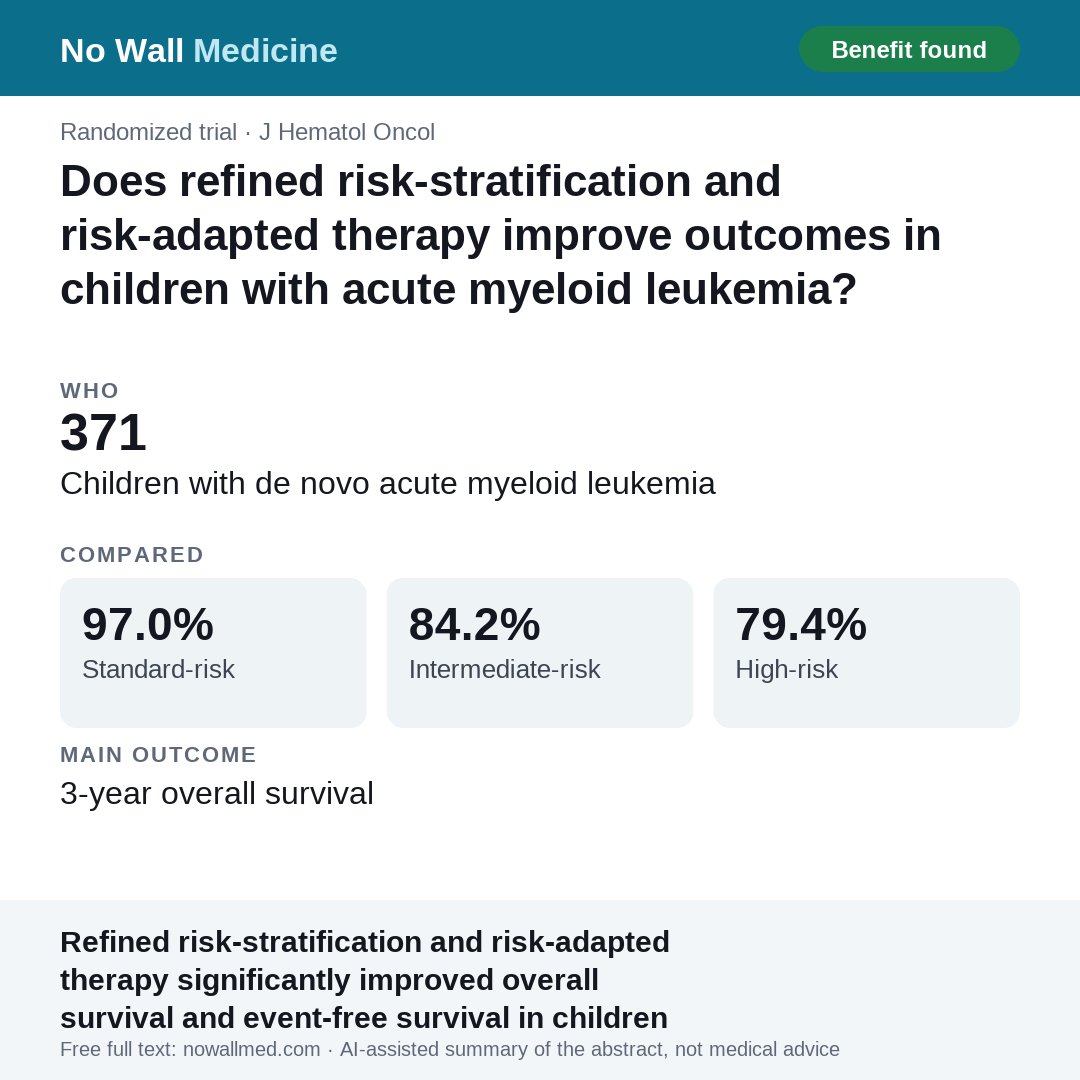
Improved outcomes of the refined risk-stratification and risk-adapted therapy in children with acute myeloid leukemia: final results of the AIEOP AML 2013
Randomized trialBenefit found
Does refined risk-stratification and risk-adapted therapy improve outcomes in children with acute myeloid leukemia?
Who
371
Children with de novo acute myeloid leukemia
Compared
97.0%Standard-risk
84.2%Intermediate-risk
79.4%High-risk
Main outcome
3-year overall survival
Bottom line: Refined risk-stratification and risk-adapted therapy significantly improved overall survival and event-free survival in children with acute myeloid leukemia.
J Hematol Oncol · 2026-04-20Download image
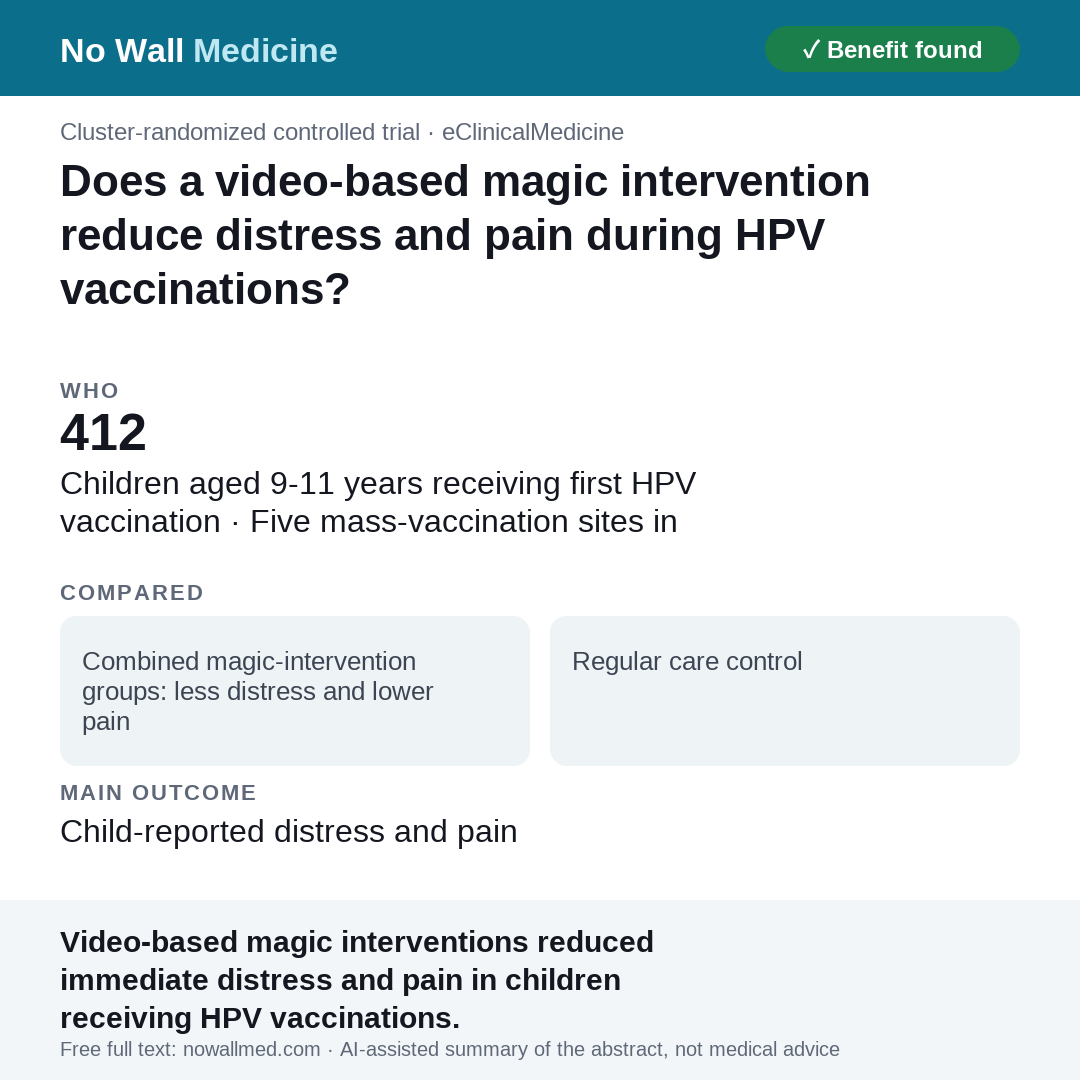
"Magical relief": the effectiveness of three stages of a video-based magic intervention on distress and pain in children aged 9-11 years during HPV mass vaccinations-a cluster-randomized trial
Cluster-randomized controlled trialBenefit found
Does a video-based magic intervention reduce distress and pain during HPV vaccinations?
Who
412
Children aged 9-11 years receiving first HPV vaccination · Five mass-vaccination sites in The Netherlands
Compared
Combined magic-intervention groups: less distress and lower pain
Regular care control
Main outcome
Child-reported distress and pain
Bottom line: Video-based magic interventions reduced immediate distress and pain in children receiving HPV vaccinations.
Funded by: LUMC Foundation
eClinicalMedicine · 2026-04-18Download image
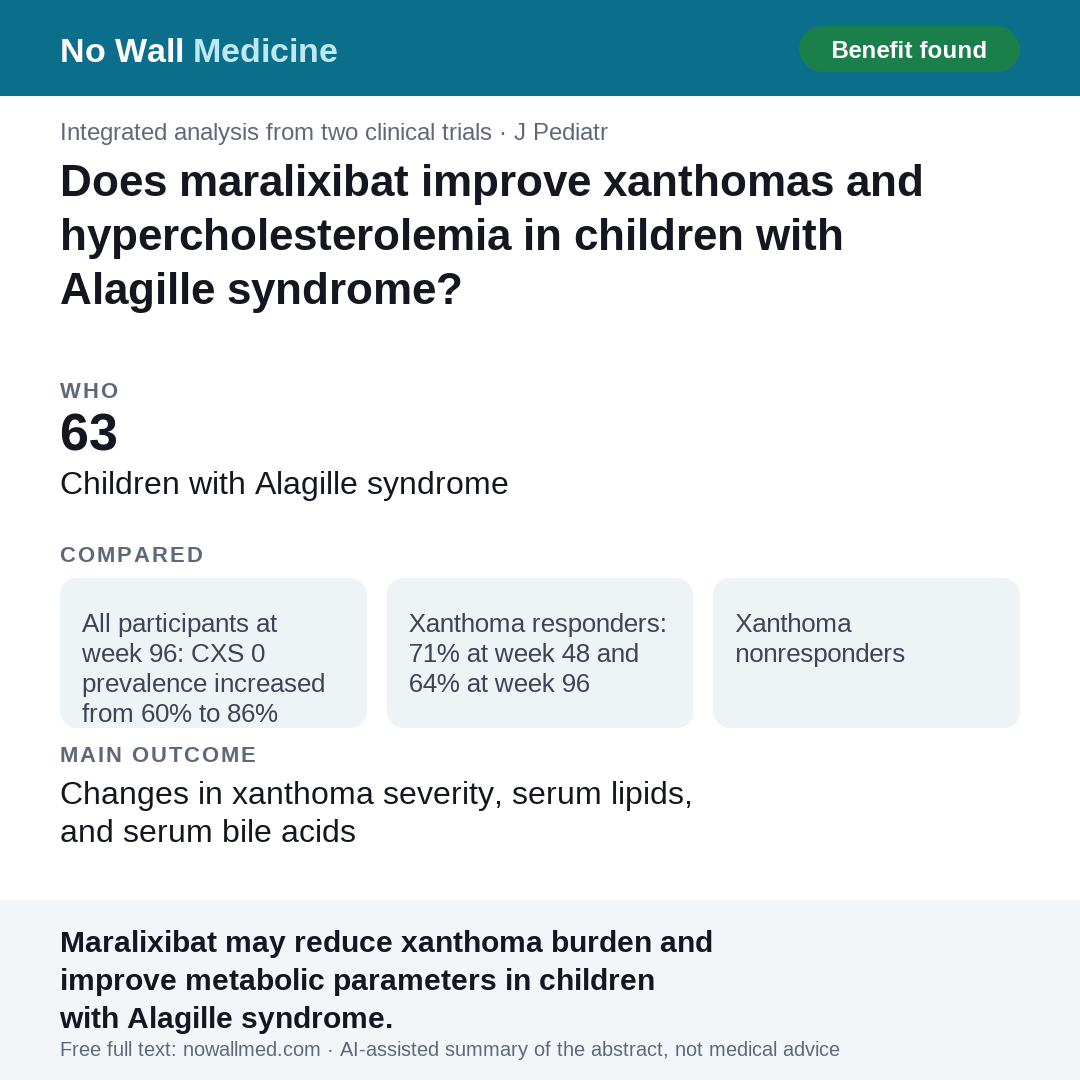
Maralixibat Improves Xanthomas and Hypercholesterolemia in Children with Alagille Syndrome: A Post Hoc Integrated Analysis From Two Clinical Trials
Integrated analysis from two clinical trialsBenefit found
Does maralixibat improve xanthomas and hypercholesterolemia in children with Alagille syndrome?
Who
63
Children with Alagille syndrome
Compared
All participants at week 96: CXS 0 prevalence increased from 60% to 86%
Xanthoma responders: 71% at week 48 and 64% at week 96
Xanthoma nonresponders
Main outcome
Changes in xanthoma severity, serum lipids, and serum bile acids
Bottom line: Maralixibat may reduce xanthoma burden and improve metabolic parameters in children with Alagille syndrome.
J Pediatr · 2026-04-17Download image
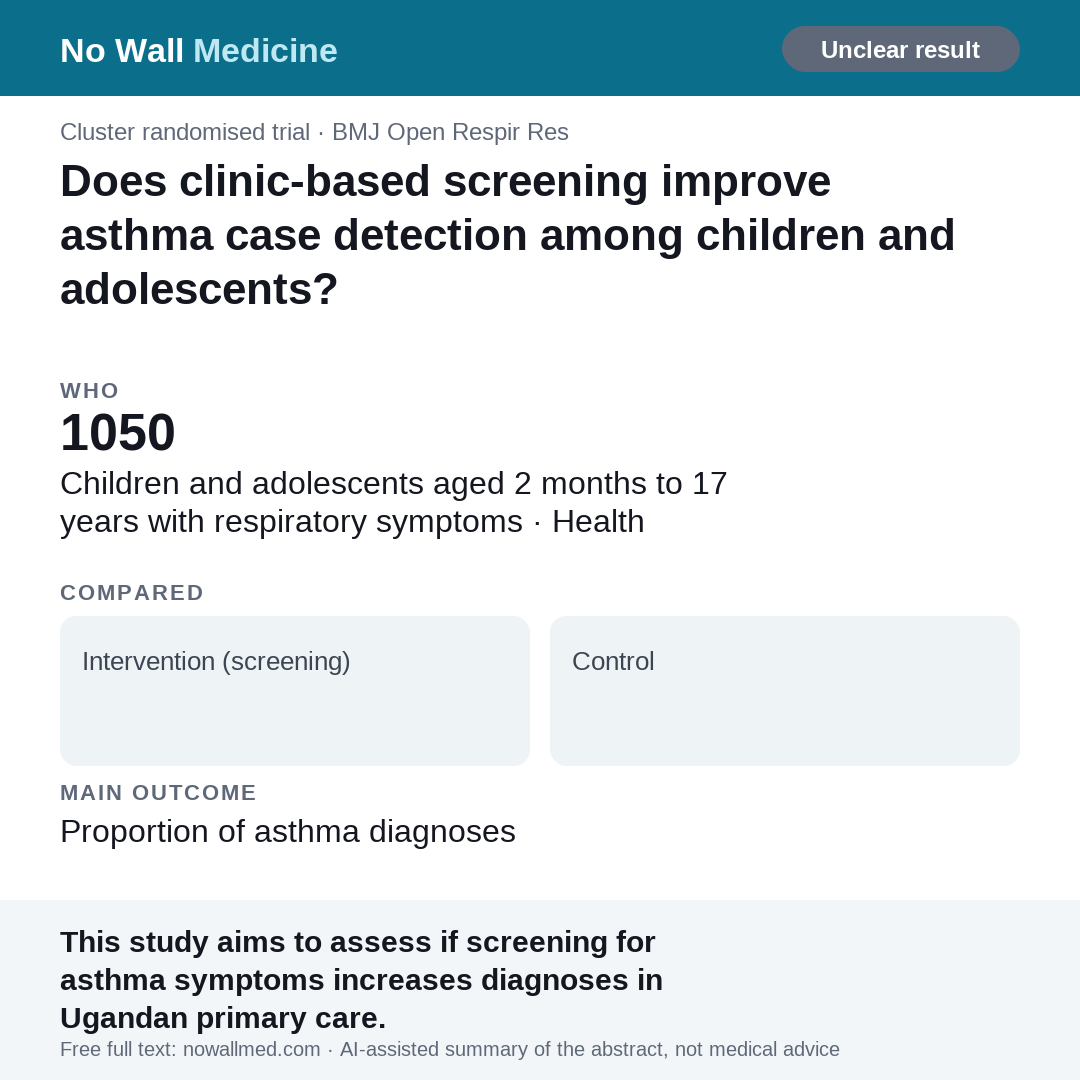
Improving asthma case detection among children and adolescents through clinic-based screening in primary care health facilities in Uganda: a cluster randomised trial
Cluster randomised trialUnclear result
Does clinic-based screening improve asthma case detection among children and adolescents?
Who
1050
Children and adolescents aged 2 months to 17 years with respiratory symptoms · Health centres in Jinja region, Eastern Uganda
Compared
Intervention (screening)
Control
Main outcome
Proportion of asthma diagnoses
Bottom line: This study aims to assess if screening for asthma symptoms increases diagnoses in Ugandan primary care.
BMJ Open Respir Res · 2026-04-17Download image
Best practice in obstetric general anaesthesia: an umbrella review of pharmacological strategies for induction of general anaesthesia
Umbrella reviewBenefit found
What are the best pharmacological strategies for induction of general anaesthesia for caesarean delivery?
Who
Patients undergoing caesarean delivery
Compared
Short-acting opioids: maternal haemodynamic benefit without negative neonatal consequences
Propofol: lower risk of maternal accidental awareness during general anaesthesia
Rocuronium at dose of ≥ 1 mg.kg-1: comparable tracheal intubation conditions to suxamethonium
Main outcome
maternal and neonatal physiology and outcomes
Bottom line: Short-acting opioids, propofol, and rocuronium are safe and effective for induction of anaesthesia during caesarean delivery.
Anaesthesia · 2026-04-16Download image

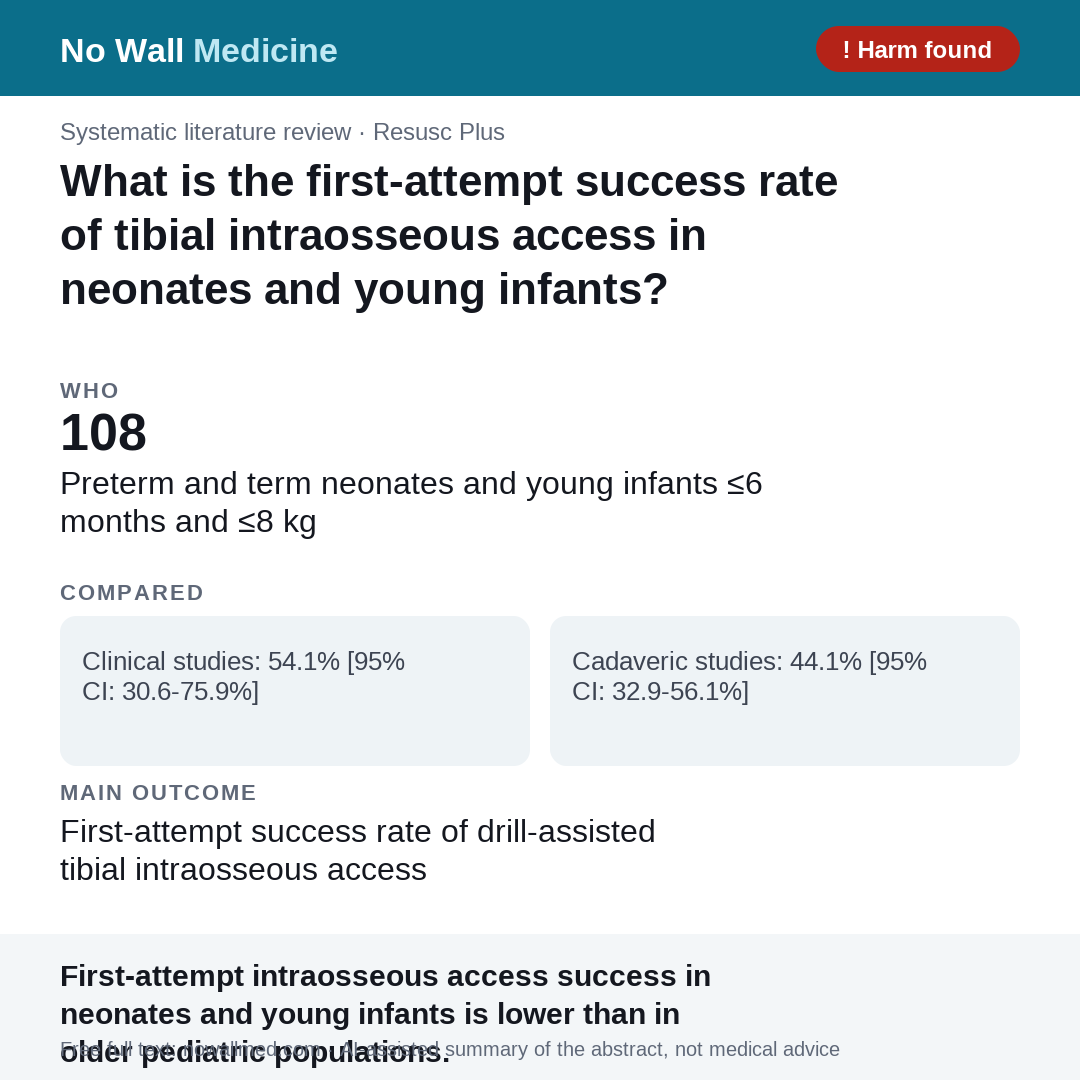
First attempt success rate of intraosseous access in preterm infants and neonates: a systematic review
Systematic literature reviewHarm found
What is the first-attempt success rate of tibial intraosseous access in neonates and young infants?
Who
108
Preterm and term neonates and young infants ≤6 months and ≤8 kg
Compared
Clinical studies: 54.1% [95% CI: 30.6-75.9%]
Cadaveric studies: 44.1% [95% CI: 32.9-56.1%]
Main outcome
First-attempt success rate of drill-assisted tibial intraosseous access
Bottom line: First-attempt intraosseous access success in neonates and young infants is lower than in older pediatric populations.
Limitation: Success rates are lower due to anatomical, technical, and procedural challenges unique to this population.
Resusc Plus · 2026-04-16Download image
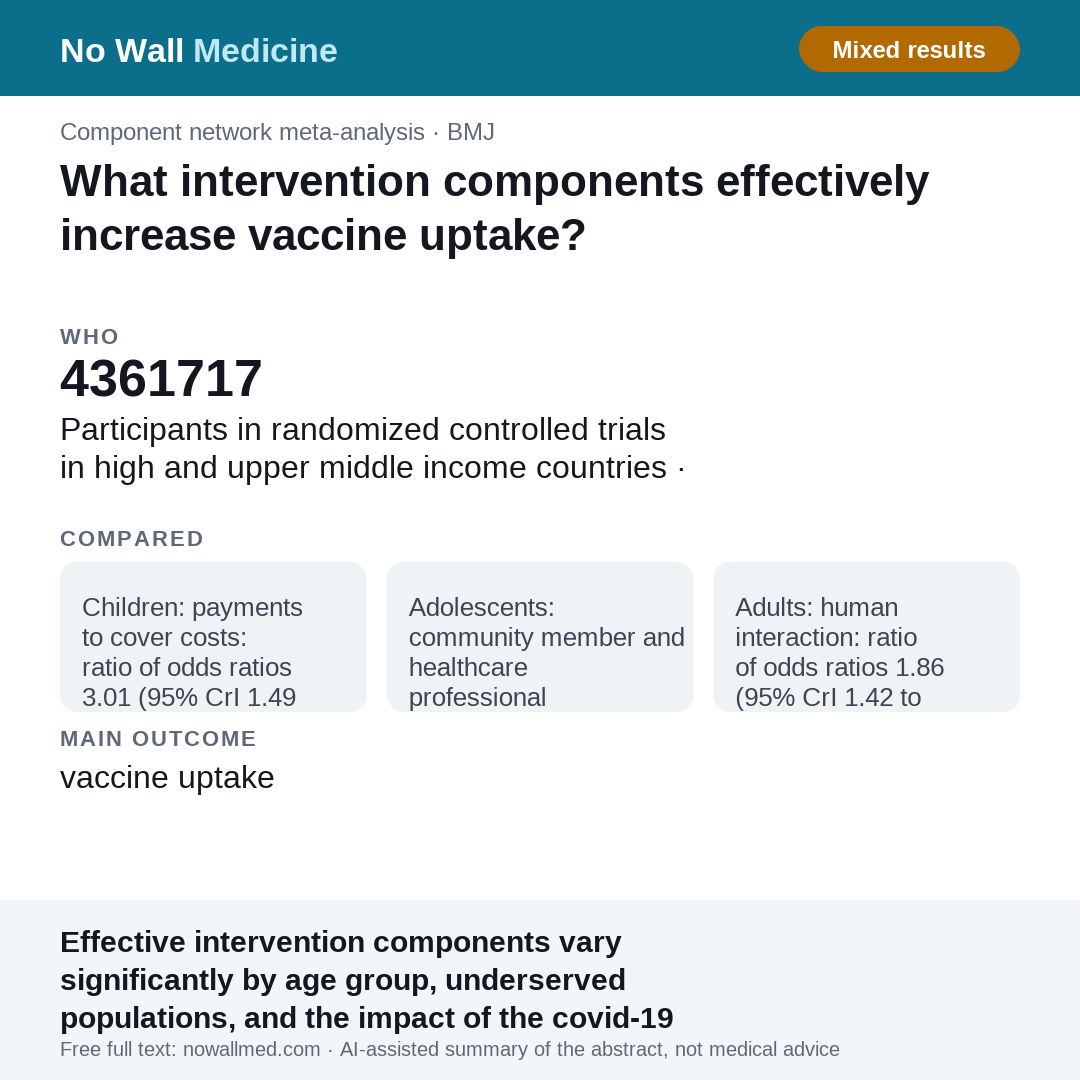
Effectiveness of interventions to increase vaccine uptake: component network meta-analysis
Component network meta-analysisMixed results
What intervention components effectively increase vaccine uptake?
Who
4361717
Participants in randomized controlled trials in high and upper middle income countries · High and upper middle income countries
Compared
Children: payments to cover costs: ratio of odds ratios 3.01 (95% CrI 1.49 to 6.06)
Adolescents: community member and healthcare professional delivery: ratio of odds ratios 6.42 (95% CrI 1.94 to 25.62)
Adults: human interaction: ratio of odds ratios 1.86 (95% CrI 1.42 to 2.45)
Main outcome
vaccine uptake
Bottom line: Effective intervention components vary significantly by age group, underserved populations, and the impact of the covid-19 pandemic.
BMJ · 2026-04-15Download image
The association between vaccine coverage and herd protection: exploratory analyses of a cluster-randomised trial of Vi conjugate vaccine
Cluster-randomised trialNo clear difference
Vaccine coverage and herd protection
Who
150
Children and residents in Bangladesh · Dhaka, Bangladesh
Compared
TCV clusters: 0.91 [95% CI: 0.43, 1.91]
JE clusters
Main outcome
Typhoid incidence
Result: hazard ratio 0.91 (95% CI 0.43 to 1.91)
Bottom line: No significant herd protection found
Limitation: estimates were imprecise
Funded by: Gates Foundation
eClinicalMedicine · 2026-04-15Download image

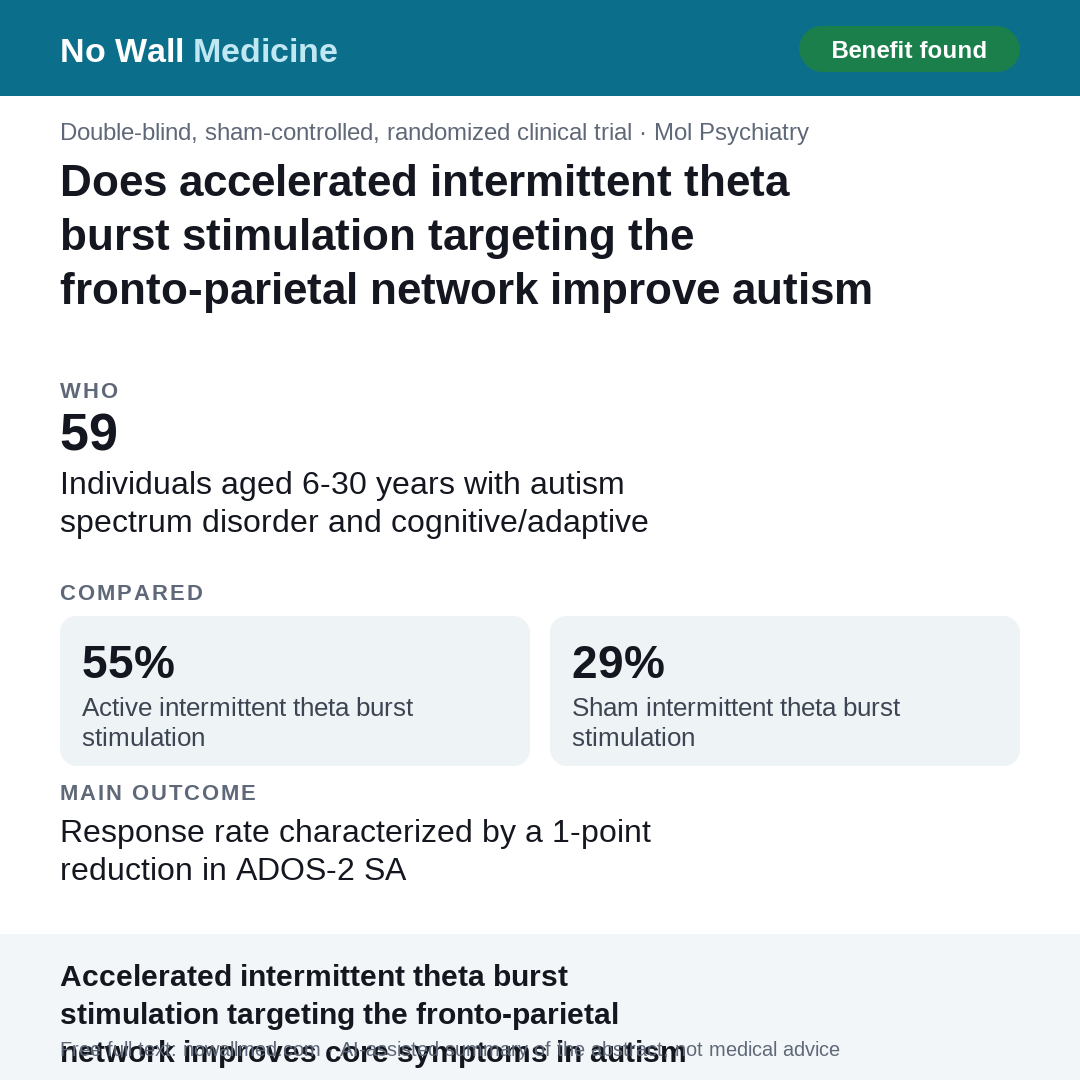
Accelerated intermittent theta burst stimulation targeting personalized fronto-parietal control network improves core symptoms of autism spectrum disorder: a double-blind, randomized controlled trial
Double-blind, sham-controlled, randomized clinical trialBenefit found
Does accelerated intermittent theta burst stimulation targeting the fronto-parietal network improve autism symptoms?
Who
59
Individuals aged 6-30 years with autism spectrum disorder and cognitive/adaptive delays
Compared
55%Active intermittent theta burst stimulation
29%Sham intermittent theta burst stimulation
Main outcome
Response rate characterized by a 1-point reduction in ADOS-2 SA
Result: cohen's d = -0.53
Bottom line: Accelerated intermittent theta burst stimulation targeting the fronto-parietal network improves core symptoms in autism spectrum disorder.
Mol Psychiatry · 2026-04-15Download image
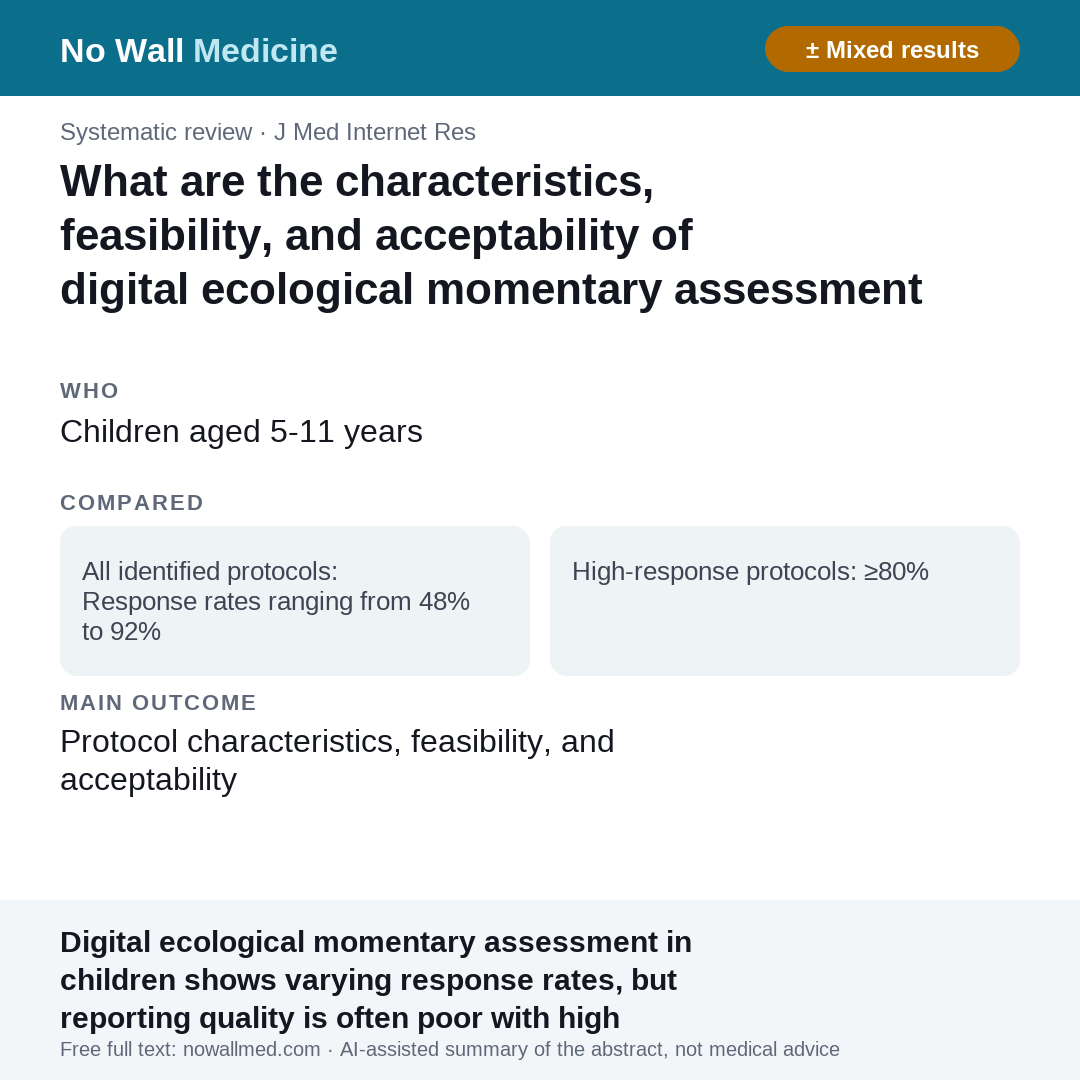
A Health-Related Digital Ecological Momentary Assessment in Children (Aged 5- 11 Years): Systematic Review
Systematic reviewMixed results
What are the characteristics, feasibility, and acceptability of digital ecological momentary assessment protocols in children?
Who
Children aged 5-11 years
Compared
All identified protocols: Response rates ranging from 48% to 92%
High-response protocols: ≥80%
Main outcome
Protocol characteristics, feasibility, and acceptability
Bottom line: Digital ecological momentary assessment in children shows varying response rates, but reporting quality is often poor with high risk of bias.
Limitation: Key data required for pooling were missing or selectively reported, leading to high risk of bias.
J Med Internet Res · 2026-04-14Download image
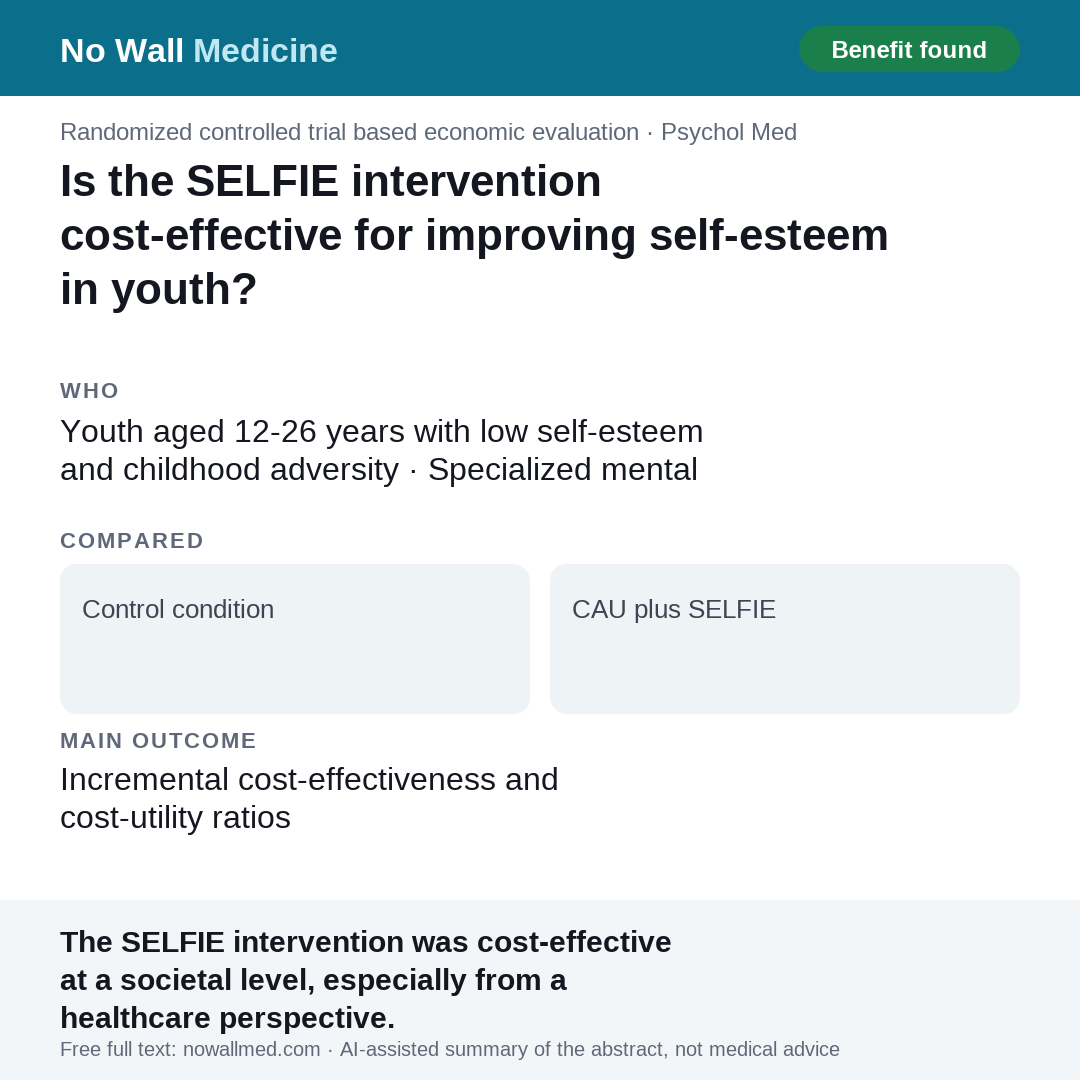
Cost-utility and cost-effectiveness of SELFIE, a transdiagnostic ecological momentary intervention for improving self-esteem in youth aged 12-26 years exposed to childhood adversity: Findings from a multicenter randomized controlled trial
Randomized controlled trial based economic evaluationBenefit found
Is the SELFIE intervention cost-effective for improving self-esteem in youth?
Who
Youth aged 12-26 years with low self-esteem and childhood adversity · Specialized mental health services and general population
Compared
Control condition
CAU plus SELFIE
Main outcome
Incremental cost-effectiveness and cost-utility ratios
Result: ICUR €53,986 per QALY gained
Bottom line: The SELFIE intervention was cost-effective at a societal level, especially from a healthcare perspective.
Psychol Med · 2026-04-13Download image
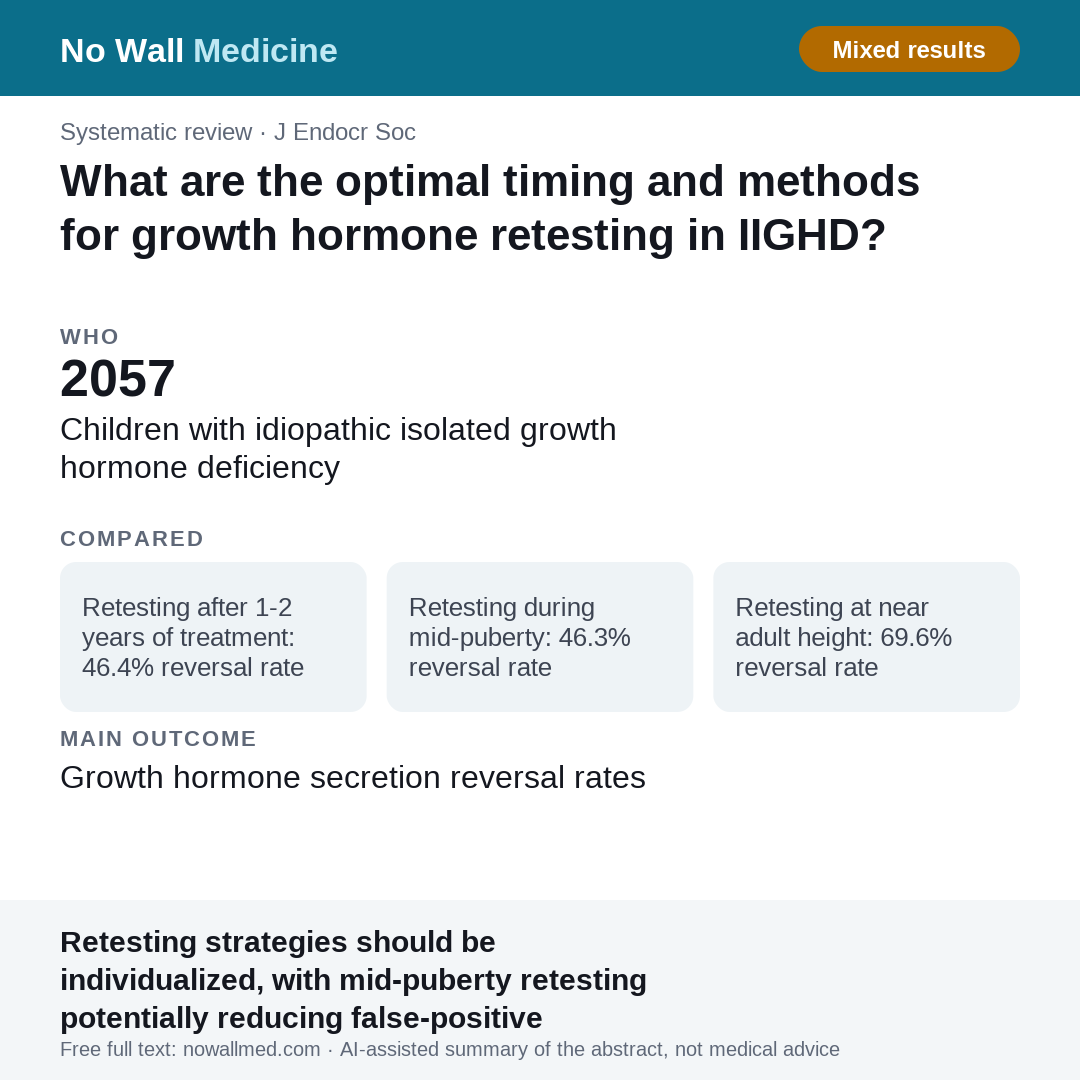
Growth hormone retesting for idiopathic isolated growth hormone deficiency during and after puberty: a systematic review
Systematic reviewMixed results
What are the optimal timing and methods for growth hormone retesting in IIGHD?
Who
2057
Children with idiopathic isolated growth hormone deficiency
Compared
Retesting after 1-2 years of treatment: 46.4% reversal rate
Retesting during mid-puberty: 46.3% reversal rate
Retesting at near adult height: 69.6% reversal rate
Main outcome
Growth hormone secretion reversal rates
Bottom line: Retesting strategies should be individualized, with mid-puberty retesting potentially reducing false-positive diagnoses and treatment burden.
Limitation: Standardization of growth hormone stimulation testing protocols and long-term outcome studies are needed.
J Endocr Soc · 2026-04-10Download image
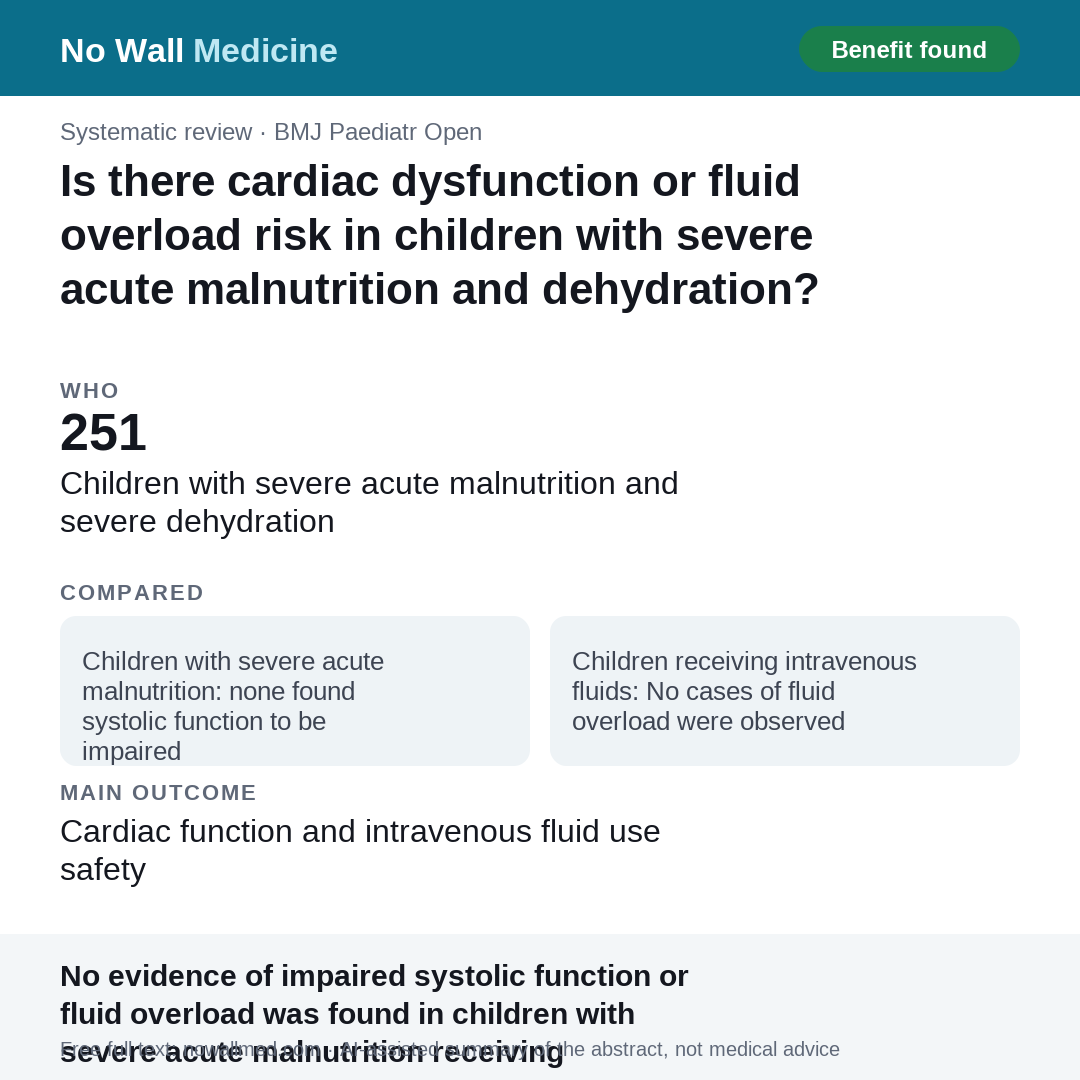
Systematic review of the evidence of cardiac dysfunction and intravenous fluid use among children with severe acute malnutrition and severe dehydration
Systematic reviewBenefit found
Is there cardiac dysfunction or fluid overload risk in children with severe acute malnutrition and dehydration?
Who
251
Children with severe acute malnutrition and severe dehydration
Compared
Children with severe acute malnutrition: none found systolic function to be impaired
Children receiving intravenous fluids: No cases of fluid overload were observed
Main outcome
Cardiac function and intravenous fluid use safety
Bottom line: No evidence of impaired systolic function or fluid overload was found in children with severe acute malnutrition receiving intravenous fluids.
BMJ Paediatr Open · 2026-04-10Download image
Efficacy and safety of VPM1002 and Immuvac in preventing tuberculosis: phase 3 randomised clinical trial (PreVenTB trial)
Phase 3 randomised clinical trialMixed results
Is VPM1002 or Immuvac effective in preventing microbiologically confirmed tuberculosis?
Who
12717
12,717 healthy household contacts of patients with smear positive tuberculosis · 18 sites across six states of India
Compared
1.68%VPM1002
2.09%Immuvac
2.13%Placebo
Main outcome
incidence of microbiologically confirmed tuberculosis
Result: vaccine efficacy 21.4% (95% CI -8.9% to 43.2%)
Bottom line: VPM1002 and Immuvac were safe but lacked efficacy against all tuberculosis or pulmonary tuberculosis, though VPM1002 showed efficacy against extrapulmonary tuberculosis.
BMJ · 2026-04-09Download image

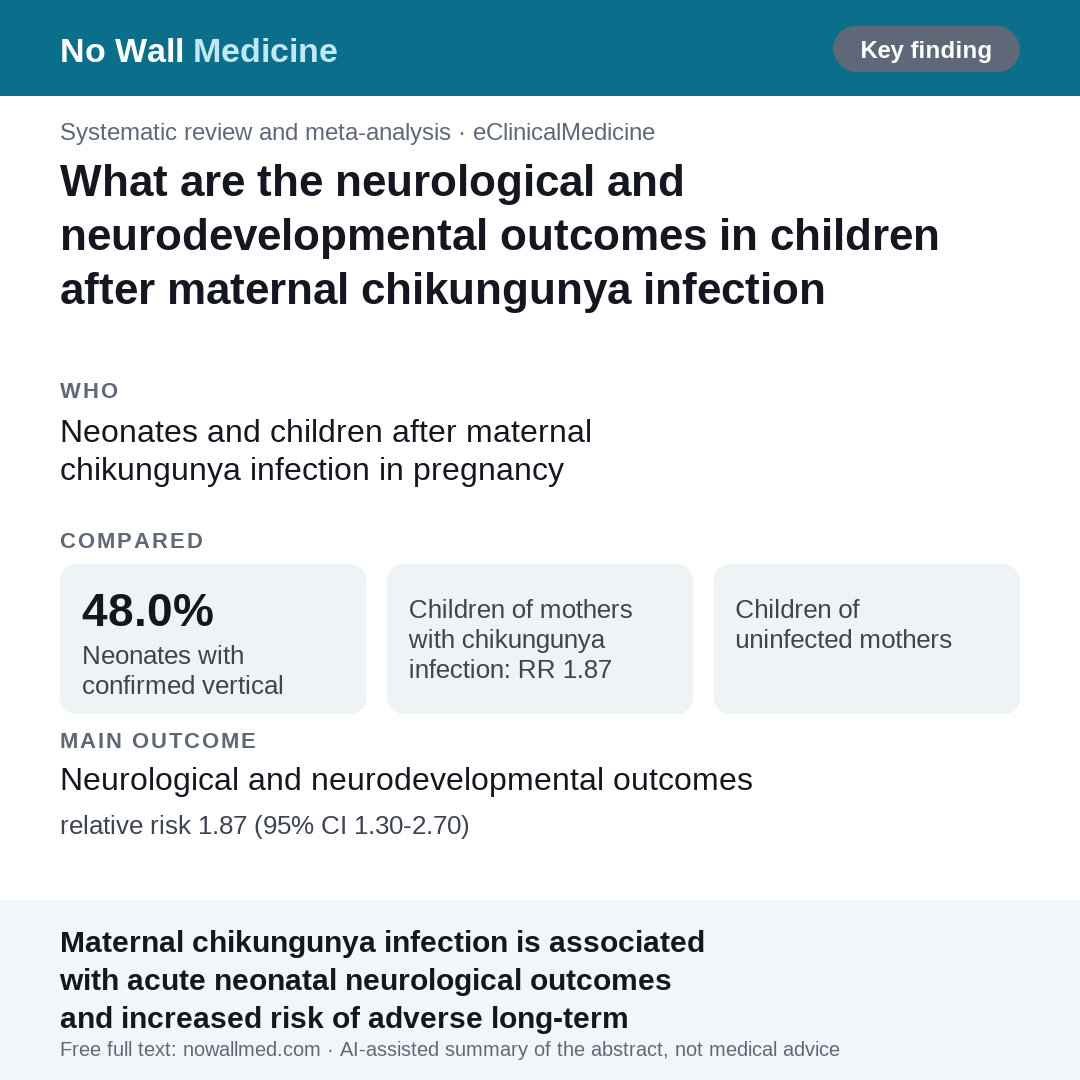
Neurological and neurodevelopmental outcomes in neonates and children after maternal chikungunya infection in pregnancy: a systematic review and meta-analysis
Systematic review and meta-analysisHarm found
What are the neurological and neurodevelopmental outcomes in children after maternal chikungunya infection during pregnancy?
Who
Neonates and children after maternal chikungunya infection in pregnancy
Compared
48.0%Neonates with confirmed vertical chikungunya infection (95% CI 24.0-73.0)
Children of mothers with chikungunya infection: RR 1.87
Children of uninfected mothers
Main outcome
Neurological and neurodevelopmental outcomes
Result: relative risk 1.87 (95% CI 1.30-2.70)
Bottom line: Maternal chikungunya infection is associated with acute neonatal neurological outcomes and increased risk of adverse long-term neurodevelopment.
Limitation: Small, predominantly observational evidence base with heterogeneous outcome definitions and ascertainment.
eClinicalMedicine · 2026-04-09Download image
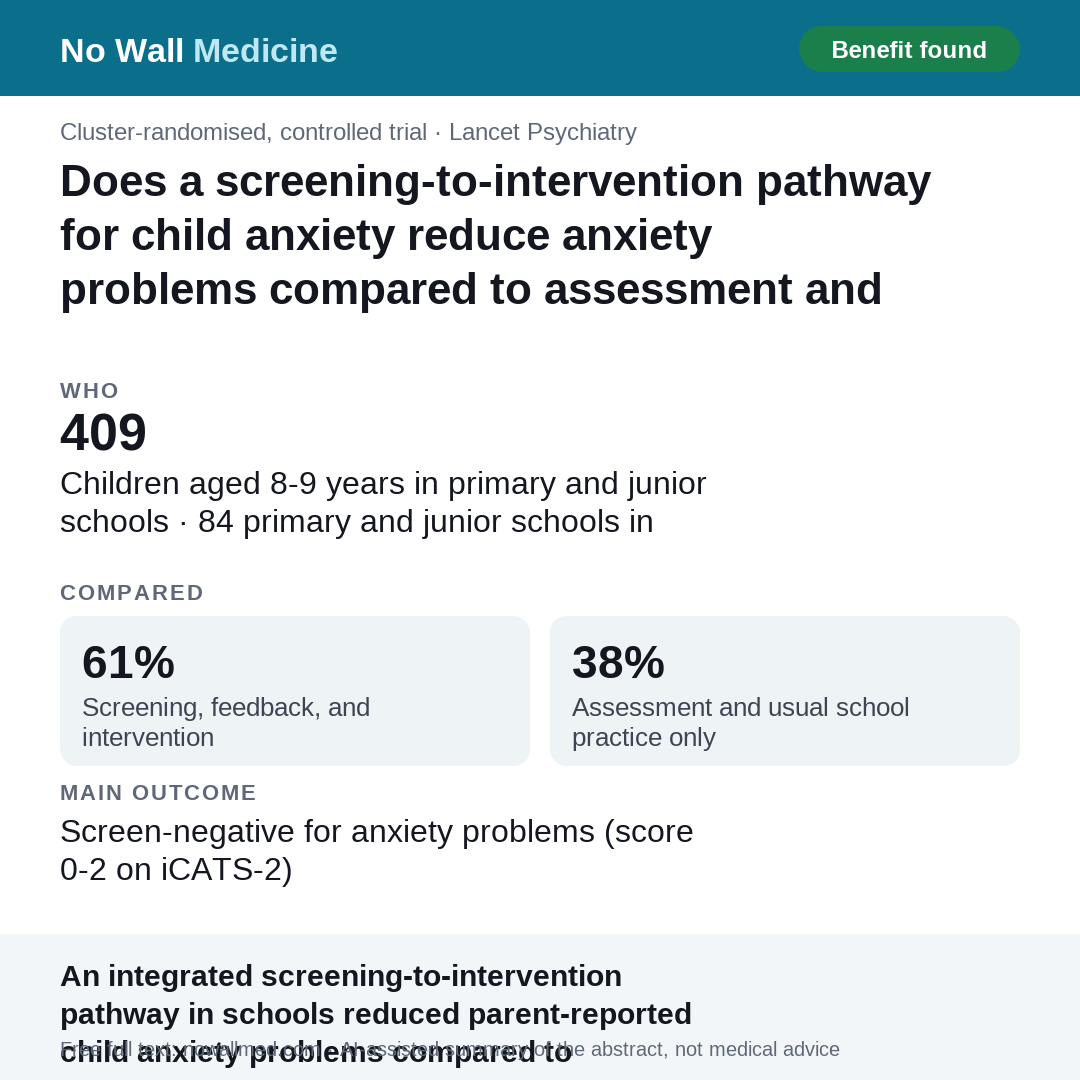
Screening-to-intervention pathway for child anxiety problems alongside usual school practice versus usual school practice only (iCATSi2i): a cluster-randomised, controlled trial in primary schools in England
Cluster-randomised, controlled trialBenefit found
Does a screening-to-intervention pathway for child anxiety reduce anxiety problems compared to assessment and usual school practice?
Who
409
Children aged 8-9 years in primary and junior schools · 84 primary and junior schools in England
Compared
61%Screening, feedback, and intervention (89/145)
38%Assessment and usual school practice only (62/163)
Main outcome
Screen-negative for anxiety problems (score 0-2 on iCATS-2)
Result: adjusted odds ratio 2.32 (95% CI 1.41-3.81)
Bottom line: An integrated screening-to-intervention pathway in schools reduced parent-reported child anxiety problems compared to assessment and usual provision.
Lancet Psychiatry · 2026-04-09Download image
Bioavailability of and US Infant Exposure to Arsenic, Cadmium, Lead, Mercury, and Per- and Polyfluoroalkyls from Human Milk and Infant Formula: Results from a Series of Systematic Reviews
Meta-analysis of 4 studiesUnclear result
Infant exposure to contaminants from milk or formula
Who
United States infants · United States
Compared
Human Milk
Infant Formula
Main outcome
contaminant exposure
Bottom line: Insufficient evidence on infant exposure
Limitation: lacked demographic diversity
Adv Nutr · 2026-04-09Download image
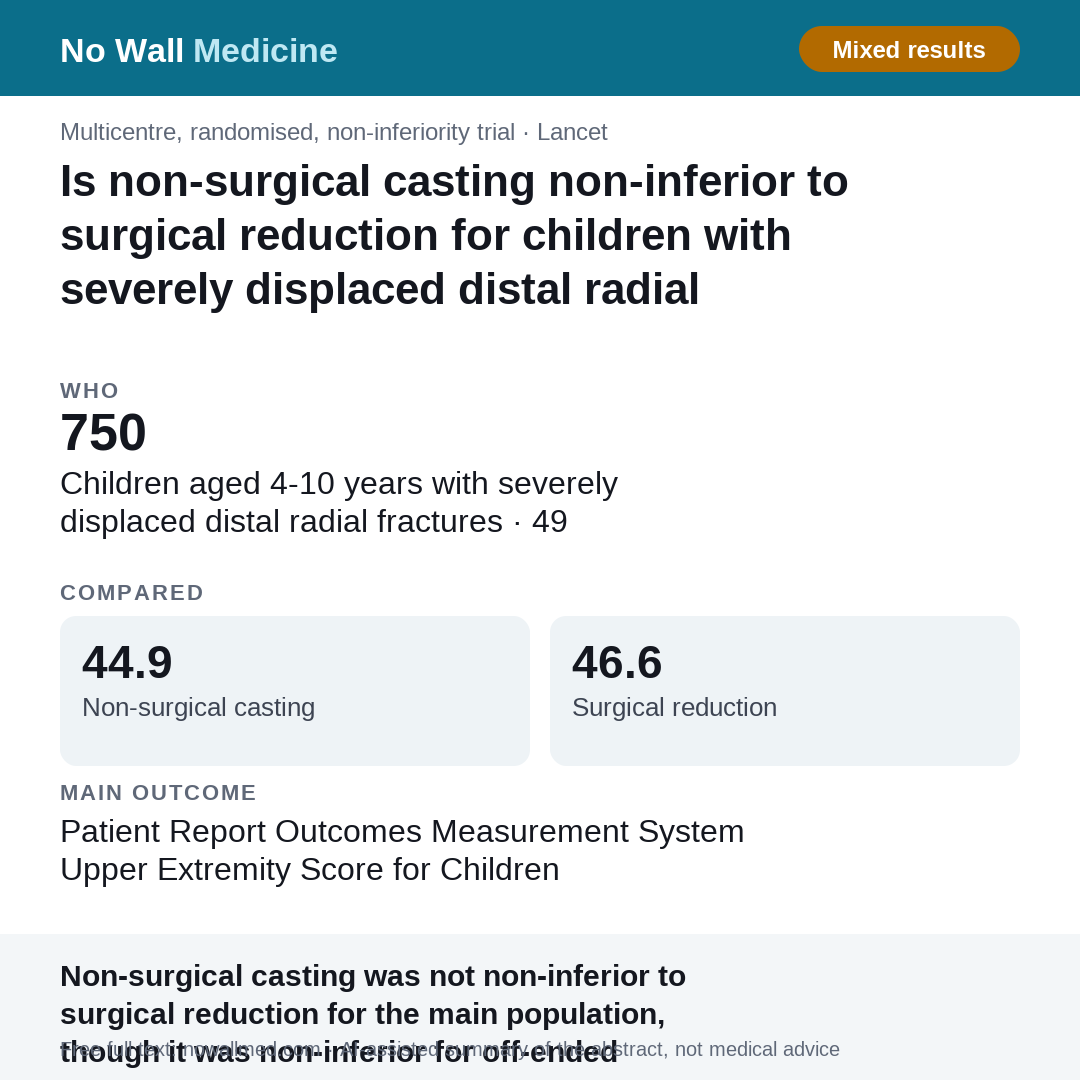
Non-surgical casting versus surgical reduction for children with severely displaced distal radial fractures (the CRAFFT Study): a multicentre, randomised, controlled non-inferiority trial and economic evaluation
Multicentre, randomised, non-inferiority trialMixed results
Is non-surgical casting non-inferior to surgical reduction for children with severely displaced distal radial fractures?
Who
750
Children aged 4-10 years with severely displaced distal radial fractures · 49 hospitals in the UK
Compared
44.9Non-surgical casting (SD 8.7)
46.6Surgical reduction (8.8)
Main outcome
Patient Report Outcomes Measurement System Upper Extremity Score for Children
Result: adjusted mean difference -1.64 (95% CI -2.84 to -0.44)
Bottom line: Non-surgical casting was not non-inferior to surgical reduction for the main population, though it was non-inferior for off-ended fractures.
Limitation: The confidence interval extended beyond the prespecified non-inferiority margin of -2.5 points.
Lancet · 2026-04-08Download image
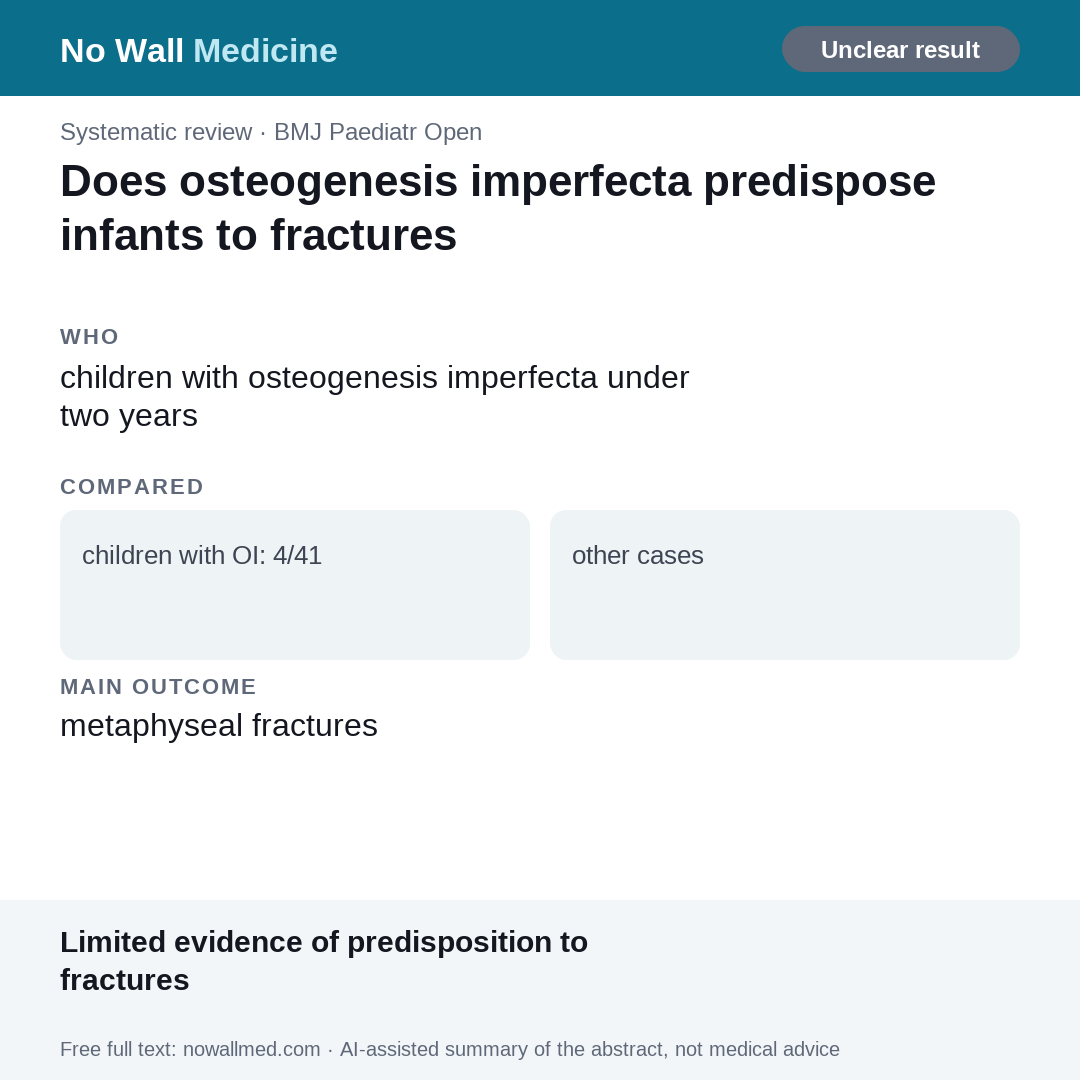
Does osteogenesis imperfecta predispose infants to metaphyseal fractures? A systematic review
Systematic reviewUnclear result
Does osteogenesis imperfecta predispose infants to fractures
Who
children with osteogenesis imperfecta under two years
Compared
children with OI: 4/41
other cases
Main outcome
metaphyseal fractures
Bottom line: Limited evidence of predisposition to fractures
Limitation: limited by small number of studies
BMJ Paediatr Open · 2026-04-08Download image
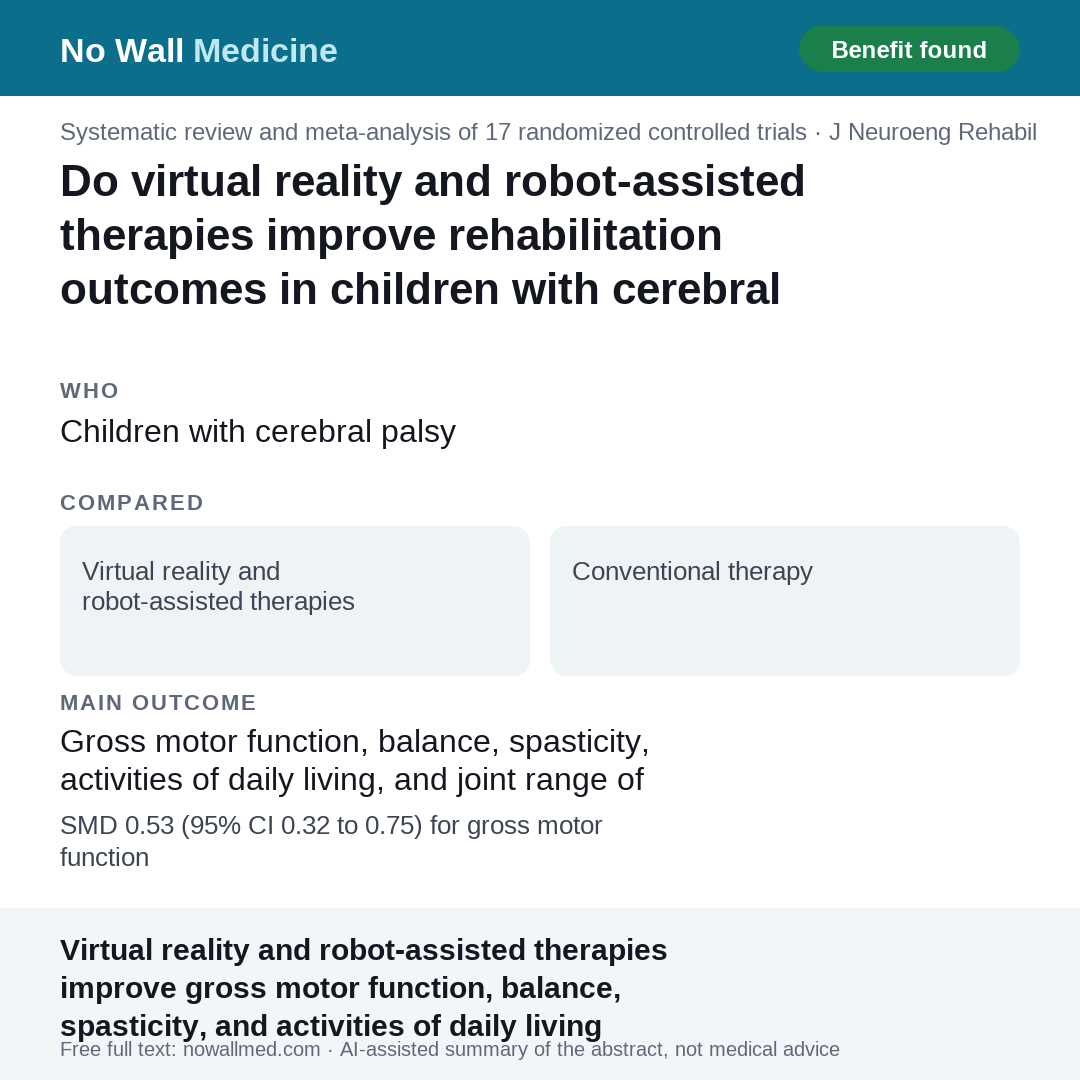
Effects of virtual reality and robot-assisted therapy on rehabilitation outcomes in cerebral palsy: a systematic review and meta-analysis
Systematic review and meta-analysis of 17 randomized controlled trialsBenefit found
Do virtual reality and robot-assisted therapies improve rehabilitation outcomes in children with cerebral palsy?
Who
Children with cerebral palsy
Compared
Virtual reality and robot-assisted therapies
Conventional therapy
Main outcome
Gross motor function, balance, spasticity, activities of daily living, and joint range of motion
Result: SMD 0.53 (95% CI 0.32 to 0.75) for gross motor function
Bottom line: Virtual reality and robot-assisted therapies improve gross motor function, balance, spasticity, and activities of daily living in children with cerebral palsy.
Limitation: The findings were exploratory due to the limited number of included studies and certainty of evidence was very low to moderate.
J Neuroeng Rehabil · 2026-04-08Download image