Visual abstracts
New randomized trials and meta-analyses from leading journals at a glance: who was studied, what was compared, and what was found. Every paper is free to read in full.
All specialtiesCardiology 4763Oncology 4042Gastroenterology & Hepatology 1902Infectious Disease 3756Neurology 1872Psychiatry & Mental Health 2214Pulmonology 2042Critical Care 1319Endocrinology & Diabetes 2544Pediatrics 2889Surgery 2479Orthopedics & Sports Medicine 917Neurosurgery 525Cardiothoracic & Vascular Surgery 656Plastic & Reconstructive Surgery 574Nephrology 1107Rheumatology 810Hematology 1090Dermatology 611Ophthalmology 532Obstetrics & Gynecology 1645Public & Global Health 1037Radiology & Imaging 617Anesthesiology 957Urology 745ENT (Otolaryngology) 494Emergency Medicine 481Allergy & Immunology 309Geriatrics 972Family Medicine & Primary Care 533Medical Genetics & Genomics 659Pathology & Laboratory Medicine 156Physical Medicine & Rehabilitation 734Palliative Care 421Nutrition 1560Digital Health & AI 2133General Medicine 318
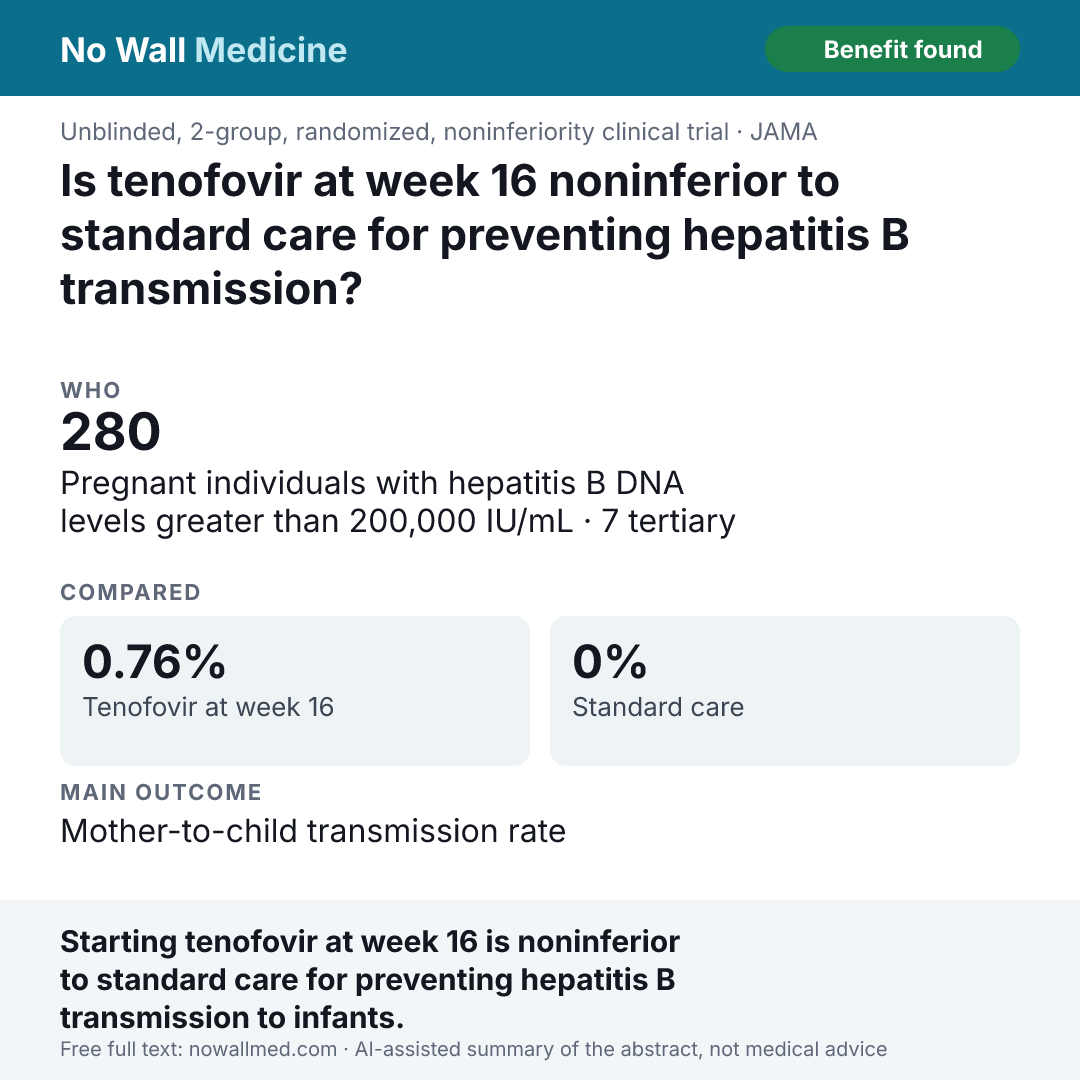
Tenofovir and Hepatitis B Virus Transmission During Pregnancy: A Randomized Clinical Trial
Unblinded, 2-group, randomized, noninferiority clinical trialBenefit found
Is tenofovir at week 16 noninferior to standard care for preventing hepatitis B transmission?
Who
280
Pregnant individuals with hepatitis B DNA levels greater than 200,000 IU/mL · 7 tertiary care hospitals in China
Compared
0.76%Tenofovir at week 16 (1/131)
0%Standard care (0/142)
Main outcome
Mother-to-child transmission rate
Result: difference 0.76% (upper limit of the 2-sided 90% CI, 1.74%)
Bottom line: Starting tenofovir at week 16 is noninferior to standard care for preventing hepatitis B transmission to infants.
JAMA · 2024-11-14 · Save PNG
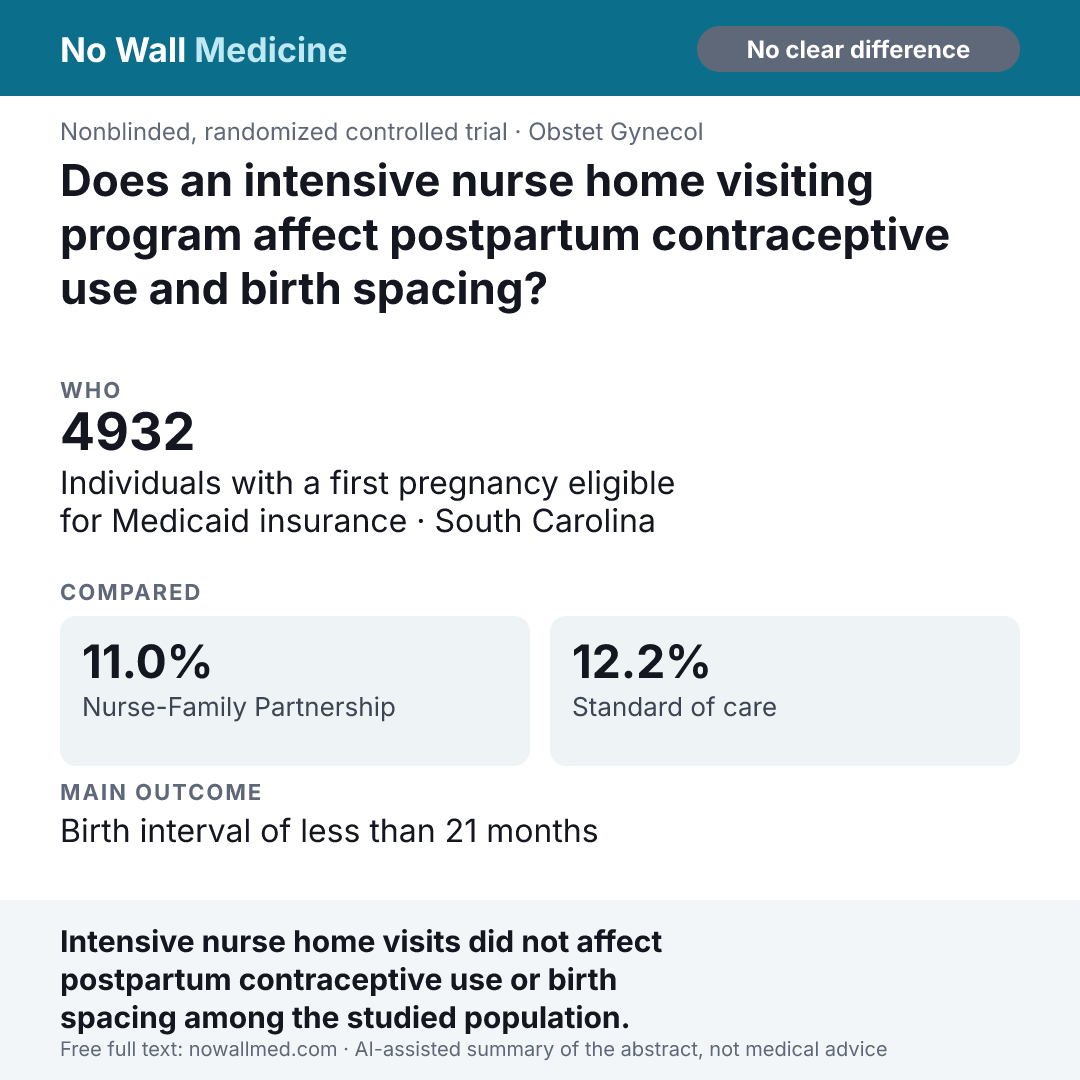
Effect of an Intensive Nurse Home Visiting Program on Postpartum Contraceptive Use and Birth Spacing: A Randomized Controlled Trial
Nonblinded, randomized controlled trialNo clear difference
Does an intensive nurse home visiting program affect postpartum contraceptive use and birth spacing?
Who
4932
Individuals with a first pregnancy eligible for Medicaid insurance · South Carolina
Compared
11.0%Nurse-Family Partnership
12.2%Standard of care
Main outcome
Birth interval of less than 21 months
Result: adjusted coefficient -1.1 (95% CI, -2.9 to 0.8)
Bottom line: Intensive nurse home visits did not affect postpartum contraceptive use or birth spacing among the studied population.
Obstet Gynecol · 2024-11-14 · Save PNG
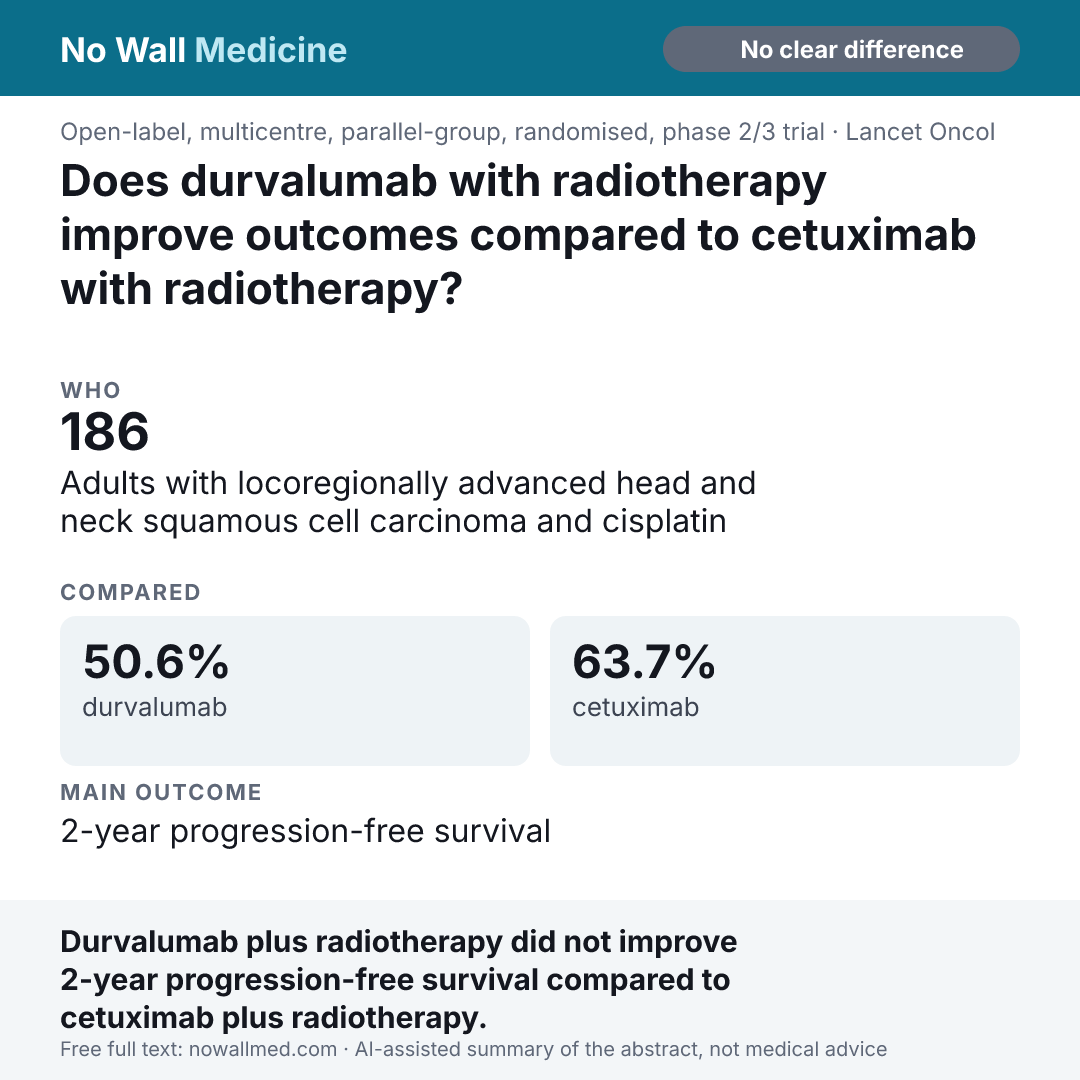
Radiotherapy with cetuximab or durvalumab for locoregionally advanced head and neck cancer in patients with a contraindication to cisplatin (NRG-HN004): an open-label, multicentre, parallel-group, randomised, phase 2/3 trial
Open-label, multicentre, parallel-group, randomised, phase 2/3 trialNo clear difference
Does durvalumab with radiotherapy improve outcomes compared to cetuximab with radiotherapy?
Who
186
Adults with locoregionally advanced head and neck squamous cell carcinoma and cisplatin contraindications · 89 academic and community medical centres in North America
Compared
50.6%durvalumab (95% CI 41.5-59.8)
63.7%cetuximab (51.3-76.1%)
Main outcome
2-year progression-free survival
Result: hazard ratio 1.33 (95% CI 0.84-2.12)
Bottom line: Durvalumab plus radiotherapy did not improve 2-year progression-free survival compared to cetuximab plus radiotherapy.
Funded by: US National Cancer Institute and AstraZeneca
Lancet Oncol · 2024-11-14 · Save PNG
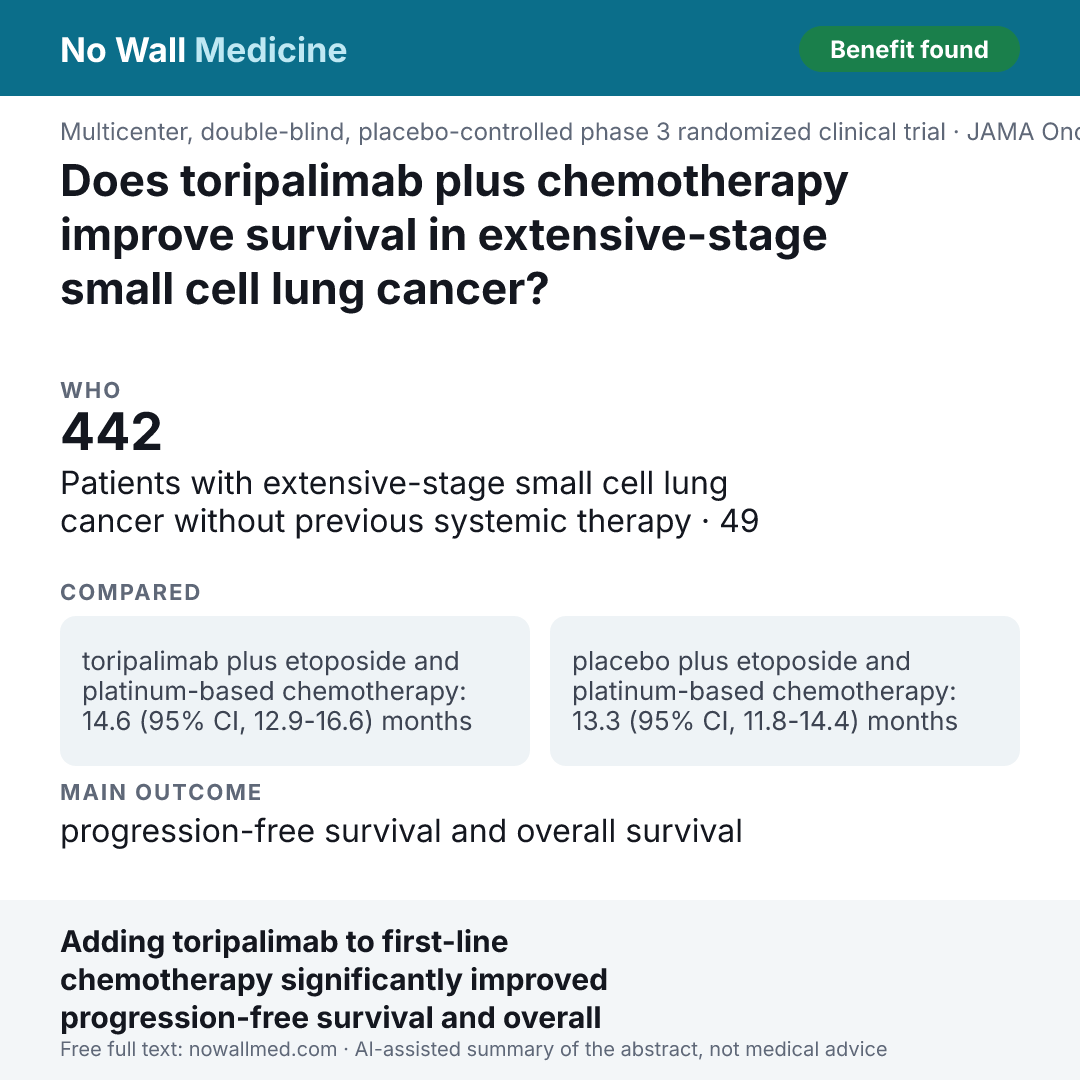
Toripalimab Plus Chemotherapy as a First-Line Therapy for Extensive-Stage Small Cell Lung Cancer: The Phase 3 EXTENTORCH Randomized Clinical Trial
Multicenter, double-blind, placebo-controlled phase 3 randomized clinical trialBenefit found
Does toripalimab plus chemotherapy improve survival in extensive-stage small cell lung cancer?
Who
442
Patients with extensive-stage small cell lung cancer without previous systemic therapy · 49 sites in China
Compared
toripalimab plus etoposide and platinum-based chemotherapy: 14.6 (95% CI, 12.9-16.6) months
placebo plus etoposide and platinum-based chemotherapy: 13.3 (95% CI, 11.8-14.4) months
Main outcome
progression-free survival and overall survival
Result: hazard ratio 0.80 (95% CI, 0.65-0.98)
Bottom line: Adding toripalimab to first-line chemotherapy significantly improved progression-free survival and overall survival in patients with extensive-stage small cell lung cancer.
JAMA Oncol · 2024-11-14 · Save PNG
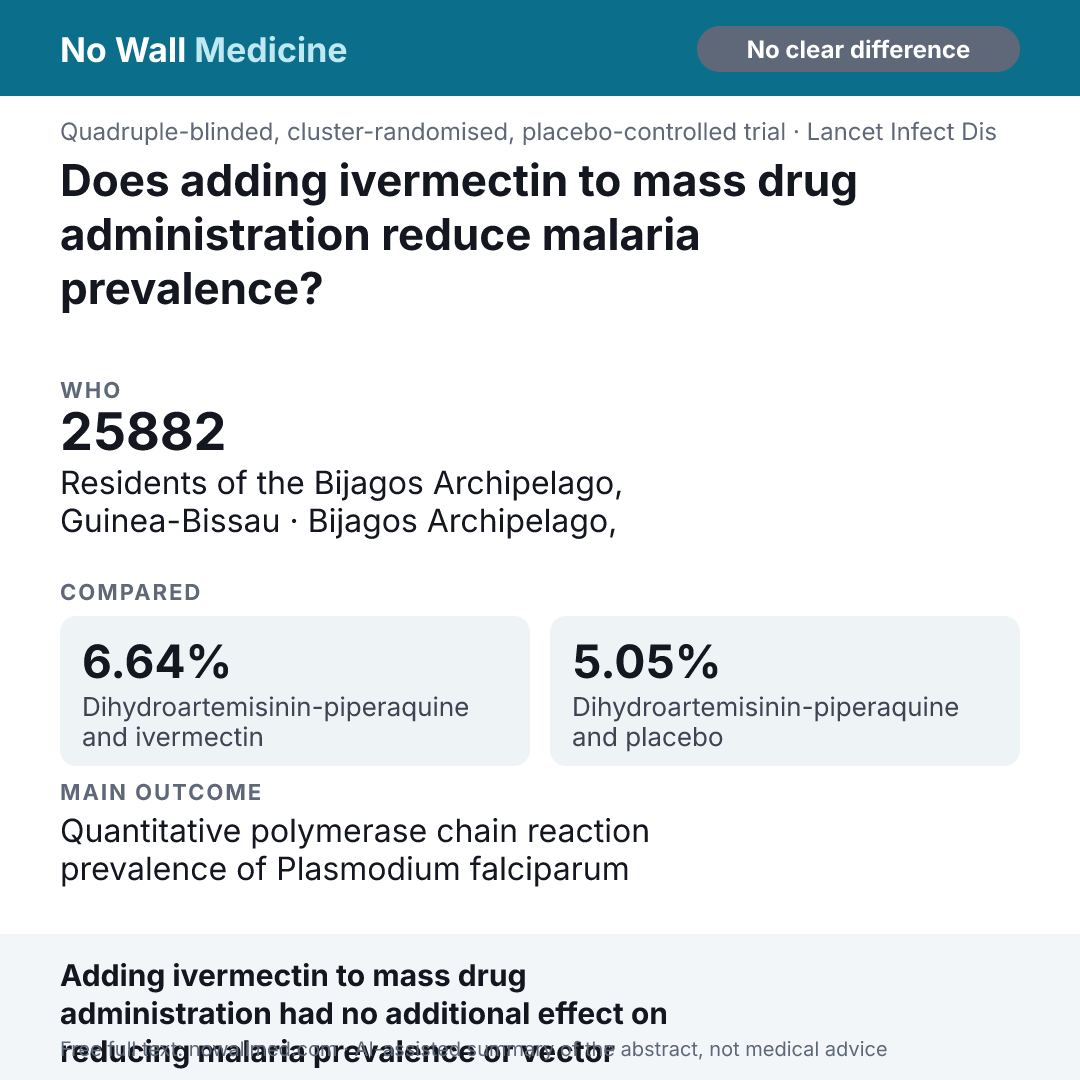
Adjunctive ivermectin mass drug administration for malaria control on the Bijagos Archipelago of Guinea-Bissau (MATAMAL): a quadruple-blinded, cluster-randomised, placebo-controlled trial
Quadruple-blinded, cluster-randomised, placebo-controlled trialNo clear difference
Does adding ivermectin to mass drug administration reduce malaria prevalence?
Who
25882
Residents of the Bijagos Archipelago, Guinea-Bissau · Bijagos Archipelago, Guinea-Bissau
Compared
6.64%Dihydroartemisinin-piperaquine and ivermectin (141/2083)
5.05%Dihydroartemisinin-piperaquine and placebo (118/2300)
Main outcome
Quantitative polymerase chain reaction prevalence of Plasmodium falciparum parasitaemia
Result: risk difference 1.67% (95% CI -1.44 to 4.78)
Bottom line: Adding ivermectin to mass drug administration had no additional effect on reducing malaria prevalence or vector parity.
Funded by: NIHR, Medical Research Council, Wellcome, and FCDO
Lancet Infect Dis · 2024-11-14 · Save PNG
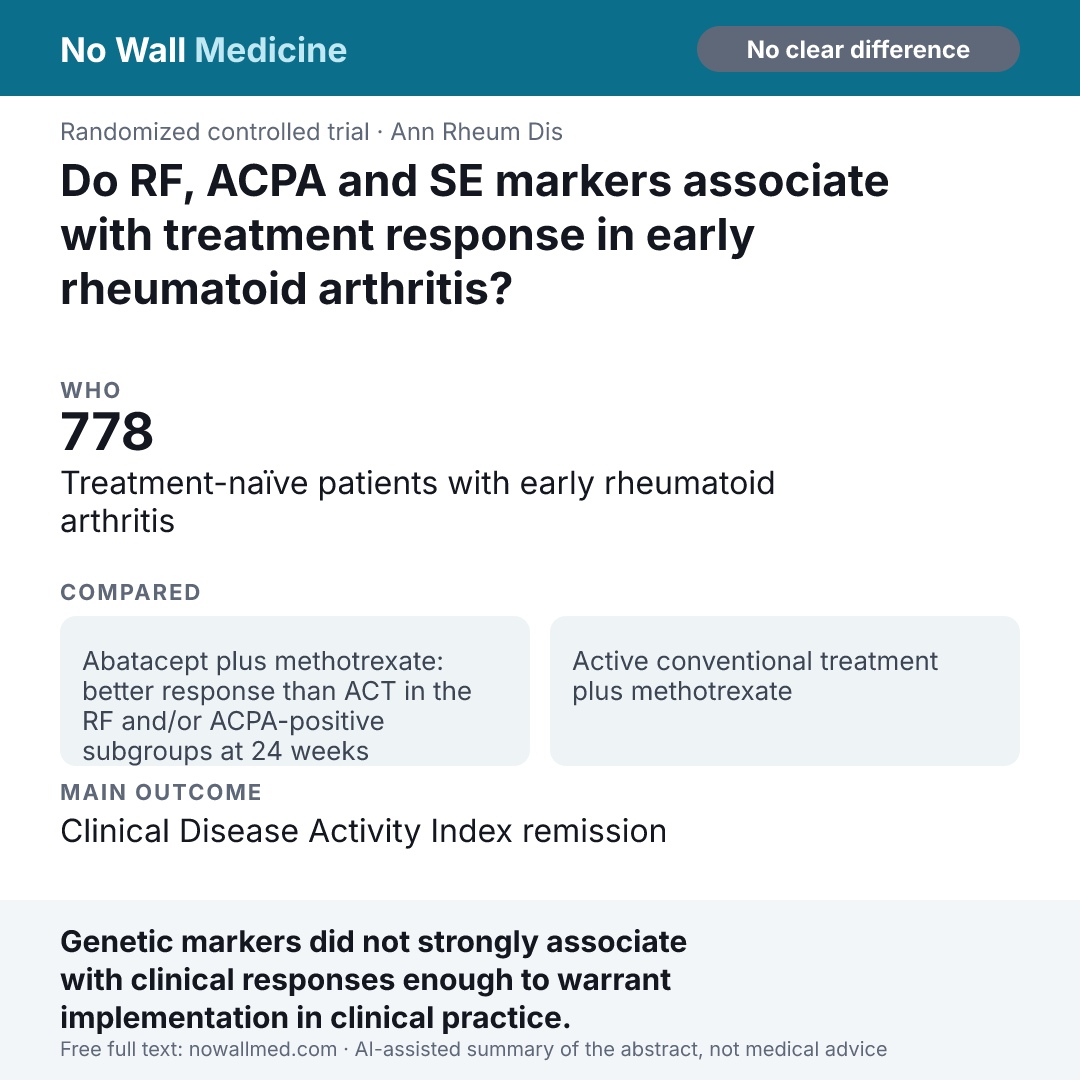
Association of rheumatoid factor, anti-citrullinated protein antibodies and shared epitope with clinical response to initial treatment in patients with early rheumatoid arthritis: data from a randomised controlled trial
Randomized controlled trialNo clear difference
Do RF, ACPA and SE markers associate with treatment response in early rheumatoid arthritis?
Who
778
Treatment-naïve patients with early rheumatoid arthritis
Compared
Abatacept plus methotrexate: better response than ACT in the RF and/or ACPA-positive subgroups at 24 weeks
Active conventional treatment plus methotrexate
Main outcome
Clinical Disease Activity Index remission
Bottom line: Genetic markers did not strongly associate with clinical responses enough to warrant implementation in clinical practice.
Ann Rheum Dis · 2024-11-14 · Save PNG
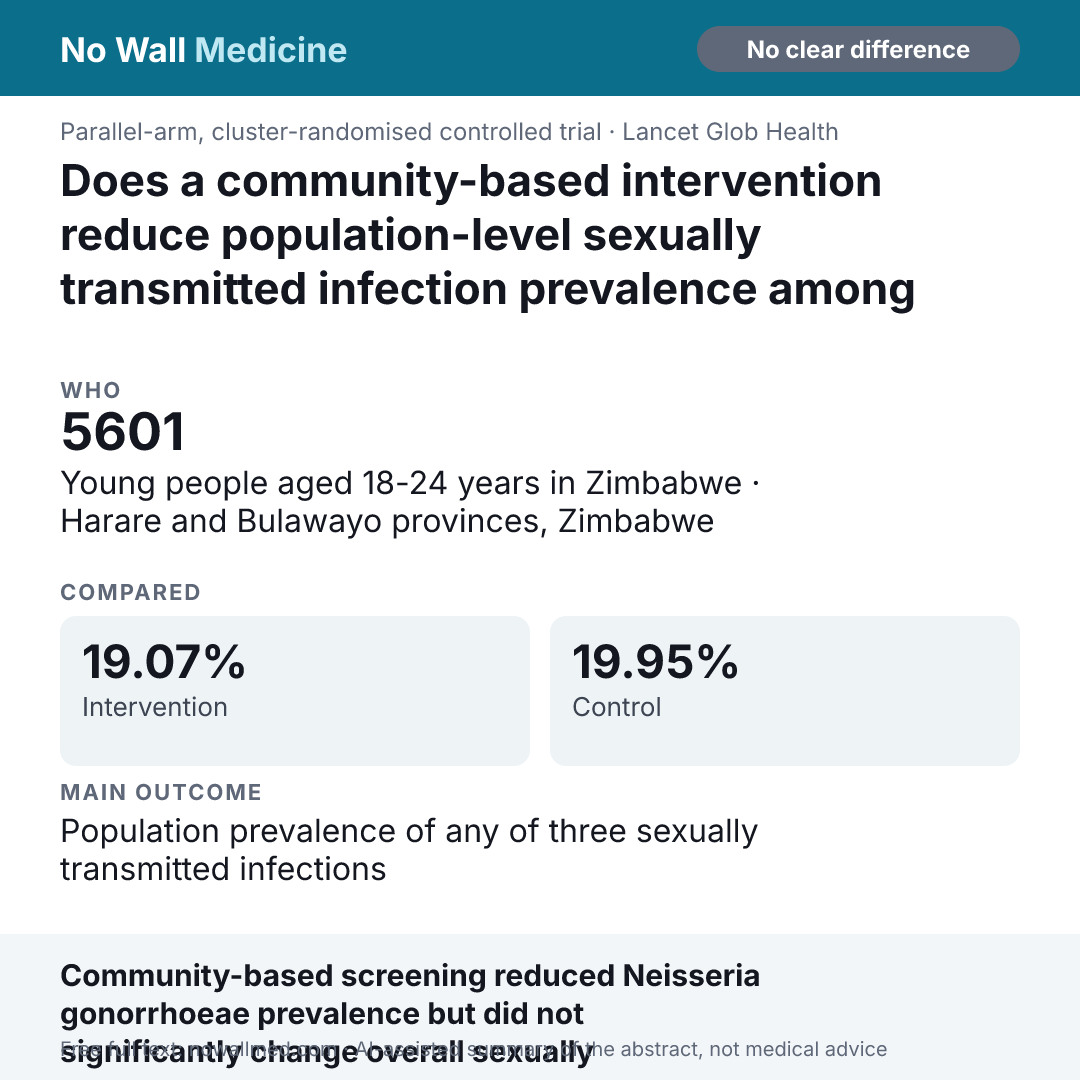
Effect of a community-based intervention for sexually transmitted infections on population-level prevalence among youth in Zimbabwe (STICH): a cluster-randomised trial
Parallel-arm, cluster-randomised controlled trialNo clear difference
Does a community-based intervention reduce population-level sexually transmitted infection prevalence among youth?
Who
5601
Young people aged 18-24 years in Zimbabwe · Harare and Bulawayo provinces, Zimbabwe
Compared
19.07%Intervention
19.95%Control
Main outcome
Population prevalence of any of three sexually transmitted infections
Result: risk ratio 0.93 (95% CI 0.78-1.10)
Bottom line: Community-based screening reduced Neisseria gonorrhoeae prevalence but did not significantly change overall sexually transmitted infection prevalence.
Lancet Glob Health · 2024-11-14 · Save PNG
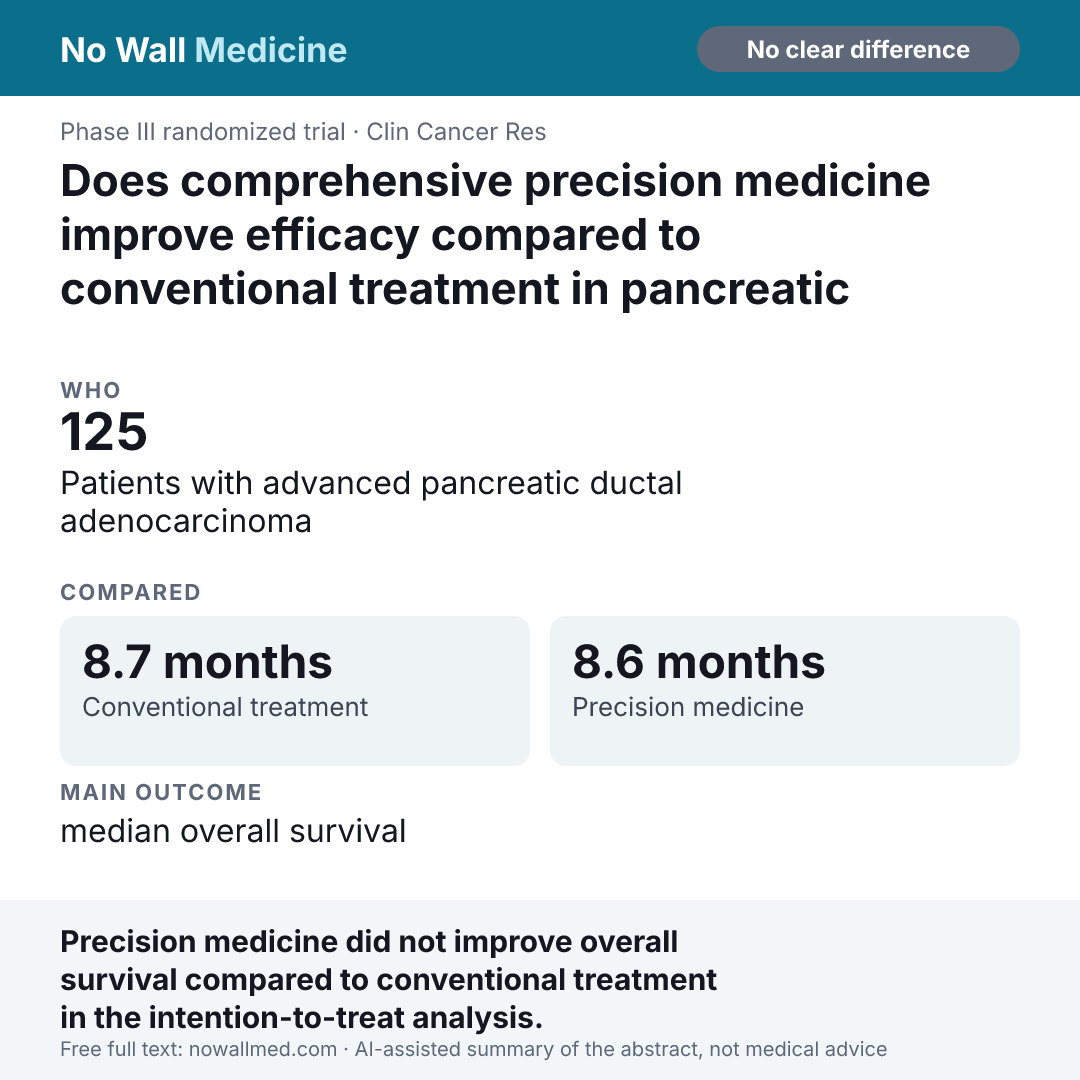
A Phase III Randomized Trial of Integrated Genomics and Avatar Models for Personalized Treatment of Pancreatic Cancer: The AVATAR Trial
Phase III randomized trialNo clear difference
Does comprehensive precision medicine improve efficacy compared to conventional treatment in pancreatic cancer?
Who
125
Patients with advanced pancreatic ductal adenocarcinoma
Compared
8.7 monthsConventional treatment
8.6 monthsPrecision medicine
Main outcome
median overall survival
Result: P = 0.849
Bottom line: Precision medicine did not improve overall survival compared to conventional treatment in the intention-to-treat analysis.
Limitation: Personalized medicine was challenging to implement in most patients, limiting intention-to-treat analysis.
Clin Cancer Res · 2024-11-14 · Save PNG
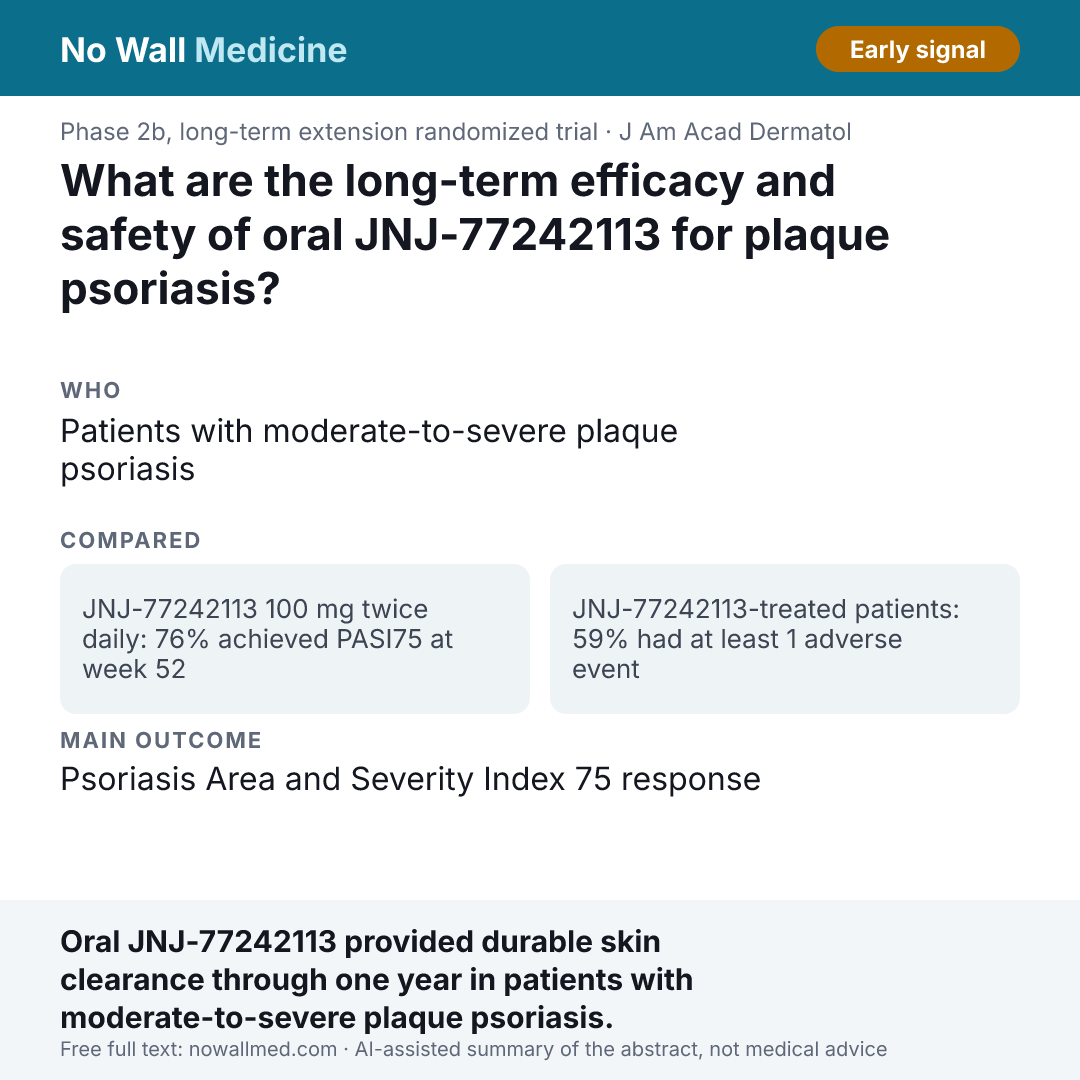
FRONTIER-2: A phase 2b, long-term extension, dose-ranging study of oral JNJ-77242113 for the treatment of moderate-to-severe plaque psoriasis
Phase 2b, long-term extension randomized trialEarly signal
What are the long-term efficacy and safety of oral JNJ-77242113 for plaque psoriasis?
Who
Patients with moderate-to-severe plaque psoriasis
Compared
JNJ-77242113 100 mg twice daily: 76% achieved PASI75 at week 52
JNJ-77242113-treated patients: 59% had at least 1 adverse event
Main outcome
Psoriasis Area and Severity Index 75 response
Bottom line: Oral JNJ-77242113 provided durable skin clearance through one year in patients with moderate-to-severe plaque psoriasis.
Limitation: Small number of patients in each treatment group and descriptive nature of longer-term data.
J Am Acad Dermatol · 2024-11-14 · Save PNG
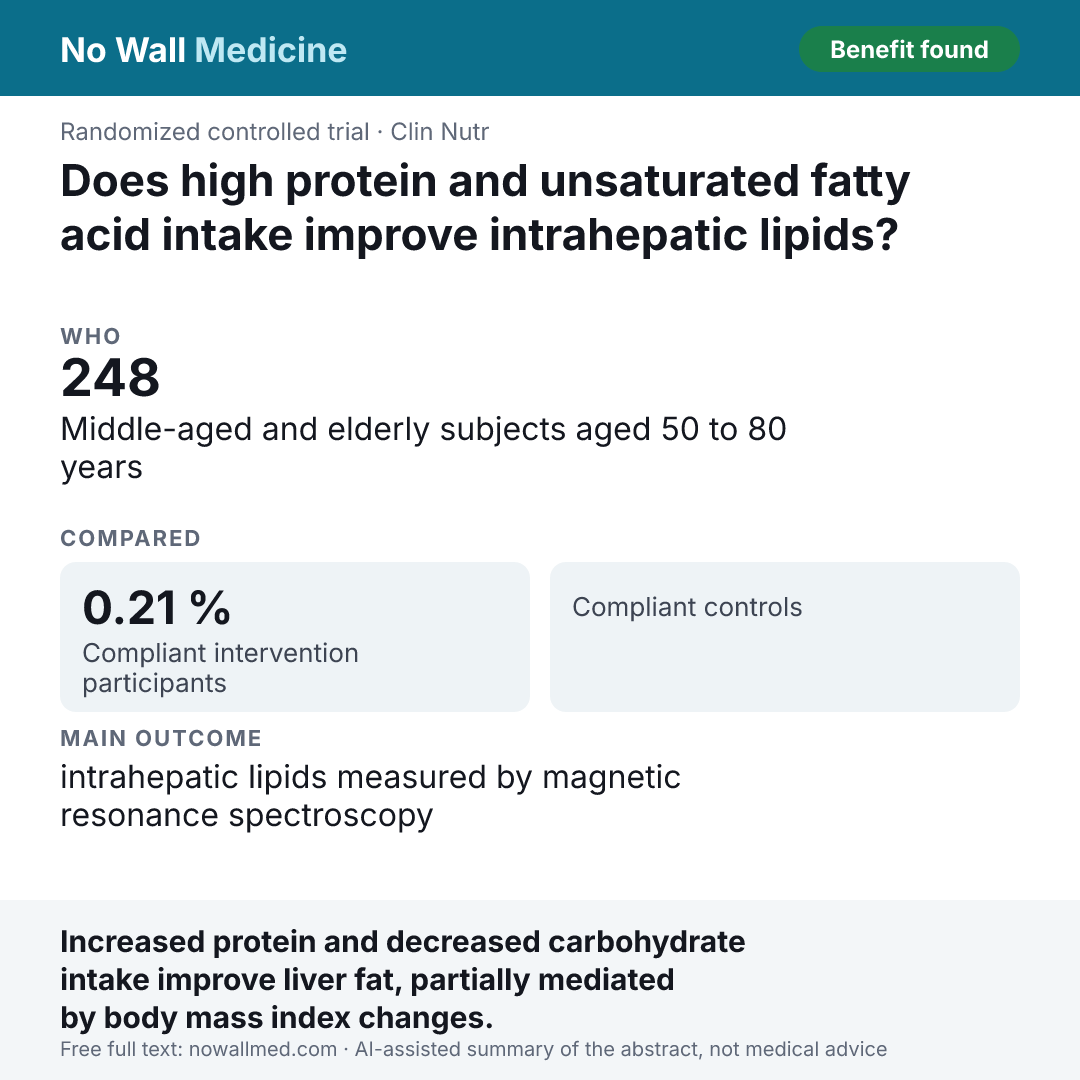
Increase in PUFA and protein, and decrease in carbohydrate intake improves liver fat in 12 months and the role of weight loss as a mediator: A randomized controlled trial
Randomized controlled trialBenefit found
Does high protein and unsaturated fatty acid intake improve intrahepatic lipids?
Who
248
Middle-aged and elderly subjects aged 50 to 80 years
Compared
0.21 %Compliant intervention participants (95 % CI 0.01, 0.40)
Compliant controls
Main outcome
intrahepatic lipids measured by magnetic resonance spectroscopy
Result: estimate of relative change 0.21 % (95 % CI 0.01, 0.40)
Bottom line: Increased protein and decreased carbohydrate intake improve liver fat, partially mediated by body mass index changes.
Clin Nutr · 2024-11-14 · Save PNG
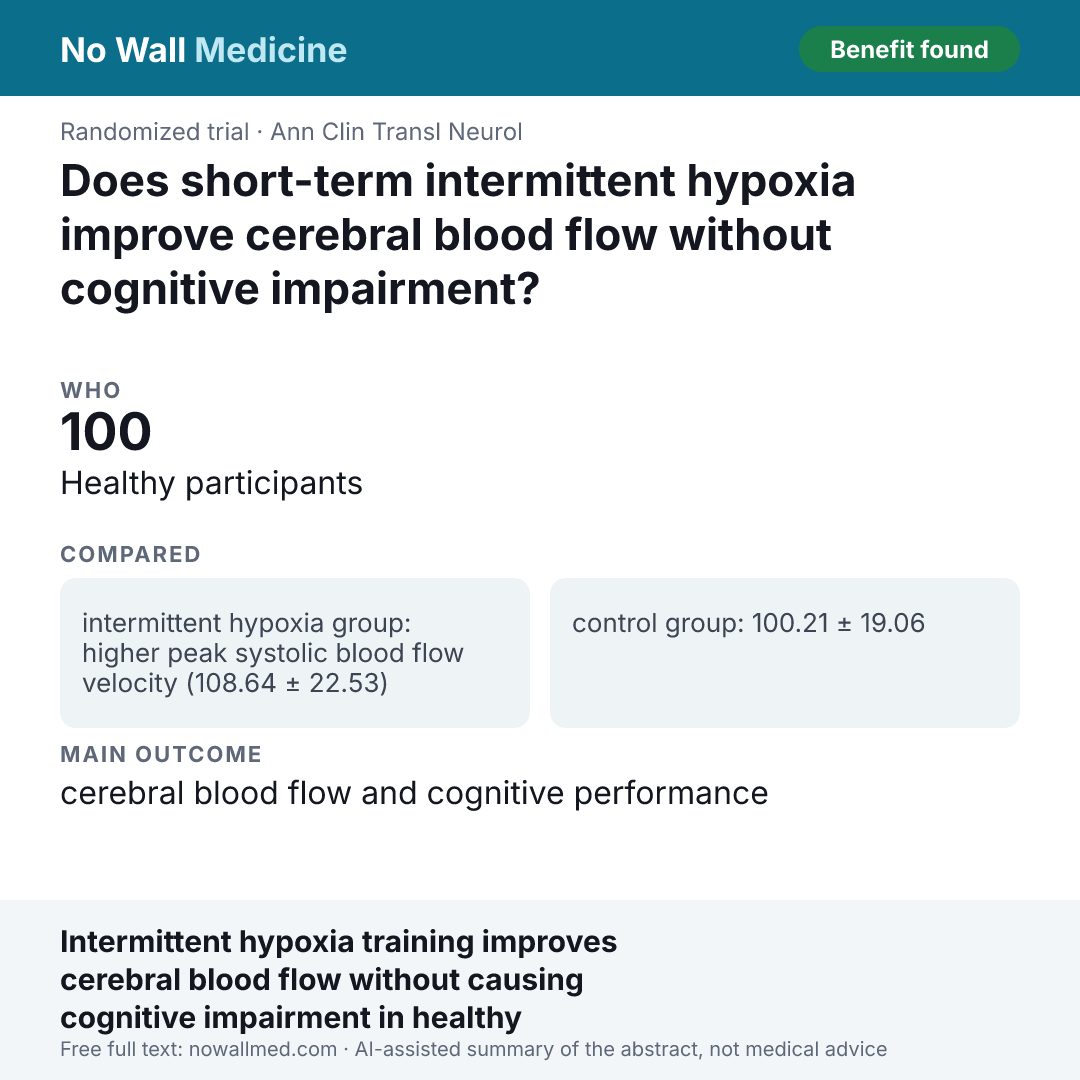
Intermittent hypoxia training improves cerebral blood flow without cognitive impairment
Randomized trialBenefit found
Does short-term intermittent hypoxia improve cerebral blood flow without cognitive impairment?
Who
100
Healthy participants
Compared
intermittent hypoxia group: higher peak systolic blood flow velocity (108.64 ± 22.53)
control group: 100.21 ± 19.06
Main outcome
cerebral blood flow and cognitive performance
Bottom line: Intermittent hypoxia training improves cerebral blood flow without causing cognitive impairment in healthy participants.
Ann Clin Transl Neurol · 2024-11-14 · Save PNG
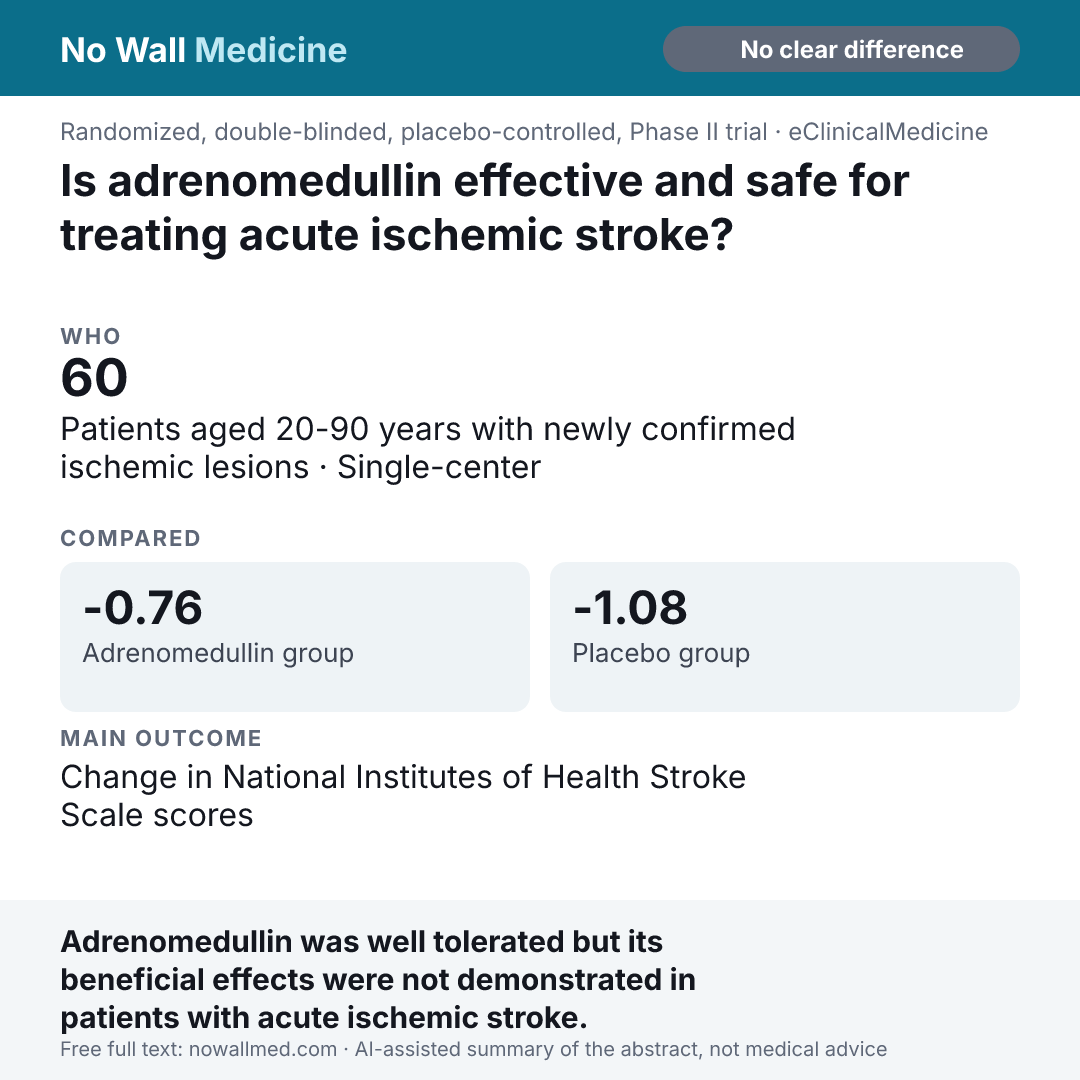
Submandibular Gland-Sparing Technique Versus En-Bloc Level IB Dissection in Oral Cavity Cancers with N0 Neck Status: A Randomized Controlled Trial
Parallel-design, single-center, open-label, randomized controlled trialBenefit found
Is submandibular gland-sparing technique noninferior to en-bloc level IB dissection for lymph node yield?
Who
38
Patients with clinical N0 oral squamous cell carcinoma · Tertiary care health care center, India
Compared
Gland-preserving dissection: mean difference 0.217 (95% CI: -0.597 to 1.032)
En bloc dissection
Main outcome
lymph node yield in level IB
Result: mean difference 0.217 (95% CI: -0.597 to 1.032)
Bottom line: Submandibular gland-sparing technique is noninferior to en-bloc dissection regarding lymph node yield in oral cavity cancers.
J Otolaryngol Head Neck Surg · 2024-11-14 · Save PNG
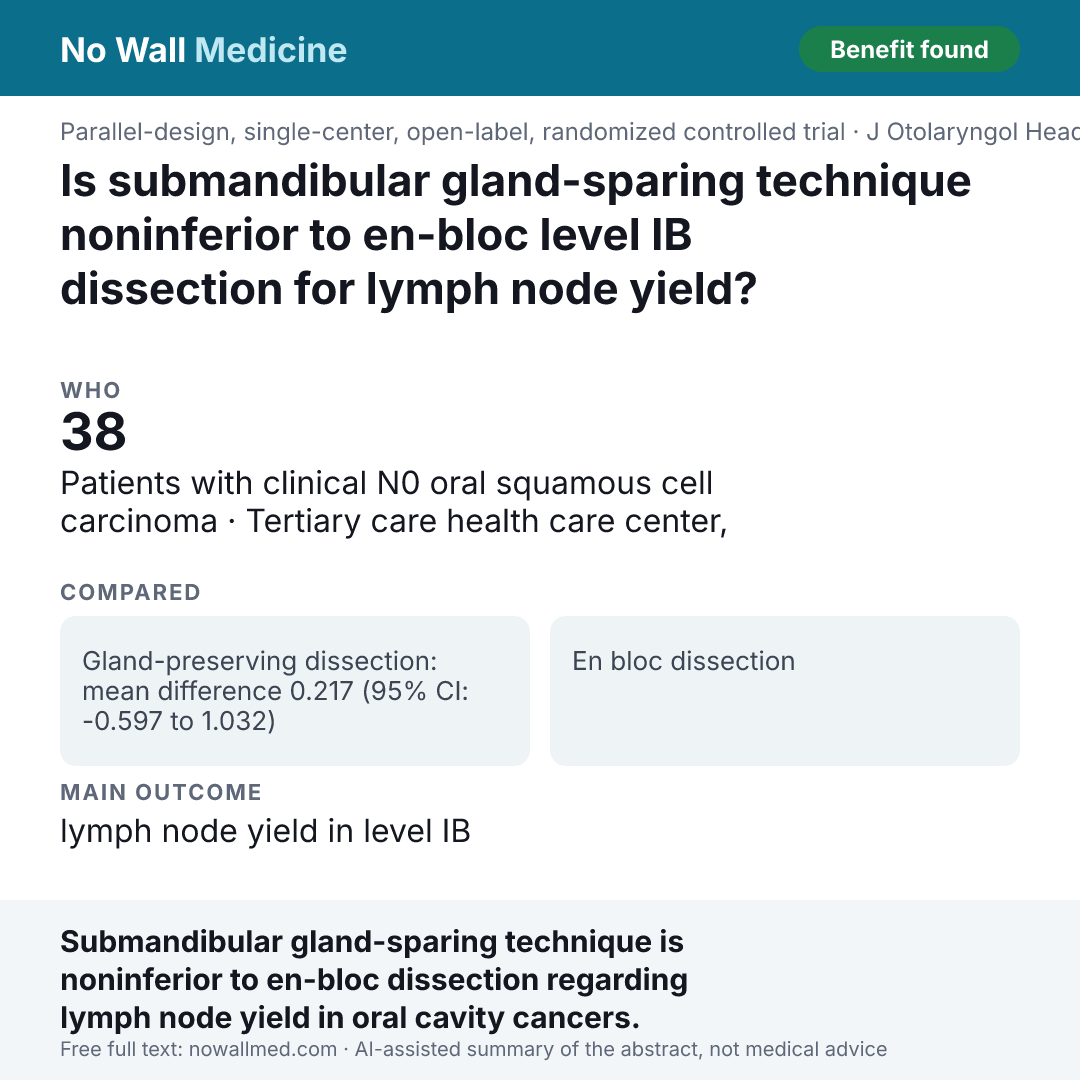
Symptom Screening Linked to Care Pathways for Pediatric Patients With Cancer: A Randomized Clinical Trial
Cluster randomized trialBenefit found
Does thrice-weekly symptom screening improve self-reported symptom scores in pediatric cancer patients?
Who
445
Newly diagnosed pediatric cancer patients aged 8 to 18 years · 20 pediatric cancer centers in the US
Compared
7.9Symptom screening (7.2)
11.4Usual care (8.7)
Main outcome
Self-reported total Symptom Screening in Pediatrics Tool score at week 8
Result: adjusted mean difference, -3.8 (95% CI, -6.4 to -1.2)
Bottom line: Thrice-weekly symptom screening improved symptom scores but was associated with more emergency department visits in pediatric cancer patients.
JAMA · 2024-11-13 · Save PNG
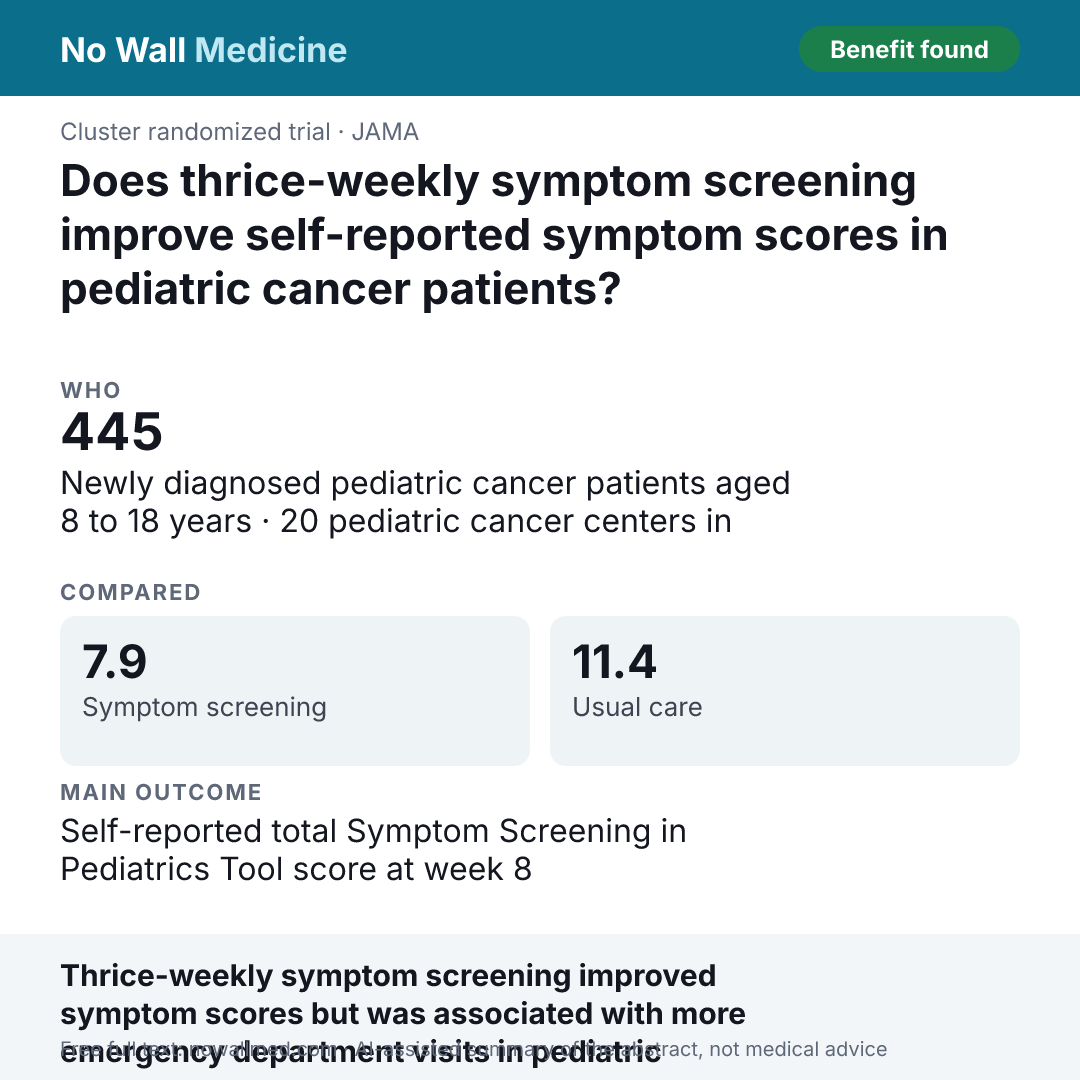
Intratracheal Budesonide Mixed With Surfactant for Extremely Preterm Infants: The PLUSS Randomized Clinical Trial
Double-blind randomized clinical trialNo clear difference
Does early intratracheal budesonide mixed with surfactant improve survival free of bronchopulmonary dysplasia?
Who
1059
Extremely preterm infants born at less than 28 weeks' gestation · 21 neonatal units in 4 countries
Compared
25.6%Budesonide and surfactant
22.6%Surfactant only
Main outcome
Survival free of bronchopulmonary dysplasia at 36 weeks' postmenstrual age
Result: adjusted risk difference, 2.7% (95% CI, -2.1% to 7.4%)
Bottom line: Early intratracheal budesonide mixed with surfactant may have little to no effect on survival free of bronchopulmonary dysplasia.
JAMA · 2024-11-13 · Save PNG
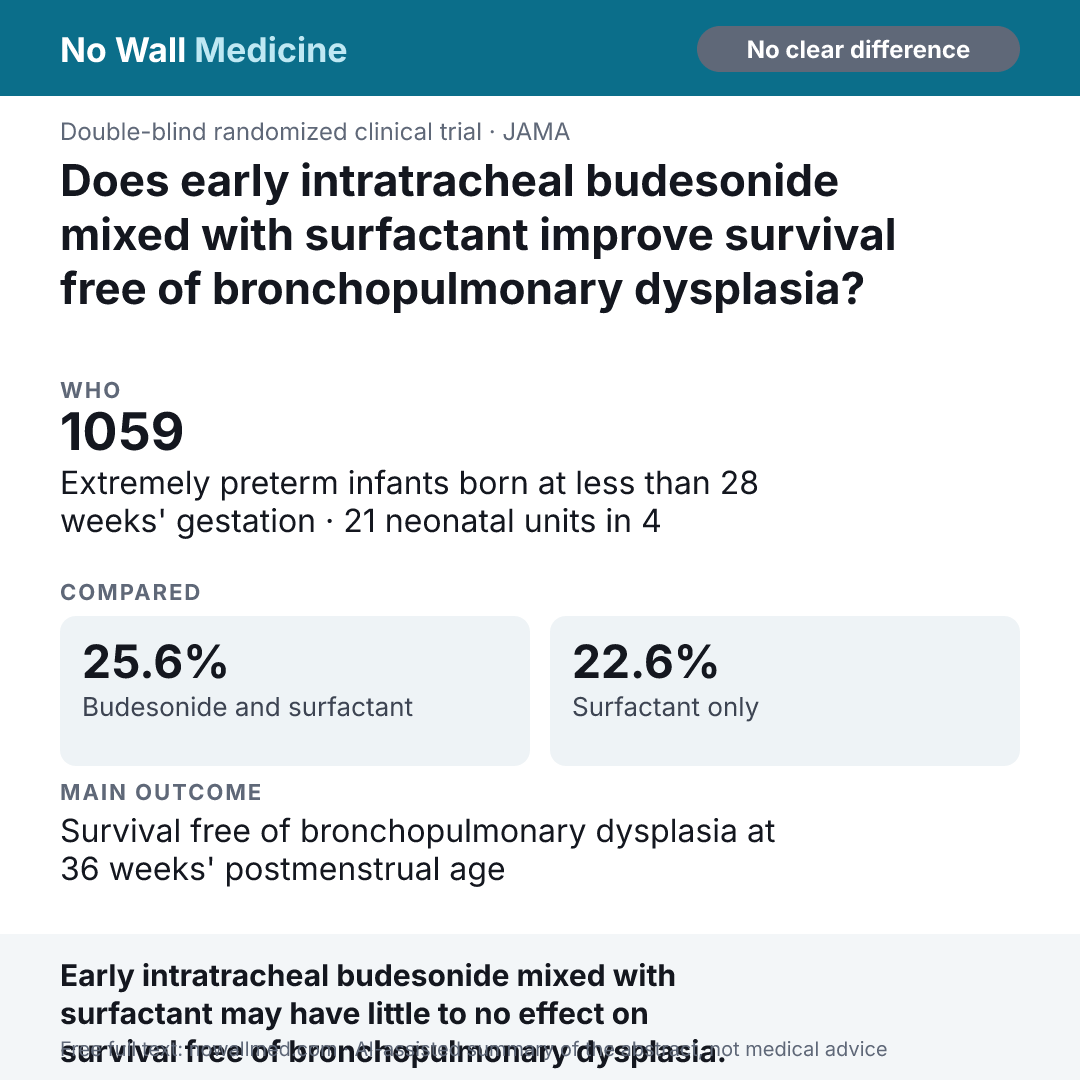
Efficacy and safety of adrenomedullin for acute ischemic stroke (AMFIS): a phase 2, randomized, double-blinded, placebo-controlled, clinical trial
Randomized, double-blinded, placebo-controlled, Phase II trialNo clear difference
Is adrenomedullin effective and safe for treating acute ischemic stroke?
Who
60
Patients aged 20-90 years with newly confirmed ischemic lesions · Single-center
Compared
-0.76Adrenomedullin group (-1.43 to -0.09)
-1.08Placebo group (-2.11 to -0.05)
Main outcome
Change in National Institutes of Health Stroke Scale scores
Bottom line: Adrenomedullin was well tolerated but its beneficial effects were not demonstrated in patients with acute ischemic stroke.
Limitation: Further clinical trials are necessary to show efficacy.
Funded by: Japan Agency for Medical Research and Development
eClinicalMedicine · 2024-11-13 · Save PNG
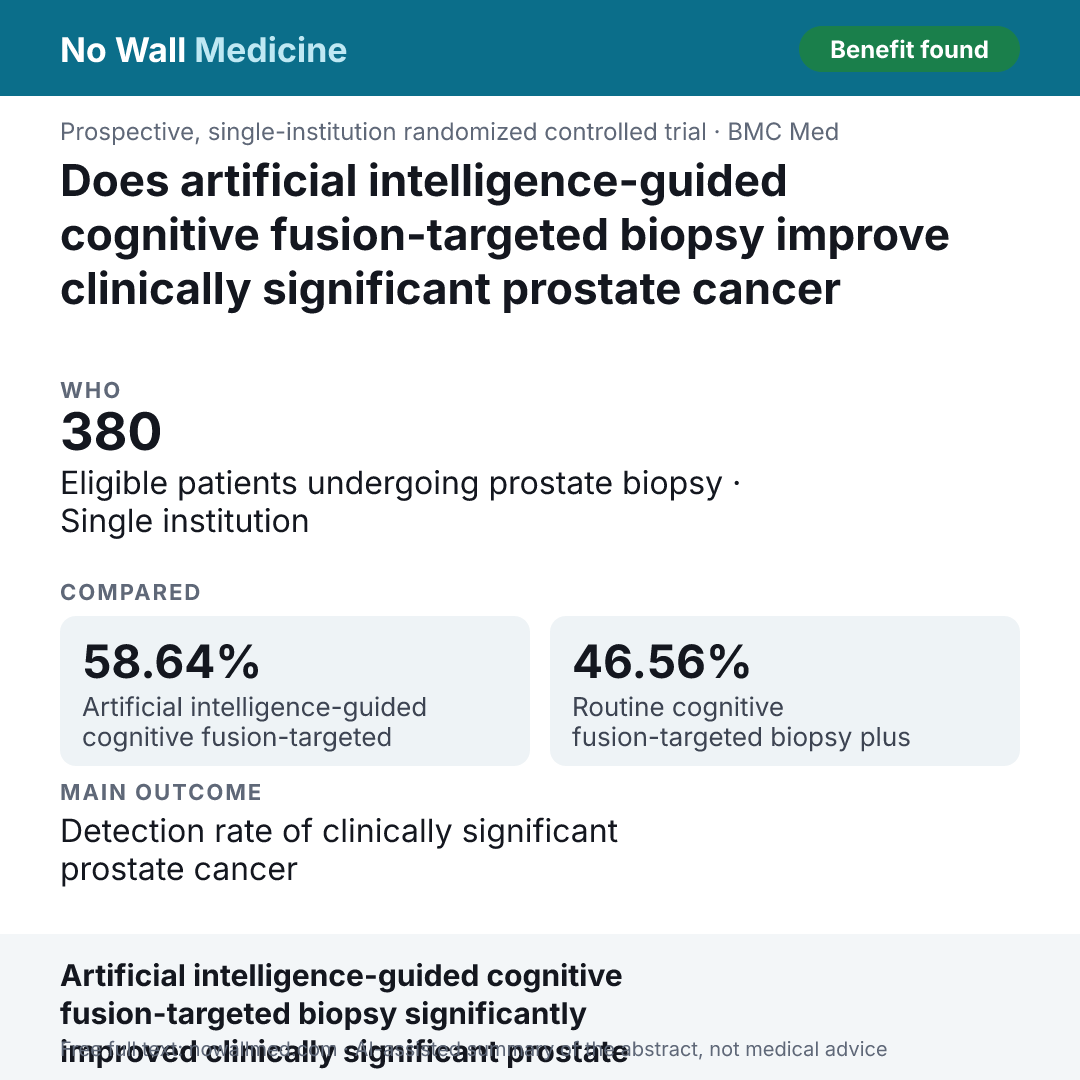
Comparison of MRI artificial intelligence-guided cognitive fusion-targeted biopsy versus routine cognitive fusion-targeted prostate biopsy in prostate cancer diagnosis: a randomized controlled trial
Prospective, single-institution randomized controlled trialBenefit found
Does artificial intelligence-guided cognitive fusion-targeted biopsy improve clinically significant prostate cancer detection?
Who
380
Eligible patients undergoing prostate biopsy · Single institution
Compared
58.64%Artificial intelligence-guided cognitive fusion-targeted biopsy plus systematic biopsy
46.56%Routine cognitive fusion-targeted biopsy plus systematic biopsy
Main outcome
Detection rate of clinically significant prostate cancer
Bottom line: Artificial intelligence-guided cognitive fusion-targeted biopsy significantly improved clinically significant prostate cancer detection rates compared to routine biopsy.
BMC Med · 2024-11-13 · Save PNG
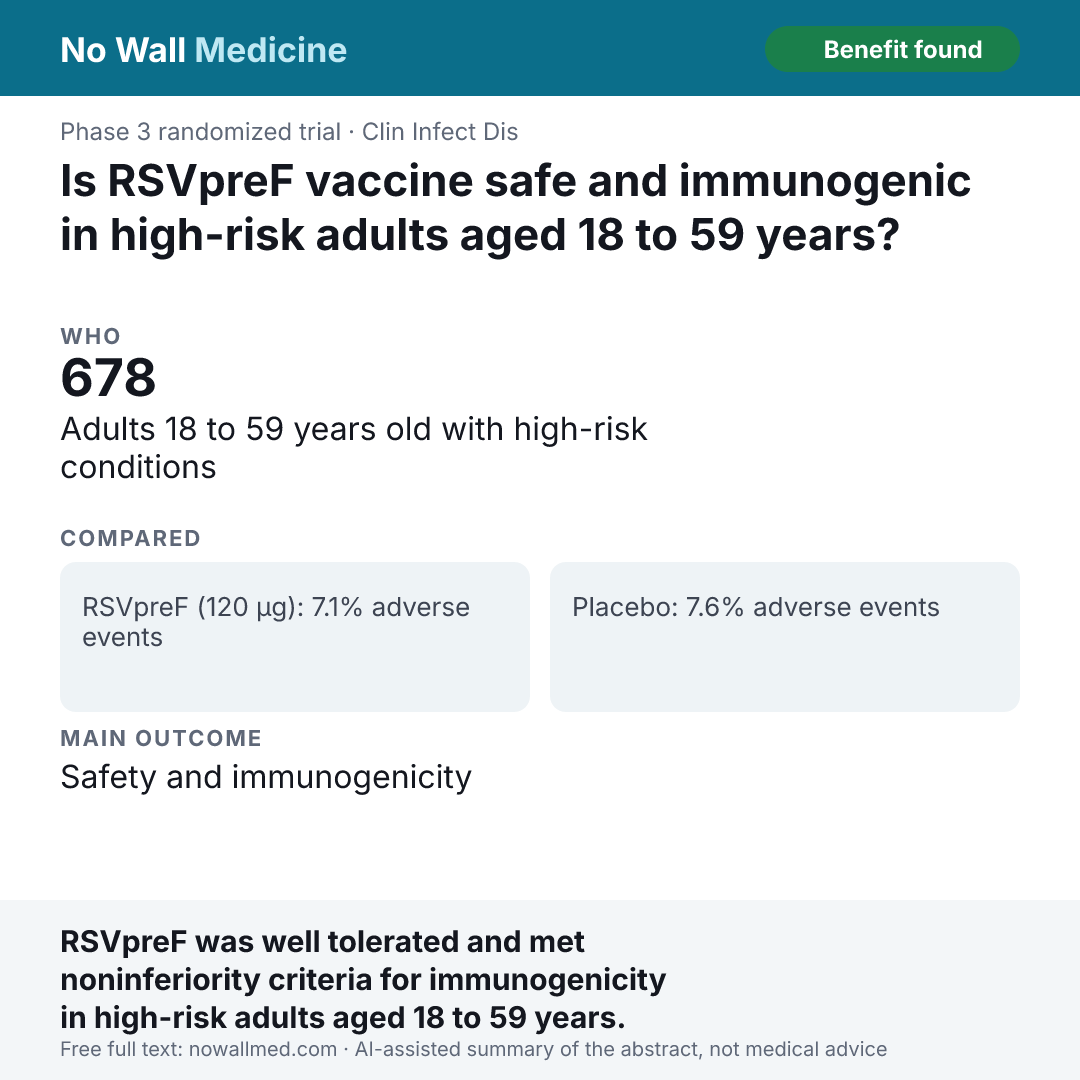
Bivalent RSVpreF Vaccine in Adults 18 to <60 Years Old With High-Risk Conditions
Phase 3 randomized trialBenefit found
Is RSVpreF vaccine safe and immunogenic in high-risk adults aged 18 to 59 years?
Who
678
Adults 18 to 59 years old with high-risk conditions
Compared
RSVpreF (120 µg): 7.1% adverse events
Placebo: 7.6% adverse events
Main outcome
Safety and immunogenicity
Bottom line: RSVpreF was well tolerated and met noninferiority criteria for immunogenicity in high-risk adults aged 18 to 59 years.
Clin Infect Dis · 2024-11-13 · Save PNG
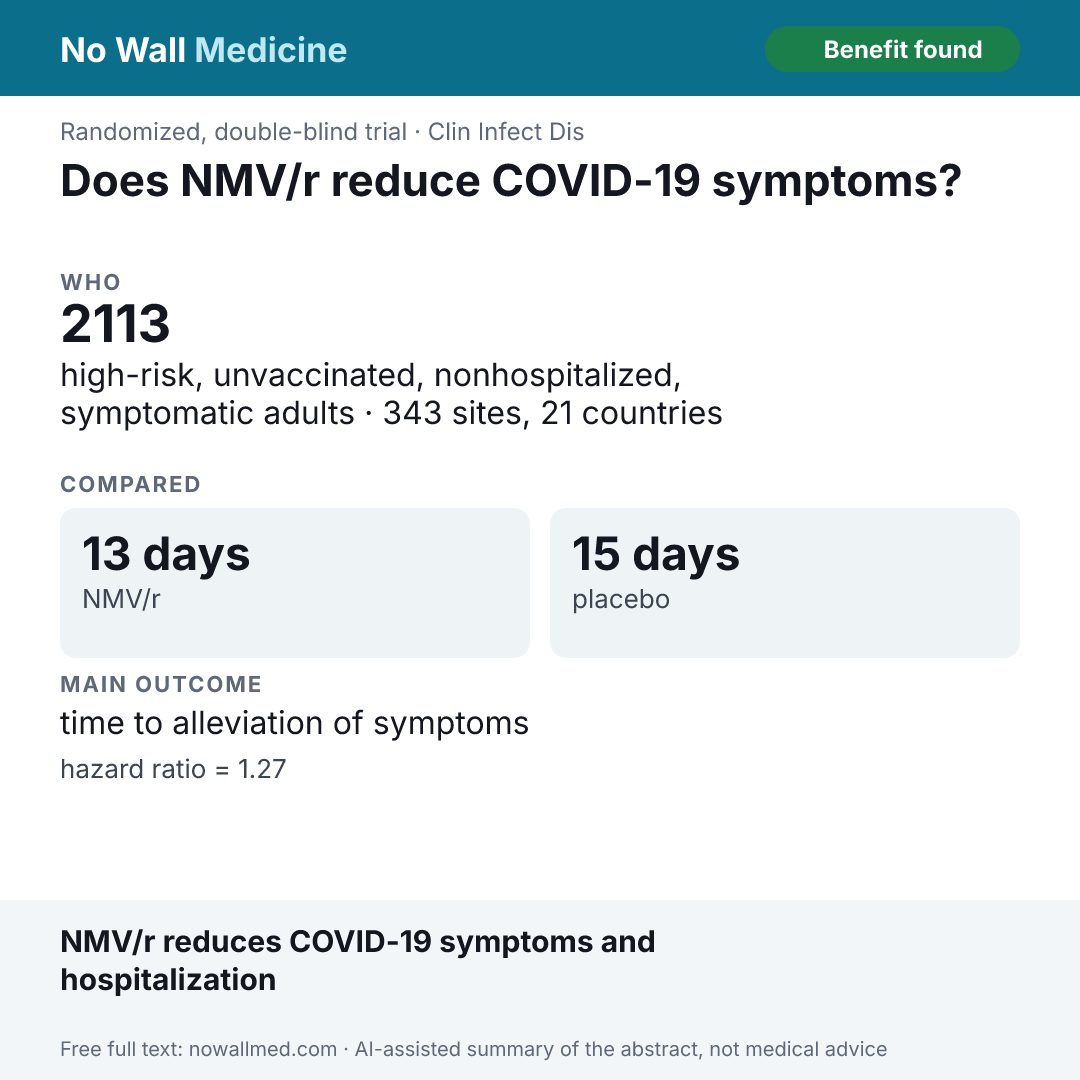
Alleviation of COVID-19 Symptoms and Reduction in Healthcare Utilization Among High-risk Patients Treated With Nirmatrelvir/Ritonavir (NMV/R): A Phase 3 Randomized Trial
Randomized, double-blind trialBenefit found
Does NMV/r reduce COVID-19 symptoms?
Who
2113
high-risk, unvaccinated, nonhospitalized, symptomatic adults · 343 sites, 21 countries
Compared
13 daysNMV/r
15 daysplacebo
Main outcome
time to alleviation of symptoms
Result: hazard ratio = 1.27
Bottom line: NMV/r reduces COVID-19 symptoms and hospitalization
Clin Infect Dis · 2024-11-13 · Save PNG
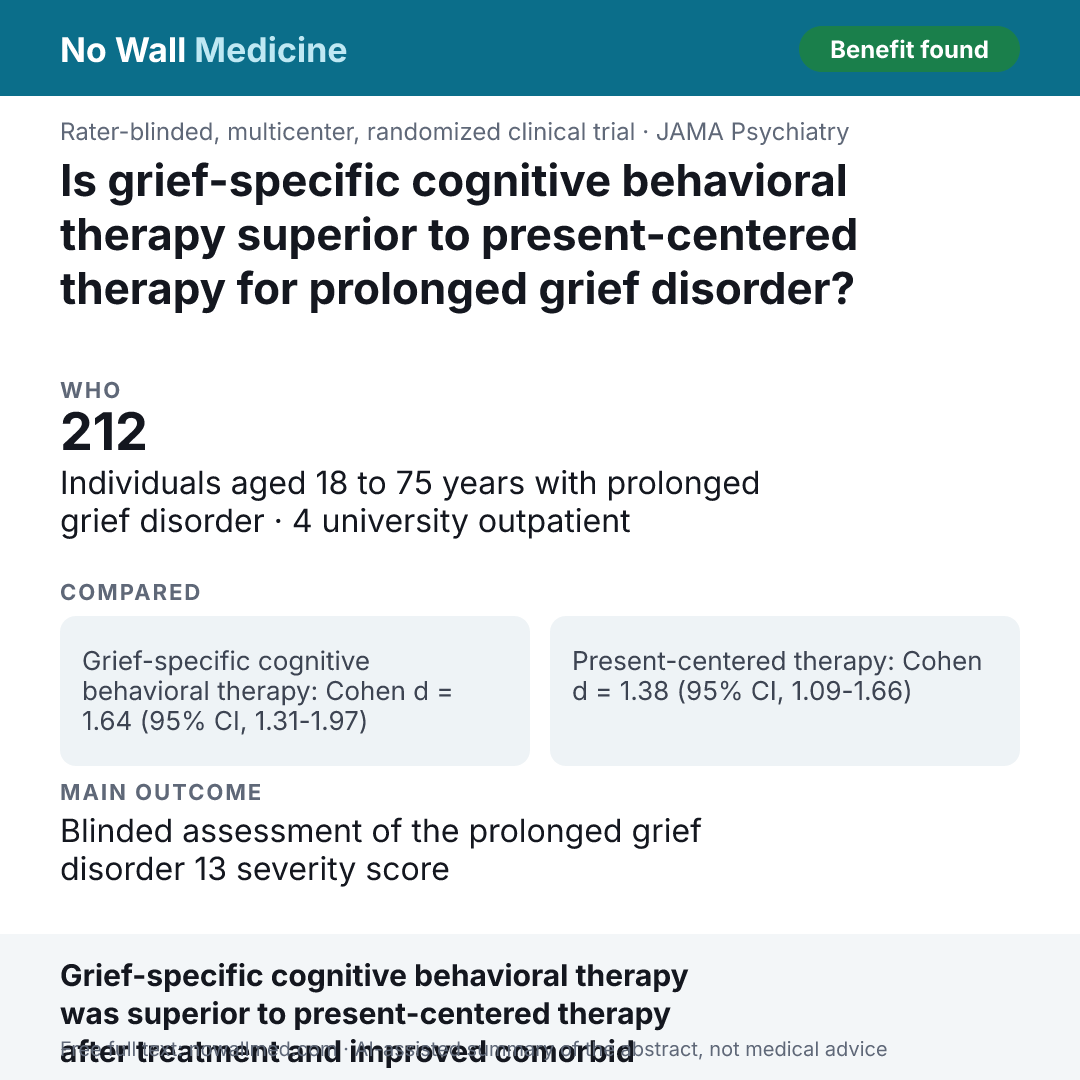
Grief-Specific Cognitive Behavioral Therapy vs Present-Centered Therapy: A Randomized Clinical Trial
Rater-blinded, multicenter, randomized clinical trialBenefit found
Is grief-specific cognitive behavioral therapy superior to present-centered therapy for prolonged grief disorder?
Who
212
Individuals aged 18 to 75 years with prolonged grief disorder · 4 university outpatient clinics in Germany
Compared
Grief-specific cognitive behavioral therapy: Cohen d = 1.64 (95% CI, 1.31-1.97)
Present-centered therapy: Cohen d = 1.38 (95% CI, 1.09-1.66)
Main outcome
Blinded assessment of the prolonged grief disorder 13 severity score
Result: Cohen d = 0.31 (95% CI, 0.03-0.57) after treatment
Bottom line: Grief-specific cognitive behavioral therapy was superior to present-centered therapy after treatment and improved comorbid symptoms at follow-up.
JAMA Psychiatry · 2024-11-13 · Save PNG
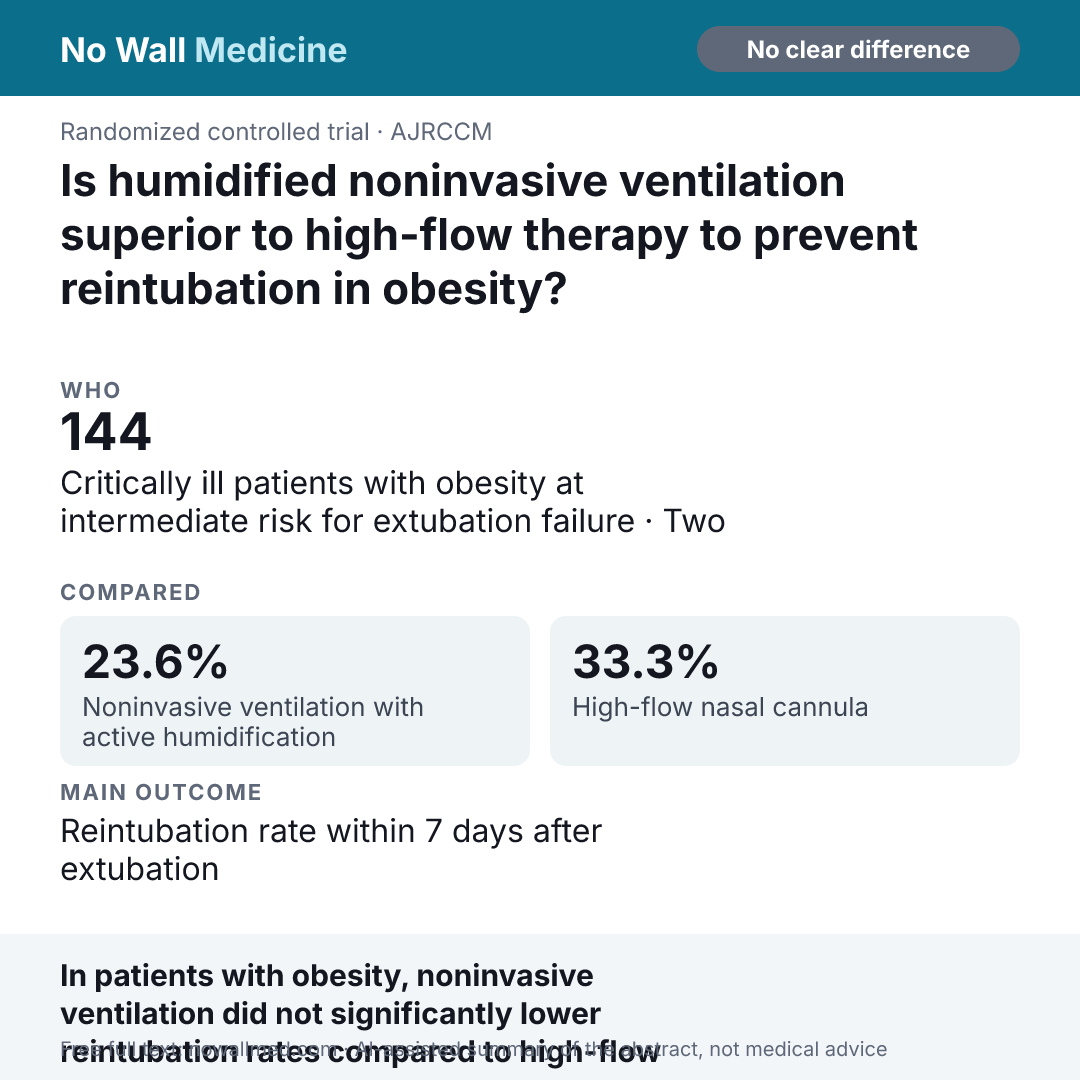
Humidified Noninvasive Ventilation versus High-Flow Therapy to Prevent Reintubation in Patients with Obesity: A Randomized Clinical Trial
Randomized controlled trialNo clear difference
Is humidified noninvasive ventilation superior to high-flow therapy to prevent reintubation in obesity?
Who
144
Critically ill patients with obesity at intermediate risk for extubation failure · Two intensive care units in Spain
Compared
23.6%Noninvasive ventilation with active humidification
33.3%High-flow nasal cannula
Main outcome
Reintubation rate within 7 days after extubation
Result: difference between groups, 9.7; 95% confidence interval, -4.9, 24.4
Bottom line: In patients with obesity, noninvasive ventilation did not significantly lower reintubation rates compared to high-flow nasal cannula.
AJRCCM · 2024-11-13 · Save PNG