Visual abstracts
New randomized trials and meta-analyses from leading journals at a glance: who was studied, what was compared, and what was found. Every paper is free to read in full.
All specialtiesCardiology 1046Oncology 939Gastroenterology & Hepatology 386Infectious Disease 716Neurology 448Psychiatry & Mental Health 552Pulmonology 470Critical Care 320Endocrinology & Diabetes 600Pediatrics 662Surgery 468Orthopedics & Sports Medicine 204Neurosurgery 151Cardiothoracic & Vascular Surgery 108Plastic & Reconstructive Surgery 171Nephrology 237Rheumatology 137Hematology 223Dermatology 99Ophthalmology 122Obstetrics & Gynecology 331Public & Global Health 209Radiology & Imaging 133Anesthesiology 193Urology 201ENT (Otolaryngology) 143Emergency Medicine 119Allergy & Immunology 72Geriatrics 215Family Medicine & Primary Care 137Medical Genetics & Genomics 113Pathology & Laboratory Medicine 33Physical Medicine & Rehabilitation 186Palliative Care 96Nutrition 279Digital Health & AI 551General Medicine 106
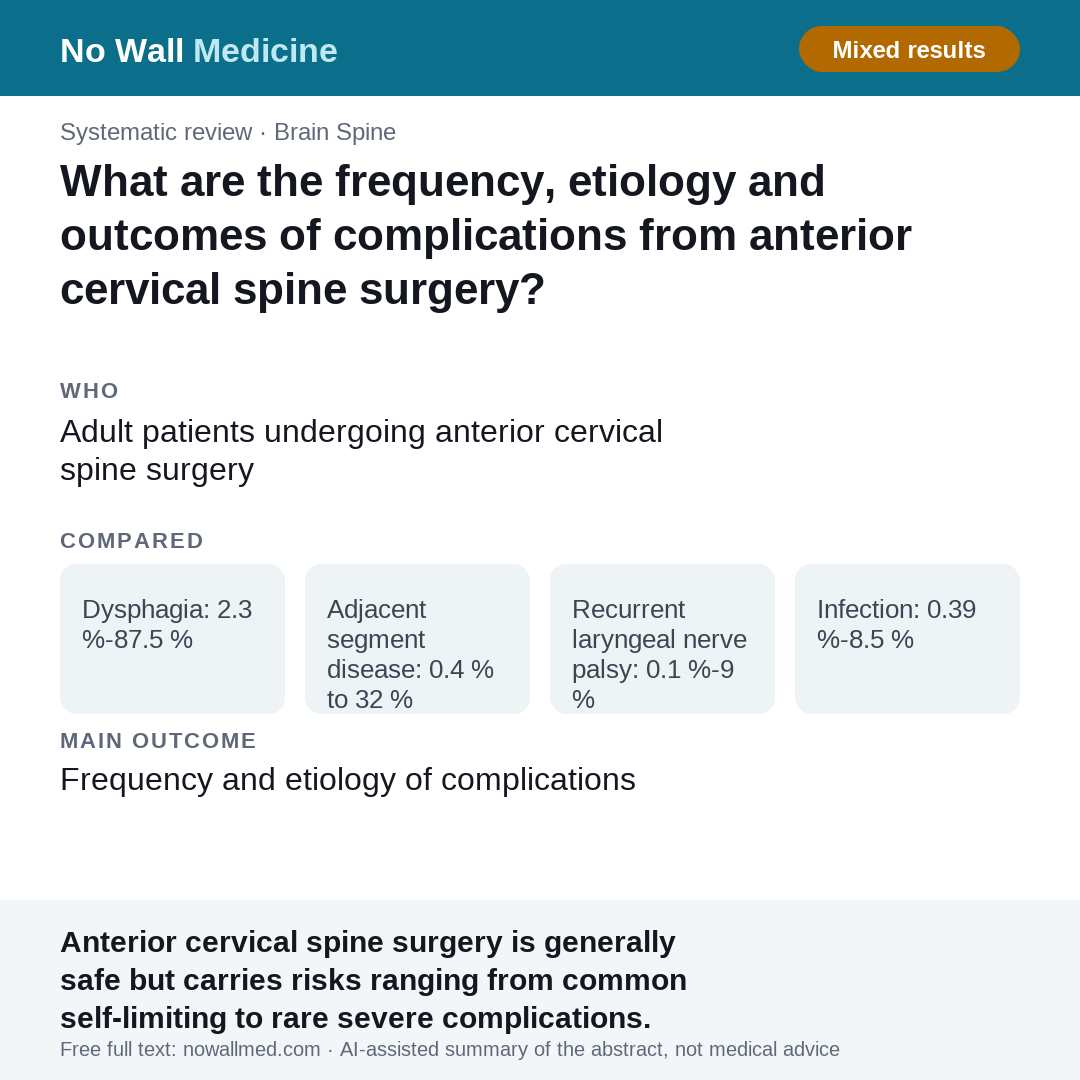
Complications associated with anterior cervical spine surgery: A systematic review of literature
Systematic reviewMixed results
What are the frequency, etiology and outcomes of complications from anterior cervical spine surgery?
Who
Adult patients undergoing anterior cervical spine surgery
Compared
Dysphagia: 2.3 %-87.5 %
Adjacent segment disease: 0.4 % to 32 %
Recurrent laryngeal nerve palsy: 0.1 %-9 %
Infection: 0.39 %-8.5 %
Main outcome
Frequency and etiology of complications
Bottom line: Anterior cervical spine surgery is generally safe but carries risks ranging from common self-limiting to rare severe complications.
Brain Spine · 2025-12-03Download image
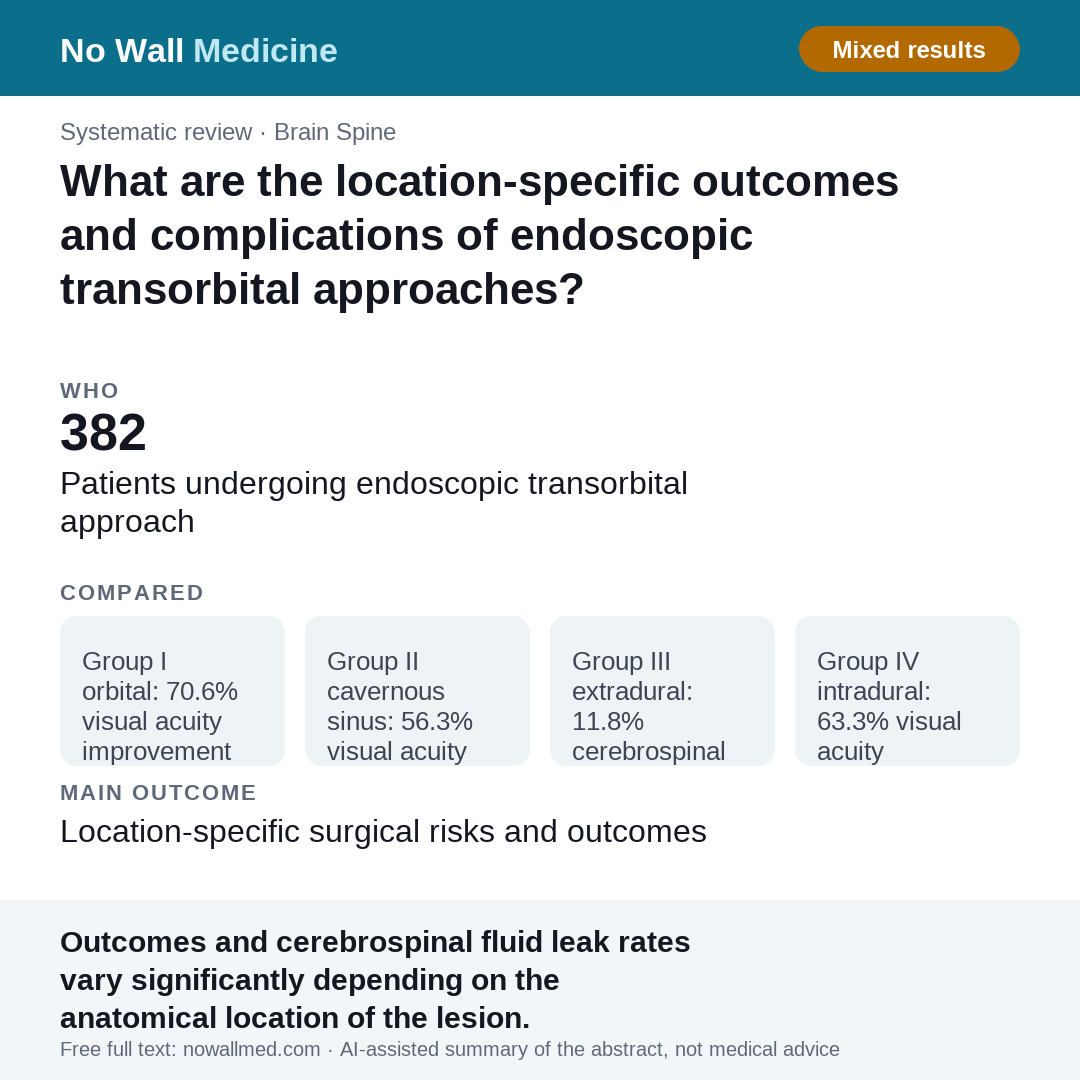
Location-specific outcomes and complications of endoscopic transorbital approaches: A systematic review with novel anatomical grouping
Systematic reviewMixed results
What are the location-specific outcomes and complications of endoscopic transorbital approaches?
Who
382
Patients undergoing endoscopic transorbital approach
Compared
Group I orbital: 70.6% visual acuity improvement
Group II cavernous sinus: 56.3% visual acuity improvement
Group III extradural: 11.8% cerebrospinal fluid leak
Group IV intradural: 63.3% visual acuity improvement
Main outcome
Location-specific surgical risks and outcomes
Bottom line: Outcomes and cerebrospinal fluid leak rates vary significantly depending on the anatomical location of the lesion.
Brain Spine · 2025-12-03Download image
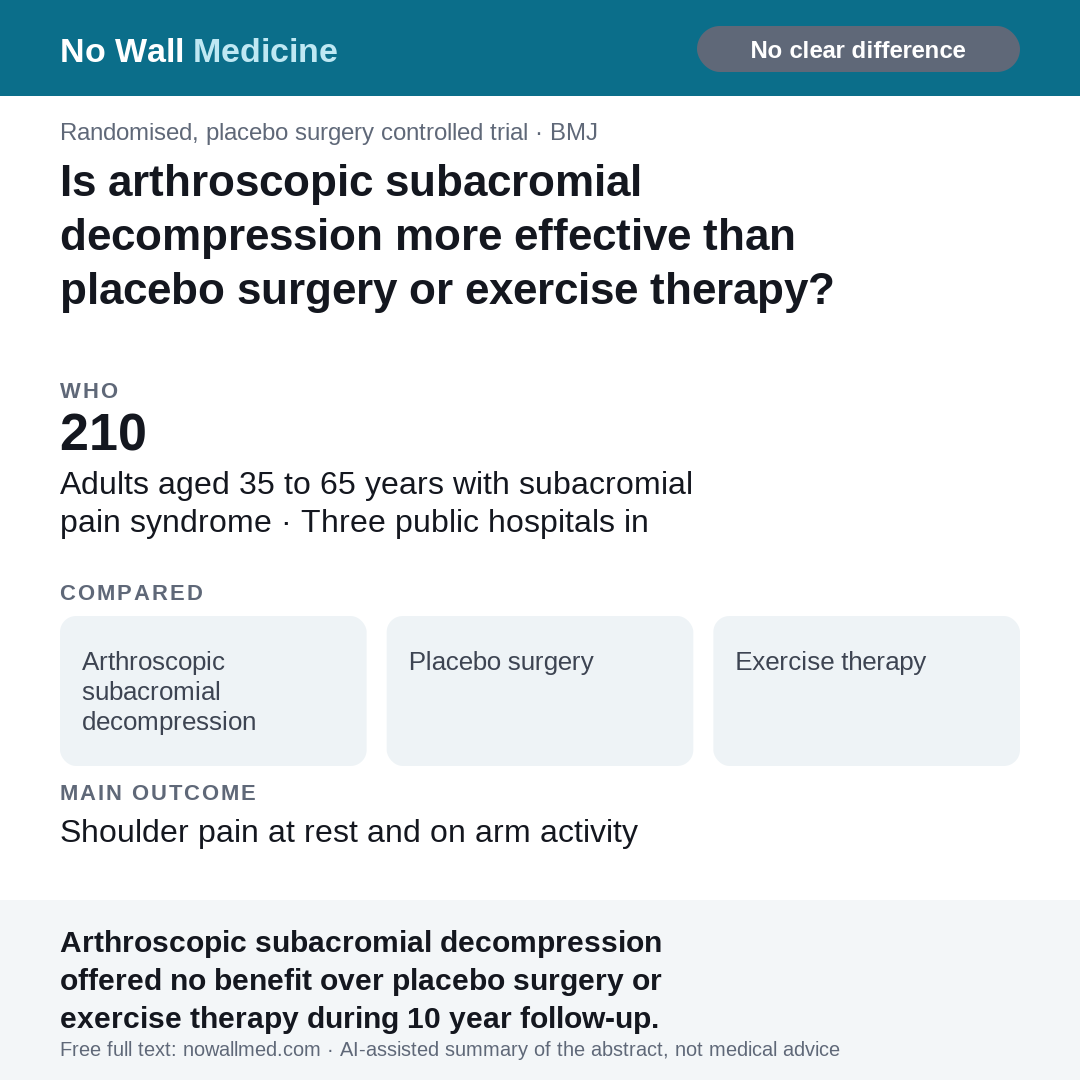
Arthroscopic subacromial decompression versus placebo surgery for subacromial pain syndrome: 10 year follow-up of the FIMPACT randomised, placebo surgery controlled trial
Randomised, placebo surgery controlled trialNo clear difference
Is arthroscopic subacromial decompression more effective than placebo surgery or exercise therapy?
Who
210
Adults aged 35 to 65 years with subacromial pain syndrome · Three public hospitals in Finland
Compared
Arthroscopic subacromial decompression
Placebo surgery
Exercise therapy
Main outcome
Shoulder pain at rest and on arm activity
Result: -1.5 points (95% CI -8.6 to 5.6) for rest pain
Bottom line: Arthroscopic subacromial decompression offered no benefit over placebo surgery or exercise therapy during 10 year follow-up.
BMJ · 2025-12-02Download image
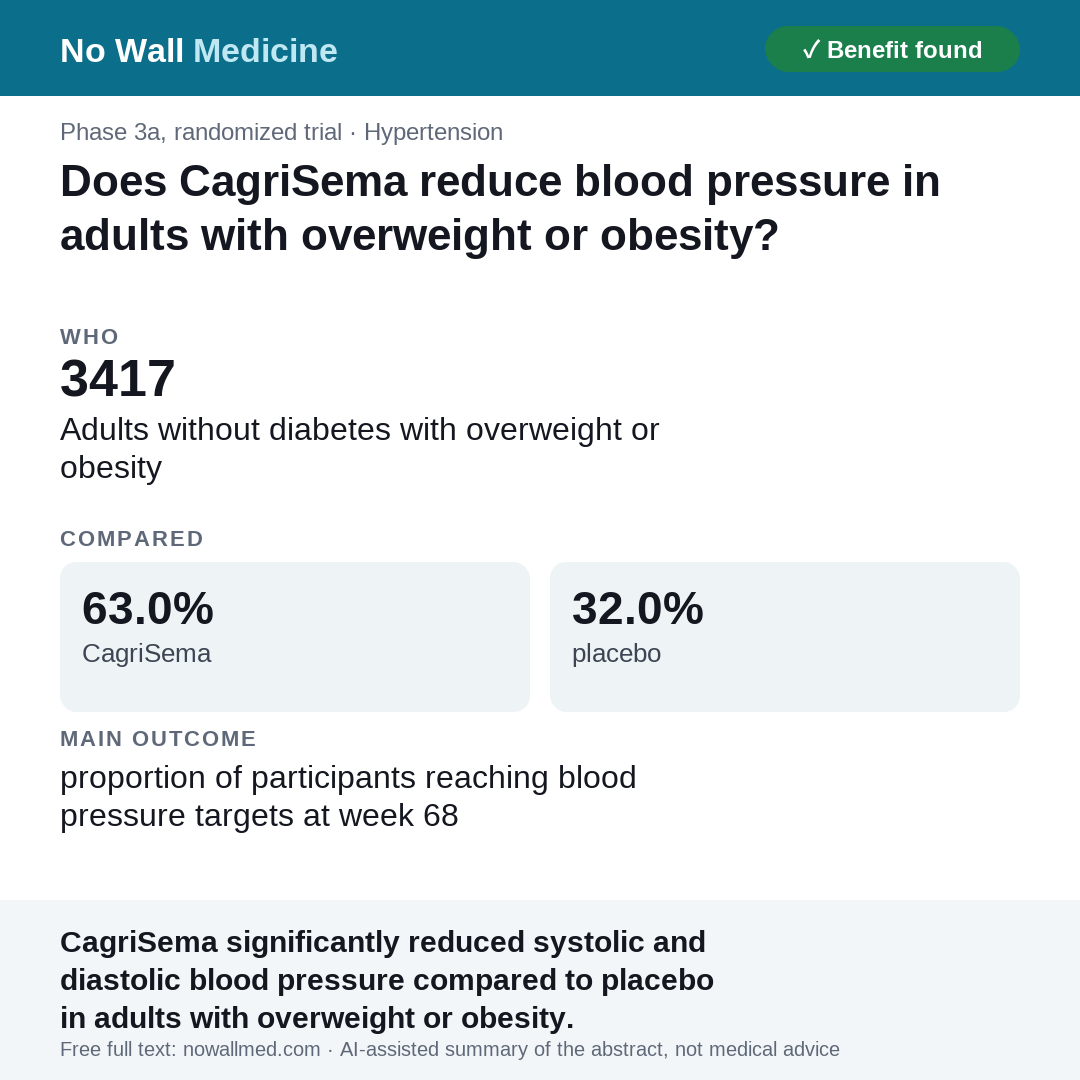
CagriSema Reduces Blood Pressure in Adults With Overweight or Obesity: REDEFINE 1
Phase 3a, randomized trialBenefit found
Does CagriSema reduce blood pressure in adults with overweight or obesity?
Who
3417
Adults without diabetes with overweight or obesity
Compared
63.0%CagriSema
32.0%placebo
Main outcome
proportion of participants reaching blood pressure targets at week 68
Result: odds ratio, 1.7 (95% CI, 0.7-4.4)
Bottom line: CagriSema significantly reduced systolic and diastolic blood pressure compared to placebo in adults with overweight or obesity.
Hypertension · 2025-12-02Download image
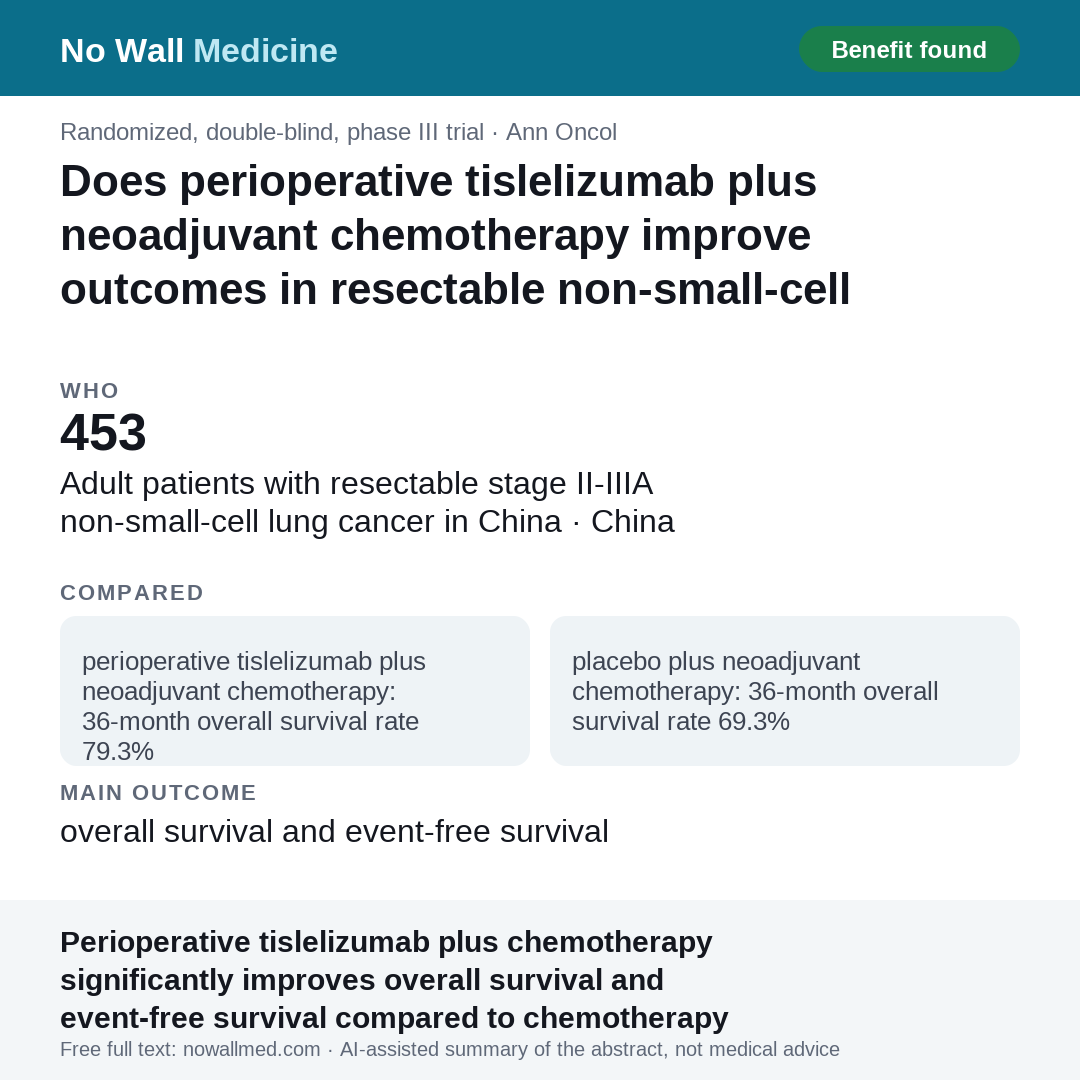
Perioperative tislelizumab plus neoadjuvant chemotherapy for patients with resectable non-small-cell lung cancer: final analysis of the randomized RATIONALE-315 trial
Randomized, double-blind, phase III trialBenefit found
Does perioperative tislelizumab plus neoadjuvant chemotherapy improve outcomes in resectable non-small-cell lung cancer?
Who
453
Adult patients with resectable stage II-IIIA non-small-cell lung cancer in China · China
Compared
perioperative tislelizumab plus neoadjuvant chemotherapy: 36-month overall survival rate 79.3%
placebo plus neoadjuvant chemotherapy: 36-month overall survival rate 69.3%
Main outcome
overall survival and event-free survival
Result: hazard ratio 0.65 (95% CI 0.45-0.93)
Bottom line: Perioperative tislelizumab plus chemotherapy significantly improves overall survival and event-free survival compared to chemotherapy alone.
Ann Oncol · 2025-12-02Download image
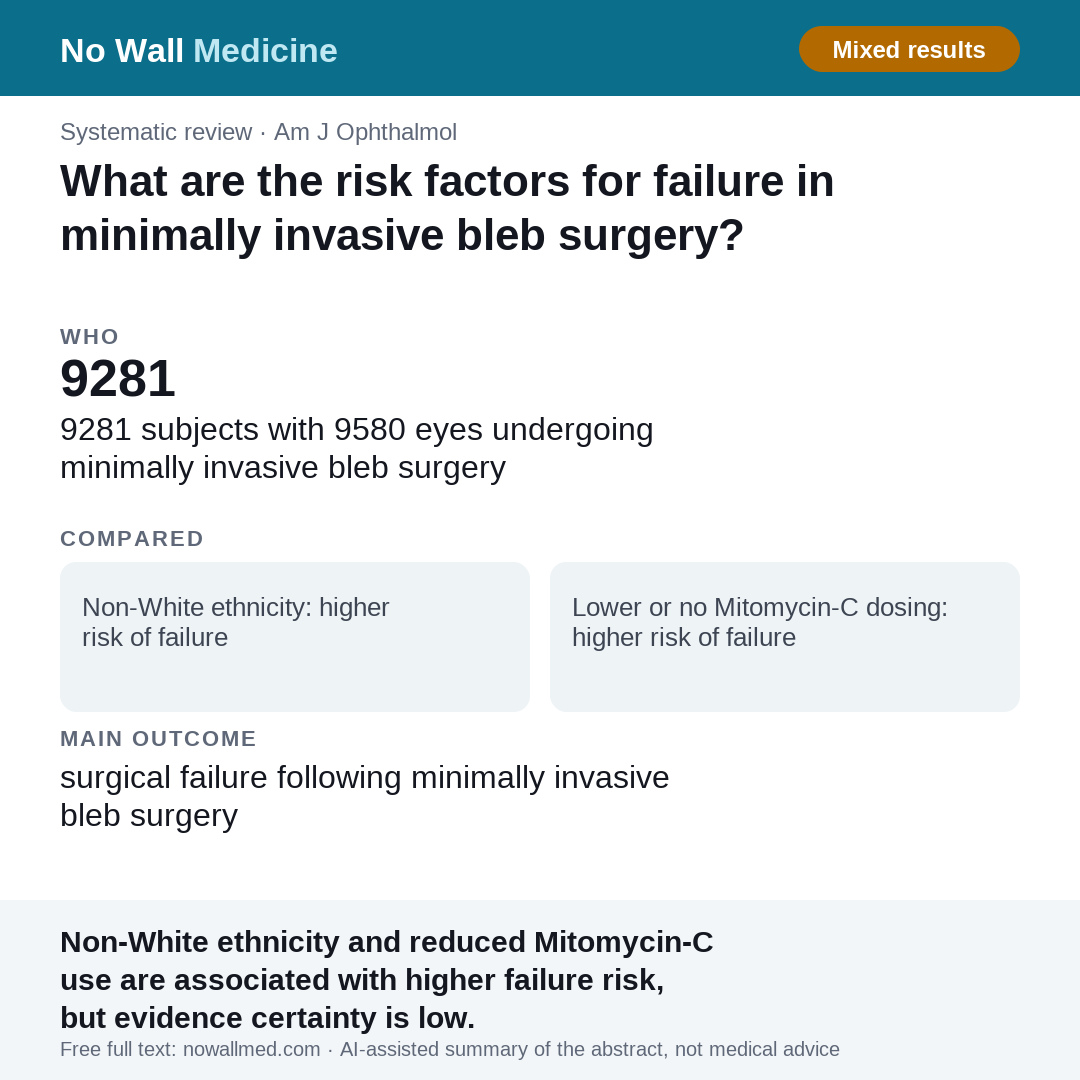
Risk Factors for Failure in Minimally Invasive Bleb Surgery: A Systematic Review
Systematic reviewMixed results
What are the risk factors for failure in minimally invasive bleb surgery?
Who
9281
9281 subjects with 9580 eyes undergoing minimally invasive bleb surgery
Compared
Non-White ethnicity: higher risk of failure
Lower or no Mitomycin-C dosing: higher risk of failure
Main outcome
surgical failure following minimally invasive bleb surgery
Bottom line: Non-White ethnicity and reduced Mitomycin-C use are associated with higher failure risk, but evidence certainty is low.
Limitation: low certainty of evidence and low to moderate evidence quality
Am J Ophthalmol · 2025-12-02Download image
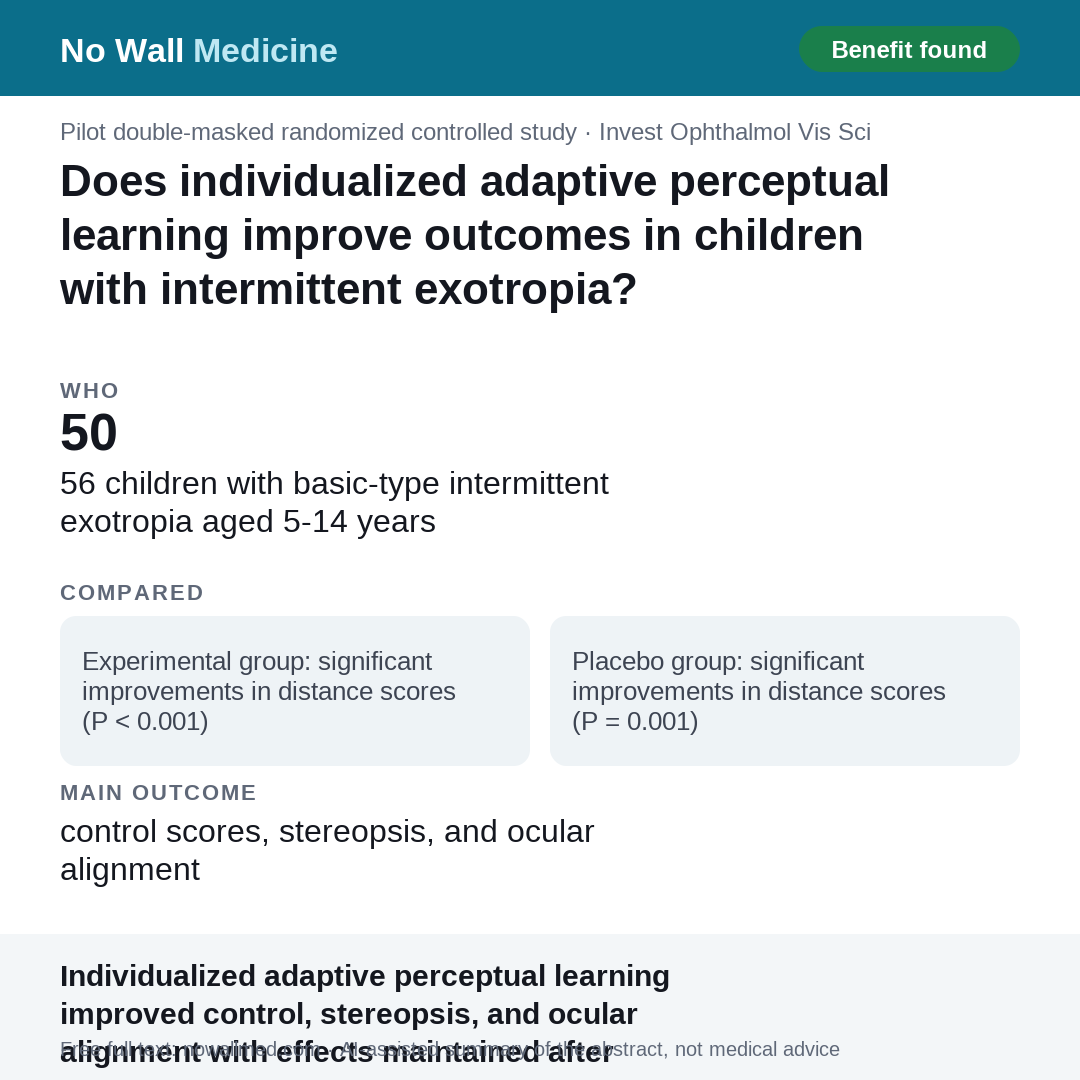
Perceptual Learning Based on Adaptive Contrast Detection Training for Intermittent Exotropia: A Pilot Double-Masked Randomized Controlled Study
Pilot double-masked randomized controlled studyBenefit found
Does individualized adaptive perceptual learning improve outcomes in children with intermittent exotropia?
Who
50
56 children with basic-type intermittent exotropia aged 5-14 years
Compared
Experimental group: significant improvements in distance scores (P < 0.001)
Placebo group: significant improvements in distance scores (P = 0.001)
Main outcome
control scores, stereopsis, and ocular alignment
Bottom line: Individualized adaptive perceptual learning improved control, stereopsis, and ocular alignment with effects maintained after treatment cessation.
Invest Ophthalmol Vis Sci · 2025-12-02Download image
Economic evaluation of next-generation sequencing technologies in pediatric patient groups with confirmed or possible rare diseases: A systematic literature review
Systematic literature reviewBenefit found
Is next-generation sequencing cost-effective for diagnosing rare diseases in pediatric populations?
Who
25
Pediatric patients with confirmed or possible rare diseases · Organization for Economic Co-operation and Development or European Union countries
Compared
Next-generation sequencing
Standard diagnostic methods
Main outcome
Cost-effectiveness of next-generation sequencing technologies
Bottom line: Next-generation sequencing is generally cost-effective for diagnosing rare diseases in pediatrics, especially when used early.
Limitation: Significant variability in study methodology and limited evaluation of newborn screening.
Genet Med · 2025-12-02Download image

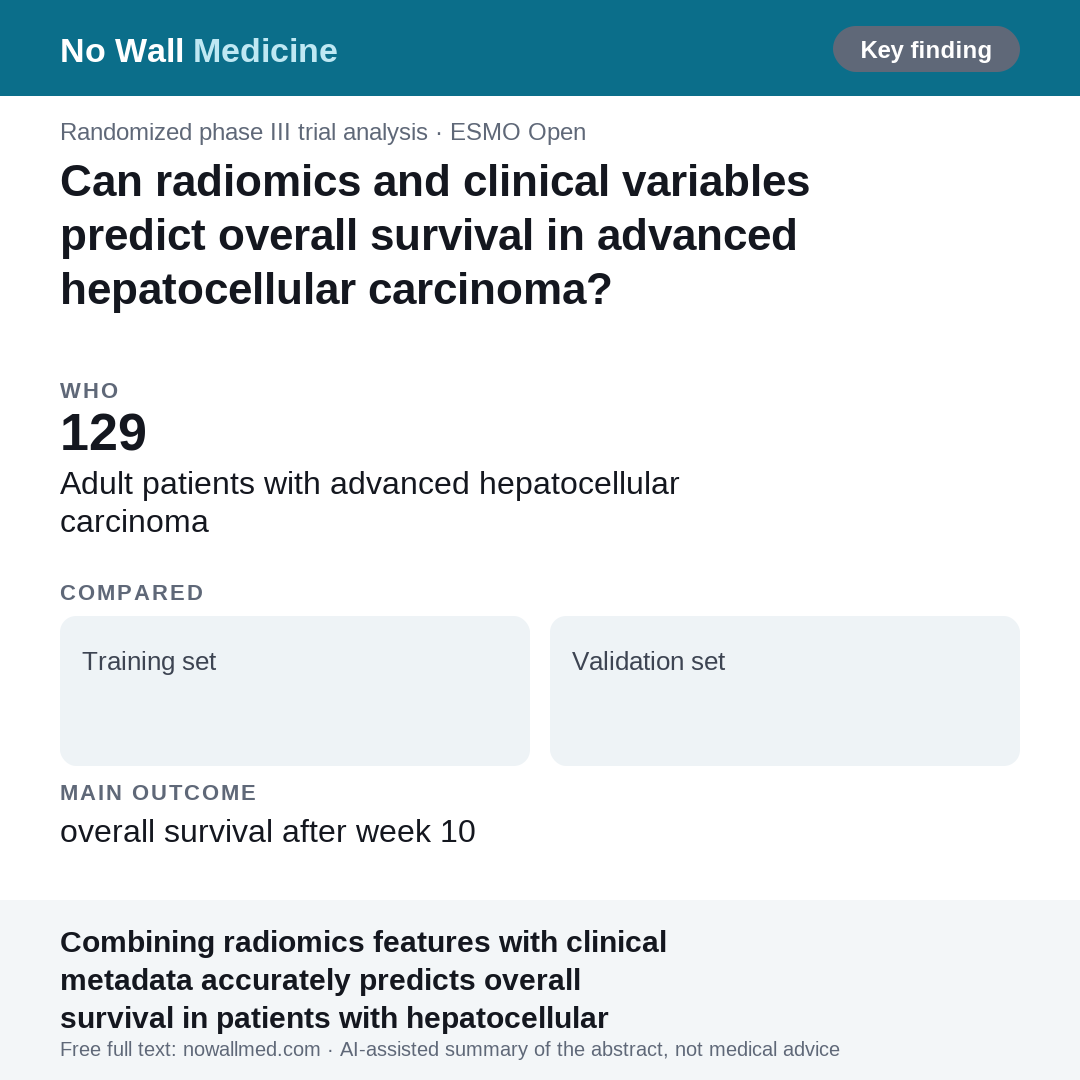
Radiomic signatures to estimate survival in patients with advanced hepatocellular carcinoma treated with sorafenib: Cancer and Leukemia Group B 80802 (Alliance)
Randomized phase III trial analysisBenefit found
Can radiomics and clinical variables predict overall survival in advanced hepatocellular carcinoma?
Who
129
Adult patients with advanced hepatocellular carcinoma
Compared
Training set
Validation set
Main outcome
overall survival after week 10
Result: hazard ratio 2398 (95% confidence interval 121-47 371)
Bottom line: Combining radiomics features with clinical metadata accurately predicts overall survival in patients with hepatocellular carcinoma receiving sorafenib.
ESMO Open · 2025-12-02Download image
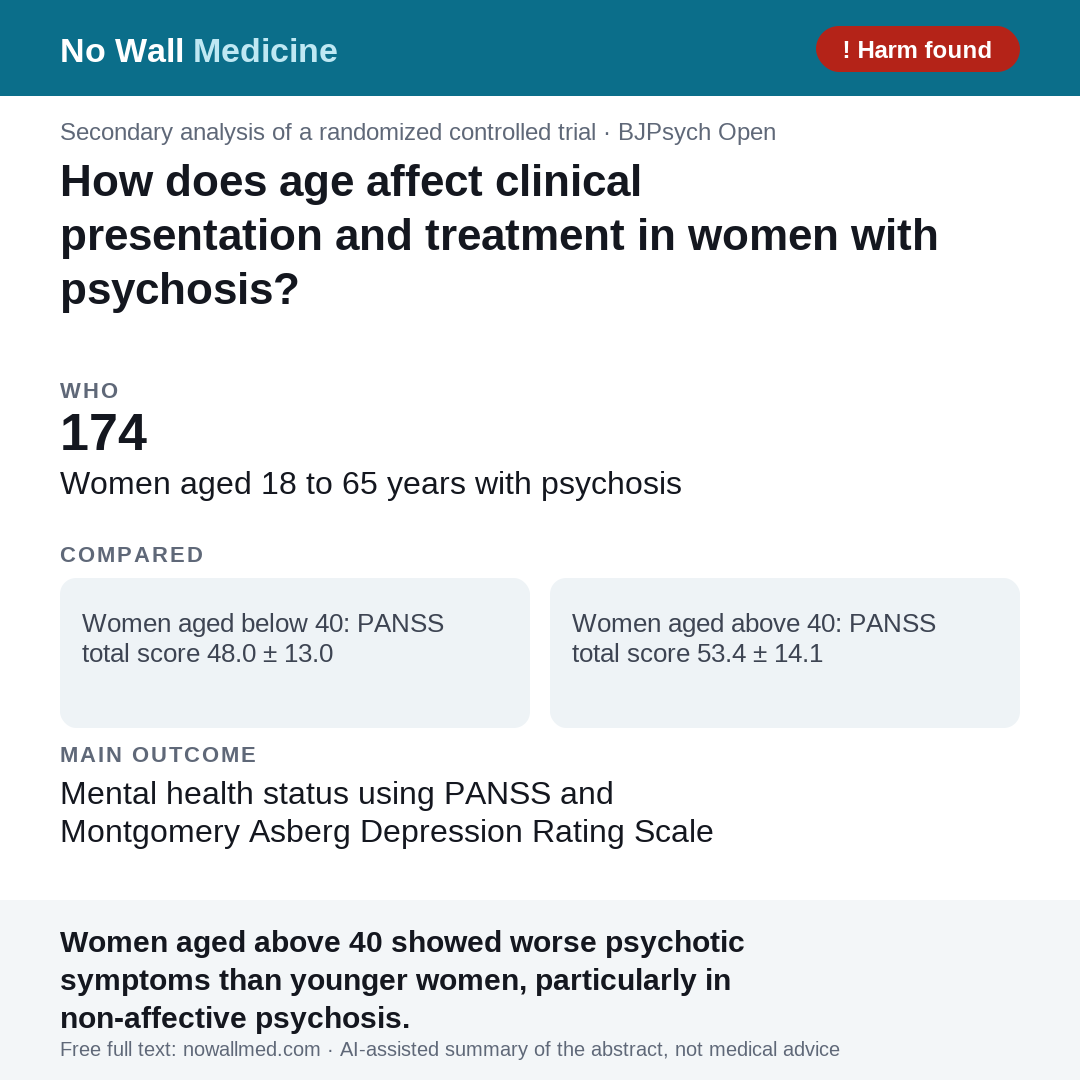
The effect of age on the clinical presentation and treatment of women with psychosis: secondary analysis of the IMPaCT Randomised Clinical Trial
Secondary analysis of a randomized controlled trialHarm found
How does age affect clinical presentation and treatment in women with psychosis?
Who
174
Women aged 18 to 65 years with psychosis
Compared
Women aged below 40: PANSS total score 48.0 ± 13.0
Women aged above 40: PANSS total score 53.4 ± 14.1
Main outcome
Mental health status using PANSS and Montgomery Asberg Depression Rating Scale
Bottom line: Women aged above 40 showed worse psychotic symptoms than younger women, particularly in non-affective psychosis.
BJPsych Open · 2025-12-02Download image
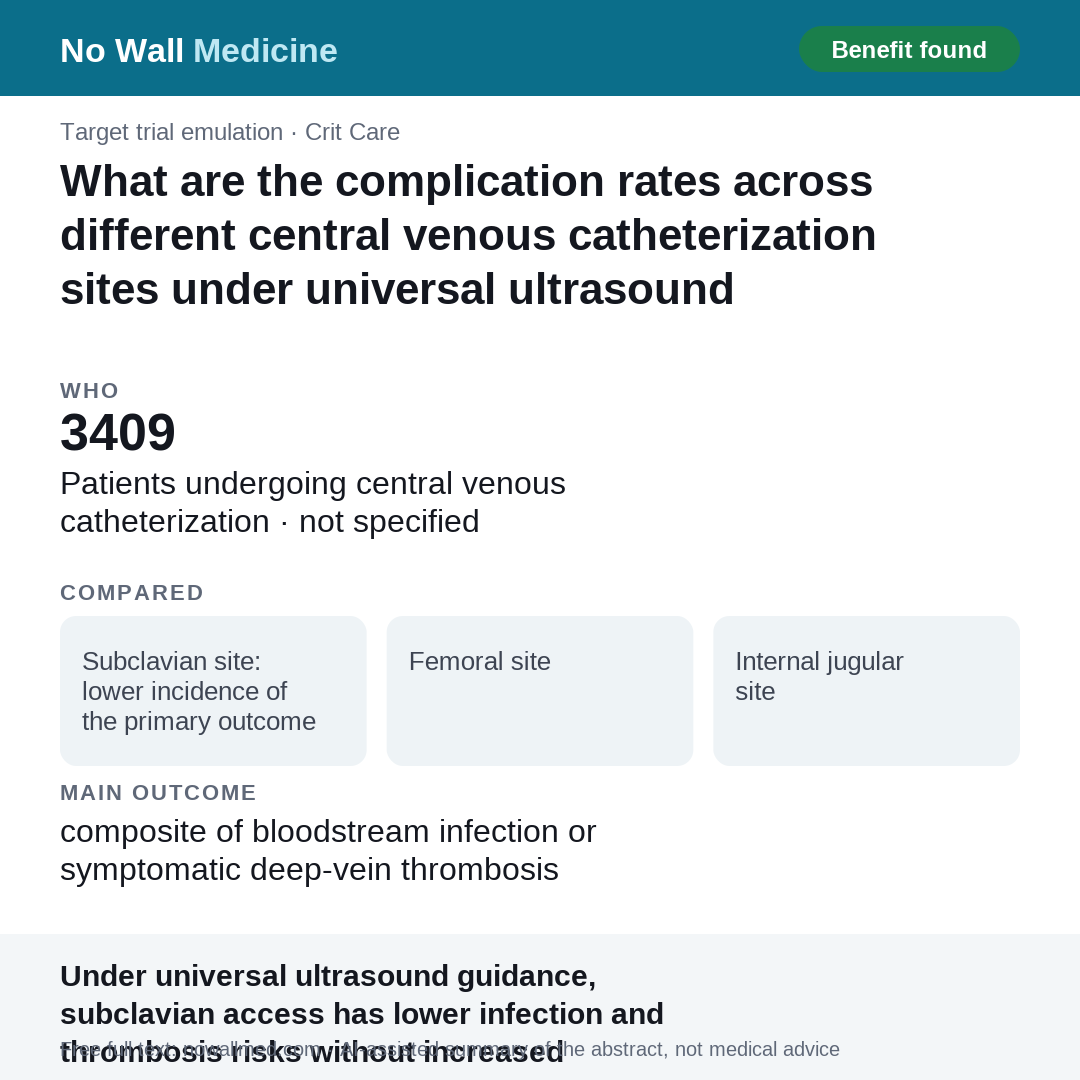
Site-specific complications of central venous catheterization under systematic ultrasound guidance: a target trial emulation revisiting the 3SITES study
Target trial emulationBenefit found
What are the complication rates across different central venous catheterization sites under universal ultrasound guidance?
Who
3409
Patients undergoing central venous catheterization · not specified
Compared
Subclavian site: lower incidence of the primary outcome
Femoral site
Internal jugular site
Main outcome
composite of bloodstream infection or symptomatic deep-vein thrombosis
Bottom line: Under universal ultrasound guidance, subclavian access has lower infection and thrombosis risks without increased mechanical complications.
Limitation: The study is a target trial emulation of the 3SITES dataset.
Crit Care · 2025-12-02Download image
The user experience of ambulatory assessment and mood monitoring in depression: a systematic review & meta-synthesis
Systematic review and meta-synthesisMixed results
User experience of mood monitoring
Who
Individuals with depression
Compared
Mood monitoring
Ambulatory assessment
Main outcome
User experience
Bottom line: Mood monitoring has positive and negative effects
NPJ Digit Med · 2025-12-02Download image
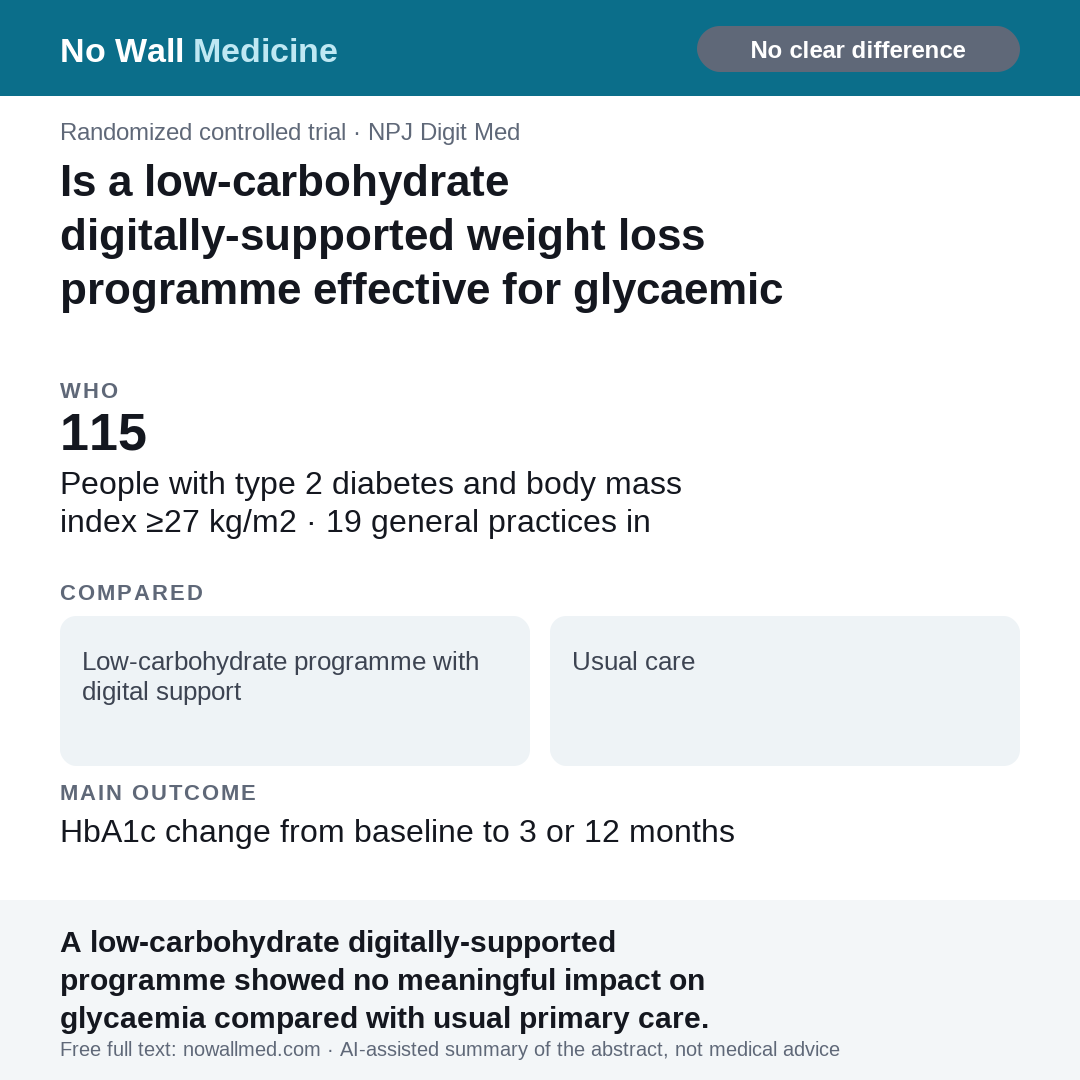
A randomised controlled trial of a low-carbohydrate digitally-supported weight loss programme for type 2 diabetes
Randomized controlled trialNo clear difference
Is a low-carbohydrate digitally-supported weight loss programme effective for glycaemic control?
Who
115
People with type 2 diabetes and body mass index ≥27 kg/m2 · 19 general practices in England
Compared
Low-carbohydrate programme with digital support
Usual care
Main outcome
HbA1c change from baseline to 3 or 12 months
Result: estimated mean difference (95% CI) -0.7 mmol/mol (-5.0 to 3.6), and -1.5 (-5.7 to 2.8)
Bottom line: A low-carbohydrate digitally-supported programme showed no meaningful impact on glycaemia compared with usual primary care.
NPJ Digit Med · 2025-12-02Download image
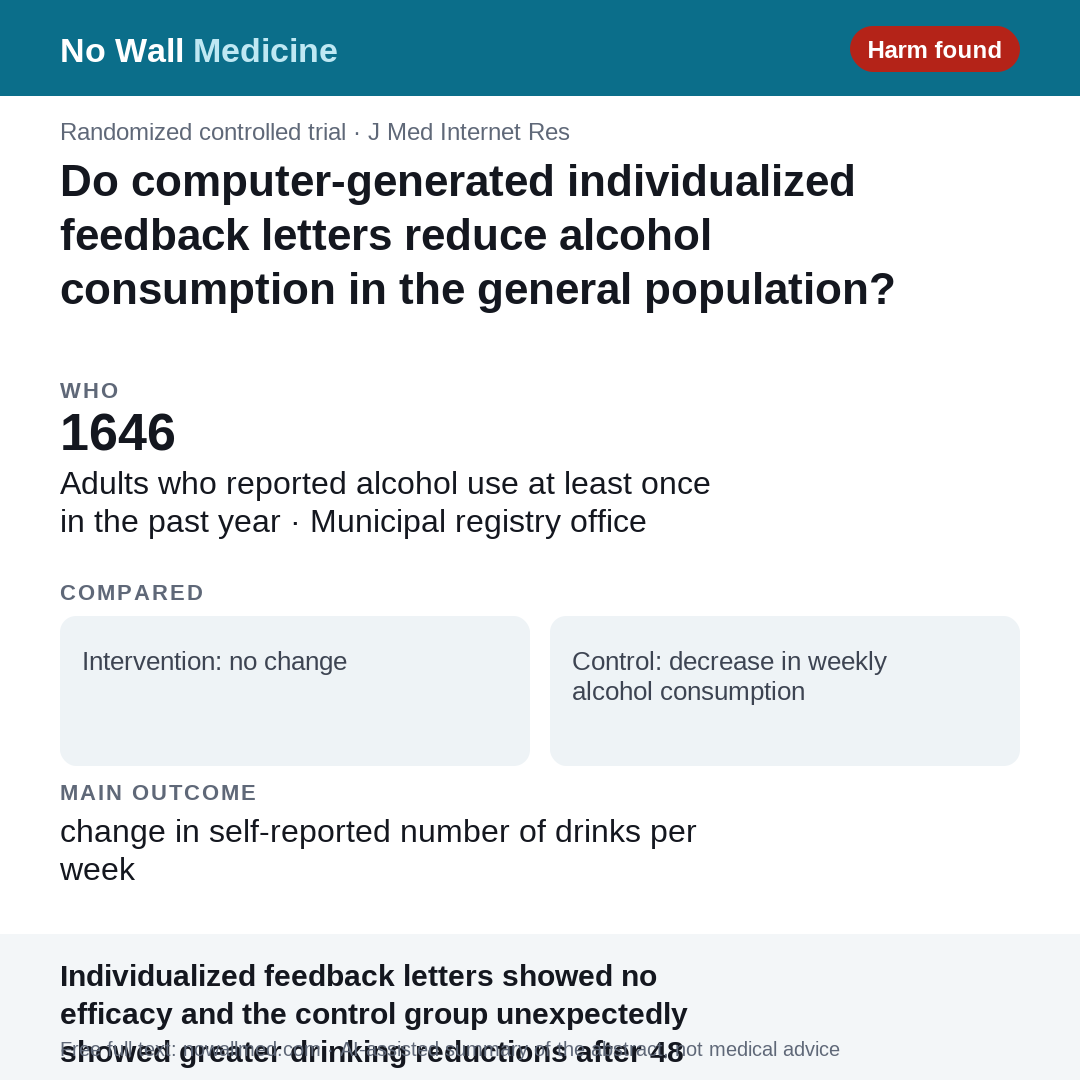
Four-Year Effects of a Computer-Based Brief Alcohol Intervention Targeting Alcohol Users in the General Population: Randomized Controlled Trial
Randomized controlled trialHarm found
Do computer-generated individualized feedback letters reduce alcohol consumption in the general population?
Who
1646
Adults who reported alcohol use at least once in the past year · Municipal registry office in Germany
Compared
Intervention: no change
Control: decrease in weekly alcohol consumption
Main outcome
change in self-reported number of drinks per week
Result: incidence rate ratio 1.29 (95% CI 1.05-1.57)
Bottom line: Individualized feedback letters showed no efficacy and the control group unexpectedly showed greater drinking reductions after 48 months.
J Med Internet Res · 2025-12-02Download image
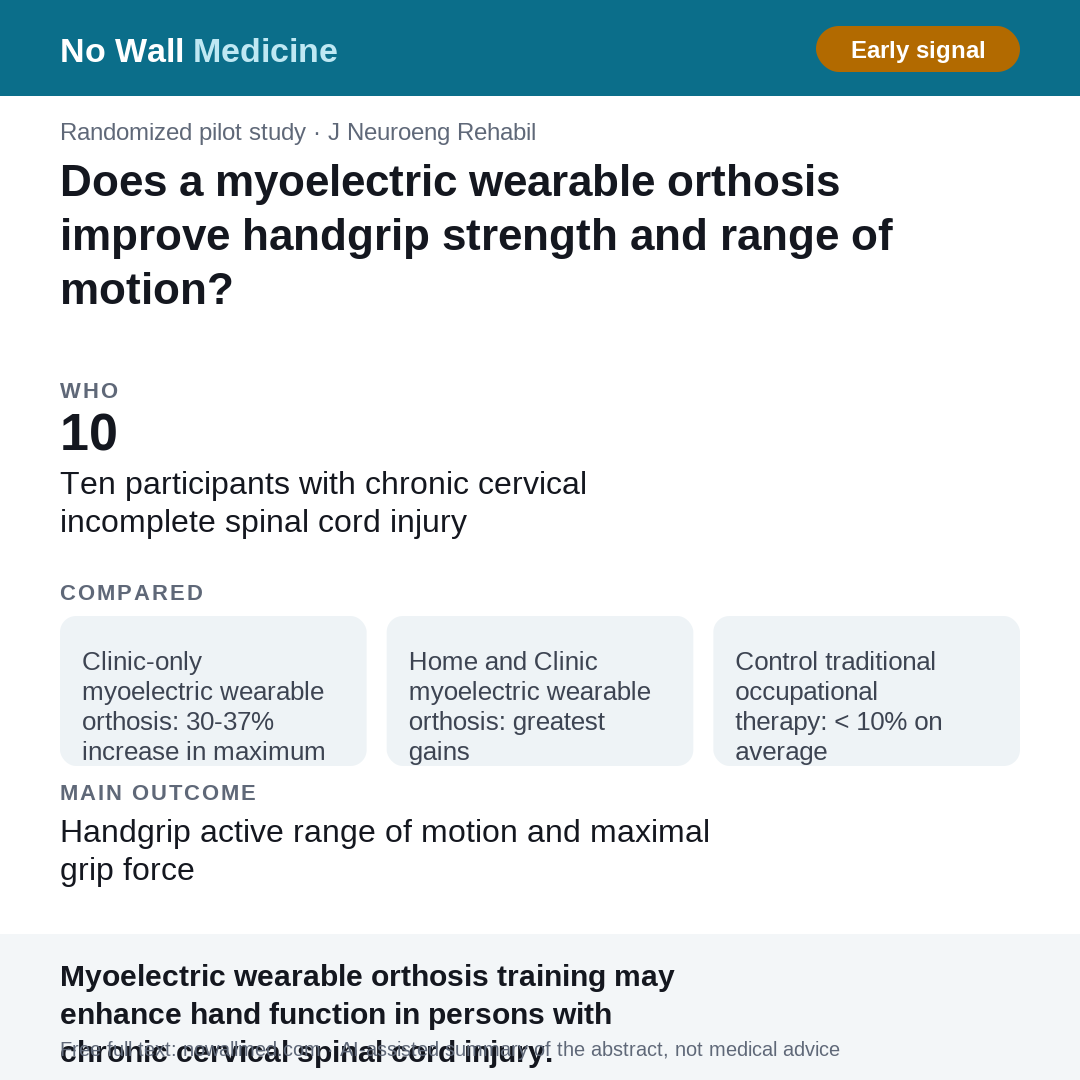
Effectiveness of myoelectric wearable orthoses for upper extremity functional recovery in spinal cord injury- a pilot study
Randomized pilot studyBenefit found
Does a myoelectric wearable orthosis improve handgrip strength and range of motion?
Who
10
Ten participants with chronic cervical incomplete spinal cord injury
Compared
Clinic-only myoelectric wearable orthosis: 30-37% increase in maximum handgrip active range of motion
Home and Clinic myoelectric wearable orthosis: greatest gains
Control traditional occupational therapy: < 10% on average
Main outcome
Handgrip active range of motion and maximal grip force
Bottom line: Myoelectric wearable orthosis training may enhance hand function in persons with chronic cervical spinal cord injury.
J Neuroeng Rehabil · 2025-12-02Download image
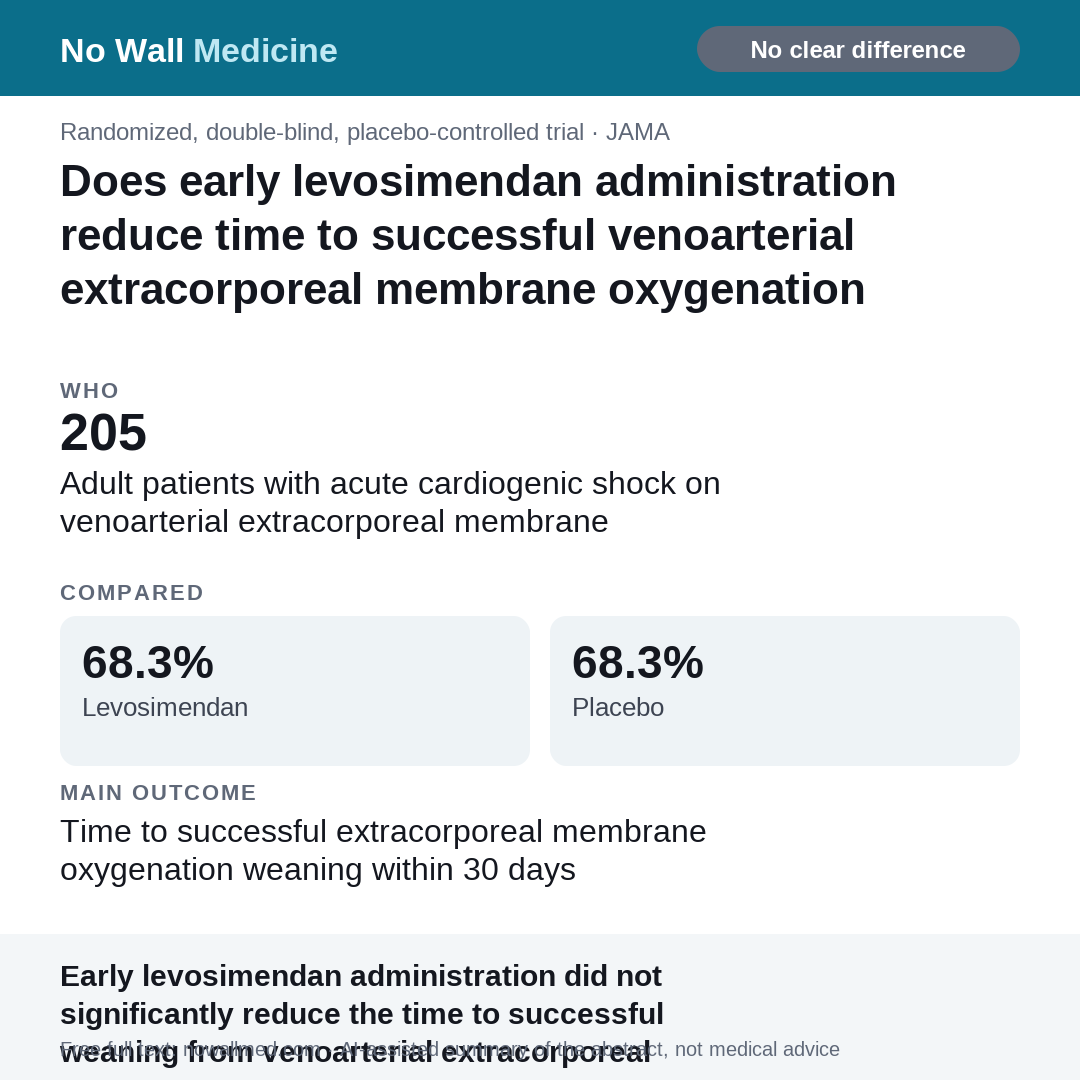
Levosimendan to Facilitate Weaning From ECMO in Patients With Severe Cardiogenic Shock: The LEVOECMO Randomized Clinical Trial
Randomized, double-blind, placebo-controlled trialNo clear difference
Does early levosimendan administration reduce time to successful venoarterial extracorporeal membrane oxygenation weaning?
Who
205
Adult patients with acute cardiogenic shock on venoarterial extracorporeal membrane oxygenation · 11 intensive care units in France
Compared
68.3%Levosimendan (69/101)
68.3%Placebo (71/104)
Main outcome
Time to successful extracorporeal membrane oxygenation weaning within 30 days
Result: subdistribution hazard ratio 1.02 (95% CI 0.74-1.39)
Bottom line: Early levosimendan administration did not significantly reduce the time to successful weaning from venoarterial extracorporeal membrane oxygenation.
JAMA · 2025-12-01Download image
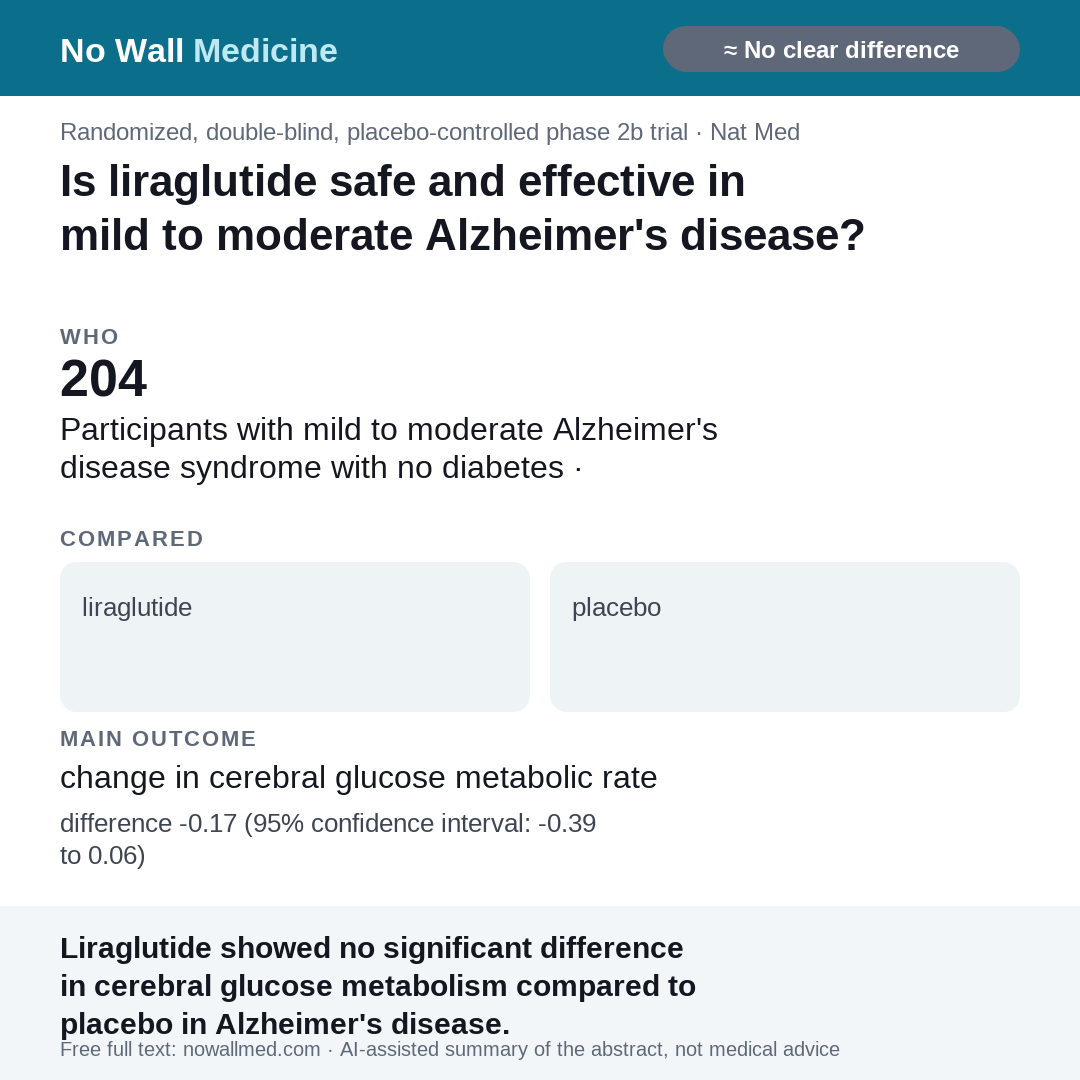
Liraglutide in mild to moderate Alzheimer's disease: a phase 2b clinical trial
Randomized, double-blind, placebo-controlled phase 2b trialNo clear difference
Is liraglutide safe and effective in mild to moderate Alzheimer's disease?
Who
204
Participants with mild to moderate Alzheimer's disease syndrome with no diabetes · multicenter
Compared
liraglutide
placebo
Main outcome
change in cerebral glucose metabolic rate
Result: difference -0.17 (95% confidence interval: -0.39 to 0.06)
Bottom line: Liraglutide showed no significant difference in cerebral glucose metabolism compared to placebo in Alzheimer's disease.
Nat Med · 2025-12-01Download image
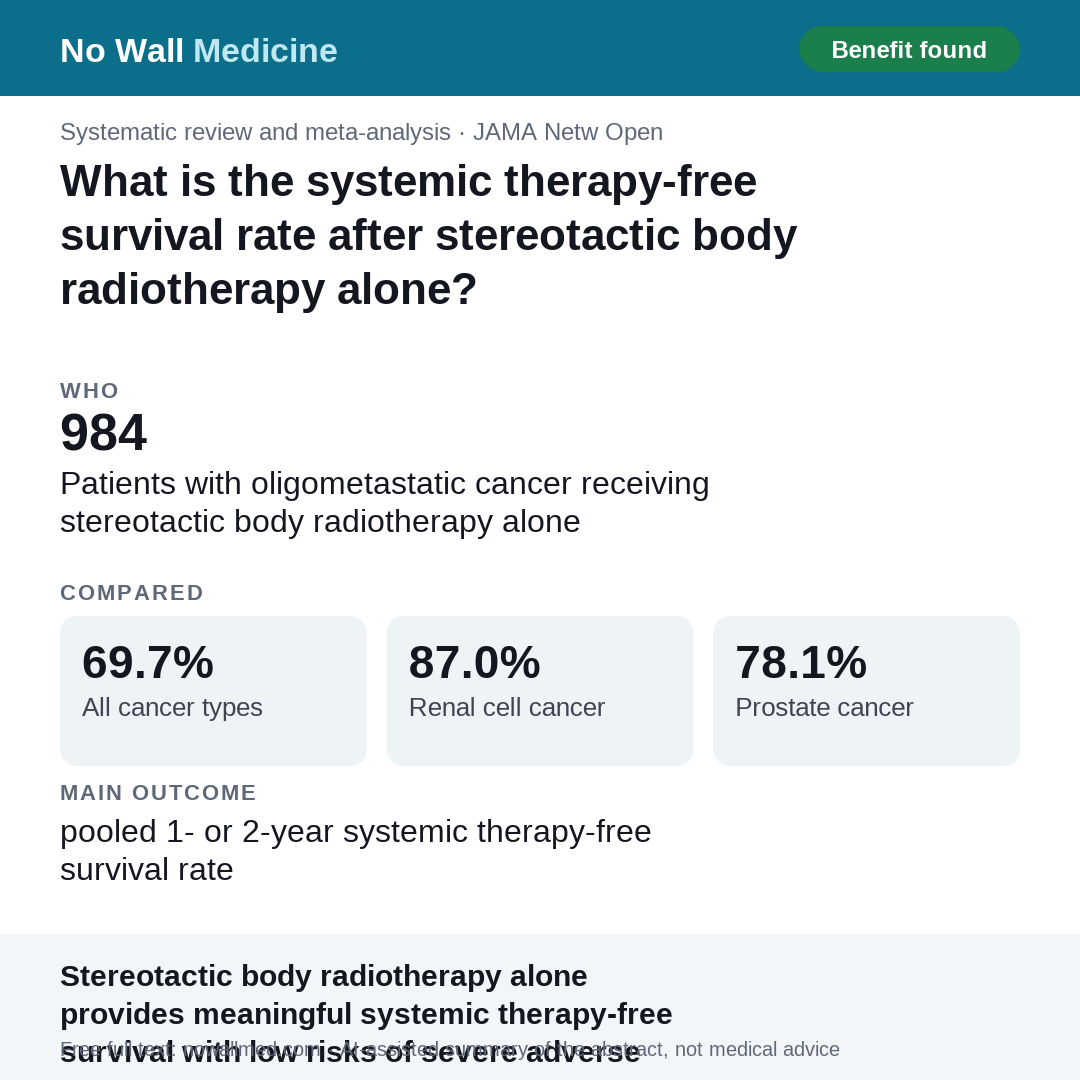
Stereotactic Body Radiotherapy Without Systemic Therapy for Oligometastatic Cancer: A Systematic Review and Meta-Analysis
Systematic review and meta-analysisBenefit found
What is the systemic therapy-free survival rate after stereotactic body radiotherapy alone?
Who
984
Patients with oligometastatic cancer receiving stereotactic body radiotherapy alone
Compared
69.7%All cancer types (95% CI, 57.4%-80.9%)
87.0%Renal cell cancer (95% CI, 76.2%-95.2%)
78.1%Prostate cancer (95% CI, 67.4%-87.3%)
Main outcome
pooled 1- or 2-year systemic therapy-free survival rate
Result: 69.7% (95% CI, 57.4%-80.9%)
Bottom line: Stereotactic body radiotherapy alone provides meaningful systemic therapy-free survival with low risks of severe adverse events.
JAMA Netw Open · 2025-12-01Download image
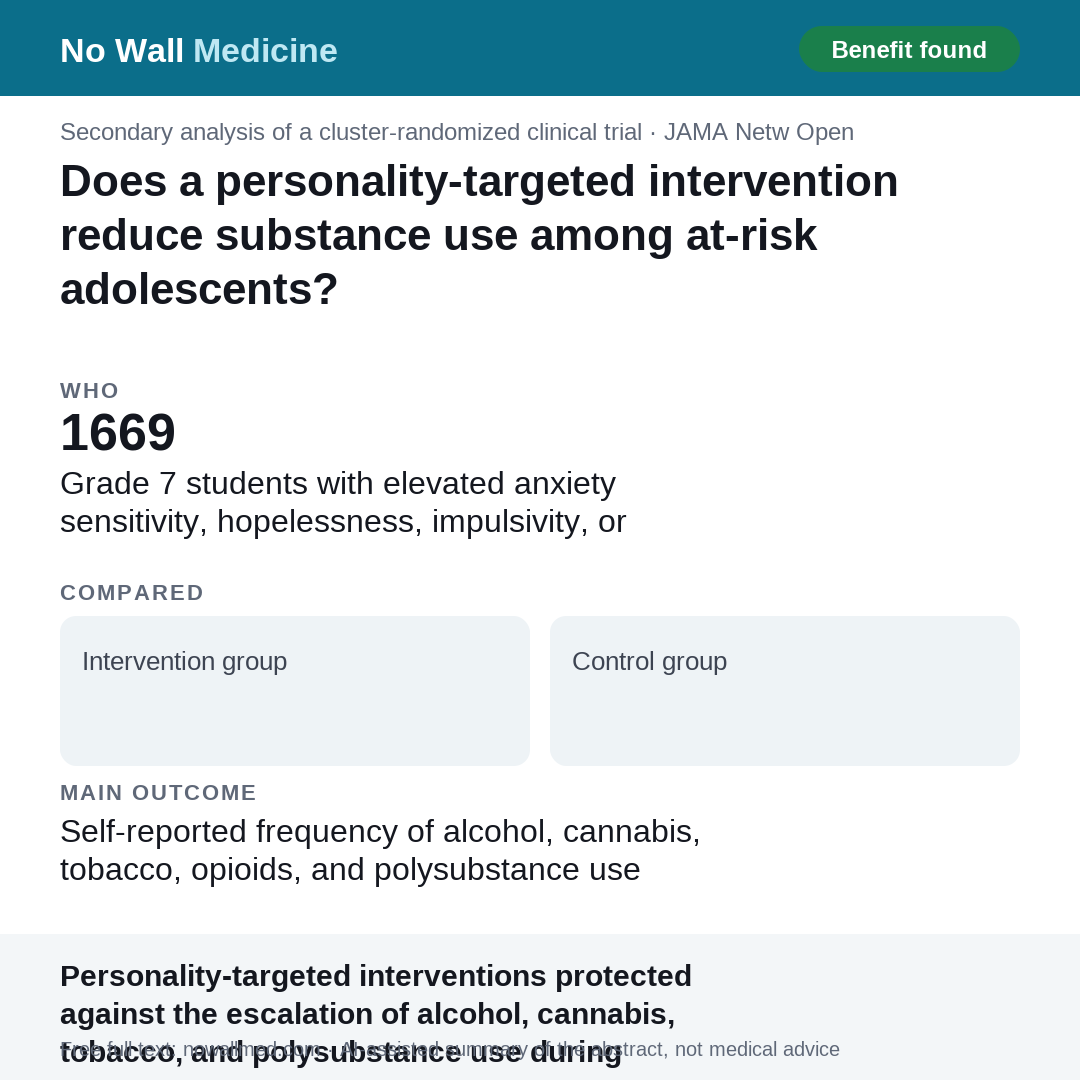
Selective Personality-Targeted Intervention and the Escalation of Substance Use During Adolescence: A Secondary Analysis of A Cluster-Randomized Clinical Trial
Secondary analysis of a cluster-randomized clinical trialBenefit found
Does a personality-targeted intervention reduce substance use among at-risk adolescents?
Who
1669
Grade 7 students with elevated anxiety sensitivity, hopelessness, impulsivity, or sensation seeking · 31 secondary schools in Greater Montreal Area, Canada
Compared
Intervention group
Control group
Main outcome
Self-reported frequency of alcohol, cannabis, tobacco, opioids, and polysubstance use
Result: alcohol OR 0.92 (95% CrI 0.85-1.00), cannabis OR 0.75 (95% CrI 0.66-0.86), tobacco OR 0.79 (95% CrI 0.70-0.96), polysubstance OR 0.56 (95% CrI 0.35-0.89)
Bottom line: Personality-targeted interventions protected against the escalation of alcohol, cannabis, tobacco, and polysubstance use during adolescence.
JAMA Netw Open · 2025-12-01Download image
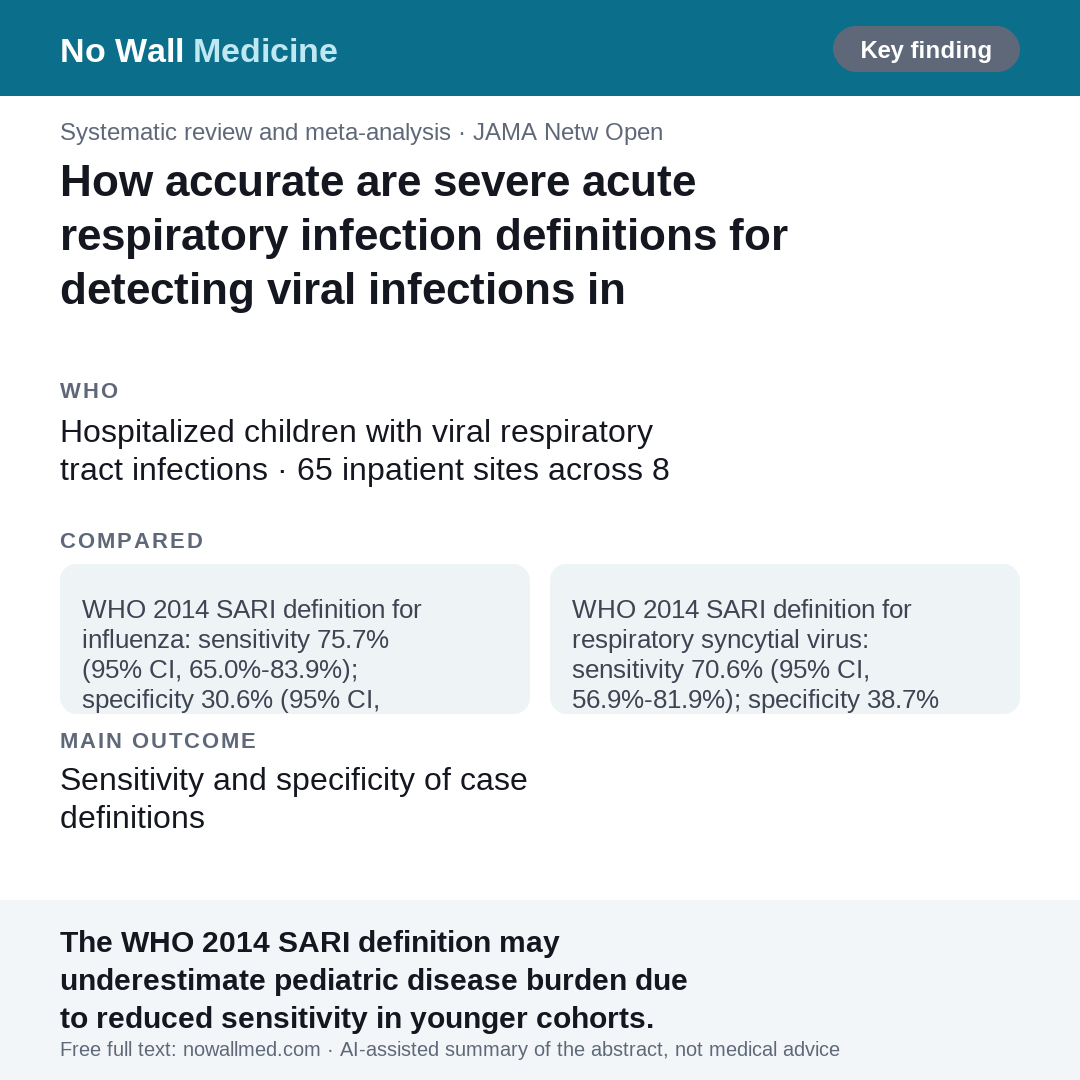
Diagnostic Accuracy of Severe Acute Respiratory Infection Definitions in Hospitalized Children: A Systematic Review and Meta-Analysis
Systematic review and meta-analysisHarm found
How accurate are severe acute respiratory infection definitions for detecting viral infections in hospitalized children?
Who
Hospitalized children with viral respiratory tract infections · 65 inpatient sites across 8 countries
Compared
WHO 2014 SARI definition for influenza: sensitivity 75.7% (95% CI, 65.0%-83.9%); specificity 30.6% (95% CI, 19.8%-44.0%)
WHO 2014 SARI definition for respiratory syncytial virus: sensitivity 70.6% (95% CI, 56.9%-81.9%); specificity 38.7% (95% CI, 25.7%-53.5%)
Main outcome
Sensitivity and specificity of case definitions
Bottom line: The WHO 2014 SARI definition may underestimate pediatric disease burden due to reduced sensitivity in younger cohorts.
JAMA Netw Open · 2025-12-01Download image