Visual abstracts
New randomized trials and meta-analyses from leading journals at a glance: who was studied, what was compared, and what was found. Every paper is free to read in full.
All specialtiesCardiology 274Oncology 223Gastroenterology & Hepatology 123Infectious Disease 222Neurology 129Psychiatry & Mental Health 192Pulmonology 129Critical Care 82Endocrinology & Diabetes 166Pediatrics 126Surgery 86Orthopedics & Sports Medicine 55Neurosurgery 15Cardiothoracic & Vascular Surgery 29Plastic & Reconstructive Surgery 61Nephrology 57Rheumatology 54Hematology 69Dermatology 27Ophthalmology 49Obstetrics & Gynecology 82Public & Global Health 88Radiology & Imaging 24Anesthesiology 47Urology 65ENT (Otolaryngology) 37Emergency Medicine 29Allergy & Immunology 28Geriatrics 86Family Medicine & Primary Care 46Medical Genetics & Genomics 27Pathology & Laboratory Medicine 5Physical Medicine & Rehabilitation 71Palliative Care 42Nutrition 101Digital Health & AI 244General Medicine 38
Facilitators and Barriers to Digital Health Technologies for Self-Management in Patients With Chronic Kidney Disease: Systematic Review Based on the Updated CFIR 2.0 Framework
Systematic reviewMixed results
What are the facilitators and barriers to digital health technology use for chronic kidney disease self-management?
Who
3002
Adult patients with chronic kidney disease · 8 countries
Compared
Facilitators: 19 identified
Barriers: 15 identified
Main outcome
Facilitators and barriers to digital health technology use
Bottom line: Digital health technology use for chronic kidney disease is influenced by various multilevel facilitators and barriers.
Limitation: Predominance of mixed methods, lack of longitudinal studies, and concentration in high-income countries.
J Med Internet Res · 2026-09-21Download image

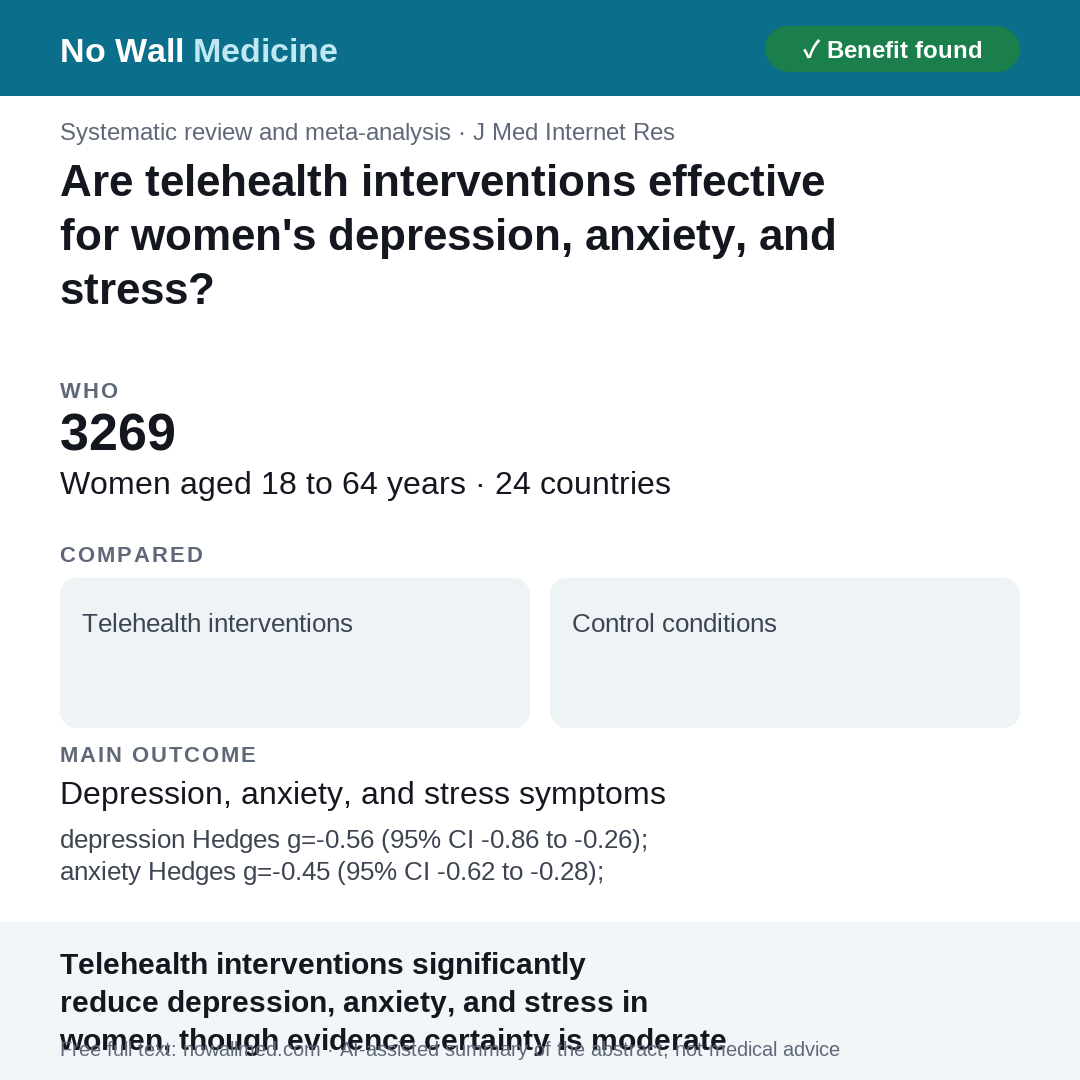
Effectiveness of Telehealth Care Interventions for Women's Mental Health During and After the COVID-19 Pandemic: Systematic Review and Meta-Analysis
Systematic review and meta-analysisBenefit found
Are telehealth interventions effective for women's depression, anxiety, and stress?
Who
3269
Women aged 18 to 64 years · 24 countries
Compared
Telehealth interventions
Control conditions
Main outcome
Depression, anxiety, and stress symptoms
Result: depression Hedges g=-0.56 (95% CI -0.86 to -0.26); anxiety Hedges g=-0.45 (95% CI -0.62 to -0.28); stress Hedges g=-0.25 (95% CI -0.47 to -0.04)
Bottom line: Telehealth interventions significantly reduce depression, anxiety, and stress in women, though evidence certainty is moderate due to heterogeneity.
Limitation: Evidence certainty was downgraded due to heterogeneity, risk of bias, and methodological limitations.
J Med Internet Res · 2026-09-21Download image
Effectiveness of ChatGPT and DeepSeek in Urology Medical Education: Randomized Controlled Trial
Randomized controlled trialBenefit found
Are ChatGPT o3-mini and DeepSeek R1 effective for urology medical undergraduate education?
Who
Medical undergraduates
Compared
DeepSeek R1: surpassed both the control and ChatGPT o3-mini groups in total scores
ChatGPT o3-mini: numerically higher but nonsignificant results
Traditional learning methods
Main outcome
Learning outcomes via total scores across various question types
Bottom line: DeepSeek-assisted self-study was associated with higher posttest scores than traditional internet-based learning.
J Med Internet Res · 2026-09-21Download image

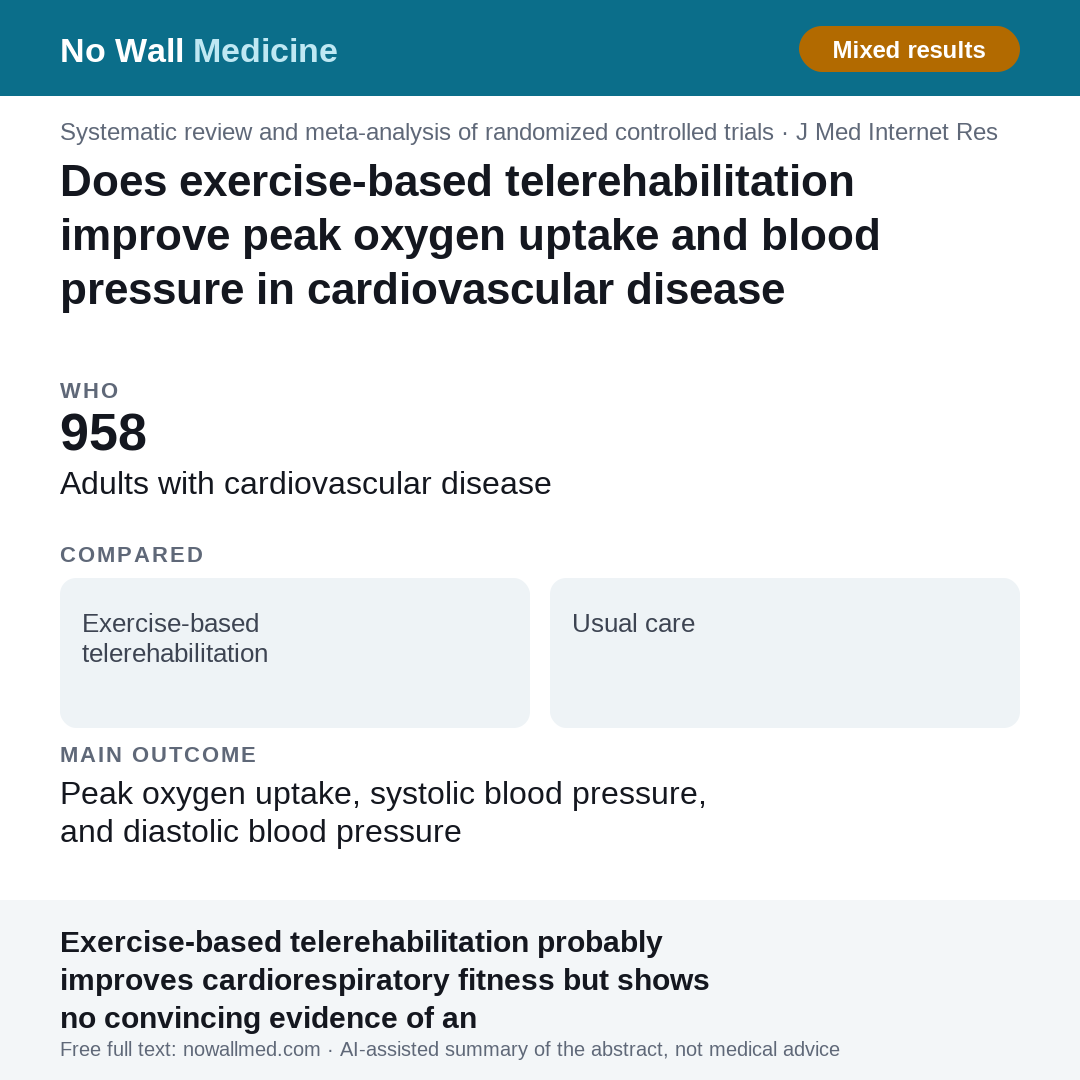
Effects of Telerehabilitation With Exercise as the Core Component on Peak Oxygen Uptake and Blood Pressure in Patients With Cardiovascular Disease: Systematic Review and Meta-Analysis
Systematic review and meta-analysis of randomized controlled trialsMixed results
Does exercise-based telerehabilitation improve peak oxygen uptake and blood pressure in cardiovascular disease patients?
Who
958
Adults with cardiovascular disease
Compared
Exercise-based telerehabilitation
Usual care
Main outcome
Peak oxygen uptake, systolic blood pressure, and diastolic blood pressure
Result: mean difference 2.58 mL/kg/min (95% CI 1.16 to 4.00) for peak oxygen uptake
Bottom line: Exercise-based telerehabilitation probably improves cardiorespiratory fitness but shows no convincing evidence of an antihypertensive effect.
Limitation: GRADE certainty was very low across all outcomes and possible small-study effects were detected.
J Med Internet Res · 2026-09-21Download image
Effect of Semaglutide on Thigh Skeletal Muscle Volume, Fat Infiltration and Physical Function in People With Obesity: Secondary Analysis of STEP UP
Randomized, phase 3b trialMixed results
Effect of semaglutide on body composition and physical function in adults with obesity
Who
55
Adults with body mass index 30 kg/m2 or greater
Compared
pooled semaglutide group: -1.1 L for thigh skeletal muscle volume
placebo
Main outcome
MRI body composition and physical function
Result: -1.1 L (-2.3 to 0.1; p = 0.07) for thigh skeletal muscle volume
Bottom line: Semaglutide was associated with reductions in adipose tissue and muscle fat infiltration but also skeletal muscle volume.
Diabetes Obes Metab · 2026-09-20Download image

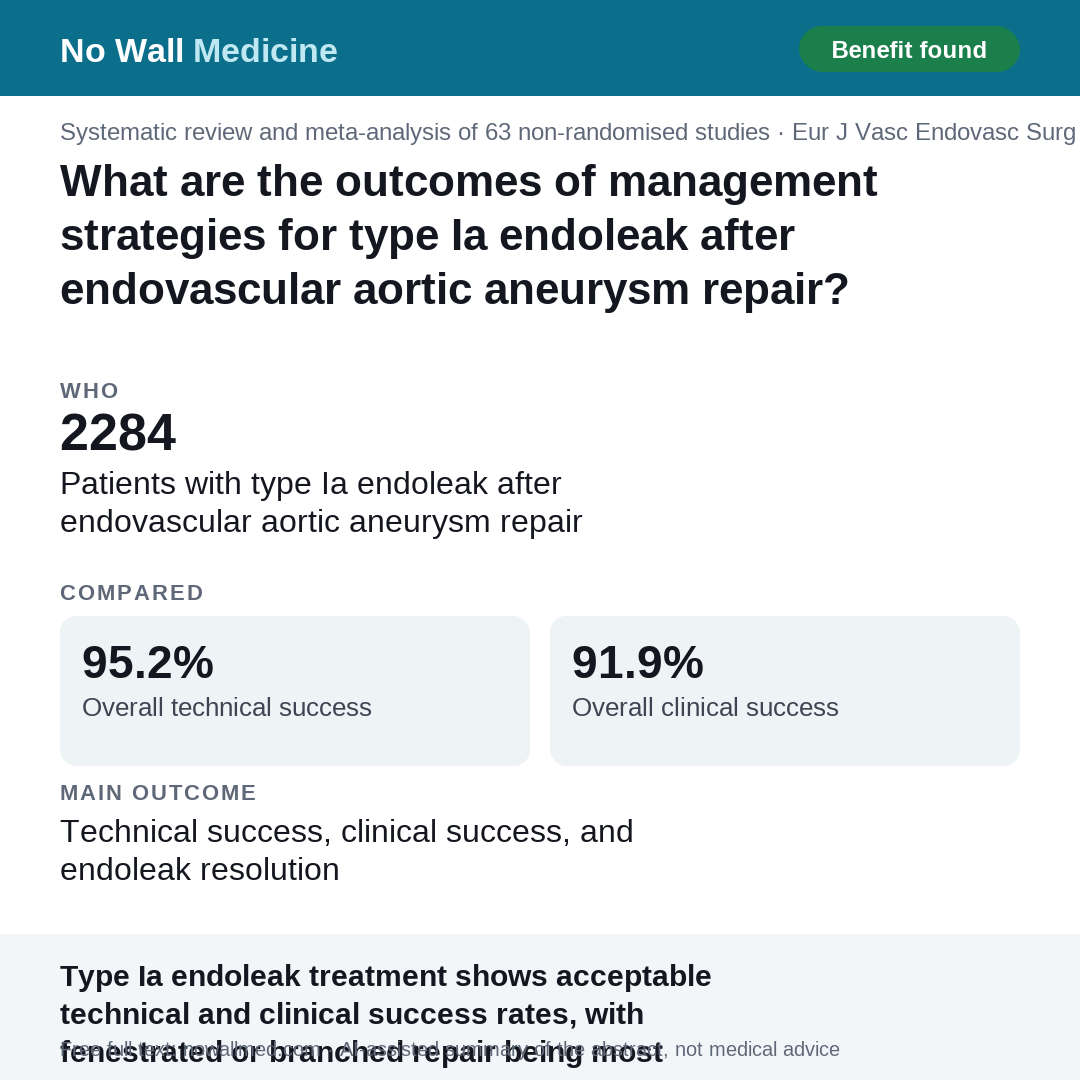
Type Ia Endoleak Management Strategy Outcomes after Endovascular Abdominal Aortic Aneurysm Repair: A Systematic Review and Meta-analysis
Systematic review and meta-analysis of 63 non-randomised studiesBenefit found
What are the outcomes of management strategies for type Ia endoleak after endovascular aortic aneurysm repair?
Who
2284
Patients with type Ia endoleak after endovascular aortic aneurysm repair
Compared
95.2%Overall technical success (95% CI 93.9 - 96.4%)
91.9%Overall clinical success (95% CI 90.0 - 93.8%)
Main outcome
Technical success, clinical success, and endoleak resolution
Bottom line: Type Ia endoleak treatment shows acceptable technical and clinical success rates, with fenestrated or branched repair being most frequent.
Limitation: The overall quality of evidence for all outcomes was very low.
Eur J Vasc Endovasc Surg · 2026-09-20Download image
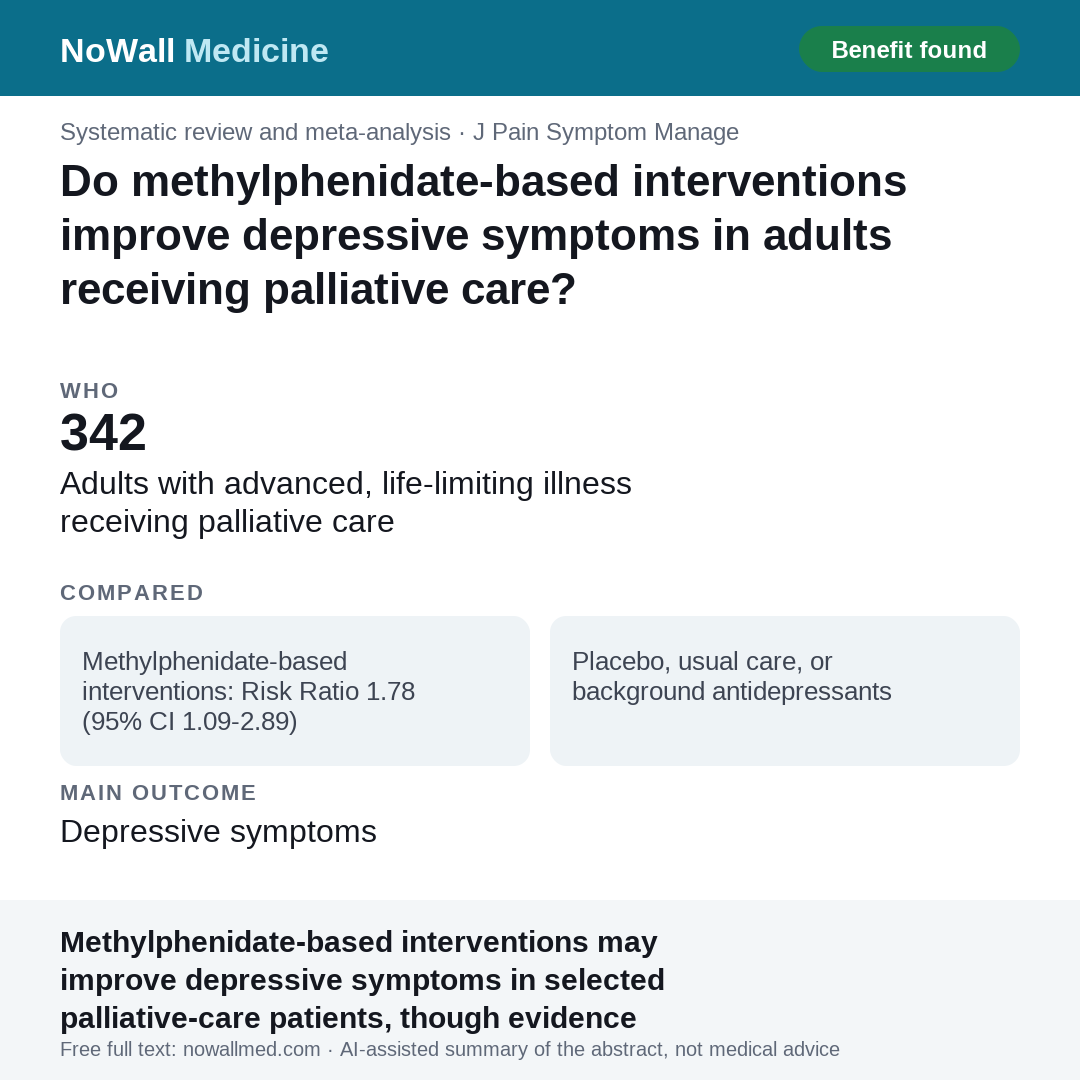
Methylphenidate-Based Interventions for Depressive Symptoms in Palliative Care: A Systematic Review and Meta-analysis
Systematic review and meta-analysisBenefit found
Do methylphenidate-based interventions improve depressive symptoms in adults receiving palliative care?
Who
342
Adults with advanced, life-limiting illness receiving palliative care
Compared
Methylphenidate-based interventions: Risk Ratio 1.78 (95% CI 1.09-2.89)
Placebo, usual care, or background antidepressants
Main outcome
Depressive symptoms
Result: standardized mean difference -0.47 (95% CI -0.81 to -0.13)
Bottom line: Methylphenidate-based interventions may improve depressive symptoms in selected palliative-care patients, though evidence certainty is very low to low.
Limitation: Small samples, heterogeneity, and indirectness resulted in very low to low evidence certainty.
J Pain Symptom Manage · 2026-09-19Download image
A multidisciplinary nutritional-behavioral intervention improves weight loss and liver-related outcomes in patients with metabolic dysfunction-associated steatotic liver disease: A randomized controlled trial
Randomized controlled trialBenefit found
Does a multidisciplinary nutritional-behavioral intervention improve outcomes in MASLD patients?
Who
286
Patients with metabolic dysfunction-associated steatotic liver disease
Compared
Standard care
Co-Co-Nut multidisciplinary intervention: significantly increased the proportion of patients achieving ≥10% weight loss
Main outcome
Weight loss and liver-related outcomes
Result: hazard ratio 0.36 (95% CI 0.18-0.71)
Bottom line: A multidisciplinary intervention improves weight loss, metabolic profile, and reduces acute cardiovascular event risk in MASLD patients.
Clin Nutr · 2026-09-18Download image

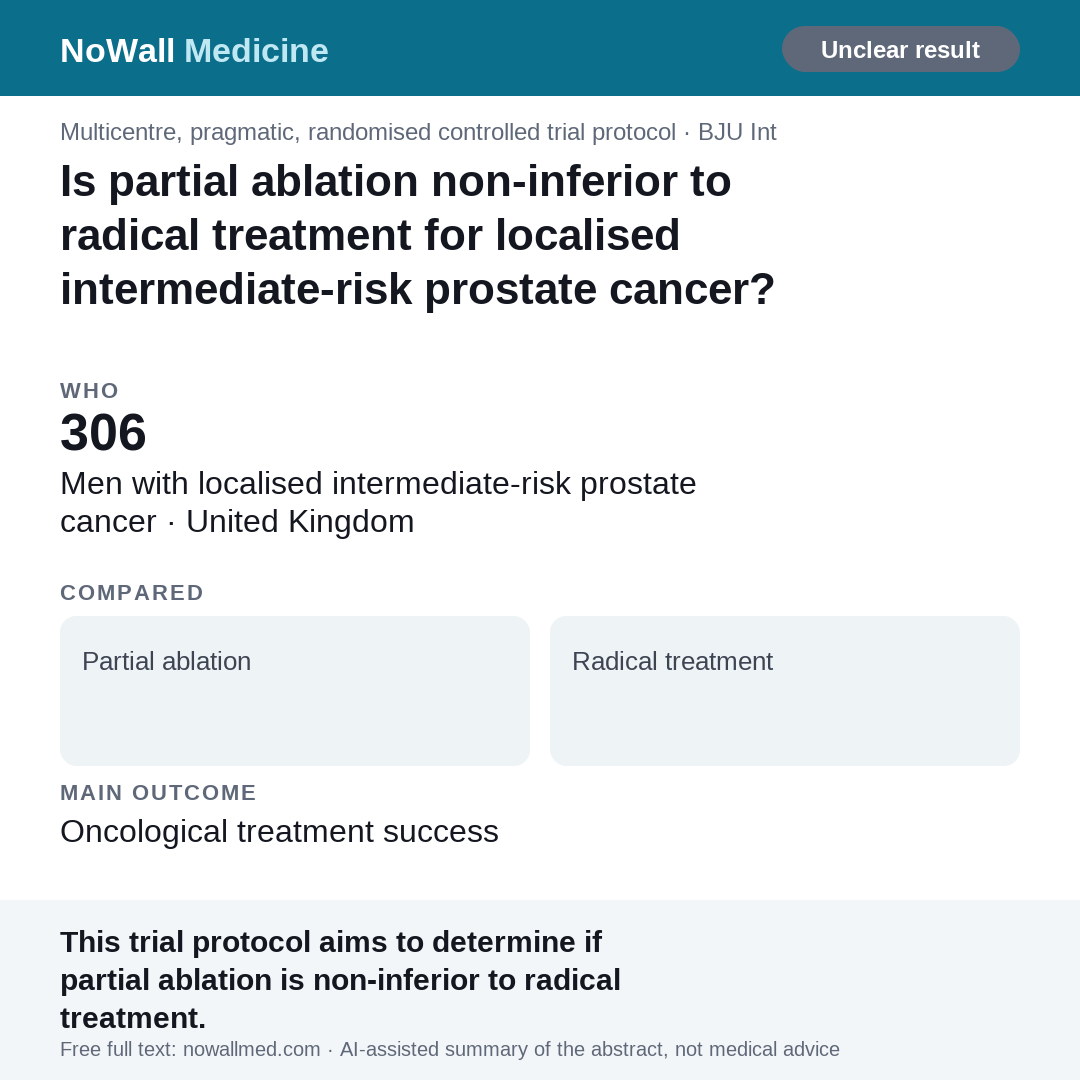
The PART randomised trial protocol: Partial Ablation versus Radical Treatment for prostate cancer
Multicentre, pragmatic, randomised controlled trial protocolUnclear result
Is partial ablation non-inferior to radical treatment for localised intermediate-risk prostate cancer?
Who
306
Men with localised intermediate-risk prostate cancer · United Kingdom
Compared
Partial ablation
Radical treatment
Main outcome
Oncological treatment success
Bottom line: This trial protocol aims to determine if partial ablation is non-inferior to radical treatment.
BJU Int · 2026-09-18Download image
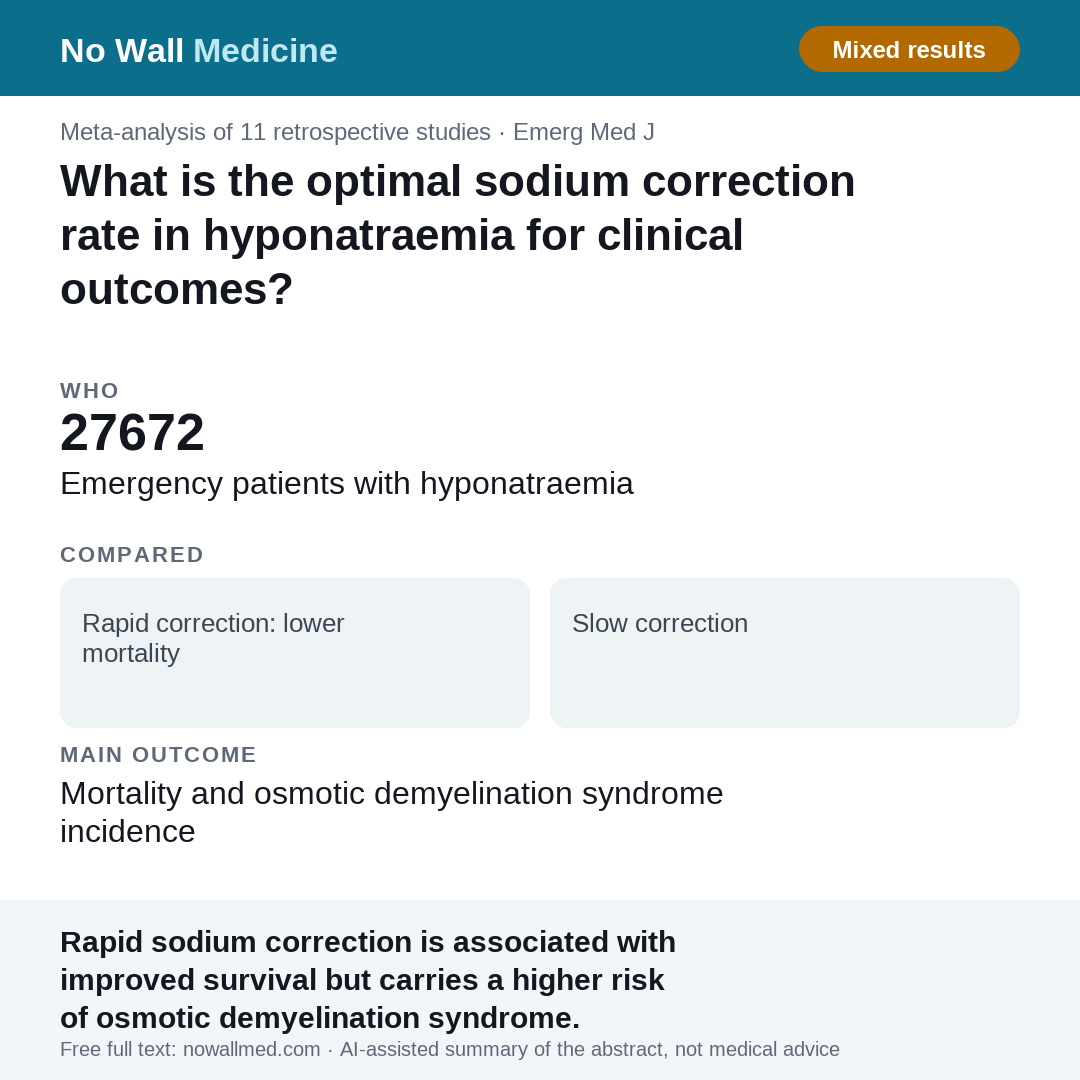
On the optimal sodium correction rate in hyponatraemia and clinical outcome: a meta-analysis
Meta-analysis of 11 retrospective studiesMixed results
What is the optimal sodium correction rate in hyponatraemia for clinical outcomes?
Who
27672
Emergency patients with hyponatraemia
Compared
Rapid correction: lower mortality
Slow correction
Main outcome
Mortality and osmotic demyelination syndrome incidence
Result: OR: 0.398, p<0.001; OR: 0.489, p<0.001; OR: 0.57, p<0.001
Bottom line: Rapid sodium correction is associated with improved survival but carries a higher risk of osmotic demyelination syndrome.
Limitation: No causal relation can be concluded
Emerg Med J · 2026-09-18Download image
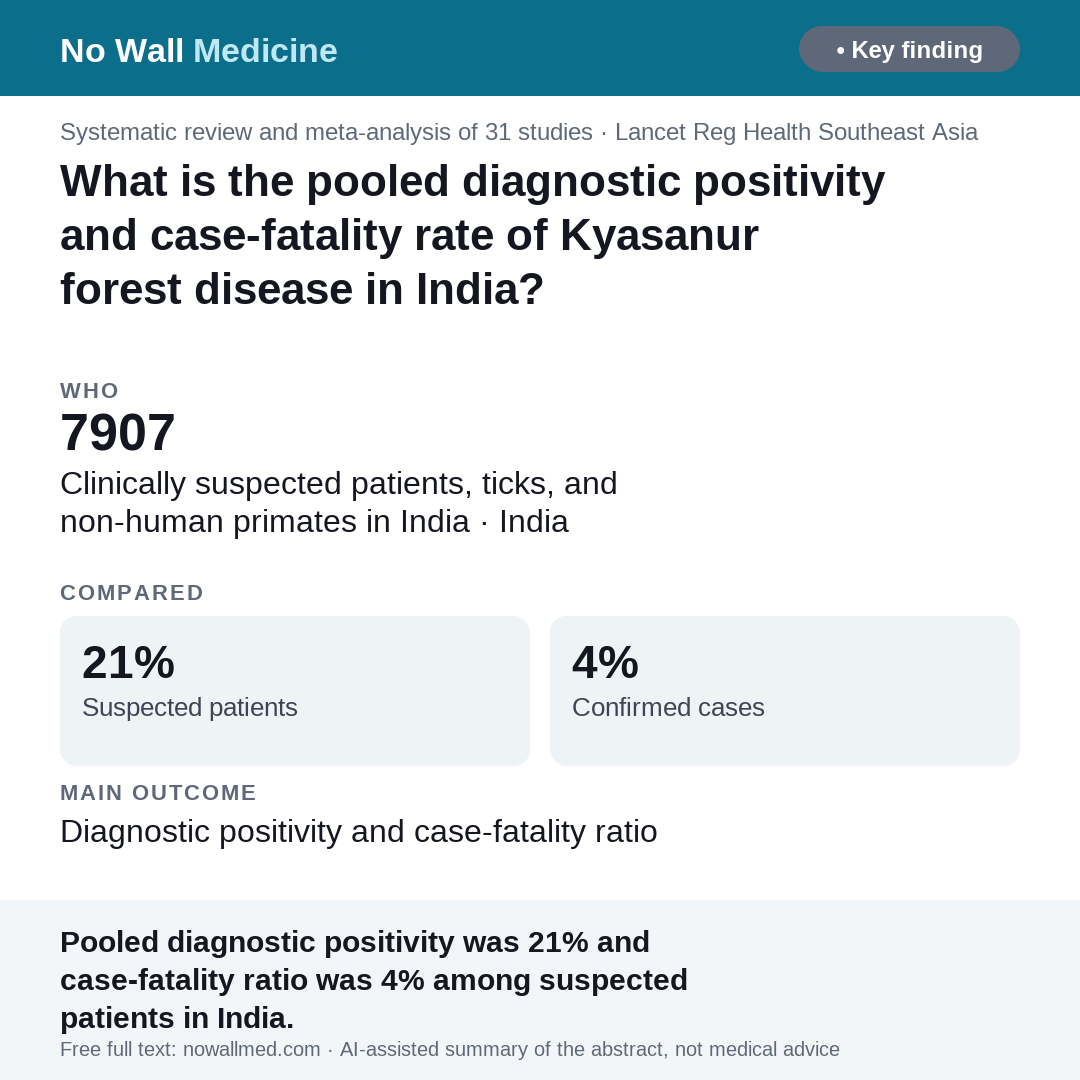
Epidemiology of Kyasanur forest disease in India, 2000-2025: a systematic review and meta-analysis
Systematic review and meta-analysisUnclear result
What are the pooled Kyasanur forest disease positivity and case-fatality rates in India?
Who
7907
Clinically suspected Kyasanur forest disease patients in India · India
Compared
Suspected patients: 21% (1431/7907) positivity rate
Cumulative cases: 4% case-fatality ratio
Main outcome
Diagnostic positivity and case-fatality ratio
Result: positivity 21% (95% CI: 14-30); case fatality ratio 4% (95% CI: 2-8)
Bottom line: Kyasanur forest disease shows a 21% diagnostic positivity rate and a 4% case-fatality ratio across India.
Limitation: Positivity varied substantially by district.
Lancet Reg Health Southeast Asia · 2026-09-18Download image
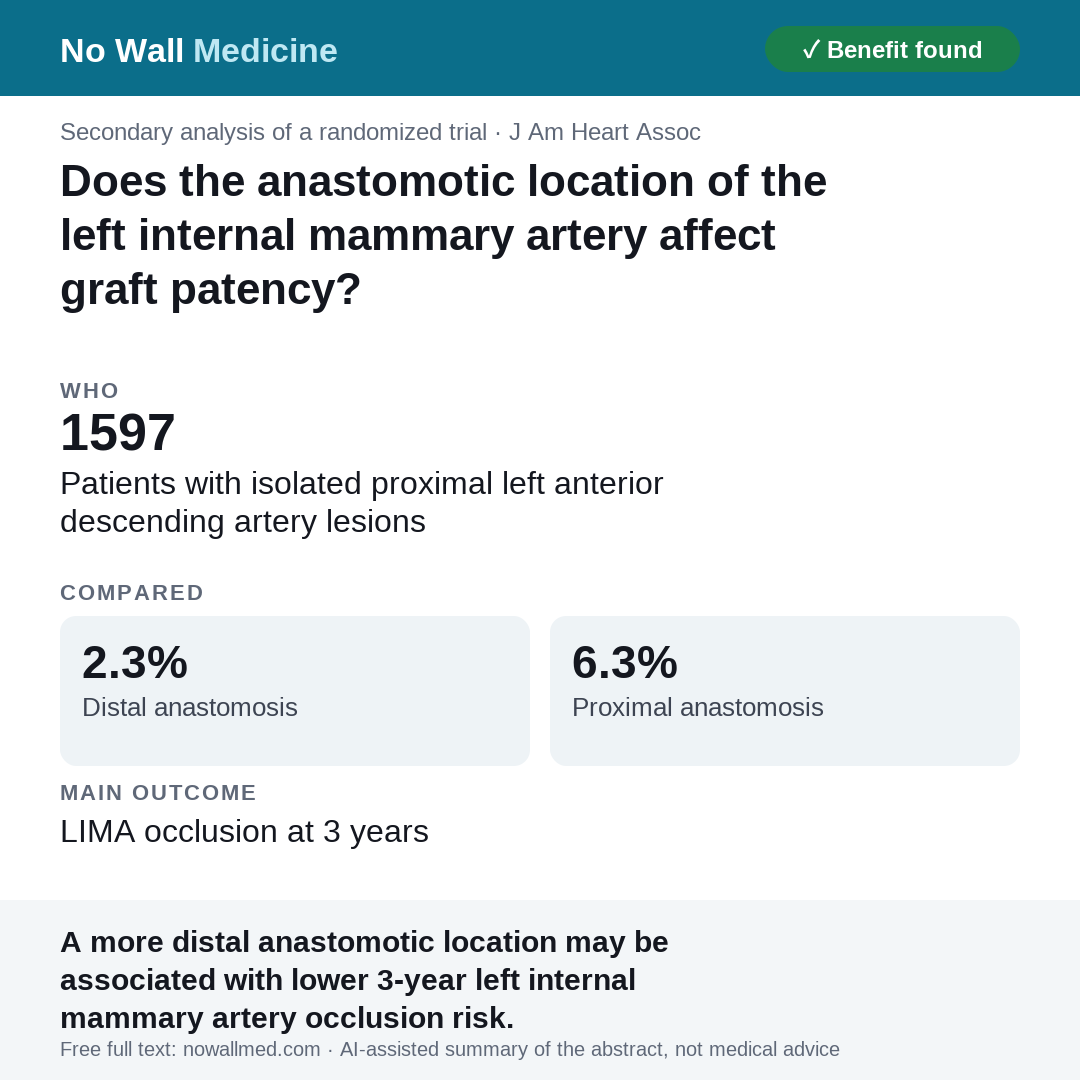
Impact of Left Internal Mammary Artery-to-Left Anterior Descending Artery Anastomotic Location on Graft Patency: A Secondary Analysis of the PATENCY Trial Data Set
Secondary analysis of a randomized trialBenefit found
Does the anastomotic location of the left internal mammary artery affect graft patency?
Who
1597
Patients with isolated proximal left anterior descending artery lesions
Compared
2.3%Distal anastomosis
6.3%Proximal anastomosis
Main outcome
LIMA occlusion at 3 years
Result: adjusted odds ratio, 0.37 (95% CI, 0.20-0.68)
Bottom line: A more distal anastomotic location may be associated with lower 3-year left internal mammary artery occlusion risk.
J Am Heart Assoc · 2026-09-18Download image
Associations of Plasma Deoxycholic Acid and Its Conjugates With the Clinical Outcomes After Ischemic Stroke
Multicenter prognostic cohort studyBenefit found
Do plasma deoxycholic acid and its conjugates associate with ischemic stroke outcomes?
Who
3405
Chinese patients with hypertensive stroke · Multicenter
Compared
Elevated plasma deoxycholic acid: odds ratio 0.65 (95% CI, 0.53-0.80)
Elevated glycodeoxycholic acid: odds ratio 0.76 (95% CI, 0.61-0.93)
Elevated 23-nordeoxycholic acid: odds ratio 0.73 (95% CI, 0.59-0.89)
Main outcome
Death and major disability at 3 months
Bottom line: High levels of deoxycholic acid and its conjugates are associated with decreased risks of adverse outcomes after ischemic stroke.
J Am Heart Assoc · 2026-09-18Download image

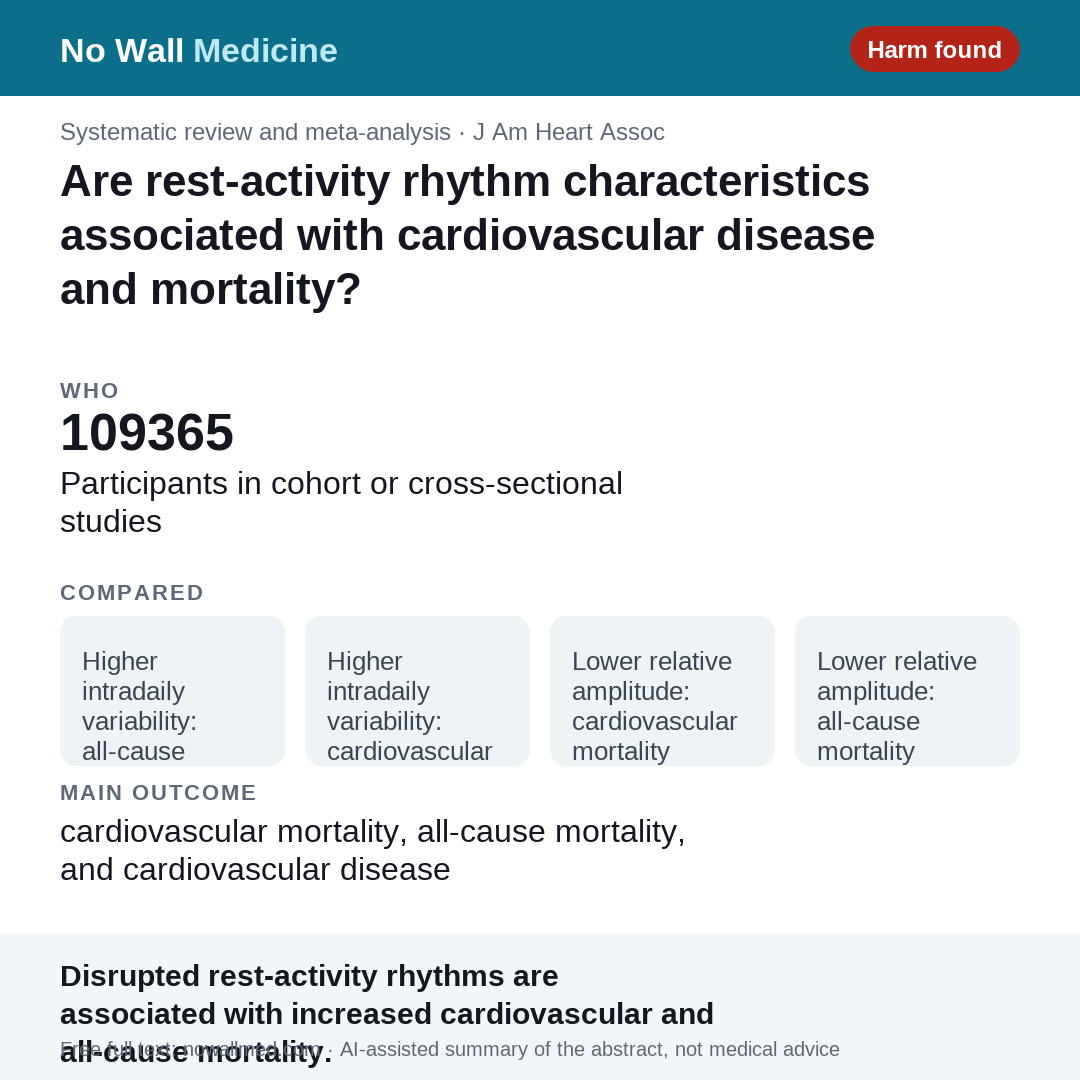
Association Between Rest-Activity Rhythm and Cardiovascular Disease, Cardiovascular Mortality, and All-Cause Mortality: A Systematic Review and Meta-Analysis
Systematic review and meta-analysisHarm found
Are rest-activity rhythm characteristics associated with cardiovascular disease and mortality?
Who
109365
Participants in cohort or cross-sectional studies
Compared
Higher intradaily variability: all-cause mortality hazard ratio 1.05 (95% CI 1.02-1.09)
Higher intradaily variability: cardiovascular disease prevalence odds ratio 1.73 (95% CI 1.21-2.47)
Lower relative amplitude: cardiovascular mortality hazard ratio 1.50 (95% CI 1.13-1.98)
Lower relative amplitude: all-cause mortality hazard ratio 1.46 (95% CI 1.27-1.68)
Main outcome
cardiovascular mortality, all-cause mortality, and cardiovascular disease
Bottom line: Disrupted rest-activity rhythms are associated with increased cardiovascular and all-cause mortality.
J Am Heart Assoc · 2026-09-18Download image
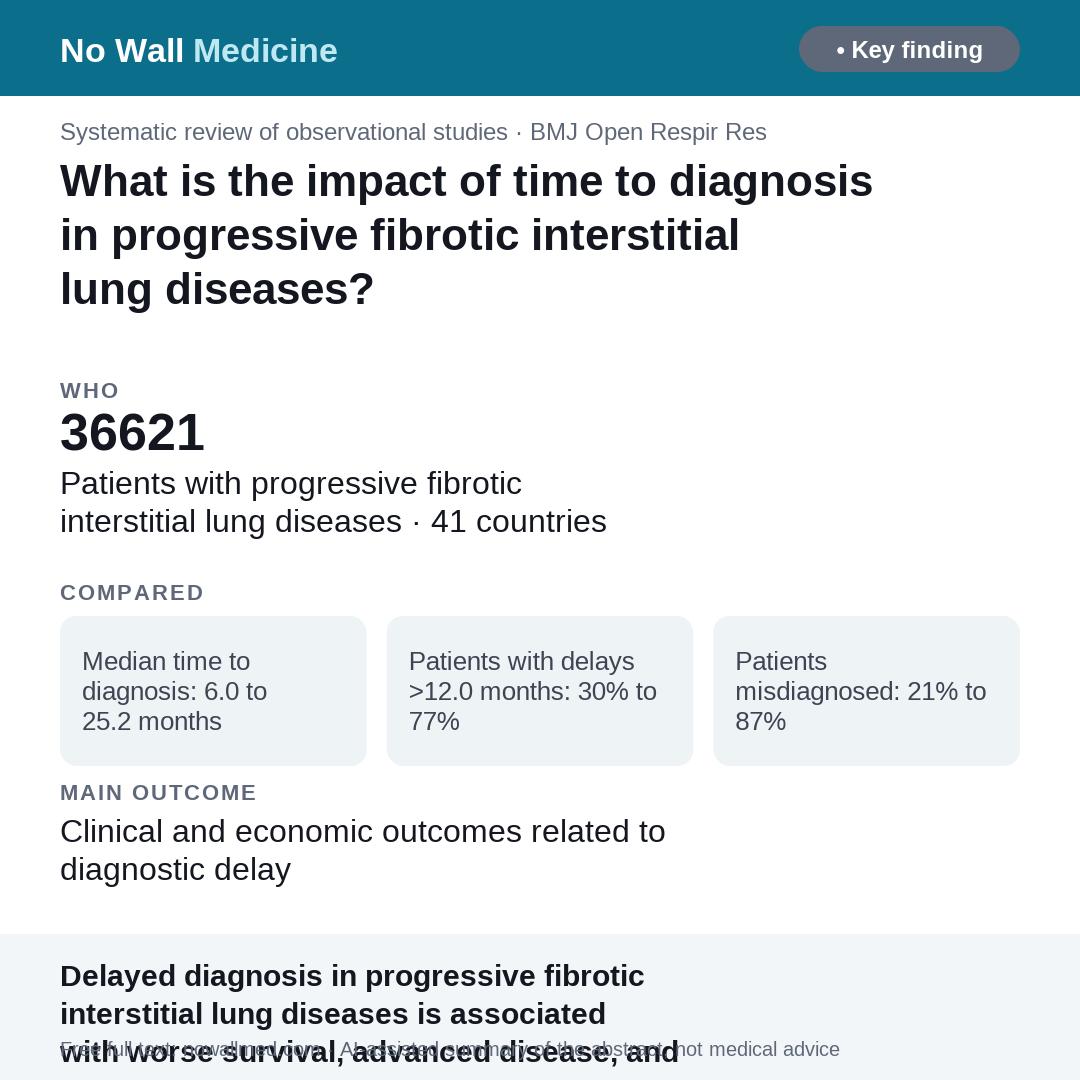
Impact of time to diagnosis in patients with progressive fibrotic ILD: a systematic review
Systematic review of observational studiesHarm found
What is the impact of time to diagnosis in progressive fibrotic interstitial lung diseases?
Who
36621
Patients with progressive fibrotic interstitial lung diseases · 41 countries
Compared
Median time to diagnosis: 6.0 to 25.2 months
Patients with delays >12.0 months: 30% to 77%
Patients misdiagnosed: 21% to 87%
Main outcome
Clinical and economic outcomes related to diagnostic delay
Bottom line: Delayed diagnosis in progressive fibrotic interstitial lung diseases is associated with worse survival, advanced disease, and increased hospitalisation.
Limitation: Direct economic burden resulting from delayed diagnosis is currently poorly understood.
BMJ Open Respir Res · 2026-09-18Download image
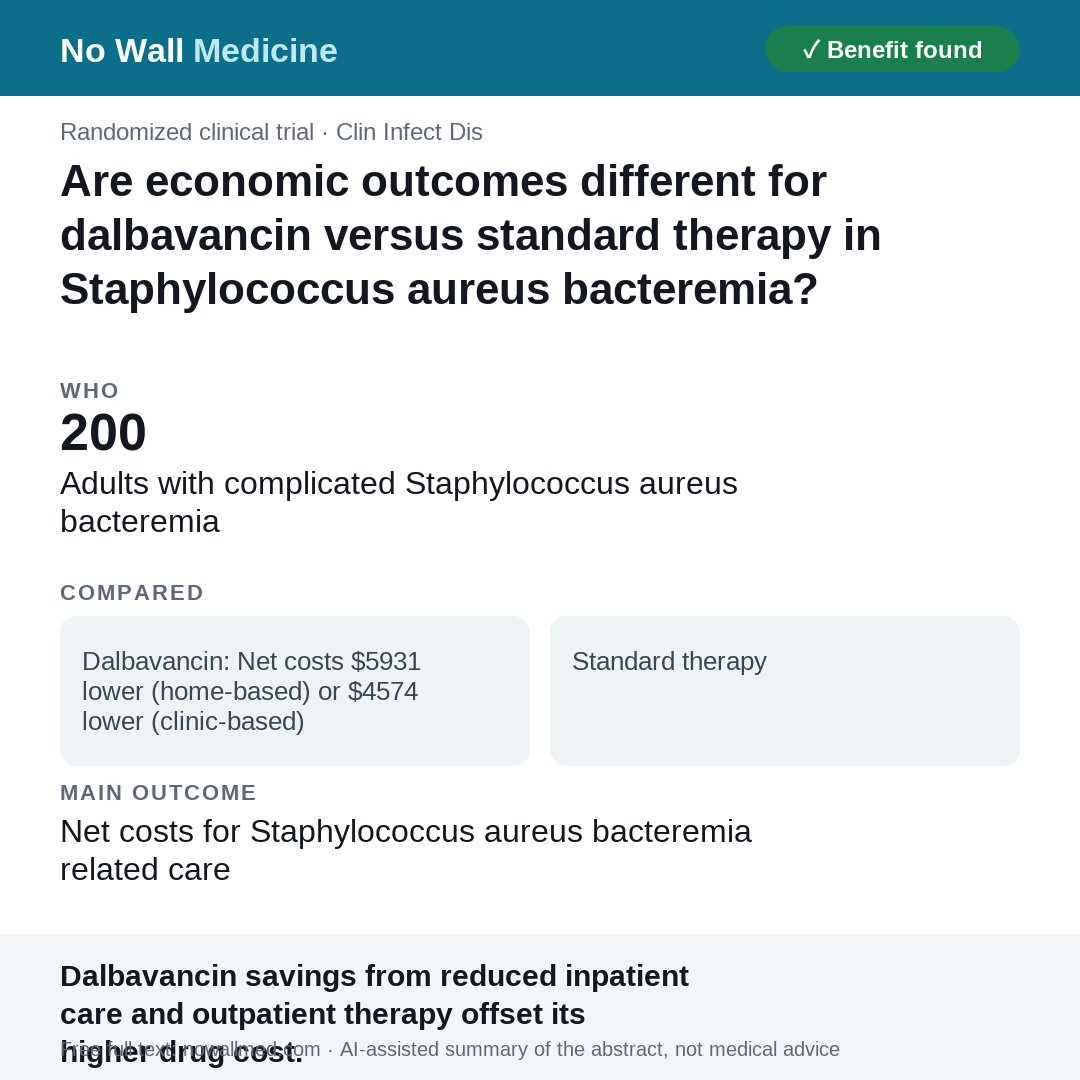
Economic Outcomes of Dalbavancin versus Standard Therapy in Staphylococcus aureus Bacteremia in the DOTS Randomized Clinical Trial
Randomized clinical trialBenefit found
Are economic outcomes different for dalbavancin versus standard therapy in Staphylococcus aureus bacteremia?
Who
200
Adults with complicated Staphylococcus aureus bacteremia
Compared
Dalbavancin: Net costs $5931 lower (home-based) or $4574 lower (clinic-based)
Standard therapy
Main outcome
Net costs for Staphylococcus aureus bacteremia related care
Bottom line: Dalbavancin savings from reduced inpatient care and outpatient therapy offset its higher drug cost.
Clin Infect Dis · 2026-09-17Download image
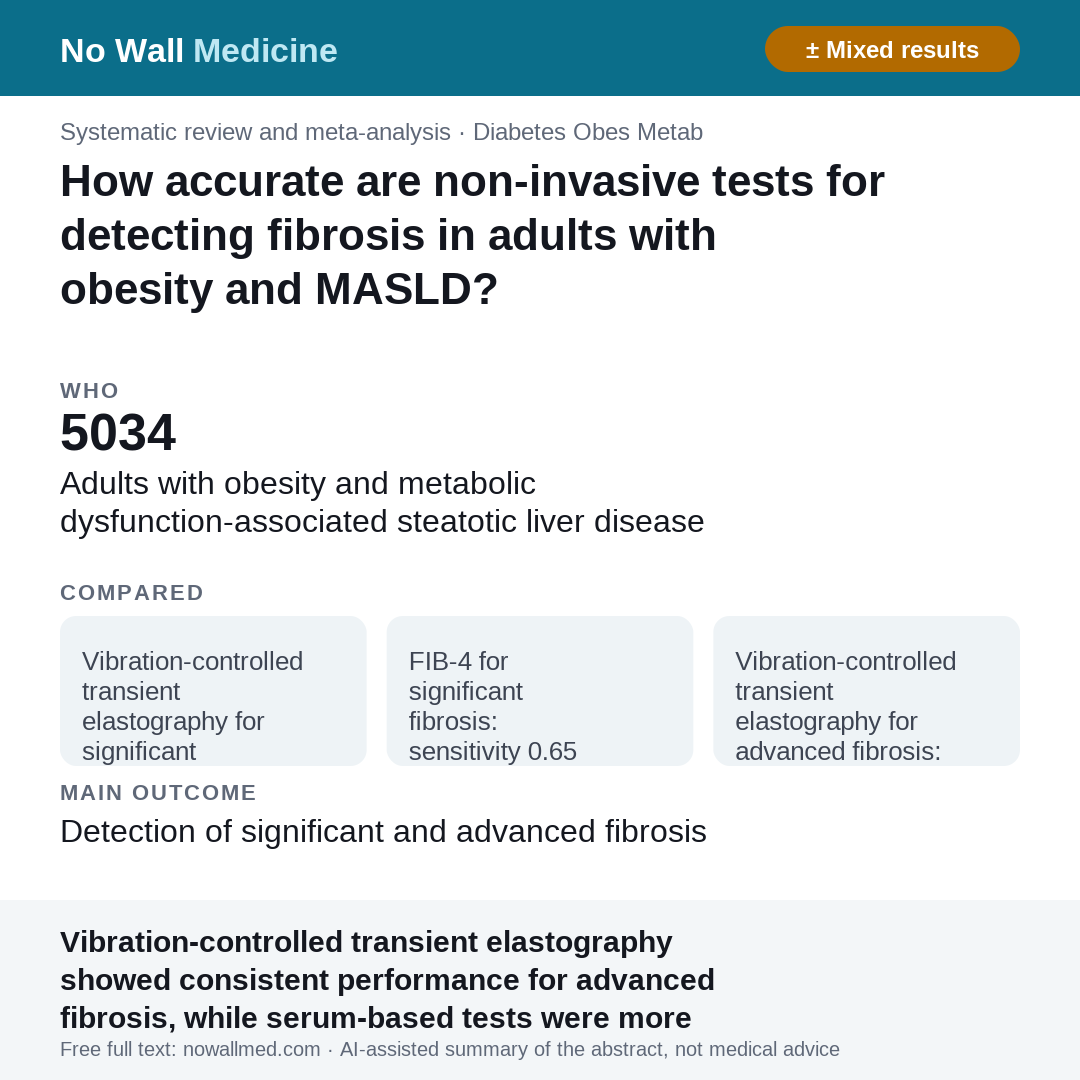
Non-Invasive Fibrosis Testing in Adults With Obesity and MASLD: A Systematic Review and Meta-Analysis
Systematic review and meta-analysisMixed results
How accurate are non-invasive tests for detecting fibrosis in adults with obesity and MASLD?
Who
5034
Adults with obesity and metabolic dysfunction-associated steatotic liver disease
Compared
Vibration-controlled transient elastography for significant fibrosis: sensitivity 0.64 (95% CI, 0.49-0.77)
FIB-4 for significant fibrosis: sensitivity 0.65 (95% CI, 0.53-0.75)
Vibration-controlled transient elastography for advanced fibrosis: sensitivity 0.77 (95% CI, 0.67-0.85)
Main outcome
Detection of significant and advanced fibrosis
Bottom line: Vibration-controlled transient elastography showed consistent performance for advanced fibrosis, while serum-based tests were more variable.
Diabetes Obes Metab · 2026-09-17Download image
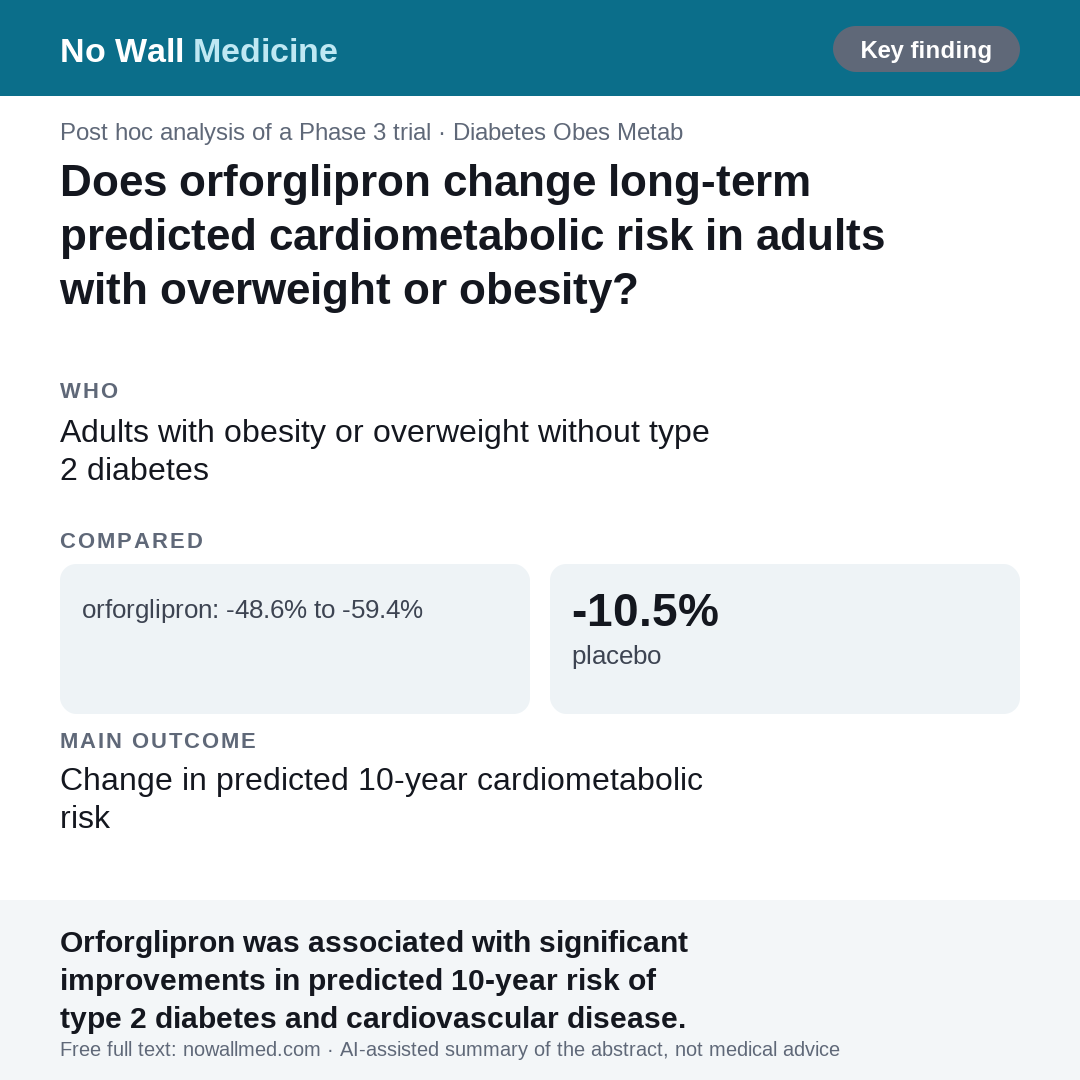
Predicting the Long-Term Risk of Type 2 Diabetes and Cardiovascular Disease With Orforglipron in People With Overweight or Obesity: A Post Hoc Analysis of the ATTAIN-1 Trial
Post hoc analysis of a Phase 3 trialBenefit found
Does orforglipron change long-term predicted cardiometabolic risk in adults with overweight or obesity?
Who
Adults with obesity or overweight without type 2 diabetes
Compared
orforglipron: -48.6% to -59.4%
-10.5%placebo
Main outcome
Change in predicted 10-year cardiometabolic risk
Bottom line: Orforglipron was associated with significant improvements in predicted 10-year risk of type 2 diabetes and cardiovascular disease.
Diabetes Obes Metab · 2026-09-17Download image
RSV Vaccination in Systemic Autoimmune Rheumatic Diseases: A Systematic Review
Systematic reviewBenefit found
What are the epidemiology, effectiveness, immunogenicity, and safety of RSV vaccination in SARDs?
Who
Adults with systemic autoimmune rheumatic diseases
Compared
Immunocompromised adults: 60-73% first-season effectiveness
Immunocompetent populations
Main outcome
vaccine effectiveness, immunogenicity, and safety
Bottom line: RSV vaccination appears effective and safe in immunocompromised populations, though protection may wane more rapidly.
Limitation: No study evaluated vaccine effectiveness stratified by disease-modifying antirheumatic drugs class.
Rheumatology · 2026-09-17Download image

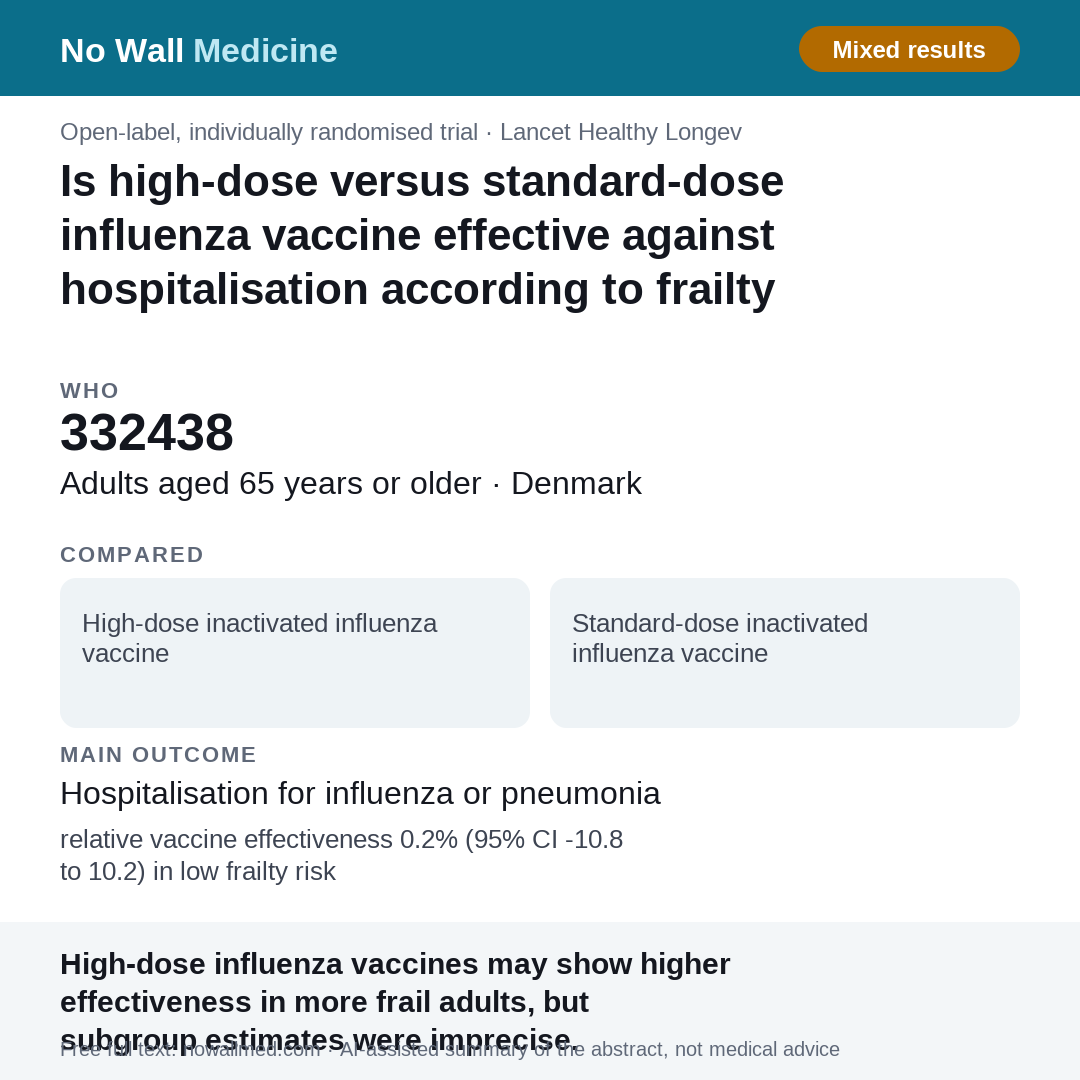
Effectiveness of high-dose versus standard-dose influenza vaccines against hospitalisation according to frailty risk: a prespecified analysis of the randomised trial DANFLU-2
Open-label, individually randomised trialMixed results
Is high-dose versus standard-dose influenza vaccine effective against hospitalisation according to frailty risk?
Who
332438
Adults aged 65 years or older · Denmark
Compared
High-dose inactivated influenza vaccine
Standard-dose inactivated influenza vaccine
Main outcome
Hospitalisation for influenza or pneumonia
Result: relative vaccine effectiveness 0.2% (95% CI -10.8 to 10.2) in low frailty risk
Bottom line: High-dose influenza vaccines may show higher effectiveness in more frail adults, but subgroup estimates were imprecise.
Limitation: Effect modification was not evident in categorical subgroups and estimates were imprecise with confidence intervals crossing the null.
Funded by: Sanofi
Lancet Healthy Longev · 2026-09-17Download image