Visual abstracts
New randomized trials and meta-analyses from leading journals at a glance: who was studied, what was compared, and what was found. Every paper is free to read in full.
All specialtiesCardiology 4763Oncology 4043Gastroenterology & Hepatology 1903Infectious Disease 3756Neurology 1872Psychiatry & Mental Health 2216Pulmonology 2044Critical Care 1319Endocrinology & Diabetes 2544Pediatrics 2889Surgery 2480Orthopedics & Sports Medicine 917Neurosurgery 525Cardiothoracic & Vascular Surgery 656Plastic & Reconstructive Surgery 574Nephrology 1107Rheumatology 810Hematology 1090Dermatology 611Ophthalmology 532Obstetrics & Gynecology 1645Public & Global Health 1037Radiology & Imaging 619Anesthesiology 958Urology 745ENT (Otolaryngology) 494Emergency Medicine 481Allergy & Immunology 309Geriatrics 972Family Medicine & Primary Care 534Medical Genetics & Genomics 659Pathology & Laboratory Medicine 156Physical Medicine & Rehabilitation 734Palliative Care 421Nutrition 1560Digital Health & AI 2137General Medicine 318
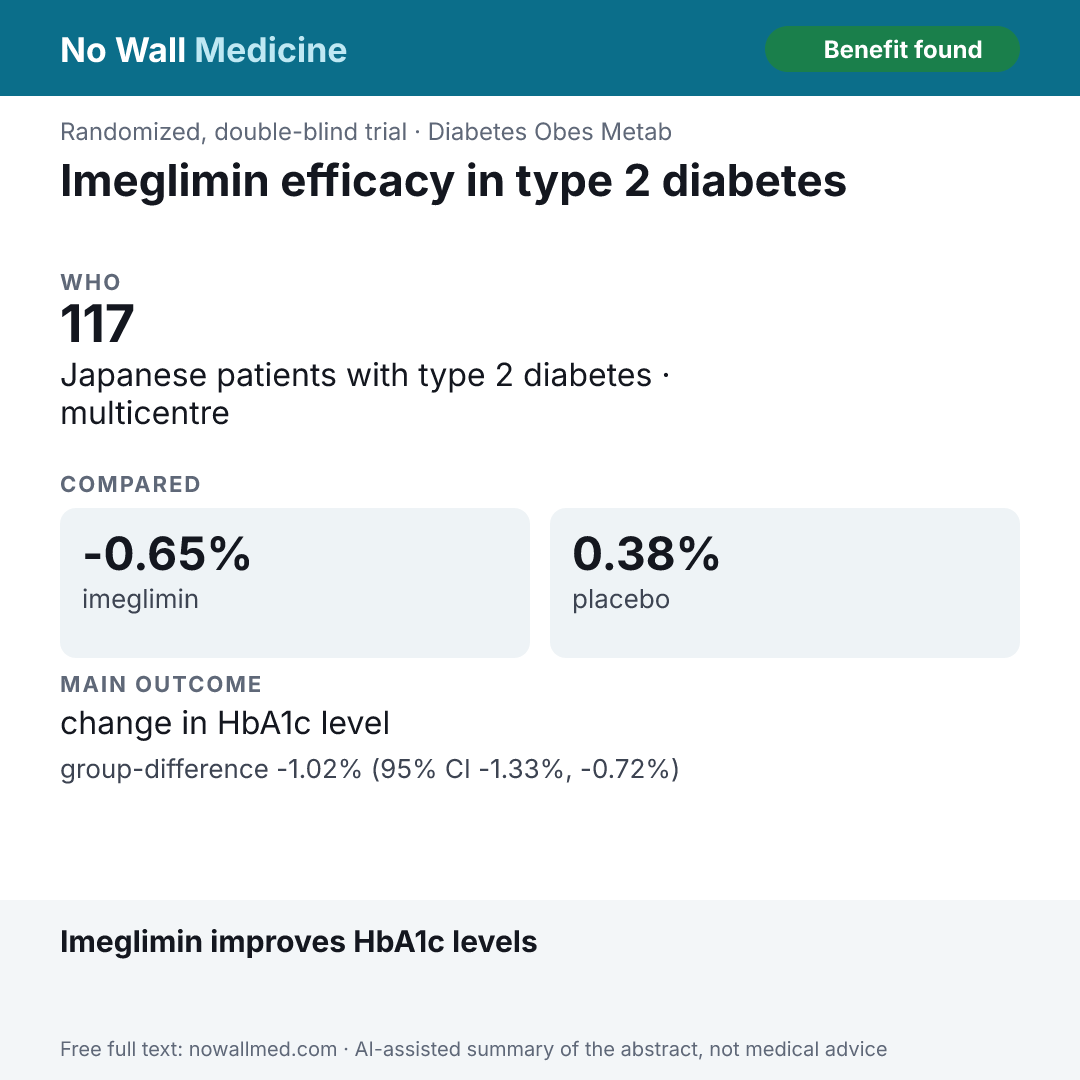
Efficacy and safety of imeglimin add-on to DPP-4 inhibitor therapy in Japanese patients with type 2 diabetes mellitus: An interim analysis of the randomised, double-blind FAMILIAR trial
Randomized, double-blind trialBenefit found
Imeglimin efficacy in type 2 diabetes
Who
117
Japanese patients with type 2 diabetes · multicentre
Compared
-0.65%imeglimin (0.11%)
0.38%placebo (0.11%)
Main outcome
change in HbA1c level
Result: group-difference -1.02% (95% CI -1.33%, -0.72%)
Bottom line: Imeglimin improves HbA1c levels
Diabetes Obes Metab · 2025-03-21 · Save PNG
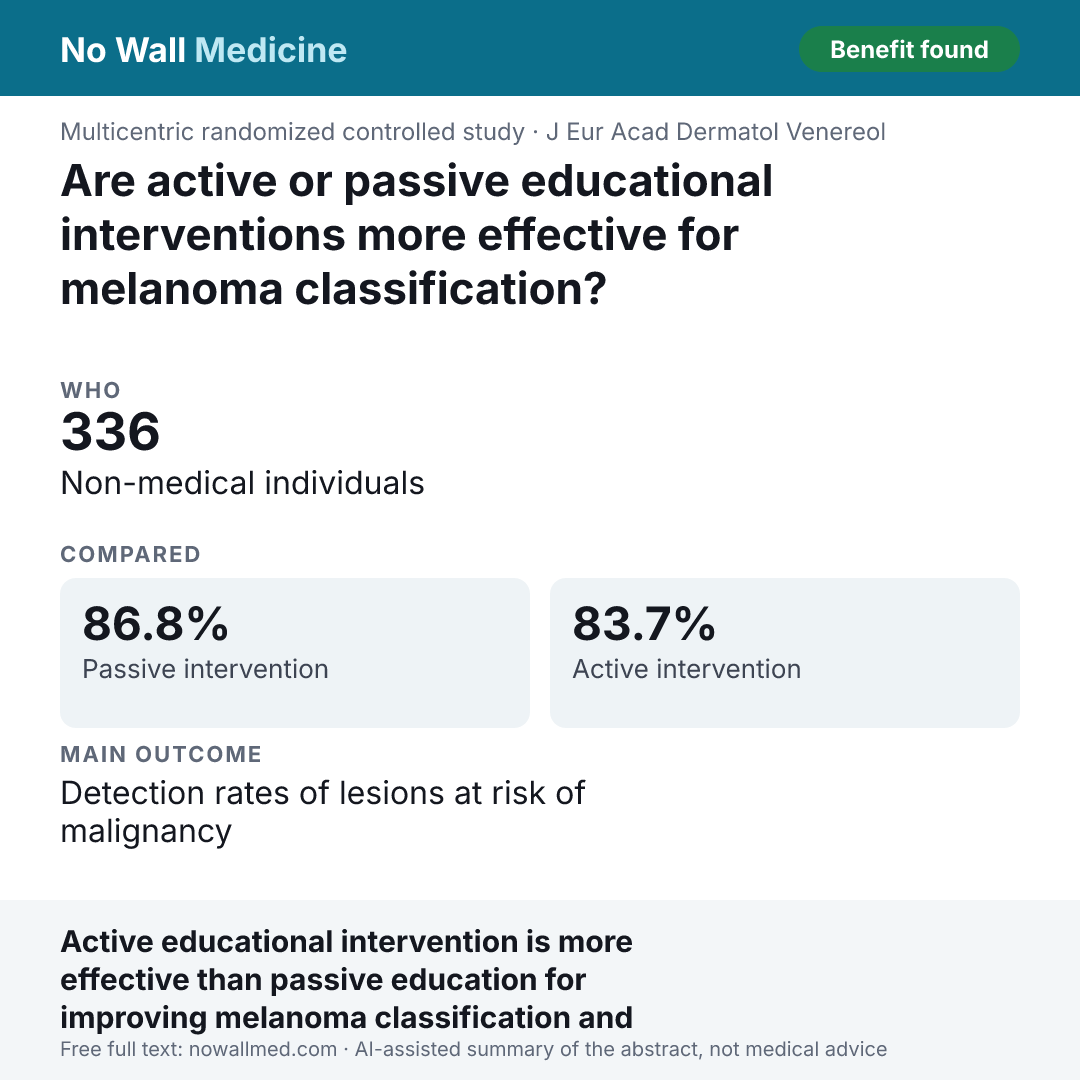
Passive versus active educational interventions for nevus and melanoma classification: A randomized controlled study
Multicentric randomized controlled studyBenefit found
Are active or passive educational interventions more effective for melanoma classification?
Who
336
Non-medical individuals
Compared
86.8%Passive intervention
83.7%Active intervention
Main outcome
Detection rates of lesions at risk of malignancy
Bottom line: Active educational intervention is more effective than passive education for improving melanoma classification and correct rule application.
J Eur Acad Dermatol Venereol · 2025-03-21 · Save PNG
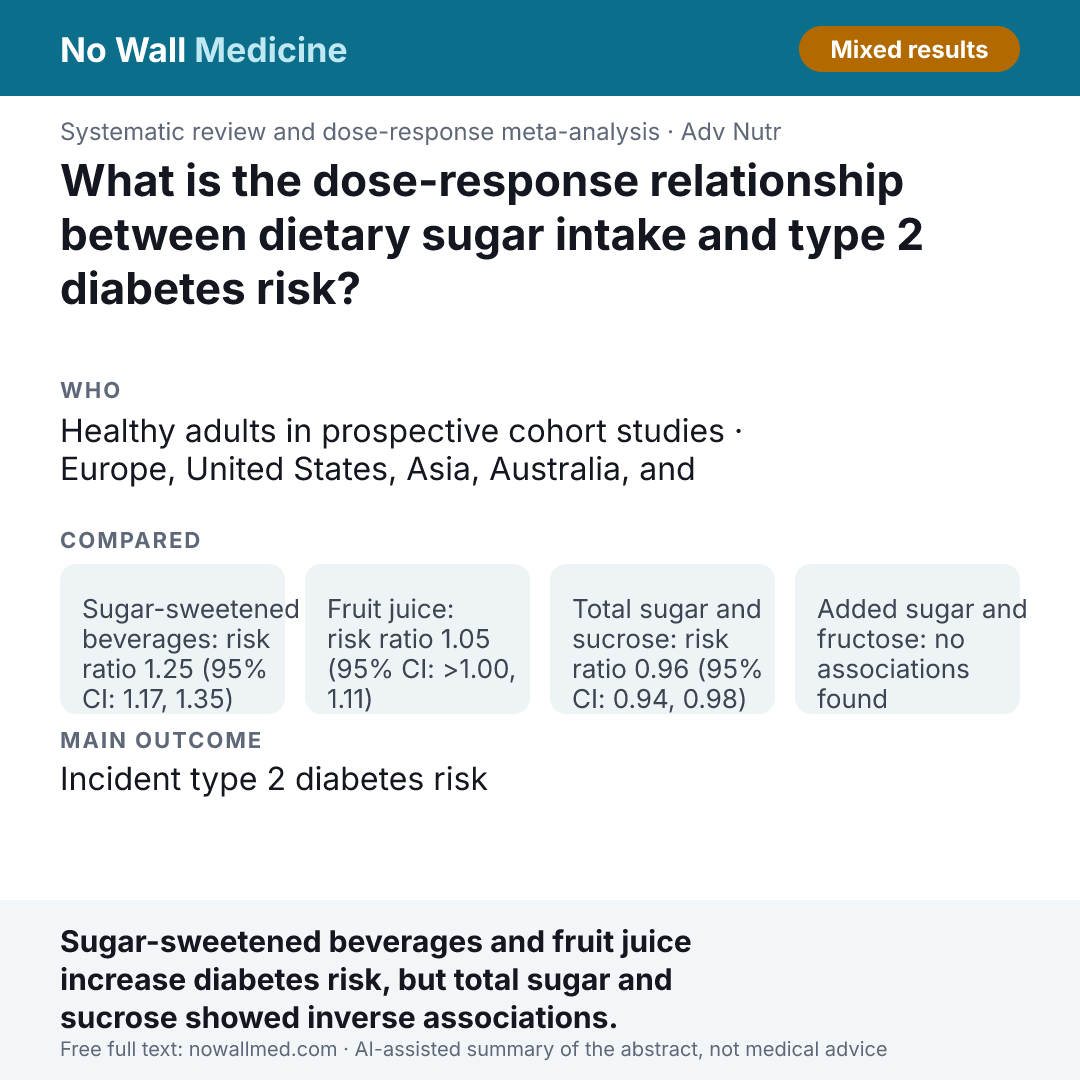
Dietary Sugar Intake and Incident Type 2 Diabetes Risk: A Systematic Review and Dose-Response Meta-Analysis of Prospective Cohort Studies
Systematic review and dose-response meta-analysisMixed results
What is the dose-response relationship between dietary sugar intake and type 2 diabetes risk?
Who
Healthy adults in prospective cohort studies · Europe, United States, Asia, Australia, and Latin America
Compared
Sugar-sweetened beverages: risk ratio 1.25 (95% CI: 1.17, 1.35)
Fruit juice: risk ratio 1.05 (95% CI: >1.00, 1.11)
Total sugar and sucrose: risk ratio 0.96 (95% CI: 0.94, 0.98)
Added sugar and fructose: no associations found
Main outcome
Incident type 2 diabetes risk
Bottom line: Sugar-sweetened beverages and fruit juice increase diabetes risk, but total sugar and sucrose showed inverse associations.
Limitation: Certainty of evidence ranged from very low to moderate.
Adv Nutr · 2025-03-21 · Save PNG
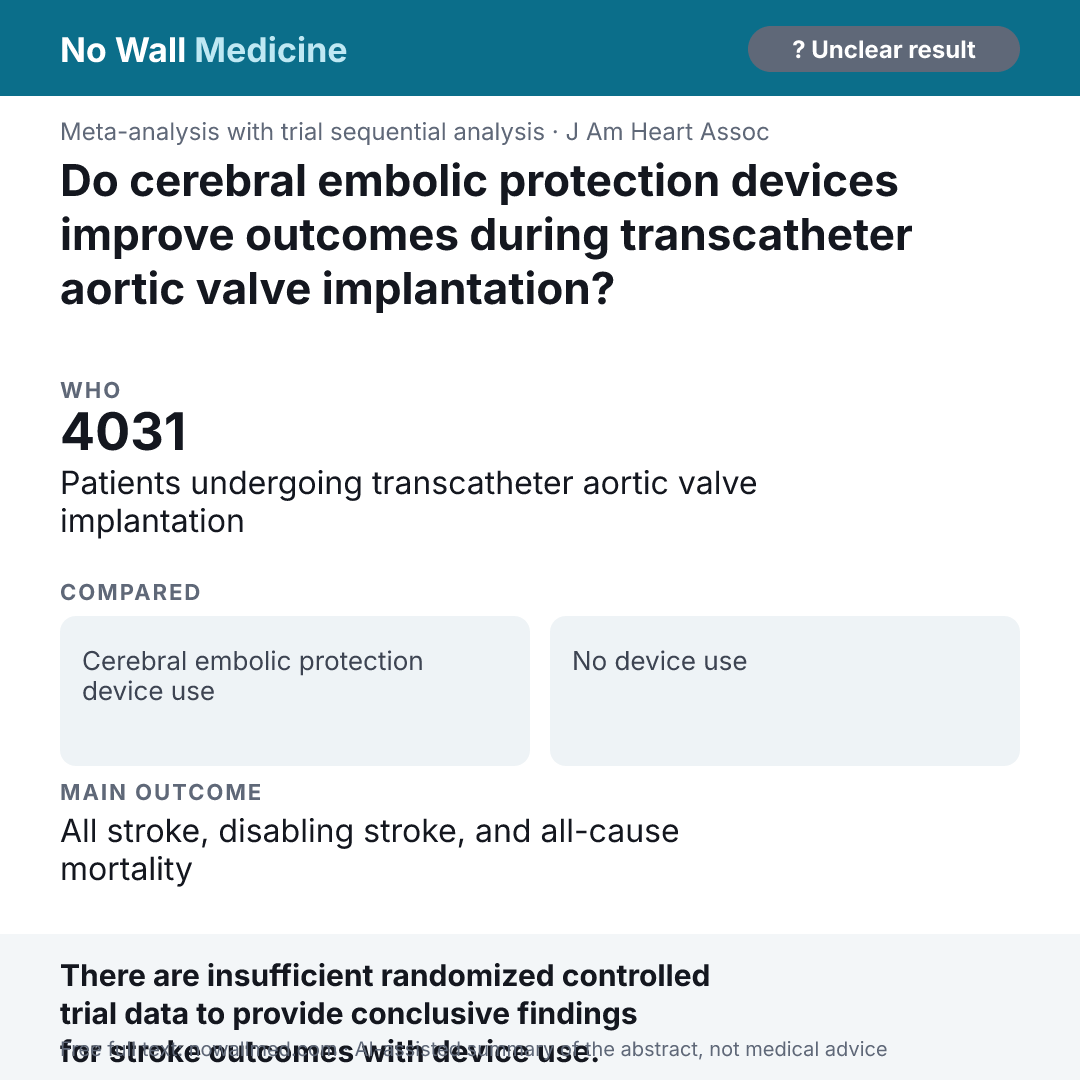
Cerebral Embolic Protection Devices in Transcatheter Aortic Valve Implantation: Meta-Analysis With Trial Sequential Analysis
Meta-analysis with trial sequential analysisUnclear result
Do cerebral embolic protection devices improve outcomes during transcatheter aortic valve implantation?
Who
4031
Patients undergoing transcatheter aortic valve implantation
Compared
Cerebral embolic protection device use
No device use
Main outcome
All stroke, disabling stroke, and all-cause mortality
Result: all stroke relative risk 0.85 (95% CI 0.61-1.18); disabling stroke relative risk 0.59 (95% CI 0.30-1.13); all-cause mortality relative risk 1.03 (95% CI 0.49-2.17)
Bottom line: There are insufficient randomized controlled trial data to provide conclusive findings for stroke outcomes with device use.
J Am Heart Assoc · 2025-03-21 · Save PNG
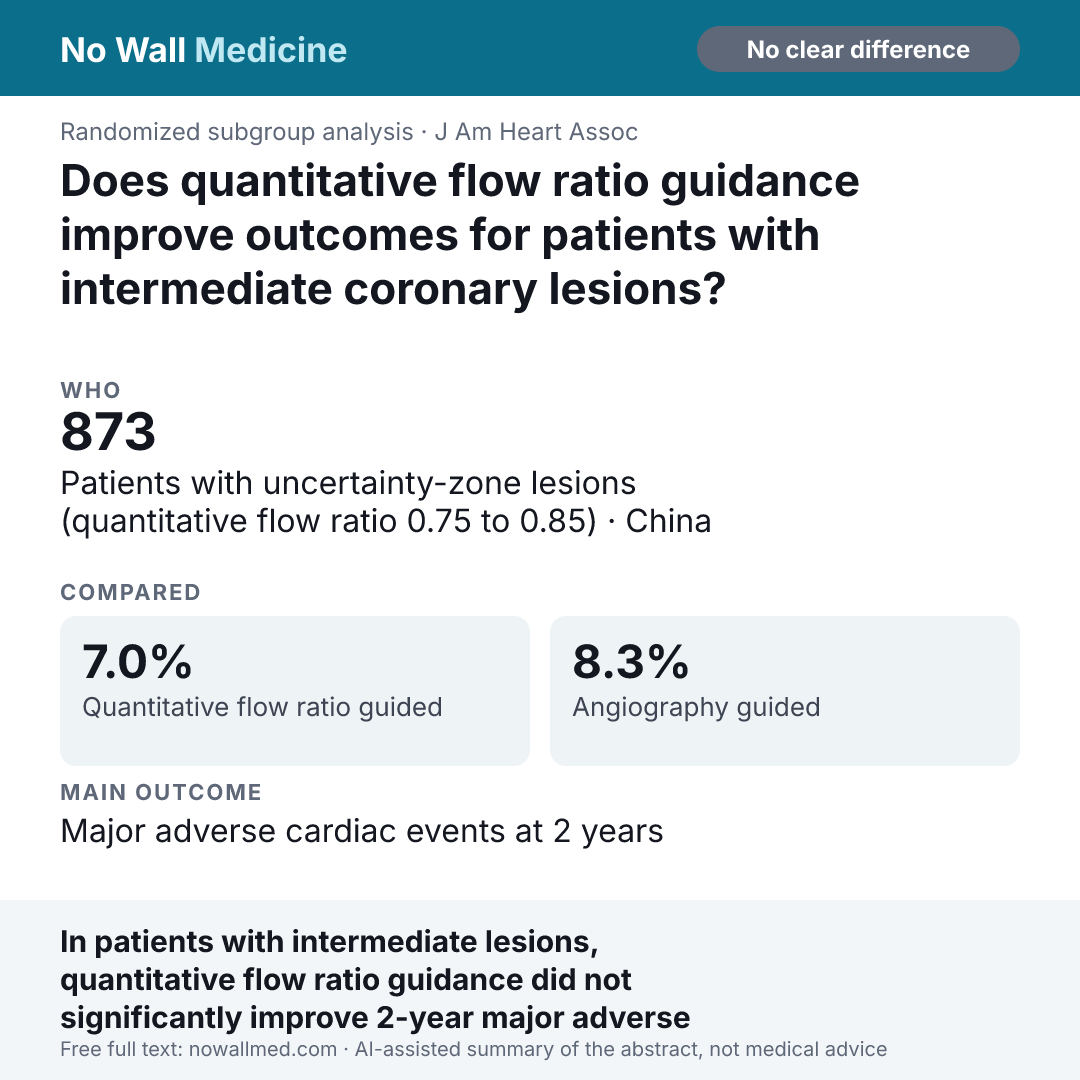
Angiographic Quantitative Flow Ratio-Guided Treatment of Patients With Physiologically Intermediate Coronary Lesions
Randomized subgroup analysisNo clear difference
Does quantitative flow ratio guidance improve outcomes for patients with intermediate coronary lesions?
Who
873
Patients with uncertainty-zone lesions (quantitative flow ratio 0.75 to 0.85) · China
Compared
7.0%Quantitative flow ratio guided
8.3%Angiography guided
Main outcome
Major adverse cardiac events at 2 years
Result: hazard ratio 0.85 (95% CI 0.52-1.37)
Bottom line: In patients with intermediate lesions, quantitative flow ratio guidance did not significantly improve 2-year major adverse cardiac events.
J Am Heart Assoc · 2025-03-21 · Save PNG
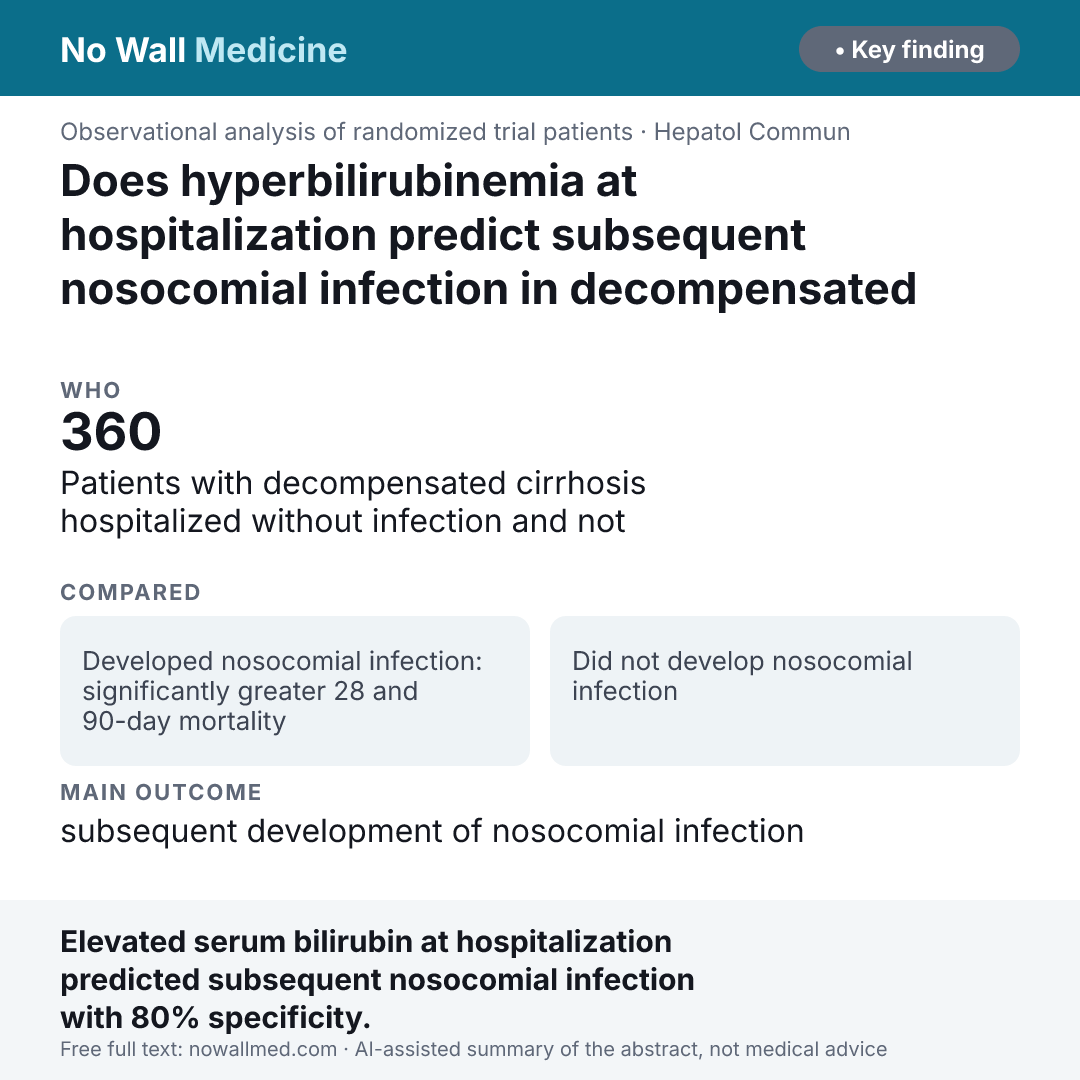
Hyperbilirubinemia at hospitalization predicts nosocomial infection in decompensated cirrhosis: Data from ATTIRE trial
Observational analysis of randomized trial patientsKey finding
Does hyperbilirubinemia at hospitalization predict subsequent nosocomial infection in decompensated cirrhosis?
Who
360
Patients with decompensated cirrhosis hospitalized without infection and not prescribed antibiotics
Compared
Developed nosocomial infection: significantly greater 28 and 90-day mortality
Did not develop nosocomial infection
Main outcome
subsequent development of nosocomial infection
Bottom line: Elevated serum bilirubin at hospitalization predicted subsequent nosocomial infection with 80% specificity.
Hepatol Commun · 2025-03-21 · Save PNG
Global meta-analysis of short-term associations between ambient temperature and pathogen-specific respiratory infections, 2004 to 2023
Random-effects meta-analysisMixed results
How does ambient temperature affect pathogen-specific respiratory infections?
Who
Global populations from 137 studies · Global
Compared
Temperature rise
Unexposed to temperature rise
Main outcome
Relative risk of respiratory infection per 1°C temperature rise
Bottom line: Temperature sensitivity of respiratory infections varies significantly depending on the specific pathogen type and subtype.
Euro Surveill · 2025-03-21 · Save PNG

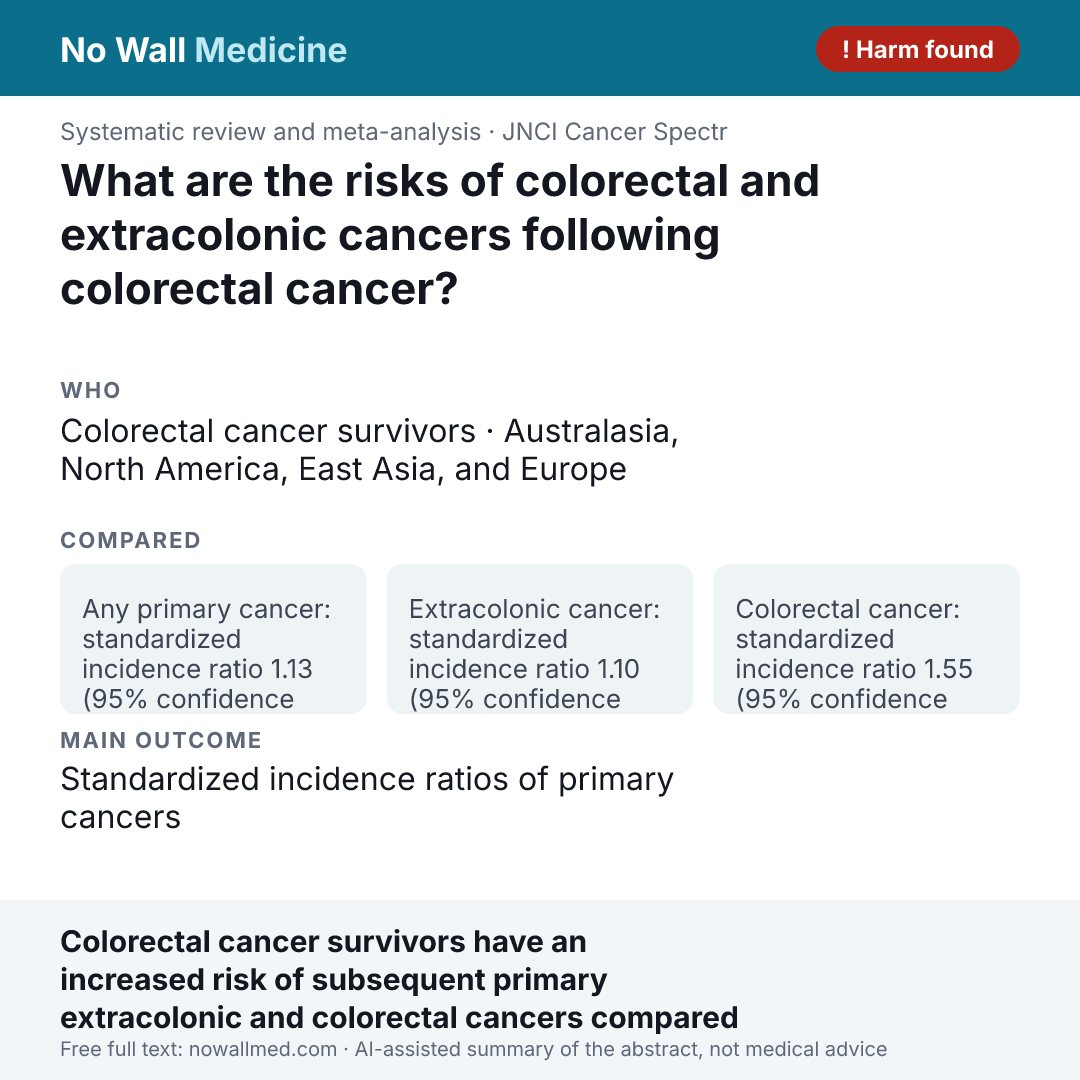
Risks of colorectal and extracolonic cancers following colorectal cancer: a systematic review and meta-analysis
Systematic review and meta-analysisHarm found
What are the risks of colorectal and extracolonic cancers following colorectal cancer?
Who
Colorectal cancer survivors · Australasia, North America, East Asia, and Europe
Compared
Any primary cancer: standardized incidence ratio 1.13 (95% confidence interval 1.06 to 1.20)
Extracolonic cancer: standardized incidence ratio 1.10 (95% confidence interval 1.03 to 1.17)
Colorectal cancer: standardized incidence ratio 1.55 (95% confidence interval 1.33 to 1.77)
Main outcome
Standardized incidence ratios of primary cancers
Result: standardized incidence ratio 1.13 (95% confidence interval 1.06 to 1.20)
Bottom line: Colorectal cancer survivors have an increased risk of subsequent primary extracolonic and colorectal cancers compared to the general population.
JNCI Cancer Spectr · 2025-03-21 · Save PNG
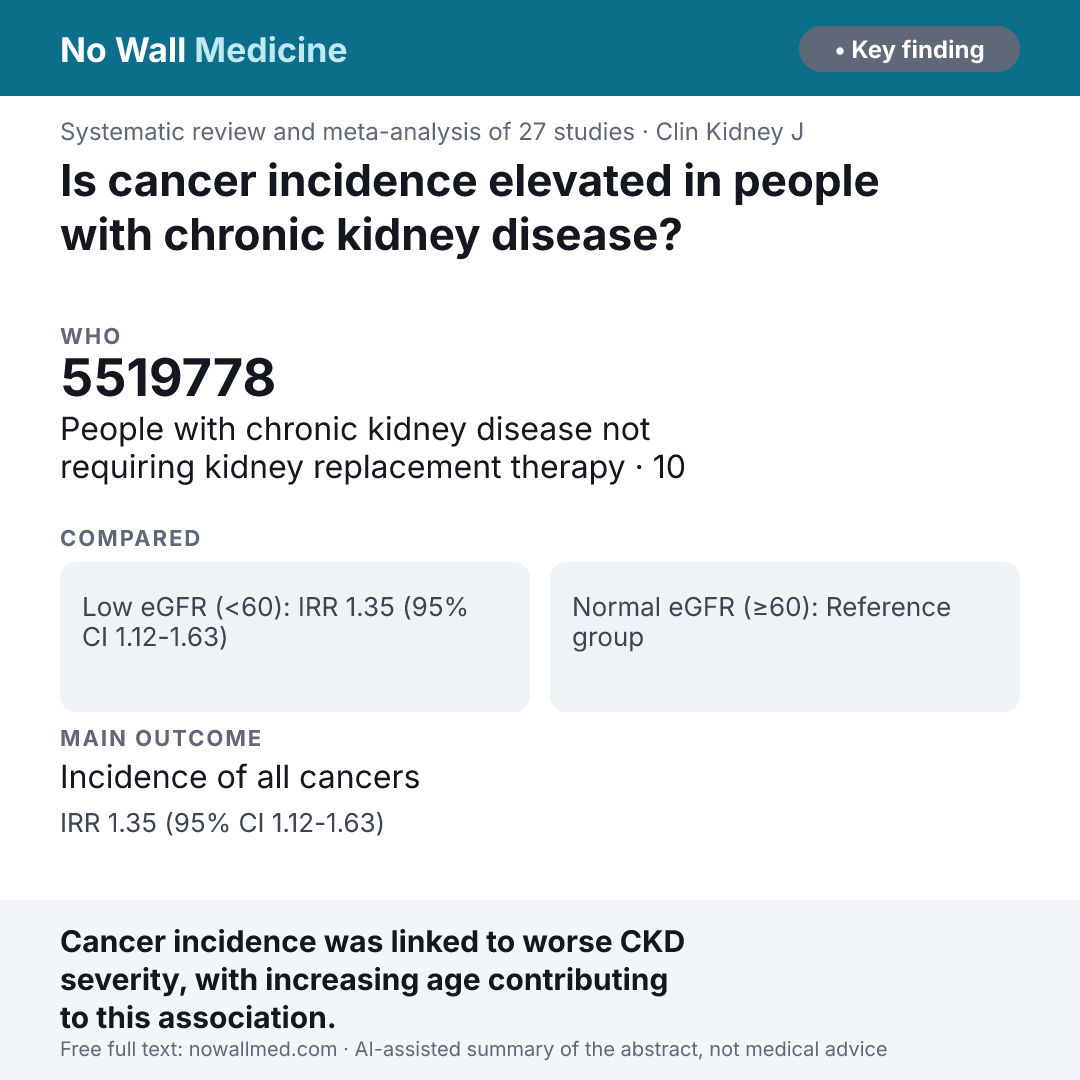
Incidence of cancer in people with CKD not requiring kidney replacement therapy: a systematic review and meta-analysis
Systematic review and meta-analysis of 27 studiesKey finding
Is cancer incidence elevated in people with chronic kidney disease?
Who
5519778
People with chronic kidney disease not requiring kidney replacement therapy · 10 countries
Compared
Low eGFR (<60): IRR 1.35 (95% CI 1.12-1.63)
Normal eGFR (≥60): Reference group
Main outcome
Incidence of all cancers
Result: IRR 1.35 (95% CI 1.12-1.63)
Bottom line: Cancer incidence was linked to worse CKD severity, with increasing age contributing to this association.
Clin Kidney J · 2025-03-21 · Save PNG
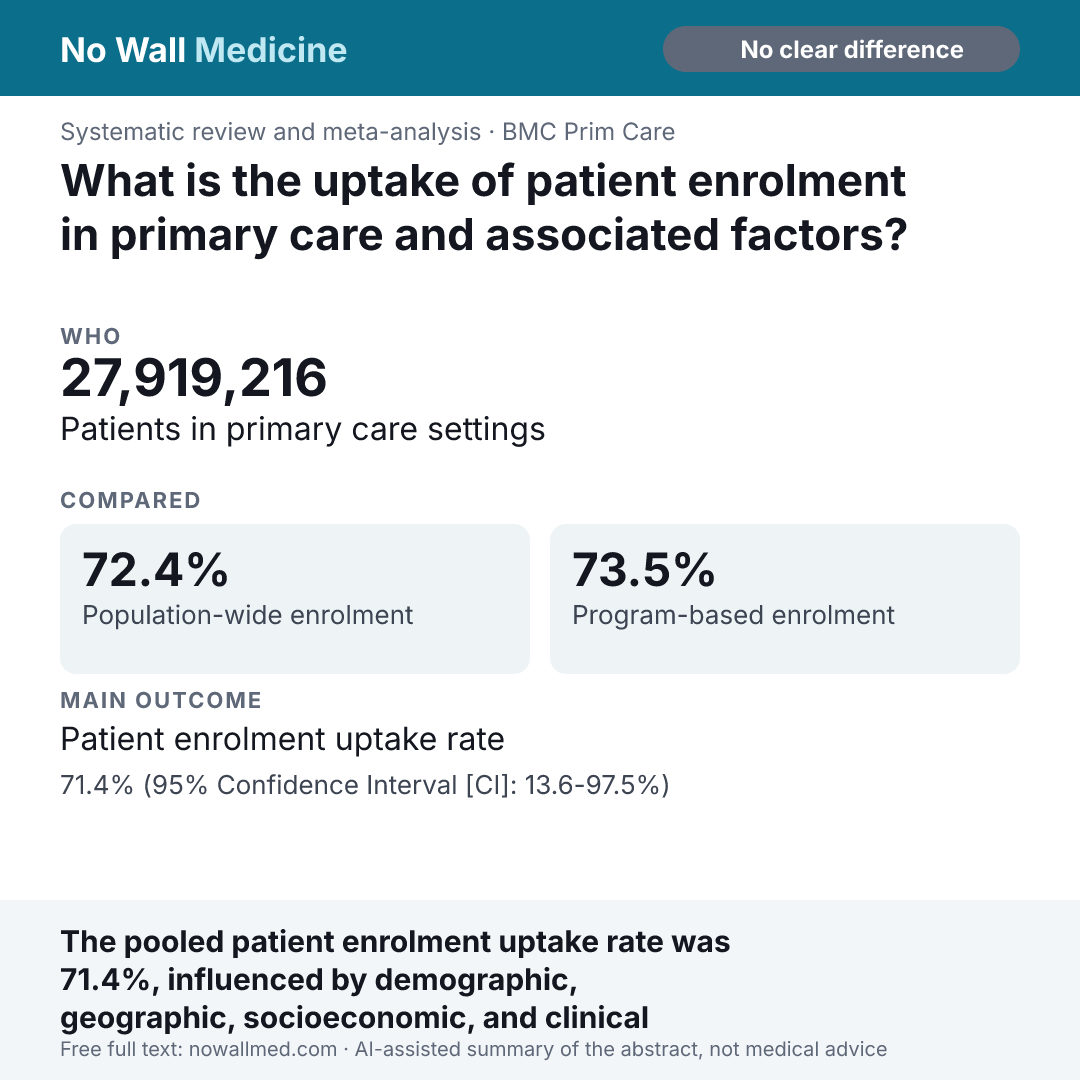
Uptake of patient enrolment in primary care and associated factors: a systematic review and meta-analysis
Systematic review and meta-analysisNo clear difference
What is the uptake of patient enrolment in primary care and associated factors?
Who
27,919,216
Patients in primary care settings
Compared
72.4%Population-wide enrolment
73.5%Program-based enrolment
Main outcome
Patient enrolment uptake rate
Result: 71.4% (95% Confidence Interval [CI]: 13.6-97.5%)
Bottom line: The pooled patient enrolment uptake rate was 71.4%, influenced by demographic, geographic, socioeconomic, and clinical factors.
BMC Prim Care · 2025-03-21 · Save PNG
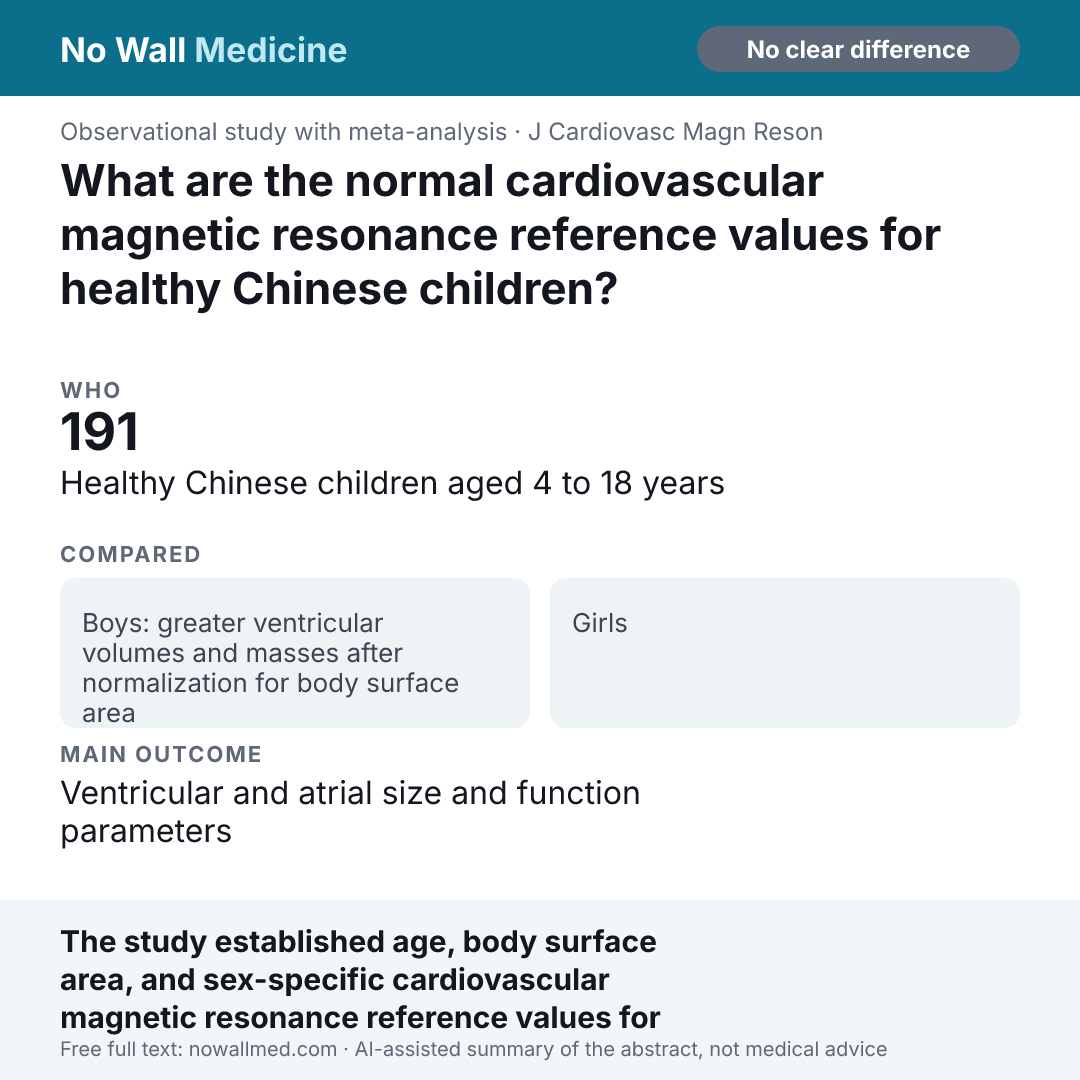
Age-, body surface area-, and sex-specific reference values for cardiovascular magnetic resonance imaging derived ventricular and atrial size and function for Chinese healthy children
Observational study with meta-analysisNo clear difference
What are the normal cardiovascular magnetic resonance reference values for healthy Chinese children?
Who
191
Healthy Chinese children aged 4 to 18 years
Compared
Boys: greater ventricular volumes and masses after normalization for body surface area
Girls
Main outcome
Ventricular and atrial size and function parameters
Bottom line: The study established age, body surface area, and sex-specific cardiovascular magnetic resonance reference values for Chinese children.
J Cardiovasc Magn Reson · 2025-03-21 · Save PNG
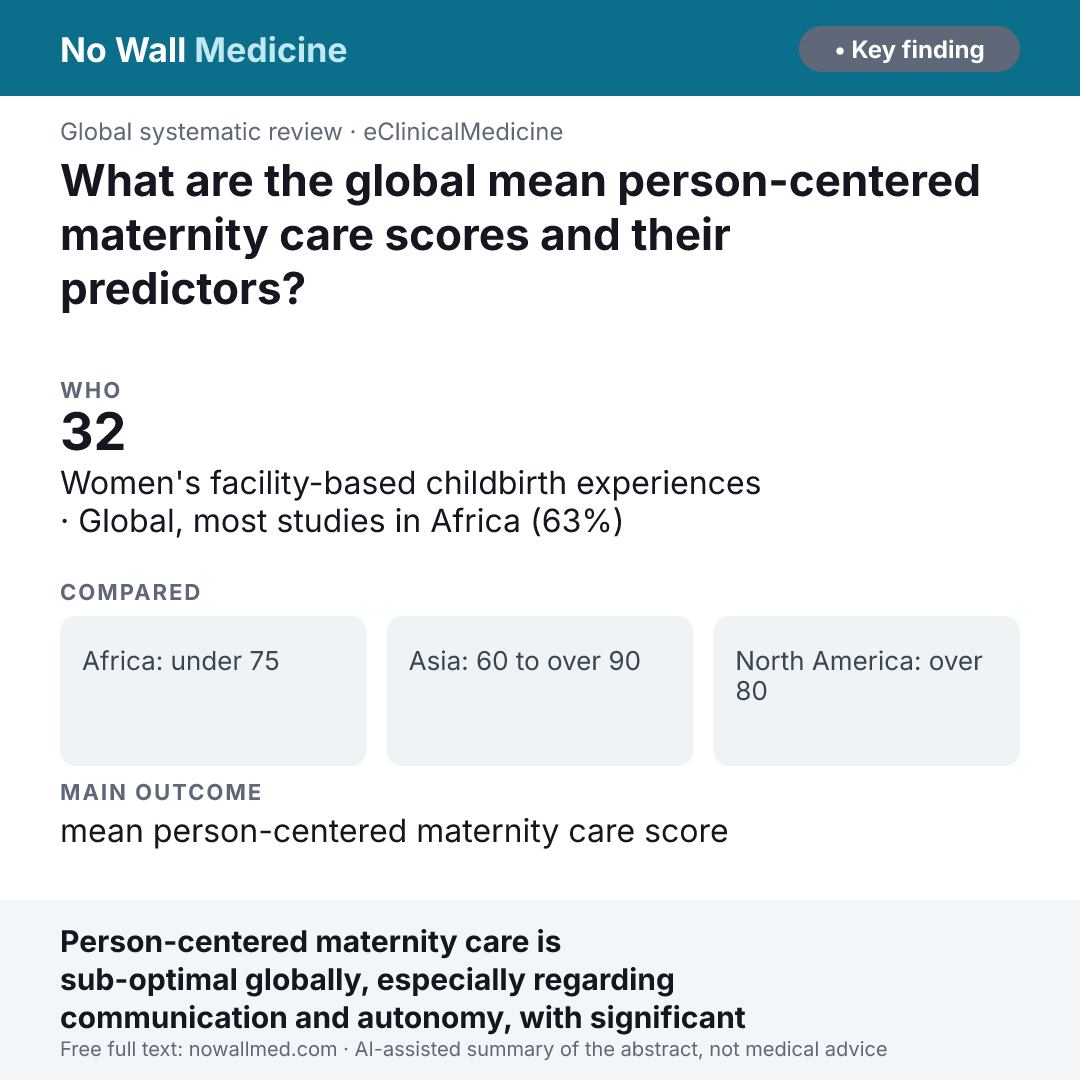
Assessment of the person-centered maternity care scale: a global systematic review
Global systematic reviewKey finding
What are the global mean person-centered maternity care scores and their predictors?
Who
32
Women's facility-based childbirth experiences · Global, most studies in Africa (63%)
Compared
Africa: under 75
Asia: 60 to over 90
North America: over 80
Main outcome
mean person-centered maternity care score
Bottom line: Person-centered maternity care is sub-optimal globally, especially regarding communication and autonomy, with significant sociodemographic inequities.
eClinicalMedicine · 2025-03-20 · Save PNG
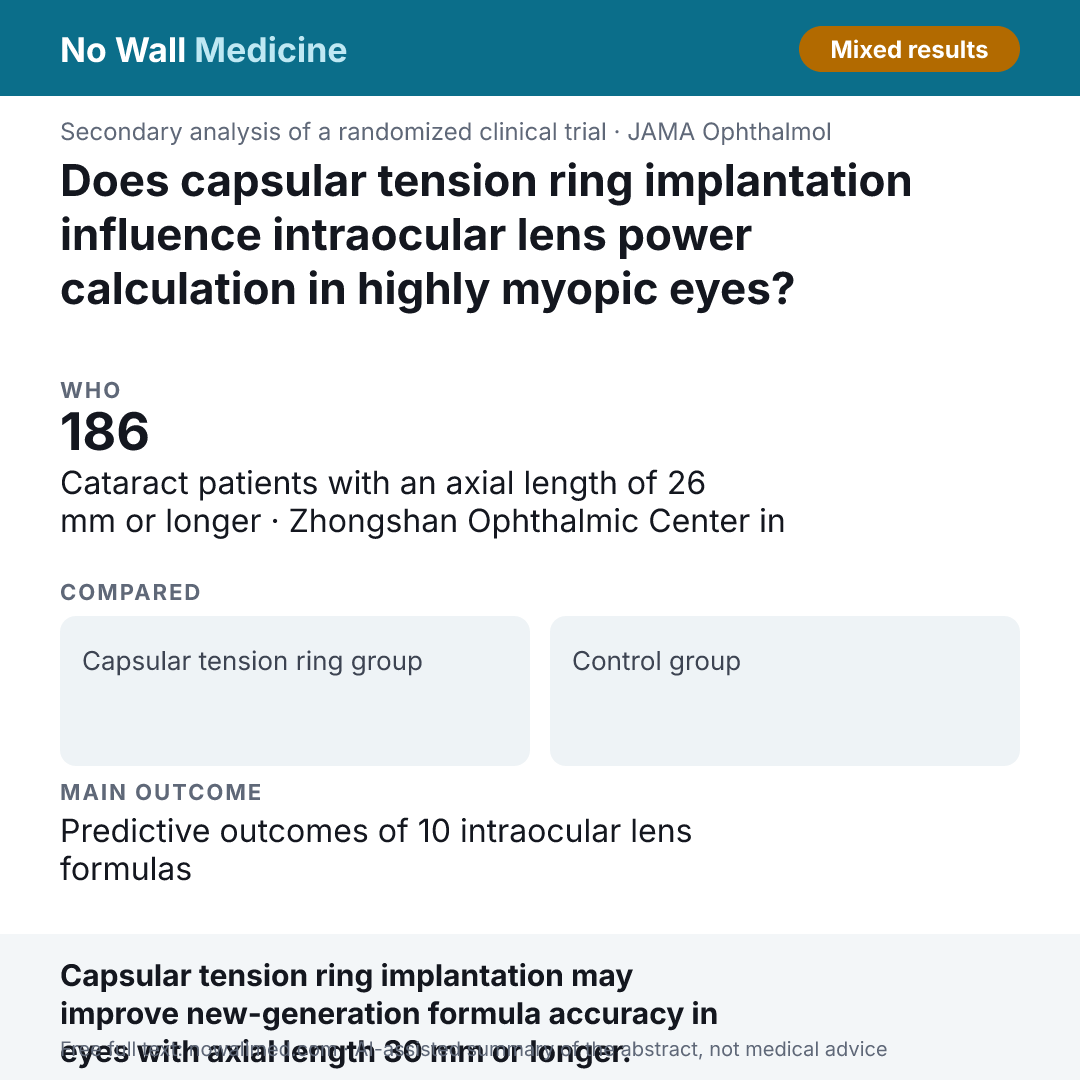
Capsular Tension Ring Implantation for Intraocular Lens Power Calculation in Highly Myopic Eyes: Secondary Analysis of a Randomized Clinical Trial
Secondary analysis of a randomized clinical trialMixed results
Does capsular tension ring implantation influence intraocular lens power calculation in highly myopic eyes?
Who
186
Cataract patients with an axial length of 26 mm or longer · Zhongshan Ophthalmic Center in Guangzhou, China
Compared
Capsular tension ring group
Control group
Main outcome
Predictive outcomes of 10 intraocular lens formulas
Bottom line: Capsular tension ring implantation may improve new-generation formula accuracy in eyes with axial length 30 mm or longer.
Limitation: This is a prespecified secondary analysis of outcomes from a randomized clinical trial.
JAMA Ophthalmol · 2025-03-20 · Save PNG
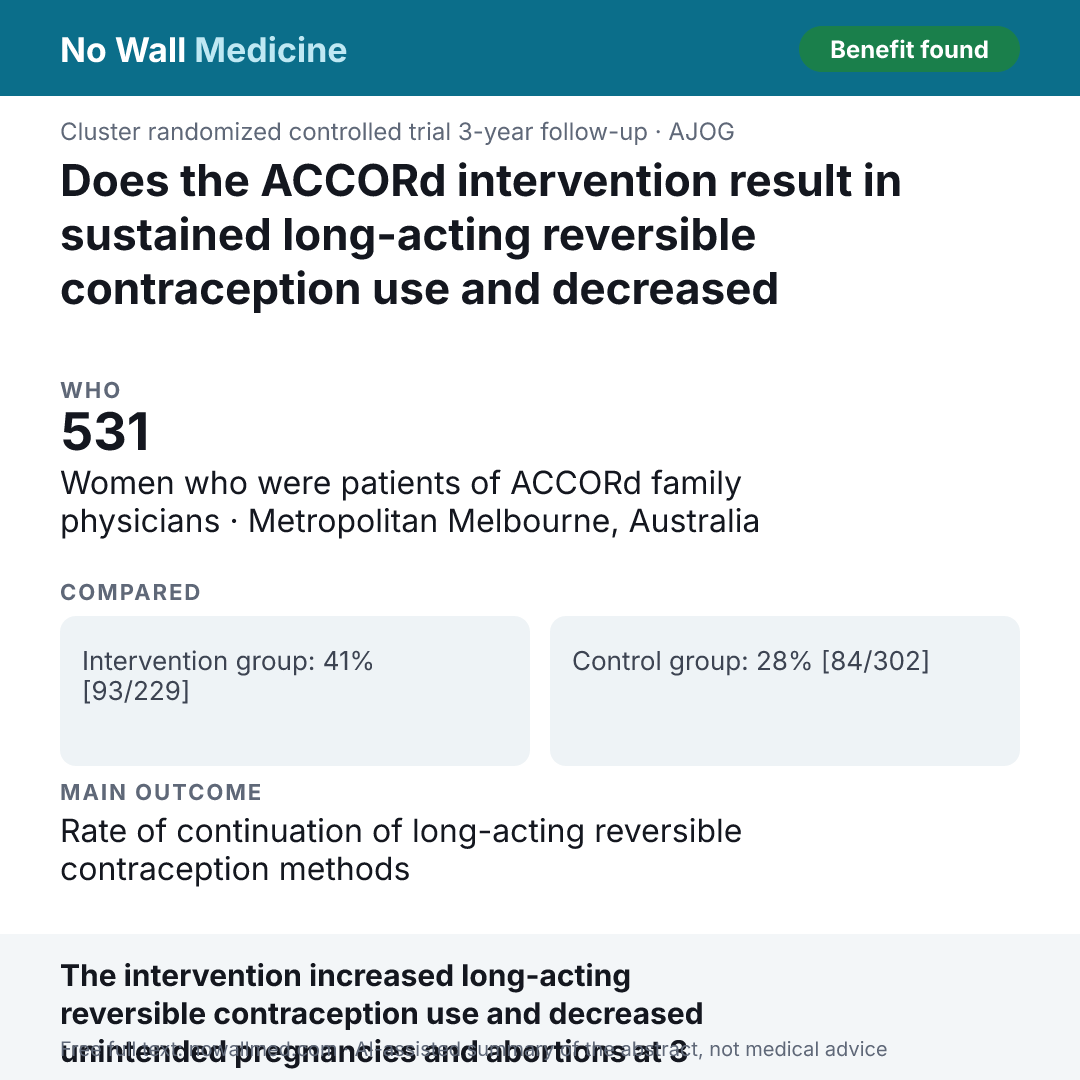
Increasing the uptake of long-acting reversible contraception through family practice: the Australian Contraceptive ChOice pRoject (ACCORd) cluster randomized controlled trial 3-year follow-up
Cluster randomized controlled trial 3-year follow-upBenefit found
Does the ACCORd intervention result in sustained long-acting reversible contraception use and decreased unplanned pregnancies?
Who
531
Women who were patients of ACCORd family physicians · Metropolitan Melbourne, Australia
Compared
Intervention group: 41% [93/229]
Control group: 28% [84/302]
Main outcome
Rate of continuation of long-acting reversible contraception methods
Result: odds ratio 0.38 [95% confidence interval, 0.16-0.86]
Bottom line: The intervention increased long-acting reversible contraception use and decreased unintended pregnancies and abortions at 3 years.
AJOG · 2025-03-20 · Save PNG
Effectiveness of interventions to support person-centered contraceptive care for adolescents and young adults: a systematic review
Systematic reviewBenefit, low certainty
Do interventions to support person-centered contraceptive counseling improve patient and clinician outcomes?
Who
Females assigned at birth under 25 years old
Compared
Interventions
Control
Main outcome
Patient and clinician outcomes related to person-centered contraceptive counseling
Bottom line: Interventions like coaching and decision aids may improve short and medium term patient and clinician outcomes.
Limitation: No studies directly measured person-centered contraceptive counseling or assessed reproductive autonomy.
AJOG · 2025-03-20 · Save PNG

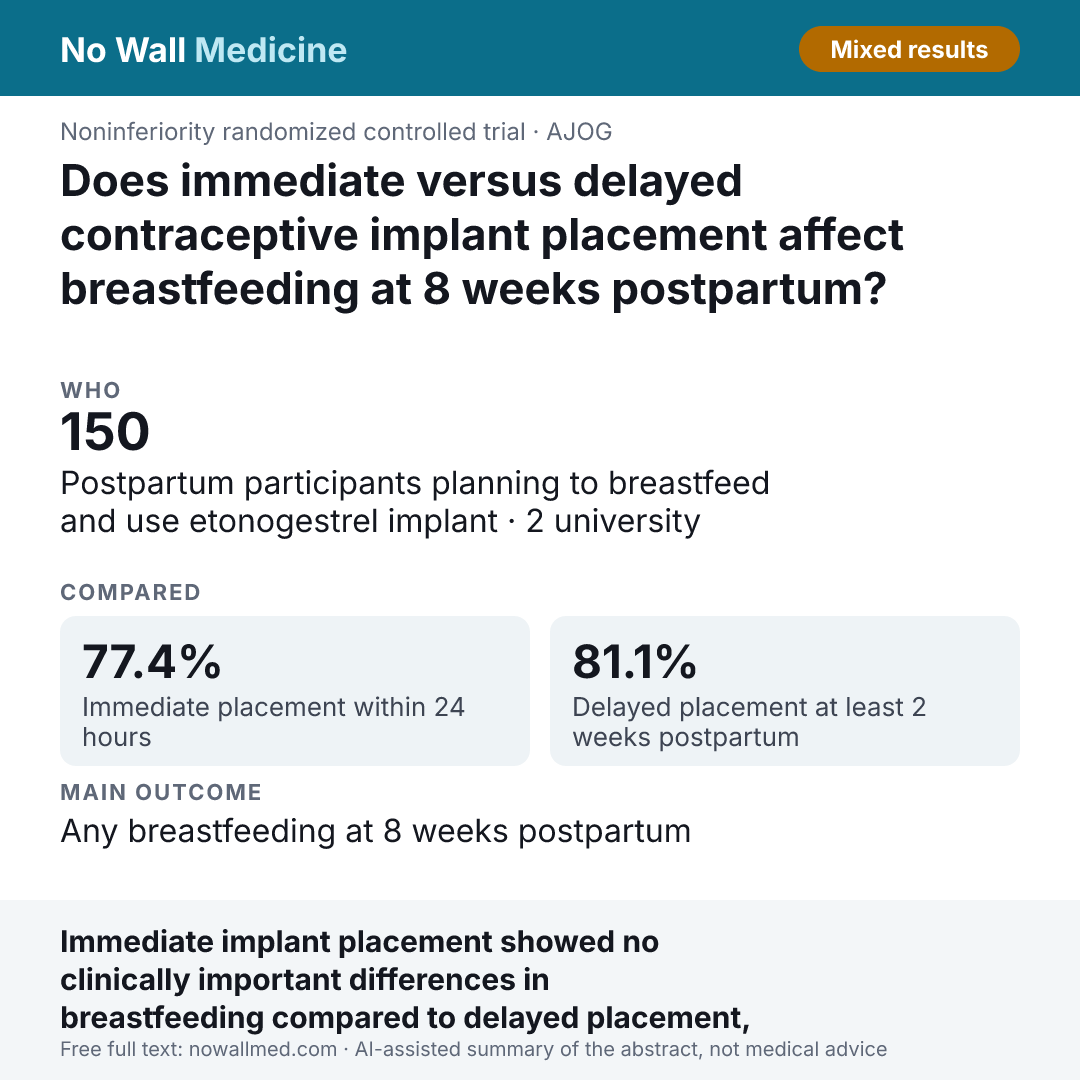
Breastfeeding after immediate vs delayed postpartum contraceptive implant placement: a noninferiority randomized controlled trial
Noninferiority randomized controlled trialMixed results
Does immediate versus delayed contraceptive implant placement affect breastfeeding at 8 weeks postpartum?
Who
150
Postpartum participants planning to breastfeed and use etonogestrel implant · 2 university hospitals in the Mountain West
Compared
77.4%Immediate placement within 24 hours (48/62)
81.1%Delayed placement at least 2 weeks postpartum (43/53)
Main outcome
Any breastfeeding at 8 weeks postpartum
Result: -3.7% difference, 95% confidence interval lower limit -16%
Bottom line: Immediate implant placement showed no clinically important differences in breastfeeding compared to delayed placement, despite exceeding the noninferiority margin.
Limitation: The primary outcome exceeded the predefined noninferiority margin in the per protocol analysis.
AJOG · 2025-03-20 · Save PNG
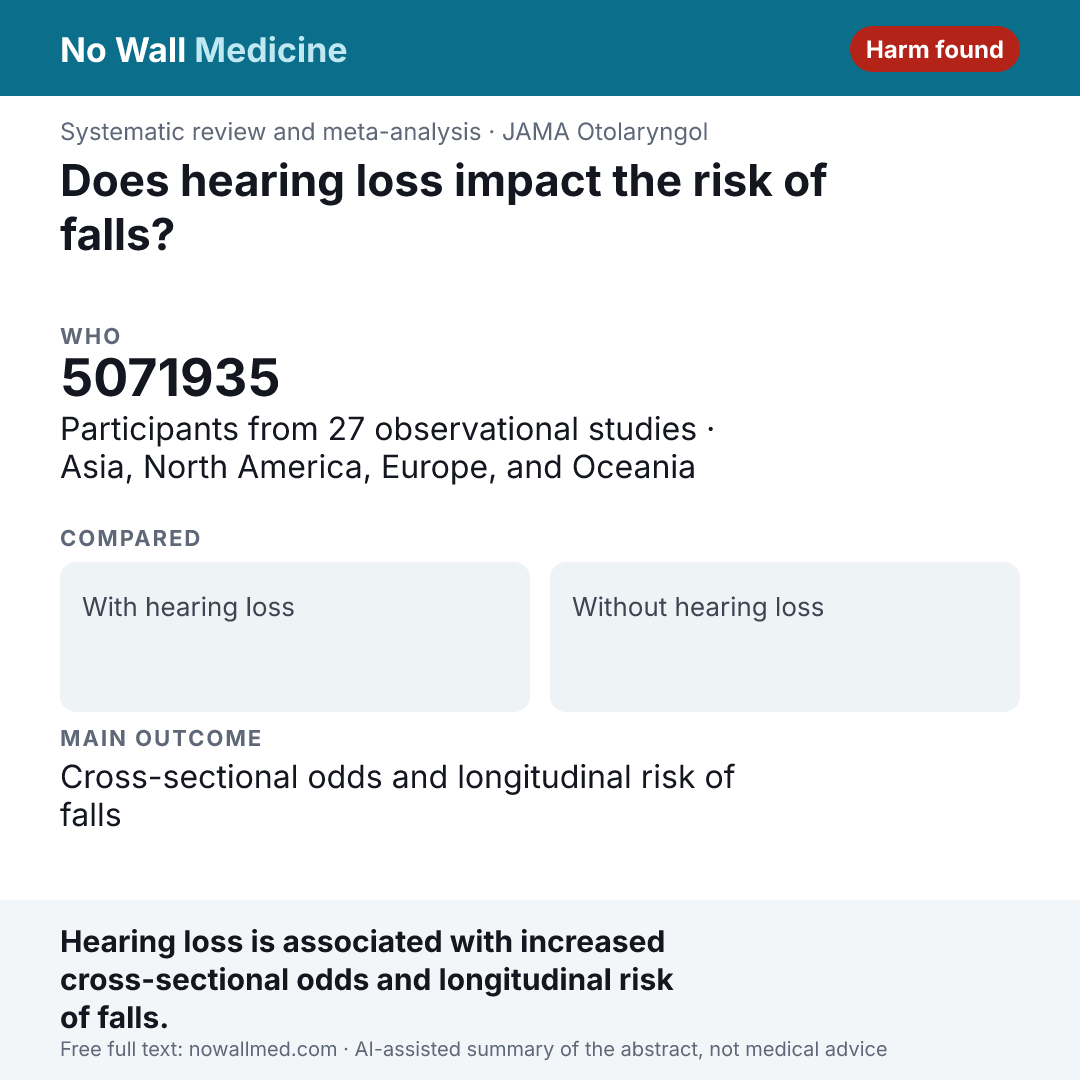
Hearing Loss and Falls: A Systematic Review and Meta-Analysis
Systematic review and meta-analysisHarm found
Does hearing loss impact the risk of falls?
Who
5071935
Participants from 27 observational studies · Asia, North America, Europe, and Oceania
Compared
With hearing loss
Without hearing loss
Main outcome
Cross-sectional odds and longitudinal risk of falls
Result: odds ratio 1.51 (95% CI 1.37-1.67); risk ratio 1.17 (95% CI 1.06-1.29)
Bottom line: Hearing loss is associated with increased cross-sectional odds and longitudinal risk of falls.
Limitation: Further randomized clinical trials are needed to elucidate benefit of treating hearing loss.
JAMA Otolaryngol · 2025-03-20 · Save PNG
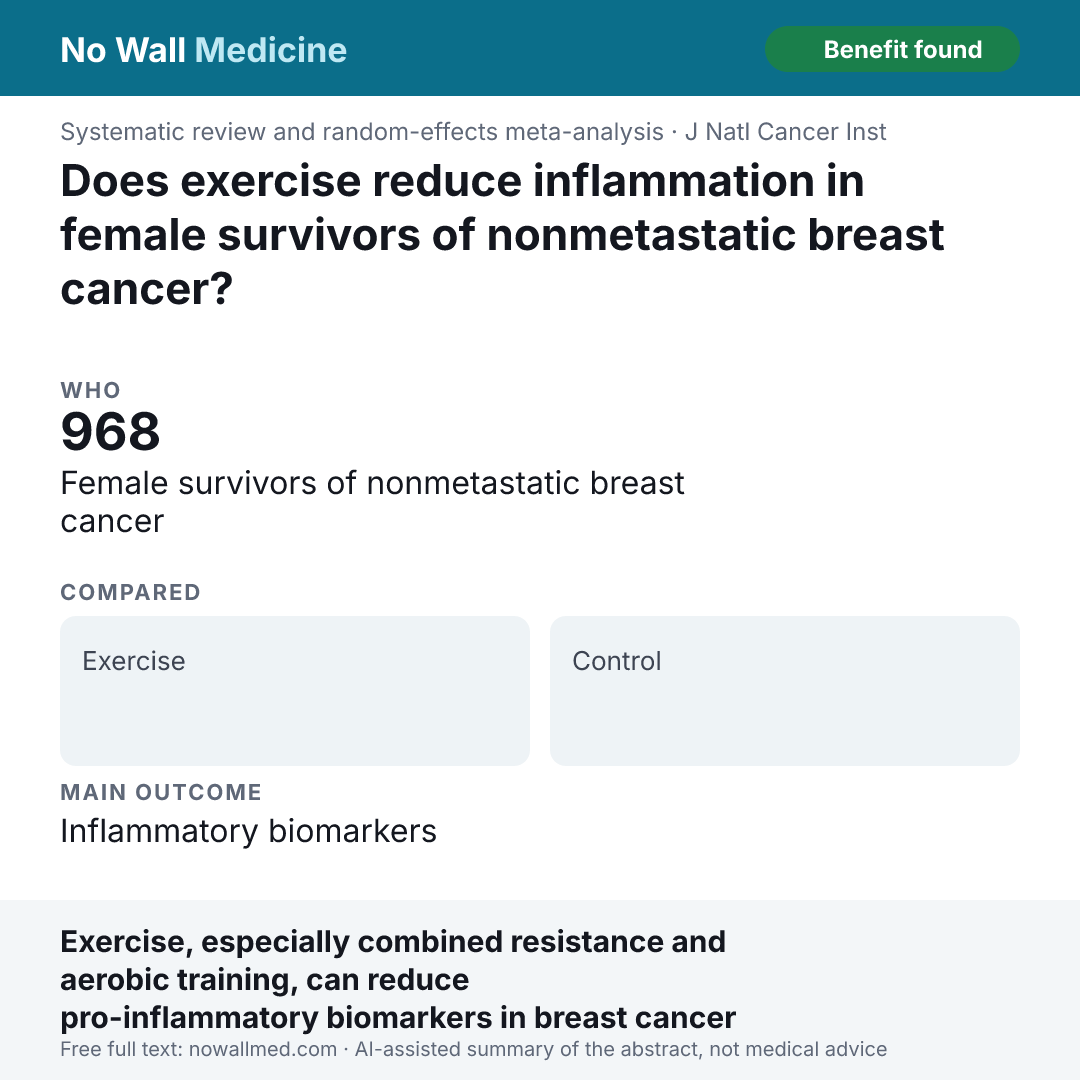
Effects of exercise on inflammation in female survivors of nonmetastatic breast cancer: a systematic review and meta-analysis
Systematic review and random-effects meta-analysisBenefit found
Does exercise reduce inflammation in female survivors of nonmetastatic breast cancer?
Who
968
Female survivors of nonmetastatic breast cancer
Compared
Exercise
Control
Main outcome
Inflammatory biomarkers
Result: interleukin 6 SMD -0.85 (95% CI -1.68 to -0.02); tumor necrosis factor alpha SMD -0.40 (95% CI -0.81 to 0.01)
Bottom line: Exercise, especially combined resistance and aerobic training, can reduce pro-inflammatory biomarkers in breast cancer survivors.
Limitation: Further research is needed to investigate exercise mode and program duration effects.
J Natl Cancer Inst · 2025-03-20 · Save PNG
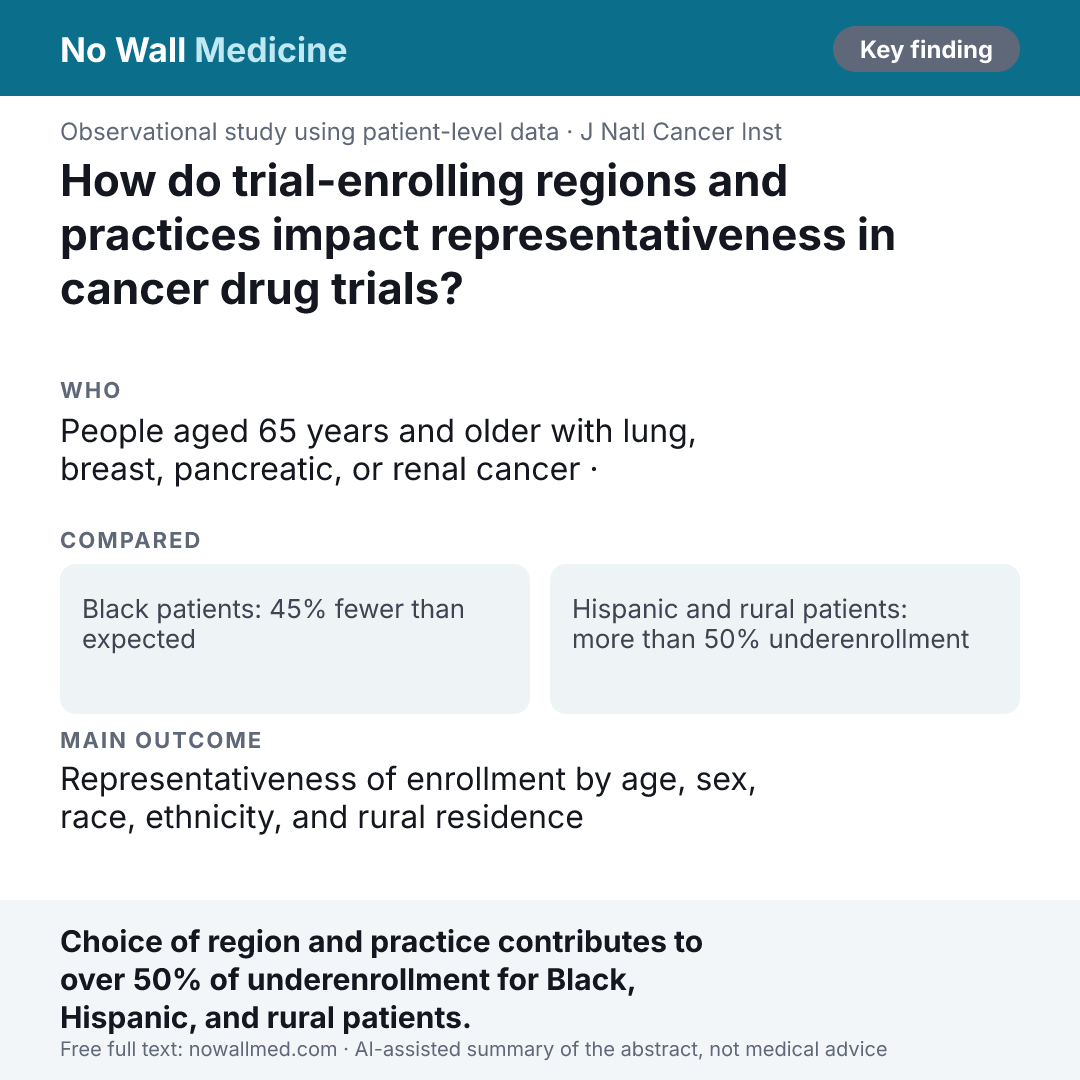
The role of regional and practice trial sites in nonrepresentative randomized cancer trial enrollment
Observational study using patient-level dataKey finding
How do trial-enrolling regions and practices impact representativeness in cancer drug trials?
Who
People aged 65 years and older with lung, breast, pancreatic, or renal cancer · Surveillance, Epidemiology, and End Results-Medicare cohort
Compared
Black patients: 45% fewer than expected
Hispanic and rural patients: more than 50% underenrollment
Main outcome
Representativeness of enrollment by age, sex, race, ethnicity, and rural residence
Bottom line: Choice of region and practice contributes to over 50% of underenrollment for Black, Hispanic, and rural patients.
J Natl Cancer Inst · 2025-03-20 · Save PNG
Optimizing mealtime care and outcomes for people with dementia and their caregivers: A systematic review and meta-analysis of intervention studies
Systematic review and meta-analysisMixed results
Do non-pharmacological interventions optimize mealtime care and outcomes for people with dementia?
Who
People with dementia and their caregivers
Compared
Resident training/therapy: decreased eating difficulties and increased food intake
Nutritional supplement: improved cognition and depression
Environmental/food modification: increased food intake
Main outcome
Mealtime care and outcomes
Bottom line: Specific non-pharmacological interventions show potential benefits for mealtime care, but evidence quality remains mostly low to very low.
Alzheimers Dement · 2025-03-20 · Save PNG