Visual abstracts
New randomized trials and meta-analyses from leading journals at a glance: who was studied, what was compared, and what was found. Every paper is free to read in full.
All specialtiesCardiology 1243Oncology 1084Gastroenterology & Hepatology 438Infectious Disease 816Neurology 511Psychiatry & Mental Health 625Pulmonology 527Critical Care 368Endocrinology & Diabetes 689Pediatrics 737Surgery 559Orthopedics & Sports Medicine 233Neurosurgery 167Cardiothoracic & Vascular Surgery 136Plastic & Reconstructive Surgery 191Nephrology 260Rheumatology 165Hematology 257Dermatology 124Ophthalmology 137Obstetrics & Gynecology 385Public & Global Health 243Radiology & Imaging 161Anesthesiology 225Urology 227ENT (Otolaryngology) 171Emergency Medicine 134Allergy & Immunology 86Geriatrics 253Family Medicine & Primary Care 151Medical Genetics & Genomics 129Pathology & Laboratory Medicine 39Physical Medicine & Rehabilitation 213Palliative Care 109Nutrition 320Digital Health & AI 628General Medicine 115
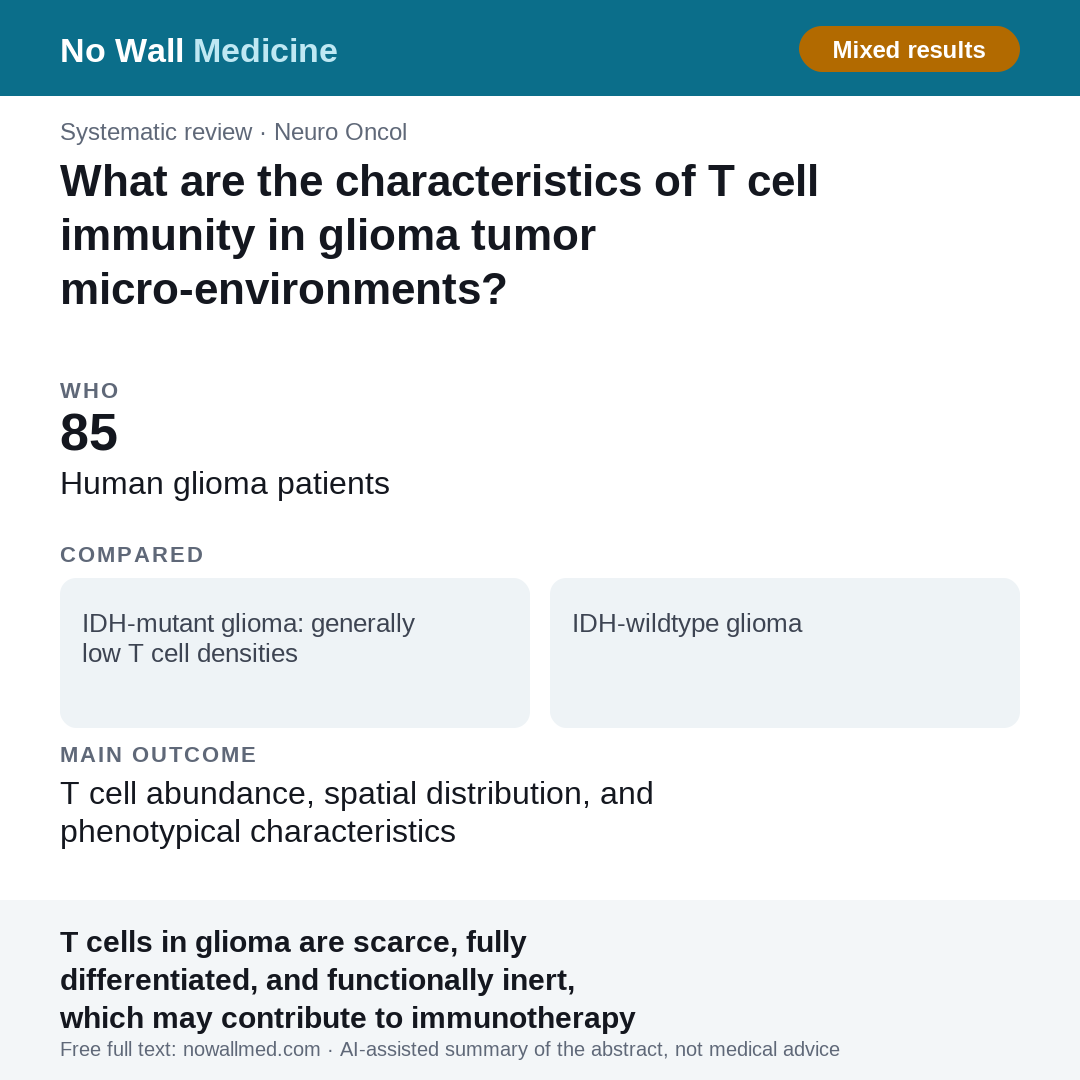
T cell immunity in glioma and potential implications for immunotherapy: A systematic review
Systematic reviewMixed results
What are the characteristics of T cell immunity in glioma tumor micro-environments?
Who
85
Human glioma patients
Compared
IDH-mutant glioma: generally low T cell densities
IDH-wildtype glioma
Main outcome
T cell abundance, spatial distribution, and phenotypical characteristics
Bottom line: T cells in glioma are scarce, fully differentiated, and functionally inert, which may contribute to immunotherapy resistance.
Limitation: Prognostic significance of T cells remains controversial.
Neuro Oncol · 2025-10-17Download image
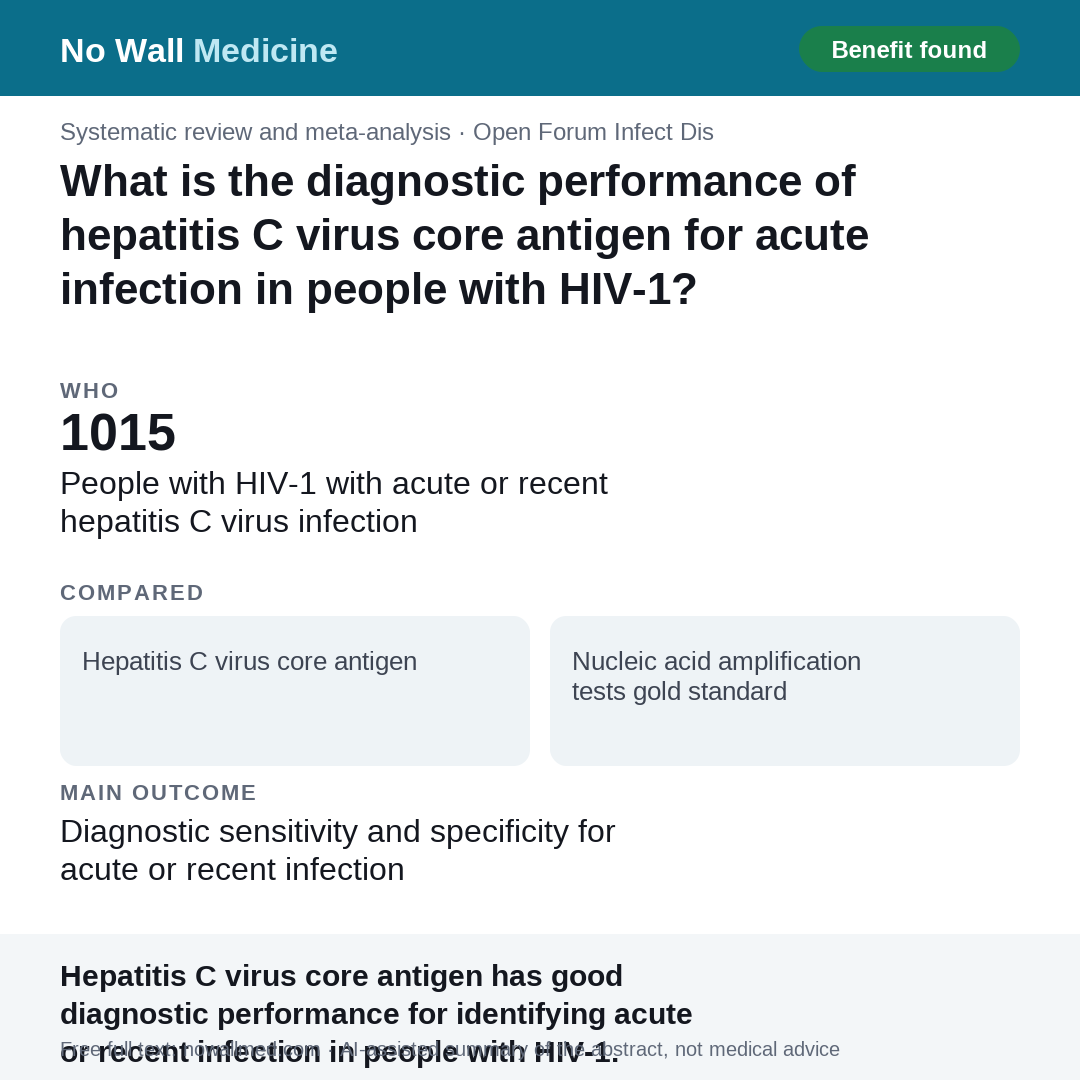
HCV Core Antigen Diagnostic Performance for Acute/Recent HCV Infection in People With HIV-1: A Systematic Review and Meta-Analysis
Systematic review and meta-analysisBenefit found
What is the diagnostic performance of hepatitis C virus core antigen for acute infection in people with HIV-1?
Who
1015
People with HIV-1 with acute or recent hepatitis C virus infection
Compared
Hepatitis C virus core antigen
Nucleic acid amplification tests gold standard
Main outcome
Diagnostic sensitivity and specificity for acute or recent infection
Result: sensitivity 0.92 (95% CI, 0.78-0.98) and specificity 0.99 (95% CI, 0.97-1.00)
Bottom line: Hepatitis C virus core antigen has good diagnostic performance for identifying acute or recent infection in people with HIV-1.
Open Forum Infect Dis · 2025-10-17Download image
The association between white matter hyperintensities and suicide attempts in affective disorders: a systematic review and meta-analysis
Systematic review and meta-analysisMixed results
Are white matter hyperintensities associated with suicide attempts in affective disorders?
Who
1393
Individuals with affective disorders
Compared
Major depressive disorder with WMHs: OR 2.15 (95% CI 1.03 - 4.49)
Bipolar disorders with WMHs: OR 2.15 (95% CI 0.89 - 5.20)
Main outcome
History of suicide attempts
Result: OR 2.15 (95% CI 1.03 - 4.49) for major depressive disorder
Bottom line: White matter hyperintensities are associated with suicide attempts in major depressive disorder but not bipolar disorders.
Limitation: Small number of studies, heterogeneity in lesion rating systems, and lack of severity data.
Transl Psychiatry · 2025-10-17Download image

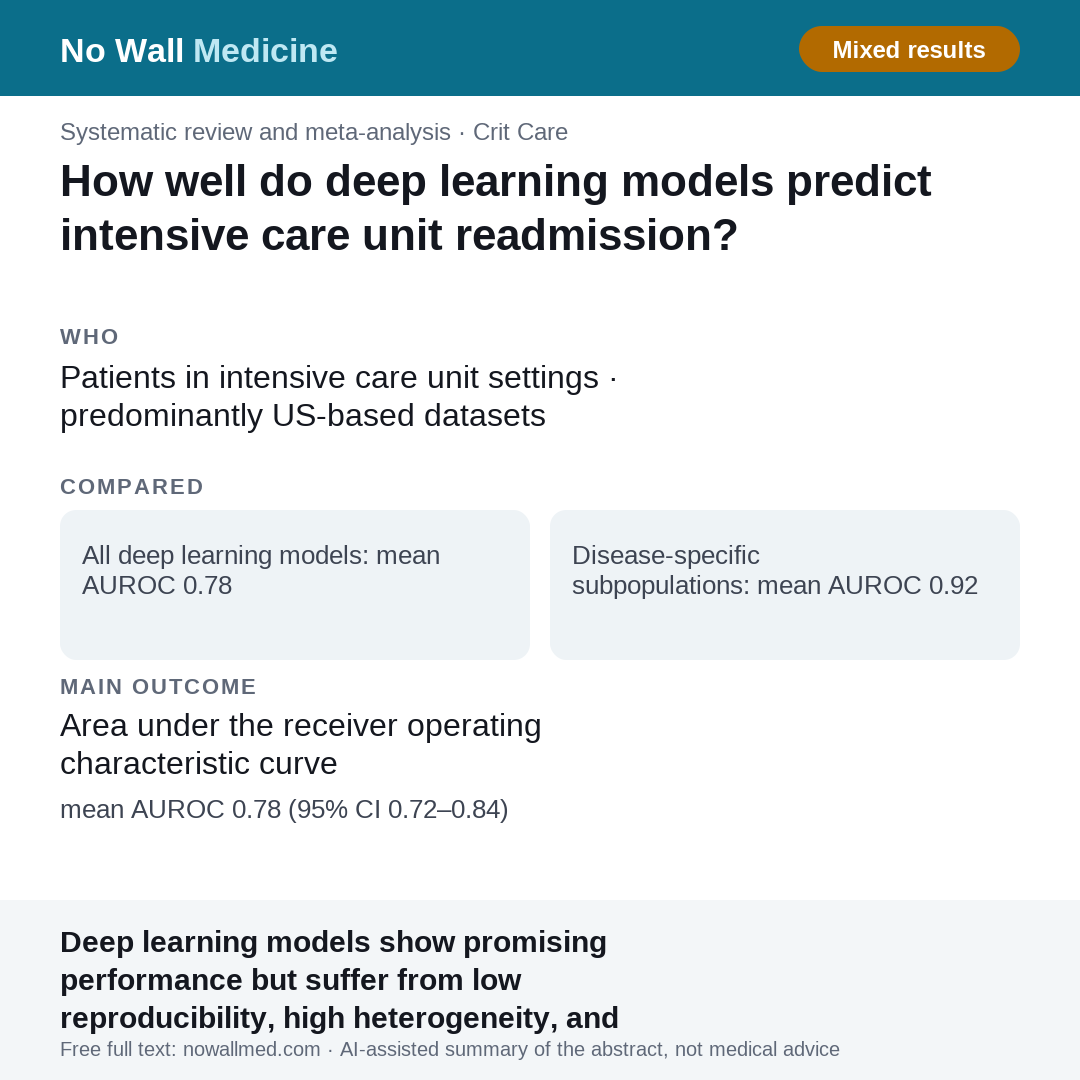
Deep learning models for ICU readmission prediction: a systematic review and meta-analysis
Systematic review and meta-analysisMixed results
How well do deep learning models predict intensive care unit readmission?
Who
Patients in intensive care unit settings · predominantly US-based datasets
Compared
All deep learning models: mean AUROC 0.78
Disease-specific subpopulations: mean AUROC 0.92
Main outcome
Area under the receiver operating characteristic curve
Result: mean AUROC 0.78 (95% CI 0.72–0.84)
Bottom line: Deep learning models show promising performance but suffer from low reproducibility, high heterogeneity, and poor evidence quality.
Limitation: High heterogeneity, substantial risk of bias, and limited external validation and explainability.
Crit Care · 2025-10-17Download image
Lifestyle eHealth and mHealth Interventions for Children and Adolescents: Systematic Umbrella Review and Meta-Meta-Analysis
Systematic umbrella review and meta-meta-analysisBenefit found
Are eHealth and mobile health interventions effective for children's healthy behaviors?
Who
133,501
Children and adolescents aged below 18 years
Compared
eHealth and mobile health interventions
Control
Main outcome
Physical activity, sedentary behavior, sleep, and dietary outcomes
Result: SMD 0.18 (95% CI 0.09-0.27) for moderate to vigorous physical activity
Bottom line: Digital interventions offer modest improvements in physical activity, diet, and weight management for children and adolescents.
J Med Internet Res · 2025-10-17Download image

The User Experience of Ambulatory Assessment and Mood Monitoring in Bipolar Disorder: Systematic Review and Meta-Synthesis of Qualitative Studies
Systematic review and meta-synthesis of qualitative studiesMixed results
What are the user experiences of mood monitoring and ambulatory assessment in bipolar disorder?
Who
2365
Individuals with bipolar disorder and clinicians
Compared
Users: reported both benefits and harms
Clinicians: raised concerns about liability and interpretability of data
Main outcome
User experiences, barriers, facilitators, and intended purposes
Bottom line: User experiences are complex, ranging from increased insight to emotional burden, requiring flexible, user-centered design and personalization.
J Med Internet Res · 2025-10-17Download image

Association between adherence to cancer prevention guidelines and cancer risk: a comprehensive systematic review and dose-response meta-analysis of cohort studies
Systematic review and dose-response meta-analysisBenefit found
Does adherence to cancer prevention guidelines reduce cancer risk?
Who
Participants from 28 cohort studies · PubMed, Web of Science, Embase, and Scopus
Compared
Adherence to guidelines: 14% reduction in total cancer risk
No adherence to guidelines
Main outcome
Risk of total cancer and site-specific cancers
Result: hazard ratio 0.86 (95% CI 0.83-0.88)
Bottom line: Adherence to cancer prevention guidelines is associated with significantly reduced risks of total cancer and several specific cancers.
Limitation: Further research is needed to elucidate associations with a broader spectrum of cancers, particularly in Asian populations.
Funded by: National Research Foundation of Korea
eClinicalMedicine · 2025-10-16Download image

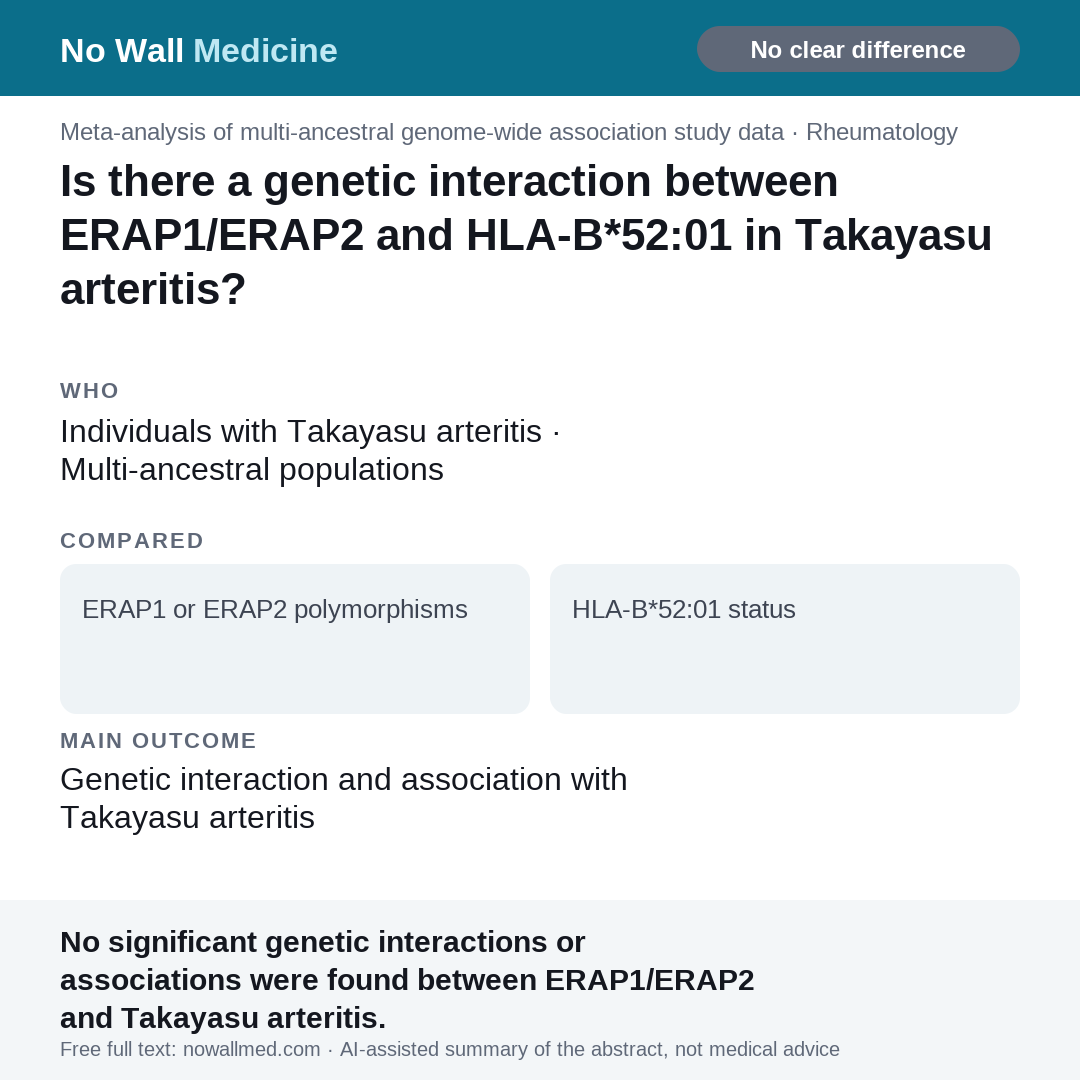
Exploring the genetic interaction between ERAP1/ERAP2 and HLA-B*52:01 in Takayasu arteritis
Meta-analysis of multi-ancestral genome-wide association study dataNo clear difference
Is there a genetic interaction between ERAP1/ERAP2 and HLA-B*52:01 in Takayasu arteritis?
Who
Individuals with Takayasu arteritis · Multi-ancestral populations
Compared
ERAP1 or ERAP2 polymorphisms
HLA-B*52:01 status
Main outcome
Genetic interaction and association with Takayasu arteritis
Bottom line: No significant genetic interactions or associations were found between ERAP1/ERAP2 and Takayasu arteritis.
Rheumatology · 2025-10-16Download image
What can we learn from machine learning studies on flow diverter aneurysm embolization? A systematic review
Systematic reviewBenefit found
Can machine learning predict flow diverter success
Who
aneurysm patients
Compared
logistic regression: 61% and 85%
88%support vector machine
90%Gaussian support vector machine
Main outcome
flow diverter treatment success
Bottom line: Machine learning predicts flow diverter success
J Neurointerv Surg · 2025-10-16Download image

Plant-Based Diets and Cognitive Outcomes: A Systematic Review and Meta-analysis
Systematic review and meta-analysisBenefit found
Are plant-based diets associated with cognitive outcomes?
Who
Participants in prospective cohort studies
Compared
Highest plant-based diet index quartiles: odds ratio 0.61 (95% CI 0.55, 0.68)
Lowest plant-based diet index quartiles
Main outcome
cognitive impairment and dementia risk
Result: hazard ratio 0.85 (95% CI 0.75, 0.97) for hPDI dementia
Bottom line: Healthful plant-based diets are associated with lower odds of cognitive impairment and dementia risk.
Limitation: Findings across individual studies were inconsistent.
Adv Nutr · 2025-10-16Download image

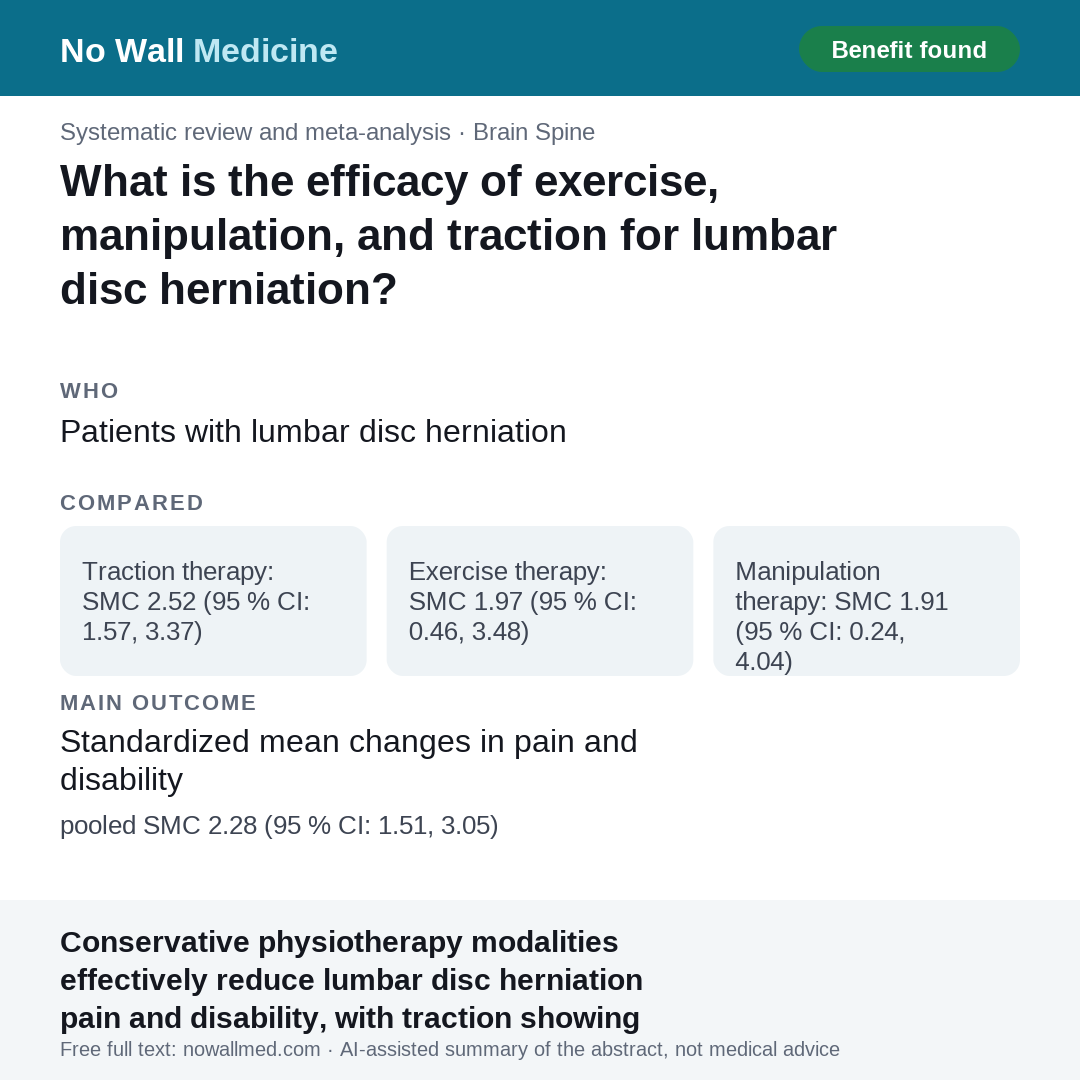
Exercise, manipulation and traction physiotherapy in the conservative management of lumbar disc herniation: A systematic review and meta-analysis
Systematic review and meta-analysisBenefit found
What is the efficacy of exercise, manipulation, and traction for lumbar disc herniation?
Who
Patients with lumbar disc herniation
Compared
Traction therapy: SMC 2.52 (95 % CI: 1.57, 3.37)
Exercise therapy: SMC 1.97 (95 % CI: 0.46, 3.48)
Manipulation therapy: SMC 1.91 (95 % CI: 0.24, 4.04)
Main outcome
Standardized mean changes in pain and disability
Result: pooled SMC 2.28 (95 % CI: 1.51, 3.05)
Bottom line: Conservative physiotherapy modalities effectively reduce lumbar disc herniation pain and disability, with traction showing the largest effect.
Limitation: High heterogeneity and limited quantitative evidence for subgroup differentiation.
Brain Spine · 2025-10-16Download image
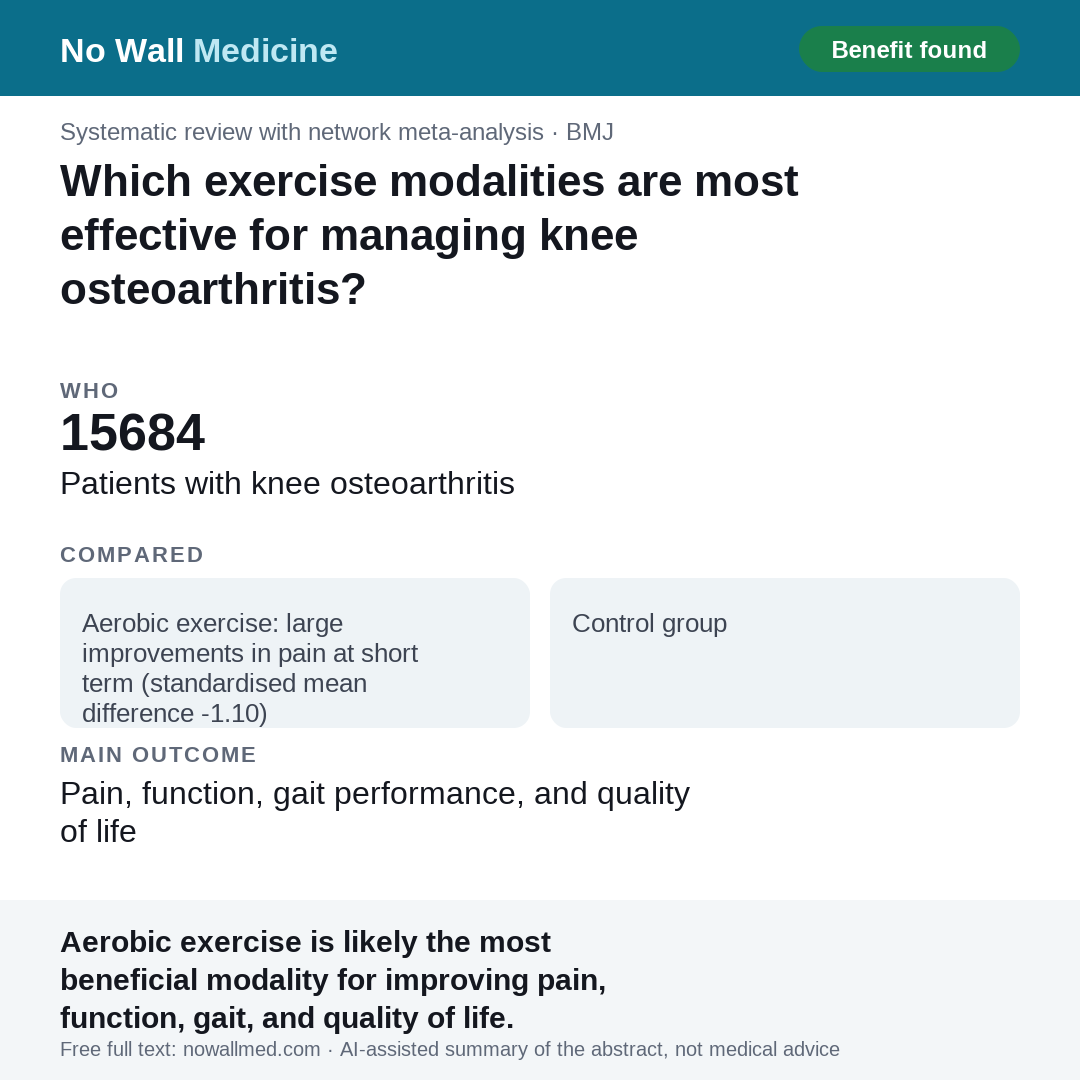
Comparative efficacy and safety of exercise modalities in knee osteoarthritis: systematic review and network meta-analysis
Systematic review with network meta-analysisBenefit found
Which exercise modalities are most effective for managing knee osteoarthritis?
Who
15684
Patients with knee osteoarthritis
Compared
Aerobic exercise: large improvements in pain at short term (standardised mean difference -1.10)
Control group
Main outcome
Pain, function, gait performance, and quality of life
Bottom line: Aerobic exercise is likely the most beneficial modality for improving pain, function, gait, and quality of life.
BMJ · 2025-10-15Download image
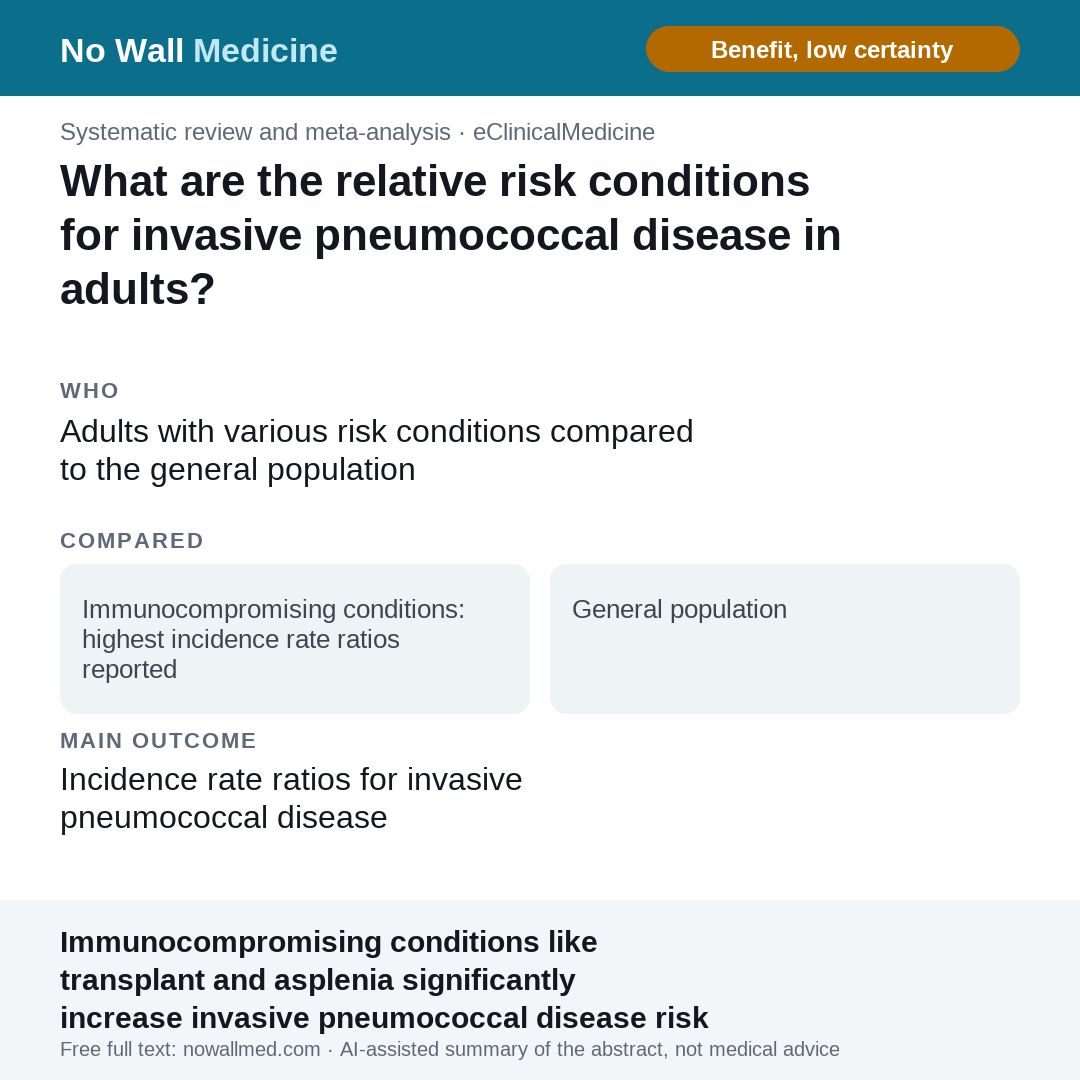
Risk conditions for invasive pneumococcal disease in adults: a systematic review and meta-analysis
Systematic review and meta-analysisBenefit found
What are the relative risk conditions for invasive pneumococcal disease in adults?
Who
Adults with various risk conditions compared to the general population
Compared
Immunocompromising conditions: highest incidence rate ratios reported
General population
Main outcome
Incidence rate ratios for invasive pneumococcal disease
Result: transplant recipients 30.75 (95% CI 17.64-53.60)
Bottom line: Immunocompromising conditions like transplant and asplenia significantly increase invasive pneumococcal disease risk in adults.
Limitation: Very low quality of evidence due to high risk of bias and heterogeneity.
Funded by: Radboudumc Community for Infectious Diseases encouragement Grant
eClinicalMedicine · 2025-10-15Download image
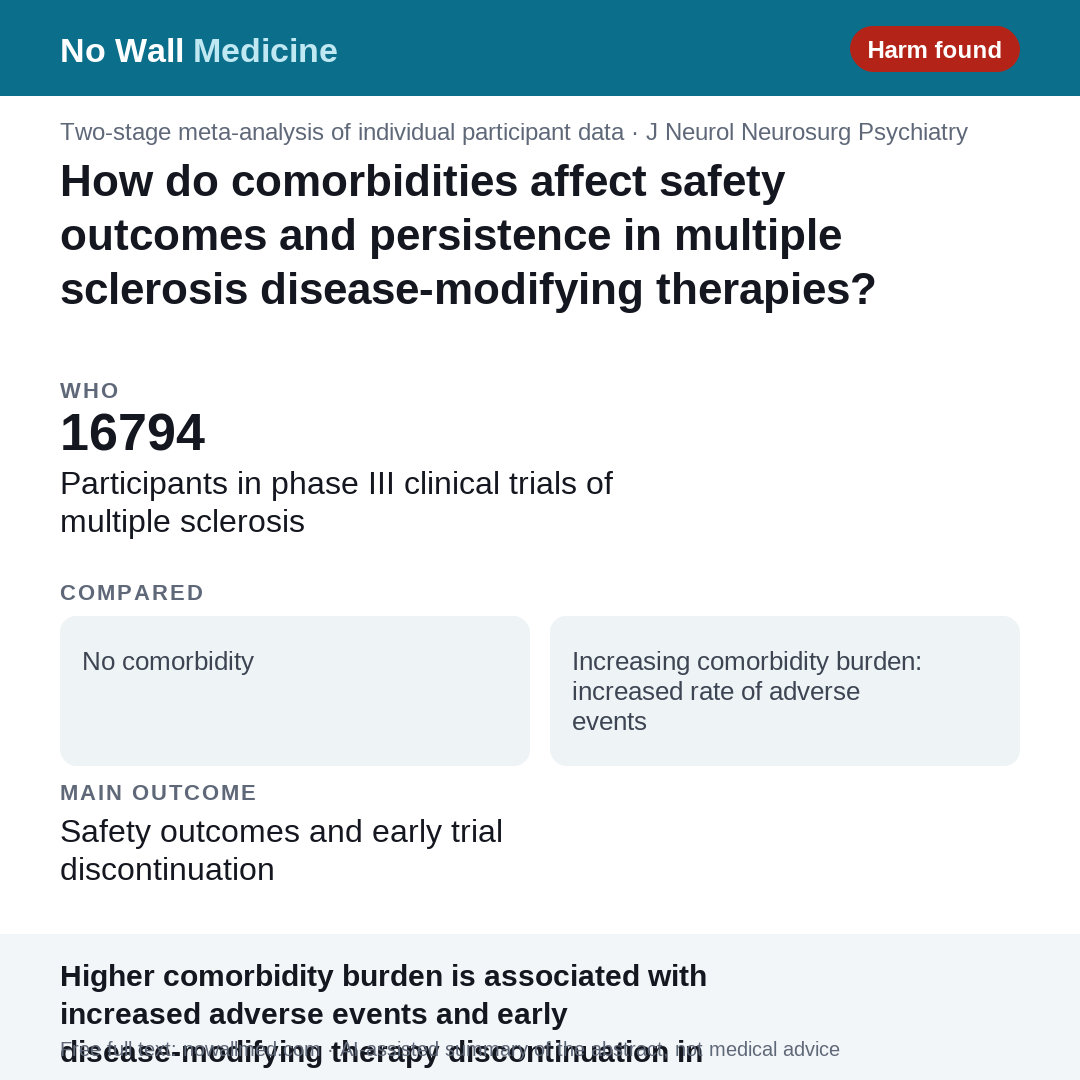
Comorbidities, safety and persistence in phase III clinical trials in multiple sclerosis
Two-stage meta-analysis of individual participant dataHarm found
How do comorbidities affect safety outcomes and persistence in multiple sclerosis disease-modifying therapies?
Who
16794
Participants in phase III clinical trials of multiple sclerosis
Compared
No comorbidity
Increasing comorbidity burden: increased rate of adverse events
Main outcome
Safety outcomes and early trial discontinuation
Result: rate ratio 1: 1.13 (95% CI 1.09 to 1.17)
Bottom line: Higher comorbidity burden is associated with increased adverse events and early disease-modifying therapy discontinuation in multiple sclerosis.
J Neurol Neurosurg Psychiatry · 2025-10-15Download image
Real-world effectiveness and safety of nirsevimab, RSV maternal vaccine and RSV vaccines for older adults: a living systematic review and meta-analysis
Living systematic review and meta-analysisBenefit found
What is the real-world effectiveness and safety of nirsevimab, maternal vaccine, and older adult vaccines?
Who
7
Infants, pregnant people, and older adults
Compared
Nirsevimab: 80.7% effectiveness against emergency department visits
RSV vaccines for older adults: 79.6% effectiveness against hospital admissions
Main outcome
Effectiveness against RSV-related healthcare utilisation and safety
Result: nirsevimab effectiveness against hospital admissions 80.7% (95% CI: 76.1% to 85.2%)
Bottom line: Nirsevimab shows high effectiveness in reducing RSV-related healthcare use in infants with a favourable safety profile.
Limitation: More evidence is needed for evaluating RSV vaccines in pregnant people and older adults.
Thorax · 2025-10-15Download image

Optical Coherence Tomography Predictive Biomarkers for Visual Outcomes after Macula-Off Rhegmatogenous Retinal Detachment: A Systematic Review and Meta-Analysis
Systematic review and meta-analysisBenefit found
Do preoperative optical coherence tomography features predict visual outcomes after macula-off retinal detachment surgery?
Who
1841
Eyes with macula-off rhegmatogenous retinal detachment
Compared
Intact ellipsoid zone: OR 3.76 (95% CI 2.61-5.42)
Preserved external limiting membrane: OR 3.24 (95% CI 2.13-4.92)
Absence of outer retinal corrugations: OR 2.83 (95% CI 1.94-4.13)
Lower subretinal fluid height: SMD -0.72 (95% CI -1.08 to -0.36)
Main outcome
postoperative best-corrected visual acuity
Bottom line: Preoperative optical coherence tomography biomarkers, especially photoreceptor layer integrity, may predict visual outcomes after macula-off retinal detachment surgery.
Limitation: High heterogeneity, predominance of retrospective studies, and low to very low-quality evidence.
Am J Ophthalmol · 2025-10-15Download image

Submandibular Gland Reduction in the Modern Necklift Surgery: A Systematic Literature Review
Systematic literature reviewBenefit found
What are the outcomes of submandibular gland reduction in necklift surgery?
Who
2971
Patients undergoing submandibular gland reduction · not specified
Compared
All surgical approaches: 15.1% complication rate
9.8%Marginal mandibular nerve injury
Main outcome
Complication rate and aesthetic outcomes
Bottom line: Submandibular gland reduction improves cervicomental contour with generally favorable results across various surgical techniques.
Aesthet Surg J · 2025-10-15Download image

Characteristics and Complications of Combined Implant and Lipoplasty Techniques in Primary Gluteal Augmentation: A Systematic Review and Meta-Analysis
Systematic review and meta-analysisMixed results
What are the characteristics and complication rates of combined implant and lipoplasty gluteal augmentation?
Who
Patients undergoing primary gluteal augmentation with combined implants and fat grafting
Compared
Submuscular plane: implant removal rate 1.69%
Intramuscular plane: implant removal rate 0.51%
Drain use: seroma rate 6.39%
No drain use: seroma rate 1.88%
Main outcome
Complication rates and surgical characteristics
Bottom line: Composite gluteal augmentation optimizes contouring but requires careful implant plane and drain management to balance complication risks.
Limitation: Further standardized studies are needed to establish best practices and long-term outcomes.
Aesthet Surg J · 2025-10-15Download image

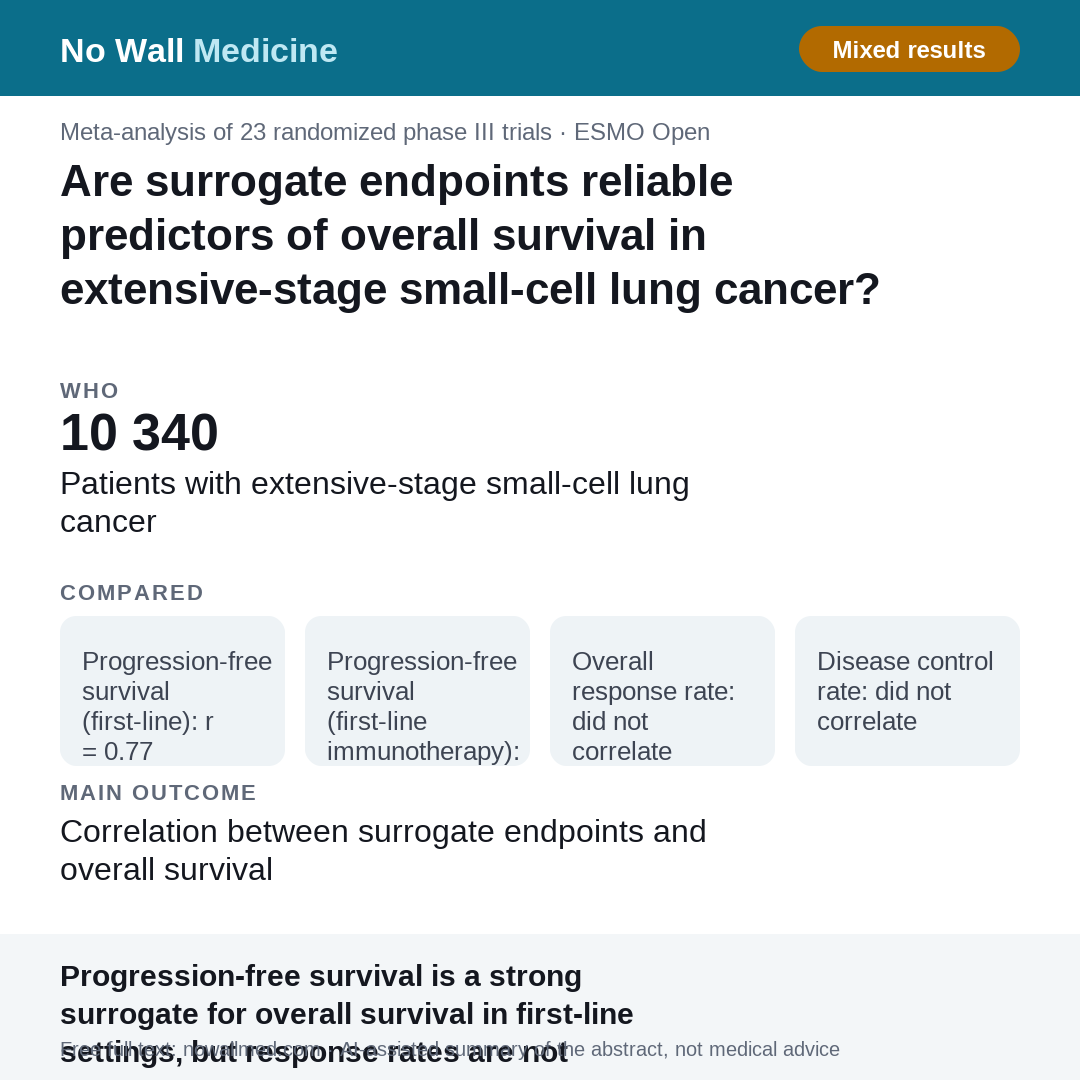
Meta-analysis of surrogate endpoints for overall survival in extensive-stage small-cell lung cancer
Meta-analysis of 23 randomized phase III trialsMixed results
Are surrogate endpoints reliable predictors of overall survival in extensive-stage small-cell lung cancer?
Who
10 340
Patients with extensive-stage small-cell lung cancer
Compared
Progression-free survival (first-line): r = 0.77
Progression-free survival (first-line immunotherapy): r = 0.80
Overall response rate: did not correlate
Disease control rate: did not correlate
Main outcome
Correlation between surrogate endpoints and overall survival
Bottom line: Progression-free survival is a strong surrogate for overall survival in first-line settings, but response rates are not reliable.
ESMO Open · 2025-10-15Download image
Intramuscular epinephrine in cardiac arrest: A systematic review
Systematic reviewBenefit found
Is intramuscular epinephrine better than intravenous or intraosseous epinephrine in cardiac arrest?
Who
Children, adults, and animals with cardiac arrest
Compared
Intramuscular epinephrine: survival 11.0 %
Intravenous or intraosseous epinephrine: survival 7.0 %
Main outcome
survival and neurologically favourable survival
Result: aOR 1.73, 95 % CI 1.10-2.71
Bottom line: One human study suggested intramuscular epinephrine improved survival compared to intravenous or intraosseous administration.
Limitation: Low certainty of evidence and moderate risk of bias across included studies.
Resusc Plus · 2025-10-15Download image