Visual abstracts
New randomized trials and meta-analyses from leading journals at a glance: who was studied, what was compared, and what was found. Every paper is free to read in full.
All specialtiesCardiology 4763Oncology 4043Gastroenterology & Hepatology 1903Infectious Disease 3756Neurology 1872Psychiatry & Mental Health 2216Pulmonology 2044Critical Care 1319Endocrinology & Diabetes 2544Pediatrics 2889Surgery 2480Orthopedics & Sports Medicine 917Neurosurgery 525Cardiothoracic & Vascular Surgery 656Plastic & Reconstructive Surgery 574Nephrology 1107Rheumatology 810Hematology 1090Dermatology 611Ophthalmology 532Obstetrics & Gynecology 1645Public & Global Health 1037Radiology & Imaging 619Anesthesiology 958Urology 745ENT (Otolaryngology) 494Emergency Medicine 481Allergy & Immunology 309Geriatrics 972Family Medicine & Primary Care 534Medical Genetics & Genomics 659Pathology & Laboratory Medicine 156Physical Medicine & Rehabilitation 734Palliative Care 421Nutrition 1560Digital Health & AI 2137General Medicine 318
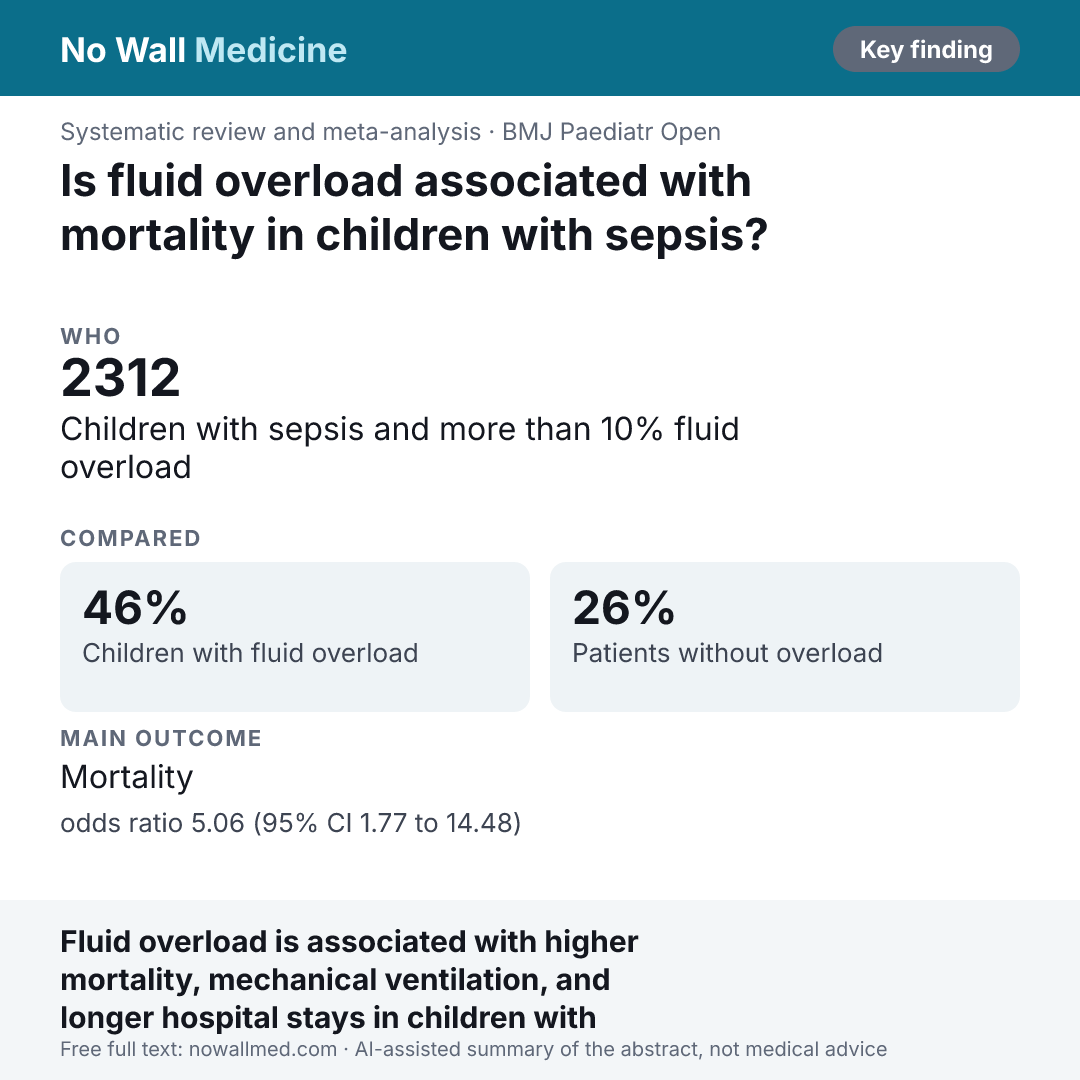
Association between fluid overload and mortality in children with sepsis: a systematic review and meta-analysis
Systematic review and meta-analysisKey finding
Is fluid overload associated with mortality in children with sepsis?
Who
2312
Children with sepsis and more than 10% fluid overload
Compared
46%Children with fluid overload
26%Patients without overload
Main outcome
Mortality
Result: odds ratio 5.06 (95% CI 1.77 to 14.48)
Bottom line: Fluid overload is associated with higher mortality, mechanical ventilation, and longer hospital stays in children with sepsis.
Limitation: All included studies were observational.
BMJ Paediatr Open · 2023-11-22 · Save PNG
Guidelines, Consensus Statements, and Standards for the Use of Artificial Intelligence in Medicine: Systematic Review
Systematic reviewMixed results
What is the quality of artificial intelligence guidelines, consensus statements, and standards?
Who
Artificial intelligence guidelines, consensus statements, and standards
Compared
Methodological quality (AGREE II): average overall score 4.0 (range 2.2-5.5)
Reporting quality (RIGHT tool): mean overall reporting rate 49.4% (range 25.7%-77.1%)
Main outcome
Methodological and reporting quality of artificial intelligence documents
Bottom line: Artificial intelligence guidelines, consensus statements, and standards show important differences in methodological and reporting quality.
J Med Internet Res · 2023-11-22 · Save PNG

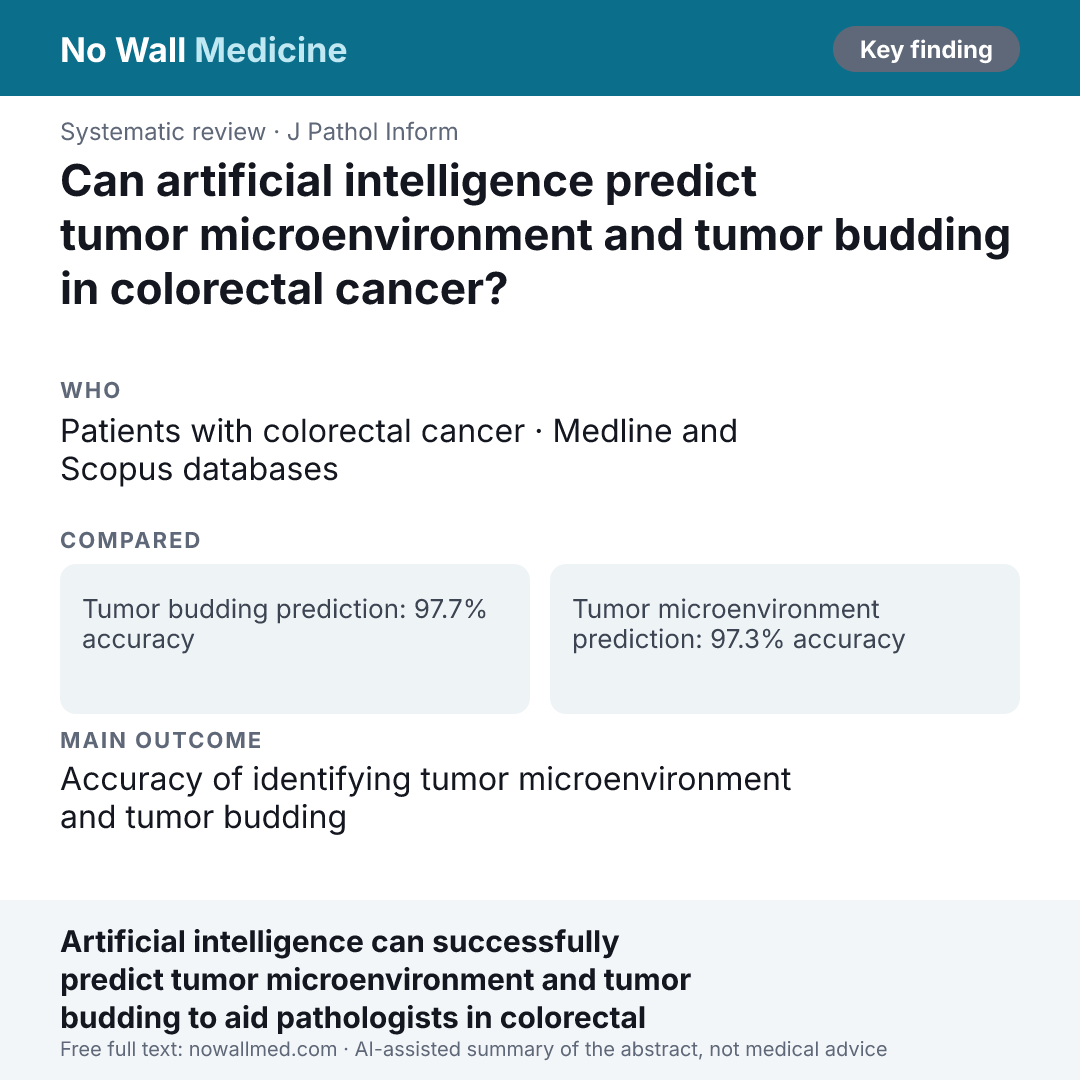
Artificial intelligence (AI) for tumor microenvironment (TME) and tumor budding (TB) identification in colorectal cancer (CRC) patients: A systematic review
Systematic reviewKey finding
Can artificial intelligence predict tumor microenvironment and tumor budding in colorectal cancer?
Who
Patients with colorectal cancer · Medline and Scopus databases
Compared
Tumor budding prediction: 97.7% accuracy
Tumor microenvironment prediction: 97.3% accuracy
Main outcome
Accuracy of identifying tumor microenvironment and tumor budding
Bottom line: Artificial intelligence can successfully predict tumor microenvironment and tumor budding to aid pathologists in colorectal cancer diagnosis.
Limitation: Heterogeneous use of performance metrics and relatively small datasets in some studies.
J Pathol Inform · 2023-11-22 · Save PNG
Effectiveness of Continuous Glucose Monitoring on Metrics of Glycemic Control in Type 2 Diabetes Mellitus: A Systematic Review and Meta-analysis of Randomized Controlled Trials
Systematic review and meta-analysis of randomized controlled trialsBenefit found
Does continuous glucose monitoring improve glycemic control in adults with type 2 diabetes?
Who
Adults with type 2 diabetes mellitus
Compared
Continuous glucose monitoring: 0.32% reduction in hemoglobin A1c
Self-monitored blood glucose
Main outcome
hemoglobin A1c levels
Result: 0.32% reduction
Bottom line: Continuous glucose monitoring leads to modest but statistically significant reductions in hemoglobin A1c among adults with type 2 diabetes.
Limitation: Short duration of included trials and few reports on important clinical outcomes.
J Clin Endocrinol Metab · 2023-11-21 · Save PNG

A systematic review of the indirect impacts of COVID-19 on sexual and reproductive health services and outcomes in humanitarian settings
Systematic reviewKey finding
How did COVID-19 impact sexual and reproductive health services and outcomes in humanitarian settings?
Who
Individuals in low-income and middle-income country humanitarian settings · Low-income and middle-income country humanitarian settings
Compared
During COVID-19 pandemic: reduced provision of, and access to, sexual and reproductive health services
During COVID-19 pandemic: increased morbidity including sexual and gender-based violence and unplanned pregnancies
Main outcome
Sexual and reproductive health service coverage, utilisation and outcomes
Bottom line: The COVID-19 pandemic indirectly negatively impacted sexual and reproductive health at individual and health system levels.
Limitation: Further research on the impacts on service uptake is required.
BMJ Glob Health · 2023-11-21 · Save PNG

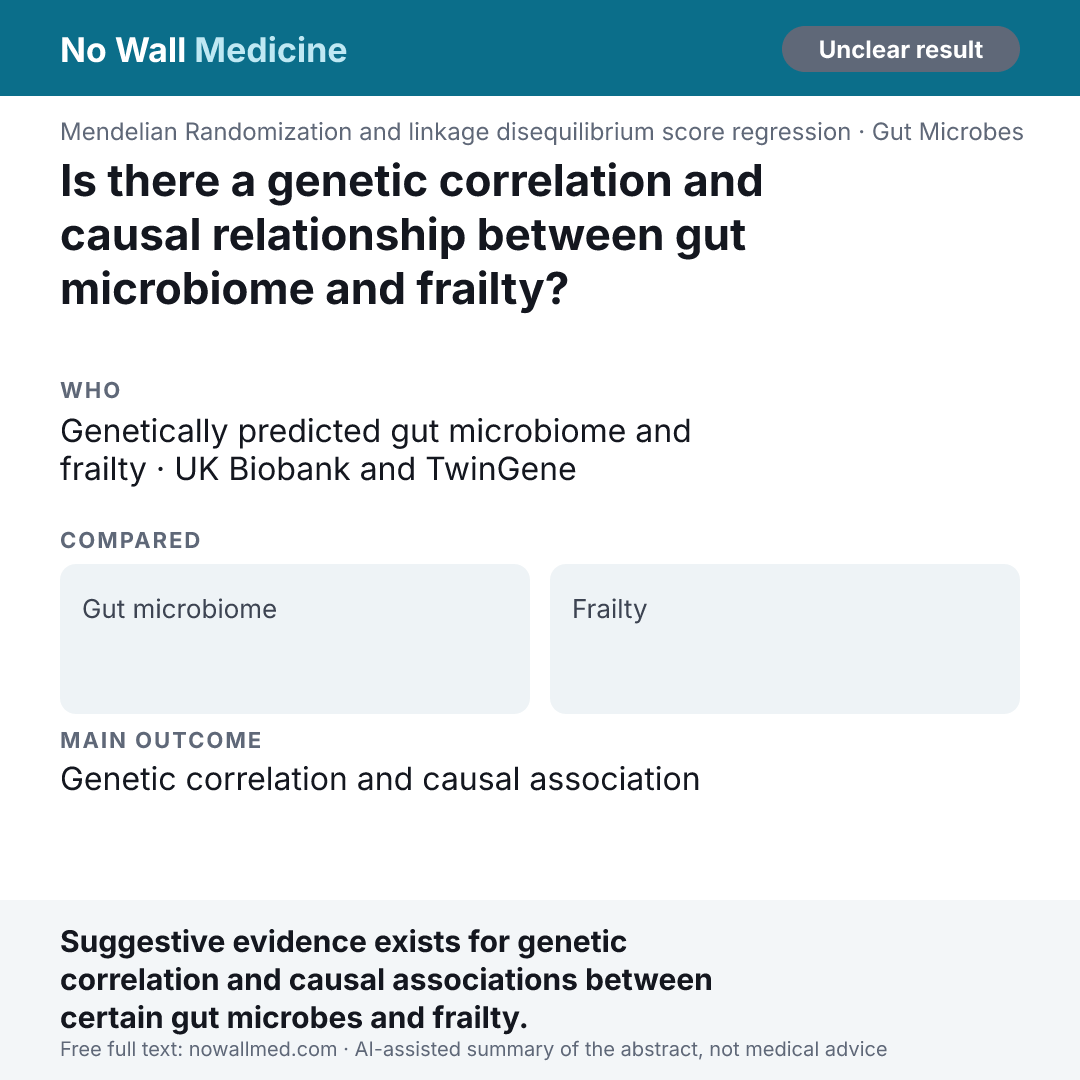
Gut microbiome and frailty: insight from genetic correlation and mendelian randomization
Mendelian Randomization and linkage disequilibrium score regressionUnclear result
Is there a genetic correlation and causal relationship between gut microbiome and frailty?
Who
Genetically predicted gut microbiome and frailty · UK Biobank and TwinGene
Compared
Gut microbiome
Frailty
Main outcome
Genetic correlation and causal association
Bottom line: Suggestive evidence exists for genetic correlation and causal associations between certain gut microbes and frailty.
Limitation: More population-based observational studies and animal experiments are required.
Gut Microbes · 2023-11-21 · Save PNG
The first genome-wide association study in the Argentinian and Chilean populations identifies shared genetics with Europeans in Alzheimer's disease
Genome-wide association study and meta-analysisBenefit found
What are the genetic associations for Alzheimer's disease in Argentinian and Chilean populations?
Who
Sporadic Alzheimer's disease patients and controls from Argentina and Chile · Argentina and Chile
Compared
Alzheimer's disease patients: apolipoprotein E ε4 odds ratio 2.93 (2.37-3.63)
Controls
Main outcome
Genome-wide significant genetic signals for Alzheimer's disease
Bottom line: Alzheimer's disease risk in Argentinian and Chilean populations shares genetic signals with Europeans.
Limitation: Genetic risk score performance diminished when Native American ancestry rose.
Alzheimers Dement · 2023-11-20 · Save PNG

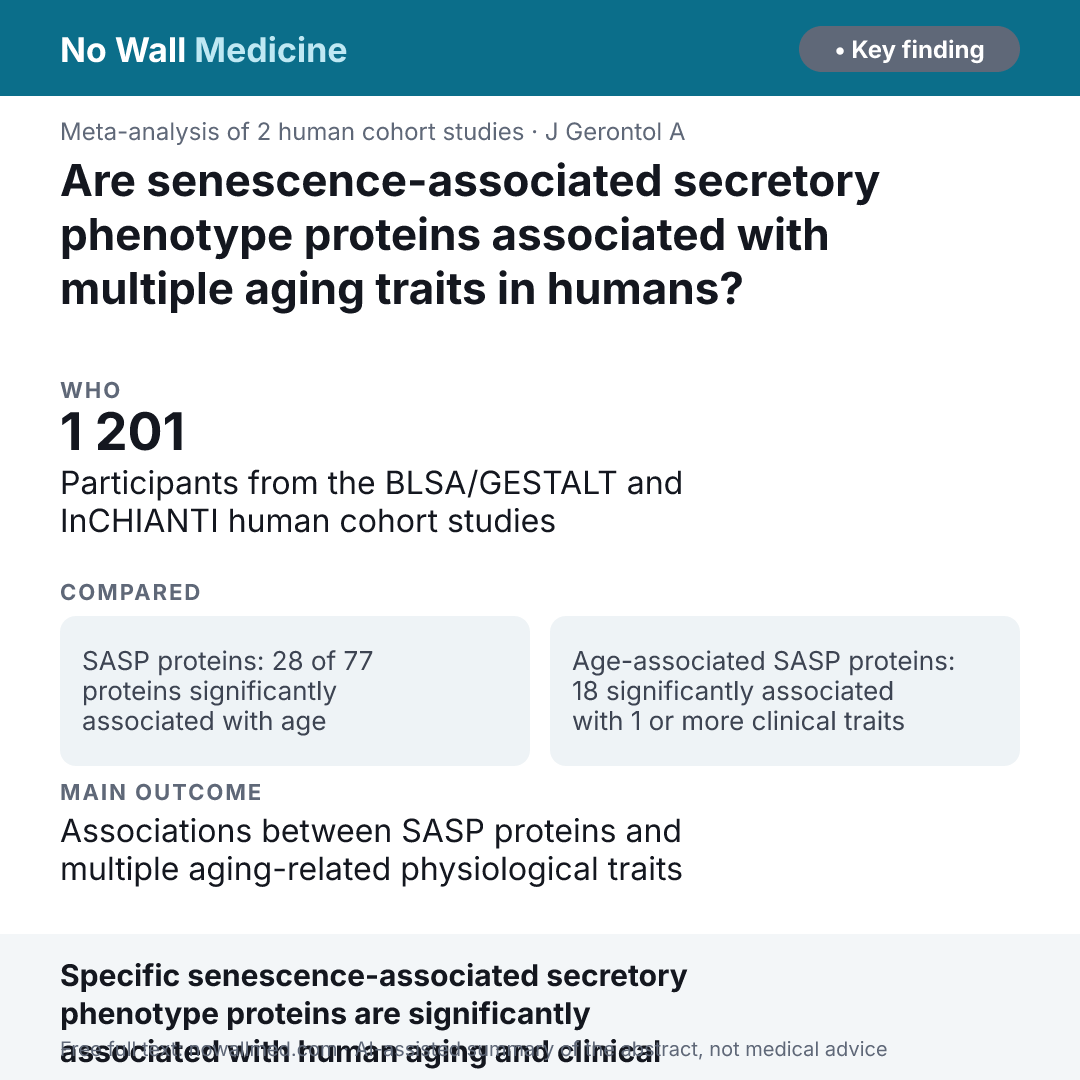
Proteomic Analysis of the Senescence-Associated Secretory Phenotype: GDF-15, IGFBP-2, and Cystatin-C Are Associated With Multiple Aging Traits
Meta-analysis of 2 human cohort studiesKey finding
Are senescence-associated secretory phenotype proteins associated with multiple aging traits in humans?
Who
1 201
Participants from the BLSA/GESTALT and InCHIANTI human cohort studies
Compared
SASP proteins: 28 of 77 proteins significantly associated with age
Age-associated SASP proteins: 18 significantly associated with 1 or more clinical traits
Main outcome
Associations between SASP proteins and multiple aging-related physiological traits
Bottom line: Specific senescence-associated secretory phenotype proteins are significantly associated with human aging and clinical traits.
J Gerontol A · 2023-11-20 · Save PNG
Quality of Life After Percutaneous Coronary Intervention Versus Coronary Artery Bypass Grafting
Systematic review and meta-analysis of 5 randomized controlled trialsBenefit found
How do coronary artery bypass grafting and percutaneous coronary intervention compare regarding quality of life?
Who
10760
Patients undergoing coronary artery bypass grafting or percutaneous coronary intervention
Compared
Percutaneous coronary intervention
Coronary artery bypass grafting
Main outcome
Quality of life using various standardized questionnaires
Bottom line: Both percutaneous coronary intervention and coronary artery bypass grafting improved long-term disease-specific and generic quality of life.
J Am Heart Assoc · 2023-11-20 · Save PNG

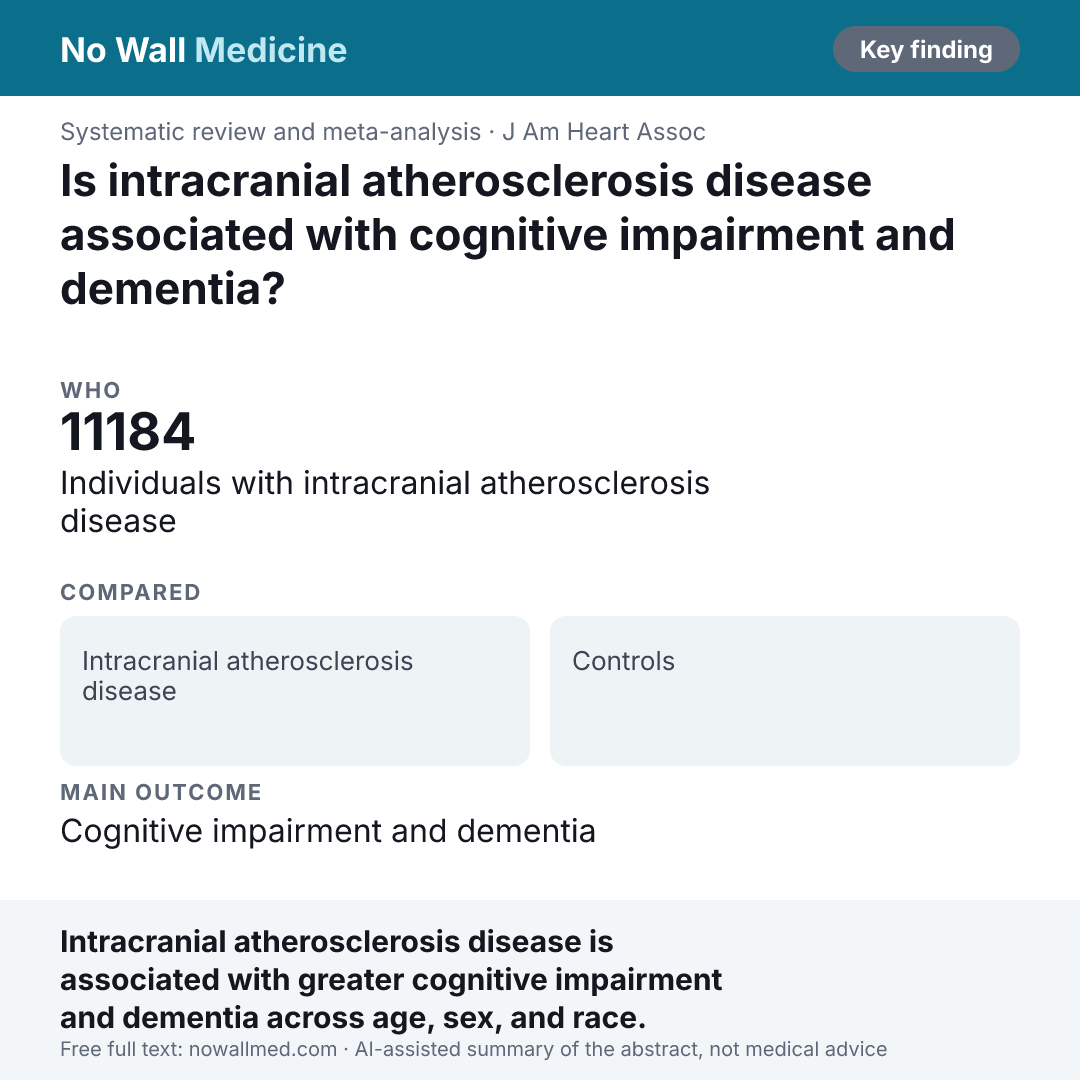
Intracranial Atherosclerosis Disease Associated With Cognitive Impairment and Dementia: Systematic Review and Meta-Analysis
Systematic review and meta-analysisKey finding
Is intracranial atherosclerosis disease associated with cognitive impairment and dementia?
Who
11184
Individuals with intracranial atherosclerosis disease
Compared
Intracranial atherosclerosis disease
Controls
Main outcome
Cognitive impairment and dementia
Result: 1.87 (95% CI 1.49-2.35)
Bottom line: Intracranial atherosclerosis disease is associated with greater cognitive impairment and dementia across age, sex, and race.
J Am Heart Assoc · 2023-11-20 · Save PNG
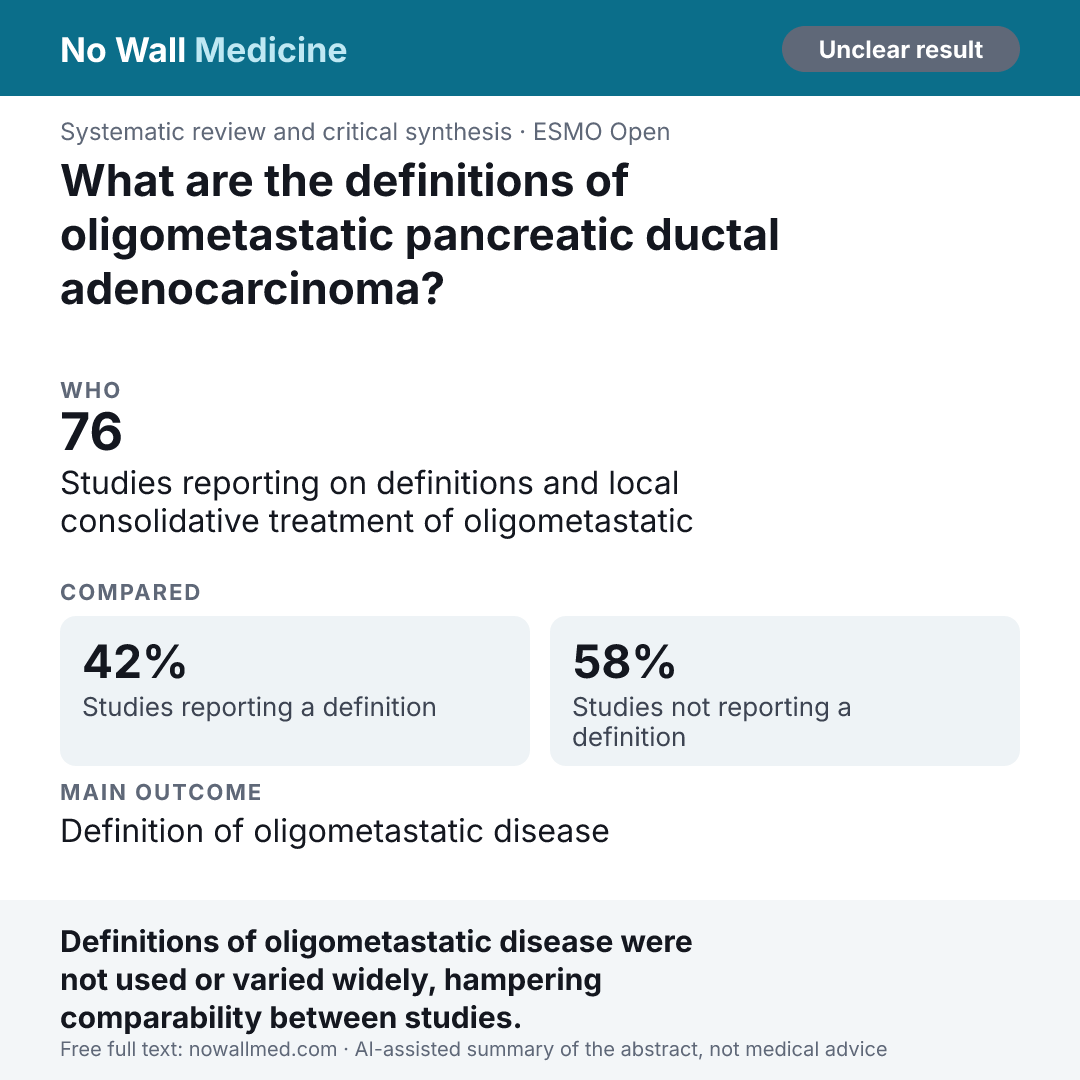
Defining oligometastatic pancreatic cancer: a systematic review and critical synthesis of consensus
Systematic review and critical synthesisUnclear result
What are the definitions of oligometastatic pancreatic ductal adenocarcinoma?
Who
76
Studies reporting on definitions and local consolidative treatment of oligometastatic disease
Compared
42%Studies reporting a definition
58%Studies not reporting a definition
Main outcome
Definition of oligometastatic disease
Bottom line: Definitions of oligometastatic disease were not used or varied widely, hampering comparability between studies.
Limitation: The large majority of studies were at a high risk of bias or lacked control groups.
ESMO Open · 2023-11-20 · Save PNG
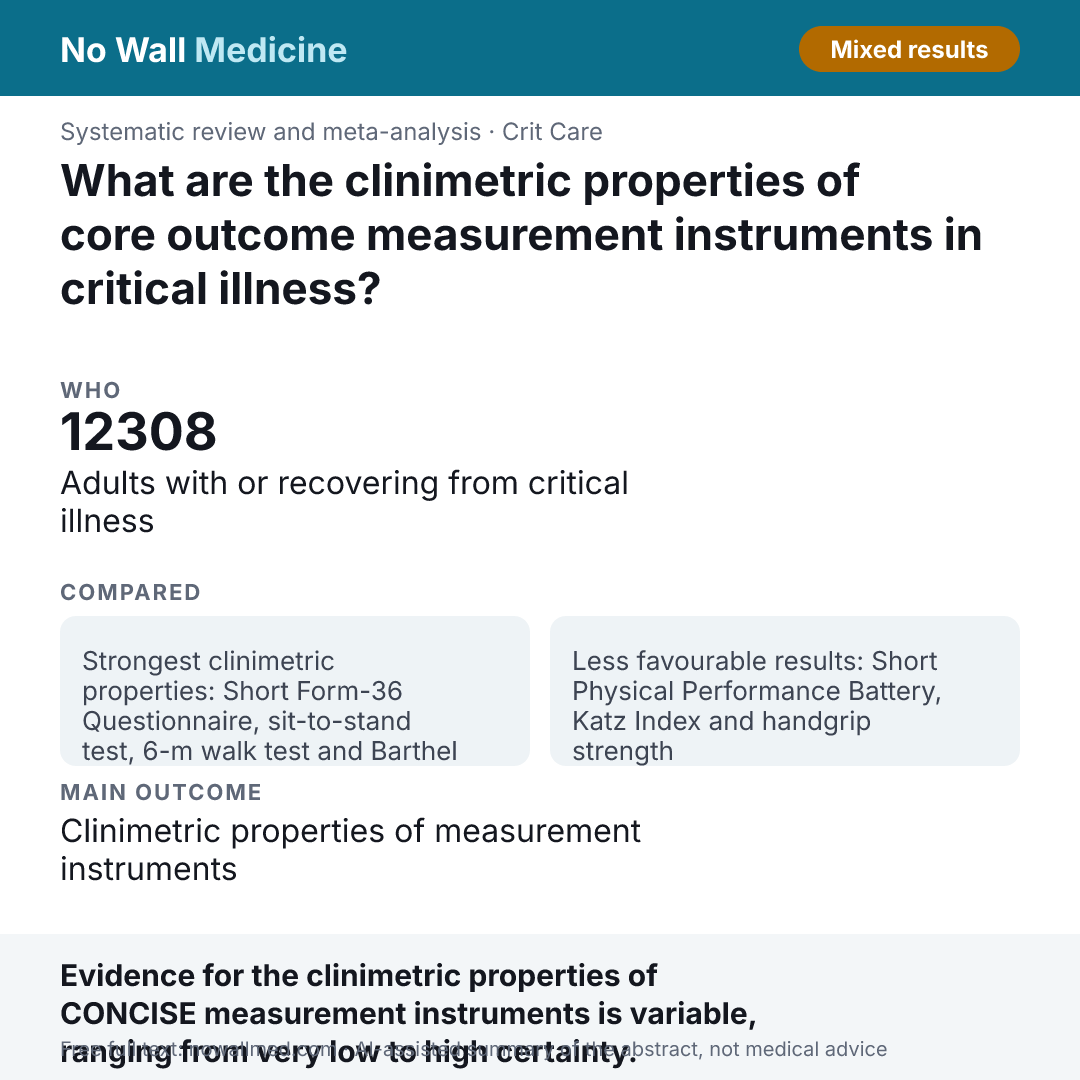
A systematic review and meta-analysis of the clinimetric properties of the core outcome measurement instruments for clinical effectiveness trials of nutritional and metabolic interventions in critical illness (CONCISE)
Systematic review and meta-analysisMixed results
What are the clinimetric properties of core outcome measurement instruments in critical illness?
Who
12308
Adults with or recovering from critical illness
Compared
Strongest clinimetric properties: Short Form-36 Questionnaire, sit-to-stand test, 6-m walk test and Barthel Index
Less favourable results: Short Physical Performance Battery, Katz Index and handgrip strength
Main outcome
Clinimetric properties of measurement instruments
Bottom line: Evidence for the clinimetric properties of CONCISE measurement instruments is variable, ranging from very low to high certainty.
Limitation: Risk of bias ranged from inadequate to very good.
Crit Care · 2023-11-20 · Save PNG
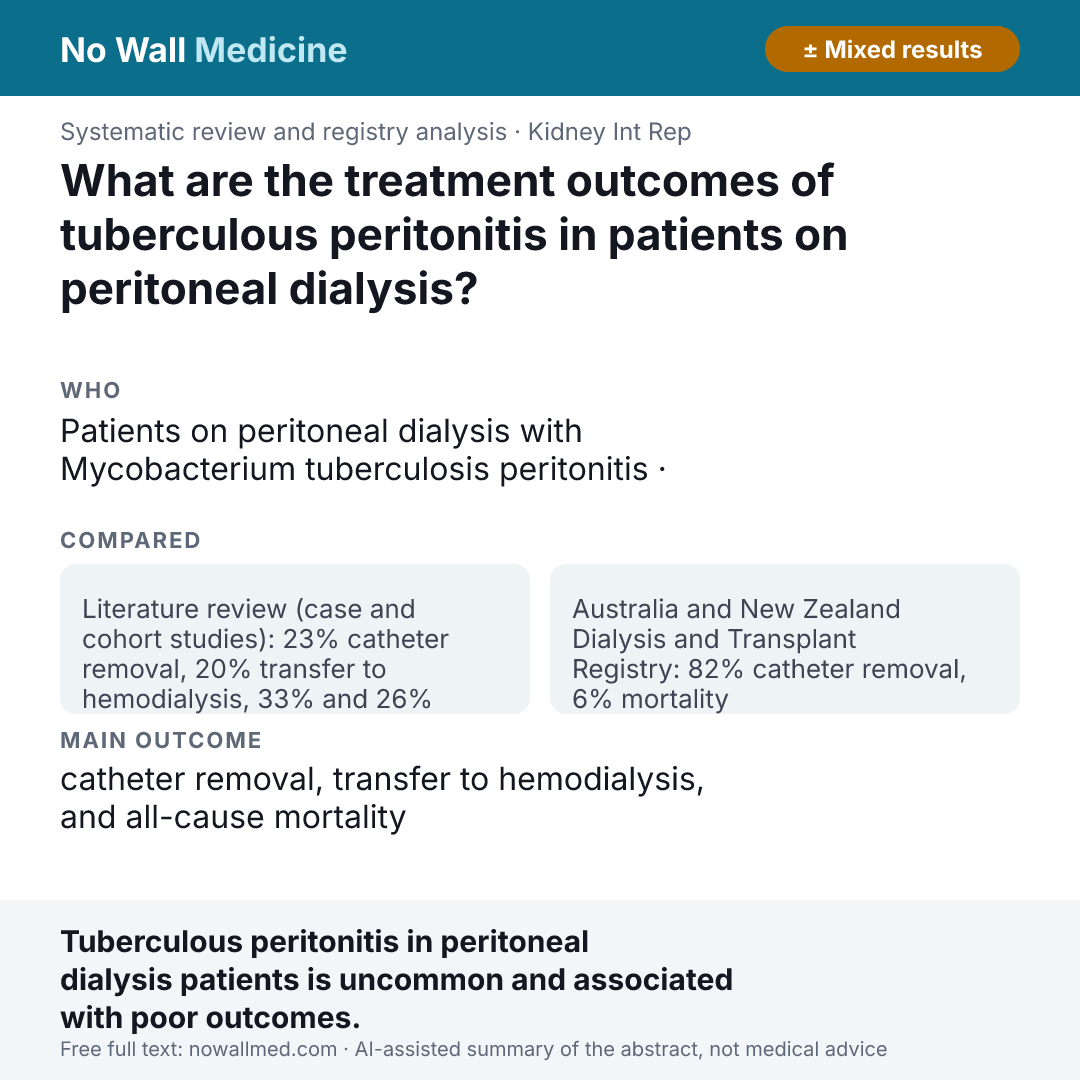
Systematic Review on Treatment and Outcomes of Tuberculous Peritonitis in Patients on Peritoneal Dialysis
Systematic review and registry analysisMixed results
What are the treatment outcomes of tuberculous peritonitis in patients on peritoneal dialysis?
Who
Patients on peritoneal dialysis with Mycobacterium tuberculosis peritonitis · Australia and New Zealand
Compared
Literature review (case and cohort studies): 23% catheter removal, 20% transfer to hemodialysis, 33% and 26% mortality
Australia and New Zealand Dialysis and Transplant Registry: 82% catheter removal, 6% mortality
Main outcome
catheter removal, transfer to hemodialysis, and all-cause mortality
Bottom line: Tuberculous peritonitis in peritoneal dialysis patients is uncommon and associated with poor outcomes.
Kidney Int Rep · 2023-11-19 · Save PNG
Effectiveness of holistic mobile health interventions on diet, and physical, and mental health outcomes: a systematic review and meta-analysis
Systematic review and meta-analysisMixed results
Do holistic mobile health interventions affect diet, physical, and mental health outcomes?
Who
5691
Adults from the general population or at risk of non-communicable diseases · Mostly high-income countries
Compared
Holistic mobile health interventions
Control
Main outcome
Weight change, perceived stress, physical activity, and diet quality
Result: mean difference -1.70 kg (95% CI -2.45 to -0.95) for weight loss; standardised mean difference -0.32 (95% CI -0.52 to -0.12) for perceived stress
Bottom line: Holistic mobile health interventions may reduce weight and perceived stress, but effects on physical activity and diet quality are unclear.
Limitation: Only 23.5% of studies reported follow-up data and many studies had high risk of bias.
eClinicalMedicine · 2023-11-18 · Save PNG

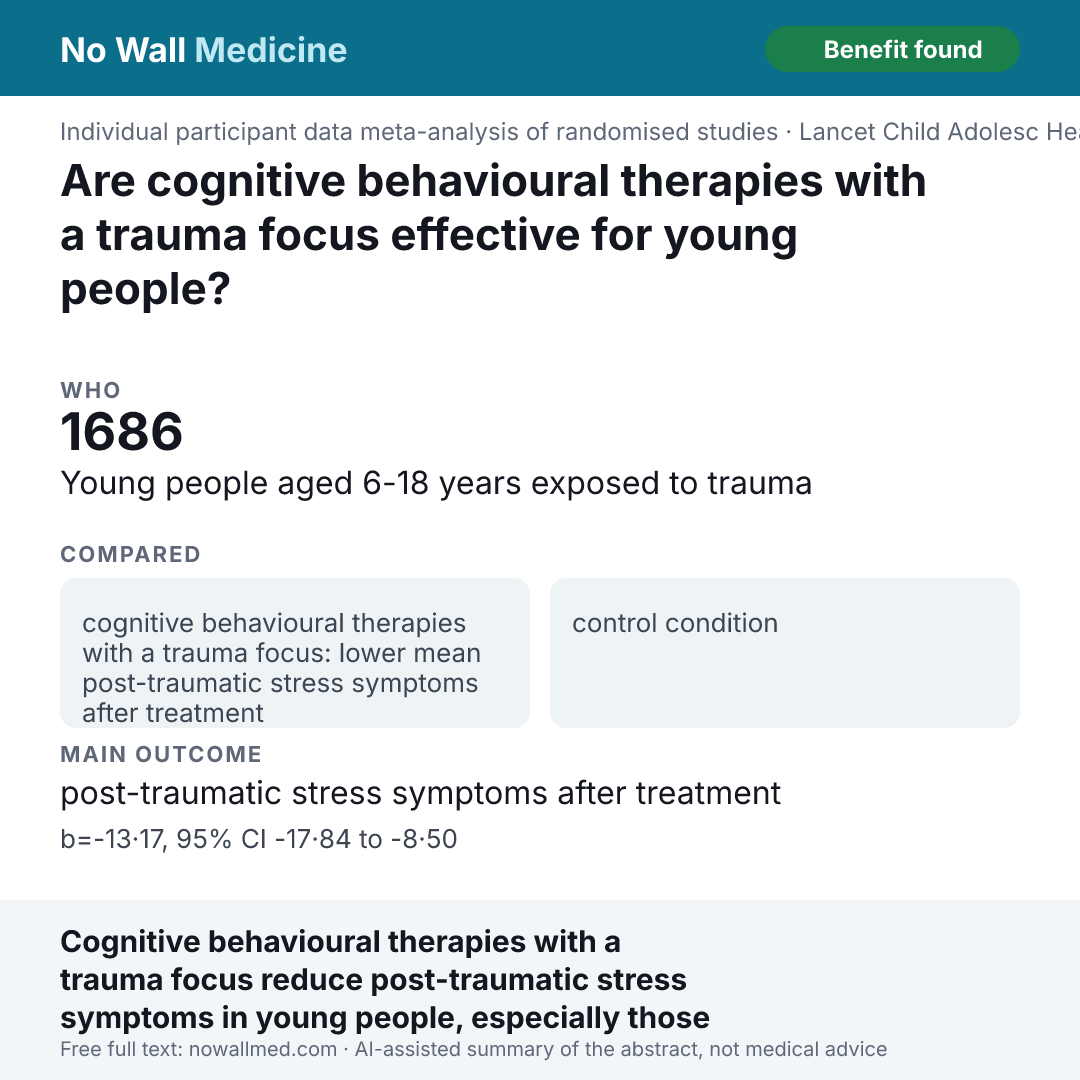
Efficacy and moderators of efficacy of cognitive behavioural therapies with a trauma focus in children and adolescents: an individual participant data meta-analysis of randomised trials
Individual participant data meta-analysis of randomised studiesBenefit found
Are cognitive behavioural therapies with a trauma focus effective for young people?
Who
1686
Young people aged 6-18 years exposed to trauma
Compared
cognitive behavioural therapies with a trauma focus: lower mean post-traumatic stress symptoms after treatment
control condition
Main outcome
post-traumatic stress symptoms after treatment
Result: b=-13·17, 95% CI -17·84 to -8·50
Bottom line: Cognitive behavioural therapies with a trauma focus reduce post-traumatic stress symptoms in young people, especially those with higher initial distress.
Limitation: Twenty studies were identified as having some concerns regarding risk of bias.
Funded by: Swiss National Science Foundation
Lancet Child Adolesc Health · 2023-11-18 · Save PNG
Split scar sign to predict complete response in rectal cancer after neoadjuvant chemoradiotherapy: systematic review and meta-analysis
Meta-analysis of 4 studiesKey finding
Does the split scar sign on rectal MRI predict complete response after neoadjuvant chemoradiotherapy?
Who
377
Patients with rectal cancer undergoing neoadjuvant chemoradiation
Compared
Split scar sign present
Split scar sign absent
Main outcome
Complete response after neoadjuvant therapy
Result: area under the curve 0.83 (95% CI 0.56-0.94)
Bottom line: The split scar sign on rectal MRI has high specificity for predicting complete response after neoadjuvant chemoradiation.
Eur Radiol · 2023-11-18 · Save PNG

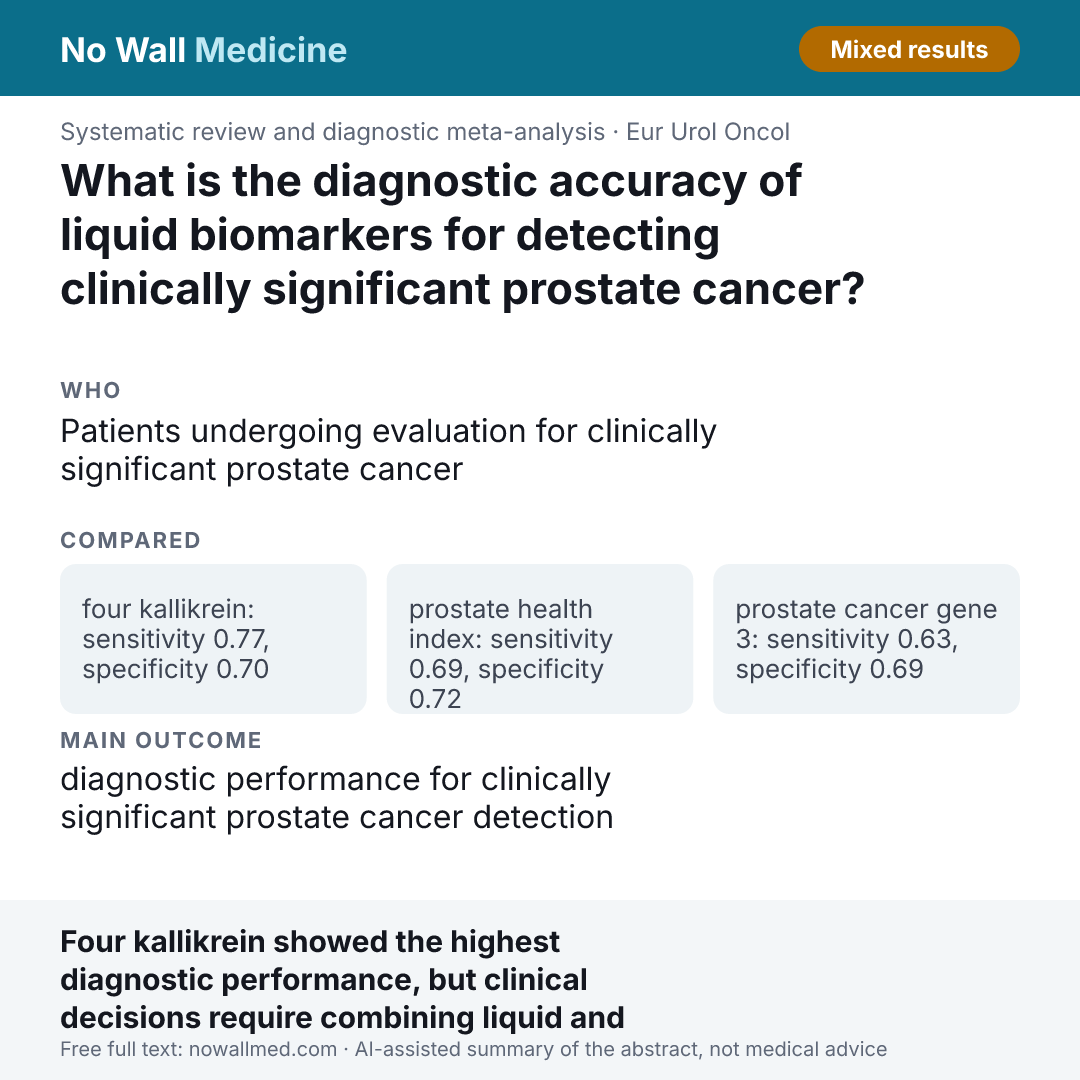
Diagnostic Accuracy of Liquid Biomarkers for Clinically Significant Prostate Cancer Detection: A Systematic Review and Diagnostic Meta-analysis of Multiple Thresholds
Systematic review and diagnostic meta-analysisMixed results
What is the diagnostic accuracy of liquid biomarkers for detecting clinically significant prostate cancer?
Who
Patients undergoing evaluation for clinically significant prostate cancer
Compared
four kallikrein: sensitivity 0.77, specificity 0.70
prostate health index: sensitivity 0.69, specificity 0.72
prostate cancer gene 3: sensitivity 0.63, specificity 0.69
Main outcome
diagnostic performance for clinically significant prostate cancer detection
Result: diagnostic odds ratio 8.84 for four kallikrein
Bottom line: Four kallikrein showed the highest diagnostic performance, but clinical decisions require combining liquid and imaging biomarkers.
Eur Urol Oncol · 2023-11-18 · Save PNG
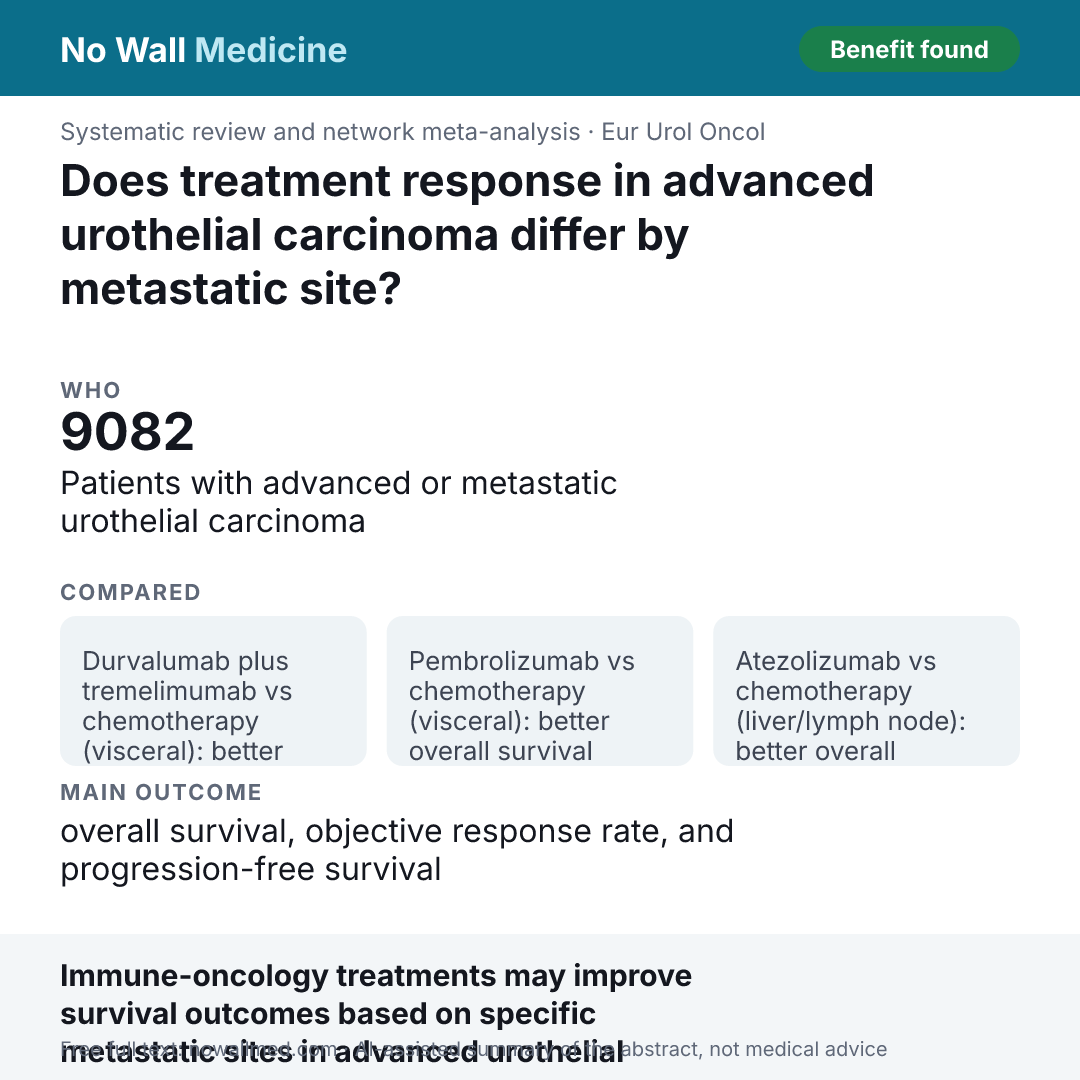
Metastatic Organotropism Differential Treatment Response in Urothelial Carcinoma: A Systematic Review and Network Meta-analysis of Randomized Controlled Trials
Systematic review and network meta-analysisBenefit found
Does treatment response in advanced urothelial carcinoma differ by metastatic site?
Who
9082
Patients with advanced or metastatic urothelial carcinoma
Compared
Durvalumab plus tremelimumab vs chemotherapy (visceral): better overall survival
Pembrolizumab vs chemotherapy (visceral): better overall survival
Atezolizumab vs chemotherapy (liver/lymph node): better overall survival
Main outcome
overall survival, objective response rate, and progression-free survival
Result: hazard ratio 0.81 (95% CI 0.67-0.98)
Bottom line: Immune-oncology treatments may improve survival outcomes based on specific metastatic sites in advanced urothelial carcinoma.
Eur Urol Oncol · 2023-11-18 · Save PNG
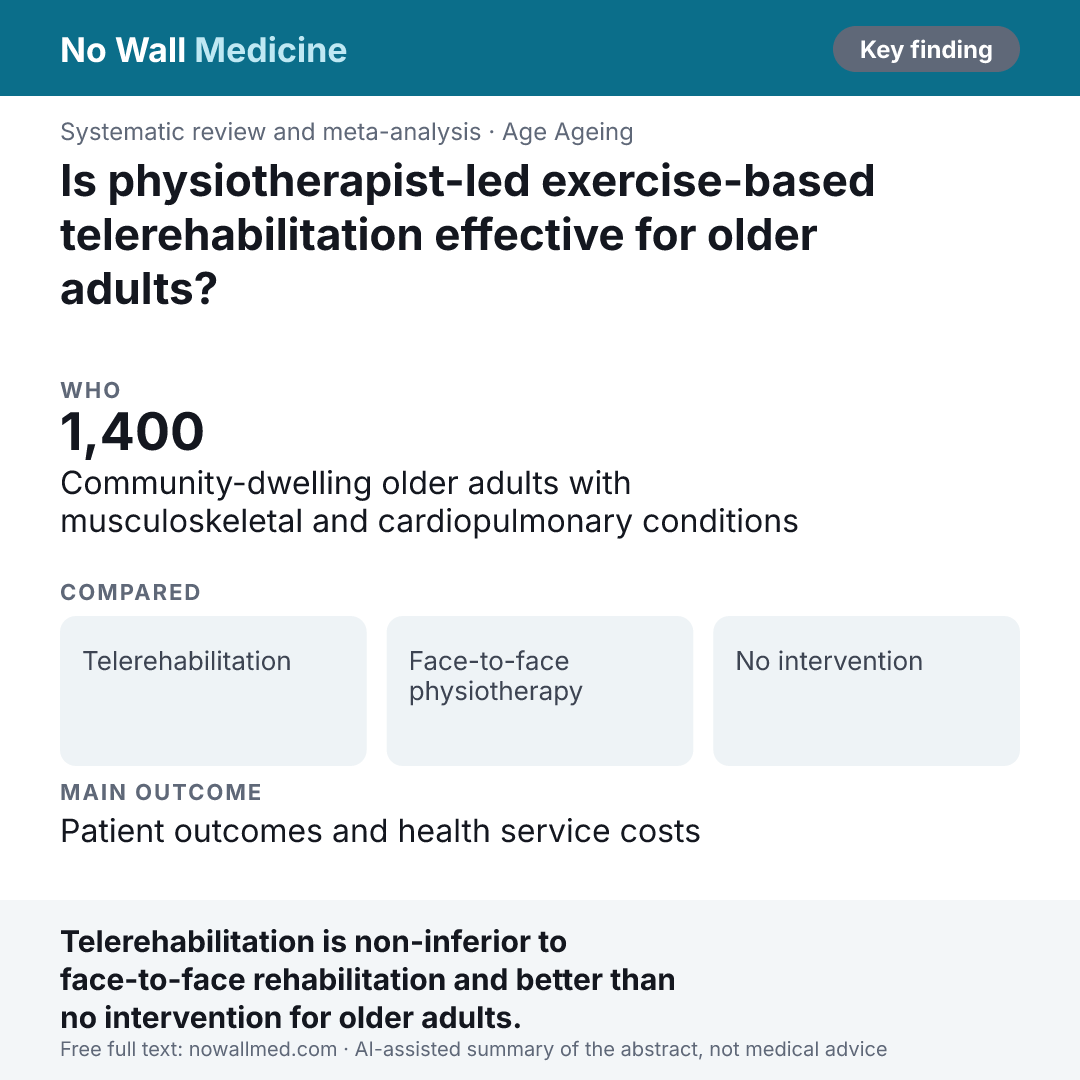
Physiotherapist-led, exercise-based telerehabilitation for older adults improves patient and health service outcomes: a systematic review and meta-analysis
Systematic review and meta-analysisKey finding
Is physiotherapist-led exercise-based telerehabilitation effective for older adults?
Who
1,400
Community-dwelling older adults with musculoskeletal and cardiopulmonary conditions
Compared
Telerehabilitation
Face-to-face physiotherapy
No intervention
Main outcome
Patient outcomes and health service costs
Bottom line: Telerehabilitation is non-inferior to face-to-face rehabilitation and better than no intervention for older adults.
Age Ageing · 2023-11-18 · Save PNG
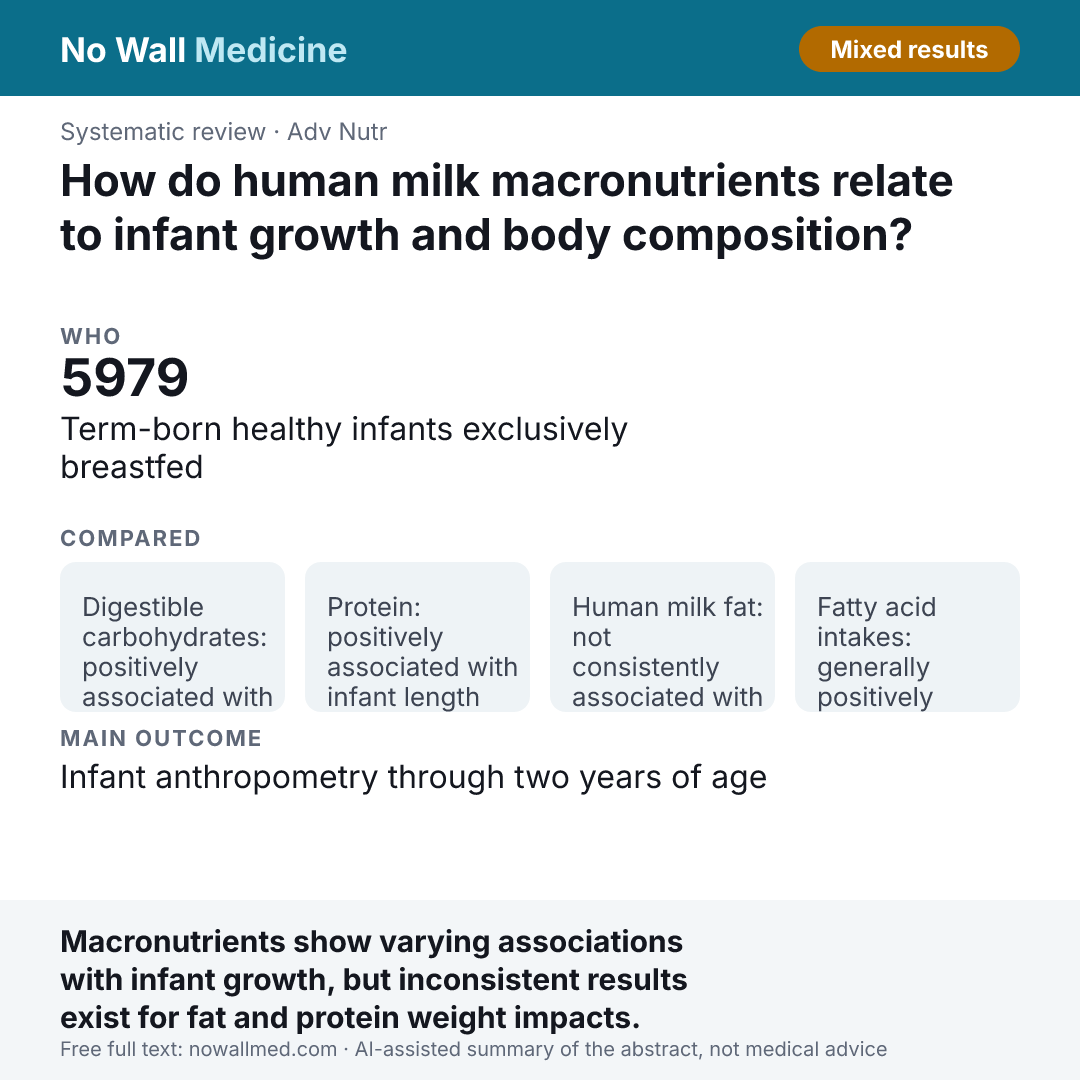
Human Milk Macronutrients and Child Growth and Body Composition in the First Two Years: A Systematic Review
Systematic reviewMixed results
How do human milk macronutrients relate to infant growth and body composition?
Who
5979
Term-born healthy infants exclusively breastfed
Compared
Digestible carbohydrates: positively associated with infant weight outcomes
Protein: positively associated with infant length
Human milk fat: not consistently associated with any infant growth metrics
Fatty acid intakes: generally positively associated with head circumference
Main outcome
Infant anthropometry through two years of age
Bottom line: Macronutrients show varying associations with infant growth, but inconsistent results exist for fat and protein weight impacts.
Limitation: Heterogeneity in outcome measurement, milk collection, and insufficient reporting of results.
Adv Nutr · 2023-11-18 · Save PNG