Visual abstracts
New randomized trials and meta-analyses from leading journals at a glance: who was studied, what was compared, and what was found. Every paper is free to read in full.
All specialtiesCardiology 4763Oncology 4043Gastroenterology & Hepatology 1903Infectious Disease 3756Neurology 1872Psychiatry & Mental Health 2216Pulmonology 2044Critical Care 1319Endocrinology & Diabetes 2544Pediatrics 2889Surgery 2480Orthopedics & Sports Medicine 917Neurosurgery 525Cardiothoracic & Vascular Surgery 656Plastic & Reconstructive Surgery 574Nephrology 1107Rheumatology 810Hematology 1090Dermatology 611Ophthalmology 532Obstetrics & Gynecology 1645Public & Global Health 1037Radiology & Imaging 619Anesthesiology 958Urology 745ENT (Otolaryngology) 494Emergency Medicine 481Allergy & Immunology 309Geriatrics 972Family Medicine & Primary Care 534Medical Genetics & Genomics 659Pathology & Laboratory Medicine 156Physical Medicine & Rehabilitation 734Palliative Care 421Nutrition 1560Digital Health & AI 2137General Medicine 318
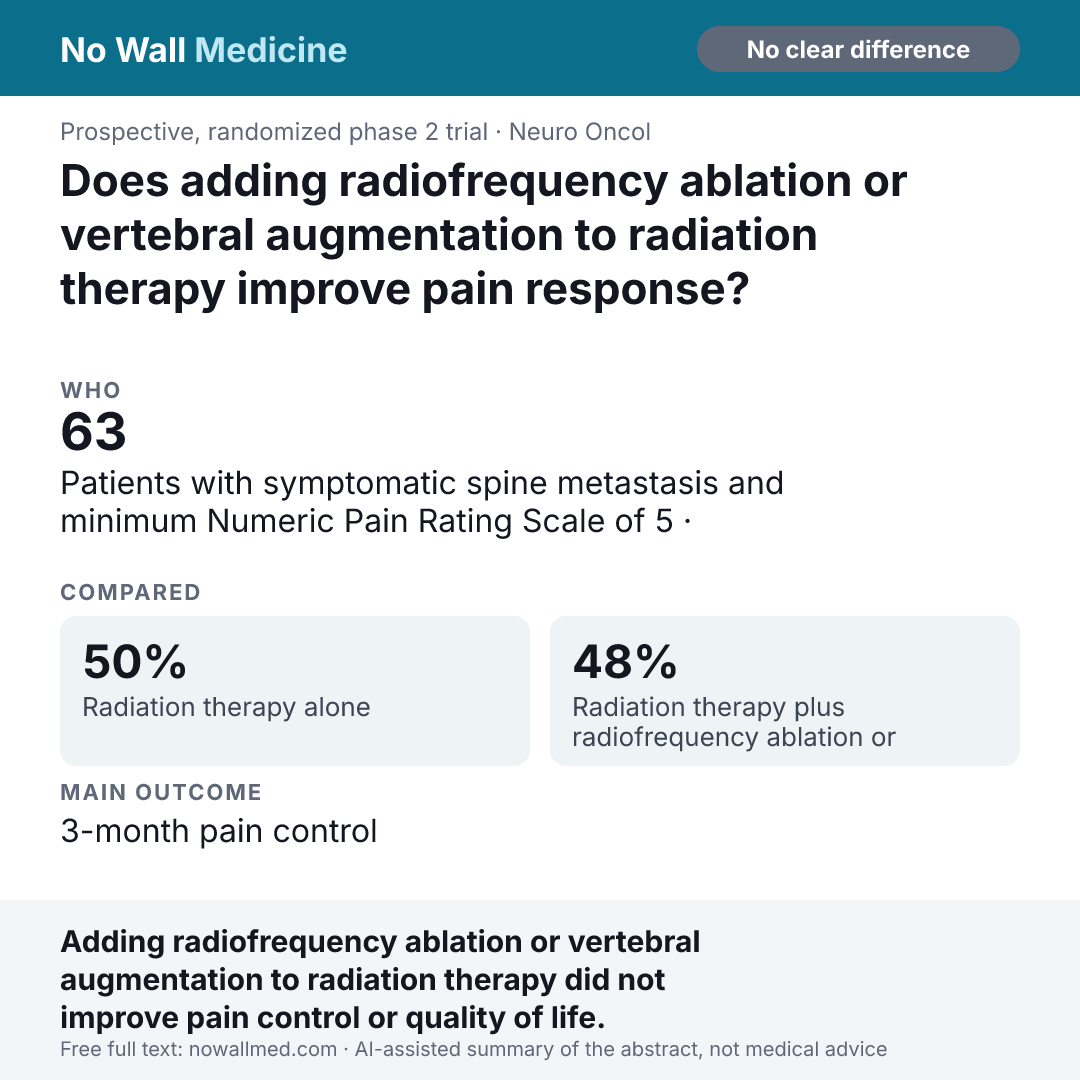
Radiation therapy alone versus radiation therapy plus radiofrequency ablation/vertebral augmentation for painful spine metastasis: A phase 2 randomized controlled trial
Prospective, randomized phase 2 trialNo clear difference
Does adding radiofrequency ablation or vertebral augmentation to radiation therapy improve pain response?
Who
63
Patients with symptomatic spine metastasis and minimum Numeric Pain Rating Scale of 5 · single-center
Compared
50%Radiation therapy alone
48%Radiation therapy plus radiofrequency ablation or vertebral augmentation
Main outcome
3-month pain control
Bottom line: Adding radiofrequency ablation or vertebral augmentation to radiation therapy did not improve pain control or quality of life.
Neuro Oncol · 2025-10-07 · Save PNG
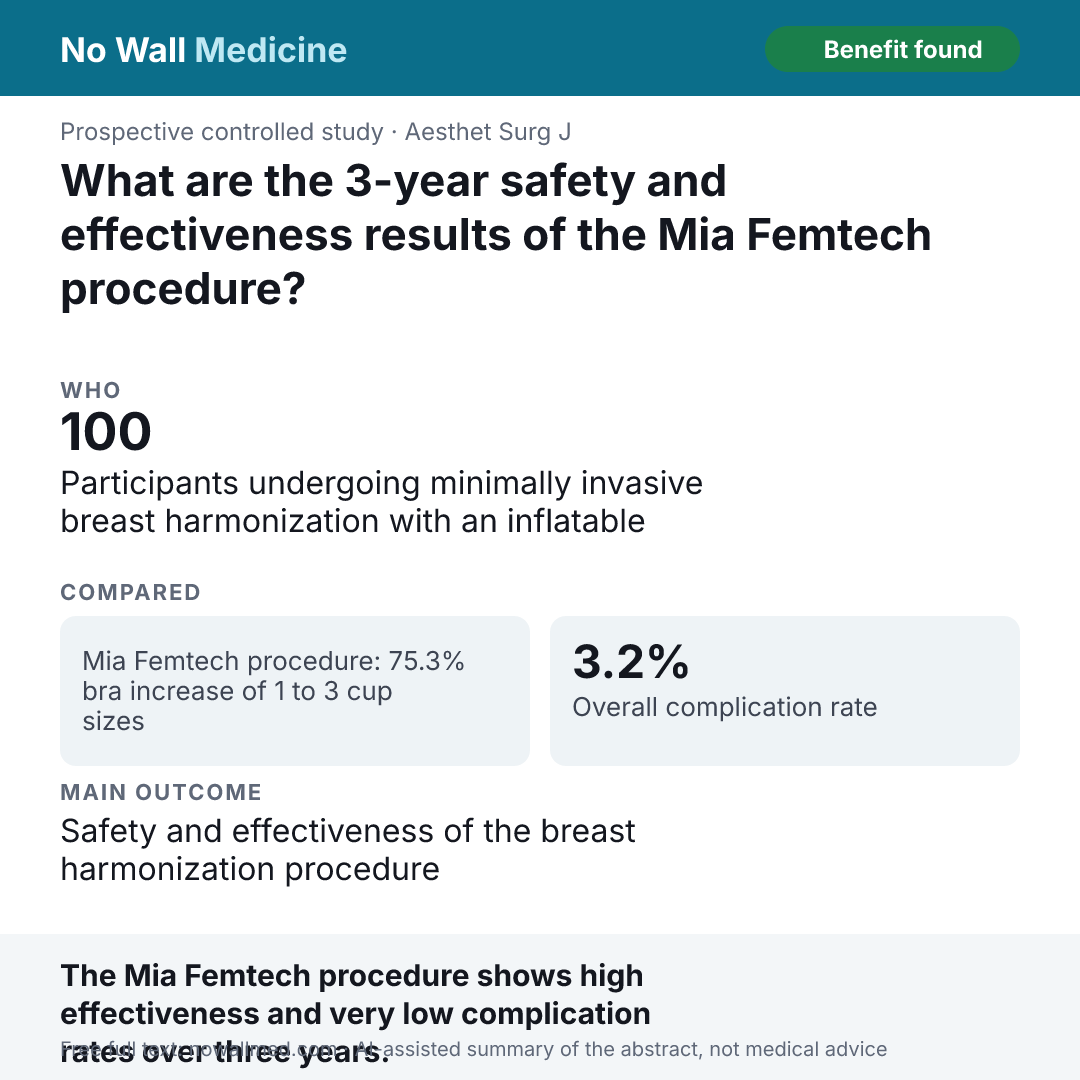
The 3-Year Results of a 100-Patient Prospective Study of the Safety and Effectiveness of Mia Femtech
Prospective controlled studyBenefit found
What are the 3-year safety and effectiveness results of the Mia Femtech procedure?
Who
100
Participants undergoing minimally invasive breast harmonization with an inflatable balloon
Compared
Mia Femtech procedure: 75.3% bra increase of 1 to 3 cup sizes
3.2%Overall complication rate
Main outcome
Safety and effectiveness of the breast harmonization procedure
Bottom line: The Mia Femtech procedure shows high effectiveness and very low complication rates over three years.
Limitation: The safety assessment used MRI evaluations in a randomized subcohort of 33 participants.
Aesthet Surg J · 2025-10-07 · Save PNG
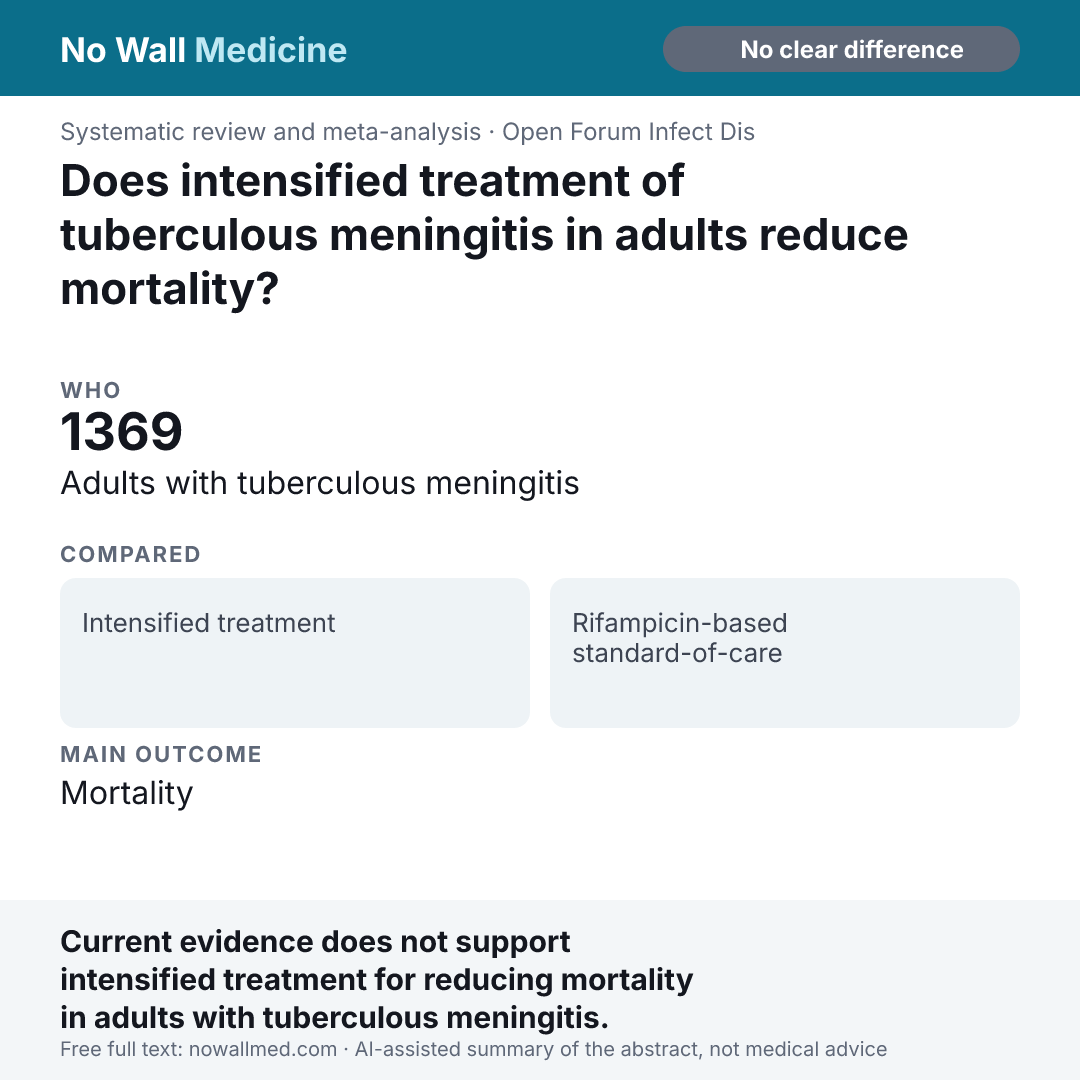
Intensified Treatment of Tuberculous Meningitis in Adults: A Systematic Review and Meta-analysis
Systematic review and meta-analysisNo clear difference
Does intensified treatment of tuberculous meningitis in adults reduce mortality?
Who
1369
Adults with tuberculous meningitis
Compared
Intensified treatment
Rifampicin-based standard-of-care
Main outcome
Mortality
Bottom line: Current evidence does not support intensified treatment for reducing mortality in adults with tuberculous meningitis.
Limitation: Diverse case definitions, variable dosing, and heterogeneous disability and safety outcomes.
Open Forum Infect Dis · 2025-10-07 · Save PNG
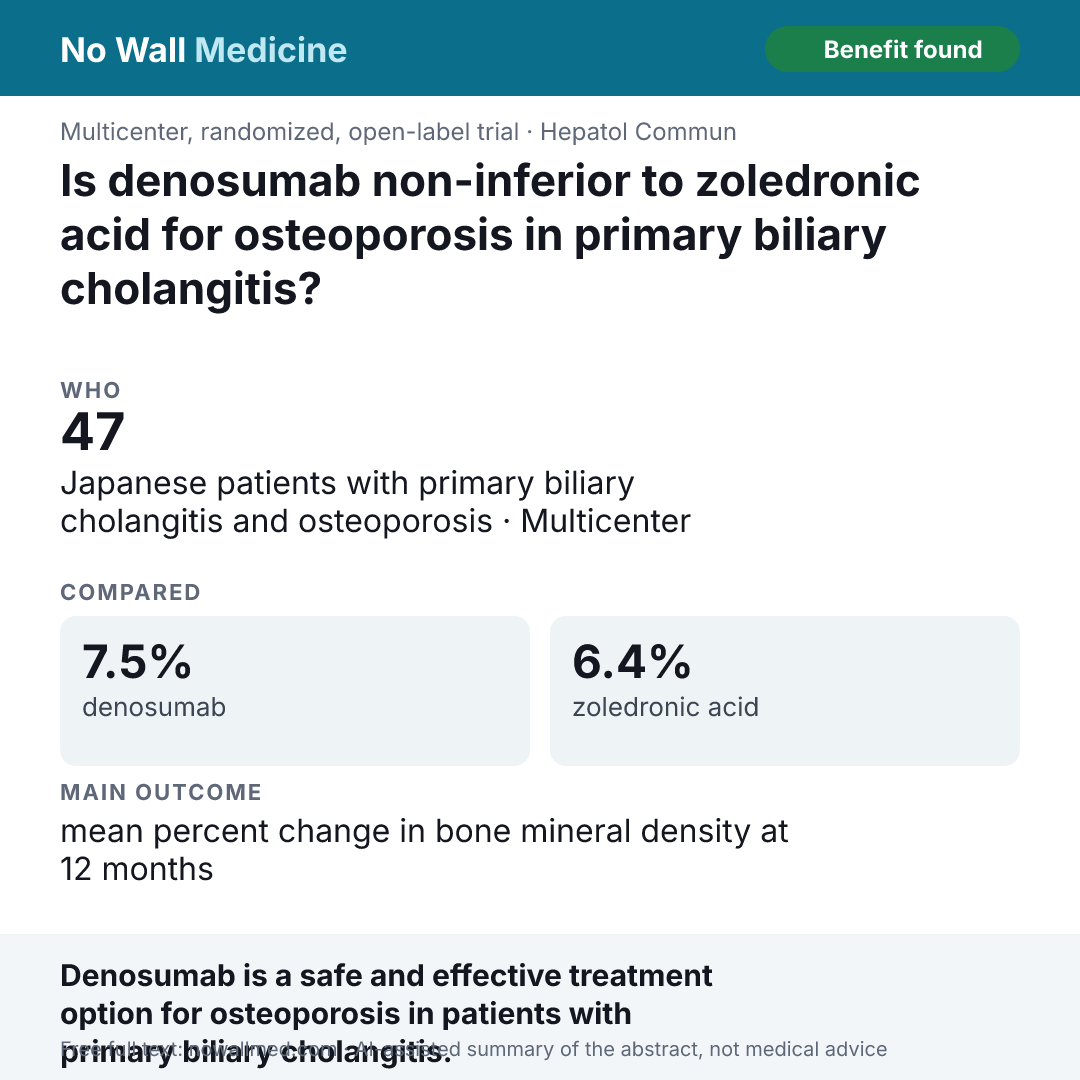
Denosumab versus zoledronic acid for osteoporosis treatment in patients with primary biliary cholangitis (the DELTA Study): A multicenter, non-inferiority randomized trial
Multicenter, randomized, open-label trialBenefit found
Is denosumab non-inferior to zoledronic acid for osteoporosis in primary biliary cholangitis?
Who
47
Japanese patients with primary biliary cholangitis and osteoporosis · Multicenter
Compared
7.5%denosumab
6.4%zoledronic acid
Main outcome
mean percent change in bone mineral density at 12 months
Result: 95% CI: -1.6% to 3.8%
Bottom line: Denosumab is a safe and effective treatment option for osteoporosis in patients with primary biliary cholangitis.
Hepatol Commun · 2025-10-07 · Save PNG
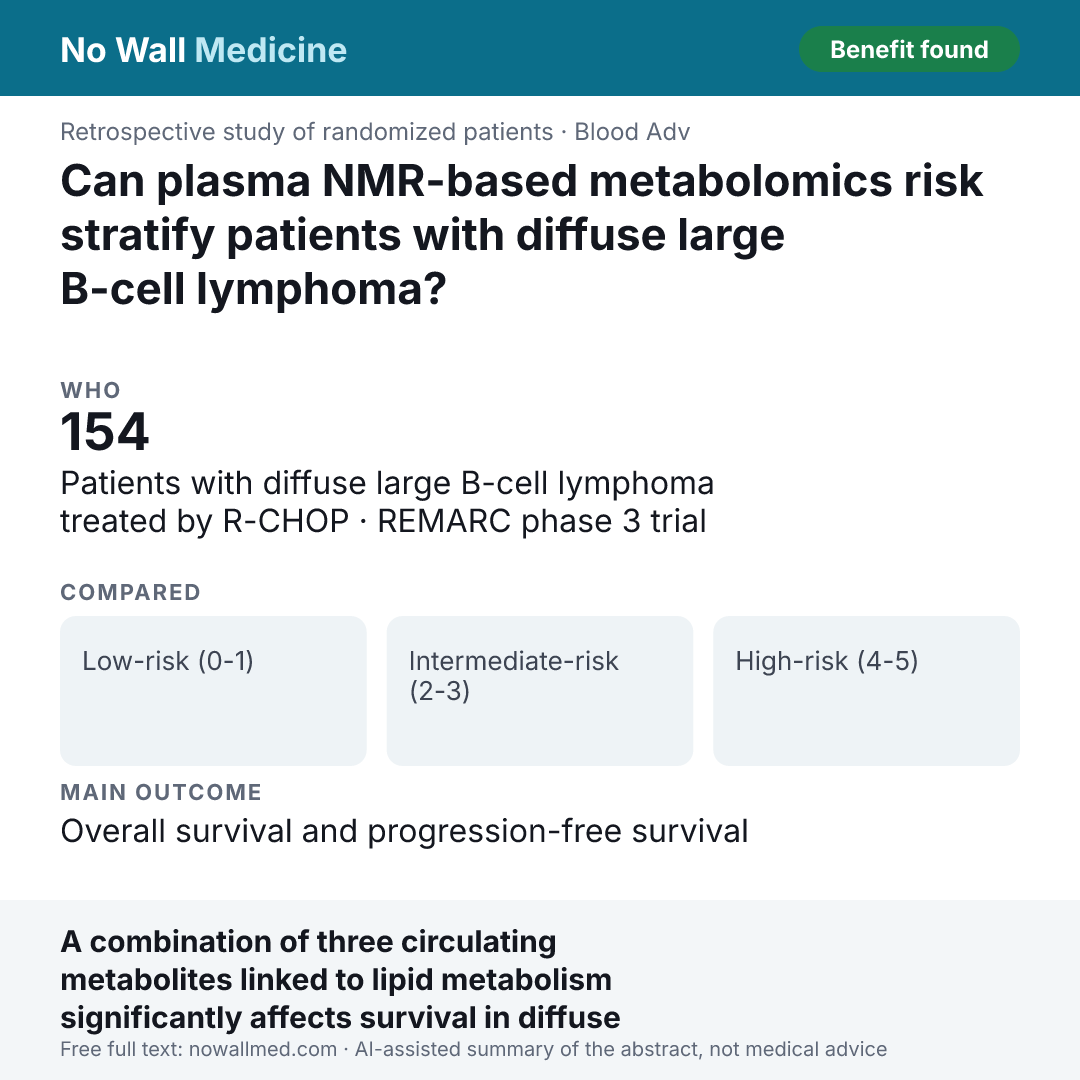
Risk stratification of patients with diffuse large B-cell lymphoma using plasma NMR-based metabolomics at diagnosis
Retrospective study of randomized patientsBenefit found
Can plasma NMR-based metabolomics risk stratify patients with diffuse large B-cell lymphoma?
Who
154
Patients with diffuse large B-cell lymphoma treated by R-CHOP · REMARC phase 3 trial
Compared
Low-risk (0-1)
Intermediate-risk (2-3)
High-risk (4-5)
Main outcome
Overall survival and progression-free survival
Bottom line: A combination of three circulating metabolites linked to lipid metabolism significantly affects survival in diffuse large B-cell lymphoma.
Blood Adv · 2025-10-07 · Save PNG
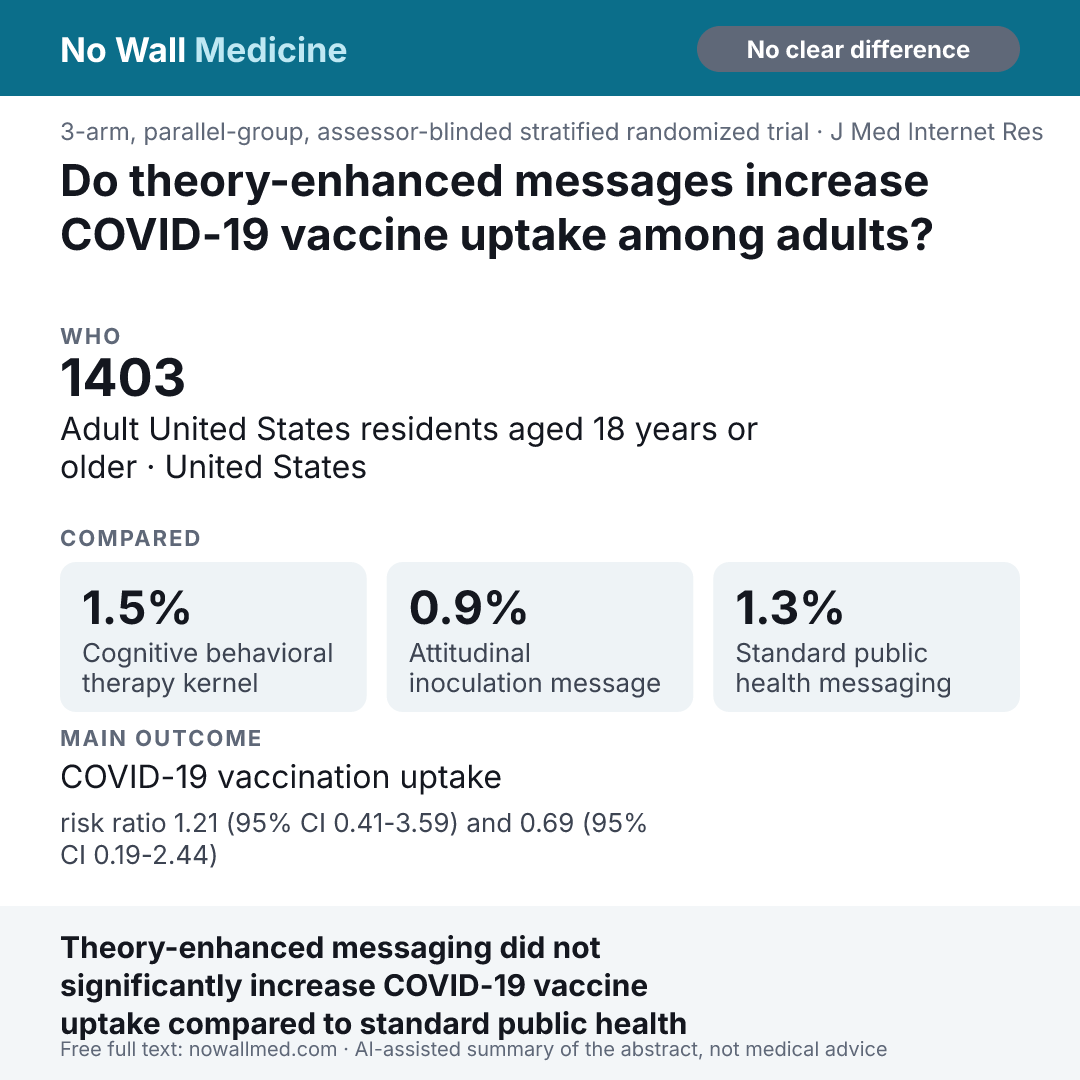
Testing Theory-Enhanced Messaging to Promote COVID-19 Vaccination Among Adults: Randomized Controlled Trial
3-arm, parallel-group, assessor-blinded stratified randomized trialNo clear difference
Do theory-enhanced messages increase COVID-19 vaccine uptake among adults?
Who
1403
Adult United States residents aged 18 years or older · United States
Compared
1.5%Cognitive behavioral therapy kernel messaging (7/469)
0.9%Attitudinal inoculation message (4/466)
1.3%Standard public health messaging (6/468)
Main outcome
COVID-19 vaccination uptake
Result: risk ratio 1.21 (95% CI 0.41-3.59) and 0.69 (95% CI 0.19-2.44)
Bottom line: Theory-enhanced messaging did not significantly increase COVID-19 vaccine uptake compared to standard public health messaging.
J Med Internet Res · 2025-10-07 · Save PNG
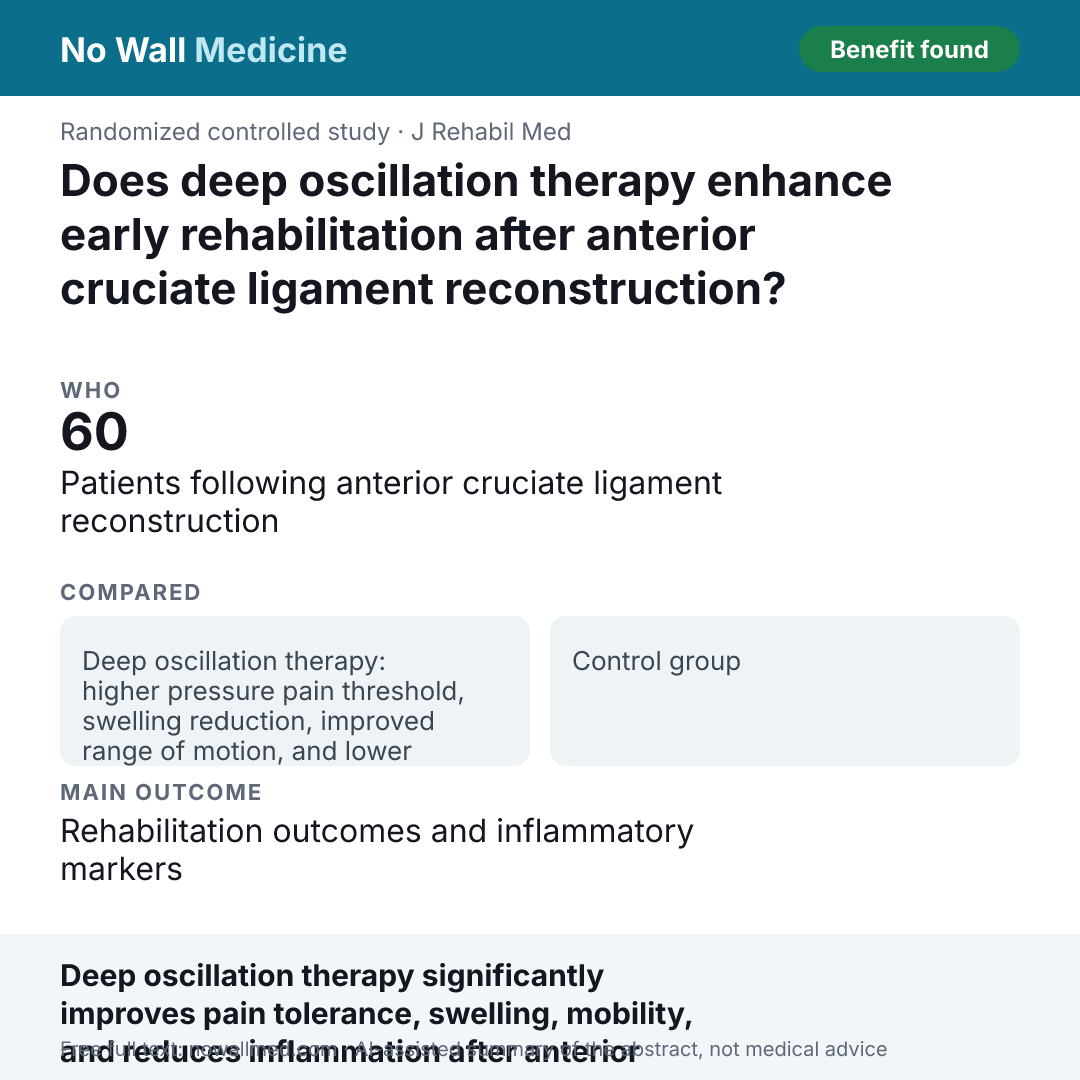
Deep oscillation therapy enhances early rehabilitation after ACL reconstruction: a randomized controlled trial
Randomized controlled studyBenefit found
Does deep oscillation therapy enhance early rehabilitation after anterior cruciate ligament reconstruction?
Who
60
Patients following anterior cruciate ligament reconstruction
Compared
Deep oscillation therapy: higher pressure pain threshold, swelling reduction, improved range of motion, and lower inflammatory markers
Control group
Main outcome
Rehabilitation outcomes and inflammatory markers
Bottom line: Deep oscillation therapy significantly improves pain tolerance, swelling, mobility, and reduces inflammation after anterior cruciate ligament reconstruction.
J Rehabil Med · 2025-10-07 · Save PNG
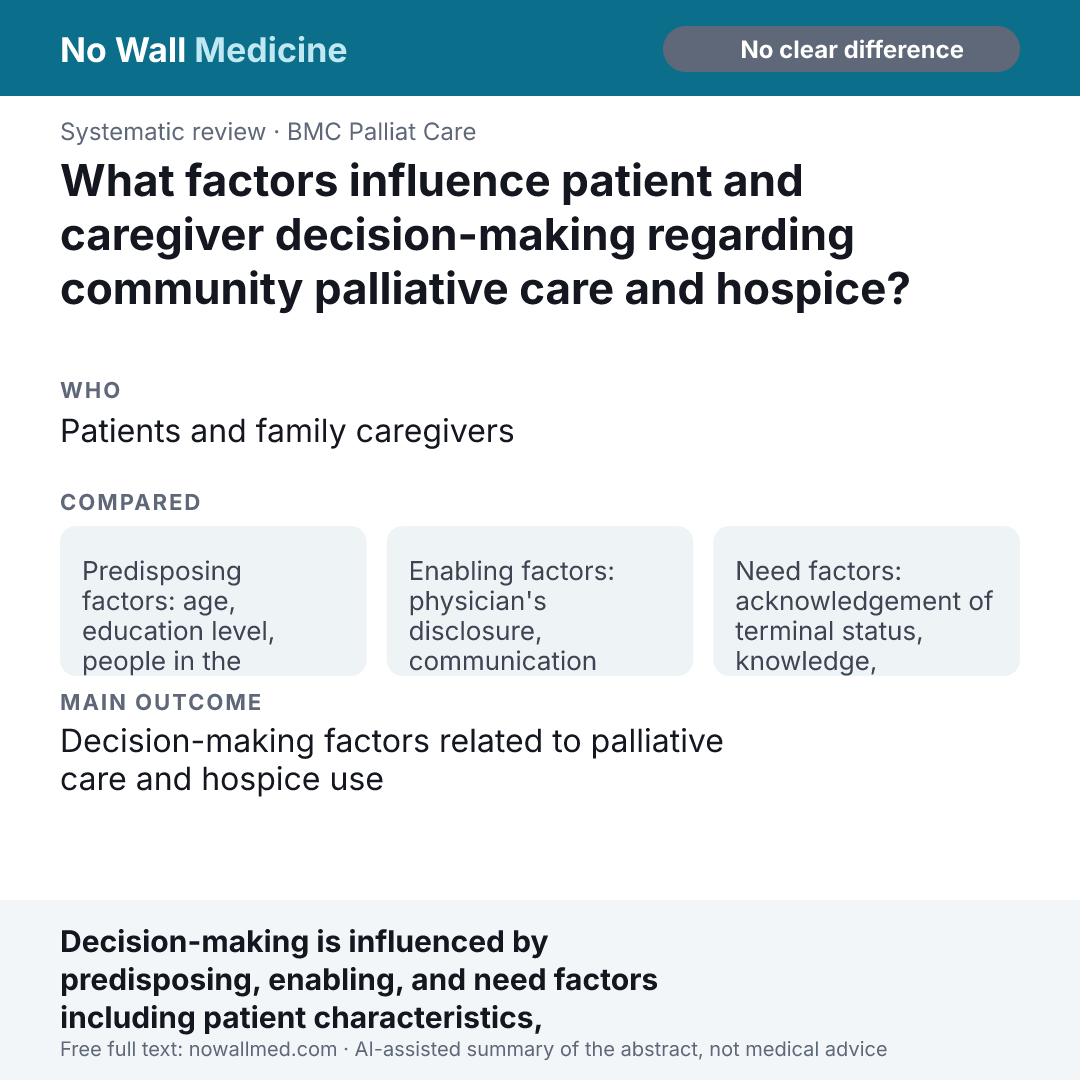
Decision-making factors related to palliative care and hospice use in the community: a systematic review based on Andersen's behavioural model of health services use
Systematic reviewNo clear difference
What factors influence patient and caregiver decision-making regarding community palliative care and hospice?
Who
Patients and family caregivers
Compared
Predisposing factors: age, education level, people in the household, experiences with institutional care, and death experience
Enabling factors: physician's disclosure, communication partner, communication context, and information about options
Need factors: acknowledgement of terminal status, knowledge, perception, end-of-life wishes, caregiver's commitment, preference for dying at home, and health condition
Main outcome
Decision-making factors related to palliative care and hospice use
Bottom line: Decision-making is influenced by predisposing, enabling, and need factors including patient characteristics, communication, and health status.
BMC Palliat Care · 2025-10-07 · Save PNG
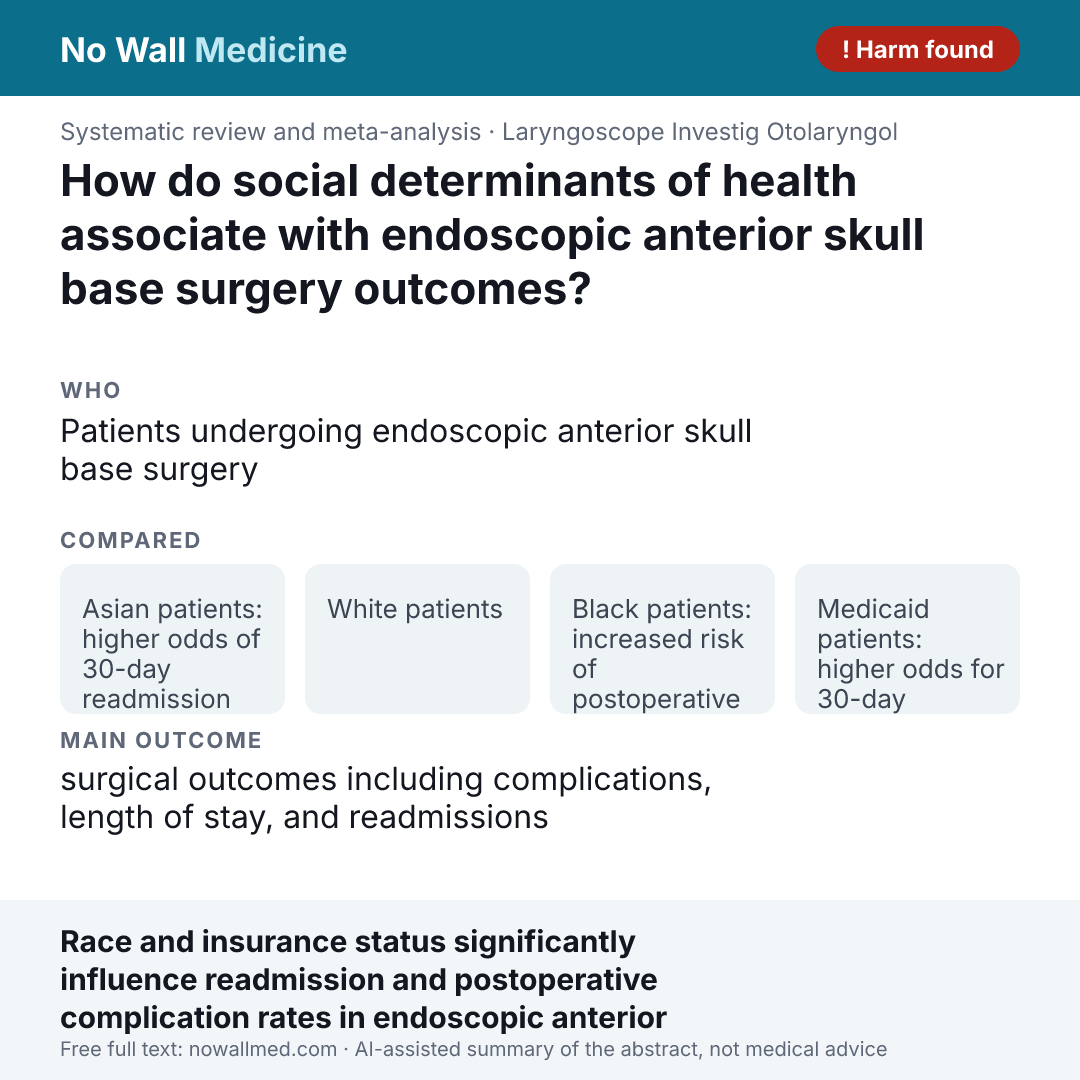
Social Determinants of Health in Endoscopic Anterior Skull Base Surgery: A Systematic Review and Meta-Analysis
Systematic review and meta-analysisHarm found
How do social determinants of health associate with endoscopic anterior skull base surgery outcomes?
Who
Patients undergoing endoscopic anterior skull base surgery
Compared
Asian patients: higher odds of 30-day readmission
White patients
Black patients: increased risk of postoperative diabetes insipidus
Medicaid patients: higher odds for 30-day readmission and greater risk of postoperative diabetes insipidus
Main outcome
surgical outcomes including complications, length of stay, and readmissions
Result: OR 1.30 (95% CI: 1.04-1.62) for Asian 30-day readmission; RR 1.32 (95% CI: 1.09-1.59) for Black postoperative diabetes insipidus
Bottom line: Race and insurance status significantly influence readmission and postoperative complication rates in endoscopic anterior skull base surgery.
Limitation: The heterogeneity of other social determinants of health suggests further research is needed.
Laryngoscope Investig Otolaryngol · 2025-10-07 · Save PNG
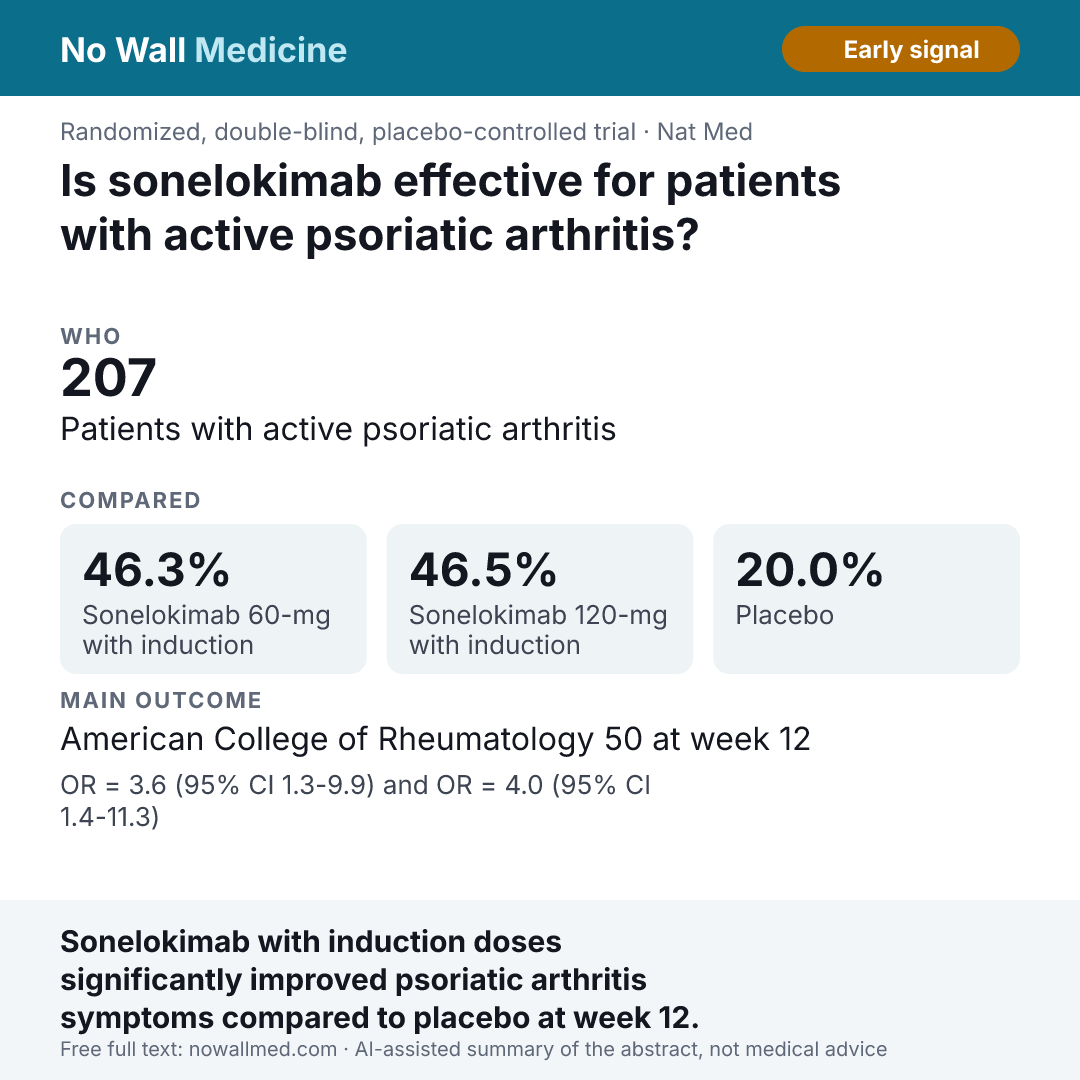
Sonelokimab, an IL-17A/IL-17F-inhibiting nanobody for active psoriatic arthritis: a randomized, placebo-controlled phase 2 trial
Randomized, double-blind, placebo-controlled trialEarly signal
Is sonelokimab effective for patients with active psoriatic arthritis?
Who
207
Patients with active psoriatic arthritis
Compared
46.3%Sonelokimab 60-mg with induction (19/41)
46.5%Sonelokimab 120-mg with induction (20/43)
20.0%Placebo (8/40)
Main outcome
American College of Rheumatology 50 at week 12
Result: OR = 3.6 (95% CI 1.3-9.9) and OR = 4.0 (95% CI 1.4-11.3)
Bottom line: Sonelokimab with induction doses significantly improved psoriatic arthritis symptoms compared to placebo at week 12.
Nat Med · 2025-10-06 · Save PNG
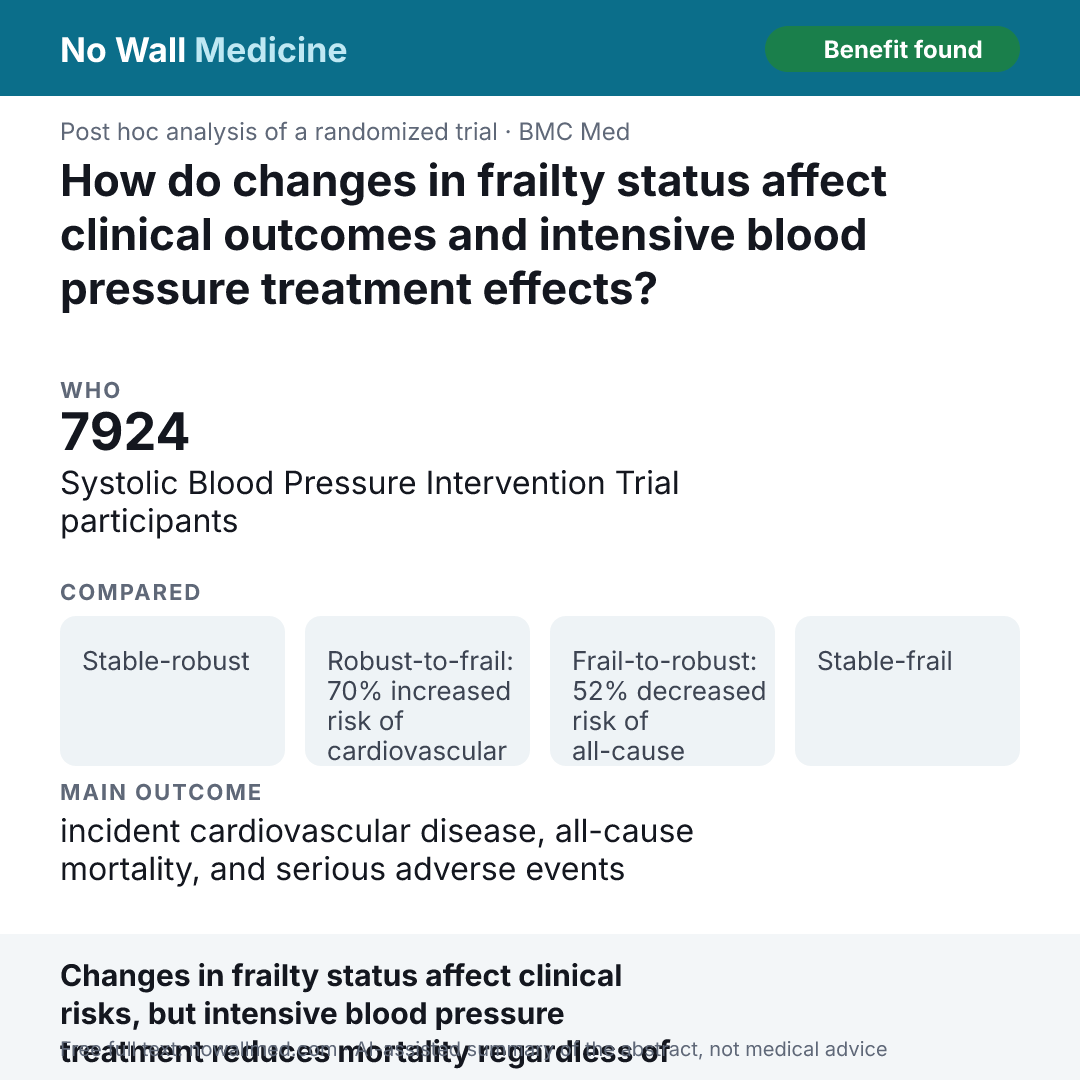
Changes in frailty, intensive blood pressure treatment, and risks of adverse clinical outcomes: a post hoc analysis of the SPRINT trial
Post hoc analysis of a randomized trialBenefit found
How do changes in frailty status affect clinical outcomes and intensive blood pressure treatment effects?
Who
7924
Systolic Blood Pressure Intervention Trial participants
Compared
Stable-robust
Robust-to-frail: 70% increased risk of cardiovascular disease
Frail-to-robust: 52% decreased risk of all-cause mortality
Stable-frail
Main outcome
incident cardiovascular disease, all-cause mortality, and serious adverse events
Bottom line: Changes in frailty status affect clinical risks, but intensive blood pressure treatment reduces mortality regardless of frailty changes.
BMC Med · 2025-10-06 · Save PNG
Optimal Antithrombotics for Ischemic Stroke and Concurrent Atrial Fibrillation and Atherosclerosis: A Randomized Clinical Trial
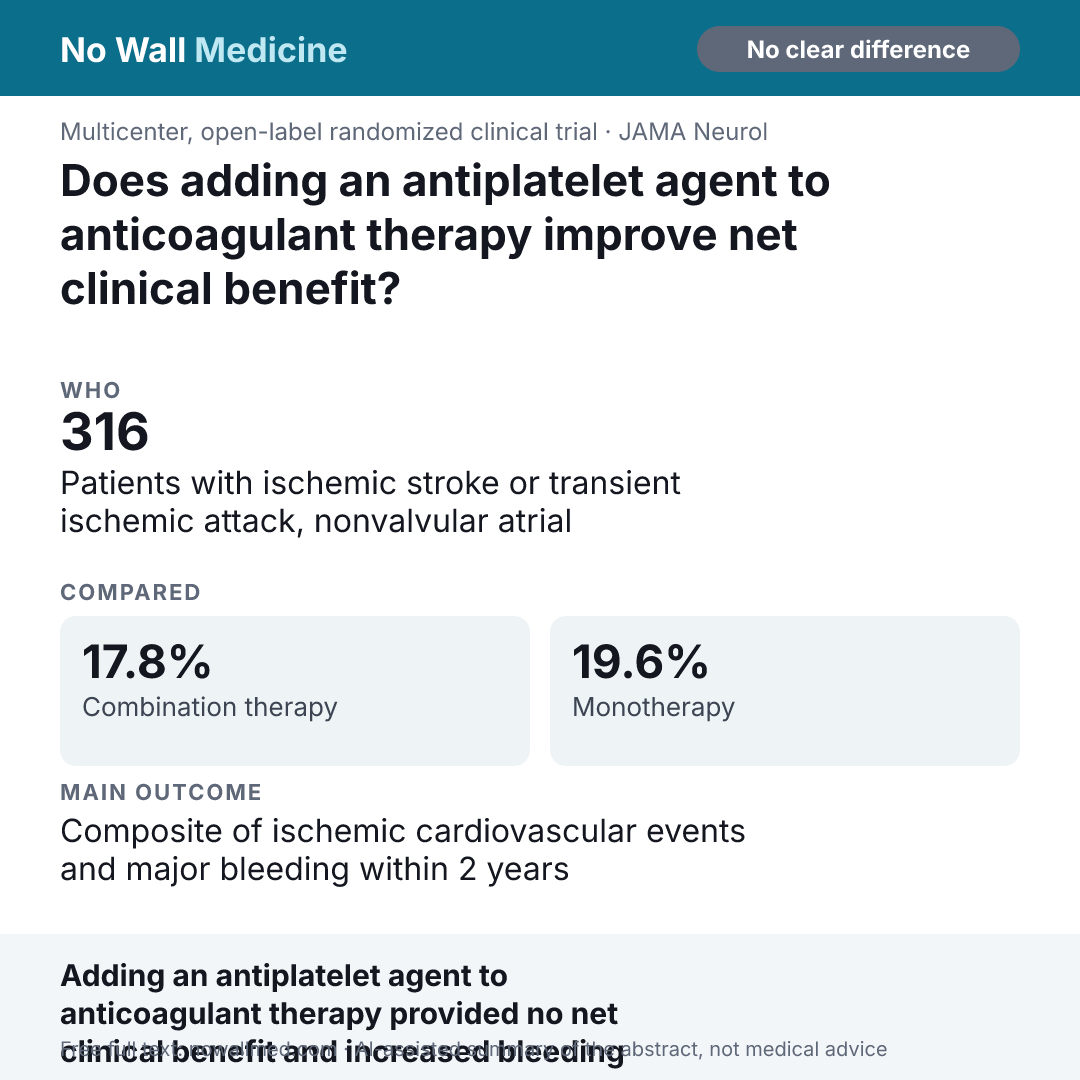
Multicenter, open-label randomized clinical trialNo clear difference
Does adding an antiplatelet agent to anticoagulant therapy improve net clinical benefit?
Who
316
Patients with ischemic stroke or transient ischemic attack, nonvalvular atrial fibrillation, and atherosclerotic cardiovascular disease · 41 sites across Japan
Compared
17.8%Combination therapy
19.6%Monotherapy
Main outcome
Composite of ischemic cardiovascular events and major bleeding within 2 years
Result: hazard ratio 0.91 (95% CI 0.53-1.55)
Bottom line: Adding an antiplatelet agent to anticoagulant therapy provided no net clinical benefit and increased bleeding risk.
JAMA Neurol · 2025-10-06 · Save PNG
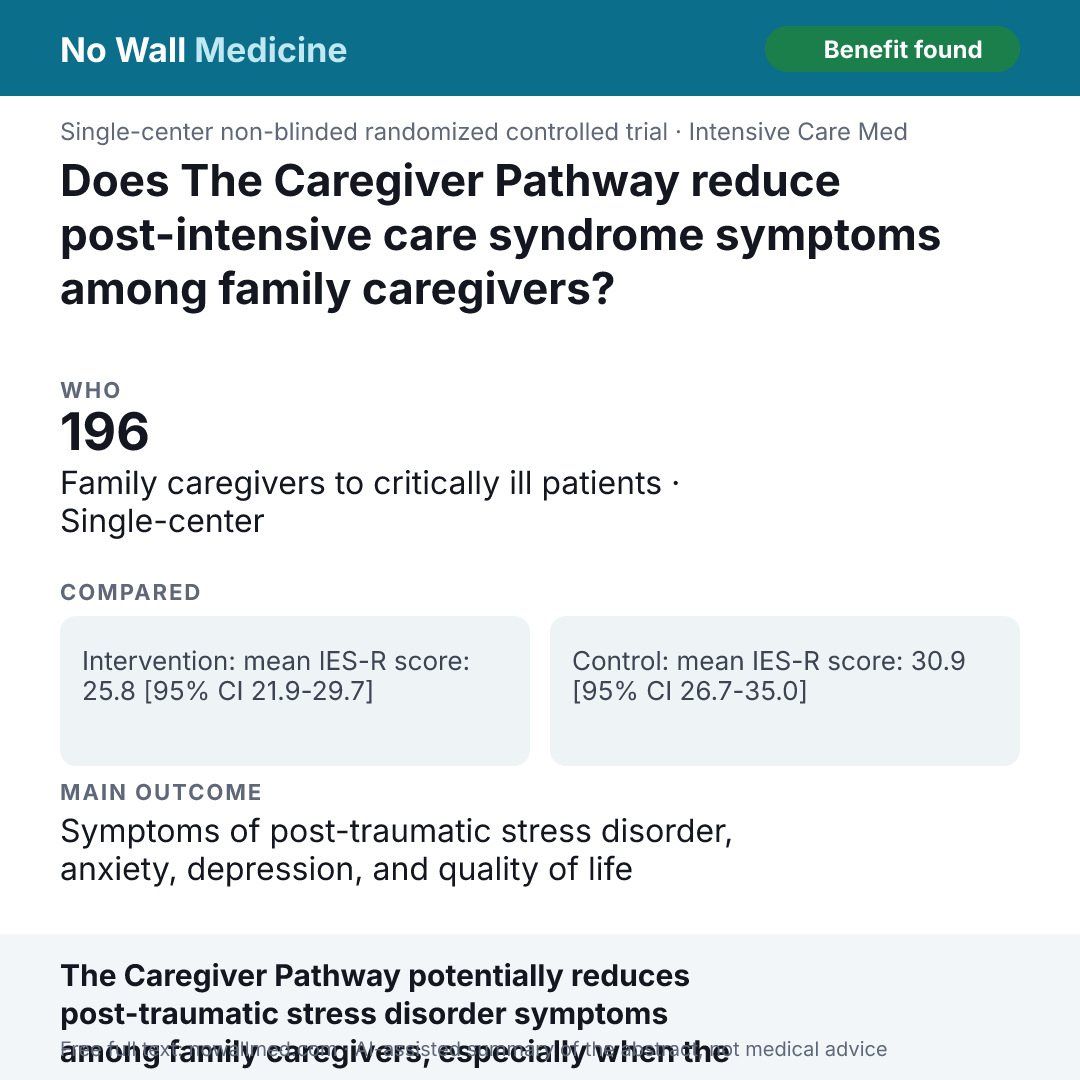
Effects of The Caregiver Pathway intervention on symptoms of post-intensive care syndrome among family caregivers to critically ill patients: long-term results from a randomized controlled trial
Single-center non-blinded randomized controlled trialBenefit found
Does The Caregiver Pathway reduce post-intensive care syndrome symptoms among family caregivers?
Who
196
Family caregivers to critically ill patients · Single-center
Compared
Intervention: mean IES-R score: 25.8 [95% CI 21.9-29.7]
Control: mean IES-R score: 30.9 [95% CI 26.7-35.0]
Main outcome
Symptoms of post-traumatic stress disorder, anxiety, depression, and quality of life
Result: mean IES-R score: 25.8 [95% CI 21.9-29.7] versus 30.9 [95% CI 26.7-35.0], p = 0.009
Bottom line: The Caregiver Pathway potentially reduces post-traumatic stress disorder symptoms among family caregivers, especially when the patient survives.
Intensive Care Med · 2025-10-06 · Save PNG
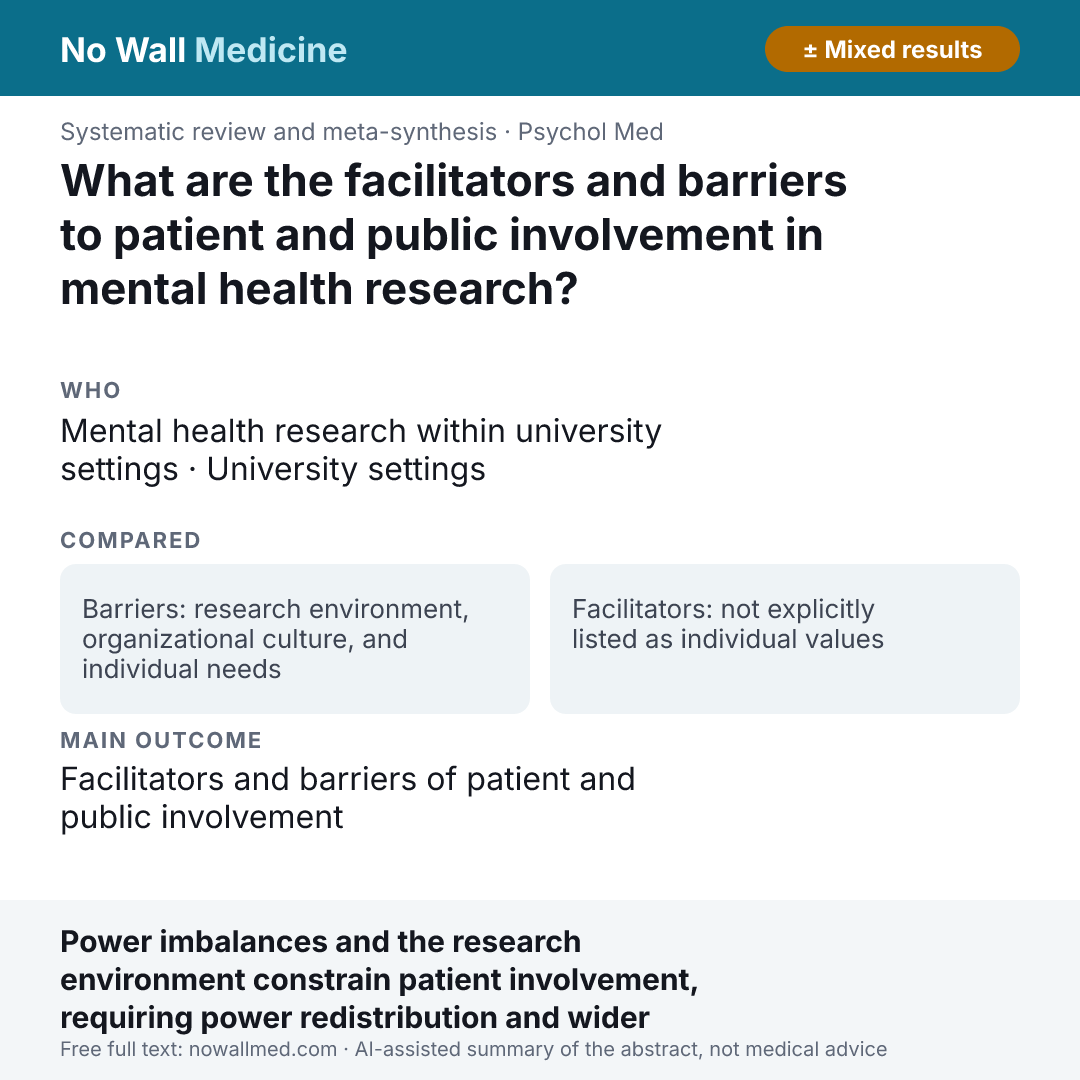
Facilitators of and barriers to patient and public involvement in mental health research within university settings: a systematic review and meta-synthesis
Systematic review and meta-synthesisMixed results
What are the facilitators and barriers to patient and public involvement in mental health research?
Who
Mental health research within university settings · University settings
Compared
Barriers: research environment, organizational culture, and individual needs
Facilitators: not explicitly listed as individual values
Main outcome
Facilitators and barriers of patient and public involvement
Bottom line: Power imbalances and the research environment constrain patient involvement, requiring power redistribution and wider inclusion.
Psychol Med · 2025-10-06 · Save PNG
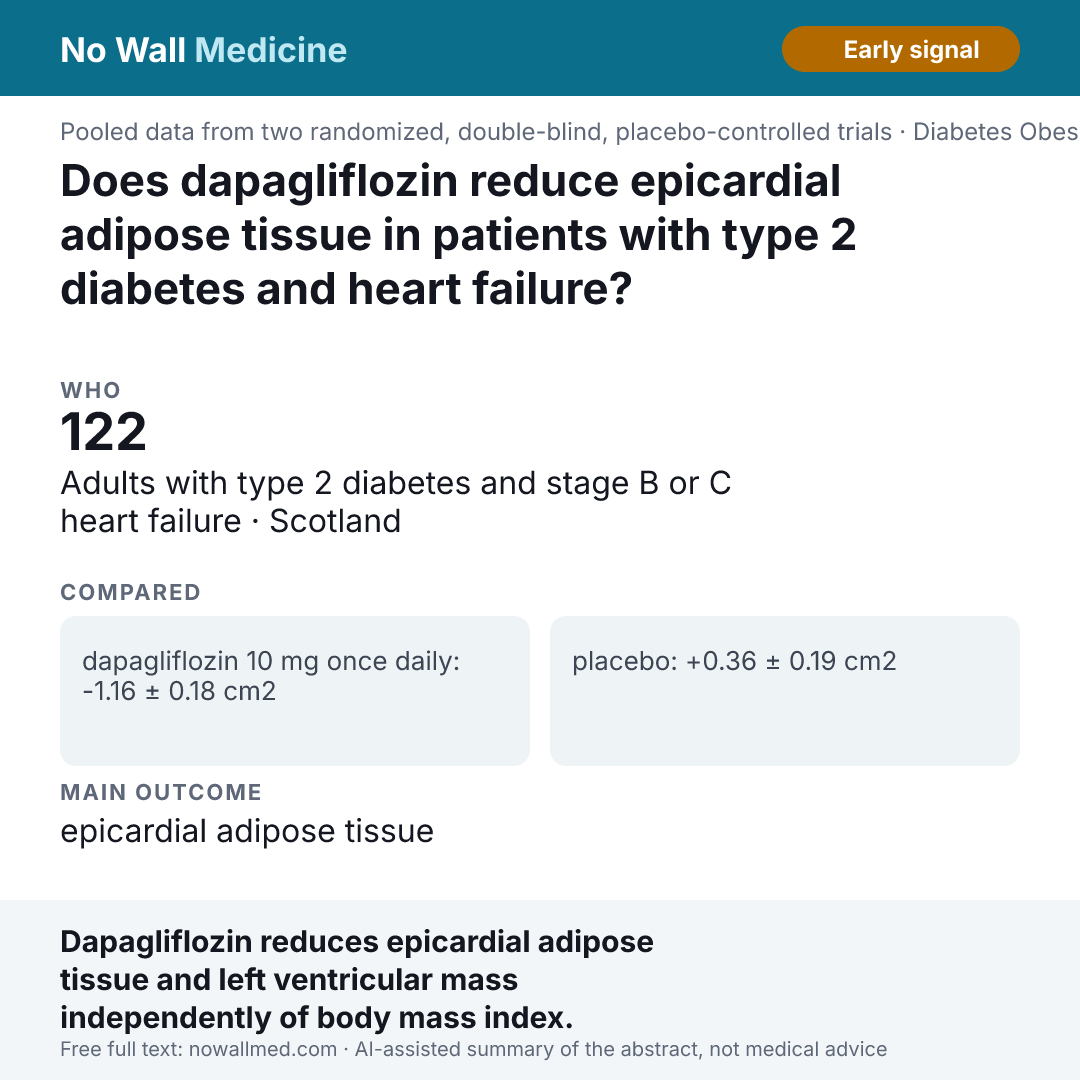
Dapagliflozin reduces epicardial adipose tissue in patients with heart failure and type 2 diabetes
Pooled data from two randomized, double-blind, placebo-controlled trialsEarly signal
Does dapagliflozin reduce epicardial adipose tissue in patients with type 2 diabetes and heart failure?
Who
122
Adults with type 2 diabetes and stage B or C heart failure · Scotland
Compared
dapagliflozin 10 mg once daily: -1.16 ± 0.18 cm2
placebo: +0.36 ± 0.19 cm2
Main outcome
epicardial adipose tissue
Bottom line: Dapagliflozin reduces epicardial adipose tissue and left ventricular mass independently of body mass index.
Diabetes Obes Metab · 2025-10-06 · Save PNG
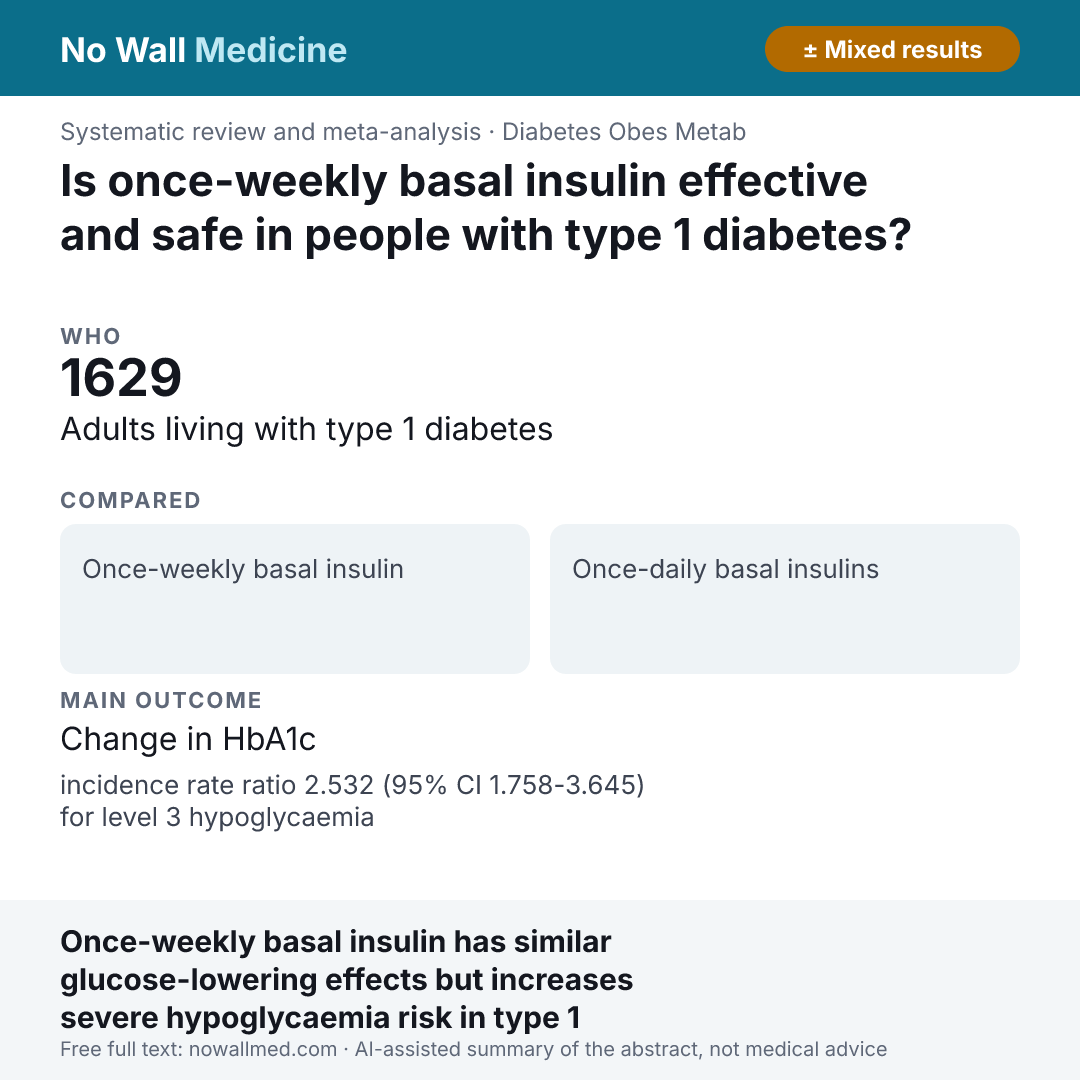
Efficacy and safety of once-weekly basal insulin therapy in people with type 1 diabetes: A systematic review and meta-analysis
Systematic review and meta-analysisMixed results
Is once-weekly basal insulin effective and safe in people with type 1 diabetes?
Who
1629
Adults living with type 1 diabetes
Compared
Once-weekly basal insulin
Once-daily basal insulins
Main outcome
Change in HbA1c
Result: incidence rate ratio 2.532 (95% CI 1.758-3.645) for level 3 hypoglycaemia
Bottom line: Once-weekly basal insulin has similar glucose-lowering effects but increases severe hypoglycaemia risk in type 1 diabetes.
Diabetes Obes Metab · 2025-10-06 · Save PNG
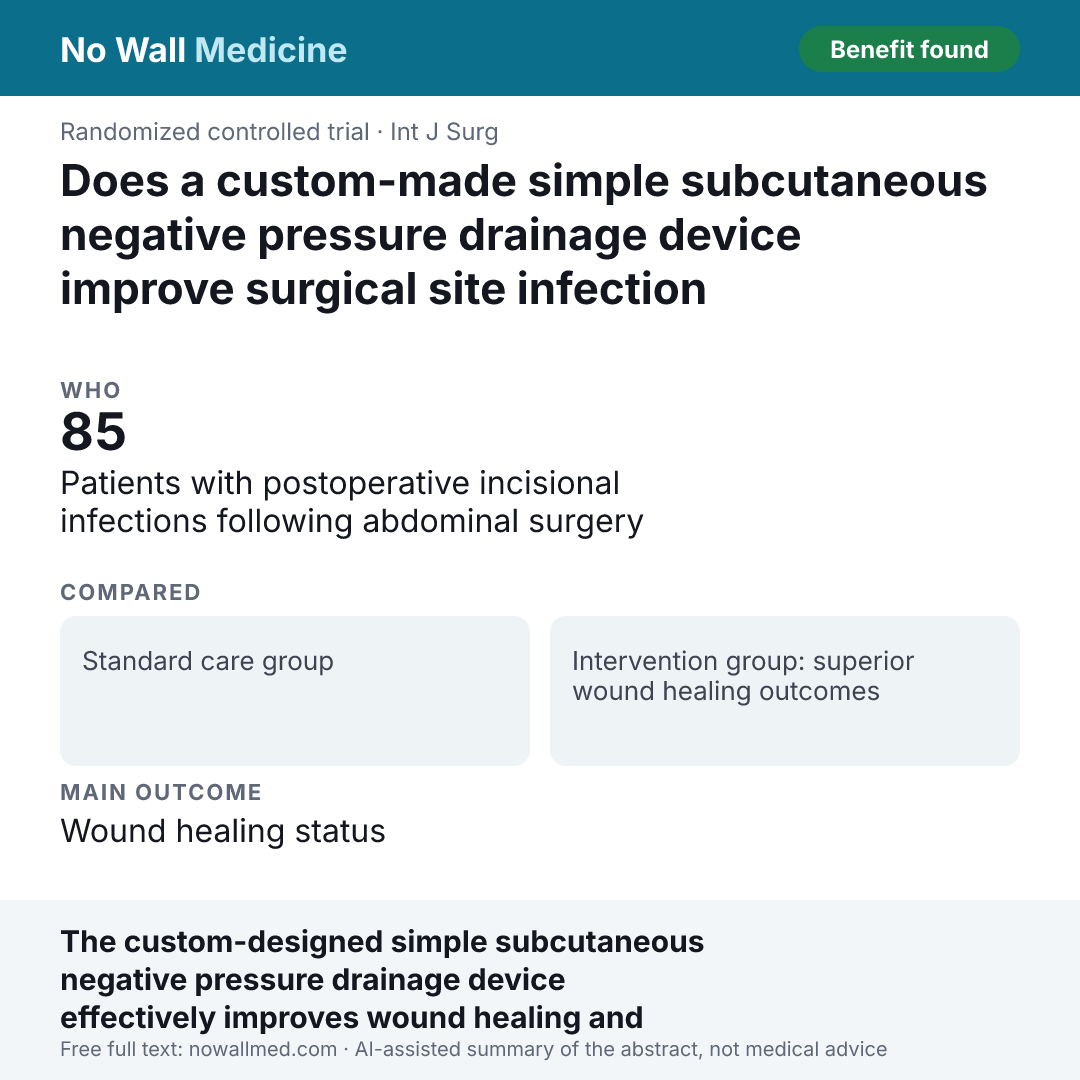
Clinical application of a custom-made simple subcutaneous negative pressure drainage device for the treatment of SSI after abdominal surgery: a randomized controlled trial
Randomized controlled trialBenefit found
Does a custom-made simple subcutaneous negative pressure drainage device improve surgical site infection treatment?
Who
85
Patients with postoperative incisional infections following abdominal surgery
Compared
Standard care group
Intervention group: superior wound healing outcomes
Main outcome
Wound healing status
Bottom line: The custom-designed simple subcutaneous negative pressure drainage device effectively improves wound healing and reduces costs and hospital stays.
Int J Surg · 2025-10-06 · Save PNG
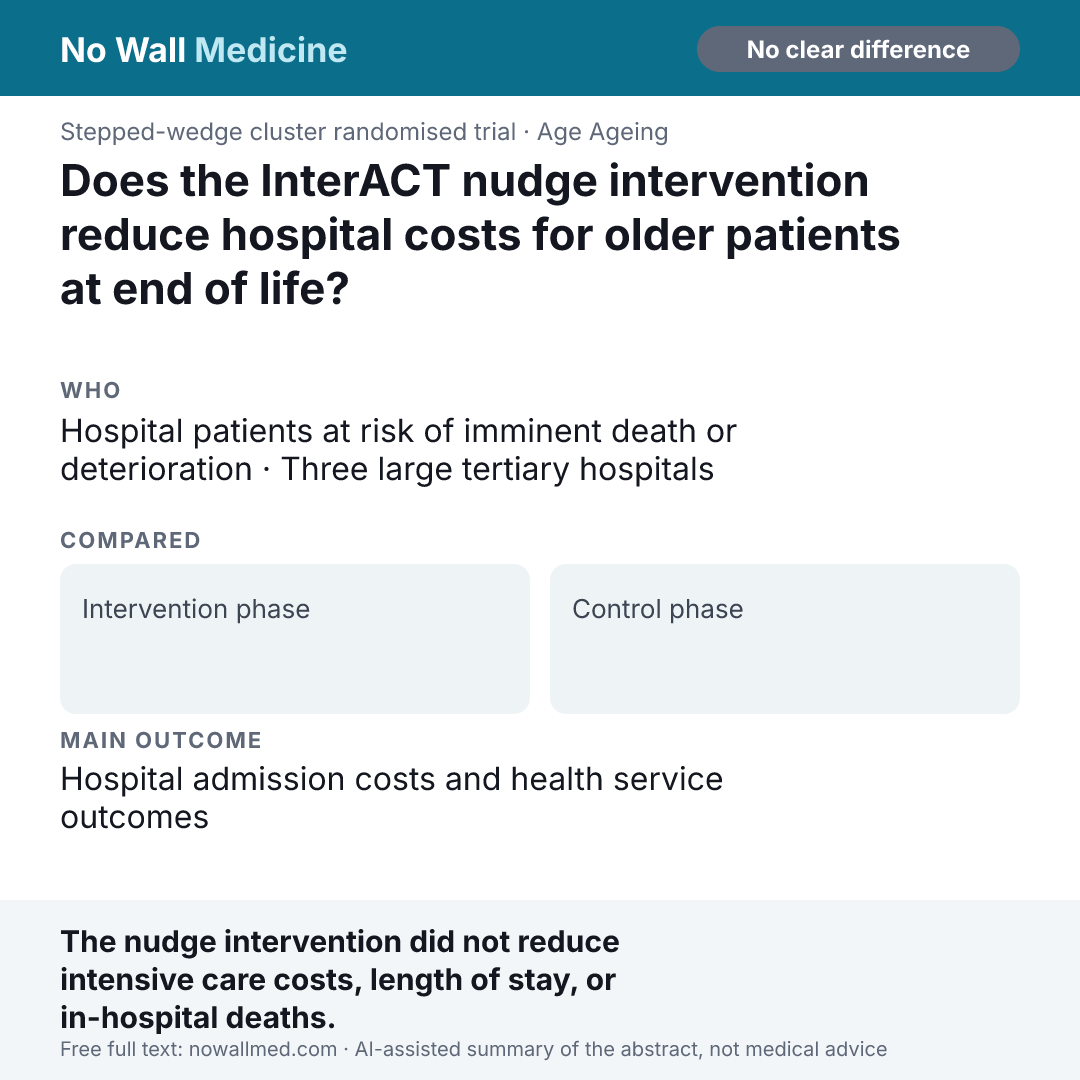
A cost-consequence analysis of a nudge intervention to improve hospital care of older people at the end of life: results from a stepped-wedge cluster randomised trial
Stepped-wedge cluster randomised trialNo clear difference
Does the InterACT nudge intervention reduce hospital costs for older patients at end of life?
Who
Hospital patients at risk of imminent death or deterioration · Three large tertiary hospitals in Australia
Compared
Intervention phase
Control phase
Main outcome
Hospital admission costs and health service outcomes
Result: 95% CI: -$2264 to $3312
Bottom line: The nudge intervention did not reduce intensive care costs, length of stay, or in-hospital deaths.
Age Ageing · 2025-10-06 · Save PNG
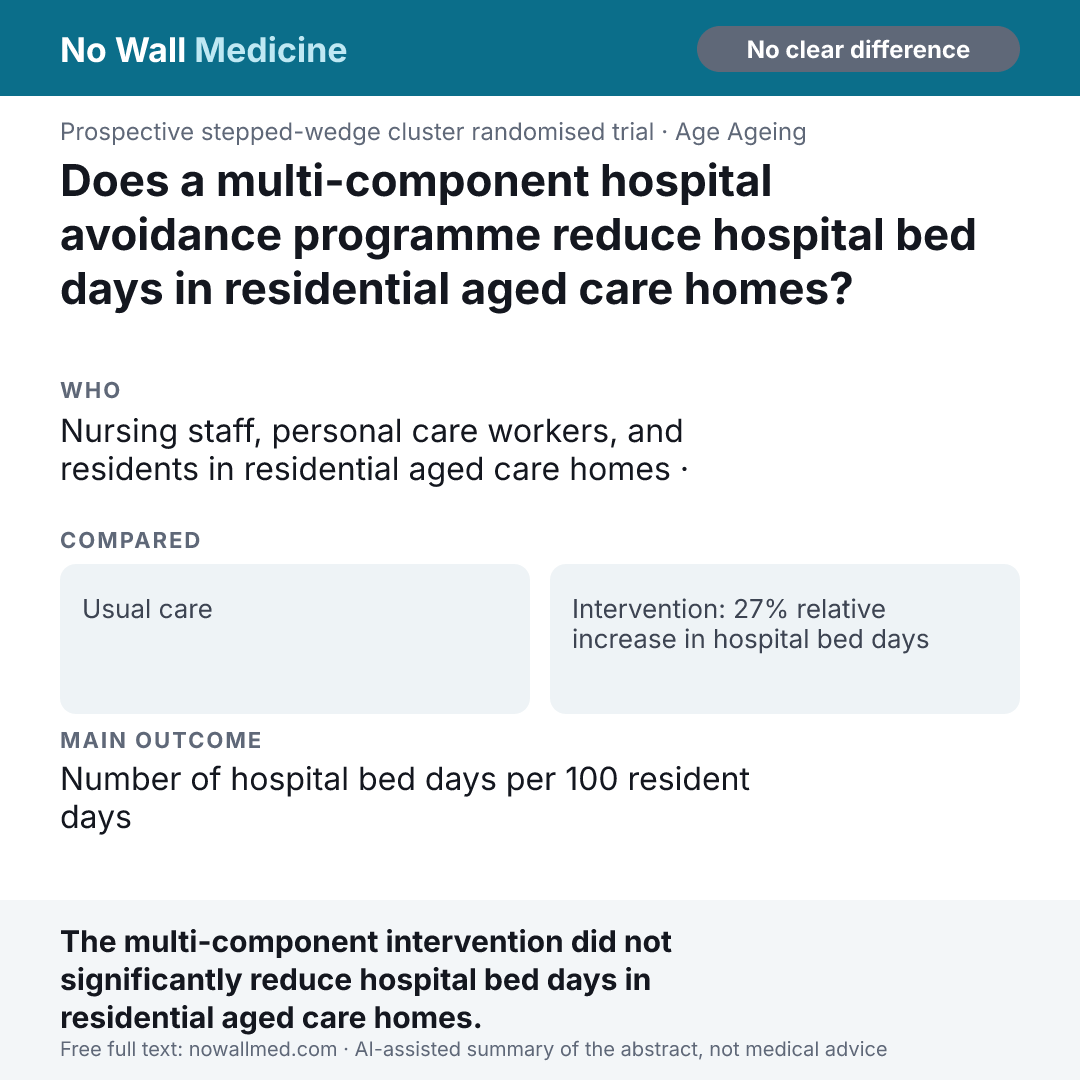
The impact of a multi-component hospital avoidance programme in residential aged care homes: a stepped-wedge cluster randomised trial
Prospective stepped-wedge cluster randomised trialNo clear difference
Does a multi-component hospital avoidance programme reduce hospital bed days in residential aged care homes?
Who
Nursing staff, personal care workers, and residents in residential aged care homes · Eleven residential aged care homes in Queensland, Australia
Compared
Usual care
Intervention: 27% relative increase in hospital bed days
Main outcome
Number of hospital bed days per 100 resident days
Result: Estimate, 95% CI: 1.13, 0.93-1.74
Bottom line: The multi-component intervention did not significantly reduce hospital bed days in residential aged care homes.
Age Ageing · 2025-10-06 · Save PNG
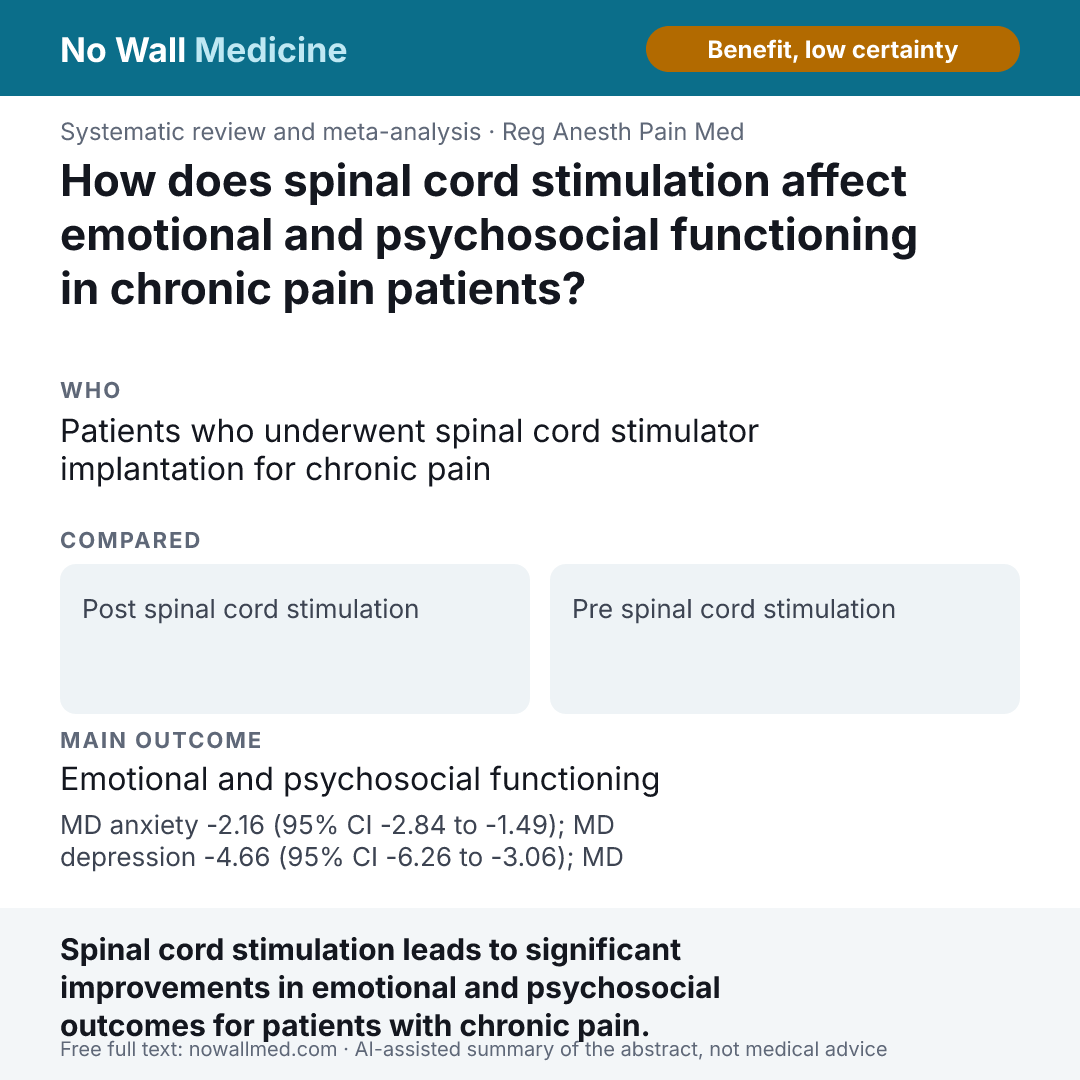
Emotional and psychosocial function after dorsal column spinal cord stimulator implantation: a systematic review and meta-analysis
Systematic review and meta-analysisBenefit, low certainty
How does spinal cord stimulation affect emotional and psychosocial functioning in chronic pain patients?
Who
Patients who underwent spinal cord stimulator implantation for chronic pain
Compared
Post spinal cord stimulation
Pre spinal cord stimulation
Main outcome
Emotional and psychosocial functioning
Result: MD anxiety -2.16 (95% CI -2.84 to -1.49); MD depression -4.66 (95% CI -6.26 to -3.06); MD global functioning 20.30 (95% CI 14.69 to 25.90); MD mental well-being 4.95 (95% CI 3.60 to 6.31); MD pain catastrophizing -12.09 (95% CI -14.94 to -9.23)
Bottom line: Spinal cord stimulation leads to significant improvements in emotional and psychosocial outcomes for patients with chronic pain.
Limitation: Results should be interpreted with caution due to very low certainty of evidence.
Reg Anesth Pain Med · 2025-10-06 · Save PNG