Visual abstracts
New randomized trials and meta-analyses from leading journals at a glance: who was studied, what was compared, and what was found. Every paper is free to read in full.
All specialtiesCardiology 441Oncology 368Gastroenterology & Hepatology 176Infectious Disease 358Neurology 207Psychiatry & Mental Health 304Pulmonology 202Critical Care 144Endocrinology & Diabetes 282Pediatrics 218Surgery 156Orthopedics & Sports Medicine 92Neurosurgery 28Cardiothoracic & Vascular Surgery 53Plastic & Reconstructive Surgery 91Nephrology 88Rheumatology 89Hematology 111Dermatology 46Ophthalmology 83Obstetrics & Gynecology 139Public & Global Health 140Radiology & Imaging 41Anesthesiology 88Urology 105ENT (Otolaryngology) 59Emergency Medicine 45Allergy & Immunology 53Geriatrics 127Family Medicine & Primary Care 77Medical Genetics & Genomics 43Pathology & Laboratory Medicine 6Physical Medicine & Rehabilitation 117Palliative Care 67Nutrition 158Digital Health & AI 392General Medicine 55
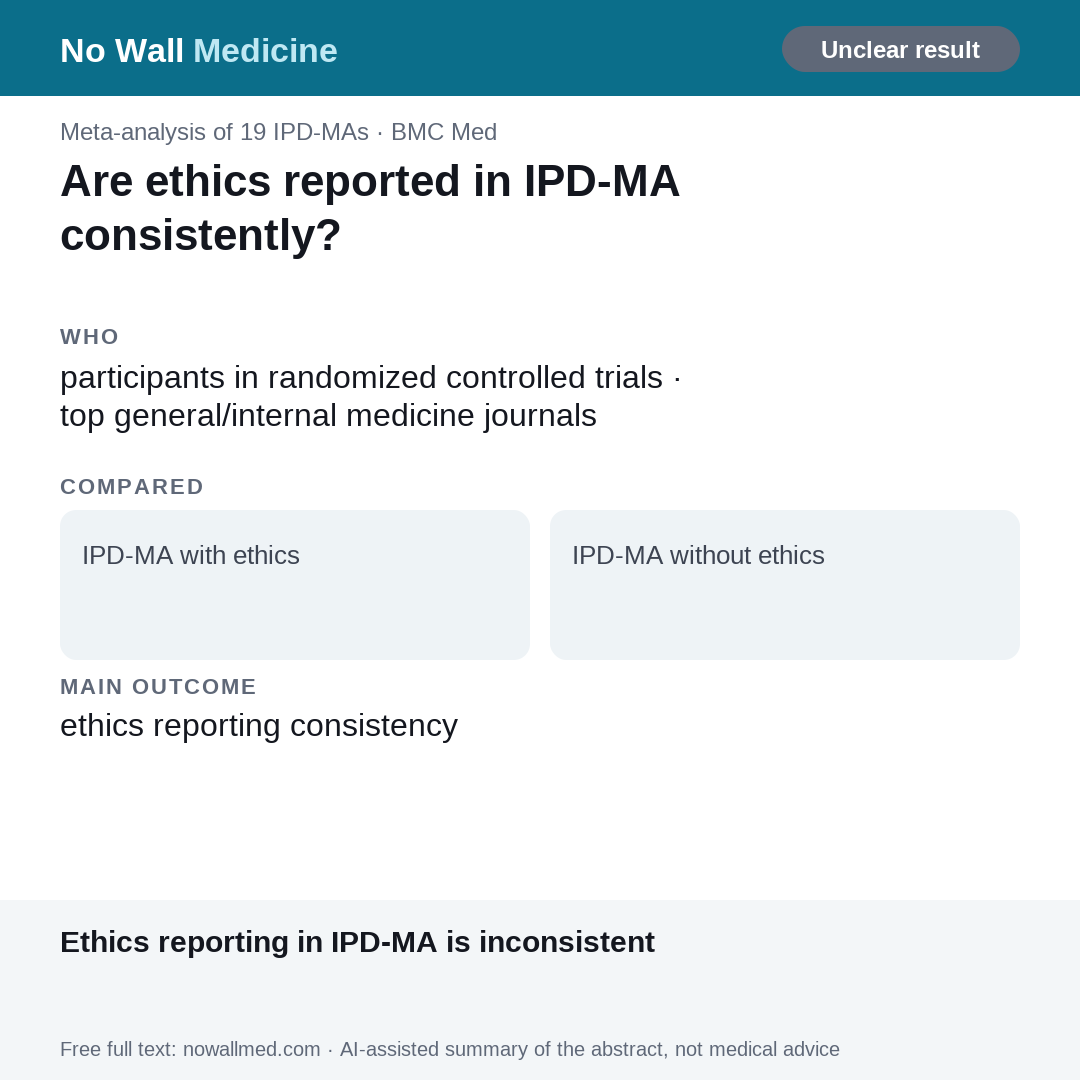
Inconsistent ethics reporting in individual participant data meta-analyses: a call for updating PRISMA and PRISMA-IPD
Meta-analysis of 19 IPD-MAsUnclear result
Are ethics reported in IPD-MA consistently?
Who
participants in randomized controlled trials · top general/internal medicine journals
Compared
IPD-MA with ethics
IPD-MA without ethics
Main outcome
ethics reporting consistency
Bottom line: Ethics reporting in IPD-MA is inconsistent
BMC Med · 2026-07-14Download image
Harmonized Metagenomic Signatures of the Gut Microbiome Reveal Robust Species, Functions, and Strain Links to Inflammatory Bowel Disease
Meta-analysis of 2371 stool metagenomesMixed results
What are the metagenomic signatures of the gut microbiome in inflammatory bowel disease?
Who
2371
542 individuals with inflammatory bowel disease and referent counterparts · United States, Canada, and Europe
Compared
Inflammatory bowel disease
Referent counterparts
Main outcome
Taxonomic, functional, and strain profiling of gut metagenomes
Bottom line: Inflammatory bowel disease is linked to specific microbial species, functions, and strain-level genetic variations.
Gastroenterology · 2026-07-14Download image

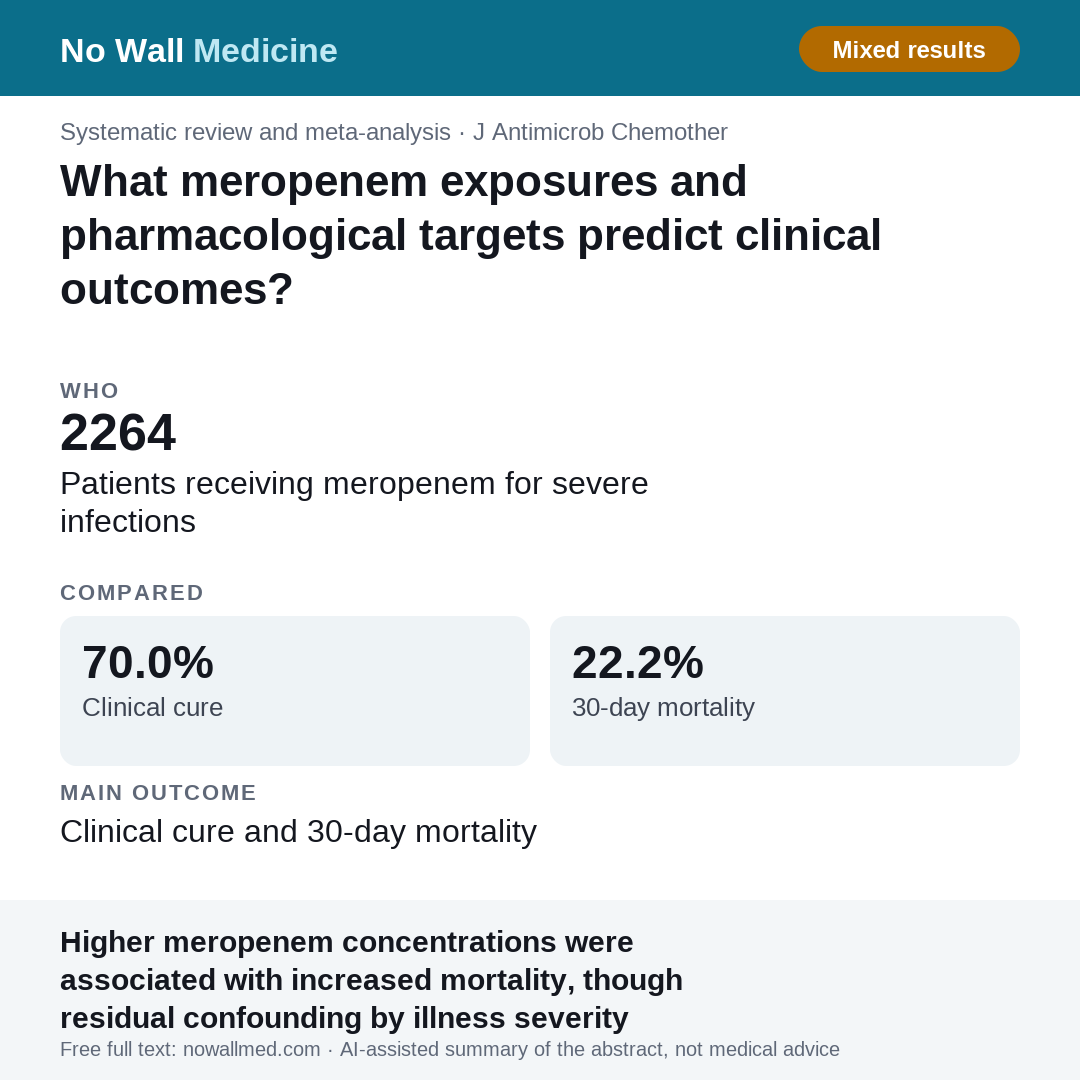
Systematic review and meta-analysis to identify meropenem exposures and pharmacological targets predictive of clinical outcomes
Systematic review and meta-analysisMixed results
What meropenem exposures and pharmacological targets predict clinical outcomes?
Who
2264
Patients receiving meropenem for severe infections
Compared
70.0%Clinical cure
22.2%30-day mortality
Main outcome
Clinical cure and 30-day mortality
Result: OR 1.064 per mg/L (95% CI 1.008-1.124) for mortality
Bottom line: Higher meropenem concentrations were associated with increased mortality, though residual confounding by illness severity could not be excluded.
Limitation: Most studies had a high risk of bias and residual confounding by illness severity could not be excluded.
J Antimicrob Chemother · 2026-07-14Download image
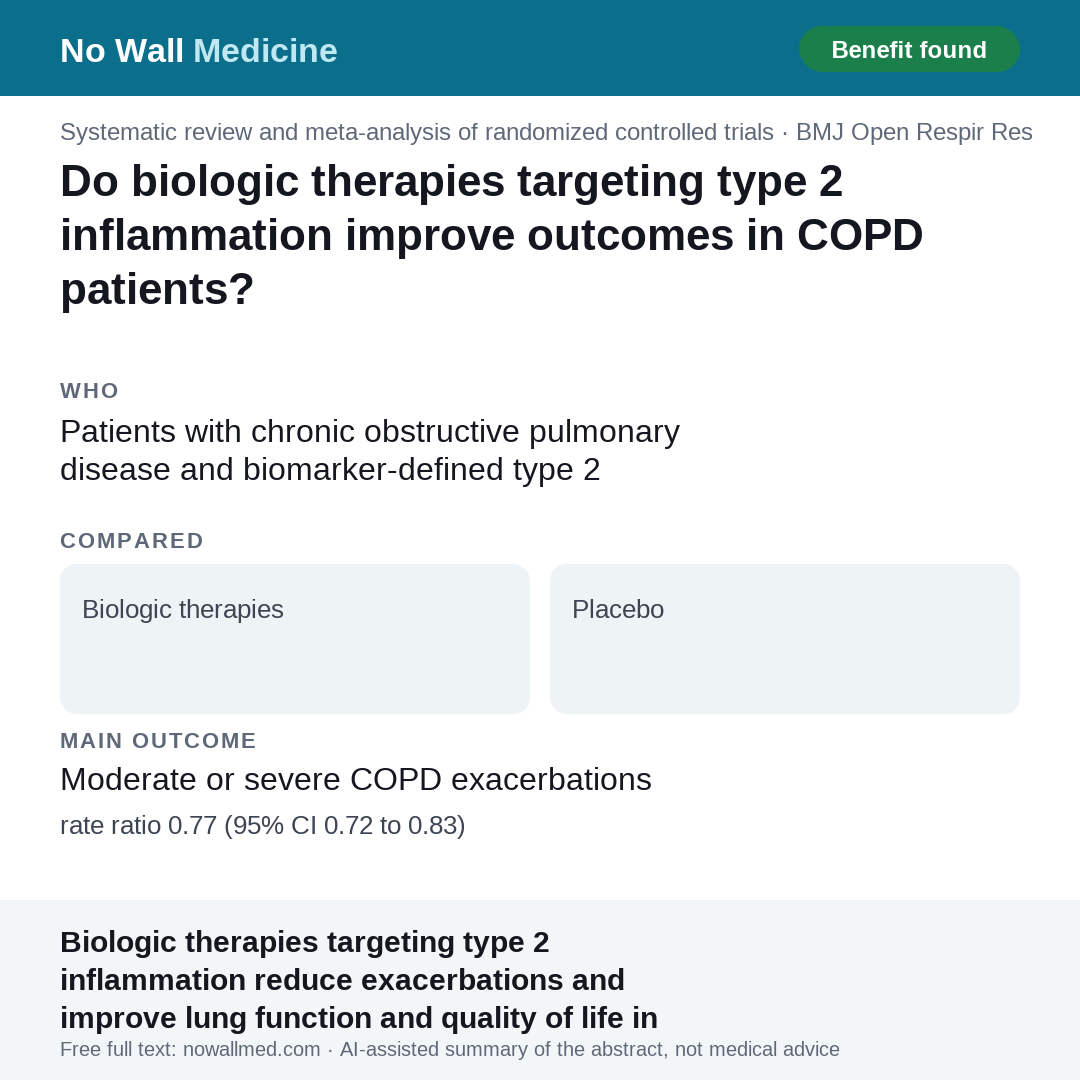
Biologic therapies targeting type 2 inflammation in chronic obstructive pulmonary disease: a systematic review and meta-analysis of randomised controlled trials
Systematic review and meta-analysis of randomized controlled trialsBenefit found
Do biologic therapies targeting type 2 inflammation improve outcomes in COPD patients?
Who
Patients with chronic obstructive pulmonary disease and biomarker-defined type 2 inflammation
Compared
Biologic therapies
Placebo
Main outcome
Moderate or severe COPD exacerbations
Result: rate ratio 0.77 (95% CI 0.72 to 0.83)
Bottom line: Biologic therapies targeting type 2 inflammation reduce exacerbations and improve lung function and quality of life in certain COPD patients.
Limitation: Variations in patient selection and type 2 enrichment strategies make direct comparisons challenging.
BMJ Open Respir Res · 2026-07-14Download image
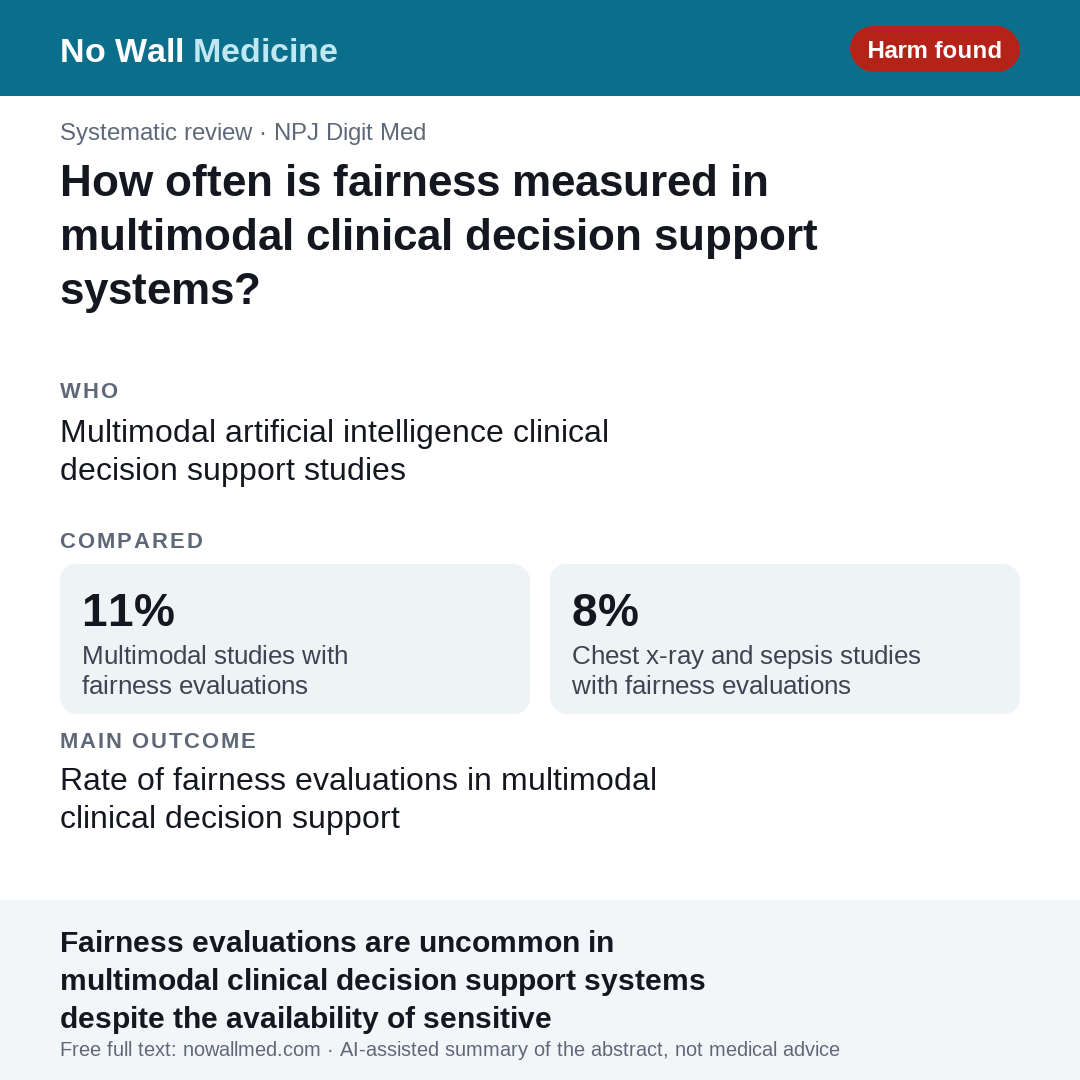
Fairness in multimodal machine learning applications in clinical decision support: a systematic review
Systematic reviewHarm found
How often is fairness measured in multimodal clinical decision support systems?
Who
Multimodal artificial intelligence clinical decision support studies
Compared
11%Multimodal studies with fairness evaluations (18/160)
8%Chest x-ray and sepsis studies with fairness evaluations (7 of 88)
Main outcome
Rate of fairness evaluations in multimodal clinical decision support
Bottom line: Fairness evaluations are uncommon in multimodal clinical decision support systems despite the availability of sensitive attribute data.
NPJ Digit Med · 2026-07-14Download image
Barriers to interventional pain management in patients with cancer: a systematic review
Systematic reviewMixed results
What are the barriers to interventional pain management in patients with terminal cancer?
Who
Patients with terminal cancer
Compared
Pain fellows: 51% reported unmet training needs
Hospice providers: 28% felt confident managing intrathecal drug delivery systems
Main outcome
Barriers to interventional pain management interventions
Bottom line: Interventional pain management is underutilized due to patient misconceptions, clinician training gaps, and systemic fragmentation.
BMC Palliat Care · 2026-07-14Download image
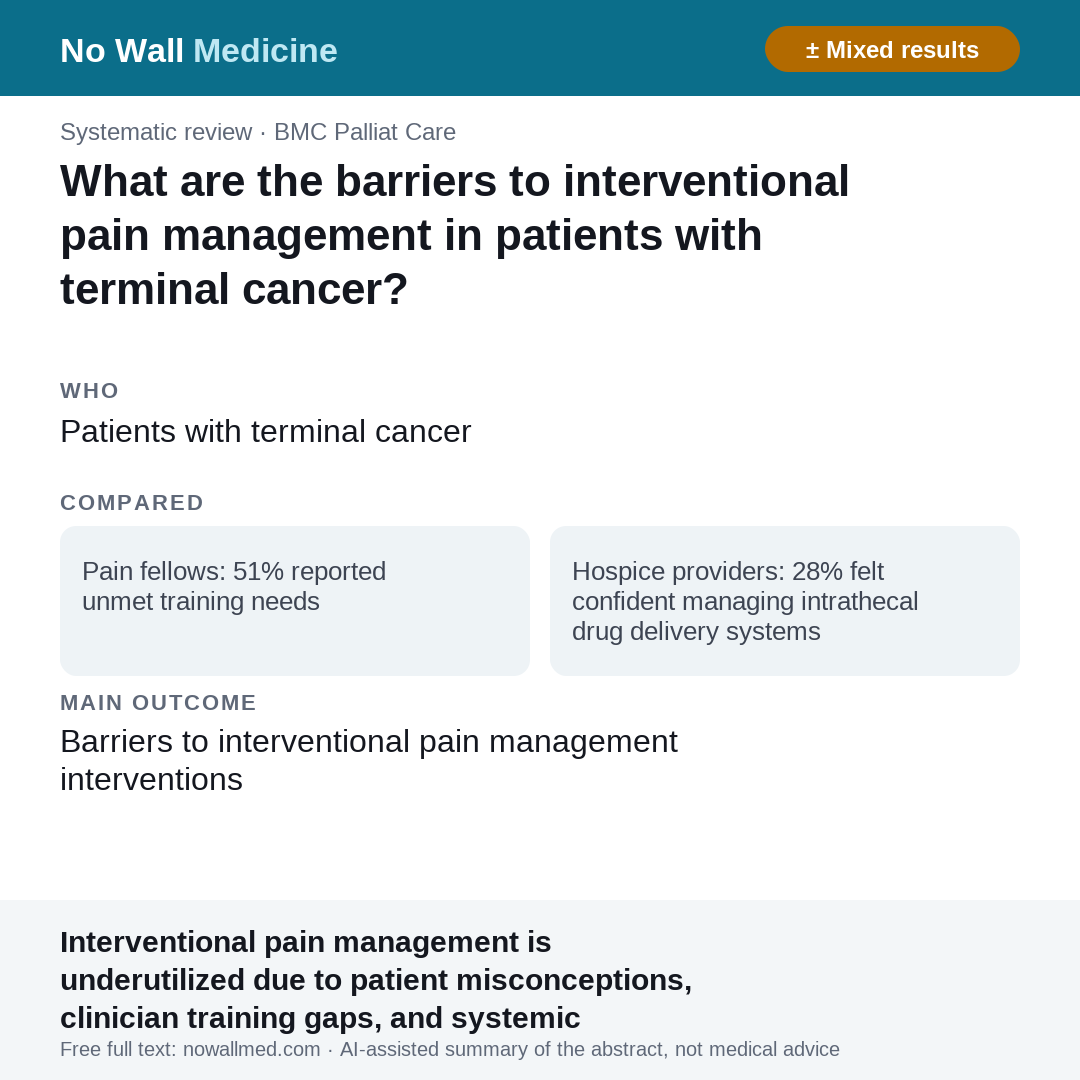
Is Level IIB Dissection Necessary in the Clinically N0 Neck? A Systematic Review and Meta-Analysis in Head and Neck Squamous Cell Carcinoma
Systematic review and meta-analysisBenefit found
Is level IIB dissection necessary in clinically node-negative head and neck squamous cell carcinoma?
Who
Adult patients with clinically node-negative laryngeal, oral cavity, oropharyngeal, or hypopharyngeal squamous cell carcinoma
Compared
1.7%Laryngeal squamous cell carcinoma
1.2%Oral cavity squamous cell carcinoma
2.6%Oropharyngeal squamous cell carcinoma
2.5%Hypopharyngeal squamous cell carcinoma
Main outcome
Prevalence of level IIB metastasis by tumor subsite
Bottom line: Level IIB dissection may not be necessary in selected low-risk patients due to consistently low metastasis prevalence.
Head Neck · 2026-07-13Download image
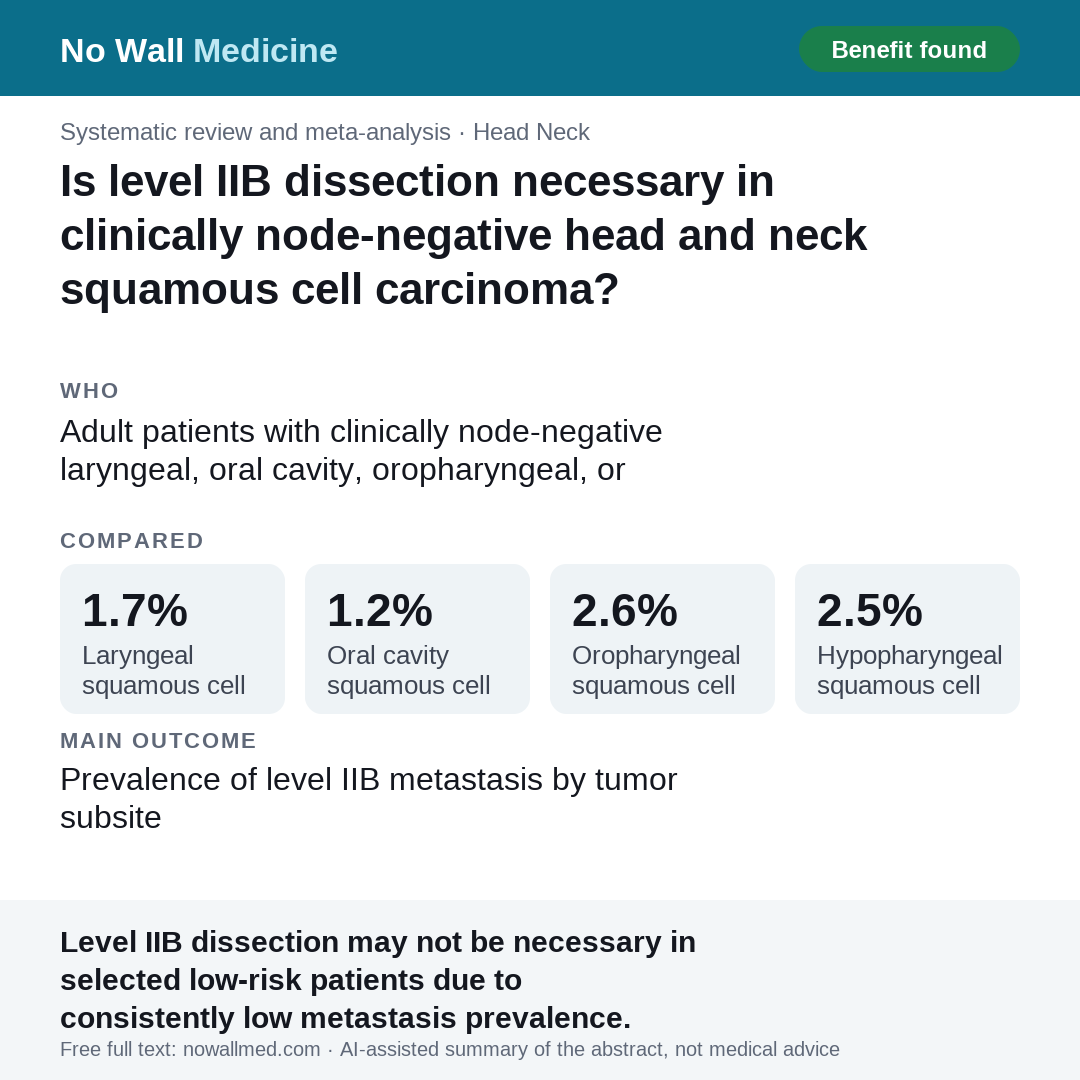
Modern Management of Asymptomatic Carotid Stenosis: A Meta-Analysis of CREST-2, SPACE-2, and ECST-2
Meta-analysis of 3 randomized controlled trialsUnclear result
Does carotid revascularization reduce long-term ipsilateral stroke compared to medical therapy alone?
Who
3438
Patients with asymptomatic carotid stenosis
Compared
Carotid revascularization
Contemporary medical therapy alone
Main outcome
long-term ipsilateral stroke excluding periprocedural events
Result: RR 0.51 (95% CI 0.21-1.29)
Bottom line: Revascularization may reduce long-term stroke but increases periprocedural complications in purely asymptomatic populations.
Limitation: The primary pooled analysis was inconclusive and demonstrated substantial heterogeneity.
Ann Clin Transl Neurol · 2026-07-13Download image
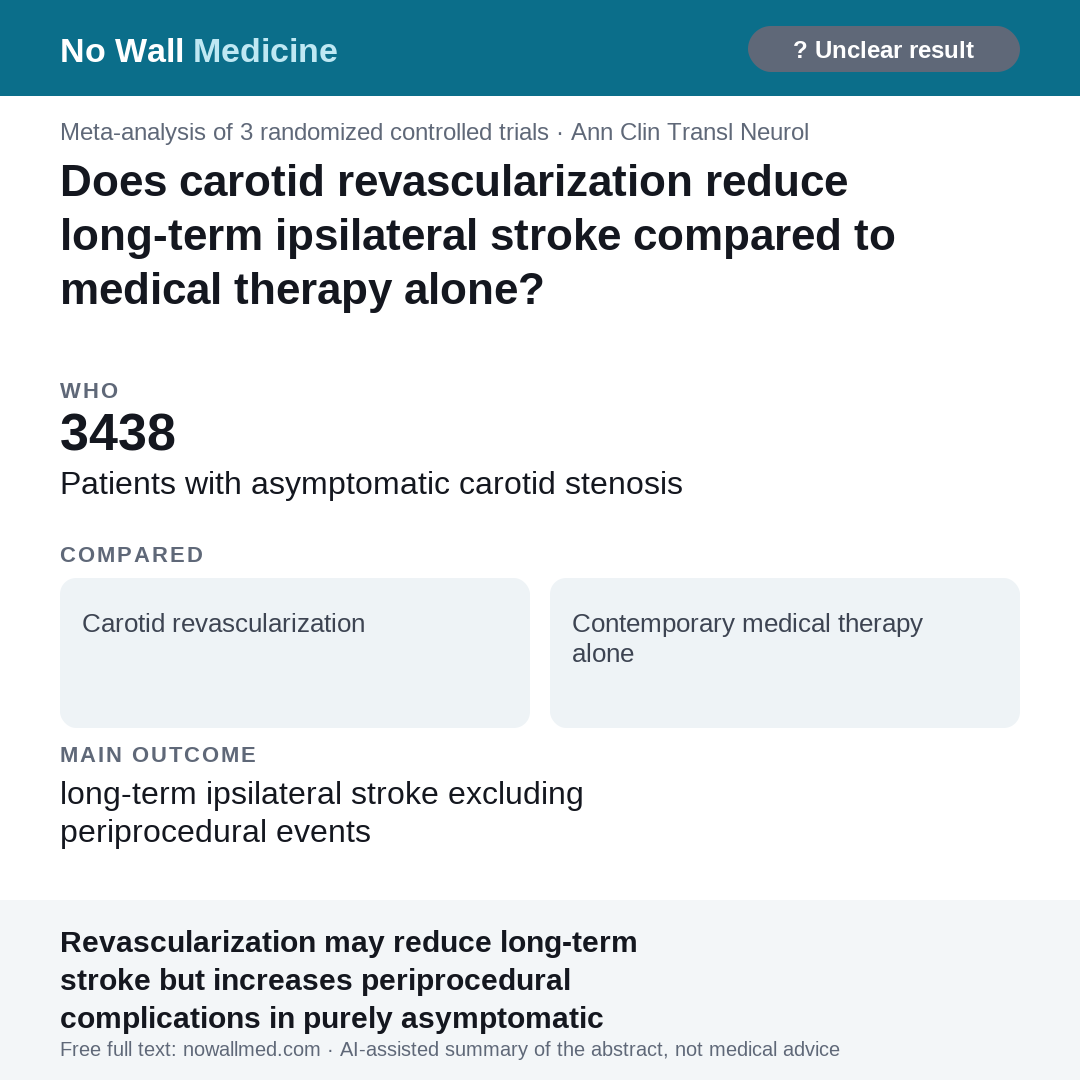
The Use of Intermittent Pneumatic Compression in Orthopaedic Surgery: An Umbrella Review and Meta-Analysis
Umbrella review and meta-analysisBenefit found
Is intermittent pneumatic compression effective for preventing venous thromboembolism in orthopaedic surgery?
Who
Patients undergoing orthopaedic surgery
Compared
Intermittent pneumatic compression
No prophylaxis, chemoprophylaxis, or combination
Main outcome
Venous thromboembolism and bleeding complications
Result: odds ratio 0.40 for all deep vein thrombosis
Bottom line: Intermittent pneumatic compression reduces deep vein thrombosis, pulmonary embolism, and bleeding complications in orthopaedic surgery patients.
Limitation: Heterogeneity in existing evidence and methodological limitations.
JBJS Open Access · 2026-07-13Download image
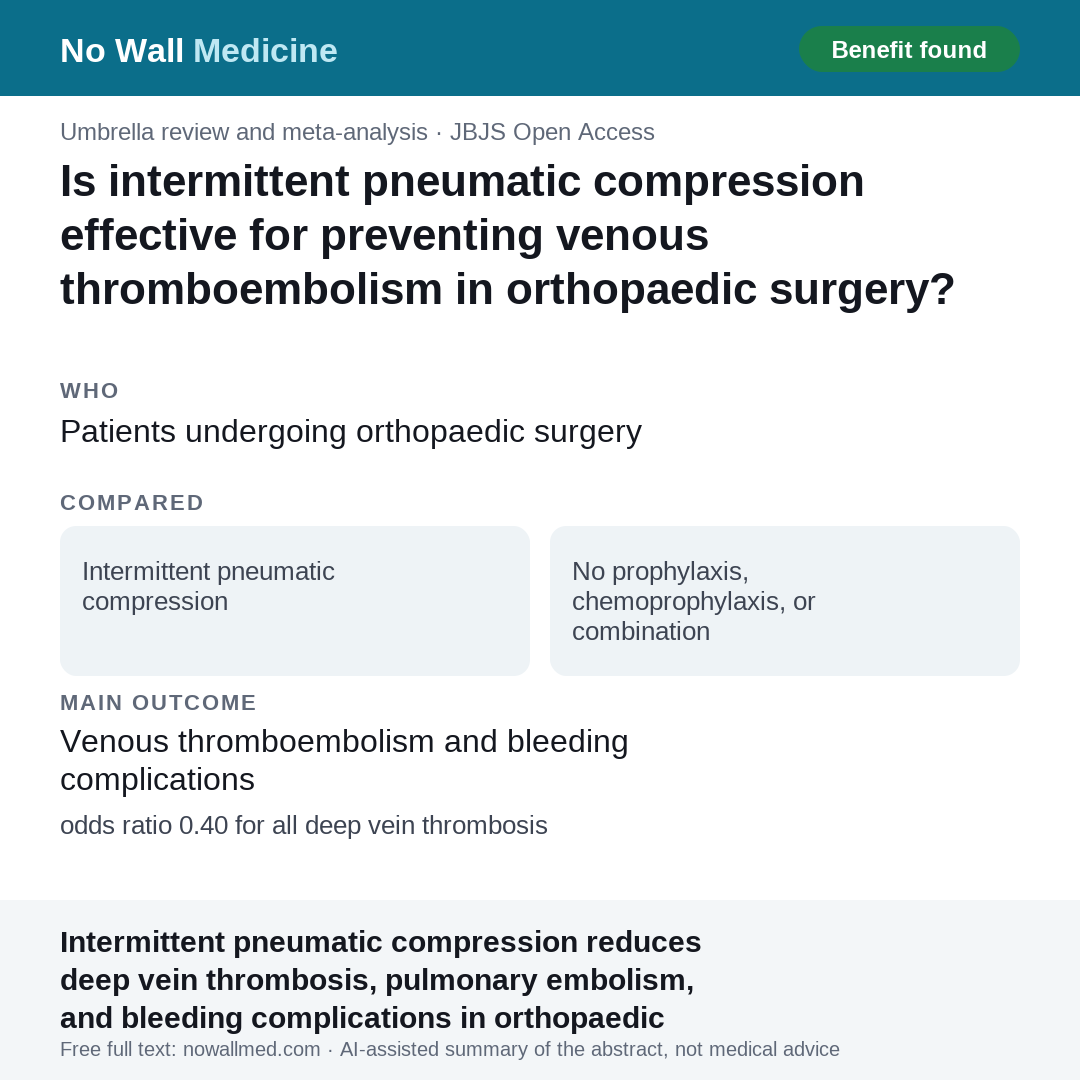
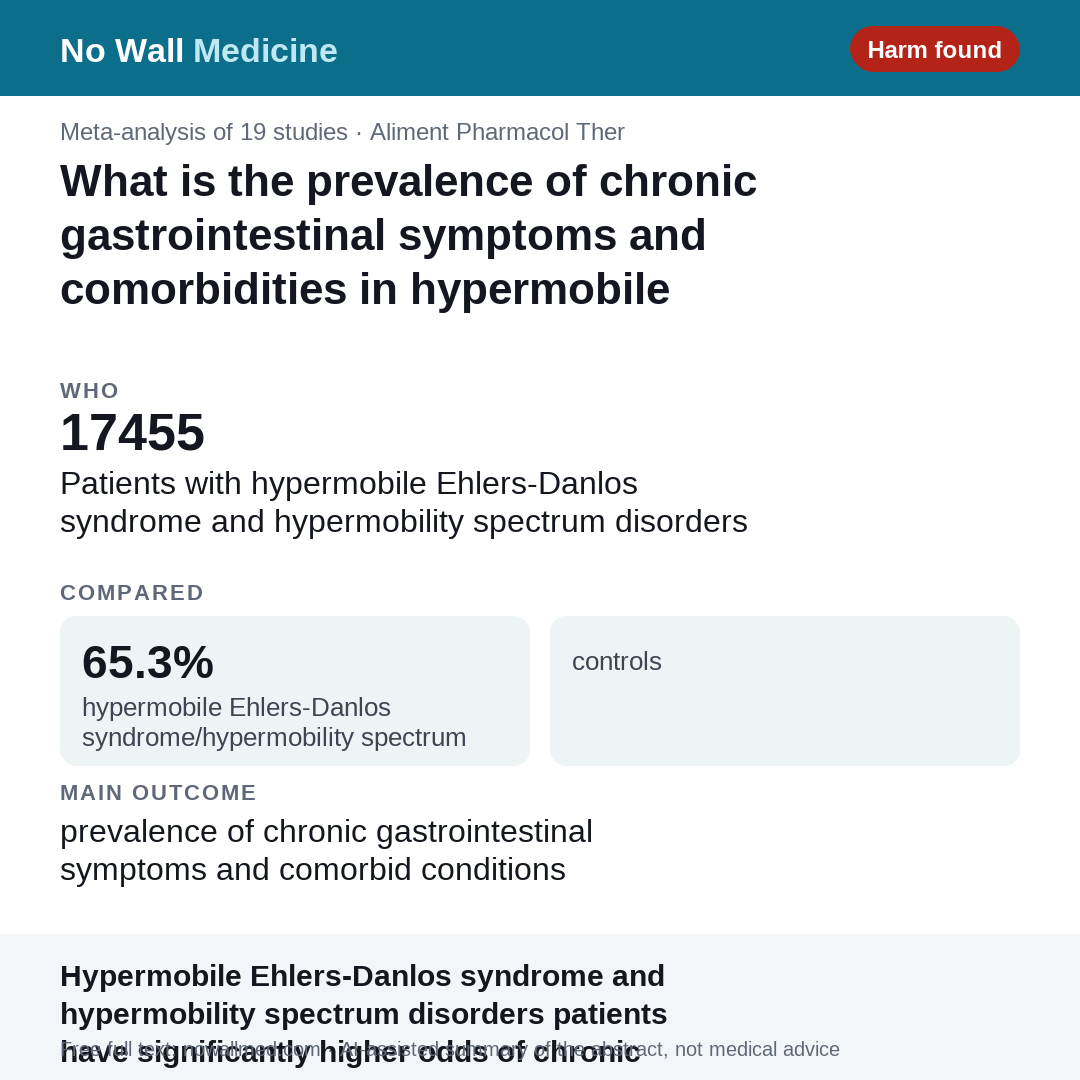
Meta-Analysis: Chronic Gastrointestinal Symptoms and Comorbidities in Hypermobile Ehlers-Danlos Syndrome and Hypermobility Spectrum Disorders
Meta-analysis of 19 studiesHarm found
What is the prevalence of chronic gastrointestinal symptoms and comorbidities in hypermobile Ehlers-Danlos syndrome?
Who
17455
Patients with hypermobile Ehlers-Danlos syndrome and hypermobility spectrum disorders
Compared
65.3%hypermobile Ehlers-Danlos syndrome/hypermobility spectrum disorders (95% CI 51.4-77.0)
controls
Main outcome
prevalence of chronic gastrointestinal symptoms and comorbid conditions
Result: odds ratio 4.29 (95% CI 3.1-6.0)
Bottom line: Hypermobile Ehlers-Danlos syndrome and hypermobility spectrum disorders patients have significantly higher odds of chronic gastrointestinal symptoms.
Limitation: The quality of evidence is low due to significant clinical heterogeneity.
Aliment Pharmacol Ther · 2026-07-12Download image
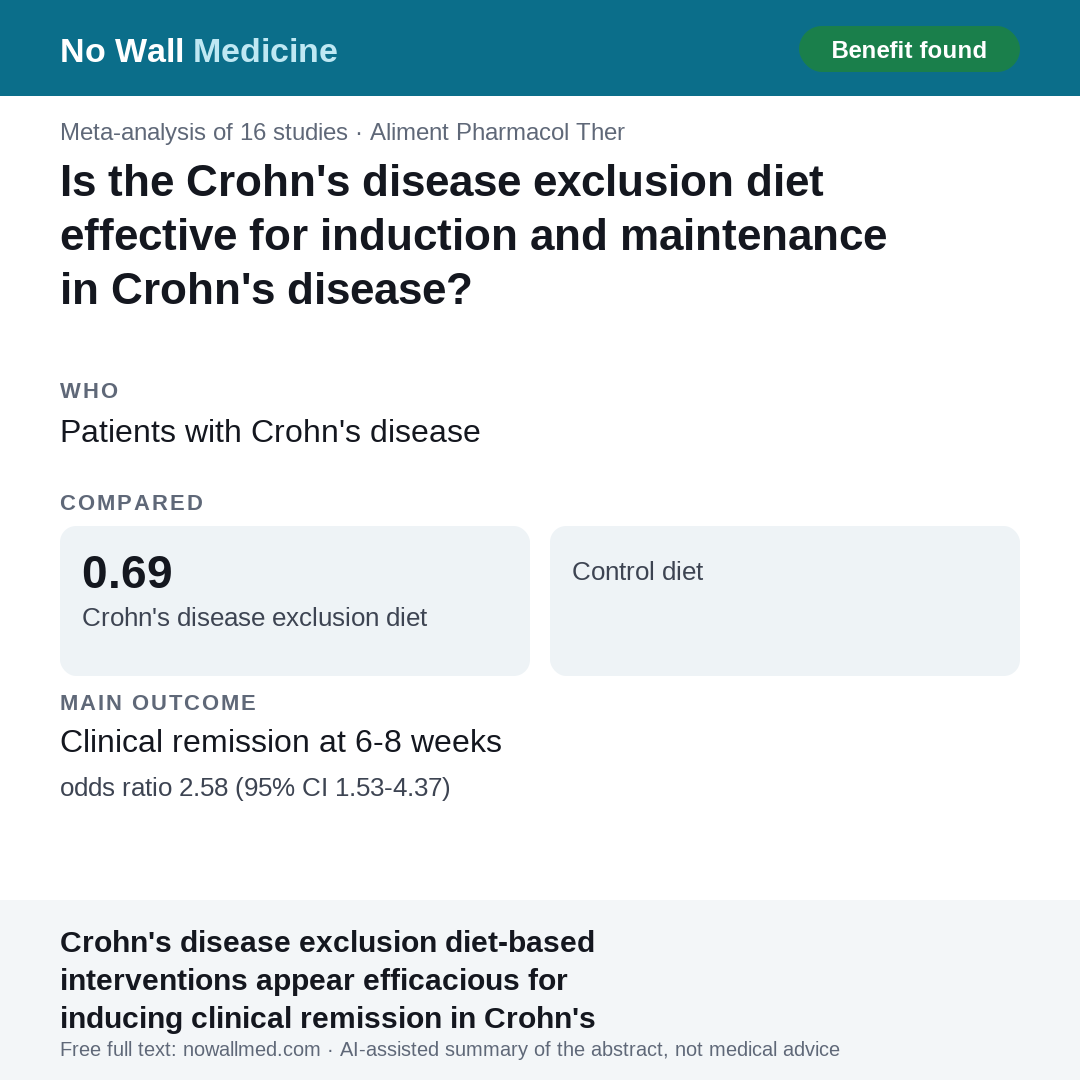
Meta-Analysis: Crohn's Disease Exclusion Diet for Induction and Maintenance in Crohn's Disease
Meta-analysis of 16 studiesBenefit found
Is the Crohn's disease exclusion diet effective for induction and maintenance in Crohn's disease?
Who
Patients with Crohn's disease
Compared
0.69Crohn's disease exclusion diet (95% CI: 0.65-0.74)
Control diet
Main outcome
Clinical remission at 6-8 weeks
Result: odds ratio 2.58 (95% CI 1.53-4.37)
Bottom line: Crohn's disease exclusion diet-based interventions appear efficacious for inducing clinical remission in Crohn's disease.
Limitation: Only limited data were available regarding biochemical, endoscopic, transmural and histological outcomes.
Aliment Pharmacol Ther · 2026-07-12Download image
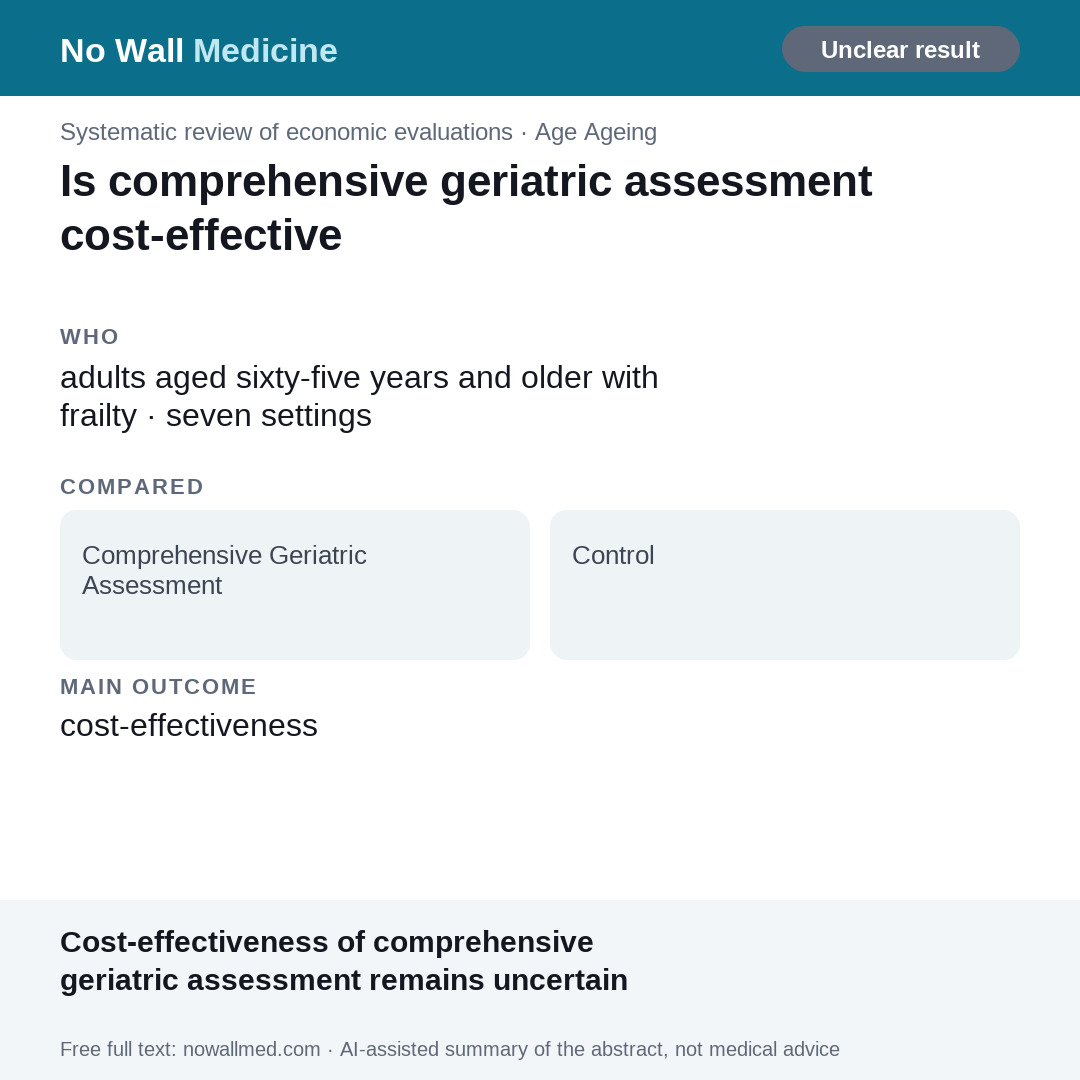
Cost-effectiveness of comprehensive geriatric assessment: systematic review of economic evaluations
Systematic review of economic evaluationsUnclear result
Is comprehensive geriatric assessment cost-effective
Who
adults aged sixty-five years and older with frailty · seven settings
Compared
Comprehensive Geriatric Assessment
Control
Main outcome
cost-effectiveness
Bottom line: Cost-effectiveness of comprehensive geriatric assessment remains uncertain
Age Ageing · 2026-07-12Download image
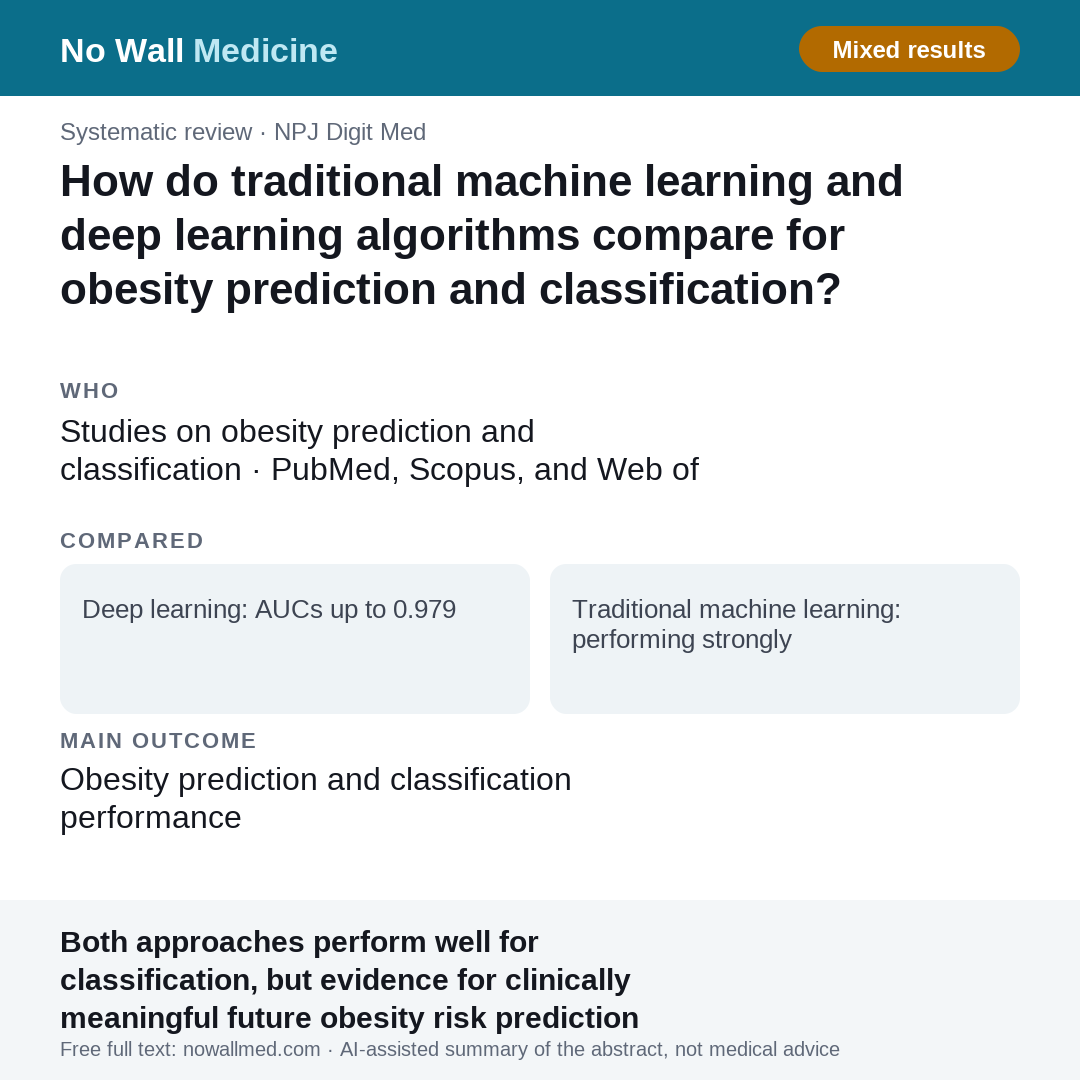
Applications of traditional machine learning and deep learning algorithms in obesity prediction or classification: a systematic review of comparative performance
Systematic reviewMixed results
How do traditional machine learning and deep learning algorithms compare for obesity prediction and classification?
Who
Studies on obesity prediction and classification · PubMed, Scopus, and Web of Science
Compared
Deep learning: AUCs up to 0.979
Traditional machine learning: performing strongly
Main outcome
Obesity prediction and classification performance
Bottom line: Both approaches perform well for classification, but evidence for clinically meaningful future obesity risk prediction remains limited.
Limitation: Limited external validation, limited calibration reporting, and potential circular predictor-outcome relationships.
NPJ Digit Med · 2026-07-11Download image
Cancer risk of Janus kinase inhibitors and other advanced therapies in immune-mediated inflammatory diseases: a systematic review and Bayesian network meta-analysis of RCTs
Bayesian network meta-analysis of randomized controlled trialsHarm found
What is the cancer risk of Janus kinase inhibitors versus other advanced therapies?
Who
164824
Adults with rheumatoid arthritis, psoriasis, psoriatic arthritis, or inflammatory bowel disease
Compared
Janus kinase inhibitors
Tumour necrosis factor inhibitors
Standard care
Main outcome
Malignancy risk including nonmelanoma skin cancer
Result: incidence rate ratio 1.60 (95% credible interval 1.27-2.02) vs TNFi; 1.85 (95% credible interval 1.38-2.47) vs standard care
Bottom line: Janus kinase inhibitors are associated with higher malignancy risk than tumour necrosis factor inhibitors and standard care across multiple inflammatory diseases.
Ann Rheum Dis · 2026-07-10Download image

Timing of Antiplatelet and Anticoagulant Therapy Resumption Following Gastrointestinal Bleeding: A Systematic Review and Meta-Analysis
Systematic review and meta-analysisMixed results
Does resuming antithrombotic therapy after gastrointestinal bleeding affect risks and benefits?
Who
Patients receiving antithrombotic therapy after gastrointestinal bleeding
Compared
Antiplatelet therapy resumption: hazard ratio 0.70 (95% confidence interval, 0.60-0.83) for major vascular events
Anticoagulant therapy resumption: hazard ratio 0.45 (95% confidence interval, 0.34-0.58) for major vascular events
Main outcome
major vascular events, recurrent gastrointestinal bleeding, and all-cause mortality
Result: hazard ratio 0.39 (95% confidence interval, 0.19-0.78) for early resumption major vascular events
Bottom line: Resuming antithrombotic therapy reduces vascular events and mortality but increases recurrent gastrointestinal bleeding risk.
Clin Gastroenterol Hepatol · 2026-07-10Download image

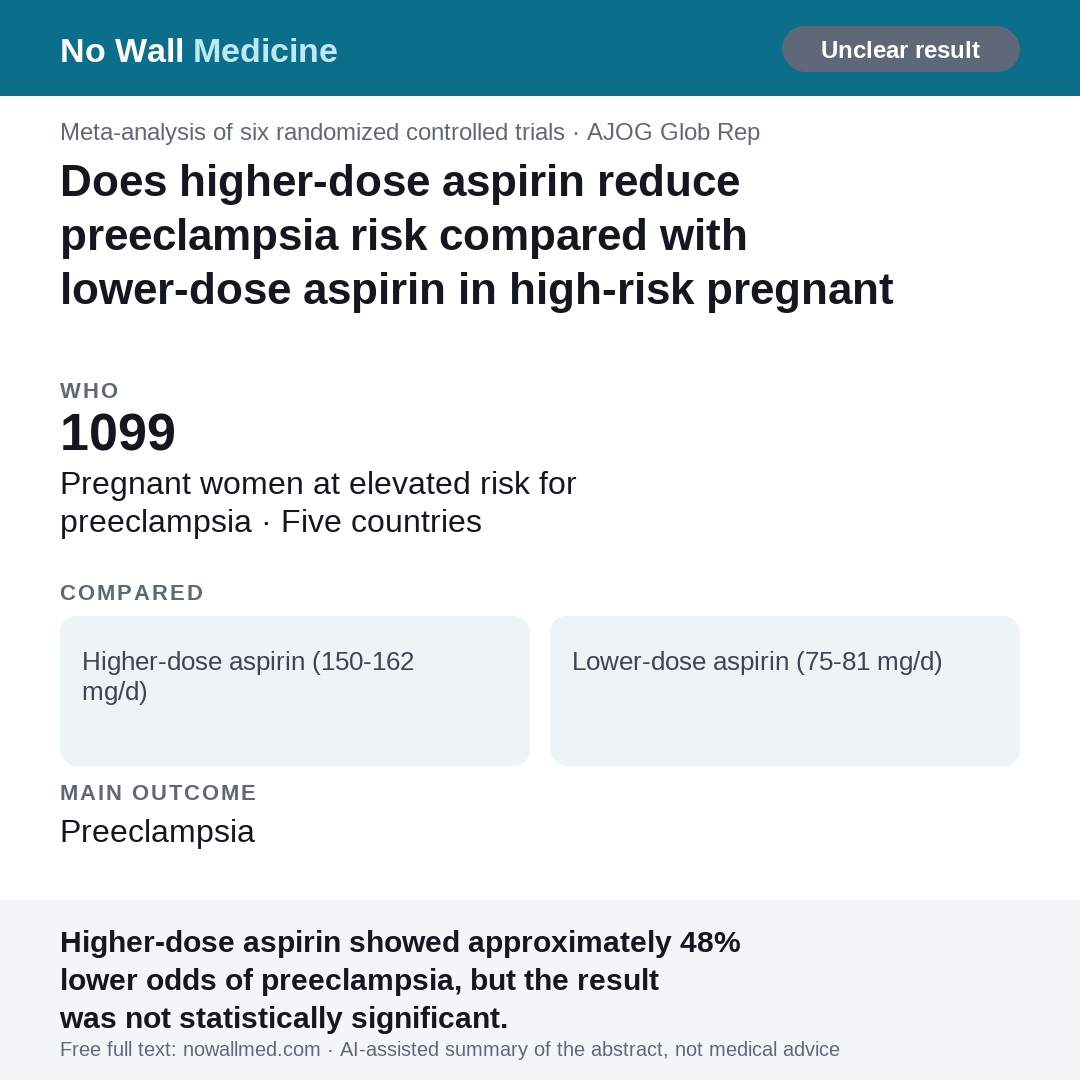
Comparative effectiveness of lower-dose vs higher-dose aspirin for preeclampsia prevention: a systematic review and meta-analysis of randomized controlled trials
Meta-analysis of six randomized controlled trialsUnclear result
Does higher-dose aspirin reduce preeclampsia risk compared with lower-dose aspirin in high-risk pregnant women?
Who
1099
Pregnant women at elevated risk for preeclampsia · Five countries
Compared
Higher-dose aspirin (150-162 mg/d)
Lower-dose aspirin (75-81 mg/d)
Main outcome
Preeclampsia
Result: odds ratio 1.93 (95% CI 0.84-4.42)
Bottom line: Higher-dose aspirin showed approximately 48% lower odds of preeclampsia, but the result was not statistically significant.
Limitation: Limited sample size, substantial between-study heterogeneity, and very low certainty of evidence.
AJOG Glob Rep · 2026-07-10Download image
Artificial Intelligence for Evidence Synthesis of Emerging Biologics to Improve Skeletal Health in Osteogenesis Imperfecta: Systematic Review and Meta-Analysis
Systematic review and meta-analysisMixed results
What is the efficacy and safety of novel biologics in osteogenesis imperfecta?
Who
684
Patients with osteogenesis imperfecta
Compared
25.49%Denosumab in children (95% CI 17.14%-33.84%)
9.38%Setrusumab in adults (95% CI 6.5%-12.26%)
Main outcome
percentage change in areal bone mineral density
Bottom line: Denosumab and setrusumab improve bone mineral density, but no biologic significantly reduced fracture incidence compared to bisphosphonates.
Limitation: Findings should be interpreted cautiously given the small and heterogeneous trial base.
J Med Internet Res · 2026-07-10Download image

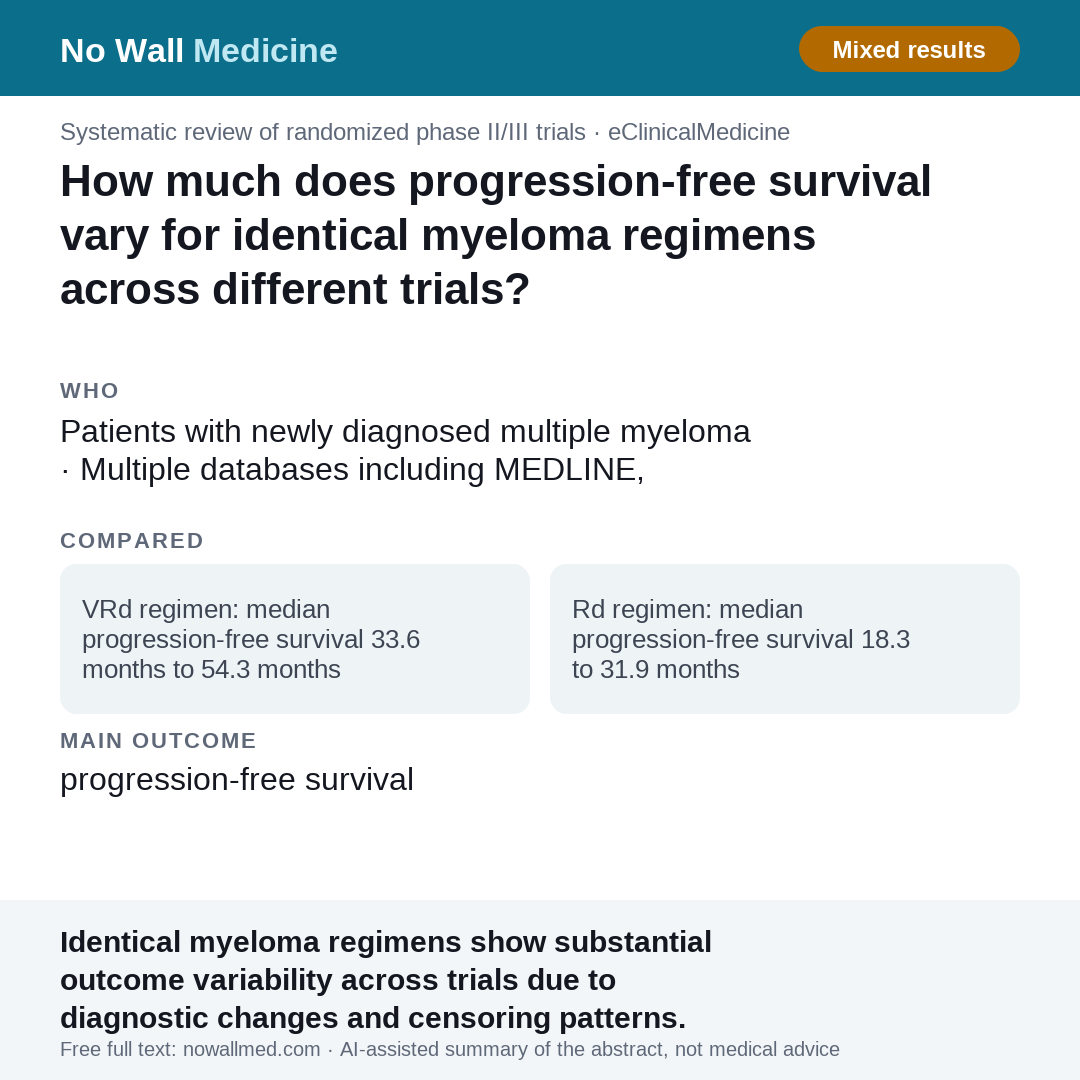
Temporal variability in outcomes of identical regimens across newly diagnosed myeloma trials: a systematic review
Systematic review of randomized phase II/III trialsMixed results
How much does progression-free survival vary for identical myeloma regimens across different trials?
Who
Patients with newly diagnosed multiple myeloma · Multiple databases including MEDLINE, Embase, and Cochrane
Compared
VRd regimen: median progression-free survival 33.6 months to 54.3 months
Rd regimen: median progression-free survival 18.3 to 31.9 months
Main outcome
progression-free survival
Bottom line: Identical myeloma regimens show substantial outcome variability across trials due to diagnostic changes and censoring patterns.
eClinicalMedicine · 2026-07-09Download image
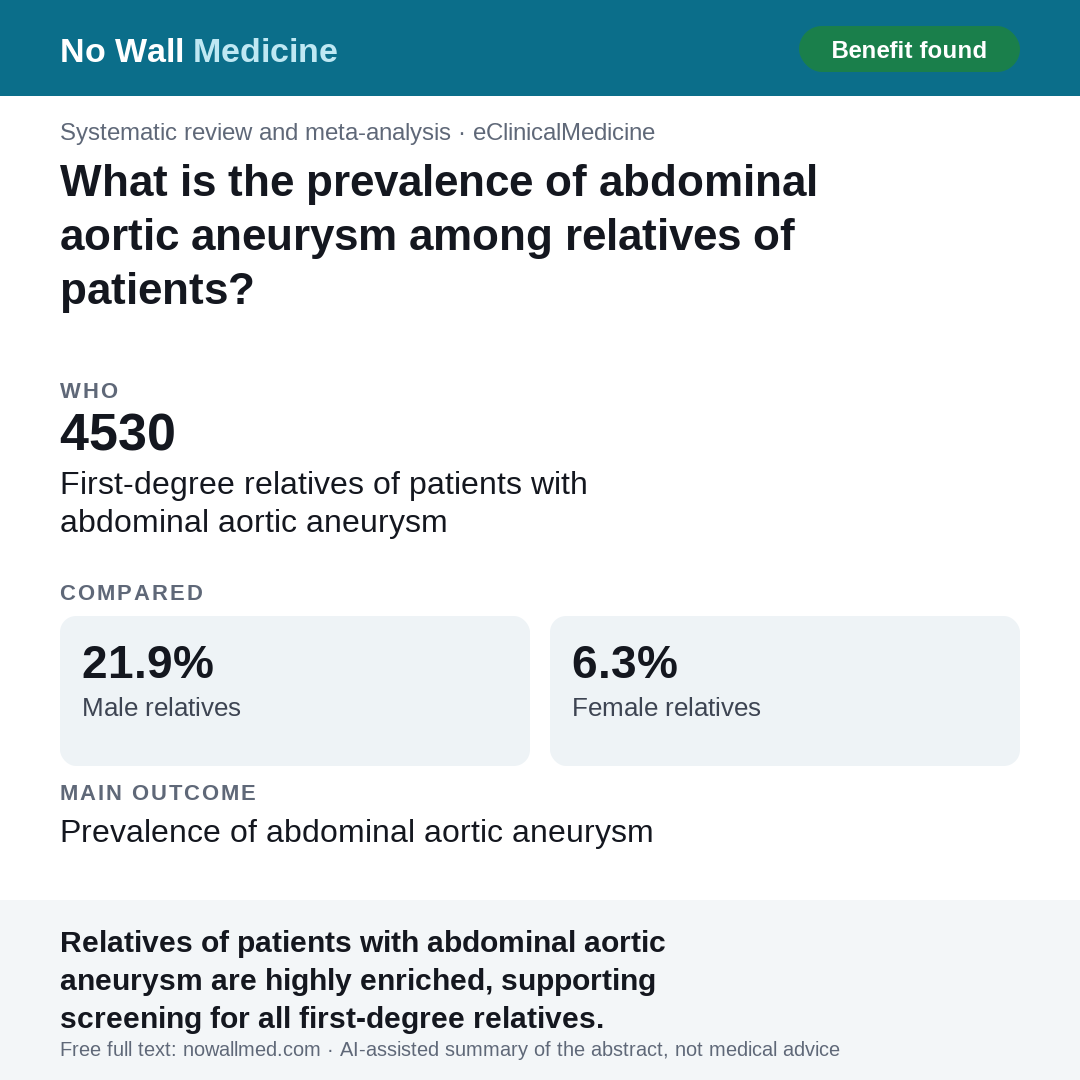
Family screening for abdominal aortic aneurysms: a systematic review and meta-analysis
Systematic review and meta-analysisBenefit found
What is the prevalence of abdominal aortic aneurysm among relatives of patients?
Who
4530
First-degree relatives of patients with abdominal aortic aneurysm
Compared
21.9%Male relatives (95% CI 15.9%-28.6%)
6.3%Female relatives (95% CI 3.6%-9.5%)
Main outcome
Prevalence of abdominal aortic aneurysm
Result: OR 3.69, 95% CI 2.89-4.71
Bottom line: Relatives of patients with abdominal aortic aneurysm are highly enriched, supporting screening for all first-degree relatives.
eClinicalMedicine · 2026-07-09Download image
Efficacy and Safety of Anti-Obesity Medications for Weight Loss Maintenance in Adults With Overweight or Obesity: A Systematic Review and Meta-Analysis of Randomised Controlled Trials
Systematic review and meta-analysis of randomized controlled trialsBenefit found
Are anti-obesity medications effective for long-term weight maintenance in adults?
Who
4915
Adults with overweight or obesity after initial weight loss
Compared
Anti-obesity medications
Placebo
Main outcome
Body weight, waist circumference, and body mass index
Result: body weight WMD: -8.68 kg (95% CI: -13.25 to -4.11)
Bottom line: Anti-obesity medications help prevent weight regain and improve cardiometabolic risk factors during the weight-maintenance phase.
Limitation: Further long-term trials are needed to clarify optimal treatment strategies and safety.
Diabetes Obes Metab · 2026-07-09Download image