Visual abstracts
New randomized trials and meta-analyses from leading journals at a glance: who was studied, what was compared, and what was found. Every paper is free to read in full.
All specialtiesCardiology 4763Oncology 4042Gastroenterology & Hepatology 1902Infectious Disease 3756Neurology 1872Psychiatry & Mental Health 2214Pulmonology 2042Critical Care 1319Endocrinology & Diabetes 2544Pediatrics 2889Surgery 2479Orthopedics & Sports Medicine 917Neurosurgery 525Cardiothoracic & Vascular Surgery 656Plastic & Reconstructive Surgery 574Nephrology 1107Rheumatology 810Hematology 1090Dermatology 611Ophthalmology 532Obstetrics & Gynecology 1645Public & Global Health 1037Radiology & Imaging 617Anesthesiology 957Urology 745ENT (Otolaryngology) 494Emergency Medicine 481Allergy & Immunology 309Geriatrics 972Family Medicine & Primary Care 533Medical Genetics & Genomics 659Pathology & Laboratory Medicine 156Physical Medicine & Rehabilitation 734Palliative Care 421Nutrition 1560Digital Health & AI 2133General Medicine 318
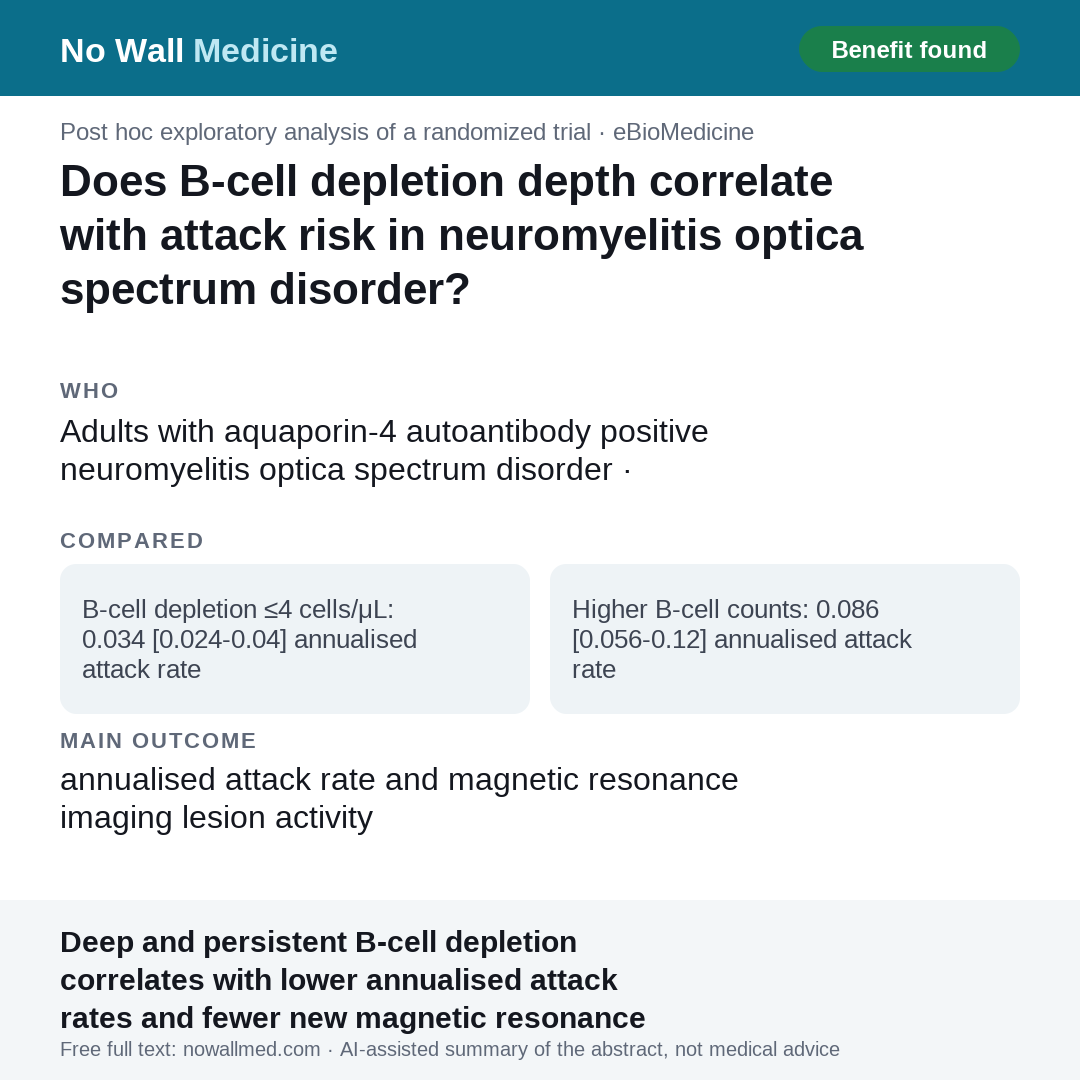
Association between B-cell depletion and attack risk in neuromyelitis optica spectrum disorder: An exploratory analysis from N-MOmentum, a double-blind, randomised, placebo-controlled, multicentre phase 2/3 trial
Post hoc exploratory analysis of a randomized trialBenefit found
Does B-cell depletion depth correlate with attack risk in neuromyelitis optica spectrum disorder?
Who
Adults with aquaporin-4 autoantibody positive neuromyelitis optica spectrum disorder · Multicentre
Compared
B-cell depletion ≤4 cells/μL: 0.034 [0.024-0.04] annualised attack rate
Higher B-cell counts: 0.086 [0.056-0.12] annualised attack rate
Main outcome
annualised attack rate and magnetic resonance imaging lesion activity
Result: estimated rate 0.034 [0.024-0.04] vs 0.086 [0.056-0.12]
Bottom line: Deep and persistent B-cell depletion correlates with lower annualised attack rates and fewer new magnetic resonance imaging lesions.
Funded by: Horizon Therapeutics
eBioMedicine · 2022-11-10Download image
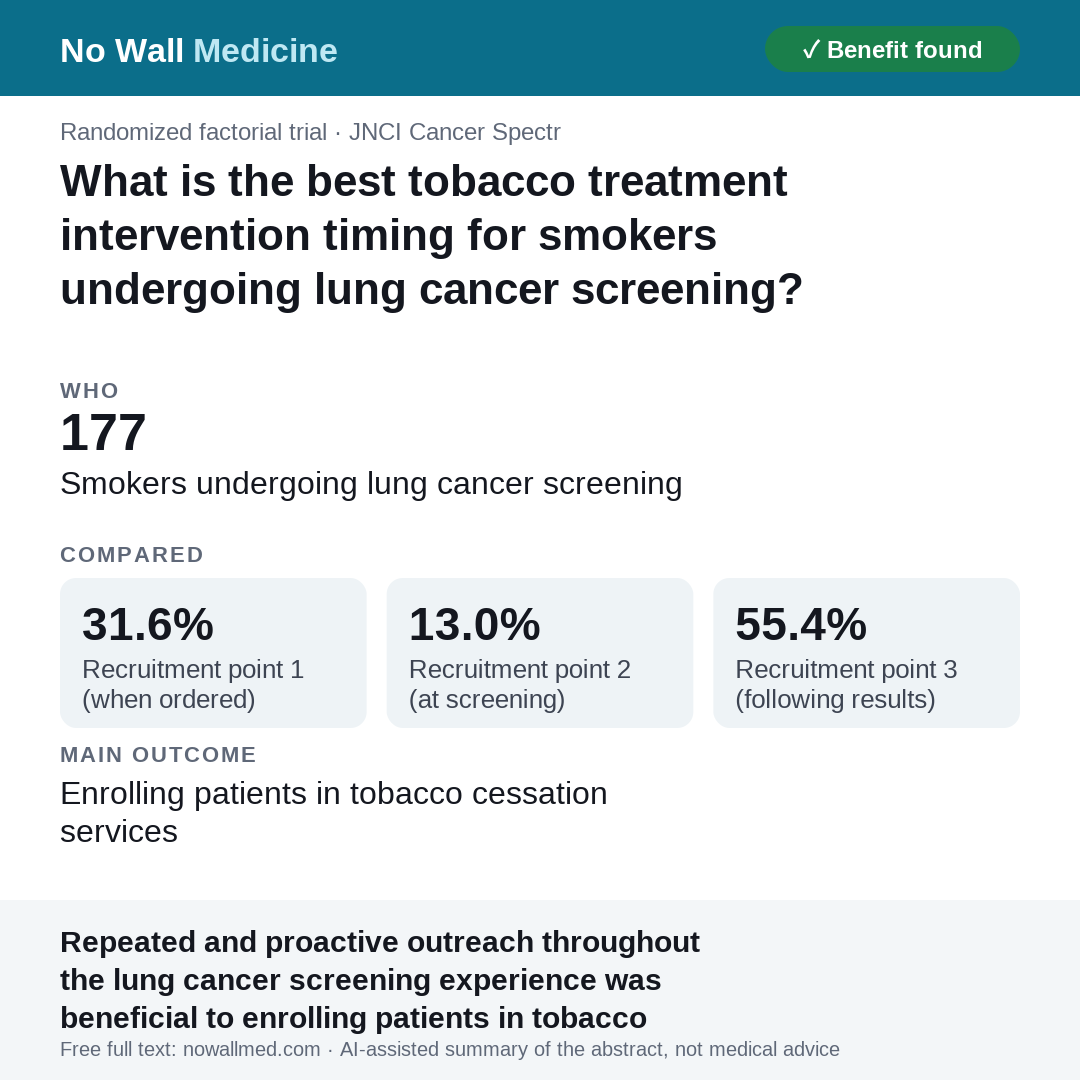
Leveraging the Clinical Timepoints in Lung Cancer Screening to Engage Individuals in Tobacco Treatment
Randomized factorial trialBenefit found
What is the best tobacco treatment intervention timing for smokers undergoing lung cancer screening?
Who
177
Smokers undergoing lung cancer screening
Compared
31.6%Recruitment point 1 (when ordered)
13.0%Recruitment point 2 (at screening)
55.4%Recruitment point 3 (following results)
Main outcome
Enrolling patients in tobacco cessation services
Bottom line: Repeated and proactive outreach throughout the lung cancer screening experience was beneficial to enrolling patients in tobacco cessation services.
JNCI Cancer Spectr · 2022-11-10Download image
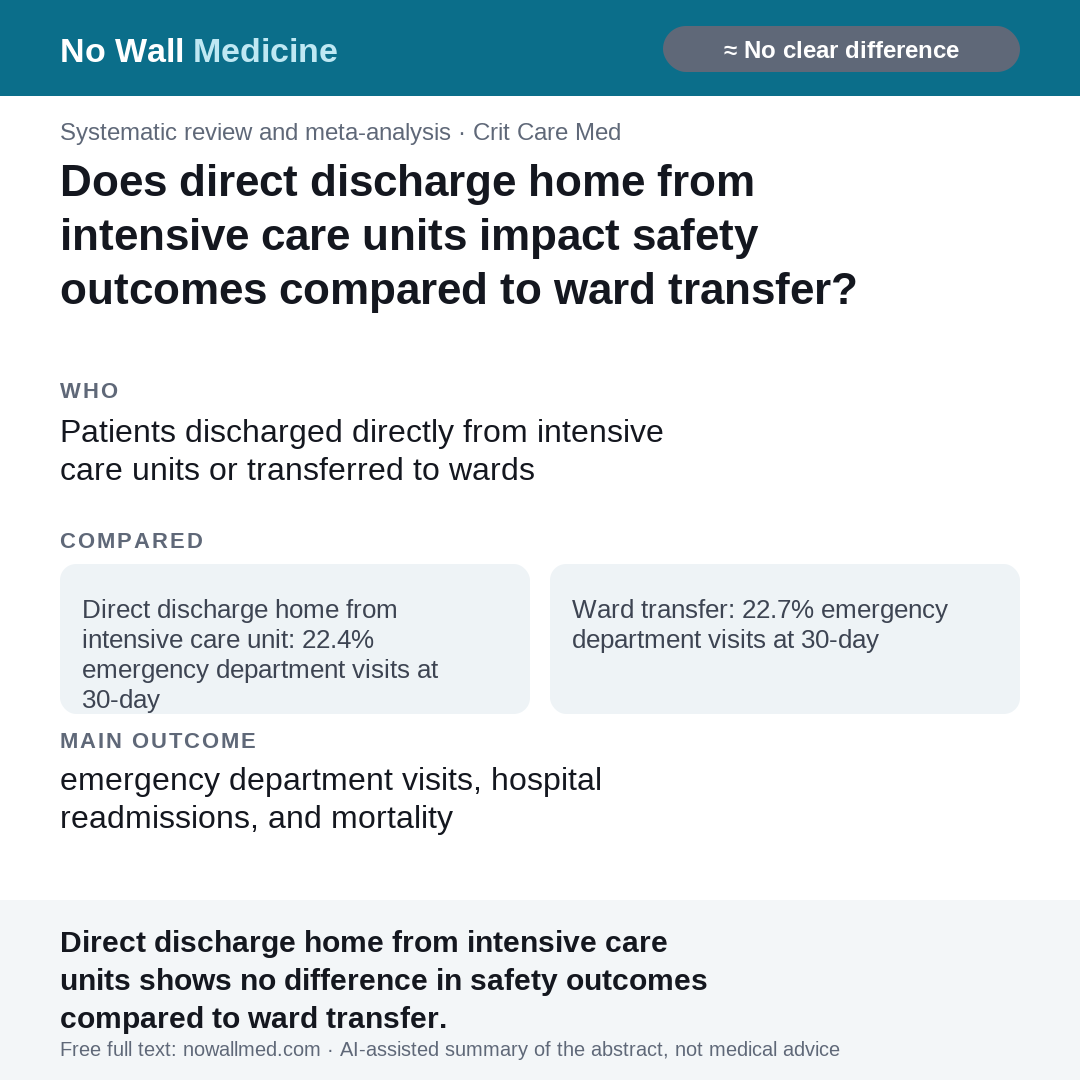
Safety Outcomes of Direct Discharge Home From ICUs: An Updated Systematic Review and Meta-Analysis (Direct From ICU Sent Home Study)
Systematic review and meta-analysisNo clear difference
Does direct discharge home from intensive care units impact safety outcomes compared to ward transfer?
Who
Patients discharged directly from intensive care units or transferred to wards
Compared
Direct discharge home from intensive care unit: 22.4% emergency department visits at 30-day
Ward transfer: 22.7% emergency department visits at 30-day
Main outcome
emergency department visits, hospital readmissions, and mortality
Result: relative risk 0.99 (95% CI, 0.95-1.02)
Bottom line: Direct discharge home from intensive care units shows no difference in safety outcomes compared to ward transfer.
Limitation: Very low-to-low certainty evidence from observational studies.
Crit Care Med · 2022-11-09Download image
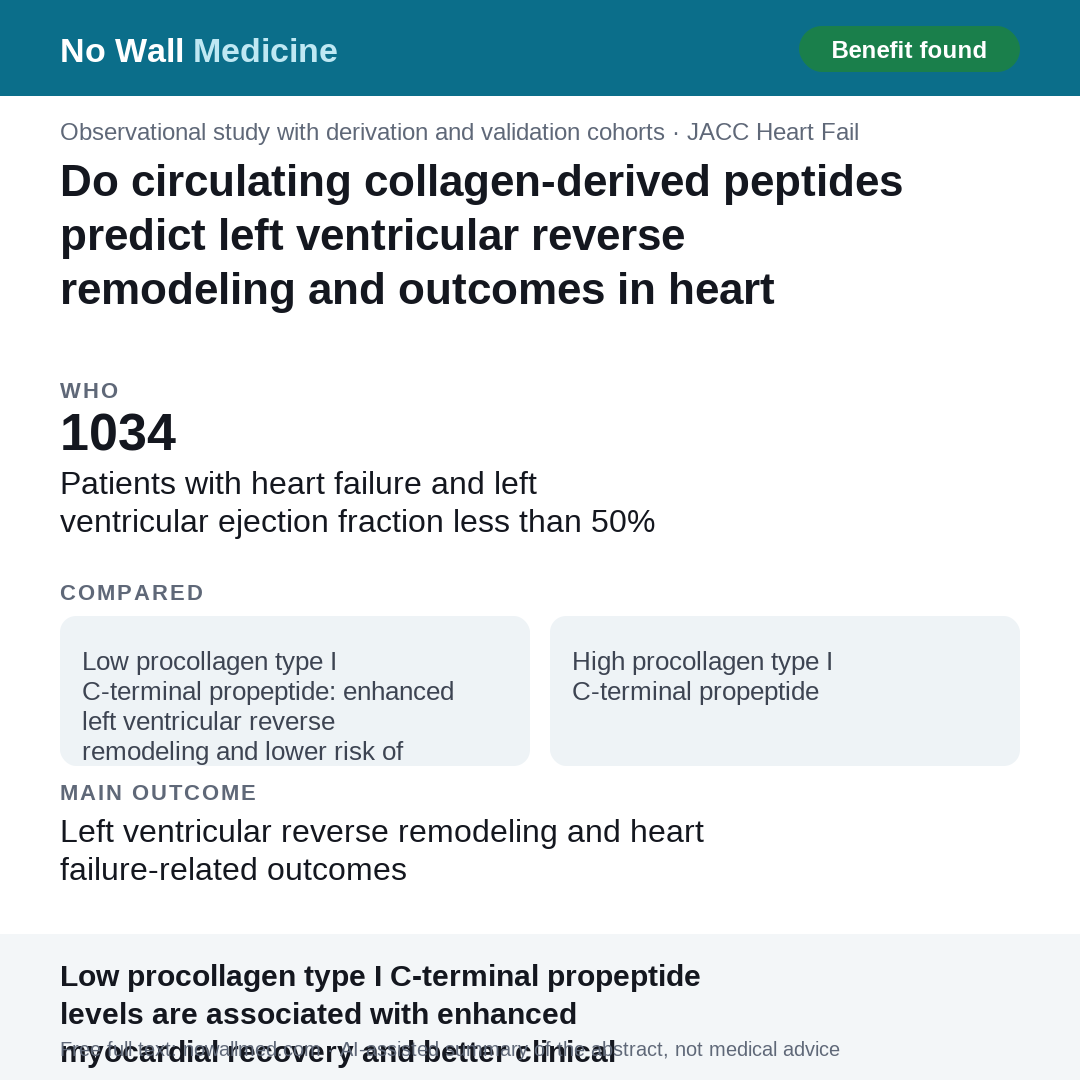
Prediction of Left Ventricular Reverse Remodeling and Outcomes by Circulating Collagen-Derived Peptides
Observational study with derivation and validation cohortsKey finding
Do circulating collagen-derived peptides predict left ventricular reverse remodeling and outcomes in heart failure?
Who
1034
Patients with heart failure and left ventricular ejection fraction less than 50%
Compared
Low procollagen type I C-terminal propeptide: enhanced left ventricular reverse remodeling and lower risk of heart failure-related outcomes
High procollagen type I C-terminal propeptide
Main outcome
Left ventricular reverse remodeling and heart failure-related outcomes
Bottom line: Low procollagen type I C-terminal propeptide levels are associated with enhanced myocardial recovery and better clinical outcomes.
JACC Heart Fail · 2022-11-09Download image
Obesity-Related Single-Nucleotide Polymorphisms and Weight Gain Following First-Line Antiretroviral Therapy
Randomized trialMixed results
Do obesity-related single-nucleotide polymorphisms associate with weight gain after antiretroviral therapy?
Who
1021
Antiretroviral therapy-naive people with human immunodeficiency virus · Spanish HIV Research Cohort
Compared
ZC3H4 rs3810291 GG carriers: 4.26 (0.56) kg
ZC3H4 rs3810291 AA/AG carriers: 2.66 (0.19) kg
BCDIN3D/FAIM2 rs7138803 GG carriers: 3.35 (0.29) kg
BCDIN3D/FAIM2 rs7138803 AG/AA carriers: 2.51 (0.24) kg
Main outcome
Change in weight at 96 weeks after starting antiretroviral therapy
Bottom line: Specific genetic polymorphisms are significantly associated with increased weight gain following the initiation of antiretroviral therapy.
Clin Infect Dis · 2022-11-09Download image

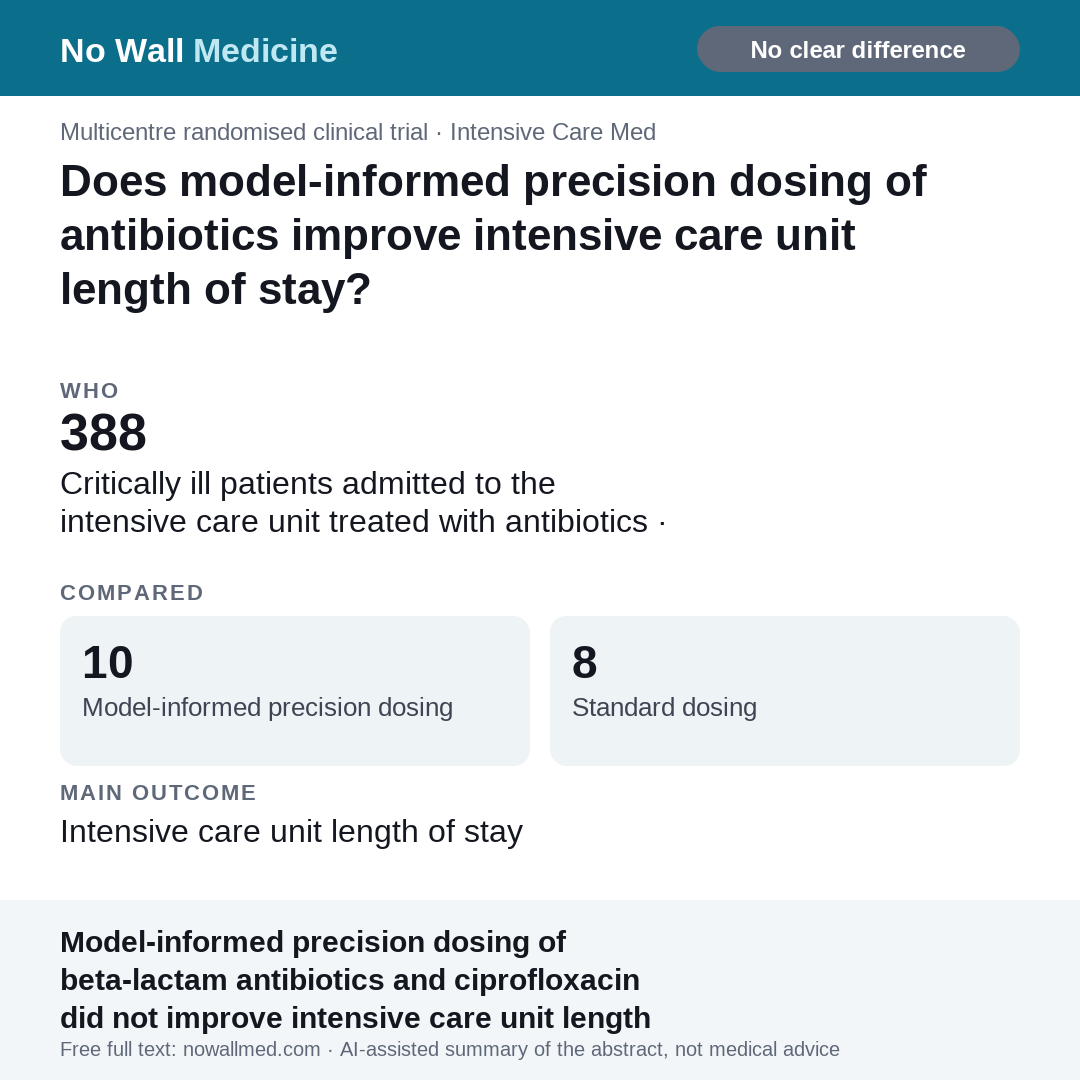
Model-informed precision dosing of beta-lactam antibiotics and ciprofloxacin in critically ill patients: a multicentre randomised clinical trial
Multicentre randomised clinical trialNo clear difference
Does model-informed precision dosing of antibiotics improve intensive care unit length of stay?
Who
388
Critically ill patients admitted to the intensive care unit treated with antibiotics · Eight hospitals in the Netherlands
Compared
10Model-informed precision dosing
8Standard dosing
Main outcome
Intensive care unit length of stay
Result: incidence rate ratio 1.16 (95% CI 0.96-1.41)
Bottom line: Model-informed precision dosing of beta-lactam antibiotics and ciprofloxacin did not improve intensive care unit length of stay.
Intensive Care Med · 2022-11-09Download image
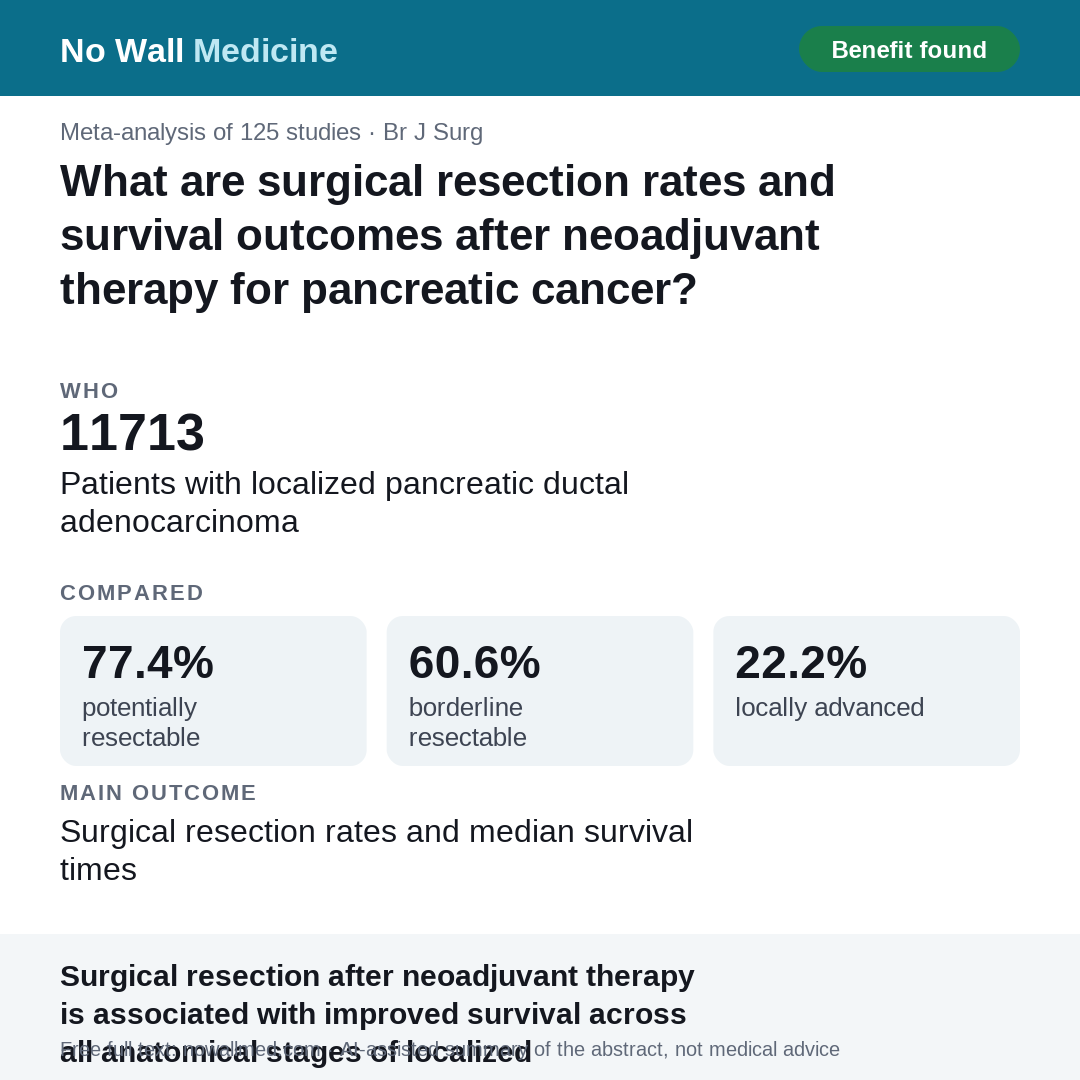
Surgical resection rates after neoadjuvant therapy for localized pancreatic ductal adenocarcinoma: meta-analysis
Meta-analysis of 125 studiesBenefit found
What are surgical resection rates and survival outcomes after neoadjuvant therapy for pancreatic cancer?
Who
11713
Patients with localized pancreatic ductal adenocarcinoma
Compared
77.4%potentially resectable (95% CI 71.3 to 82.5)
60.6%borderline resectable (54.8 to 66.1)
22.2%locally advanced (16.7 to 29.0)
Main outcome
Surgical resection rates and median survival times
Bottom line: Surgical resection after neoadjuvant therapy is associated with improved survival across all anatomical stages of localized pancreatic cancer.
Br J Surg · 2022-11-09Download image
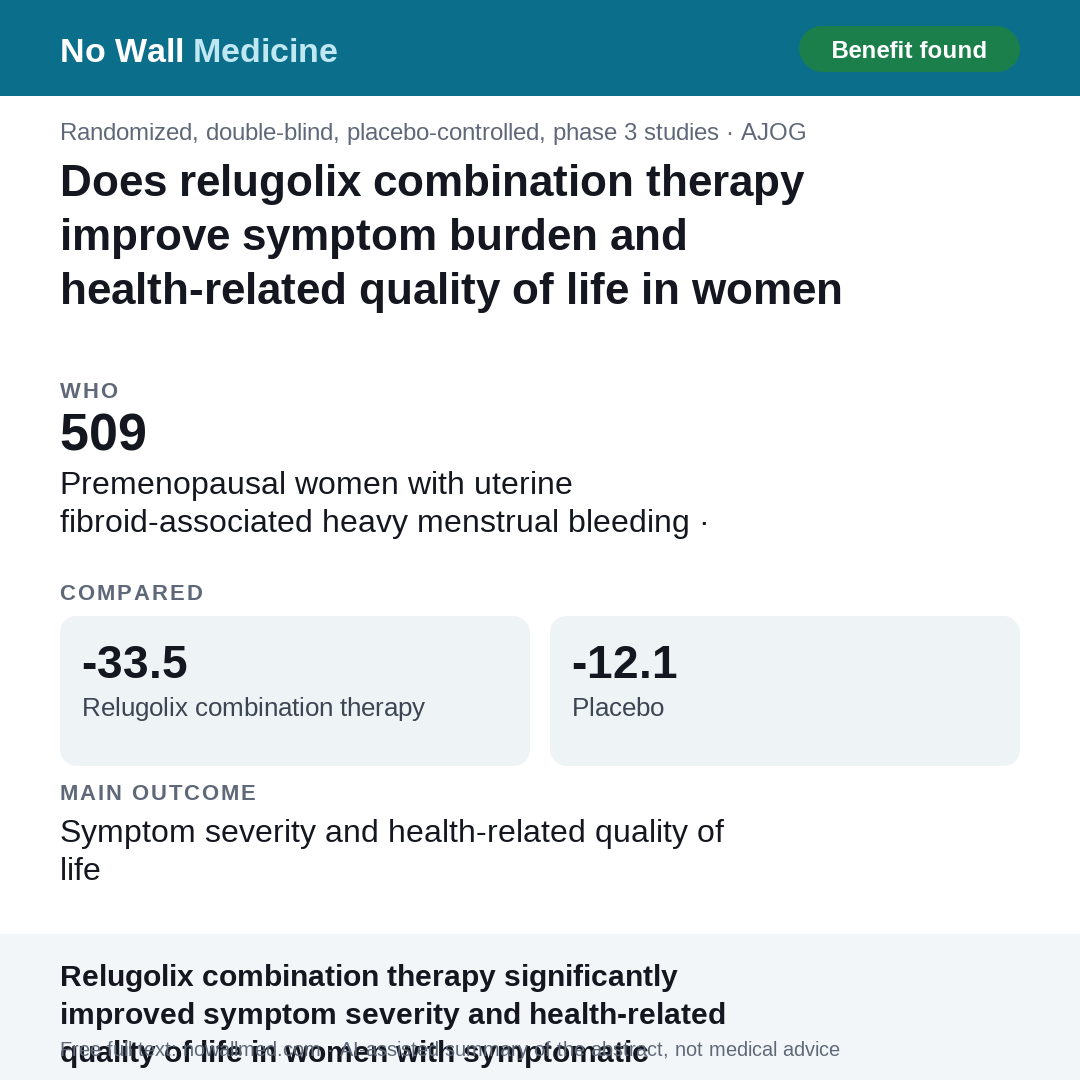
Quality of life with relugolix combination therapy for uterine fibroids: LIBERTY randomized trials
Randomized, double-blind, placebo-controlled, phase 3 studiesBenefit found
Does relugolix combination therapy improve symptom burden and health-related quality of life in women with uterine fibroids?
Who
509
Premenopausal women with uterine fibroid-associated heavy menstrual bleeding · Multinational
Compared
-33.5Relugolix combination therapy (Symptom Severity scale)
-12.1Placebo (Symptom Severity scale)
Main outcome
Symptom severity and health-related quality of life
Bottom line: Relugolix combination therapy significantly improved symptom severity and health-related quality of life in women with symptomatic uterine fibroids.
AJOG · 2022-11-09Download image
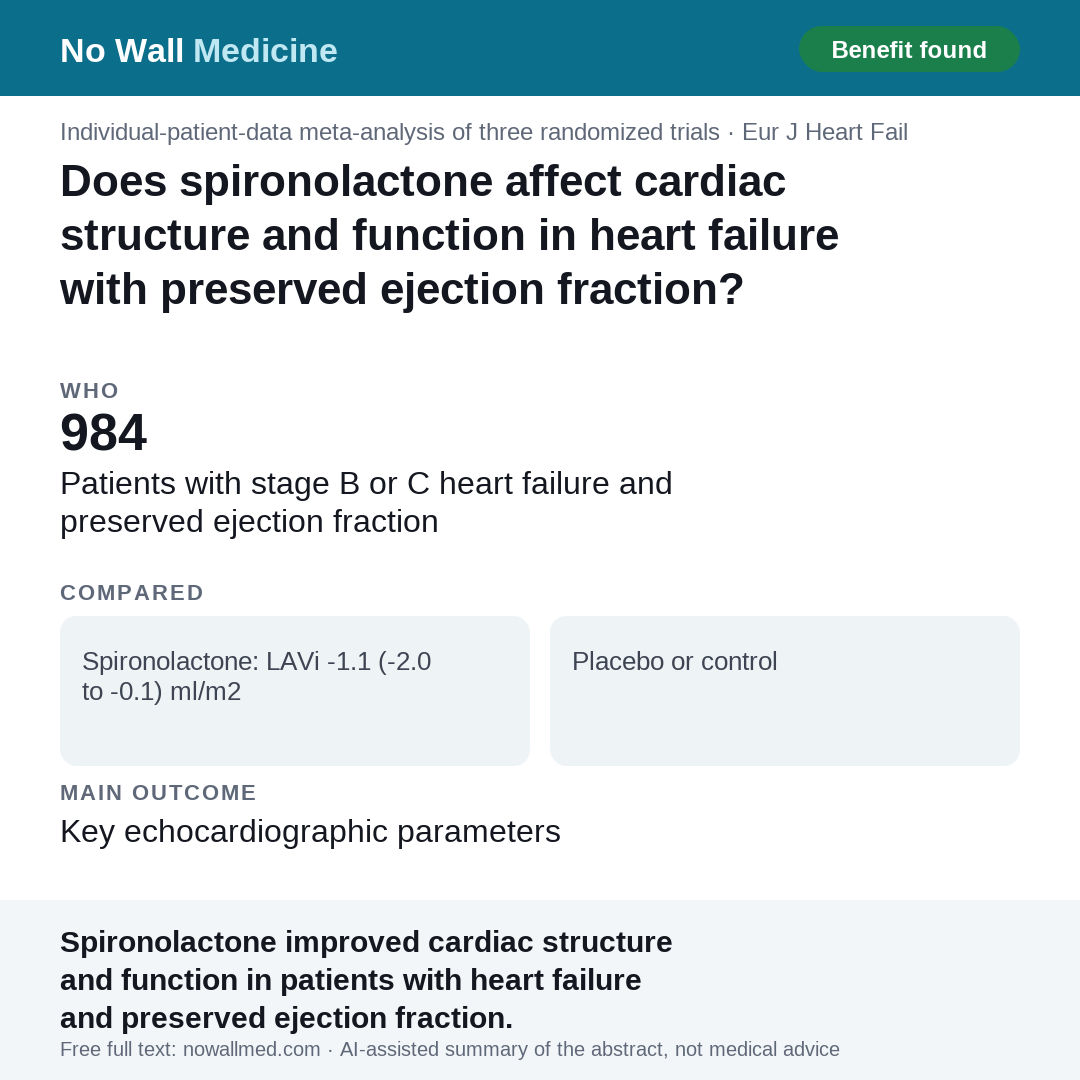
Spironolactone effect on cardiac structure and function of patients with heart failure and preserved ejection fraction: a pooled analysis of three randomized trials
Individual-patient-data meta-analysis of three randomized trialsBenefit found
Does spironolactone affect cardiac structure and function in heart failure with preserved ejection fraction?
Who
984
Patients with stage B or C heart failure and preserved ejection fraction
Compared
Spironolactone: LAVi -1.1 (-2.0 to -0.1) ml/m2
Placebo or control
Main outcome
Key echocardiographic parameters
Result: LAVi -1.1 (-2.0 to -0.1) ml/m2; LVMi -3.6 (-6.4 to -0.8) g/m2; IVS thickness -0.2 (-0.3 to -0.1) mm; E/e' ratio -1.3 (-2.4 to -0.2); LVEF 1.7 (0.8-2.6)%
Bottom line: Spironolactone improved cardiac structure and function in patients with heart failure and preserved ejection fraction.
Eur J Heart Fail · 2022-11-09Download image
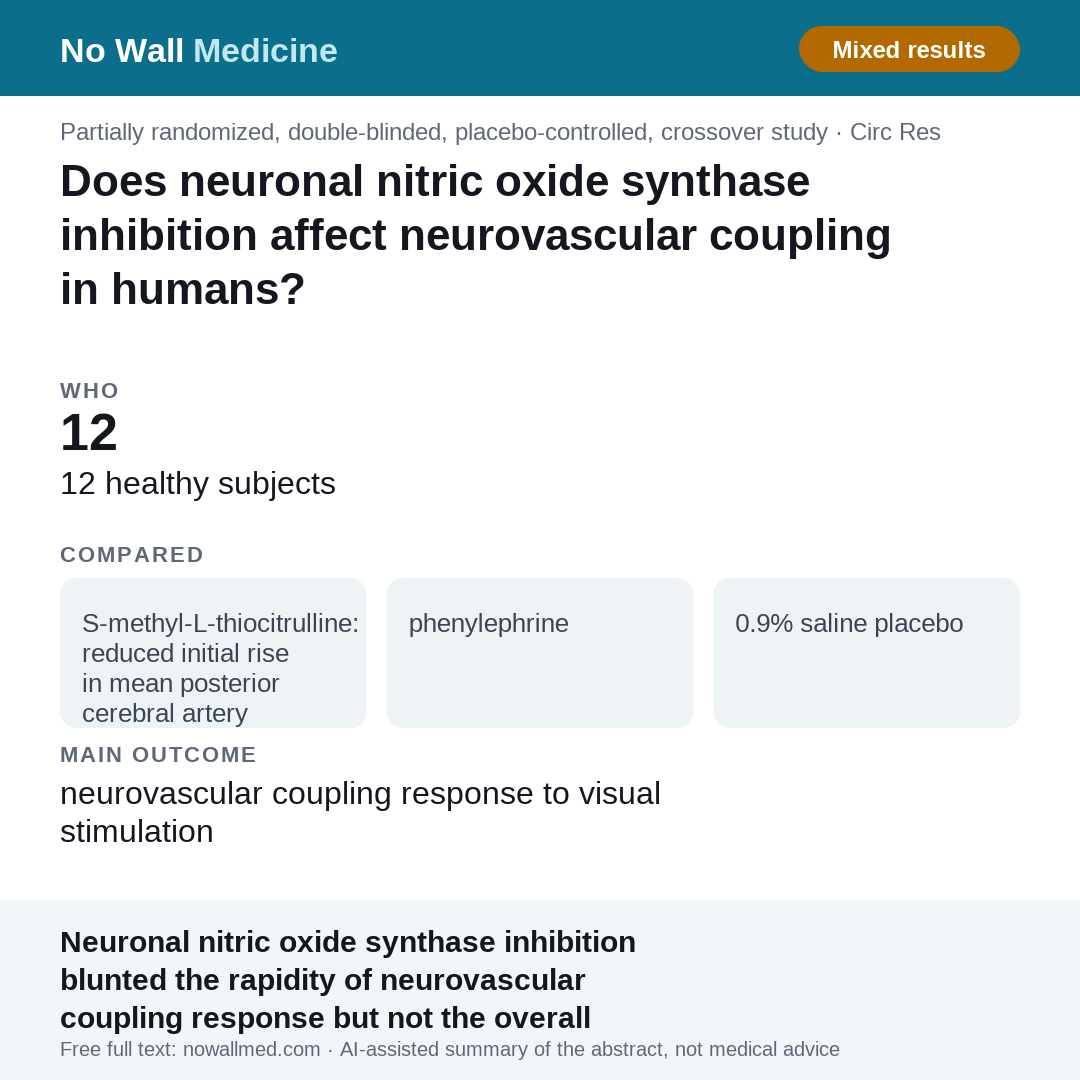
The Effect of a Neuronal Nitric Oxide Synthase Inhibitor on Neurovascular Regulation in Humans
Partially randomized, double-blinded, placebo-controlled, crossover studyMixed results
Does neuronal nitric oxide synthase inhibition affect neurovascular coupling in humans?
Who
12
12 healthy subjects
Compared
S-methyl-L-thiocitrulline: reduced initial rise in mean posterior cerebral artery velocity -3.3% [-6.5, -0.01]
phenylephrine
0.9% saline placebo
Main outcome
neurovascular coupling response to visual stimulation
Result: slope reduced -4.3% [-8.5, -0.1]
Bottom line: Neuronal nitric oxide synthase inhibition blunted the rapidity of neurovascular coupling response but not the overall magnitude.
Circ Res · 2022-11-09Download image
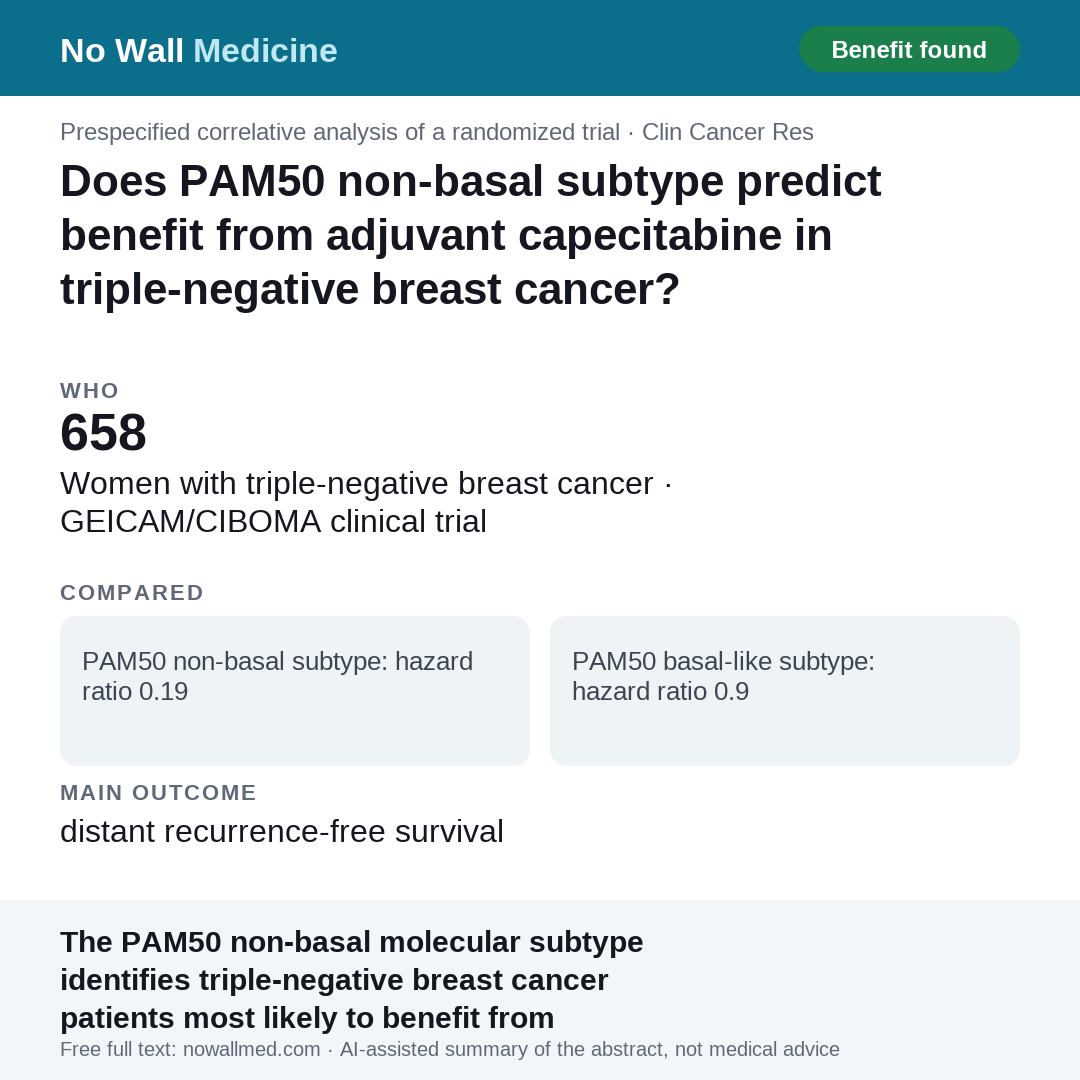
Triple-Negative PAM50 Non-Basal Breast Cancer Subtype Predicts Benefit from Extended Adjuvant Capecitabine
Prespecified correlative analysis of a randomized trialKey finding
Does PAM50 non-basal subtype predict benefit from adjuvant capecitabine in triple-negative breast cancer?
Who
658
Women with triple-negative breast cancer · GEICAM/CIBOMA clinical trial
Compared
PAM50 non-basal subtype: hazard ratio 0.19
PAM50 basal-like subtype: hazard ratio 0.9
Main outcome
distant recurrence-free survival
Result: hazard ratio 0.19 (95% CI 0.07 to 0.54)
Bottom line: The PAM50 non-basal molecular subtype identifies triple-negative breast cancer patients most likely to benefit from adjuvant capecitabine.
Clin Cancer Res · 2022-11-09Download image
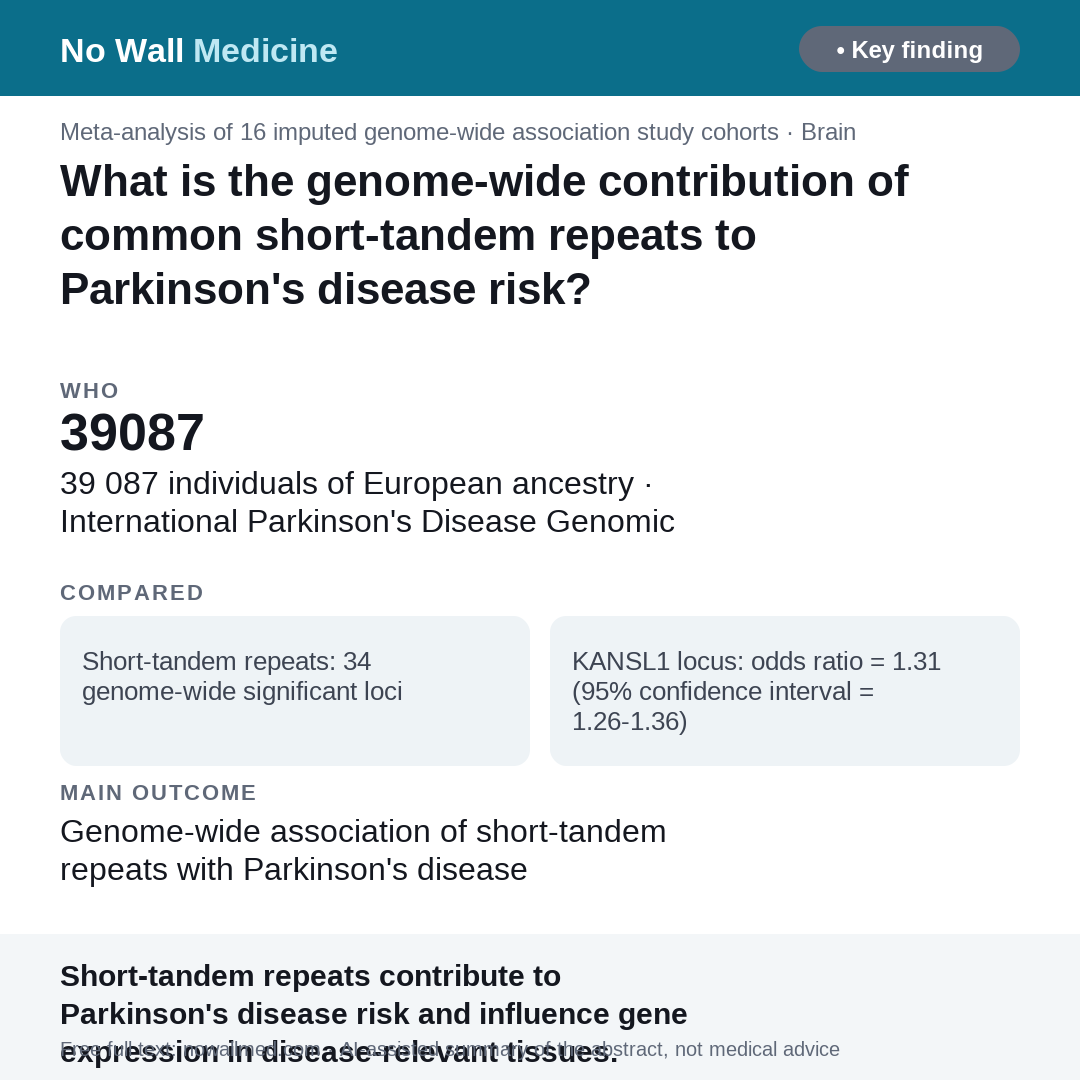
Genome-wide contribution of common short-tandem repeats to Parkinson's disease genetic risk
Meta-analysis of 16 imputed genome-wide association study cohortsKey finding
What is the genome-wide contribution of common short-tandem repeats to Parkinson's disease risk?
Who
39087
39 087 individuals of European ancestry · International Parkinson's Disease Genomic Consortium
Compared
Short-tandem repeats: 34 genome-wide significant loci
KANSL1 locus: odds ratio = 1.31 (95% confidence interval = 1.26-1.36)
Main outcome
Genome-wide association of short-tandem repeats with Parkinson's disease
Result: odds ratio = 1.31 (95% confidence interval = 1.26-1.36)
Bottom line: Short-tandem repeats contribute to Parkinson's disease risk and influence gene expression in disease-relevant tissues.
Brain · 2022-11-09Download image
Efficacy and safety of oral ritlecitinib for the treatment of active nonsegmental vitiligo: A randomized phase 2b clinical trial
Randomized phase 2b clinical trialEarly signal
Is oral ritlecitinib effective and safe for active nonsegmental vitiligo?
Who
364
Patients with active nonsegmental vitiligo
Compared
-21.2%Ritlecitinib 50 mg with loading dose
-18.5%Ritlecitinib 50 mg without loading dose
-14.6%Ritlecitinib 30 mg
2.1%Placebo
Main outcome
Percent change from baseline in Facial-Vitiligo Area Scoring Index
Bottom line: Oral ritlecitinib was effective and well tolerated in patients with active nonsegmental vitiligo over 48 weeks.
Limitation: Patients with stable vitiligo only were excluded.
J Am Acad Dermatol · 2022-11-09Download image

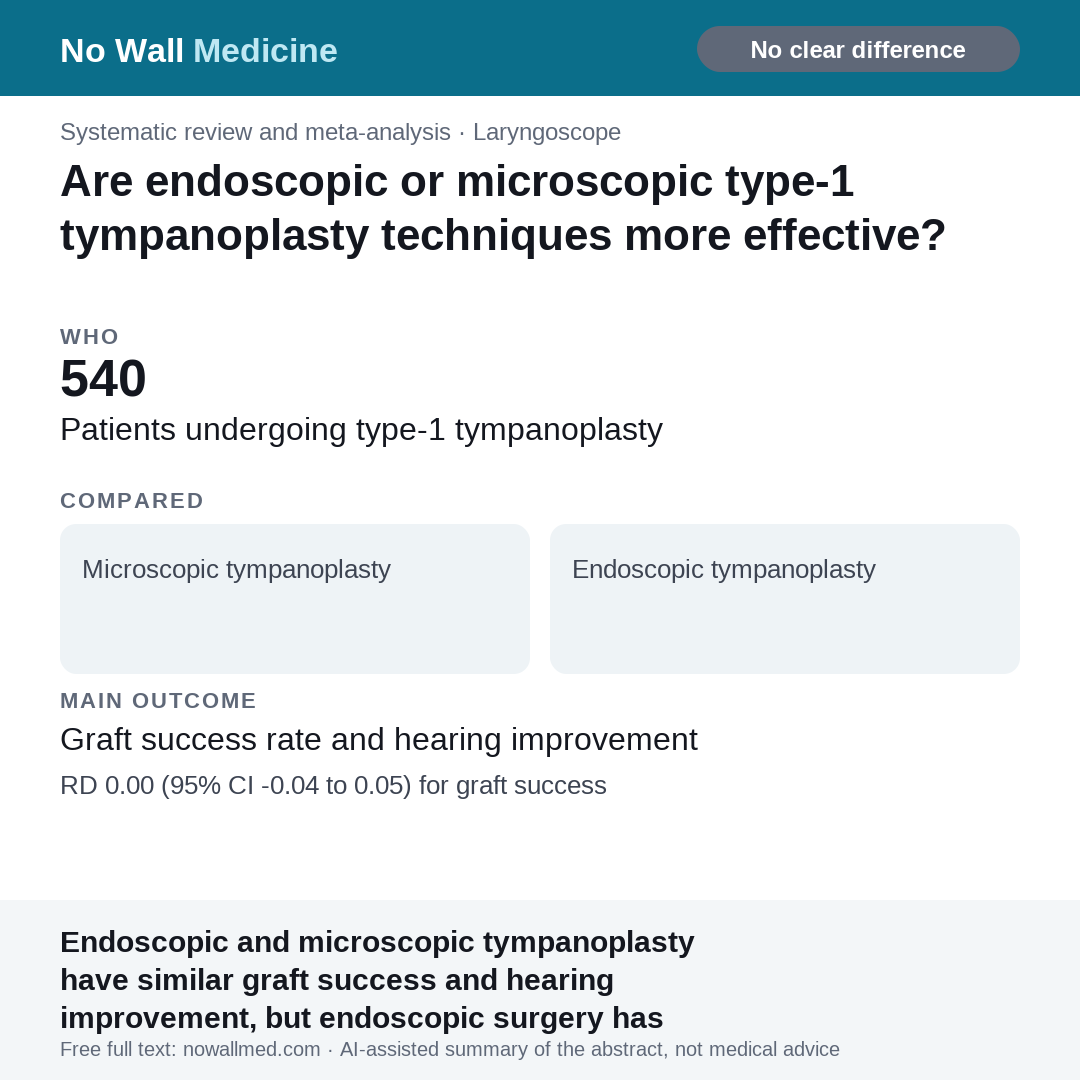
Endoscopic Versus Microscopic Type-1 Tympanoplasty: A Meta-Analysis of Randomized Trials
Systematic review and meta-analysisNo clear difference
Are endoscopic or microscopic type-1 tympanoplasty techniques more effective?
Who
540
Patients undergoing type-1 tympanoplasty
Compared
Microscopic tympanoplasty
Endoscopic tympanoplasty
Main outcome
Graft success rate and hearing improvement
Result: RD 0.00 (95% CI -0.04 to 0.05) for graft success
Bottom line: Endoscopic and microscopic tympanoplasty have similar graft success and hearing improvement, but endoscopic surgery has shorter operative time.
Laryngoscope · 2022-11-09Download image
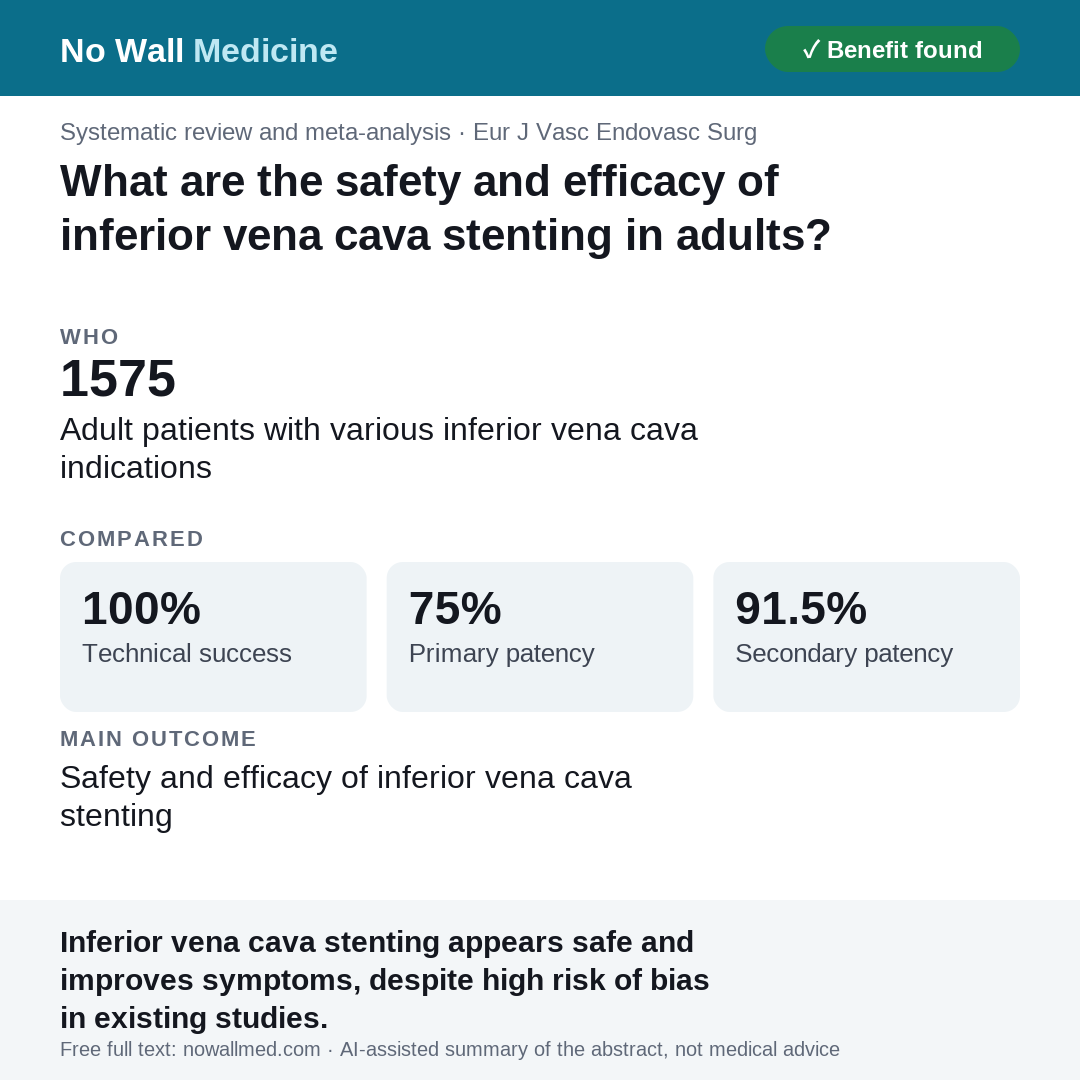
A Systematic Review of the Safety and Efficacy of Inferior Vena Cava Stenting
Systematic review and meta-analysisBenefit found
What are the safety and efficacy of inferior vena cava stenting in adults?
Who
1575
Adult patients with various inferior vena cava indications
Compared
100%Technical success (range 78 - 100%)
75%Primary patency (38 - 98%)
91.5%Secondary patency (77 - 100%)
Main outcome
Safety and efficacy of inferior vena cava stenting
Bottom line: Inferior vena cava stenting appears safe and improves symptoms, despite high risk of bias in existing studies.
Limitation: Most studies were single centre retrospective studies with no control groups and high risk of bias.
Eur J Vasc Endovasc Surg · 2022-11-09Download image
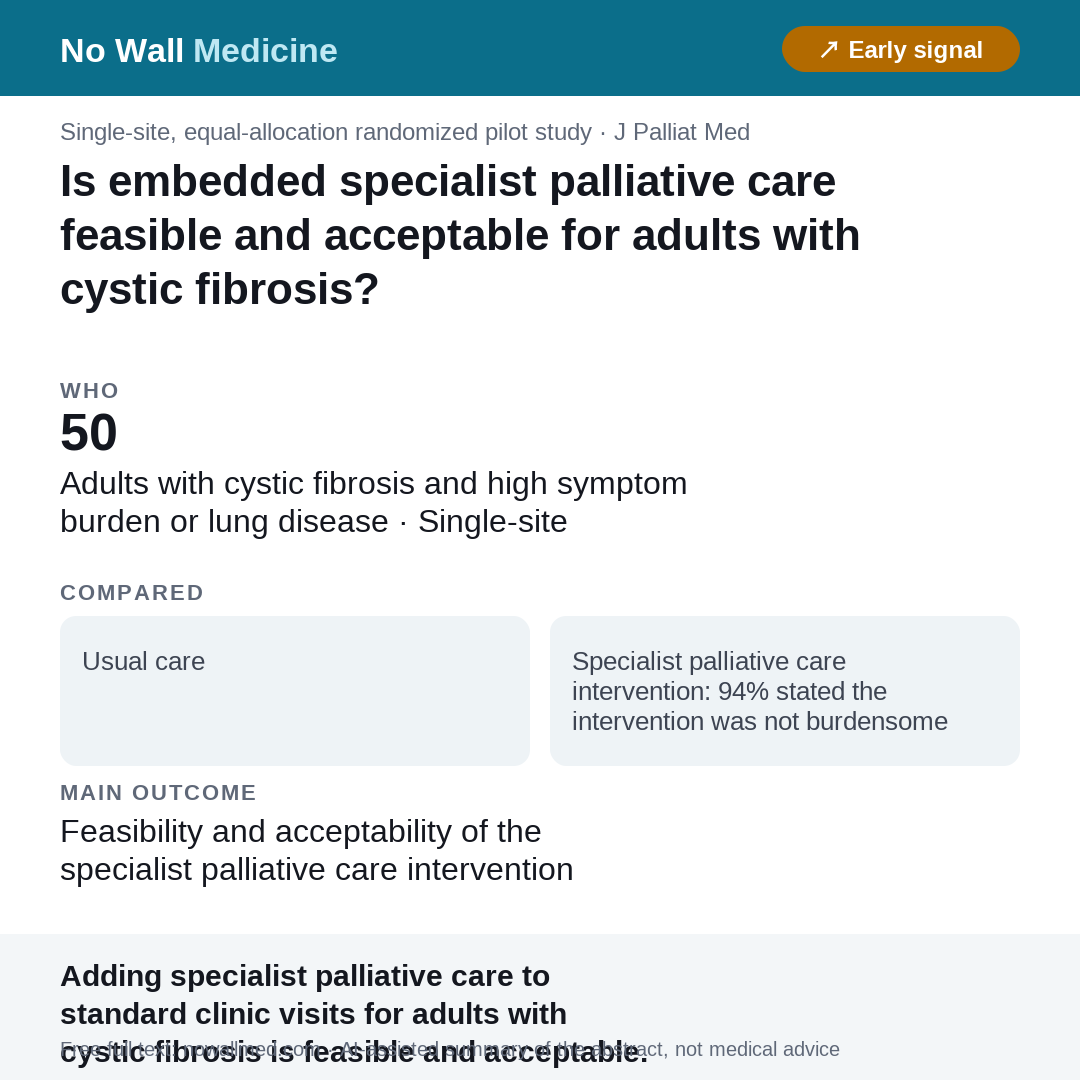
Embedded Specialist Palliative Care in Cystic Fibrosis: Results of a Randomized Feasibility Clinical Trial
Single-site, equal-allocation randomized pilot studyEarly signal
Is embedded specialist palliative care feasible and acceptable for adults with cystic fibrosis?
Who
50
Adults with cystic fibrosis and high symptom burden or lung disease · Single-site outpatient cystic fibrosis clinic
Compared
Usual care
Specialist palliative care intervention: 94% stated the intervention was not burdensome
Main outcome
Feasibility and acceptability of the specialist palliative care intervention
Bottom line: Adding specialist palliative care to standard clinic visits for adults with cystic fibrosis is feasible and acceptable.
J Palliat Med · 2022-11-09Download image
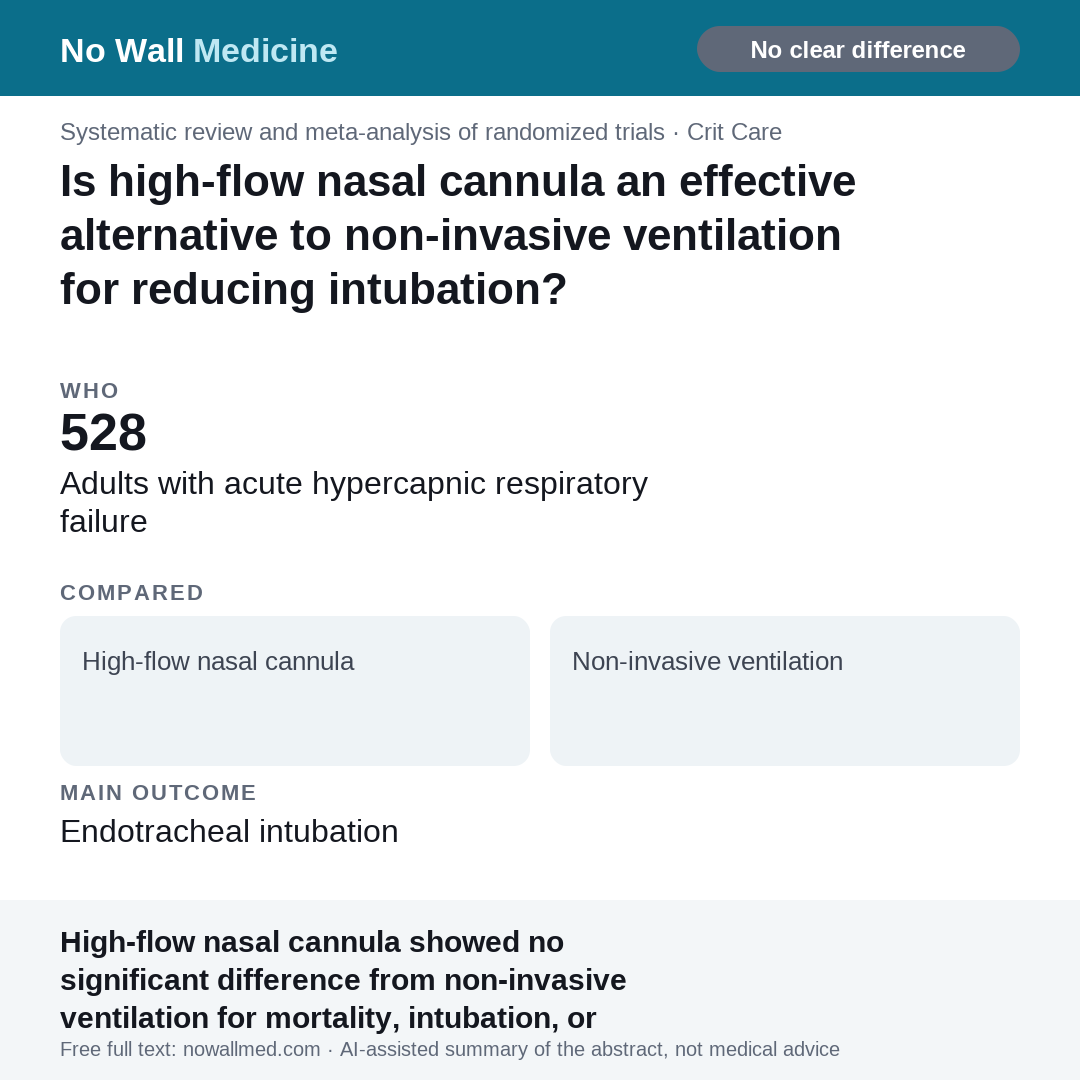
High-flow nasal cannula versus non-invasive ventilation for acute hypercapnic respiratory failure in adults: a systematic review and meta-analysis of randomized trials
Systematic review and meta-analysis of randomized trialsNo clear difference
Is high-flow nasal cannula an effective alternative to non-invasive ventilation for reducing intubation?
Who
528
Adults with acute hypercapnic respiratory failure
Compared
High-flow nasal cannula
Non-invasive ventilation
Main outcome
Endotracheal intubation
Result: relative risk 0.80 (95% CI 0.46-1.39)
Bottom line: High-flow nasal cannula showed no significant difference from non-invasive ventilation for mortality, intubation, or hospital length of stay.
Limitation: Imprecision and study heterogeneity limit determining if high-flow nasal cannula is superior, inferior, or equivalent.
Crit Care · 2022-11-09Download image
Decision-making and related outcomes of patients with complex care needs in primary care settings: a systematic literature review with a case-based qualitative synthesis
Systematic mixed studies reviewMixed results
What are the decisional needs and decision-making configurations for patients with complex care needs?
Who
2997
Patients with complex care needs in primary care · 13 countries
Compared
Shared decision-making
Independent decision-making
Main outcome
Decisional needs and decision outcomes
Bottom line: Shared decision-making was associated with positive outcomes, while negative outcomes were associated with independent decision-making.
BMC Prim Care · 2022-11-09Download image

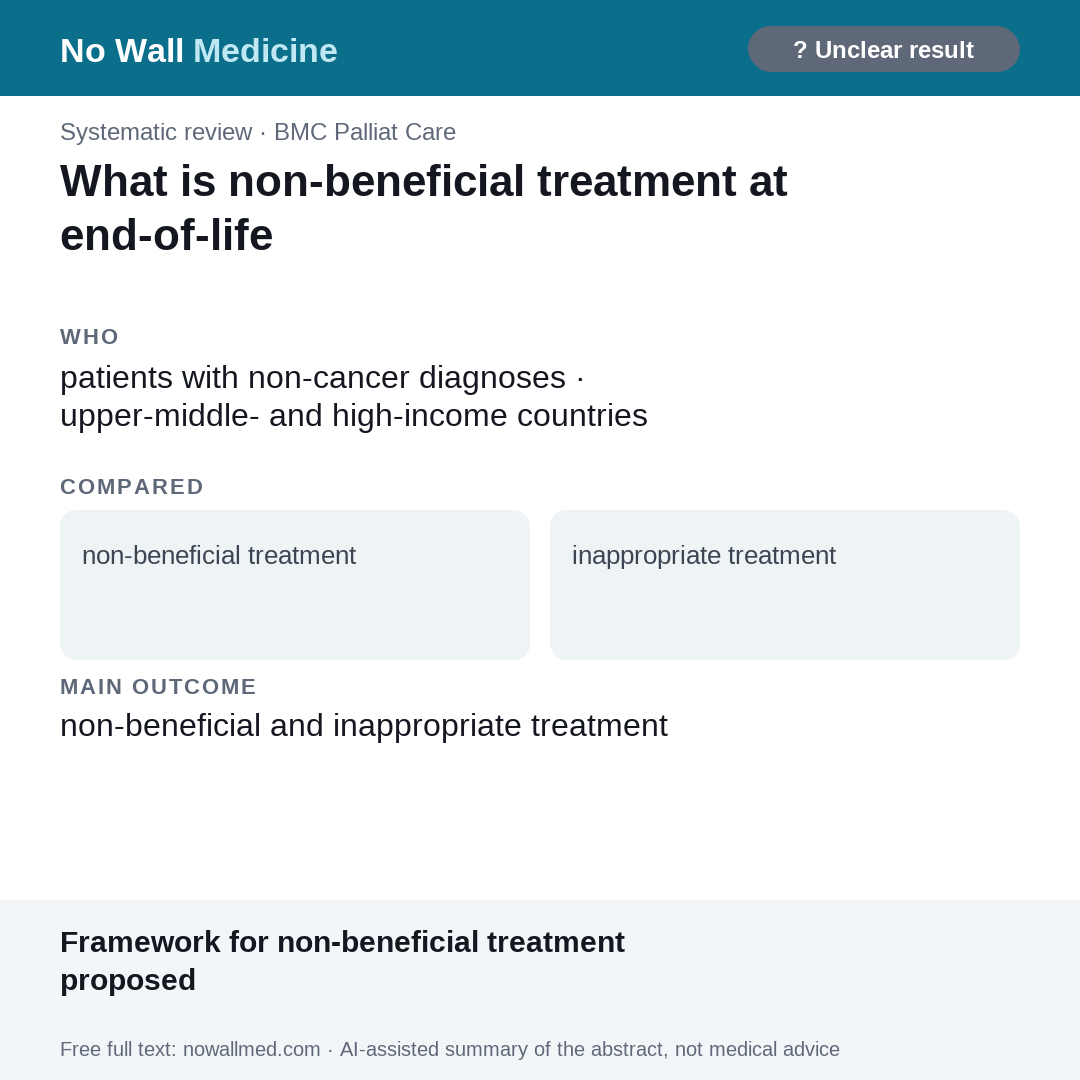
A systematic review defining non-beneficial and inappropriate end-of-life treatment in patients with non-cancer diagnoses: theoretical development for multi-stakeholder intervention design in acute care settings
Systematic reviewUnclear result
What is non-beneficial treatment at end-of-life
Who
patients with non-cancer diagnoses · upper-middle- and high-income countries
Compared
non-beneficial treatment
inappropriate treatment
Main outcome
non-beneficial and inappropriate treatment
Bottom line: Framework for non-beneficial treatment proposed
BMC Palliat Care · 2022-11-09Download image
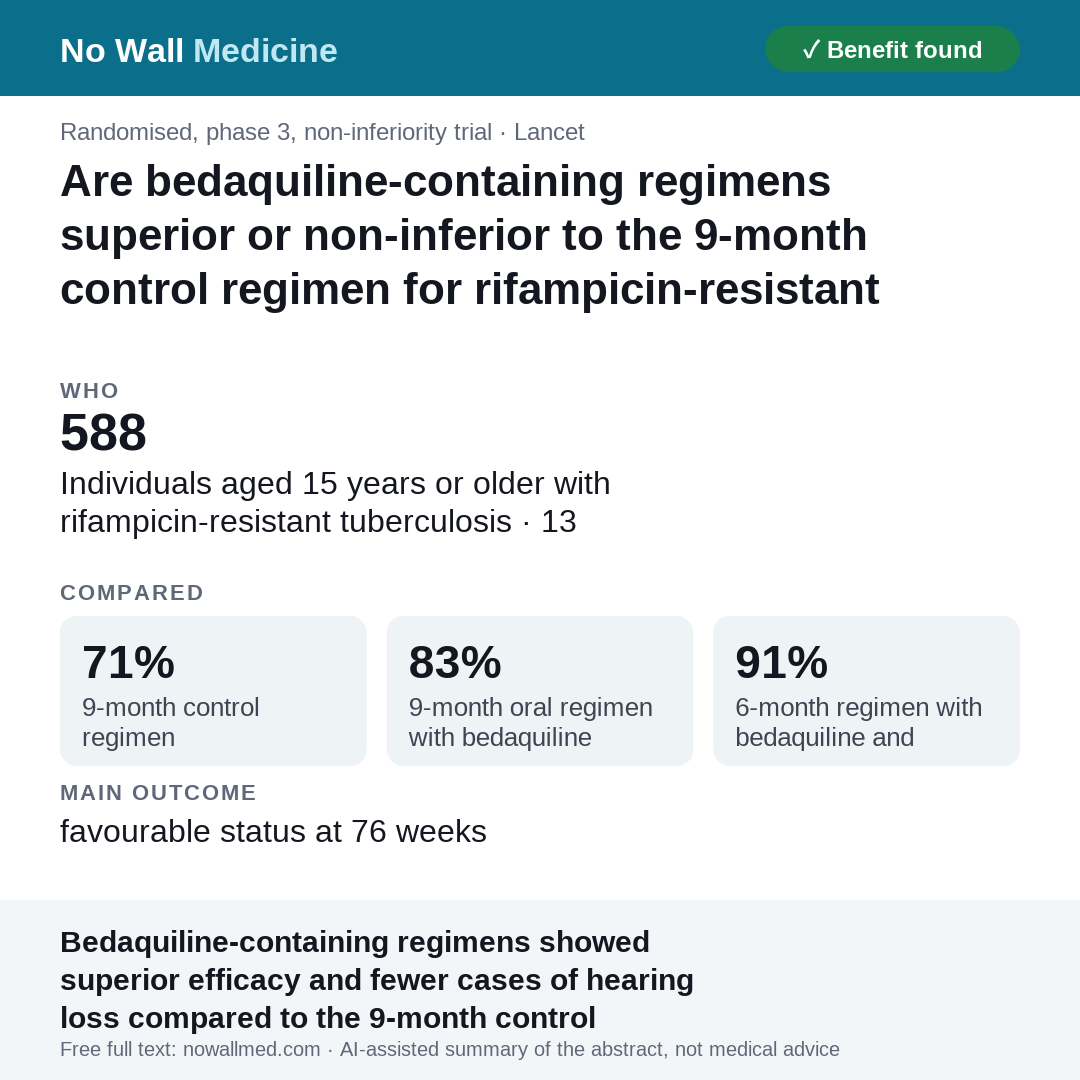
Evaluation of two short standardised regimens for the treatment of rifampicin-resistant tuberculosis (STREAM stage 2): an open-label, multicentre, randomised, non-inferiority trial
Randomised, phase 3, non-inferiority trialBenefit found
Are bedaquiline-containing regimens superior or non-inferior to the 9-month control regimen for rifampicin-resistant tuberculosis?
Who
588
Individuals aged 15 years or older with rifampicin-resistant tuberculosis · 13 hospital clinics in seven countries
Compared
71%9-month control regimen (133/187)
83%9-month oral regimen with bedaquiline (162/196)
91%6-month regimen with bedaquiline and injectable (122/134)
Main outcome
favourable status at 76 weeks
Result: adjusted difference 11·0% (95% CI 2·9-19·0)
Bottom line: Bedaquiline-containing regimens showed superior efficacy and fewer cases of hearing loss compared to the 9-month control regimen.
Funded by: USAID and Janssen Research & Development
Lancet · 2022-11-08Download image