Visual abstracts
New randomized trials and meta-analyses from leading journals at a glance: who was studied, what was compared, and what was found. Every paper is free to read in full.
All specialtiesCardiology 4763Oncology 4043Gastroenterology & Hepatology 1903Infectious Disease 3756Neurology 1872Psychiatry & Mental Health 2216Pulmonology 2044Critical Care 1319Endocrinology & Diabetes 2544Pediatrics 2889Surgery 2480Orthopedics & Sports Medicine 917Neurosurgery 525Cardiothoracic & Vascular Surgery 656Plastic & Reconstructive Surgery 574Nephrology 1107Rheumatology 810Hematology 1090Dermatology 611Ophthalmology 532Obstetrics & Gynecology 1645Public & Global Health 1037Radiology & Imaging 619Anesthesiology 958Urology 745ENT (Otolaryngology) 494Emergency Medicine 481Allergy & Immunology 309Geriatrics 972Family Medicine & Primary Care 534Medical Genetics & Genomics 659Pathology & Laboratory Medicine 156Physical Medicine & Rehabilitation 734Palliative Care 421Nutrition 1560Digital Health & AI 2137General Medicine 318
Safety and tolerability of onabotulinumtoxinA in the treatment of upper facial lines from global registration studies in 5298 participants: A meta-analysis
Meta-analysis of 18 registration studiesNo clear difference
What is the safety of onabotulinumtoxinA for treating upper facial lines?
Who
5298
Participants with moderate to severe glabellar, crow's feet, or forehead lines · Global
Compared
42.1%onabotulinumtoxinA
35.8%placebo
Main outcome
Adverse events
Bottom line: OnabotulinumtoxinA has a confirmed safety profile for treating upper facial lines with no new associated adverse events.
Limitation: Retrospective, ad hoc analysis.
JAAD Int · 2023-09-09 · Save PNG

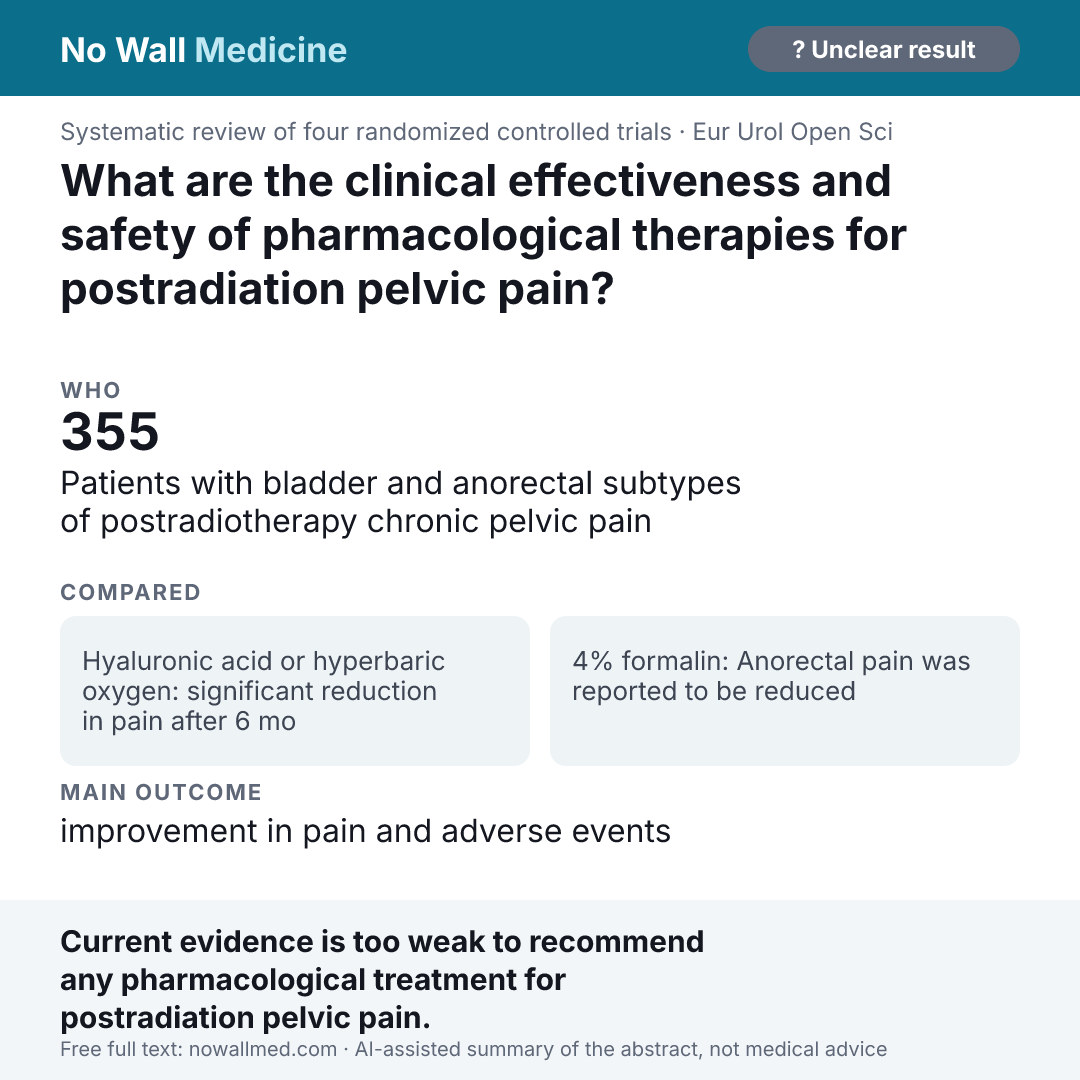
The Benefits and Harms of Pharmacological Treatment for Postradiation Pelvic Pain: A Systematic Review by the European Association of Urology Chronic Pelvic Pain Panel with Recommendations for Clinical Practice
Systematic review of four randomized controlled trialsUnclear result
What are the clinical effectiveness and safety of pharmacological therapies for postradiation pelvic pain?
Who
355
Patients with bladder and anorectal subtypes of postradiotherapy chronic pelvic pain
Compared
Hyaluronic acid or hyperbaric oxygen: significant reduction in pain after 6 mo
4% formalin: Anorectal pain was reported to be reduced
Main outcome
improvement in pain and adverse events
Bottom line: Current evidence is too weak to recommend any pharmacological treatment for postradiation pelvic pain.
Eur Urol Open Sci · 2023-09-09 · Save PNG
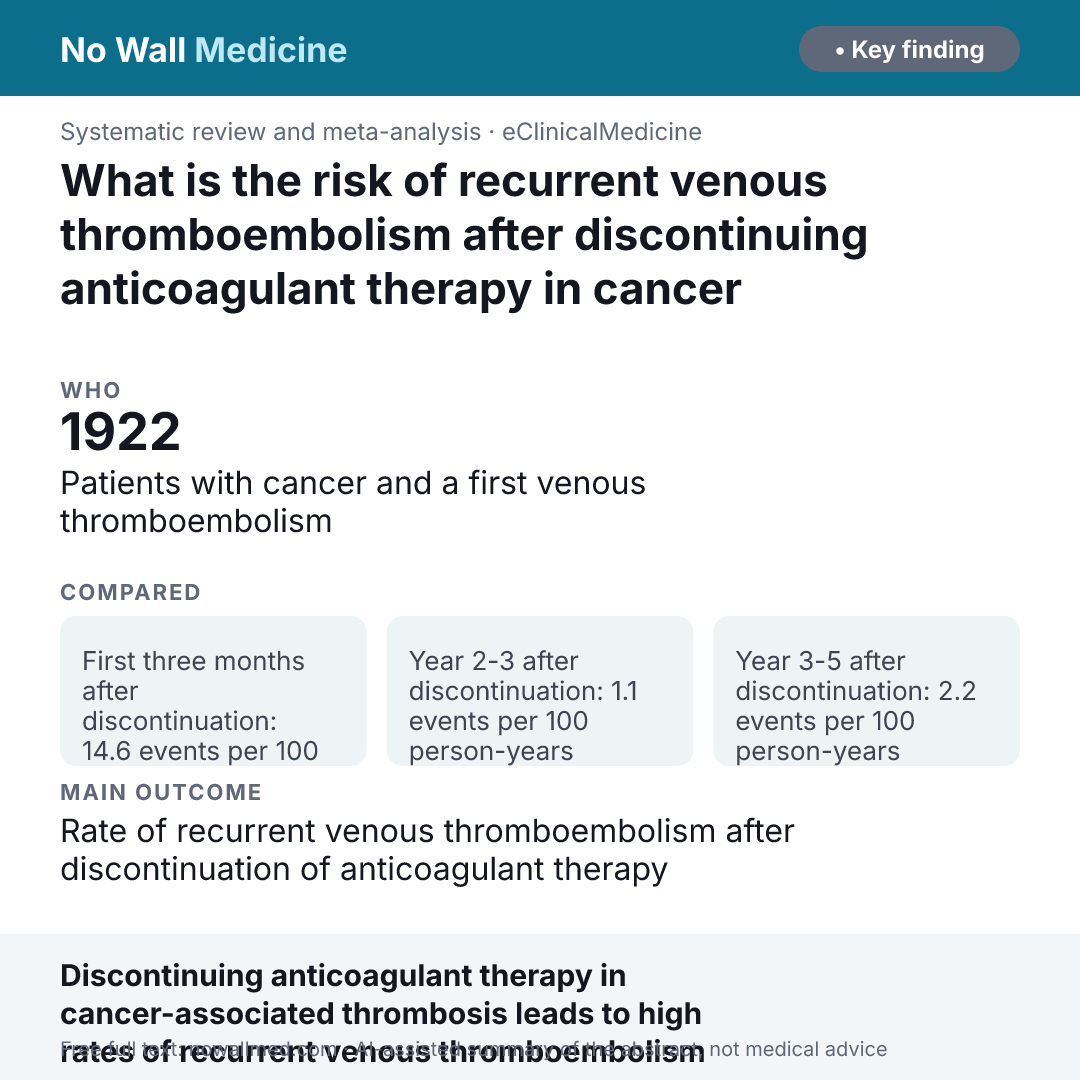
The risk of recurrent venous thromboembolism after discontinuation of anticoagulant therapy in patients with cancer-associated thrombosis: a systematic review and meta-analysis
Systematic review and meta-analysisKey finding
What is the risk of recurrent venous thromboembolism after discontinuing anticoagulant therapy in cancer patients?
Who
1922
Patients with cancer and a first venous thromboembolism
Compared
First three months after discontinuation: 14.6 events per 100 person-years
Year 2-3 after discontinuation: 1.1 events per 100 person-years
Year 3-5 after discontinuation: 2.2 events per 100 person-years
Main outcome
Rate of recurrent venous thromboembolism after discontinuation of anticoagulant therapy
Result: 28.3% (95% CI 15.6-39.6%) cumulative recurrence at 1 year
Bottom line: Discontinuing anticoagulant therapy in cancer-associated thrombosis leads to high rates of recurrent venous thromboembolism over time.
Funded by: Erasmus MC
eClinicalMedicine · 2023-09-08 · Save PNG
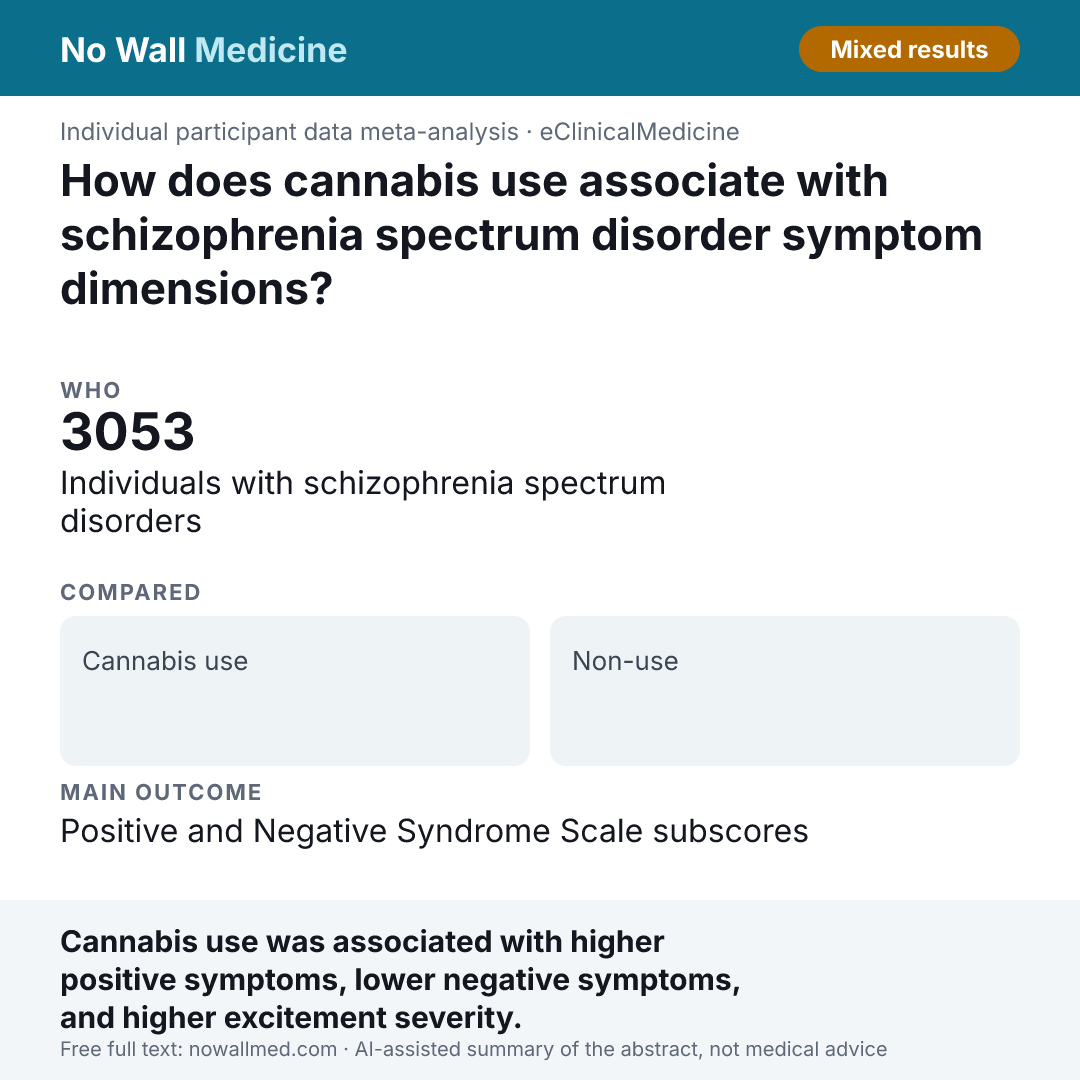
Association between cannabis use and symptom dimensions in schizophrenia spectrum disorders: an individual participant data meta-analysis on 3053 individuals
Individual participant data meta-analysisMixed results
How does cannabis use associate with schizophrenia spectrum disorder symptom dimensions?
Who
3053
Individuals with schizophrenia spectrum disorders
Compared
Cannabis use
Non-use
Main outcome
Positive and Negative Syndrome Scale subscores
Result: positive dimension aMD 0.34 (95% CI 0.03 to 0.66)
Bottom line: Cannabis use was associated with higher positive symptoms, lower negative symptoms, and higher excitement severity.
Limitation: Reported effect sizes are small and confidence intervals are wide.
Funded by: Le Vinatier Psychiatric Hospital
eClinicalMedicine · 2023-09-08 · Save PNG
Association of caesarean delivery with offspring health outcomes in full-cohort versus sibling-comparison studies: a comparative meta-analysis and simulation study
Meta-analysis and simulation studyKey finding
How does caesarean delivery affect offspring health outcomes in different study designs?
Who
21854828
21,854,828 individuals from eighteen studies
Compared
Full-cohort design: OR 1.14 (95% CI: 1.11 to 1.17)
Sibling-comparison design: OR 1.08 (95% CI: 1.02 to 1.14)
Main outcome
Multiple offspring health outcomes
Result: OR 1.14 (95% CI: 1.11 to 1.17) vs OR 1.08 (95% CI: 1.02 to 1.14)
Bottom line: Sibling-comparison analyses may underestimate the association of caesarean delivery with offspring health outcomes due to inadequate adjustment for maternal age.
BMC Med · 2023-09-08 · Save PNG

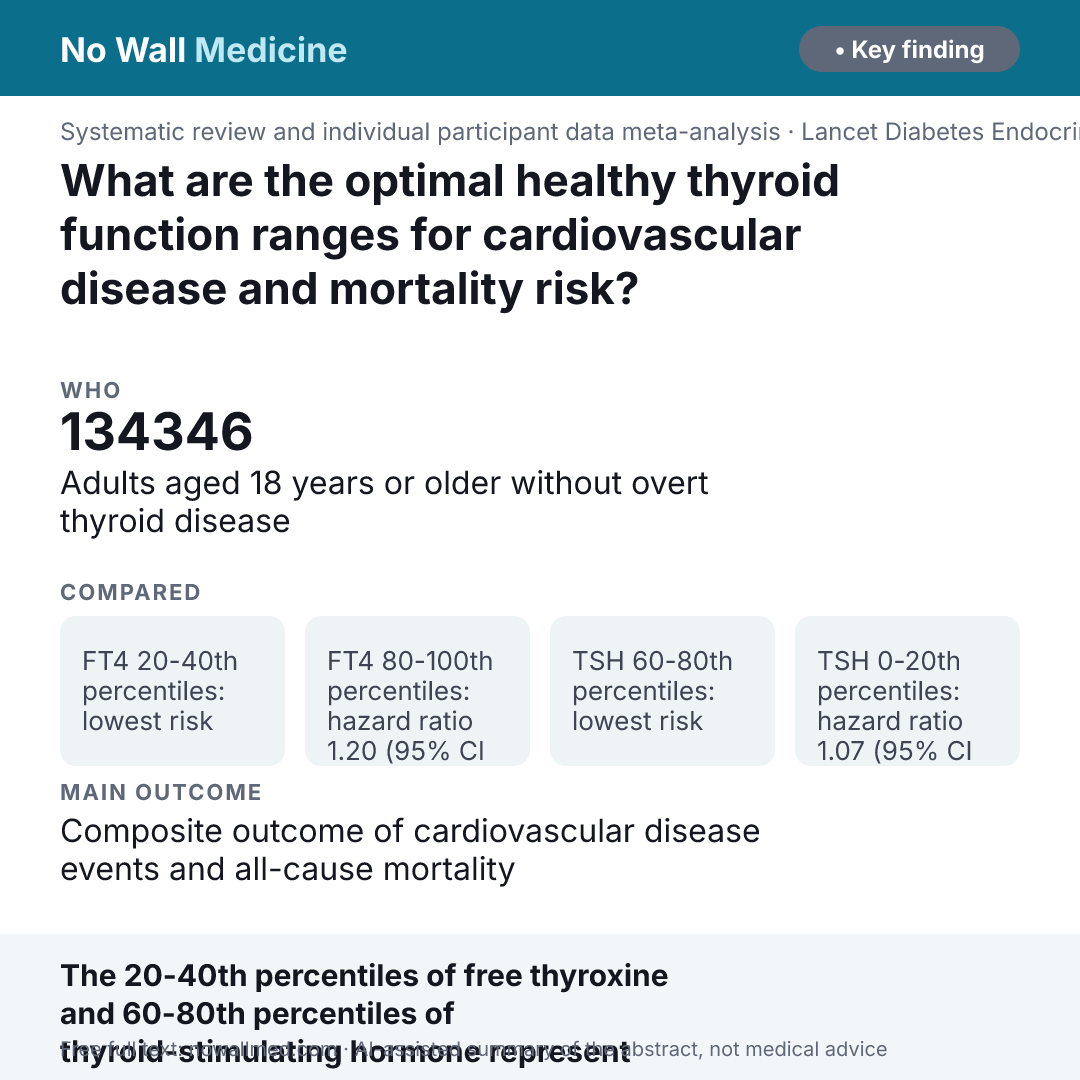
The optimal healthy ranges of thyroid function defined by the risk of cardiovascular disease and mortality: systematic review and individual participant data meta-analysis
Systematic review and individual participant data meta-analysisKey finding
What are the optimal healthy thyroid function ranges for cardiovascular disease and mortality risk?
Who
134346
Adults aged 18 years or older without overt thyroid disease
Compared
FT4 20-40th percentiles: lowest risk
FT4 80-100th percentiles: hazard ratio 1.20 (95% CI 1.11-1.31)
TSH 60-80th percentiles: lowest risk
TSH 0-20th percentiles: hazard ratio 1.07 (95% CI 1.02-1.12)
Main outcome
Composite outcome of cardiovascular disease events and all-cause mortality
Result: hazard ratio 1.20 (95% CI 1.11-1.31) for FT4 80-100th percentiles
Bottom line: The 20-40th percentiles of free thyroxine and 60-80th percentiles of thyroid-stimulating hormone represent optimal healthy ranges.
Lancet Diabetes Endocrinol · 2023-09-08 · Save PNG
Oncologic outcomes after breast-conserving surgery with radiotherapy versus mastectomy in patients with Paget's disease of the breast: systematic review and meta-analysis
Systematic review and meta-analysisMixed results
Are breast-conserving surgery with radiotherapy or mastectomy better for Paget's disease?
Who
Patients with Paget's disease of the breast
Compared
Breast-conserving surgery with radiotherapy
Mastectomy
Main outcome
Overall survival and local recurrence
Result: hazard ratio 0.68 (95% per cent c.i. 0.45 to 1.01)
Bottom line: Breast-conserving surgery with radiotherapy may be a comparable alternative to mastectomy for selected patients.
Br J Surg · 2023-09-08 · Save PNG

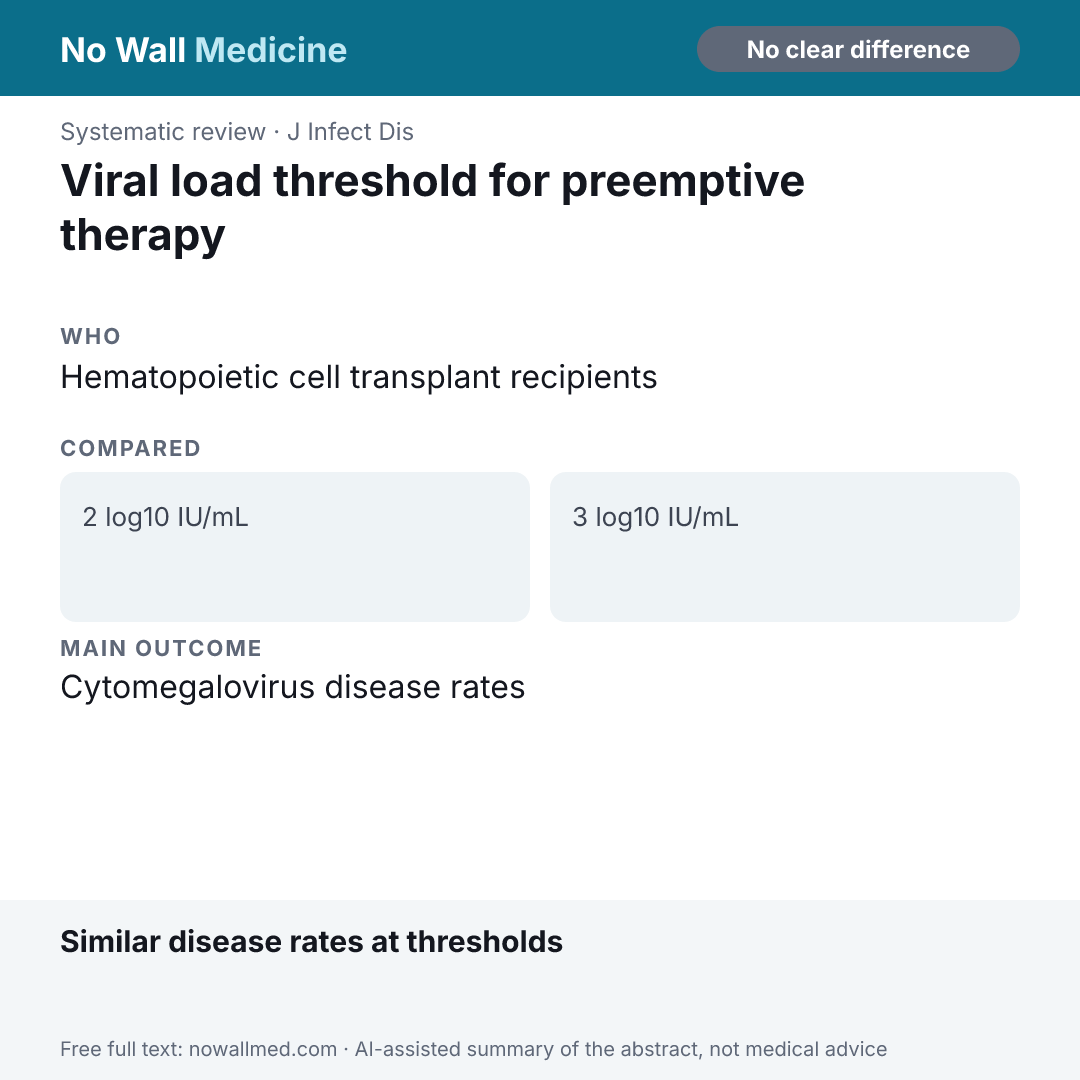
Cytomegalovirus Viral Load Threshold to Guide Preemptive Therapy in Hematopoietic Cell Transplant Recipients: Correlation With Cytomegalovirus Disease
Systematic reviewNo clear difference
Viral load threshold for preemptive therapy
Who
Hematopoietic cell transplant recipients
Compared
2 log10 IU/mL
3 log10 IU/mL
Main outcome
Cytomegalovirus disease rates
Bottom line: Similar disease rates at thresholds
J Infect Dis · 2023-09-08 · Save PNG
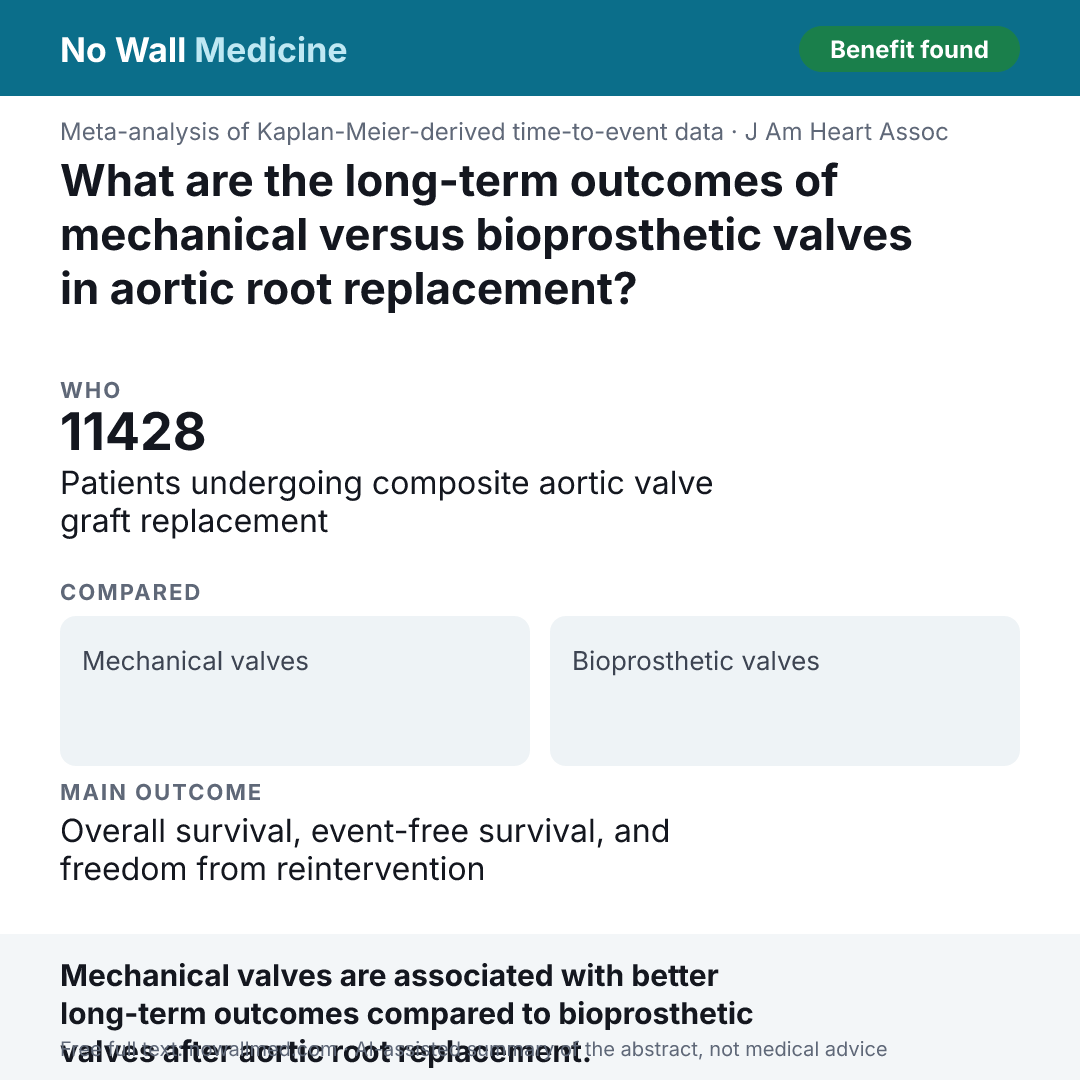
Long-Term Outcomes of Patients Undergoing Aortic Root Replacement With Mechanical Versus Bioprosthetic Valves: Meta-Analysis of Reconstructed Time-to-Event Data
Meta-analysis of Kaplan-Meier-derived time-to-event dataBenefit found
What are the long-term outcomes of mechanical versus bioprosthetic valves in aortic root replacement?
Who
11428
Patients undergoing composite aortic valve graft replacement
Compared
Mechanical valves
Bioprosthetic valves
Main outcome
Overall survival, event-free survival, and freedom from reintervention
Result: hazard ratio 0.89 (95% CI 0.81 to 0.99) for all-cause mortality after 30 days
Bottom line: Mechanical valves are associated with better long-term outcomes compared to bioprosthetic valves after aortic root replacement.
J Am Heart Assoc · 2023-09-08 · Save PNG
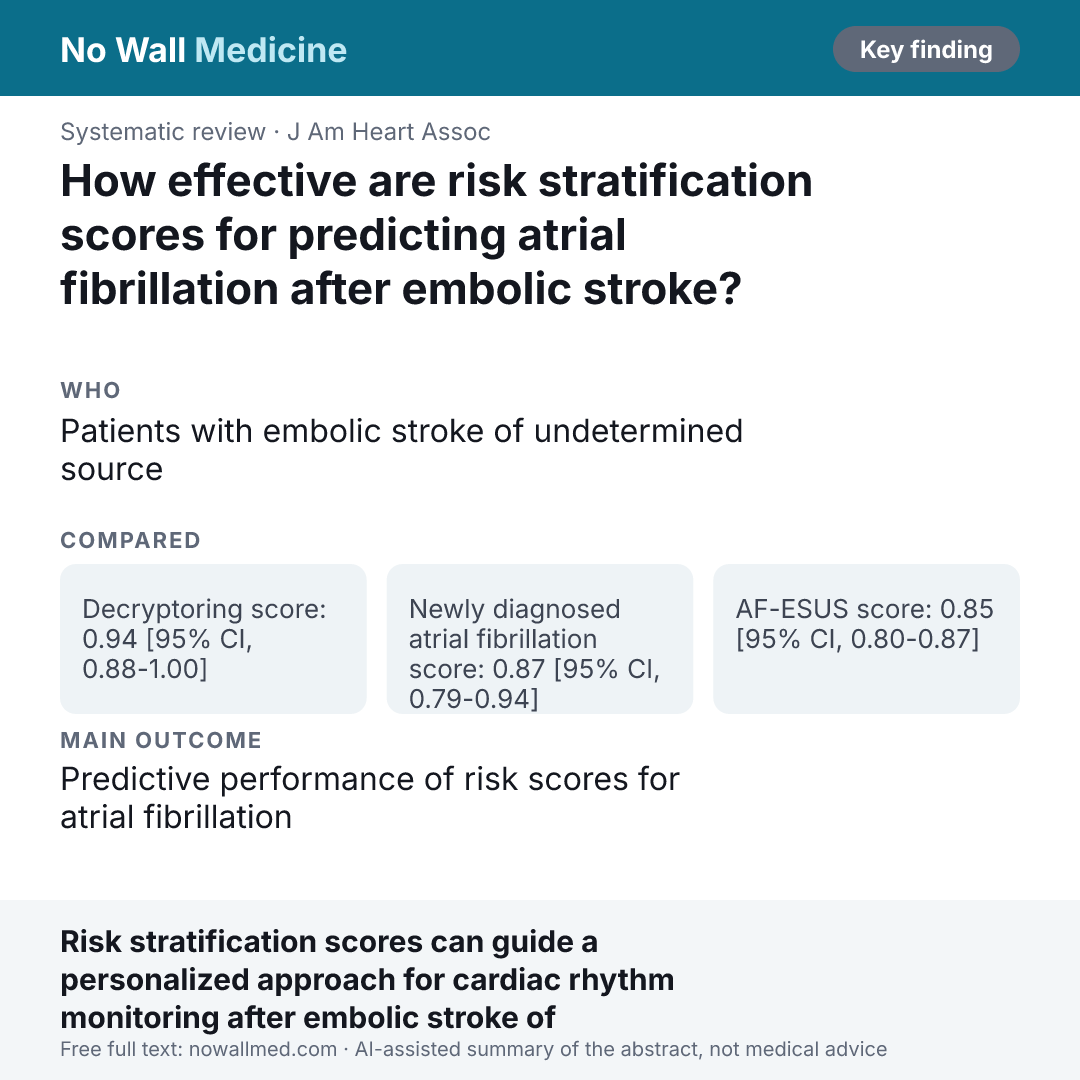
Risk Stratification Tools to Guide a Personalized Approach for Cardiac Monitoring in Embolic Stroke of Undetermined Source
Systematic reviewKey finding
How effective are risk stratification scores for predicting atrial fibrillation after embolic stroke?
Who
Patients with embolic stroke of undetermined source
Compared
Decryptoring score: 0.94 [95% CI, 0.88-1.00]
Newly diagnosed atrial fibrillation score: 0.87 [95% CI, 0.79-0.94]
AF-ESUS score: 0.85 [95% CI, 0.80-0.87]
Main outcome
Predictive performance of risk scores for atrial fibrillation
Bottom line: Risk stratification scores can guide a personalized approach for cardiac rhythm monitoring after embolic stroke of undetermined source.
J Am Heart Assoc · 2023-09-08 · Save PNG
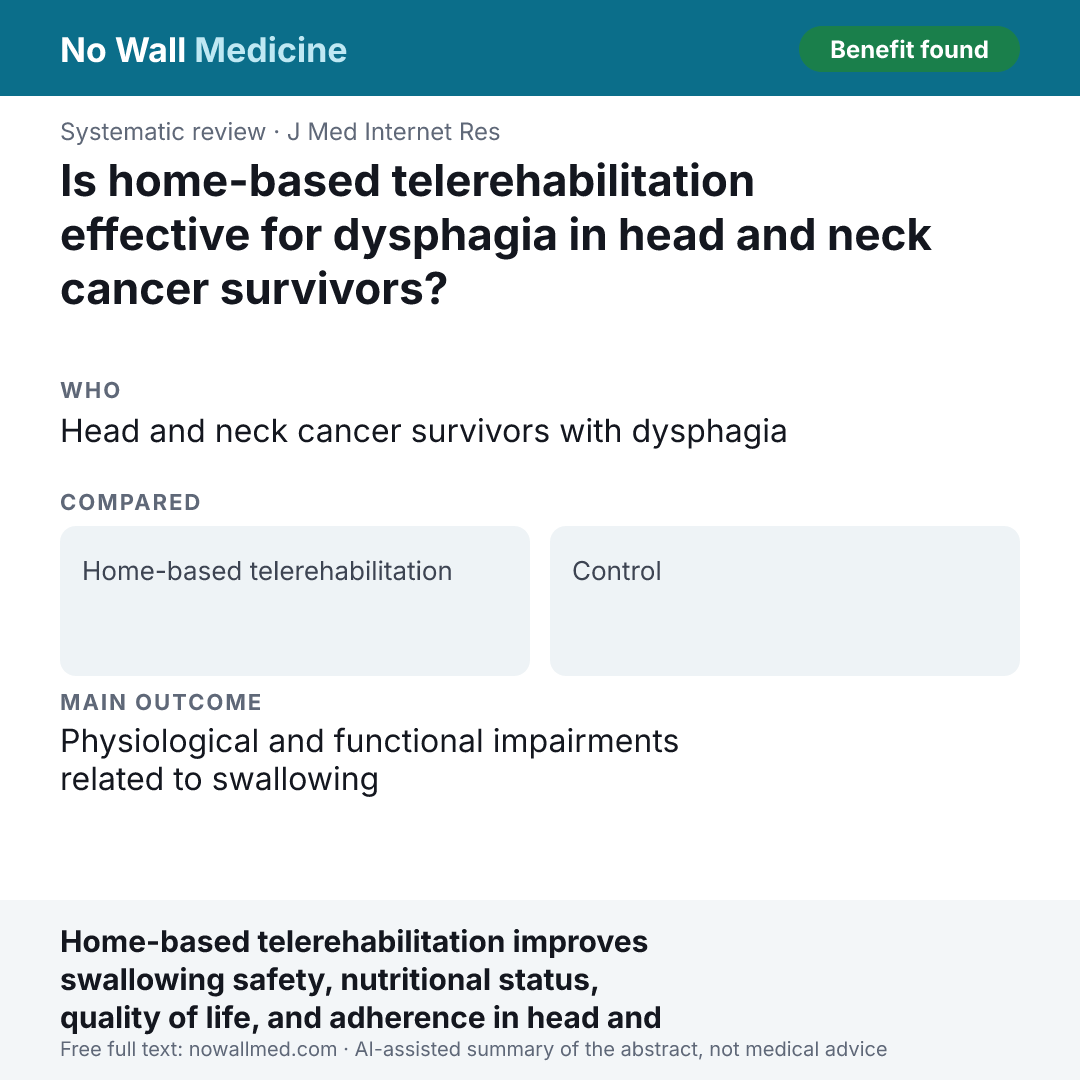
Effectiveness of Home-Based Telerehabilitation Interventions for Dysphagia in Patients With Head and Neck Cancer: Systematic Review
Systematic reviewBenefit found
Is home-based telerehabilitation effective for dysphagia in head and neck cancer survivors?
Who
Head and neck cancer survivors with dysphagia
Compared
Home-based telerehabilitation
Control
Main outcome
Physiological and functional impairments related to swallowing
Bottom line: Home-based telerehabilitation improves swallowing safety, nutritional status, quality of life, and adherence in head and neck cancer survivors.
Limitation: Current research is in its infancy and patient factors are highly diverse.
J Med Internet Res · 2023-09-08 · Save PNG
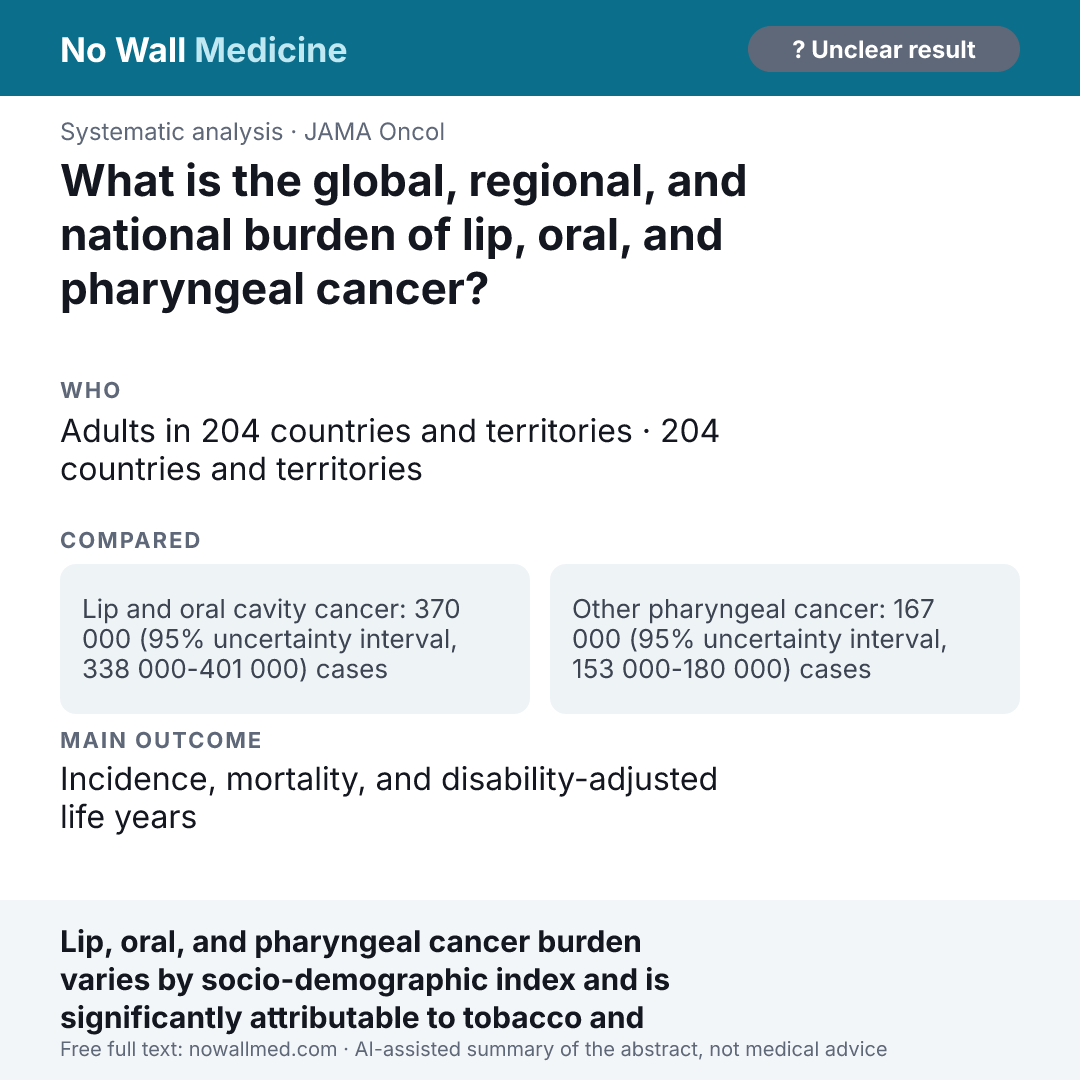
The Global, Regional, and National Burden of Adult Lip, Oral, and Pharyngeal Cancer in 204 Countries and Territories: A Systematic Analysis for the Global Burden of Disease Study 2019
Systematic analysisUnclear result
What is the global, regional, and national burden of lip, oral, and pharyngeal cancer?
Who
Adults in 204 countries and territories · 204 countries and territories
Compared
Lip and oral cavity cancer: 370 000 (95% uncertainty interval, 338 000-401 000) cases
Other pharyngeal cancer: 167 000 (95% uncertainty interval, 153 000-180 000) cases
Main outcome
Incidence, mortality, and disability-adjusted life years
Bottom line: Lip, oral, and pharyngeal cancer burden varies by socio-demographic index and is significantly attributable to tobacco and alcohol use.
JAMA Oncol · 2023-09-07 · Save PNG
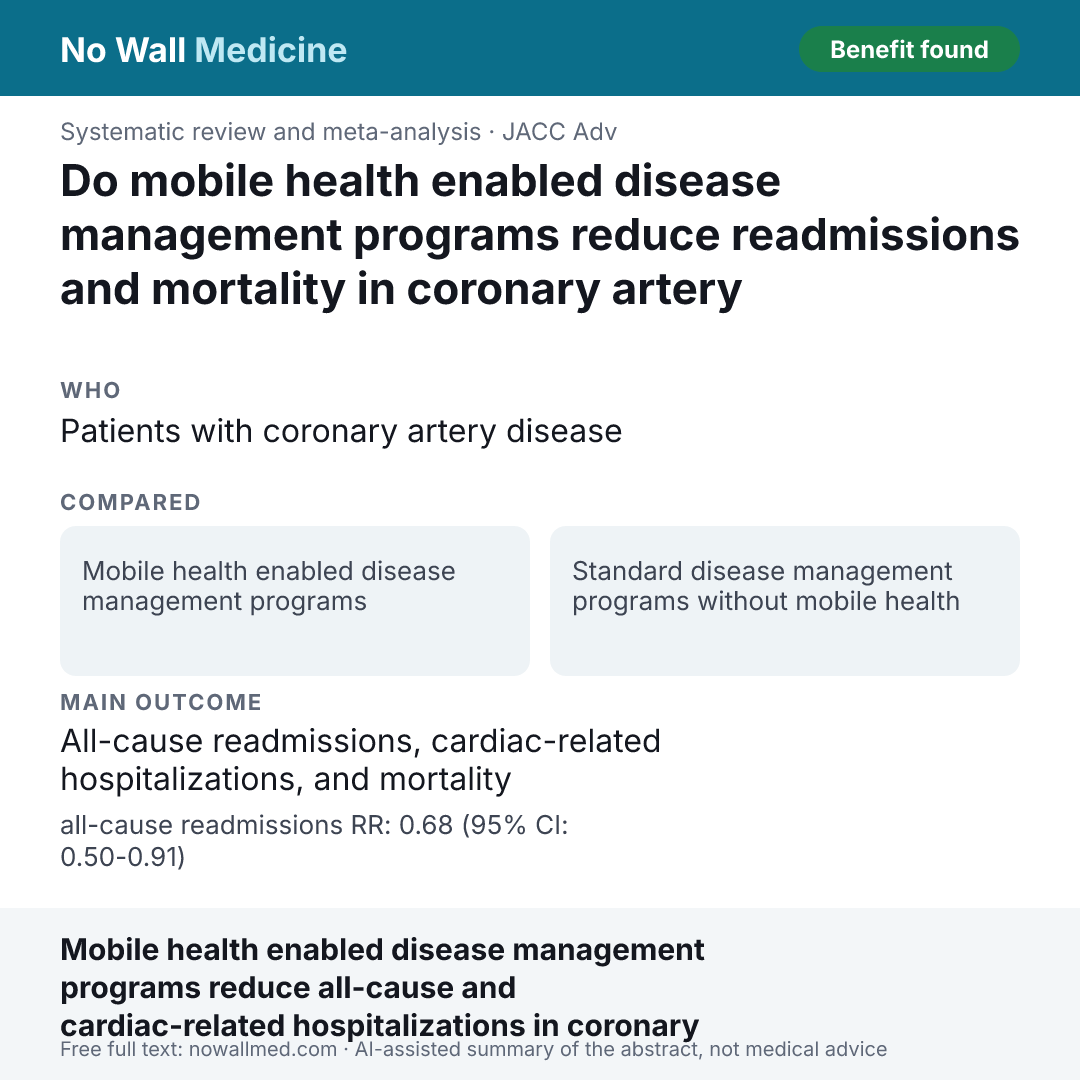
Digital Health Programs to Reduce Readmissions in Coronary Artery Disease: A Systematic Review and Meta-Analysis
Systematic review and meta-analysisBenefit found
Do mobile health enabled disease management programs reduce readmissions and mortality in coronary artery disease?
Who
Patients with coronary artery disease
Compared
Mobile health enabled disease management programs
Standard disease management programs without mobile health
Main outcome
All-cause readmissions, cardiac-related hospitalizations, and mortality
Result: all-cause readmissions RR: 0.68 (95% CI: 0.50-0.91)
Bottom line: Mobile health enabled disease management programs reduce all-cause and cardiac-related hospitalizations in coronary artery disease patients.
JACC Adv · 2023-09-07 · Save PNG
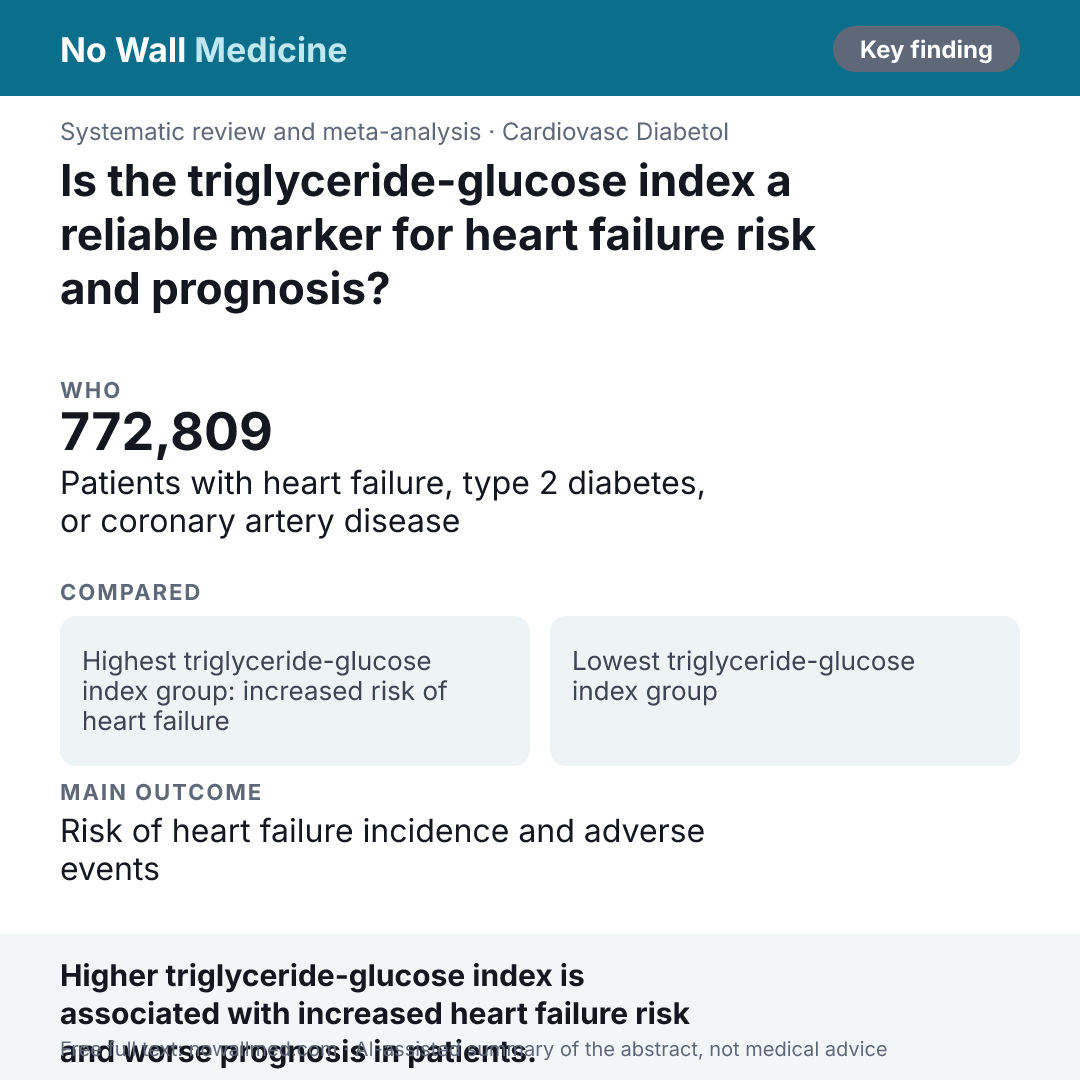
Triglyceride-glucose index and heart failure: a systematic review and meta-analysis
Systematic review and meta-analysisKey finding
Is the triglyceride-glucose index a reliable marker for heart failure risk and prognosis?
Who
772,809
Patients with heart failure, type 2 diabetes, or coronary artery disease
Compared
Highest triglyceride-glucose index group: increased risk of heart failure
Lowest triglyceride-glucose index group
Main outcome
Risk of heart failure incidence and adverse events
Result: hazard ratio 1.21 (95% CI 1.14 to 1.29)
Bottom line: Higher triglyceride-glucose index is associated with increased heart failure risk and worse prognosis in patients.
Cardiovasc Diabetol · 2023-09-07 · Save PNG
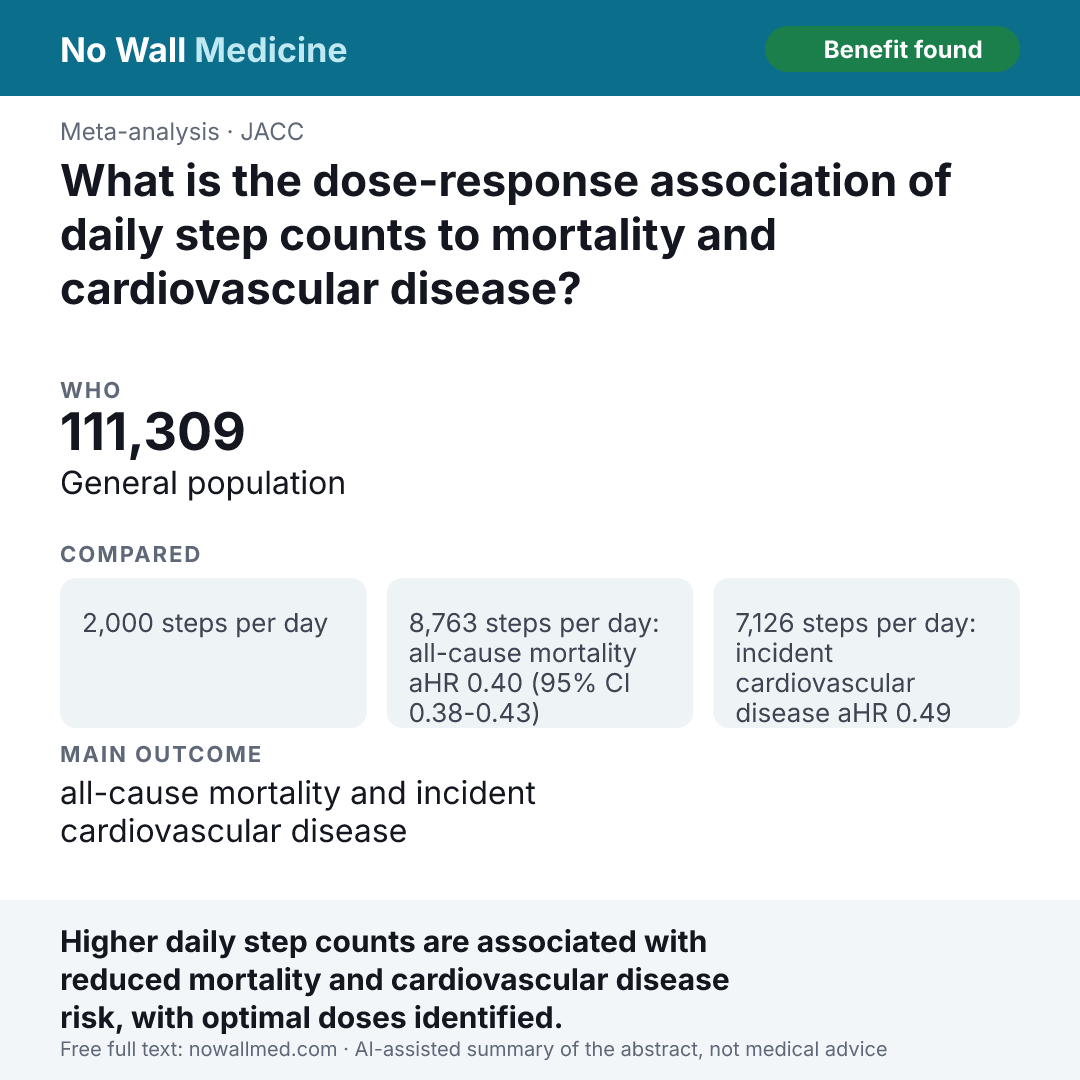
Relationship of Daily Step Counts to All-Cause Mortality and Cardiovascular Events
Meta-analysisBenefit found
What is the dose-response association of daily step counts to mortality and cardiovascular disease?
Who
111,309
General population
Compared
2,000 steps per day
8,763 steps per day: all-cause mortality aHR 0.40 (95% CI 0.38-0.43)
7,126 steps per day: incident cardiovascular disease aHR 0.49 (95% CI 0.45-0.55)
Main outcome
all-cause mortality and incident cardiovascular disease
Result: all-cause mortality aHR 0.92 (95% CI 0.84-0.999) at 2,517 steps/d
Bottom line: Higher daily step counts are associated with reduced mortality and cardiovascular disease risk, with optimal doses identified.
Limitation: pronounced risk reductions were observed for hip-worn accelerometers compared with pedometers and wrist-worn accelerometers
JACC · 2023-09-06 · Save PNG
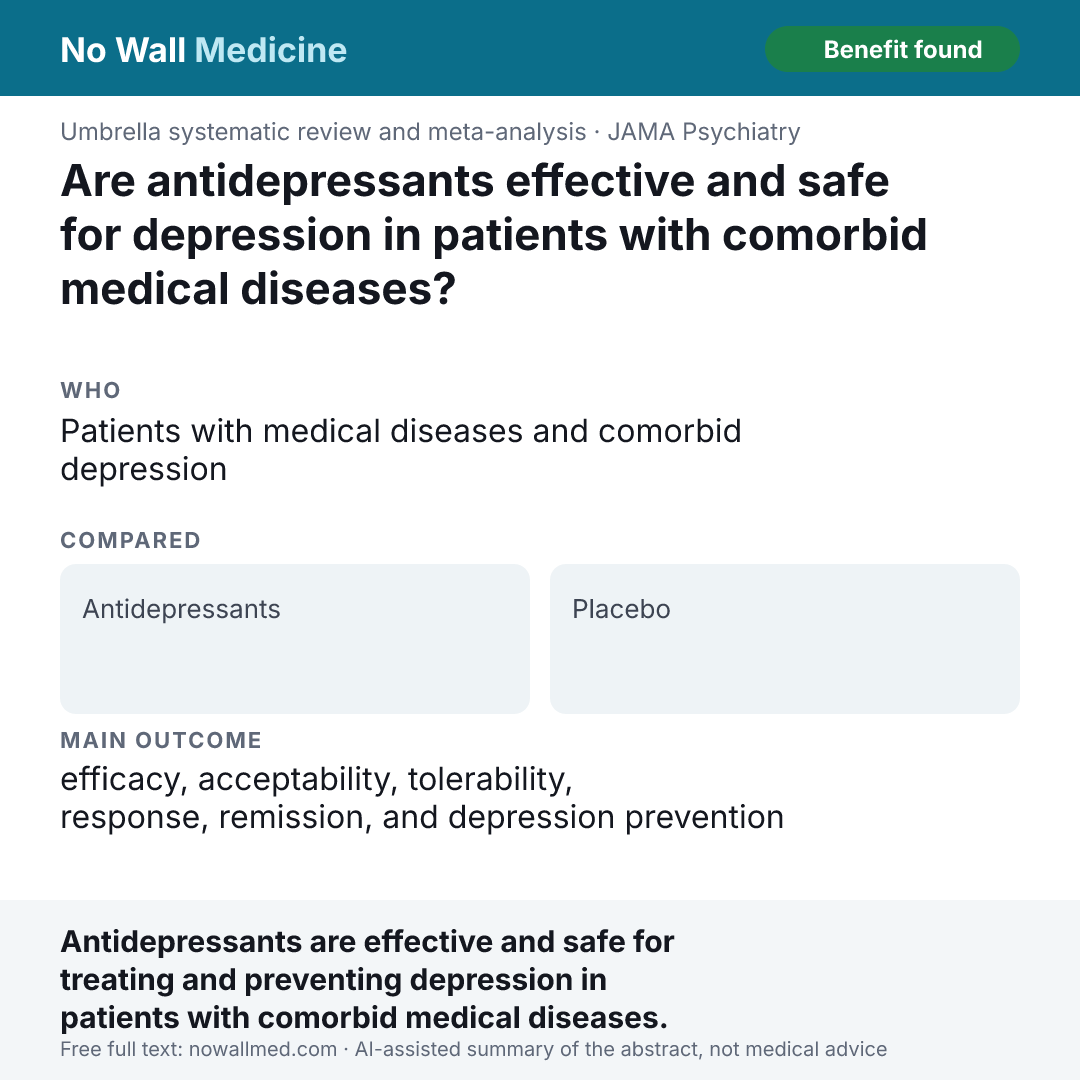
Efficacy and Safety of Antidepressants in Patients With Comorbid Depression and Medical Diseases: An Umbrella Systematic Review and Meta-Analysis
Umbrella systematic review and meta-analysisBenefit found
Are antidepressants effective and safe for depression in patients with comorbid medical diseases?
Who
Patients with medical diseases and comorbid depression
Compared
Antidepressants
Placebo
Main outcome
efficacy, acceptability, tolerability, response, remission, and depression prevention
Result: standardized mean difference 0.42 (95% CI 0.30-0.54)
Bottom line: Antidepressants are effective and safe for treating and preventing depression in patients with comorbid medical diseases.
Limitation: few large, high-quality randomized clinical trials exist in most medical diseases
JAMA Psychiatry · 2023-09-06 · Save PNG
Salpingectomy for the Primary Prevention of Ovarian Cancer: A Systematic Review
Systematic reviewBenefit found
Does bilateral salpingectomy prevent the development of epithelial ovarian cancer?
Who
Women at an average risk of developing ovarian cancer
Compared
Salpingectomy: 80% ovarian cancer risk reduction
Control
Main outcome
Ovarian cancer risk
Bottom line: Bilateral salpingectomy is a safe, feasible, and cost-effective strategy to reduce ovarian cancer risk.
JAMA Surg · 2023-09-06 · Save PNG

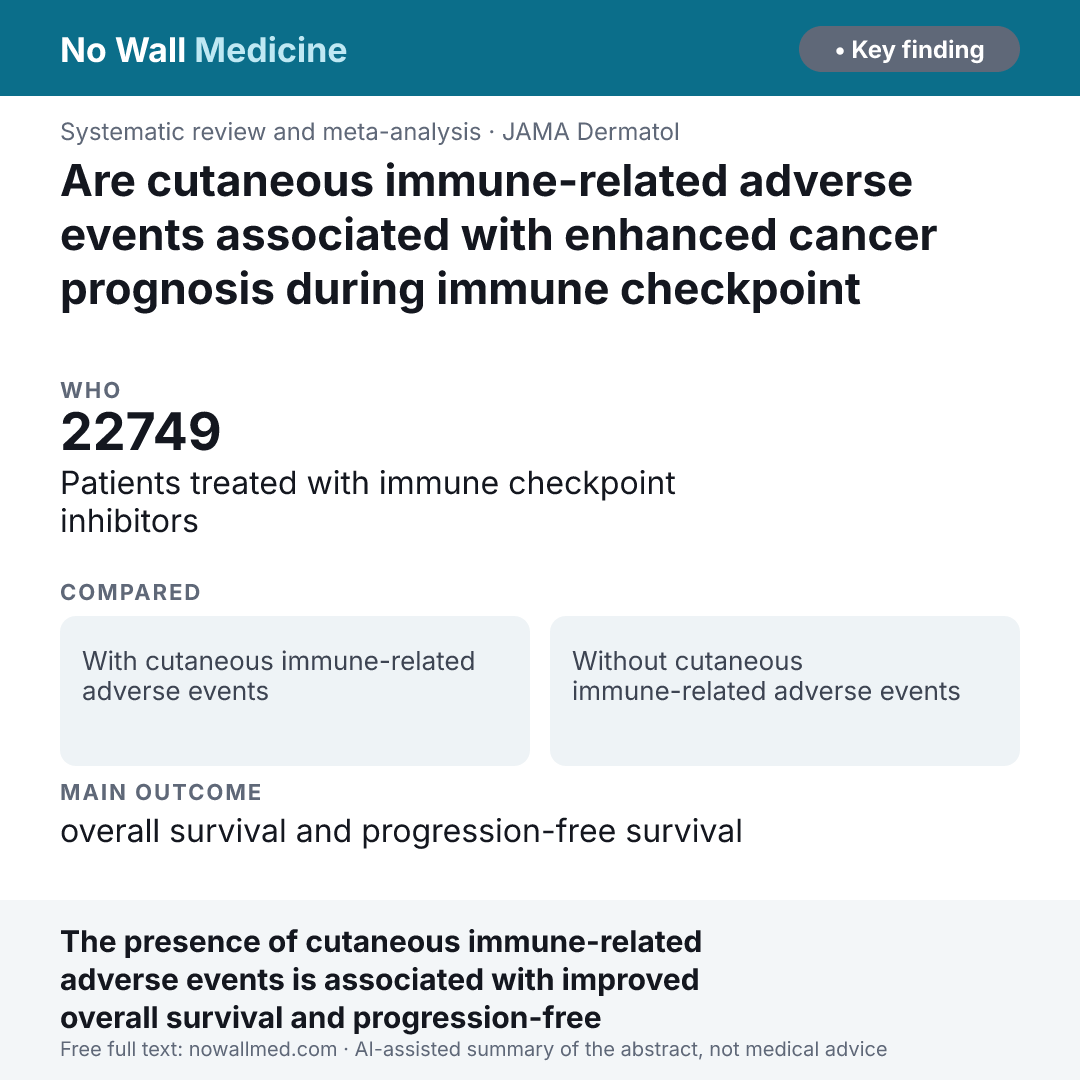
Cutaneous Adverse Events and Cancer Survival Prognosis With Immune Checkpoint Inhibitor Treatment: A Systematic Review and Meta-Analysis
Systematic review and meta-analysisKey finding
Are cutaneous immune-related adverse events associated with enhanced cancer prognosis during immune checkpoint inhibitor treatment?
Who
22749
Patients treated with immune checkpoint inhibitors
Compared
With cutaneous immune-related adverse events
Without cutaneous immune-related adverse events
Main outcome
overall survival and progression-free survival
Result: hazard ratio 0.61 (95% CI 0.52-0.72) for overall survival; hazard ratio 0.52 (95% CI 0.41-0.65) for progression-free survival
Bottom line: The presence of cutaneous immune-related adverse events is associated with improved overall survival and progression-free survival in cancer patients.
Limitation: No statistically significant differences were identified in terms of progression-free survival within studies conducted in the US.
JAMA Dermatol · 2023-09-06 · Save PNG
Economic evaluations of whole-genome sequencing for pathogen identification in public health surveillance and health-care-associated infections: a systematic review
Systematic reviewUnclear result
What is the economic evidence for whole-genome sequencing for pathogen identification and surveillance?
Who
Pathogen identification and surveillance
Compared
Whole-genome sequencing
Existing economic evidence
Main outcome
Economic evidence of whole-genome sequencing implementation
Bottom line: Economic evidence to support whole-genome sequencing for pathogen characterisation and surveillance is currently insufficient and of low quality.
Lancet Microbe · 2023-09-06 · Save PNG

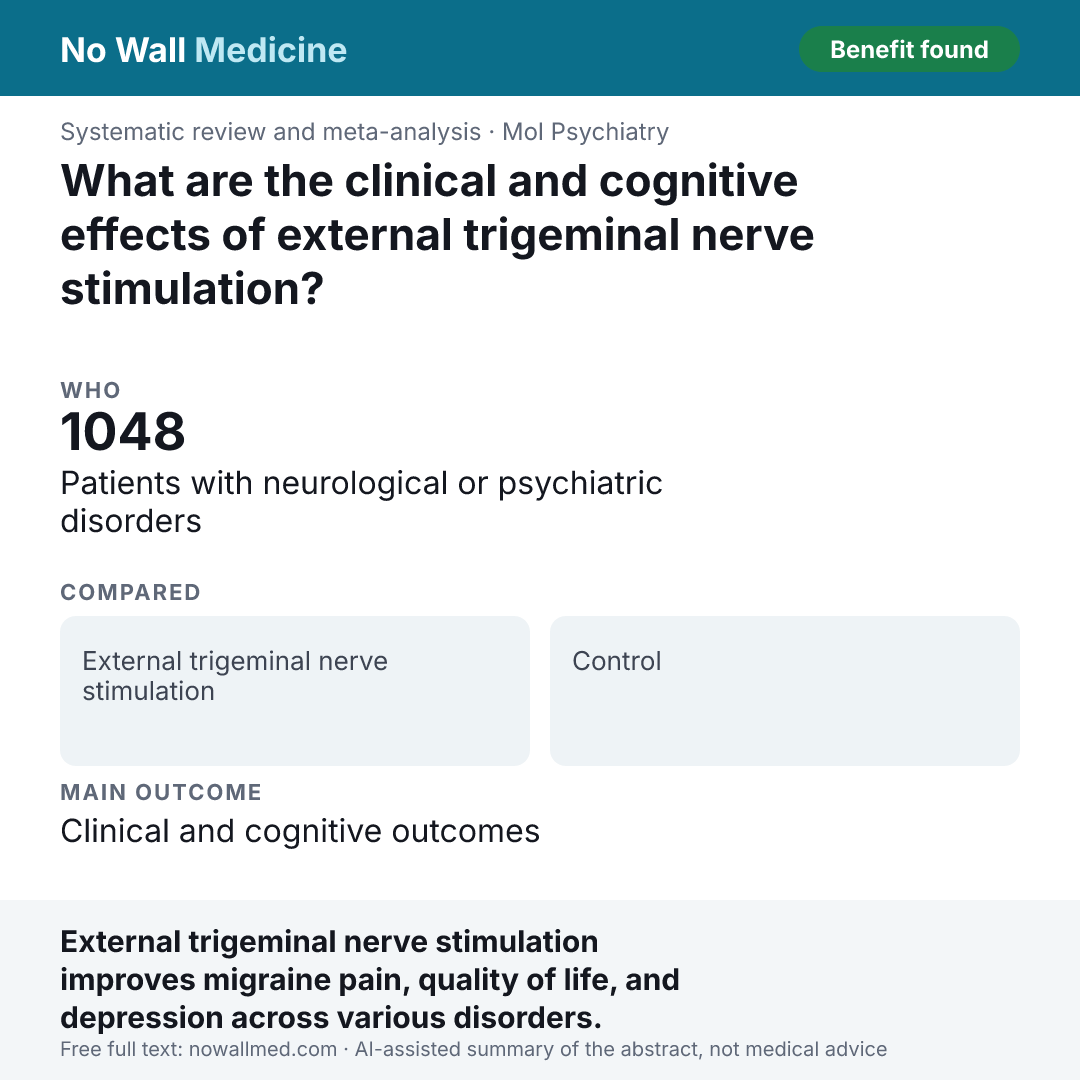
Clinical and cognitive effects of external trigeminal nerve stimulation (eTNS) in neurological and psychiatric disorders: a systematic review and meta-analysis
Systematic review and meta-analysisBenefit found
What are the clinical and cognitive effects of external trigeminal nerve stimulation?
Who
1048
Patients with neurological or psychiatric disorders
Compared
External trigeminal nerve stimulation
Control
Main outcome
Clinical and cognitive outcomes
Result: migraine pain intensity SMD 1.03 (95% CI 0.84 to 1.23)
Bottom line: External trigeminal nerve stimulation improves migraine pain, quality of life, and depression across various disorders.
Limitation: Well-blinded, adequately powered randomized controlled trials are needed to replicate findings and support dosage guidance.
Mol Psychiatry · 2023-09-06 · Save PNG