Visual abstracts
New randomized trials and meta-analyses from leading journals at a glance: who was studied, what was compared, and what was found. Every paper is free to read in full.
All specialtiesCardiology 4763Oncology 4043Gastroenterology & Hepatology 1903Infectious Disease 3756Neurology 1872Psychiatry & Mental Health 2216Pulmonology 2044Critical Care 1319Endocrinology & Diabetes 2544Pediatrics 2889Surgery 2480Orthopedics & Sports Medicine 917Neurosurgery 525Cardiothoracic & Vascular Surgery 656Plastic & Reconstructive Surgery 574Nephrology 1107Rheumatology 810Hematology 1090Dermatology 611Ophthalmology 532Obstetrics & Gynecology 1645Public & Global Health 1037Radiology & Imaging 619Anesthesiology 958Urology 745ENT (Otolaryngology) 494Emergency Medicine 481Allergy & Immunology 309Geriatrics 972Family Medicine & Primary Care 534Medical Genetics & Genomics 659Pathology & Laboratory Medicine 156Physical Medicine & Rehabilitation 734Palliative Care 421Nutrition 1560Digital Health & AI 2137General Medicine 318
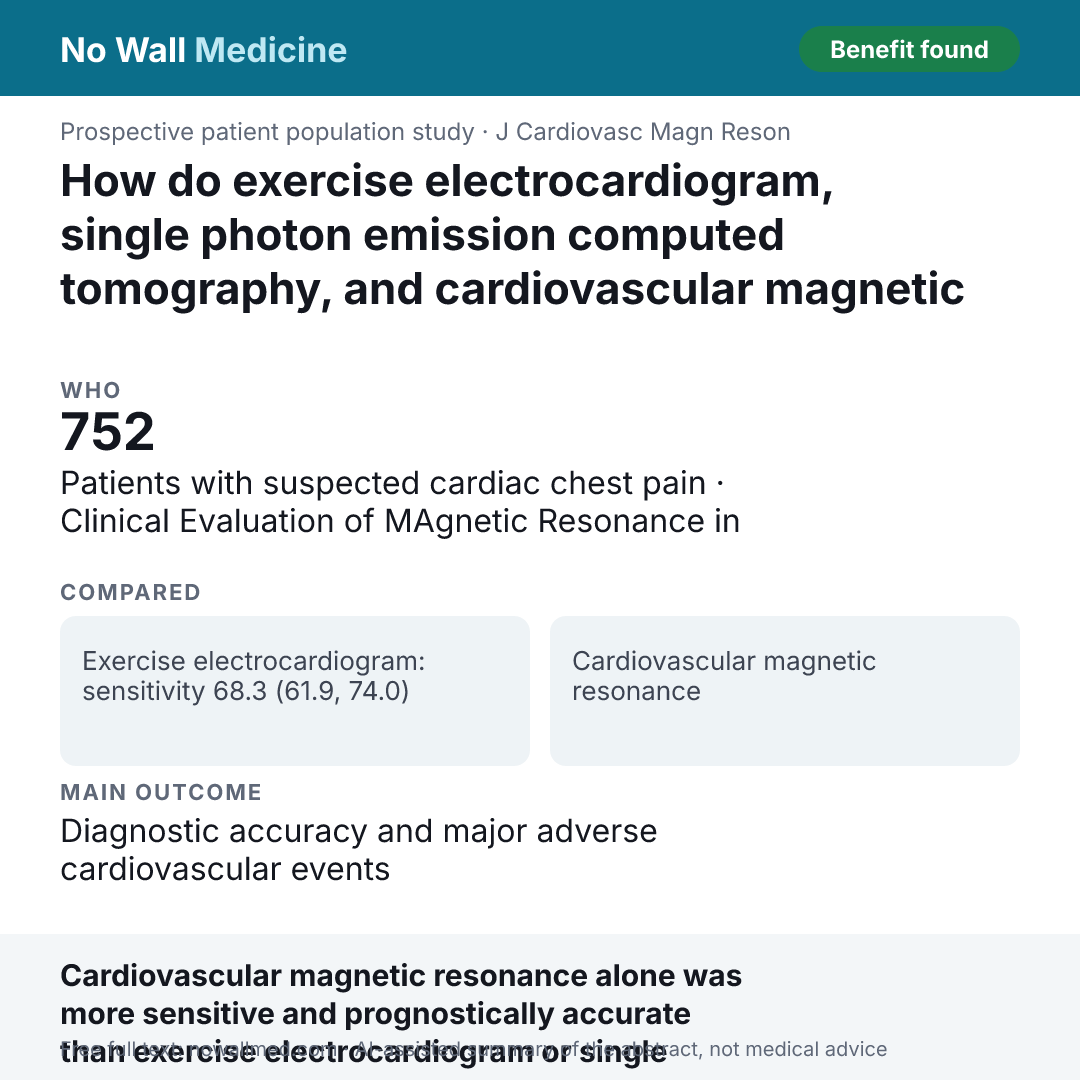
Diagnostic and prognostic comparison of stress electrocardiogram, cardiovascular magnetic resonance, and single photon emission computed tomography, alone and sequentially, in stable chest pain
Prospective patient population studyBenefit found
How do exercise electrocardiogram, single photon emission computed tomography, and cardiovascular magnetic resonance compare?
Who
752
Patients with suspected cardiac chest pain · Clinical Evaluation of MAgnetic Resonance in Coronary heart disease trial
Compared
Exercise electrocardiogram: sensitivity 68.3 (61.9, 74.0)
Cardiovascular magnetic resonance
Main outcome
Diagnostic accuracy and major adverse cardiovascular events
Result: hazard ratio 1.14 [0.75, 1.72]
Bottom line: Cardiovascular magnetic resonance alone was more sensitive and prognostically accurate than exercise electrocardiogram or single photon emission computed tomography.
J Cardiovasc Magn Reson · 2025-09-15 · Save PNG
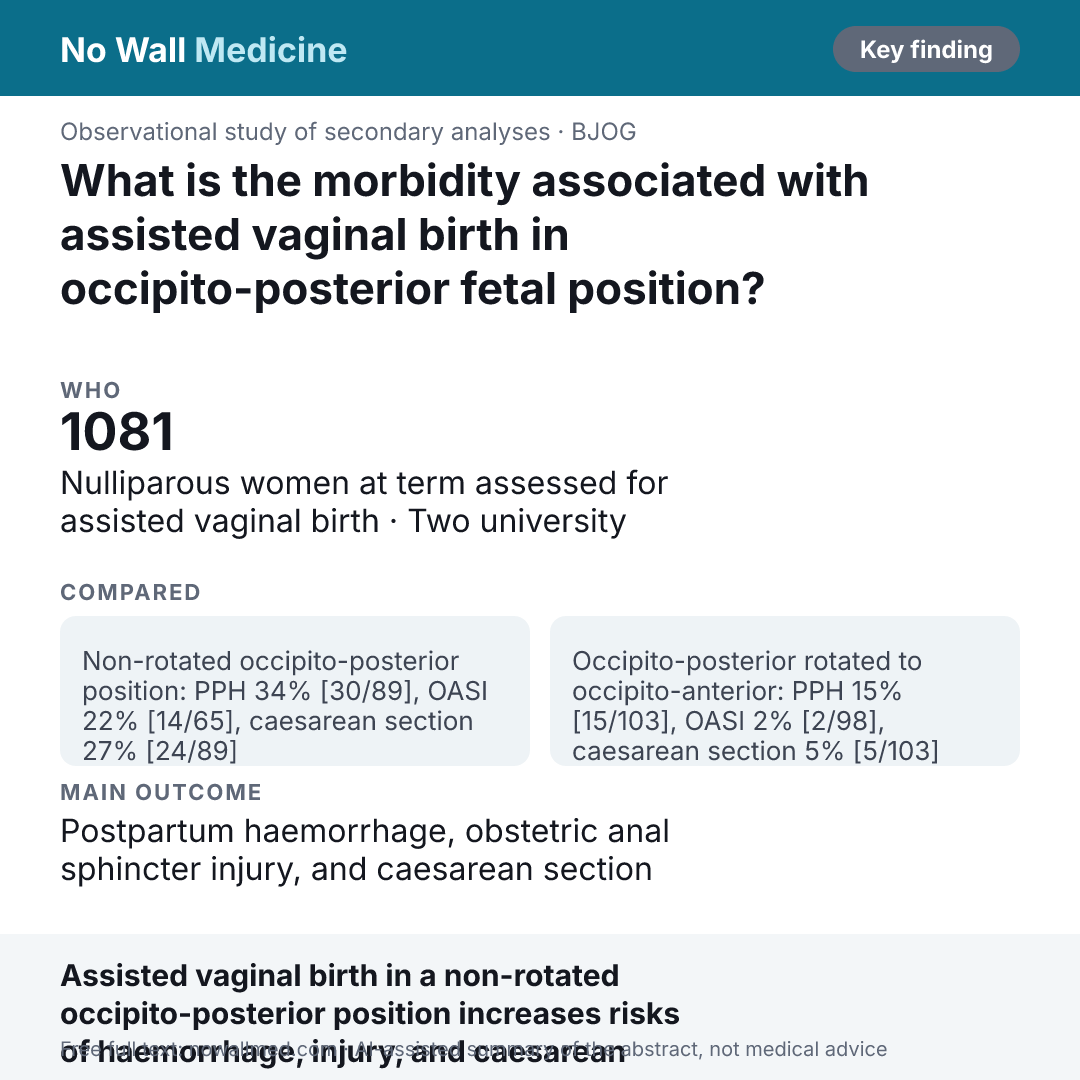
Birth Outcomes Associated With Assisted Vaginal Birth in an Occipito-Posterior Position: Secondary Analyses of a Randomised Controlled Trial and Cohort Study
Observational study of secondary analysesKey finding
What is the morbidity associated with assisted vaginal birth in occipito-posterior fetal position?
Who
1081
Nulliparous women at term assessed for assisted vaginal birth · Two university affiliated maternity hospitals in Ireland
Compared
Non-rotated occipito-posterior position: PPH 34% [30/89], OASI 22% [14/65], caesarean section 27% [24/89]
Occipito-posterior rotated to occipito-anterior: PPH 15% [15/103], OASI 2% [2/98], caesarean section 5% [5/103]
Main outcome
Postpartum haemorrhage, obstetric anal sphincter injury, and caesarean section
Result: adj OR 3.57 (95% CI 1.68 to 7.58) for PPH; adj OR 12.62 (95% CI 2.65 to 60.12) for OASI; adj OR 8.99 (95% CI 3.14 to 25.74) for caesarean section
Bottom line: Assisted vaginal birth in a non-rotated occipito-posterior position increases risks of haemorrhage, injury, and caesarean section.
BJOG · 2025-09-14 · Save PNG
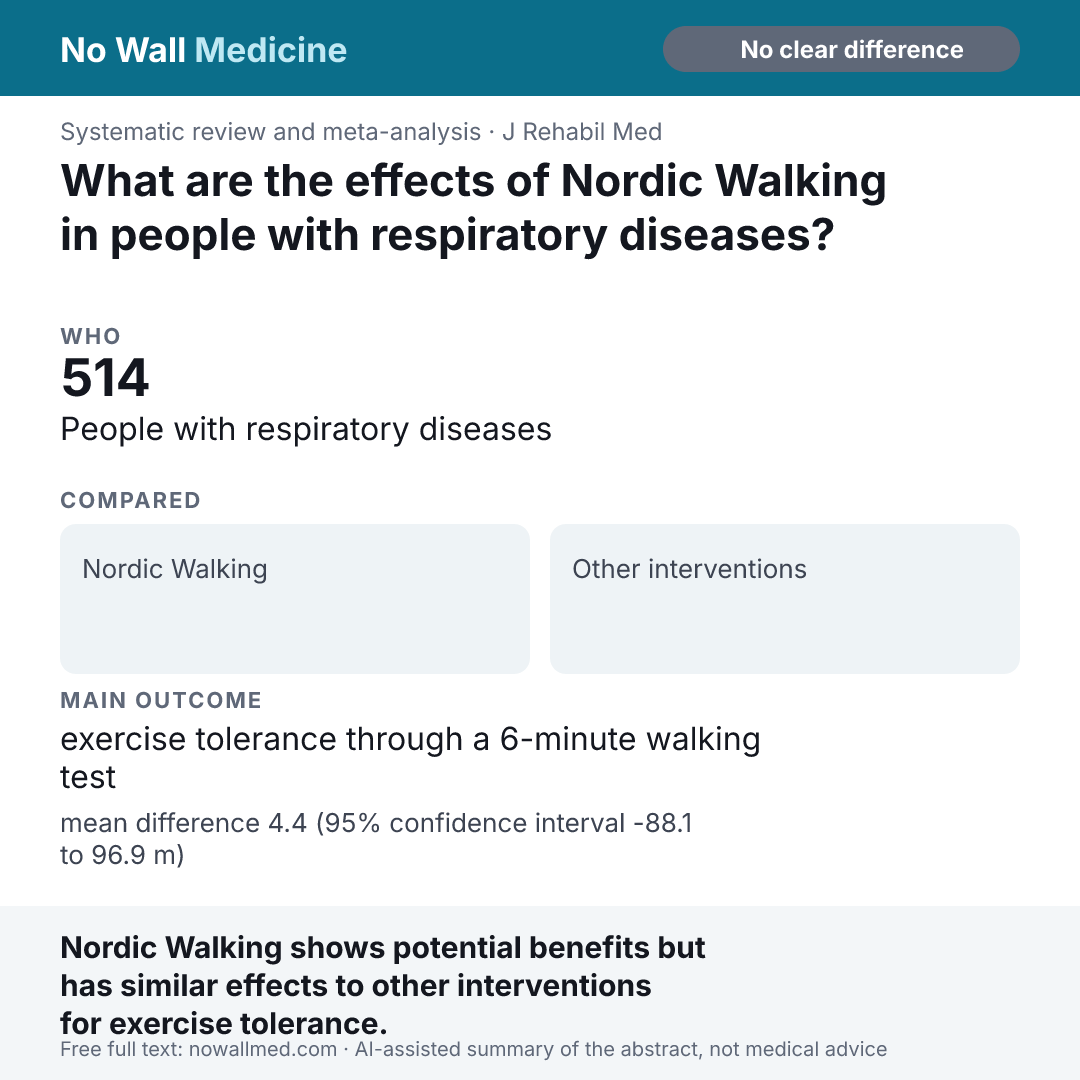
Effects of Nordic Walking in people with respiratory diseases: a systematic review and meta-analysis
Systematic review and meta-analysisNo clear difference
What are the effects of Nordic Walking in people with respiratory diseases?
Who
514
People with respiratory diseases
Compared
Nordic Walking
Other interventions
Main outcome
exercise tolerance through a 6-minute walking test
Result: mean difference 4.4 (95% confidence interval -88.1 to 96.9 m)
Bottom line: Nordic Walking shows potential benefits but has similar effects to other interventions for exercise tolerance.
J Rehabil Med · 2025-09-14 · Save PNG
Effectiveness of organization-directed interventions on healthcare professionals' well-being: a systematic review
Systematic reviewMixed results
Do organization-directed interventions improve healthcare professionals' well-being and work environment?
Who
Hospital staff and healthcare professionals
Compared
Social resources and support interventions: consistently yielded positive effects
Management and building interventions: linked to worse outcomes
Main outcome
Well-being, work environment, retention, and quality of care
Result: standardized mean differences ranging from -3.28 to 3.56
Bottom line: Organization-directed interventions show mixed effects, with social support being beneficial while some management interventions may be detrimental.
Limitation: Overall certainty of evidence was rated very low and most studies showed some risk of bias.
Funded by: NFU and ZIN
eClinicalMedicine · 2025-09-13 · Save PNG

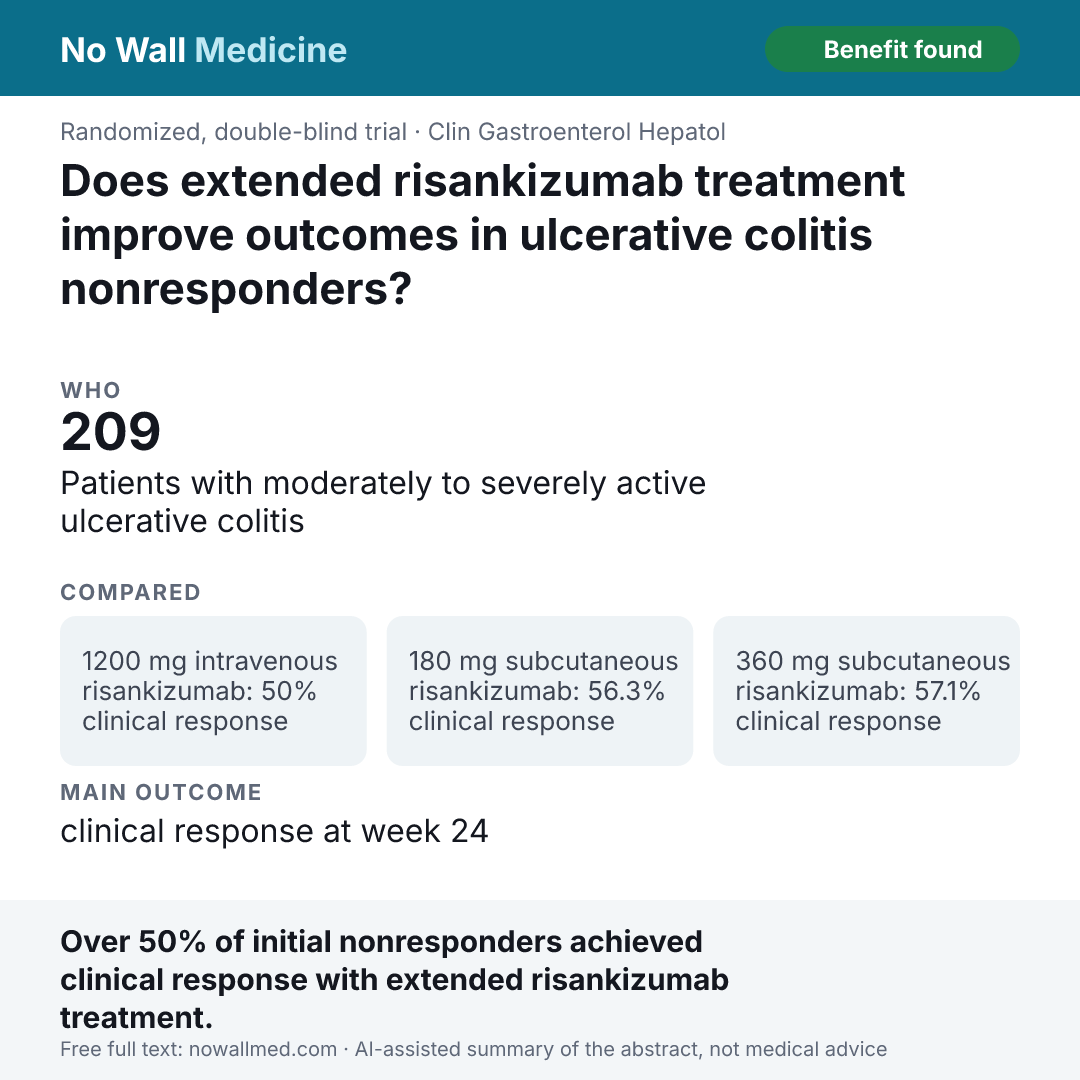
Impact of Extended Risankizumab Treatment in Patients With Ulcerative Colitis Who Did Not Respond to Induction Treatment
Randomized, double-blind trialBenefit found
Does extended risankizumab treatment improve outcomes in ulcerative colitis nonresponders?
Who
209
Patients with moderately to severely active ulcerative colitis
Compared
1200 mg intravenous risankizumab: 50% clinical response
180 mg subcutaneous risankizumab: 56.3% clinical response
360 mg subcutaneous risankizumab: 57.1% clinical response
Main outcome
clinical response at week 24
Bottom line: Over 50% of initial nonresponders achieved clinical response with extended risankizumab treatment.
Clin Gastroenterol Hepatol · 2025-09-13 · Save PNG
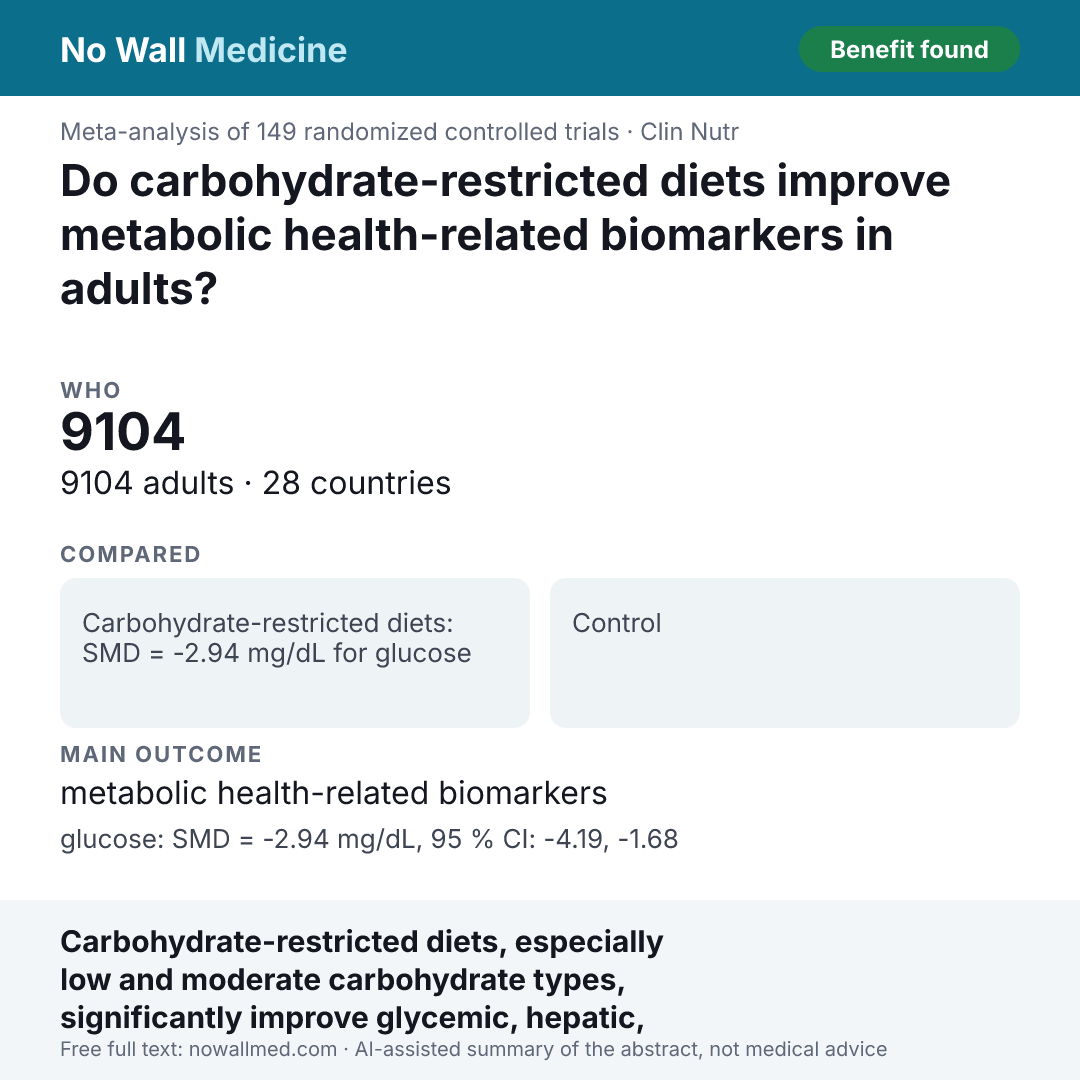
Carbohydrate-restricted diet types and macronutrient replacements for metabolic health in adults: A meta-analysis of randomized trials
Meta-analysis of 149 randomized controlled trialsBenefit found
Do carbohydrate-restricted diets improve metabolic health-related biomarkers in adults?
Who
9104
9104 adults · 28 countries
Compared
Carbohydrate-restricted diets: SMD = -2.94 mg/dL for glucose
Control
Main outcome
metabolic health-related biomarkers
Result: glucose: SMD = -2.94 mg/dL, 95 % CI: -4.19, -1.68
Bottom line: Carbohydrate-restricted diets, especially low and moderate carbohydrate types, significantly improve glycemic, hepatic, renal, and adipokine biomarkers.
Clin Nutr · 2025-09-13 · Save PNG
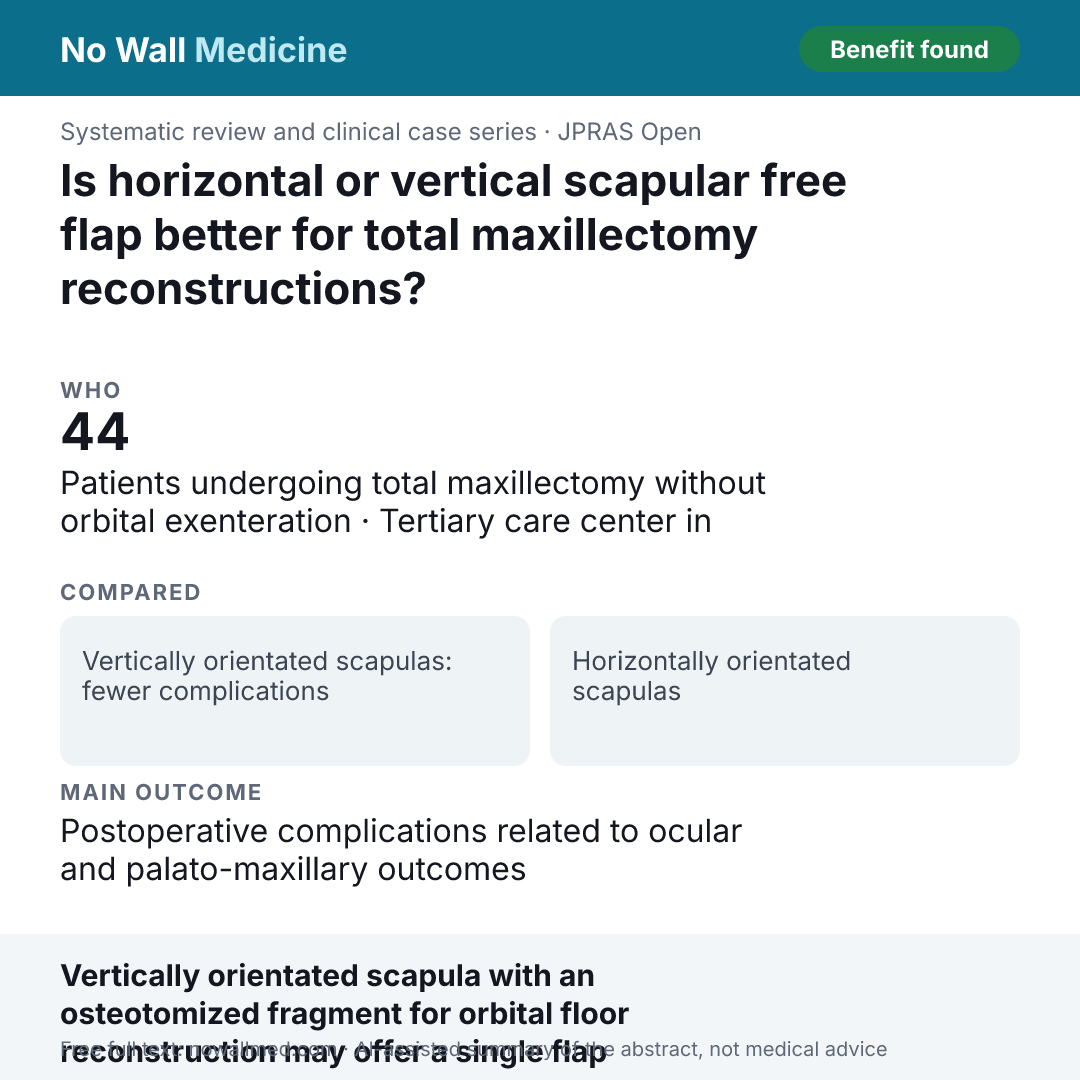
Horizontal versus vertical scapular free flap reconstructions in total maxillectomies without orbital exenteration-A systematic review and clinical case series
Systematic review and clinical case seriesBenefit found
Is horizontal or vertical scapular free flap better for total maxillectomy reconstructions?
Who
44
Patients undergoing total maxillectomy without orbital exenteration · Tertiary care center in Sweden
Compared
Vertically orientated scapulas: fewer complications
Horizontally orientated scapulas
Main outcome
Postoperative complications related to ocular and palato-maxillary outcomes
Result: p = 0.04
Bottom line: Vertically orientated scapula with an osteotomized fragment for orbital floor reconstruction may offer a single flap solution.
Limitation: No universally optimal technique exists for reconstructing the total maxillectomy without orbital exenteration.
JPRAS Open · 2025-09-13 · Save PNG
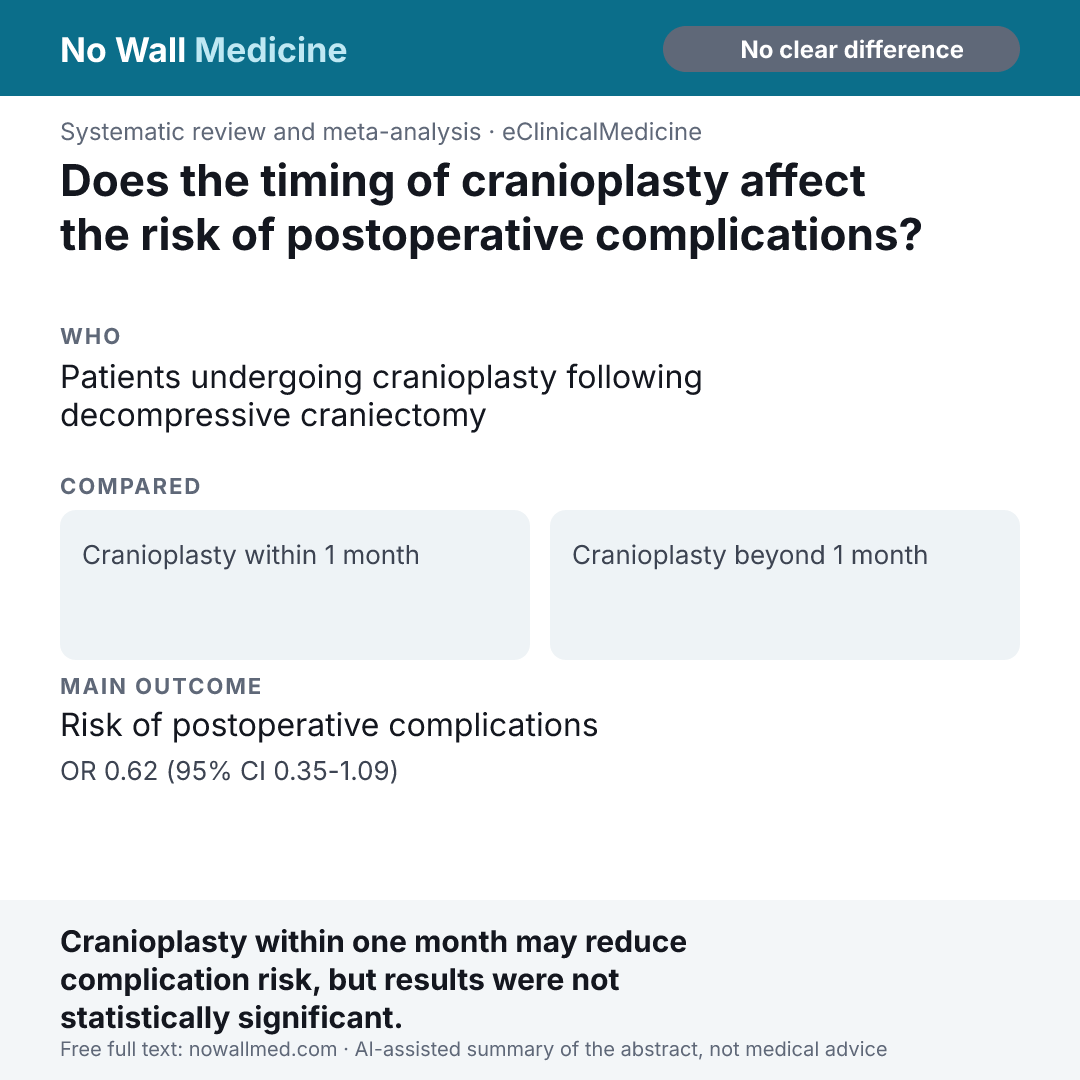
The timing of cranioplasty and the risk of postoperative complications: a systematic review and meta-analysis
Systematic review and meta-analysisNo clear difference
Does the timing of cranioplasty affect the risk of postoperative complications?
Who
Patients undergoing cranioplasty following decompressive craniectomy
Compared
Cranioplasty within 1 month
Cranioplasty beyond 1 month
Main outcome
Risk of postoperative complications
Result: OR 0.62 (95% CI 0.35-1.09)
Bottom line: Cranioplasty within one month may reduce complication risk, but results were not statistically significant.
Funded by: President Foundation of ZhuJiang Hospital and others
eClinicalMedicine · 2025-09-12 · Save PNG
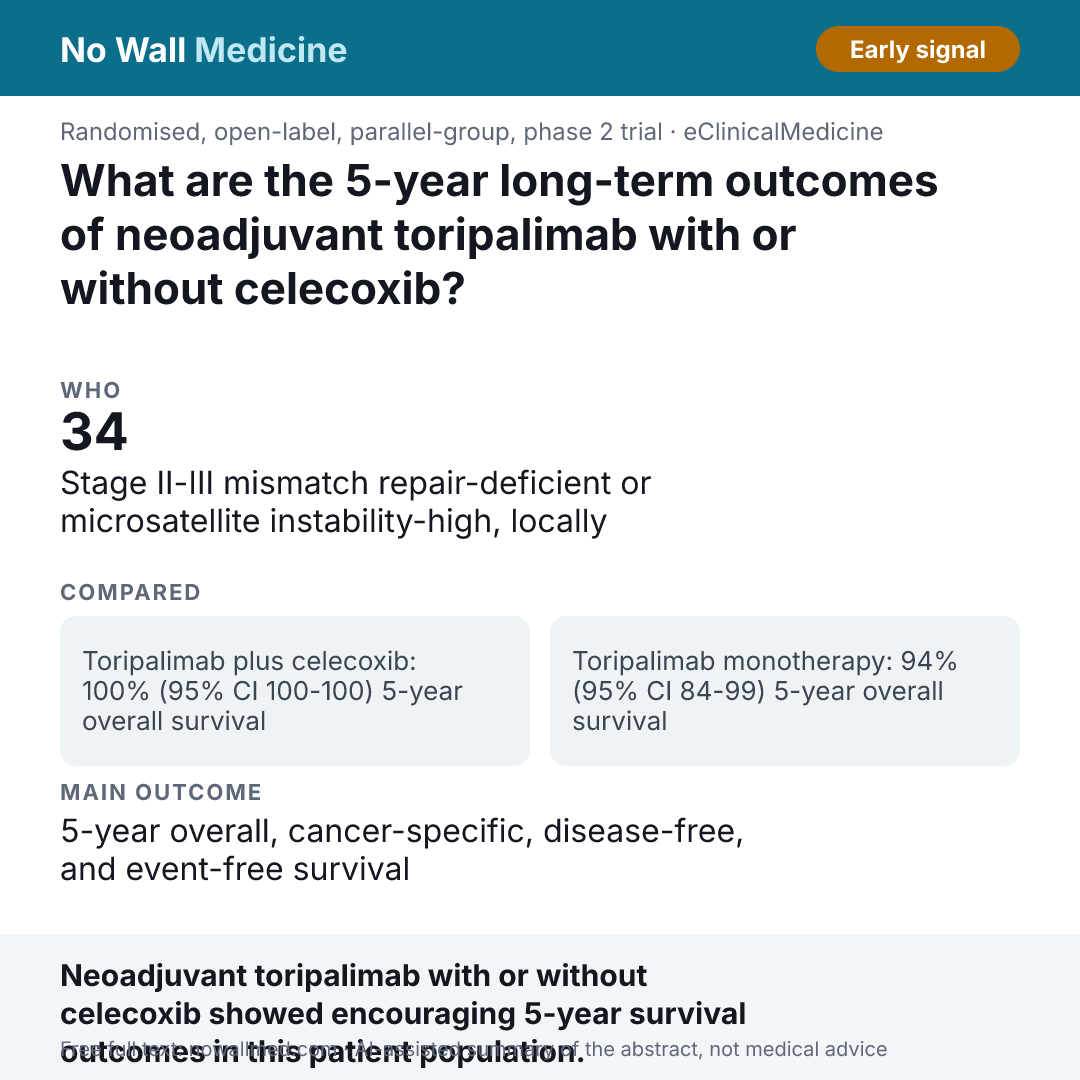
Neoadjuvant PD-1 blockade with toripalimab with or without celecoxib for patients with mismatch repair-deficient or microsatellite instability-high, locally advanced, colorectal cancer (PICC): long-term outcomes of a single-centre, parallel-group, non-comparative, randomised phase 2 trial
Randomised, open-label, parallel-group, phase 2 trialEarly signal
What are the 5-year long-term outcomes of neoadjuvant toripalimab with or without celecoxib?
Who
34
Stage II-III mismatch repair-deficient or microsatellite instability-high, locally advanced colorectal cancer · Single-centre
Compared
Toripalimab plus celecoxib: 100% (95% CI 100-100) 5-year overall survival
Toripalimab monotherapy: 94% (95% CI 84-99) 5-year overall survival
Main outcome
5-year overall, cancer-specific, disease-free, and event-free survival
Bottom line: Neoadjuvant toripalimab with or without celecoxib showed encouraging 5-year survival outcomes in this patient population.
Limitation: This was a single-centre, non-comparative, phase 2 study.
Funded by: National Natural Science Foundation of China and others
eClinicalMedicine · 2025-09-12 · Save PNG
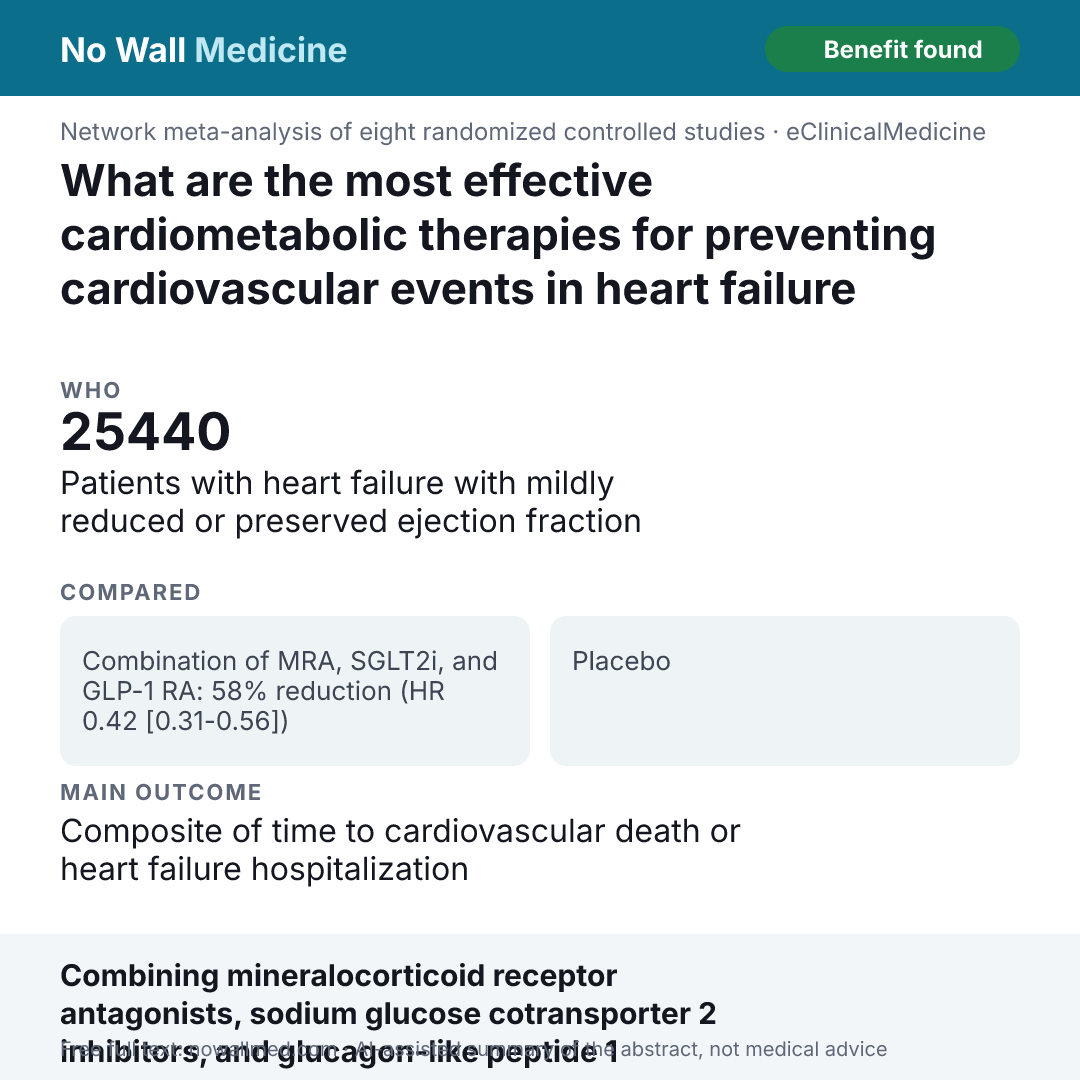
Prevention of cardiovascular events in heart failure with mildly reduced or preserved ejection fraction: a comprehensive network meta-analysis of eight randomized controlled trials using reconstructed individual patient's data
Network meta-analysis of eight randomized controlled studiesBenefit found
What are the most effective cardiometabolic therapies for preventing cardiovascular events in heart failure patients?
Who
25440
Patients with heart failure with mildly reduced or preserved ejection fraction
Compared
Combination of MRA, SGLT2i, and GLP-1 RA: 58% reduction (HR 0.42 [0.31-0.56])
Placebo
Main outcome
Composite of time to cardiovascular death or heart failure hospitalization
Result: hazard ratio 0.42 (95% CI 0.31 to 0.56)
Bottom line: Combining mineralocorticoid receptor antagonists, sodium glucose cotransporter 2 inhibitors, and glucagon-like peptide 1 receptor agonists reduces cardiovascular events.
Limitation: Large-scale randomized combination therapies with extended follow-up are needed to confirm these findings.
eClinicalMedicine · 2025-09-12 · Save PNG
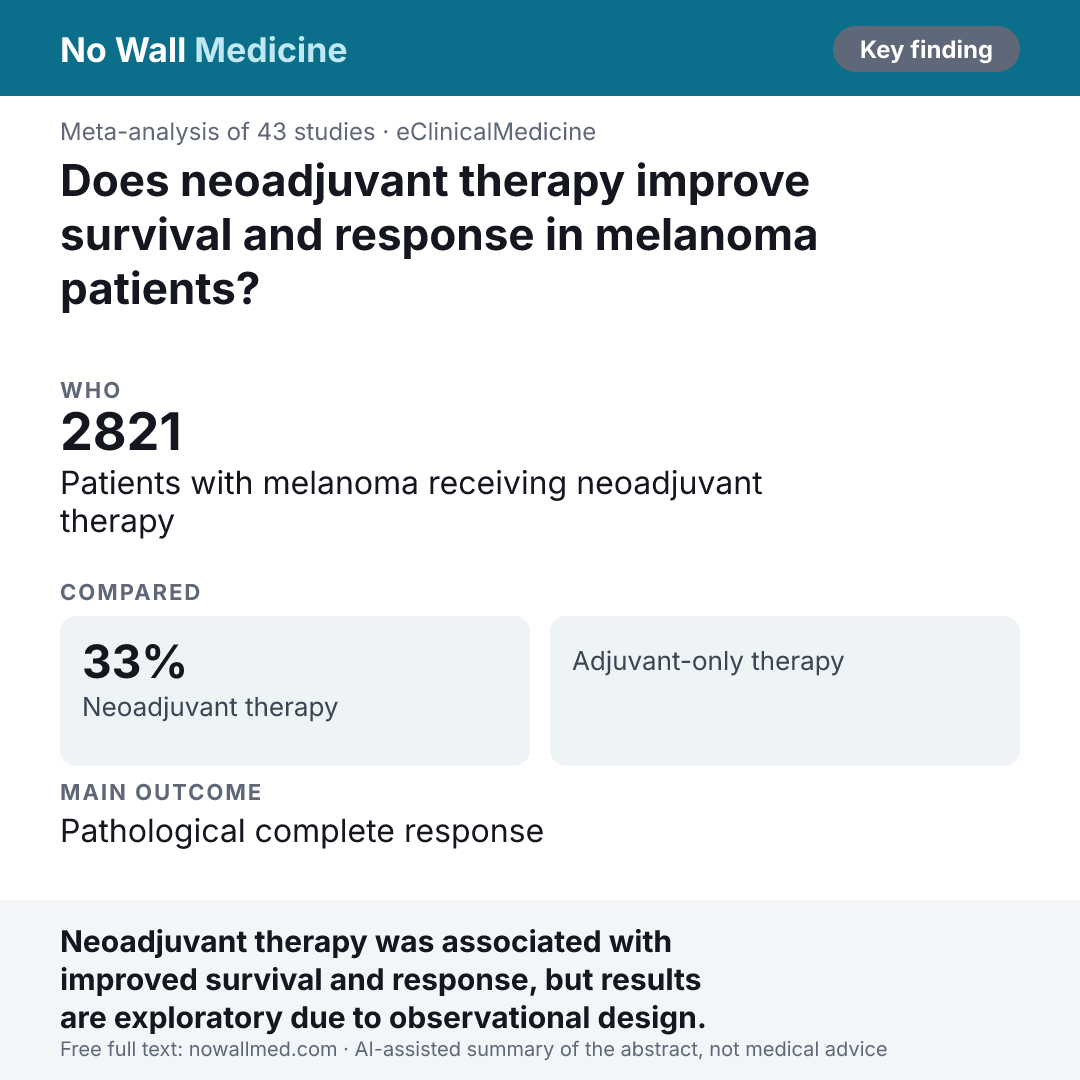
Effect of neoadjuvant therapy on survival outcomes in patients with melanoma: a systematic review and meta-analysis
Meta-analysis of 43 studiesKey finding
Does neoadjuvant therapy improve survival and response in melanoma patients?
Who
2821
Patients with melanoma receiving neoadjuvant therapy
Compared
33%Neoadjuvant therapy (95% CI: 27%-39%)
Adjuvant-only therapy
Main outcome
Pathological complete response
Result: hazard ratio 0.64 (95% CI: 0.41-0.99)
Bottom line: Neoadjuvant therapy was associated with improved survival and response, but results are exploratory due to observational design.
Limitation: Majority of included studies are single-arm or observational studies
eClinicalMedicine · 2025-09-12 · Save PNG
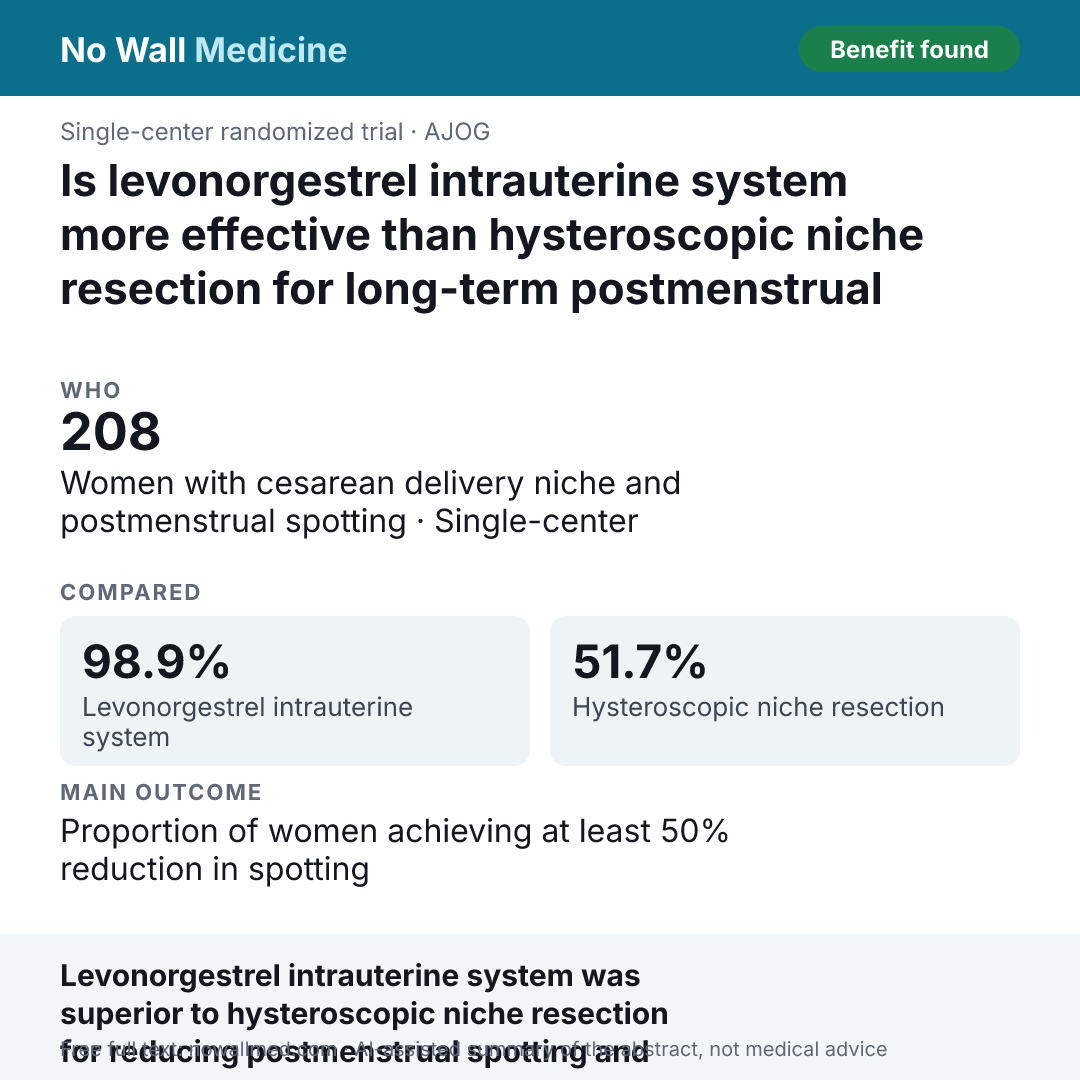
Levonorgestrel intrauterine system vs hysteroscopic niche resection for postmenstrual spotting: a 3-year randomized trial follow-up
Single-center randomized trialBenefit found
Is levonorgestrel intrauterine system more effective than hysteroscopic niche resection for long-term postmenstrual spotting reduction?
Who
208
Women with cesarean delivery niche and postmenstrual spotting · Single-center
Compared
98.9%Levonorgestrel intrauterine system
51.7%Hysteroscopic niche resection
Main outcome
Proportion of women achieving at least 50% reduction in spotting
Result: relative risk, 1.91 (95% confidence interval, 1.56-2.34)
Bottom line: Levonorgestrel intrauterine system was superior to hysteroscopic niche resection for reducing postmenstrual spotting and pelvic pain over 36 months.
AJOG · 2025-09-12 · Save PNG
Unraveling shared genetics across asthma subtypes and 81 asthma-related traits
Meta-analysis of 254 genome-wide association study datasetsMixed results
What are the shared genetics between asthma subtypes and asthma-related traits?
Who
Asthma subtypes and 81 asthma-related traits
Compared
Childhood-onset asthma: h2SNP 0.27 ± 0.004
Moderate-to-severe asthma: h2SNP 0.16 ± 0.02
Adult-onset asthma: h2SNP 0.08 ± 0.002
Asthma ever: h2SNP 0.06 ± 0.001
Main outcome
Genetic overlaps and correlations between asthma subtypes and traits
Bottom line: Different asthma subtypes have distinct genetic architectures and correlations with biological and physiologic traits.
JACI · 2025-09-12 · Save PNG

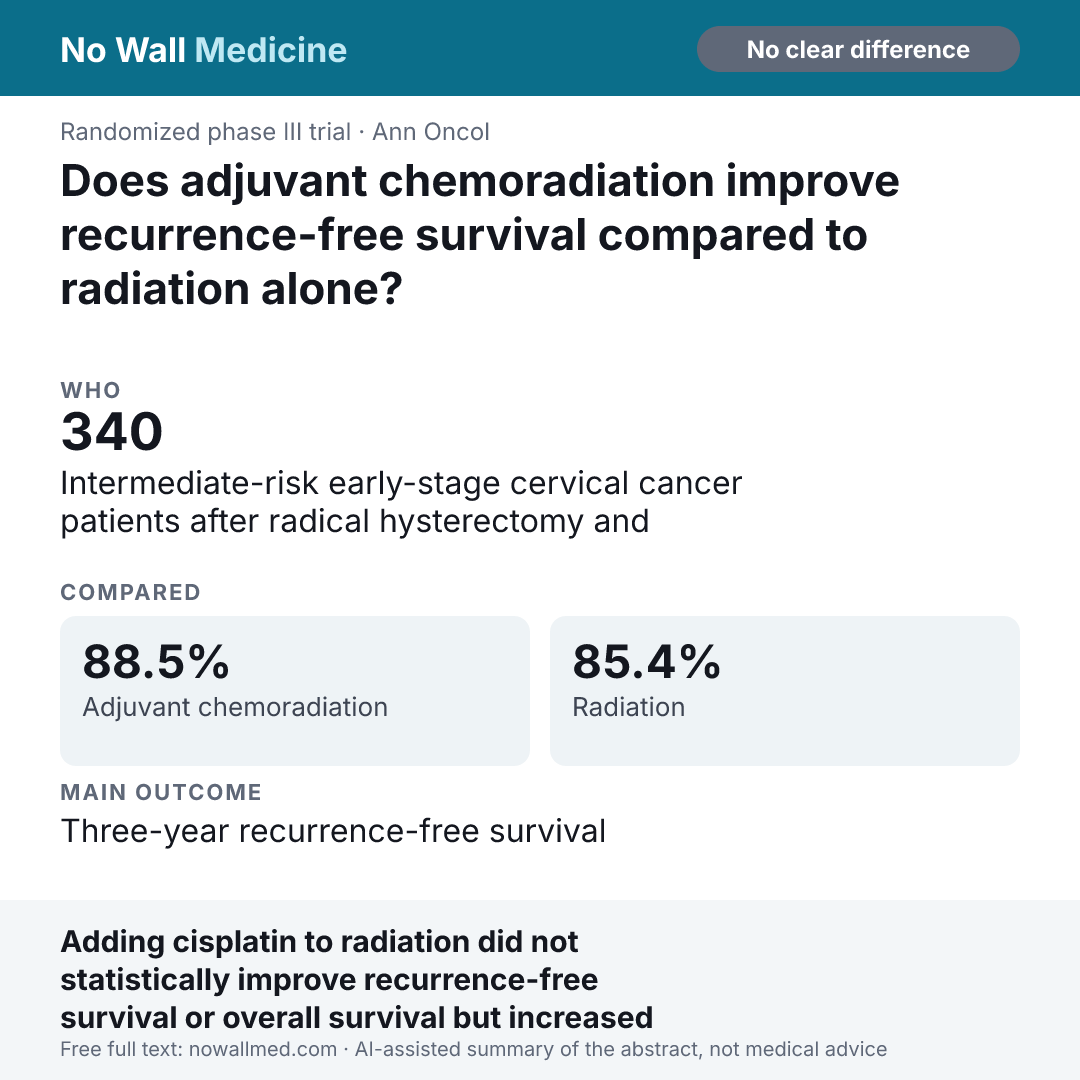
Randomized phase III trial of adjuvant radiation versus chemoradiation in intermediate-risk, early-stage cervical cancer following radical hysterectomy and lymphadenectomy: results from NRG Oncology/GOG-263/KGOG 1008
Randomized phase III trialNo clear difference
Does adjuvant chemoradiation improve recurrence-free survival compared to radiation alone?
Who
340
Intermediate-risk early-stage cervical cancer patients after radical hysterectomy and lymphadenectomy
Compared
88.5%Adjuvant chemoradiation
85.4%Radiation
Main outcome
Three-year recurrence-free survival
Result: hazard ratio 0.698, 95% confidence interval 0.408-1.192
Bottom line: Adding cisplatin to radiation did not statistically improve recurrence-free survival or overall survival but increased severe adverse events.
Ann Oncol · 2025-09-12 · Save PNG
Randomized phase 2a trial assessing a novel septin molecular glue in Alzheimer's disease
Randomized phase 2a trialMixed results
Is the septin modulator REM127 safe and effective in Alzheimer's disease?
Who
14
Participants with mild-to-moderate Alzheimer's disease
Compared
Active therapy: changed significantly (p < 0.05) to normal
Placebo
Main outcome
cerebrospinal fluid hyperphosphorylated tau, synaptic function, and cognitive outcomes
Bottom line: REM127 showed potential symptomatic benefit but caused off-target liver adverse effects leading to study discontinuation.
Limitation: Results are exploratory as statistical power is constrained due to small sample size.
Alzheimers Dement · 2025-09-12 · Save PNG

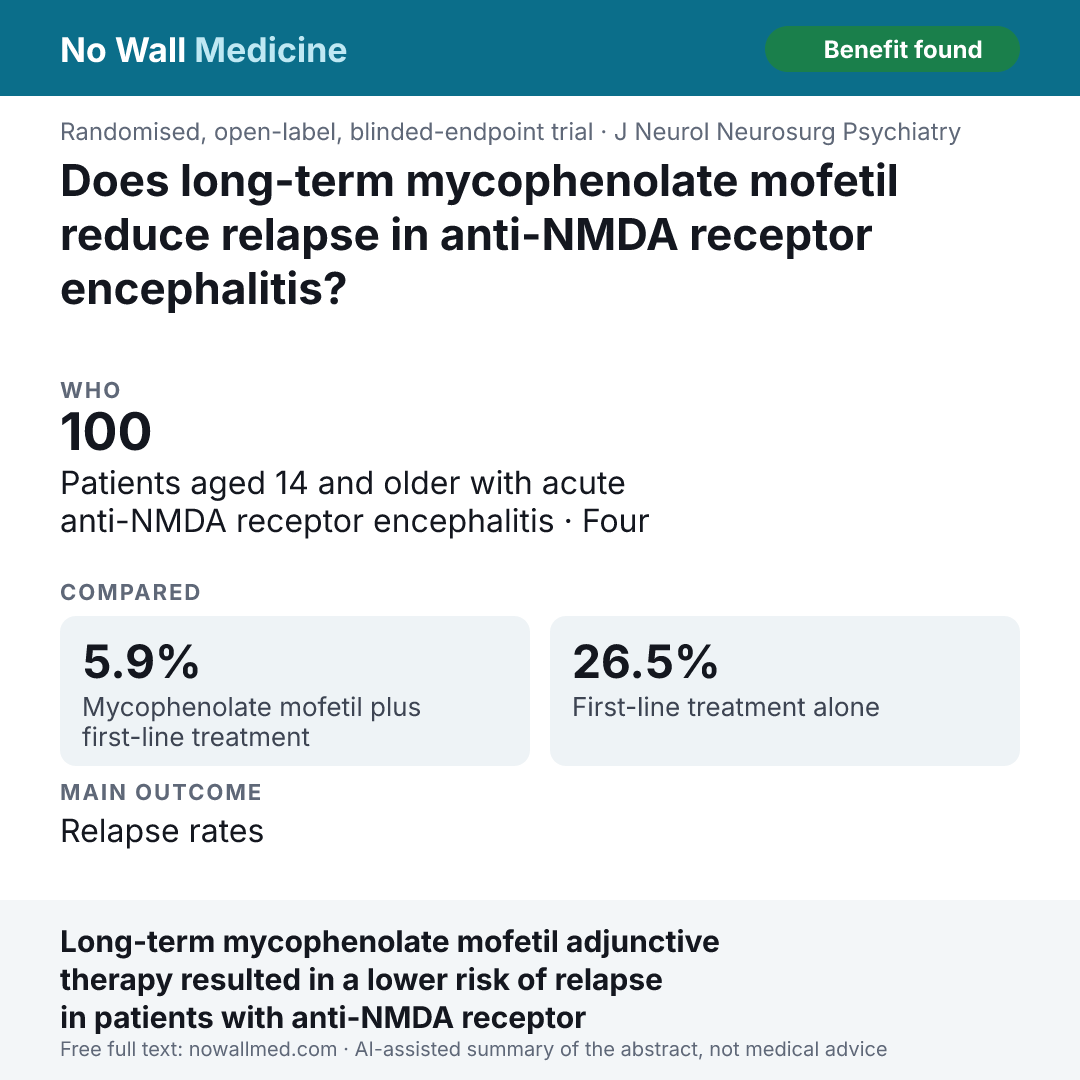
Long-term maintenance of mycophenolate mofetil in anti-NMDA receptor encephalitis (LEARN): a multicentre, open-label, blinded-endpoint, randomised controlled trial
Randomised, open-label, blinded-endpoint trialBenefit found
Does long-term mycophenolate mofetil reduce relapse in anti-NMDA receptor encephalitis?
Who
100
Patients aged 14 and older with acute anti-NMDA receptor encephalitis · Four academic centres in China
Compared
5.9%Mycophenolate mofetil plus first-line treatment
26.5%First-line treatment alone
Main outcome
Relapse rates
Bottom line: Long-term mycophenolate mofetil adjunctive therapy resulted in a lower risk of relapse in patients with anti-NMDA receptor encephalitis.
J Neurol Neurosurg Psychiatry · 2025-09-12 · Save PNG
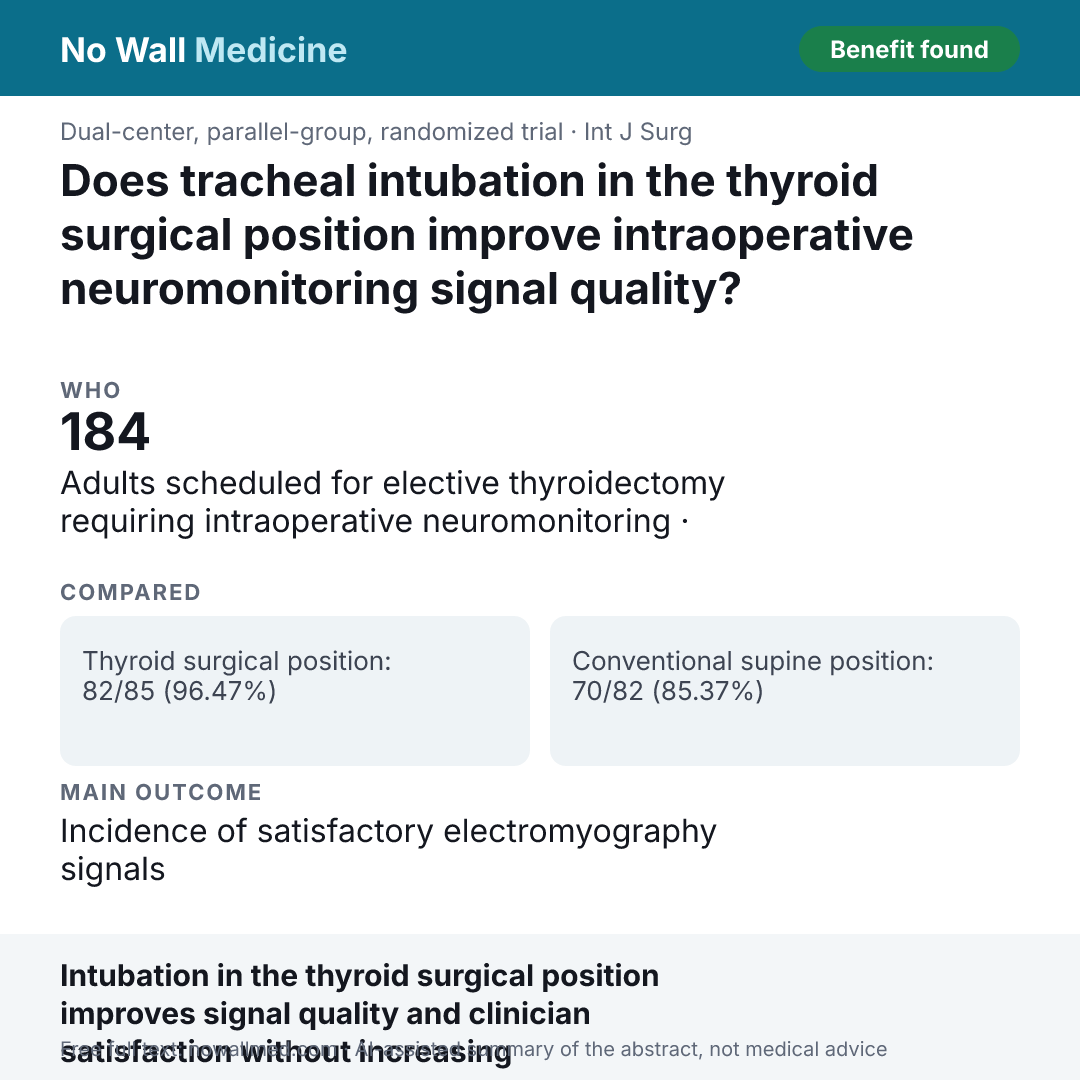
Tracheal intubation in the thyroid surgical position improves recurrent laryngeal nerve monitoring: a dual-center randomized trial
Dual-center, parallel-group, randomized trialBenefit found
Does tracheal intubation in the thyroid surgical position improve intraoperative neuromonitoring signal quality?
Who
184
Adults scheduled for elective thyroidectomy requiring intraoperative neuromonitoring · Dual-center
Compared
Thyroid surgical position: 82/85 (96.47%)
Conventional supine position: 70/82 (85.37%)
Main outcome
Incidence of satisfactory electromyography signals
Result: relative risk 1.13 (95% CI 1.03-1.24)
Bottom line: Intubation in the thyroid surgical position improves signal quality and clinician satisfaction without increasing complications.
Int J Surg · 2025-09-12 · Save PNG
Unveiling the genetic overlap and causal links between gastroesophageal reflux disease and asthma
Mendelian randomization and cross-trait meta-analysisBenefit found
What are the genetic overlap and causal links between gastroesophageal reflux disease and asthma?
Who
Individuals from genome-wide association studies for gastroesophageal reflux disease and asthma
Compared
Gastroesophageal reflux disease: odds ratio 1.22
Asthma
Main outcome
Genetic correlation and causal relationship
Result: odds ratio 1.22, P = 1.54 × 10 -5
Bottom line: Gastroesophageal reflux disease has a significant causal effect on asthma with shared genetic loci and genes identified.
Int J Surg · 2025-09-12 · Save PNG

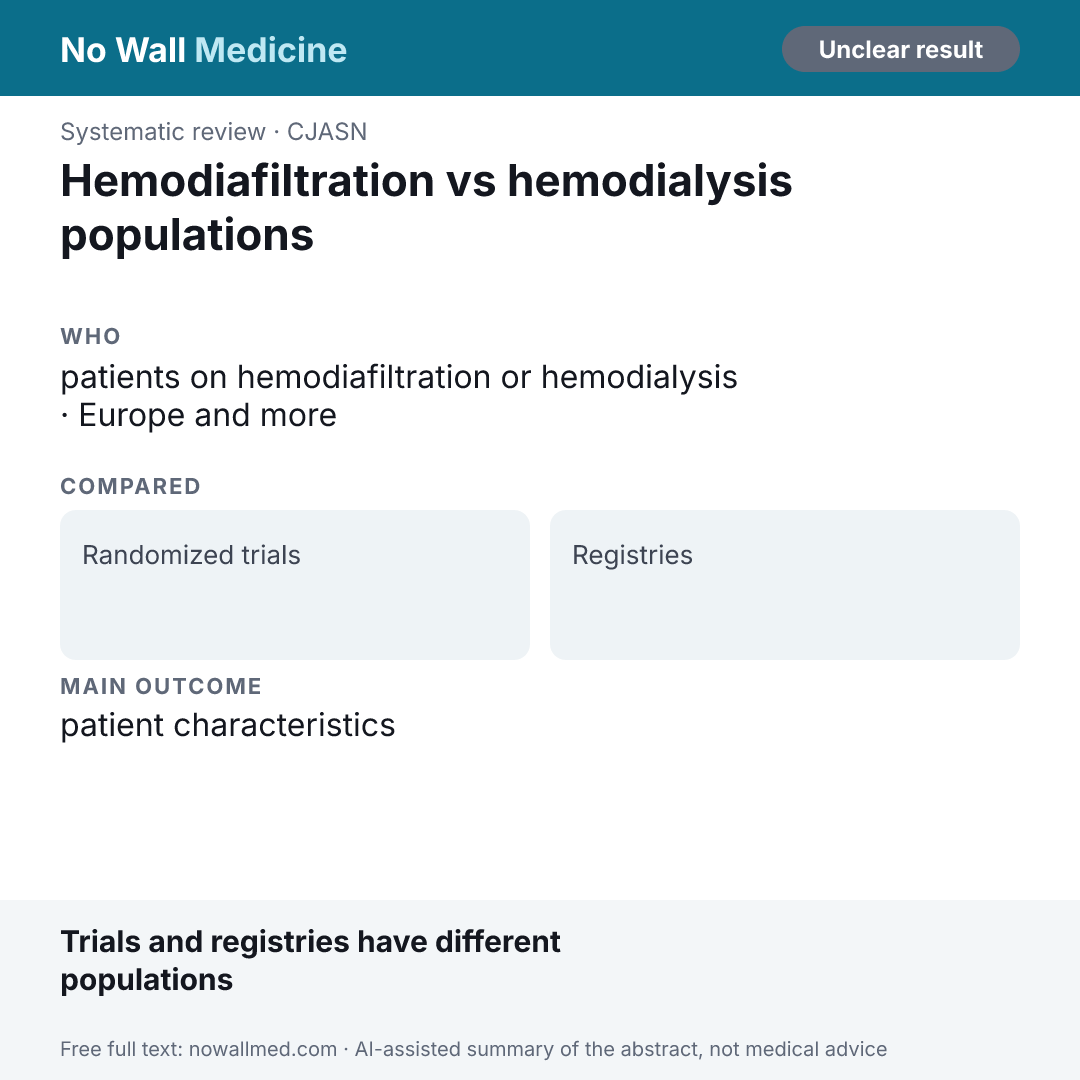
Characteristics of Populations Included in Randomized Controlled Trials of Hemodiafiltration and Registry Real-Life Populations: A Systematic Review
Systematic reviewUnclear result
Hemodiafiltration vs hemodialysis populations
Who
patients on hemodiafiltration or hemodialysis · Europe and more
Compared
Randomized trials
Registries
Main outcome
patient characteristics
Bottom line: Trials and registries have different populations
Limitation: incomplete patient characteristics
CJASN · 2025-09-12 · Save PNG
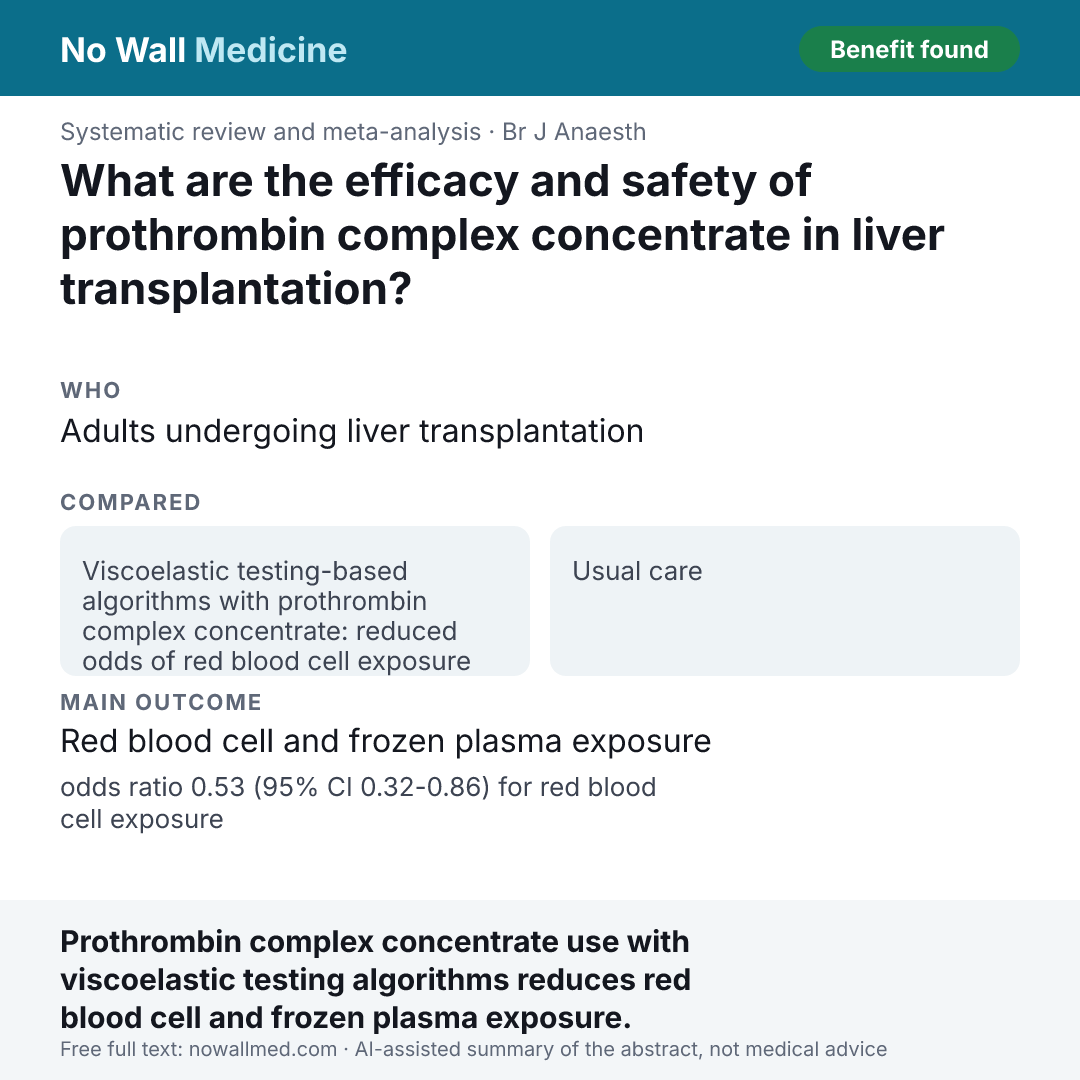
Use of prothrombin complex concentrates in liver transplantation: a systematic review and meta-analysis
Systematic review and meta-analysisBenefit found
What are the efficacy and safety of prothrombin complex concentrate in liver transplantation?
Who
Adults undergoing liver transplantation
Compared
Viscoelastic testing-based algorithms with prothrombin complex concentrate: reduced odds of red blood cell exposure
Usual care
Main outcome
Red blood cell and frozen plasma exposure
Result: odds ratio 0.53 (95% CI 0.32-0.86) for red blood cell exposure
Bottom line: Prothrombin complex concentrate use with viscoelastic testing algorithms reduces red blood cell and frozen plasma exposure.
Br J Anaesth · 2025-09-12 · Save PNG