Visual abstracts
New randomized trials and meta-analyses from leading journals at a glance: who was studied, what was compared, and what was found. Every paper is free to read in full.
All specialtiesCardiology 4763Oncology 4042Gastroenterology & Hepatology 1902Infectious Disease 3756Neurology 1872Psychiatry & Mental Health 2214Pulmonology 2042Critical Care 1319Endocrinology & Diabetes 2544Pediatrics 2889Surgery 2479Orthopedics & Sports Medicine 917Neurosurgery 525Cardiothoracic & Vascular Surgery 656Plastic & Reconstructive Surgery 574Nephrology 1107Rheumatology 810Hematology 1090Dermatology 611Ophthalmology 532Obstetrics & Gynecology 1645Public & Global Health 1037Radiology & Imaging 617Anesthesiology 957Urology 745ENT (Otolaryngology) 494Emergency Medicine 481Allergy & Immunology 309Geriatrics 972Family Medicine & Primary Care 533Medical Genetics & Genomics 659Pathology & Laboratory Medicine 156Physical Medicine & Rehabilitation 734Palliative Care 421Nutrition 1560Digital Health & AI 2133General Medicine 318
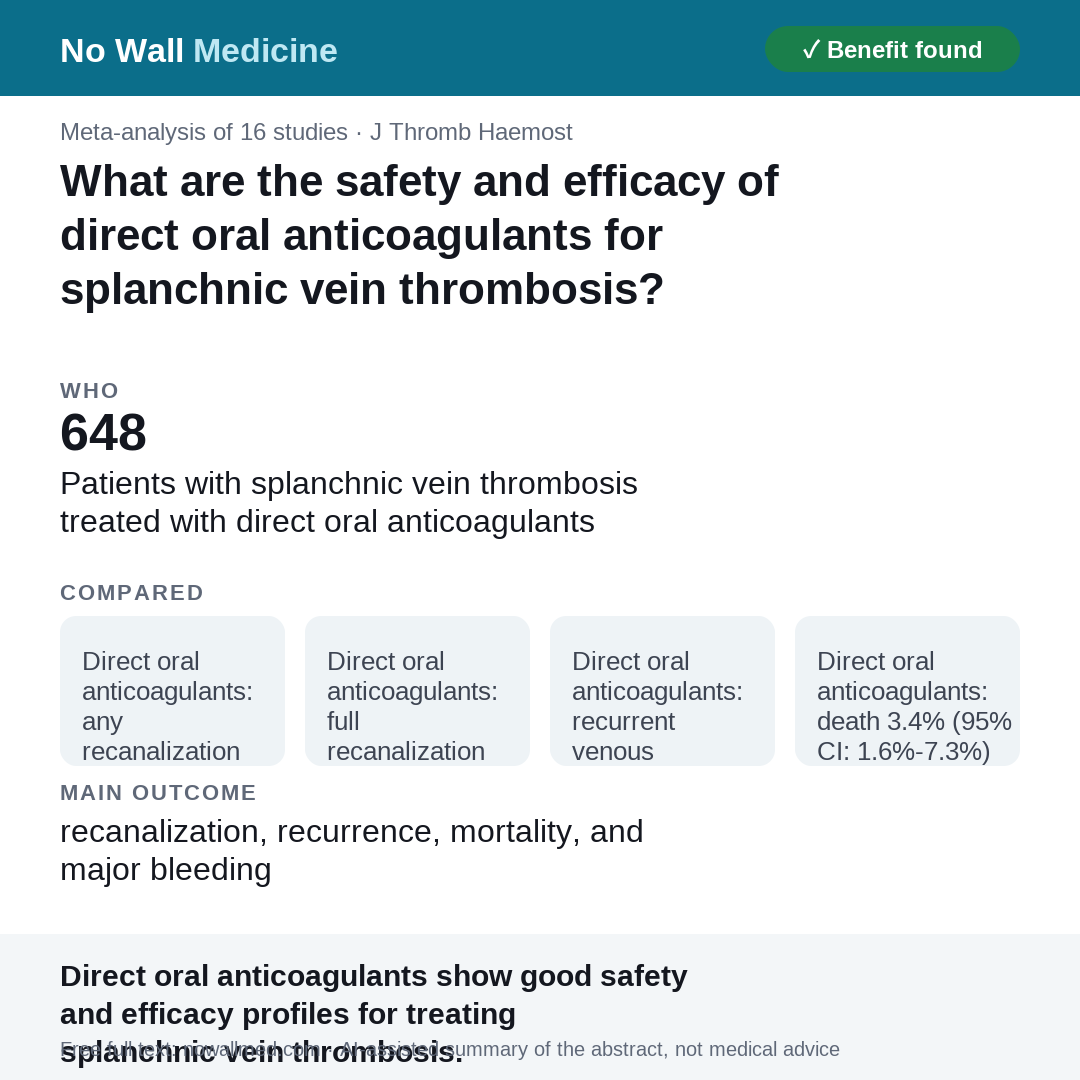
Efficacy and safety of direct oral anticoagulants in splanchnic vein thrombosis: a pooled analysis of literature studies
Meta-analysis of 16 studiesBenefit found
What are the safety and efficacy of direct oral anticoagulants for splanchnic vein thrombosis?
Who
648
Patients with splanchnic vein thrombosis treated with direct oral anticoagulants
Compared
Direct oral anticoagulants: any recanalization 60.3% (95% CI: 41.8%-76.3%)
Direct oral anticoagulants: full recanalization 51.7% (95% CI: 36.0%-67.0%)
Direct oral anticoagulants: recurrent venous thromboembolism 2.8% (95% CI: 1.4%-5.9%)
Direct oral anticoagulants: death 3.4% (95% CI: 1.6%-7.3%)
Main outcome
recanalization, recurrence, mortality, and major bleeding
Bottom line: Direct oral anticoagulants show good safety and efficacy profiles for treating splanchnic vein thrombosis.
Limitation: The results are mostly based on observational studies.
J Thromb Haemost · 2023-11-04Download image
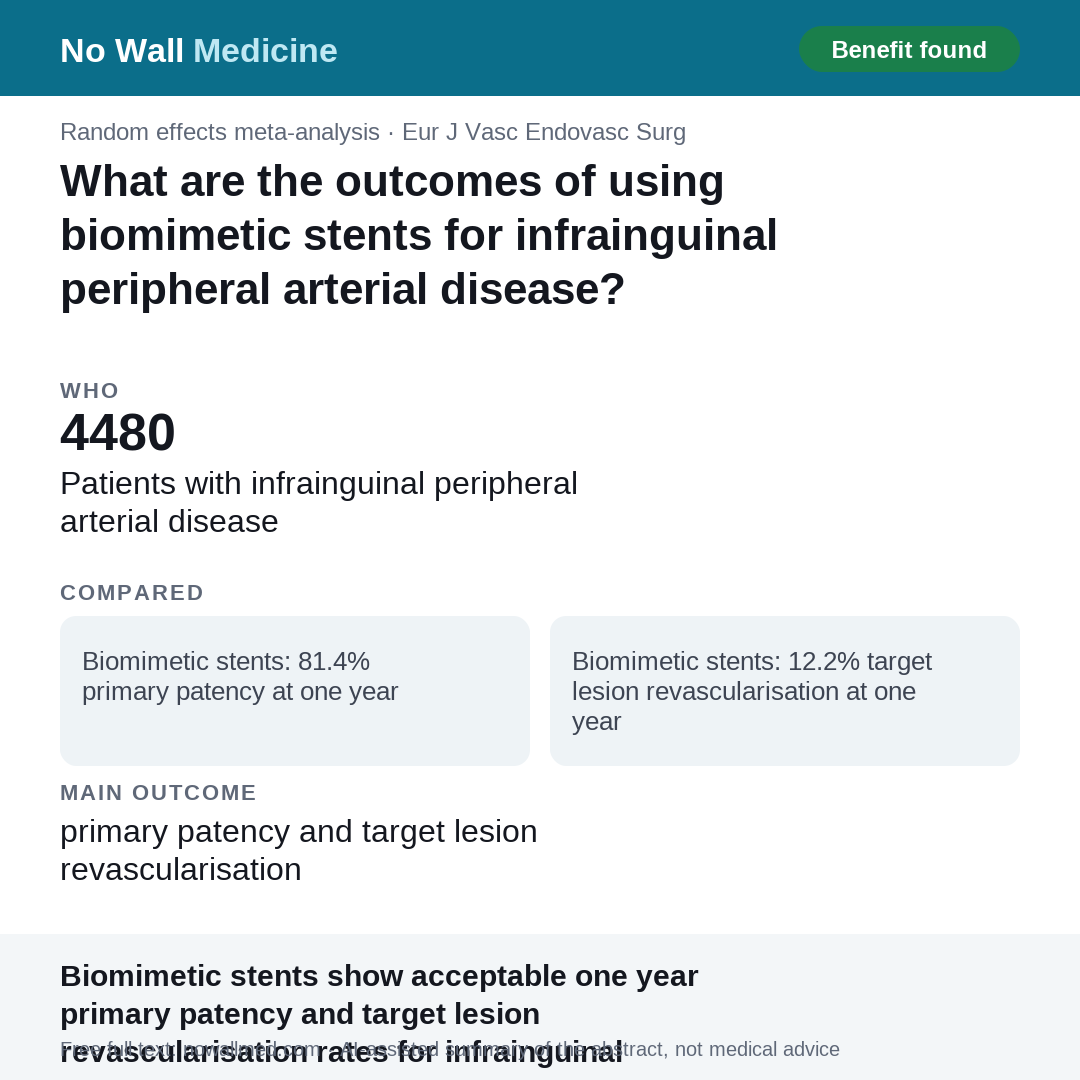
Biomimetic Stents for Infrainguinal Peripheral Arterial Disease: Systematic Review and Meta-Analysis
Random effects meta-analysisBenefit found
What are the outcomes of using biomimetic stents for infrainguinal peripheral arterial disease?
Who
4480
Patients with infrainguinal peripheral arterial disease
Compared
Biomimetic stents: 81.4% primary patency at one year
Biomimetic stents: 12.2% target lesion revascularisation at one year
Main outcome
primary patency and target lesion revascularisation
Result: primary patency 81.4% (95% CI 78.7 - 83.9%)
Bottom line: Biomimetic stents show acceptable one year primary patency and target lesion revascularisation rates for infrainguinal peripheral arterial disease.
Eur J Vasc Endovasc Surg · 2023-11-04Download image
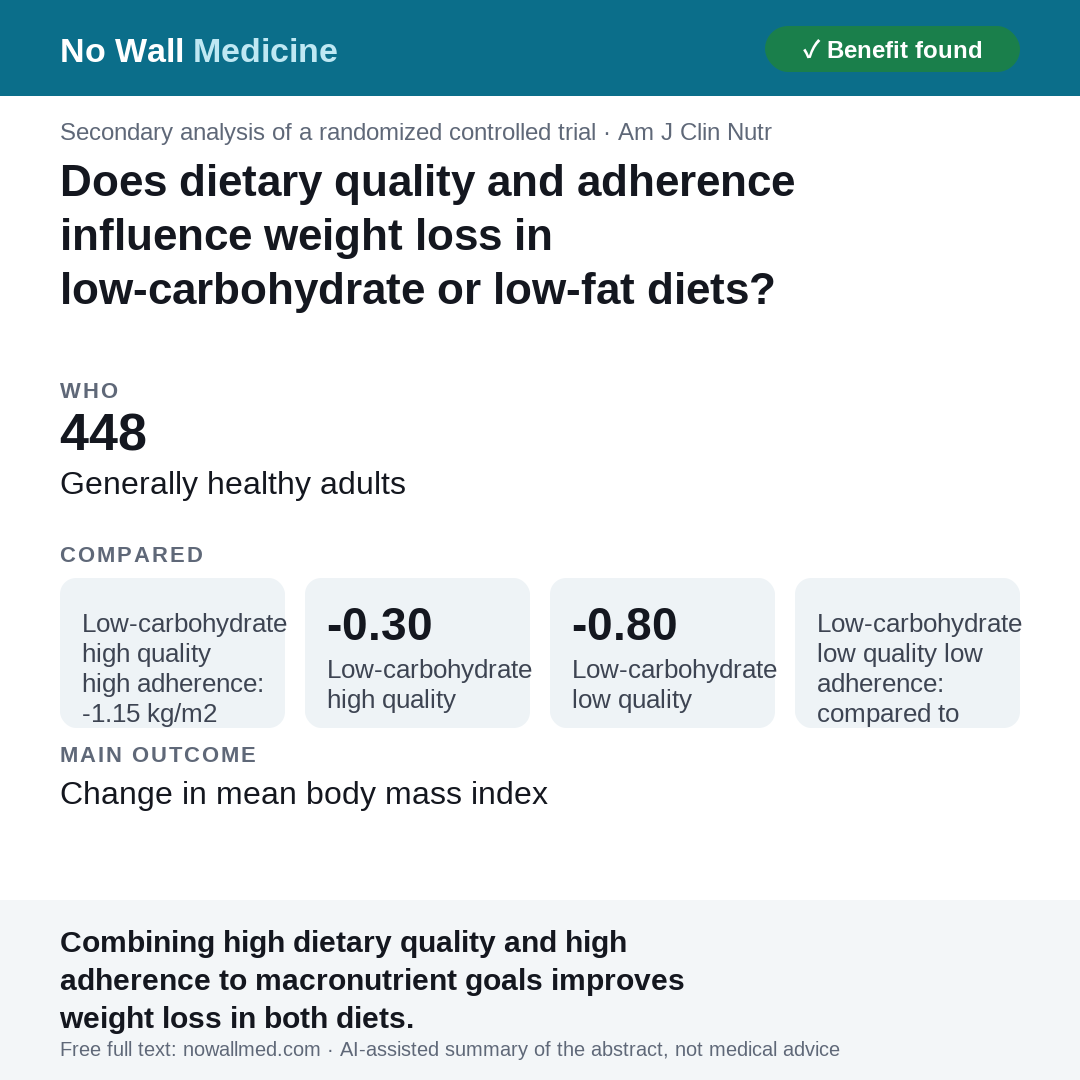
Association of dietary adherence and dietary quality with weight loss success among those following low-carbohydrate and low-fat diets: a secondary analysis of the DIETFITS randomized clinical trial
Secondary analysis of a randomized controlled trialBenefit found
Does dietary quality and adherence influence weight loss in low-carbohydrate or low-fat diets?
Who
448
Generally healthy adults
Compared
Low-carbohydrate high quality high adherence: -1.15 kg/m2 (-2.04, -0.26)
-0.30Low-carbohydrate high quality low adherence (-1.22, 0.61)
-0.80Low-carbohydrate low quality high adherence (-1.74, 0.14)
Low-carbohydrate low quality low adherence: compared to
Main outcome
Change in mean body mass index
Bottom line: Combining high dietary quality and high adherence to macronutrient goals improves weight loss in both diets.
Am J Clin Nutr · 2023-11-04Download image
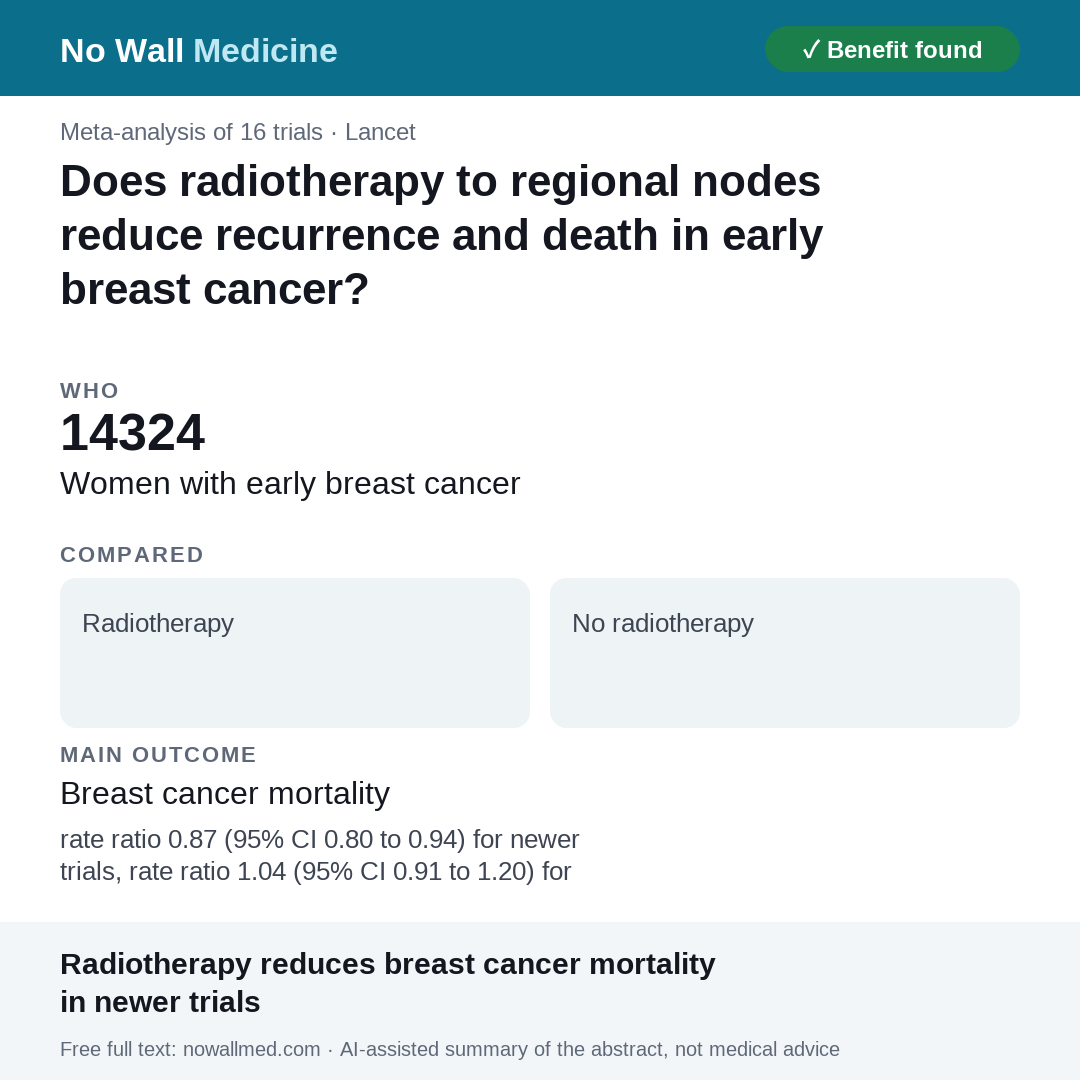
Radiotherapy to regional nodes in early breast cancer: an individual patient data meta-analysis of 14 324 women in 16 trials
Meta-analysis of 16 trialsBenefit found
Does radiotherapy to regional nodes reduce recurrence and death in early breast cancer?
Who
14324
Women with early breast cancer
Compared
Radiotherapy
No radiotherapy
Main outcome
Breast cancer mortality
Result: rate ratio 0.87 (95% CI 0.80 to 0.94) for newer trials, rate ratio 1.04 (95% CI 0.91 to 1.20) for older trials
Bottom line: Radiotherapy reduces breast cancer mortality in newer trials
Funded by: Cancer Research UK, Medical Research Council
Lancet · 2023-11-03Download image
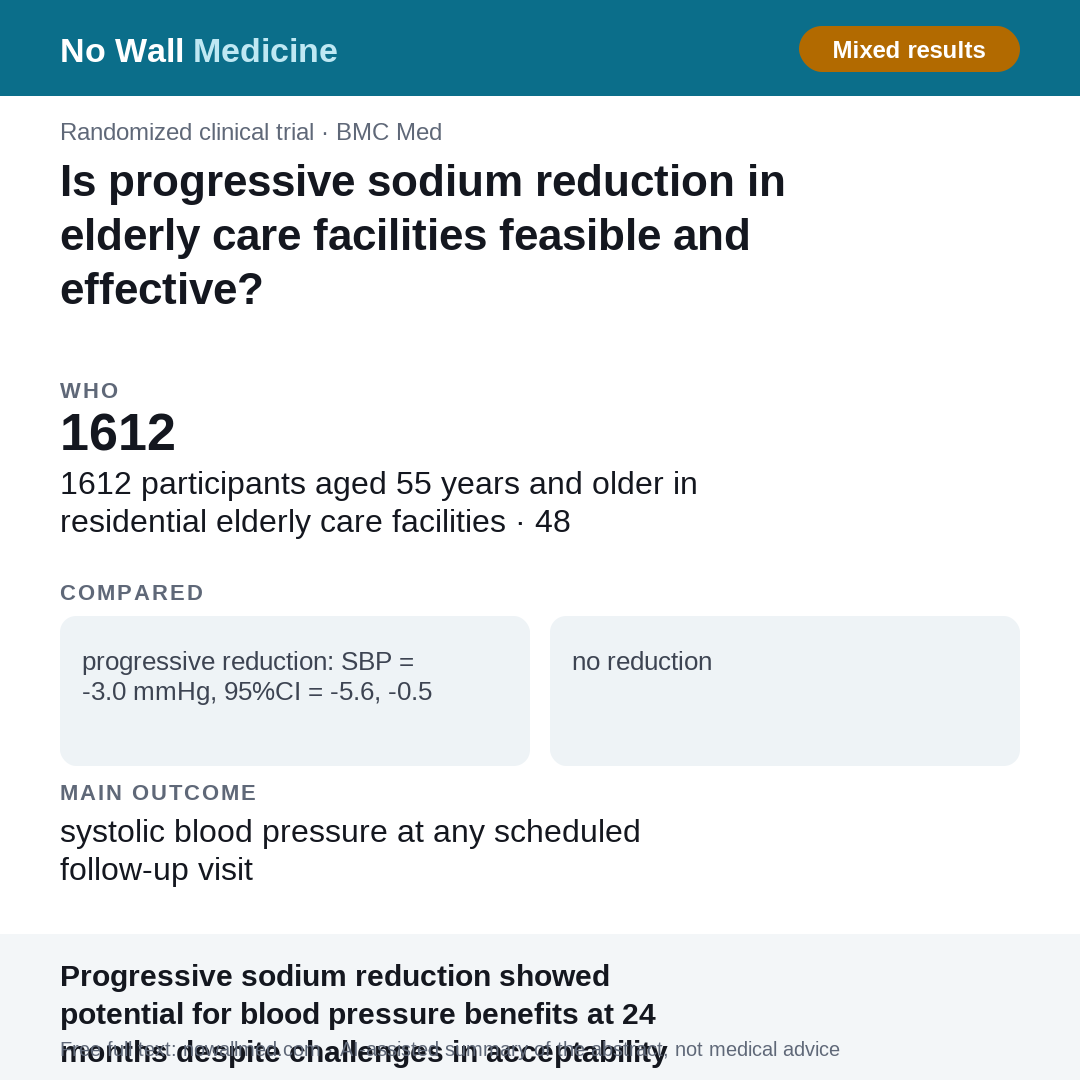
Experience with 2 years' intervention to progressively reduce salt supply to kitchens in elderly care facilities-challenges and further research: post hoc analysis of the DECIDE-Salt randomized clinical trial
Randomized clinical trialMixed results
Is progressive sodium reduction in elderly care facilities feasible and effective?
Who
1612
1612 participants aged 55 years and older in residential elderly care facilities · 48 residential elderly care facilities in China
Compared
progressive reduction: SBP = -3.0 mmHg, 95%CI = -5.6, -0.5
no reduction
Main outcome
systolic blood pressure at any scheduled follow-up visit
Result: SBP = -3.0 mmHg, 95%CI = -5.6, -0.5
Bottom line: Progressive sodium reduction showed potential for blood pressure benefits at 24 months despite challenges in acceptability and adherence.
Limitation: Intervention delivery and adherence were not fully achieved as designed.
BMC Med · 2023-11-03Download image
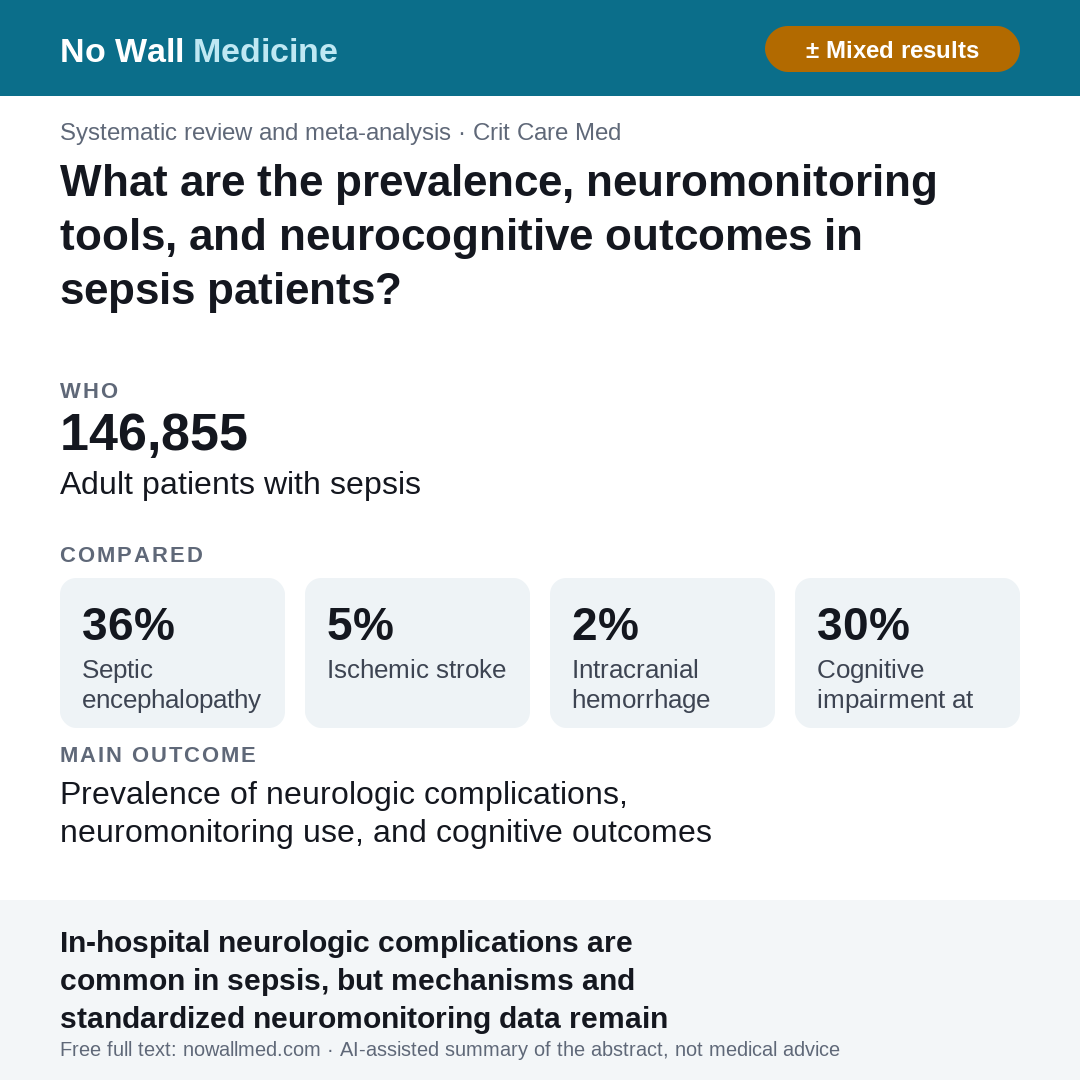
In-Hospital Neurologic Complications, Neuromonitoring, and Long-Term Neurologic Outcomes in Patients With Sepsis: A Systematic Review and Meta-Analysis
Systematic review and meta-analysisMixed results
What are the prevalence, neuromonitoring tools, and neurocognitive outcomes in sepsis patients?
Who
146,855
Adult patients with sepsis
Compared
36%Septic encephalopathy (95% CI, 27-46%)
5%Ischemic stroke (95% CI, 2.1-11.5)
2%Intracranial hemorrhage (95% CI, 1.0-4.4%)
30%Cognitive impairment at 12 months
Main outcome
Prevalence of neurologic complications, neuromonitoring use, and cognitive outcomes
Bottom line: In-hospital neurologic complications are common in sepsis, but mechanisms and standardized neuromonitoring data remain limited.
Limitation: The mechanism and timing of sepsis-associated complications are poorly understood.
Crit Care Med · 2023-11-03Download image
Elamipretide Topical Ophthalmic Solution for the Treatment of Subjects with Leber Hereditary Optic Neuropathy: A Randomized Trial
Randomized trialNo clear difference
Elamipretide for Leber hereditary optic neuropathy
Who
12
Patients with Leber hereditary optic neuropathy · Single-center
Compared
Elamipretide
Vehicle
Main outcome
Best-corrected visual acuity
Bottom line: Elamipretide was well tolerated, no benefit found
Ophthalmology · 2023-11-03Download image

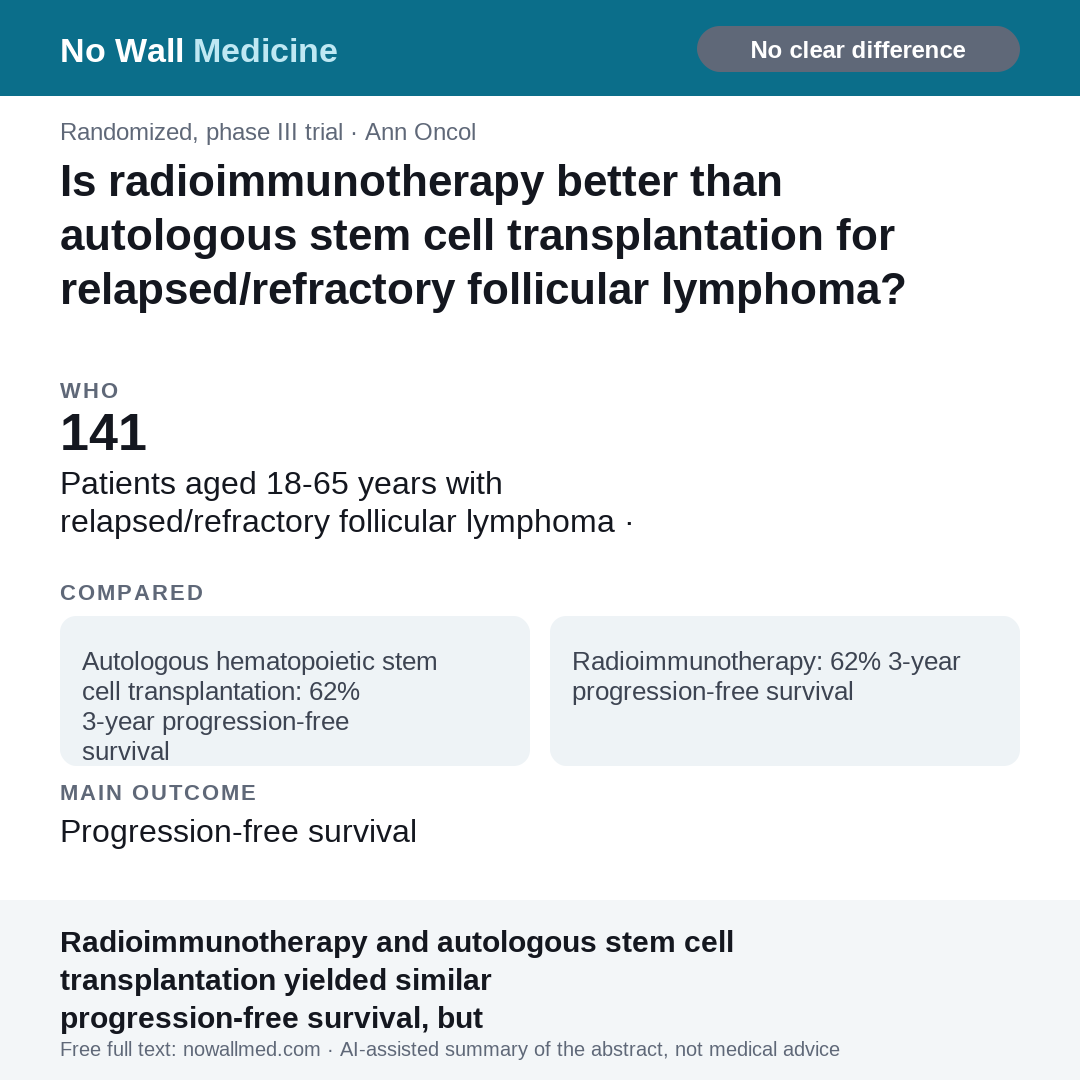
Radioimmunotherapy versus autologous hematopoietic stem cell transplantation in relapsed/refractory follicular lymphoma: a Fondazione Italiana Linfomi multicenter, randomized, phase III trial
Randomized, phase III trialNo clear difference
Is radioimmunotherapy better than autologous stem cell transplantation for relapsed/refractory follicular lymphoma?
Who
141
Patients aged 18-65 years with relapsed/refractory follicular lymphoma · Multicenter
Compared
Autologous hematopoietic stem cell transplantation: 62% 3-year progression-free survival
Radioimmunotherapy: 62% 3-year progression-free survival
Main outcome
Progression-free survival
Result: hazard ratio 1.11 (95% CI 0.69 to 1.80)
Bottom line: Radioimmunotherapy and autologous stem cell transplantation yielded similar progression-free survival, but transplantation was more toxic.
Ann Oncol · 2023-11-03Download image
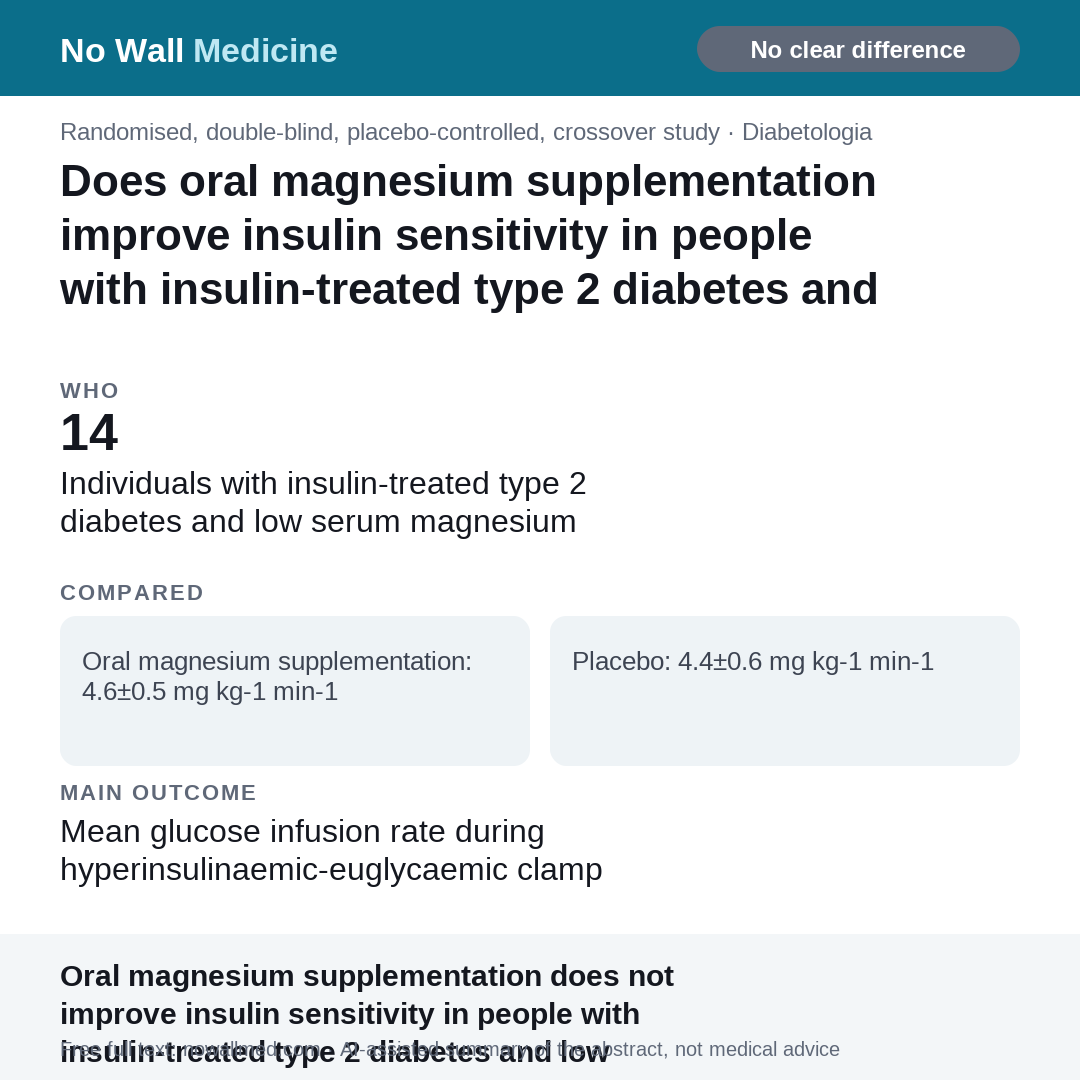
Oral magnesium supplementation does not affect insulin sensitivity in people with insulin-treated type 2 diabetes and a low serum magnesium: a randomised controlled trial
Randomised, double-blind, placebo-controlled, crossover studyNo clear difference
Does oral magnesium supplementation improve insulin sensitivity in people with insulin-treated type 2 diabetes and low magnesium?
Who
14
Individuals with insulin-treated type 2 diabetes and low serum magnesium
Compared
Oral magnesium supplementation: 4.6±0.5 mg kg-1 min-1
Placebo: 4.4±0.6 mg kg-1 min-1
Main outcome
Mean glucose infusion rate during hyperinsulinaemic-euglycaemic clamp
Result: p=0.108
Bottom line: Oral magnesium supplementation does not improve insulin sensitivity in people with insulin-treated type 2 diabetes and low magnesium levels.
Funded by: Dutch Diabetes Research Foundation
Diabetologia · 2023-11-03Download image
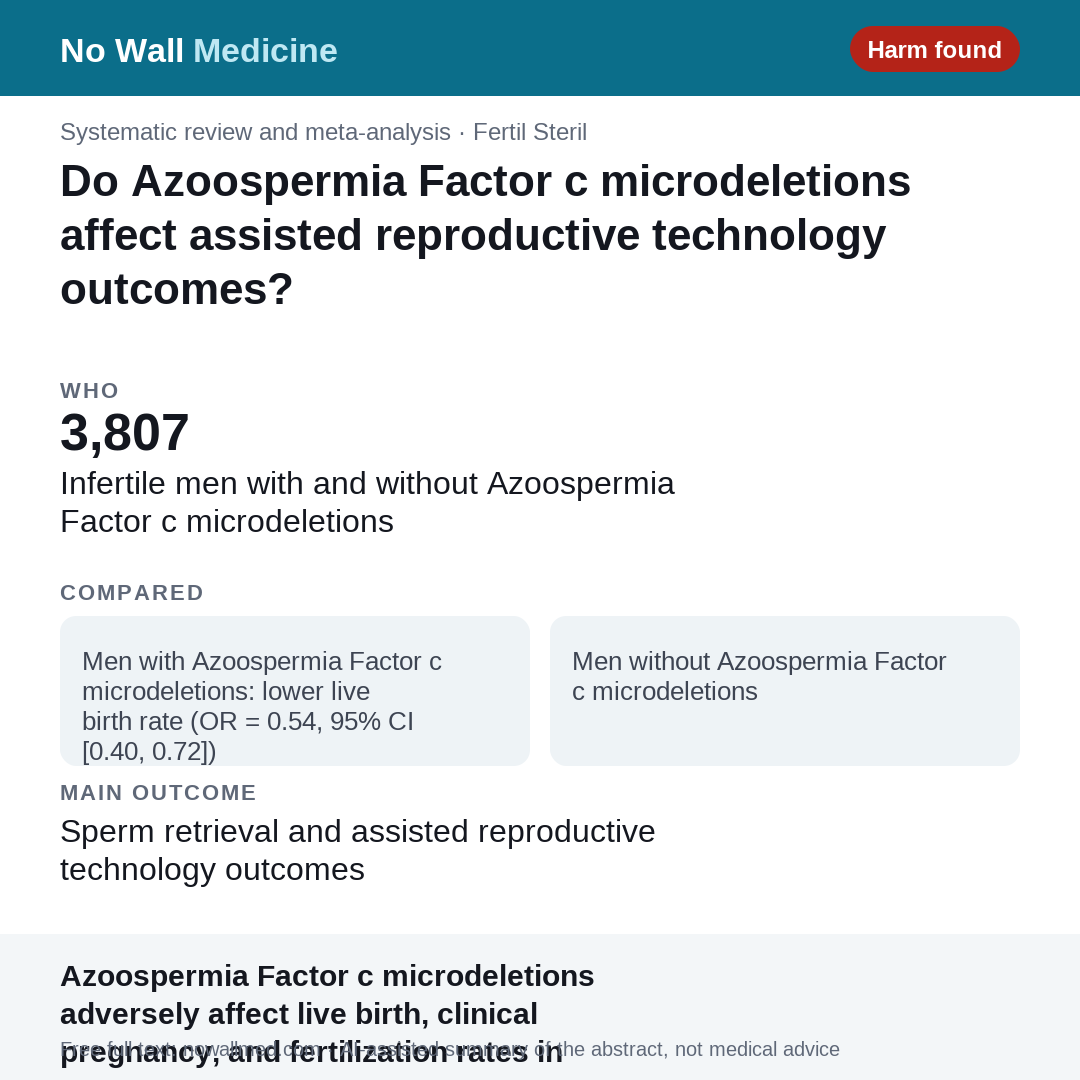
Azoospermia factor c microdeletions and outcomes of assisted reproductive technology: a systematic review and meta-analysis
Systematic review and meta-analysisKey finding
Do Azoospermia Factor c microdeletions affect assisted reproductive technology outcomes?
Who
3,807
Infertile men with and without Azoospermia Factor c microdeletions
Compared
Men with Azoospermia Factor c microdeletions: lower live birth rate (OR = 0.54, 95% CI [0.40, 0.72])
Men without Azoospermia Factor c microdeletions
Main outcome
Sperm retrieval and assisted reproductive technology outcomes
Result: OR = 0.54 (95% CI [0.40, 0.72]) for live birth rate
Bottom line: Azoospermia Factor c microdeletions adversely affect live birth, clinical pregnancy, and fertilization rates in assisted reproductive technology.
Fertil Steril · 2023-11-03Download image
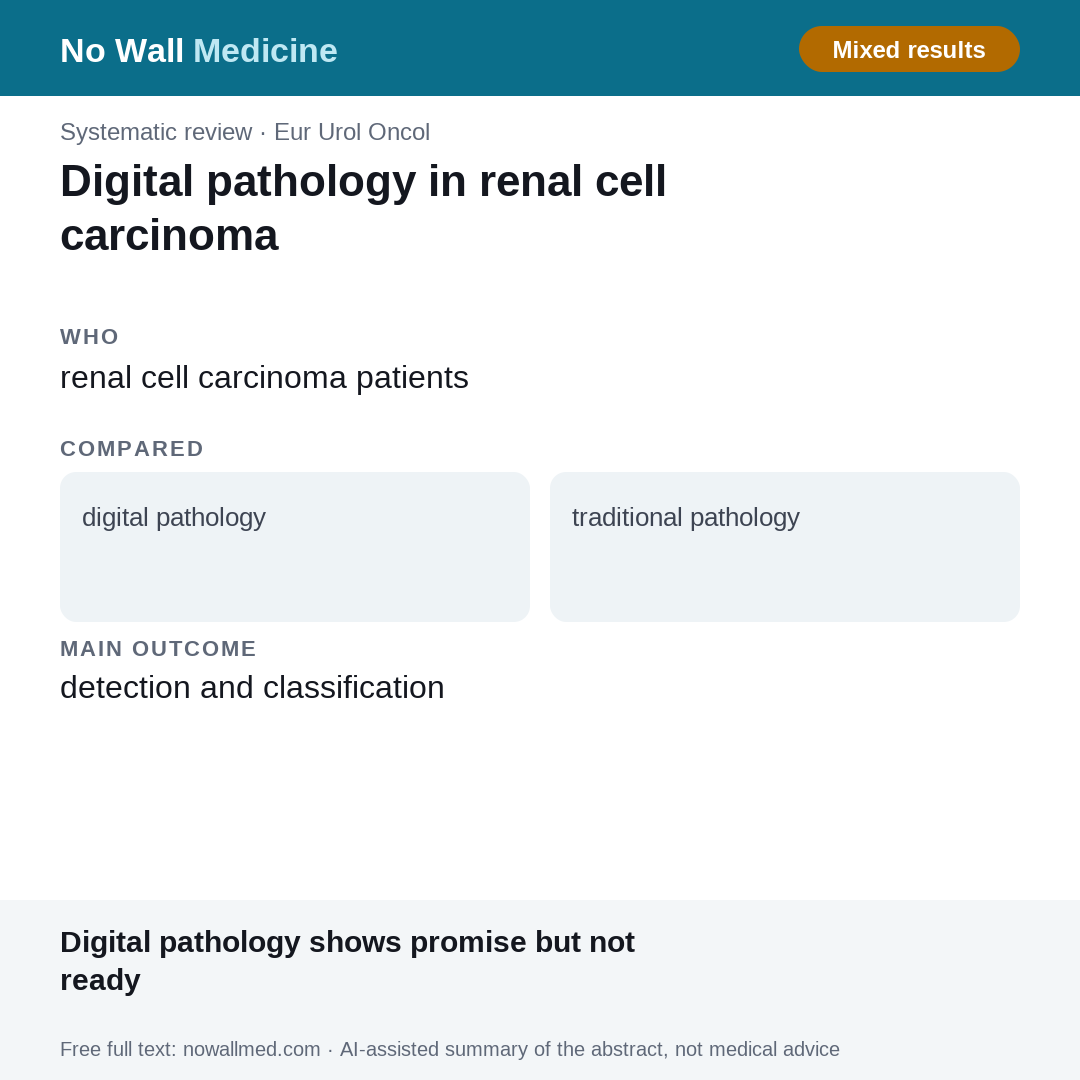
Clinical Application of Digital and Computational Pathology in Renal Cell Carcinoma: A Systematic Review
Systematic review of 20 articlesKey finding
What is the clinical application of digital pathology in renal cell carcinoma?
Who
Patients with renal cell carcinoma in retrospective studies
Compared
Digital pathology models
Traditional pathology
Main outcome
Detection, tumor characterization, and patient outcome
Bottom line: Digital pathology shows potential but has not yet reached a stage for routine clinical practice integration.
Limitation: Substantial heterogeneity in model building strategies and performance metrics reported.
Eur Urol Oncol · 2023-11-03Download image
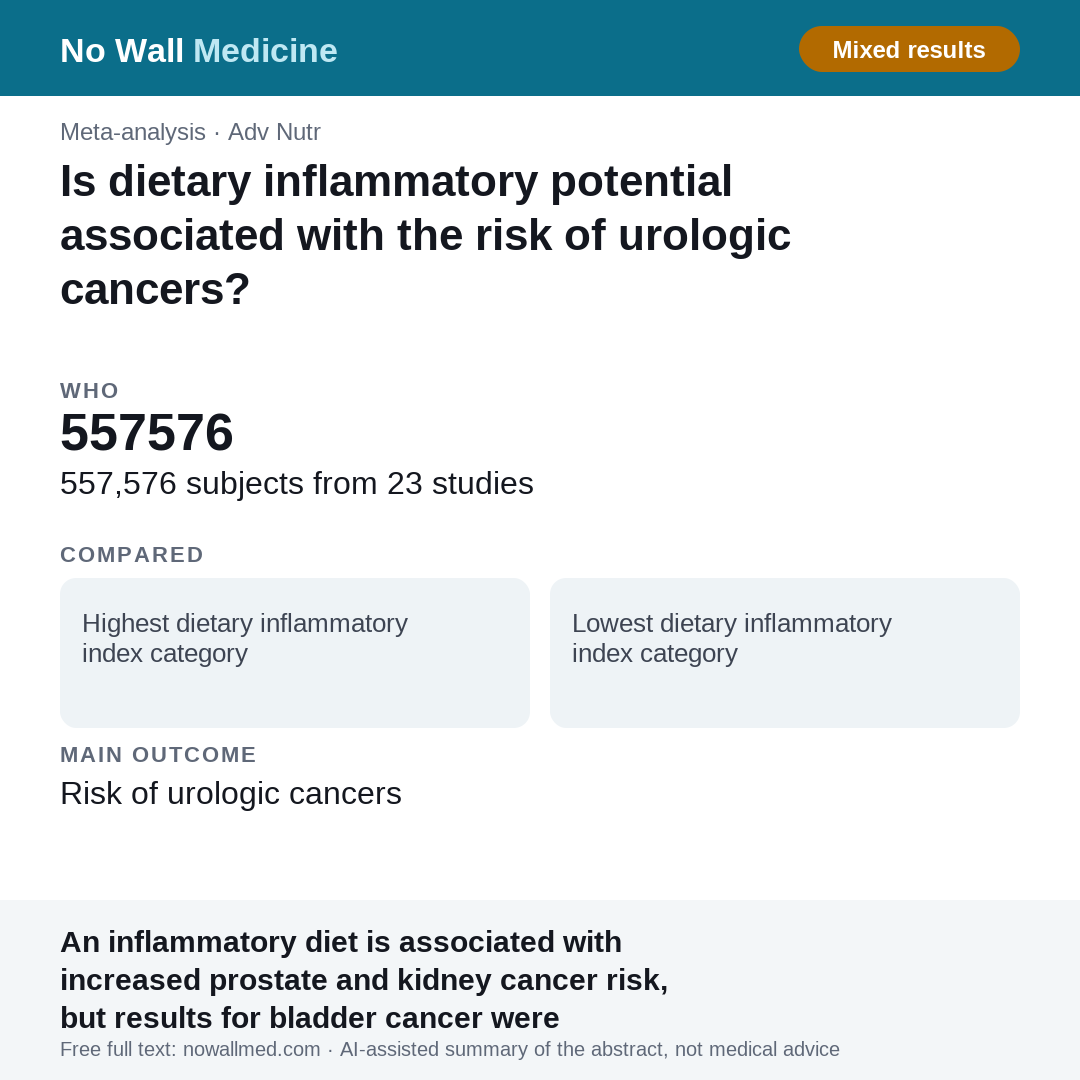
The Association between Dietary Inflammatory Potential and Urologic Cancers: A Meta-analysis
Meta-analysisMixed results
Is dietary inflammatory potential associated with the risk of urologic cancers?
Who
557576
557,576 subjects from 23 studies
Compared
Highest dietary inflammatory index category
Lowest dietary inflammatory index category
Main outcome
Risk of urologic cancers
Bottom line: An inflammatory diet is associated with increased prostate and kidney cancer risk, but results for bladder cancer were nonsignificant.
Limitation: Large-scale studies are needed to demonstrate the association and provide nutritional advice.
Adv Nutr · 2023-11-03Download image
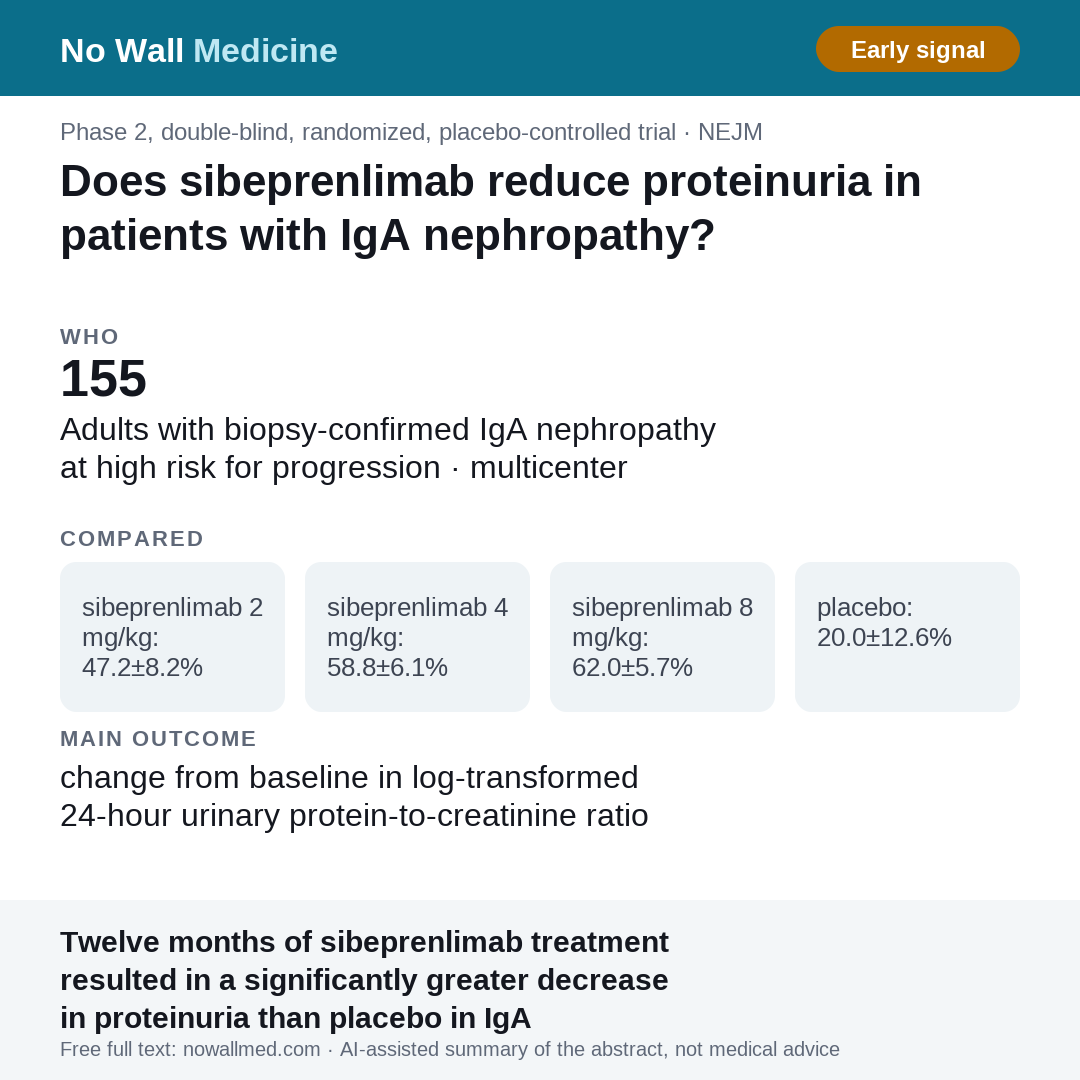
A Phase 2 Trial of Sibeprenlimab in Patients with IgA Nephropathy
Phase 2, double-blind, randomized, placebo-controlled trialEarly signal
Does sibeprenlimab reduce proteinuria in patients with IgA nephropathy?
Who
155
Adults with biopsy-confirmed IgA nephropathy at high risk for progression · multicenter
Compared
sibeprenlimab 2 mg/kg: 47.2±8.2%
sibeprenlimab 4 mg/kg: 58.8±6.1%
sibeprenlimab 8 mg/kg: 62.0±5.7%
placebo: 20.0±12.6%
Main outcome
change from baseline in log-transformed 24-hour urinary protein-to-creatinine ratio
Bottom line: Twelve months of sibeprenlimab treatment resulted in a significantly greater decrease in proteinuria than placebo in IgA nephropathy.
Funded by: Visterra
NEJM · 2023-11-02Download image
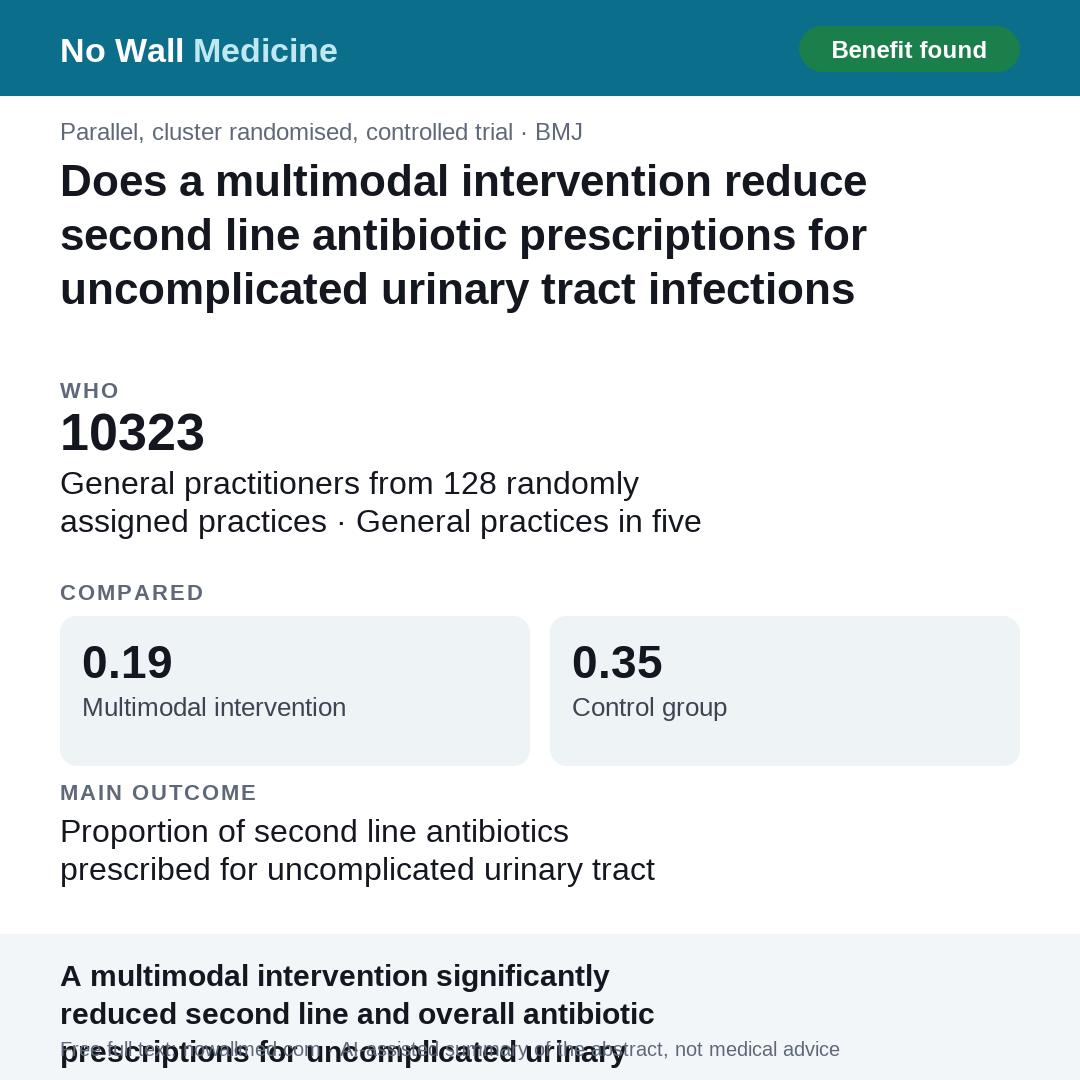
Effects of a multimodal intervention in primary care to reduce second line antibiotic prescriptions for urinary tract infections in women: parallel, cluster randomised, controlled trial
Parallel, cluster randomised, controlled trialBenefit found
Does a multimodal intervention reduce second line antibiotic prescriptions for uncomplicated urinary tract infections in women?
Who
10323
General practitioners from 128 randomly assigned practices · General practices in five regions in Germany
Compared
0.19Multimodal intervention (standard deviation 0.20)
0.35Control group (0.25)
Main outcome
Proportion of second line antibiotics prescribed for uncomplicated urinary tract infections
Result: -0.13 (95% confidence interval -0.21 to -0.06)
Bottom line: A multimodal intervention significantly reduced second line and overall antibiotic prescriptions for uncomplicated urinary tract infections in women.
BMJ · 2023-11-02Download image
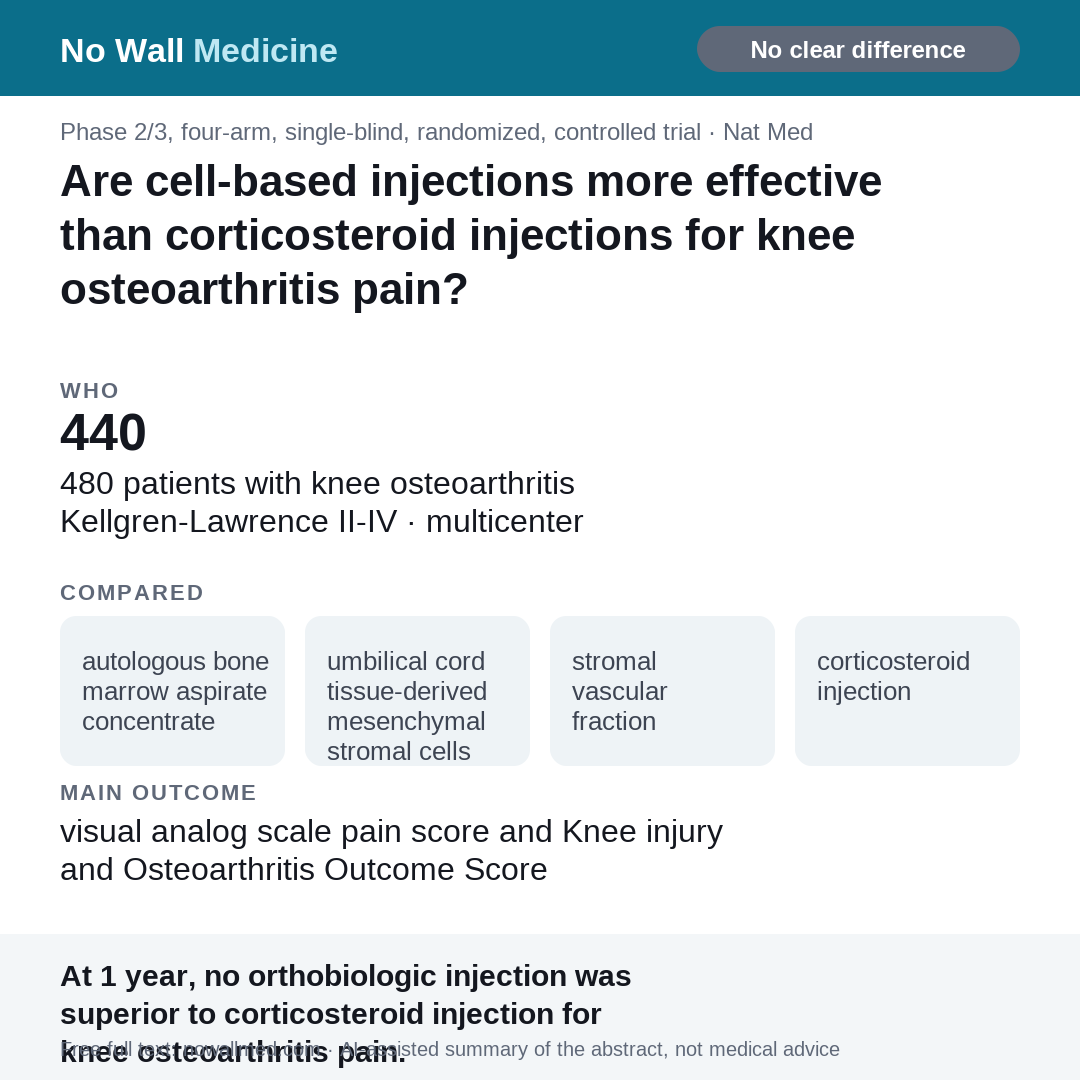
Cell-based versus corticosteroid injections for knee pain in osteoarthritis: a randomized phase 3 trial
Phase 2/3, four-arm, single-blind, randomized, controlled trialNo clear difference
Are cell-based injections more effective than corticosteroid injections for knee osteoarthritis pain?
Who
440
480 patients with knee osteoarthritis Kellgren-Lawrence II-IV · multicenter
Compared
autologous bone marrow aspirate concentrate
umbilical cord tissue-derived mesenchymal stromal cells
stromal vascular fraction
corticosteroid injection
Main outcome
visual analog scale pain score and Knee injury and Osteoarthritis Outcome Score
Bottom line: At 1 year, no orthobiologic injection was superior to corticosteroid injection for knee osteoarthritis pain.
Nat Med · 2023-11-02Download image
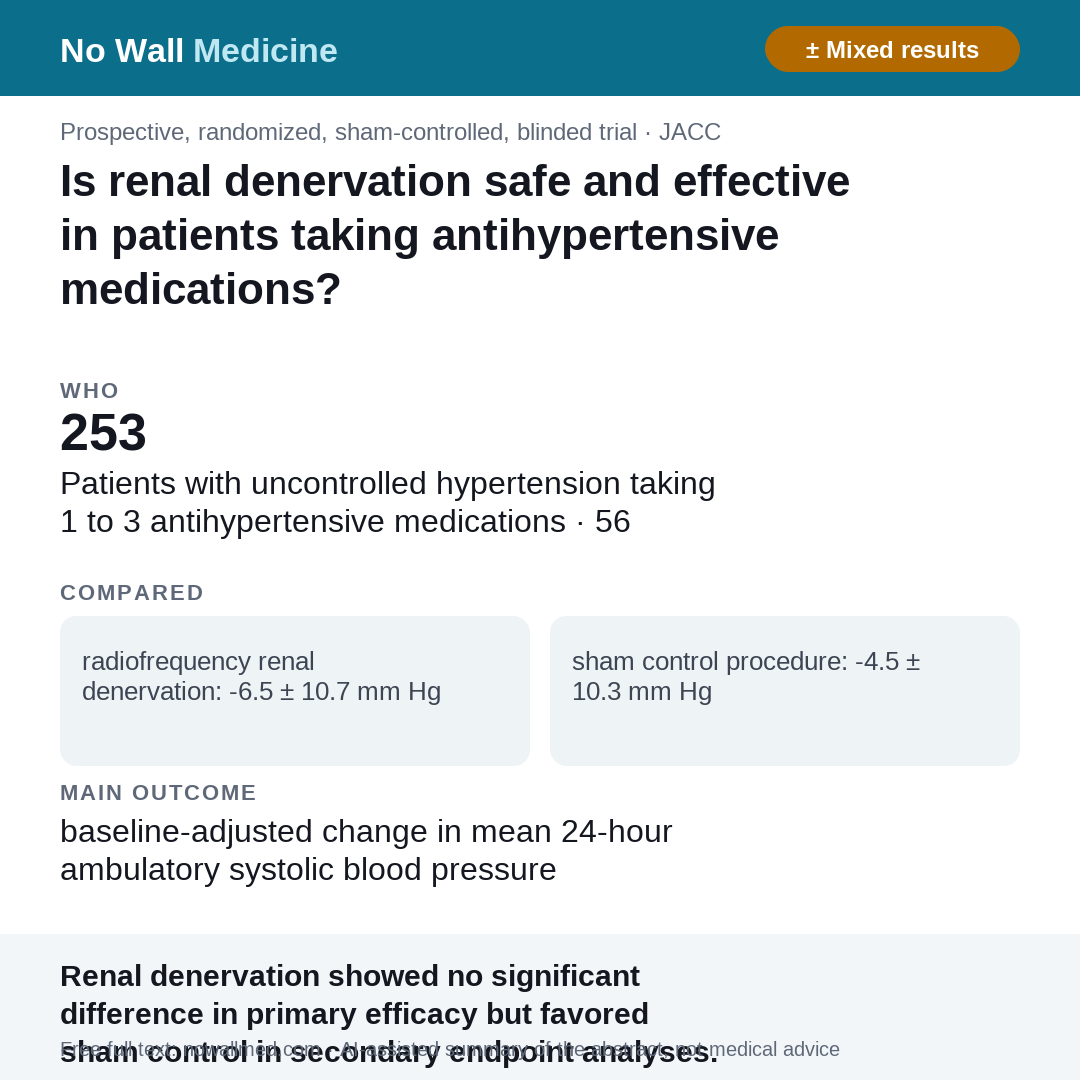
Safety and Efficacy of Renal Denervation in Patients Taking Antihypertensive Medications
Prospective, randomized, sham-controlled, blinded trialMixed results
Is renal denervation safe and effective in patients taking antihypertensive medications?
Who
253
Patients with uncontrolled hypertension taking 1 to 3 antihypertensive medications · 56 clinical centers worldwide
Compared
radiofrequency renal denervation: -6.5 ± 10.7 mm Hg
sham control procedure: -4.5 ± 10.3 mm Hg
Main outcome
baseline-adjusted change in mean 24-hour ambulatory systolic blood pressure
Result: -1.9 mm Hg (95% CI: -4.4 to 0.5 mm Hg)
Bottom line: Renal denervation showed no significant difference in primary efficacy but favored sham control in secondary endpoint analyses.
JACC · 2023-11-02Download image
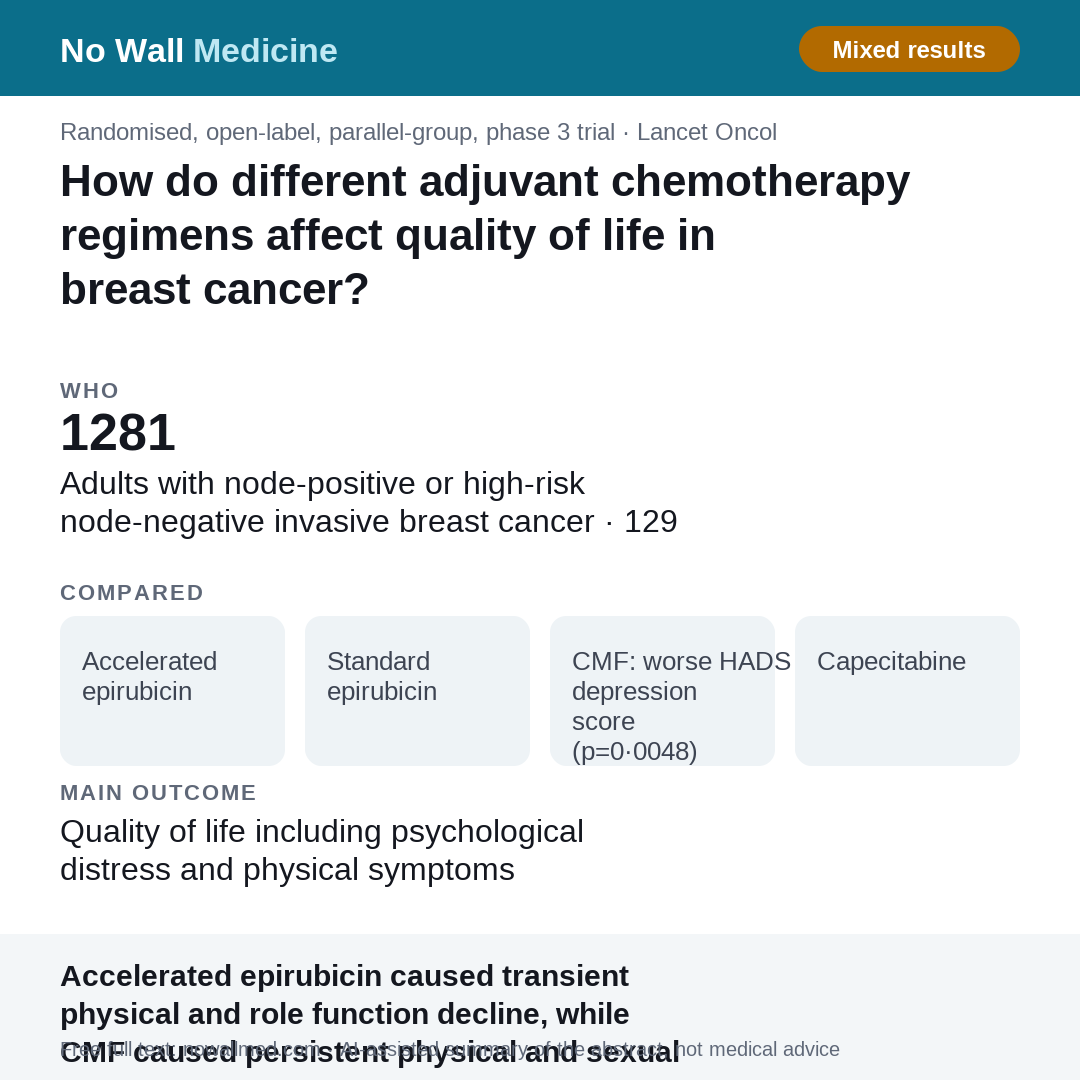
Accelerated versus standard epirubicin followed by cyclophosphamide, methotrexate, and fluorouracil or capecitabine as adjuvant therapy for breast cancer (UK TACT2; CRUK/05/19): quality of life results from a multicentre, phase 3, open-label, randomised, controlled trial
Randomised, open-label, parallel-group, phase 3 trialMixed results
How do different adjuvant chemotherapy regimens affect quality of life in breast cancer?
Who
1281
Adults with node-positive or high-risk node-negative invasive breast cancer · 129 United Kingdom centres
Compared
Accelerated epirubicin
Standard epirubicin
CMF: worse HADS depression score (p=0·0048)
Capecitabine
Main outcome
Quality of life including psychological distress and physical symptoms
Bottom line: Accelerated epirubicin caused transient physical and role function decline, while CMF caused persistent physical and sexual function issues compared to capecitabine.
Lancet Oncol · 2023-11-02Download image
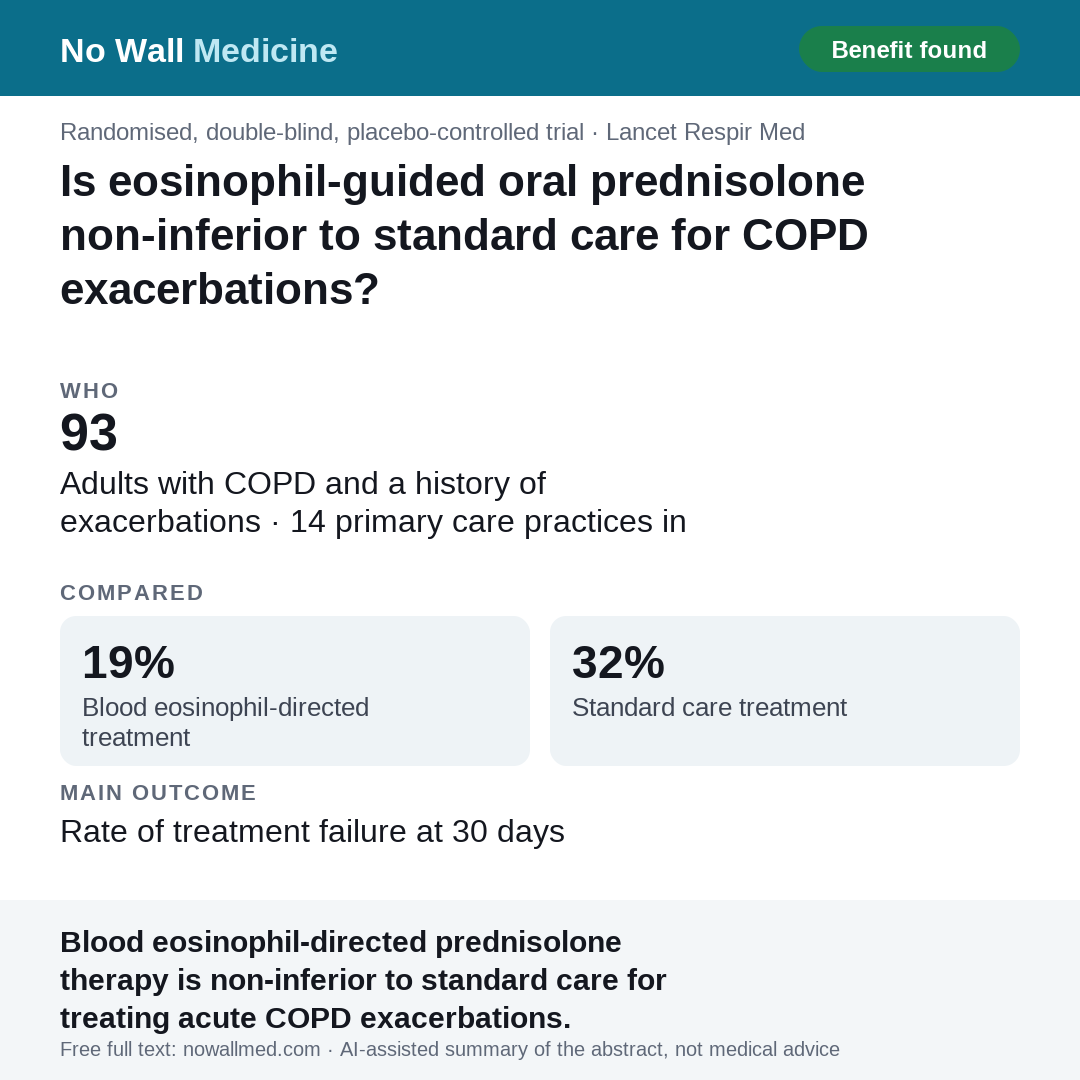
Blood eosinophil-guided oral prednisolone for COPD exacerbations in primary care in the UK (STARR2): a non-inferiority, multicentre, double-blind, placebo-controlled, randomised controlled trial
Randomised, double-blind, placebo-controlled trialBenefit found
Is eosinophil-guided oral prednisolone non-inferior to standard care for COPD exacerbations?
Who
93
Adults with COPD and a history of exacerbations · 14 primary care practices in the UK
Compared
19%Blood eosinophil-directed treatment
32%Standard care treatment
Main outcome
Rate of treatment failure at 30 days
Result: RR 0.60 (95% CI 0.33-1.04)
Bottom line: Blood eosinophil-directed prednisolone therapy is non-inferior to standard care for treating acute COPD exacerbations.
Limitation: The study converted from a superiority trial to a non-inferiority trial due to a randomisation code error.
Funded by: National Institute for Health and Care Research
Lancet Respir Med · 2023-11-02Download image
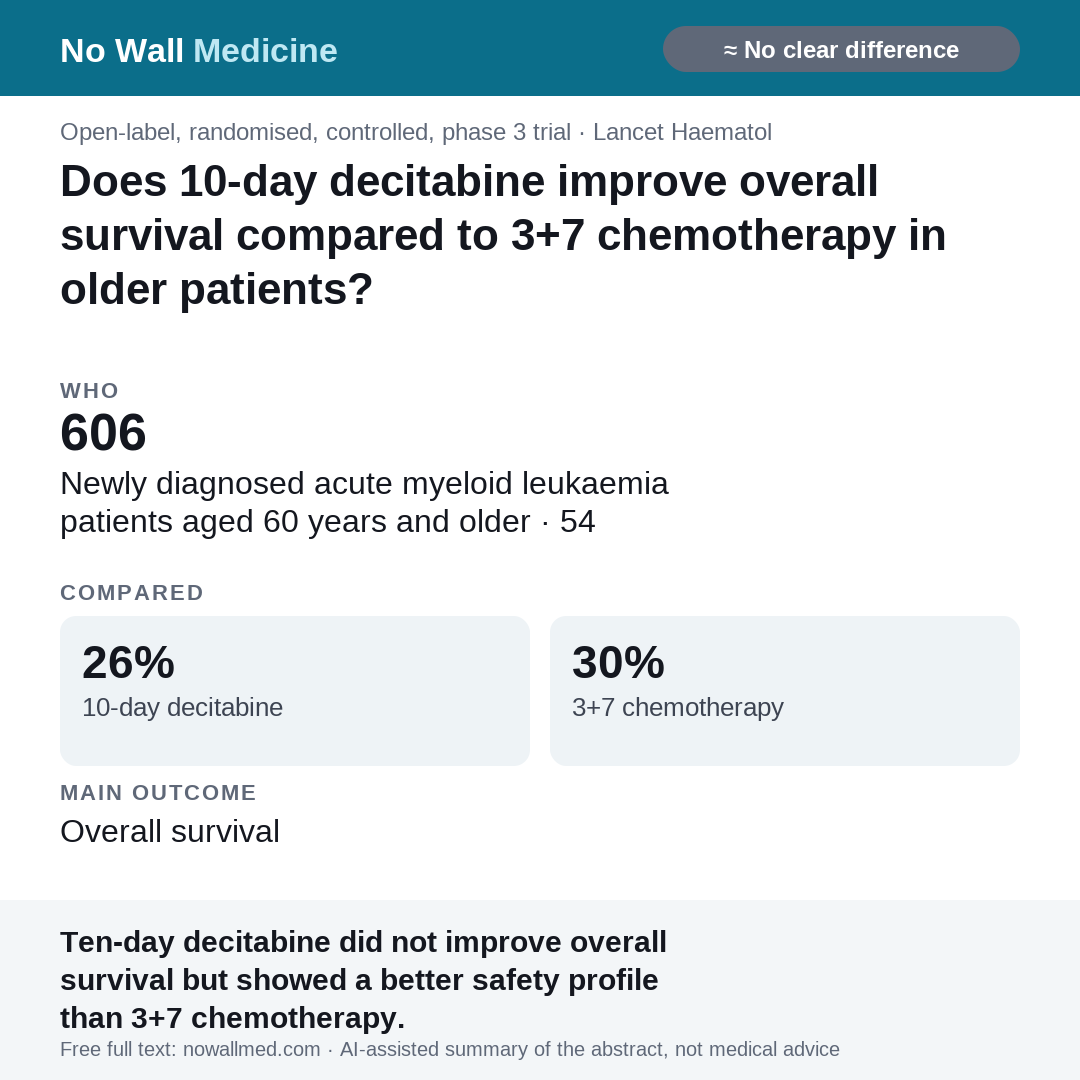
10-day decitabine versus 3 + 7 chemotherapy followed by allografting in older patients with acute myeloid leukaemia: an open-label, randomised, controlled, phase 3 trial
Open-label, randomised, controlled, phase 3 trialNo clear difference
Does 10-day decitabine improve overall survival compared to 3+7 chemotherapy in older patients?
Who
606
Newly diagnosed acute myeloid leukaemia patients aged 60 years and older · 54 hospitals in nine European countries
Compared
26%10-day decitabine (95% CI 21-32)
30%3+7 chemotherapy (24-35)
Main outcome
Overall survival
Result: hazard ratio for death 1·04 (95% CI 0·86-1·26)
Bottom line: Ten-day decitabine did not improve overall survival but showed a better safety profile than 3+7 chemotherapy.
Funded by: Janssen Pharmaceuticals
Lancet Haematol · 2023-11-02Download image
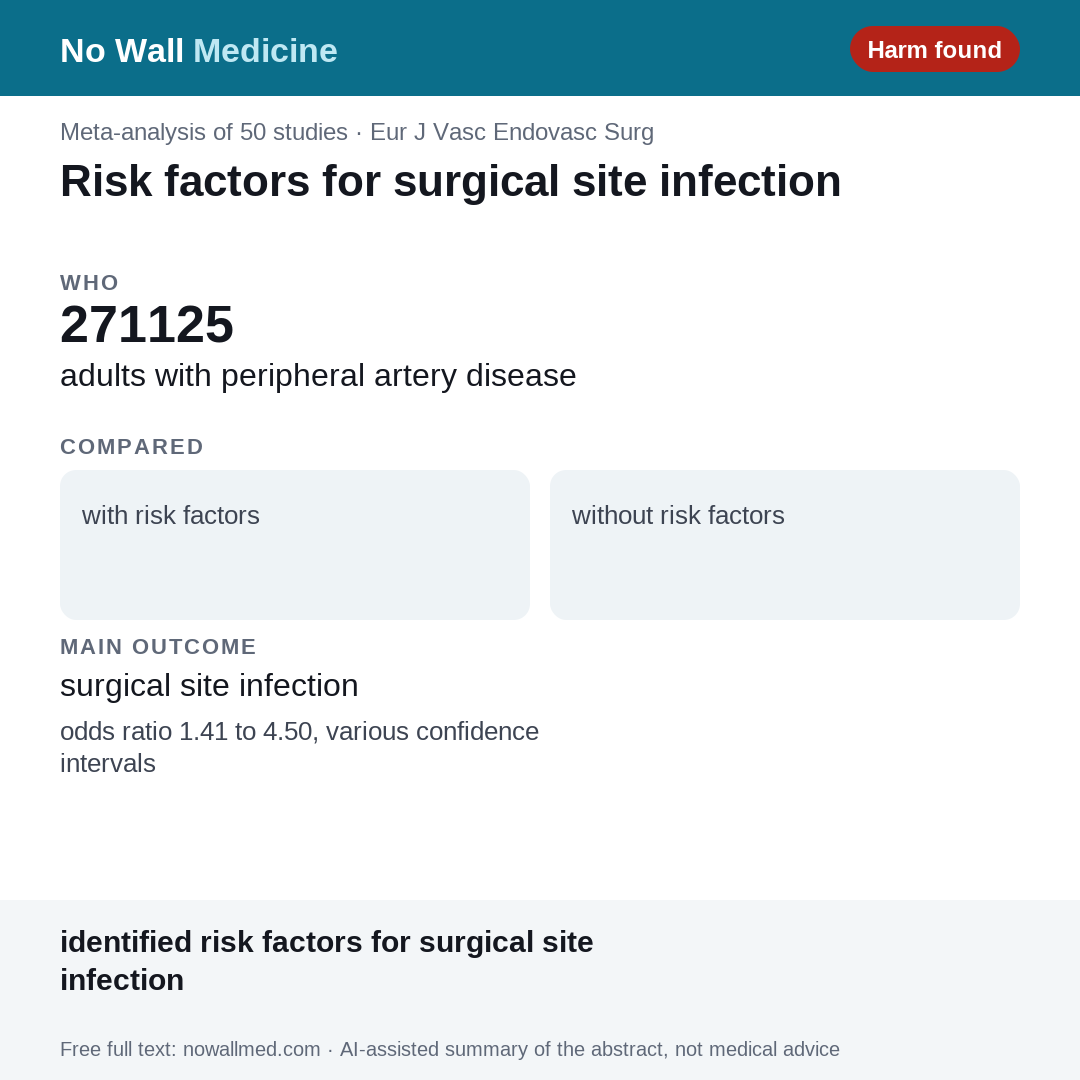
Risk Factors for Surgical Site Infection after Lower Limb Revascularisation Surgery: a Systematic Review and Meta-Analysis of Prognostic Studies
Meta-analysis of 50 studiesHarm found
Risk factors for surgical site infection
Who
271125
adults with peripheral artery disease
Compared
with risk factors
without risk factors
Main outcome
surgical site infection
Result: odds ratio 1.41 to 4.50, various confidence intervals
Bottom line: identified risk factors for surgical site infection
Eur J Vasc Endovasc Surg · 2023-11-02Download image