Visual abstracts
New randomized trials and meta-analyses from leading journals at a glance: who was studied, what was compared, and what was found. Every paper is free to read in full.
All specialtiesCardiology 1620Oncology 1417Gastroenterology & Hepatology 597Infectious Disease 1025Neurology 668Psychiatry & Mental Health 807Pulmonology 699Critical Care 473Endocrinology & Diabetes 882Pediatrics 951Surgery 808Orthopedics & Sports Medicine 304Neurosurgery 204Cardiothoracic & Vascular Surgery 186Plastic & Reconstructive Surgery 252Nephrology 337Rheumatology 217Hematology 353Dermatology 176Ophthalmology 189Obstetrics & Gynecology 526Public & Global Health 310Radiology & Imaging 217Anesthesiology 325Urology 293ENT (Otolaryngology) 218Emergency Medicine 184Allergy & Immunology 105Geriatrics 348Family Medicine & Primary Care 198Medical Genetics & Genomics 175Pathology & Laboratory Medicine 52Physical Medicine & Rehabilitation 282Palliative Care 147Nutrition 428Digital Health & AI 858General Medicine 132
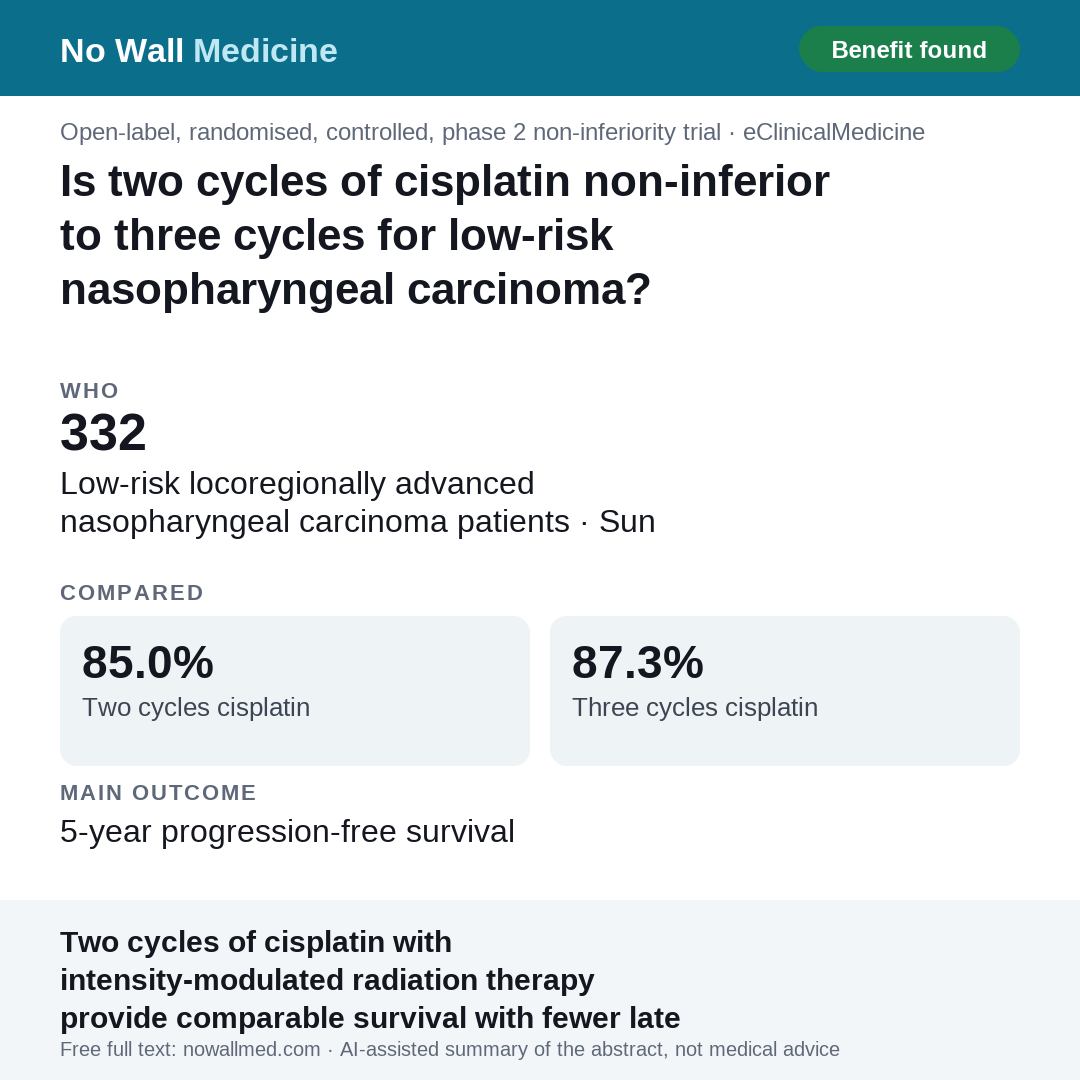
Epstein-Barr virus DNA-guided chemoradiotherapy for patients with low-risk locoregionally advanced nasopharyngeal carcinoma: a secondary 5-year follow-up analysis of an open-label, randomised controlled, phase 2 non-inferiority trial
Open-label, randomised, controlled, phase 2 non-inferiority trialBenefit found
Is two cycles of cisplatin non-inferior to three cycles for low-risk nasopharyngeal carcinoma?
Who
332
Low-risk locoregionally advanced nasopharyngeal carcinoma patients · Sun Yat-sen University Cancer Center
Compared
85.0%Two cycles cisplatin (95% CI, 79.4-90.4)
87.3%Three cycles cisplatin (95% CI, 82.2-92.4)
Main outcome
5-year progression-free survival
Result: difference 2.4%; 95% CI, -5.0%-9.8%
Bottom line: Two cycles of cisplatin with intensity-modulated radiation therapy provide comparable survival with fewer late toxicities than three cycles.
Limitation: The study was conducted at a single center, limiting generalisability to non-endemic regions.
Funded by: National Key Research and Development Program of China and others
eClinicalMedicine · 2025-10-30Download image
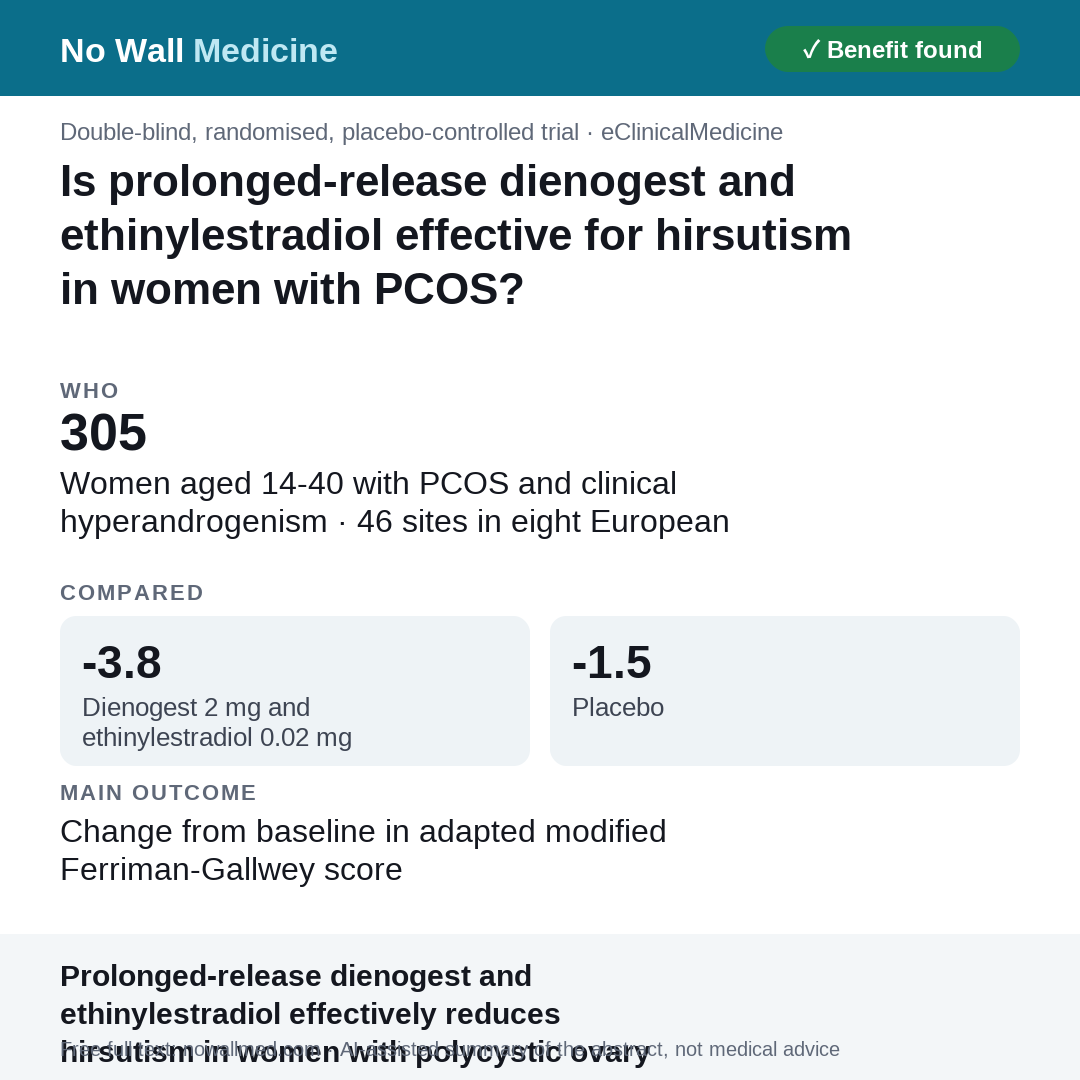
Oral prolonged-release dienogest 2 mg and ethinylestradiol 0.02 mg in a 24/4-day regimen for polycystic ovary syndrome-associated hirsutism: a double-blind, randomised, placebo-controlled trial
Double-blind, randomised, placebo-controlled trialBenefit found
Is prolonged-release dienogest and ethinylestradiol effective for hirsutism in women with PCOS?
Who
305
Women aged 14-40 with PCOS and clinical hyperandrogenism · 46 sites in eight European countries
Compared
-3.8Dienogest 2 mg and ethinylestradiol 0.02 mg
-1.5Placebo
Main outcome
Change from baseline in adapted modified Ferriman-Gallwey score
Result: difference -2.24 ± 0.49 (98.75% CI: -∞, -1.14; p < 0.0001)
Bottom line: Prolonged-release dienogest and ethinylestradiol effectively reduces hirsutism in women with polycystic ovary syndrome.
Limitation: Further research is required for different cultural and ethnic populations and impact on mood disorders.
eClinicalMedicine · 2025-10-30Download image
Early stoppage of empirical antibiotic therapy in paediatric acute leukaemia with high-risk febrile neutropenia: a randomized, open-label, phase 3, non-inferiority trial
Randomized, open-label, phase 3, non-inferiority trialBenefit found
Is early discontinuation of empirical antibiotic therapy non-inferior to continuation in paediatric high-risk febrile neutropenia?
Who
278
Children aged 2-18 years with acute leukaemia and high-risk febrile neutropenia
Compared
52.1%stop empirical antibiotic therapy (73/170)
47.1%continue empirical antibiotic therapy (65/138)
Main outcome
proportion of fever recurrence
Result: 5.0 percentage points (90% CI: -4.8 to 14.8 percentage points)
Bottom line: Early discontinuation of empirical antibiotic therapy was non-inferior to continuation until neutrophil recovery in paediatric acute leukaemia.
eClinicalMedicine · 2025-10-30Download image

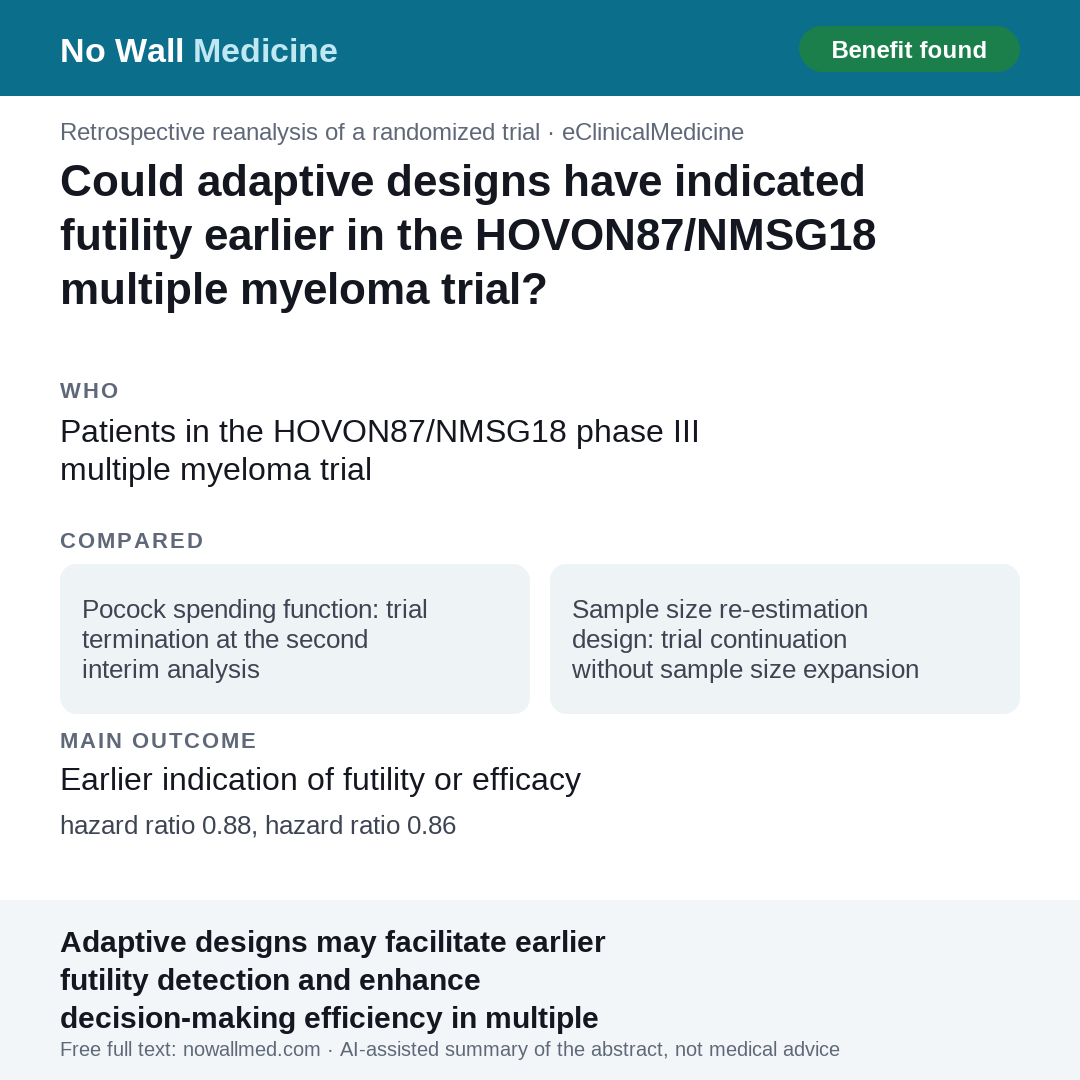
Adaptive designs in randomized clinical trials: reanalysis of the HOVON87/NMSG18 multiple myeloma trial
Retrospective reanalysis of a randomized trialBenefit found
Could adaptive designs have indicated futility earlier in the HOVON87/NMSG18 multiple myeloma trial?
Who
Patients in the HOVON87/NMSG18 phase III multiple myeloma trial
Compared
Pocock spending function: trial termination at the second interim analysis
Sample size re-estimation design: trial continuation without sample size expansion
Main outcome
Earlier indication of futility or efficacy
Result: hazard ratio 0.88, hazard ratio 0.86
Bottom line: Adaptive designs may facilitate earlier futility detection and enhance decision-making efficiency in multiple myeloma trials.
Limitation: This was a retrospective reanalysis of an existing trial.
Funded by: Dutch Cancer Society, Norwegian Cancer Society, and Celgene
eClinicalMedicine · 2025-10-30Download image
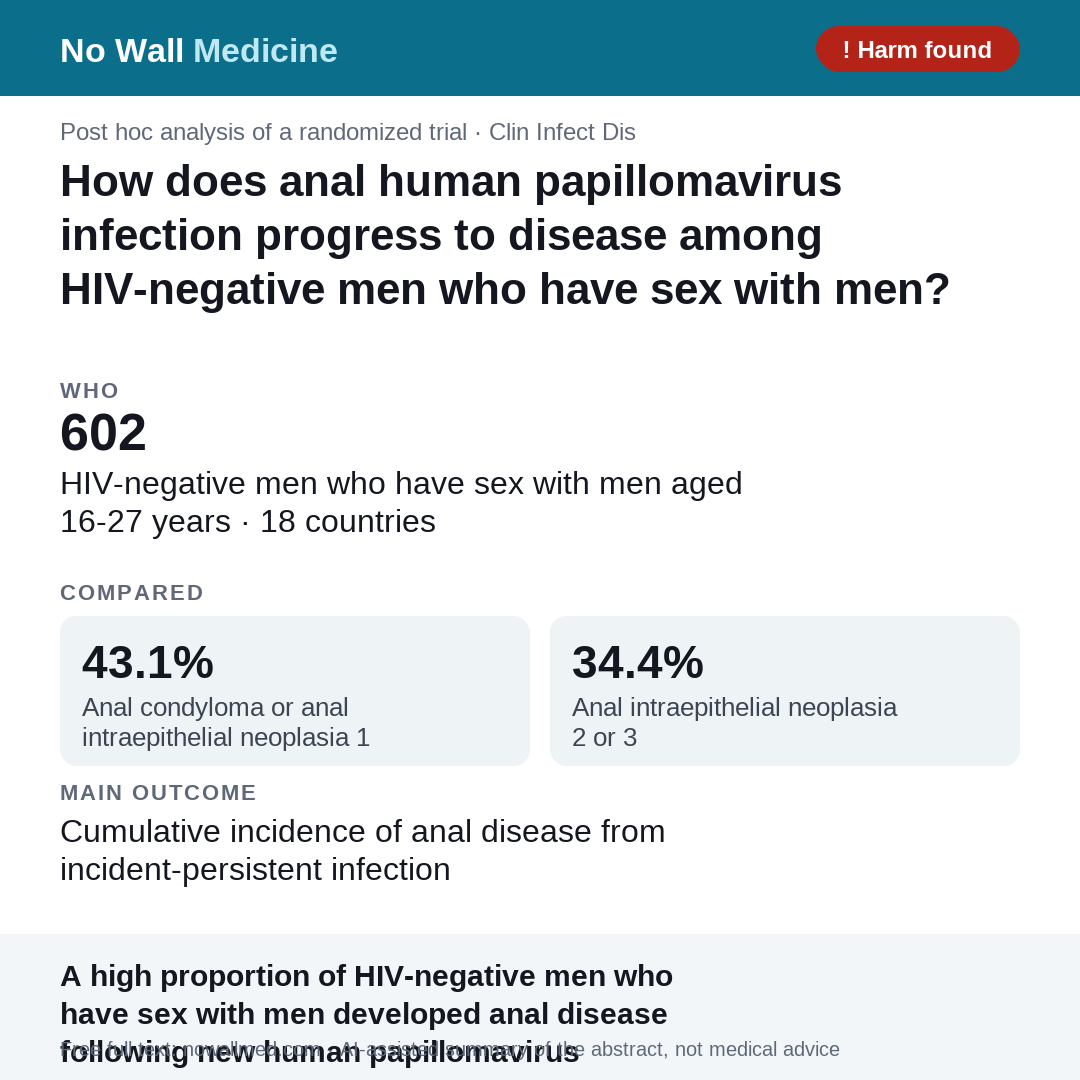
Anal Human Papillomavirus Infection Progression to Disease Among Men Who Have Sex With Men
Post hoc analysis of a randomized trialHarm found
How does anal human papillomavirus infection progress to disease among HIV-negative men who have sex with men?
Who
602
HIV-negative men who have sex with men aged 16-27 years · 18 countries
Compared
43.1%Anal condyloma or anal intraepithelial neoplasia 1
34.4%Anal intraepithelial neoplasia 2 or 3
Main outcome
Cumulative incidence of anal disease from incident-persistent infection
Bottom line: A high proportion of HIV-negative men who have sex with men developed anal disease following new human papillomavirus infection.
Clin Infect Dis · 2025-10-30Download image
The cost-effectiveness of mild hypercapnia after out-of-hospital cardiac arrest: a health economic evaluation alongside the TAME study
Prospective cost-effectiveness analysisNo clear difference
Is mild hypercapnia cost-effective compared to normocapnia after out-of-hospital cardiac arrest?
Who
1586
Adult patients following out-of-hospital cardiac arrest · 63 intensive care units in 17 countries
Compared
Mild hypercapnia
Targeted normocapnia
Main outcome
Cost per quality-adjusted life year
Bottom line: Mild hypercapnia showed no significant differences in costs or quality-adjusted life years compared to normocapnia.
Resuscitation · 2025-10-30Download image
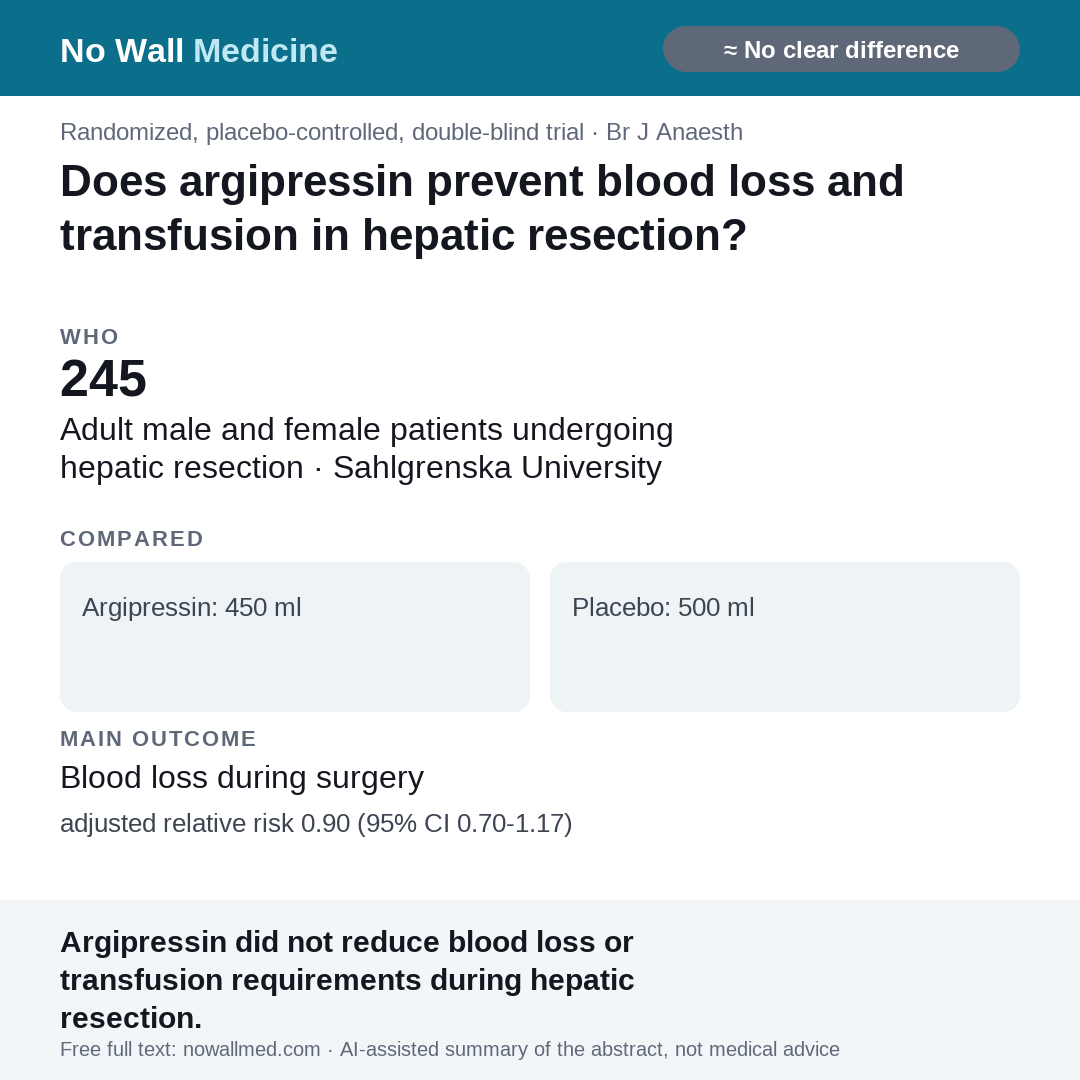
Argipressin for prevention of blood loss in hepatic resection: a randomised, placebo-controlled, double-blind trial
Randomized, placebo-controlled, double-blind trialNo clear difference
Does argipressin prevent blood loss and transfusion in hepatic resection?
Who
245
Adult male and female patients undergoing hepatic resection · Sahlgrenska University Hospital, Sweden
Compared
Argipressin: 450 ml
Placebo: 500 ml
Main outcome
Blood loss during surgery
Result: adjusted relative risk 0.90 (95% CI 0.70-1.17)
Bottom line: Argipressin did not reduce blood loss or transfusion requirements during hepatic resection.
Br J Anaesth · 2025-10-30Download image
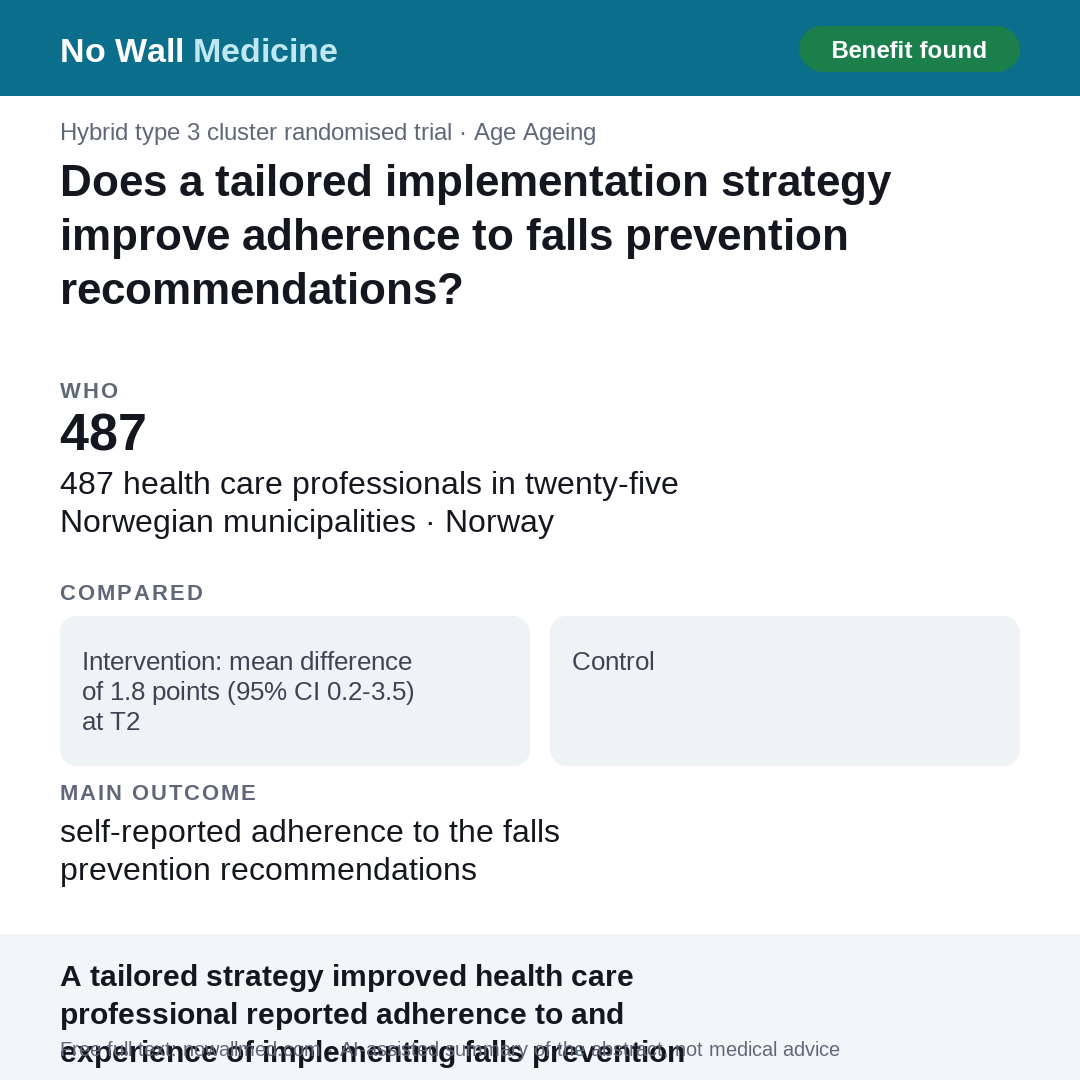
Tailored implementation of national recommendations on falls prevention amongst older adults in municipalities in Norway-FALLPREVENT-a hybrid type 3 cluster-randomised trial
Hybrid type 3 cluster randomised trialBenefit found
Does a tailored implementation strategy improve adherence to falls prevention recommendations?
Who
487
487 health care professionals in twenty-five Norwegian municipalities · Norway
Compared
Intervention: mean difference of 1.8 points (95% CI 0.2-3.5) at T2
Control
Main outcome
self-reported adherence to the falls prevention recommendations
Result: mean difference of 1.8 points (95% CI 0.2-3.5)
Bottom line: A tailored strategy improved health care professional reported adherence to and experience of implementing falls prevention recommendations.
Limitation: Limited effectiveness on clinical outcomes might be due to limited fidelity or time needed to embed implementation.
Age Ageing · 2025-10-30Download image
Perioperative cognitive behavioural therapy compared with pain education and mindfulness for chronic postsurgical pain in breast cancer patients with high pain catastrophising characteristics: a randomised, controlled, parallel group clinical trial
Randomised, controlled, parallel group clinical trialNo clear difference
Is perioperative cognitive behavioural therapy more effective than pain education and mindfulness for chronic postsurgical pain?
Who
45
Women with primary breast cancer surgery and high pain catastrophising
Compared
0Cognitive behavioural therapy (0-1)
0Pain education and mindfulness (0-1)
Main outcome
Brief Pain Inventory average pain severity at 3 months
Bottom line: Perioperative cognitive behavioural therapy and pain education and mindfulness achieved similar reductions in pain intensity at 3 months.
BJA Open · 2025-10-30Download image
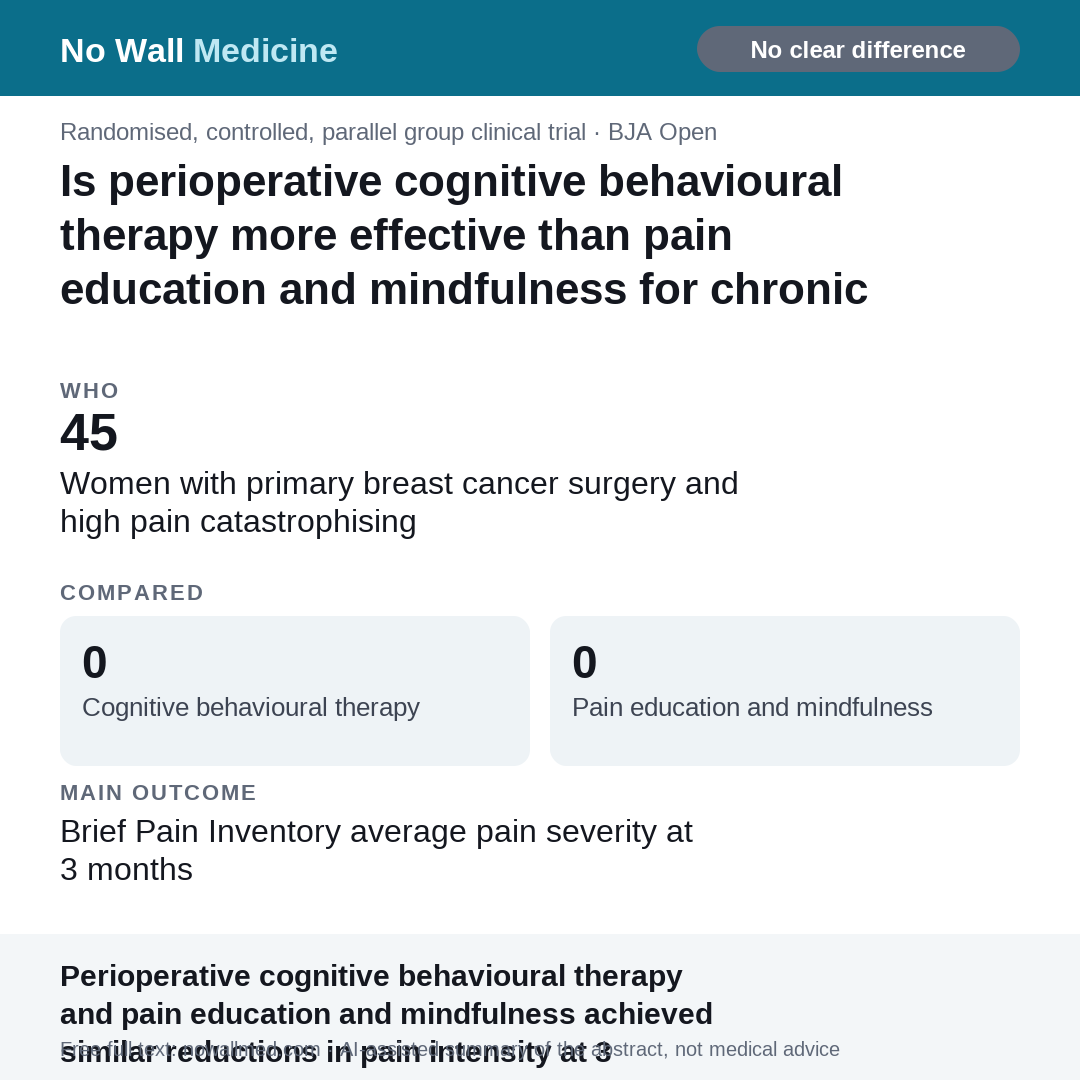
Safety, Efficacy, and Immunogenicity of a Salmonella Paratyphi A Vaccine
Double-blind, randomized, placebo-controlled trialBenefit found
Is the CVD 1902 vaccine effective and safe against Salmonella Paratyphi A infection?
Who
72
Healthy United Kingdom adults · United Kingdom
Compared
21%CVD 1902 vaccine
75%Placebo
Main outcome
Diagnosis of Salmonella Paratyphi A infection within 14 days after challenge
Result: vaccine efficacy 73% (95% CI 46 to 86)
Bottom line: A two-dose series of CVD 1902 provided protection against Salmonella Paratyphi A infection in a controlled human infection model.
Funded by: Medical Research Council
NEJM · 2025-10-29Download image
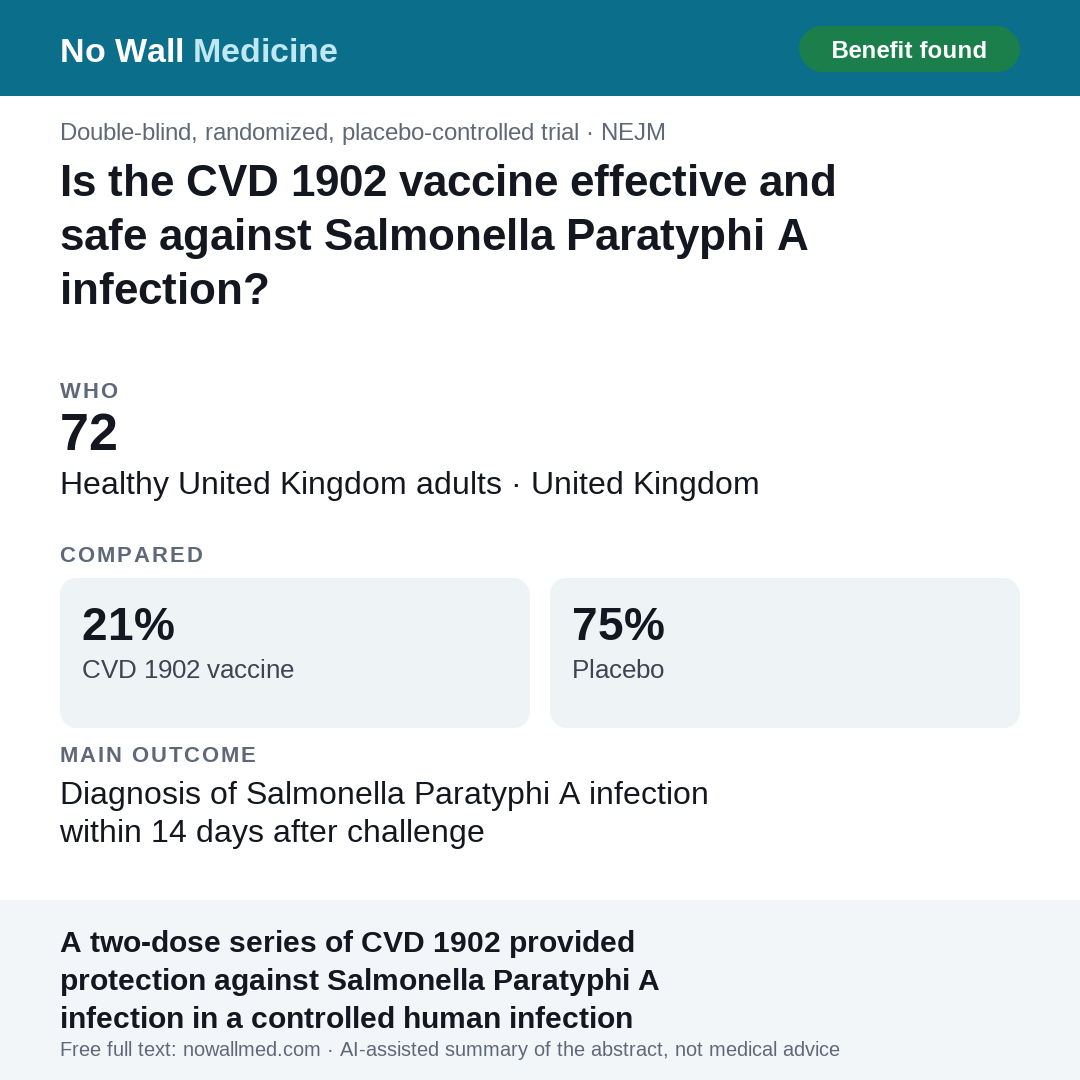
A Randomized Trial of Physical Therapy for Meniscal Tear and Knee Pain
Randomized trialNo clear difference
Does adding physical therapy or text messages to home exercise reduce knee pain?
Who
879
Participants 45 to 85 years old with knee pain, osteoarthritis, and meniscal tear
Compared
Home exercise
Home exercise plus text messages
Home exercise, text messages, and sham physical therapy
Home exercise, text messages, and standard physical therapy
Main outcome
Change in Knee Injury and Osteoarthritis Outcome Score pain subscore
Bottom line: Adding physical therapy or text messages to home exercises was not superior in reducing pain for degenerative meniscal tears.
Funded by: National Institute of Arthritis and Musculoskeletal and Skin Diseases
NEJM · 2025-10-29Download image
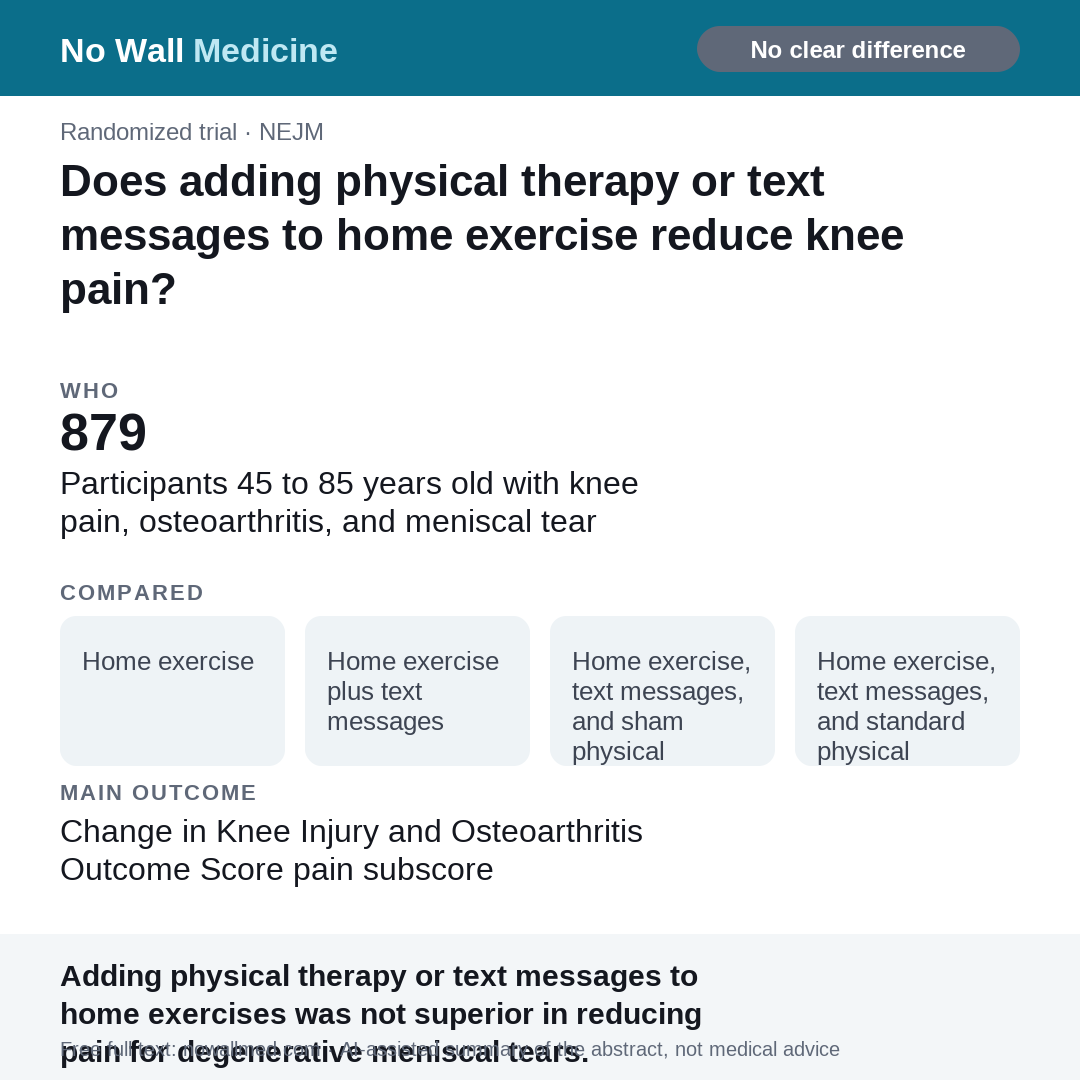
A Pragmatic Trial of Glucocorticoids for Community-Acquired Pneumonia
Pragmatic, open-label, randomized, controlled trialBenefit found
Do adjunctive glucocorticoids reduce mortality in community-acquired pneumonia in low-resource settings?
Who
2180
Adult patients with community-acquired pneumonia in Kenya · 18 public hospitals in Kenya
Compared
22.6%Glucocorticoid group
26.0%Standard-care group
Main outcome
Death from any cause at 30 days after enrollment
Result: hazard ratio 0.84 (95% confidence interval, 0.73 to 0.97)
Bottom line: In low-resource settings, adjunctive glucocorticoid therapy was associated with a lower risk of death than standard care.
Funded by: Wellcome Trust and others
NEJM · 2025-10-29Download image
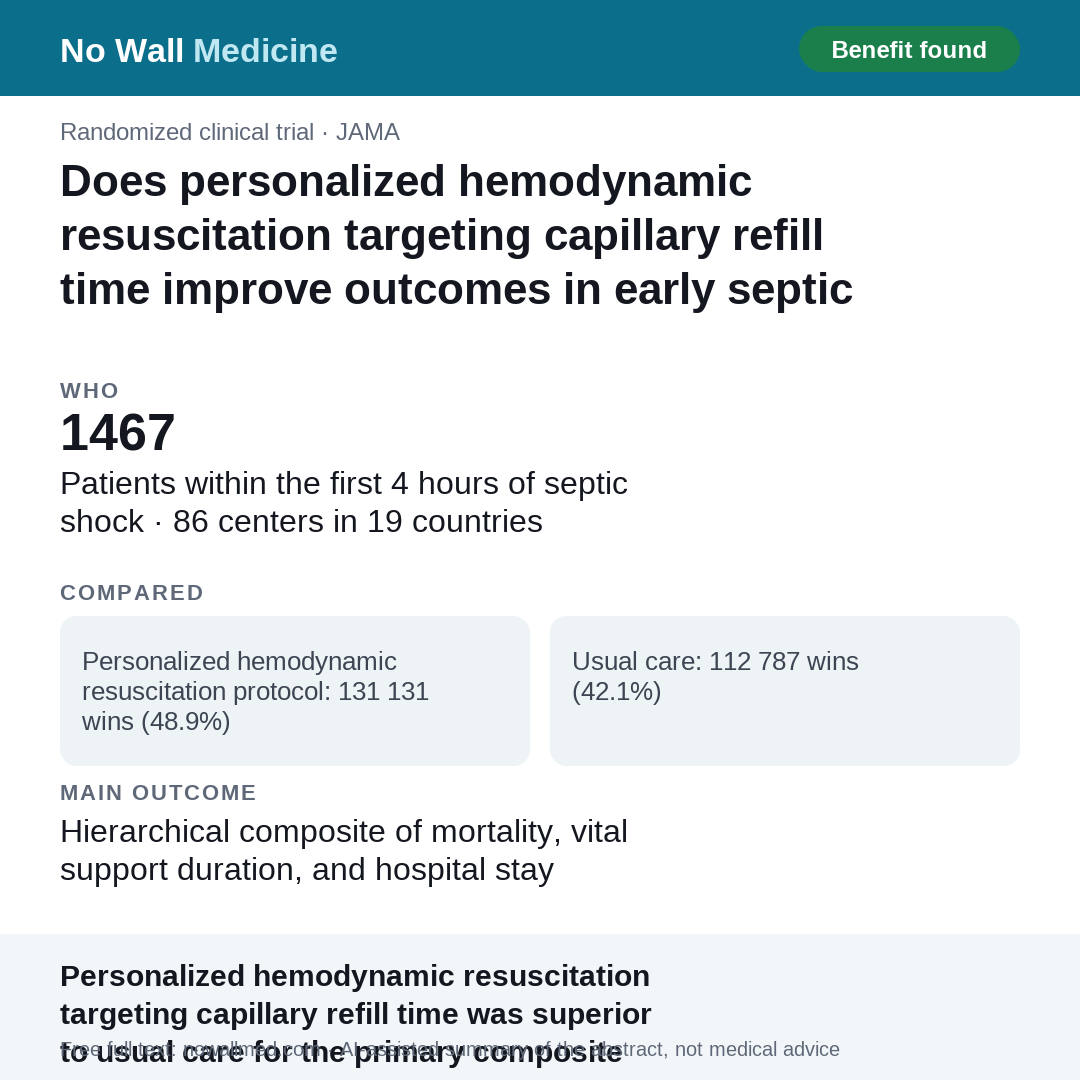
Personalized Hemodynamic Resuscitation Targeting Capillary Refill Time in Early Septic Shock: The ANDROMEDA-SHOCK-2 Randomized Clinical Trial
Randomized clinical trialBenefit found
Does personalized hemodynamic resuscitation targeting capillary refill time improve outcomes in early septic shock?
Who
1467
Patients within the first 4 hours of septic shock · 86 centers in 19 countries
Compared
Personalized hemodynamic resuscitation protocol: 131 131 wins (48.9%)
Usual care: 112 787 wins (42.1%)
Main outcome
Hierarchical composite of mortality, vital support duration, and hospital stay
Result: win ratio 1.16 (95% CI 1.02-1.33)
Bottom line: Personalized hemodynamic resuscitation targeting capillary refill time was superior to usual care for the primary composite outcome.
JAMA · 2025-10-29Download image
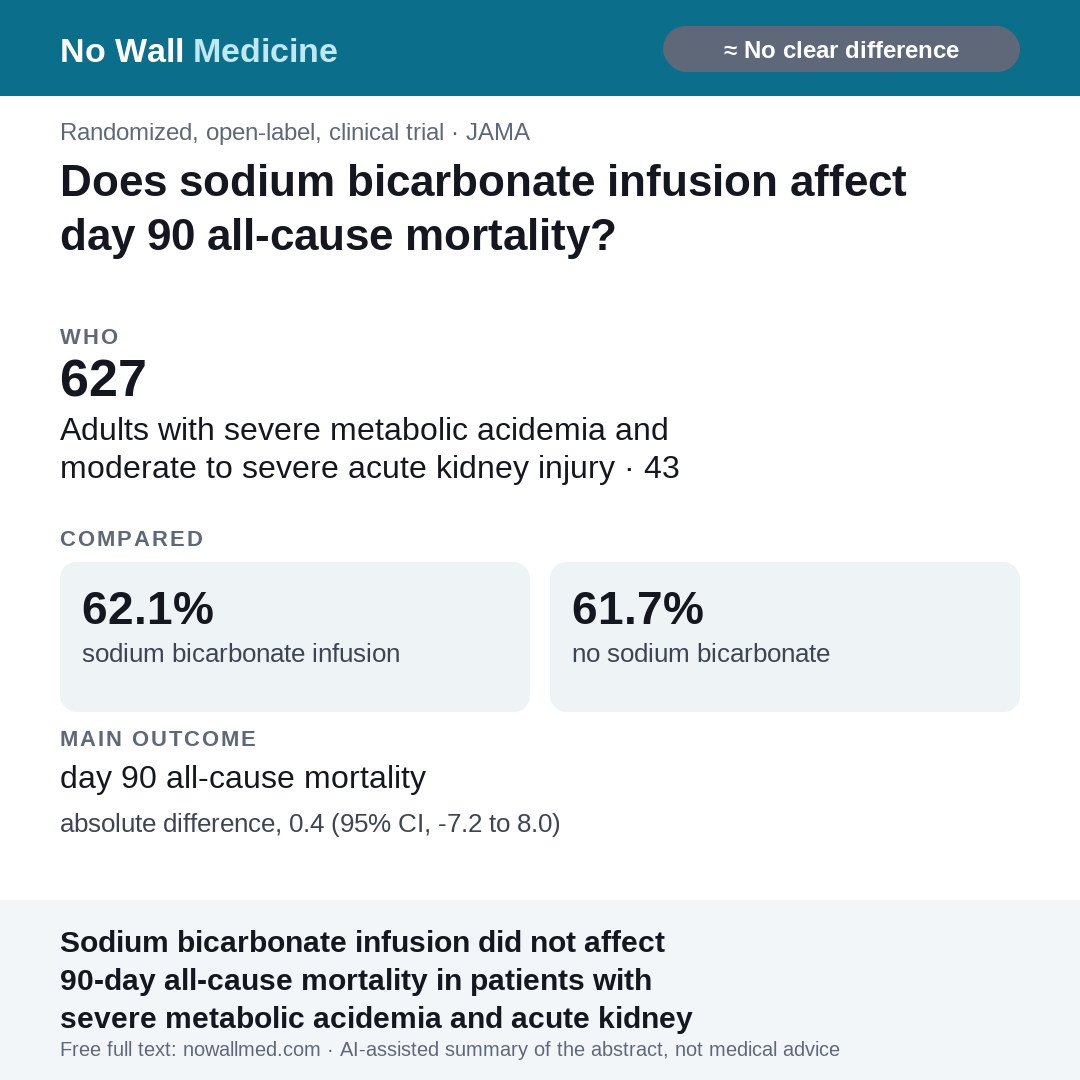
Sodium Bicarbonate for Severe Metabolic Acidemia and Acute Kidney Injury: The BICARICU-2 Randomized Clinical Trial
Randomized, open-label, clinical trialNo clear difference
Does sodium bicarbonate infusion affect day 90 all-cause mortality?
Who
627
Adults with severe metabolic acidemia and moderate to severe acute kidney injury · 43 French intensive care units
Compared
62.1%sodium bicarbonate infusion (195/314)
61.7%no sodium bicarbonate (193/313)
Main outcome
day 90 all-cause mortality
Result: absolute difference, 0.4 (95% CI, -7.2 to 8.0)
Bottom line: Sodium bicarbonate infusion did not affect 90-day all-cause mortality in patients with severe metabolic acidemia and acute kidney injury.
JAMA · 2025-10-29Download image
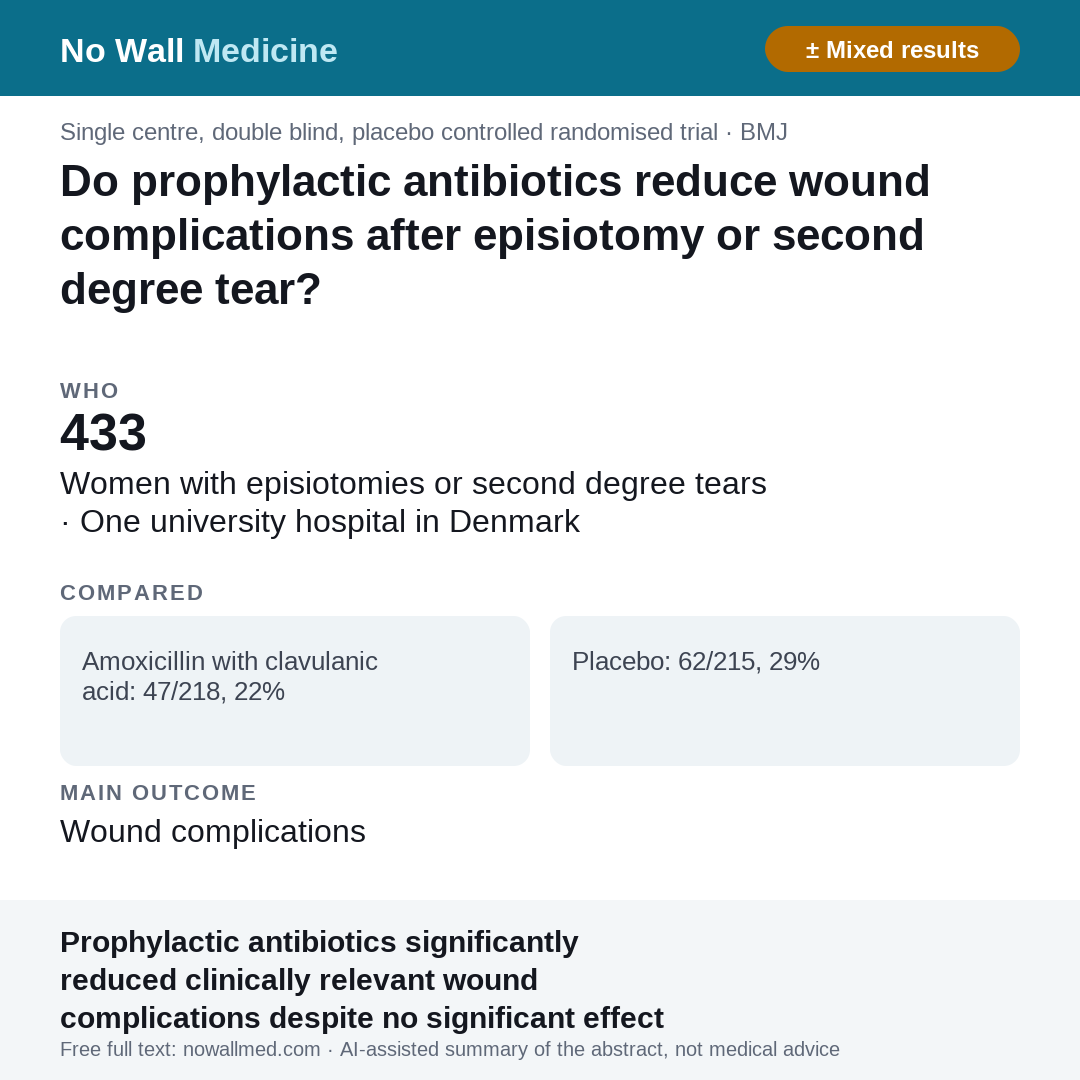
Risk of infection and wound dehiscence after use of prophylactic antibiotics in episiotomy or second degree tear (REPAIR study): single centre, double blind, placebo controlled randomised trial
Single centre, double blind, placebo controlled randomised trialMixed results
Do prophylactic antibiotics reduce wound complications after episiotomy or second degree tear?
Who
433
Women with episiotomies or second degree tears · One university hospital in Denmark
Compared
Amoxicillin with clavulanic acid: 47/218, 22%
Placebo: 62/215, 29%
Main outcome
Wound complications
Result: risk difference -7.2% (95% CI -15.4% to 0.8%)
Bottom line: Prophylactic antibiotics significantly reduced clinically relevant wound complications despite no significant effect on overall wound complications.
BMJ · 2025-10-29Download image
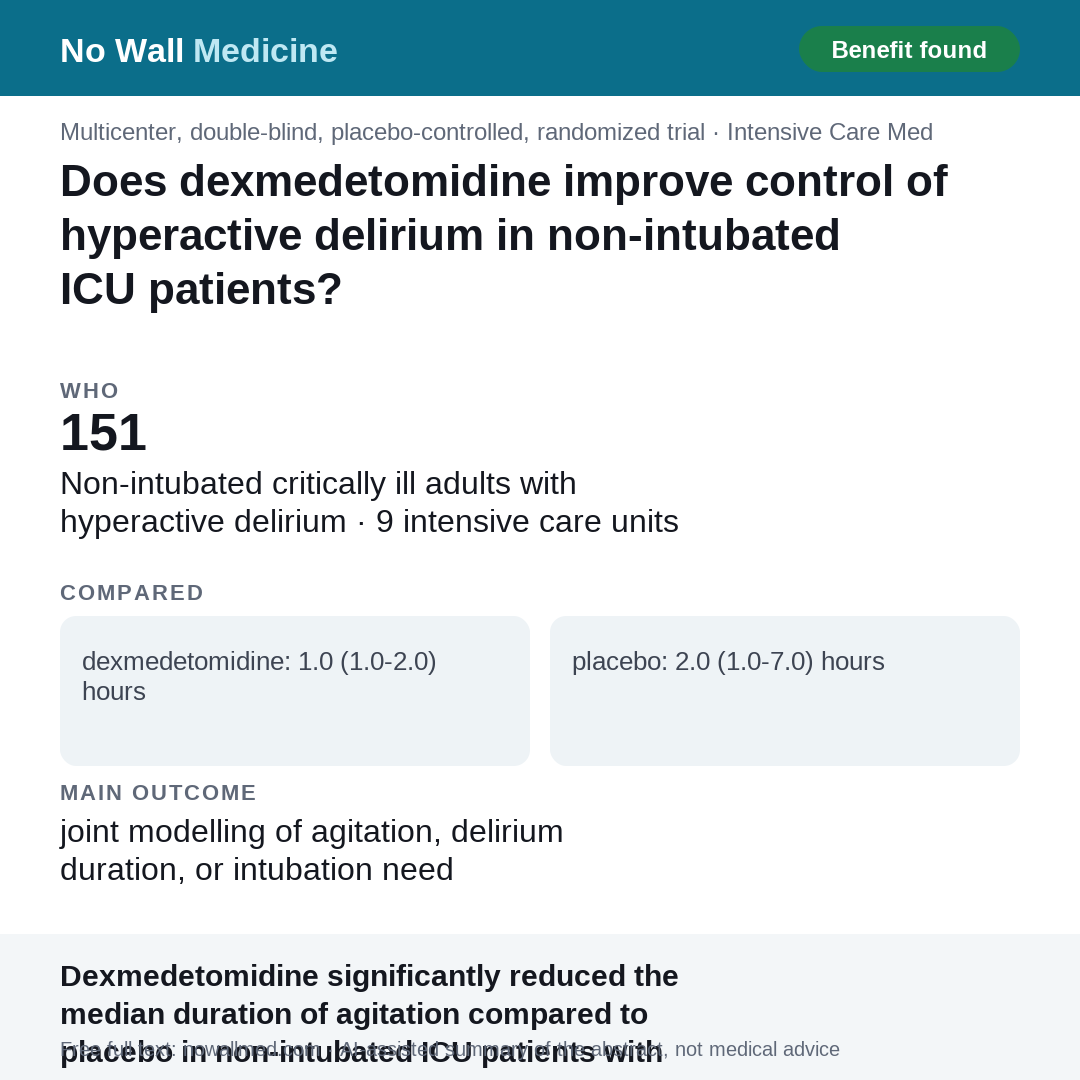
Dexmedetomidine for treatment of hyperactive delirium in non-intubated ICU patients: the 4D randomized clinical trial
Multicenter, double-blind, placebo-controlled, randomized trialBenefit found
Does dexmedetomidine improve control of hyperactive delirium in non-intubated ICU patients?
Who
151
Non-intubated critically ill adults with hyperactive delirium · 9 intensive care units
Compared
dexmedetomidine: 1.0 (1.0-2.0) hours
placebo: 2.0 (1.0-7.0) hours
Main outcome
joint modelling of agitation, delirium duration, or intubation need
Result: median difference, -30 points; 95% CI, -49 to -12
Bottom line: Dexmedetomidine significantly reduced the median duration of agitation compared to placebo in non-intubated ICU patients with hyperactive delirium.
Intensive Care Med · 2025-10-29Download image
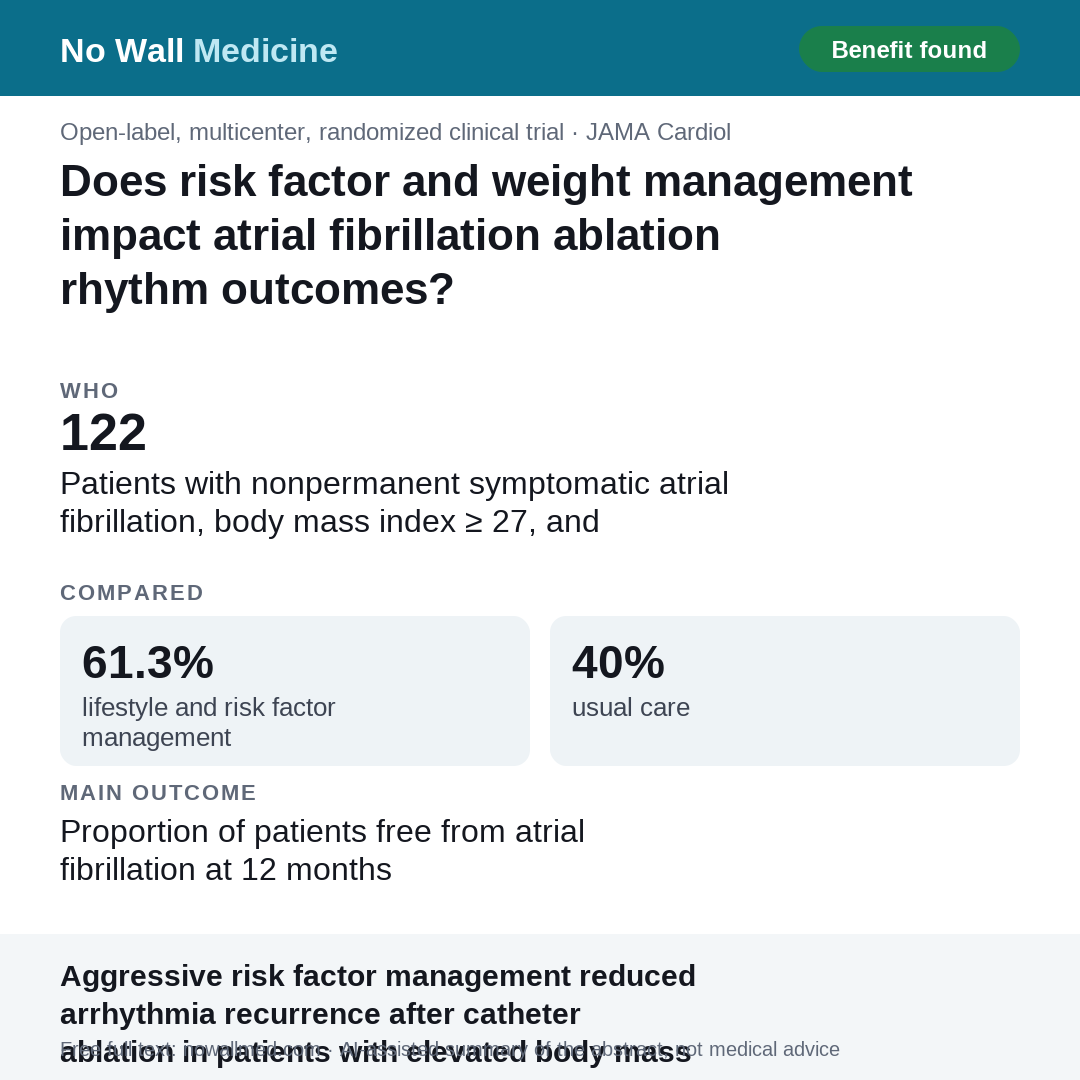
Aggressive Risk Factor Reduction Study for Atrial Fibrillation Implications for Ablation Outcomes: The ARREST-AF Randomized Clinical Trial
Open-label, multicenter, randomized clinical trialBenefit found
Does risk factor and weight management impact atrial fibrillation ablation rhythm outcomes?
Who
122
Patients with nonpermanent symptomatic atrial fibrillation, body mass index ≥ 27, and cardiometabolic risk factors · 3 sites in Adelaide, South Australia
Compared
61.3%lifestyle and risk factor management
40%usual care
Main outcome
Proportion of patients free from atrial fibrillation at 12 months
Result: hazard ratio 0.53 (95% CI, 0.32-0.89)
Bottom line: Aggressive risk factor management reduced arrhythmia recurrence after catheter ablation in patients with elevated body mass index.
JAMA Cardiol · 2025-10-29Download image
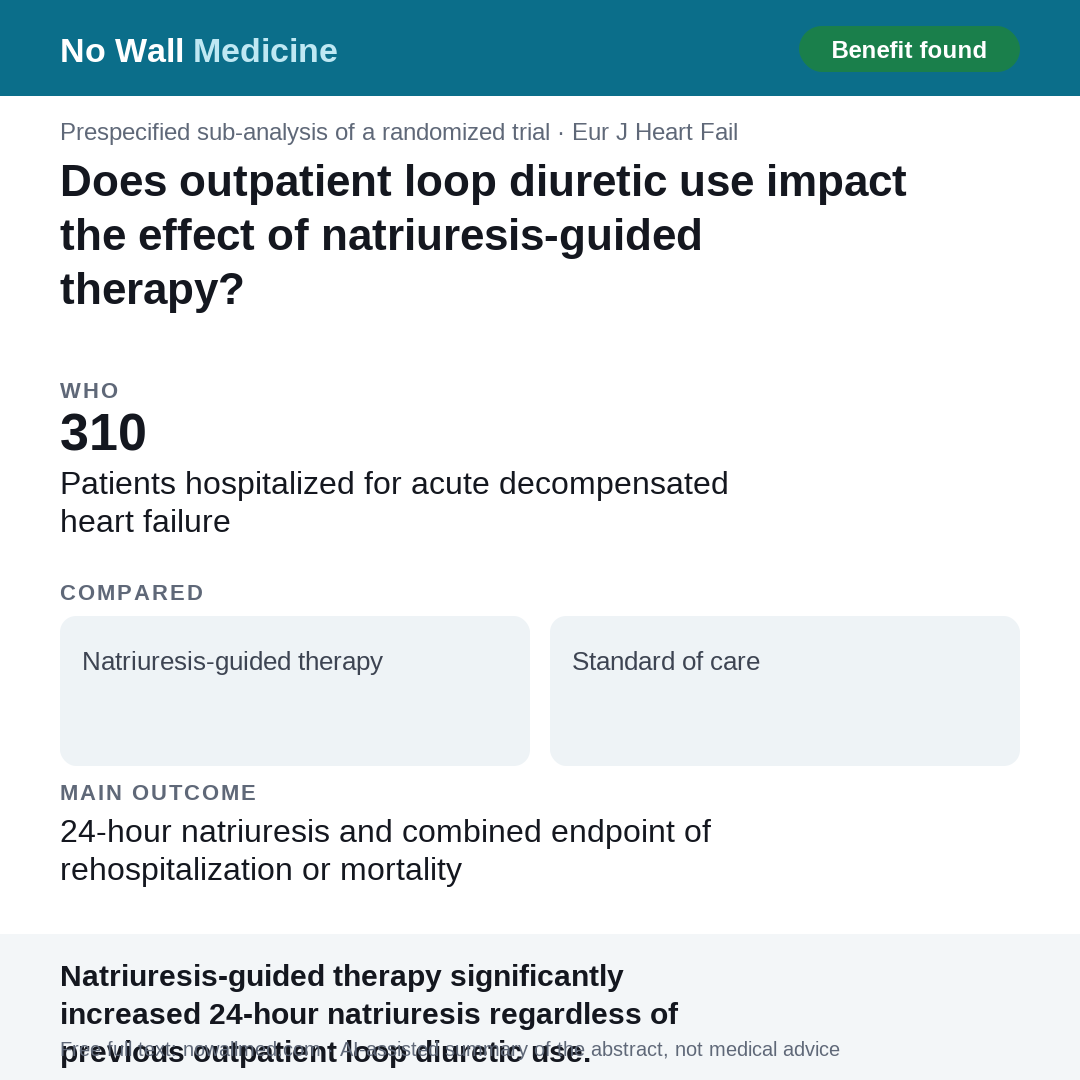
Outpatient loop diuretic use and the effect of natriuresis-guided diuretic therapy: A prespecified sub-analysis of the PUSH-AHF study
Prespecified sub-analysis of a randomized trialBenefit found
Does outpatient loop diuretic use impact the effect of natriuresis-guided therapy?
Who
310
Patients hospitalized for acute decompensated heart failure
Compared
Natriuresis-guided therapy
Standard of care
Main outcome
24-hour natriuresis and combined endpoint of rehospitalization or mortality
Bottom line: Natriuresis-guided therapy significantly increased 24-hour natriuresis regardless of previous outpatient loop diuretic use.
Eur J Heart Fail · 2025-10-29Download image
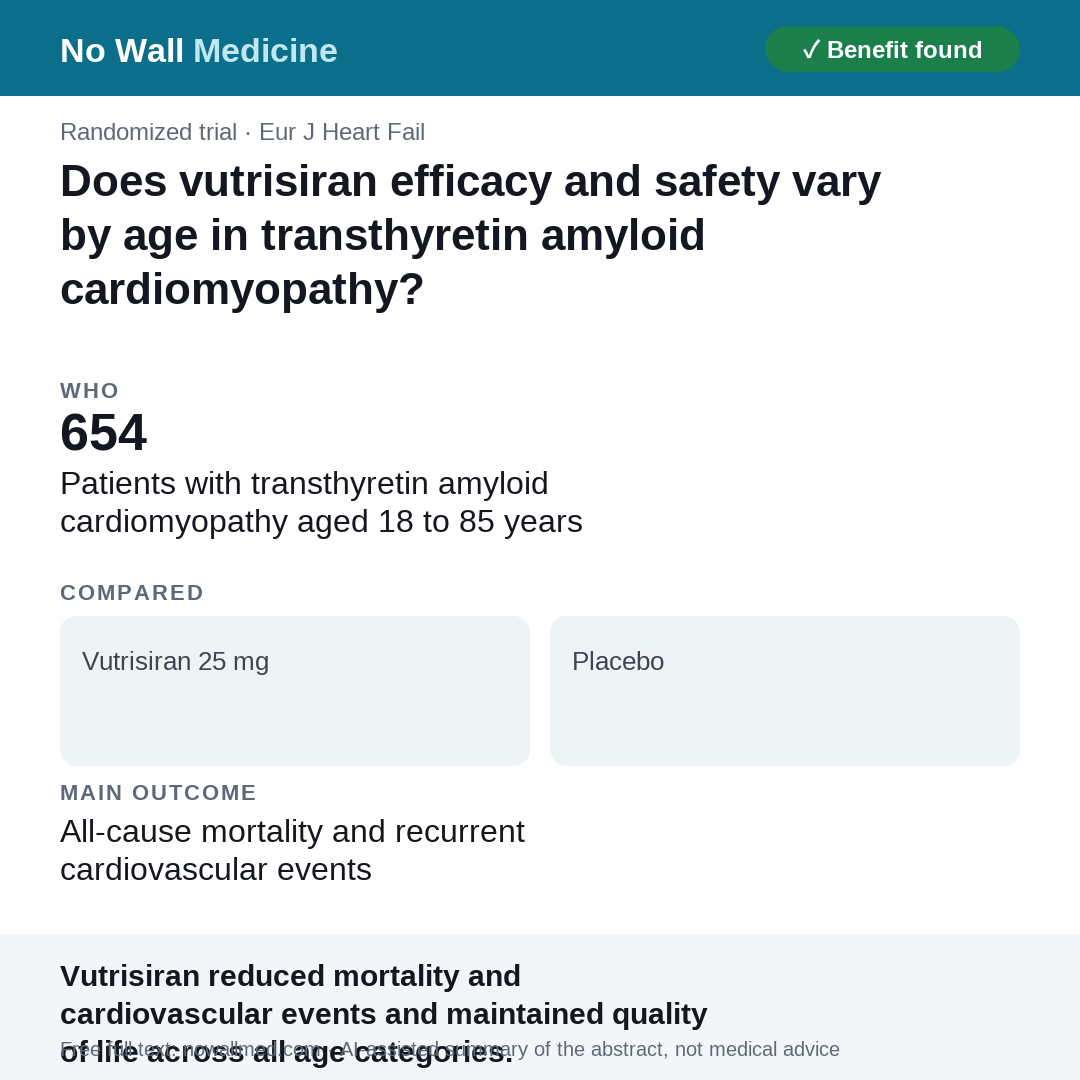
Efficacy and safety of vutrisiran in transthyretin amyloid cardiomyopathy across the age spectrum: The HELIOS-B trial
Randomized trialBenefit found
Does vutrisiran efficacy and safety vary by age in transthyretin amyloid cardiomyopathy?
Who
654
Patients with transthyretin amyloid cardiomyopathy aged 18 to 85 years
Compared
Vutrisiran 25 mg
Placebo
Main outcome
All-cause mortality and recurrent cardiovascular events
Bottom line: Vutrisiran reduced mortality and cardiovascular events and maintained quality of life across all age categories.
Eur J Heart Fail · 2025-10-29Download image
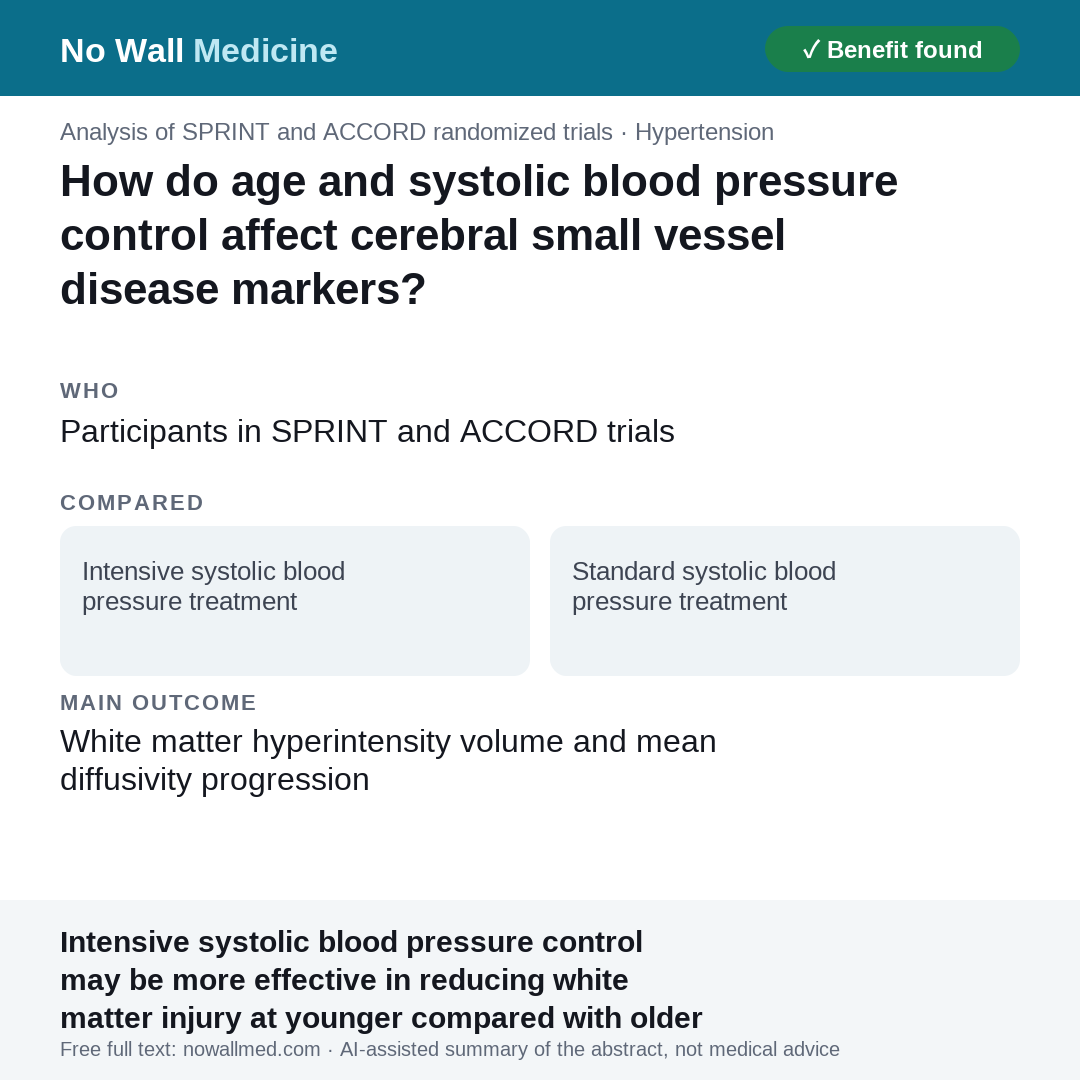
Effect of Intensive Systolic Blood Pressure Control on Markers of Cerebral Small Vessel Disease by Age
Analysis of SPRINT and ACCORD randomized trialsBenefit found
How do age and systolic blood pressure control affect cerebral small vessel disease markers?
Who
Participants in SPRINT and ACCORD trials
Compared
Intensive systolic blood pressure treatment
Standard systolic blood pressure treatment
Main outcome
White matter hyperintensity volume and mean diffusivity progression
Bottom line: Intensive systolic blood pressure control may be more effective in reducing white matter injury at younger compared with older ages.
Hypertension · 2025-10-29Download image