Visual abstracts
New randomized trials and meta-analyses from leading journals at a glance: who was studied, what was compared, and what was found. Every paper is free to read in full.
All specialtiesCardiology 1432Oncology 1273Gastroenterology & Hepatology 523Infectious Disease 921Neurology 586Psychiatry & Mental Health 719Pulmonology 617Critical Care 423Endocrinology & Diabetes 787Pediatrics 851Surgery 695Orthopedics & Sports Medicine 274Neurosurgery 190Cardiothoracic & Vascular Surgery 159Plastic & Reconstructive Surgery 228Nephrology 305Rheumatology 190Hematology 302Dermatology 152Ophthalmology 160Obstetrics & Gynecology 461Public & Global Health 275Radiology & Imaging 183Anesthesiology 282Urology 268ENT (Otolaryngology) 198Emergency Medicine 159Allergy & Immunology 93Geriatrics 299Family Medicine & Primary Care 179Medical Genetics & Genomics 152Pathology & Laboratory Medicine 44Physical Medicine & Rehabilitation 249Palliative Care 130Nutrition 378Digital Health & AI 752General Medicine 126
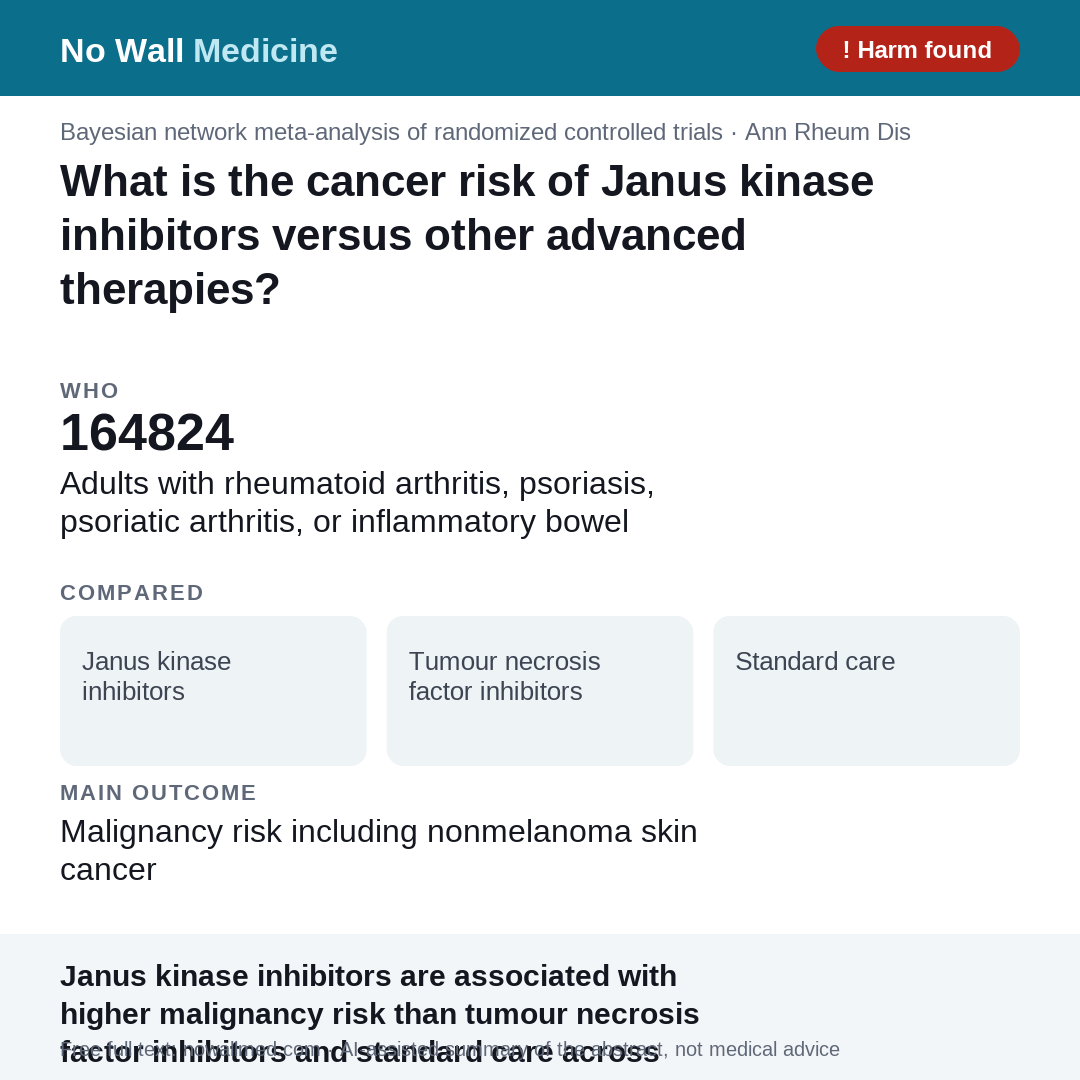
Cancer risk of Janus kinase inhibitors and other advanced therapies in immune-mediated inflammatory diseases: a systematic review and Bayesian network meta-analysis of RCTs
Bayesian network meta-analysis of randomized controlled trialsHarm found
What is the cancer risk of Janus kinase inhibitors versus other advanced therapies?
Who
164824
Adults with rheumatoid arthritis, psoriasis, psoriatic arthritis, or inflammatory bowel disease
Compared
Janus kinase inhibitors
Tumour necrosis factor inhibitors
Standard care
Main outcome
Malignancy risk including nonmelanoma skin cancer
Result: incidence rate ratio 1.60 (95% credible interval 1.27-2.02) vs TNFi; 1.85 (95% credible interval 1.38-2.47) vs standard care
Bottom line: Janus kinase inhibitors are associated with higher malignancy risk than tumour necrosis factor inhibitors and standard care across multiple inflammatory diseases.
Ann Rheum Dis · 2026-07-10Download image
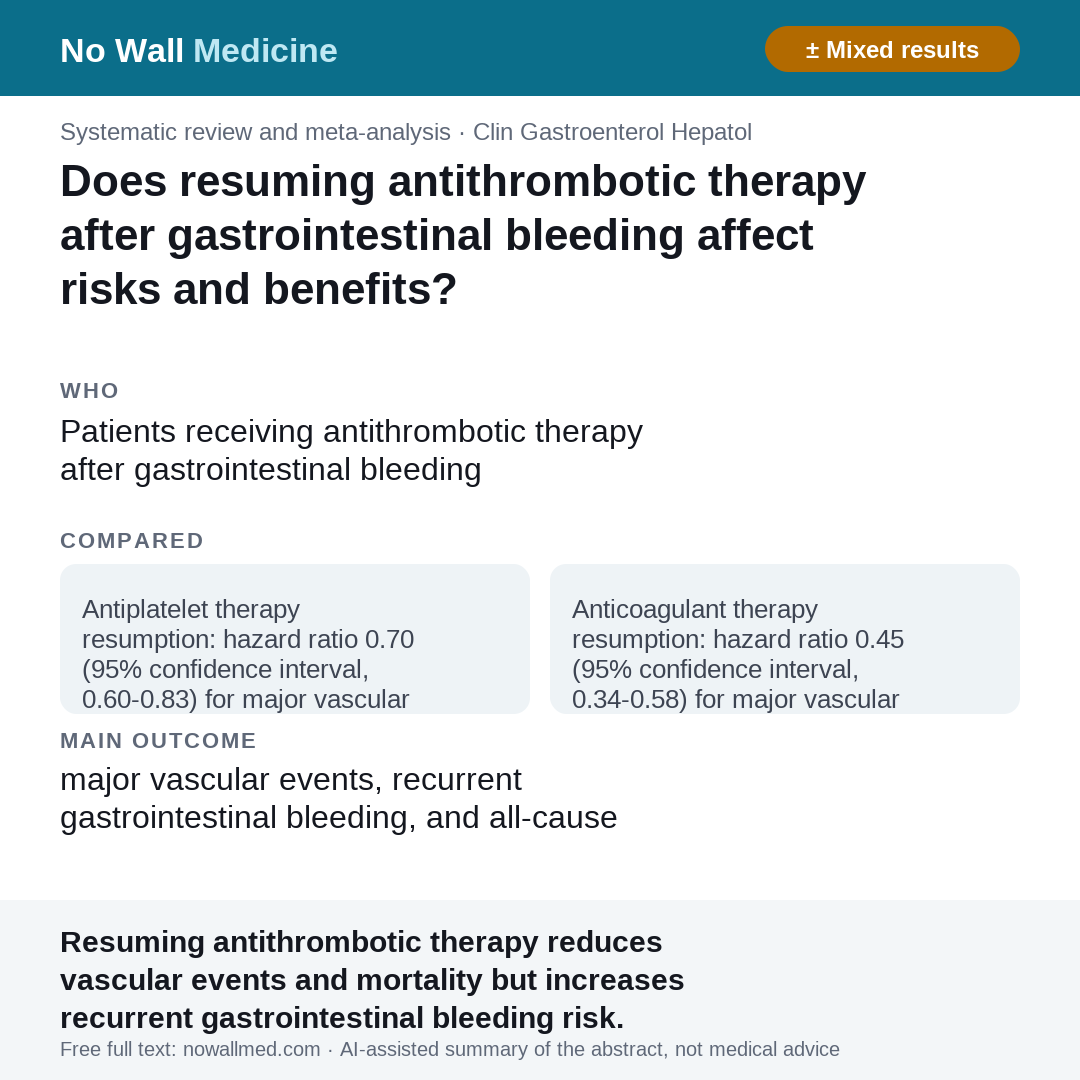
Timing of Antiplatelet and Anticoagulant Therapy Resumption Following Gastrointestinal Bleeding: A Systematic Review and Meta-Analysis
Systematic review and meta-analysisMixed results
Does resuming antithrombotic therapy after gastrointestinal bleeding affect risks and benefits?
Who
Patients receiving antithrombotic therapy after gastrointestinal bleeding
Compared
Antiplatelet therapy resumption: hazard ratio 0.70 (95% confidence interval, 0.60-0.83) for major vascular events
Anticoagulant therapy resumption: hazard ratio 0.45 (95% confidence interval, 0.34-0.58) for major vascular events
Main outcome
major vascular events, recurrent gastrointestinal bleeding, and all-cause mortality
Result: hazard ratio 0.39 (95% confidence interval, 0.19-0.78) for early resumption major vascular events
Bottom line: Resuming antithrombotic therapy reduces vascular events and mortality but increases recurrent gastrointestinal bleeding risk.
Clin Gastroenterol Hepatol · 2026-07-10Download image
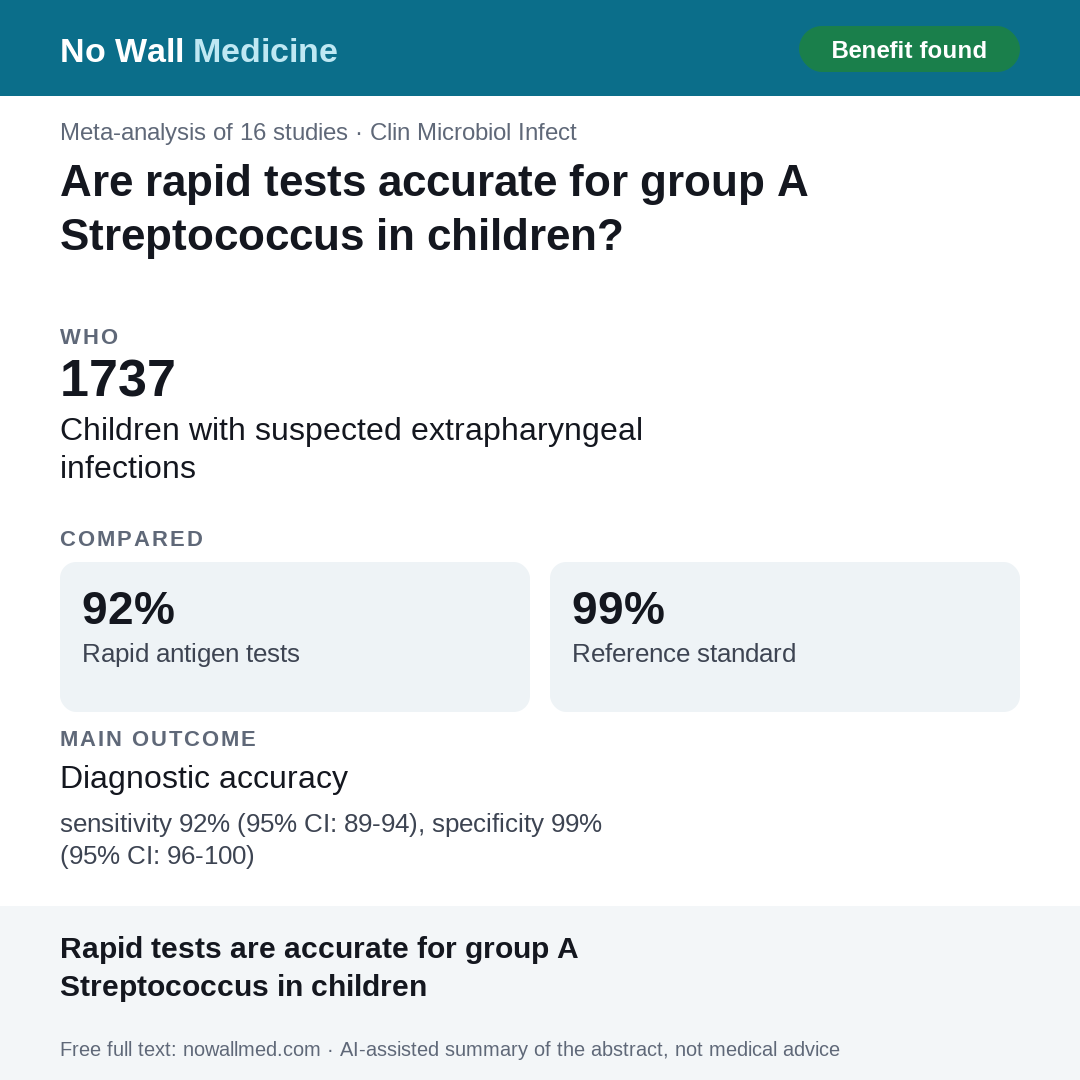
Diagnostic accuracy of rapid antigen detection tests for group A Streptococcus in children with extrapharyngeal infections: systematic review and meta-analysis
Meta-analysis of 16 studiesBenefit found
Are rapid tests accurate for group A Streptococcus in children?
Who
1737
Children with suspected extrapharyngeal infections
Compared
92%Rapid antigen tests (sensitivity)
99%Reference standard (specificity)
Main outcome
Diagnostic accuracy
Result: sensitivity 92% (95% CI: 89-94), specificity 99% (95% CI: 96-100)
Bottom line: Rapid tests are accurate for group A Streptococcus in children
Limitation: variable methodological quality
Clin Microbiol Infect · 2026-07-10Download image
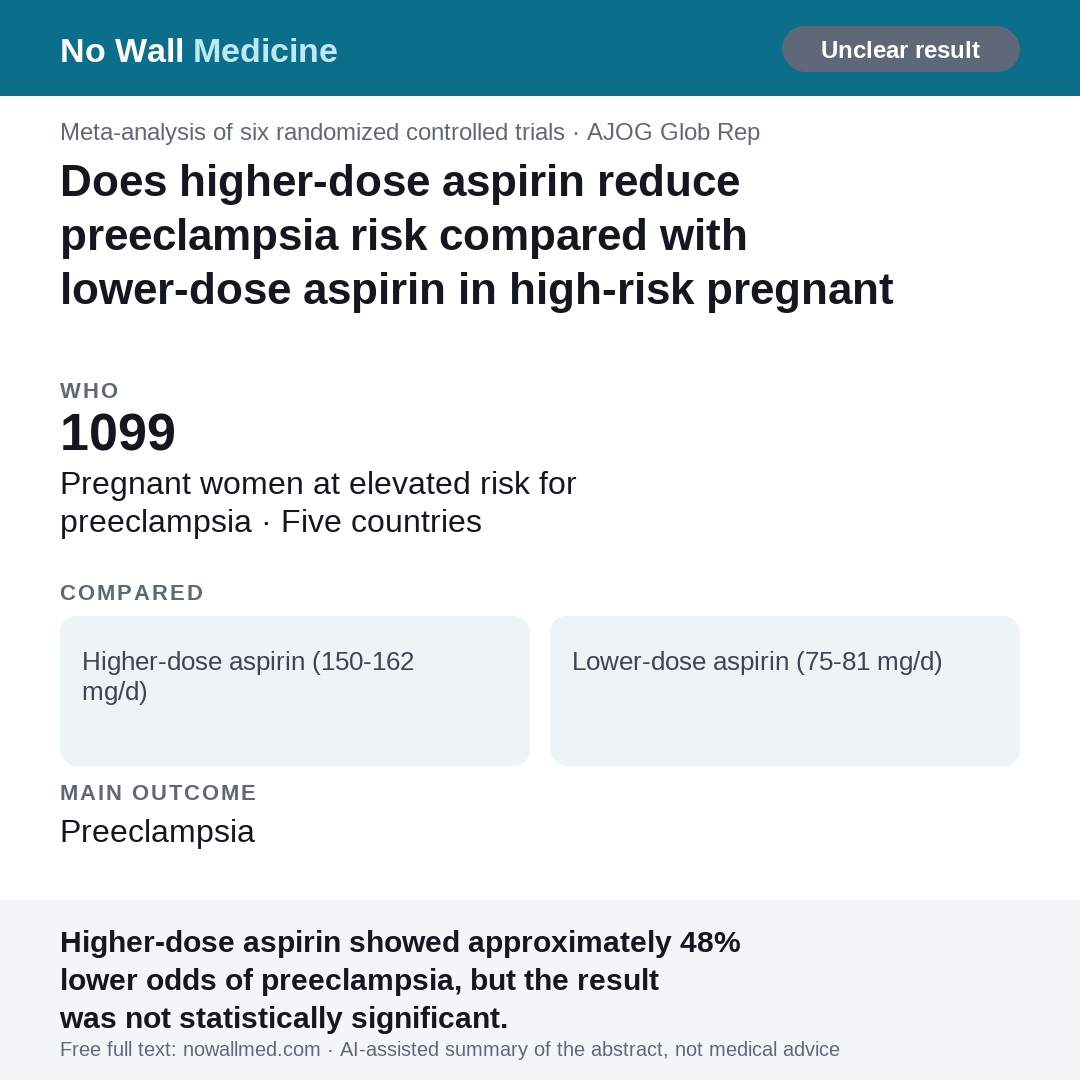
Comparative effectiveness of lower-dose vs higher-dose aspirin for preeclampsia prevention: a systematic review and meta-analysis of randomized controlled trials
Meta-analysis of six randomized controlled trialsUnclear result
Does higher-dose aspirin reduce preeclampsia risk compared with lower-dose aspirin in high-risk pregnant women?
Who
1099
Pregnant women at elevated risk for preeclampsia · Five countries
Compared
Higher-dose aspirin (150-162 mg/d)
Lower-dose aspirin (75-81 mg/d)
Main outcome
Preeclampsia
Result: odds ratio 1.93 (95% CI 0.84-4.42)
Bottom line: Higher-dose aspirin showed approximately 48% lower odds of preeclampsia, but the result was not statistically significant.
Limitation: Limited sample size, substantial between-study heterogeneity, and very low certainty of evidence.
AJOG Glob Rep · 2026-07-10Download image
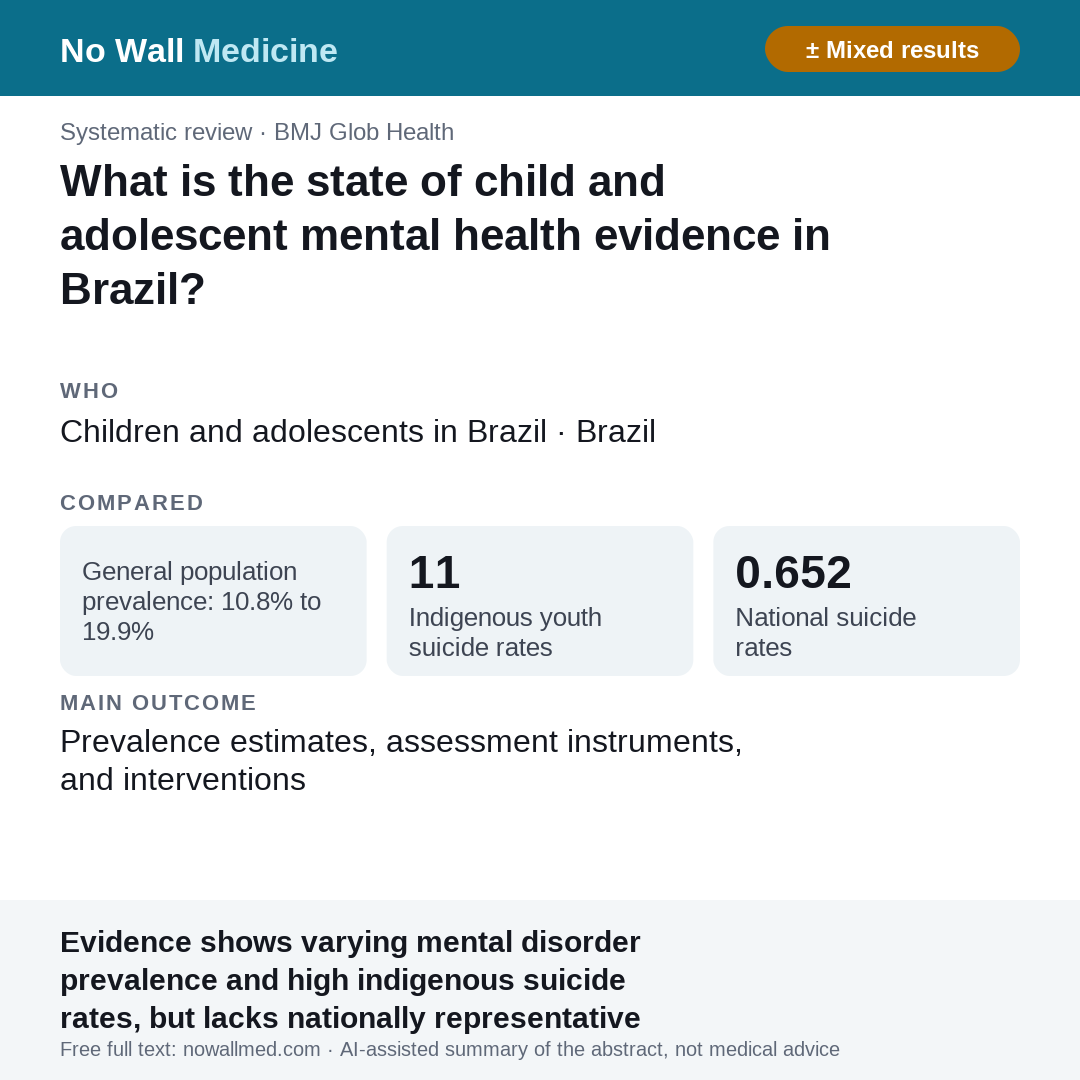
The science of child and adolescent mental health in Brazil: a nationwide systematic review and compendium of evidence-based resources
Systematic reviewMixed results
What is the state of child and adolescent mental health evidence in Brazil?
Who
Children and adolescents in Brazil · Brazil
Compared
General population prevalence: 10.8% to 19.9%
11Indigenous youth suicide rates (ages 10-14)
0.652National suicide rates
Main outcome
Prevalence estimates, assessment instruments, and interventions
Bottom line: Evidence shows varying mental disorder prevalence and high indigenous suicide rates, but lacks nationally representative data and cross-cultural validation.
BMJ Glob Health · 2026-07-10Download image
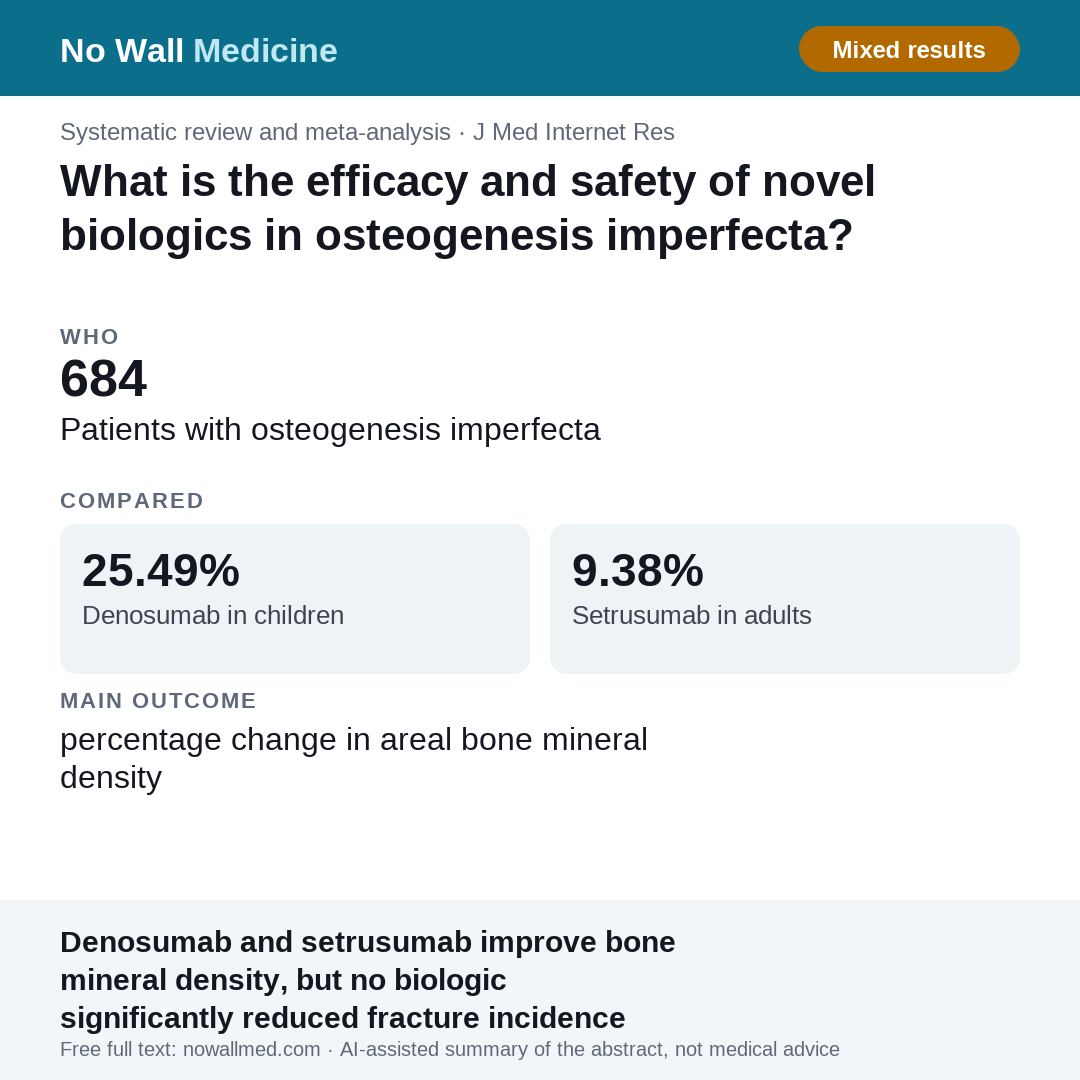
Artificial Intelligence for Evidence Synthesis of Emerging Biologics to Improve Skeletal Health in Osteogenesis Imperfecta: Systematic Review and Meta-Analysis
Systematic review and meta-analysisMixed results
What is the efficacy and safety of novel biologics in osteogenesis imperfecta?
Who
684
Patients with osteogenesis imperfecta
Compared
25.49%Denosumab in children (95% CI 17.14%-33.84%)
9.38%Setrusumab in adults (95% CI 6.5%-12.26%)
Main outcome
percentage change in areal bone mineral density
Bottom line: Denosumab and setrusumab improve bone mineral density, but no biologic significantly reduced fracture incidence compared to bisphosphonates.
Limitation: Findings should be interpreted cautiously given the small and heterogeneous trial base.
J Med Internet Res · 2026-07-10Download image
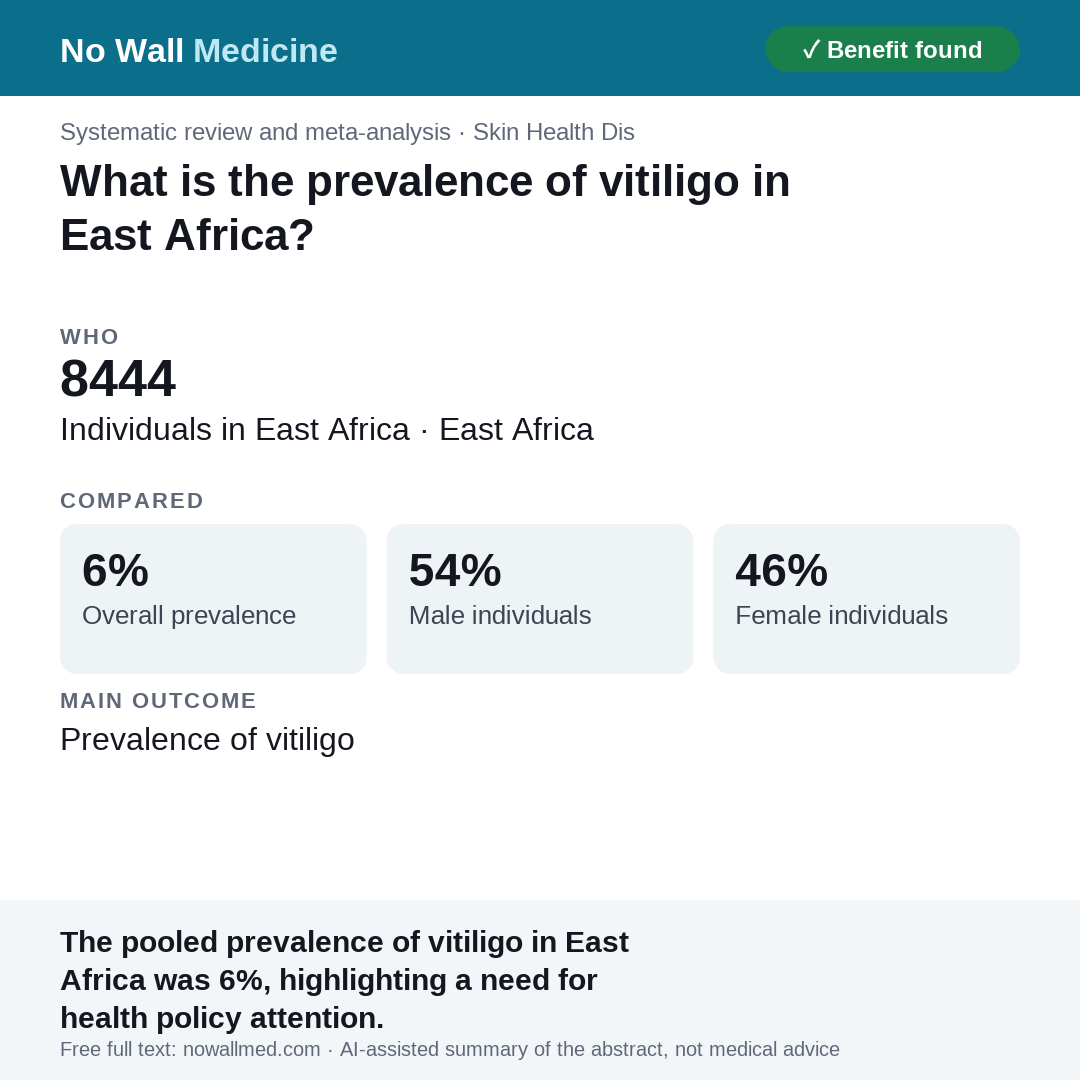
Prevalence of vitiligo in East Africa: systematic review and meta-analysis
Systematic review and meta-analysisBenefit found
What is the prevalence of vitiligo in East Africa?
Who
8444
Individuals in East Africa · East Africa
Compared
6%Overall prevalence (95% confidence interval 3-8)
54%Male individuals (95% CI 19-73)
46%Female individuals (95% CI 3-61)
Main outcome
Prevalence of vitiligo
Bottom line: The pooled prevalence of vitiligo in East Africa was 6%, highlighting a need for health policy attention.
Skin Health Dis · 2026-07-10Download image
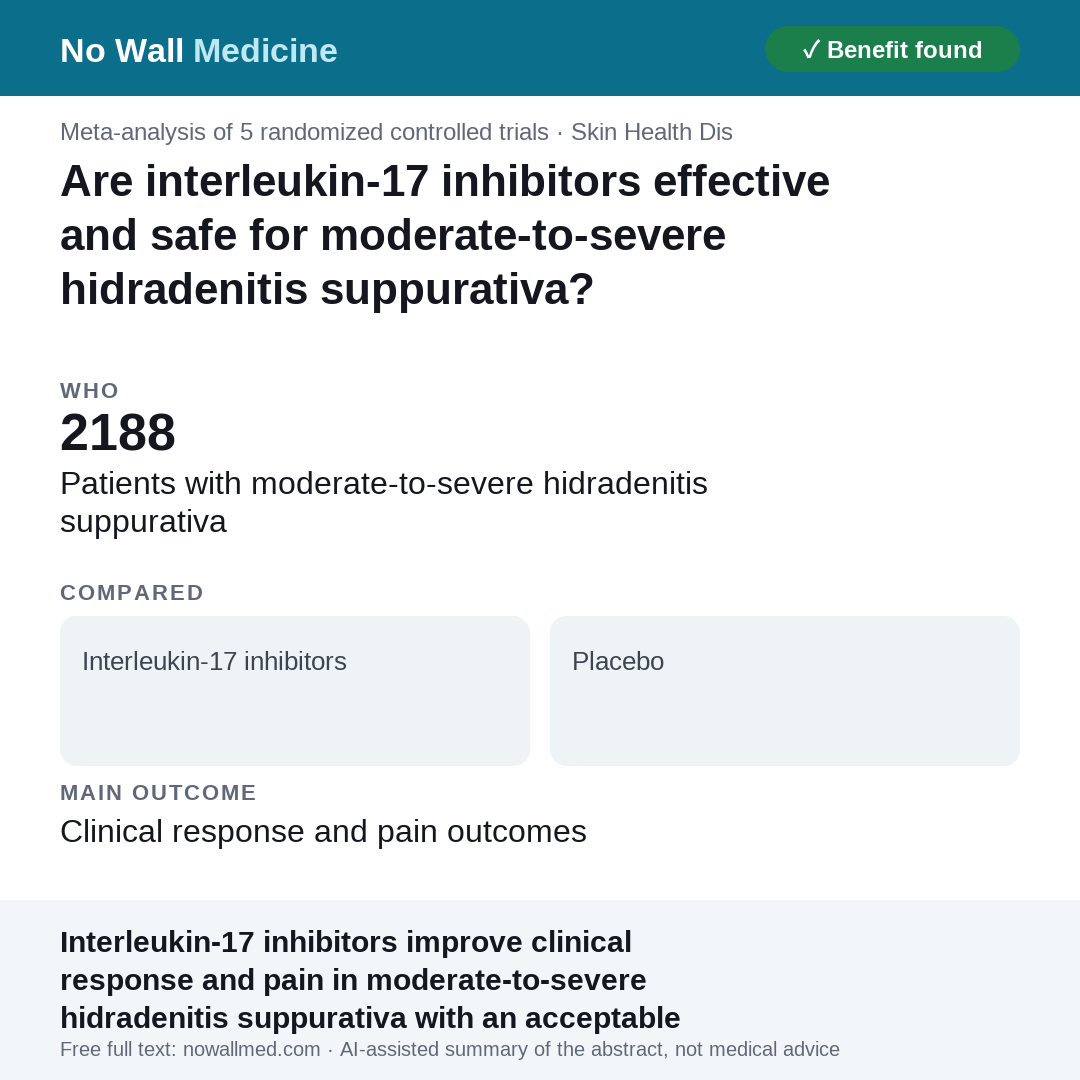
Efficacy and safety of two interleukin-17 inhibitors (bimekizumab and secukinumab) in the management of hidradenitis suppurativa: a systematic review and meta-analysis of randomized controlled trials
Meta-analysis of 5 randomized controlled trialsBenefit found
Are interleukin-17 inhibitors effective and safe for moderate-to-severe hidradenitis suppurativa?
Who
2188
Patients with moderate-to-severe hidradenitis suppurativa
Compared
Interleukin-17 inhibitors
Placebo
Main outcome
Clinical response and pain outcomes
Result: RR 1.45 (95% CI 1.26-1.66) for HiSCR50
Bottom line: Interleukin-17 inhibitors improve clinical response and pain in moderate-to-severe hidradenitis suppurativa with an acceptable safety profile.
Limitation: Limited number of trials and no head-to-head comparisons.
Skin Health Dis · 2026-07-10Download image
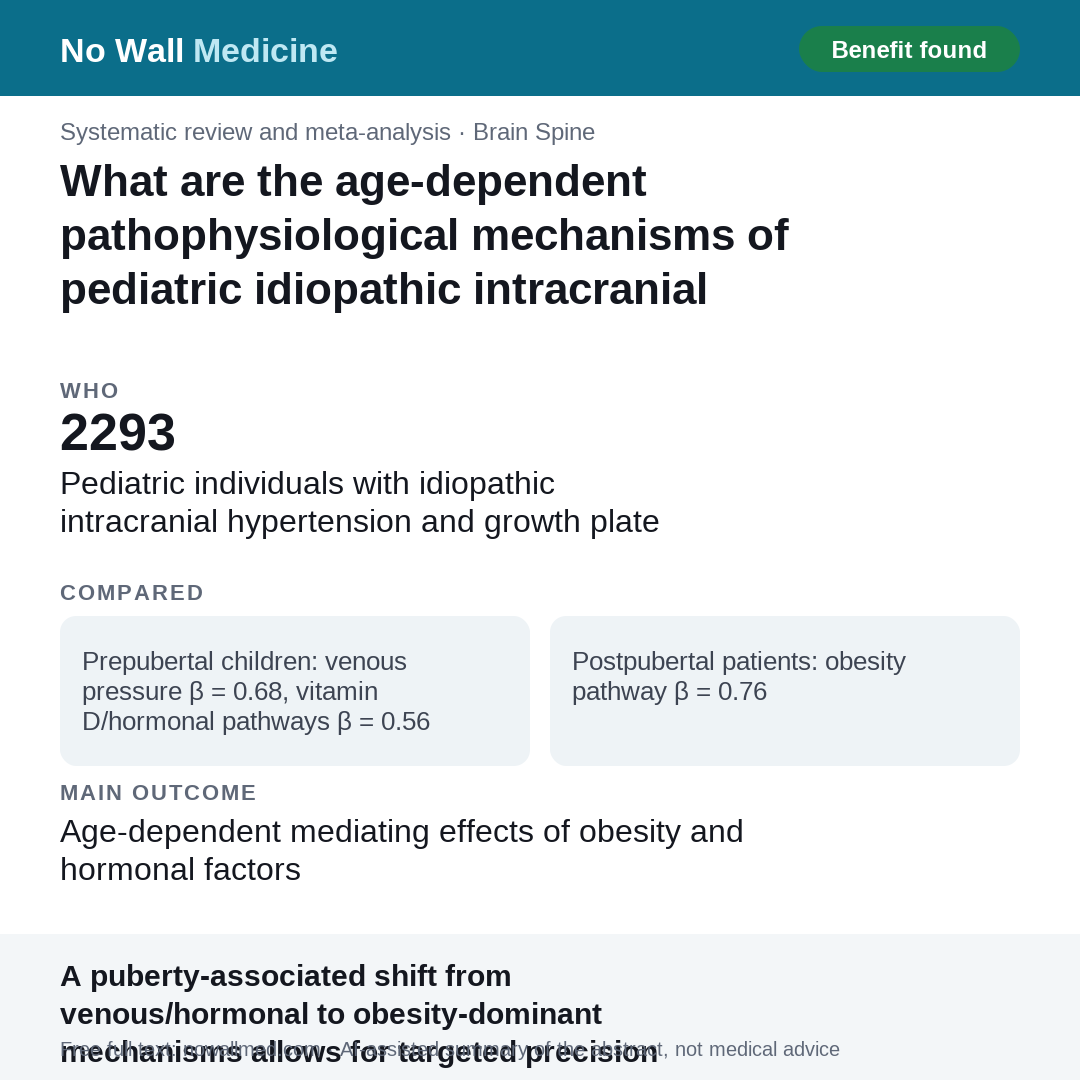
Developmental transition in pathophysiological mechanisms of pediatric idiopathic intracranial hypertension and growth plate disorders: A multi-level structural equational modeling systematic review and meta-analysis
Systematic review and meta-analysisBenefit found
What are the age-dependent pathophysiological mechanisms of pediatric idiopathic intracranial hypertension and growth plate disorders?
Who
2293
Pediatric individuals with idiopathic intracranial hypertension and growth plate disorders
Compared
Prepubertal children: venous pressure β = 0.68, vitamin D/hormonal pathways β = 0.56
Postpubertal patients: obesity pathway β = 0.76
Main outcome
Age-dependent mediating effects of obesity and hormonal factors
Bottom line: A puberty-associated shift from venous/hormonal to obesity-dominant mechanisms allows for targeted precision treatment strategies.
Brain Spine · 2026-07-10Download image
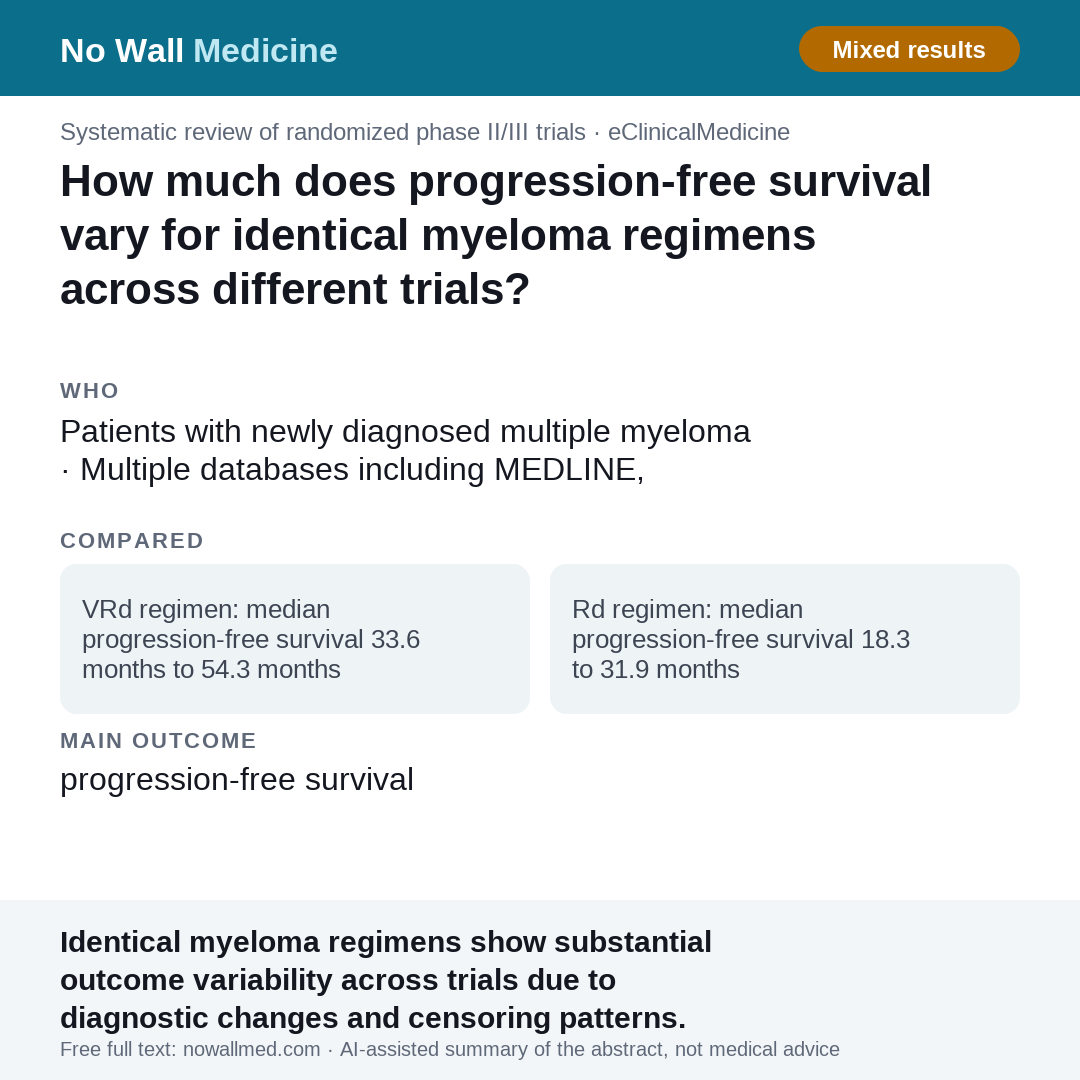
Temporal variability in outcomes of identical regimens across newly diagnosed myeloma trials: a systematic review
Systematic review of randomized phase II/III trialsMixed results
How much does progression-free survival vary for identical myeloma regimens across different trials?
Who
Patients with newly diagnosed multiple myeloma · Multiple databases including MEDLINE, Embase, and Cochrane
Compared
VRd regimen: median progression-free survival 33.6 months to 54.3 months
Rd regimen: median progression-free survival 18.3 to 31.9 months
Main outcome
progression-free survival
Bottom line: Identical myeloma regimens show substantial outcome variability across trials due to diagnostic changes and censoring patterns.
eClinicalMedicine · 2026-07-09Download image
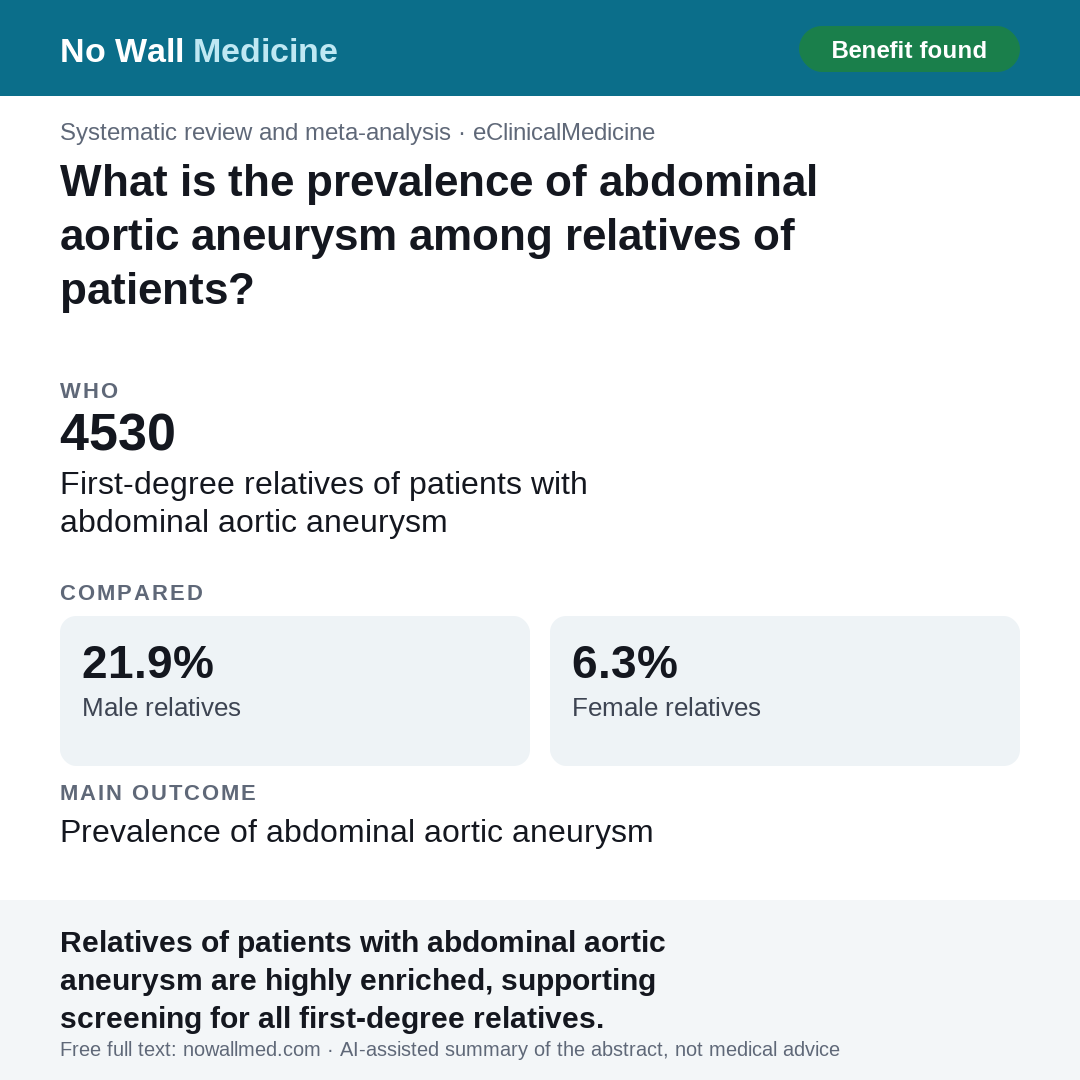
Family screening for abdominal aortic aneurysms: a systematic review and meta-analysis
Systematic review and meta-analysisBenefit found
What is the prevalence of abdominal aortic aneurysm among relatives of patients?
Who
4530
First-degree relatives of patients with abdominal aortic aneurysm
Compared
21.9%Male relatives (95% CI 15.9%-28.6%)
6.3%Female relatives (95% CI 3.6%-9.5%)
Main outcome
Prevalence of abdominal aortic aneurysm
Result: OR 3.69, 95% CI 2.89-4.71
Bottom line: Relatives of patients with abdominal aortic aneurysm are highly enriched, supporting screening for all first-degree relatives.
eClinicalMedicine · 2026-07-09Download image
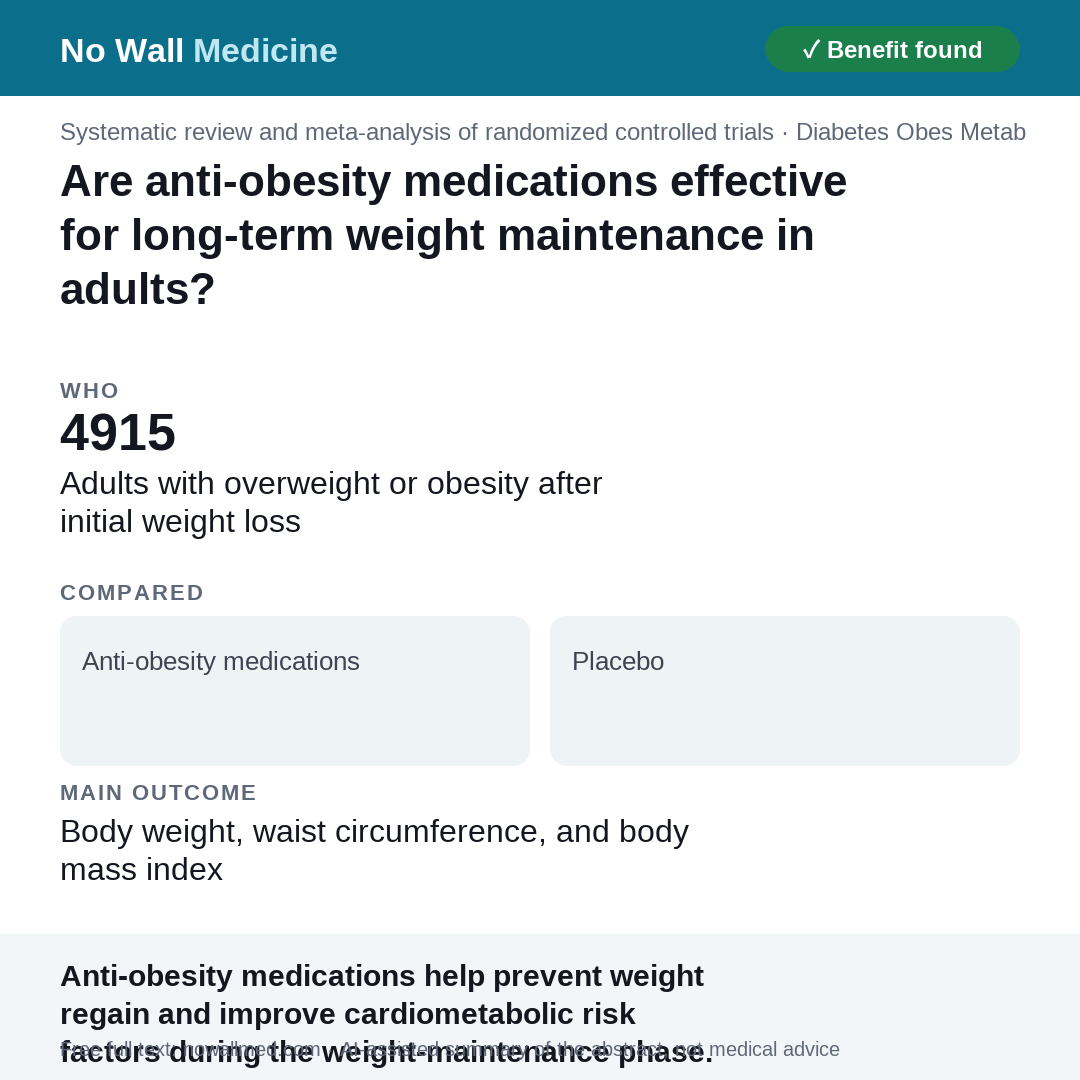
Efficacy and Safety of Anti-Obesity Medications for Weight Loss Maintenance in Adults With Overweight or Obesity: A Systematic Review and Meta-Analysis of Randomised Controlled Trials
Systematic review and meta-analysis of randomized controlled trialsBenefit found
Are anti-obesity medications effective for long-term weight maintenance in adults?
Who
4915
Adults with overweight or obesity after initial weight loss
Compared
Anti-obesity medications
Placebo
Main outcome
Body weight, waist circumference, and body mass index
Result: body weight WMD: -8.68 kg (95% CI: -13.25 to -4.11)
Bottom line: Anti-obesity medications help prevent weight regain and improve cardiometabolic risk factors during the weight-maintenance phase.
Limitation: Further long-term trials are needed to clarify optimal treatment strategies and safety.
Diabetes Obes Metab · 2026-07-09Download image
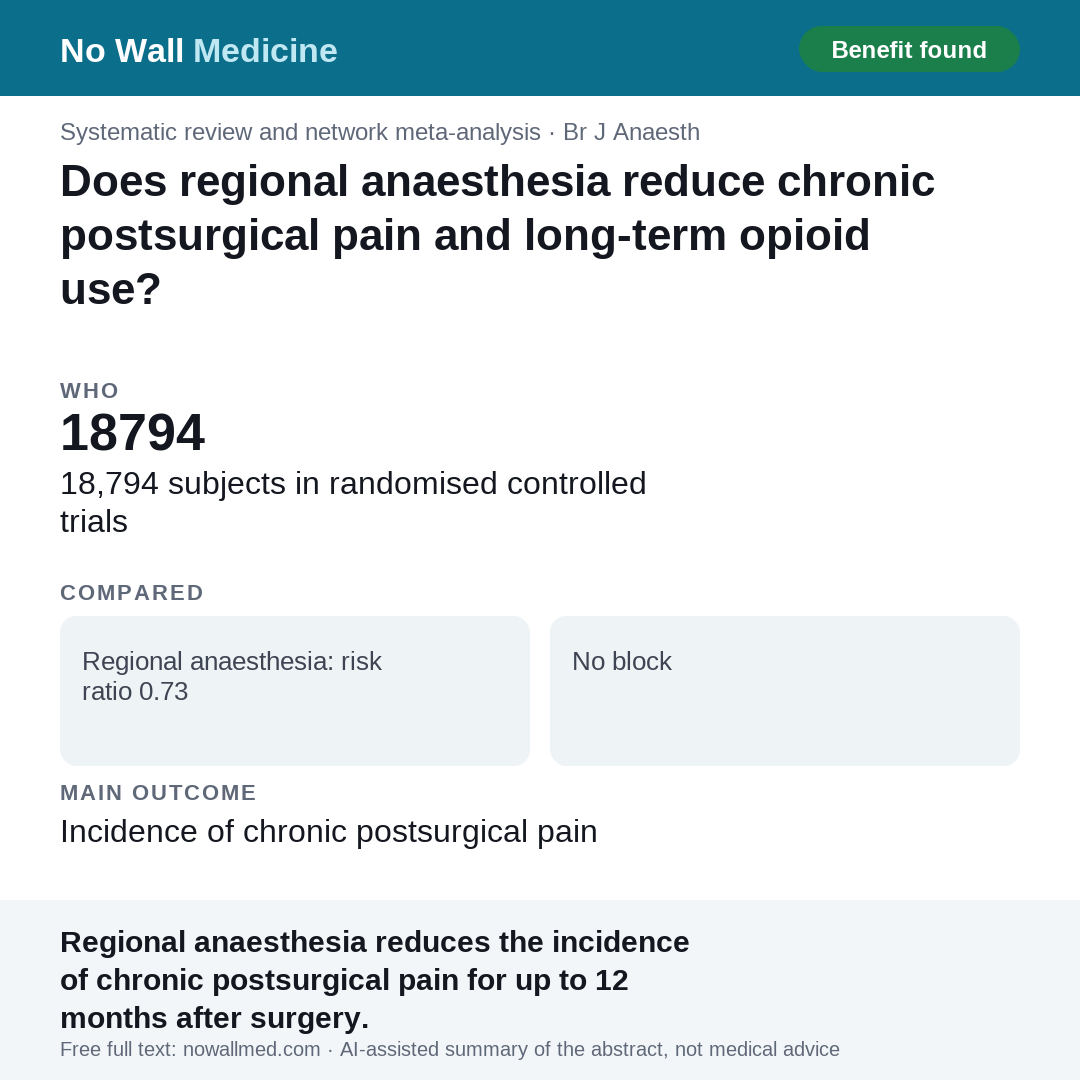
Regional anaesthesia and chronic postsurgical pain: a systematic review and network meta-analysis
Systematic review and network meta-analysisBenefit found
Does regional anaesthesia reduce chronic postsurgical pain and long-term opioid use?
Who
18794
18,794 subjects in randomised controlled trials
Compared
Regional anaesthesia: risk ratio 0.73
No block
Main outcome
Incidence of chronic postsurgical pain
Result: risk ratio 0.73 (95% CI 0.67-0.80)
Bottom line: Regional anaesthesia reduces the incidence of chronic postsurgical pain for up to 12 months after surgery.
Br J Anaesth · 2026-07-09Download image
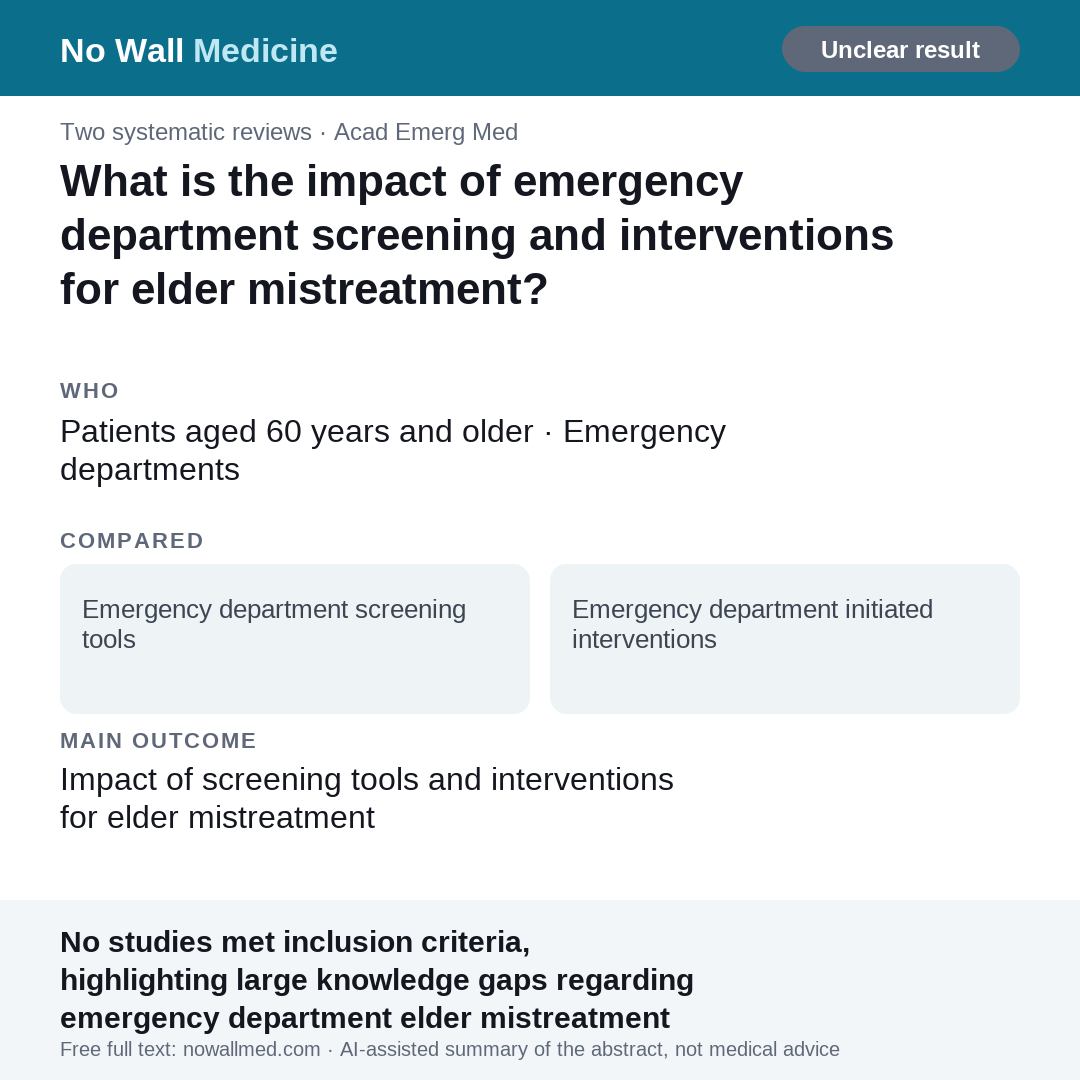
Screening and Interventions for Elder Mistreatment: Geriatric Emergency Department Guidelines 2.0 Systematic Review
Two systematic reviewsUnclear result
What is the impact of emergency department screening and interventions for elder mistreatment?
Who
Patients aged 60 years and older · Emergency departments
Compared
Emergency department screening tools
Emergency department initiated interventions
Main outcome
Impact of screening tools and interventions for elder mistreatment
Bottom line: No studies met inclusion criteria, highlighting large knowledge gaps regarding emergency department elder mistreatment screening and interventions.
Acad Emerg Med · 2026-07-09Download image
Use of Operative Video Technology in Surgical Education: A Systematic Review
Systematic reviewBenefit found
How do real-life operative videos compare to alternative teaching methods in surgical education?
Who
35
Surgical trainees
Compared
Operative videos
Alternative teaching methods
Main outcome
Educational impact including knowledge, skills, and clinical behaviors
Bottom line: Operative videos provide significant benefits for surgical training across knowledge, skills, and clinical behaviors.
Ann Surg Open · 2026-07-09Download image

Efficacy, safety and policy implications of anti-amyloid monoclonal antibodies for Alzheimer's disease: protocol for a living systematic review and meta-analysis
Living systematic review and meta-analysis protocolUnclear result
What are the efficacy and safety of anti-amyloid monoclonal antibodies for Alzheimer's disease?
Who
Adults with Alzheimer's disease
Compared
anti-amyloid monoclonal antibodies
placebo, standard care or active comparators
Main outcome
efficacy, safety, cognitive abilities, functional ability and neuropsychiatric symptoms
Bottom line: This protocol describes a living systematic review to evaluate anti-amyloid monoclonal antibodies for Alzheimer's disease.
Limitation: no review findings are available at this stage
BJPsych Open · 2026-07-09Download image

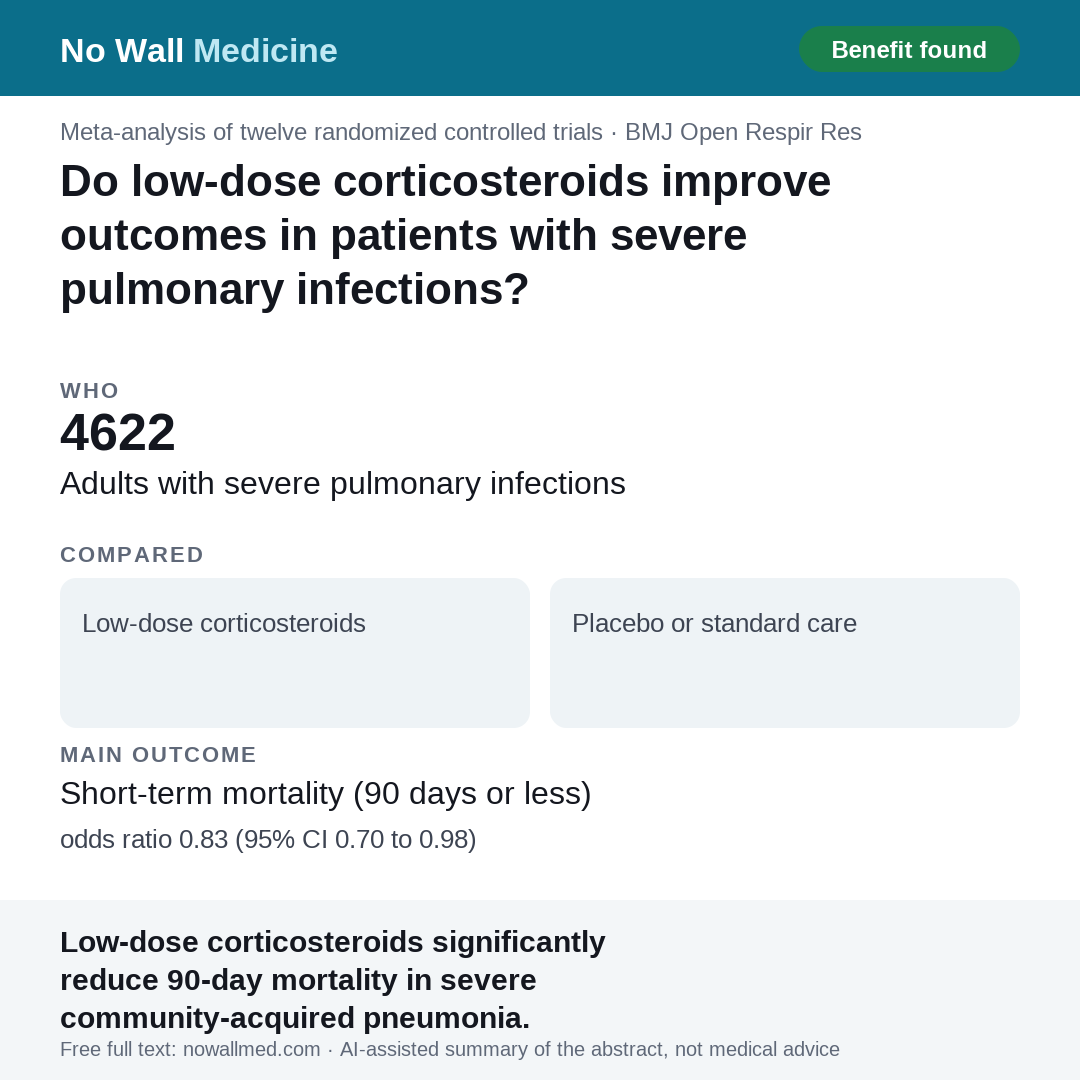
Low-dose corticosteroids in severe pulmonary infection: a meta-analysis of randomised controlled trials
Meta-analysis of twelve randomized controlled trialsBenefit found
Do low-dose corticosteroids improve outcomes in patients with severe pulmonary infections?
Who
4622
Adults with severe pulmonary infections
Compared
Low-dose corticosteroids
Placebo or standard care
Main outcome
Short-term mortality (90 days or less)
Result: odds ratio 0.83 (95% CI 0.70 to 0.98)
Bottom line: Low-dose corticosteroids significantly reduce 90-day mortality in severe community-acquired pneumonia.
BMJ Open Respir Res · 2026-07-09Download image
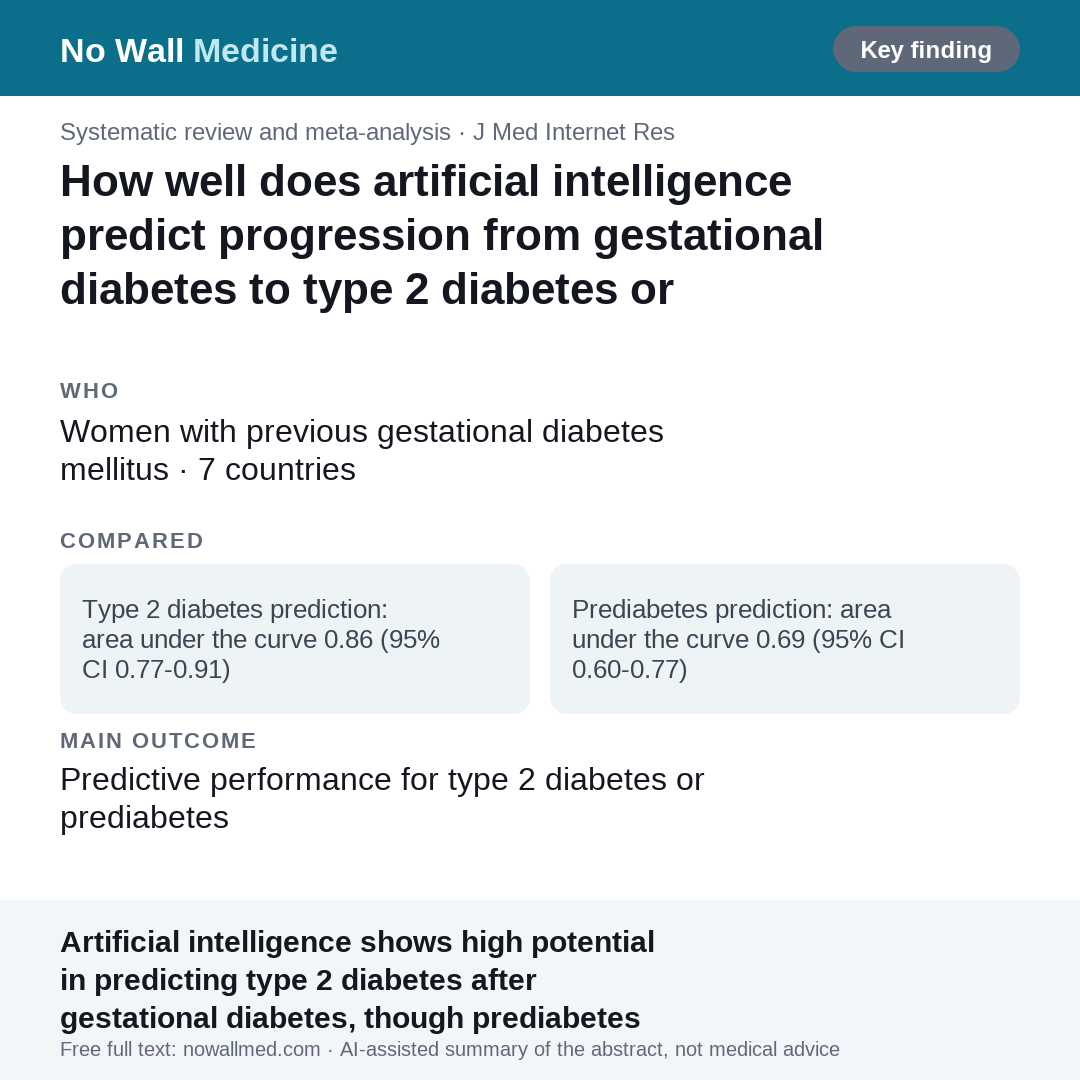
Performance of AI in Predicting the Progression of Gestational Diabetes to Type 2 Diabetes: Systematic Review and Meta-Analysis
Systematic review and meta-analysisBenefit found
How well does artificial intelligence predict progression from gestational diabetes to type 2 diabetes or prediabetes?
Who
Women with previous gestational diabetes mellitus · 7 countries
Compared
Type 2 diabetes prediction: area under the curve 0.86 (95% CI 0.77-0.91)
Prediabetes prediction: area under the curve 0.69 (95% CI 0.60-0.77)
Main outcome
Predictive performance for type 2 diabetes or prediabetes
Result: area under the curve 0.86 (95% CI 0.77-0.91)
Bottom line: Artificial intelligence shows high potential in predicting type 2 diabetes after gestational diabetes, though prediabetes prediction performance is modest.
Limitation: Small sample sizes, high heterogeneity, lack of external validation, and high risk of bias.
J Med Internet Res · 2026-07-09Download image
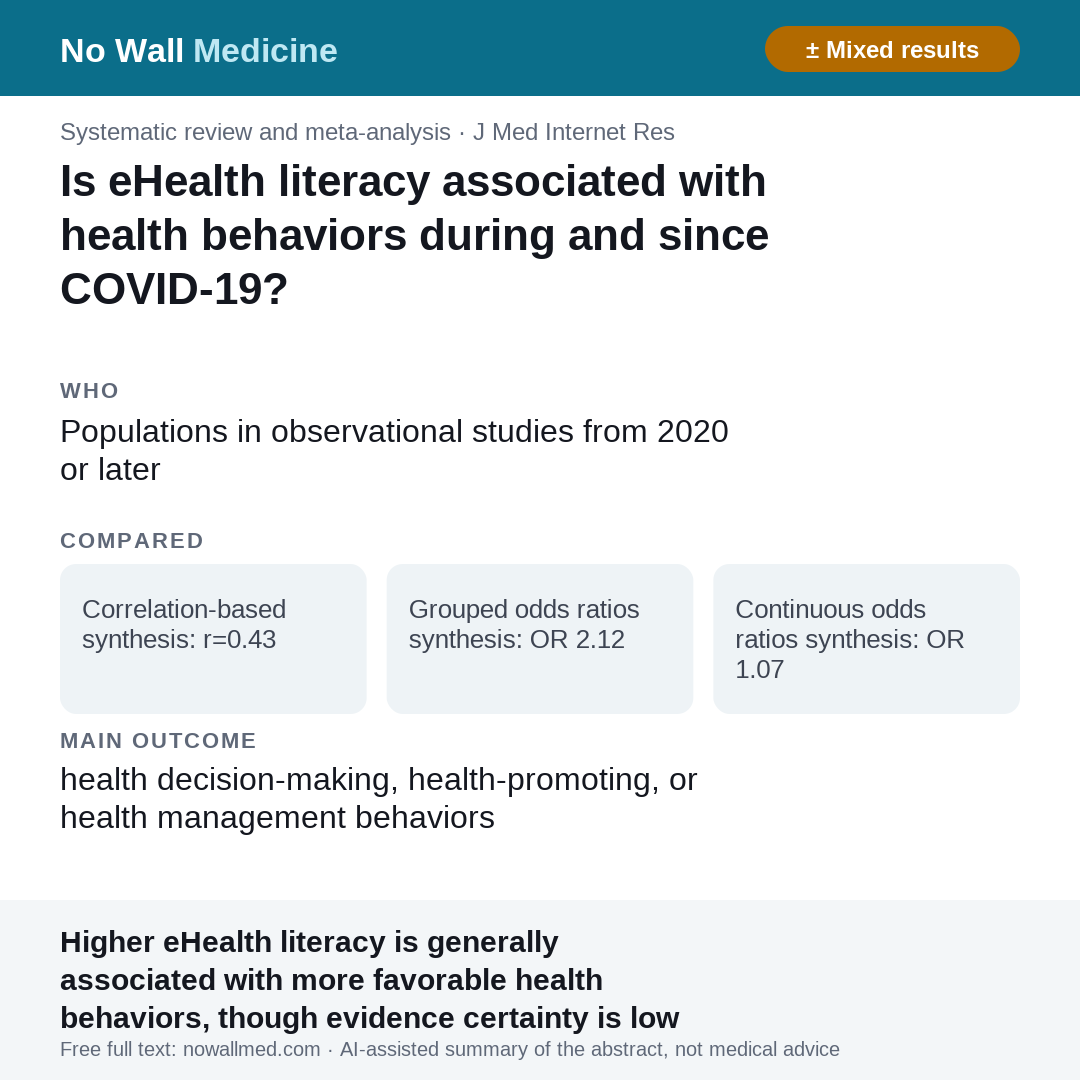
The Association Between eHealth Literacy and Health Behaviors During and Since the COVID-19 Pandemic: Systematic Review and Meta-Analysis
Systematic review and meta-analysisMixed results
Is eHealth literacy associated with health behaviors during and since COVID-19?
Who
19
Populations in observational studies from 2020 or later
Compared
Correlation-based synthesis: r=0.43
Grouped odds ratios synthesis: OR 2.12
Continuous odds ratios synthesis: OR 1.07
Main outcome
health decision-making, health-promoting, or health management behaviors
Result: pooled r=0.43 (95% CI 0.36-0.51); pooled OR 2.12 (95% CI 1.47-3.05); pooled OR 1.07 (95% CI 0.89-1.30)
Bottom line: Higher eHealth literacy is generally associated with more favorable health behaviors, though evidence certainty is low to very low.
Limitation: Predominantly cross-sectional evidence base, heterogeneity, risk-of-bias concerns, and low to very low certainty.
J Med Internet Res · 2026-07-09Download image
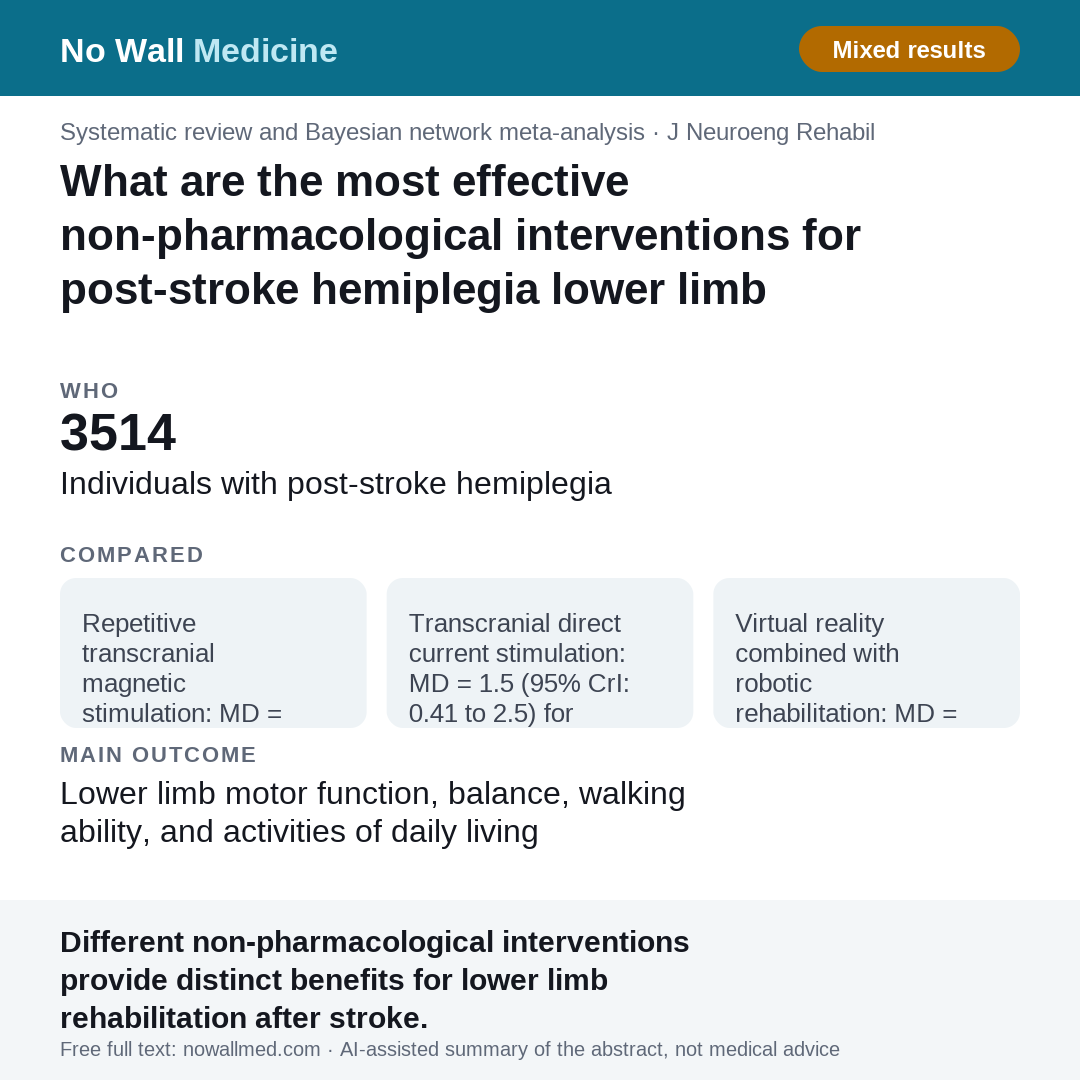
Effectiveness of non-pharmacological interventions for lower limb motor impairment in post-stroke hemiplegia: a systematic review and Bayesian network meta-analysis
Systematic review and Bayesian network meta-analysisMixed results
What are the most effective non-pharmacological interventions for post-stroke hemiplegia lower limb impairment?
Who
3514
Individuals with post-stroke hemiplegia
Compared
Repetitive transcranial magnetic stimulation: MD = 3.7 (95% CI 2.5 to 4.9) for motor function
Transcranial direct current stimulation: MD = 1.5 (95% CrI: 0.41 to 2.5) for walking independence
Virtual reality combined with robotic rehabilitation: MD = -6.6 (95% CrI: -8.9 to -4.3) for TUG time
Main outcome
Lower limb motor function, balance, walking ability, and activities of daily living
Bottom line: Different non-pharmacological interventions provide distinct benefits for lower limb rehabilitation after stroke.
Limitation: Further large-scale, multicenter, standardized randomized controlled trials with longer follow-up are needed.
J Neuroeng Rehabil · 2026-07-09Download image