Visual abstracts
New randomized trials and meta-analyses from leading journals at a glance: who was studied, what was compared, and what was found. Every paper is free to read in full.
All specialtiesCardiology 1779Oncology 1531Gastroenterology & Hepatology 667Infectious Disease 1125Neurology 734Psychiatry & Mental Health 870Pulmonology 763Critical Care 518Endocrinology & Diabetes 955Pediatrics 1052Surgery 899Orthopedics & Sports Medicine 334Neurosurgery 224Cardiothoracic & Vascular Surgery 196Plastic & Reconstructive Surgery 276Nephrology 365Rheumatology 247Hematology 391Dermatology 194Ophthalmology 211Obstetrics & Gynecology 575Public & Global Health 345Radiology & Imaging 241Anesthesiology 356Urology 310ENT (Otolaryngology) 240Emergency Medicine 199Allergy & Immunology 115Geriatrics 378Family Medicine & Primary Care 215Medical Genetics & Genomics 189Pathology & Laboratory Medicine 55Physical Medicine & Rehabilitation 319Palliative Care 156Nutrition 473Digital Health & AI 938General Medicine 138
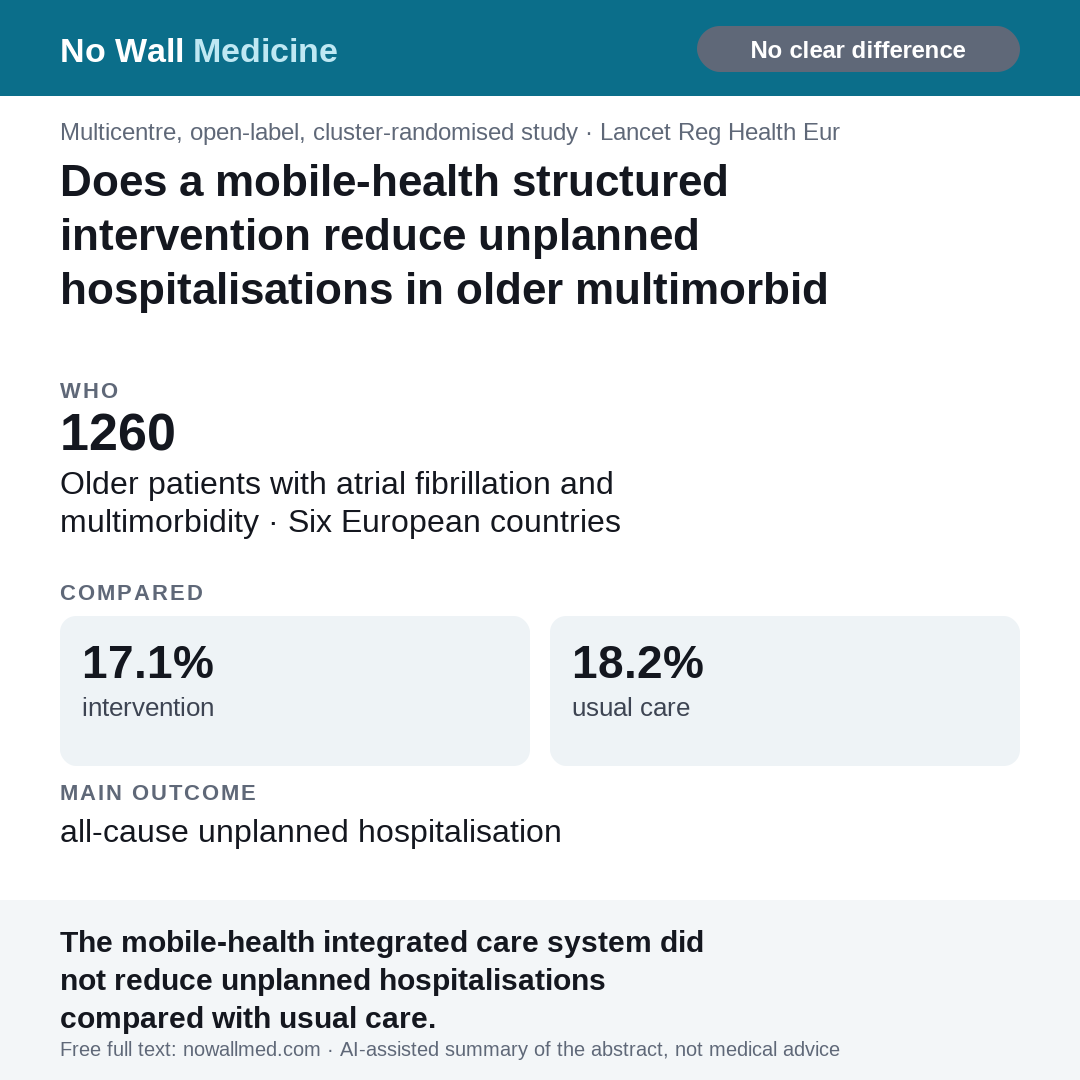
Integrated care management and comprehensive geriatric assessment using a mHealth-based approach in older multimorbid patients with atrial fibrillation: the AFFIRMO cluster-randomised trial
Multicentre, open-label, cluster-randomised studyNo clear difference
Does a mobile-health structured intervention reduce unplanned hospitalisations in older multimorbid atrial fibrillation patients?
Who
1260
Older patients with atrial fibrillation and multimorbidity · Six European countries
Compared
17.1%intervention (108/634)
18.2%usual care (114/626)
Main outcome
all-cause unplanned hospitalisation
Result: adjusted OR 0.95 (95% CI 0.61-1.49)
Bottom line: The mobile-health integrated care system did not reduce unplanned hospitalisations compared with usual care.
Funded by: European Union's Horizon 2020 Research and Innovation Program
Lancet Reg Health Eur · 2026-08-30Download image
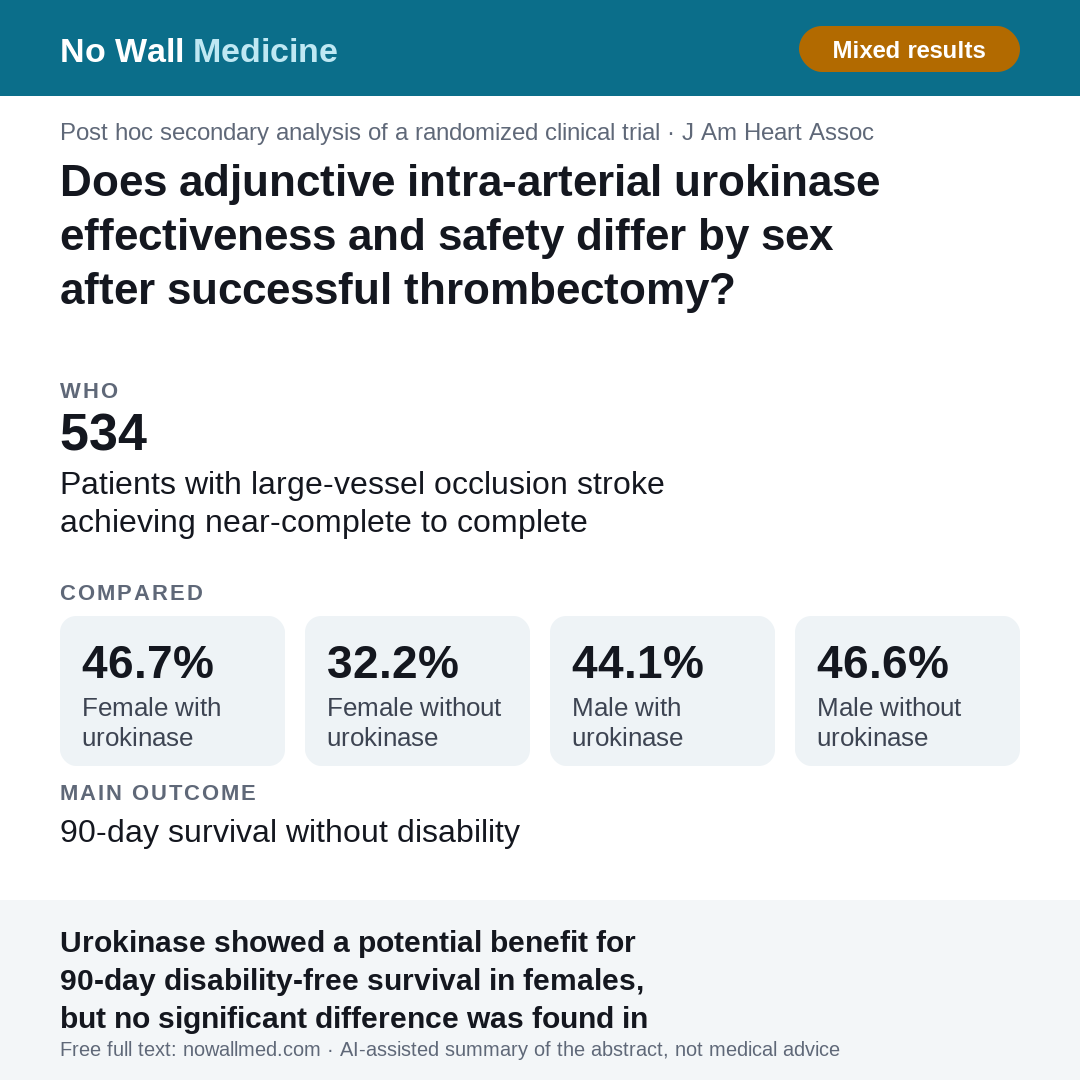
Sex Differences in Treatment Effect of Adjunctive Intra-Arterial Urokinase After Successful Thrombectomy: A Post Hoc Secondary Analysis of the POST-UK Randomized Clinical Trial
Post hoc secondary analysis of a randomized clinical trialMixed results
Does adjunctive intra-arterial urokinase effectiveness and safety differ by sex after successful thrombectomy?
Who
534
Patients with large-vessel occlusion stroke achieving near-complete to complete reperfusion · Multicenter
Compared
46.7%Female with urokinase
32.2%Female without urokinase
44.1%Male with urokinase
46.6%Male without urokinase
Main outcome
90-day survival without disability
Result: adjusted risk ratio 1.47 (95% CI 1.07-2.02) in females
Bottom line: Urokinase showed a potential benefit for 90-day disability-free survival in females, but no significant difference was found in males.
J Am Heart Assoc · 2026-08-30Download image
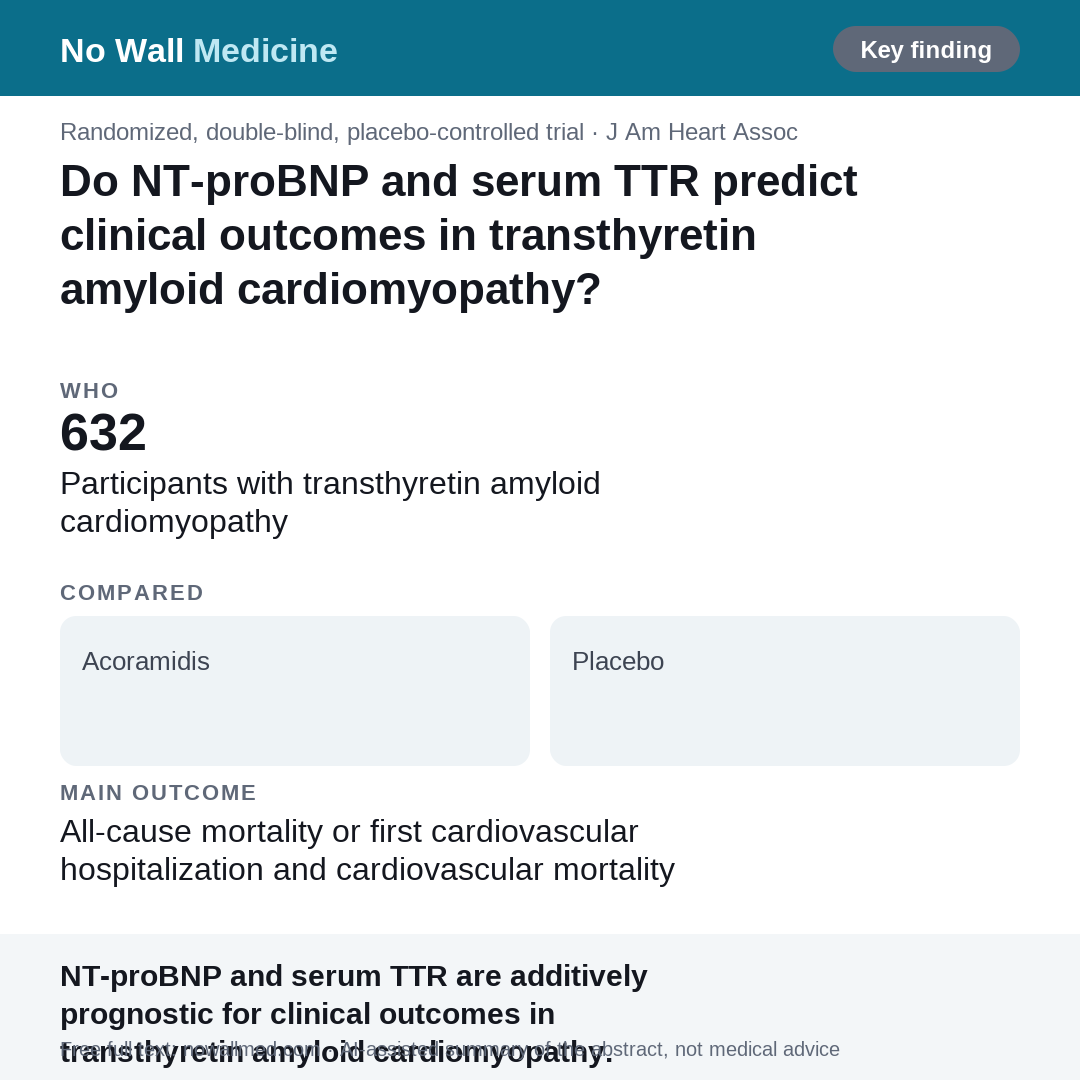
Natriuretic Peptide and Transthyretin and Their Relationship With Clinical Outcomes: Results From ATTRIBUTE-CM, a Randomized Controlled Trial
Randomized, double-blind, placebo-controlled trialBenefit found
Do NT-proBNP and serum TTR predict clinical outcomes in transthyretin amyloid cardiomyopathy?
Who
632
Participants with transthyretin amyloid cardiomyopathy
Compared
Acoramidis
Placebo
Main outcome
All-cause mortality or first cardiovascular hospitalization and cardiovascular mortality or first cardiovascular hospitalization
Bottom line: NT-proBNP and serum TTR are additively prognostic for clinical outcomes in transthyretin amyloid cardiomyopathy.
J Am Heart Assoc · 2026-08-30Download image
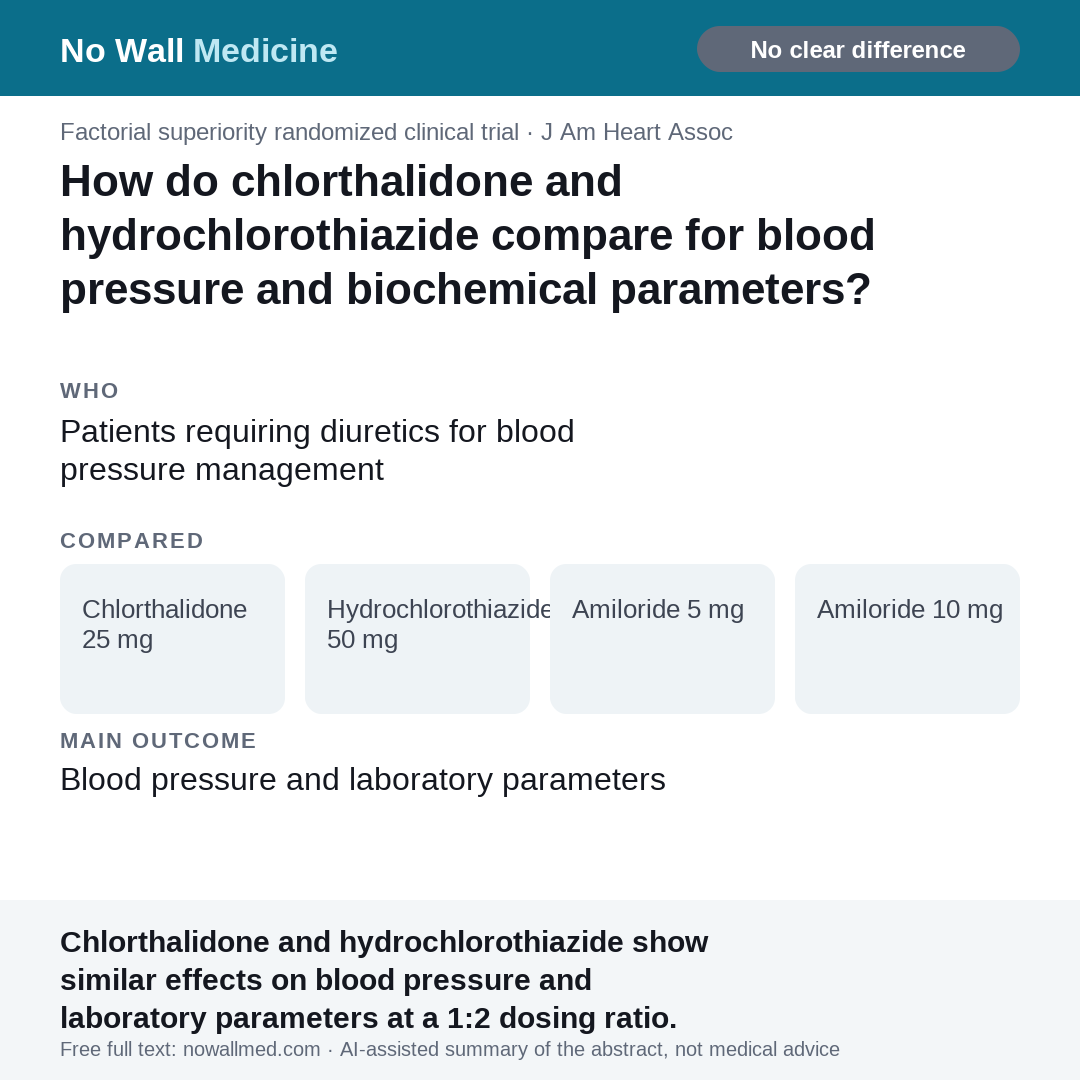
Comparative Effectiveness of Chlorthalidone Versus Hydrochlorothiazide and Dose-Response of Amiloride on Blood Pressure and Biochemical Parameters
Factorial superiority randomized clinical trialNo clear difference
How do chlorthalidone and hydrochlorothiazide compare for blood pressure and biochemical parameters?
Who
Patients requiring diuretics for blood pressure management
Compared
Chlorthalidone 25 mg
Hydrochlorothiazide 50 mg
Amiloride 5 mg
Amiloride 10 mg
Main outcome
Blood pressure and laboratory parameters
Bottom line: Chlorthalidone and hydrochlorothiazide show similar effects on blood pressure and laboratory parameters at a 1:2 dosing ratio.
J Am Heart Assoc · 2026-08-30Download image
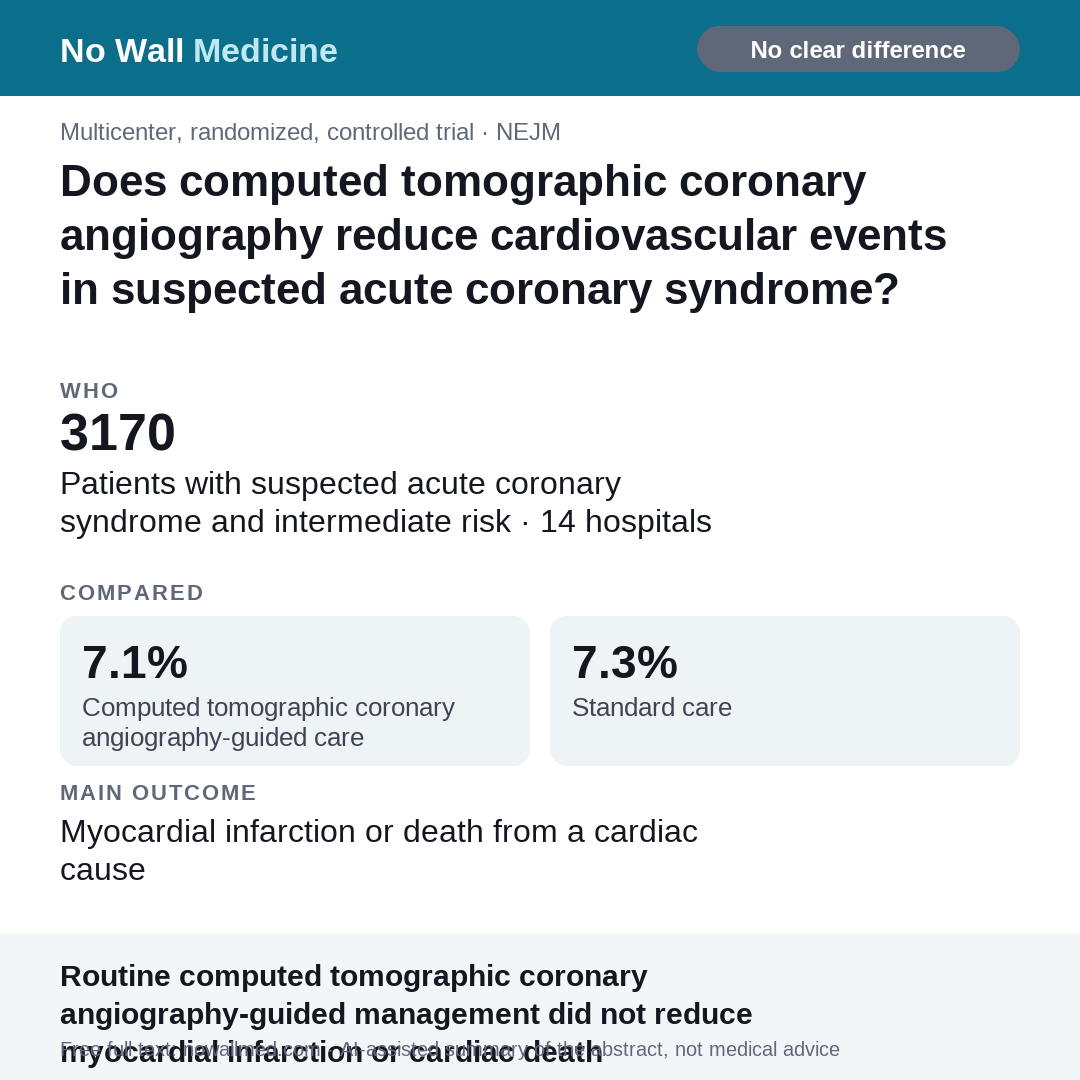
Targeted Use of Computed Tomographic Coronary Angiography in Acute Chest Pain
Multicenter, randomized, controlled trialNo clear difference
Does computed tomographic coronary angiography reduce cardiovascular events in suspected acute coronary syndrome?
Who
3170
Patients with suspected acute coronary syndrome and intermediate risk · 14 hospitals across the United Kingdom
Compared
7.1%Computed tomographic coronary angiography-guided care
7.3%Standard care
Main outcome
Myocardial infarction or death from a cardiac cause
Result: adjusted hazard ratio 0.95 (95% CI 0.73 to 1.23)
Bottom line: Routine computed tomographic coronary angiography-guided management did not reduce myocardial infarction or cardiac death compared to standard care.
Funded by: British Heart Foundation
NEJM · 2026-08-29Download image
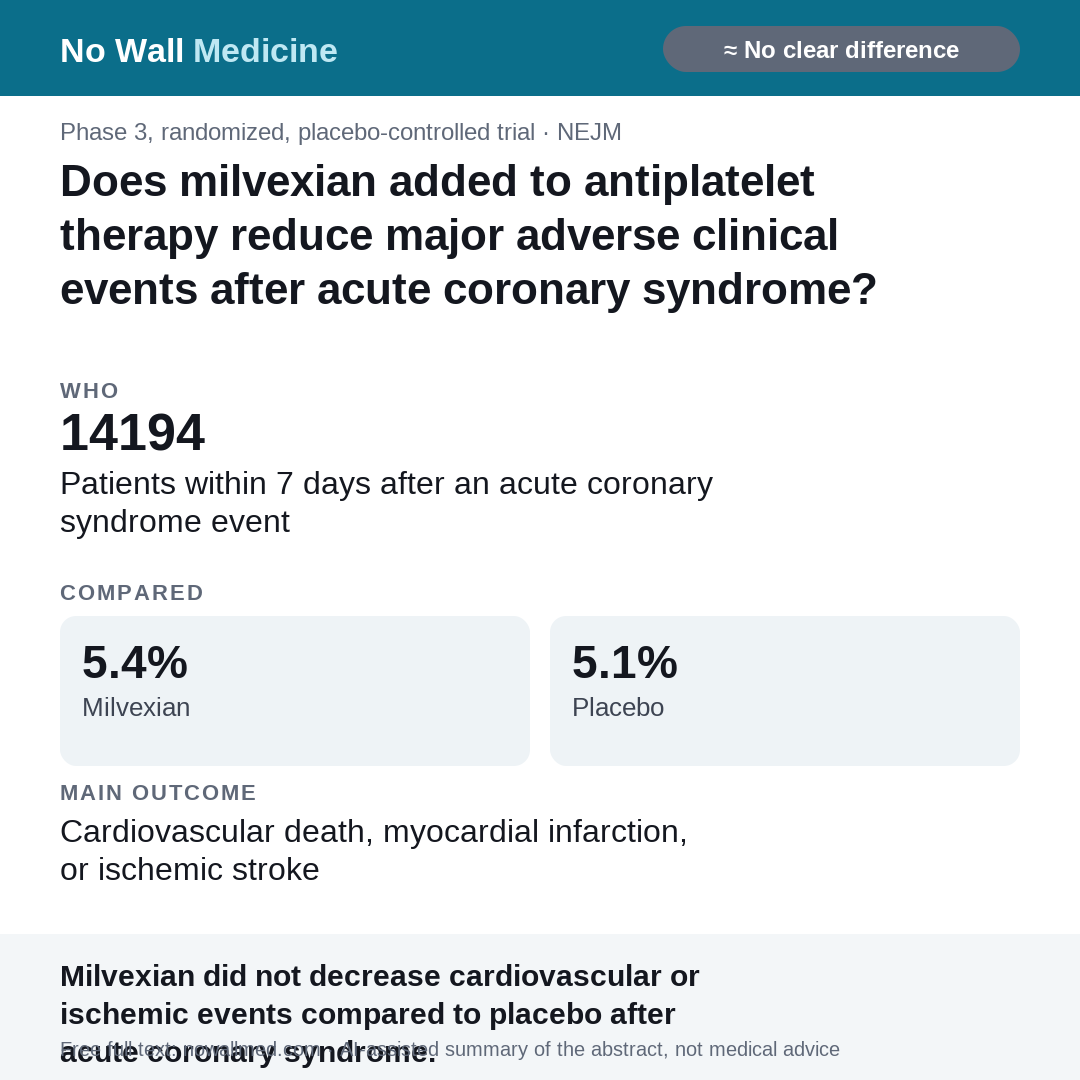
Milvexian with Antiplatelet Therapy after Acute Coronary Syndrome Event
Phase 3, randomized, placebo-controlled trialNo clear difference
Does milvexian added to antiplatelet therapy reduce major adverse clinical events after acute coronary syndrome?
Who
14194
Patients within 7 days after an acute coronary syndrome event
Compared
5.4%Milvexian
5.1%Placebo
Main outcome
Cardiovascular death, myocardial infarction, or ischemic stroke
Result: hazard ratio 1.05 (95% confidence interval 0.91 to 1.21)
Bottom line: Milvexian did not decrease cardiovascular or ischemic events compared to placebo after acute coronary syndrome.
Funded by: Janssen Research and Development and Bristol Myers Squibb
NEJM · 2026-08-29Download image
Dual antithrombotic therapy using potent antiplatelet inhibitors in atrial fibrillation and acute coronary syndrome: a randomized controlled trial
Open-label, randomized controlled trialHarm found
Is a 1-month regimen of direct oral anticoagulant plus potent P2Y12 inhibitor better than clopidogrel?
Who
602
Patients with atrial fibrillation and acute coronary syndrome
Compared
Direct oral anticoagulant plus potent P2Y12 inhibitor
Direct oral anticoagulant plus clopidogrel and in-hospital aspirin
Main outcome
Recurrent ischemic events, death, and major bleeding
Bottom line: Potent P2Y12 inhibitors with direct oral anticoagulants increased bleeding without reducing ischemic complications.
Limitation: The study was prematurely terminated after enrolling 602 of 1,474 expected patients.
Nat Med · 2026-08-29Download image

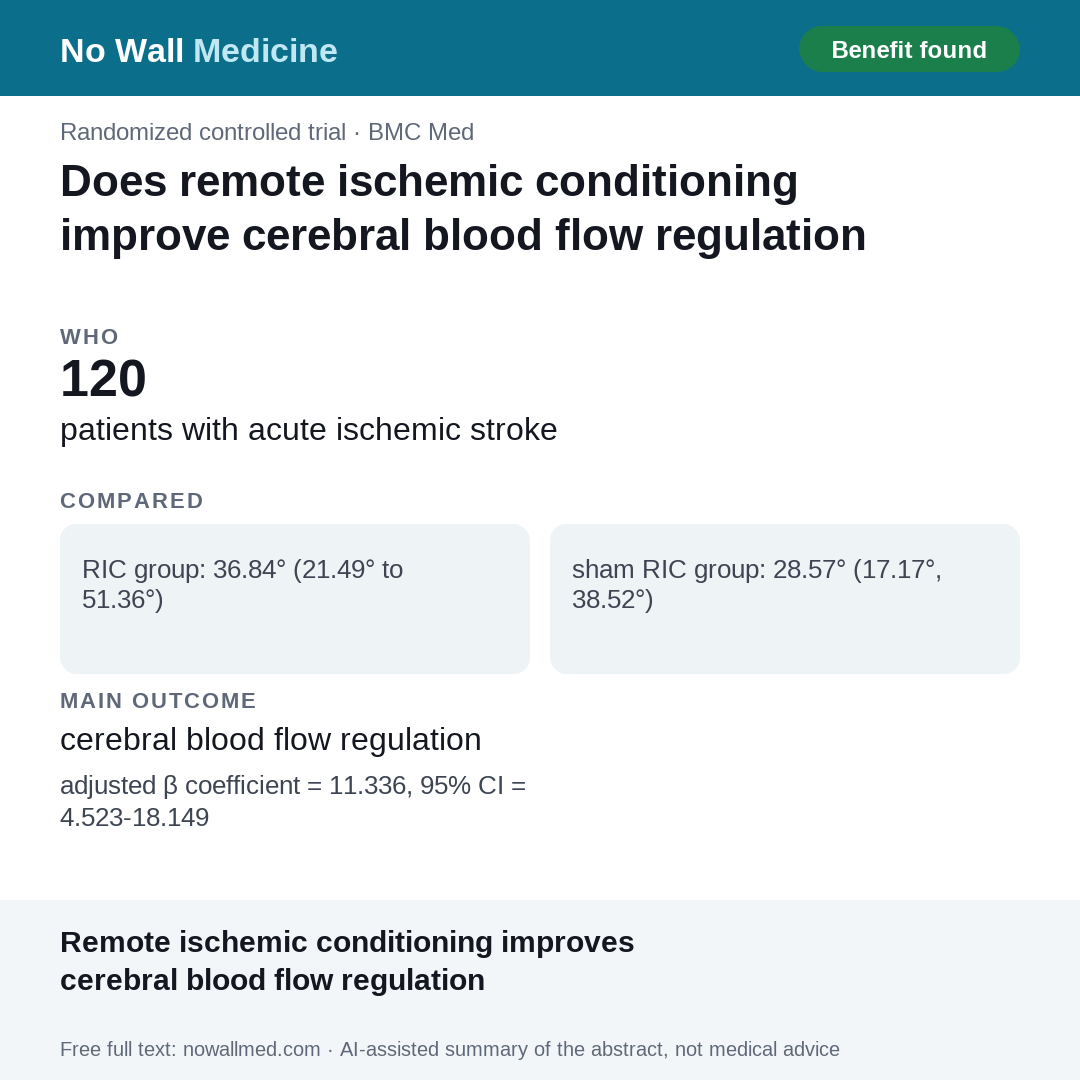
Effect of remote ischemic conditioning on cerebral blood flow regulation in patients with ischemic stroke: a randomized, controlled trial
Randomized controlled trialBenefit found
Does remote ischemic conditioning improve cerebral blood flow regulation
Who
120
patients with acute ischemic stroke
Compared
RIC group: 36.84° (21.49° to 51.36°)
sham RIC group: 28.57° (17.17°, 38.52°)
Main outcome
cerebral blood flow regulation
Result: adjusted β coefficient = 11.336, 95% CI = 4.523-18.149
Bottom line: Remote ischemic conditioning improves cerebral blood flow regulation
BMC Med · 2026-08-29Download image
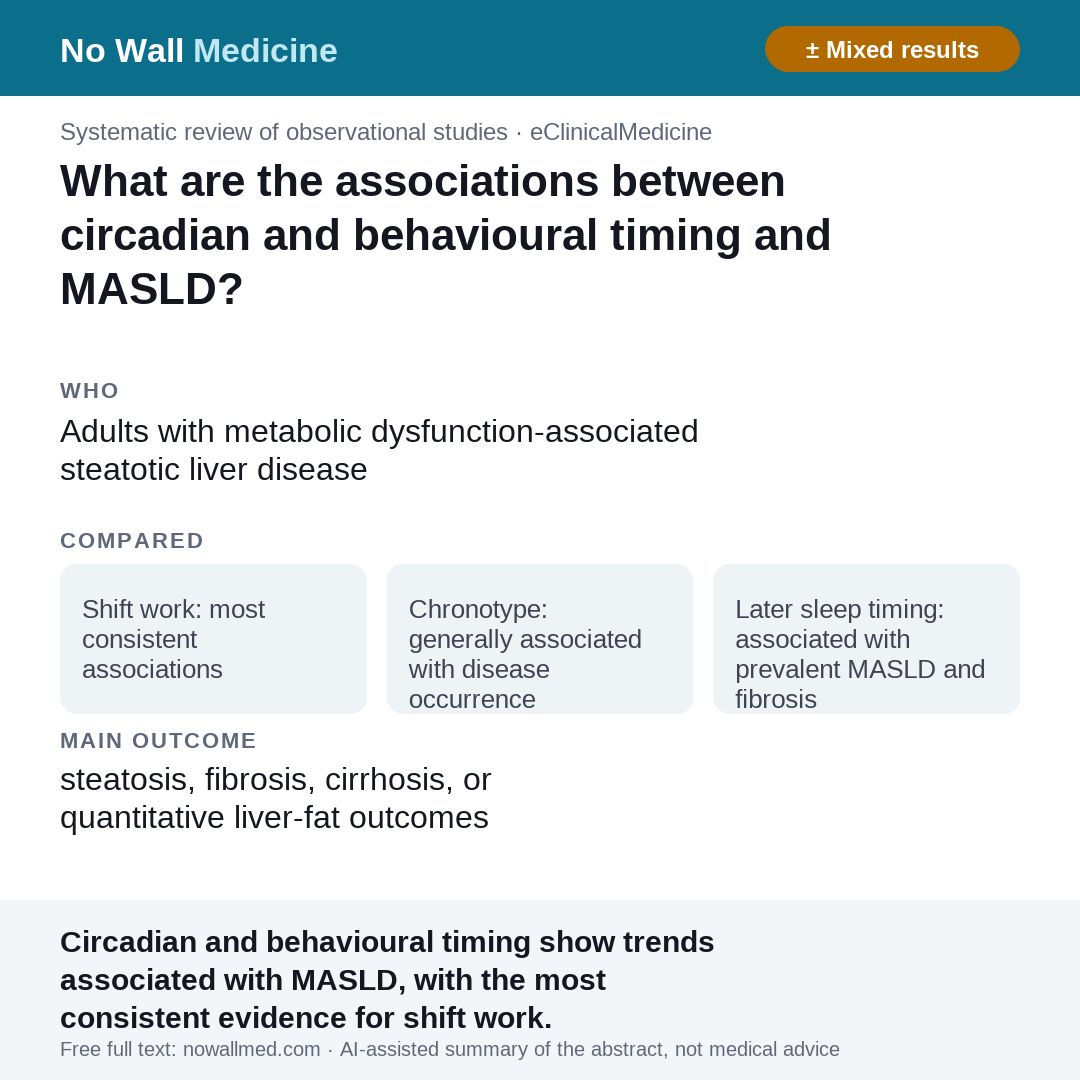
Circadian and behavioral timing in MASLD: a systematic review of human observational studies
Systematic review of observational studiesMixed results
What are the associations between circadian and behavioural timing and MASLD?
Who
Adults with metabolic dysfunction-associated steatotic liver disease
Compared
Shift work: most consistent associations
Chronotype: generally associated with disease occurrence
Later sleep timing: associated with prevalent MASLD and fibrosis
Main outcome
steatosis, fibrosis, cirrhosis, or quantitative liver-fat outcomes
Bottom line: Circadian and behavioural timing show trends associated with MASLD, with the most consistent evidence for shift work.
Limitation: Residual confounding, cross-sectional designs, self-reported exposures, heterogeneous outcomes, and reverse causality.
eClinicalMedicine · 2026-08-29Download image
Effect of Aficamten on Cardiac Structure and Function in Patients With Symptomatic Nonobstructive Hypertrophic Cardiomyopathy
Randomized, placebo-controlled trialBenefit found
Does aficamten affect cardiac structure and function in symptomatic nonobstructive hypertrophic cardiomyopathy?
Who
517
Symptomatic patients with nonobstructive hypertrophic cardiomyopathy
Compared
Aficamten: decreased left ventricular ejection fraction -4.6% [-5.5, -3.6]
Placebo
Main outcome
echocardiographic measures of diastolic function and cardiac structure
Bottom line: Aficamten improved echocardiographic measures of diastolic function in patients with nonobstructive hypertrophic cardiomyopathy.
Circulation · 2026-08-29Download image

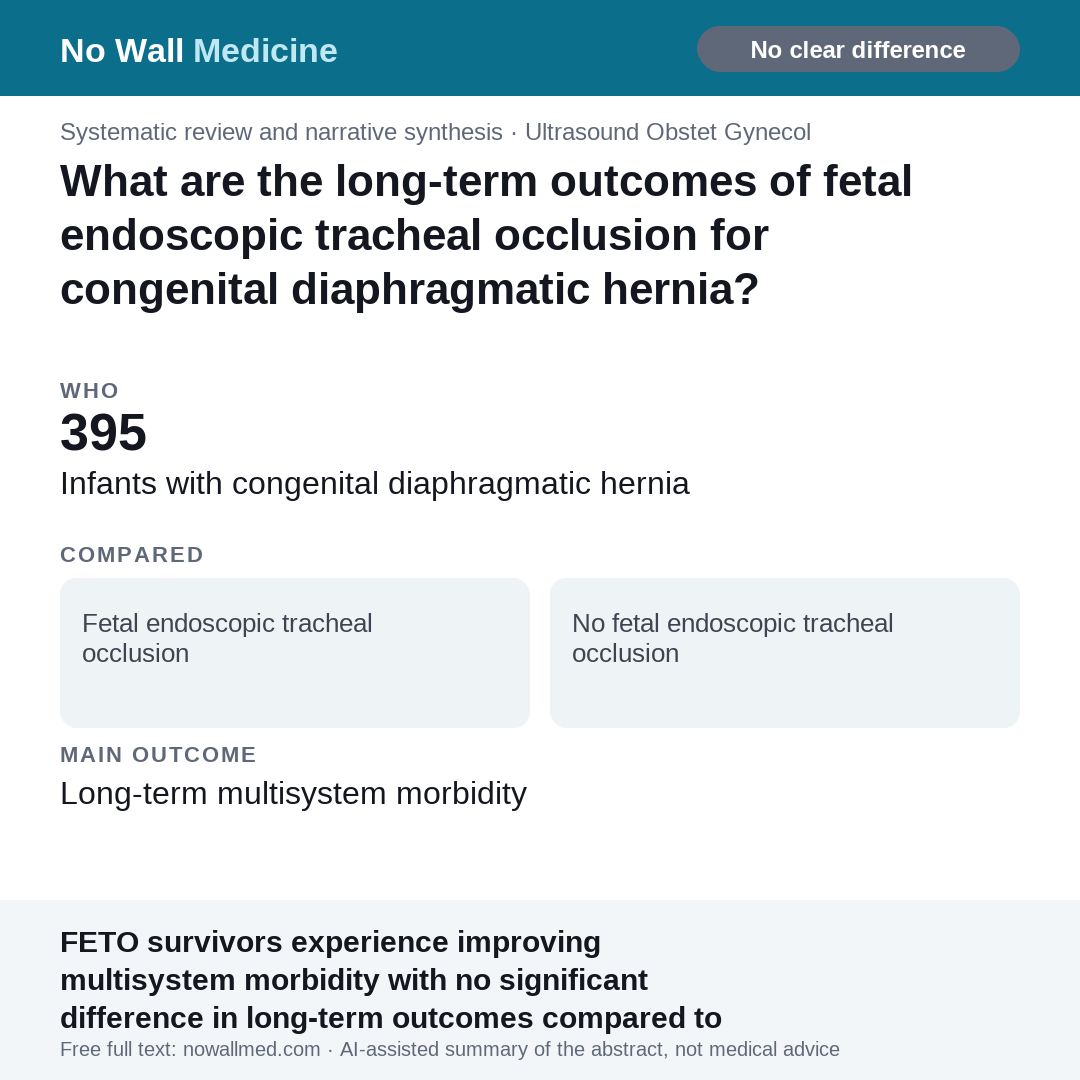
Long-term outcome after fetal endoscopic tracheal occlusion for congenital diaphragmatic hernia: systematic review
Systematic review and narrative synthesisNo clear difference
What are the long-term outcomes of fetal endoscopic tracheal occlusion for congenital diaphragmatic hernia?
Who
395
Infants with congenital diaphragmatic hernia
Compared
Fetal endoscopic tracheal occlusion
No fetal endoscopic tracheal occlusion
Main outcome
Long-term multisystem morbidity
Bottom line: FETO survivors experience improving multisystem morbidity with no significant difference in long-term outcomes compared to non-FETO infants.
Limitation: Meta-analysis was not performed due to outcome heterogeneity.
Ultrasound Obstet Gynecol · 2026-08-29Download image
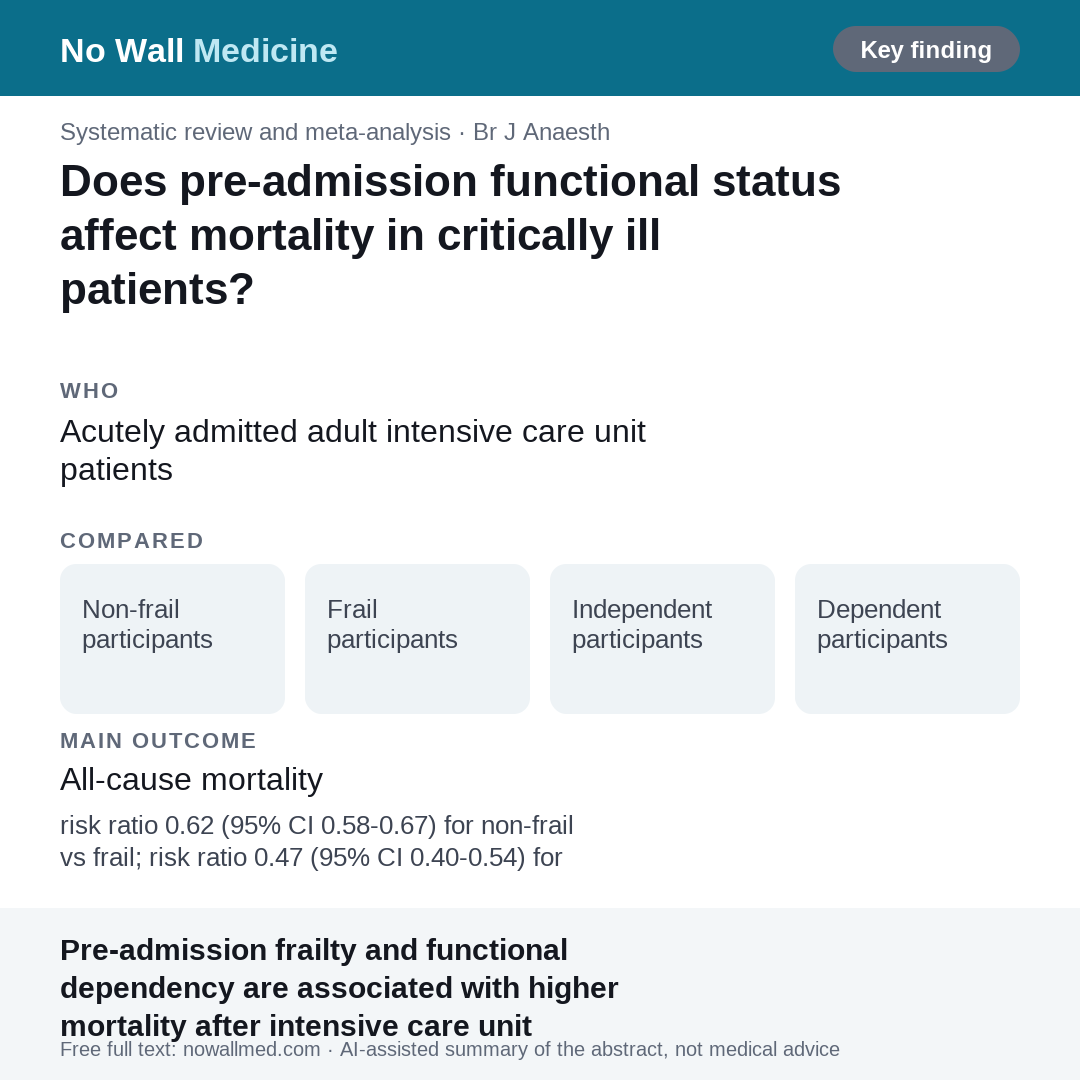
Impact of pre-admission functional status on intensive care patient outcomes: a systematic review and meta-analysis
Systematic review and meta-analysisHarm found
Does pre-admission functional status affect mortality in critically ill patients?
Who
Acutely admitted adult intensive care unit patients
Compared
Non-frail participants
Frail participants
Independent participants
Dependent participants
Main outcome
All-cause mortality
Result: risk ratio 0.62 (95% CI 0.58-0.67) for non-frail vs frail; risk ratio 0.47 (95% CI 0.40-0.54) for independent vs dependent
Bottom line: Pre-admission frailty and functional dependency are associated with higher mortality after intensive care unit admission.
Limitation: Substantial statistical and clinical heterogeneity and very low certainty of evidence.
Br J Anaesth · 2026-08-29Download image
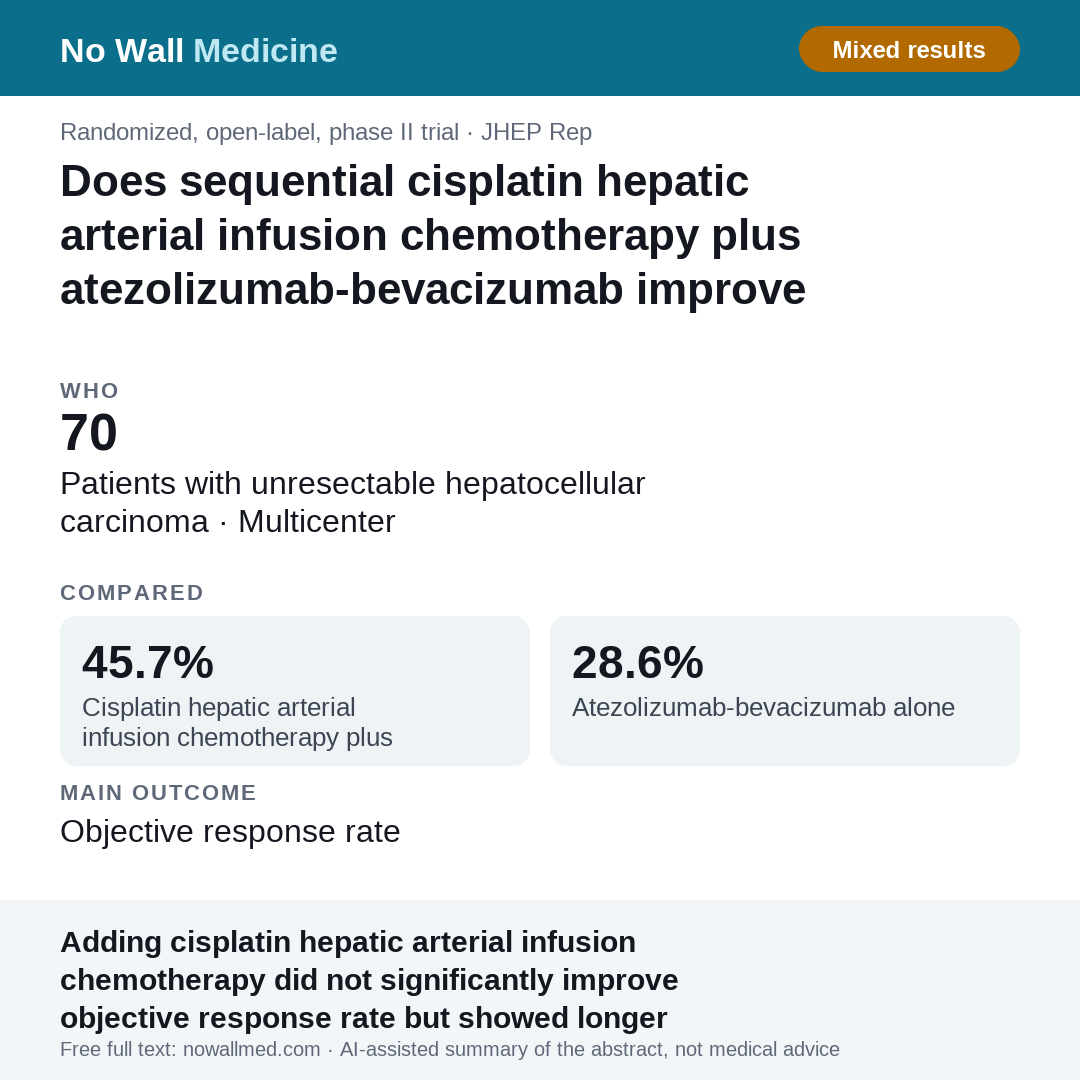
Atezolizumab-bevacizumab with or without cisplatin-based HAIC for unresectable HCC: A randomized phase II trial
Randomized, open-label, phase II trialMixed results
Does sequential cisplatin hepatic arterial infusion chemotherapy plus atezolizumab-bevacizumab improve outcomes in unresectable hepatocellular carcinoma?
Who
70
Patients with unresectable hepatocellular carcinoma · Multicenter
Compared
45.7%Cisplatin hepatic arterial infusion chemotherapy plus atezolizumab-bevacizumab
28.6%Atezolizumab-bevacizumab alone
Main outcome
Objective response rate
Result: hazard ratio 0.53 (p = 0.036) for progression-free survival
Bottom line: Adding cisplatin hepatic arterial infusion chemotherapy did not significantly improve objective response rate but showed longer progression-free survival.
Limitation: The primary endpoint of objective response rate was not met.
JHEP Rep · 2026-08-29Download image
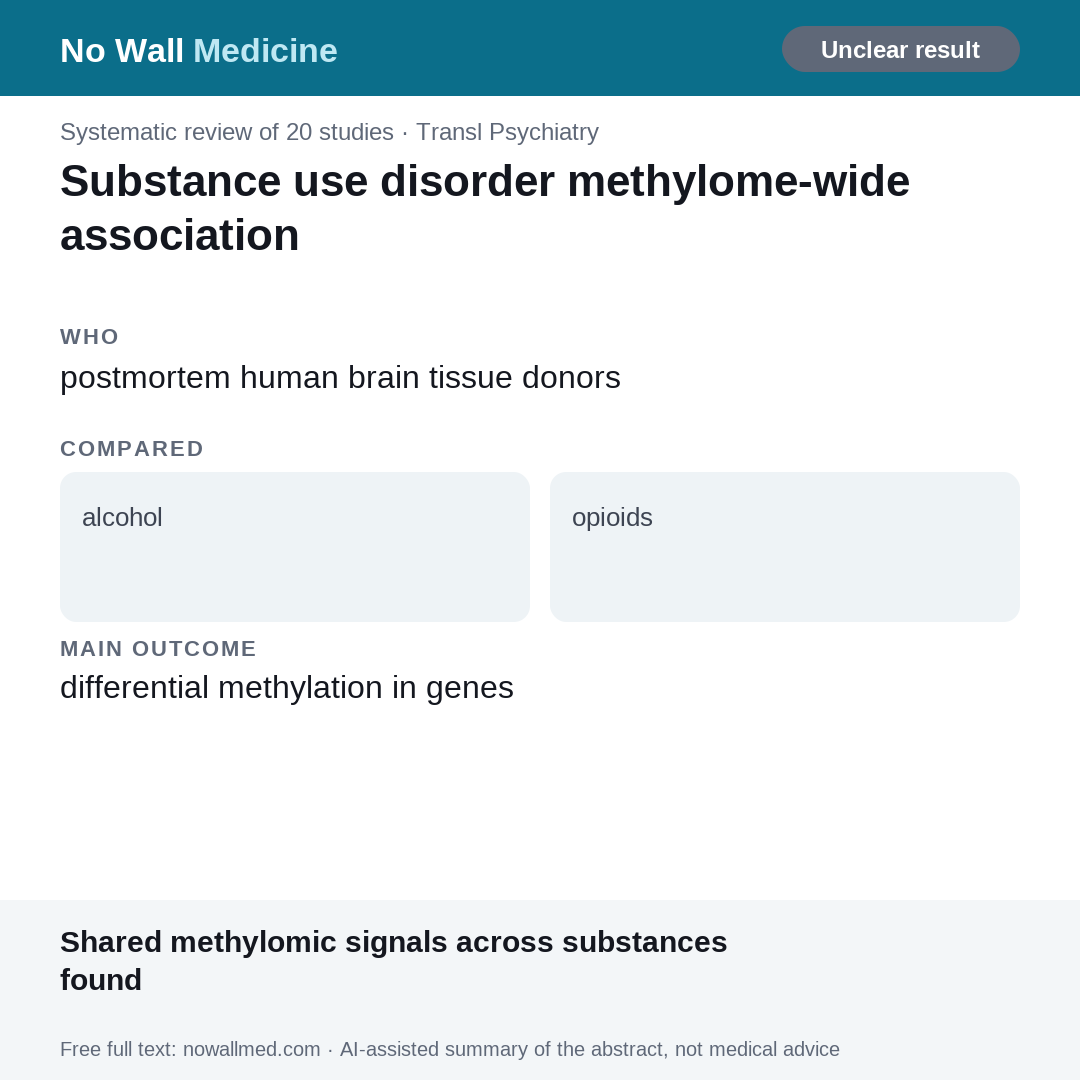
A systematic review of substance use disorder methylome-wide association studies in postmortem human brain
Systematic review of 20 studiesUnclear result
Substance use disorder methylome-wide association
Who
postmortem human brain tissue donors
Compared
alcohol
opioids
Main outcome
differential methylation in genes
Bottom line: Shared methylomic signals across substances found
Limitation: limited sample size and generalizability
Transl Psychiatry · 2026-08-29Download image
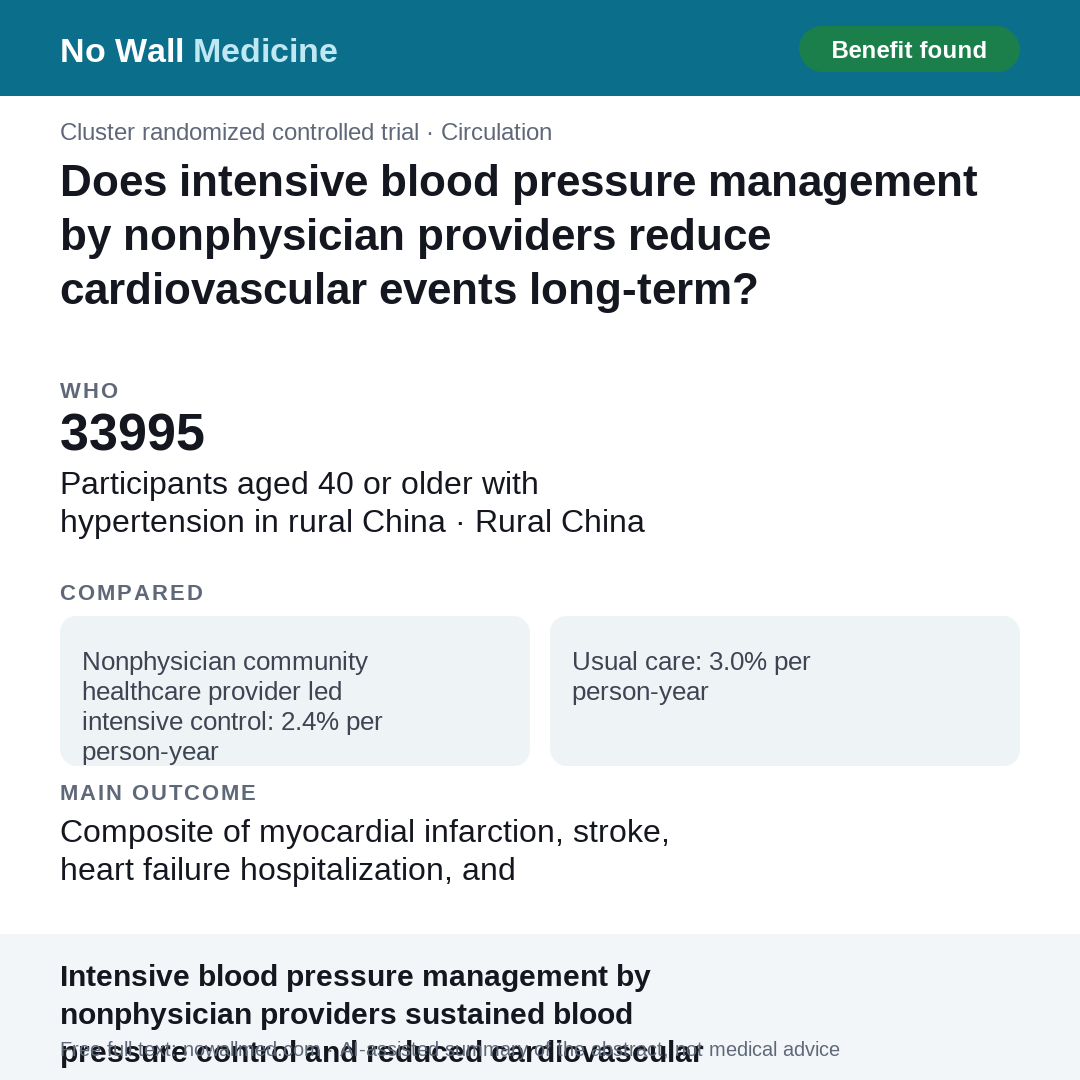
Long-Term Effectiveness of Intensive Blood Pressure Management Led by Nonphysician Community Healthcare Providers on Cardiovascular Events: 7-Year Follow-Up of a Cluster Randomized Trial
Cluster randomized controlled trialBenefit found
Does intensive blood pressure management by nonphysician providers reduce cardiovascular events long-term?
Who
33995
Participants aged 40 or older with hypertension in rural China · Rural China
Compared
Nonphysician community healthcare provider led intensive control: 2.4% per person-year
Usual care: 3.0% per person-year
Main outcome
Composite of myocardial infarction, stroke, heart failure hospitalization, and cardiovascular death
Result: hazard ratio 0.76 (95% CI 0.72 to 0.81)
Bottom line: Intensive blood pressure management by nonphysician providers sustained blood pressure control and reduced cardiovascular risk over seven years.
Circulation · 2026-08-28Download image
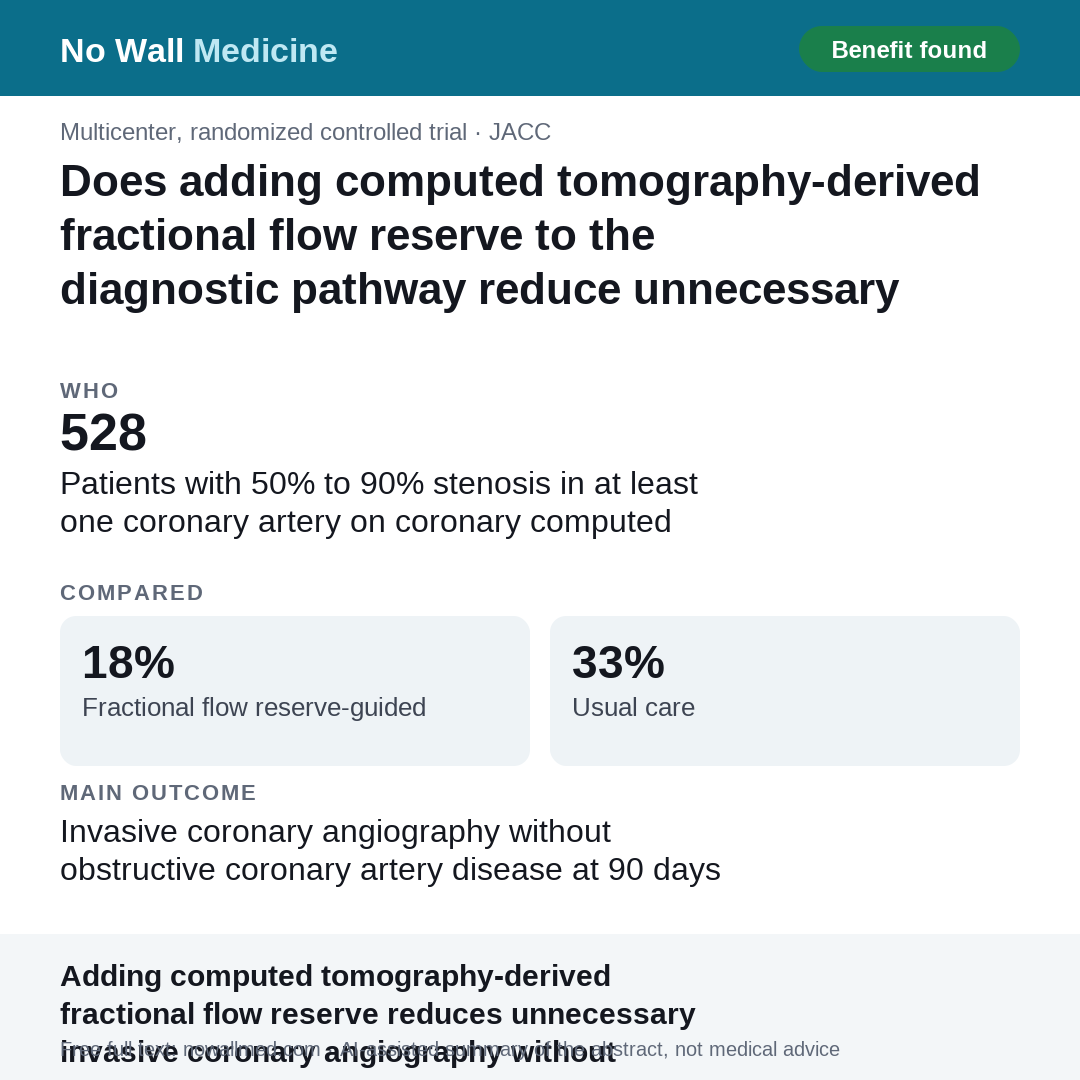
Addition of Computed Tomography-Derived Fractional Flow Reserve in the Diagnostic Pathway of Patients With Stable Coronary Artery Disease: The FUSION Randomized Controlled Trial
Multicenter, randomized controlled trialBenefit found
Does adding computed tomography-derived fractional flow reserve to the diagnostic pathway reduce unnecessary invasive coronary angiography?
Who
528
Patients with 50% to 90% stenosis in at least one coronary artery on coronary computed tomography angiography · Multicenter
Compared
18%Fractional flow reserve-guided (48 of 263)
33%Usual care (87 of 265)
Main outcome
Invasive coronary angiography without obstructive coronary artery disease at 90 days
Result: odds ratio 0.46 (95% CI 0.31-0.69)
Bottom line: Adding computed tomography-derived fractional flow reserve reduces unnecessary invasive coronary angiography without affecting revascularization rates or clinical events.
JACC · 2026-08-28Download image
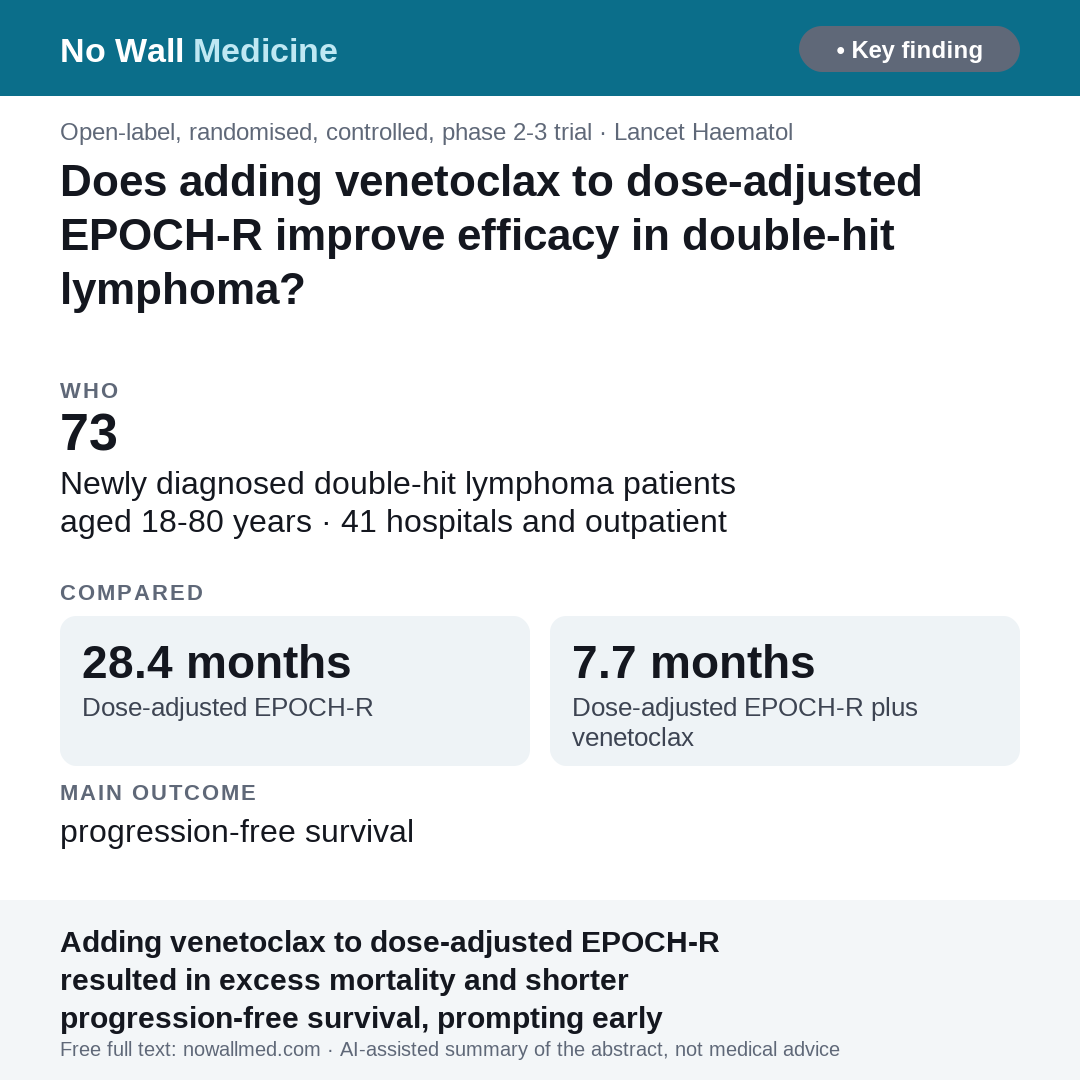
Venetoclax added to dose-adjusted EPOCH-R for newly diagnosed double-hit lymphomas: phase 2 results from ALLIANCE A051701, an open-label, randomised, controlled, phase 2-3 trial
Open-label, randomised, controlled, phase 2-3 trialHarm found
Does adding venetoclax to dose-adjusted EPOCH-R improve efficacy in double-hit lymphoma?
Who
73
Newly diagnosed double-hit lymphoma patients aged 18-80 years · 41 hospitals and outpatient clinics in the USA
Compared
28.4 monthsDose-adjusted EPOCH-R
7.7 monthsDose-adjusted EPOCH-R plus venetoclax
Main outcome
progression-free survival
Result: hazard ratio 1.13 (95% CI 0.53 to 2.37)
Bottom line: Adding venetoclax to dose-adjusted EPOCH-R resulted in excess mortality and shorter progression-free survival, prompting early study closure.
Funded by: National Cancer Institute of the National Institutes of Health
Lancet Haematol · 2026-08-28Download image
Genetic characterization of M. tuberculosis isolates from participants in a Phase 2b randomized trial evaluating the M72/AS01E tuberculosis candidate vaccine
Descriptive analysis of a Phase 2b randomized trialNo clear difference
Are there preferential distributions of Mycobacterium tuberculosis strains in M72/AS01E vaccine recipients?
Who
50
Participants with Mycobacterium tuberculosis sensitization by positive interferon-gamma release assay
Compared
M72/AS01E: 20 participants developed active pulmonary tuberculosis
Placebo: 30 participants developed active pulmonary tuberculosis
Main outcome
Genetic characterization of Mycobacterium tuberculosis isolates
Bottom line: No apparent preferential distribution of local Mycobacterium tuberculosis strains was observed between vaccine and placebo recipients.
J Infect Dis · 2026-08-28Download image

Prevalence and Clinical Relevance of Antiphospholipid Antibodies in Ischemic Stroke: A Systematic Review and Meta-Analysis
Systematic review and meta-analysisBenefit found
What is the prevalence and association of antiphospholipid antibodies in ischemic stroke?
Who
9438
Patients with ischemic stroke
Compared
19.1%Patients with any antiphospholipid antibodies (95% CI, 15.4%-23.0%)
First ischemic stroke risk: OR, 2.93 [95% CI, 2.31-3.73]
Main outcome
Prevalence and risk of ischemic stroke
Result: OR, 2.93 [95% CI, 2.31-3.73]
Bottom line: Antiphospholipid antibody seropositivity is present in 19.1% of ischemic stroke patients and increases risk of first stroke.
Stroke · 2026-08-28Download image

Early Versus Delayed Pegcetacoplan Treatment for Geographic Atrophy Secondary to Age-Related Macular Degeneration in OAKS, DERBY, and GALE
Phase 3 open-label extension analysisBenefit found
Is early versus delayed pegcetacoplan treatment effective for geographic atrophy?
Who
Eyes with nonsubfoveal or subfoveal geographic atrophy secondary to age-related macular degeneration
Compared
Early treatment group: up to 24% reduction in GA area growth rate
Delayed treatment group: projected sham
Main outcome
Geographic atrophy area growth rate
Bottom line: Early pegcetacoplan treatment slows geographic atrophy progression and maximizes retinal tissue and function preservation.
Am J Ophthalmol · 2026-08-28Download image