Visual abstracts
New randomized trials and meta-analyses from leading journals at a glance: who was studied, what was compared, and what was found. Every paper is free to read in full.
All specialtiesCardiology 4780Oncology 4080Gastroenterology & Hepatology 1914Infectious Disease 3775Neurology 1883Psychiatry & Mental Health 2238Pulmonology 2058Critical Care 1331Endocrinology & Diabetes 2550Pediatrics 2908Surgery 2496Orthopedics & Sports Medicine 922Neurosurgery 532Cardiothoracic & Vascular Surgery 662Plastic & Reconstructive Surgery 584Nephrology 1111Rheumatology 812Hematology 1095Dermatology 617Ophthalmology 537Obstetrics & Gynecology 1656Public & Global Health 1041Radiology & Imaging 637Anesthesiology 958Urology 751ENT (Otolaryngology) 497Emergency Medicine 484Allergy & Immunology 310Geriatrics 973Family Medicine & Primary Care 538Medical Genetics & Genomics 662Pathology & Laboratory Medicine 156Physical Medicine & Rehabilitation 744Palliative Care 422Nutrition 1564Digital Health & AI 2188General Medicine 318
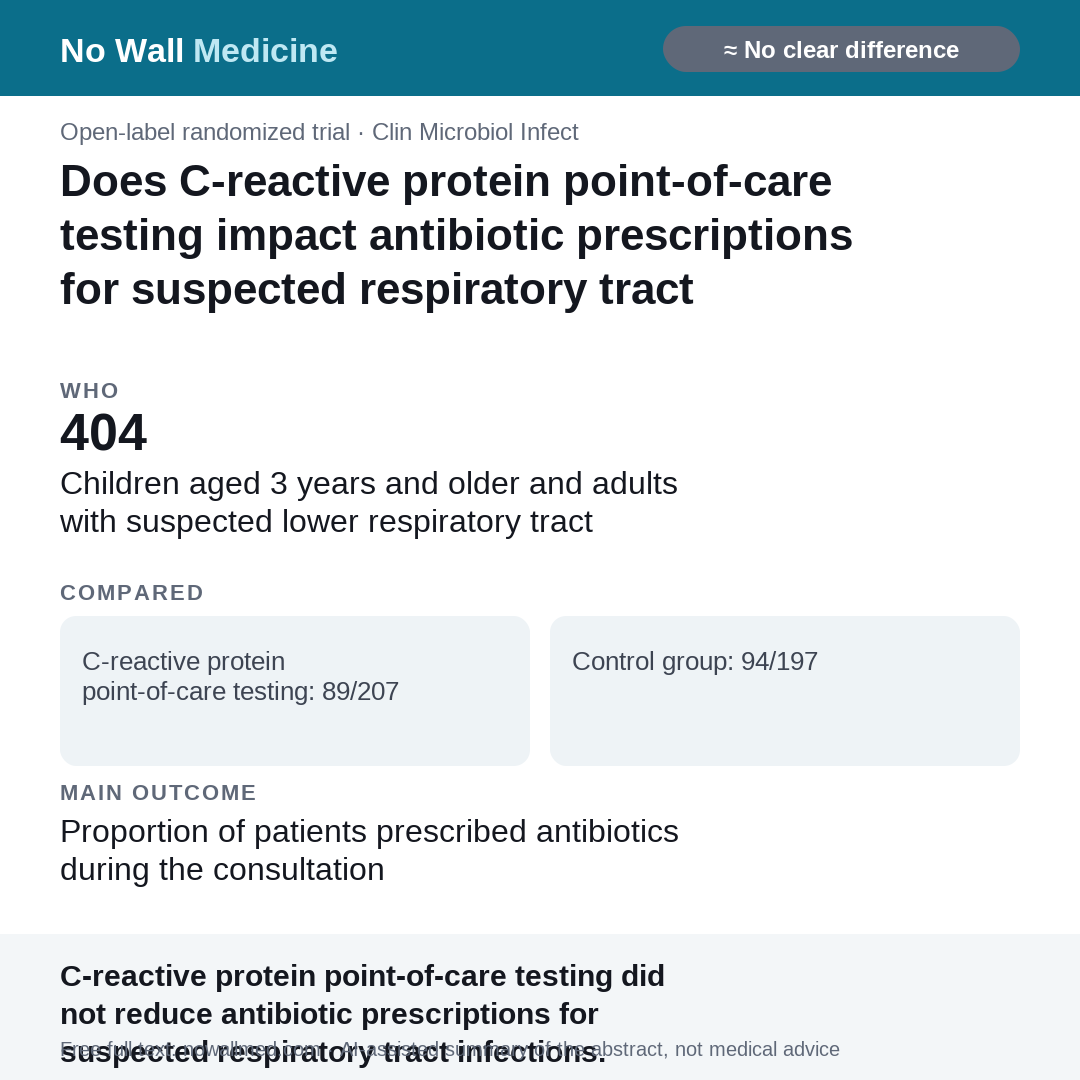
Impact of C-reactive protein point-of-care testing on antibiotic prescriptions for children and adults with suspected respiratory tract infections in primary care: a French patient-level randomized controlled superiority trial
Open-label randomized trialNo clear difference
Does C-reactive protein point-of-care testing impact antibiotic prescriptions for suspected respiratory tract infections?
Who
404
Children aged 3 years and older and adults with suspected lower respiratory tract infections · 26 general practitioners in France
Compared
C-reactive protein point-of-care testing: 89/207
Control group: 94/197
Main outcome
Proportion of patients prescribed antibiotics during the consultation
Result: -4.7 CI: -14.4, 5.0
Bottom line: C-reactive protein point-of-care testing did not reduce antibiotic prescriptions for suspected respiratory tract infections.
Clin Microbiol Infect · 2024-07-26Download image
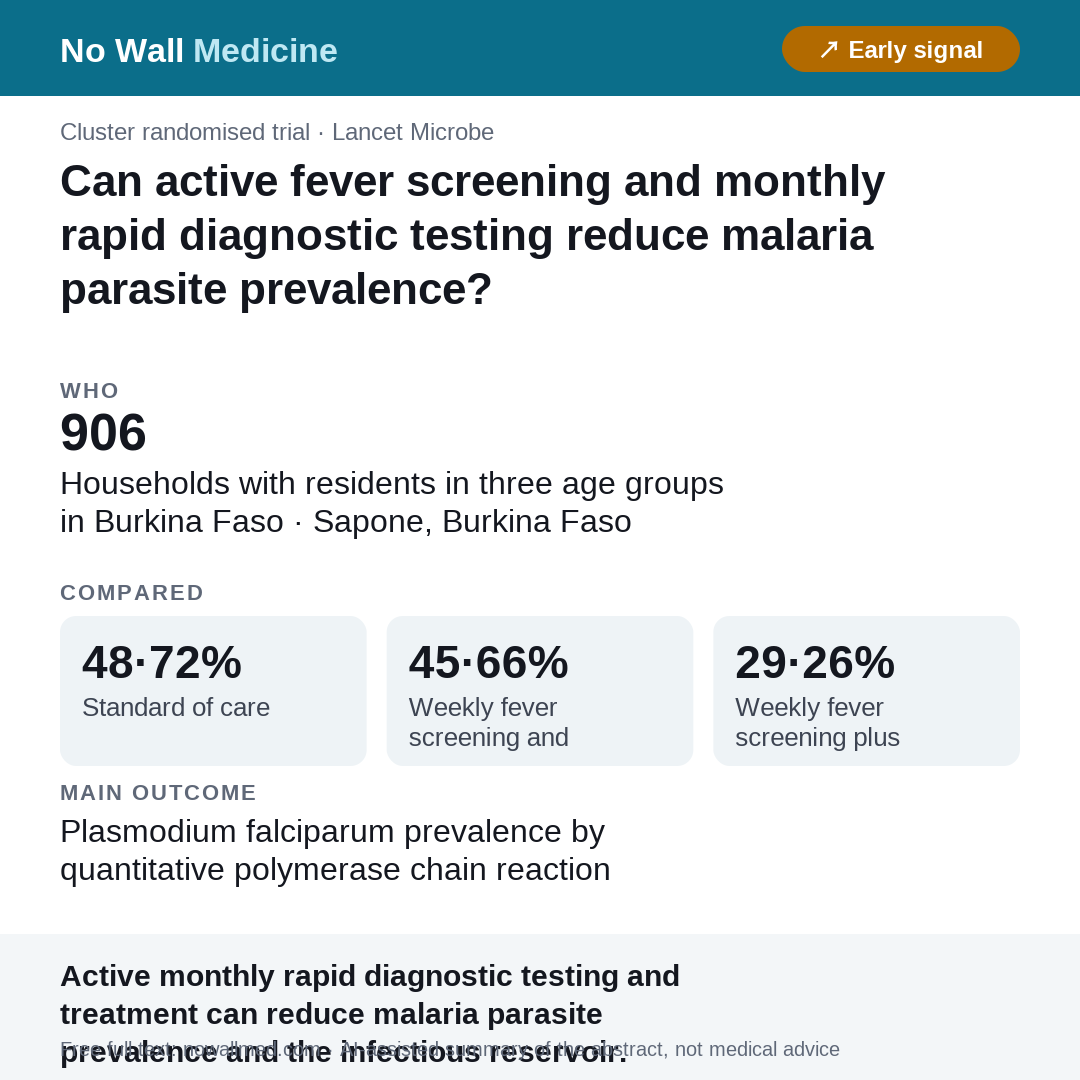
Effect of weekly fever-screening and treatment and monthly RDT testing and treatment on the infectious reservoir of malaria parasites in Burkina Faso: a cluster-randomised trial
Cluster randomised trialEarly signal
Can active fever screening and monthly rapid diagnostic testing reduce malaria parasite prevalence?
Who
906
Households with residents in three age groups in Burkina Faso · Sapone, Burkina Faso
Compared
48·72%Standard of care (133/273)
45·66%Weekly fever screening and treatment (121/265)
29·26%Weekly fever screening plus monthly rapid diagnostic testing (79/270)
Main outcome
Plasmodium falciparum prevalence by quantitative polymerase chain reaction
Result: risk ratio 0·65 (95% CI 0·52-0·81)
Bottom line: Active monthly rapid diagnostic testing and treatment can reduce malaria parasite prevalence and the infectious reservoir.
Lancet Microbe · 2024-07-25Download image
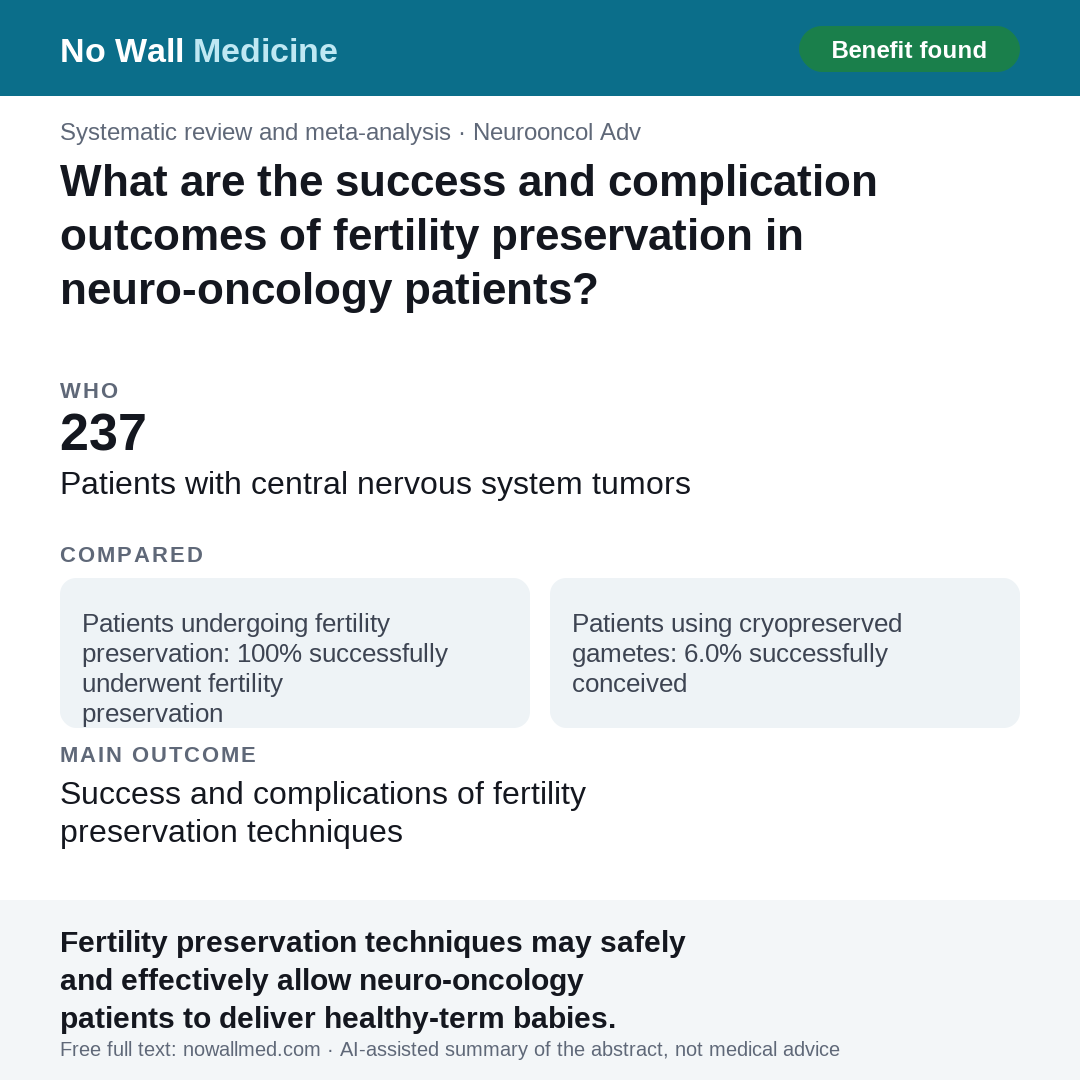
Fertility preserving techniques in neuro-oncology patients: A systematic review
Systematic review and meta-analysisBenefit found
What are the success and complication outcomes of fertility preservation in neuro-oncology patients?
Who
237
Patients with central nervous system tumors
Compared
Patients undergoing fertility preservation: 100% successfully underwent fertility preservation
Patients using cryopreserved gametes: 6.0% successfully conceived
Main outcome
Success and complications of fertility preservation techniques
Bottom line: Fertility preservation techniques may safely and effectively allow neuro-oncology patients to deliver healthy-term babies.
Limitation: Further studies concerning risks, long-term pregnancy outcomes, and cost-effectiveness are needed.
Neurooncol Adv · 2024-07-25Download image
The elements of end-of-life care provision in paediatric intensive care units: a systematic integrative review
Systematic integrative reviewUnclear result
Elements of end-of-life care in PICUs
Who
Children in paediatric intensive care units
Compared
Healthcare professionals
Families
Main outcome
End-of-life care provision
Bottom line: End-of-life care in PICUs varies by preferences
BMC Palliat Care · 2024-07-25Download image
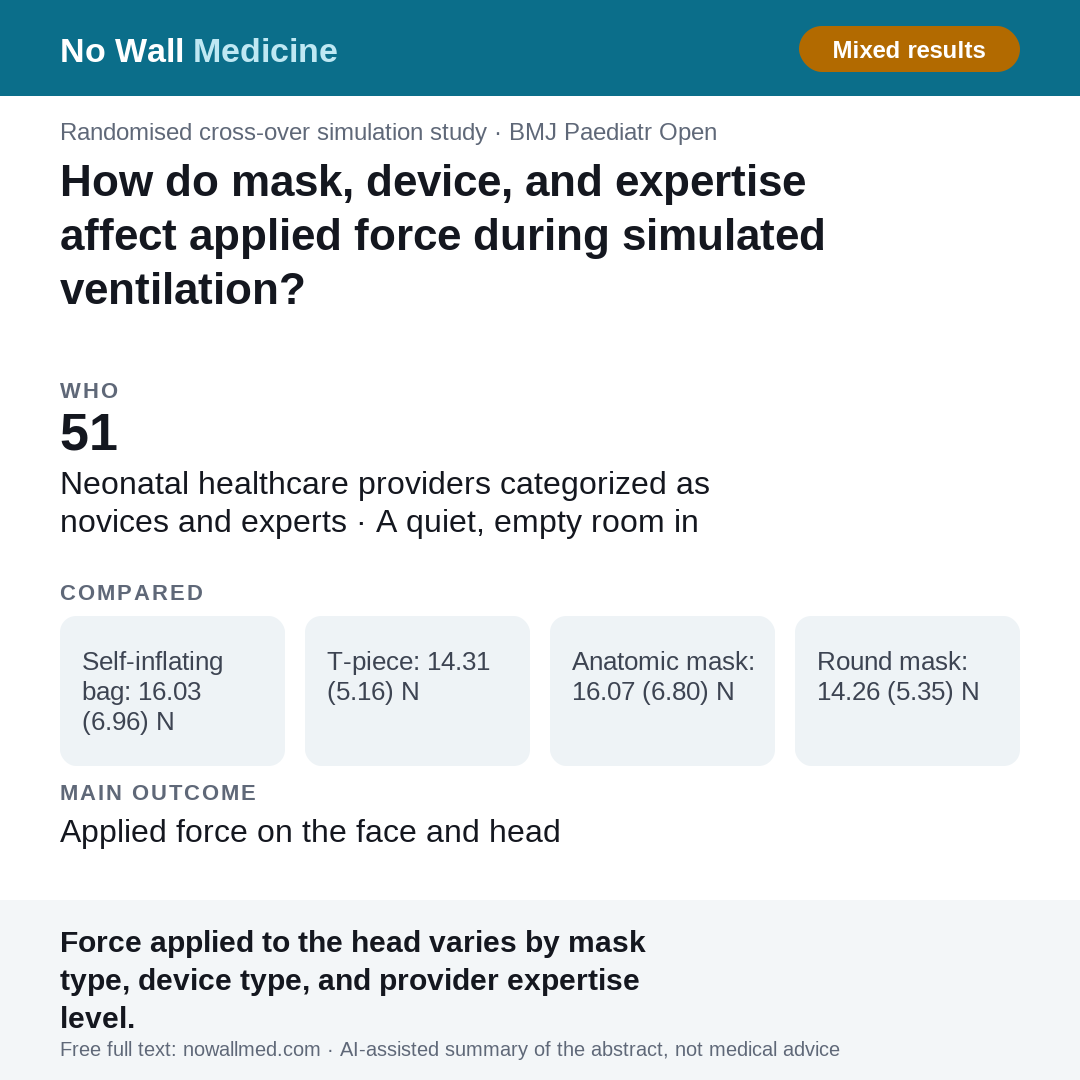
Characterising applied forces during positive pressure ventilation: a randomised cross-over simulation study
Randomised cross-over simulation studyMixed results
How do mask, device, and expertise affect applied force during simulated ventilation?
Who
51
Neonatal healthcare providers categorized as novices and experts · A quiet, empty room in the children's hospital
Compared
Self-inflating bag: 16.03 (6.96) N
T-piece: 14.31 (5.16) N
Anatomic mask: 16.07 (6.80) N
Round mask: 14.26 (5.35) N
Main outcome
Applied force on the face and head
Bottom line: Force applied to the head varies by mask type, device type, and provider expertise level.
BMJ Paediatr Open · 2024-07-24Download image
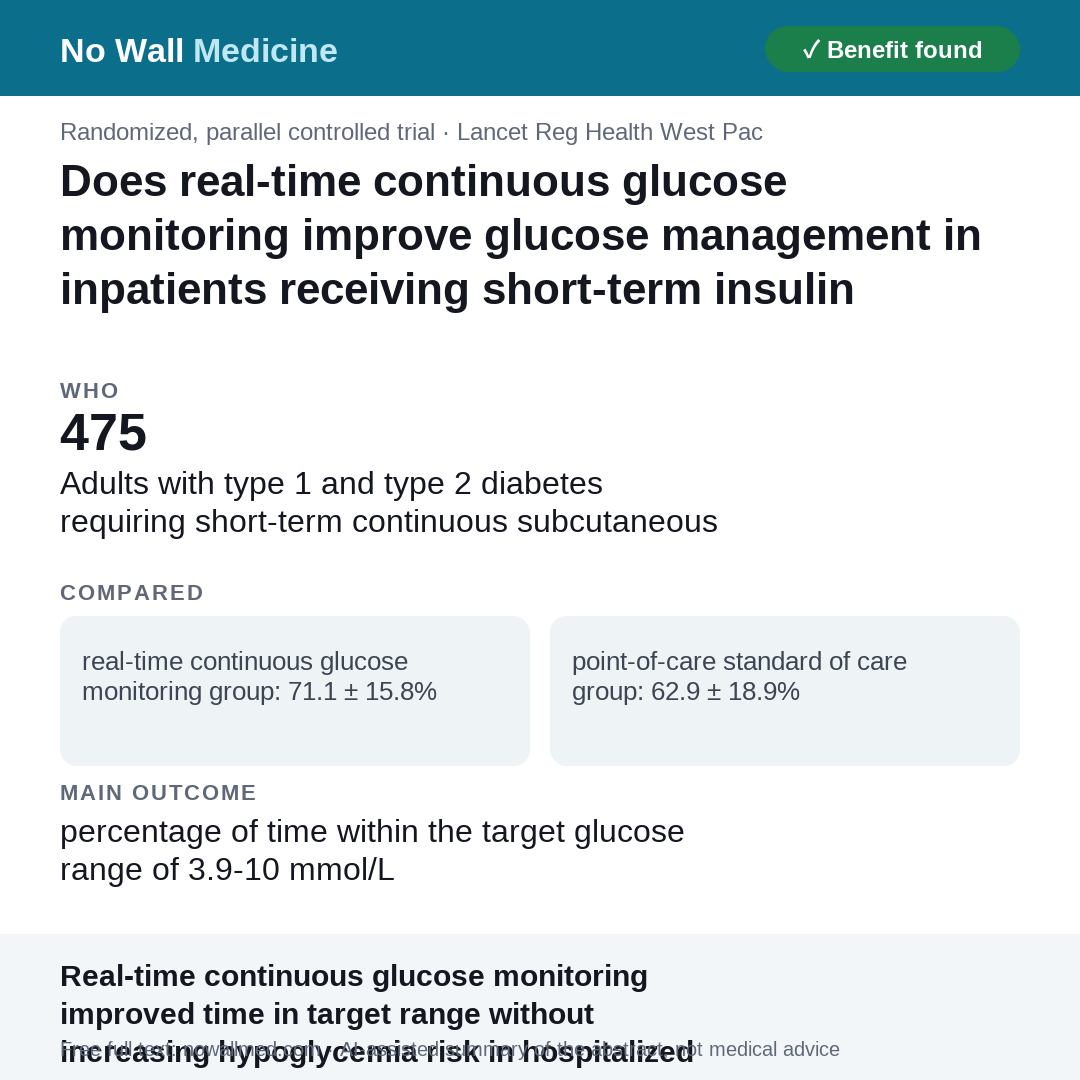
Real-time continuous glucose monitoring-guided glucose management in inpatients with diabetes receiving short-term continuous subcutaneous insulin infusion: a randomized clinical trial
Randomized, parallel controlled trialBenefit found
Does real-time continuous glucose monitoring improve glucose management in inpatients receiving short-term insulin infusion?
Who
475
Adults with type 1 and type 2 diabetes requiring short-term continuous subcutaneous insulin infusion · Endocrinology wards in a tertiary hospital in Shanghai
Compared
real-time continuous glucose monitoring group: 71.1 ± 15.8%
point-of-care standard of care group: 62.9 ± 18.9%
Main outcome
percentage of time within the target glucose range of 3.9-10 mmol/L
Result: mean difference of 8.2% (95% CI 5.1-11.4%, P < 0.001)
Bottom line: Real-time continuous glucose monitoring improved time in target range without increasing hypoglycemia risk in hospitalized patients.
Funded by: Shanghai Academic Research Leader and other Shanghai programs
Lancet Reg Health West Pac · 2024-07-21Download image
Resistance-informed versus empirical management of viraemia in children and adolescents with HIV in Lesotho and Tanzania (GIVE MOVE trial): a multisite, open-label randomised controlled trial
Open-label, parallel-group randomised controlled trialNo clear difference
Does genotypic resistance testing improve treatment outcomes in children and adolescents with HIV viraemia?
Who
284
Children and adolescents with HIV on antiretroviral therapy and viraemia · Ten clinical centres and hospitals in Lesotho and Tanzania
Compared
67Genotypic resistance testing group (47%)
73Usual care group (52%)
Main outcome
Death, hospitalisation, WHO HIV clinical stage 4 event, or lack of viral suppression
Result: adjusted odds ratio 0·79 (95% CI 0·49 to 1·27)
Bottom line: Genotypic resistance testing did not significantly improve treatment outcomes for children and adolescents with HIV viraemia.
Funded by: Fondation Botnar, Swiss National Science Foundation, and Bangerter-Rhyner Foundation
Lancet Glob Health · 2024-07-20Download image

The optimal surface for delivery of CPR: An updated systematic review and meta-analysis
Systematic review and meta-analysisNo clear difference
What is the effect of CPR delivery surface on patient outcomes and compression depth?
Who
Manikin models in randomized controlled trials
Compared
Floor: mean difference 5.36 mm (95% CI -1.59 to 12.32)
Firm hospital mattress: mean difference 2.11 mm (95% CI -3.23 to 7.45)
Main outcome
Chest compression depth
Result: mean difference 5.36 mm (95% CI -1.59 to 12.32)
Bottom line: Using a backboard led to a small 2 mm increase in chest compression depth, but firm mattresses or floors had minimal impact.
Limitation: Certainty of evidence was low and studies used manikins due to lack of human studies.
Resusc Plus · 2024-07-20Download image

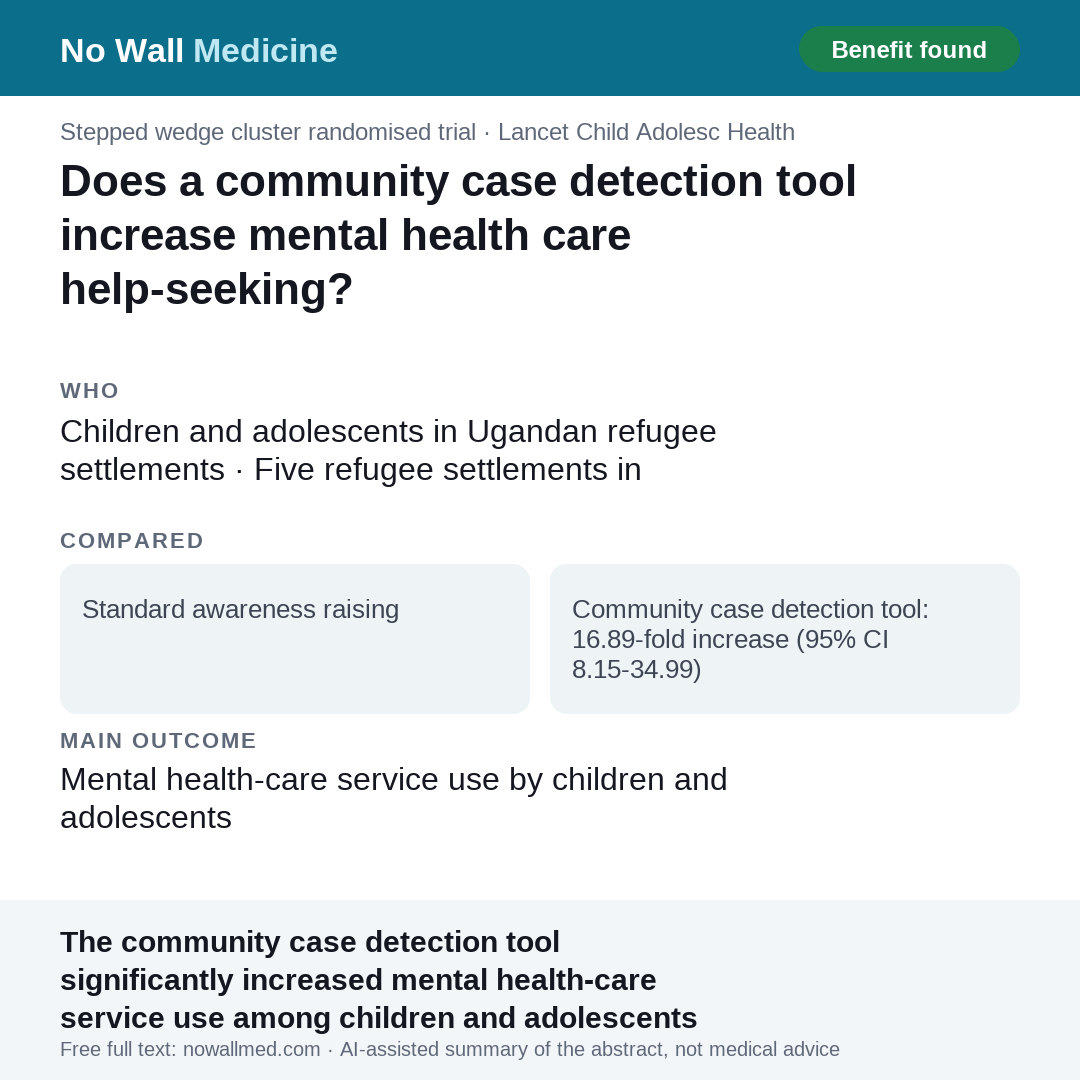
A community case detection tool to promote help-seeking for mental health care among children and adolescents in Ugandan refugee settlements: a stepped wedge cluster randomised trial
Stepped wedge cluster randomised trialBenefit found
Does a community case detection tool increase mental health care help-seeking?
Who
Children and adolescents in Ugandan refugee settlements · Five refugee settlements in Uganda
Compared
Standard awareness raising
Community case detection tool: 16.89-fold increase (95% CI 8.15-34.99)
Main outcome
Mental health-care service use by children and adolescents
Result: incidence rate ratio 16.89 (95% CI 8.15 to 34.99)
Bottom line: The community case detection tool significantly increased mental health-care service use among children and adolescents in refugee settlements.
Funded by: Sint Antonius Stichting Projects
Lancet Child Adolesc Health · 2024-07-19Download image
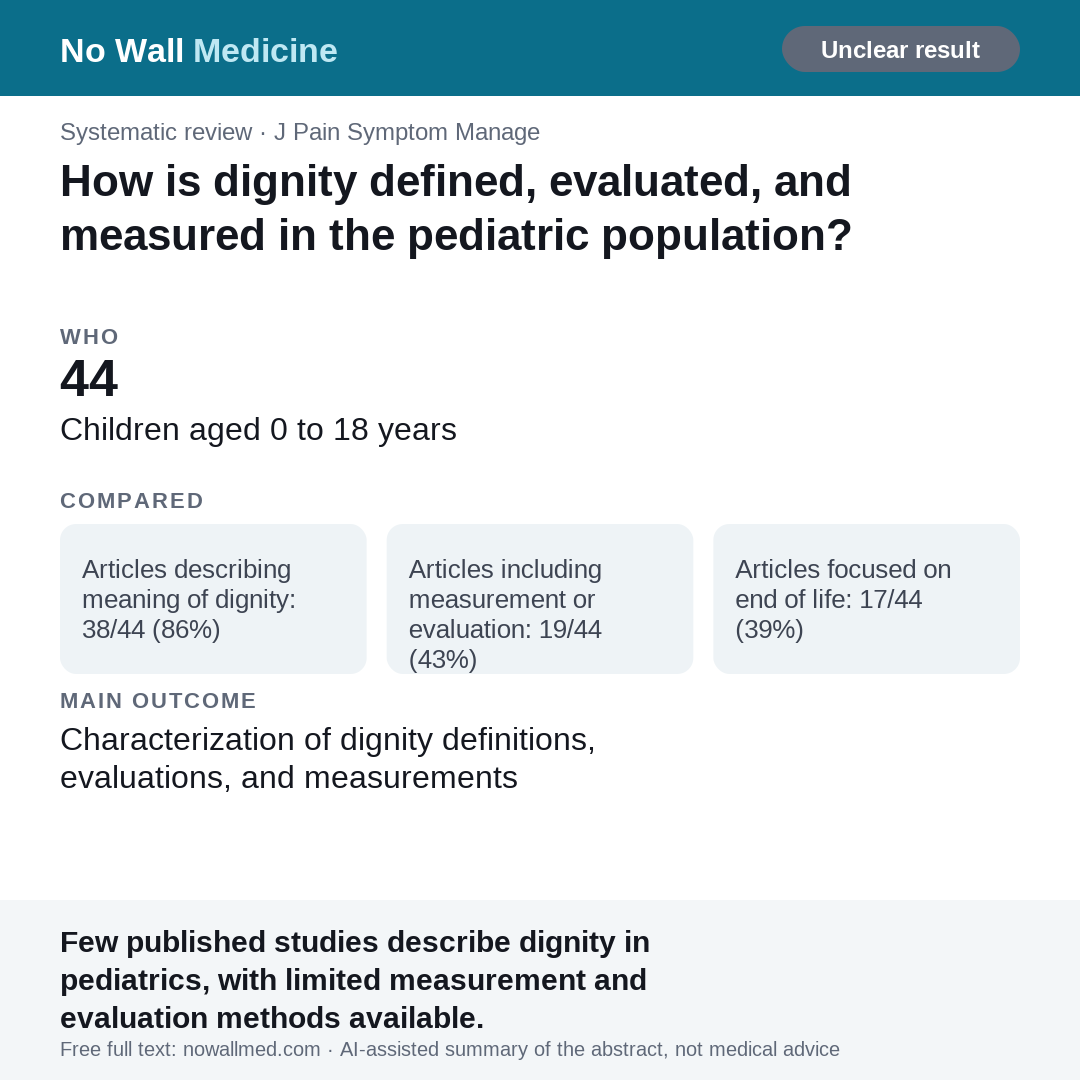
Dignity in the Pediatric Population: A Systematic Review
Systematic reviewUnclear result
How is dignity defined, evaluated, and measured in the pediatric population?
Who
44
Children aged 0 to 18 years
Compared
Articles describing meaning of dignity: 38/44 (86%)
Articles including measurement or evaluation: 19/44 (43%)
Articles focused on end of life: 17/44 (39%)
Main outcome
Characterization of dignity definitions, evaluations, and measurements
Bottom line: Few published studies describe dignity in pediatrics, with limited measurement and evaluation methods available.
J Pain Symptom Manage · 2024-07-18Download image
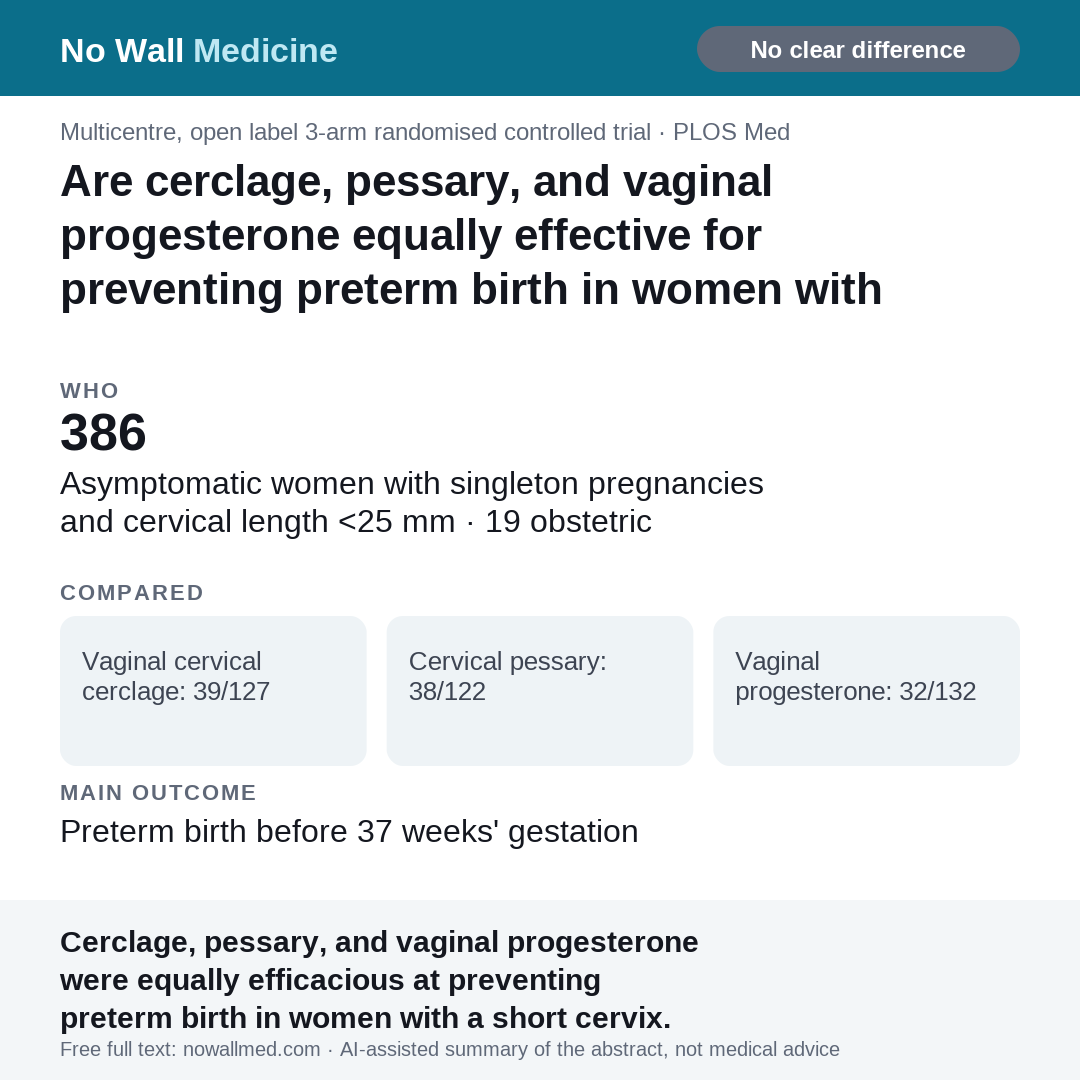
Comparing cervical cerclage, pessary and vaginal progesterone for prevention of preterm birth in women with a short cervix (SuPPoRT): A multicentre randomised controlled trial
Multicentre, open label 3-arm randomised controlled trialNo clear difference
Are cerclage, pessary, and vaginal progesterone equally effective for preventing preterm birth in women with short cervix?
Who
386
Asymptomatic women with singleton pregnancies and cervical length <25 mm · 19 obstetric units in the United Kingdom
Compared
Vaginal cervical cerclage: 39/127
Cervical pessary: 38/122
Vaginal progesterone: 32/132
Main outcome
Preterm birth before 37 weeks' gestation
Result: p = 0.4
Bottom line: Cerclage, pessary, and vaginal progesterone were equally efficacious at preventing preterm birth in women with a short cervix.
Limitation: The trial was underpowered for neonatal outcomes and stopped early due to the COVID-19 pandemic.
PLOS Med · 2024-07-16Download image
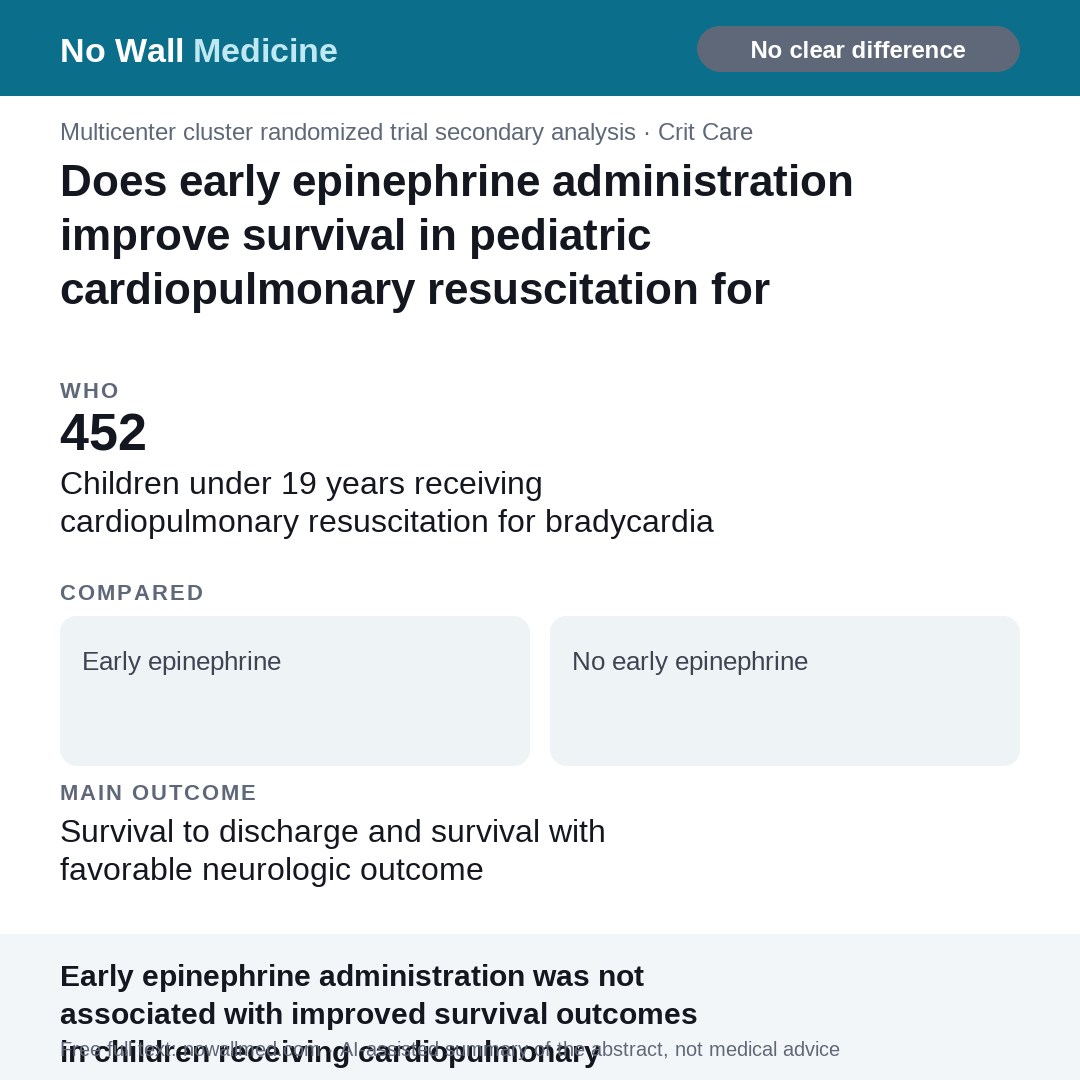
Early bolus epinephrine administration during pediatric cardiopulmonary resuscitation for bradycardia with poor perfusion: an ICU-resuscitation study
Multicenter cluster randomized trial secondary analysisNo clear difference
Does early epinephrine administration improve survival in pediatric cardiopulmonary resuscitation for bradycardia?
Who
452
Children under 19 years receiving cardiopulmonary resuscitation for bradycardia · 18 intensive care units in the United States
Compared
Early epinephrine
No early epinephrine
Main outcome
Survival to discharge and survival with favorable neurologic outcome
Result: aRR 0.97 (95% CI 0.82 to 1.14) for survival to discharge
Bottom line: Early epinephrine administration was not associated with improved survival outcomes in children receiving cardiopulmonary resuscitation for bradycardia.
Crit Care · 2024-07-16Download image
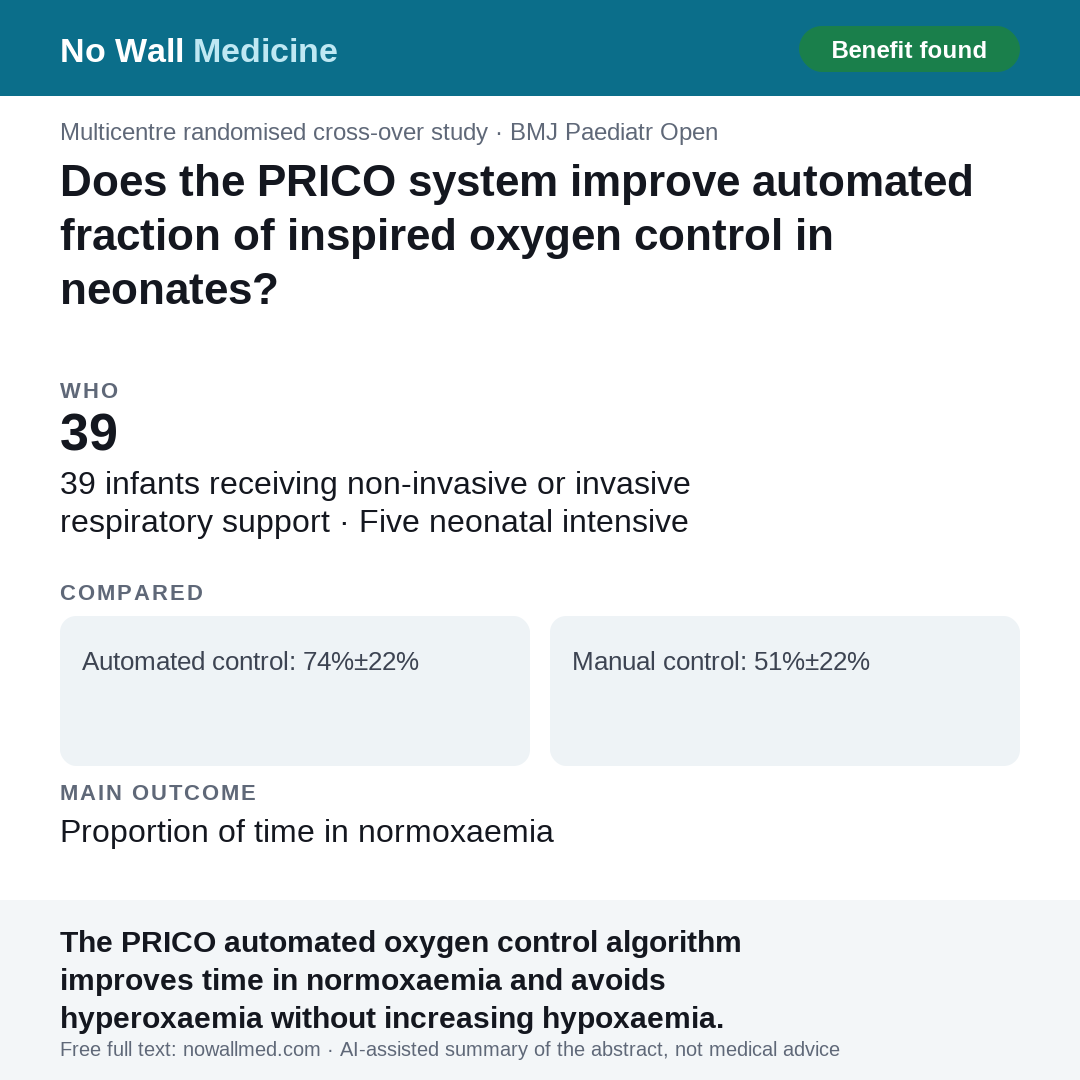
Performance and safety of the PRICO closed-loop oxygen saturation targeting system in neonates: pragmatic multicentre cross-over study (TarOx Study)
Multicentre randomised cross-over studyBenefit found
Does the PRICO system improve automated fraction of inspired oxygen control in neonates?
Who
39
39 infants receiving non-invasive or invasive respiratory support · Five neonatal intensive care units
Compared
Automated control: 74%±22%
Manual control: 51%±22%
Main outcome
Proportion of time in normoxaemia
Bottom line: The PRICO automated oxygen control algorithm improves time in normoxaemia and avoids hyperoxaemia without increasing hypoxaemia.
BMJ Paediatr Open · 2024-07-16Download image
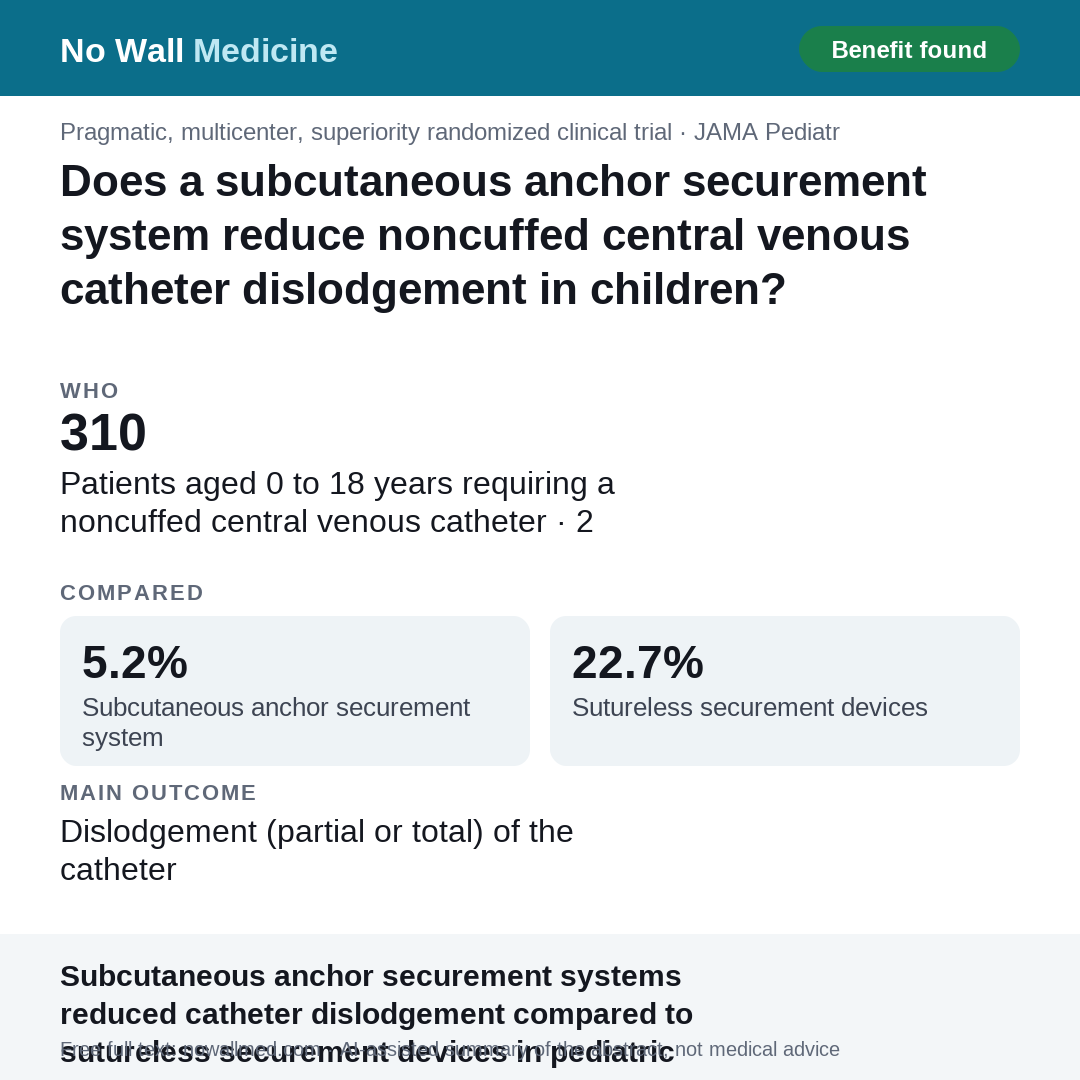
Securement to Prevent Noncuffed Central Venous Catheter Dislodgement in Pediatrics: The SECURED Superiority Randomized Clinical Trial
Pragmatic, multicenter, superiority randomized clinical trialBenefit found
Does a subcutaneous anchor securement system reduce noncuffed central venous catheter dislodgement in children?
Who
310
Patients aged 0 to 18 years requiring a noncuffed central venous catheter · 2 Australian quaternary pediatric hospitals
Compared
5.2%Subcutaneous anchor securement system (8/153)
22.7%Sutureless securement devices (35/154)
Main outcome
Dislodgement (partial or total) of the catheter
Result: risk ratio 0.23 (95% CI, 0.11-0.48)
Bottom line: Subcutaneous anchor securement systems reduced catheter dislodgement compared to sutureless securement devices in pediatric patients.
JAMA Pediatr · 2024-07-15Download image
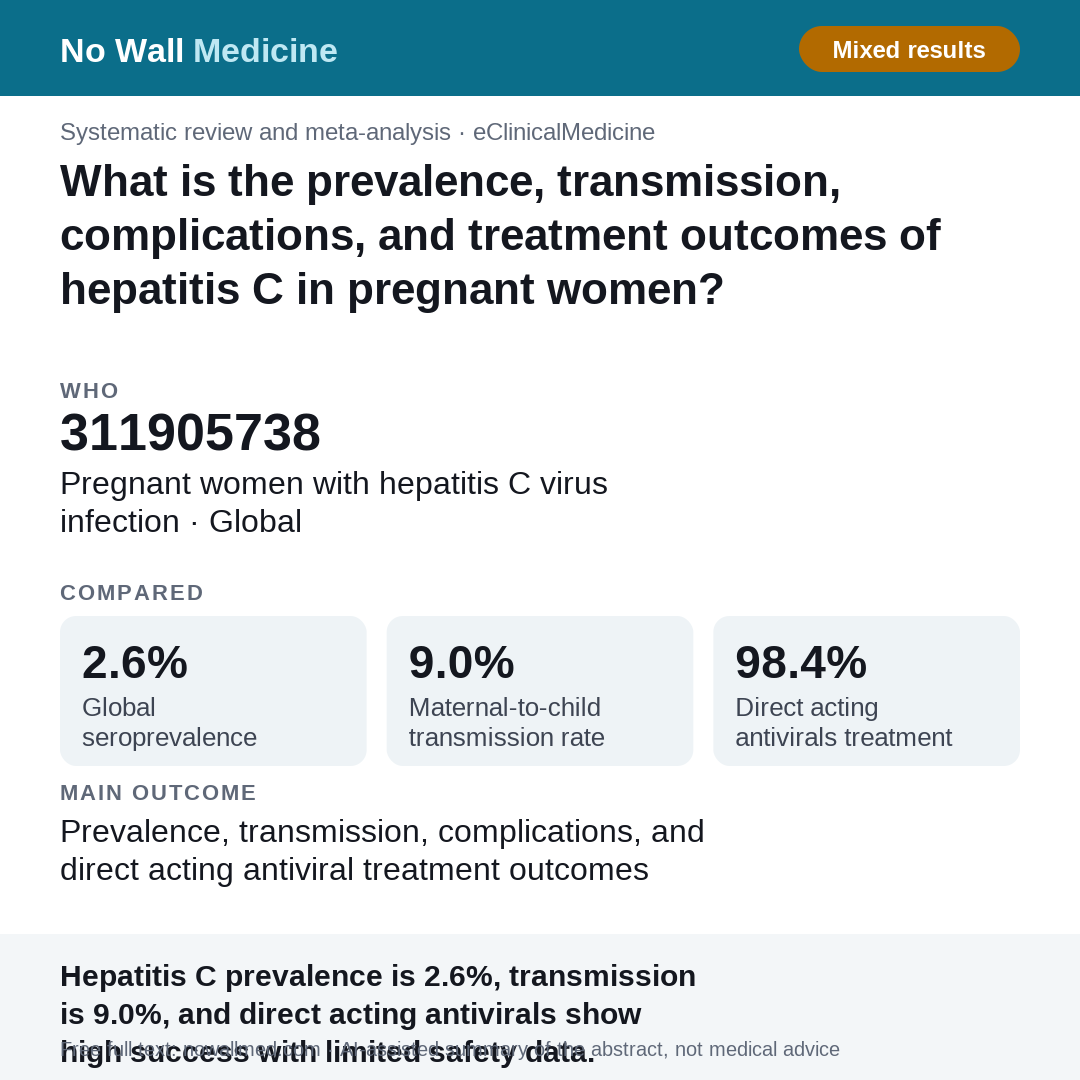
Global epidemiology, natural history, maternal-to-child transmission, and treatment with DAA of pregnant women with HCV: a systematic review and meta-analysis
Systematic review and meta-analysisMixed results
What is the prevalence, transmission, complications, and treatment outcomes of hepatitis C in pregnant women?
Who
311905738
Pregnant women with hepatitis C virus infection · Global
Compared
2.6%Global seroprevalence (95% CI: 2.0-3.2)
9.0%Maternal-to-child transmission rate (95% CI: 6.6-11.7)
98.4%Direct acting antivirals treatment (SVR12)
Main outcome
Prevalence, transmission, complications, and direct acting antiviral treatment outcomes
Bottom line: Hepatitis C prevalence is 2.6%, transmission is 9.0%, and direct acting antivirals show high success with limited safety data.
Limitation: Limited data suggest that direct acting antivirals are safe in pregnant women.
eClinicalMedicine · 2024-07-13Download image
Ivermectin therapy for young children with scabies infection: a multicentre phase 2 non-randomized trial
Multicentre, phase 2 non-randomized trialEarly signal
Is a 3 mg ivermectin dose effective for young children with scabies?
Who
100
Children aged 2-4 years, weighing 10-14 kg with scabies · Five health centres in Lao People's Democratic Republic
Compared
3 mg ivermectin dose: 815 μg h/L
Historical control group: 953 μg h/L
Main outcome
Mean plasma ivermectin exposure
Result: p = 0.256
Bottom line: A 3 mg ivermectin dose achieves comparable drug exposure and is effective for young children with scabies.
Funded by: Thrasher Foundation Early Career Research Award
Lancet Reg Health West Pac · 2024-07-13Download image

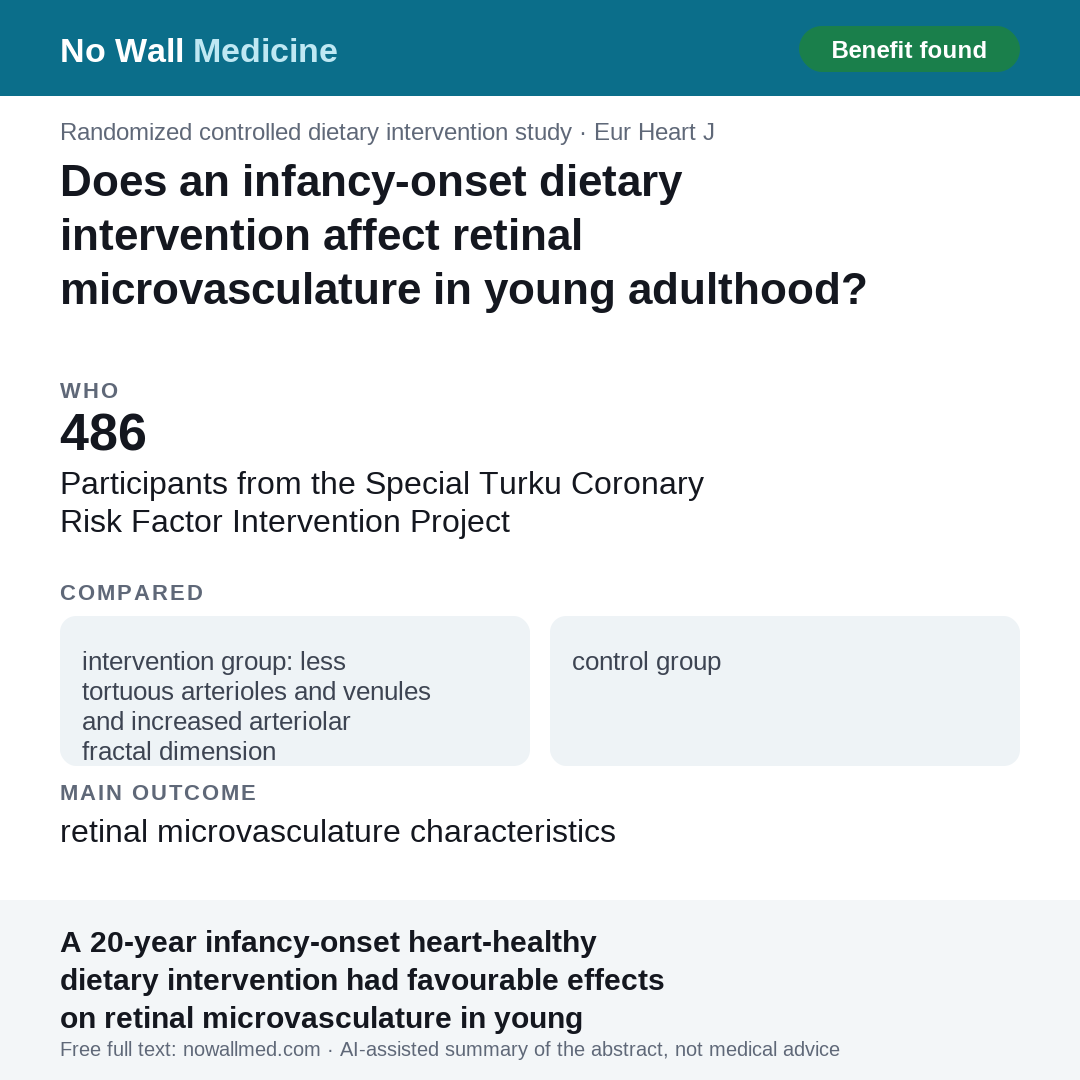
Randomized 20-year infancy-onset dietary intervention, life-long cardiovascular risk factors and retinal microvasculature
Randomized controlled dietary intervention studyBenefit found
Does an infancy-onset dietary intervention affect retinal microvasculature in young adulthood?
Who
486
Participants from the Special Turku Coronary Risk Factor Intervention Project
Compared
intervention group: less tortuous arterioles and venules and increased arteriolar fractal dimension
control group
Main outcome
retinal microvasculature characteristics
Bottom line: A 20-year infancy-onset heart-healthy dietary intervention had favourable effects on retinal microvasculature in young adulthood.
Eur Heart J · 2024-07-12Download image
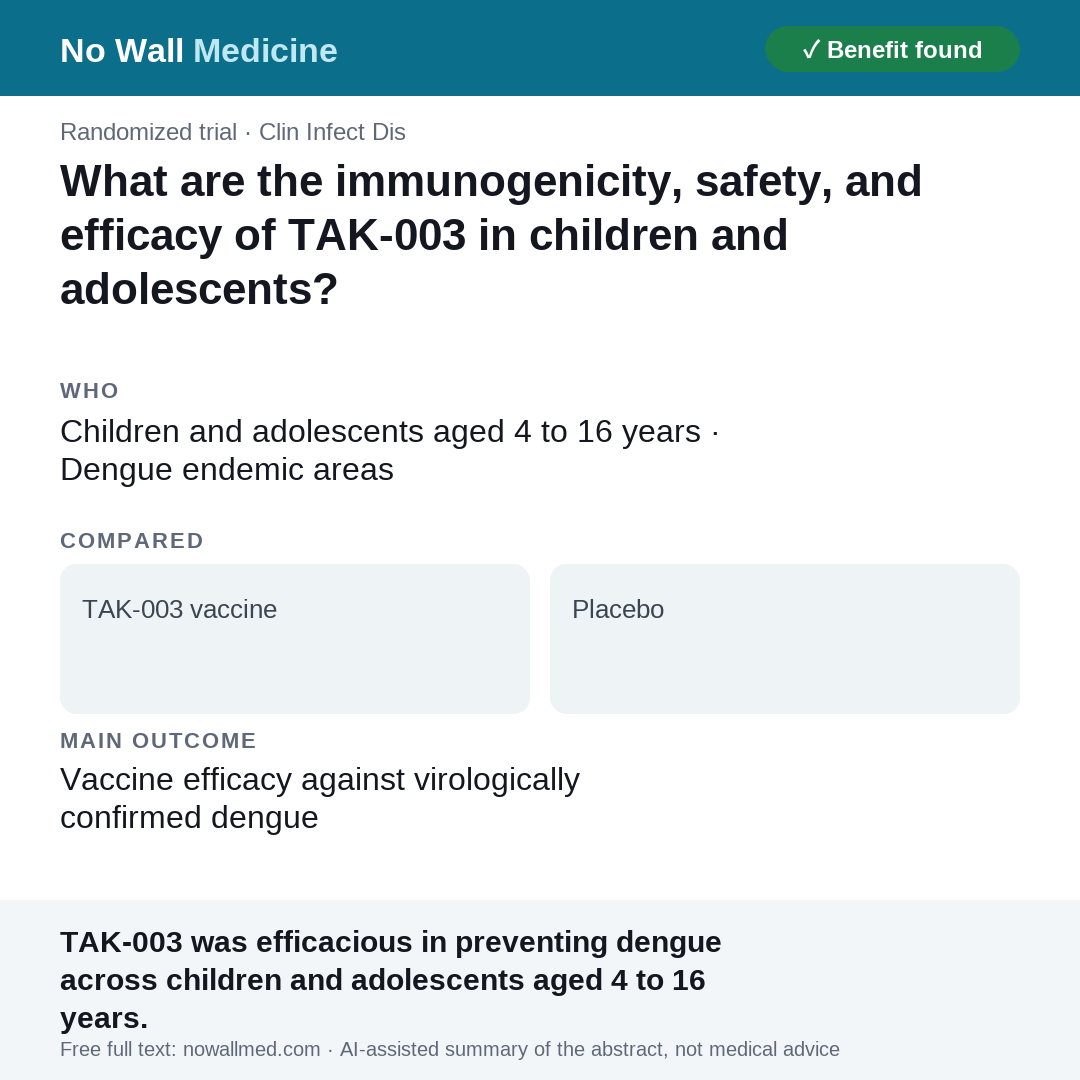
Immunogenicity, Safety, and Efficacy of a Tetravalent Dengue Vaccine in Children and Adolescents: An Analysis by Age Group
Randomized trialBenefit found
What are the immunogenicity, safety, and efficacy of TAK-003 in children and adolescents?
Who
Children and adolescents aged 4 to 16 years · Dengue endemic areas
Compared
TAK-003 vaccine
Placebo
Main outcome
Vaccine efficacy against virologically confirmed dengue
Bottom line: TAK-003 was efficacious in preventing dengue across children and adolescents aged 4 to 16 years.
Limitation: Lower efficacy in 4-5 year-olds may be confounded by serotype distribution and small sample size.
Clin Infect Dis · 2024-07-12Download image
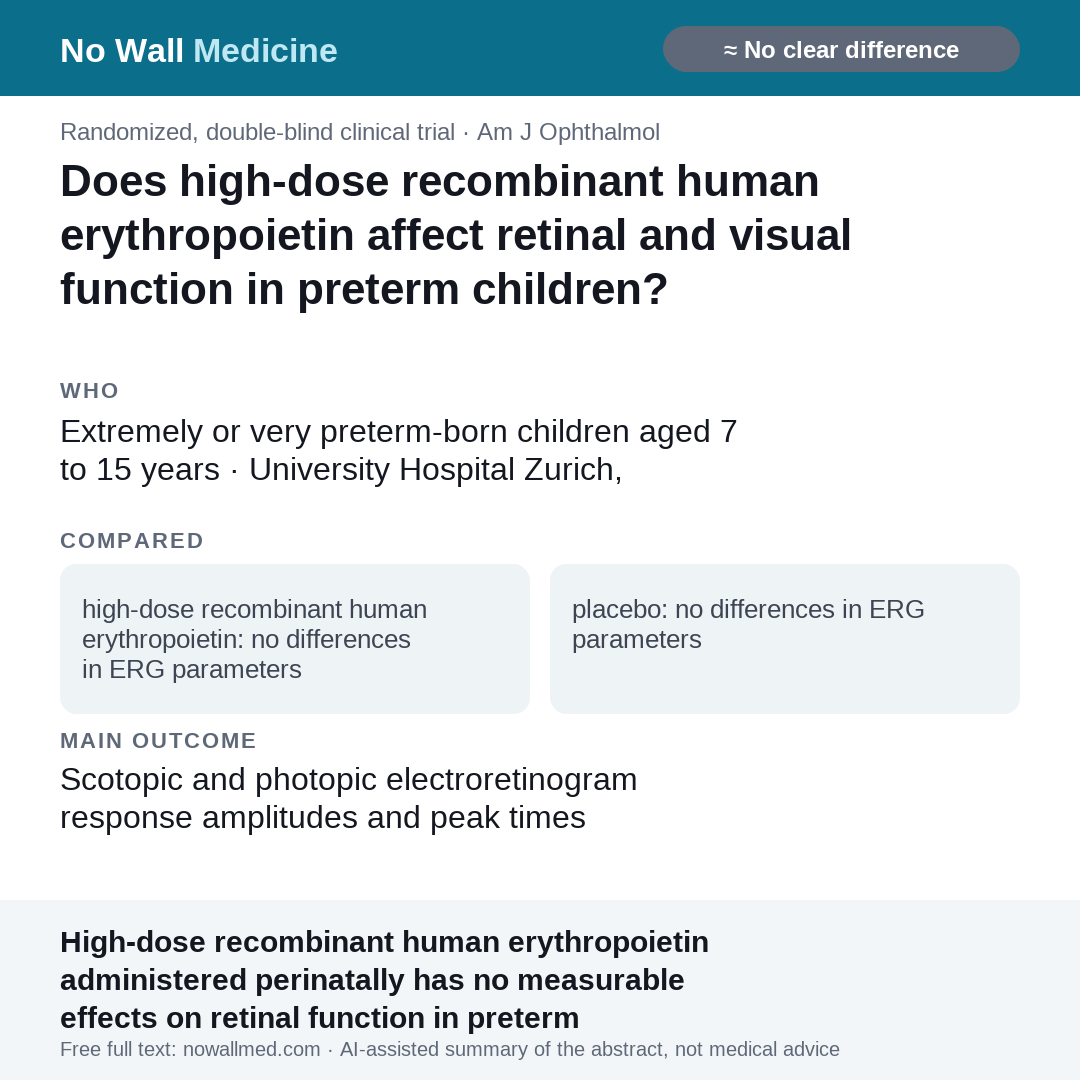
The Effect of High-Dose Erythropoietin Perinatally on Retinal Function in School-Aged Children Born Extremely or Very Preterm
Randomized, double-blind clinical trialNo clear difference
Does high-dose recombinant human erythropoietin affect retinal and visual function in preterm children?
Who
Extremely or very preterm-born children aged 7 to 15 years · University Hospital Zurich, Switzerland
Compared
high-dose recombinant human erythropoietin: no differences in ERG parameters
placebo: no differences in ERG parameters
Main outcome
Scotopic and photopic electroretinogram response amplitudes and peak times
Bottom line: High-dose recombinant human erythropoietin administered perinatally has no measurable effects on retinal function in preterm children.
Am J Ophthalmol · 2024-07-10Download image
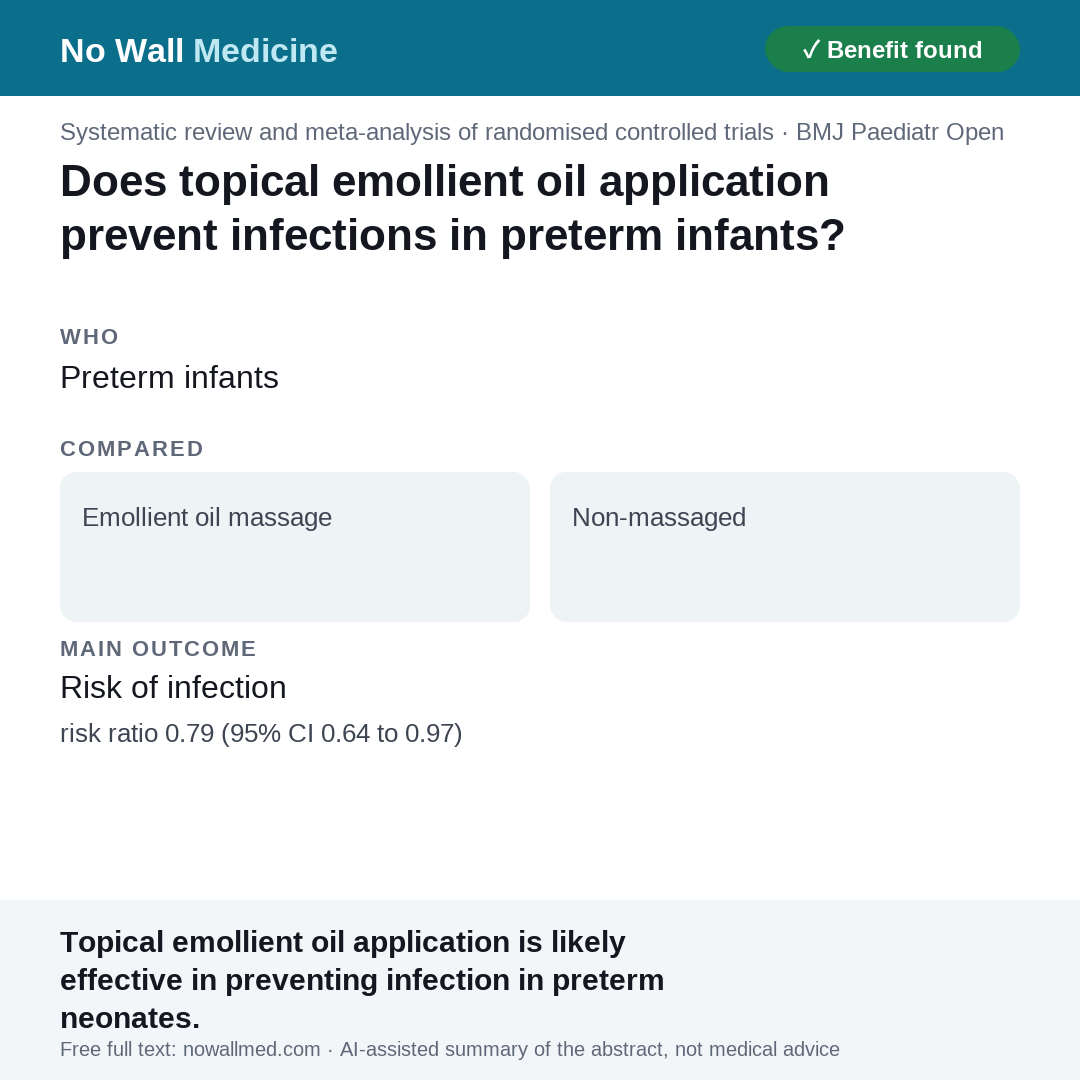
Infection in preterm infants receiving topical emollient oil massage: a systematic review and meta-analysis of randomised control trials
Systematic review and meta-analysis of randomised controlled trialsBenefit found
Does topical emollient oil application prevent infections in preterm infants?
Who
Preterm infants
Compared
Emollient oil massage
Non-massaged
Main outcome
Risk of infection
Result: risk ratio 0.79 (95% CI 0.64 to 0.97)
Bottom line: Topical emollient oil application is likely effective in preventing infection in preterm neonates.
Limitation: Further studies, particularly from the African continent, are warranted to support universal recommendations.
BMJ Paediatr Open · 2024-07-10Download image