Visual abstracts
New randomized trials and meta-analyses from leading journals at a glance: who was studied, what was compared, and what was found. Every paper is free to read in full.
All specialtiesCardiology 4763Oncology 4043Gastroenterology & Hepatology 1903Infectious Disease 3756Neurology 1872Psychiatry & Mental Health 2216Pulmonology 2044Critical Care 1319Endocrinology & Diabetes 2544Pediatrics 2889Surgery 2480Orthopedics & Sports Medicine 917Neurosurgery 525Cardiothoracic & Vascular Surgery 656Plastic & Reconstructive Surgery 574Nephrology 1107Rheumatology 810Hematology 1090Dermatology 611Ophthalmology 532Obstetrics & Gynecology 1645Public & Global Health 1037Radiology & Imaging 619Anesthesiology 958Urology 745ENT (Otolaryngology) 494Emergency Medicine 481Allergy & Immunology 309Geriatrics 972Family Medicine & Primary Care 534Medical Genetics & Genomics 659Pathology & Laboratory Medicine 156Physical Medicine & Rehabilitation 734Palliative Care 421Nutrition 1560Digital Health & AI 2137General Medicine 318
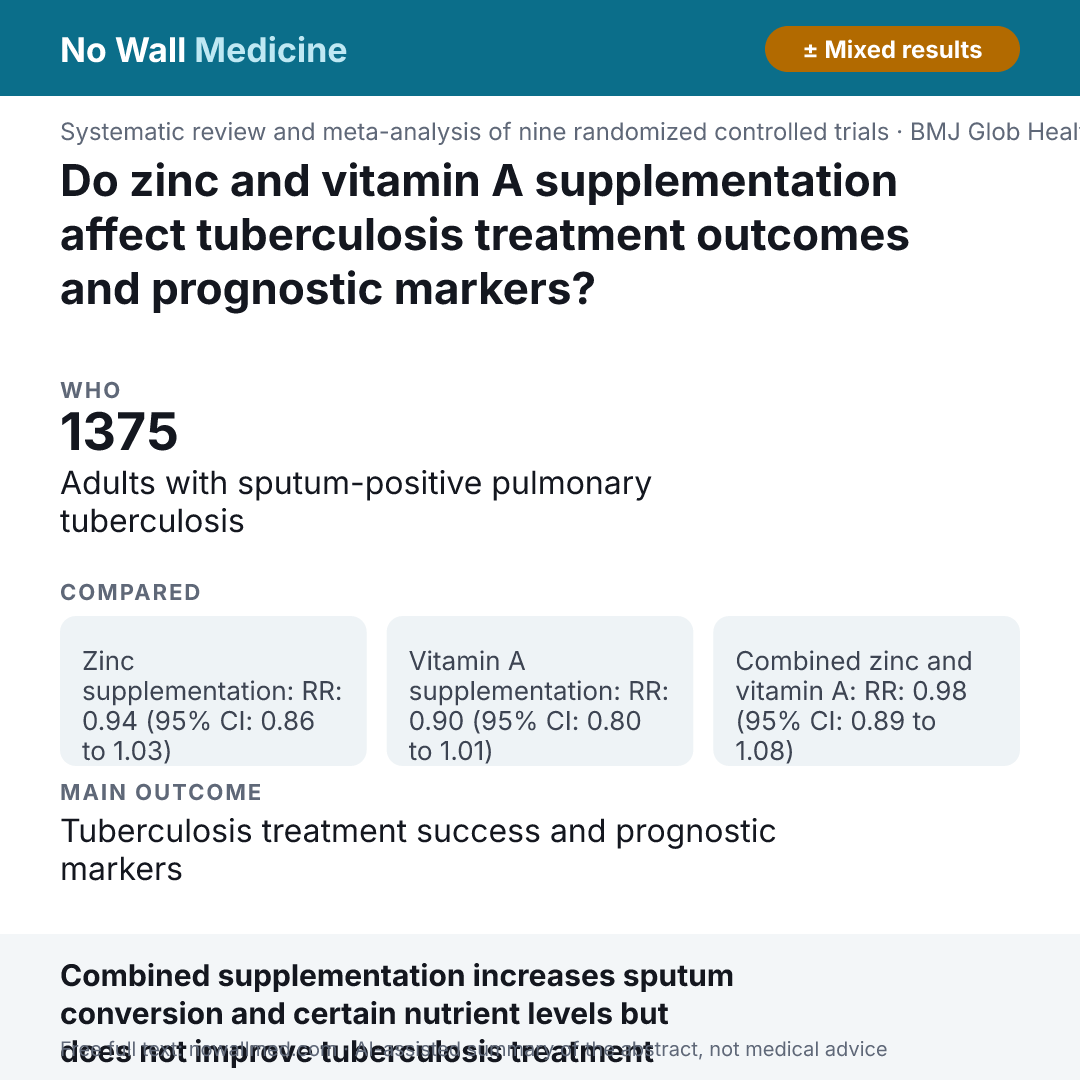
Effects of zinc and vitamin A supplementation on prognostic markers and treatment outcomes of adults with pulmonary tuberculosis: a systematic review and meta-analysis
Systematic review and meta-analysis of nine randomized controlled trialsMixed results
Do zinc and vitamin A supplementation affect tuberculosis treatment outcomes and prognostic markers?
Who
1375
Adults with sputum-positive pulmonary tuberculosis
Compared
Zinc supplementation: RR: 0.94 (95% CI: 0.86 to 1.03)
Vitamin A supplementation: RR: 0.90 (95% CI: 0.80 to 1.01)
Combined zinc and vitamin A: RR: 0.98 (95% CI: 0.89 to 1.08)
Main outcome
Tuberculosis treatment success and prognostic markers
Result: RR: 0.98 (95% CI: 0.89 to 1.08) for combined treatment success
Bottom line: Combined supplementation increases sputum conversion and certain nutrient levels but does not improve tuberculosis treatment success.
BMJ Glob Health · 2022-09-21 · Save PNG
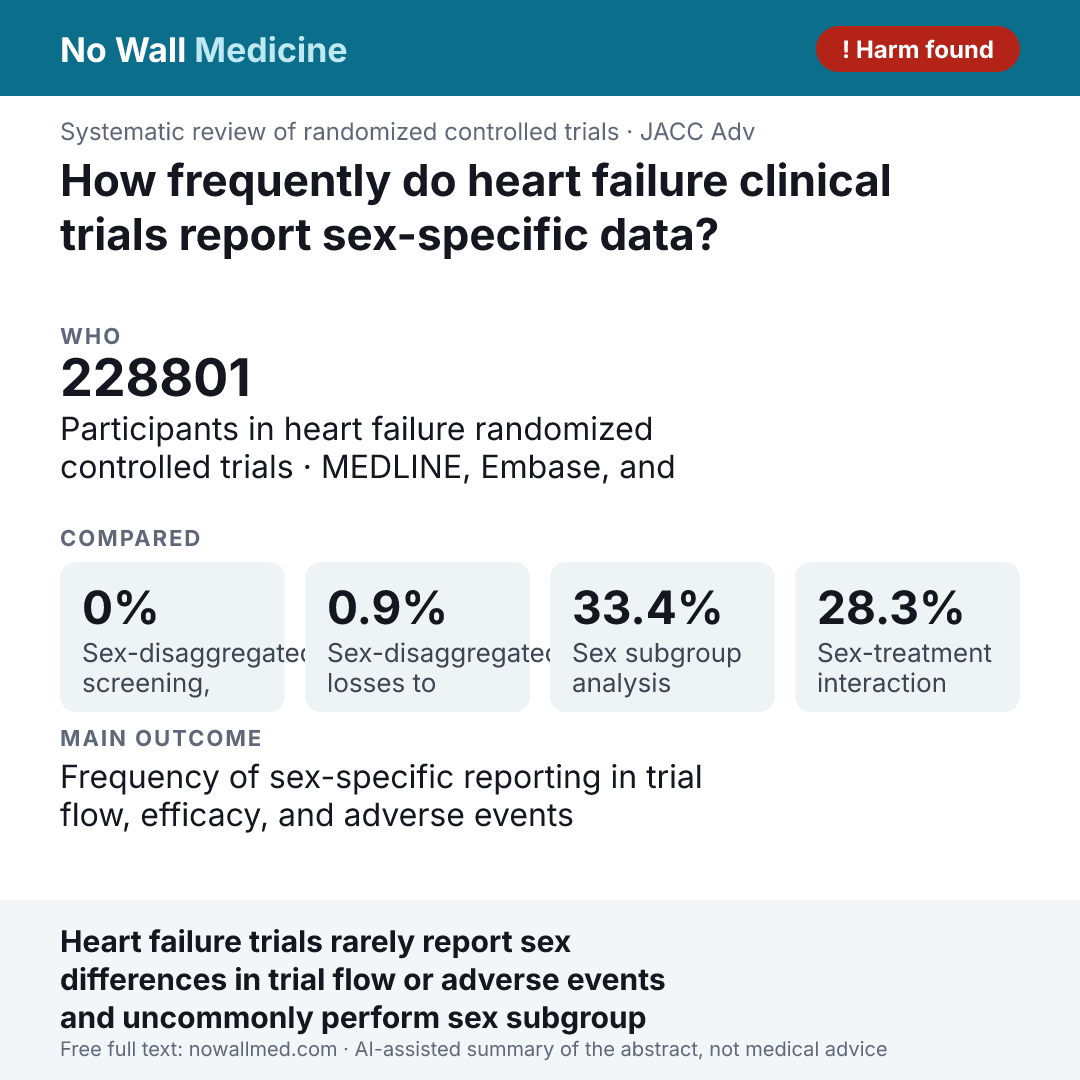
A Systematic Review of Sex-Specific Reporting in Heart Failure Clinical Trials: Trial Flow and Results
Systematic review of randomized controlled trialsHarm found
How frequently do heart failure clinical trials report sex-specific data?
Who
228801
Participants in heart failure randomized controlled trials · MEDLINE, Embase, and CINAHL databases
Compared
0%Sex-disaggregated screening, consent, or withdrawal
0.9%Sex-disaggregated losses to follow-up
33.4%Sex subgroup analysis
28.3%Sex-treatment interaction
Main outcome
Frequency of sex-specific reporting in trial flow, efficacy, and adverse events
Bottom line: Heart failure trials rarely report sex differences in trial flow or adverse events and uncommonly perform sex subgroup analysis.
JACC Adv · 2022-09-21 · Save PNG
Efficacy of psychotropic medications on suicide and self-injury: a meta-analysis of randomized controlled trials
Meta-analysis of randomized controlled trialsBenefit found
Are psychotropic medications efficacious for treating and preventing self-injurious thoughts and behaviors?
Who
Individuals with self-injurious thoughts and behaviors
Compared
Psychotropic medications: 8% reduction in self-injurious thoughts and behaviors frequency
Control
Main outcome
Self-injurious thoughts and behaviors frequency, symptoms, and severity
Result: 0.2 standard deviations reduction in symptoms and severity
Bottom line: Psychotropic medications produce small treatment effects on self-injurious thoughts and behaviors.
Limitation: Lack of studies intentionally including individuals with existing self-injurious thoughts and behaviors.
Transl Psychiatry · 2022-09-21 · Save PNG

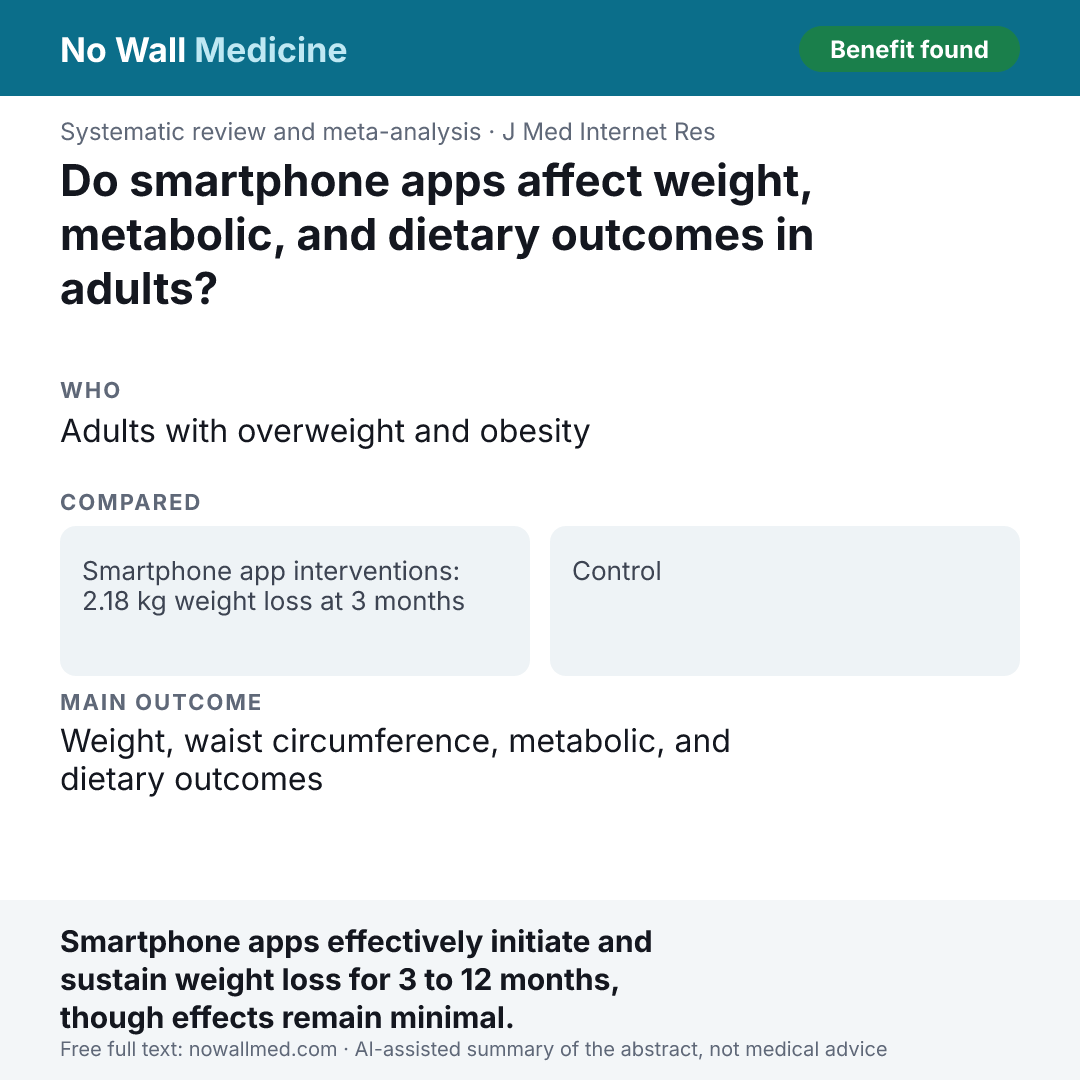
Sustainability of Weight Loss Through Smartphone Apps: Systematic Review and Meta-analysis on Anthropometric, Metabolic, and Dietary Outcomes
Systematic review and meta-analysisBenefit found
Do smartphone apps affect weight, metabolic, and dietary outcomes in adults?
Who
Adults with overweight and obesity
Compared
Smartphone app interventions: 2.18 kg weight loss at 3 months
Control
Main outcome
Weight, waist circumference, metabolic, and dietary outcomes
Bottom line: Smartphone apps effectively initiate and sustain weight loss for 3 to 12 months, though effects remain minimal.
Limitation: Future studies could consider various aspects of the socioecological model.
J Med Internet Res · 2022-09-21 · Save PNG
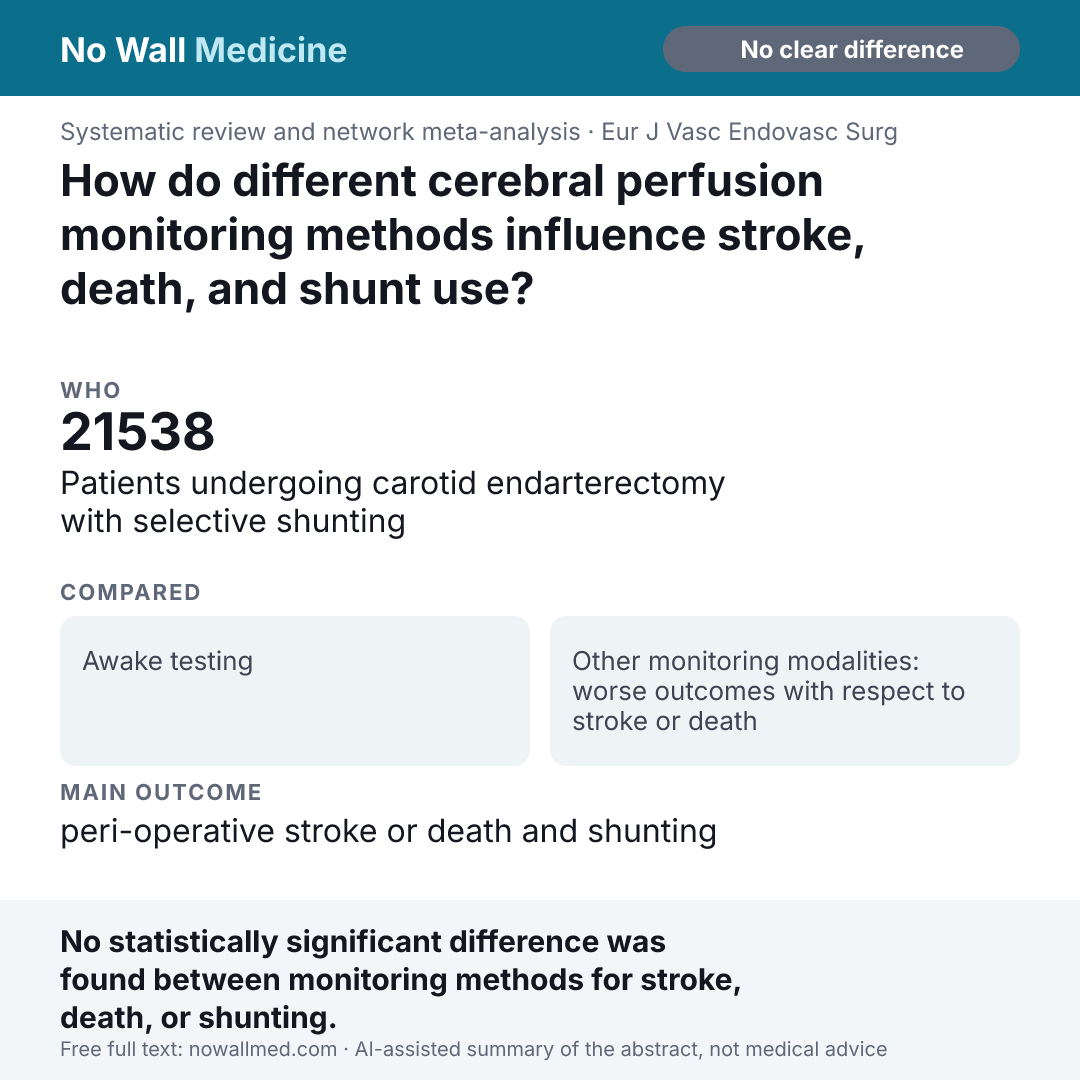
Pain Reduction With an Immersive Digital Therapeutic Tool in Women Living With Endometriosis-Related Pelvic Pain: Randomized Controlled Trial
Randomized controlled trialBenefit found
Does a single use of Endocare virtual reality reduce endometriosis-related pelvic pain?
Who
45
Women experiencing pelvic pain due to endometriosis
Compared
Endocare virtual reality: mean pain intensity 4.5 (SD 1.71)
2D digital control: mean pain intensity 5.0 (SD 1.43)
Main outcome
Perceived pain and pain relief
Bottom line: Endocare virtual reality significantly reduces endometriosis-related pelvic pain compared to a 2D digital control for up to 4 hours.
J Med Internet Res · 2022-09-21 · Save PNG
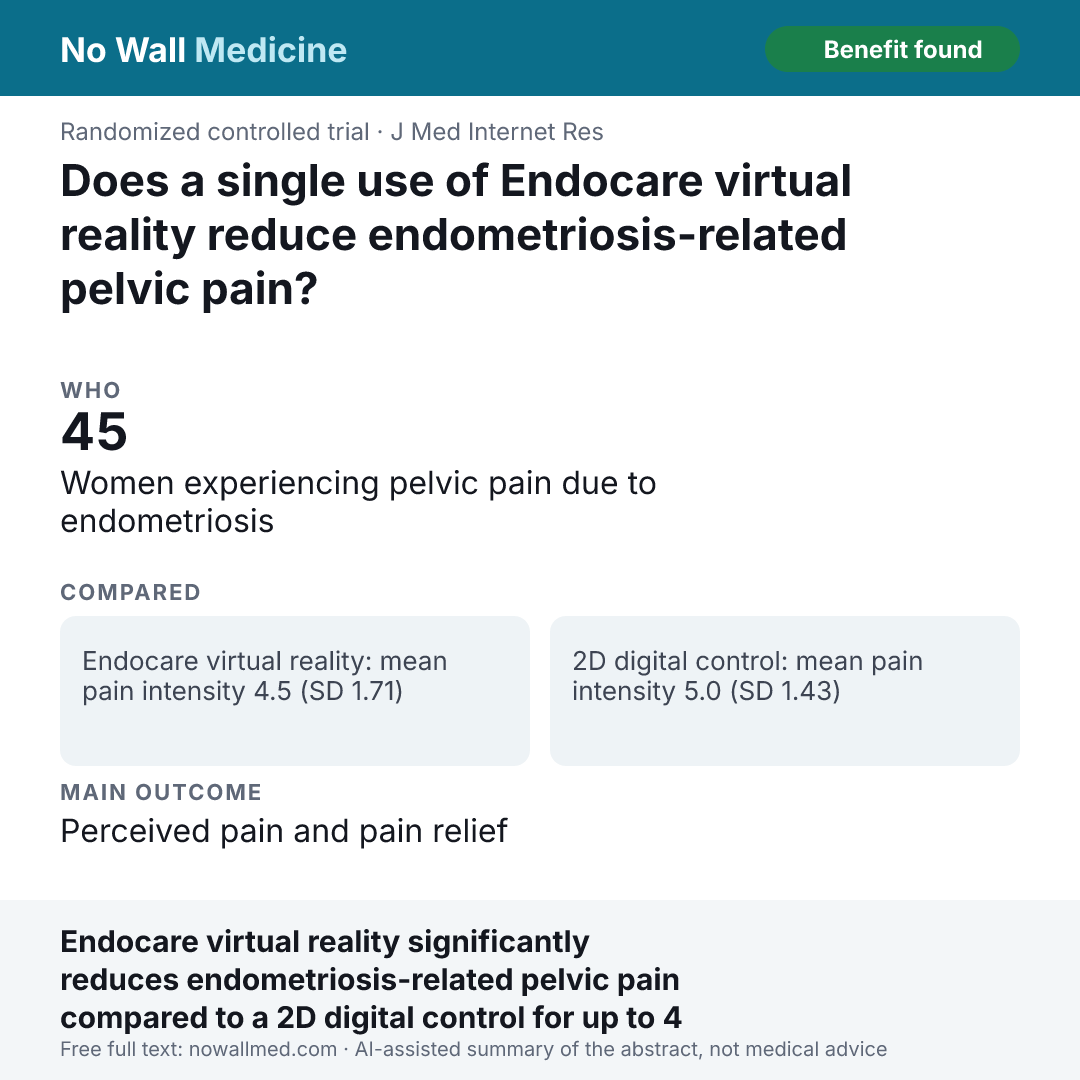
Effect of Helmet Noninvasive Ventilation vs Usual Respiratory Support on Mortality Among Patients With Acute Hypoxemic Respiratory Failure Due to COVID-19: The HELMET-COVID Randomized Clinical Trial
Multicenter, pragmatic, randomized clinical trialNo clear difference
Does helmet noninvasive ventilation reduce mortality in patients with acute hypoxemic respiratory failure due to COVID-19?
Who
320
Adult patients with acute hypoxemic respiratory failure due to COVID-19 · 8 sites in Saudi Arabia and Kuwait
Compared
27.0%Helmet noninvasive ventilation
26.1%Usual respiratory support
Main outcome
28-day all-cause mortality
Result: risk difference, 1.0% (95% CI, -8.7% to 10.6%)
Bottom line: Helmet noninvasive ventilation did not significantly reduce 28-day mortality compared with usual respiratory support in COVID-19 patients.
Limitation: Interpretation is limited by imprecision in the effect estimate.
JAMA · 2022-09-20 · Save PNG
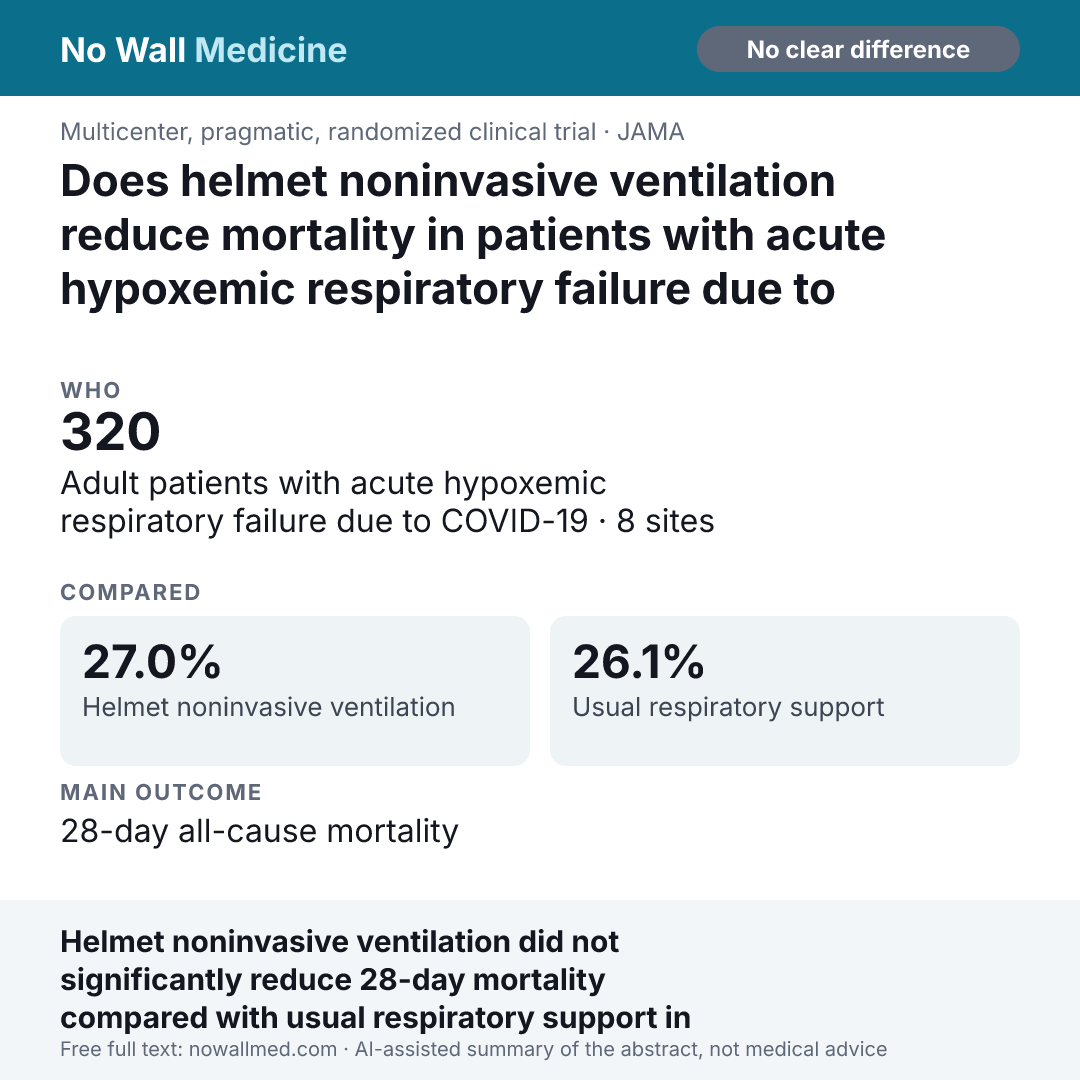
Effect of Tocilizumab on Disease Activity in Patients With Active Polymyalgia Rheumatica Receiving Glucocorticoid Therapy: A Randomized Clinical Trial
Double-blind, parallel-group, placebo-controlled randomized clinical trialBenefit found
Is tocilizumab effective compared to placebo in patients with glucocorticoid-dependent polymyalgia rheumatica?
Who
101
Patients with active glucocorticoid-dependent polymyalgia rheumatica · 17 hospitals in France
Compared
67.3%Tocilizumab
31.4%Placebo
Main outcome
CRP PMR-AS < 10 and reduced prednisone dose
Result: adjusted difference, 36.0% (95% CI, 19.4%-52.6%)
Bottom line: Tocilizumab resulted in a significantly greater percentage of patients achieving low disease activity and reduced prednisone requirements.
JAMA · 2022-09-20 · Save PNG
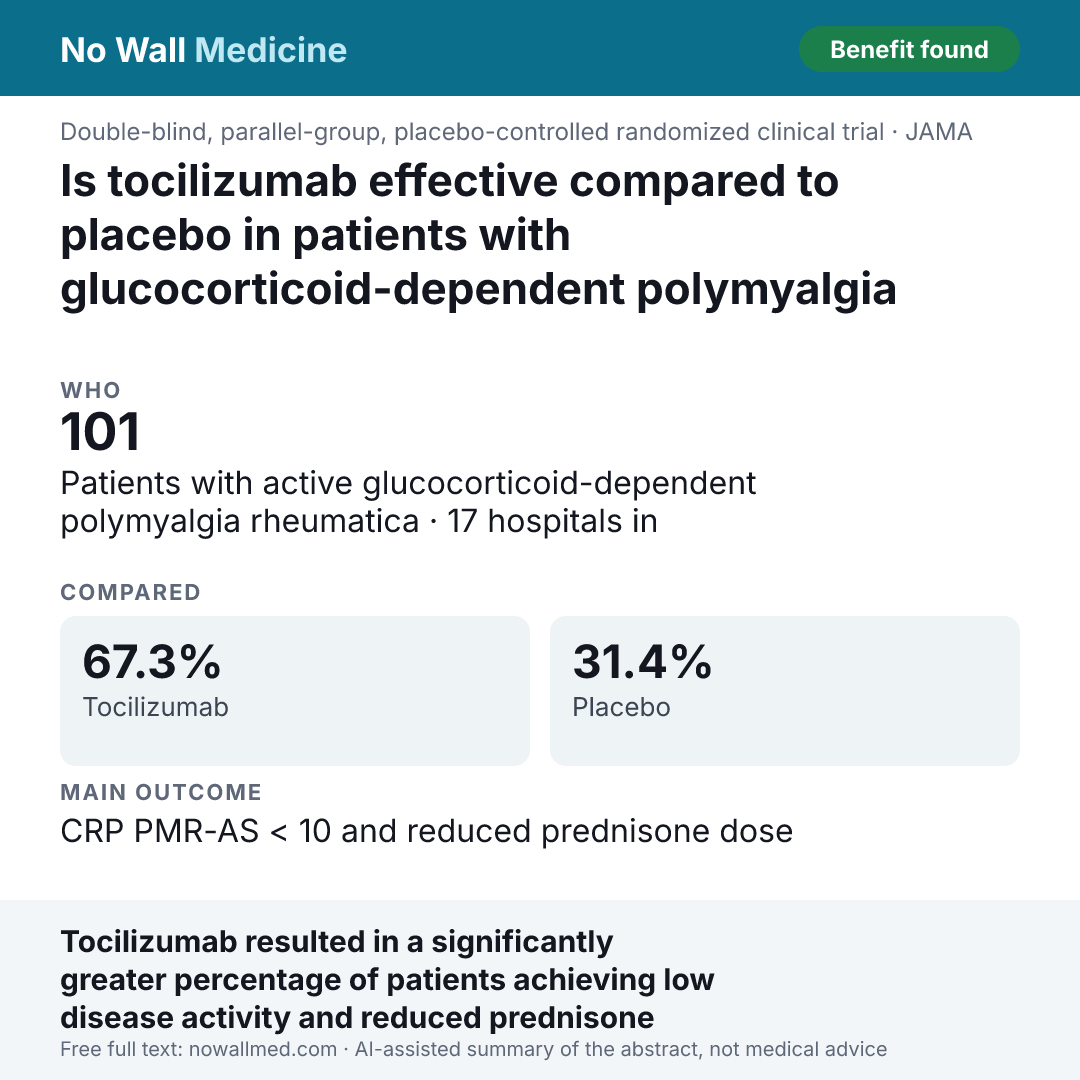
Comparison of Methods for Monitoring Intra-operative Cerebral Perfusion in Patients Undergoing Carotid Endarterectomy with Selective Shunting: A Systematic Review and Network Meta-Analysis of Randomised Controlled Trials and Cohort Studies
Systematic review and network meta-analysisNo clear difference
How do different cerebral perfusion monitoring methods influence stroke, death, and shunt use?
Who
21538
Patients undergoing carotid endarterectomy with selective shunting
Compared
Awake testing
Other monitoring modalities: worse outcomes with respect to stroke or death
Main outcome
peri-operative stroke or death and shunting
Bottom line: No statistically significant difference was found between monitoring methods for stroke, death, or shunting.
Limitation: There is a lack of high quality data on this topic in the literature.
Eur J Vasc Endovasc Surg · 2022-09-20 · Save PNG
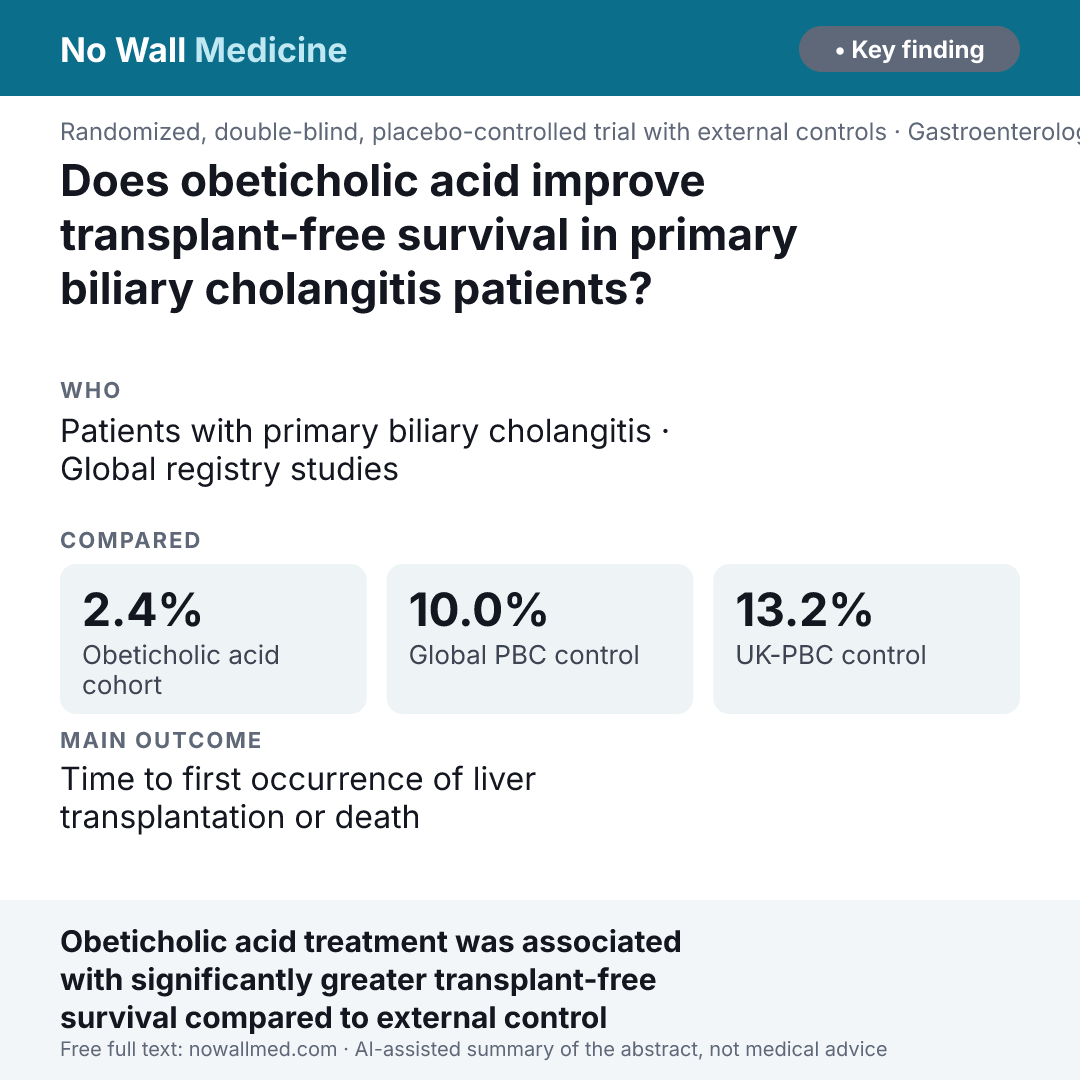
Greater Transplant-Free Survival in Patients Receiving Obeticholic Acid for Primary Biliary Cholangitis in a Clinical Trial Setting Compared to Real-World External Controls
Randomized, double-blind, placebo-controlled trial with external controlsKey finding
Does obeticholic acid improve transplant-free survival in primary biliary cholangitis patients?
Who
Patients with primary biliary cholangitis · Global registry studies
Compared
2.4%Obeticholic acid cohort
10.0%Global PBC control
13.2%UK-PBC control
Main outcome
Time to first occurrence of liver transplantation or death
Result: hazard ratio 0.29 (95% CI, 0.10-0.83) and 0.30 (95% CI, 0.12-0.75)
Bottom line: Obeticholic acid treatment was associated with significantly greater transplant-free survival compared to external control patients.
Gastroenterology · 2022-09-20 · Save PNG
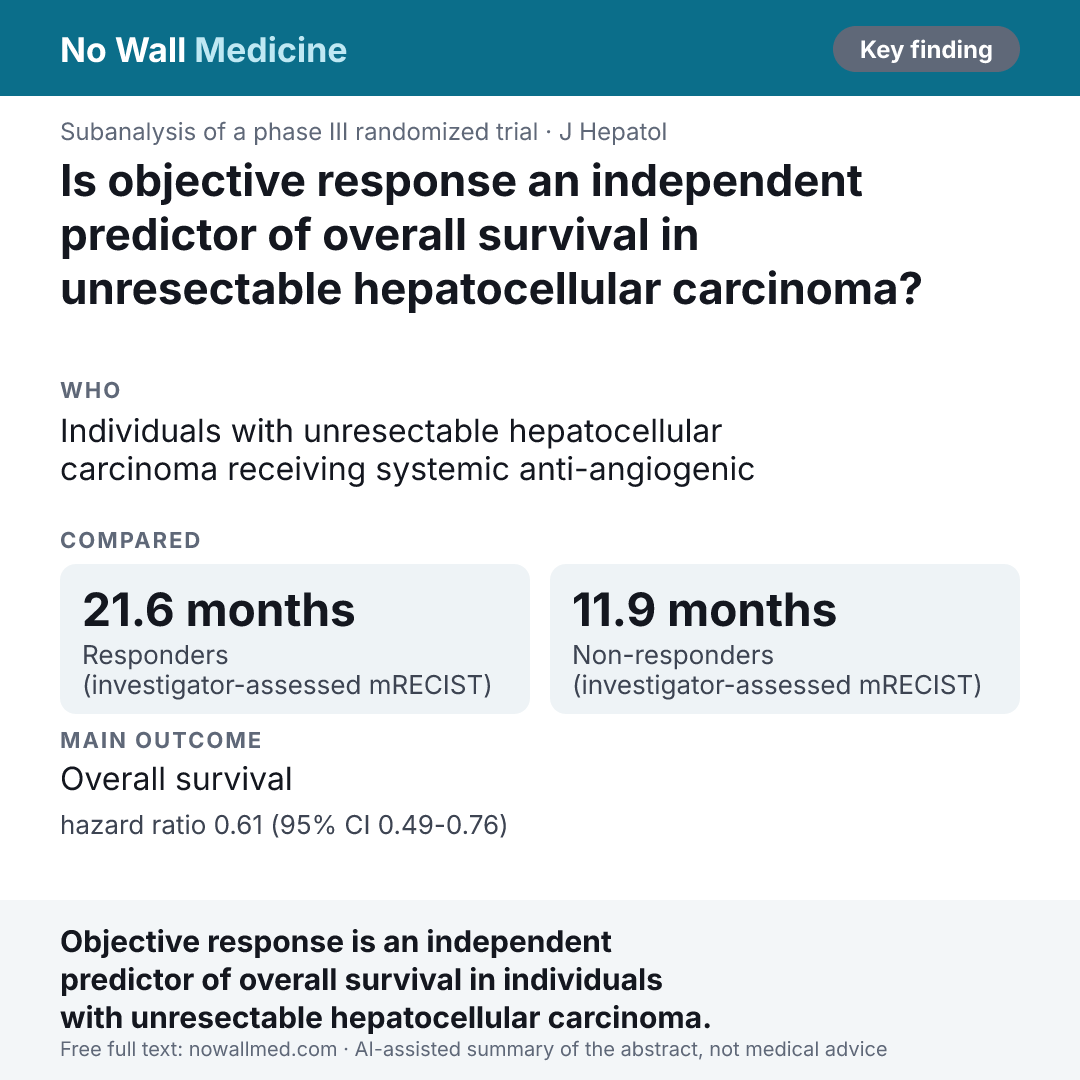
Overall survival and objective response in advanced unresectable hepatocellular carcinoma: A subanalysis of the REFLECT study
Subanalysis of a phase III randomized trialKey finding
Is objective response an independent predictor of overall survival in unresectable hepatocellular carcinoma?
Who
Individuals with unresectable hepatocellular carcinoma receiving systemic anti-angiogenic therapy
Compared
21.6 monthsResponders (investigator-assessed mRECIST) (95% CI 18.6-24.5)
11.9 monthsNon-responders (investigator-assessed mRECIST) (95% CI 10.7-12.8)
Main outcome
Overall survival
Result: hazard ratio 0.61 (95% CI 0.49-0.76)
Bottom line: Objective response is an independent predictor of overall survival in individuals with unresectable hepatocellular carcinoma.
Limitation: Additional studies are needed to confirm surrogacy and validity for other systemic treatments.
J Hepatol · 2022-09-20 · Save PNG
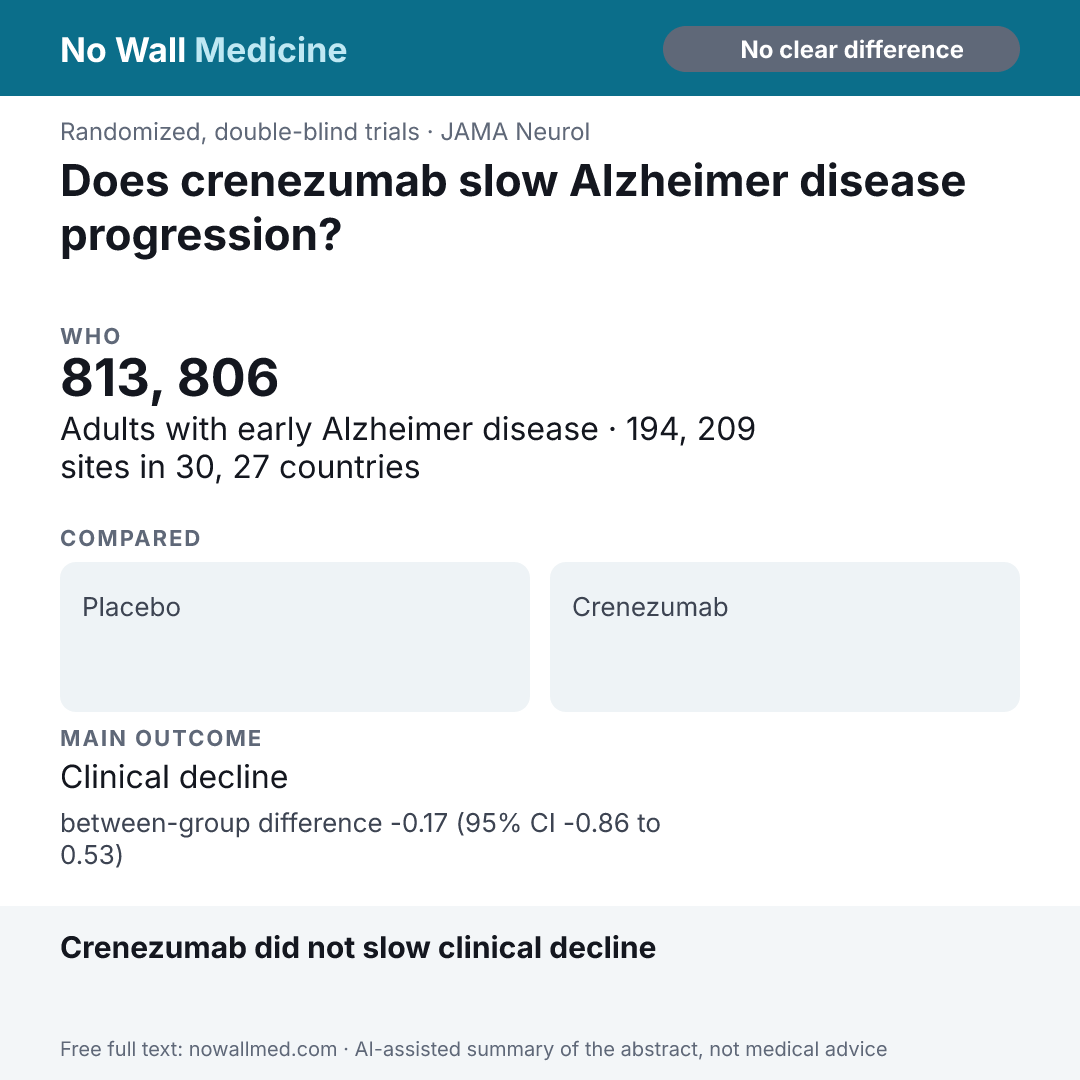
Evaluating the Safety and Efficacy of Crenezumab vs Placebo in Adults With Early Alzheimer Disease: Two Phase 3 Randomized Placebo-Controlled Trials
Randomized, double-blind trialsNo clear difference
Does crenezumab slow Alzheimer disease progression?
Who
813, 806
Adults with early Alzheimer disease · 194, 209 sites in 30, 27 countries
Compared
Placebo
Crenezumab
Main outcome
Clinical decline
Result: between-group difference -0.17 (95% CI -0.86 to 0.53)
Bottom line: Crenezumab did not slow clinical decline
JAMA Neurol · 2022-09-20 · Save PNG
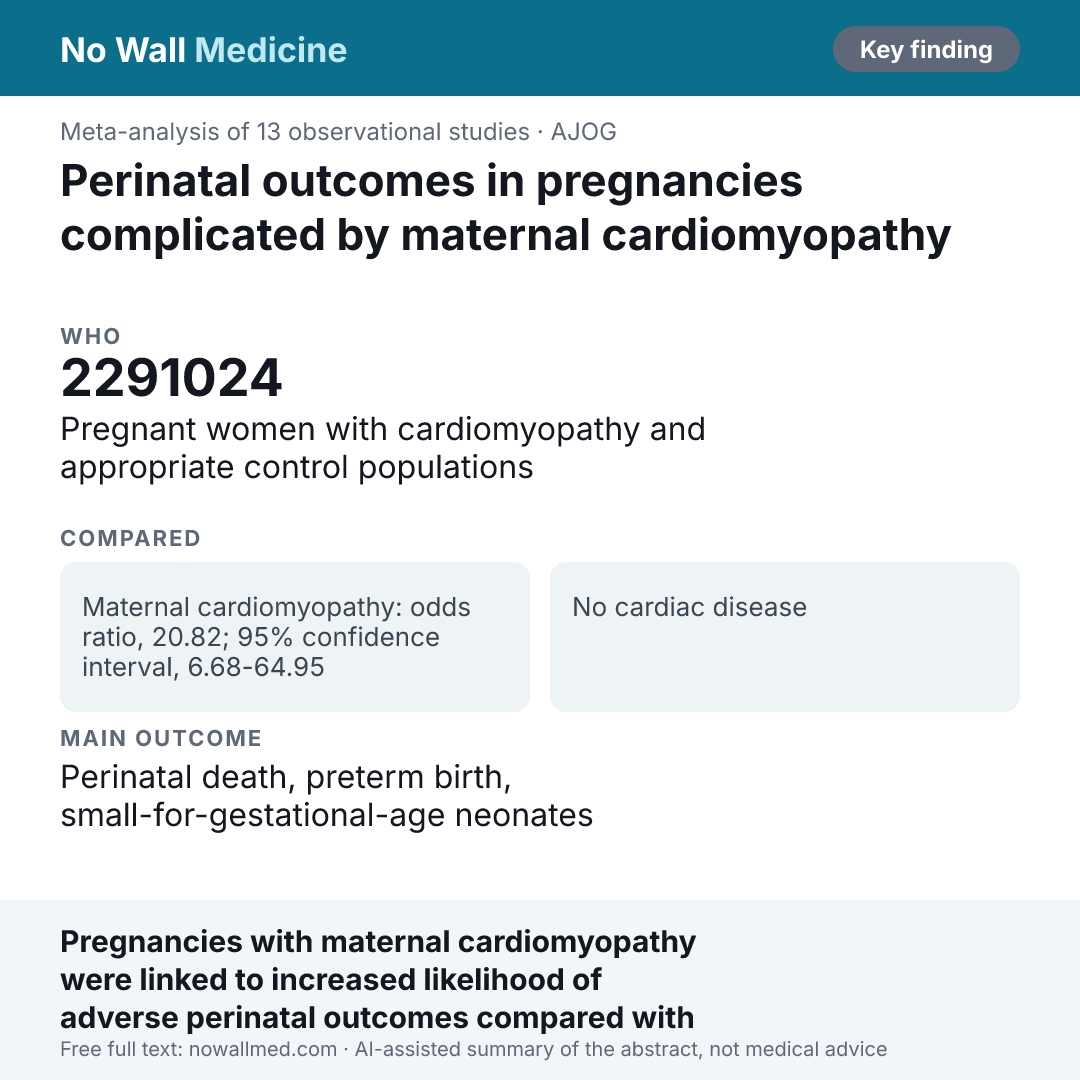
Perinatal outcomes in pregnancies complicated by maternal cardiomyopathy: a systematic review and meta-analysis
Meta-analysis of 13 observational studiesKey finding
Perinatal outcomes in pregnancies complicated by maternal cardiomyopathy
Who
2291024
Pregnant women with cardiomyopathy and appropriate control populations
Compared
Maternal cardiomyopathy: odds ratio, 20.82; 95% confidence interval, 6.68-64.95
No cardiac disease
Main outcome
Perinatal death, preterm birth, small-for-gestational-age neonates
Result: stillbirth: odds ratio, 20.82; 95% confidence interval, 6.68-64.95
Bottom line: Pregnancies with maternal cardiomyopathy were linked to increased likelihood of adverse perinatal outcomes compared with controls.
AJOG · 2022-09-20 · Save PNG
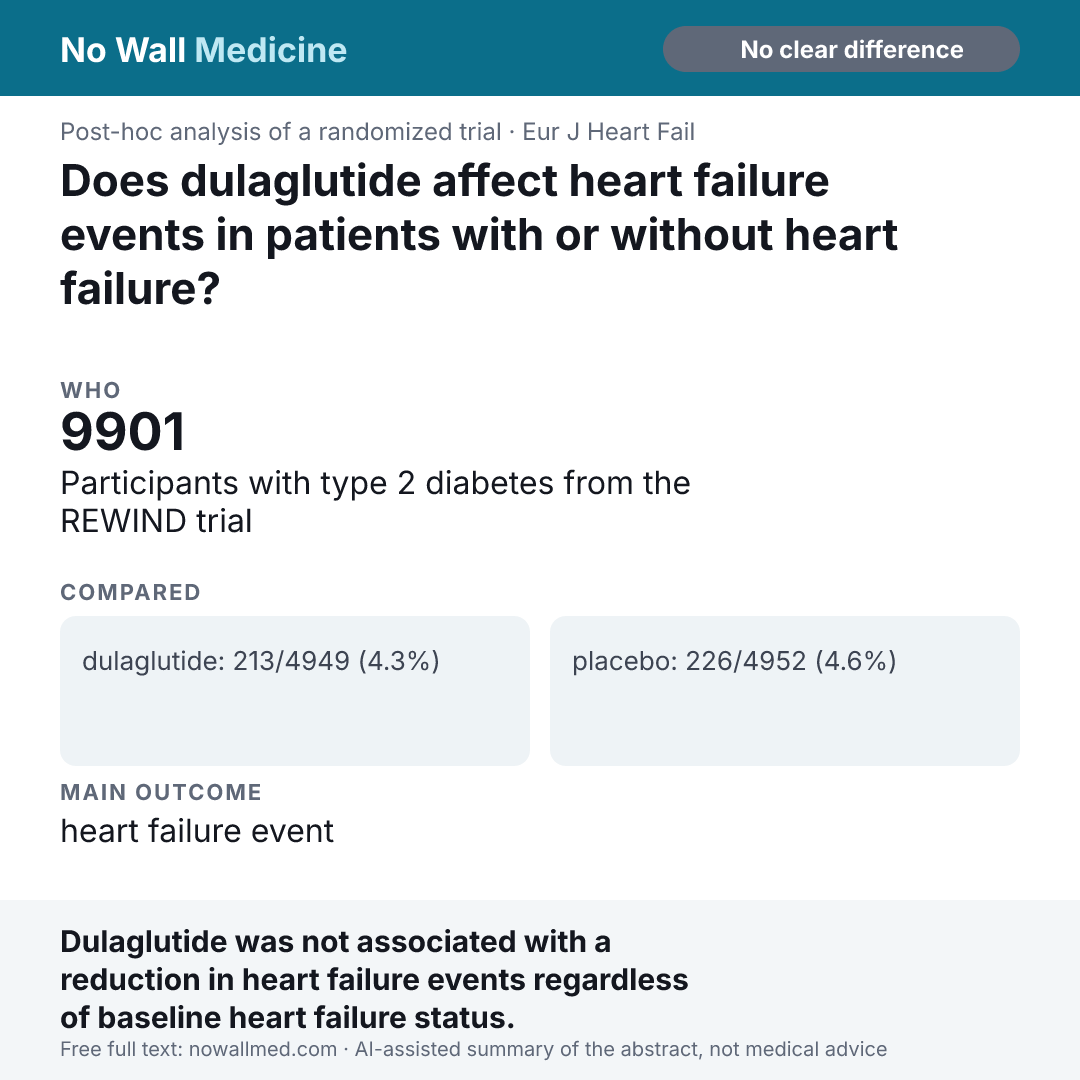
Dulaglutide and cardiovascular and heart failure outcomes in patients with and without heart failure: a post-hoc analysis from the REWIND randomized trial
Post-hoc analysis of a randomized trialNo clear difference
Does dulaglutide affect heart failure events in patients with or without heart failure?
Who
9901
Participants with type 2 diabetes from the REWIND trial
Compared
dulaglutide: 213/4949 (4.3%)
placebo: 226/4952 (4.6%)
Main outcome
heart failure event
Result: hazard ratio 0.93 (95% CI 0.77-1.12)
Bottom line: Dulaglutide was not associated with a reduction in heart failure events regardless of baseline heart failure status.
Eur J Heart Fail · 2022-09-20 · Save PNG
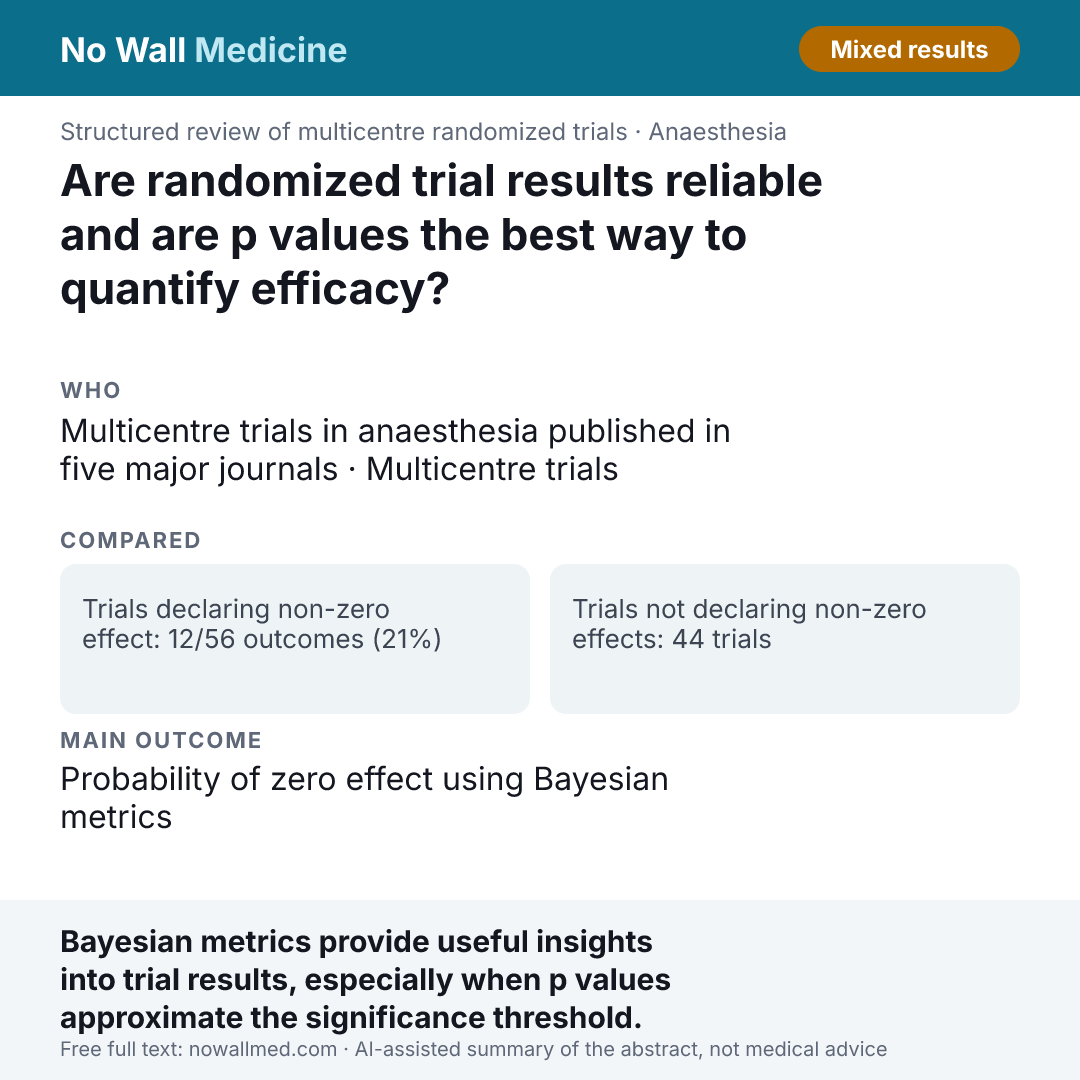
Multicentre randomised trials in anaesthesia: an analysis using Bayesian metrics
Structured review of multicentre randomized trialsMixed results
Are randomized trial results reliable and are p values the best way to quantify efficacy?
Who
Multicentre trials in anaesthesia published in five major journals · Multicentre trials published between February 2011 and November 2021
Compared
Trials declaring non-zero effect: 12/56 outcomes (21%)
Trials not declaring non-zero effects: 44 trials
Main outcome
Probability of zero effect using Bayesian metrics
Bottom line: Bayesian metrics provide useful insights into trial results, especially when p values approximate the significance threshold.
Anaesthesia · 2022-09-20 · Save PNG
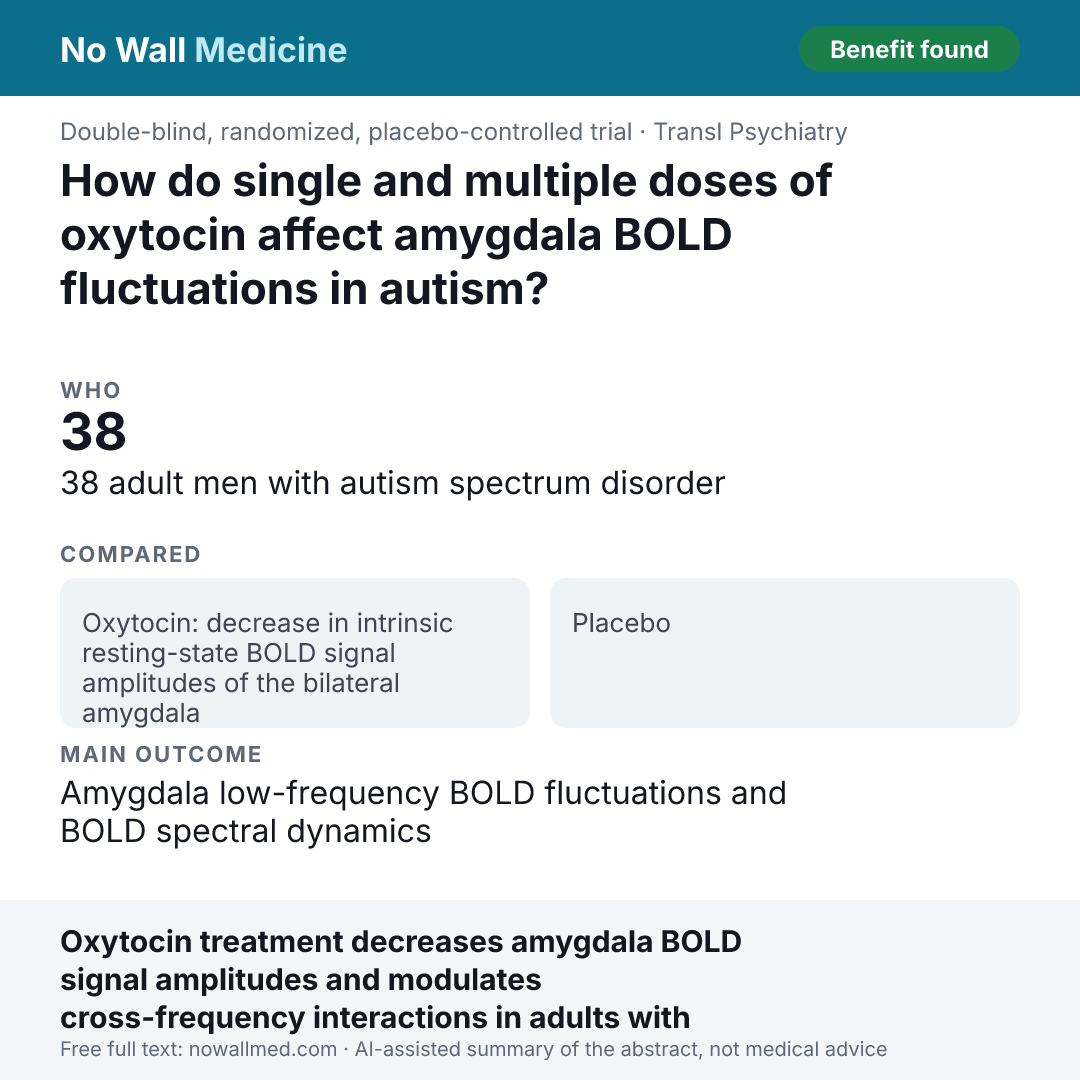
Effects of single- and multiple-dose oxytocin treatment on amygdala low-frequency BOLD fluctuations and BOLD spectral dynamics in autism
Double-blind, randomized, placebo-controlled trialBenefit found
How do single and multiple doses of oxytocin affect amygdala BOLD fluctuations in autism?
Who
38
38 adult men with autism spectrum disorder
Compared
Oxytocin: decrease in intrinsic resting-state BOLD signal amplitudes of the bilateral amygdala
Placebo
Main outcome
Amygdala low-frequency BOLD fluctuations and BOLD spectral dynamics
Bottom line: Oxytocin treatment decreases amygdala BOLD signal amplitudes and modulates cross-frequency interactions in adults with autism.
Transl Psychiatry · 2022-09-20 · Save PNG
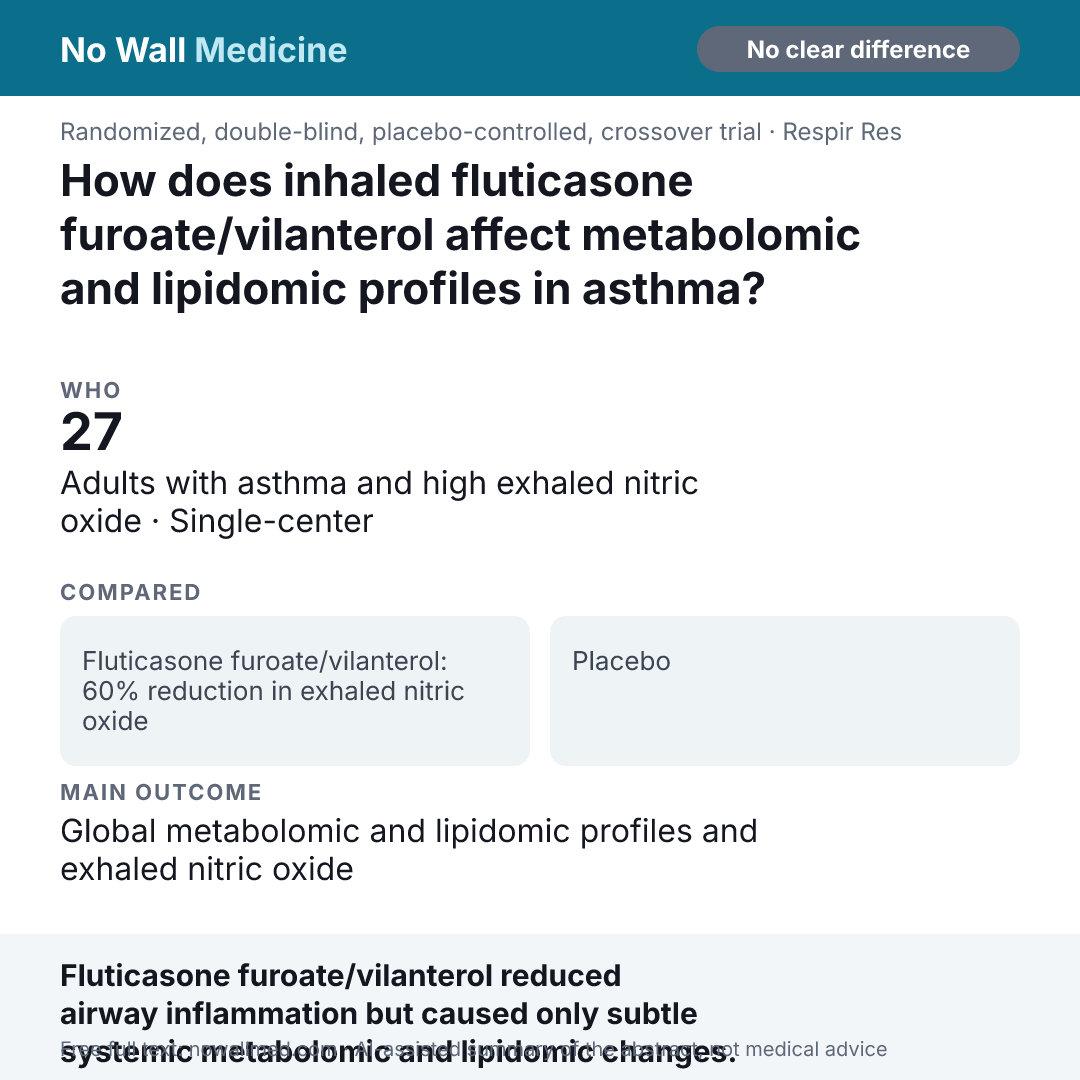
Metabolomic changes related to airway inflammation, asthma pathogenesis and systemic activity following inhaled fluticasone furoate/vilanterol: a randomized controlled trial
Randomized, double-blind, placebo-controlled, crossover trialNo clear difference
How does inhaled fluticasone furoate/vilanterol affect metabolomic and lipidomic profiles in asthma?
Who
27
Adults with asthma and high exhaled nitric oxide · Single-center
Compared
Fluticasone furoate/vilanterol: 60% reduction in exhaled nitric oxide
Placebo
Main outcome
Global metabolomic and lipidomic profiles and exhaled nitric oxide
Bottom line: Fluticasone furoate/vilanterol reduced airway inflammation but caused only subtle systemic metabolomic and lipidomic changes.
Respir Res · 2022-09-20 · Save PNG
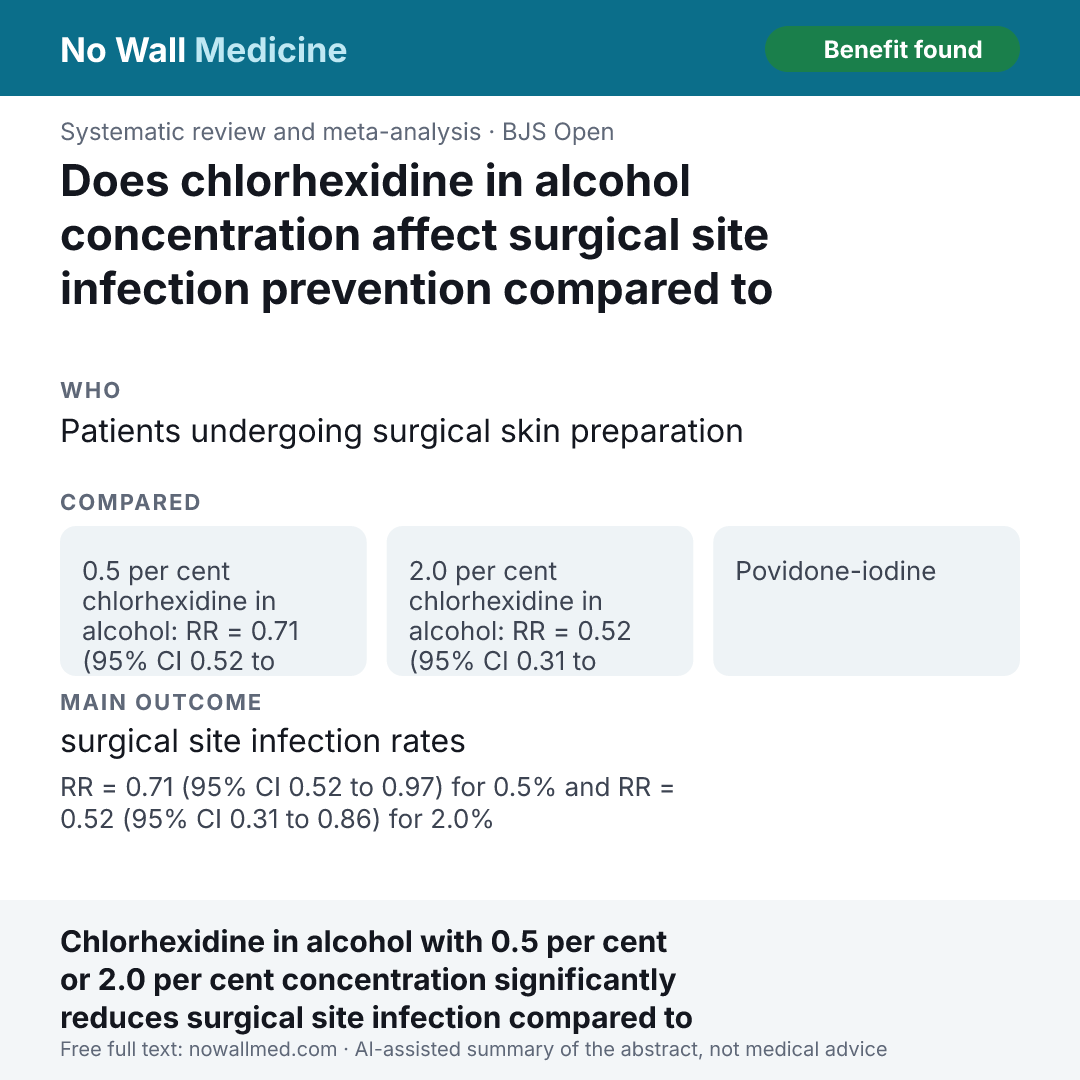
Efficacy of surgical skin preparation with chlorhexidine in alcohol according to the concentration required to prevent surgical site infection: meta-analysis
Systematic review and meta-analysisBenefit found
Does chlorhexidine in alcohol concentration affect surgical site infection prevention compared to povidone-iodine?
Who
Patients undergoing surgical skin preparation
Compared
0.5 per cent chlorhexidine in alcohol: RR = 0.71 (95% CI 0.52 to 0.97)
2.0 per cent chlorhexidine in alcohol: RR = 0.52 (95% CI 0.31 to 0.86)
Povidone-iodine
Main outcome
surgical site infection rates
Result: RR = 0.71 (95% CI 0.52 to 0.97) for 0.5% and RR = 0.52 (95% CI 0.31 to 0.86) for 2.0%
Bottom line: Chlorhexidine in alcohol with 0.5 per cent or 2.0 per cent concentration significantly reduces surgical site infection compared to povidone-iodine.
BJS Open · 2022-09-20 · Save PNG
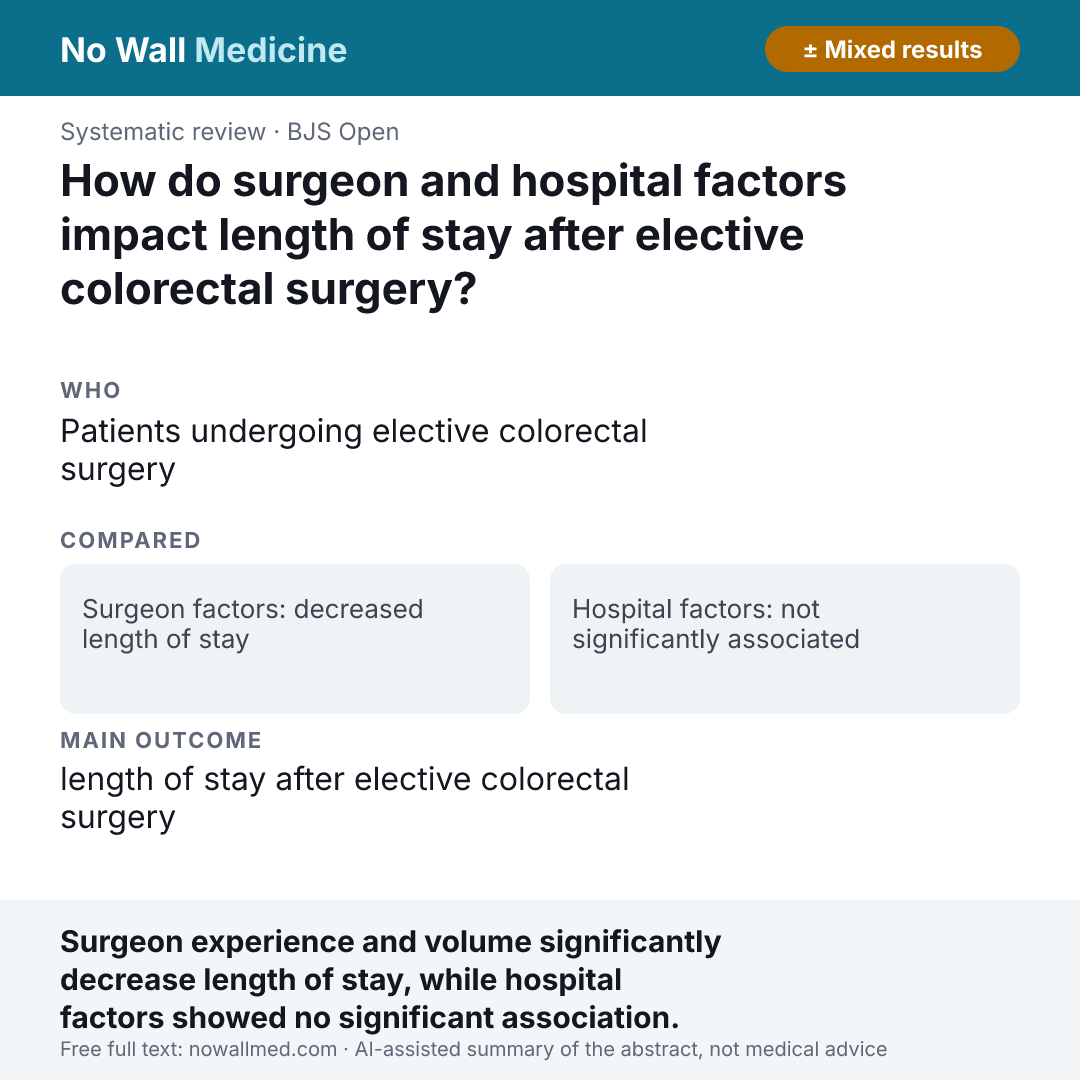
Impact of surgeon and hospital factors on length of stay after colorectal surgery systematic review
Systematic reviewMixed results
How do surgeon and hospital factors impact length of stay after elective colorectal surgery?
Who
Patients undergoing elective colorectal surgery
Compared
Surgeon factors: decreased length of stay
Hospital factors: not significantly associated
Main outcome
length of stay after elective colorectal surgery
Bottom line: Surgeon experience and volume significantly decrease length of stay, while hospital factors showed no significant association.
Limitation: All included studies were retrospective
BJS Open · 2022-09-20 · Save PNG
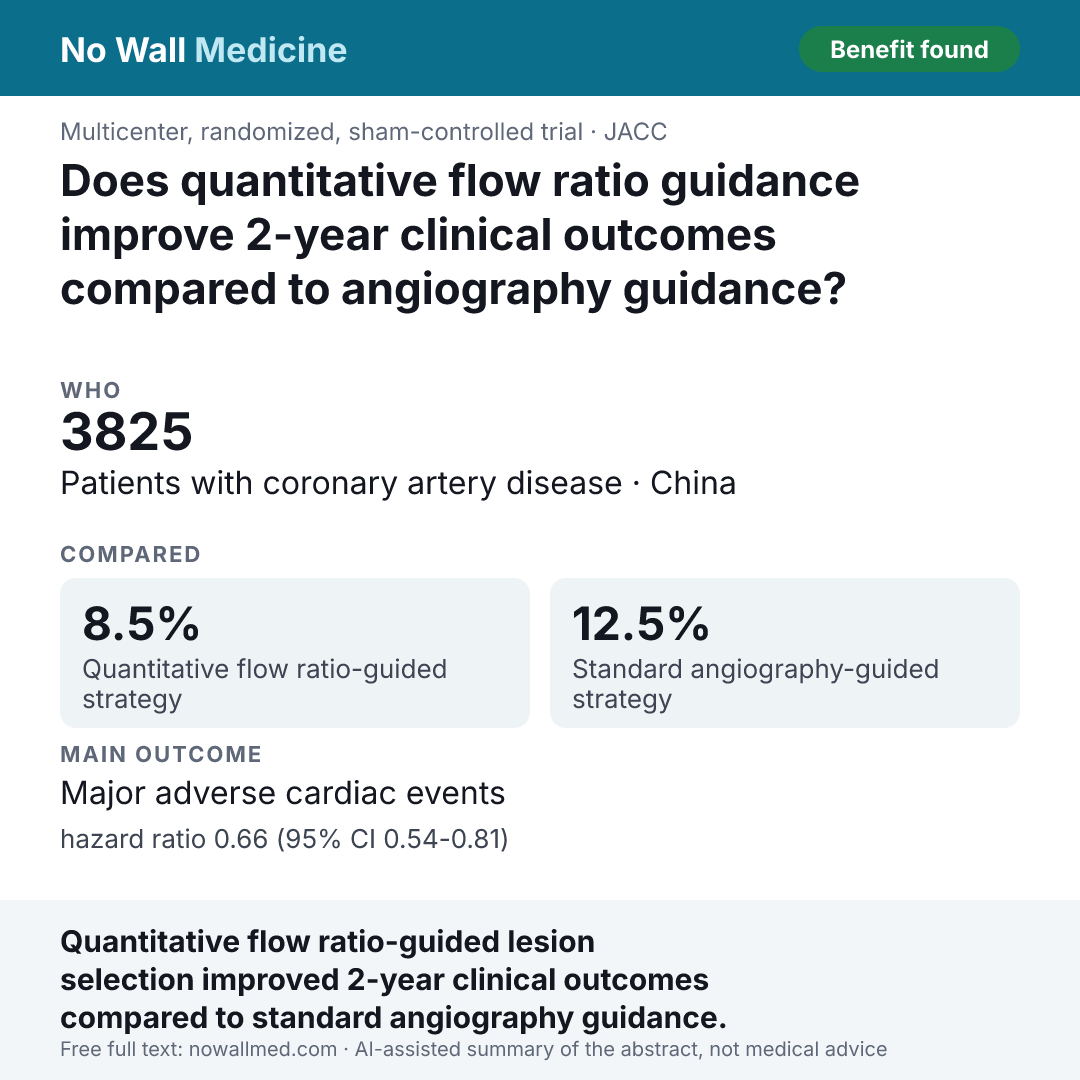
2-Year Outcomes of Angiographic Quantitative Flow Ratio-Guided Coronary Interventions
Multicenter, randomized, sham-controlled trialBenefit found
Does quantitative flow ratio guidance improve 2-year clinical outcomes compared to angiography guidance?
Who
3825
Patients with coronary artery disease · China
Compared
8.5%Quantitative flow ratio-guided strategy (161/1913)
12.5%Standard angiography-guided strategy (237/1912)
Main outcome
Major adverse cardiac events
Result: hazard ratio 0.66 (95% CI 0.54-0.81)
Bottom line: Quantitative flow ratio-guided lesion selection improved 2-year clinical outcomes compared to standard angiography guidance.
JACC · 2022-09-19 · Save PNG
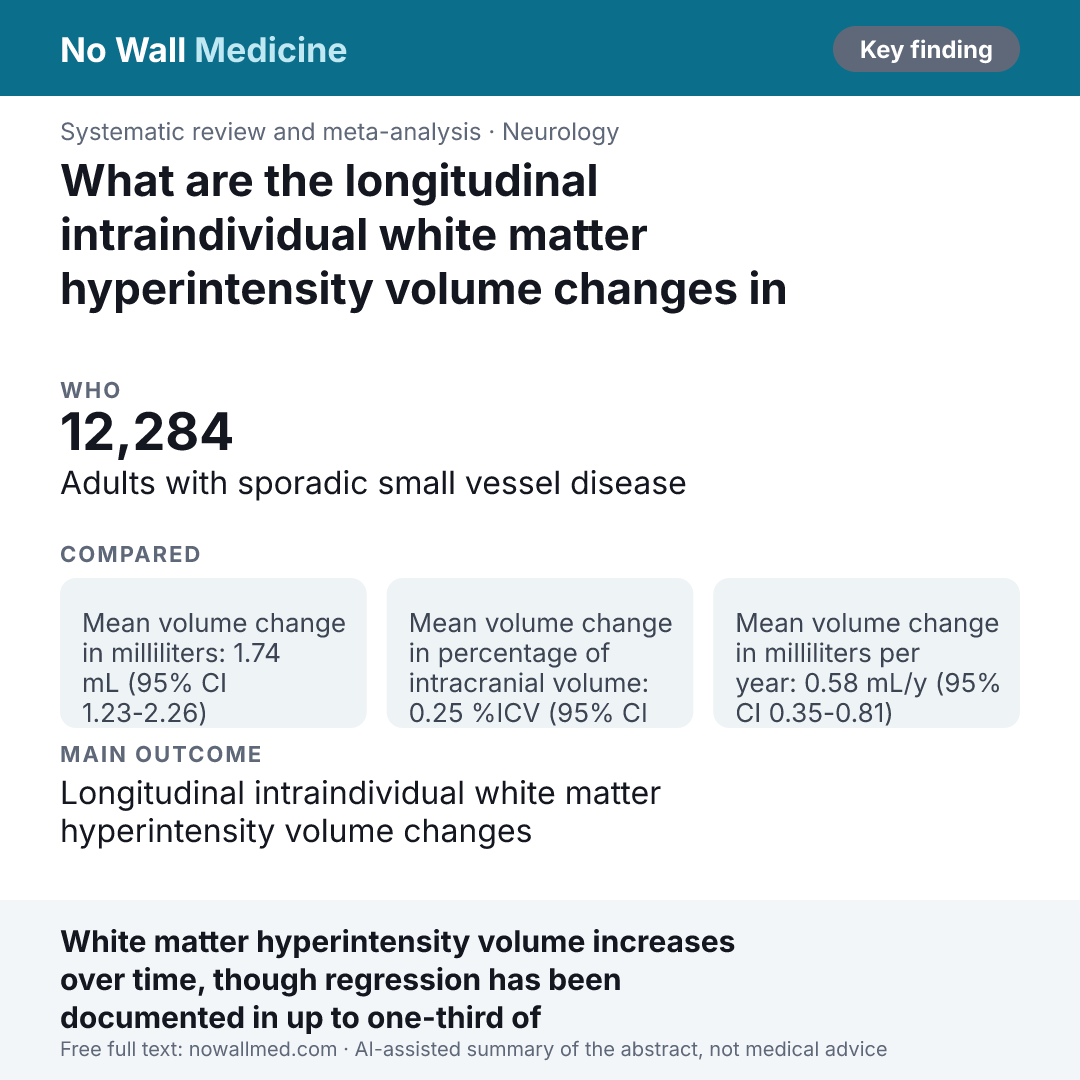
Longitudinal Changes of White Matter Hyperintensities in Sporadic Small Vessel Disease: A Systematic Review and Meta-analysis
Systematic review and meta-analysisKey finding
What are the longitudinal intraindividual white matter hyperintensity volume changes in sporadic small vessel disease?
Who
12,284
Adults with sporadic small vessel disease
Compared
Mean volume change in milliliters: 1.74 mL (95% CI 1.23-2.26)
Mean volume change in percentage of intracranial volume: 0.25 %ICV (95% CI 0.14-0.36)
Mean volume change in milliliters per year: 0.58 mL/y (95% CI 0.35-0.81)
Main outcome
Longitudinal intraindividual white matter hyperintensity volume changes
Result: 1.74 mL (95% CI 1.23-2.26)
Bottom line: White matter hyperintensity volume increases over time, though regression has been documented in up to one-third of participants.
Limitation: More knowledge on underlying mechanisms, associated factors, and clinical correlates is needed.
Neurology · 2022-09-19 · Save PNG