Visual abstracts
New randomized trials and meta-analyses from leading journals at a glance: who was studied, what was compared, and what was found. Every paper is free to read in full.
All specialtiesCardiology 4763Oncology 4043Gastroenterology & Hepatology 1903Infectious Disease 3756Neurology 1872Psychiatry & Mental Health 2216Pulmonology 2044Critical Care 1319Endocrinology & Diabetes 2544Pediatrics 2889Surgery 2480Orthopedics & Sports Medicine 917Neurosurgery 525Cardiothoracic & Vascular Surgery 656Plastic & Reconstructive Surgery 574Nephrology 1107Rheumatology 810Hematology 1090Dermatology 611Ophthalmology 532Obstetrics & Gynecology 1645Public & Global Health 1037Radiology & Imaging 619Anesthesiology 958Urology 745ENT (Otolaryngology) 494Emergency Medicine 481Allergy & Immunology 309Geriatrics 972Family Medicine & Primary Care 534Medical Genetics & Genomics 659Pathology & Laboratory Medicine 156Physical Medicine & Rehabilitation 734Palliative Care 421Nutrition 1560Digital Health & AI 2137General Medicine 318
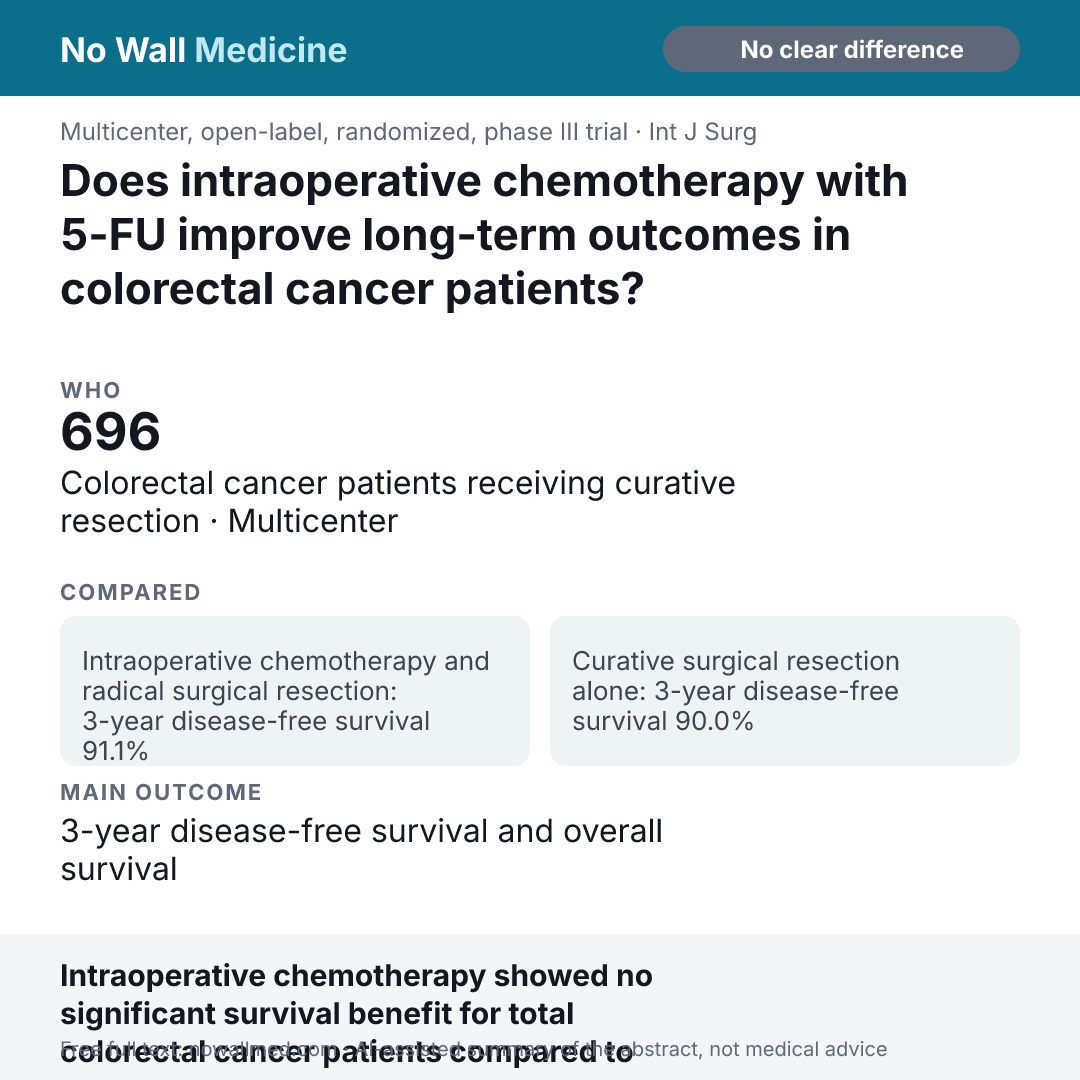
Long-term outcomes of intraoperative chemotherapy with 5-FU for colorectal cancer patients receiving curative resection (IOCCRC): a randomized, multicenter, prospective, phase III trial
Multicenter, open-label, randomized, phase III trialNo clear difference
Does intraoperative chemotherapy with 5-FU improve long-term outcomes in colorectal cancer patients?
Who
696
Colorectal cancer patients receiving curative resection · Multicenter
Compared
Intraoperative chemotherapy and radical surgical resection: 3-year disease-free survival 91.1%
Curative surgical resection alone: 3-year disease-free survival 90.0%
Main outcome
3-year disease-free survival and overall survival
Bottom line: Intraoperative chemotherapy showed no significant survival benefit for total colorectal cancer patients compared to surgical resection alone.
Int J Surg · 2024-10-01 · Save PNG
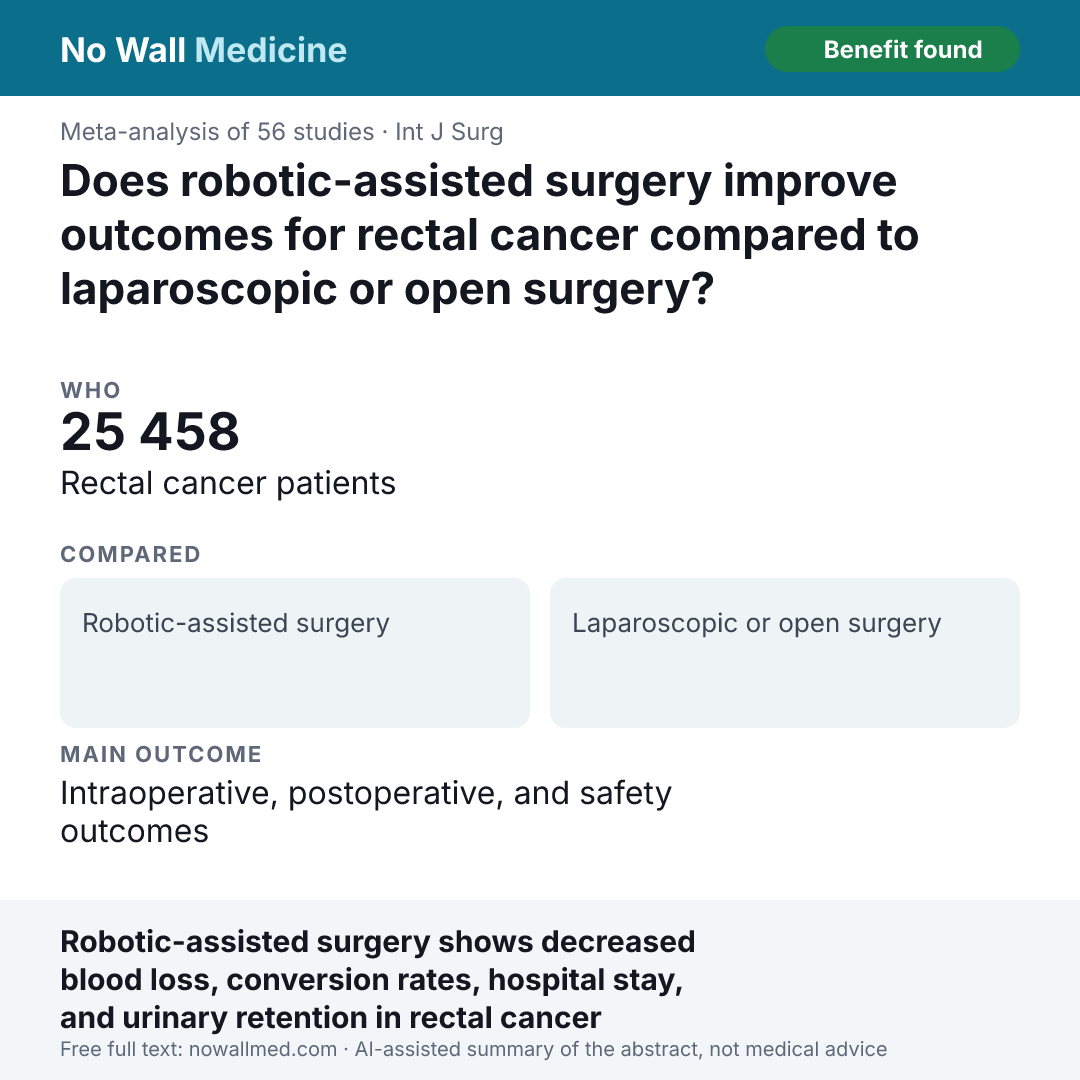
The role of robotic-assisted surgery in the management of rectal cancer: a systematic review and meta-analysis
Meta-analysis of 56 studiesBenefit found
Does robotic-assisted surgery improve outcomes for rectal cancer compared to laparoscopic or open surgery?
Who
25 458
Rectal cancer patients
Compared
Robotic-assisted surgery
Laparoscopic or open surgery
Main outcome
Intraoperative, postoperative, and safety outcomes
Bottom line: Robotic-assisted surgery shows decreased blood loss, conversion rates, hospital stay, and urinary retention in rectal cancer patients.
Int J Surg · 2024-10-01 · Save PNG
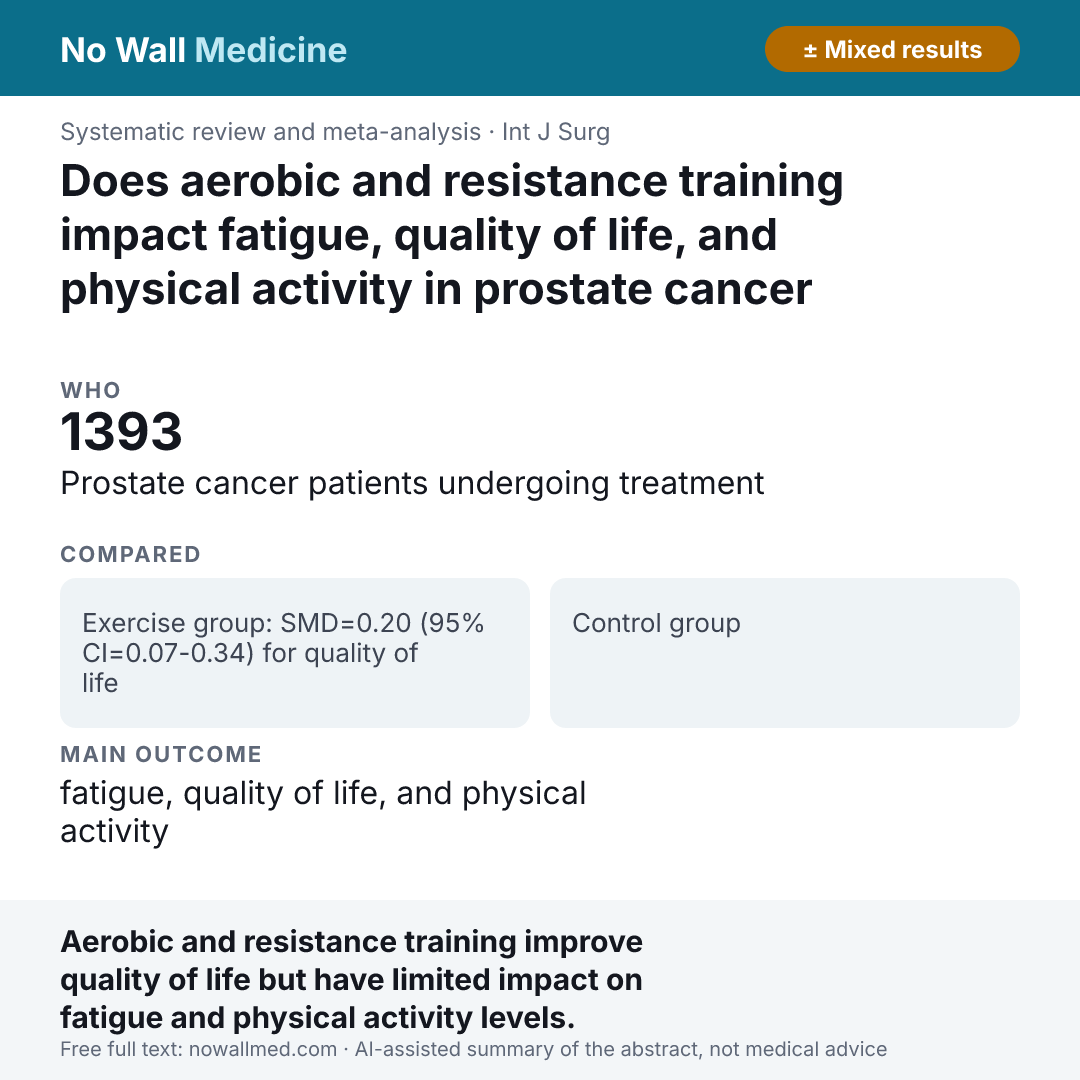
Impact of aerobic and resistance training on fatigue, quality of life, and physical activity in prostate cancer patients: a systematic review and meta-analysis
Systematic review and meta-analysisMixed results
Does aerobic and resistance training impact fatigue, quality of life, and physical activity in prostate cancer patients?
Who
1393
Prostate cancer patients undergoing treatment
Compared
Exercise group: SMD=0.20 (95% CI=0.07-0.34) for quality of life
Control group
Main outcome
fatigue, quality of life, and physical activity
Result: SMD=0.20 (95% CI=0.07-0.34) for quality of life
Bottom line: Aerobic and resistance training improve quality of life but have limited impact on fatigue and physical activity levels.
Limitation: There is an evident need for further research to develop holistic exercise interventions.
Int J Surg · 2024-10-01 · Save PNG
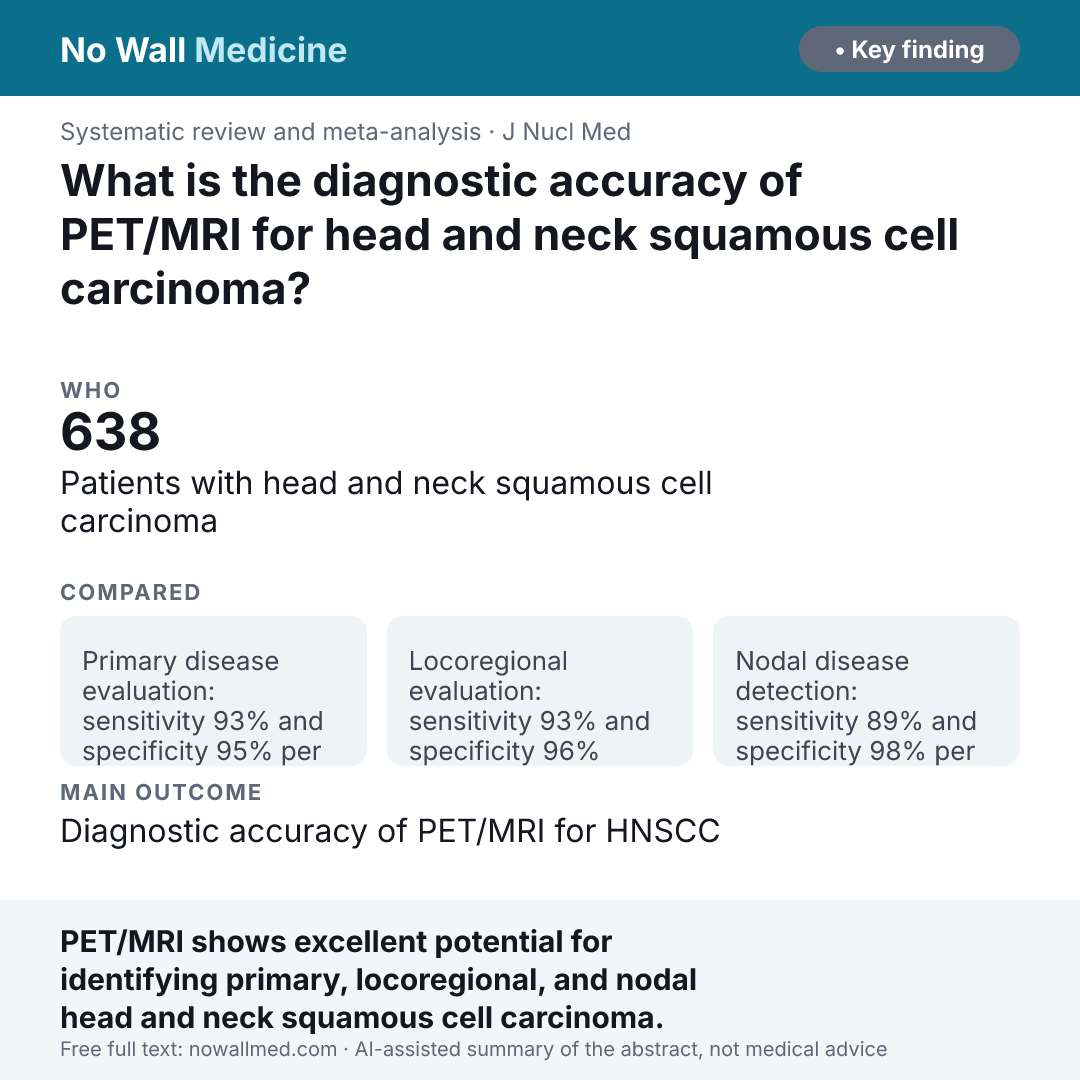
Diagnostic Accuracy of [18F]FDG PET/MRI in Head and Neck Squamous Cell Carcinoma: A Systematic Review and Metaanalysis
Systematic review and meta-analysisKey finding
What is the diagnostic accuracy of PET/MRI for head and neck squamous cell carcinoma?
Who
638
Patients with head and neck squamous cell carcinoma
Compared
Primary disease evaluation: sensitivity 93% and specificity 95% per patient
Locoregional evaluation: sensitivity 93% and specificity 96%
Nodal disease detection: sensitivity 89% and specificity 98% per lesion
Main outcome
Diagnostic accuracy of PET/MRI for HNSCC
Bottom line: PET/MRI shows excellent potential for identifying primary, locoregional, and nodal head and neck squamous cell carcinoma.
Limitation: Difference in accuracy compared to PET/CT or MRI alone was not statistically significant.
J Nucl Med · 2024-10-01 · Save PNG
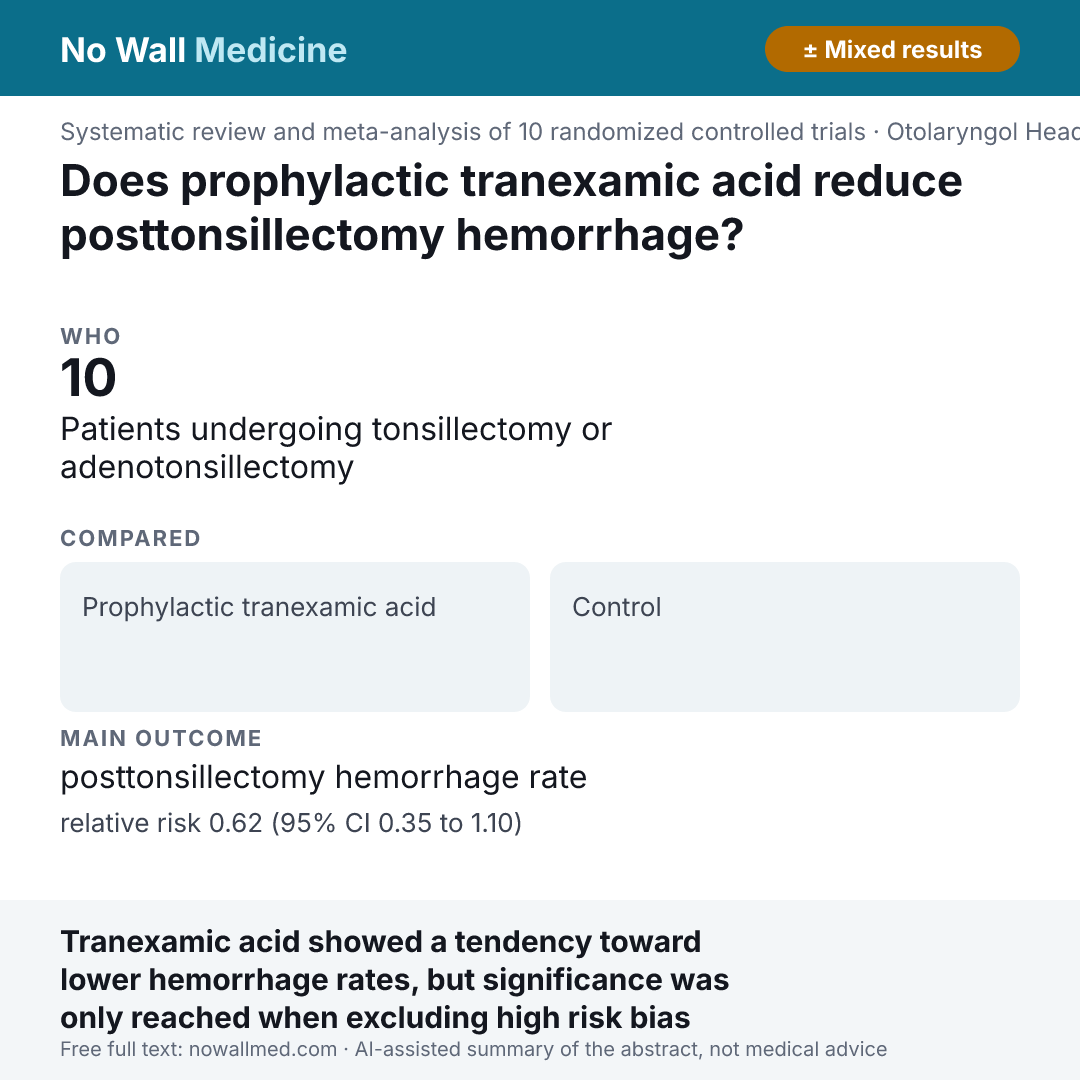
The Utility and Safety of Prophylactic Tranexamic Acid in Tonsillectomy: A Systematic Review and Meta-analysis
Systematic review and meta-analysis of 10 randomized controlled trialsMixed results
Does prophylactic tranexamic acid reduce posttonsillectomy hemorrhage?
Who
10
Patients undergoing tonsillectomy or adenotonsillectomy
Compared
Prophylactic tranexamic acid
Control
Main outcome
posttonsillectomy hemorrhage rate
Result: relative risk 0.62 (95% CI 0.35 to 1.10)
Bottom line: Tranexamic acid showed a tendency toward lower hemorrhage rates, but significance was only reached when excluding high risk bias studies.
Limitation: Well-designed trials are still needed to support these observations.
Otolaryngol Head Neck Surg · 2024-10-01 · Save PNG
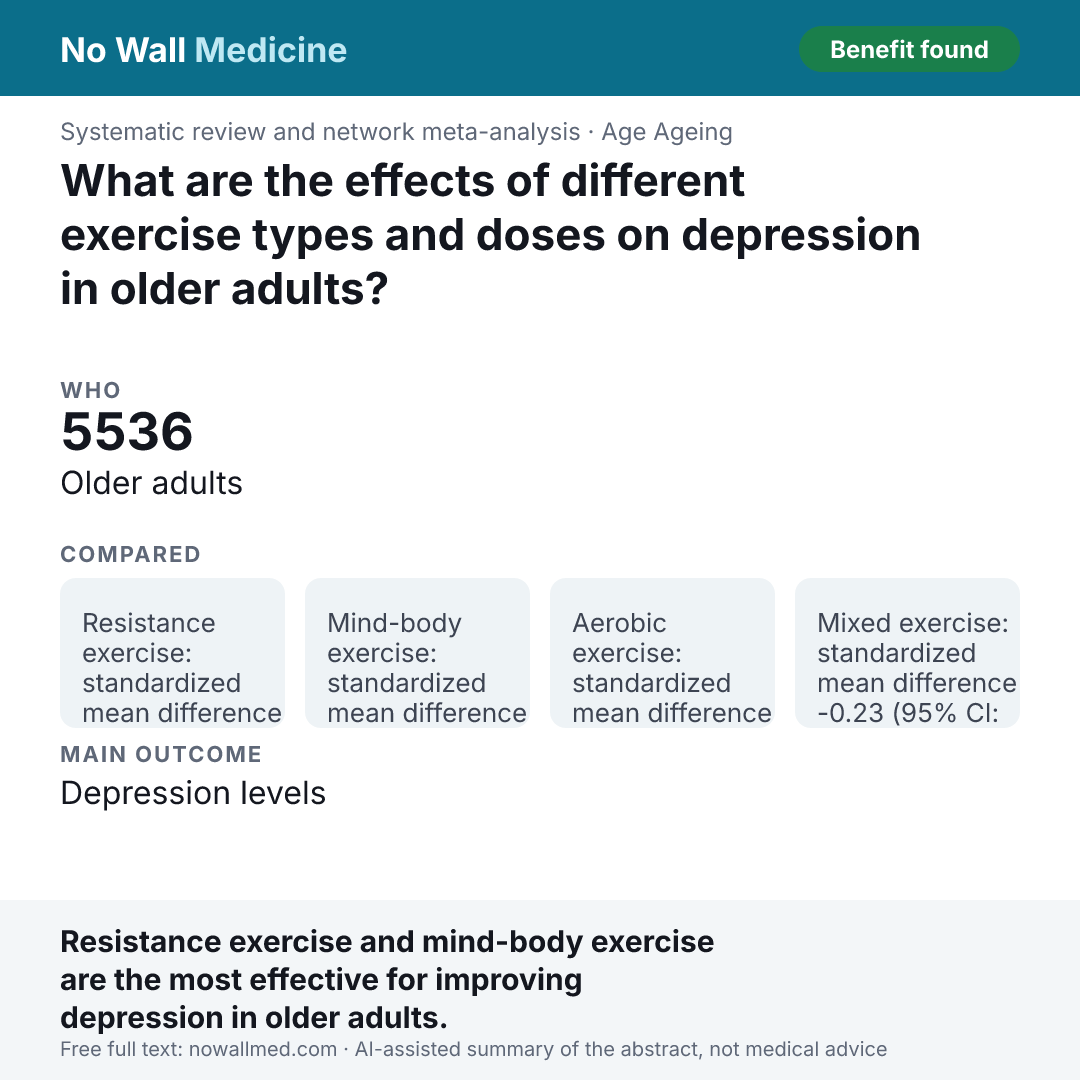
Comparative efficacy of various exercise types and doses for depression in older adults: a systematic review of paired, network and dose-response meta-analyses
Systematic review and network meta-analysisBenefit found
What are the effects of different exercise types and doses on depression in older adults?
Who
5536
Older adults
Compared
Resistance exercise: standardized mean difference -0.68 (95% CI: -0.90, -0.46)
Mind-body exercise: standardized mean difference -0.54 (95% CI: -0.72, -0.37)
Aerobic exercise: standardized mean difference -0.31 (95% CI: -0.50, -0.13)
Mixed exercise: standardized mean difference -0.23 (95% CI: -44, -0.01)
Main outcome
Depression levels
Bottom line: Resistance exercise and mind-body exercise are the most effective for improving depression in older adults.
Age Ageing · 2024-10-01 · Save PNG
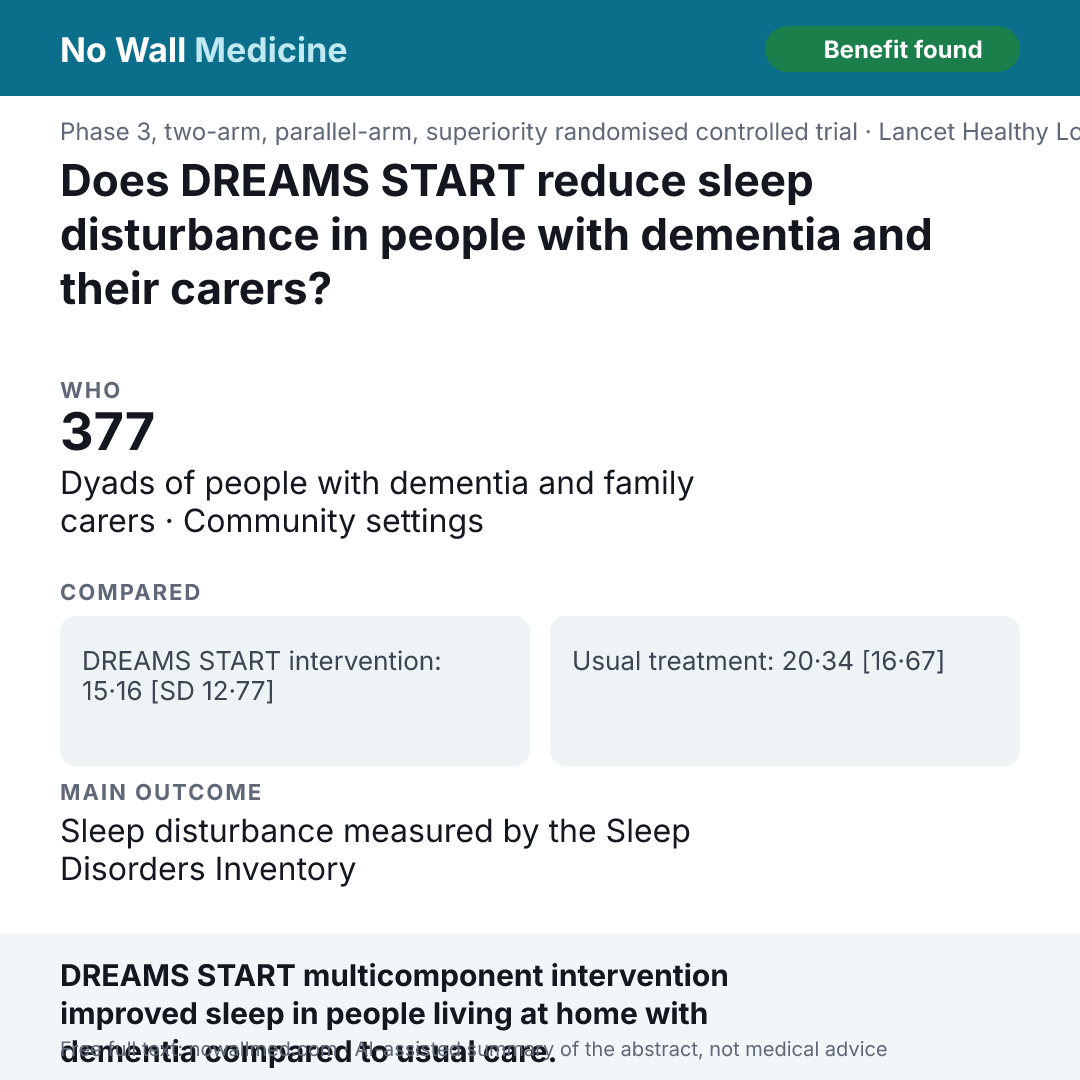
Clinical effectiveness of DREAMS START (Dementia Related Manual for Sleep; Strategies for Relatives) versus usual care for people with dementia and their carers: a single-masked, phase 3, parallel-arm, superiority randomised controlled trial
Phase 3, two-arm, parallel-arm, superiority randomised controlled trialBenefit found
Does DREAMS START reduce sleep disturbance in people with dementia and their carers?
Who
377
Dyads of people with dementia and family carers · Community settings
Compared
DREAMS START intervention: 15·16 [SD 12·77]
Usual treatment: 20·34 [16·67]
Main outcome
Sleep disturbance measured by the Sleep Disorders Inventory
Result: adjusted difference in means -4·70 [95% CI -7·65 to -1·74]
Bottom line: DREAMS START multicomponent intervention improved sleep in people living at home with dementia compared to usual care.
Funded by: National Institute for Health and Care Research Health Technology Assessment
Lancet Healthy Longev · 2024-10-01 · Save PNG
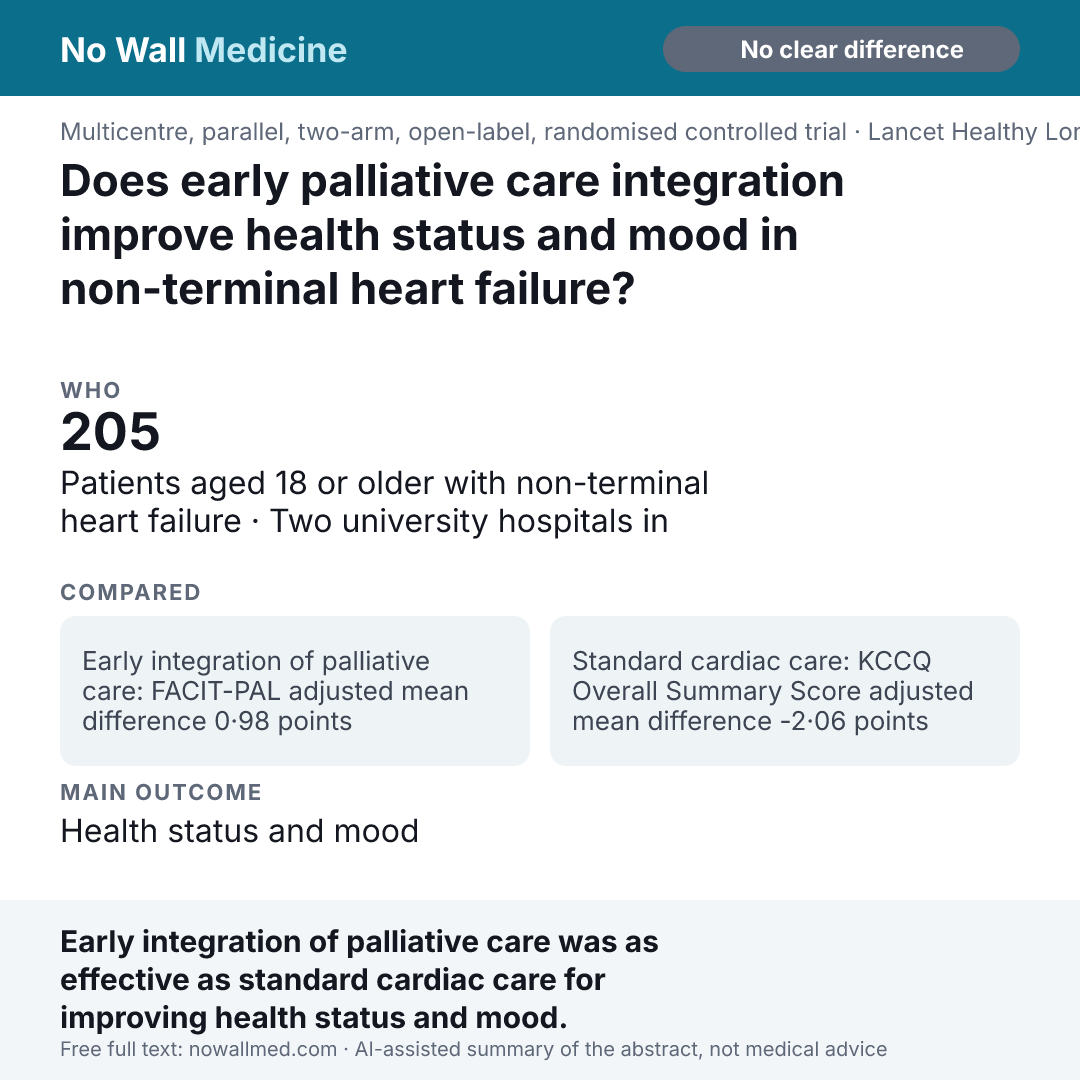
Early integration of palliative care versus standard cardiac care for patients with heart failure (EPCHF): a multicentre, parallel, two-arm, open-label, randomised controlled trial
Multicentre, parallel, two-arm, open-label, randomised controlled trialNo clear difference
Does early palliative care integration improve health status and mood in non-terminal heart failure?
Who
205
Patients aged 18 or older with non-terminal heart failure · Two university hospitals in Germany
Compared
Early integration of palliative care: FACIT-PAL adjusted mean difference 0·98 points
Standard cardiac care: KCCQ Overall Summary Score adjusted mean difference -2·06 points
Main outcome
Health status and mood
Result: FACIT-PAL adjusted mean difference 0·98 points (95% CI -1·28 to 3·23)
Bottom line: Early integration of palliative care was as effective as standard cardiac care for improving health status and mood.
Funded by: Federal Ministry of Education and Research
Lancet Healthy Longev · 2024-10-01 · Save PNG
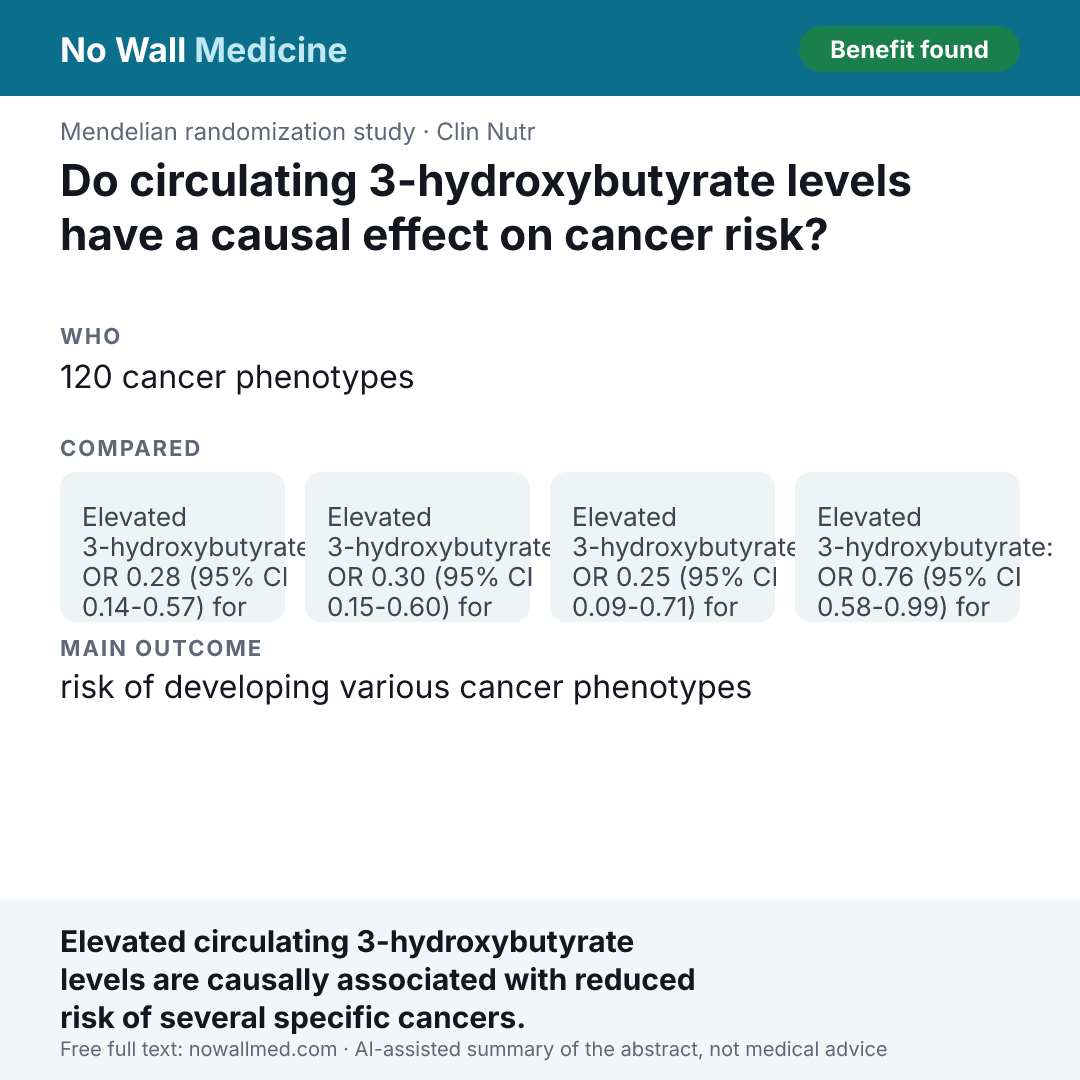
The genetically predicted causal associations between circulating 3-hydroxybutyrate levels and malignant neoplasms: A pan-cancer Mendelian randomization study
Mendelian randomization studyBenefit found
Do circulating 3-hydroxybutyrate levels have a causal effect on cancer risk?
Who
120 cancer phenotypes
Compared
Elevated 3-hydroxybutyrate: OR 0.28 (95% CI 0.14-0.57) for diffuse large B-cell lymphoma
Elevated 3-hydroxybutyrate: OR 0.30 (95% CI 0.15-0.60) for biliary malignancies
Elevated 3-hydroxybutyrate: OR 0.25 (95% CI 0.09-0.71) for hepatocellular carcinoma
Elevated 3-hydroxybutyrate: OR 0.76 (95% CI 0.58-0.99) for primary lymphoid and hematopoietic malignancies
Main outcome
risk of developing various cancer phenotypes
Bottom line: Elevated circulating 3-hydroxybutyrate levels are causally associated with reduced risk of several specific cancers.
Clin Nutr · 2024-10-01 · Save PNG
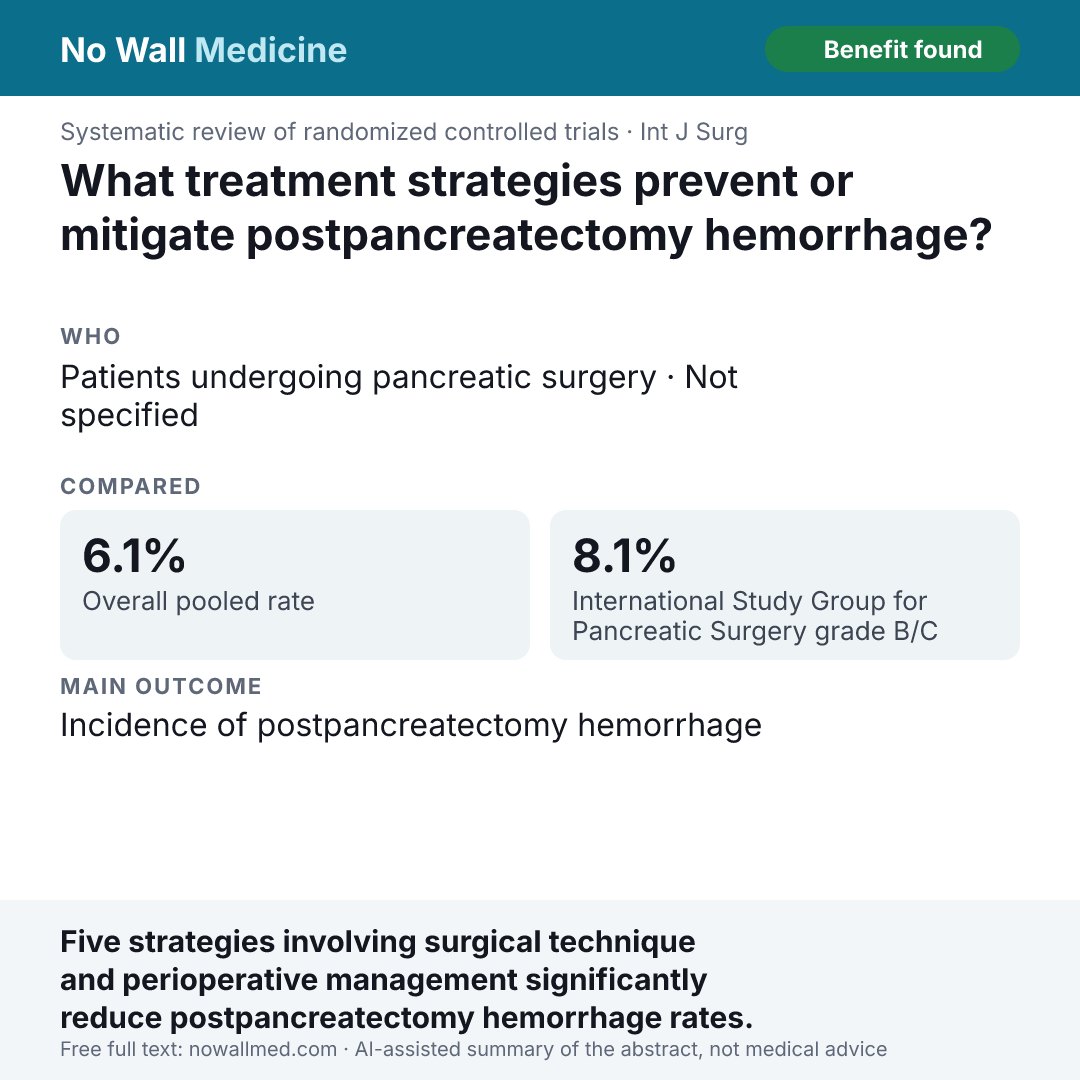
Treatment strategies to prevent or mitigate the outcome of postpancreatectomy hemorrhage: a review of randomized trials
Systematic review of randomized controlled trialsBenefit found
What treatment strategies prevent or mitigate postpancreatectomy hemorrhage?
Who
Patients undergoing pancreatic surgery · Not specified
Compared
6.1%Overall pooled rate
8.1%International Study Group for Pancreatic Surgery grade B/C
Main outcome
Incidence of postpancreatectomy hemorrhage
Bottom line: Five strategies involving surgical technique and perioperative management significantly reduce postpancreatectomy hemorrhage rates.
Limitation: No single randomized controlled trial specifically focused on the treatment of patients with postpancreatectomy hemorrhage.
Int J Surg · 2024-10-01 · Save PNG
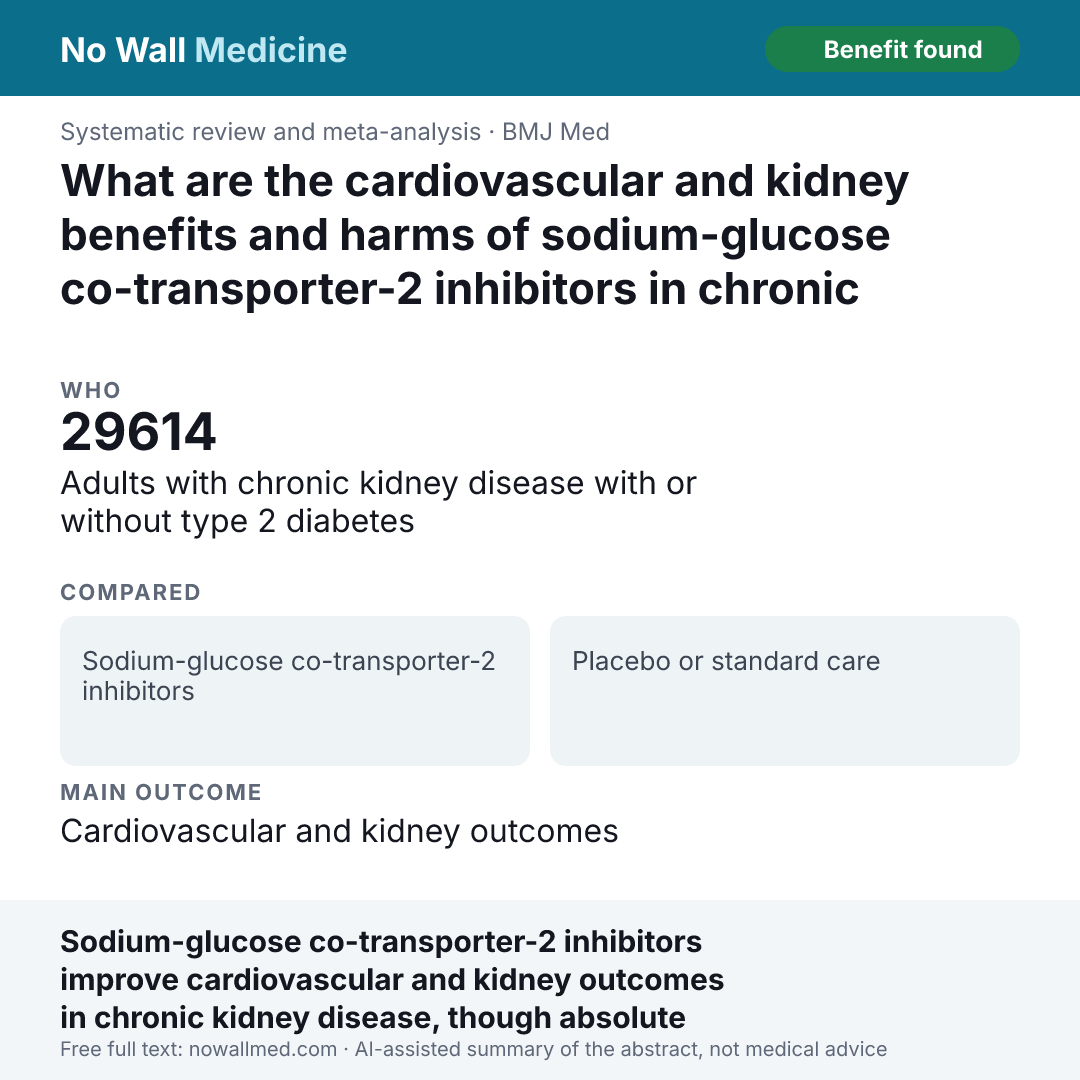
Sodium-glucose co-transporter-2 inhibitors in patients with chronic kidney disease with or without type 2 diabetes: systematic review and meta-analysis
Systematic review and meta-analysisBenefit found
What are the cardiovascular and kidney benefits and harms of sodium-glucose co-transporter-2 inhibitors in chronic kidney disease?
Who
29614
Adults with chronic kidney disease with or without type 2 diabetes
Compared
Sodium-glucose co-transporter-2 inhibitors
Placebo or standard care
Main outcome
Cardiovascular and kidney outcomes
Result: risk ratio 0.85 (95% CI 0.74 to 0.98) for all cause death
Bottom line: Sodium-glucose co-transporter-2 inhibitors improve cardiovascular and kidney outcomes in chronic kidney disease, though absolute benefits vary by risk.
BMJ Med · 2024-10-01 · Save PNG
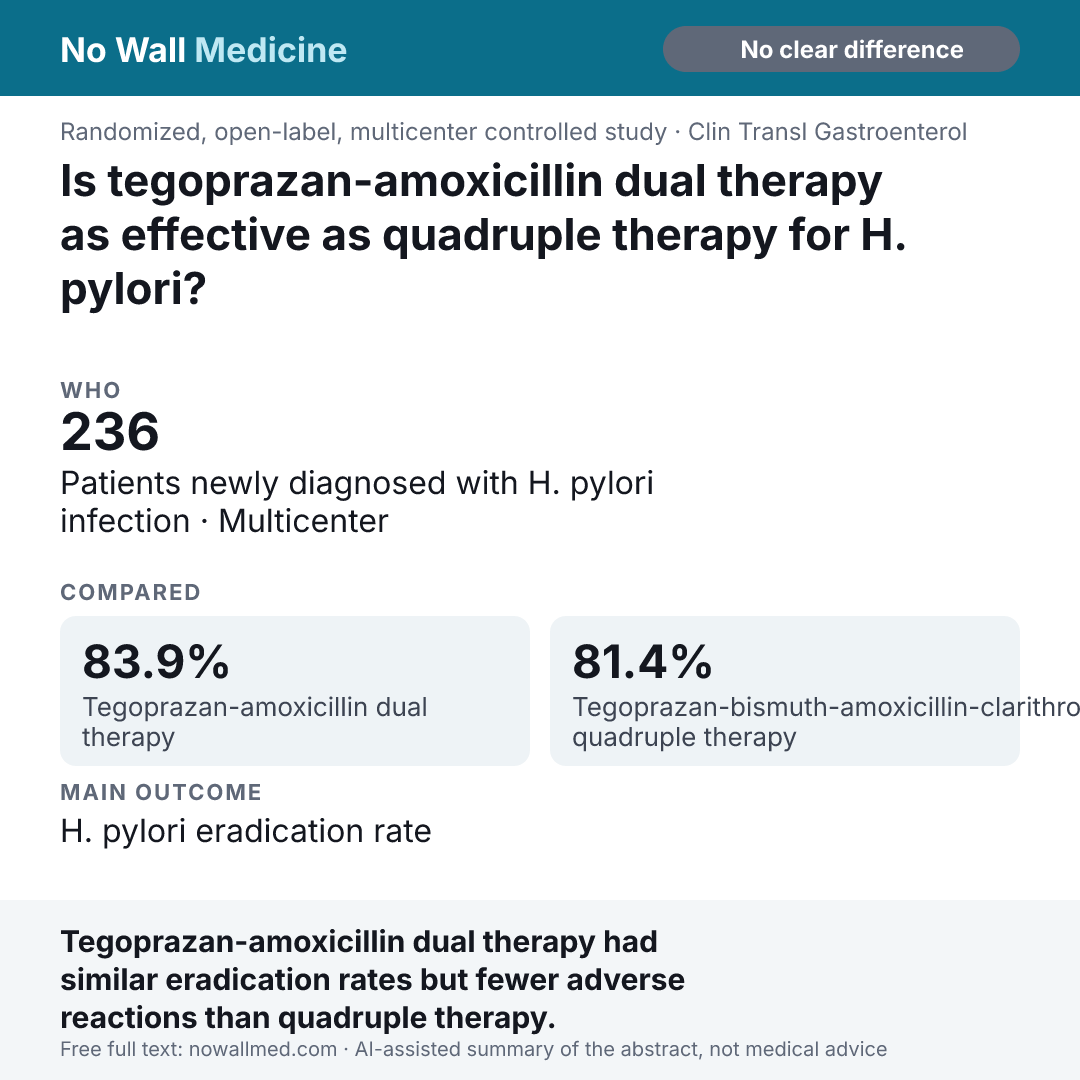
Comparison of the Efficacy Between the Dual Therapy of Tegoprazan and the Quadruple Therapy of Tegoprazan: A Randomized Controlled Multicenter Study
Randomized, open-label, multicenter controlled studyNo clear difference
Is tegoprazan-amoxicillin dual therapy as effective as quadruple therapy for H. pylori?
Who
236
Patients newly diagnosed with H. pylori infection · Multicenter
Compared
83.9%Tegoprazan-amoxicillin dual therapy (95% confidence interval 78.2%-91.3%)
81.4%Tegoprazan-bismuth-amoxicillin-clarithromycin quadruple therapy (95% confidence interval 74.2%-88.5%)
Main outcome
H. pylori eradication rate
Result: no statistically significant difference (P = 0.606)
Bottom line: Tegoprazan-amoxicillin dual therapy had similar eradication rates but fewer adverse reactions than quadruple therapy.
Clin Transl Gastroenterol · 2024-10-01 · Save PNG
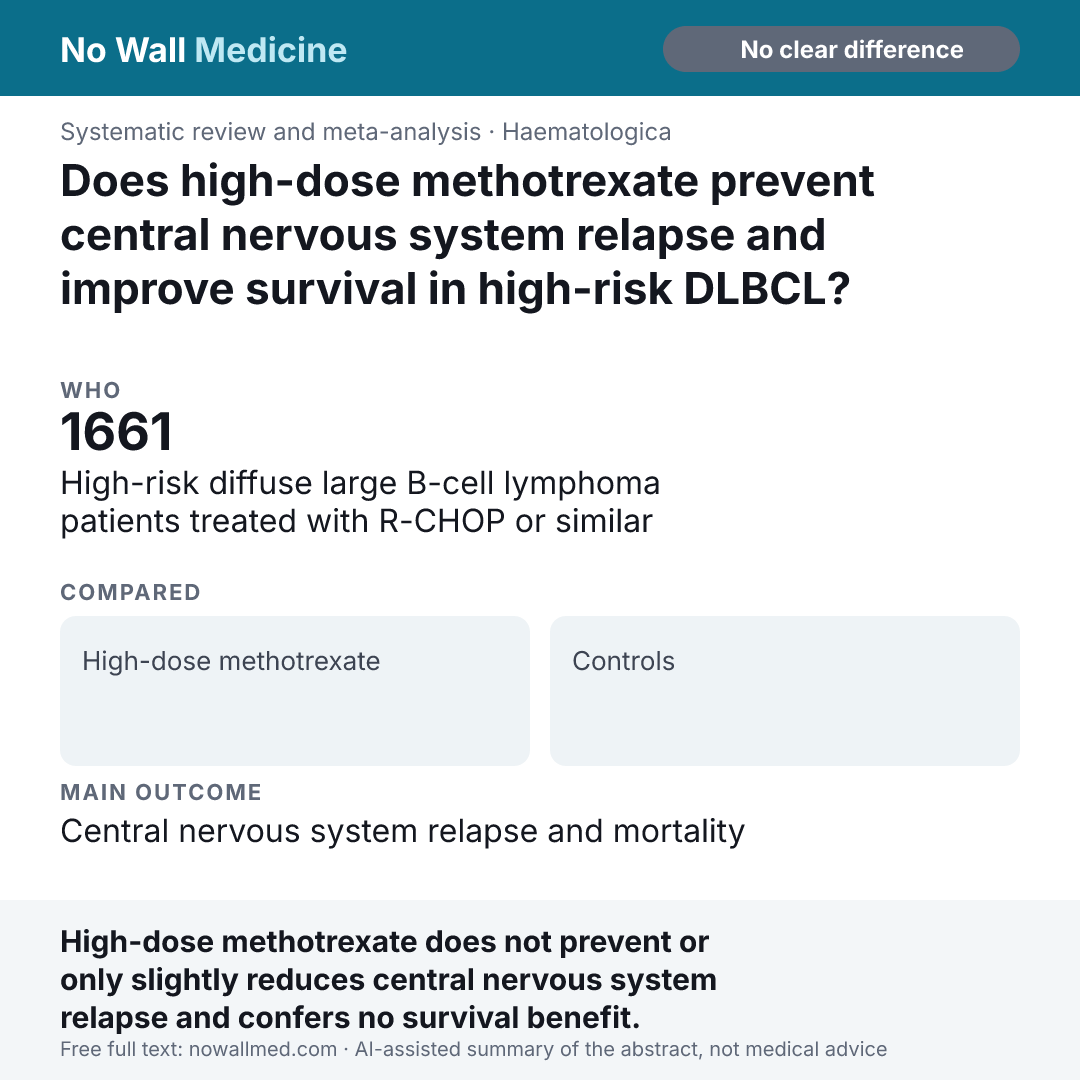
Efficacy of intravenous high-dose methotrexate in preventing relapse to the central nervous system in R-CHOP(-like)-treated, high-risk, diffuse large B-cell lymphoma patients and its effect on mortality: a systematic review and meta-analysis
Systematic review and meta-analysisNo clear difference
Does high-dose methotrexate prevent central nervous system relapse and improve survival in high-risk DLBCL?
Who
1661
High-risk diffuse large B-cell lymphoma patients treated with R-CHOP or similar
Compared
High-dose methotrexate
Controls
Main outcome
Central nervous system relapse and mortality
Result: relative risk of CNS relapse 0.54 (95% confidence interval: 0.27-1.07); relative risk of death 0.70 (95% confidence interval: 0.44-1.11)
Bottom line: High-dose methotrexate does not prevent or only slightly reduces central nervous system relapse and confers no survival benefit.
Limitation: The overall risk of bias was serious and the quality of evidence was low.
Haematologica · 2024-10-01 · Save PNG
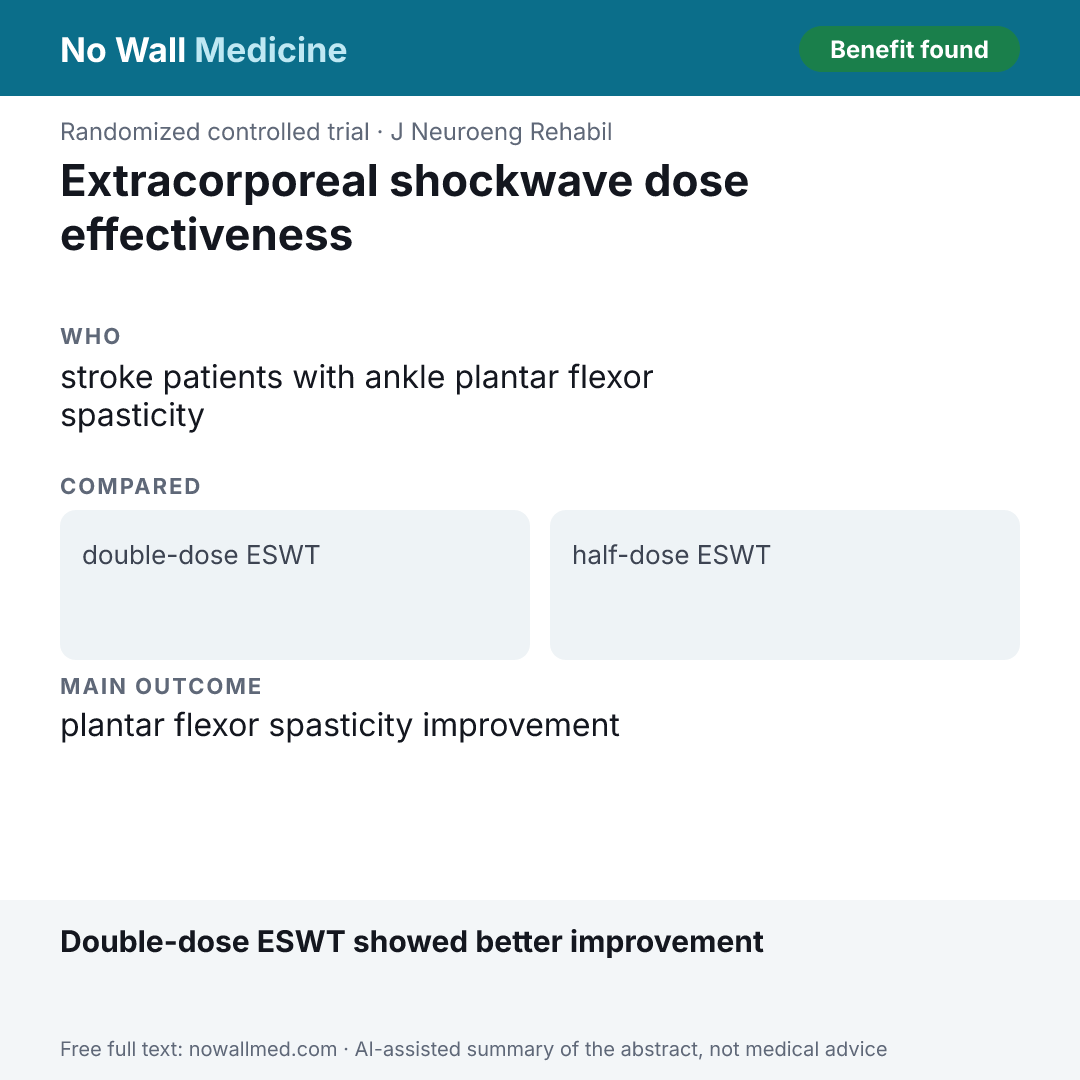
The dose effectiveness of extracorporeal shockwave on plantar flexor spasticity of ankle in stroke patients: a randomized controlled trial
Randomized controlled trialBenefit found
Extracorporeal shockwave dose effectiveness
Who
stroke patients with ankle plantar flexor spasticity
Compared
double-dose ESWT
half-dose ESWT
Main outcome
plantar flexor spasticity improvement
Bottom line: Double-dose ESWT showed better improvement
J Neuroeng Rehabil · 2024-10-01 · Save PNG
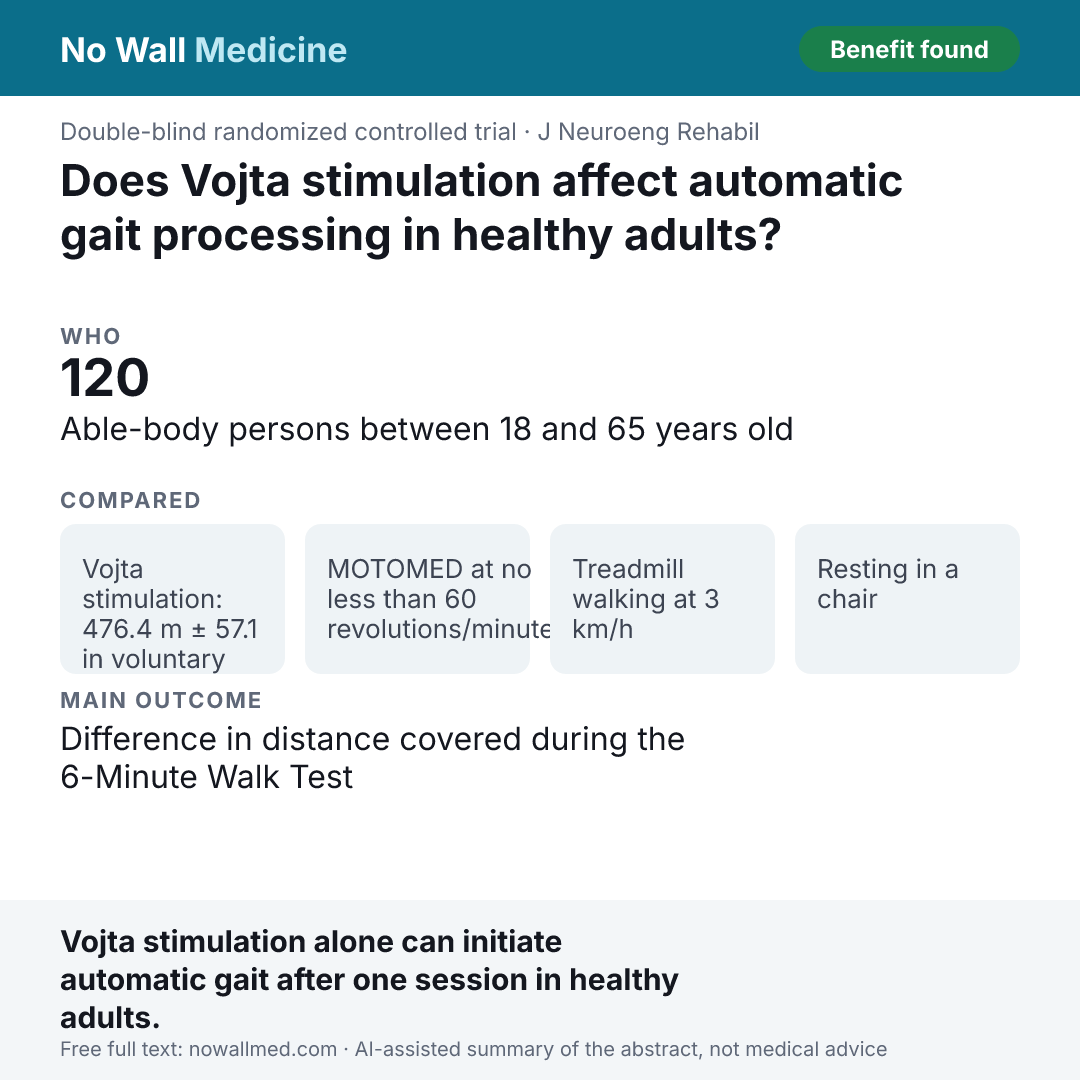
Automatic gait evoking in healthy adults through Vojta's peripheric somatosensory stimulation: a double-blind randomized controlled trial
Double-blind randomized controlled trialBenefit found
Does Vojta stimulation affect automatic gait processing in healthy adults?
Who
120
Able-body persons between 18 and 65 years old
Compared
Vojta stimulation: 476.4 m ± 57.1 in voluntary gait versus 9.0 m ± 8.9 in automatic gait
MOTOMED at no less than 60 revolutions/minute
Treadmill walking at 3 km/h
Resting in a chair
Main outcome
Difference in distance covered during the 6-Minute Walk Test
Bottom line: Vojta stimulation alone can initiate automatic gait after one session in healthy adults.
J Neuroeng Rehabil · 2024-10-01 · Save PNG
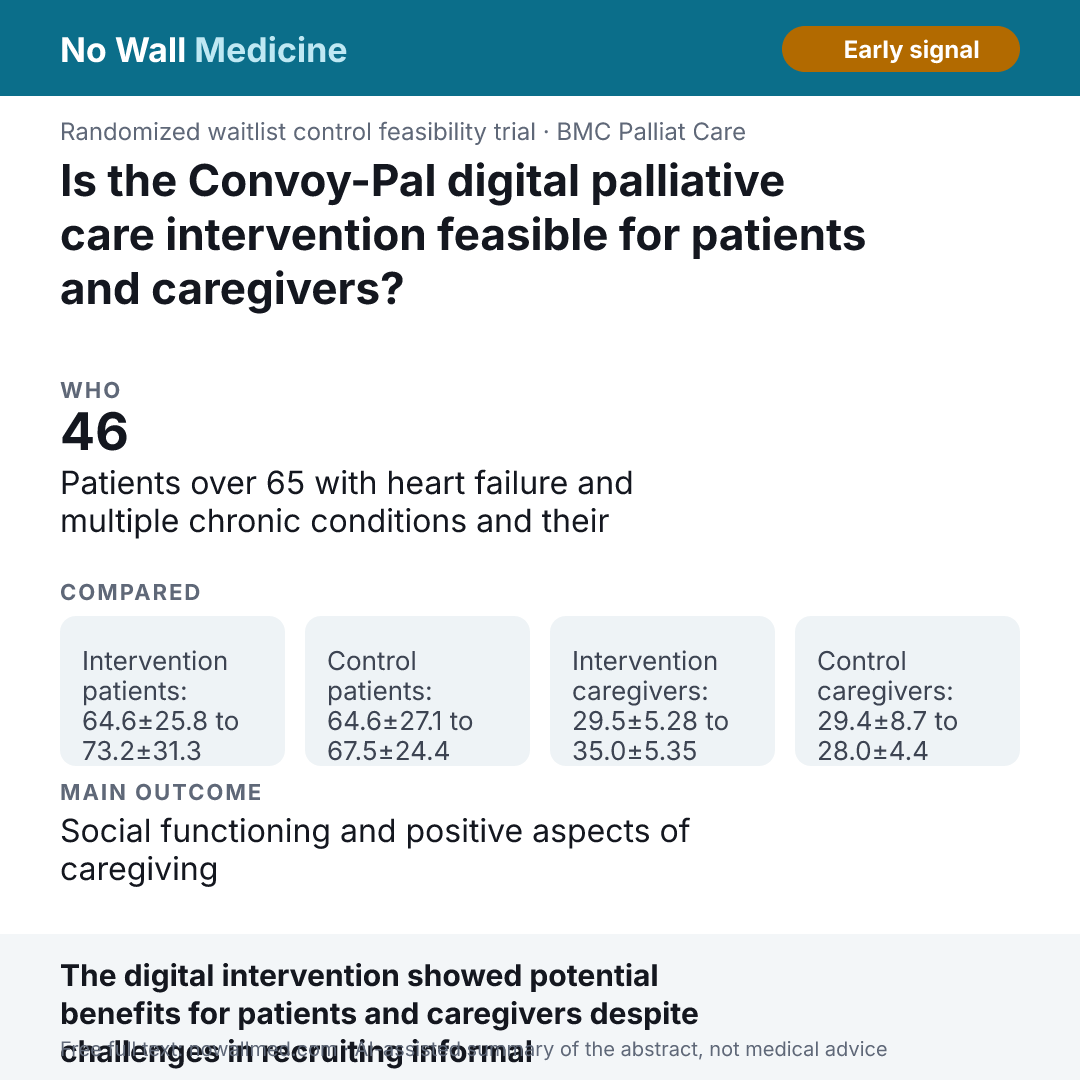
Feasibility of a digital palliative care intervention (Convoy-Pal) for older adults with heart failure and multiple chronic conditions and their caregivers: a waitlist randomized control trial
Randomized waitlist control feasibility trialEarly signal
Is the Convoy-Pal digital palliative care intervention feasible for patients and caregivers?
Who
46
Patients over 65 with heart failure and multiple chronic conditions and their caregivers
Compared
Intervention patients: 64.6±25.8 to 73.2±31.3
Control patients: 64.6±27.1 to 67.5±24.4
Intervention caregivers: 29.5±5.28 to 35.0±5.35
Control caregivers: 29.4±8.7 to 28.0±4.4
Main outcome
Social functioning and positive aspects of caregiving
Bottom line: The digital intervention showed potential benefits for patients and caregivers despite challenges in recruiting informal caregivers.
BMC Palliat Care · 2024-10-01 · Save PNG
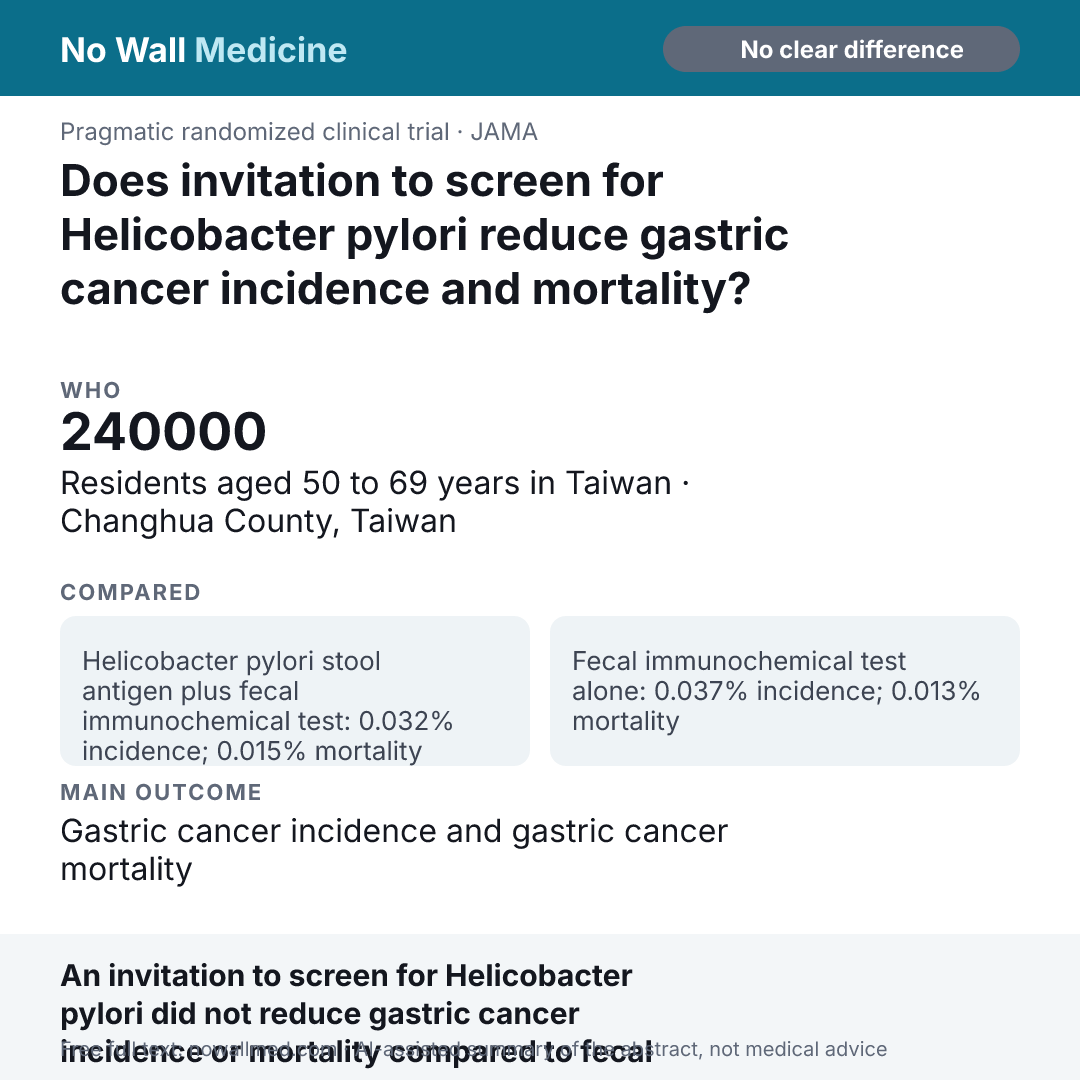
Screening for Helicobacter pylori to Prevent Gastric Cancer: A Pragmatic Randomized Clinical Trial
Pragmatic randomized clinical trialNo clear difference
Does invitation to screen for Helicobacter pylori reduce gastric cancer incidence and mortality?
Who
240000
Residents aged 50 to 69 years in Taiwan · Changhua County, Taiwan
Compared
Helicobacter pylori stool antigen plus fecal immunochemical test: 0.032% incidence; 0.015% mortality
Fecal immunochemical test alone: 0.037% incidence; 0.013% mortality
Main outcome
Gastric cancer incidence and gastric cancer mortality
Result: mean difference -0.005% (95% CI, -0.013% to 0.003%)
Bottom line: An invitation to screen for Helicobacter pylori did not reduce gastric cancer incidence or mortality compared to fecal immunochemical test alone.
Limitation: Post hoc analyses were required to account for differences in screening participation and follow-up length.
JAMA · 2024-09-30 · Save PNG
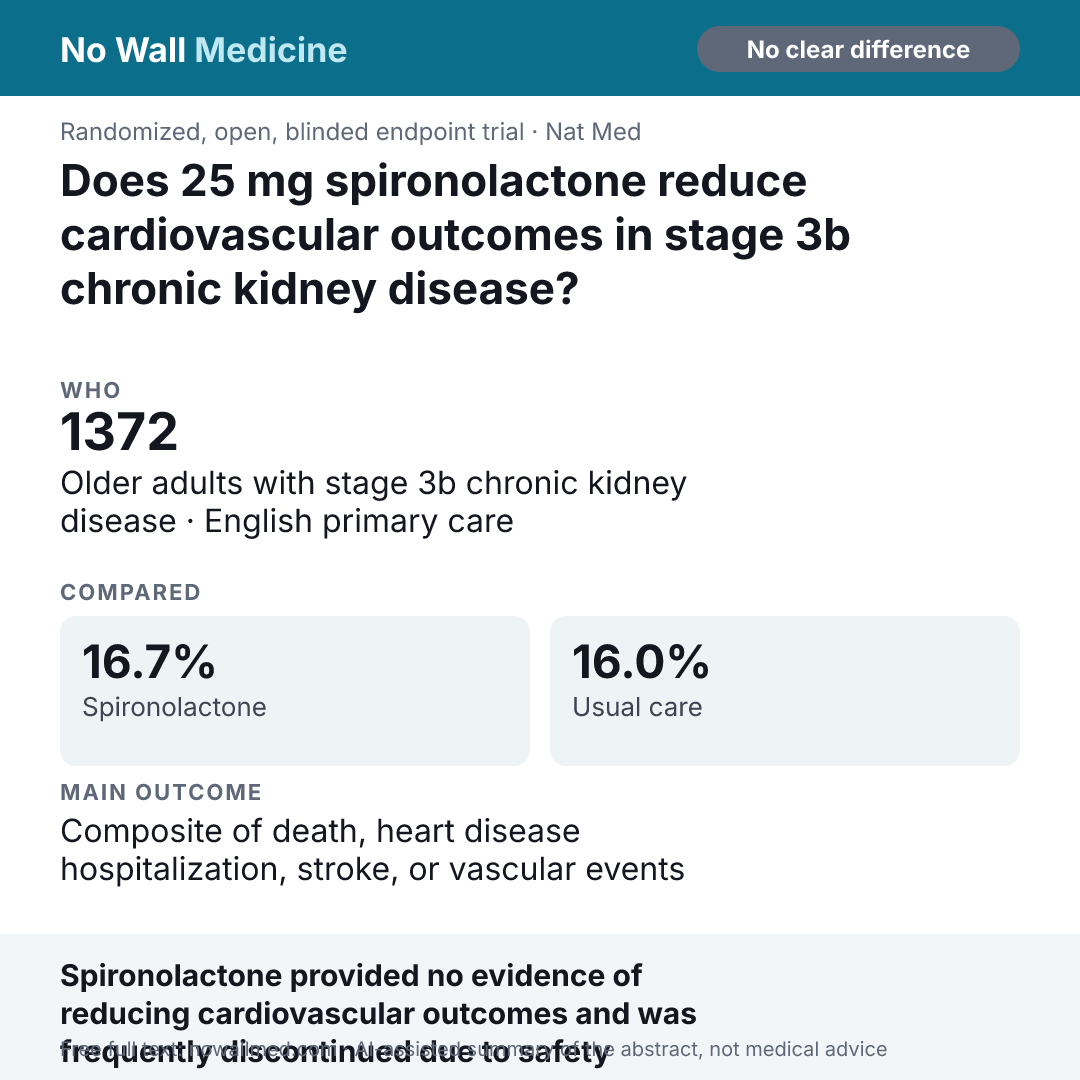
Low-dose spironolactone and cardiovascular outcomes in moderate stage chronic kidney disease: a randomized controlled trial
Randomized, open, blinded endpoint trialNo clear difference
Does 25 mg spironolactone reduce cardiovascular outcomes in stage 3b chronic kidney disease?
Who
1372
Older adults with stage 3b chronic kidney disease · English primary care
Compared
16.7%Spironolactone
16.0%Usual care
Main outcome
Composite of death, heart disease hospitalization, stroke, or vascular events
Result: hazard ratio 1.05 (95% confidence interval: 0.81-1.37)
Bottom line: Spironolactone provided no evidence of reducing cardiovascular outcomes and was frequently discontinued due to safety concerns.
Nat Med · 2024-09-30 · Save PNG
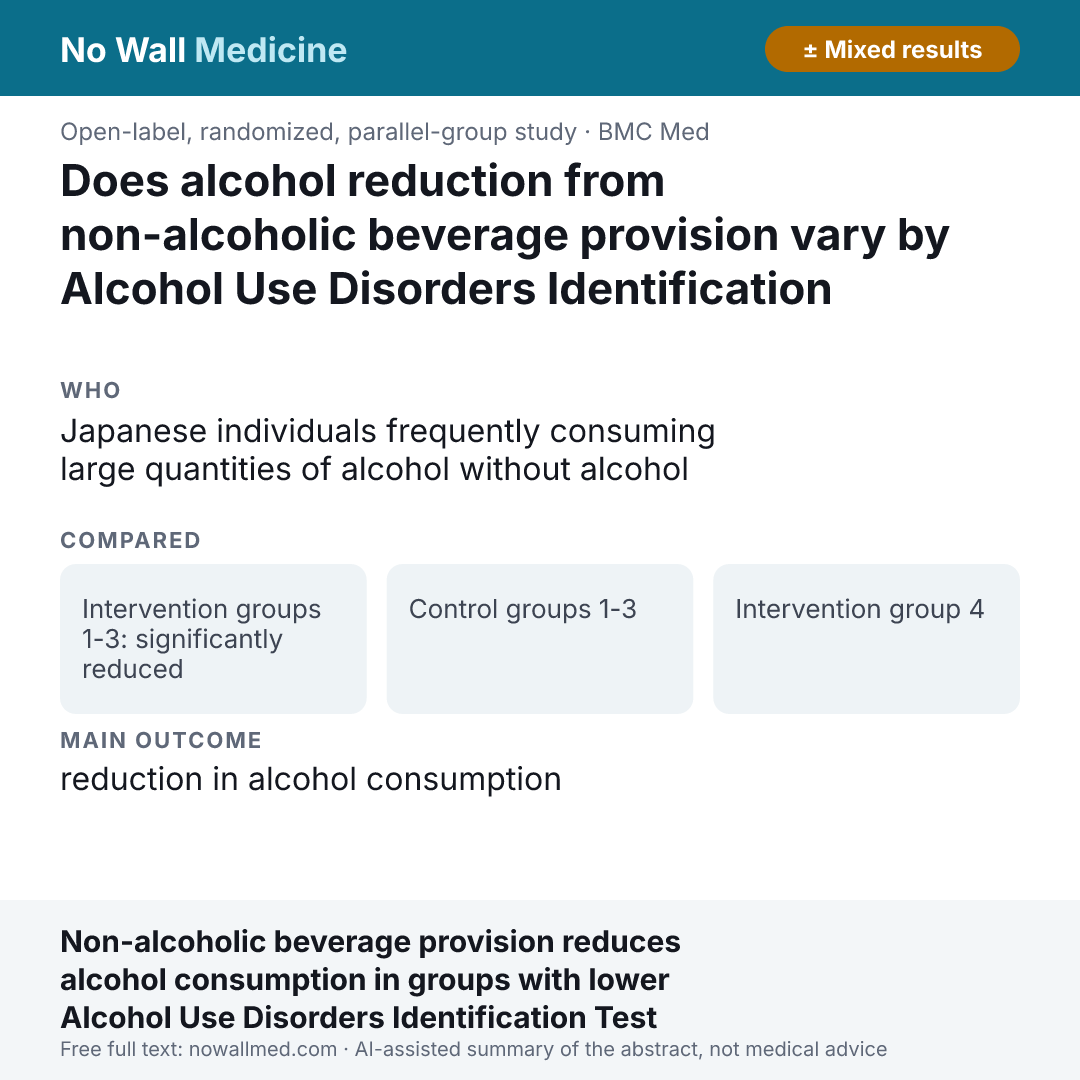
The effectiveness of reduction in alcohol consumption achieved by the provision of non-alcoholic beverages associates with Alcohol Use Disorders Identification Test scores: a secondary analysis of a randomized controlled trial
Open-label, randomized, parallel-group studyMixed results
Does alcohol reduction from non-alcoholic beverage provision vary by Alcohol Use Disorders Identification Test scores?
Who
Japanese individuals frequently consuming large quantities of alcohol without alcohol dependence · Single-center
Compared
Intervention groups 1-3: significantly reduced
Control groups 1-3
Intervention group 4
Main outcome
reduction in alcohol consumption
Bottom line: Non-alcoholic beverage provision reduces alcohol consumption in groups with lower Alcohol Use Disorders Identification Test scores.
Limitation: This was a secondary analysis of a randomized controlled trial.
BMC Med · 2024-09-30 · Save PNG
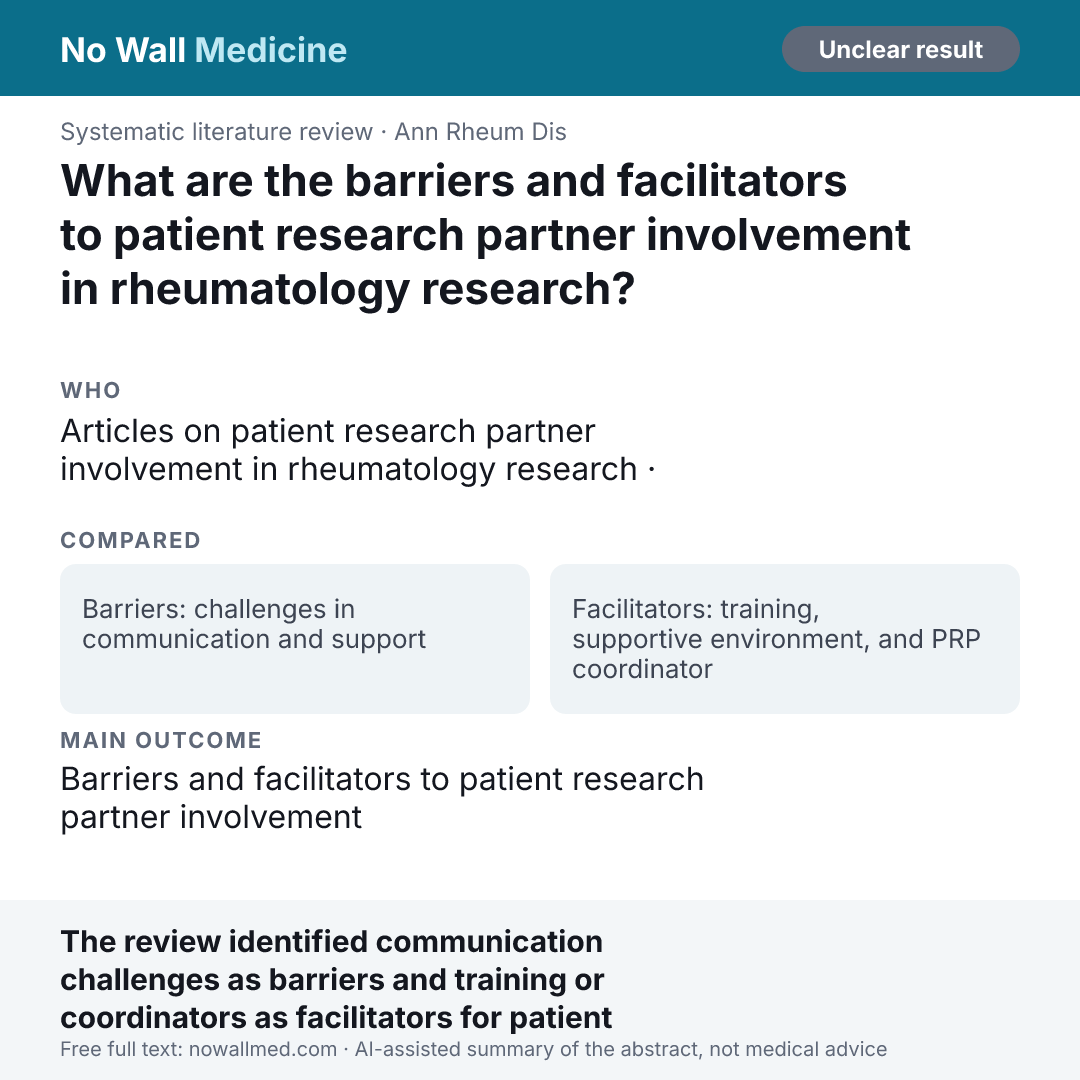
Patient research partner involvement in rheumatology research: a systematic literature review informing the 2023 updated EULAR recommendations for the involvement of patient research partners
Systematic literature reviewUnclear result
What are the barriers and facilitators to patient research partner involvement in rheumatology research?
Who
Articles on patient research partner involvement in rheumatology research · PubMed/Medline and websites
Compared
Barriers: challenges in communication and support
Facilitators: training, supportive environment, and PRP coordinator
Main outcome
Barriers and facilitators to patient research partner involvement
Bottom line: The review identified communication challenges as barriers and training or coordinators as facilitators for patient research partner involvement.
Ann Rheum Dis · 2024-09-30 · Save PNG