Visual abstracts
New randomized trials and meta-analyses from leading journals at a glance: who was studied, what was compared, and what was found. Every paper is free to read in full.
All specialtiesCardiology 351Oncology 273Gastroenterology & Hepatology 146Infectious Disease 268Neurology 159Psychiatry & Mental Health 225Pulmonology 164Critical Care 106Endocrinology & Diabetes 205Pediatrics 156Surgery 103Orthopedics & Sports Medicine 66Neurosurgery 21Cardiothoracic & Vascular Surgery 36Plastic & Reconstructive Surgery 67Nephrology 69Rheumatology 67Hematology 80Dermatology 32Ophthalmology 58Obstetrics & Gynecology 98Public & Global Health 101Radiology & Imaging 29Anesthesiology 61Urology 77ENT (Otolaryngology) 44Emergency Medicine 33Allergy & Immunology 37Geriatrics 96Family Medicine & Primary Care 54Medical Genetics & Genomics 32Pathology & Laboratory Medicine 5Physical Medicine & Rehabilitation 87Palliative Care 53Nutrition 116Digital Health & AI 295General Medicine 42
Mechanisms of mindfulness-based cognitive therapy in difficult-to-treat depression: moderation and mediation analyses from the RESPOND trial
Randomized trialBenefit found
Does baseline depressive severity moderate MBCT effectiveness or its mechanism of decentering?
Who
234
Adults not remitted after high-intensity psychological therapy
Compared
Mindfulness-based cognitive therapy plus treatment as usual
Treatment as usual alone
Main outcome
Depressive symptoms and decentering
Bottom line: Mindfulness-based cognitive therapy is effective for difficult-to-treat depression regardless of baseline symptom severity.
Psychol Med · 2026-07-13Download image

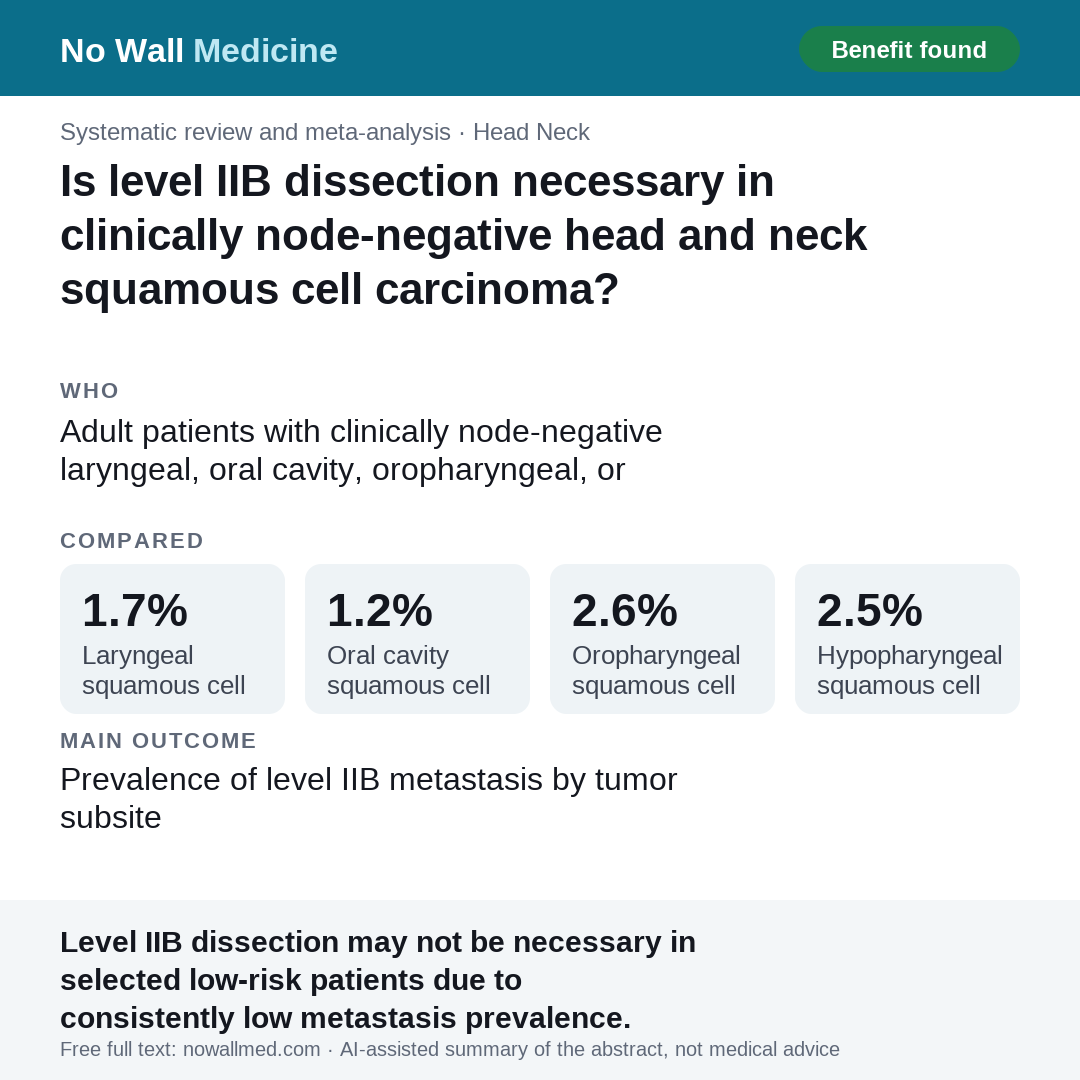
Is Level IIB Dissection Necessary in the Clinically N0 Neck? A Systematic Review and Meta-Analysis in Head and Neck Squamous Cell Carcinoma
Systematic review and meta-analysisBenefit found
Is level IIB dissection necessary in clinically node-negative head and neck squamous cell carcinoma?
Who
Adult patients with clinically node-negative laryngeal, oral cavity, oropharyngeal, or hypopharyngeal squamous cell carcinoma
Compared
1.7%Laryngeal squamous cell carcinoma
1.2%Oral cavity squamous cell carcinoma
2.6%Oropharyngeal squamous cell carcinoma
2.5%Hypopharyngeal squamous cell carcinoma
Main outcome
Prevalence of level IIB metastasis by tumor subsite
Bottom line: Level IIB dissection may not be necessary in selected low-risk patients due to consistently low metastasis prevalence.
Head Neck · 2026-07-13Download image
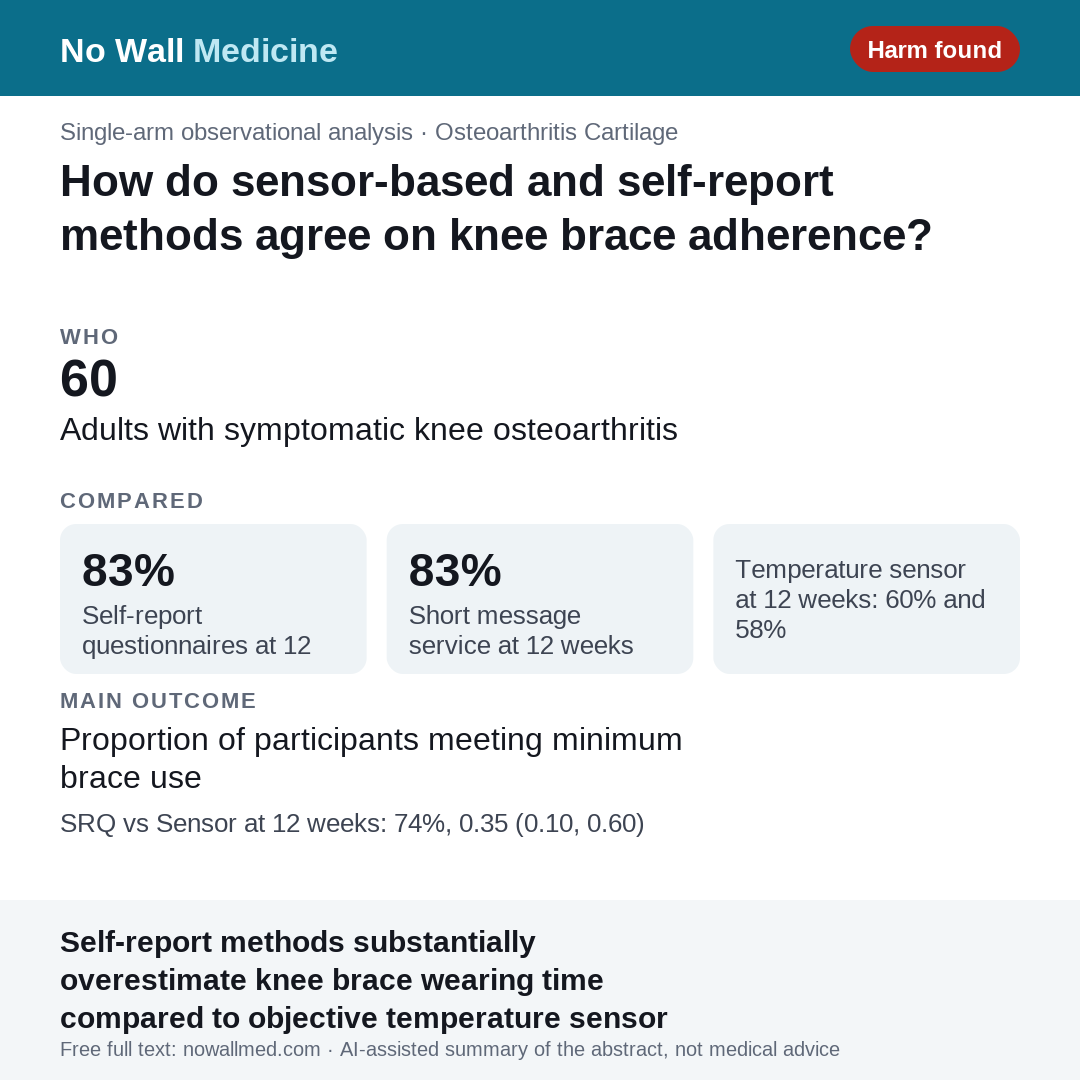
Sensor-based measures of knee brace adherence have low agreement with self-report methods: A multi-measure study among knee osteoarthritis patients
Single-arm observational analysisHarm found
How do sensor-based and self-report methods agree on knee brace adherence?
Who
60
Adults with symptomatic knee osteoarthritis
Compared
83%Self-report questionnaires at 12 weeks
83%Short message service at 12 weeks
Temperature sensor at 12 weeks: 60% and 58%
Main outcome
Proportion of participants meeting minimum brace use
Result: SRQ vs Sensor at 12 weeks: 74%, 0.35 (0.10, 0.60)
Bottom line: Self-report methods substantially overestimate knee brace wearing time compared to objective temperature sensor measurements.
Osteoarthritis Cartilage · 2026-07-13Download image
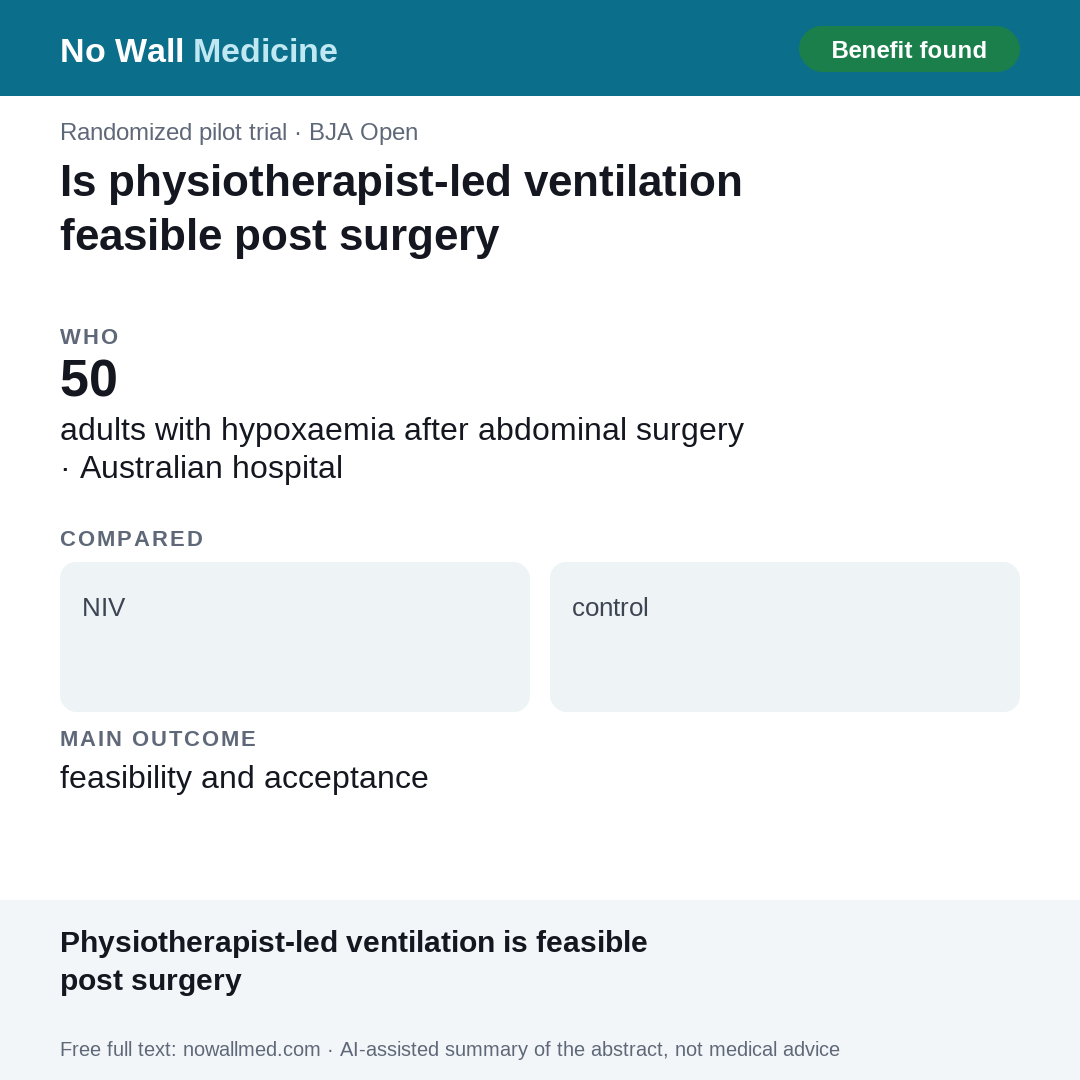
Physiotherapist-led intermittent noninvasive ventilation for hypoxaemia following abdominal surgery in a quaternary Australian hospital: a randomised pilot feasibility trial
Randomised, assessor-blinded, parallel-group, feasibility pilot trialBenefit found
Is physiotherapist-led noninvasive ventilation feasible for adults with hypoxaemia after major abdominal surgery?
Who
50
Adults with hypoxaemia following major abdominal surgery · Single-centre quaternary Australian hospital
Compared
Usual care physiotherapy
Usual care plus physiotherapist-led noninvasive ventilation: 91% (20/22) acceptability
Main outcome
Feasibility including recruitment, treatment adherence, and acceptability
Bottom line: Physiotherapist-led noninvasive ventilation was feasible and acceptable for patients with postoperative hypoxaemia.
BJA Open · 2026-07-13Download image
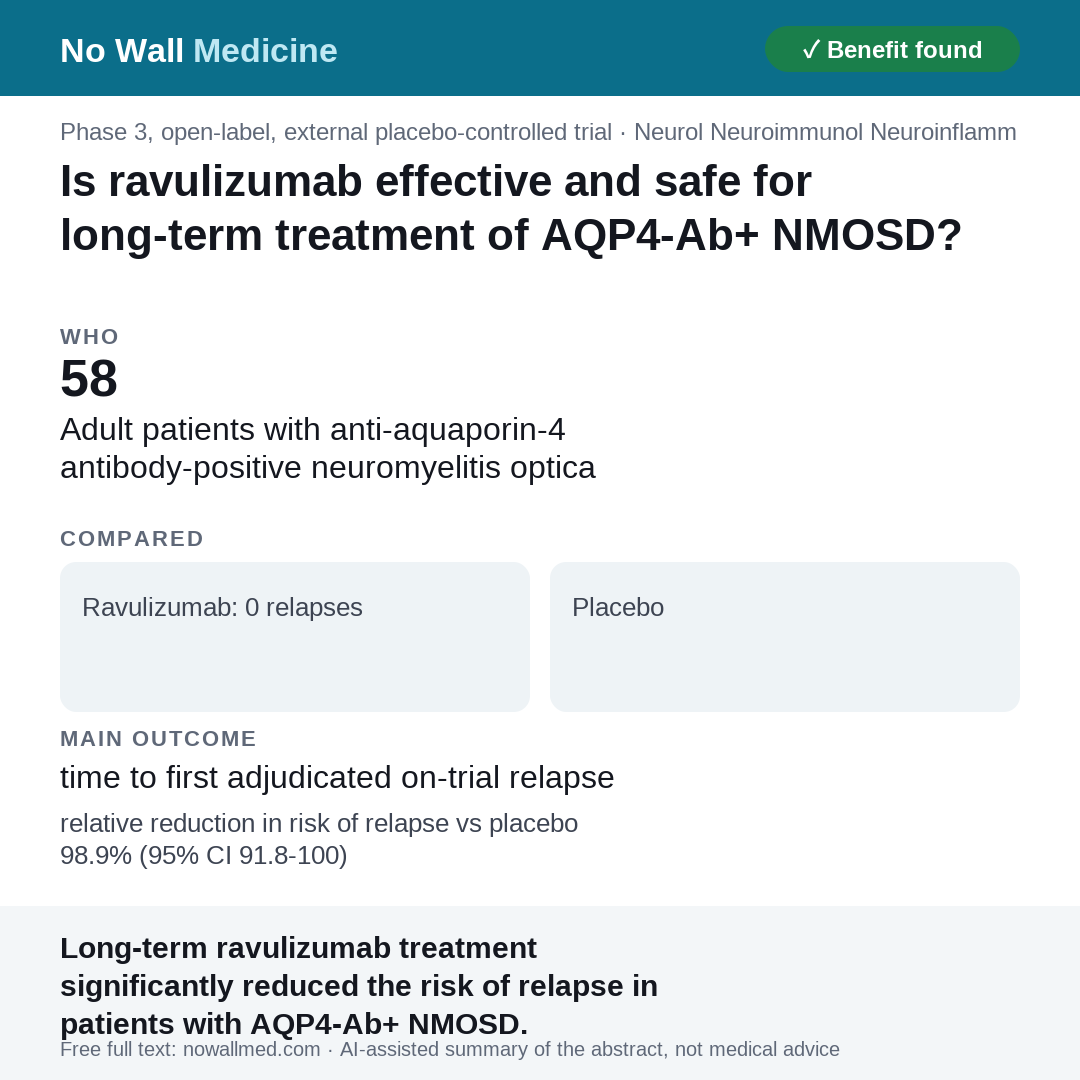
Long-Term Ravulizumab Efficacy and Safety in AQP4 Antibody-Positive Neuromyelitis Optica Spectrum Disorder: Final CHAMPION-NMOSD Results
Phase 3, open-label, external placebo-controlled trialBenefit found
Is ravulizumab effective and safe for long-term treatment of AQP4-Ab+ NMOSD?
Who
58
Adult patients with anti-aquaporin-4 antibody-positive neuromyelitis optica spectrum disorder
Compared
Ravulizumab: 0 relapses
Placebo
Main outcome
time to first adjudicated on-trial relapse
Result: relative reduction in risk of relapse vs placebo 98.9% (95% CI 91.8-100)
Bottom line: Long-term ravulizumab treatment significantly reduced the risk of relapse in patients with AQP4-Ab+ NMOSD.
Neurol Neuroimmunol Neuroinflamm · 2026-07-13Download image
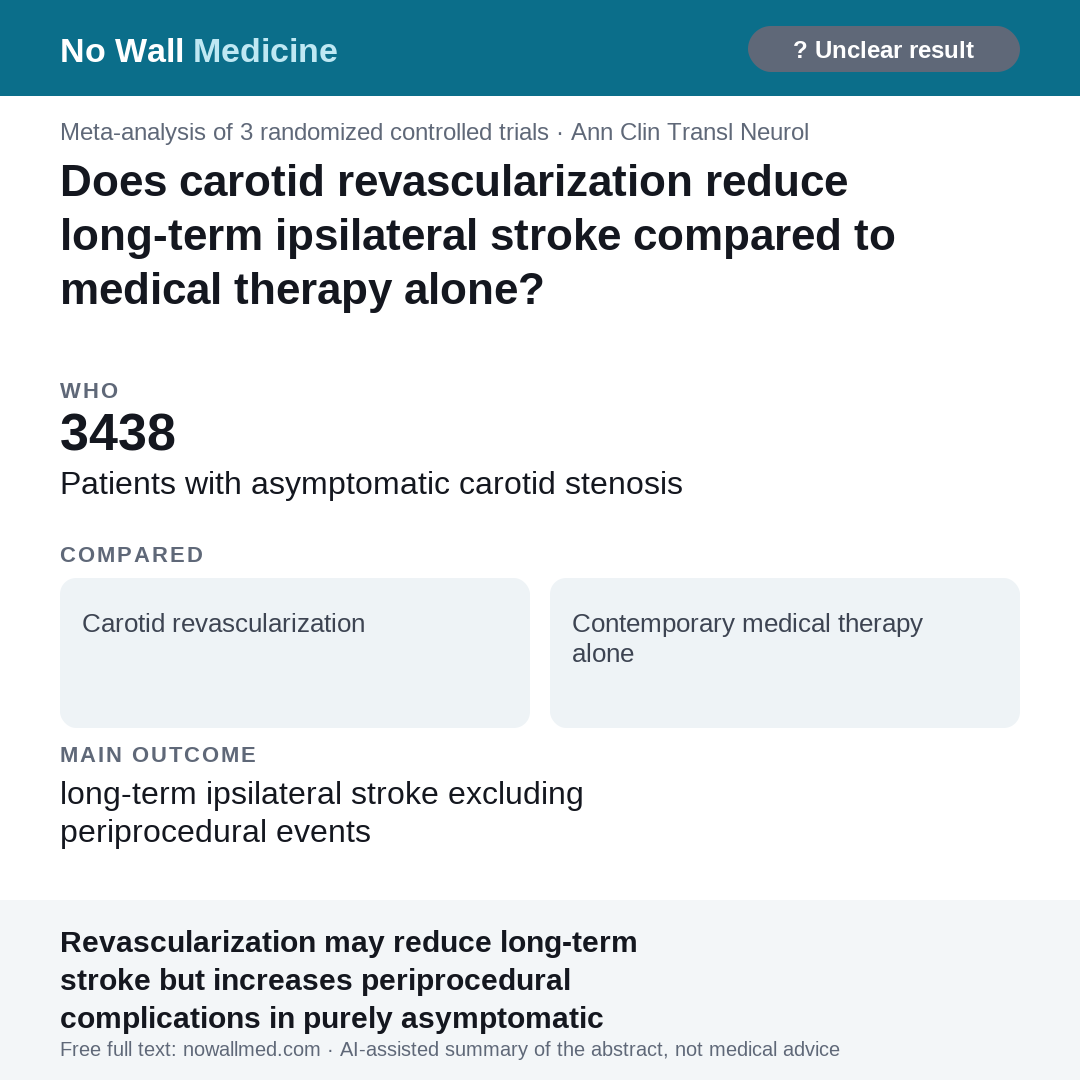
Modern Management of Asymptomatic Carotid Stenosis: A Meta-Analysis of CREST-2, SPACE-2, and ECST-2
Meta-analysis of 3 randomized controlled trialsUnclear result
Does carotid revascularization reduce long-term ipsilateral stroke compared to medical therapy alone?
Who
3438
Patients with asymptomatic carotid stenosis
Compared
Carotid revascularization
Contemporary medical therapy alone
Main outcome
long-term ipsilateral stroke excluding periprocedural events
Result: RR 0.51 (95% CI 0.21-1.29)
Bottom line: Revascularization may reduce long-term stroke but increases periprocedural complications in purely asymptomatic populations.
Limitation: The primary pooled analysis was inconclusive and demonstrated substantial heterogeneity.
Ann Clin Transl Neurol · 2026-07-13Download image
Fluid regimens for diabetic ketoacidosis in children and adolescents: systematic review and meta-analysis
Systematic review and meta-analysis of 10 randomized controlled trialsMixed results
What are the optimal fluid regimens for children and adolescents with diabetic ketoacidosis?
Who
2291
Children and adolescents with diabetic ketoacidosis
Compared
20 mL/kg bolus: higher risk of adverse events
10 mL/kg bolus
0.9% saline (48-72 hours): higher risk of hypoglycemia
0.45% saline
Main outcome
Adverse events and hypoglycemia
Result: risk ratio 1.11 (95% CI 1.01-1.23)
Bottom line: Smaller bolus volumes may be safer, and prolonged 0.9% saline use may increase hypoglycemia and adverse event risks.
Limitation: Certainty of evidence was low for several findings.
J Endocr Soc · 2026-07-13Download image

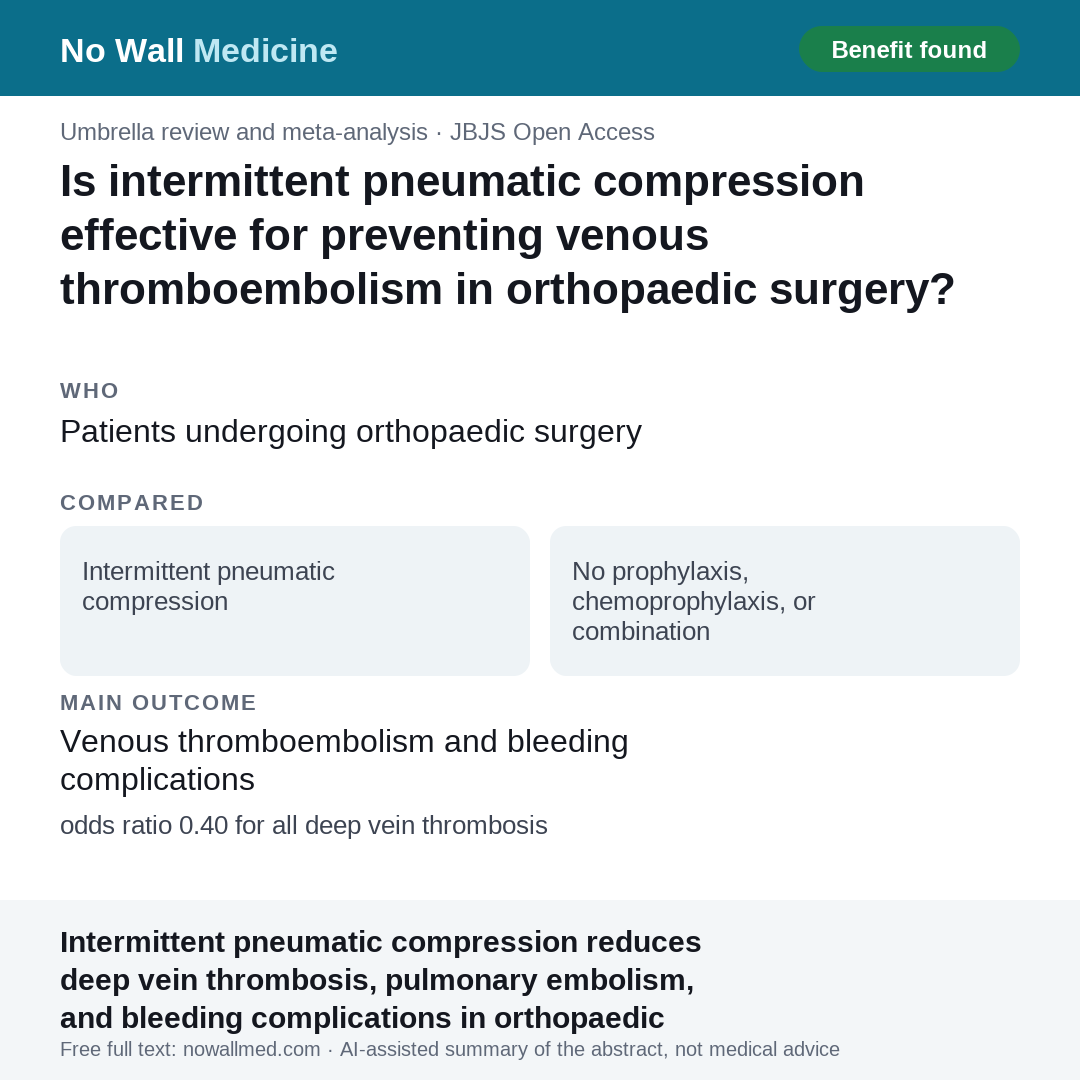
The Use of Intermittent Pneumatic Compression in Orthopaedic Surgery: An Umbrella Review and Meta-Analysis
Umbrella review and meta-analysisBenefit found
Is intermittent pneumatic compression effective for preventing venous thromboembolism in orthopaedic surgery?
Who
Patients undergoing orthopaedic surgery
Compared
Intermittent pneumatic compression
No prophylaxis, chemoprophylaxis, or combination
Main outcome
Venous thromboembolism and bleeding complications
Result: odds ratio 0.40 for all deep vein thrombosis
Bottom line: Intermittent pneumatic compression reduces deep vein thrombosis, pulmonary embolism, and bleeding complications in orthopaedic surgery patients.
Limitation: Heterogeneity in existing evidence and methodological limitations.
JBJS Open Access · 2026-07-13Download image
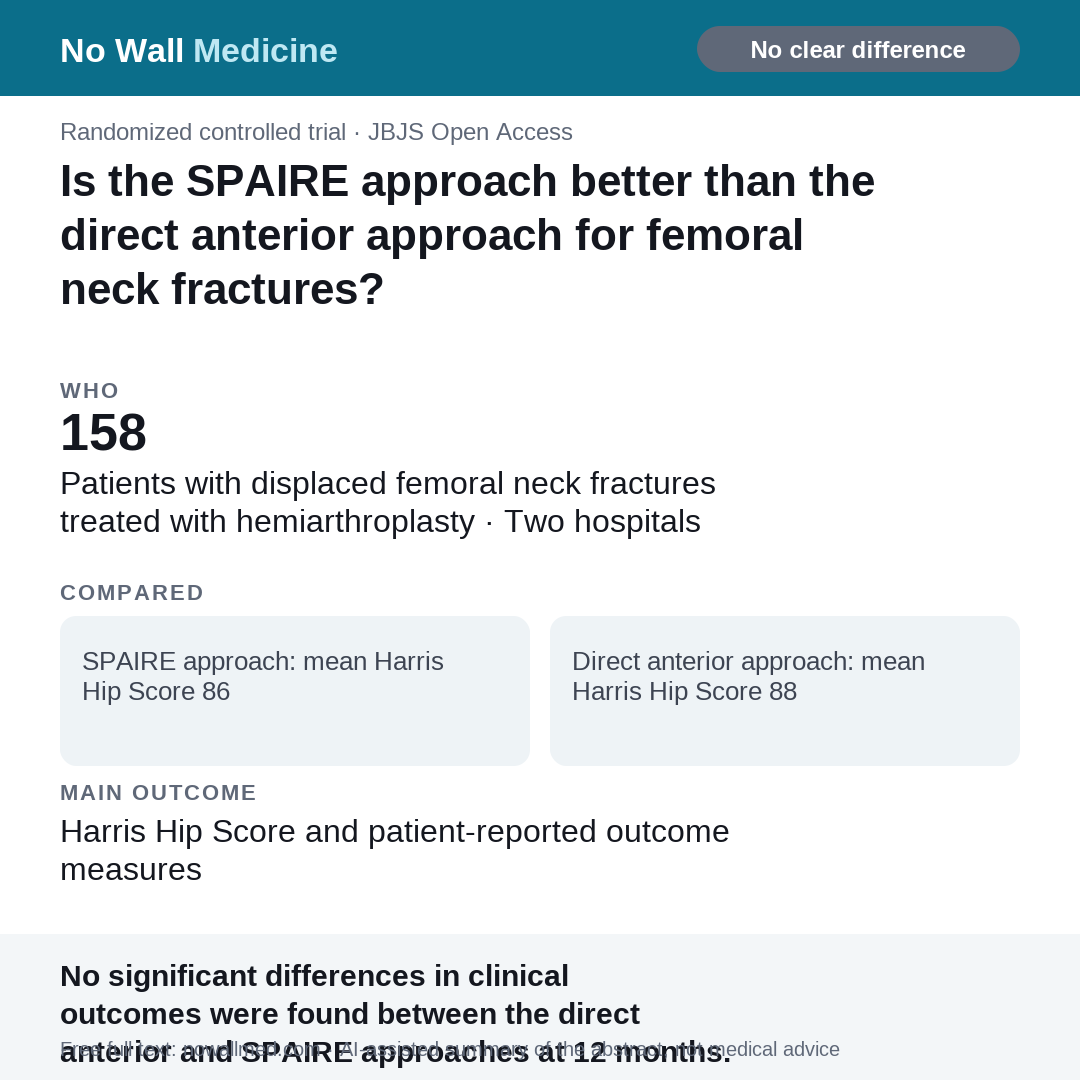
SPAIRE Approach Versus Direct Anterior Approach in Hemiarthroplasty for Displaced Femoral Neck Fractures: A Randomized Controlled Trial
Randomized controlled trialNo clear difference
Is the SPAIRE approach better than the direct anterior approach for femoral neck fractures?
Who
158
Patients with displaced femoral neck fractures treated with hemiarthroplasty · Two hospitals in Norway
Compared
SPAIRE approach: mean Harris Hip Score 86
Direct anterior approach: mean Harris Hip Score 88
Main outcome
Harris Hip Score and patient-reported outcome measures
Result: mean difference 2.3, 95% CI -2.7 to 7.3
Bottom line: No significant differences in clinical outcomes were found between the direct anterior and SPAIRE approaches at 12 months.
Limitation: Larger studies are warranted to establish the clinical implications of the approach.
JBJS Open Access · 2026-07-13Download image
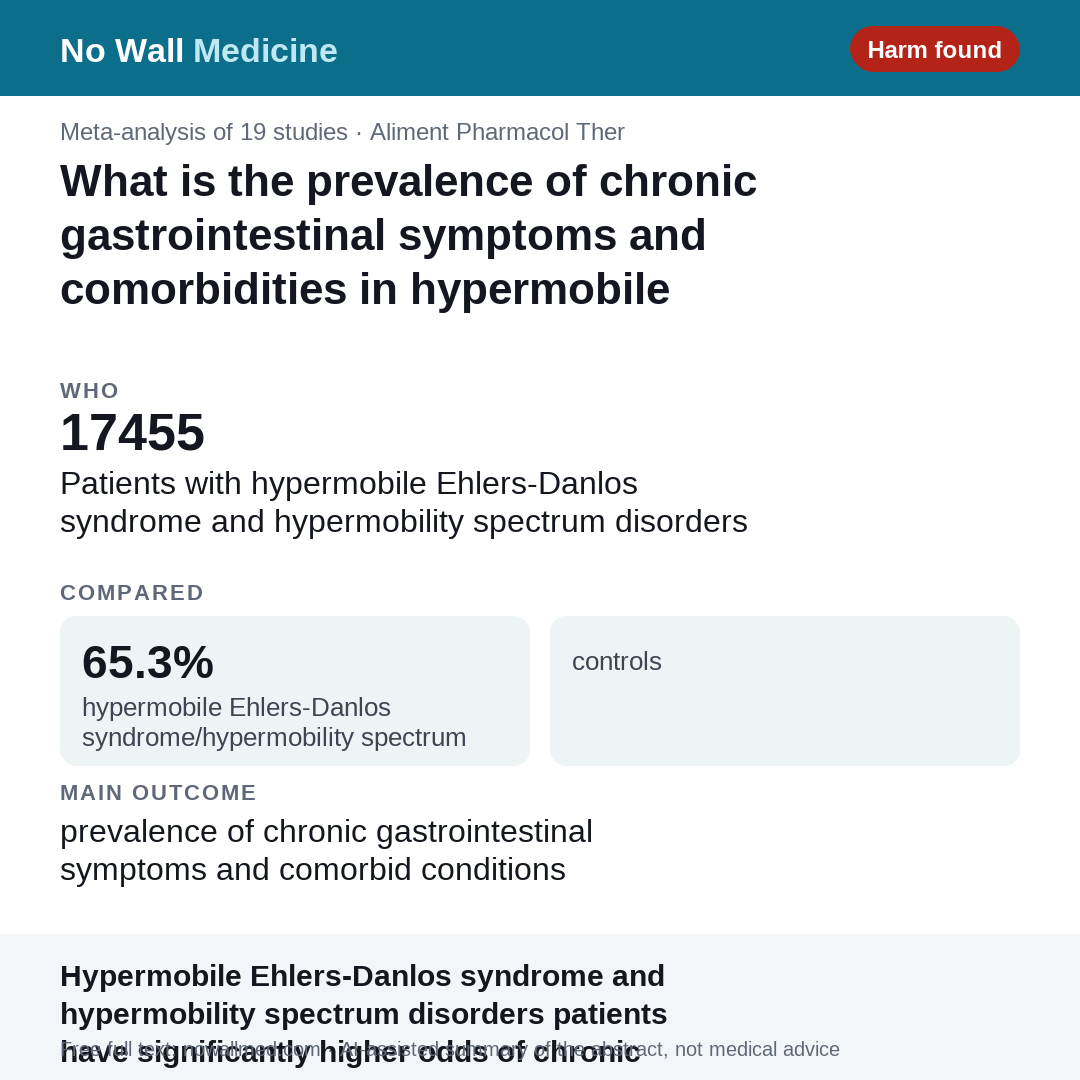
Meta-Analysis: Chronic Gastrointestinal Symptoms and Comorbidities in Hypermobile Ehlers-Danlos Syndrome and Hypermobility Spectrum Disorders
Meta-analysis of 19 studiesHarm found
What is the prevalence of chronic gastrointestinal symptoms and comorbidities in hypermobile Ehlers-Danlos syndrome?
Who
17455
Patients with hypermobile Ehlers-Danlos syndrome and hypermobility spectrum disorders
Compared
65.3%hypermobile Ehlers-Danlos syndrome/hypermobility spectrum disorders (95% CI 51.4-77.0)
controls
Main outcome
prevalence of chronic gastrointestinal symptoms and comorbid conditions
Result: odds ratio 4.29 (95% CI 3.1-6.0)
Bottom line: Hypermobile Ehlers-Danlos syndrome and hypermobility spectrum disorders patients have significantly higher odds of chronic gastrointestinal symptoms.
Limitation: The quality of evidence is low due to significant clinical heterogeneity.
Aliment Pharmacol Ther · 2026-07-12Download image
Meta-Analysis: Crohn's Disease Exclusion Diet for Induction and Maintenance in Crohn's Disease
Meta-analysis of 16 studiesBenefit found
Is the Crohn's disease exclusion diet effective for induction and maintenance in Crohn's disease?
Who
Patients with Crohn's disease
Compared
0.69Crohn's disease exclusion diet (95% CI: 0.65-0.74)
Control diet
Main outcome
Clinical remission at 6-8 weeks
Result: odds ratio 2.58 (95% CI 1.53-4.37)
Bottom line: Crohn's disease exclusion diet-based interventions appear efficacious for inducing clinical remission in Crohn's disease.
Limitation: Only limited data were available regarding biochemical, endoscopic, transmural and histological outcomes.
Aliment Pharmacol Ther · 2026-07-12Download image

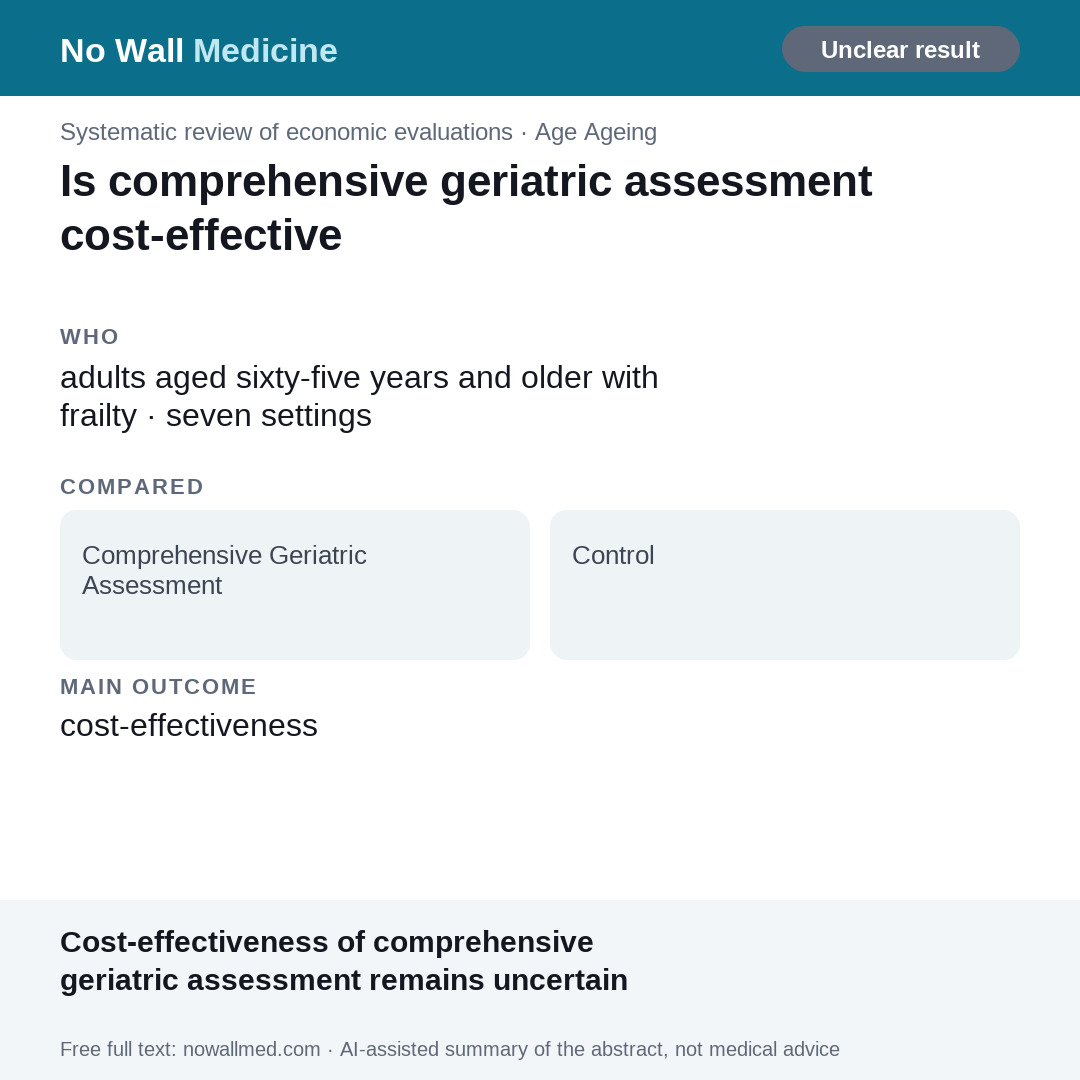
Cost-effectiveness of comprehensive geriatric assessment: systematic review of economic evaluations
Systematic review of economic evaluationsUnclear result
Is comprehensive geriatric assessment cost-effective
Who
adults aged sixty-five years and older with frailty · seven settings
Compared
Comprehensive Geriatric Assessment
Control
Main outcome
cost-effectiveness
Bottom line: Cost-effectiveness of comprehensive geriatric assessment remains uncertain
Age Ageing · 2026-07-12Download image
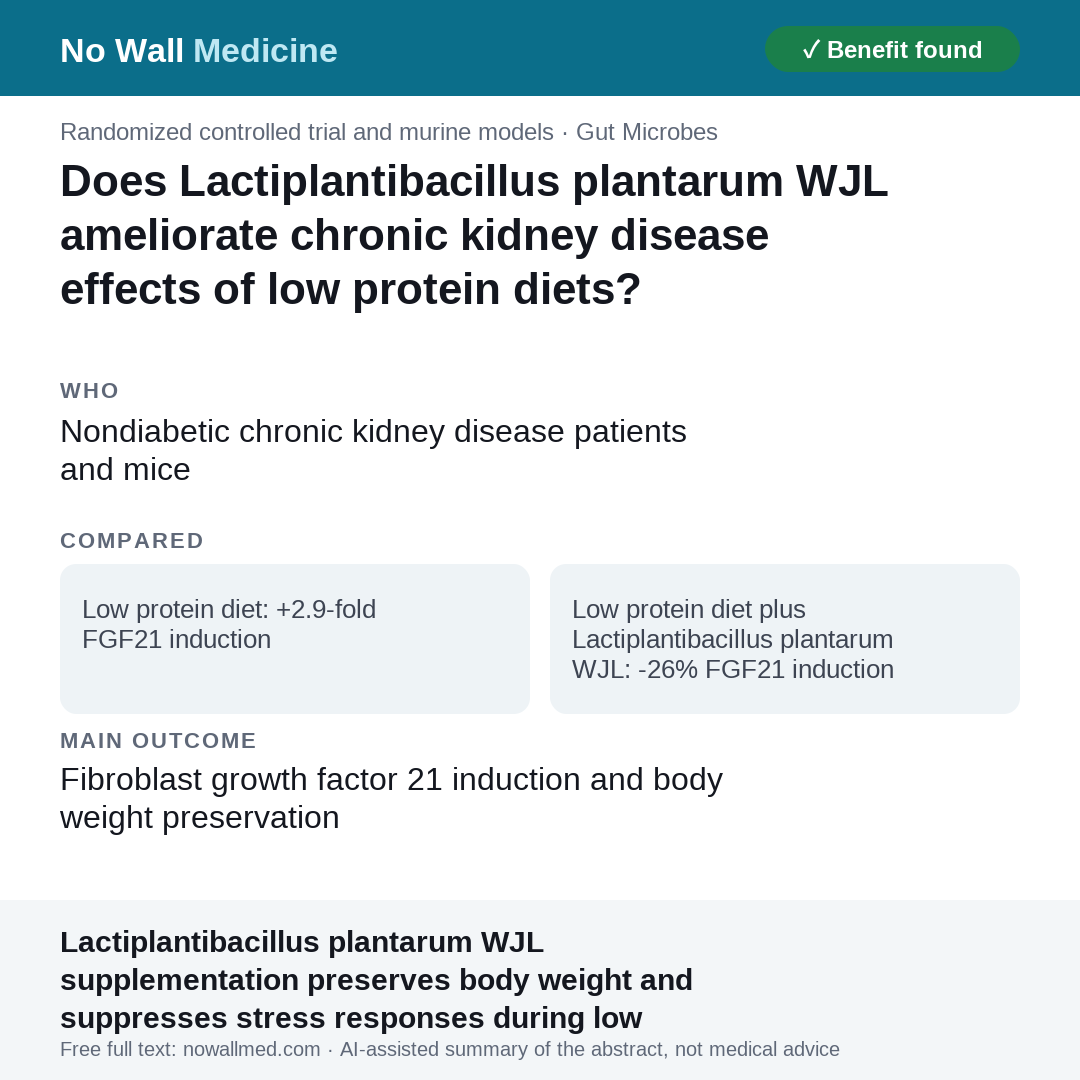
Lactiplantibacillus plantarum WJL ameliorates chronic kidney disease by inhibiting fibroblast growth factor 21 adaptive stress response via low protein diet
Randomized controlled trial and murine modelsBenefit found
Does Lactiplantibacillus plantarum WJL ameliorate chronic kidney disease effects of low protein diets?
Who
Nondiabetic chronic kidney disease patients and mice
Compared
Low protein diet: +2.9-fold FGF21 induction
Low protein diet plus Lactiplantibacillus plantarum WJL: -26% FGF21 induction
Main outcome
Fibroblast growth factor 21 induction and body weight preservation
Bottom line: Lactiplantibacillus plantarum WJL supplementation preserves body weight and suppresses stress responses during low protein diets.
Limitation: Clinical trials are required to confirm relevance in chronic kidney disease management.
Gut Microbes · 2026-07-12Download image
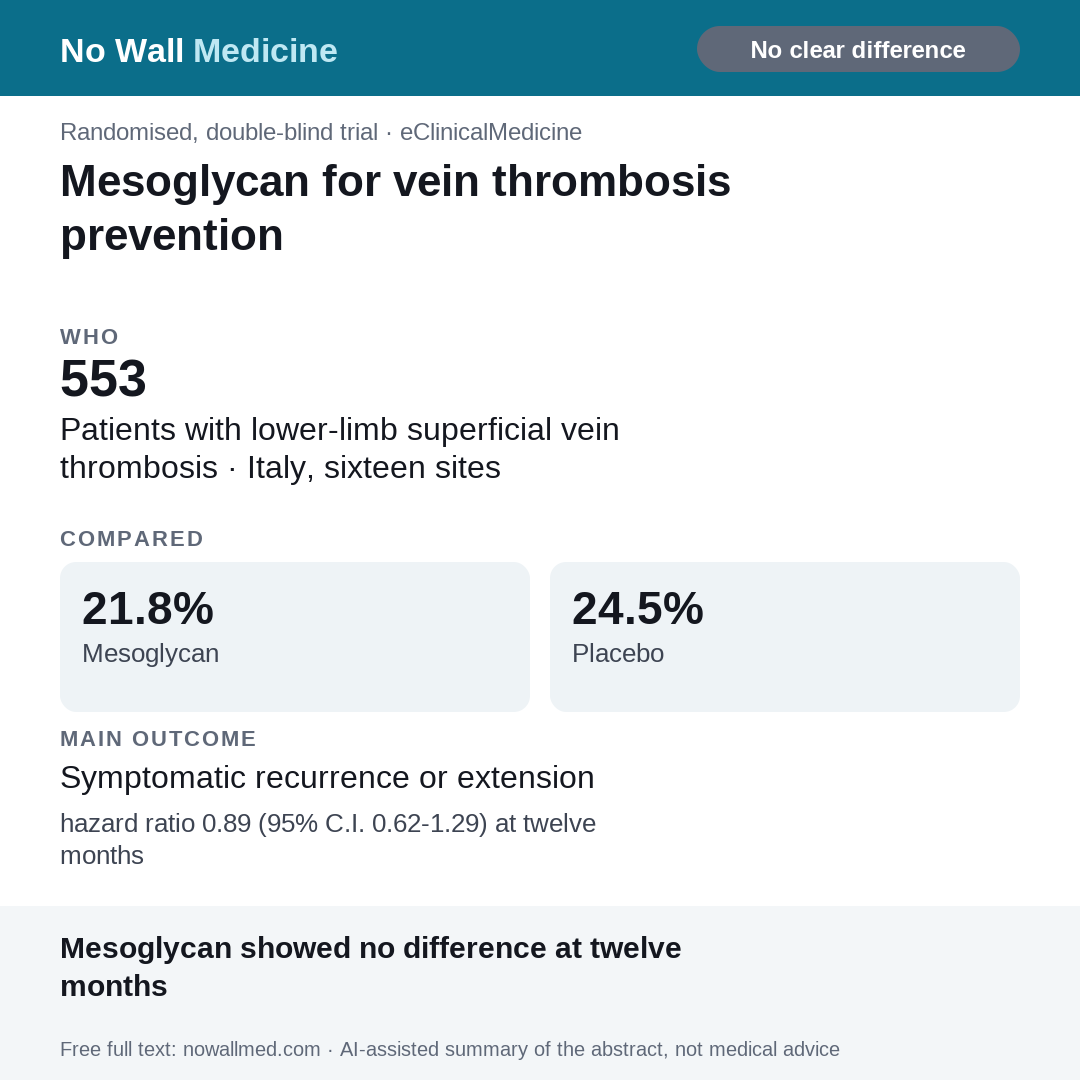
Mesoglycan for long-term secondary prevention in patients with superficial vein thrombosis (METRO): a multicentre randomised clinical trial in Italy
Randomised, double-blind trialNo clear difference
Mesoglycan for vein thrombosis prevention
Who
553
Patients with lower-limb superficial vein thrombosis · Italy, sixteen sites
Compared
21.8%Mesoglycan (54/272)
24.5%Placebo (63/281)
Main outcome
Symptomatic recurrence or extension
Result: hazard ratio 0.89 (95% C.I. 0.62-1.29) at twelve months
Bottom line: Mesoglycan showed no difference at twelve months
Limitation: slow recruitment, smaller sample size
Funded by: Neopharmed Gentili S.p.A.
eClinicalMedicine · 2026-07-11Download image
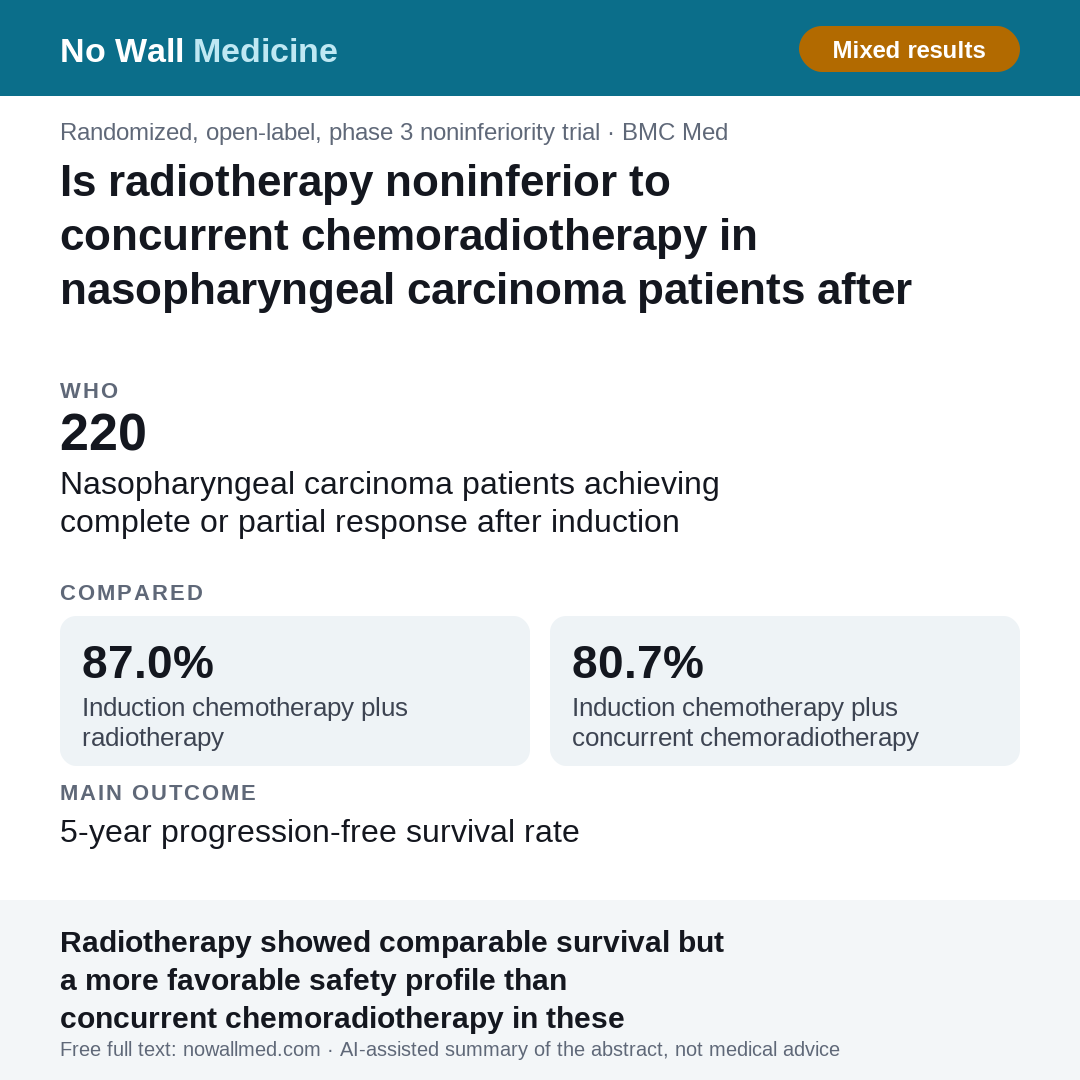
Randomized, multicenter phase 3 study evaluating radiotherapy versus concurrent chemoradiotherapy in nasopharyngeal carcinoma patients achieving CR/PR after induction chemotherapy
Randomized, open-label, phase 3 noninferiority trialMixed results
Is radiotherapy noninferior to concurrent chemoradiotherapy in nasopharyngeal carcinoma patients after induction chemotherapy?
Who
220
Nasopharyngeal carcinoma patients achieving complete or partial response after induction chemotherapy · 7 Chinese hospitals
Compared
87.0%Induction chemotherapy plus radiotherapy
80.7%Induction chemotherapy plus concurrent chemoradiotherapy
Main outcome
5-year progression-free survival rate
Bottom line: Radiotherapy showed comparable survival but a more favorable safety profile than concurrent chemoradiotherapy in these patients.
BMC Med · 2026-07-11Download image
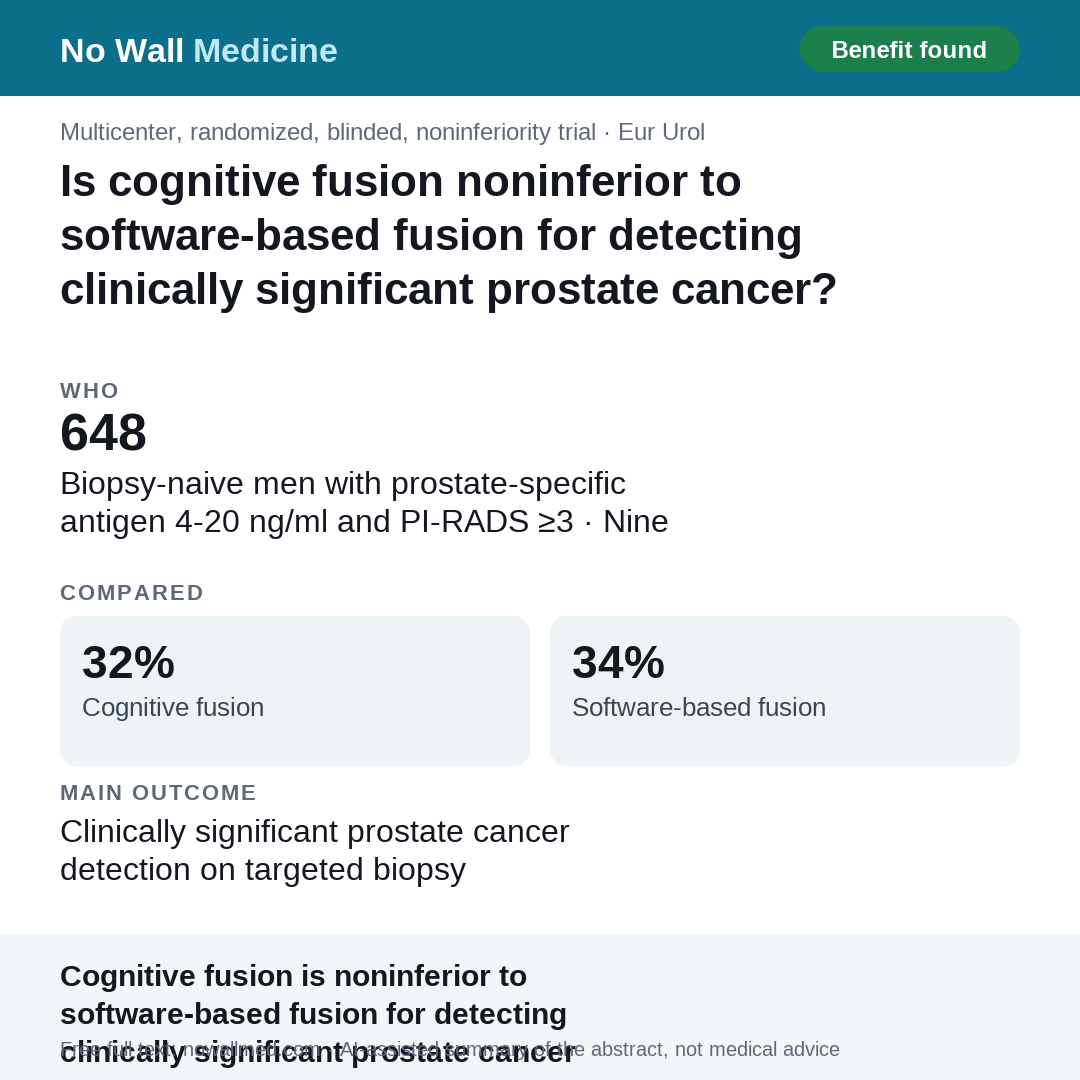
Cognitive Versus Software-based Fusion Targeted Biopsy for the Diagnosis of Clinically Significant Prostate Cancer: A Multicenter, Randomized, Noninferiority Trial (IMAGINATION)
Multicenter, randomized, blinded, noninferiority trialBenefit found
Is cognitive fusion noninferior to software-based fusion for detecting clinically significant prostate cancer?
Who
648
Biopsy-naive men with prostate-specific antigen 4-20 ng/ml and PI-RADS ≥3 · Nine centers in China
Compared
32%Cognitive fusion
34%Software-based fusion
Main outcome
Clinically significant prostate cancer detection on targeted biopsy
Result: risk difference -1.02 percentage points (90% CI -5.6 to 3.6)
Bottom line: Cognitive fusion is noninferior to software-based fusion for detecting clinically significant prostate cancer overall.
Limitation: Predominantly Asian populations, necessitating cautious geographic extrapolation of specific body mass index cutoffs.
Eur Urol · 2026-07-11Download image
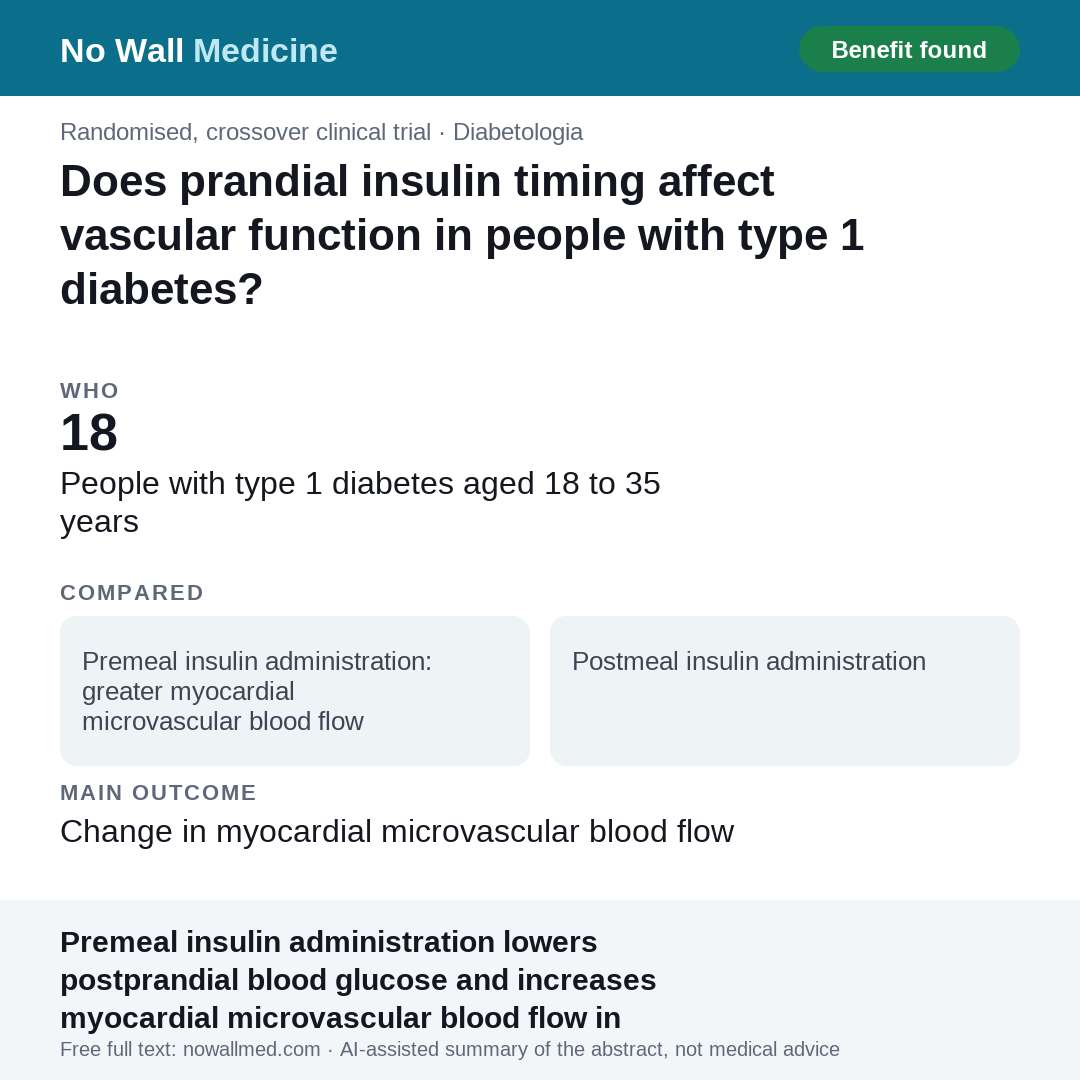
Premeal insulin administration lowers postprandial blood glucose and increases myocardial microvascular blood flow in people with type 1 diabetes: a randomised, crossover clinical trial
Randomised, crossover clinical trialBenefit found
Does prandial insulin timing affect vascular function in people with type 1 diabetes?
Who
18
People with type 1 diabetes aged 18 to 35 years
Compared
Premeal insulin administration: greater myocardial microvascular blood flow
Postmeal insulin administration
Main outcome
Change in myocardial microvascular blood flow
Bottom line: Premeal insulin administration lowers postprandial blood glucose and increases myocardial microvascular blood flow in people with type 1 diabetes.
Diabetologia · 2026-07-11Download image
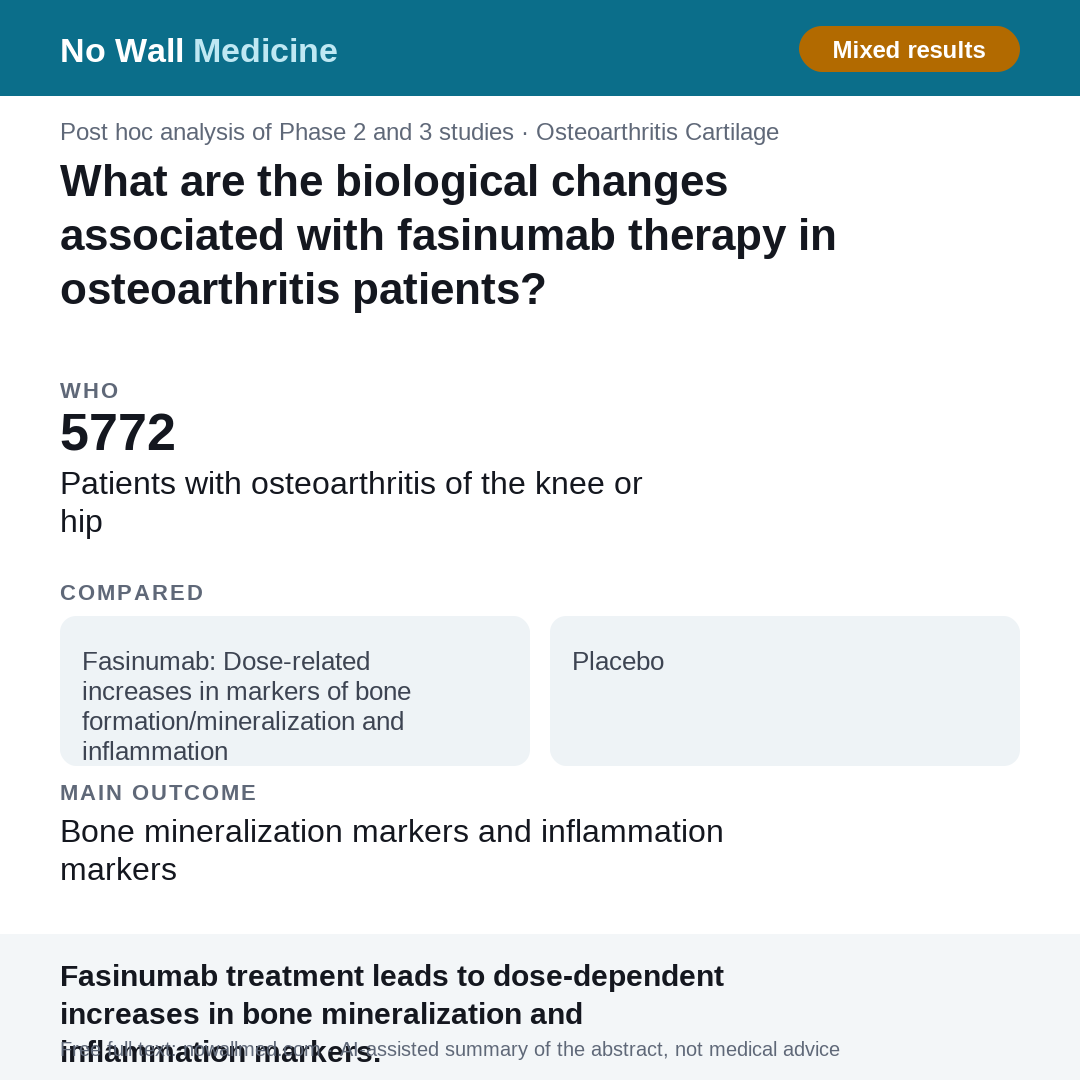
Signals for mineralization and inflammation are observed following treatment with fasinumab, a specific nerve growth factor inhibitor
Post hoc analysis of Phase 2 and 3 studiesMixed results
What are the biological changes associated with fasinumab therapy in osteoarthritis patients?
Who
5772
Patients with osteoarthritis of the knee or hip
Compared
Fasinumab: Dose-related increases in markers of bone formation/mineralization and inflammation
Placebo
Main outcome
Bone mineralization markers and inflammation markers
Bottom line: Fasinumab treatment leads to dose-dependent increases in bone mineralization and inflammation markers.
Osteoarthritis Cartilage · 2026-07-11Download image
Clinical effectiveness of internet-delivered self-help Aacceptance and Commitment Therapy for family carers of people with dementia (iACT4CARERS): a multicentre, parallel, randomised controlled trial
Single-blind, parallel-group, randomised controlled trialBenefit found
Does internet-delivered self-help Acceptance and Commitment Therapy reduce anxiety in dementia family carers?
Who
496
Family carers of a person with dementia with anxiety symptoms · United Kingdom national healthcare services
Compared
iACT4CARERS plus treatment-as-usual: clinically meaningful improvement
treatment-as-usual alone
Main outcome
anxiety symptoms assessed using Generalised Anxiety Disorder-7
Result: adjusted mean difference -2.62 (95% CI -3.47 to -1.77)
Bottom line: Internet-delivered self-help Acceptance and Commitment Therapy significantly reduces anxiety symptoms in family carers of people with dementia.
Funded by: National Institute for Health and Care Research Health Technology Assessment
Lancet Reg Health Eur · 2026-07-11Download image

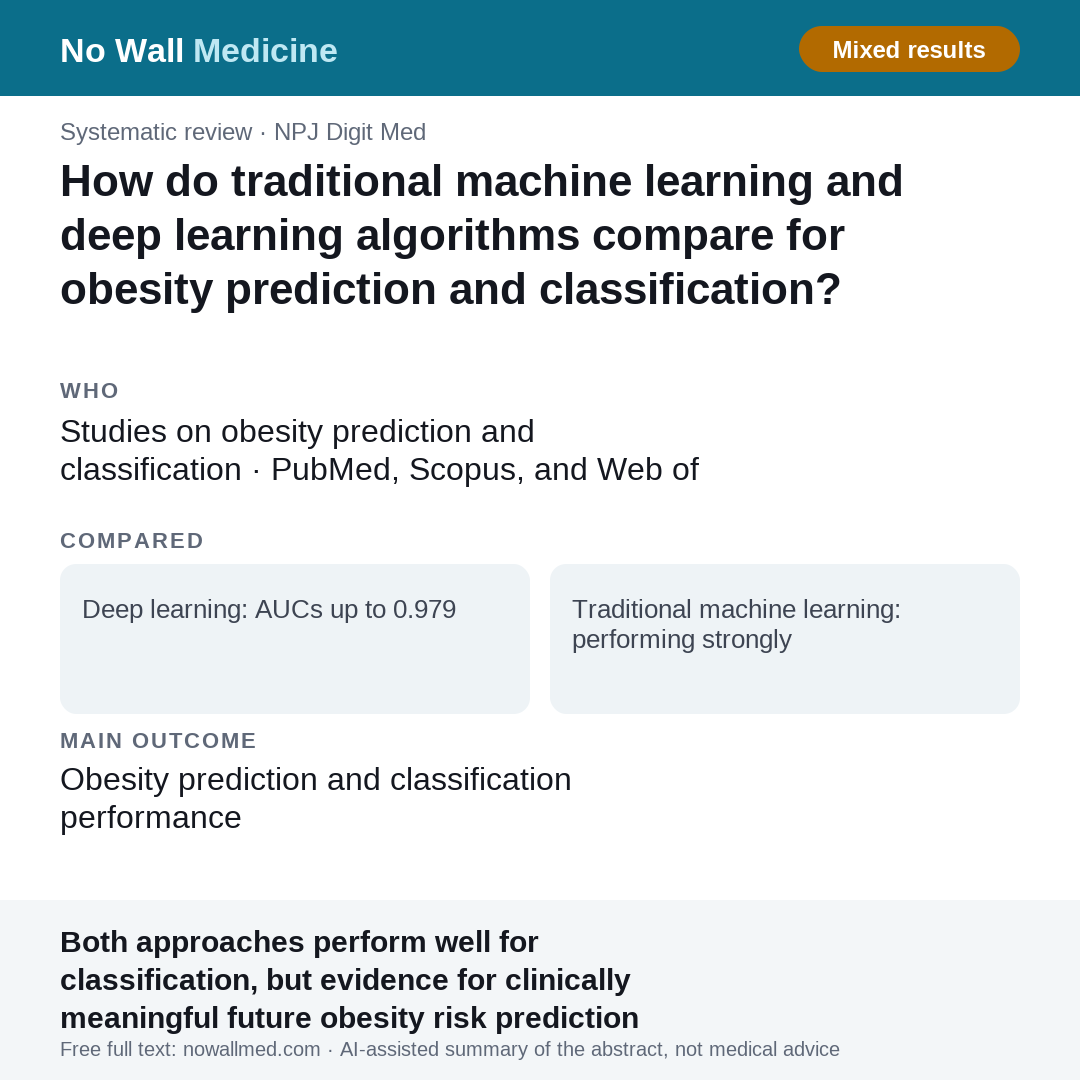
Applications of traditional machine learning and deep learning algorithms in obesity prediction or classification: a systematic review of comparative performance
Systematic reviewMixed results
How do traditional machine learning and deep learning algorithms compare for obesity prediction and classification?
Who
Studies on obesity prediction and classification · PubMed, Scopus, and Web of Science
Compared
Deep learning: AUCs up to 0.979
Traditional machine learning: performing strongly
Main outcome
Obesity prediction and classification performance
Bottom line: Both approaches perform well for classification, but evidence for clinically meaningful future obesity risk prediction remains limited.
Limitation: Limited external validation, limited calibration reporting, and potential circular predictor-outcome relationships.
NPJ Digit Med · 2026-07-11Download image