Visual abstracts
New randomized trials and meta-analyses from leading journals at a glance: who was studied, what was compared, and what was found. Every paper is free to read in full.
All specialtiesCardiology 3889Oncology 3331Gastroenterology & Hepatology 1541Infectious Disease 2853Neurology 1544Psychiatry & Mental Health 1829Pulmonology 1673Critical Care 1097Endocrinology & Diabetes 2004Pediatrics 2351Surgery 2062Orthopedics & Sports Medicine 736Neurosurgery 451Cardiothoracic & Vascular Surgery 480Plastic & Reconstructive Surgery 523Nephrology 853Rheumatology 634Hematology 874Dermatology 492Ophthalmology 426Obstetrics & Gynecology 1359Public & Global Health 769Radiology & Imaging 528Anesthesiology 790Urology 634ENT (Otolaryngology) 426Emergency Medicine 418Allergy & Immunology 244Geriatrics 809Family Medicine & Primary Care 463Medical Genetics & Genomics 525Pathology & Laboratory Medicine 135Physical Medicine & Rehabilitation 597Palliative Care 353Nutrition 1191Digital Health & AI 1801General Medicine 273
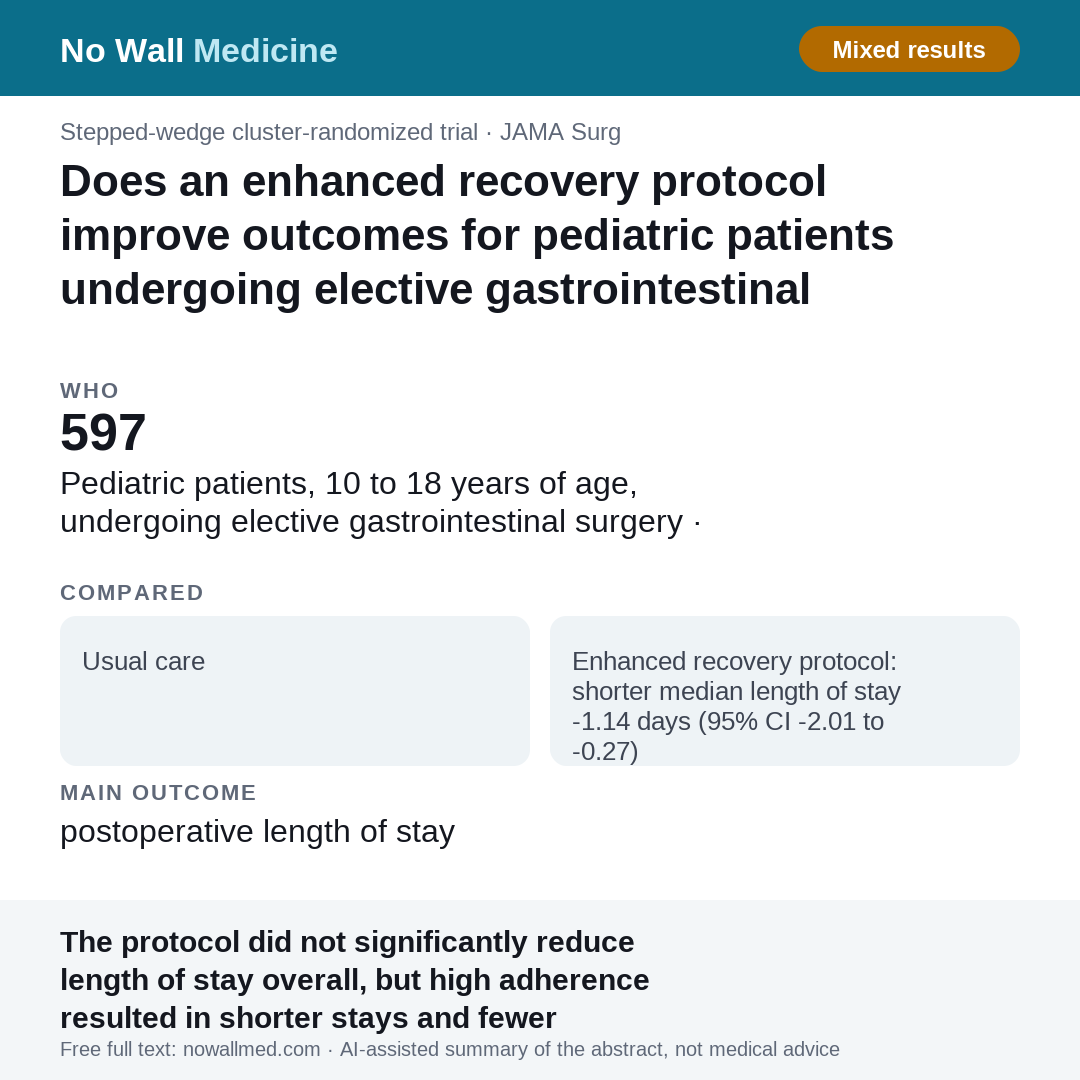
Implementation and Effectiveness of an Enhanced Recovery Protocol for Children Undergoing Surgery: The ENRICH-US Stepped-Wedge Cluster-Randomized Trial
Stepped-wedge cluster-randomized trialMixed results
Does an enhanced recovery protocol improve outcomes for pediatric patients undergoing elective gastrointestinal surgery?
Who
597
Pediatric patients, 10 to 18 years of age, undergoing elective gastrointestinal surgery · 18 United States sites
Compared
Usual care
Enhanced recovery protocol: shorter median length of stay -1.14 days (95% CI -2.01 to -0.27)
Main outcome
postoperative length of stay
Result: adjusted odds ratio, 0.48 (95% CI, 0.28-0.82) for complications
Bottom line: The protocol did not significantly reduce length of stay overall, but high adherence resulted in shorter stays and fewer complications.
JAMA Surg · 2026-05-13Download image
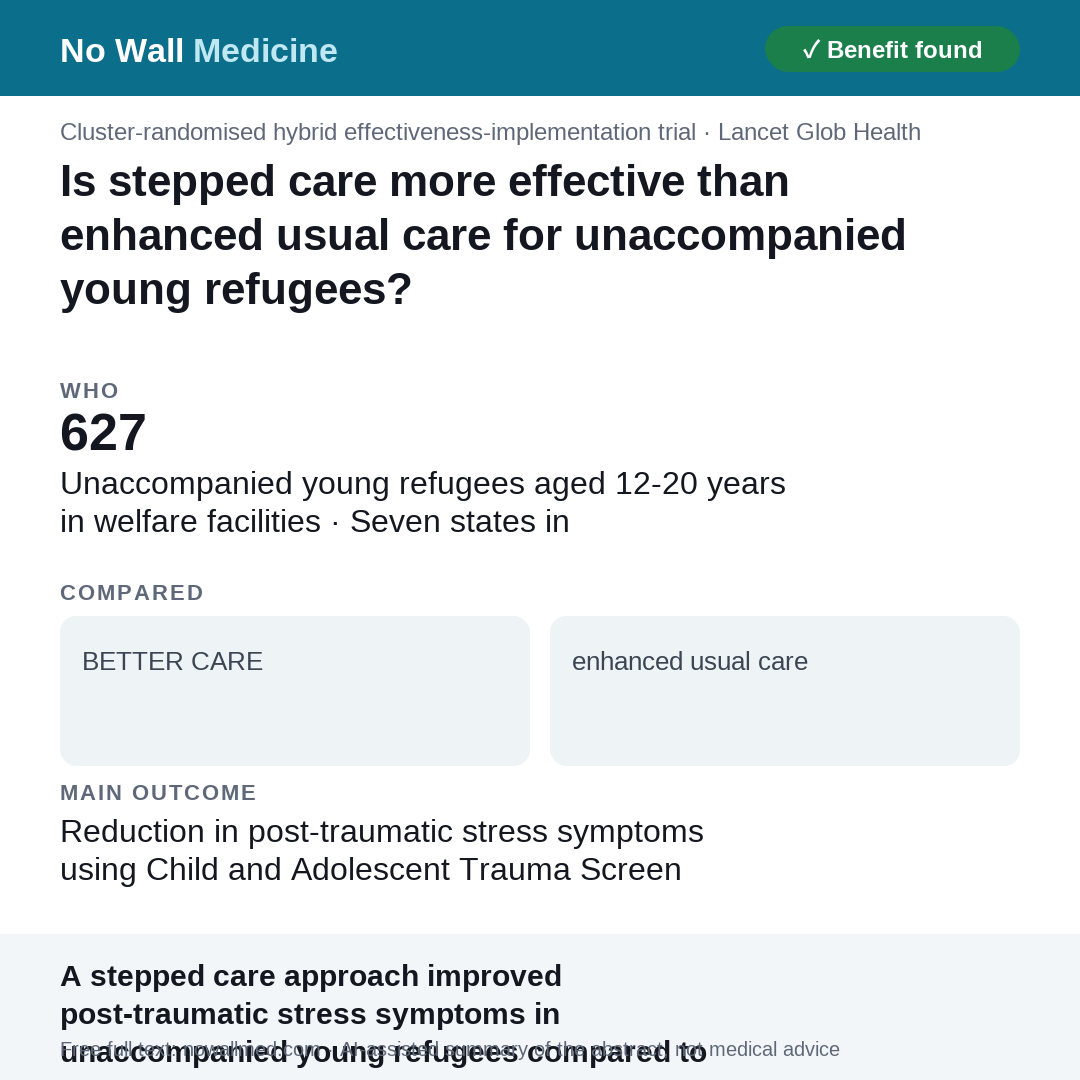
Mental health care for unaccompanied young refugees in Germany through a stepped care approach versus enhanced usual care: a cluster-randomised hybrid effectiveness-implementation trial
Cluster-randomised hybrid effectiveness-implementation trialBenefit found
Is stepped care more effective than enhanced usual care for unaccompanied young refugees?
Who
627
Unaccompanied young refugees aged 12-20 years in welfare facilities · Seven states in Germany
Compared
BETTER CARE
enhanced usual care
Main outcome
Reduction in post-traumatic stress symptoms using Child and Adolescent Trauma Screen scores
Result: d=-0·17 (95% CI -0·34 to -0·004)
Bottom line: A stepped care approach improved post-traumatic stress symptoms in unaccompanied young refugees compared to enhanced usual care.
Funded by: German Federal Ministry of Education and Research
Lancet Glob Health · 2026-05-13Download image
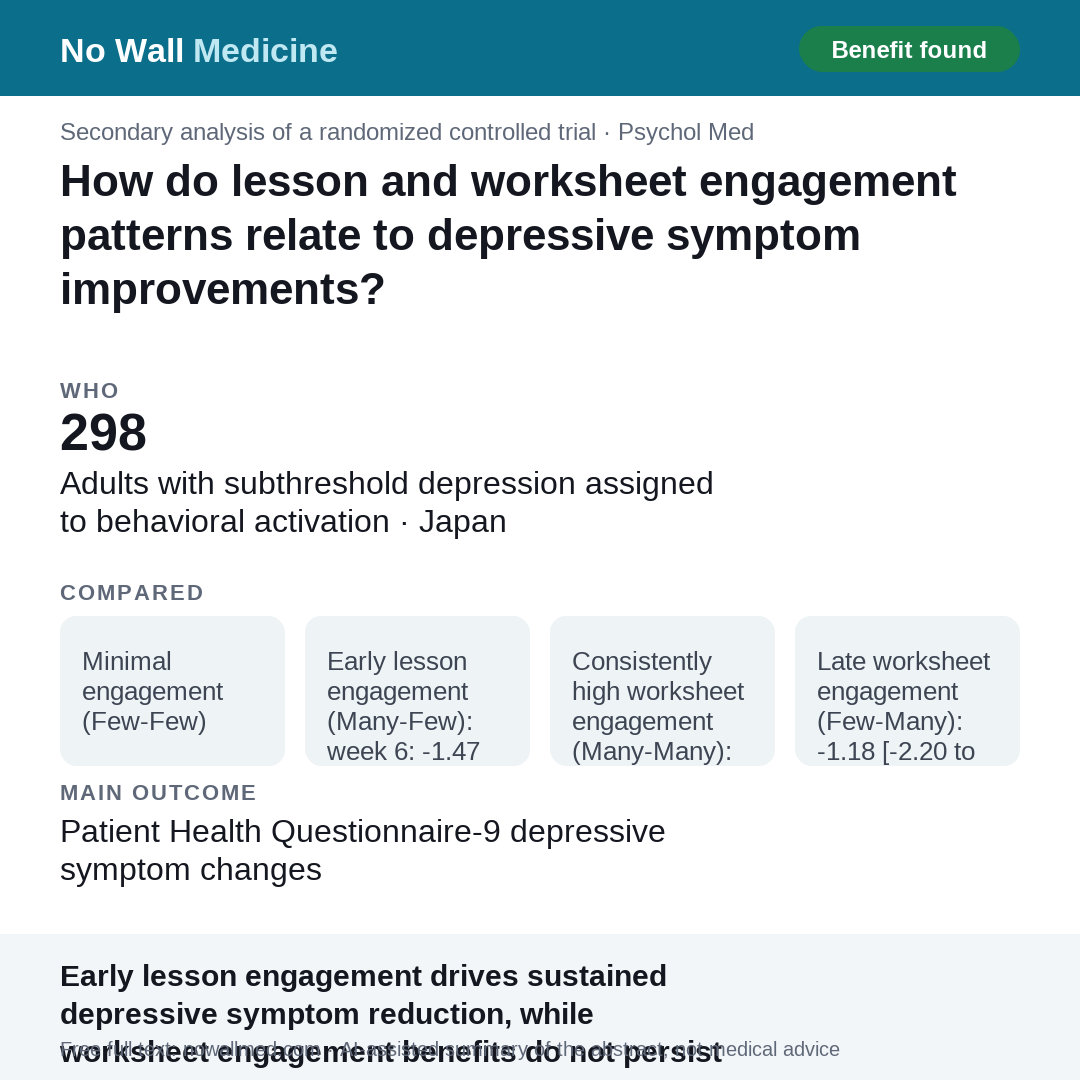
Smartphone CBT engagement and depressive symptoms: secondary analysis of the RESiLIENT trial using a time-varying exposure approach
Secondary analysis of a randomized controlled trialBenefit found
How do lesson and worksheet engagement patterns relate to depressive symptom improvements?
Who
298
Adults with subthreshold depression assigned to behavioral activation · Japan
Compared
Minimal engagement (Few-Few)
Early lesson engagement (Many-Few): week 6: -1.47 [95% CI -2.52 to -0.53]; week 26: -1.27 [-2.53 to -0.17]
Consistently high worksheet engagement (Many-Many): -1.25 [-2.17 to -0.44]
Late worksheet engagement (Few-Many): -1.18 [-2.20 to -0.08]
Main outcome
Patient Health Questionnaire-9 depressive symptom changes
Bottom line: Early lesson engagement drives sustained depressive symptom reduction, while worksheet engagement benefits do not persist to week 26.
Psychol Med · 2026-05-13Download image
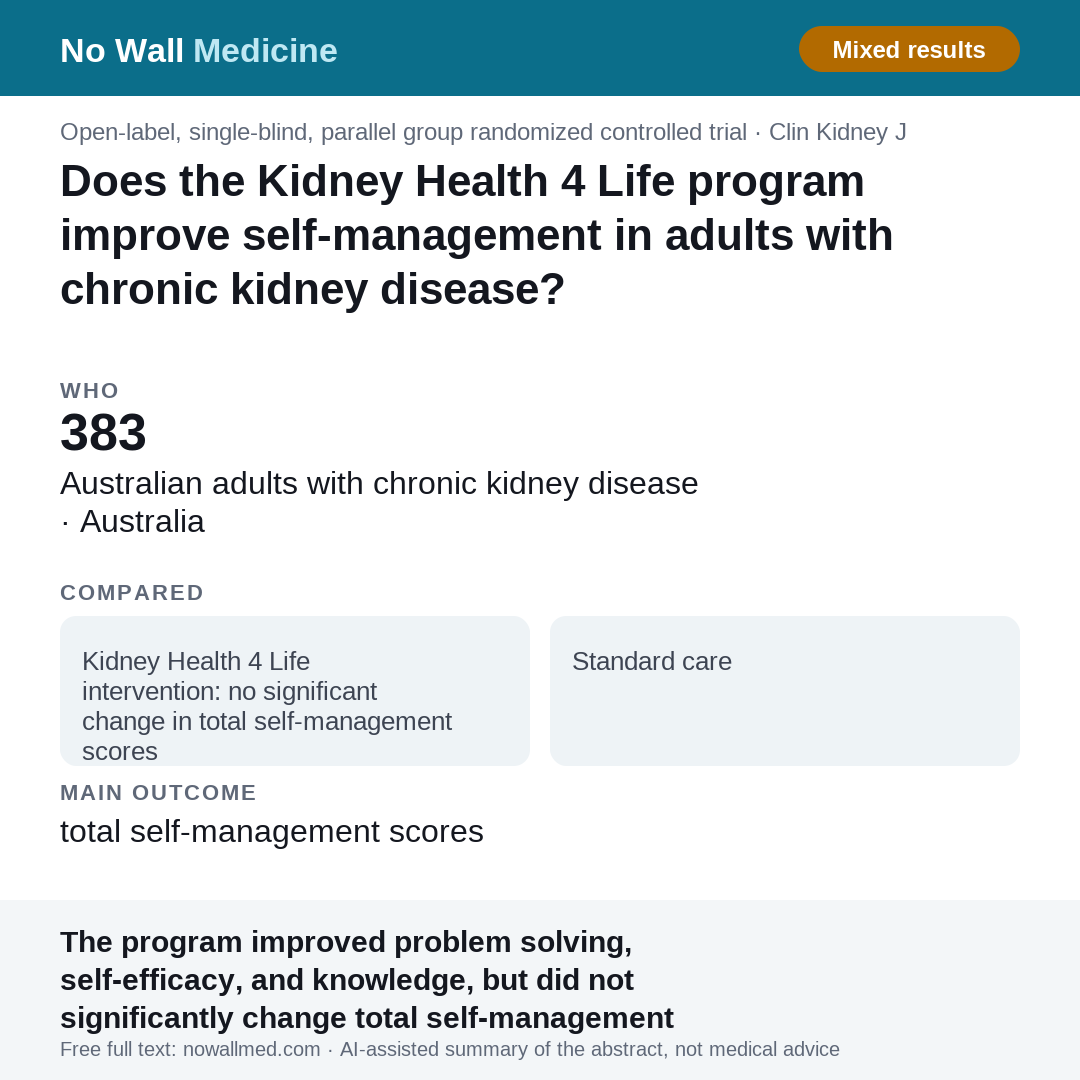
Randomized clinical trial of the KH4L self-management program
Open-label, single-blind, parallel group randomized controlled trialMixed results
Does the Kidney Health 4 Life program improve self-management in adults with chronic kidney disease?
Who
383
Australian adults with chronic kidney disease · Australia
Compared
Kidney Health 4 Life intervention: no significant change in total self-management scores
Standard care
Main outcome
total self-management scores
Bottom line: The program improved problem solving, self-efficacy, and knowledge, but did not significantly change total self-management scores.
Limitation: Subgroup analyses indicated greater benefits for those accessing chronic kidney disease-specific modules compared to dialysis-specific content.
Clin Kidney J · 2026-05-13Download image
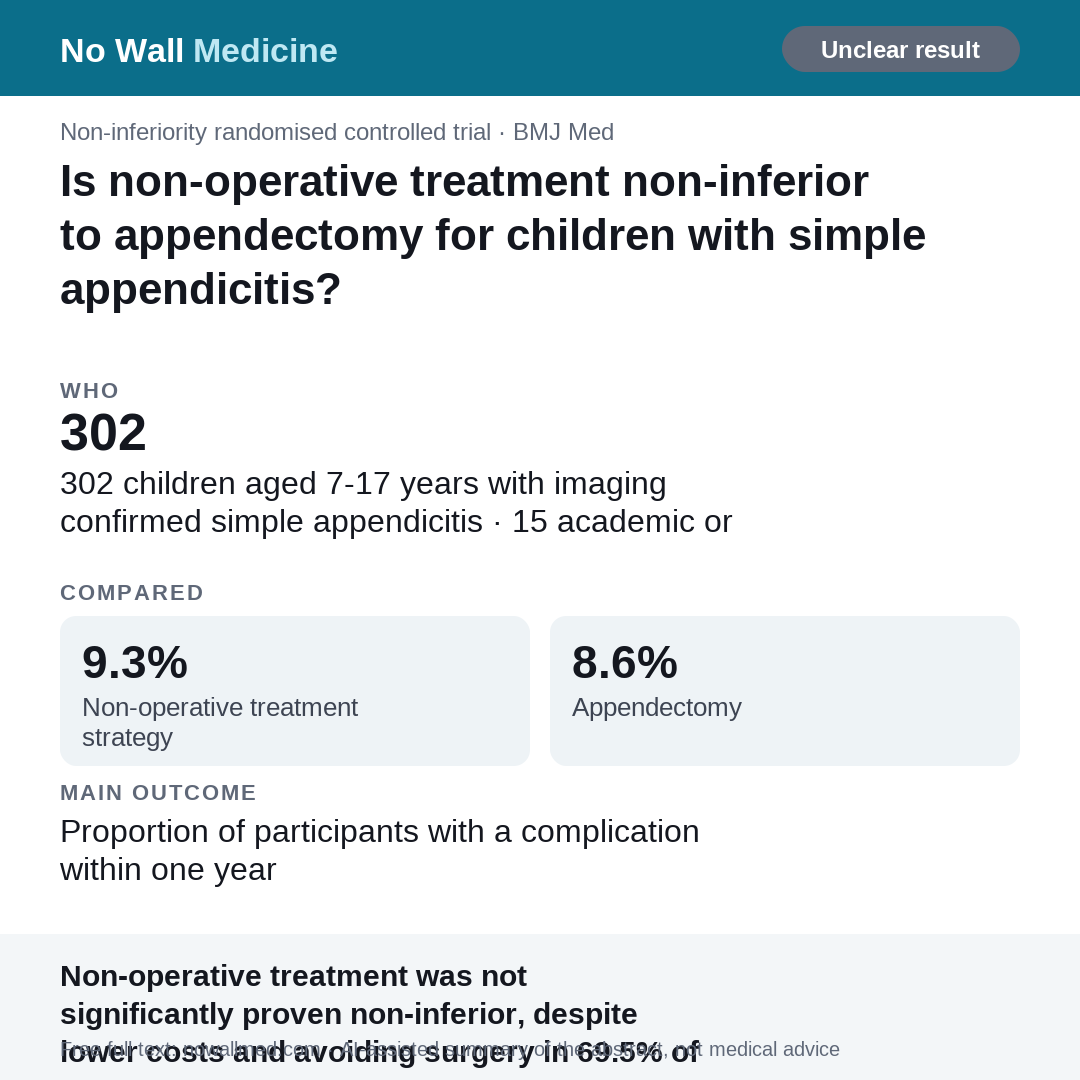
Non-operative treatment strategy versus surgery for children with simple appendicitis: non-inferiority randomised controlled trial
Non-inferiority randomised controlled trialUnclear result
Is non-operative treatment non-inferior to appendectomy for children with simple appendicitis?
Who
302
302 children aged 7-17 years with imaging confirmed simple appendicitis · 15 academic or general teaching hospitals, Netherlands
Compared
9.3%Non-operative treatment strategy
8.6%Appendectomy
Main outcome
Proportion of participants with a complication within one year
Result: absolute risk difference 0.7%, upper limit of 95% confidence interval 7.1%
Bottom line: Non-operative treatment was not significantly proven non-inferior, despite lower costs and avoiding surgery in 69.5% of cases.
BMJ Med · 2026-05-13Download image
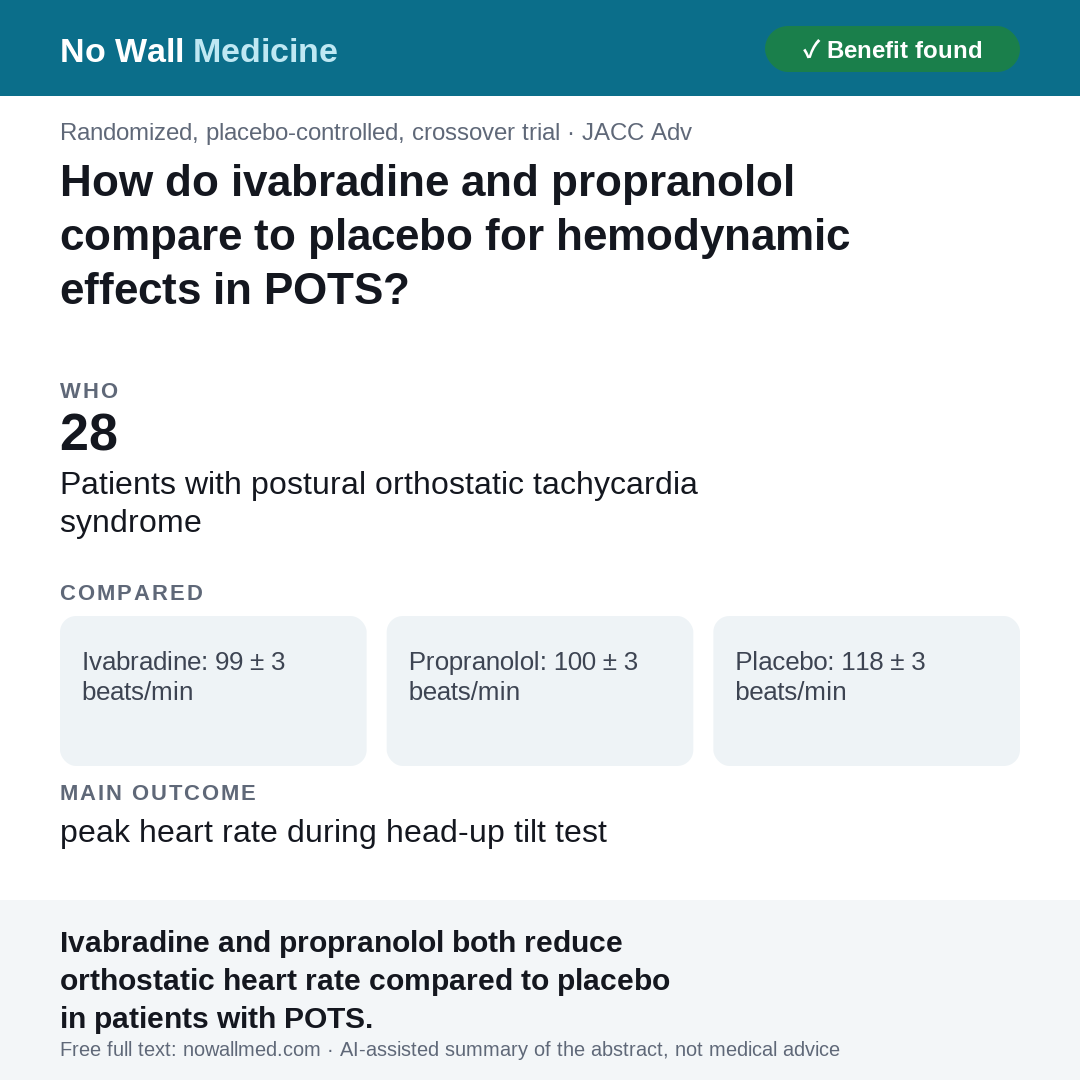
A Randomized Crossover Trial of Ivabradine, Propranolol, and Placebo in Postural Orthostatic Tachycardia Syndrome: A Detailed Description
Randomized, placebo-controlled, crossover trialBenefit found
How do ivabradine and propranolol compare to placebo for hemodynamic effects in POTS?
Who
28
Patients with postural orthostatic tachycardia syndrome
Compared
Ivabradine: 99 ± 3 beats/min
Propranolol: 100 ± 3 beats/min
Placebo: 118 ± 3 beats/min
Main outcome
peak heart rate during head-up tilt test
Bottom line: Ivabradine and propranolol both reduce orthostatic heart rate compared to placebo in patients with POTS.
JACC Adv · 2026-05-13Download image
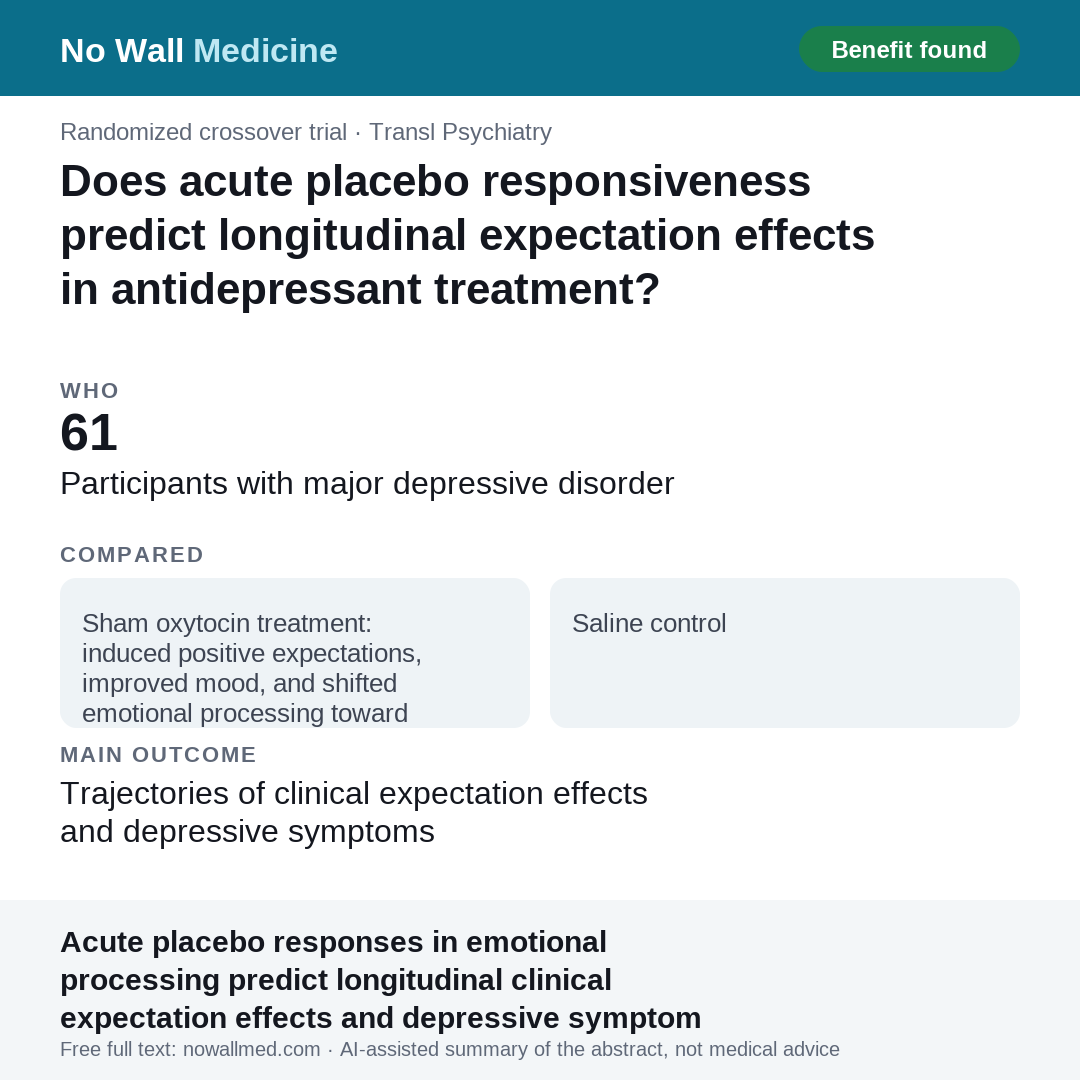
Acute placebo responsiveness predicts longitudinal expectation effects in antidepressant treatment
Randomized crossover trialBenefit found
Does acute placebo responsiveness predict longitudinal expectation effects in antidepressant treatment?
Who
61
Participants with major depressive disorder
Compared
Sham oxytocin treatment: induced positive expectations, improved mood, and shifted emotional processing toward positivity
Saline control
Main outcome
Trajectories of clinical expectation effects and depressive symptoms
Bottom line: Acute placebo responses in emotional processing predict longitudinal clinical expectation effects and depressive symptom reduction.
Transl Psychiatry · 2026-05-13Download image
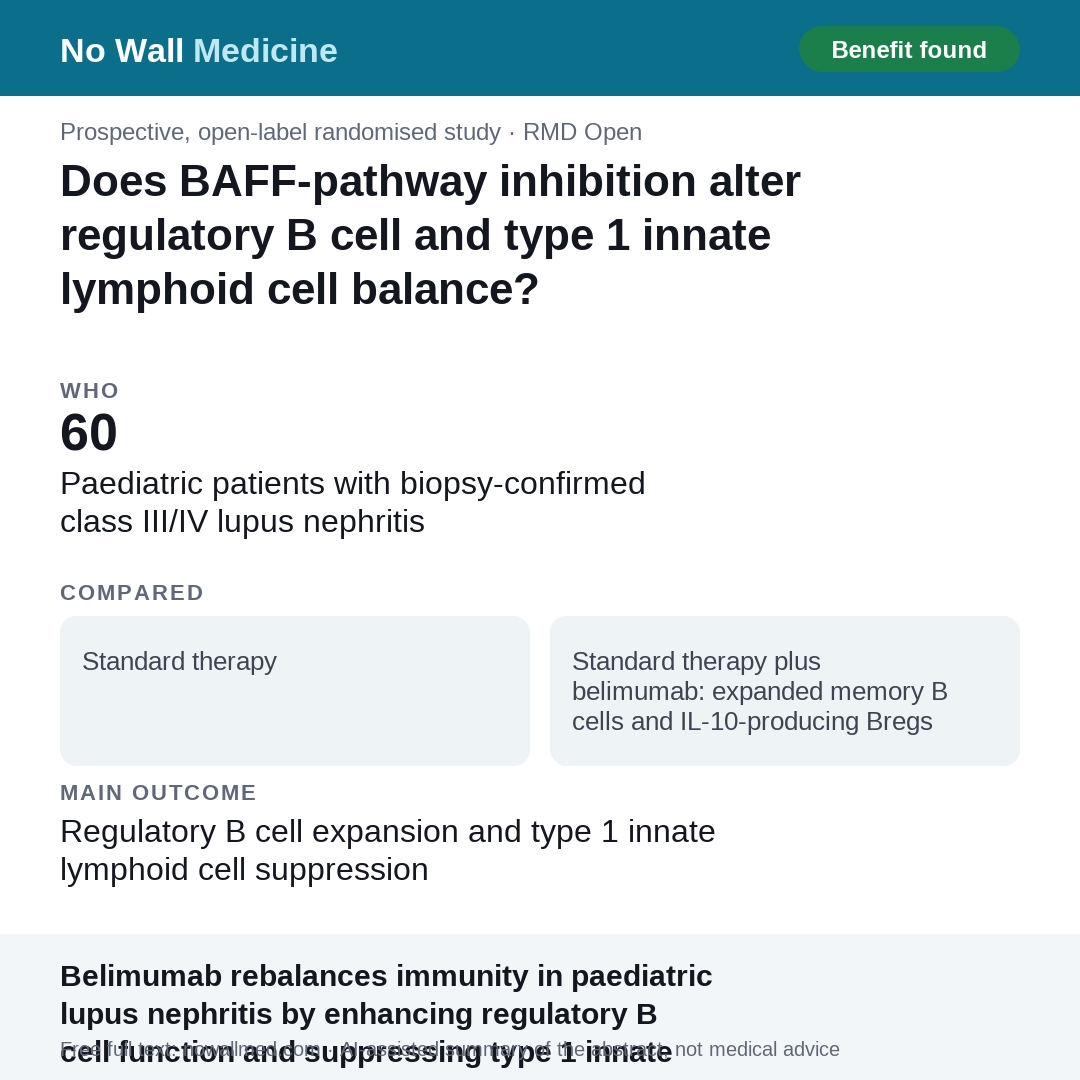
Regulatory B cell expansion and type 1 innate lymphoid cell suppression characterise immune modulation in paediatric lupus nephritis
Prospective, open-label randomised studyBenefit found
Does BAFF-pathway inhibition alter regulatory B cell and type 1 innate lymphoid cell balance?
Who
60
Paediatric patients with biopsy-confirmed class III/IV lupus nephritis
Compared
Standard therapy
Standard therapy plus belimumab: expanded memory B cells and IL-10-producing Bregs
Main outcome
Regulatory B cell expansion and type 1 innate lymphoid cell suppression
Bottom line: Belimumab rebalances immunity in paediatric lupus nephritis by enhancing regulatory B cell function and suppressing type 1 innate lymphoid cells.
RMD Open · 2026-05-13Download image
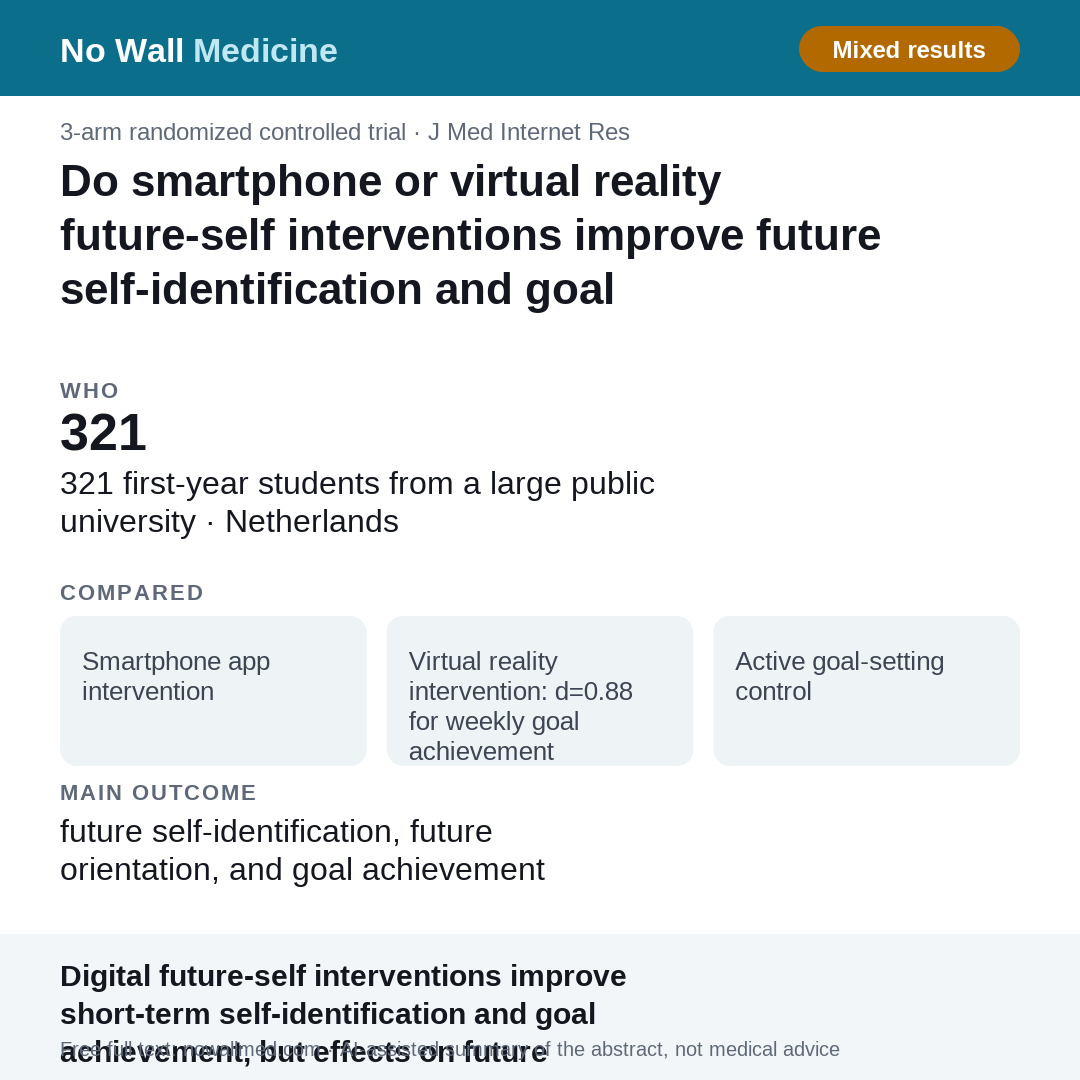
Stimulating Future-Oriented Thinking and Goal-Achievement Through the Future Self Using Virtual Reality and a Smartphone App: Randomized Controlled Trial
3-arm randomized controlled trialMixed results
Do smartphone or virtual reality future-self interventions improve future self-identification and goal achievement?
Who
321
321 first-year students from a large public university · Netherlands
Compared
Smartphone app intervention
Virtual reality intervention: d=0.88 for weekly goal achievement
Active goal-setting control
Main outcome
future self-identification, future orientation, and goal achievement
Bottom line: Digital future-self interventions improve short-term self-identification and goal achievement, but effects on future orientation were not sustained.
Limitation: Due to the nature of the intervention, blinding was not possible.
J Med Internet Res · 2026-05-13Download image
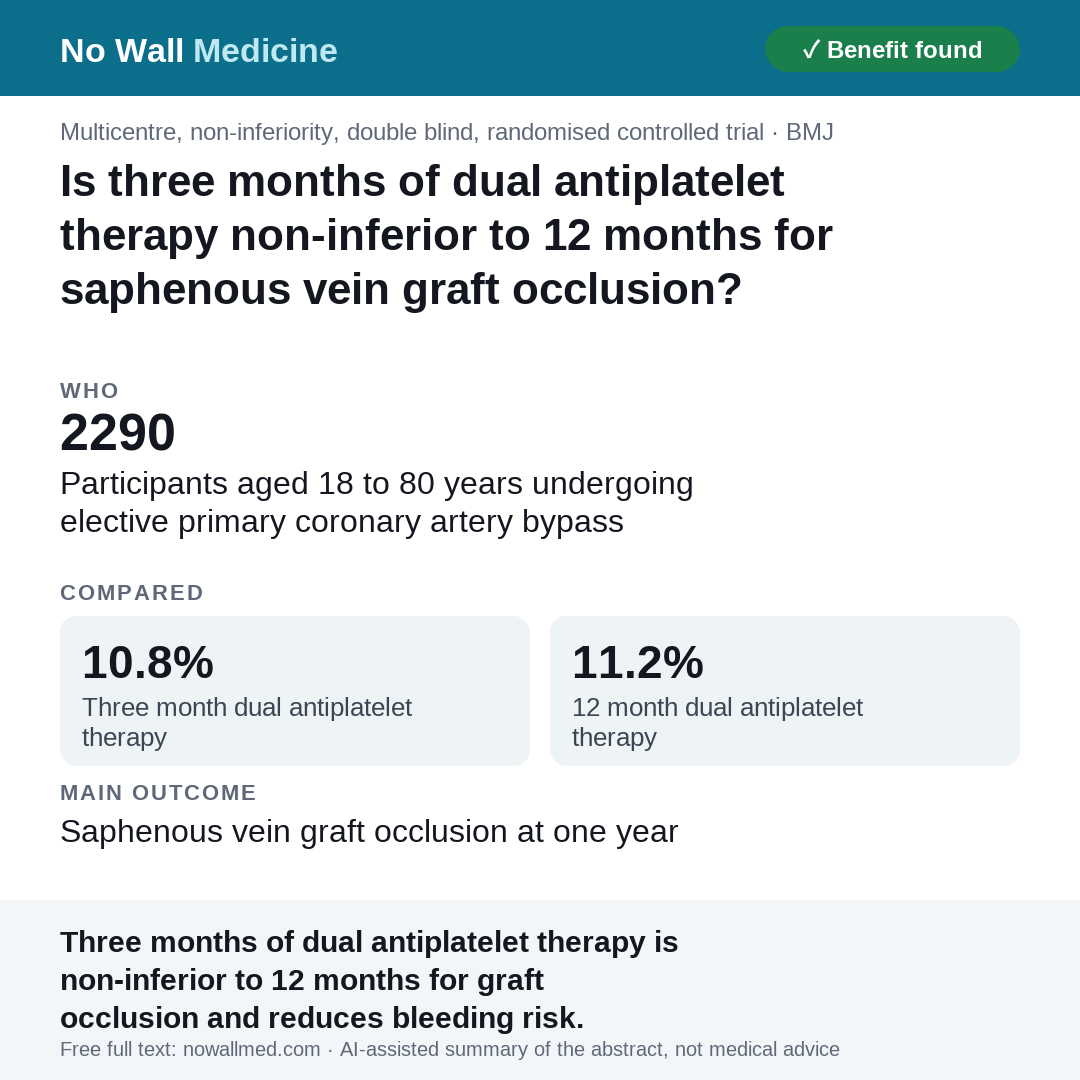
Efficacy of dual antiplatelet therapy for three months versus 12 months after coronary artery bypass grafting: multicentre, double blinded, randomised controlled trial
Multicentre, non-inferiority, double blind, randomised controlled trialBenefit found
Is three months of dual antiplatelet therapy non-inferior to 12 months for saphenous vein graft occlusion?
Who
2290
Participants aged 18 to 80 years undergoing elective primary coronary artery bypass grafting · 13 cardiac surgery centres in China
Compared
10.8%Three month dual antiplatelet therapy (280/2596)
11.2%12 month dual antiplatelet therapy (283/2529)
Main outcome
Saphenous vein graft occlusion at one year
Result: absolute difference -0.31%, 95% confidence interval -3.13% to 2.52%
Bottom line: Three months of dual antiplatelet therapy is non-inferior to 12 months for graft occlusion and reduces bleeding risk.
BMJ · 2026-05-12Download image
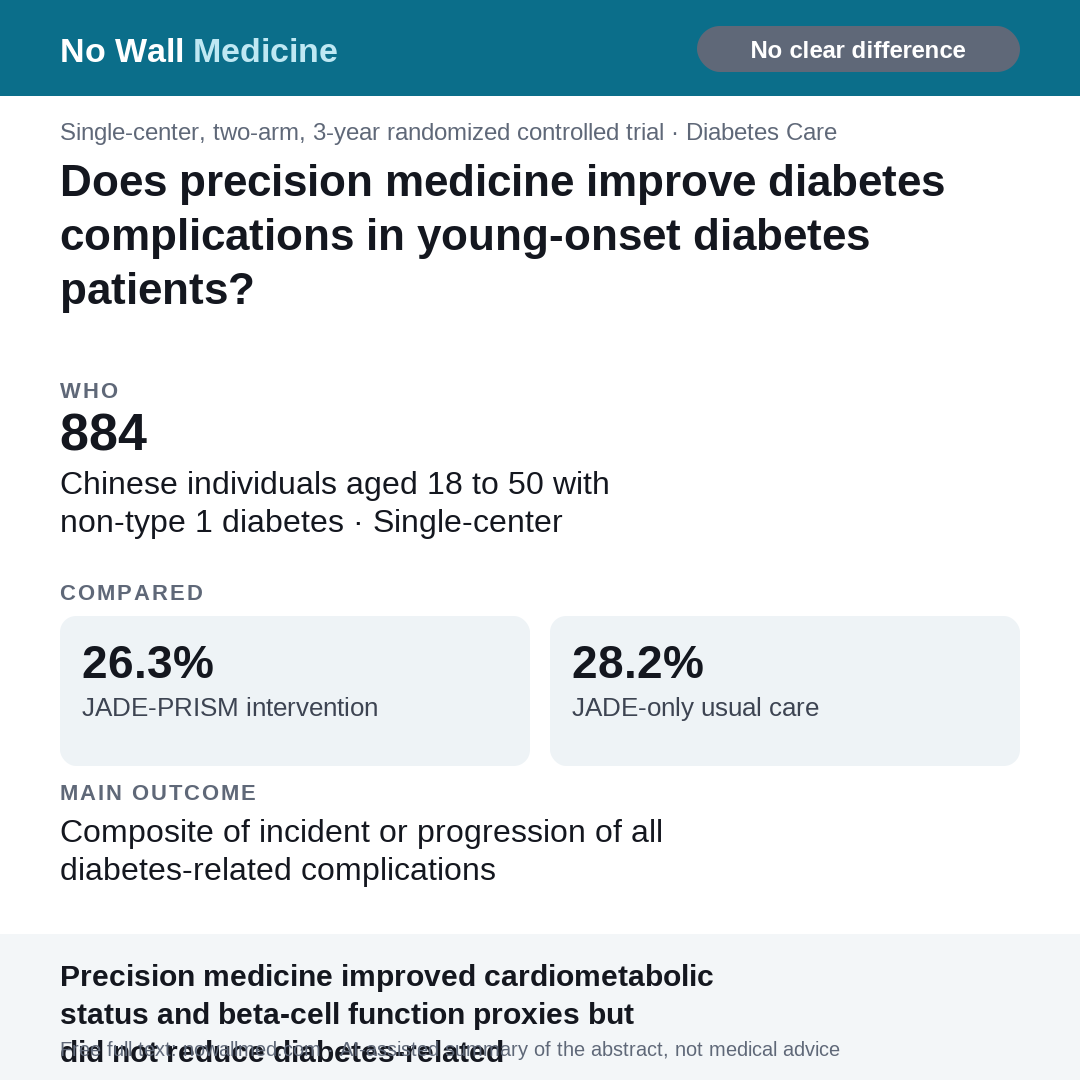
Precision Medicine to Redefine Insulin Secretion and Monogenic Diabetes (PRISM): A Randomized Controlled Trial in Chinese Patients With Young-Onset Diabetes
Single-center, two-arm, 3-year randomized controlled trialNo clear difference
Does precision medicine improve diabetes complications in young-onset diabetes patients?
Who
884
Chinese individuals aged 18 to 50 with non-type 1 diabetes · Single-center
Compared
26.3%JADE-PRISM intervention
28.2%JADE-only usual care
Main outcome
Composite of incident or progression of all diabetes-related complications
Result: odds ratio 0.908 (95% CI 0.675-1.221)
Bottom line: Precision medicine improved cardiometabolic status and beta-cell function proxies but did not reduce diabetes-related complications.
Diabetes Care · 2026-05-12Download image
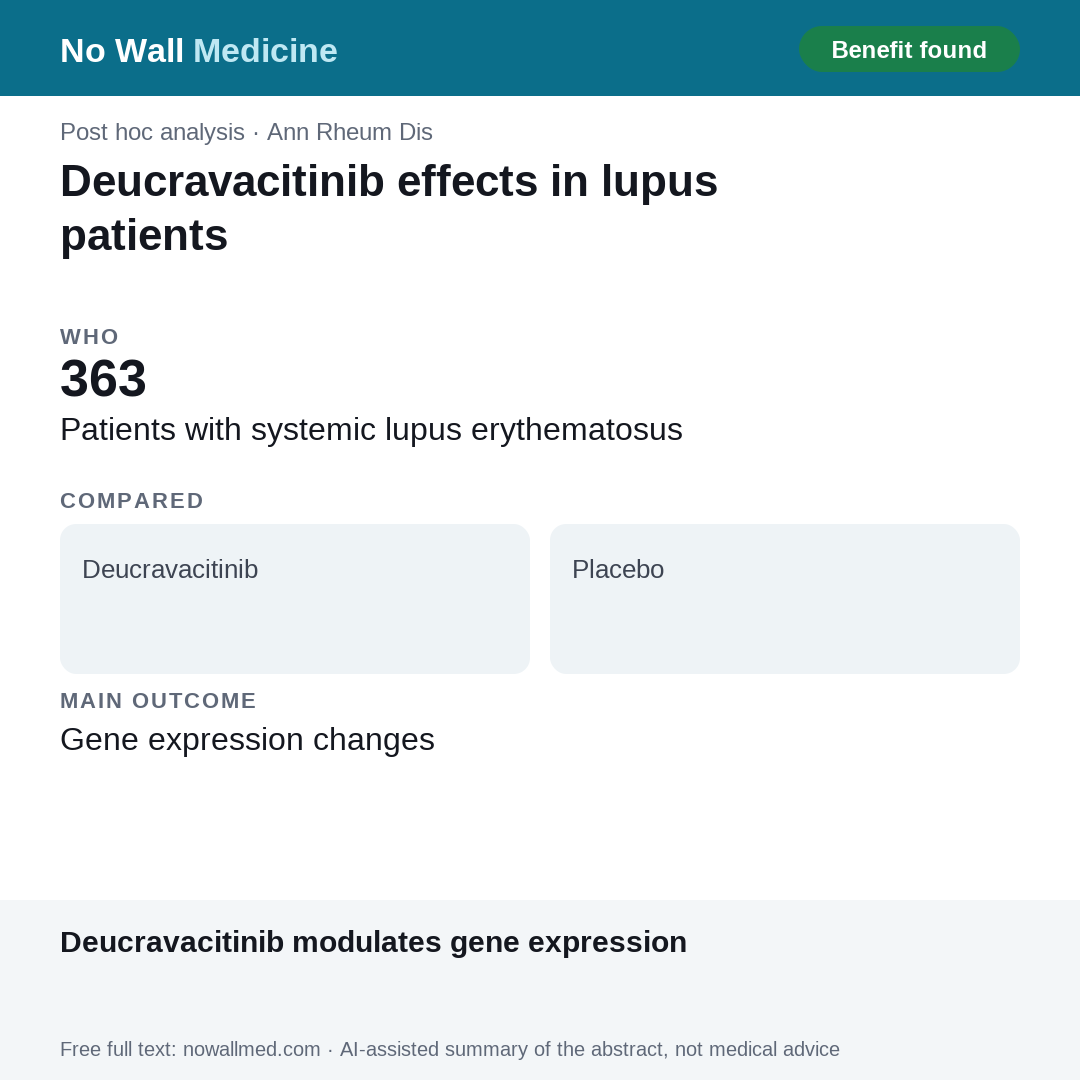
Whole blood transcriptome profiling in patients treated with deucravacitinib and novel mechanistic insights into TYK2 inhibition in lupus: results from a post hoc analysis of the PAISLEY SLE phase 2 trial
Post hoc analysisBenefit found
Deucravacitinib effects in lupus patients
Who
363
Patients with systemic lupus erythematosus
Compared
Deucravacitinib
Placebo
Main outcome
Gene expression changes
Bottom line: Deucravacitinib modulates gene expression
Ann Rheum Dis · 2026-05-12Download image
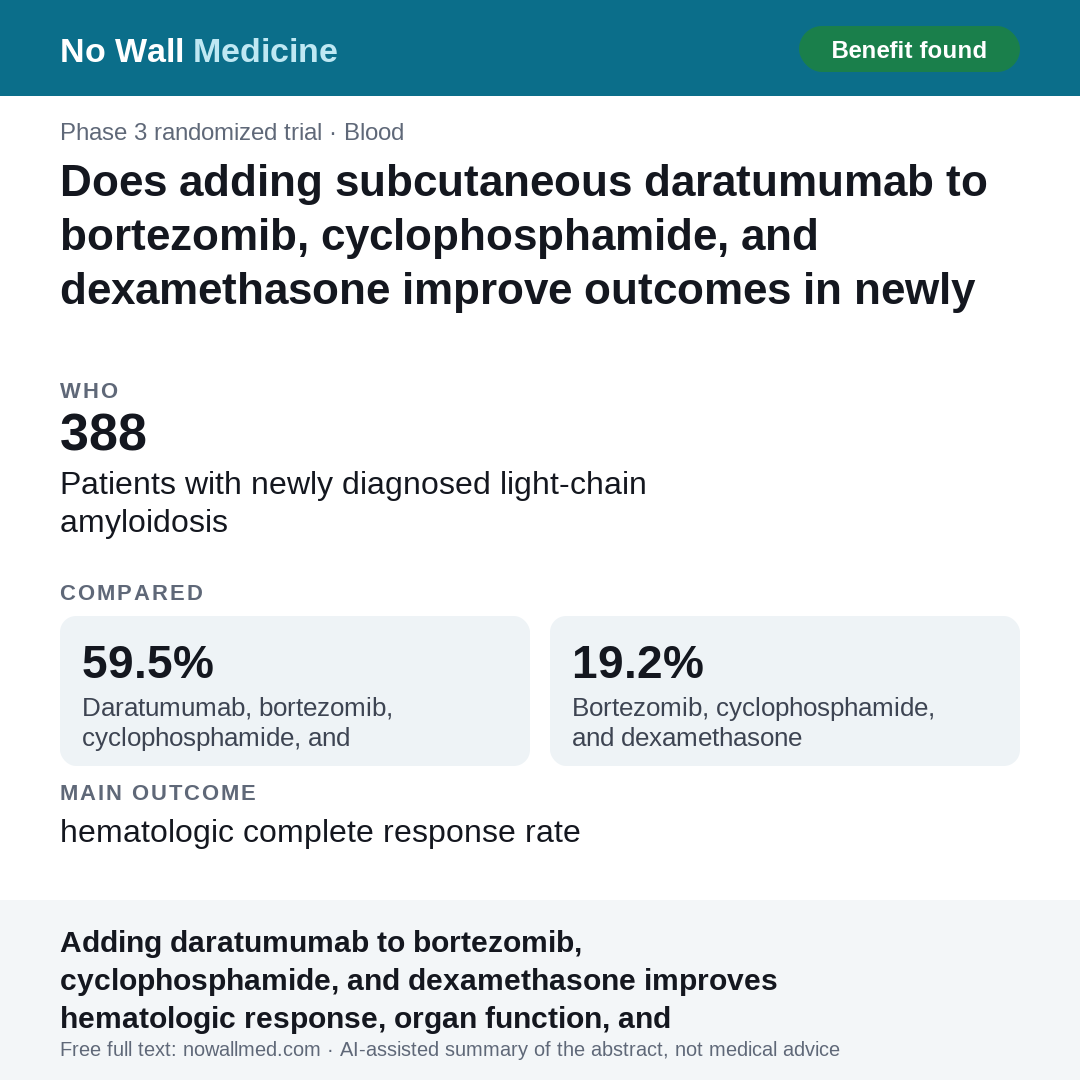
Daratumumab-bortezomib-cyclophosphamide-dexamethasone for newly diagnosed amyloidosis: ANDROMEDA final survival analysis
Phase 3 randomized trialBenefit found
Does adding subcutaneous daratumumab to bortezomib, cyclophosphamide, and dexamethasone improve outcomes in newly diagnosed AL amyloidosis?
Who
388
Patients with newly diagnosed light-chain amyloidosis
Compared
59.5%Daratumumab, bortezomib, cyclophosphamide, and dexamethasone
19.2%Bortezomib, cyclophosphamide, and dexamethasone
Main outcome
hematologic complete response rate
Result: hazard ratio 0.62 (95% CI 0.42-0.90)
Bottom line: Adding daratumumab to bortezomib, cyclophosphamide, and dexamethasone improves hematologic response, organ function, and overall survival.
Blood · 2026-05-12Download image
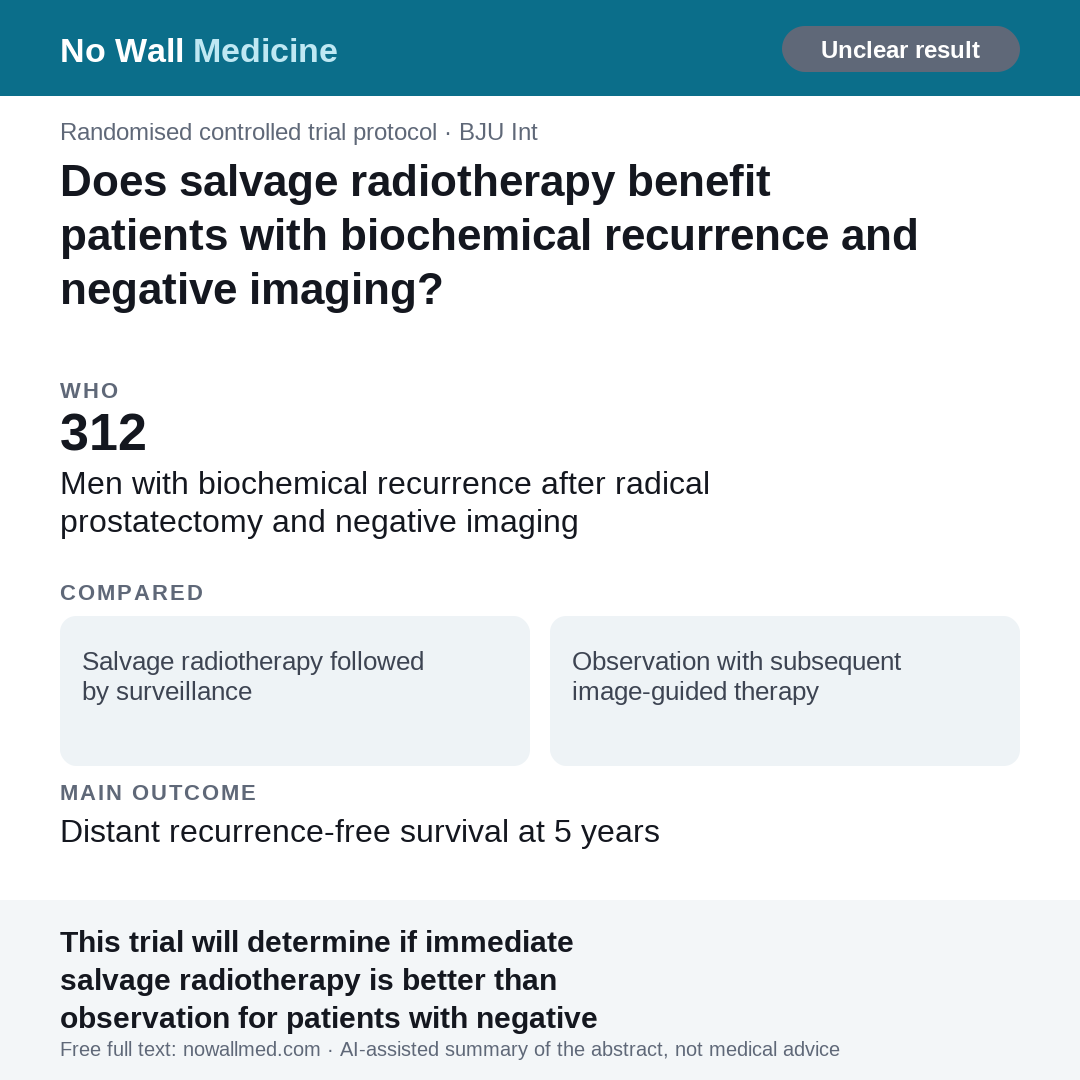
Biochemical Recurrence Irradiation or Observation (BRIO) in patients with prostate cancer: protocol for a randomised control trial
Randomised controlled trial protocolUnclear result
Does salvage radiotherapy benefit patients with biochemical recurrence and negative imaging?
Who
312
Men with biochemical recurrence after radical prostatectomy and negative imaging
Compared
Salvage radiotherapy followed by surveillance
Observation with subsequent image-guided therapy
Main outcome
Distant recurrence-free survival at 5 years
Bottom line: This trial will determine if immediate salvage radiotherapy is better than observation for patients with negative imaging.
BJU Int · 2026-05-12Download image
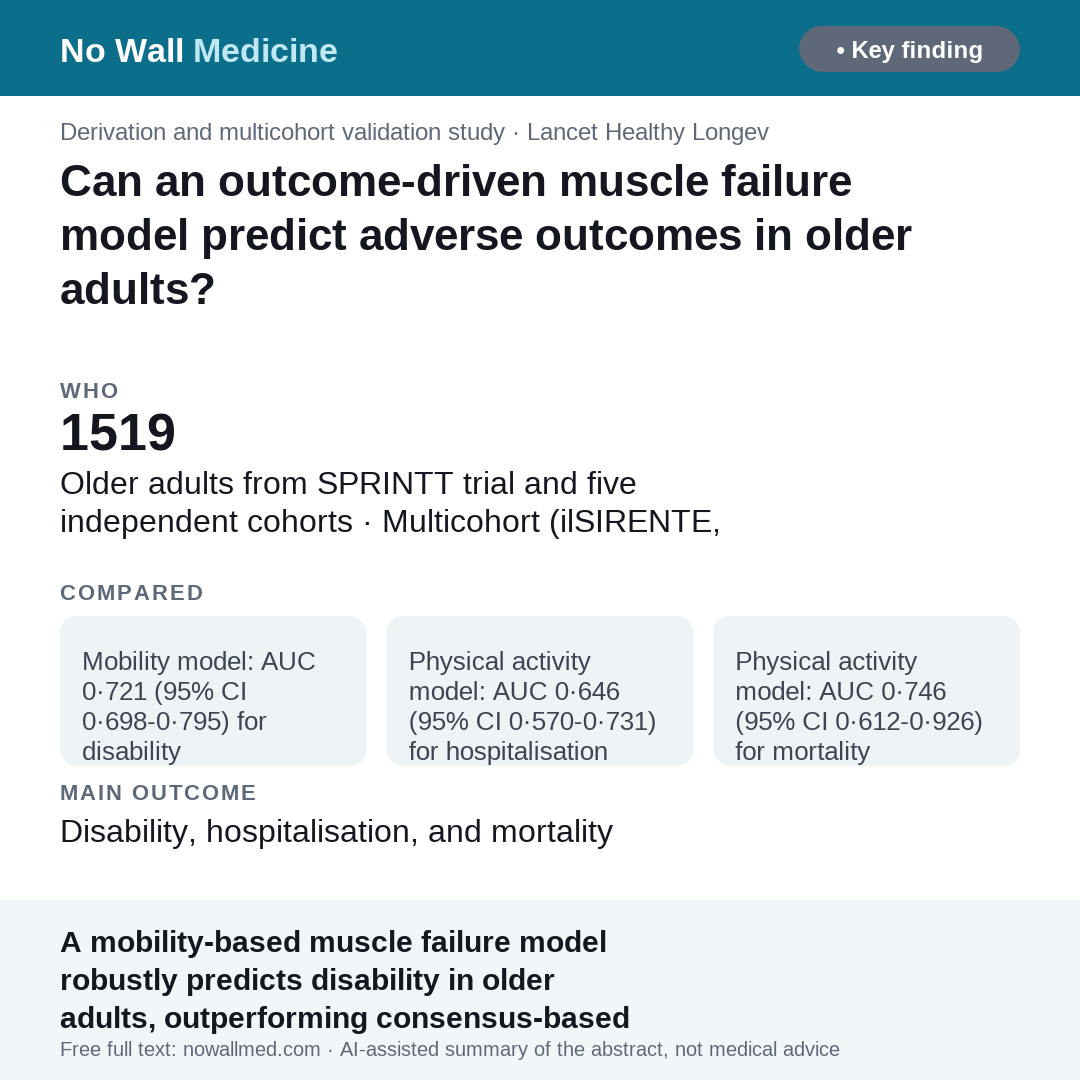
Muscle failure and risk of adverse outcomes in older adults: a derivation and multicohort validation study
Derivation and multicohort validation studyBenefit found
Can an outcome-driven muscle failure model predict adverse outcomes in older adults?
Who
1519
Older adults from SPRINTT trial and five independent cohorts · Multicohort (ilSIRENTE, NHANES, HRS, ELSA, and CHARLS)
Compared
Mobility model: AUC 0·721 (95% CI 0·698-0·795) for disability
Physical activity model: AUC 0·646 (95% CI 0·570-0·731) for hospitalisation
Physical activity model: AUC 0·746 (95% CI 0·612-0·926) for mortality
Main outcome
Disability, hospitalisation, and mortality
Result: AUC 0·721 (95% CI 0·698-0·795) for disability prediction
Bottom line: A mobility-based muscle failure model robustly predicts disability in older adults, outperforming consensus-based sarcopenia definitions.
Lancet Healthy Longev · 2026-05-12Download image
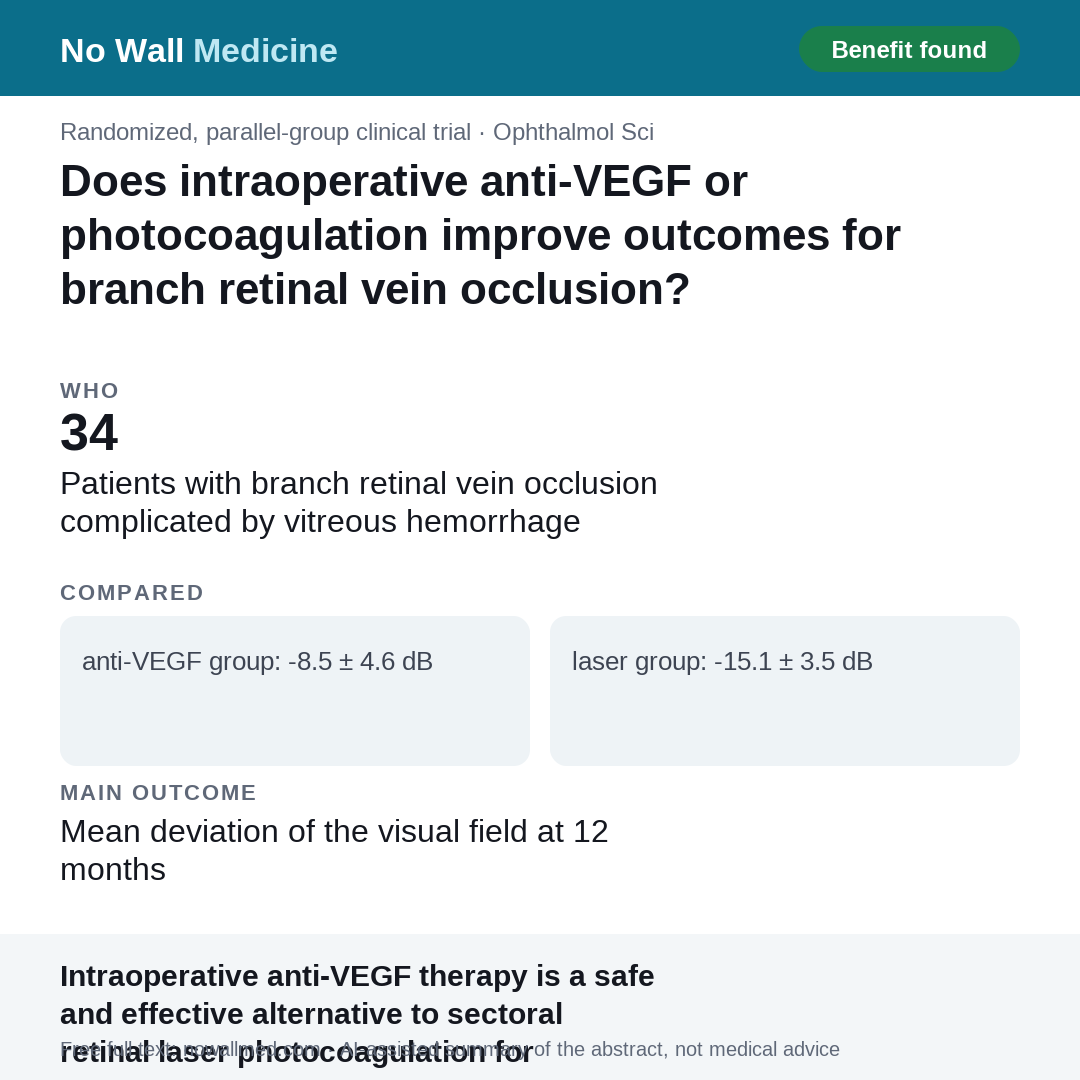
Intraoperative Anti-VEGF vs. Photocoagulation during Vitrectomy for Branch Retinal Vein Occlusion with Vitreous Hemorrhage: A Randomized Clinical Trial
Randomized, parallel-group clinical trialBenefit found
Does intraoperative anti-VEGF or photocoagulation improve outcomes for branch retinal vein occlusion?
Who
34
Patients diagnosed with branch retinal vein occlusion complicated by vitreous hemorrhage
Compared
anti-VEGF group: -8.5 ± 4.6 dB
laser group: -15.1 ± 3.5 dB
Main outcome
Mean deviation of the visual field at 12 months
Result: P < 0.01
Bottom line: Intraoperative anti-VEGF therapy preserves the visual field better than sectoral retinal laser photocoagulation after vitrectomy.
Ophthalmol Sci · 2026-05-12Download image
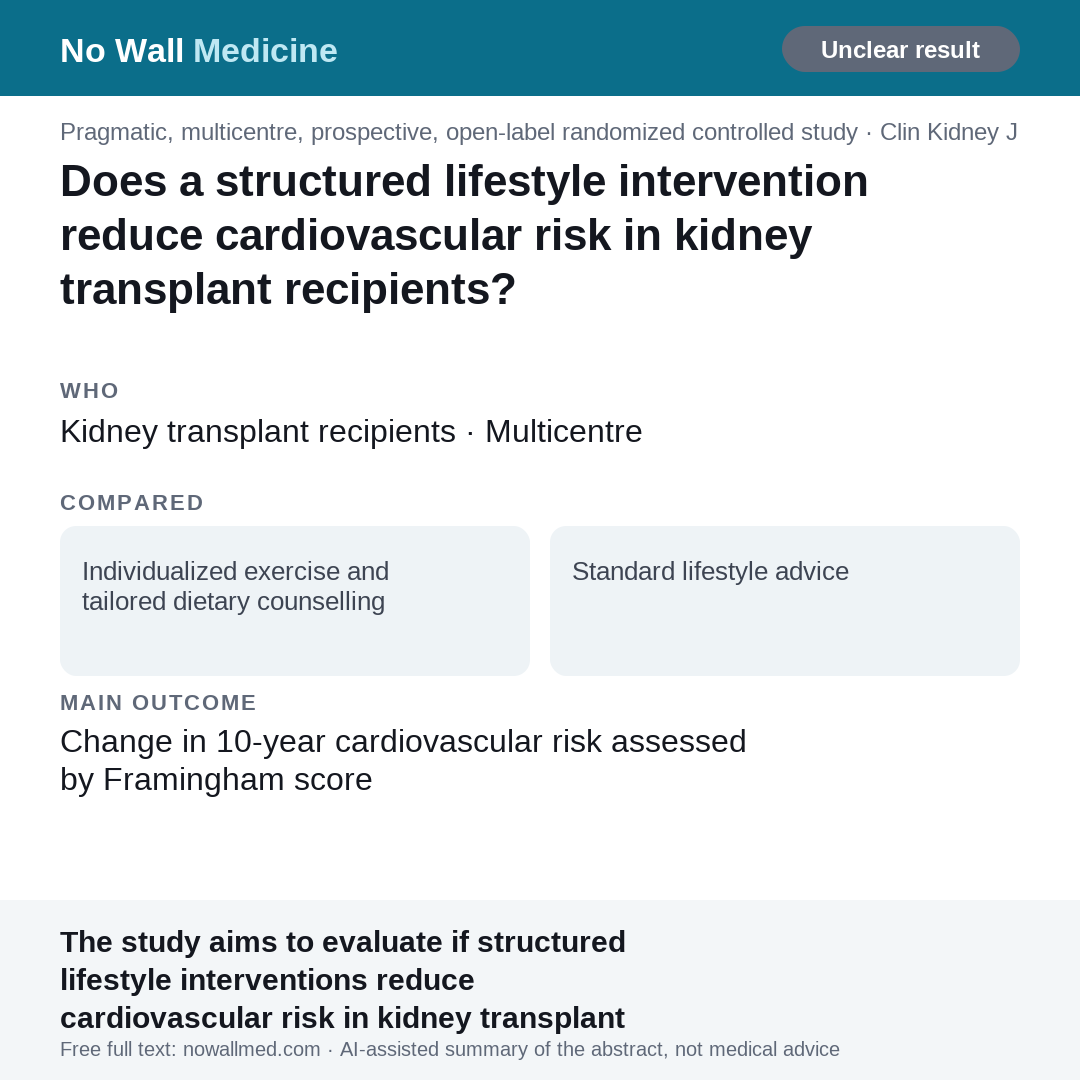
Lifestyle intervention to reduce cardiovascular risk in kidney transplant recipients: the KT-LIFESTYLE multicentre randomized controlled trial
Pragmatic, multicentre, prospective, open-label randomized controlled studyUnclear result
Does a structured lifestyle intervention reduce cardiovascular risk in kidney transplant recipients?
Who
Kidney transplant recipients · Multicentre
Compared
Individualized exercise and tailored dietary counselling
Standard lifestyle advice
Main outcome
Change in 10-year cardiovascular risk assessed by Framingham score
Bottom line: The study aims to evaluate if structured lifestyle interventions reduce cardiovascular risk in kidney transplant recipients.
Clin Kidney J · 2026-05-12Download image
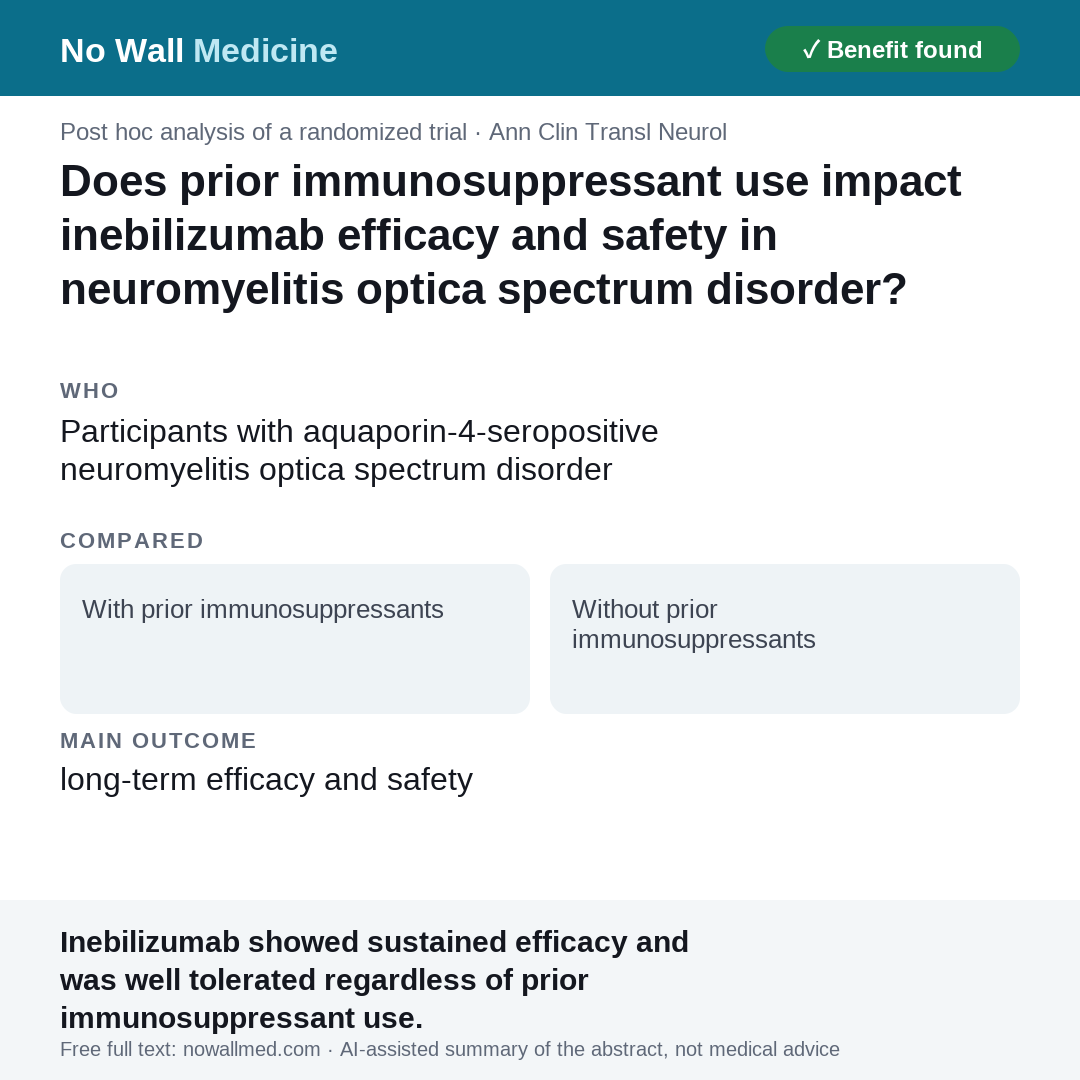
Efficacy of Inebilizumab in N-MOmentum Trial Participants With or Without Prior Immunosuppressants
Post hoc analysis of a randomized trialBenefit found
Does prior immunosuppressant use impact inebilizumab efficacy and safety in neuromyelitis optica spectrum disorder?
Who
Participants with aquaporin-4-seropositive neuromyelitis optica spectrum disorder
Compared
With prior immunosuppressants
Without prior immunosuppressants
Main outcome
long-term efficacy and safety
Bottom line: Inebilizumab showed sustained efficacy and was well tolerated regardless of prior immunosuppressant use.
Ann Clin Transl Neurol · 2026-05-12Download image
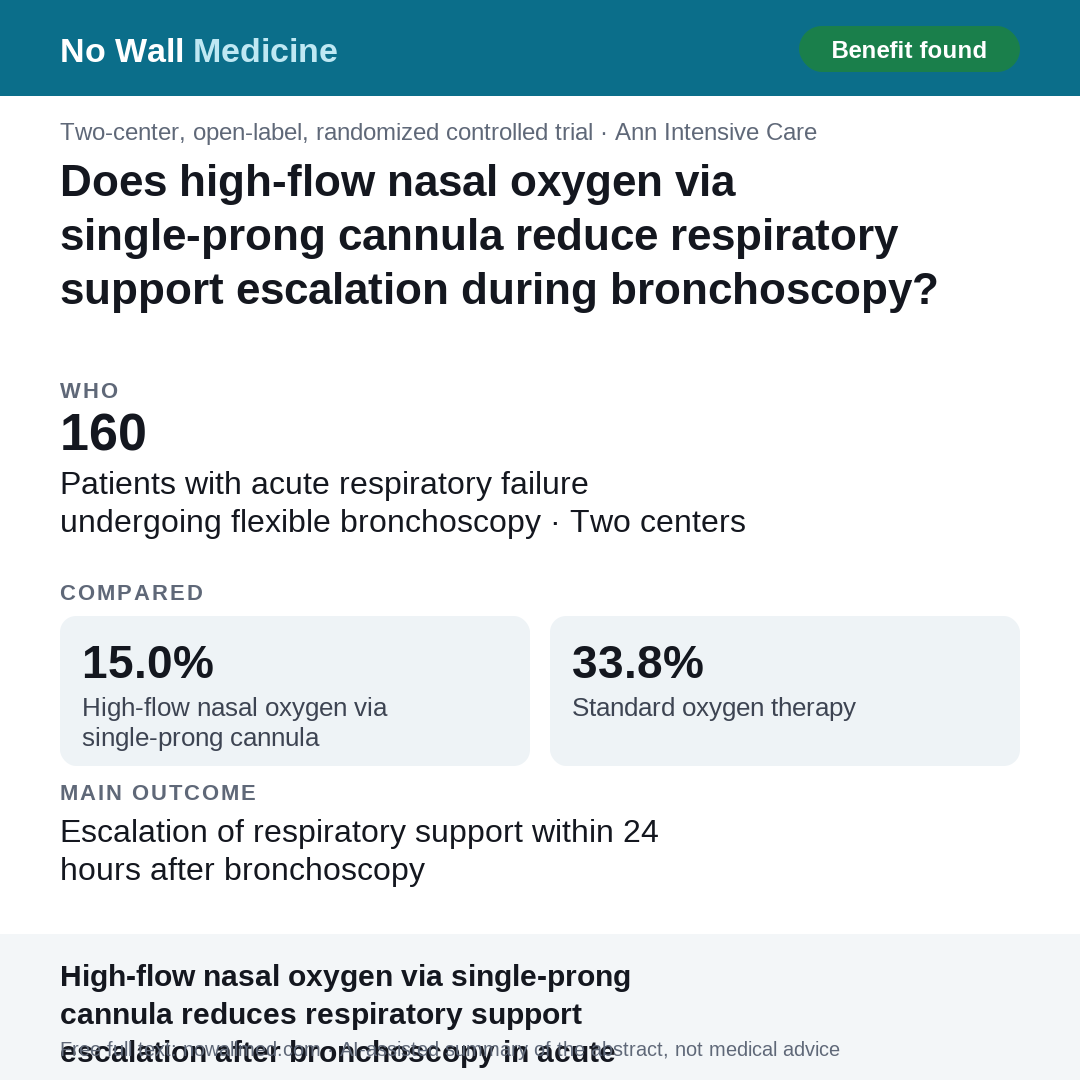
High-flow nasal oxygen therapy via a single-prong cannula interface during bronchoscopy in patients with acute respiratory failure: a two-center, open-label, randomized controlled trial
Two-center, open-label, randomized controlled trialBenefit found
Does high-flow nasal oxygen via single-prong cannula reduce respiratory support escalation during bronchoscopy?
Who
160
Patients with acute respiratory failure undergoing flexible bronchoscopy · Two centers
Compared
15.0%High-flow nasal oxygen via single-prong cannula
33.8%Standard oxygen therapy
Main outcome
Escalation of respiratory support within 24 hours after bronchoscopy
Bottom line: High-flow nasal oxygen via single-prong cannula reduces respiratory support escalation after bronchoscopy in acute respiratory failure patients.
Ann Intensive Care · 2026-05-12Download image
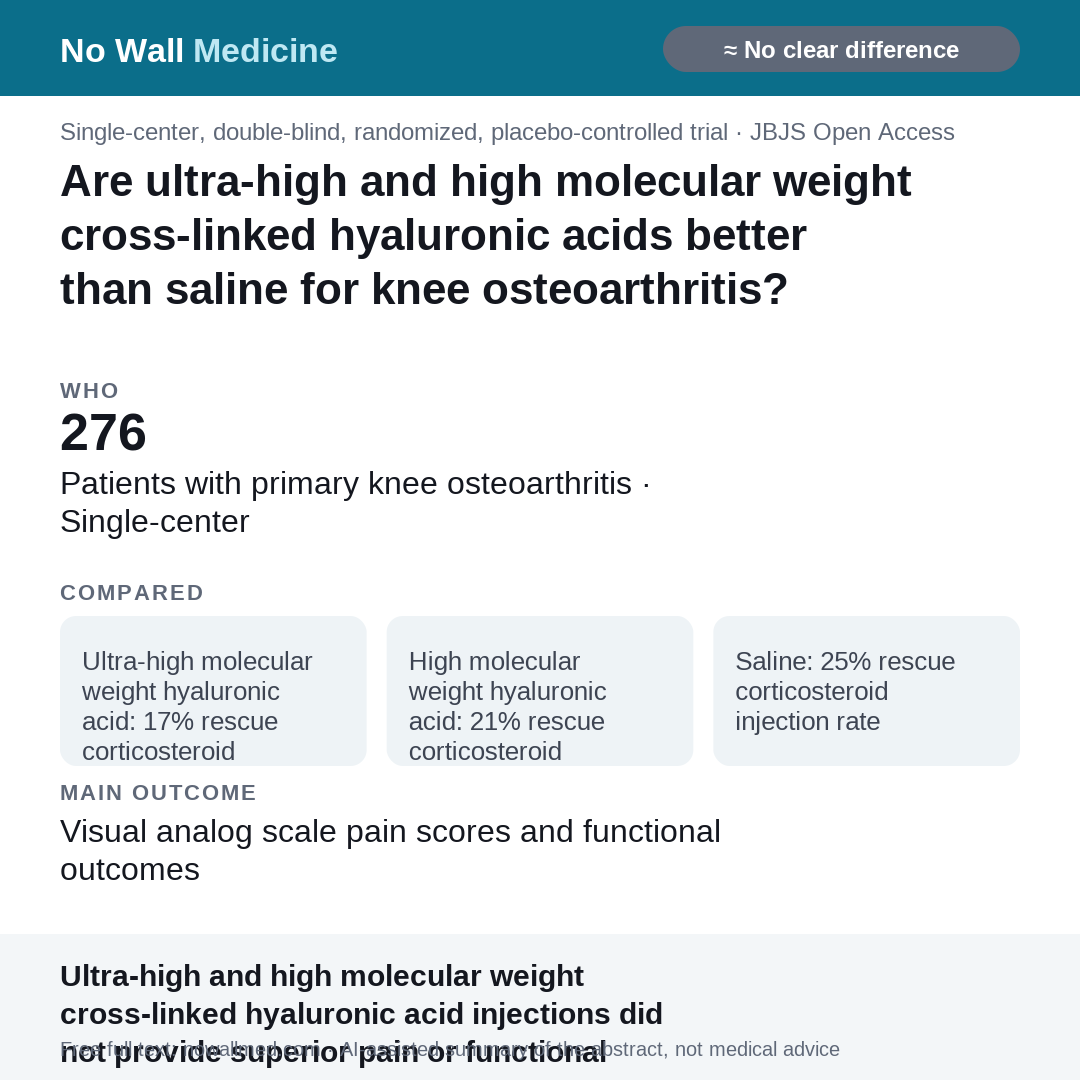
Efficacy of Ultra-high and High Molecular Weight Cross-Linked Hyaluronic Acids Compared with Saline in Knee Osteoarthritis: A Randomized Controlled Trial
Single-center, double-blind, randomized, placebo-controlled trialNo clear difference
Are ultra-high and high molecular weight cross-linked hyaluronic acids better than saline for knee osteoarthritis?
Who
276
Patients with primary knee osteoarthritis · Single-center
Compared
Ultra-high molecular weight hyaluronic acid: 17% rescue corticosteroid injection rate
High molecular weight hyaluronic acid: 21% rescue corticosteroid injection rate
Saline: 25% rescue corticosteroid injection rate
Main outcome
Visual analog scale pain scores and functional outcomes
Bottom line: Ultra-high and high molecular weight cross-linked hyaluronic acid injections did not provide superior pain or functional outcomes compared with saline.
JBJS Open Access · 2026-05-12Download image