Visual abstracts
New randomized trials and meta-analyses from leading journals at a glance: who was studied, what was compared, and what was found. Every paper is free to read in full.
All specialtiesCardiology 4763Oncology 4043Gastroenterology & Hepatology 1903Infectious Disease 3756Neurology 1872Psychiatry & Mental Health 2216Pulmonology 2044Critical Care 1319Endocrinology & Diabetes 2544Pediatrics 2889Surgery 2480Orthopedics & Sports Medicine 917Neurosurgery 525Cardiothoracic & Vascular Surgery 656Plastic & Reconstructive Surgery 574Nephrology 1107Rheumatology 810Hematology 1090Dermatology 611Ophthalmology 532Obstetrics & Gynecology 1645Public & Global Health 1037Radiology & Imaging 619Anesthesiology 958Urology 745ENT (Otolaryngology) 494Emergency Medicine 481Allergy & Immunology 309Geriatrics 972Family Medicine & Primary Care 534Medical Genetics & Genomics 659Pathology & Laboratory Medicine 156Physical Medicine & Rehabilitation 734Palliative Care 421Nutrition 1560Digital Health & AI 2137General Medicine 318
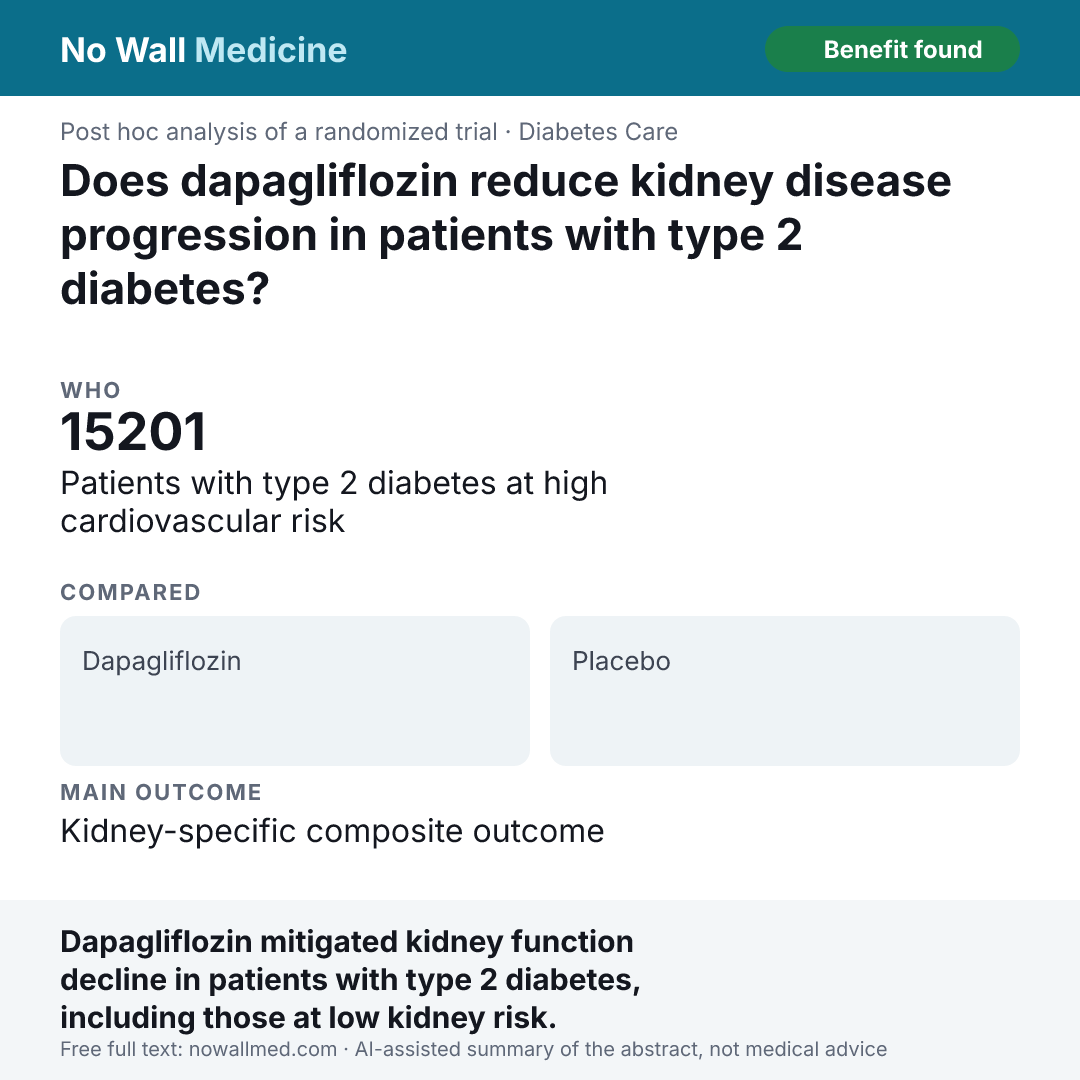
Dapagliflozin and Prevention of Kidney Disease Among Patients With Type 2 Diabetes: Post Hoc Analyses From the DECLARE-TIMI 58 Trial
Post hoc analysis of a randomized trialBenefit found
Does dapagliflozin reduce kidney disease progression in patients with type 2 diabetes?
Who
15201
Patients with type 2 diabetes at high cardiovascular risk
Compared
Dapagliflozin
Placebo
Main outcome
Kidney-specific composite outcome
Result: hazard ratio 0.54 (95% CI 0.38-0.77)
Bottom line: Dapagliflozin mitigated kidney function decline in patients with type 2 diabetes, including those at low kidney risk.
Diabetes Care · 2022-08-24 · Save PNG
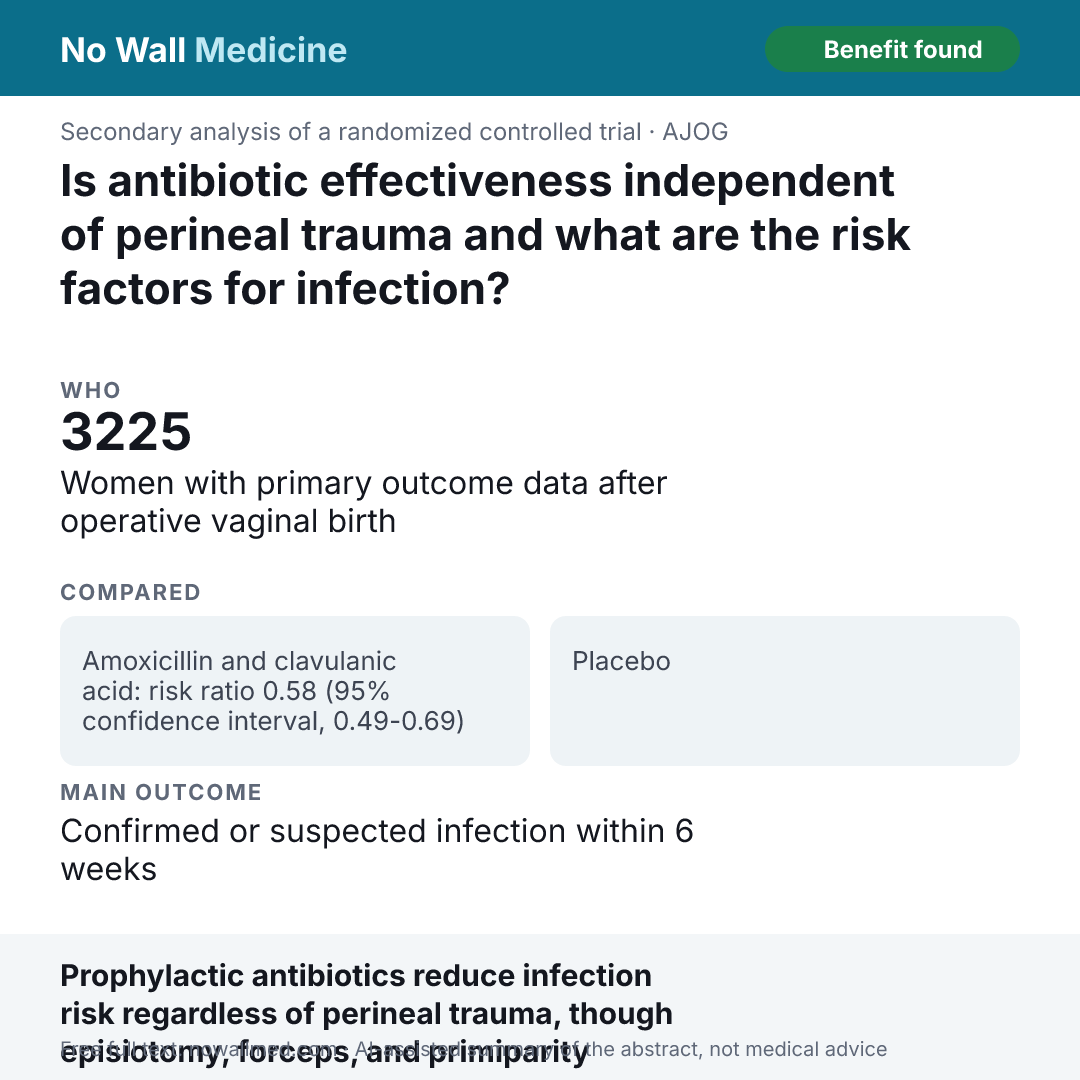
Factors associated with infection after operative vaginal birth-a secondary analysis of a randomized controlled trial of prophylactic antibiotics for the prevention of infection following operative vaginal birth
Secondary analysis of a randomized controlled trialBenefit found
Is antibiotic effectiveness independent of perineal trauma and what are the risk factors for infection?
Who
3225
Women with primary outcome data after operative vaginal birth
Compared
Amoxicillin and clavulanic acid: risk ratio 0.58 (95% confidence interval, 0.49-0.69)
Placebo
Main outcome
Confirmed or suspected infection within 6 weeks
Result: risk ratio 0.58 (95% confidence interval, 0.49-0.69)
Bottom line: Prophylactic antibiotics reduce infection risk regardless of perineal trauma, though episiotomy, forceps, and primiparity increase infection risk.
Limitation: Generalizability may be limited in settings where the episiotomy rate is lower.
AJOG · 2022-08-24 · Save PNG
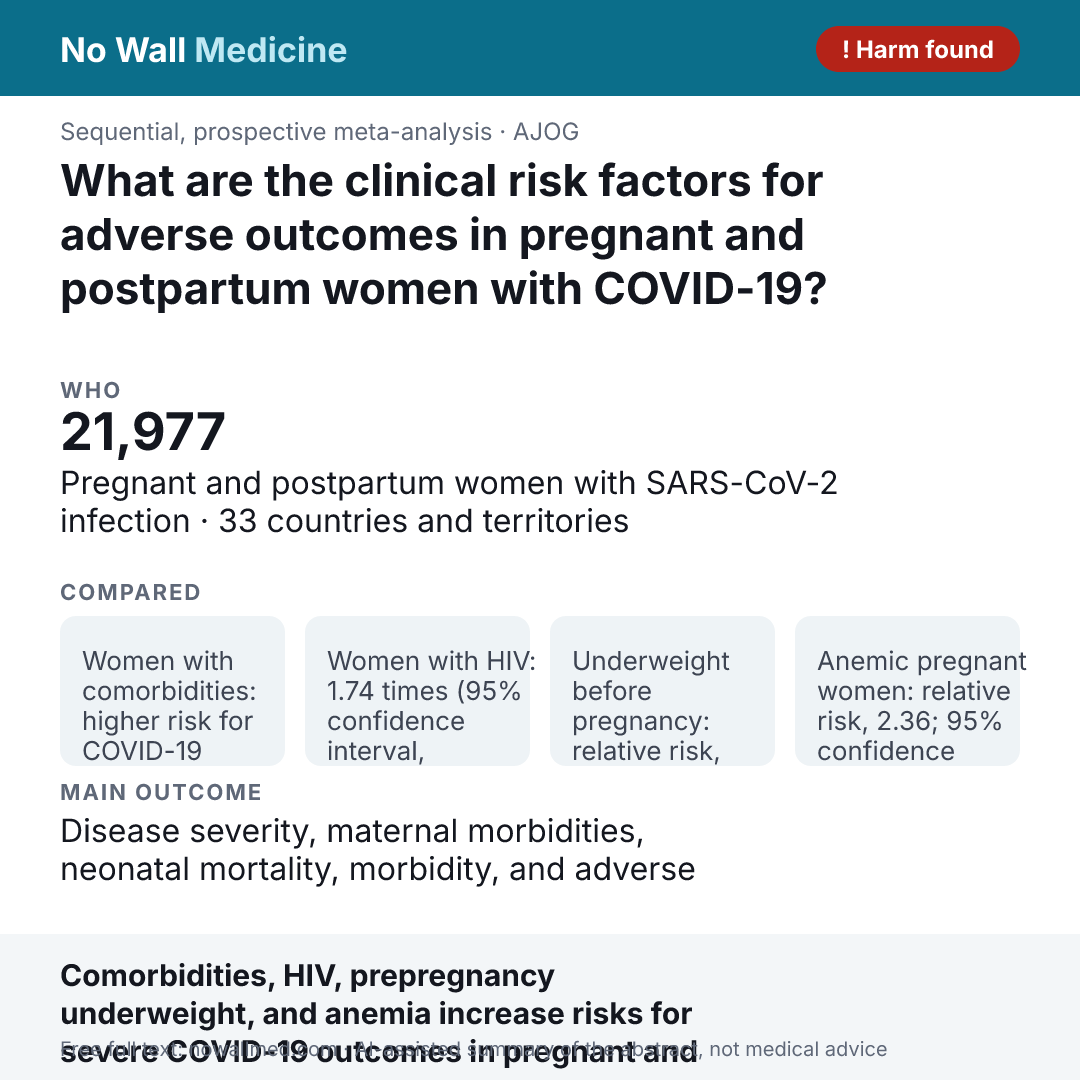
Clinical risk factors of adverse outcomes among women with COVID-19 in the pregnancy and postpartum period: a sequential, prospective meta-analysis
Sequential, prospective meta-analysisHarm found
What are the clinical risk factors for adverse outcomes in pregnant and postpartum women with COVID-19?
Who
21,977
Pregnant and postpartum women with SARS-CoV-2 infection · 33 countries and territories
Compared
Women with comorbidities: higher risk for COVID-19 severity and adverse pregnancy outcomes
Women with HIV: 1.74 times (95% confidence interval, 1.12-2.71) more likely to be admitted to the intensive care unit
Underweight before pregnancy: relative risk, 5.53; 95% confidence interval, 2.27-13.44 for intensive care unit admission
Anemic pregnant women: relative risk, 2.36; 95% confidence interval, 1.15-4.81 for death
Main outcome
Disease severity, maternal morbidities, neonatal mortality, morbidity, and adverse birth outcomes
Bottom line: Comorbidities, HIV, prepregnancy underweight, and anemia increase risks for severe COVID-19 outcomes in pregnant and postpartum women.
AJOG · 2022-08-24 · Save PNG
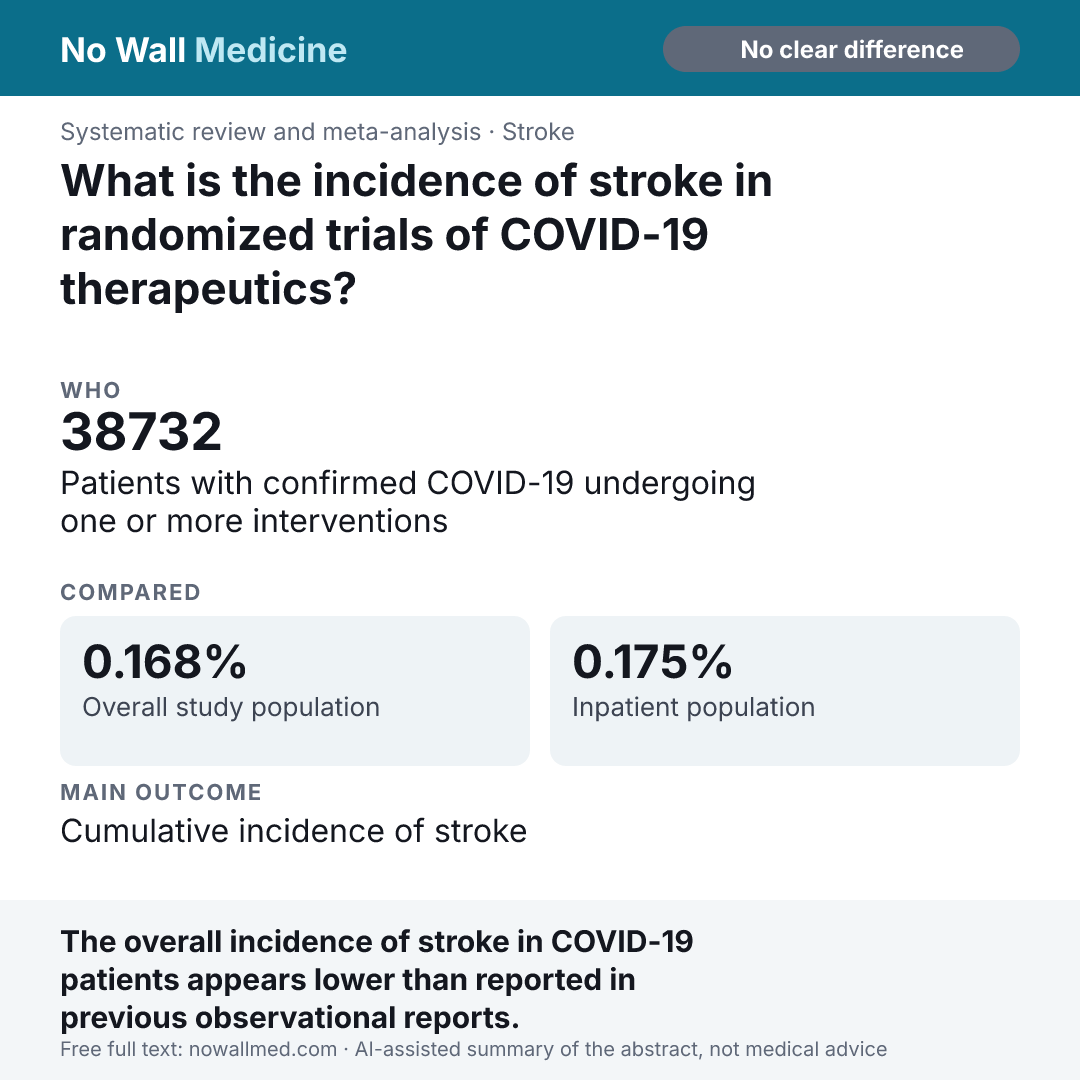
Incidence of Stroke in Randomized Trials of COVID-19 Therapeutics: A Systematic Review and Meta-Analysis
Systematic review and meta-analysisNo clear difference
What is the incidence of stroke in randomized trials of COVID-19 therapeutics?
Who
38732
Patients with confirmed COVID-19 undergoing one or more interventions
Compared
0.168%Overall study population
0.175%Inpatient population
Main outcome
Cumulative incidence of stroke
Result: 0.001 (95% CI, 0.001-0.002)
Bottom line: The overall incidence of stroke in COVID-19 patients appears lower than reported in previous observational reports.
Stroke · 2022-08-24 · Save PNG
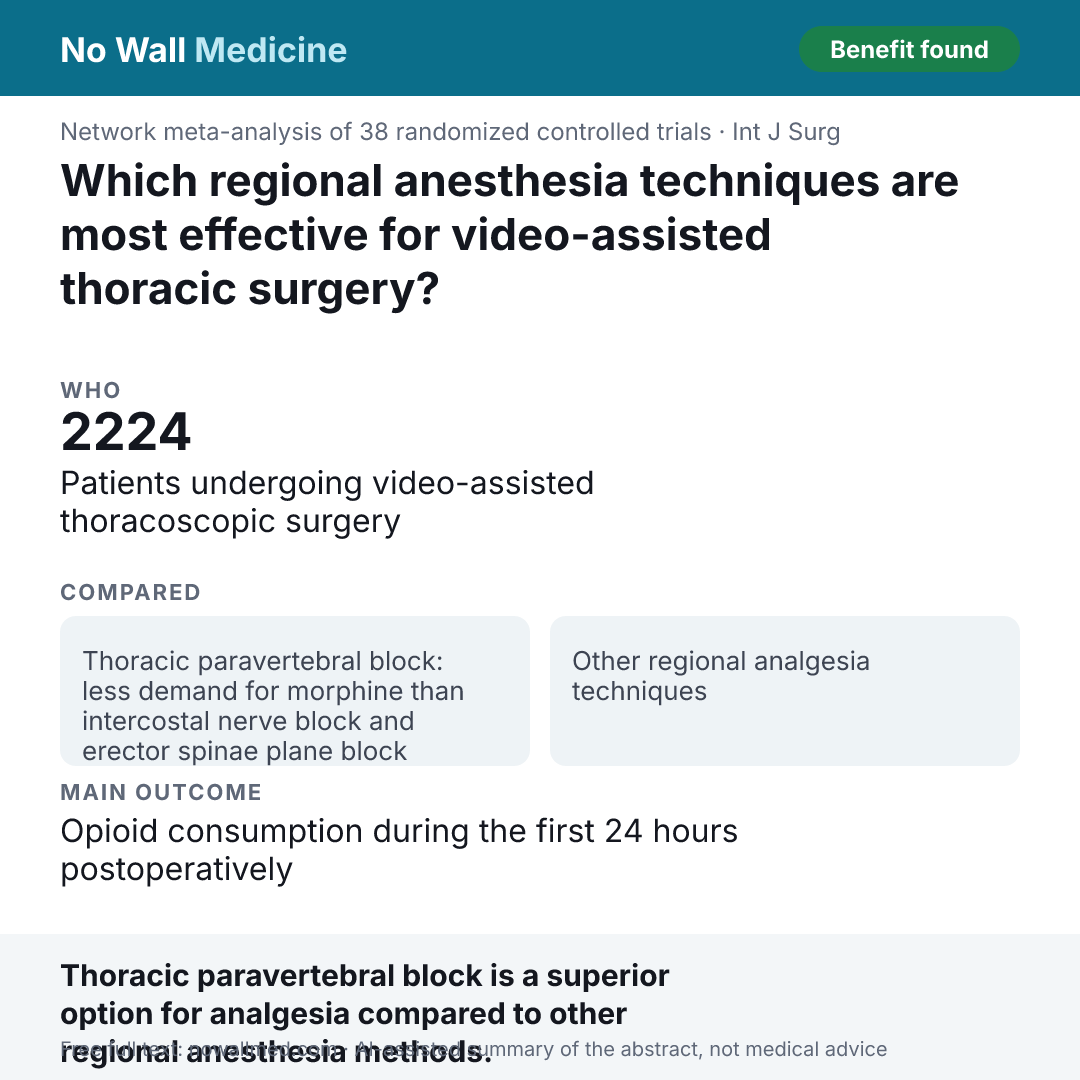
A comparison of regional anesthesia techniques in patients undergoing video-assisted thoracic surgery: A network meta-analysis
Network meta-analysis of 38 randomized controlled trialsBenefit found
Which regional anesthesia techniques are most effective for video-assisted thoracic surgery?
Who
2224
Patients undergoing video-assisted thoracoscopic surgery
Compared
Thoracic paravertebral block: less demand for morphine than intercostal nerve block and erector spinae plane block
Other regional analgesia techniques
Main outcome
Opioid consumption during the first 24 hours postoperatively
Bottom line: Thoracic paravertebral block is a superior option for analgesia compared to other regional anesthesia methods.
Limitation: Findings can only provide objective evidence.
Int J Surg · 2022-08-24 · Save PNG
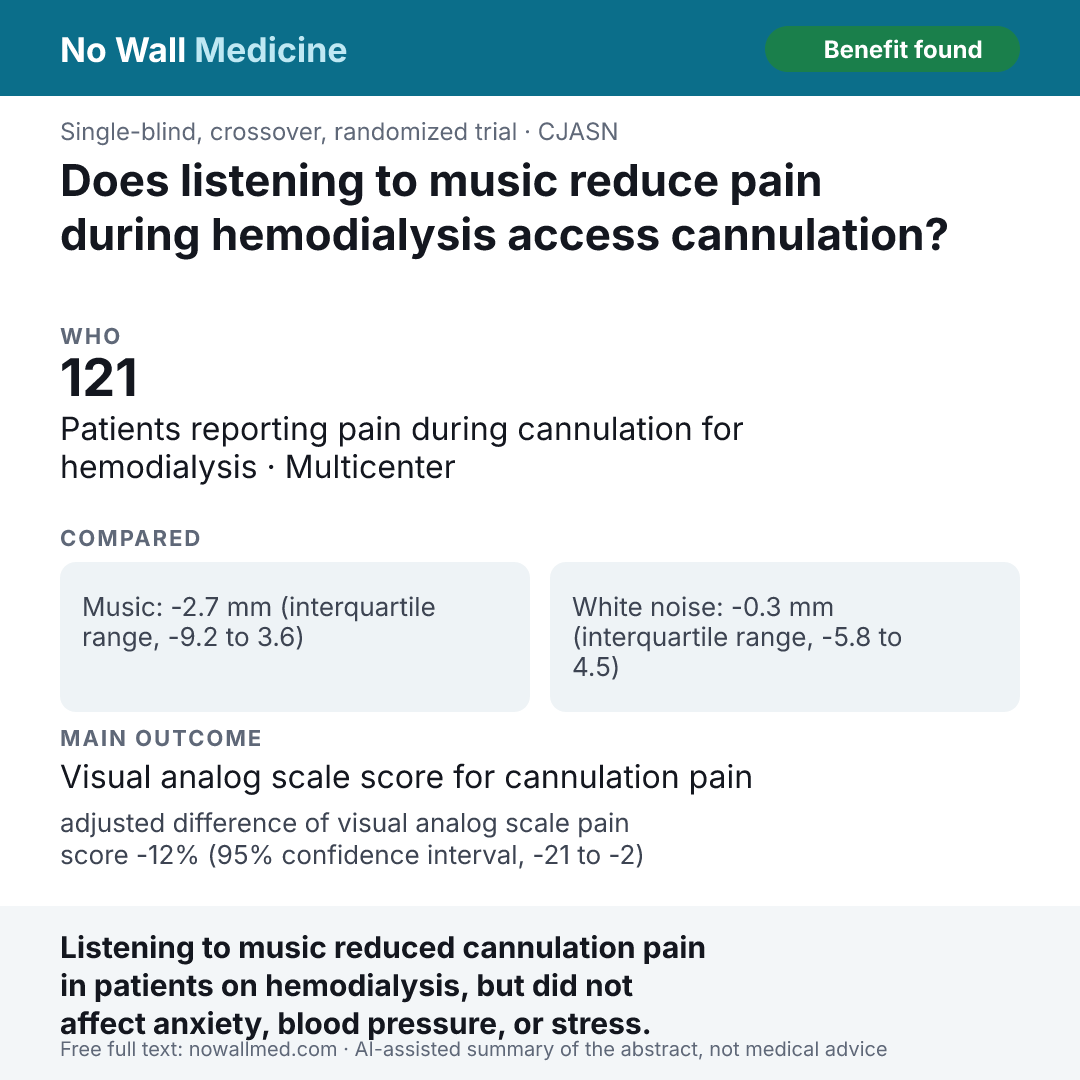
Effect of Music in Reducing Pain during Hemodialysis Access Cannulation: A Crossover Randomized Controlled Trial
Single-blind, crossover, randomized trialBenefit found
Does listening to music reduce pain during hemodialysis access cannulation?
Who
121
Patients reporting pain during cannulation for hemodialysis · Multicenter
Compared
Music: -2.7 mm (interquartile range, -9.2 to 3.6)
White noise: -0.3 mm (interquartile range, -5.8 to 4.5)
Main outcome
Visual analog scale score for cannulation pain
Result: adjusted difference of visual analog scale pain score -12% (95% confidence interval, -21 to -2)
Bottom line: Listening to music reduced cannulation pain in patients on hemodialysis, but did not affect anxiety, blood pressure, or stress.
CJASN · 2022-08-24 · Save PNG
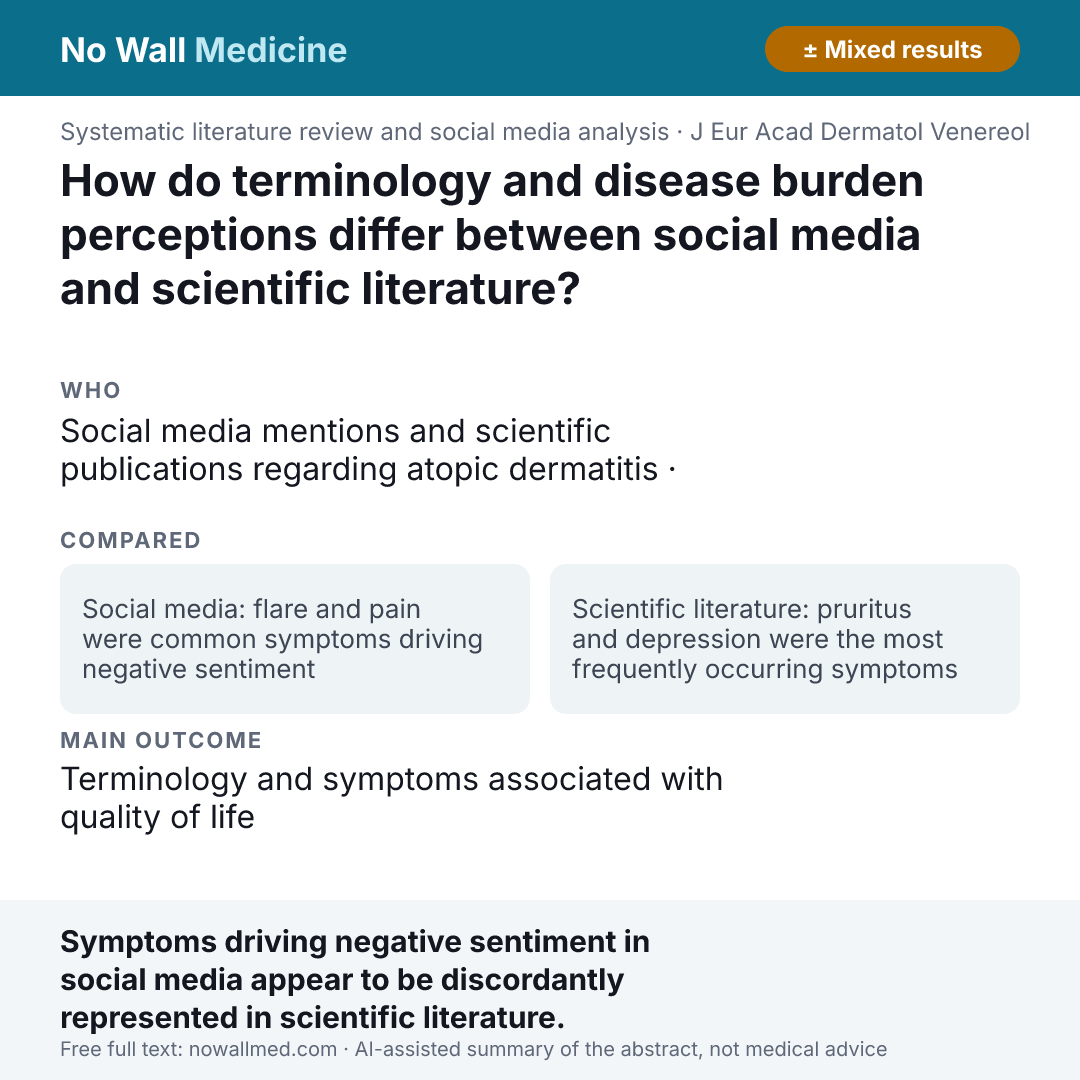
Patient perspectives of atopic dermatitis: comparative analysis of terminology in social media and scientific literature, identified by a systematic literature review
Systematic literature review and social media analysisMixed results
How do terminology and disease burden perceptions differ between social media and scientific literature?
Who
Social media mentions and scientific publications regarding atopic dermatitis · Social media and PubMed
Compared
Social media: flare and pain were common symptoms driving negative sentiment
Scientific literature: pruritus and depression were the most frequently occurring symptoms
Main outcome
Terminology and symptoms associated with quality of life
Bottom line: Symptoms driving negative sentiment in social media appear to be discordantly represented in scientific literature.
J Eur Acad Dermatol Venereol · 2022-08-24 · Save PNG
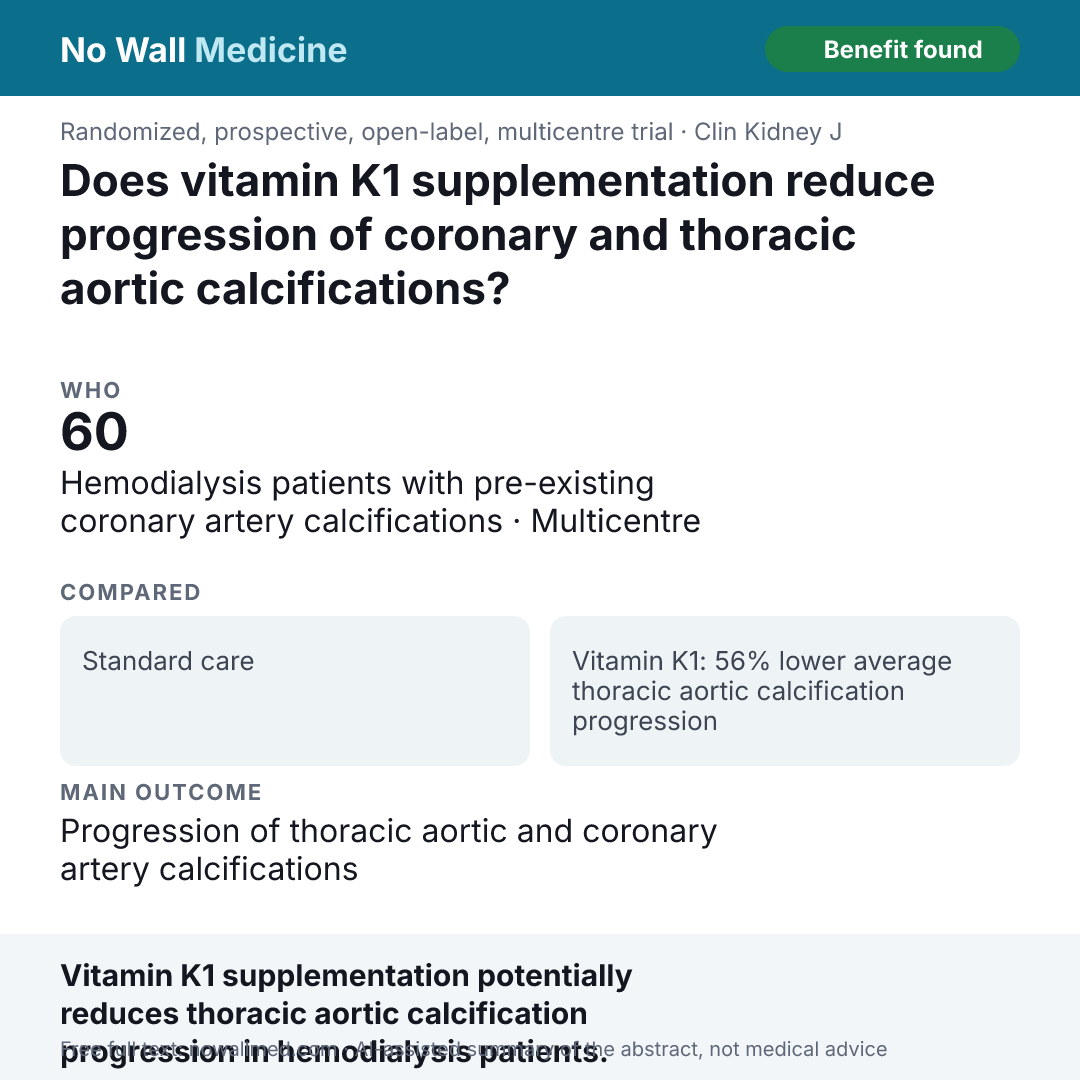
Vitamin K1 and progression of cardiovascular calcifications in hemodialysis patients: the VitaVasK randomized controlled trial
Randomized, prospective, open-label, multicentre trialBenefit found
Does vitamin K1 supplementation reduce progression of coronary and thoracic aortic calcifications?
Who
60
Hemodialysis patients with pre-existing coronary artery calcifications · Multicentre
Compared
Standard care
Vitamin K1: 56% lower average thoracic aortic calcification progression
Main outcome
Progression of thoracic aortic and coronary artery calcifications
Bottom line: Vitamin K1 supplementation potentially reduces thoracic aortic calcification progression in hemodialysis patients.
Clin Kidney J · 2022-08-24 · Save PNG
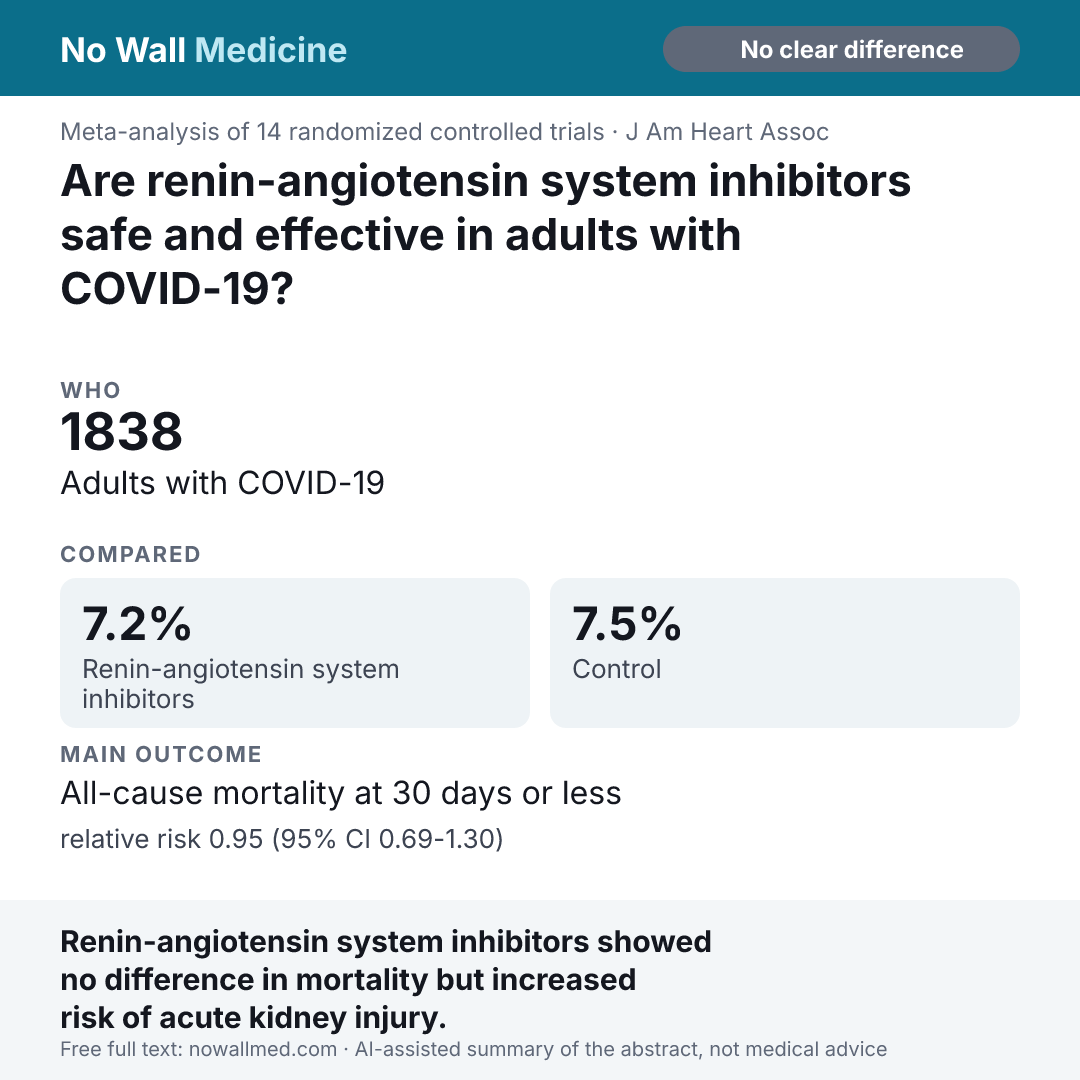
Renin-Angiotensin System Inhibitors in Patients With COVID-19: A Meta-Analysis of Randomized Controlled Trials Led by the International Society of Hypertension
Meta-analysis of 14 randomized controlled trialsNo clear difference
Are renin-angiotensin system inhibitors safe and effective in adults with COVID-19?
Who
1838
Adults with COVID-19
Compared
7.2%Renin-angiotensin system inhibitors
7.5%Control
Main outcome
All-cause mortality at 30 days or less
Result: relative risk 0.95 (95% CI 0.69-1.30)
Bottom line: Renin-angiotensin system inhibitors showed no difference in mortality but increased risk of acute kidney injury.
J Am Heart Assoc · 2022-08-24 · Save PNG
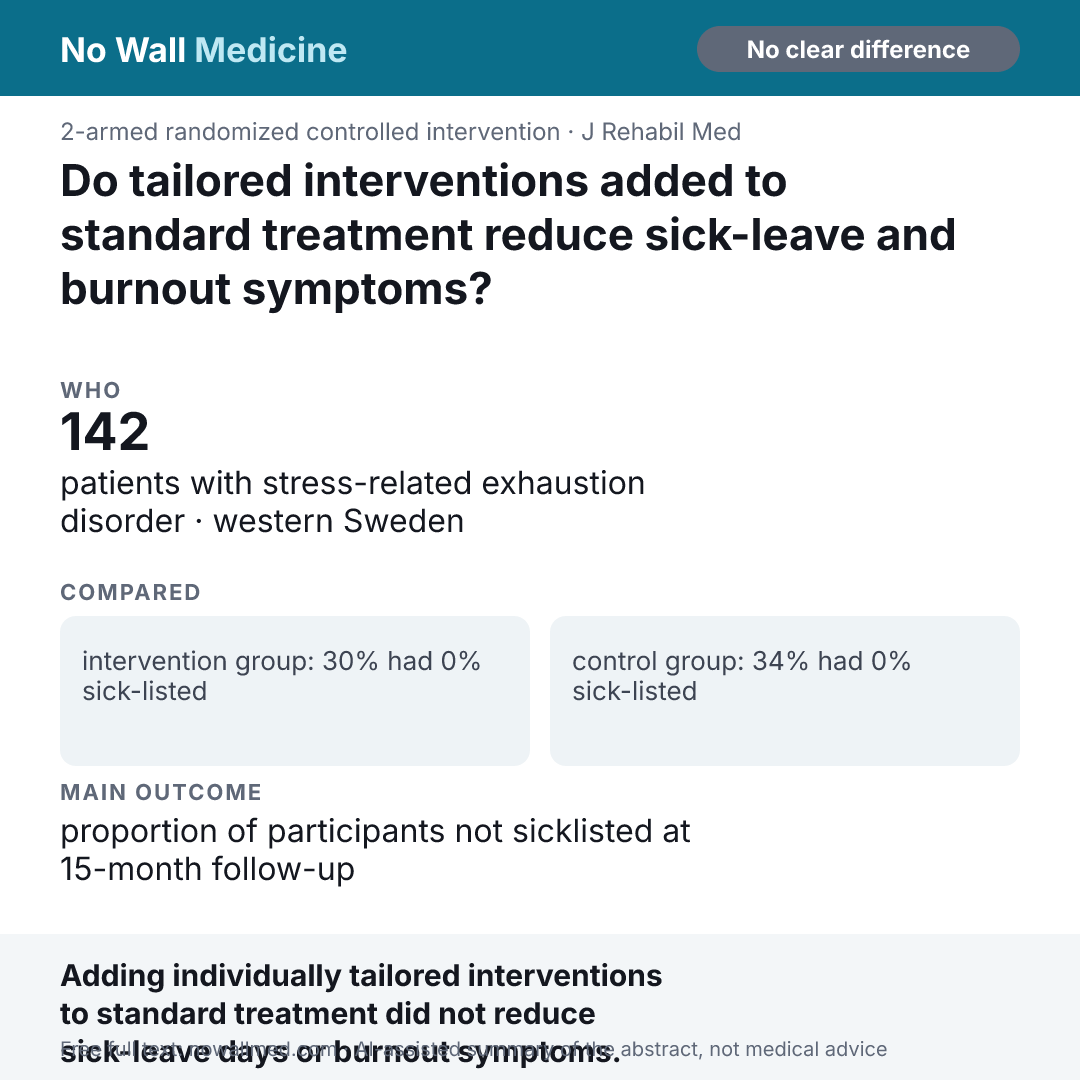
Effects of Additional Individually Tailored Interventions on Sick-Leave and Symptoms in Patients with Exhaustion Disorder: A Randomized Controlled Trial
2-armed randomized controlled interventionNo clear difference
Do tailored interventions added to standard treatment reduce sick-leave and burnout symptoms?
Who
142
patients with stress-related exhaustion disorder · western Sweden
Compared
intervention group: 30% had 0% sick-listed
control group: 34% had 0% sick-listed
Main outcome
proportion of participants not sicklisted at 15-month follow-up
Bottom line: Adding individually tailored interventions to standard treatment did not reduce sick-leave days or burnout symptoms.
J Rehabil Med · 2022-08-24 · Save PNG
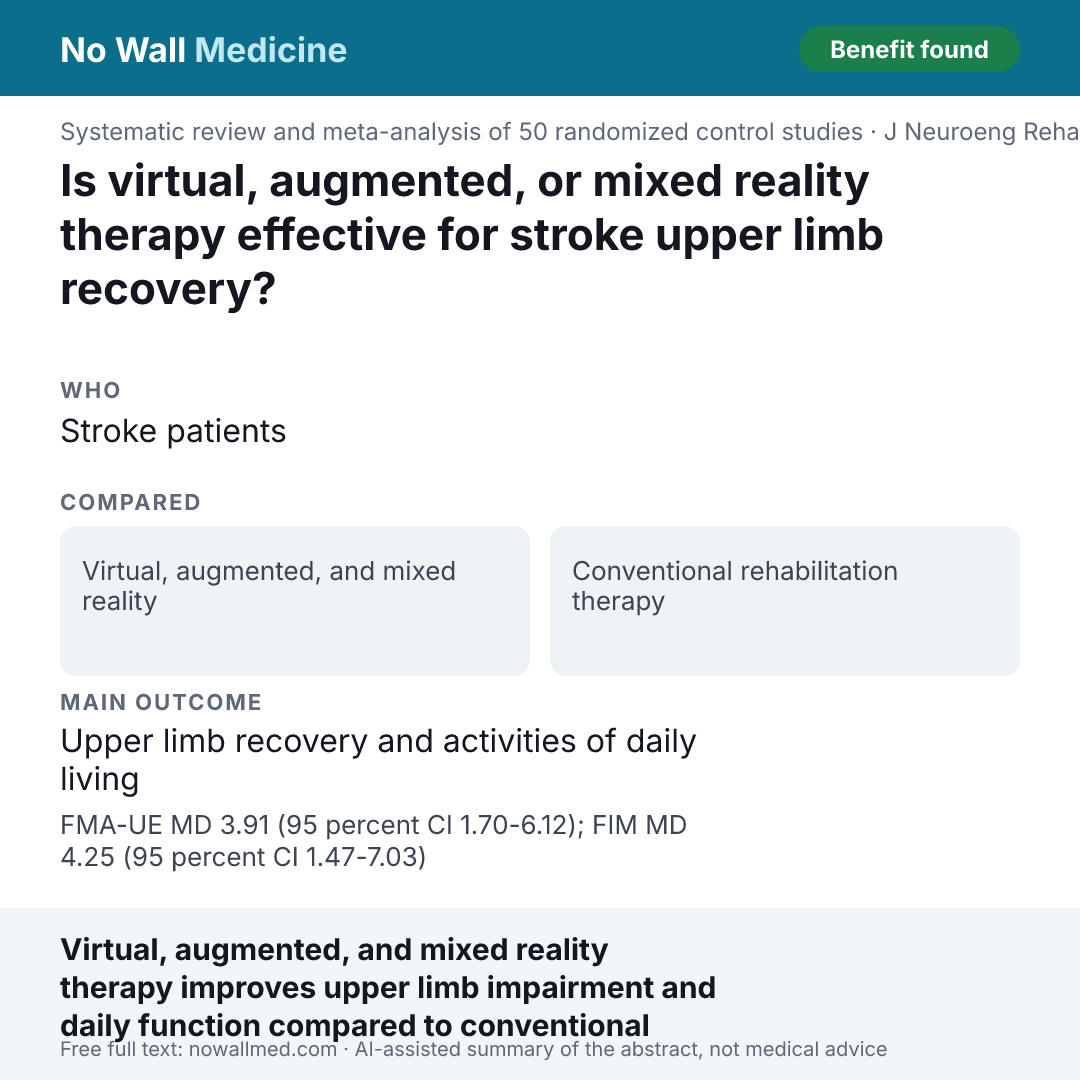
Examining the effectiveness of virtual, augmented, and mixed reality (VAMR) therapy for upper limb recovery and activities of daily living in stroke patients: a systematic review and meta-analysis
Systematic review and meta-analysis of 50 randomized control studiesBenefit found
Is virtual, augmented, or mixed reality therapy effective for stroke upper limb recovery?
Who
Stroke patients
Compared
Virtual, augmented, and mixed reality
Conventional rehabilitation therapy
Main outcome
Upper limb recovery and activities of daily living
Result: FMA-UE MD 3.91 (95 percent CI 1.70-6.12); FIM MD 4.25 (95 percent CI 1.47-7.03)
Bottom line: Virtual, augmented, and mixed reality therapy improves upper limb impairment and daily function compared to conventional treatment.
Limitation: Need for high-quality trials examining effects on upper limb function measures.
J Neuroeng Rehabil · 2022-08-24 · Save PNG
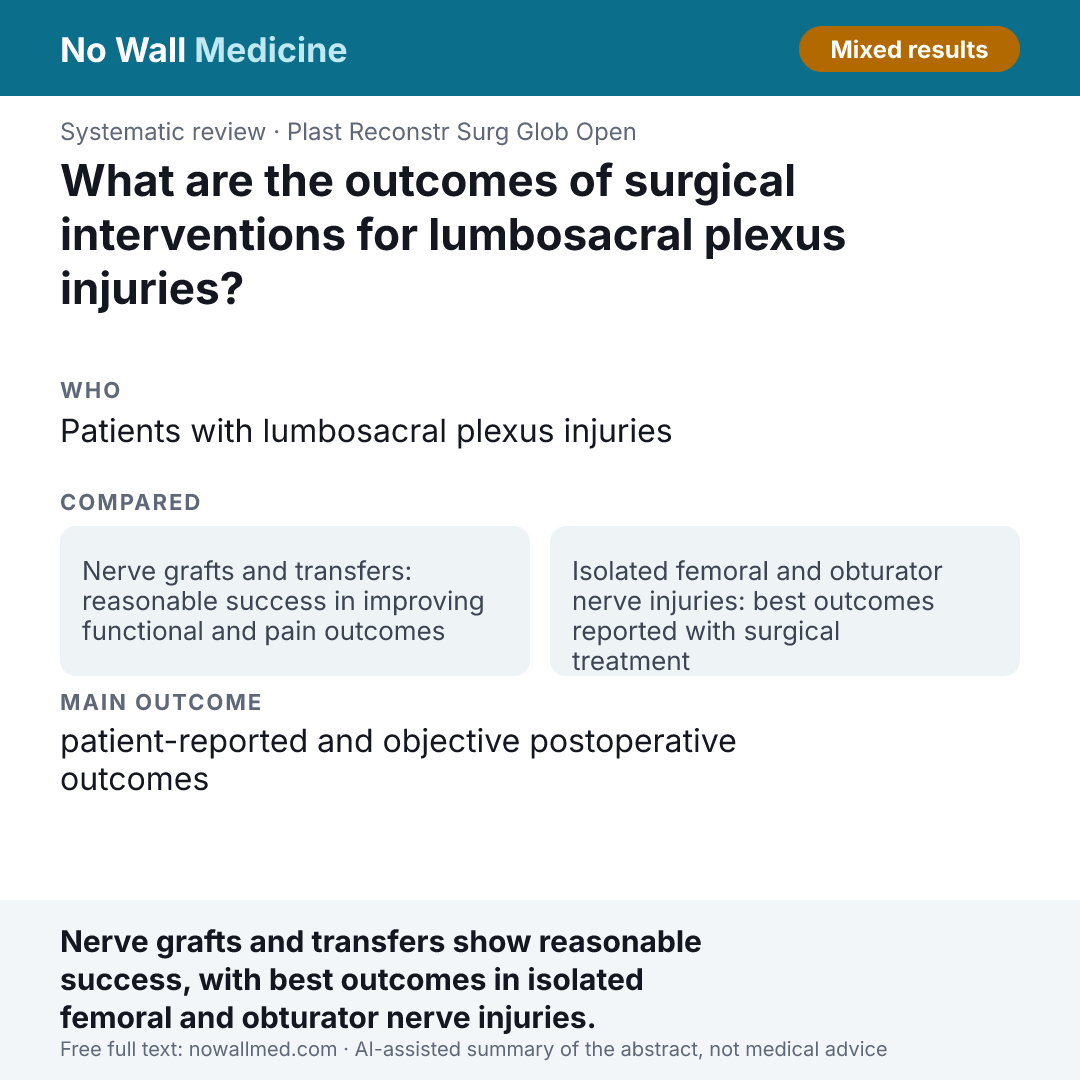
Surgical Interventions for Lumbosacral Plexus Injuries: A Systematic Review
Systematic reviewMixed results
What are the outcomes of surgical interventions for lumbosacral plexus injuries?
Who
Patients with lumbosacral plexus injuries
Compared
Nerve grafts and transfers: reasonable success in improving functional and pain outcomes
Isolated femoral and obturator nerve injuries: best outcomes reported with surgical treatment
Main outcome
patient-reported and objective postoperative outcomes
Bottom line: Nerve grafts and transfers show reasonable success, with best outcomes in isolated femoral and obturator nerve injuries.
Plast Reconstr Surg Glob Open · 2022-08-24 · Save PNG
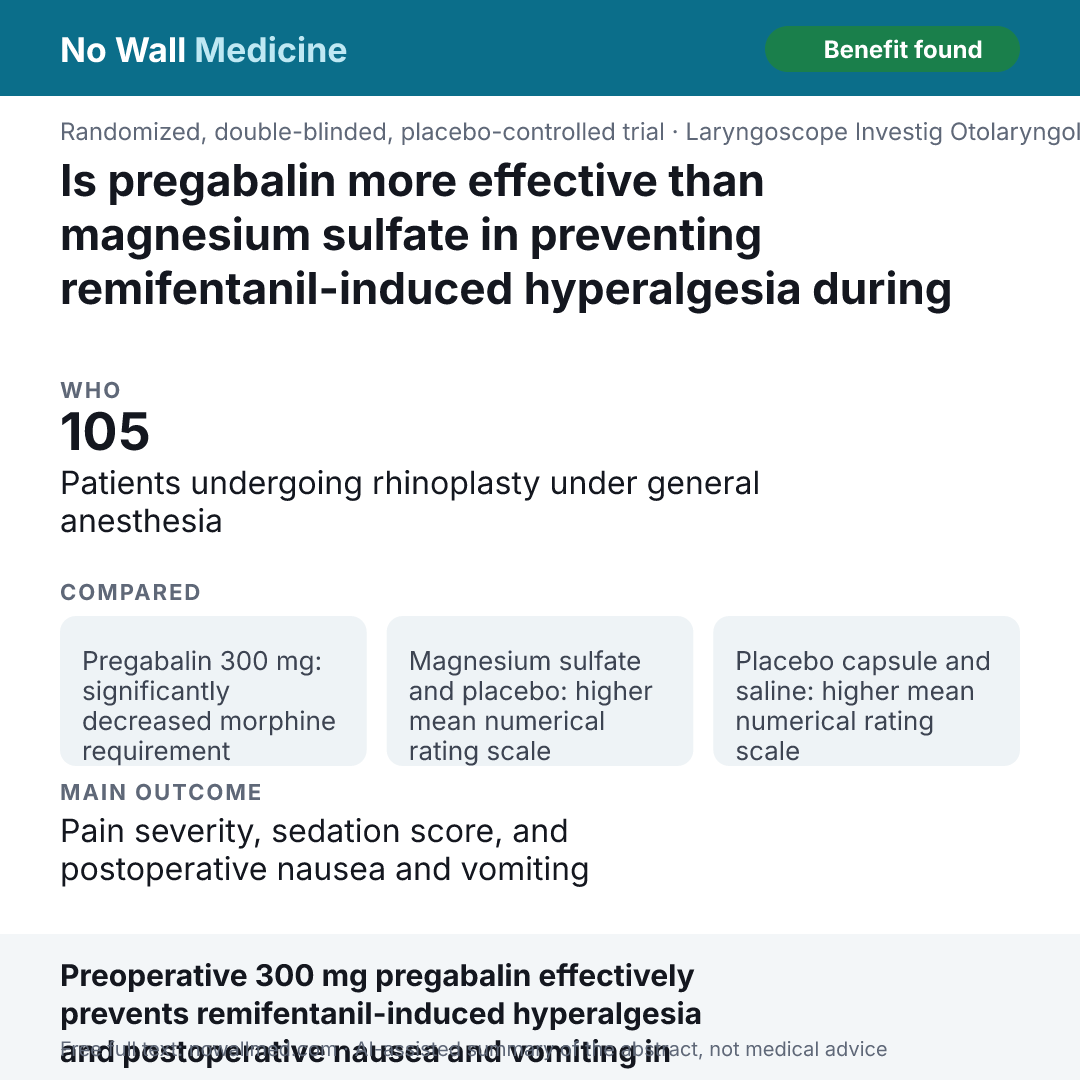
Comparison of pregabalin with magnesium sulfate in the prevention of remifentanil-induced hyperalgesia in patients undergoing rhinoplasty: A randomized clinical trial
Randomized, double-blinded, placebo-controlled trialBenefit found
Is pregabalin more effective than magnesium sulfate in preventing remifentanil-induced hyperalgesia during rhinoplasty?
Who
105
Patients undergoing rhinoplasty under general anesthesia
Compared
Pregabalin 300 mg: significantly decreased morphine requirement
Magnesium sulfate and placebo: higher mean numerical rating scale
Placebo capsule and saline: higher mean numerical rating scale
Main outcome
Pain severity, sedation score, and postoperative nausea and vomiting
Bottom line: Preoperative 300 mg pregabalin effectively prevents remifentanil-induced hyperalgesia and postoperative nausea and vomiting in rhinoplasty patients.
Laryngoscope Investig Otolaryngol · 2022-08-24 · Save PNG
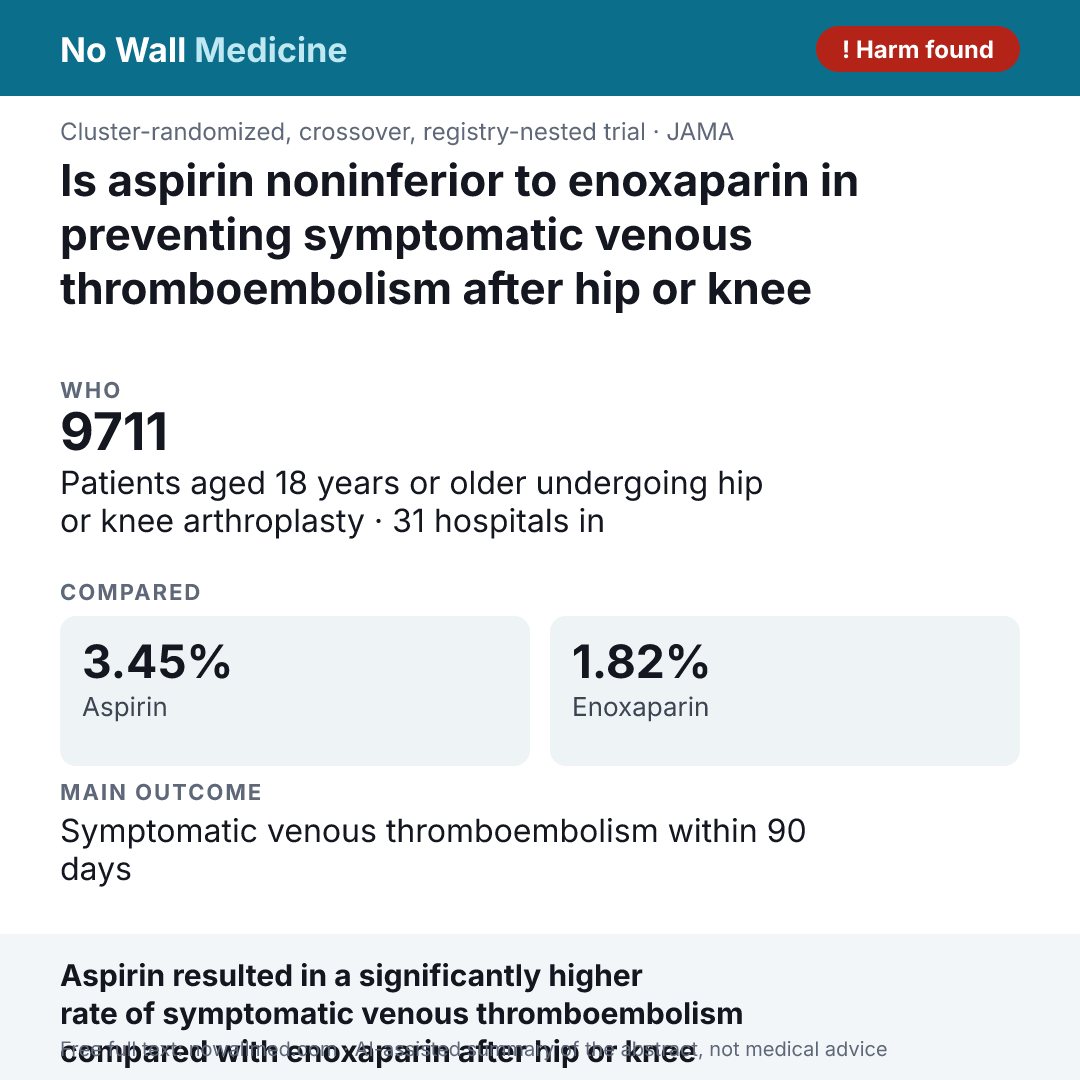
Effect of Aspirin vs Enoxaparin on Symptomatic Venous Thromboembolism in Patients Undergoing Hip or Knee Arthroplasty: The CRISTAL Randomized Trial
Cluster-randomized, crossover, registry-nested trialHarm found
Is aspirin noninferior to enoxaparin in preventing symptomatic venous thromboembolism after hip or knee arthroplasty?
Who
9711
Patients aged 18 years or older undergoing hip or knee arthroplasty · 31 hospitals in Australia
Compared
3.45%Aspirin
1.82%Enoxaparin
Main outcome
Symptomatic venous thromboembolism within 90 days
Result: estimated difference, 1.97% (95% CI, 0.54%-3.41%)
Bottom line: Aspirin resulted in a significantly higher rate of symptomatic venous thromboembolism compared with enoxaparin after hip or knee arthroplasty.
JAMA · 2022-08-23 · Save PNG
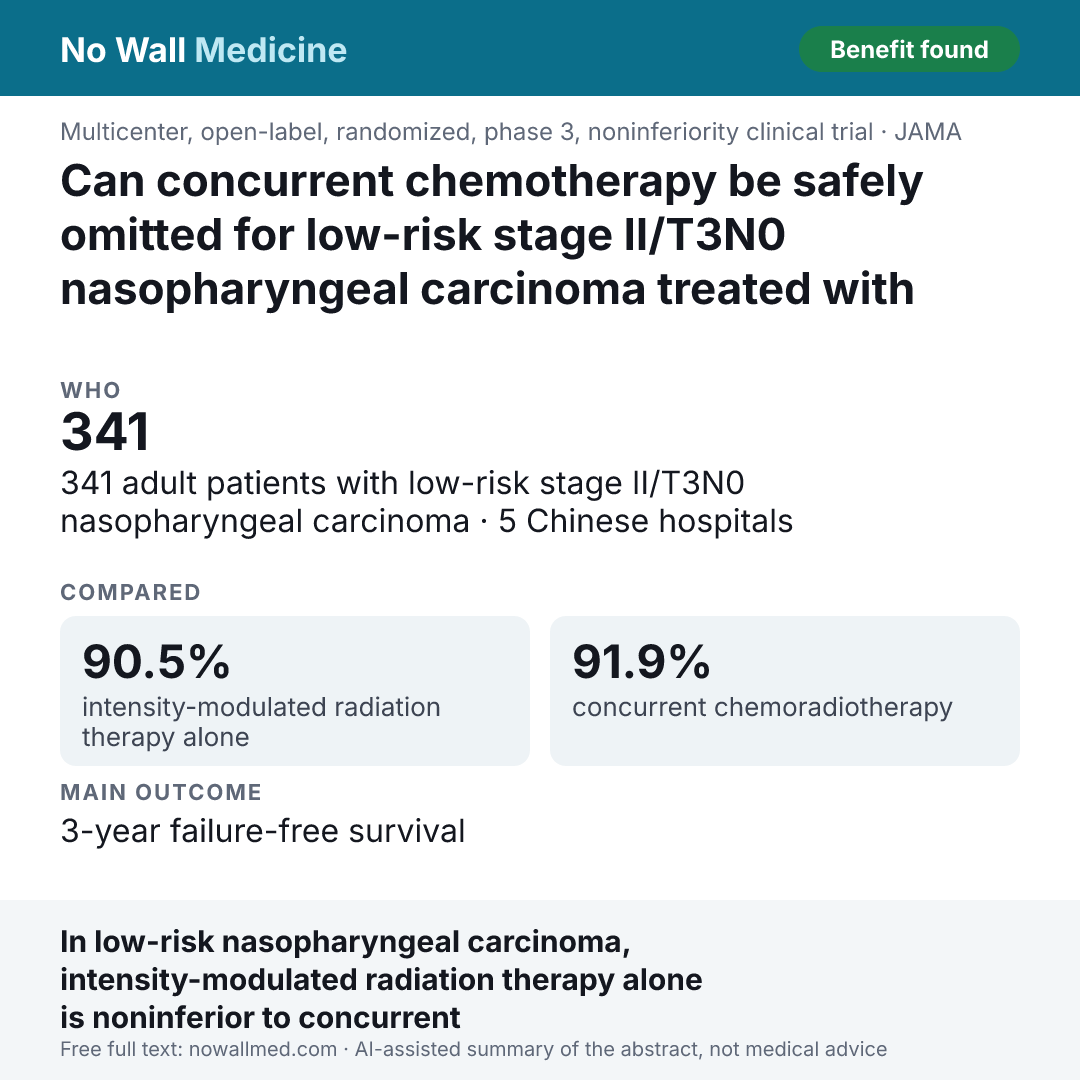
Effect of Radiotherapy Alone vs Radiotherapy With Concurrent Chemoradiotherapy on Survival Without Disease Relapse in Patients With Low-risk Nasopharyngeal Carcinoma: A Randomized Clinical Trial
Multicenter, open-label, randomized, phase 3, noninferiority clinical trialBenefit found
Can concurrent chemotherapy be safely omitted for low-risk stage II/T3N0 nasopharyngeal carcinoma treated with intensity-modulated radiation therapy?
Who
341
341 adult patients with low-risk stage II/T3N0 nasopharyngeal carcinoma · 5 Chinese hospitals
Compared
90.5%intensity-modulated radiation therapy alone
91.9%concurrent chemoradiotherapy
Main outcome
3-year failure-free survival
Result: difference, -1.4%; 1-sided 95% CI, -7.4% to ∞
Bottom line: In low-risk nasopharyngeal carcinoma, intensity-modulated radiation therapy alone is noninferior to concurrent chemoradiotherapy with fewer adverse events.
JAMA · 2022-08-23 · Save PNG
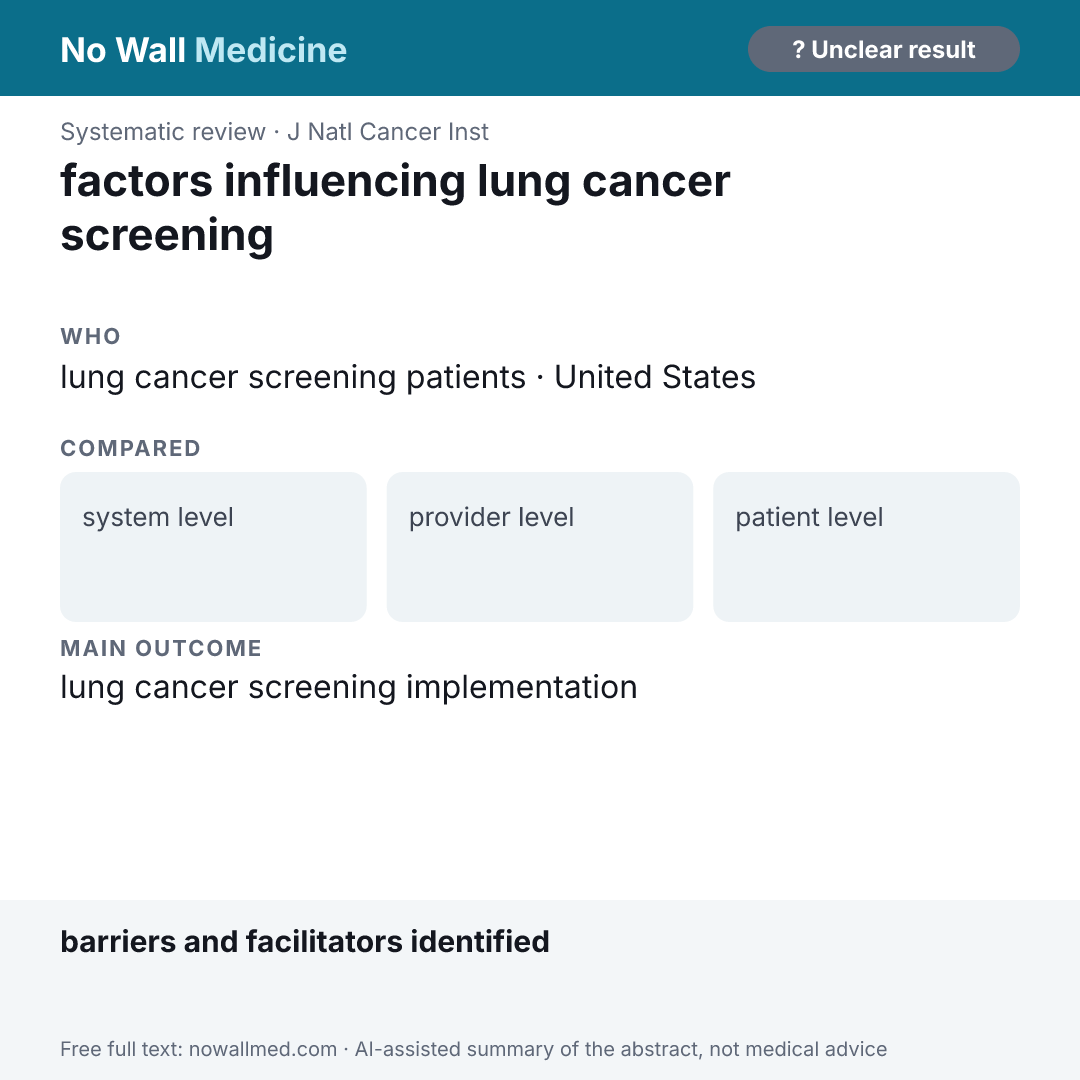
Modified Cap-Assisted Endoscopic Mucosal Resection Versus Endoscopic Submucosal Dissection for the Treatment of Rectal Neuroendocrine Tumors ≤10 mm: A Randomized Noninferiority Trial
Randomized noninferiority trialBenefit found
Is modified cap-assisted endoscopic mucosal resection noninferior to endoscopic submucosal dissection for rectal neuroendocrine tumors?
Who
79
Patients with pathologically confirmed rectal neuroendocrine tumors less than or equal to 10 mm
Compared
97.4%modified cap-assisted endoscopic mucosal resection
92.7%endoscopic submucosal dissection
Main outcome
histological complete resection rate
Result: absolute difference 4.7% (90% confidence interval, -3.3% to 12.2%)
Bottom line: Modified cap-assisted endoscopic mucosal resection is noninferior to endoscopic submucosal dissection with shorter operation time and lower costs.
Am J Gastroenterol · 2022-08-23 · Save PNG
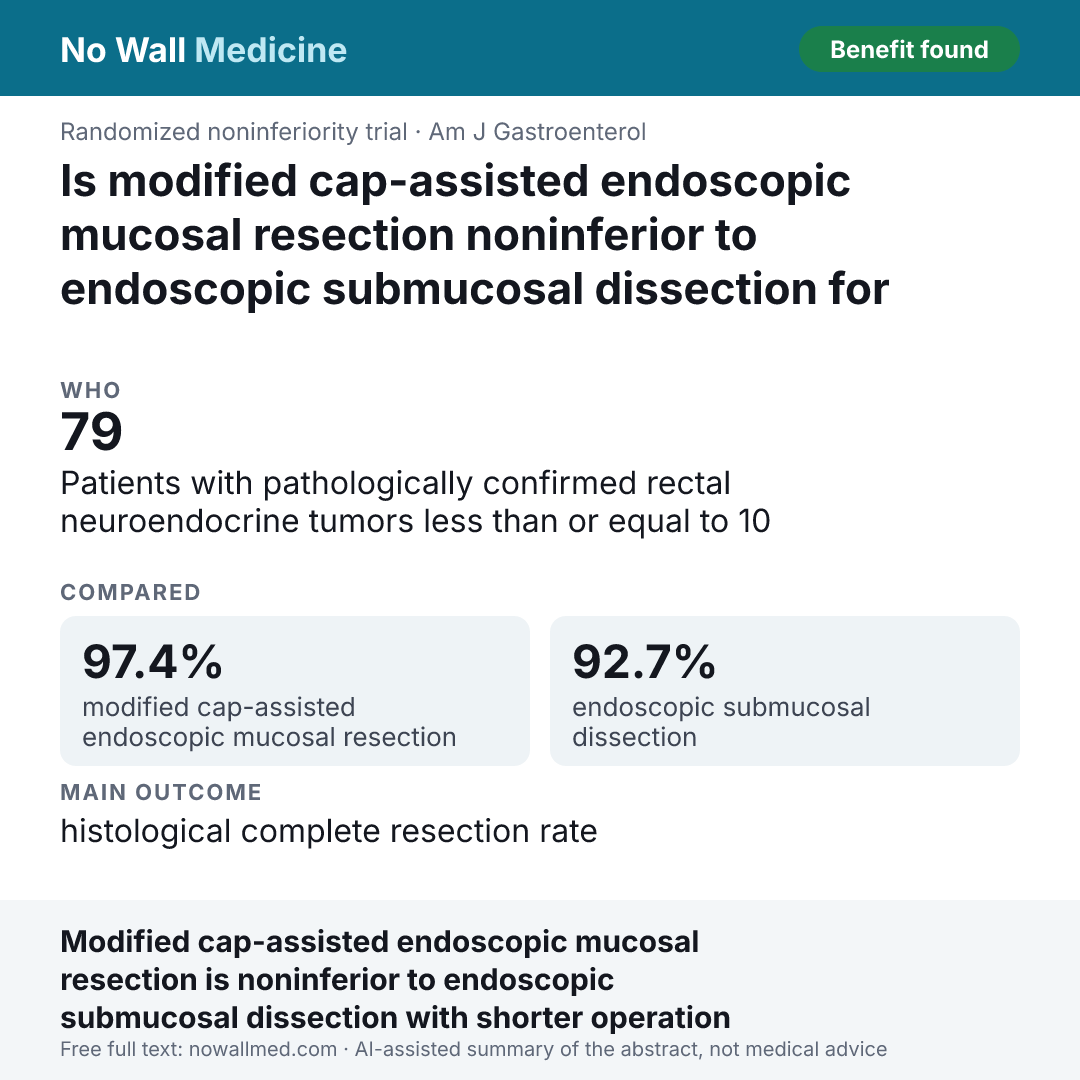
Randomized, Double-Blind, Placebo-Controlled, Global Phase III Trial of Talimogene Laherparepvec Combined With Pembrolizumab for Advanced Melanoma
Randomized, double-blind, placebo-controlled, multicenter, international trialNo clear difference
Does talimogene laherparepvec plus pembrolizumab improve survival in advanced melanoma?
Who
692
Patients with stage IIIB-IVM1c unresectable melanoma, naïve to pembrolizumab · multicenter, international
Compared
talimogene laherparepvec plus pembrolizumab: 48.6% objective response rate
placebo plus pembrolizumab: 41.3% objective response rate
Main outcome
progression-free survival and overall survival
Result: hazard ratio 0.86 (95% CI 0.71 to 1.04) for progression-free survival
Bottom line: Talimogene laherparepvec plus pembrolizumab did not significantly improve progression-free survival or overall survival compared to placebo plus pembrolizumab.
J Clin Oncol · 2022-08-23 · Save PNG
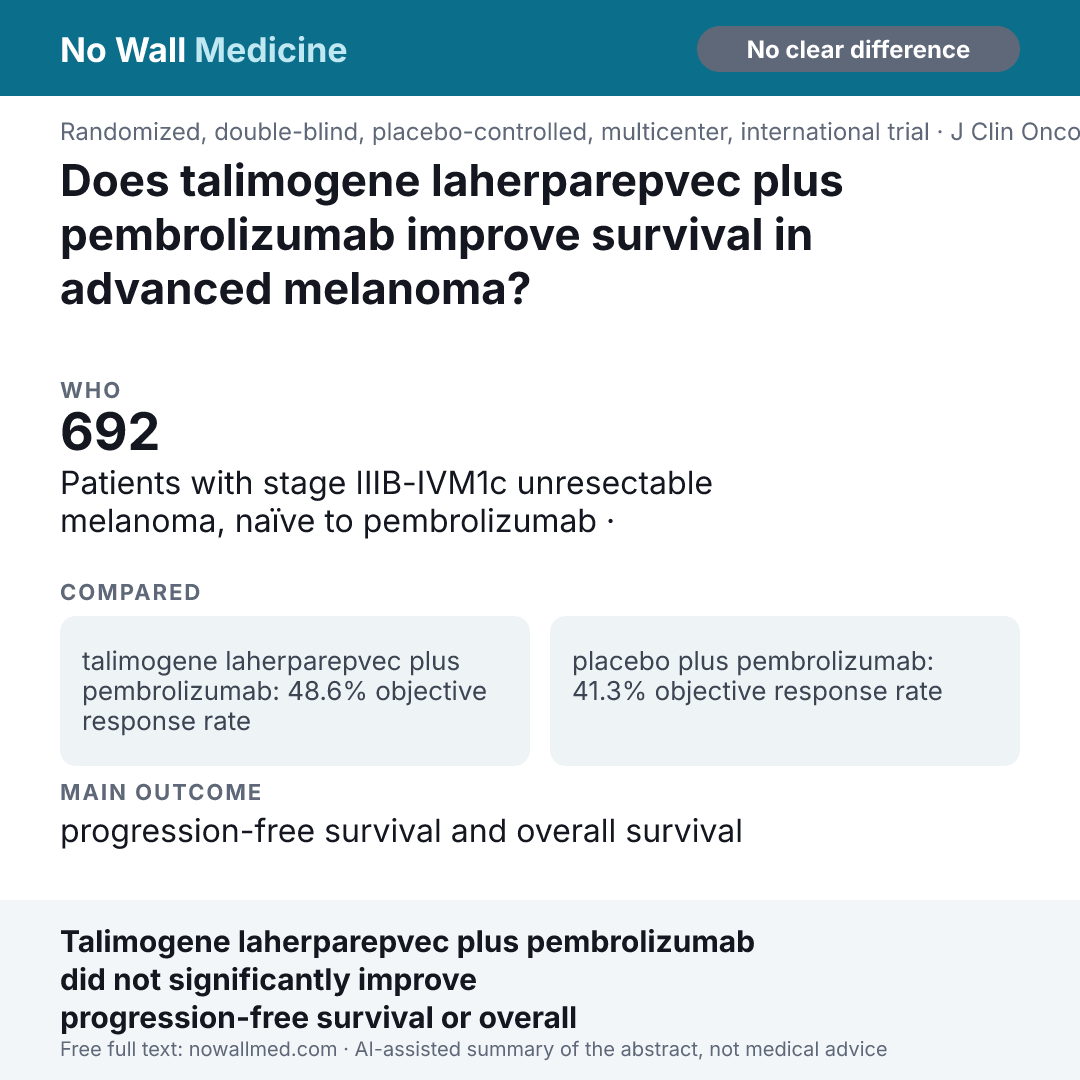
Do Interventions Improve Symptoms Among ICU Surrogates Facing End-of-Life Decisions? A Prognostically-Enriched Systematic Review and Meta-Analysis
Systematic review and meta-analysis of 8 trialsBenefit, low certainty
Do interventions improve symptoms for ICU surrogates facing end-of-life decisions?
Who
3824
Surrogates of adult intensive care unit patients facing end-of-life decisions
Compared
Interventions
Control
Main outcome
Anxiety, depression, and posttraumatic stress symptoms
Result: depression MD -0.68 (95% CI -1.14 to -0.22); posttraumatic stress standardized MD -0.25 (95% CI -0.49 to -0.01); anxiety MD -0.70 (95% CI -1.18 to -0.22)
Bottom line: Communication and psychological support interventions yielded small but significant improvement in psychological symptoms for ICU surrogates.
Limitation: Sensitivity analyses suggest significant findings may be unstable and certainty of evidence was moderate to very low.
Crit Care Med · 2022-08-23 · Save PNG
Facilitators and Barriers to Implementation of Lung Cancer Screening: A Framework-Driven Systematic Review
Systematic reviewUnclear result
factors influencing lung cancer screening
Who
lung cancer screening patients · United States
Compared
system level
provider level
patient level
Main outcome
lung cancer screening implementation
Bottom line: barriers and facilitators identified
J Natl Cancer Inst · 2022-08-23 · Save PNG
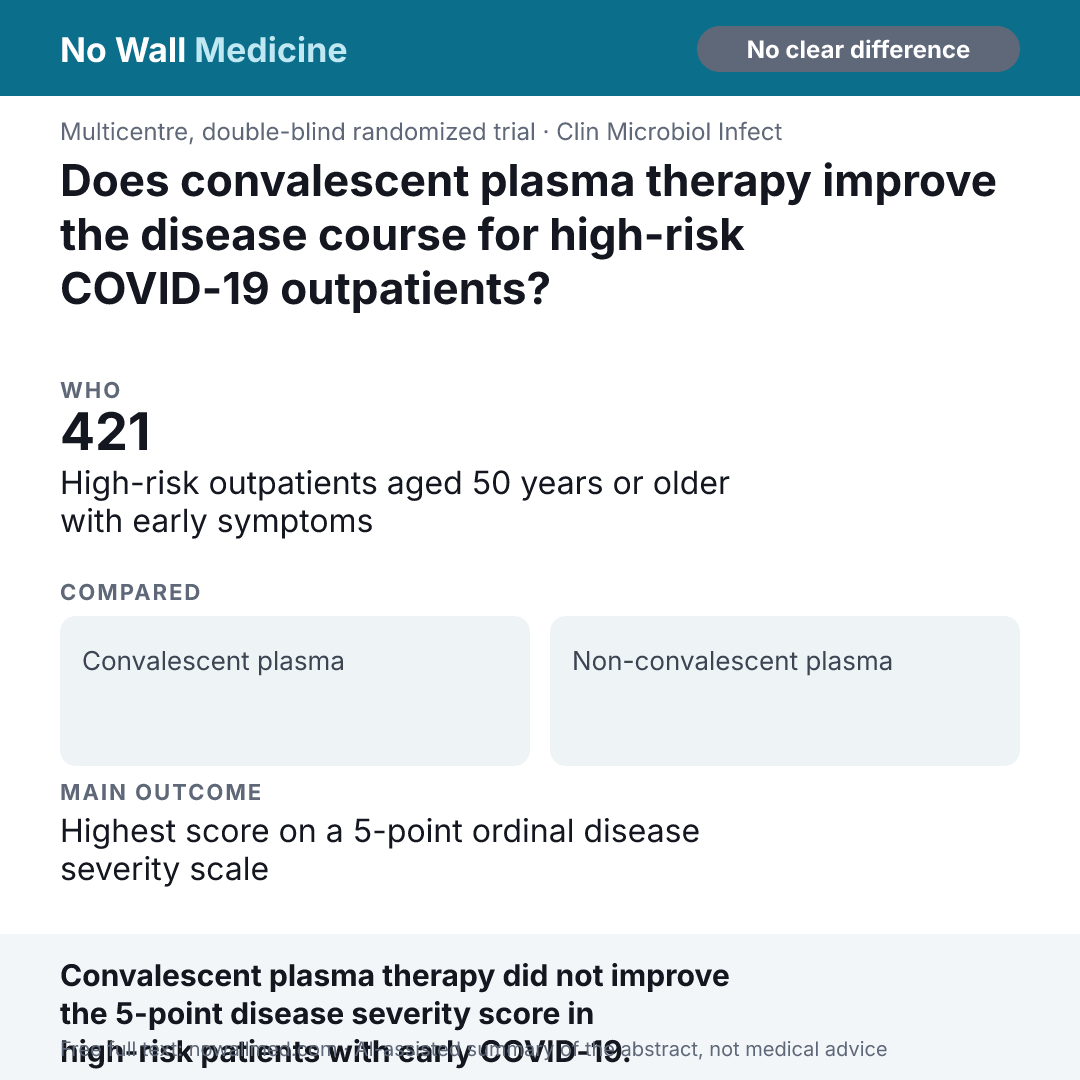
Outpatient convalescent plasma therapy for high-risk patients with early COVID-19: a randomized placebo-controlled trial
Multicentre, double-blind randomized trialNo clear difference
Does convalescent plasma therapy improve the disease course for high-risk COVID-19 outpatients?
Who
421
High-risk outpatients aged 50 years or older with early symptoms
Compared
Convalescent plasma
Non-convalescent plasma
Main outcome
Highest score on a 5-point ordinal disease severity scale
Result: odds ratio 0.86 (95% credible interval, 0.59-1.22)
Bottom line: Convalescent plasma therapy did not improve the 5-point disease severity score in high-risk patients with early COVID-19.
Clin Microbiol Infect · 2022-08-23 · Save PNG